Rising Demand for Efficient Compact Cars
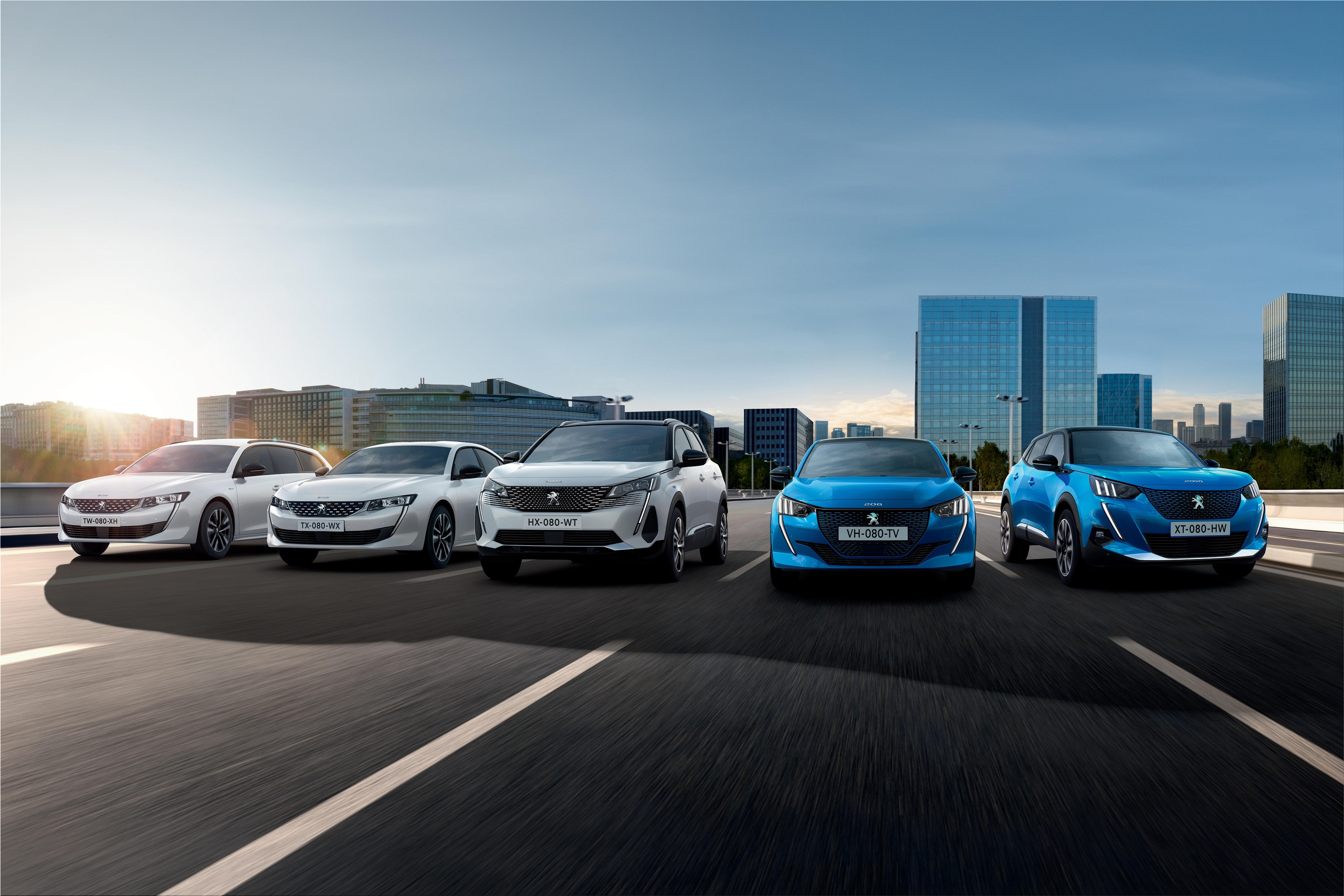
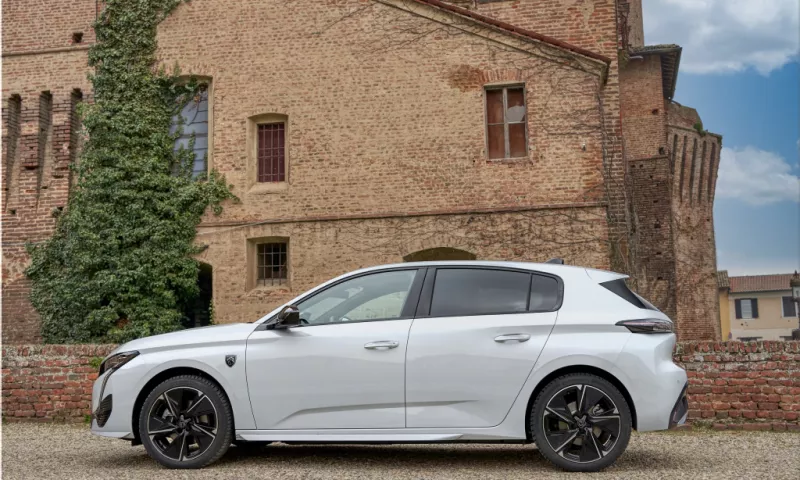
Peugeot pushes into 2026 with a compact lineup built around efficiency, range, and competitive powertrains. The new Peugeot 308 and Peugeot 308 SW arrive with a direct strategy: reduce running costs, expand electrified choices, and deliver measurable gains across range, charging, and fuel use. Peugeot targets buyers who want immediate savings and predictable real-world results.
The updates include new electric, plug-in hybrid, 48V hybrid, and diesel options. Peugeot also adds stronger digital services and improved charging tools to help owners manage daily driving and long trips.
Powertrain Options Focused on Consumption and Range
Peugeot offers four powertrains, each built for a specific buyer profile. Prices are not yet announced, but European positioning suggests a starting point similar to the current model range (roughly equivalent to $29,000–$38,000 USD depending on trim and powertrain).
Electric: Extended-Range E-308
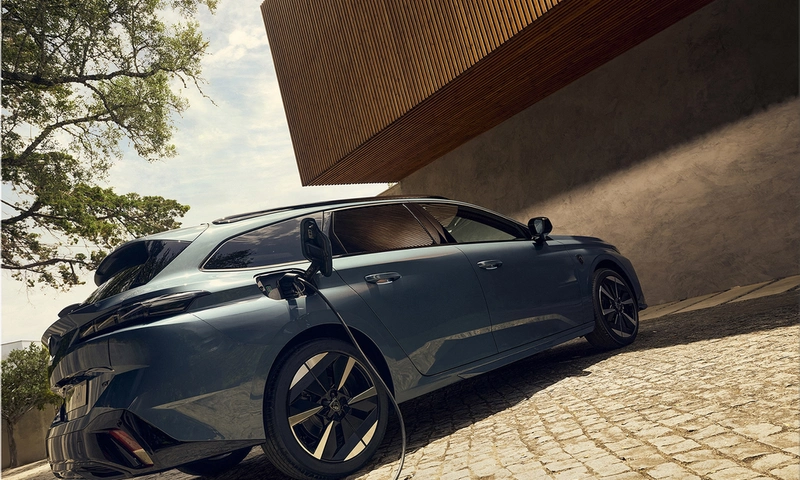
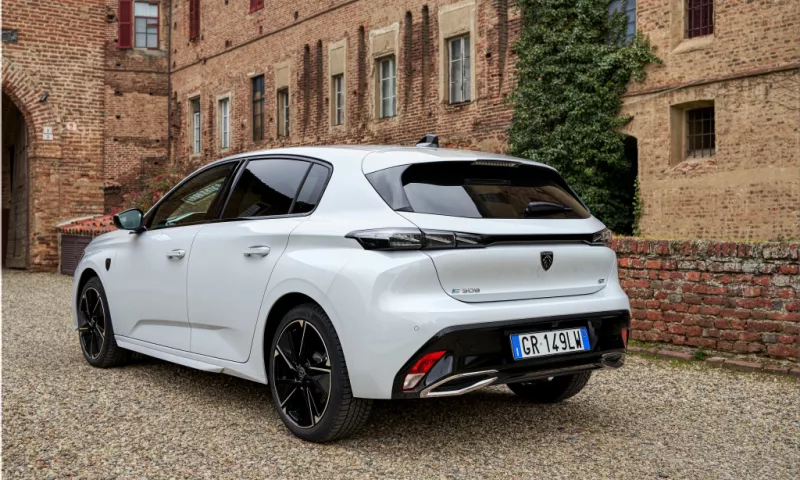
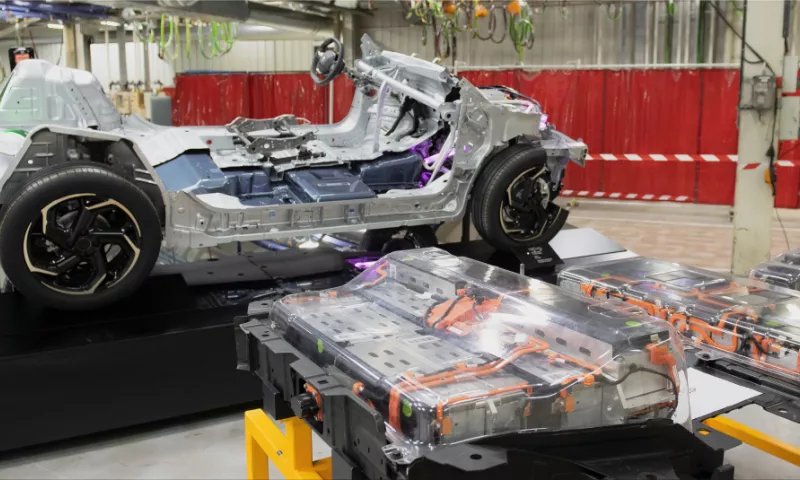
The Peugeot E-308 uses a 115 kW motor and a 58.3 kWh battery. It delivers up to 450 km WLTP combined on a charge. Peugeot increases range by 34 km compared to the previous model. Regenerative braking comes in three levels for drivers who want energy recovery control without complexity.
Charging times:
- 100 kW DC: 20–80 percent in 32 minutes
- 11 kW AC: full charge in about 3 hours 35 minutes
- 2.3 kW AC: full charge in about 18 hours
The E-308 includes V2L capability, delivering up to 3.5 kW of power for small devices. Plug & Charge arrives in spring 2026, removing payment cards and apps at compatible stations.
Image
Plug-In Hybrid: Higher Output for Urban and Highway Driving
The 308 Plug-In Hybrid 195 pairs a 92 kW electric motor with a 110 kW turbocharged engine for 143 kW combined. Electric-only range reaches 81–82 km WLTP combined, with up to 96 km WLTP city.
Charging times:
- 2 hours 5 minutes using a public 22 kW AC point
- 4 hours 20 minutes with a typical 3.7 kW home solution
This system suits drivers who charge daily but still need extended highway capability.
48V Hybrid: Lower Fuel Use Through Simplified Electrification
The 48V Hybrid produces 145 PS, combining a gasoline engine with an electric motor in a 6-speed dual-clutch gearbox. Peugeot says drivers can use electric mode up to 50 percent of the time in city traffic, reducing fuel consumption and brake wear.
Diesel: Long-Distance Efficiency for High-Mileage Drivers
The 1.5-liter BlueHDi diesel produces 130 PS with the EAT8 automatic. It suits drivers who run long highway routes and want predictable fuel costs. Diesel availability expands to upper trims in spring 2026.
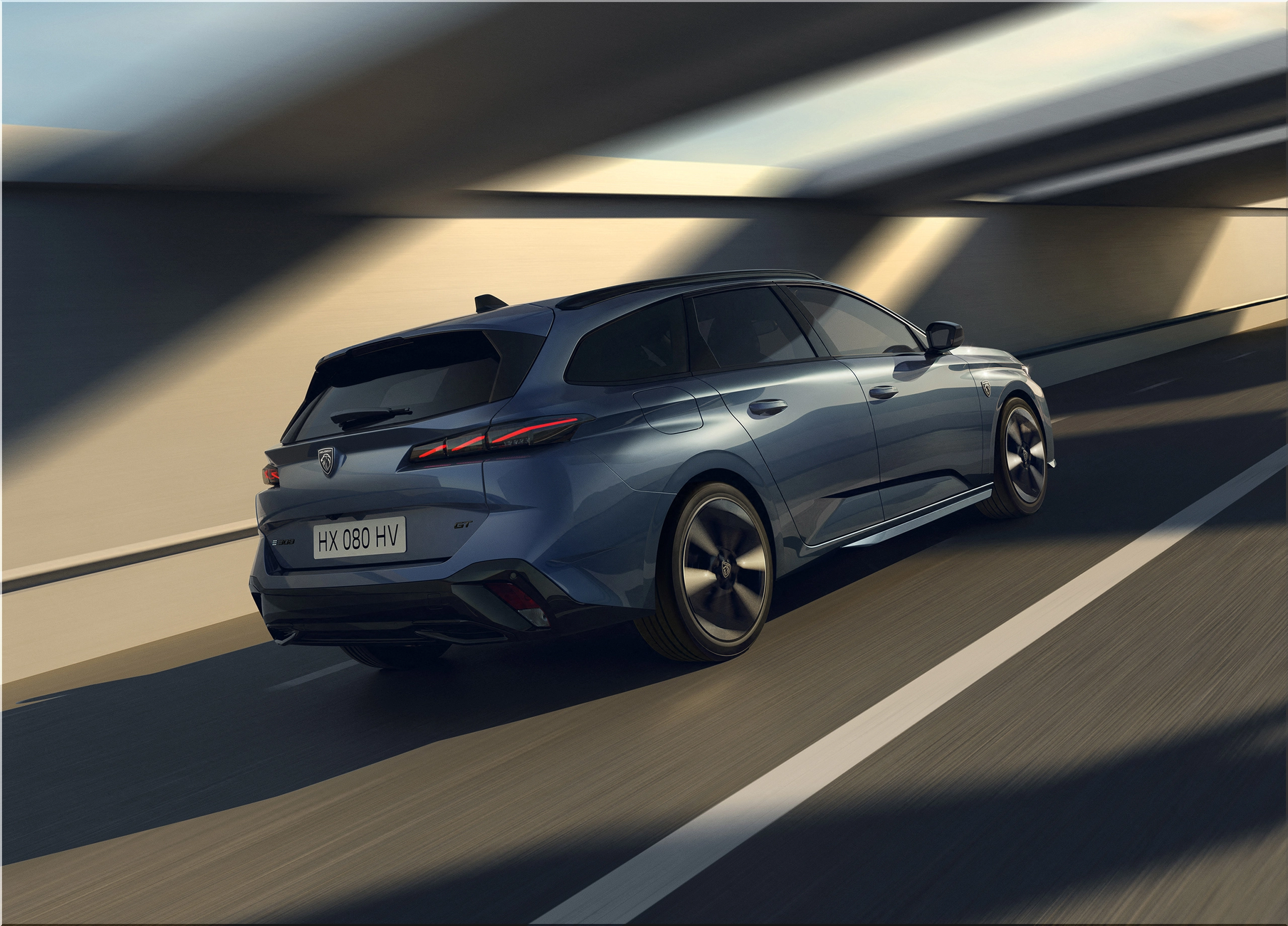
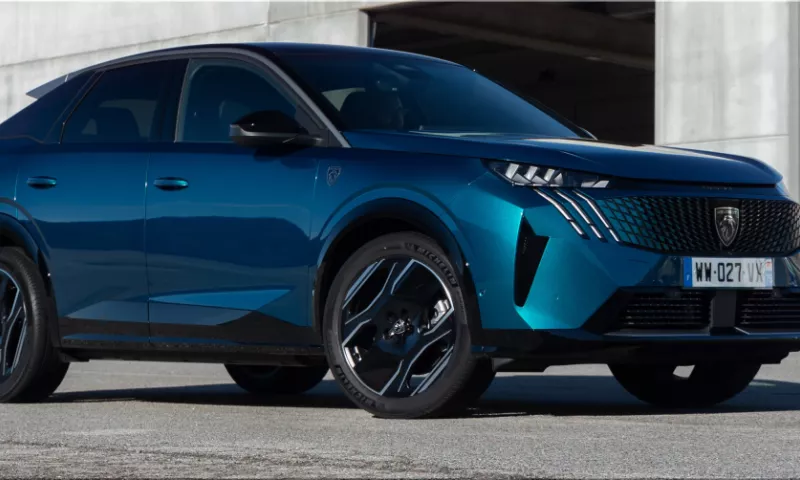
Exterior Updates Add Lighting and Aerodynamic Gains
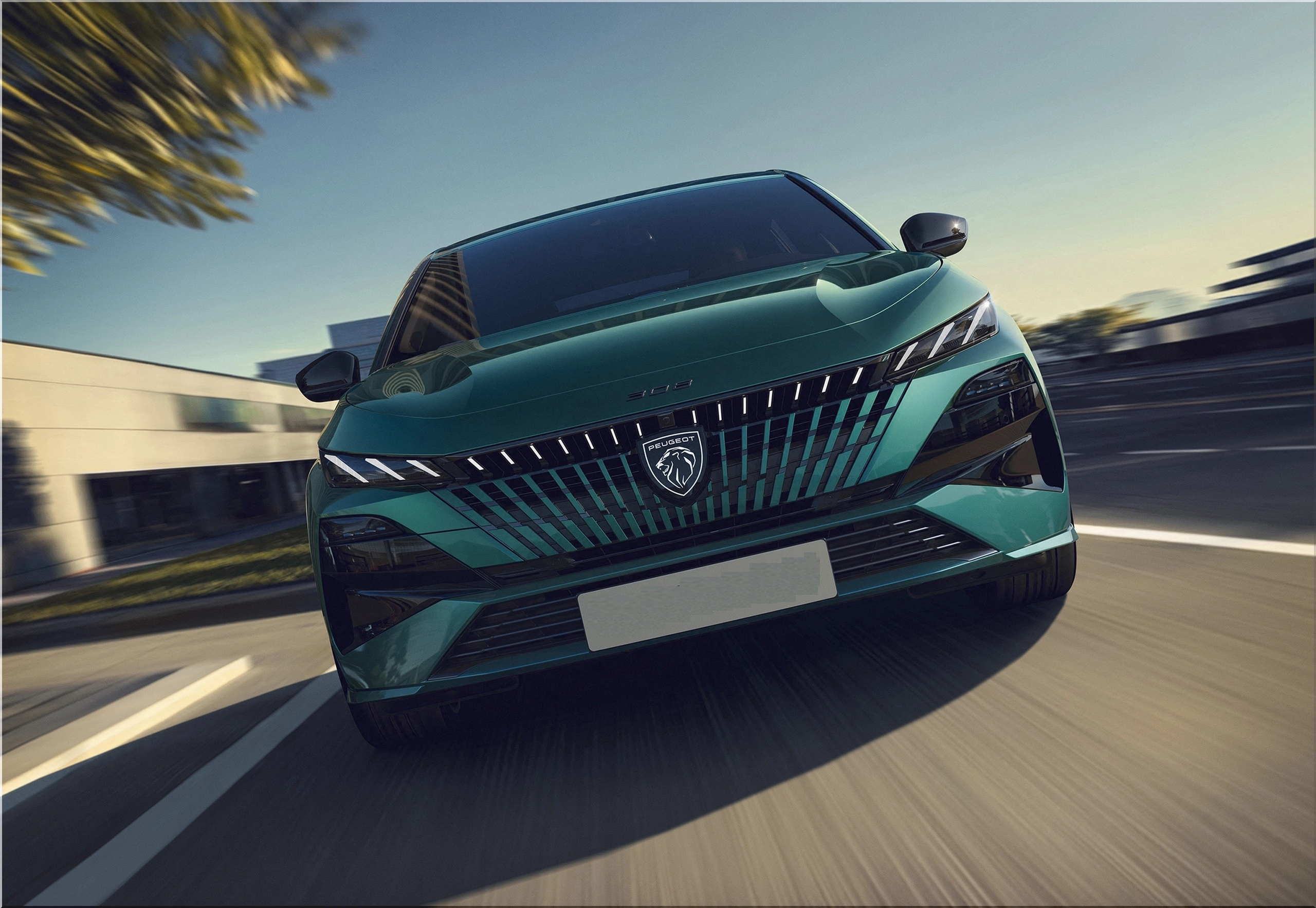
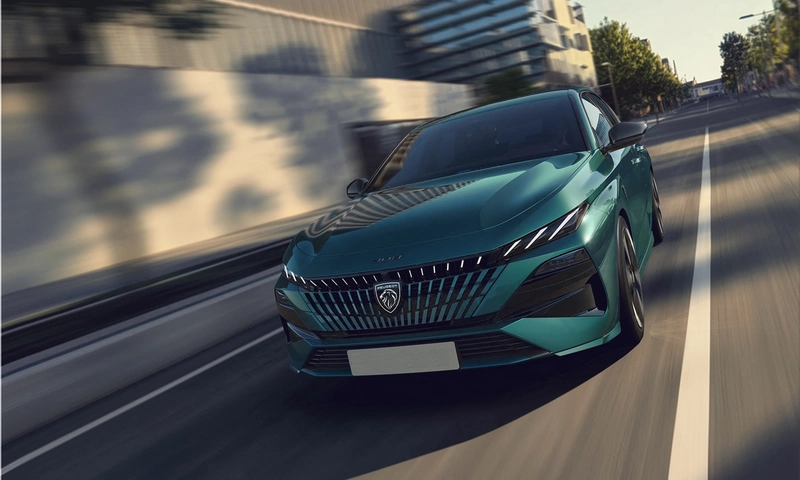
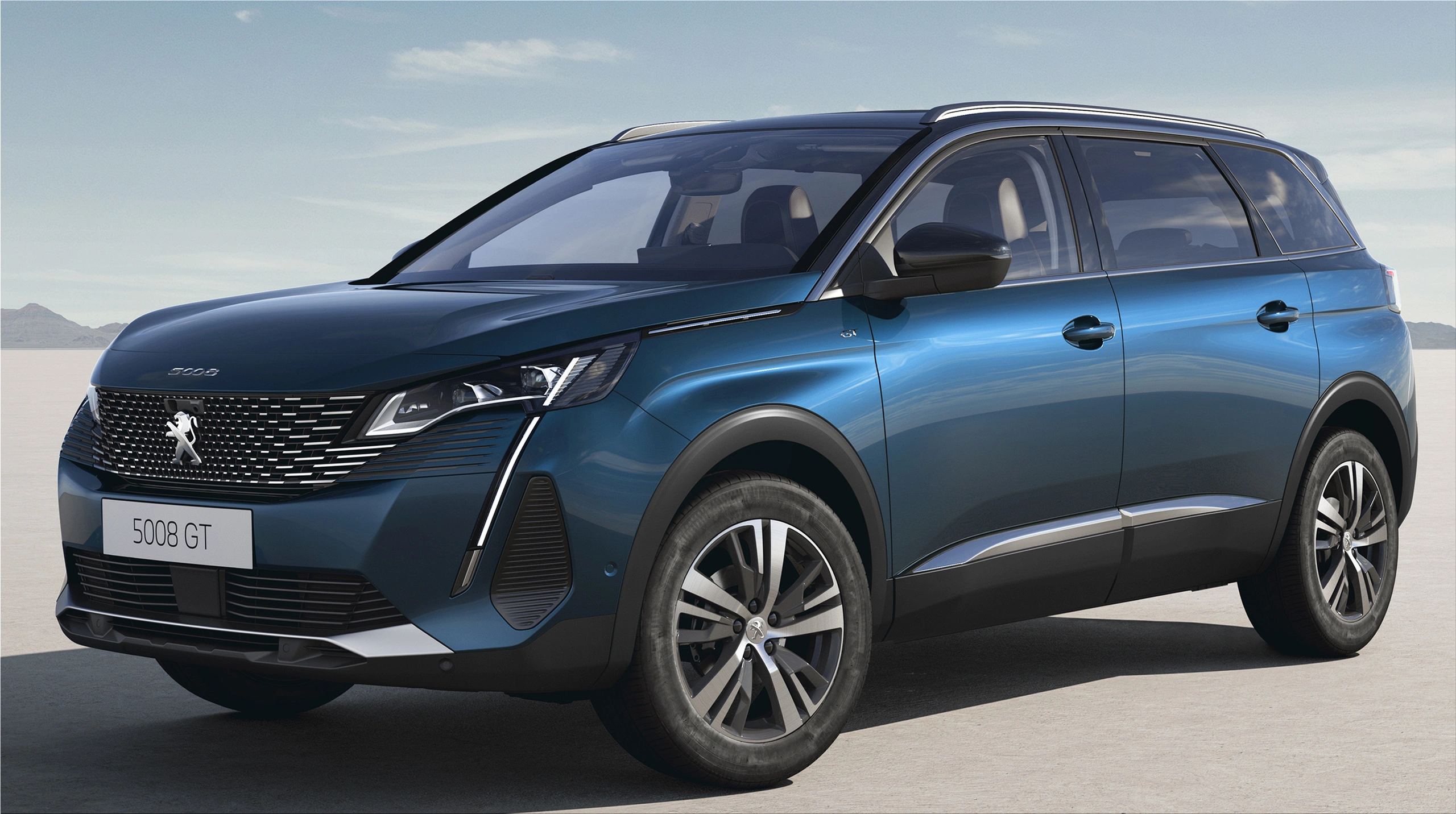
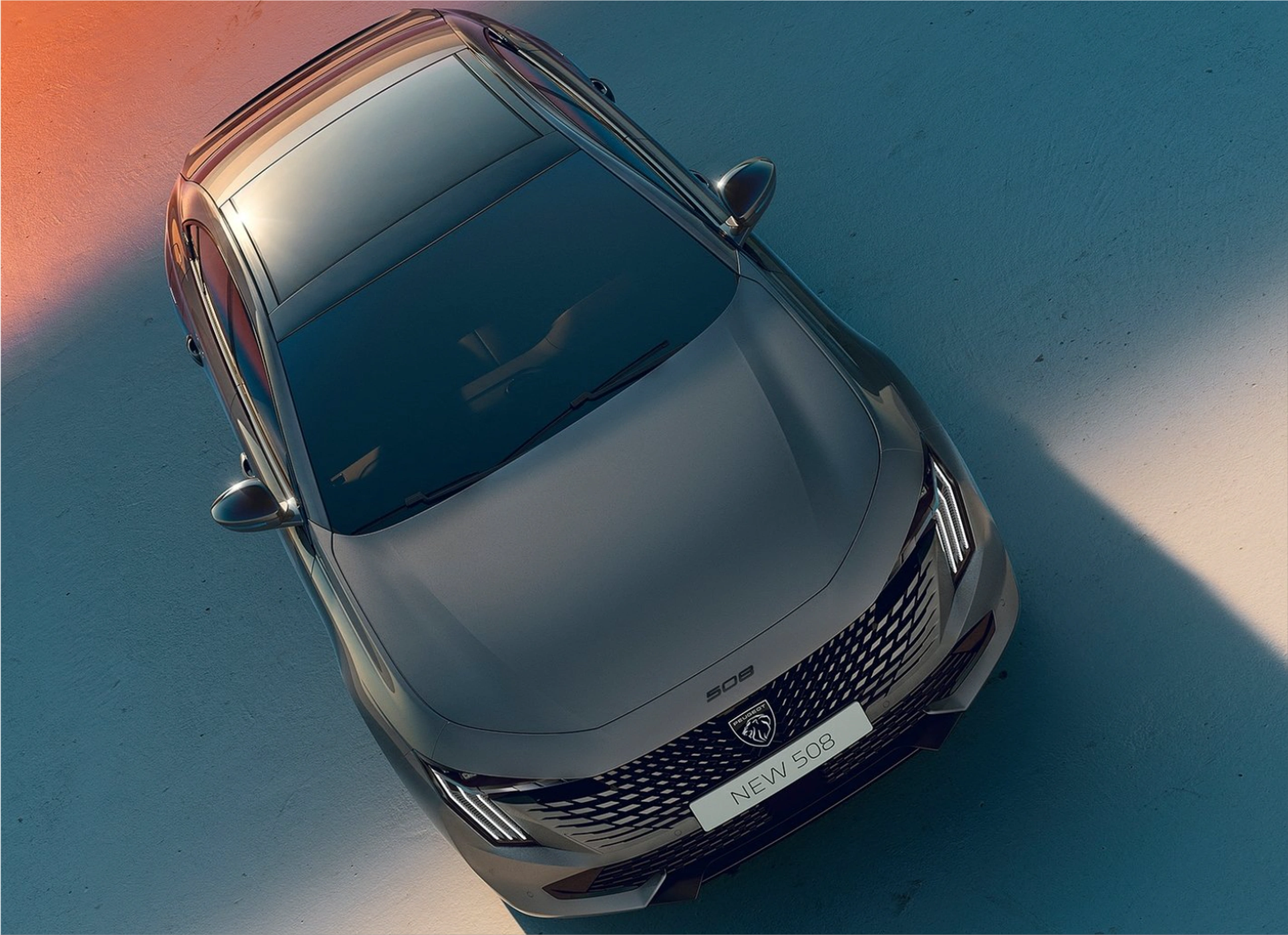
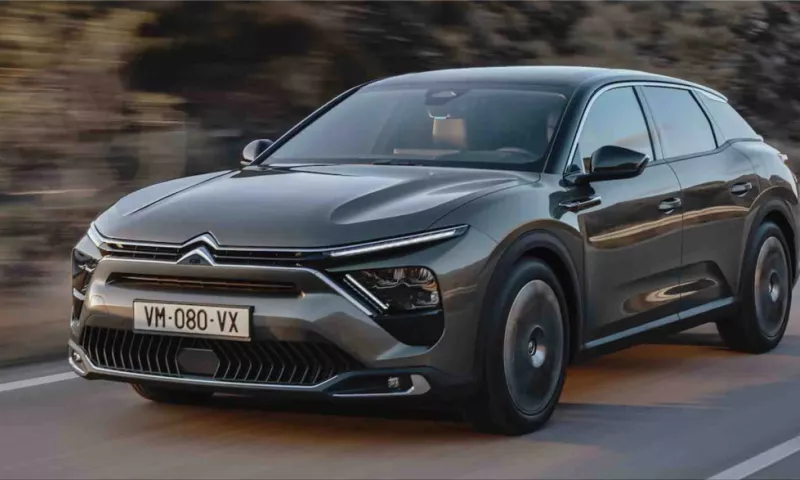
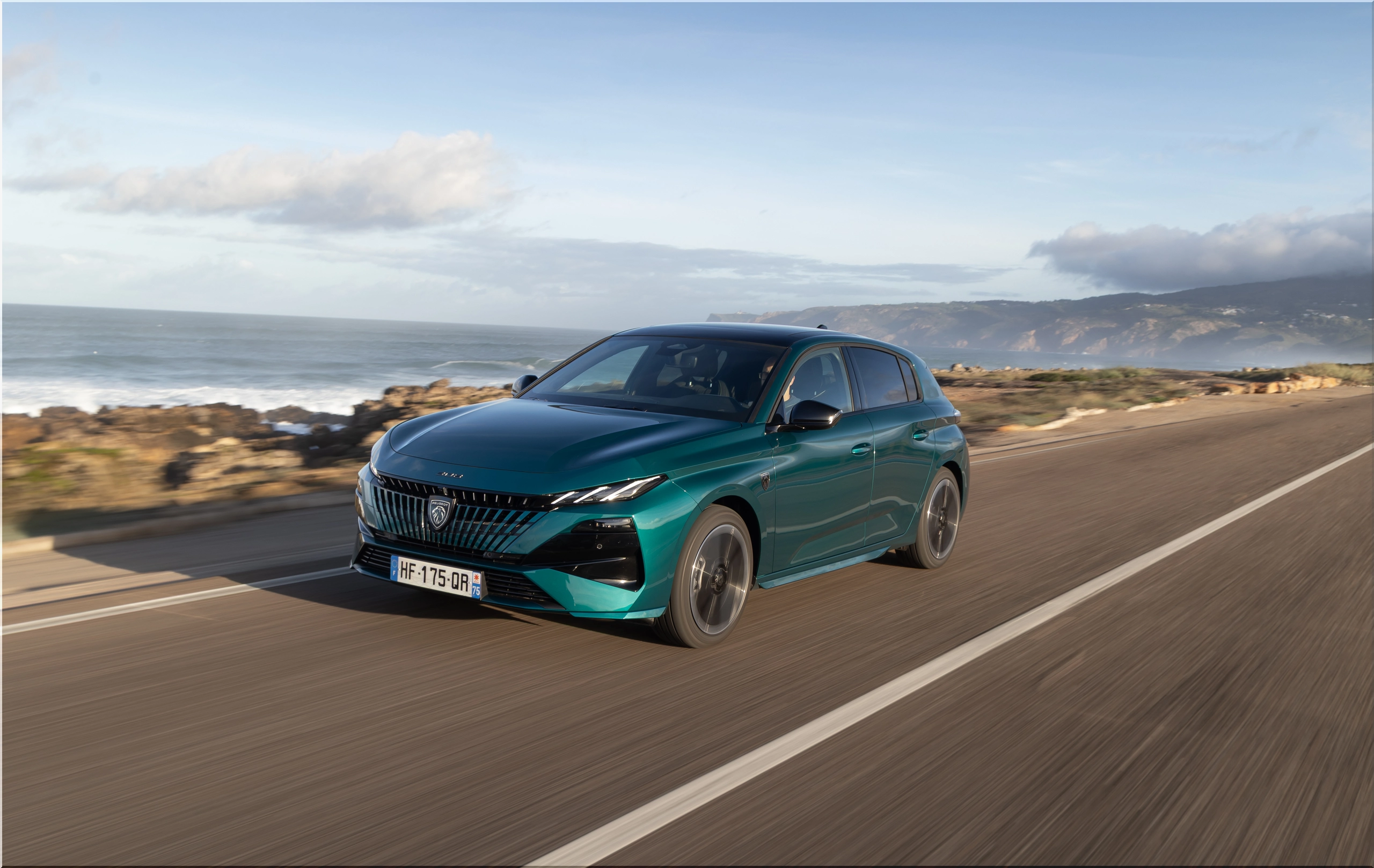
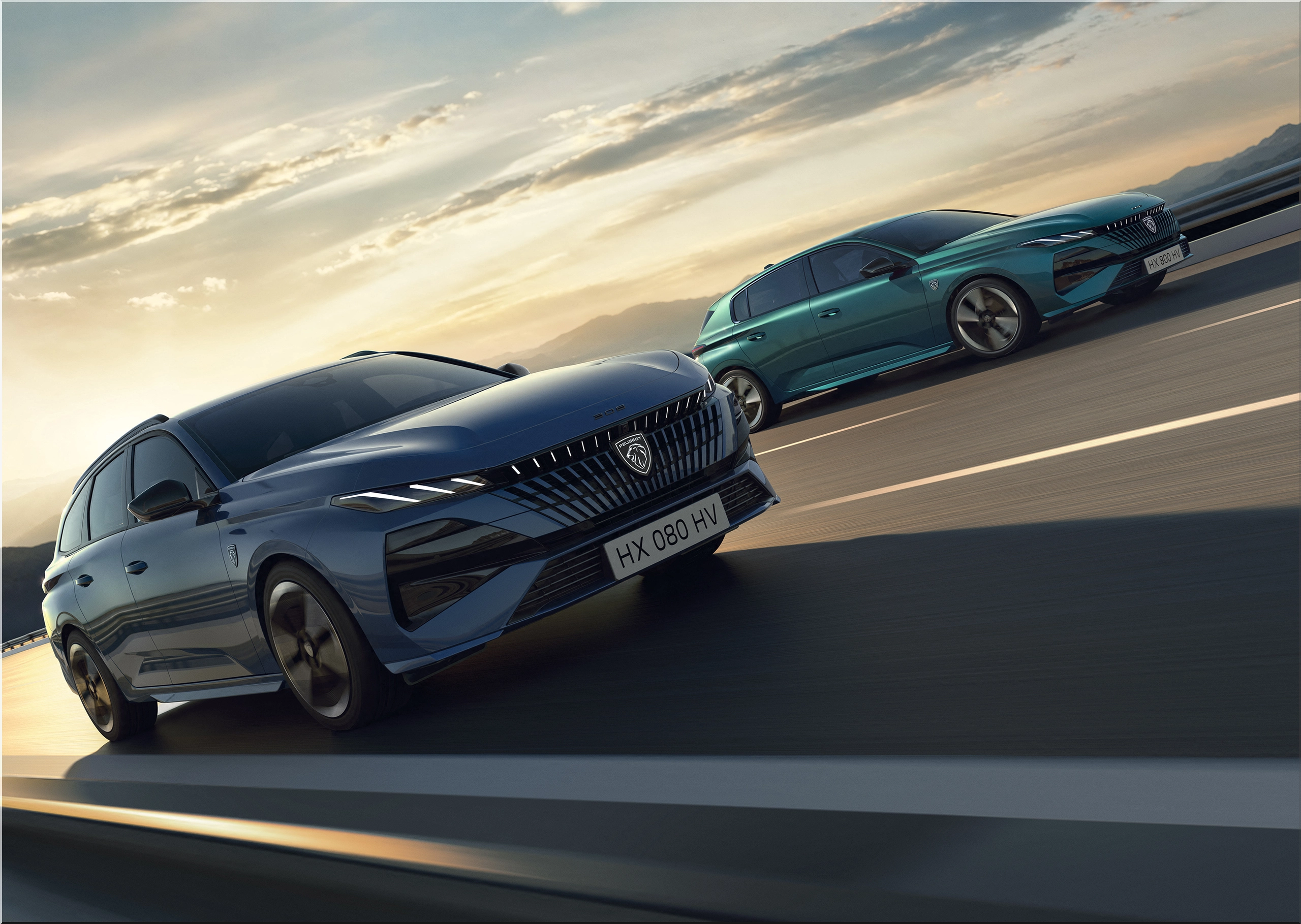
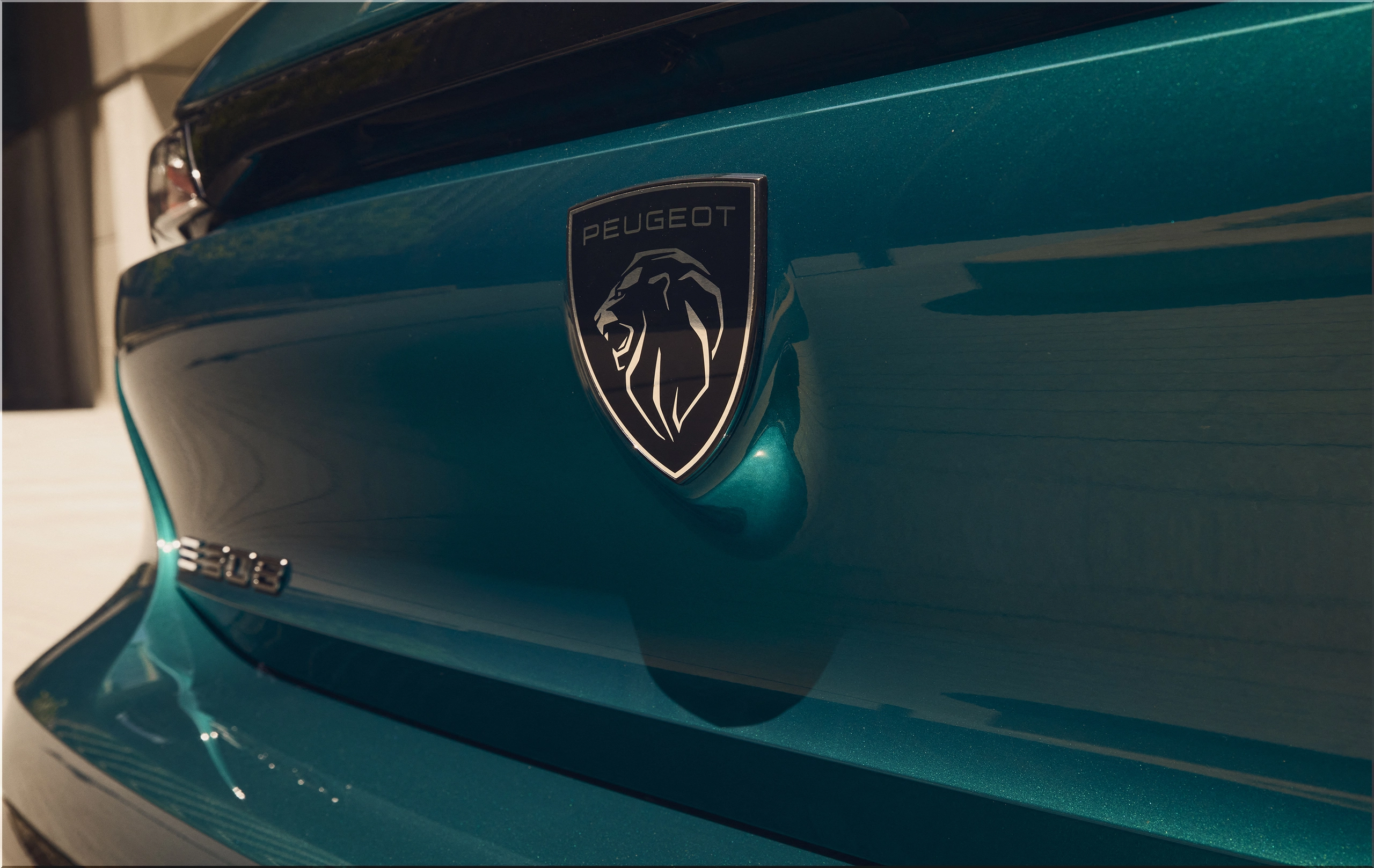
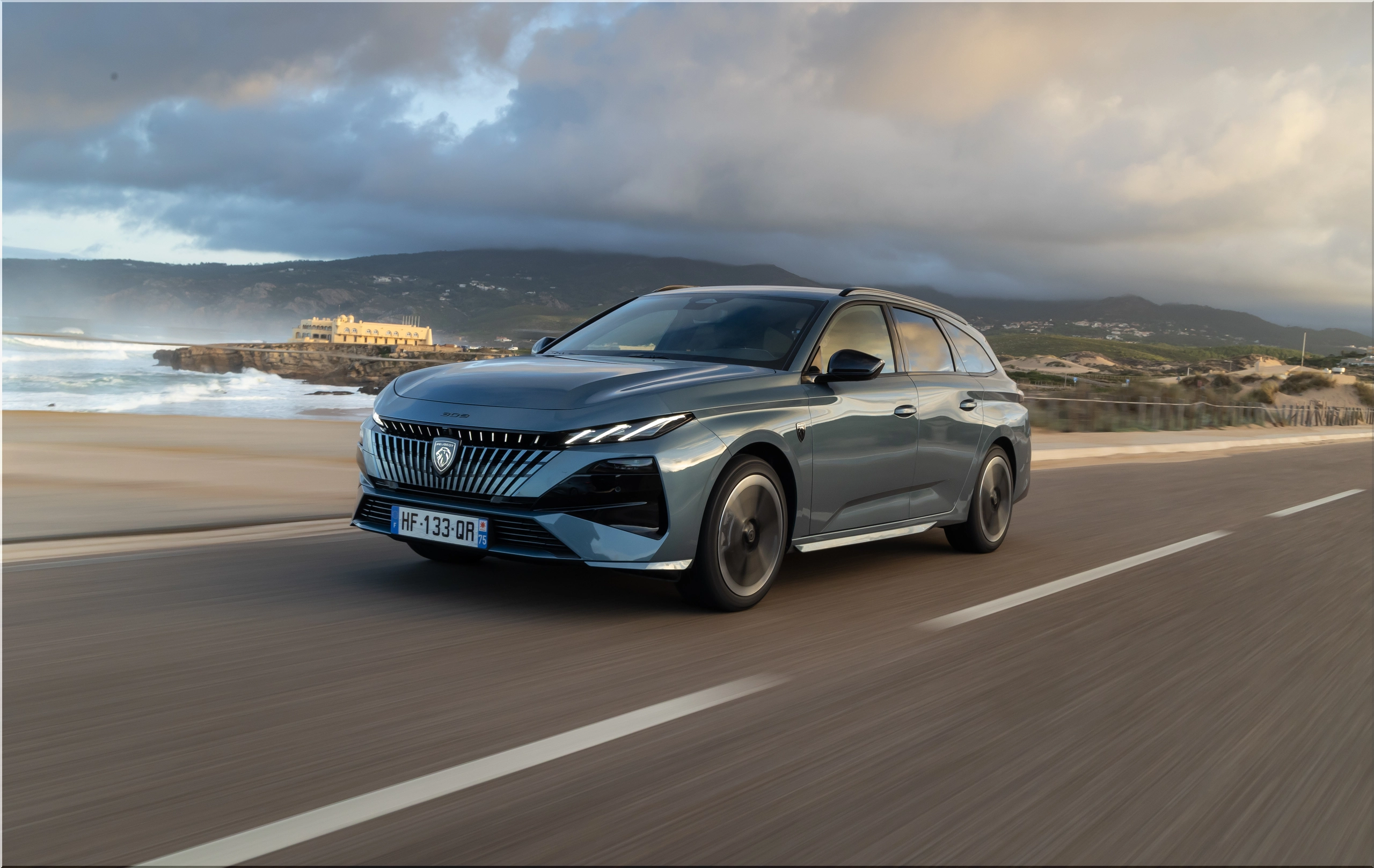
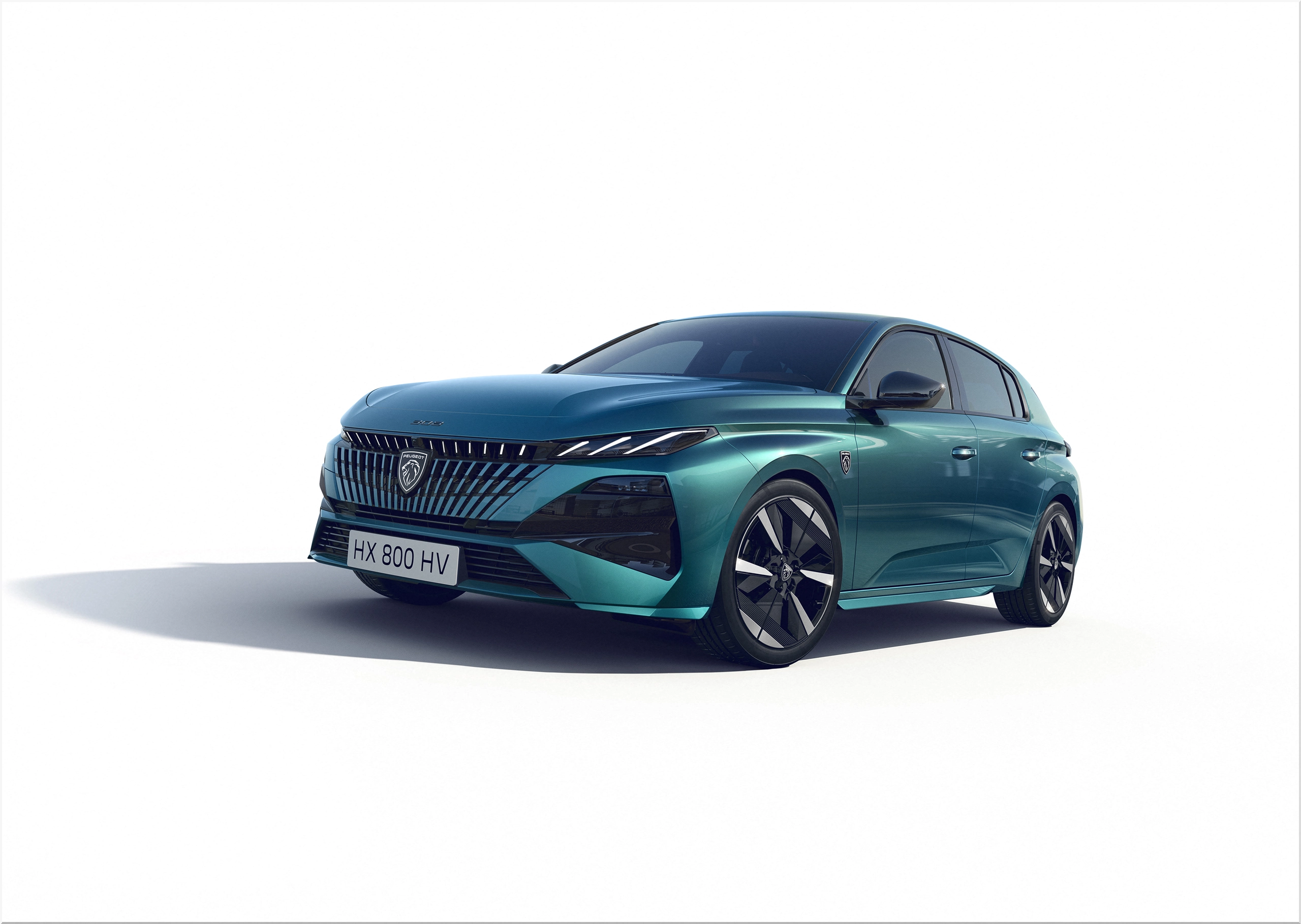
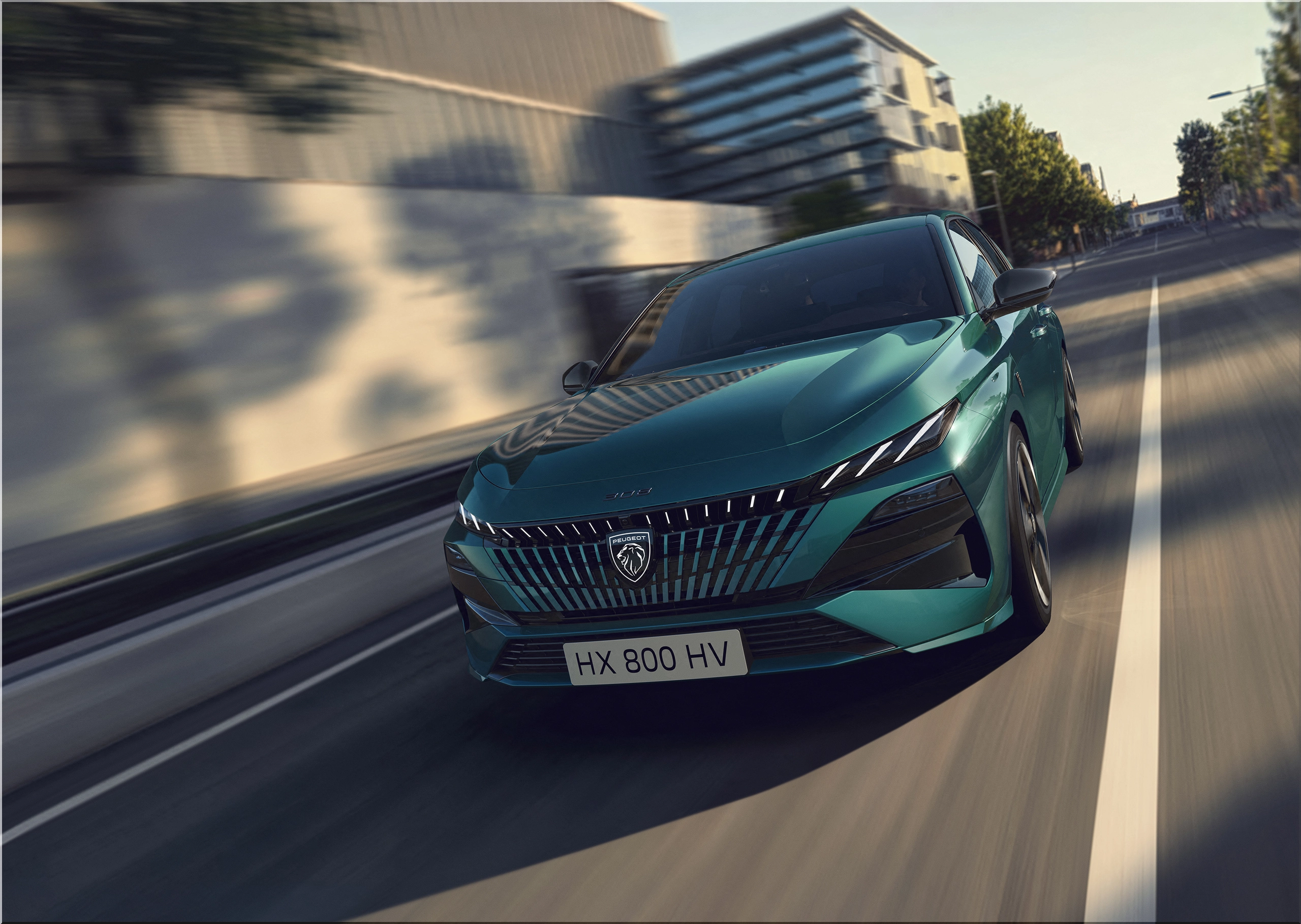
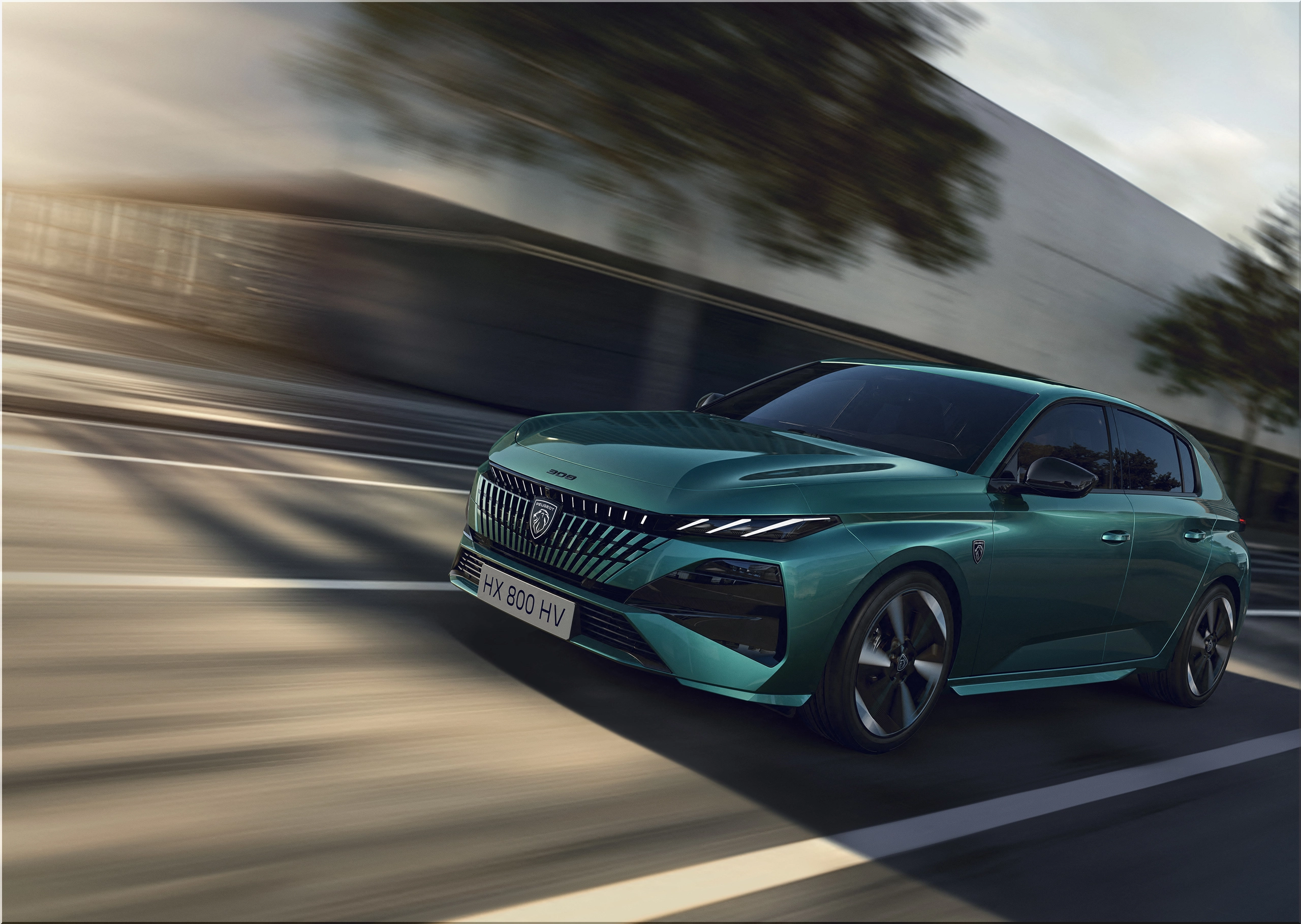
Peugeot redesigns the front end with:
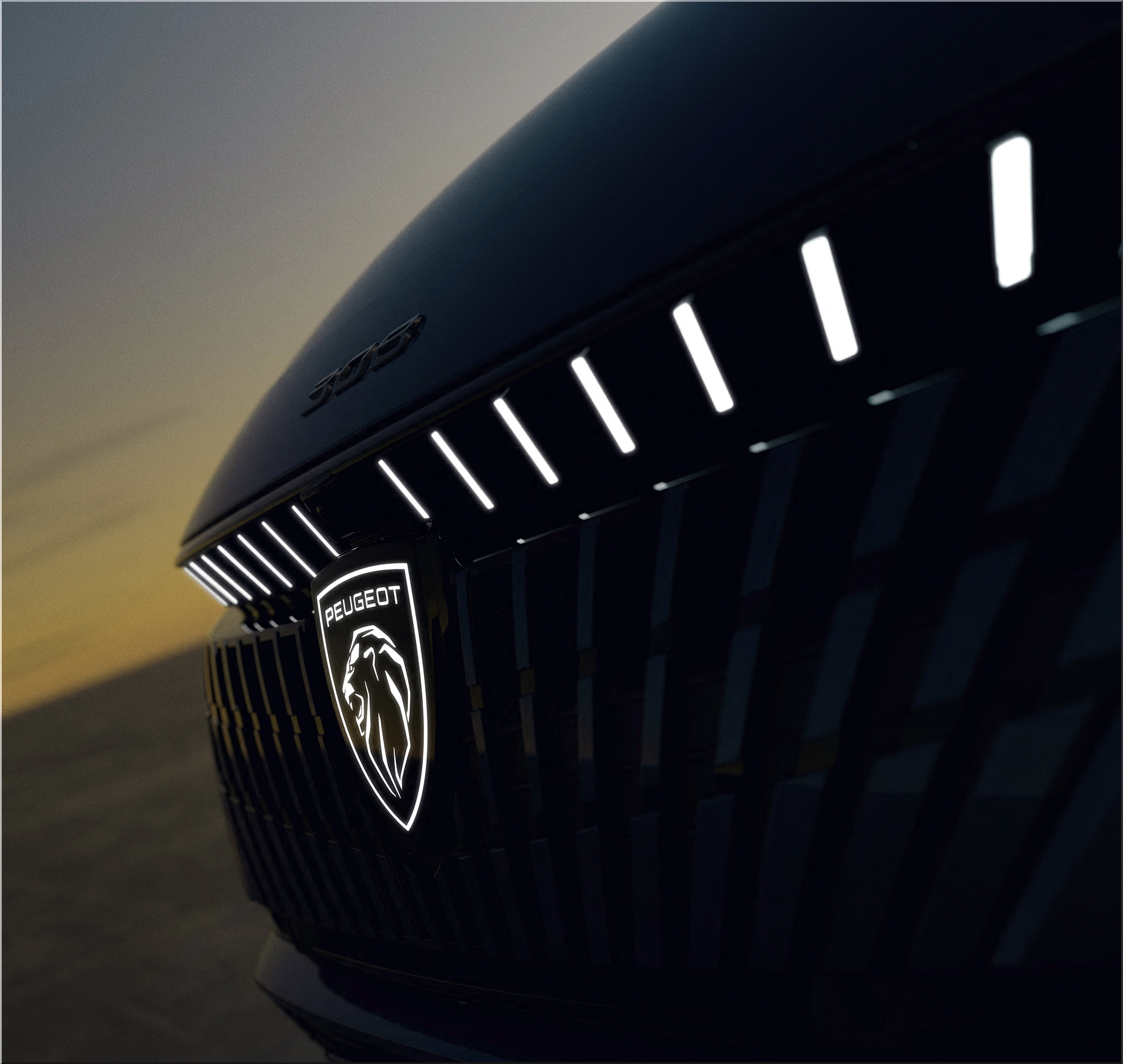
- A lit Peugeot emblem on GT trims
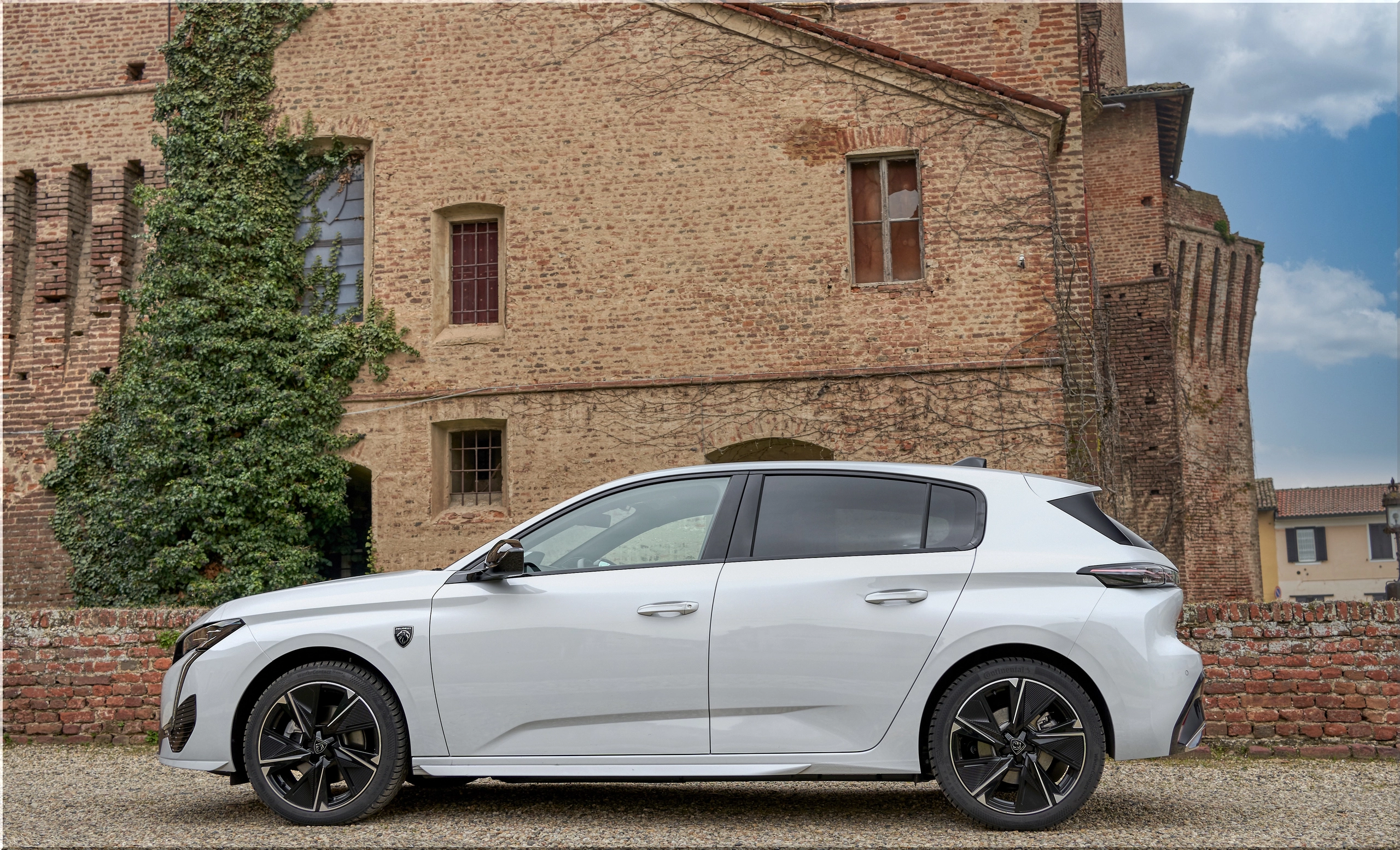
- A revised grille with a cleaner profile
- A three-claw LED signature
- Air inlets that reduce drag and improve efficiency
Peugeot claims the new aerodynamic work directly supports longer range on the E-308 and lower consumption on hybrid and diesel models.
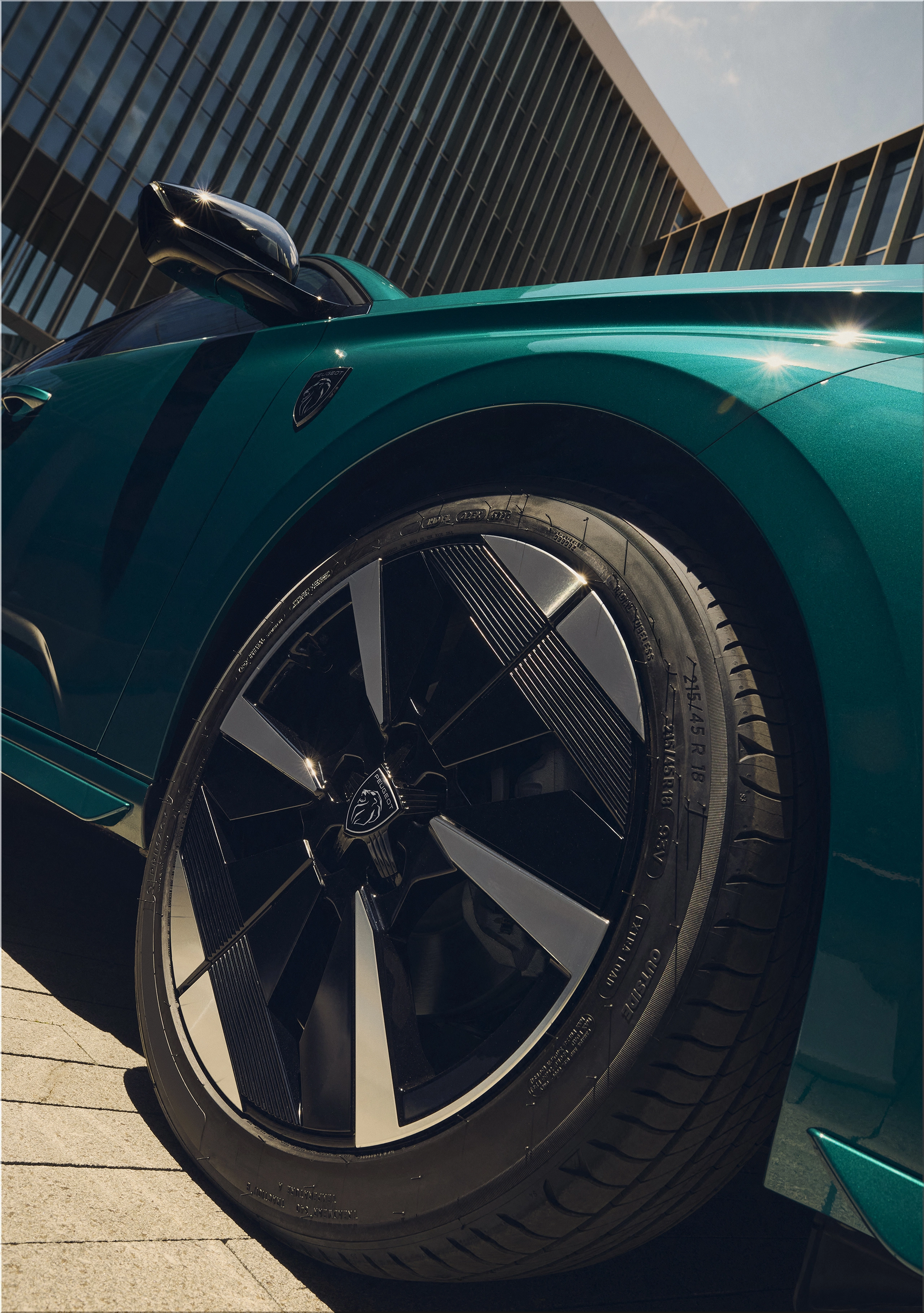
Wheel choices:
- 16-inch Orbital Black (STYLE)
- 17-inch Bangkok (ALLURE)
- 18-inch Helsinki (GT, GT EXCLUSIVE)
- 18-inch Seattle for E-308 models
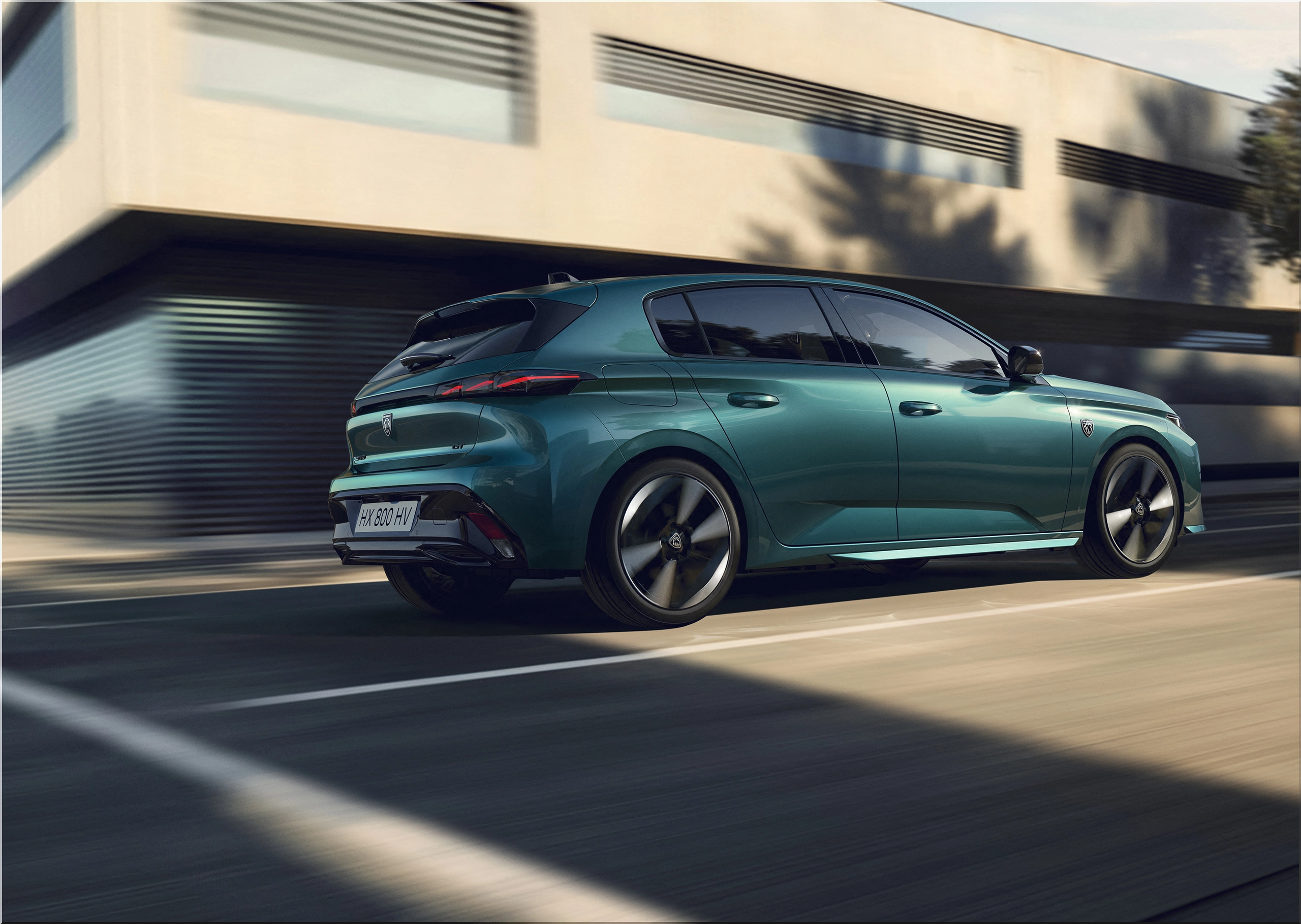
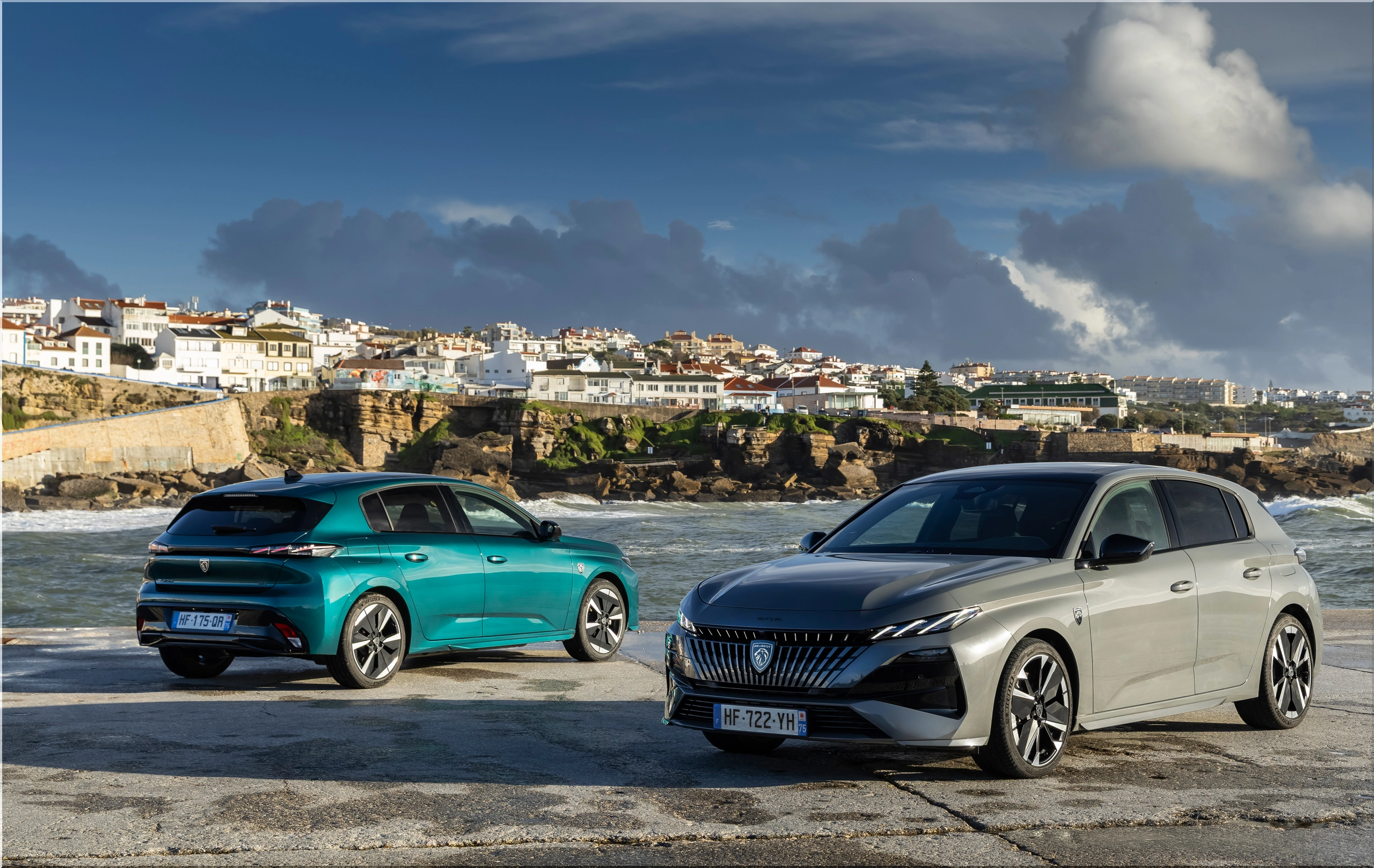
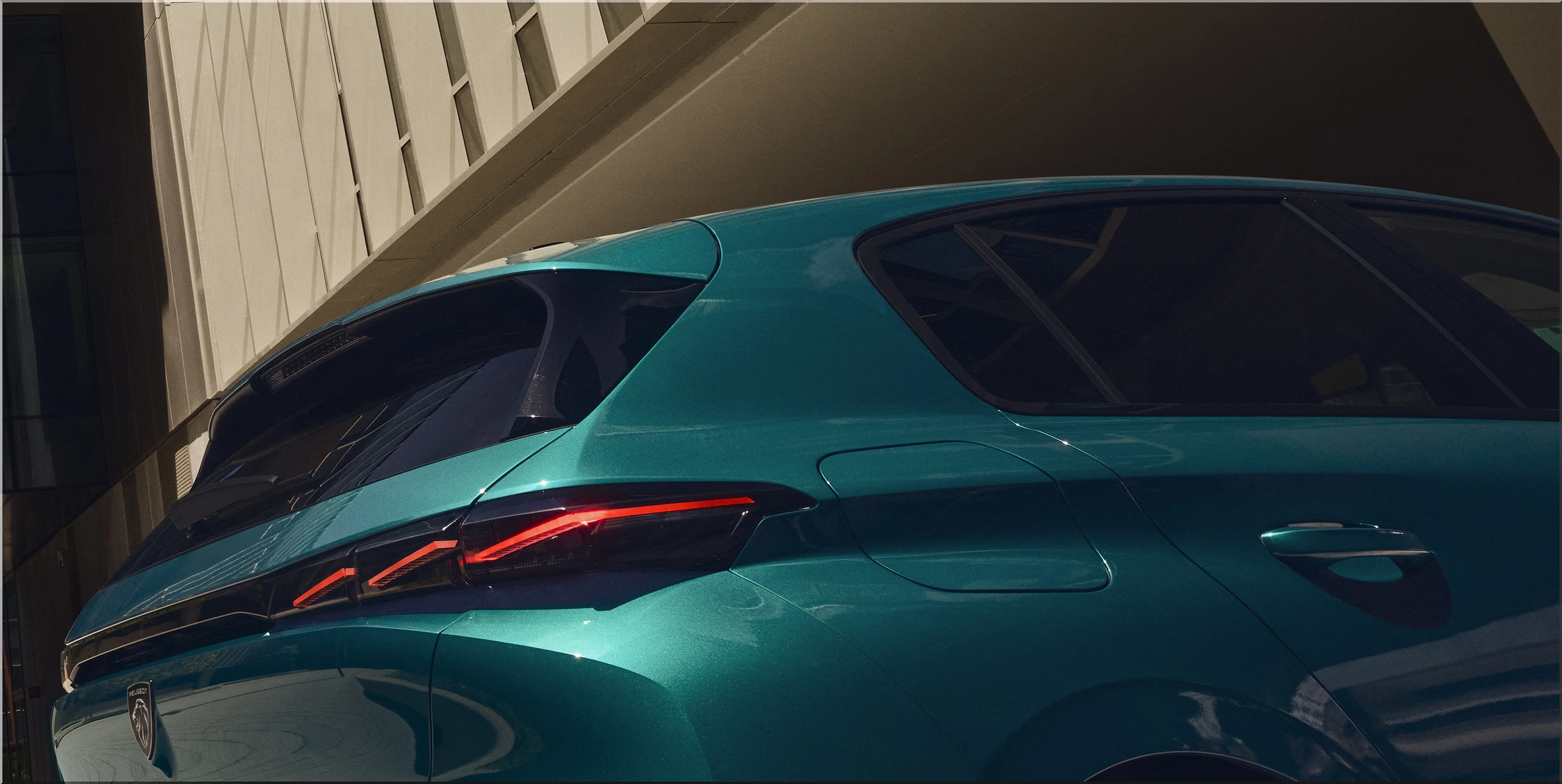
New colors include Lagoa Blue for the 308 hatchback and Ingaro Blue for the 308 SW.
Interior Focuses on Space, Displays, and Easy Controls
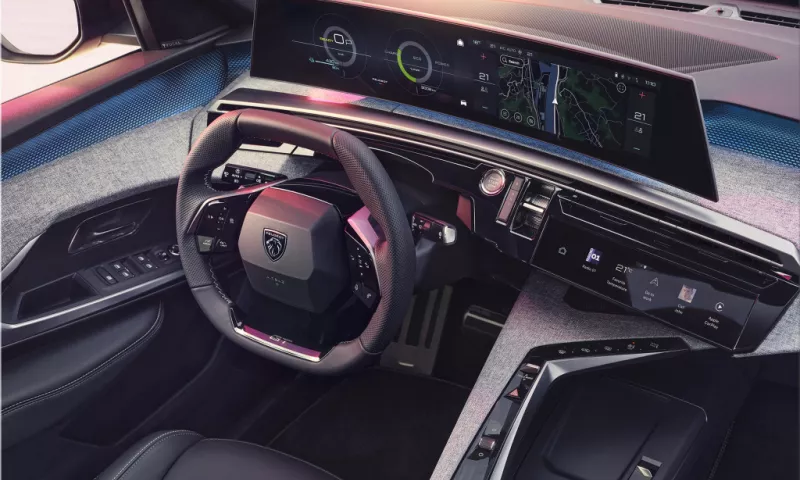
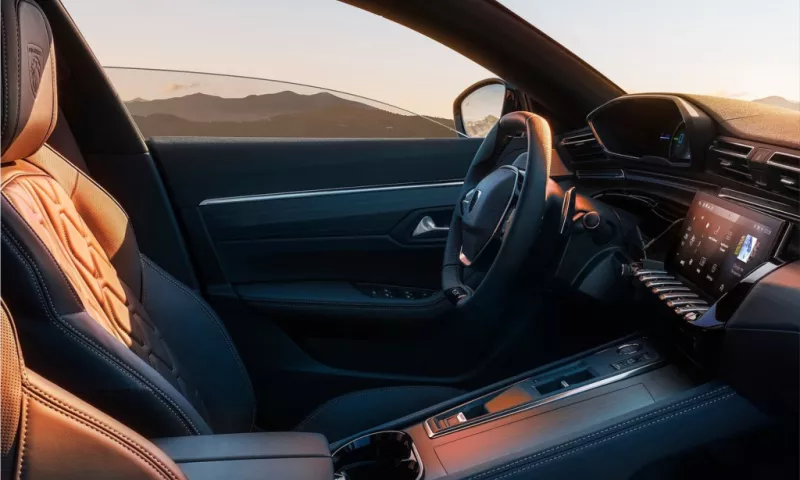
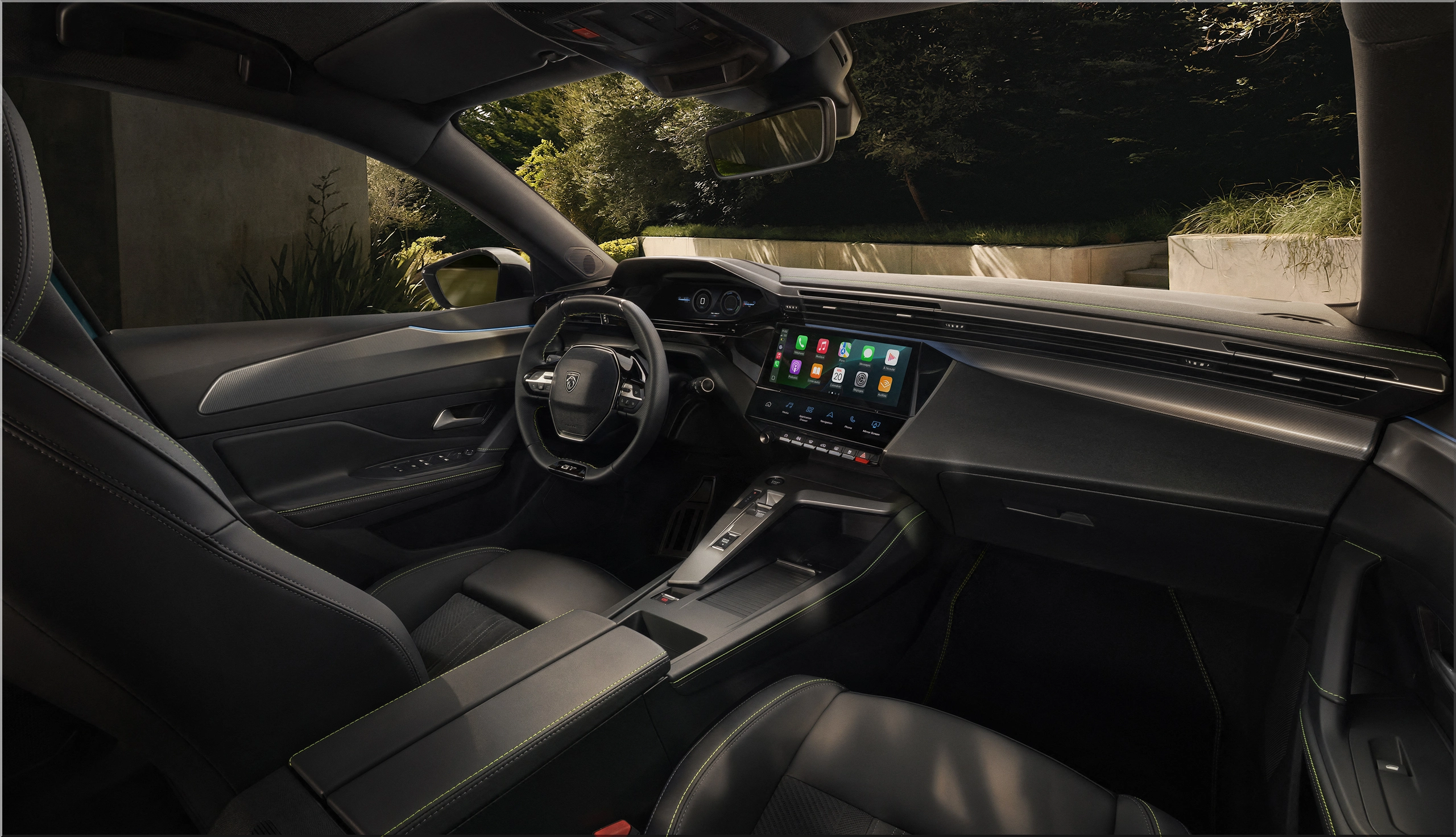
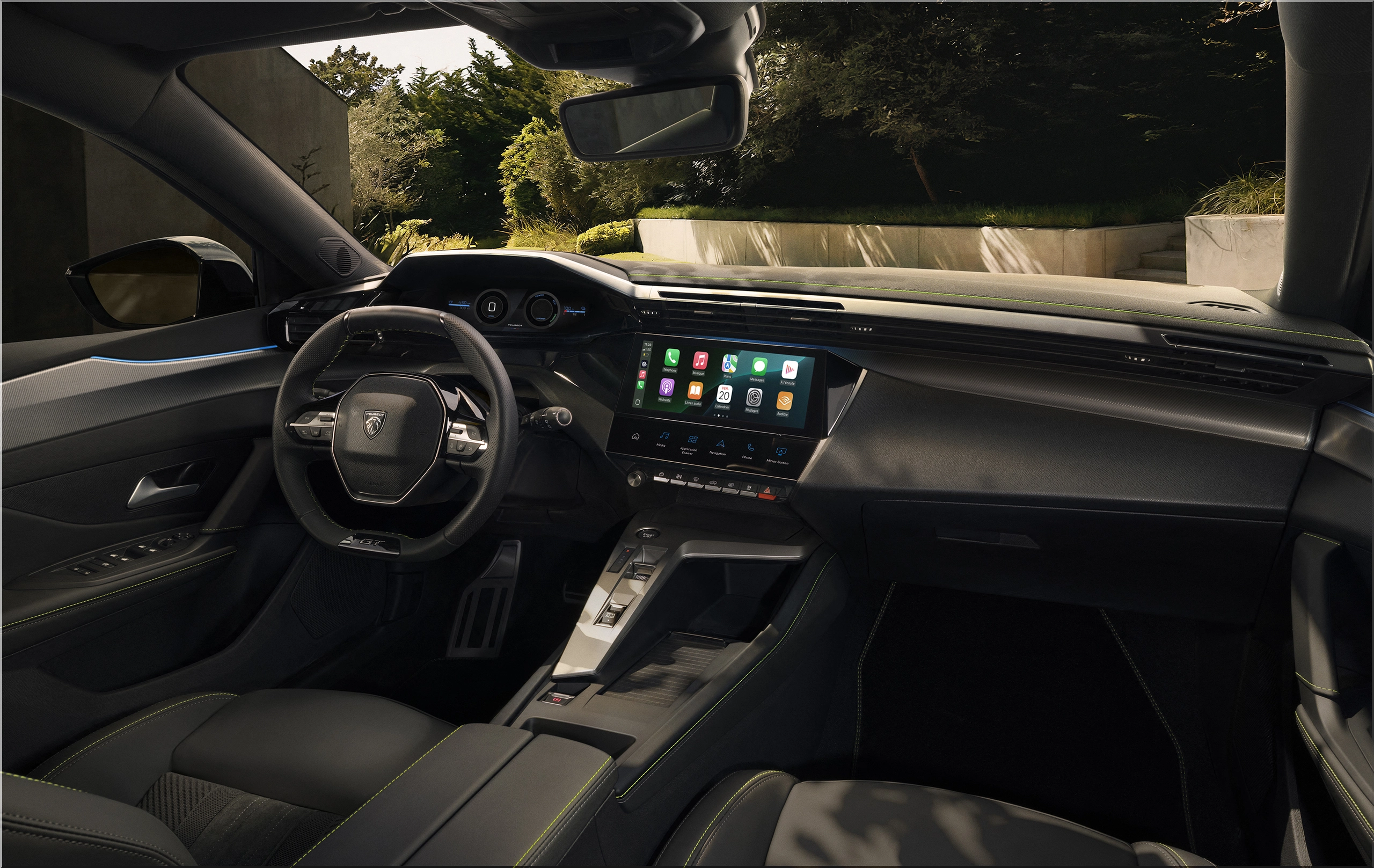
The cabin uses clean lines, a 10-inch center screen, and materials such as aluminum and Alcantara on upper trims.
Key interior updates:
- New 3D digital cluster (GT EXCLUSIVE standard)
- Five i-Toggles that offer customizable shortcuts
- Eight-color ambient lighting on GT trims
- Optional AGR-certified seats with heating and massage
- Optional FOCAL audio system with a 690-watt amplifier
Cargo capacity (seats folded):
- 308: up to 1,323 liters
- 308 SW: up to 1,487 liters (Hybrid & Diesel)
The 308 SW adds a remote-release second row and a two-level floor in hybrid and diesel trims.
Image
Driving Experience: Low Seating Position and Improved Suspension
Peugeot uses a low seating position to increase driver control. The updated suspension tuning aims to reduce vibration on poor roads. The i-Cockpit layout, with a compact steering wheel and head-up display, keeps information close to the driver's line of sight.
This structure supports quick steering reactions and stable highway behavior, continuing the 308’s reputation for responsive dynamics.
Software and Connected Services Expand Functionality
PEUGEOT i-Connect and i-Connect Advanced deliver:
- Wireless smartphone mirroring
- TomTom connected navigation (GT and EXCLUSIVE)
- ChatGPT integration
- Trip Planner support for EV routing
- Remote lock, unlock, and climate pre-conditioning via the MyPeugeot app
Over-the-air updates keep software current without dealer visits.
Battery, Warranty, and Recycled Materials
Peugeot uses up to 31 percent recycled materials in the 308 and 308 SW. The company includes:
- Up to 8 years or 160,000 km coverage for the electric drivetrain
- Full battery coverage under the same limits
- Free access to nearly 1 million European charging points through Free2Move Charge Pass
Early Outlook
Peugeot positions the 2026 308 lineup for buyers who want hard numbers on consumption, range, and charging. The E-308 targets drivers who want lower running costs. The PHEV targets mixed-use commuters. The 48V hybrid brings lower fuel use without plug-in needs. The diesel appeals to long-distance drivers.
Peugeot focuses on measurable gains. That includes aerodynamic work, range increases, simplified charging, and interior functions that reduce driver distraction. Production starts in early 2026.
- Add new comment
- 111 views