What changed: bigger battery, smarter gearbox, same money
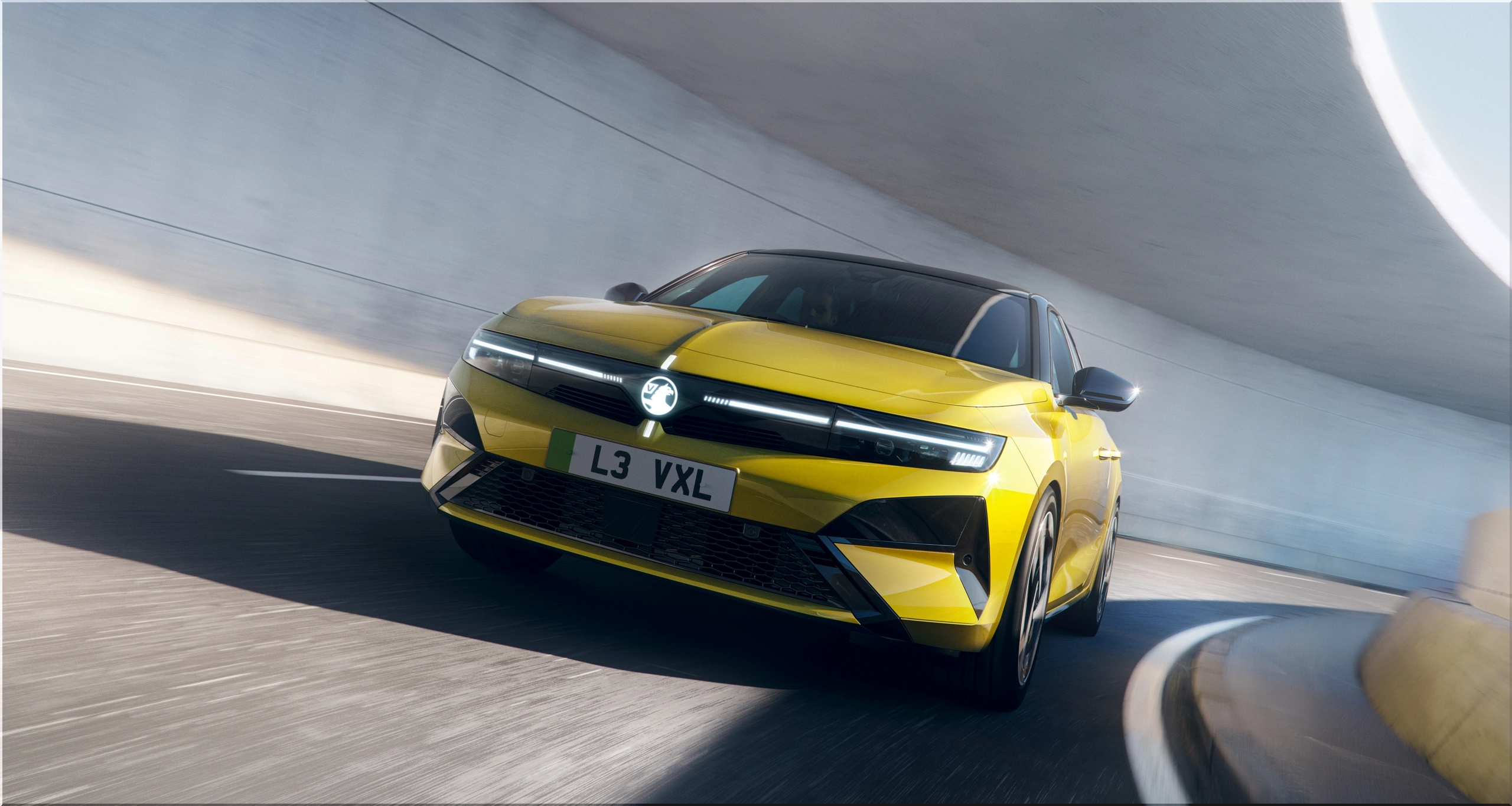
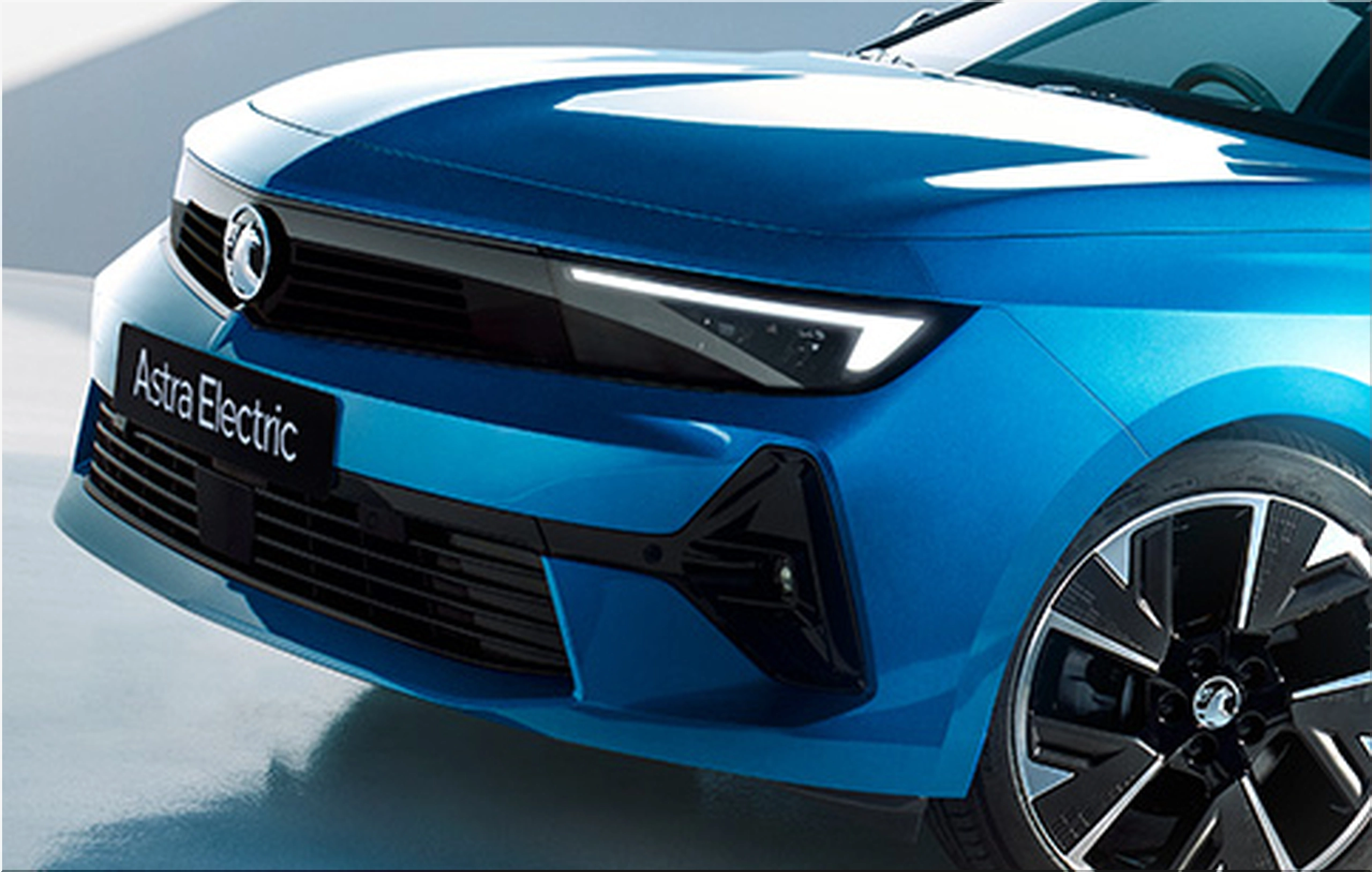
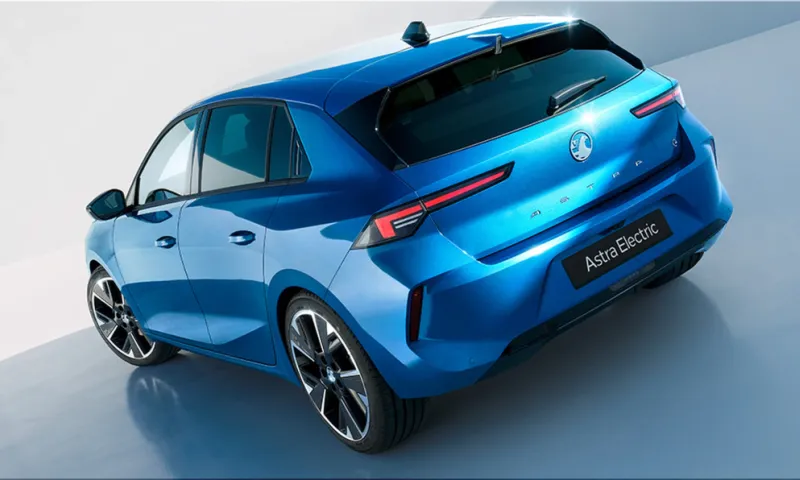
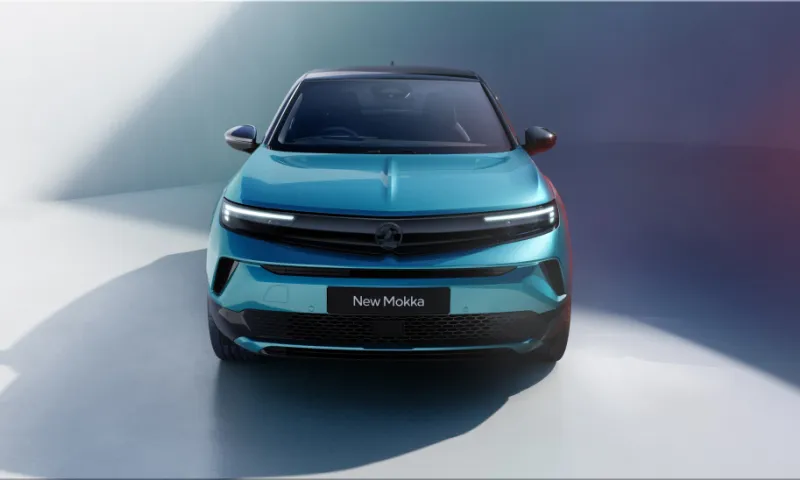
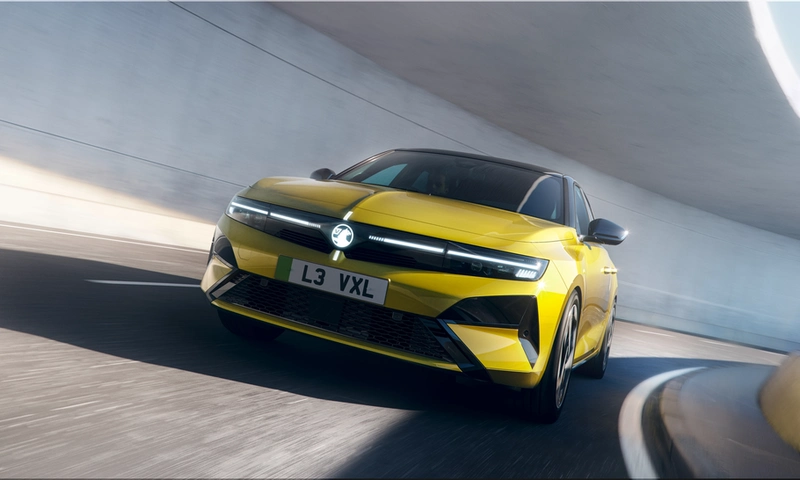
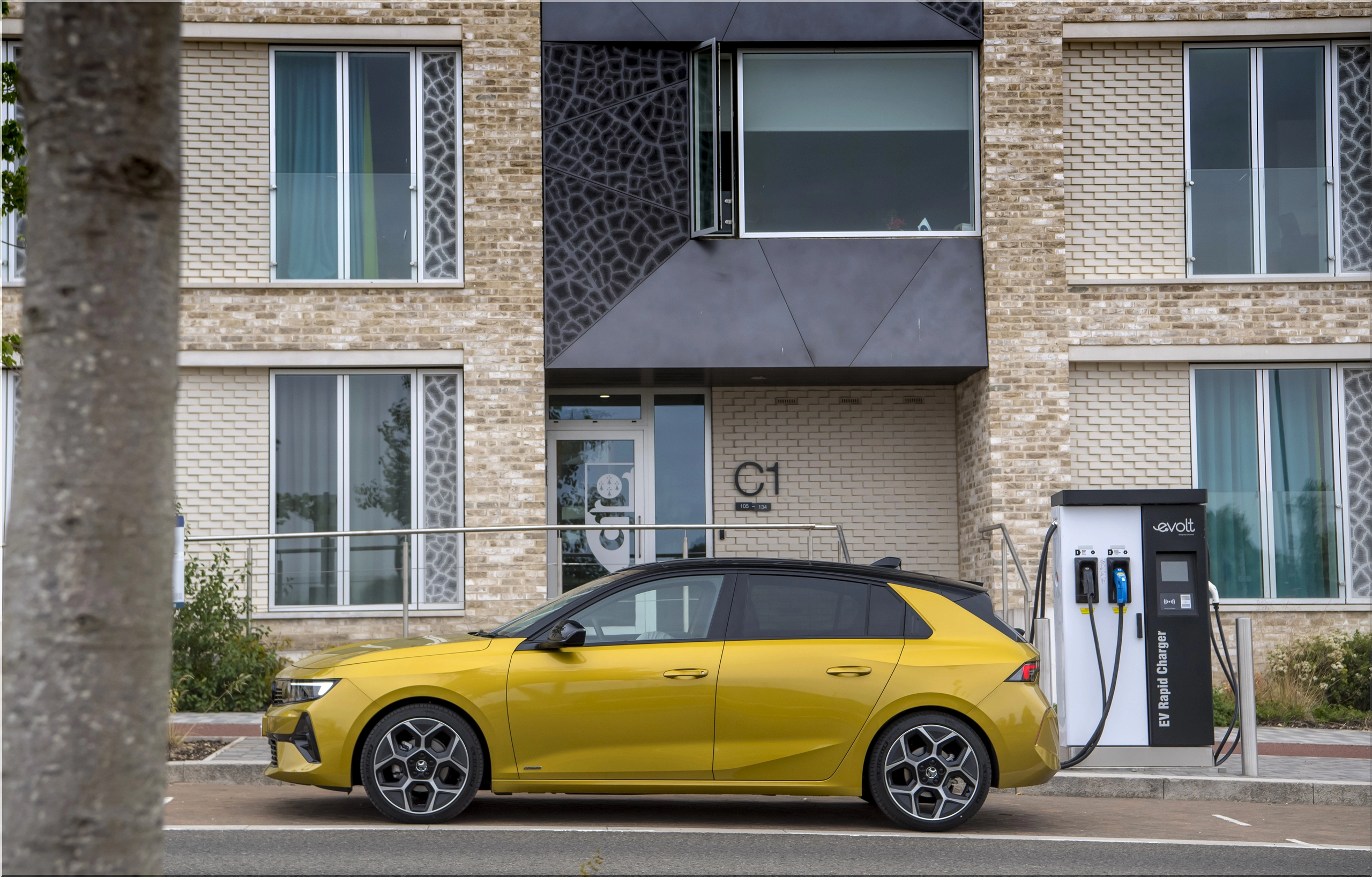
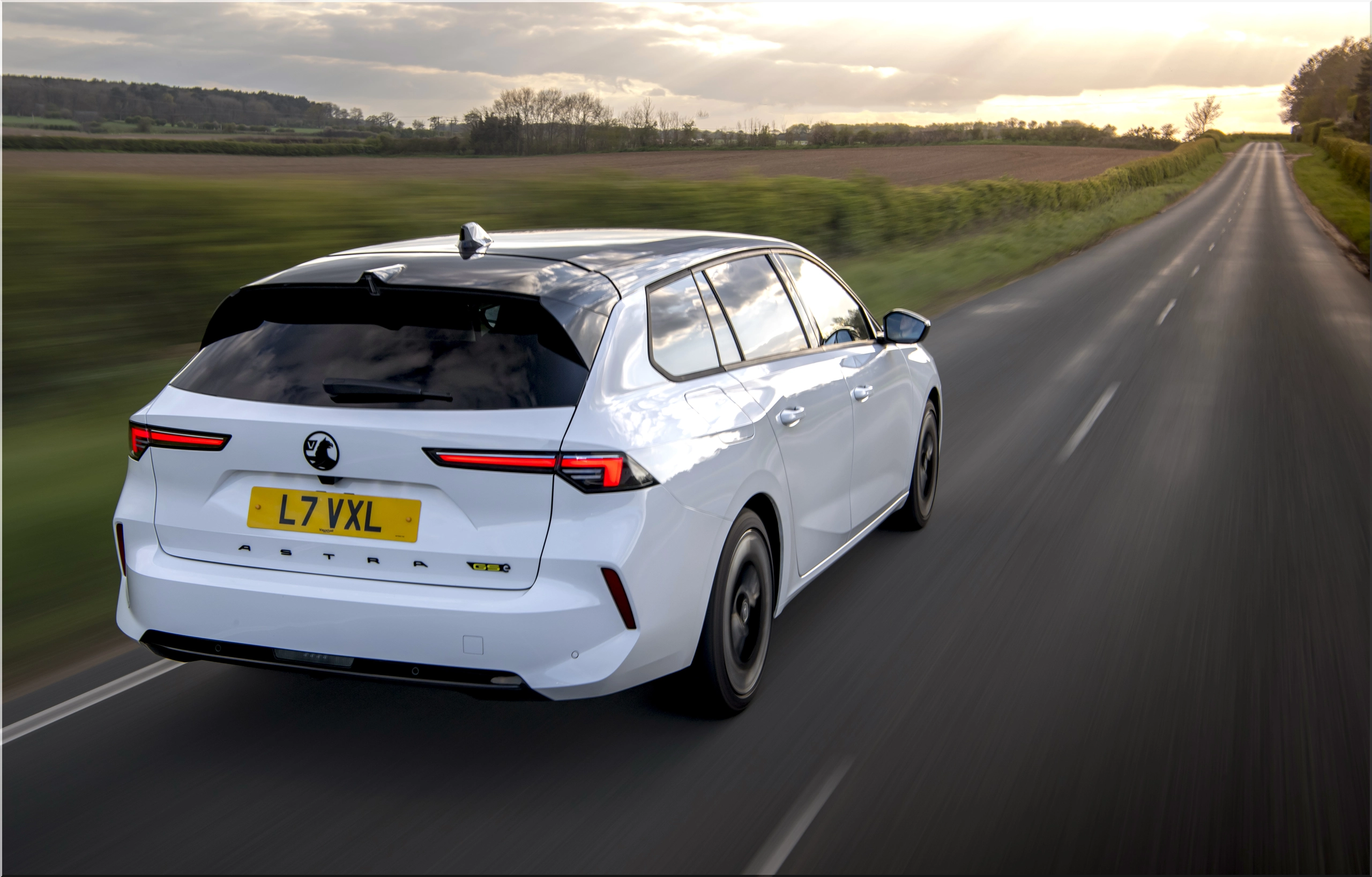
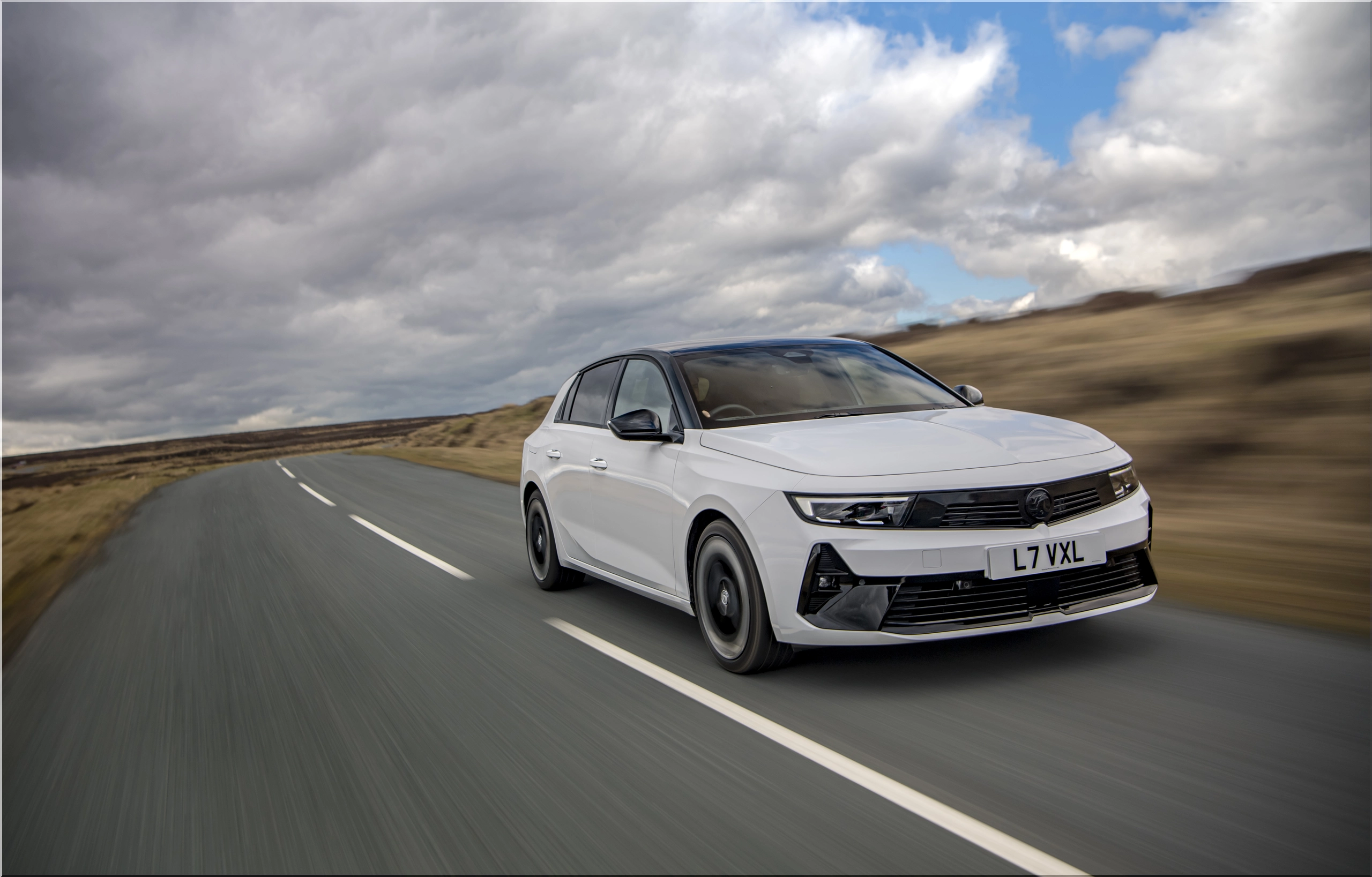
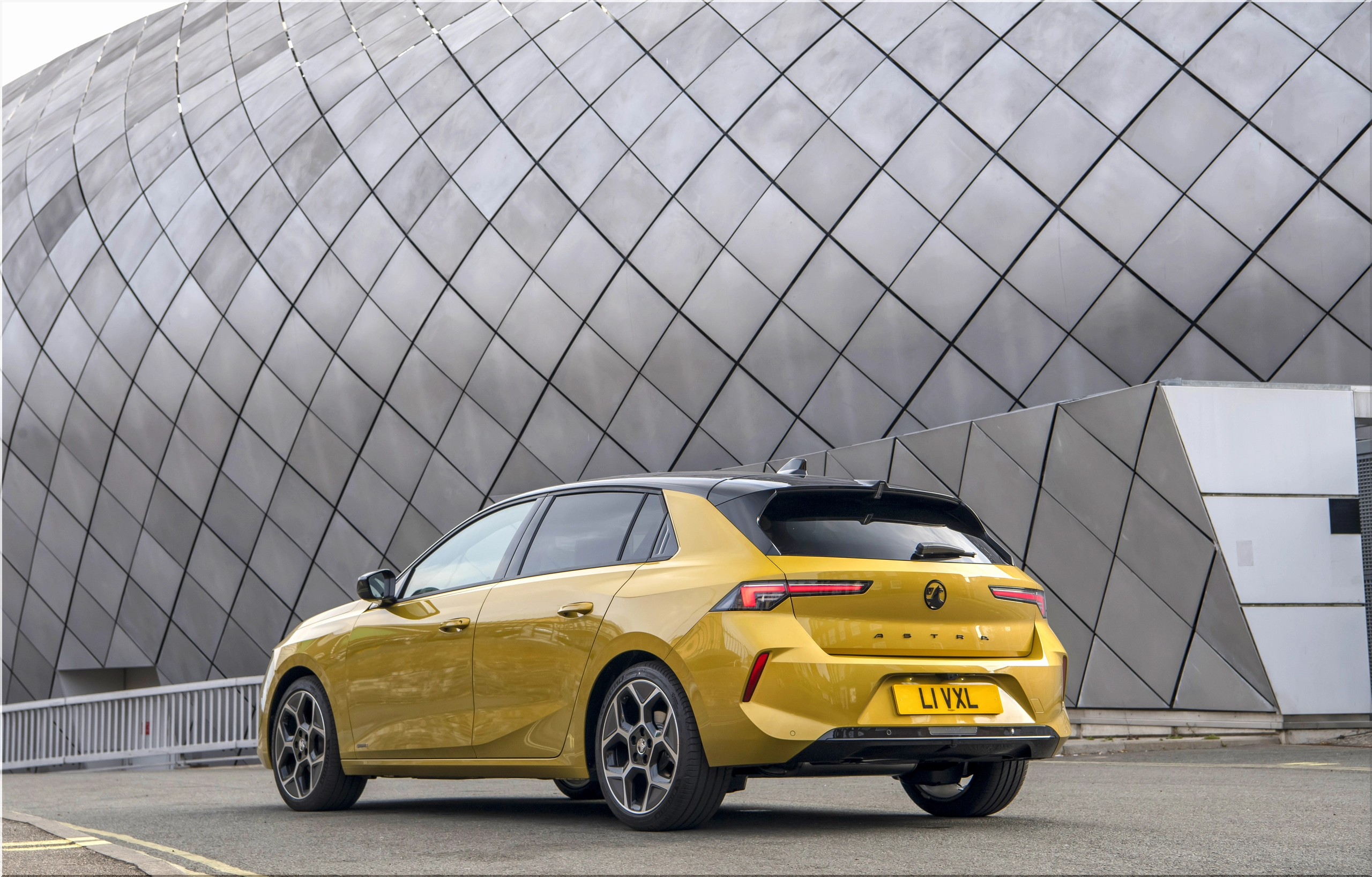
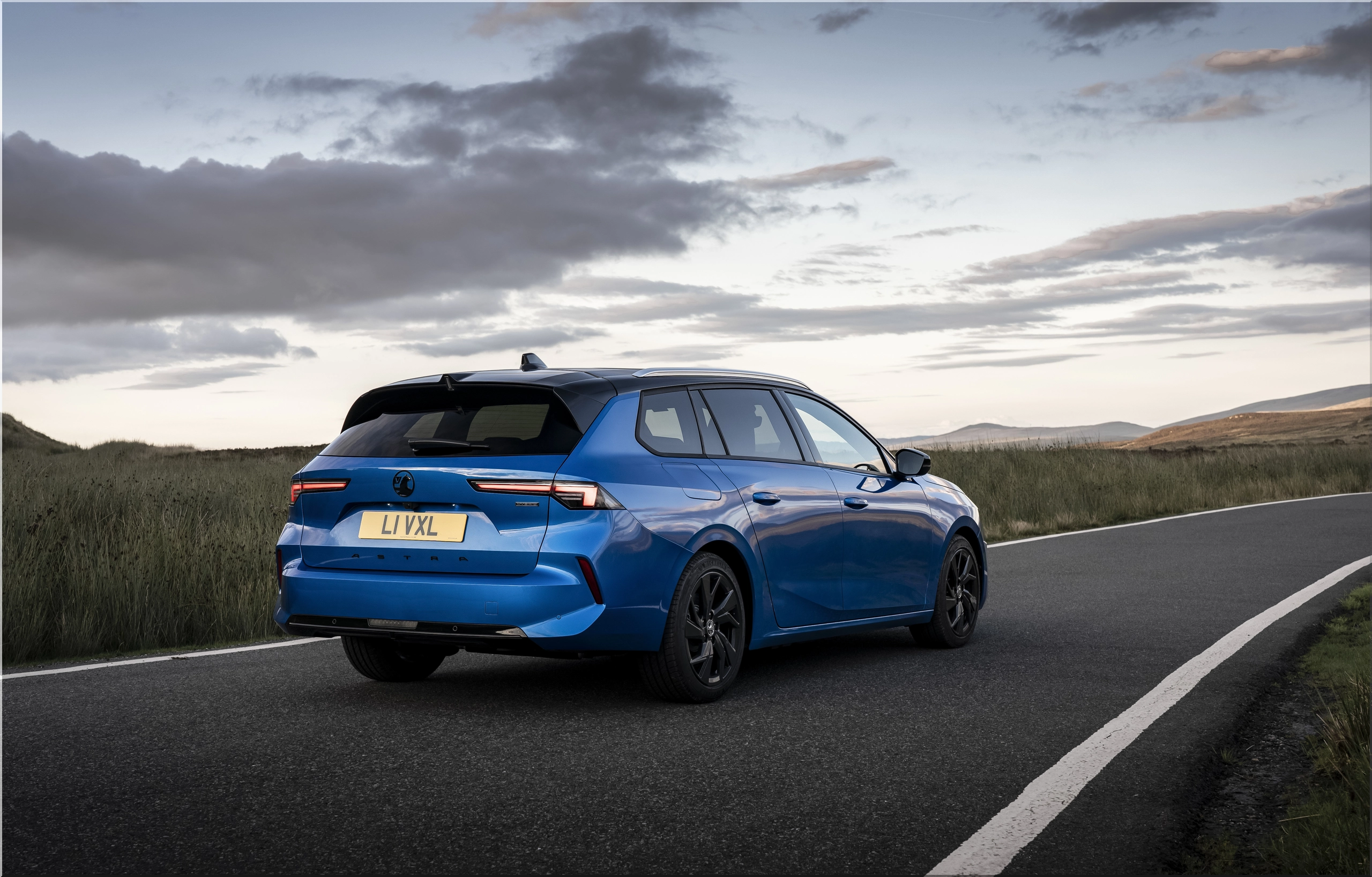
Vauxhall opened orders for the Astra Plug-In Hybrid hatch and Astra Sports Tourer Plug-In Hybrid. Both now use a 17.2kWh battery and a new seven-speed e-DCT7 automatic. Prices match the outgoing models. Deliveries start November 2025 in the UK.
The core numbers improve. Total output rises to 195PS with 360Nm. Electric range climbs to up to 52 miles WLTP on the hatch. Company car tax drops to a 9% BiK band for the Astra Plug-In Hybrid GS 195PS. That matters to fleets.
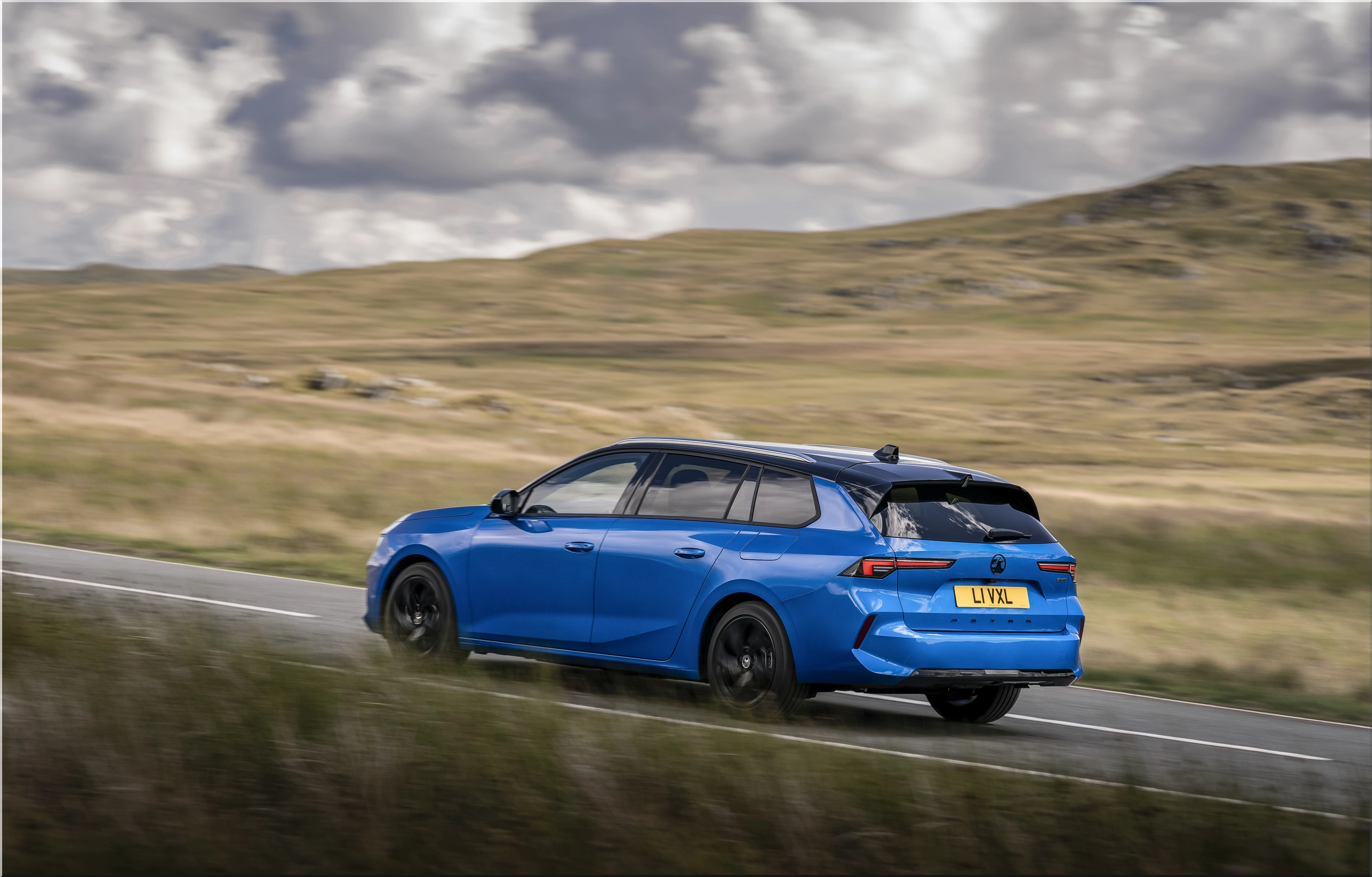
Vauxhall also reworks Astra GSE. It gets the same 17.2kWh pack, a 225PS system output, and up to 50 miles WLTP of EV range. The e-DCT7 replaces the old eight-speed auto.
Powertrain and range: the data that matters
- Battery: 17.2kWh, up from 12.4kWh.
- Motors and engine: 92kW (125PS) e-motor plus 1.6-liter turbo petrol.
- System output: 195PS, 360Nm.
- Hatch EV range: up to 52 miles WLTP.
- Sports Tourer EV range: up to 51 miles WLTP.
- 0-62mph: 7.9s hatch, 8.0s estate.
- Top speed: 140mph.
- BiK: 9% for GS 195PS after the range bump.
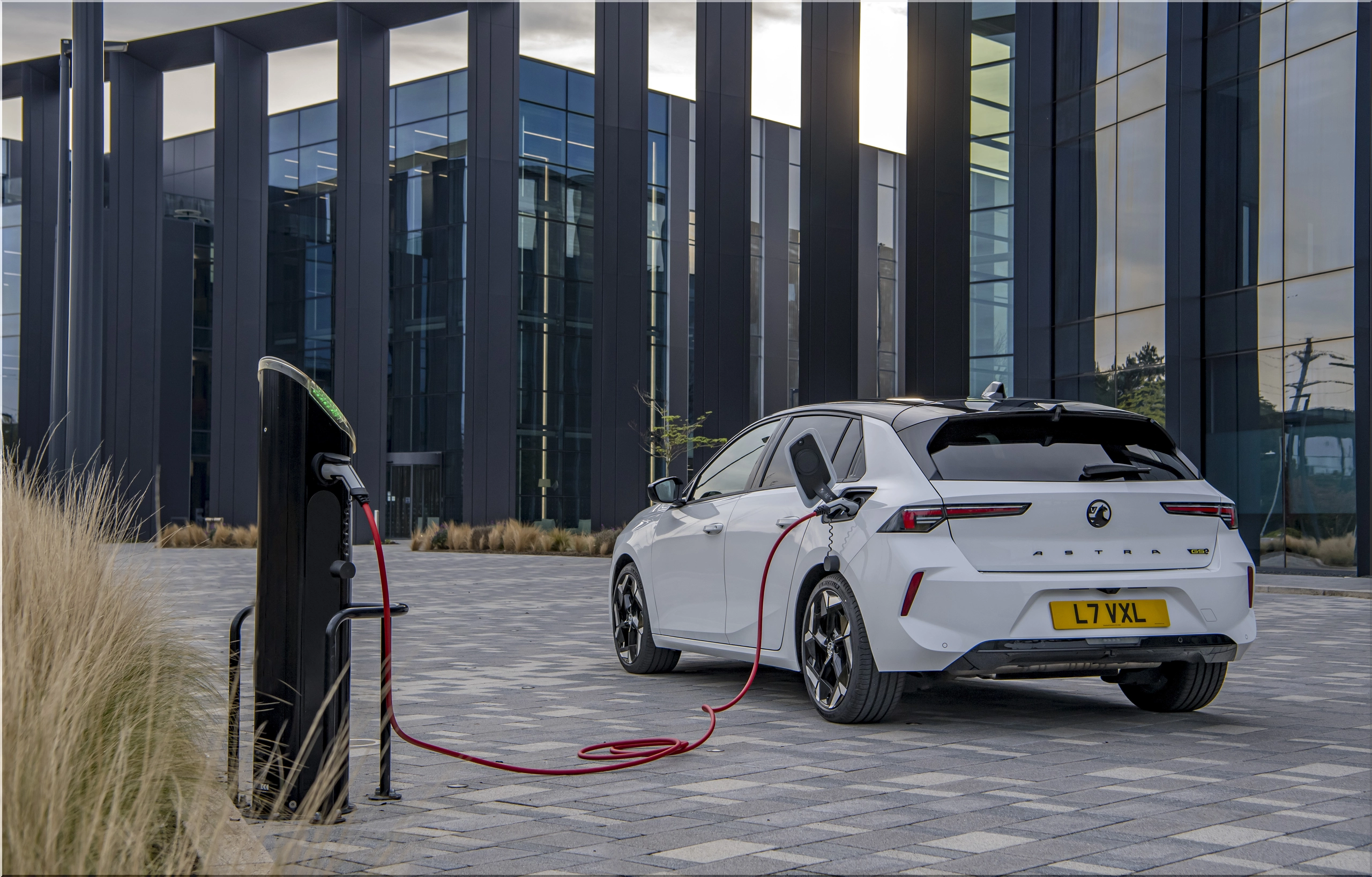
Modes stay simple. Hybrid for efficiency. Sport for peak output. Electric for zero tailpipe use. Charging from 20–80% takes 2h53 on a 7.4kW wallbox with the optional 7kW onboard charger. The standard 3.7kW charger does the same in 4h06.
GSE: range meets pace
Astra GSE and Sports Tourer GSE run 225PS and 360Nm. EV range hits up to 50 miles WLTP. 0-62mph takes 7.6s for the hatch and 7.7s for the estate. Top speed is 146mph. Electric-only speed reaches 84mph.
Vauxhall drops ride height by 10mm and fits firmer springs with Koni FSD dampers. Steering response increases by 9% over standard models. ESC in Sport mode intervenes later. The goal: sharper turn-in without wrecking daily comfort.
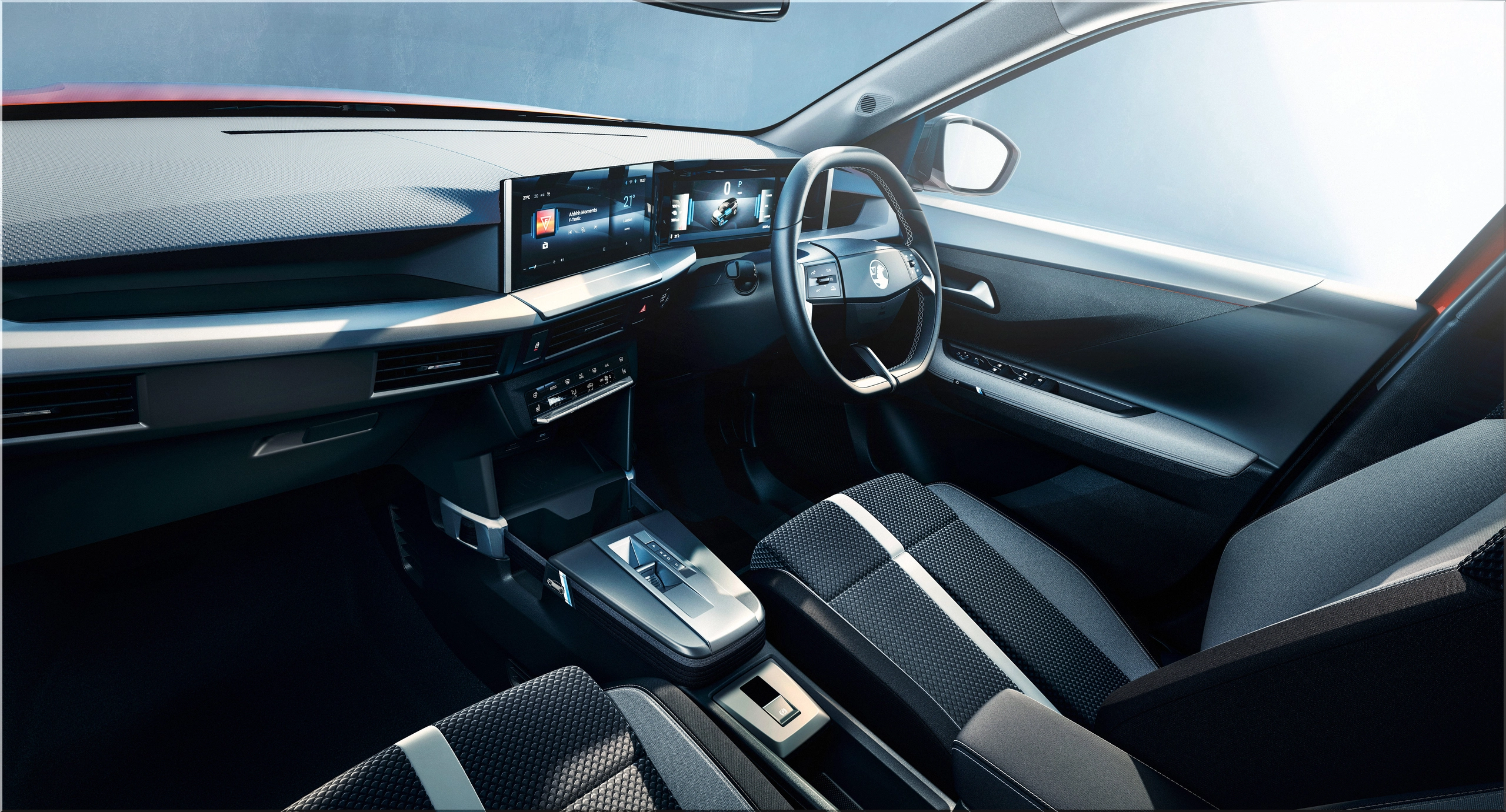
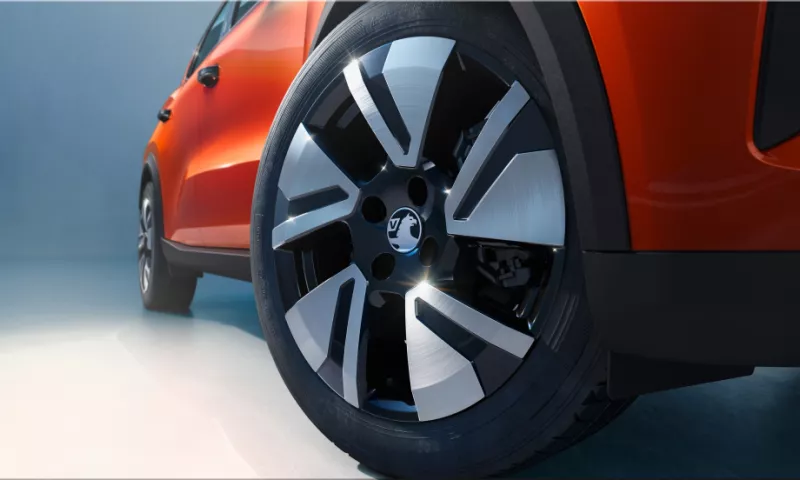
Design tweaks include unique bumpers and 18-inch diamond-cut wheels. Inside, you get heated Alcantara seats with AGR certification, Intelli-HUD, and a wireless charger. The driver seat adds 10-way power with memory.
Trims and equipment: value plays for buyers and fleets
GS and Ultimate trims return on the 195PS plug-in hybrid. Both get a 10-inch touchscreen, wireless Apple CarPlay and Android Auto, full LED lighting, lane keep assist, sign recognition, driver drowsiness alert, adaptive cruise control, and AEB with pedestrian detection.
GS adds a black roof, Intelli-Vision 360° camera, heated front seats, heated leather steering wheel, keyless entry, and Pure Panel Pro. Ultimate brings Intelli-Lux Pixel headlights, 18-inch wheels, panoramic sunroof, ReNewKnit seats, Intelli-HUD, a 10-way power driver seat, lane change assist, lane positioning assist, and rear cross-traffic alert.
Pricing: UK OTR with USD conversion
Vauxhall holds the line on list prices. Below are the OTR MRRP figures with approximate USD using £1 ≈ $1.28. This gives a fair view for cross-market comparisons.
Astra Plug-In Hybrid (Hatch)
| Trim | EV range (WLTP) | CO2 (g/km) | 0-62mph | Top speed | BiK (25/26) | OTR price (GBP) | Approx USD |
|---|---|---|---|---|---|---|---|
| GS 195PS e-DCT7 | 52 miles | 49 | 7.9s | 140mph | 9% | £39,715 | $50,835 |
| Ultimate 195PS e-DCT7 | 51 miles | 51 | 7.9s | 140mph | 16% | £42,830 | $54,822 |
| GSE 225PS e-DCT7 | 50 miles | 52 | 7.6s | 146mph | 16% | £43,600 | $55,808 |
Astra Sports Tourer Plug-In Hybrid (Estate)
| Trim | EV range (WLTP) | CO2 (g/km) | 0-62mph | Top speed | BiK (25/26) | OTR price (GBP) | Approx USD |
|---|---|---|---|---|---|---|---|
| GS 195PS e-DCT7 | 51 miles | 51 | 8.0s | 140mph | 16% | £40,965 | $52,435 |
| Ultimate 195PS e-DCT7 | 50 miles | 53 | 8.0s | 140mph | 16% | £44,180 | $56,550 |
| GSE 225PS e-DCT7 | 49 miles | 53 | 7.7s | 146mph | 16% | £44,950 | $57,536 |
All USD values are approximate. Exchange rates vary. Figures reflect UK OTR pricing.
Fleet impact: why the 52-mile range matters
The 52-mile WLTP figure moves many UK commuters into EV-only territory for daily trips. That lowers fuel use and cuts CO2. More range also pushes the GS 195PS into the 9% BiK band. That drops driver Benefit-in-Kind and reduces employer NIC exposure. Total cost of ownership improves.
Charging fits office and home setups. A 7.4kW wallbox covers a 20–80% top-up in under three hours. The standard 3.7kW solution still clears that window in just over four hours. No DC needed for daily duty.
Performance and handling: clear steps, no gimmicks
The new e-DCT7 suits the torque profile. It adds a gear over the 48V hybrid's DCT. Shifts aim to keep the engine in its sweet spot and the motor in its best efficiency zone. The result: quicker sprints and smoother part-throttle work.
GSE goes further. Lower ride height, Koni FSD dampers, and quicker steering change the car's character. The car reacts faster off center. Mid-corner stability improves under load. Sport mode relaxes ESC a touch to let the chassis work.
Equipment and UX: the right tech, standard
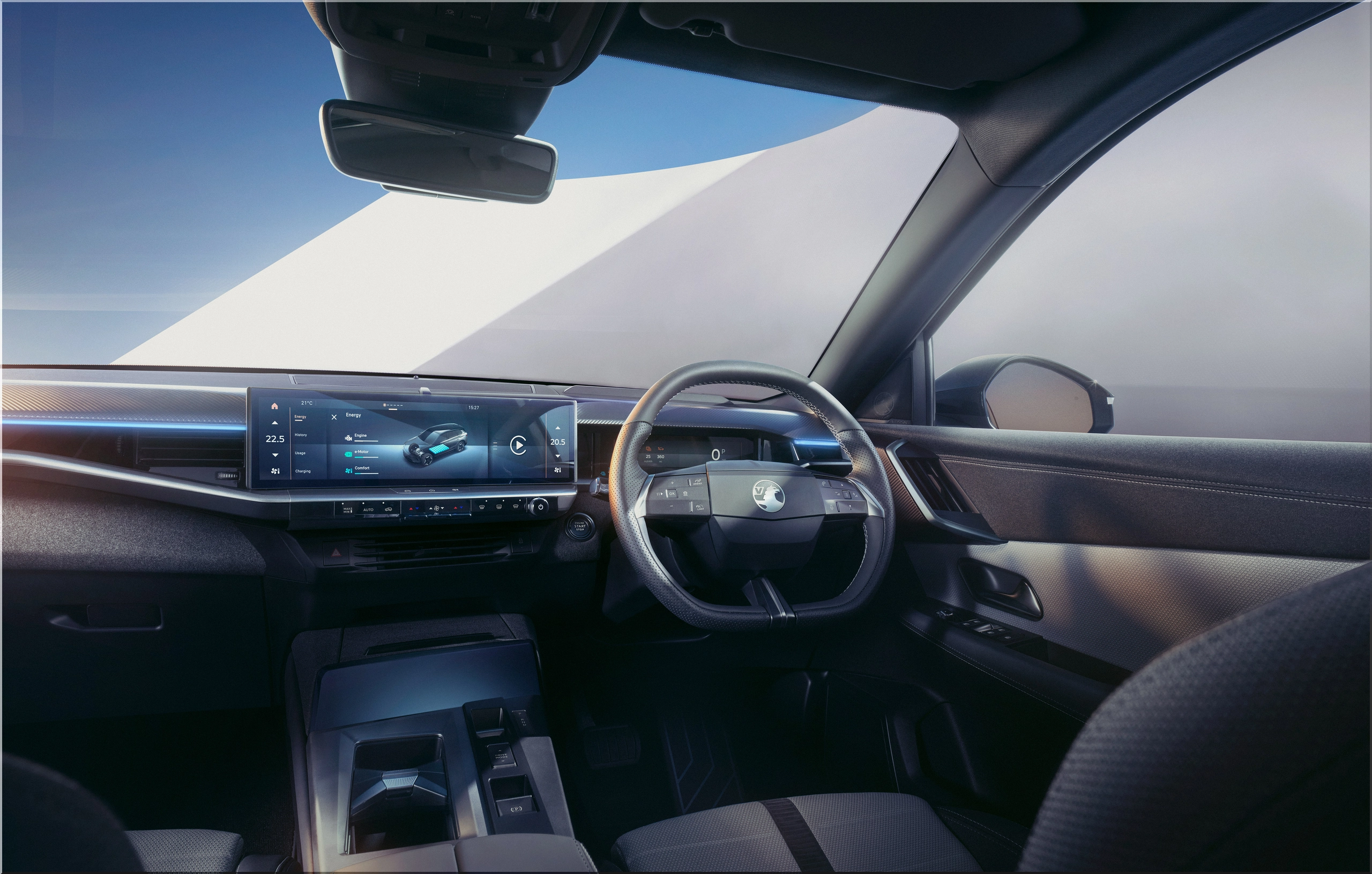
You get wireless CarPlay and Android Auto. Safety tech hits the expected box list: AEB with pedestrian detection, adaptive cruise, lane keep, sign recognition, and drowsiness alert. Cameras and parking aids appear where users want them. The Intelli-Lux Pixel headlights in Ultimate add night confidence without distracting glare.
GSE adds sports seats, Alcantara trim, and Intelli-HUD. The Pure Panel Pro layout keeps key info in view. Controls remain straightforward. The aim is quick task completion with minimal taps.
Who should buy which Astra Plug-In Hybrid
- Pick GS 195PS if you want the best BiK rate with long EV range. You still get the key comfort and safety kit.
- Pick Ultimate 195PS if you want Intelli-Lux lighting, HUD, and the full driver-assist stack.
- Pick GSE 225PS if you value sharper response and stronger acceleration with meaningful EV range.
Quick verdict: range and tax win the headline
Vauxhall's update hits the core use case. More EV miles, lower BiK, no list-price increase. The Astra Plug-In Hybrid becomes easier to justify for fleets and cost-focused buyers. GSE keeps pace with stronger output and a real chassis tune. The playbook is simple: keep costs flat, raise usability, and protect residuals.
Actionable insights for buyers and fleet managers
- Run the BiK math on GS 195PS at 9%. Expect real payroll savings vs. prior range.
- Spec the 7kW onboard charger if you have 7.4kW AC on site or at home. It cuts time costs.
- Target 40–50 mile daily routes to maximize EV use and fuel savings. The battery now covers that window.
- Use Sport sparingly. Keep Hybrid for long trips to protect efficiency.
- Consider GSE if duty cycles include fast A-road work. The steering and damping upgrades help stability.
Spec snapshot: numbers at a glance
- Battery: 17.2kWh
- Outputs: 195PS/360Nm (PHEV), 225PS/360Nm (GSE)
- EV range: up to 52 miles WLTP hatch, up to 51 miles estate, up to 50 miles GSE
- 0-62mph: 7.9s hatch, 8.0s estate, 7.6s GSE hatch
- Gearbox: e-DCT7 across PHEV and GSE
- Top speed: 140mph PHEV, 146mph GSE
- Charging 20–80%: 2h53 at 7.4kW (opt 7kW OBC), 4h06 at 3.7kW (std OBC)
- Deliveries: from November 2025 (UK)
- OTR pricing: £39,715–£44,950 ($50,835–$57,536)
- Add new comment
- 116 views