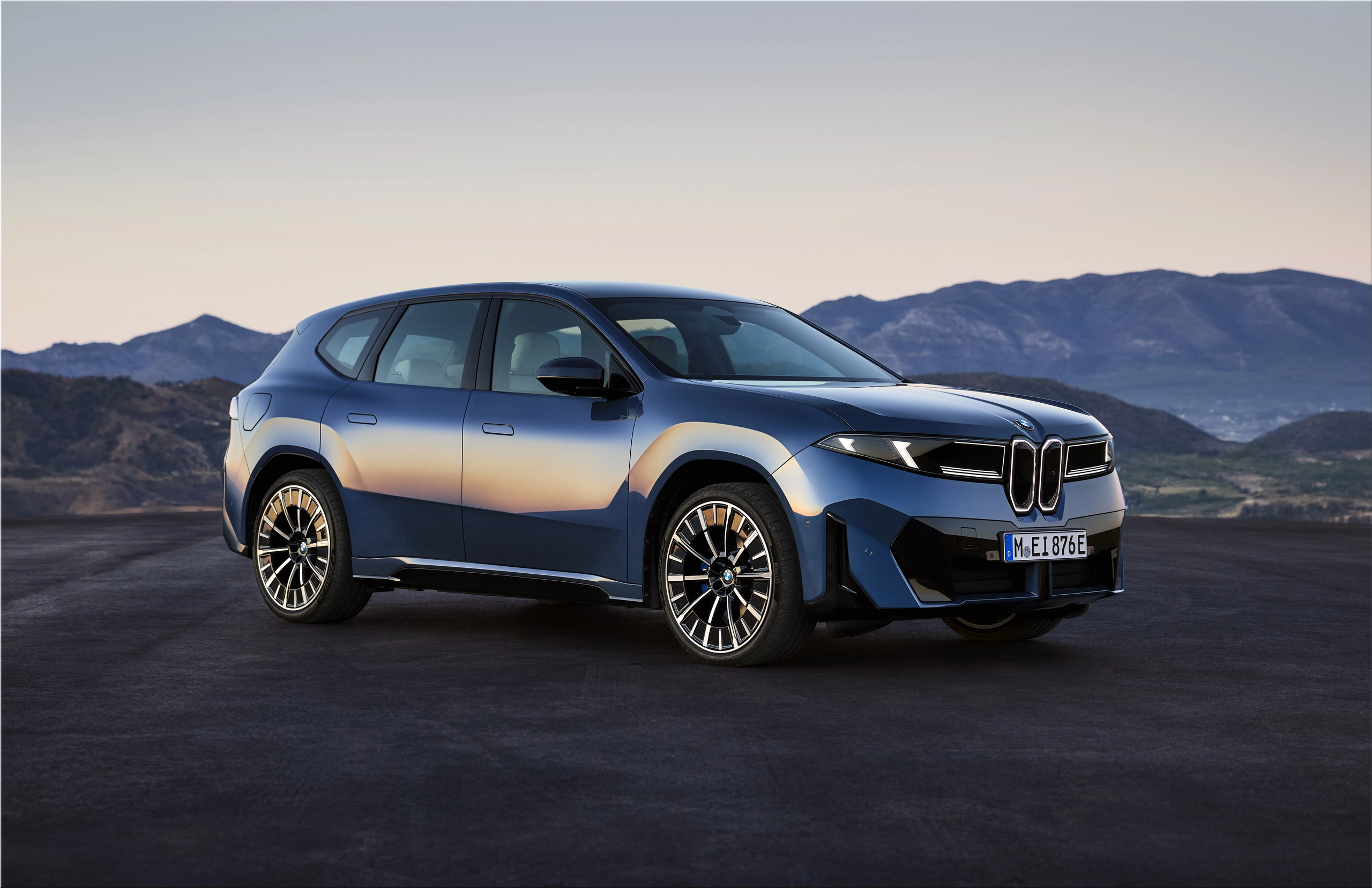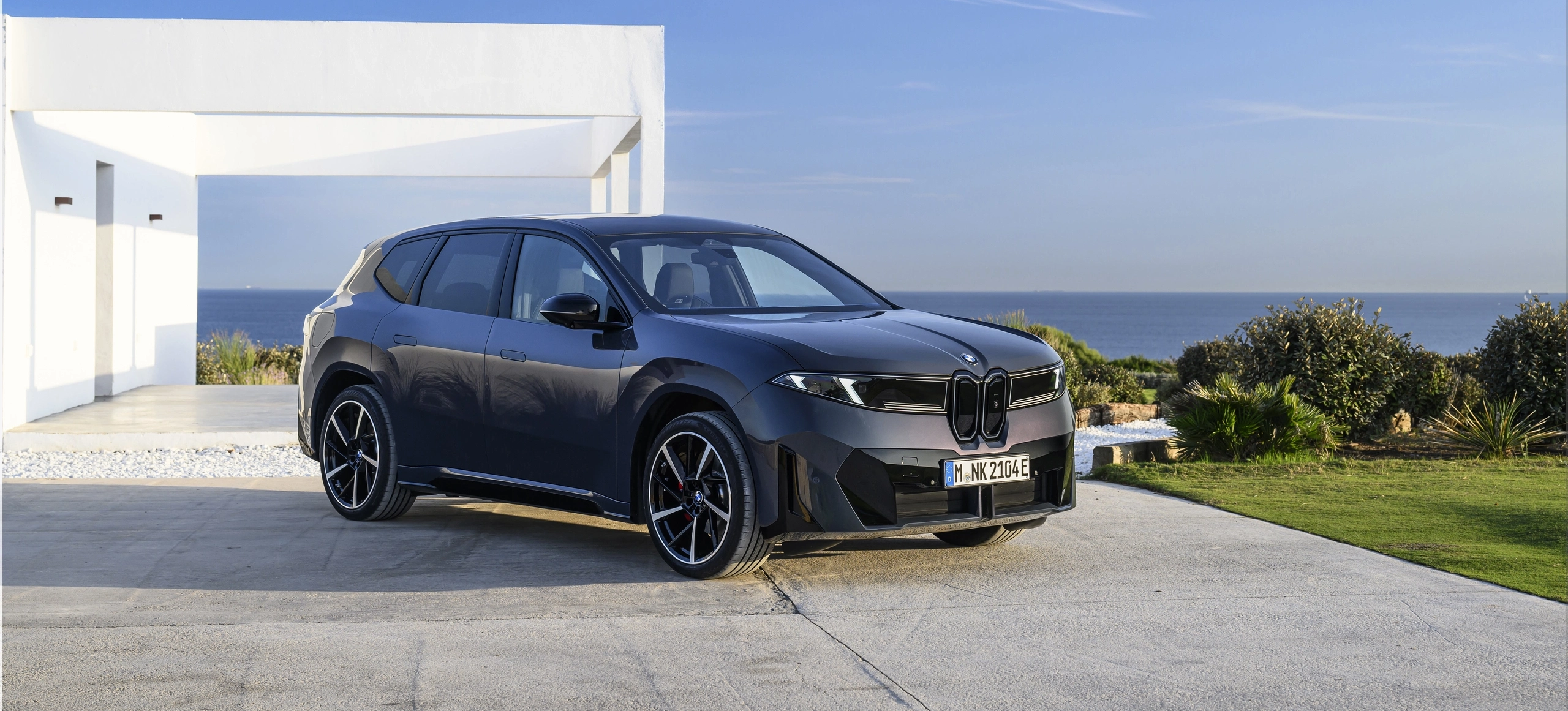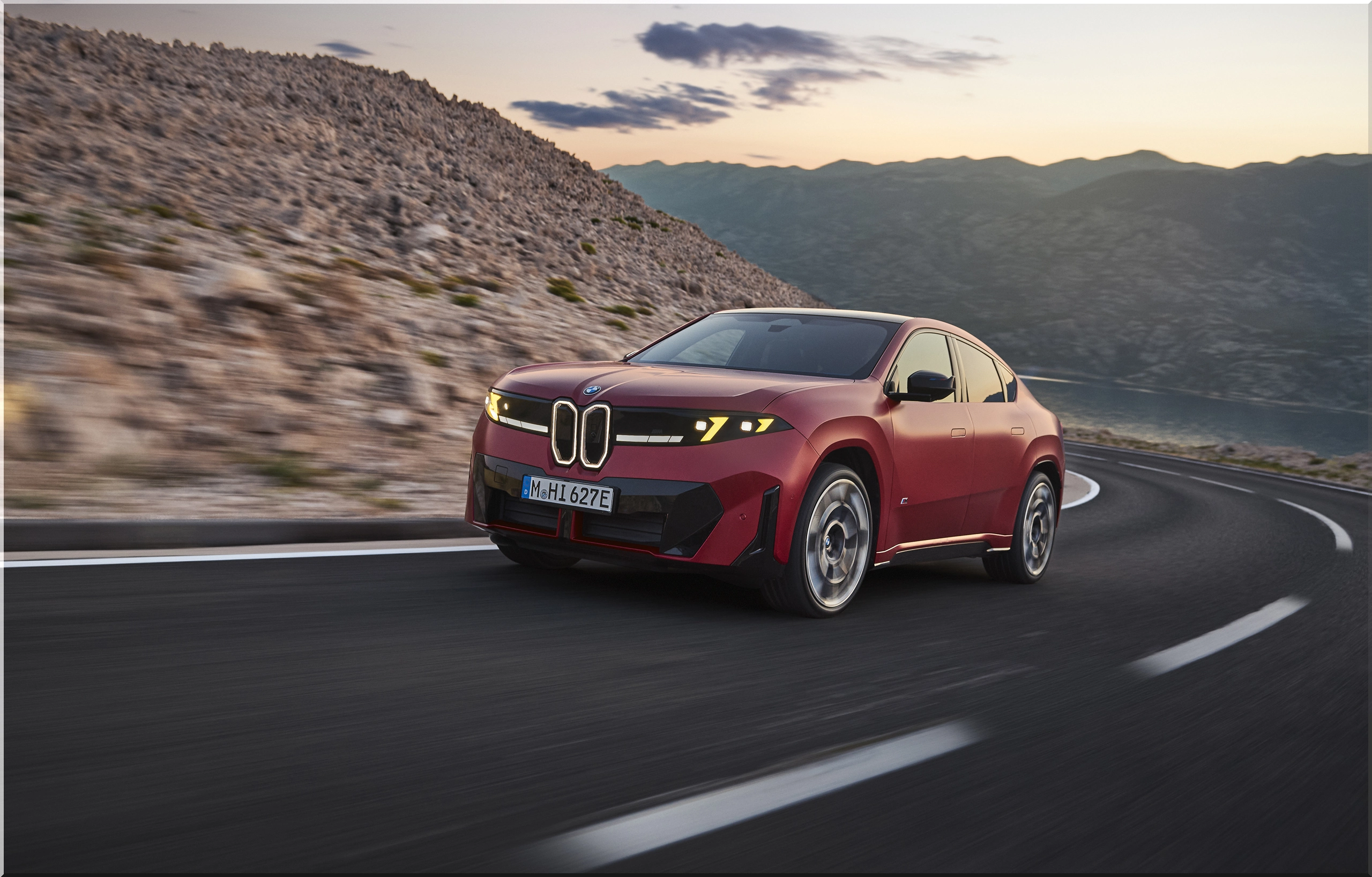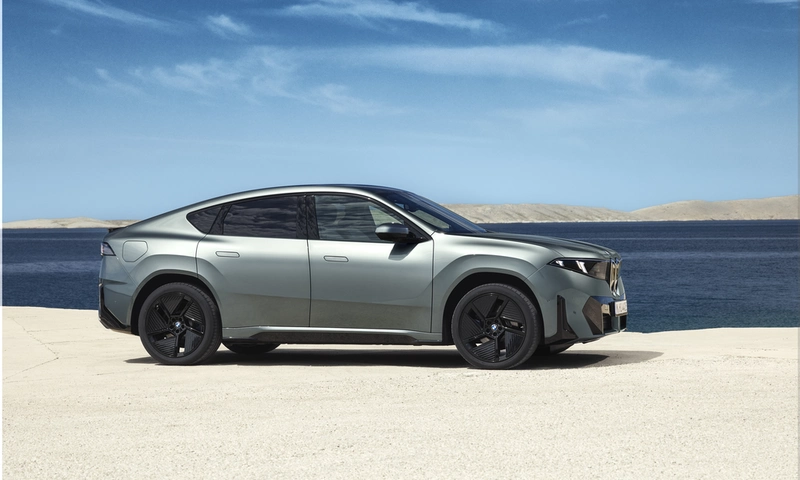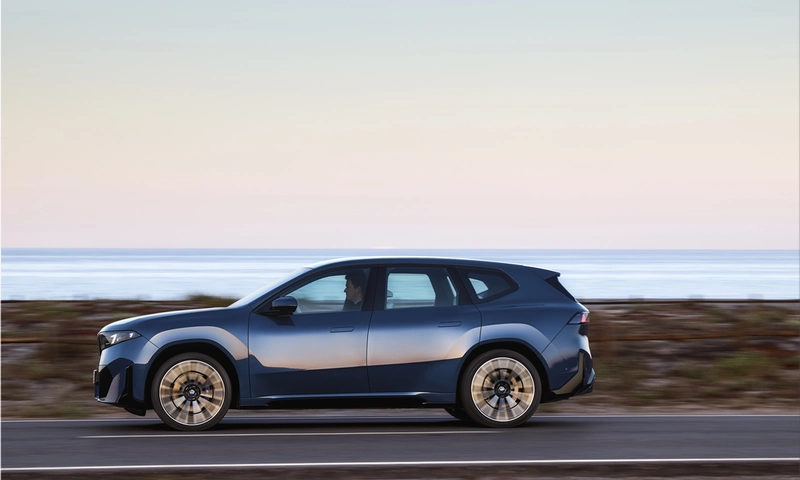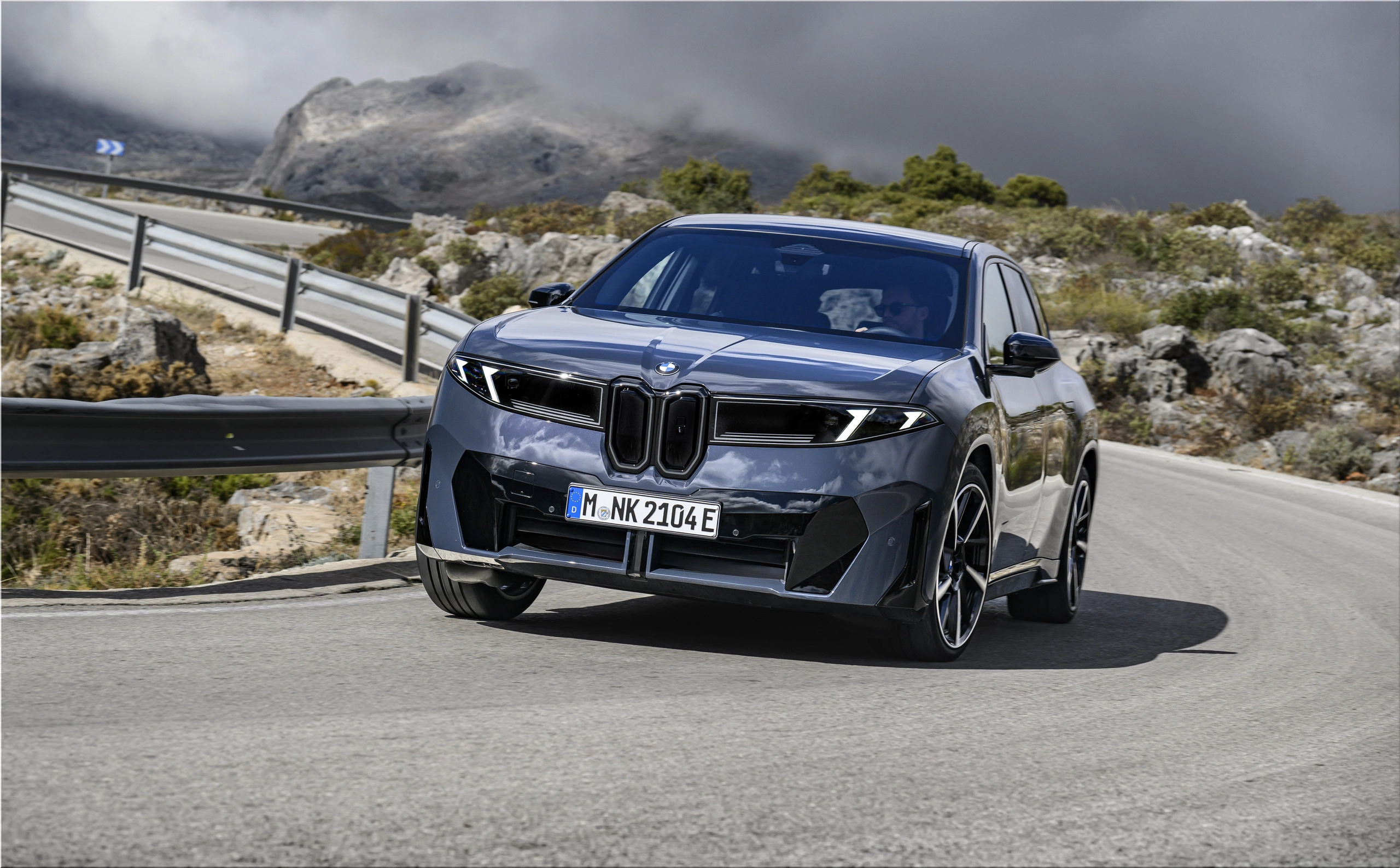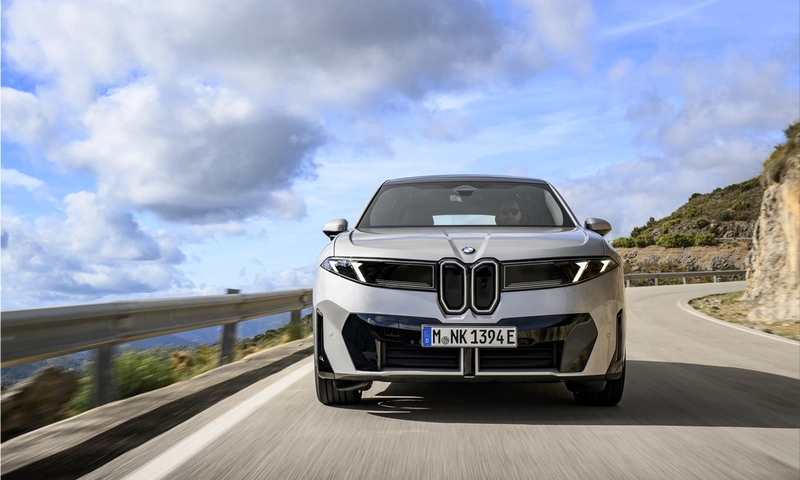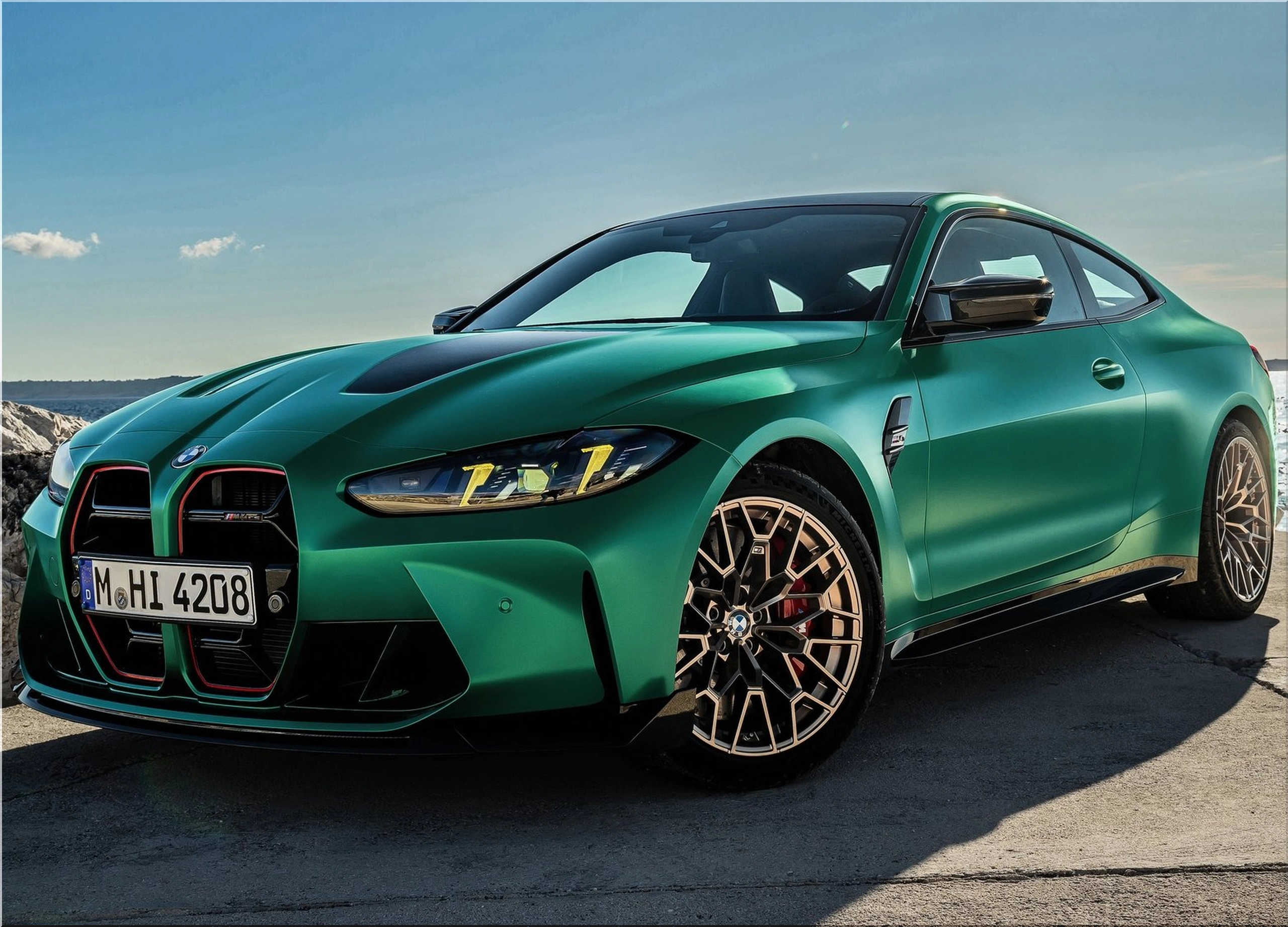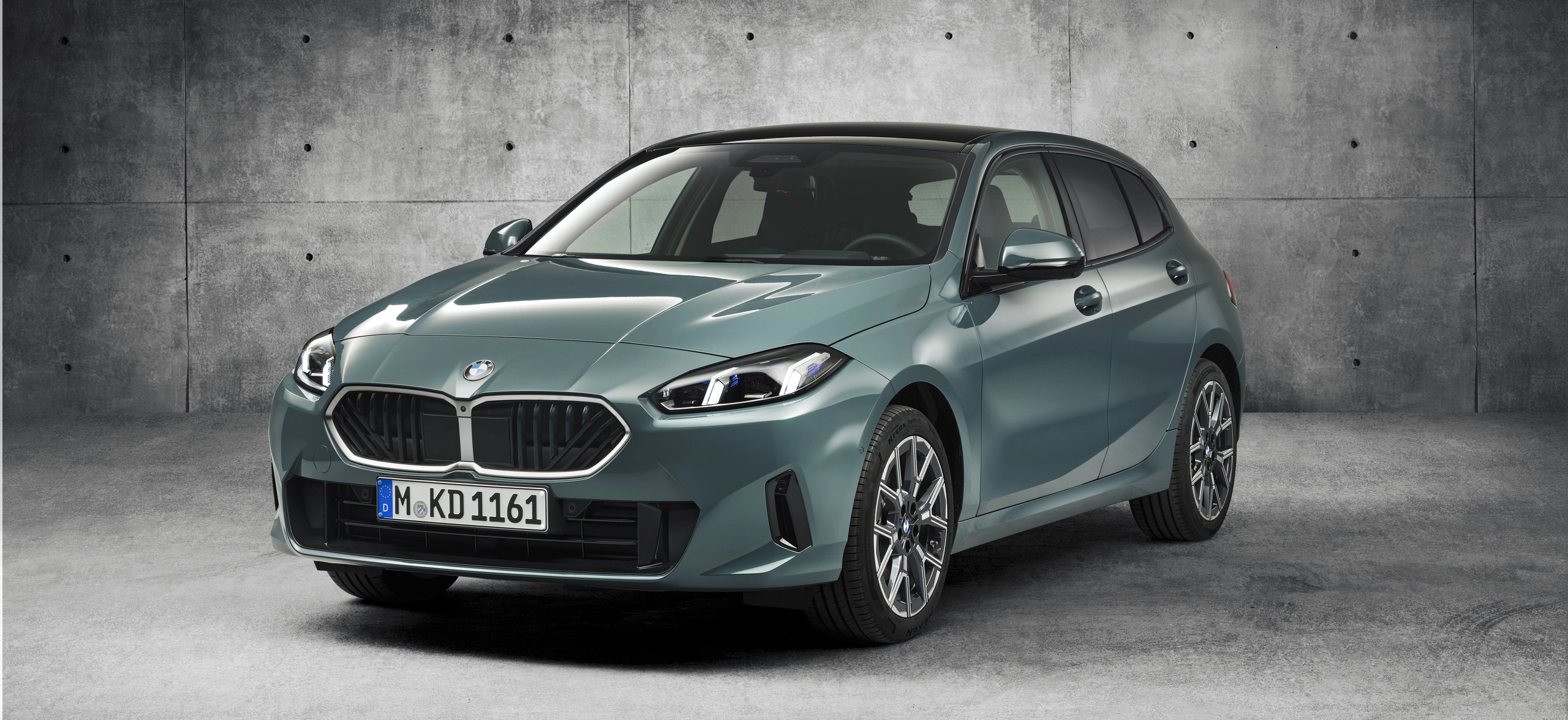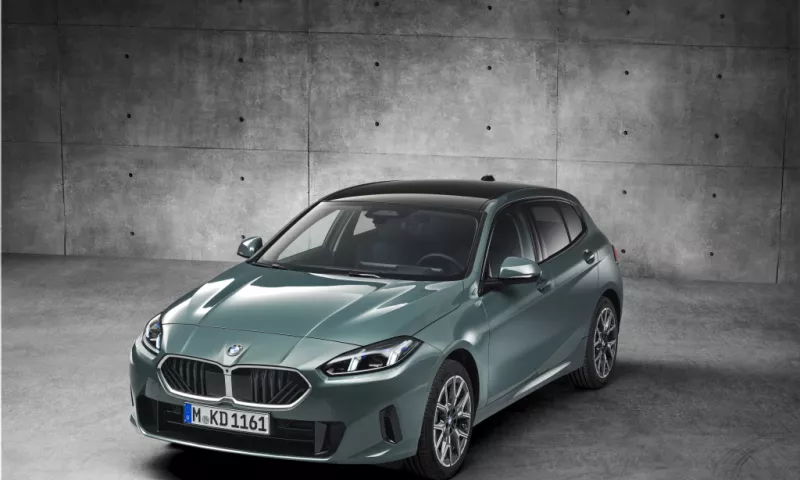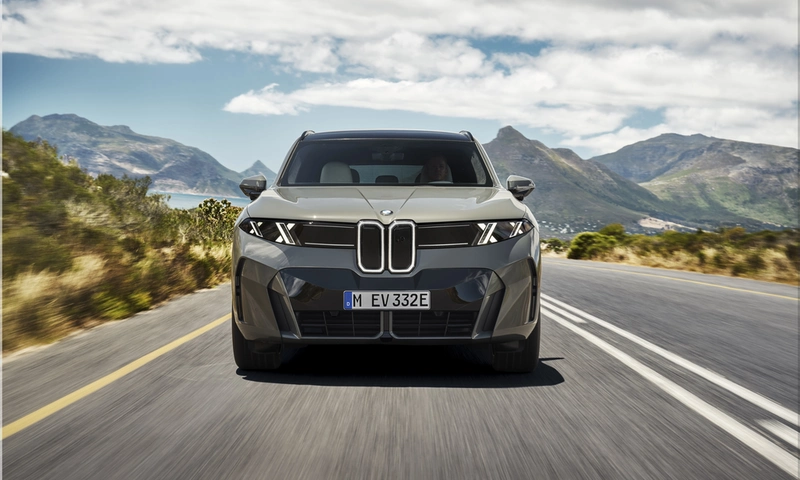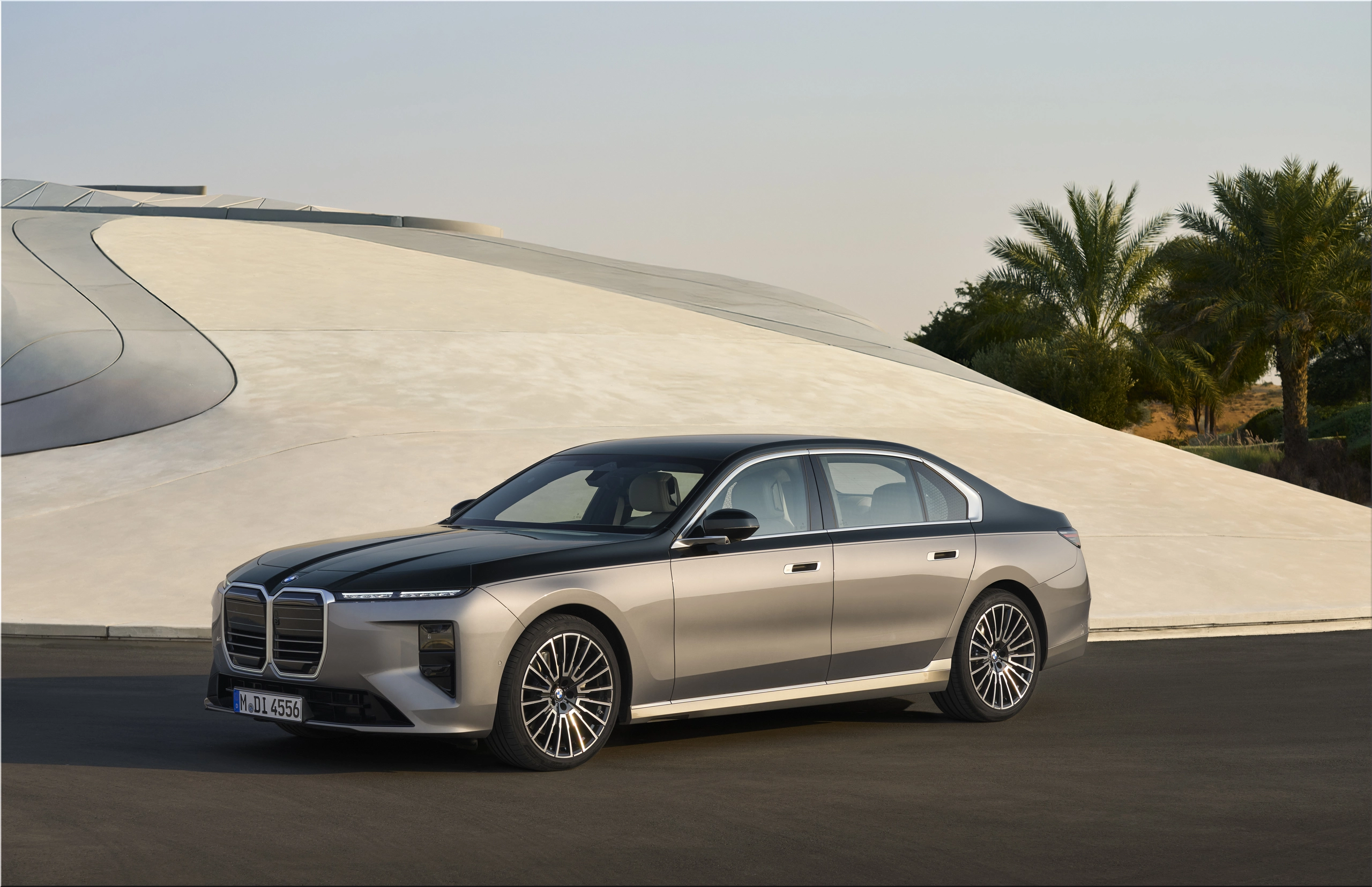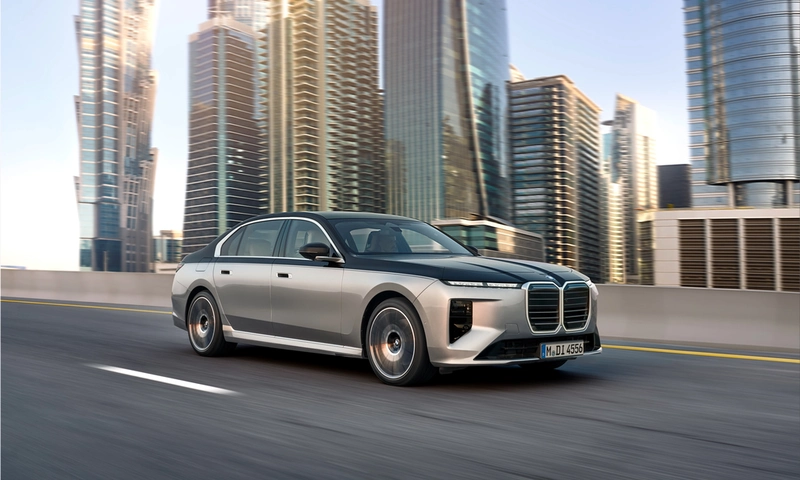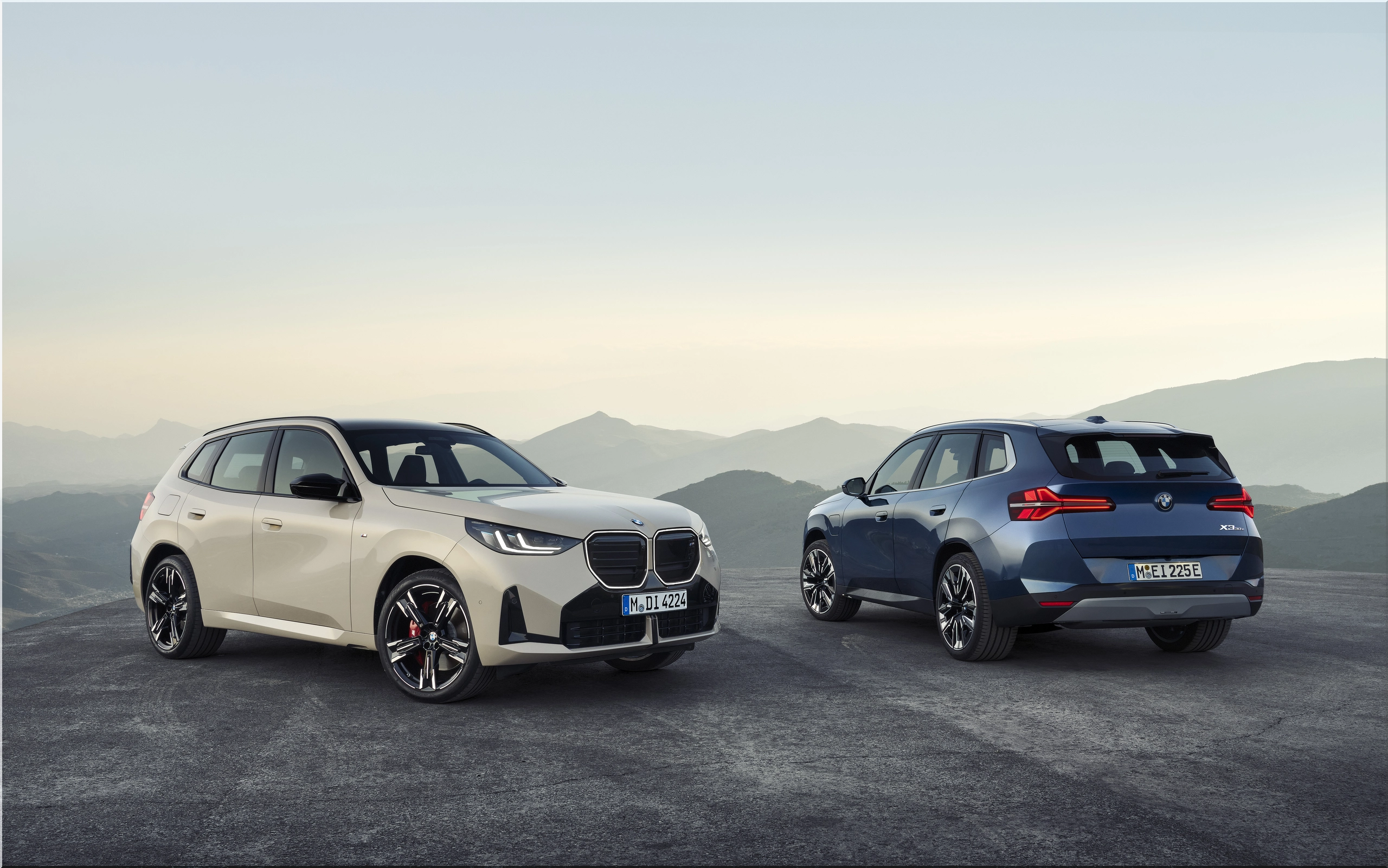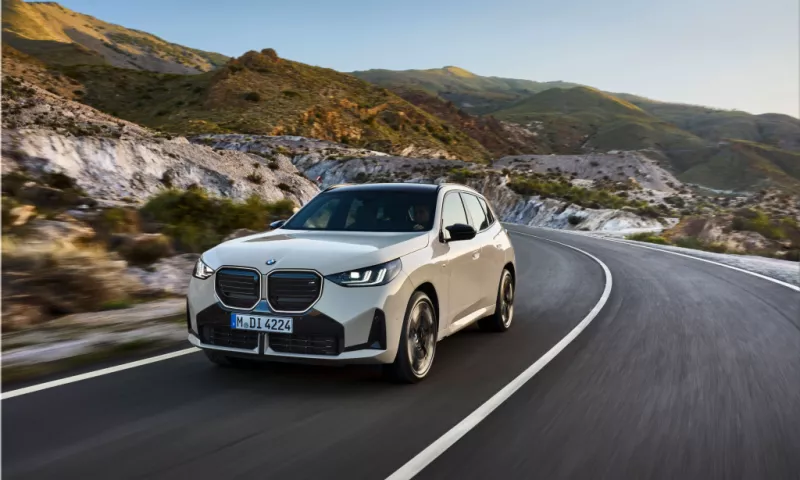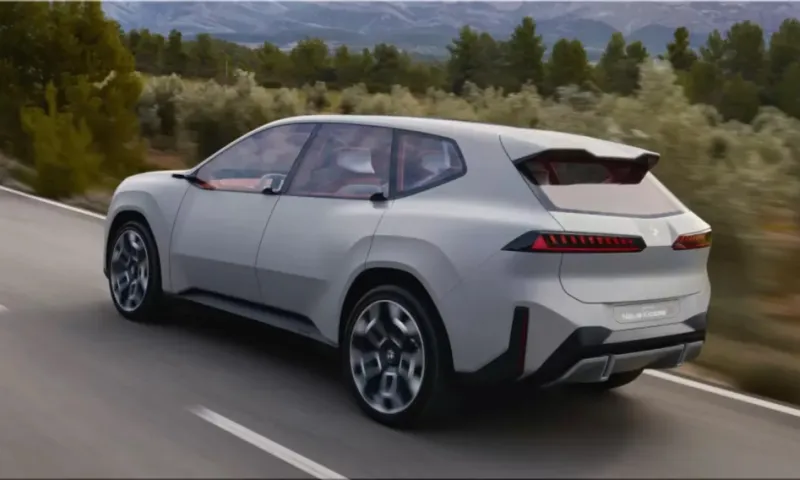

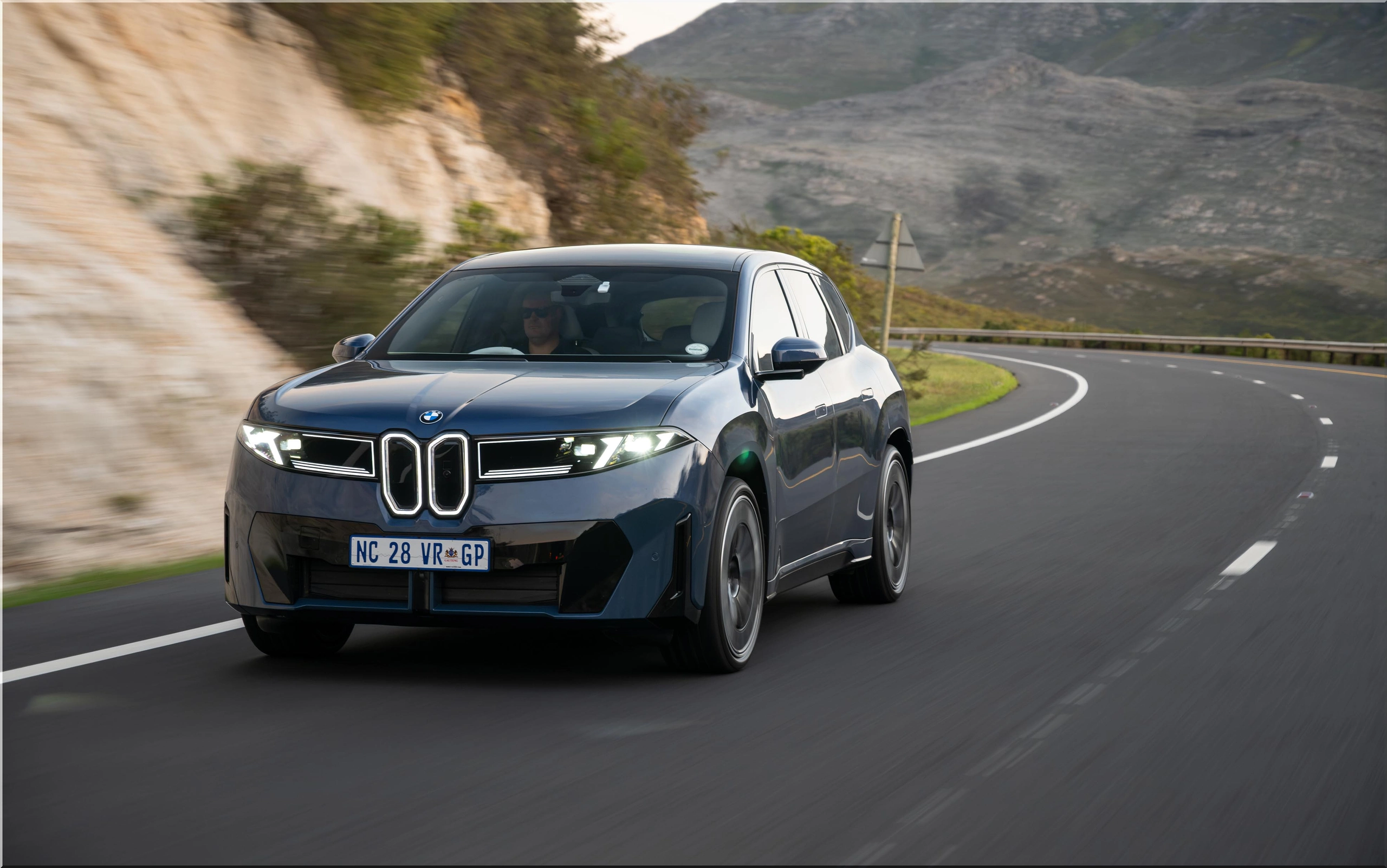
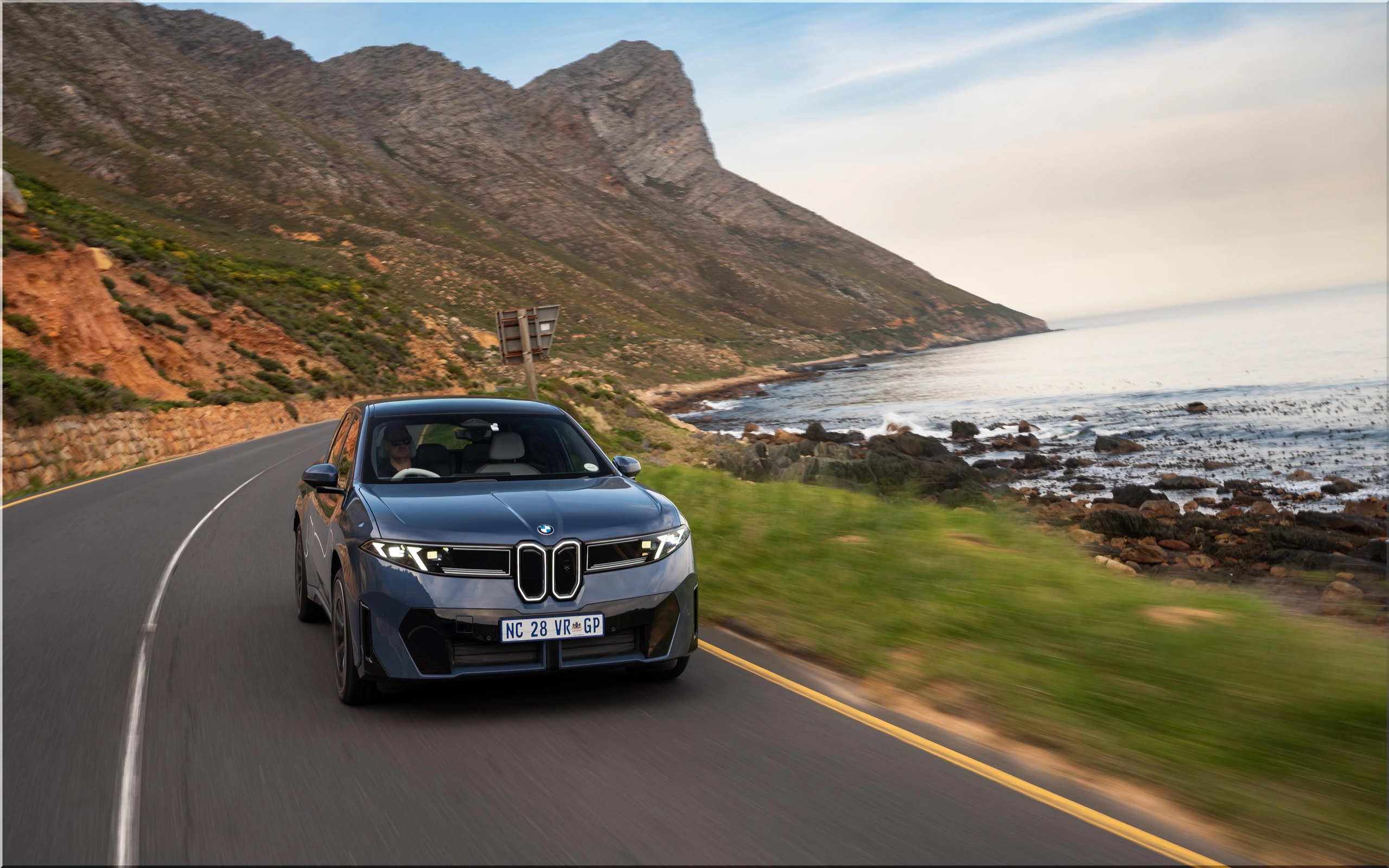
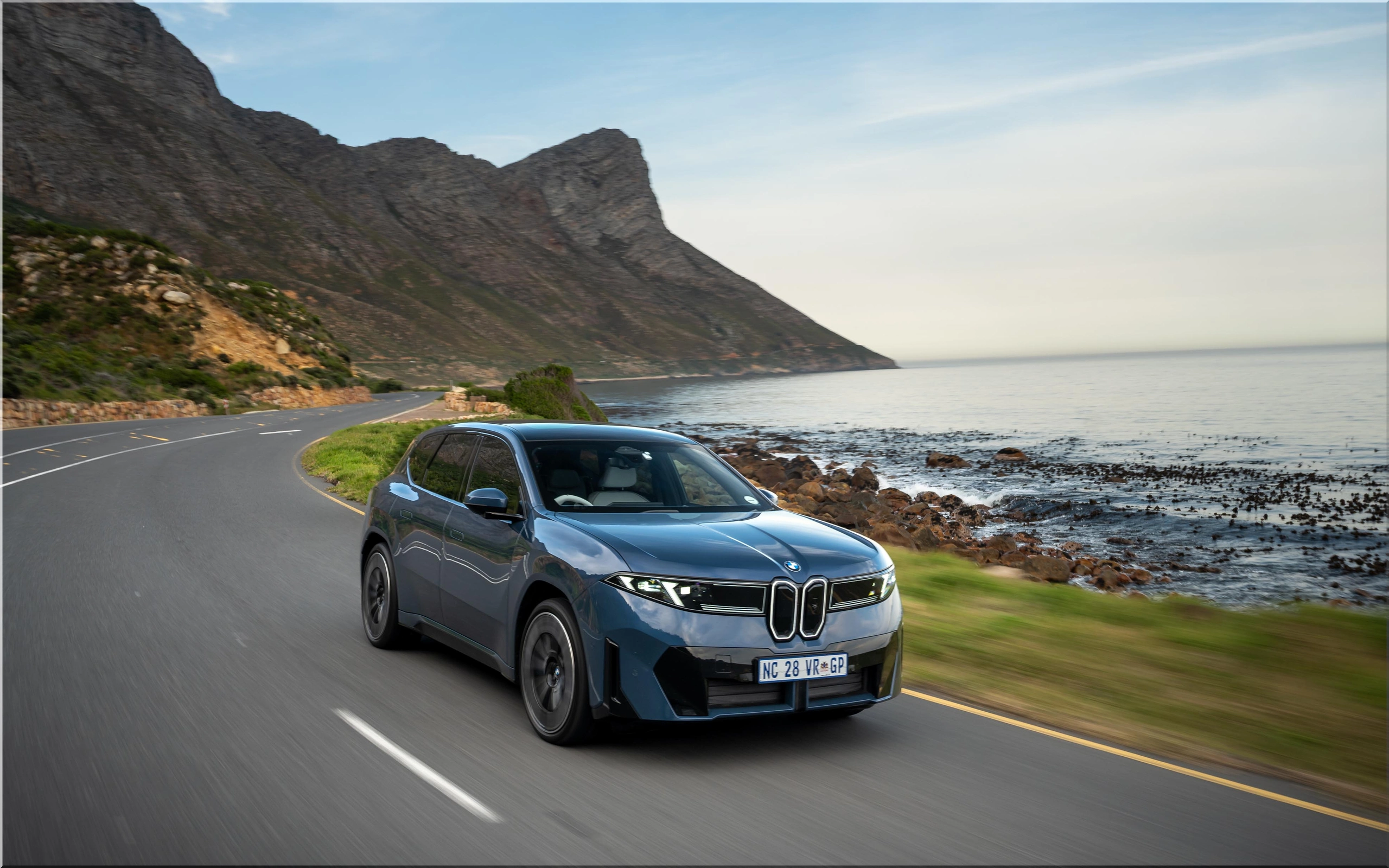
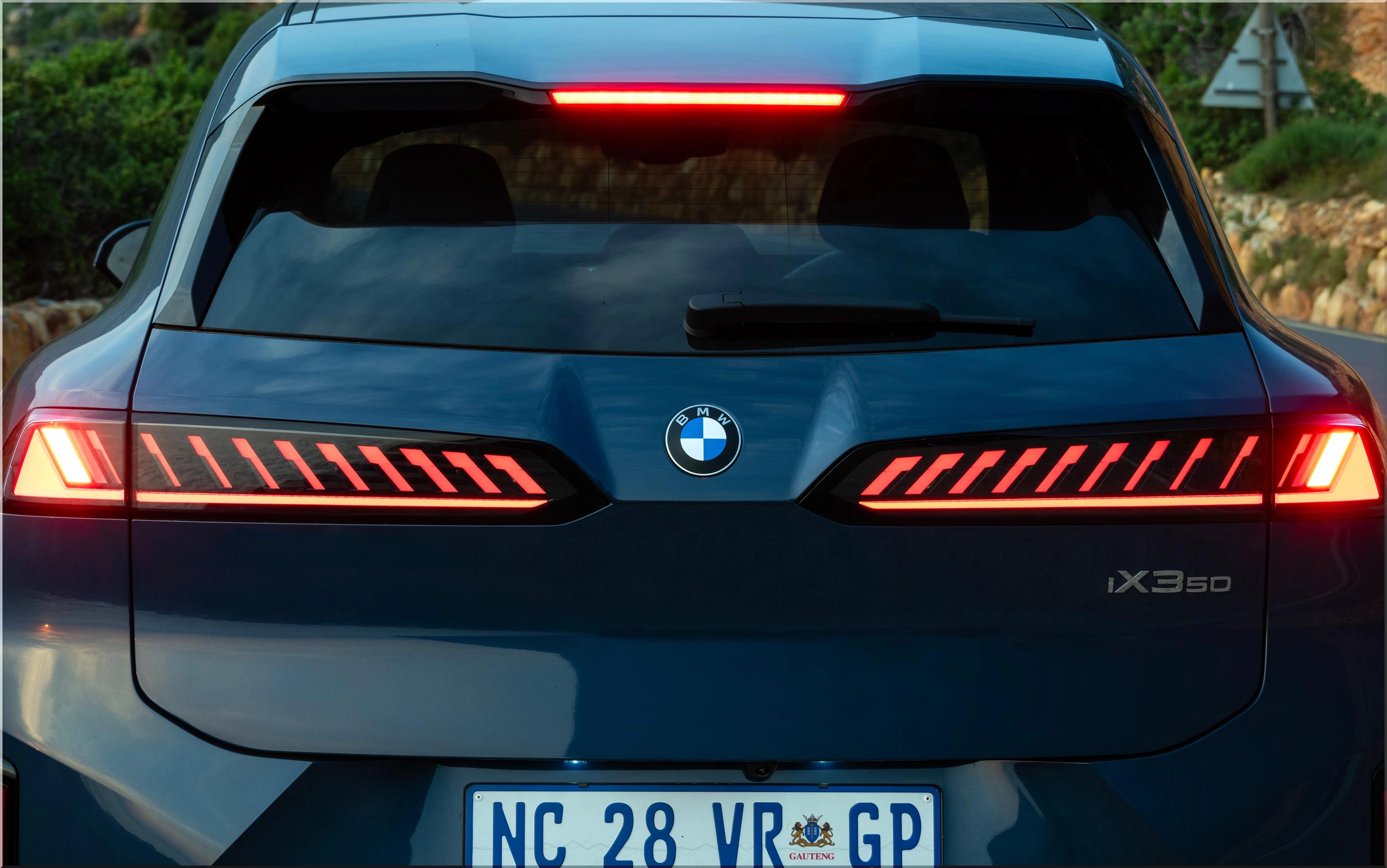
BMW has opened its Neue Klasse chapter in South Africa with the new BMW iX3 electric SAV. The iX3 50 xDrive arrives first at R1,690,000, while the rear-wheel-drive iX3 40 will expand the range during the first quarter of 2027 at R1,498,000.
This launch carries far greater strategic weight than a routine model replacement. The iX3 introduces BMW's sixth-generation electric drivetrain, 800-volt electrical architecture, cylindrical battery cells, centralised computing system and Panoramic iDrive interface. BMW plans to transfer these technologies into 40 new or updated models by the end of 2027.
Image
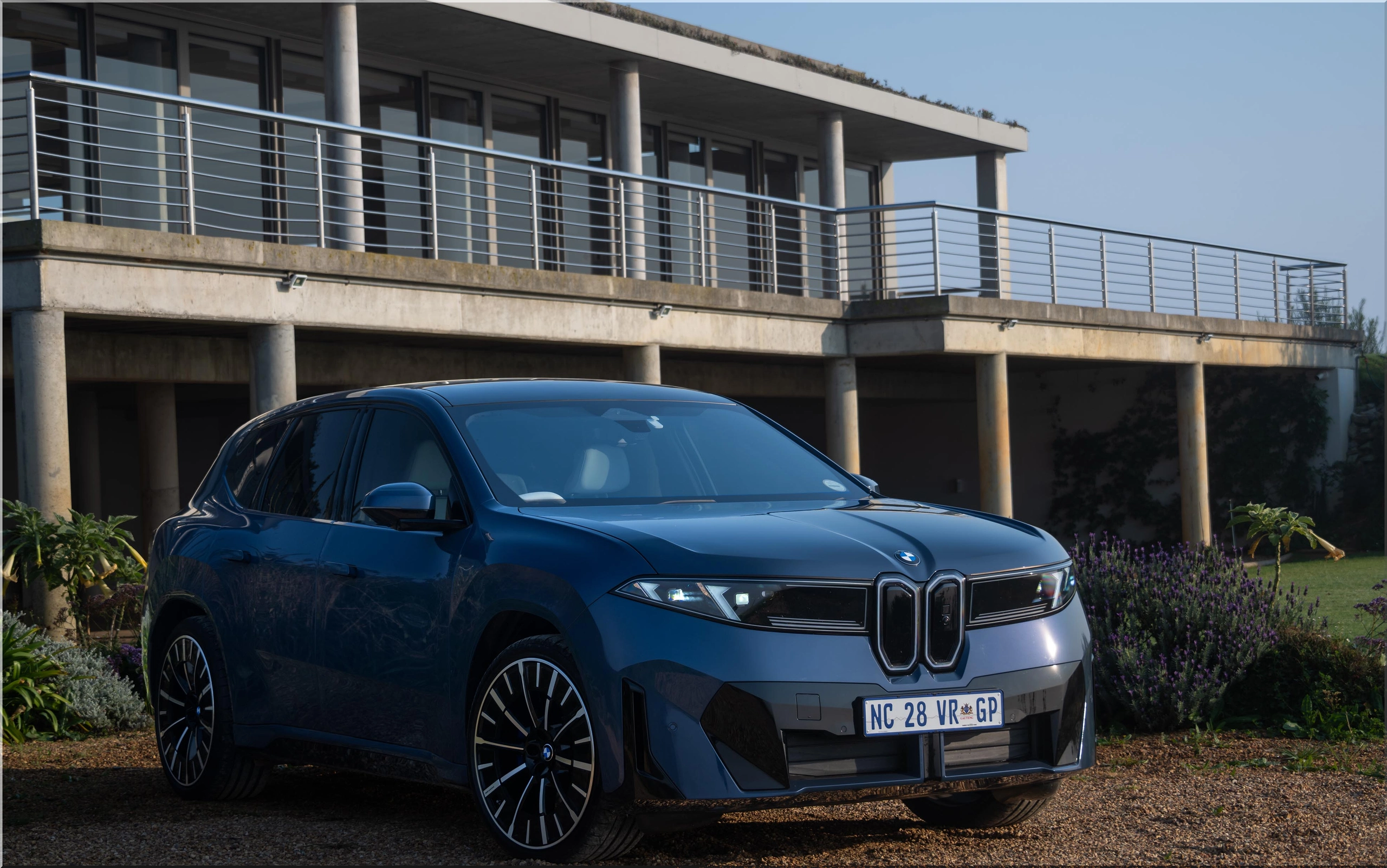
For South African drivers, three figures define the initial proposition: up to 805 km of WLTP range for the flagship version, 400 kW peak DC charging and 345 kW from a dual-motor all-wheel-drive system. Those numbers place the BMW iX3 Neue Klasse among the most technically ambitious electric SUVs entering the local premium market.
BMW iX3 South Africa prices and launch schedule
BMW has confirmed two powertrains for South Africa. The company launches the iX3 50 xDrive first, followed by the less expensive iX3 40 in early 2027.
| South African model | Drive system | Power | Torque | Local price | Availability |
|---|---|---|---|---|---|
| BMW iX3 40 | Rear-wheel drive | 235 kW | 500 Nm | R1,498,000 | Q1 2027 |
| BMW iX3 50 xDrive M Sport | All-wheel drive | 345 kW | 645 Nm | R1,690,000 | Available at launch |
| BMW iX3 50 xDrive M Sport Pro | All-wheel drive | 345 kW | 645 Nm | R1,720,000 | Available at launch |
The R192,000 difference between the iX3 40 and iX3 50 xDrive creates a meaningful decision point. Buyers who select the 50 xDrive gain another 110 kW, another 145 Nm and front-axle traction, while the iX3 40 cuts purchase cost, weight and energy demand.
Image
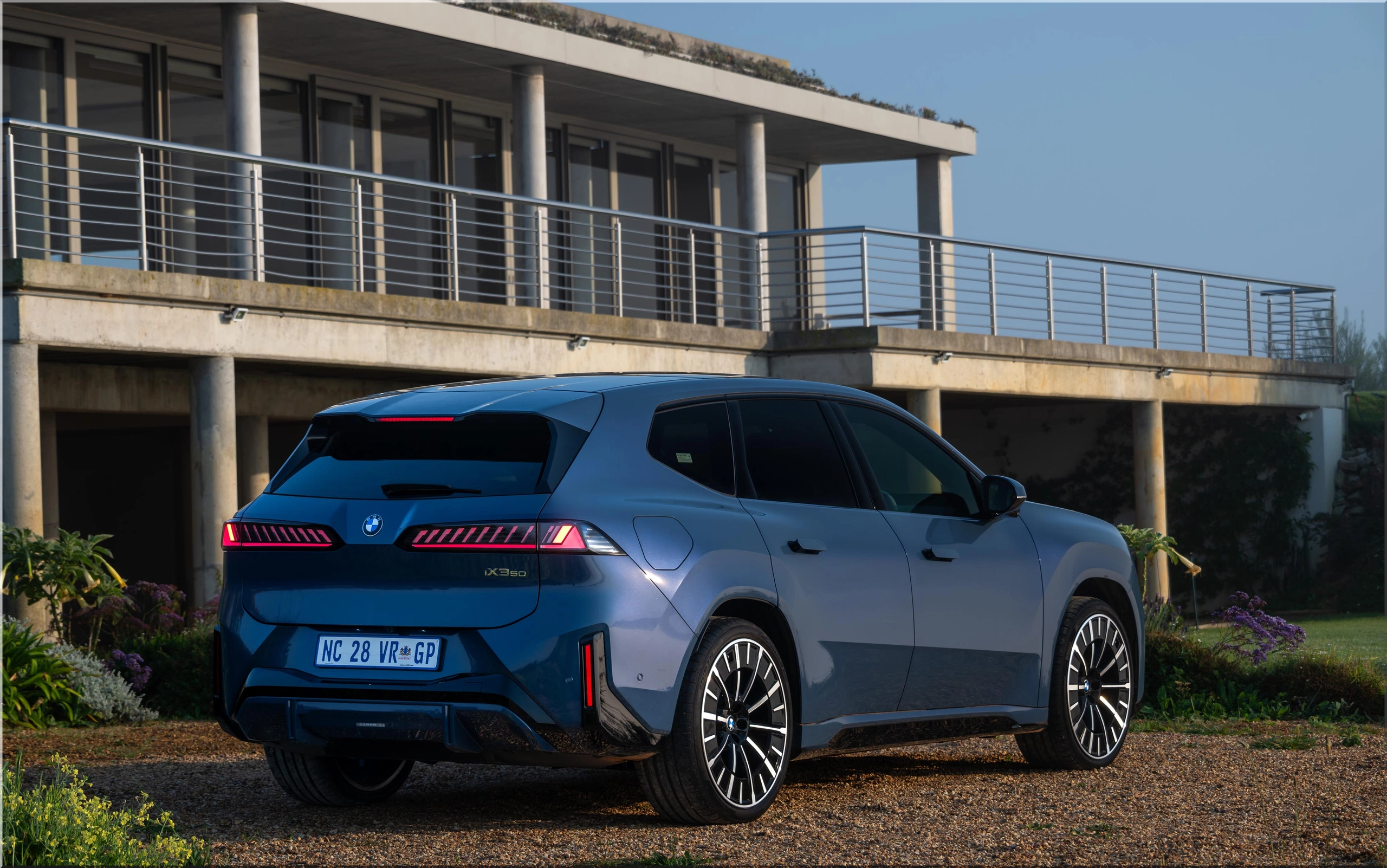
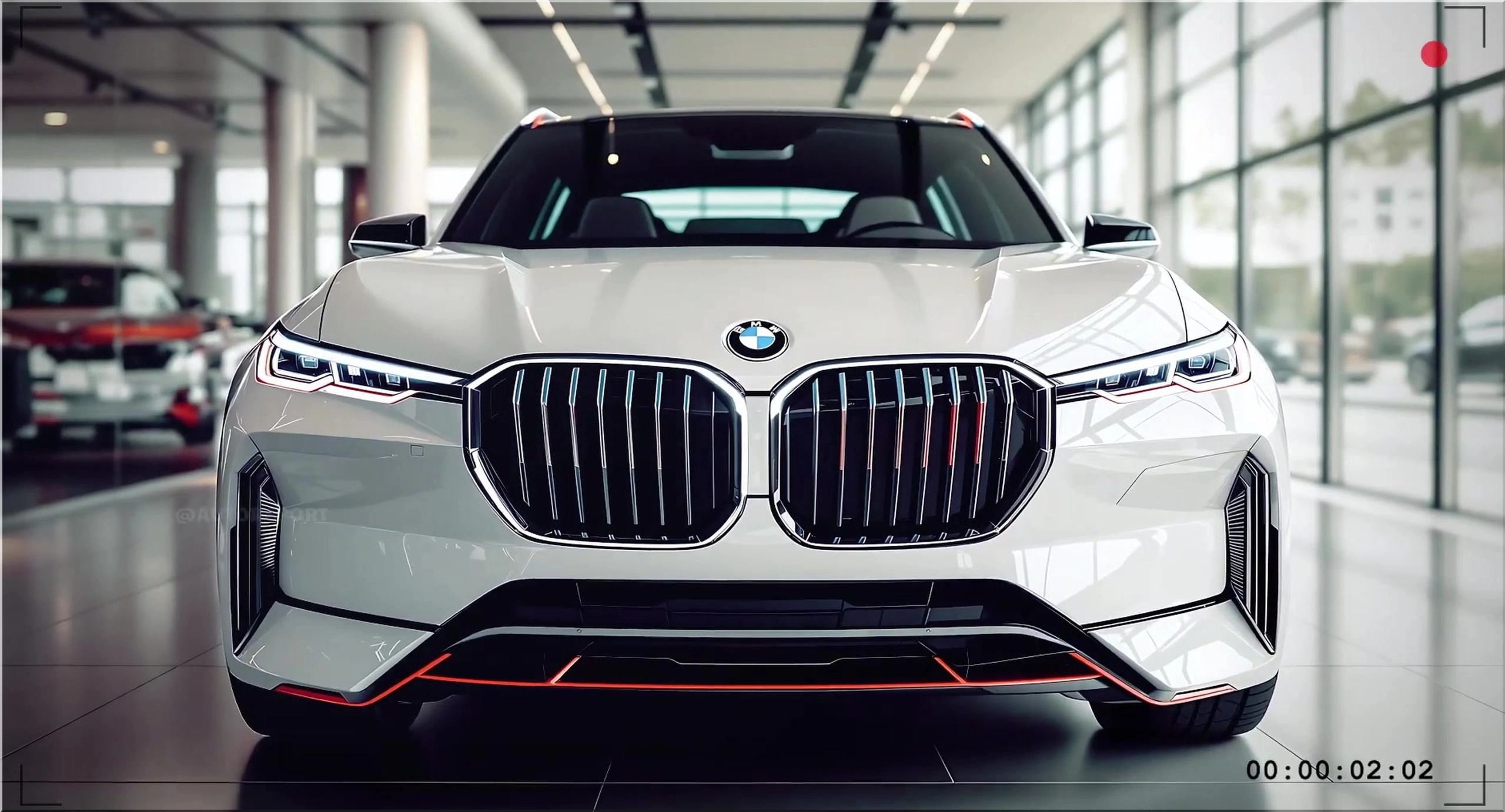
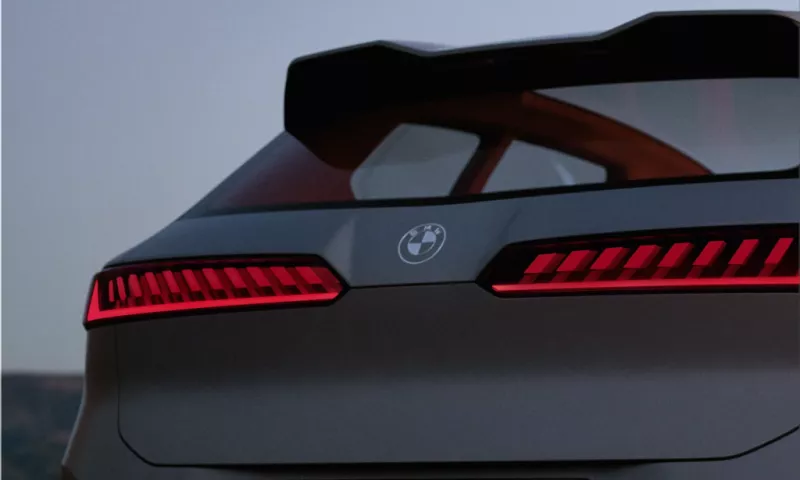
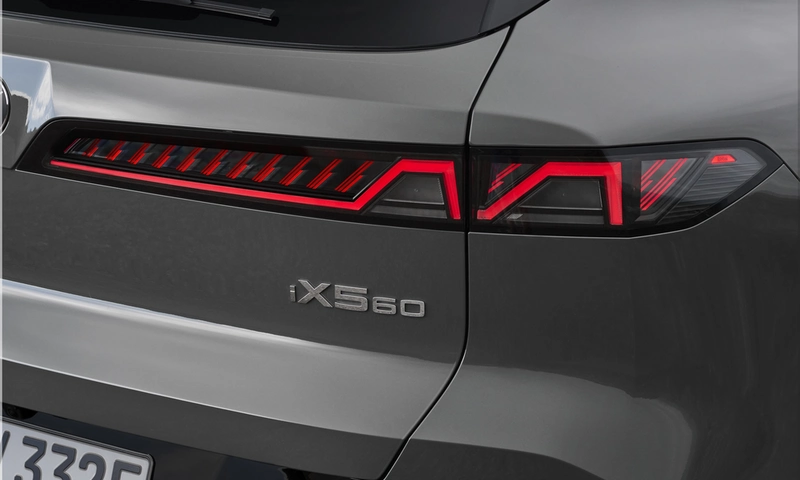
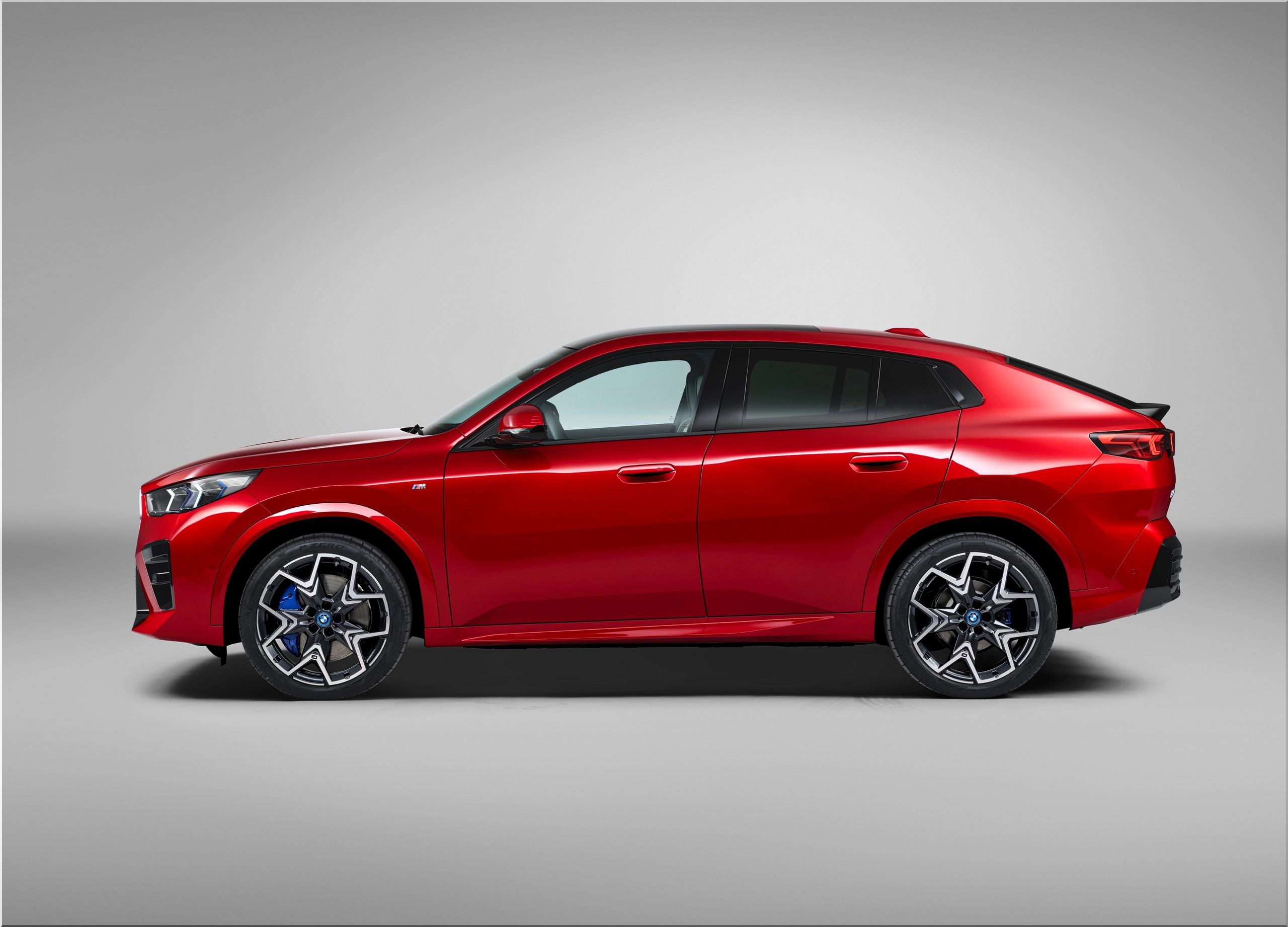
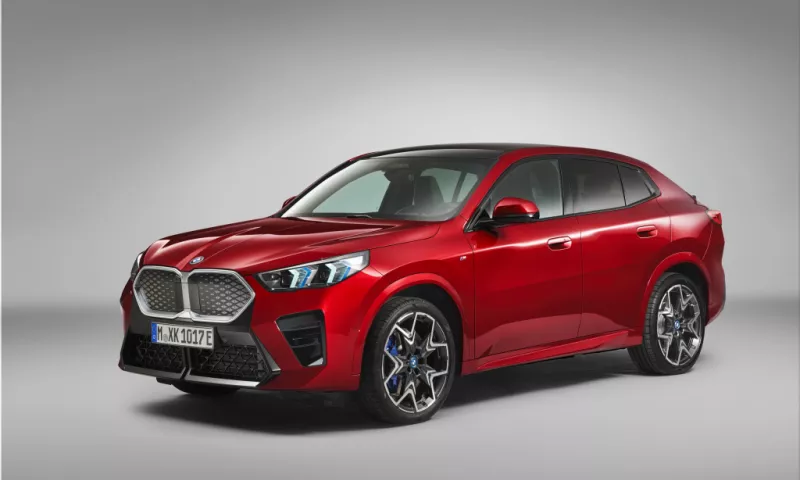
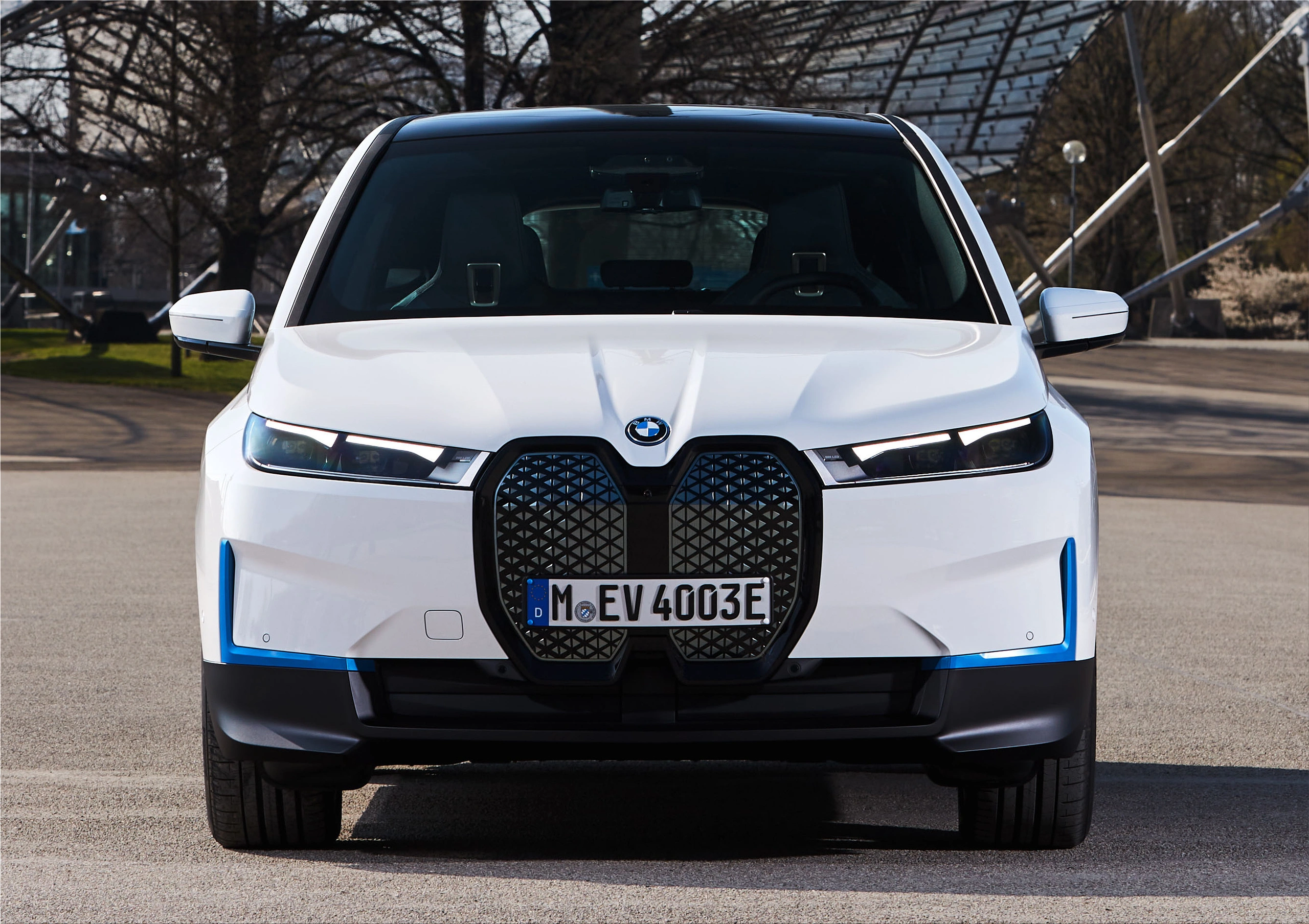
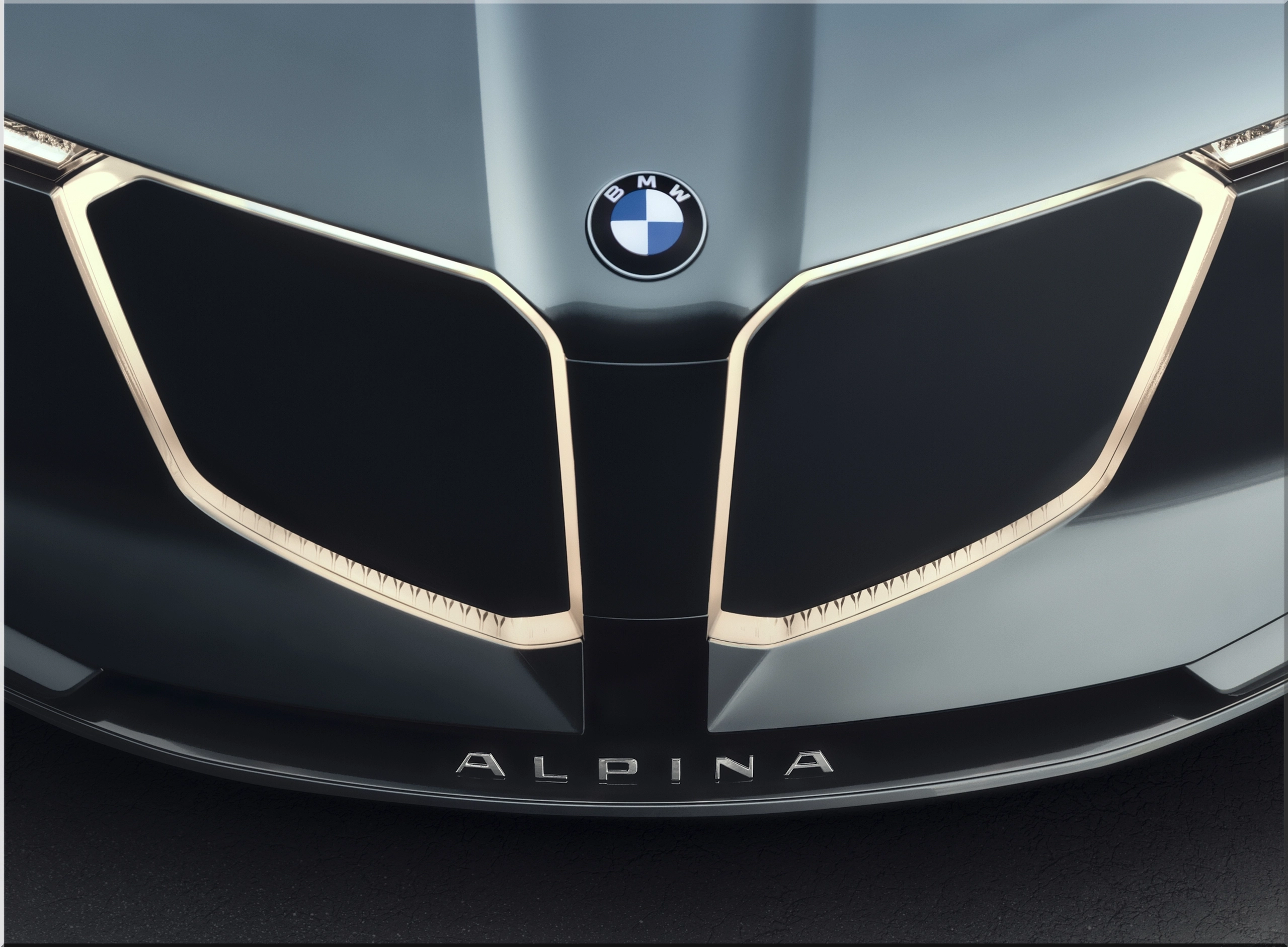
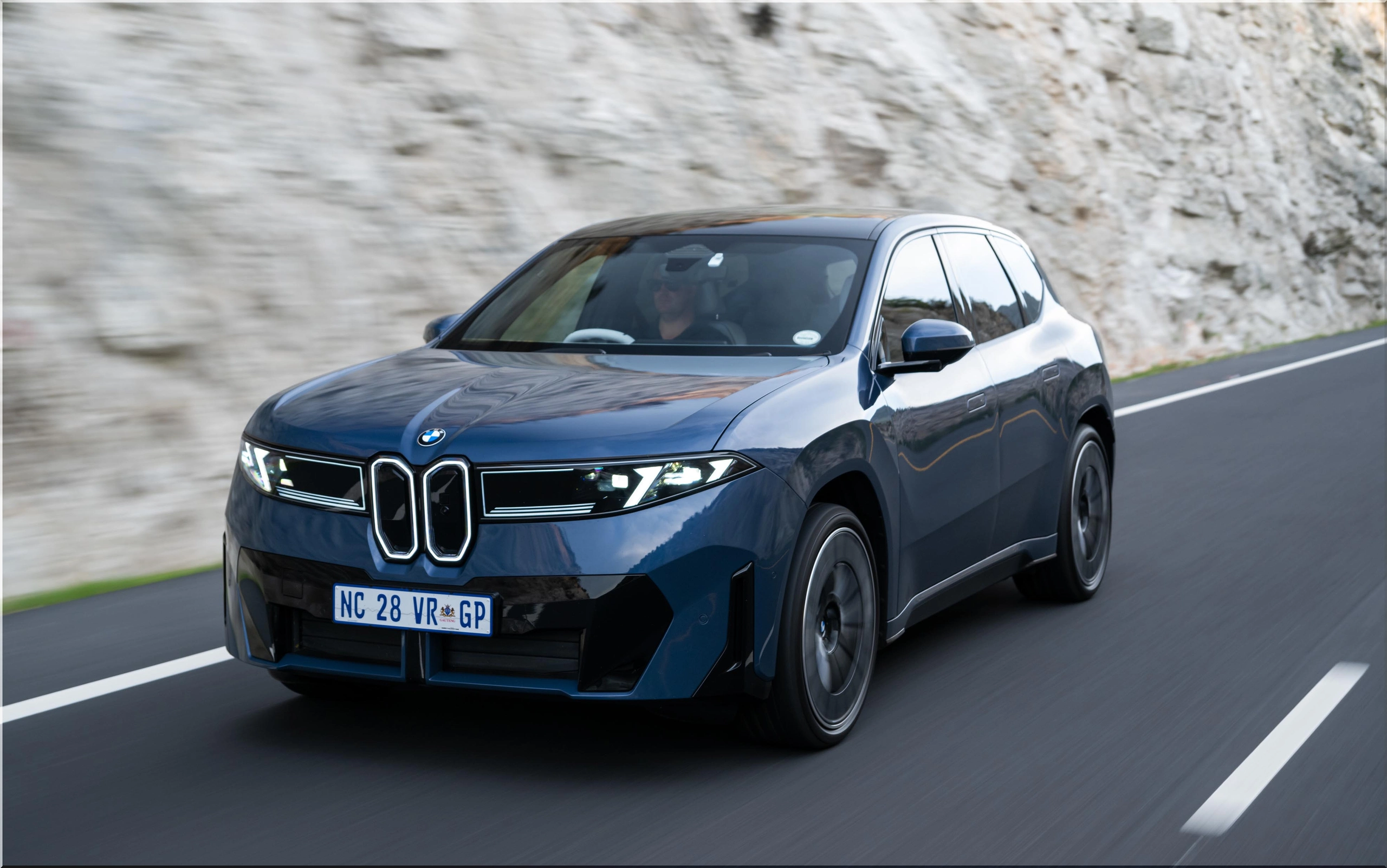
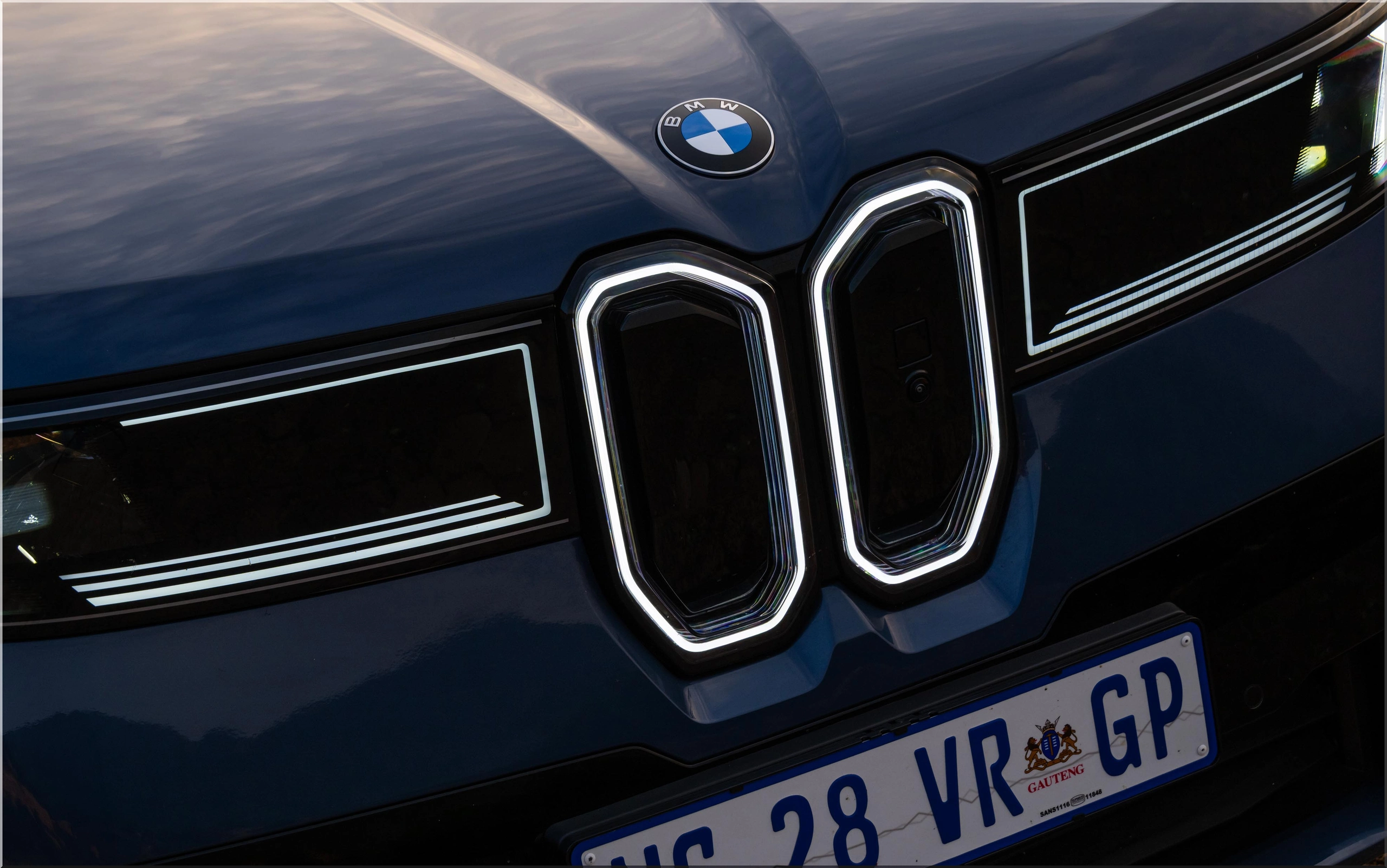
Specifically, the R30,000 M Sport Pro upgrade does not change the drivetrain. It adds the illuminated kidney grille with a black surround, black mirror caps, a darker rear diffuser section, red brake callipers and selected cabin upgrades.
Neue Klasse engineering starts under the floor
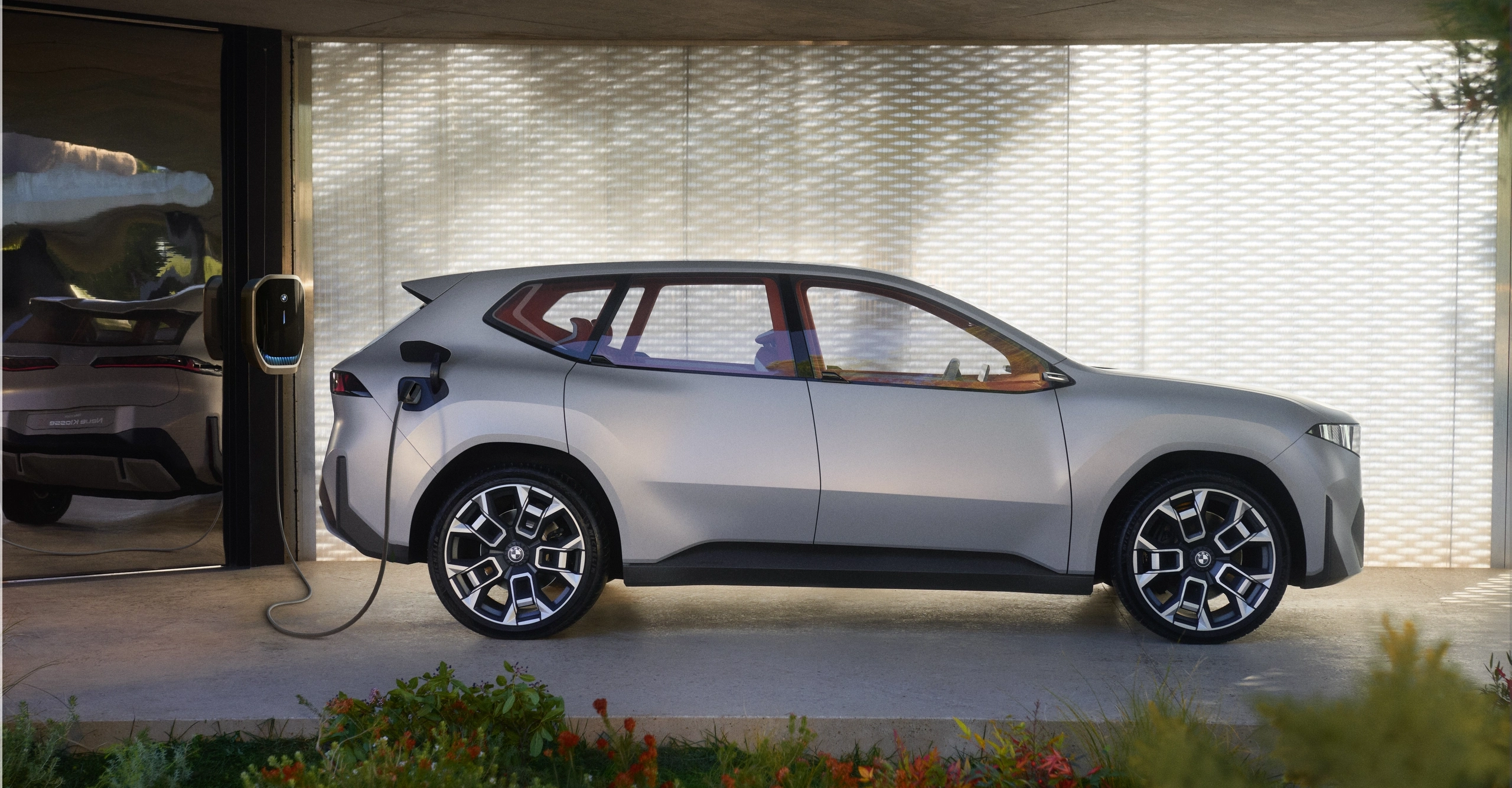
The BMW iX3 electric Neue Klasse uses a dedicated electric vehicle platform rather than the CLAR structure beneath the combustion-powered BMW X3. That distinction allows BMW's engineers to package the battery, motors, cooling circuits and electronic control hardware around electric propulsion from the first design stage.
BMW integrates the high-voltage battery into the vehicle structure. This approach improves torsional rigidity, frees cabin space and reduces redundant casing material. The floor-mounted pack also places a large share of the vehicle's mass low between the axles, which supports predictable cornering responses despite the iX3 50 xDrive's approximate 2,360 kg kerb weight in European specification.
New cylindrical cells deliver 20 percent greater energy density than BMW's previous prismatic cell design. BMW also claims approximately 30 percent faster charging and 20 percent lower energy losses through its sixth-generation eDrive system.
The 800-volt electrical system provides the key mechanical advantage. Higher voltage allows the charging system to transfer a given power level with less current, reducing resistive heat and permitting lighter high-voltage conductors. Consequently, the iX3 can accept 400 kW from a suitable ultra-rapid charger without carrying excessively heavy cabling throughout the vehicle.
Image
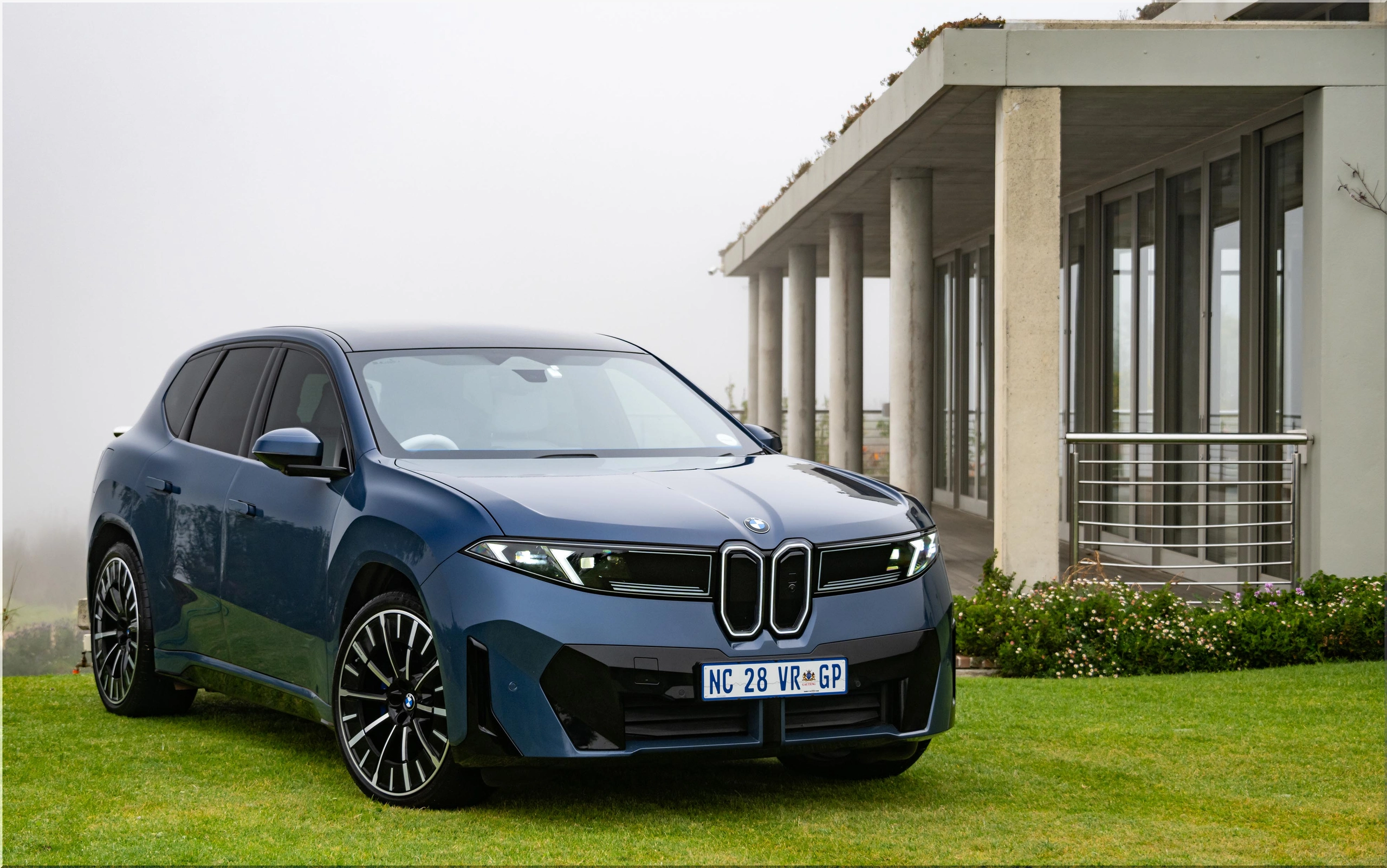
BMW iX3 50 xDrive performance and efficiency
The launch version uses two electric motors. BMW fits an electrically excited synchronous motor at the rear and an asynchronous motor at the front.
The rear motor handles most routine propulsion because its electrically excited design provides strong efficiency across a broad operating range without using permanent magnets. The front asynchronous motor can disengage electrically when the vehicle does not need extra traction or output, limiting drag losses during steady driving.
Together, the two motors generate 345 kW and 645 Nm. The system sends power to all four wheels and accelerates the iX3 50 xDrive from 0-100 km/h in 4.9 seconds. BMW electronically limits its top speed to 210 km/h.
| Technical specification | BMW iX3 40 | BMW iX3 50 xDrive |
|---|---|---|
| Driven wheels | Rear | All four |
| Maximum output | 235 kW | 345 kW |
| Maximum torque | 500 Nm | 645 Nm |
| 0-100 km/h | 5.9 seconds | 4.9 seconds |
| Top speed | 200 km/h | 210 km/h |
| Usable battery capacity | 82.6 kWh | 108.7 kWh |
| Peak DC charging | 300 kW | 400 kW |
| DC charging, 10-80 percent | 21 minutes | 21 minutes |
| Maximum braked towing capacity | 2,000 kg | 2,000 kg |
Looking at the data, the iX3 40 still delivers serious road performance. Its 5.9-second sprint puts it only one second behind the 50 xDrive, while rear-wheel drive preserves a traditional BMW propulsion layout. Buyers who rarely face loose surfaces or steep gravel roads may find the lower price and smaller battery easier to justify.
Image
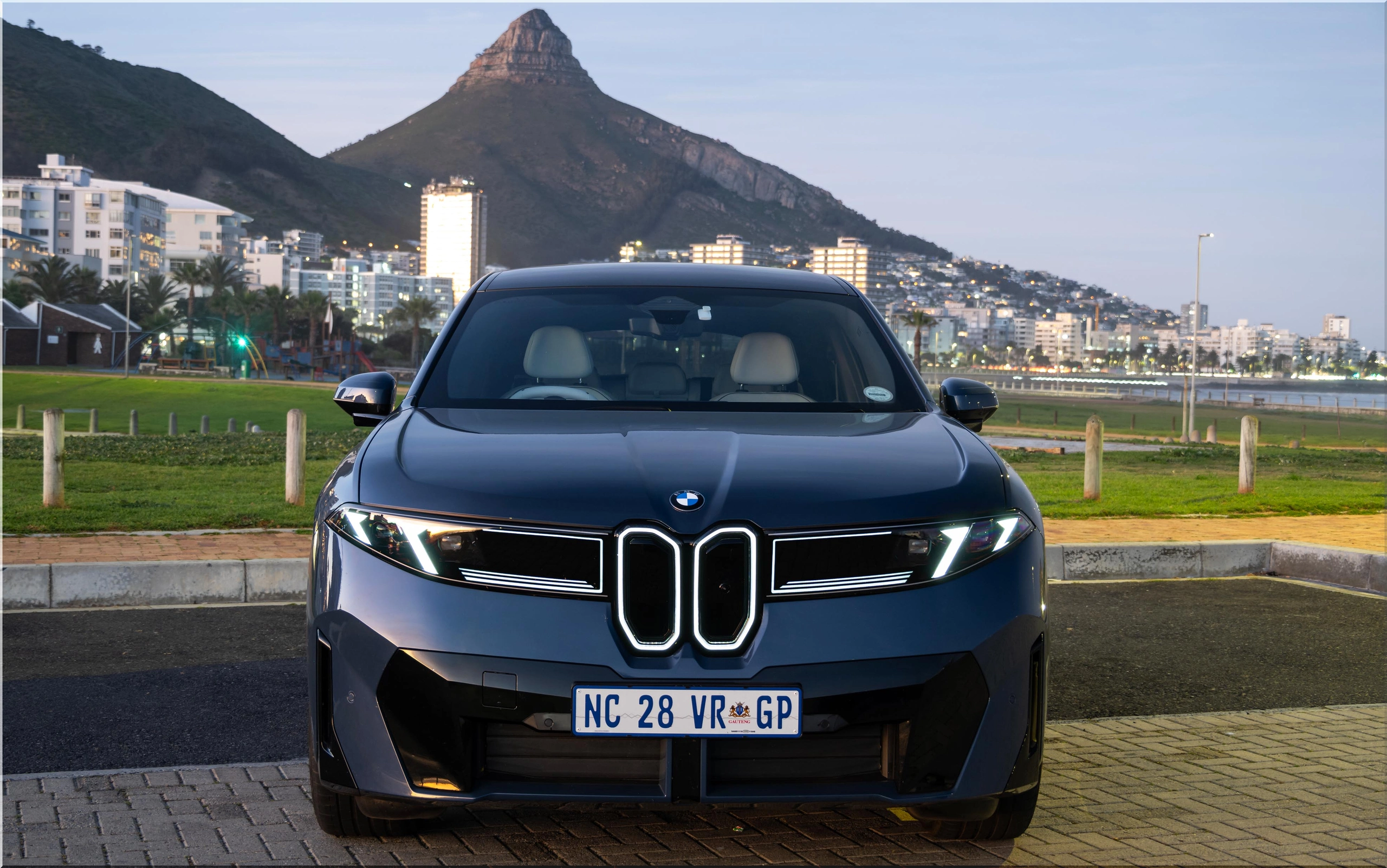
Up to 805 km of WLTP range
The iX3 50 xDrive carries a 108.7 kWh usable battery and records up to 805 km under the WLTP test procedure in relevant specification. BMW South Africa also quotes up to 820 km in its launch communication, although equipment, wheel size, climate settings and test configuration affect the final homologated number.
Official European consumption spans approximately 15.1 to 17.9 kWh/100 km. At the upper 805 km WLTP figure, the usable battery equates to roughly 13.5 kWh per 100 km before test-cycle adjustments. That indicates how aggressively BMW has targeted aerodynamic efficiency, inverter losses, thermal control and rolling resistance.
By comparison, the iX3 40 uses an 82.6 kWh battery and returns up to 637 km WLTP in favourable configuration. It gives away maximum distance but carries approximately 200 kg less mass in comparable European specifications.
Real South African motorway range will vary with speed, wind, elevation and cabin cooling. A driver holding 120 km/h across an exposed route should expect a larger energy penalty than an urban commuter using regenerative braking at moderate speeds.
Pro-Tip: How should buyers judge the claimed range?
Do not plan intercity charging around the maximum WLTP figure. Use 70-80 percent of the official range as a conservative planning window until independent local tests establish consumption at South African motorway speeds.
For an iX3 50 xDrive rated at 805 km, that approach creates a working window of roughly 564-644 km. It also leaves capacity for charger outages, detours, strong headwinds and battery reserve at arrival.
Image
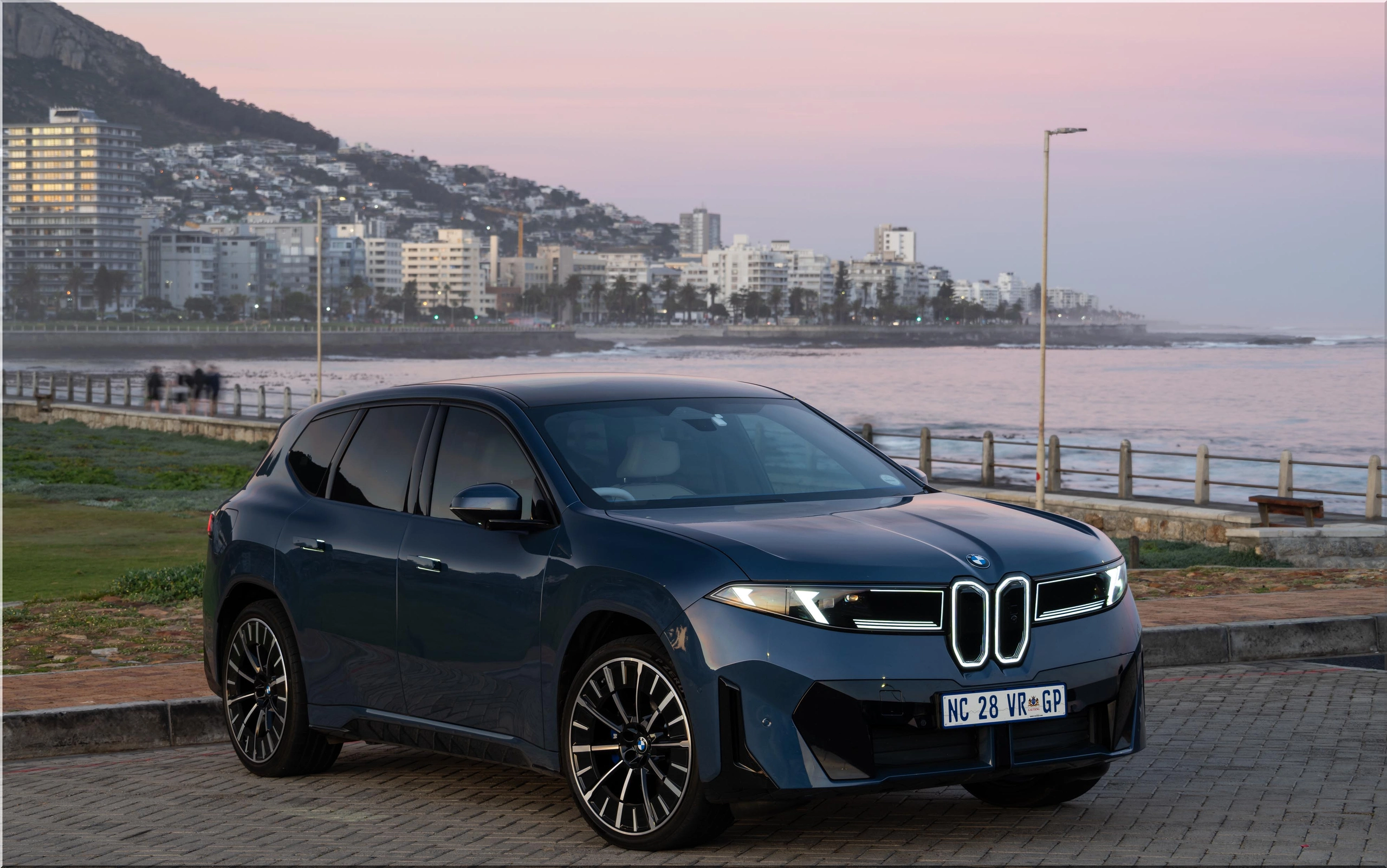
Charging speed changes the long-distance equation
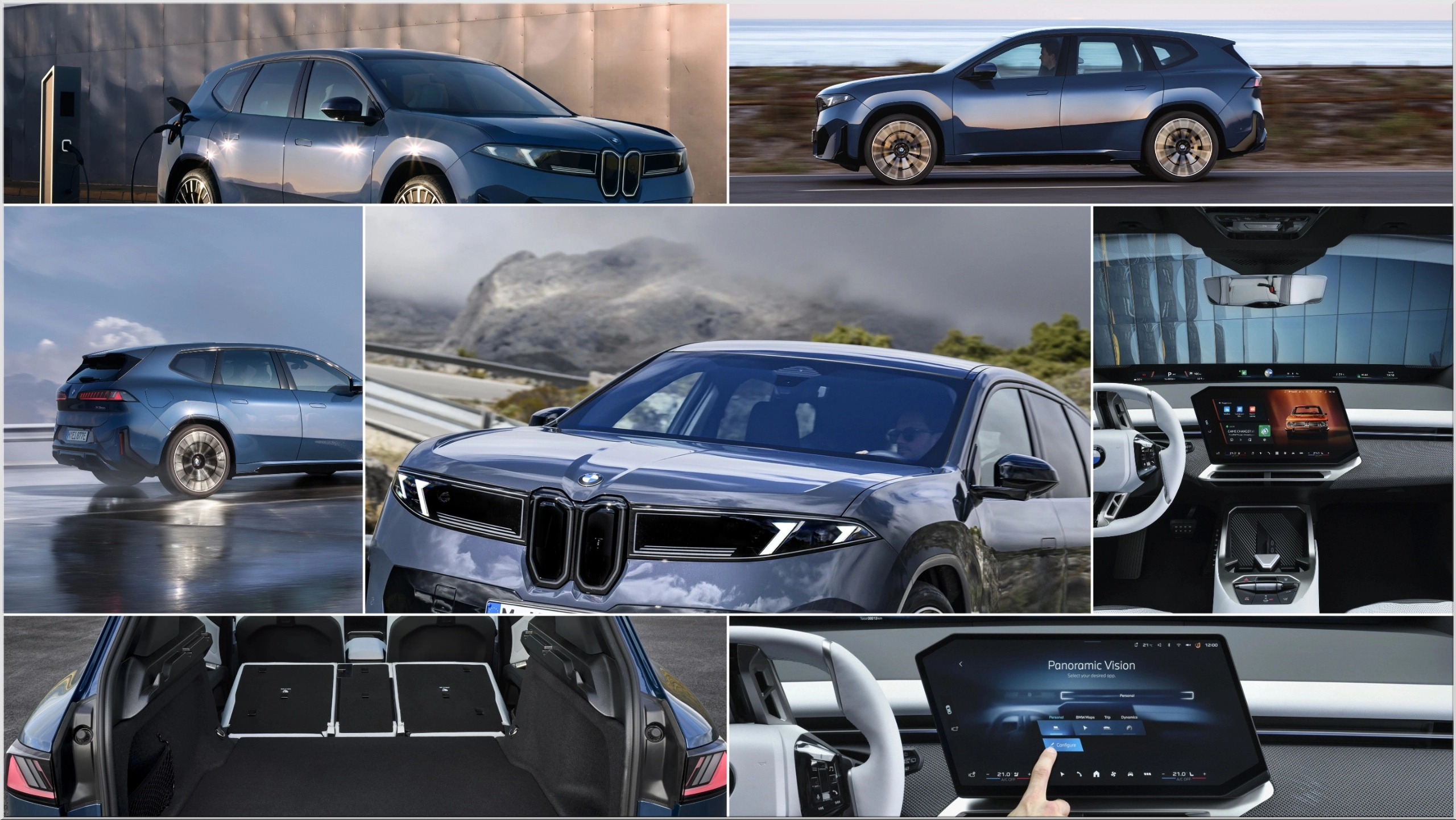
The BMW iX3 400 kW charging system can add as much as 372 km of WLTP range in 10 minutes under ideal conditions. A 10-80 percent DC session takes approximately 21 minutes when the battery reaches the charger at the correct temperature and the station can sustain the required output.
That 10-80 percent session transfers about 76.1 kWh into the 108.7 kWh usable pack before charging losses. Completing it in 21 minutes requires an average battery-side rate close to 217 kW, so the 400 kW peak tells only part of the story. A high, stable charging curve determines actual stop length.
The iX3 40 reaches the same 10-80 percent time with a lower 300 kW peak because it has a smaller battery. It can add between approximately 237 and 301 km of WLTP range in 10 minutes, depending on configuration.
AC charging supports 11 kW as standard in relevant markets, with 22 kW capability available for selected specifications. At 11 kW, the iX3 50 xDrive needs roughly 11 hours for a full charge, while a 22 kW connection can cut that figure to around five and a half hours.
BMW also supports bidirectional energy functions:
- Vehicle-to-home can supply household equipment from the traction battery.
- Vehicle-to-grid can return energy to a compatible electricity network.
- Vehicle-to-load can power external electrical devices.
- Intelligent scheduling can charge the battery during cheaper tariff periods.
Local hardware, electricity rules and charger compatibility will determine which functions South African owners can use.
Heart of Joy controls acceleration, braking and grip
BMW calls its central drivetrain controller the Heart of Joy. The computer manages propulsion, recuperation, braking and selected chassis functions through one control layer rather than passing commands across several separate modules.
The controller processes information up to ten times faster than conventional architectures. That speed reduces the delay between a driver's pedal input and the vehicle's response. It also lets the car coordinate friction braking with energy recuperation more accurately.
BMW says regenerative braking can handle 98 percent of routine deceleration. From an expert perspective, that figure matters because every friction-brake intervention converts motion into waste heat, while recuperation returns part of that energy to the battery.
Four high-performance computers control the main vehicle functions. BMW assigns them to driving responses, automated driving, infotainment and basic vehicle operations. This structure reduces control-unit count and wiring complexity while giving software teams a clearer route for remote updates.
Image
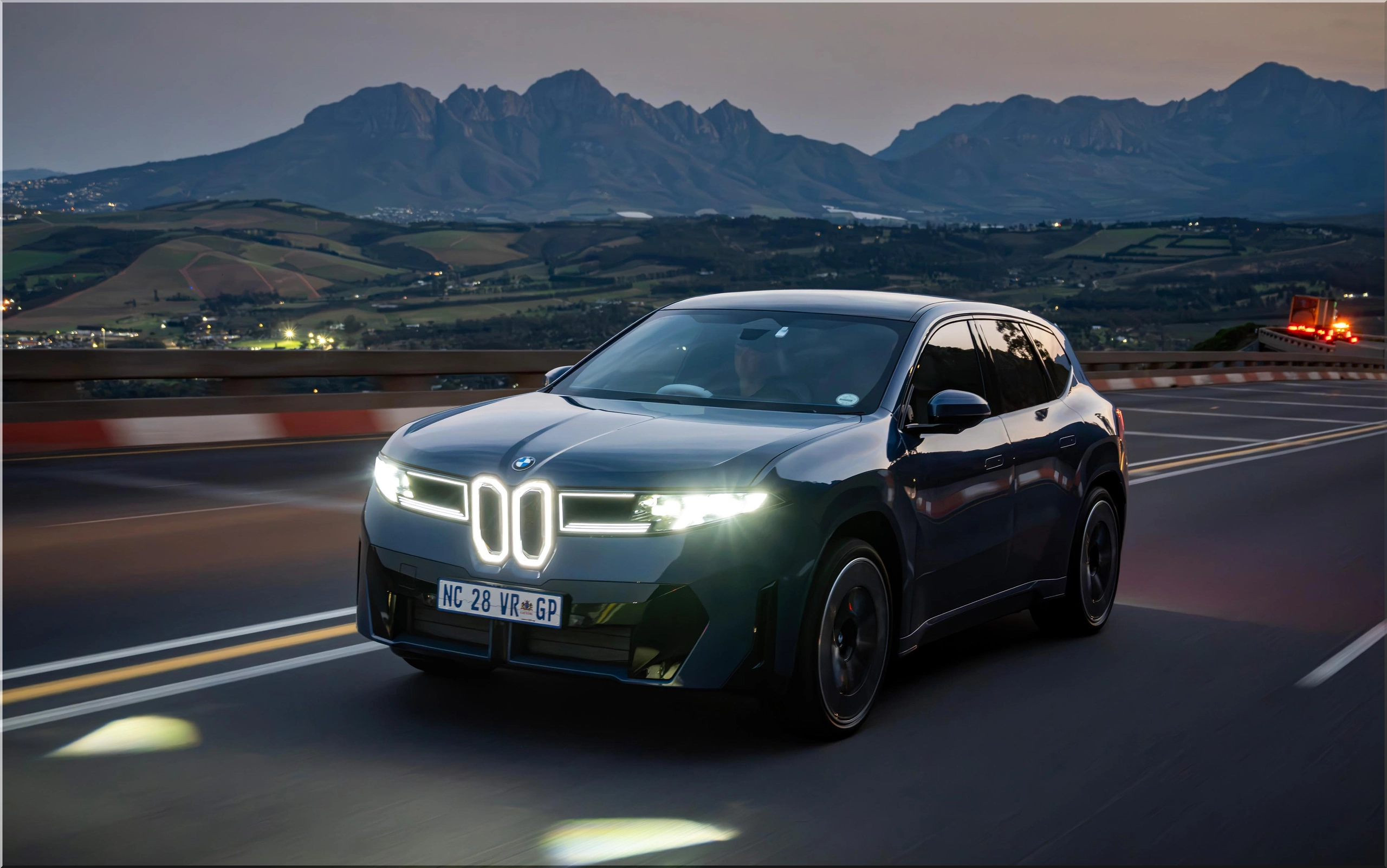
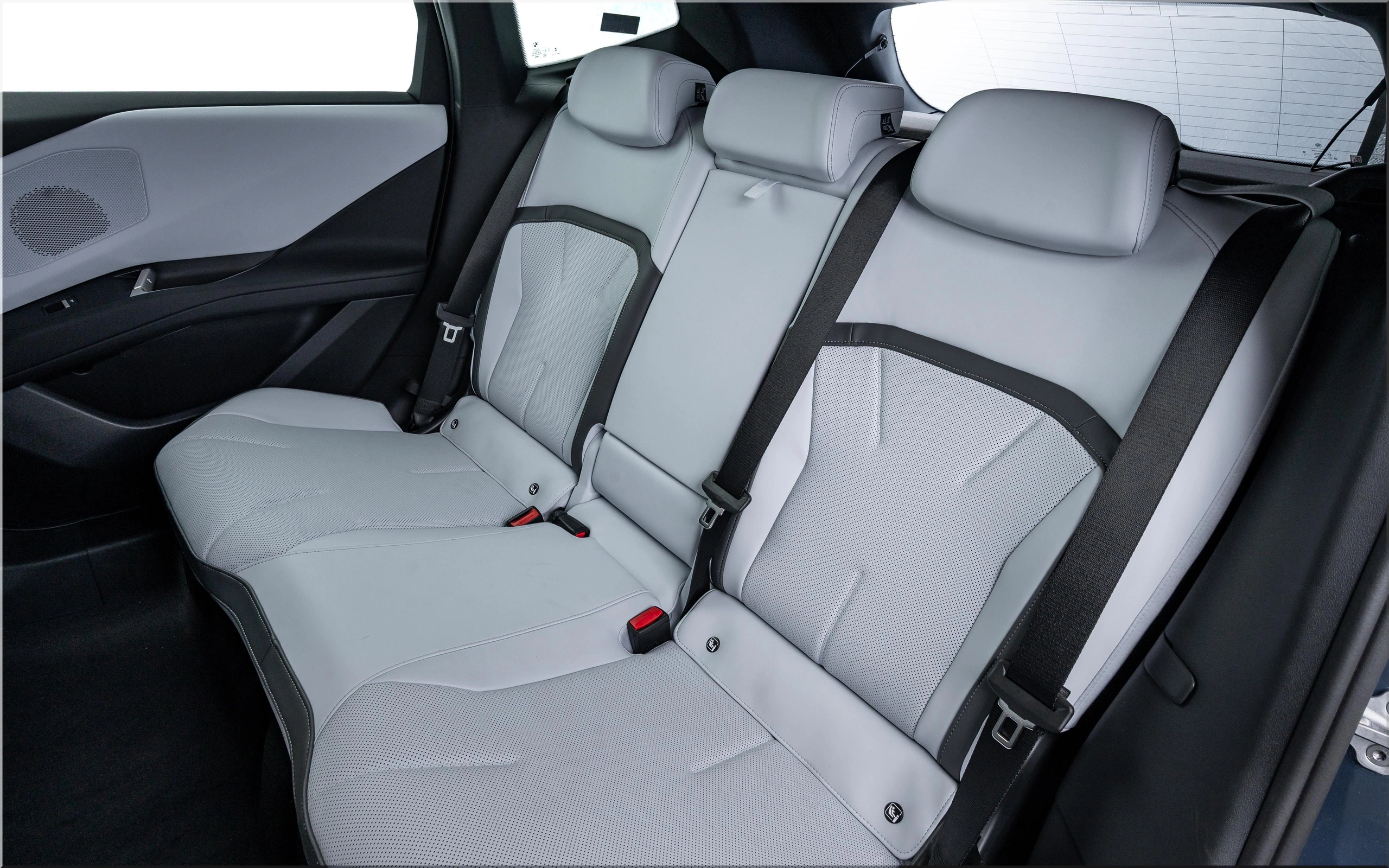
Practical dimensions for family use
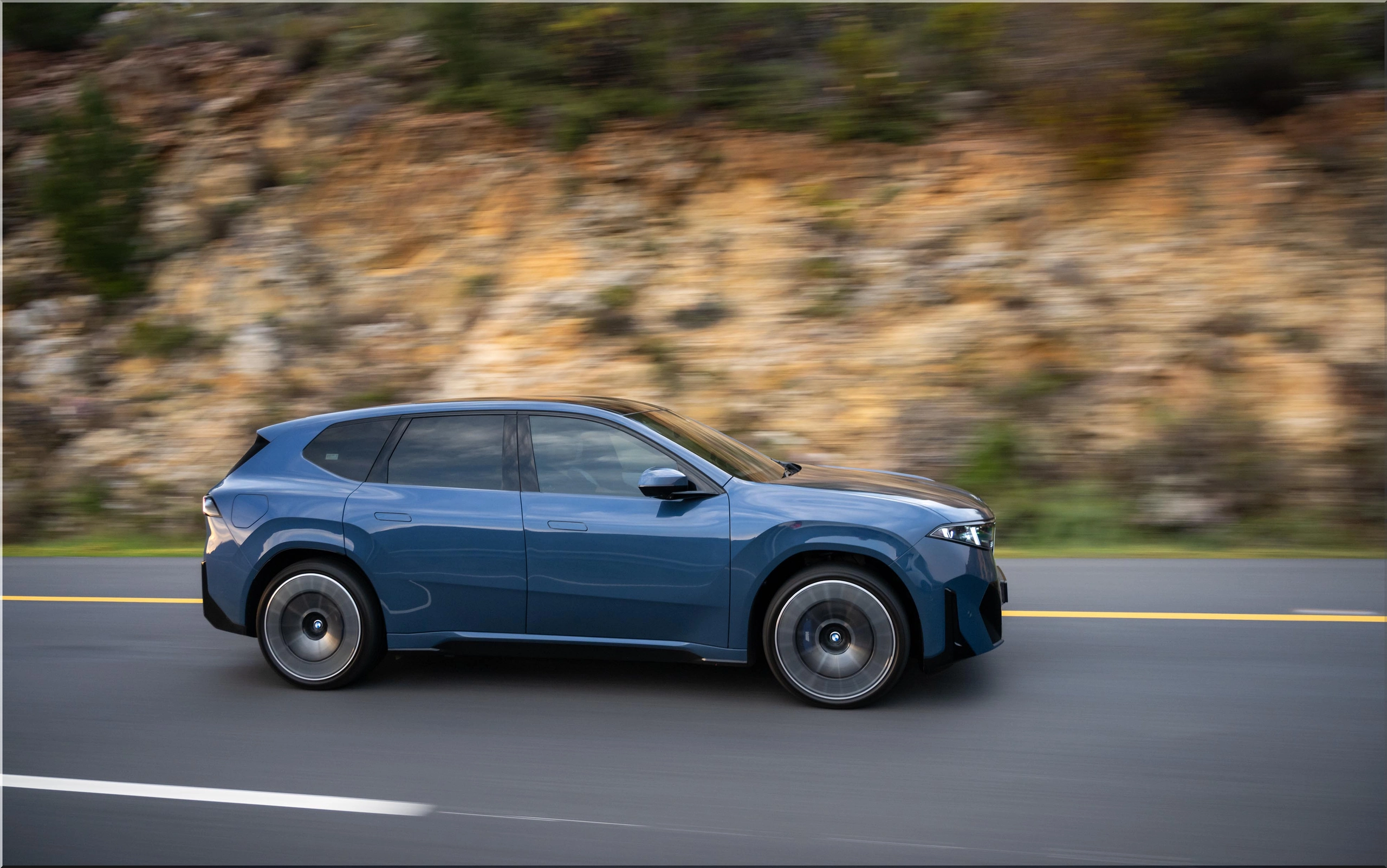
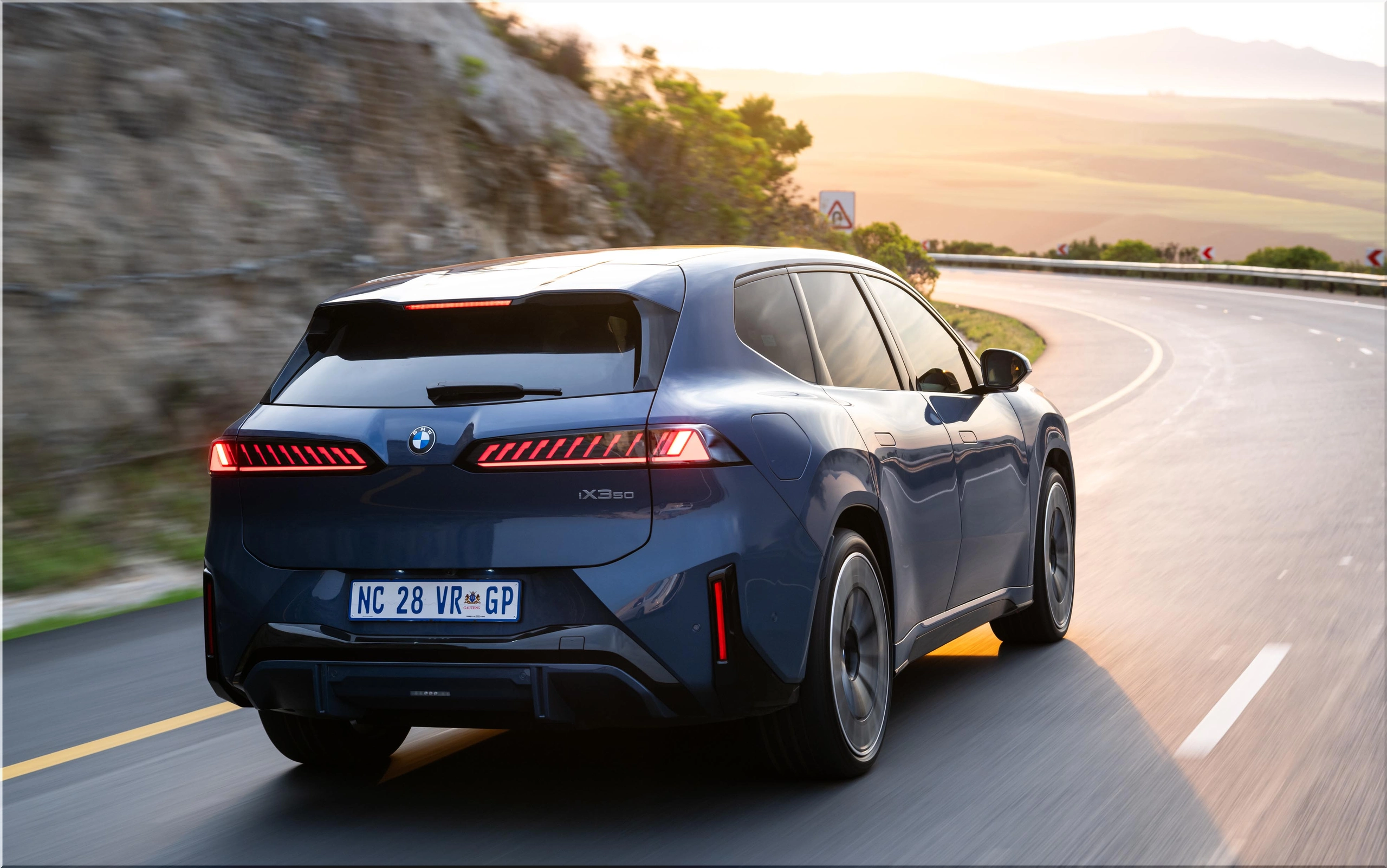
The new iX3 measures 4,782 mm long, 1,895 mm wide and 1,635 mm tall. Its 2,897 mm wheelbase stretches nearly three metres, helping BMW create useful rear-seat legroom without pushing the body into full-size SUV territory.
For readers who prefer imperial measurements, those dimensions equal approximately 188.3 inches long, 74.6 inches wide and 64.4 inches tall. The wheelbase measures about 114.1 inches. Width rises to 2,093 mm, or 82.4 inches, when the door mirrors remain extended.
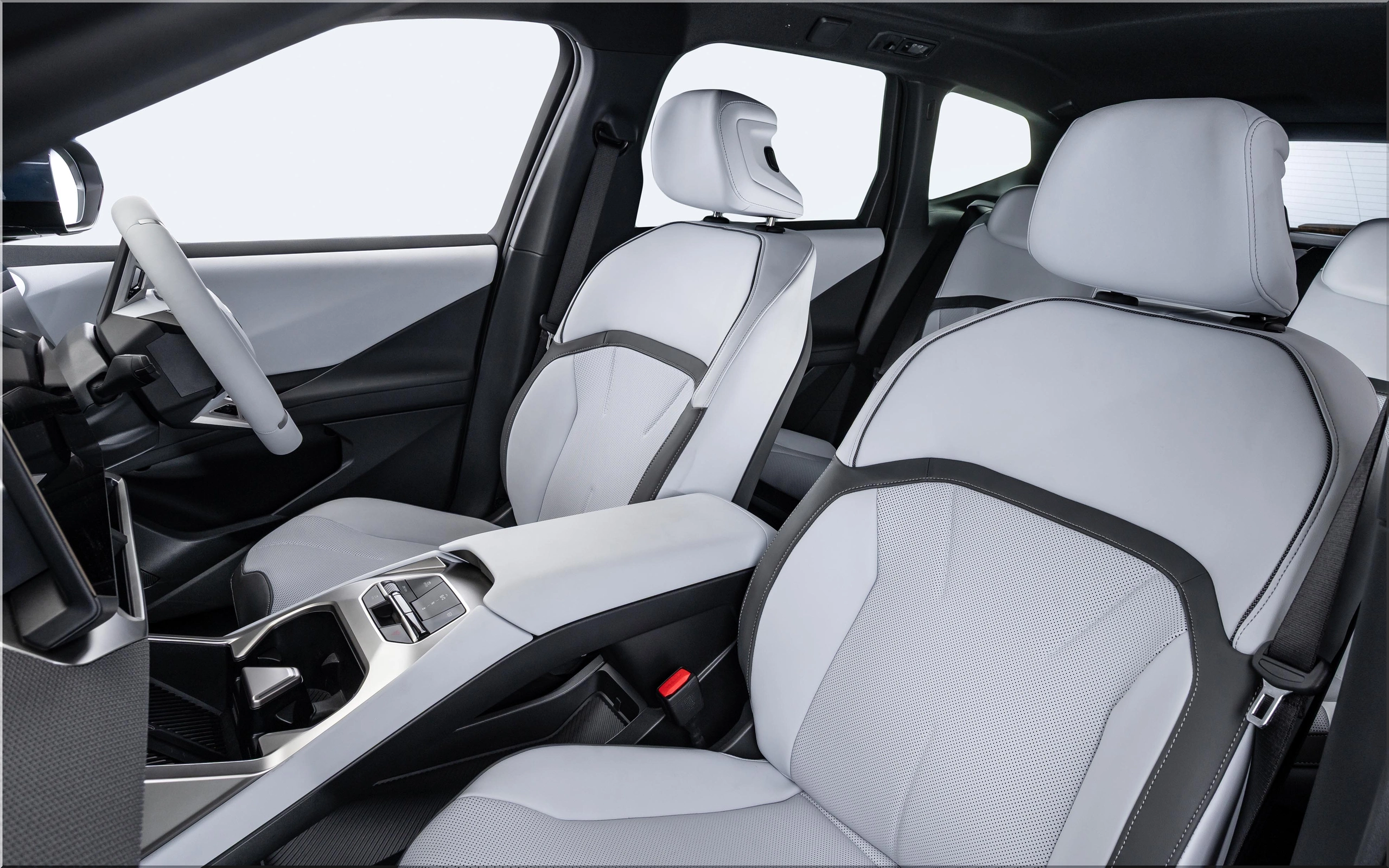
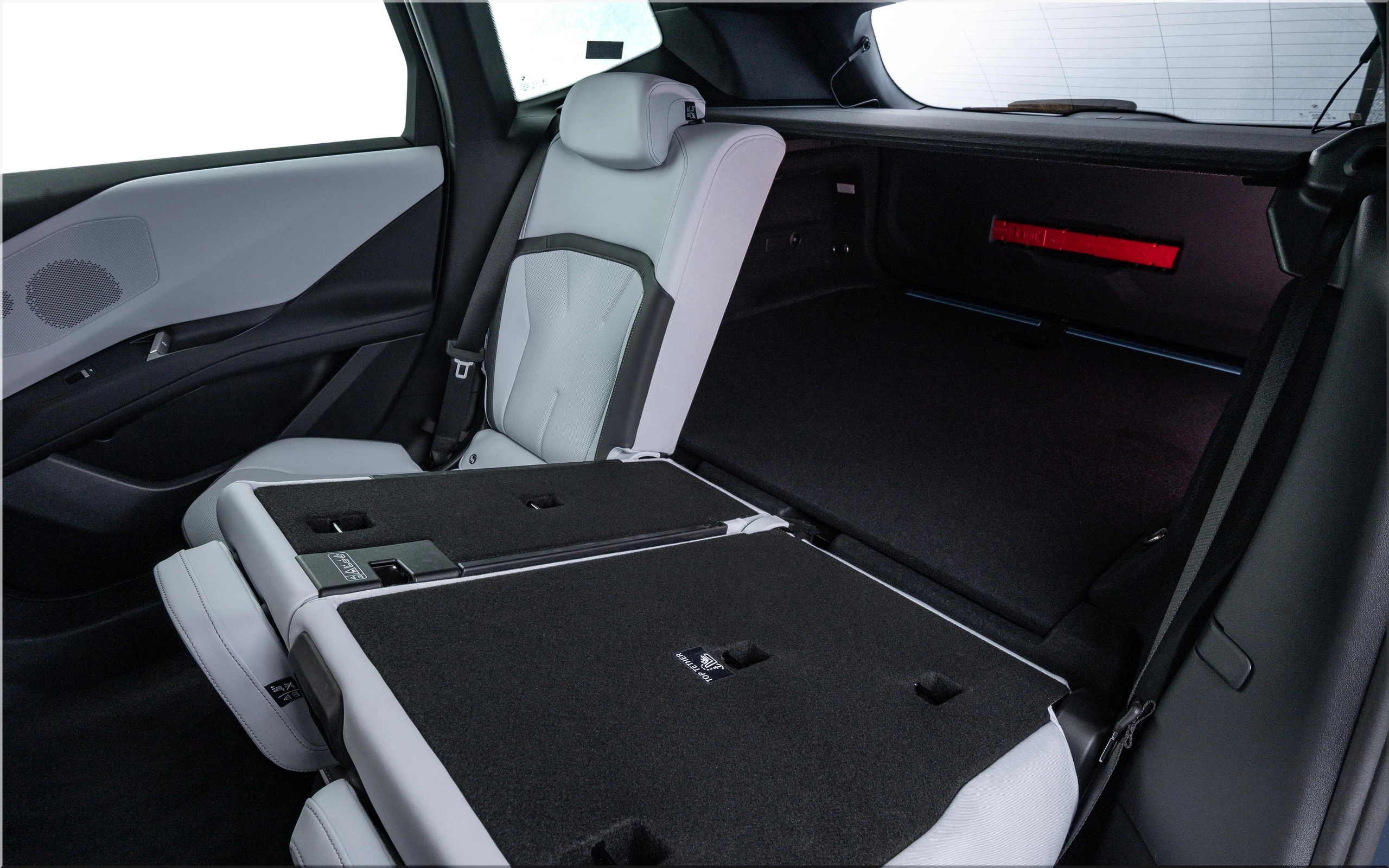
The luggage compartment holds 520 litres with all seats in place and expands to 1,750 litres after drivers fold the rear seatbacks. A separate 58-litre front compartment provides a clean storage area for charging cables.
Additional utility figures include:
- 540 kg payload in representative European specification
- 75 kg permitted roof load
- Up to 2,000 kg braked towing capacity
- 80 kg maximum towbar download
- Five-seat cabin configuration
These numbers give the BMW iX3 electric family SAV credible daily utility. The 2,000 kg towing rating also separates it from electric crossovers that restrict towing or omit homologated trailer capacity.
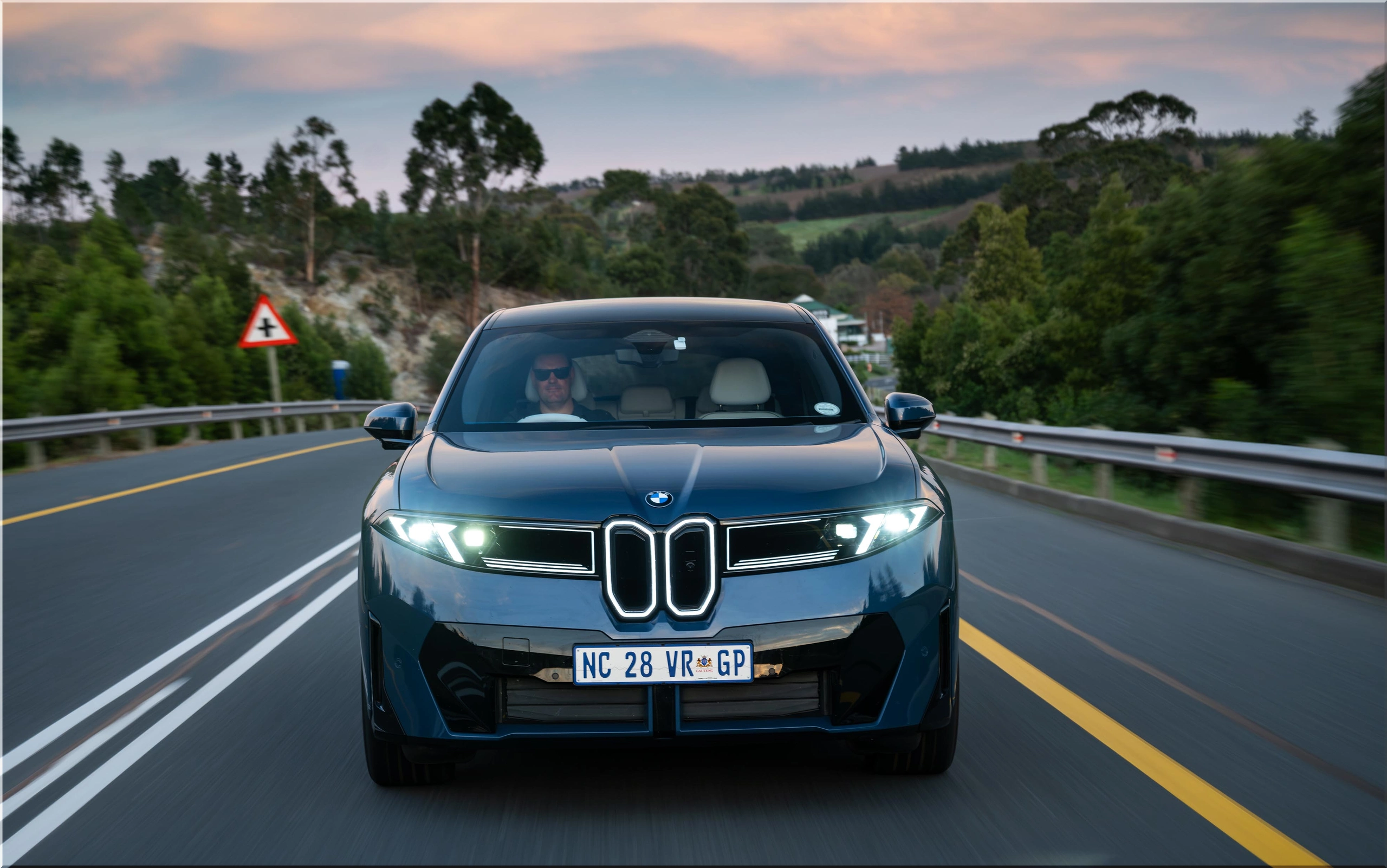
Panoramic iDrive replaces the conventional instrument cluster
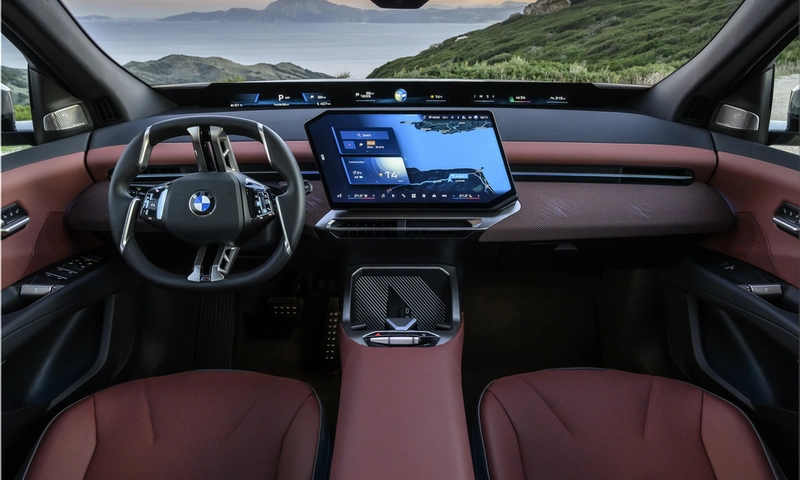
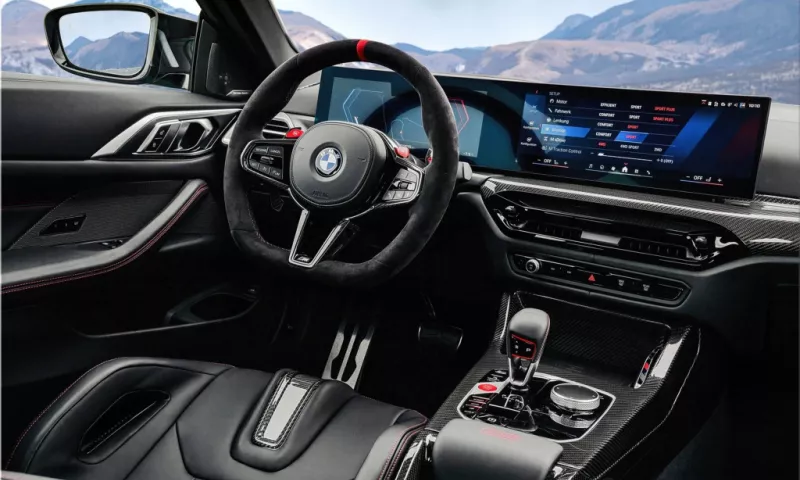
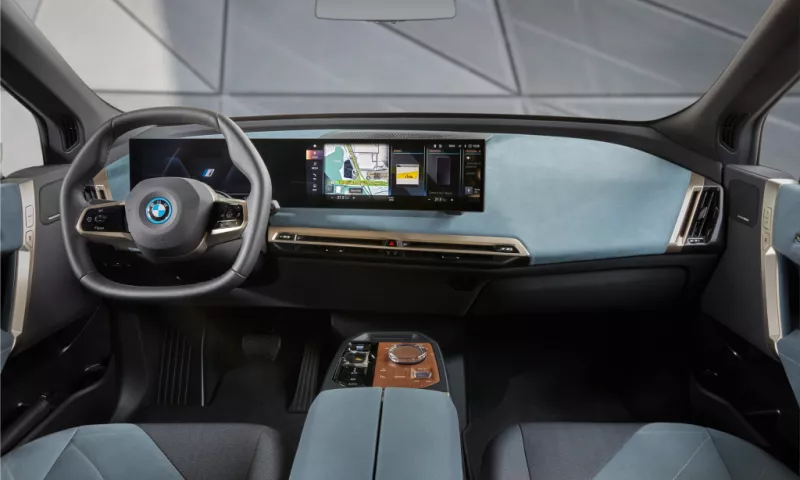
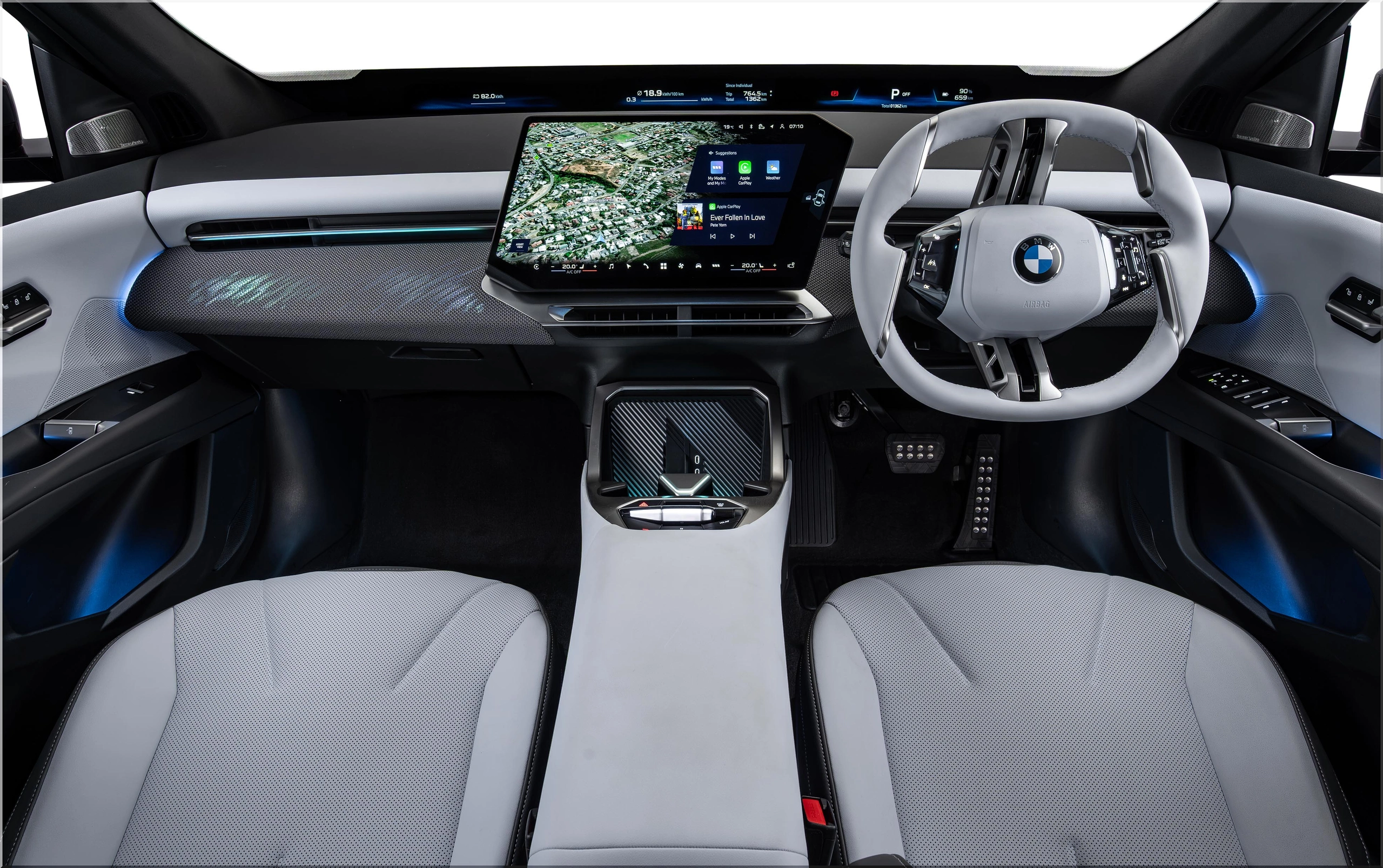
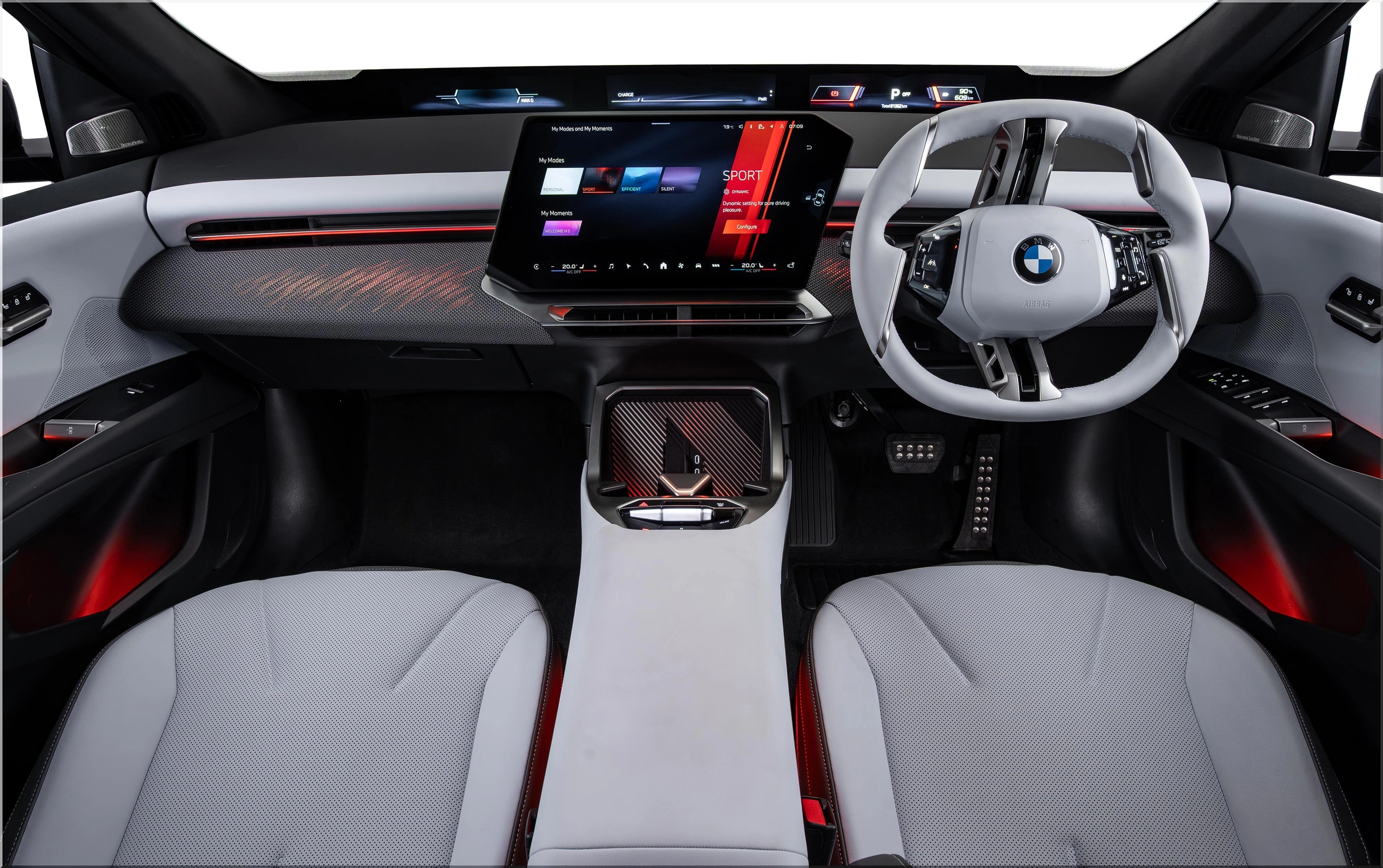
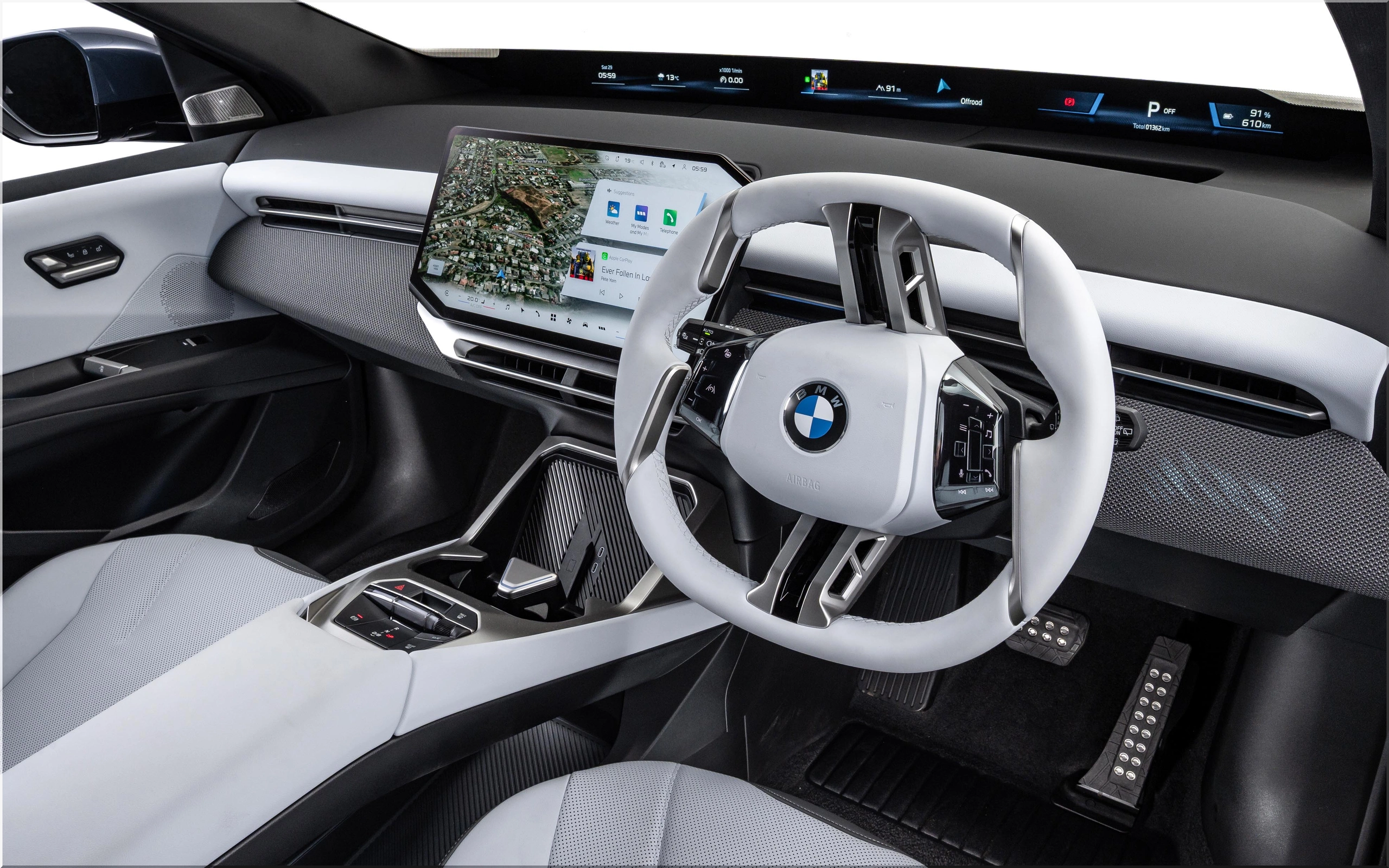
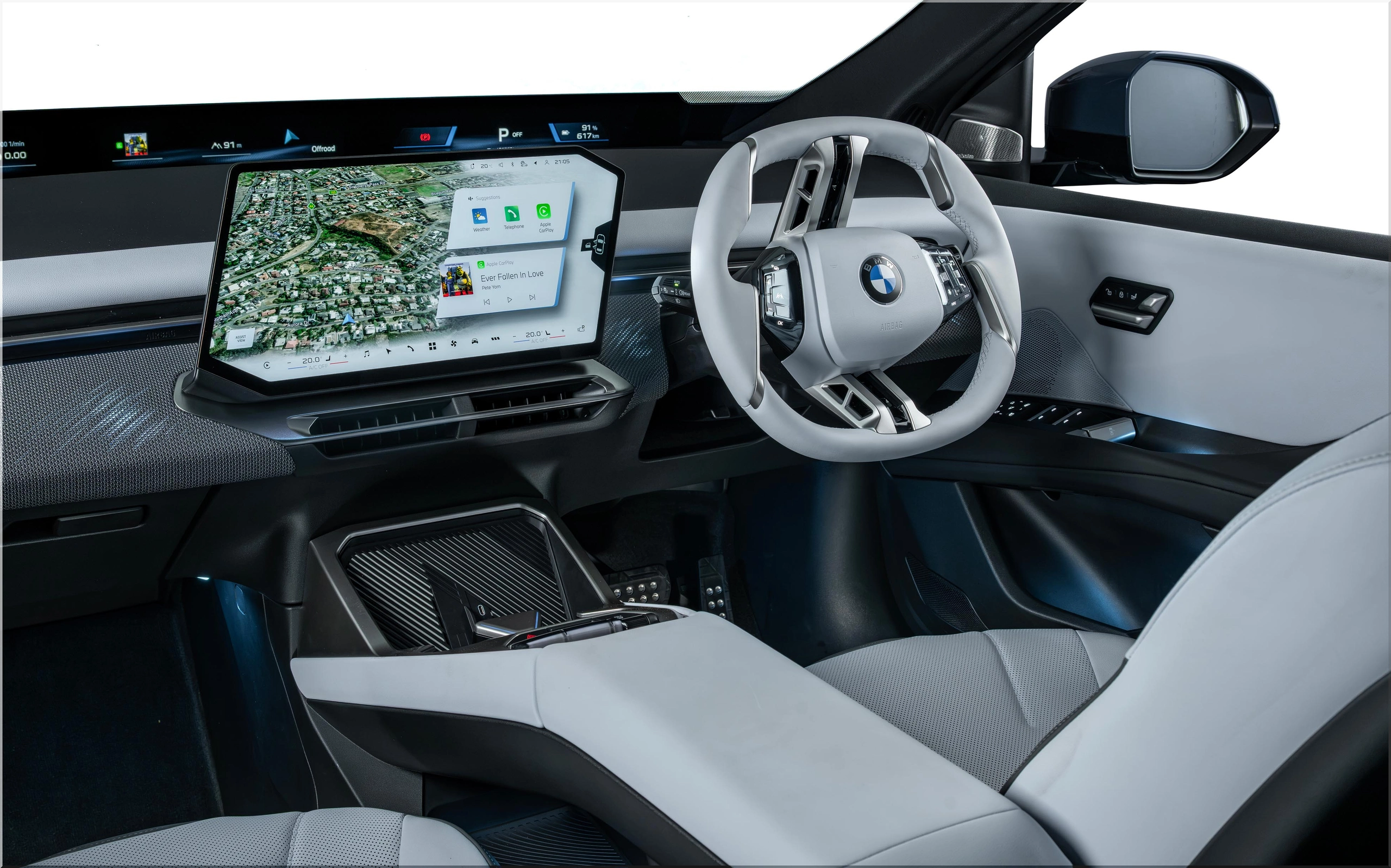
The cabin introduces BMW Panoramic iDrive. A wide projection area places driving information across the lower windscreen, keeping speed, navigation instructions and assistance status close to the driver's sightline.
A central touchscreen handles infotainment and secondary settings, while steering-wheel controls cover frequent driving commands. Voice control through the BMW Intelligent Personal Assistant provides another access route for navigation, communication and cabin functions.
The logic centres on glance time. Moving primary information upward reduces the distance between the road and the display, while configurable passenger-side sections let occupants view selected content without crowding the driver's core data.
In addition, the new software architecture supports remote upgrades and a wider range of connected functions. Buyers should still test the menu structure before ordering, since an advanced interface only adds value when it reduces routine inputs.
A significant test for premium EV demand in South Africa
The new iX3 enters South Africa at a price that puts it firmly in the premium segment. However, its technical case extends past acceleration and brand positioning. It combines a long claimed range, high charging power, useful towing capacity and family-sized cargo space in one package.
The iX3 50 xDrive suits drivers who want maximum range, all-wheel-drive traction and rapid overtaking performance. The iX3 40 presents the stronger value case for urban and motorway use, provided its smaller battery and rear-wheel-drive configuration fit the owner's routes.
Image
BMW also claims a product carbon-footprint reduction exceeding 30 percent across the vehicle's life cycle compared with the previous iX3. Production at BMW's new Debrecen plant in Hungary uses no fossil fuels during normal operations, while secondary materials account for a larger share of selected components.
The decisive question remains practical: can local charging infrastructure let owners use the full potential of a 400 kW EV? Home charging will cover daily use for many buyers, but long-distance performance will depend on charger location, reliability and sustained output.
Even with that limitation, the new BMW iX3 South Africa launch sets a clear technical direction. Neue Klasse gives BMW a dedicated electric base, a far faster electronic nervous system and a charging platform designed for the next product cycle. The iX3 now has to prove those gains on South African roads.
- Add new comment
- 55 views