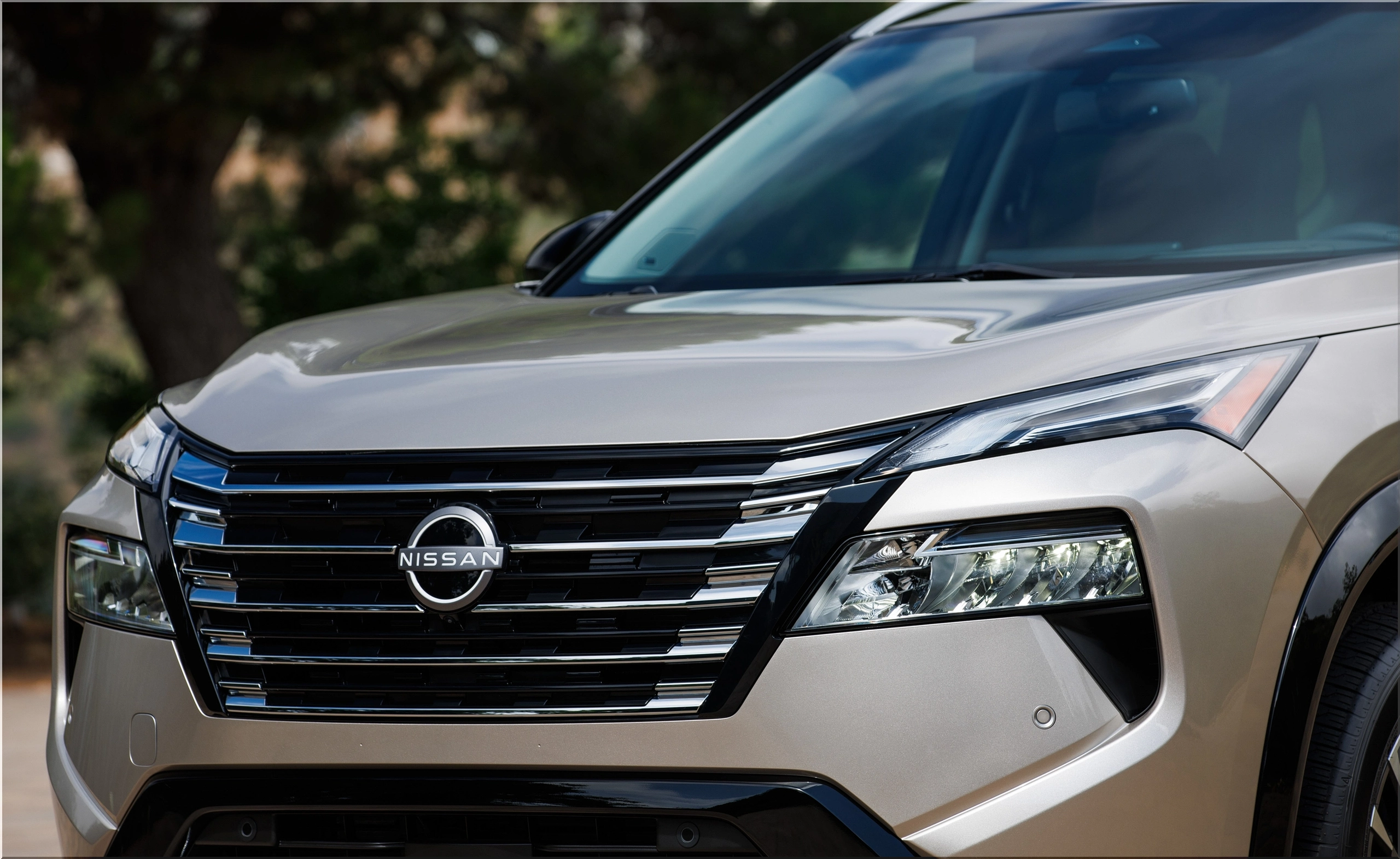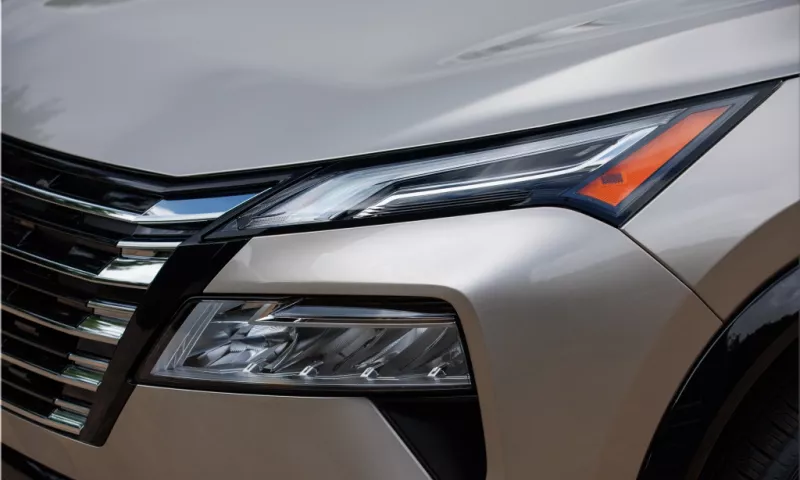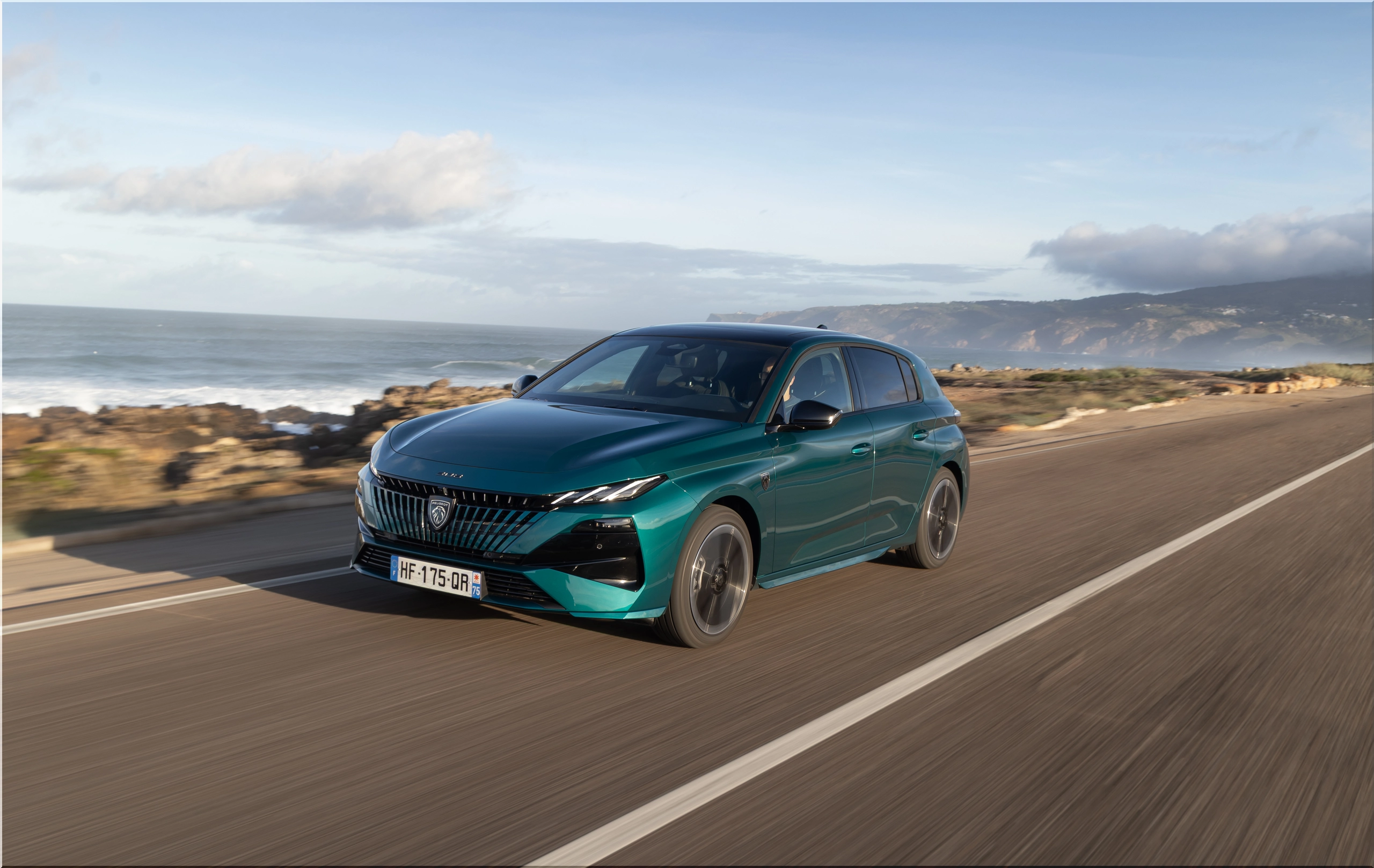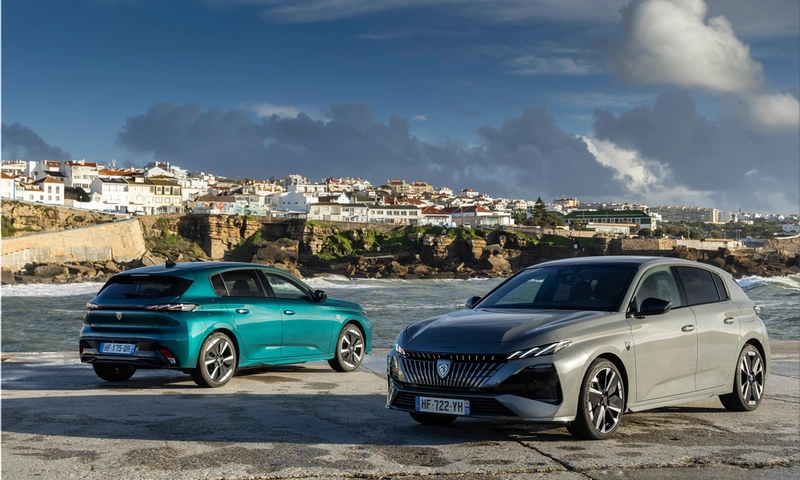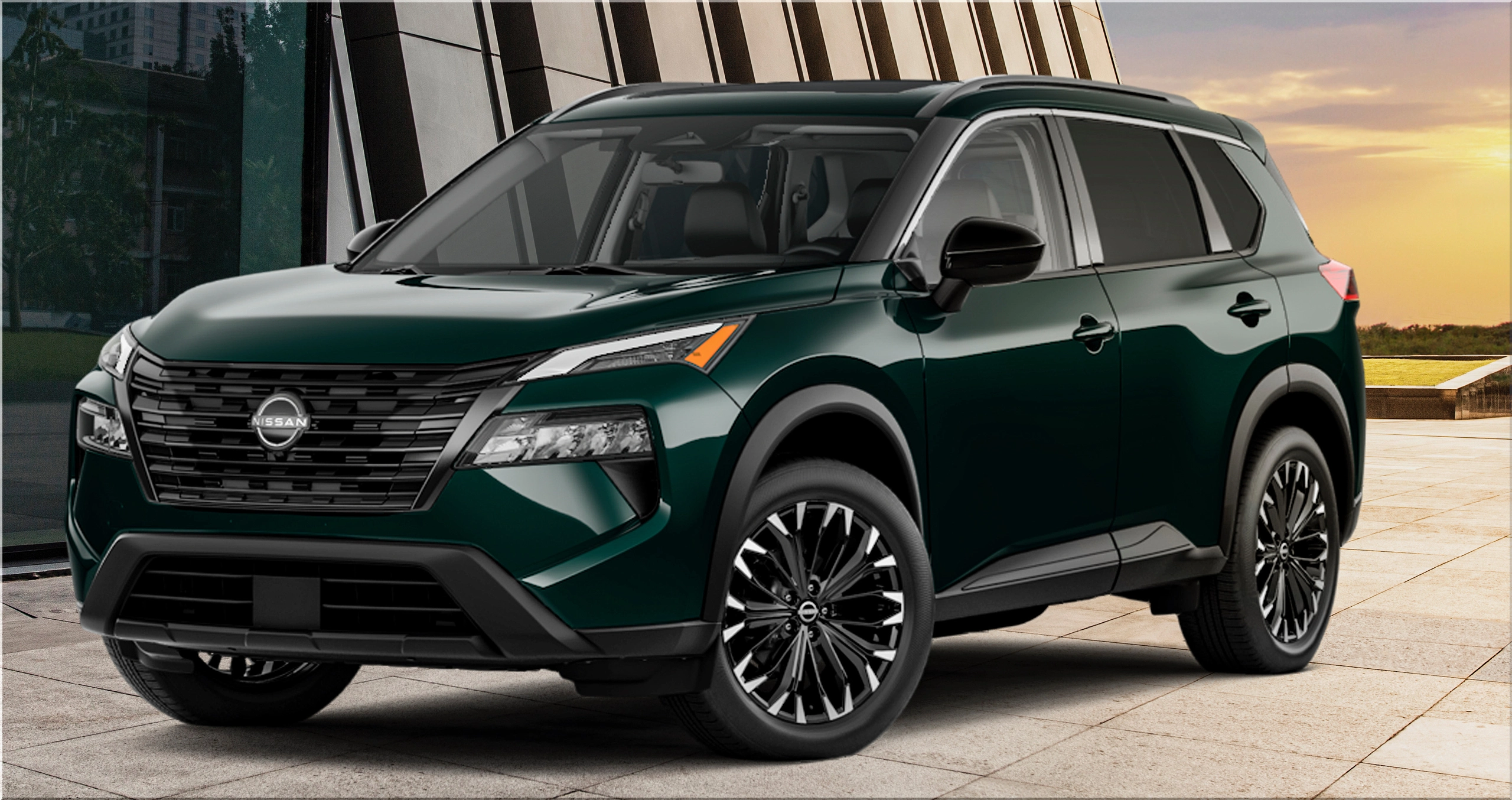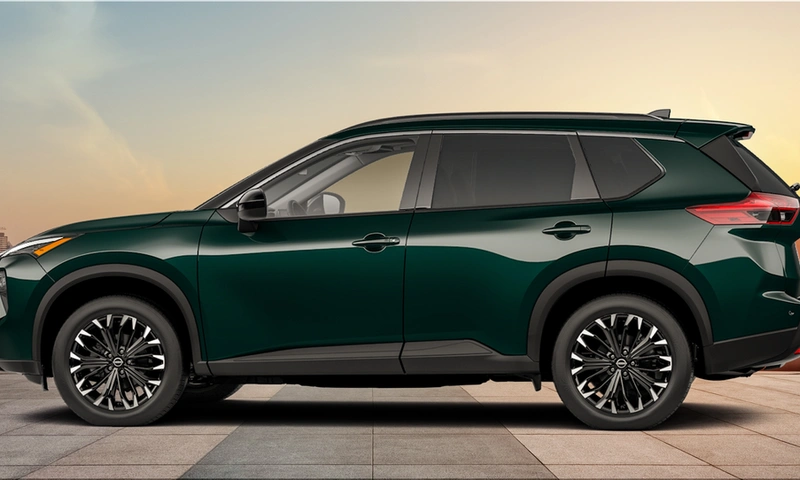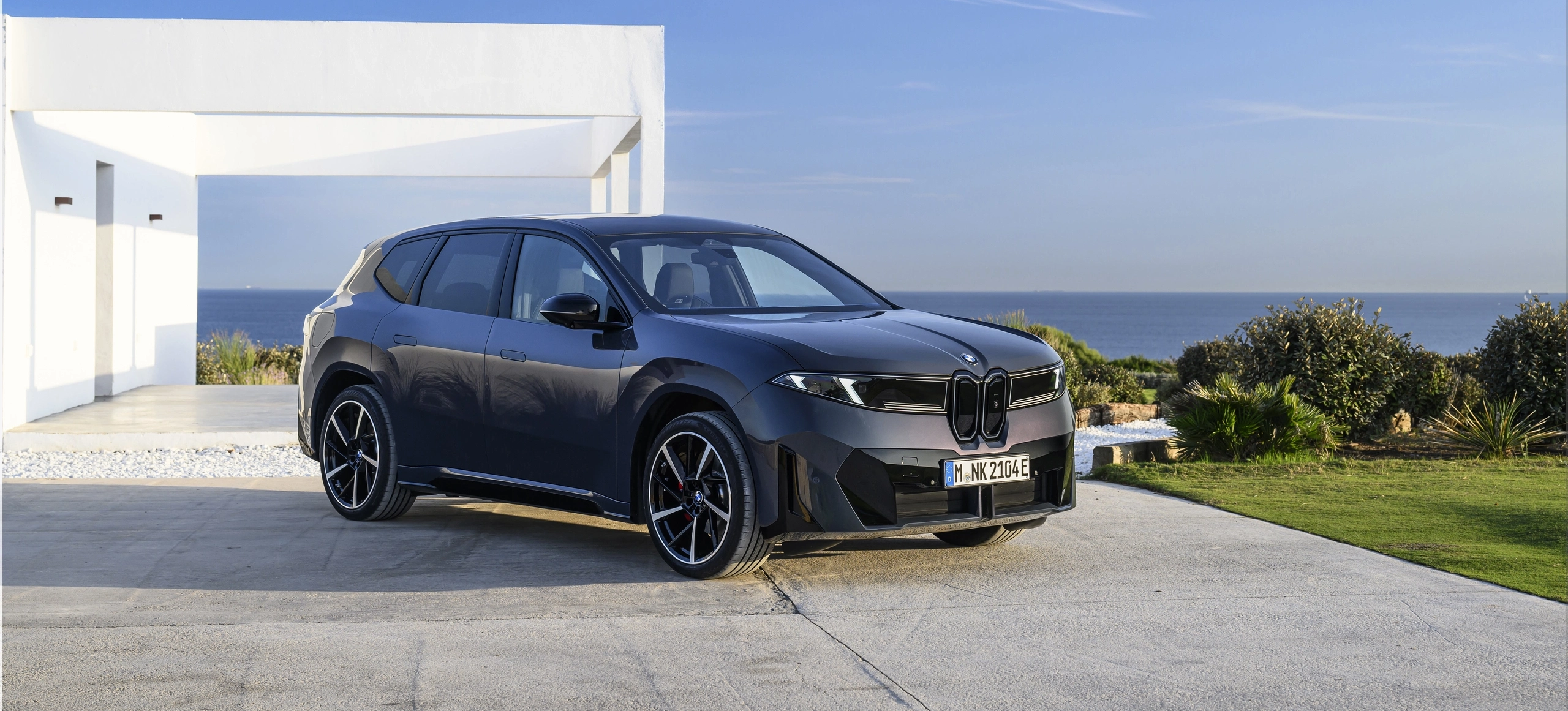
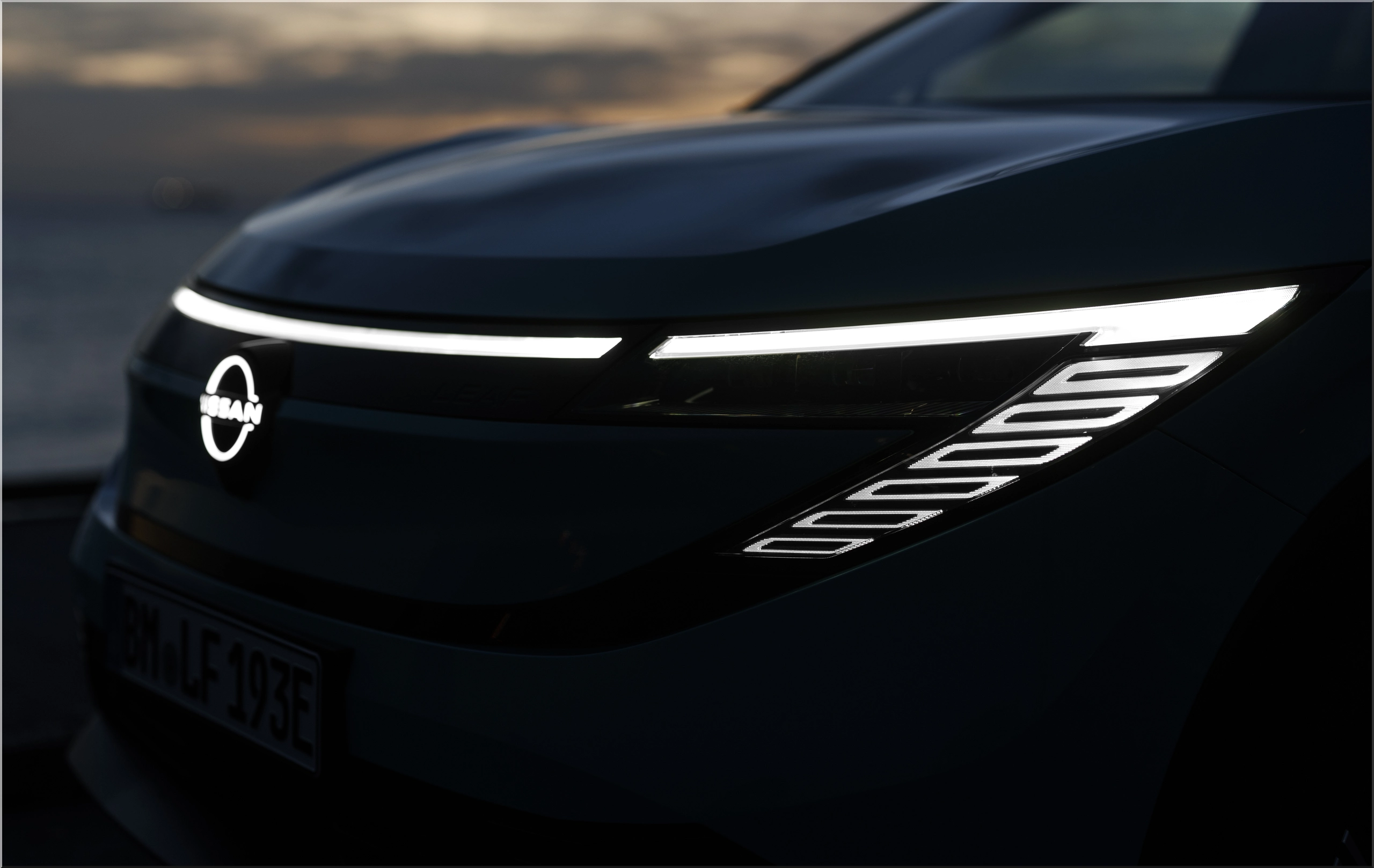
The electric vehicle race has moved from novelty to necessity. Nissan, which launched the world's first mass-market EV in 2011, wants to lead again with the third-generation LEAF. The new model, arriving in spring 2026, is more than a refresh — it's a significant step toward mainstream electric adoption. With a 622km range, fast charging, and advanced software, this car aims to reset expectations for practical EVs.
Aerodynamics and Efficiency Drive the New Design
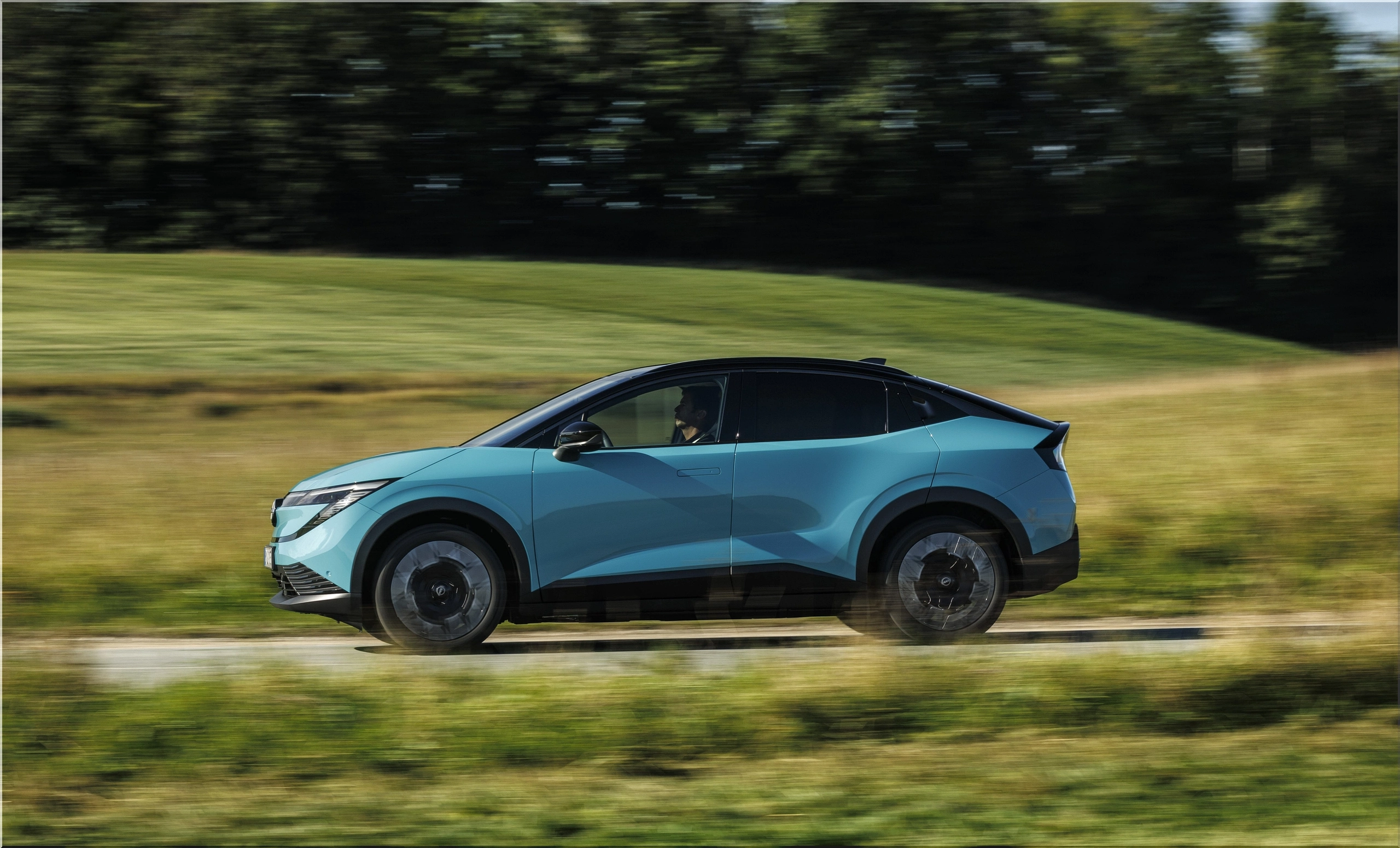
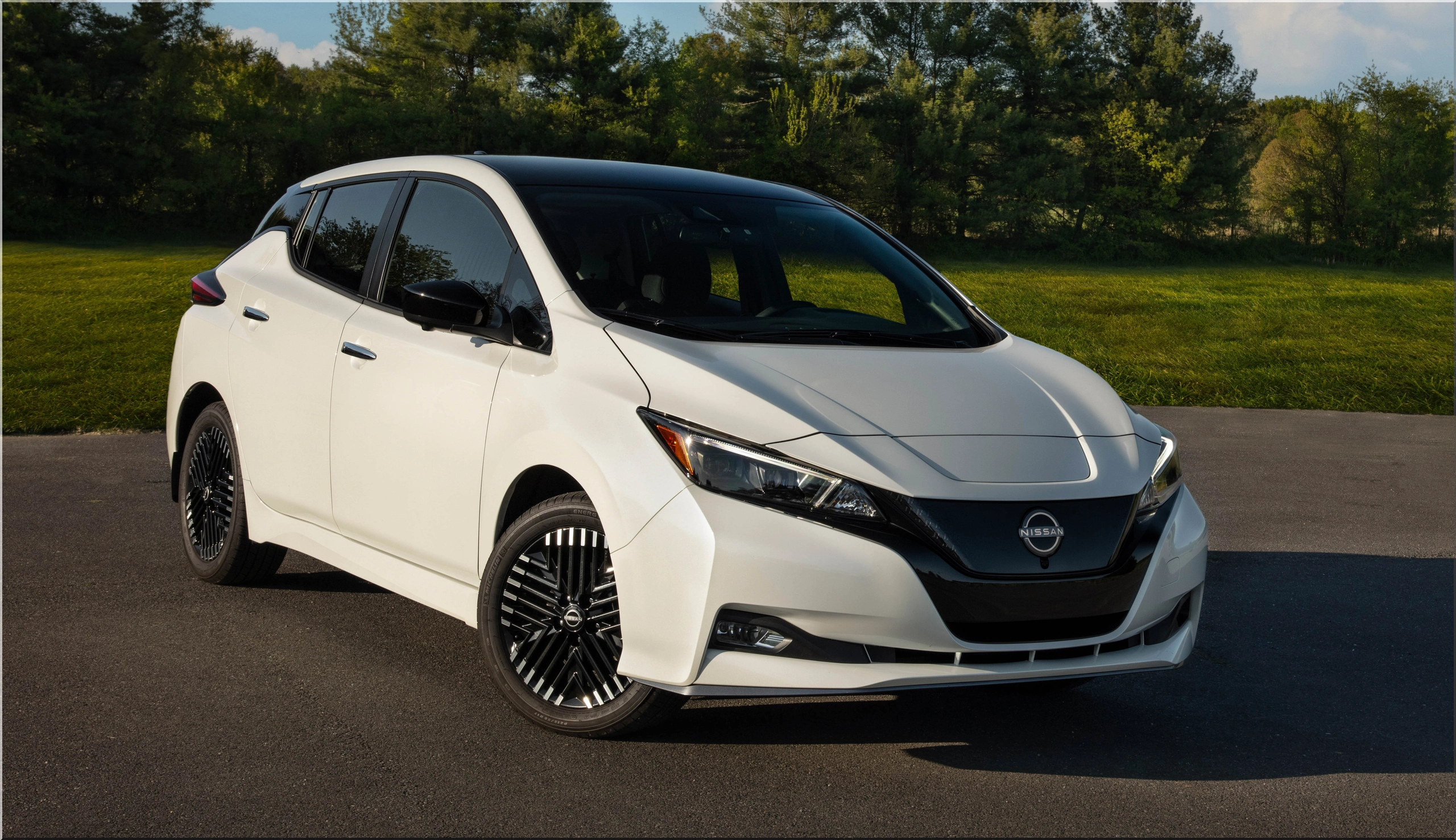
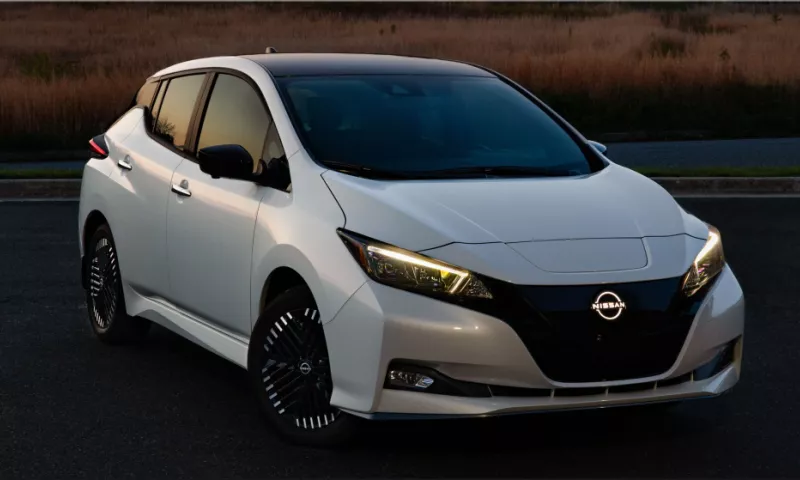
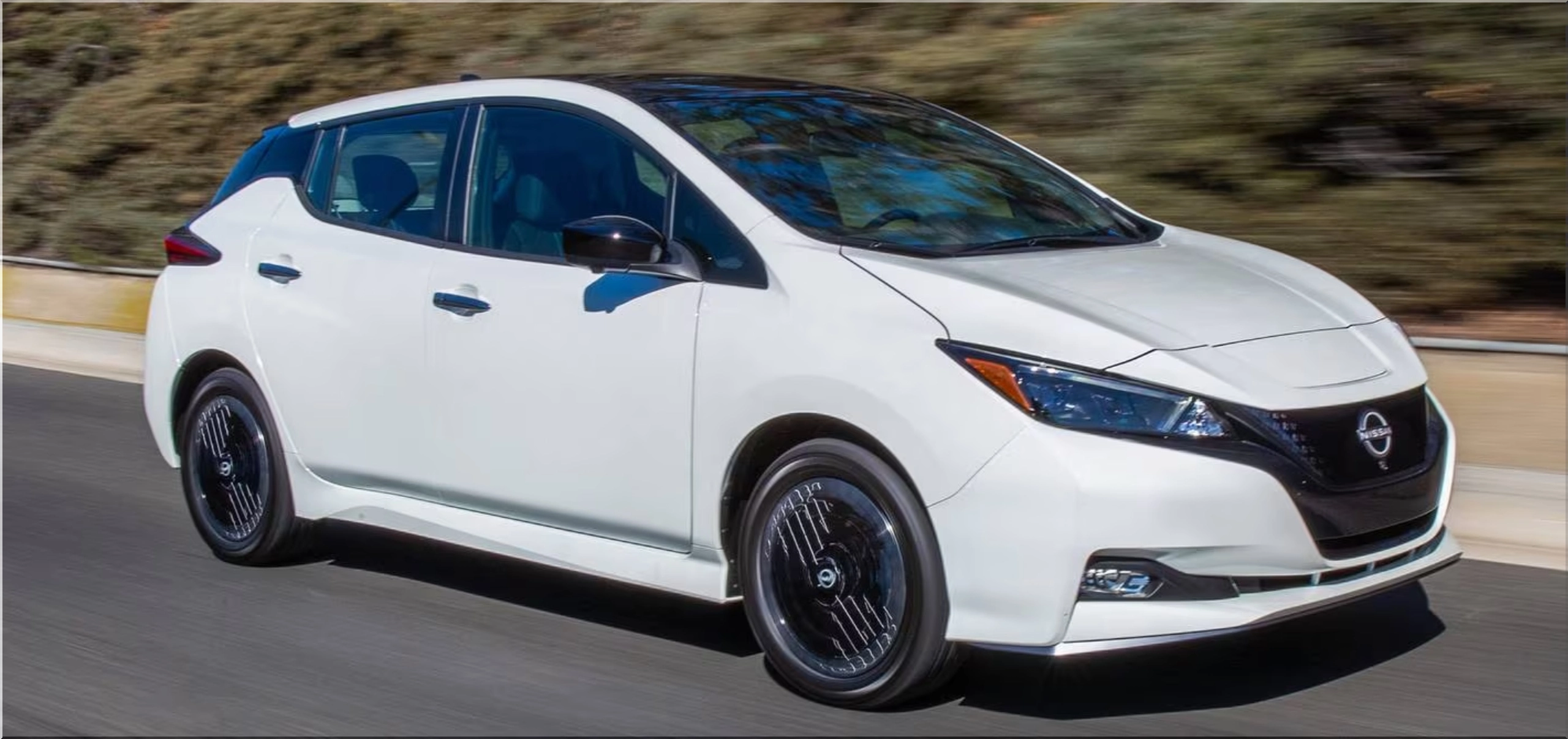
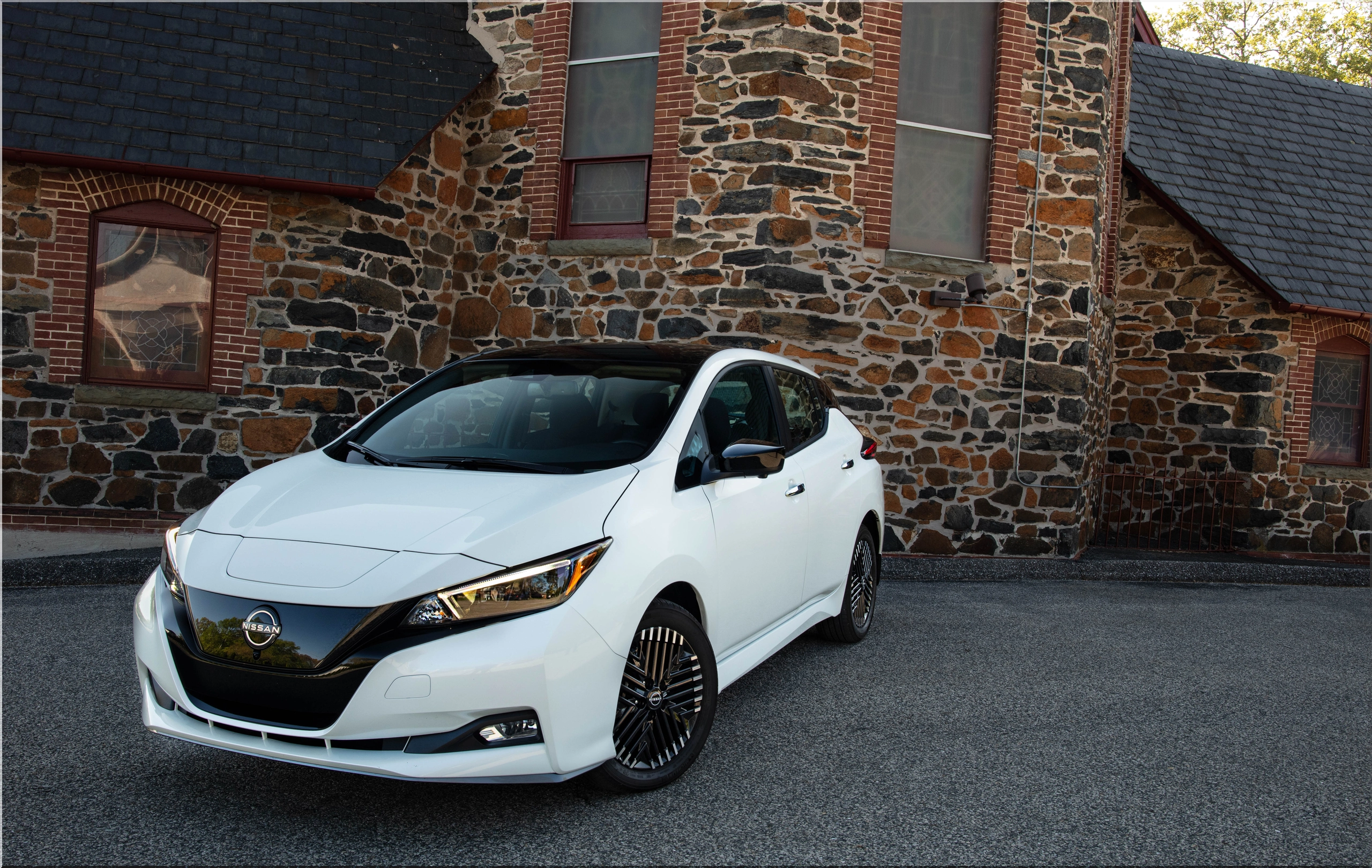
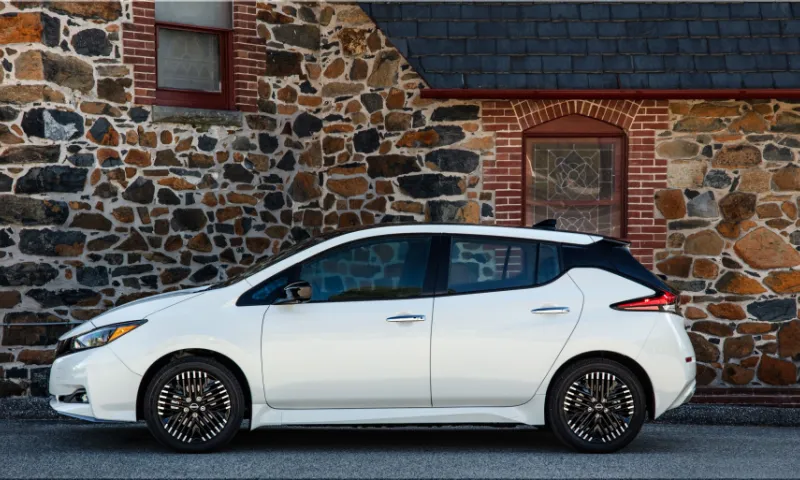
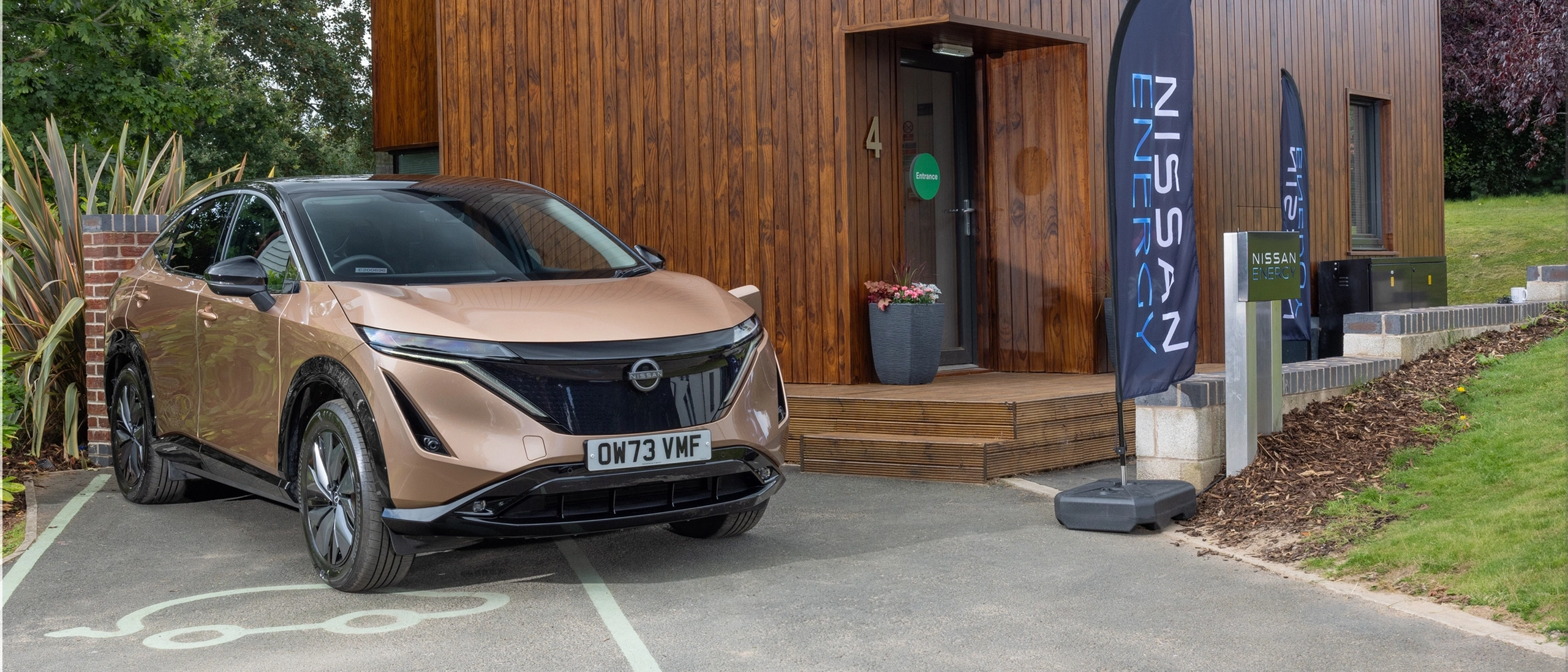
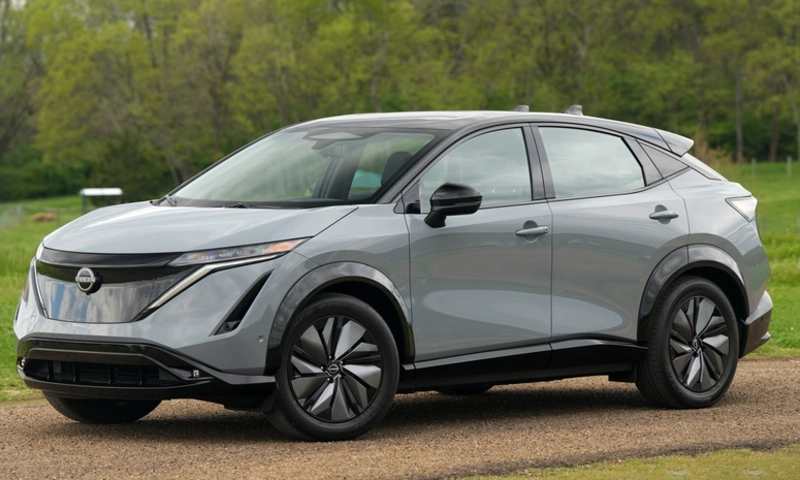
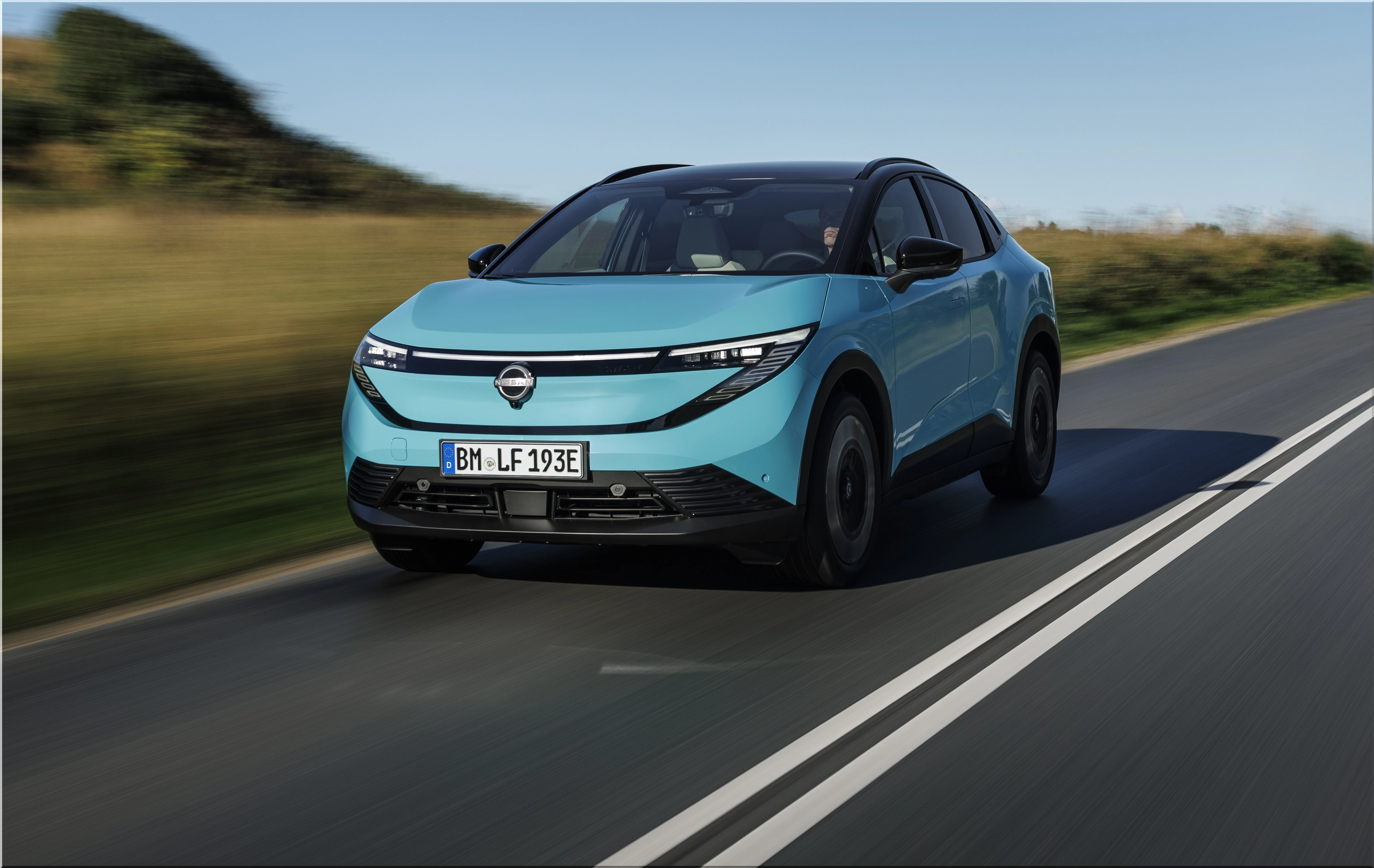
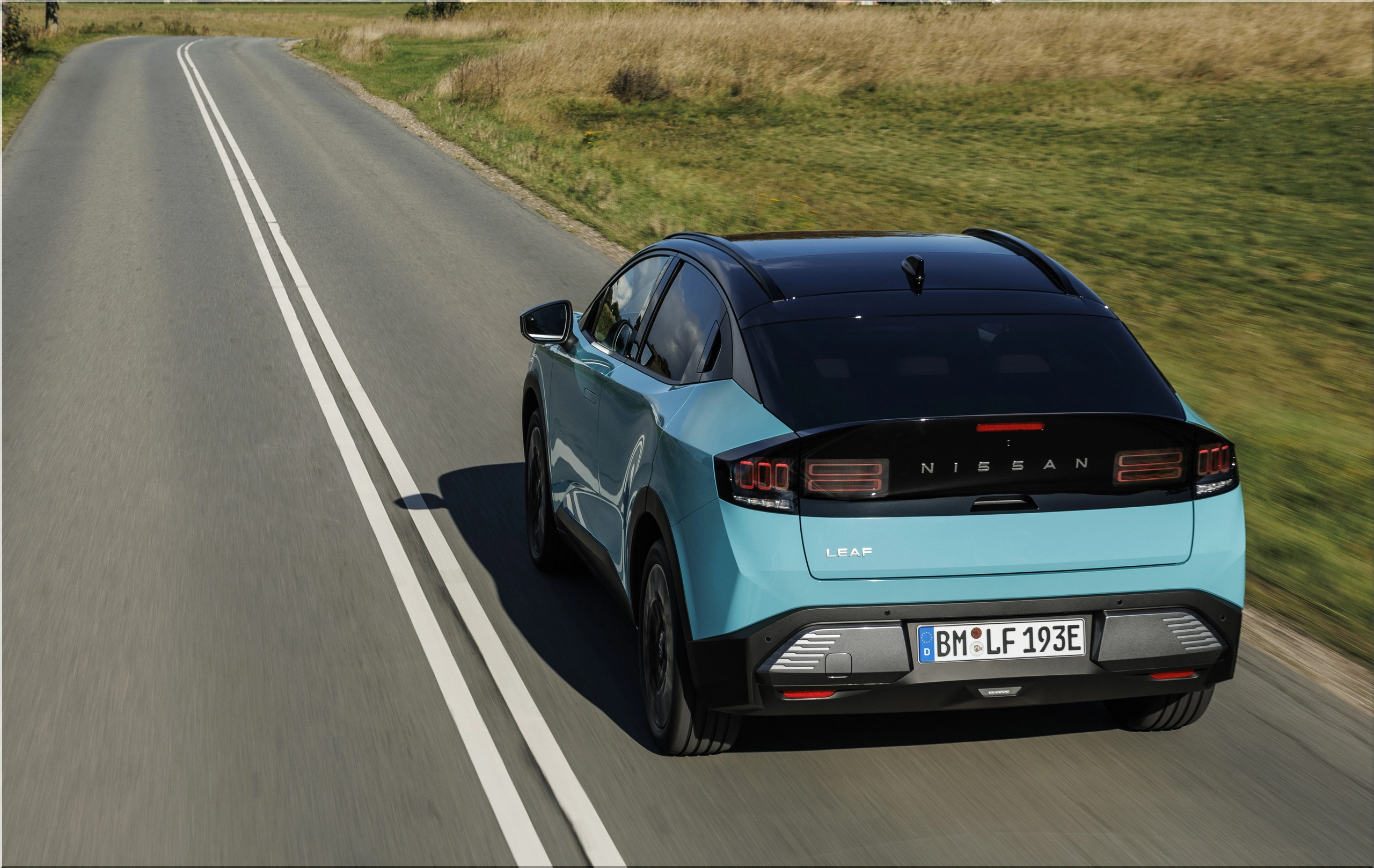
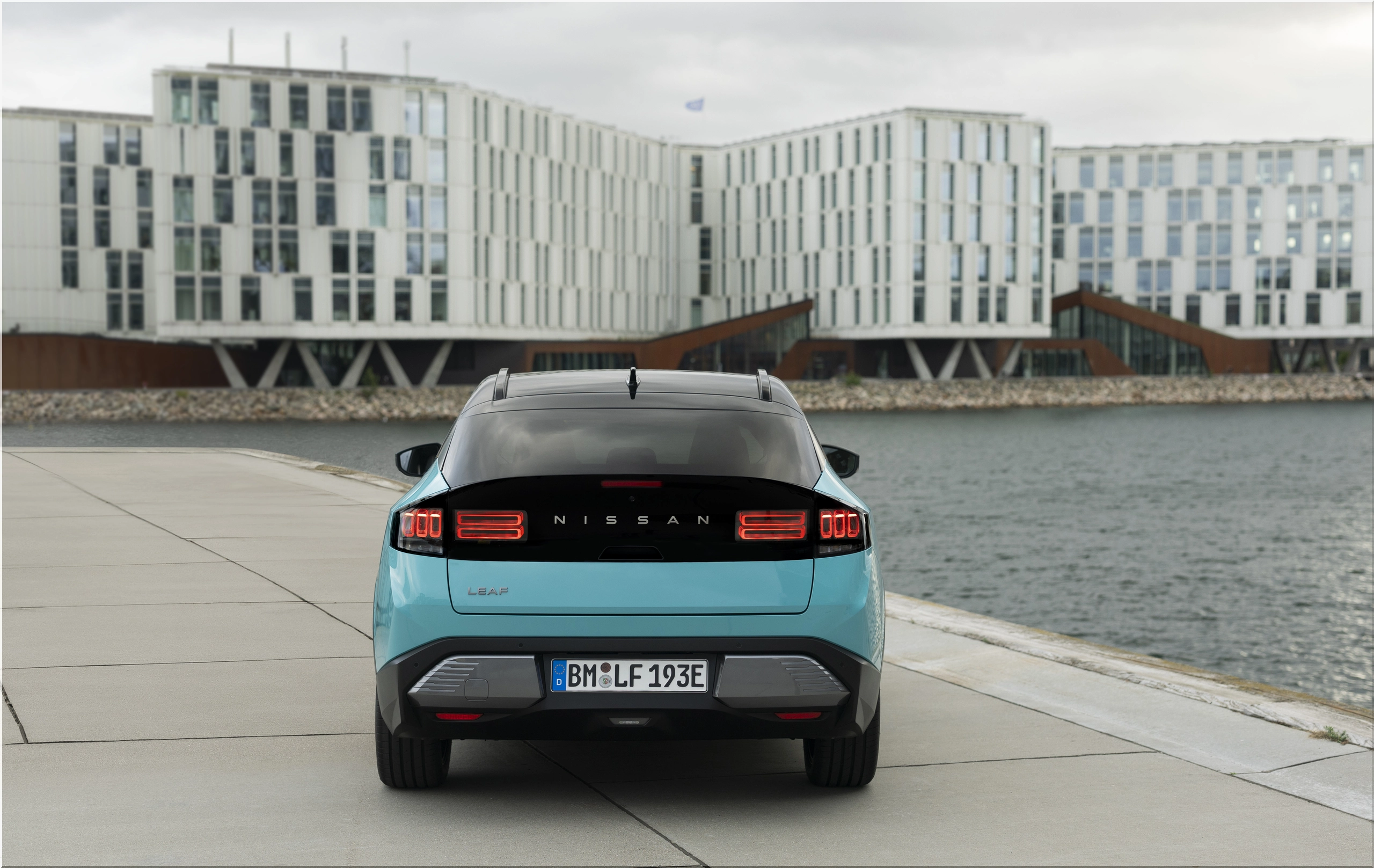
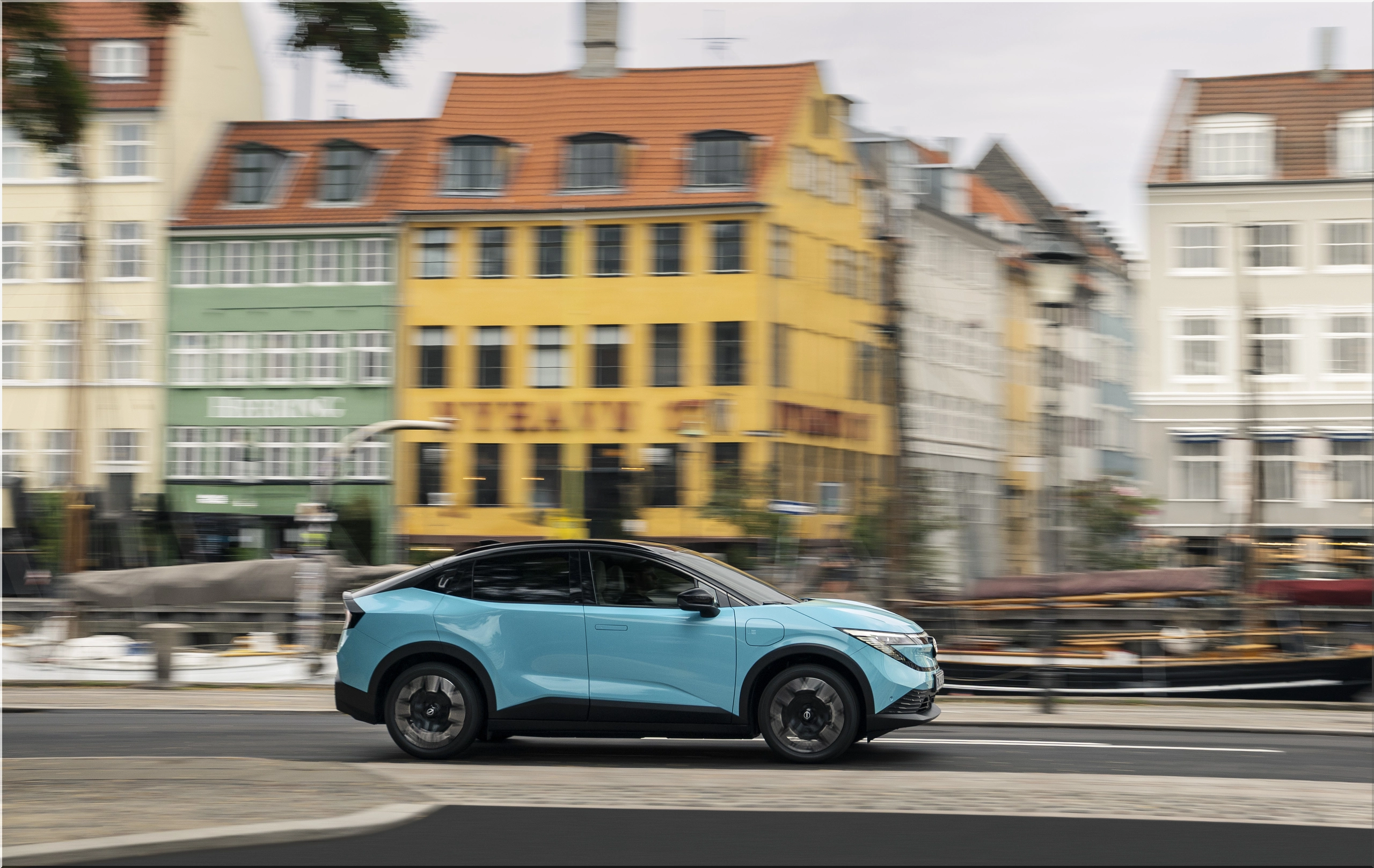
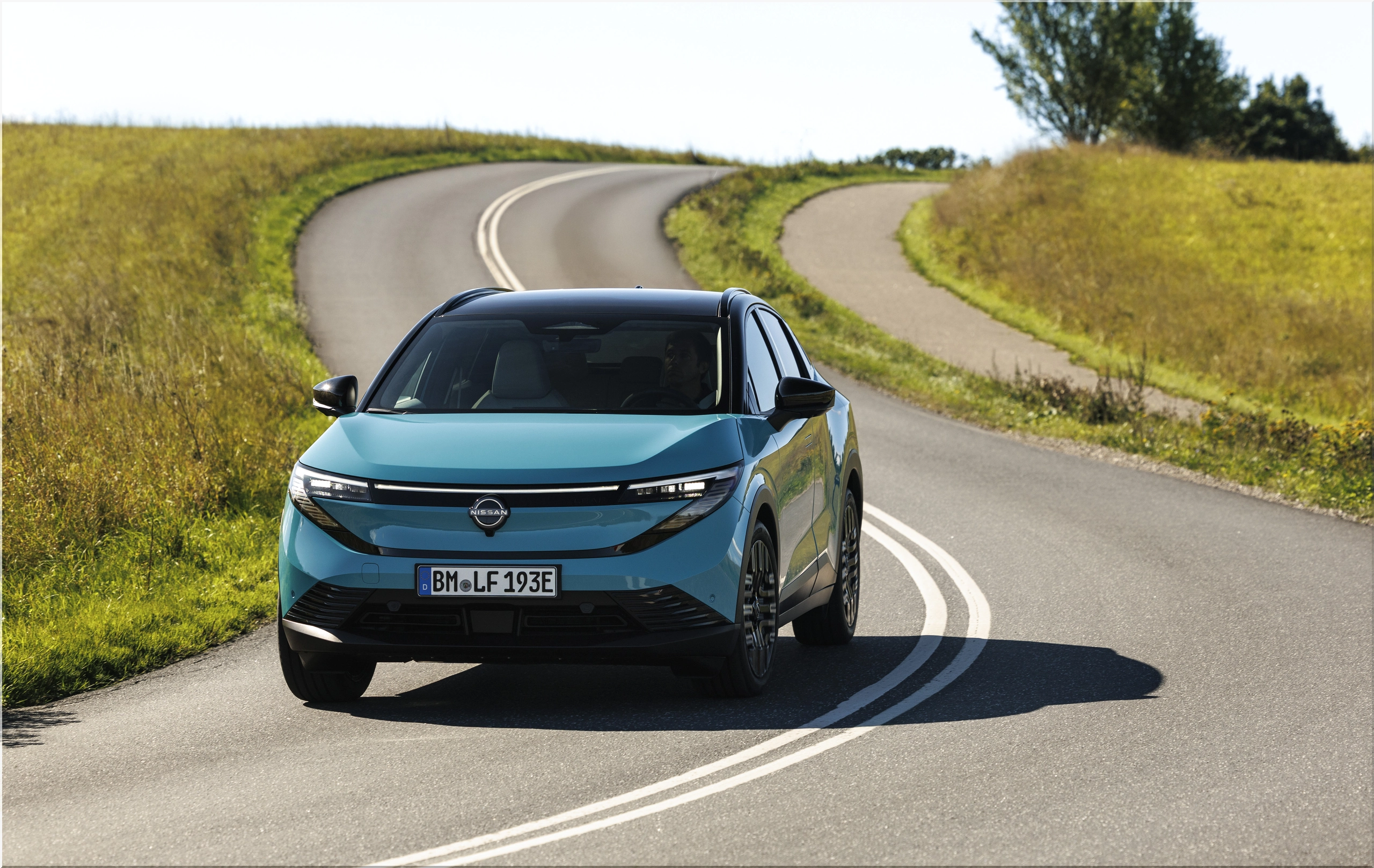
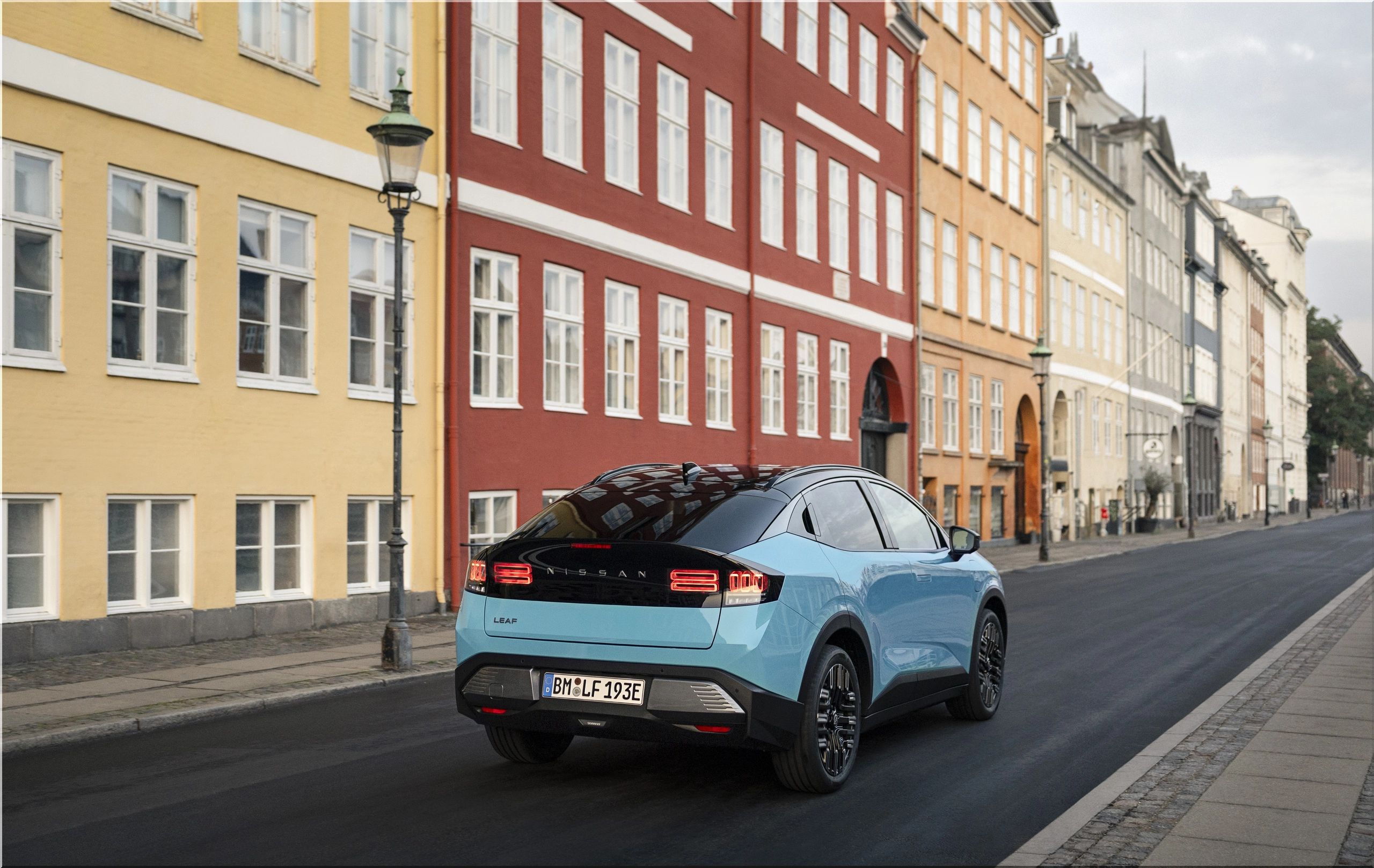
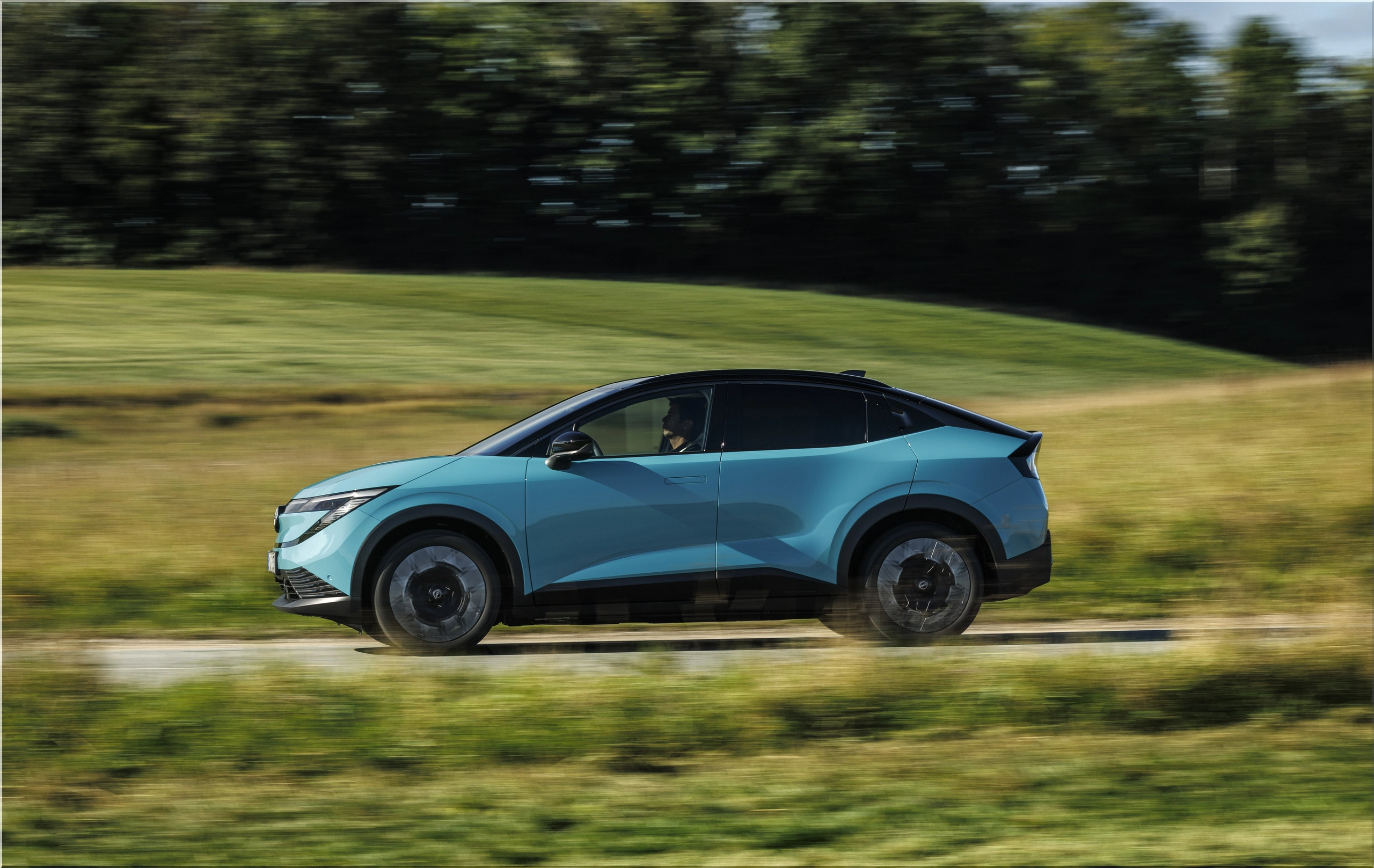
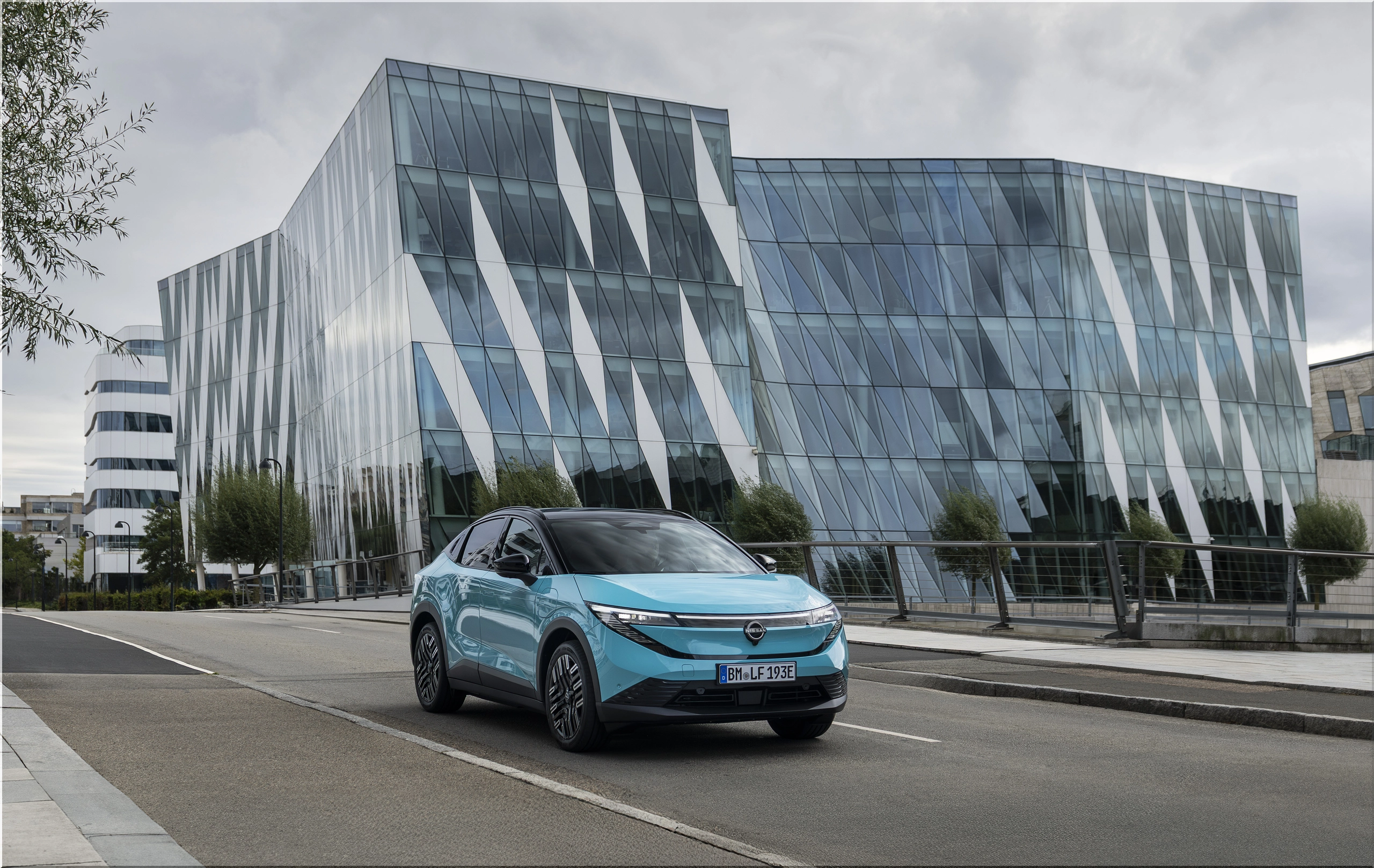
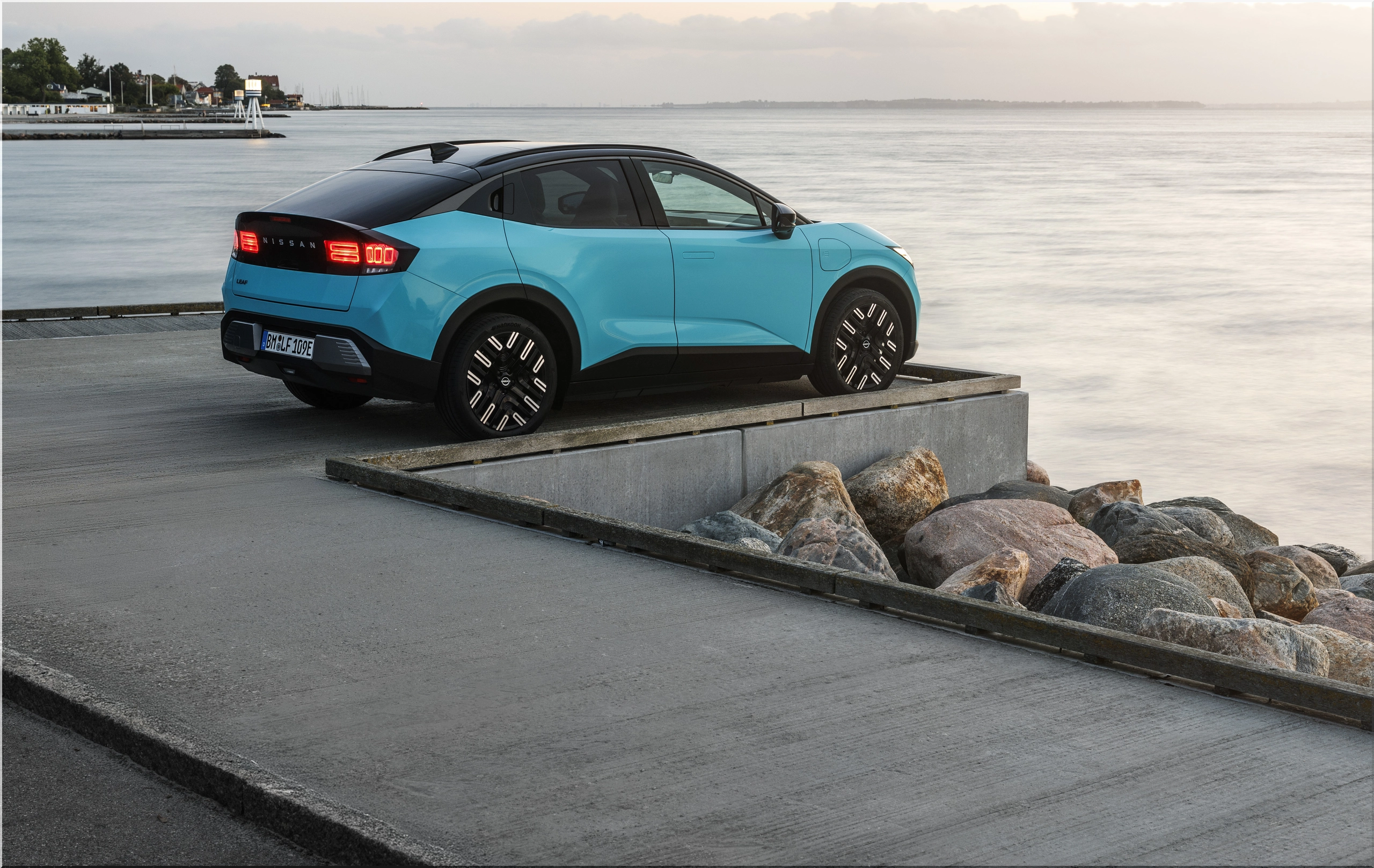
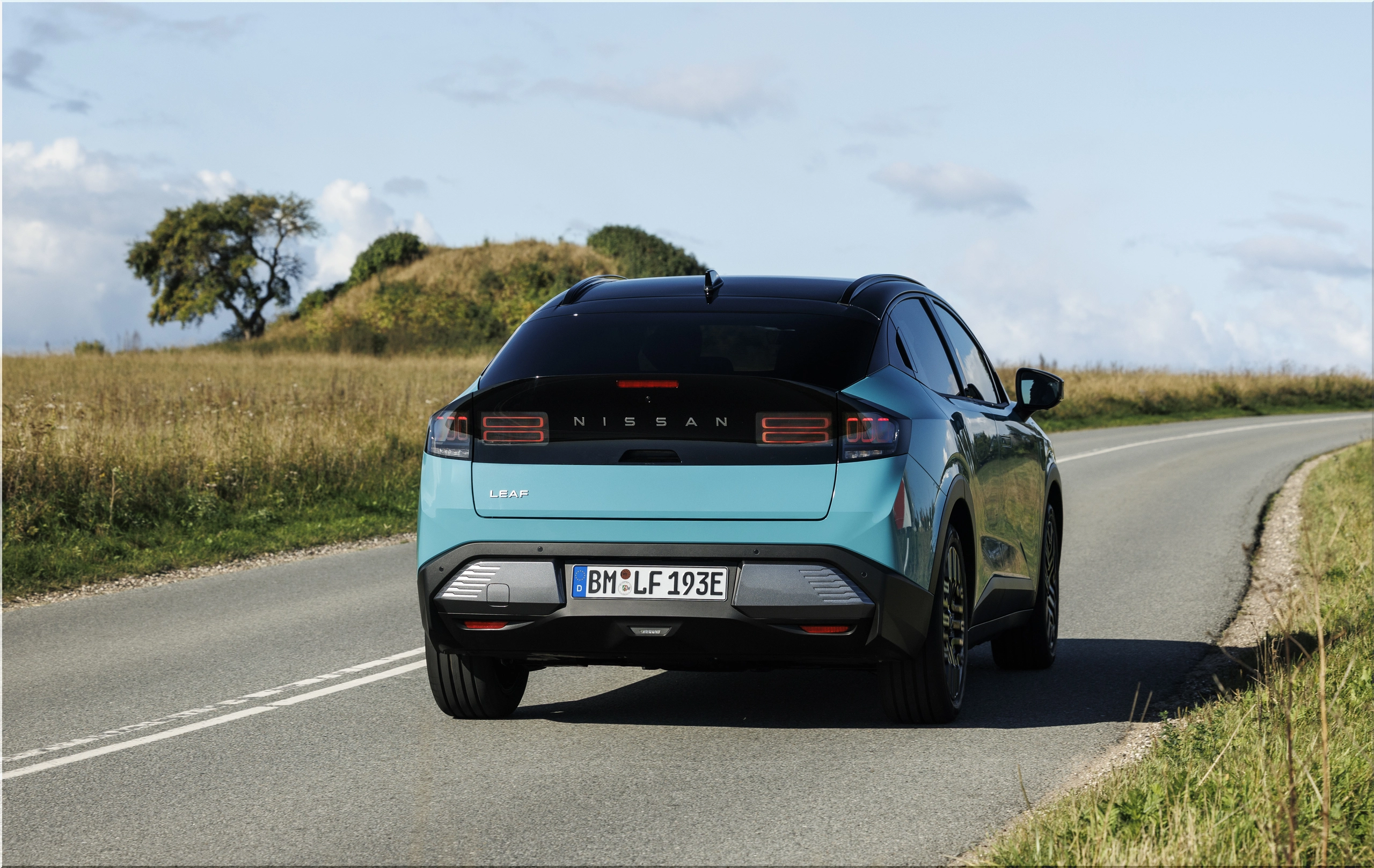
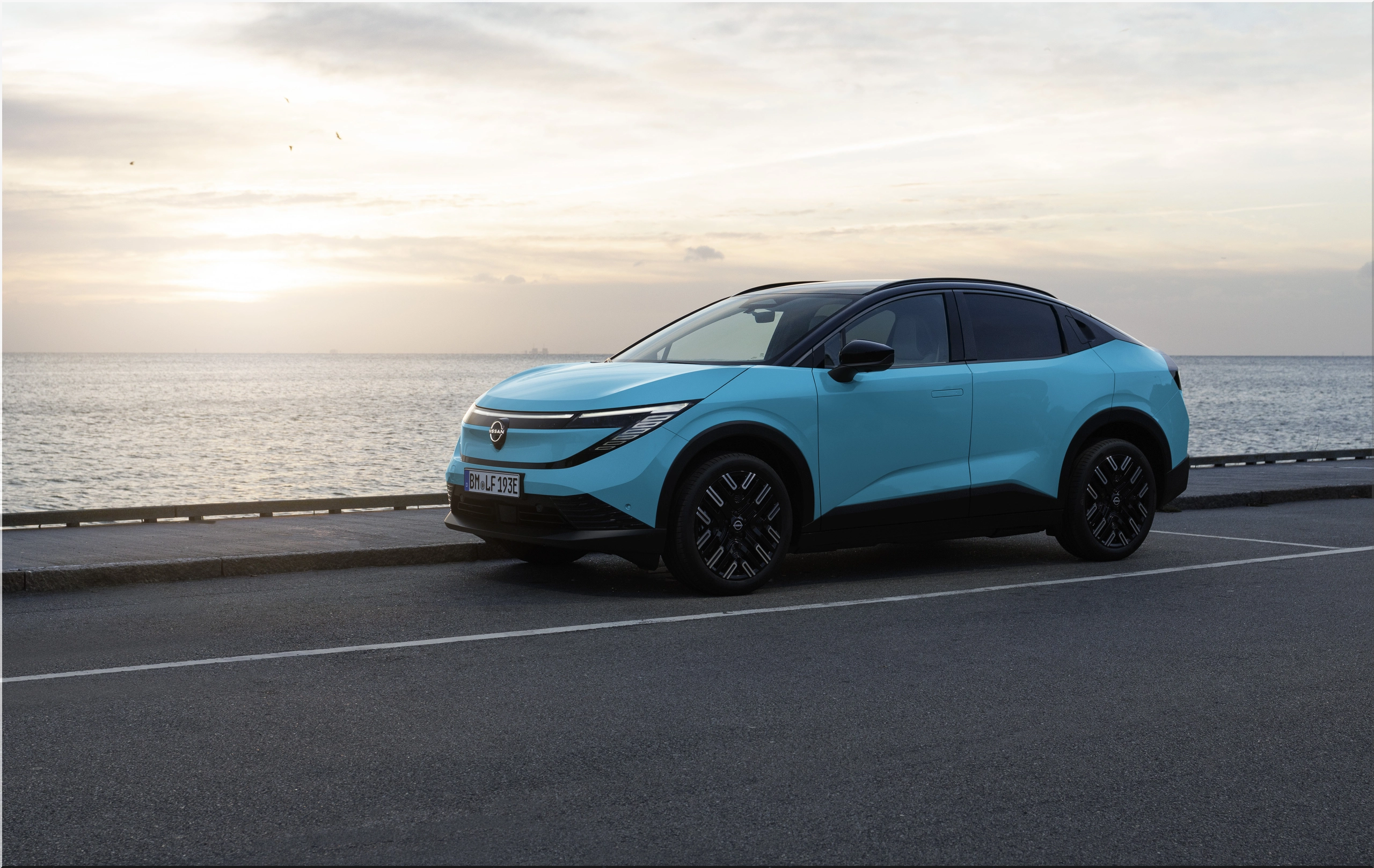
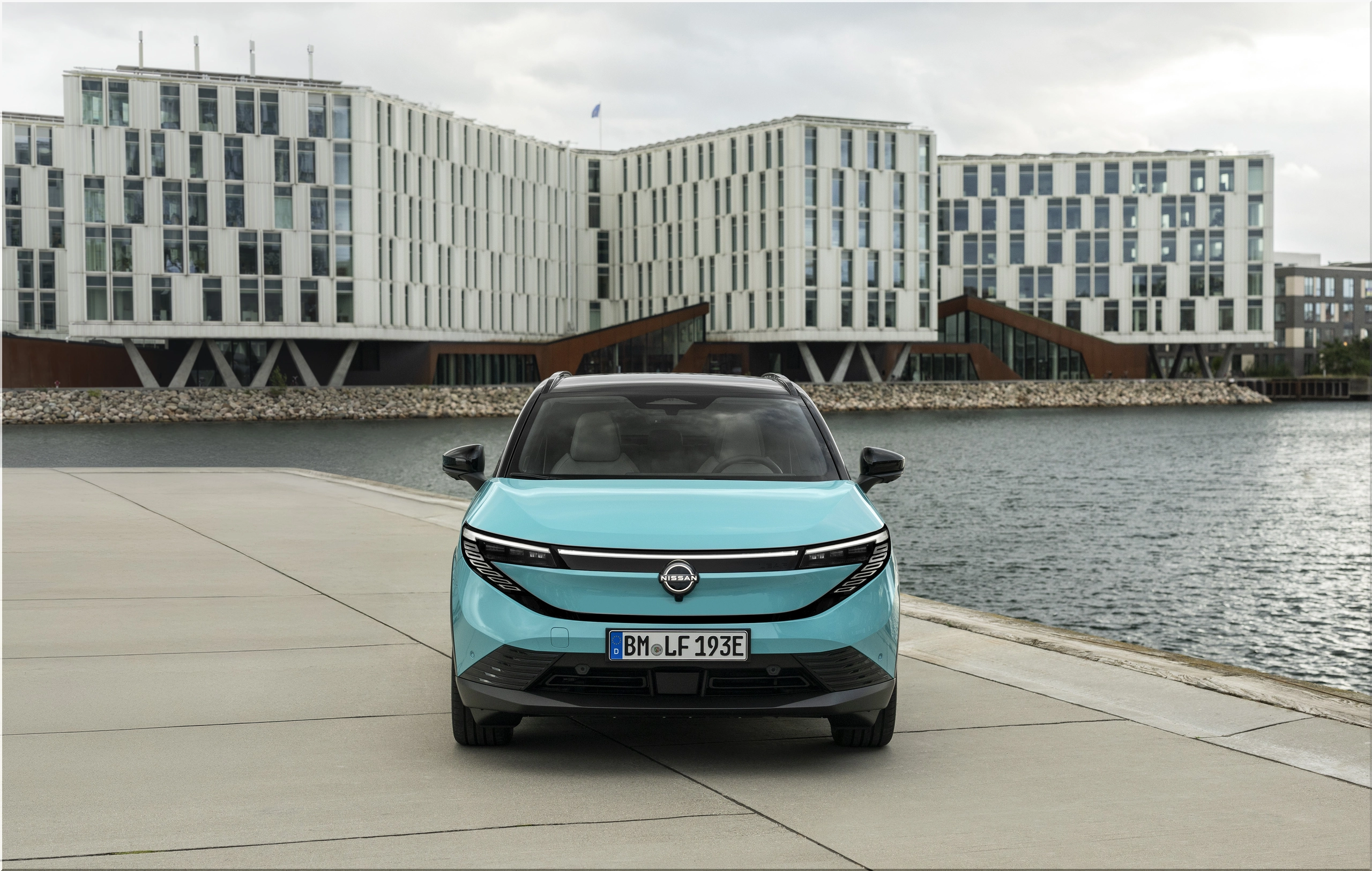
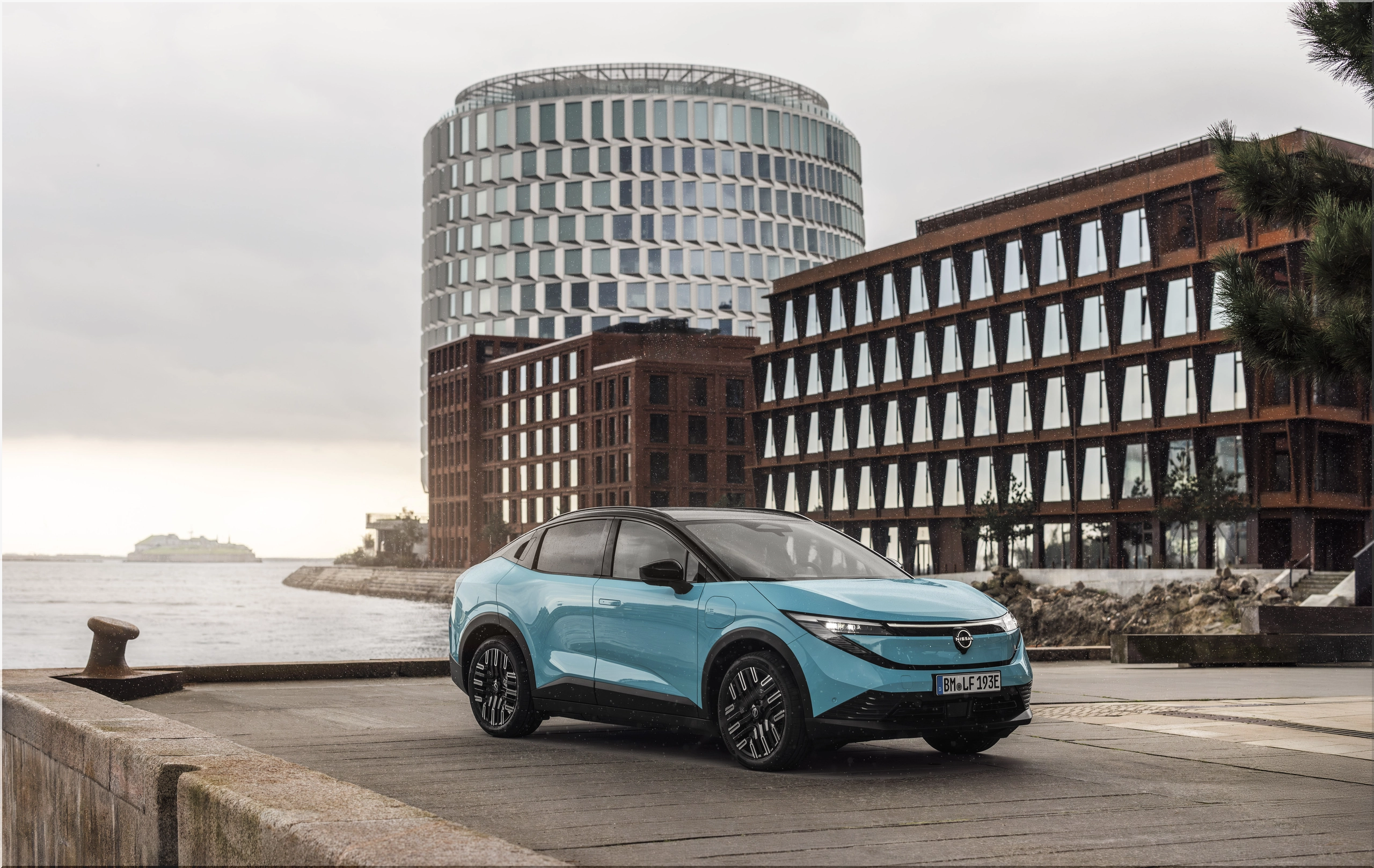
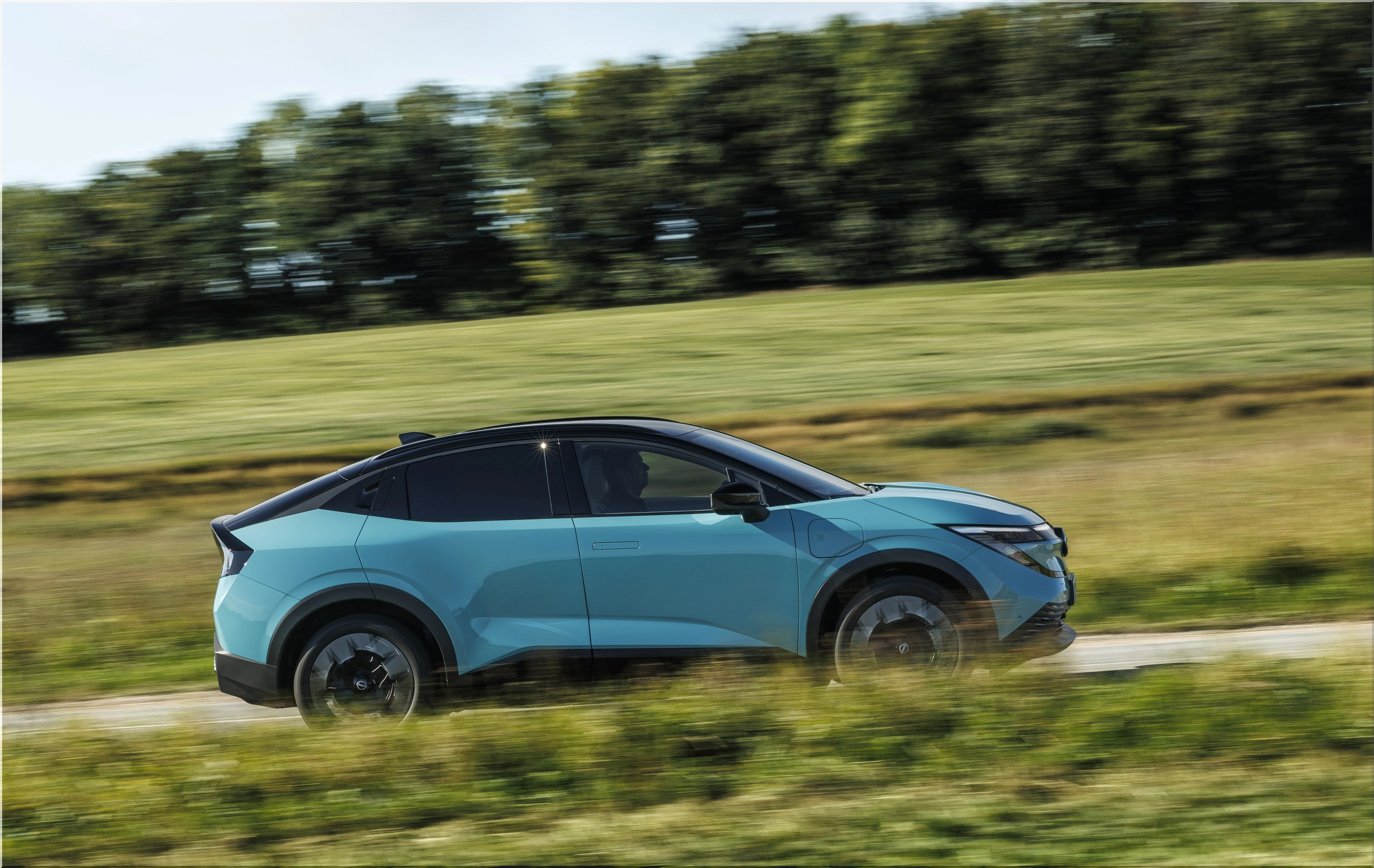
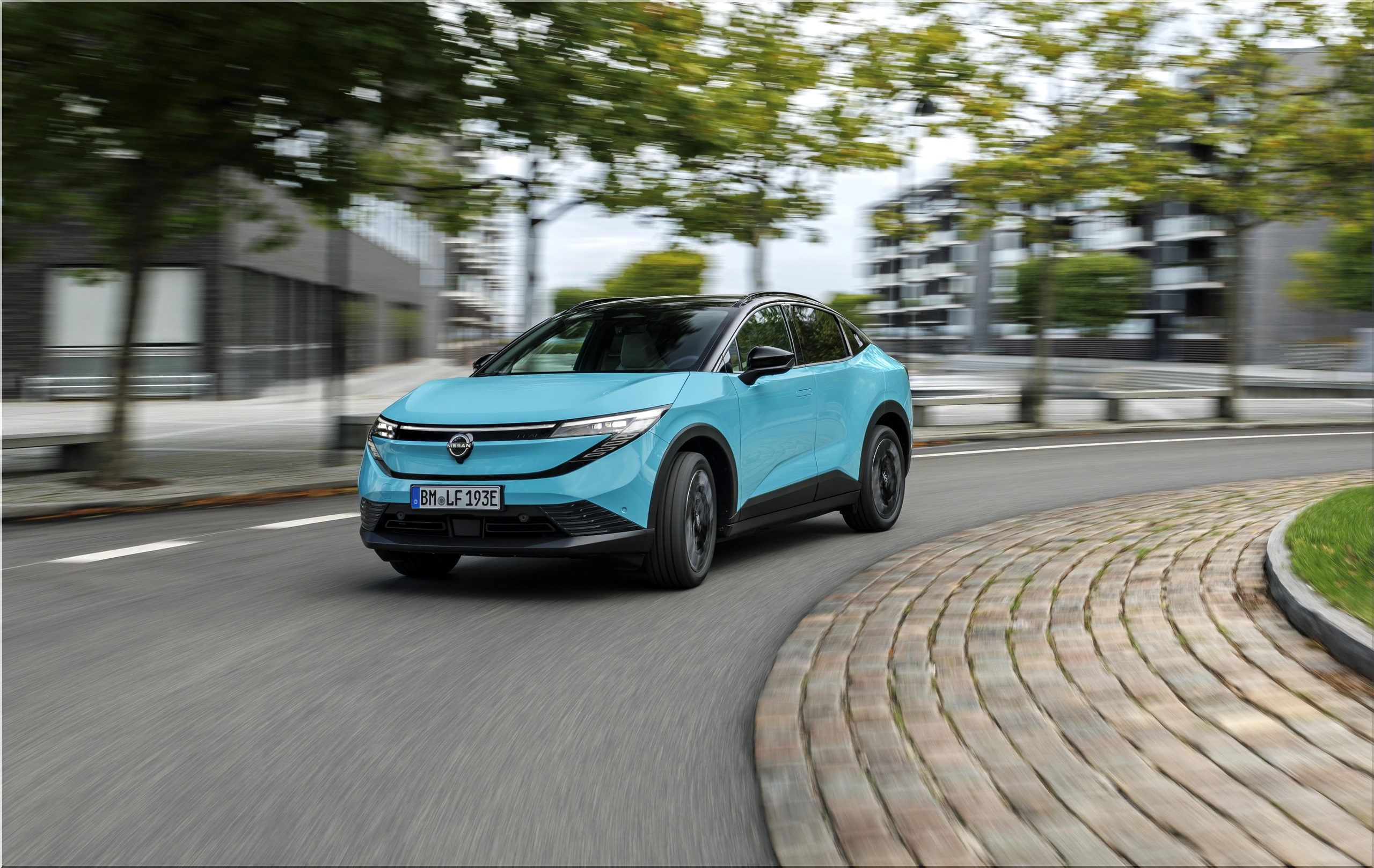
Nissan designed the new LEAF for range, efficiency, and mass appeal. A drag coefficient of 0.25 shows that every exterior change serves a purpose. Aerodynamic surfaces and a flowing roofline cut wind resistance and improve energy use. Flush door handles, a 3D tail light signature, and 19-inch aerodynamic wheels contribute to the improved profile.
The changes are more than cosmetic. Lower drag means fewer charging stops and better real-world performance. Nissan claims the 75kWh battery version achieves up to 622km on the WLTP cycle — among the longest ranges available in its class.
Range and Charging: Fewer Stops, Faster Top-Ups
The new LEAF uses two battery sizes: 52kWh and 75kWh. The smaller pack delivers over 440km, while the larger pack hits the 622km benchmark. Even on highways, the numbers hold: 330km at 130 km/h and 430km at 110 km/h.
The 150kW DC charging capability lets drivers recover 420km in 30 minutes. For most users, that means charging during a lunch break or coffee stop rather than an overnight stay.
Nissan also included Vehicle-to-Load (V2L) and Vehicle-to-Grid (V2G) support. V2L provides 3.6kW output for powering devices — useful for camping, emergencies, or work on the go. V2G capability prepares the LEAF for future grid integration, potentially allowing owners to sell power back to utilities.
Engineering Built for Daily Use
The new LEAF shares the CMF-EV platform with the Nissan Ariya. It uses MacPherson front and multi-link rear suspension for balanced handling. Despite the increased range and performance, ride comfort remains a core focus. Nissan tuned the chassis for agility in city traffic and stability on highways.
The electric motor produces 160kW and 355Nm of torque, enough for 0-100 km/h in 7.6 seconds. The smaller battery version generates 130kW and 345Nm, reaching 100 km/h in 8.6 seconds. Both versions cap top speed at 160 km/h.
Energy use is efficient too. At 13.8 kWh/100km, the LEAF is among the most energy-efficient EVs available.
Driver Assistance and Safety: Practical Innovation
Nissan packed the new LEAF with driver-assistance features to reduce fatigue and increase safety. These include:
- e-Pedal Step: One-pedal driving for easier stop-and-go traffic.
- ProPILOT Assist with Navi-link: Adaptive cruise and speed automation based on navigation data.
- 3D Around View Monitor: Eight-camera system with “Invisible Hood View” for easier parking.
- Regenerative braking with paddle shifters: Lets drivers control energy recovery.
- Distance Control Assist: Maintains safe spacing in traffic.
The LEAF also comes with Intelligent Emergency Braking, Blind Spot Intervention, Rear Cross Traffic Alert, and Lane Keep Assist as standard. These features aim to reduce accidents and make everyday driving easier.
Cabin Technology: Connected by Design
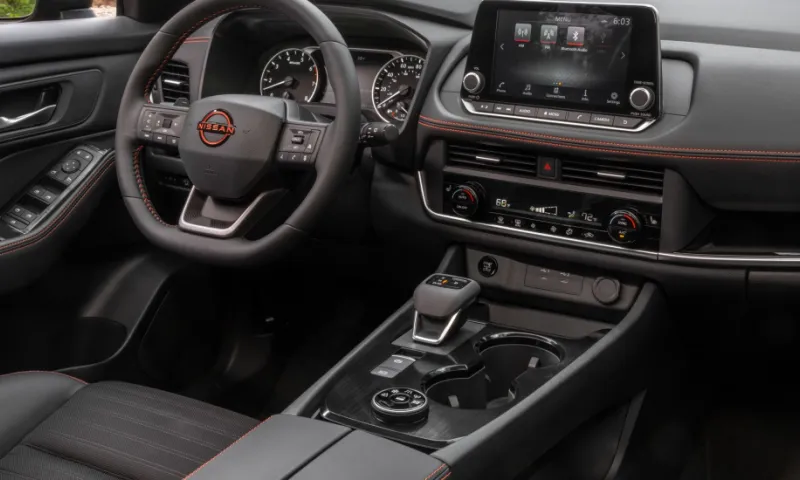
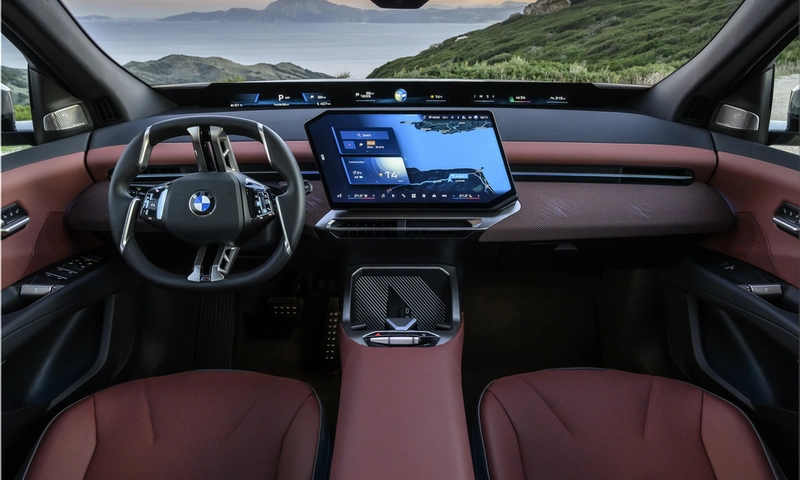
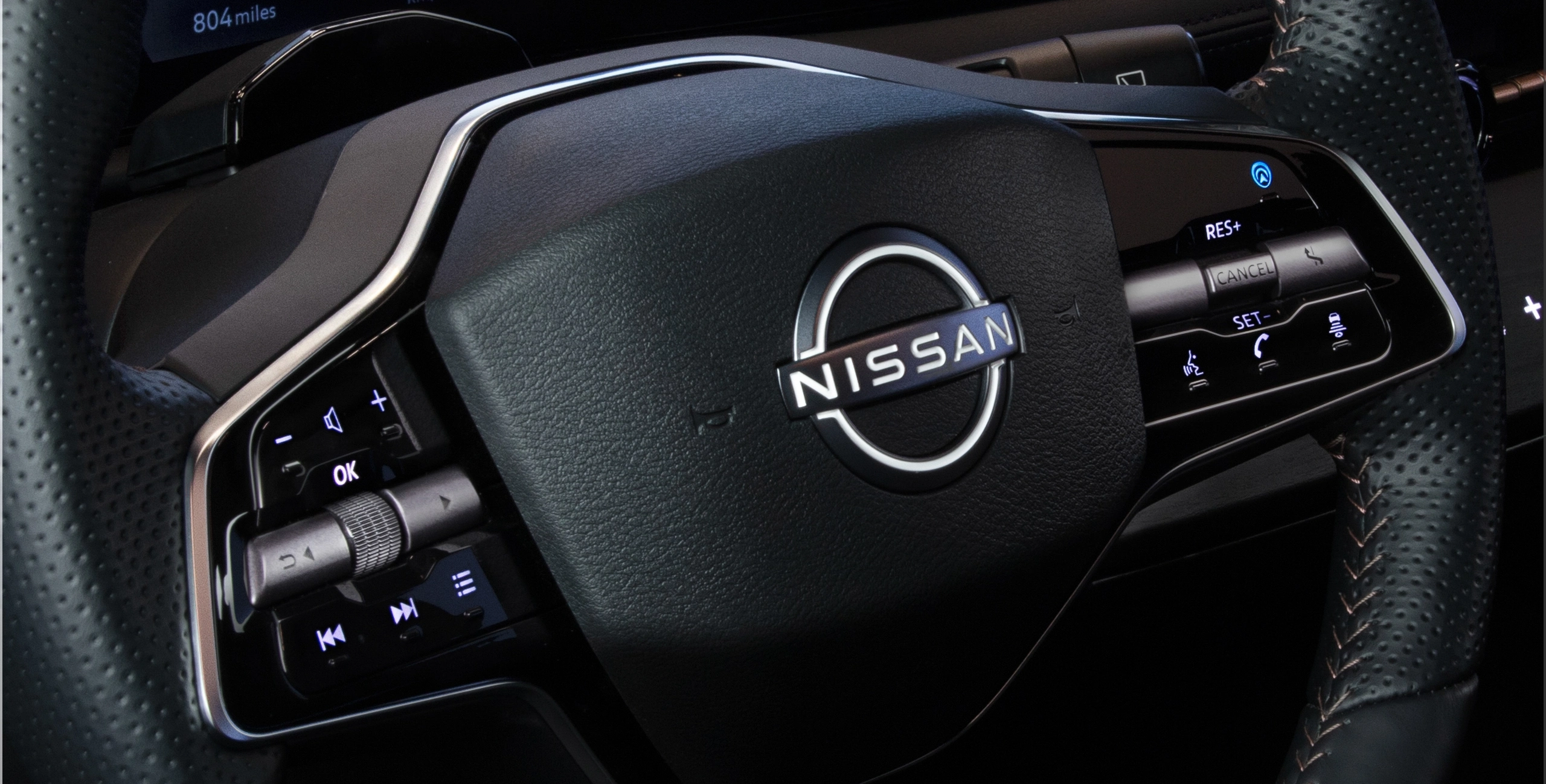
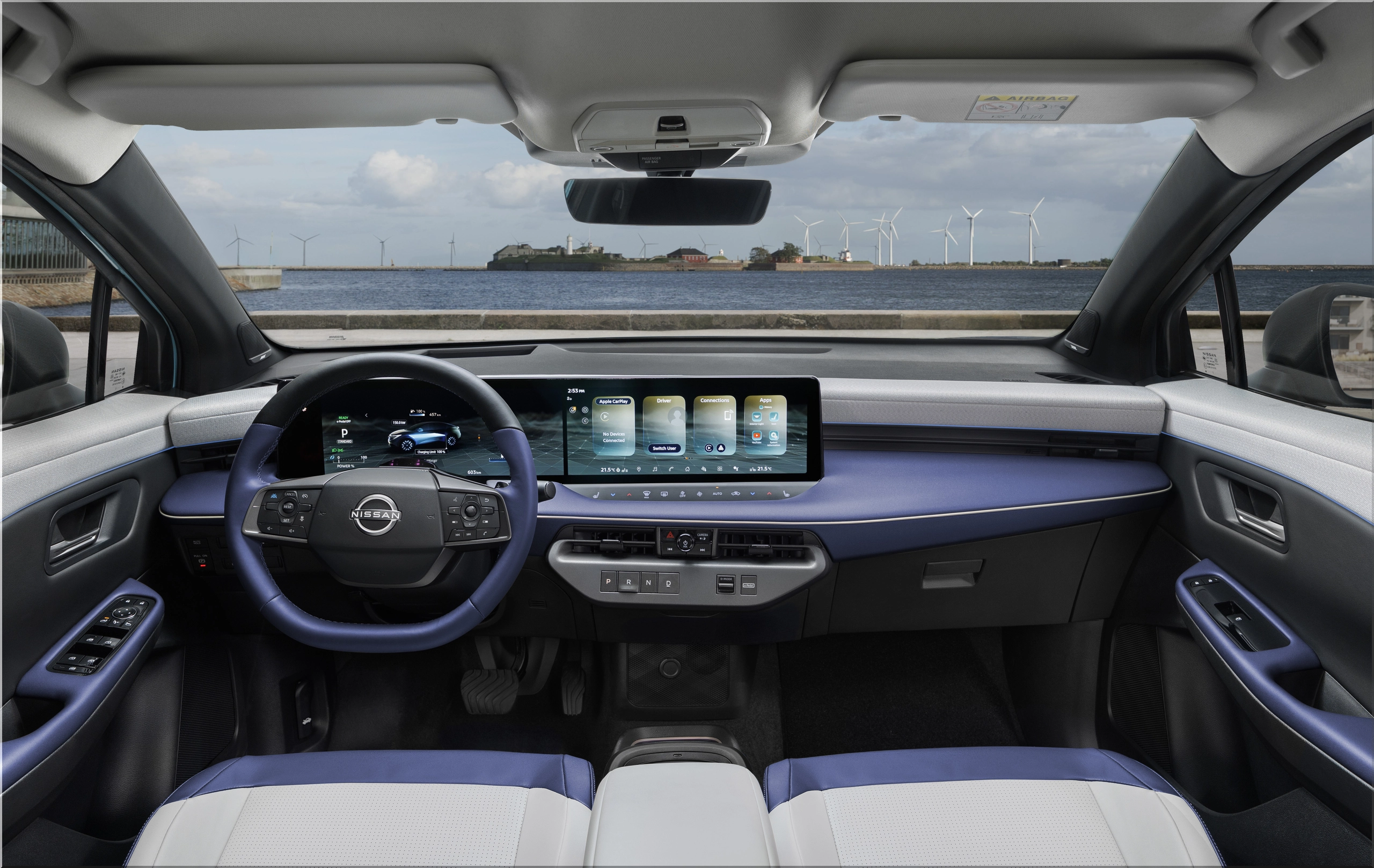
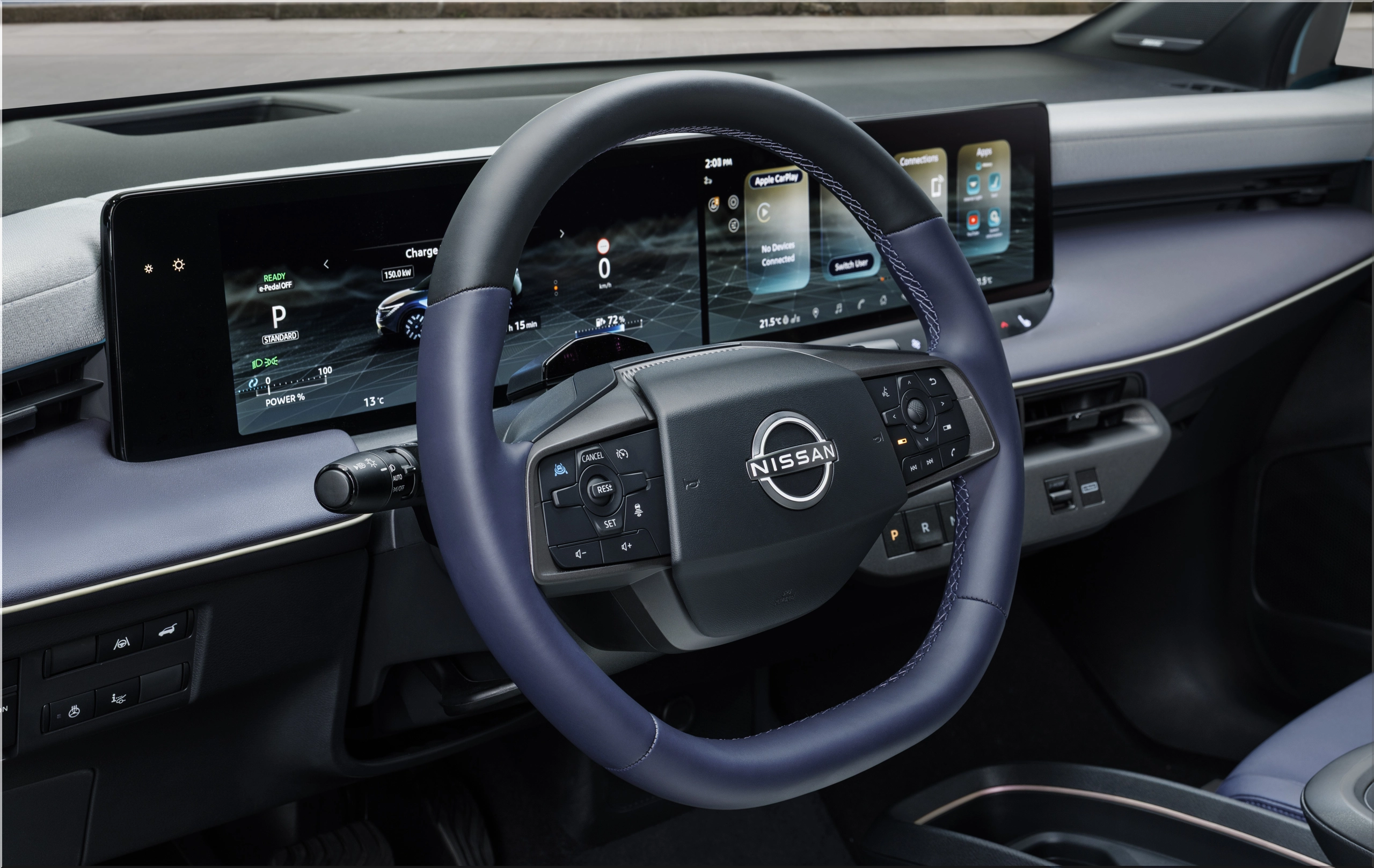
Nissan redesigned the cabin for a digital-first driving experience. The dual 14.3-inch screens — one for the cluster, one for the infotainment — dominate the dashboard. The NissanConnect system with Google built-in integrates seamlessly with everyday services:
- Google Maps: Route planning with charging stop suggestions.
- Google Assistant: Voice control for navigation, media, and climate settings.
- Google Play: Access to apps and productivity tools.
The companion NissanConnect Services app adds remote functions, including pre-conditioning the climate, checking charge status, and scheduling charging sessions.
Practical Interior and Flexible Utility
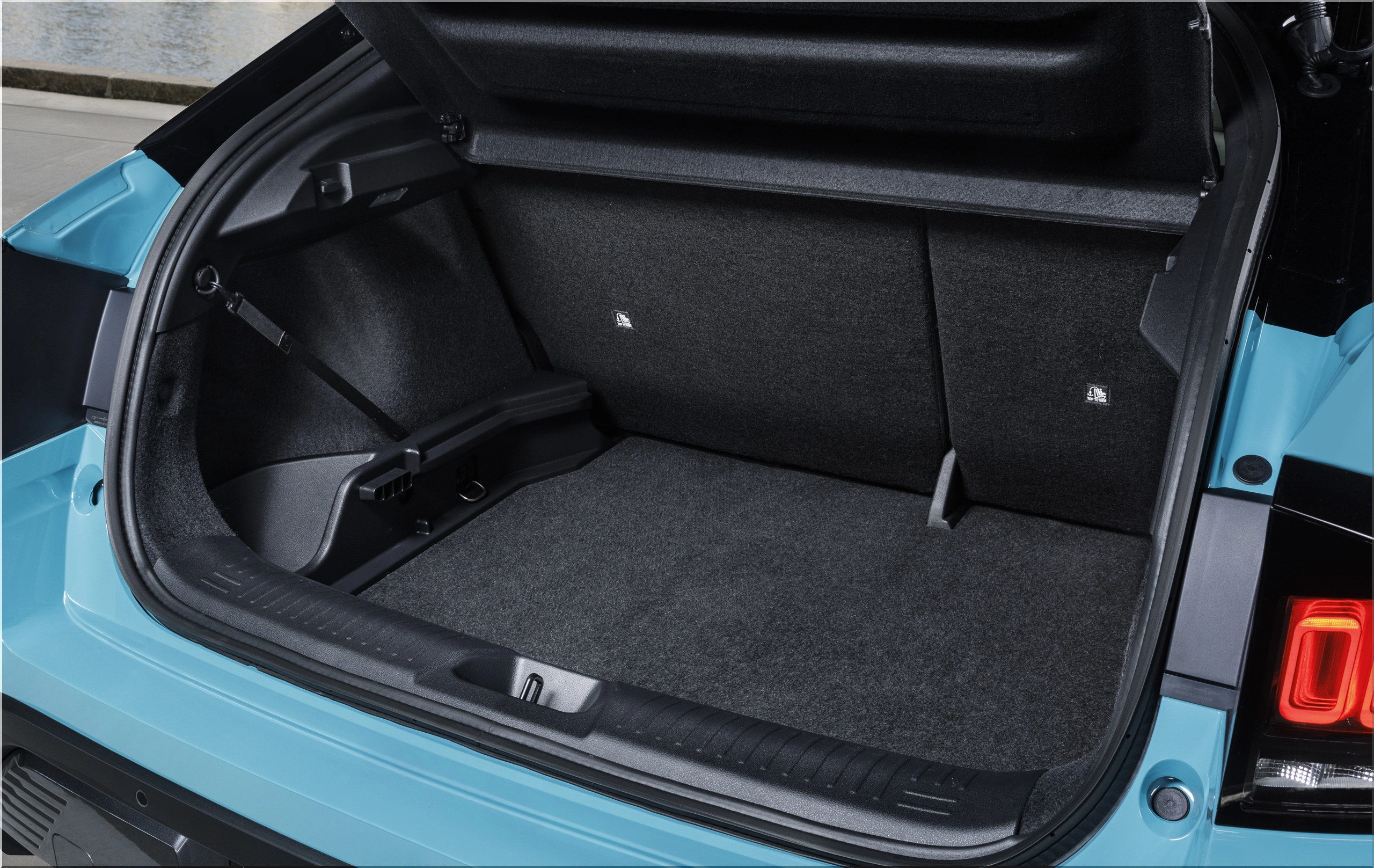
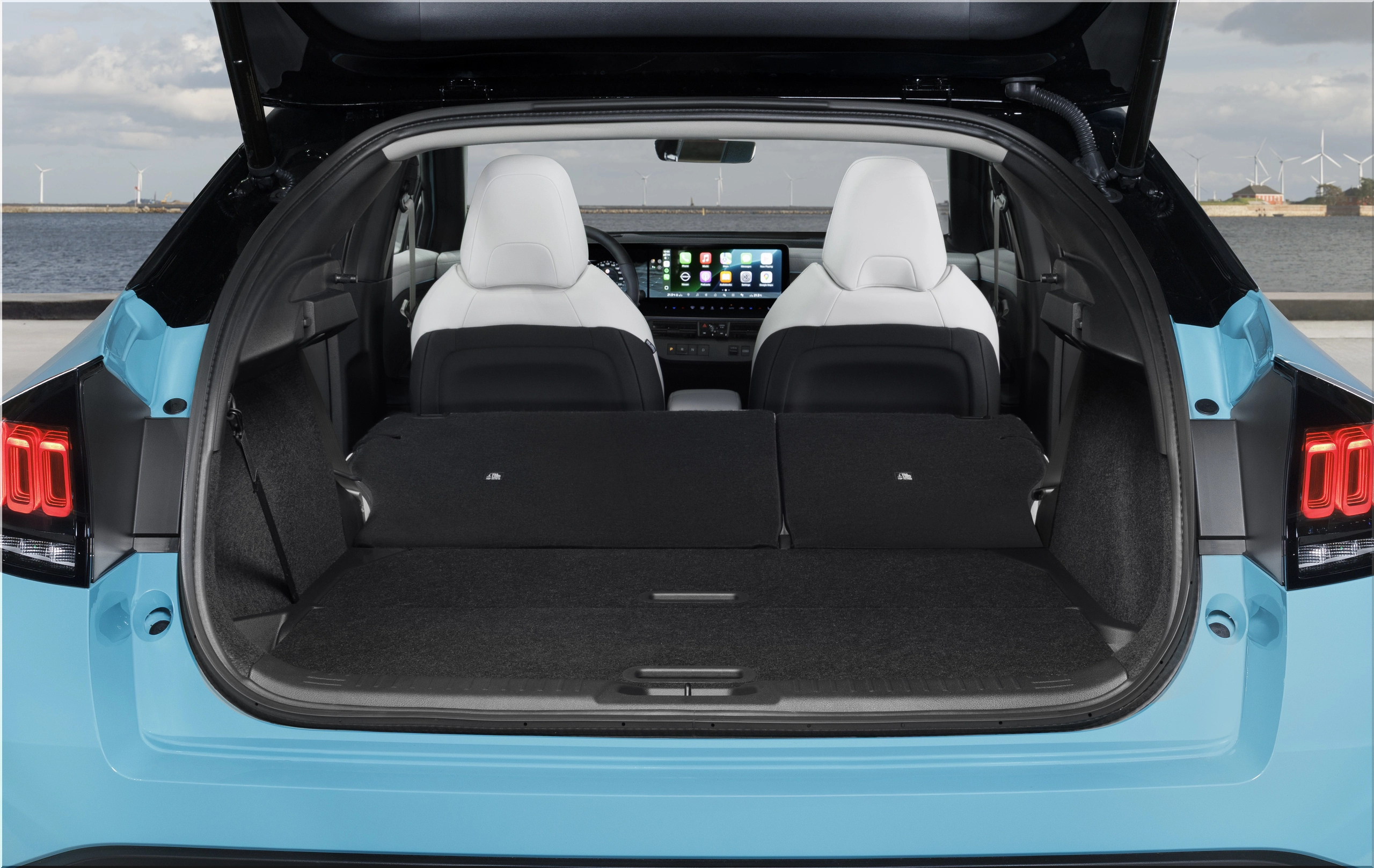
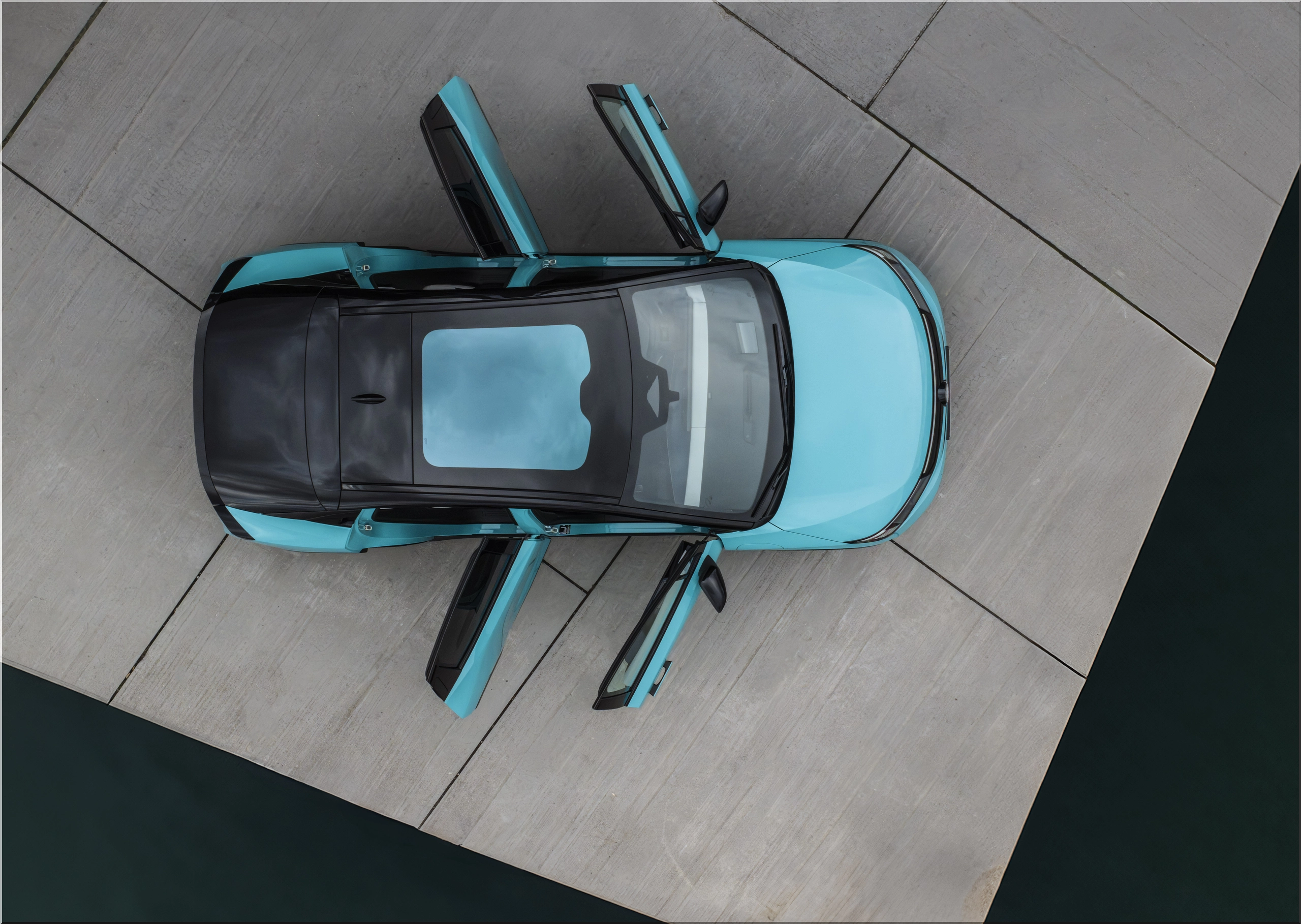
Inside, the new LEAF focuses on everyday usability. The 437-liter trunk handles daily errands or road trips. Optional features such as a power liftgate and roof rails improve utility. A reversible trunk liner, removable towbar, and roof crossbars support more active lifestyles.
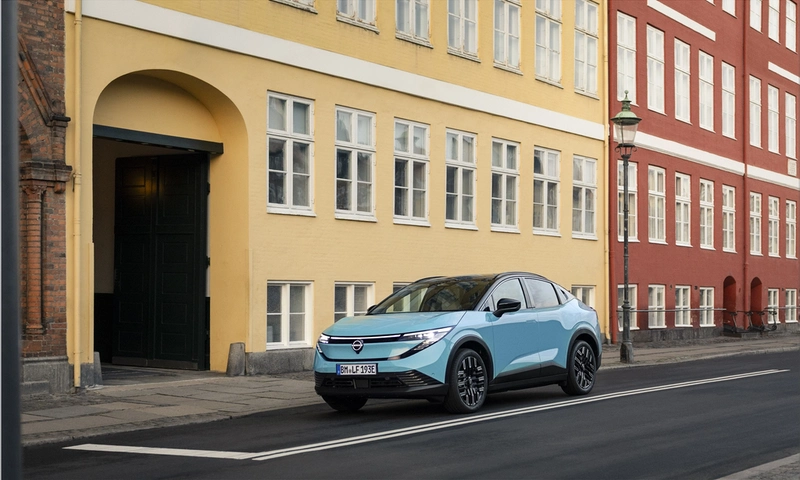
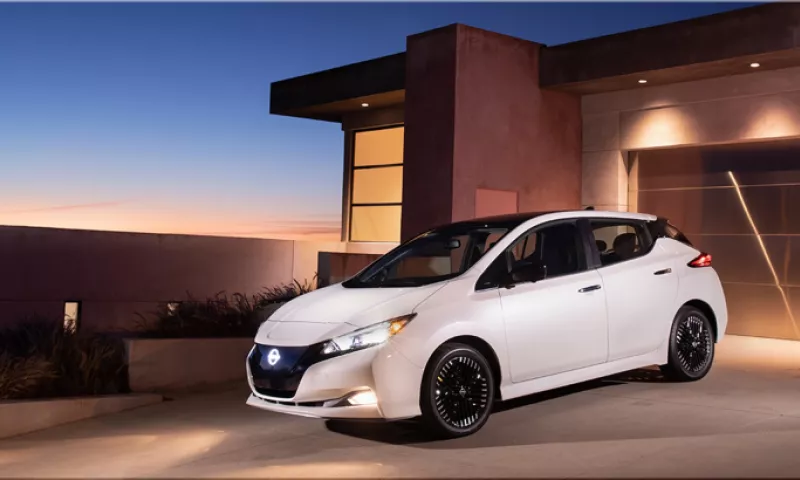
Nissan offers seven color choices, including the distinctive Luminous Teal, and a long list of accessories, from illuminated kick plates to carbon-look mirror caps. The goal: give buyers a car that fits their life without requiring compromises.
Manufacturing and Sustainability
Production will take place at Nissan’s Sunderland plant in the UK, using 20% renewable energy. This aligns with Nissan’s Ambition 2030 strategy to reach carbon neutrality by 2050. The company sees the new LEAF as a core part of that plan.
Specifications Snapshot
| Feature | 52kWh Version | 75kWh Version |
|---|---|---|
| Power Output | 130kW | 160kW |
| Torque | 345Nm | 355Nm |
| 0-100 km/h | 8.6 sec | 7.6 sec |
| Top Speed | 160 km/h | 160 km/h |
| Range (WLTP) | >440 km | Up to 622 km |
| Highway Range (130 km/h) | 224 km | 330 km |
| Highway Range (110 km/h) | - | 430 km |
| Energy Use | 13.8 kWh/100 km | 13.8 kWh/100 km |
| Charging (DC) | Up to 105kW | Up to 150kW |
| 30-Min Charge Range | Pending | 420 km |
| V2L Output | 3.6kW | 3.6kW |
| Cargo Space | 437 L | 437 L |
What the LEAF Signals for the EV Market
The third-generation LEAF arrives at a critical time. EV adoption is rising, but buyers still worry about range, charging times, and cost. Nissan’s new model addresses each of those concerns with tangible upgrades.
- Range: 622km places it among the top-performing EVs on the market.
- Charging speed: 420km in 30 minutes makes long-distance travel realistic.
- Software integration: Built-in Google services and predictive route planning add real-world convenience.
The broader significance lies in scale. Nissan’s commitment to mass-market electric mobility remains unchanged. By combining affordable technology, efficient engineering, and usable features, the company aims to make EVs the default choice — not the niche one.
Final Thoughts
The new 2026 Nissan LEAF shows how far EVs have come since 2011. It’s no longer about proving that electric cars work. It’s about refining them into tools people want to use daily. The combination of long range, fast charging, connected software, and practical design positions the LEAF as a strong competitor in the crowded EV market.
If Nissan’s projections hold, this car will do more than continue the LEAF legacy — it could redefine what buyers expect from a mainstream electric vehicle.
- Add new comment
- 202 views