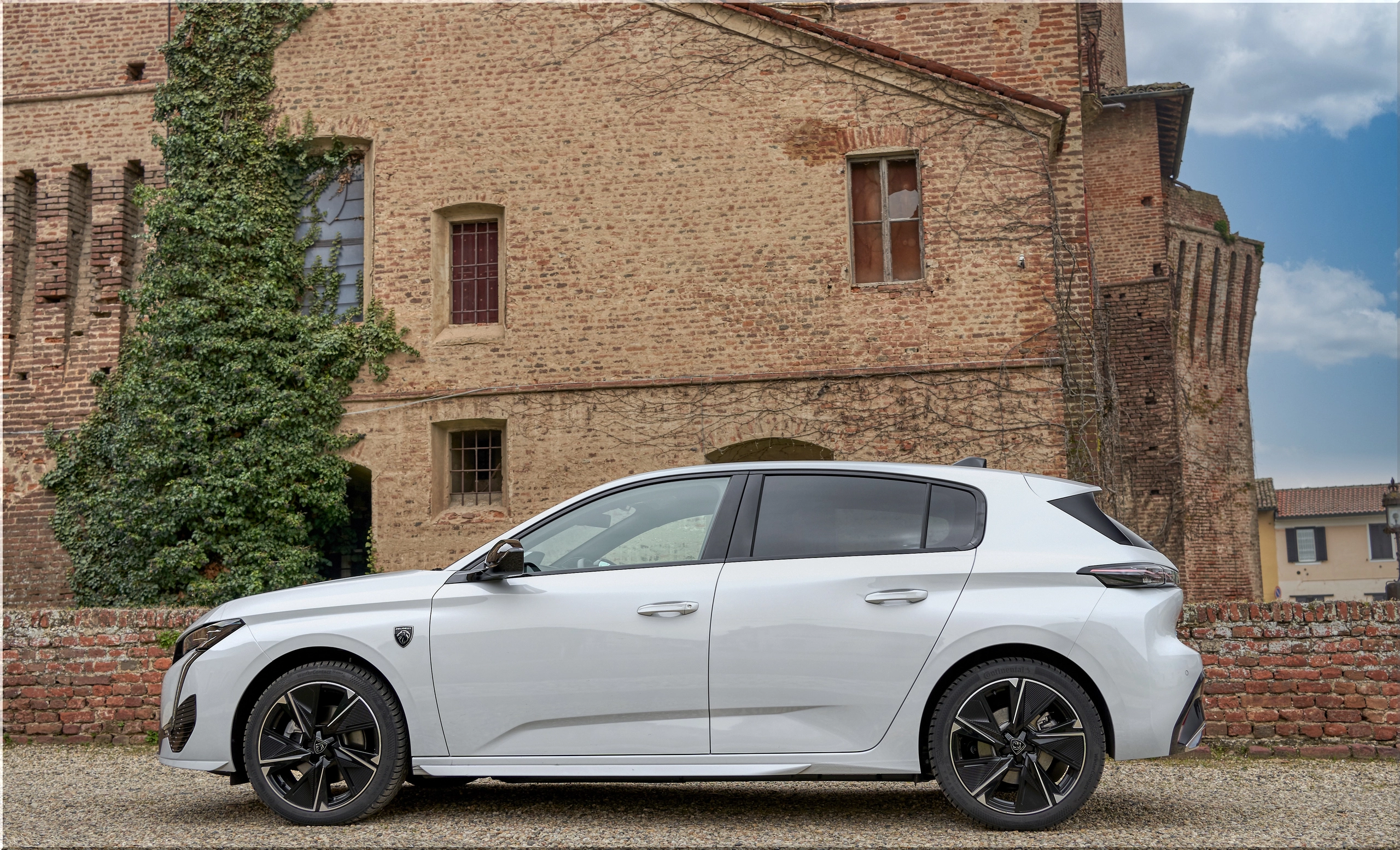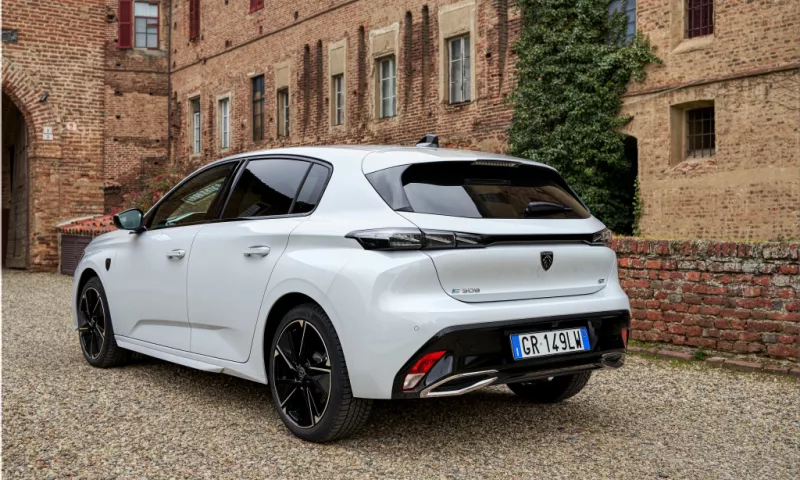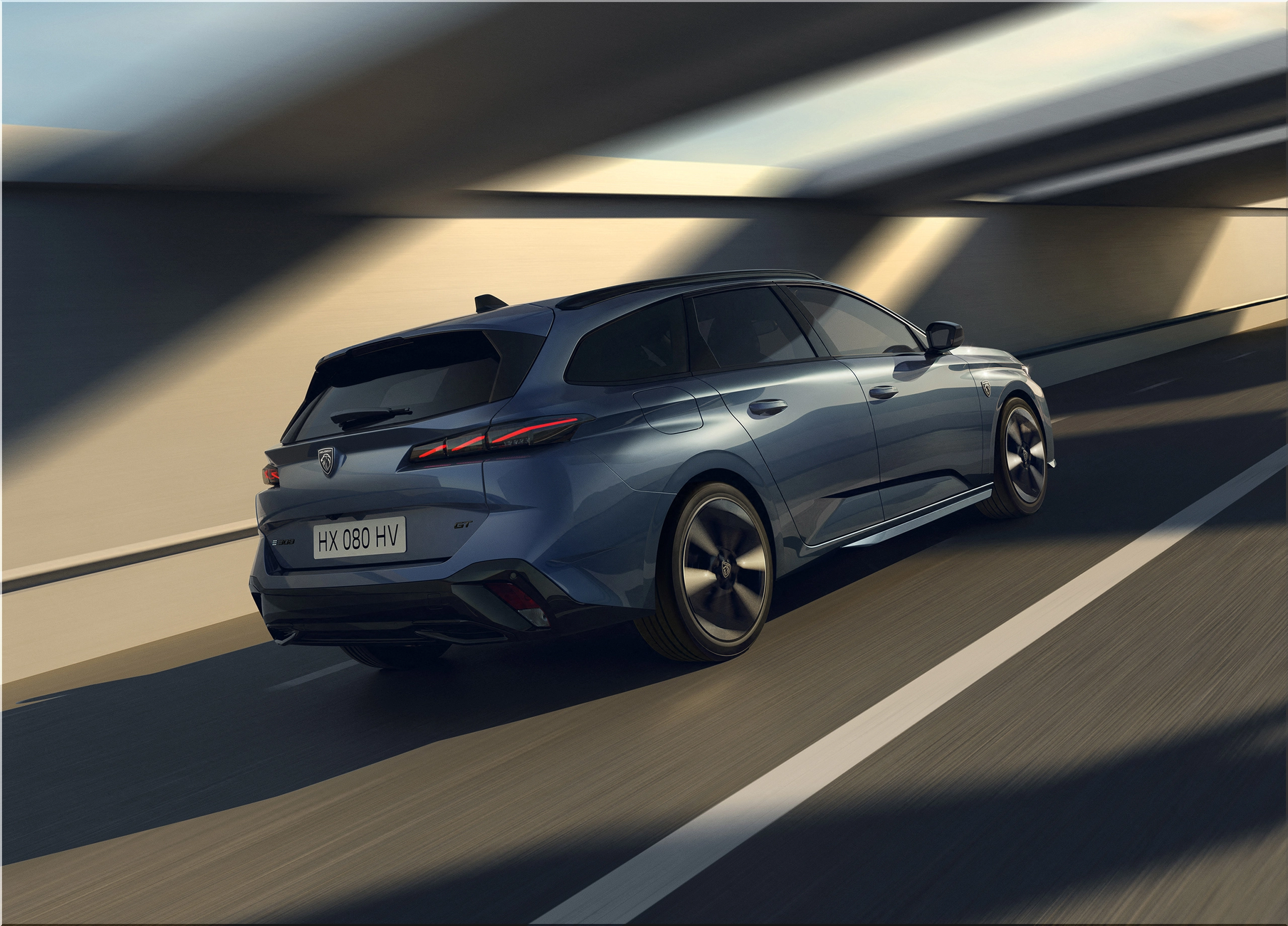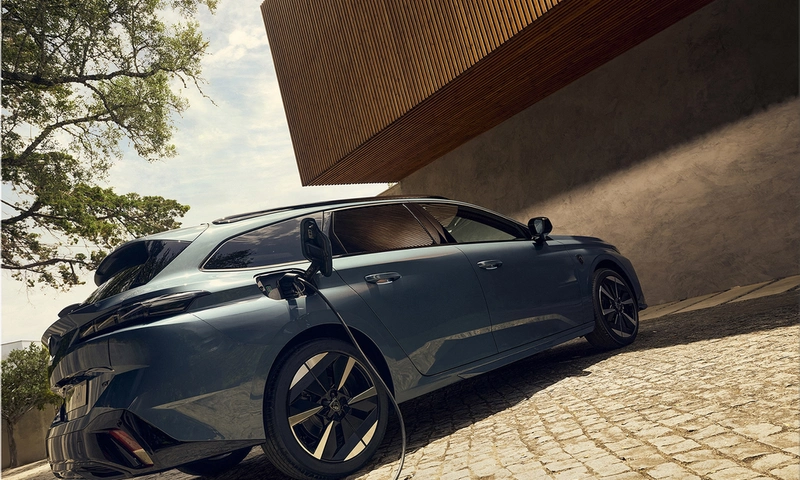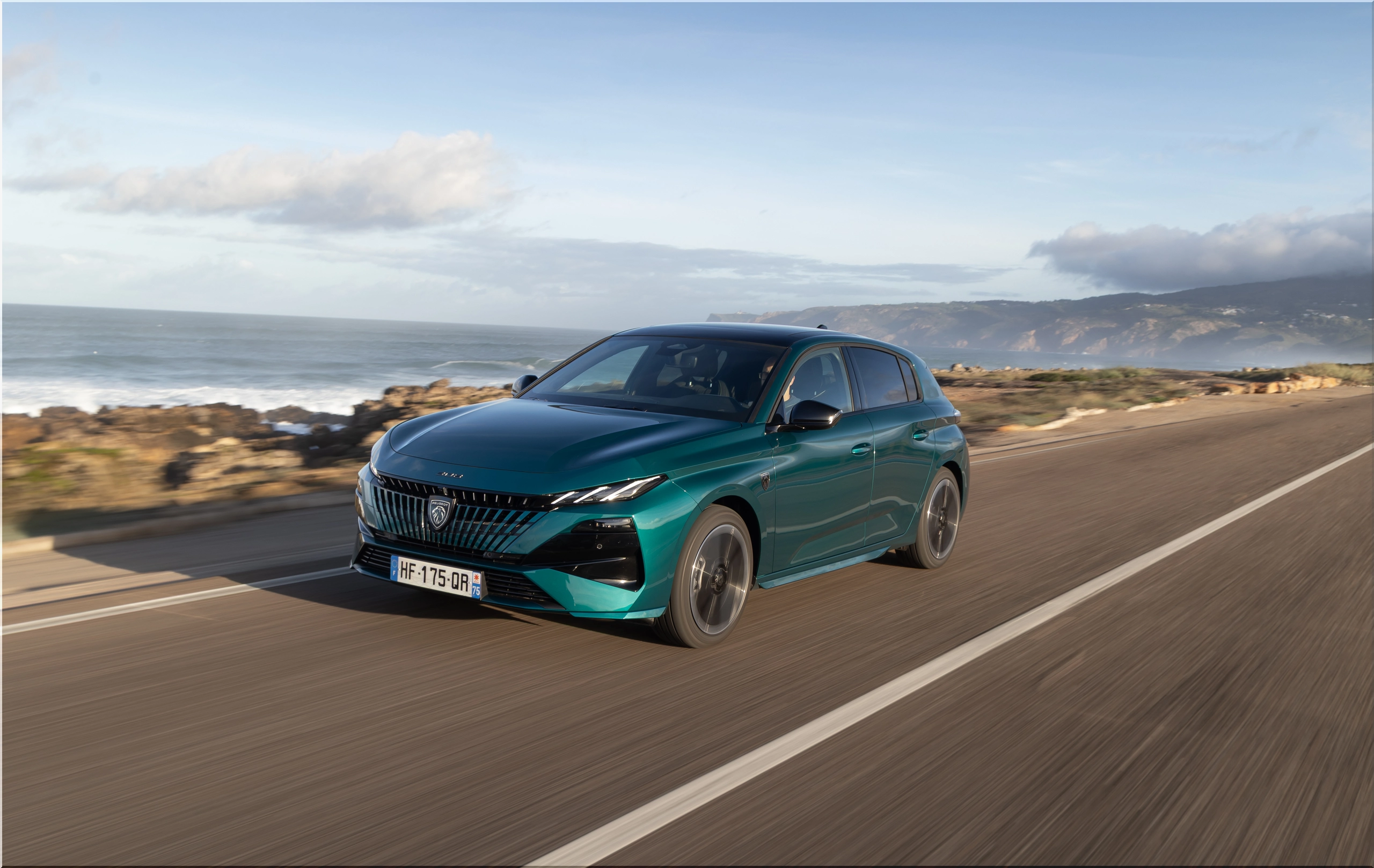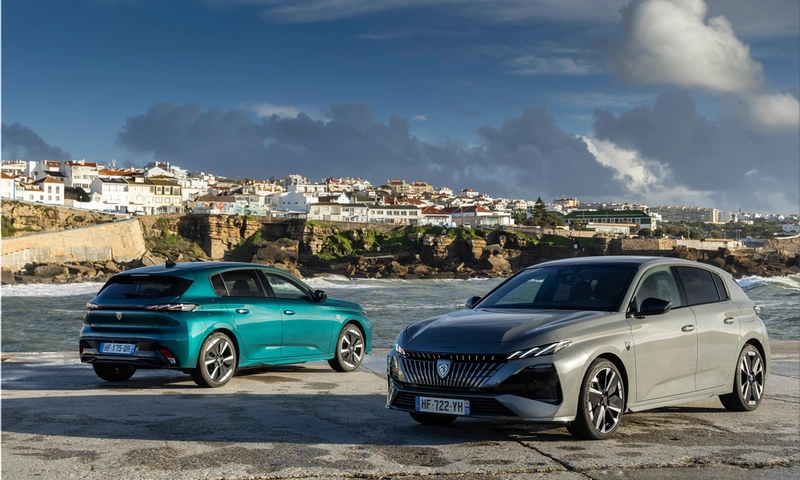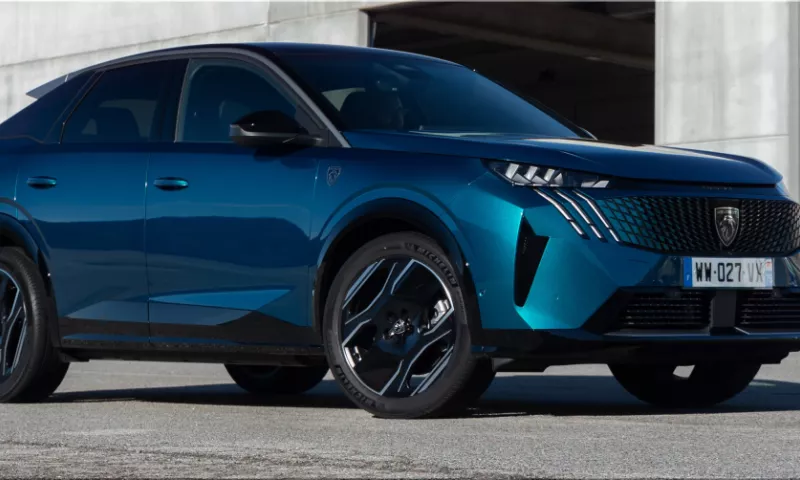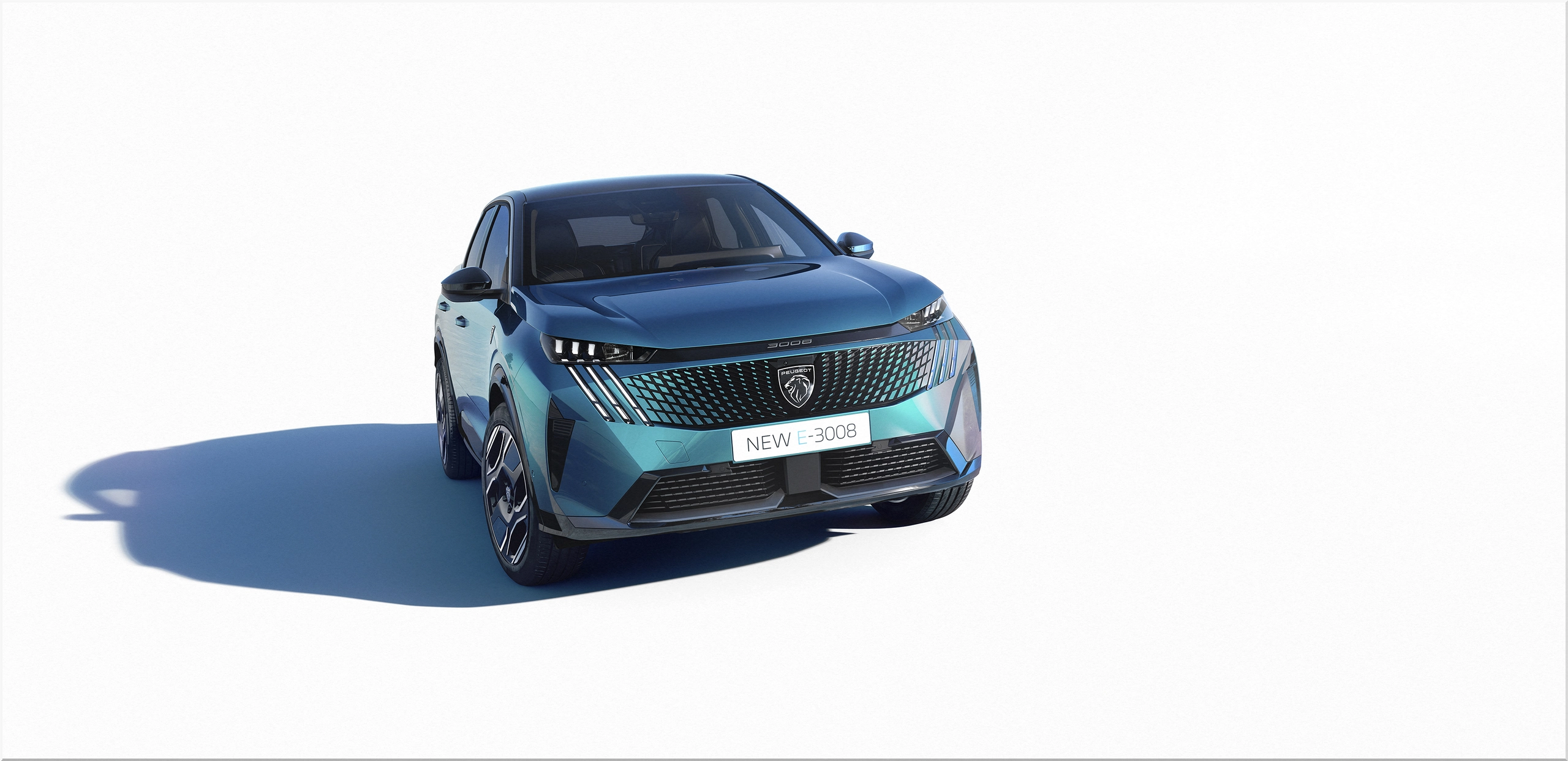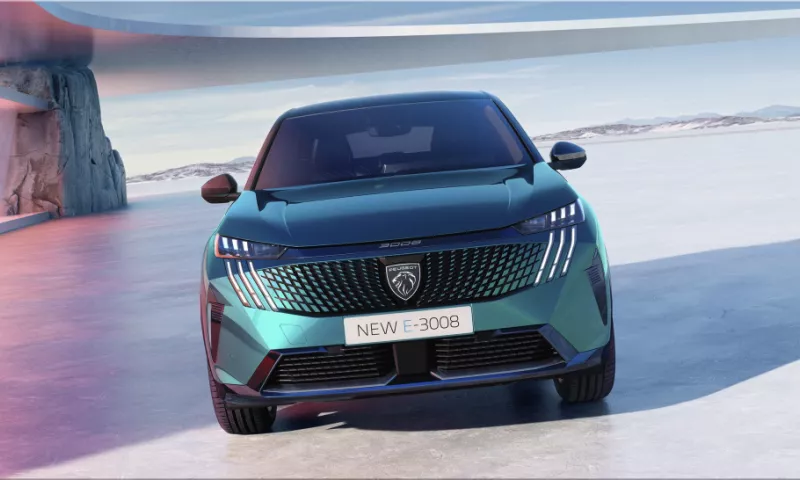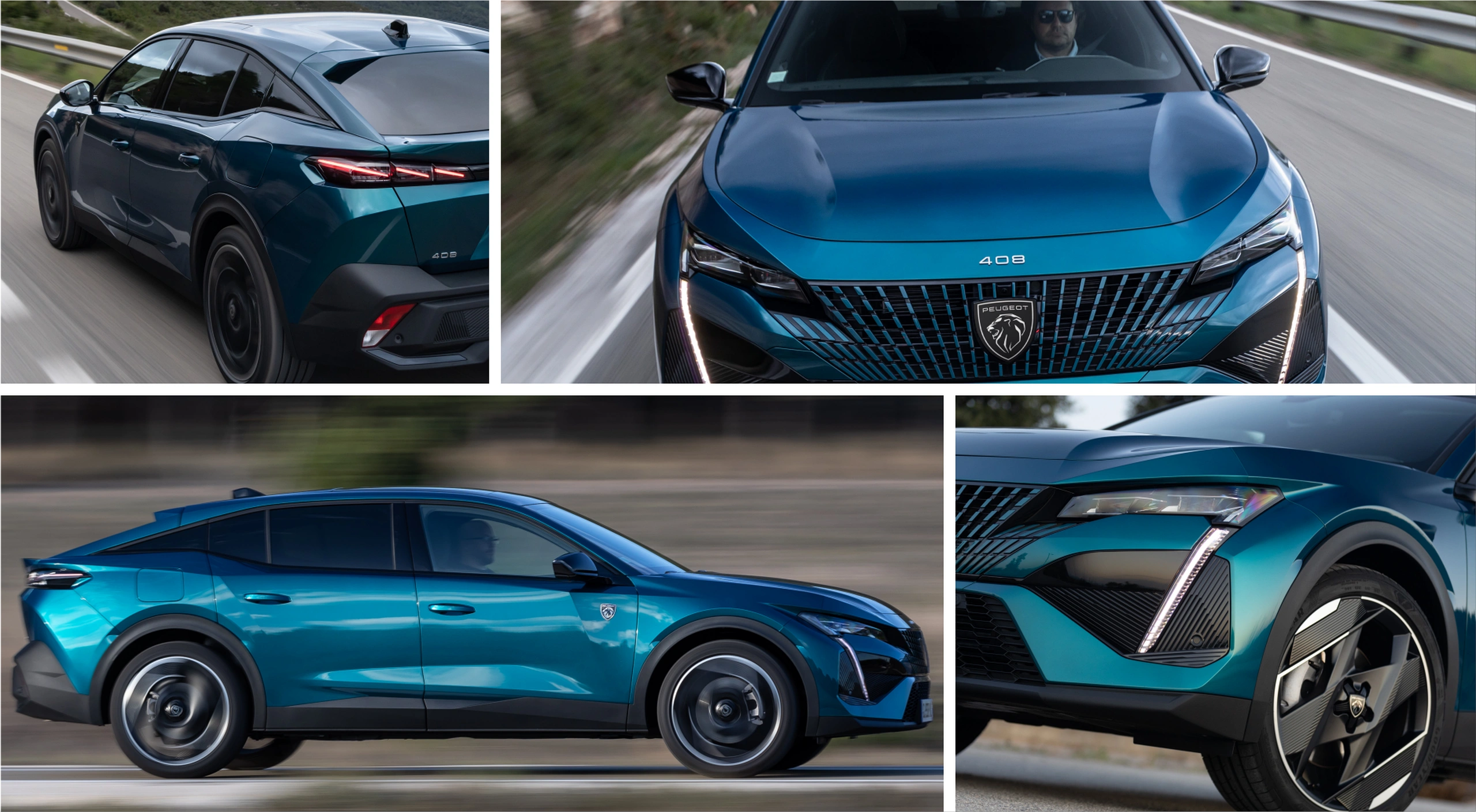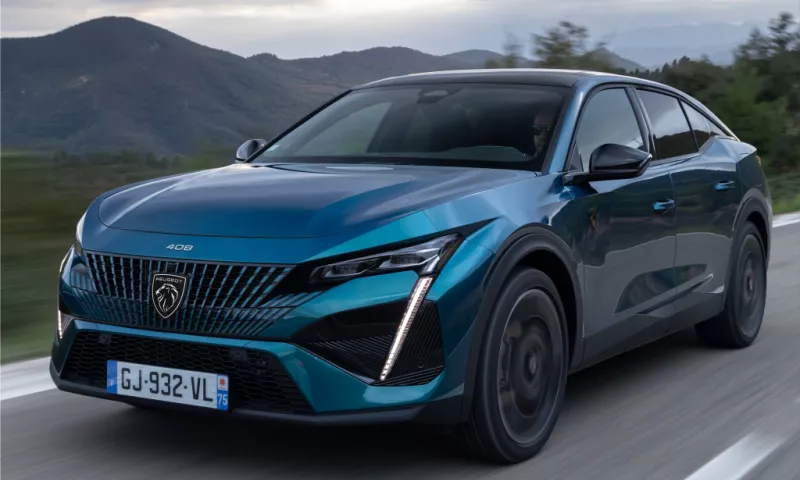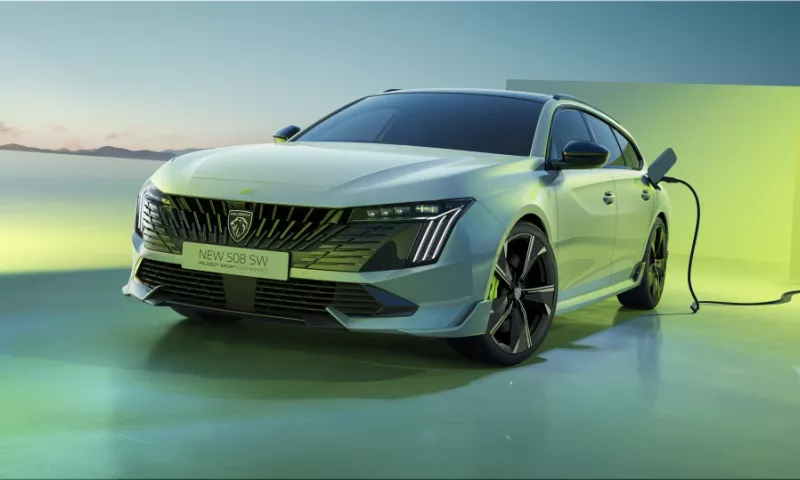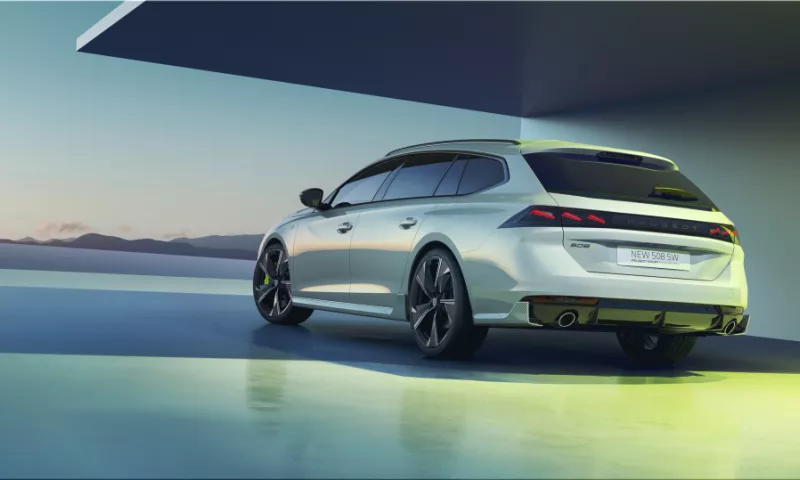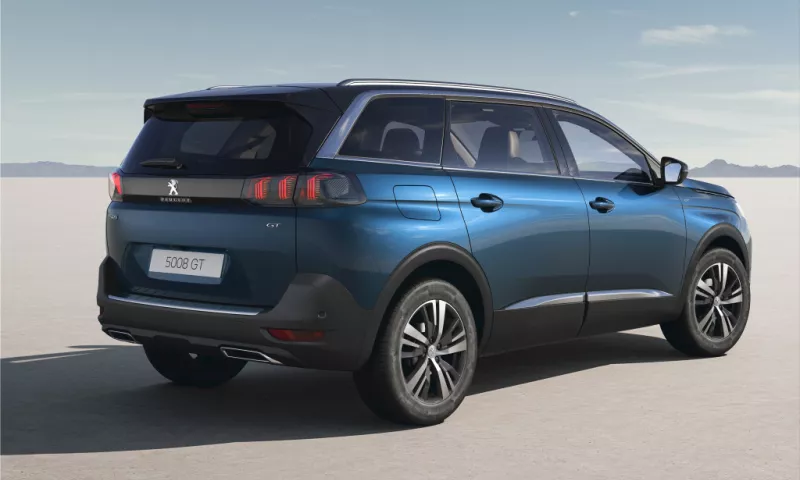
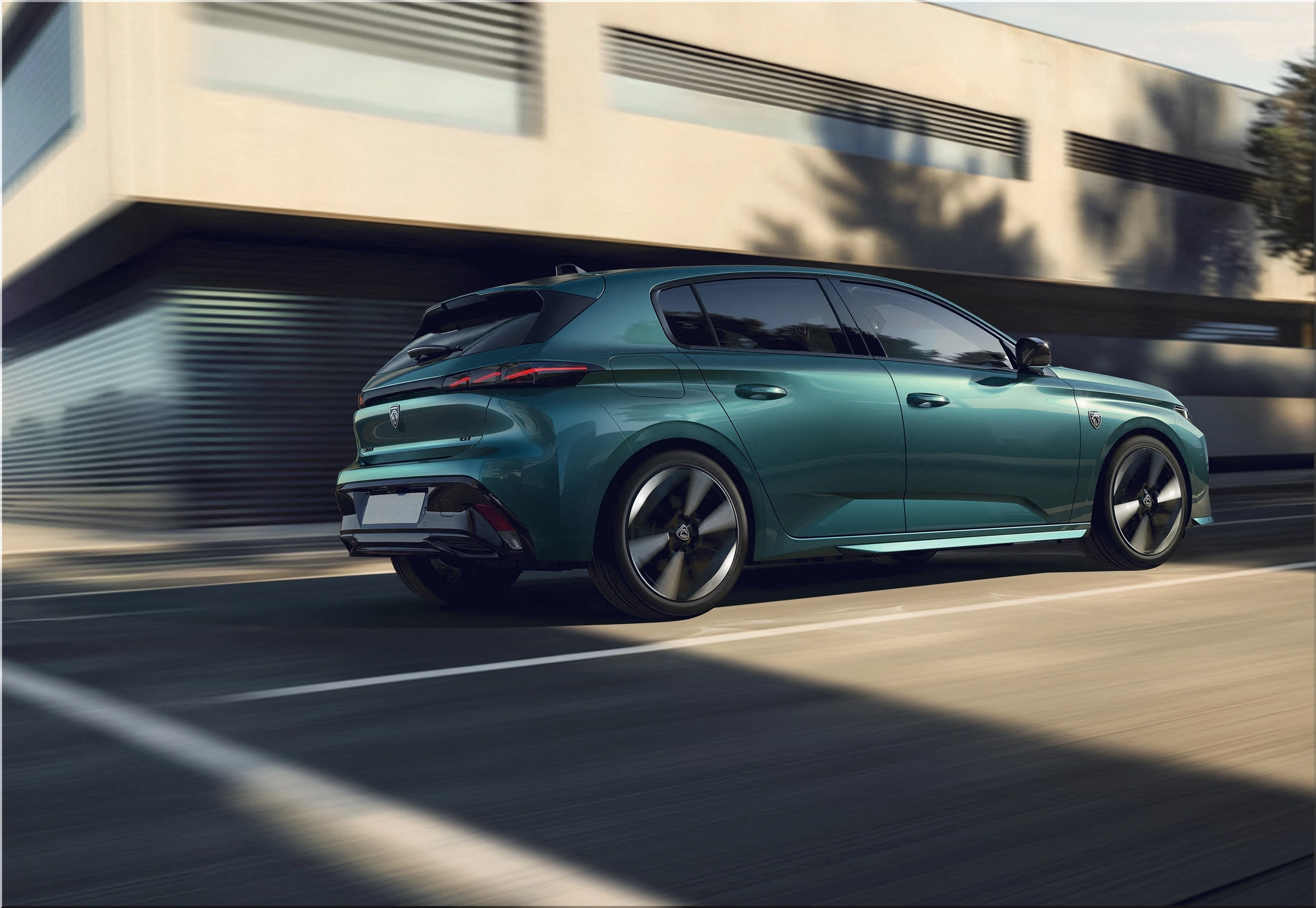
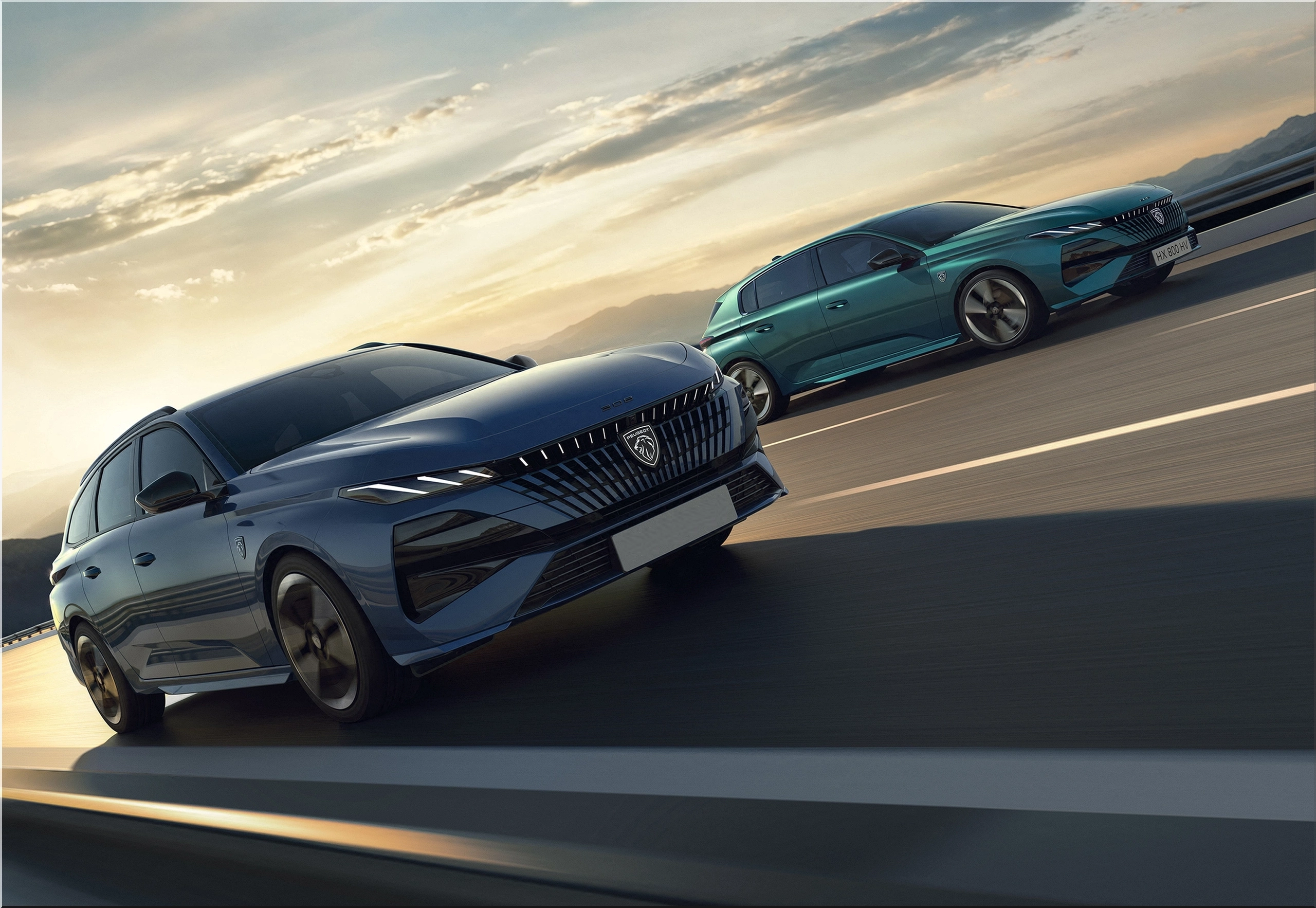
The 2026 Peugeot 308 and 308 SW arrive with a sharper design, improved EV range, and a lineup that covers nearly every powertrain option in the compact segment. Peugeot continues to target the Volkswagen Golf, Toyota Corolla, and newer electric hatchbacks by offering buyers a mix of gasoline, hybrid, plug-in hybrid, diesel, and fully electric choices.
What’s New for 2026
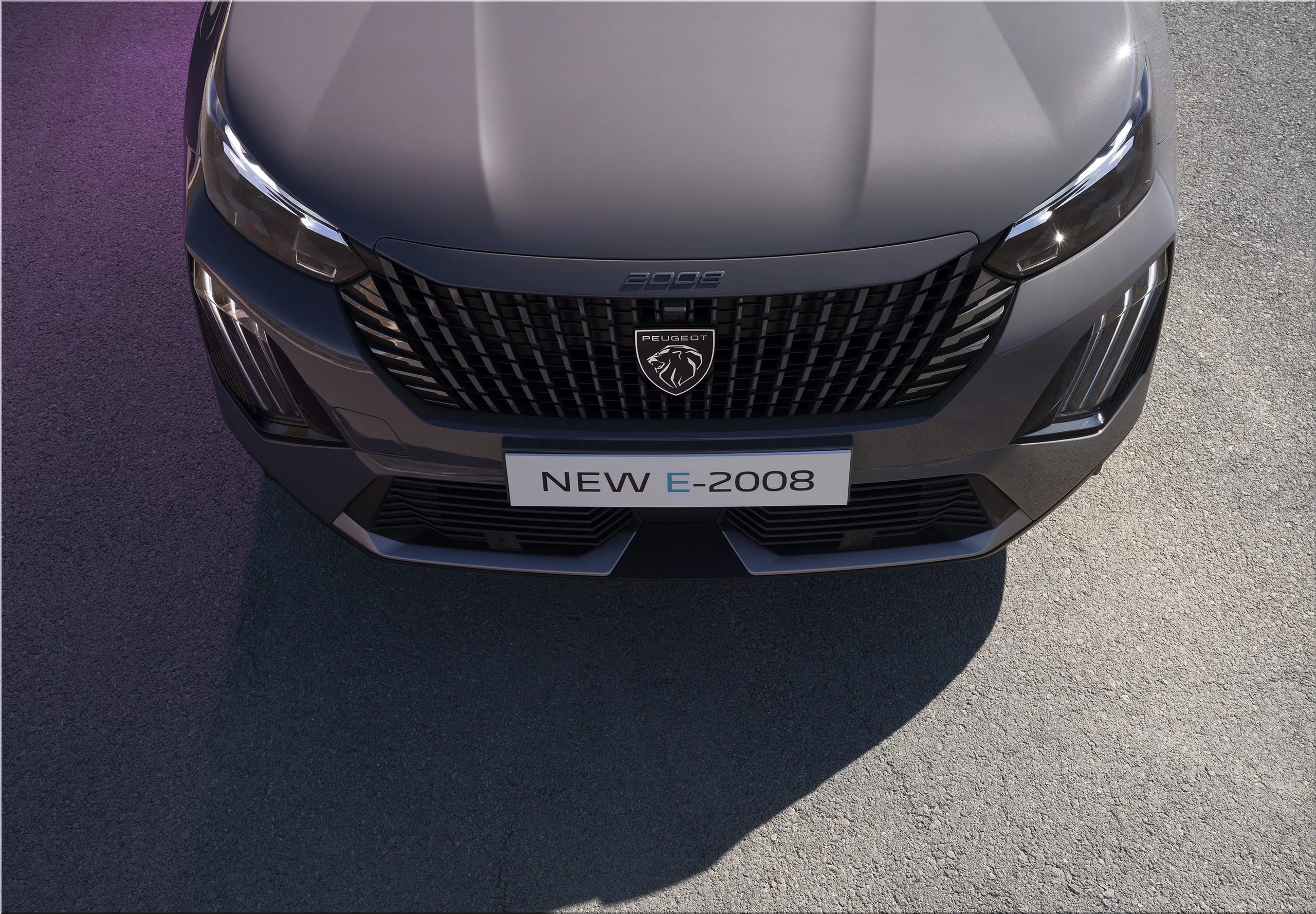
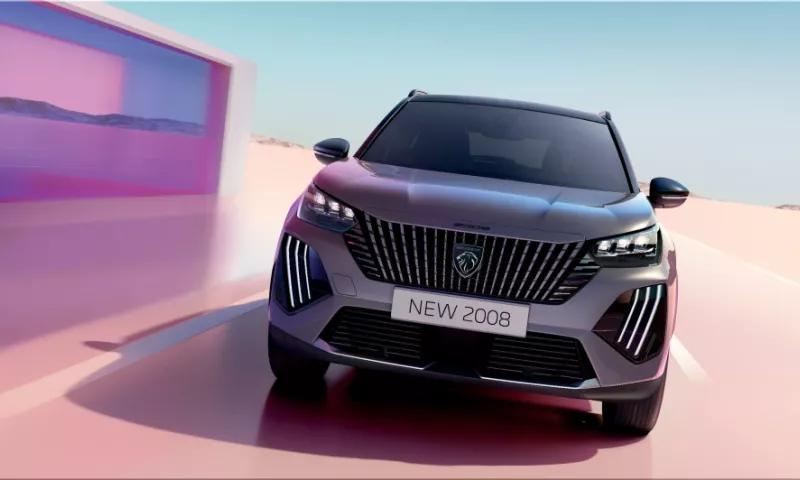
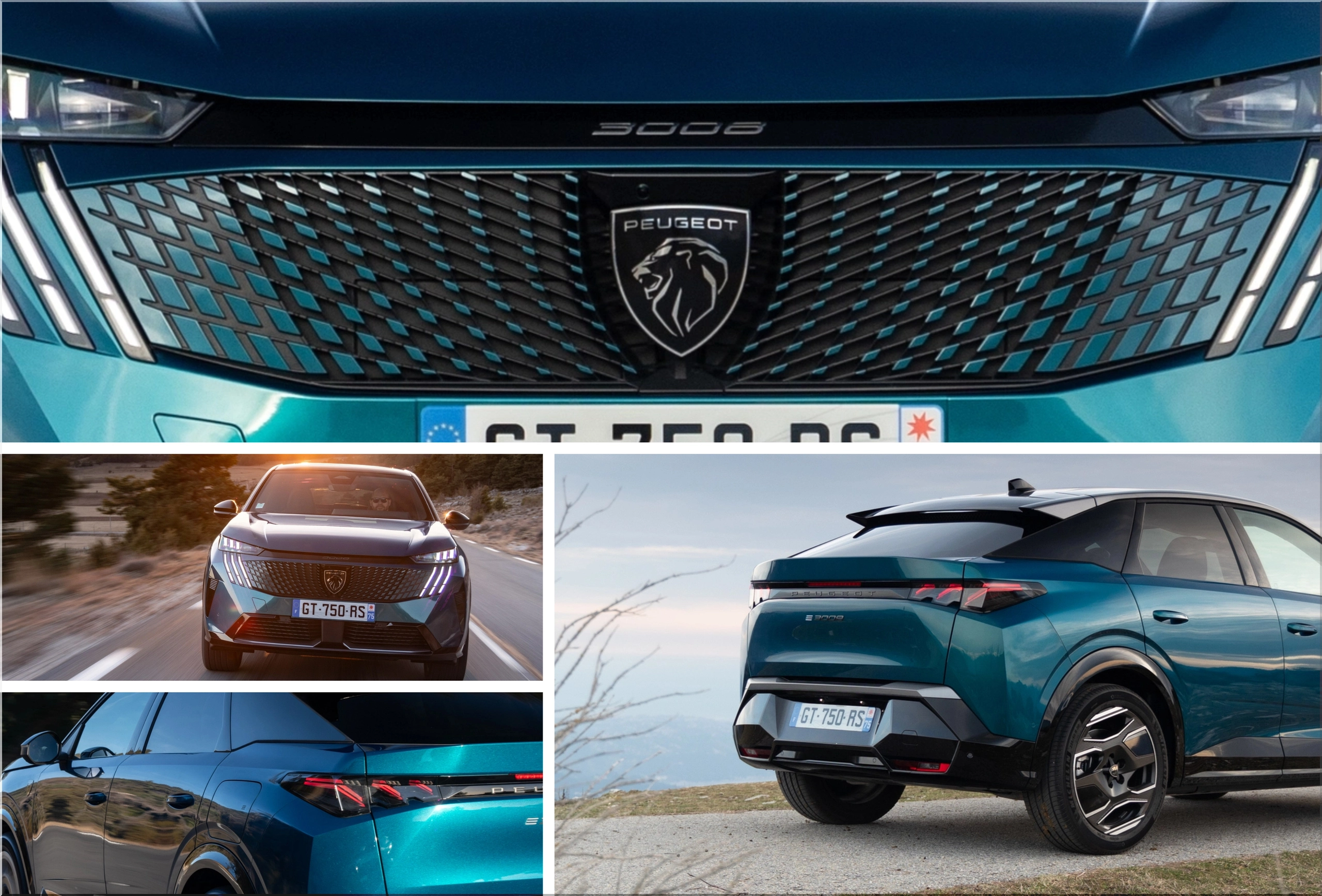
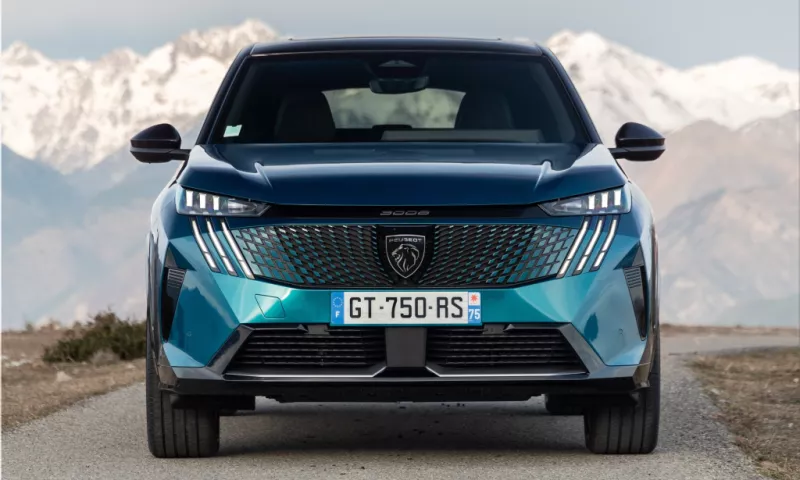
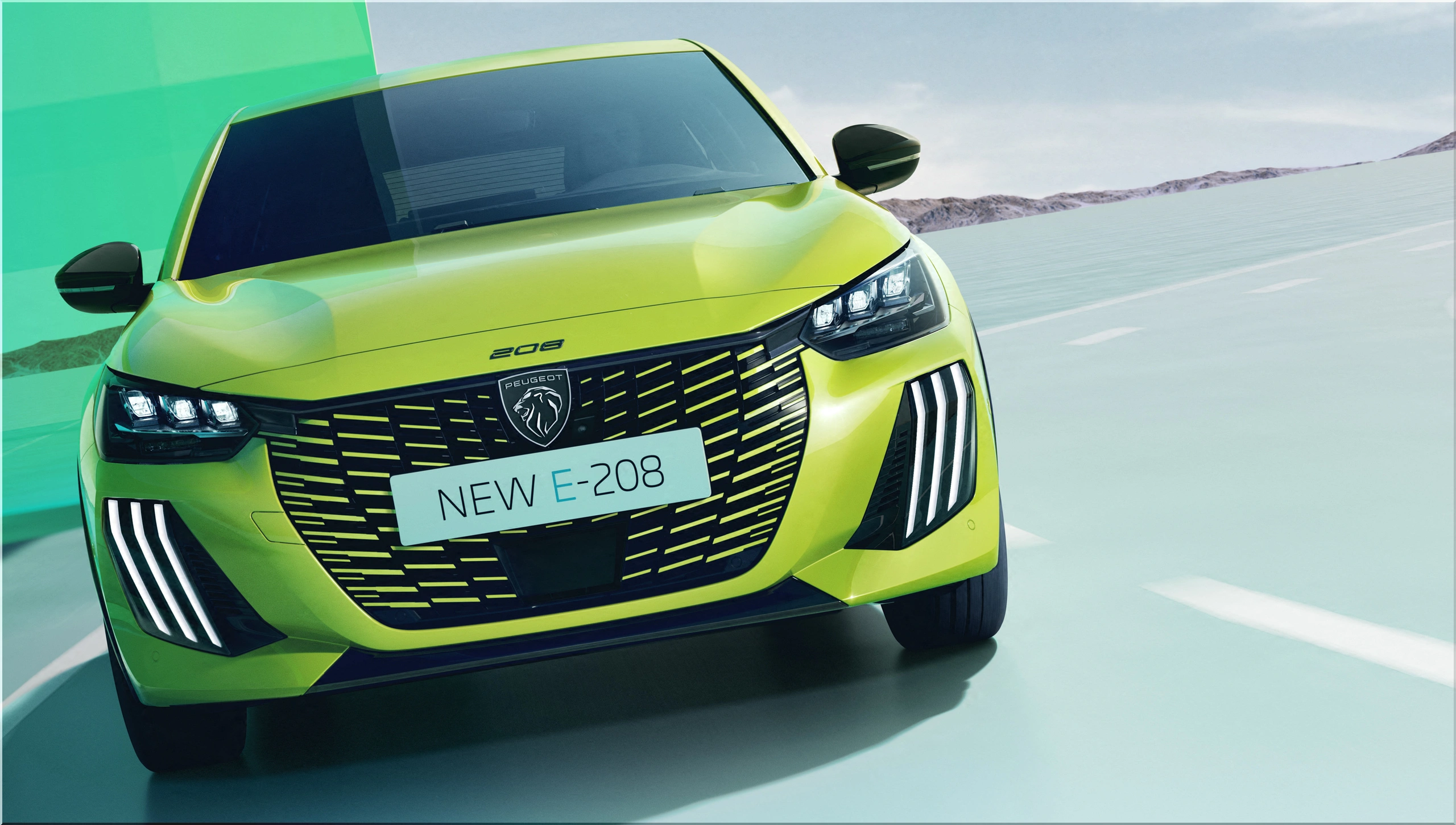
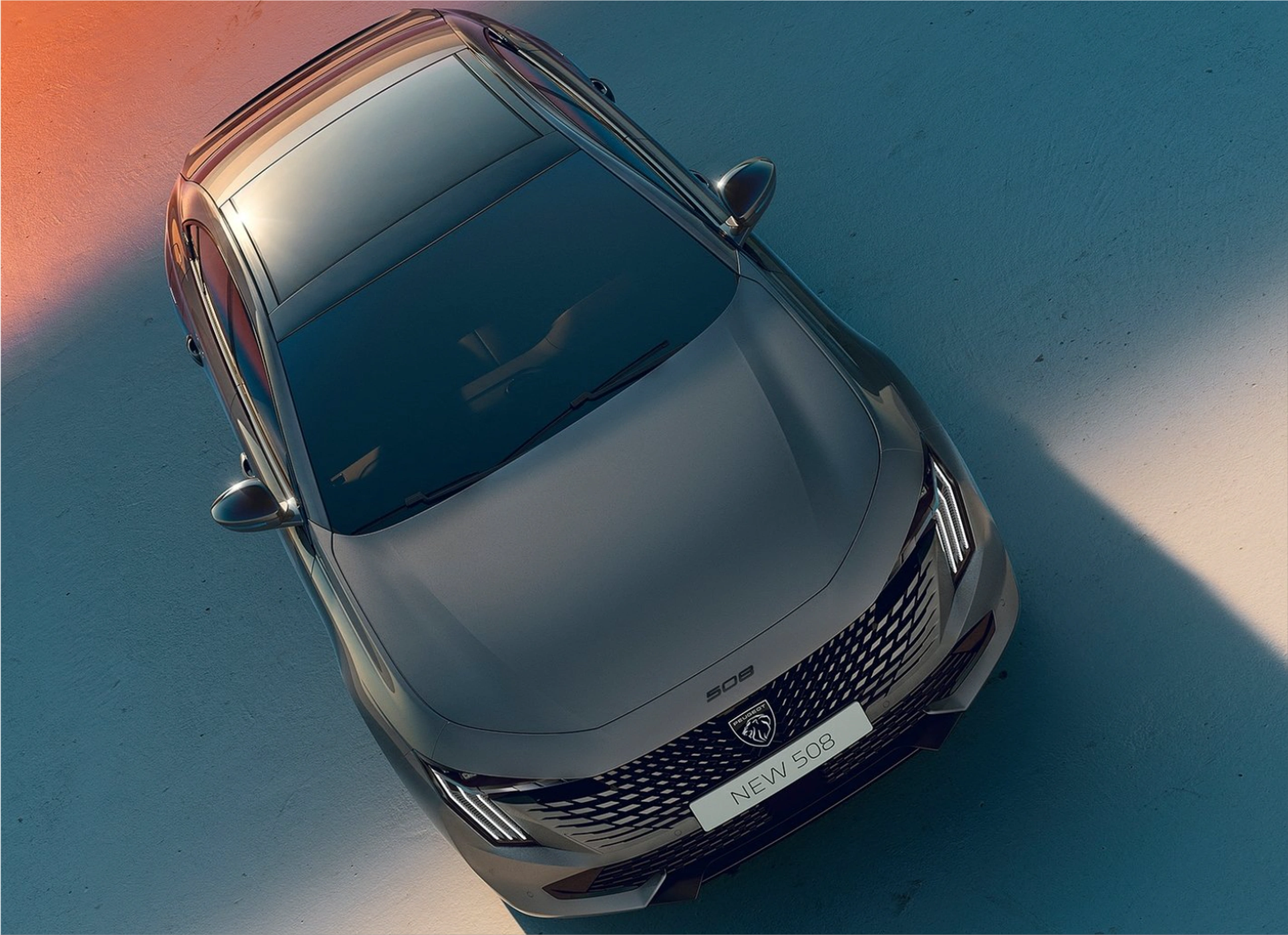
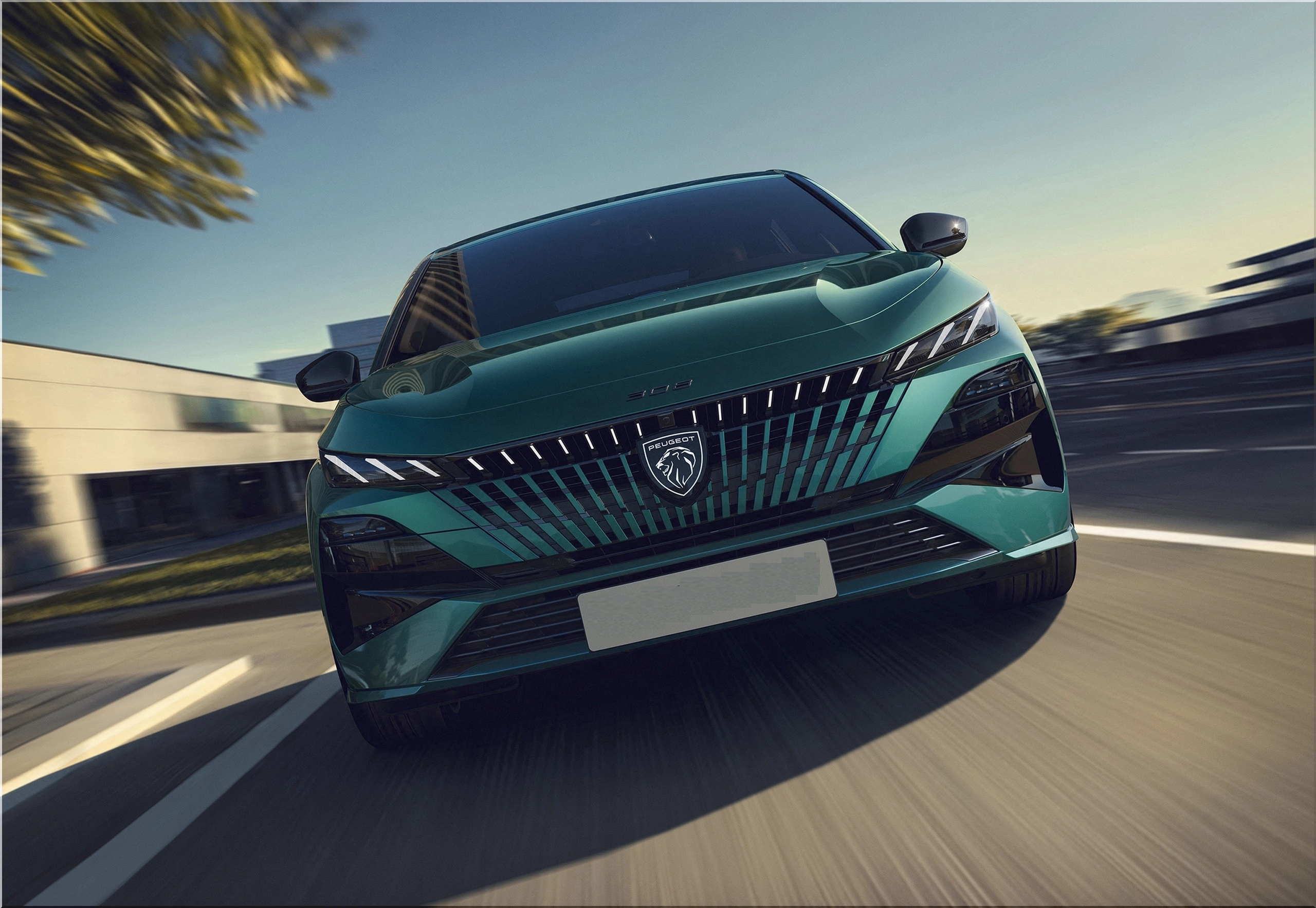
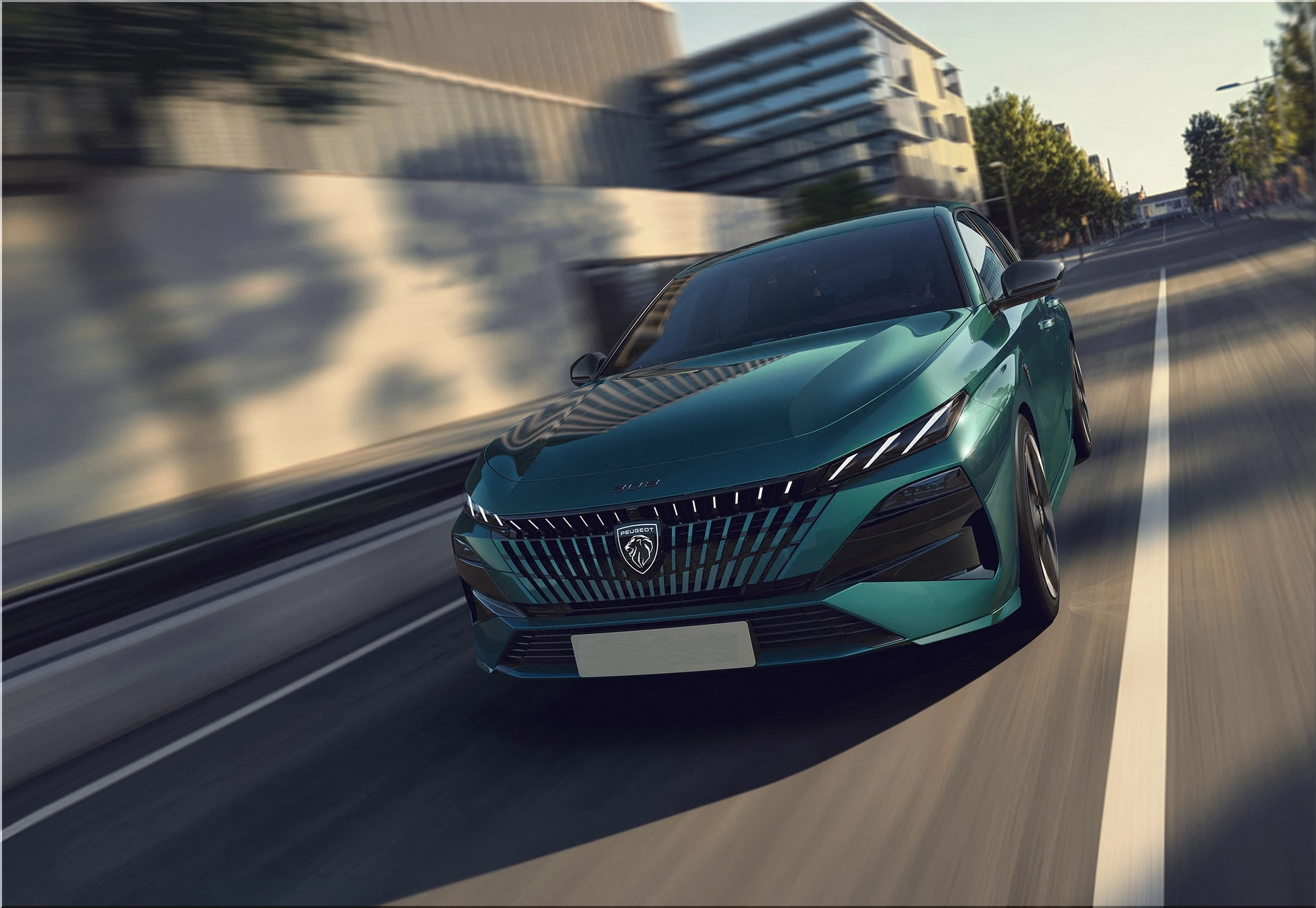
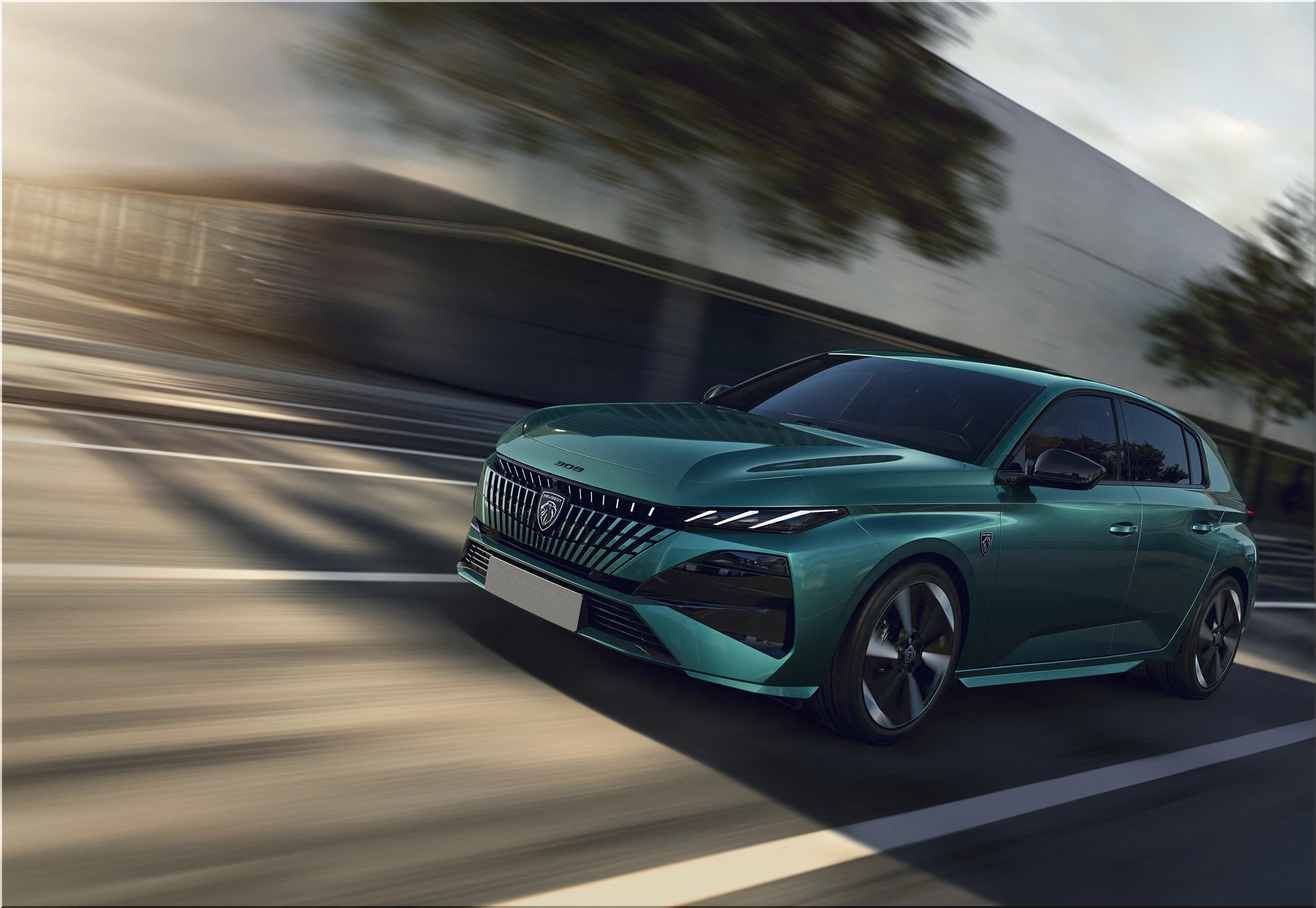
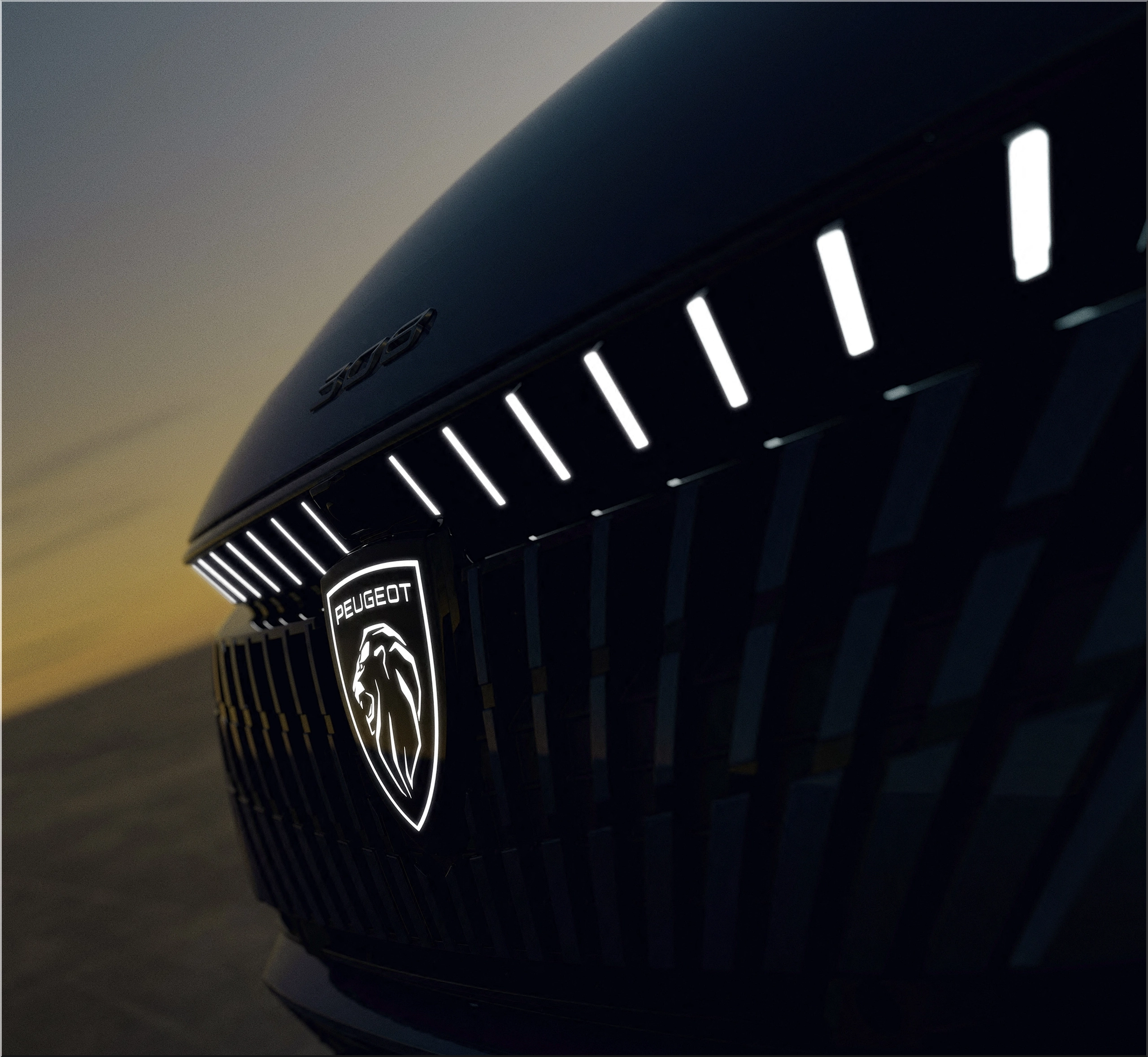
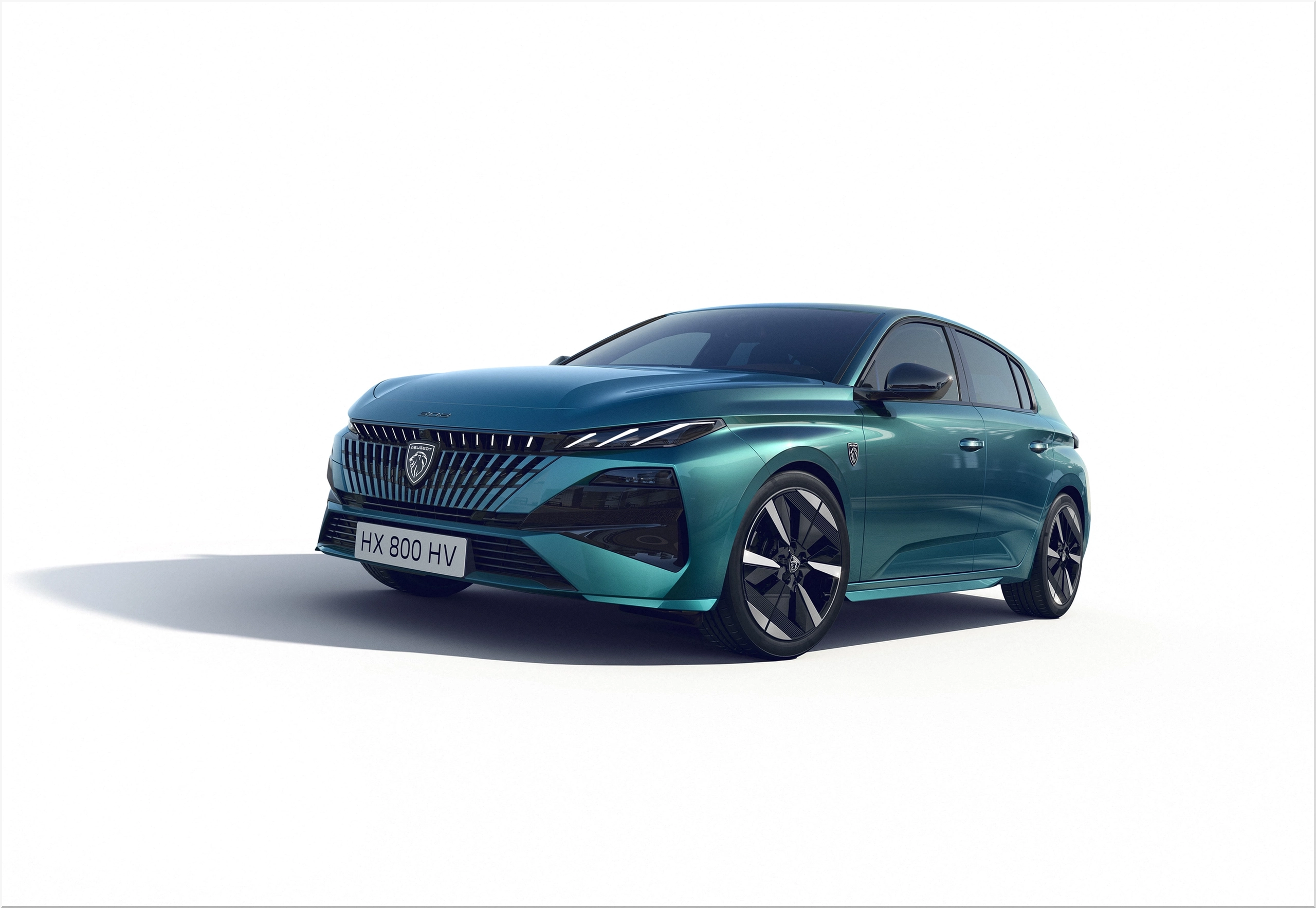
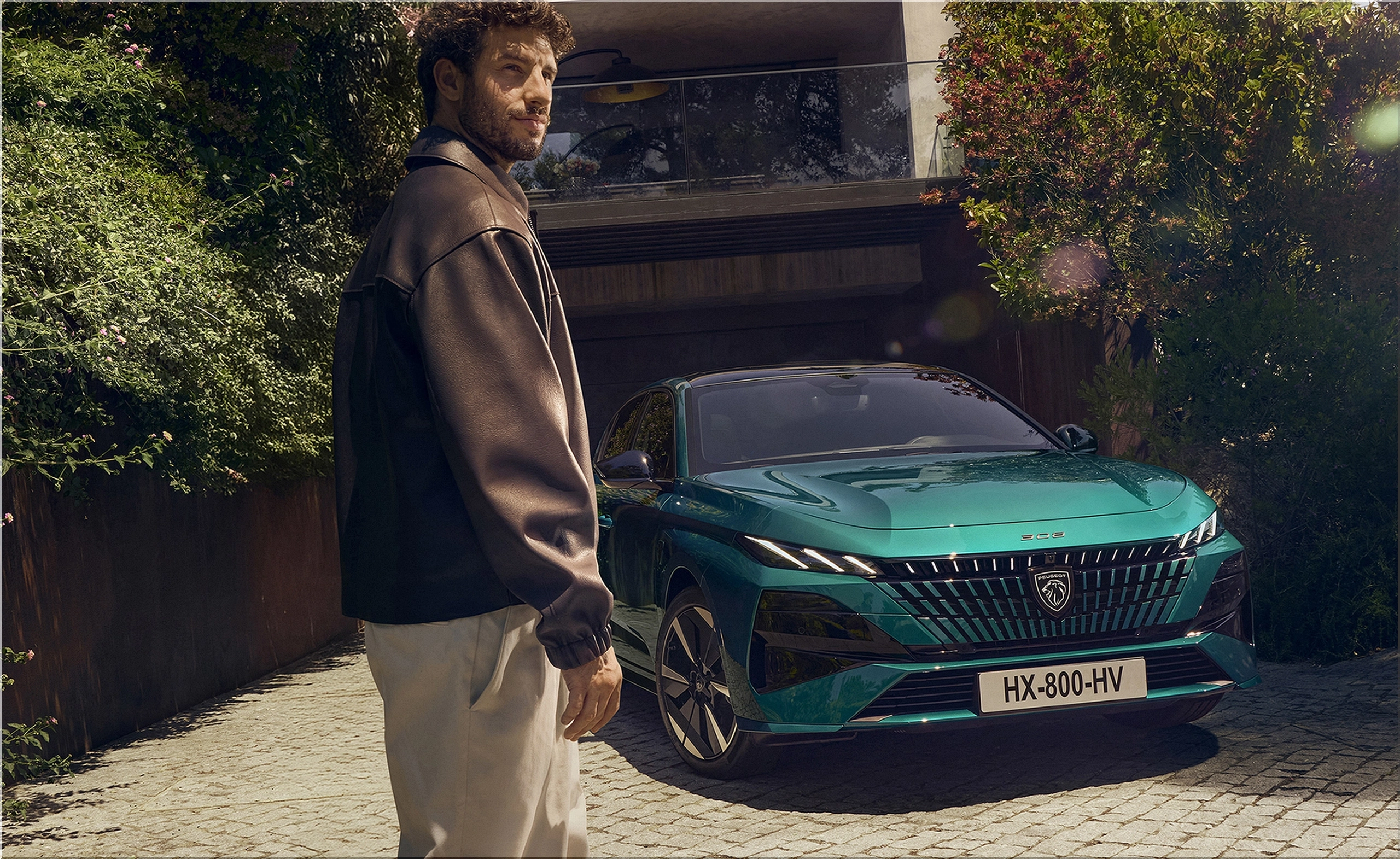
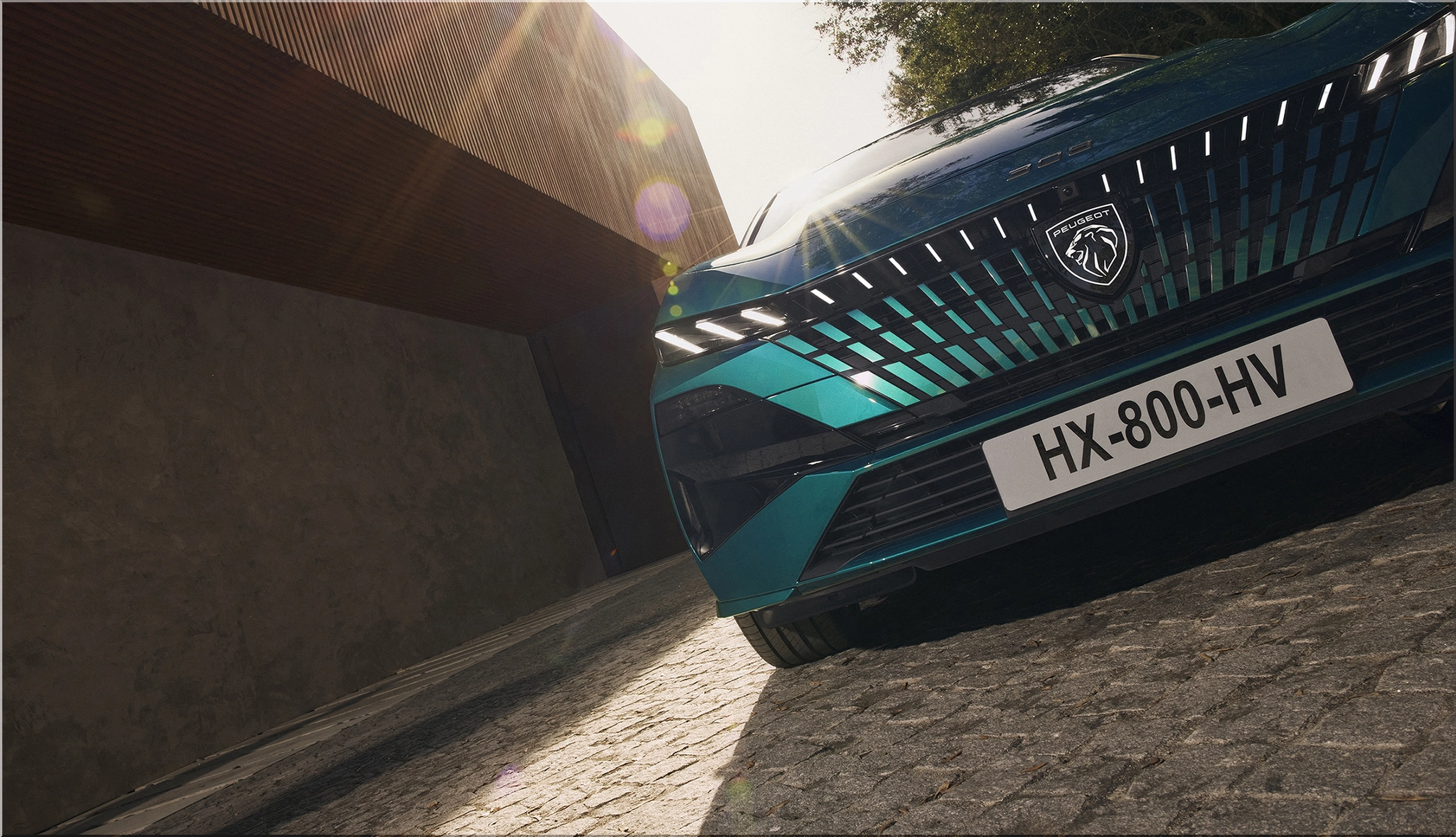
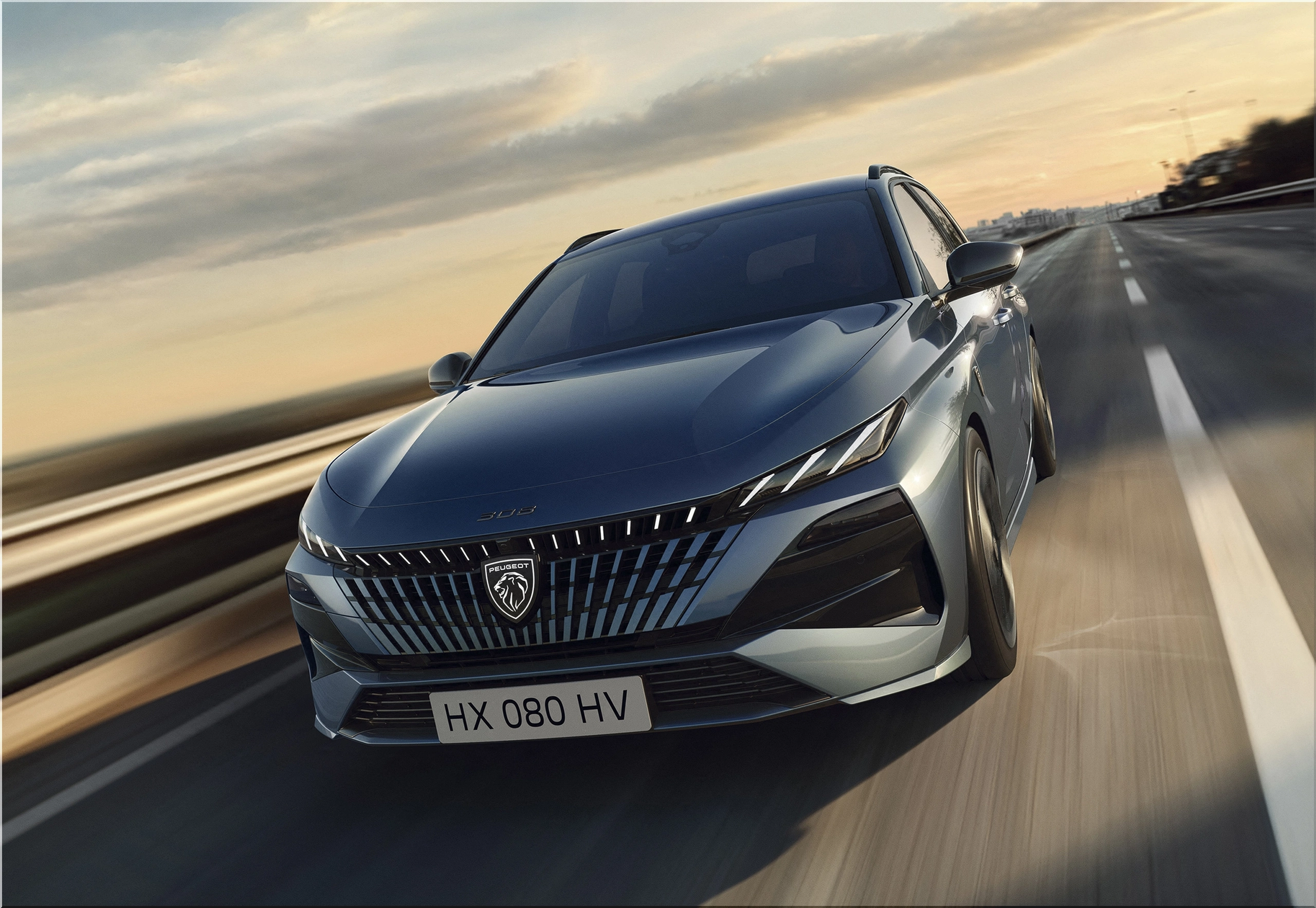
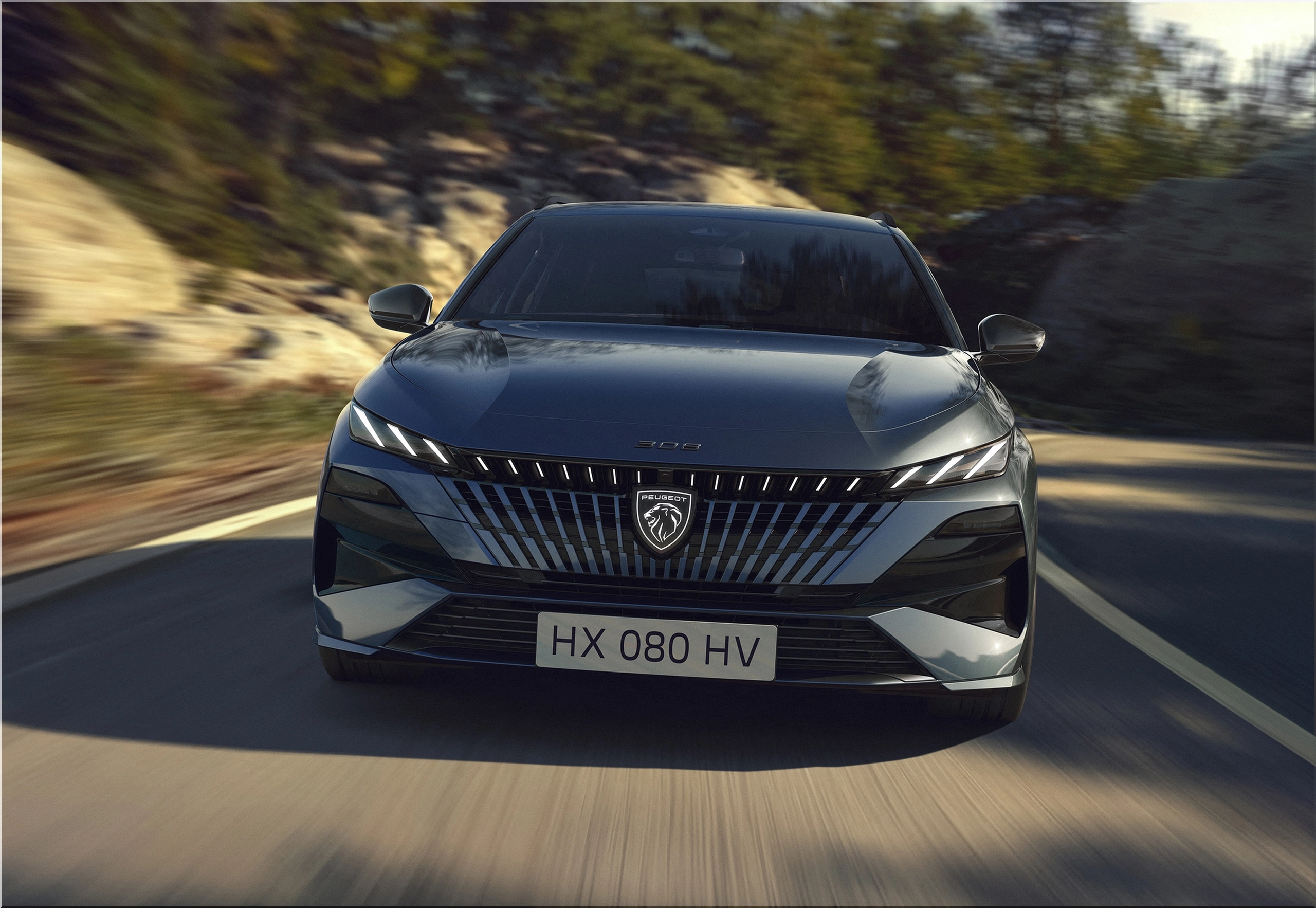
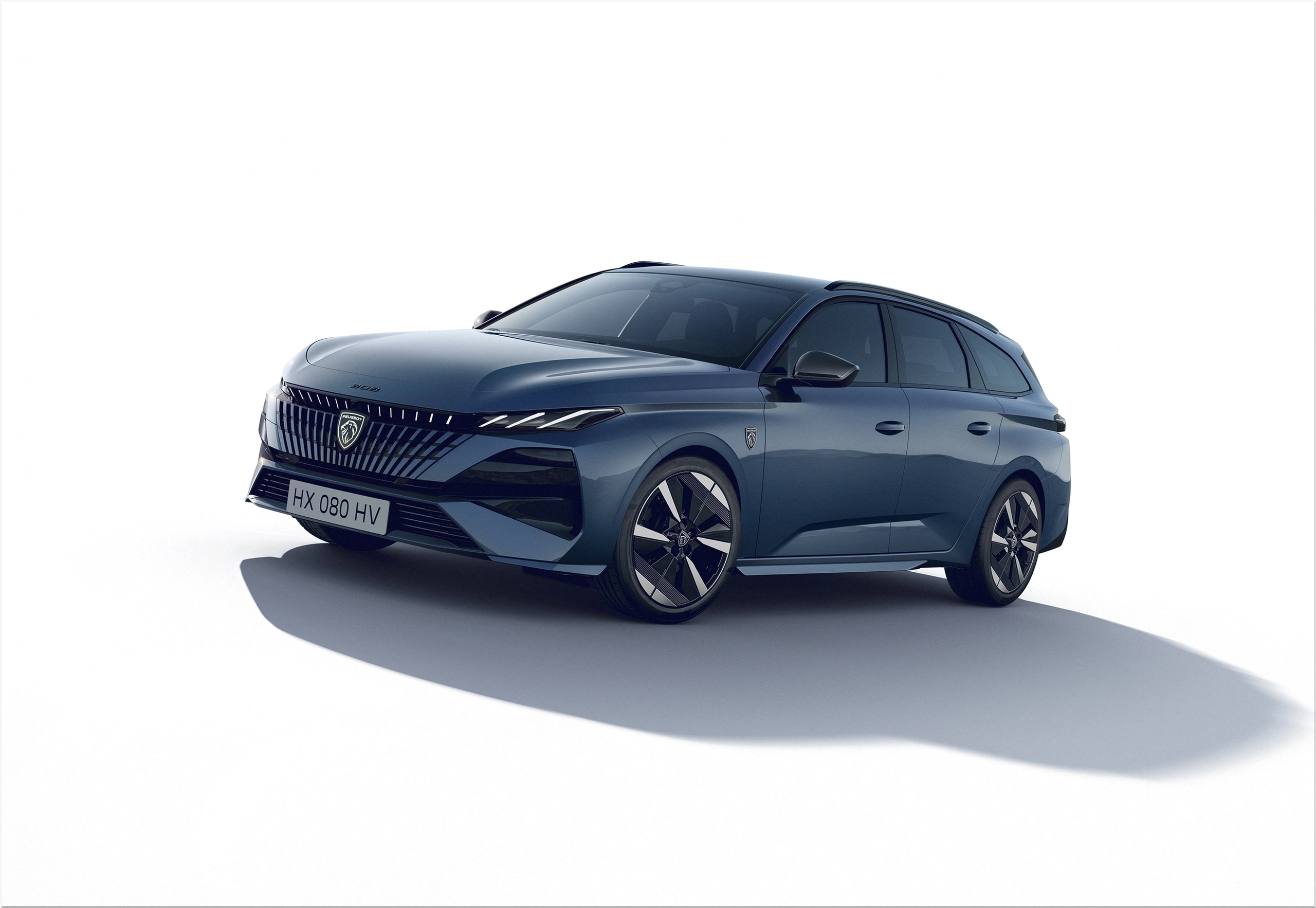
- Revised front-end styling with a new three-claw LED daytime running light signature replacing the old vertical “fangs.”
- Illuminated Peugeot badge available on higher trims.
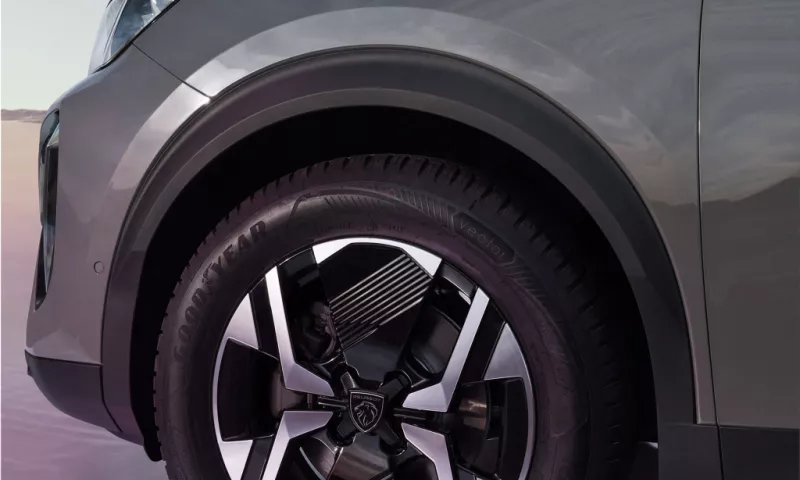
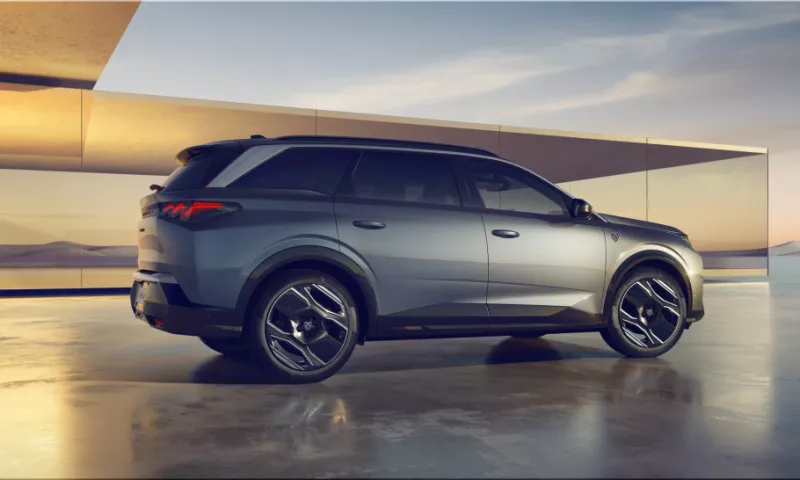
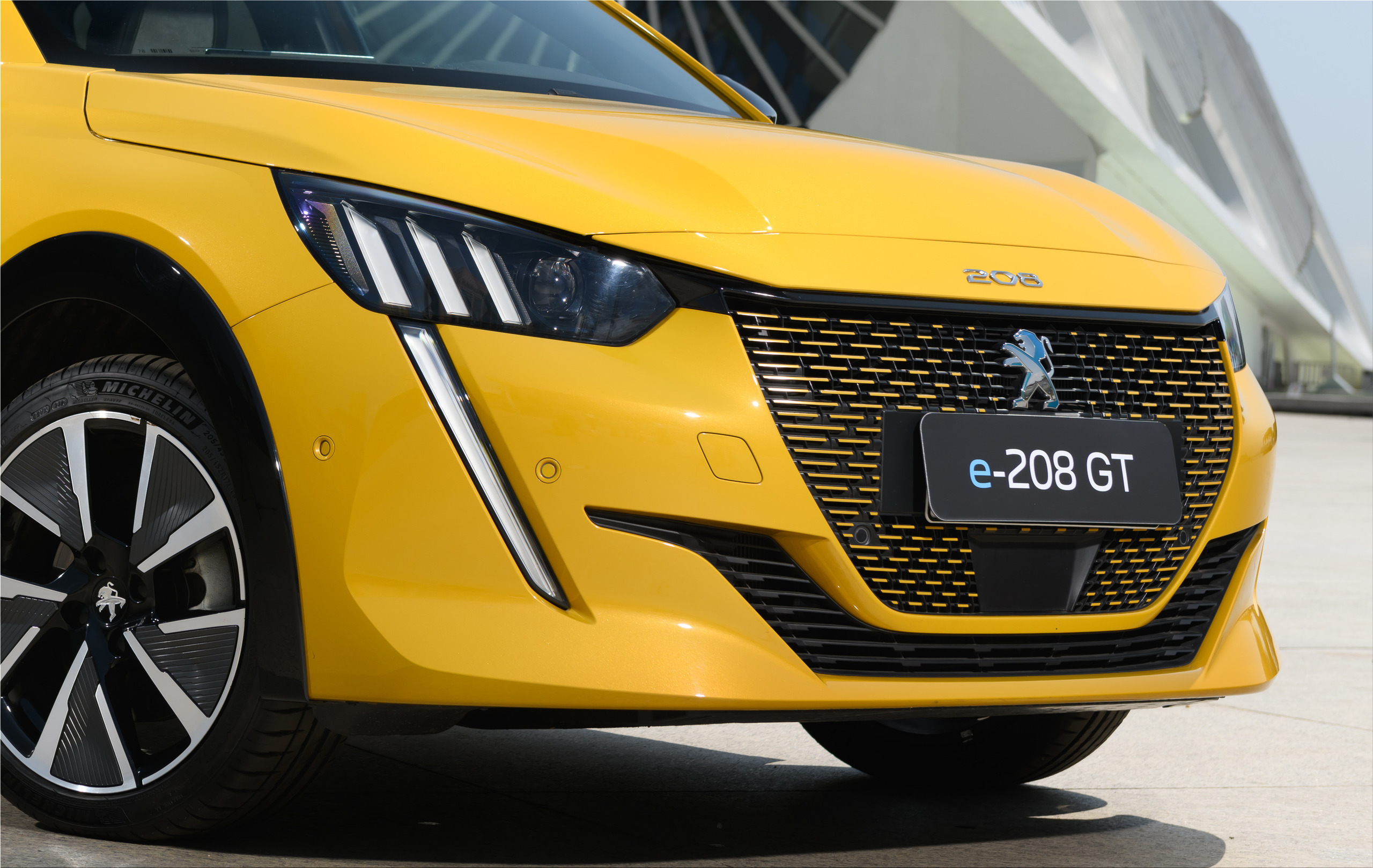
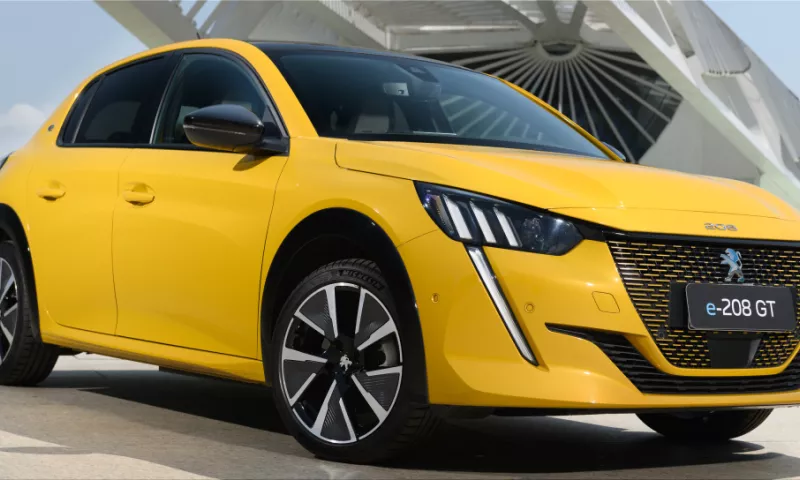
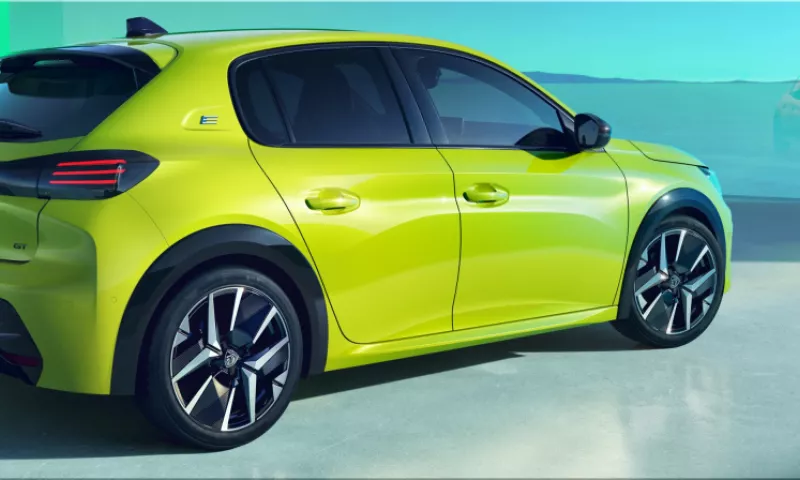
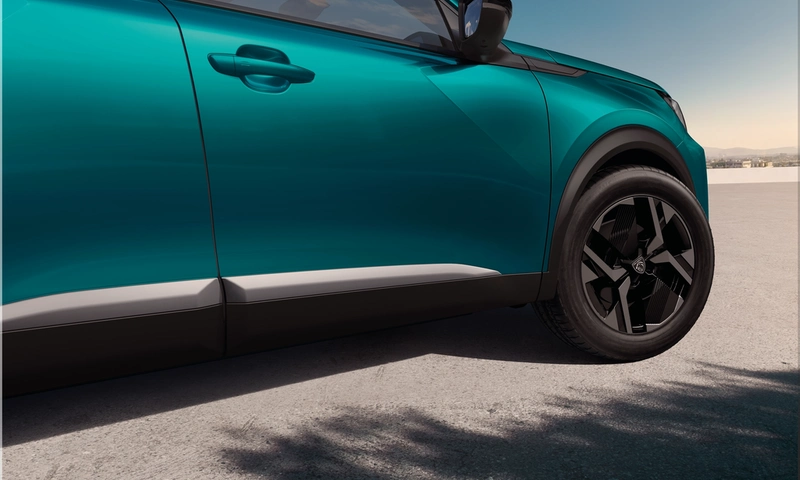
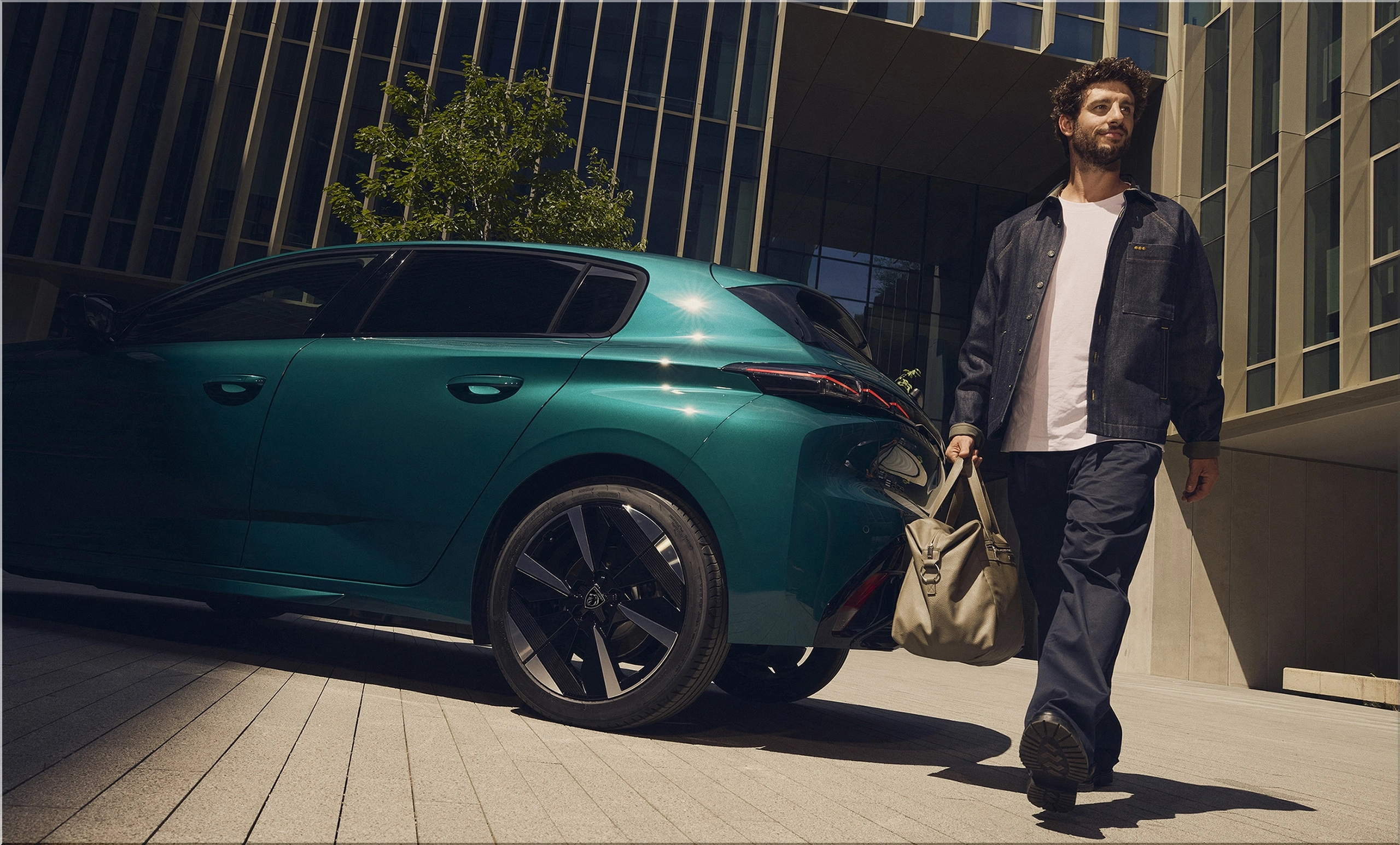
- New alloy wheel designs in 17- and 18-inch sizes.
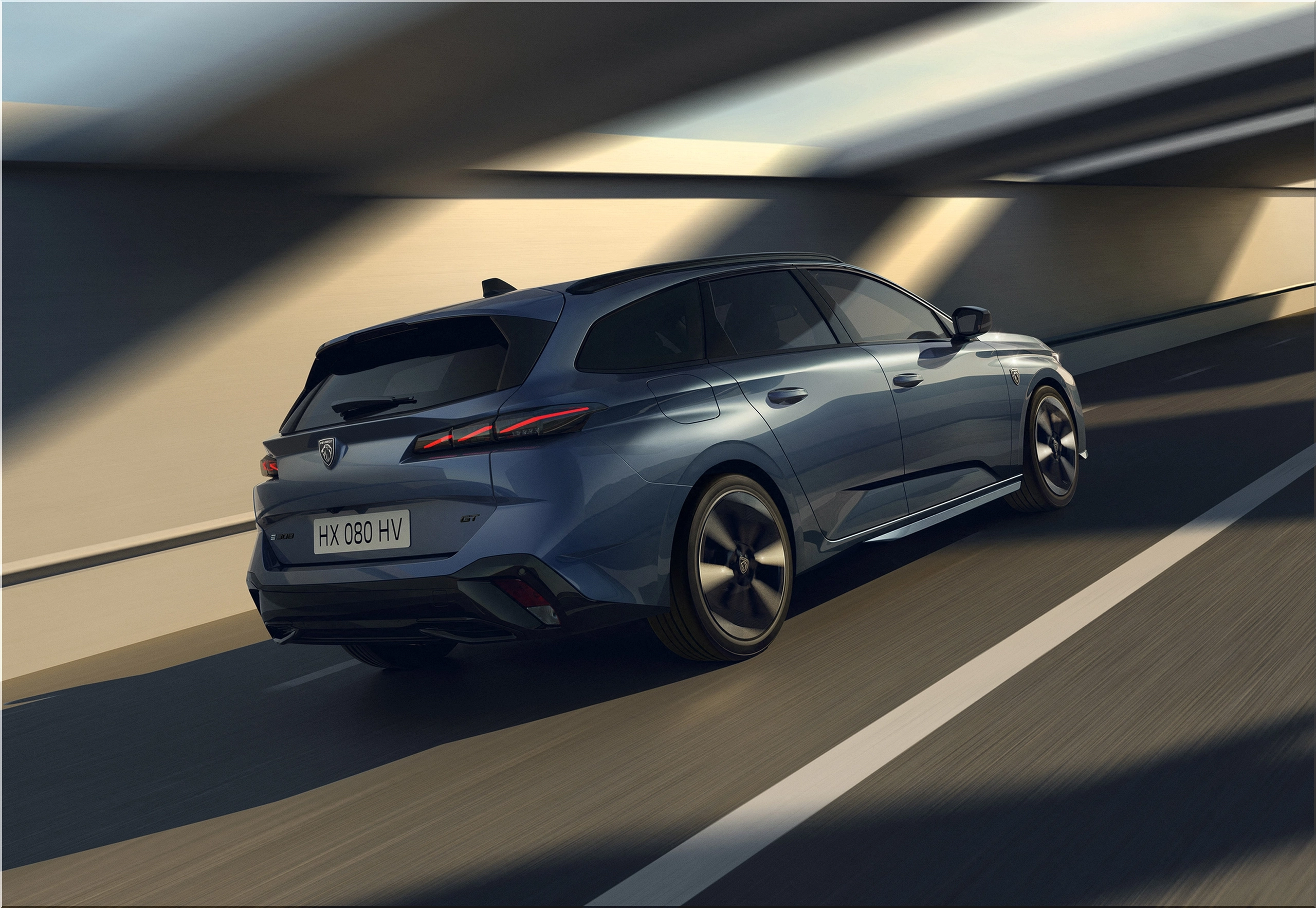
- Two new paint colors: Lagoa Blue (hatch) and Ingaro Blue (wagon).
- Chrome deleted from exterior details; exhaust trims revised.
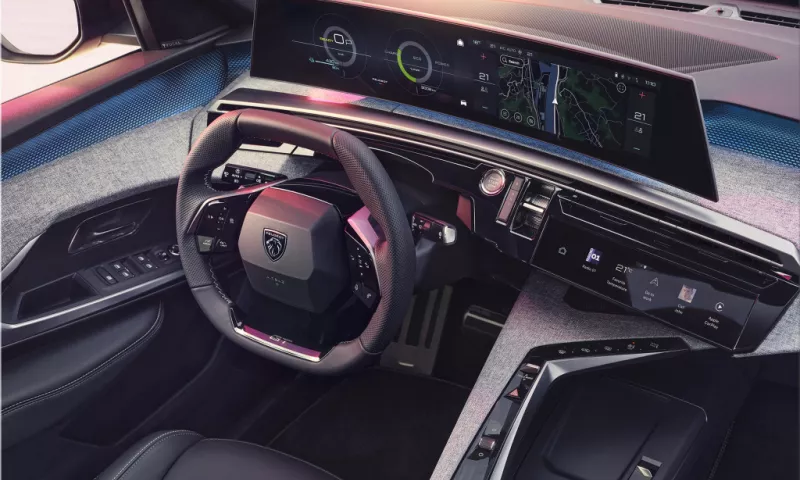
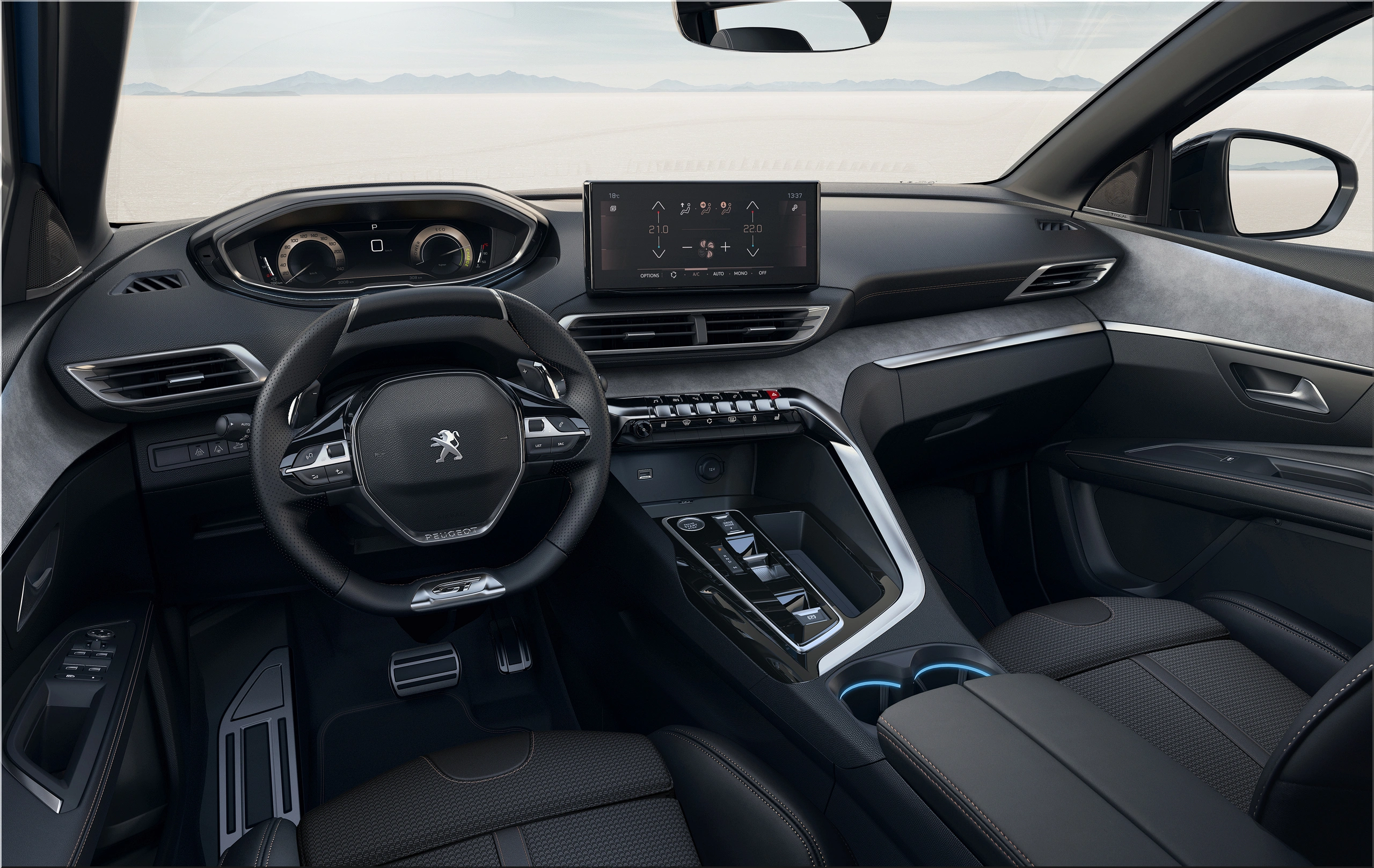
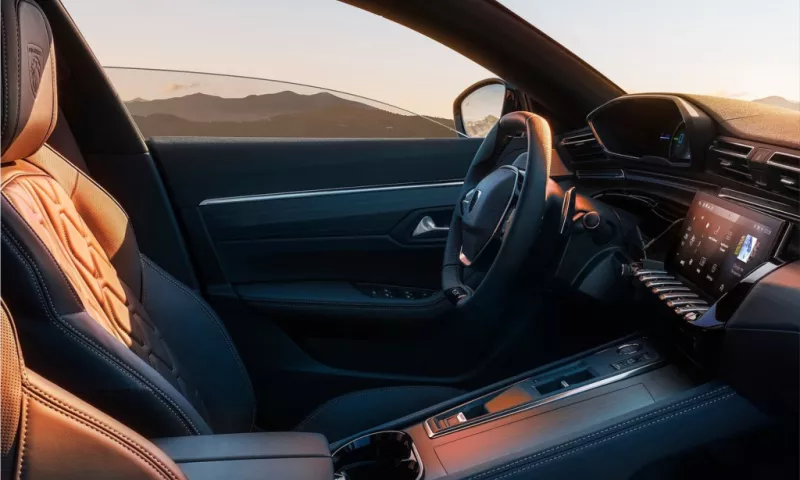
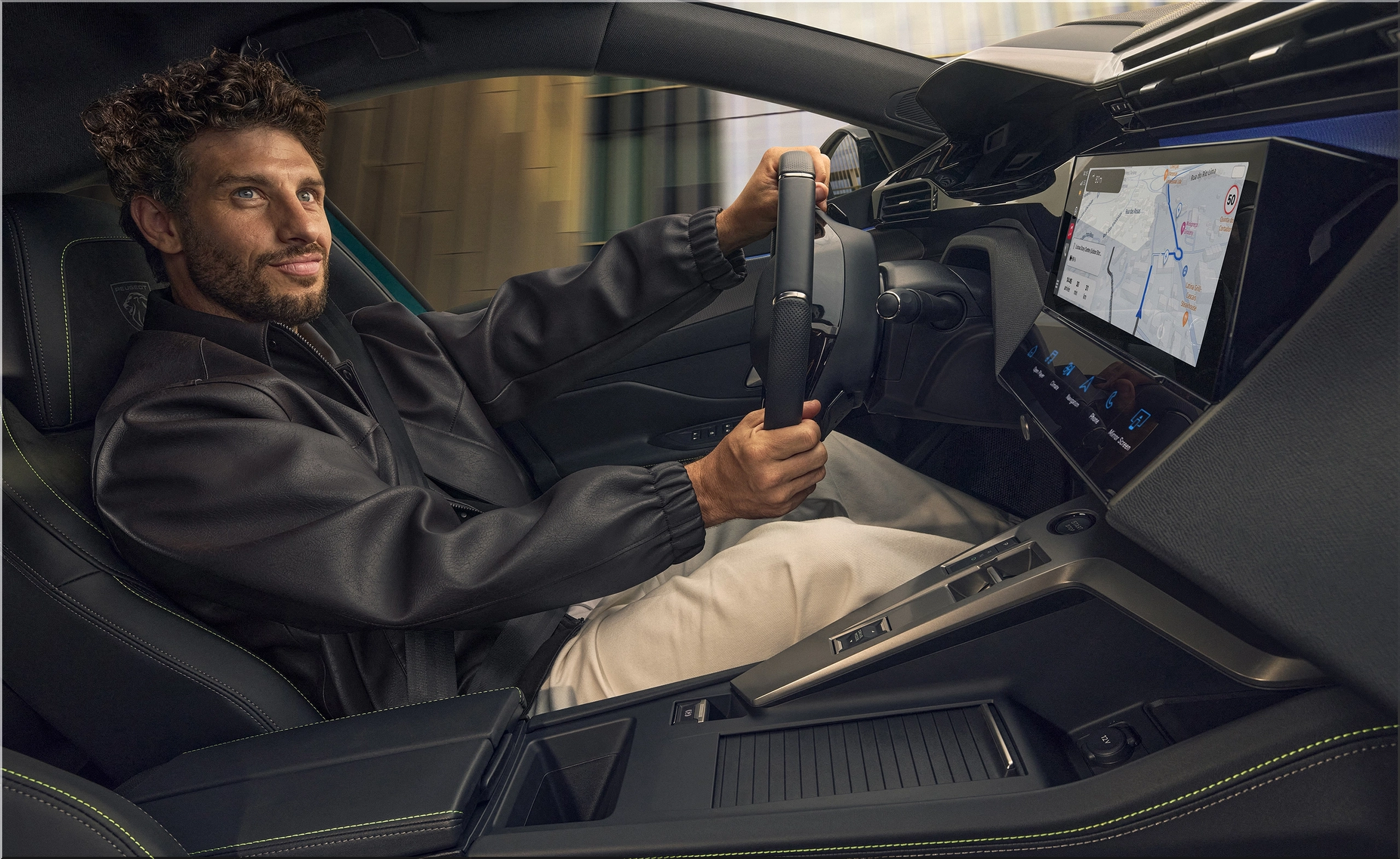
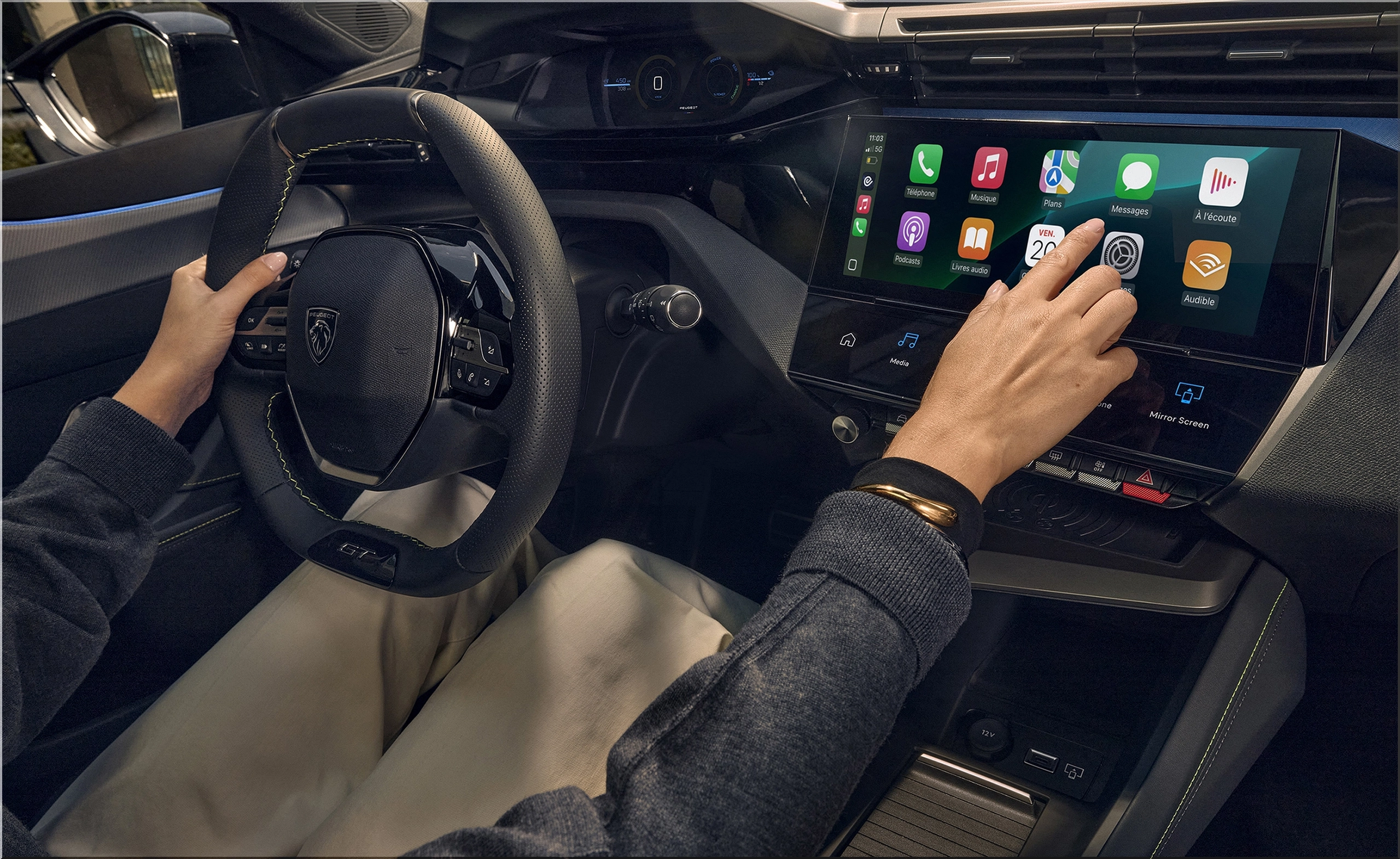
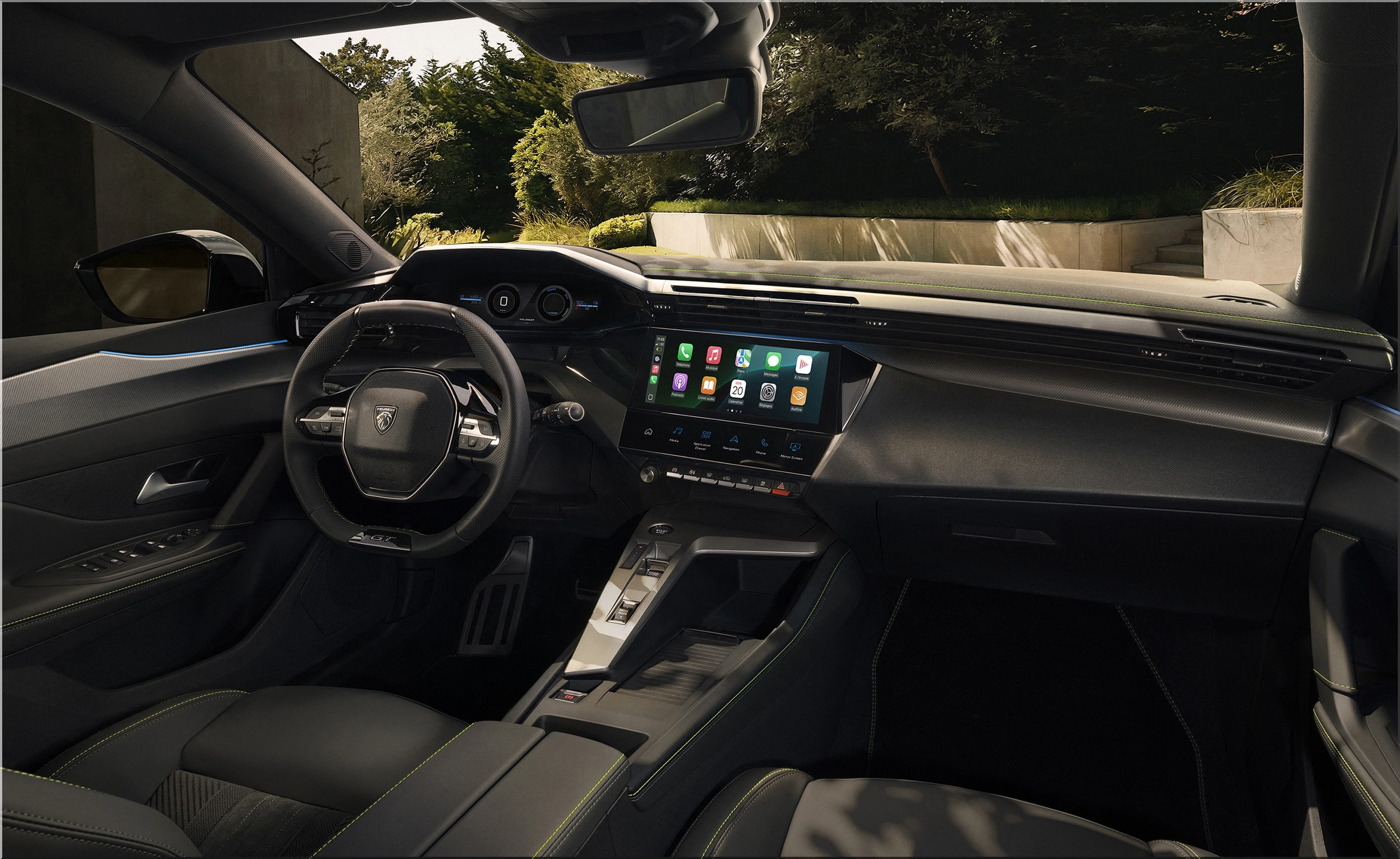
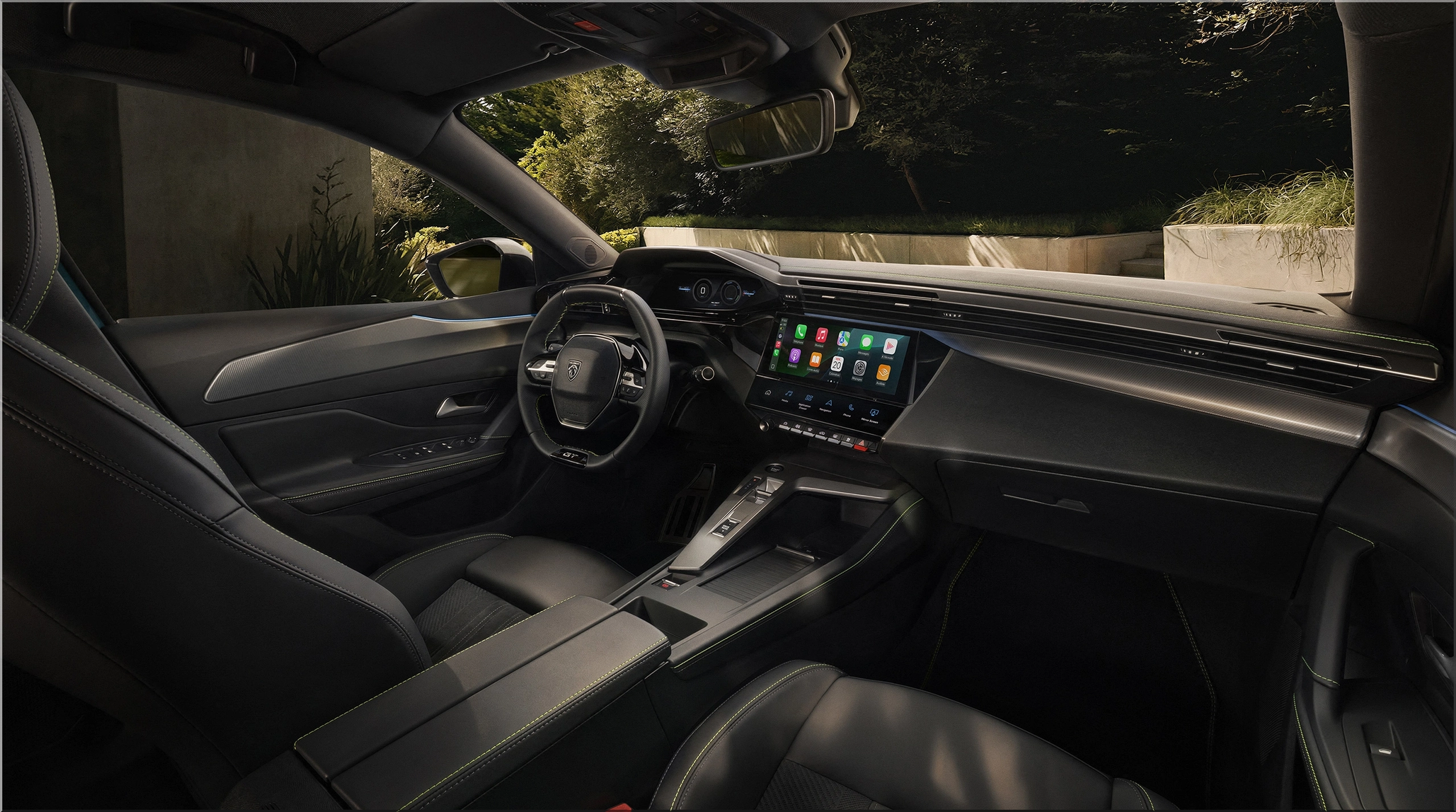
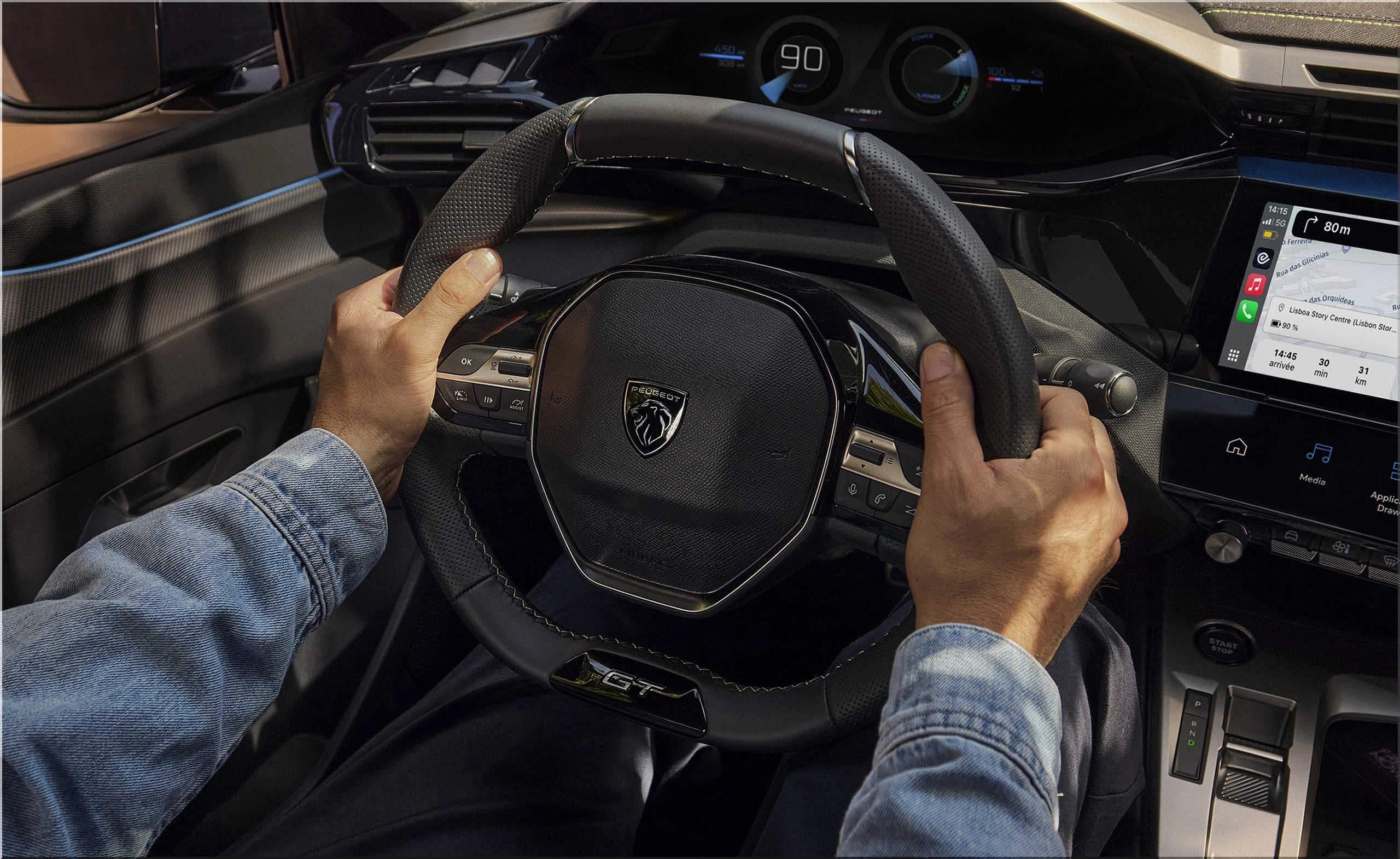
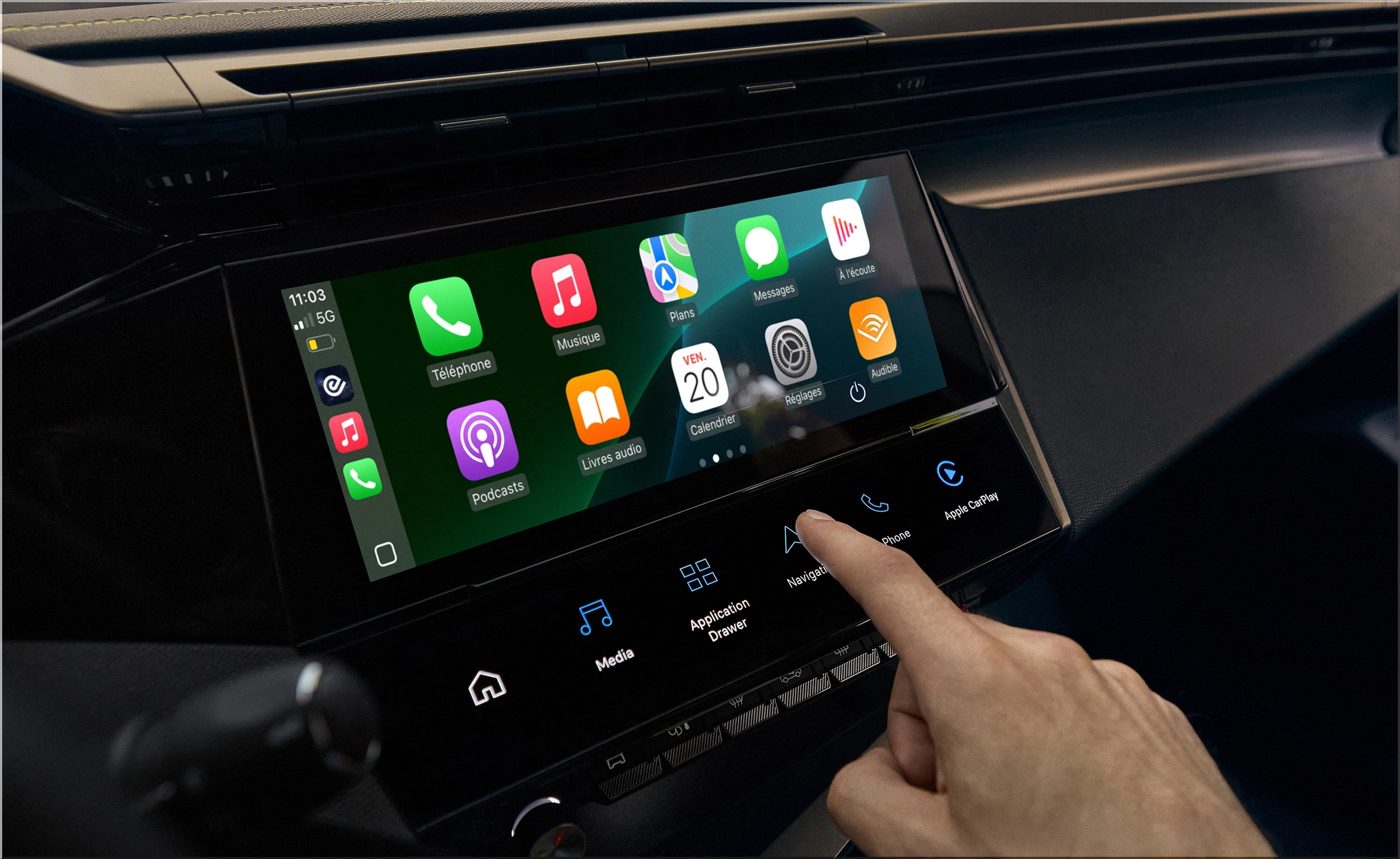
- Interior keeps the i-Cockpit layout with compact steering wheel, 10-inch cluster, and 10-inch central touchscreen. Higher trims gain updated 3D graphics.
Powertrains and Range
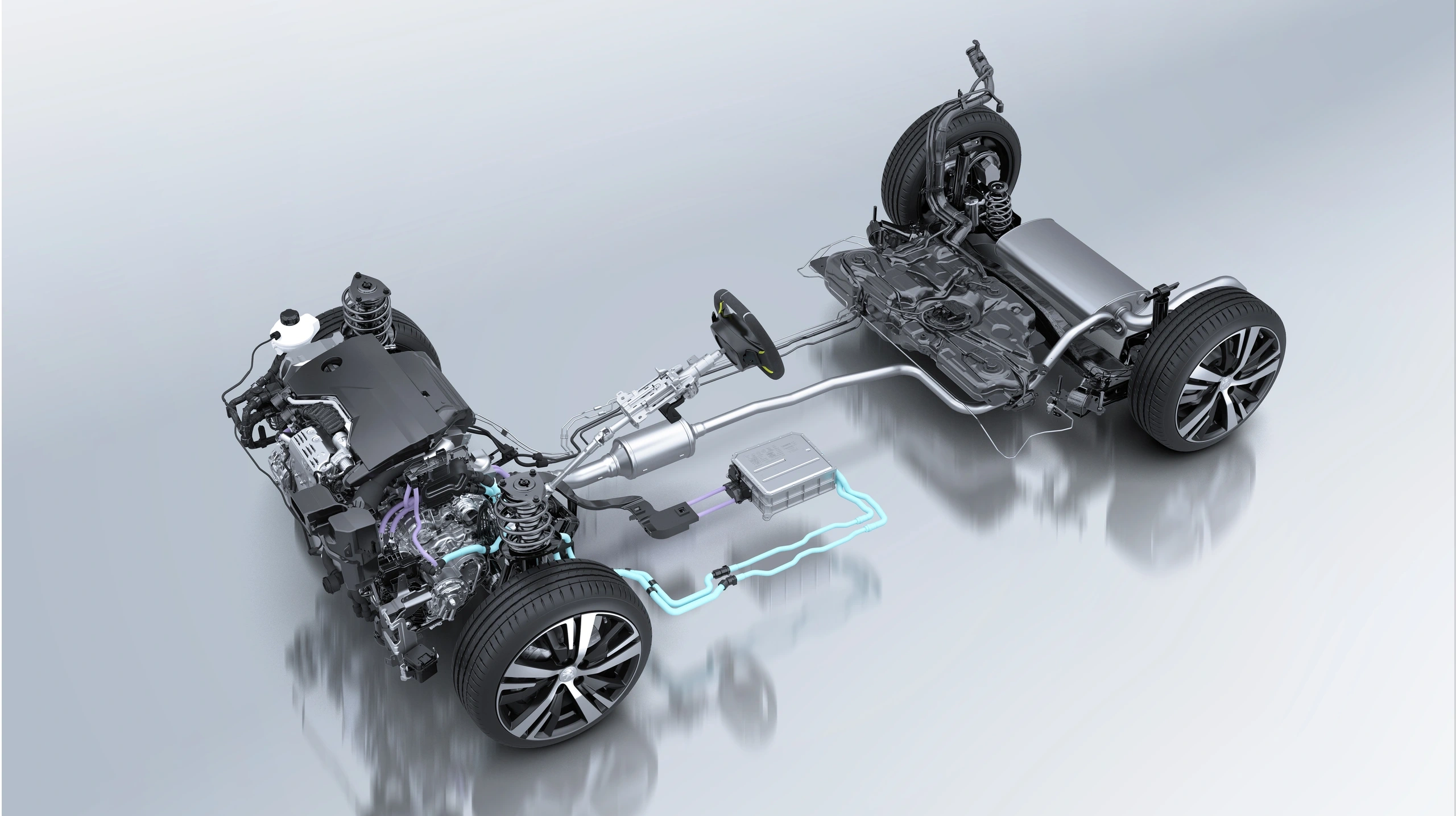
The 2026 Peugeot 308 family offers four main propulsion options.
| Variant | Power | Battery / Engine | Range / Key Stats |
|---|---|---|---|
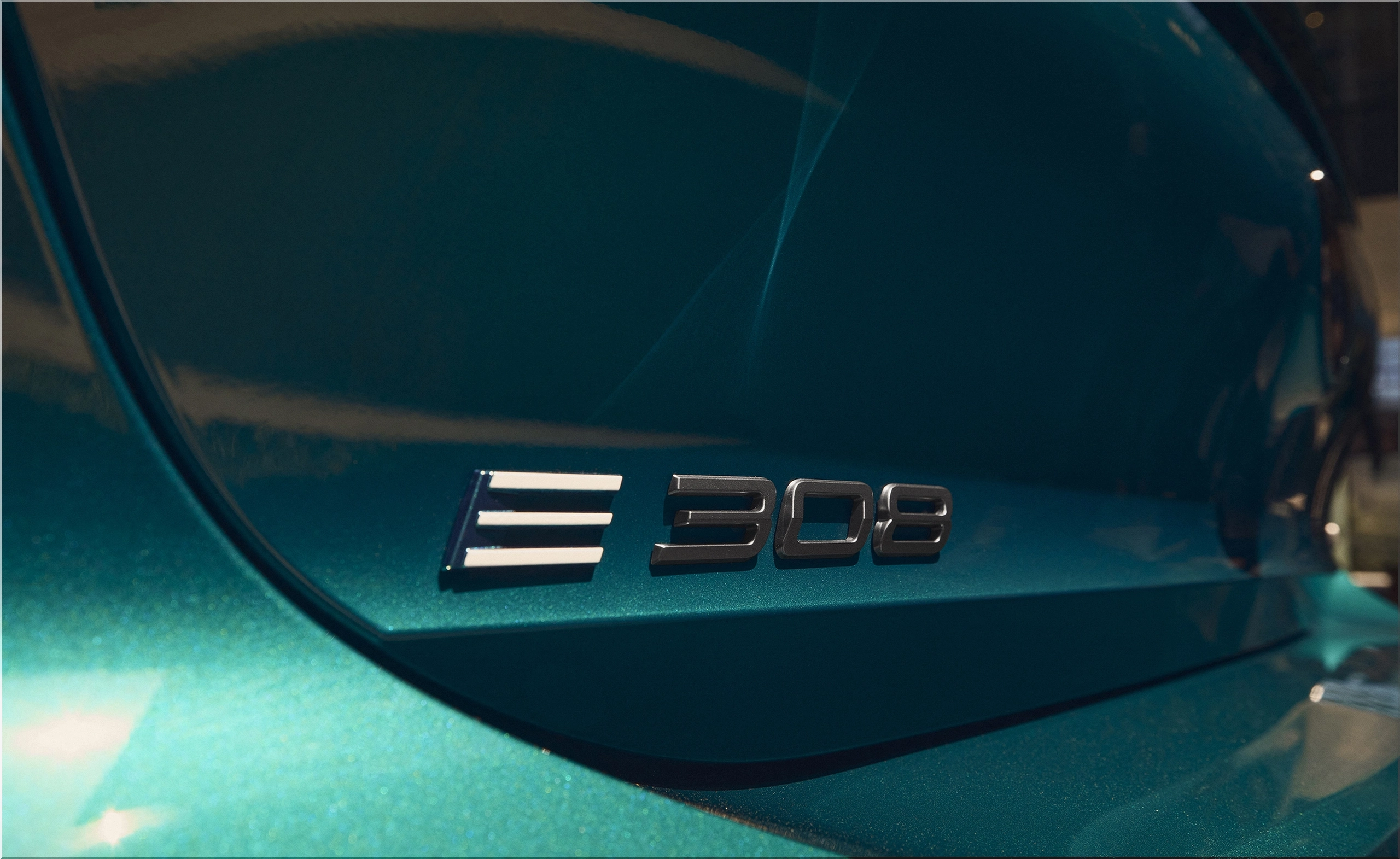
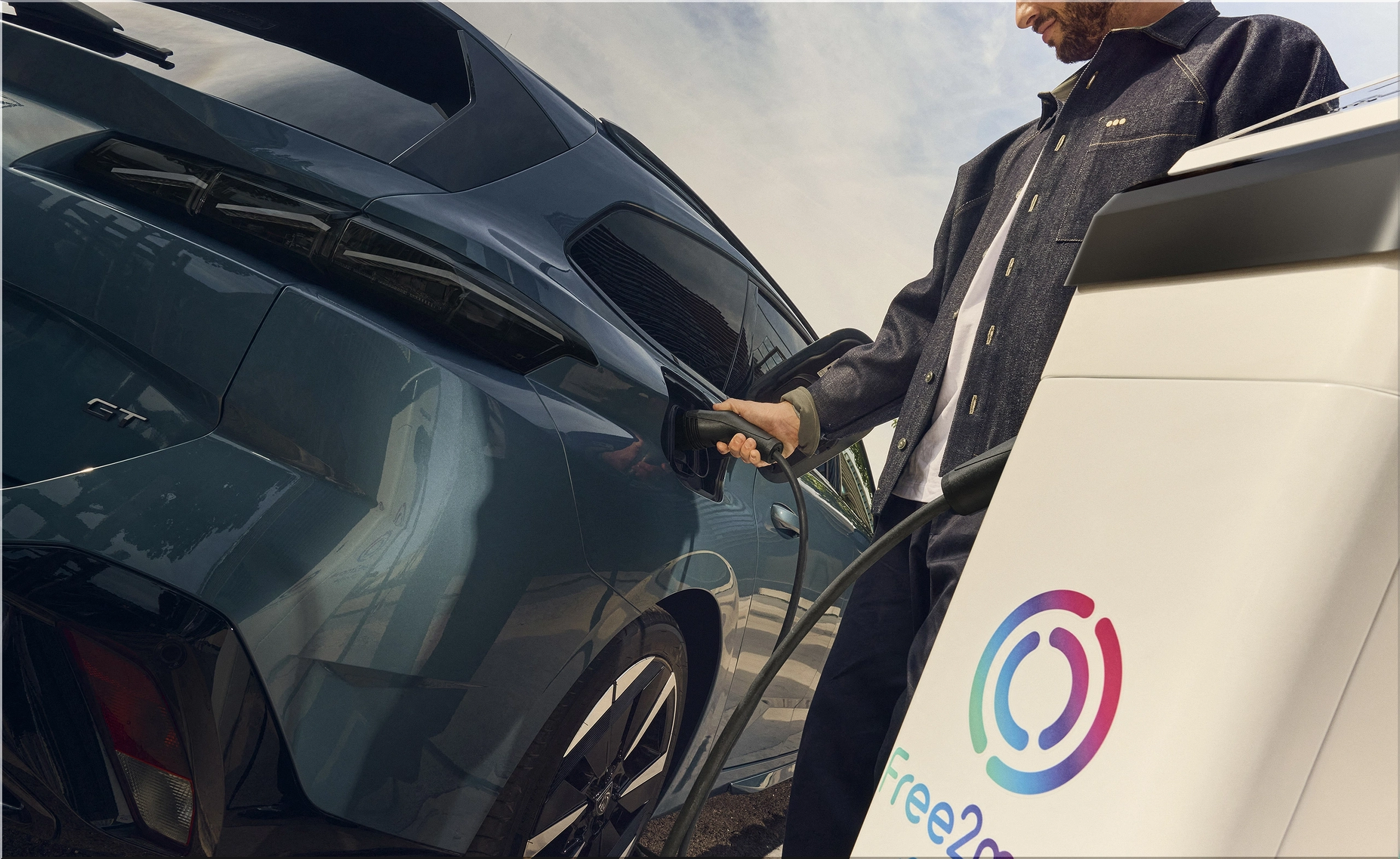
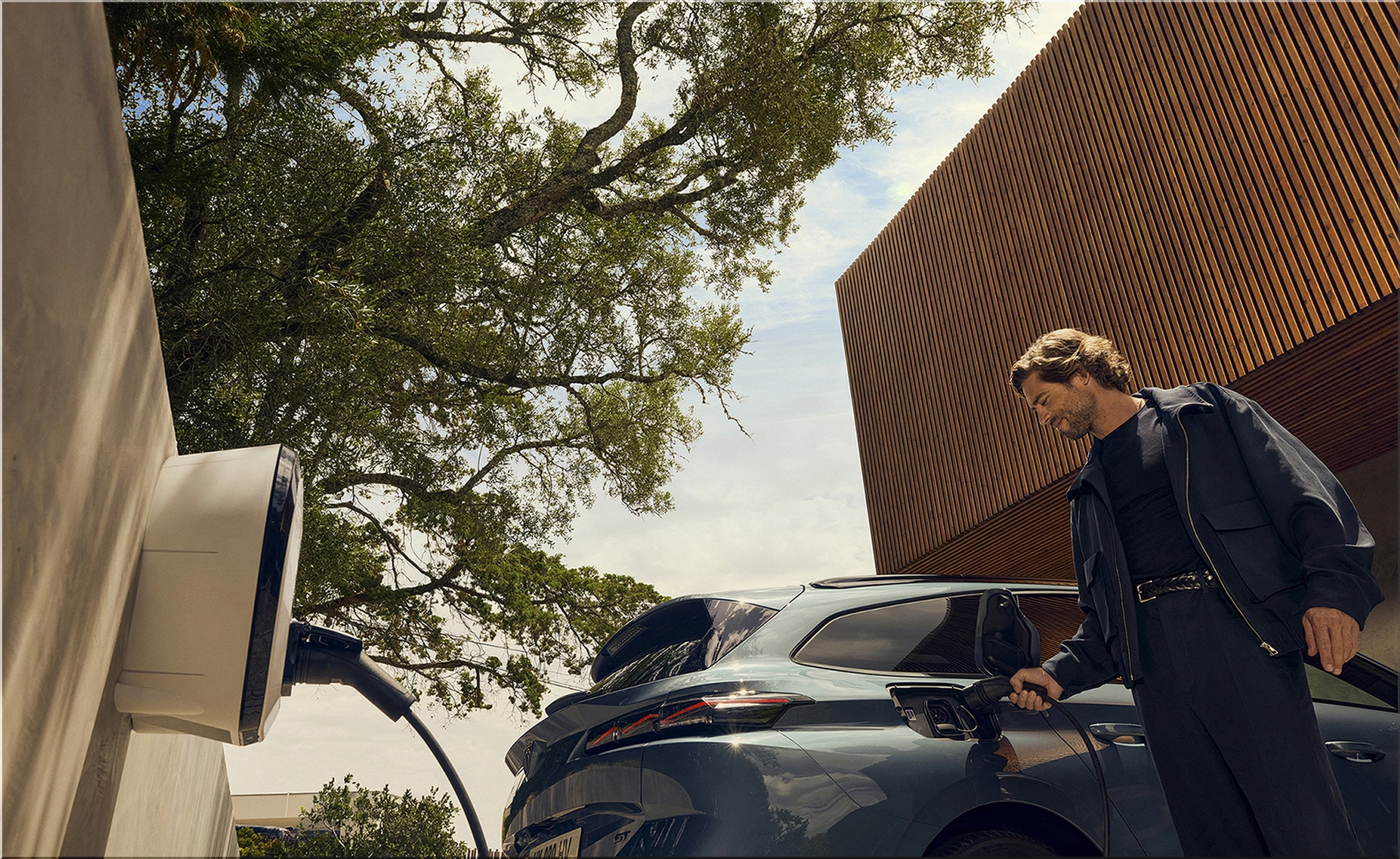
| E-308 (Electric) | 156 hp, 270 Nm | 58.4 kWh battery (55.4 usable) | ~450 km WLTP (~280 mi); 20–80% in 32 min (100 kW DC) |
| Plug-in Hybrid | 195 hp system output | 1.6L turbo petrol + 17.2 kWh battery | ~85 km (~53 mi) EV range; full charge in 2h 05m at 7.4 kW |
| Hybrid / Mild-Hybrid | 145 hp | Petrol + 48V mild-hybrid | 4.7–5.0 L/100 km (~47–50 mpg); up to 50% urban EV mode |
| Diesel | 130 hp | 1.5L BlueHDi, 8-speed auto | Strong highway efficiency, long-distance focus |
Pricing and Release
- Sales begin in Europe in autumn 2025, marketed as 2026 models.
- Base pricing starts around $35,000–$36,000 USD equivalent for the hybrid hatch.
- The E-308 EV is expected to start around $42,000–$45,000 USD, depending on trim.
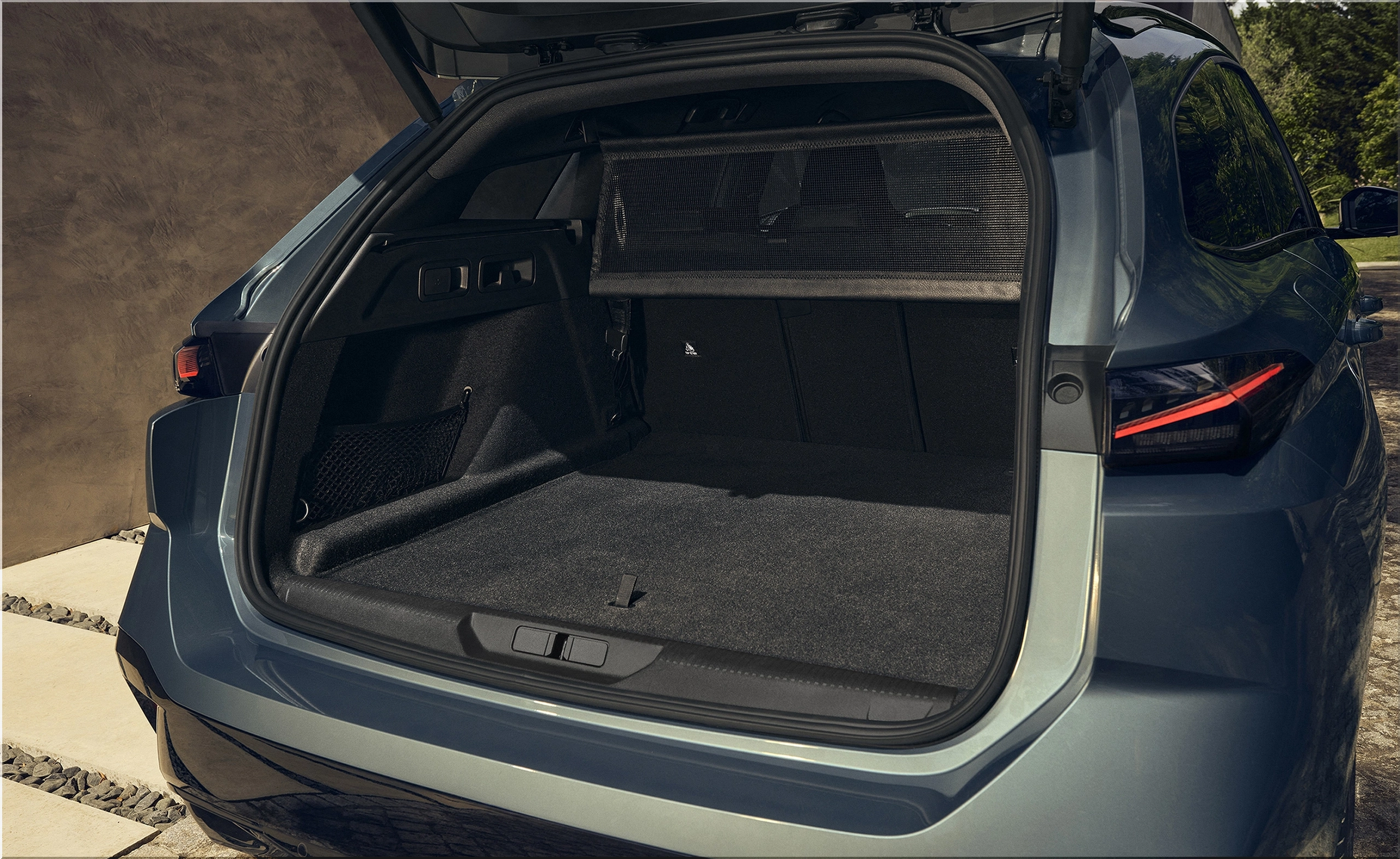
- The wagon (308 SW) generally carries a premium of about $1,000 USD over the hatchback.


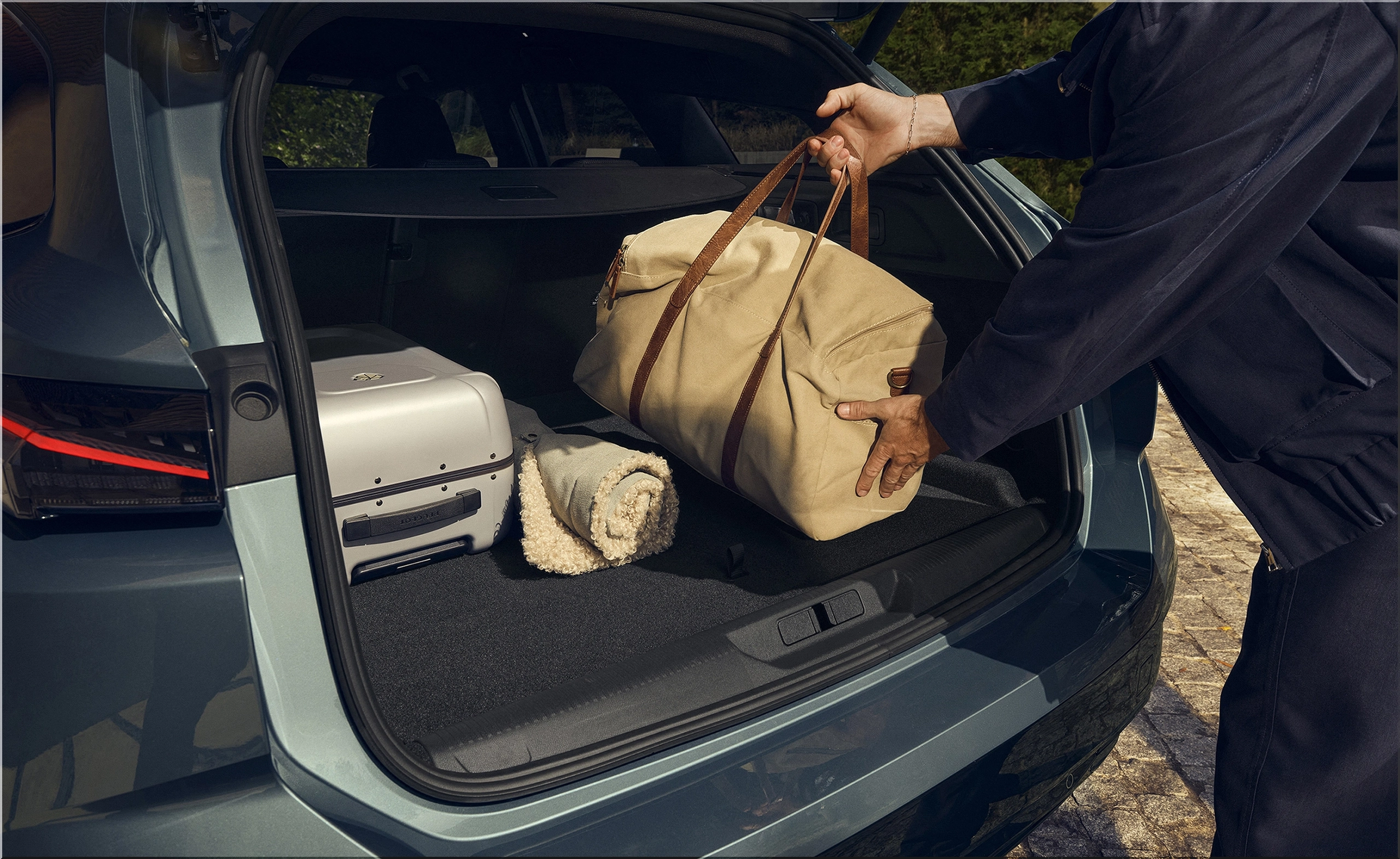
Strengths
- EV Range Increase
The E-308 now offers ~280 miles WLTP, improving by about 20 miles compared with the outgoing version. - Choice of Powertrains
Few compact competitors offer gasoline, diesel, hybrid, plug-in, and full electric in one model range. - Design and Tech Refresh
The illuminated badge, updated lighting, and new interior graphics help maintain showroom appeal. - Efficiency Improvements
Aerodynamic tweaks and material updates improve fuel economy and EV efficiency.
Challenges
- Managing production complexity with four propulsion systems increases costs.
- EV buyers remain limited by charging network reliability in some markets.
- Diesel continues to face regulatory and tax pressure in many European countries.
Competitor Context
| Rival | Powertrain Options | Range / Efficiency | Key Advantage |
|---|---|---|---|
| VW Golf | Gasoline, mild-hybrid, plug-in | Similar fuel economy, PHEV ~60 km EV | Strong residual values, service network |
| Toyota Corolla | Hybrid only | Excellent fuel economy, proven reliability | Lower price, stronger resale |
| VW ID.3 | EV only | ~265–340 miles depending on battery | Pure EV focus, dedicated EV platform |
Peugeot’s edge is versatility. Buyers not ready to switch fully to EVs can still choose a hybrid, PHEV, or diesel.
Bottom Line
The 2026 Peugeot 308 and 308 SW sharpen their position in the compact class. The E-308’s improved 280-mile range, flexible hybrid and plug-in options, and refined design give Peugeot a competitive edge.
For buyers:
- Pick the E-308 if you have reliable charging and want lower running costs.
- Choose the plug-in hybrid if you combine short daily drives with occasional long trips.
- The hybrid 48V will likely remain the sales leader thanks to its price and efficiency.
- Diesel still makes sense for heavy highway drivers, though regulatory risks remain.
- Add new comment
- 372 views