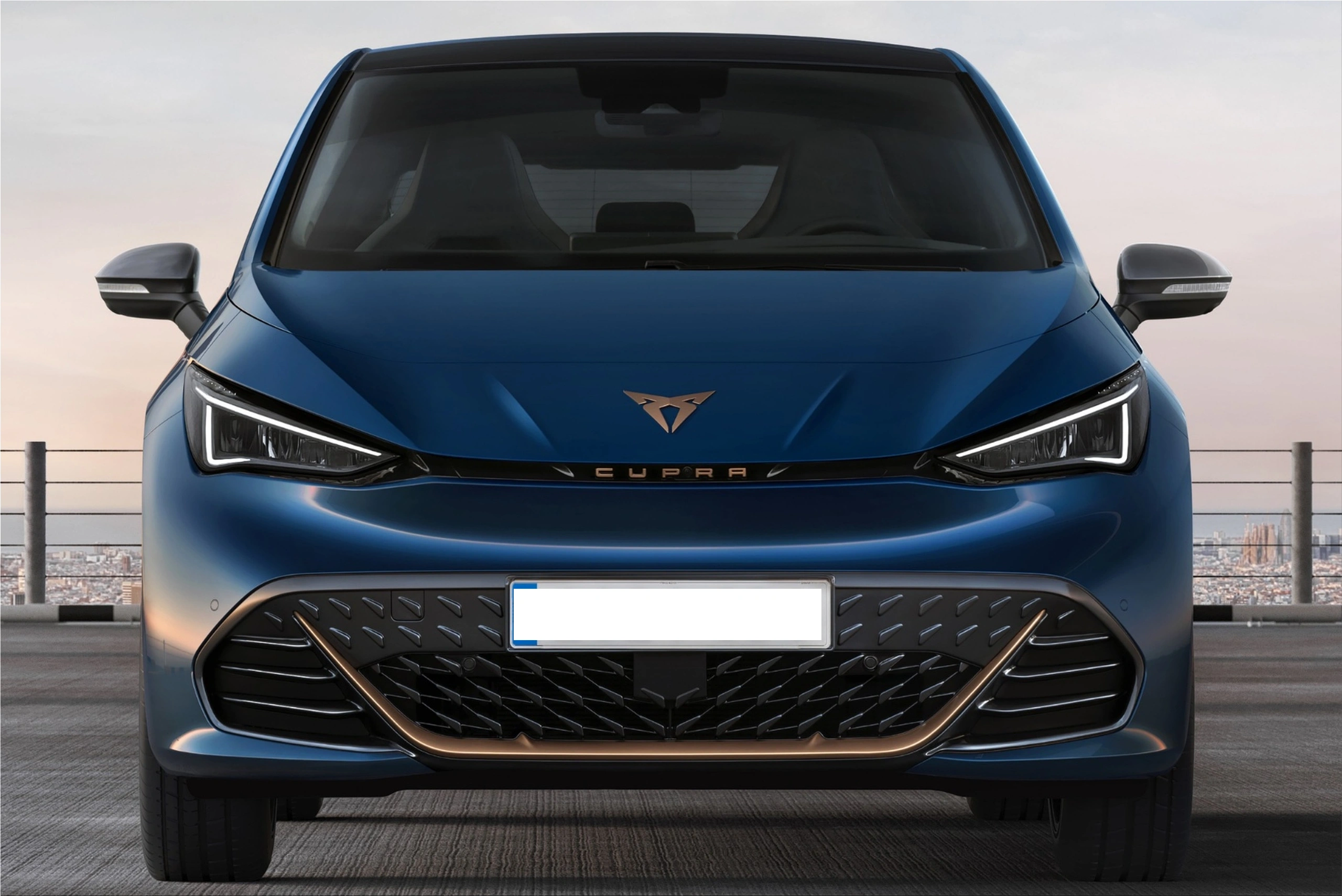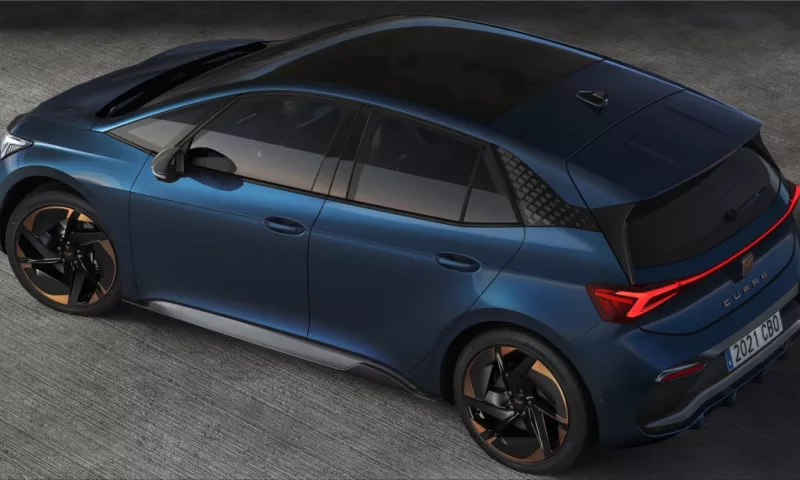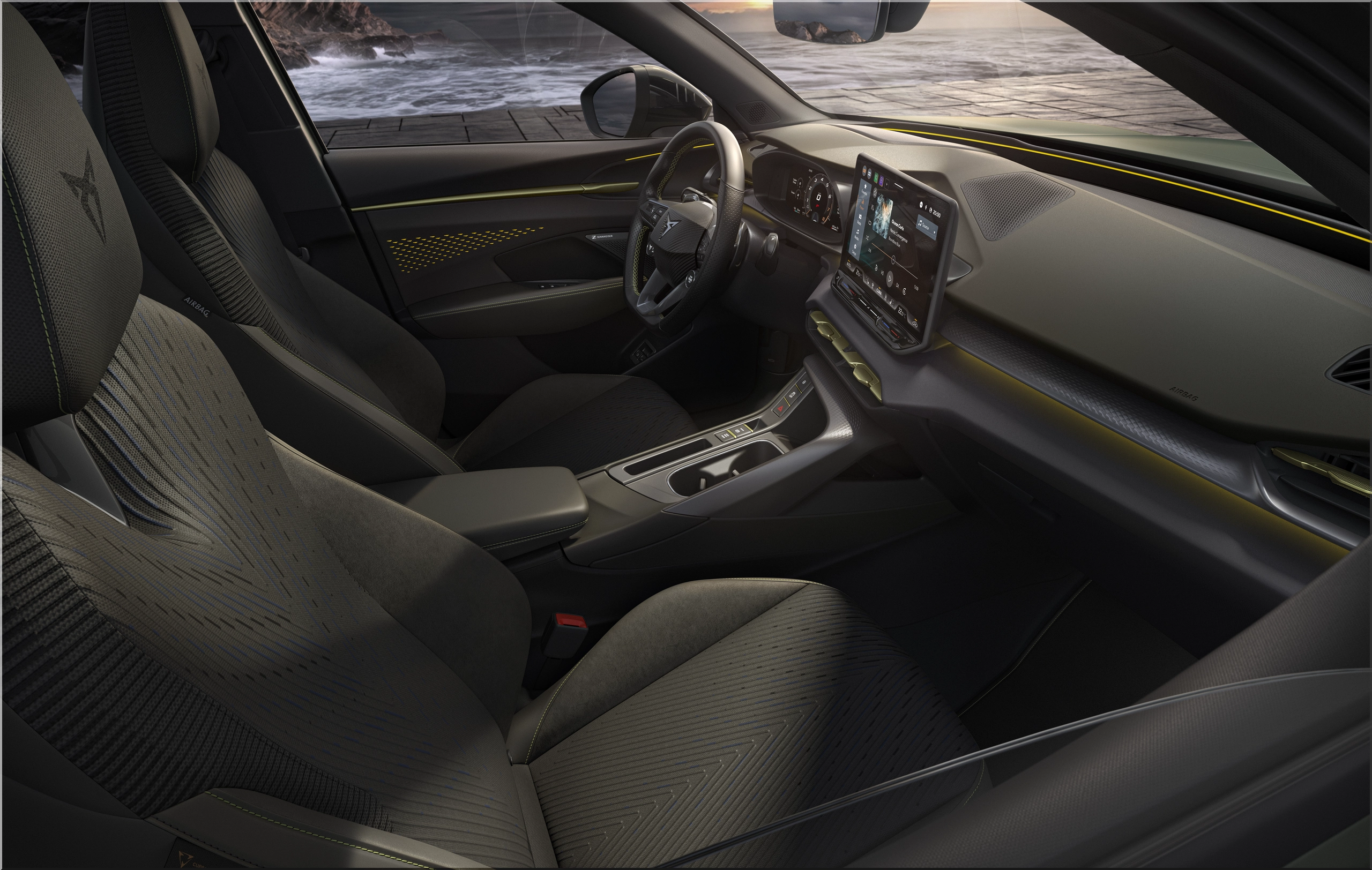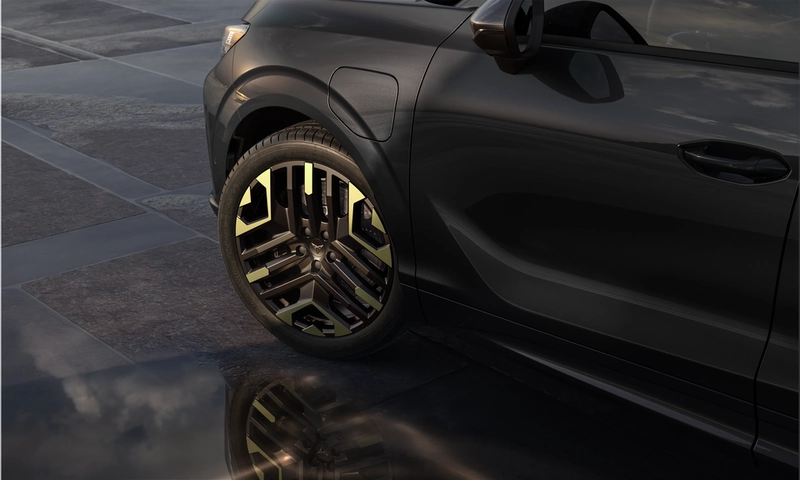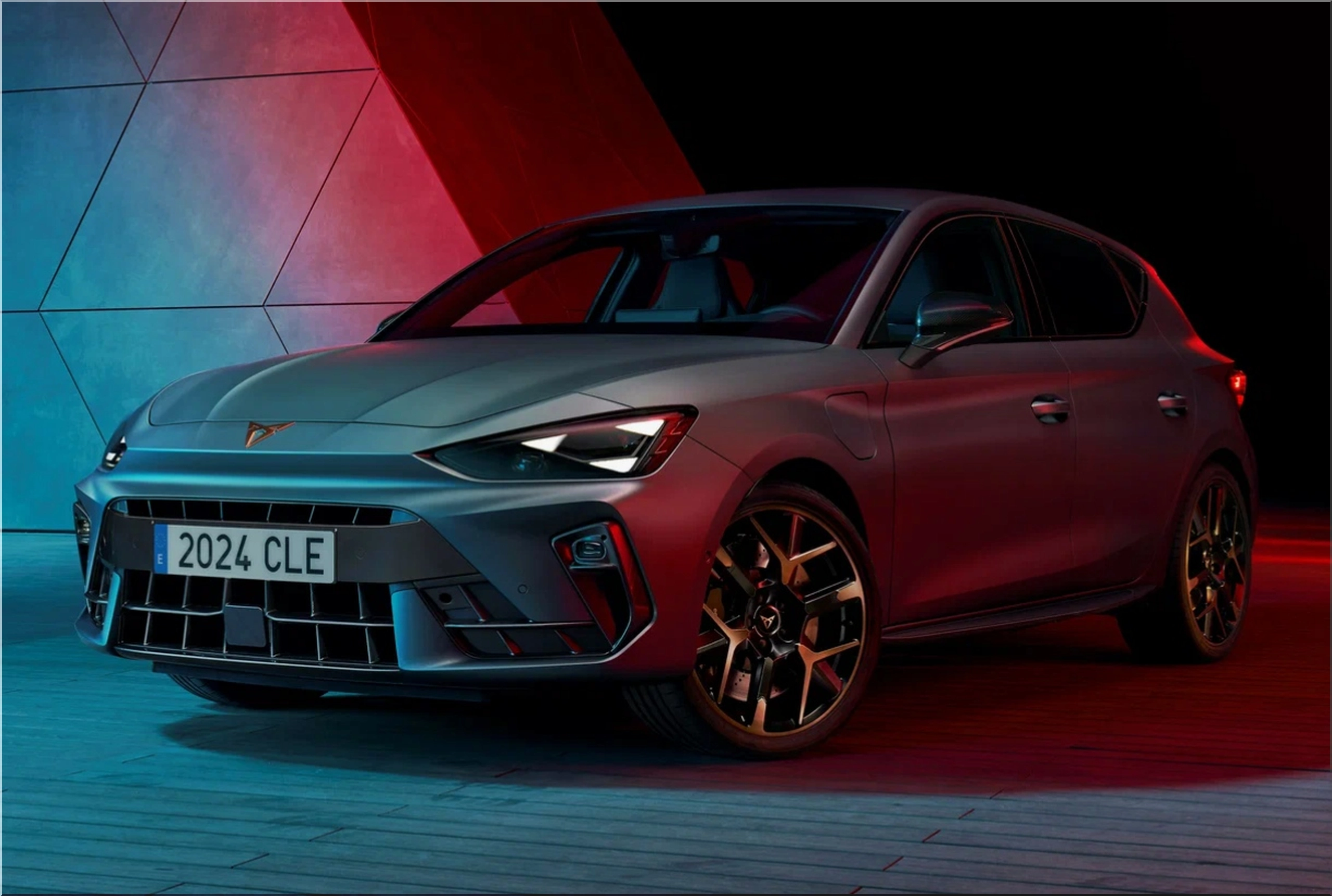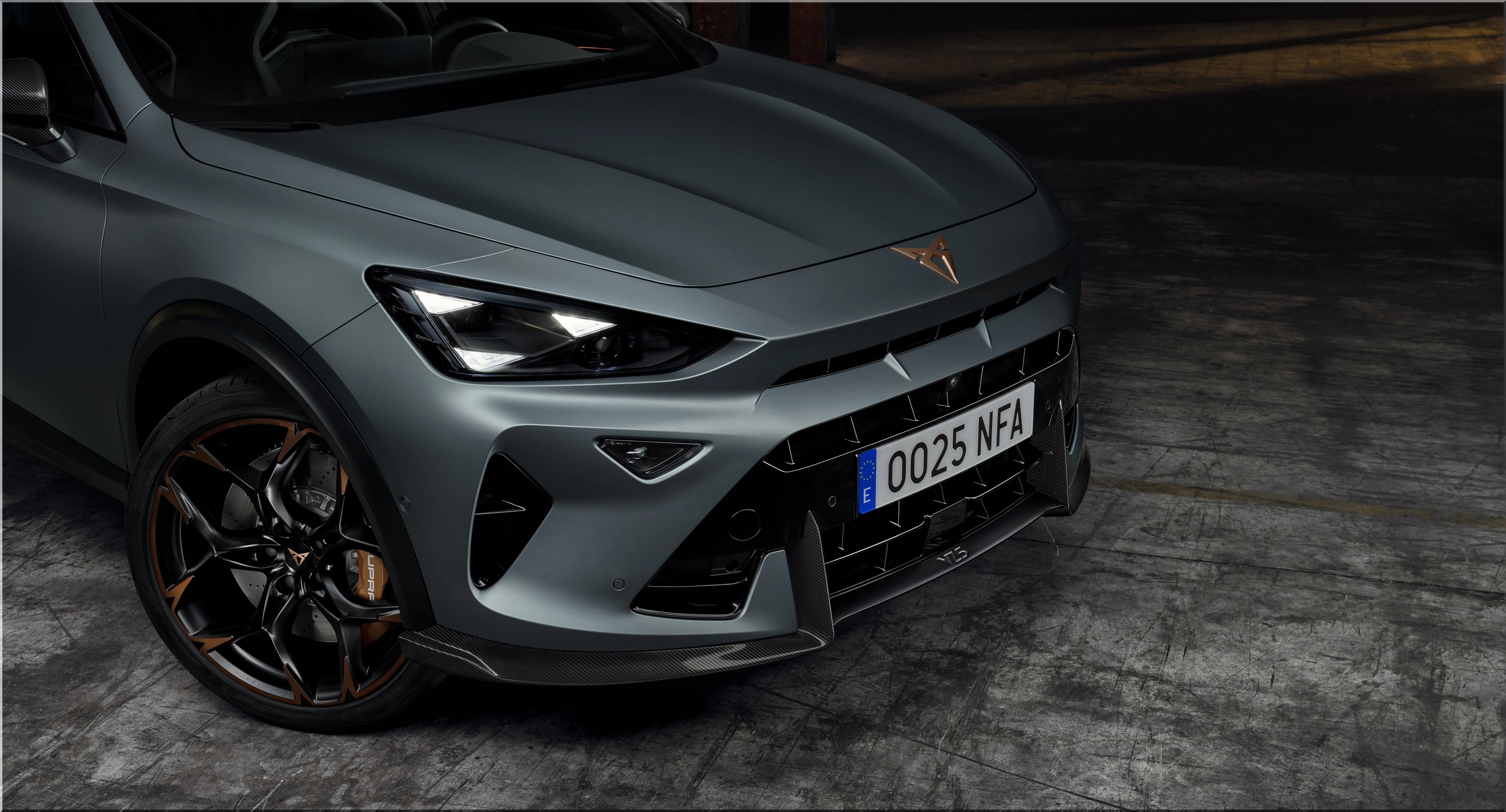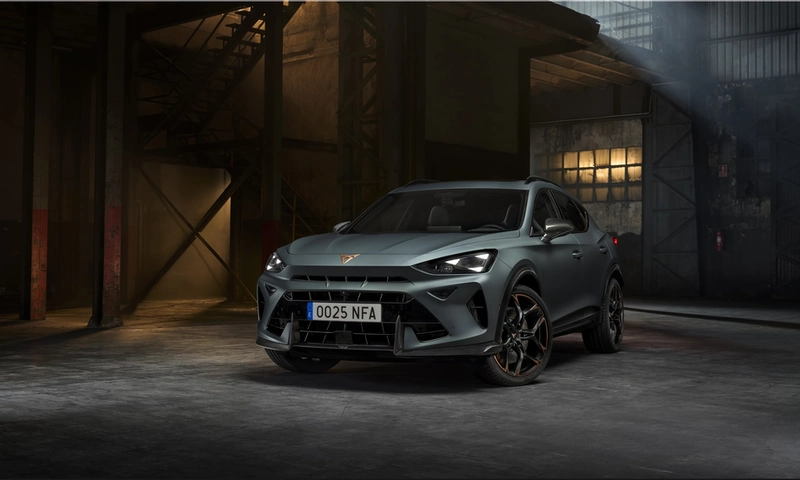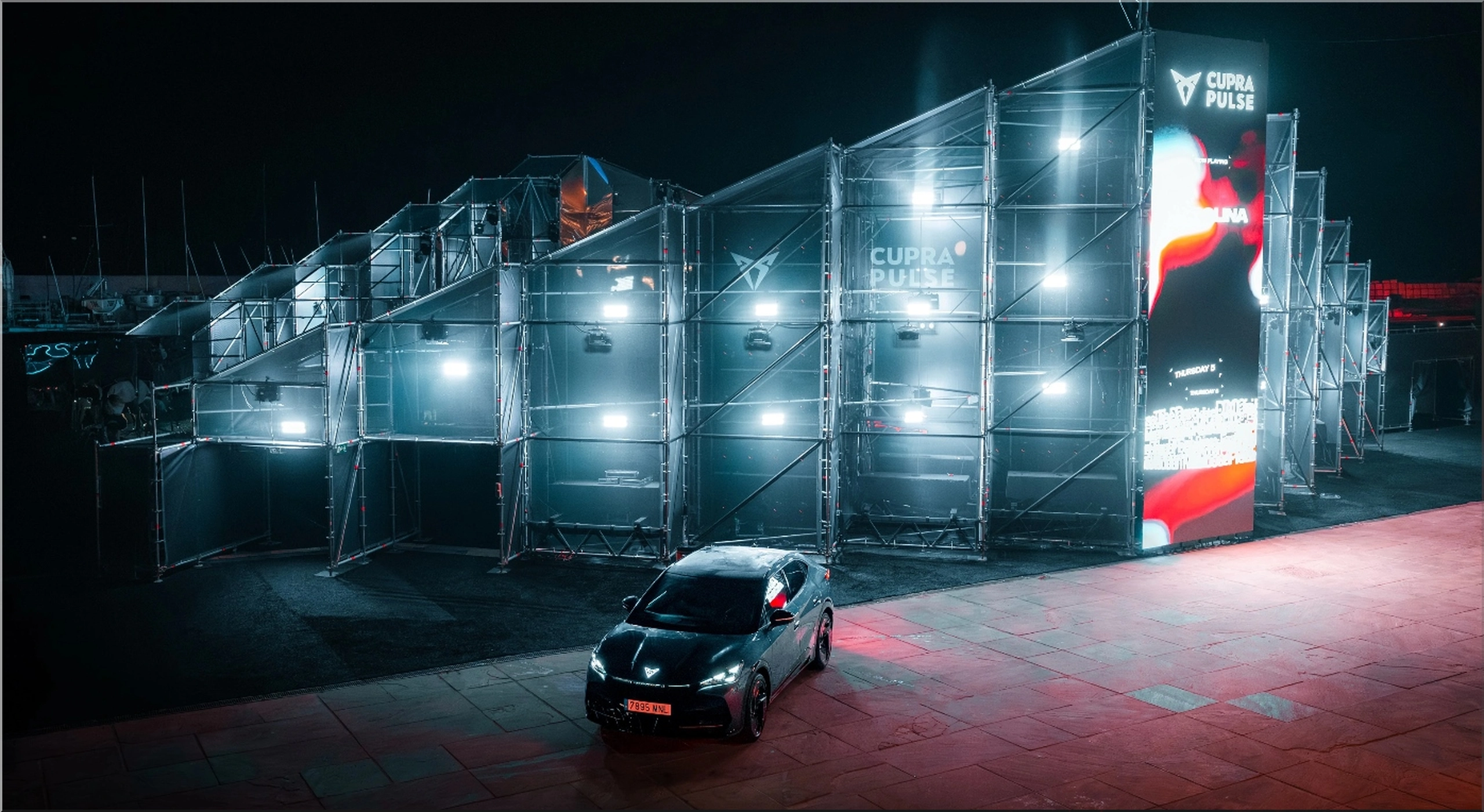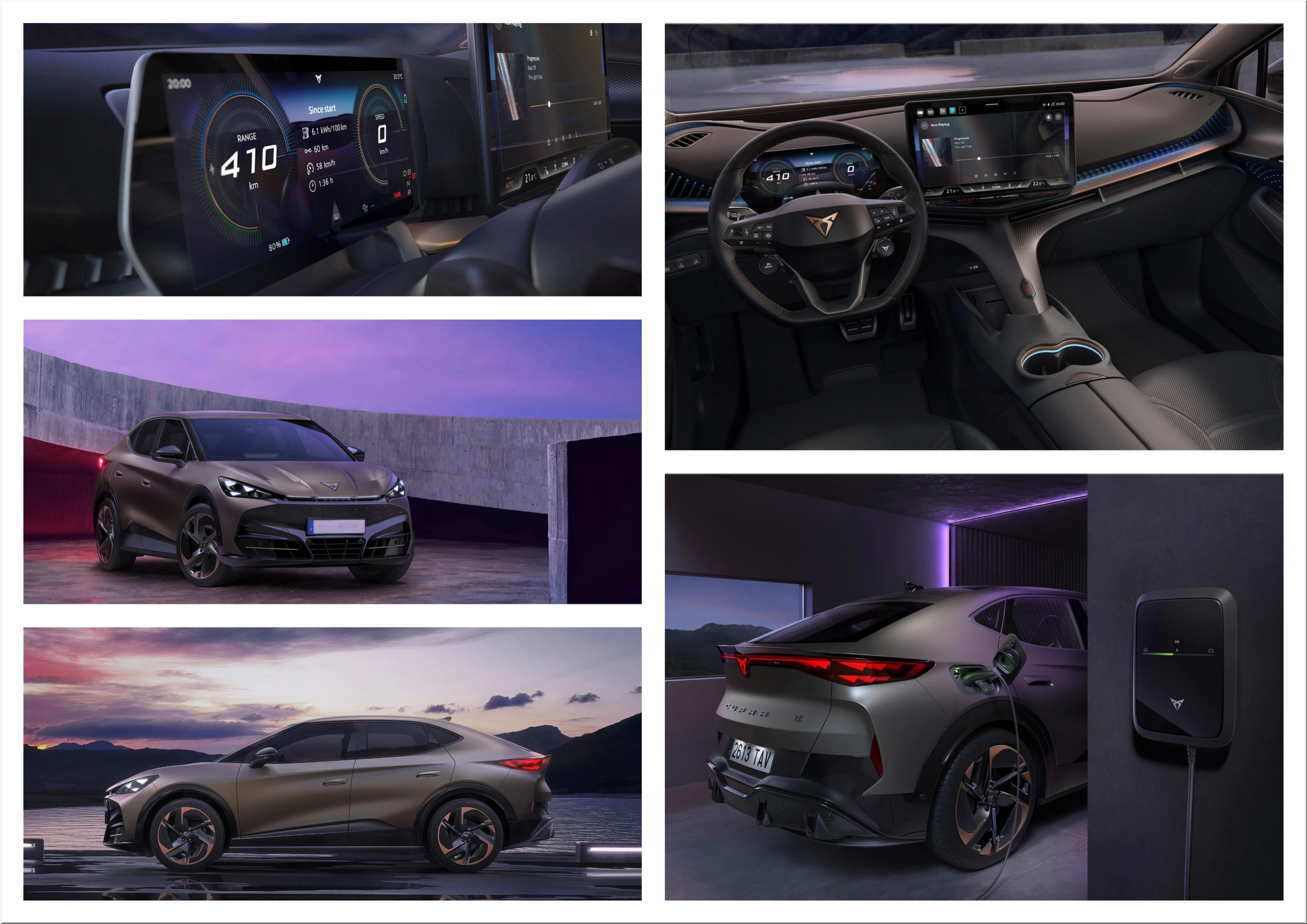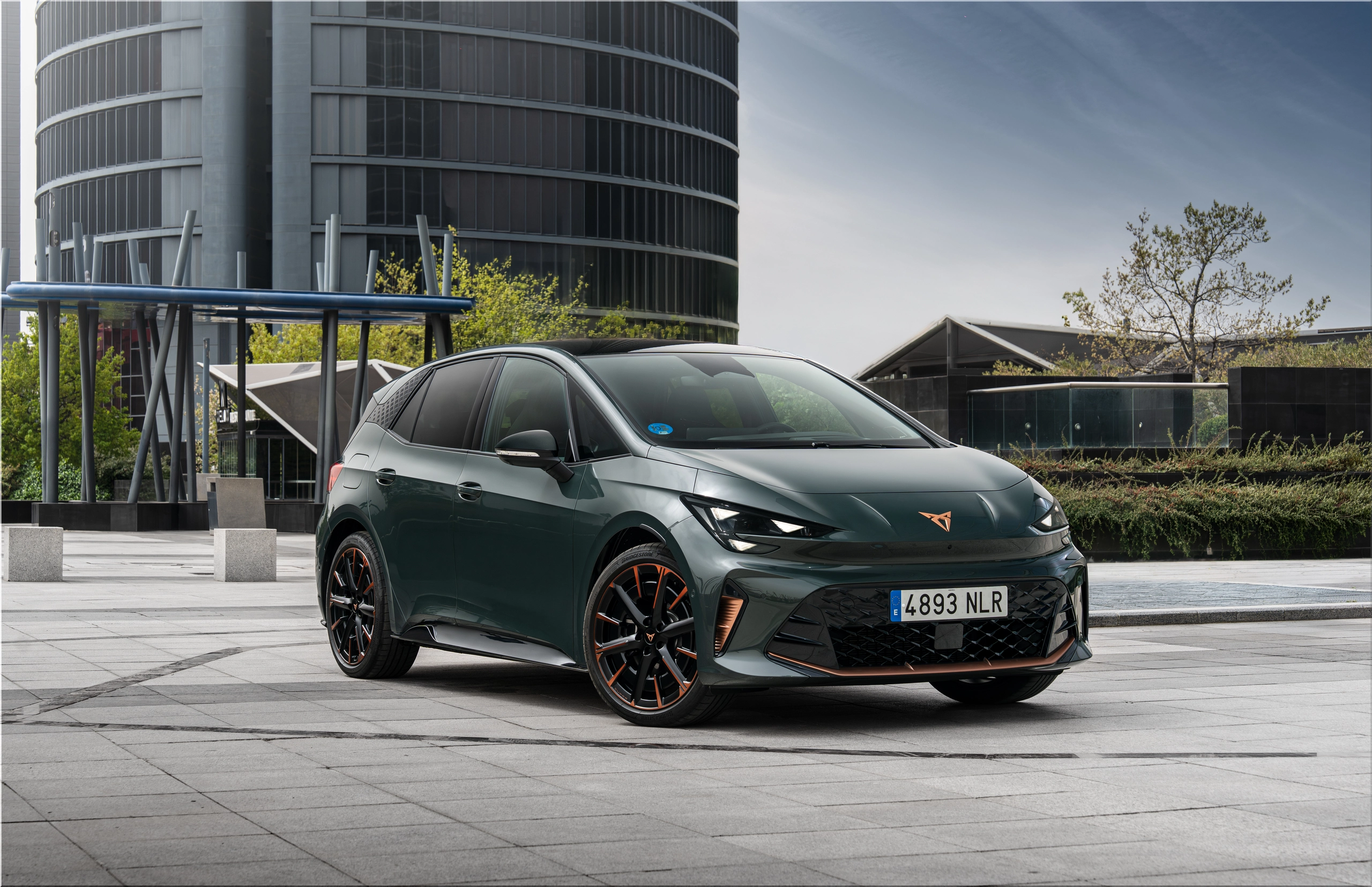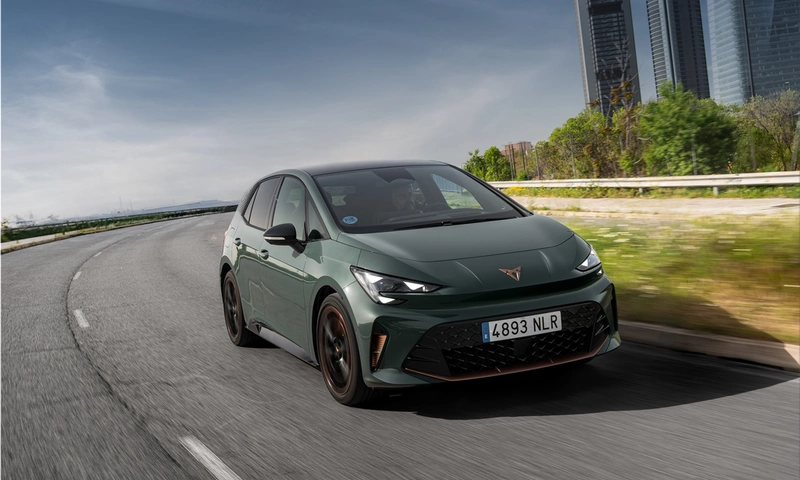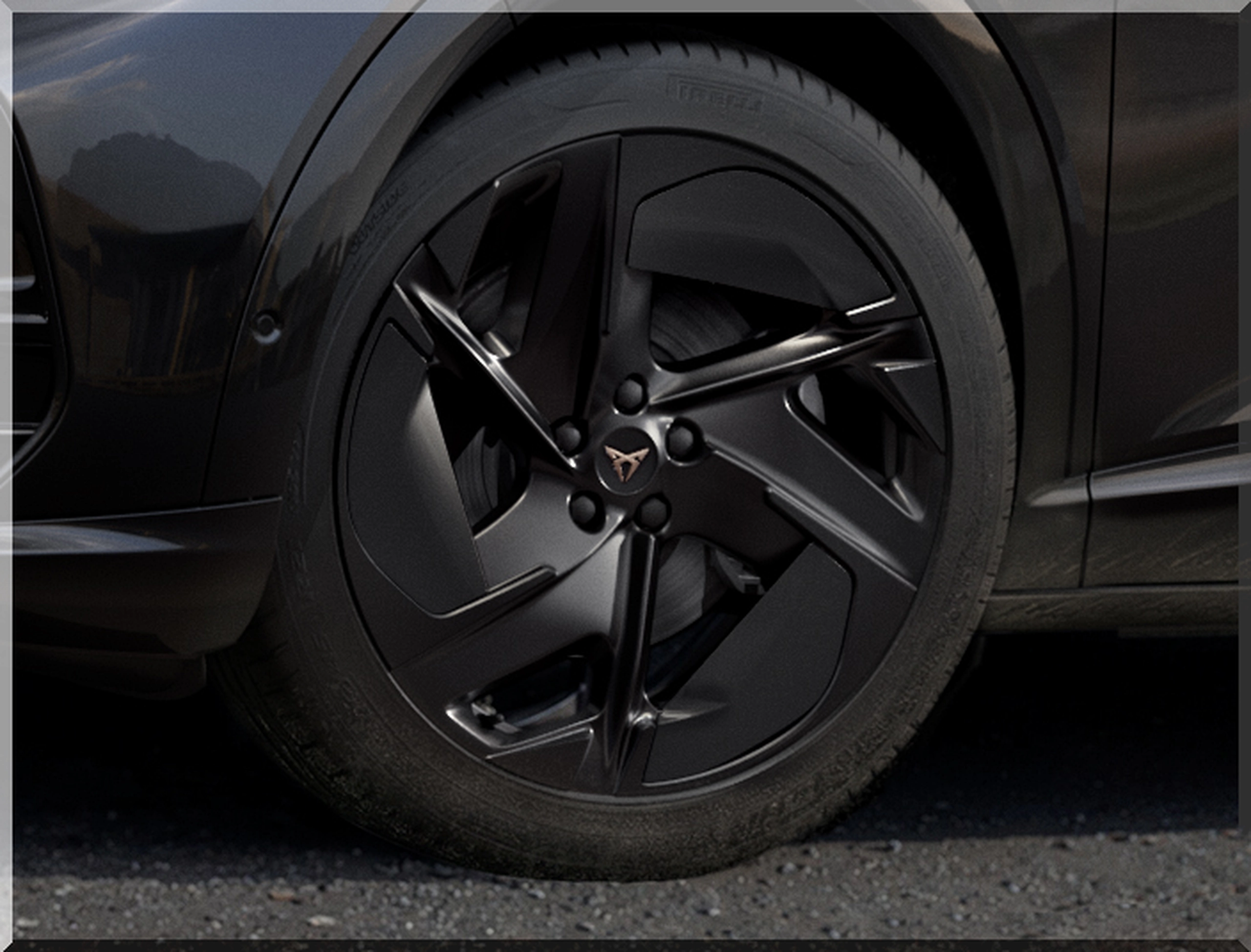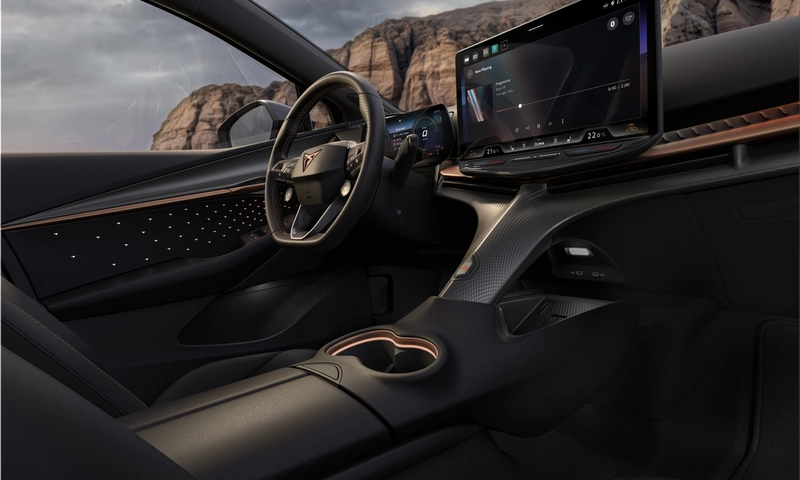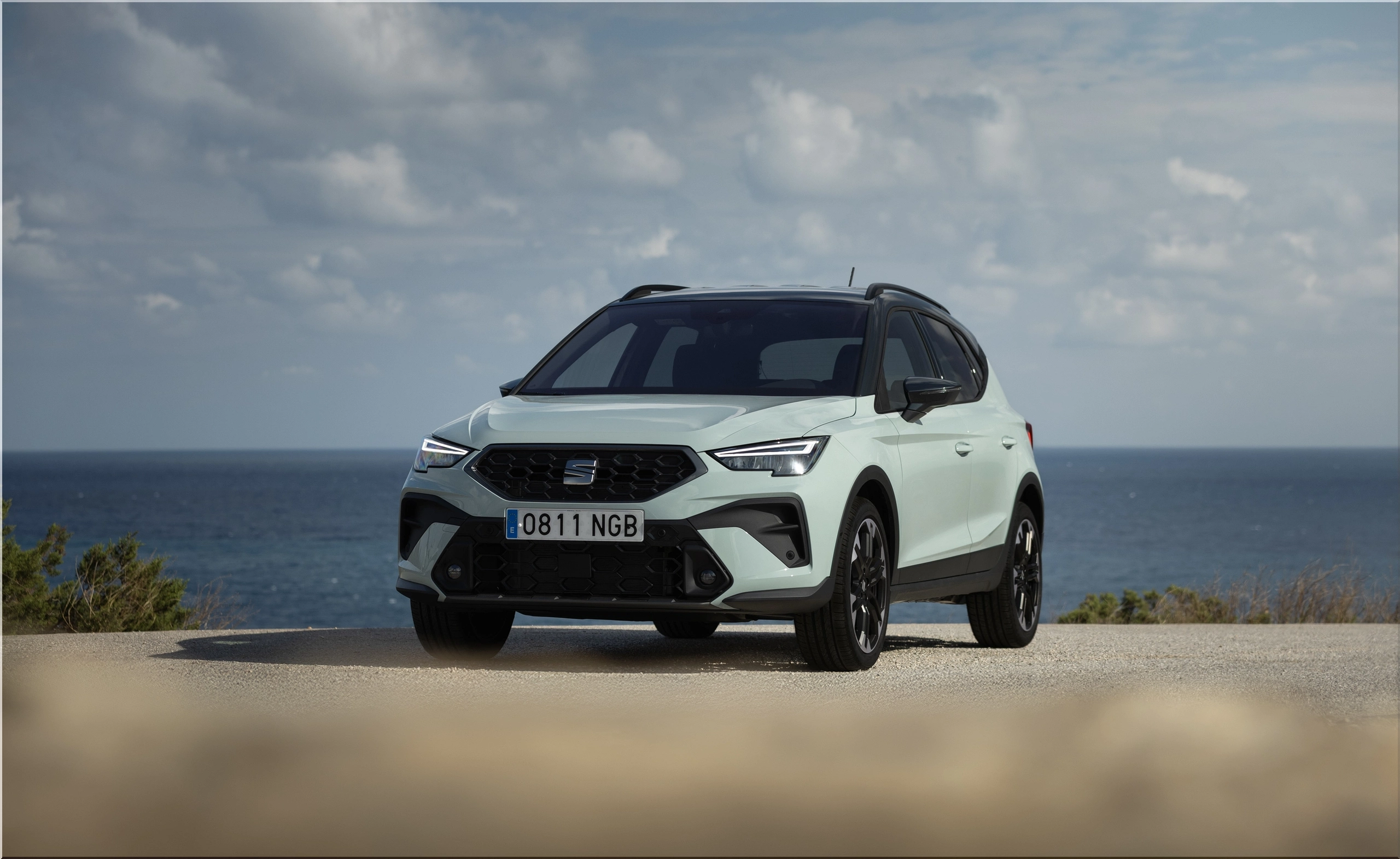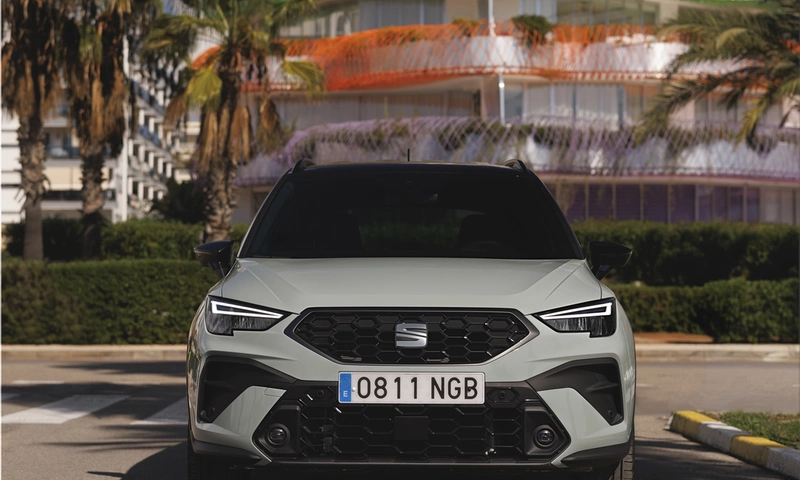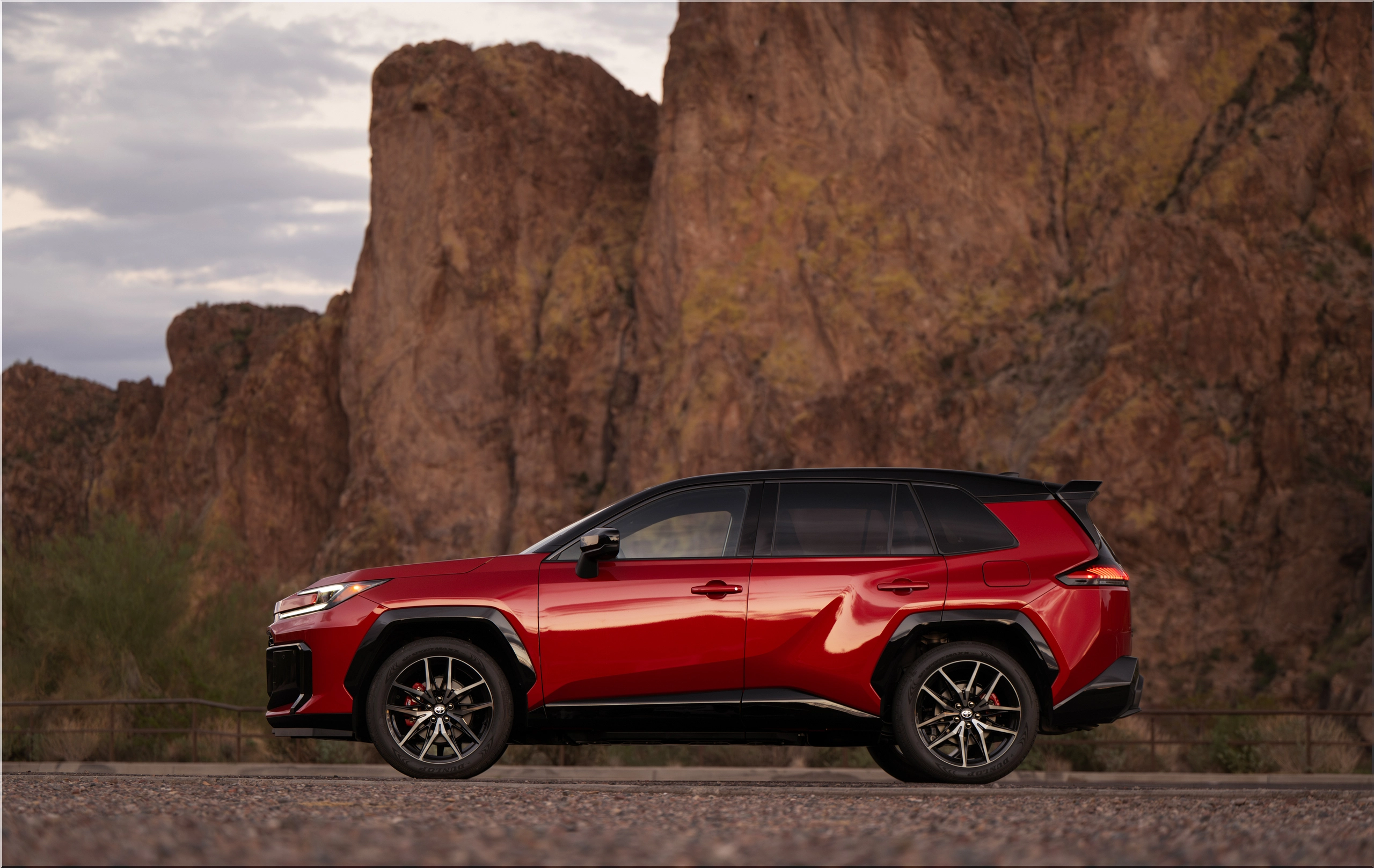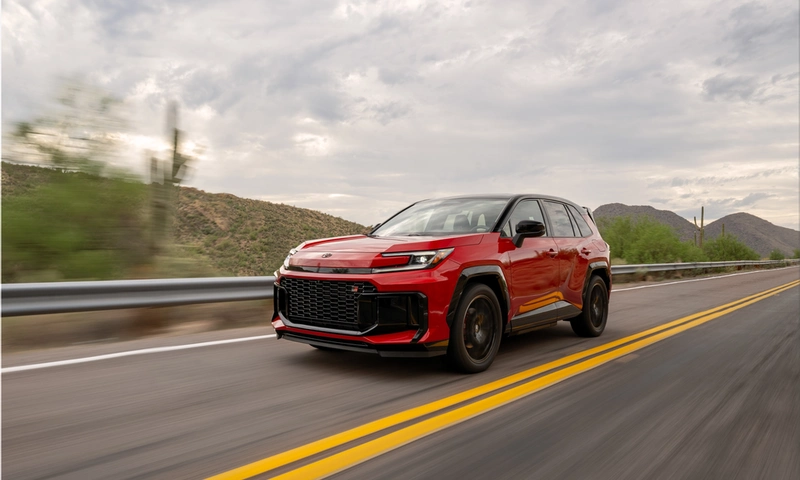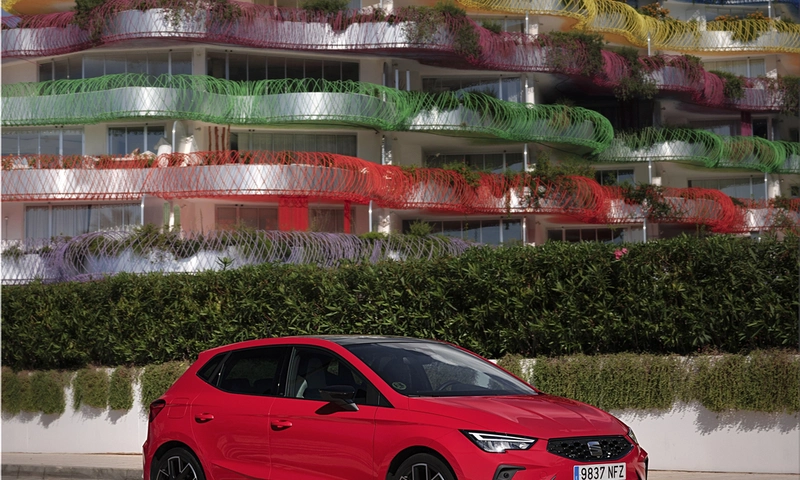
SEAT and CUPRA closed 2025 with their strongest sales result on record. The group delivered 586,300 vehicles, up 5.1 percent year over year, despite weak demand across major global markets.
The headline number matters. Many legacy automakers lost volume in 2025. SEAT and CUPRA moved the other way.
CUPRA carried the load. SEAT held steady where it counted. Electrification accelerated fast. The data explains why this matters for the European auto market heading into 2026.
Record Deliveries Show a Clear Shift Inside the Group
SEAT and CUPRA passed their previous high set in 2019. That earlier record came in a stronger global economy with fewer supply constraints.
2025 did not offer those conditions.
Key delivery figures tell the story:
- 586,300 total vehicles delivered
- 328,800 CUPRA vehicles, up 32.5 percent
- 257,400 SEAT vehicles, down 17.0 percent
- 84,400 plug-in hybrids, up 69.2 percent
- 79,700 battery-electric vehicles, up 65.9 percent
CUPRA sales now account for more than half of all group deliveries. That split looked unthinkable five years ago.
The group no longer depends on SEAT for volume growth. CUPRA has taken that role.
CUPRA Becomes the Growth Engine
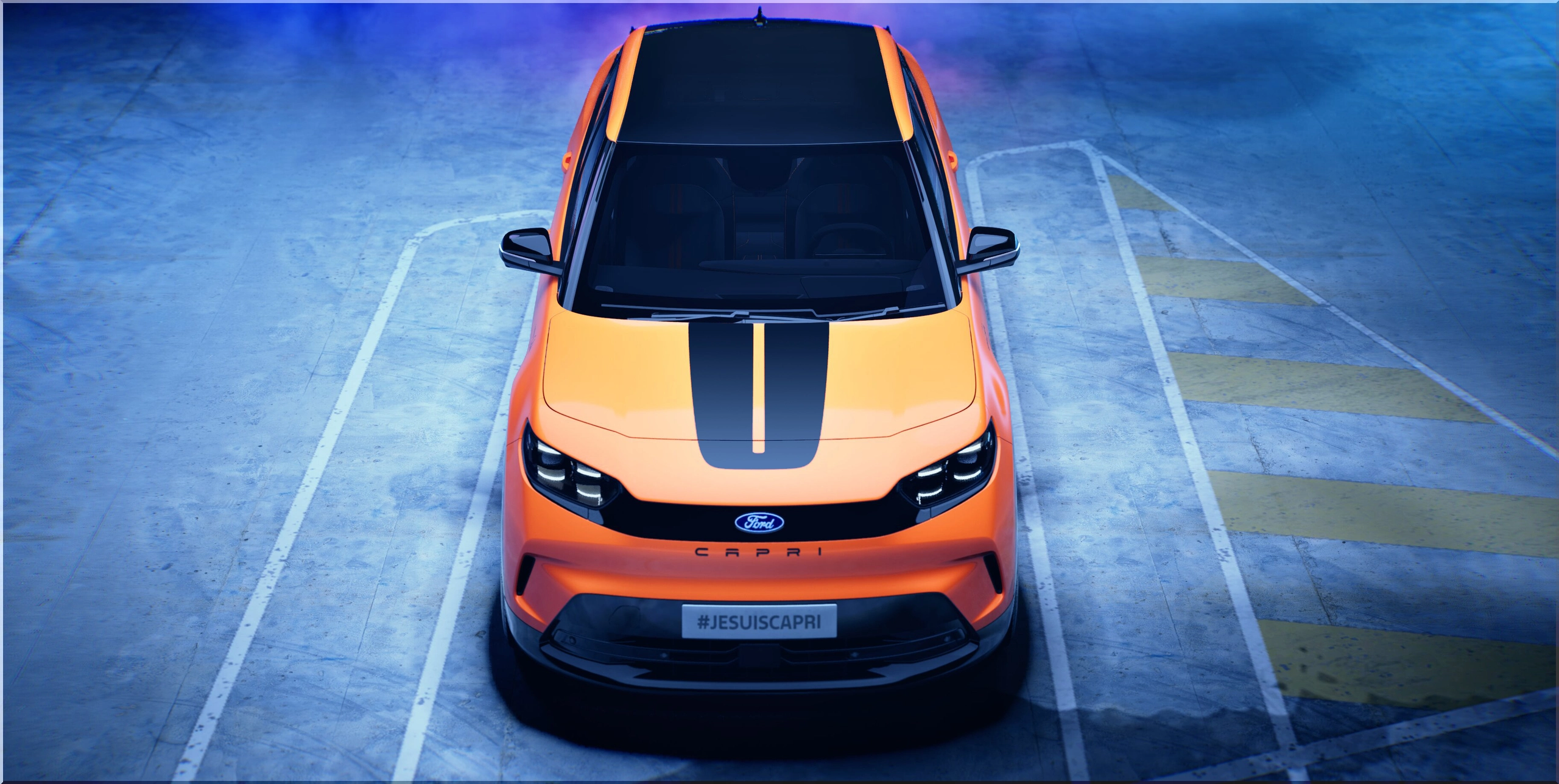
CUPRA crossed a symbolic threshold in 2025. The brand sold its one millionth vehicle globally.
That milestone came fast. CUPRA launched in 2018. Seven years later, it sits among the fastest-growing performance-focused brands in Europe.
Model performance explains why:
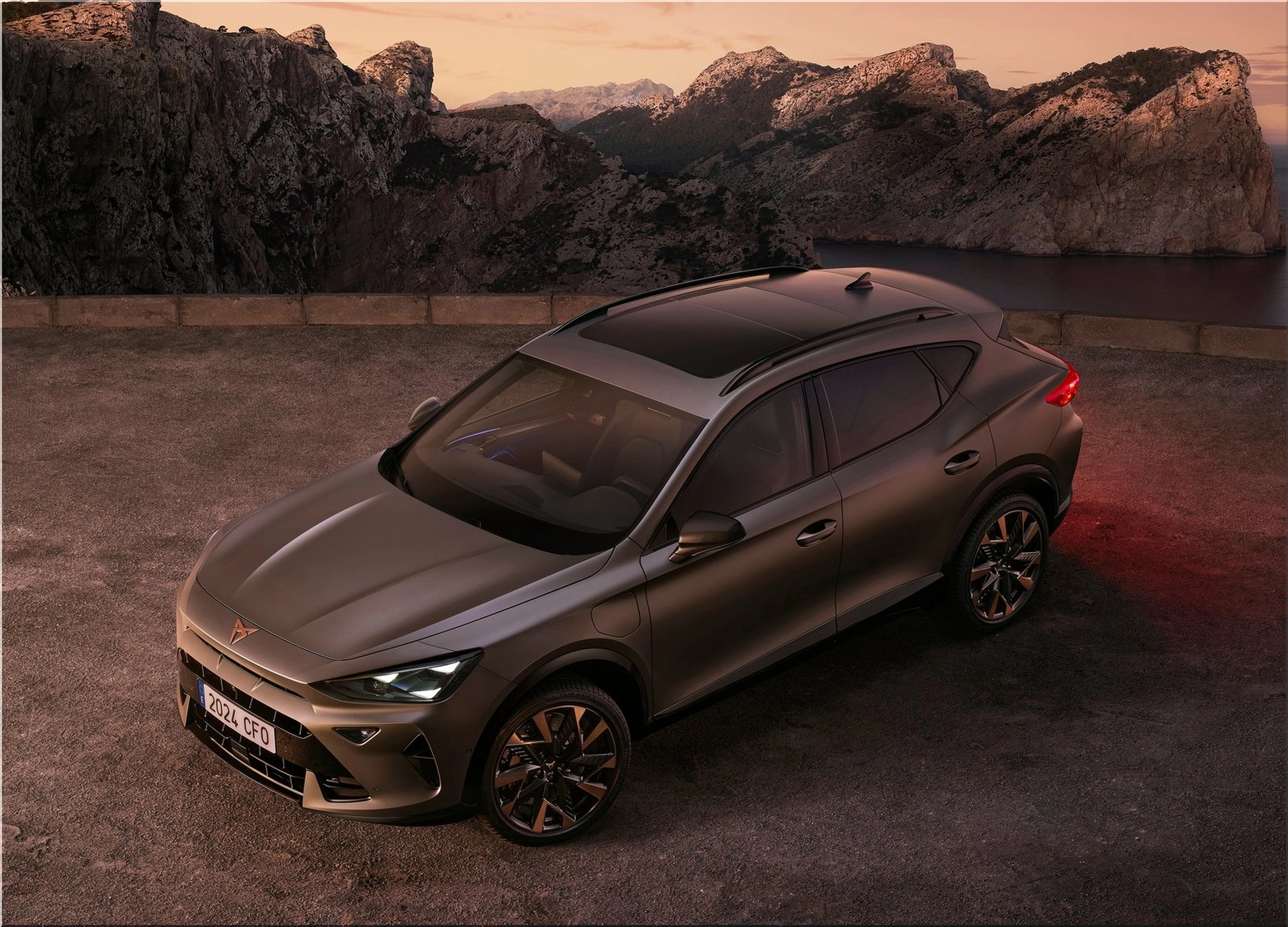
- CUPRA Formentor: 104,400 units
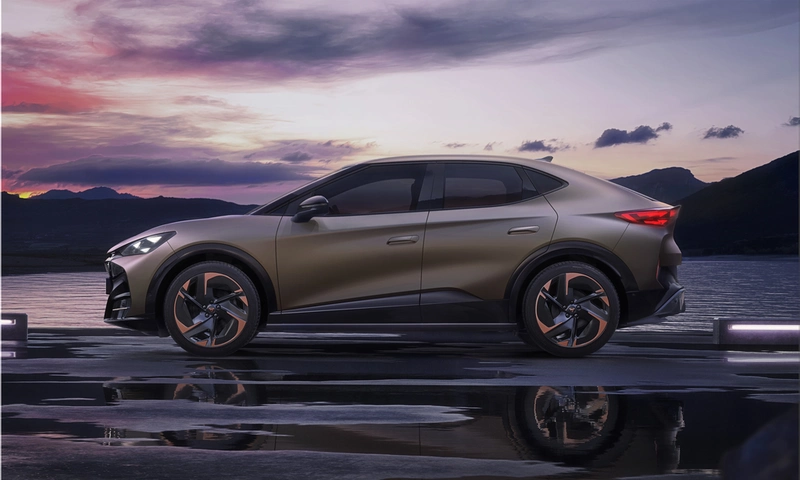
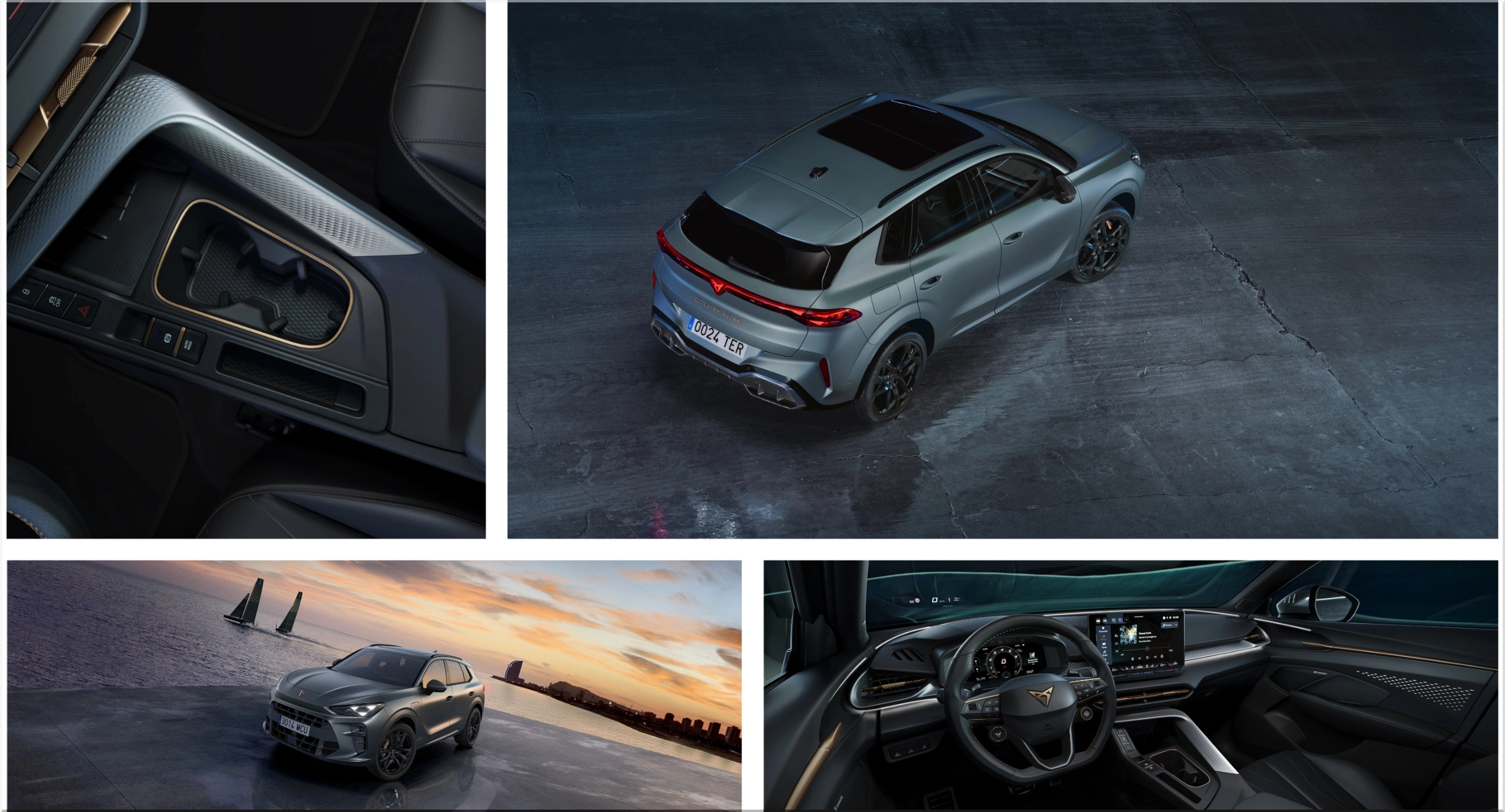
- CUPRA Terramar: 66,000 units in its first full year
- CUPRA Born: 43,700 units
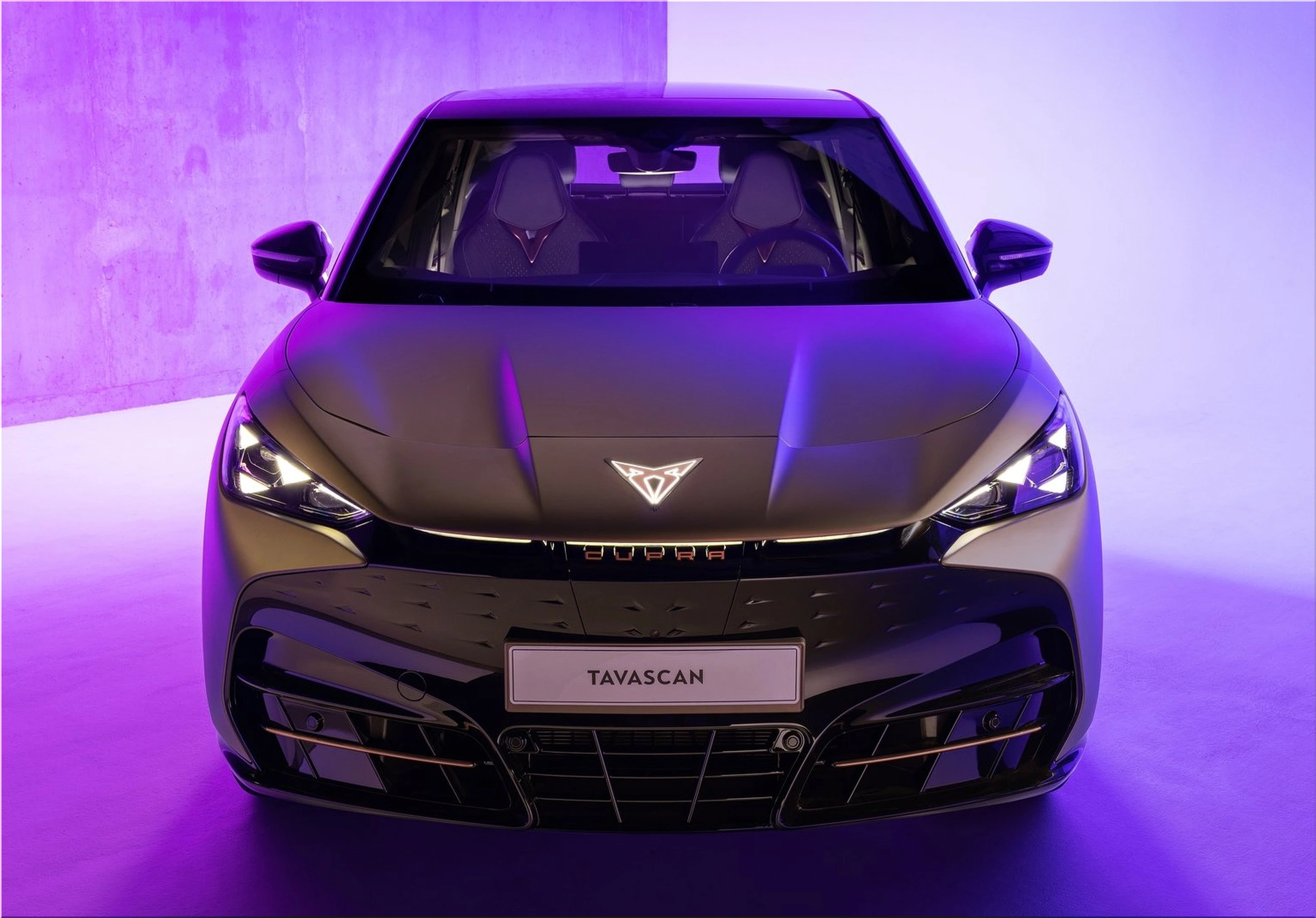
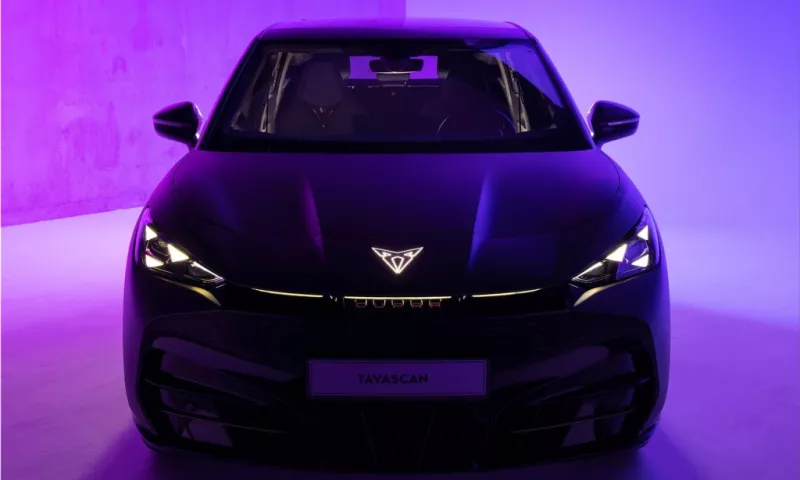
- CUPRA Tavascan: 36,000 units
Battery-electric vehicles now represent 24.2 percent of CUPRA sales. That ratio matters. Many competitors still struggle to push EV mix beyond 15 percent without heavy incentives.
CUPRA does it with design, pricing discipline, and performance positioning.
Market Share Gains Signal Structural Momentum
CUPRA reached a 2.22 percent market share in Europe in 2025. The brand targets 3 percent in the near term.
The growth pattern supports that goal.
Top regional results include:
- Germany: 103,100 deliveries, up 27.7 percent
- United Kingdom: 41,200 deliveries, up 35.7 percent
- France: 22,600 deliveries, up 28.2 percent
- Italy: 22,100 deliveries, up 29.1 percent
- Spain: 26,600 deliveries, up 18.8 percent
Germany stands out. That market punishes weak products fast. CUPRA gained share there while several domestic brands lost ground.
This signals brand pull, not fleet dumping.
SEAT Volume Falls but Product Activity Increases
SEAT delivered 257,400 vehicles in 2025. That figure dropped year over year. The decline tracks with pressure on entry-level pricing across Europe.
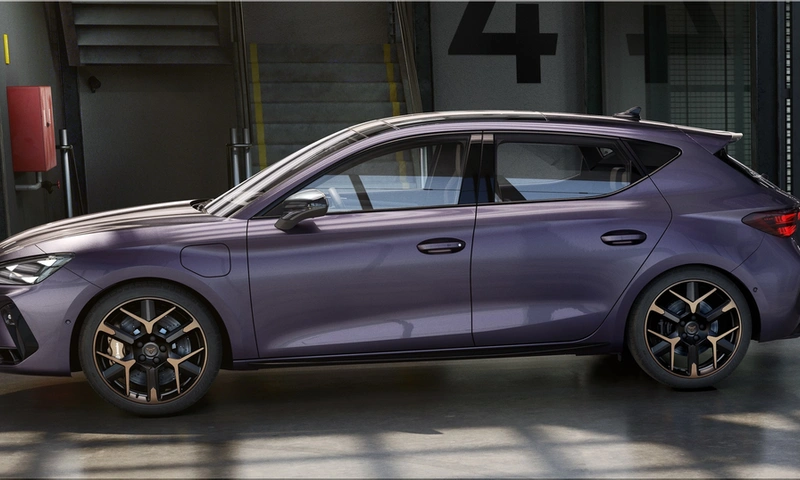
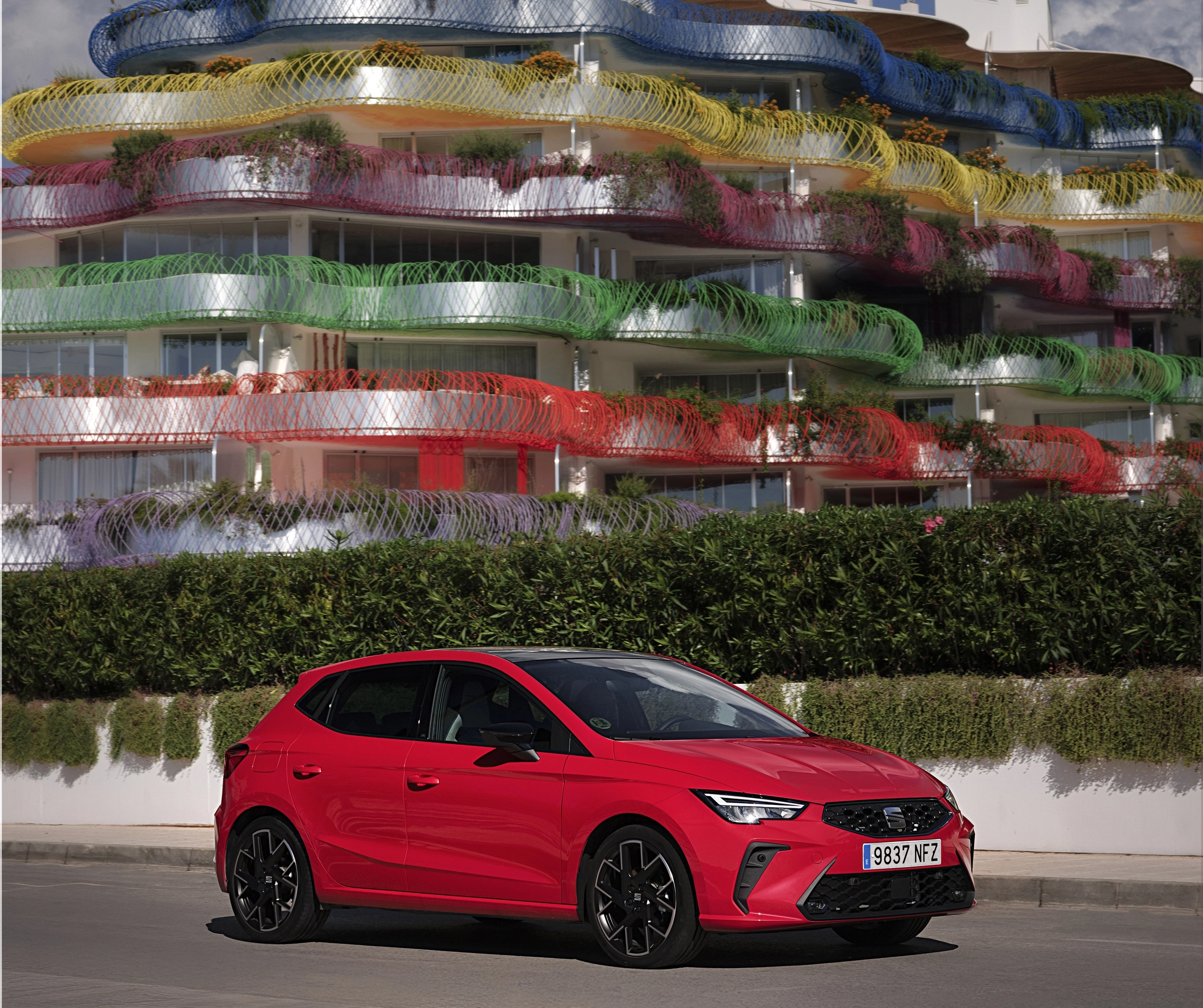
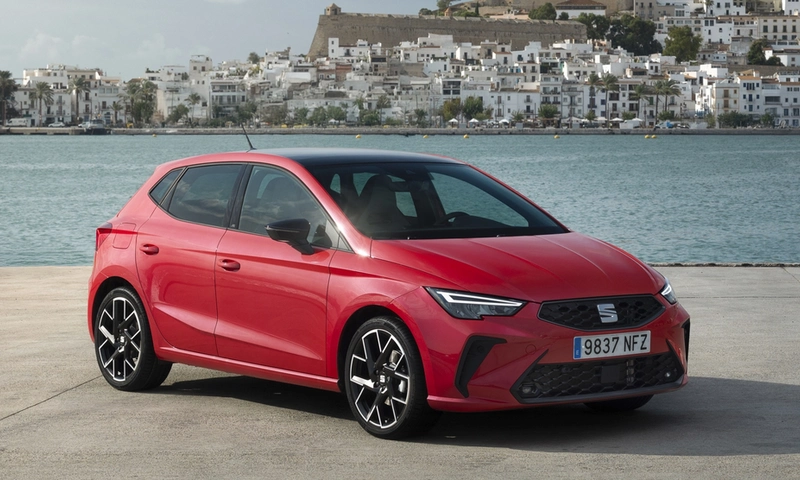
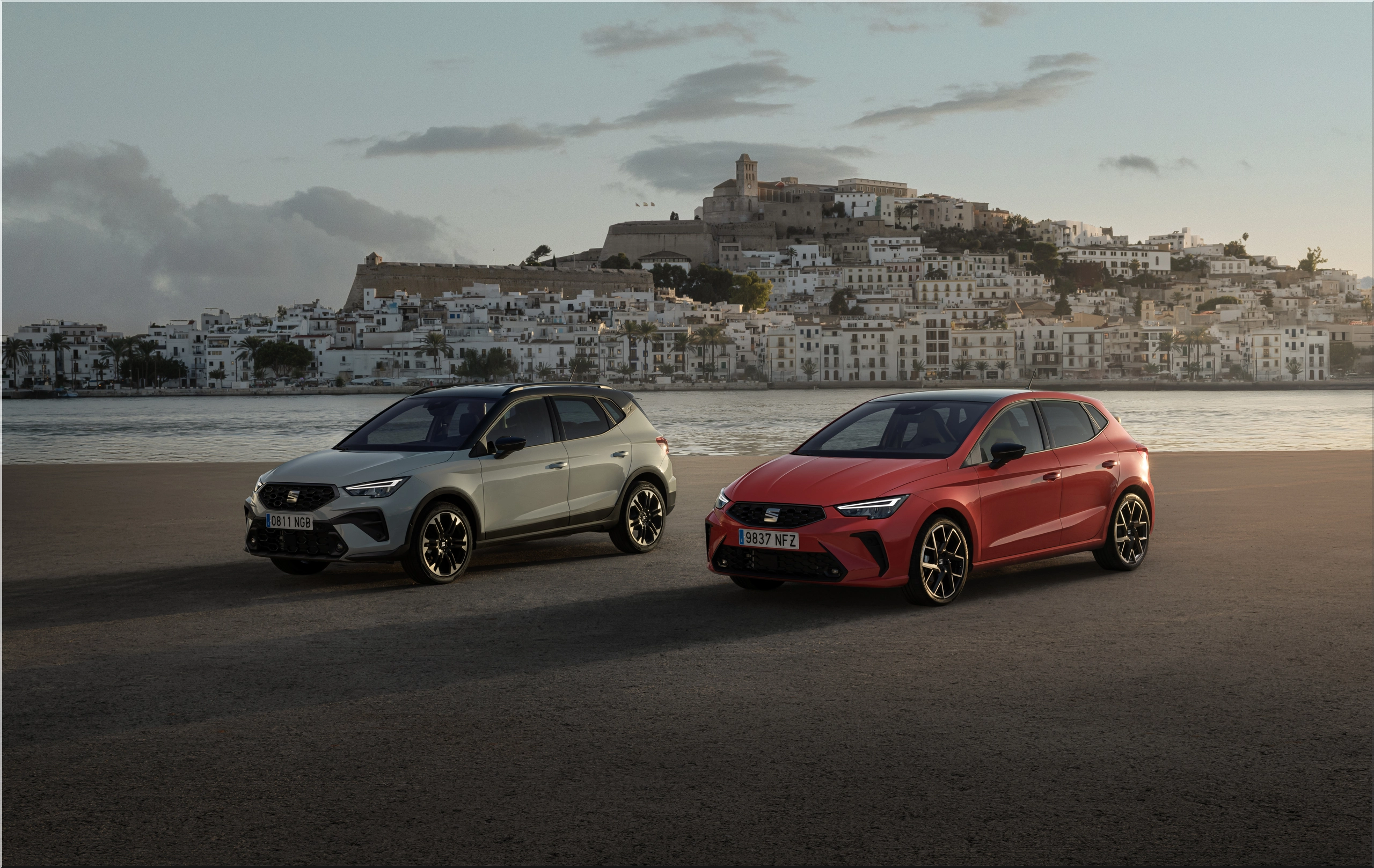
Two models still anchor the brand:
SEAT used 2025 to reset its lineup. The brand revealed new versions of both models and outlined its future roadmap.
SEAT now plays a different role inside the group. It supports scale, production stability, and accessible pricing while CUPRA drives margin and growth.
Image
Electrified Sales Surge Changes the Business Mix
Electrification grew faster than total volume. That matters more than raw sales numbers.
Plug-in hybrid sales jumped 69.2 percent. Battery-electric sales rose 65.9 percent.
Those rates beat the broader European market by a wide margin.
Several factors drive this shift:
- Expanded BEV availability across CUPRA models
- Strong demand for compact performance EVs
- Improved charging infrastructure in core markets
- Tighter emissions rules across the EU
The result changes fleet averages and margin structure. Higher electrified mix reduces regulatory exposure while keeping transaction prices higher.
Production Holds Steady During Factory Disruption
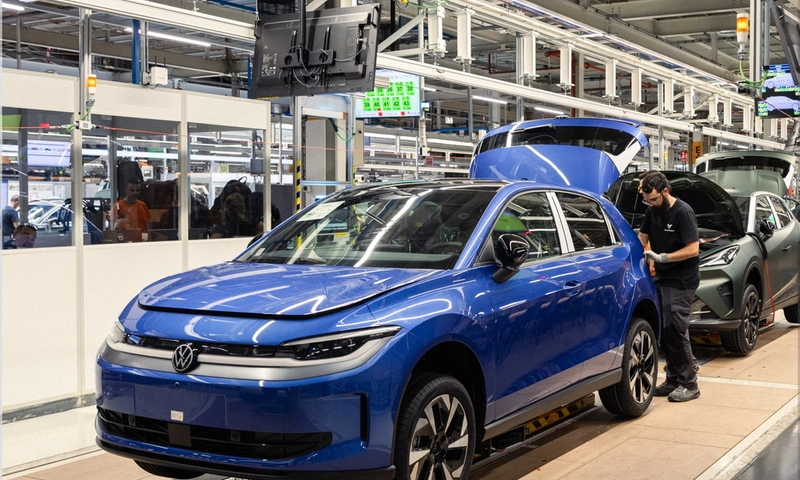
SEAT and CUPRA produced 584,693 vehicles globally in 2025. That output held steady despite a temporary shutdown of Martorell Line 1.
470,347 vehicles rolled out of Martorell, including production for other group brands.
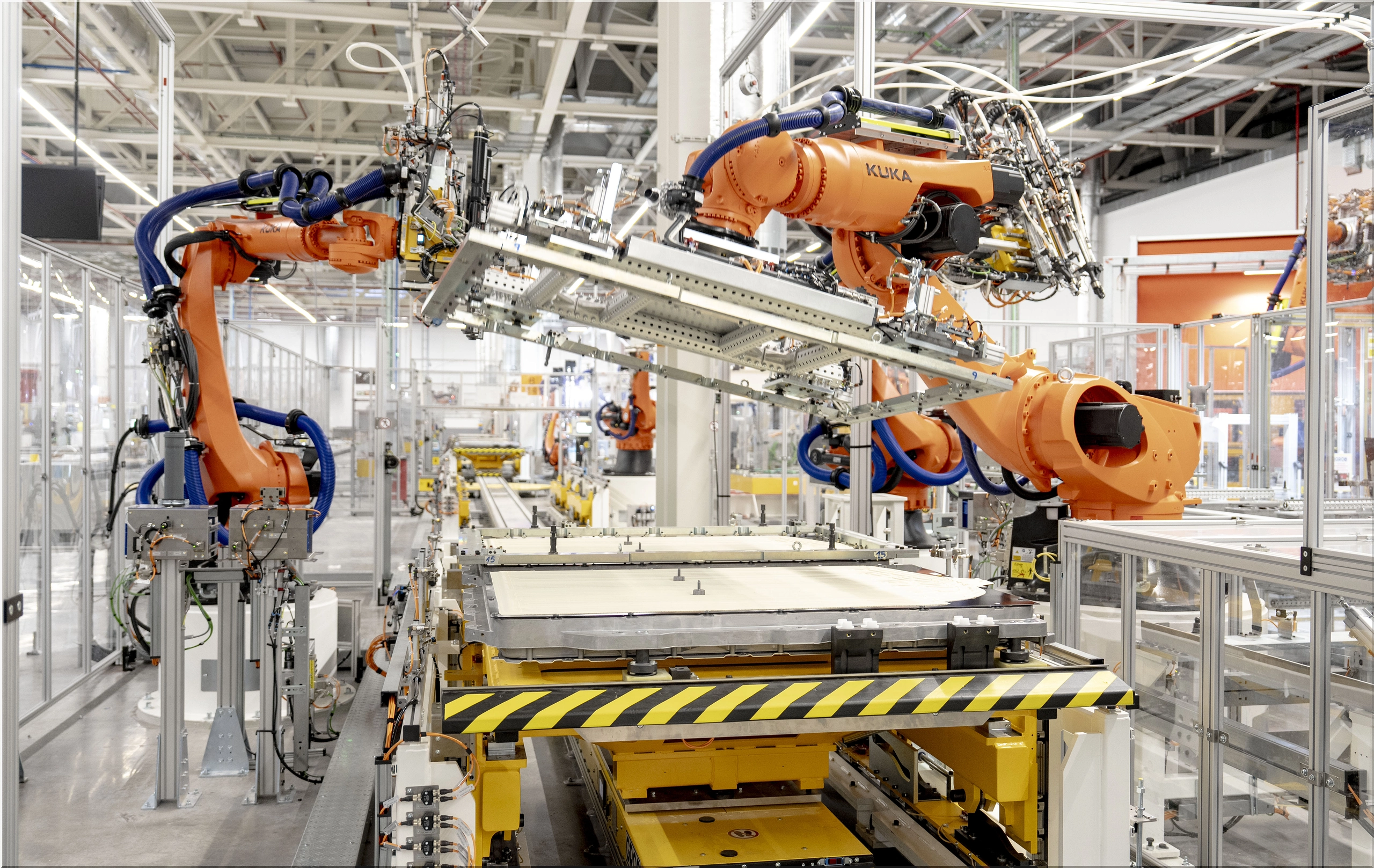
The company also opened a new battery system assembly plant in Spain. That facility supports local EV production and shortens supply chains.
Spain now positions itself as a core EV manufacturing hub inside the Volkswagen Group.
Electric Urban Car Program Starts in 2026
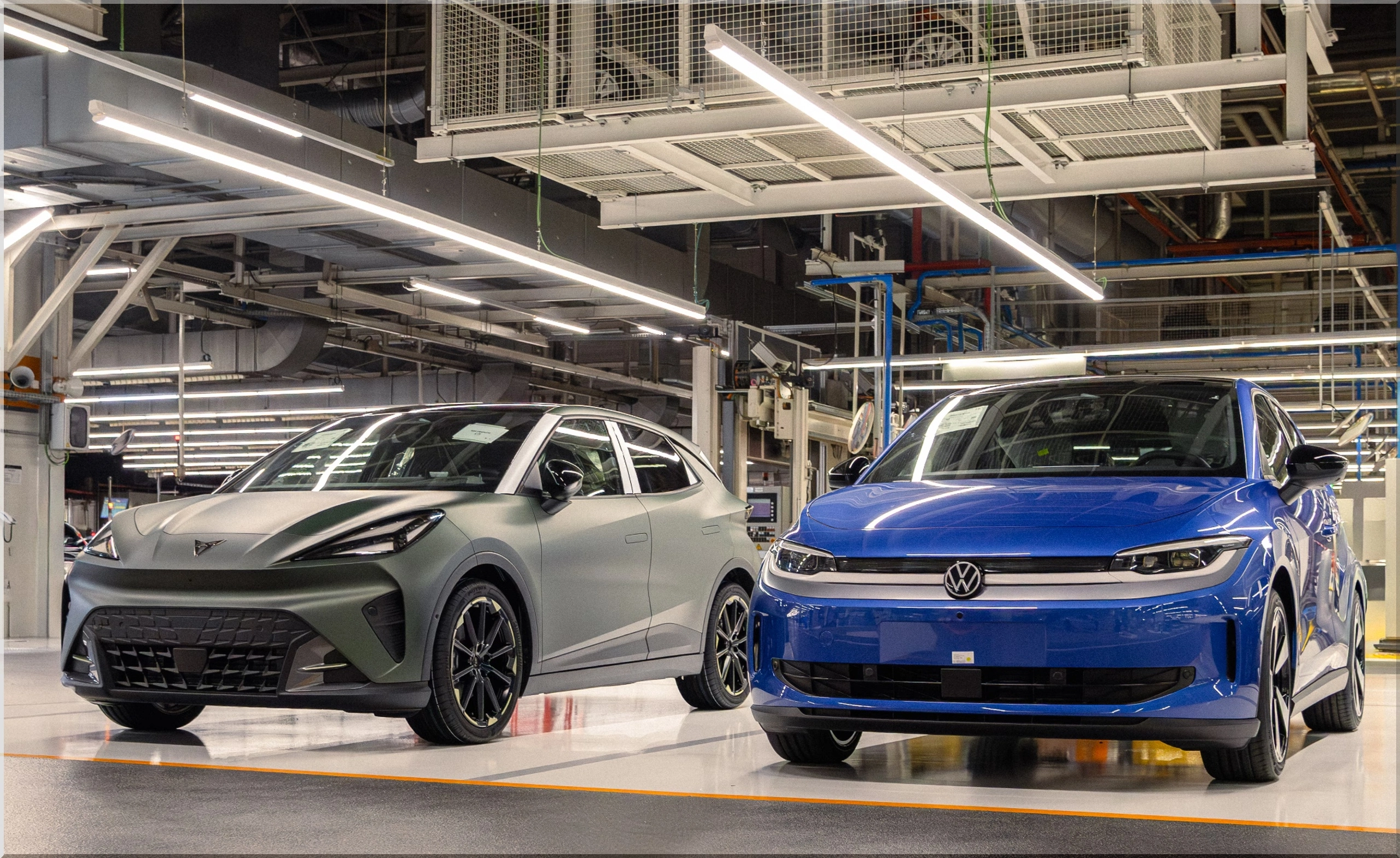
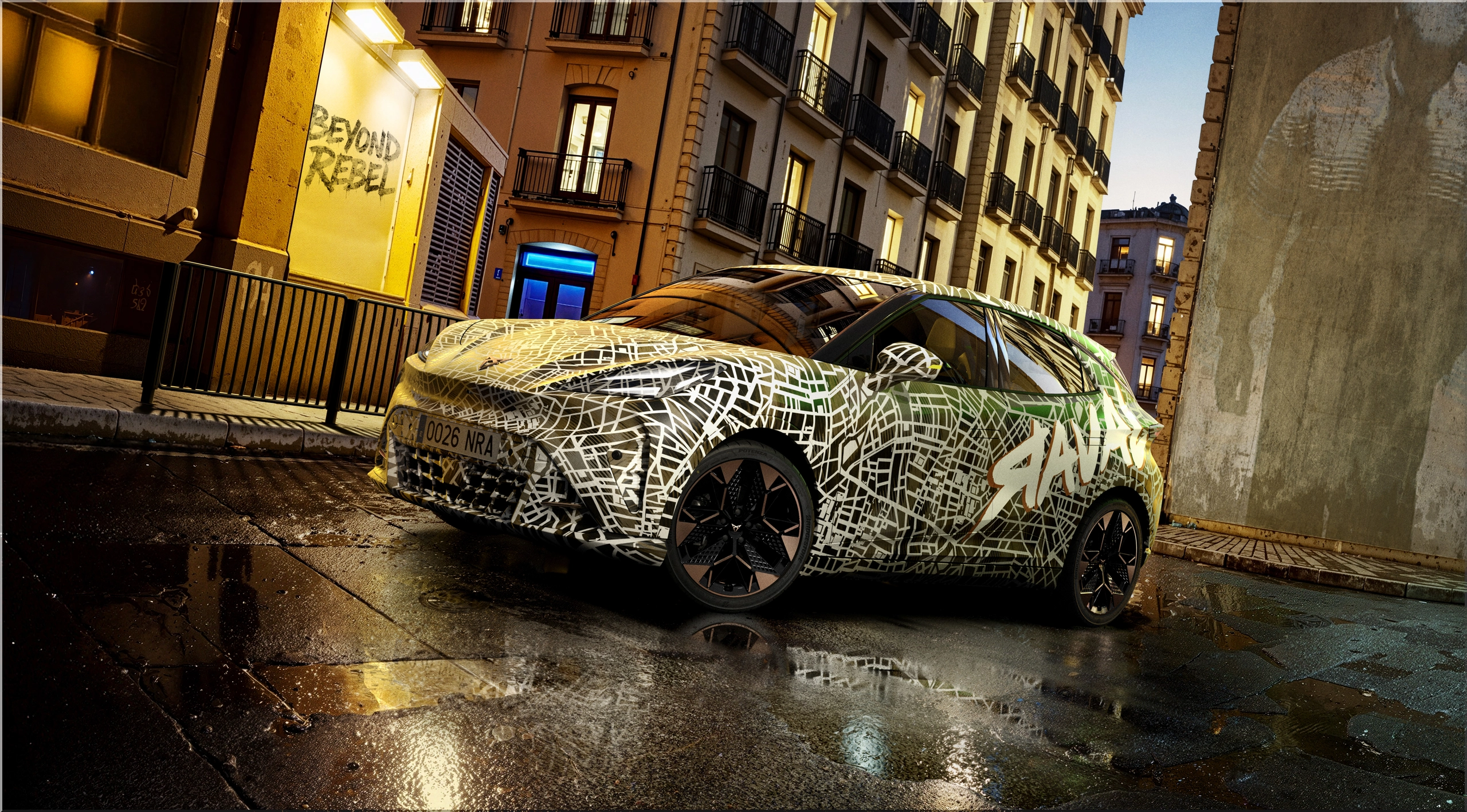
Production of the Electric Urban Car family begins in Martorell in 2026. This program includes the CUPRA Raval and related models.
The investment behind this shift totals about $10.8 billion USD, converted from earlier euro figures.
This program changes several things at once:
- It anchors EV production in Spain
- It reduces dependence on imported battery systems
- It supports smaller, lower-cost electric vehicles
- It strengthens CUPRA's entry-level EV pipeline
Few European brands control design, engineering, and manufacturing at this scale in one country.
Awards and Brand Signals Reinforce Momentum
CUPRA collected multiple industry awards in 2025. The Terramar won the Golden Steering Wheel. Several models earned five-star Euro NCAP ratings.
The brand also expanded its CUPRA City Garage retail concept to 12 global locations.
These signals matter. They reinforce premium perception while keeping sales volume climbing.
What This Means for 2026
The data points to three clear outcomes:
- CUPRA will keep gaining share as its EV lineup expands.
- SEAT will stabilize around refreshed core models.
- Electrification will define margin growth, not just compliance.
Few European automakers exit 2025 with rising volume, rising EV mix, and rising brand equity.
SEAT and CUPRA did.
That combination explains why investors, suppliers, and competitors pay close attention heading into 2026.
- Add new comment
- 448 views