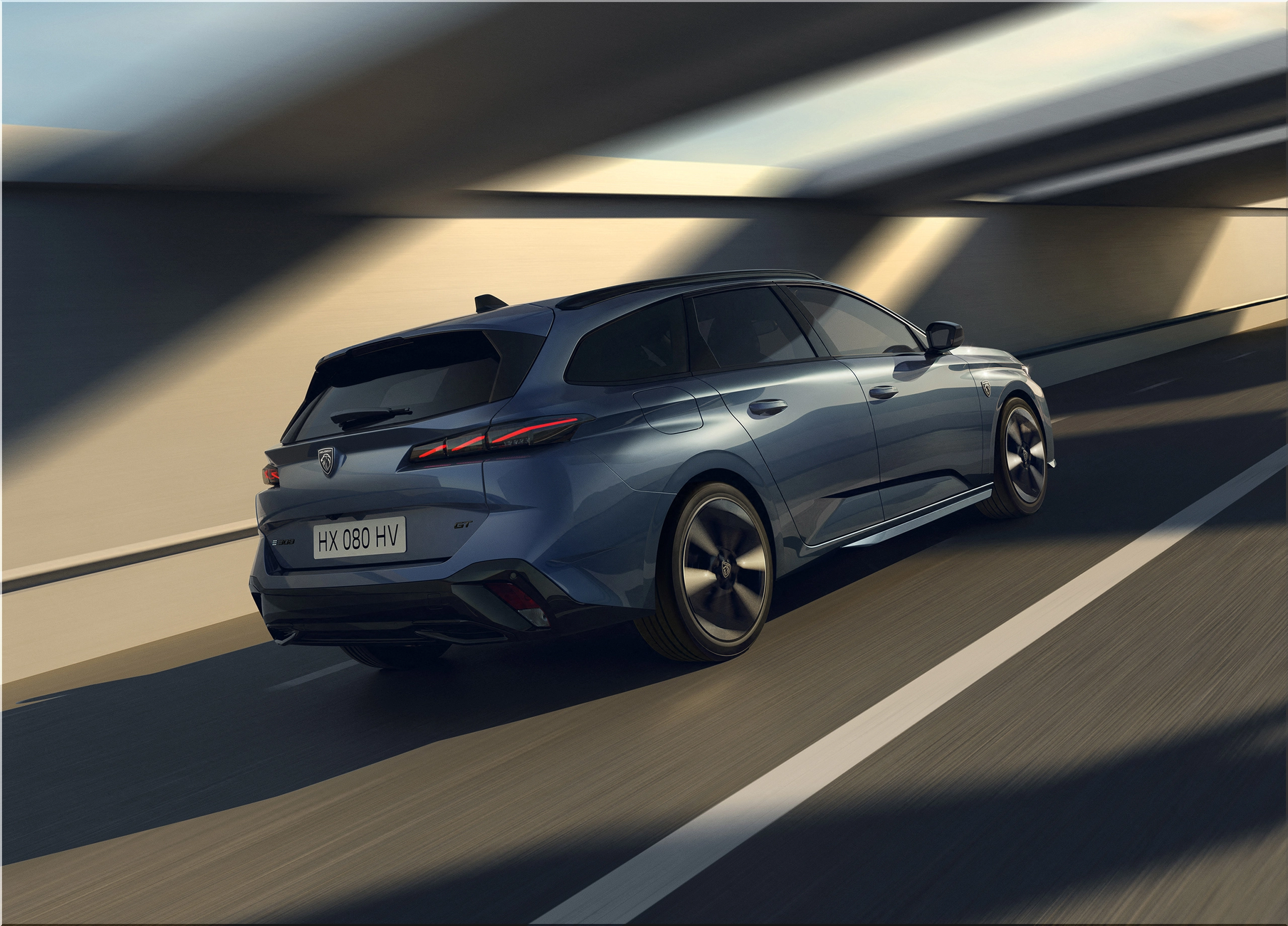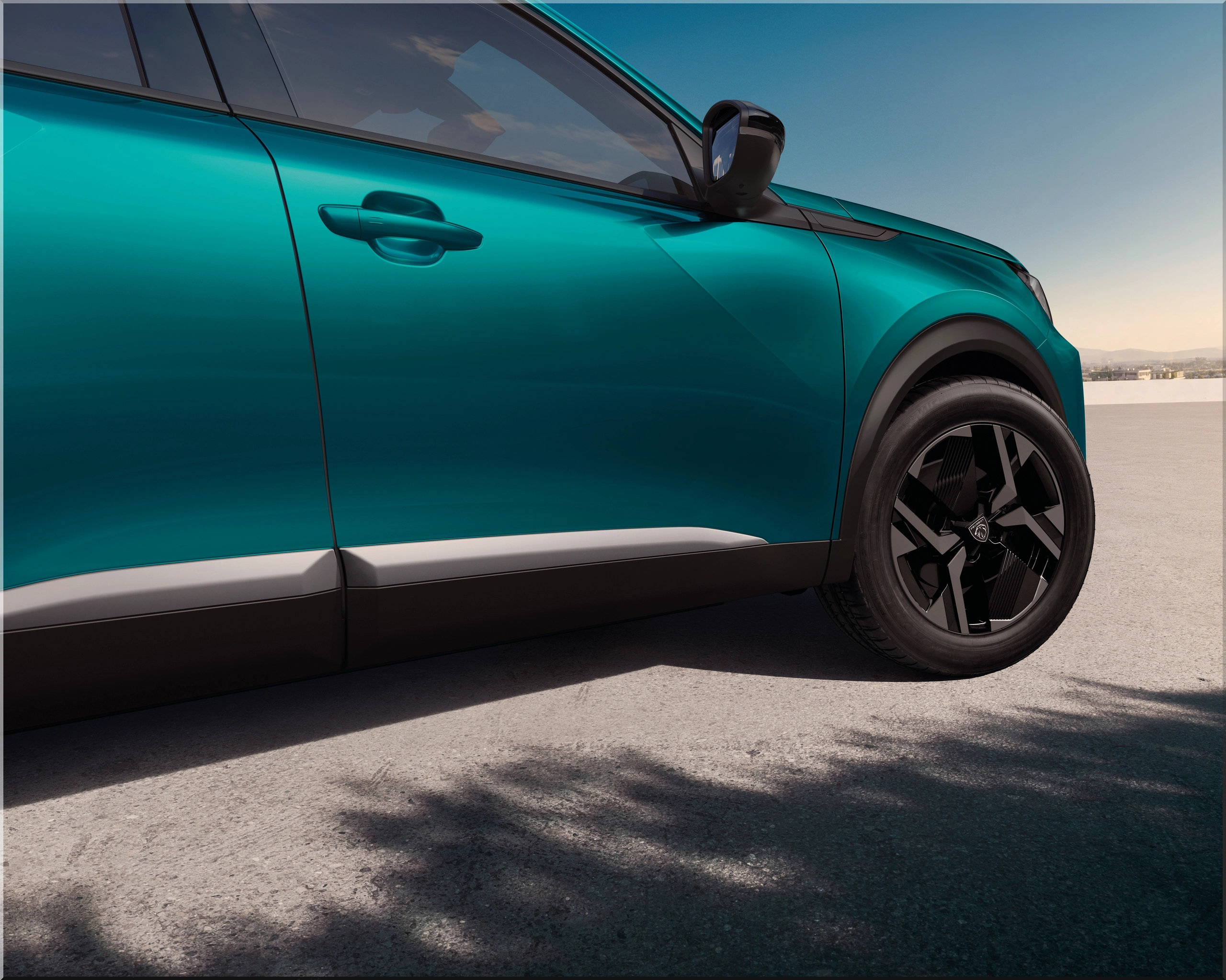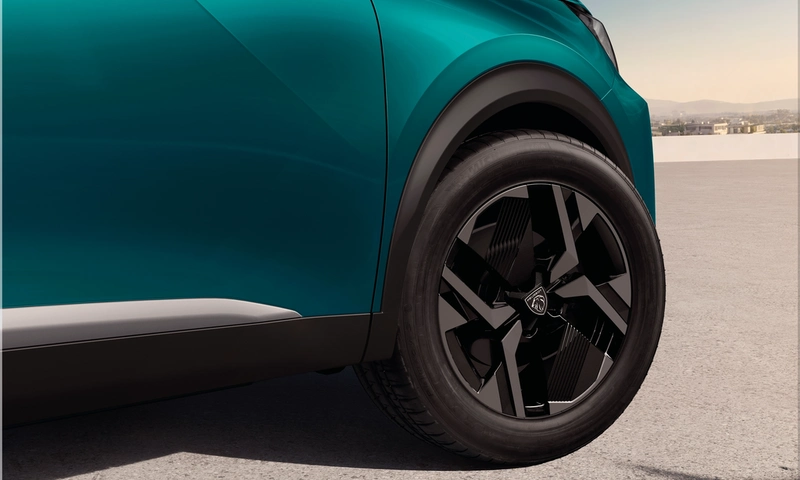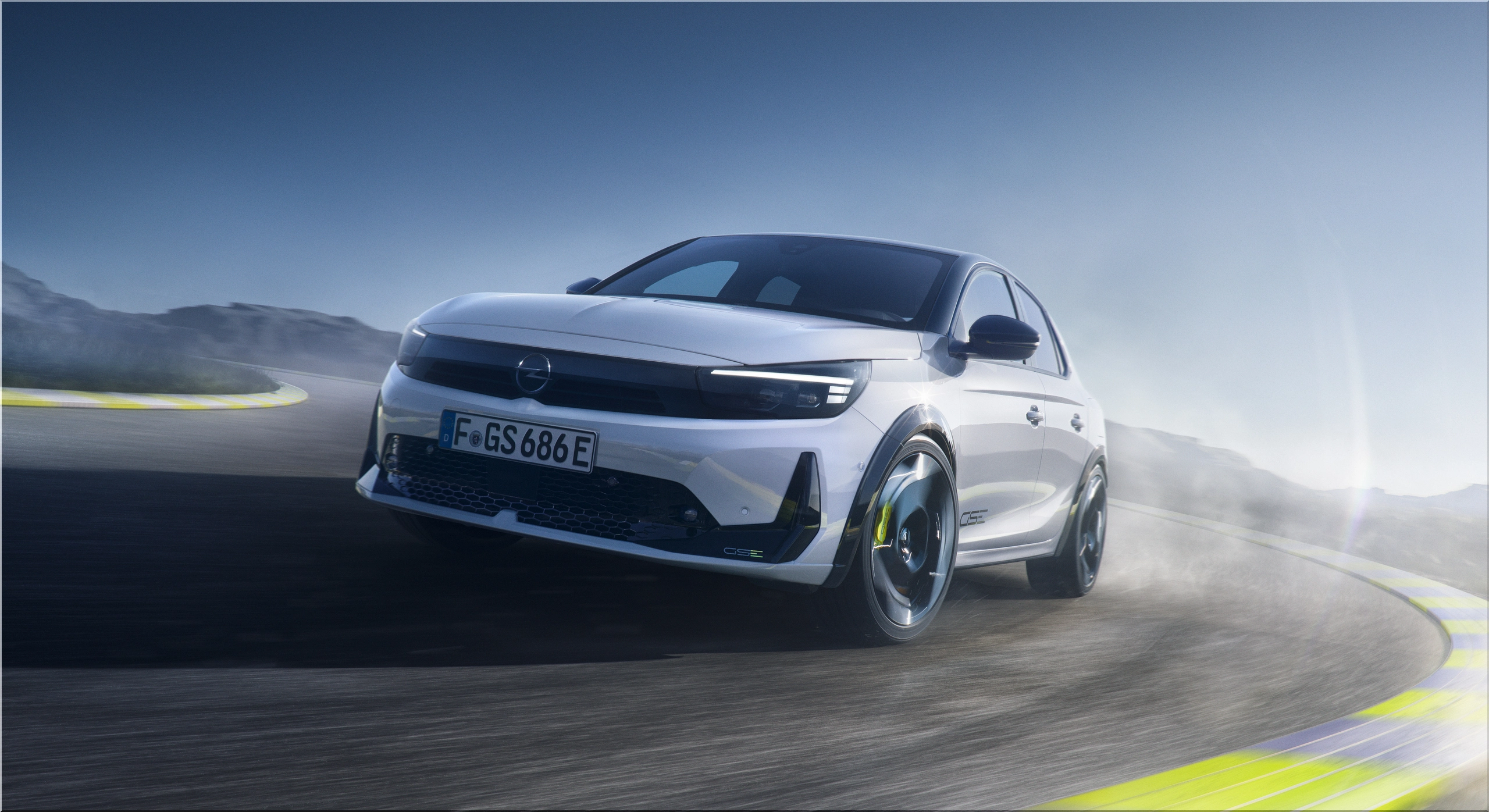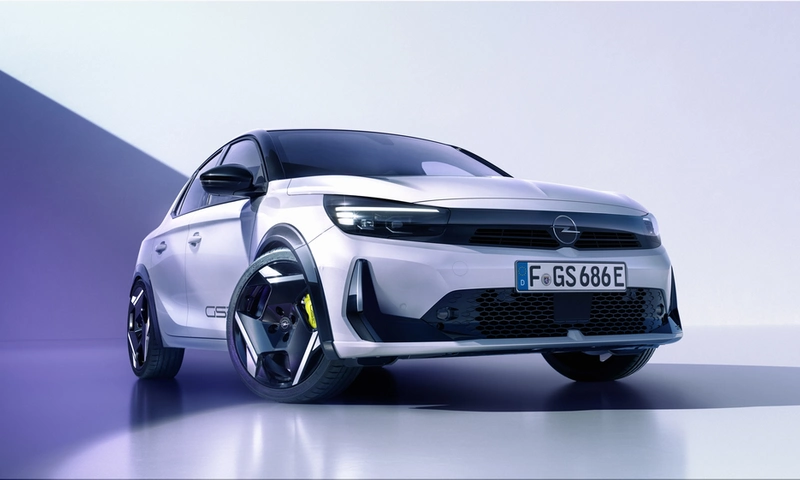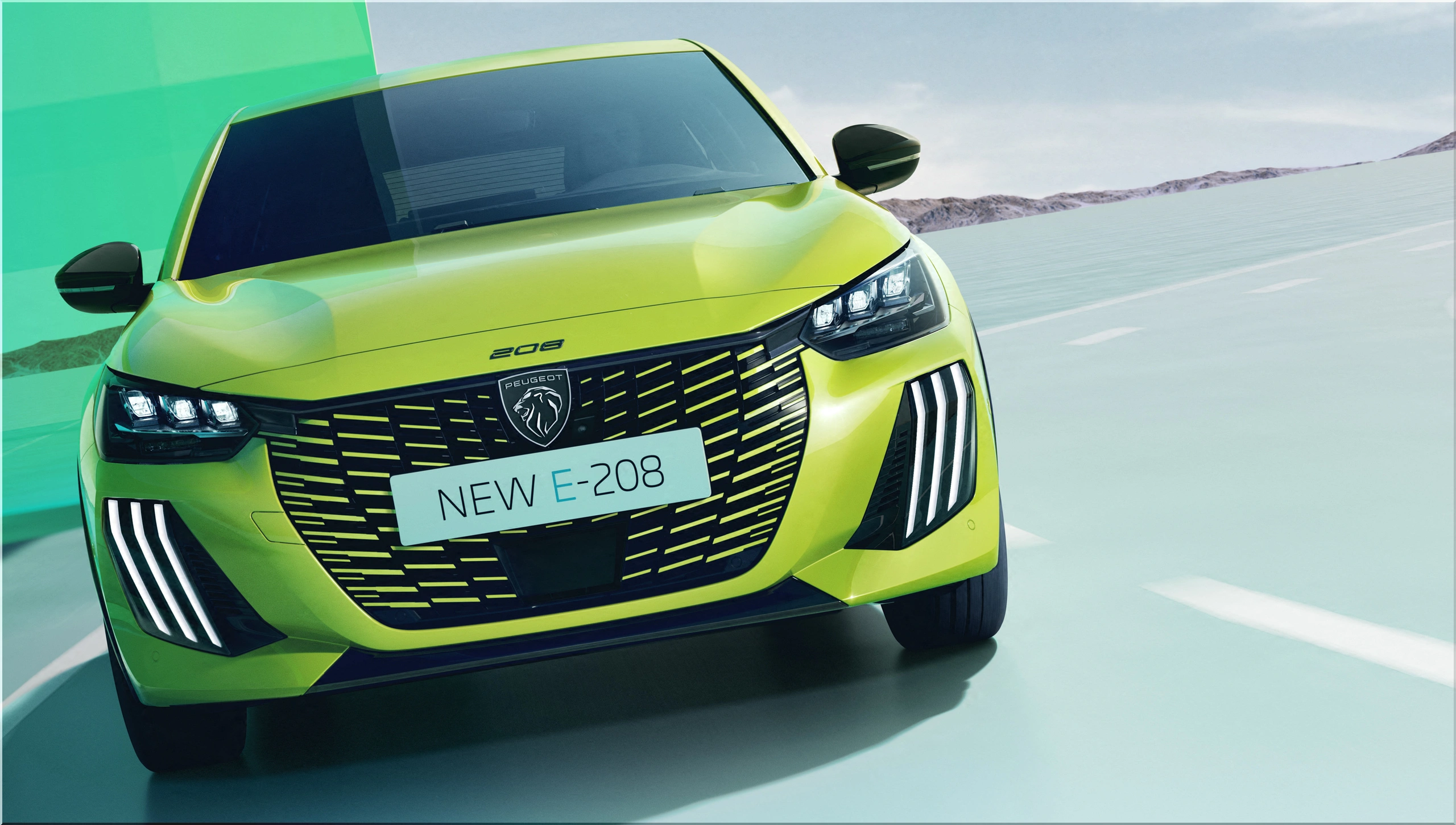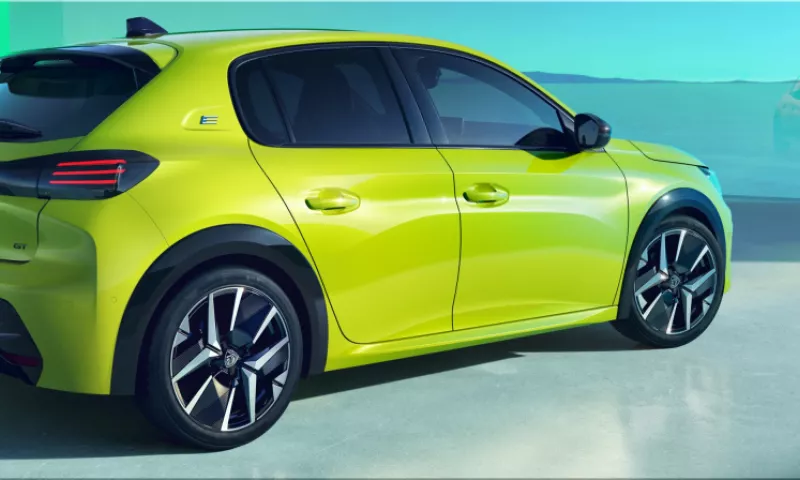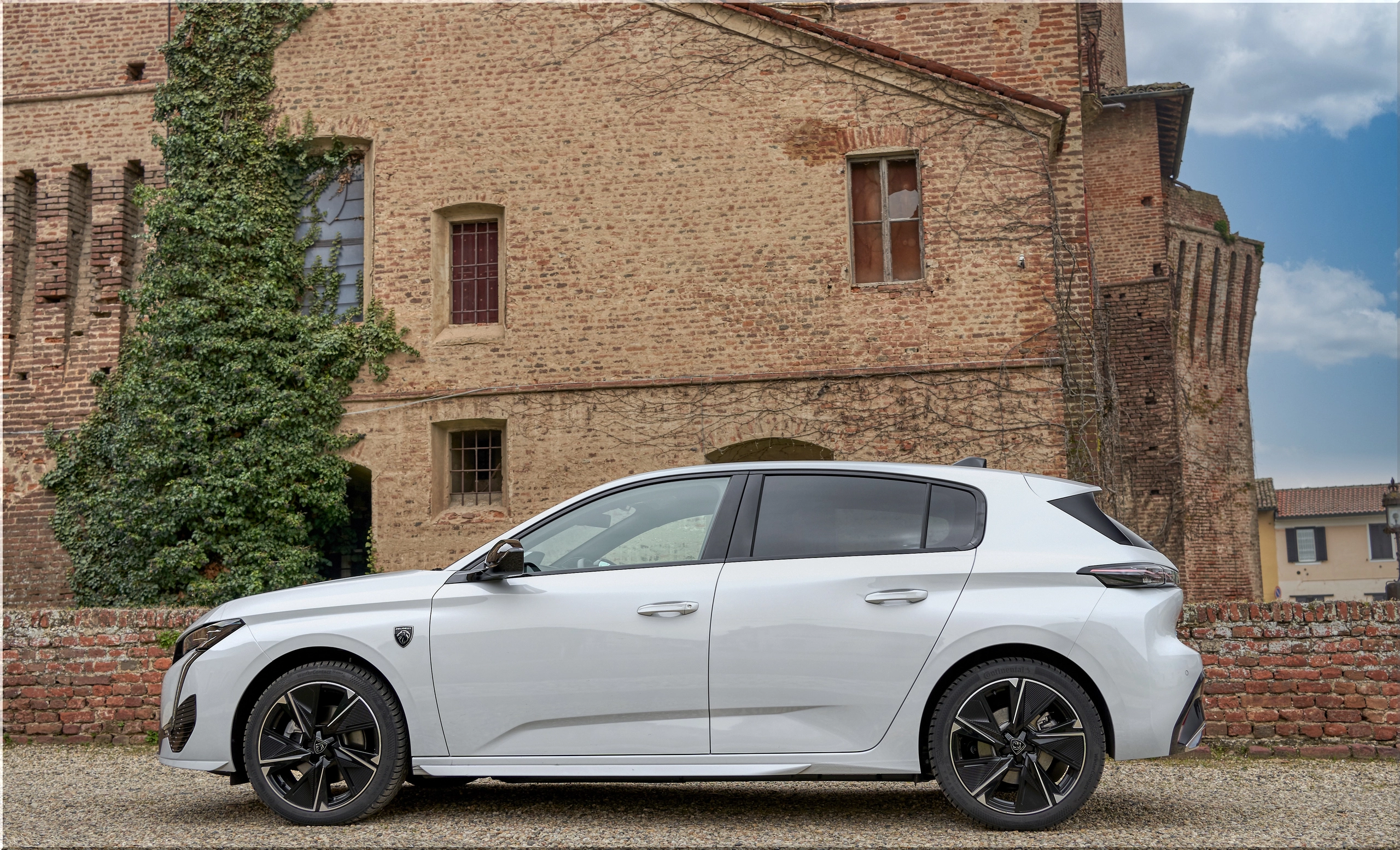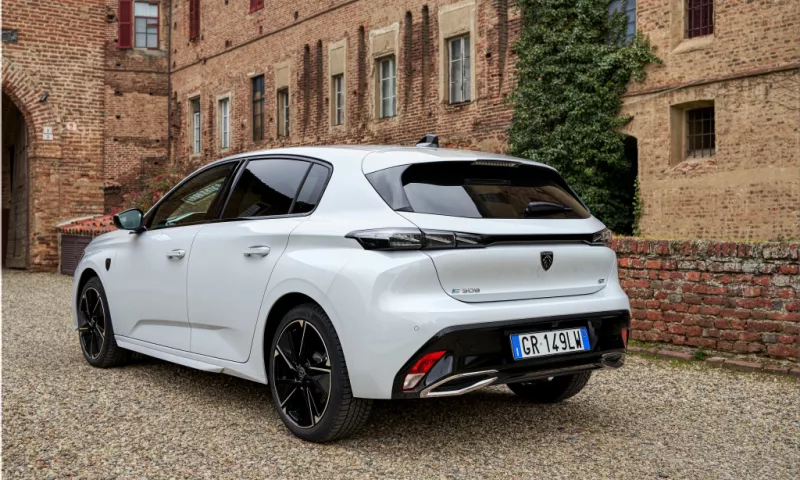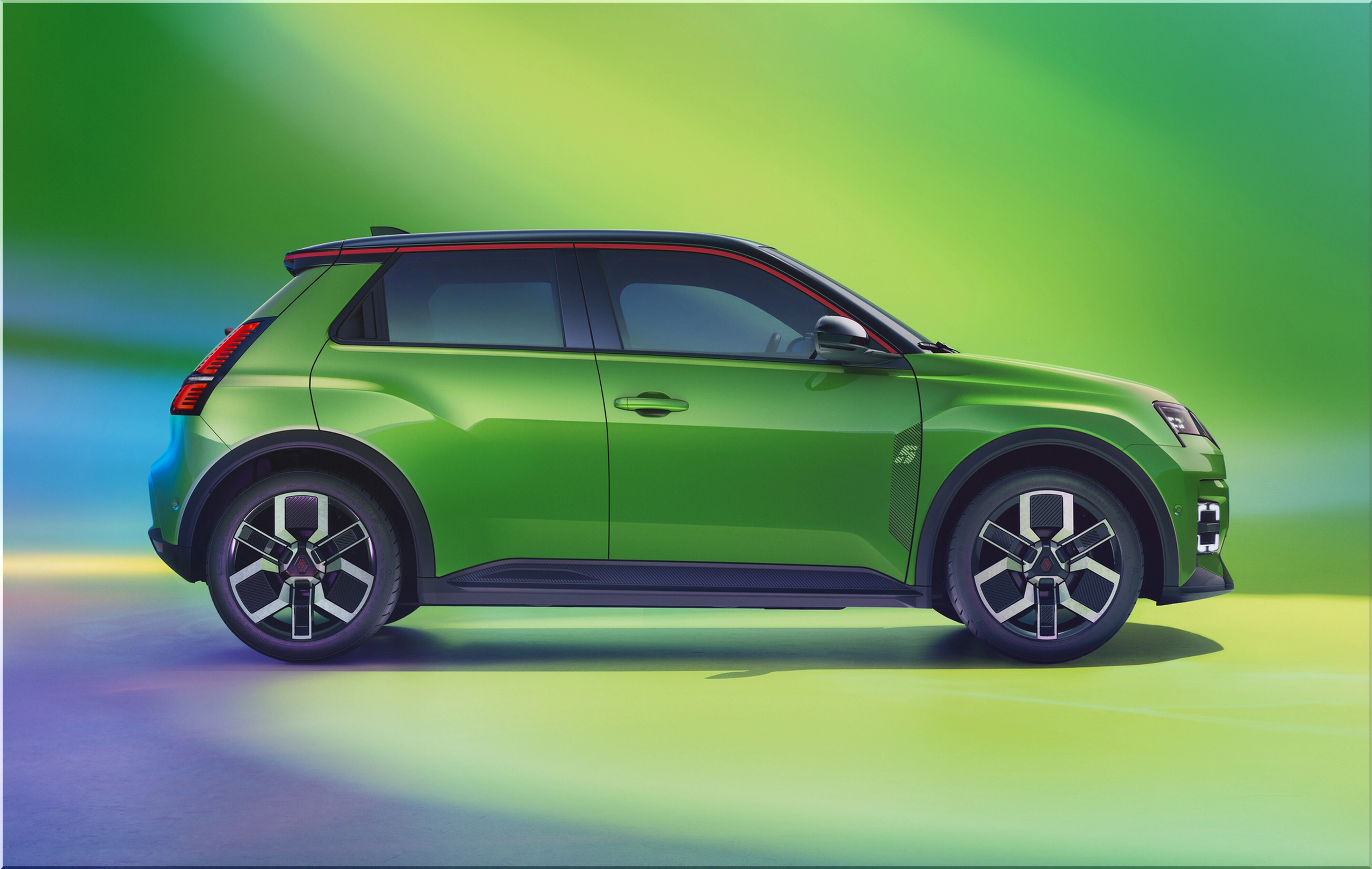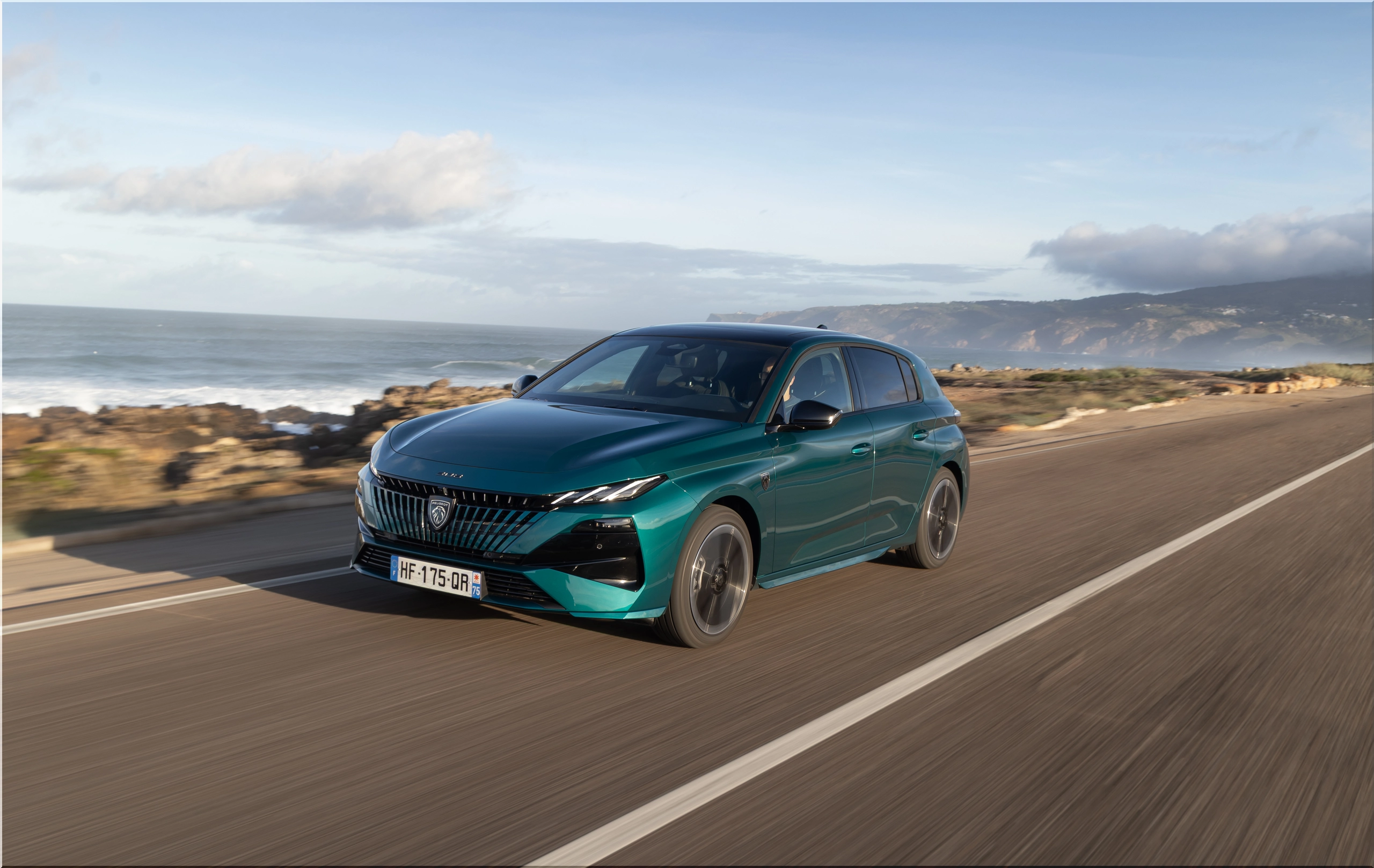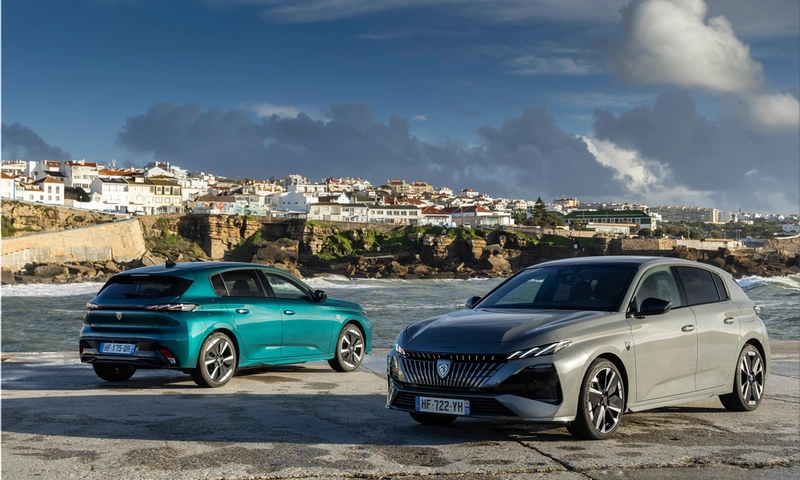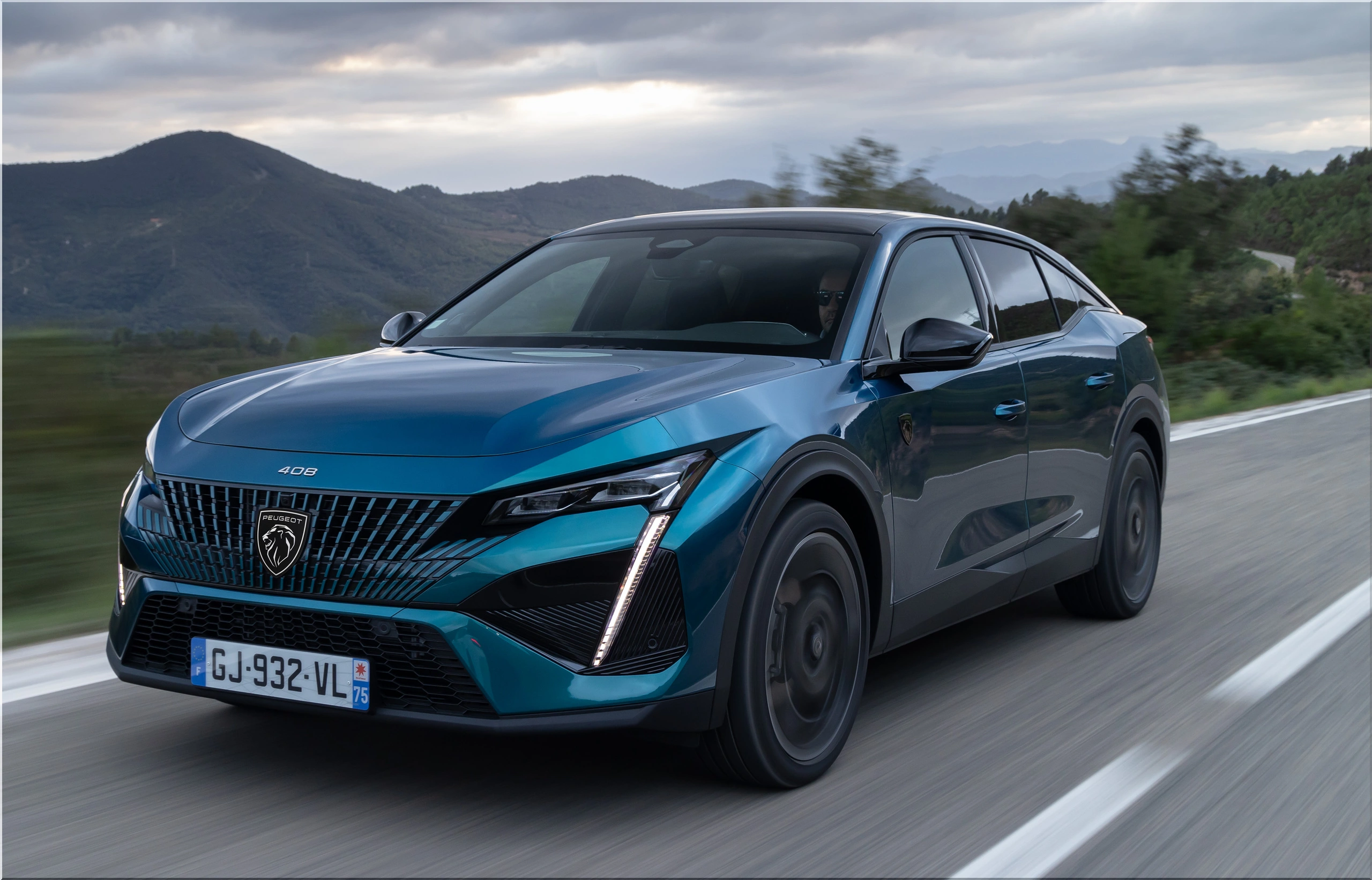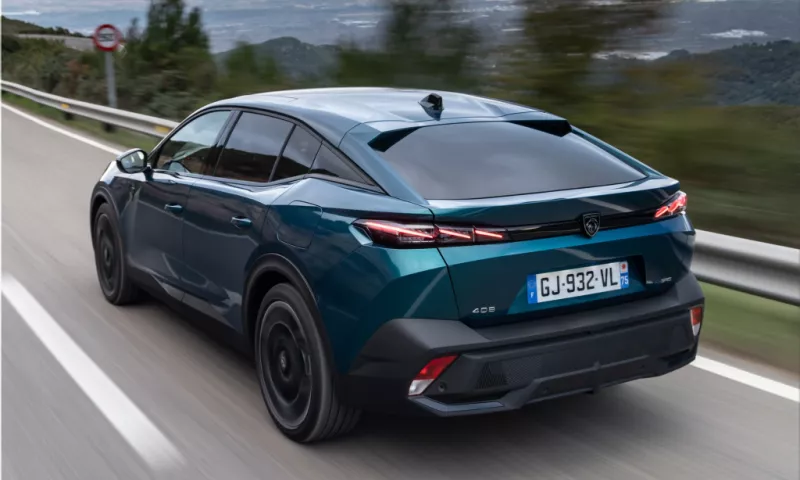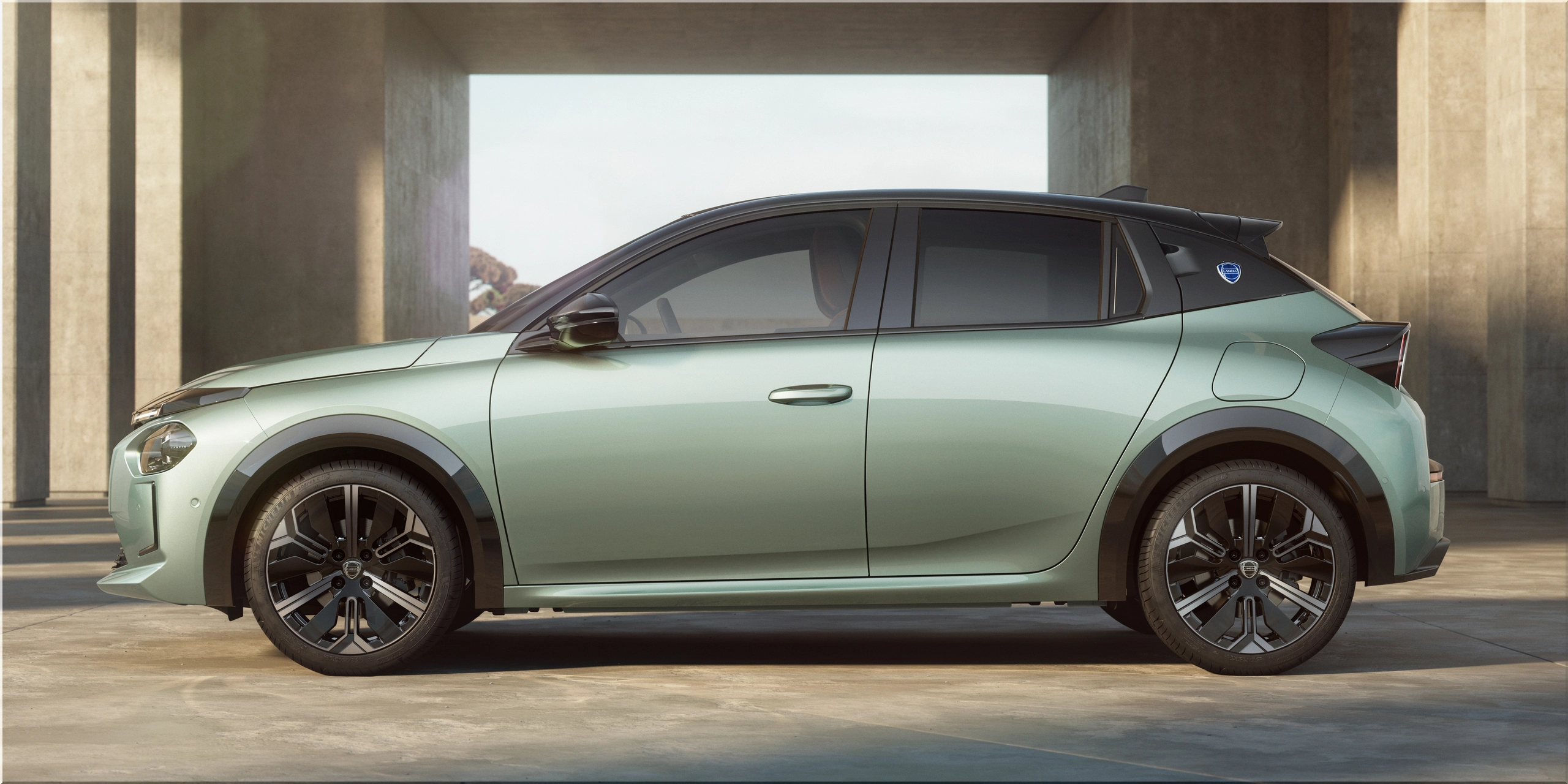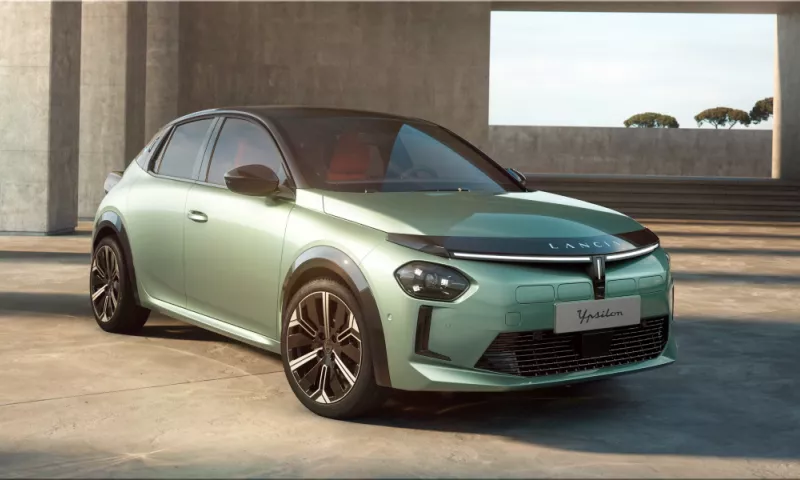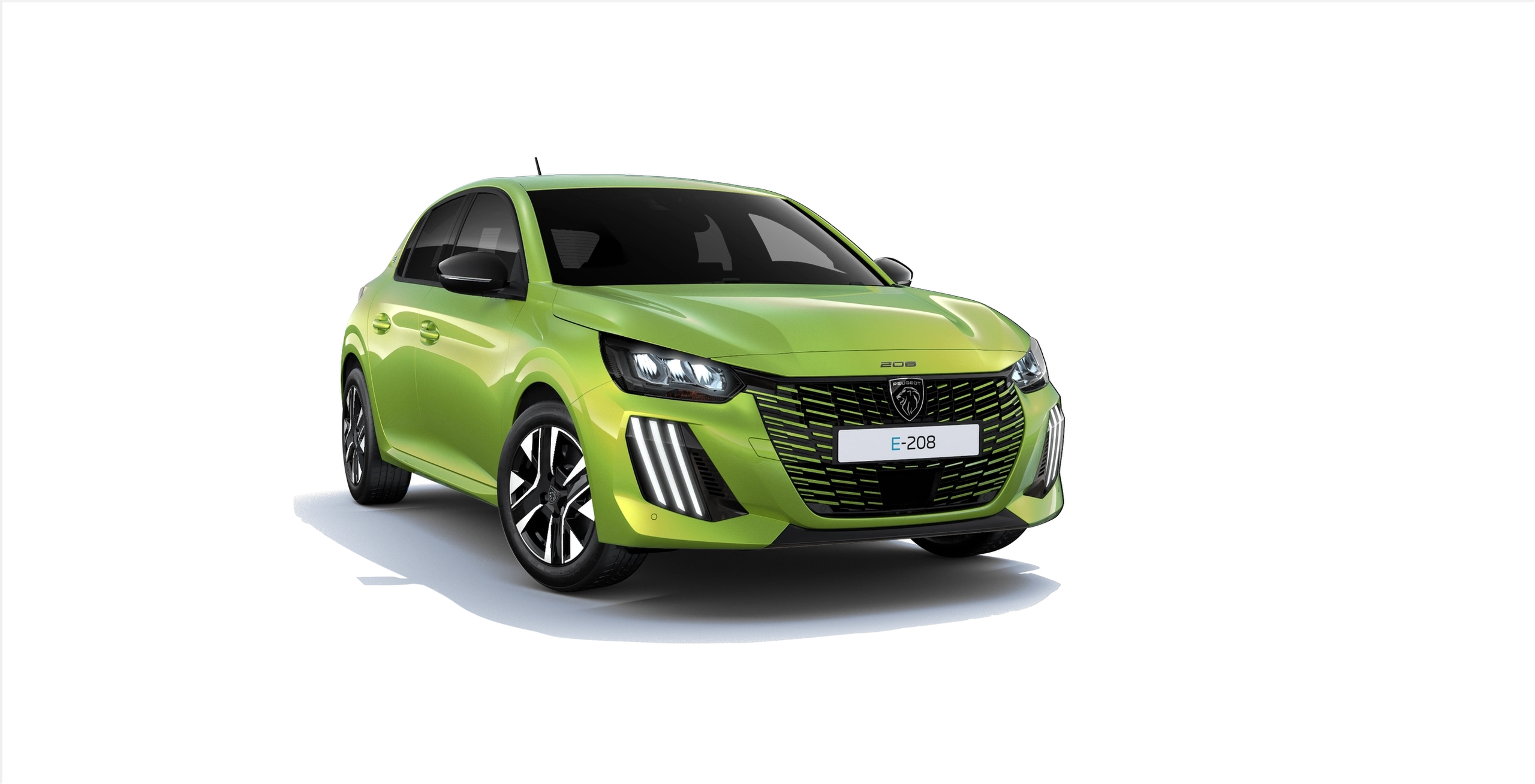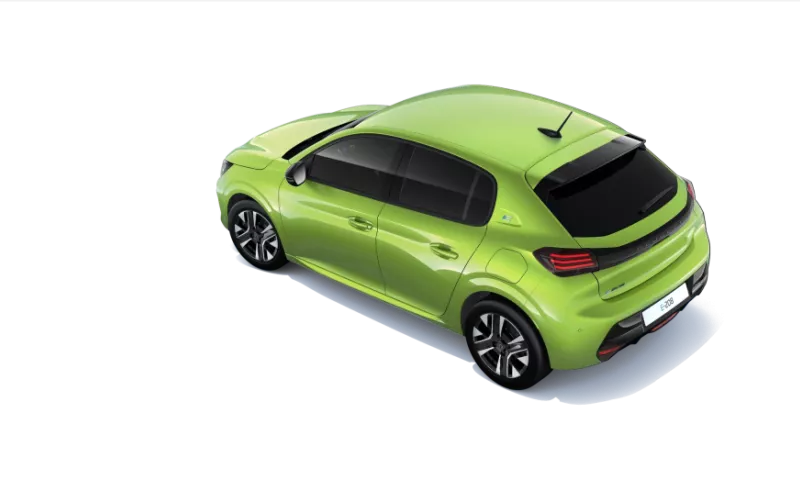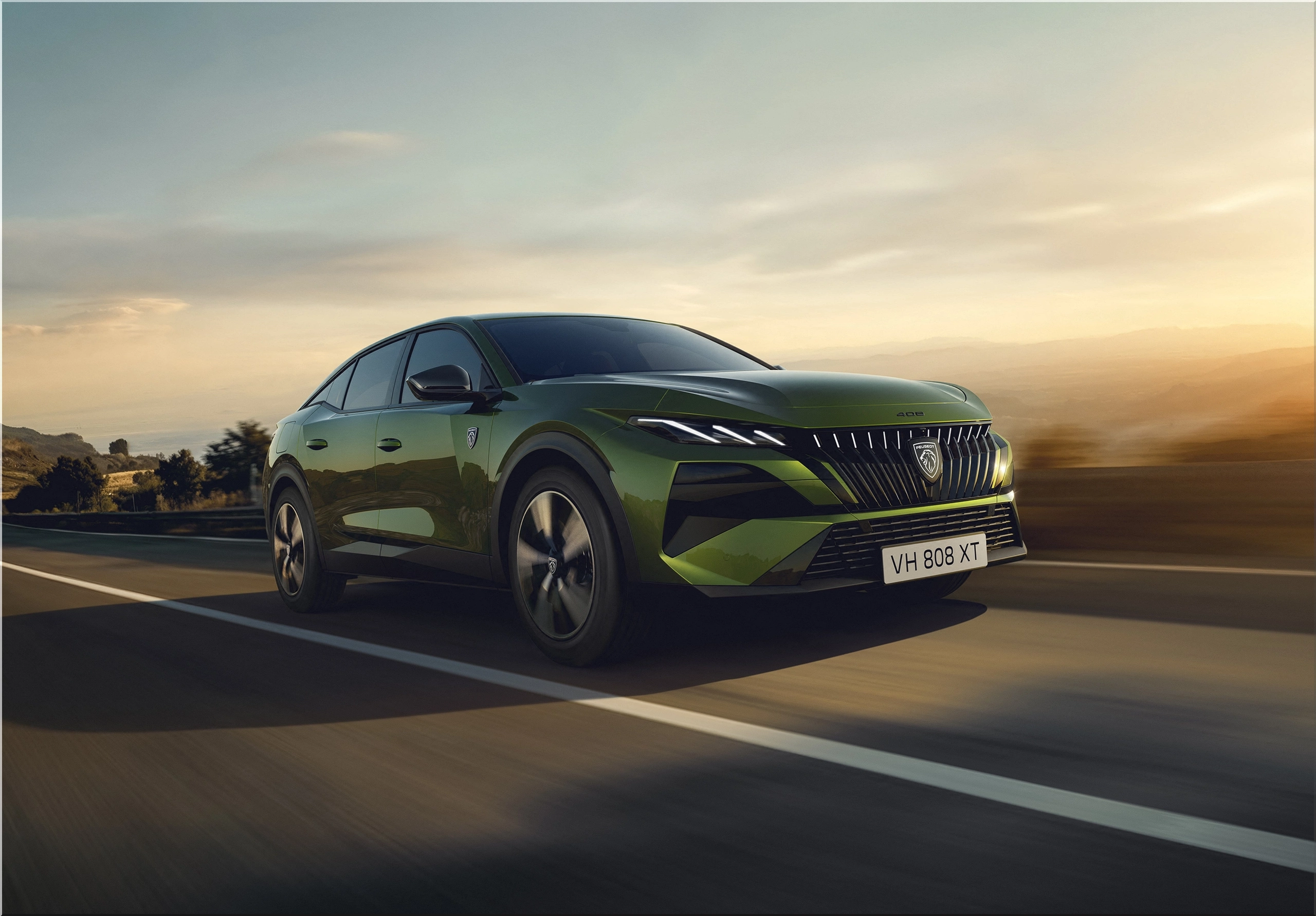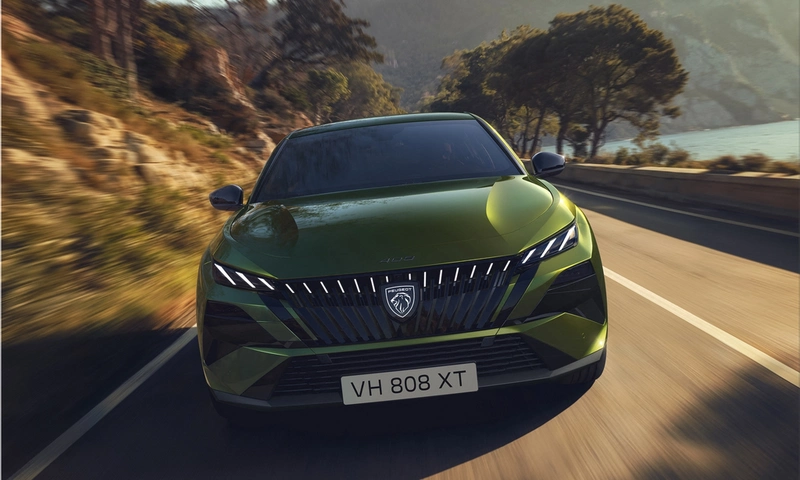
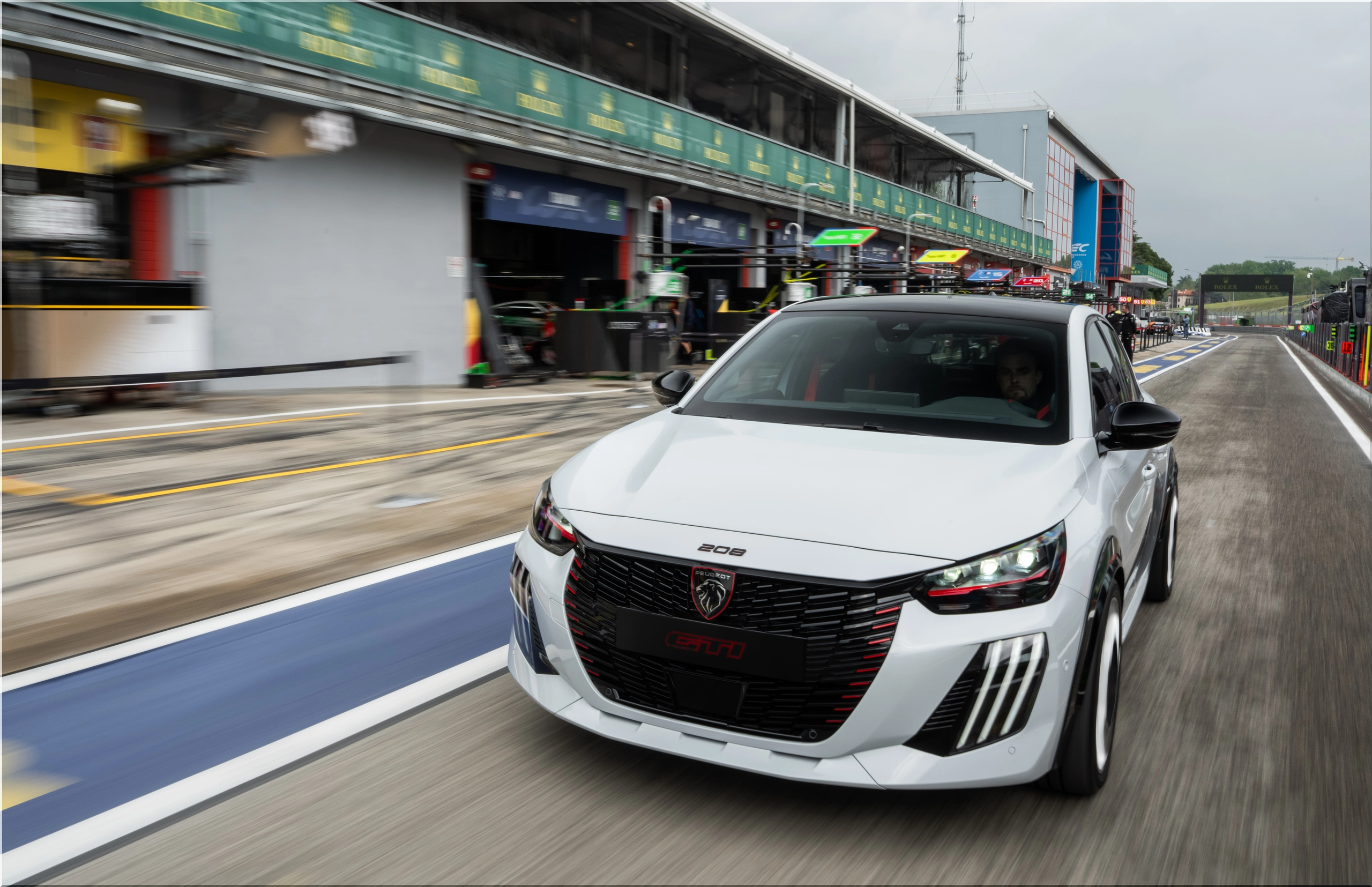
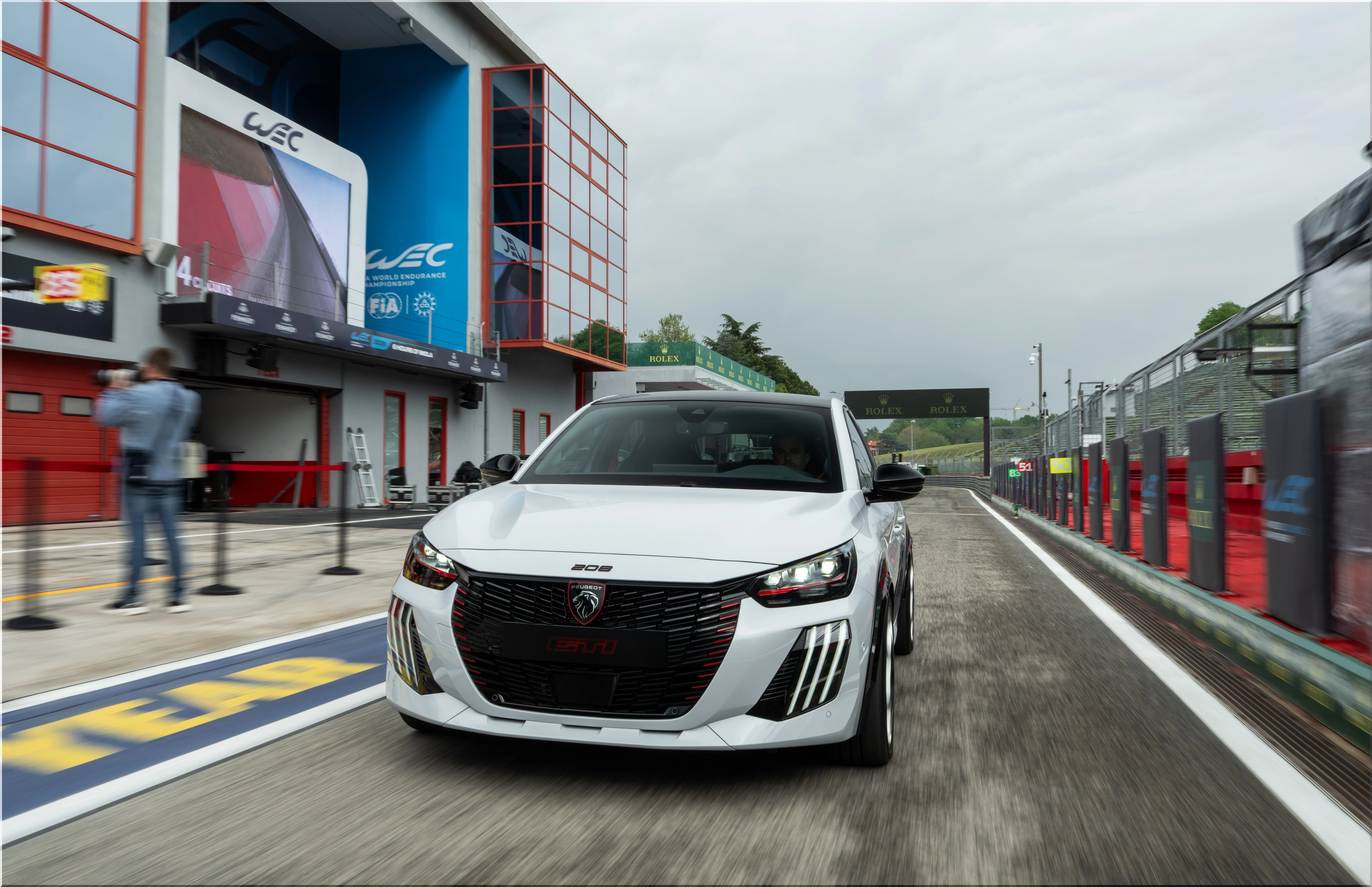
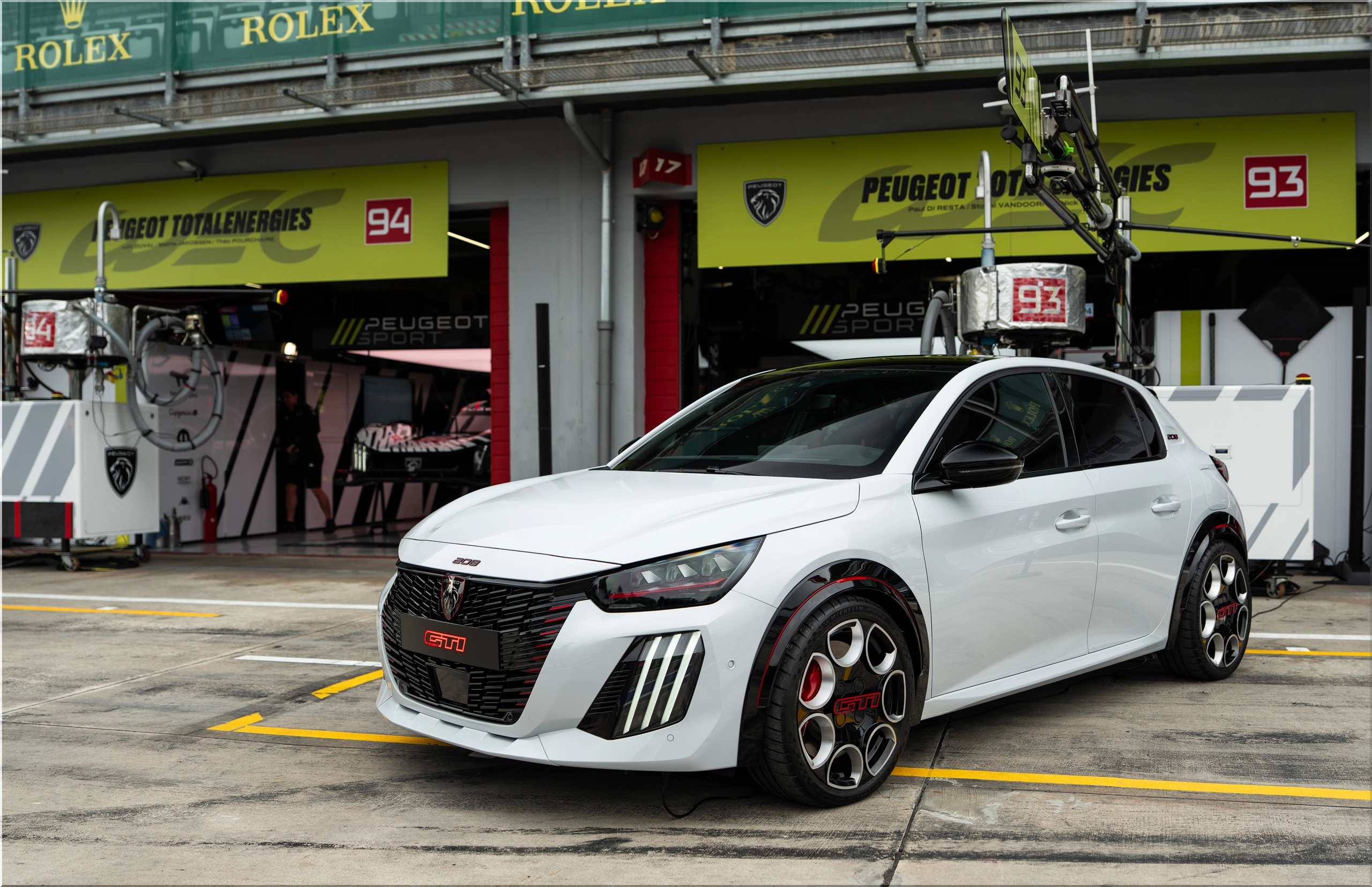
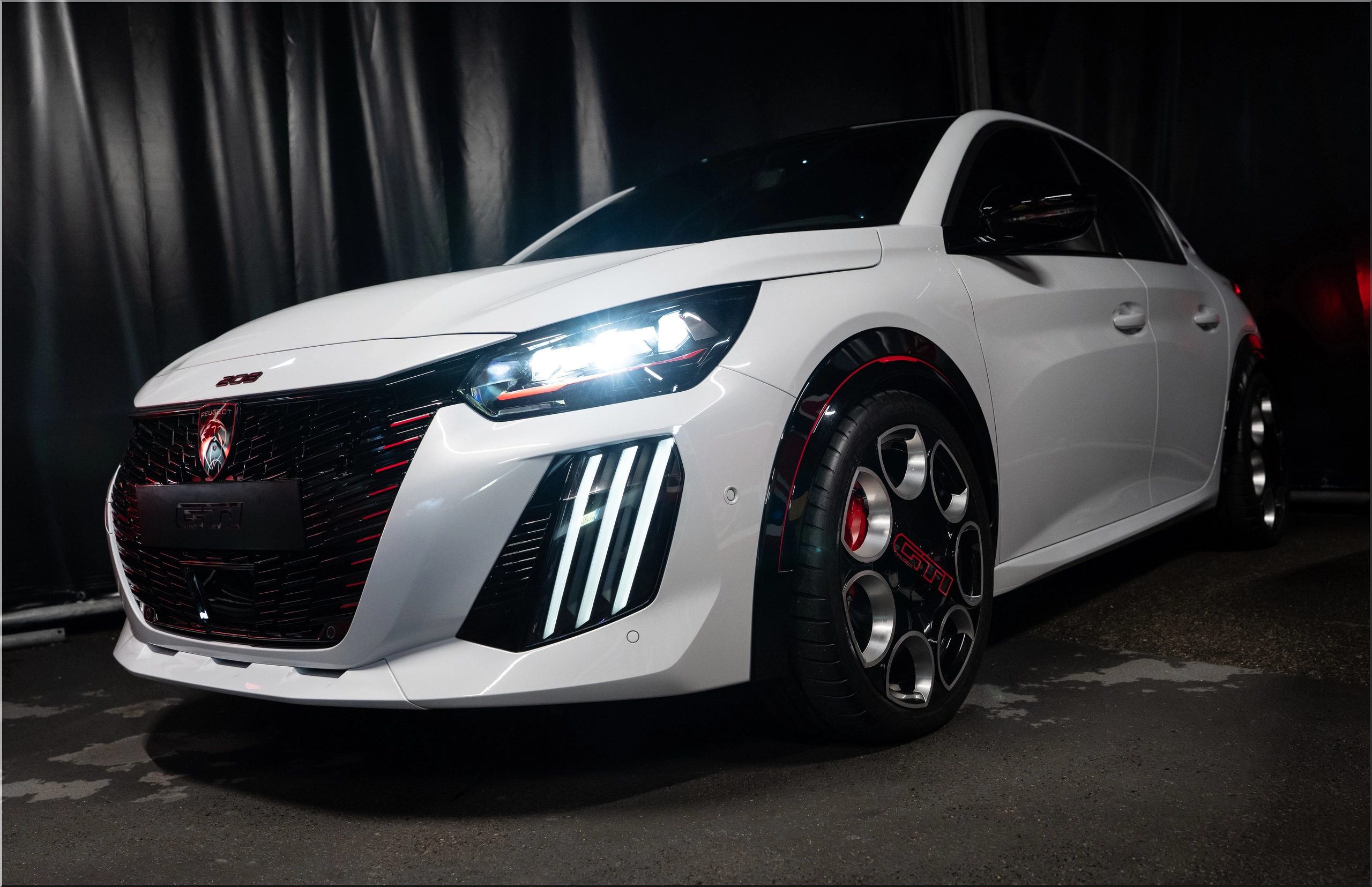
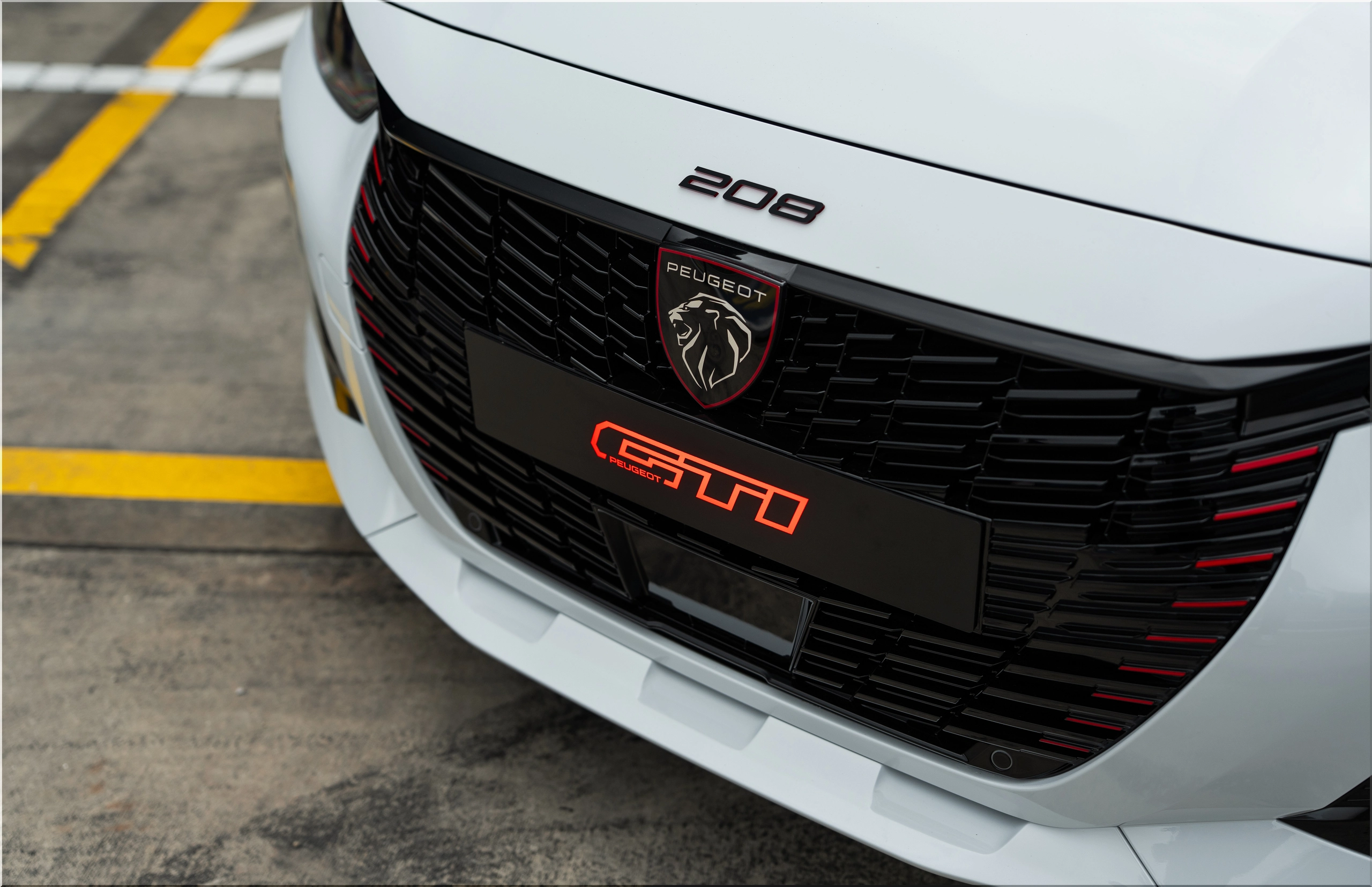
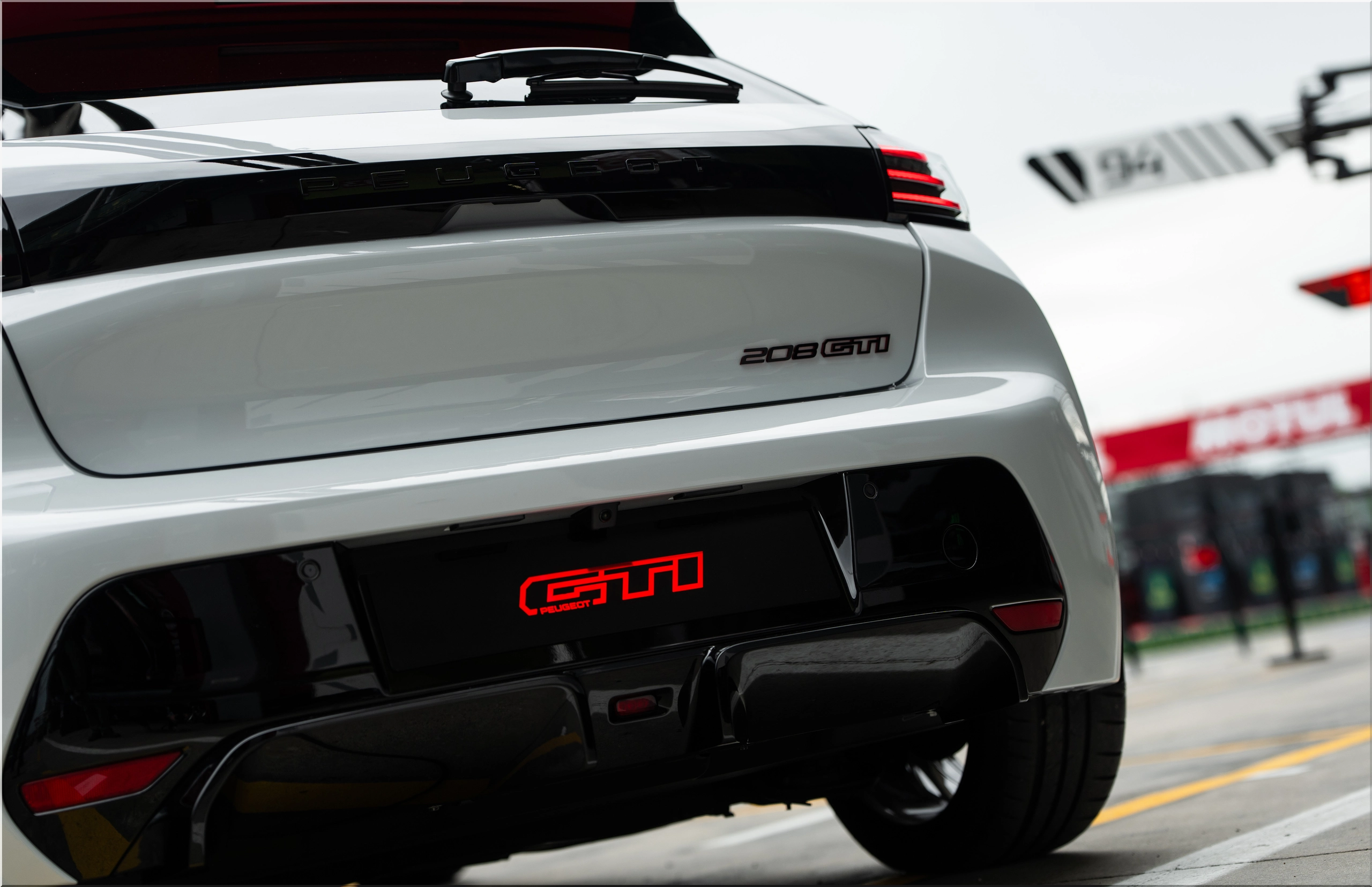
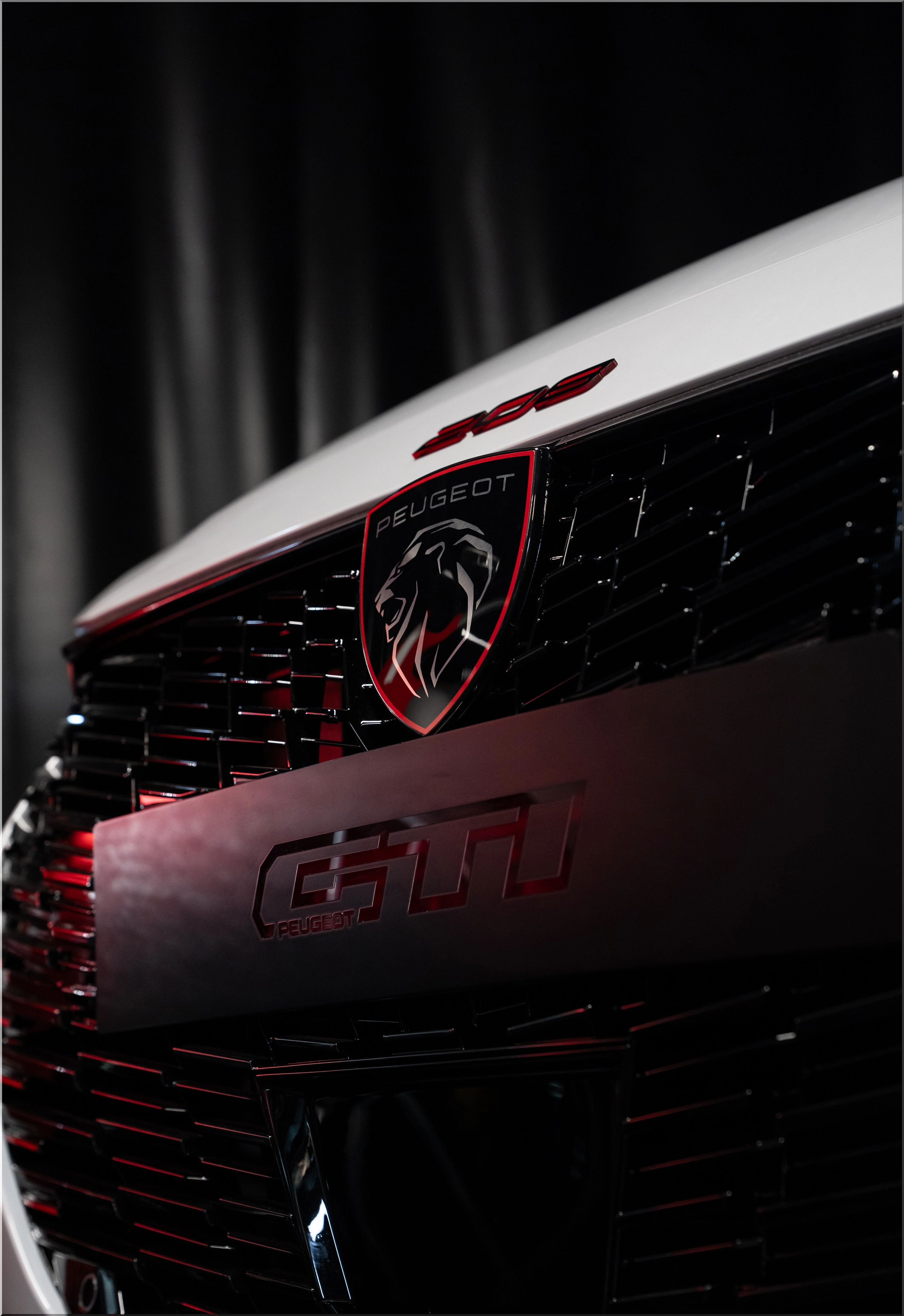
At Imola, Peugeot pulled the wraps off the new Peugeot 208 GTi and sent a clear message: the GTi badge still stands for sharp responses, compact dimensions, and a chassis that wants real work. This time, though, the formula changes. The new 208 GTi goes fully electric, packs 280 hp, delivers 345 Nm, and reaches 100 km/h in 5.7 seconds.
That matters. A lot. In a market full of heavy, over-assisted performance EVs, Peugeot aims this car straight at the old hot-hatch playbook. Keep it compact. Give it enough punch to make the numbers count. Then spend the engineering budget where drivers actually feel it: steering, brake cooling, track width, damping, and traction.
Image
Why the new Peugeot 208 GTi matters
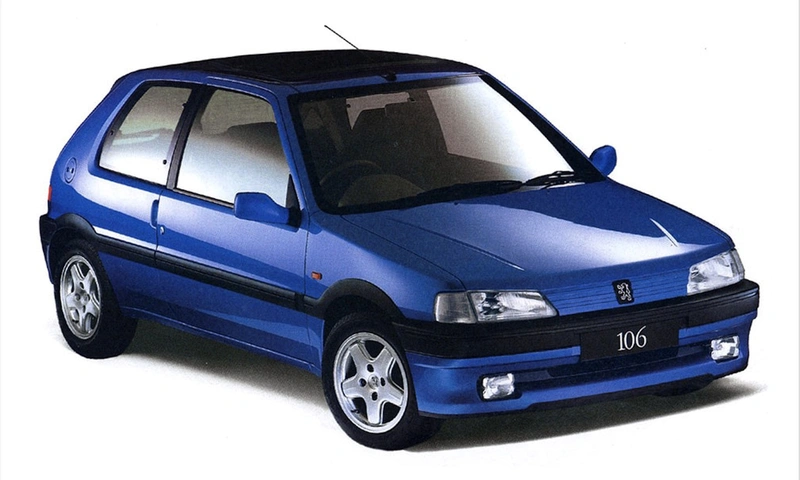
The old 205 GTi built its name on usable performance, low mass, and direct feedback. Peugeot knows that history carries weight, so the new 208 GTi had to do more than add red trim and a faster sprint time.
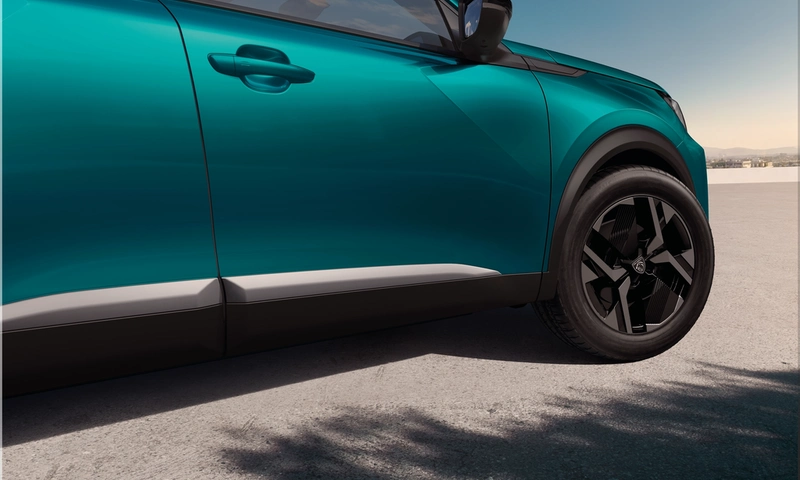
Specifically, Peugeot Sport gave this car the hardware it needed to back up the badge. The M4+ electric motor sends 280 hp and 345 Nm through the front axle. A limited-slip differential sits inside the reducer to control torque on corner exit. Peugeot also widened the tracks, lowered the ride height, fitted a bespoke suspension setup, and added serious front brakes.
That list tells you everything about the brief. Peugeot did not chase a paper launch. It chased repeatable pace and front-end authority.
The numbers that define the 208 GTi
Looking at the data, Peugeot built this car around the parts that shape a proper electric hot hatch.
| Peugeot 208 GTi powertrain data | Figure |
|---|---|
| Power | 280 hp |
| Torque | 345 Nm |
| 0-100 km/h | 5.7 seconds |
| Top speed | 180 km/h |
| Battery capacity | 54 kWh gross |
| WLTP range | 350 km |
That output puts the Peugeot 208 GTi near the point where front-wheel-drive traction becomes the whole story. Consequently, the limited-slip differential matters just as much as the motor figure. Without it, the car would waste too much of its punch in tight corners and low-speed exits.
By comparison, plenty of fast EVs lean on brute force. Peugeot chose a more disciplined route. It paired meaningful power with a cooling strategy for the CATL 54 kWh battery, plus specific thermal management for harder driving.
Image
Chassis changes that actually count
The most interesting work happened under the body.
| Peugeot 208 GTi chassis and braking upgrades | Figure / Detail |
|---|---|
| Ride height | 30 mm lower |
| Front track | 56 mm wider |
| Rear track | 27 mm wider |
| Tyres | Michelin Pilot Sport Cup 2 |
| Front brakes | 355 mm discs |
| Front calipers | Fixed 4-piston |
| ESP setting | Specific Sport mode |
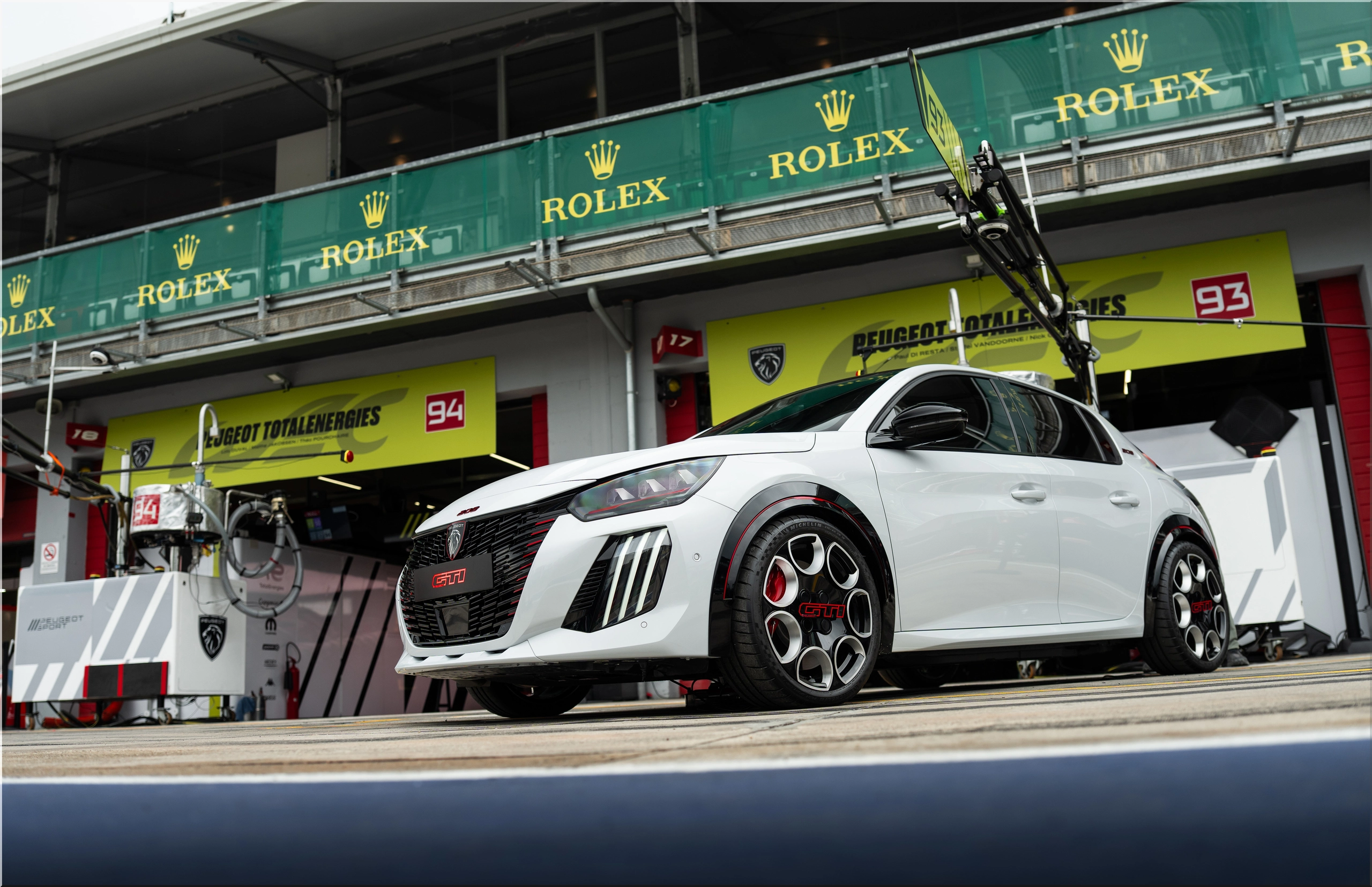
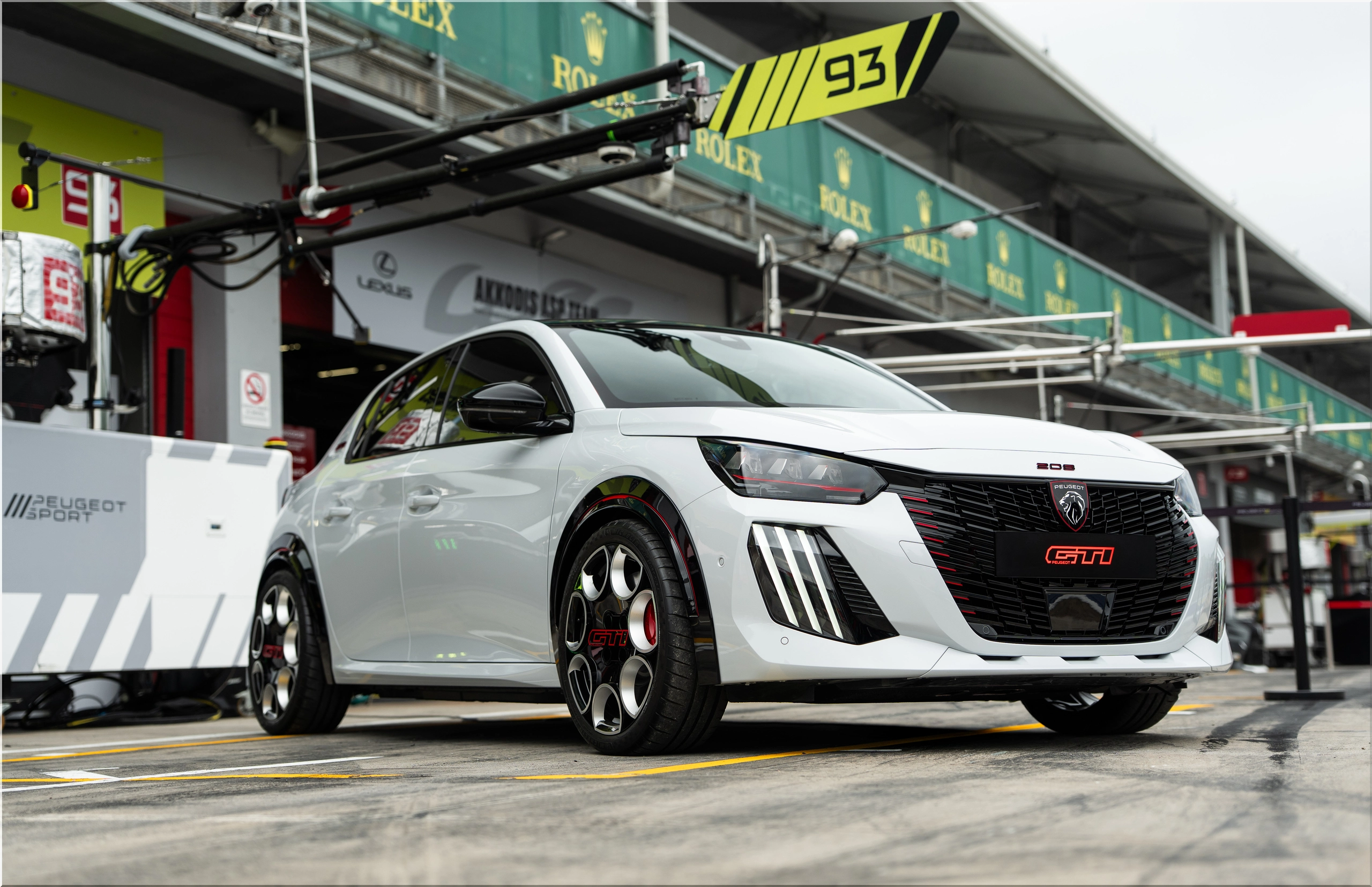
From an expert perspective, those figures explain the car better than the power output does. A 30 mm lower chassis drops the centre of gravity and reduces pitch. The wider tracks increase lateral stability. The Michelin Pilot Sport Cup 2 tyres tell you Peugeot expects owners to drive this car hard, not just talk about it online.
In addition, the 355 mm front discs and 4-piston fixed calipers show Peugeot anticipated repeated heavy stops. That is a serious brake package for a B-segment hatchback. The brake-cooling focus in the wheel design supports the same goal.
What Peugeot changed inside
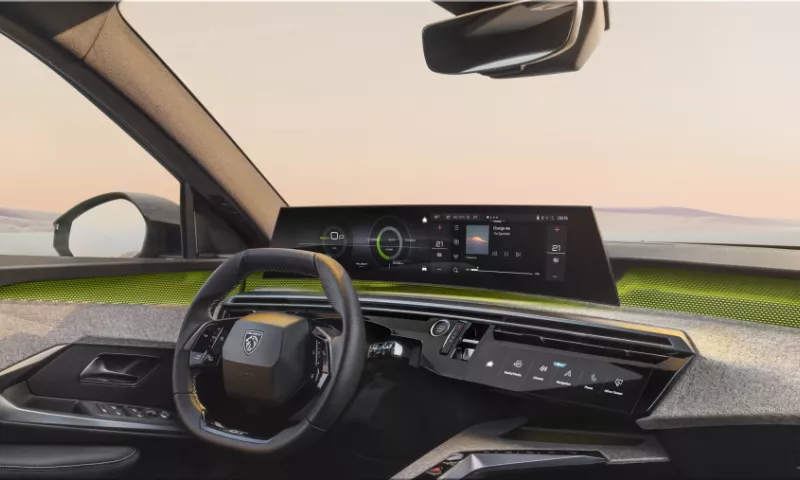
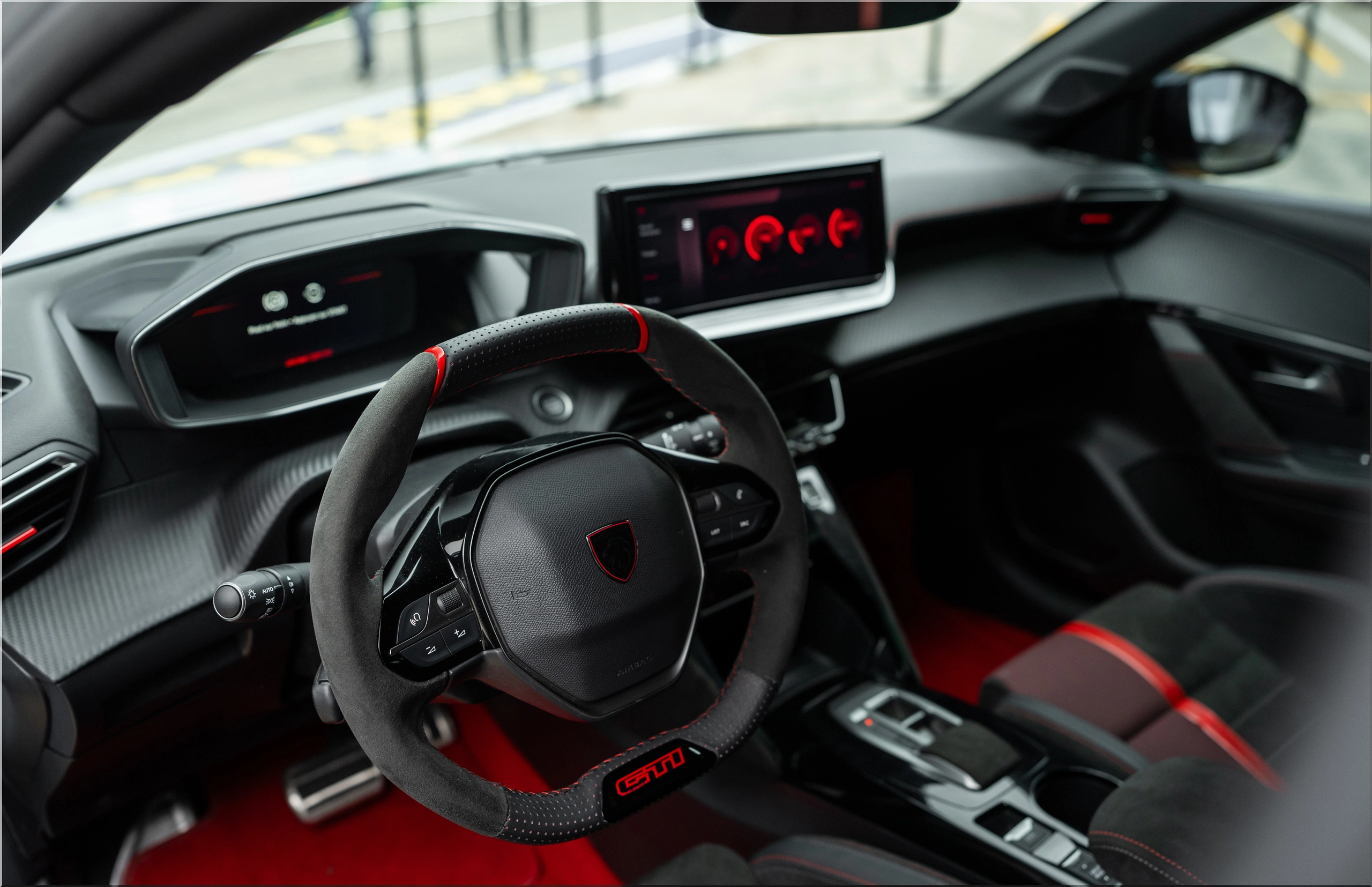
Peugeot kept the cabin aggressive without turning it into costume drama. The front seats use an integrated-headrest design and stronger side support to lock the driver in place during harder cornering. The compact steering wheel receives specific calibration, which should make the front axle feel quicker and more immediate.
The digital displays and ambient lighting switch to a red-focused presentation, and Peugeot adds performance pages to the interface. There is also a synthetic sound layer linked to motor performance, though drivers can turn it off.
That last point matters because good performance cars give drivers choices. They do not trap them inside a brand's idea of theatre.
Video file
Video title
Peugeot 208 GTi
Daily use still matters
A hot hatch still has to work Monday through Friday. Peugeot seems to understand that.
- WLTP range: 350 km
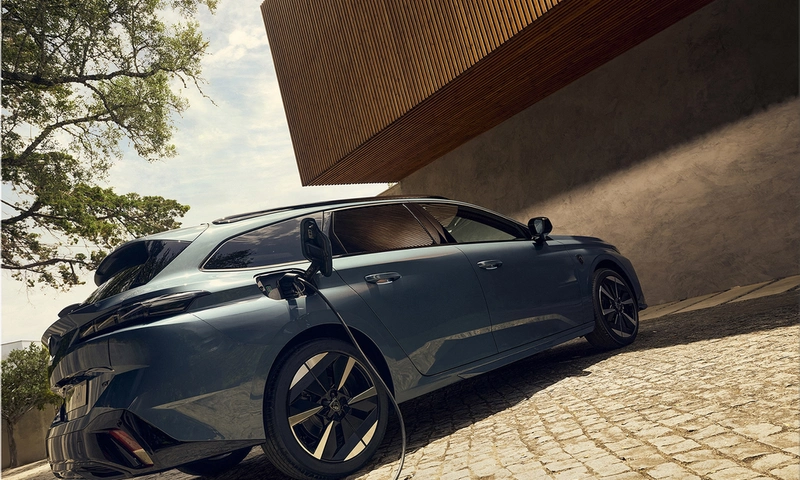
- AC charging: full charge in 4h40 on 7.4 kW
- DC fast charging: 20% to 80% in under 30 minutes at 100 kW
- V2L function: available
- Trip Planner and connected navigation: included
That makes the 208 GTi more than a weekend toy. It should handle commuting, city use, and short motorway runs without asking for constant planning.
Pro-Tips
- If you plan to use the car on track, prioritise preconditioning and arrive with enough battery for consistent performance laps.
- The 80% AC charge limit makes sense for daily charging routines and may help long-term battery care.
- The Michelin Pilot Sport Cup 2 setup should deliver grip, but buyers in colder climates should budget for a second wheel-and-tyre package.
Should enthusiasts care?
Yes. They should.
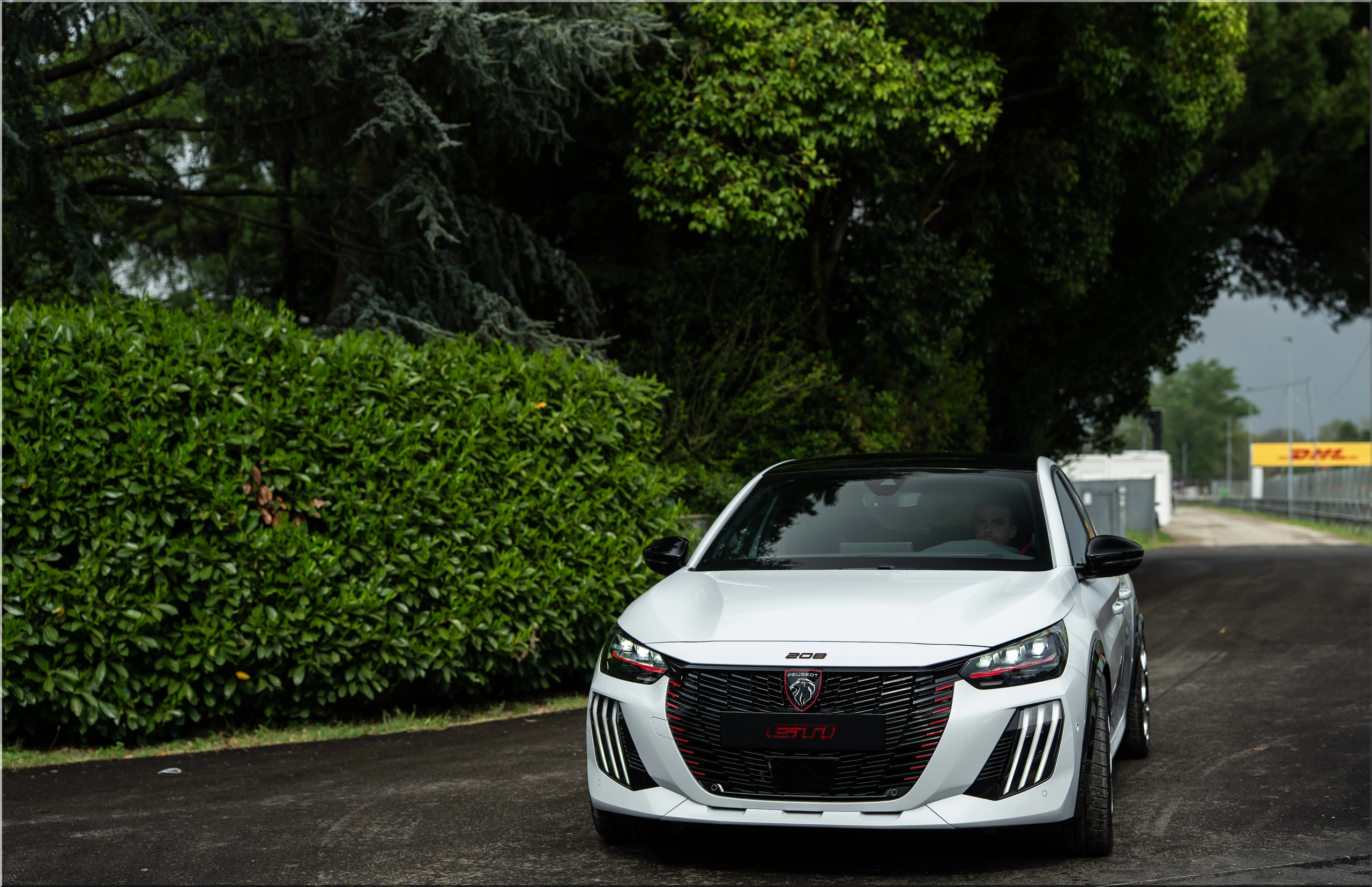
The new Peugeot 208 GTi looks like one of the few electric performance hatchbacks that still respects the discipline of the format. Peugeot did not rely on launch-control bragging alone. It backed the car with real hardware: limited-slip differential, Cup 2 tyres, 355 mm brakes, wider tracks, lower stance, and Peugeot Sport chassis input.
What now? Watch the final market pricing, kerb weight disclosure, and independent chassis testing. Those three points will decide whether the Peugeot 208 GTi becomes a genuine modern GTi or simply a quick electric 208 with a famous badge.
Right now, though, the signs look promising. Peugeot gave this car enough muscle to be fast, and enough engineering to make that speed worth having.
- Add new comment
- 126 views