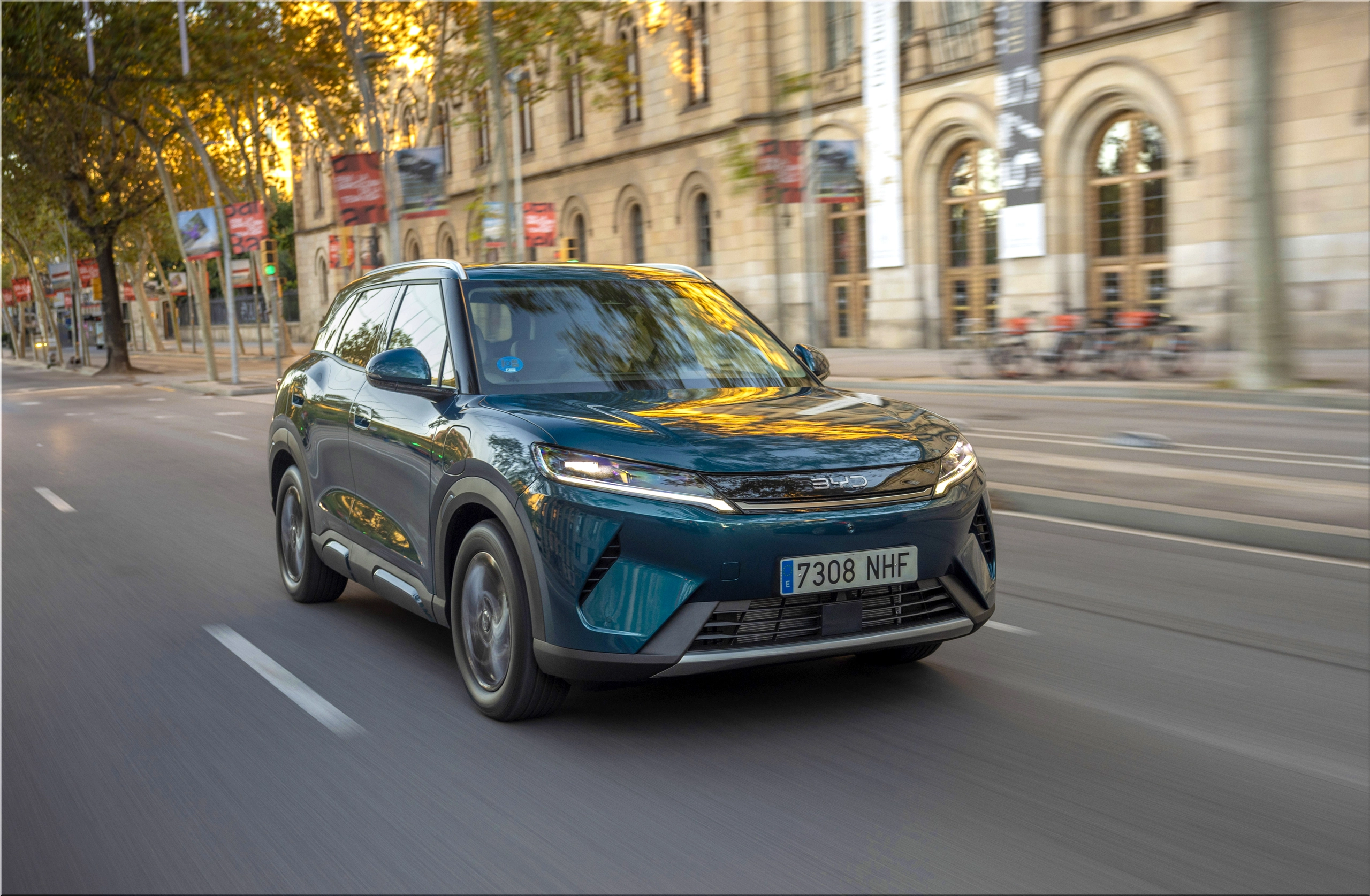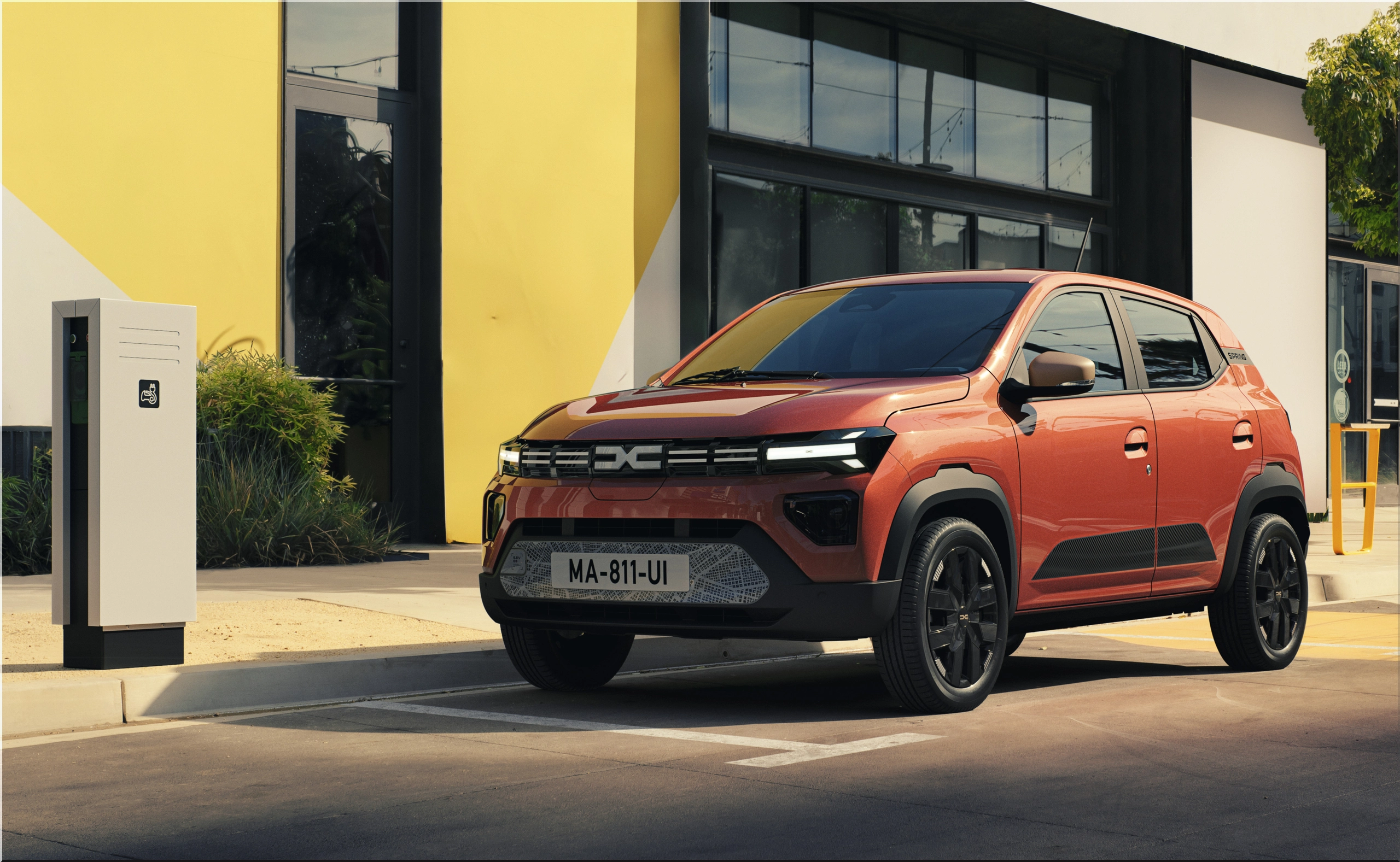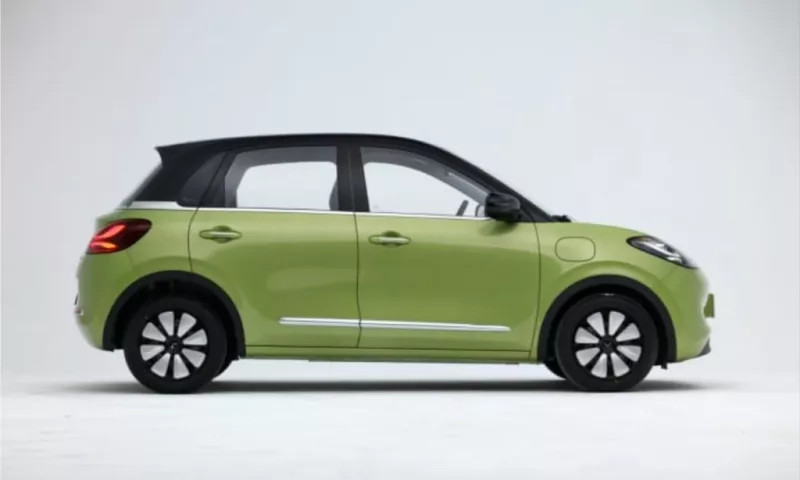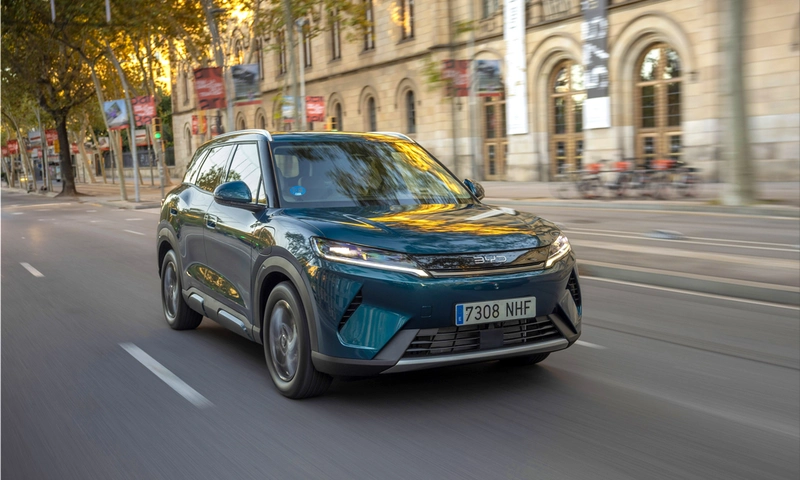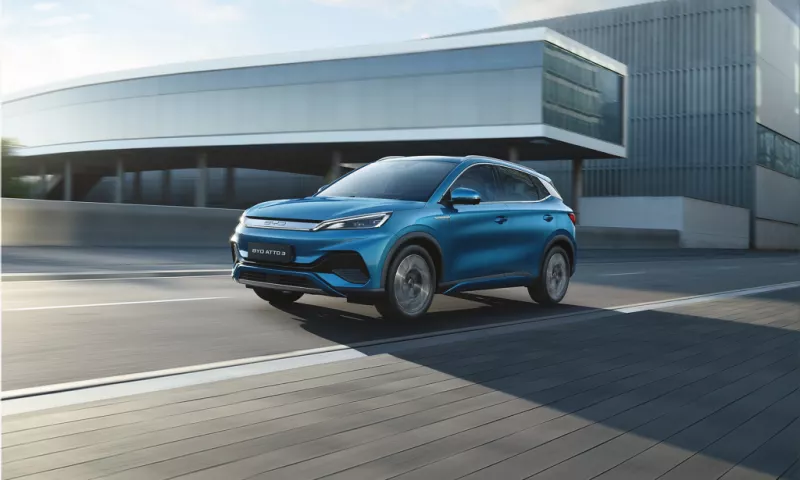
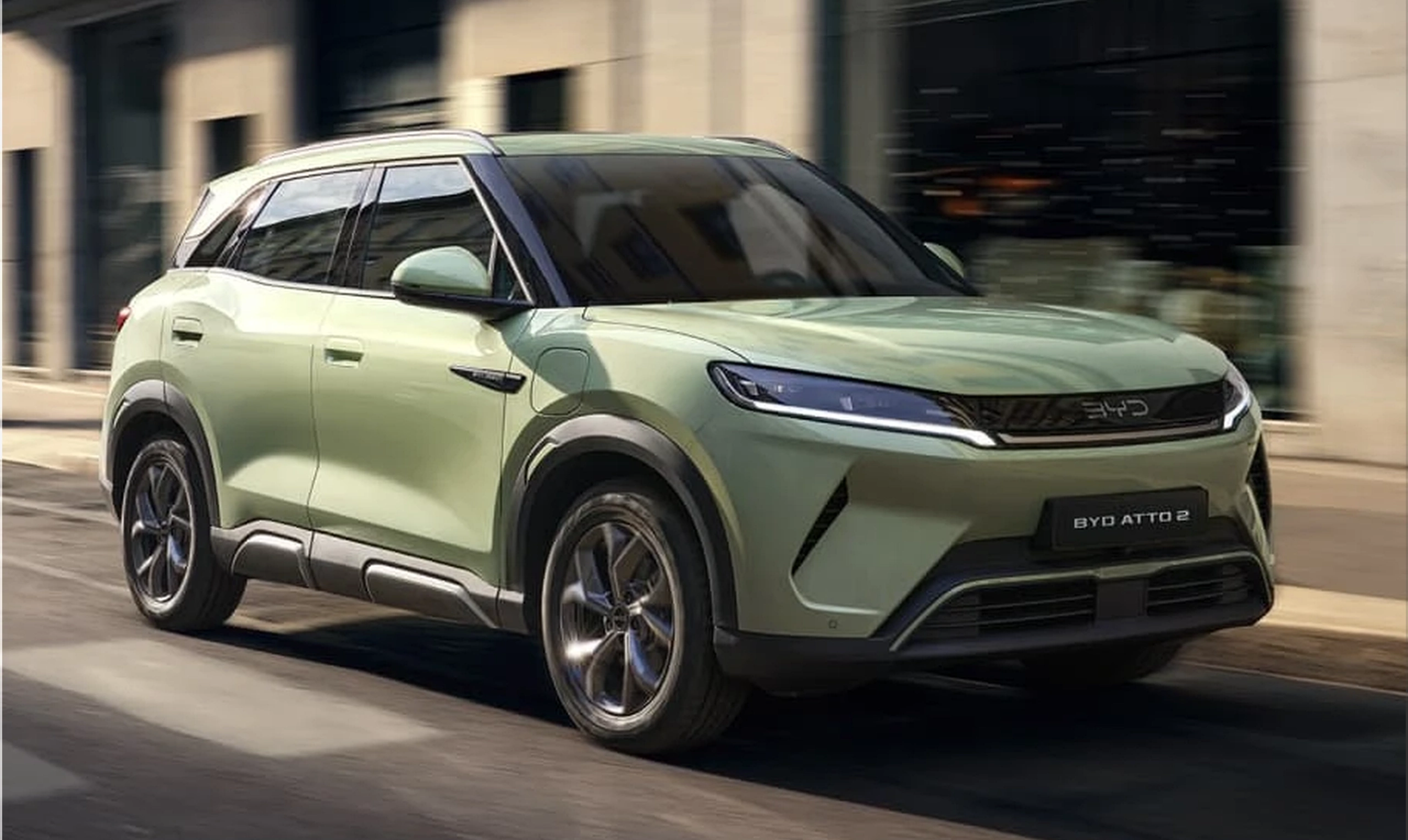
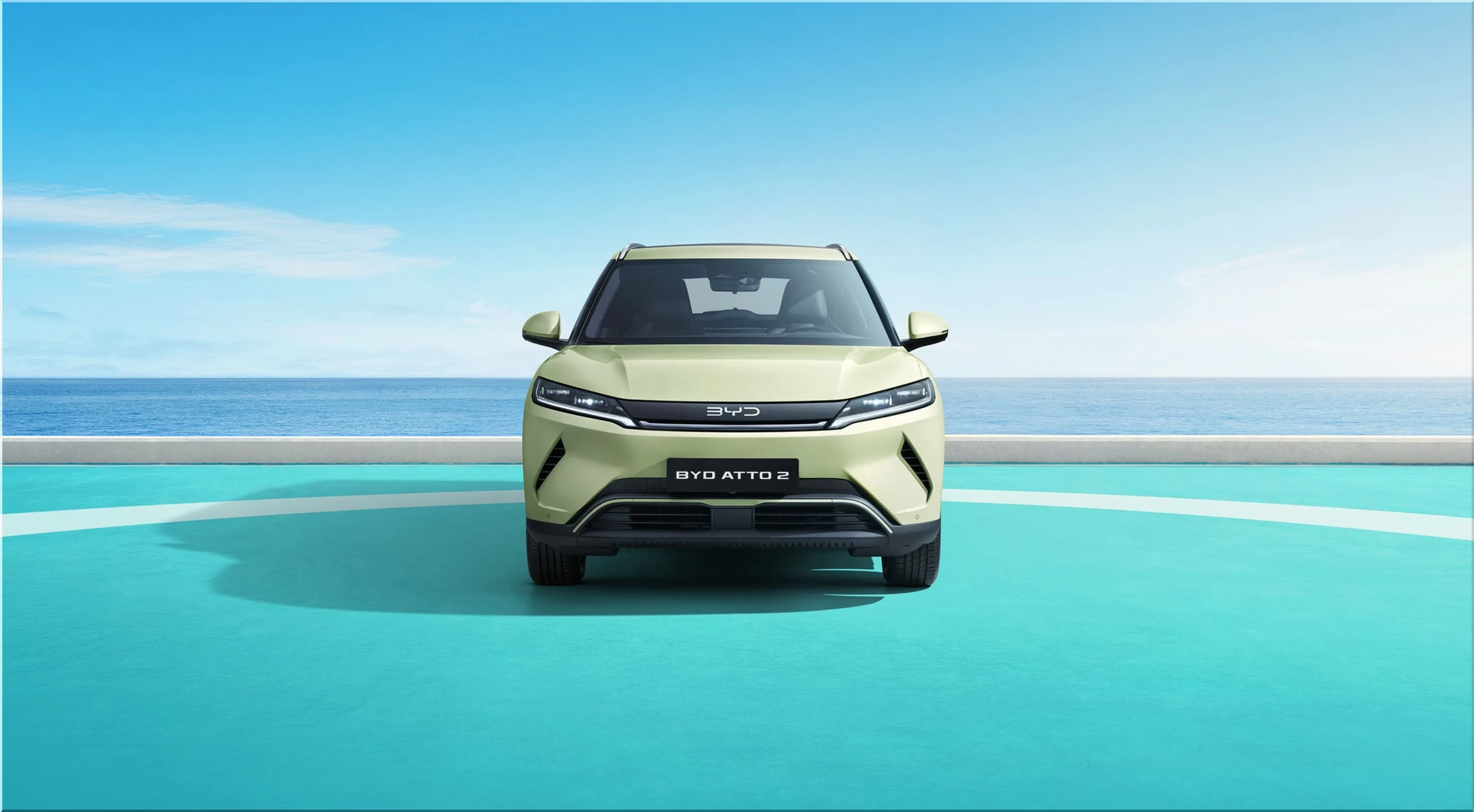
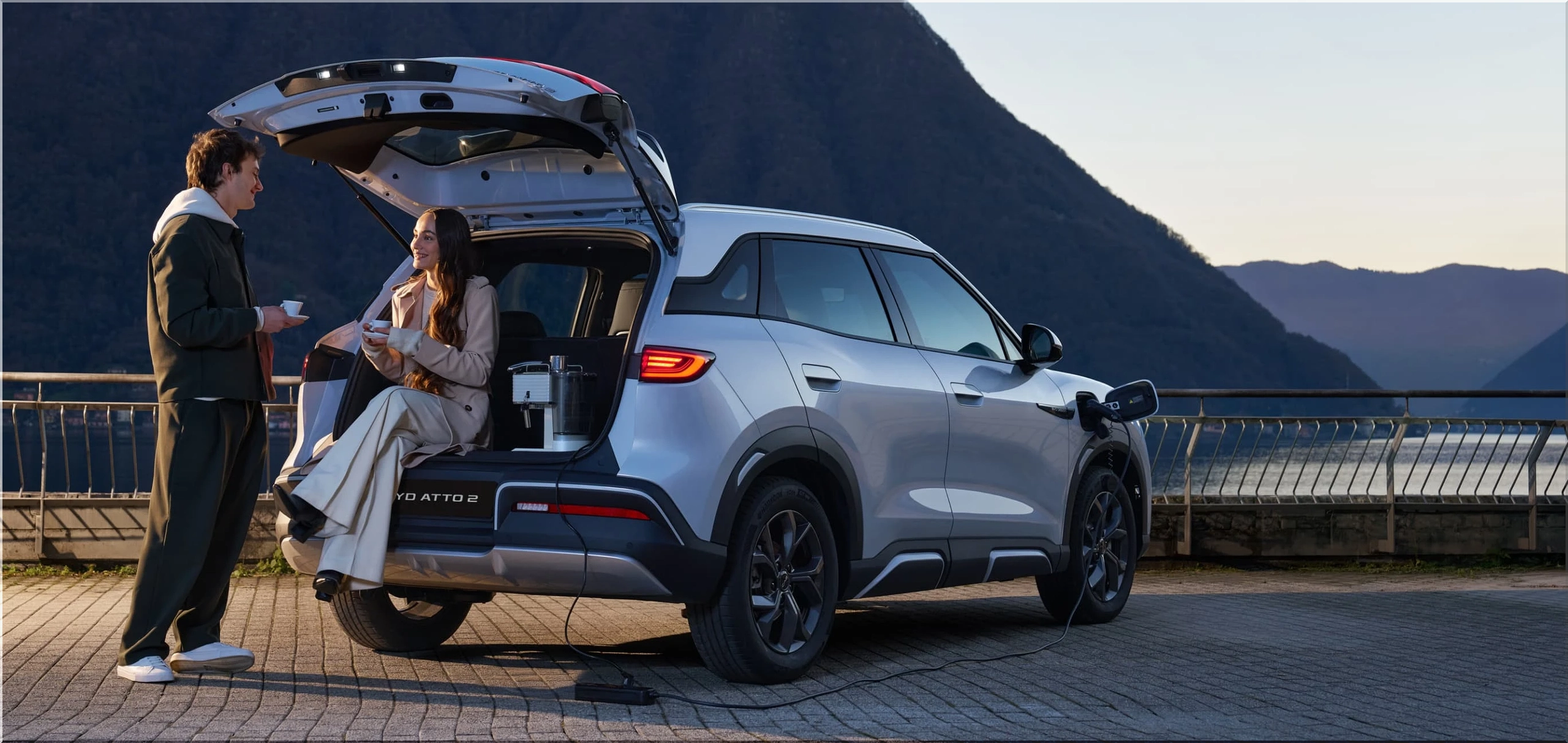
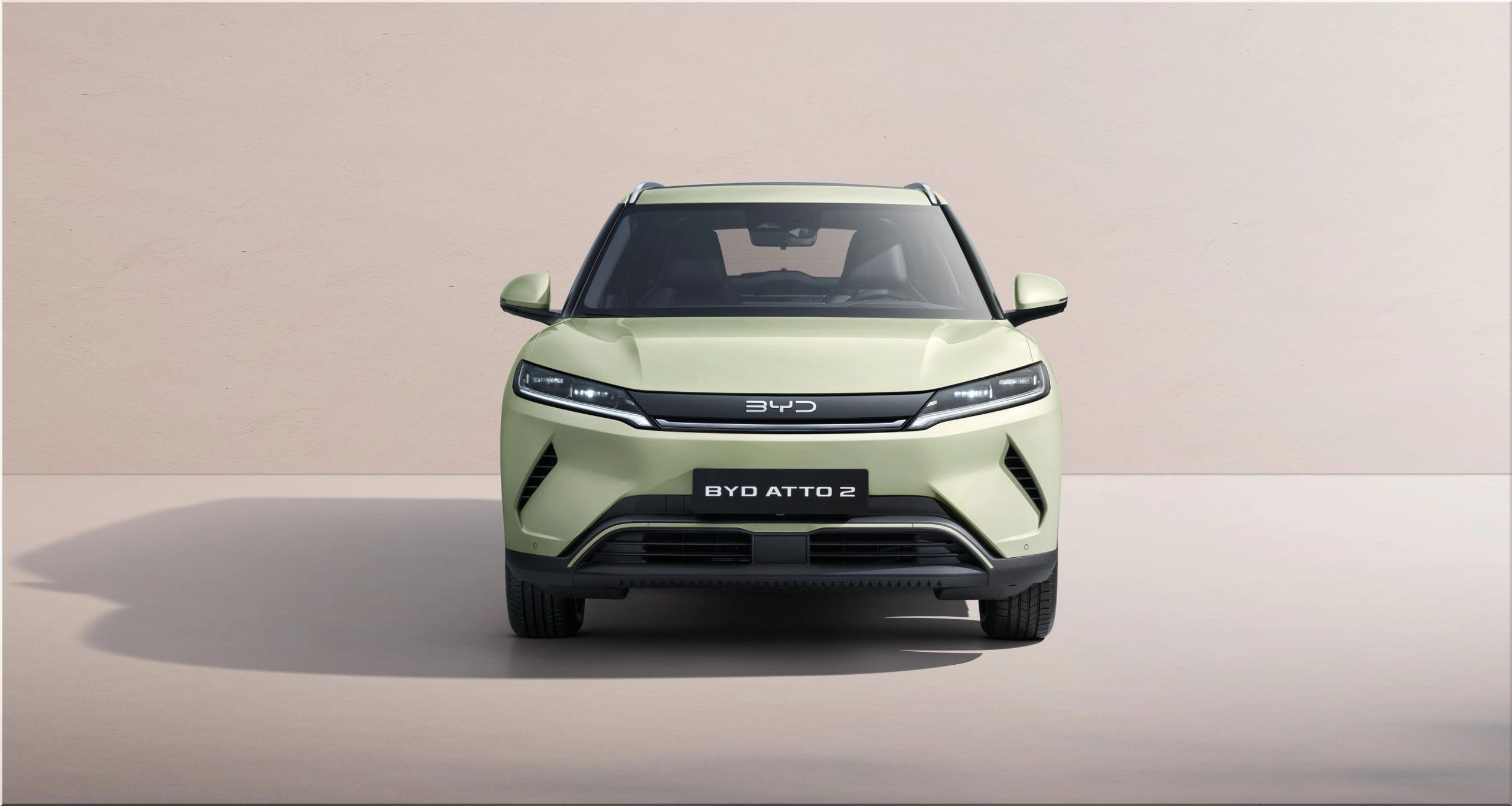
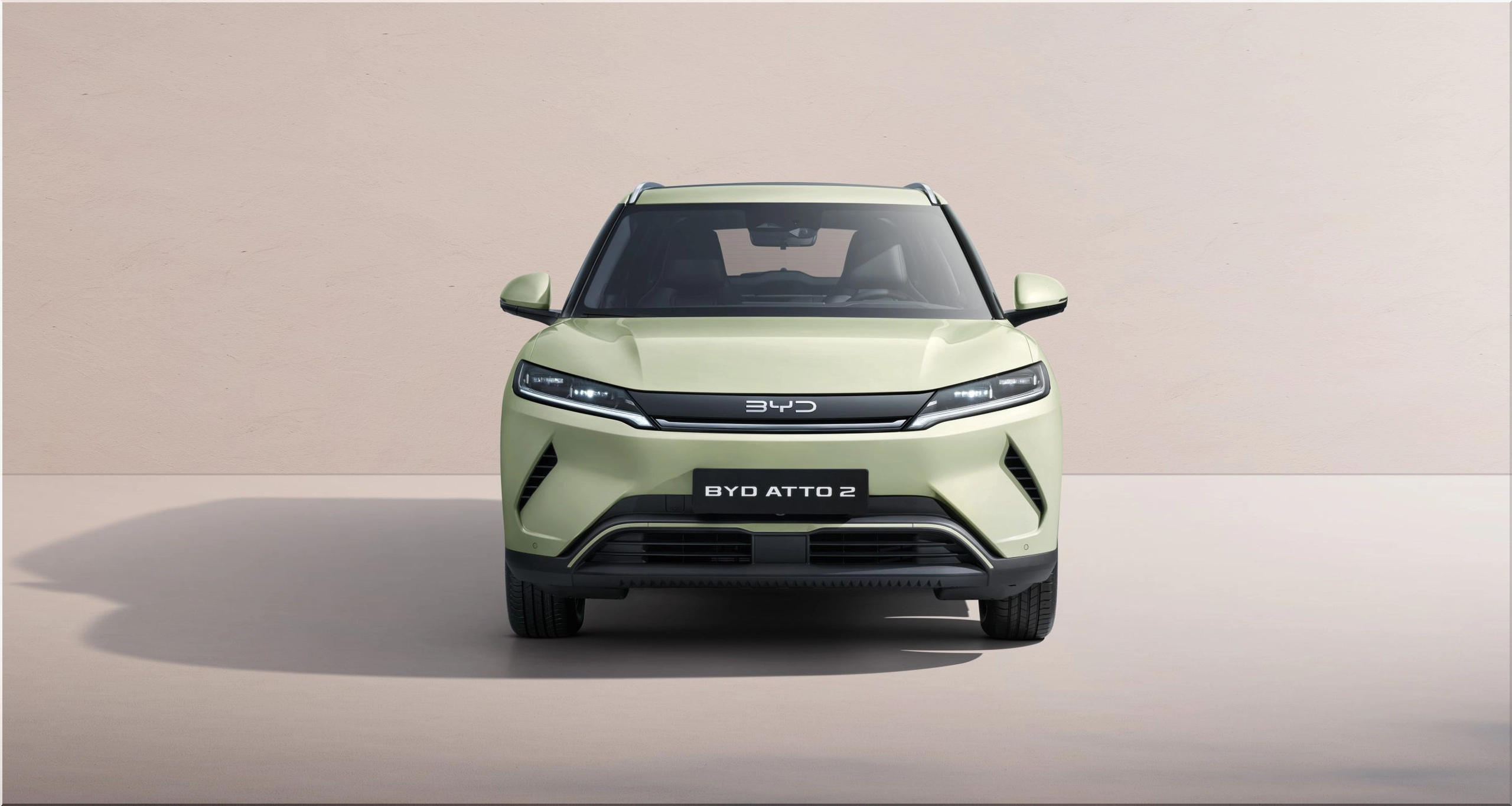
The BYD ATTO 2 enters the European compact electric SUV class with a clear strategy: package useful hardware, strong standard equipment, and practical dimensions into a footprint that works in dense cities without crushing interior space. That matters because this segment gets crowded fast, and many rivals force buyers to pick two out of three: range, cabin space, or price.
Image
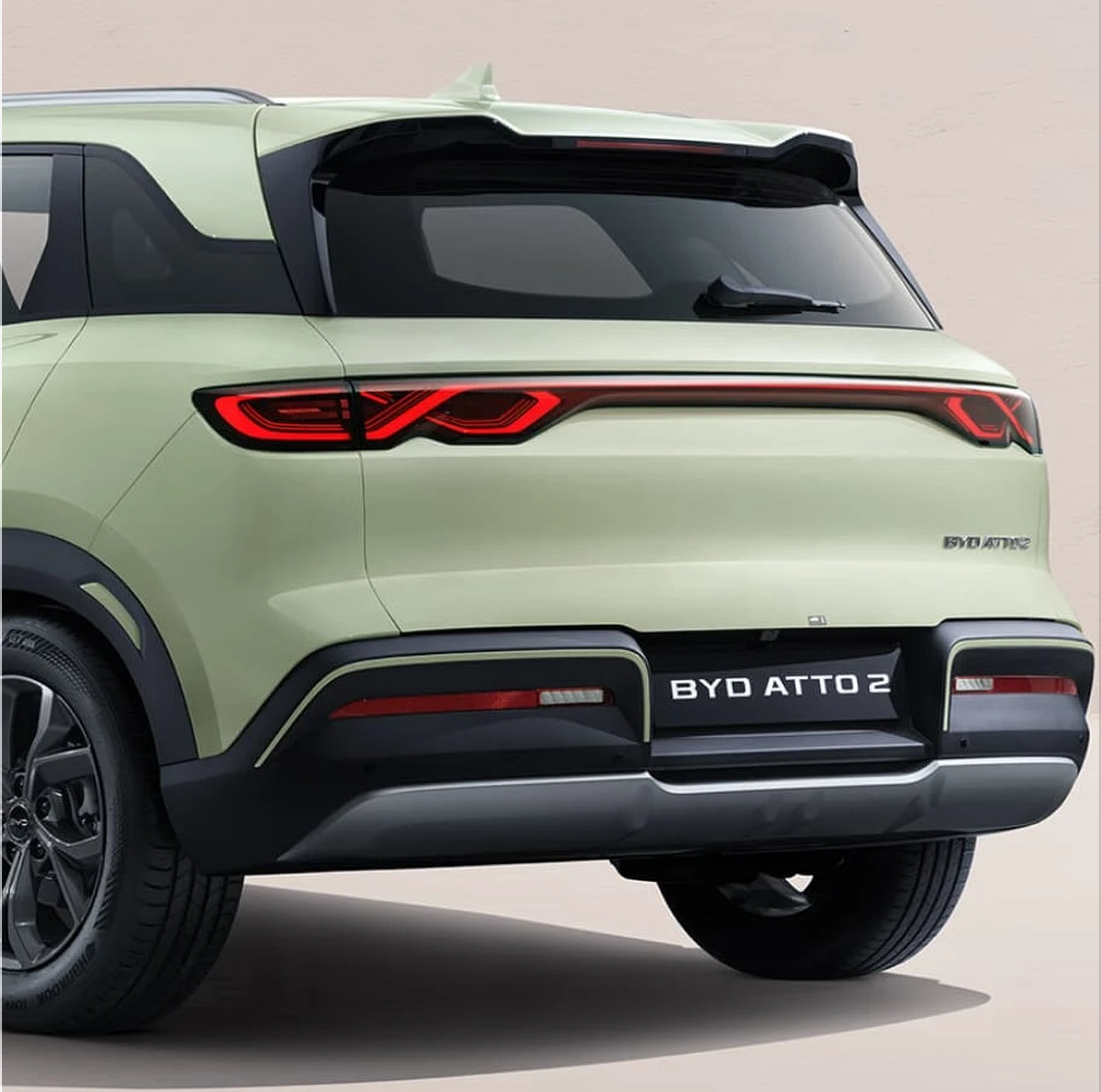
Looking at the data, the ATTO 2 builds its case on packaging efficiency and equipment density rather than headline DC charging speed. You get a 45.12 kWh LFP Blade Battery, 130 kW (177 hp), 290 Nm of torque, front-wheel drive, and a claimed 312 km WLTP combined range in the core trims. BYD lists a Comfort version with a longer claimed 430 km WLTP figure on that market page, which changes the value conversation if that trim remains available in your region.
From an expert perspective, the ATTO 2 sits in a sweet spot for urban and suburban buyers who want a compact EV that still carries adults, luggage, and occasional bulky gear. It does not chase maximum charging power. It chases daily usability, cabin room, and feature count. That is a smart call in a class where many owners charge at home most of the week.
Why the BYD ATTO 2 matters in the compact EV SUV segment
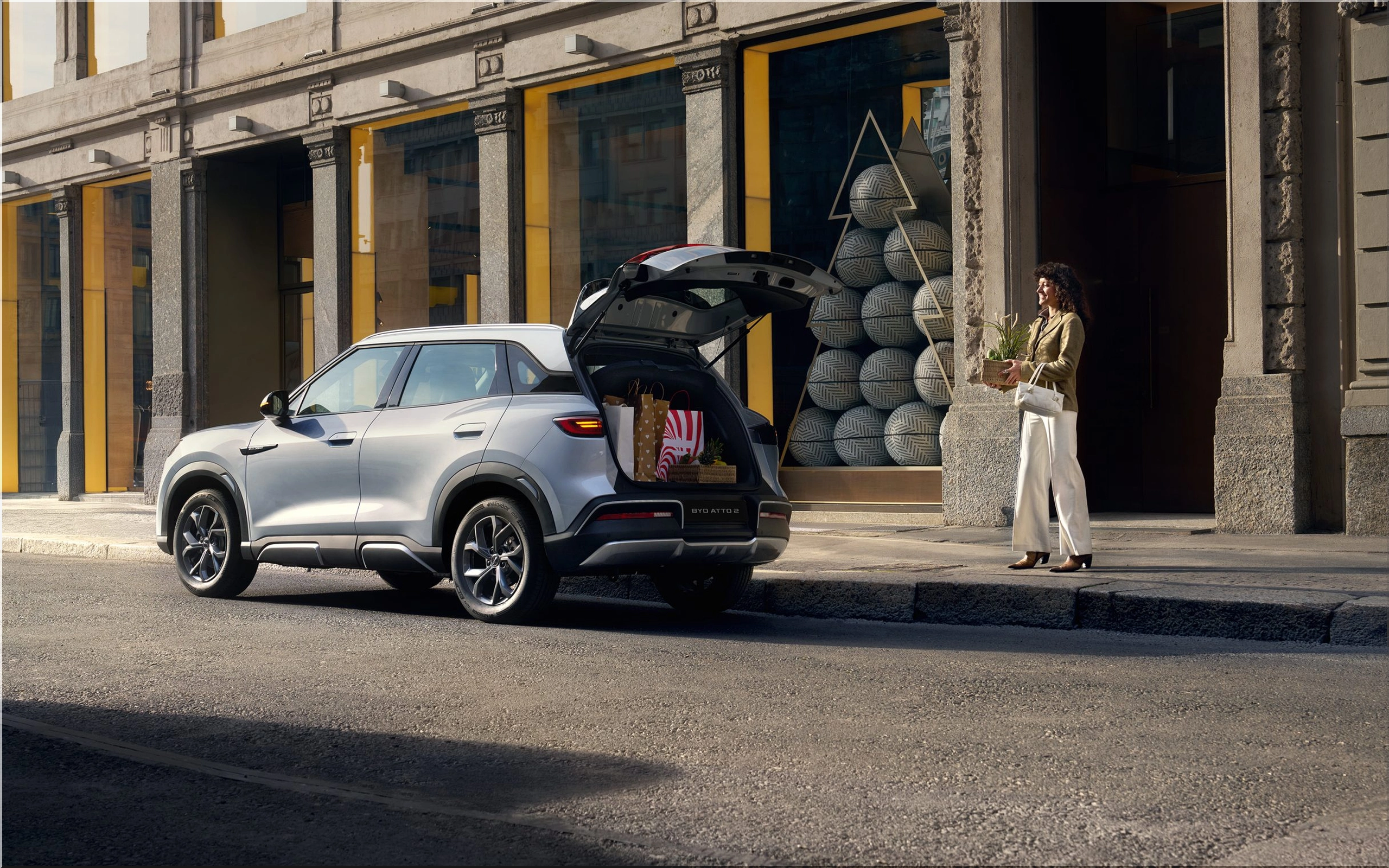
The small electric SUV category keeps growing because buyers want crossover seating height, hatchback maneuverability, and EV running costs in one package. The BYD ATTO 2 targets that demand with compact exterior dimensions and a longer wheelbase than several direct rivals, which usually translates into better rear legroom and cabin layout flexibility.
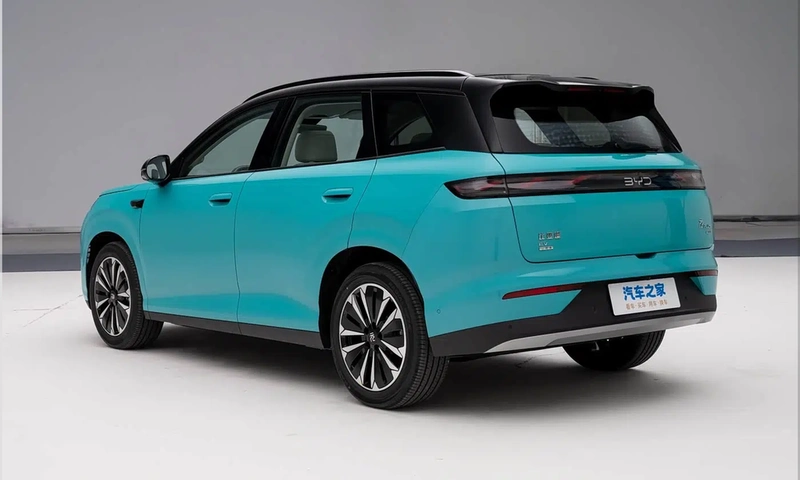
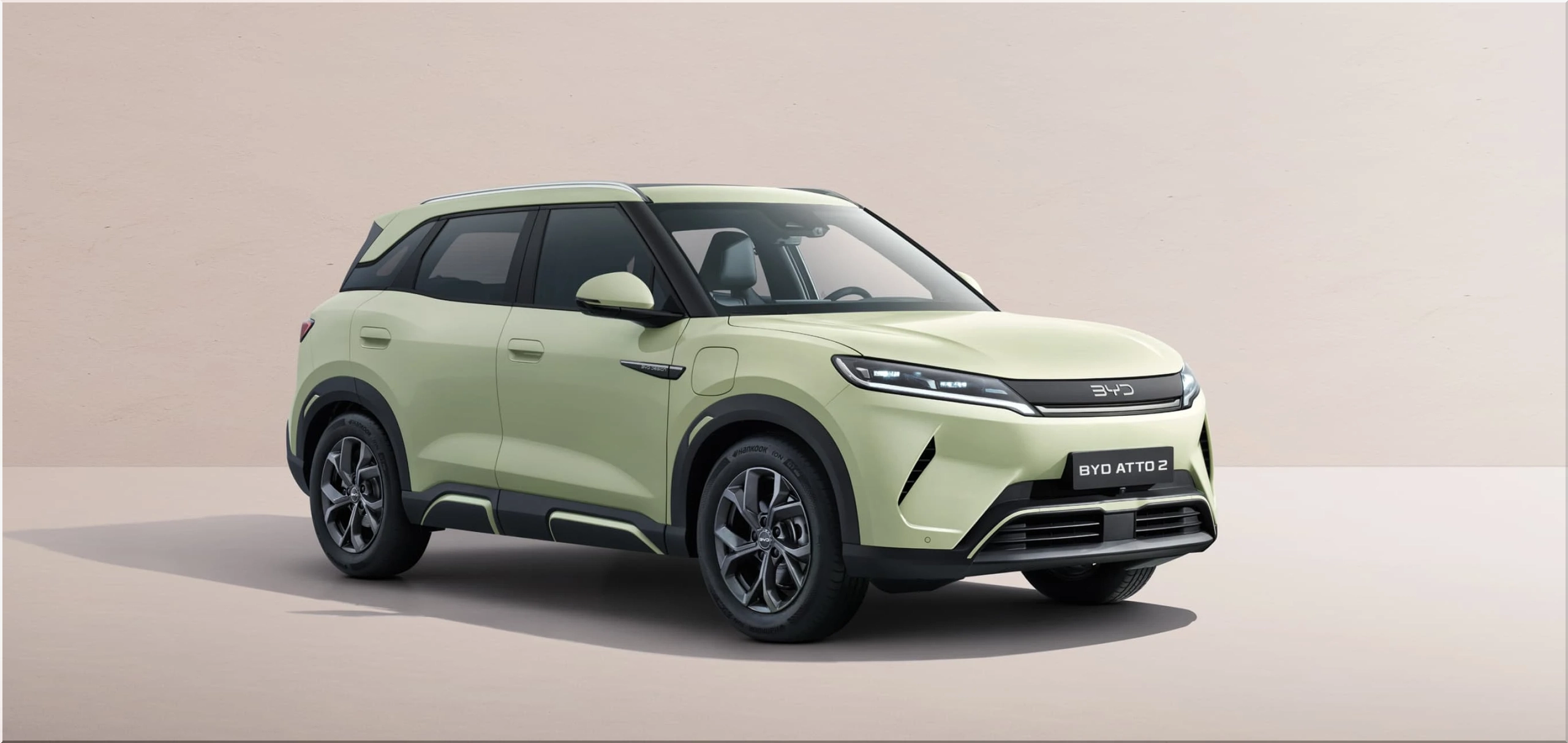
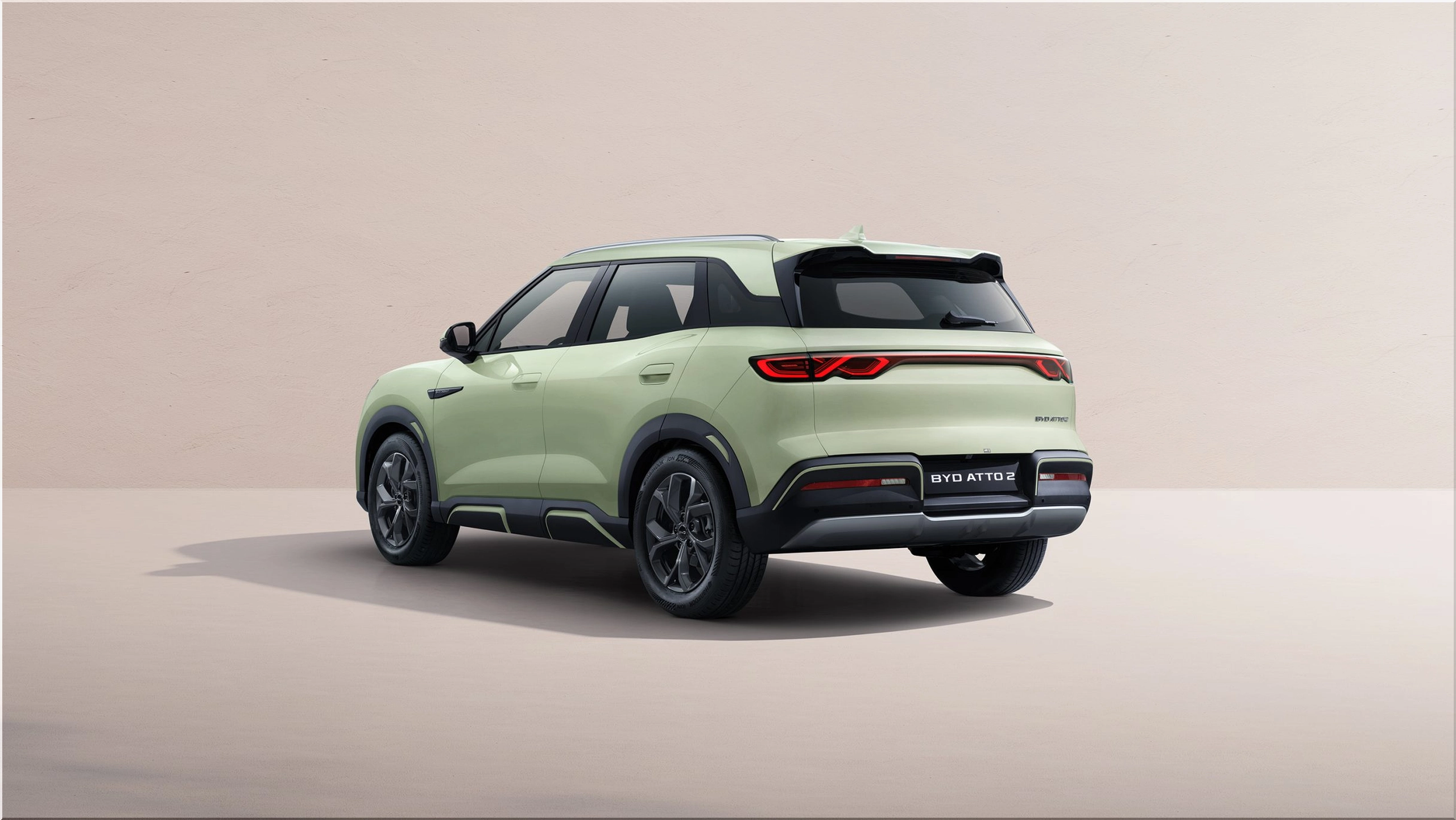
Specifically, BYD lists the ATTO 2 at 4,310 mm length, 1,830 mm width (without mirrors), 1,675 mm height, and a 2,620 mm wheelbase. In inches, that works out to roughly 169.7 in long, 72.0 in wide, 65.9 in tall, with a 103.1 in wheelbase. That wheelbase number drives a lot of the interior packaging story.
Image
By comparison, many B-segment EV crossovers stay shorter overall and give up wheelbase. Consequently, they can feel tighter in the second row or compromise cargo-floor geometry. BYD leans hard on that point and pairs it with a flat-floor EV platform layout and CTB battery integration.
What this means for buyers
- City use: Compact footprint and 11.5 m turning circle help parking and U-turns.
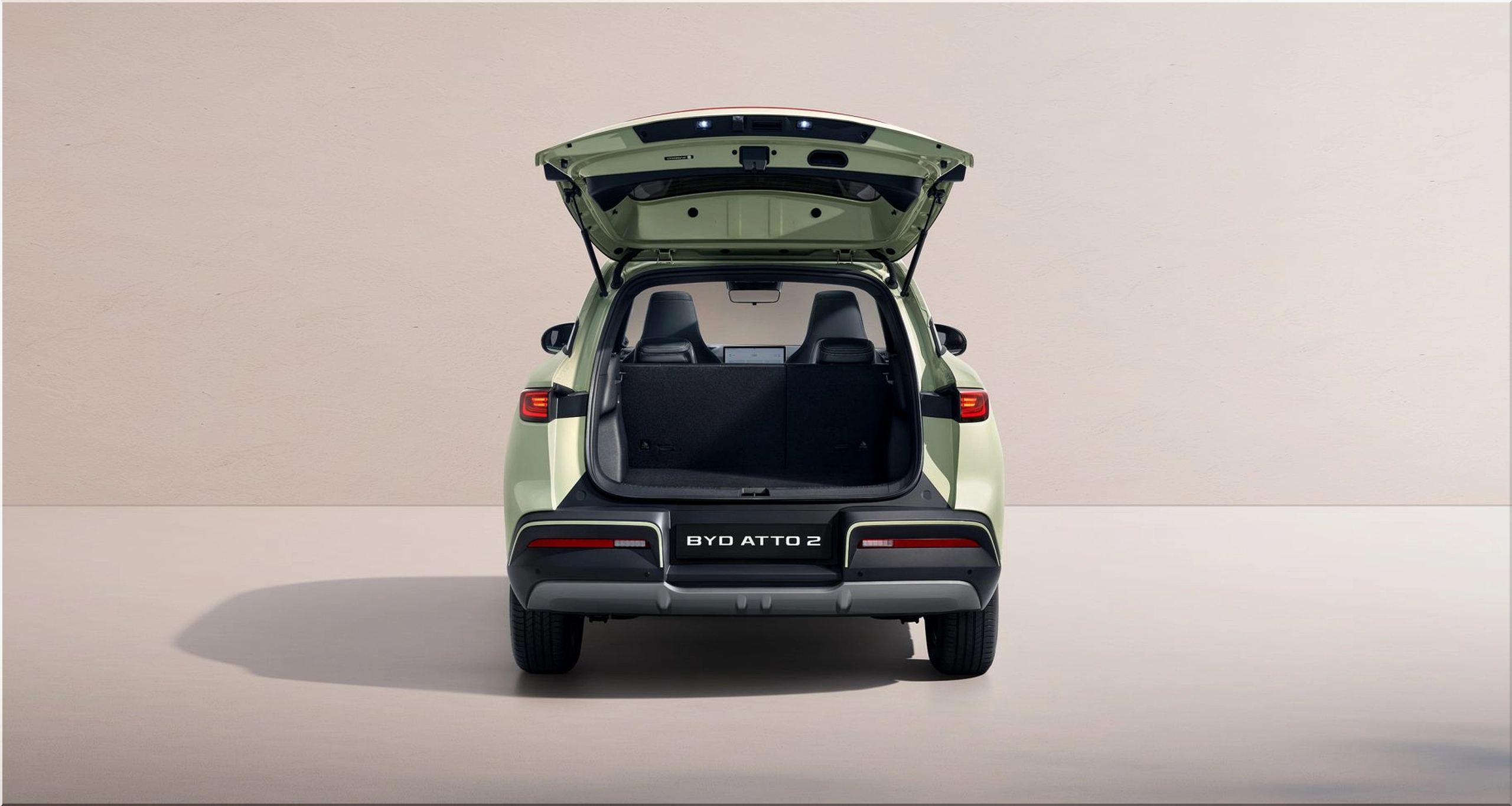
- Family use: 400 L cargo volume up, 1,340 L with seats folded supports weekend duty.
- Cold-weather use: Standard heat pump helps reduce winter range penalties compared with EVs that rely on resistance heating.
- Ownership use: LFP chemistry and long warranty terms strengthen the long-term value pitch.
BYD ATTO 2 key specifications and what they tell us
BYD's model page and specifications list a solid set of baseline numbers for the Active and Boost trims. These figures define how the car will feel in normal driving far better than marketing language.
Core performance and battery specs
| Spec | BYD ATTO 2 (Active/Boost data set) | Why it matters |
|---|---|---|
| Battery capacity (net) | 45.12 kWh | Sets usable energy for range and charging sessions |
| Motor output | 130 kW (177 hp) | Strong for this size/weight class |
| Torque | 290 Nm | Good low-speed response in city traffic |
| 0-100 km/h | 7.9 sec | Quick enough to merge confidently |
| Top speed | 160 km/h | Typical for mainstream compact EVs |
| Drive layout | FWD | Efficient and cost-effective packaging |
| WLTP combined range | 312 km | Useful for daily commuting and regional trips |
| WLTP city range | 463 km | Shows EV advantage in urban stop-go use |
| WLTP consumption (combined) | 16.0 kWh/100 km | Competitive official efficiency figure |
| WLTP consumption (city) | 10.8 kWh/100 km | Indicates strong low-speed efficiency |
| V2L output | 3.3 kW | Adds utility for outdoor gear and backup loads |
Looking at the data, the powertrain tuning points to strong mid-pack acceleration with a city-first operating profile. The 290 Nm torque figure should make the car feel responsive at urban speeds, while the 7.9-second 0-100 km/h time keeps it from feeling underpowered on ramps and short passing situations.
In addition, BYD pairs that output with a relatively modest battery pack. That keeps mass in check versus larger-battery alternatives and can improve efficiency in daily use. The trade-off appears on longer highway runs, where charging speed and battery size matter more than city consumption.
Image
BYD ATTO 2 dimensions, weight, and practicality
| Dimension / Capacity | Metric | Imperial (approx.) |
|---|---|---|
| Length | 4,310 mm | 169.7 in |
| Width (mirrors folded) | 1,830 mm | 72.0 in |
| Width (mirrors unfolded) | 2,060 mm | 81.1 in |
| Height | 1,675 mm | 65.9 in |
| Wheelbase | 2,620 mm | 103.1 in |
| Ground clearance (unladen / laden) | 165 / 150 mm | 6.5 / 5.9 in |
| Turning circle | 11.5 m | 37.7 ft |
| Curb weight (mass rijklaar) | 1,645 kg | 3,627 lb |
| Gross vehicle weight | 1,980 kg | 4,365 lb |
| Payload (BYD NL listed) | 435 kg | 959 lb |
| Cargo volume (seats up) | 400 L | 14.1 cu ft |
| Cargo volume (seats down) | 1,340 L | 47.3 cu ft |
| Braked towing | 750 kg | 1,653 lb |
| Roof load | 50 kg | 110 lb |
From an expert perspective, this table shows why the ATTO 2 deserves attention. The wheelbase-to-length ratio supports cabin space, while the 400 L boot and 750 kg towing capacity add real versatility that some small EV rivals skip entirely.
Specifically, the 750 kg braked towing rating stands out in this class. That rating does not turn the ATTO 2 into a tow mule, but it covers small utility trailers, lightweight garden equipment, and compact leisure loads. For many buyers, that adds more value than another 20 kW of peak DC charging power.
Charging performance: where the ATTO 2 wins and where it gives ground
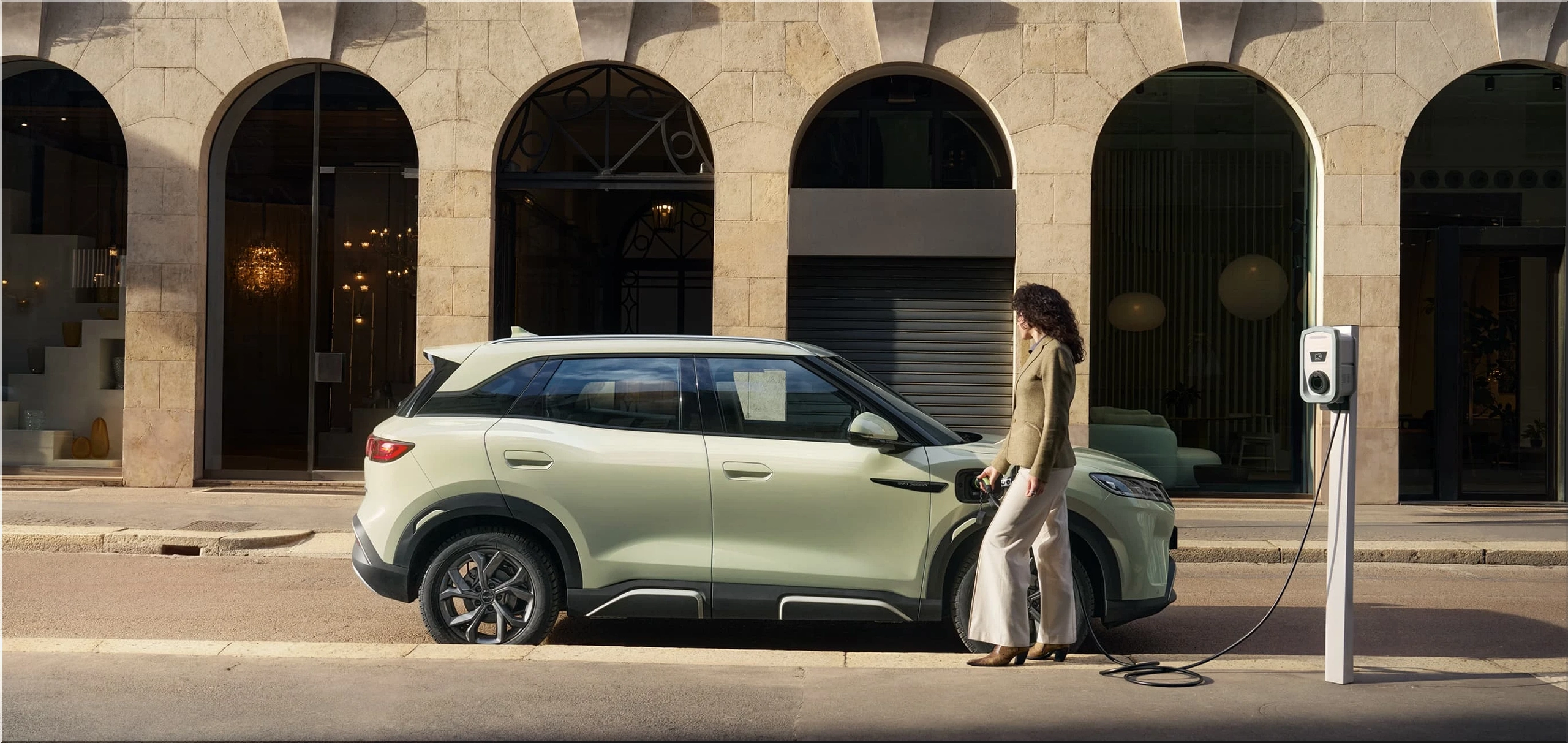
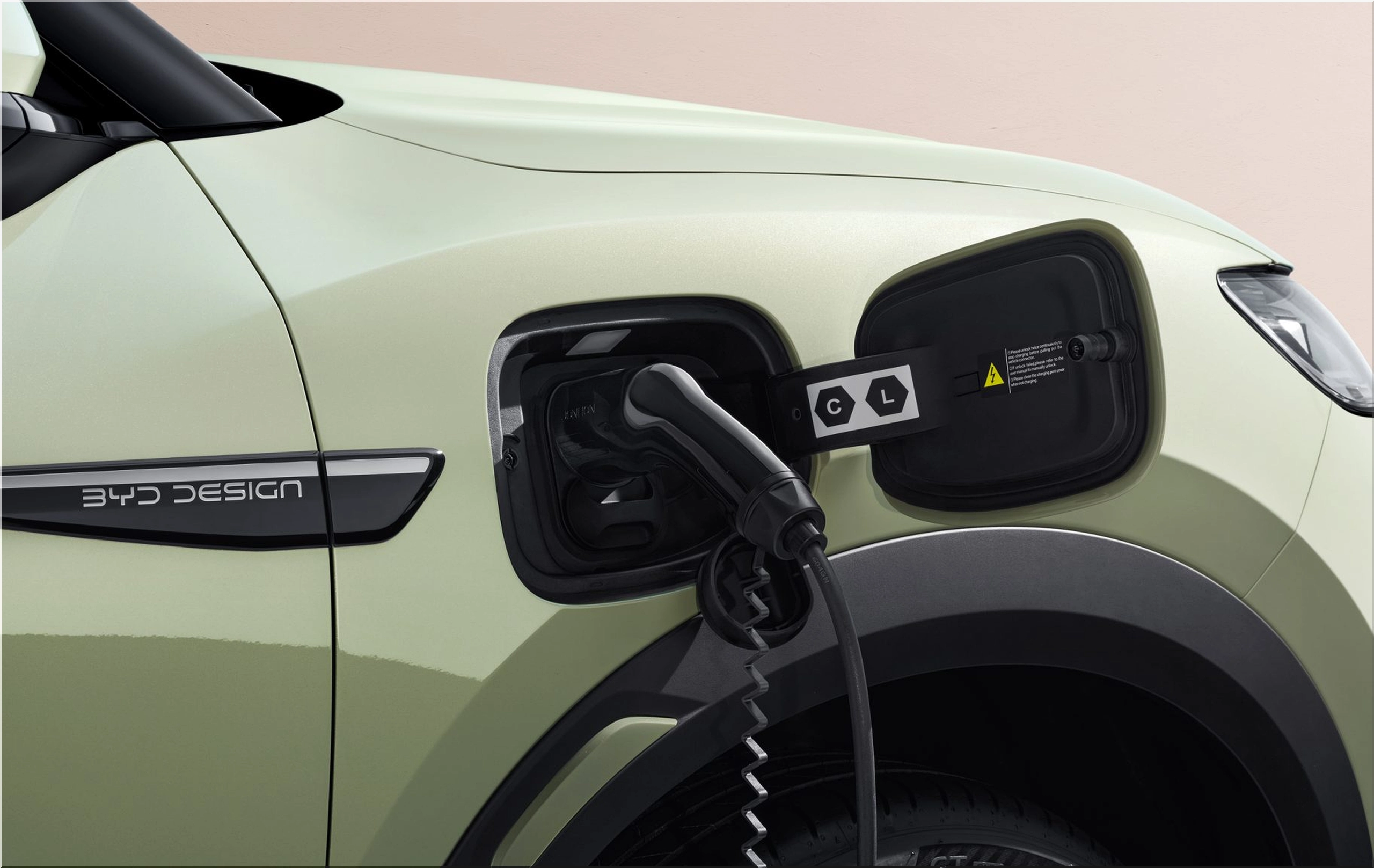
Charging capability shapes the ownership experience, and the BYD ATTO 2 takes a balanced approach. It offers 11 kW AC three-phase charging and 65 kW DC fast charging, with BYD listing 37 minutes for 10-80% and 28 minutes for 30-80% under stated conditions.
That setup works very well for home and workplace charging. It looks less aggressive on highway charging compared with some Stellantis-based rivals that can pull around 107 kW peak DC. Consequently, your trip planning matters more if you drive long intercity routes every week.
BYD ATTO 2 charging specs (claimed and benchmark-style references)
- AC charging: 11 kW (3-phase)
- AC 0-100%: 5.5 hours
- DC fast charging max: 65 kW
- DC 10-80% (BYD claim): 37 min
- DC 30-80% (BYD claim): 28 min
- Charge port: CCS2
- V2L: Up to 3.3 kW
- Autocharge support (EVDB): Yes
- Plug & Charge support (EVDB): No
Looking at the data, the ATTO 2's DC charging profile signals a car tuned for predictable daily charging rather than short highway stop times. The 11 kW AC capability partly offsets that because it shortens overnight and daytime charging sessions in countries with strong three-phase infrastructure.
By comparison, buyers who live on motorways and stack long-distance trips may prefer a rival with 100 kW+ DC charging and a larger battery. Buyers with home charging and mixed commuting will likely care more about purchase cost, standard features, and cabin packaging.
Image
Engineering logic: why BYD built the ATTO 2 this way
The BYD ATTO 2 does not use its tech stack as brochure filler. Several design choices connect directly to packaging, efficiency, or cost control.
1) Cell-to-Body (CTB) construction
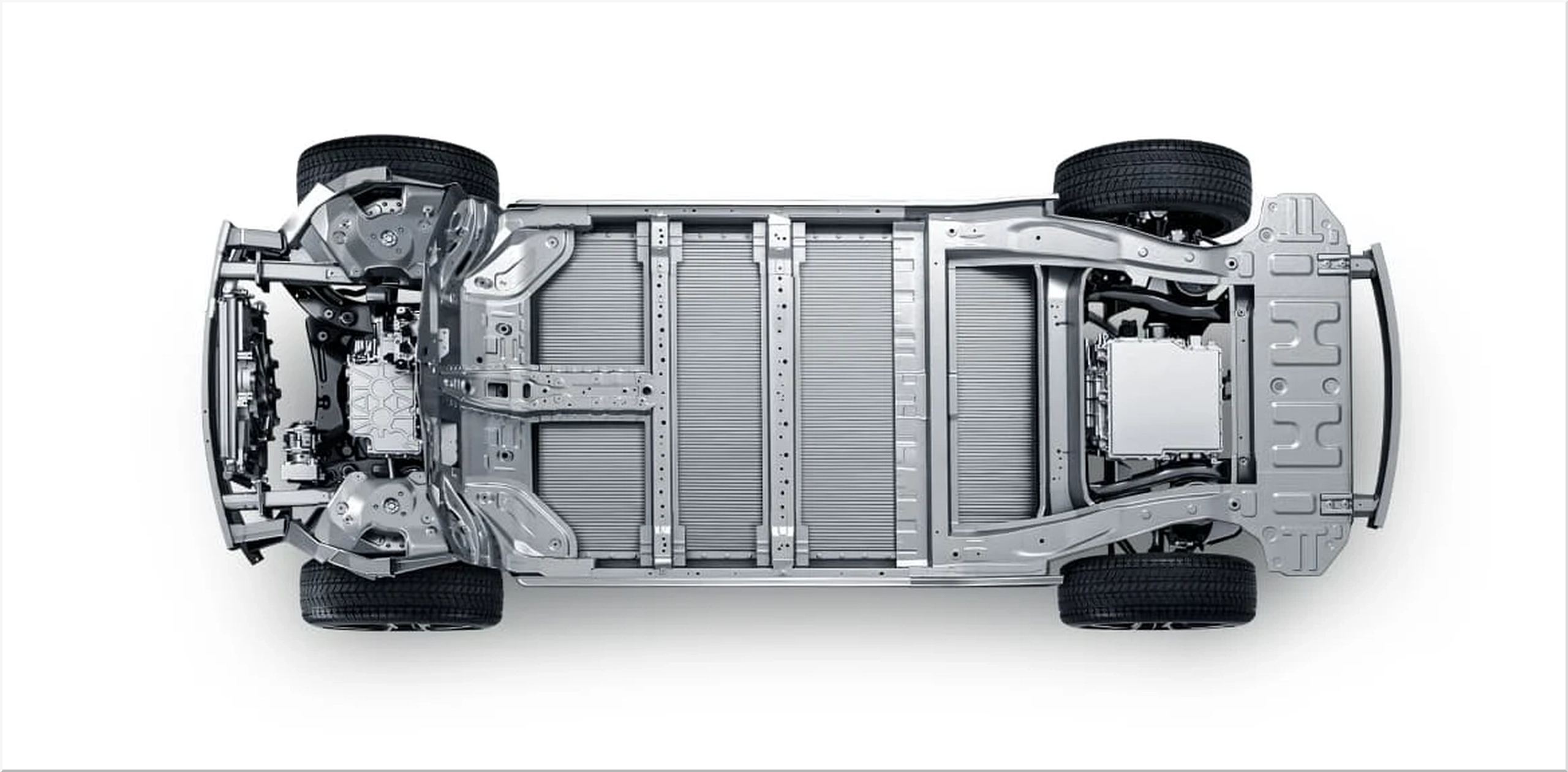
BYD states the ATTO 2 uses CTB (cell-to-body) construction and calls it its first compact model with that setup in this context. BYD Europe describes the battery/body integration as a structural "sandwich" layout and claims a 32% increase in torsional stiffness versus a conventional approach.
Consequently, CTB can improve three things at once:
- Body rigidity for better ride and handling precision
- Space efficiency by reducing structural duplication
- Mass efficiency by integrating battery pack structure into the body design
That explains why the ATTO 2 can stay compact outside while keeping a roomy interior and usable cargo bay.
2) LFP Blade Battery chemistry
BYD uses its Blade Battery based on LFP chemistry. The site emphasizes safety testing and states the pack is cobalt- and nickel-free.
From an expert perspective, LFP makes sense in a cost-sensitive compact EV because it supports:
- Lower material cost volatility than nickel-heavy chemistries
- Good thermal stability characteristics
- Strong cycle life for frequent charging use
- A value-oriented pricing model without shrinking equipment content
The trade-off usually appears as lower energy density than some NMC packs. BYD counters that with packaging efficiency, CTB integration, and platform-level design work.
3) Standard heat pump
BYD lists a heat pump as standard and explicitly ties it to lower energy loss in low temperatures. That is not a minor line item. In colder climates, HVAC load can drag range hard, and a heat pump cuts that penalty compared with simple resistance heating.
In addition, BYD builds this into the base equipment story rather than forcing a trim jump in the specs shown. That improves real ownership value in northern Europe.
Interior, technology, and feature density
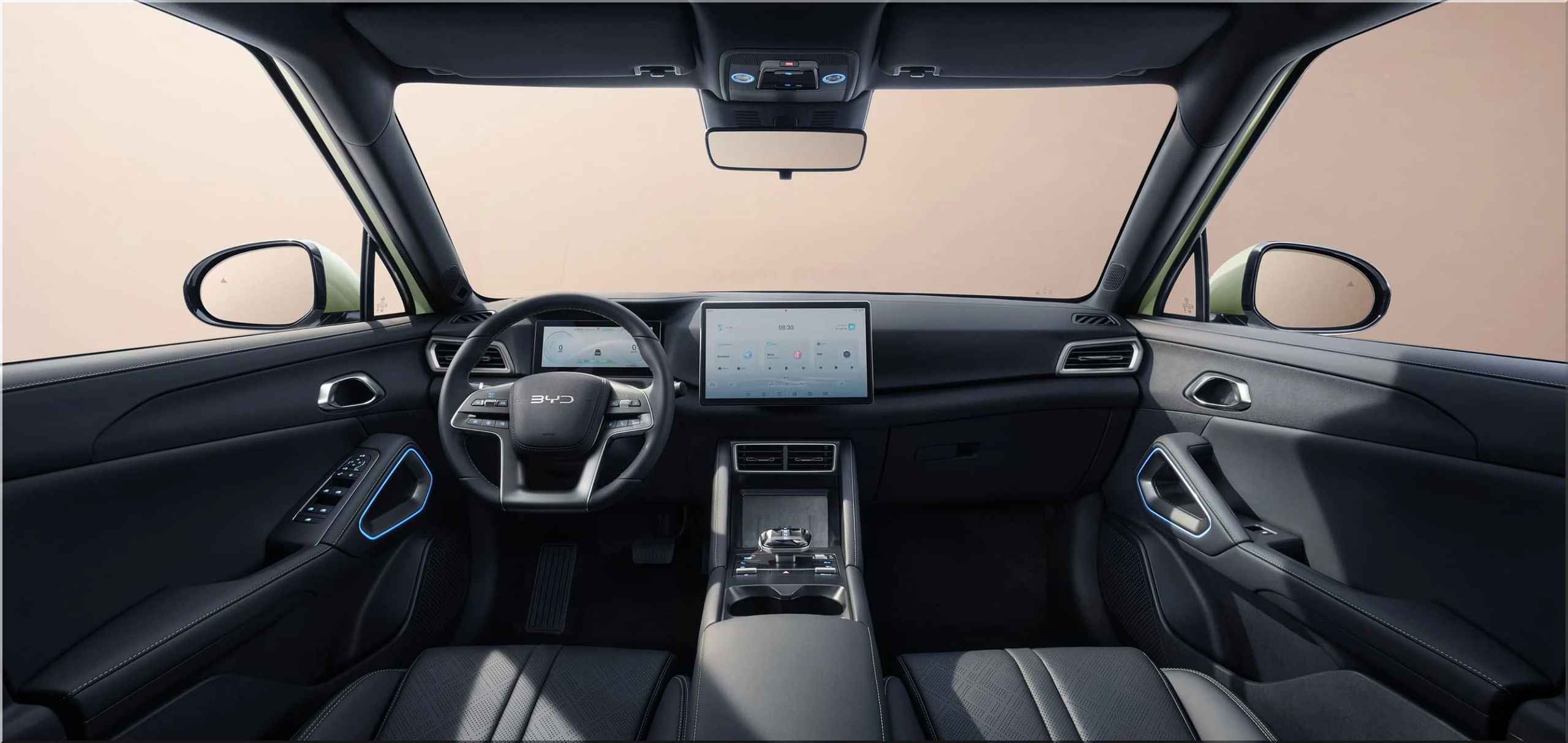
BYD pushes equipment hard in the ATTO 2, and that fits the brand's current European playbook. The car aims to feel well-equipped at entry trims, then adds comfort and screen/audio upgrades as you move up.
Core cabin and infotainment features (trim-dependent)
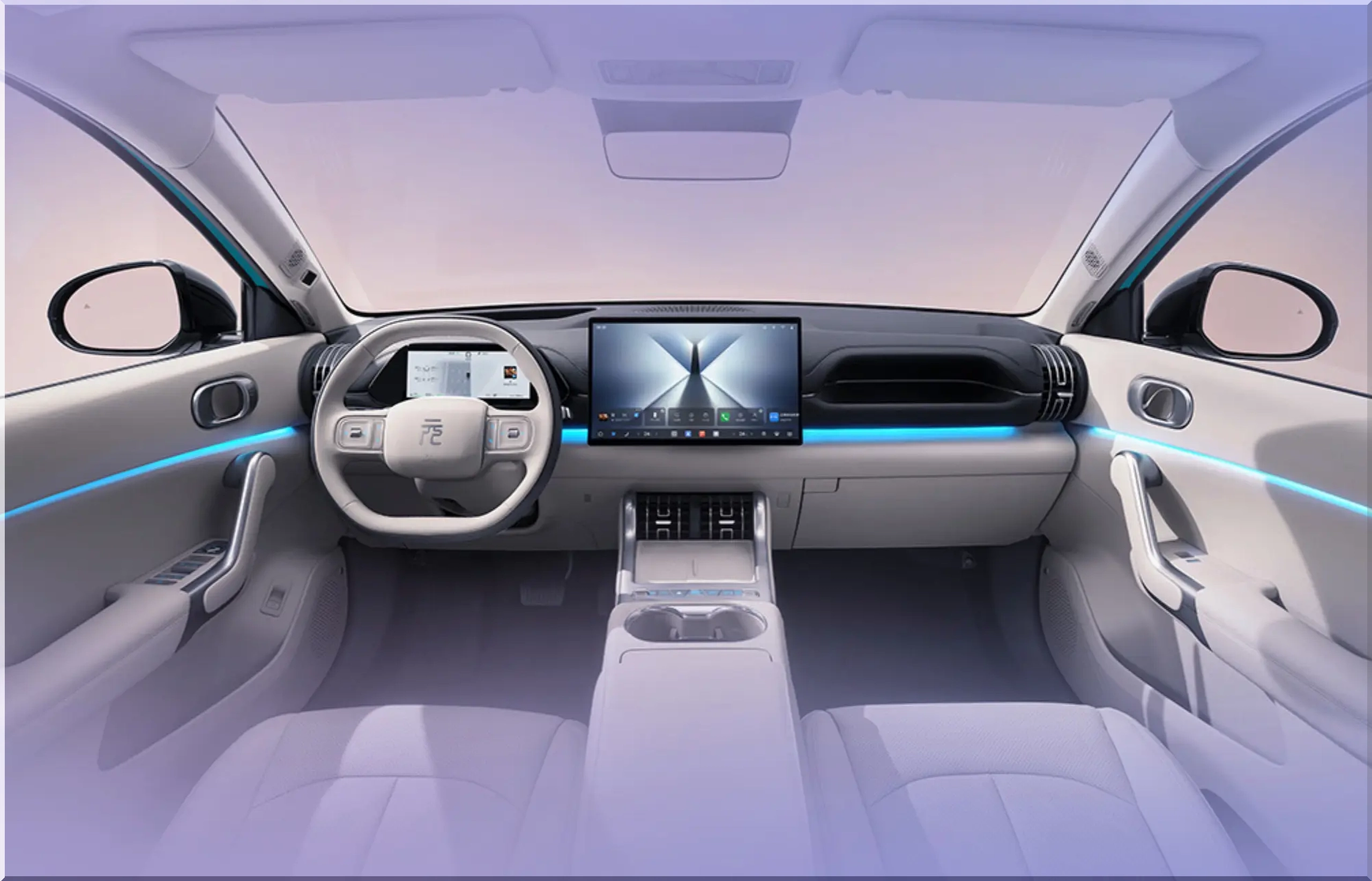
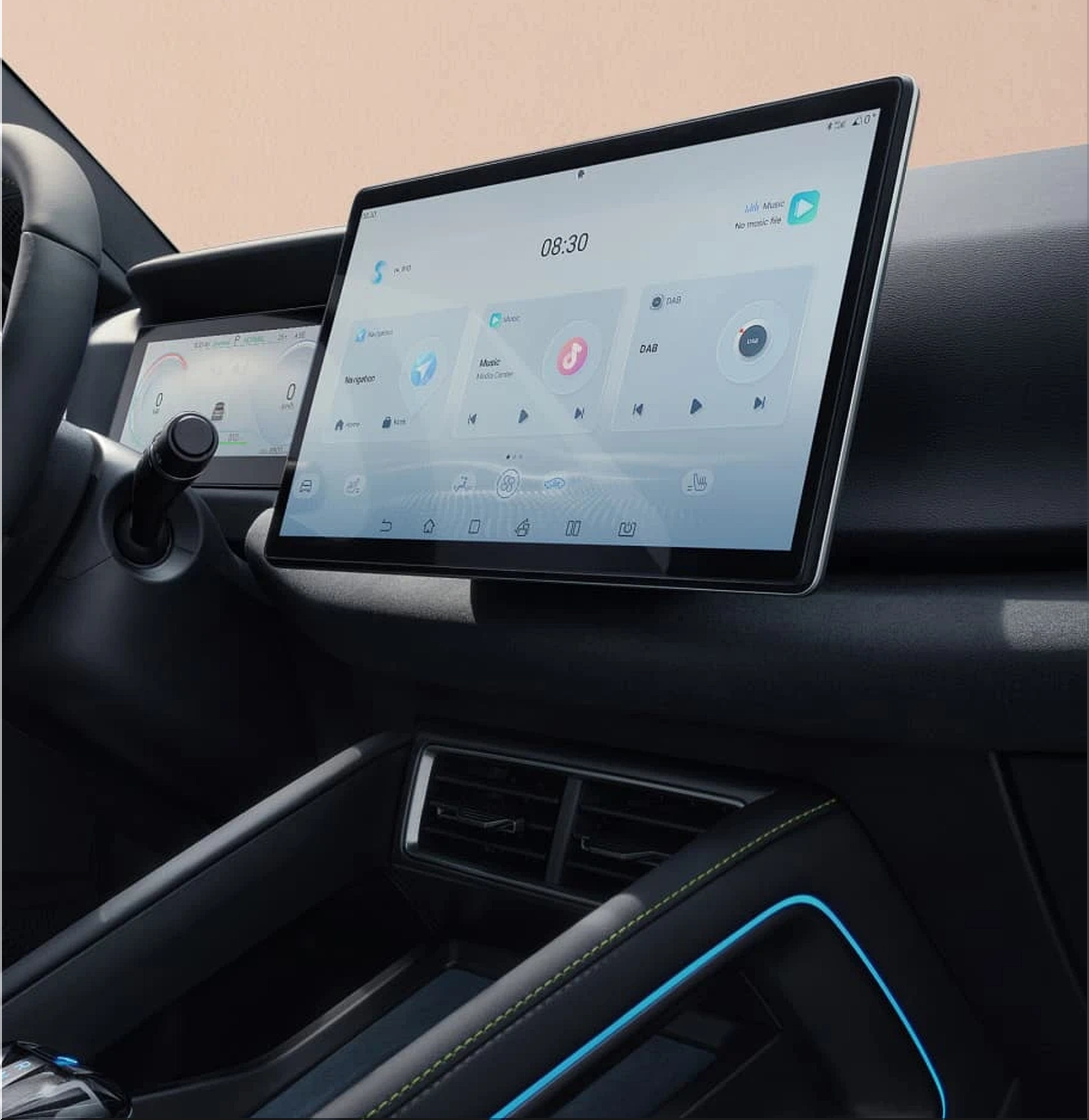
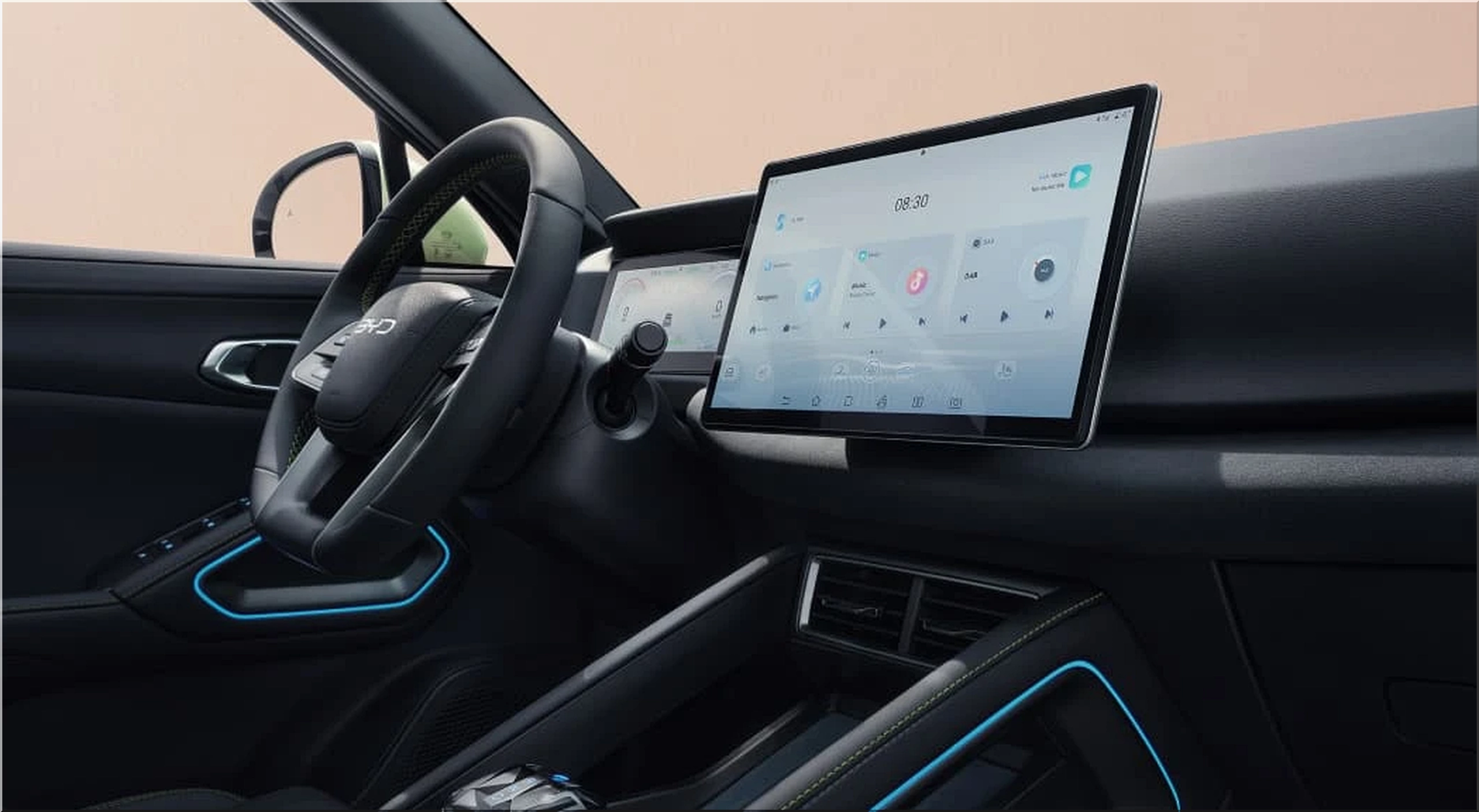
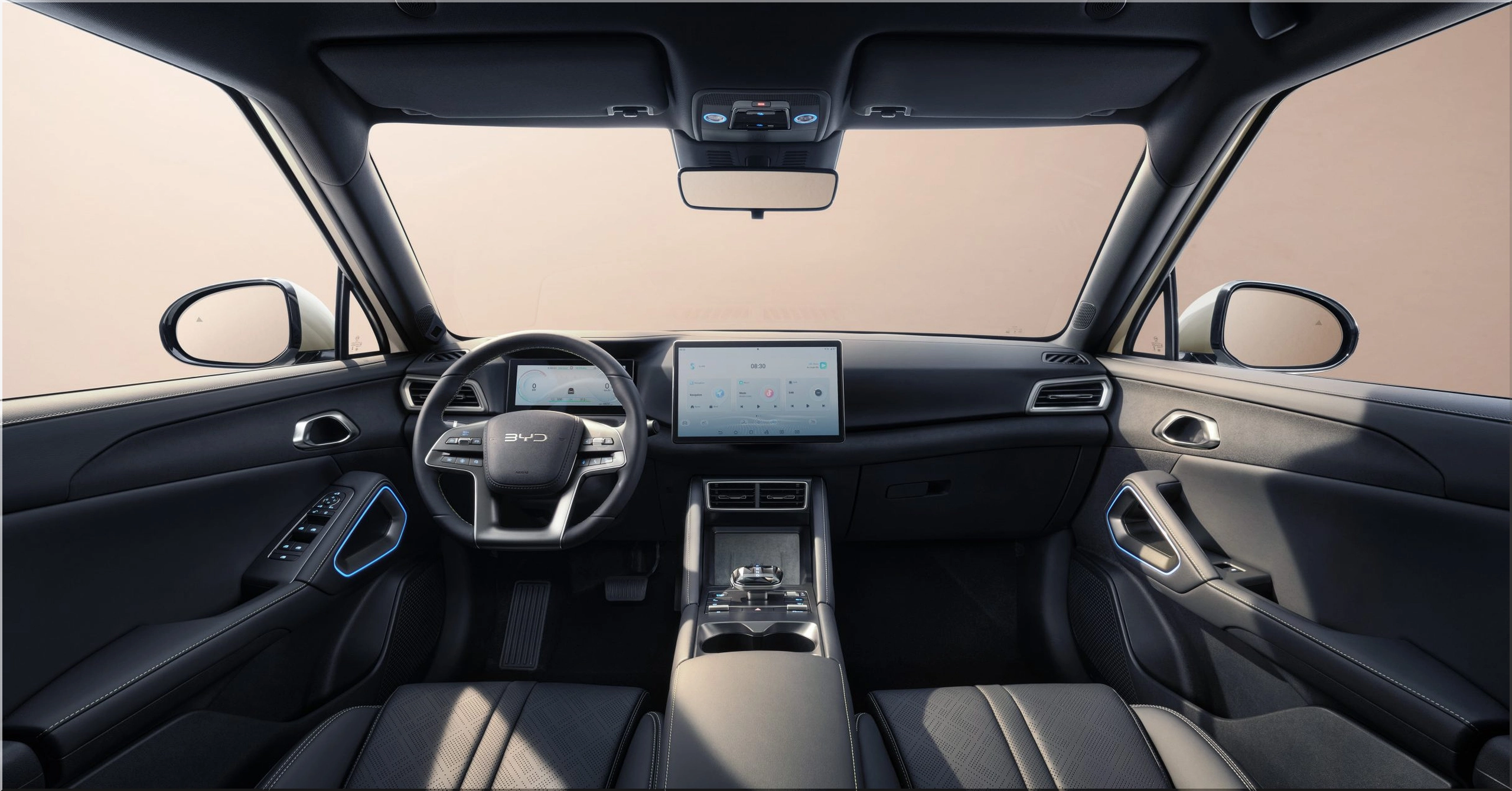
- 8.8-inch TFT LCD instrument cluster
- 10.1-inch or 12.8-inch rotatable touchscreen (trim-dependent)
- Apple CarPlay and Android Auto
- 4G connectivity
- BYD app remote functions (pre-conditioning, lock status, charging status, more)
- OTA software updates
- HERE maps navigation with live traffic and charger availability
- Voice control
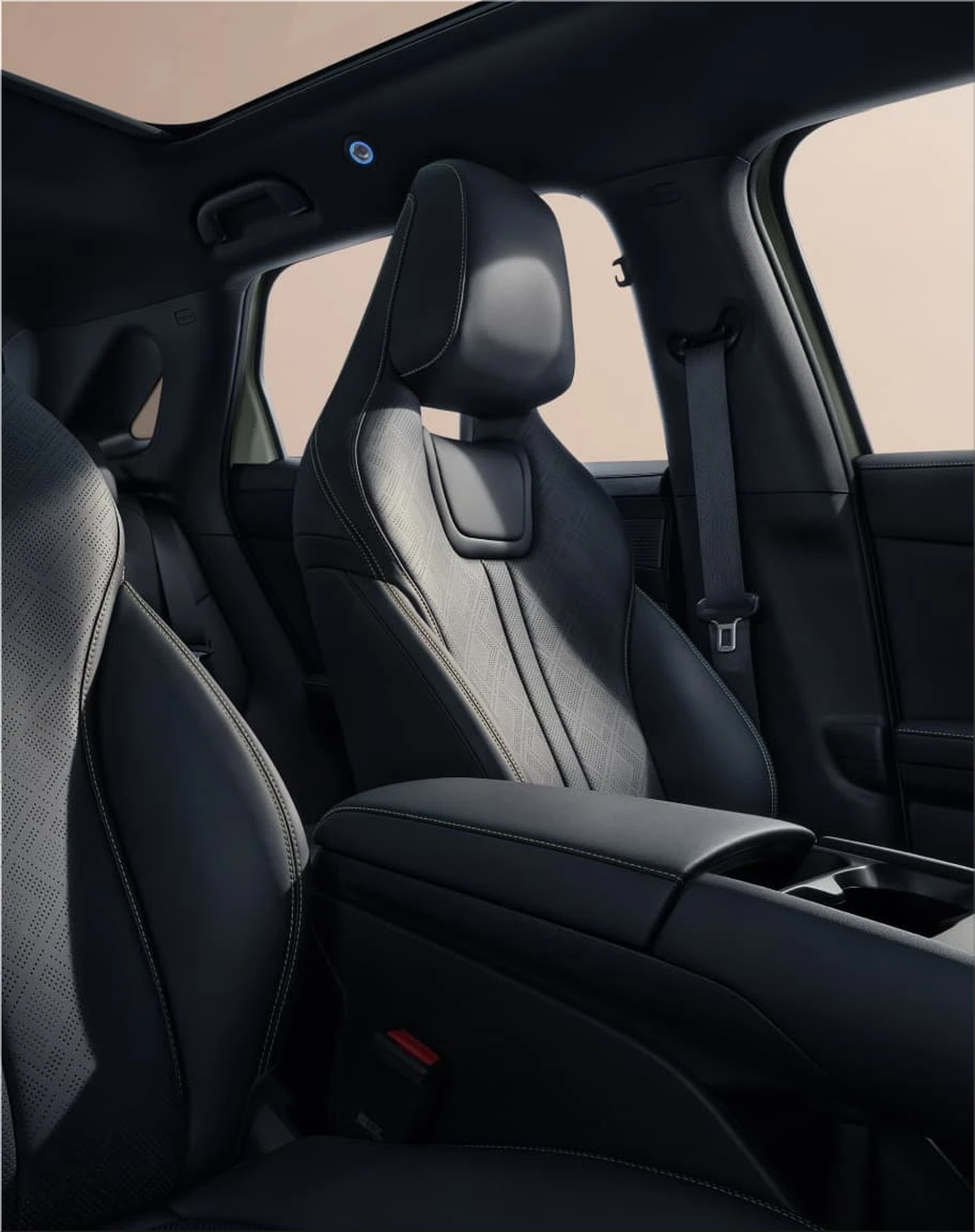
- Vegan leather upholstery
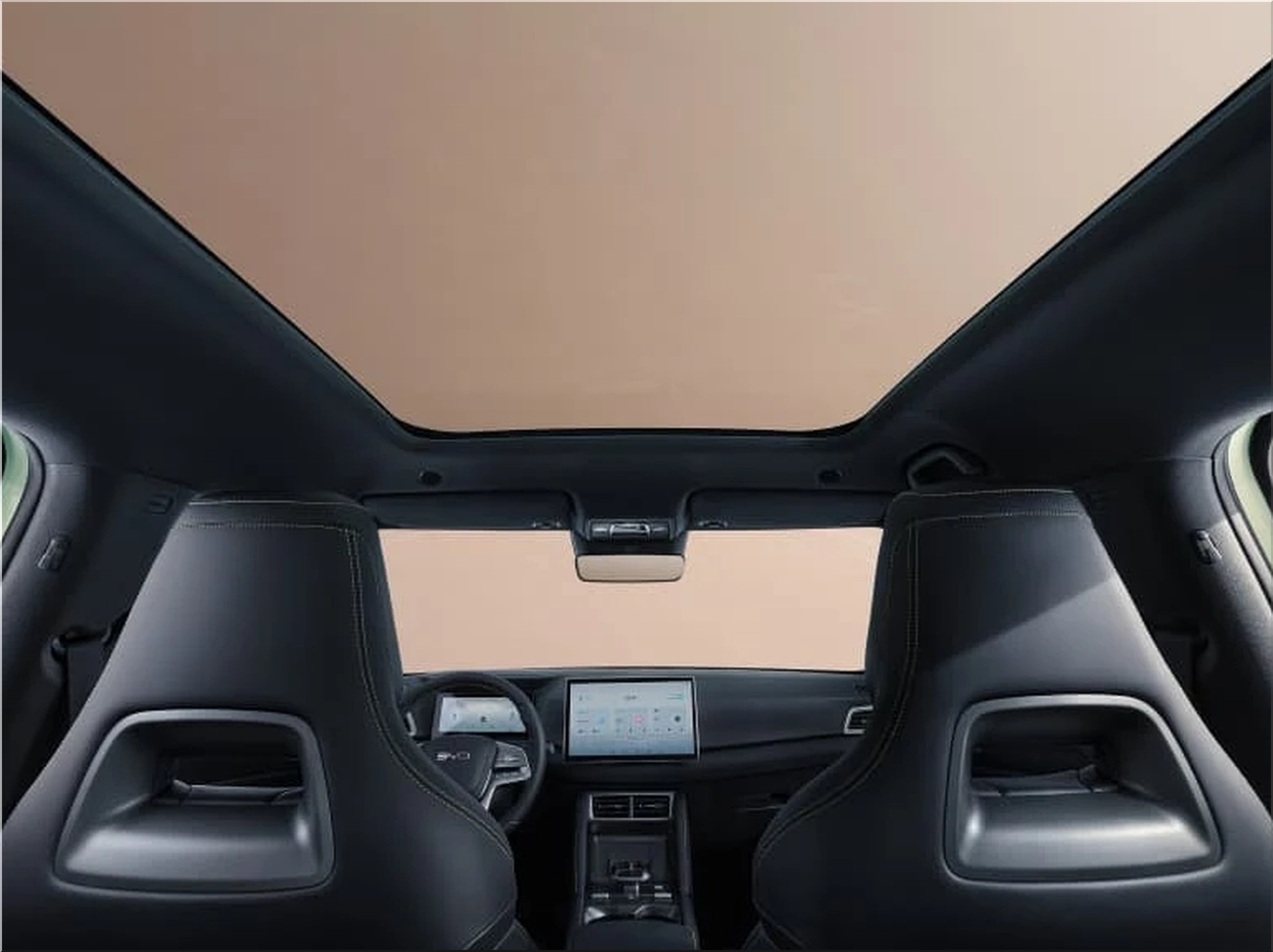
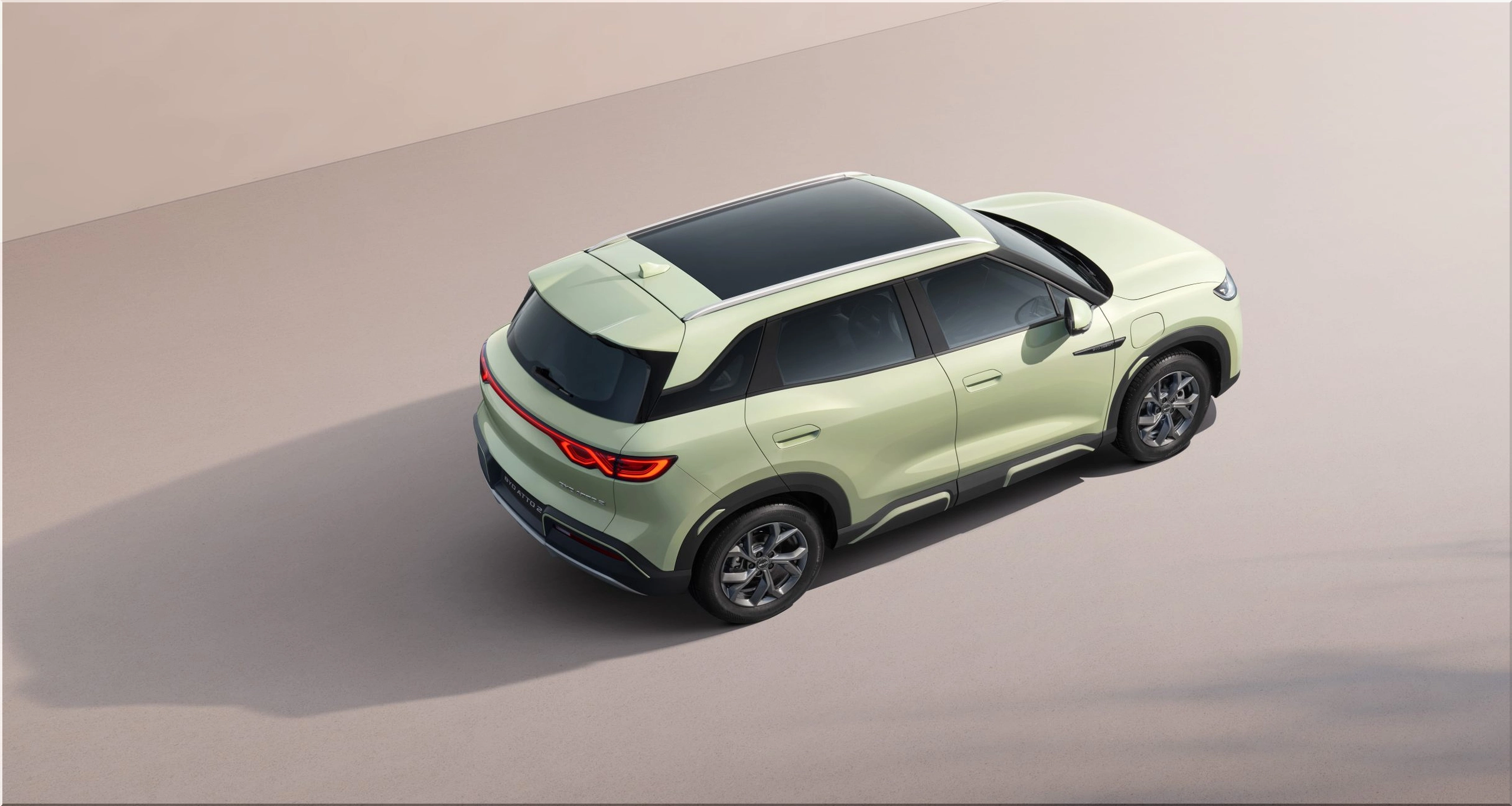
- Panoramic roof with electric sunshade (listed in equipment set)
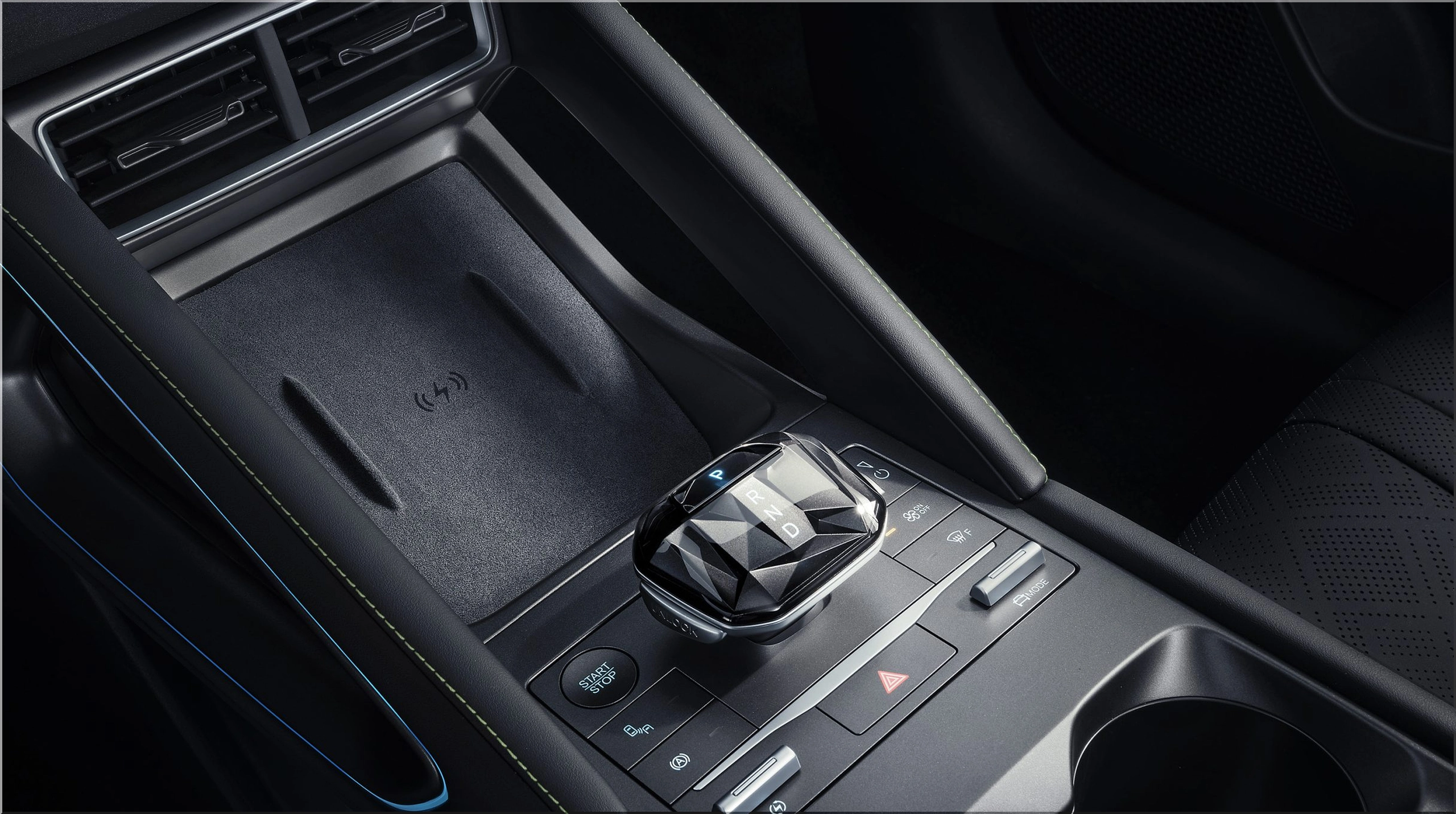
- Wireless phone charging (15W) on higher trim content
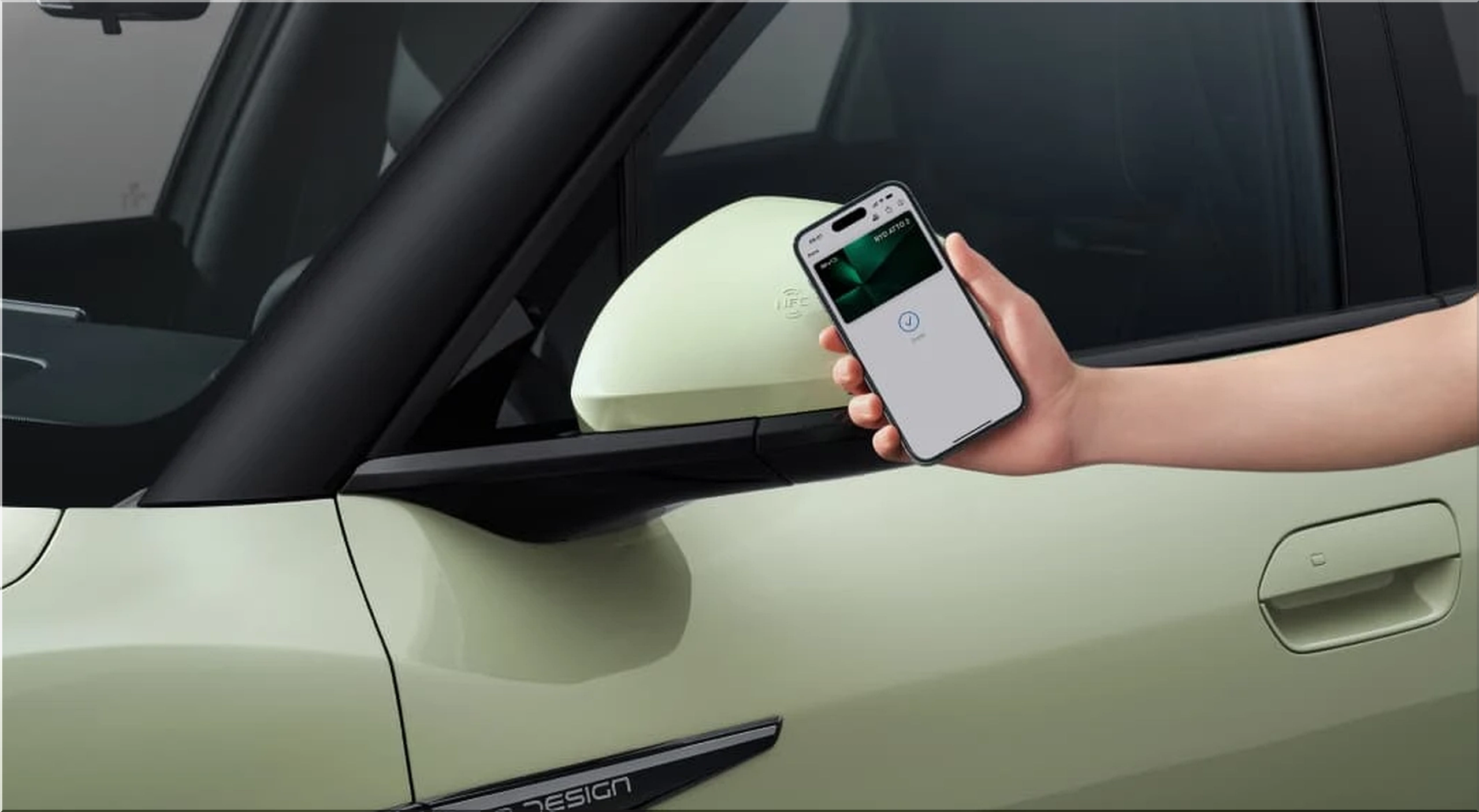
- NFC key card / phone-based access
- Dynaudio audio system (speaker count varies by trim)
Looking at the data, BYD puts real emphasis on day-to-day convenience tech rather than one big "hero" feature. Pre-conditioning, app control, NFC entry, and standard driver assistance functions affect every commute. That gives the ATTO 2 strong showroom appeal and strong weekly usability.
Specifically, the rotatable center display remains a BYD signature. Some buyers like the novelty, but the practical point sits elsewhere: a large central interface with integrated navigation, phone projection, and OTA support at this price level.
Safety and driver assistance: strong standard coverage strategy
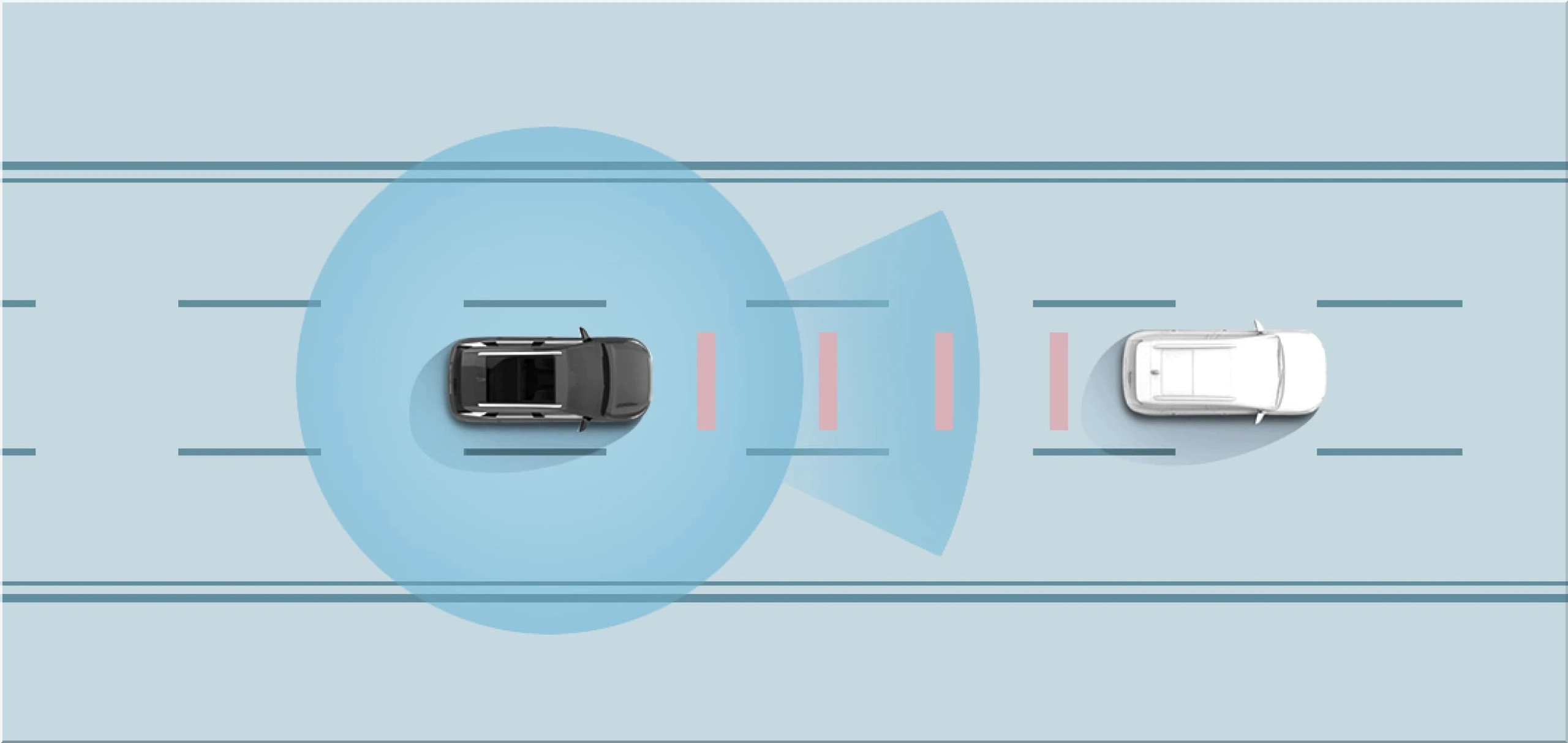
BYD lists an extensive ADAS and active safety set on the ATTO 2 page, including many systems buyers now expect only on mid or upper trims in competing models. That strategy supports conversion because shoppers can skip option-sheet math.
Key safety and ADAS features listed
- Adaptive Intelligent Cruise Control (Stop & Go)
- Automatic Emergency Braking (AEB)
- Blind Spot Detection (BSD)
- Lane Departure Warning (LDW)
- Lane Centring Control (LCC)
- Emergency Lane Keeping Assistance (ELKA)
- Front/Rear Cross Traffic Alert & Brake
- Traffic Sign Recognition (TSR)
- Driver Distraction Warning (DDW)
- 360-degree camera
- Front and rear parking sensors
- ISOFIX points including passenger seat position listing
- Central front airbag plus front and rear side airbags listed in the package
From an expert perspective, this equipment density helps BYD in buyer comparisons that happen on dealer forecourts and review roundups. Many compact EVs look similar on power and range. The gap often opens when shoppers compare standard features line by line.

BYD ATTO 2 vs key compact EV SUV rivals
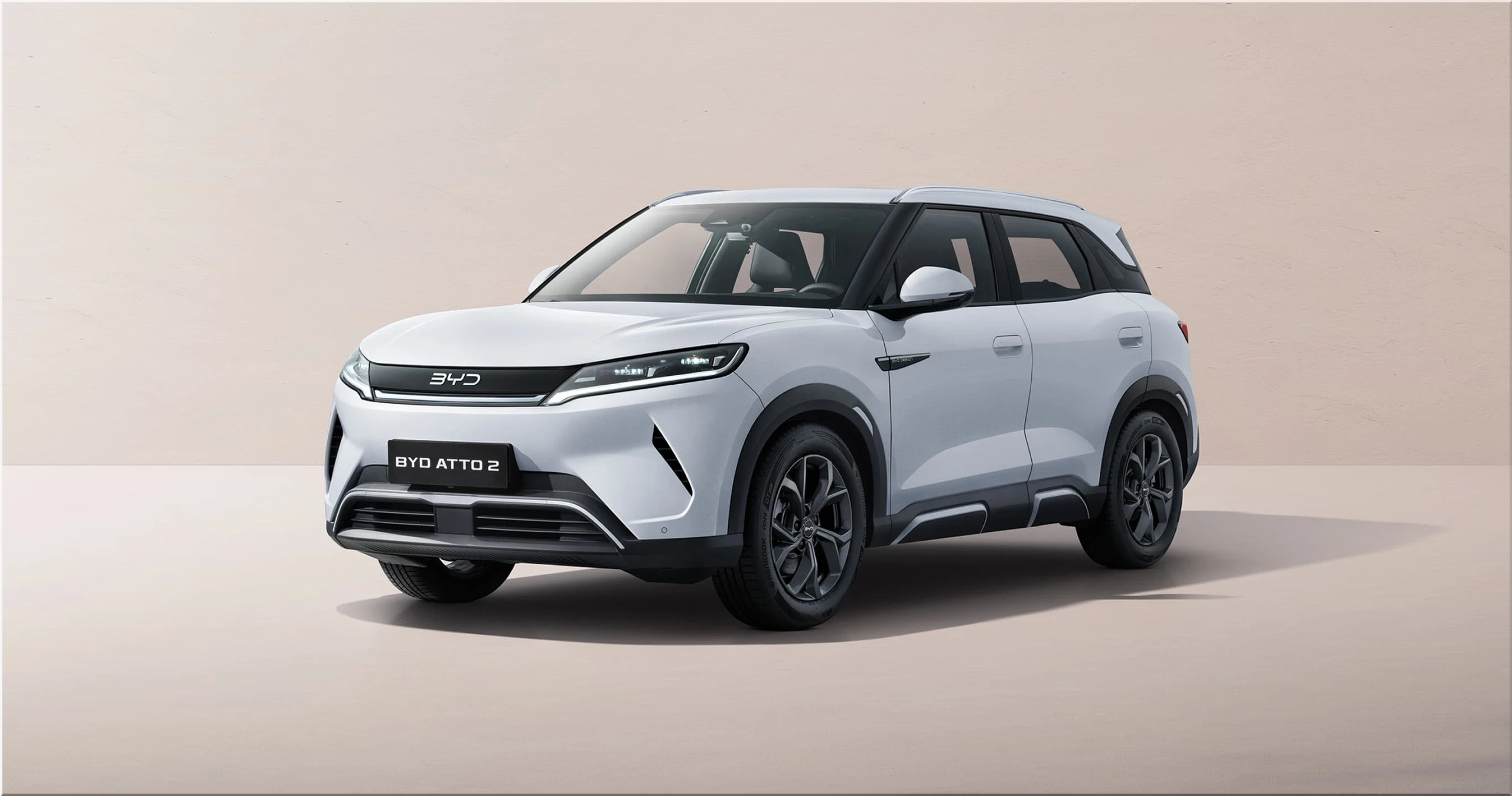
The ATTO 2 competes in a segment with strong entries from Stellantis brands and others. To keep the comparison clean, the table below uses commonly compared European-market data points from EV Database for the BYD and three direct rivals.
Competitive comparison table: size, range, charging, practicality
| Model | BYD ATTO 2 | Jeep Avenger Electric | Peugeot e-2008 54 kWh | Opel Mokka Electric |
|---|---|---|---|---|
| Segment type | Compact electric SUV | Compact electric SUV | Compact electric SUV | Compact electric SUV |
| Length | 4310 mm | 4084 mm | 4304 mm | 4150 mm |
| Wheelbase | 2620 mm | 2562 mm | 2562 mm | 2557 mm |
| Height | 1675 mm | 1528 mm | 1523 mm | 1534 mm |
| Cargo volume | 400 L | 355 L | 434 L | 310 L |
| Cargo max | 1340 L | 1252 L | 1467 L | 1060 L |
| Braked towing | 750 kg | 0 kg (EVDB listed) | 0 kg (EVDB listed) | 0 kg (EVDB listed) |
| Power | 130 kW | 115 kW | 115 kW | 115 kW |
| Torque | 290 Nm | 260 Nm | 260 Nm | 260 Nm |
| 0-100 km/h | 7.9 s | 9.0 s | 9.1 s | 9.0 s |
| WLTP range (official) | 312 km (core trims listed) | 385-404 km (TEH/TEL) | 397-406 km (TEH/TEL) | 403 km |
| AC charging | 11 kW | 11 kW | 7.4 kW (as listed on page) | 7.4 kW std / 11 kW optional depending market |
| DC fast charge max | 65 kW | 107 kW | 107 kW | 107 kW |
| V2L | Yes (3.3 kW) | No | No | No |
Looking at the data, the BYD ATTO 2 wins on wheelbase, torque, acceleration, towing ability, and V2L utility in this comparison set. It keeps strong AC charging at 11 kW, which matters for home charging in three-phase markets.
Image
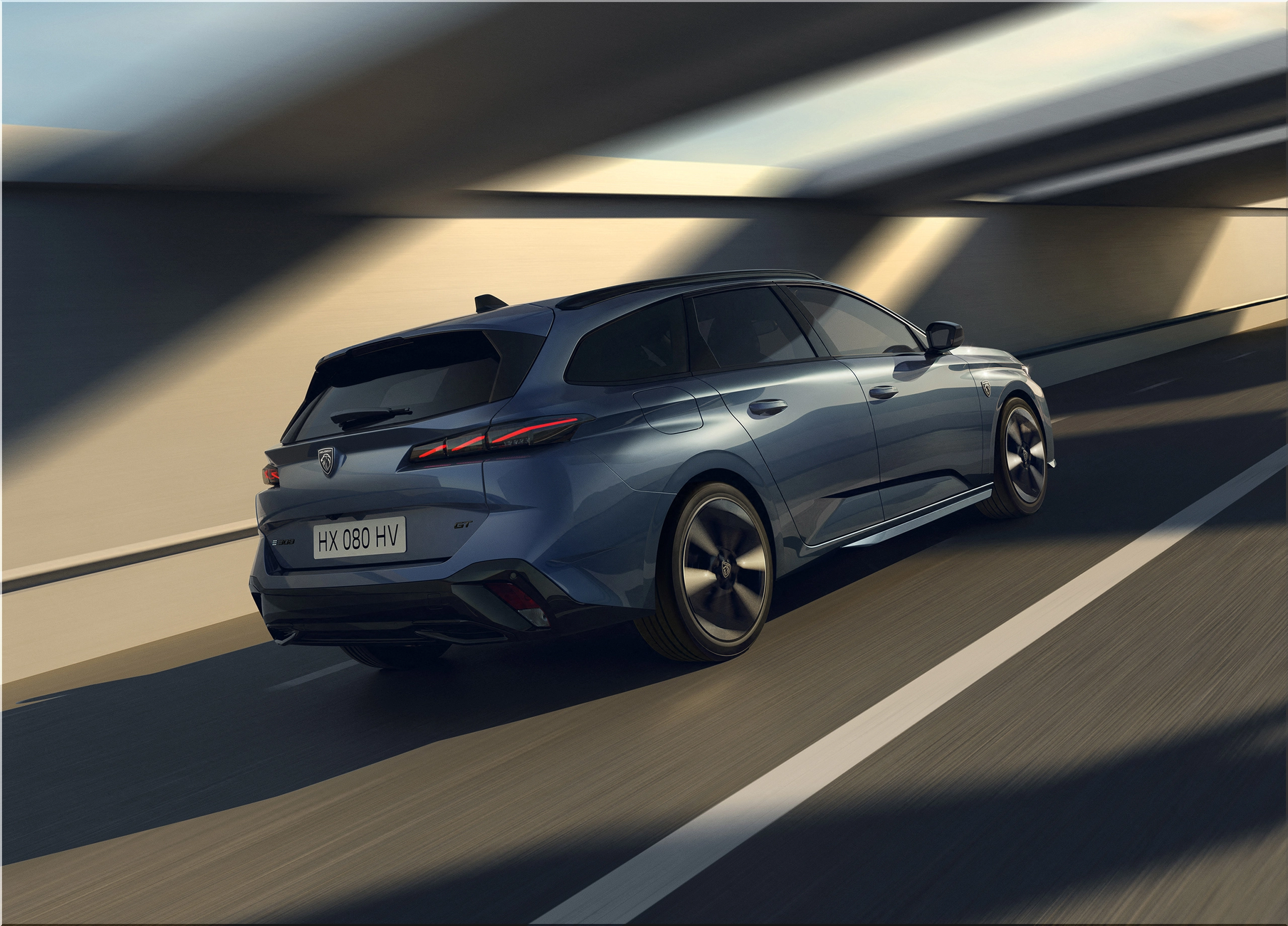
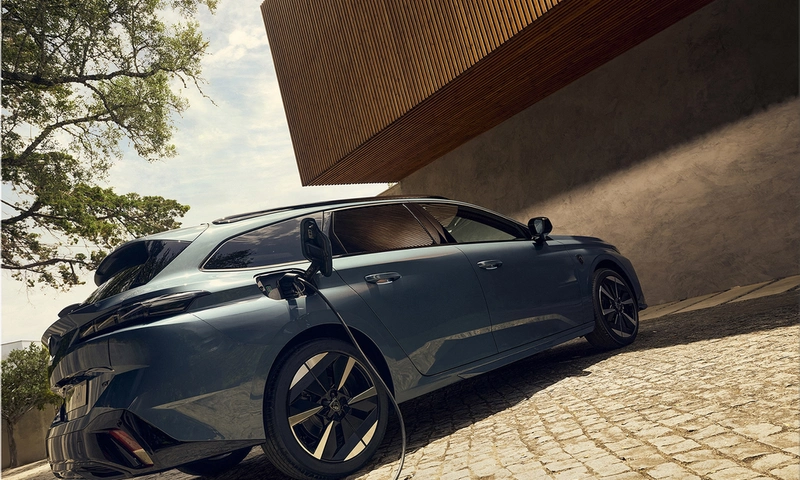
By comparison, the Stellantis trio wins on peak DC charging power and official WLTP range figures in the 54 kWh class. That creates a clean buying split:
- Pick ATTO 2 if you value space efficiency, standard kit, V2L, towing, and urban usability
- Pick a faster-charging Stellantis rival if your routine includes frequent long highway trips and you prioritize stop duration
Pricing and value
BYD lists starting prices and trim positions that frame the ATTO 2's value pitch clearly. Since you asked for USD values, the conversions below use a recent ECB EUR/USD reference rate.
BYD ATTO 2 pricing
| Trim | Price (EUR) | Approx. USD |
|---|---|---|
| ATTO 2 Active | €31,690 | $37,289.62 |
| ATTO 2 Boost | €33,690 | $39,643.02 |
| ATTO 2 Comfort | €36,690 | $43,173.12 |
From an expert perspective, the value story depends on the trim mix in your country. The Active and Boost versions with the 45.12 kWh pack look positioned to pull buyers from well-equipped small ICE crossovers and entry EV hatchbacks. The Comfort trim changes the conversation because BYD's page lists a larger range claim and more premium features.
In addition, BYD backs the ATTO 2 with long warranty coverage on key components:
- Vehicle warranty: 6 years / 150,000 km
- Drive unit + ECU: 8 years / 150,000 km
- Traction battery: 8 years / 200,000 km (SOH 70%)
- Corrosion perforation: 12 years (unlimited km listed)
That warranty stack strengthens conversion when shoppers compare upfront price with long-term risk.
BYD ATTO 2 review verdict: who should buy it, who should skip it
The BYD ATTO 2 review angle gets simple once you separate daily-use priorities from road-trip priorities. This car targets the former and does that job well on paper.
Buy the BYD ATTO 2 if you want:
- A compact electric SUV with strong interior packaging
- Useful features without a long options list
- 11 kW AC charging and regular home charging compatibility
- LFP battery ownership appeal and long battery warranty
- V2L and light towing capability
- Quick city and suburban acceleration
Consider a rival if you need:
- Higher peak DC charging and shorter motorway charging stops
- A larger battery and longer official range in the same general class
- A lower roofline and more car-like seating position
- A specific dealer network or fleet policy brand requirement
Pro-Tips for buyers shopping the BYD ATTO 2
Pro-Tip: Test the rear seat with an adult passenger behind your driving position
The ATTO 2's wheelbase suggests good packaging. Verify it in person. Set the driver's seat to your position, then sit behind it and check knee clearance, foot room under the seat, and headroom under the panoramic roof area.
Pro-Tip: Ask the dealer for actual charging curve behavior, not only peak kW
A 65 kW peak tells only part of the story. Ask for time-to-charge from 10-80% and 30-80%, plus expected behavior in winter. The ATTO 2 already lists those claimed times, so use them as your reference point during the sales discussion.
Pro-Tip: Confirm trim-specific screen size, audio, and comfort features
BYD lists equipment differences between Active, Boost, and Comfort. Verify which version includes the 12.8-inch screen, wireless charging, heated steering wheel, and 360 camera in your local market spec.
Definitions for quick buyer scanning
AC charging vs DC fast charging
- AC charging usually covers home, office, and destination charging.
- DC charging handles highway fast charging and short stop top-ups.
LFP battery
Lithium iron phosphate chemistry. It often supports strong durability and thermal stability, with lower energy density than some nickel-rich packs.
CTB (Cell-to-Body)
A battery integration method that makes the battery pack part of the vehicle structure. It can improve rigidity and packaging efficiency.

What now: practical next steps before you buy
If the BYD ATTO 2 sits on your shortlist, move from spec-sheet reading to use-case validation. That step saves money and avoids buying the wrong EV for your route pattern.
- Map your weekly mileage and charging access (home, work, public).
- Match your route pattern to the ATTO 2's charging profile. Daily charging users will value it more than constant motorway users.
- Compare trims on equipment, not only price. BYD packs a lot into the ATTO 2, and the right trim can beat a rival even if the sticker sits slightly higher.
- Run a cargo test with your stroller, suitcases, or work gear. The 400 L to 1,340 L capacity looks good, but shape matters.
- Drive back-to-back with one faster-charging rival so you can feel the trade-off between BYD's space/feature strengths and a competitor's DC advantage.
- Check local spec sheets for final market differences, since charging hardware and feature content can vary by country.
The short version: the BYD ATTO 2 looks strongest as a feature-rich, practical, city-friendly compact electric SUV with smart packaging and strong everyday utility. If your ownership pattern centers on home charging and mixed urban use, it deserves a serious test drive.
- Add new comment
- 292 views