Market Direction and Product Intent
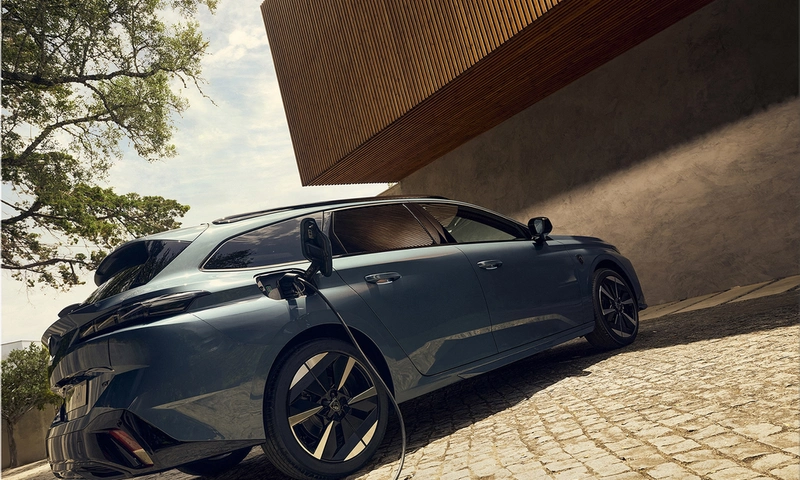
The 2026 Vauxhall Astra and Astra Sports Tourer expand Vauxhall’s compact lineup with a clear focus on measurable efficiency gains, wider powertrain choice, and improved cabin materials. The update targets buyers who want predictable running costs, simple feature sets, and practical performance. Expected pricing ranges from 27,000 to 38,000 USD, depending on configuration.
The launch aligns with rising demand for compact EVs and hybrids that deliver longer range, lower operating cost, and straightforward packaging.
Image
Exterior Design and Functional Updates
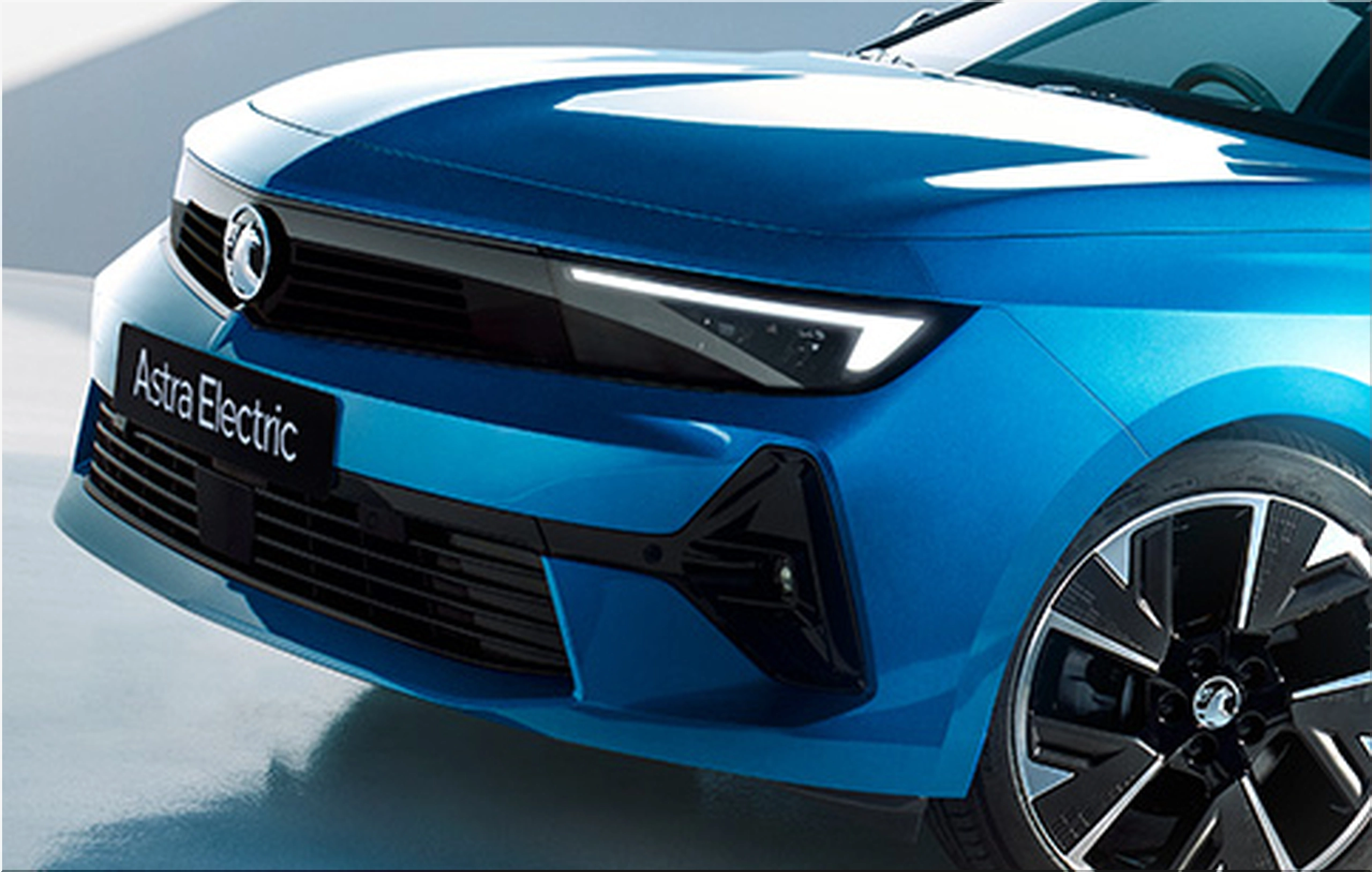
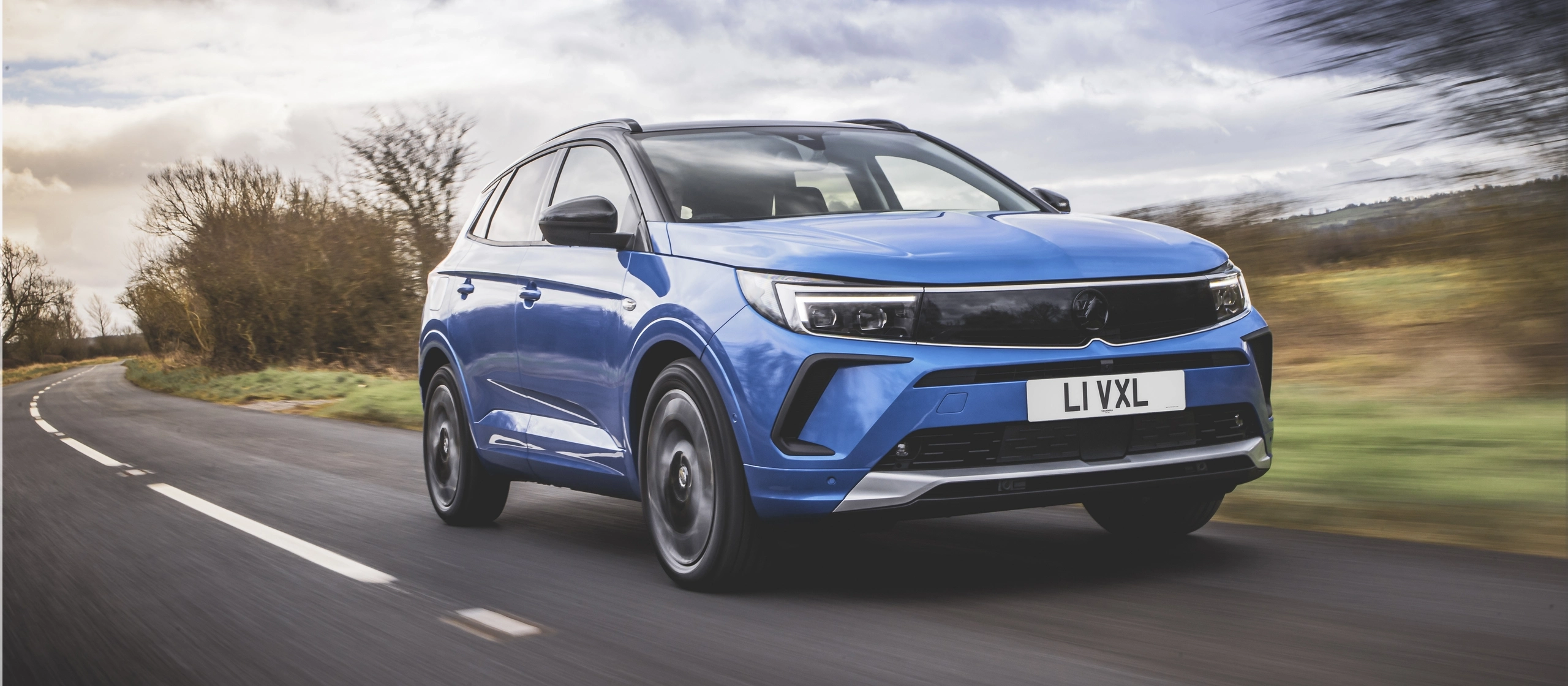
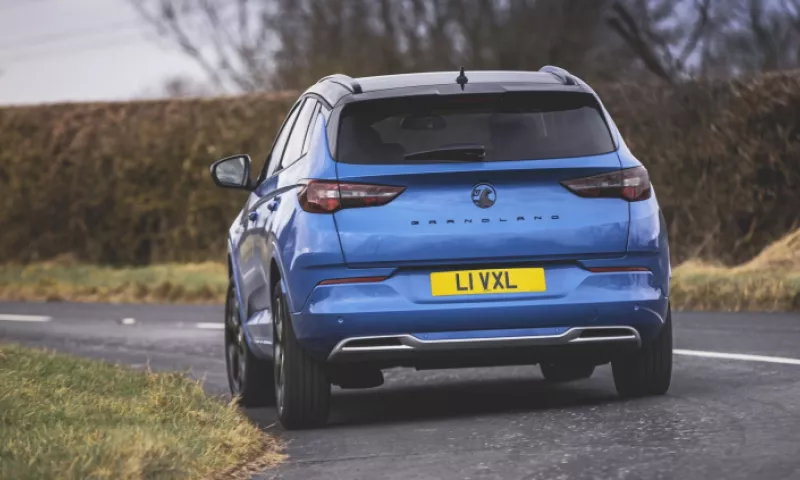
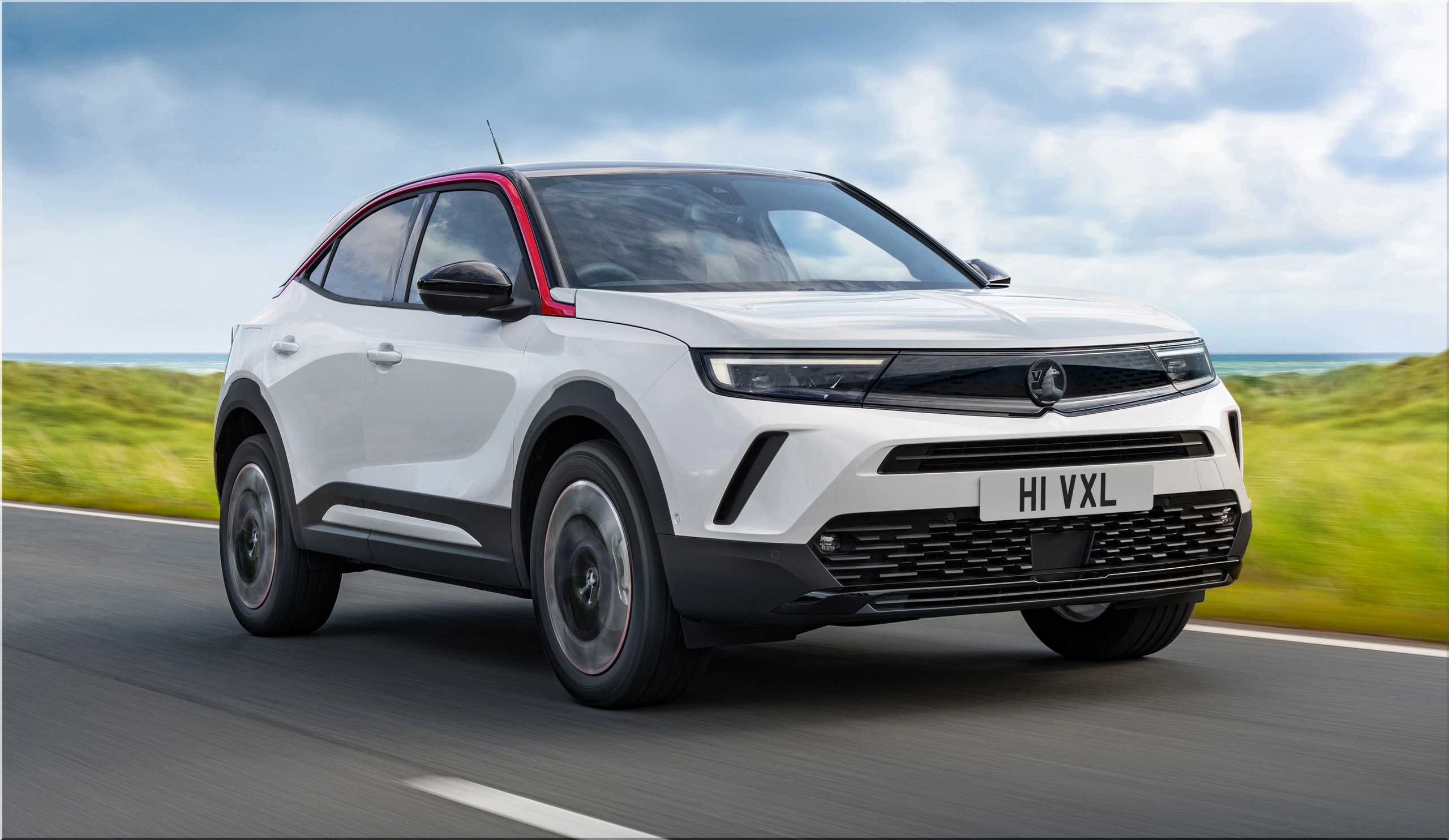
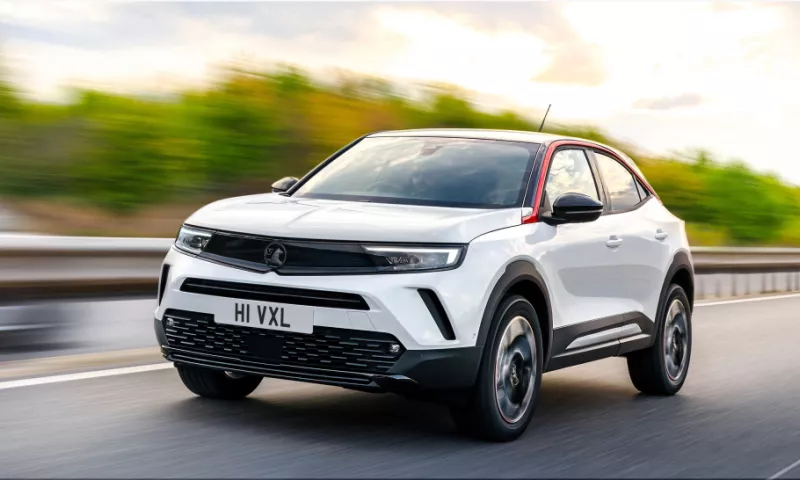
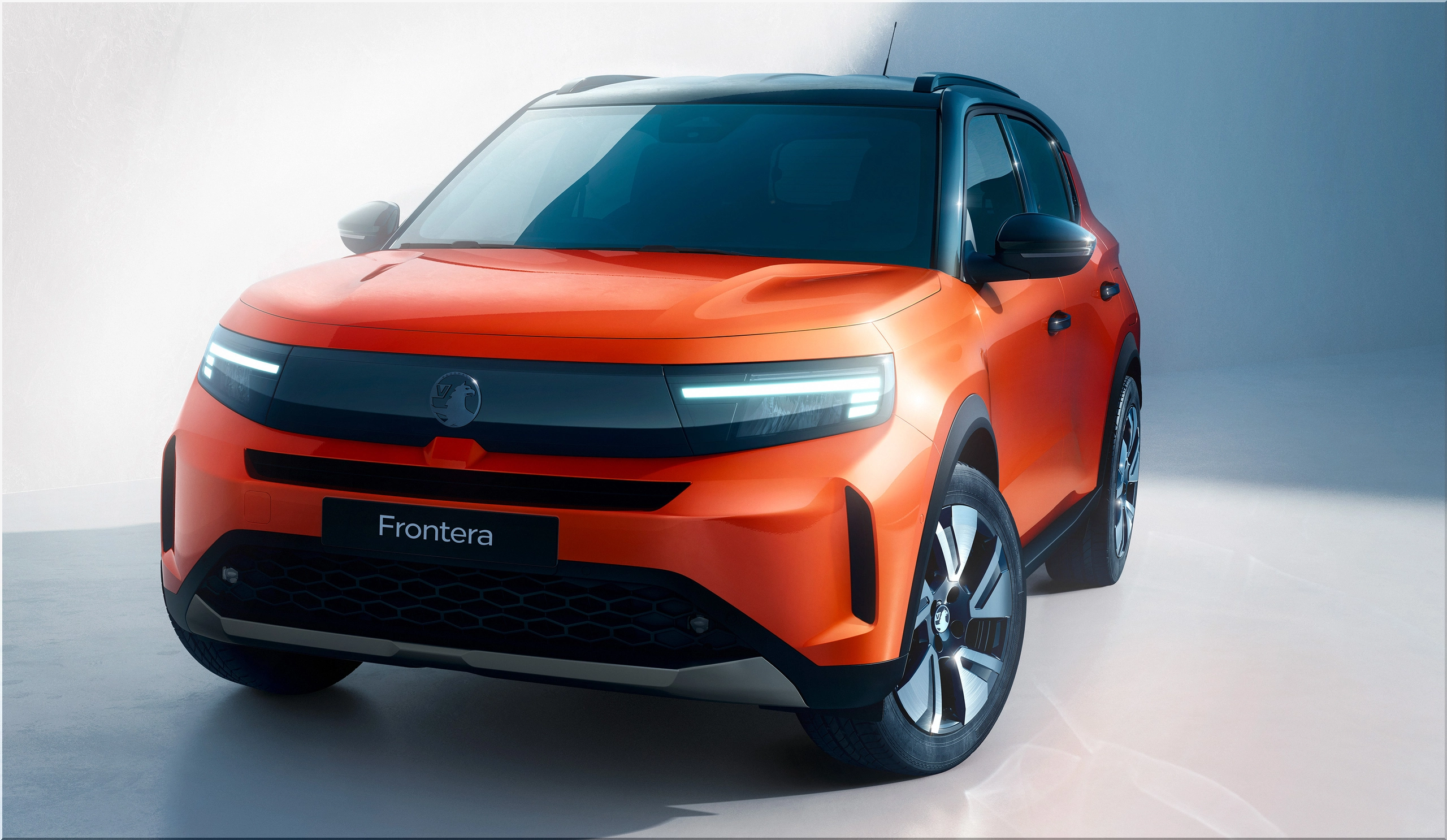
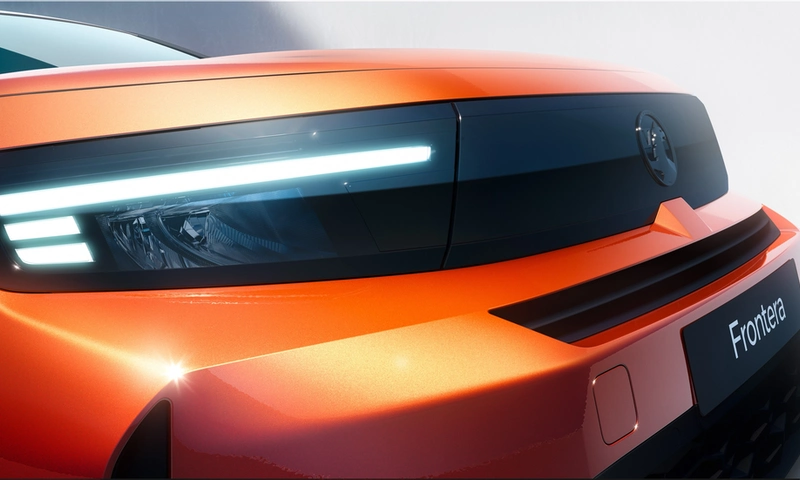
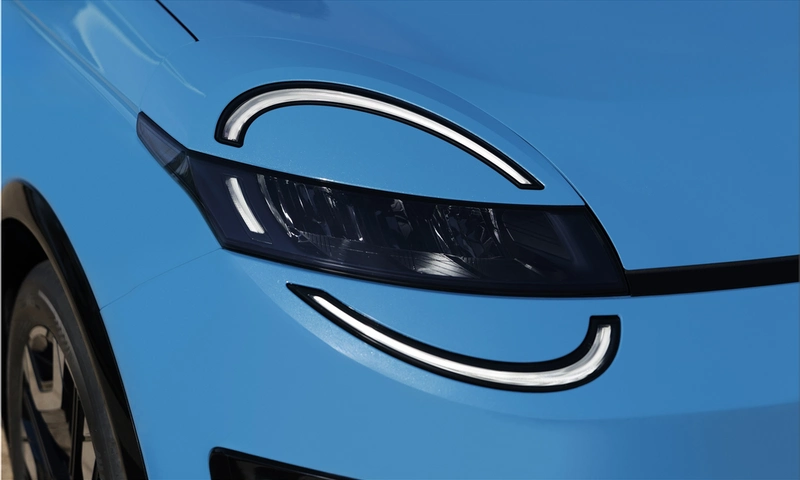
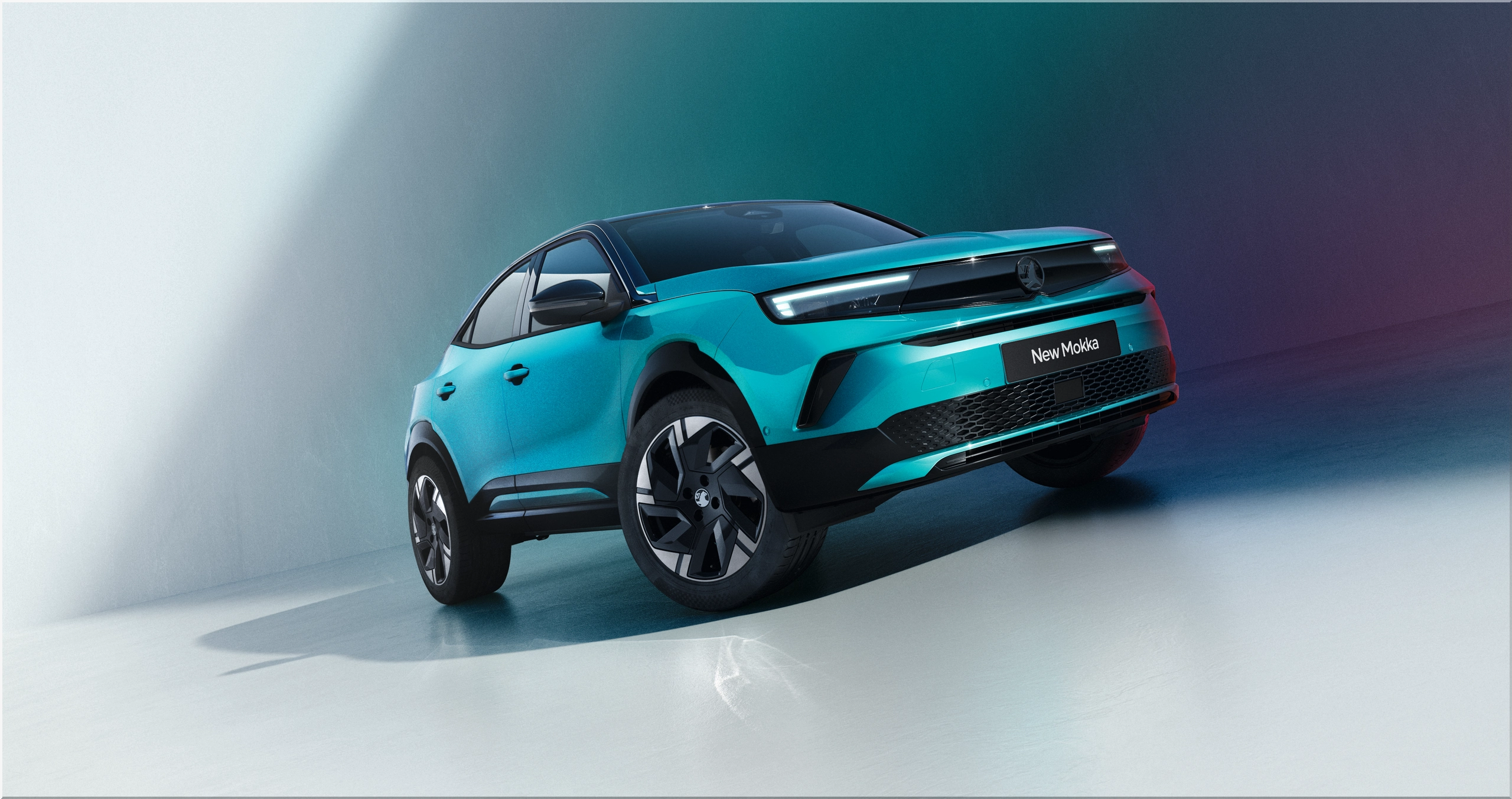
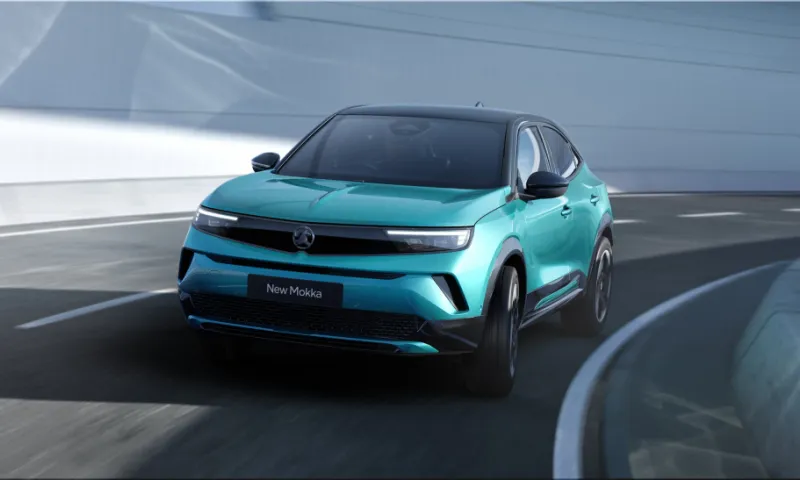
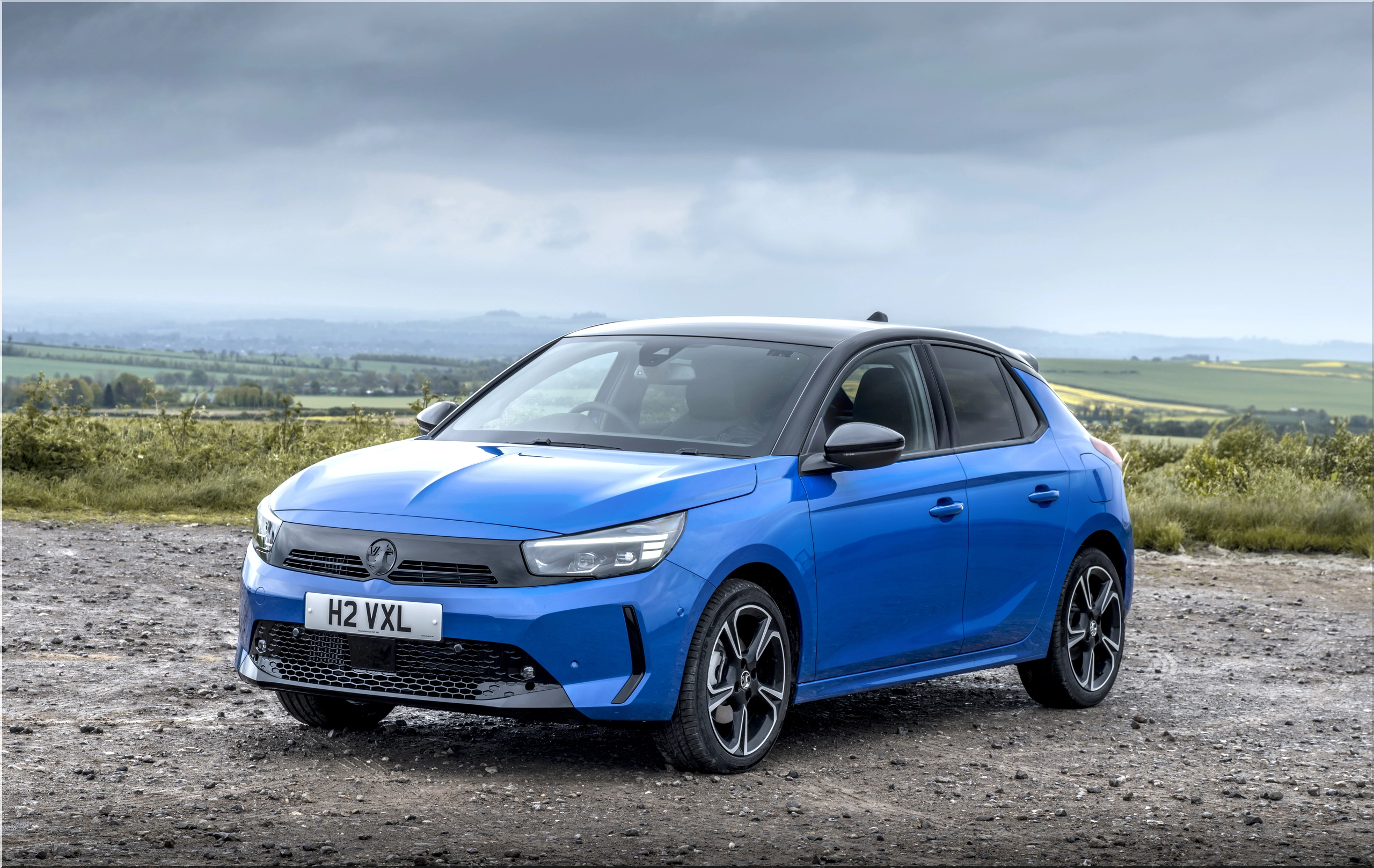
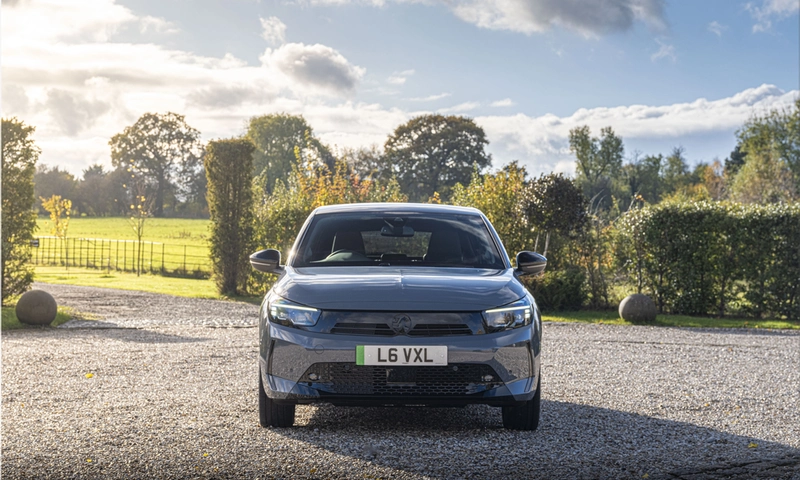
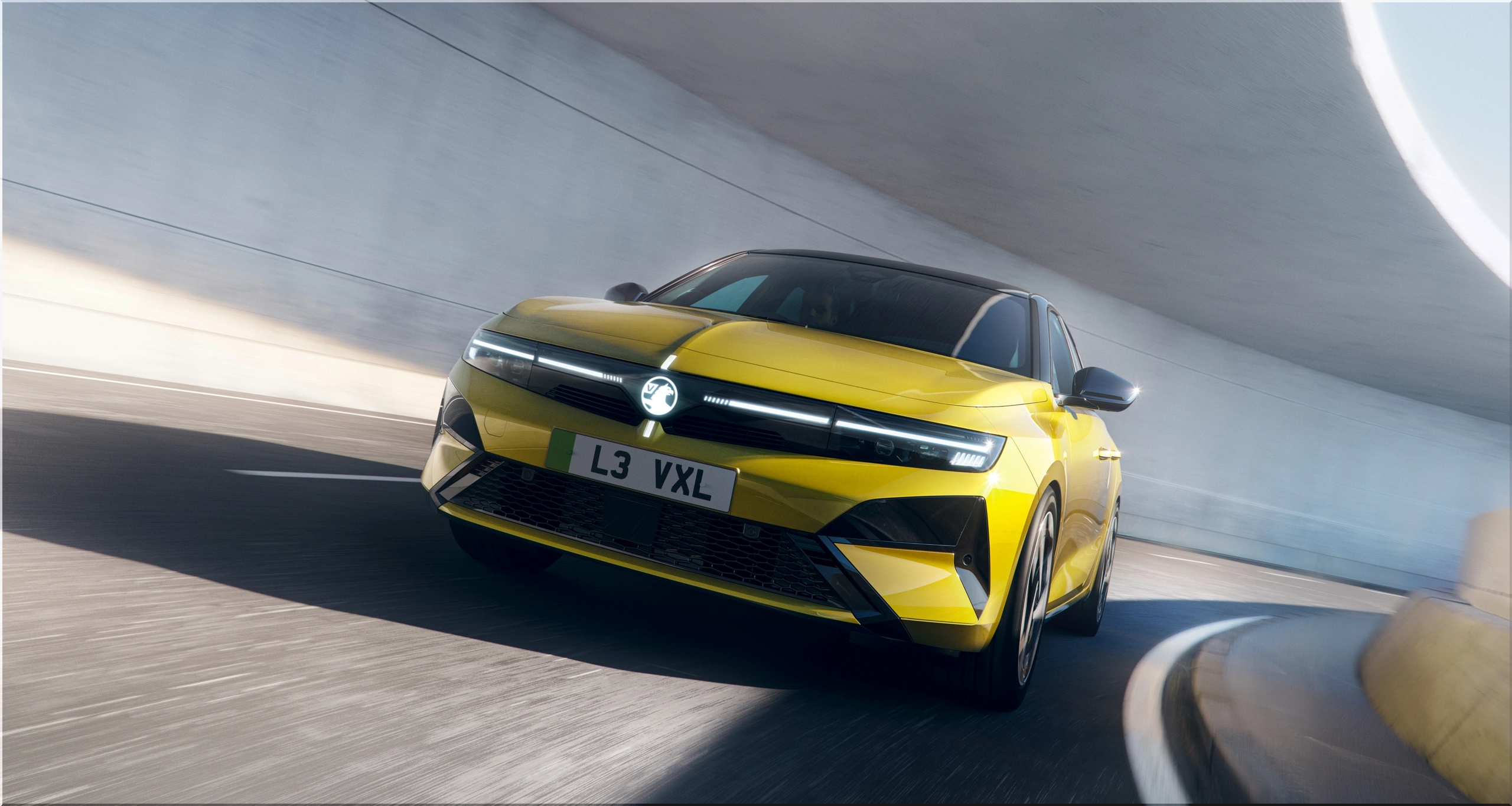
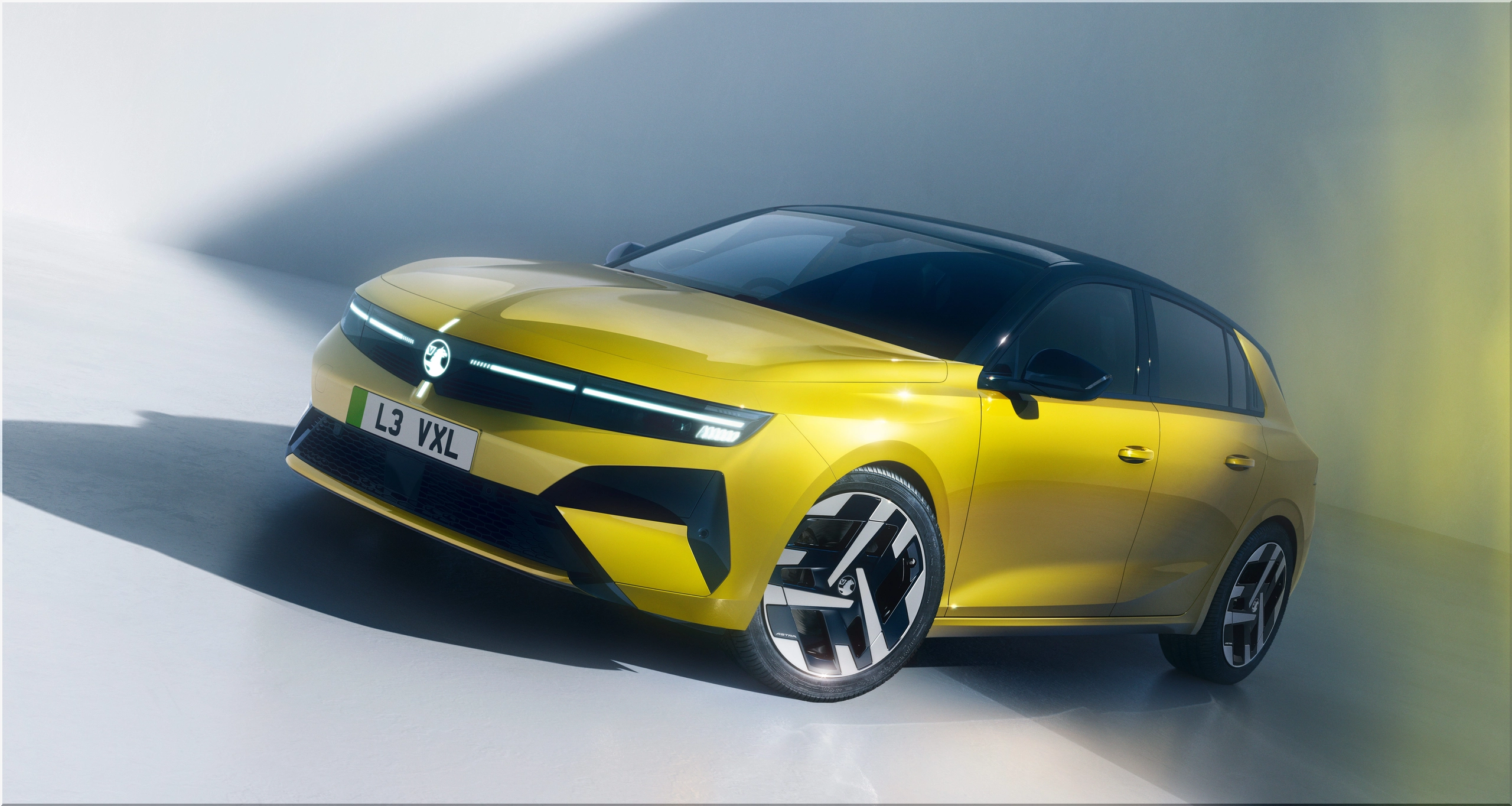
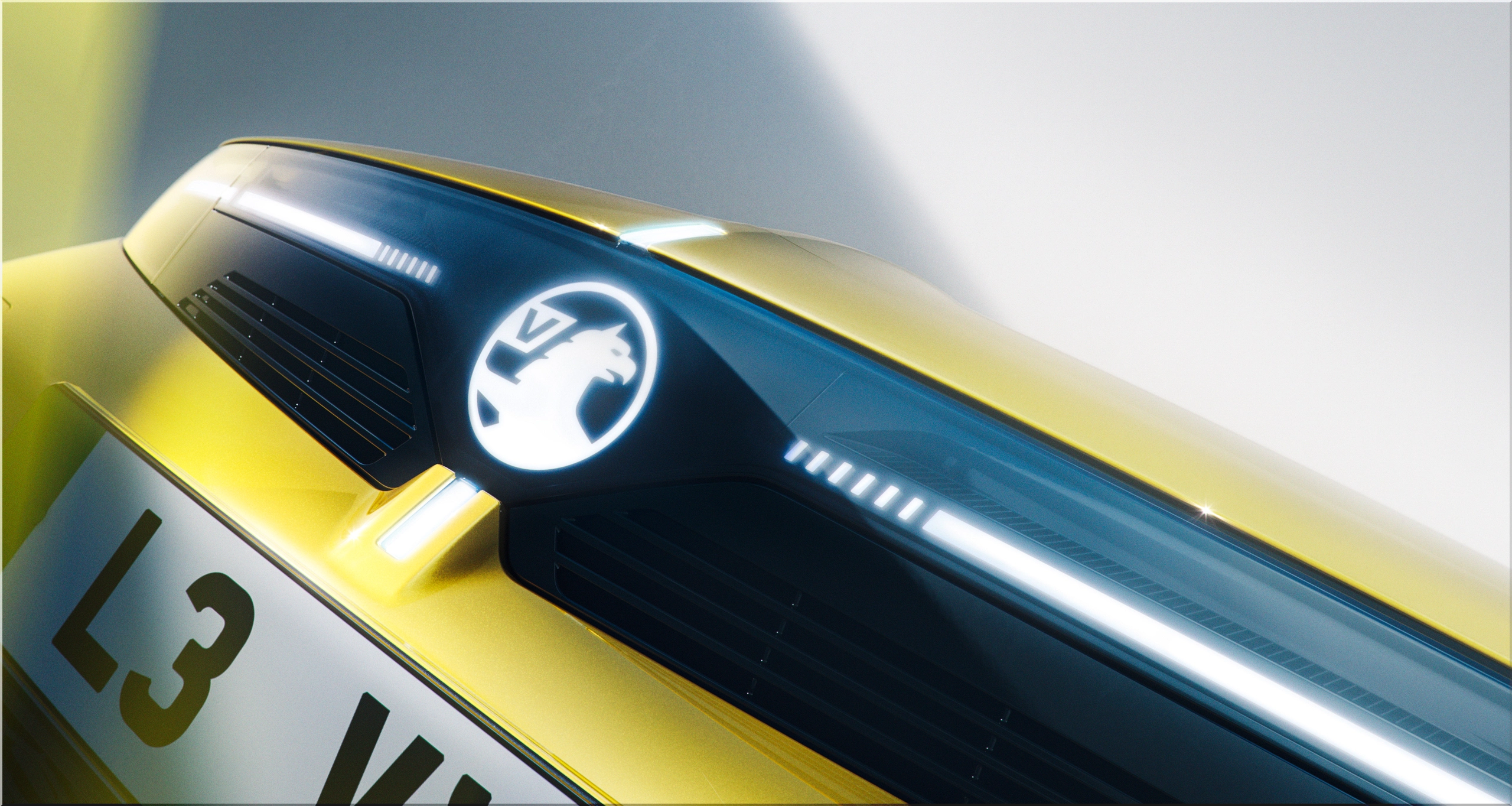
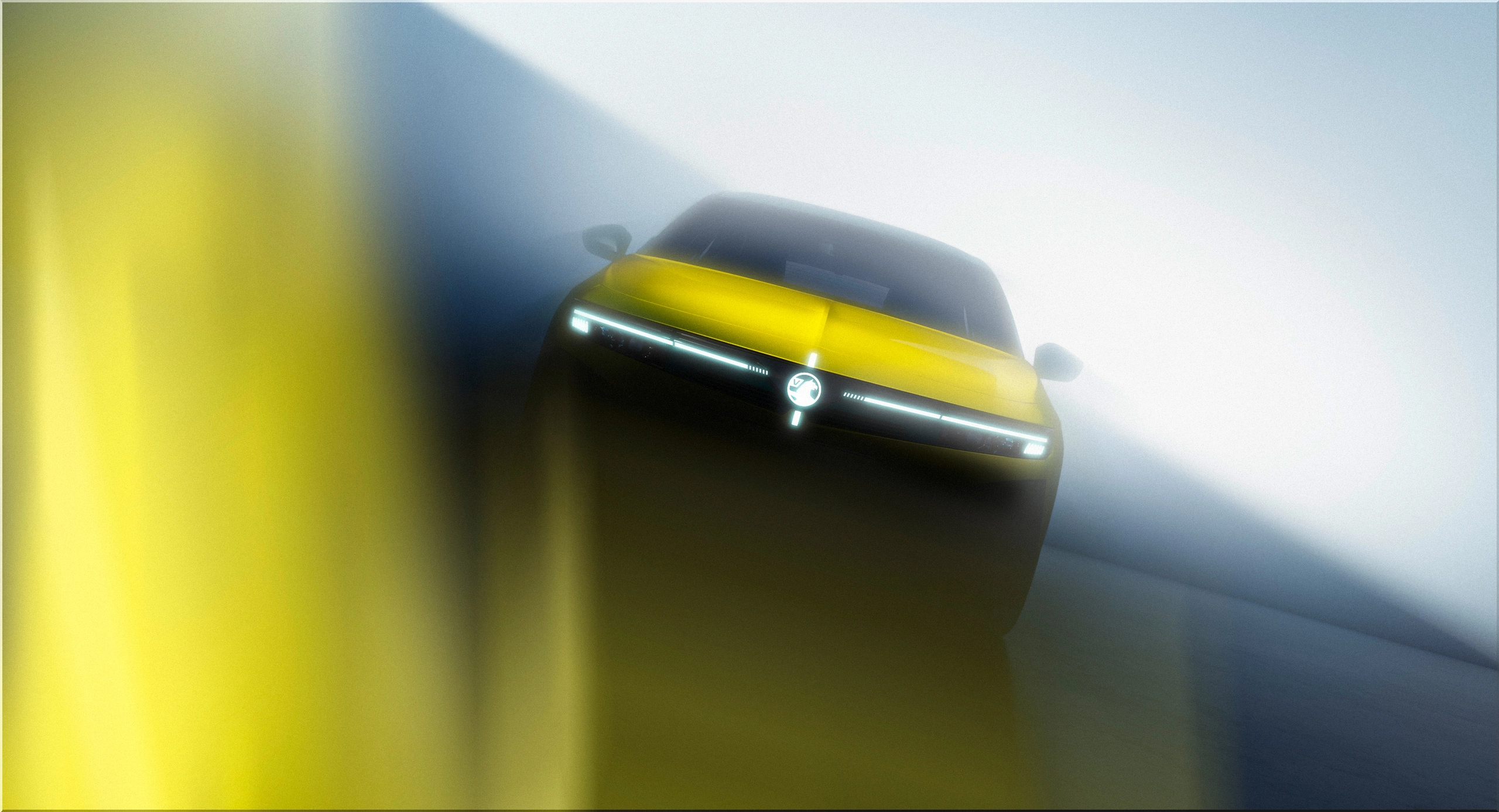
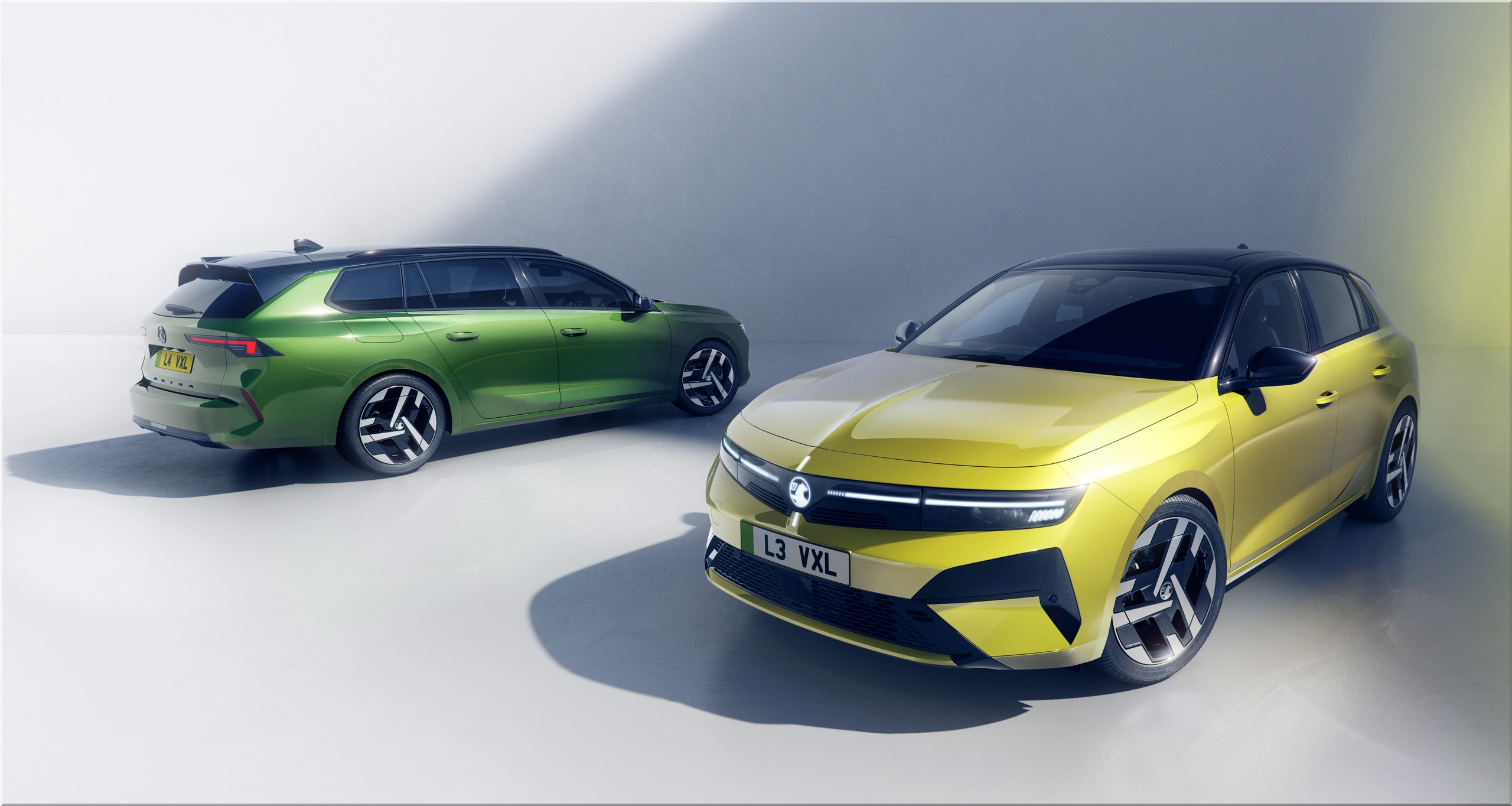
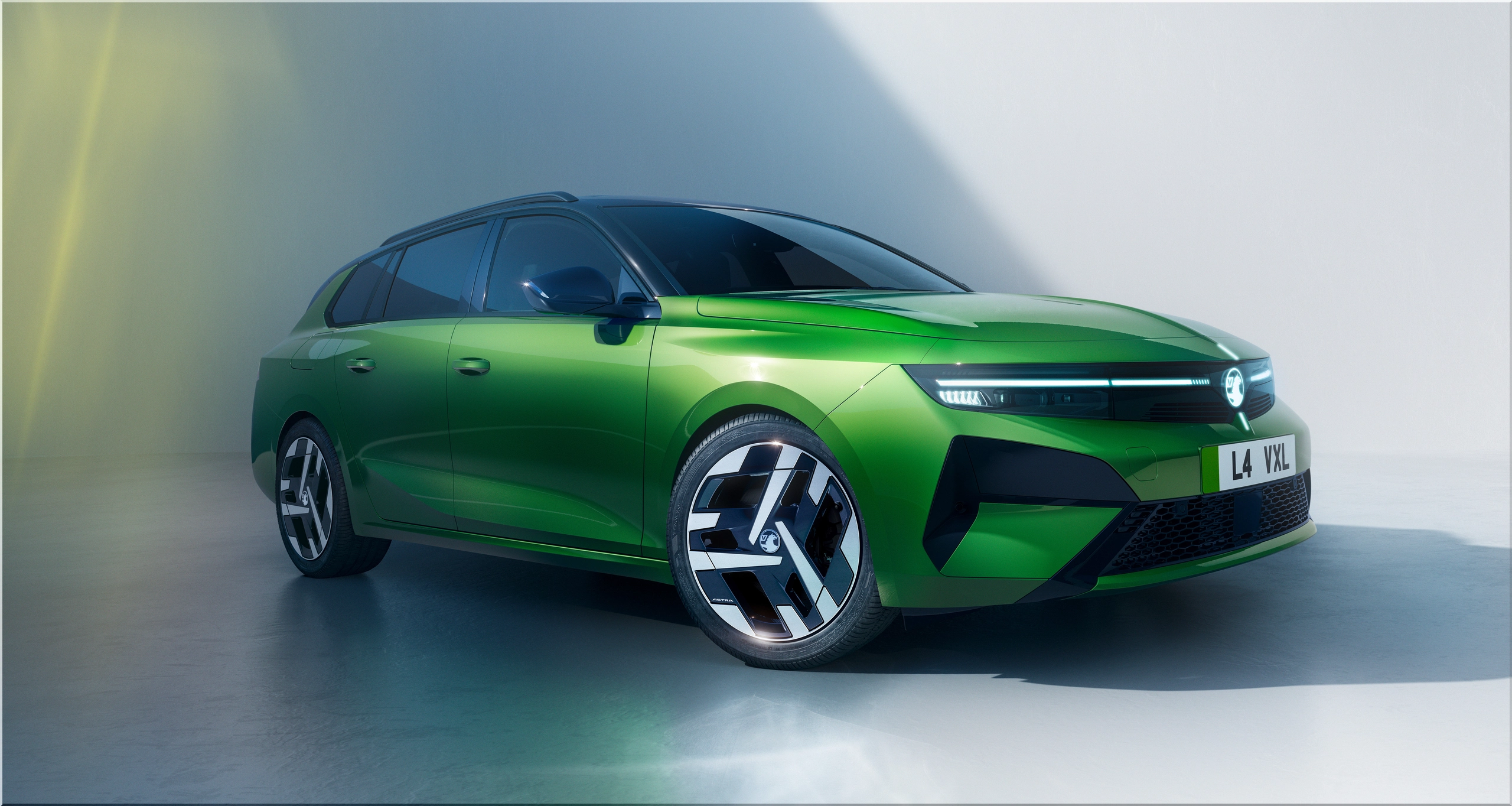
The 2026 models introduce a redesigned Vauxhall Vizor front fascia and a new illuminated Griffin badge. The slimmer front structure cuts visual complexity and sharpens the vehicle’s profile. The light signature now traces horizontal and vertical lines that anchor the front end.
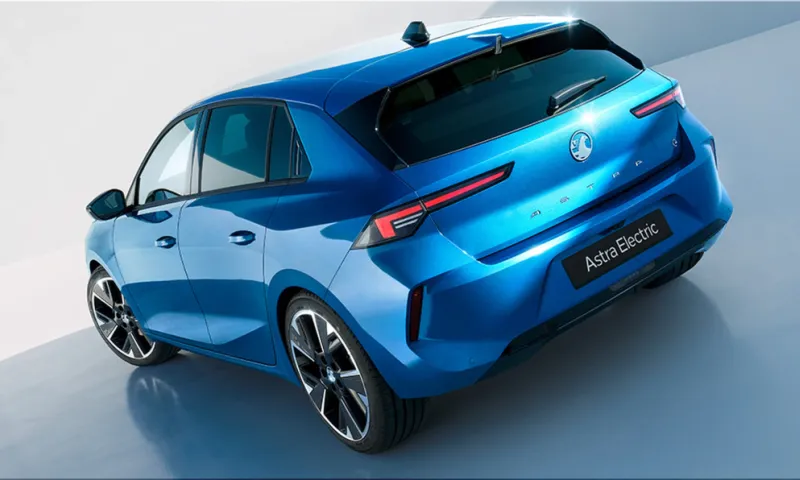
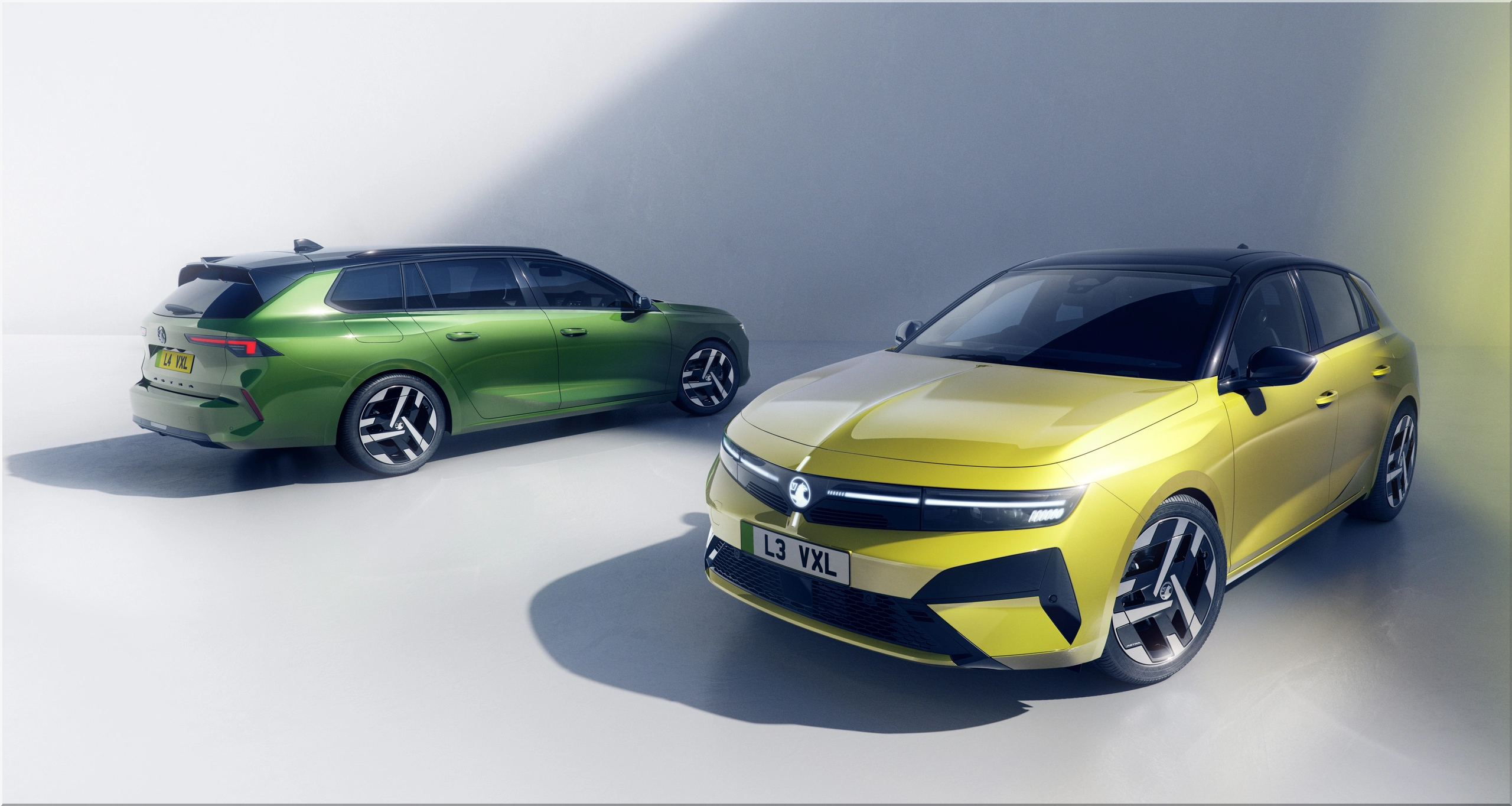
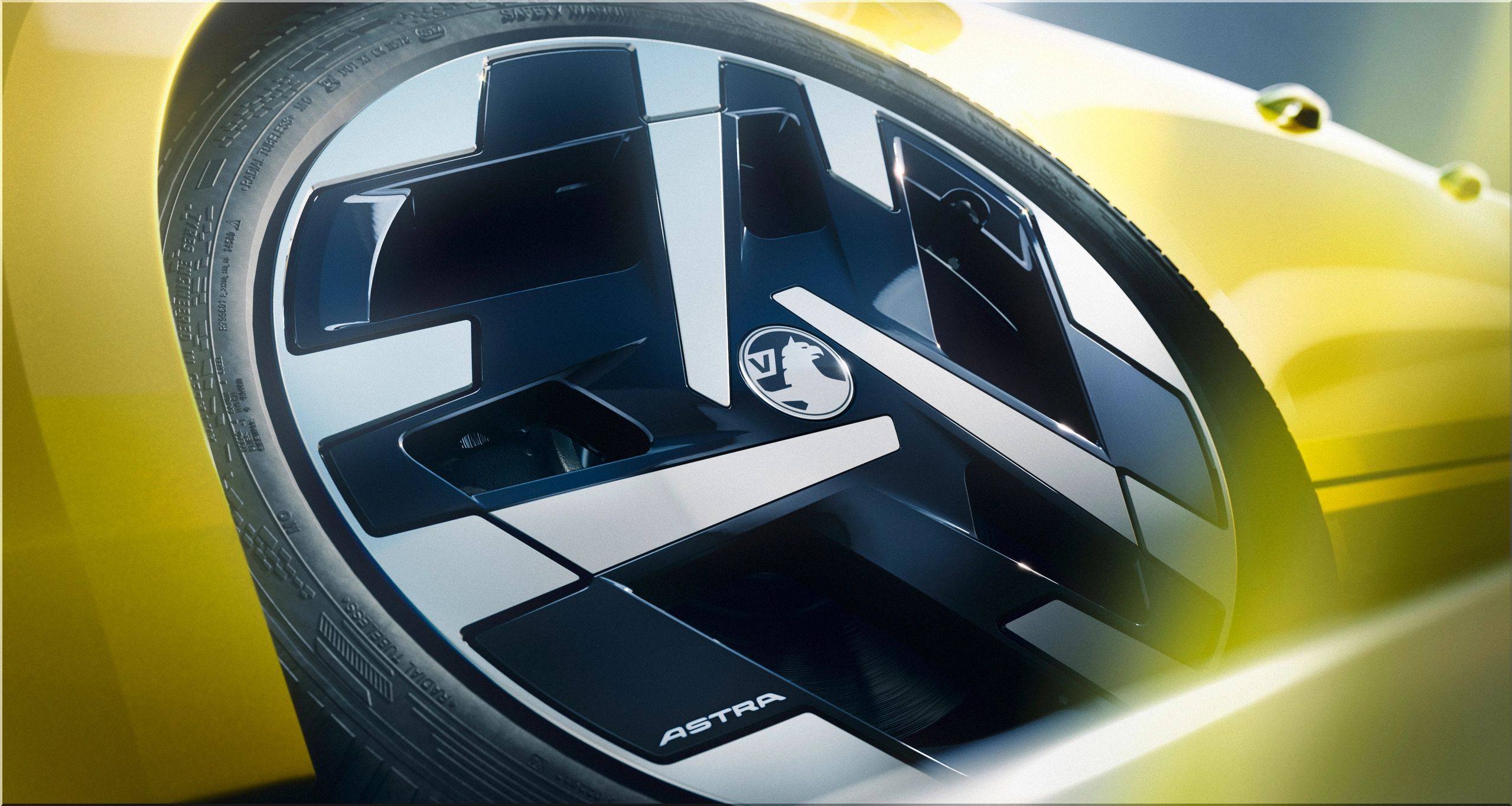
New wheel options—17-inch Kaddett and 18-inch Pentagon or Rekord—add clearer differentiation between trims. Two new paint options, Contour White and Clover Green, join the lineup, paired with a standard black roof to maintain contrast at low production cost.
Key exterior priorities:
- Lower visual clutter.
- Clearer brand identity.
- Low-power lighting elements.
- Reduced part variation.
Lighting System With Measurable Driver Benefits
The Intelli-Lux HD headlight package becomes available on the Astra after debuting on Vauxhall’s larger models. It uses 50,000+ controllable LED elements to cut glare and sharpen the driver’s view. The system tracks oncoming traffic, adjusts beam shape in real time, and reduces reflections from rain or fog.
Direct benefits:
- Faster response to oncoming vehicles.
- Adaptive control during poor weather.
- Automated dimming for traffic signs.
- Lower driver workload during night driving.
Interior Materials and Improved Seating
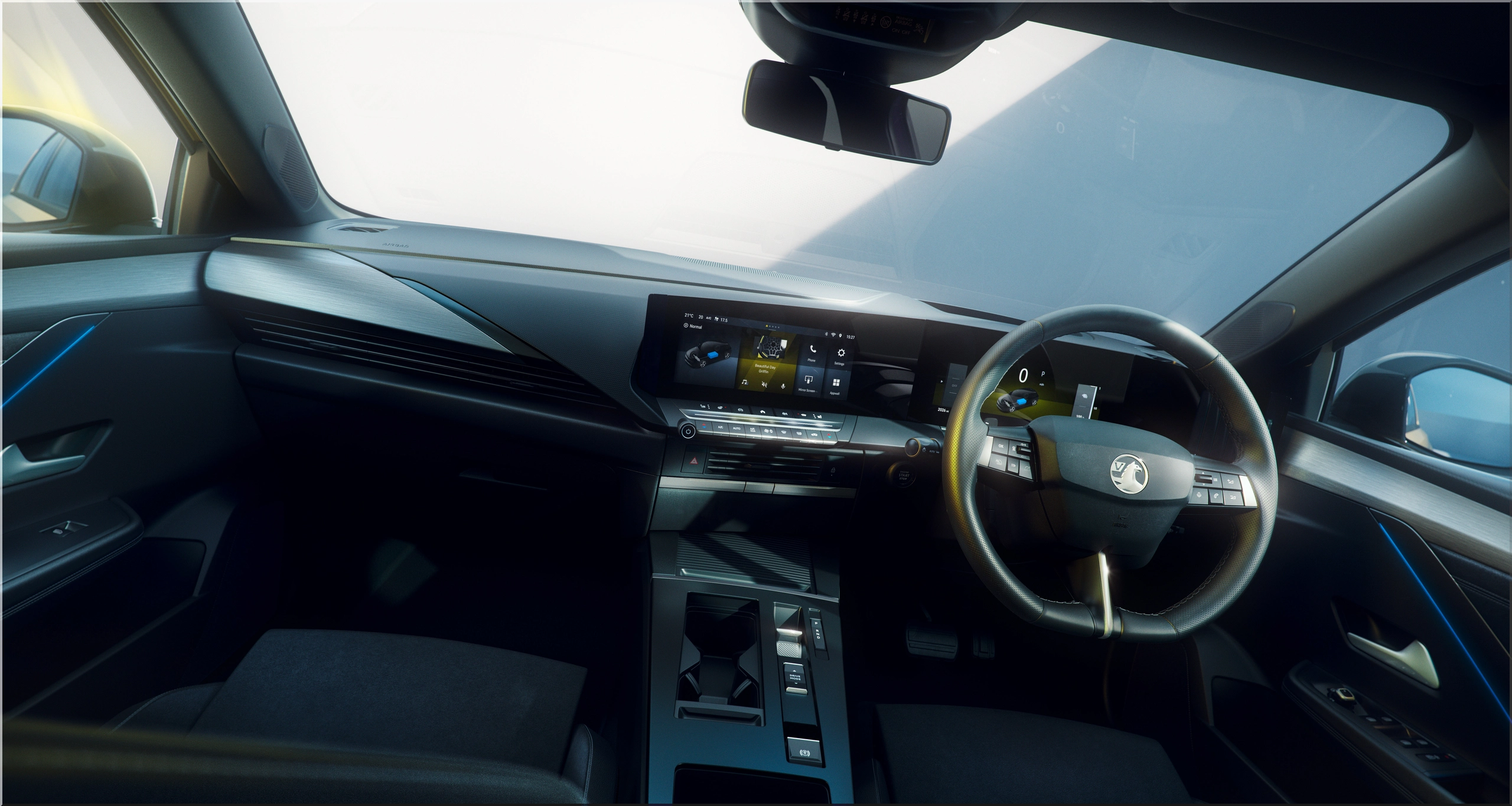
The cabin sees a shift toward simpler interfaces and recycled materials. Intelli-Seats now come standard across the lineup. Each seat uses a recessed center channel to reduce tailbone pressure on long drives. The design draws from road cycling ergonomics to maintain comfort during extended use.
Image
Optional upgrades include:
- AGR-certified driver's and passenger seats.
- ReNewKnit upholstery made from 100% recycled material.
- Multi-stage heating.
- Electro-pneumatic lumbar support.
- Optional massage and memory functions.
The single-material seat fabric cuts waste and reduces production steps. This supports cost stability while giving drivers a more durable interior.
Electric, Hybrid, and Petrol Powertrain Range
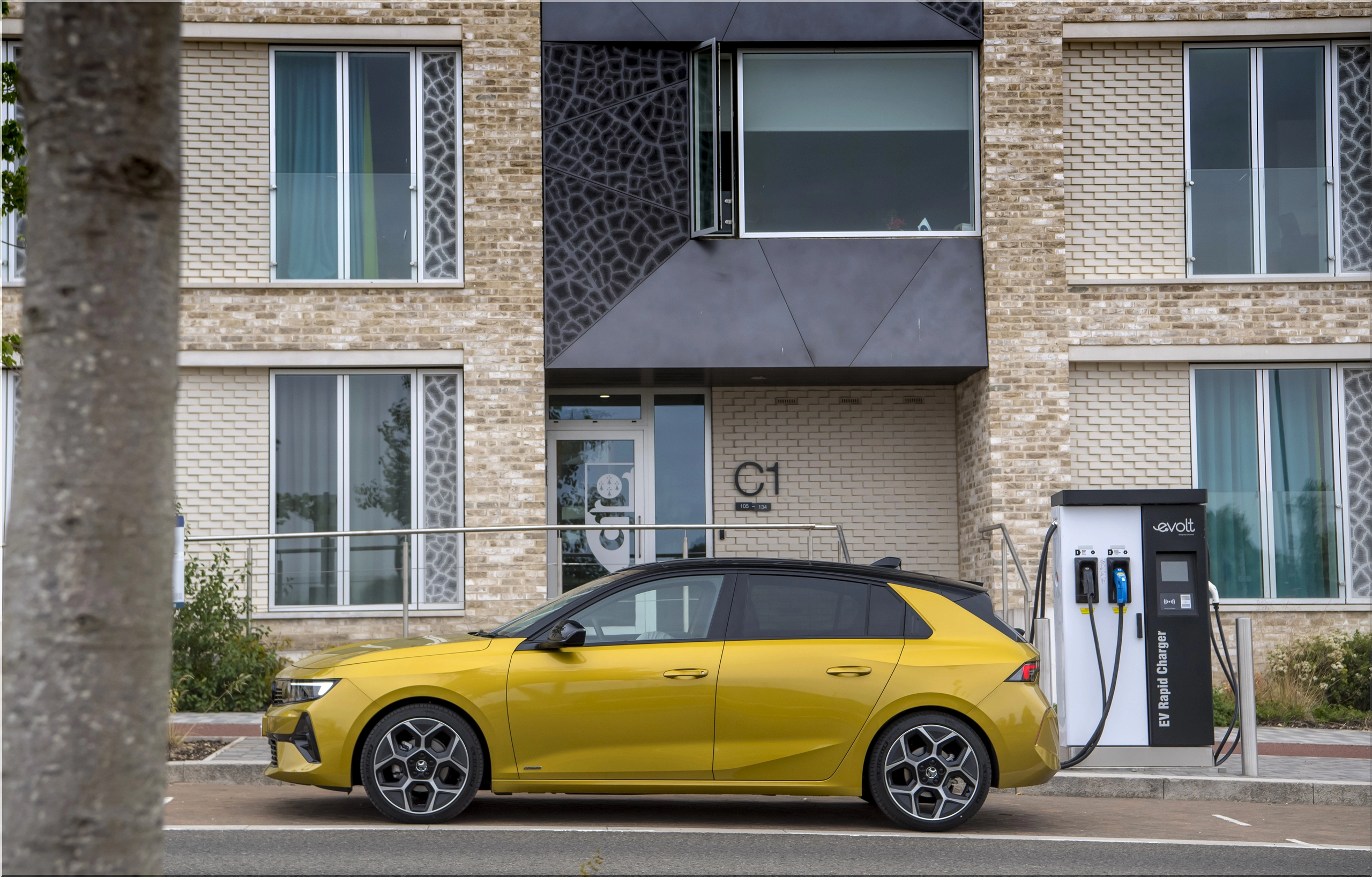
The Astra Electric receives a 58.4 kWh battery, raising WLTP range to 282 miles, a gain of 22 miles. Translated to typical U.S. range expectations, most drivers can expect about 250 miles depending on conditions. Charging frequency drops, making the model more viable for daily commuting and regular highway use.
The lineup also includes:
- 48V Astra Hybrid powertrains for urban efficiency.
- Astra Plug-in Hybrid configurations for mixed driving.
- Petrol options for buyers prioritizing upfront cost.
A key addition is Vehicle-to-Load (V2L) capability, which allows the Astra Electric to power external devices such as e-bikes, camping equipment, or small tools without external adapters.
Cargo Capacity and Packaging Efficiency
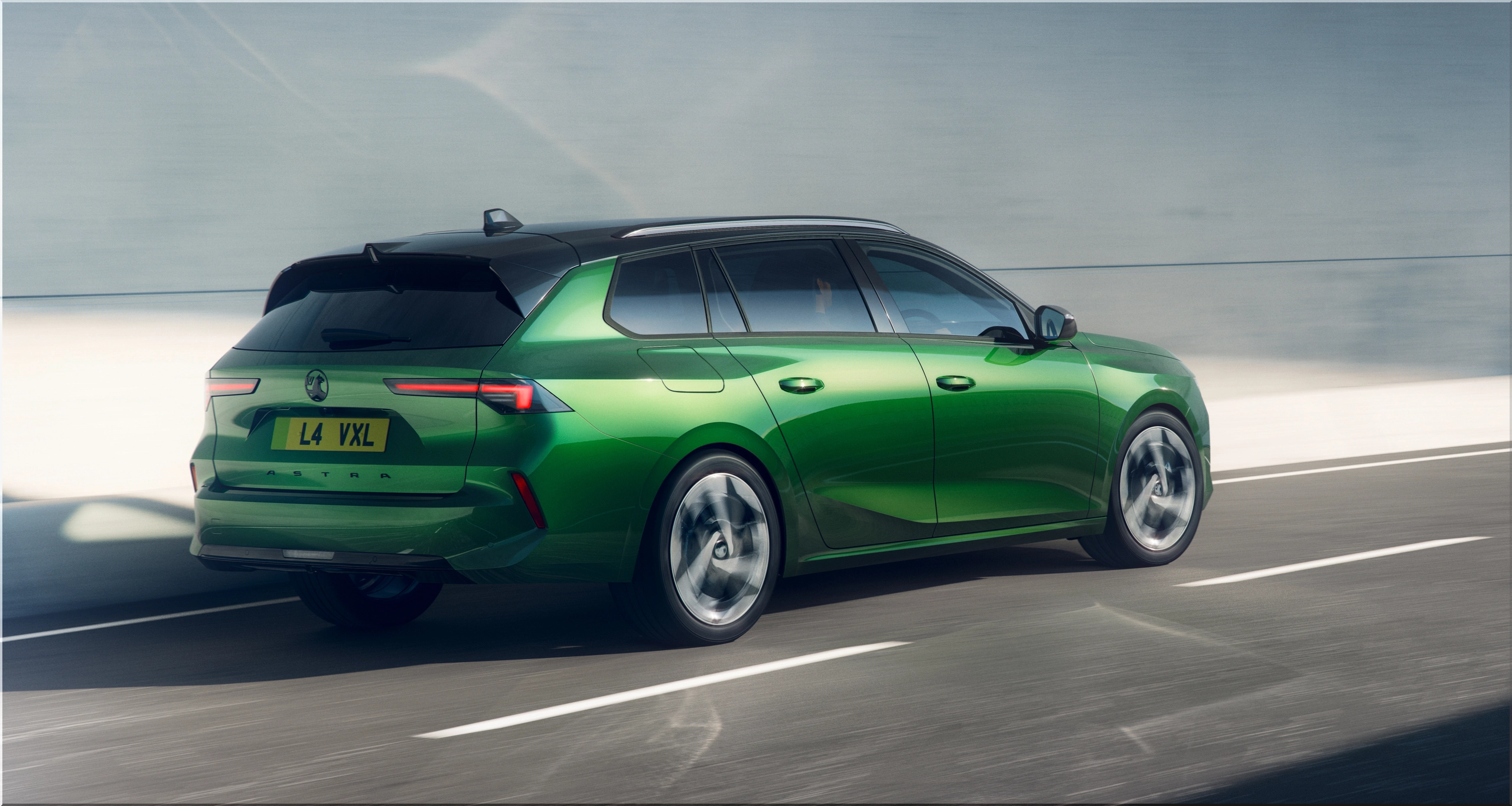
The Astra hatchback provides up to 1,339 liters of cargo volume with rear seats folded. The Astra Sports Tourer increases that to 1,634 liters. Both models use a 40:20:40 folding layout for flexible loading.
Packaging gains include:
- A flatter load floor.
- Wider cargo opening.
- Faster seat-folding mechanism.
These updates reduce loading time and increase usable space, appealing to drivers who regularly transport gear or equipment.
Image
Competitive Position and Buyer Impact
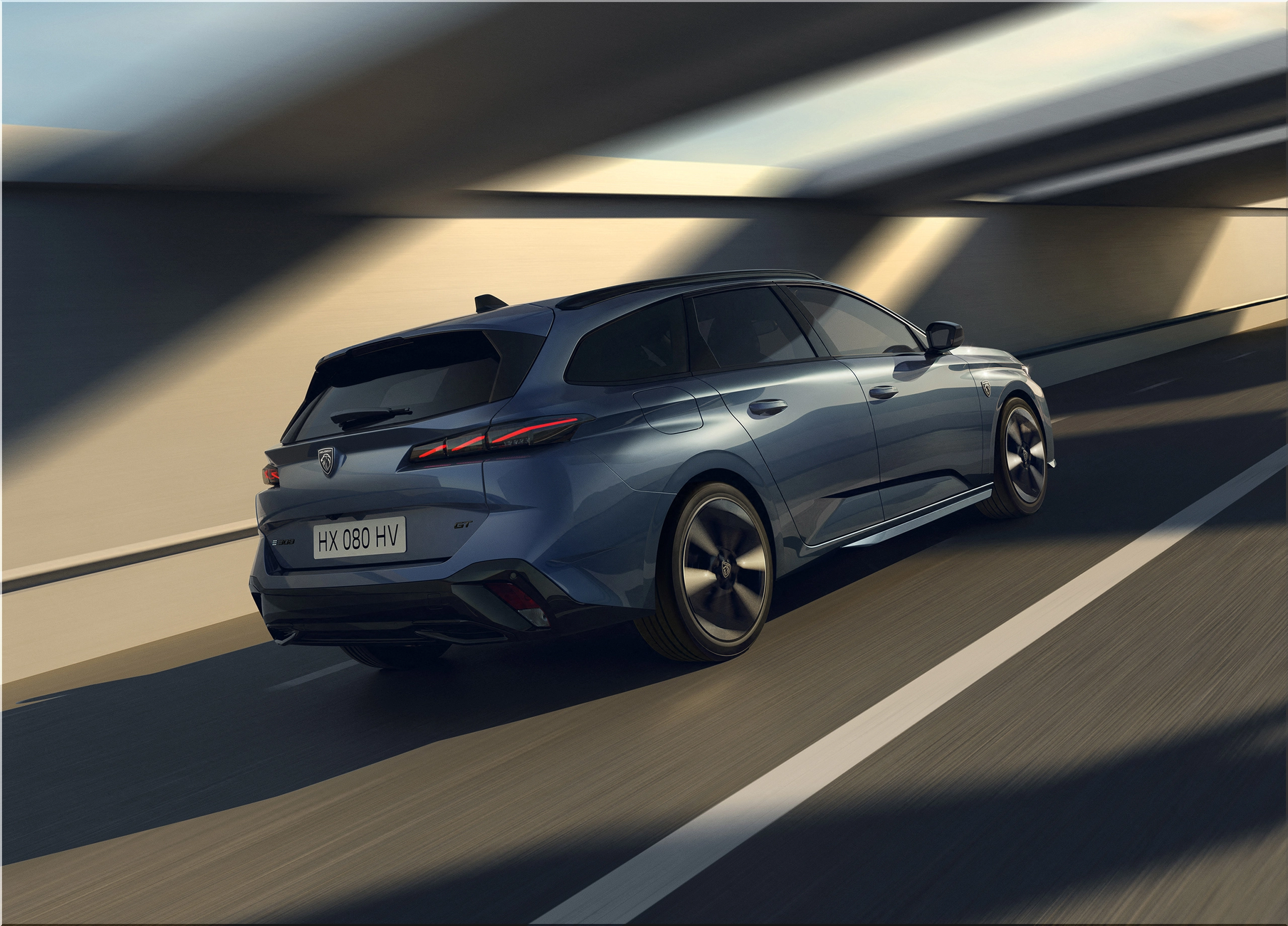
The 2026 Astra competes with the Volkswagen ID.3, Renault Megane E-Tech, and the electric Peugeot 308. Vauxhall pushes a simple value proposition: longer range, cleaner materials, lower running cost, and functional upgrades that produce measurable daily benefits.
For electric buyers, the extended range and V2L functionality create a stronger case in regions with mixed charging infrastructure. Hybrid and petrol variants maintain relevance for cost-sensitive buyers and fleet operators.
Key Performance Gains Overview
| Feature | 2026 Update | Driver Benefit |
|---|---|---|
| Intelli-Lux HD | 50,000+ LED elements | Clearer night visibility with reduced glare |
| Battery Capacity | 58.4 kWh | Longer daily range and lower charging frequency |
| Electric Range | 282 miles WLTP | 22-mile improvement over prior model |
| Intelli-Seats | Standard | Lower tailbone pressure during long trips |
| V2L Output | New | Power for small devices without external adapters |
| Cargo Volume | Up to 1,634 liters | More usable space for daily tasks |
Outlook for 2026 and Beyond
The 2026 Vauxhall Astra centers on practical gains rather than dramatic redesigns. Range increases, reduced cabin waste, improved lighting, and more flexible cargo packaging all support buyers who value efficiency and predictable operating costs. With two body styles and multiple powertrains, the Astra maintains a broad market reach while aligning with current compact-segment priorities.
- Add new comment
- 435 views