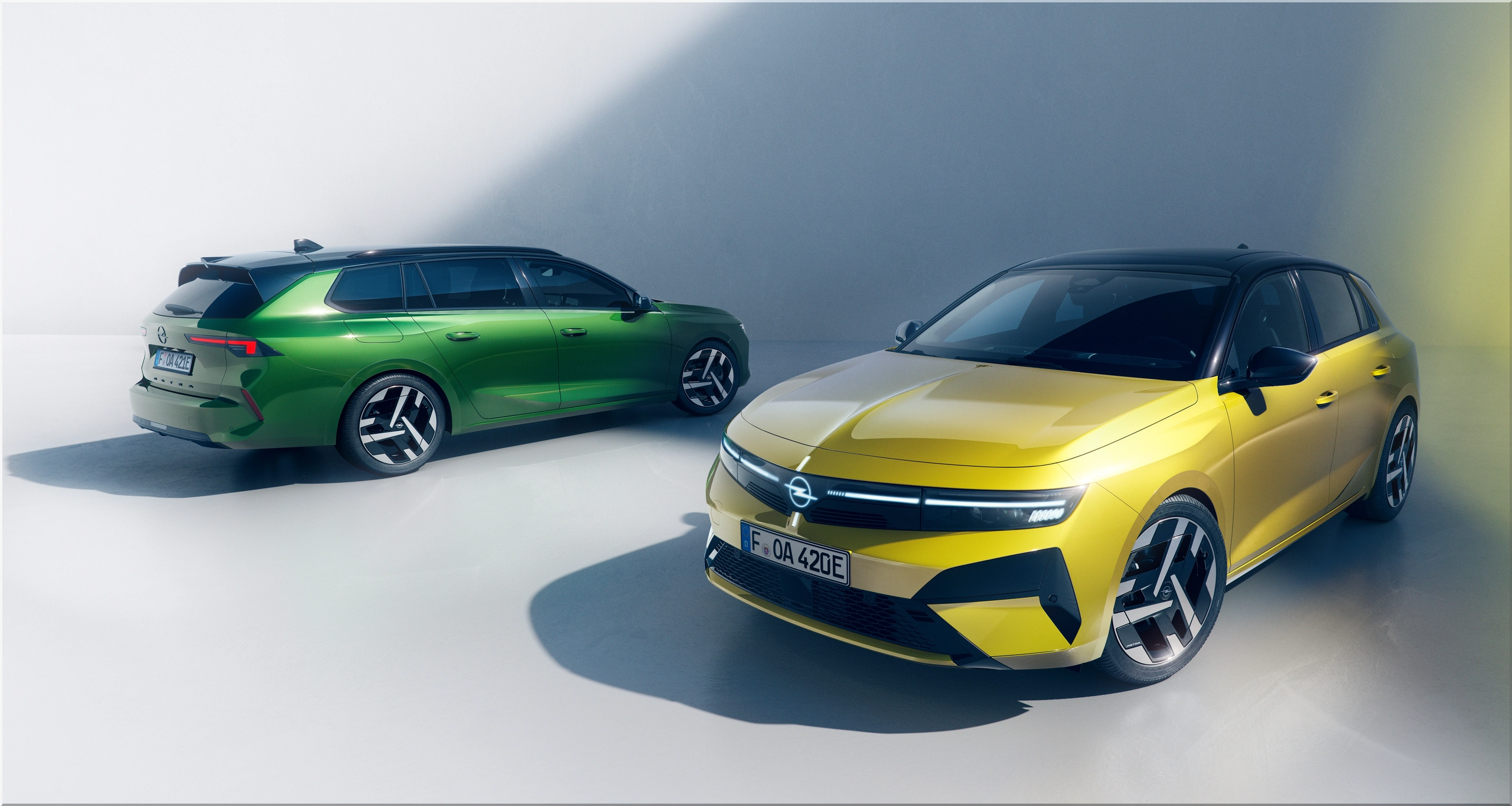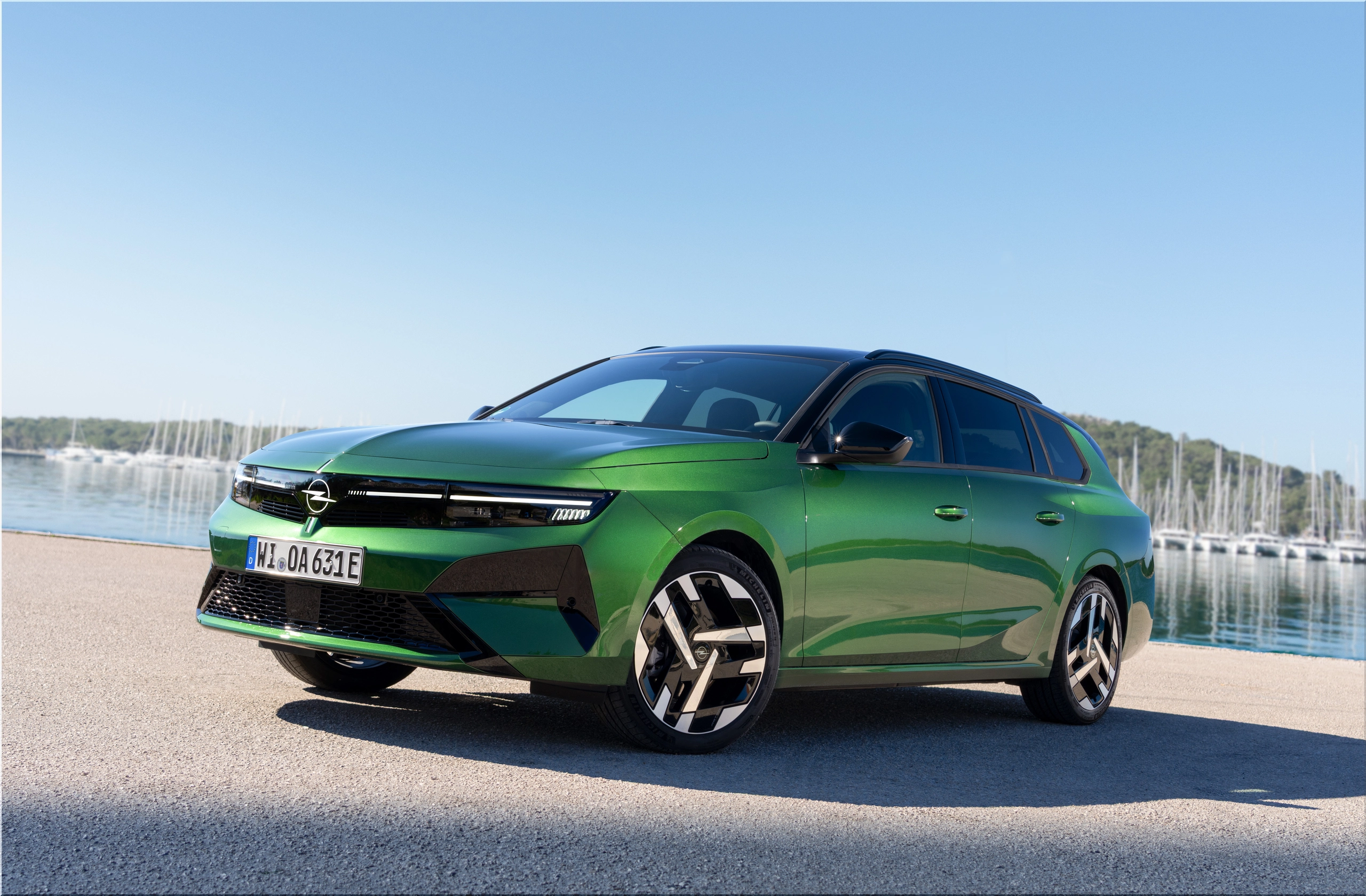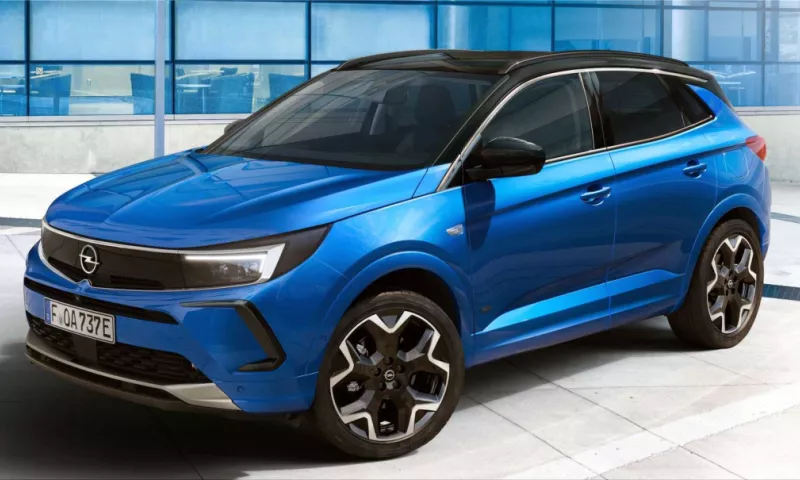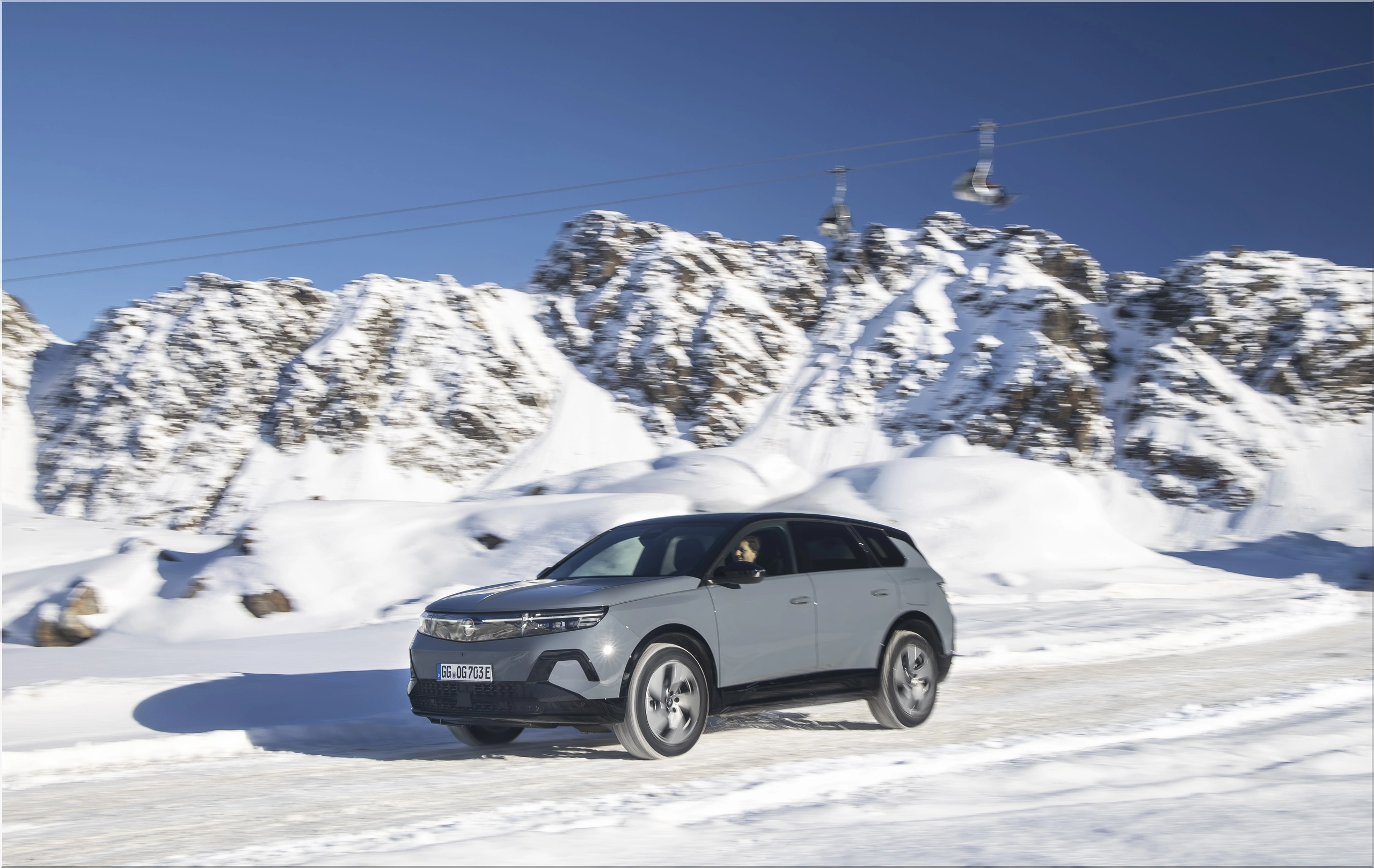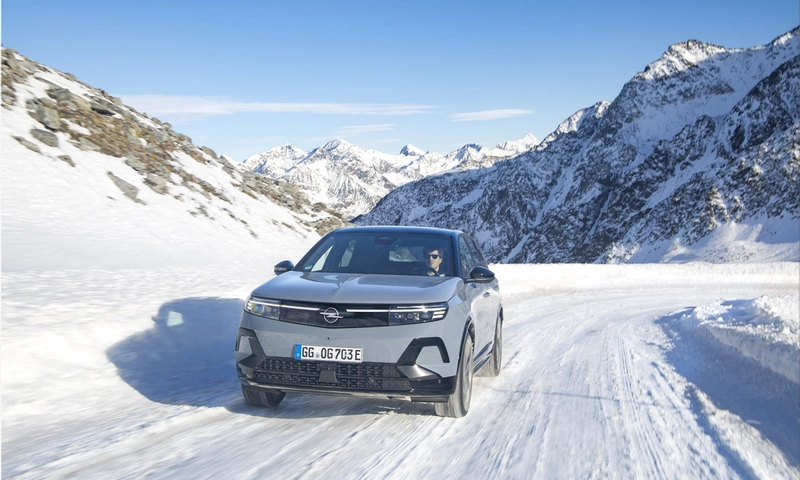
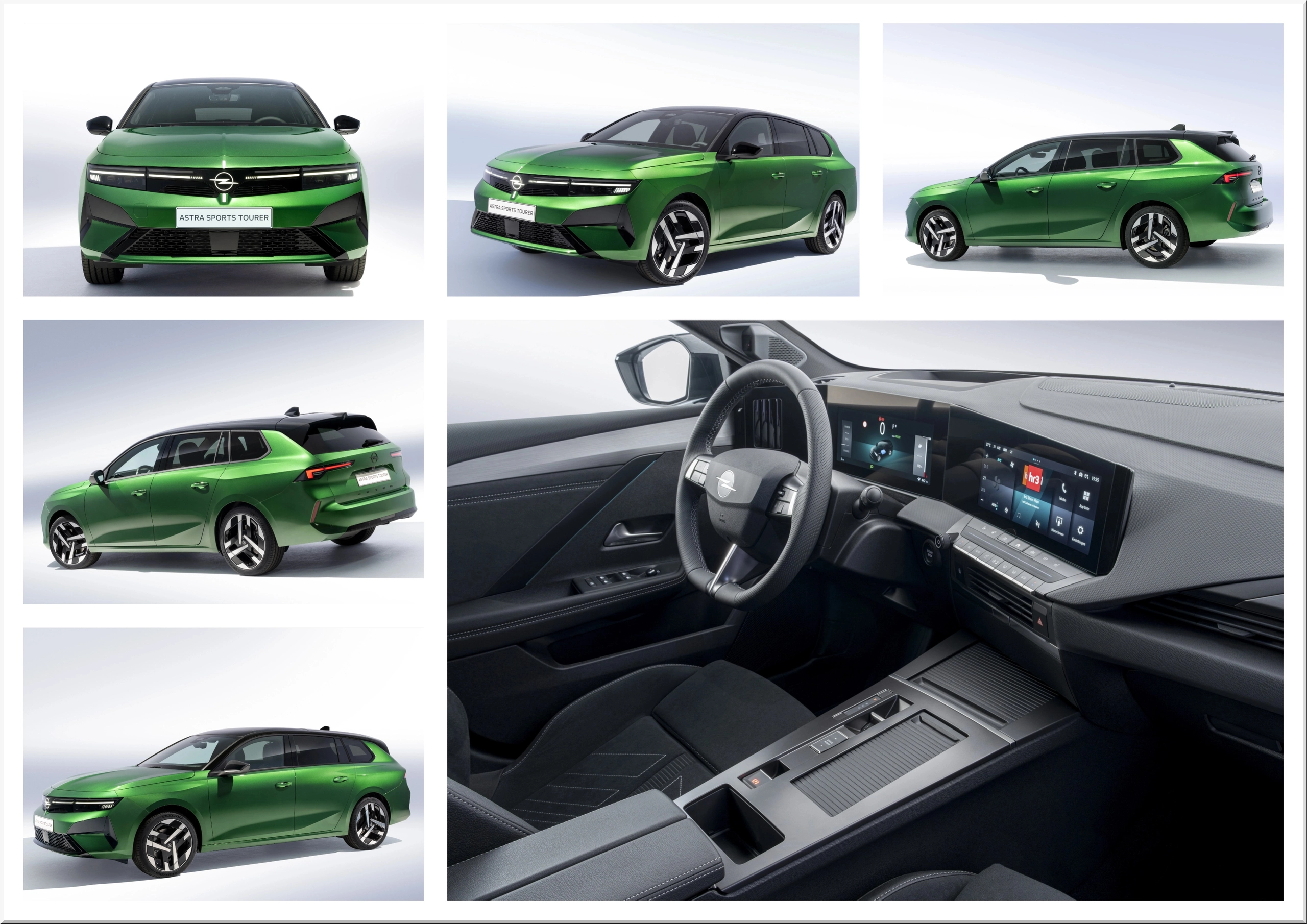
The 2026 Opel Astra and 2026 Opel Astra Sports Tourer arrive with a clear job to do. They need to hold ground in one of Europe's toughest segments, where buyers expect efficient powertrains, sensible dimensions, strong luggage capacity, and enough cabin tech to feel current without turning every commute into a software tutorial. Opel's answer is disciplined. The company has refined the design, expanded the electrified range, improved the cabin, and pushed the estate version harder as a serious family and fleet tool.
Image
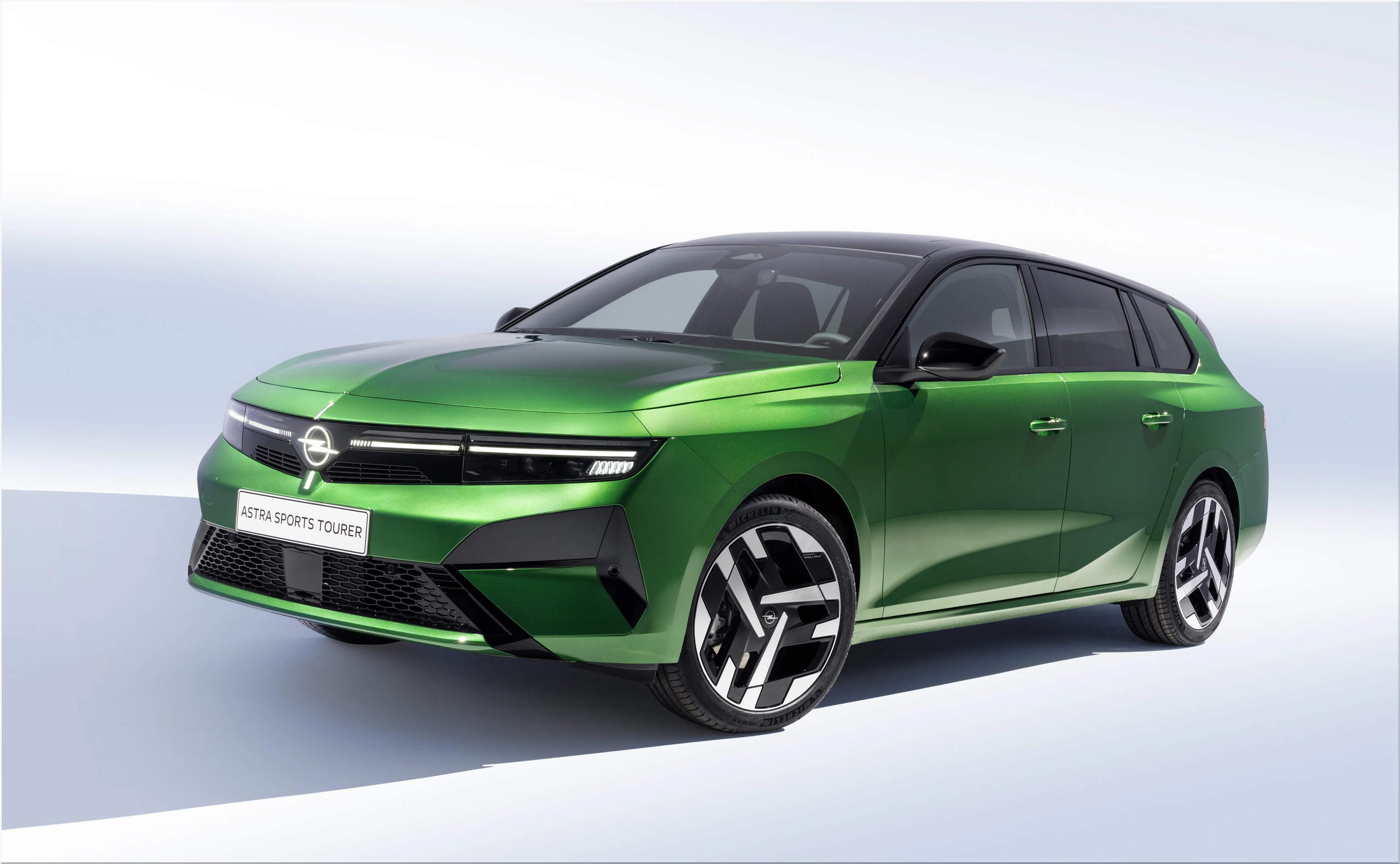
That approach suits the Astra badge. This car has always worked best when it stays focused on the fundamentals. The latest update keeps that discipline intact while adding real substance in the areas buyers actually use: electric range, cargo space, lighting technology, and long-distance comfort.
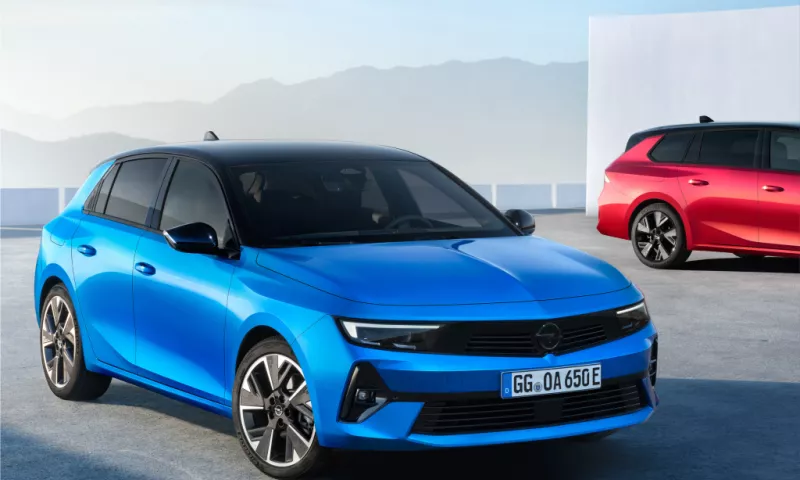
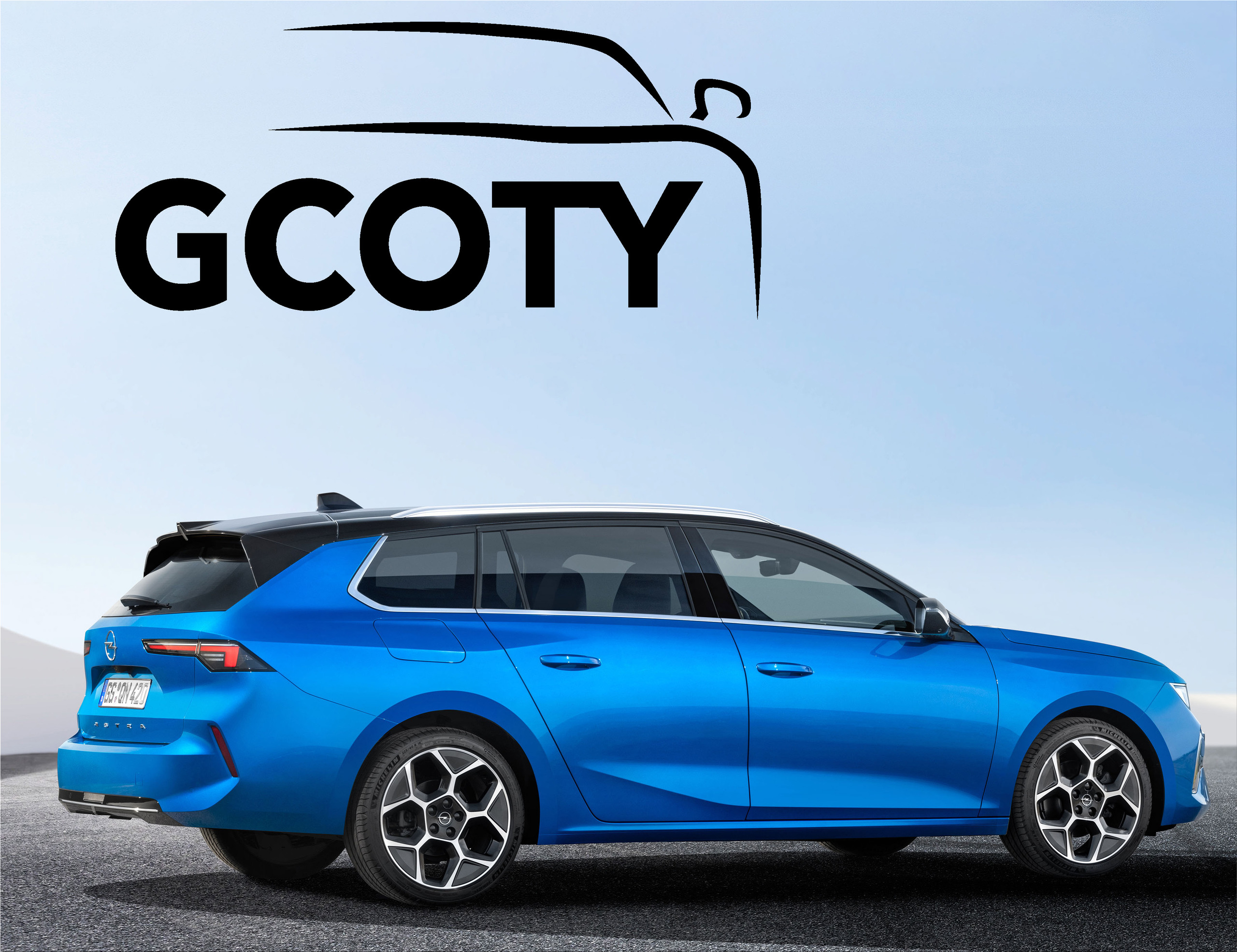
The result is a stronger compact car line-up, with the hatchback covering the everyday urban brief and the Astra Sports Tourer making an increasingly persuasive case for buyers who still prefer a wagon over a compact SUV. That remains a smart decision. A well-packaged estate gives you lower mass, better aerodynamics, easier loading, and more settled road manners than many taller alternatives. Opel knows it, and this update leans into that advantage.
What is new on the 2026 Opel Astra range
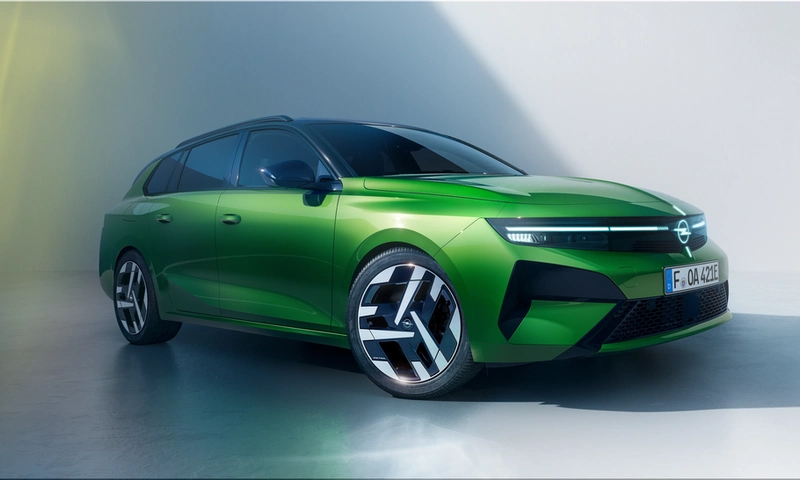
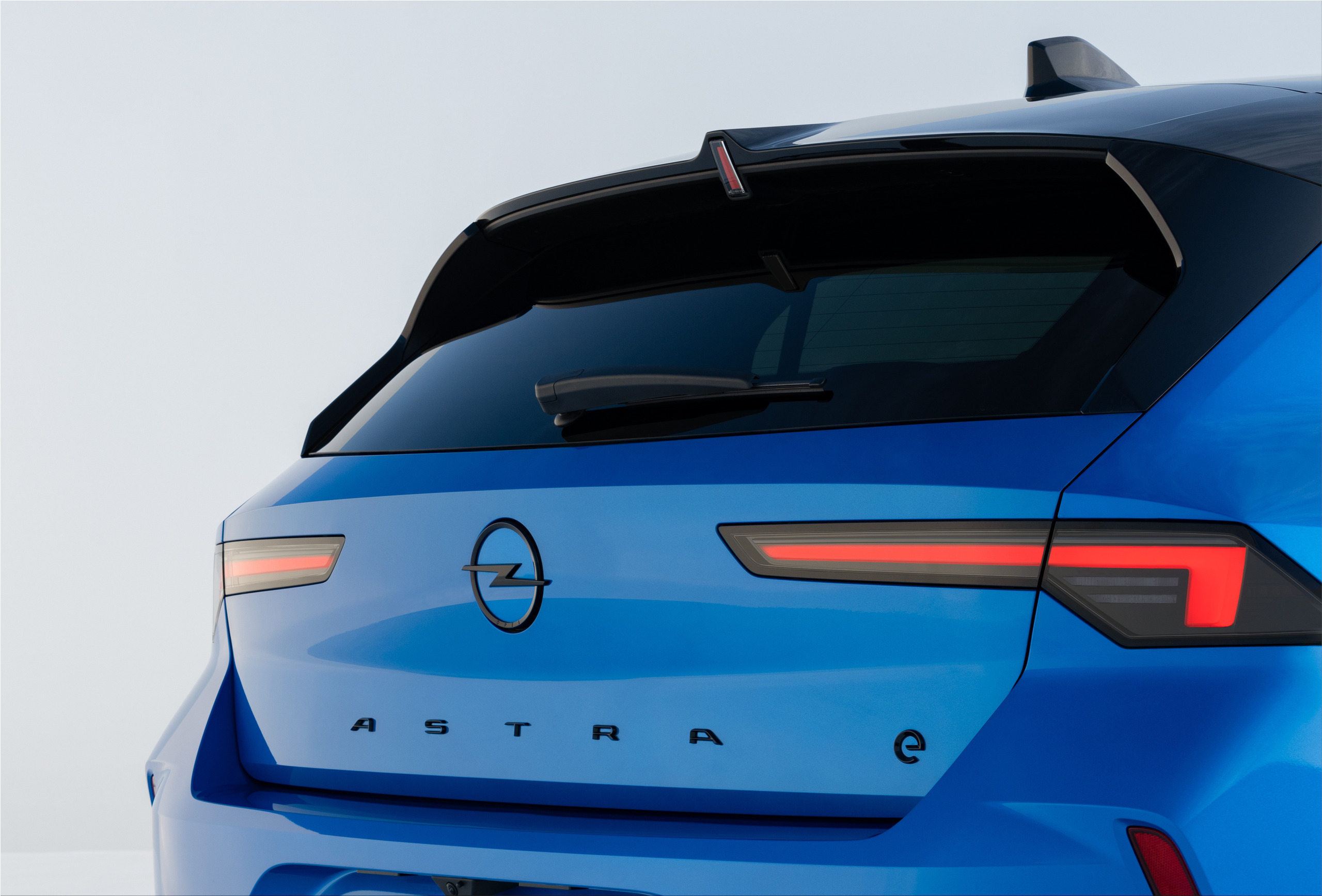
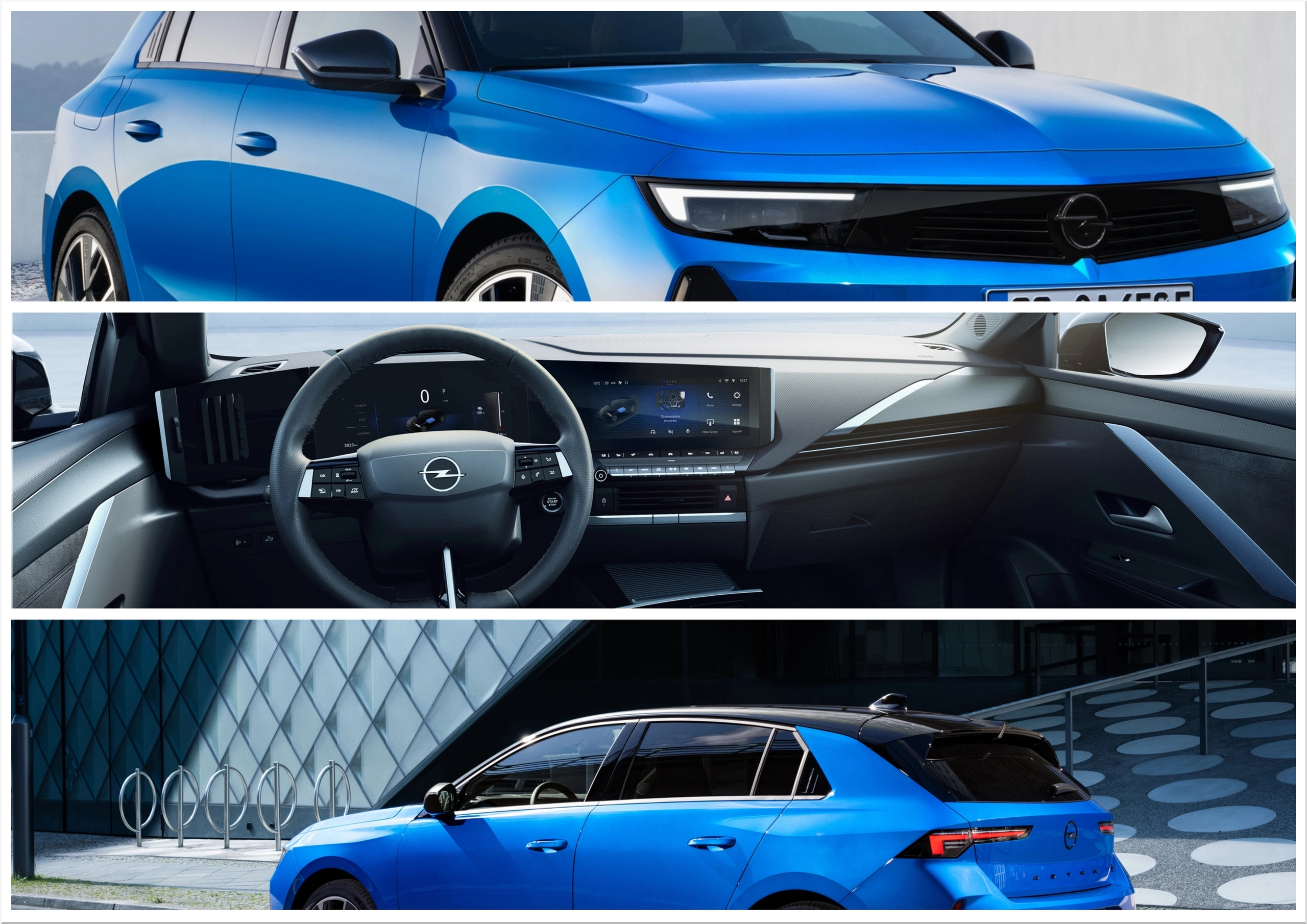
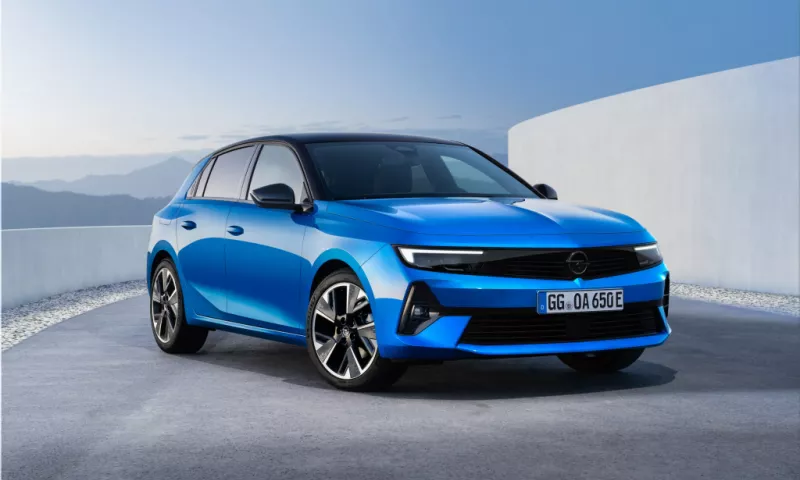
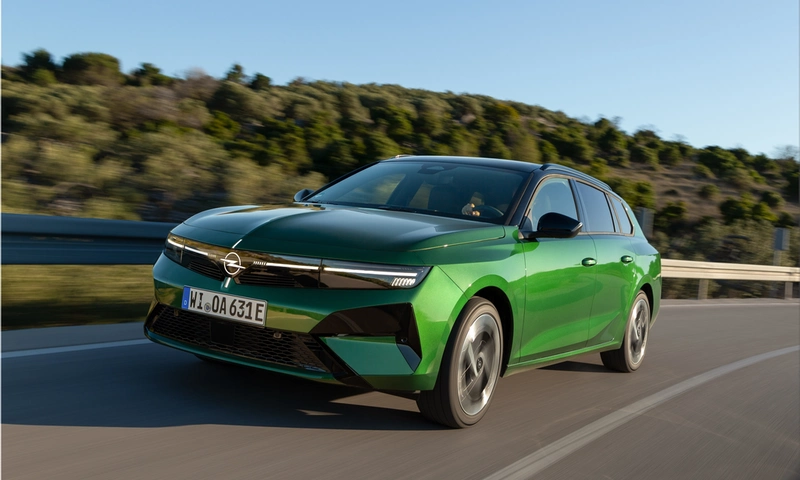
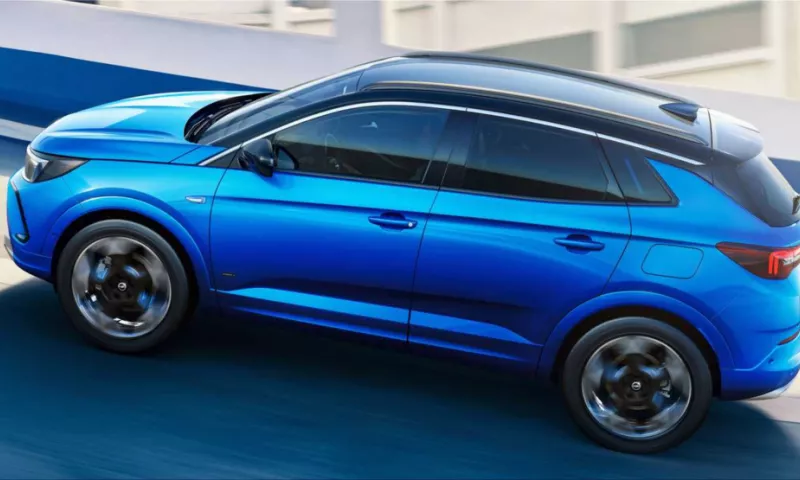
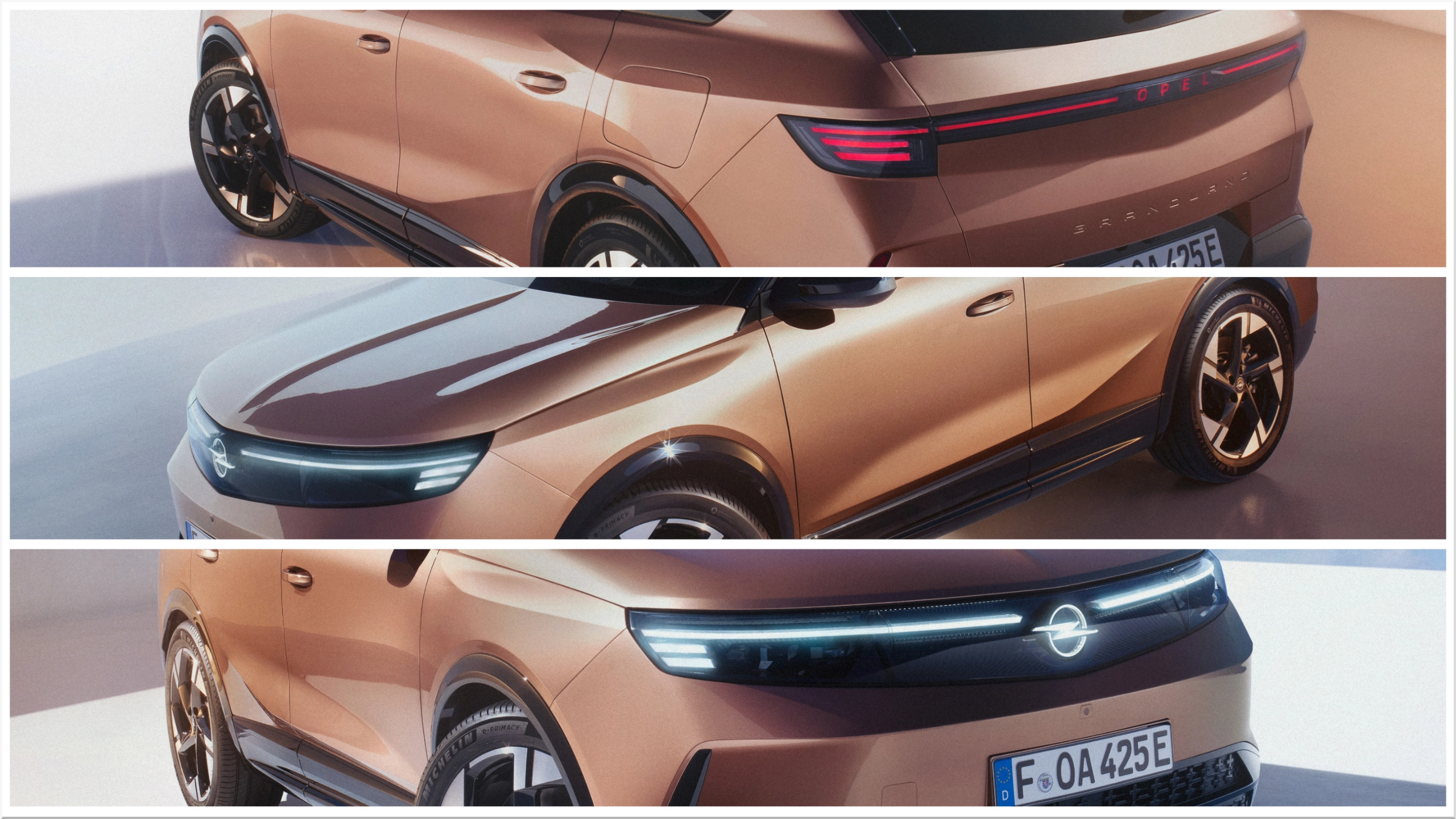
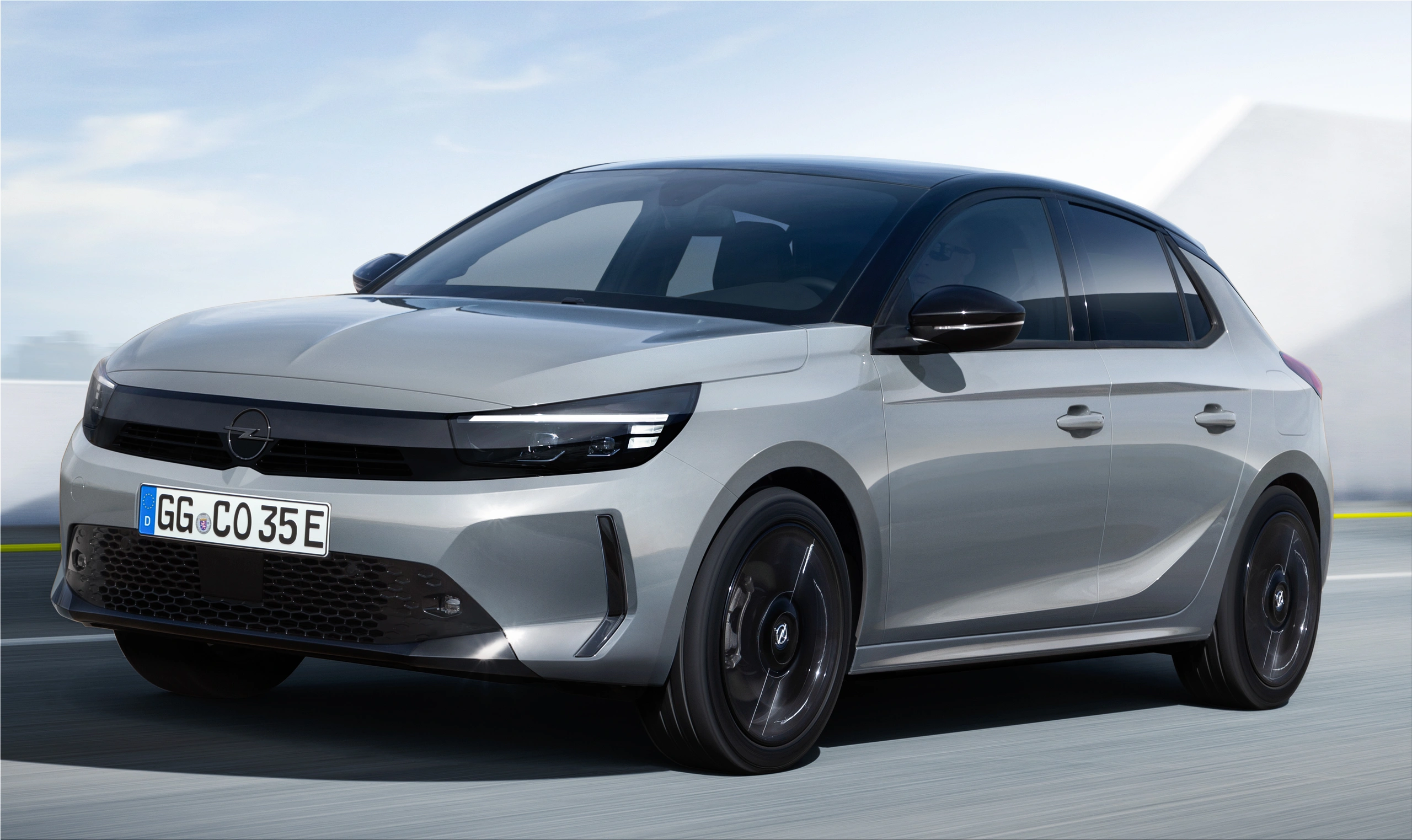
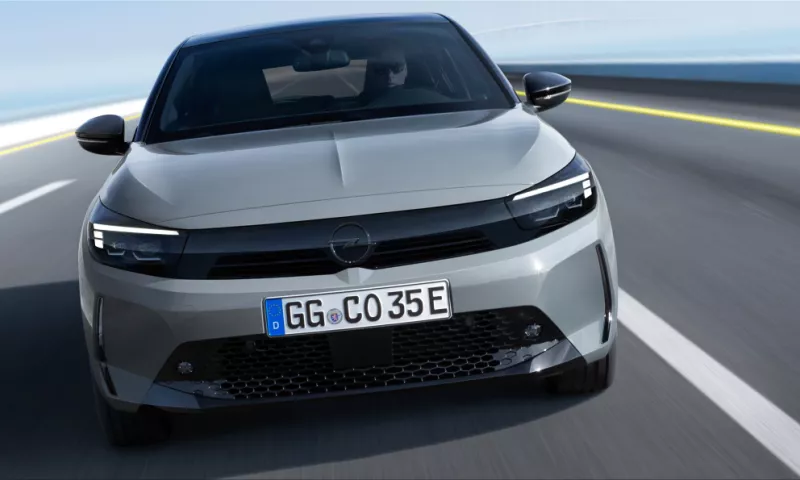
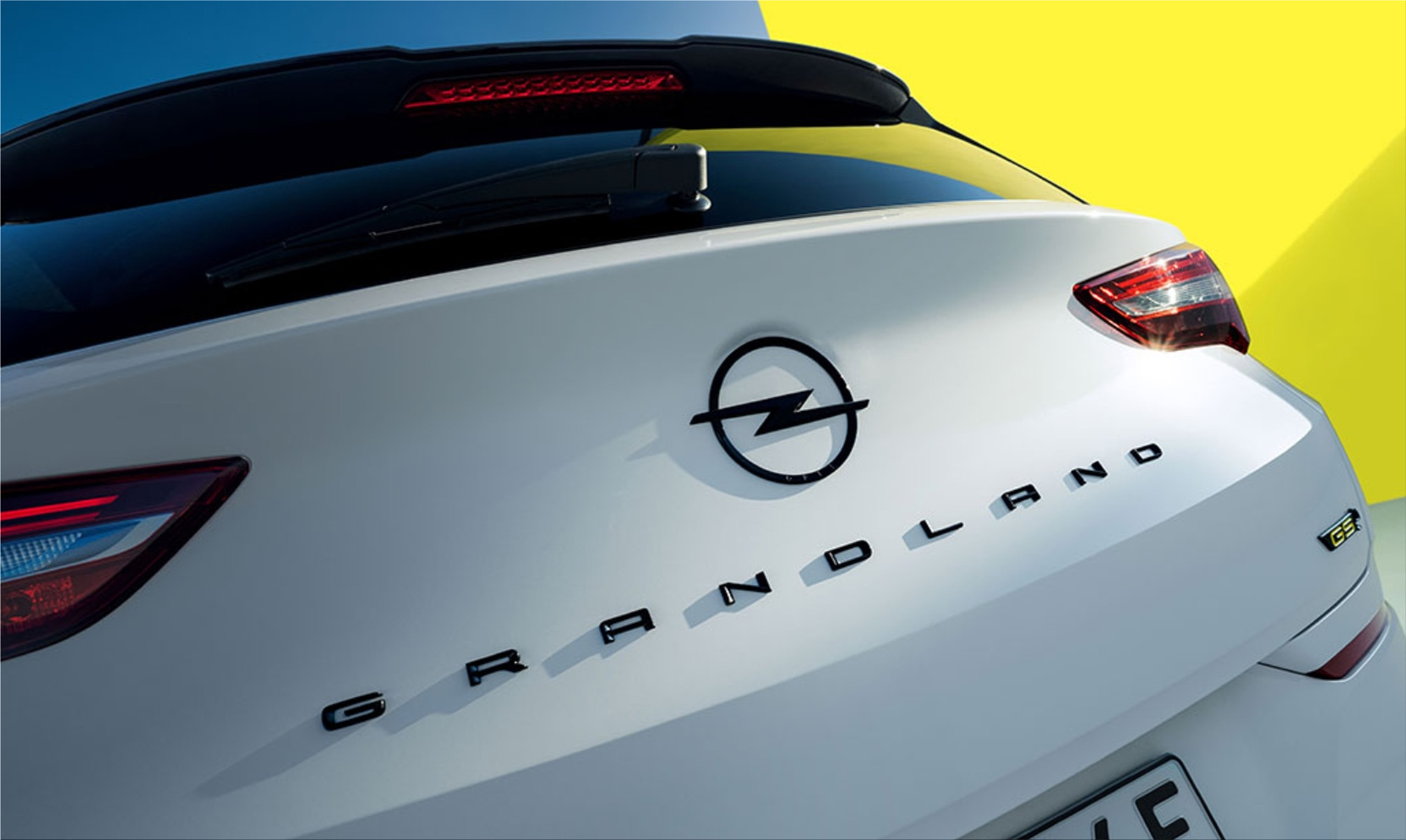
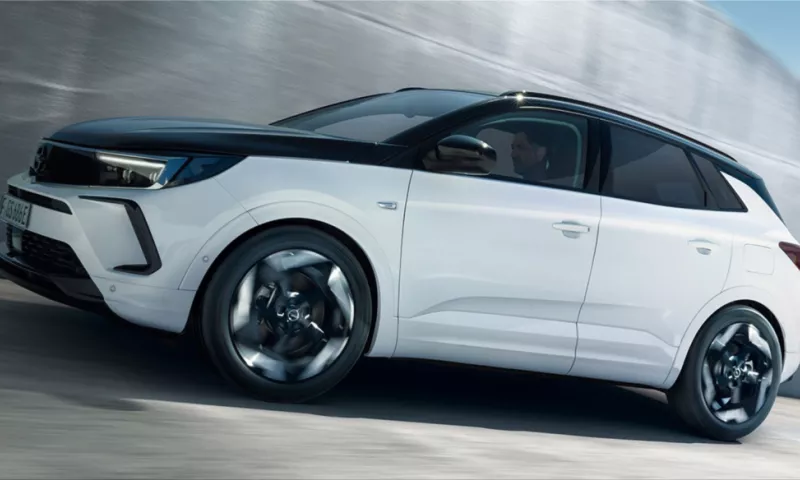
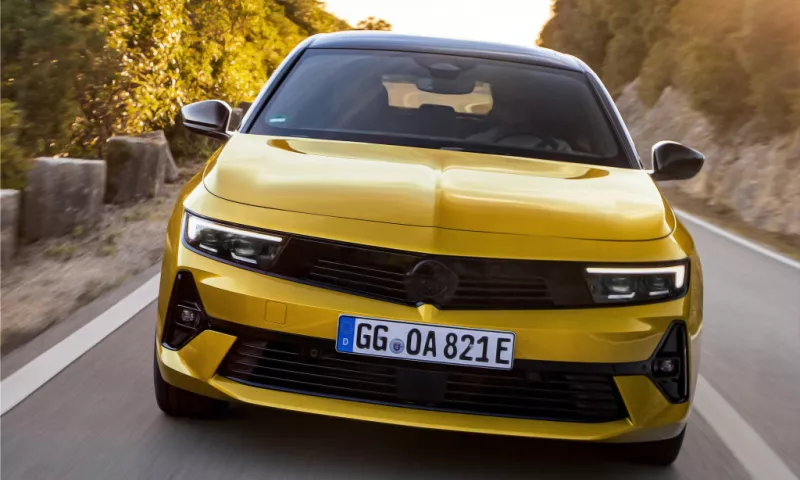
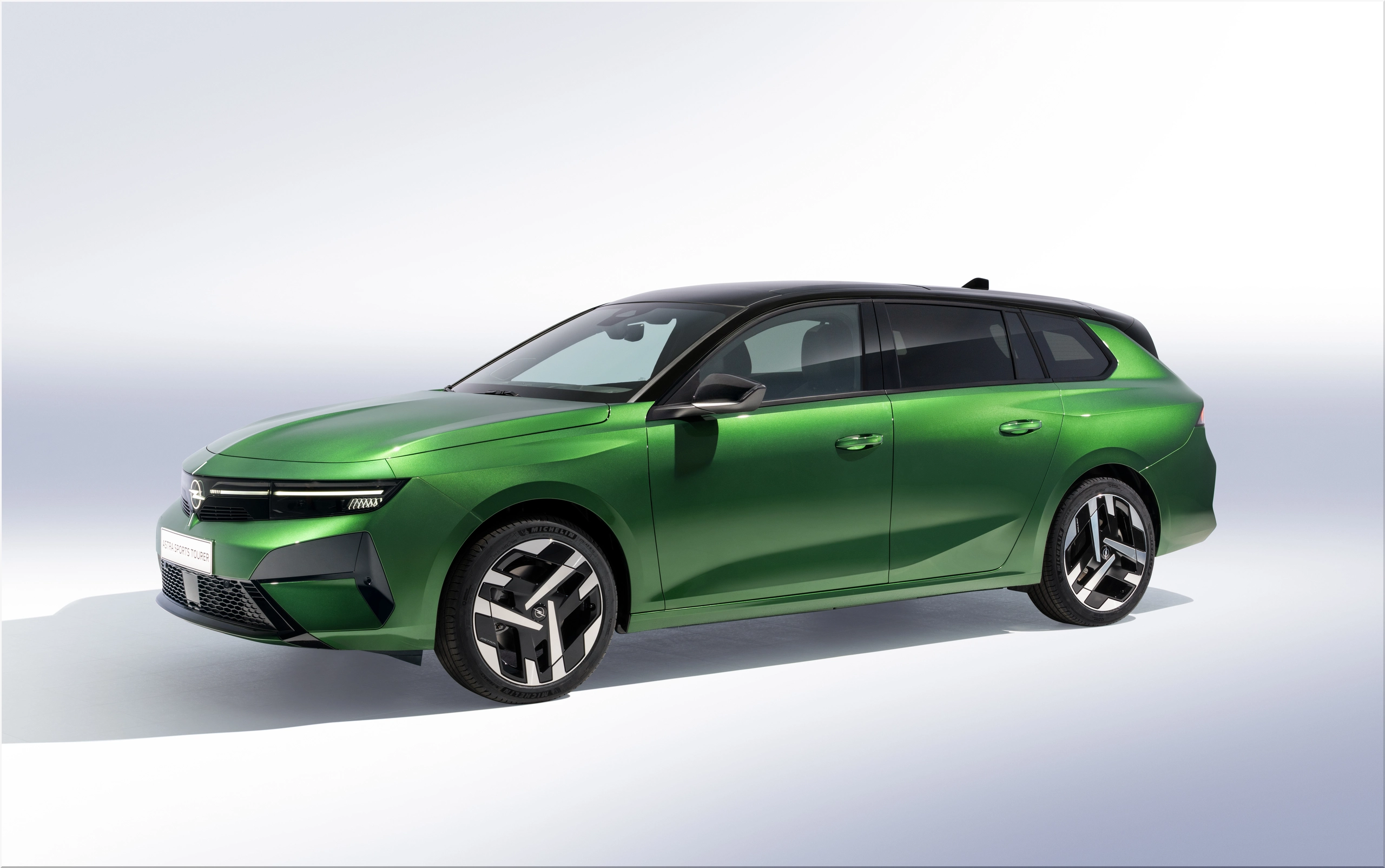
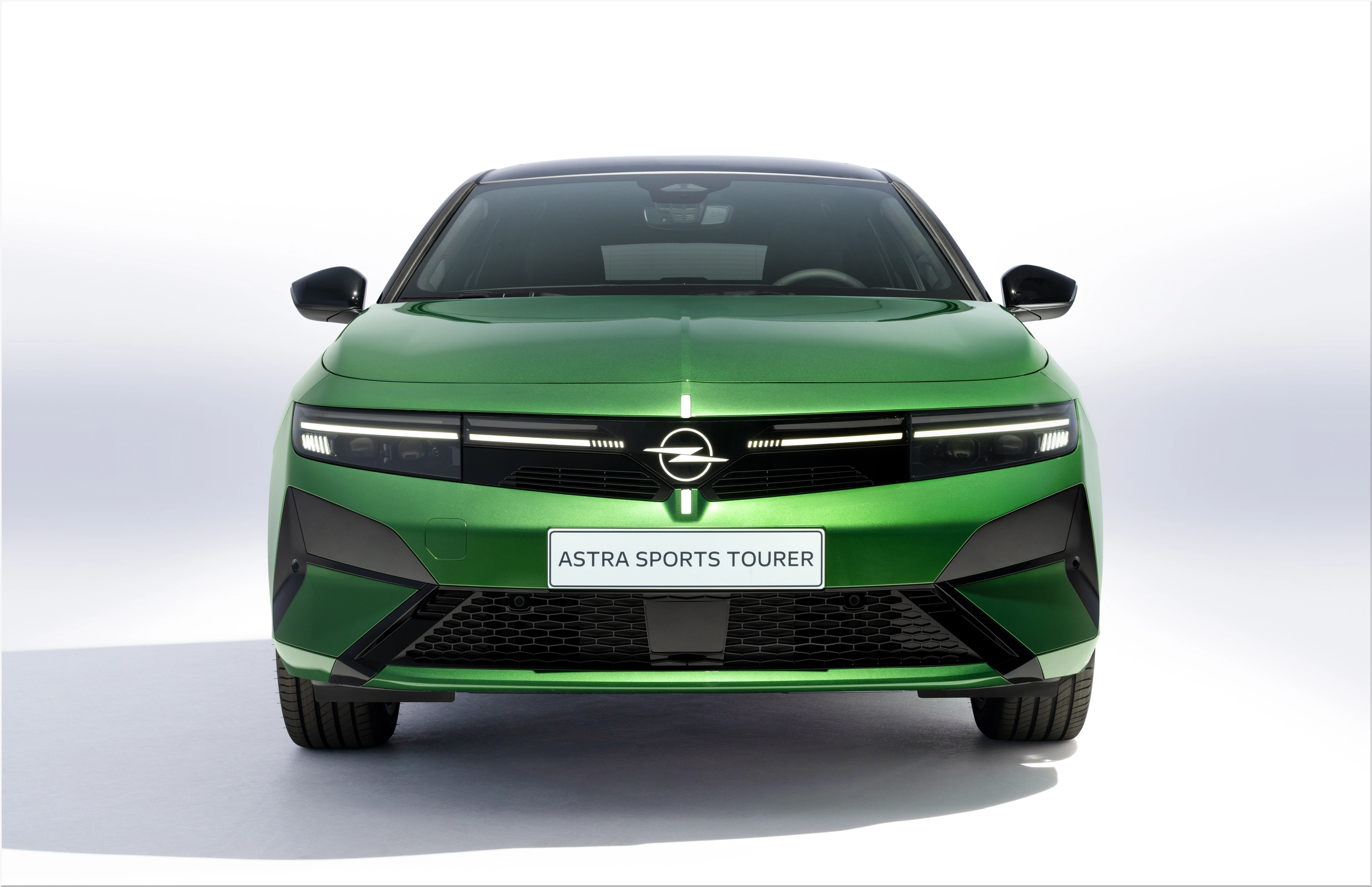
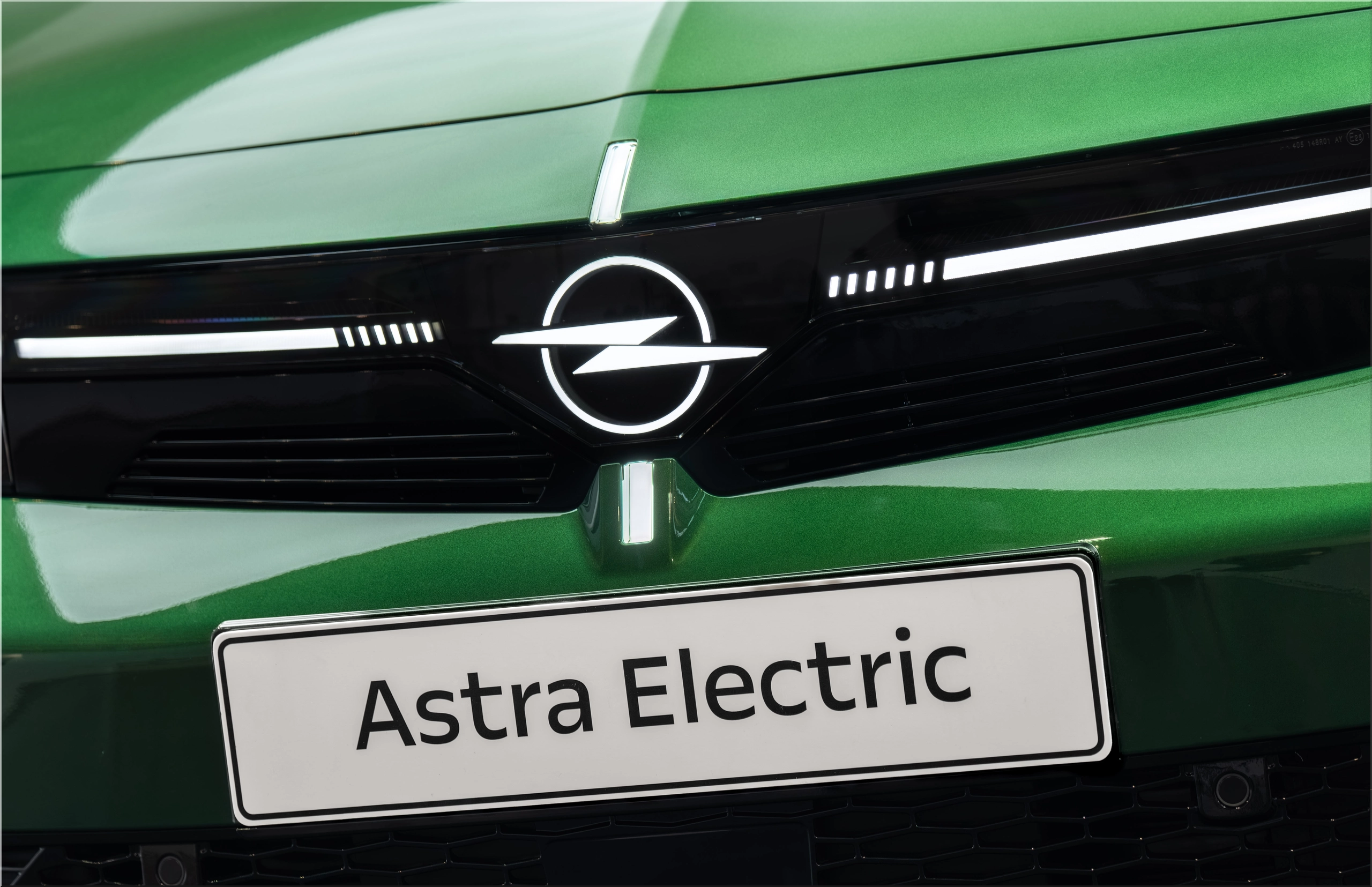
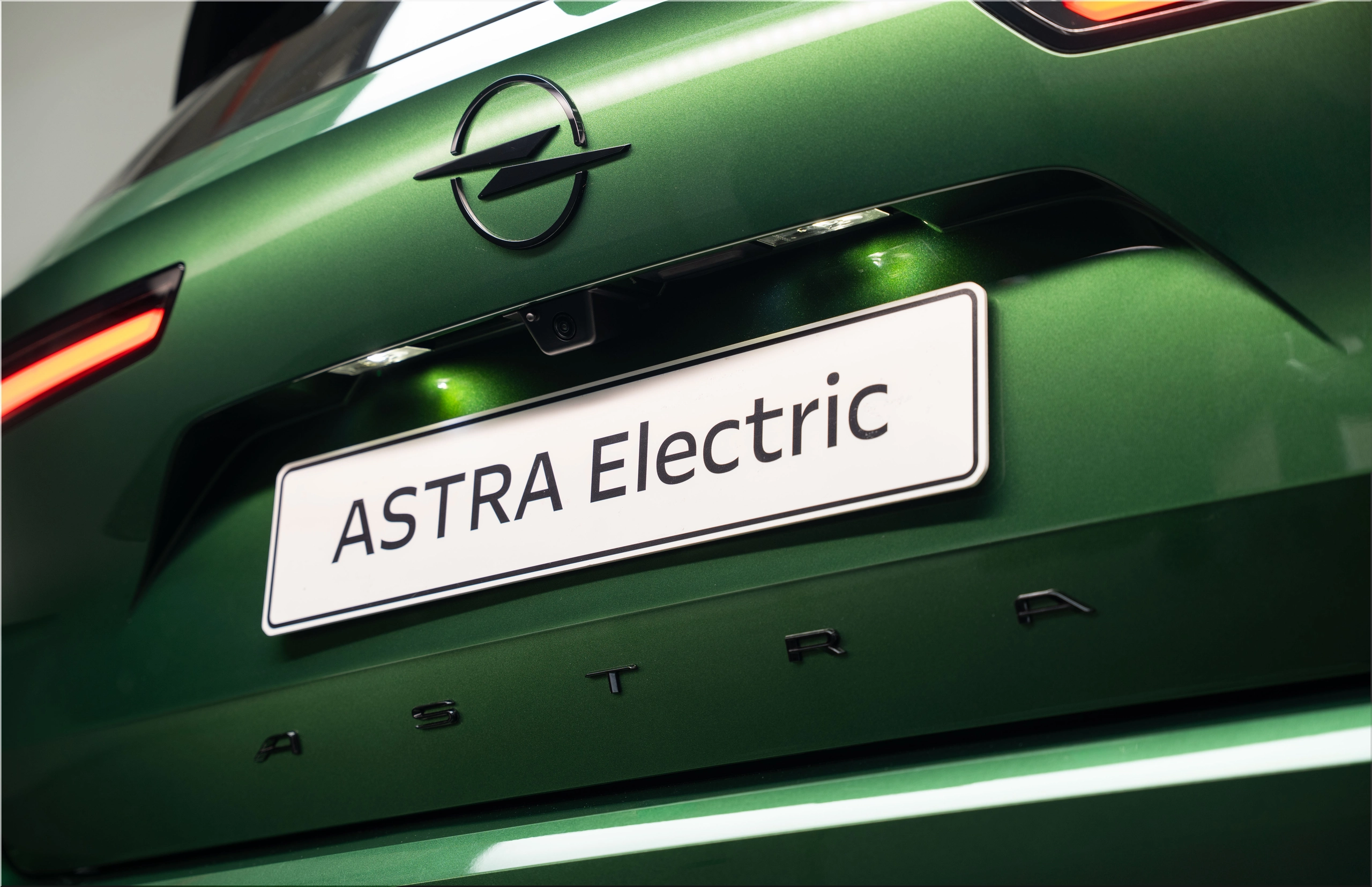
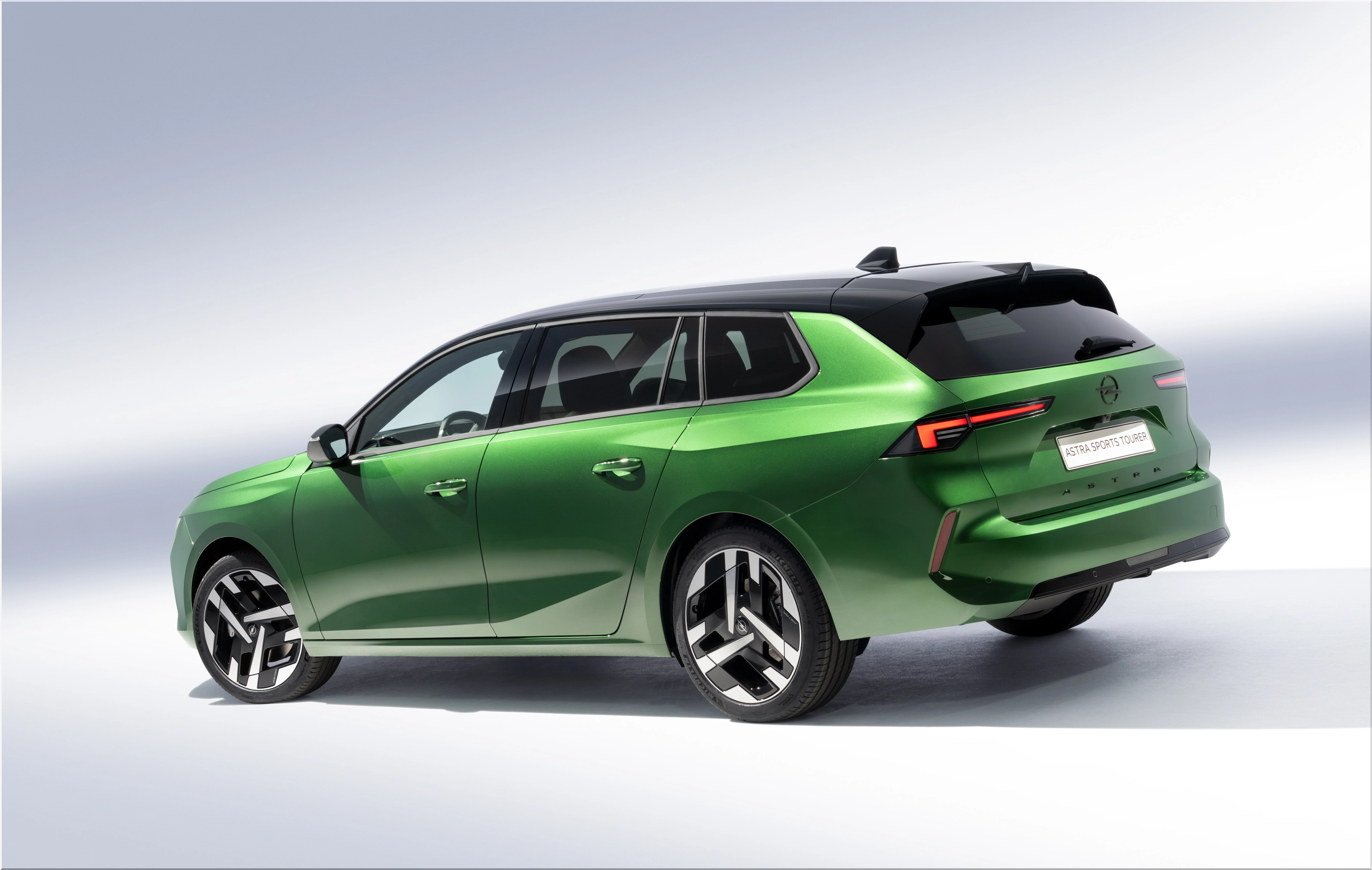
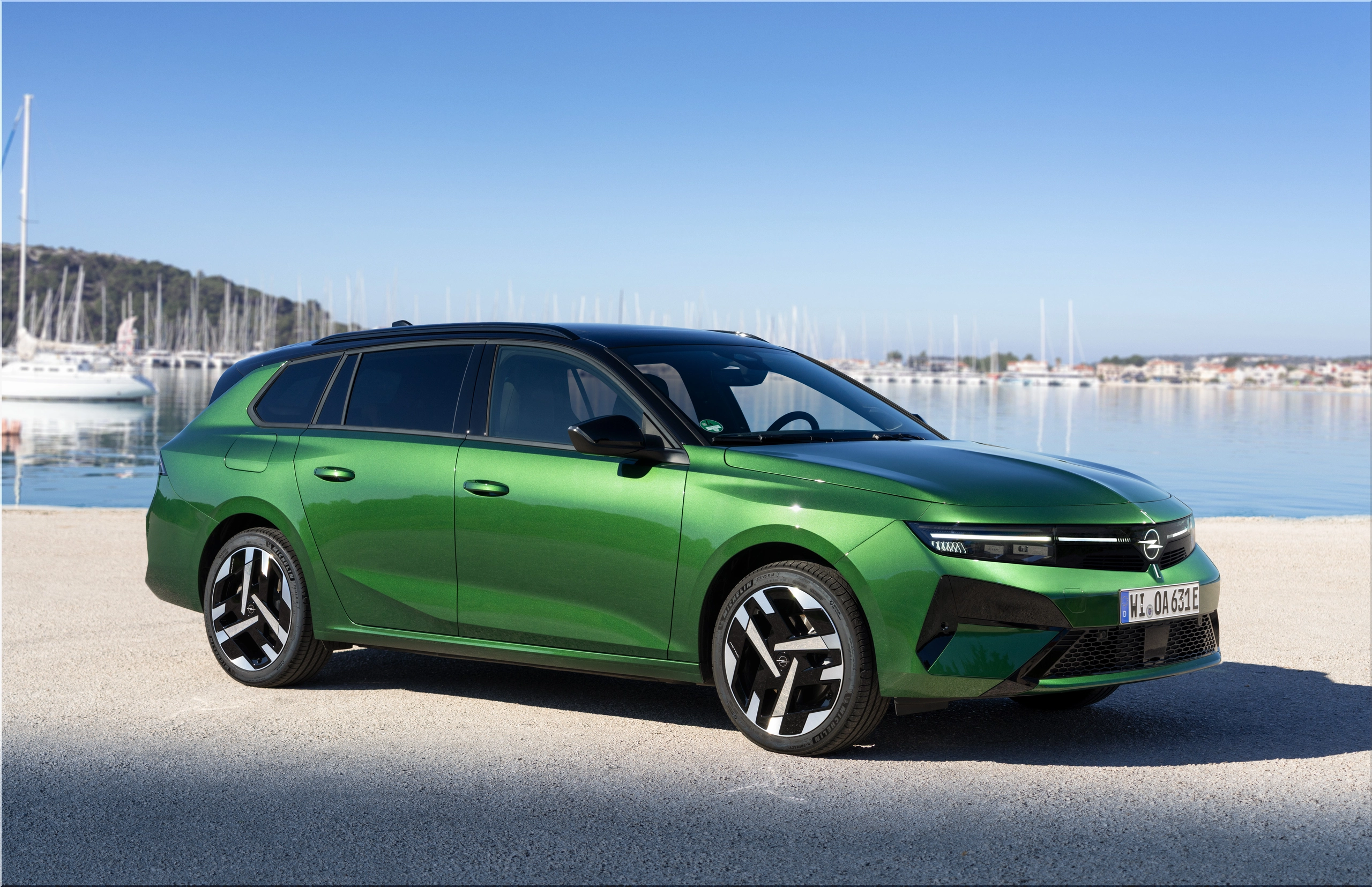
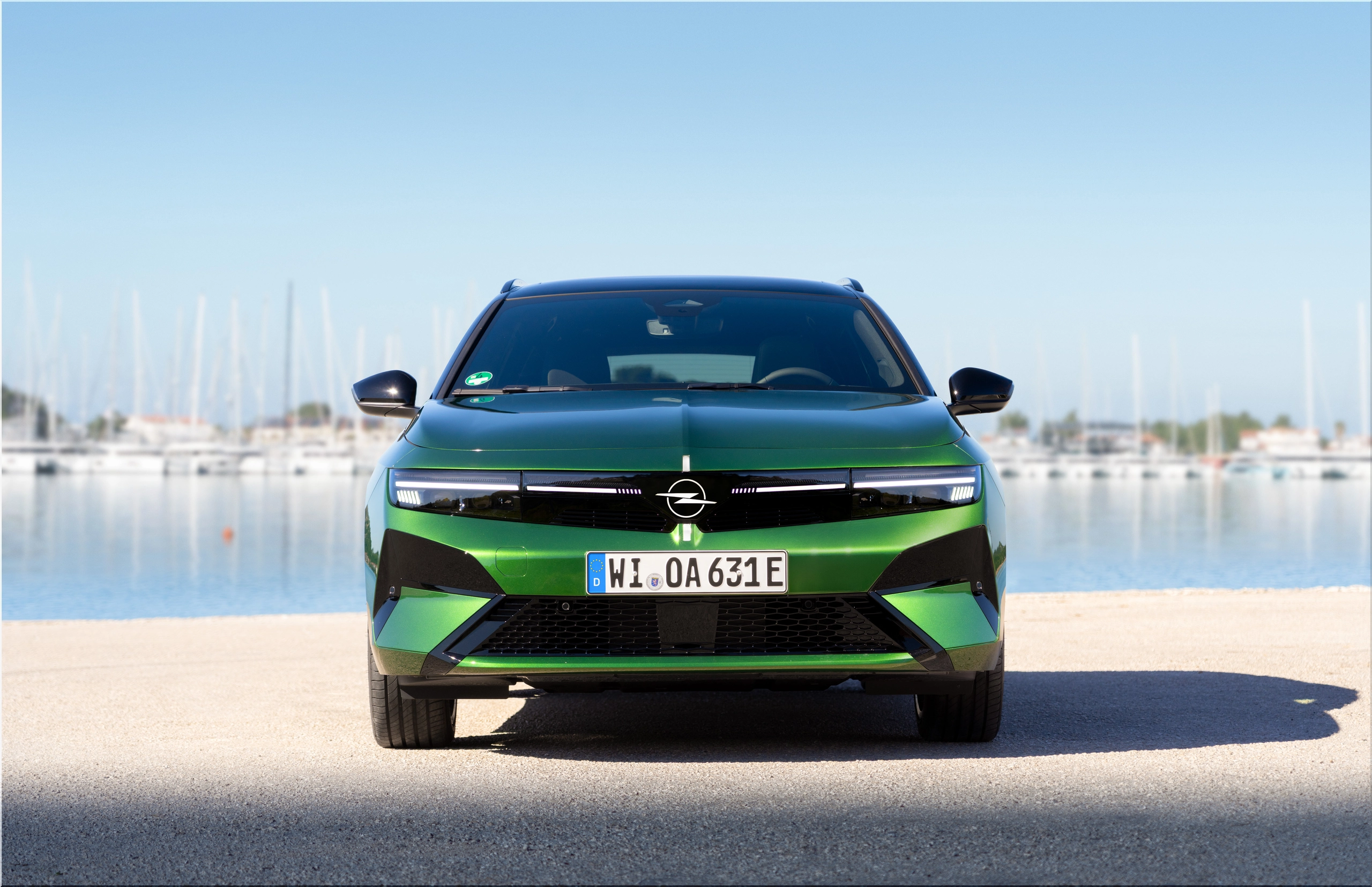
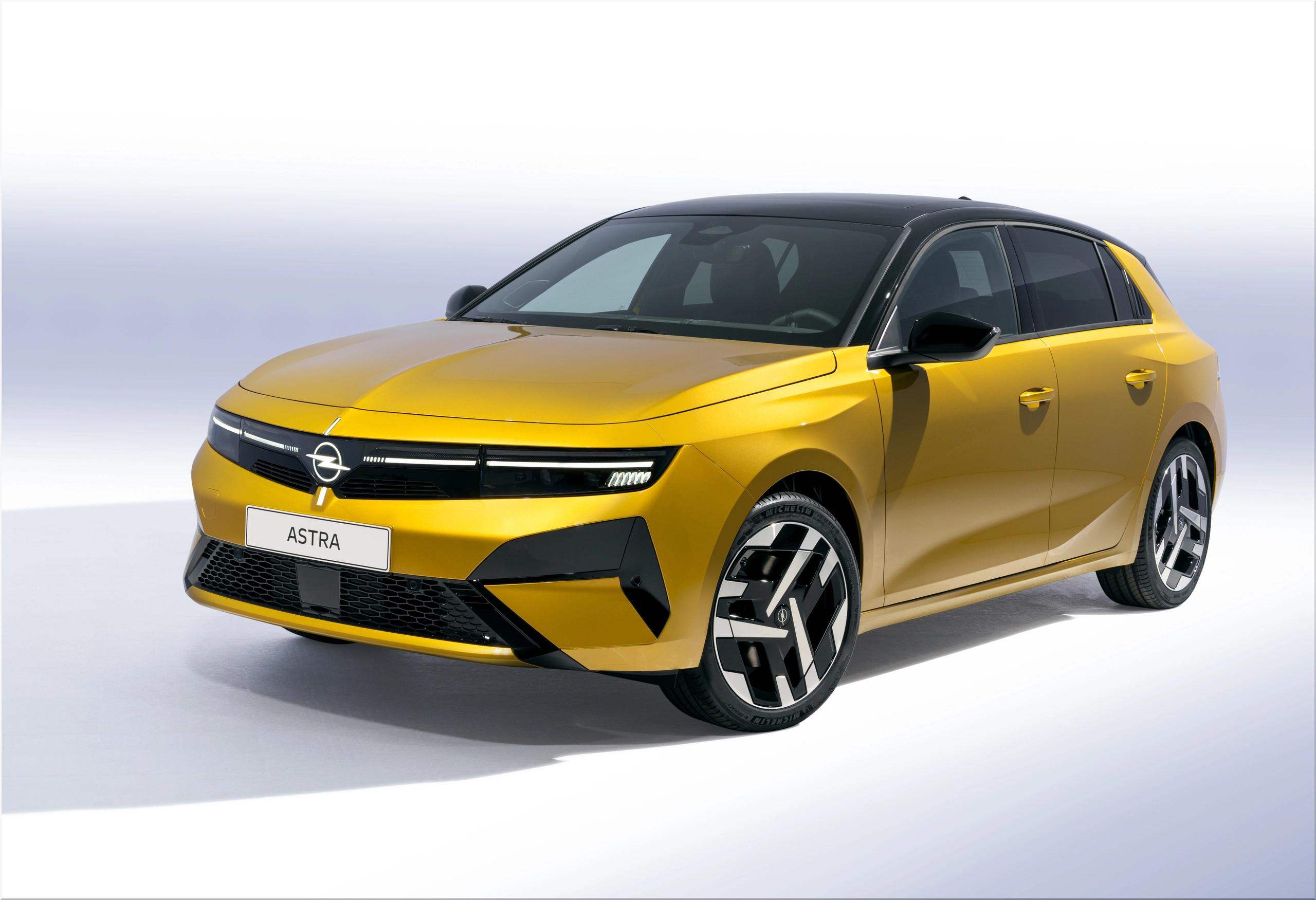
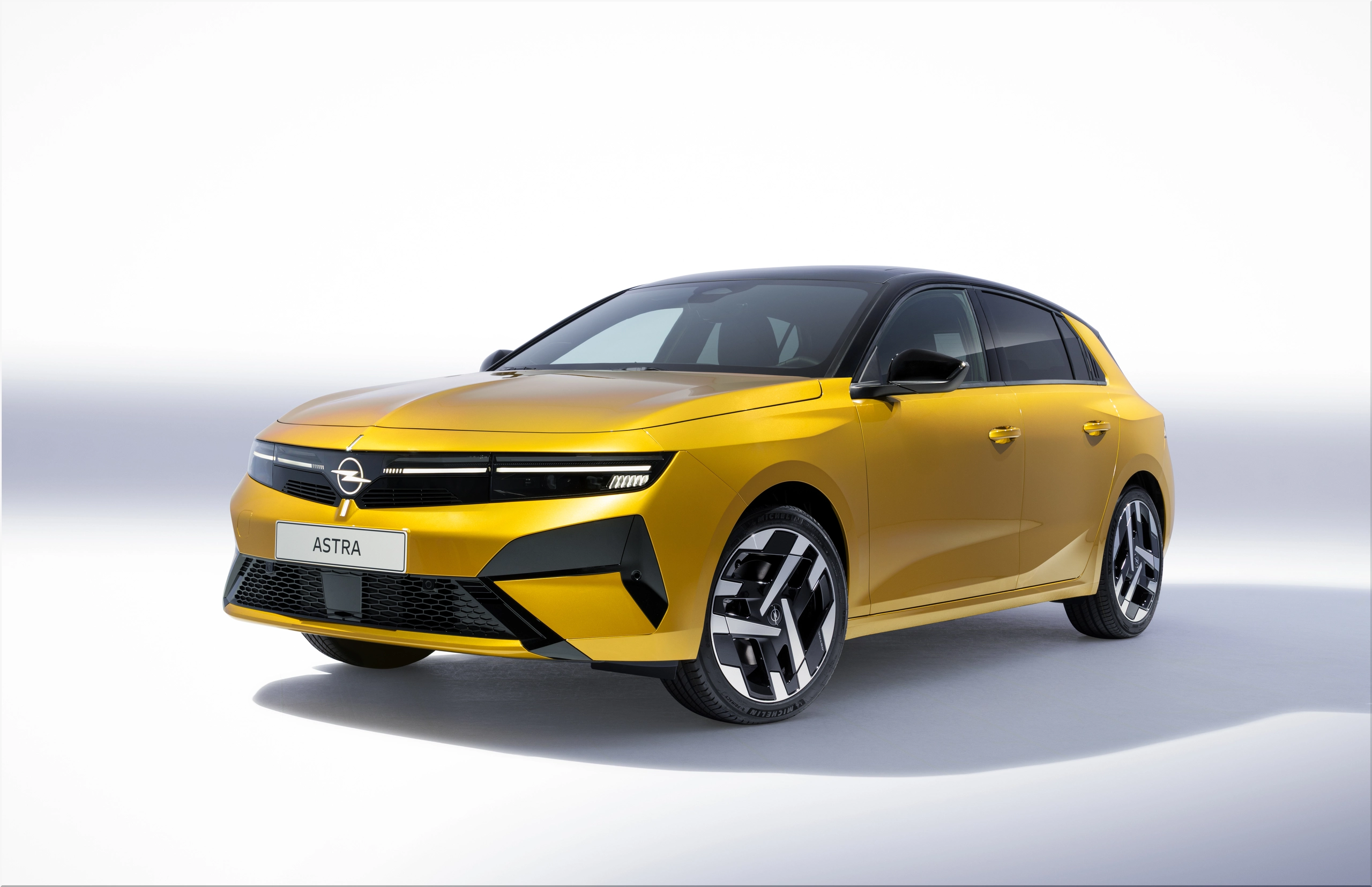
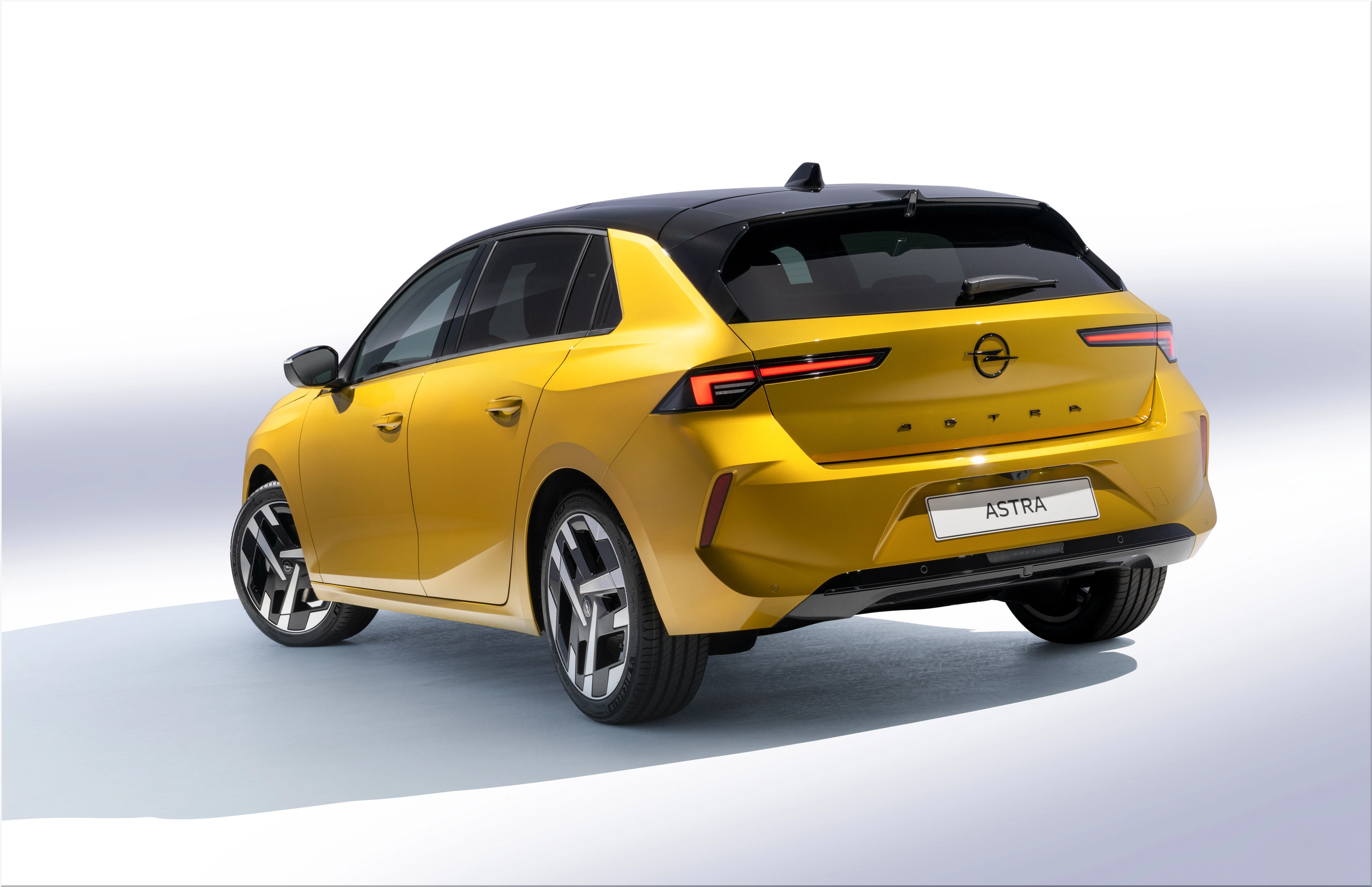
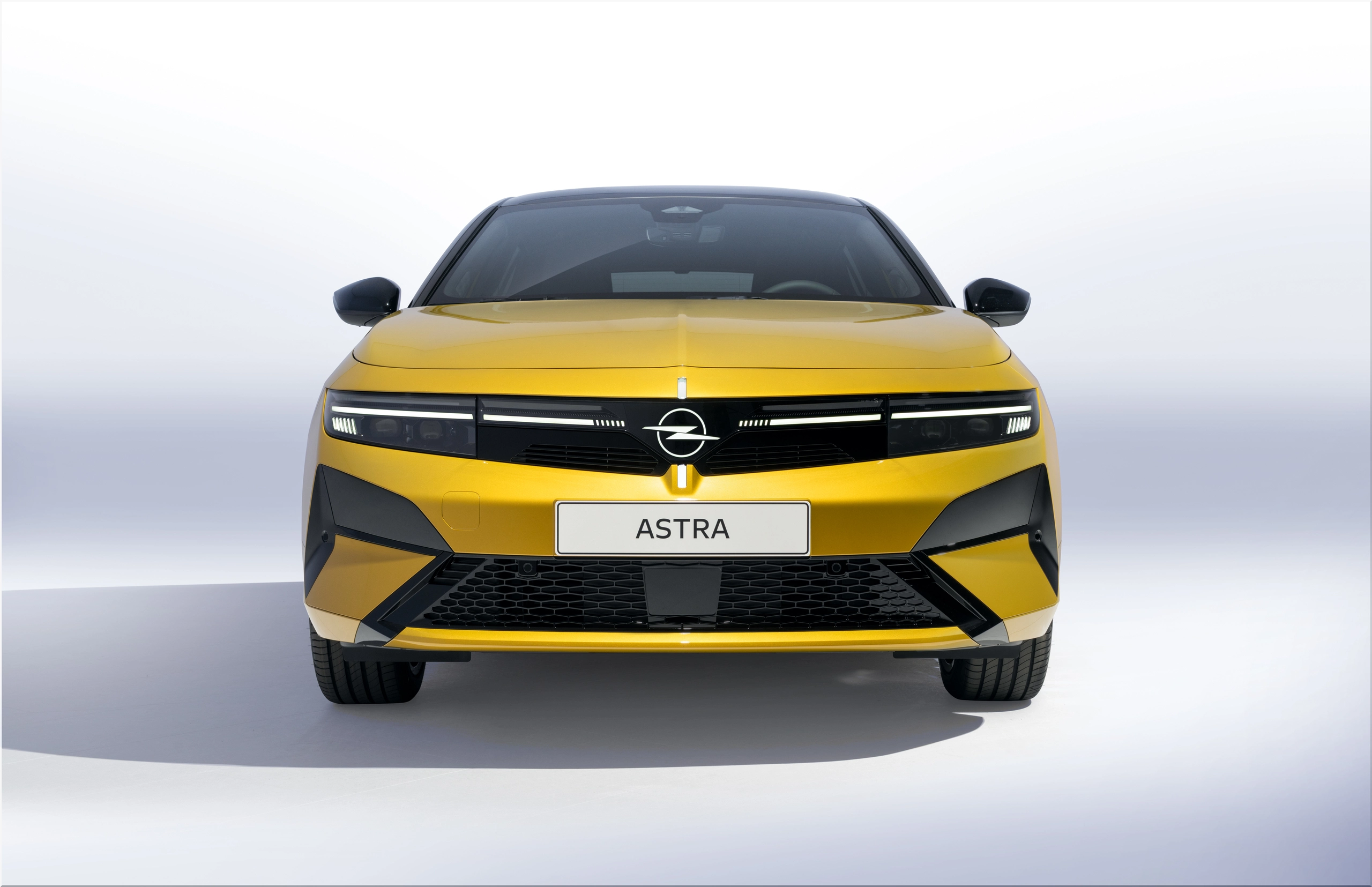
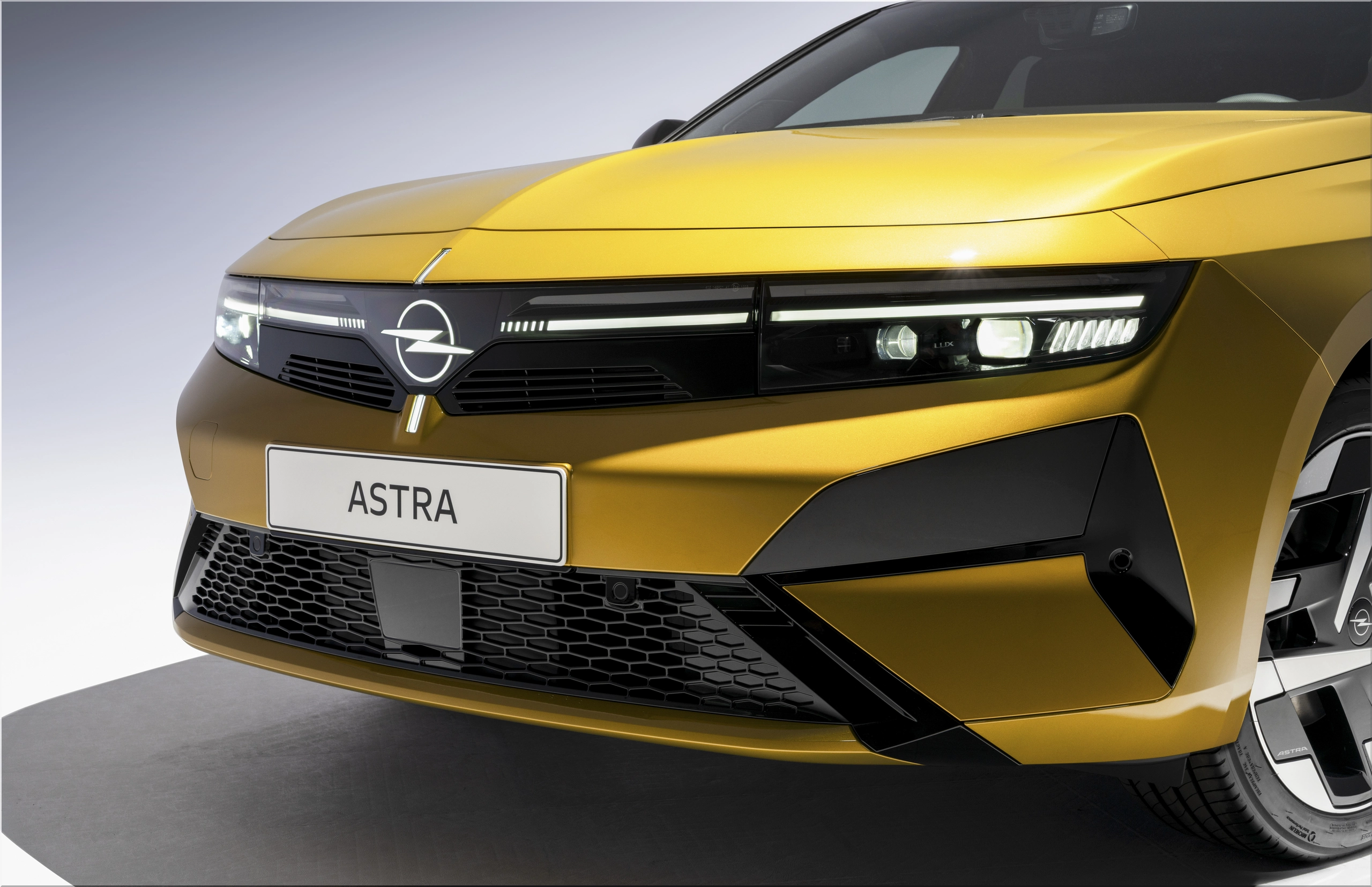
The visual changes are measured, but they are effective. Opel has tightened the front-end treatment with the latest Vizor design language, added an illuminated Opel Blitz, and sharpened the lighting signature so the Astra looks more modern without losing its clean, technical shape. The new treatment gives the car stronger visual presence at night, which matters more than many buyers admit. A compact car that looks crisp in traffic and parking lots tends to age better.
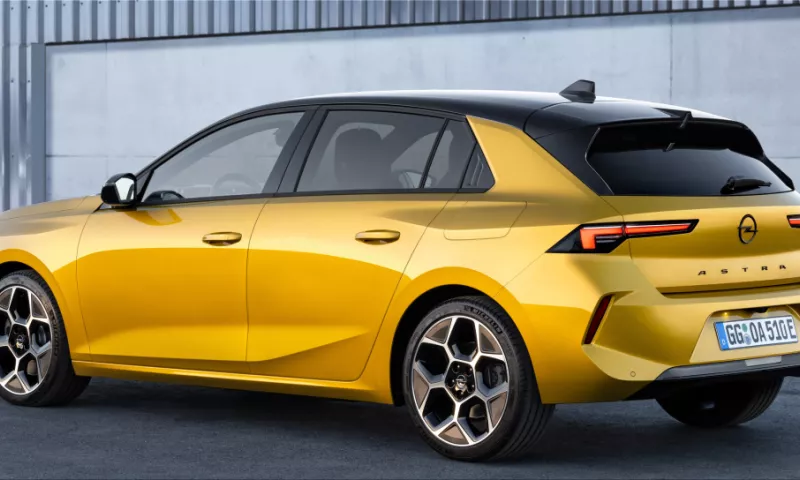
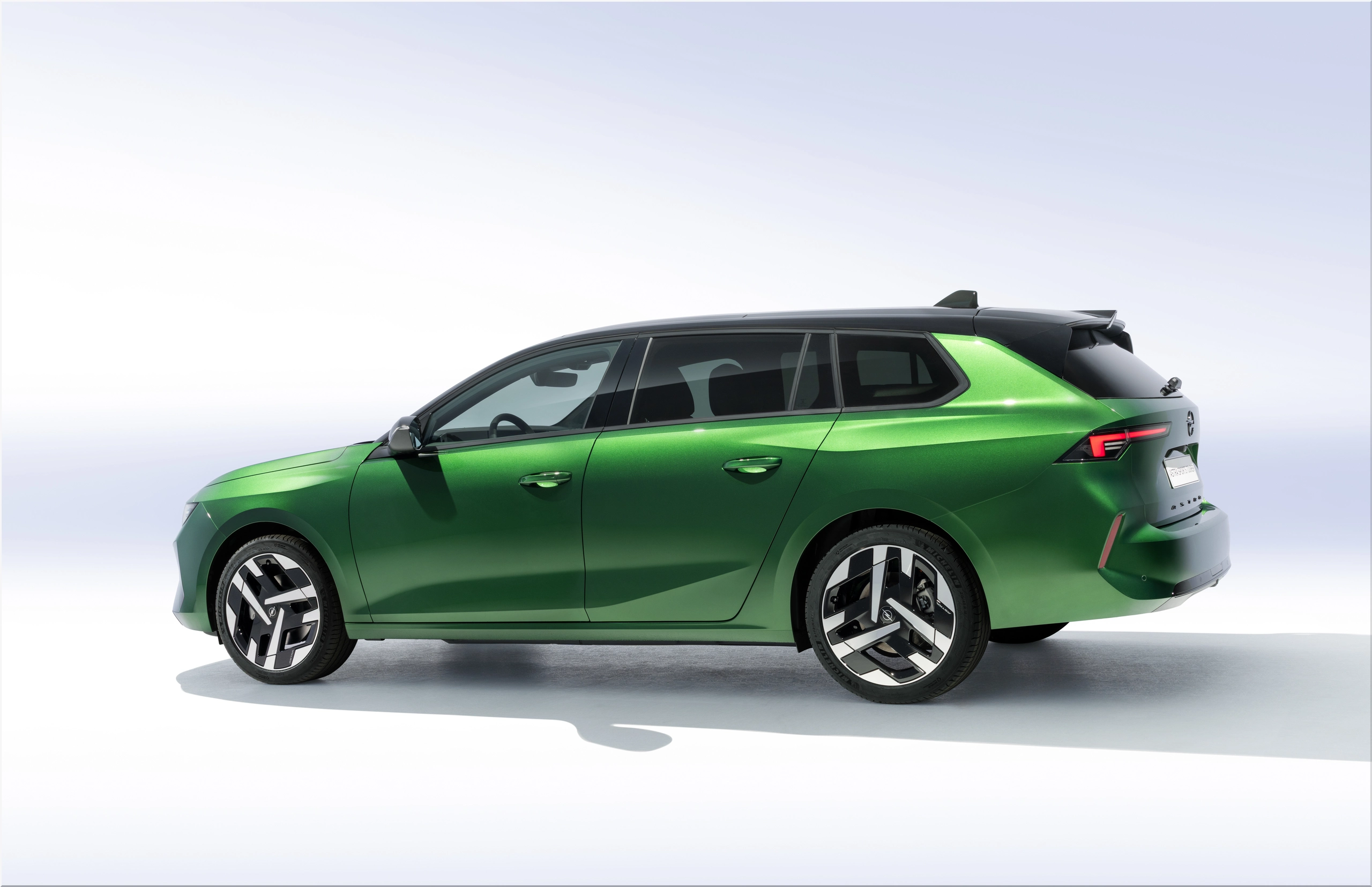
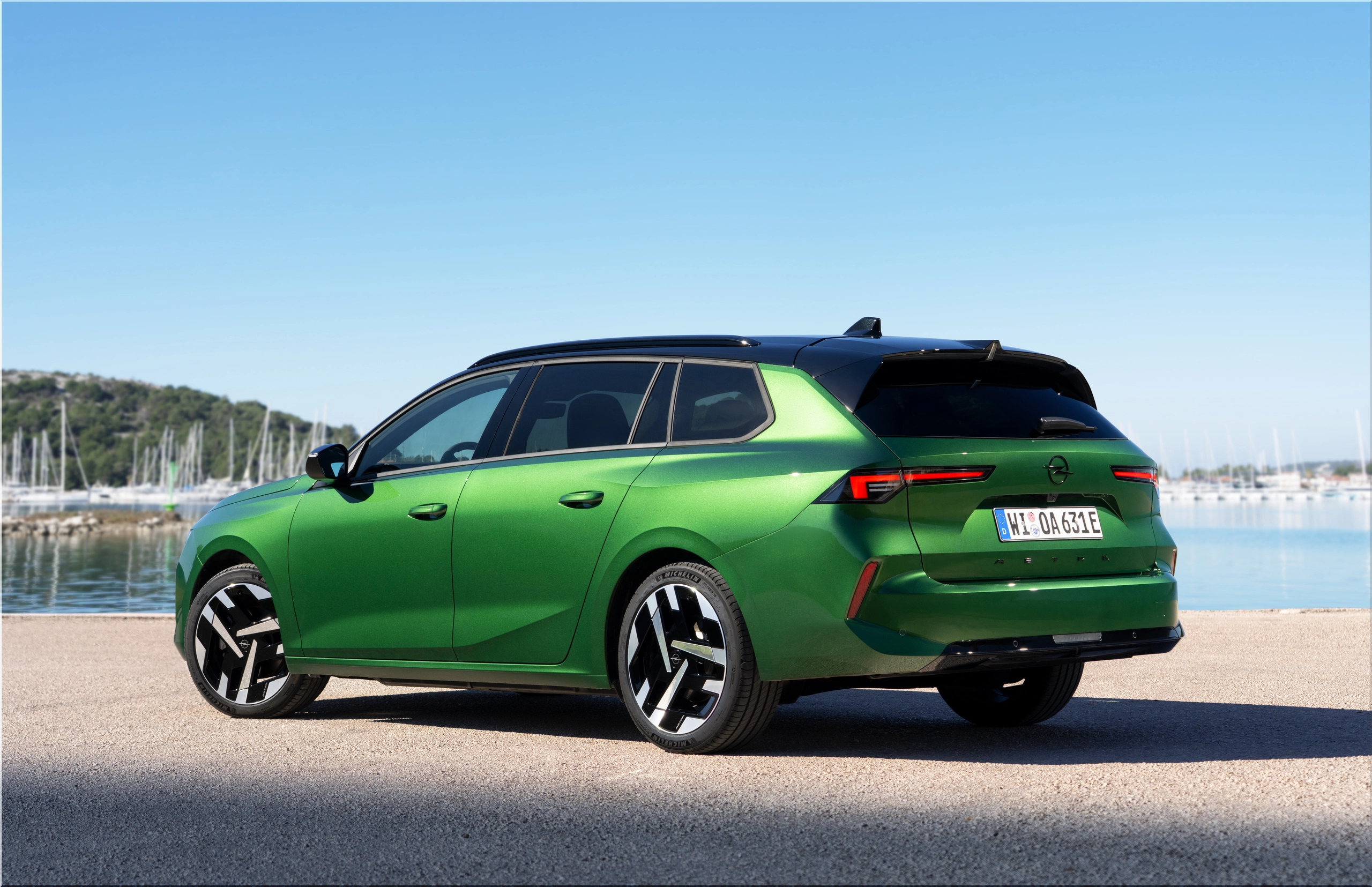
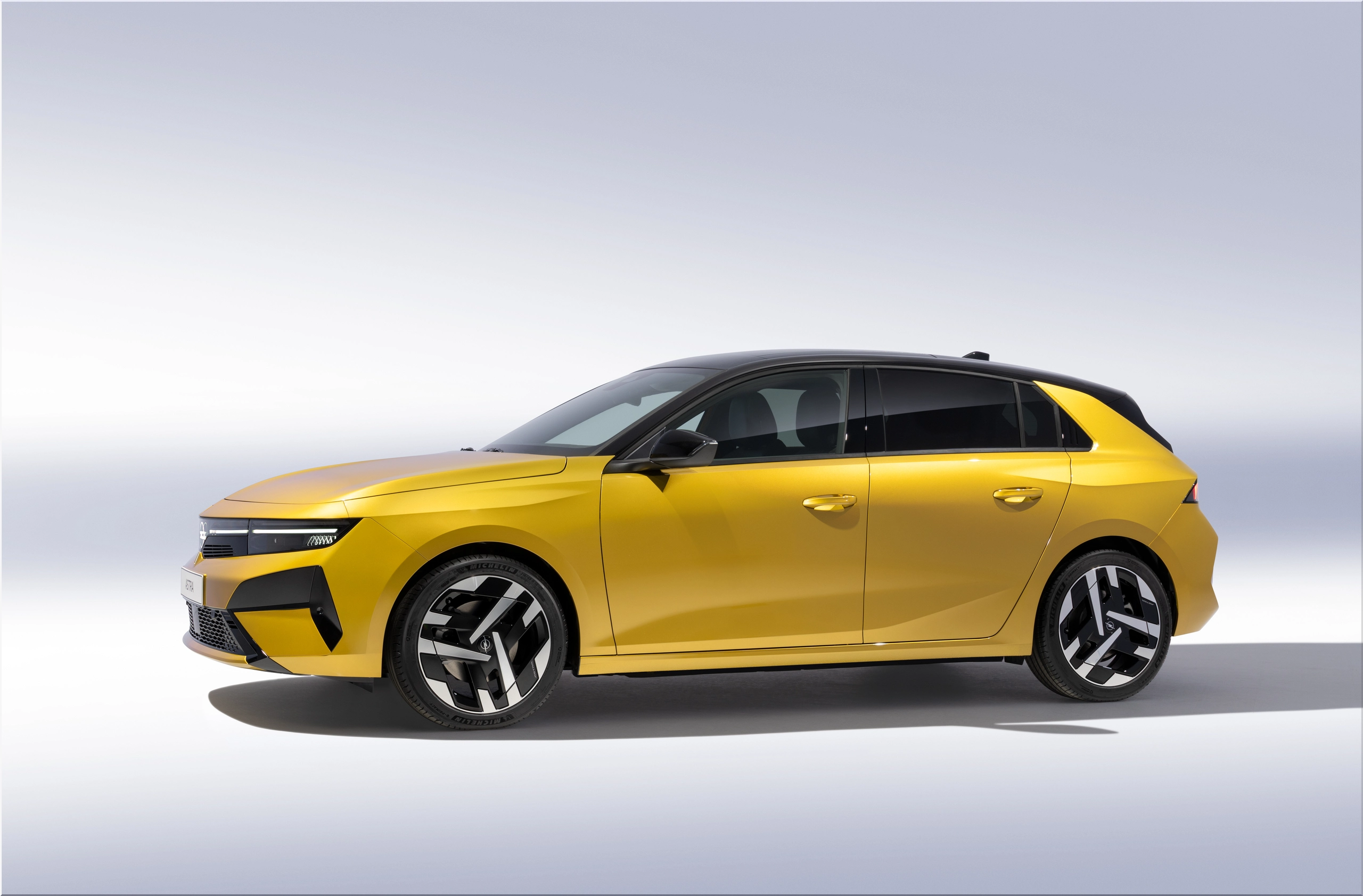
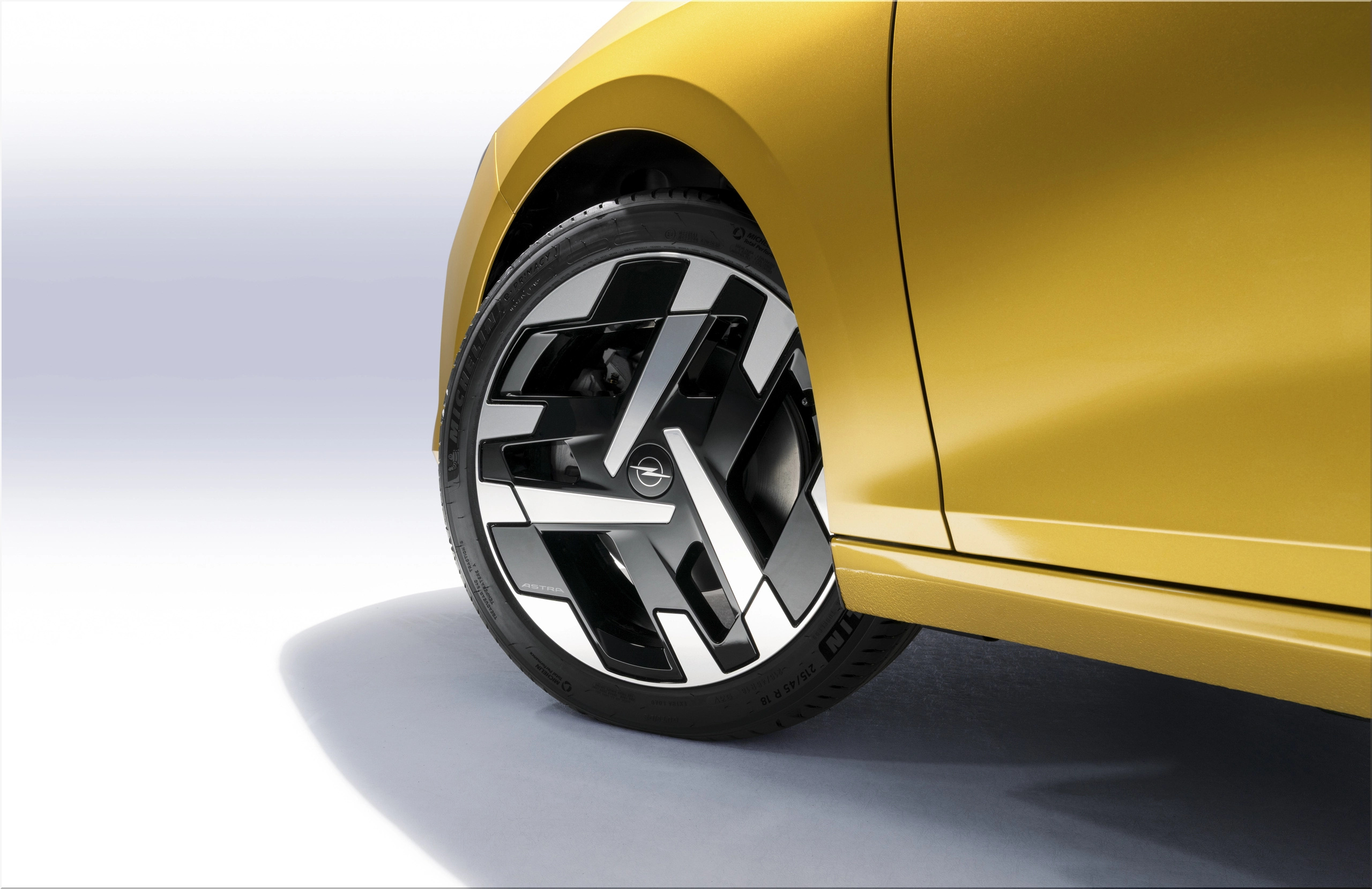
New alloy wheel designs, fresh paint options, and a contrasting black roof also help. These details sound minor on paper. In practice, they give the Astra more showroom appeal without dragging the design into gimmick territory. That matters because the Astra competes in a class where restrained design usually ages better than aggressive surfacing.
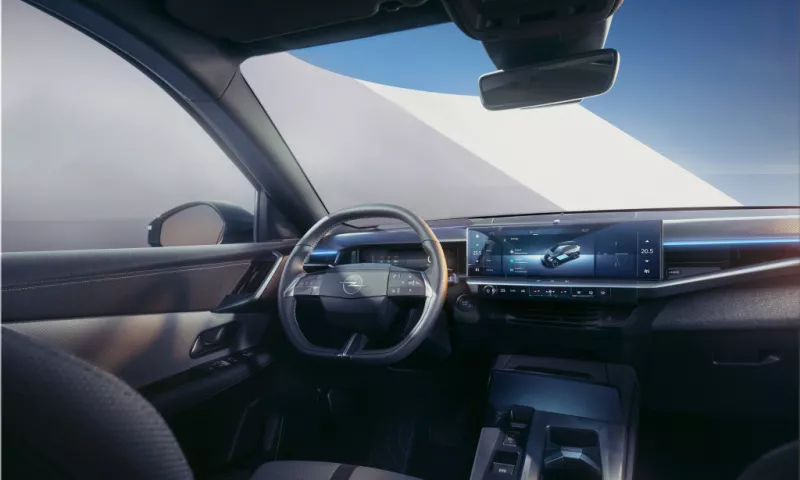
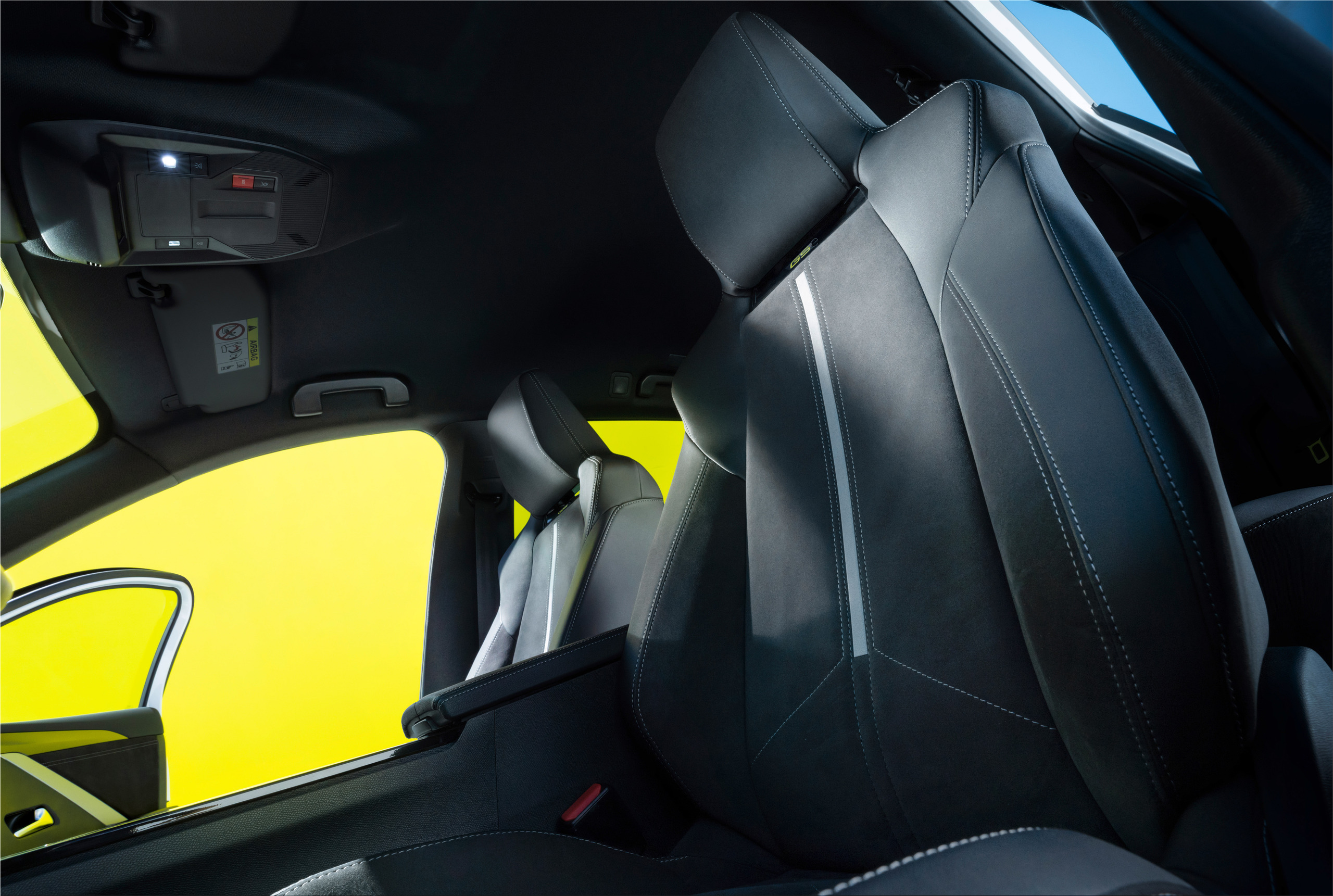
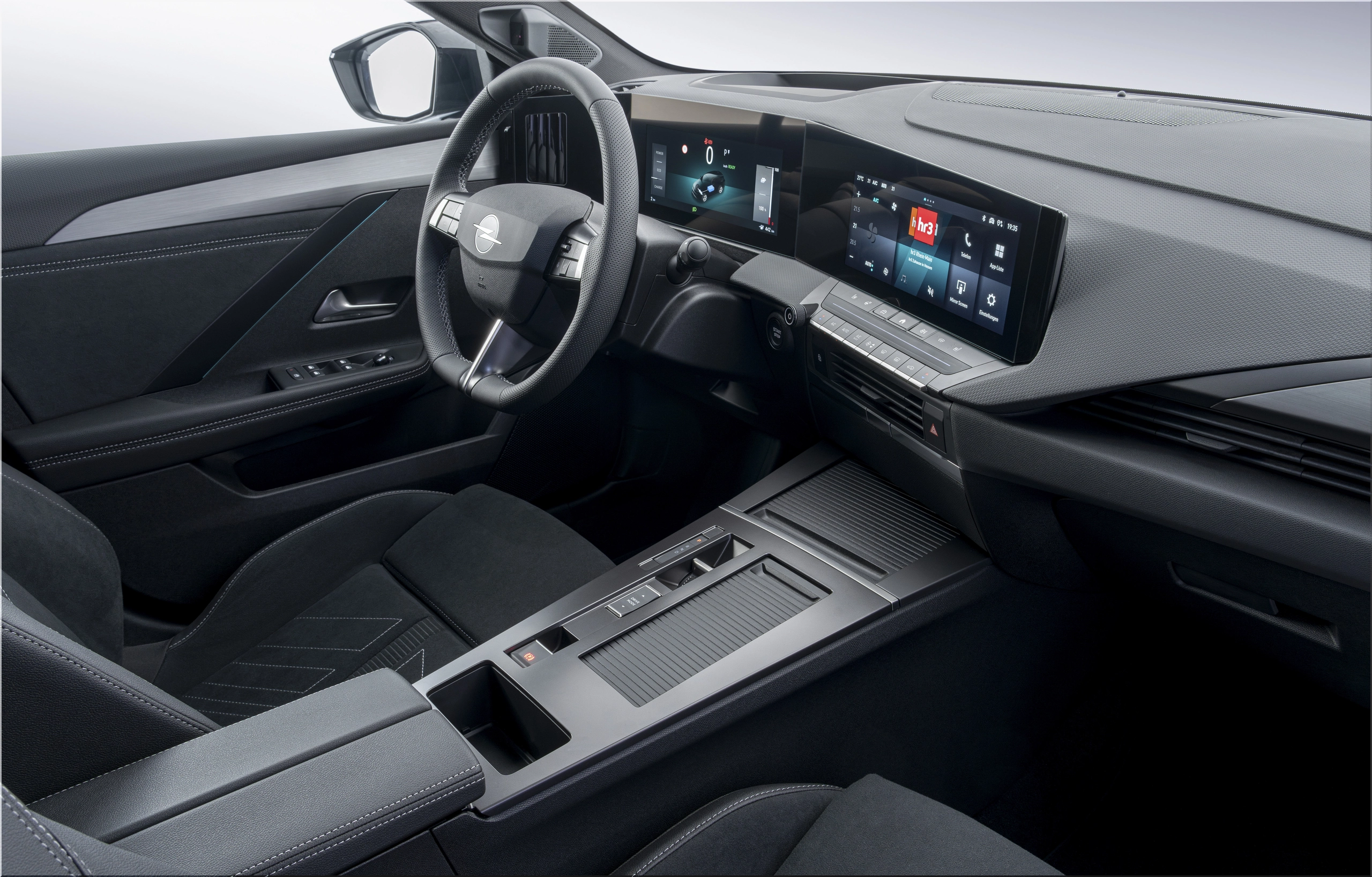
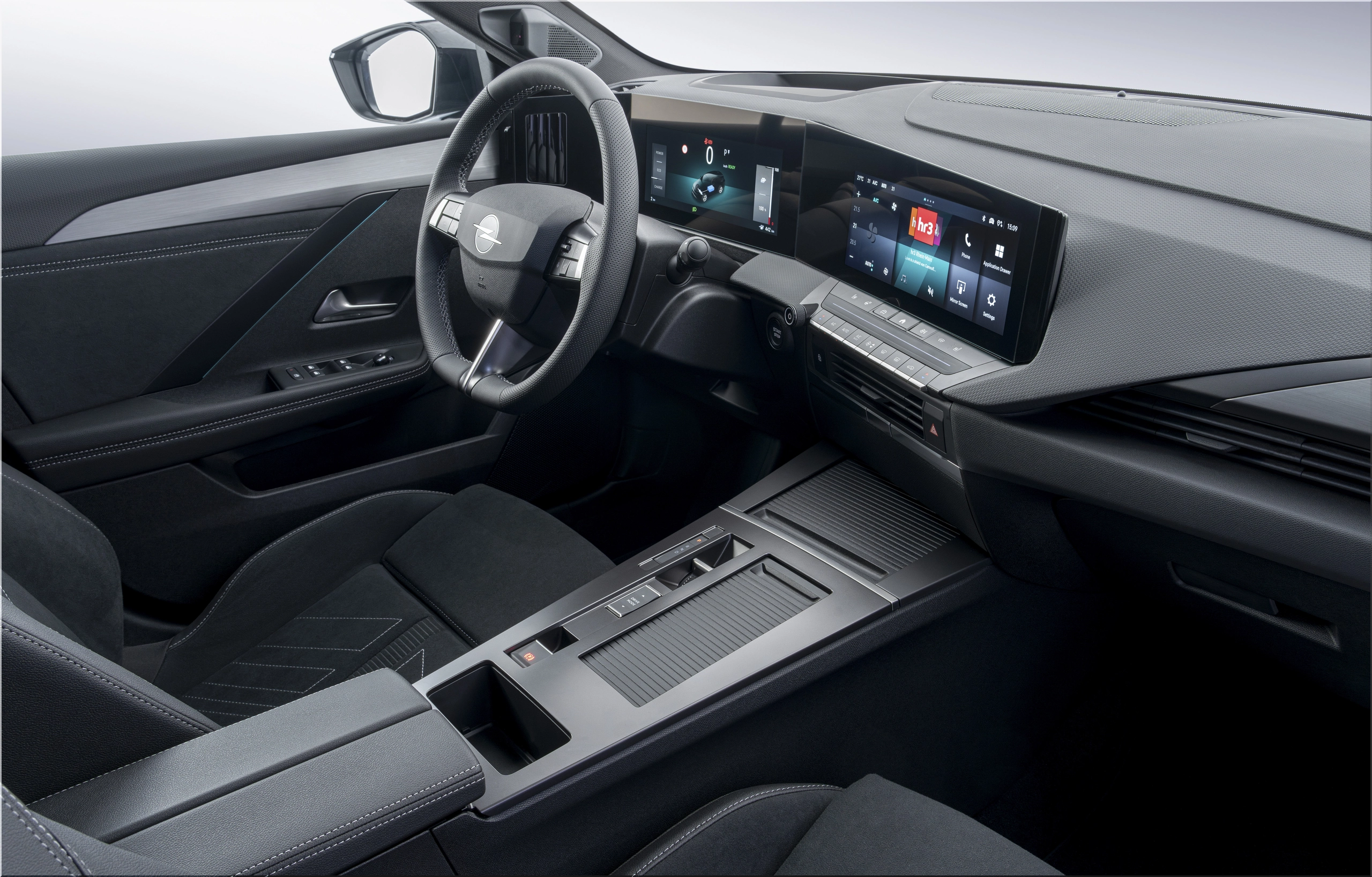
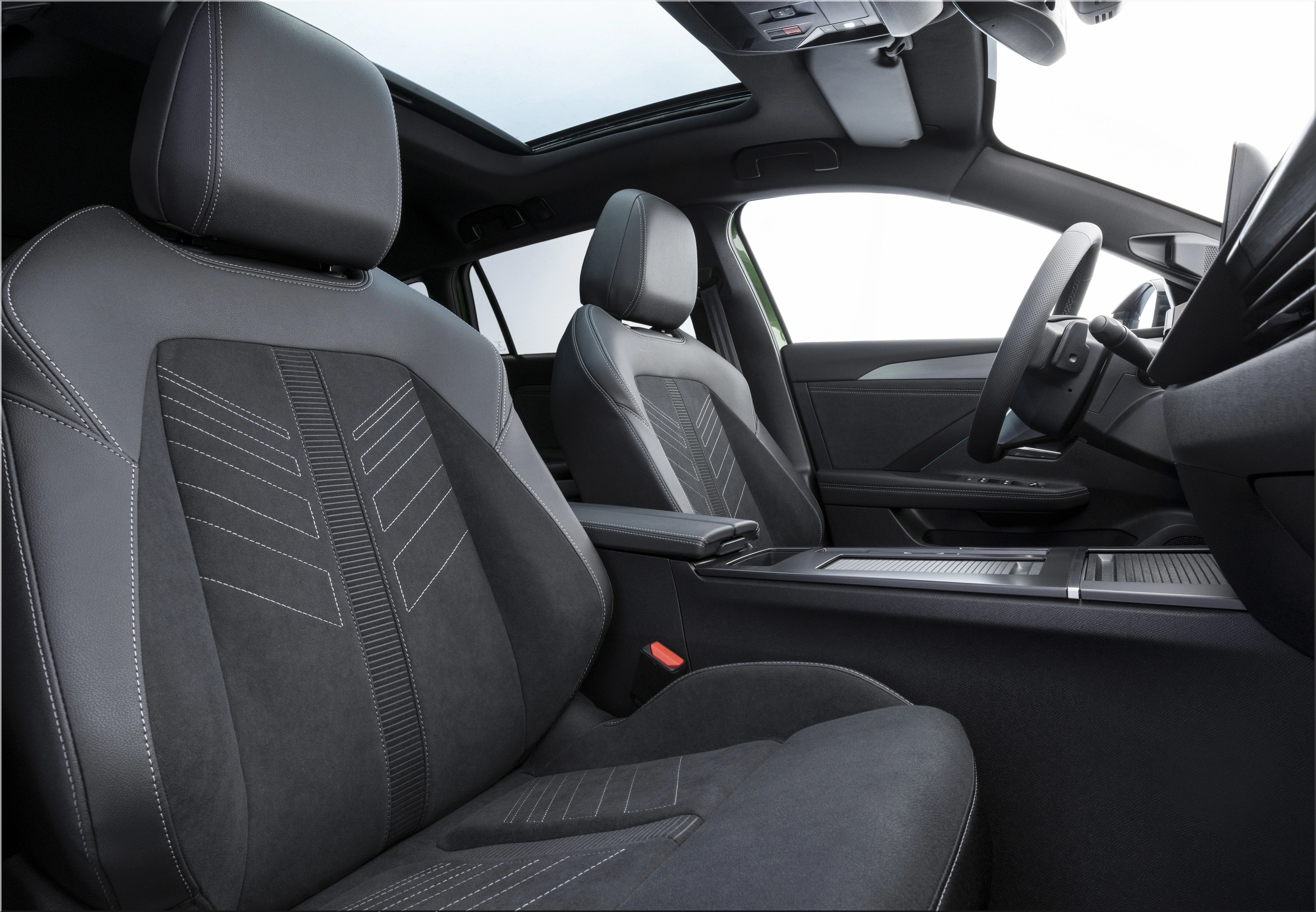
Inside, Opel has improved the digital experience and cleaned up the materials strategy. The cabin now integrates more recycled trim elements and vegan surfaces, while the interface remains centered on usability rather than spectacle. That is the right call. In a family car, drivers want clarity, quick responses, and physical comfort. They do not need a dashboard that behaves like a consumer electronics demo stand.
Image
Exterior and cabin upgrades at a glance
- Illuminated Opel Blitz integrated into the front fascia
- New light signature and updated Vizor treatment
- Fresh alloy wheel designs in 17-inch and 18-inch formats
- New exterior colours including brighter and more contemporary finishes
- Available black roof and mirror cap contrast treatment
- Revised interior trim materials with recycled content
- Updated digital interface and connected services
- Standard Intelli-Seats across the range
Opel Astra dimensions and why the packaging still works
The Opel Astra hatchback measures 4,374 mm in length and 1,859 mm in width with the mirrors folded. Height ranges from 1,460 mm to 1,488 mm, depending on version. The Astra Sports Tourer stretches to 4,642 mm in length, keeps the same 1,859 mm width, and stands between 1,443 mm and 1,498 mm tall.
Looking at the data, Opel has kept the Astra within the dimensional sweet spot of the European compact class. The hatch remains easy to place in town, simple to park, and low enough to avoid the bloated feel that now affects many small crossovers. The estate adds meaningful length where buyers actually benefit from it, which is in cargo floor area and rear load flexibility, not in decorative body volume.
That distinction matters. Good packaging is not about making a car look larger. It is about using every millimetre intelligently. Opel has done that here, particularly with the wagon.
Boot space and family practicality
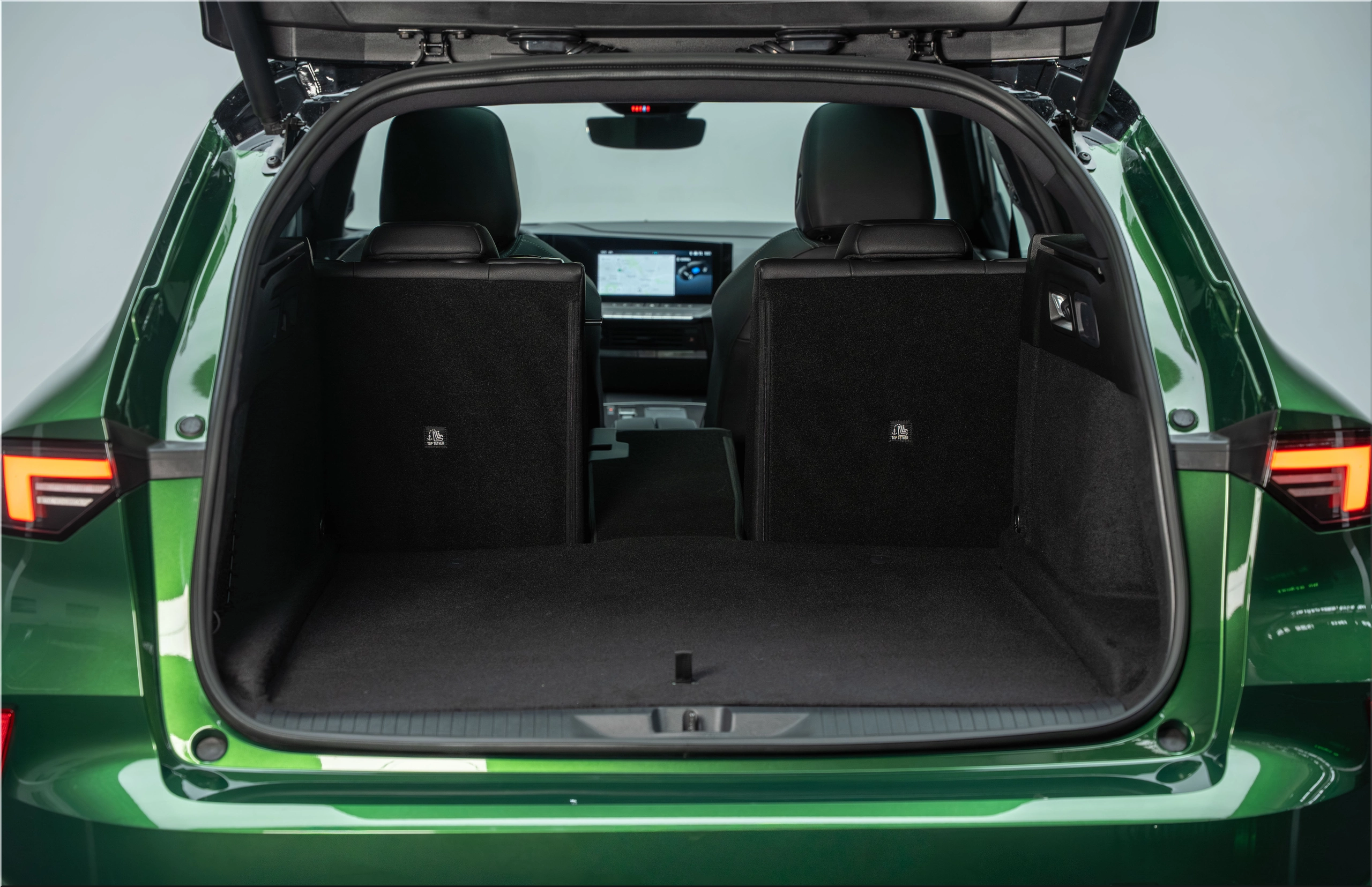
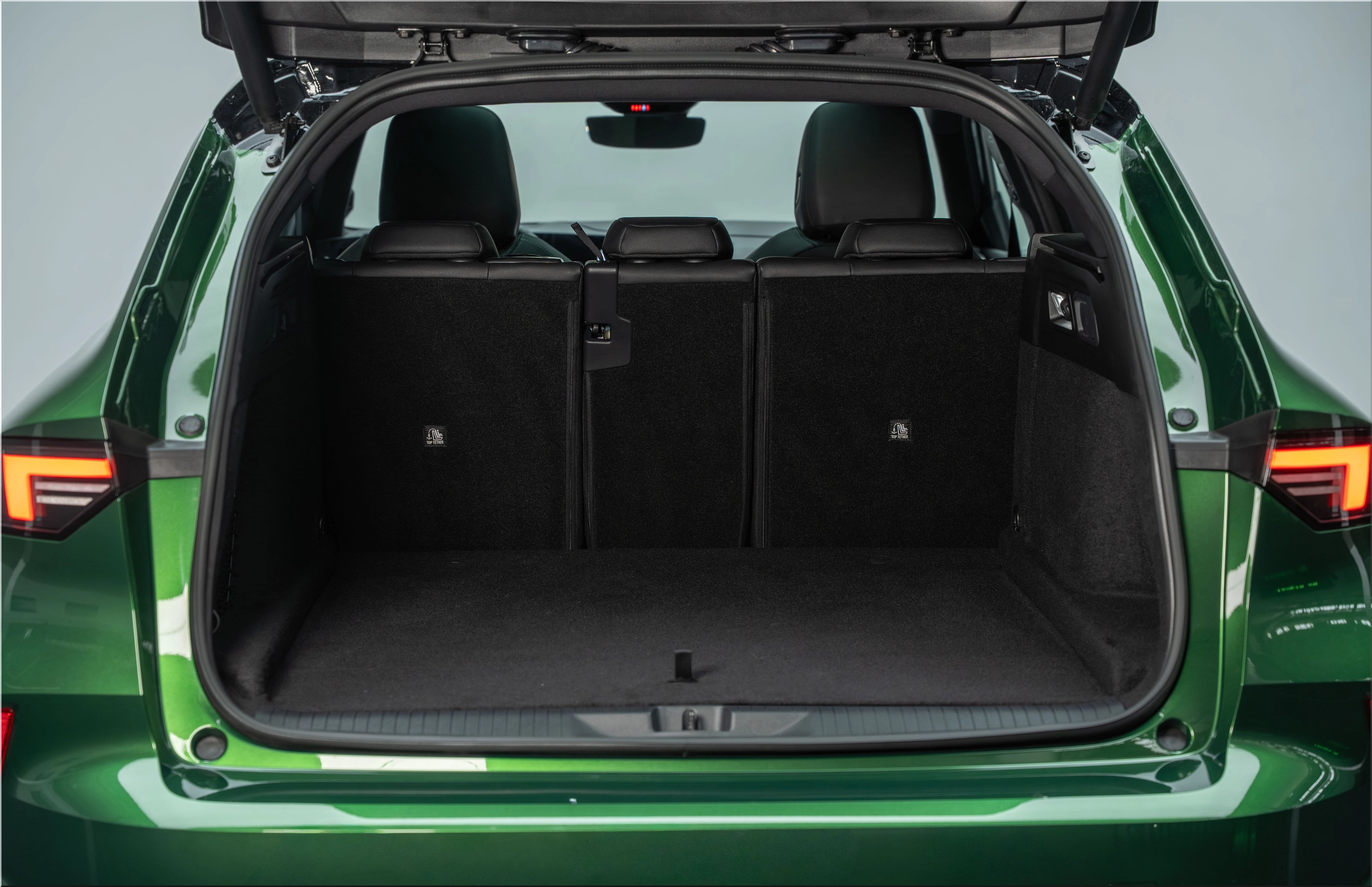
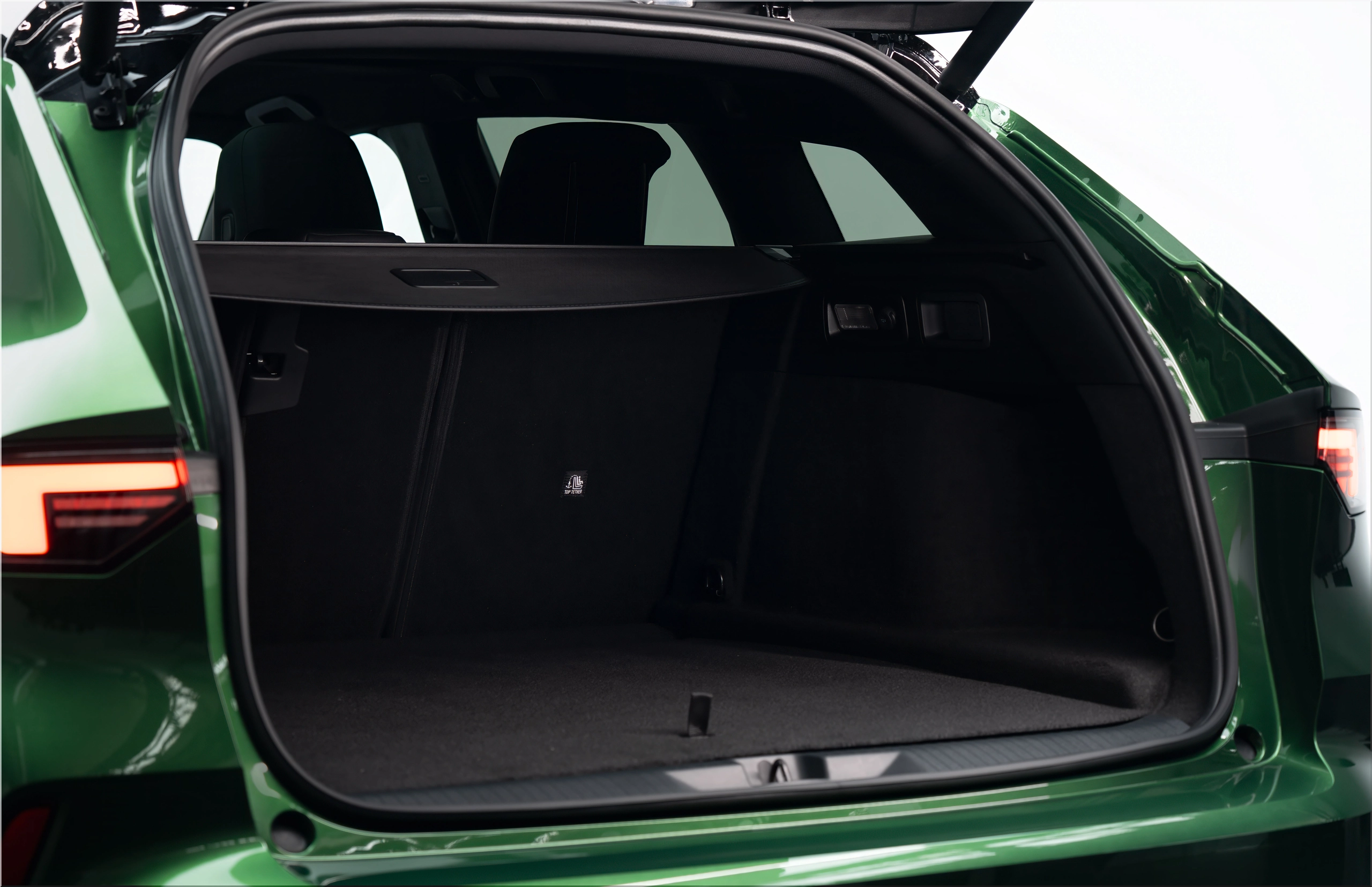
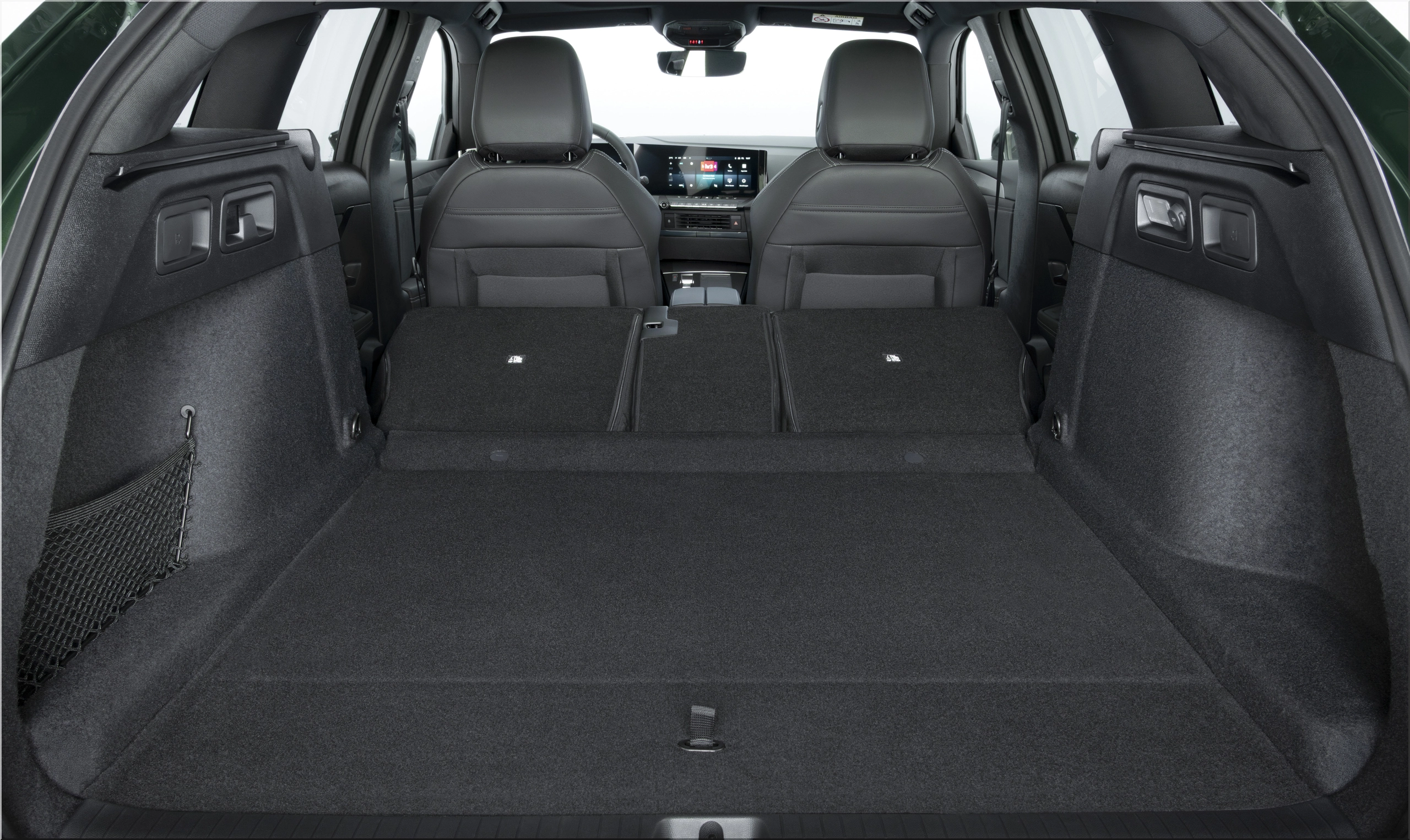
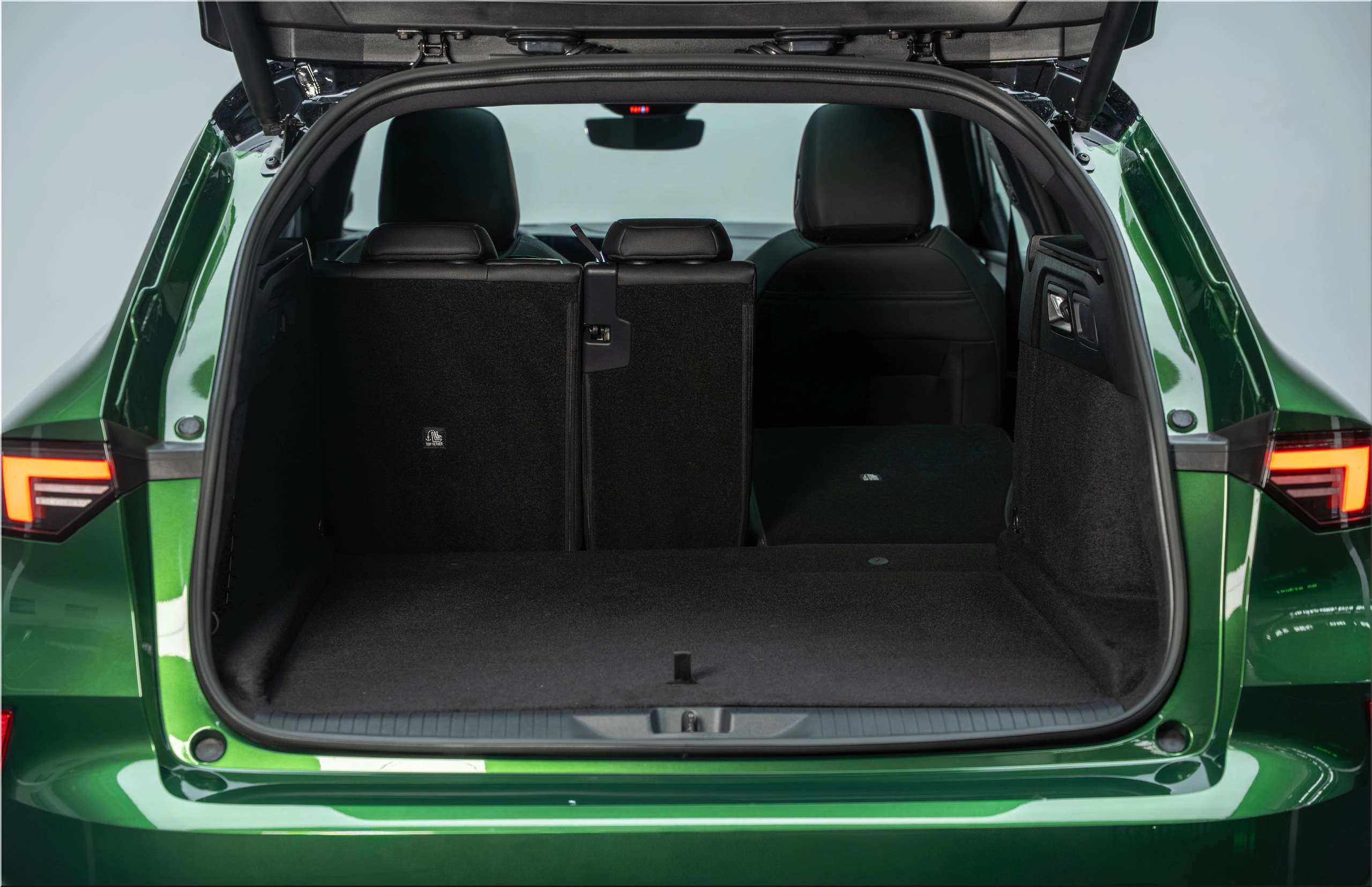
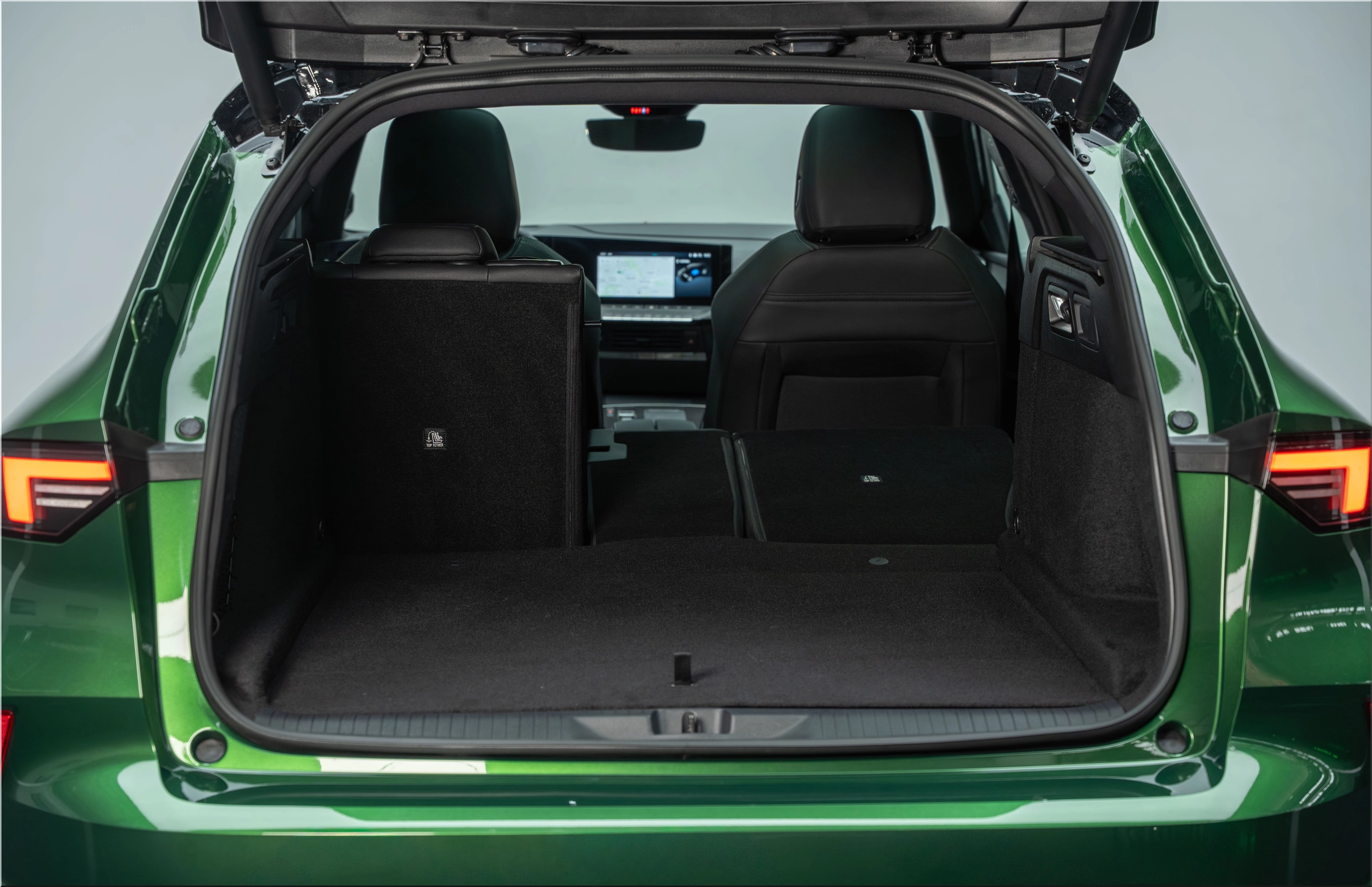
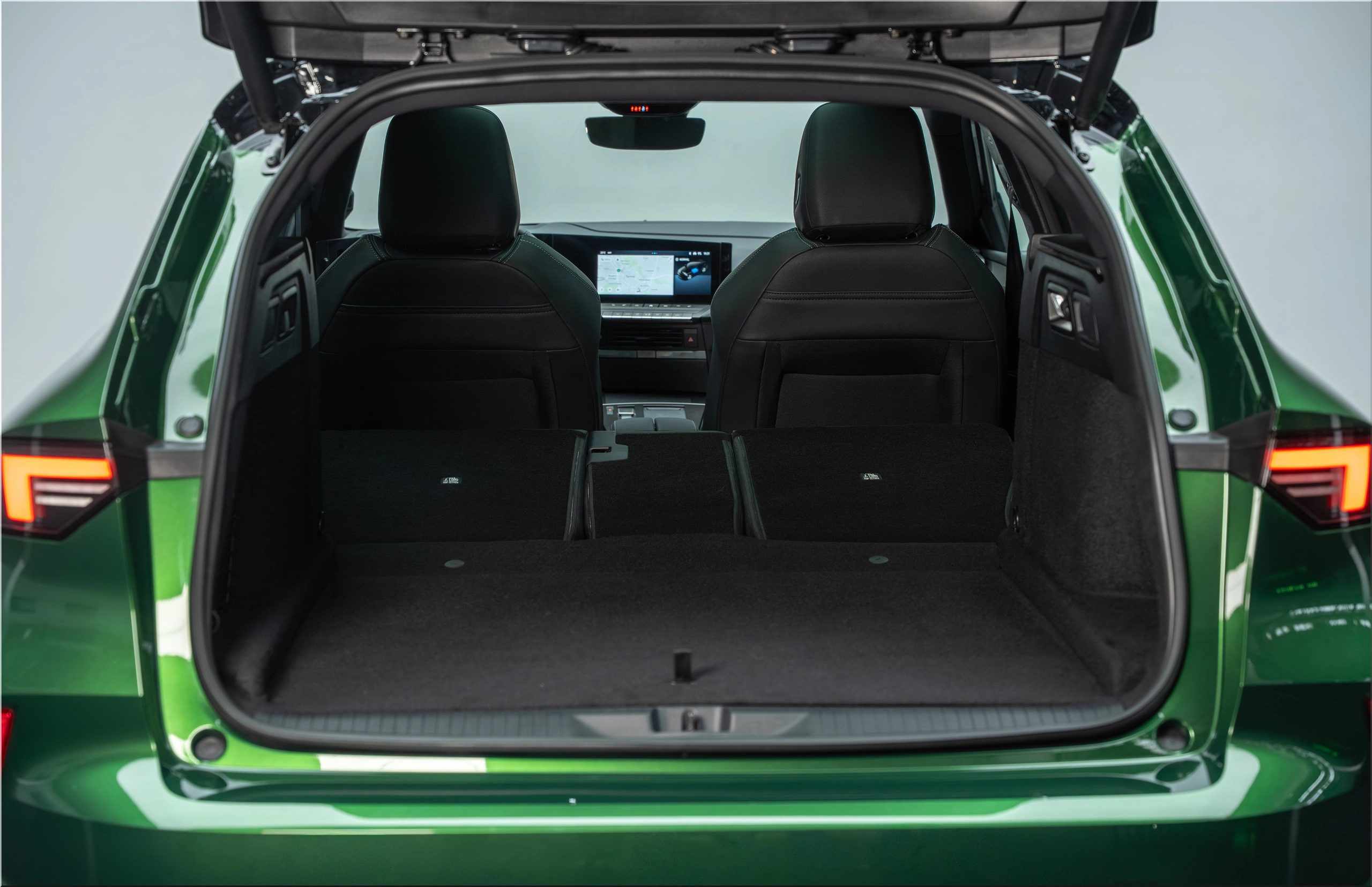
The luggage numbers give the Astra real credibility in daily use. The hatch offers 422 litres to 1,339 litres of cargo capacity, while the Astra Electric hatch carries 352 litres to 1,268 litres. The larger Astra Sports Tourer moves up to 597 litres to 1,634 litres, and even the Sports Tourer Electric remains highly usable at 516 litres to 1,553 litres.
Those figures tell an important story. Electrification often eats into practicality, but Opel has kept the damage under control. The electric estate still delivers enough load volume for family trips, airport runs, bicycles, flat-pack furniture, or holiday luggage without feeling compromised.
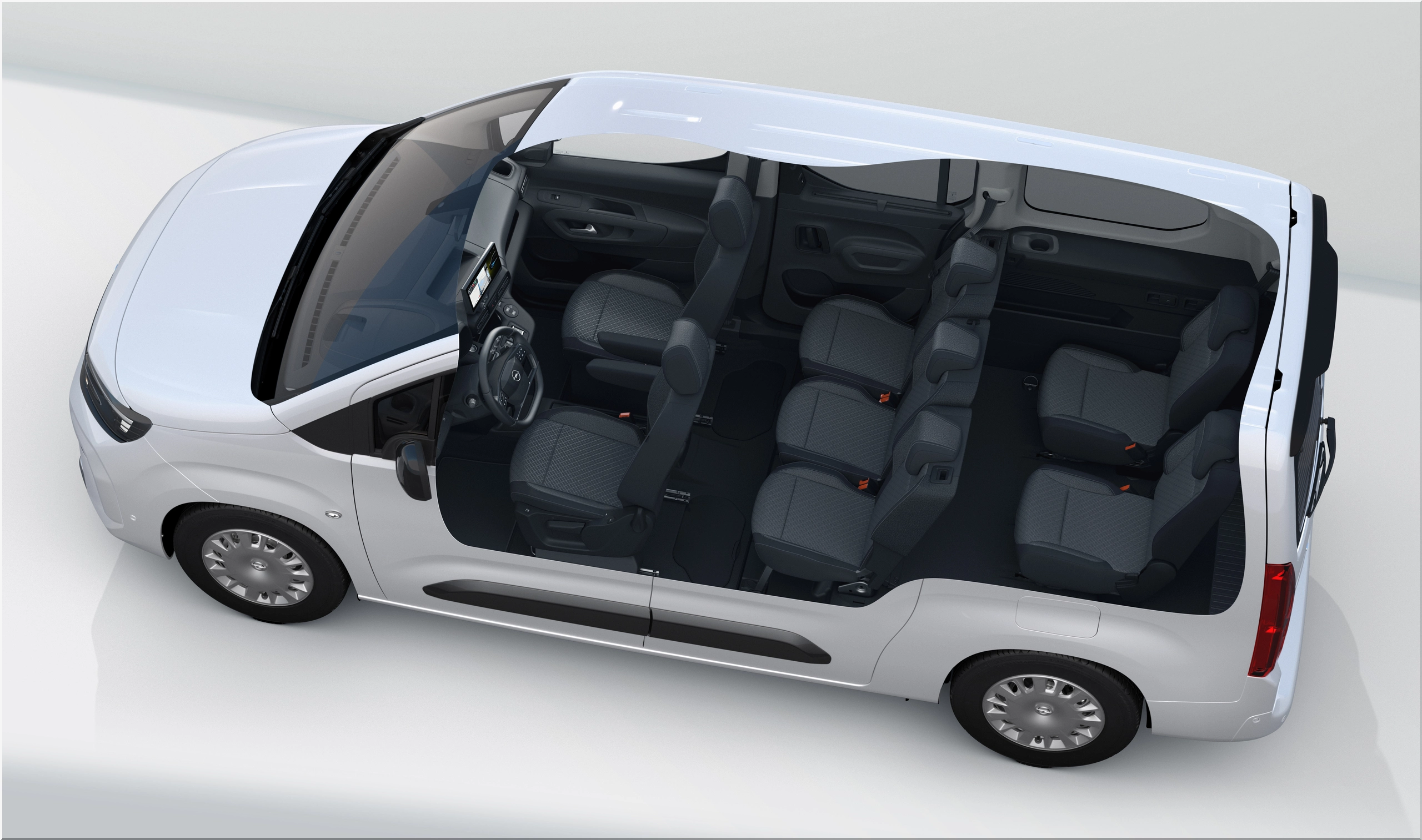
The wagon also uses a 40:20:40 split-folding rear bench, which improves flexibility in real-world use. That layout makes a difference when buyers need to carry longer items through the centre while still keeping two usable rear seats. It is a small engineering choice with a large practical payoff.
Image
Cargo capacity table
| Model | Seats up | Seats folded |
|---|---|---|
| Opel Astra | 422 L | 1,339 L |
| Opel Astra Electric | 352 L | 1,268 L |
| Opel Astra Sports Tourer | 597 L | 1,634 L |
| Opel Astra Sports Tourer Electric | 516 L | 1,553 L |
From a family-car perspective, the Astra Sports Tourer is the stand-out. It carries far more gear than the hatch, preserves the lower loading height that estate buyers value, and avoids the aerodynamic penalties that hurt many SUVs at motorway speed.
Powertrains: broad choice remains one of Astra's strongest weapons
Opel has kept the Astra line broad because the market still demands variety. Some buyers want a regular hybrid. Others want a plug-in hybrid with enough battery capacity to cover weekday commuting. Fleet users still see logic in diesel. Then there is the growing group that wants a full battery-electric Astra without moving into a crossover body style.
The Astra range covers all of those briefs.
Video title
2026 Opel Astra Sports Tourer
2026 Opel Astra powertrain overview
| Version | Output | Torque | Battery | 0-100 km/h | Top speed |
|---|---|---|---|---|---|
| Astra Electric / Sports Tourer Electric | 156 hp | 270 Nm | 58 kWh | 9.3 / 9.5 sec | 170 km/h |
| Astra Plug-in Hybrid / Sports Tourer Plug-in Hybrid | 196 hp | n/a | 17.2 kWh | 7.6 / 7.7 sec | 225 km/h |
| Astra Hybrid / Sports Tourer Hybrid | 145 hp | n/a | 48V | 9.0 sec | 210 km/h |
| Astra 1.5 Diesel / Sports Tourer 1.5 Diesel | 130 hp | n/a | n/a | 10.6 sec | 209 km/h |
This is one of the Astra's smartest competitive plays. Instead of forcing every buyer into one electrification route, Opel lets the customer choose the right level of complexity, cost, and efficiency. That makes the range easier to sell and easier to justify.
The 145 hp hybrid will likely do heavy lifting in volume terms. It offers improved efficiency with less purchase cost and less charging dependence than the plug-in hybrid. For many private buyers, that is the rational middle ground.
The 1.5-litre diesel still deserves attention too. It will not dominate headlines, but drivers covering long motorway distances should not ignore it. Diesel still makes sense when annual mileage climbs and charging access remains inconsistent.
The electric Opel Astra finally looks convincing
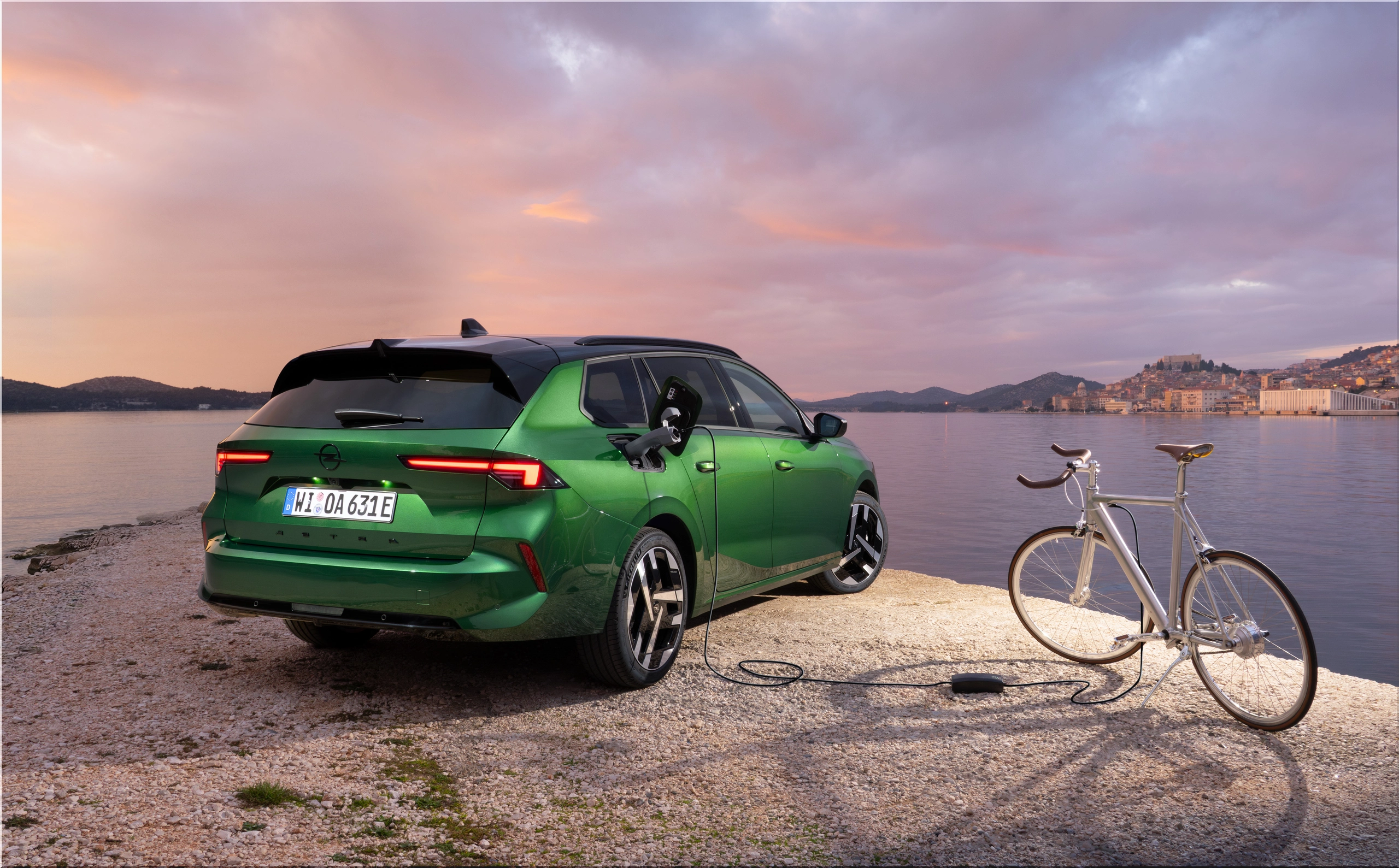
The biggest improvement in the new Astra line sits with the EV models. The Astra Electric and Astra Sports Tourer Electric now use a 58 kWh battery, produce 156 hp, and deliver 270 Nm of torque. Opel quotes up to 454 km WLTP for the hatch and up to 445 km WLTP for the estate.
That changes the conversation. Earlier electric compact cars often felt like city specialists that tolerated longer trips. This version moves closer to true all-purpose usability. The range is strong enough to reduce planning stress, yet the car remains compact, efficient, and lighter on its feet than many electric SUVs.
Fast charging also stays competitive. Opel says the battery can charge from 20 percent to 80 percent in about 30 minutes on a 100 kW DC charger. That figure does not shatter class records, but it is quick enough to support regional travel and manageable motorway stop planning.
The addition of vehicle-to-load capability is another useful upgrade. This allows the Astra Electric to power external devices such as camping gear, work tools, or e-bikes. That feature will appeal to outdoor users, but it also adds a layer of practical versatility that helps the Astra stand apart in a crowded EV market.
Why the electric Astra matters
- The 58 kWh battery delivers a meaningful range upgrade
- The estate keeps strong practicality in electric form
- 100 kW DC charging keeps longer trips realistic
- V2L adds tangible everyday usefulness
- Buyers get a compact EV without accepting SUV bulk
Plug-in hybrid Astra: the strongest all-rounder for many buyers
The 196 hp plug-in hybrid may be the most intelligent version in the line-up for drivers who can charge at home or at work. Its 17.2 kWh battery pushes electric range to roughly 82 to 84 km WLTP, which is enough to cover many routine weekday trips without using petrol.
That range improvement changes the ownership equation. A plug-in hybrid with only token electric capability often feels like a compromise. A plug-in hybrid with more than 80 km of usable official range starts to behave like a weekday EV and a weekend long-distance car in one package.
Performance also remains strong. The hatch reaches 100 km/h in 7.6 seconds, while the Sports Tourer needs 7.7 seconds. A 225 km/h top speed underlines the fact that Opel has not turned the Astra into an appliance. It still has enough pace to feel relaxed and capable on fast roads.
From an expert perspective, this powertrain makes strong sense for company-car users and households that want lower running costs without taking the full plunge into battery-electric ownership.
Lighting and seating: the upgrades buyers will feel every day
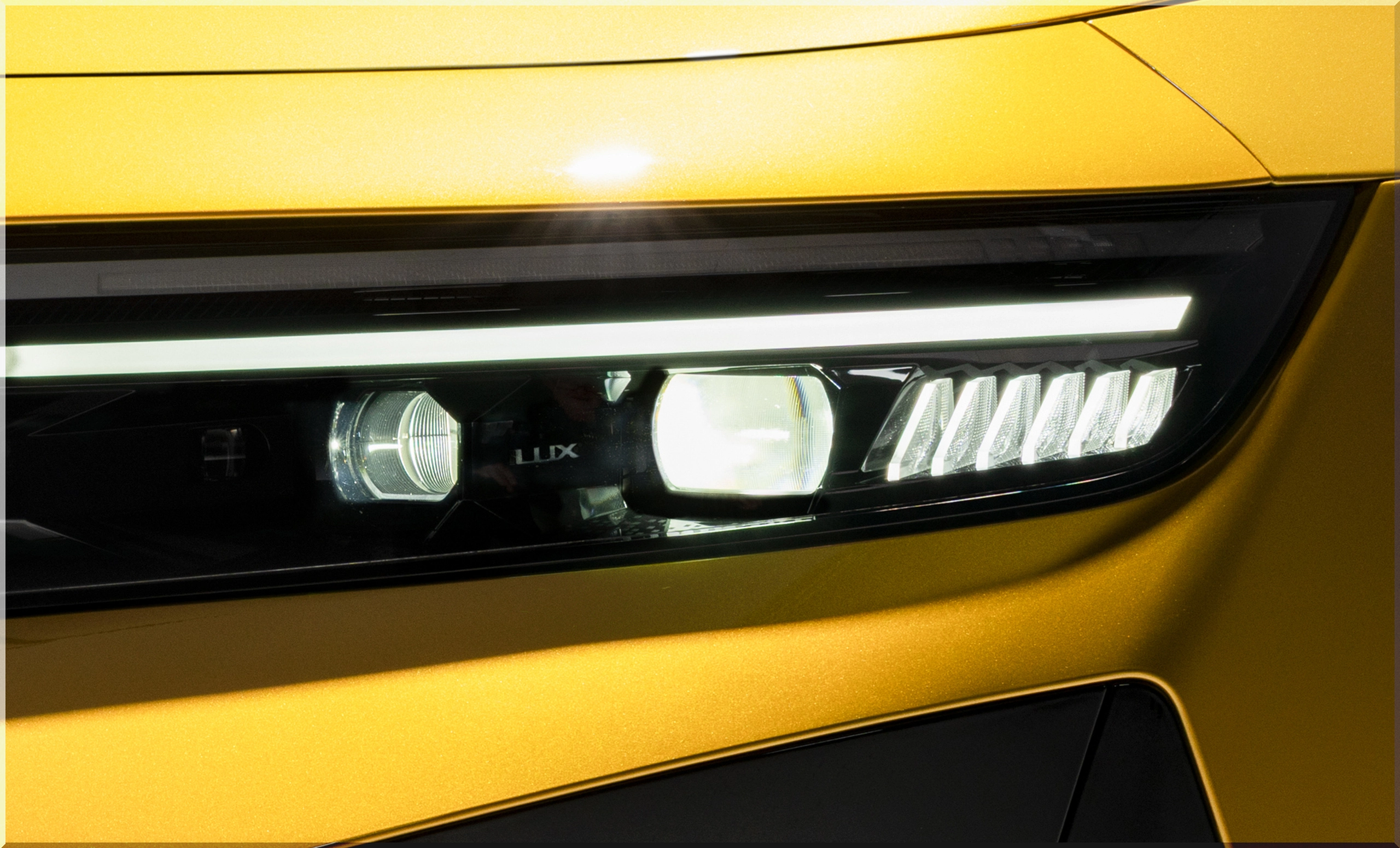
The new Intelli-Lux HD lighting system is one of the most serious technical updates in the 2026 Astra. Opel says it uses more than 50,000 pixels, which places it among the more advanced headlight systems in the compact class.
That is not the kind of feature buyers notice only once. Better adaptive lighting improves night-time visibility, sharpens beam control, and reduces glare for other road users. On dark rural roads and wet winter motorways, high-grade lighting can make more difference than another half-inch of screen size.
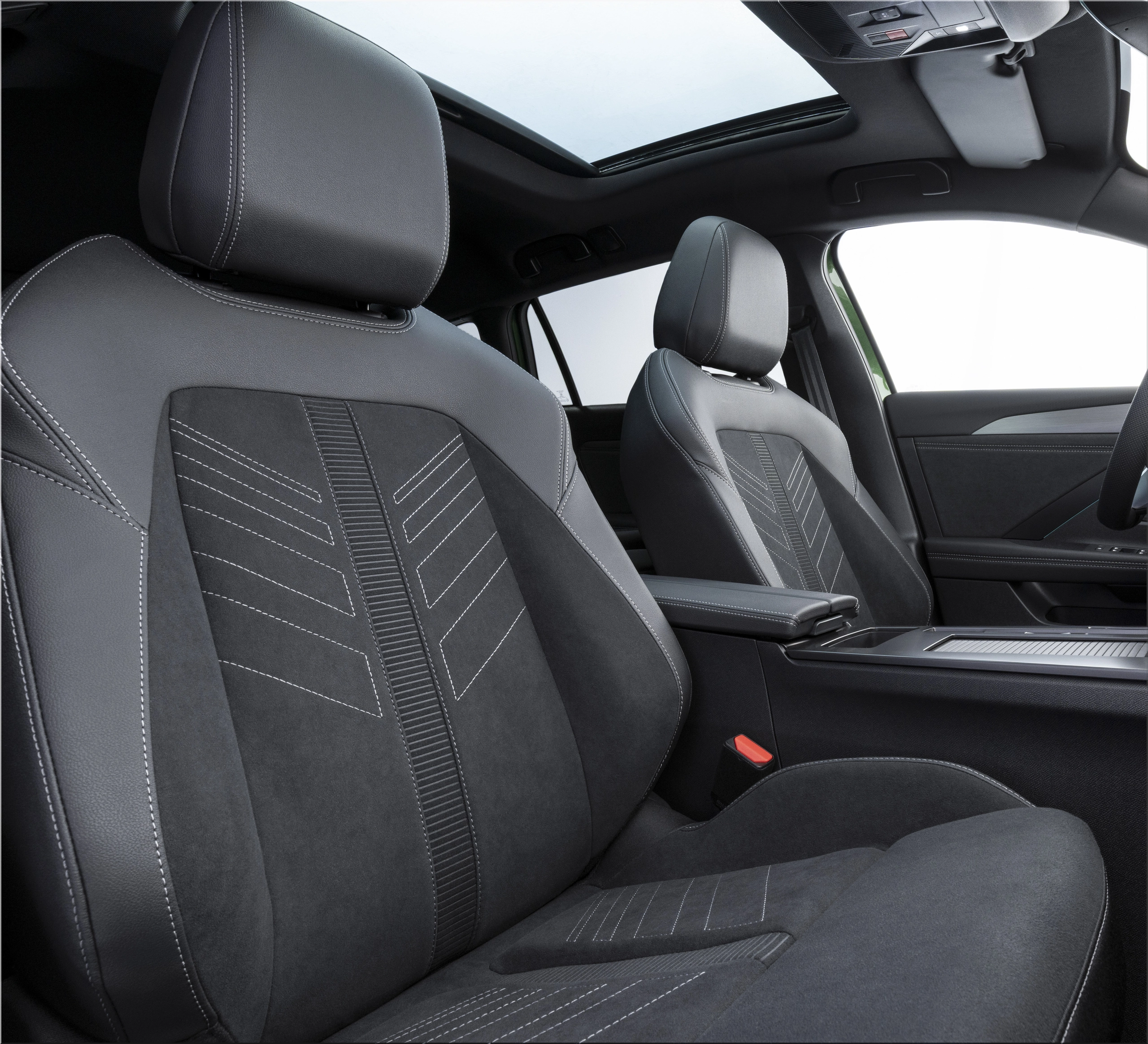
Opel has also kept pushing its seating advantage. Intelli-Seats are standard, and higher trims add the AGR-certified front seats that have become a quiet brand strength. These seats offer advanced adjustability, lumbar support, heating, memory, and massage functions depending on specification.
That matters because comfort is an engineering issue, not a luxury extra. A seat with the right contour, pressure distribution, and support profile reduces fatigue over long distances. Family buyers and fleet users notice that quickly.
Video title
2026 Opel Astra Sport Tourer
Cabin technology without gimmicks
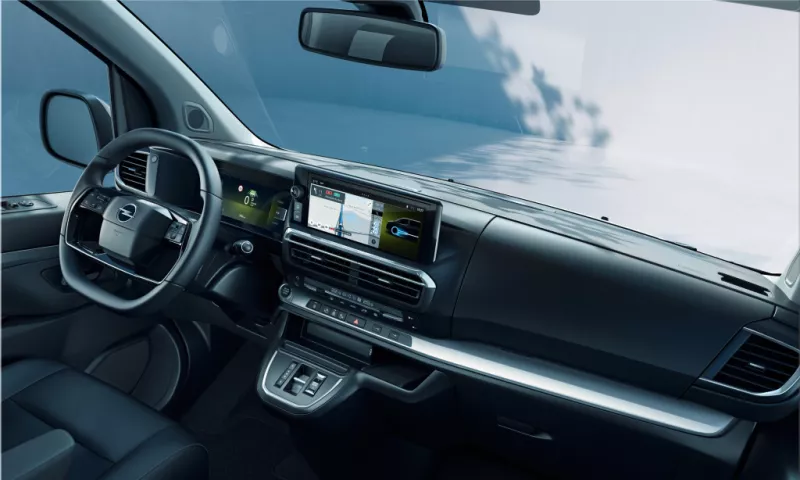
The Astra's dashboard continues with a twin-screen setup built around a 10-inch central infotainment screen and a 10-inch driver display. Opel also adds Intelli-HUD, over-the-air update capability, route planning features for the electric version, and integrated ChatGPT support.
The important point is how Opel has packaged those tools. The interface remains relatively clean and restrained. That restraint is a strength. In this class, buyers want intuitive control logic, clear navigation, reliable smartphone integration, and climate adjustments that do not require a digital treasure hunt.
Consequently, the Astra feels more mature than many rivals that chase novelty for its own sake. A car used for commuting, school runs, motorway slogs, and shopping trips needs stable software and clear ergonomics. Opel appears to understand that better than some competitors.
How the Opel Astra Sports Tourer compares with rivals
The Astra Sports Tourer competes in a field that still includes some very capable estates. Buyers looking in this segment are likely to cross-shop the Peugeot 308 SW, Volkswagen Golf Estate, and Skoda Octavia Estate.
Compact estate comparison table
| Model | Body focus | Core strength | Likely weak point |
|---|---|---|---|
| Opel Astra Sports Tourer | Balanced compact estate | Broadest powertrain spread, strong tech, solid cargo volume | Boot space not class-leading in pure litres |
| Peugeot 308 SW | Design-led estate | Efficient packaging and stylish cabin | Less distinct if buyer wants traditional Opel ergonomics |
| Volkswagen Golf Estate | Conservative all-rounder | Familiar badge, polished road manners | Less fresh EV-wagon identity |
| Skoda Octavia Estate | Maximum practicality | Huge boot and family value logic | Less premium-tech appeal in lighting and cabin feel |
By comparison, the Skoda Octavia Estate still leads the practical argument for buyers who rank luggage capacity above everything else. The Golf Estate remains a safe, well-rounded choice with strong residual image. The Peugeot 308 SW brings style and efficient packaging.
The Opel counters with balance. It gives buyers a highly usable estate body, a strong electrified line-up, a convincing electric wagon option, and some of the best lighting technology in the class. That combination gives it a clear place in the market.
Should buyers choose the Opel Astra or Astra Sports Tourer?
That depends on how they use the car, but the line-up is easy to decode.
Choose the Opel Astra hatchback if you want the neatest urban footprint, easier parking, and the cleanest daily-driver format. It is the better choice for couples, smaller households, and drivers who rarely need to carry bulky cargo.
Choose the Opel Astra Sports Tourer if luggage volume, family travel, dog transport, or longer trips sit high on the priority list. The estate is the more complete product for many buyers, and it avoids the mass and bulk penalties of a compact SUV.
Choose the Hybrid 145 hp if you want the most rational value. Choose the Plug-in Hybrid 196 hp if you can charge regularly and want stronger performance. Choose the Electric if you want the quietest, cleanest daily experience and can take advantage of home or workplace charging.
Pro-Tips
- The Astra Sports Tourer Hybrid looks like the strongest value play for mixed family use.
- The Plug-in Hybrid makes the most sense for commuters with reliable charging access.
- The Electric hatch suits urban drivers who still want genuine compact-car range.
- The Sports Tourer Electric is one of the most interesting non-SUV EVs in this class.
- Spend on the Intelli-Lux HD lights before cosmetic extras if you drive often at night.
Final verdict
The 2026 Opel Astra and 2026 Opel Astra Sports Tourer succeed because they stay disciplined. Opel has improved the things that shape ownership quality: range, comfort, cargo flexibility, lighting, and powertrain choice. It has not buried the car under styling noise or software theatrics.
The hatchback remains a smart compact family car. The estate remains the one to watch. In a market obsessed with crossovers, the Astra Sports Tourer still argues for the old European logic of the wagon, and it does so with stronger electric credentials than before. That makes it one of the more intelligent family-car choices in the segment.
- Add new comment
- 187 views