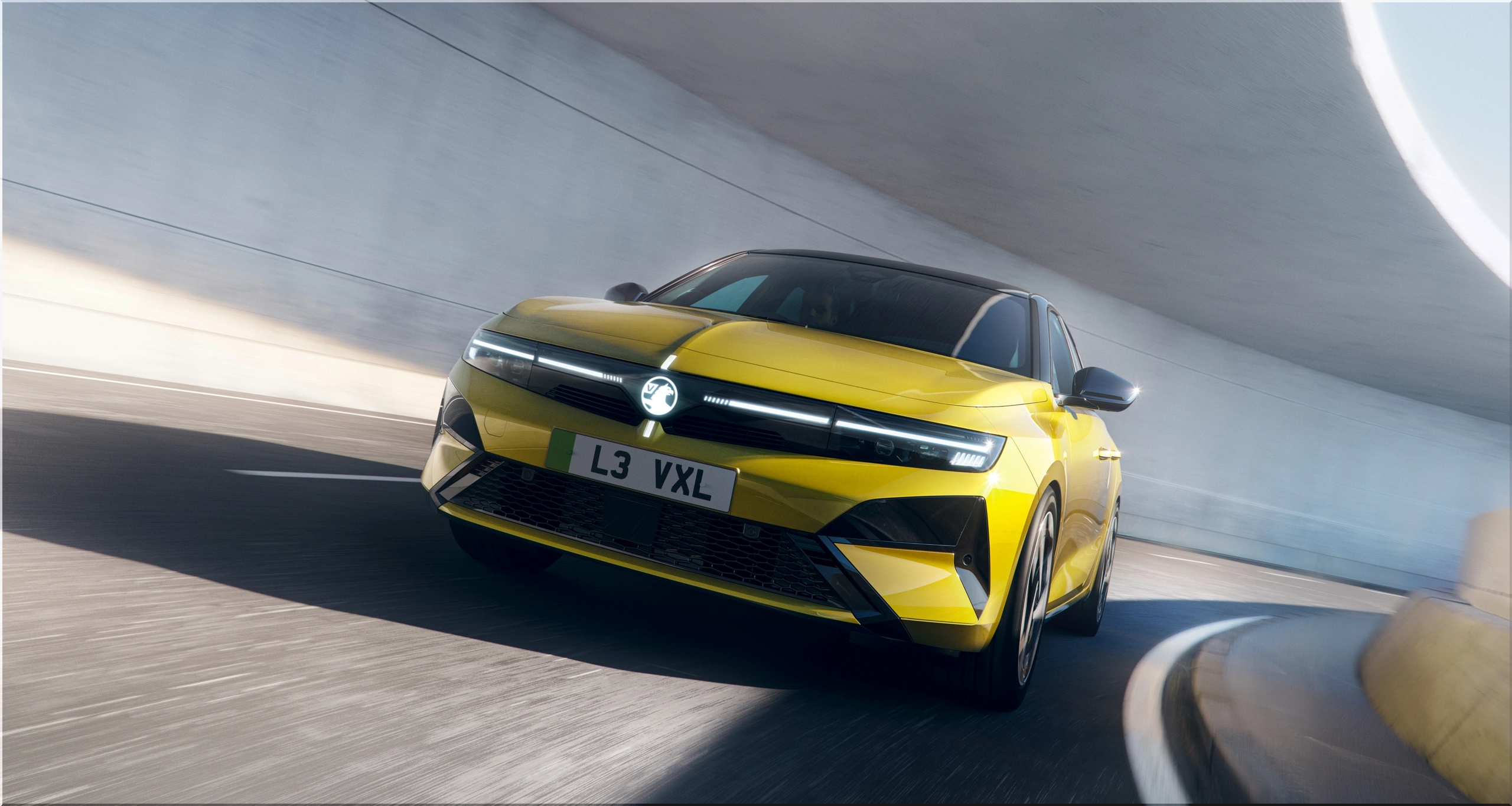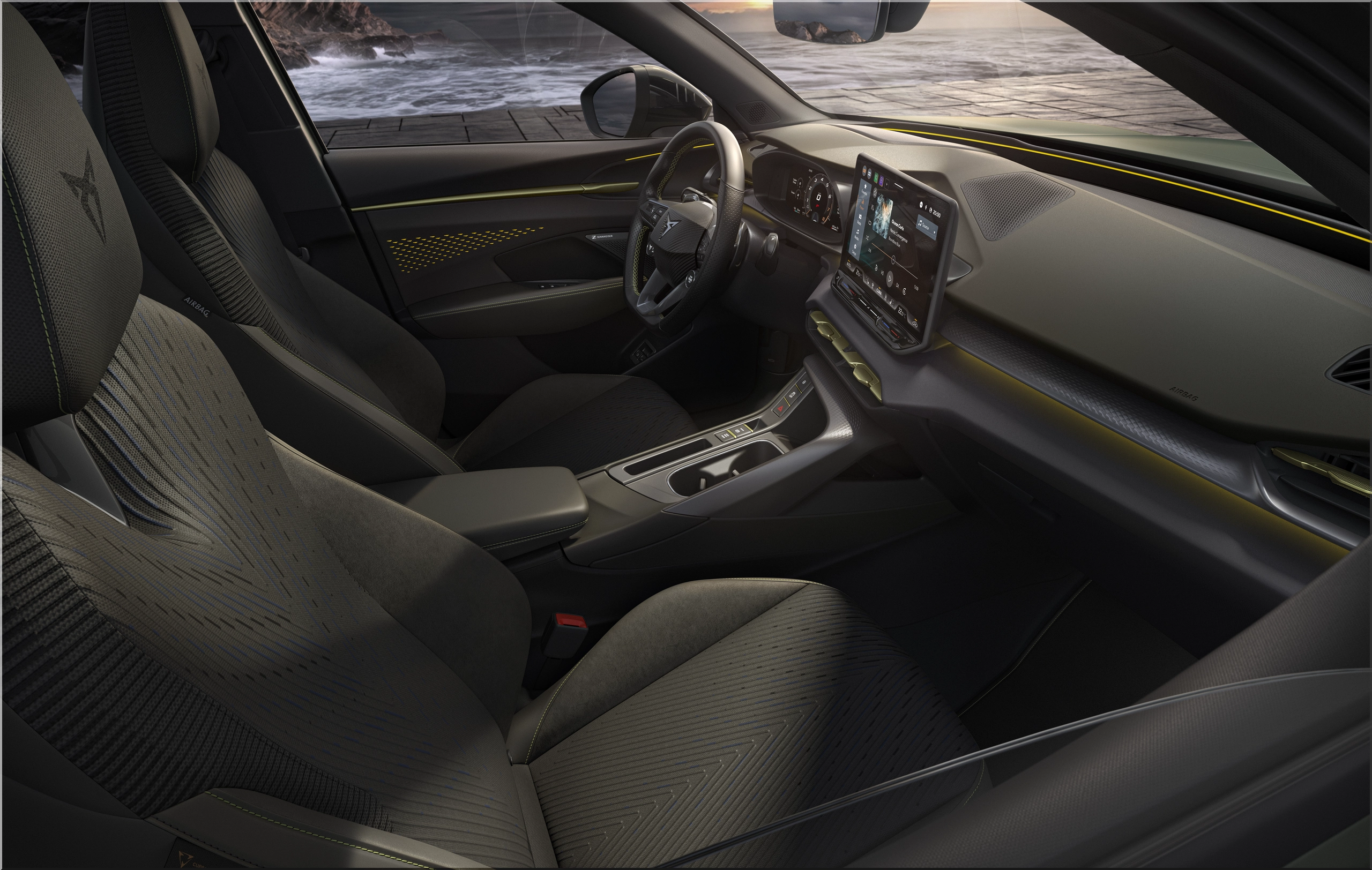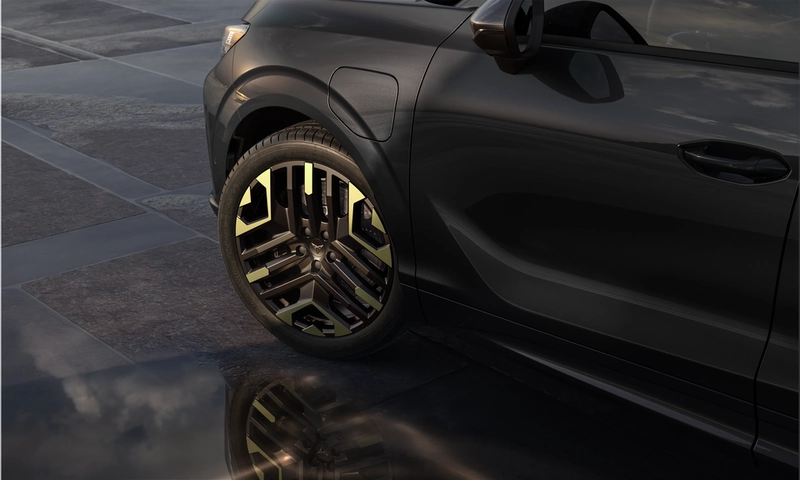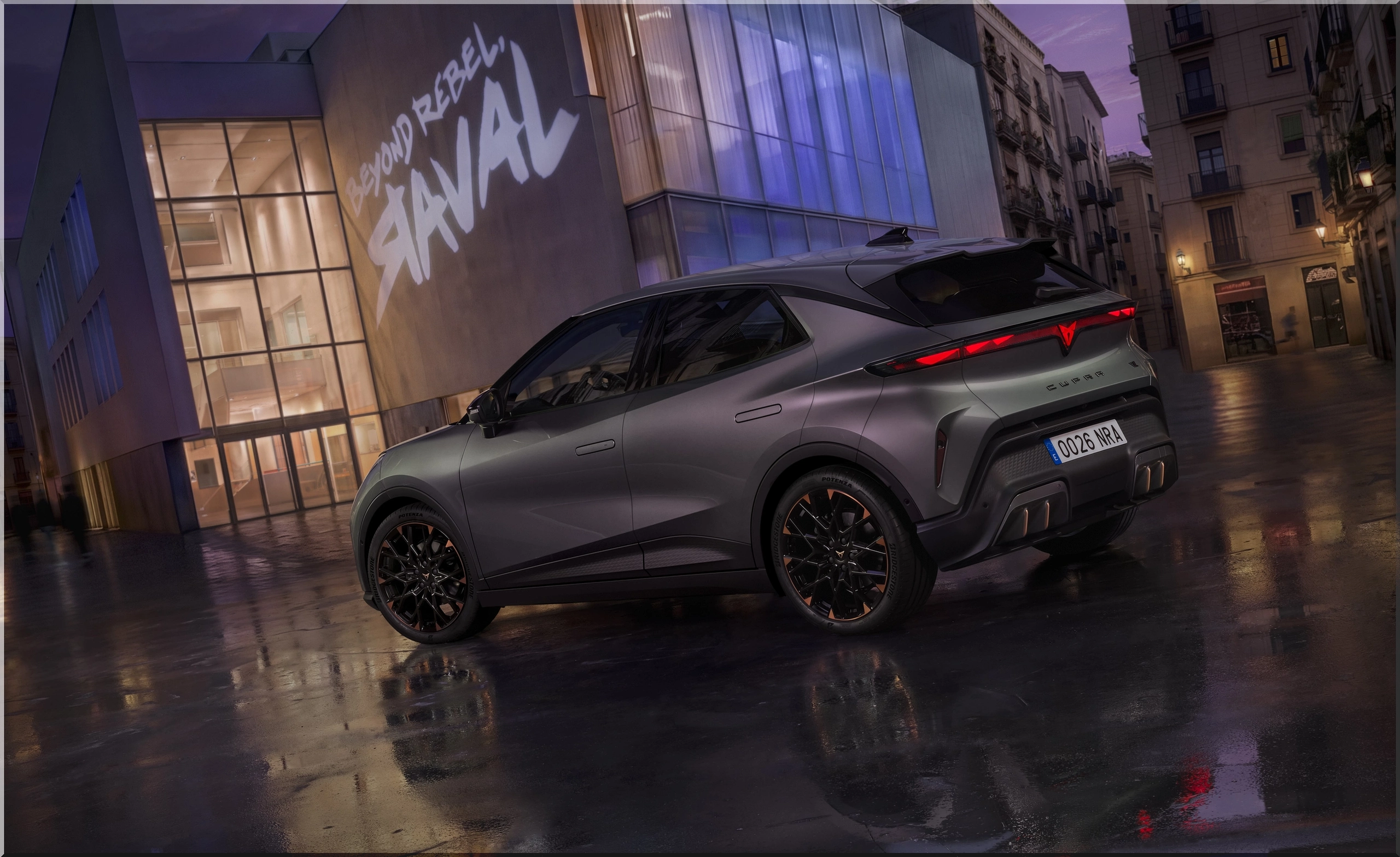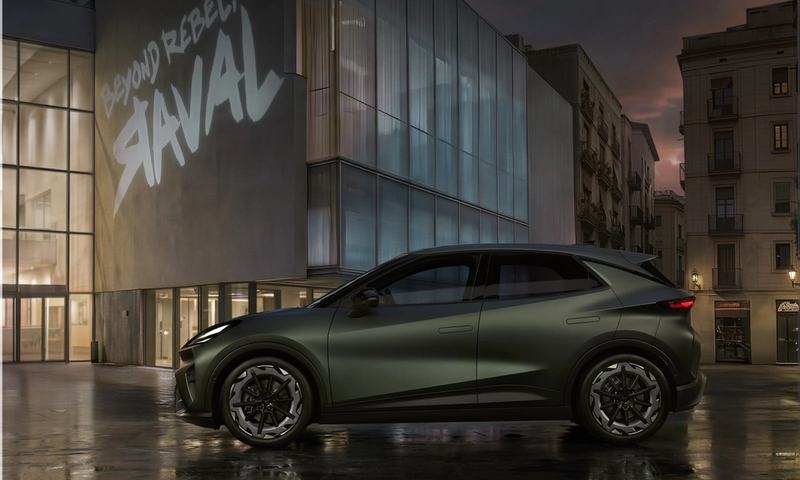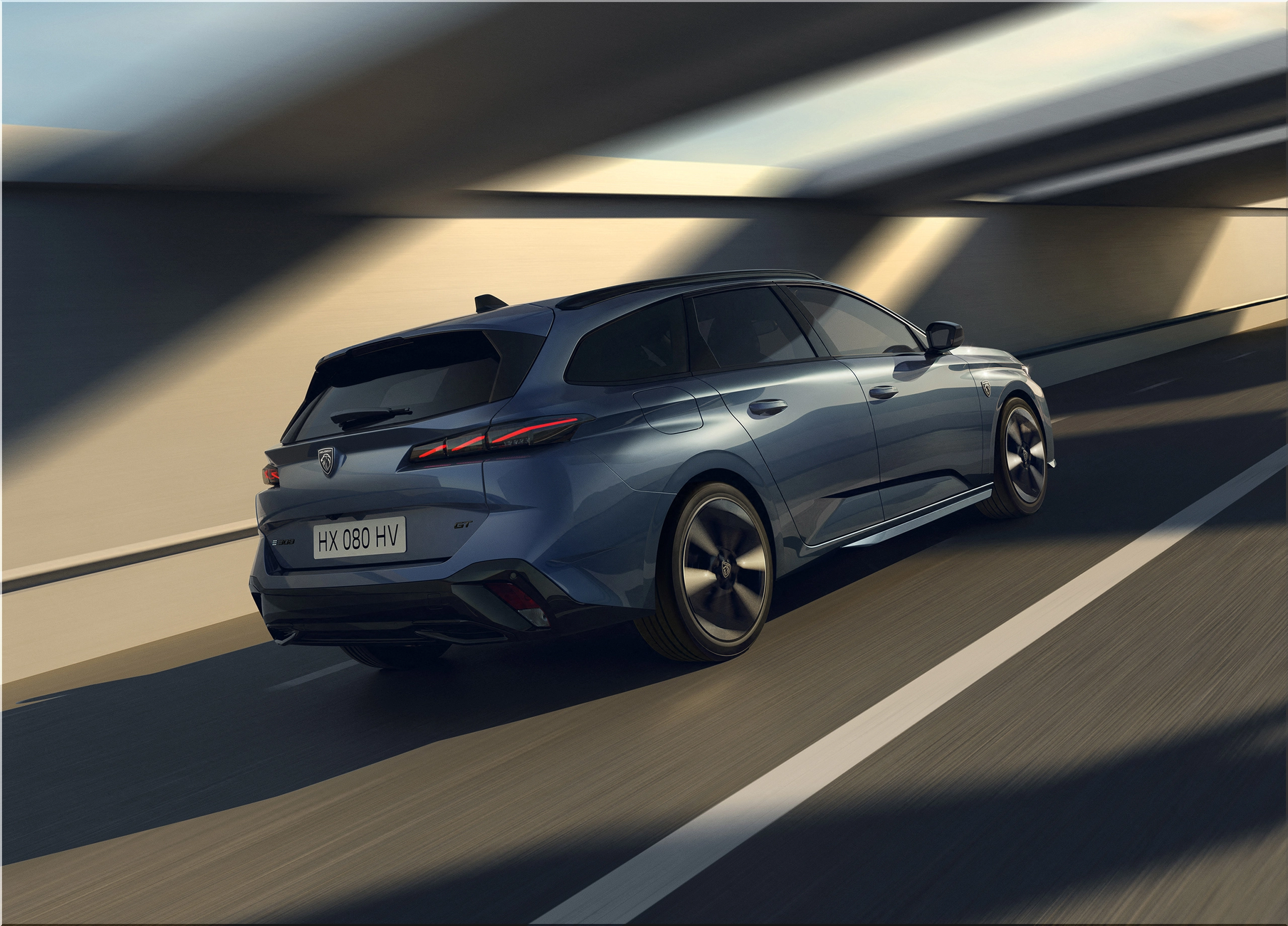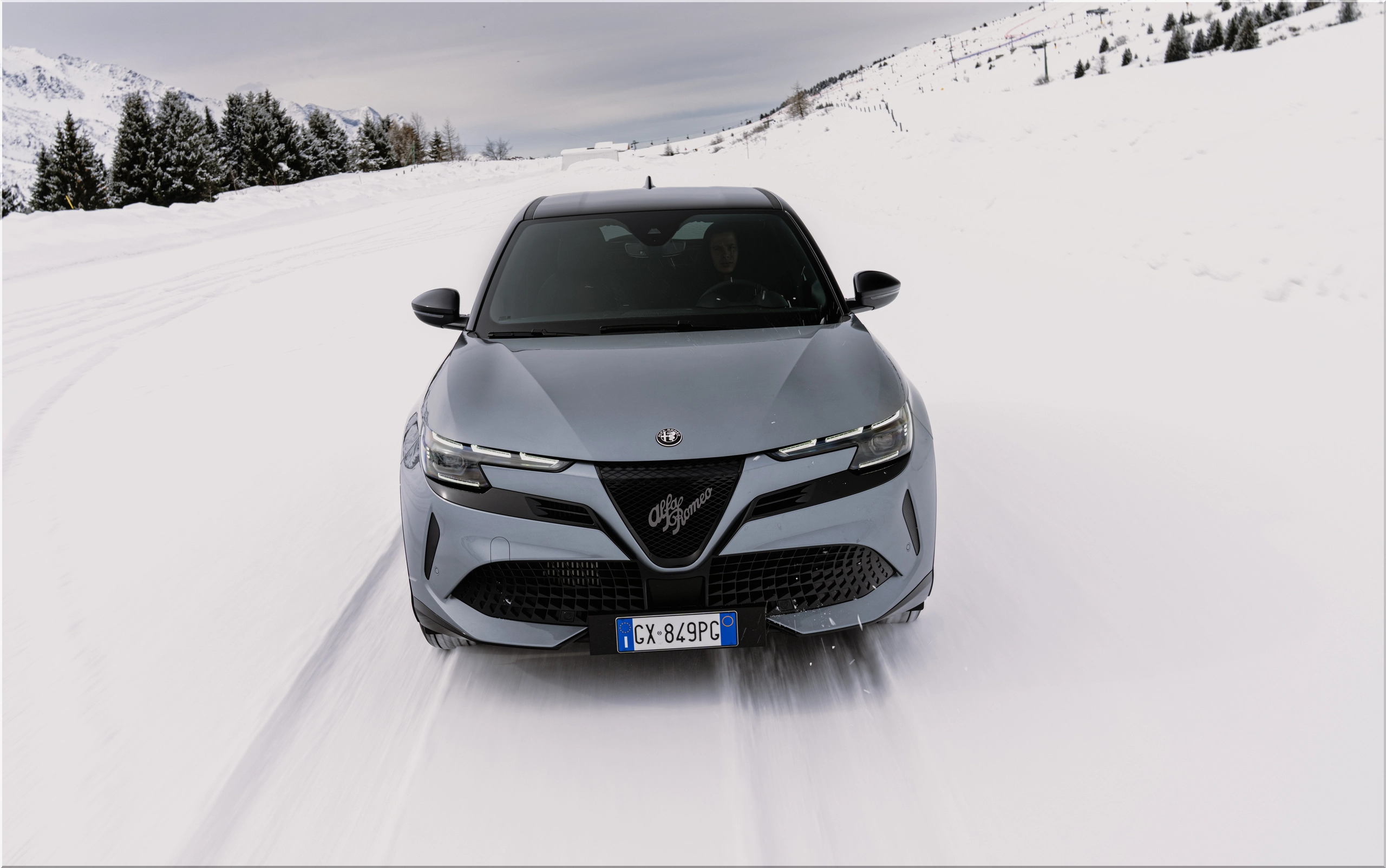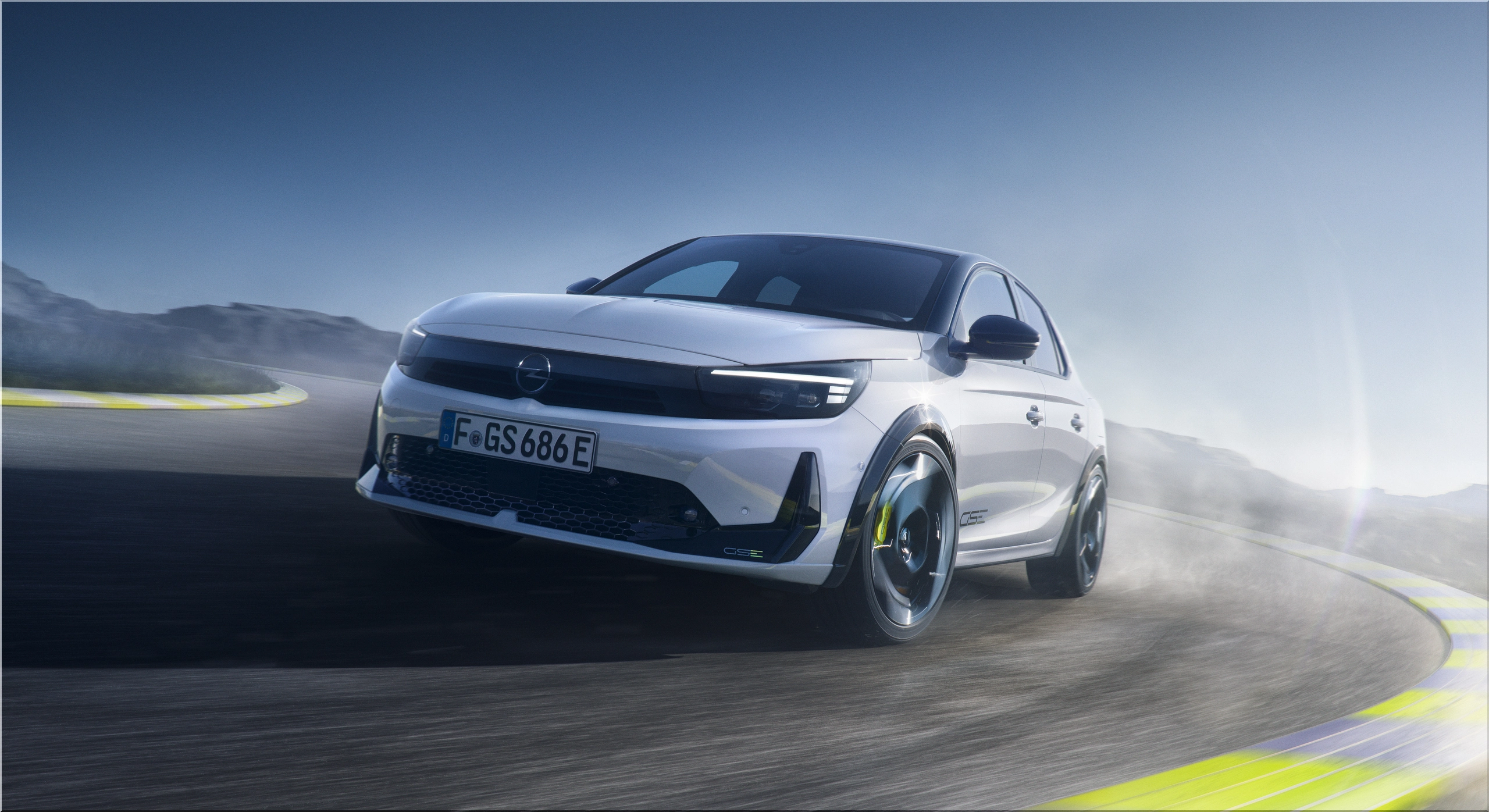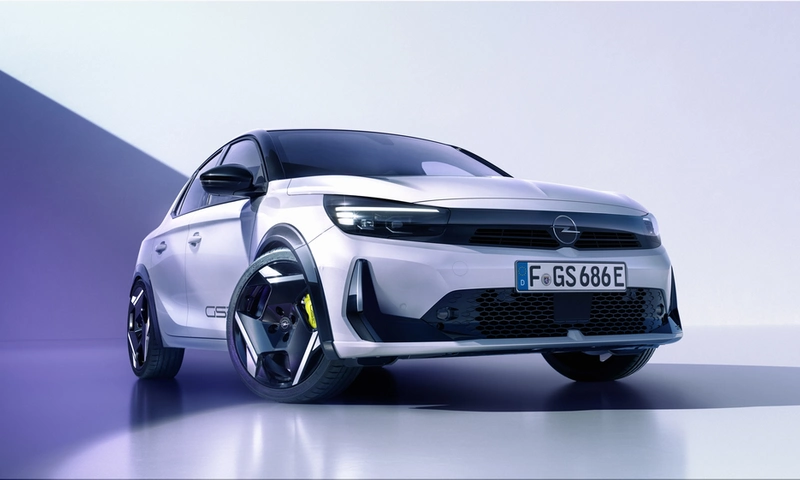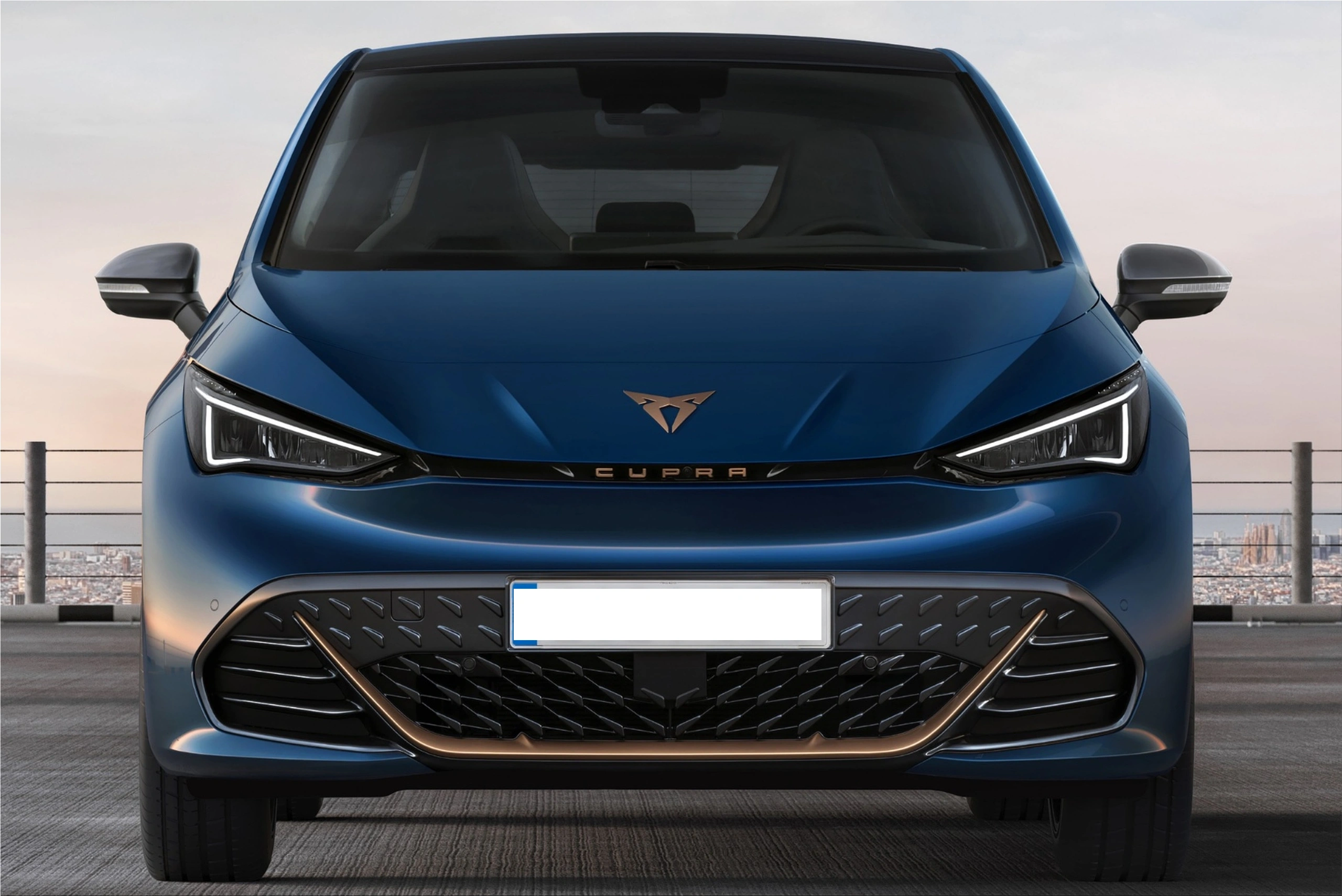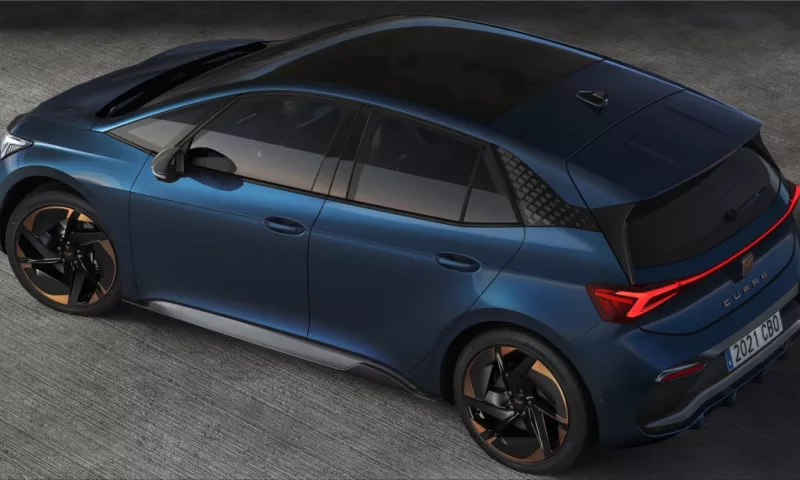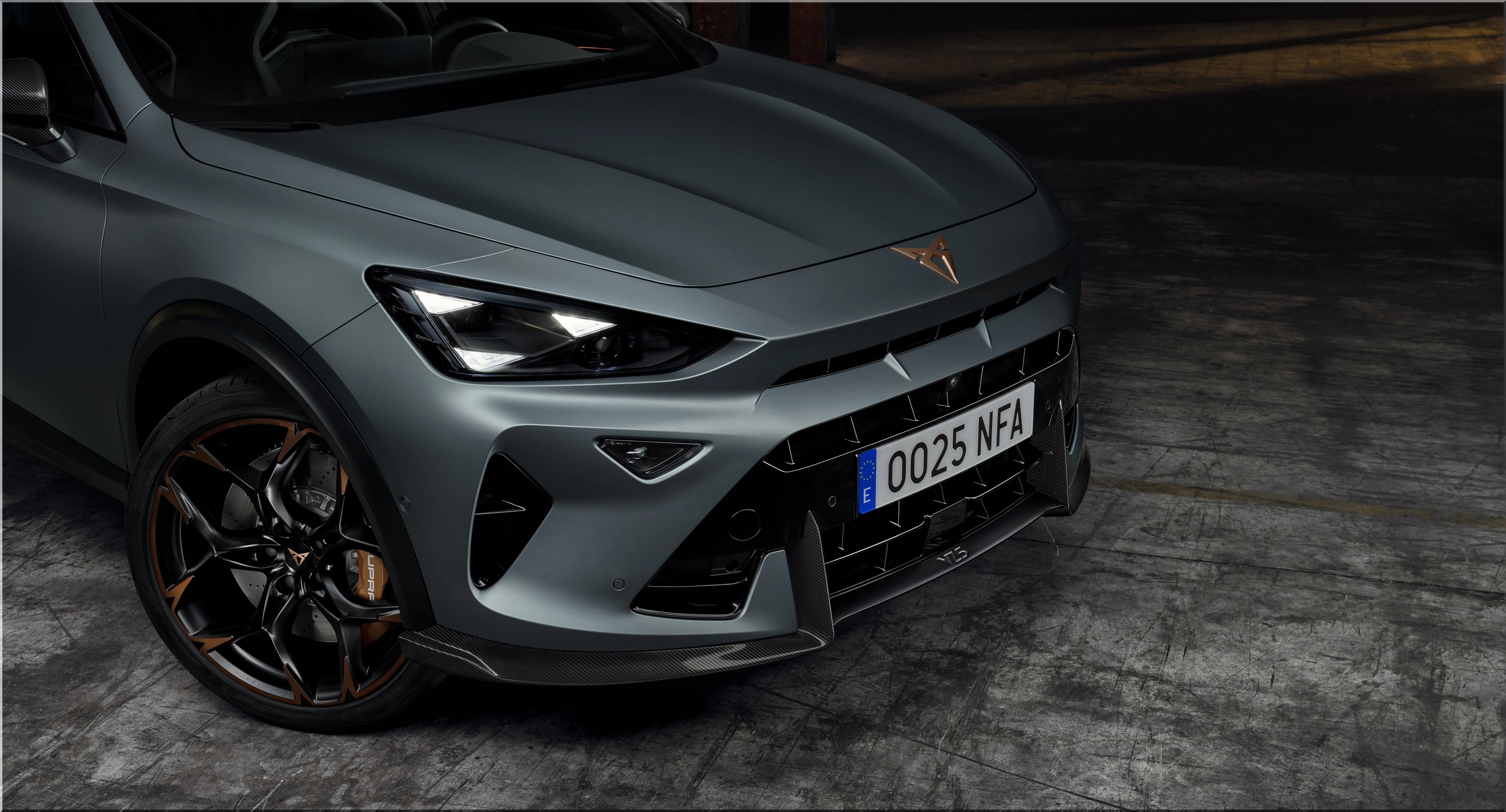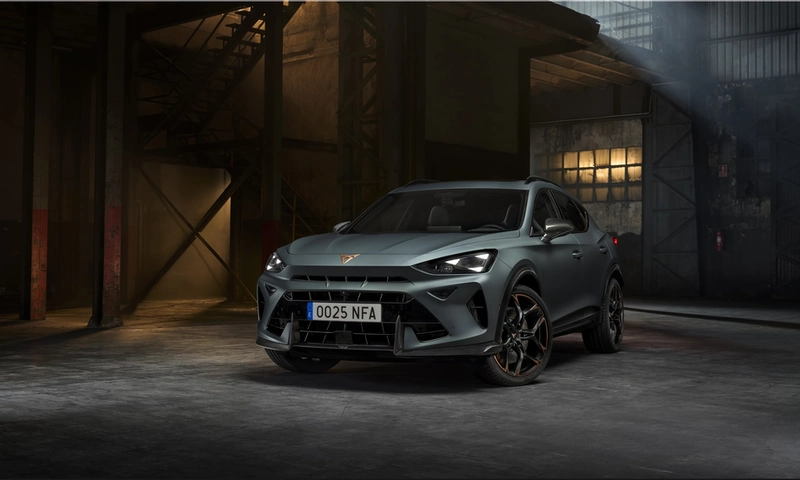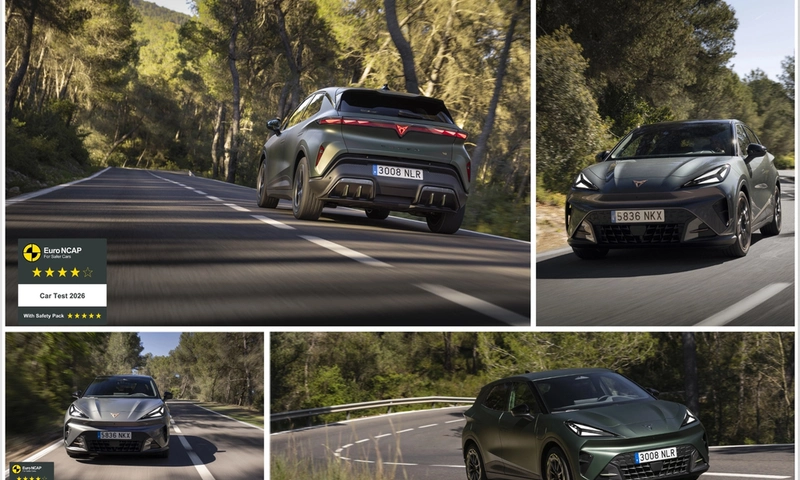
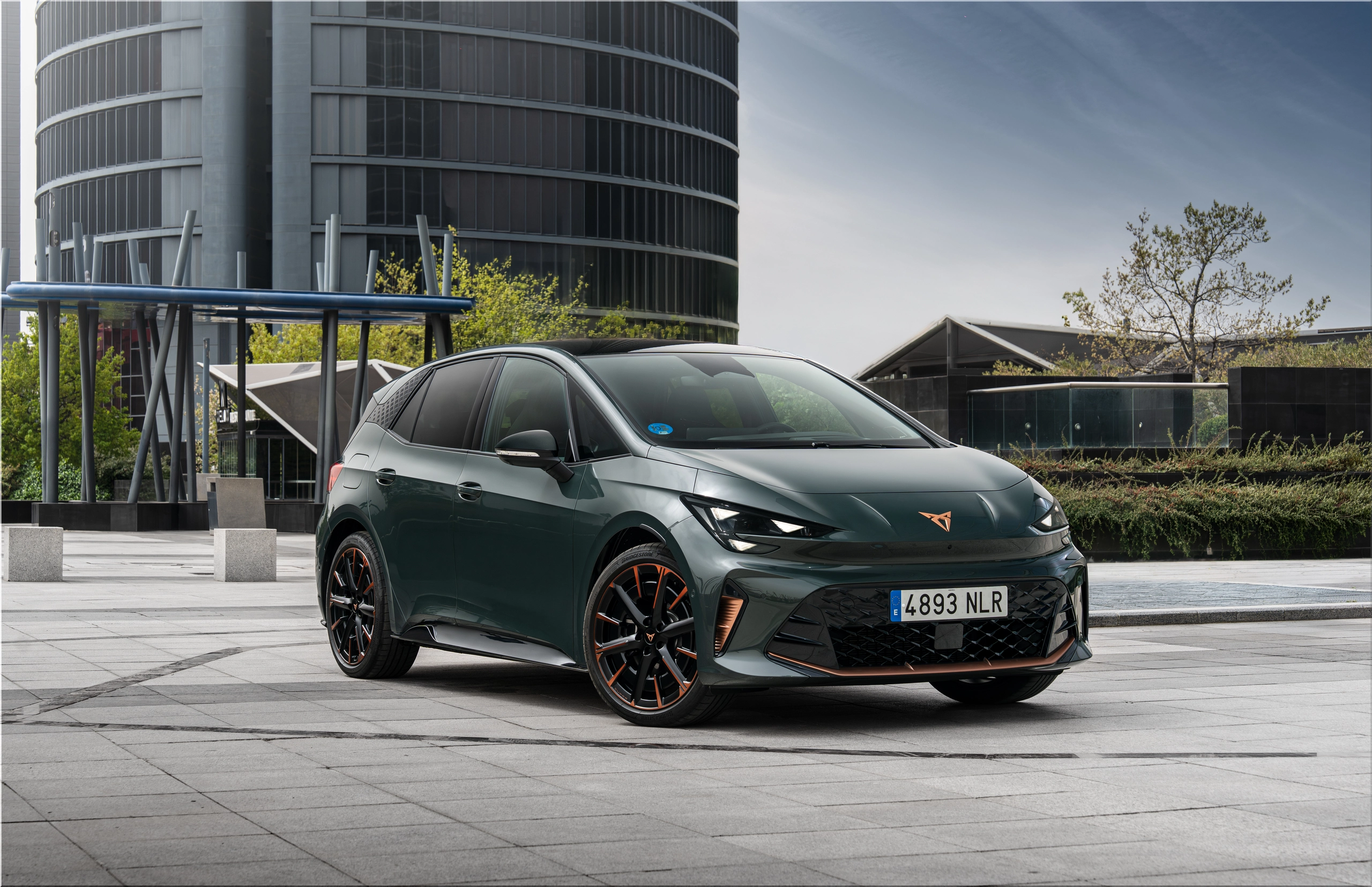
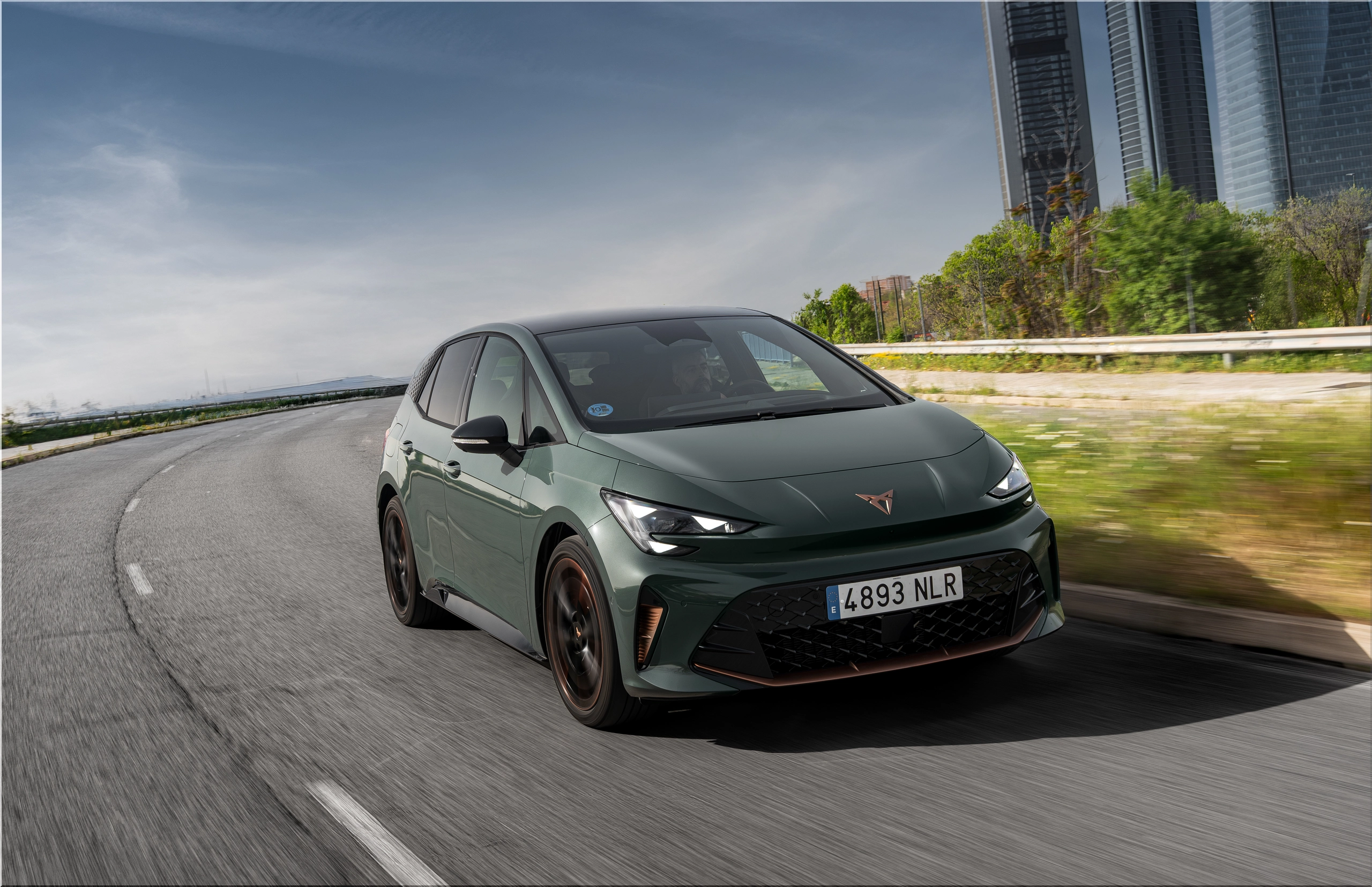
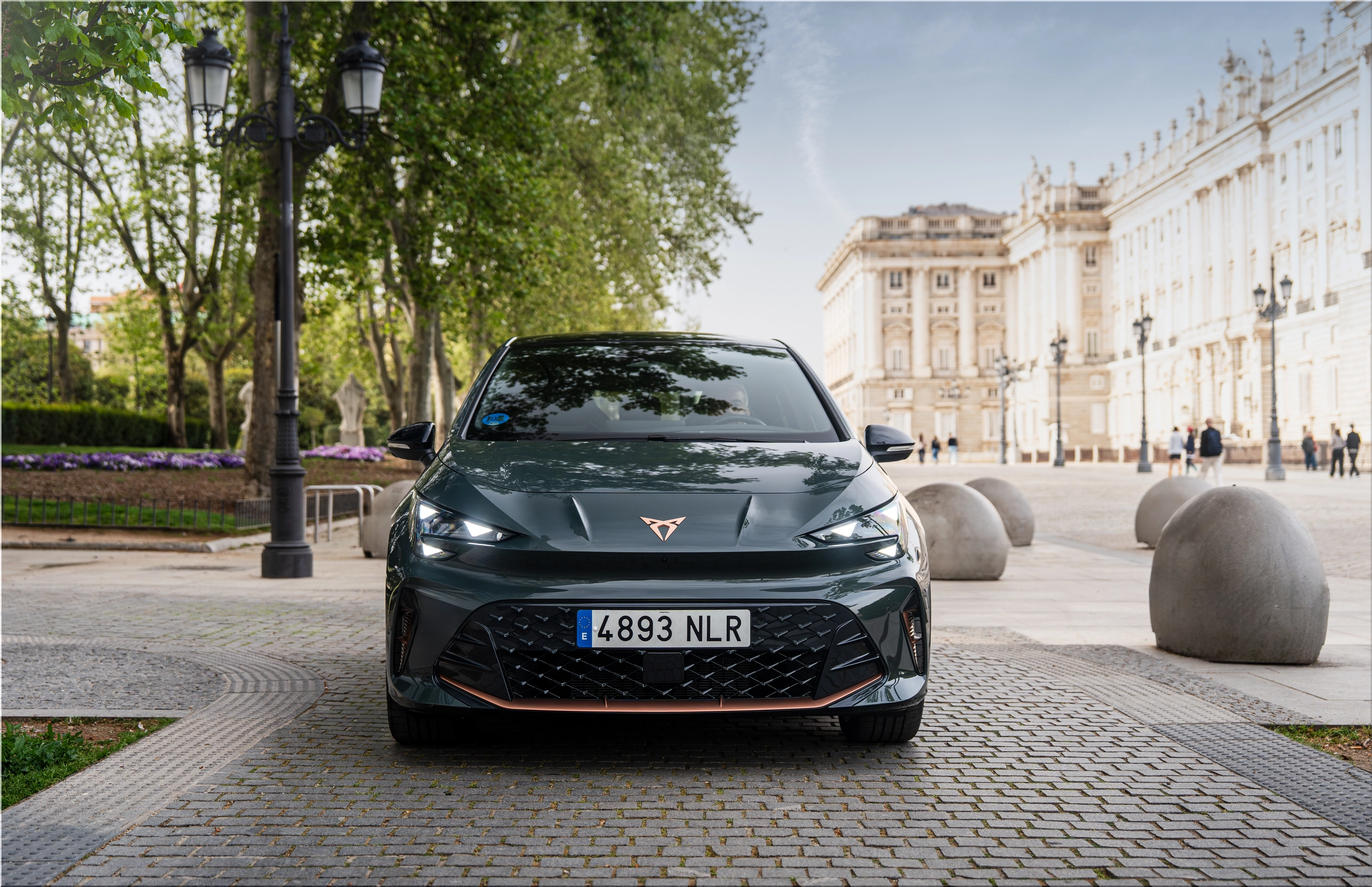
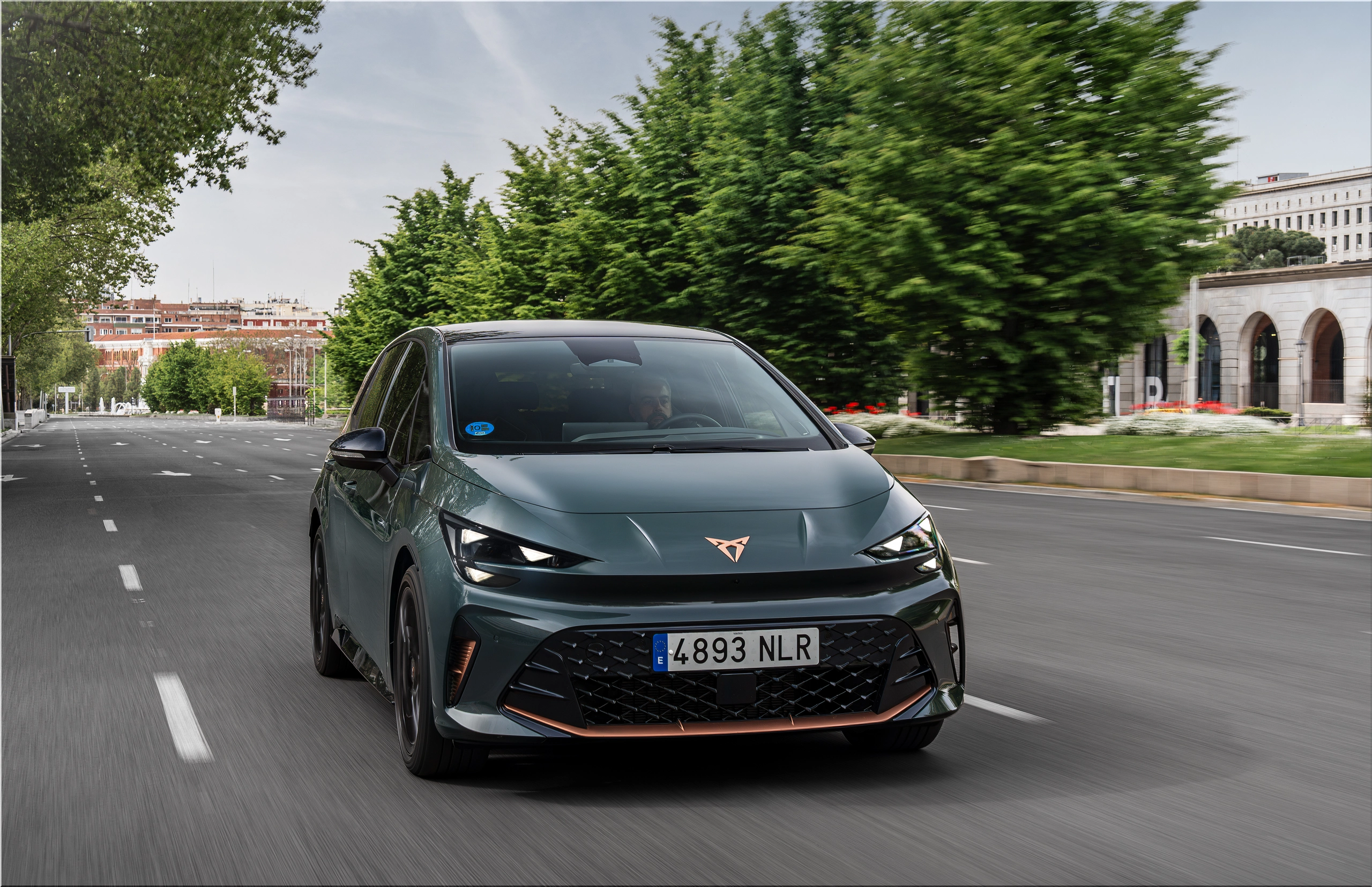
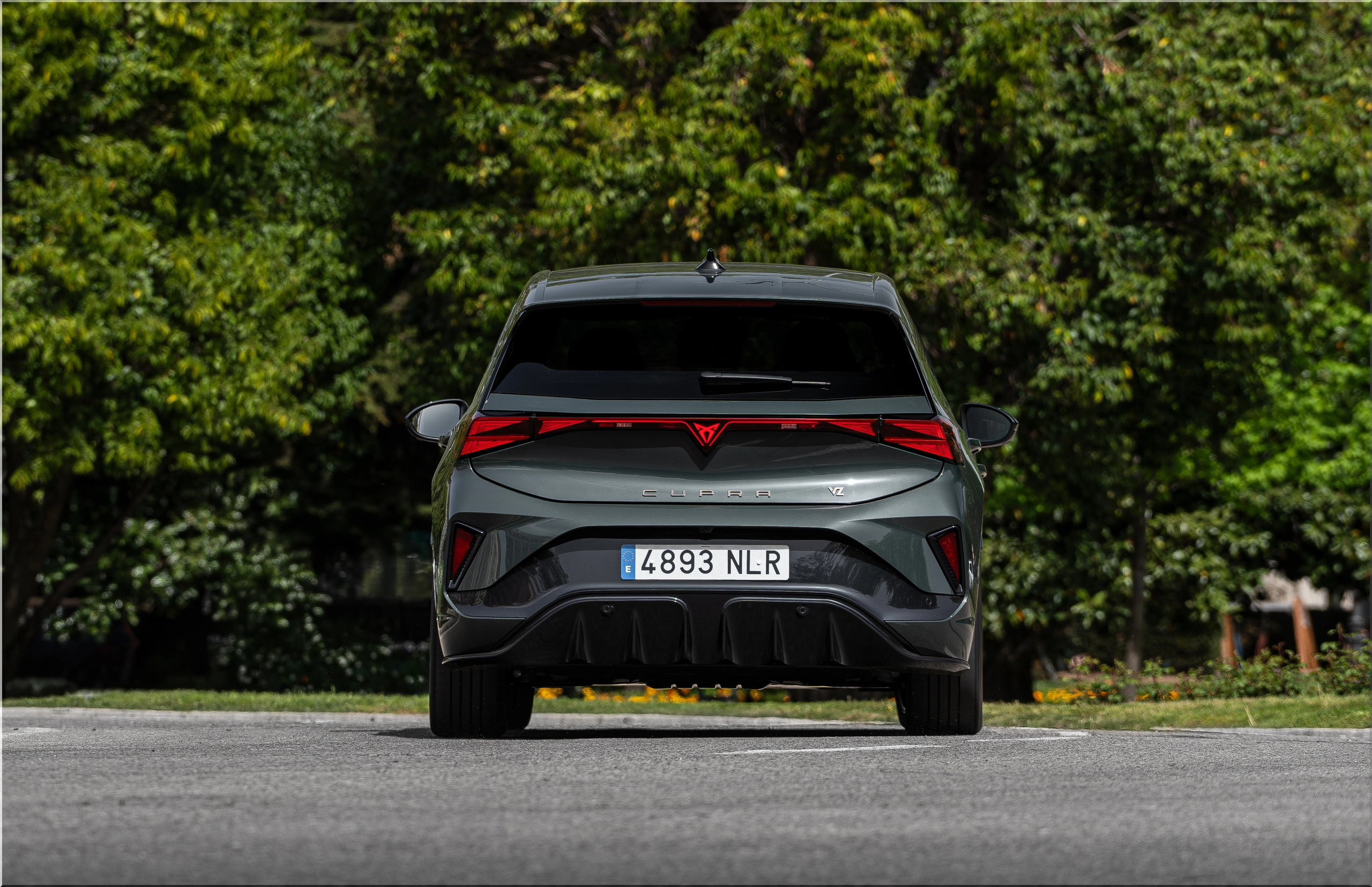
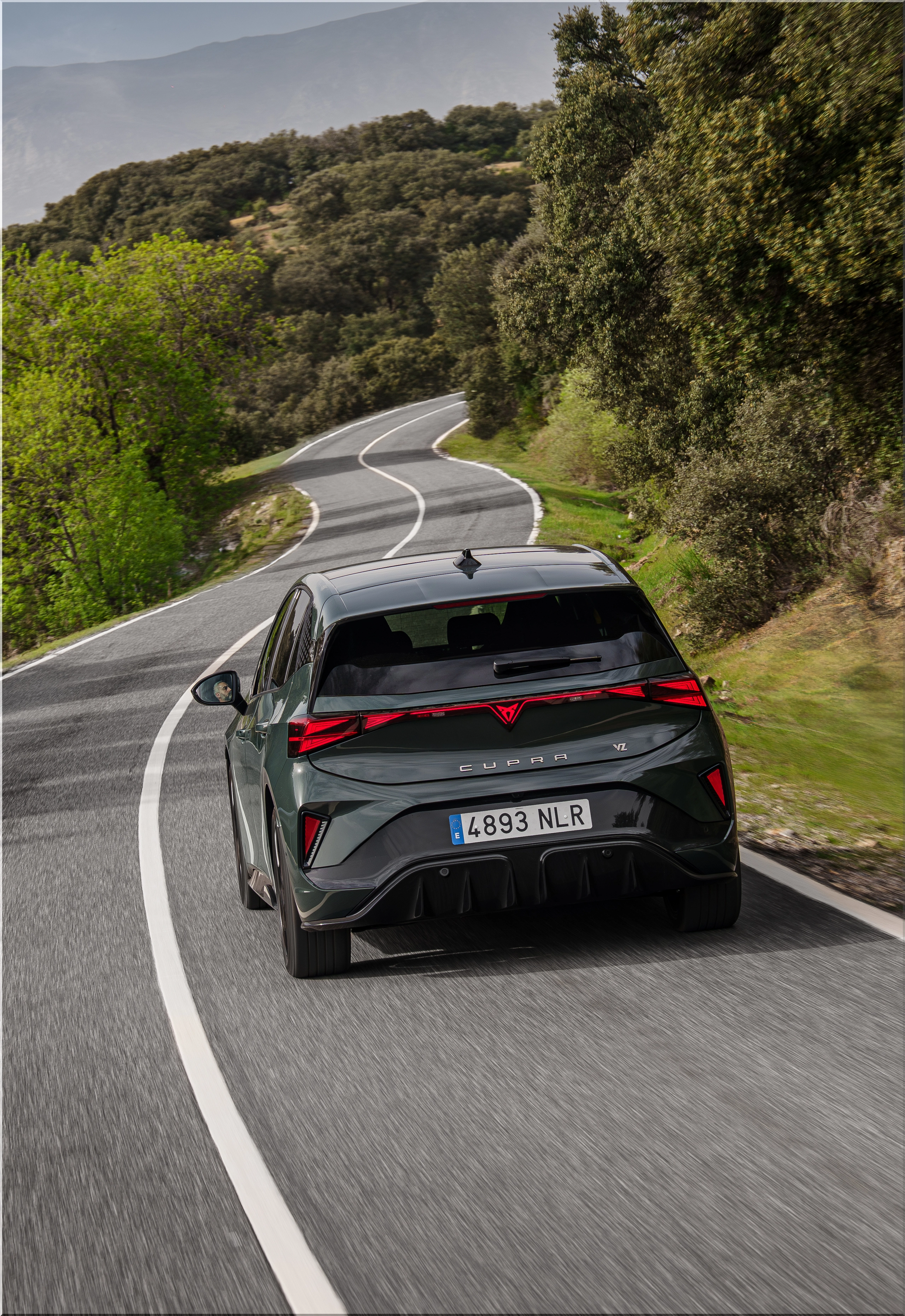
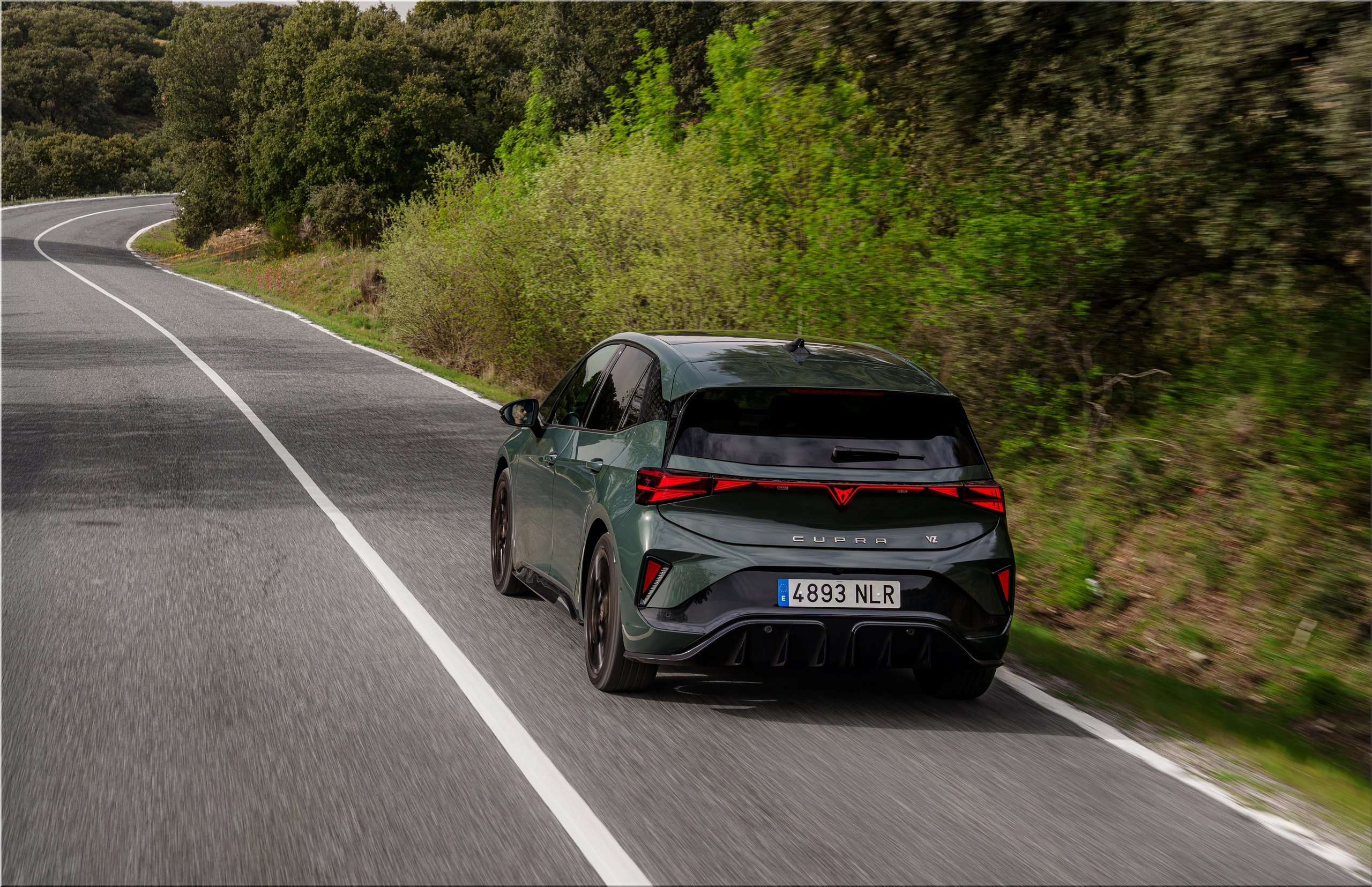
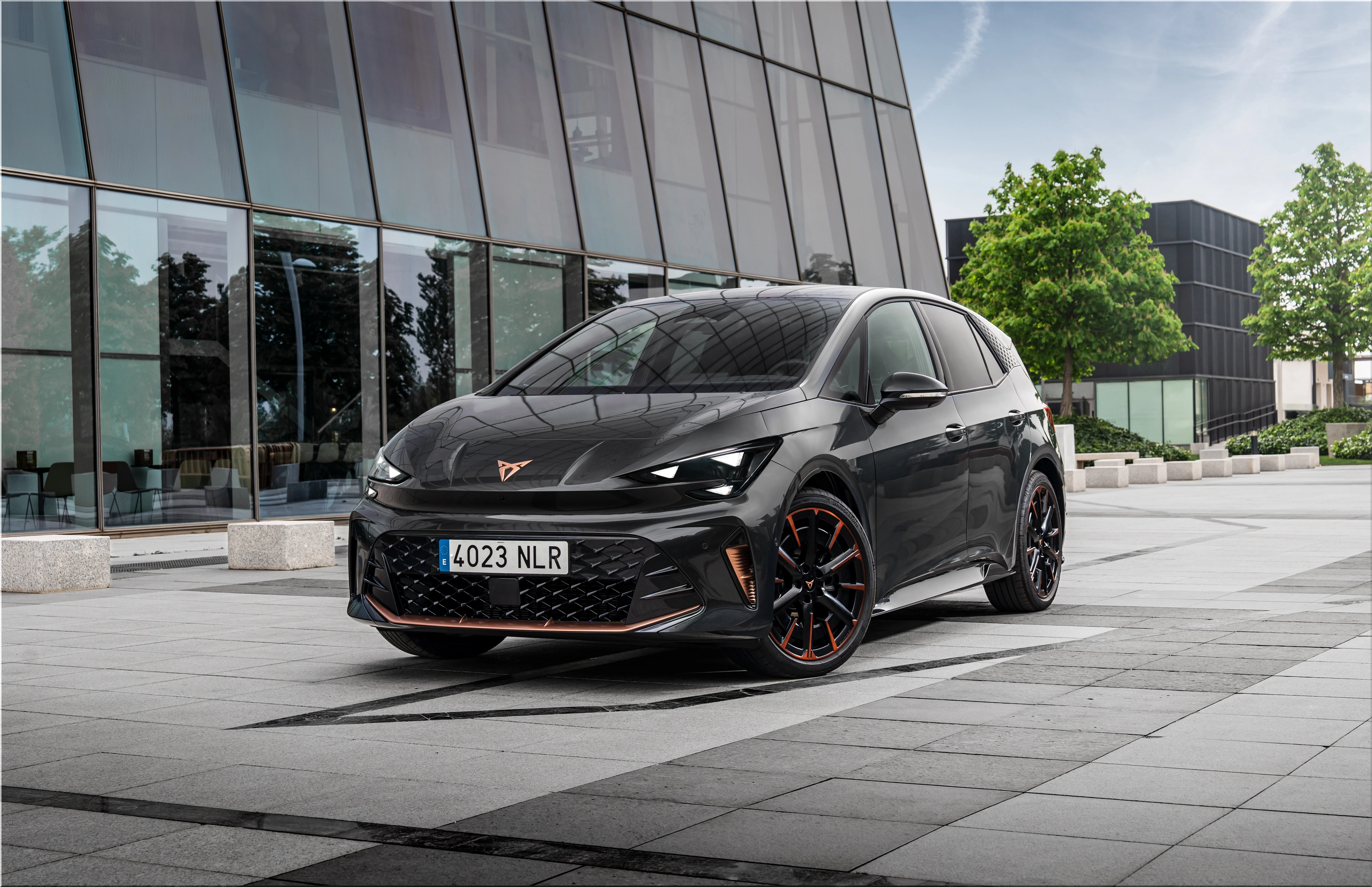
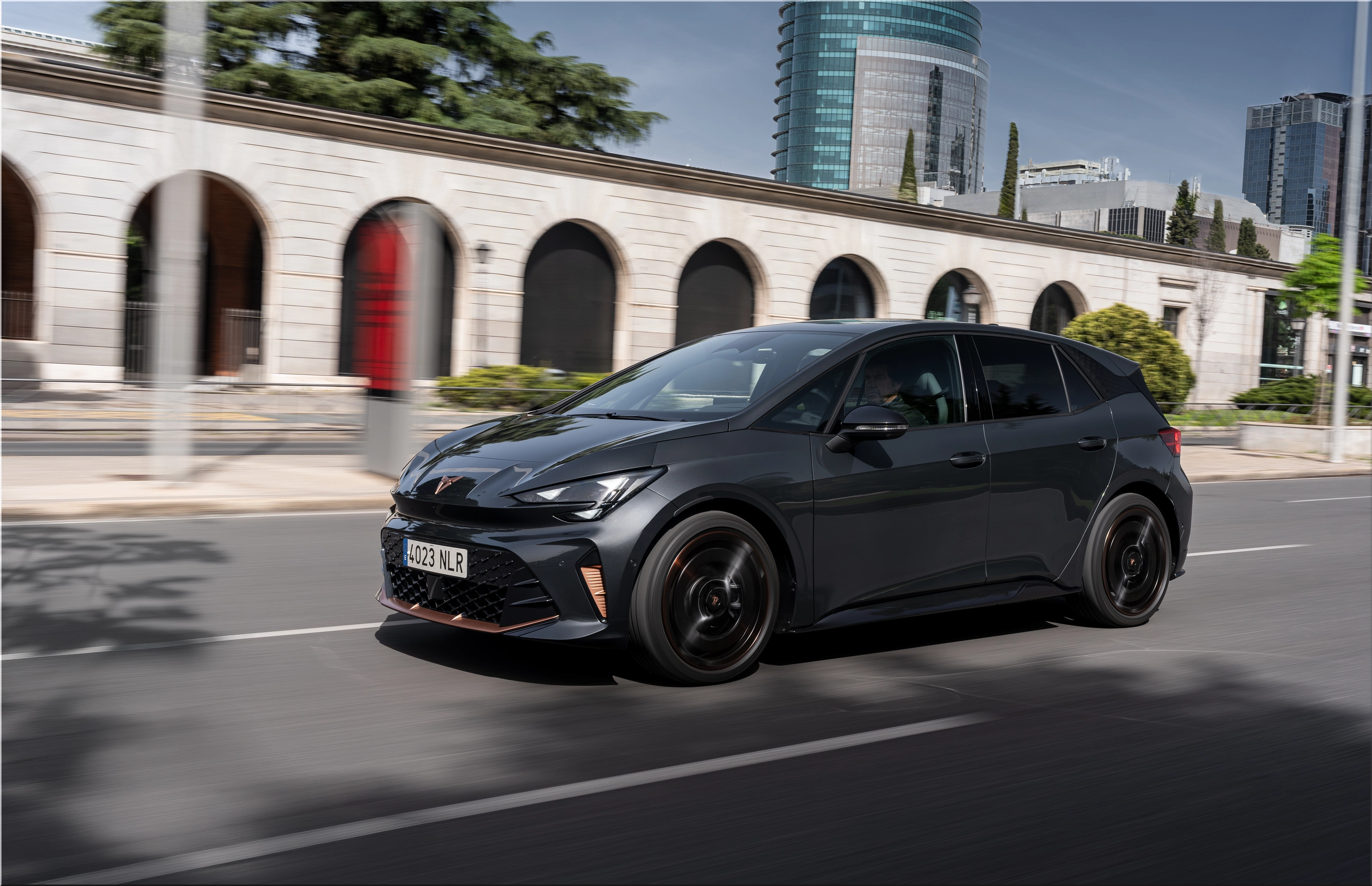
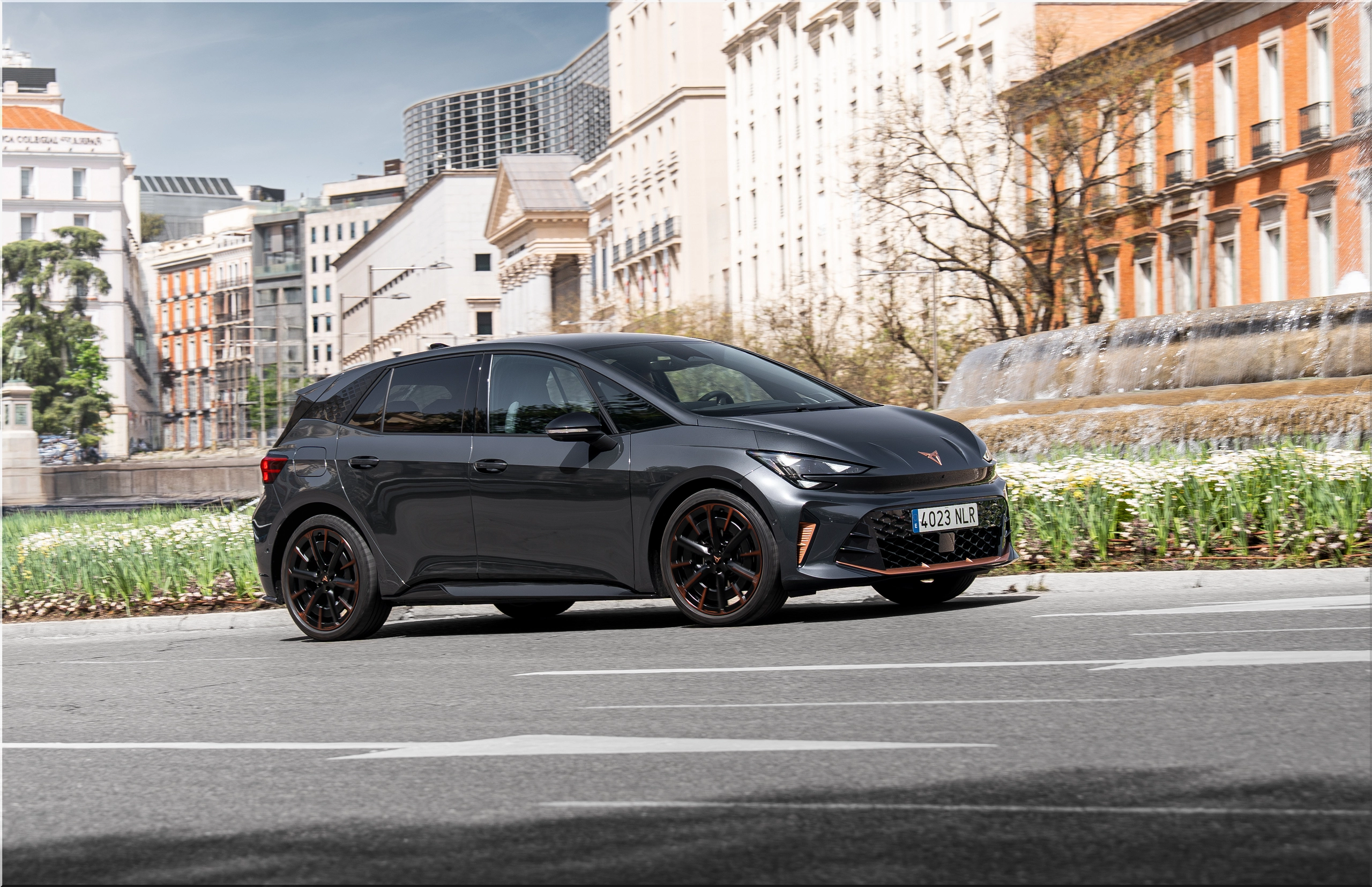
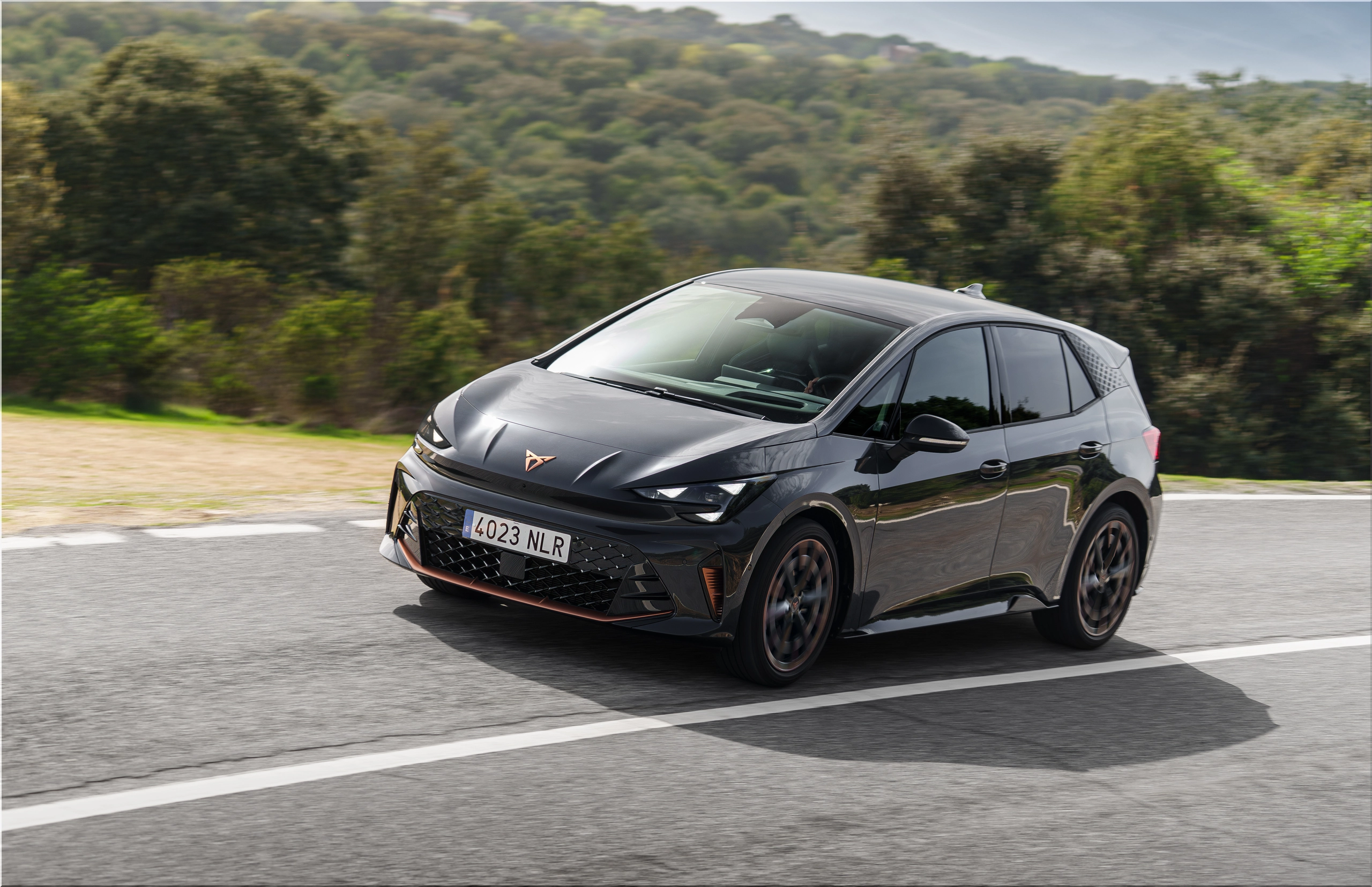
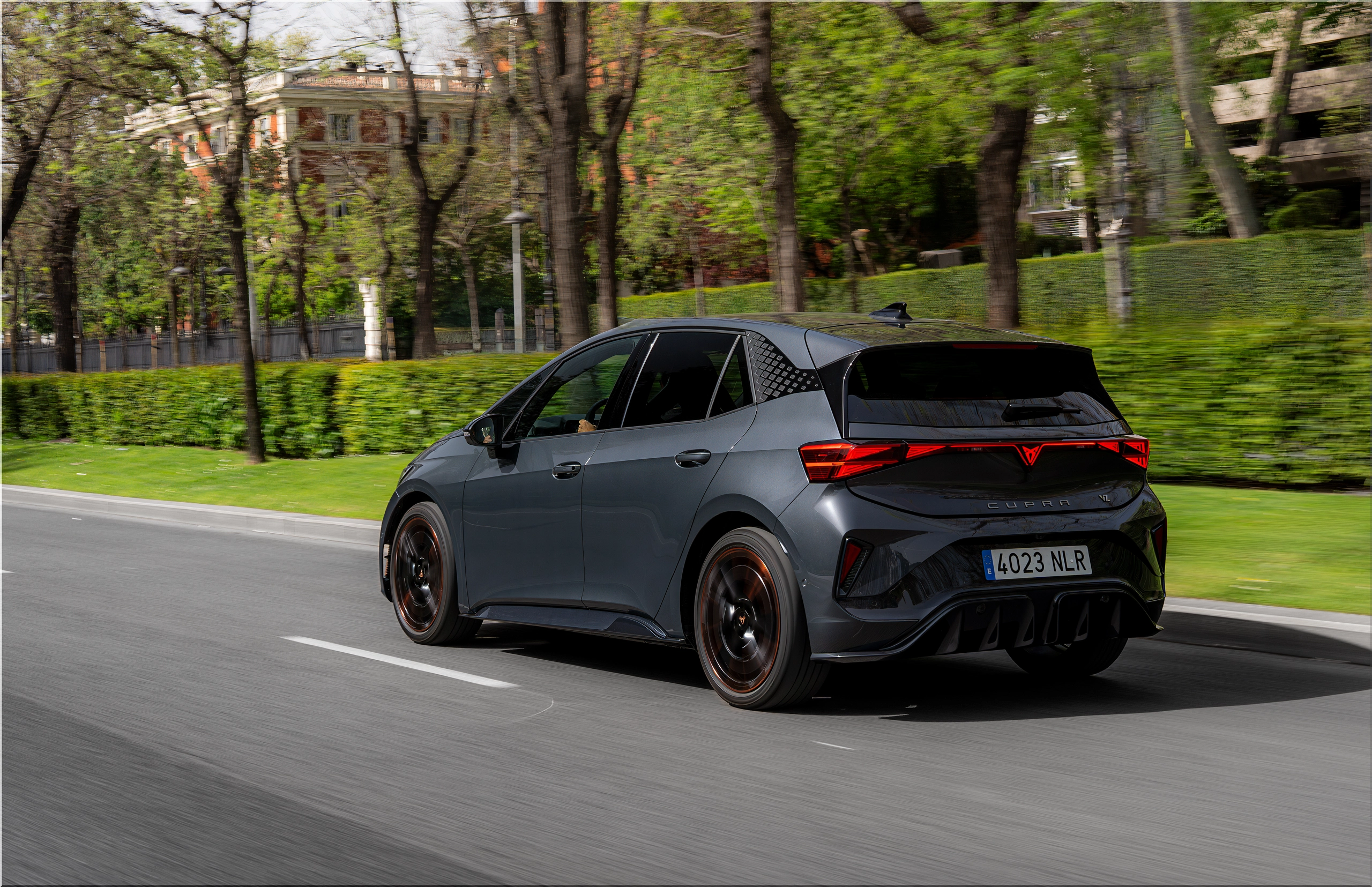
The 2026 CUPRA Born arrives with a simple job: make the brand's first EV sharper, faster, and easier to live with. CUPRA did not chase SUV size or fake muscle-car theater. It kept the compact hatchback format, pushed the top VZ model to 240 kW/326 PS, added a larger battery option, cleaned up the cabin controls, and fitted more serious chassis hardware.
Image
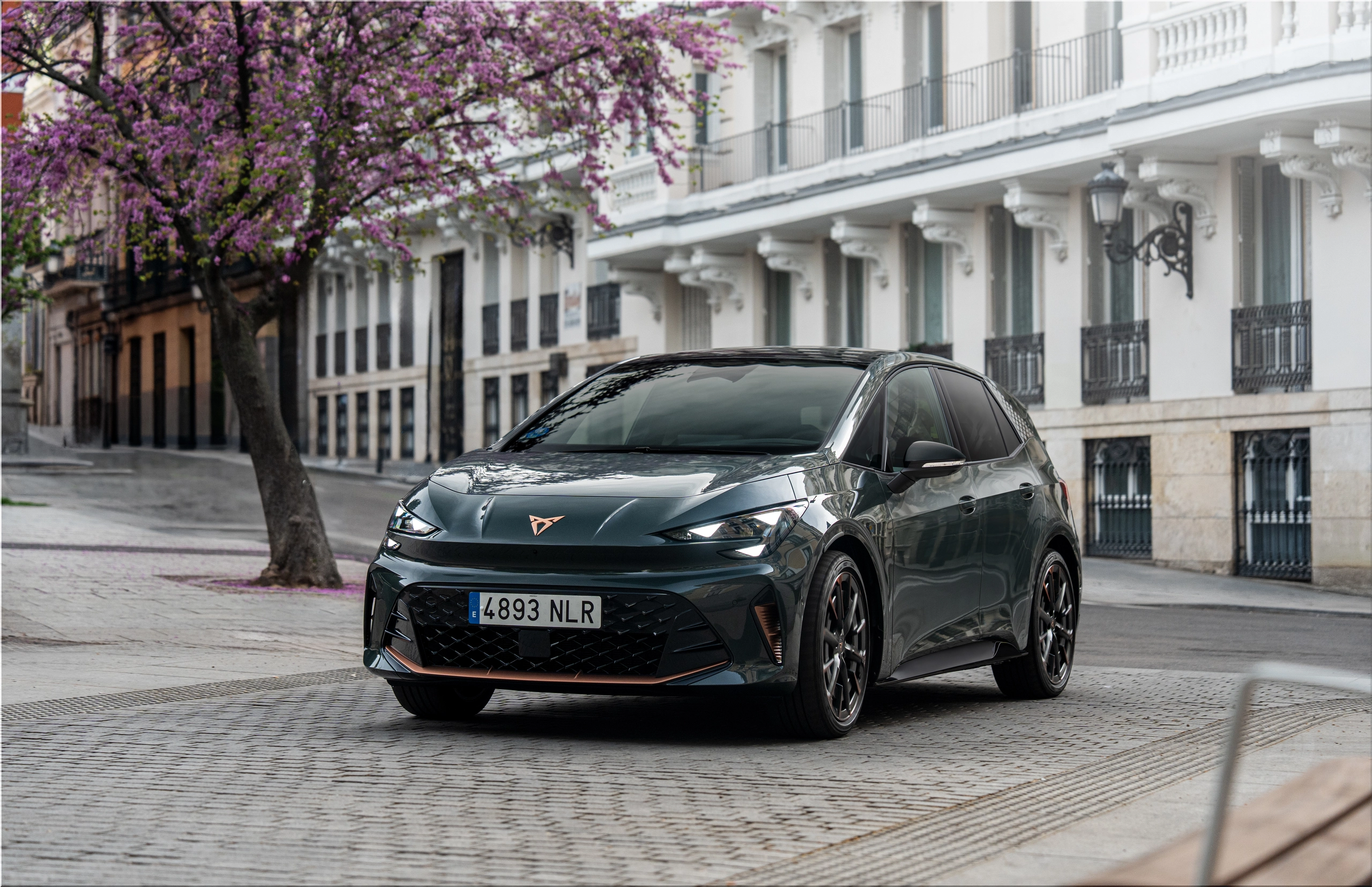
Looking at the data, the biggest story sits at the rear axle. The CUPRA Born VZ uses a 79 kWh battery and a rear-mounted electric motor producing 545 Nm of torque, enough for 0-100 km/h in 5.6 seconds and 0-50 km/h in 2.6 seconds. That first number matters for comparison shopping. The second one matters in actual traffic.
2026 CUPRA Born Performance Specs
| Version | Battery | Power | Torque | Drive | 0-100 km/h | Top Speed | WLTP Range |
|---|---|---|---|---|---|---|---|
| Born 58 kWh | 58 kWh | 140 kW / 190 PS | TBA | Rear-wheel drive | TBA | TBA | TBA |
| Born 79 kWh | 79 kWh | 170 kW / 231 PS | TBA | Rear-wheel drive | About 7.1 sec | TBA | Up to 631 km on selected configuration |
| Born VZ 79 kWh | 79 kWh | 240 kW / 326 PS | 545 Nm | Rear-wheel drive | 5.6 sec | 200 km/h | Up to 631 km |
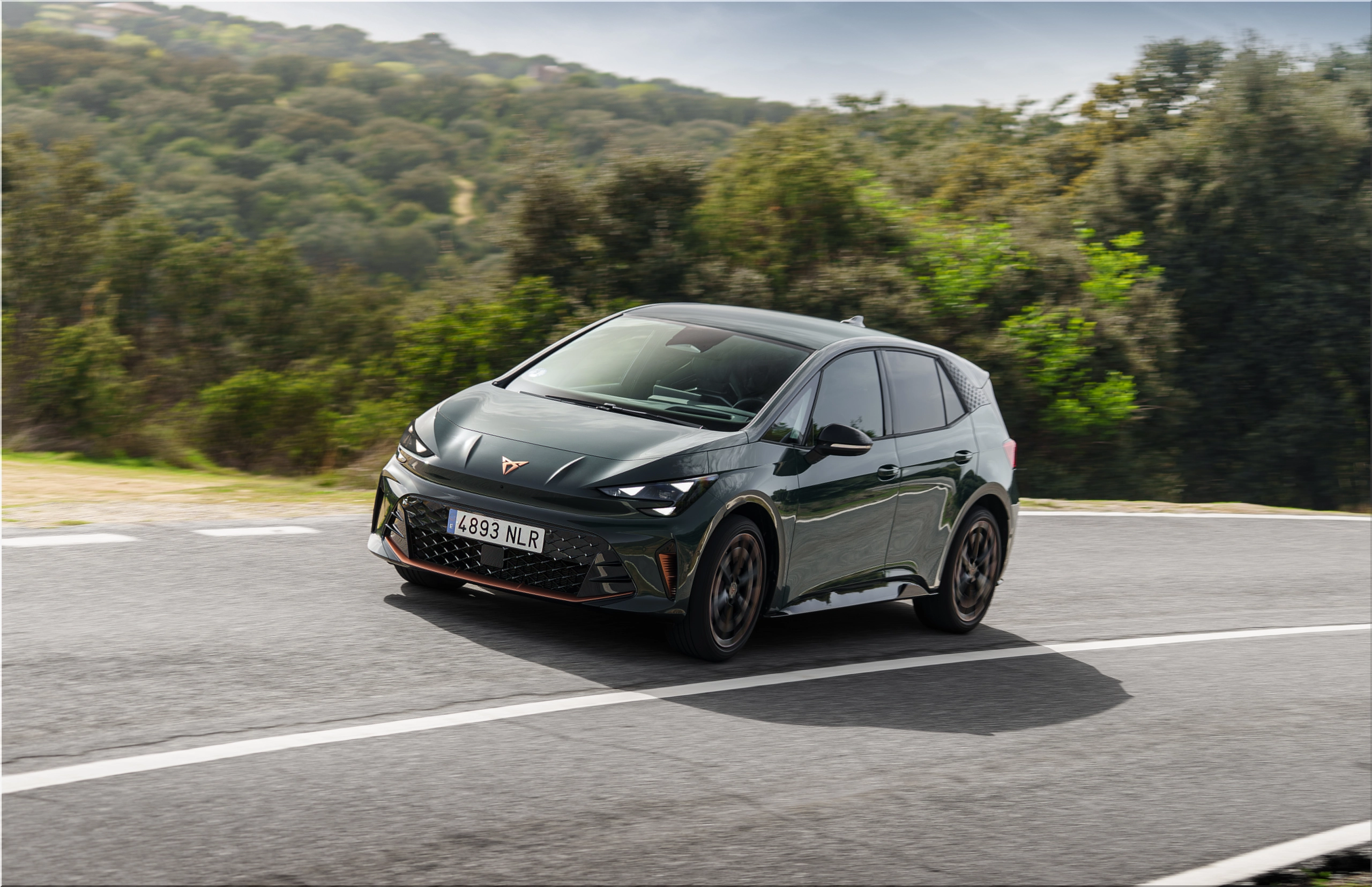
From an expert perspective, rear-wheel drive gives the Born a cleaner performance identity than many front-motor electric hatchbacks. The rear axle handles propulsion, so the front tires can focus on steering and braking rather than juggling torque steer. Consequently, the Born VZ can feel more natural under hard acceleration out of corners, where instant EV torque often exposes weak tire and chassis tuning.
Image
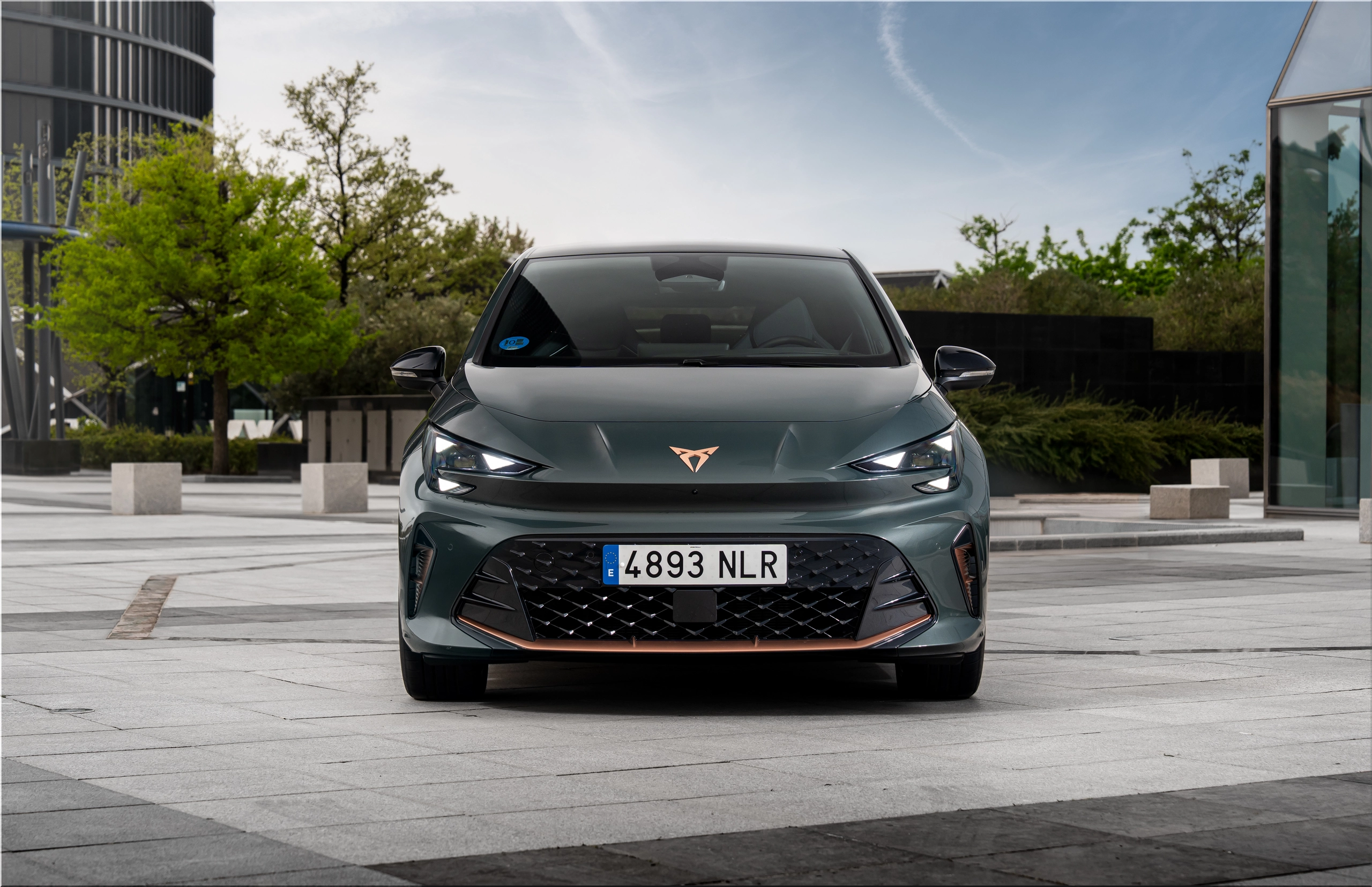
CUPRA Born Dimensions, Packaging, And Daily Usability
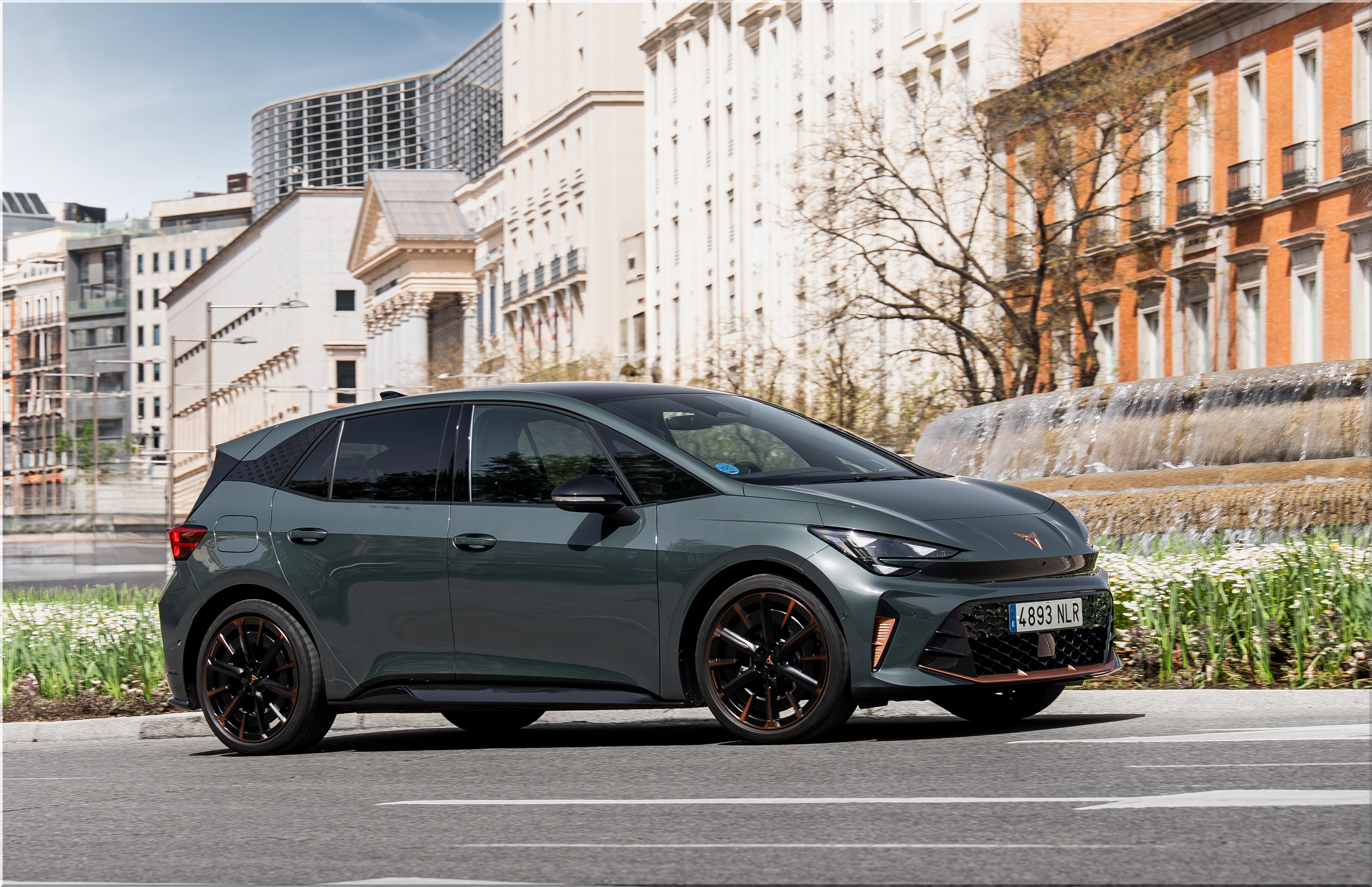
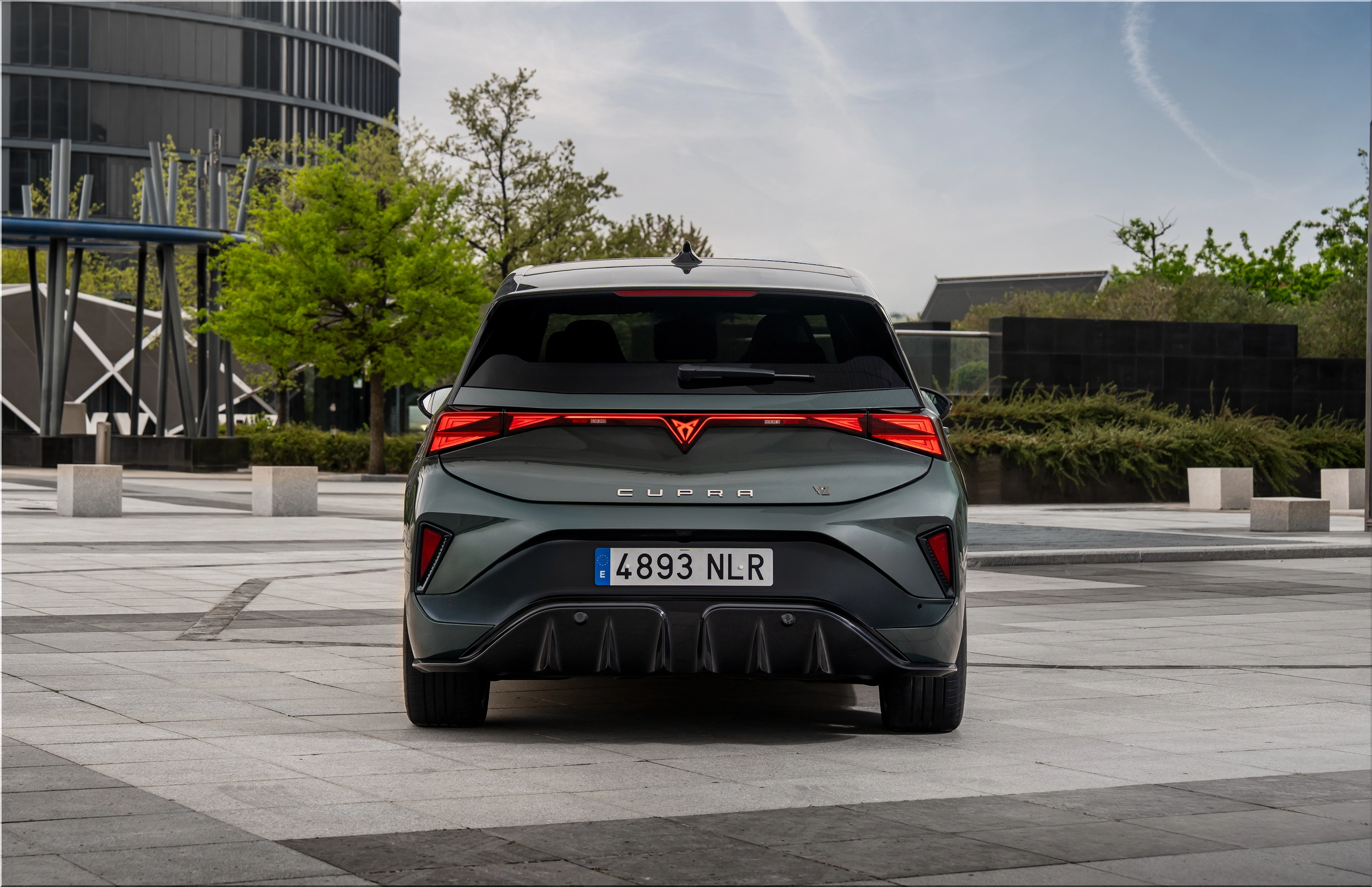
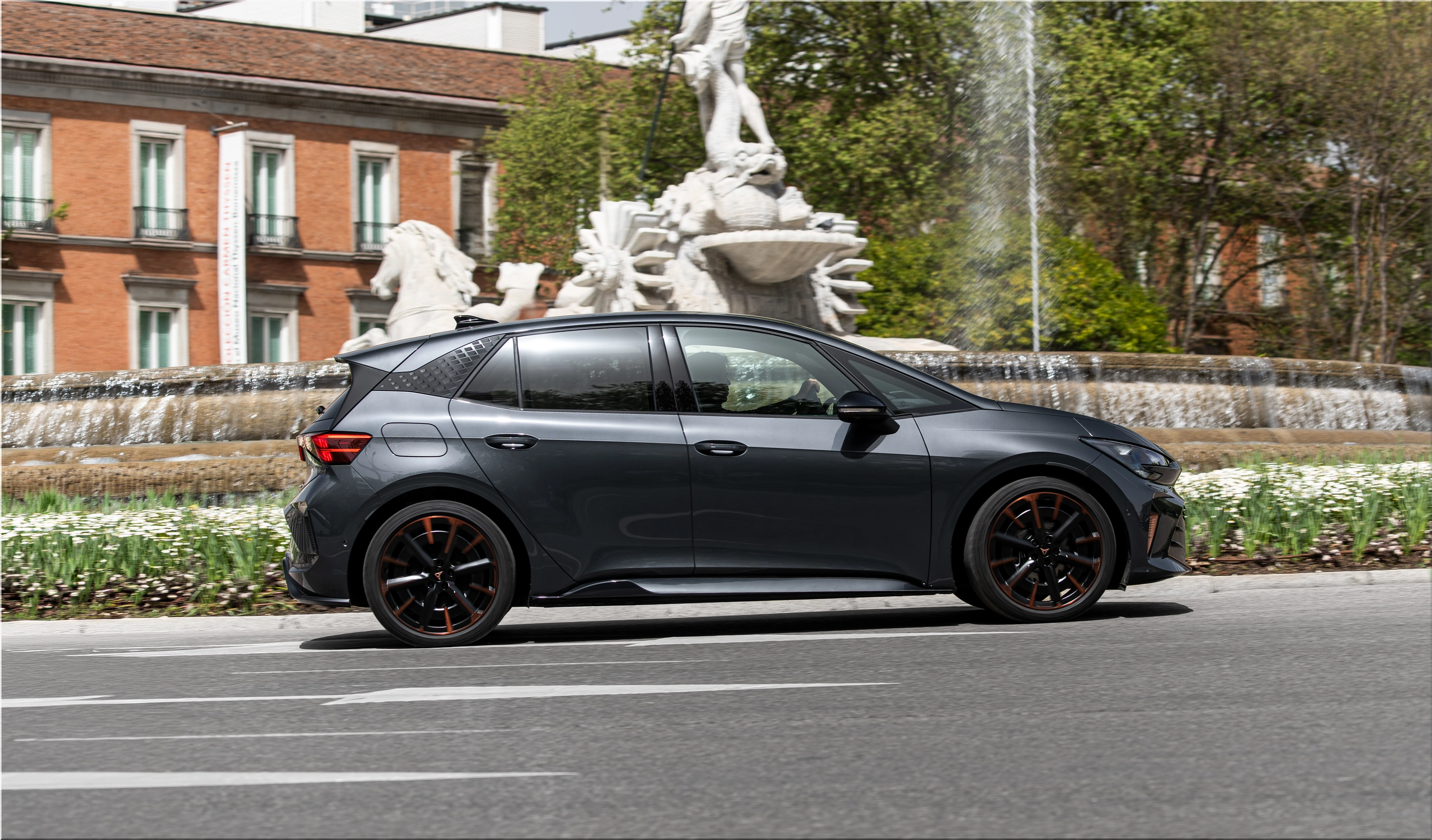
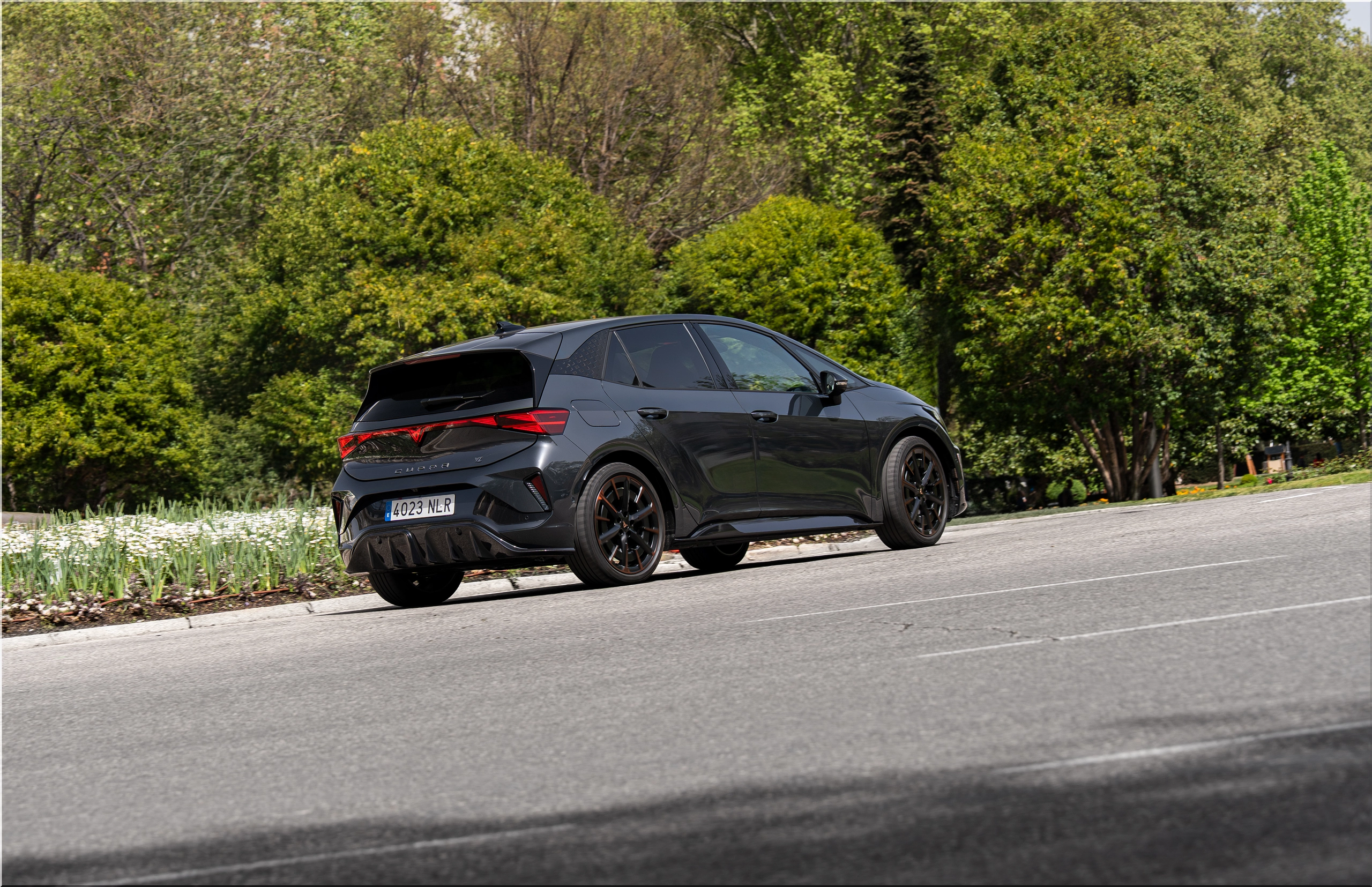
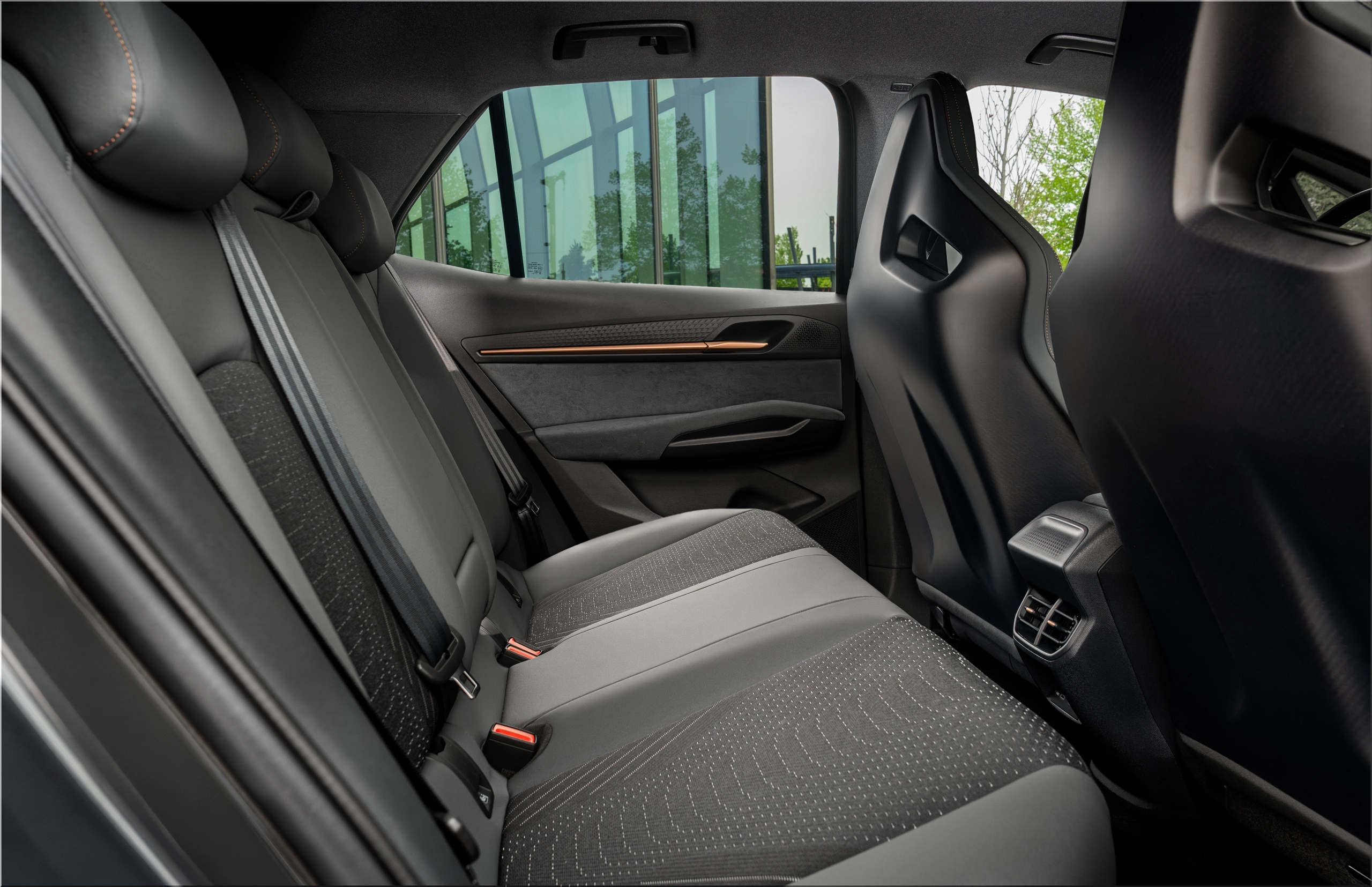
The new CUPRA Born electric hatchback stays compact enough for European streets but still gives buyers a practical five-door body. Its 2,766 mm wheelbase, roughly 108.9 inches, gives the car a stable stance and helps interior space without stretching the overall footprint into crossover territory.
| Measurement | Metric | Inches / U.S. Equivalent |
|---|---|---|
| Length | 4,336 mm | 170.7 in |
| Width | 1,809 mm | 71.2 in |
| Height | 1,543 mm | 60.7 in |
| Wheelbase | 2,766 mm | 108.9 in |
| Cargo capacity | 385 L | 13.6 cu ft |
| Seating | 5 | 5 |
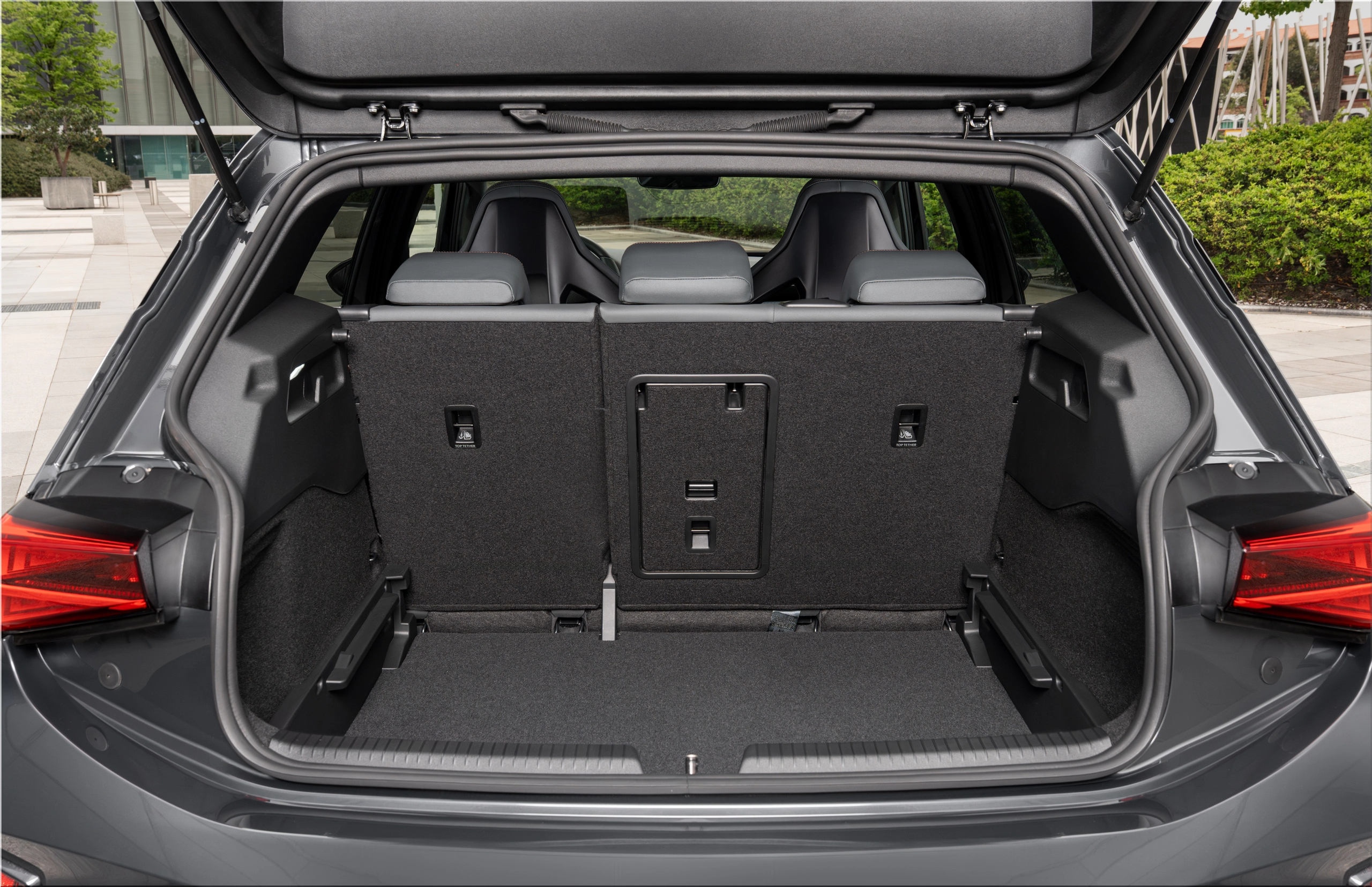
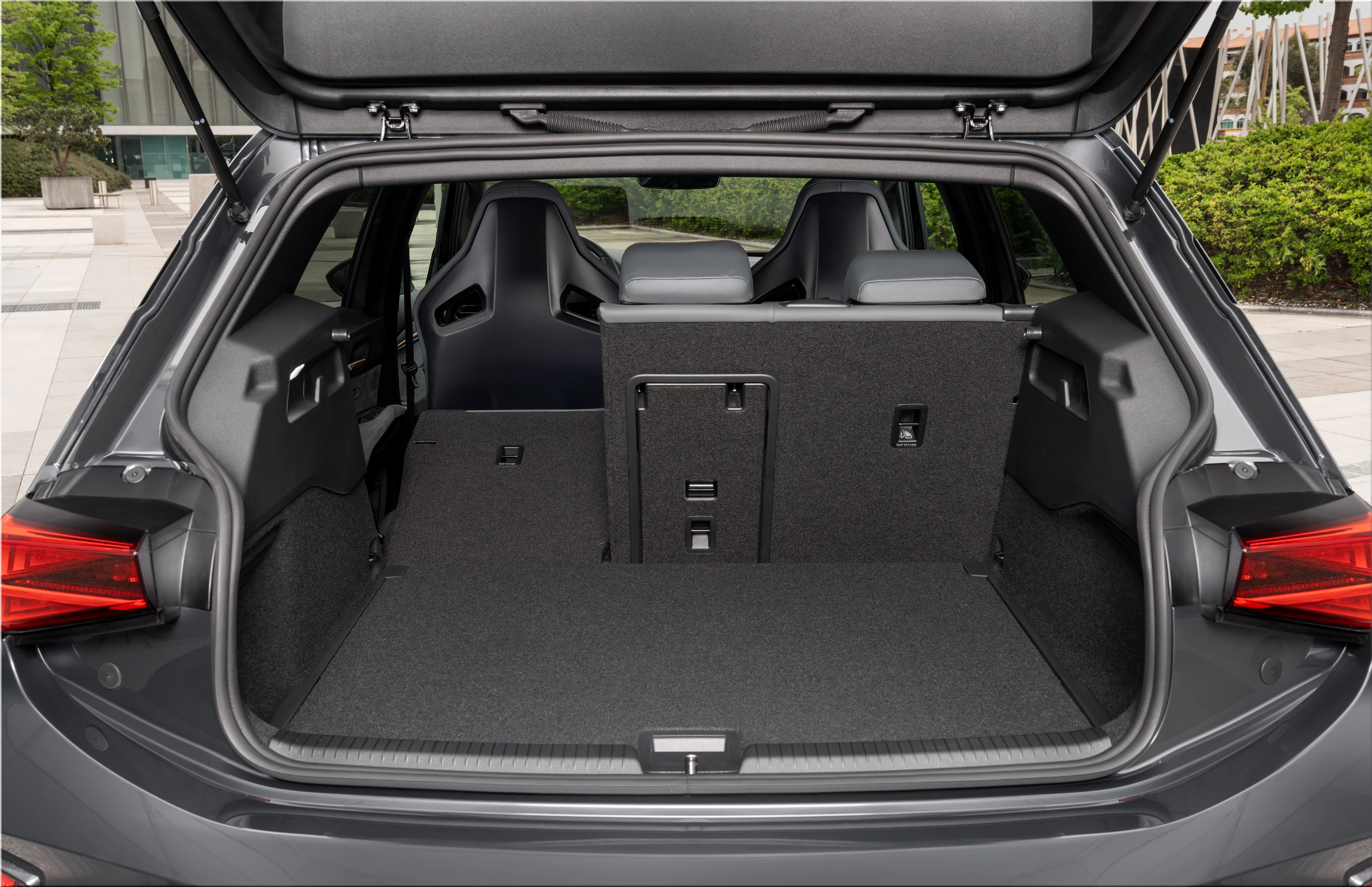
Specifically, the 385-liter cargo area gives the Born enough utility for commuting, groceries, airport runs, and weekend bags. It does not chase SUV cargo numbers. It counters with a lower center of gravity, less frontal area, and a tighter road feel.
Video file
Video title
CUPRA Born VZ 2026
Pro-Tip: Which CUPRA Born Version Makes The Most Sense?
Choose the 170 kW/79 kWh Born if range and value sit above acceleration on your list. Step up to the CUPRA Born VZ if you want the full chassis package, stronger brakes, E-Launch, faster acceleration, and the more assertive 240 kW output. The VZ makes the stronger case for drivers who will use the car on fast roads, not only short urban routes.

Why The 2026 Update Matters
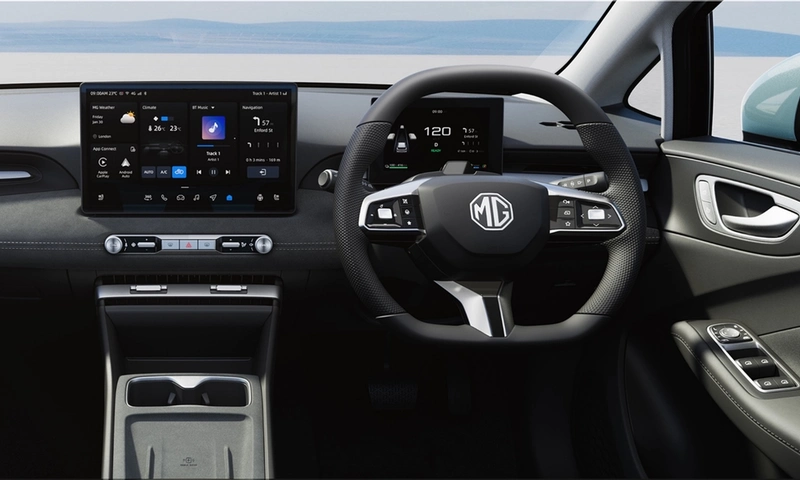
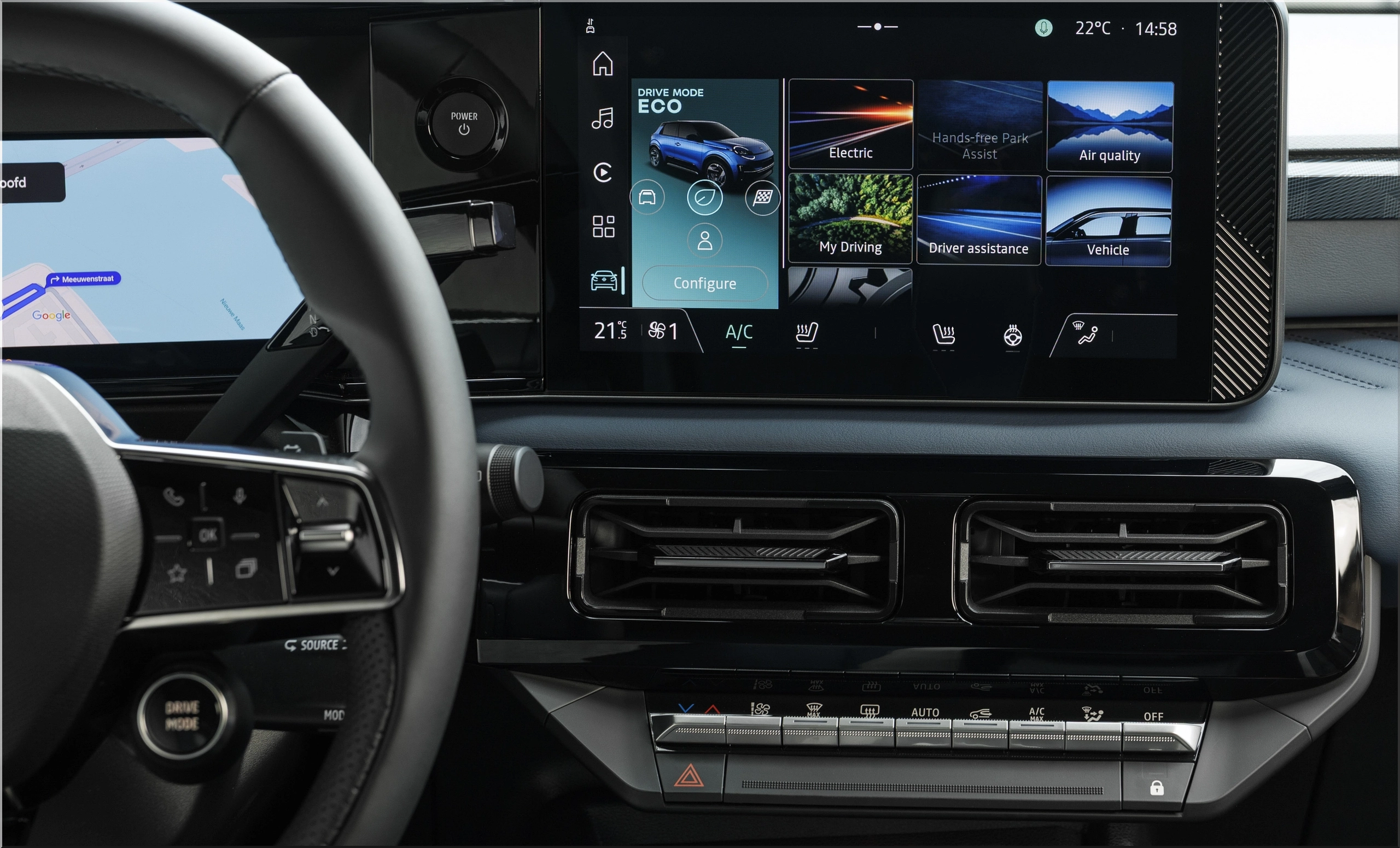
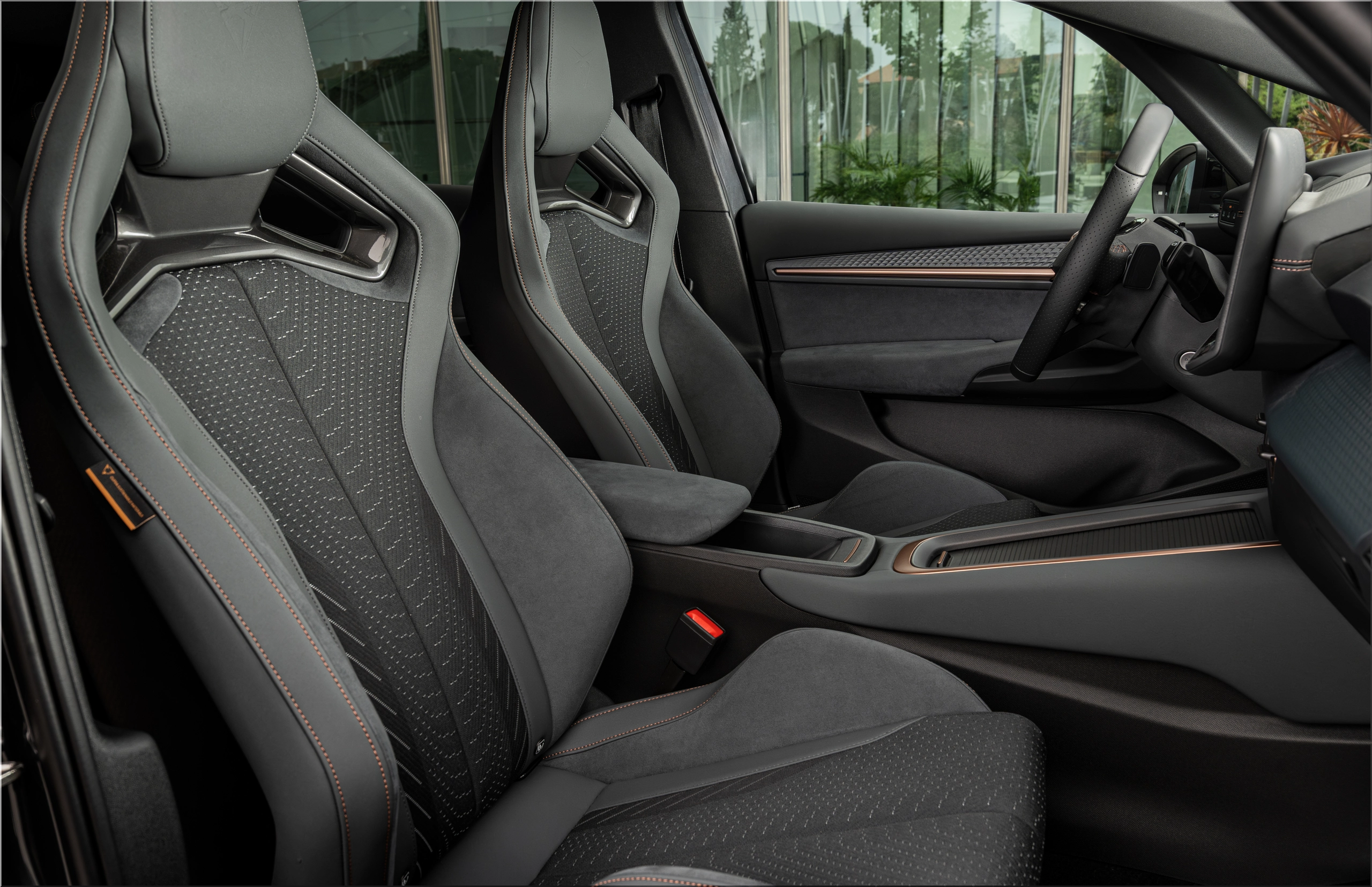
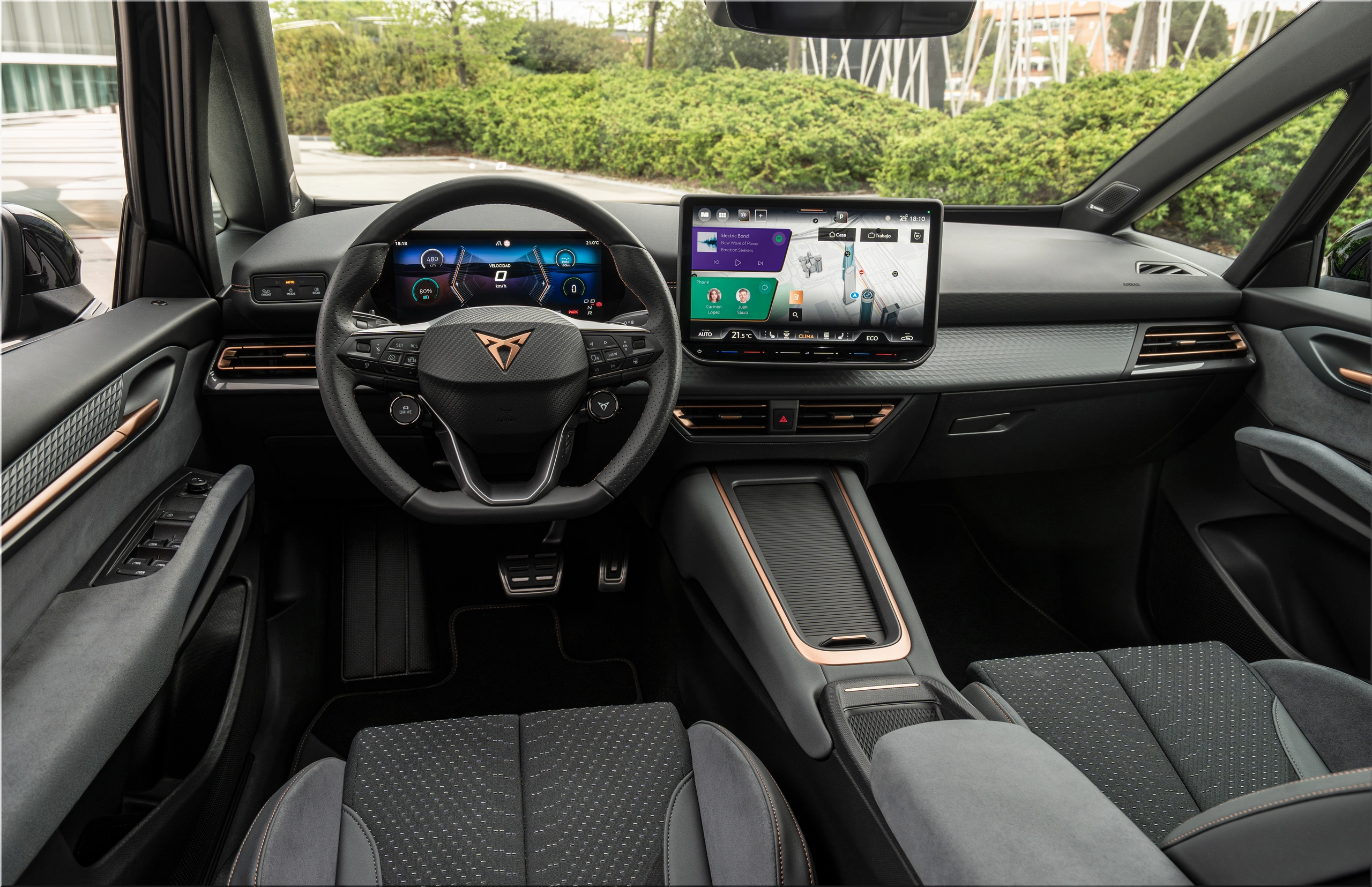
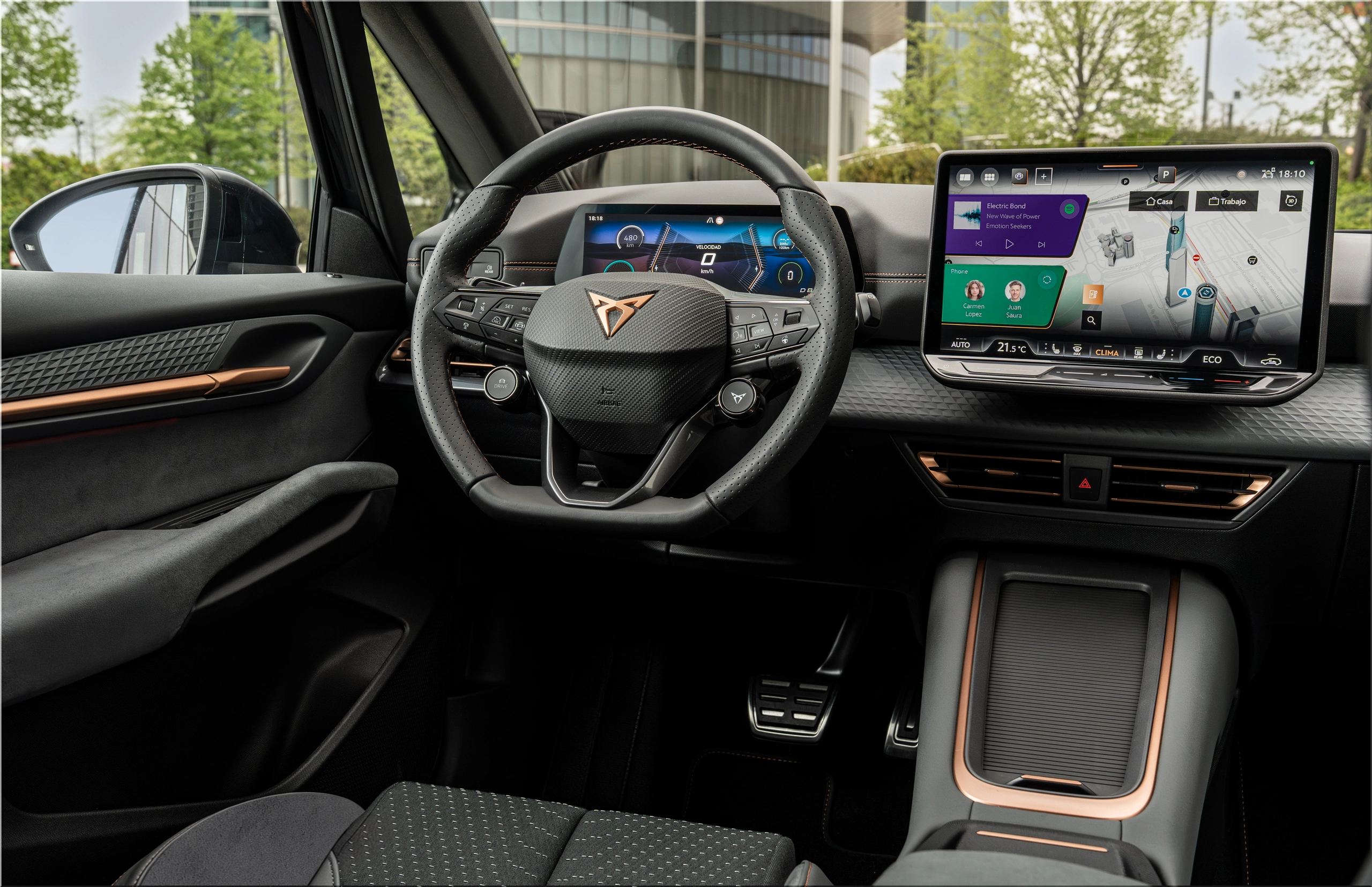
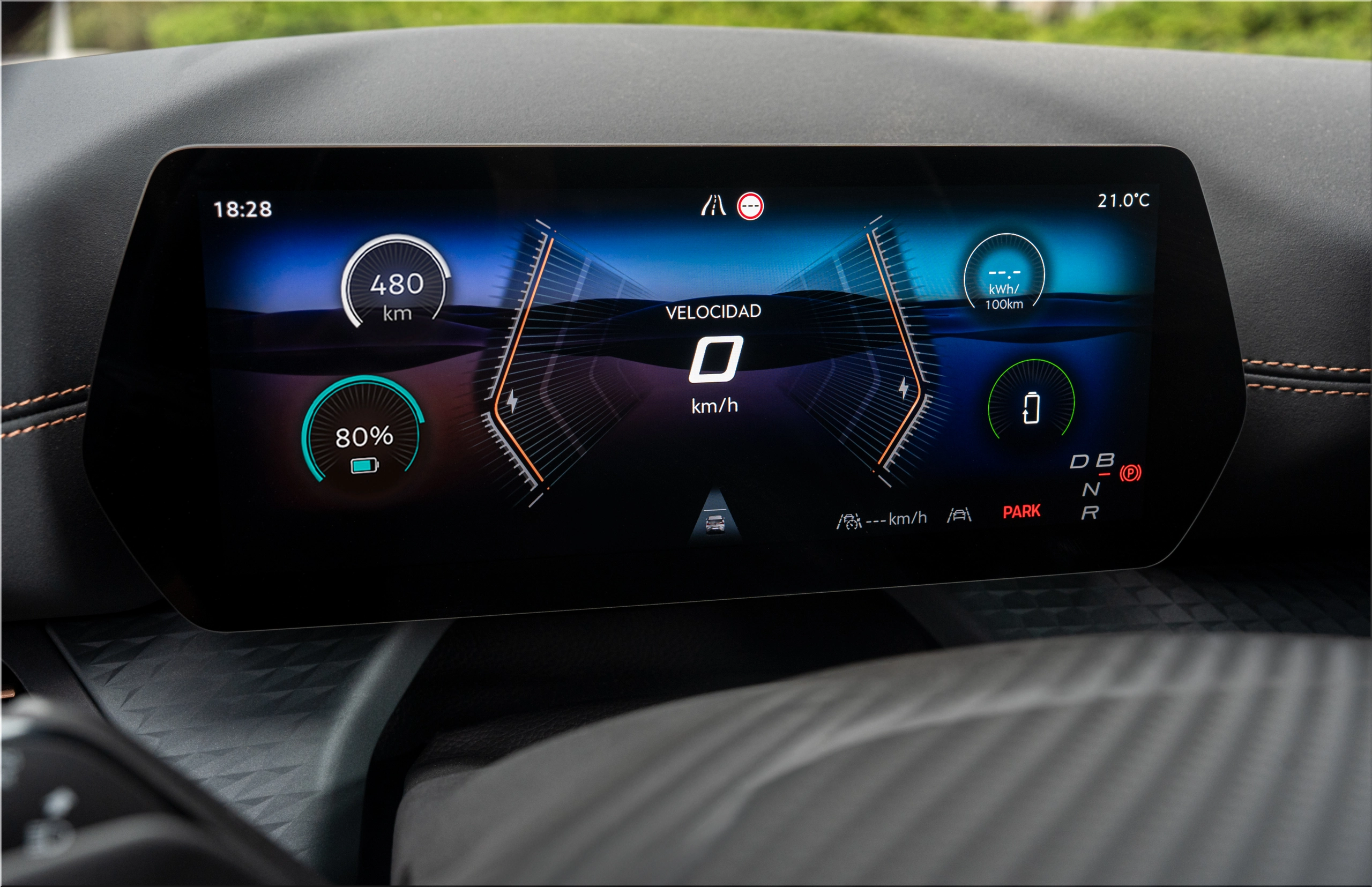
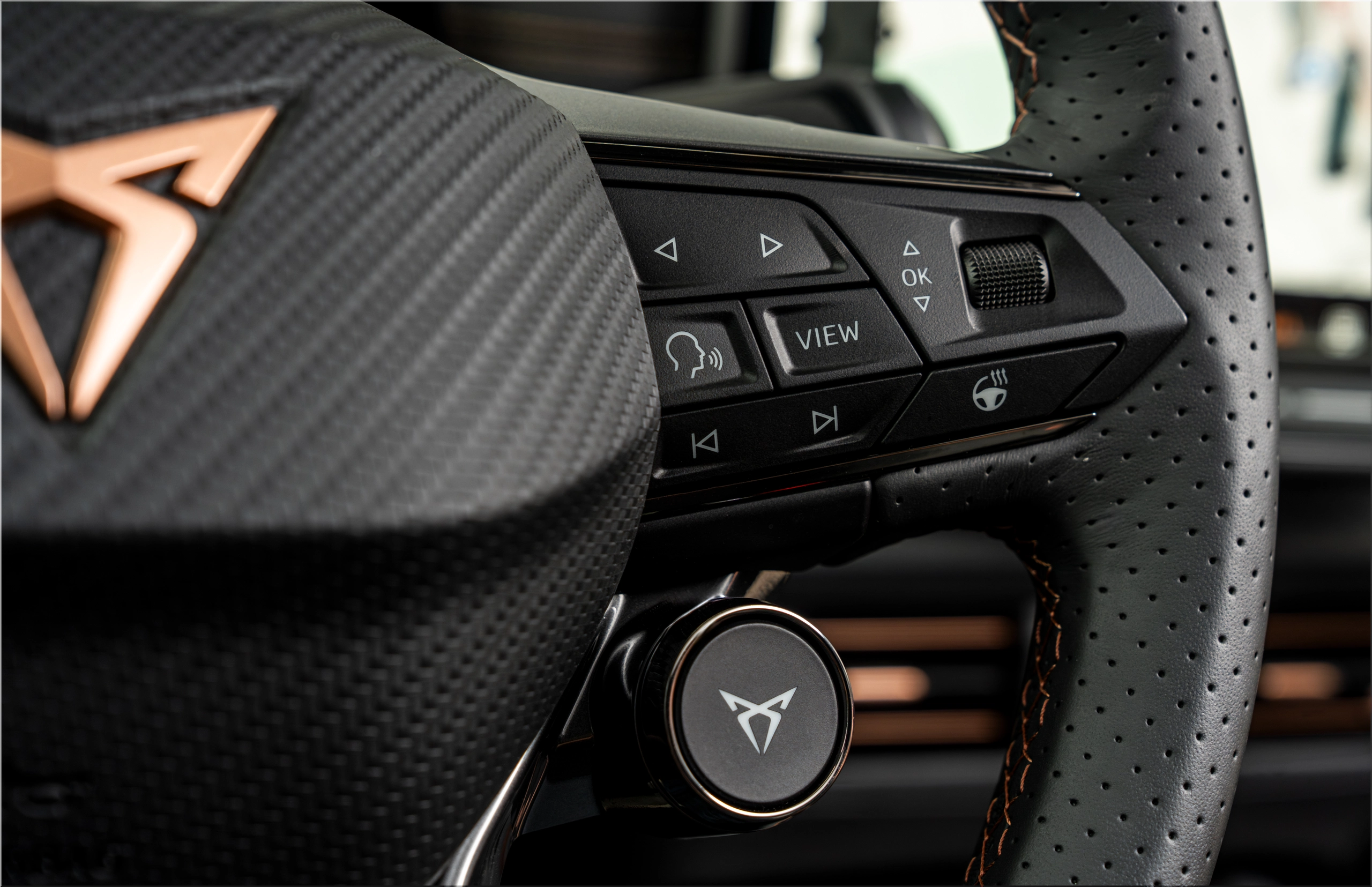
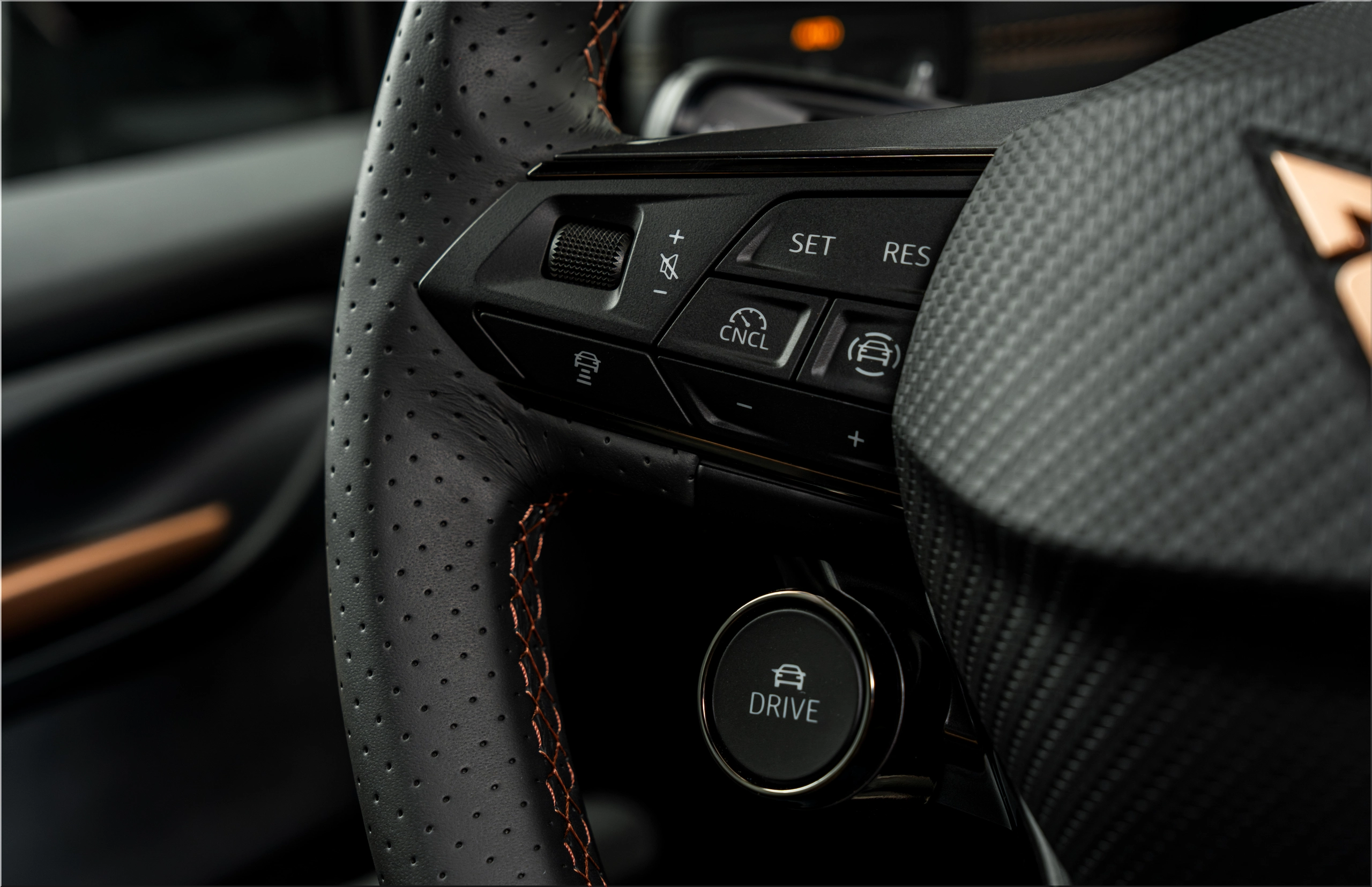
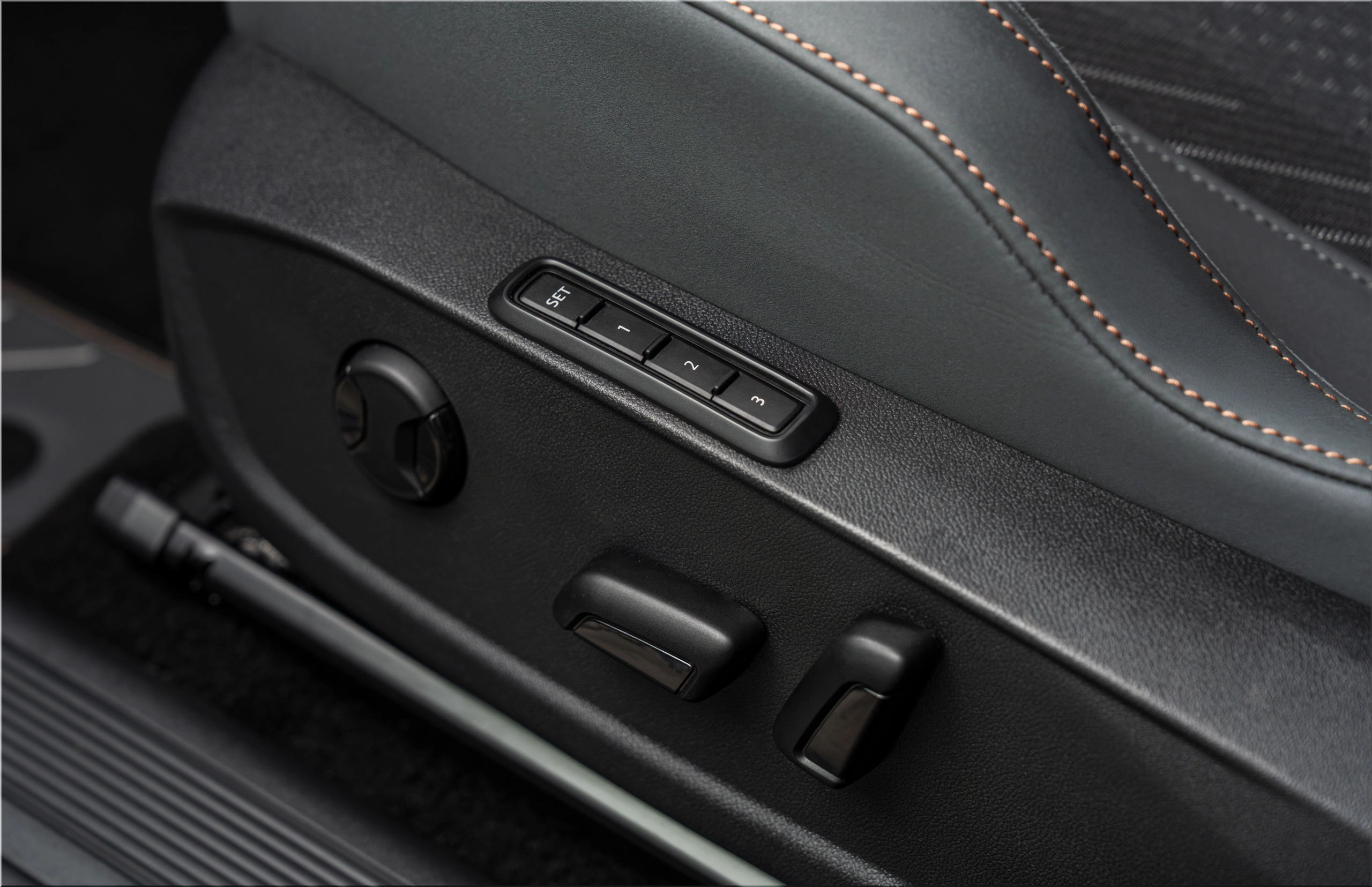
CUPRA targeted the complaints that hurt many early Volkswagen Group MEB cars: cabin usability, software feel, and control logic. The 2026 Born gets a 12.9-inch infotainment display, a larger 10.25-inch digital cockpit, an Android-powered operating system, and a redesigned steering wheel with physical controls. That last change carries real value. Drivers can adjust key functions by touch without poking at glossy haptic pads while the road asks for attention.
Image
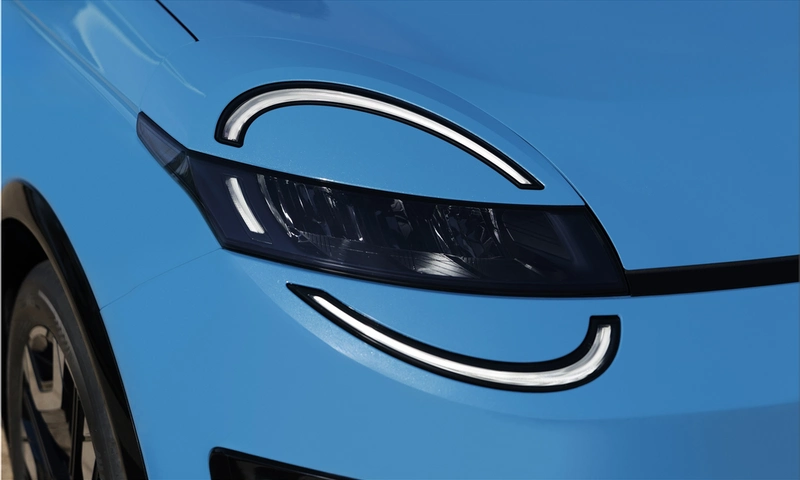
In addition, CUPRA adds illuminated sliders, front and rear illuminated door handles, rear air vents, Mobile Device Key beta functionality, and Vehicle-to-Load capability. V2L turns the battery into a mobile power source for items such as laptops, e-bikes, tools, or audio gear. That feature changes the Born from a commuter EV into a more useful device during travel, work, and recreation.
Chassis Hardware: The Born VZ Gets The Serious Bits
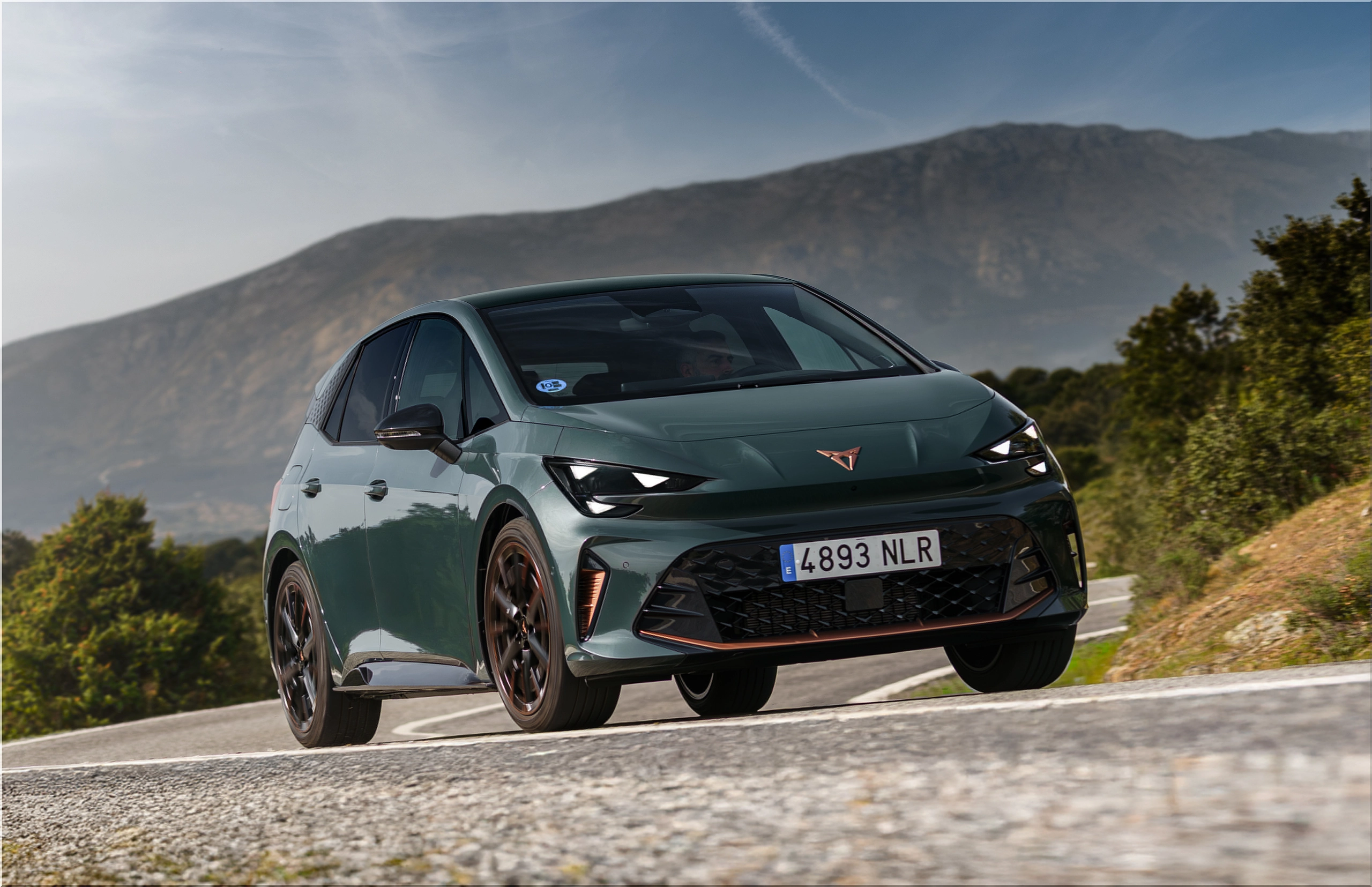
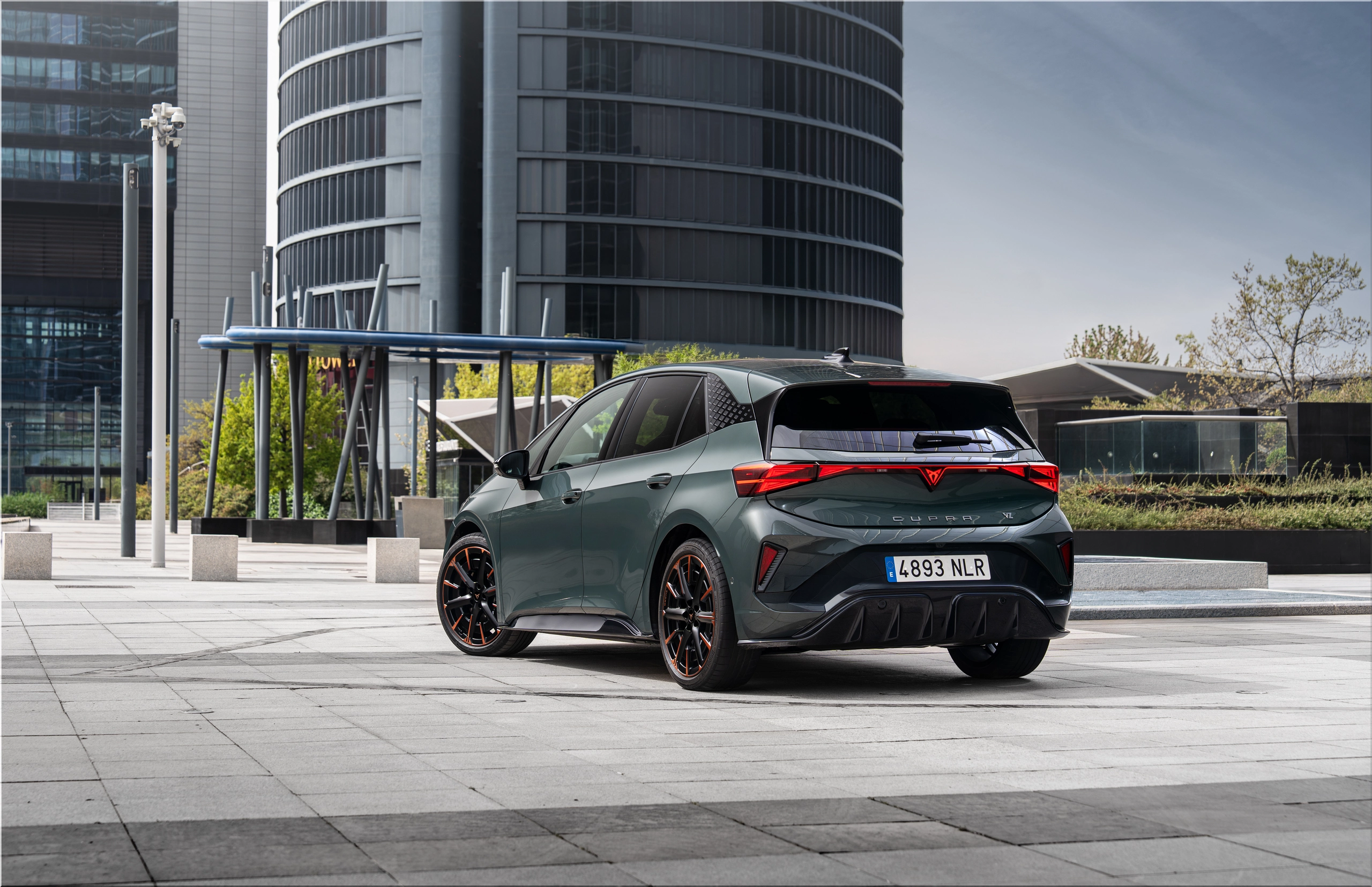
The 2026 CUPRA Born uses 235 mm tires across both 19-inch and 20-inch wheel setups, a meaningful grip upgrade for an EV that can send 545 Nm to the rear wheels. CUPRA also fits progressive steering, ESC Sport, five drive profiles, and up to 15 levels of Dynamic Chassis Control Sport adjustment.
That hardware gives the CUPRA Born its logic. Range mode softens the car's energy demand. Comfort mode suits long drives. Performance and CUPRA modes sharpen throttle response, steering, damping, and the synthetic interior sound profile. Individual mode lets owners tune the car to the road rather than accept one factory setting for every drive.
Video file
Video title
CUPRA Born 2026
Key performance systems include:
- One Pedal Driving for stronger regenerative deceleration and smoother city driving
- E-Launch for controlled standing-start acceleration on VZ and Endurance trims
- Regenerative paddles for driver-controlled energy recovery in D mode
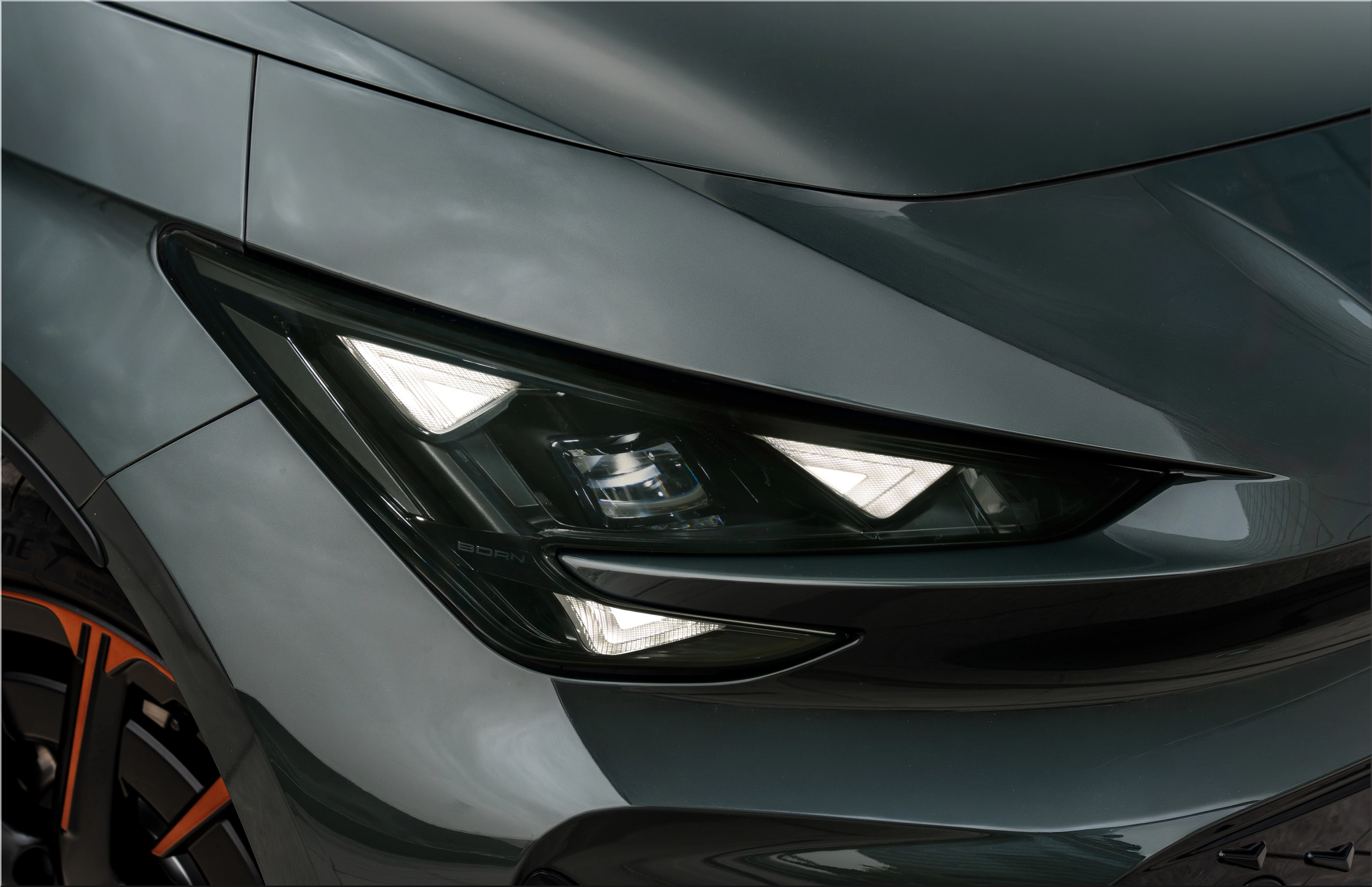
- Matrix LED headlights with glare-free high beam logic
- DCC Sport suspension with firmer VZ-specific tuning
Charging, Range, And Cost Context
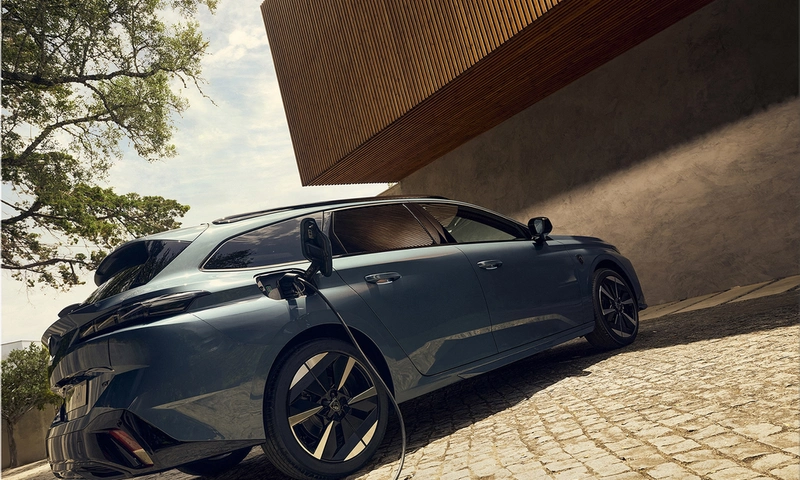
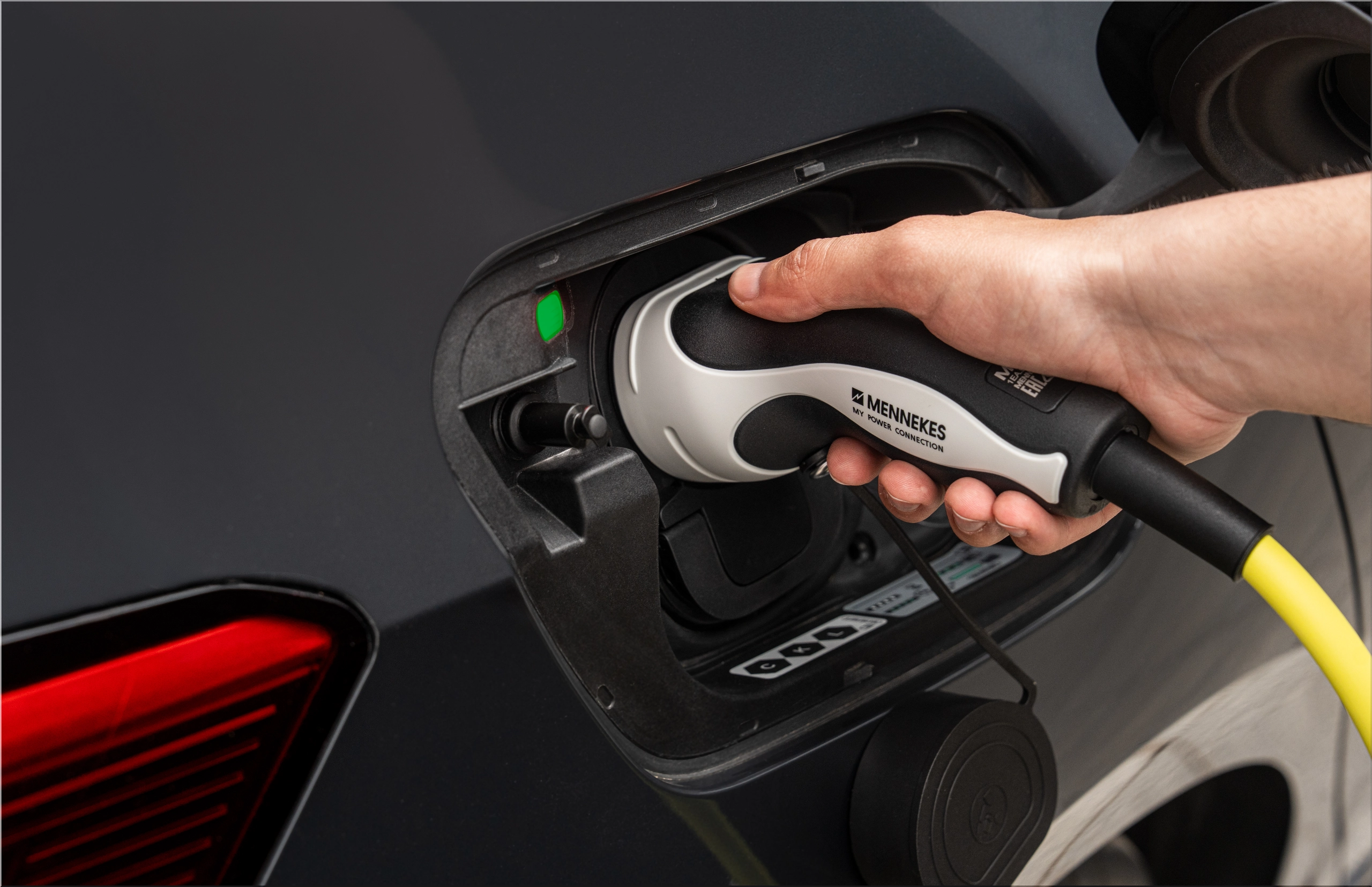
The top Born VZ supports 183 kW DC charging, taking the battery from 10 to 80 percent in as little as 29 minutes. By comparison, that puts it in the competitive zone for a 400-volt compact EV. It will not embarrass high-voltage premium EVs at a charger, but it gives drivers a workable road-trip cadence: stop, charge, coffee, go.
Image
Autocar's UK drive report referenced prices from about $48,500 for the 58 kWh model, around $49,900 for the 79 kWh 170 kW version, and about $62,000 for the VZ, converted from British pricing at roughly $1.35 per pound. U.S. pricing does not apply because CUPRA does not sell the Born in America, but those conversions show the car's market position: sporty EV hatch, not budget appliance.
Safety And Driver Assistance
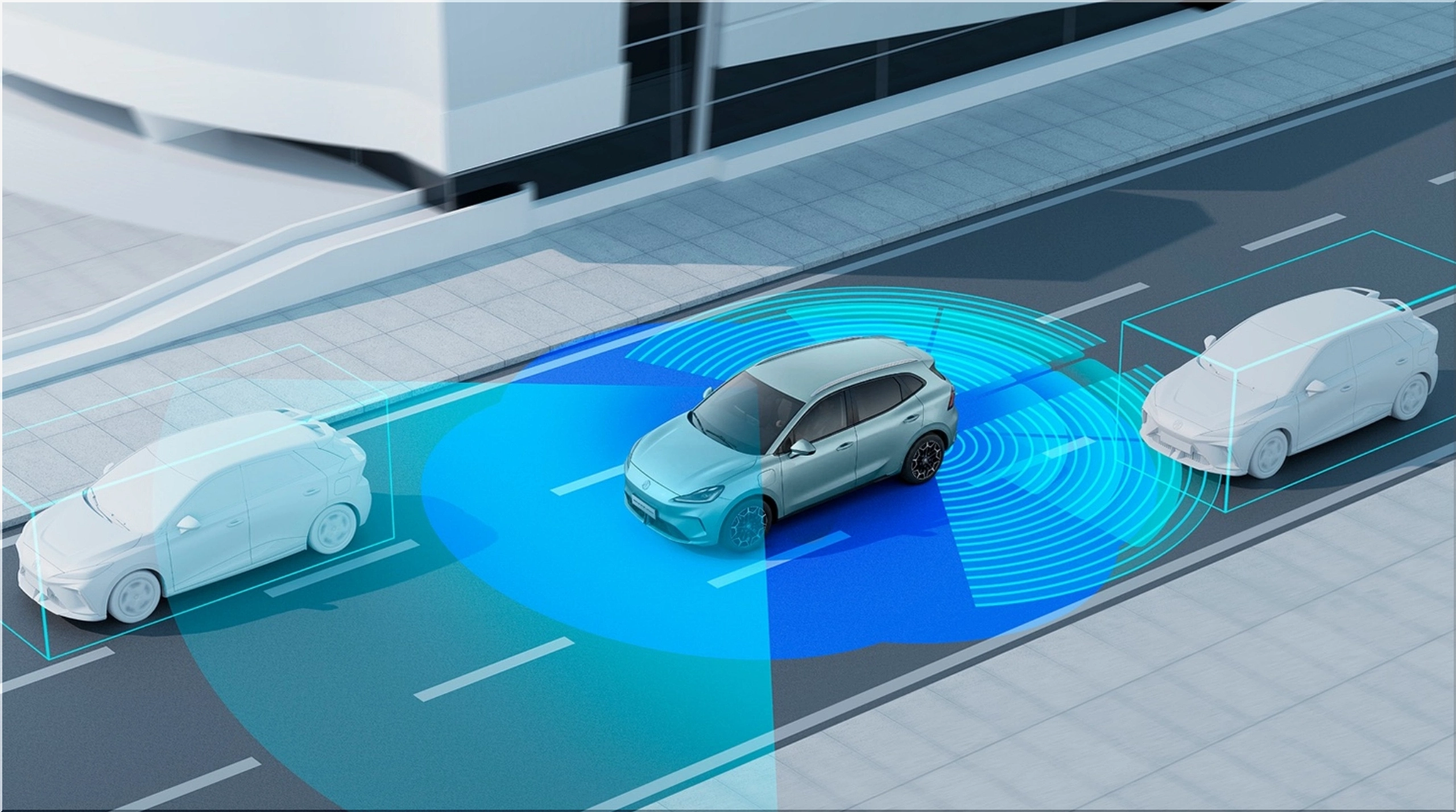
CUPRA also expands the safety suite. Travel Assist now uses cloud-enhanced data for longitudinal control and can react to curves, speed bumps, pedestrian crossings, and traffic-light stopping points. Crossroad Assist watches junction risk, while Front Assist can track up to two vehicles ahead and escalate warnings before automatic braking.
Precrash protection adds front and rear detection. The system can tighten seatbelts, close windows and the sunroof, activate hazard lights, and coordinate with stability and braking systems. That matters because performance EVs put serious speed in a quiet package. Driver support technology has to work before the driver realizes how quickly the closing speed changed.
What Now?
The 2026 CUPRA Born makes the most sense for buyers who want a compact electric hot hatch with genuine rear-drive character, practical range, and a cabin that no longer fights the driver. The VZ carries the strongest enthusiast appeal, but the 79 kWh 170 kW version may deliver the better value equation for high-mileage drivers.
CUPRA will start production in May 2026 in Zwickau, Germany, with market launch planned for summer 2026. The product plan looks disciplined: more power, better controls, sharper chassis tuning, longer range, and fewer excuses.
- Add new comment
- 125 views