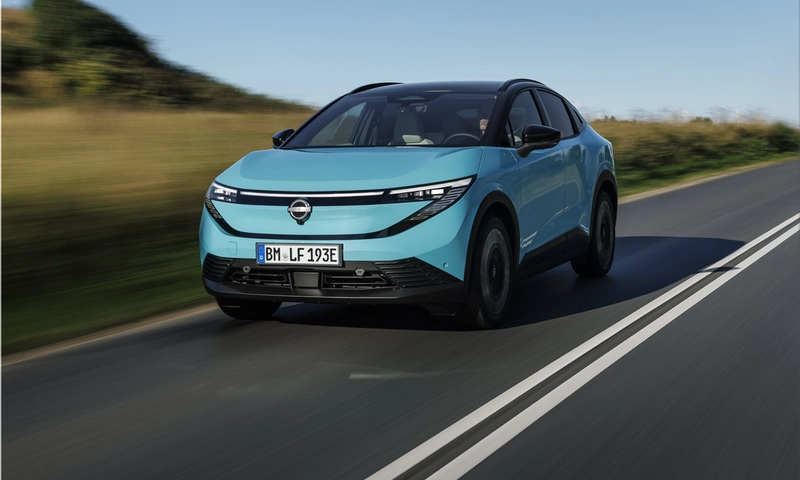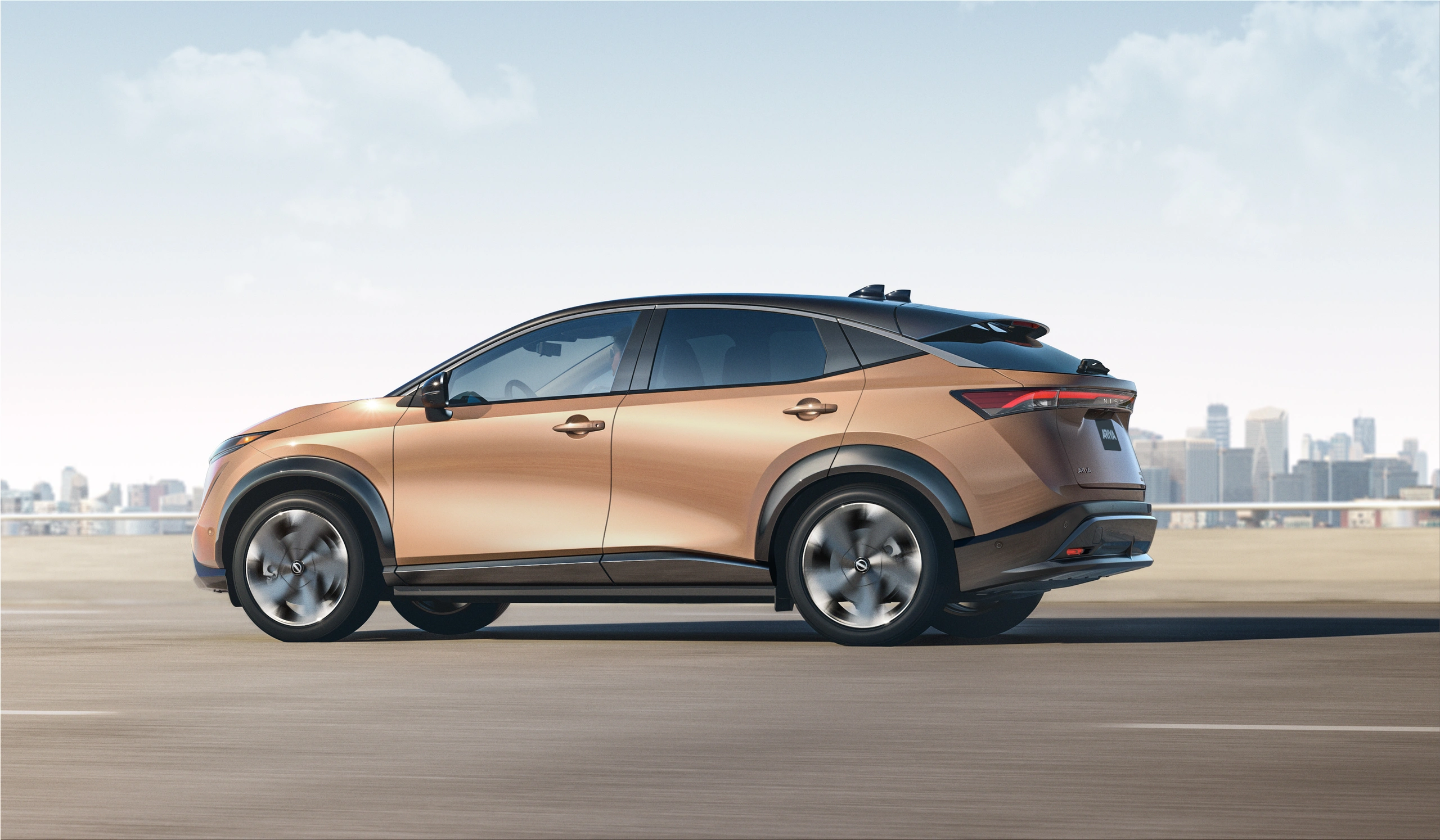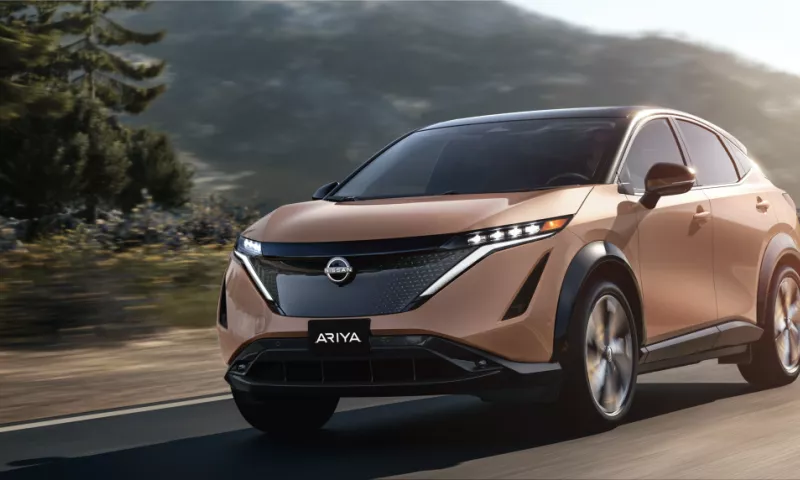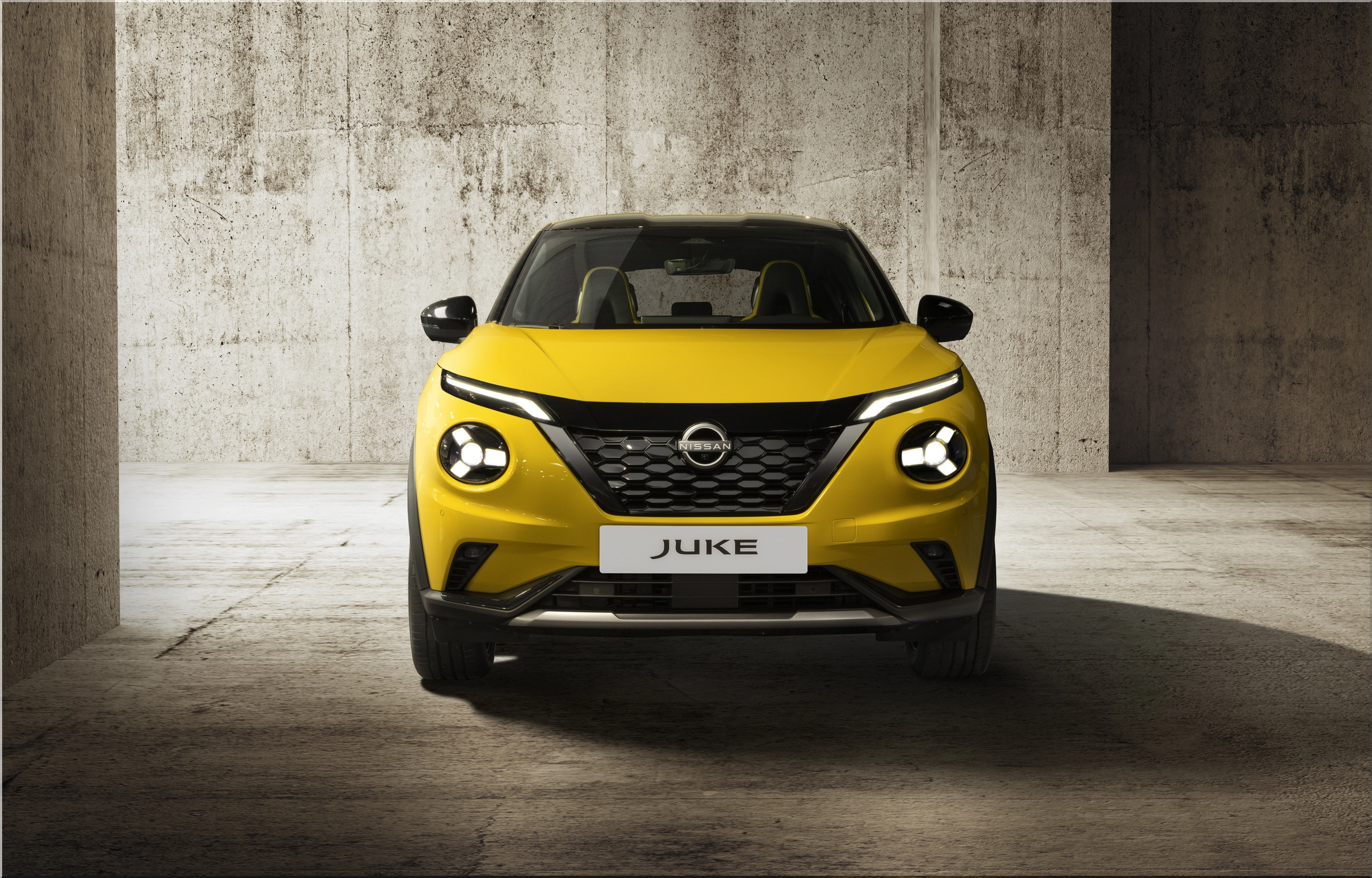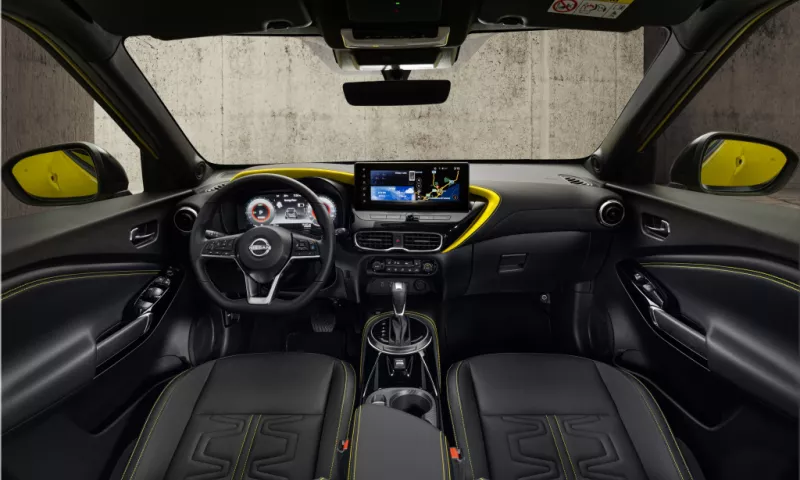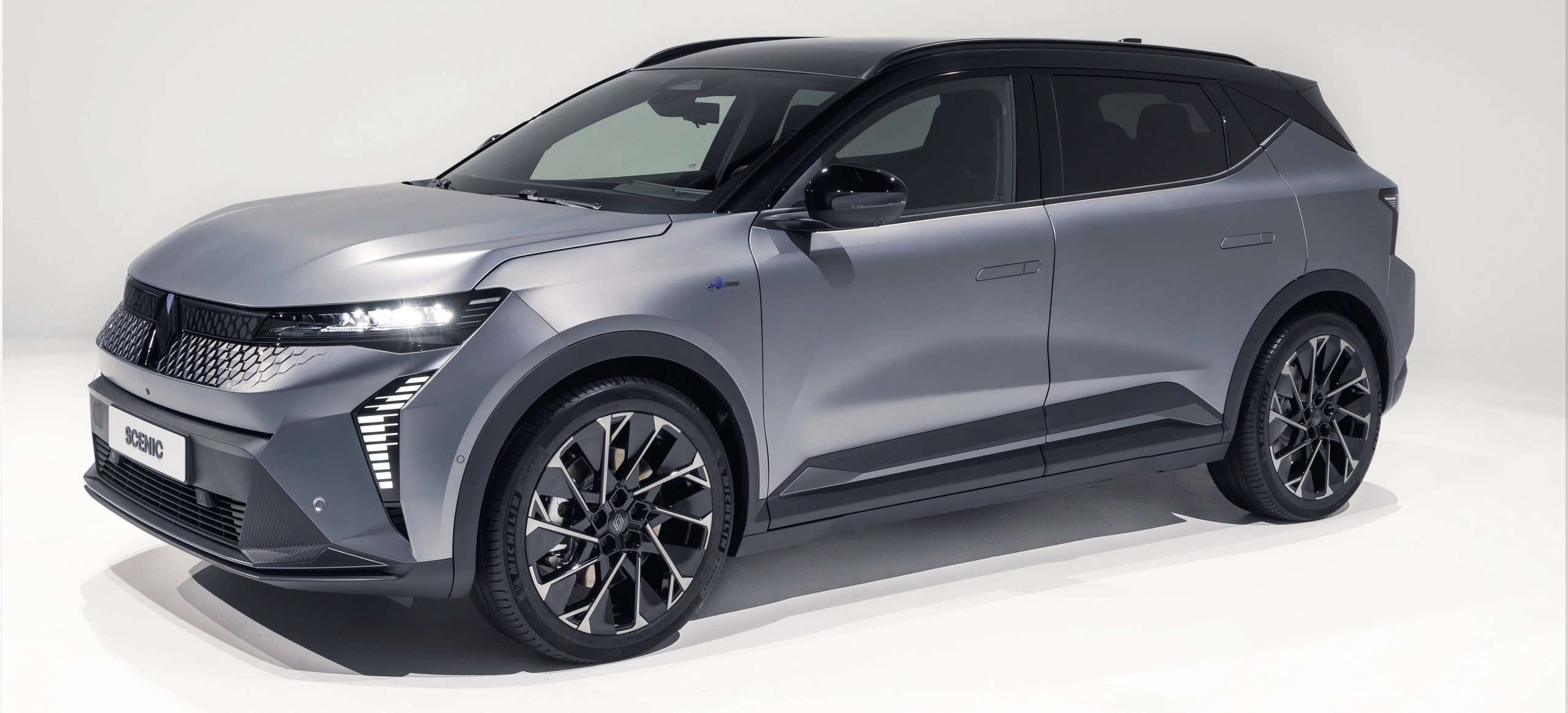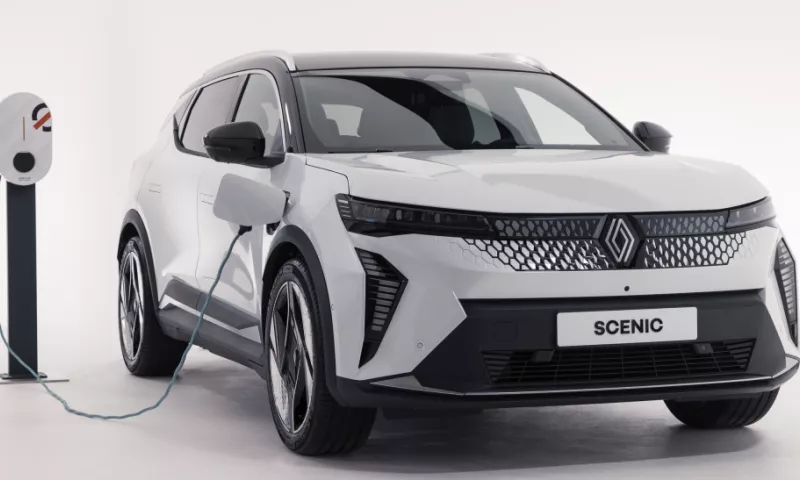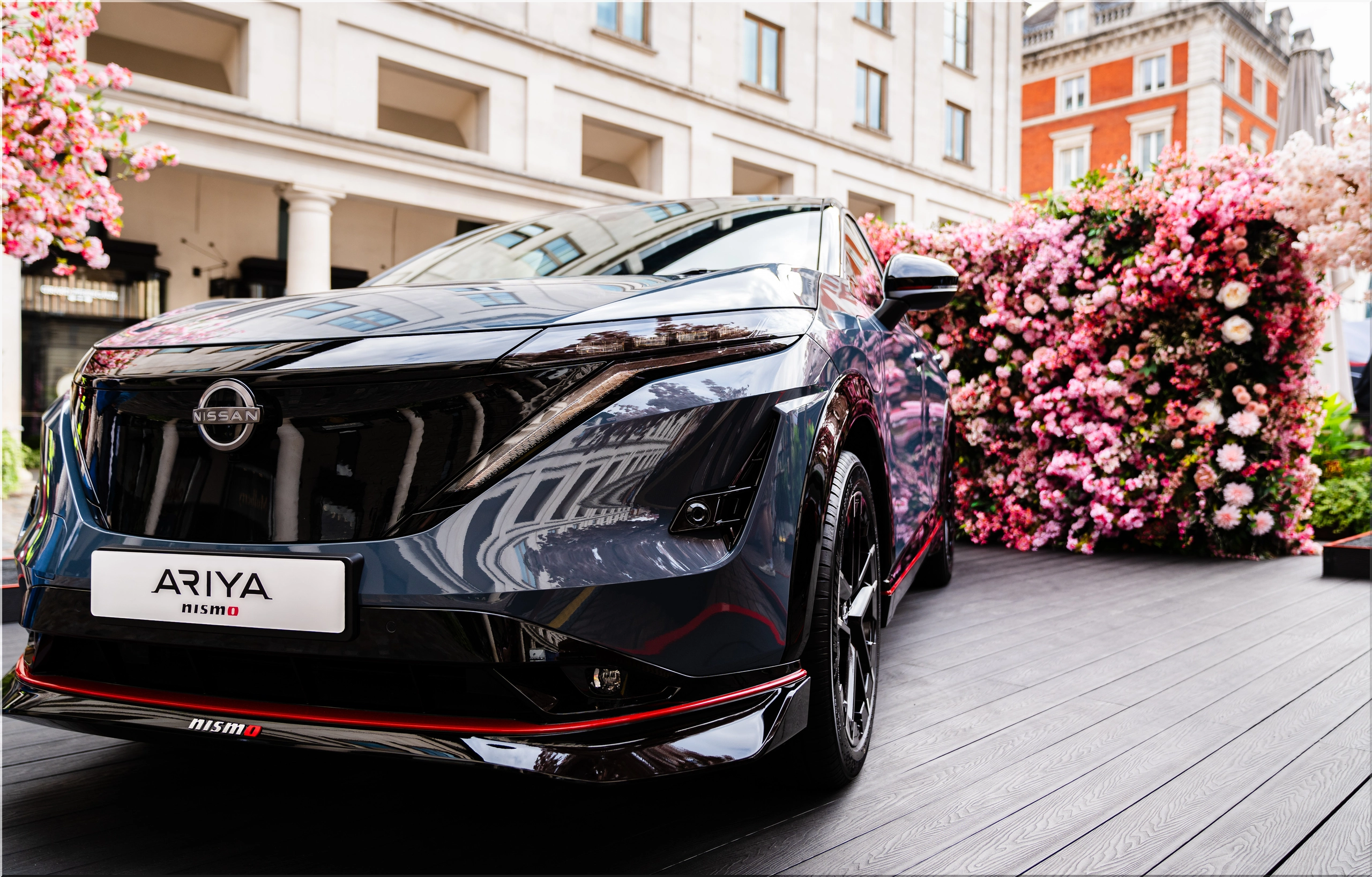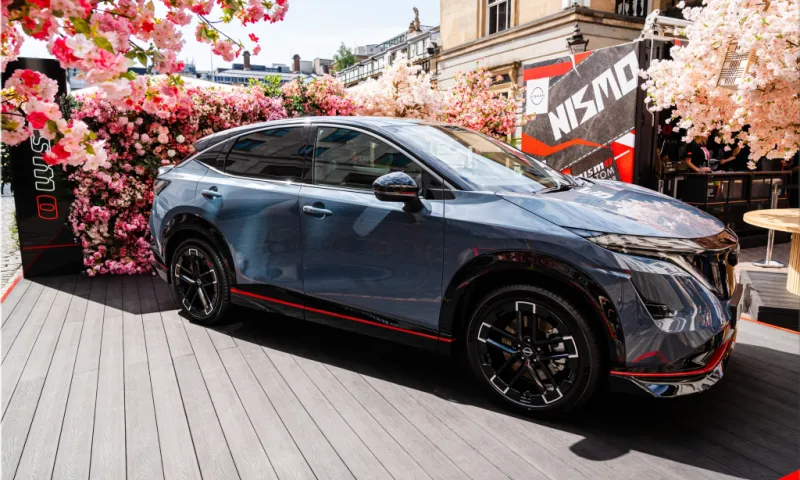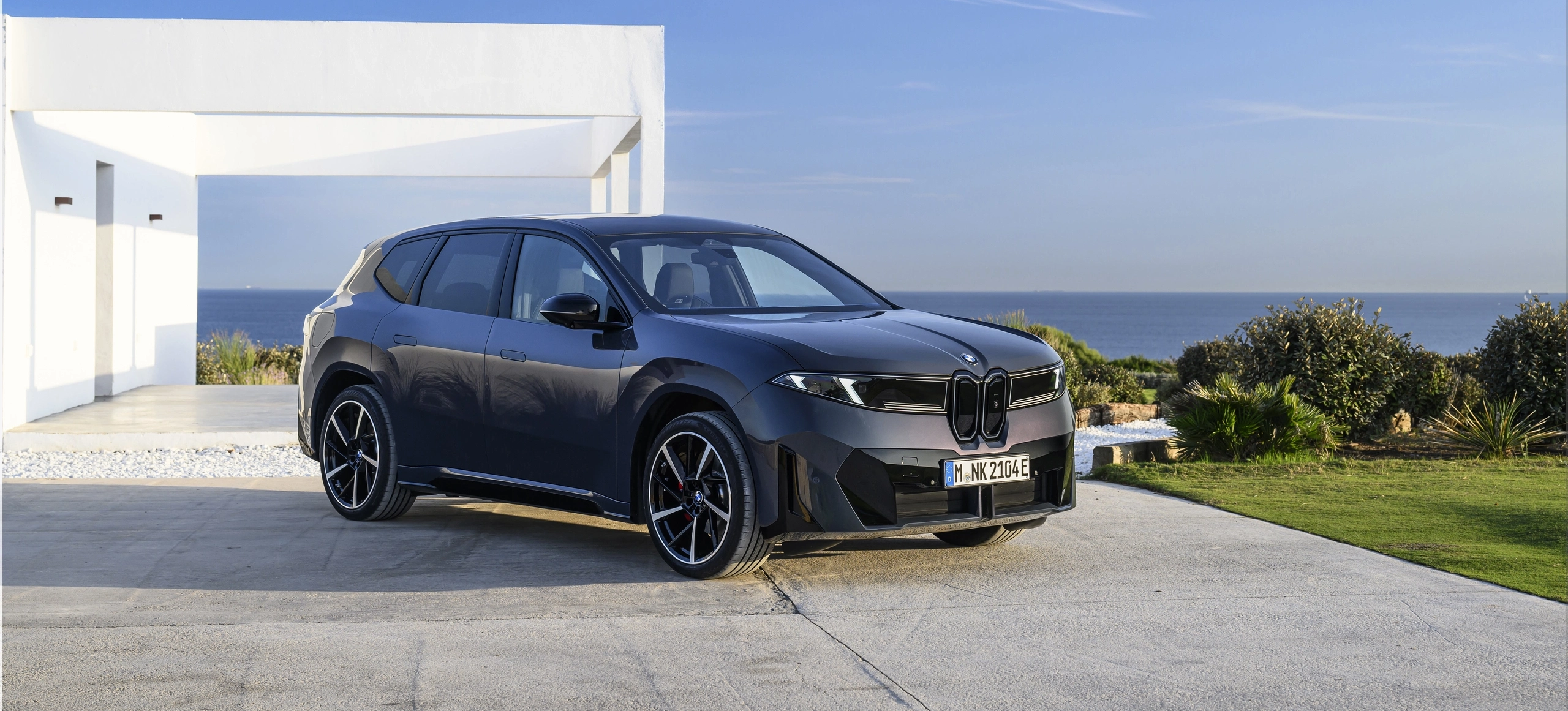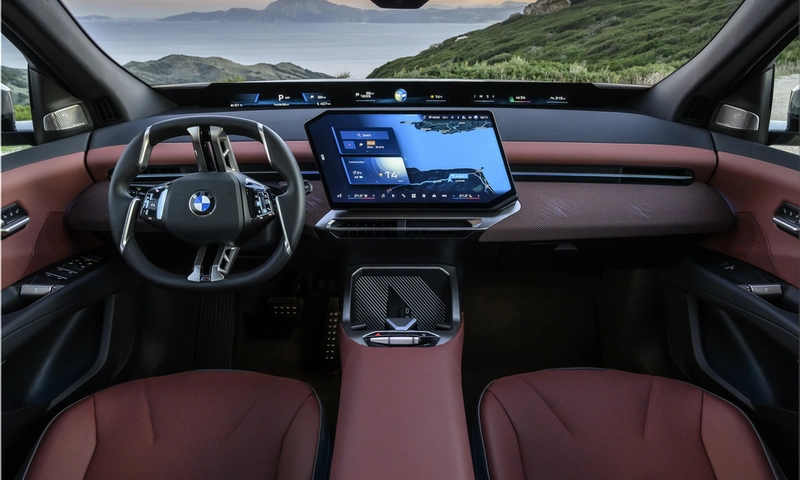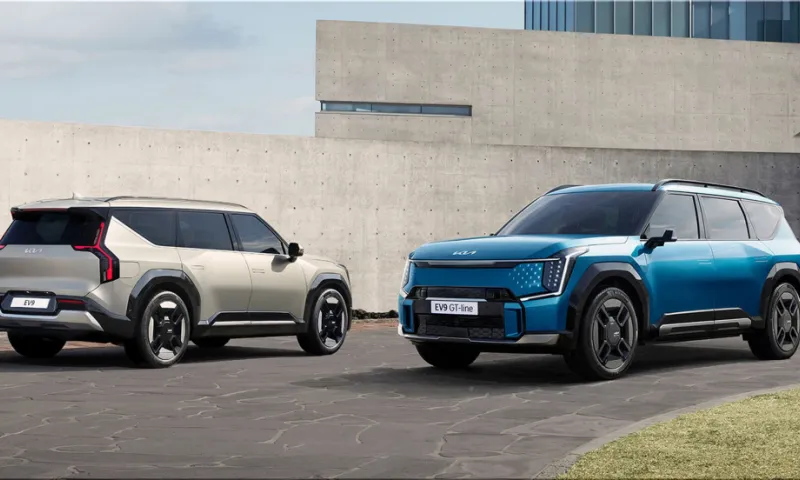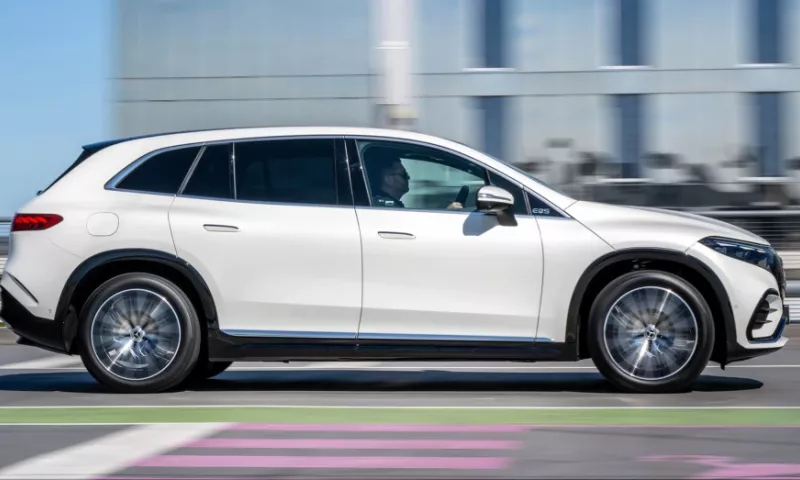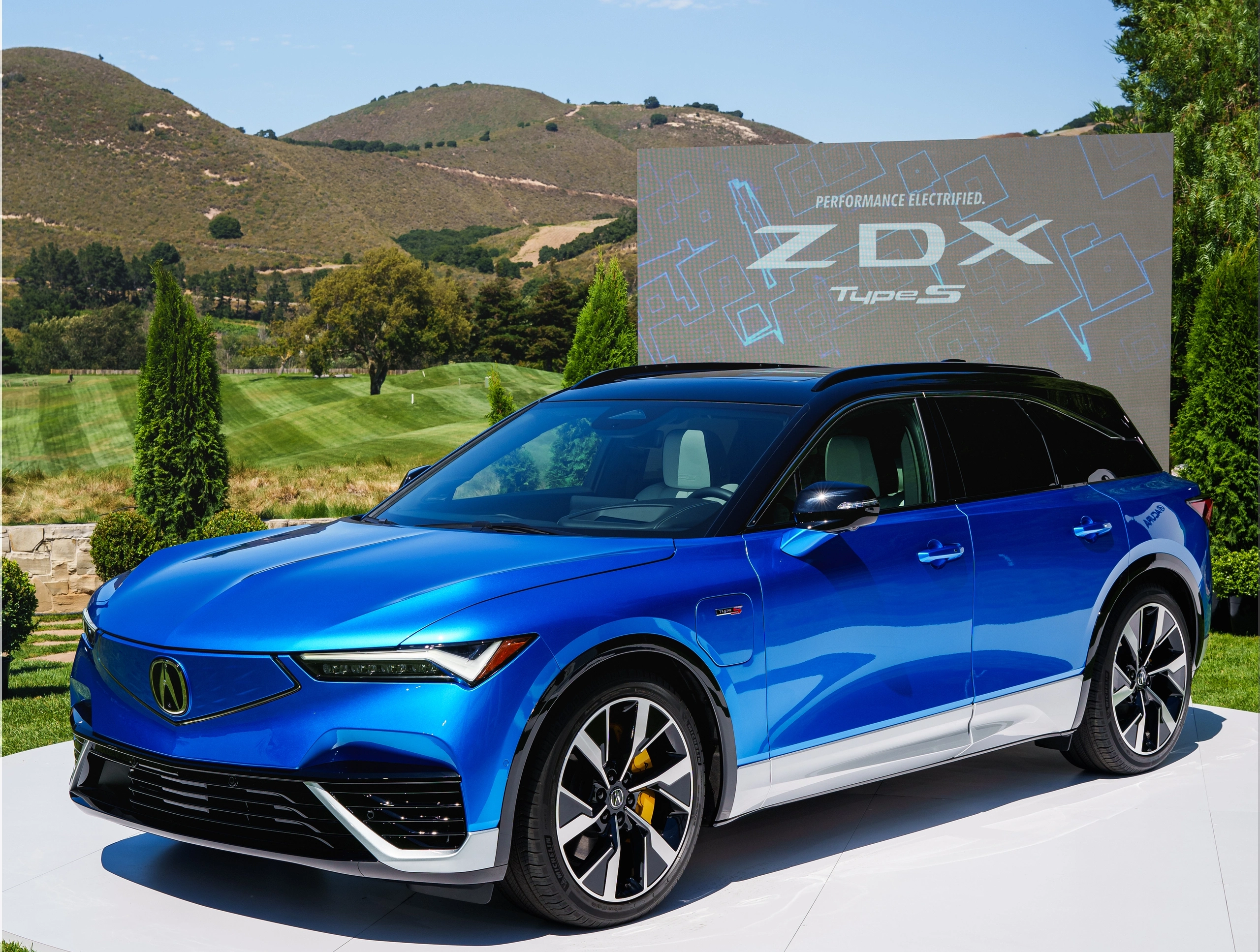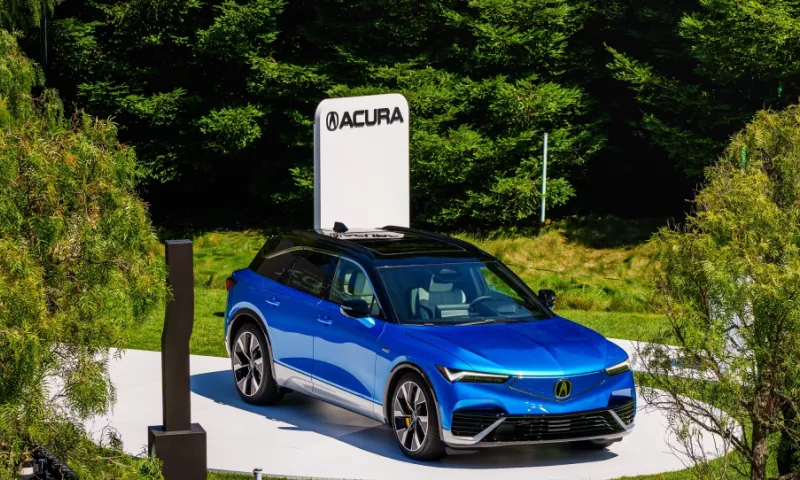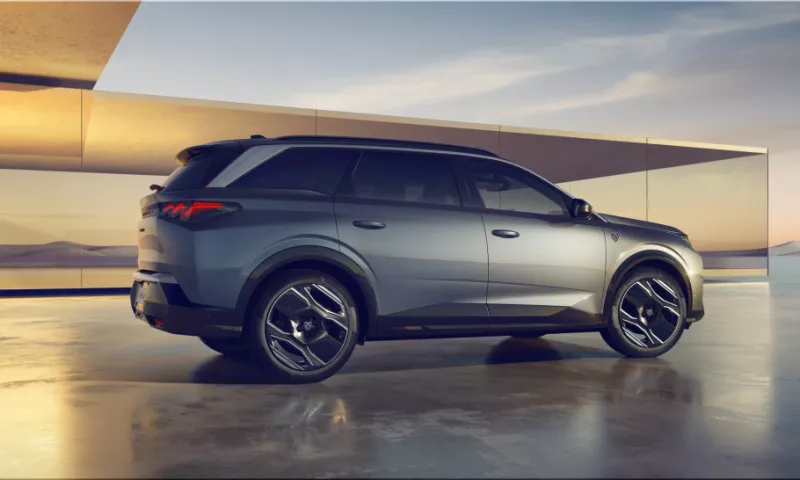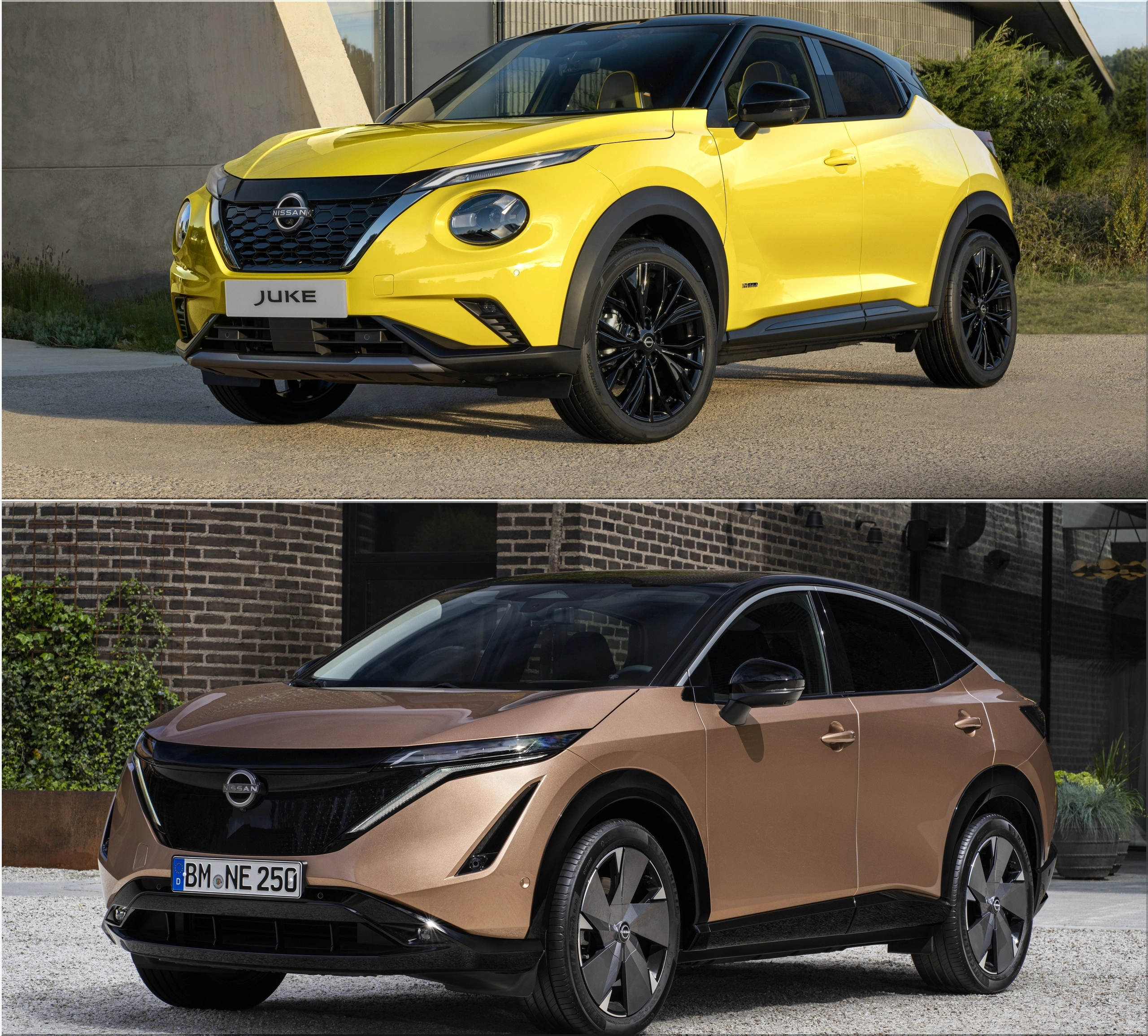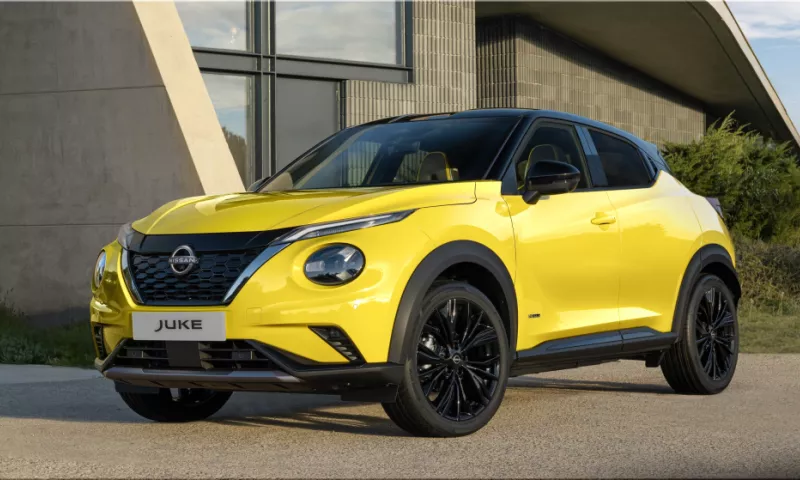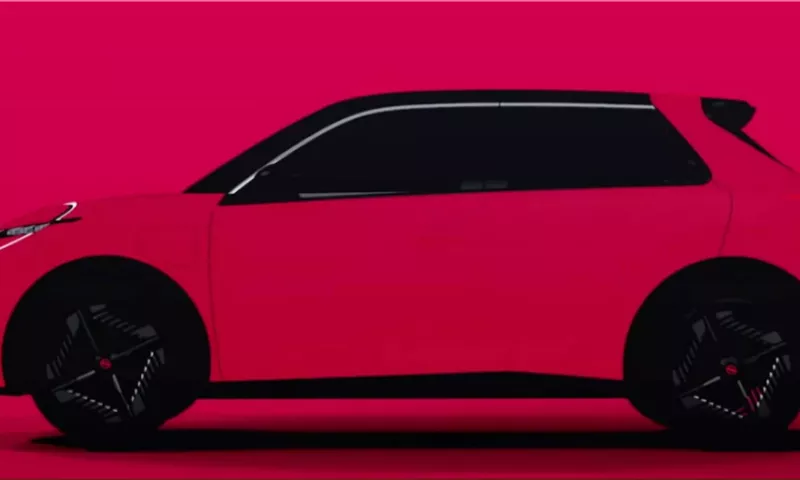
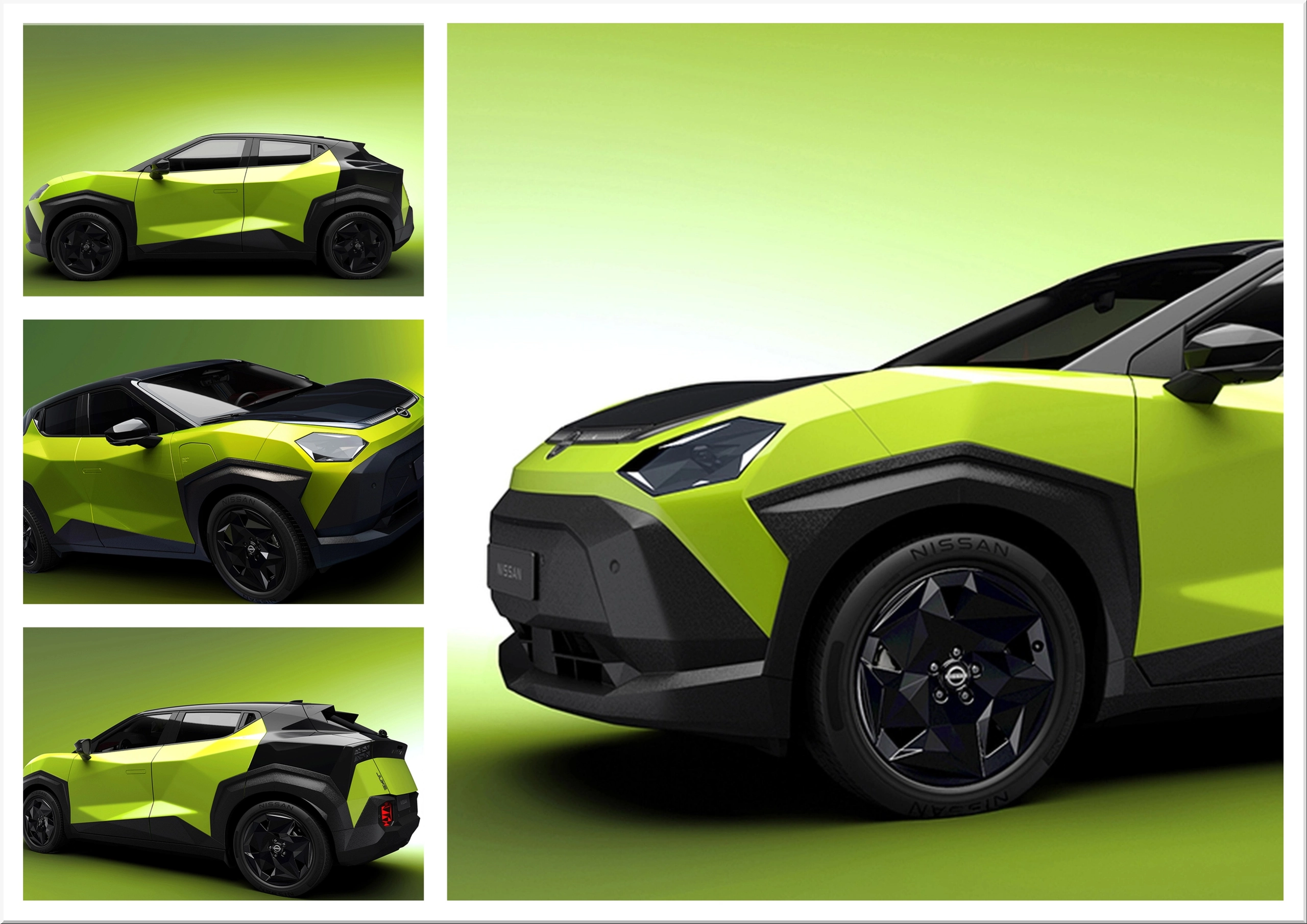
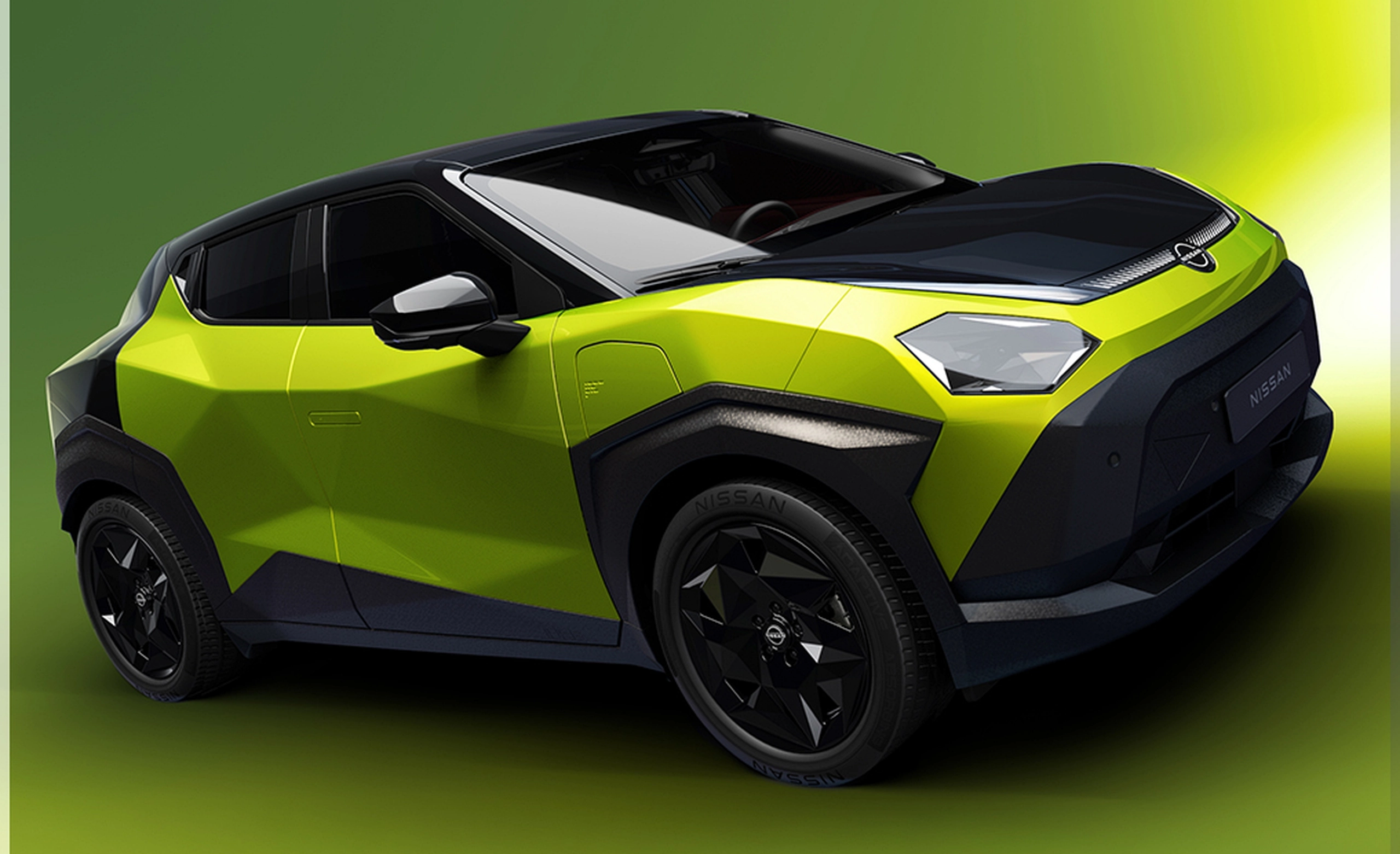
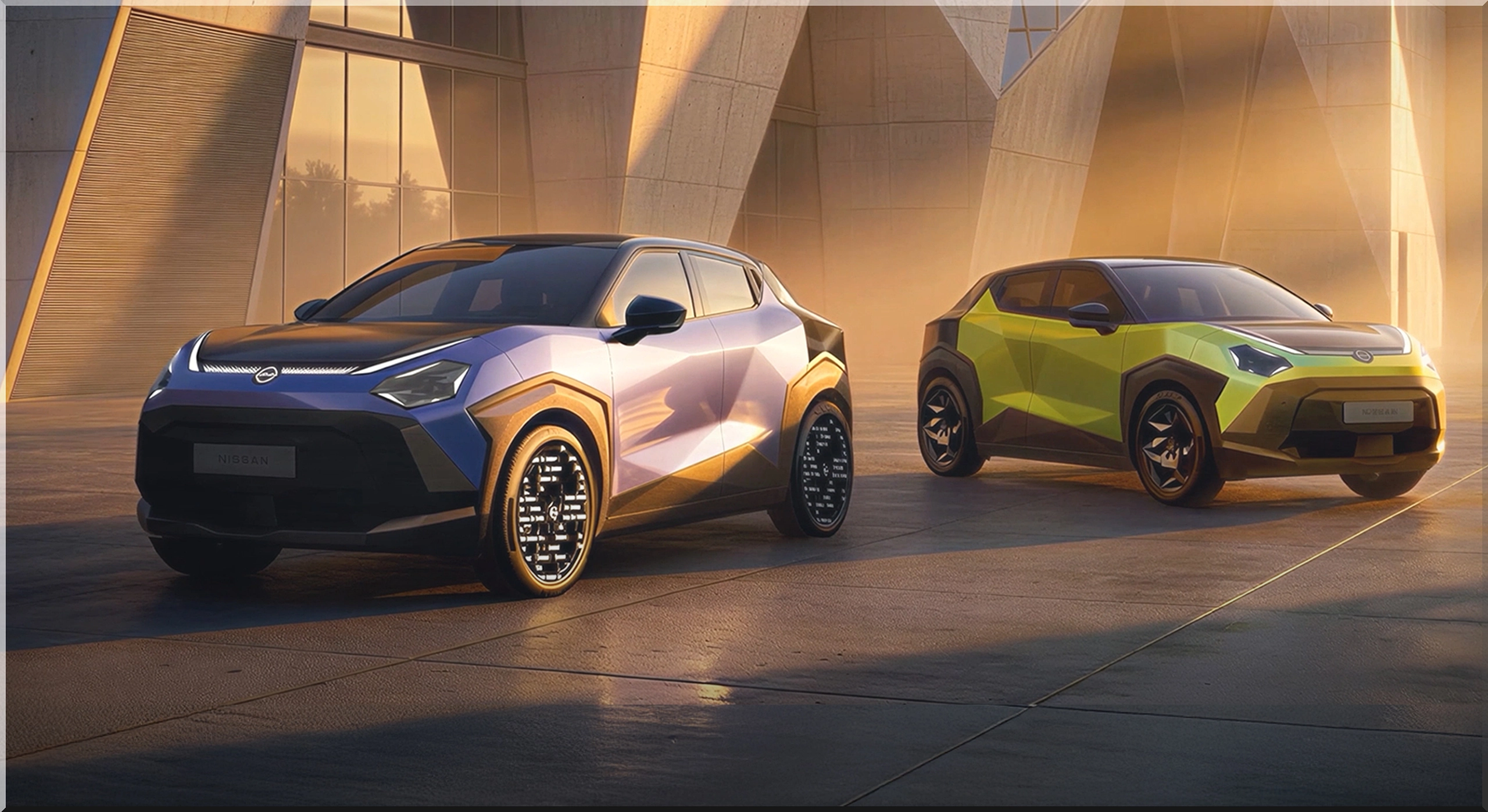
Nissan has pulled the Juke into its electric era, and the move carries more weight than a routine model change. The 2027 Nissan Juke EV gives Europe a third-generation compact crossover built around battery power, UK manufacturing, and a design brief that pushes the nameplate back toward its original shock value.
This matters. Since 2010, Nissan has sold more than 1.5 million Juke models in Europe, making it one of the brand's most recognisable compact SUVs. Now Nissan will use that badge to chase buyers who want a small electric SUV with more visual attitude than a sensible hatchback and more urban practicality than a large family EV.
Image
Nissan Juke EV Quick Specs And Launch Details
| Data Point | 2027 Nissan Juke EV |
|---|---|
| Market launch | Spring 2027 |
| Production site | Sunderland, United Kingdom |
| Platform | CMF-EV |
| Powertrain | 100% electric |
| Expected battery options | 52 kWh and 75 kWh |
| Expected drivetrain | Front-wheel drive |
| Expected peak power | Up to about 160 kW / 215 hp |
| Expected WLTP reference range | Up to 622 km from related Leaf hardware |
| Energy feature | Vehicle-to-grid capability |
| Segment | Compact electric crossover |
Nissan has not released final figures for range, charging speed, boot volume, torque, wheelbase, or pricing. That caveat matters because the Juke's final aerodynamics, tyre package, kerb weight, and suspension tune will affect real-world energy use. Looking at the data, the logical reference point sits close to the next-generation Leaf, which uses the same CMF-EV platform and offers 52 kWh and 75 kWh battery options in early technical reporting.
From an expert perspective, the Juke EV will probably trade a small amount of range for stronger crossover styling. A taller stance, wider tyres, and a more sculpted body usually increase drag compared with a lower hatchback. Consequently, buyers should treat the related Leaf's top WLTP figure as a technical ceiling rather than a guaranteed Juke number.
Why Nissan Built The Electric Juke In Sunderland
Nissan will build the all-electric Juke at Sunderland alongside other European-market models. That decision gives the car a strong regional logic. It reduces distance between production and key right-hand-drive and left-hand-drive markets, protects Nissan's UK manufacturing role, and supports the company's European electrification plan.
In addition, Sunderland already gives Nissan a recognised EV production base. The Leaf helped make the plant one of Europe's most important electric vehicle sites. By adding the Juke EV, Nissan can spread battery-electric development costs across multiple models instead of treating each EV as a one-off engineering programme.
Video file
Video title
Nissan Juke EV 2027
Pro-Tip: What Buyers Should Watch Before Ordering
- Check the final usable battery capacity, not only the gross kWh figure.
- Compare WLTP combined range with city range and motorway range.
- Ask for 10-80% DC charging time, peak kW, and charging curve data.
- Check V2G compatibility with your home charger and local electricity provider.
- Compare insurance group, tyre size, and winter efficiency before signing.
Design: Nissan Returns To The Juke's Sharp-Edged Personality
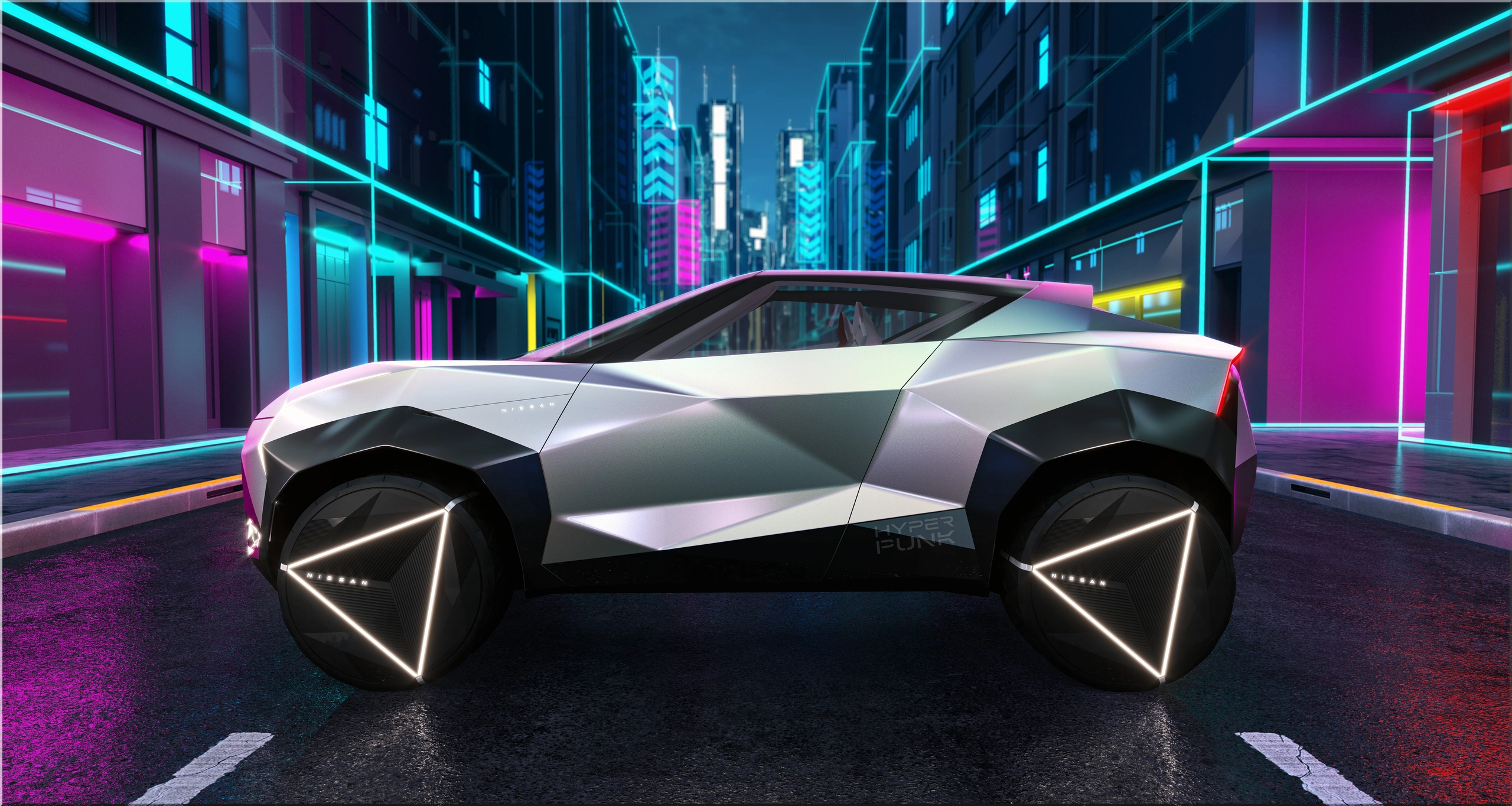
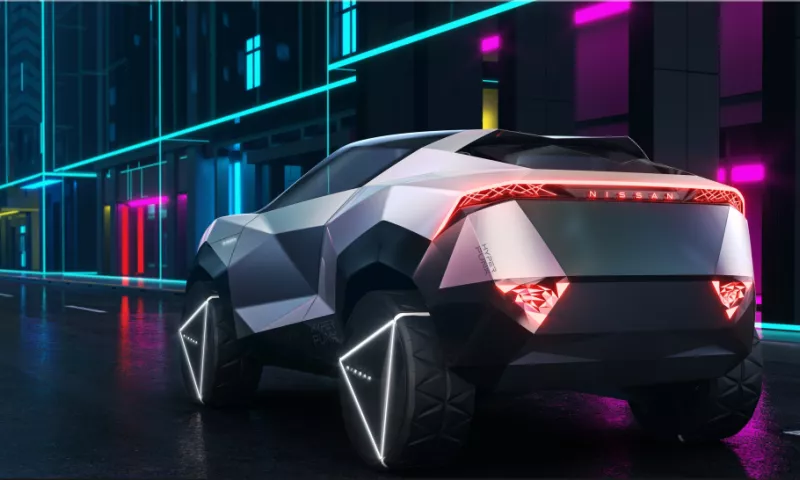
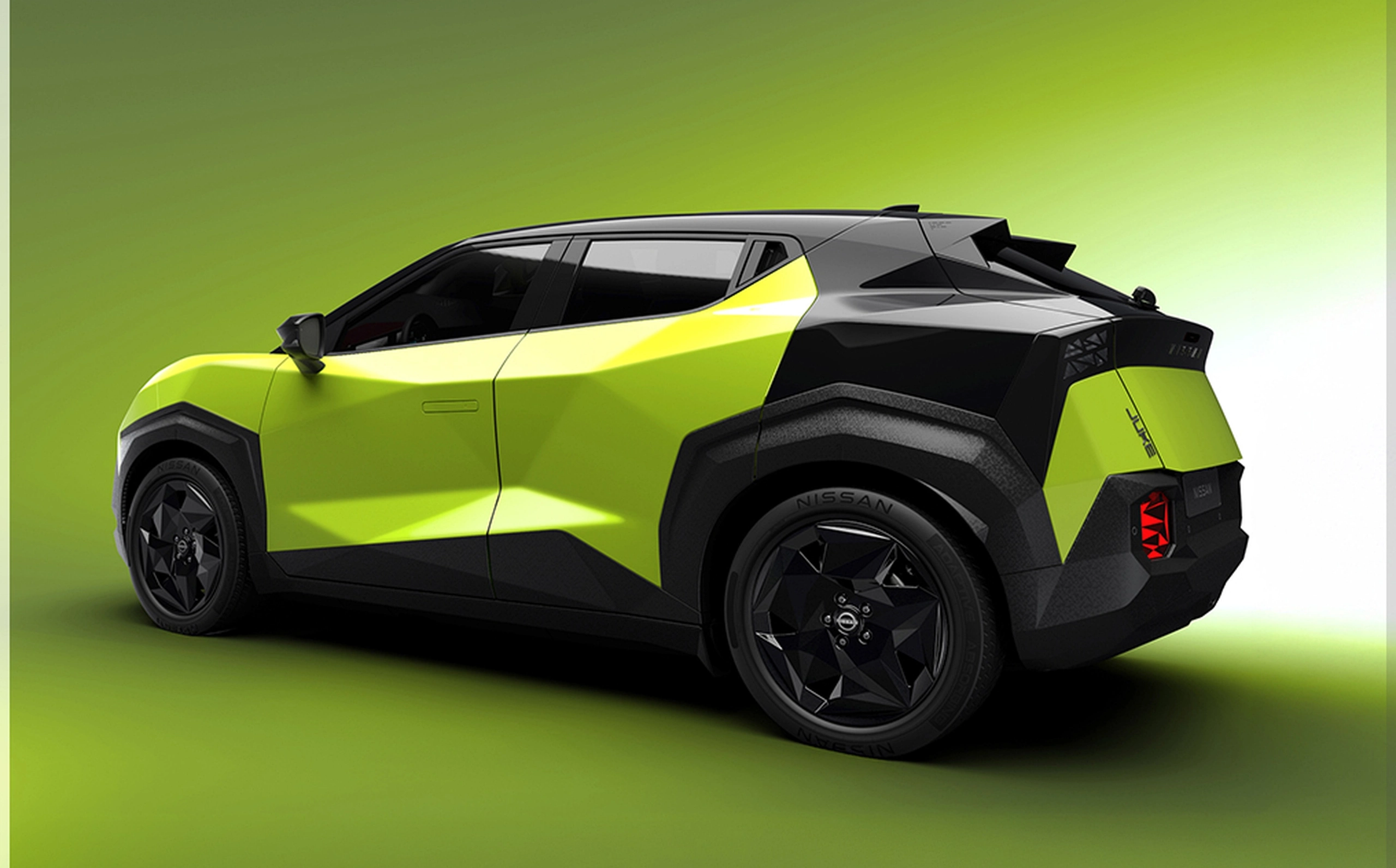
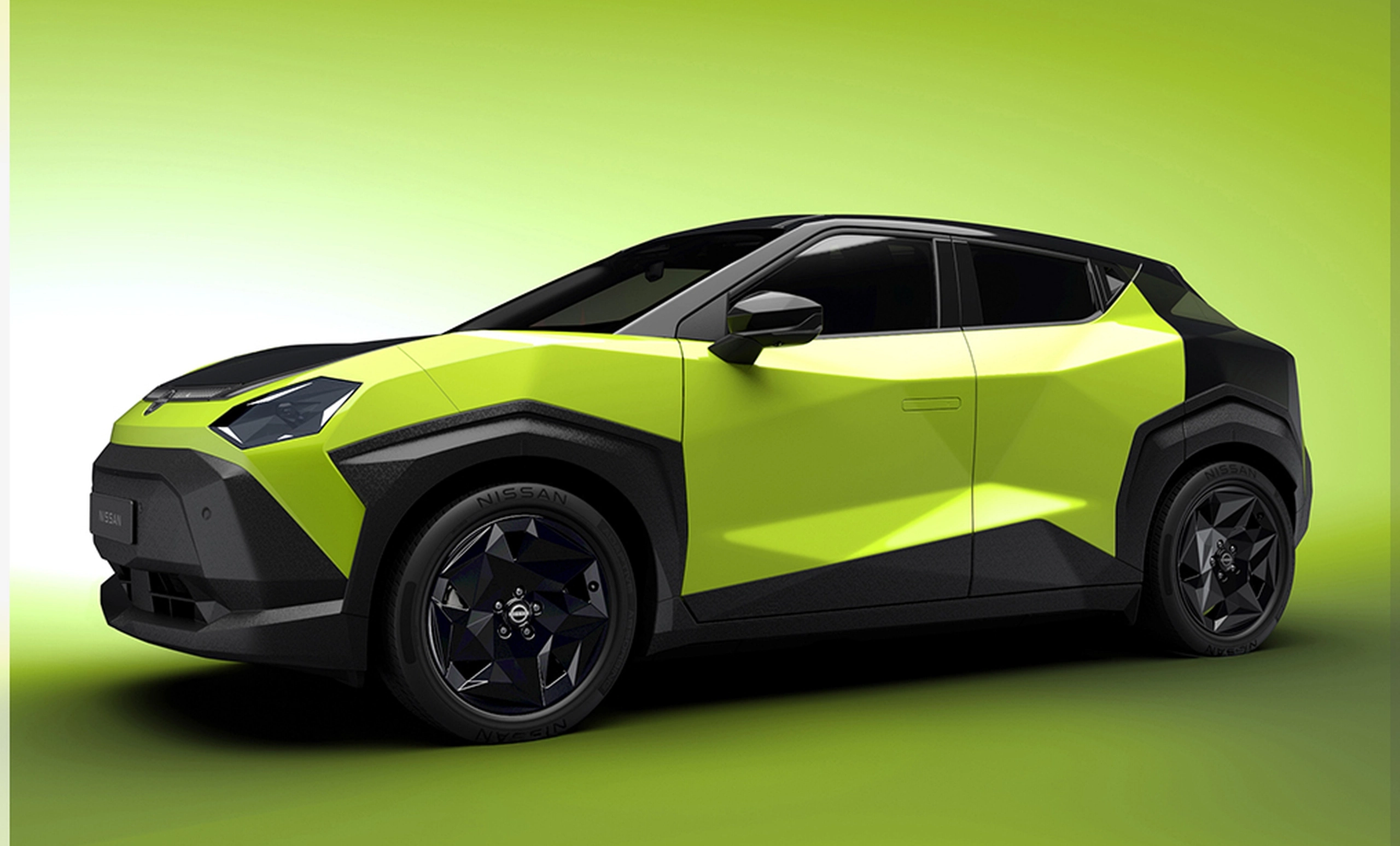
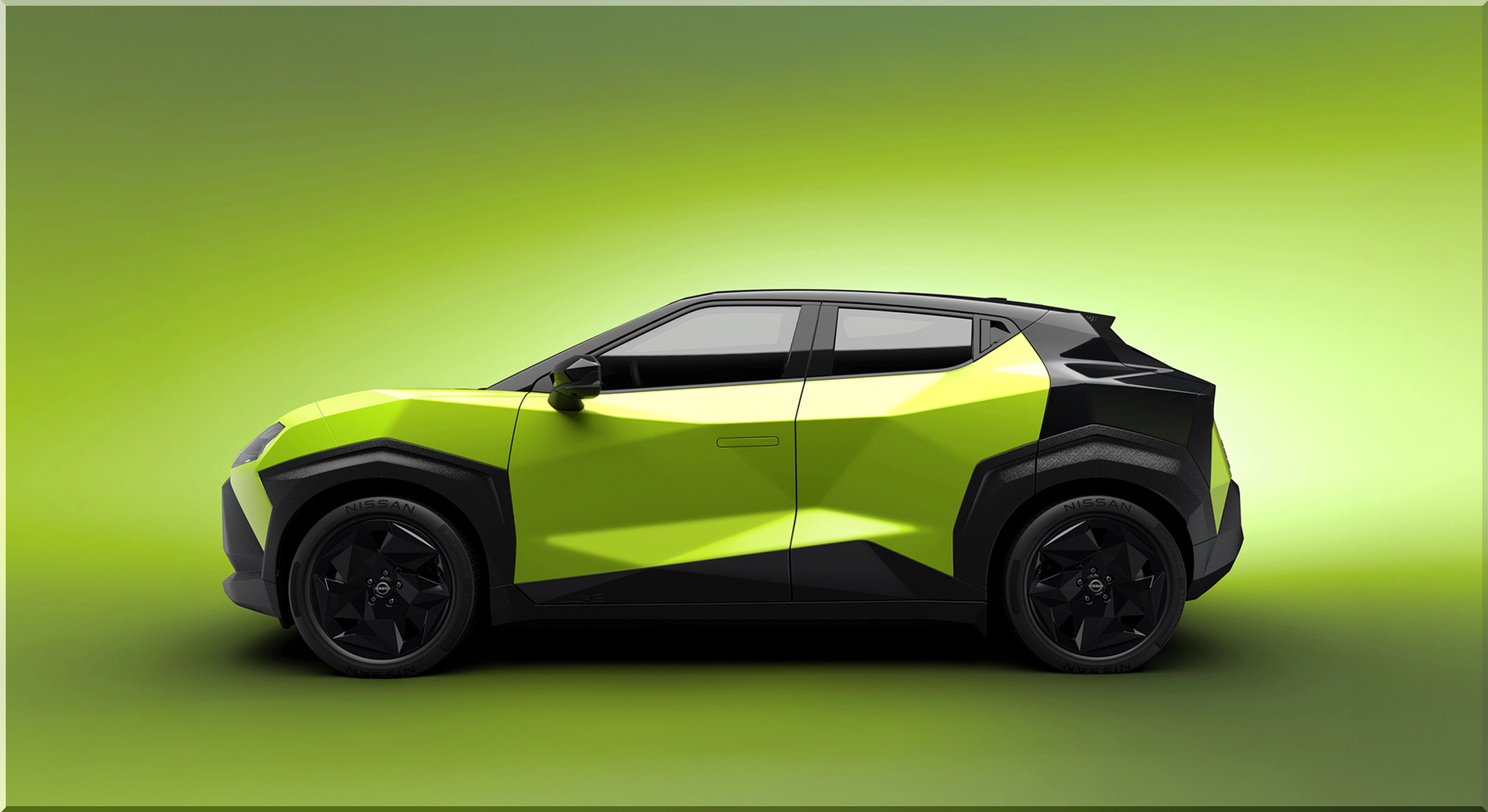
The original Juke split opinion because it looked unlike anything else in the compact SUV class. The second-generation model softened that stance. The new electric Nissan Juke moves back toward the first car's disruptive identity with sharp surfacing, geometric lighting, and a more concept-led look inspired by Nissan's Hyper Punk design language.
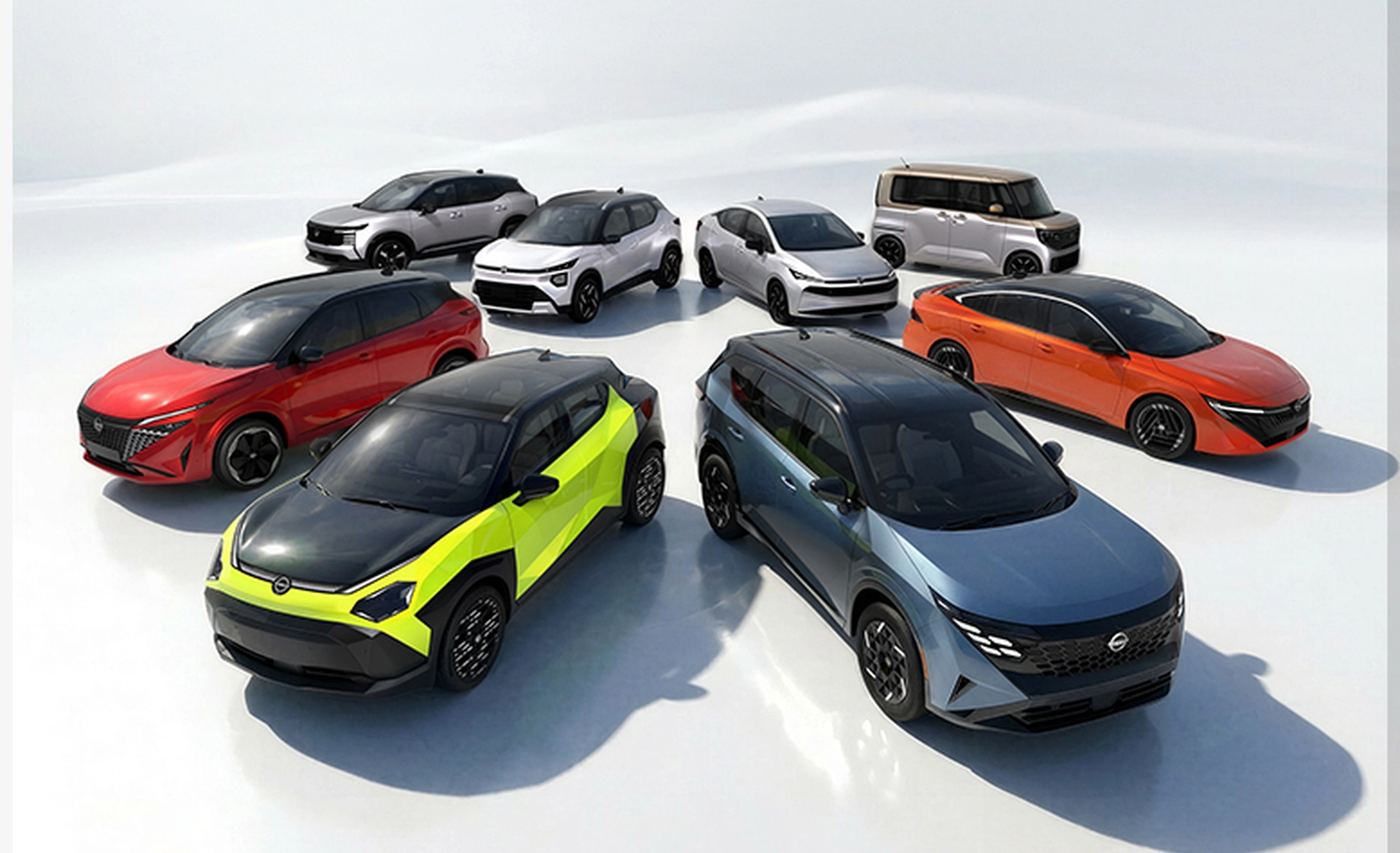
Specifically, the design strategy gives Nissan a clear reason to sell the Juke EV beside the Leaf. The Leaf now moves into crossover territory, so Nissan needs stronger separation between two EVs that may share hardware. The Leaf can serve the rational buyer. The Juke can target the driver who wants electric efficiency without the usual anonymous compact-SUV template.
Powertrain Logic: Why CMF-EV Makes Sense
The CMF-EV platform allows Nissan to package battery modules under the floor, push cabin space outward, and tune suspension geometry around the low centre of gravity that EVs naturally offer. That matters in a compact crossover, where designers must balance seating height, boot space, battery protection, and weight control in a short footprint.
By comparison, the old petrol and hybrid Juke used packaging compromises linked to combustion hardware. The EV layout removes the engine bay as the dominant packaging constraint. It also gives engineers more room to tune steering response, regenerative braking, and axle load distribution around the battery mass.
| Technical Area | What It Means For The Juke EV | Buyer Impact |
|---|---|---|
| Underfloor battery | Lowers centre of gravity | Better cornering stability |
| Front electric motor | Reduces mechanical complexity | Lower drivetrain packaging cost |
| CMF-EV structure | Shared with Leaf | Faster development and lower risk |
| V2G support | Sends stored energy back to grid | Potential lower home energy costs |
| EV-only layout | Removes exhaust and fuel system | Cleaner cabin and floor packaging |
V2G Could Become The Juke EV's Hidden Advantage
The vehicle-to-grid function may become one of the Juke EV's strongest ownership features. V2G lets the battery store low-cost electricity and feed energy back to a home or grid when tariffs rise. That turns the car into an energy asset, not merely transport.
This feature will depend on local regulation, charger hardware, utility support, and battery warranty terms. Still, European urban drivers should pay attention. A compact EV that spends long hours parked can deliver real value when energy tariffs reward smart charging and grid feedback.
Nissan Juke EV Vs Key European Electric SUV Rivals
| Model | Positioning | Strength | Weakness Against Juke EV |
|---|---|---|---|
| Ford Puma Gen-E | Practical electric crossover | Familiar name, useful boot packaging | Less radical design |
| Kia EV3 | Tech-rich compact SUV | Long-range focus and strong cabin tech | Larger, more conventional image |
| Peugeot E-2008 | Mainstream B-segment EV SUV | Established European dealer base | Older EV architecture |
| Renault 4 E-Tech | Retro electric crossover | Characterful design, urban appeal | Different buyer tone |
| Nissan Juke EV | Style-led compact EV crossover | Sunderland build, V2G, bold identity | Specs still unconfirmed |
The Juke EV will not win every comparison on numbers alone. Kia will likely press hard on range and warranty messaging. Ford will use the Puma badge's practicality story. Peugeot and Renault will rely on familiar European taste.
Nissan's route looks different. It will use design, UK production, V2G capability, and Juke brand recognition to pull attention in a crowded compact EV class.
What Now?
Buyers should wait for three final numbers before judging the 2027 Nissan Juke EV: WLTP range, DC charging time, and starting price in Euro. If Nissan prices the entry model near the Ford Puma Gen-E and gives the long-range version a convincing motorway range, the Juke EV could become one of Europe's most interesting compact electric SUVs.
The strategy looks clear. Nissan wants the Juke EV to do what the original Juke did in 2010: make a small crossover feel risky, personal, and impossible to ignore. This time, the shock comes with a battery pack.
- Add new comment
- 38 views