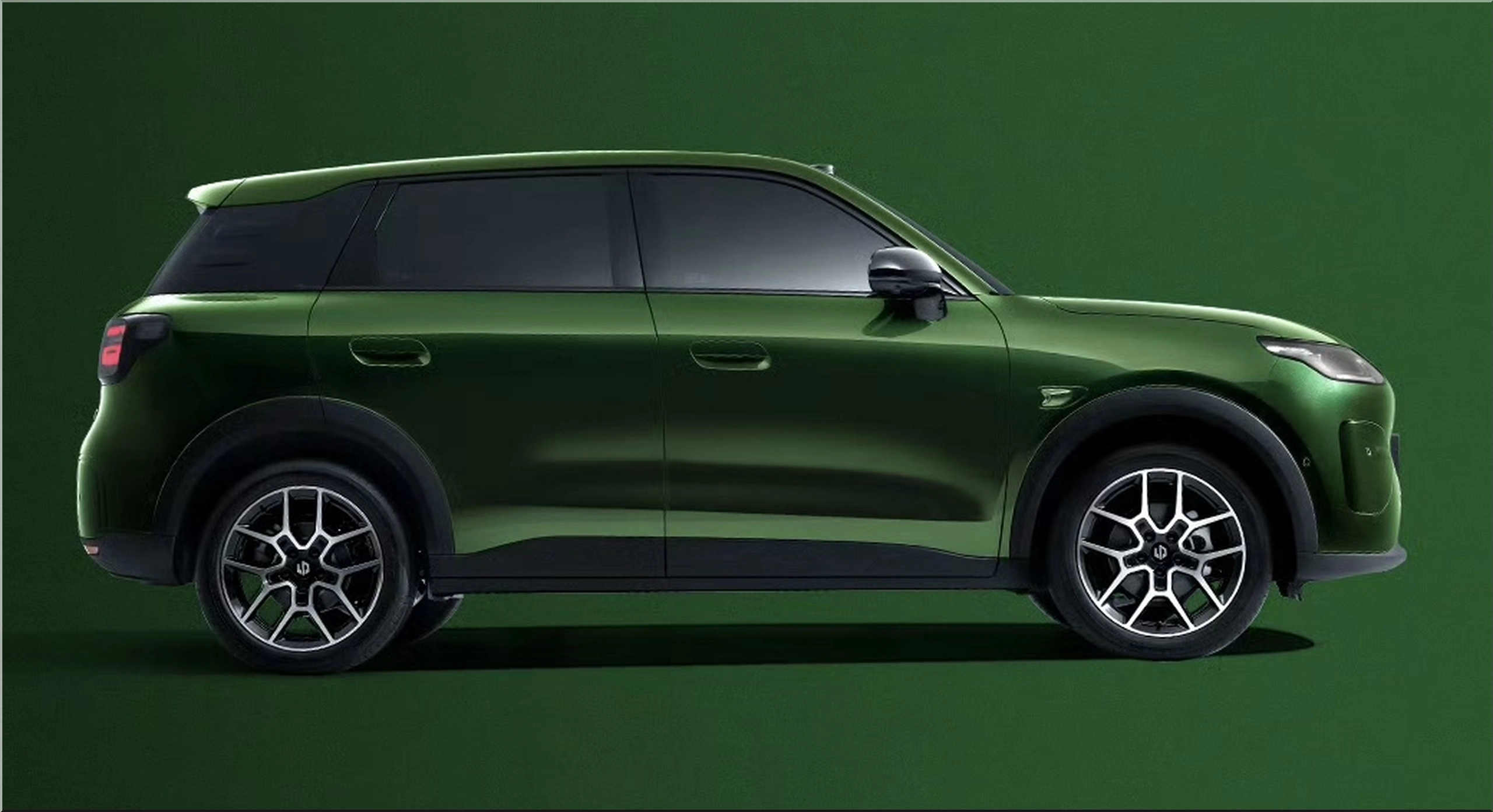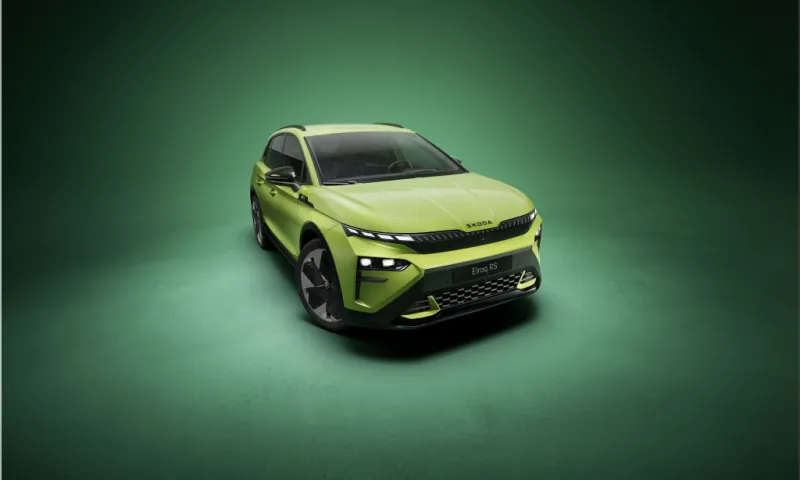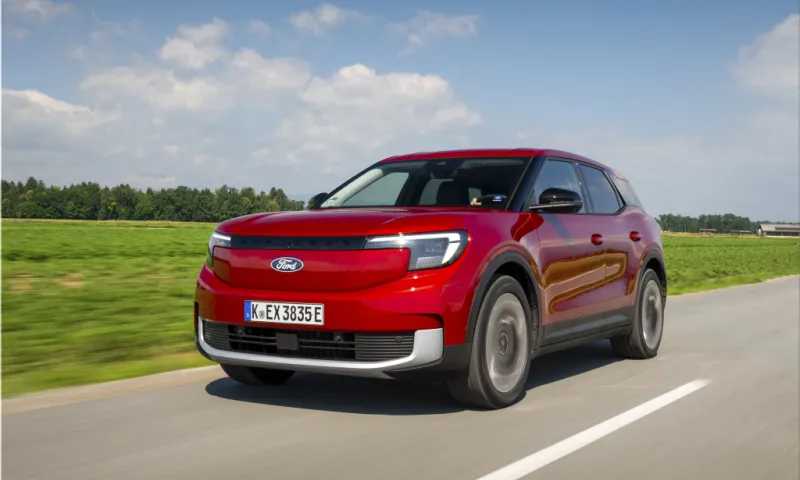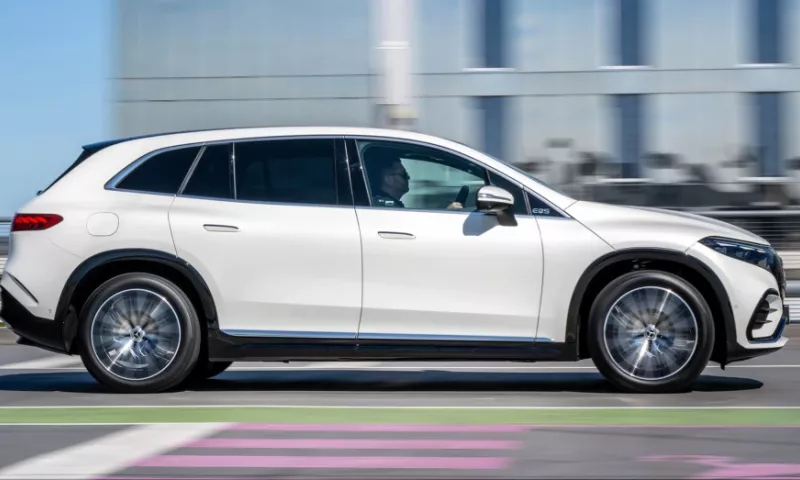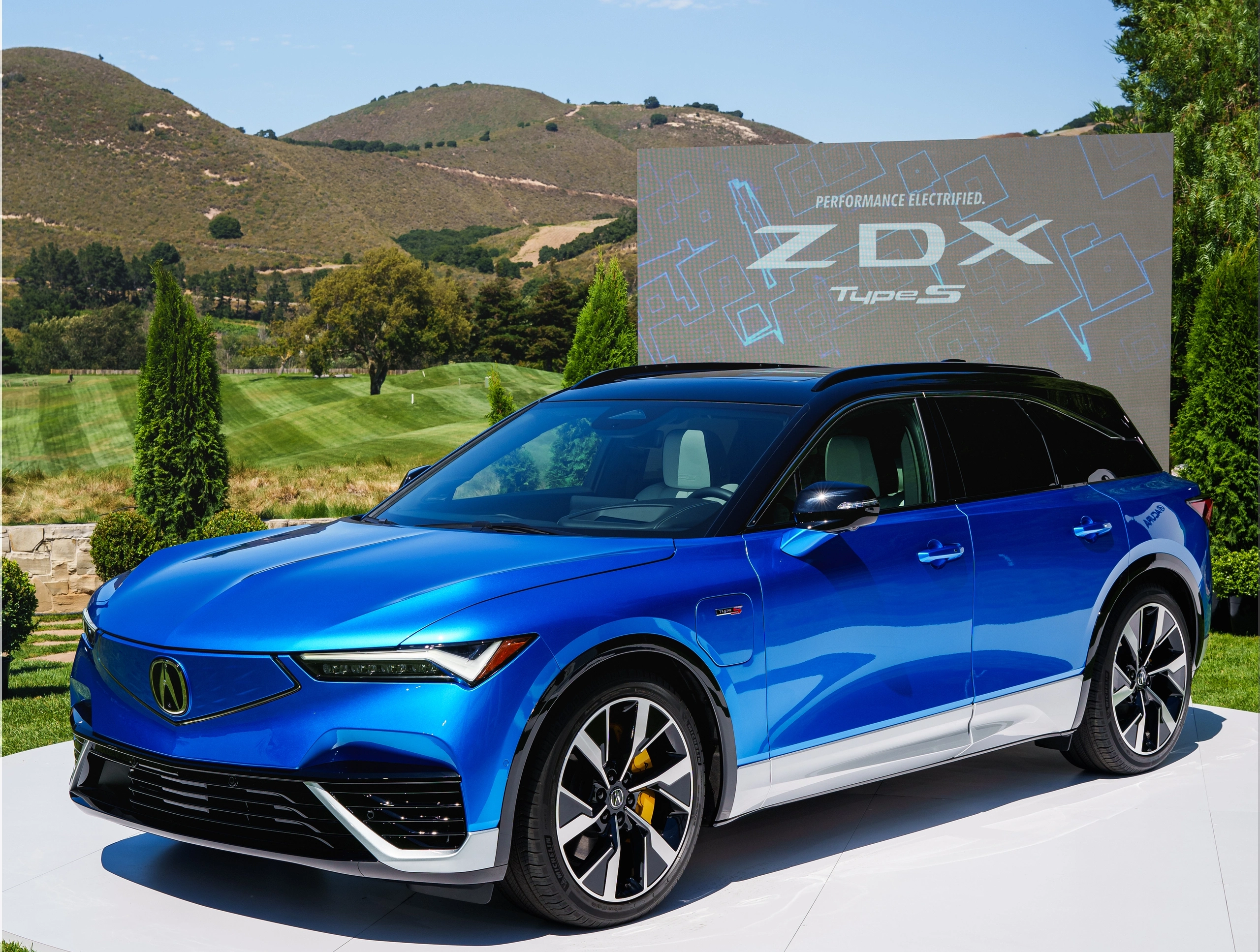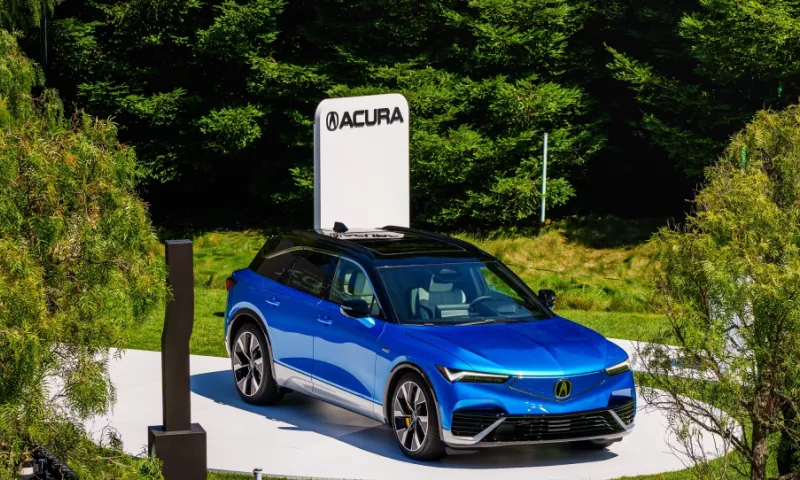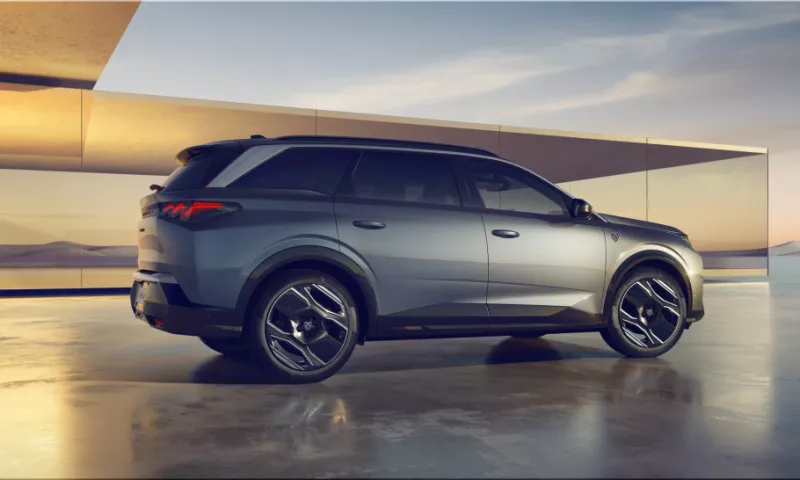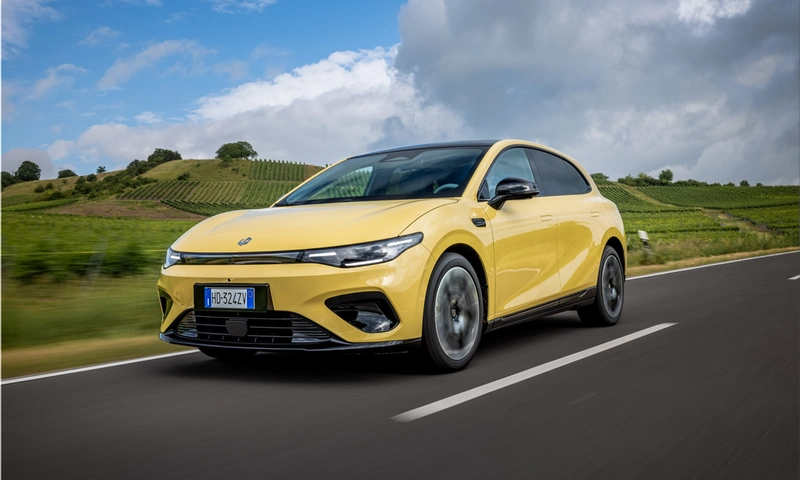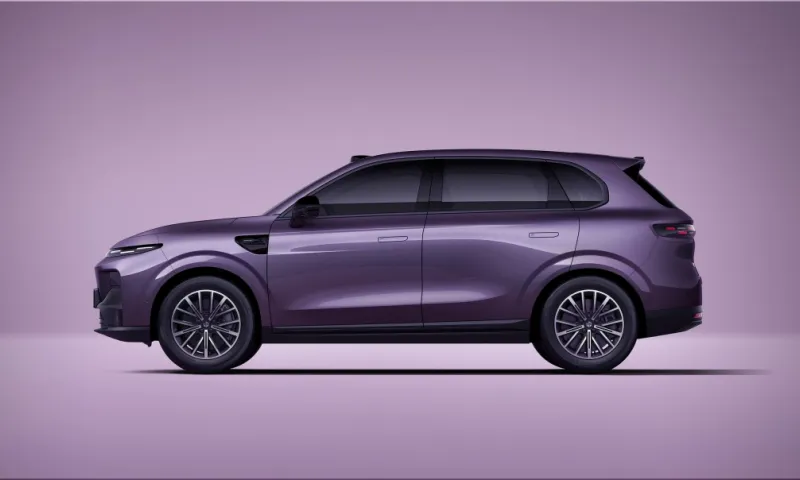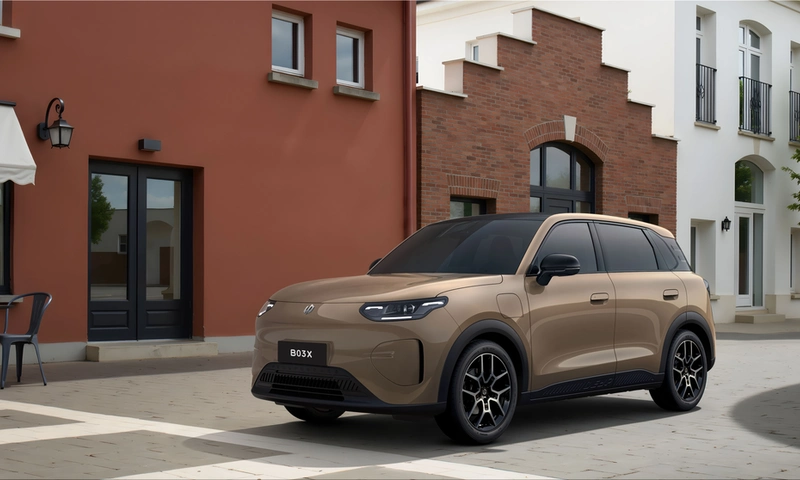

Leapmotor has officially launched the C10 Design 81.9 kWh AWD, a high-performance electric SUV positioned to challenge established EV brands. Scheduled for its public debut at the Zurich Auto Show in October 2025, the C10 AWD delivers competitive acceleration, advanced charging capability, and cold-weather performance—all at an aggressive price point.
Leapmotor’s strategy is clear: combine fast charging, strong all-weather traction, and market-value pricing to attract buyers seeking performance without the premium-brand cost.
Key Performance Metrics
The 2026 Leapmotor C10 AWD produces 585 horsepower via a dual-motor all-wheel drive system. This setup launches the SUV from 0–100 km/h in 4.0 seconds, putting it in the same performance bracket as many premium EV SUVs.
Key drivetrain details:
- Architecture: 800 V high-voltage platform for improved efficiency and reduced charging times.
- Traction control: Smart AWD system instantly adjusts power delivery for varying road conditions.
- Energy management: Intelligent control optimizes battery performance and range.
Leapmotor engineered the AWD system to maintain grip on wet urban roads, snowy mountain passes, and loose gravel without sacrificing speed or efficiency.
Battery and Charging Technology
The 81.9 kWh LFP battery pairs with the 800 V system to enable ultra-fast charging from 30% to 80% in 22 minutes. Unlike many rivals, Leapmotor claims the C10 AWD sustains charging performance without preheating, even in sub-zero conditions.
Battery highlights:
- Chemistry: LFP for safety, durability, and cycle life.
- Voltage: 800 V for lower resistance and faster charge capability.
- Cold-weather readiness: Tested in extreme low temperatures.
This approach reduces charging downtime while addressing a key owner frustration—slower charge rates in winter.
Video title
2026 LEAPMOTOR C10
Efficiency and Range Estimates
While Leapmotor has not confirmed the AWD variant’s WLTP range, its standard BEV version with smaller batteries achieves up to 424 km WLTP. Real-world performance varies:
- Mild weather: ~350–395 km
- Cold weather: ~300 km
For extended driving, Leapmotor also offers an EREV variant with a 1.5 L petrol generator delivering up to 950 km WLTP range. This flexibility allows buyers to prioritize pure electric performance or long-haul capability.
Video title
2026 LEAPMOTOR C10


Interior, Features, and Technology
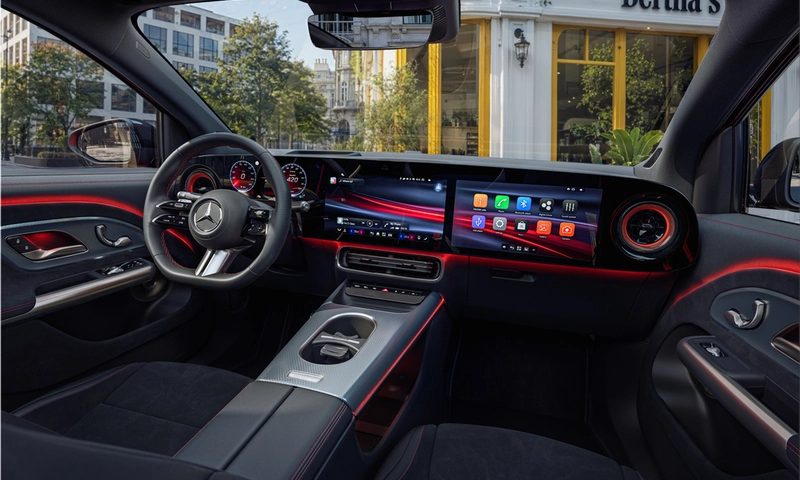
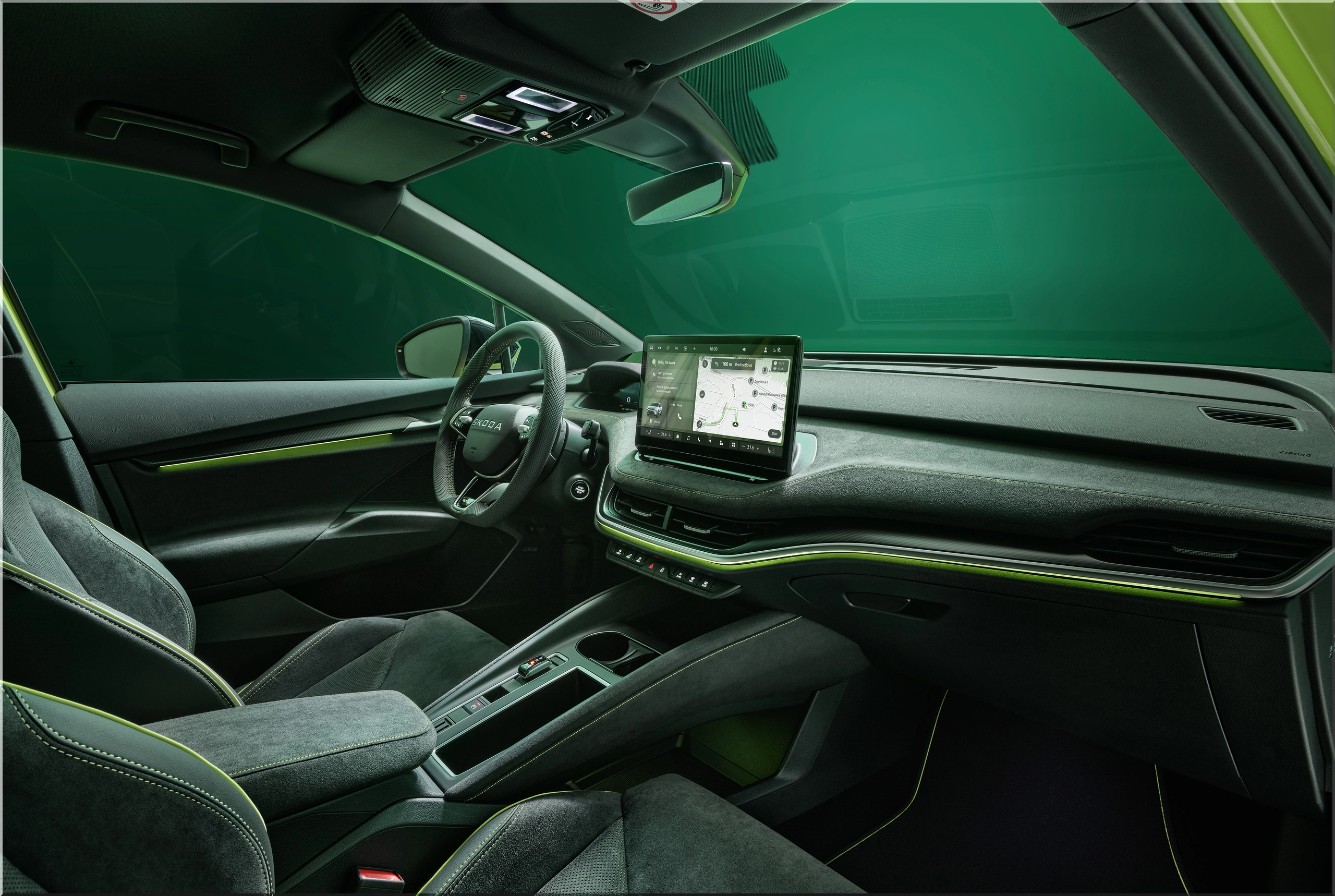
The 2026 Leapmotor C10 AWD offers space and equipment often seen in larger SUVs:
- Cargo space: 435 L, expanding to 1,410 L with rear seats folded.
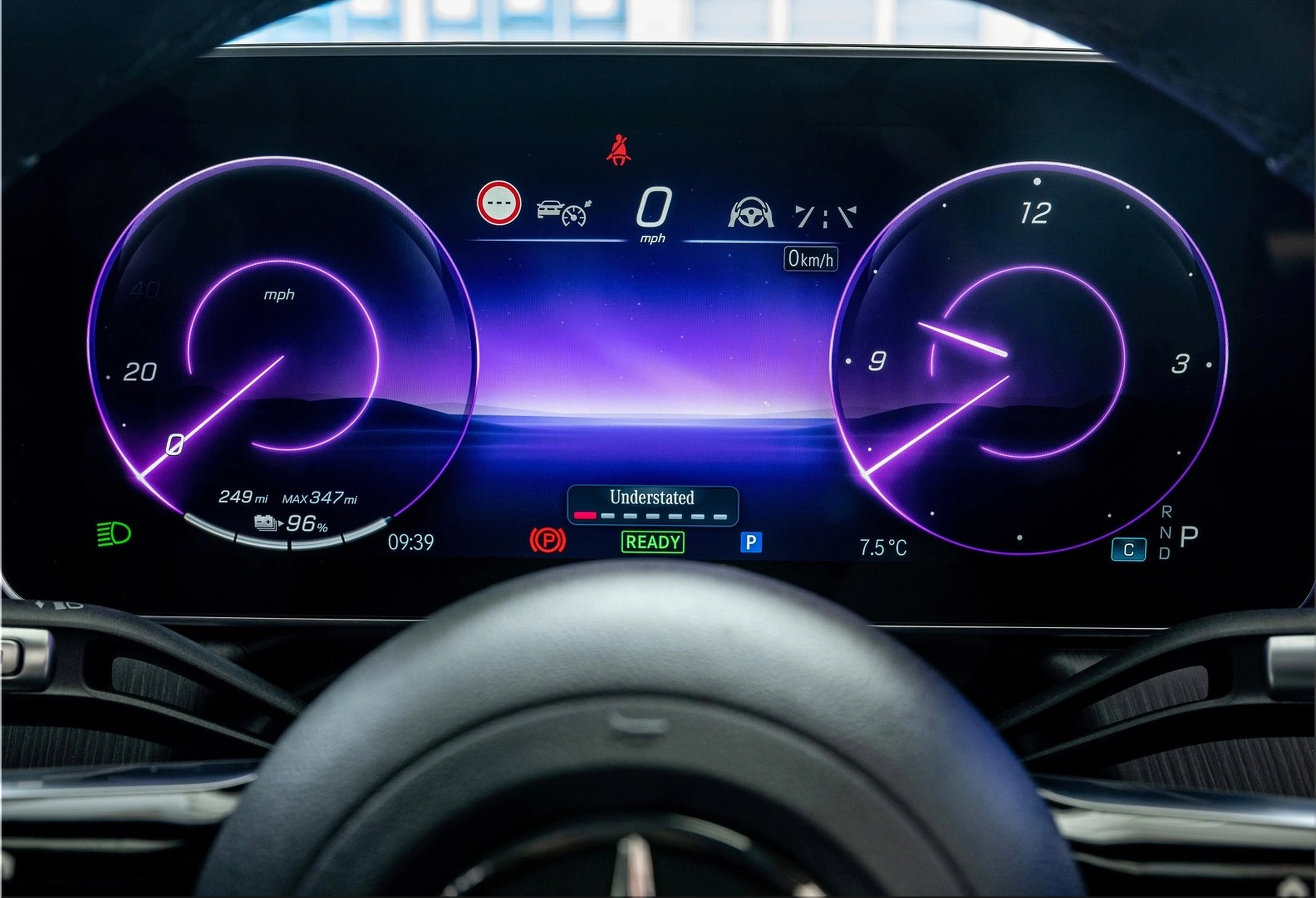
- Displays: 10.25″ digital cluster and 14.6″ 2K infotainment screen.
- Audio: 12-speaker, 840 W premium sound system.
- Roof: Panoramic glass for cabin openness.
- Safety: 5-star Euro NCAP rating.
These features align with the growing consumer expectation that performance EVs also deliver high safety scores and tech-rich interiors.
Pricing Snapshot
Leapmotor is pursuing an aggressive pricing strategy across global markets:
| Market | Price (Local) | USD Approx. |
|---|---|---|
| Mainland China | RMB 122,800–142,800 | $17,040–$19,860 |
| UK | £36,500 (~$47,500) | $47,500 |
| Malaysia | RM 149,000 (~$32,500) | $32,500 |
| Australia | AUD 69,900–$79,900 | $45,900–$52,500 |
In the UK, Leapmotor matches government EV grants, lowering the entry price to £32,750 (~$42,600) through September 2025.
Competitive Analysis
The C10 AWD is a D-segment SUV priced to compete with C-segment rivals like the Kia EV5 and BYD Seal U, while targeting performance benchmarks set by the Tesla Model Y Performance.
Comparison highlights:
| Feature | Leapmotor C10 AWD | Tesla Model Y Perf. | Kia EV5 GT-Line |
|---|---|---|---|
| Horsepower | 585 hp | 455 hp | 313 hp |
| 0–100 km/h | 4.0 s | 3.7 s | 6.2 s |
| Battery Capacity | 81.9 kWh LFP | 75 kWh NMC | 77.4 kWh NMC |
| Voltage Architecture | 800V | 400V | 800V |
| Charging (30–80%) | 22 min | ~27 min | ~18–20 min |
| Cold Weather Charge Perf. | Maintains speed | Slows without preheat | Maintains speed |
Leapmotor’s standout advantages are charging consistency in winter, higher power output in its class, and pricing well below premium-brand competitors.
Video title
2026 Leapmotor C10 AWD
Real-World Strengths and Weaknesses
Strengths:
- Fast charging even in low temperatures.
- High performance acceleration with AWD traction.
- Spacious interior for passengers and cargo.
- Aggressive pricing across markets.
Weaknesses:
- User interface lacks polish compared to established brands.
- Intrusive safety alerts noted in early reviews.
- Range trails segment leaders at similar price points.
Buyer Takeaways
The Leapmotor C10 AWD targets buyers who want:
- Performance without premium pricing.
- All-weather reliability with consistent cold-weather charging.
- Practical space and safety in a mid-size SUV package.
Potential owners should consider local charging infrastructure to fully benefit from its 800 V capabilities and be aware that early software quirks may require updates.
Industry Impact
Leapmotor’s decision to pair LFP chemistry with 800 V architecture could influence EV design strategies. While most performance EVs use NMC batteries for higher density, LFP offers:
- Lower cost per kWh.
- Greater cycle life.
- Reduced thermal risk.
If the C10 AWD meets sales and satisfaction targets, other automakers may follow by scaling high-voltage LFP tech into mainstream models.


Specification Overview
| Metric | C10 AWD Specification |
|---|---|
| Power | 585 hp |
| Acceleration (0–100 km/h) | 4.0 seconds |
| Battery Capacity | 81.9 kWh LFP |
| Architecture | 800 V |
| Charging (30–80%) | 22 minutes |
| Cargo Space | 435 L / 1,410 L seats folded |
| Safety | 5-star Euro NCAP |
| Price Range (USD) | $17,040 – $52,500 |
Conclusion
The Leapmotor C10 AWD delivers measurable performance and charging advantages without the high sticker price typical in the segment. With 585 hp, 4.0-second acceleration, and an 800 V LFP battery capable of fast, cold-weather charging, it addresses key EV buyer pain points: downtime, traction, and affordability.
Its challenge will be convincing buyers outside China to trust a newer brand and refining its software experience to match its hardware strengths. If Leapmotor executes well, the C10 AWD could disrupt the performance EV SUV category in 2025 and beyond.
- Add new comment
- 295 views