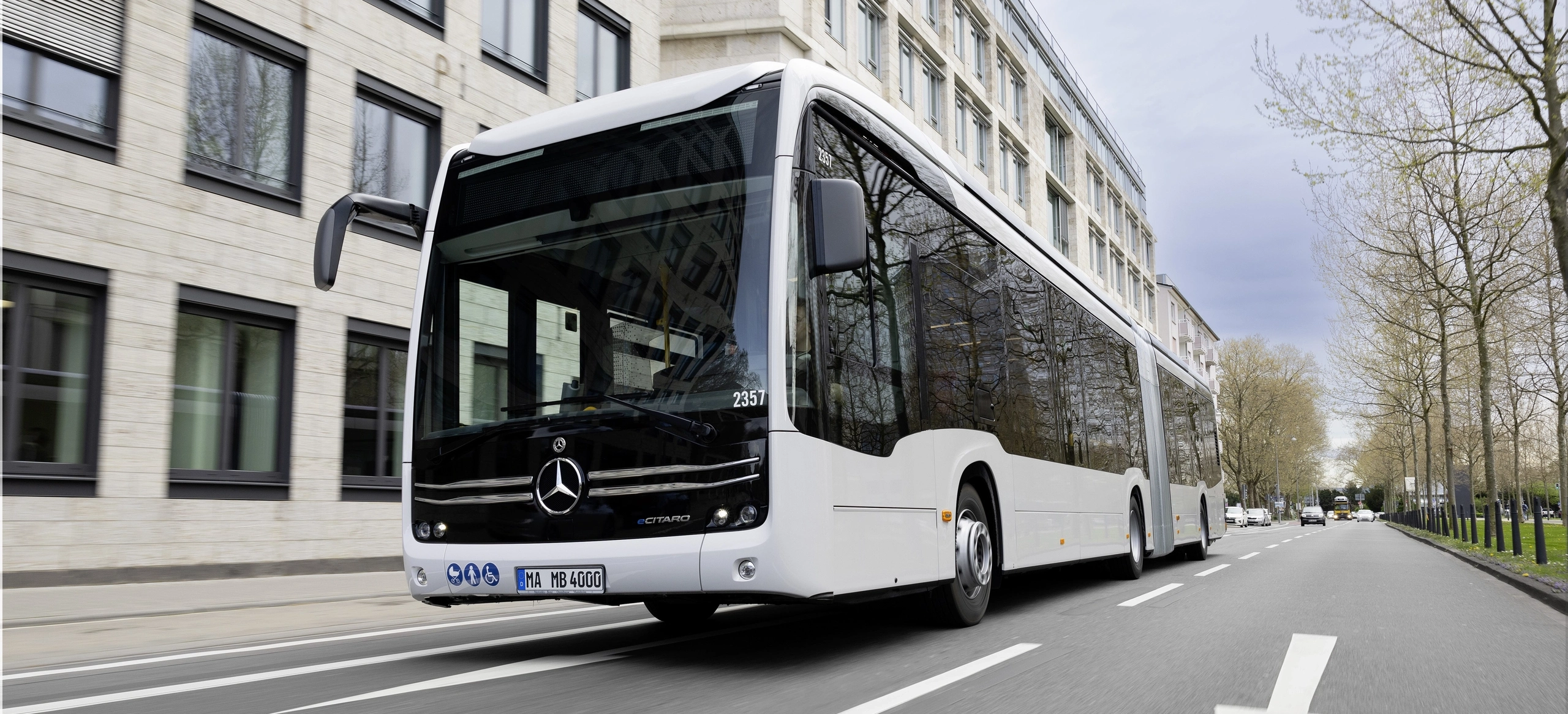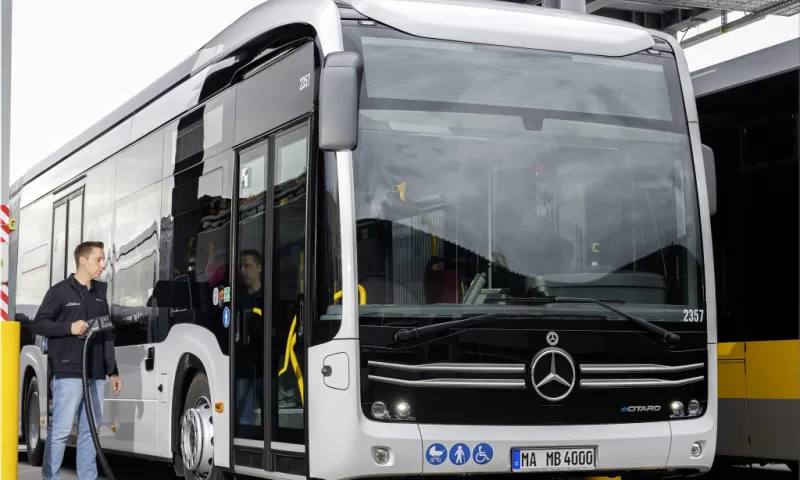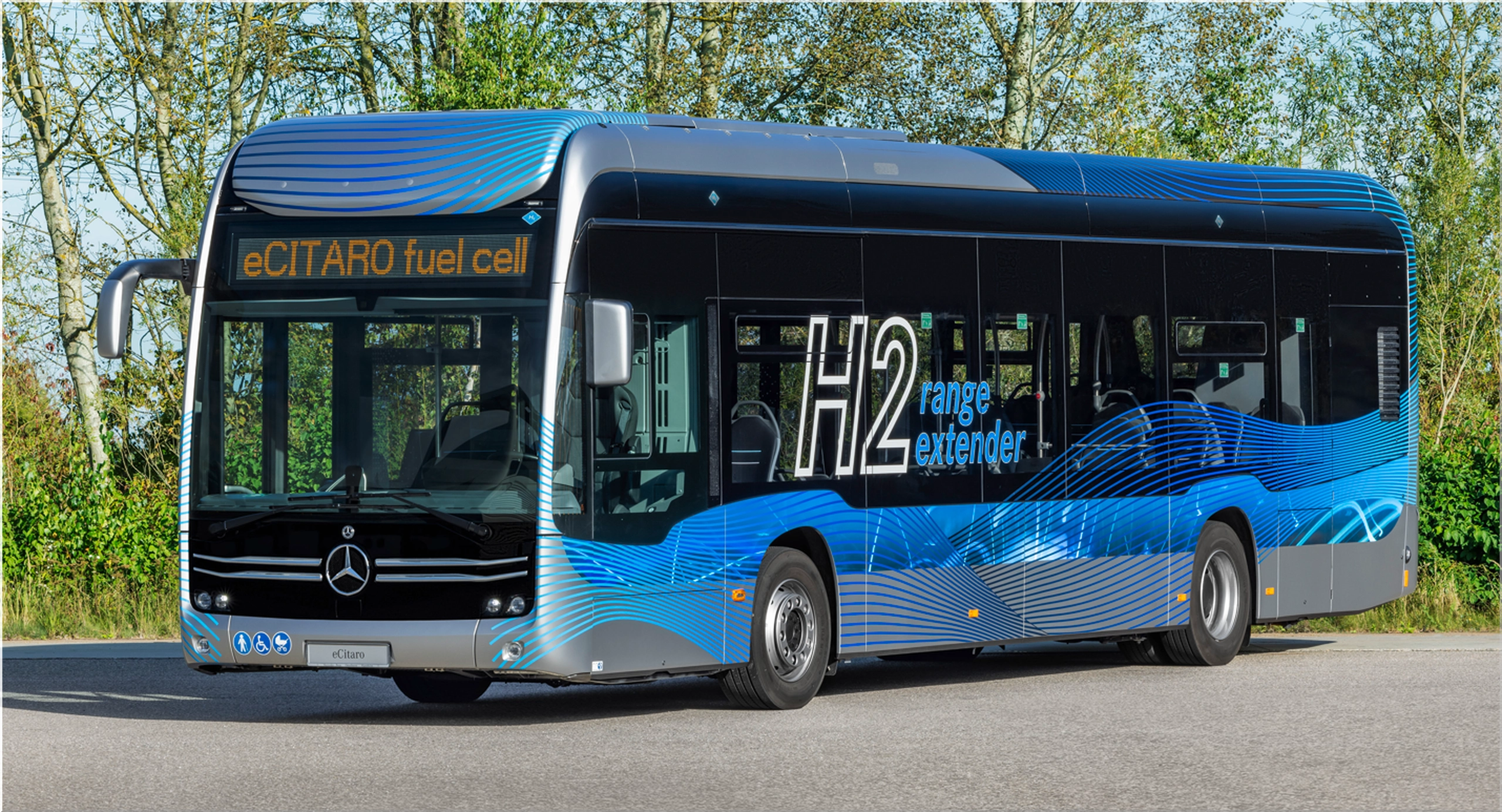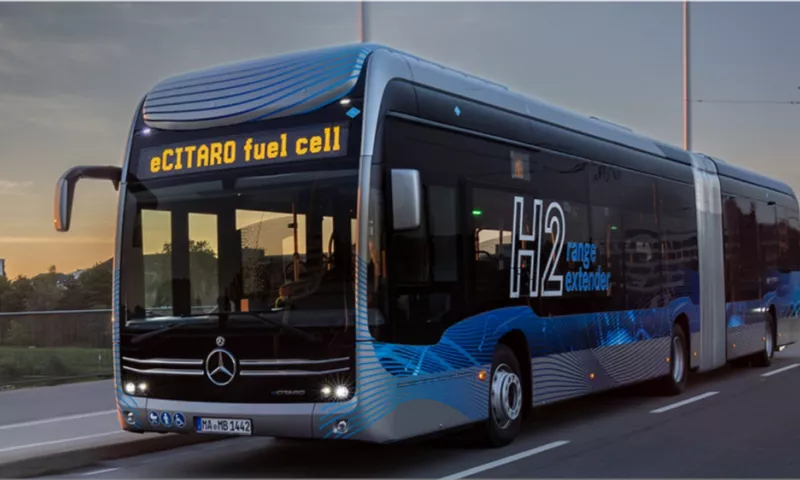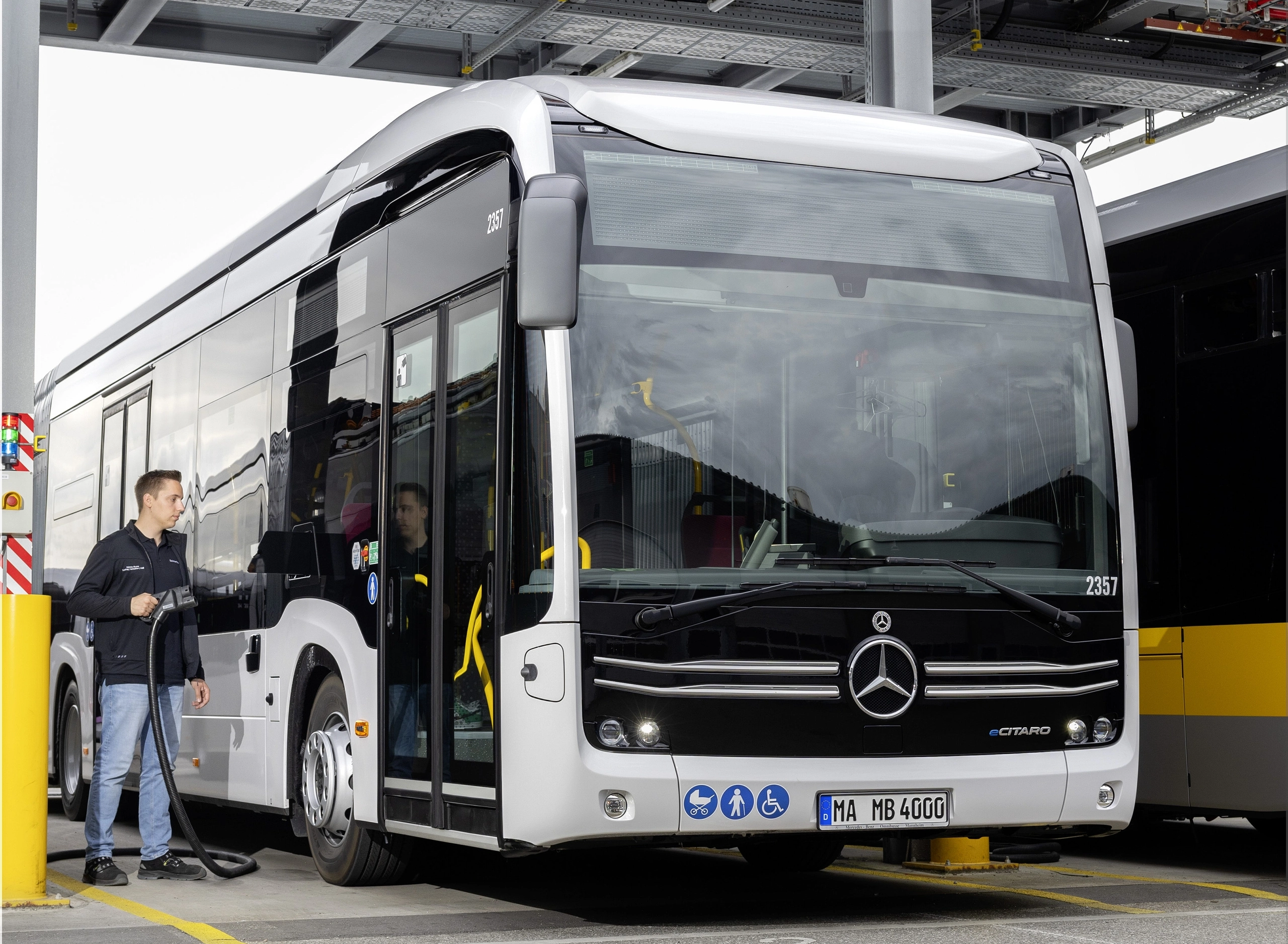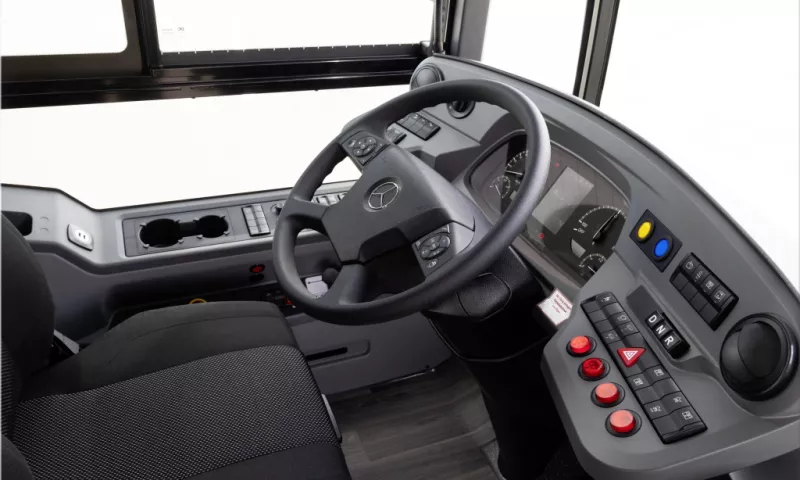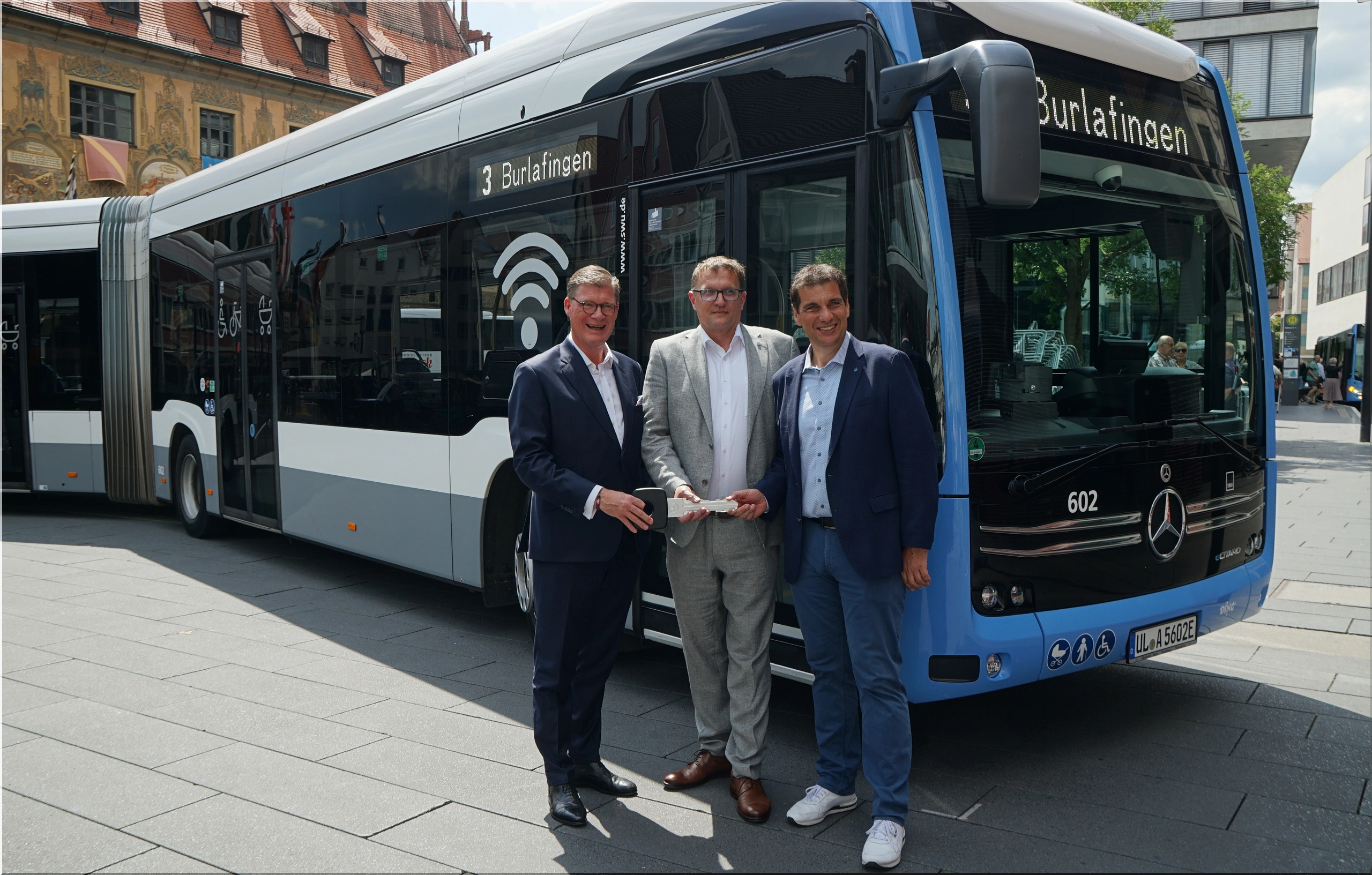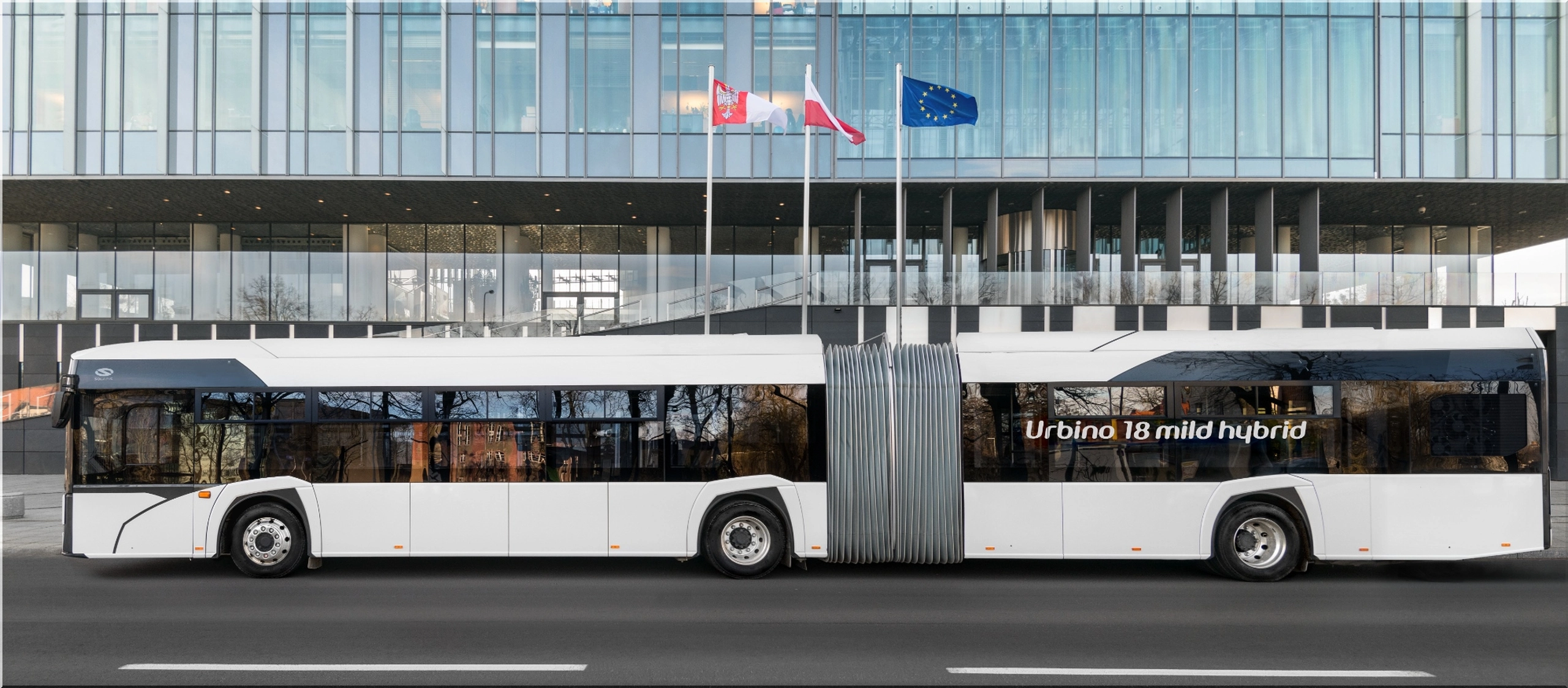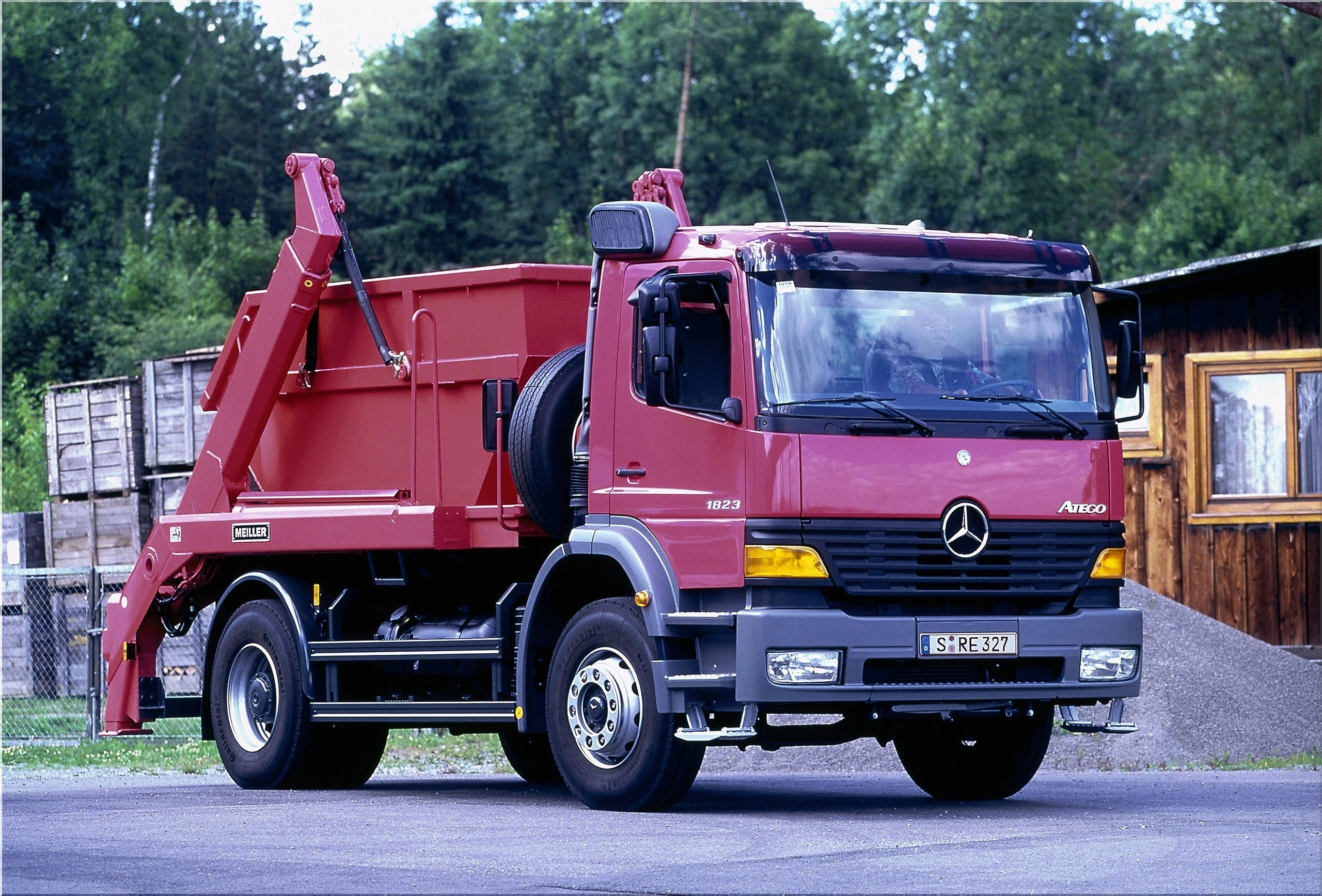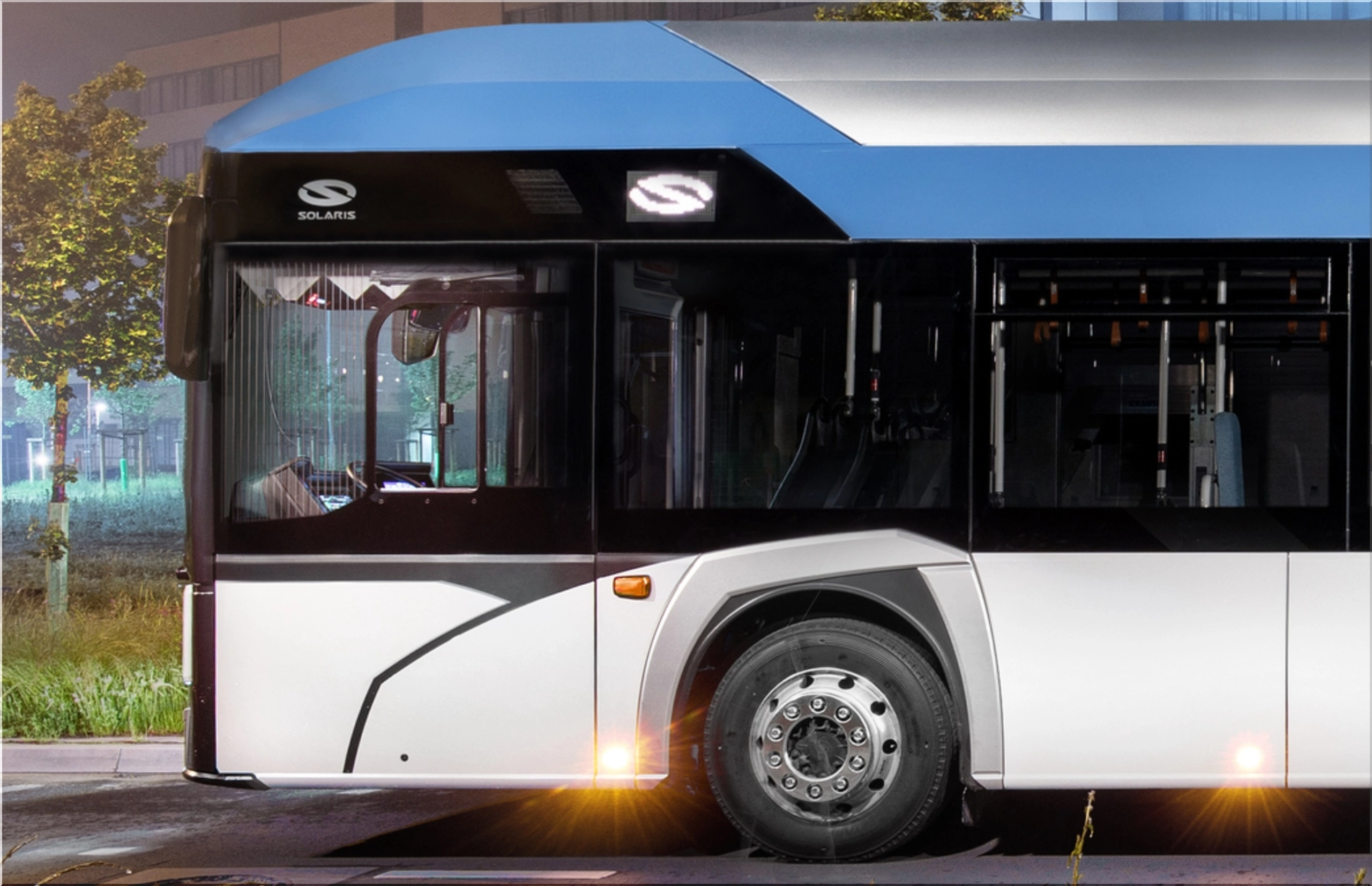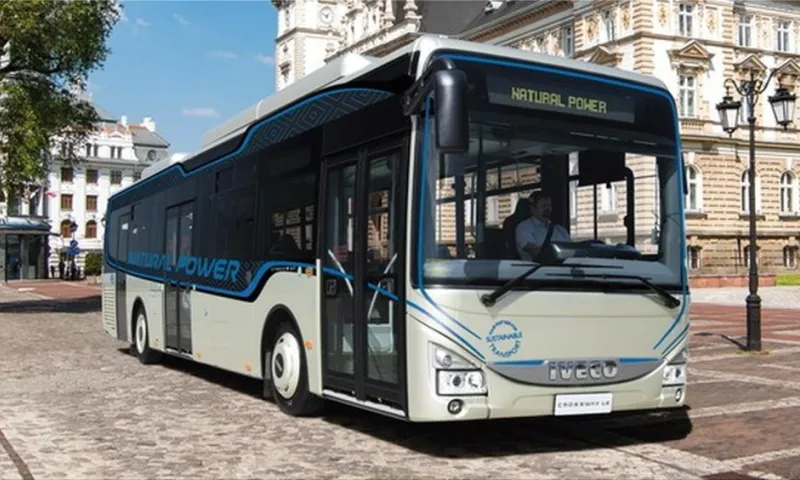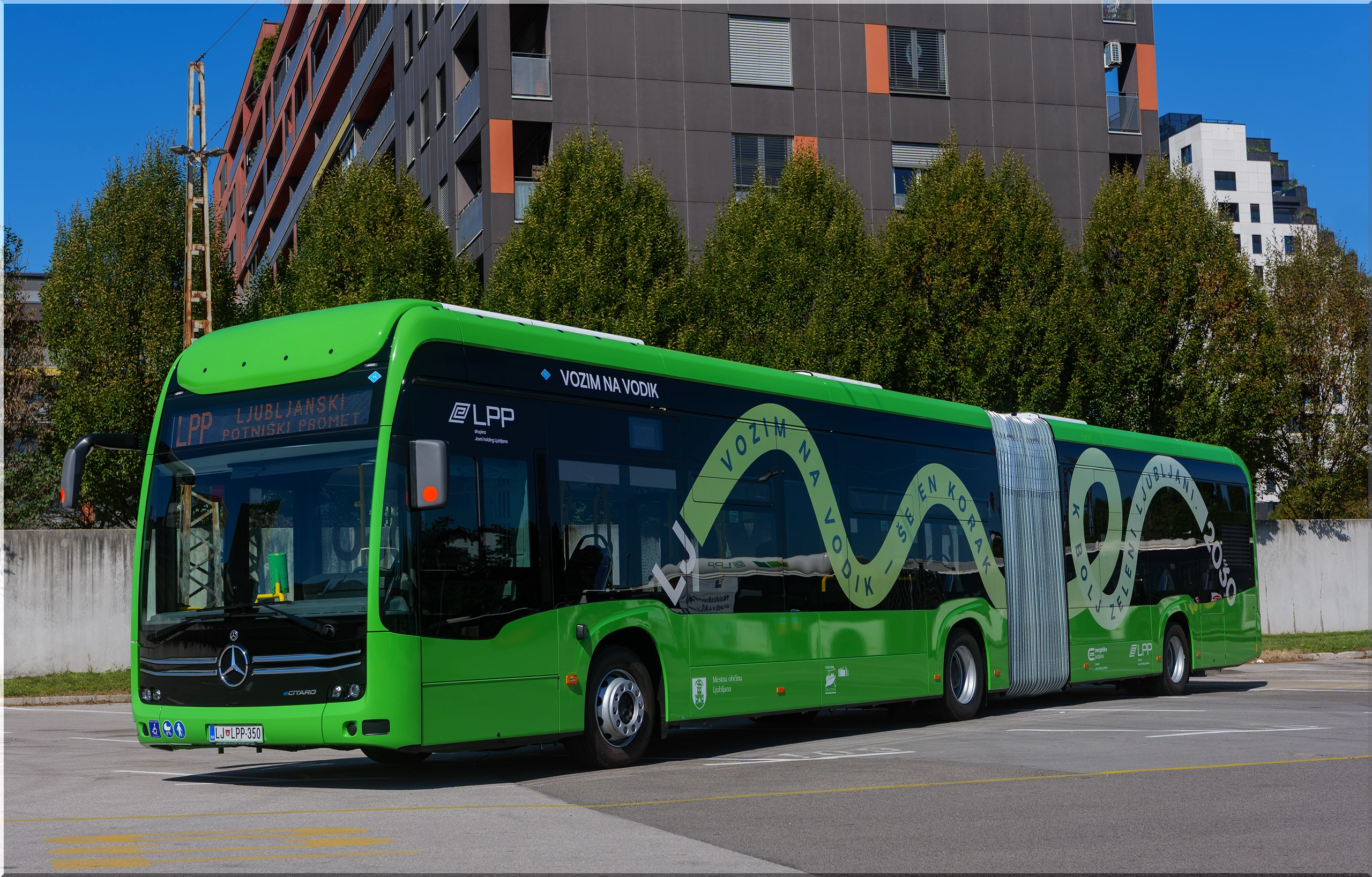
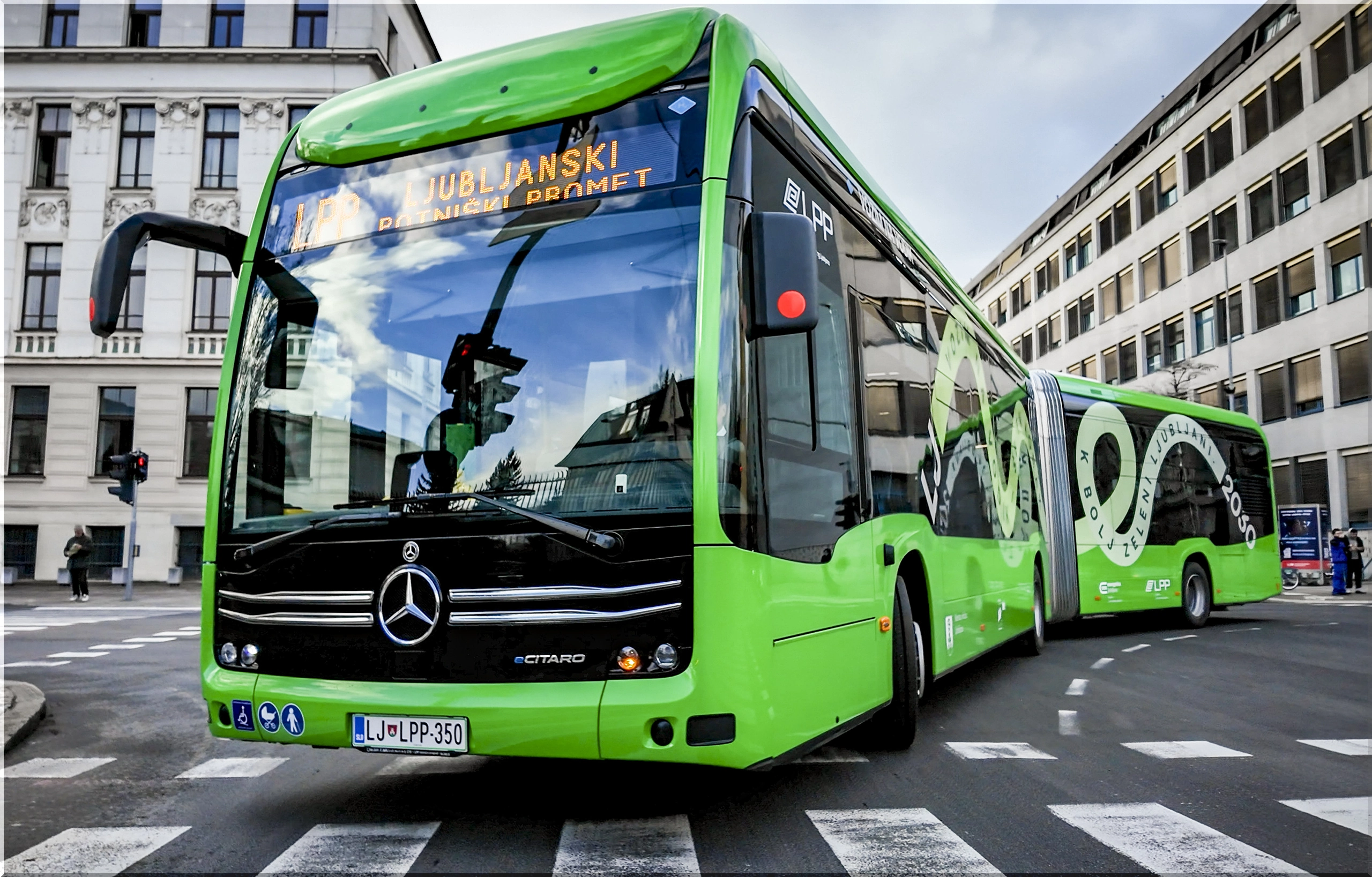
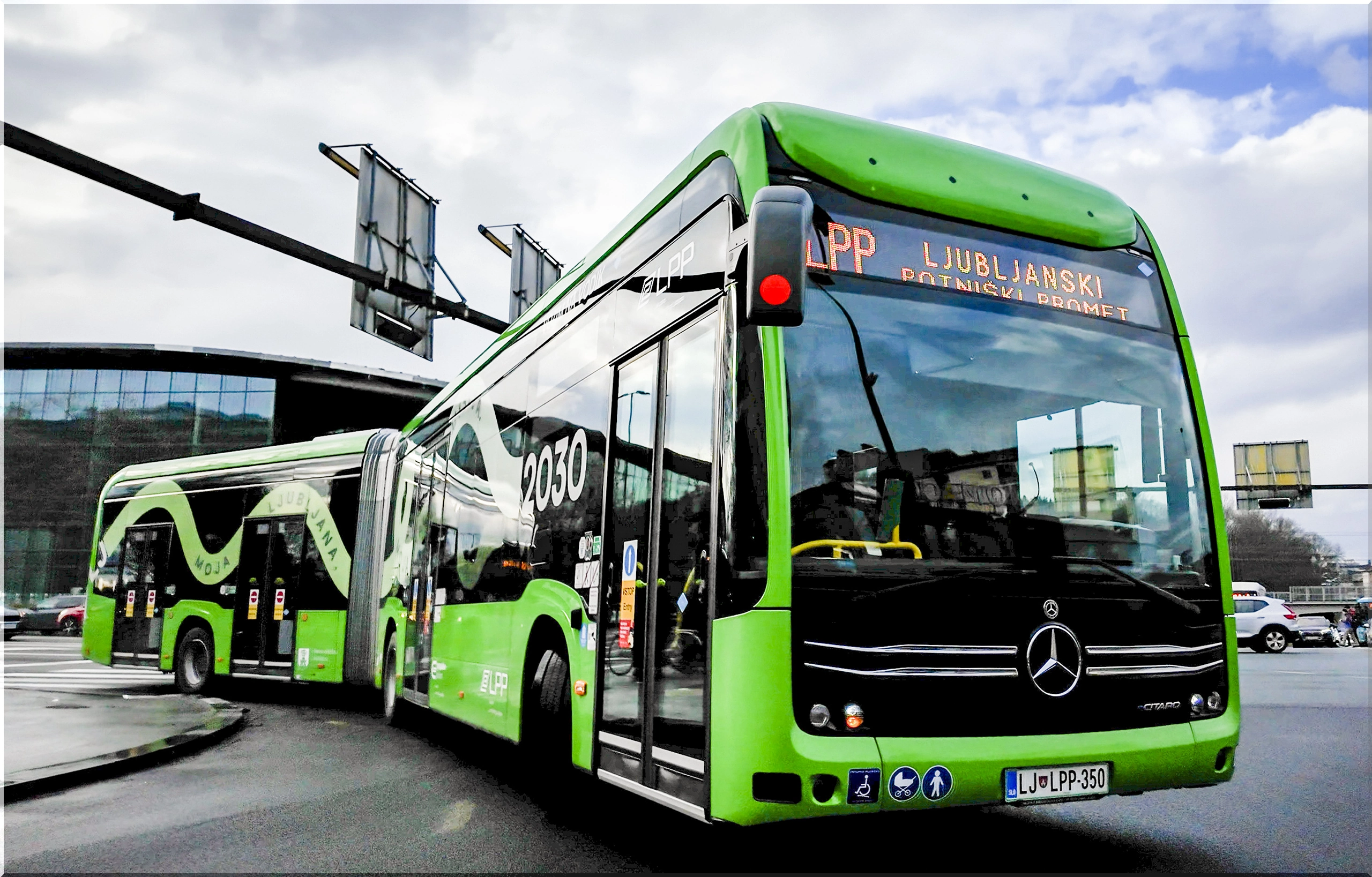
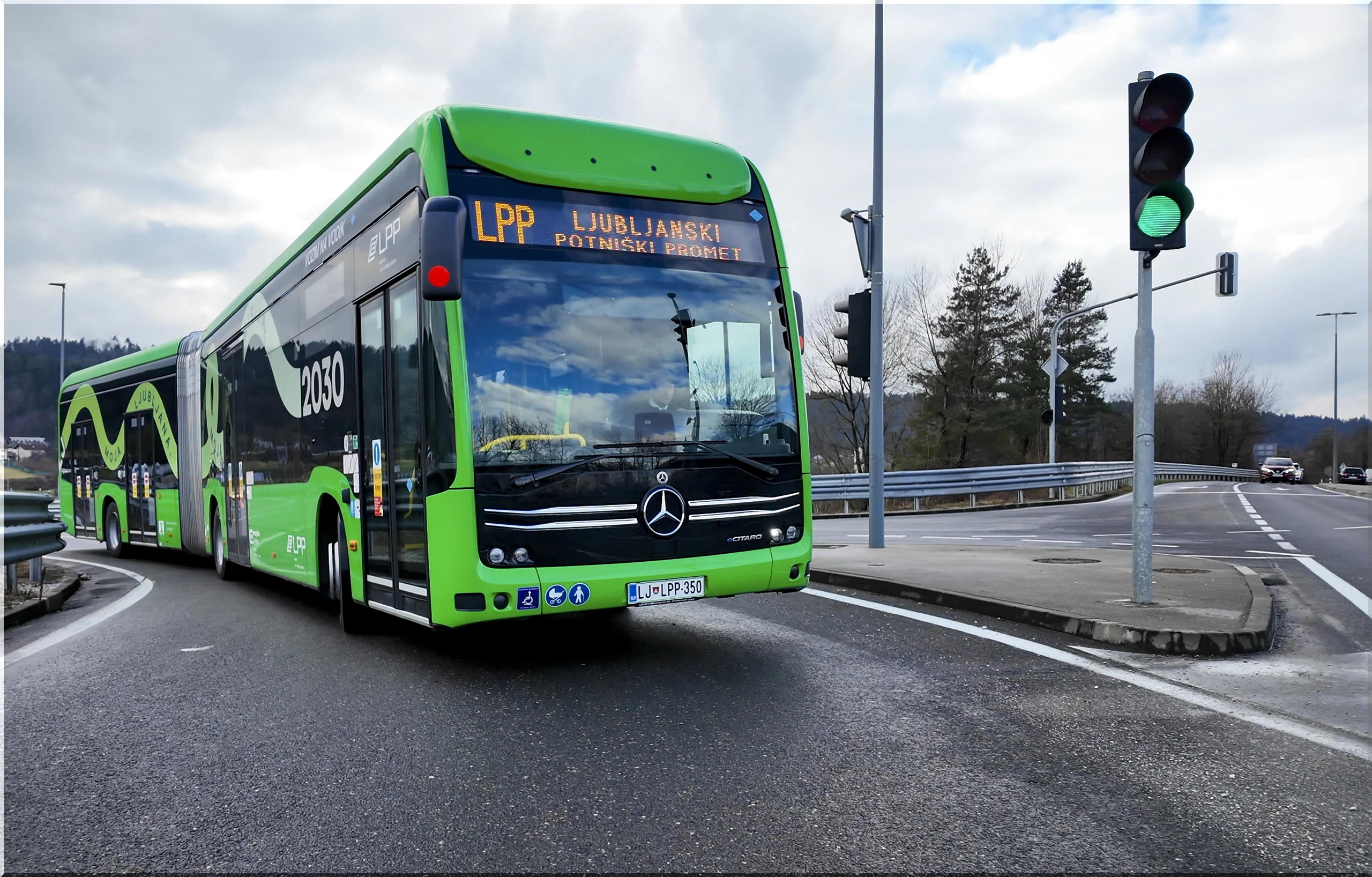
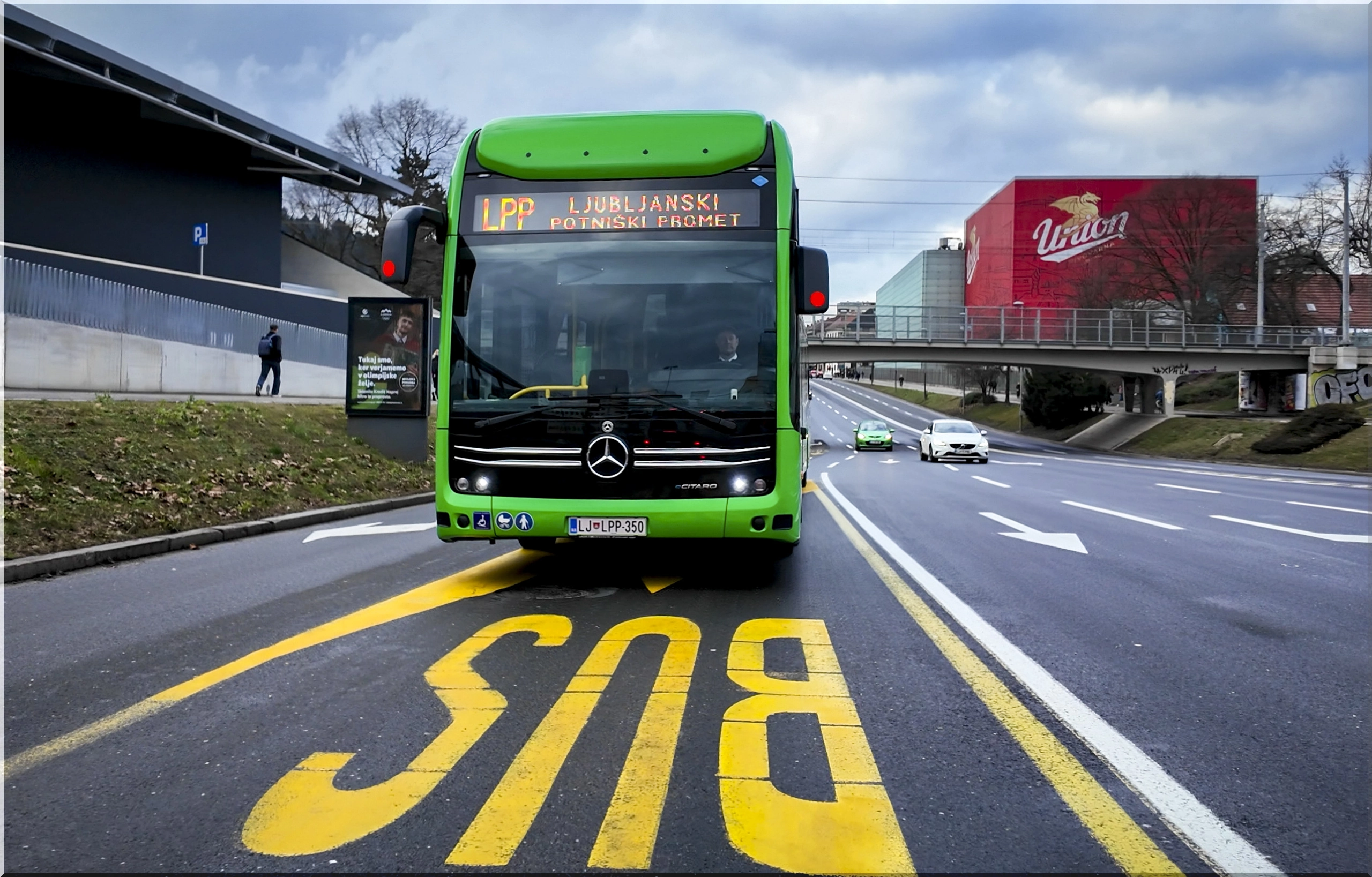
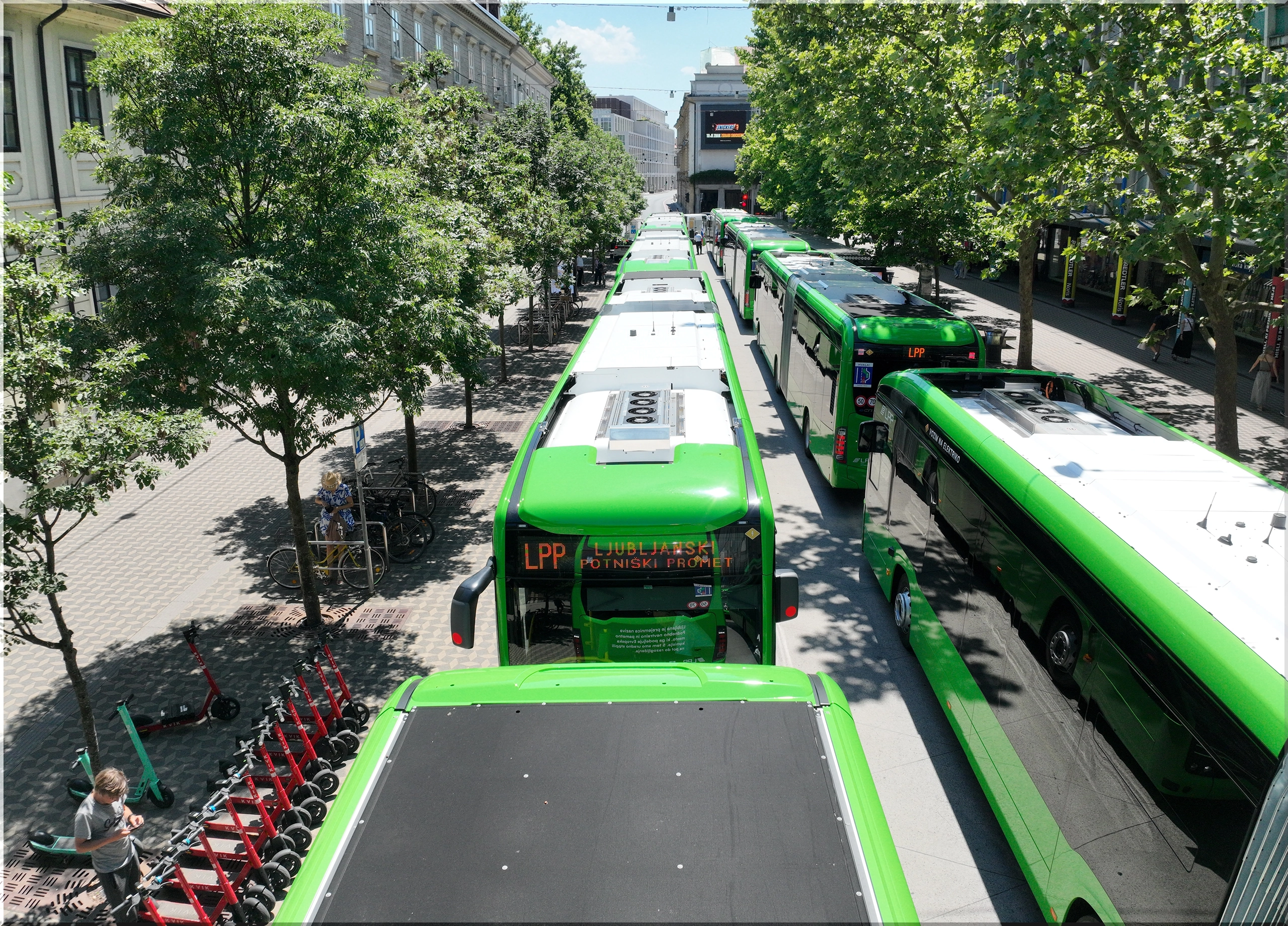
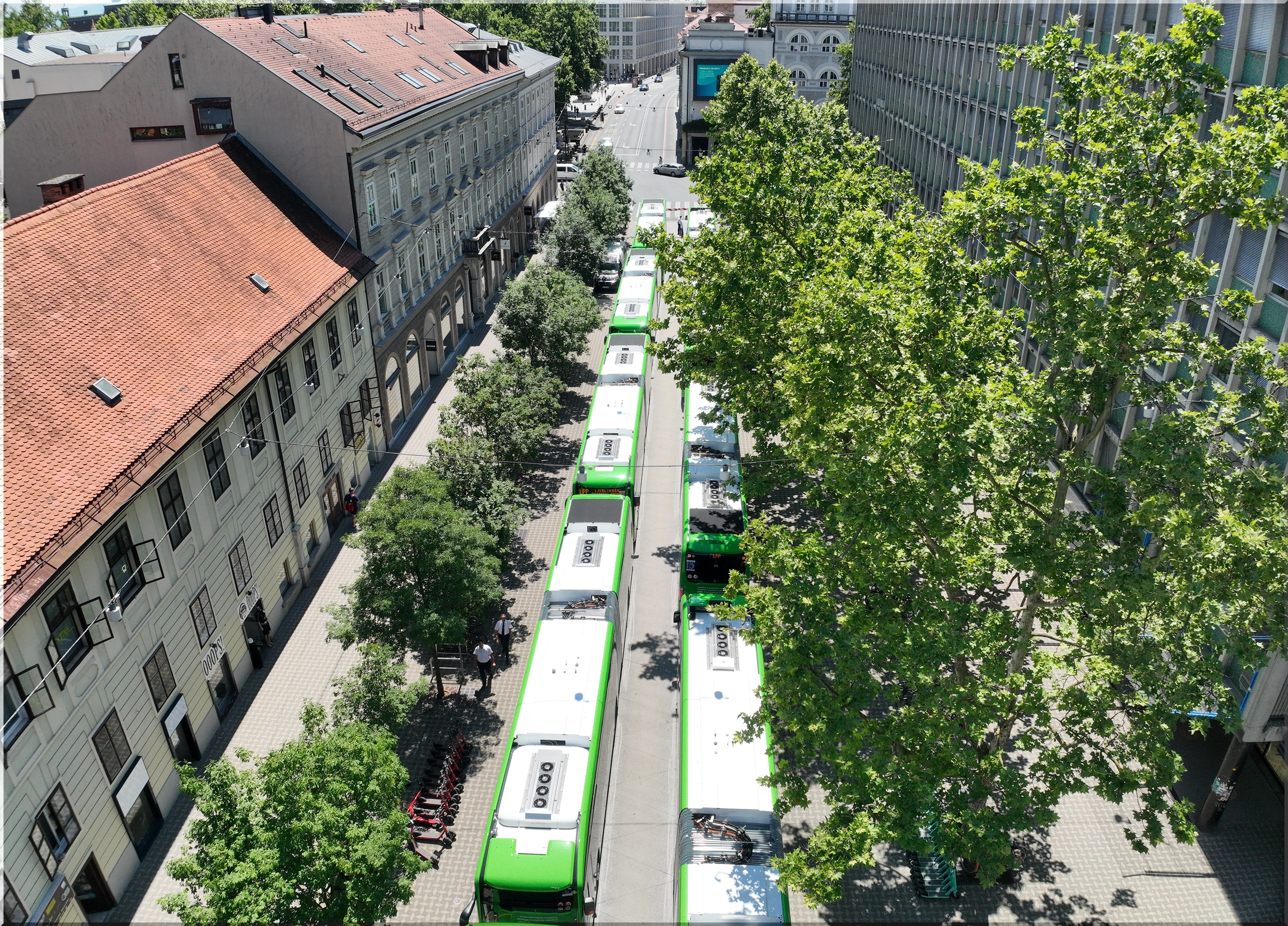
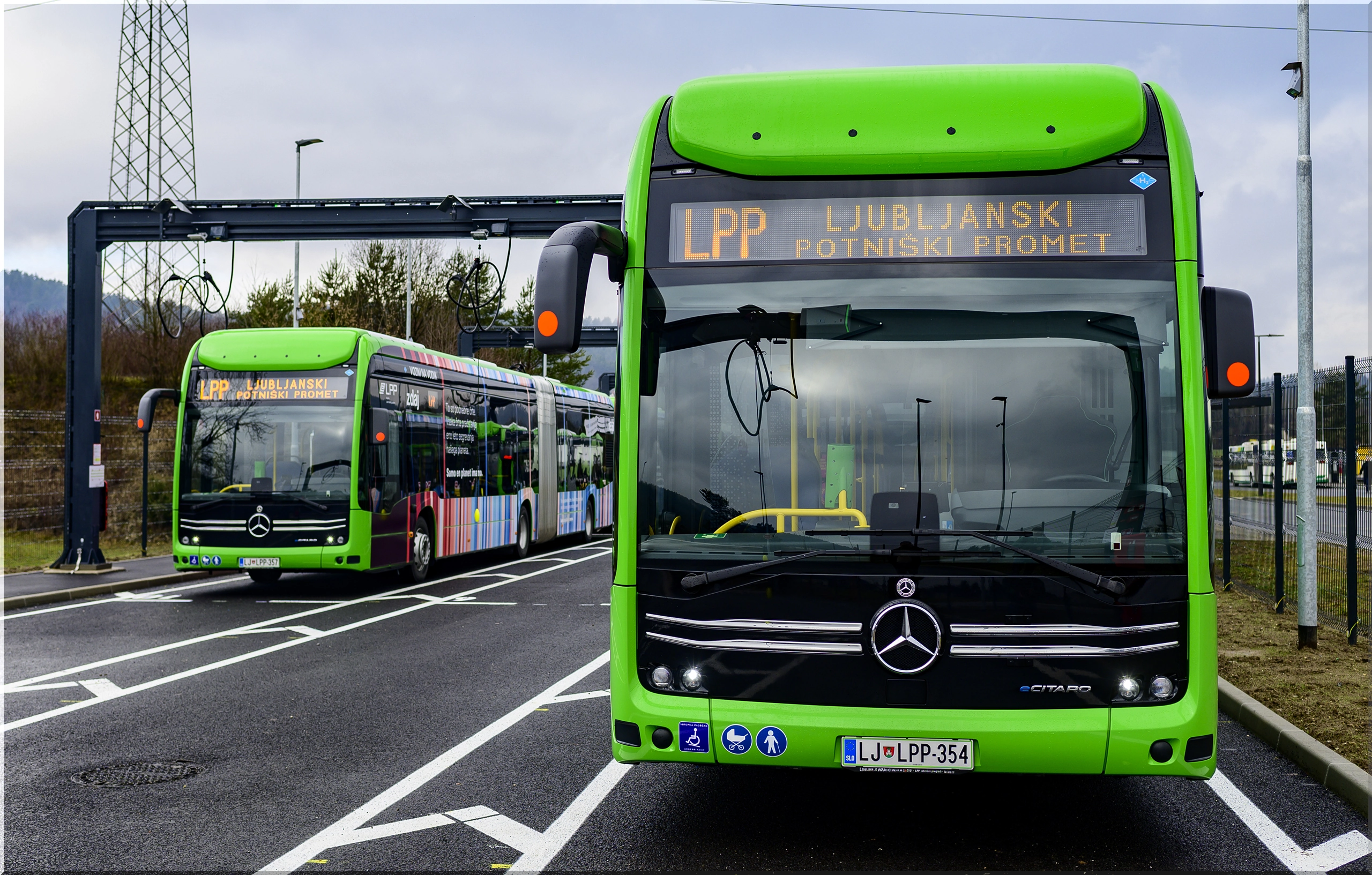
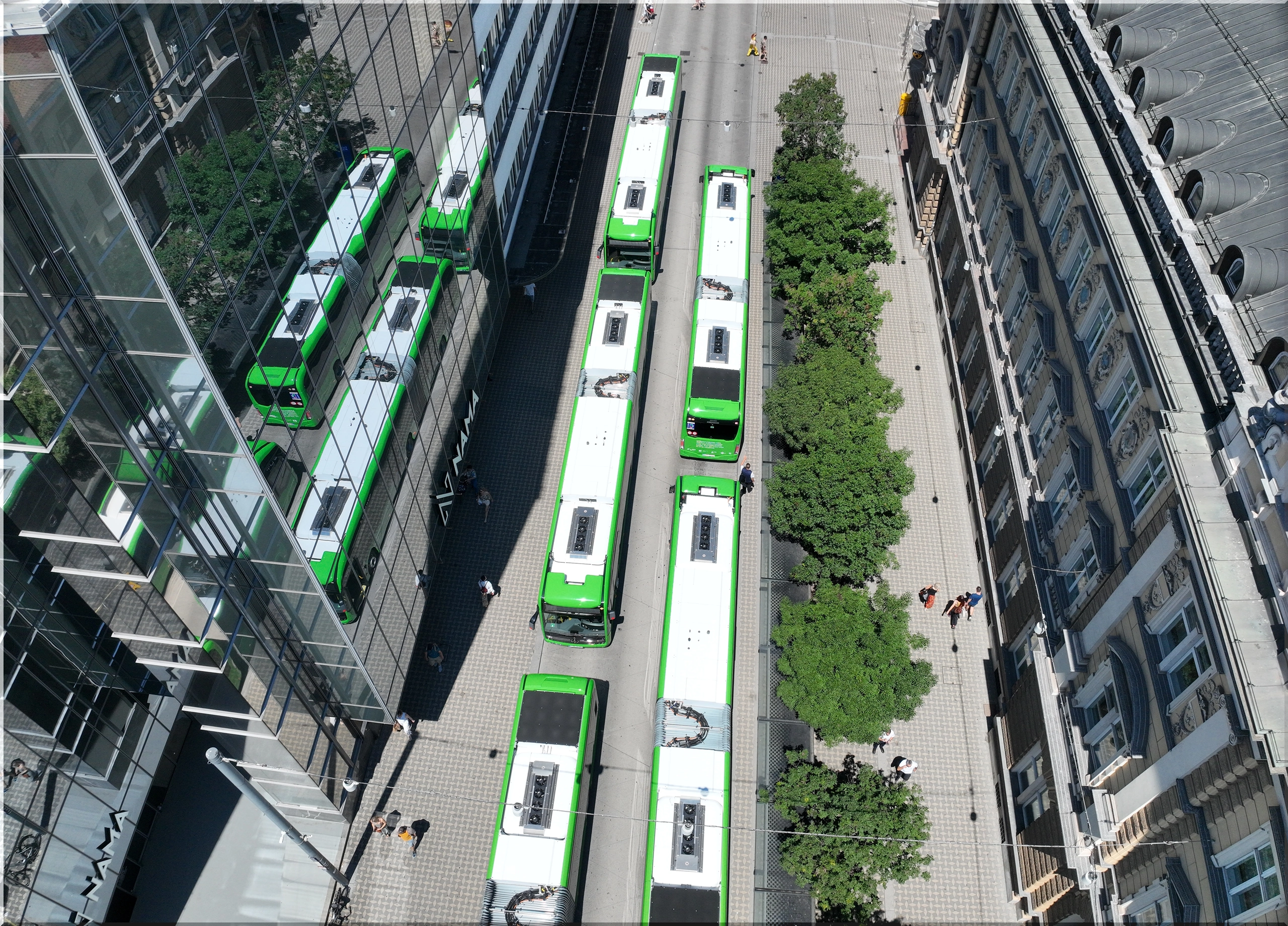
Ljubljana has put 35 Mercedes-Benz eCitaro buses into service within a year, combining battery power with hydrogen fuel-cell range extenders. Daimler Truck calls the investment the largest fleet modernisation in the history of municipal operator Ljubljanski Potniški Promet (LPP). The Slovenian capital matches two energy systems to different route demands.
- 25 battery-electric eCitaro buses: urban routes with predictable duties and regular charging opportunities.
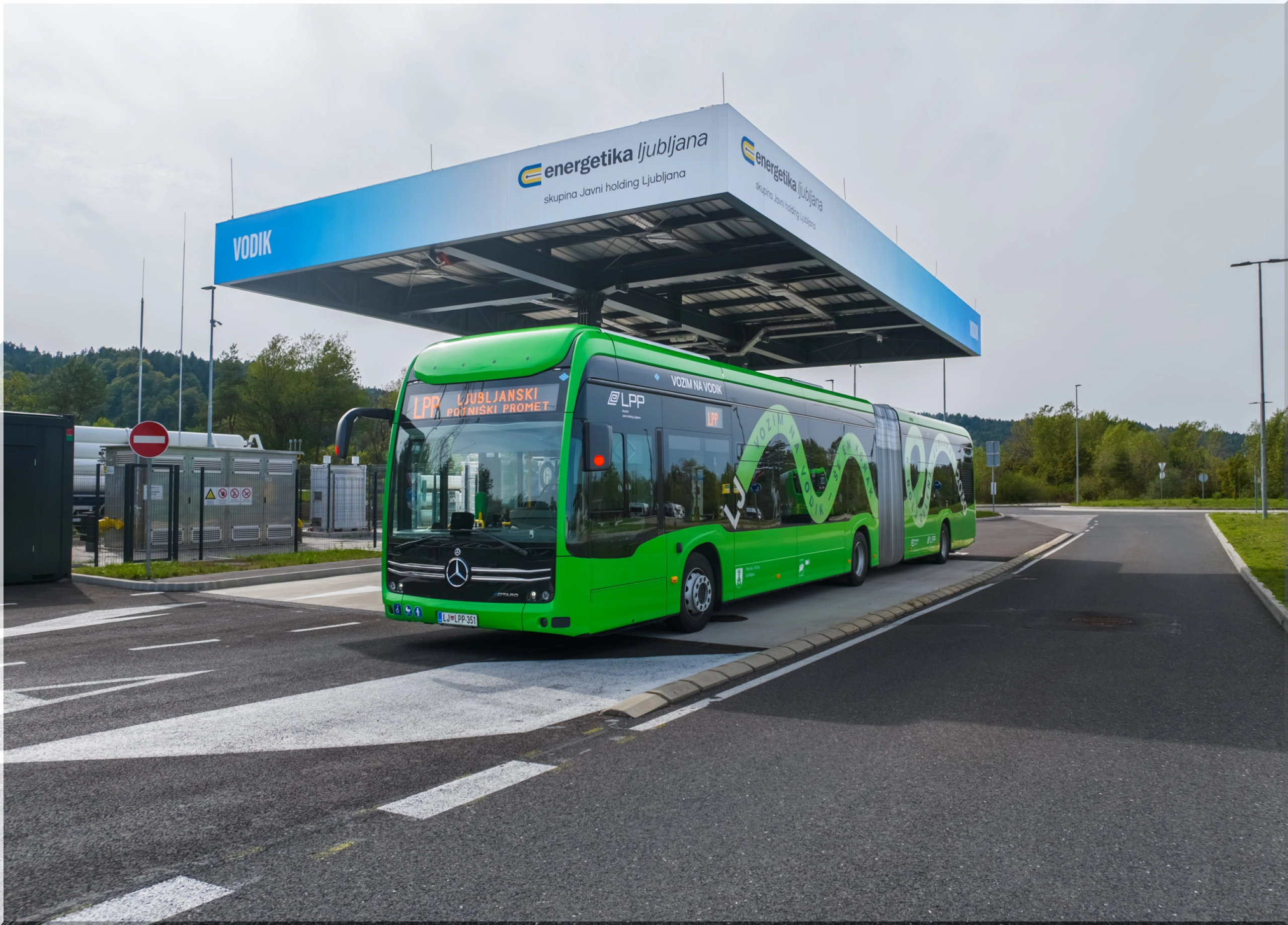
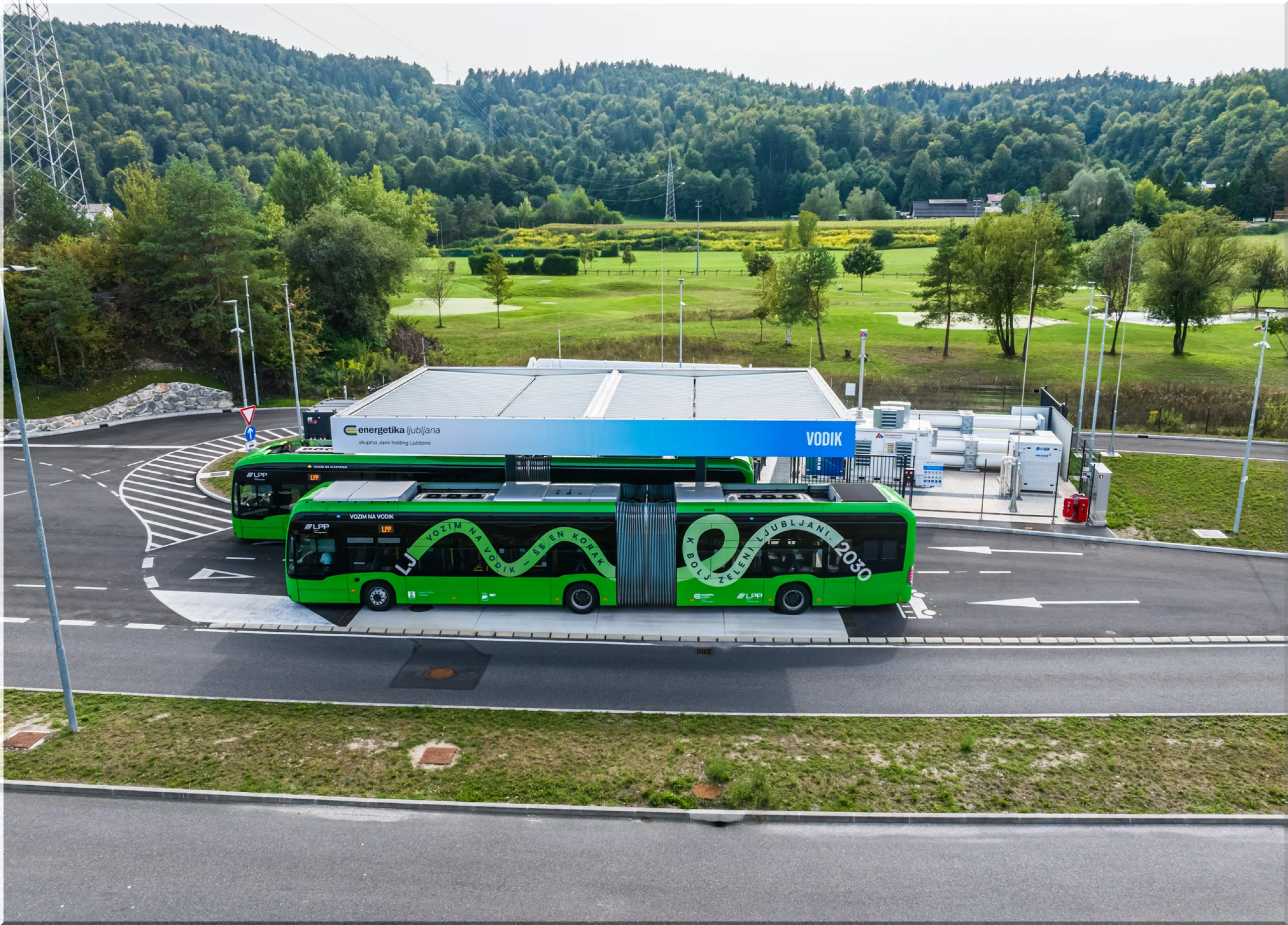
- Ten articulated eCitaro G fuel cell buses: routes that demand more range and scheduling flexibility.
- Supporting infrastructure: LPP has established charging and hydrogen facilities alongside the vehicles.

Why Combine Batteries and Hydrogen?
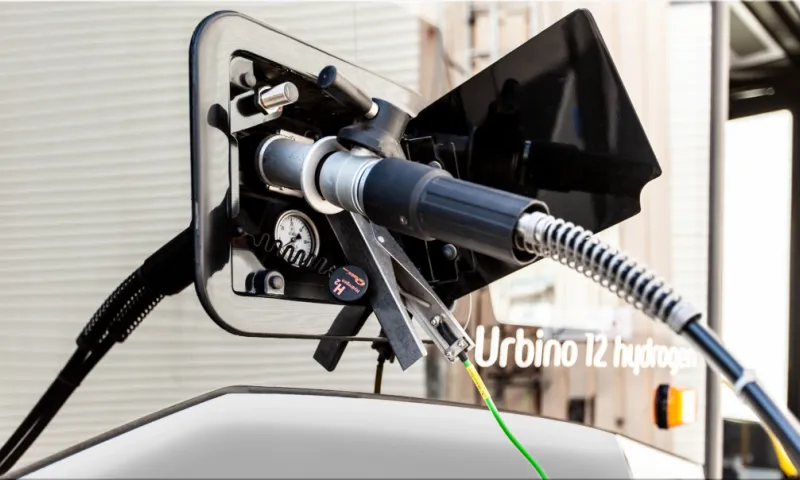
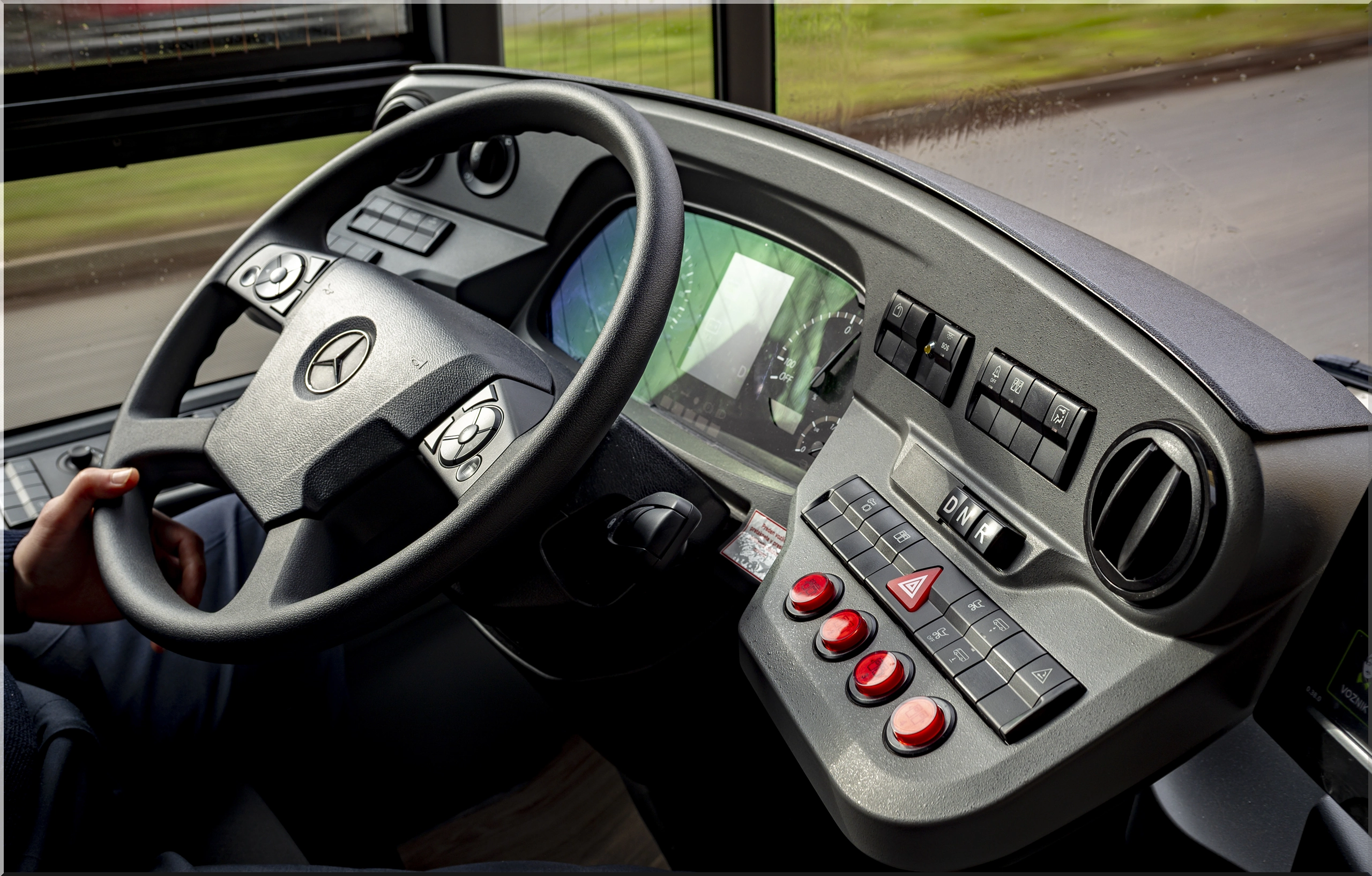
Both types use electric propulsion. The eCitaro G fuel cell adds onboard electricity generation: its fuel cell charges the batteries during operation, extending the distance between plug-in charging sessions. Hydrogen supplies energy to a fuel cell rather than an internal-combustion engine.
Mercedes-Benz lists a 60 kW fuel cell, battery configurations up to 392 kWh, and hydrogen storage of 30 or 35 kg at 350 bar for the articulated model. Those figures describe available product configurations; Daimler Truck does not identify Ljubljana's chosen battery and tank combination. Operators should avoid treating catalogue maximums as delivered fleet specifications.
By comparison, the latest NMC4-equipped solo Mercedes-Benz eCitaro offers up to 666 kWh across six battery packs. Ljubljana's announcement does not confirm that battery generation or capacity for its 25 vehicles, so no defensible fleet-specific range comparison follows from those catalogue figures.
What Does 'CO2-Free' Actually Mean?
These buses produce no CO2 from their propulsion systems on the street. That local benefit does not establish zero lifecycle emissions: electricity generation, hydrogen production and vehicle manufacturing also affect the carbon balance. Daimler Truck's announcement does not quantify those upstream emissions.
Pro-Tips: How should an operator choose between the two? Measure daily distance, passenger load, winter heating demand and charging windows before selecting the energy system. Then compare electricity and hydrogen costs per scheduled kilometre, including infrastructure. Ljubljana's route-based split offers a useful planning example; its announcement does not supply purchase prices or operating-cost data to prove which option costs less.
- Add new comment
- 108 views