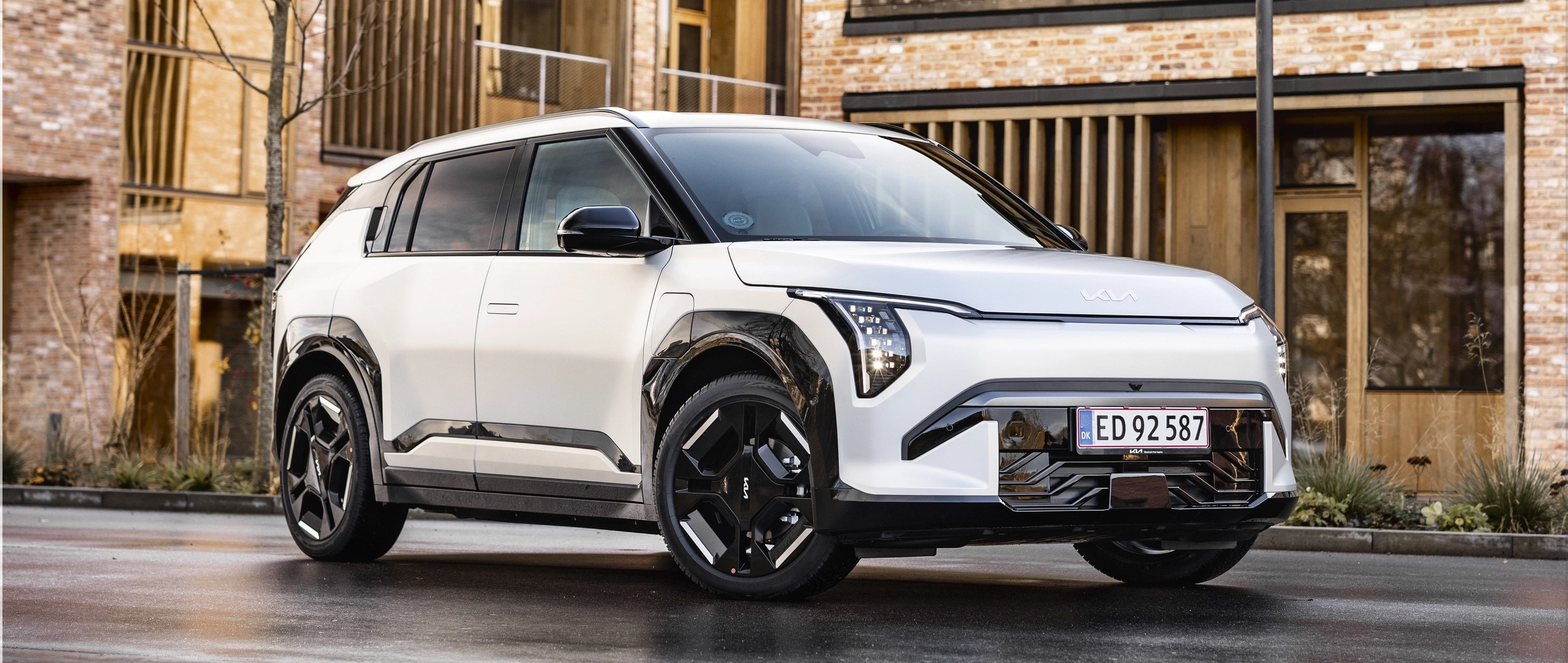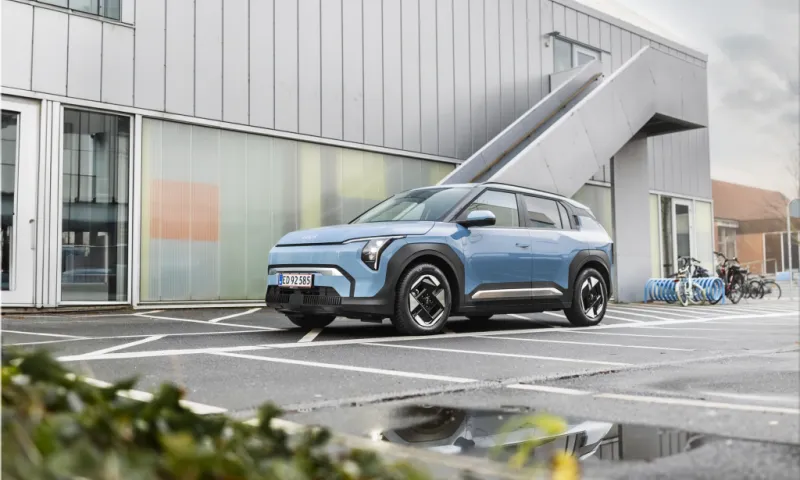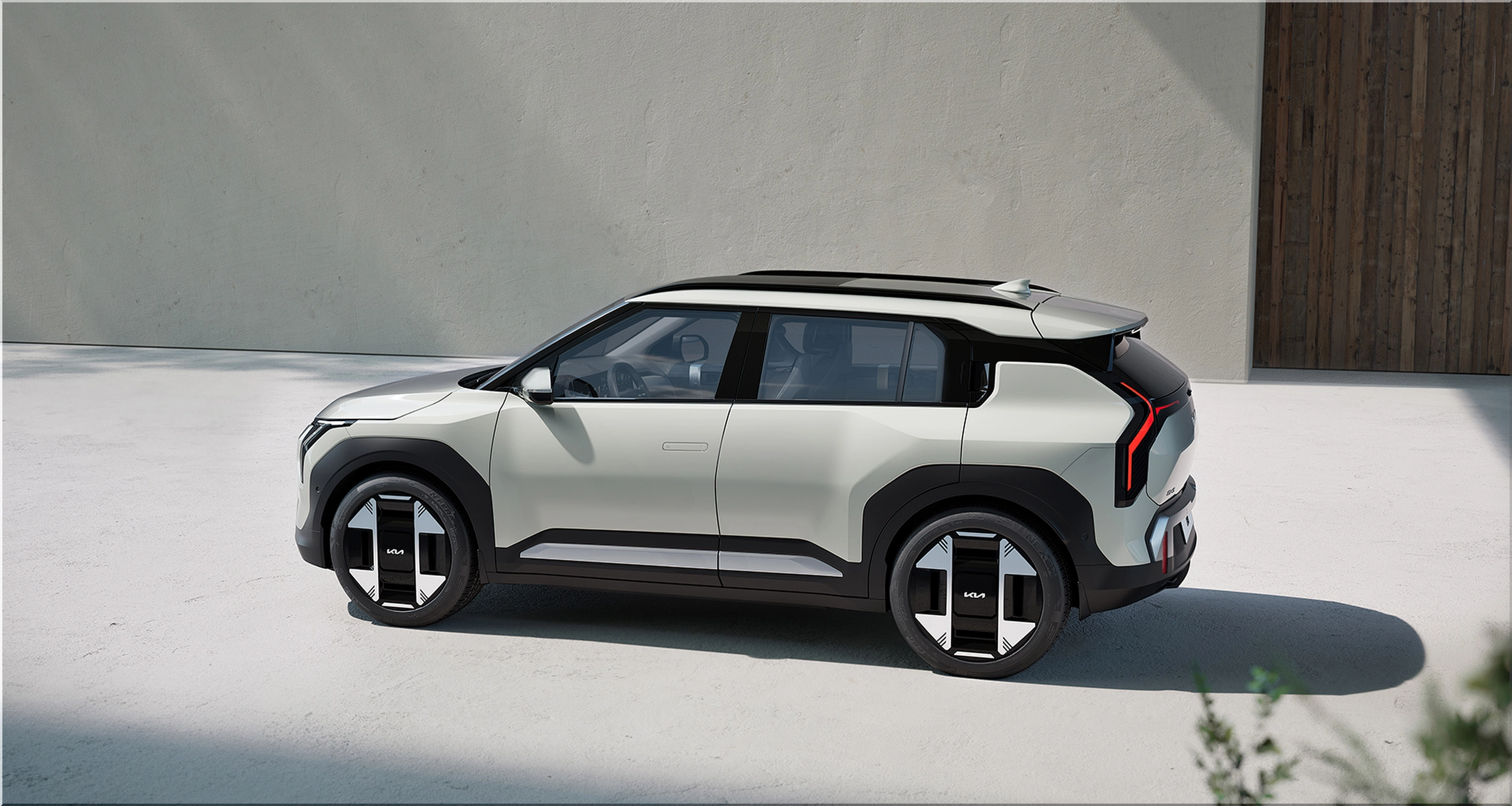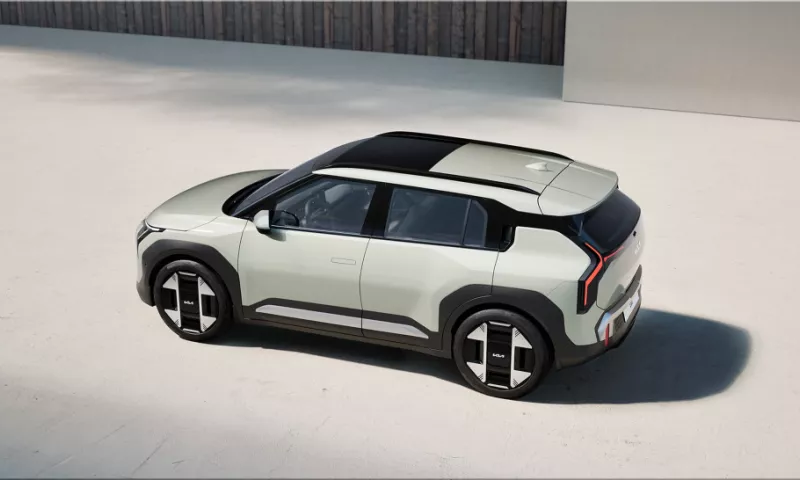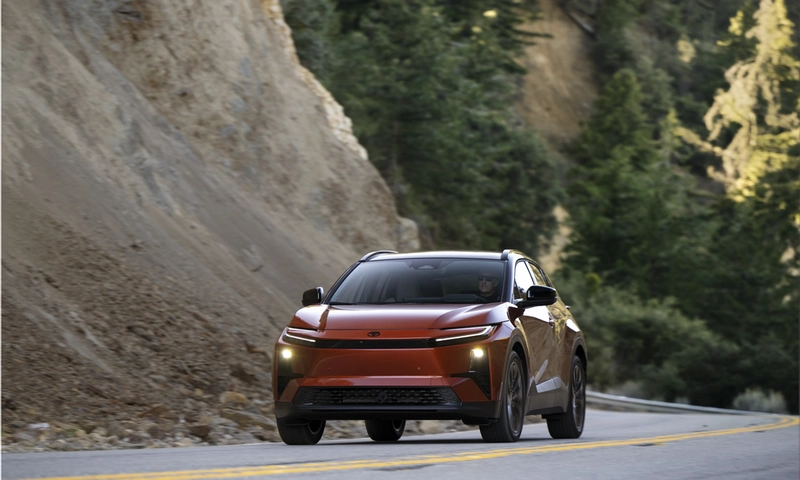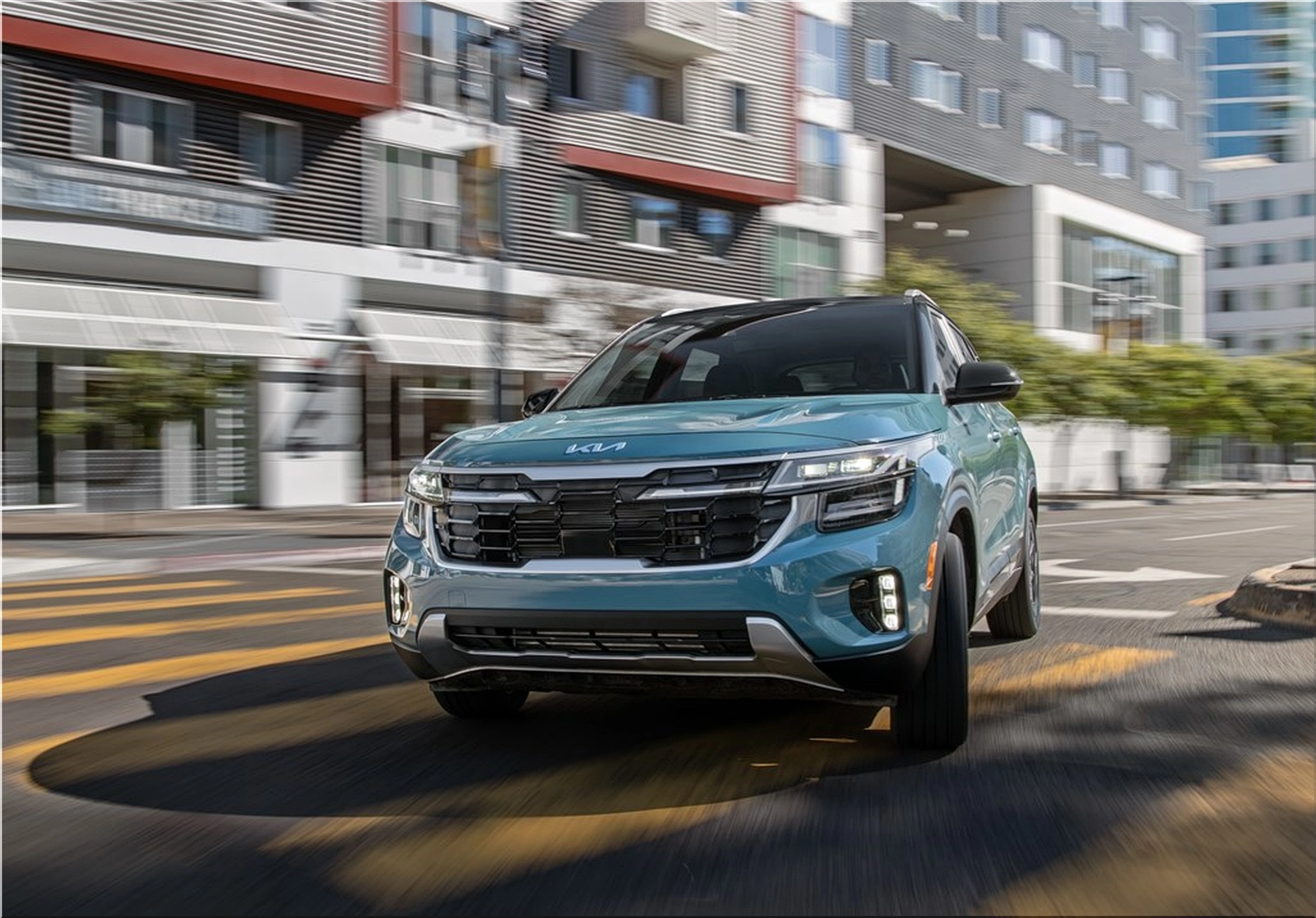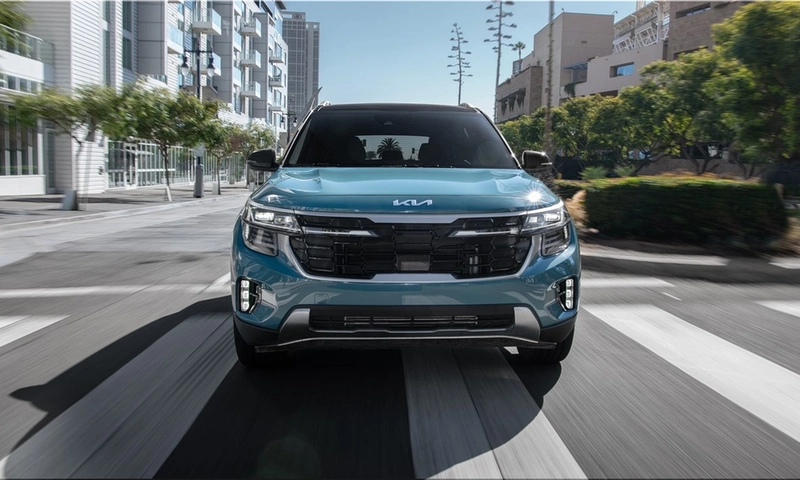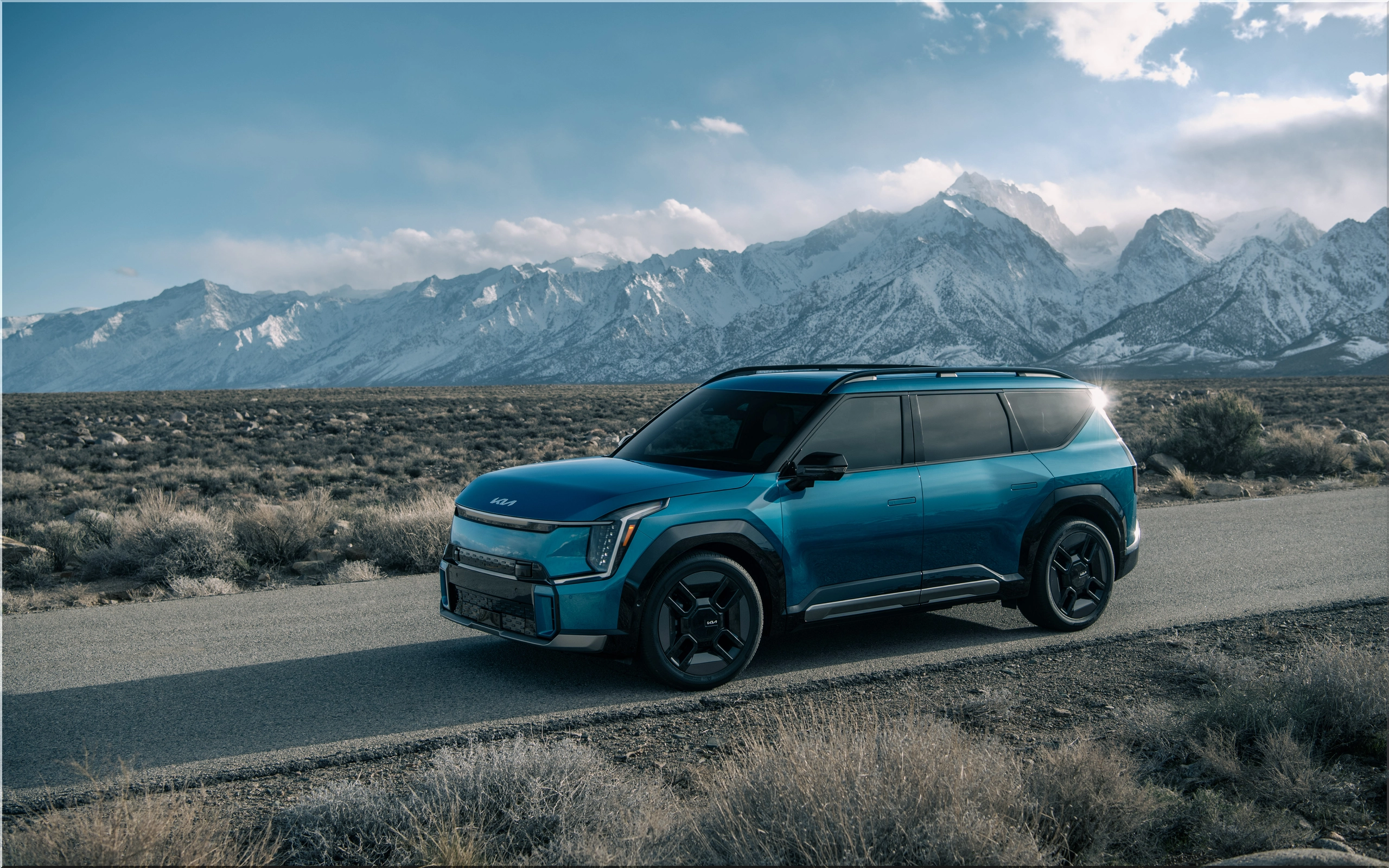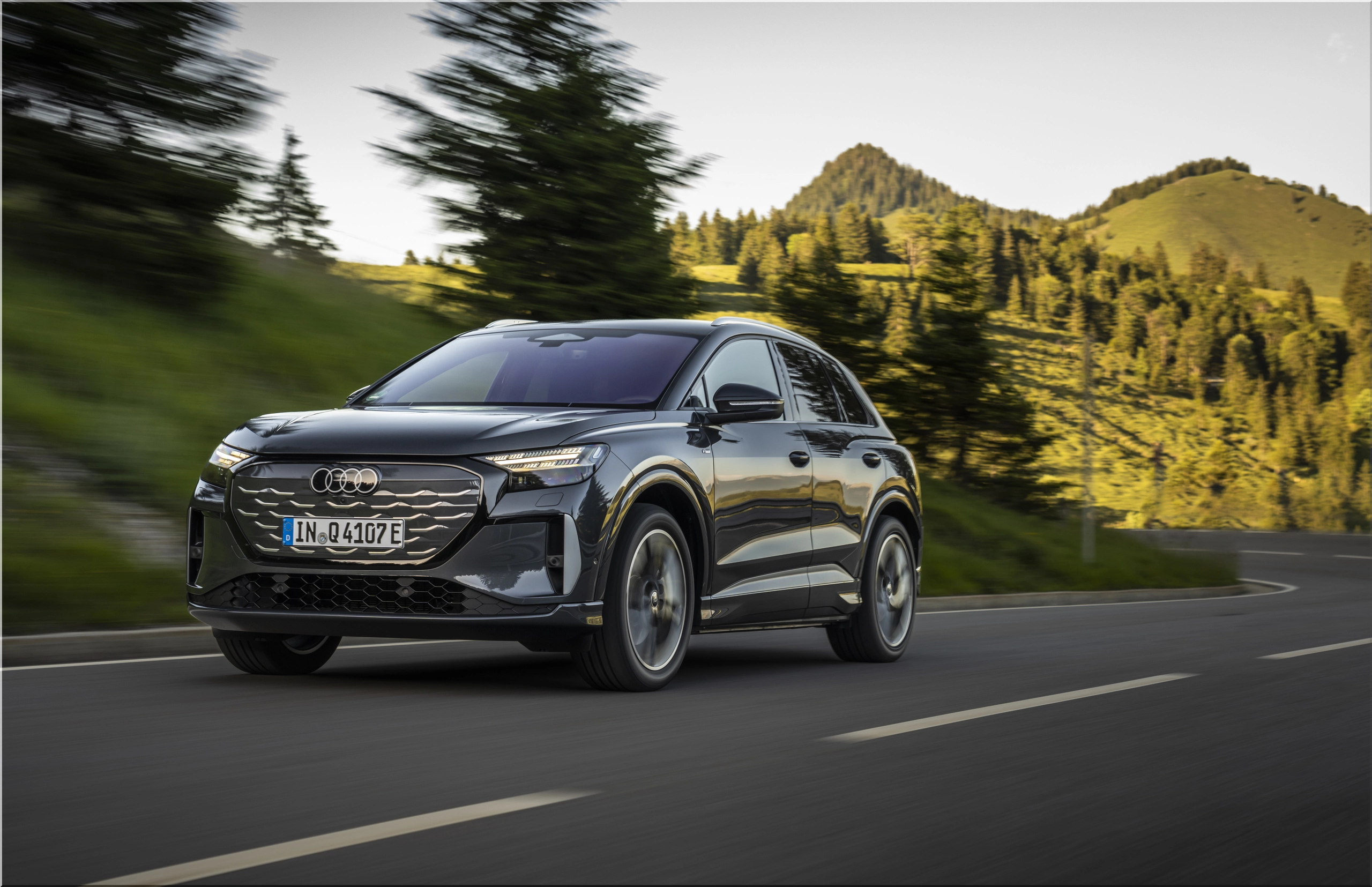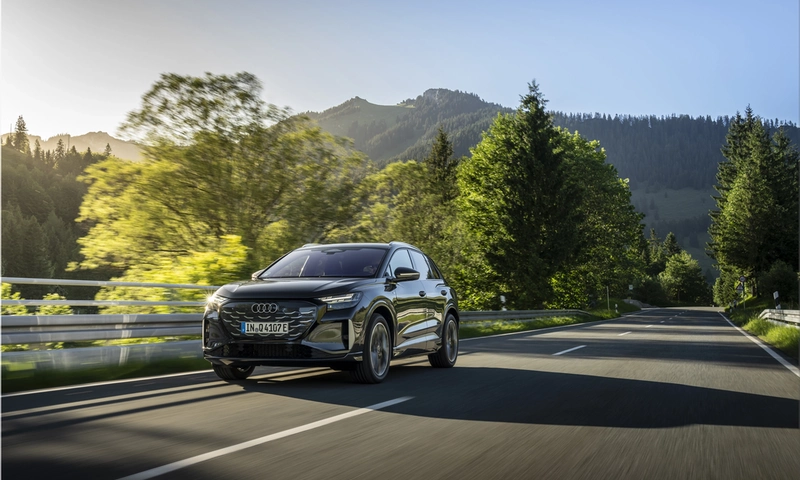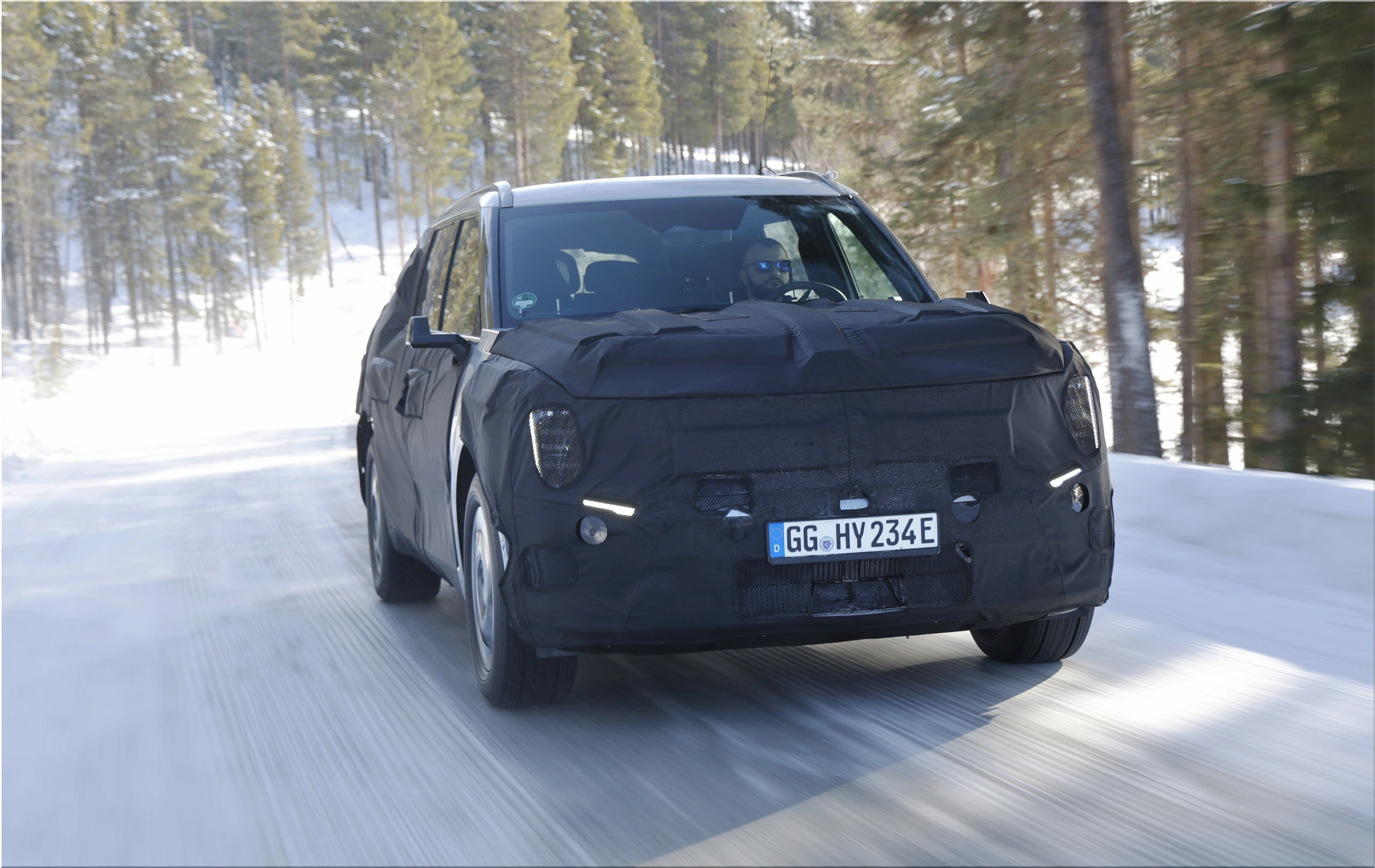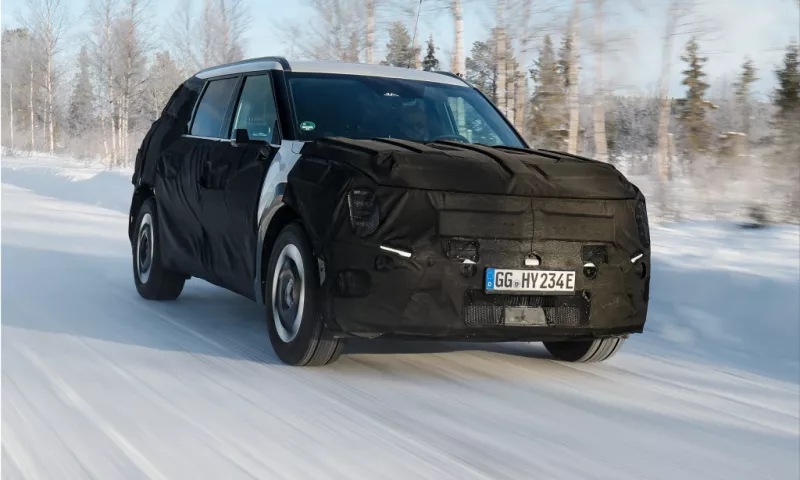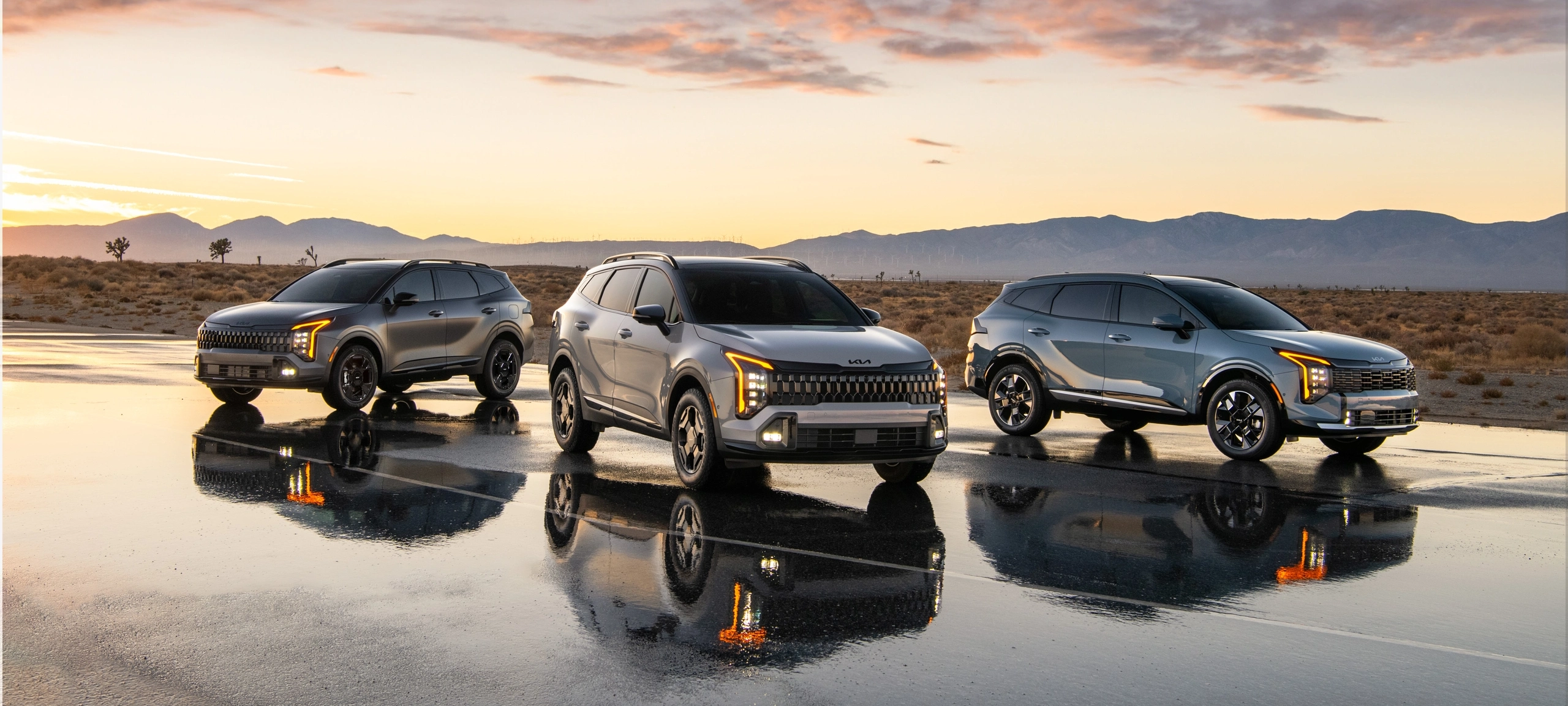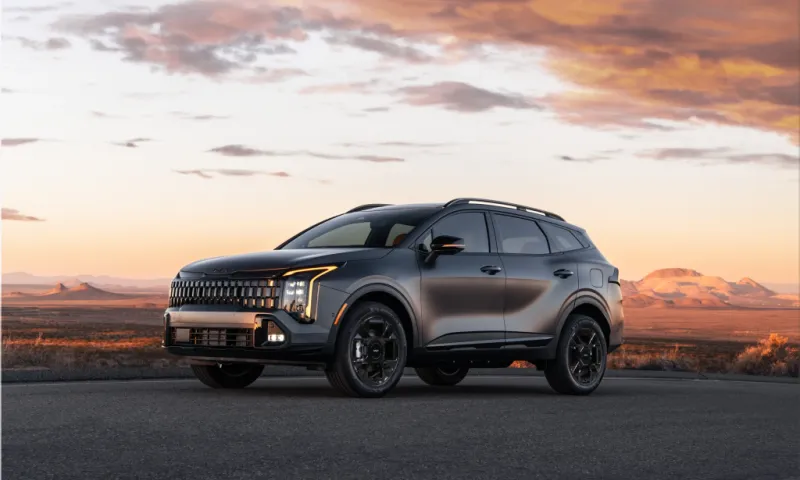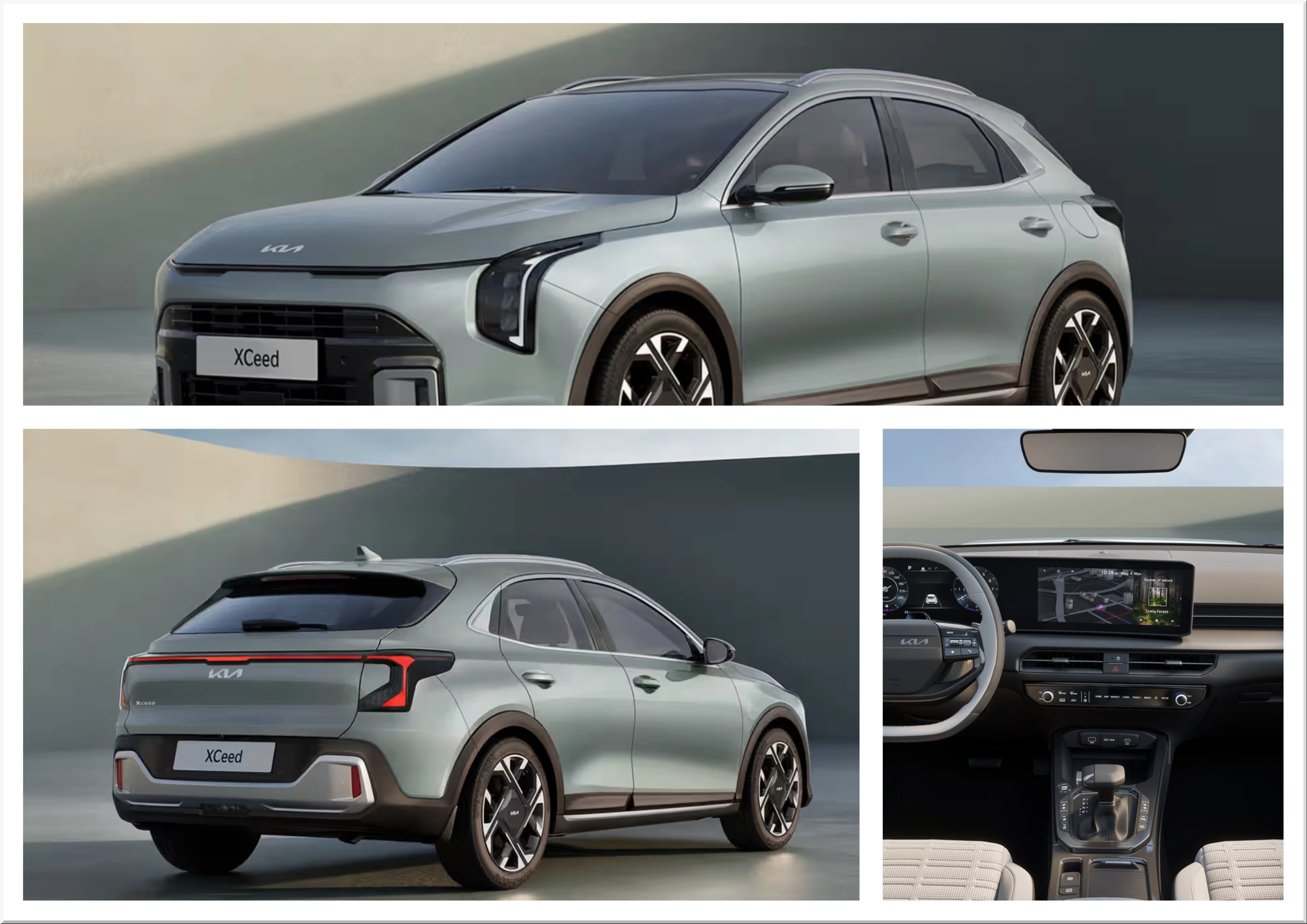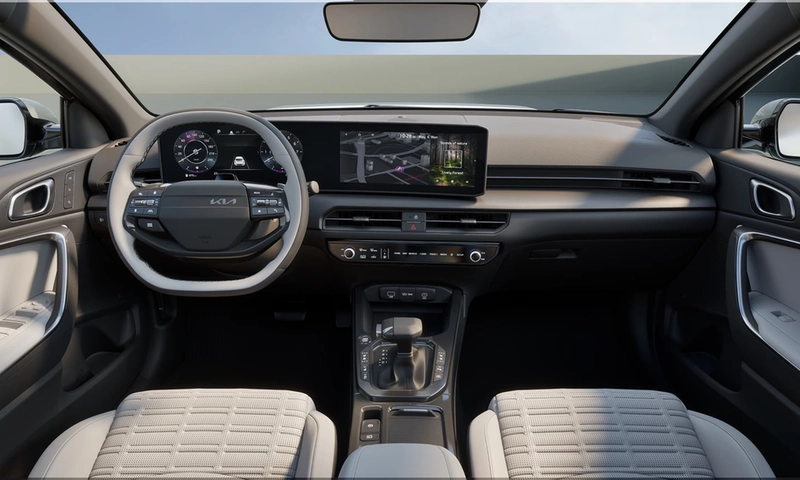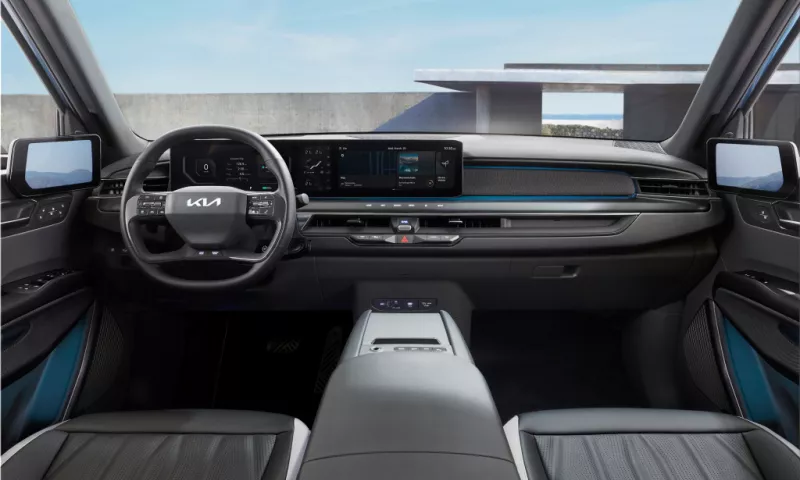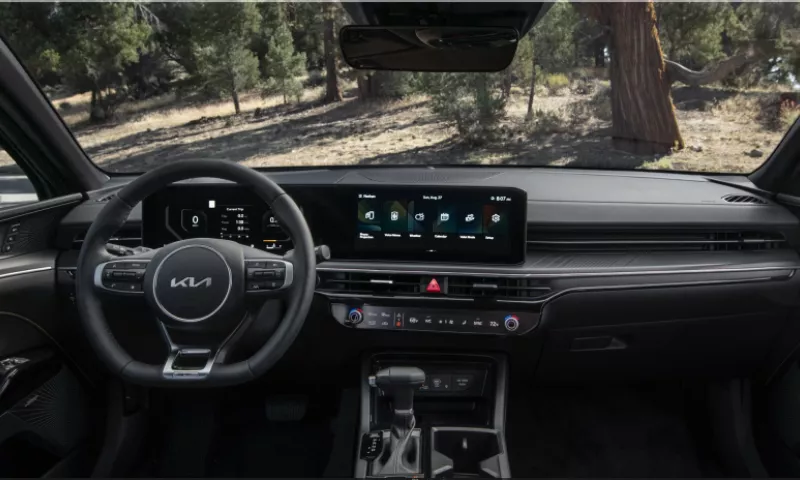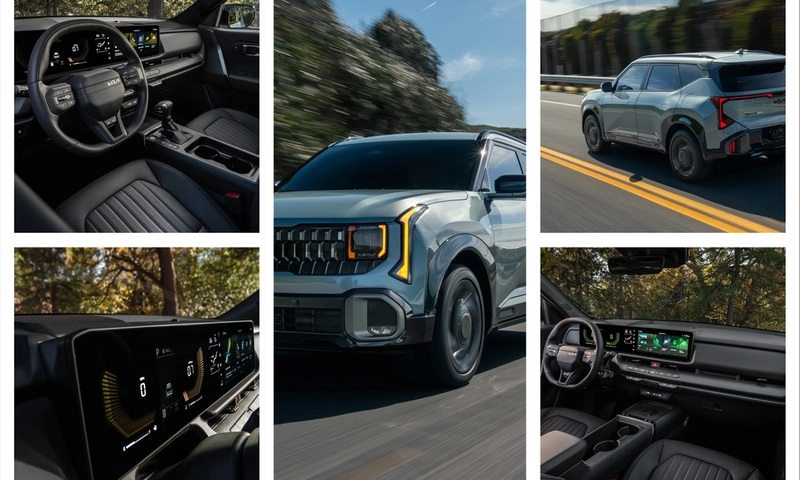
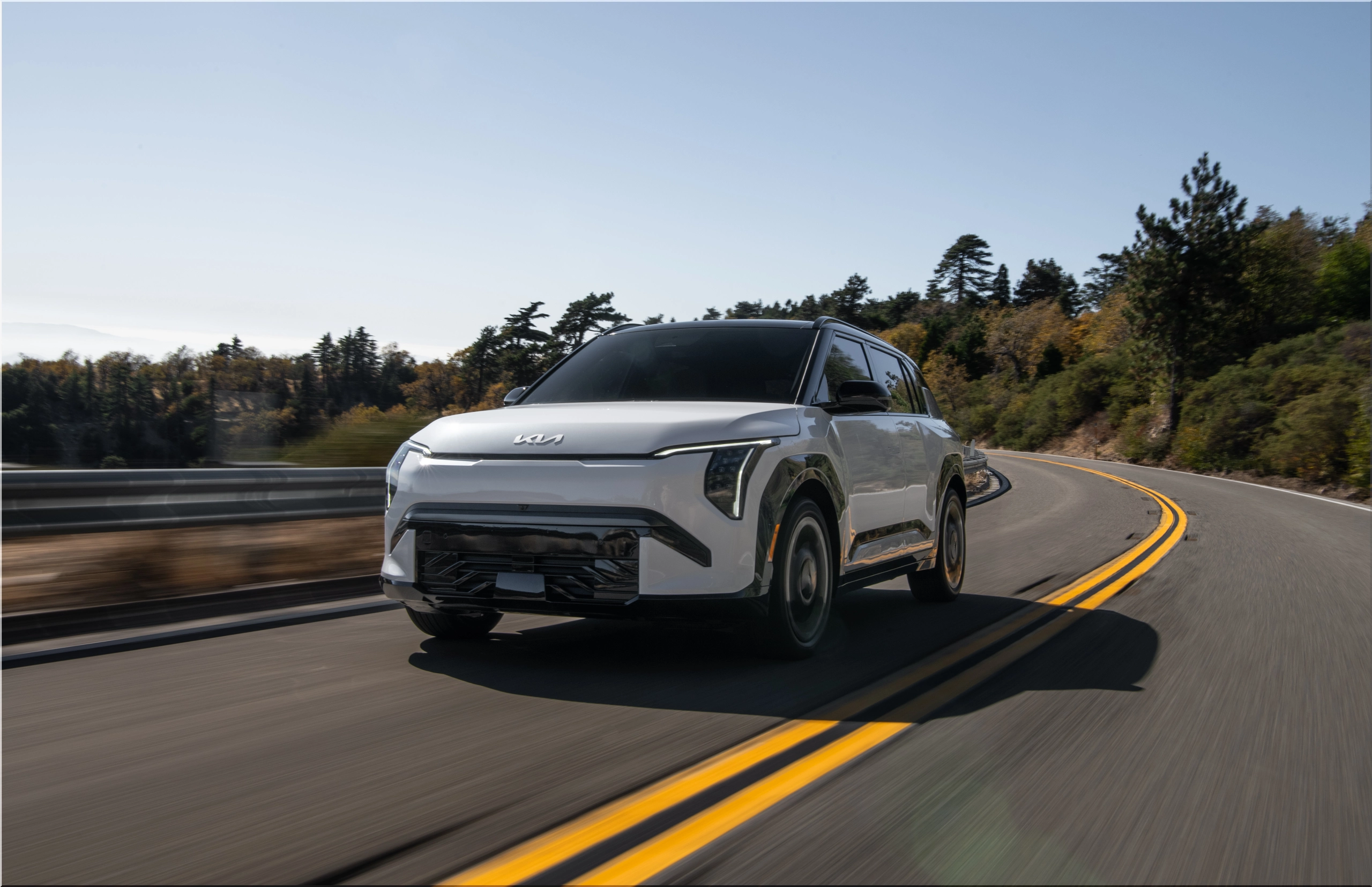
The 2027 Kia EV3 has a simple job. It needs to bring Kia's EV playbook down to a smaller footprint and a lower price band without feeling stripped out. Based on the first U.S. details, it does exactly that. Kia showed the new Kia EV3 at the 2026 New York International Auto Show as its most attainable EV yet for the American market.
The formula looks sharp: a compact electric SUV shape, up to 320 miles of estimated range, a standard NACS port, available all-wheel drive, and a dashboard that borrows heavily from the larger EV9. That matters, because small electric SUVs still suffer from one of two problems. They either feel too basic, or they get expensive fast.
Image
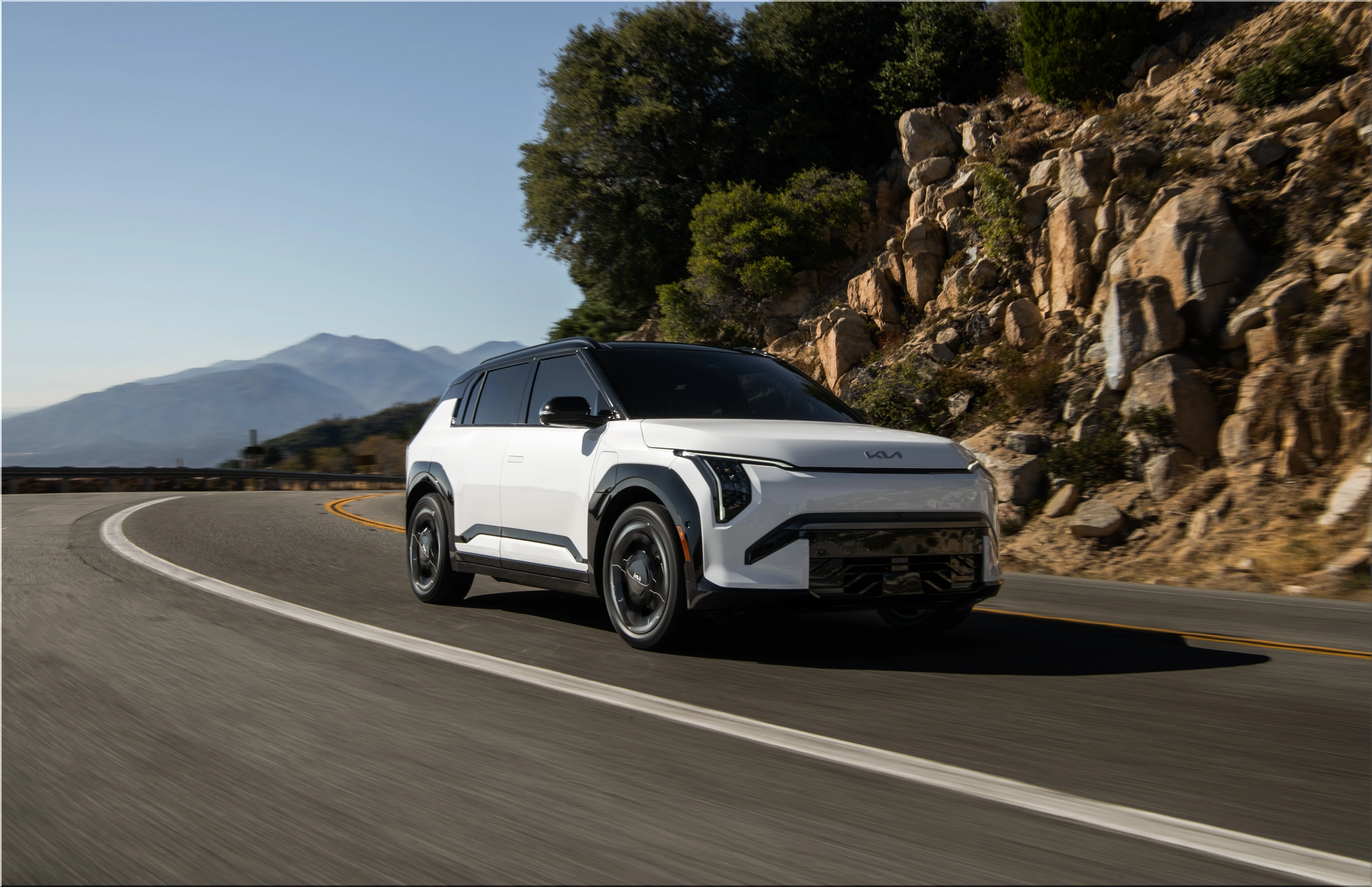
Kia aims straight at that gap. In addition, the EV3 arrives with enough range, charging speed, cabin tech, and daily usability to make buyers think twice about moving up a size class.
Why the 2027 Kia EV3 matters
Kia already proved it can build compelling EVs with the EV6 and EV9. The EV3 turns that design language and software stack into a smaller, more realistic package for city driving, commuting, and family duty.
That strategy makes sense. Buyers in this part of the market care less about bragging rights and more about four measurable things:
- Real range
- Charging convenience
- Cabin space
- Price discipline
The EV3 checks the first three boxes already. Kia has not announced U.S. pricing yet, but the hardware suggests it wants to sit right in the fight with the Hyundai Kona Electric, Volvo EX30, and Chevrolet Equinox EV rather than drift into premium territory.
Pro-Tip
A small EV wins when it cuts charging hassle, not when it posts a giant power number. The EV3's native NACS port and Plug and Charge setup may matter more in daily use than a flashy 0-60 claim.
Battery, range, charging, and powertrain
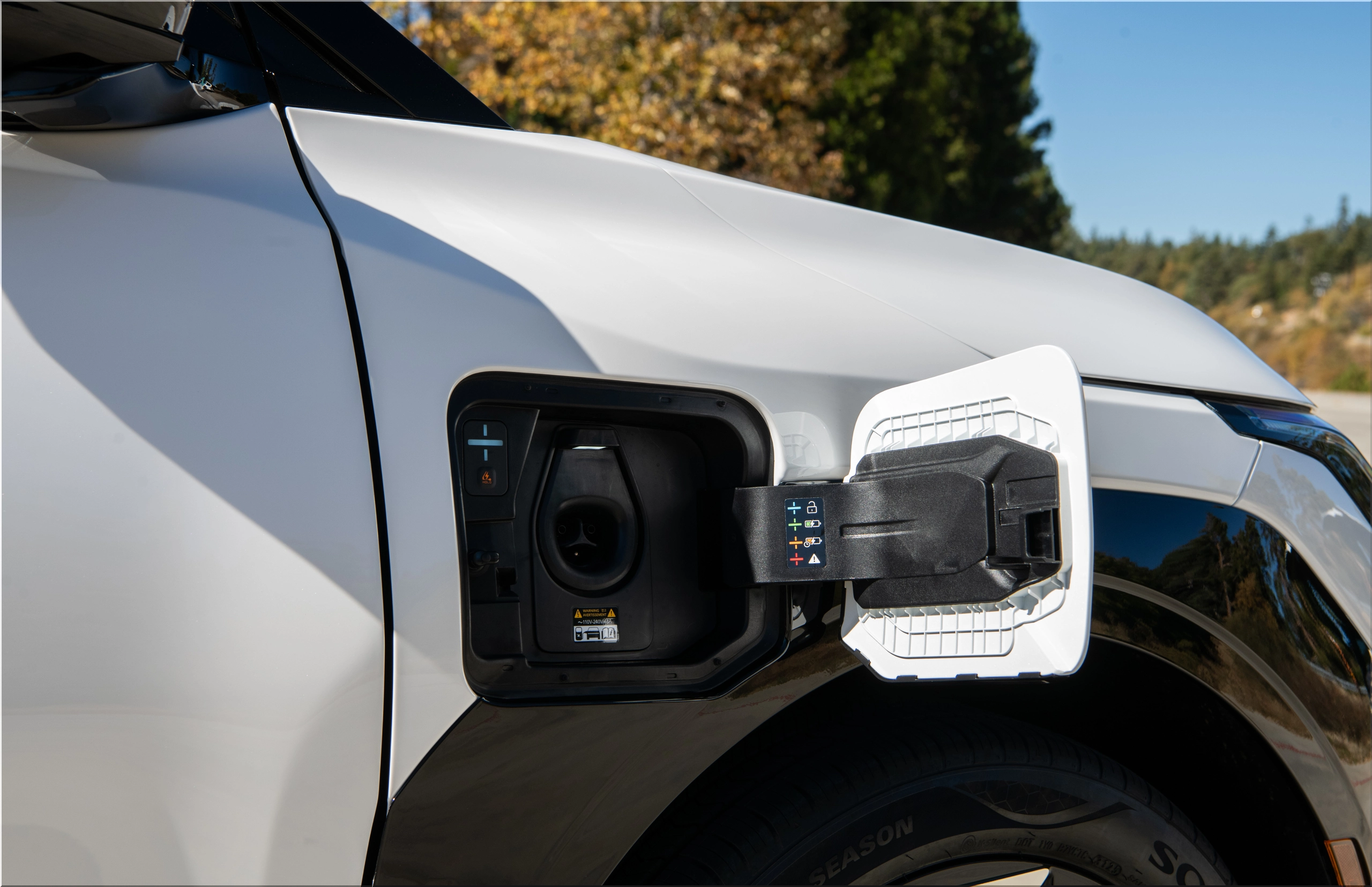
Kia built the U.S.-spec EV3 on the 400V E-GMP platform, not the 800V version that helps the EV6 and EV9 post bigger fast-charge bragging rights. That sounds like a compromise, and it is. Specifically, Kia traded absolute charging speed for lower cost and packaging efficiency in a smaller SUV.
That trade still looks reasonable on paper.
Image
2027 Kia EV3 core powertrain data
| Spec | Light | Wind / Land / GT-Line / GT |
|---|---|---|
| Battery capacity | 58.3 kWh | 81.4 kWh |
| Drivetrain | FWD | FWD or available AWD |
| Estimated range | 220 miles | Up to 320 miles FWD |
| DC fast charge 10-80% | 29 minutes | 31 minutes |
| Charging port | NACS | NACS |
| V2L / V2H | Available | Available |
The base Light trim uses a 58.3 kWh battery and front-wheel drive. Kia estimates 220 miles of range. Move up to the 81.4 kWh battery, and front-drive versions reach a Kia-estimated 320 miles. That puts the long-range EV3 right where it needs to be for U.S. buyers who want one vehicle for commuting, errands, and weekend highway use.
Looking at the data, the charge-time story also holds up better than some shoppers may expect from a 400V system. Kia says the small pack can go from 10 to 80 percent in 29 minutes, while the larger pack needs 31 minutes. Those numbers will not embarrass rivals, and the standard NACS charging port removes one major ownership headache.
On the performance side, the headline figure belongs to the EV3 GT, which makes 288 horsepower. Other AWD versions make 261 horsepower. By comparison, that gives the GT enough punch to keep the model line interesting without turning the whole range into a power contest.
Dimensions, size, and packaging logic
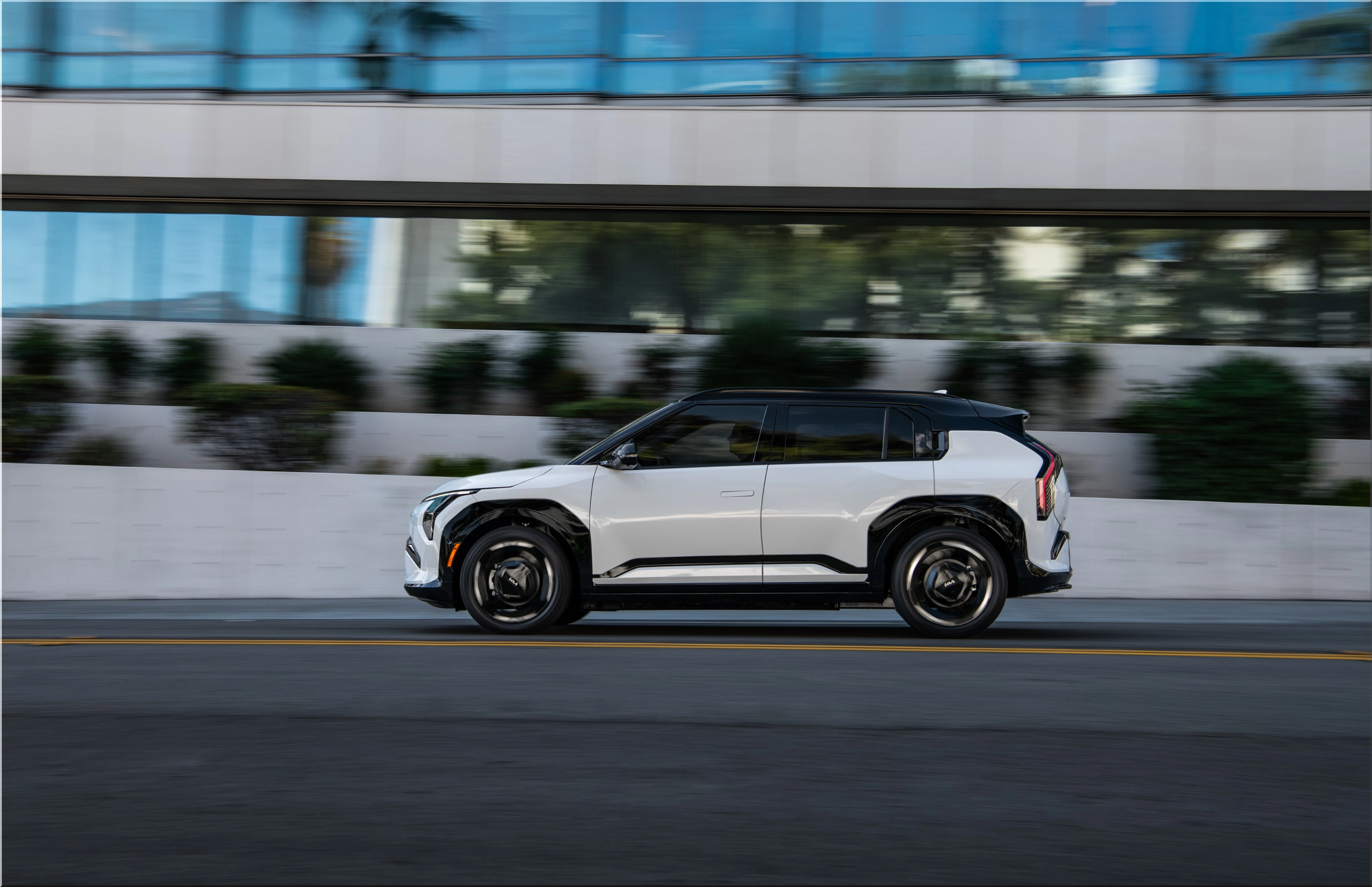
The EV3 lands in a useful middle ground. It is not a tiny compliance-style runabout, but it does not sprawl like a larger family EV either.
Image
2027 Kia EV3 dimensions
| Measurement | EV3 Base | EV3 GT-Line / upper-spec global reference |
|---|---|---|
| Length | 169.3 in / 4,300 mm | 169.7 in / 4,310 mm |
| Width | 72.8 in / 1,850 mm | 72.8 in / 1,850 mm |
| Height | 61.4 in / 1,560 mm | 61.8 in / 1,570 mm |
| Wheelbase | 105.5 in / 2,680 mm | 105.5 in / 2,680 mm |
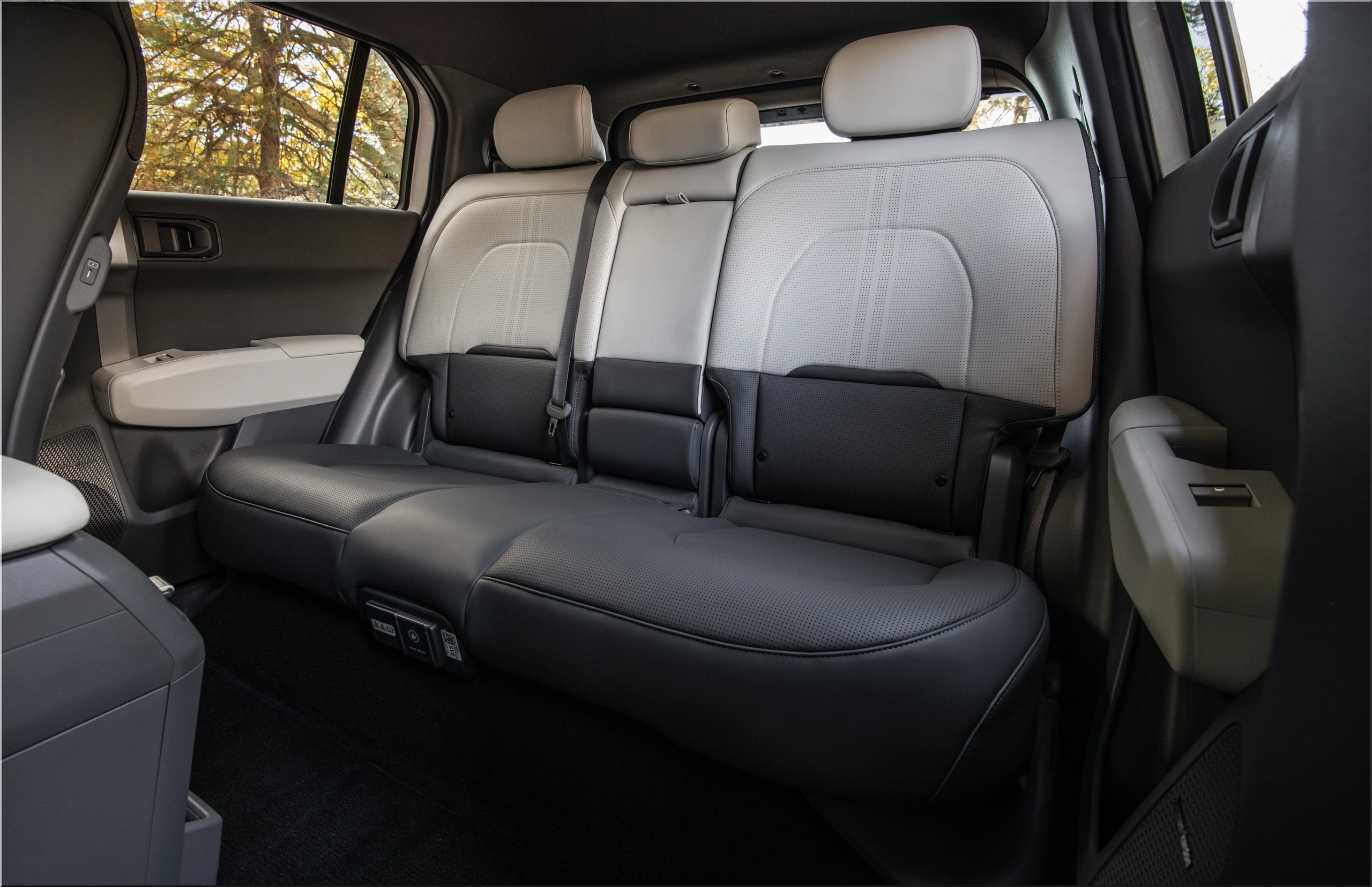
That 105.5-inch wheelbase does a lot of heavy lifting. It gives the EV3 short overhangs, pushes the wheels toward the corners, and helps the cabin feel larger than the exterior footprint suggests. Consequently, Kia can sell the EV3 as urban-friendly without making it feel cramped.
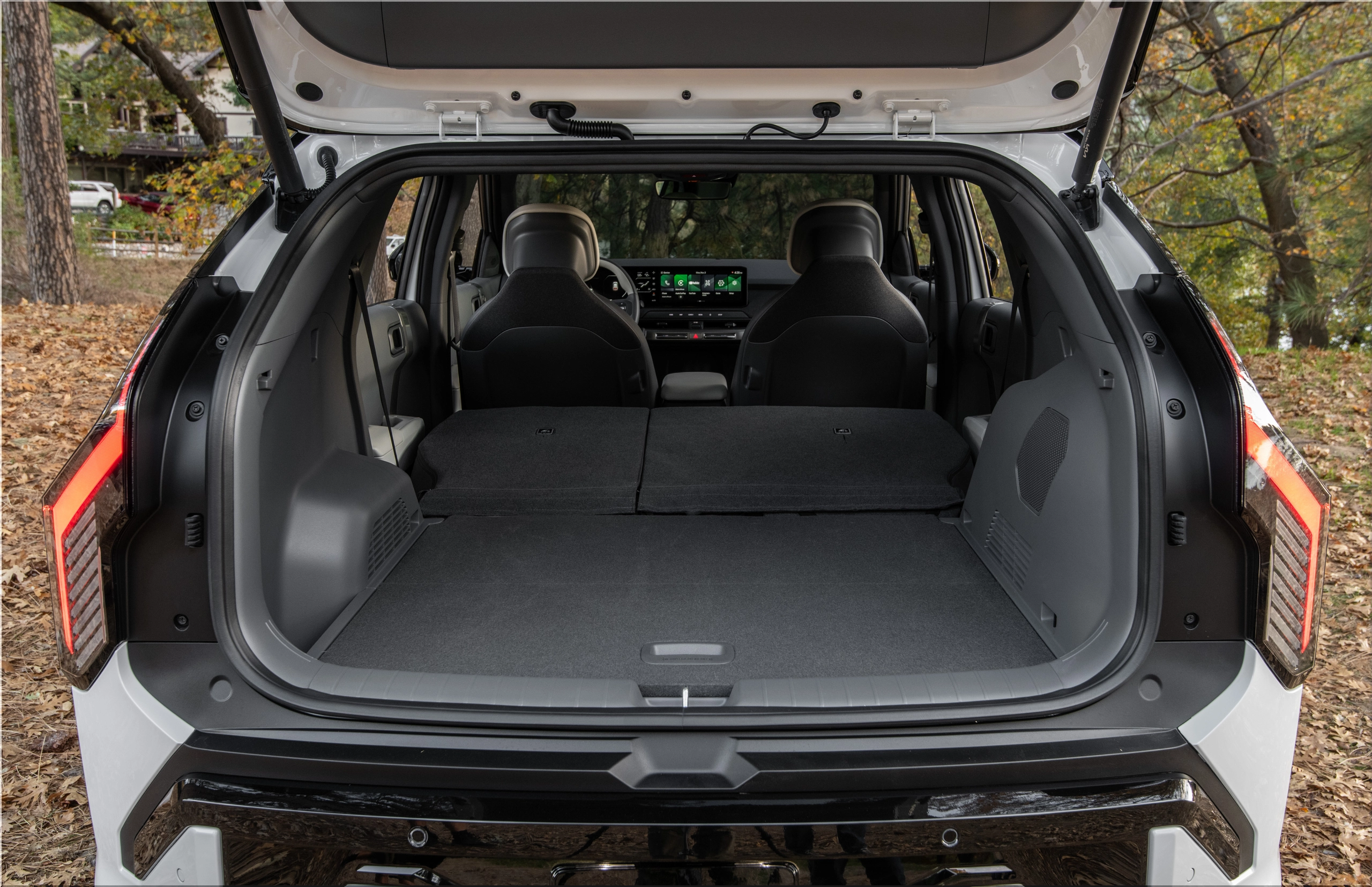
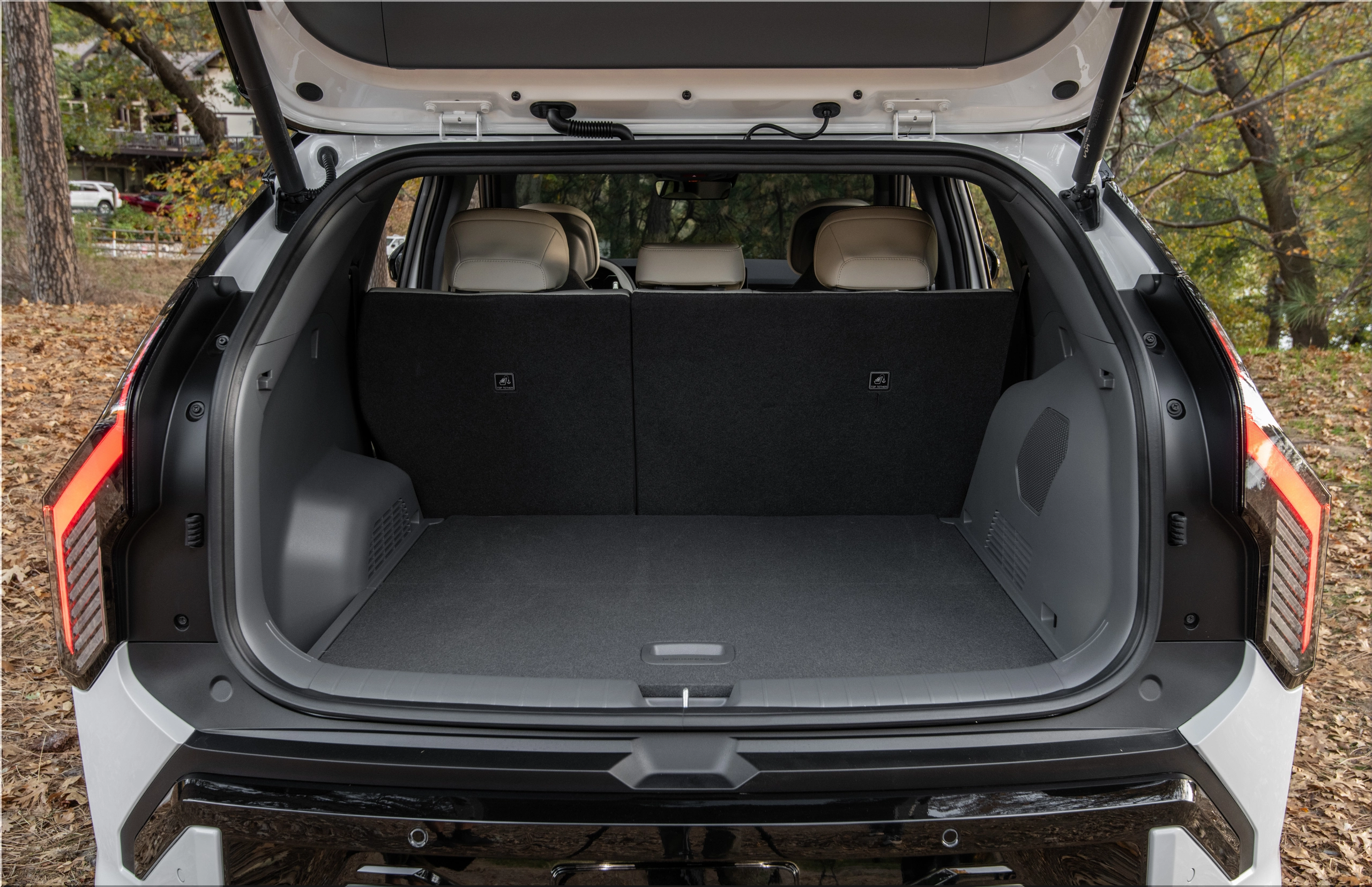
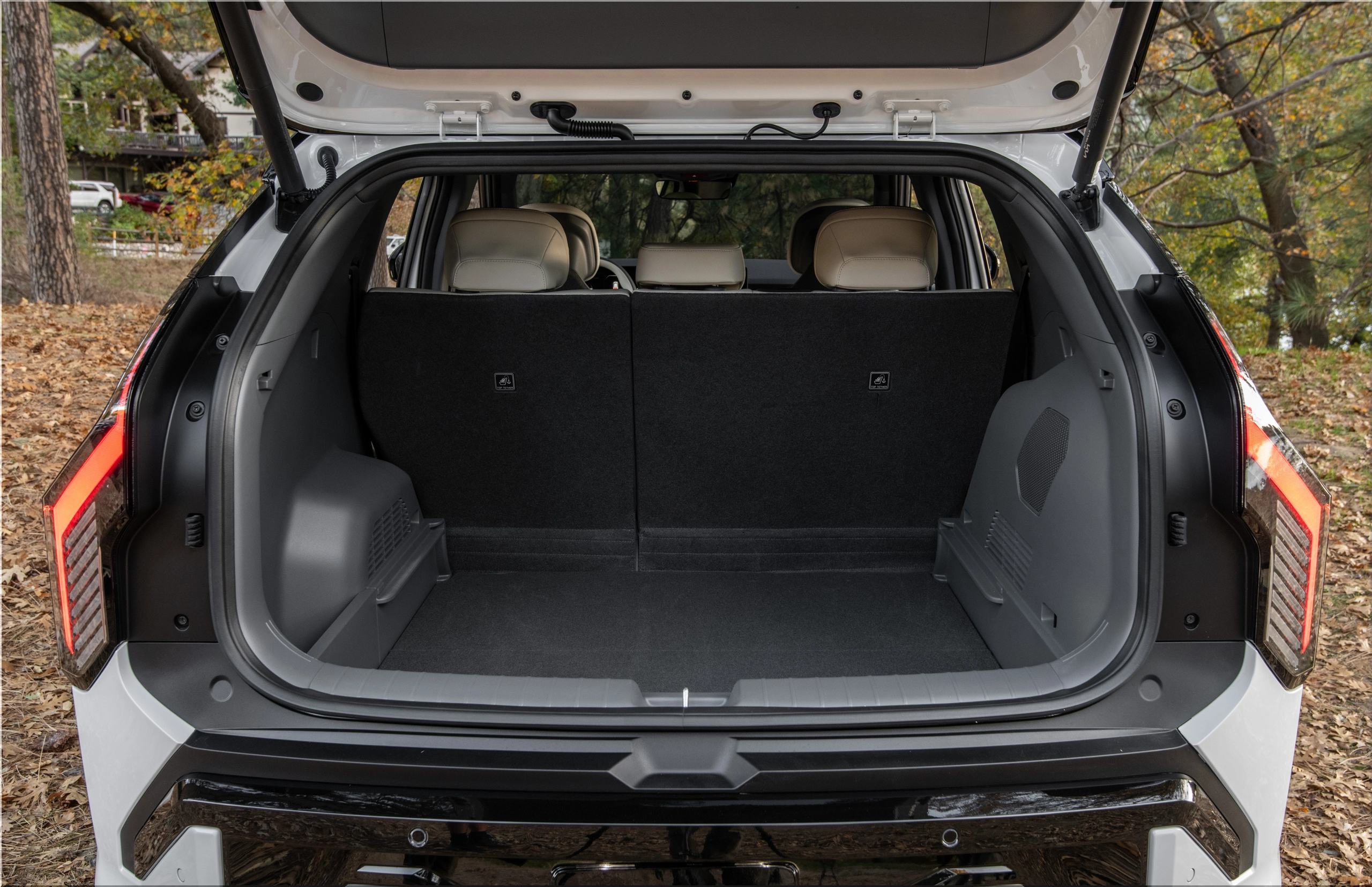
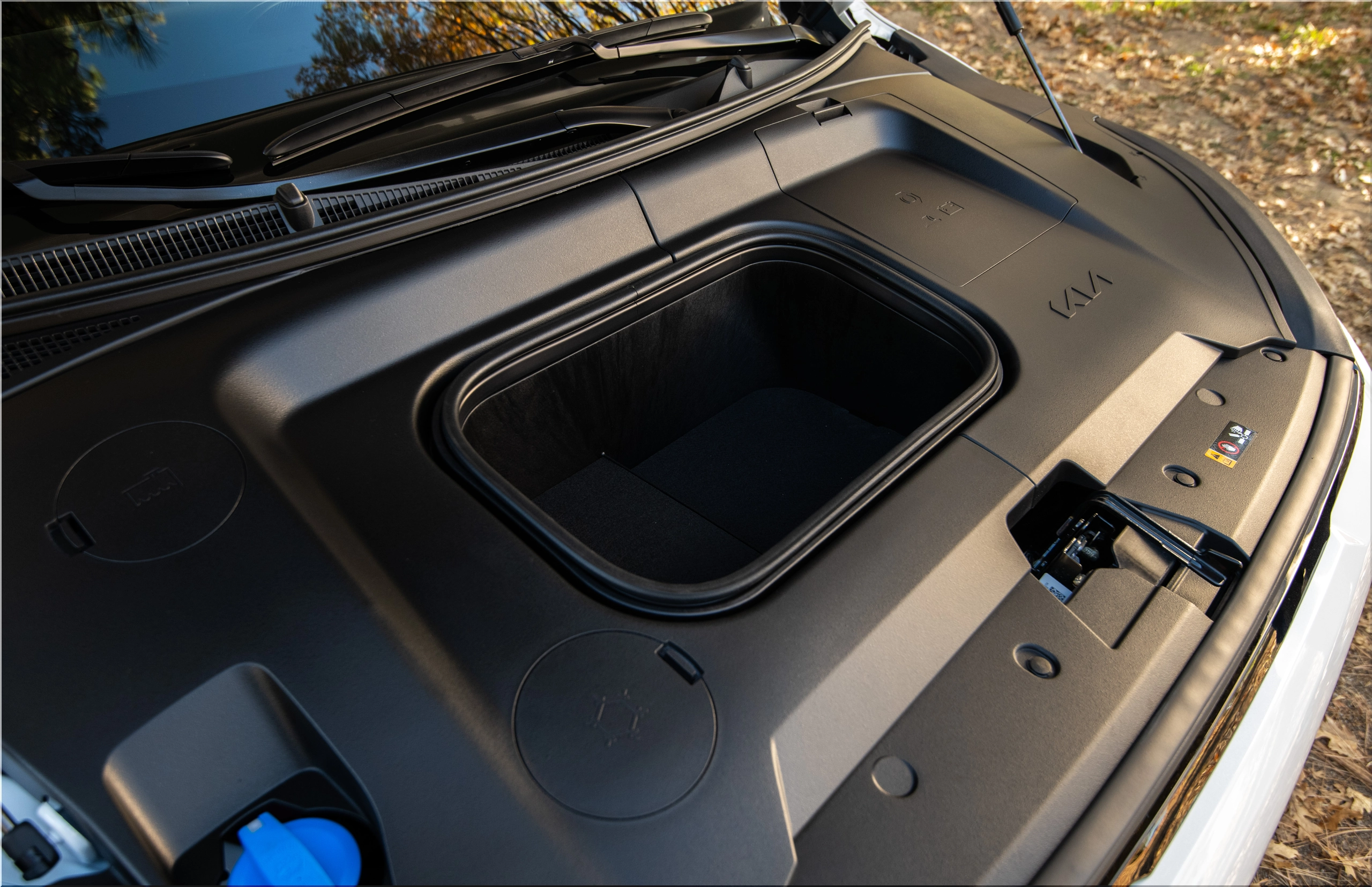
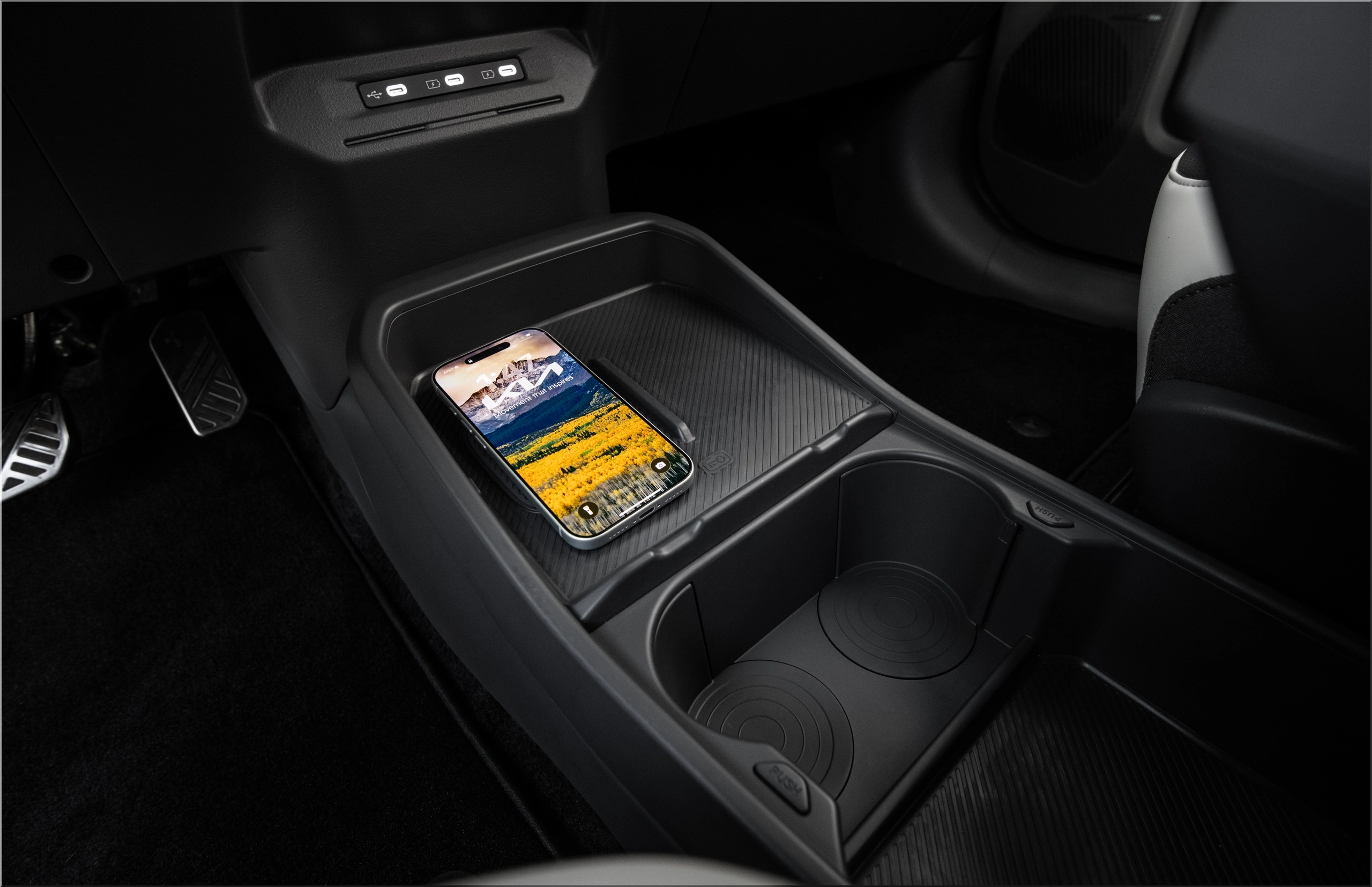
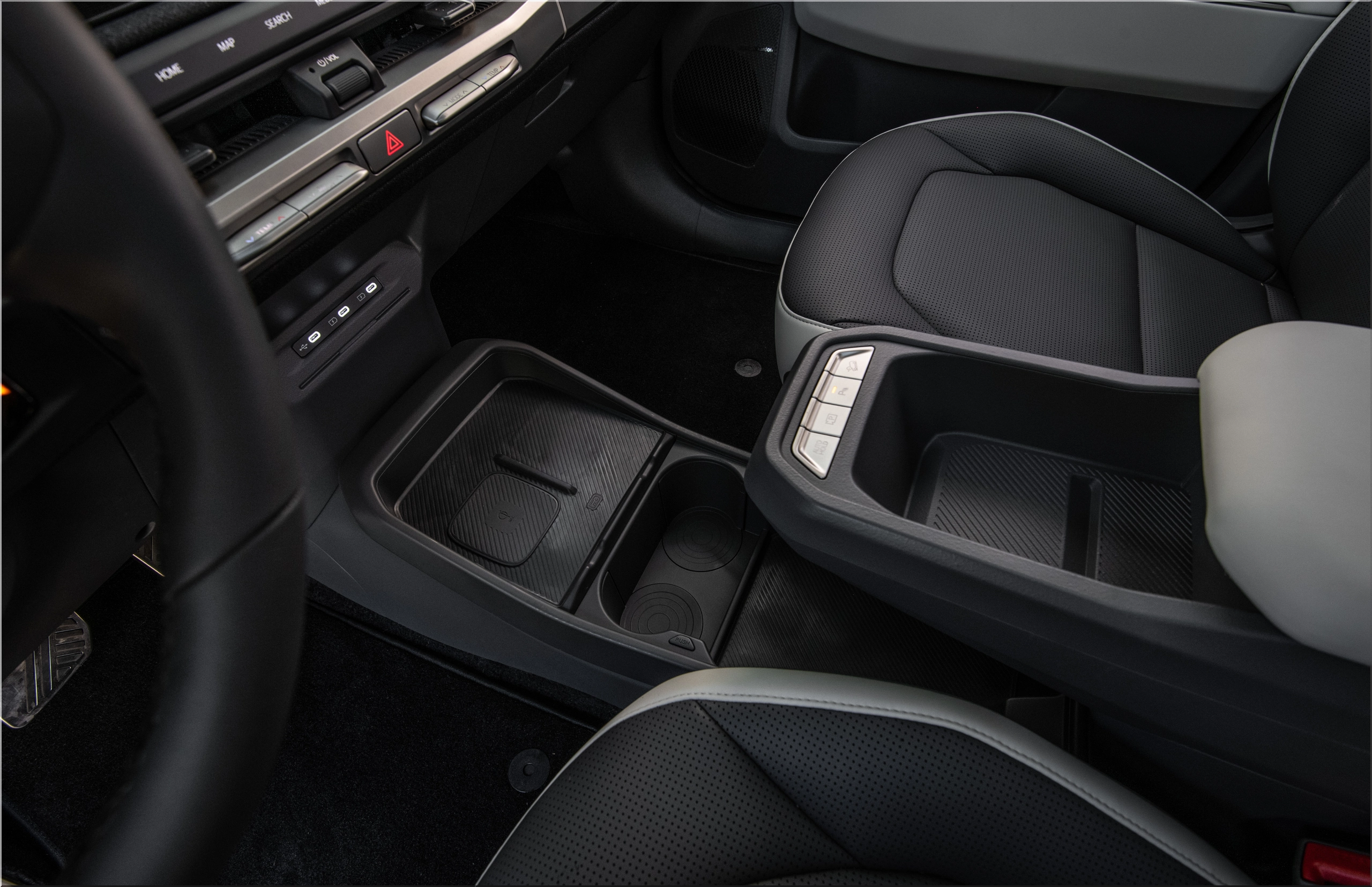
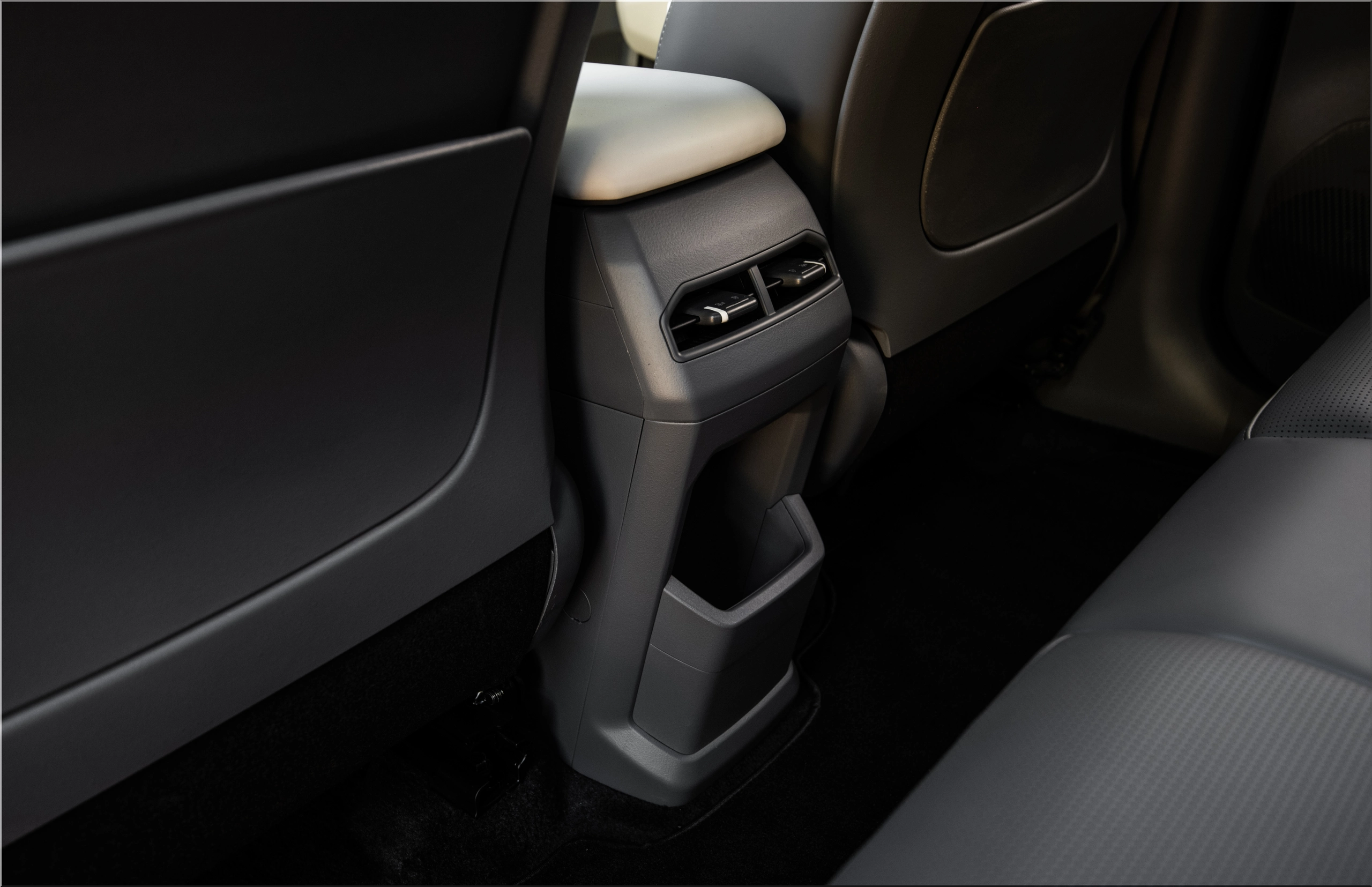
Cargo numbers back that up. The EV3 offers 26.1 cubic feet behind the second row, 56.5 cubic feet behind the first row, and a 0.9 cubic foot frunk. Rear seatbacks recline up to 39 degrees, which sounds like a small detail until you spend time in the back seat on a longer drive.
From an expert perspective, this is the part of the EV3 package that may land hardest with mainstream buyers. Battery-electric packaging works best when the cabin feels one class larger than the body. Kia seems to understand that.
Video file
Video title
2027 Kia EV3
Interior tech and daily usability
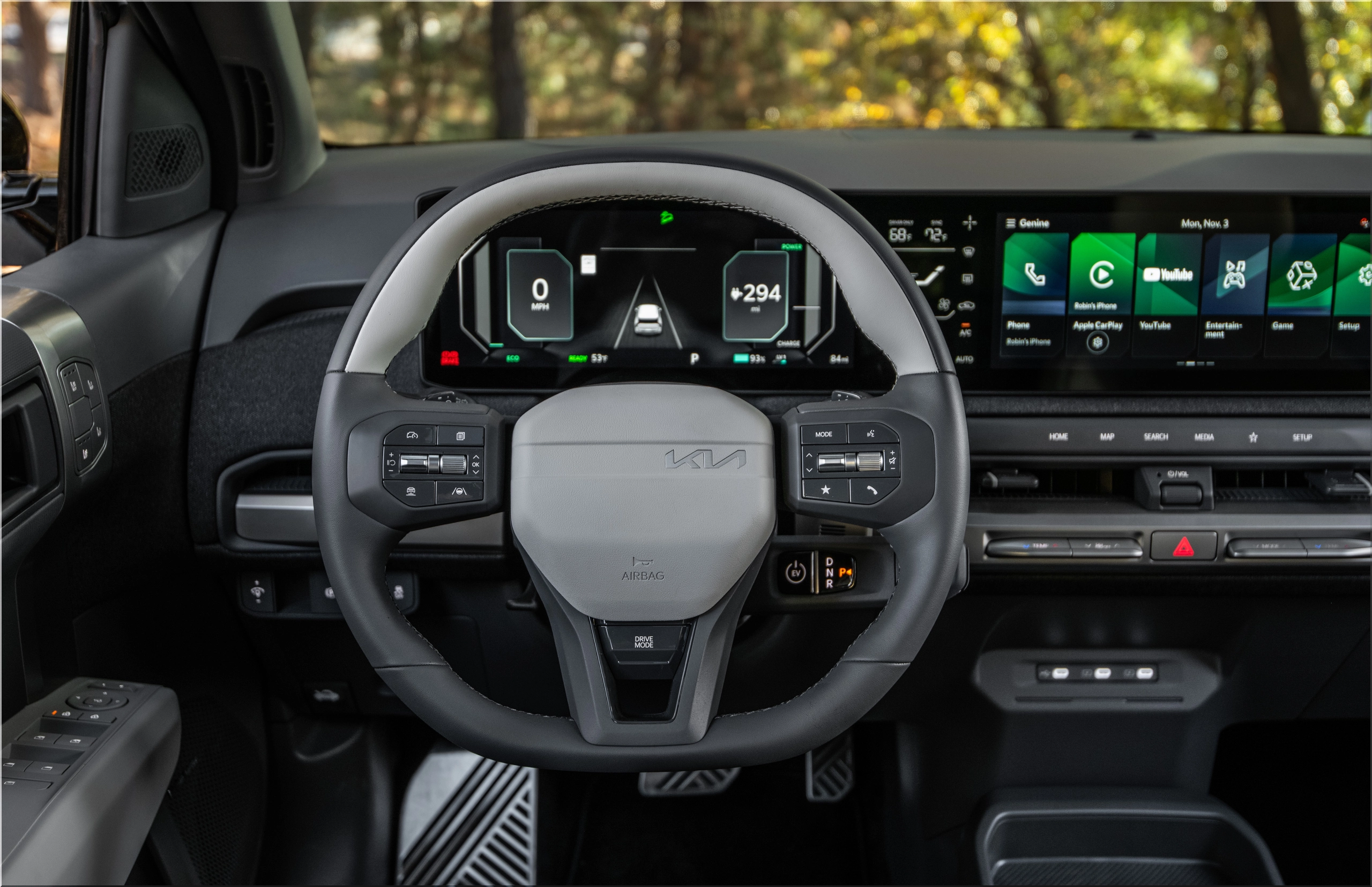
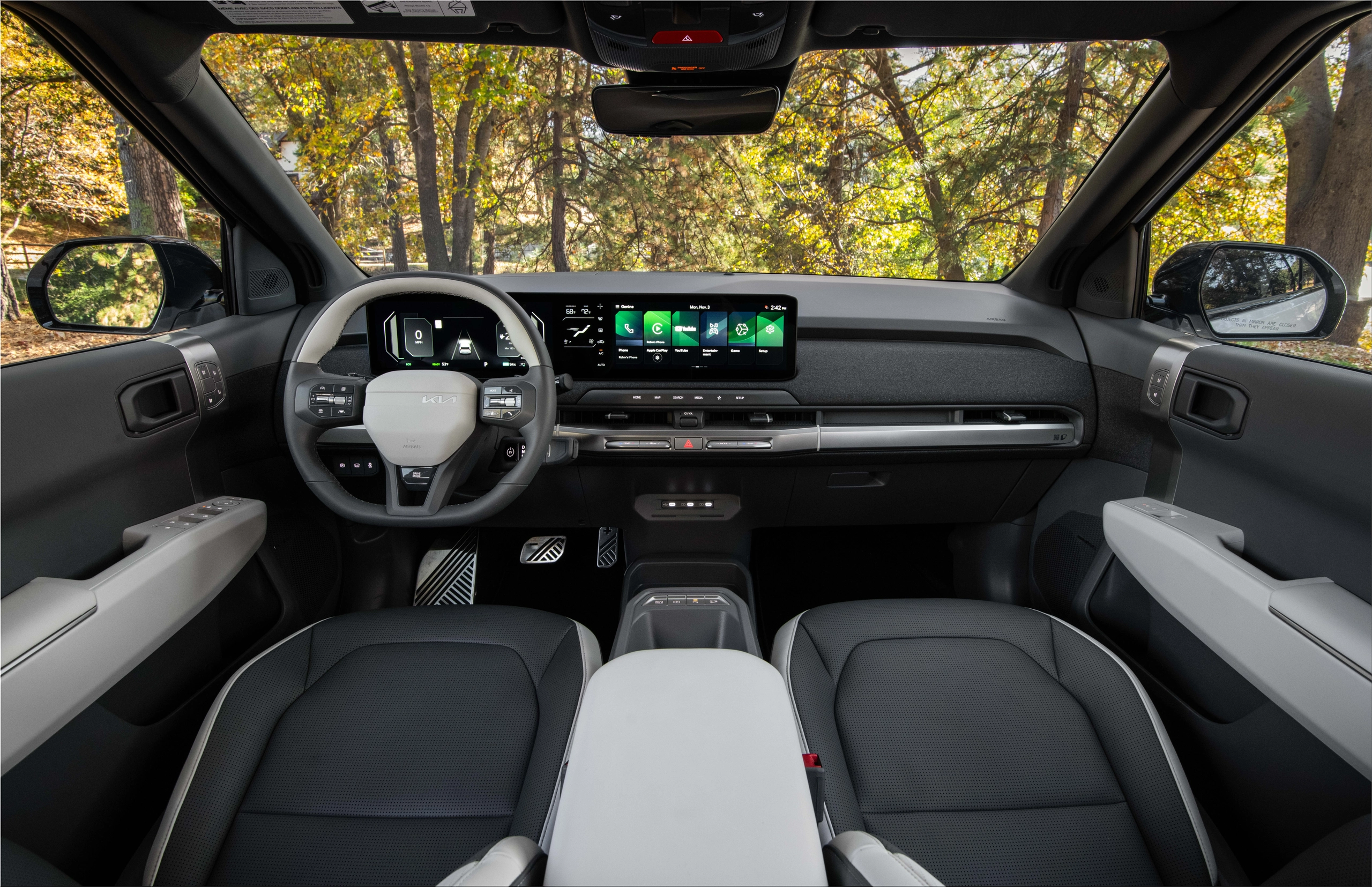
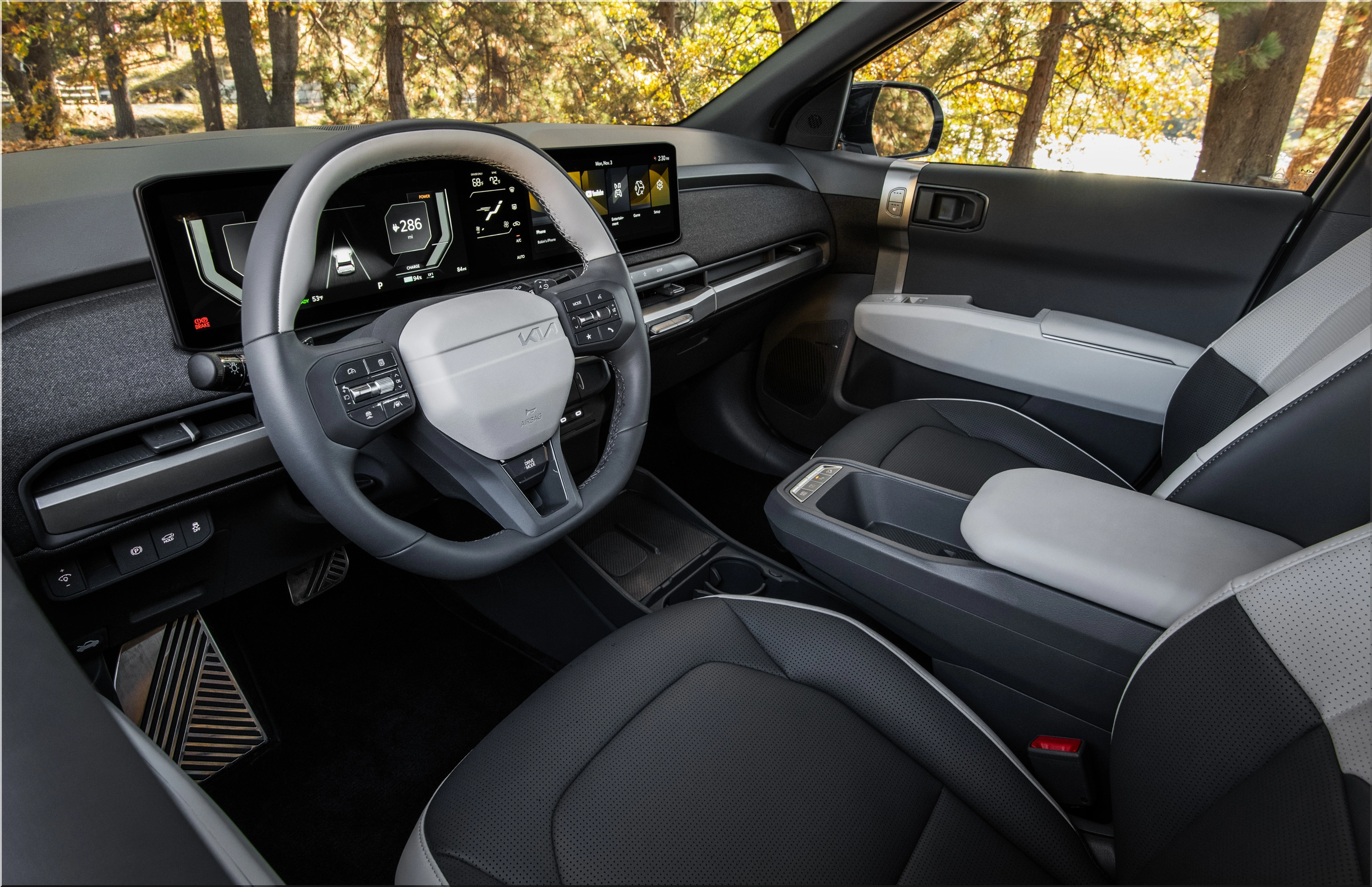
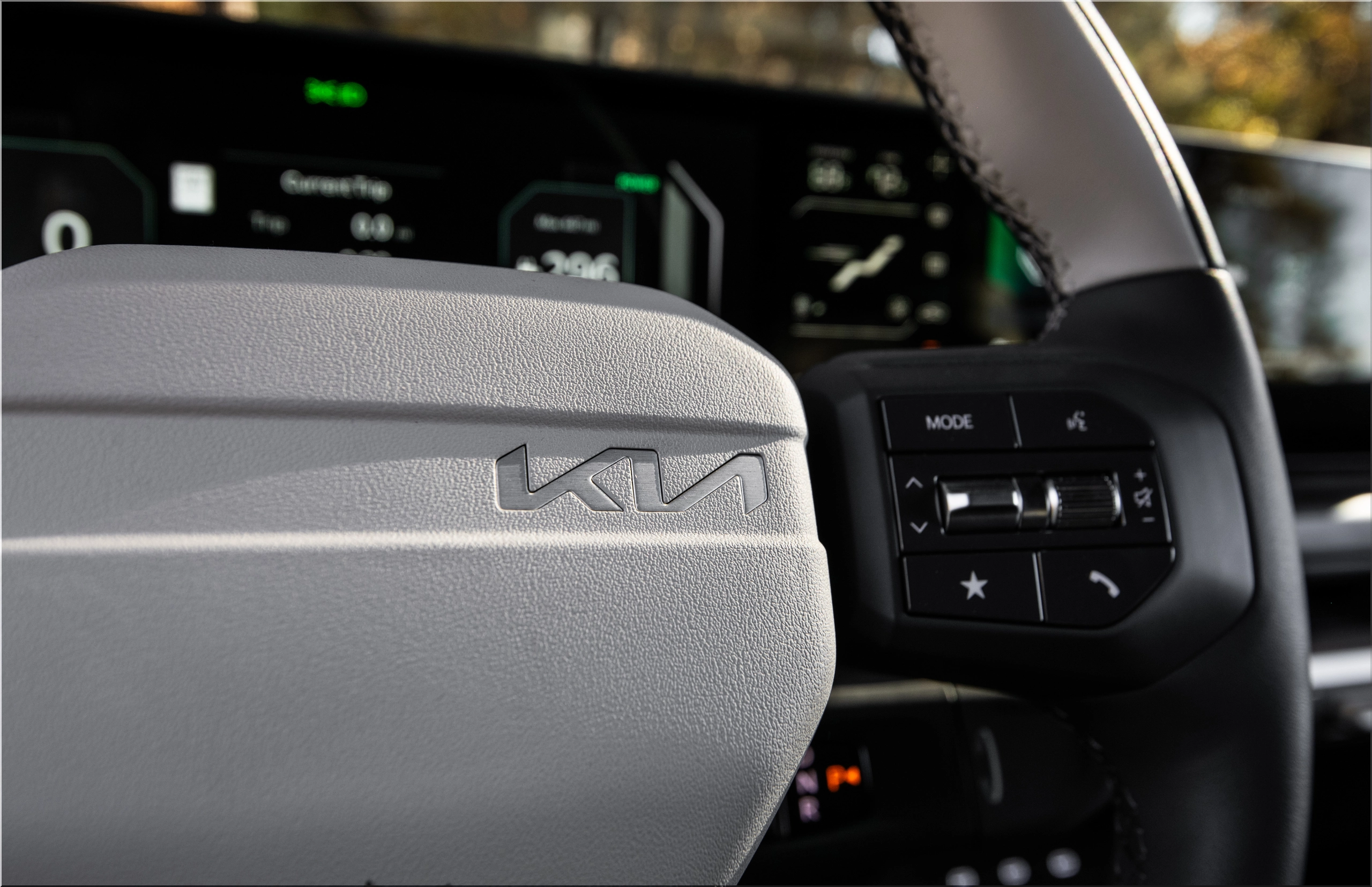
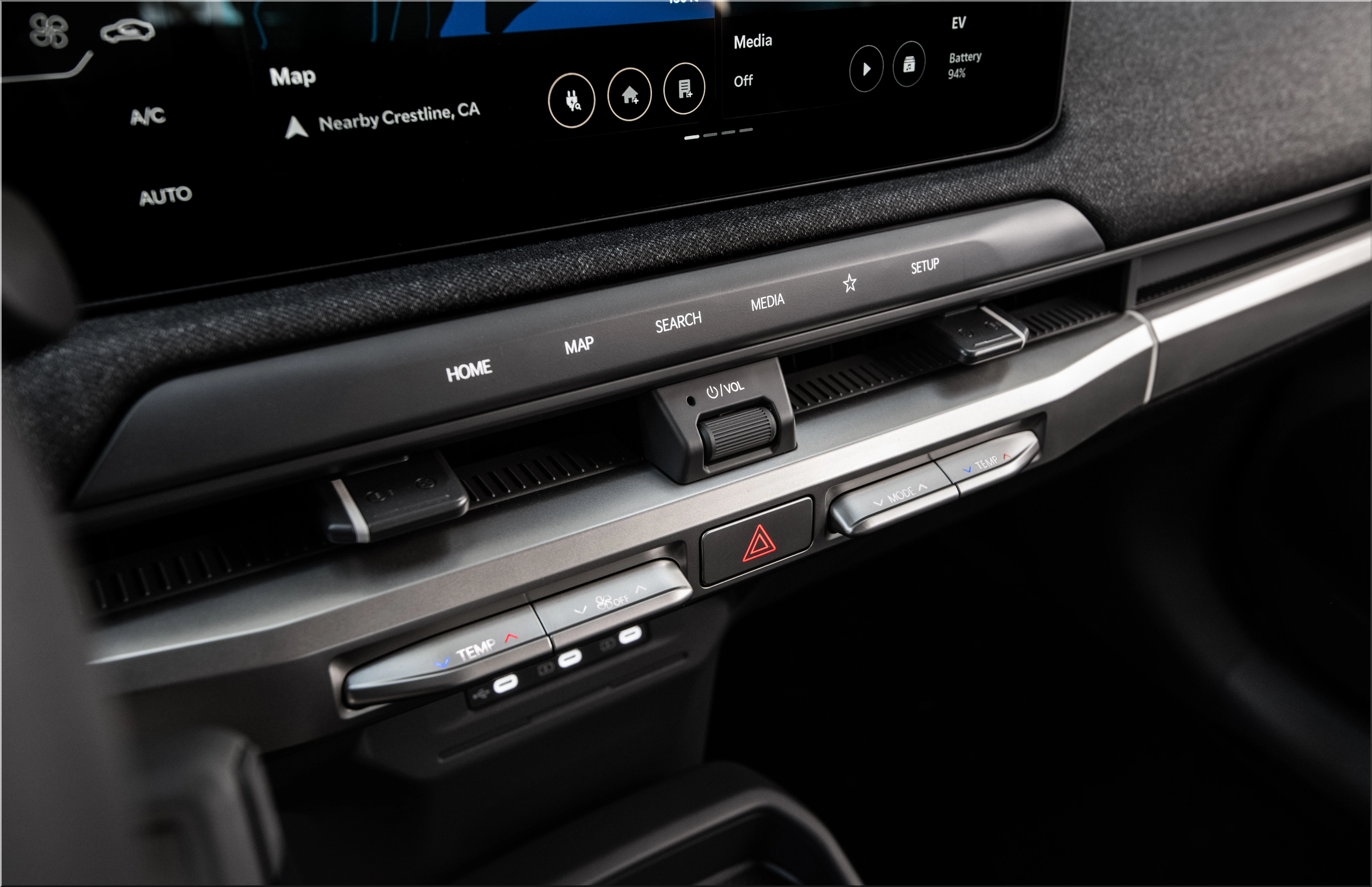
The Kia EV3 interior follows the EV9 template more closely than many entry models dare. That helps the EV3 avoid the cheapened feel that often shows up in smaller EVs.
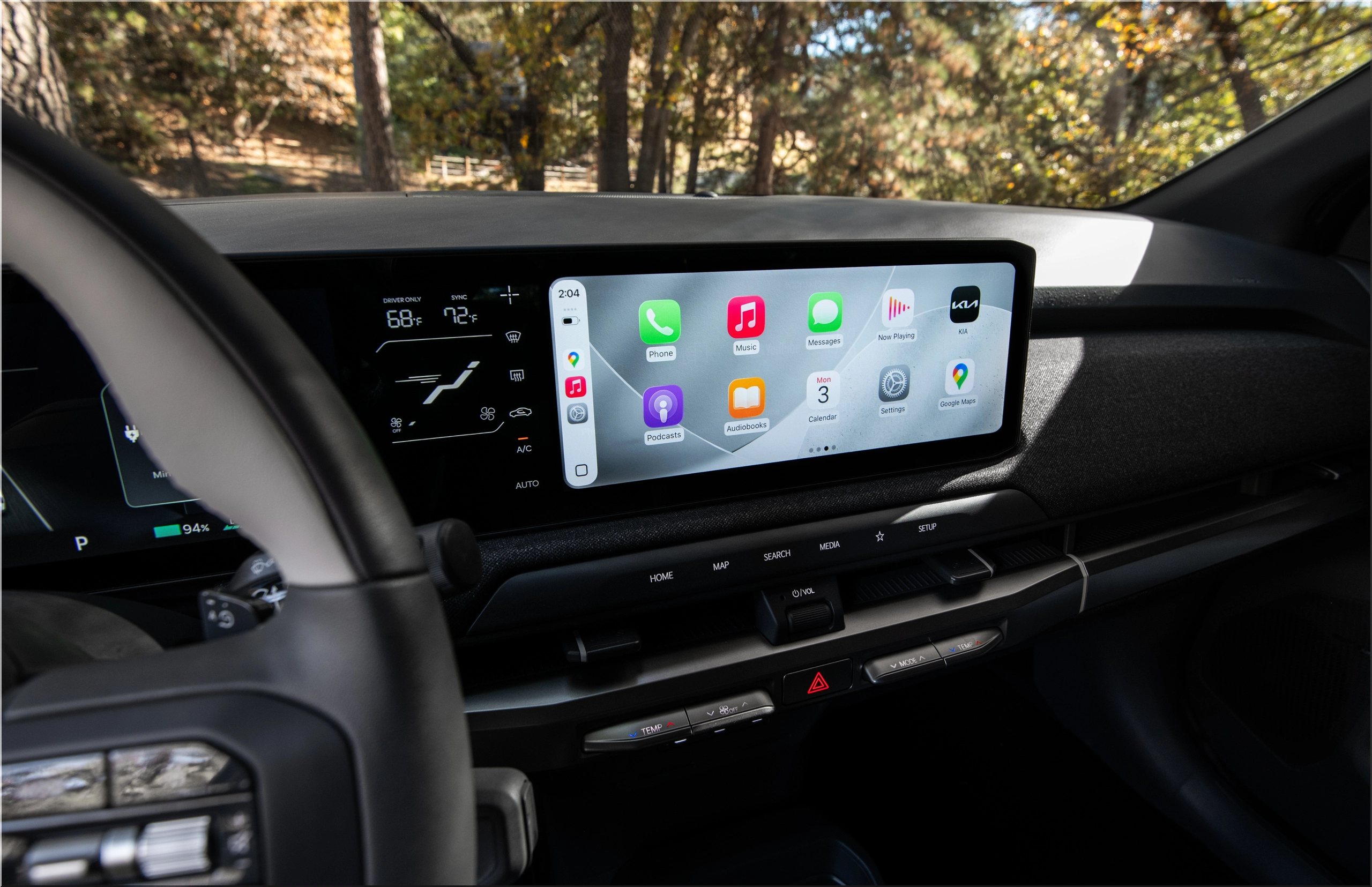
Kia fits a standard panoramic display with:
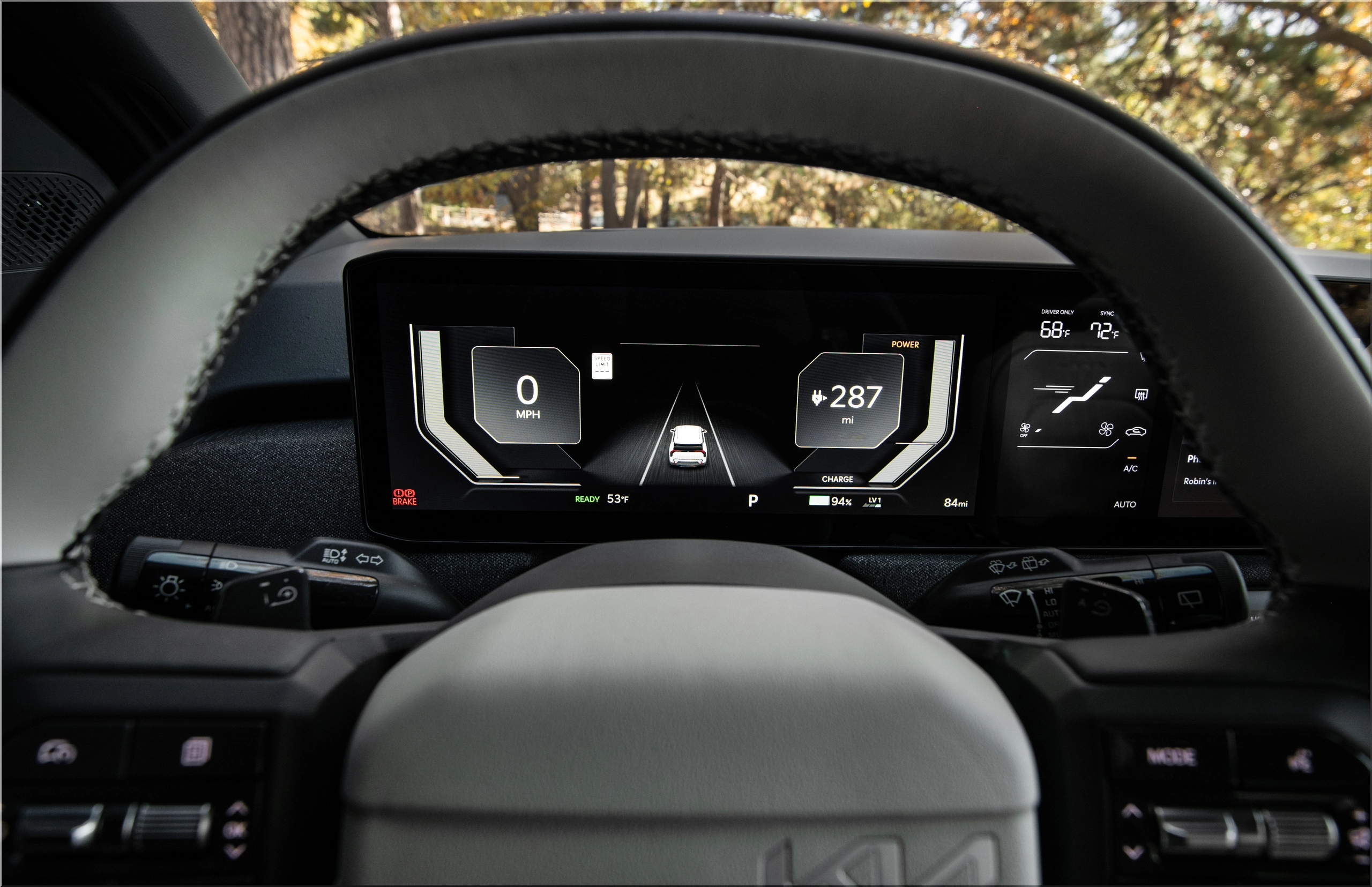
- A 12.3-inch instrument display
- A 5-inch climate display
- A 12.3-inch infotainment screen
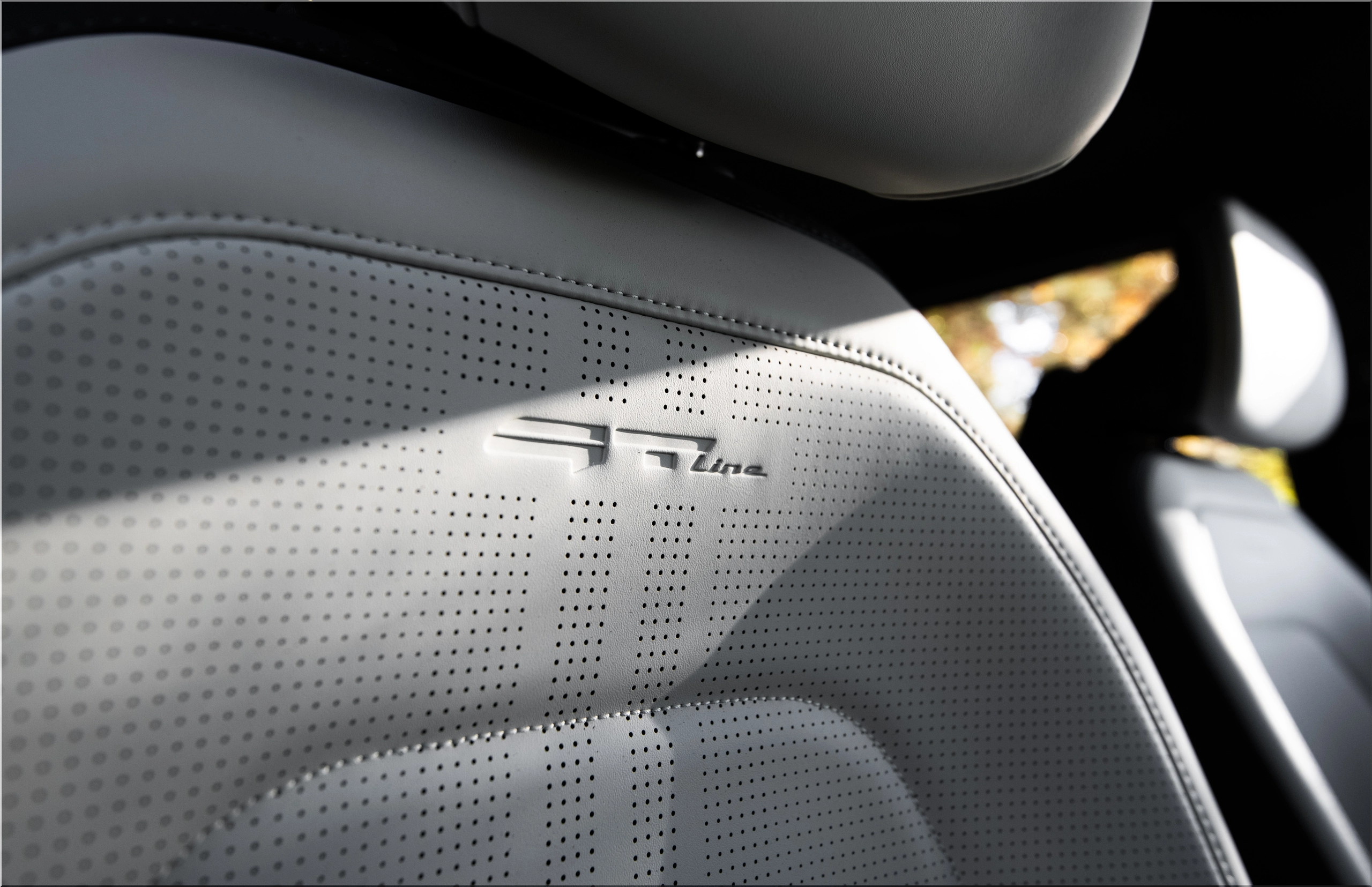
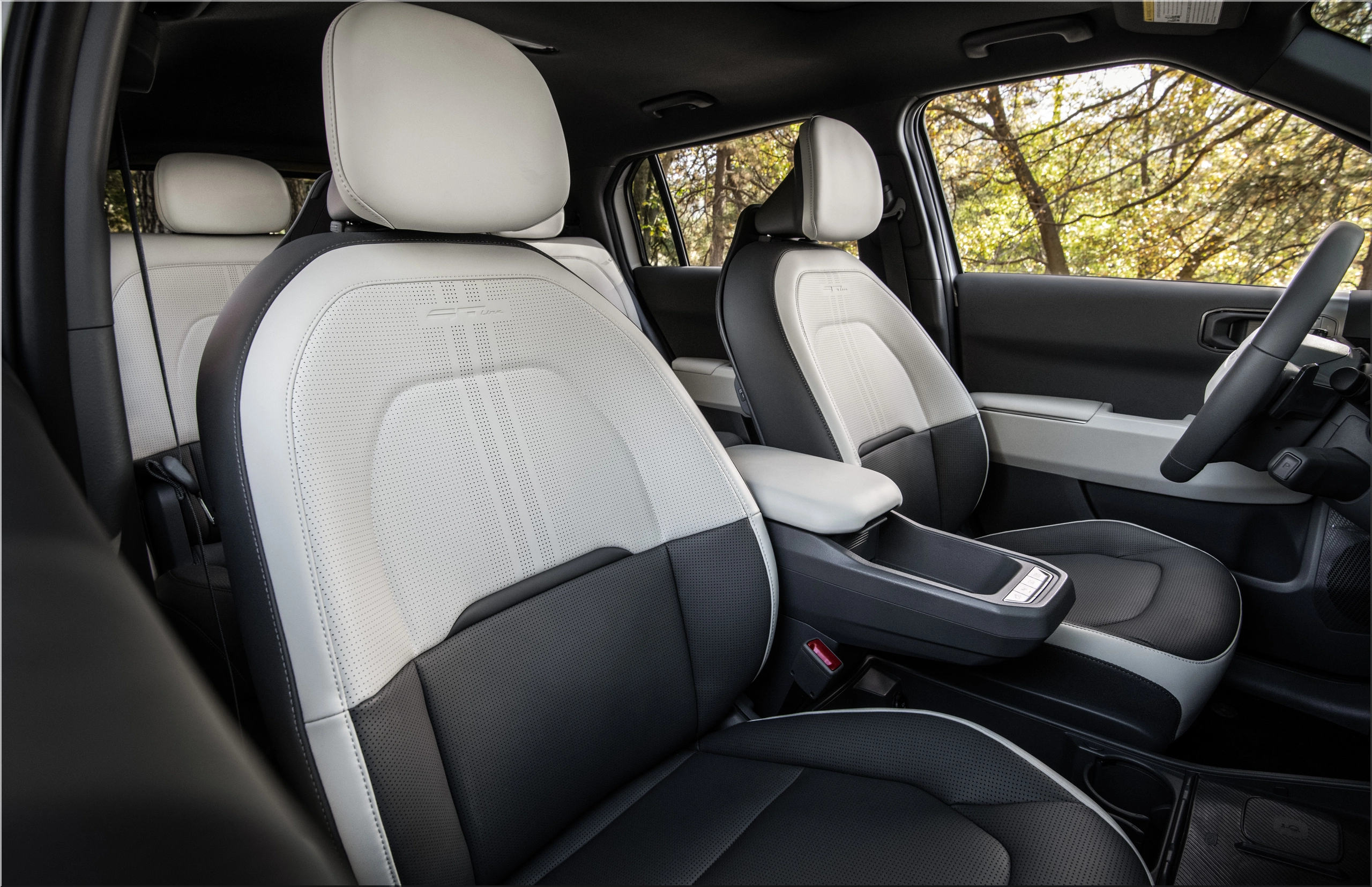
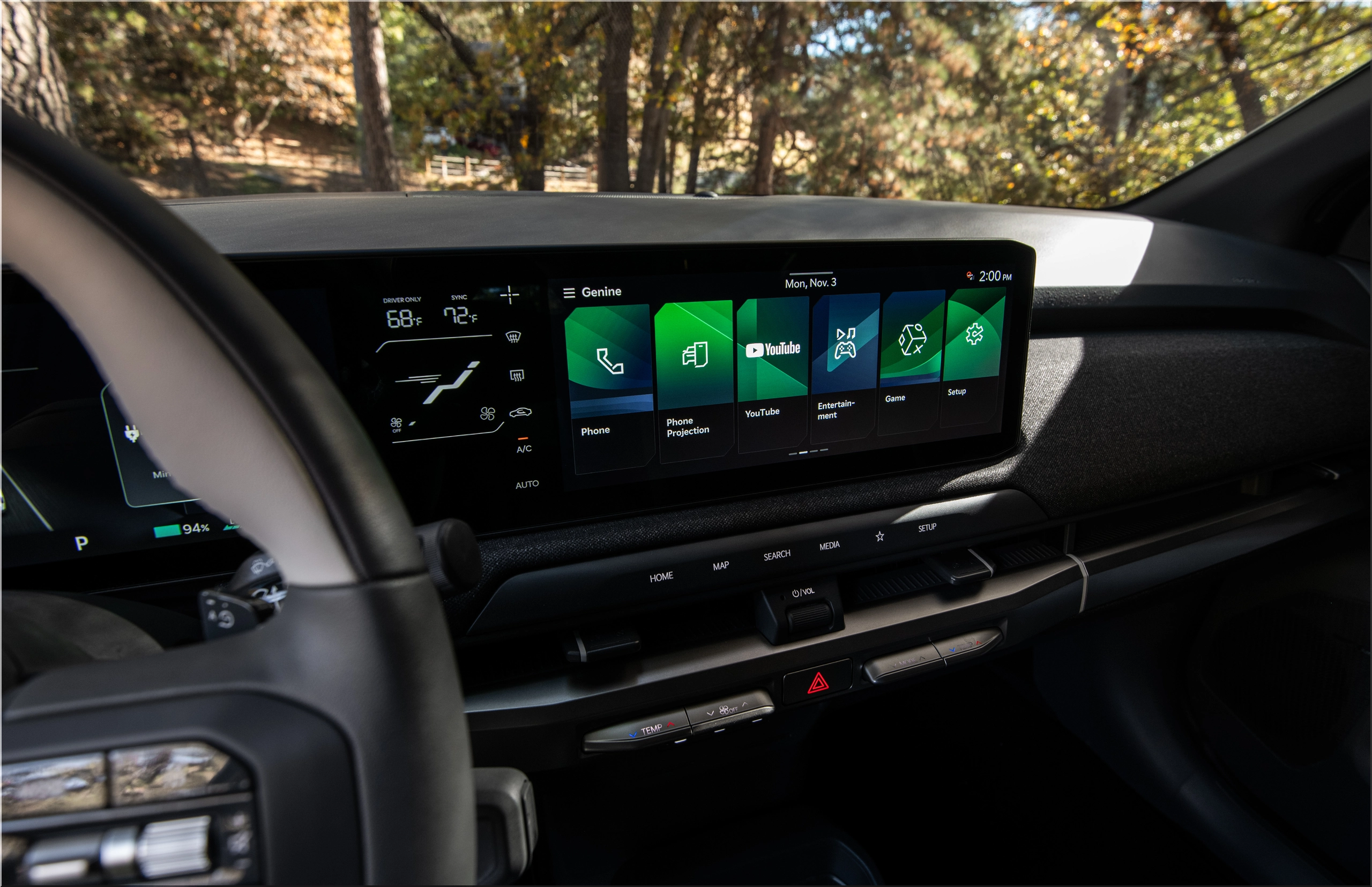
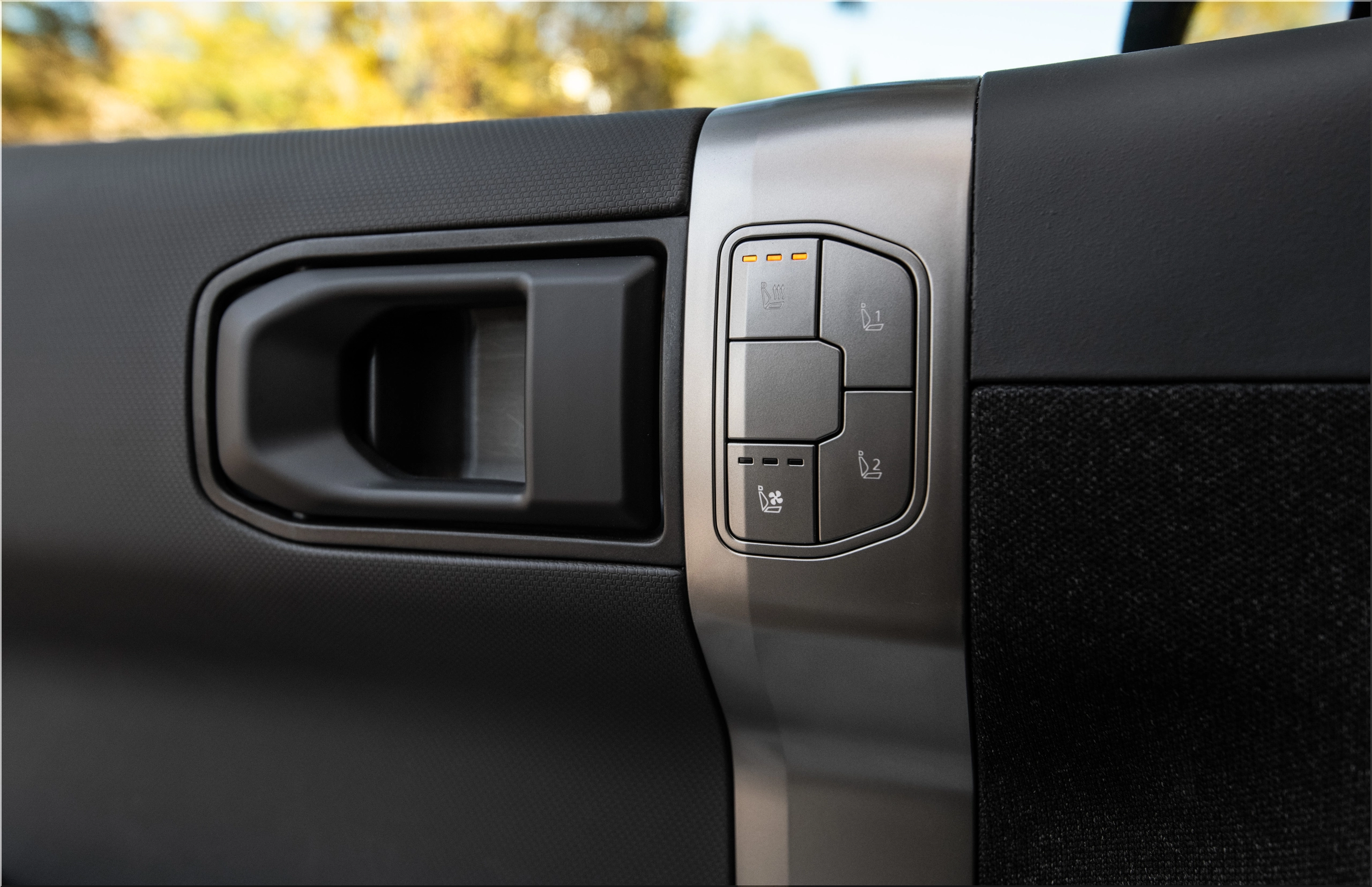
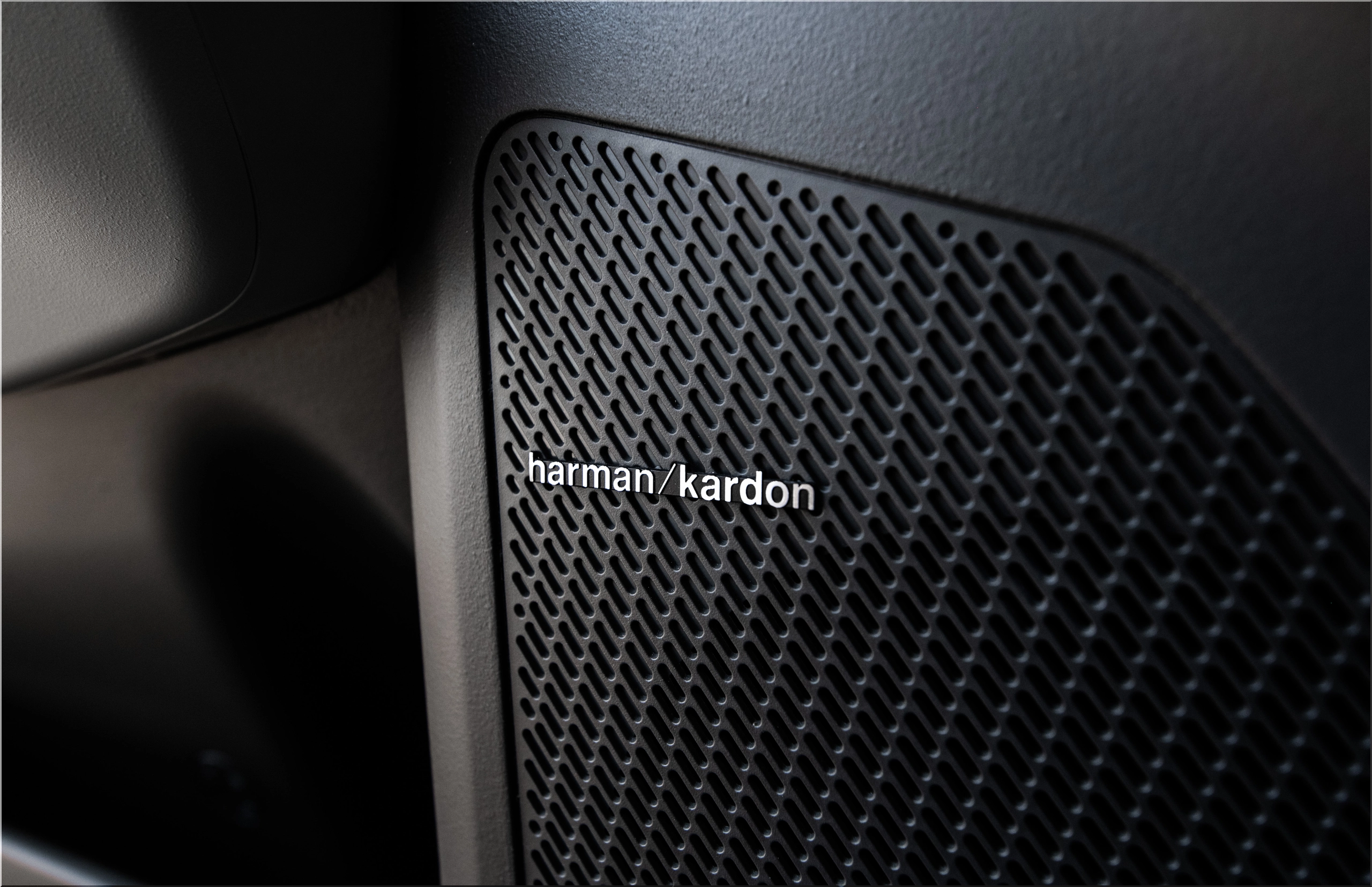
Together, that gives the EV3 nearly 30 inches of combined dash display. Wireless Apple CarPlay and Android Auto come standard. Kia also adds its ccNC interface, over-the-air updates, an available 12-inch head-up display, available Harman Kardon audio, optional heated and ventilated front seats, and available multicolor ambient lighting.
One unusual move stands out. Kia will offer Entertainment and Data Services with parked video streaming through Netflix and YouTube. That may sound gimmicky, but it shows how Kia keeps building software value into its EVs instead of treating infotainment as a checkbox item.
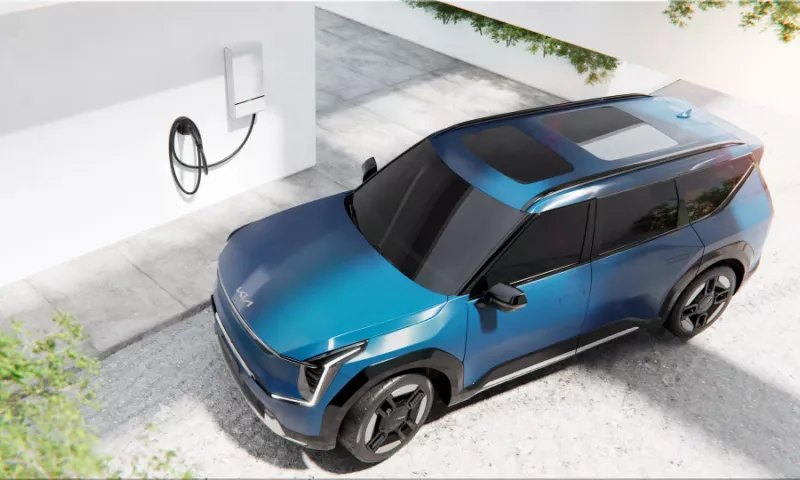
The EV3 also offers Digital Key 2.0, i-Pedal 3.0, Smart Regeneration, Vehicle-to-Load, and available Vehicle-to-Home through Wallbox bidirectional hardware. Specifically, Vehicle-to-Home gives the EV3 a practical energy argument that many entry EVs still cannot match.
Definition
V2L lets the vehicle power external devices.
V2H lets the vehicle send stored battery energy back into a home system with compatible hardware.
Safety and chassis tuning
Kia gives the EV3 a stronger spec sheet than buyers usually get in this class. Standard equipment includes eight airbags, including rear side airbags, plus a long list of driver-assistance hardware.
Key available systems include:
- Forward Collision Avoidance Assist
- FCA Junction Turning
- FCA Junction Crossing
- Highway Driving Assist 2
- Reverse Parking Collision Avoidance Assist
- Remote Smart Parking Assist
- 360-degree Surround View Monitor
- Blind-Spot View Monitor
The hardware underneath sounds equally thoughtful. Kia uses a MacPherson strut front suspension and a multi-link rear setup, which already gives the EV3 a more serious chassis layout than some low-cost rivals. In addition, Kia says engineers added sound absorption and damping material to cut noise, vibration, and harshness.
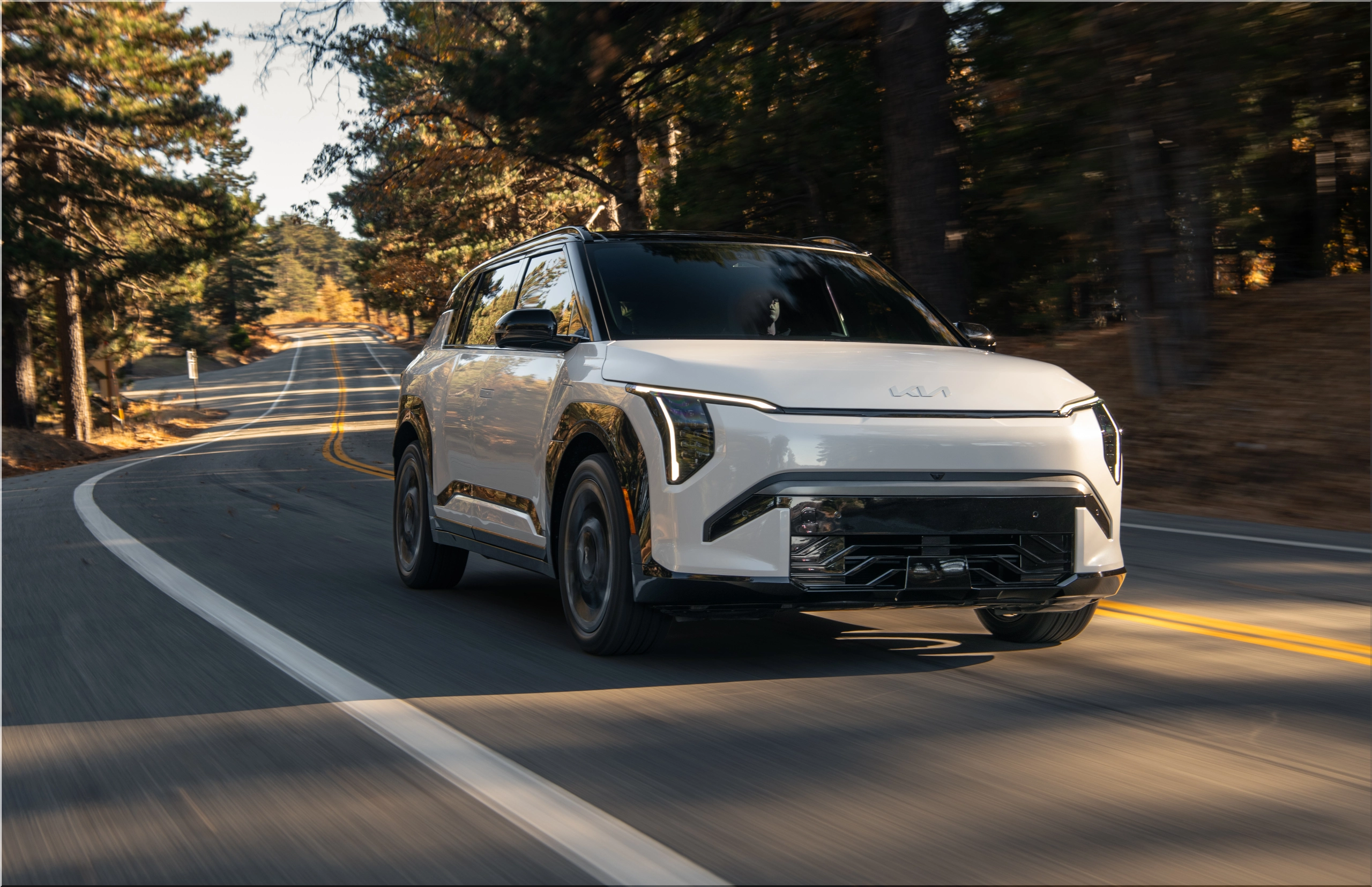
That matters because small EVs can go wrong in two ways. They can feel heavy and brittle over rough pavement, or they can feel numb and under-damped. Kia's notes about NVH work, aero tuning, and suspension geometry suggest it knew that from the start.
Design and aero: why the EV3 does not look like a penalty box
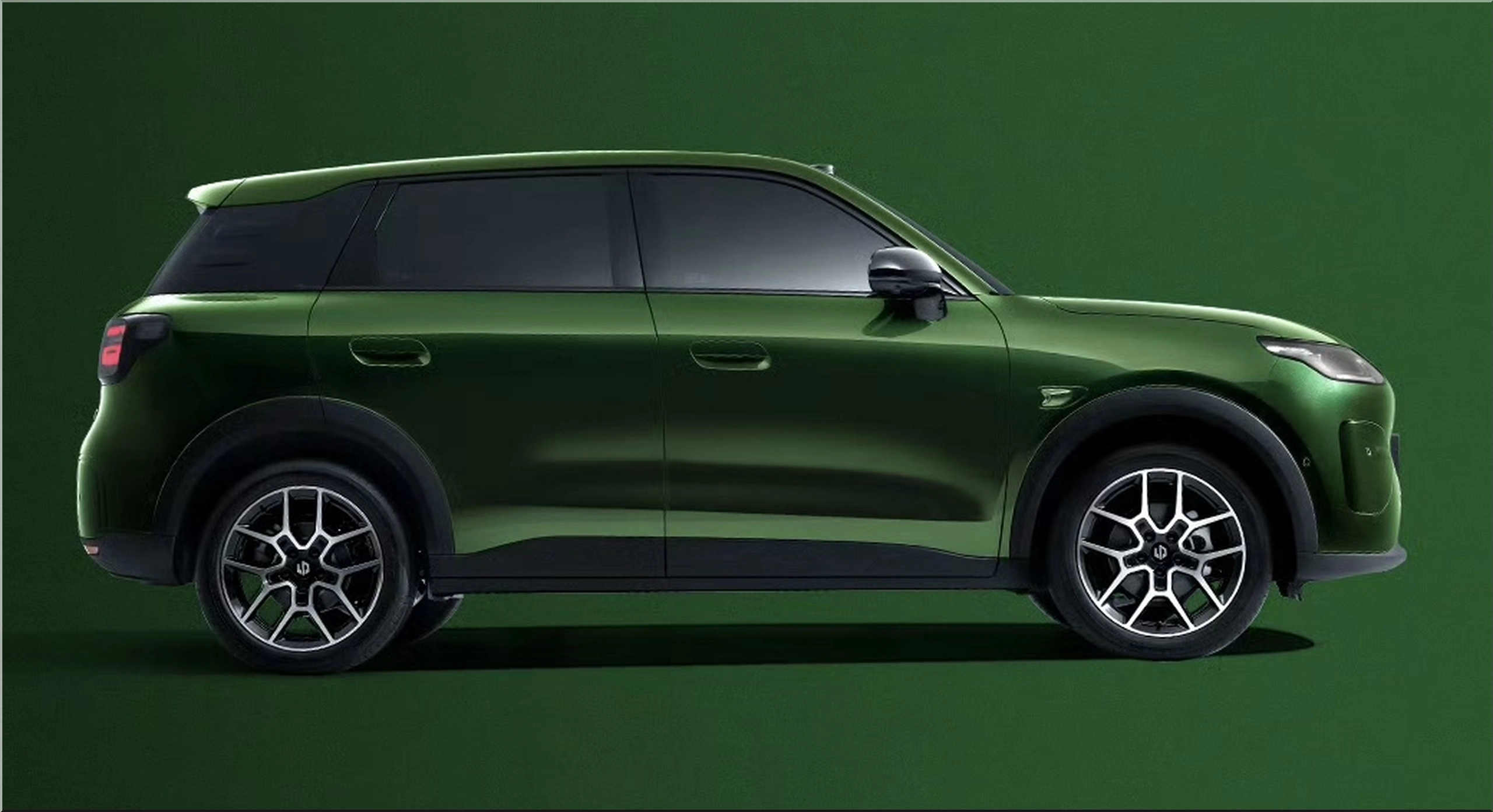
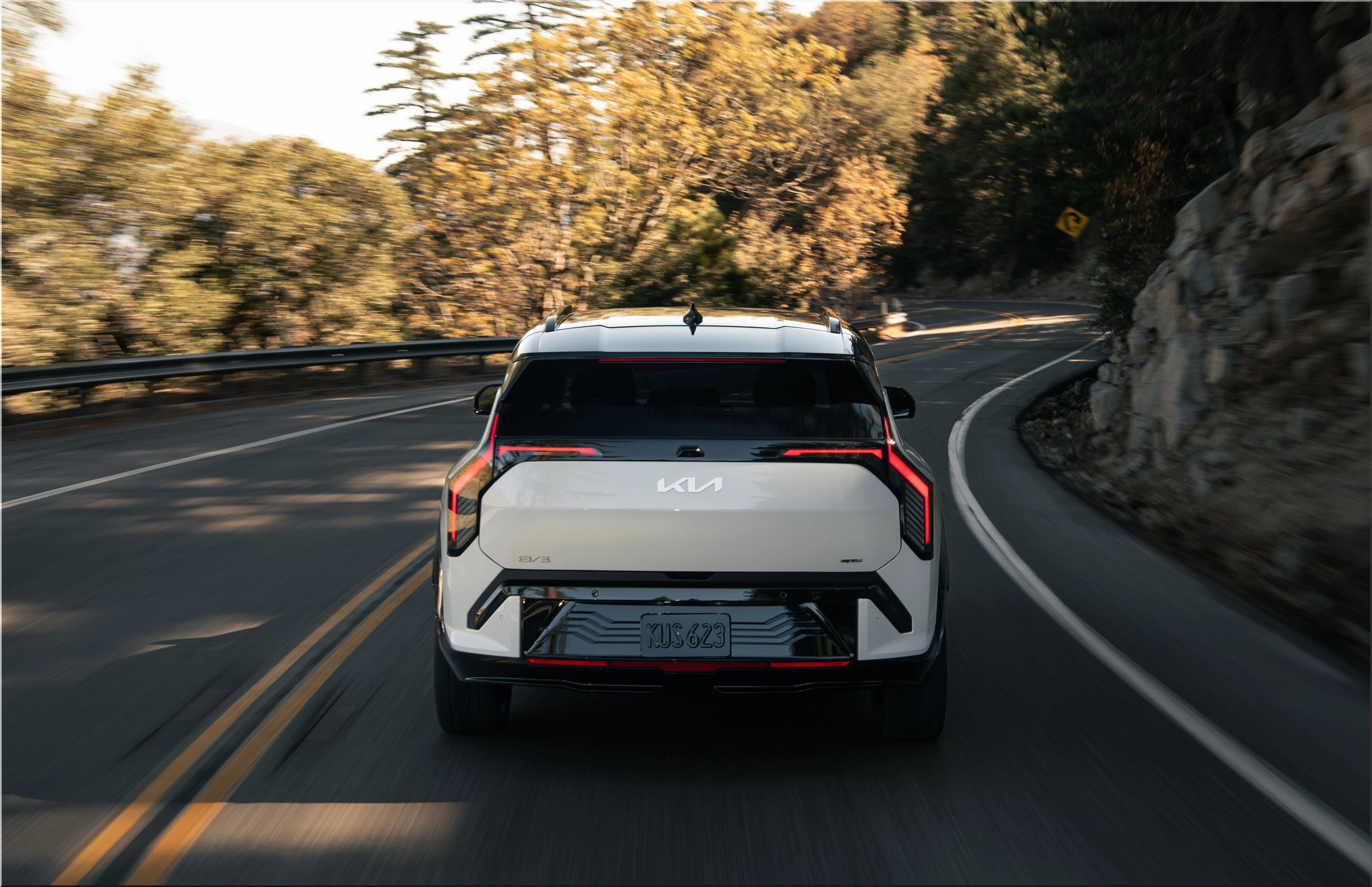
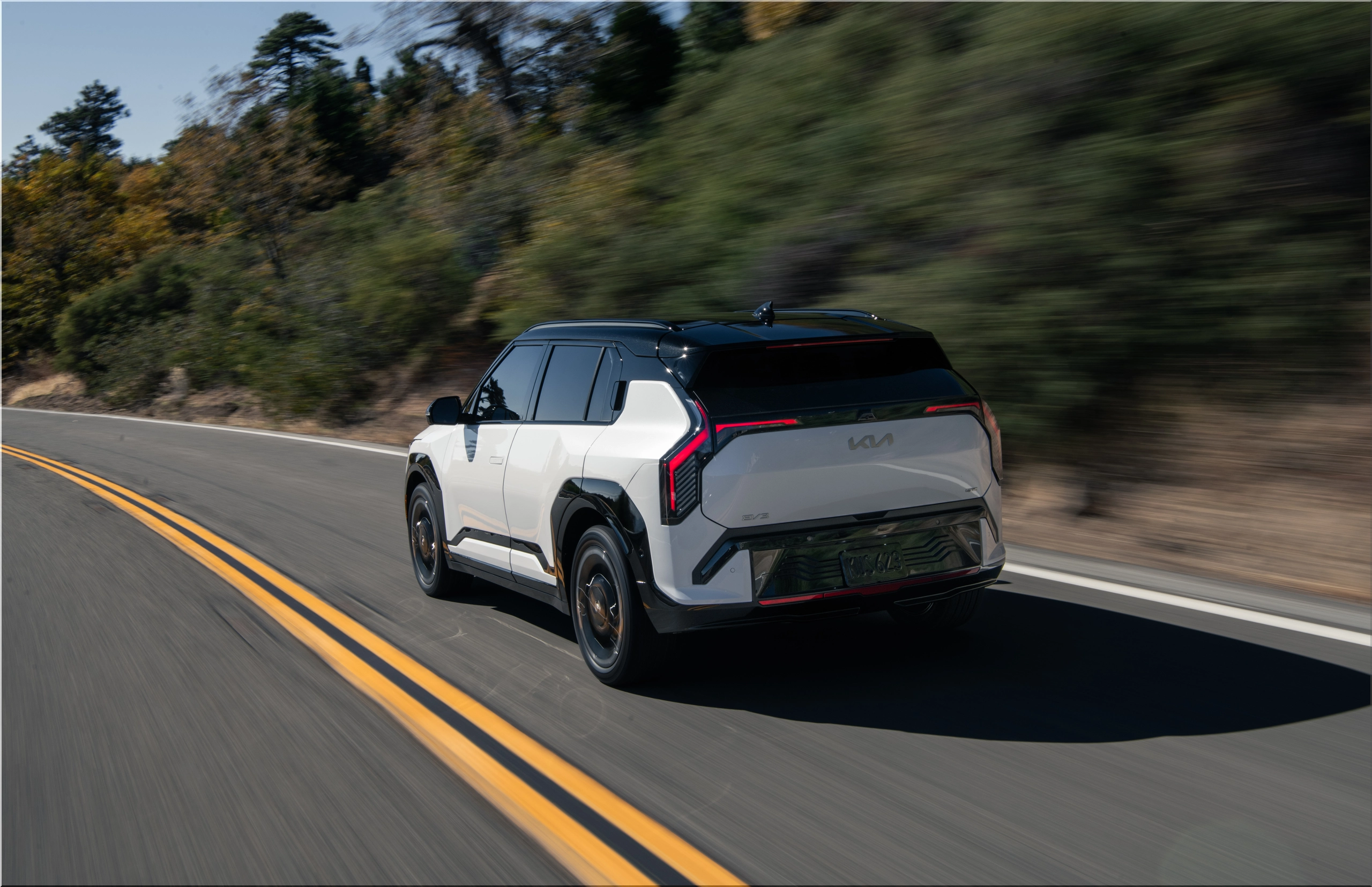
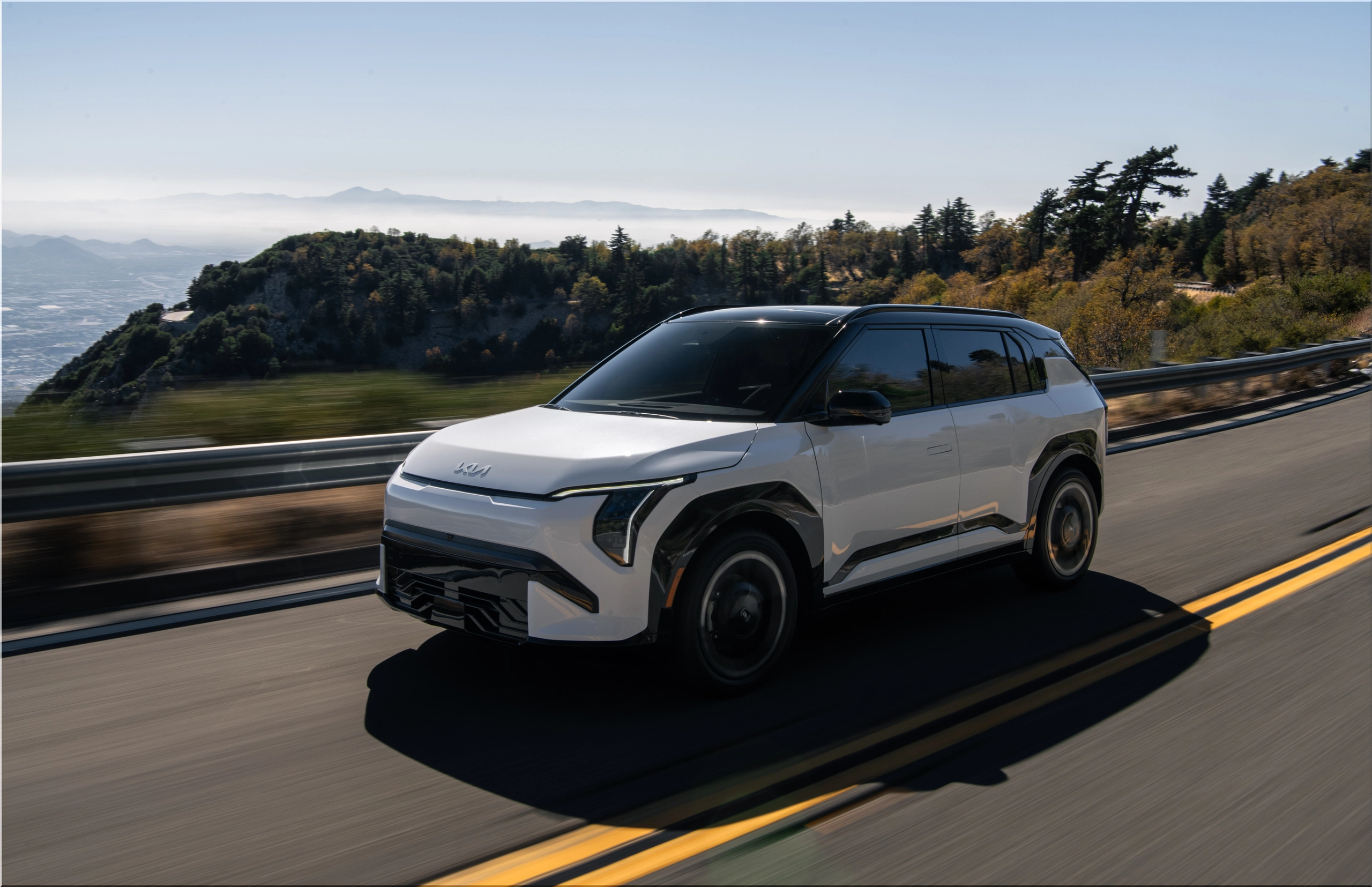
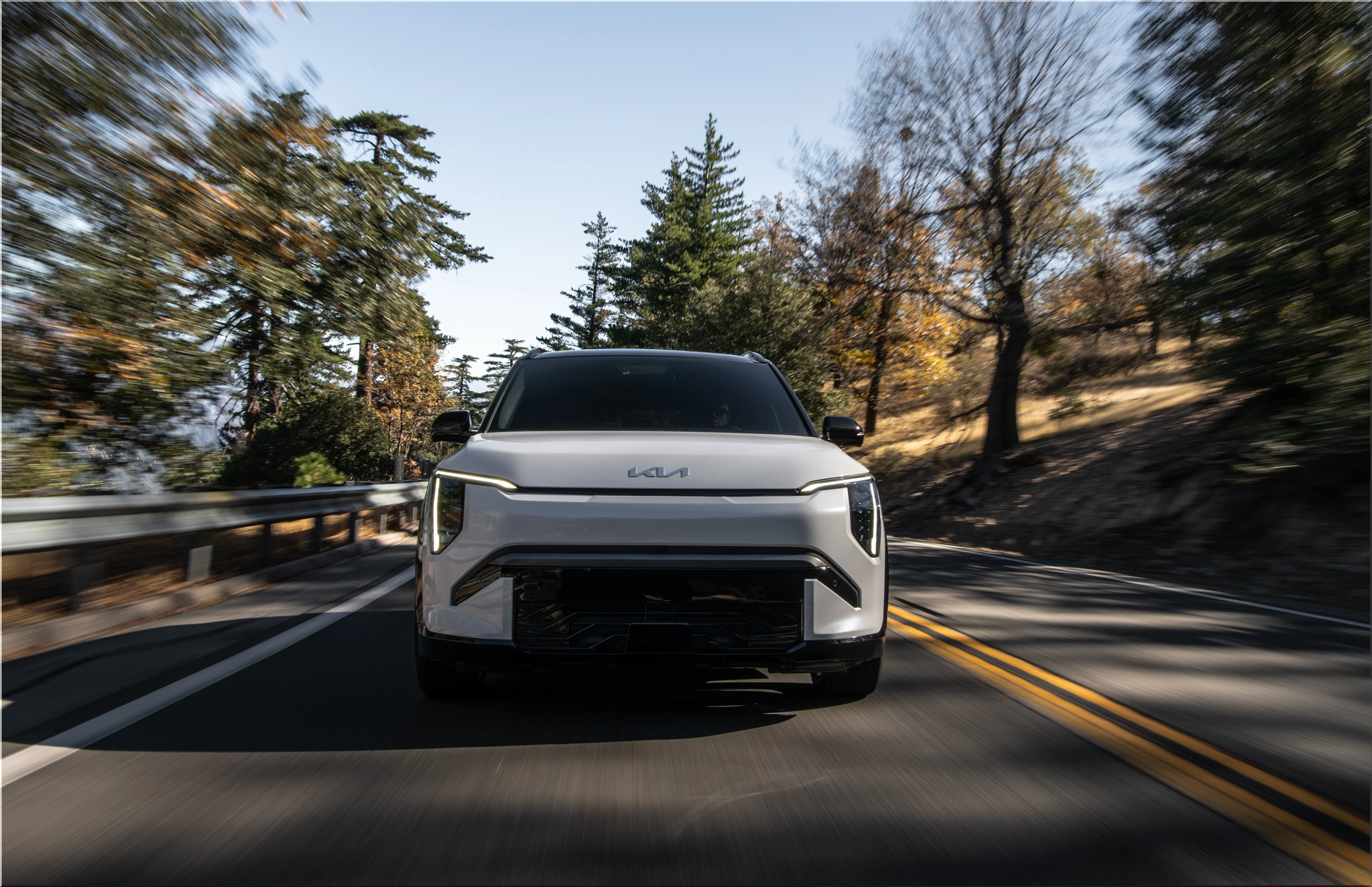
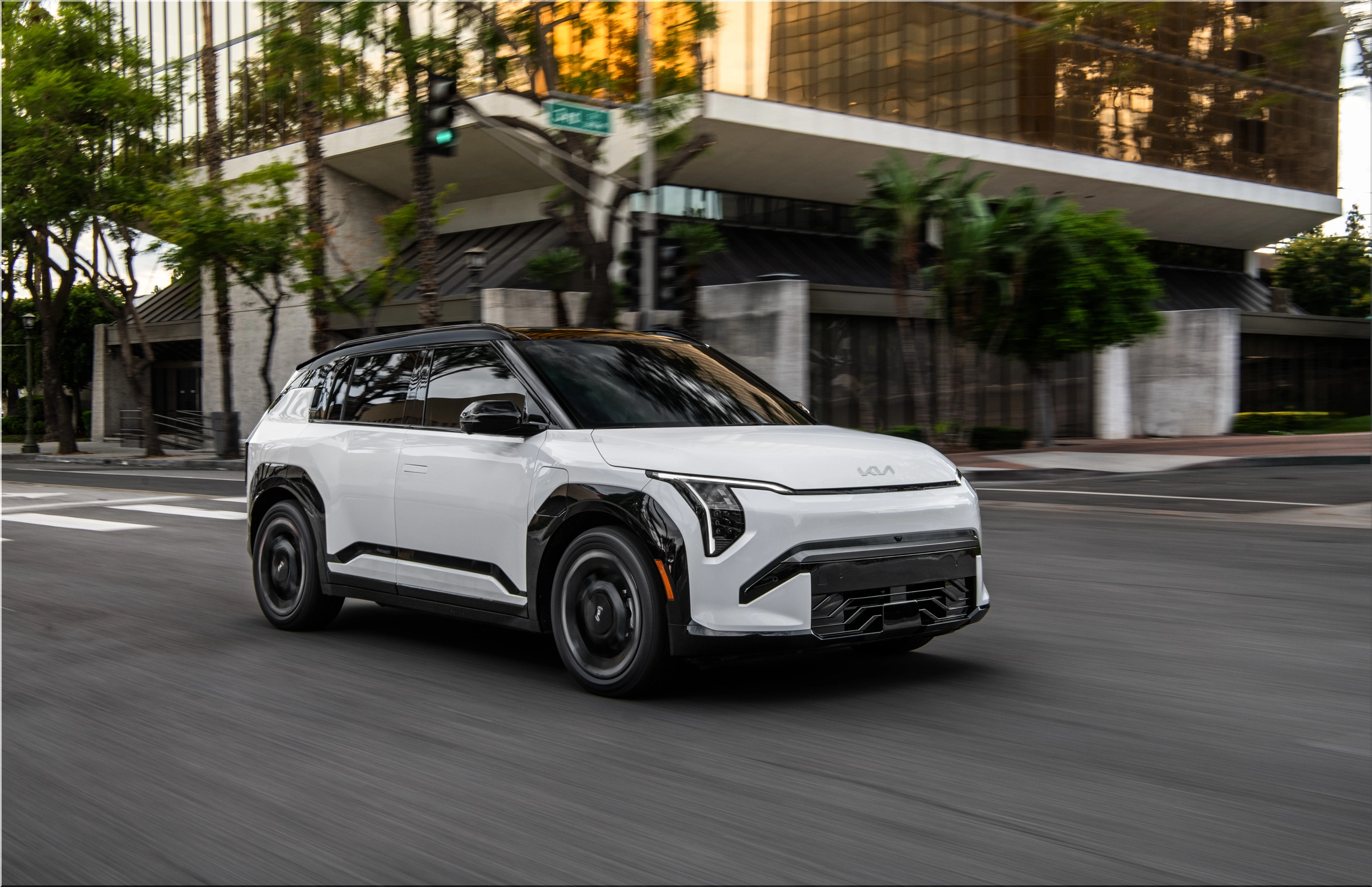
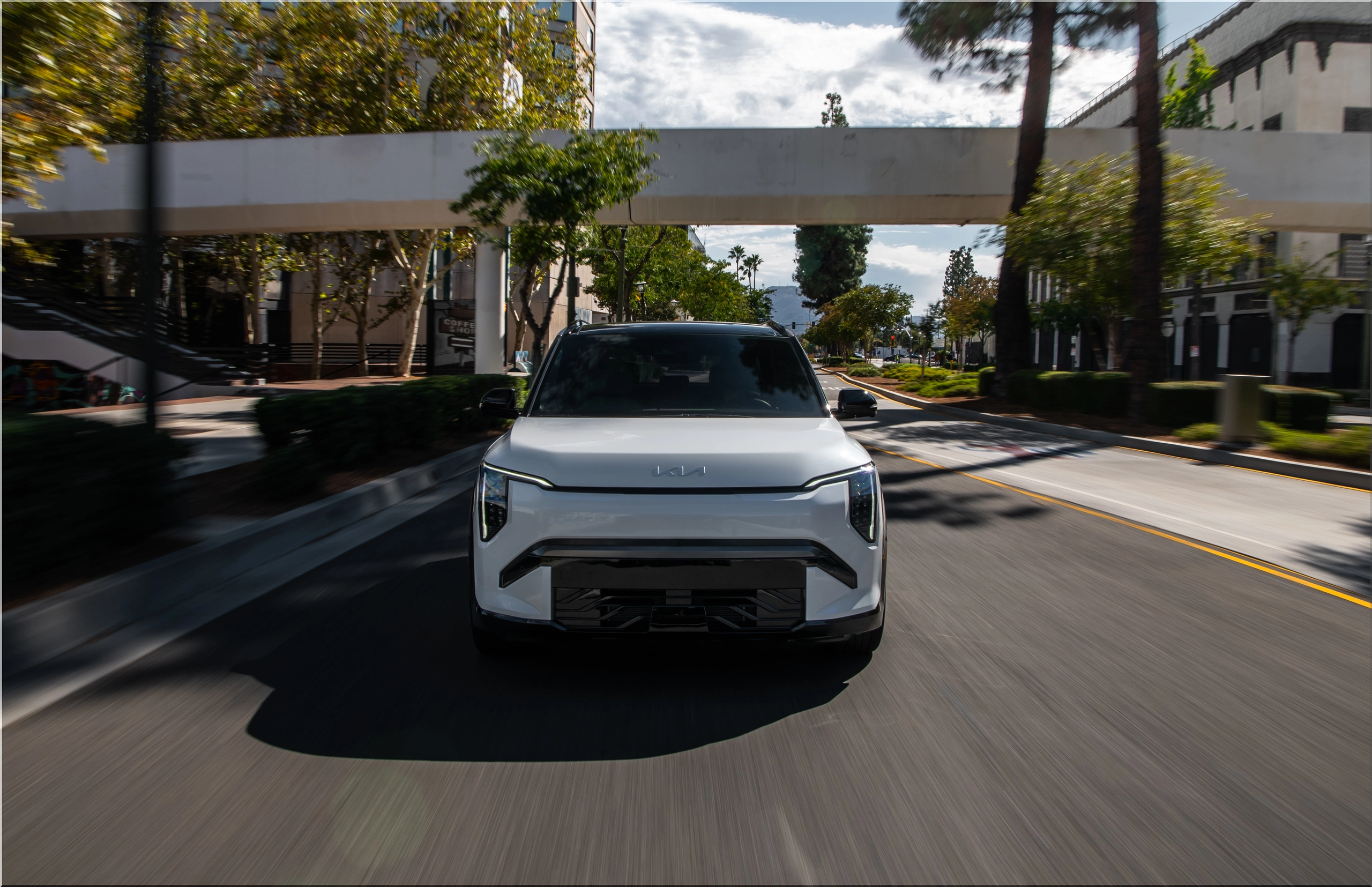
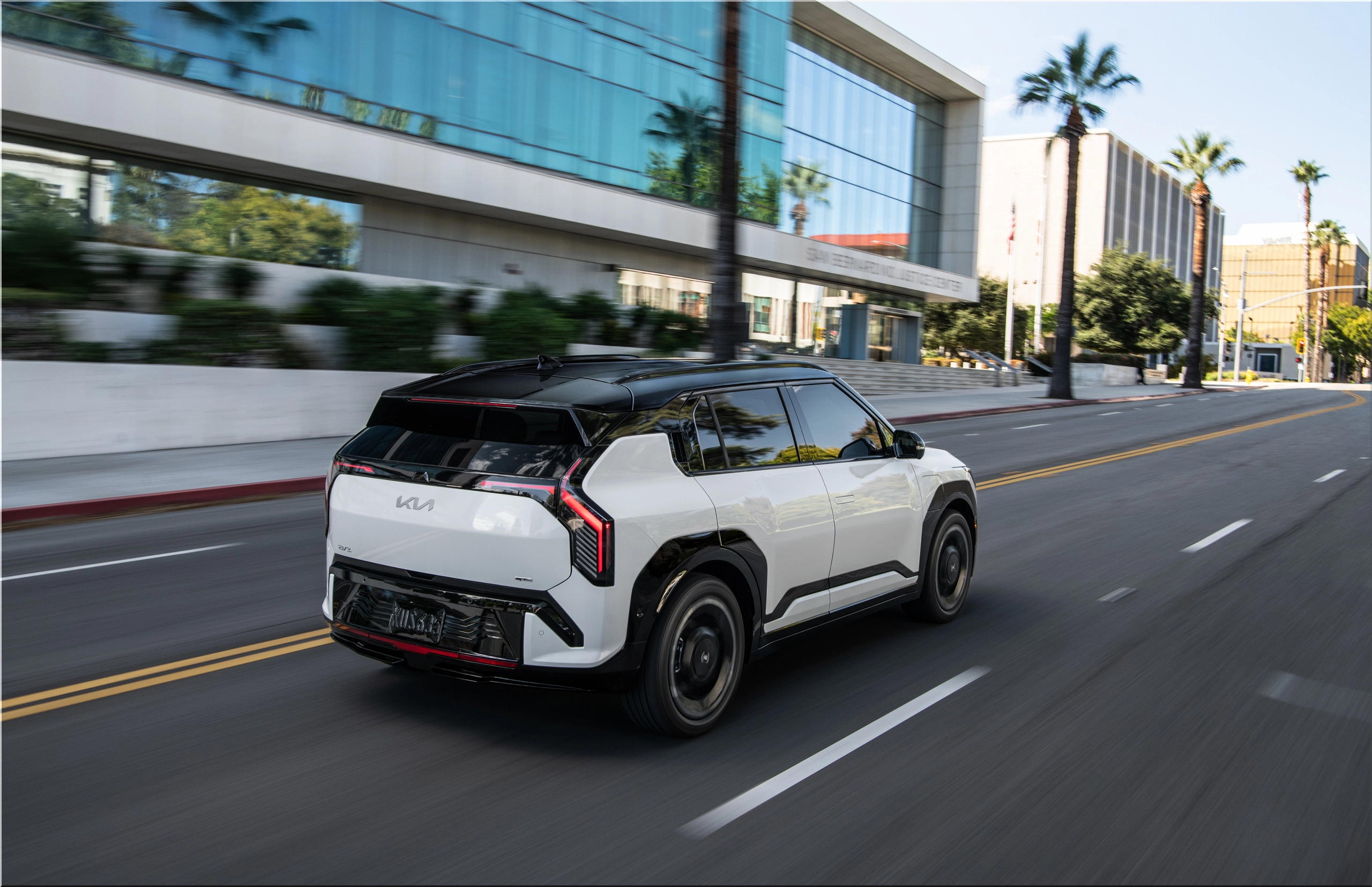
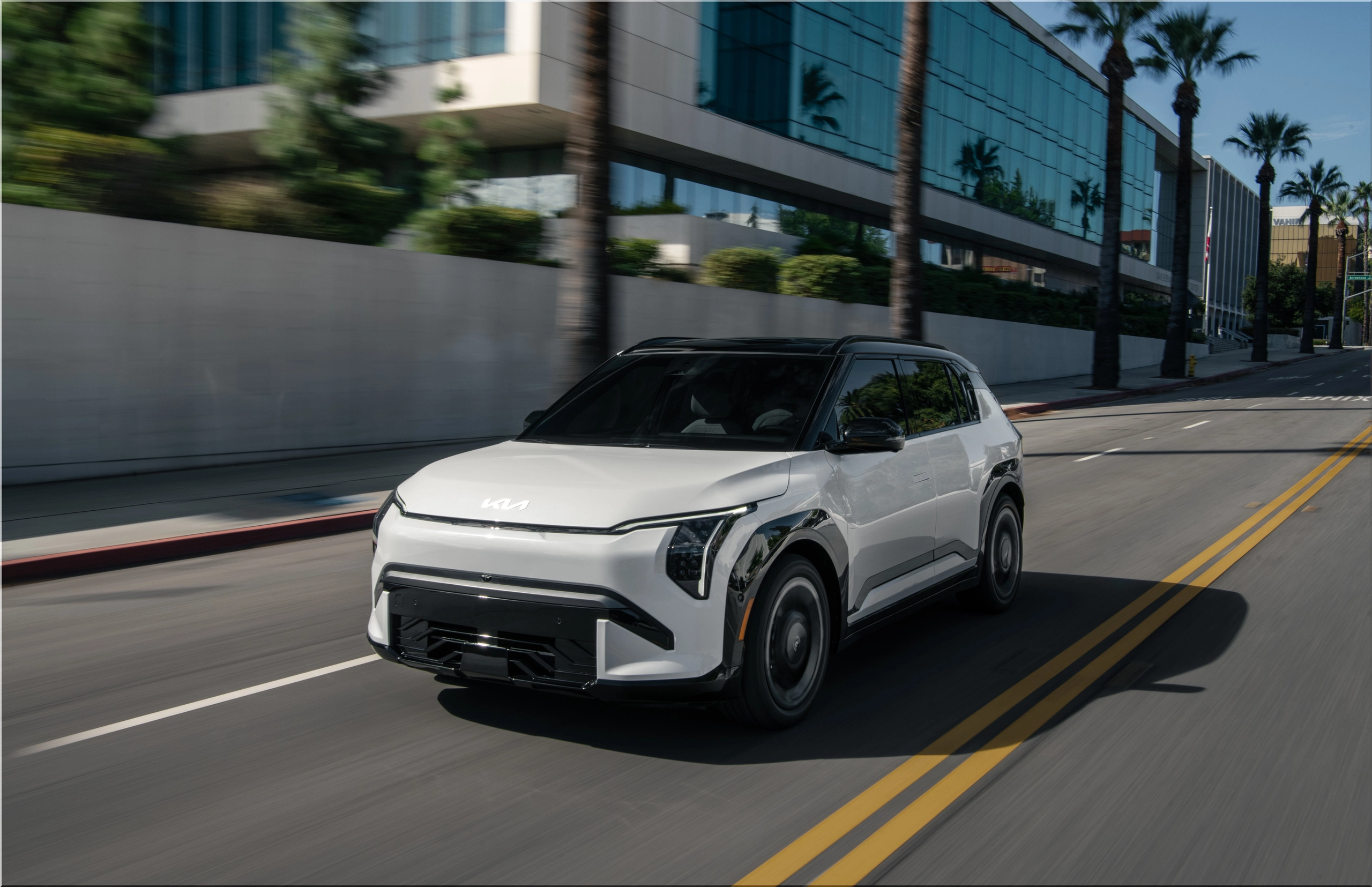
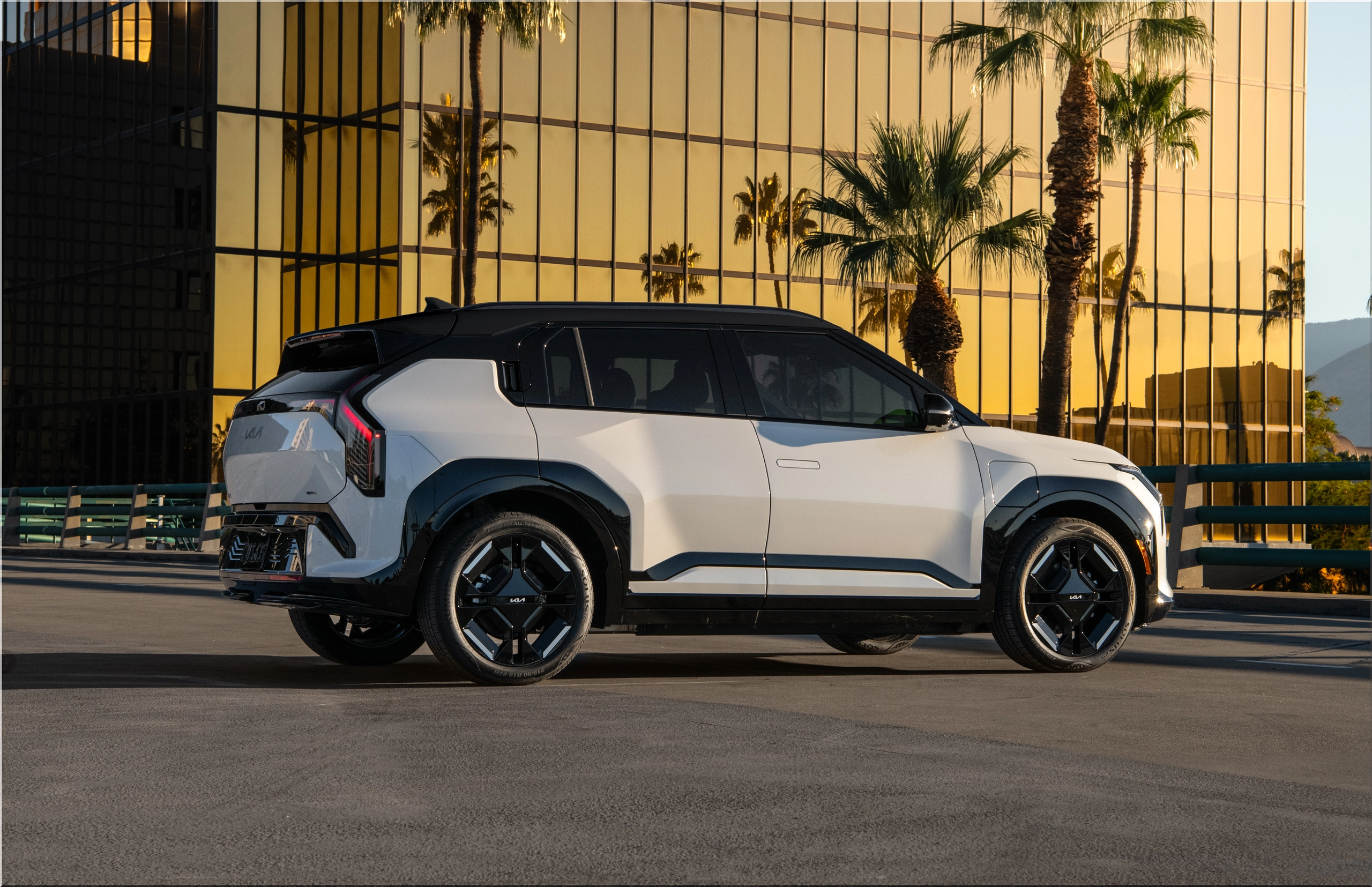
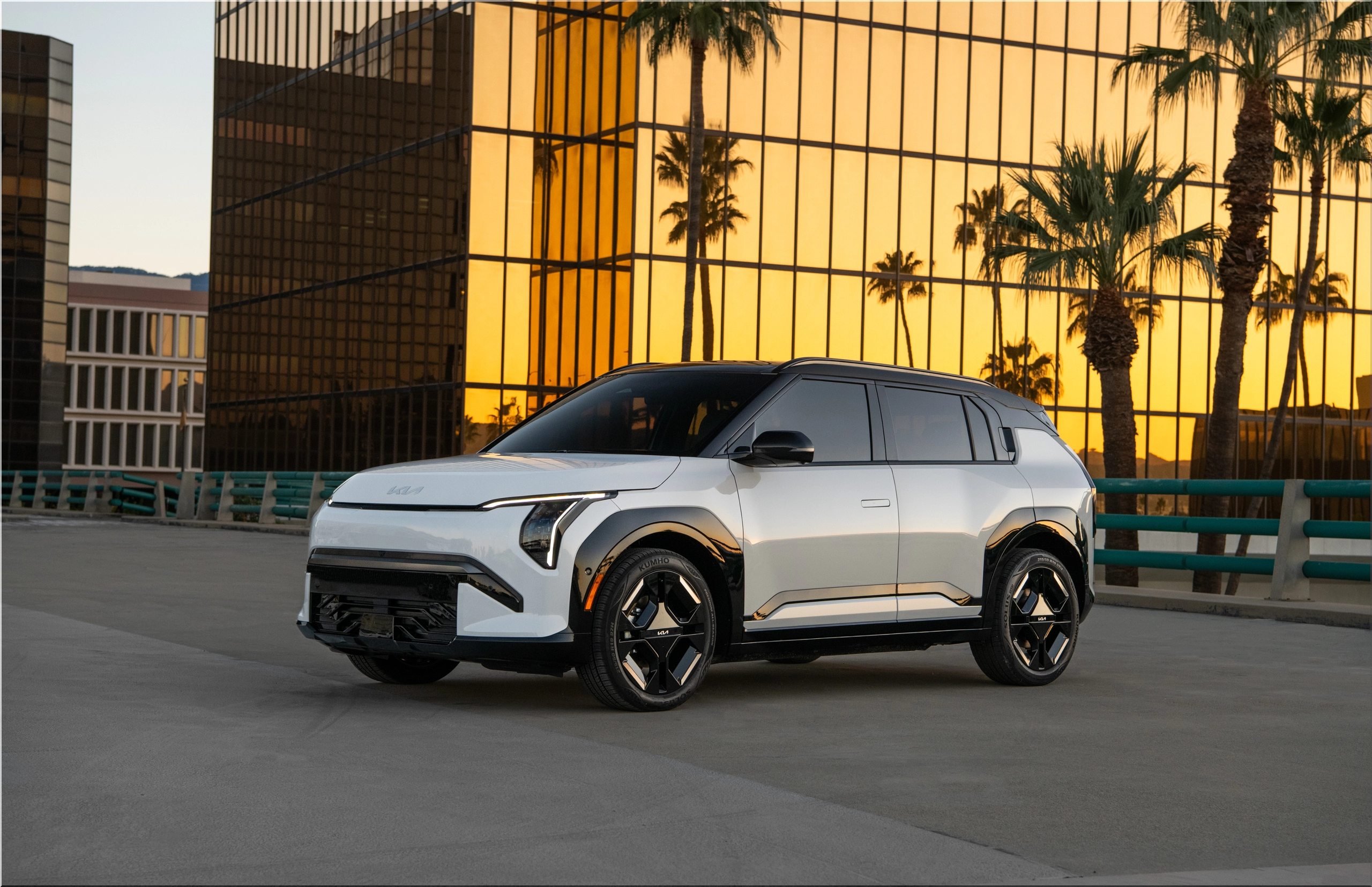
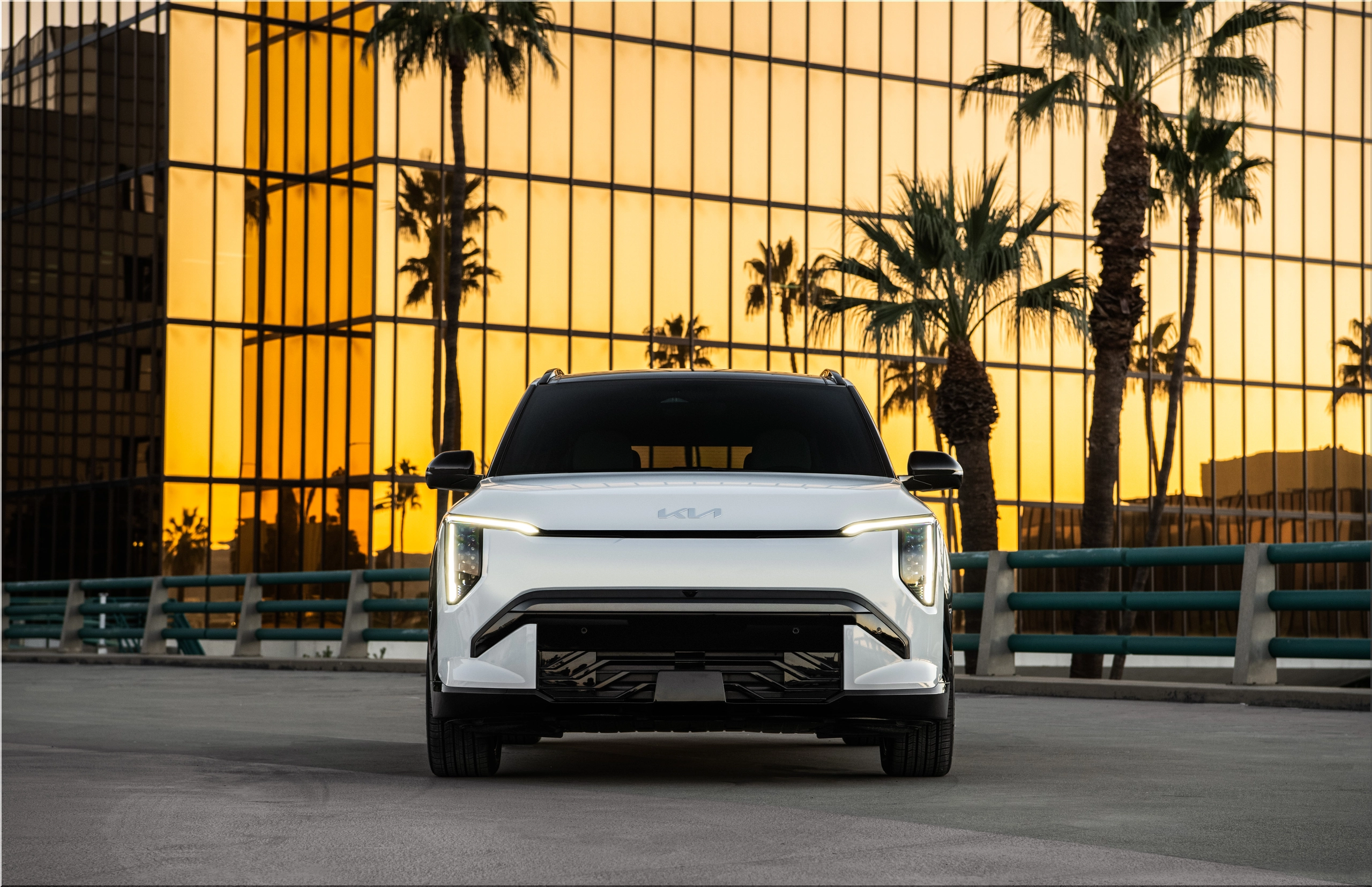
The EV3 borrows heavily from the EV9, and that is good news. The boxy stance, vertical lighting, and sharp surfacing give it real presence without forcing a fake coupe roofline into the mix.
Kia also did the less glamorous work. The EV3 uses:
- Aero wheels
- A front active air flap
- A full underbody cover
- Lightweight body materials
The result is a 0.275 drag coefficient. By comparison, that number looks solid for a small SUV with upright proportions. Kia did not chase slipperiness with a bland body shell. It kept the visual drama and still posted a respectable aero figure.
2027 Kia EV3 vs the likely rivals
The EV3 will not enter an empty class. It needs to hit the value, range, and usability sweet spot faster than its rivals do.
Competitive snapshot
| Model | Starting price | Max range | Max horsepower | Fast charging |
|---|---|---|---|---|
| 2027 Kia EV3 | TBA | Up to 320 miles | 288 hp | 10-80% in 29-31 min |
| Hyundai Kona Electric | From $32,975 | Up to 261 miles | Up to 201 hp | Varies by trim |
| Volvo EX30 | From $40,345 | Up to 261 miles | Up to 422 hp | 10-80% in 26.5 min |
| Chevrolet Equinox EV | From $33,600 | Up to 319 miles | Up to 288 hp AWD | Strong value play |
The Kona Electric wins on familiarity and likely entry price. The Volvo EX30 wins on badge feel and acceleration. The Equinox EV remains the range-value disruptor. The EV3, however, may land in the strongest overall position because it mixes compact dimensions, useful cargo room, long range, EV9-style tech, NACS convenience, and available AWD without drifting too far upscale.
That is the real fight. Not who posts the wildest output number, but who delivers the least compromised ownership package.
What now?
The 2027 Kia EV3 already looks like one of the most important small EV launches headed for the U.S. in late 2026. If Kia keeps pricing in check, it could become the default answer for buyers who want a compact electric SUV without giving up range, charging access, or modern cabin tech.
Watch three things next:
- U.S. pricing, because that will decide how hard the EV3 hits the Kona Electric and Equinox EV
- EPA-certified range, because Kia's estimates look strong but official figures still matter
- AWD efficiency numbers, because that version may become the sweet spot for colder states
For now, the early read looks positive. The EV3 does not try to reinvent the segment. It applies sound EV packaging, smart charging choices, strong software, and usable range to a size class that badly needs better options.
- Add new comment
- 39 views