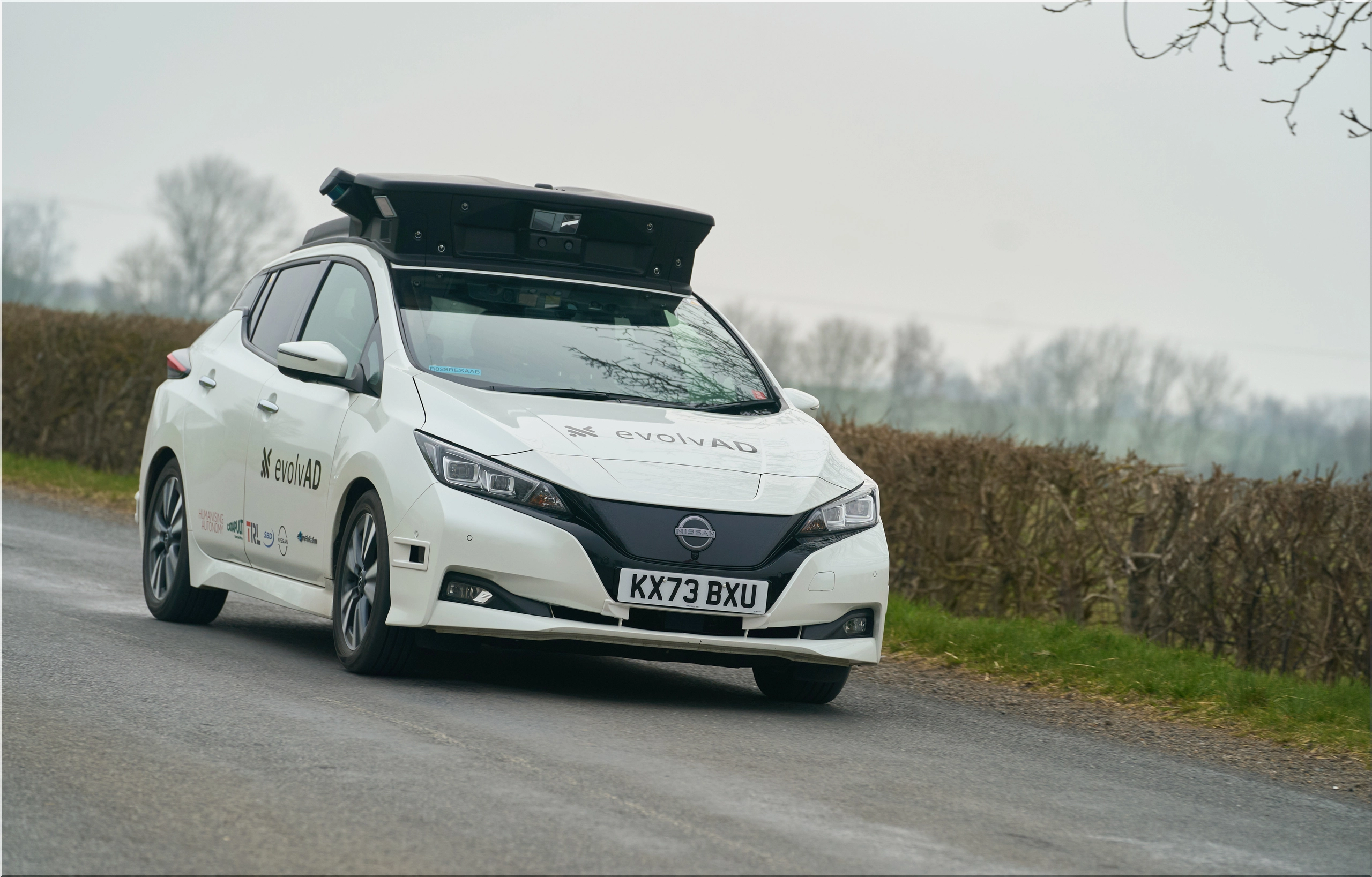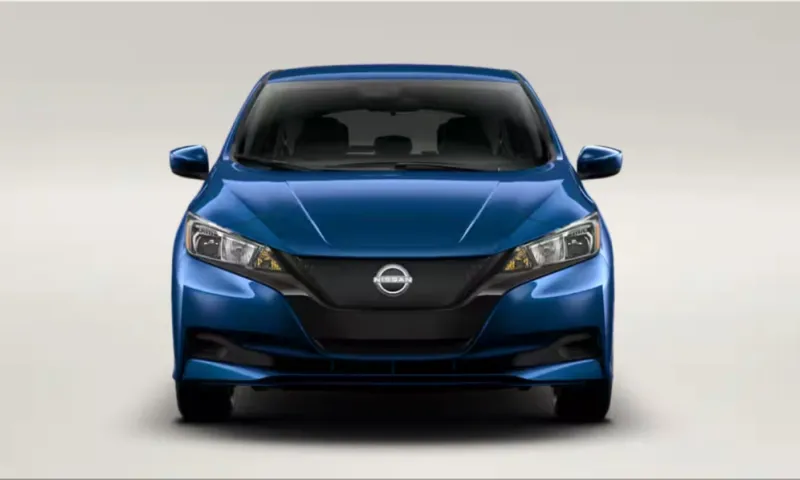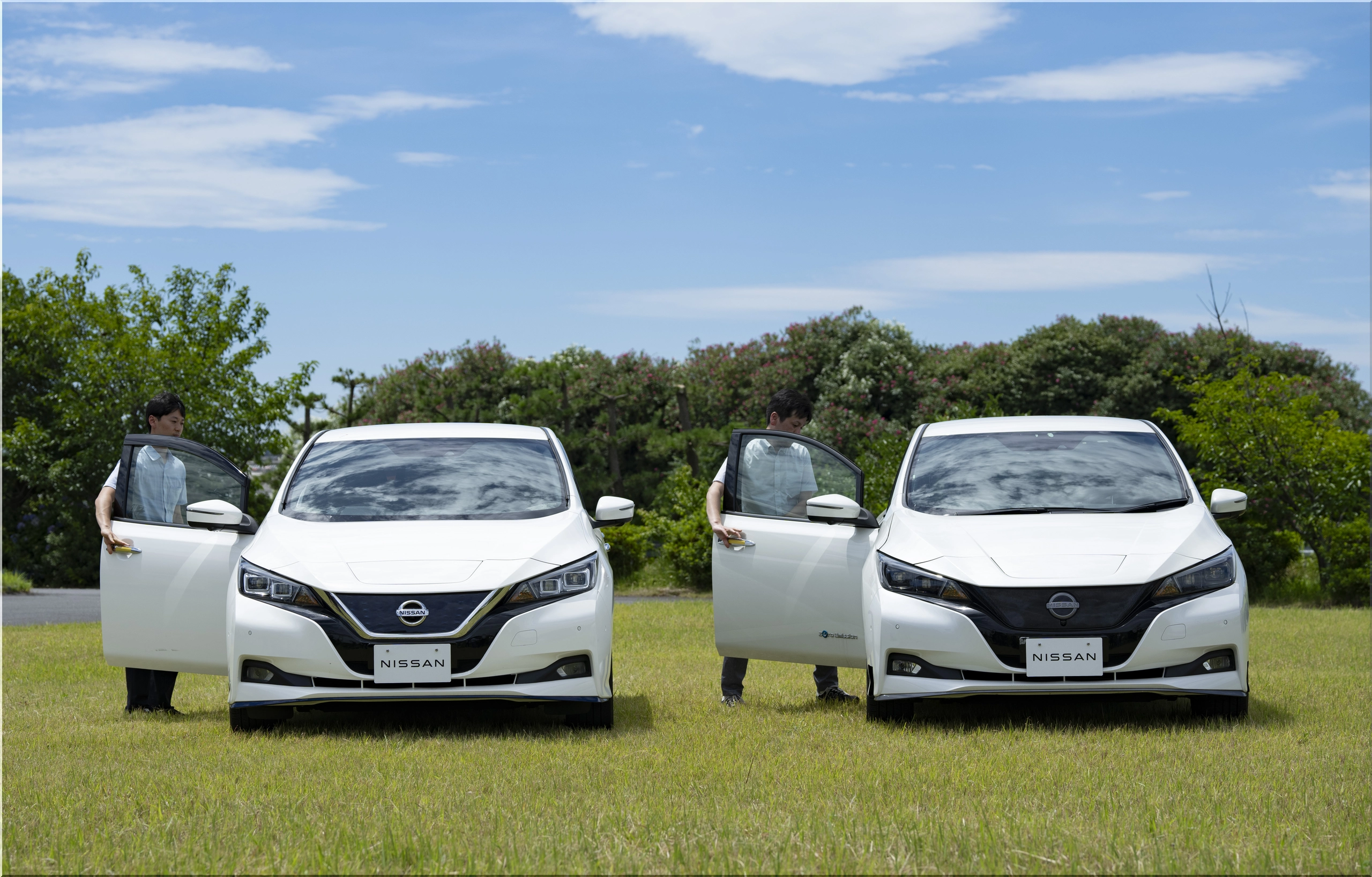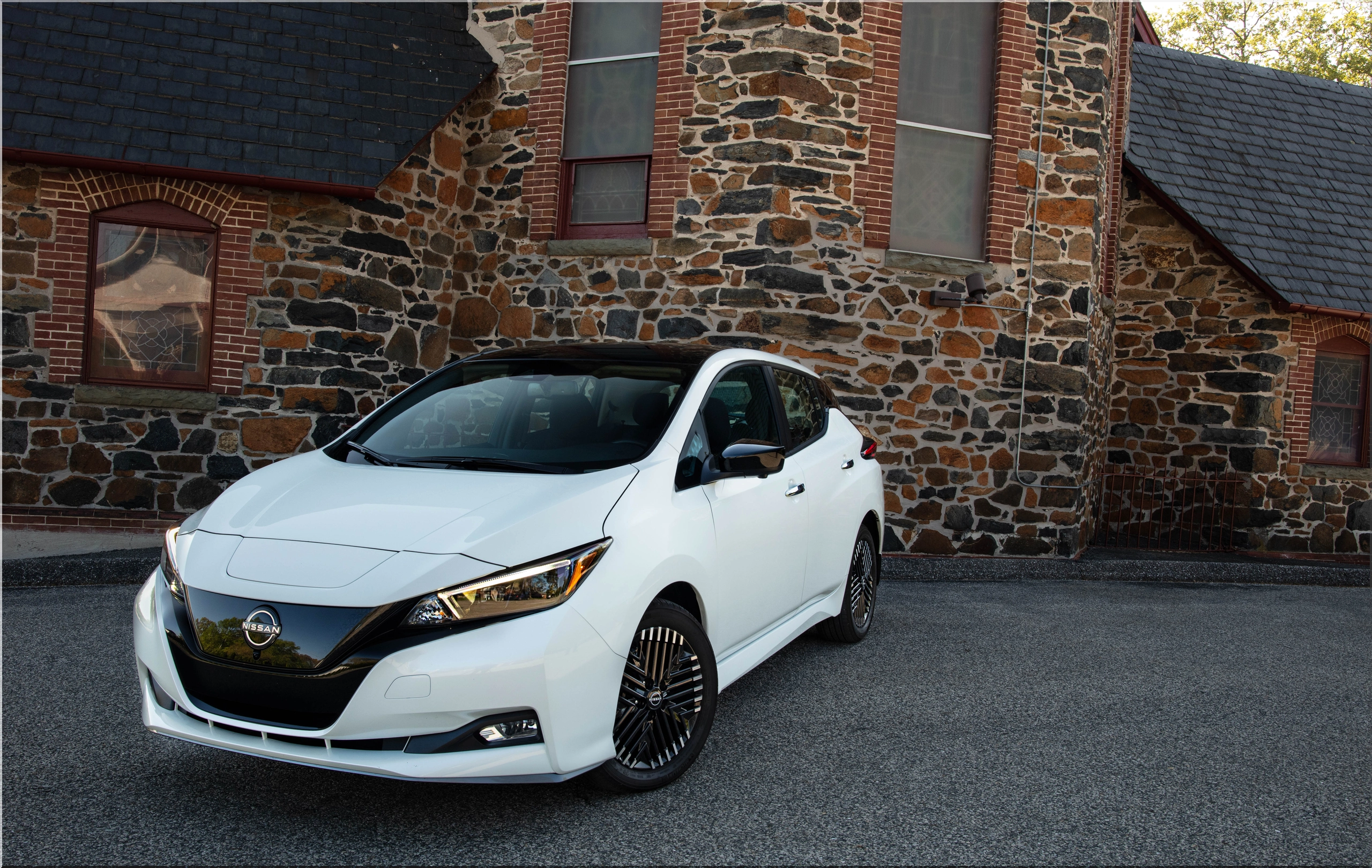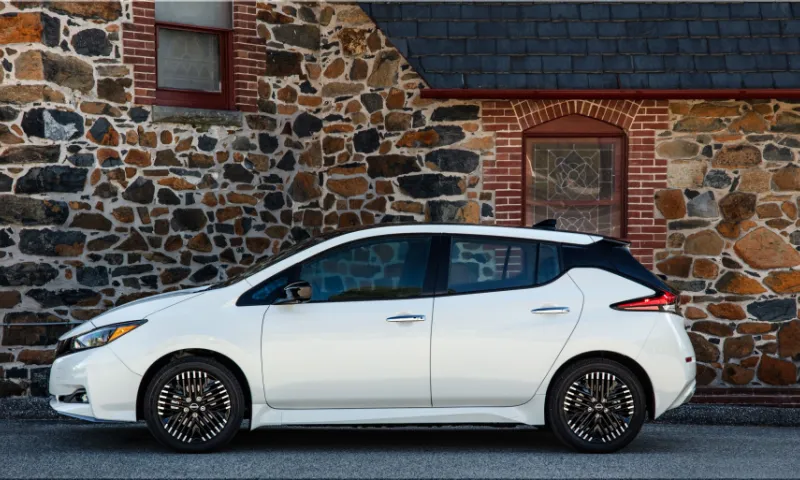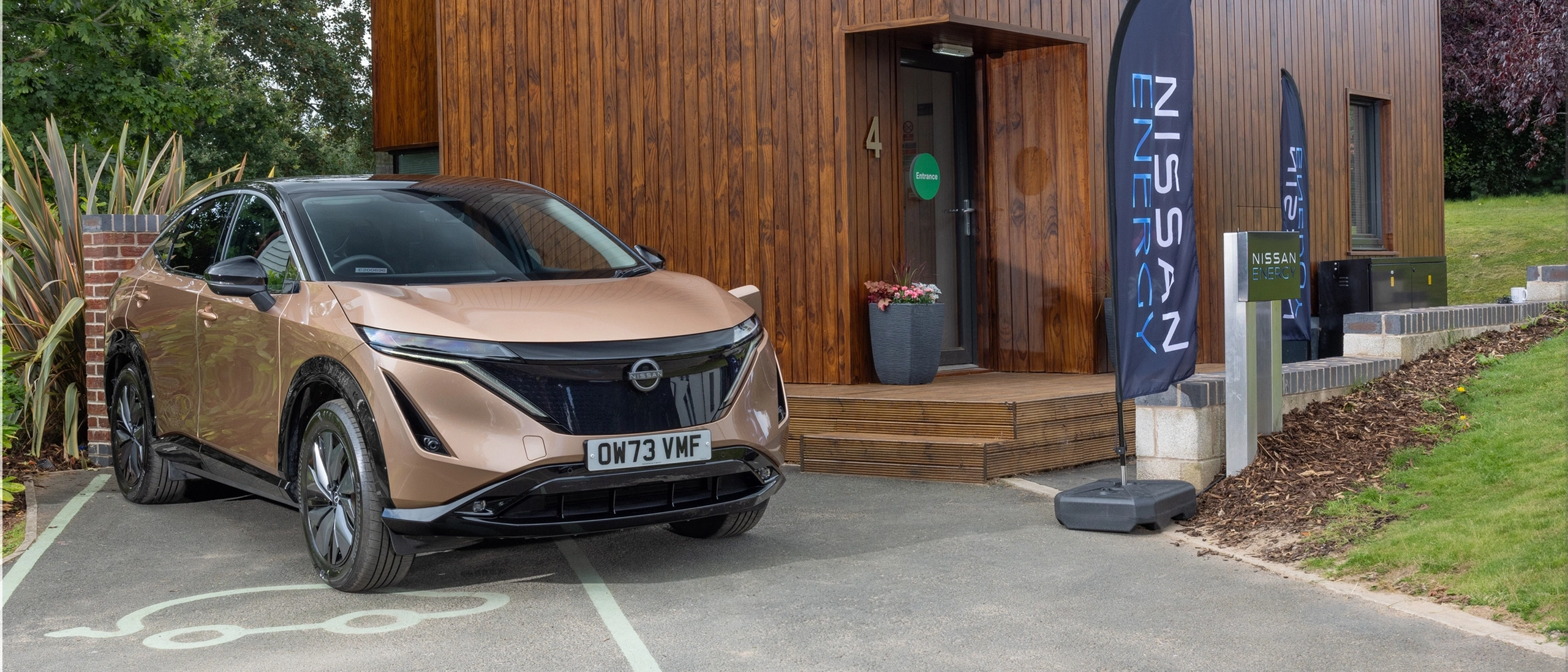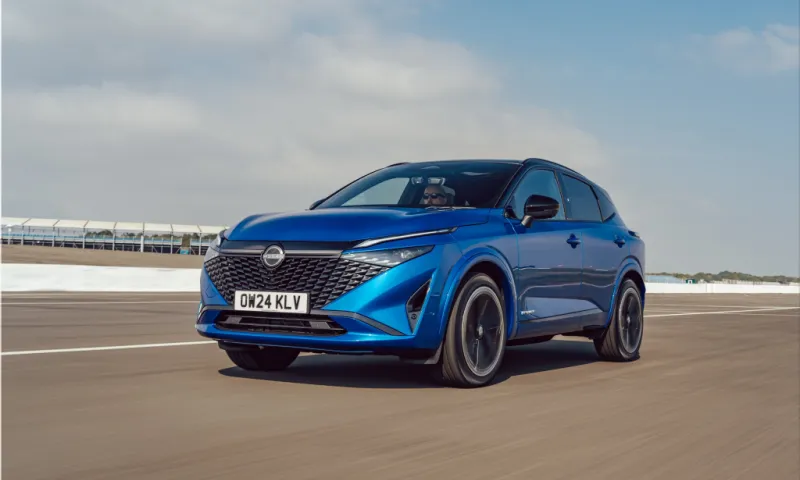
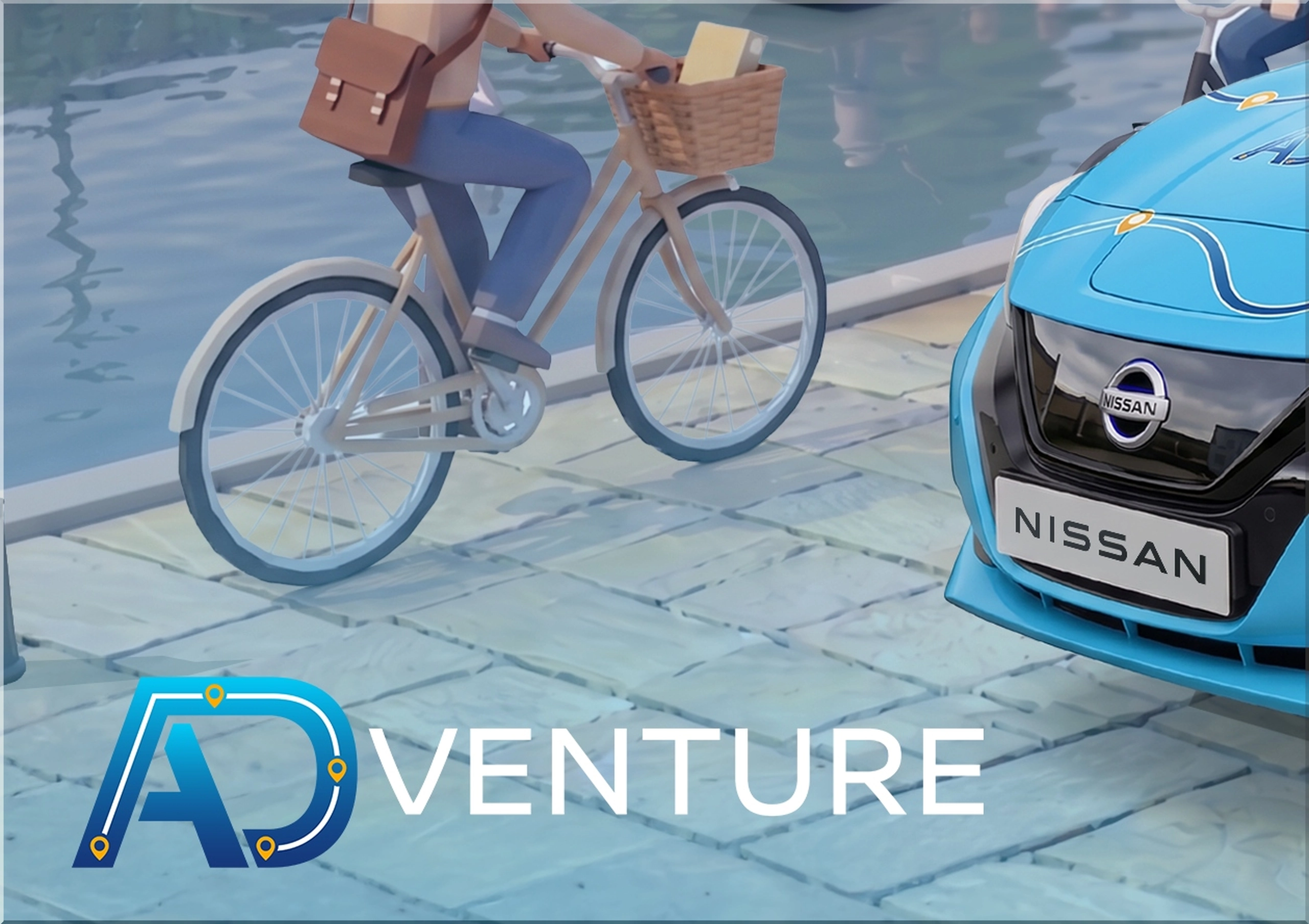
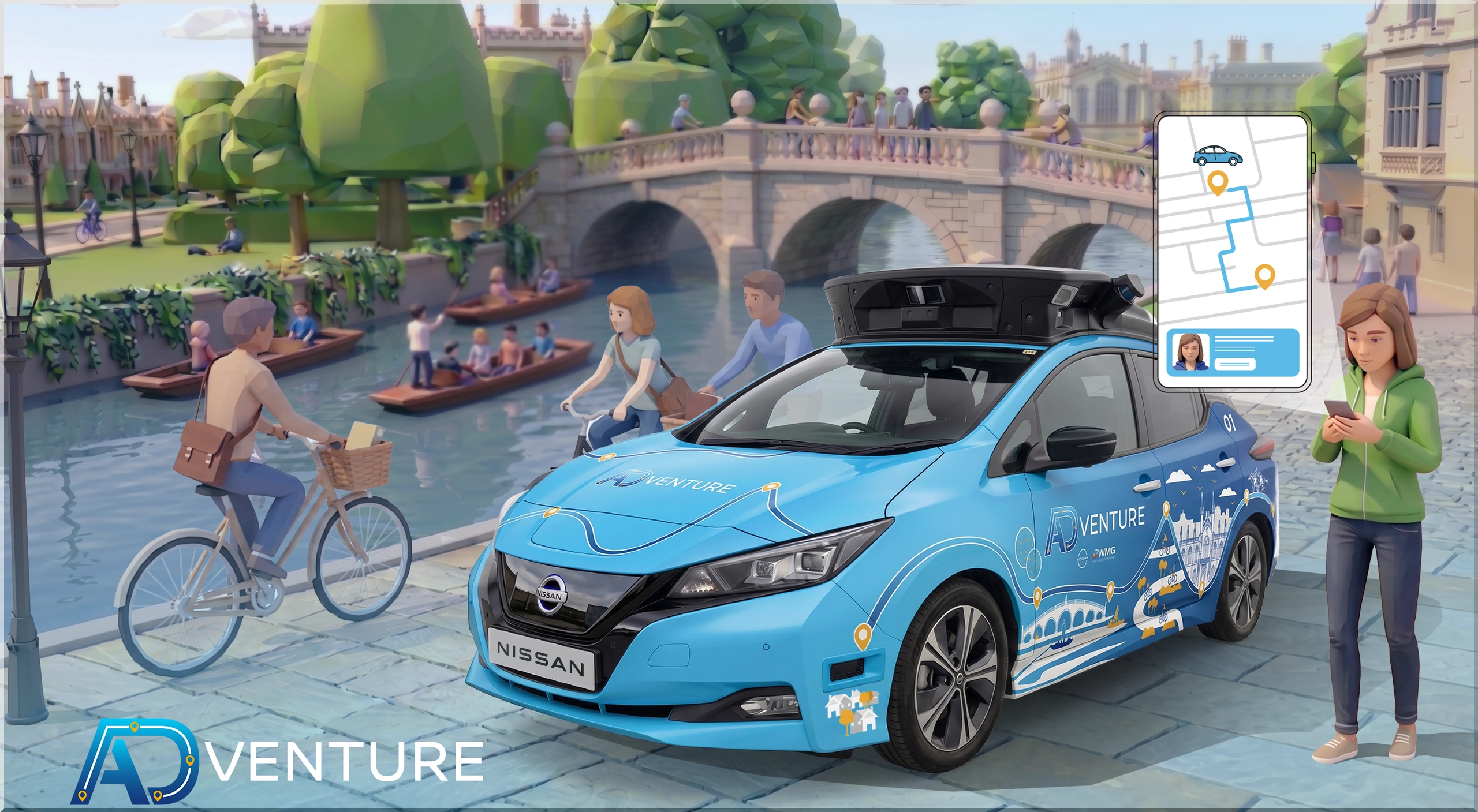
Nissan's next UK autonomy test centres on a practical question: can a self-driving service help people reach the places they need? The Nissan ADventure project brings £3 million of government-backed research to Cambridge, using a modified 2022 Nissan LEAF.
Engineers at Nissan Technical Centre Europe in Cranfield will lead the work with WMG at the University of Warwick and PAVE UK. Their target: a service model that other UK communities could adopt.
What ADventure Will Test
Passenger needs drive the research. Nissan cites medical appointments for people who do not drive as one potential application, while residents and local authorities will help shape the service.
| Project element | Confirmed detail | Research purpose |
|---|---|---|
| Funding | £3 million consortium project | Support UK autonomous mobility research |
| Location | Cambridge | Assess services within an existing transport network |
| Vehicle | Previously used 2022 LEAF test car | Apply Nissan-developed autonomous driving technology |
| Final activity | Public-road demonstration | Show how a future passenger service could operate |
The announcement leaves battery capacity, sensor counts, operating speeds and commercial fares unspecified. Consequently, production LEAF specifications would not establish this prototype's capabilities.
How Earlier Nissan Trials Support the Project
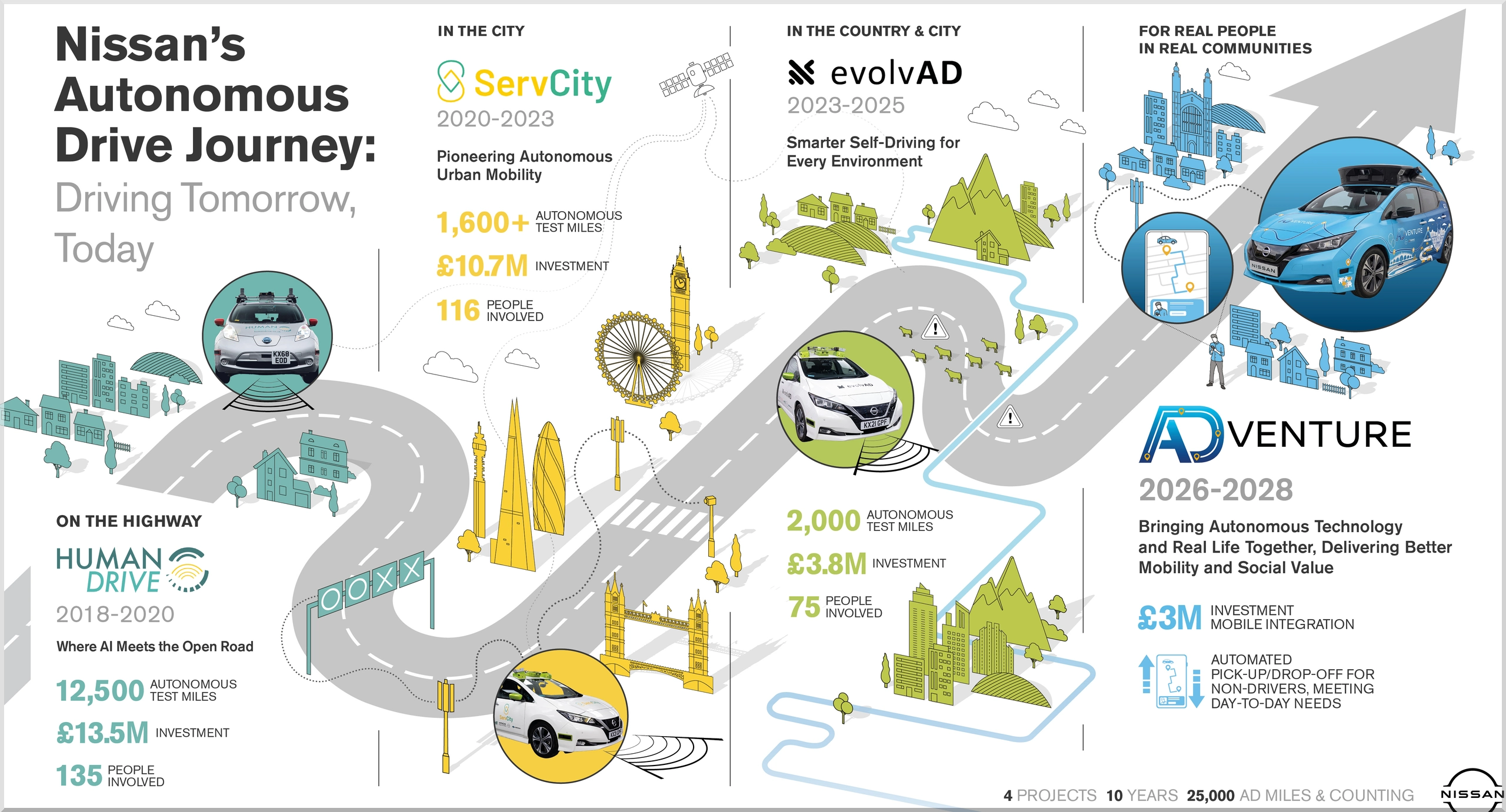
Nissan brings substantial test experience. In March 2025, it reported more than 16,000 autonomous miles, approximately 25,750 km, across HumanDrive, ServCity and evolvAD over eight years, with zero accidents. That record describes those research programmes; it does not establish a future service's accident rate.
| Earlier programme | Published measurement or scope | Technical contribution |
|---|---|---|
| HumanDrive | 230-mile drive, approximately 370 km, in 2019 | Tested autonomous travel across country roads and motorways |
| ServCity | 2020-2023; six partners | Combined London road trials, simulation and passenger research |
| evolvAD | 21 months; five partners | Tested narrow residential streets and winding rural roads |
Specifically, evolvAD introduced chassis control to improve braking and steering on winding roads without markings. It also tested vehicle-to-infrastructure communication, using information from roadside CCTV to improve situational awareness.
ServCity investigated how external cameras and sensors could support onboard equipment and reduce costs. Its researchers also examined demand, existing infrastructure and booking experiences. These findings suggest that viable autonomy requires a workable transport service as well as competent vehicle control.
Can You Book a Nissan Self-Driving Ride in Cambridge?
Nissan has not announced public bookings or a commercial launch date. ADventure will study service design, passenger confidence and public-road operation.
Pro-Tips: Before relying on a future autonomous service, check:
- Coverage: Does its operating area include your destination and return trip?
- Assistance: How will you contact support or request boarding help?
- Availability: What hours, weather restrictions and cancellation rules apply?
For transport planners, the useful return would come from serving unmet demand reliably. Track completed passenger trips, waiting times and cost per occupied kilometre; a successful demonstration alone does not prove commercial viability.
- Add new comment
- 40 views