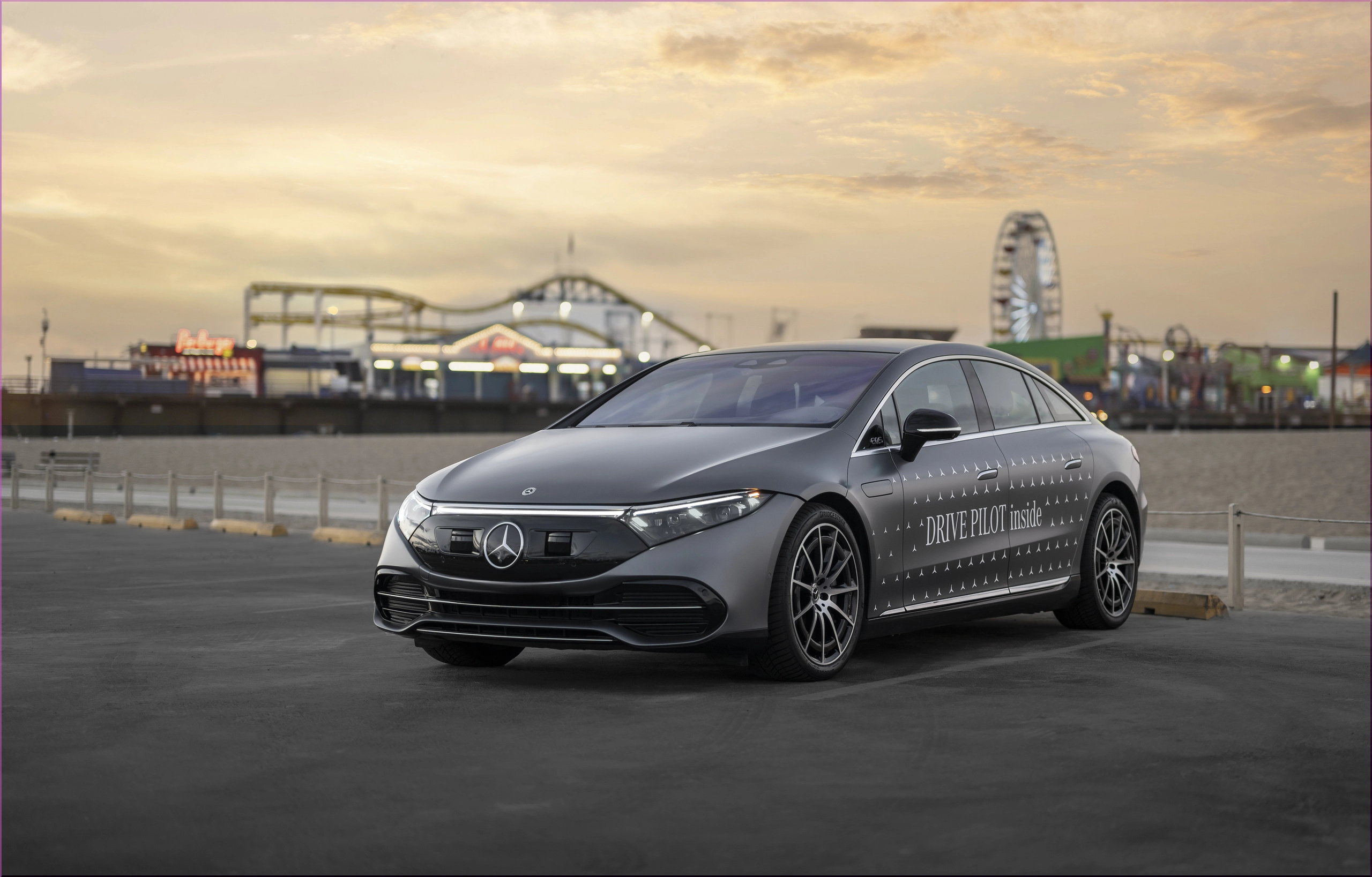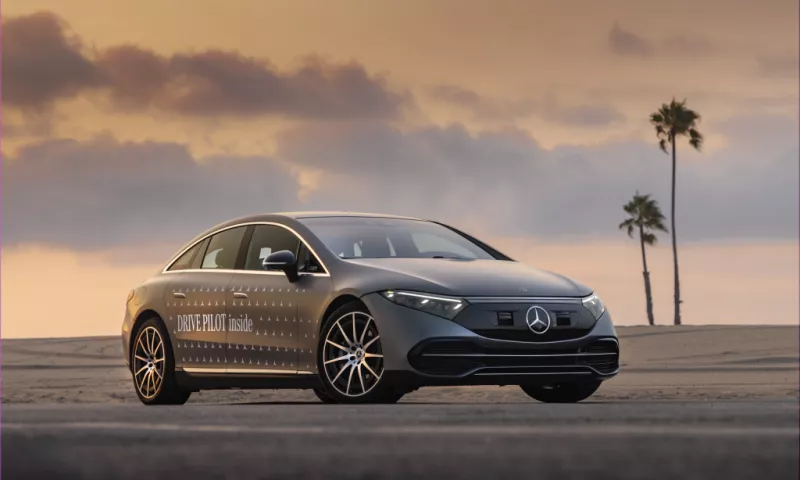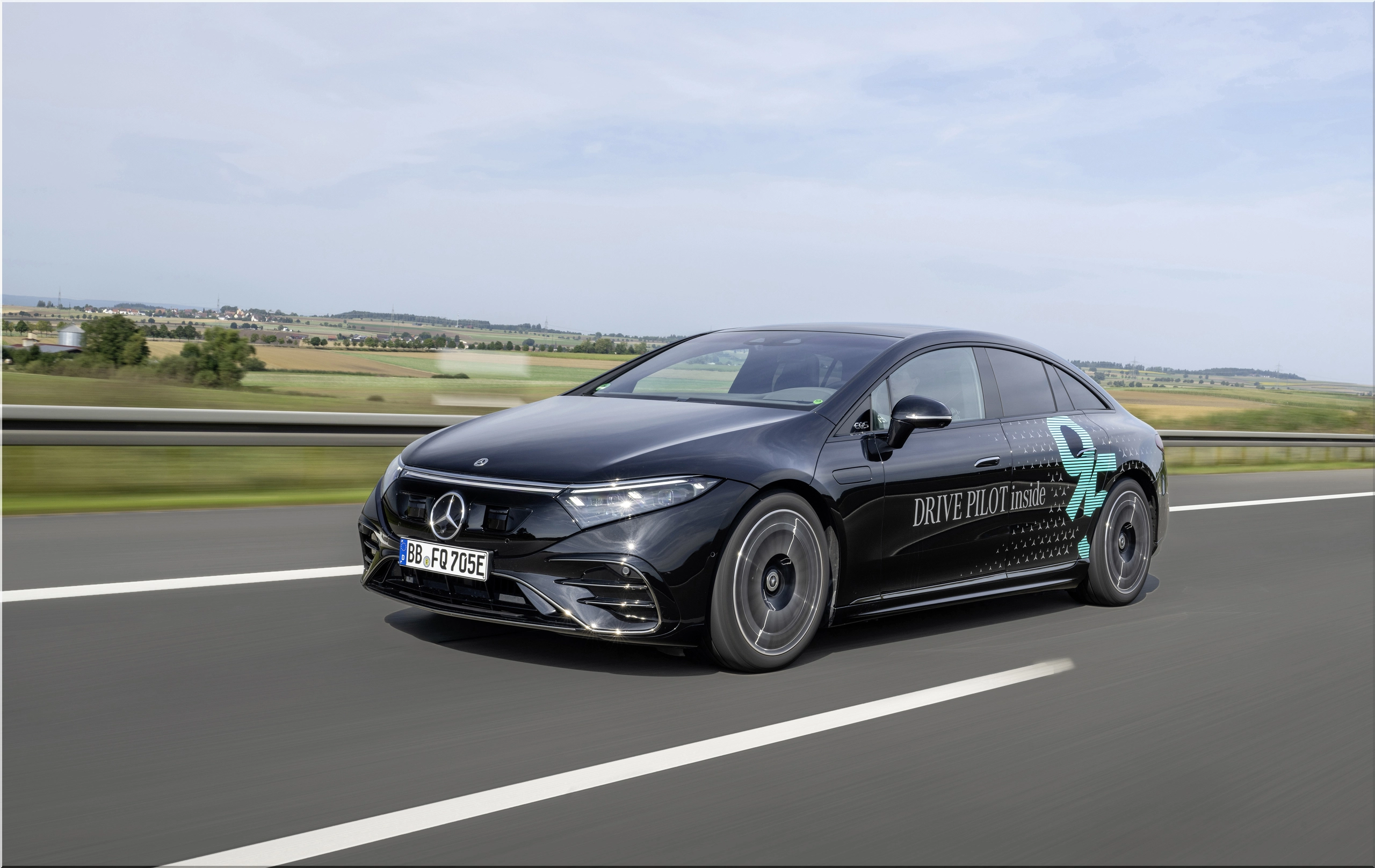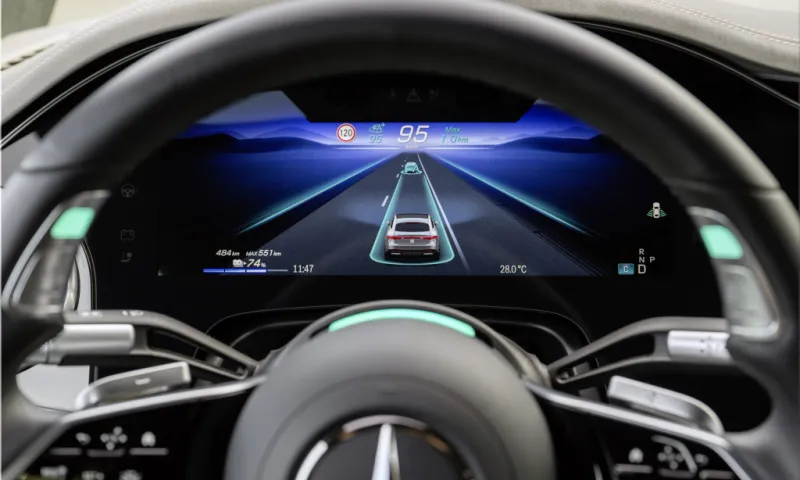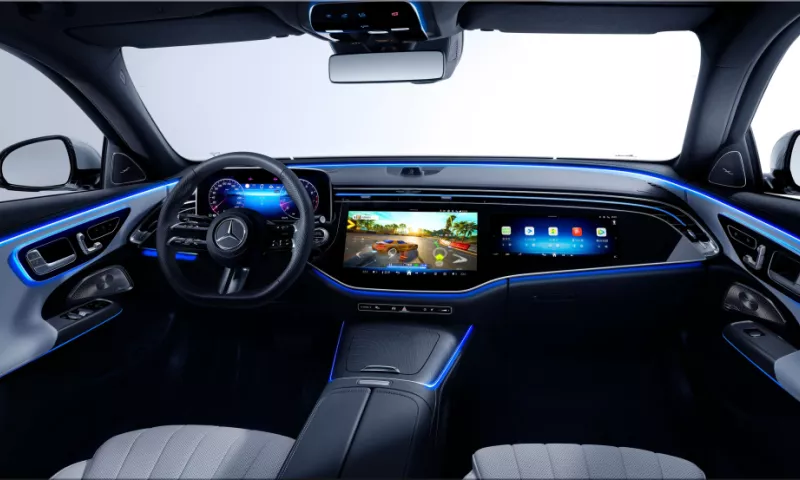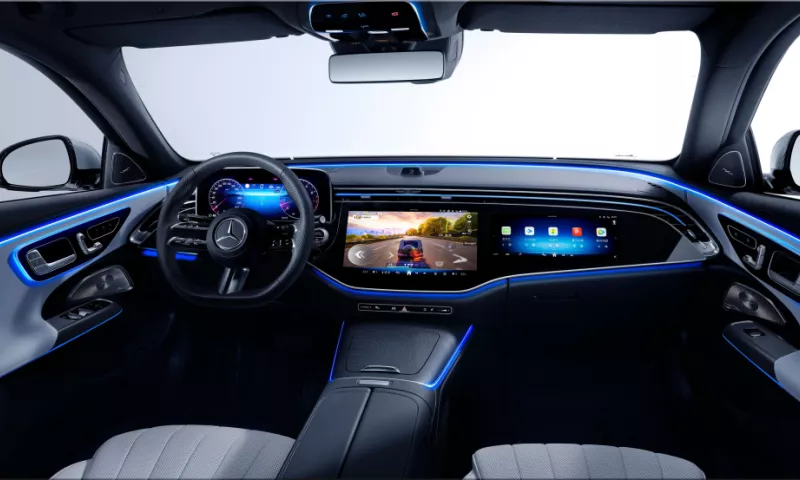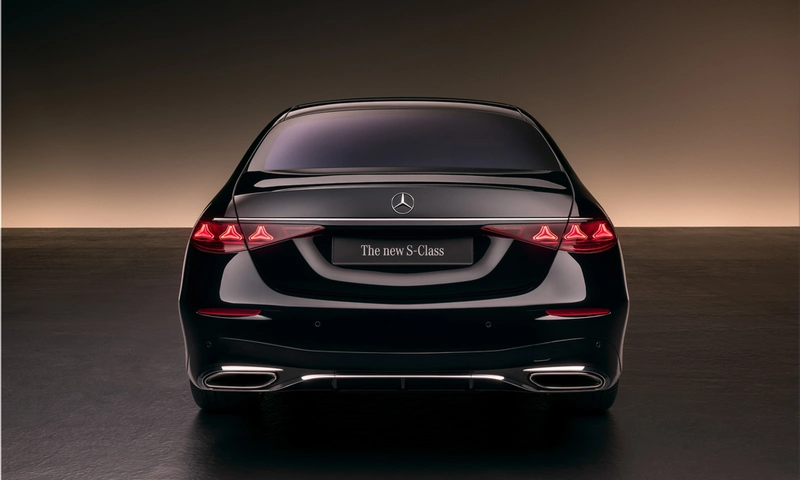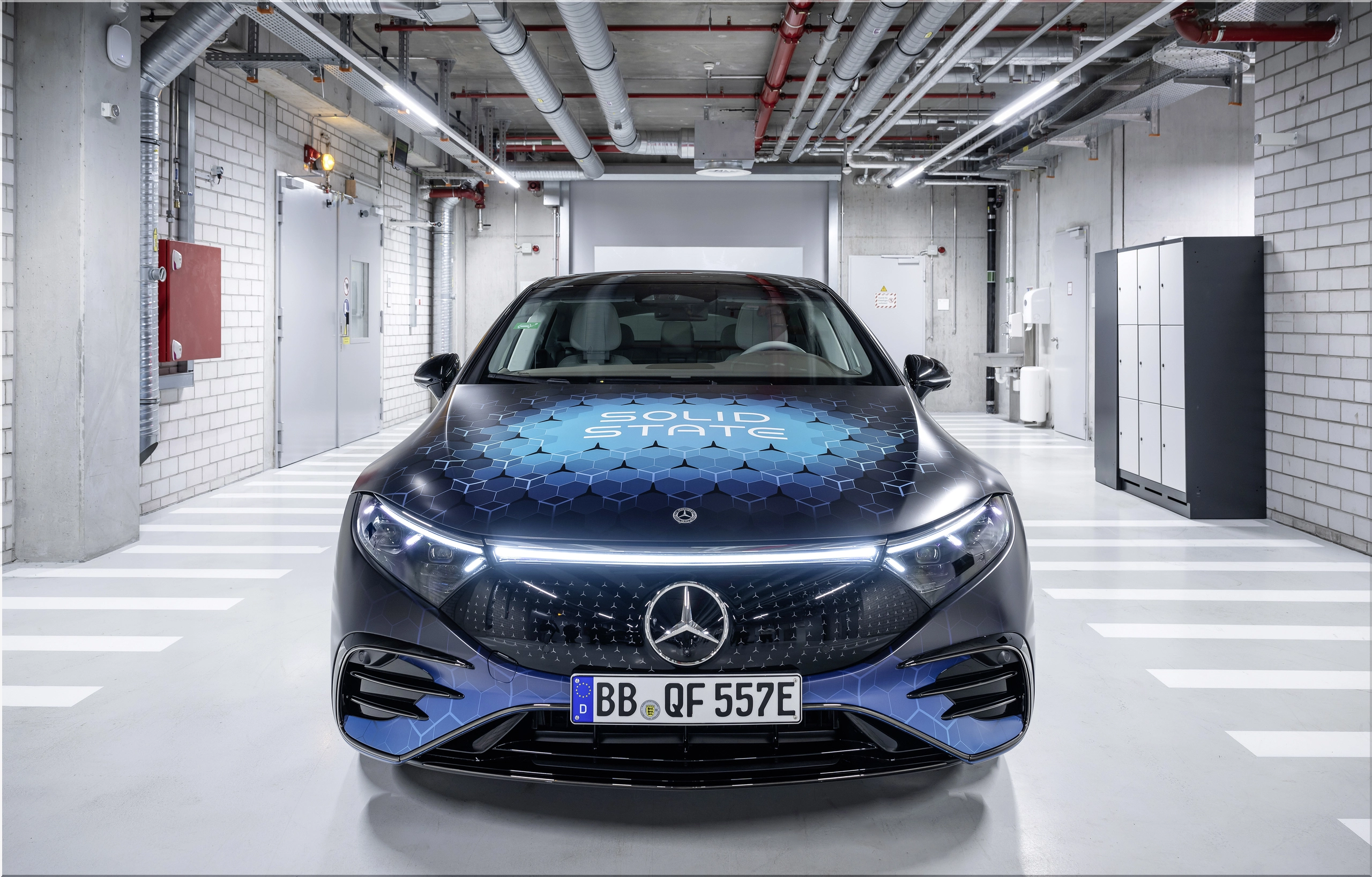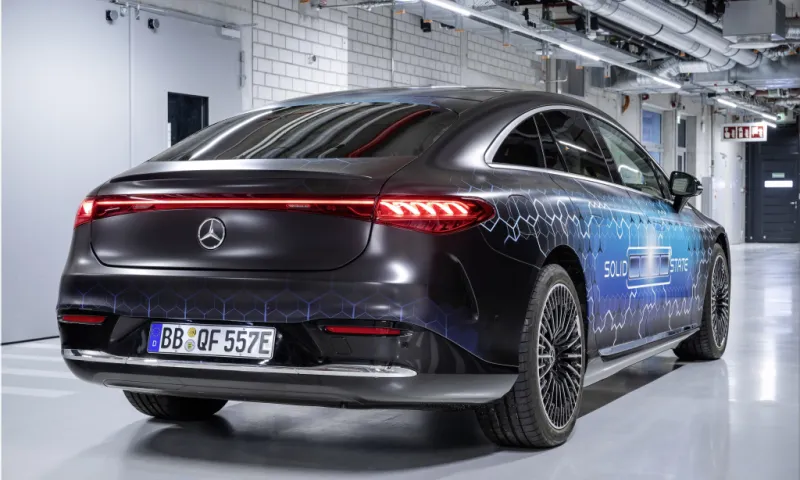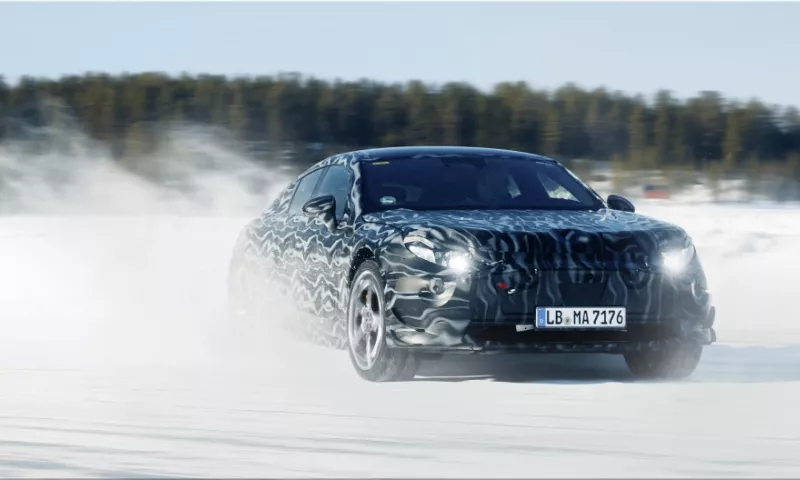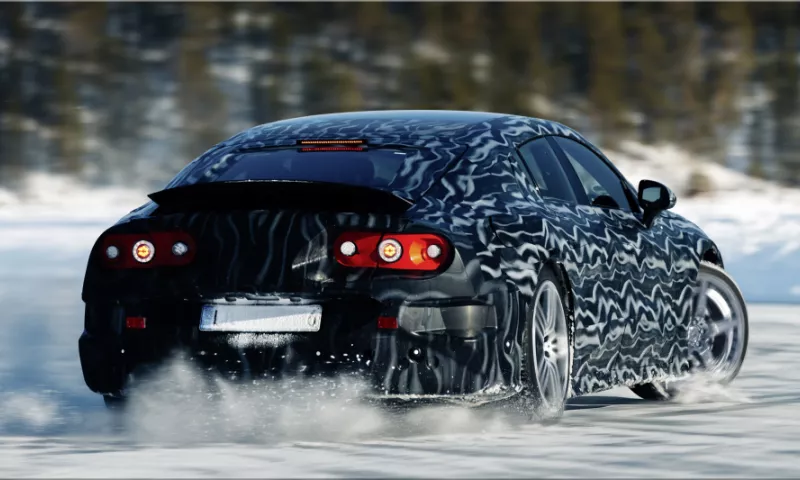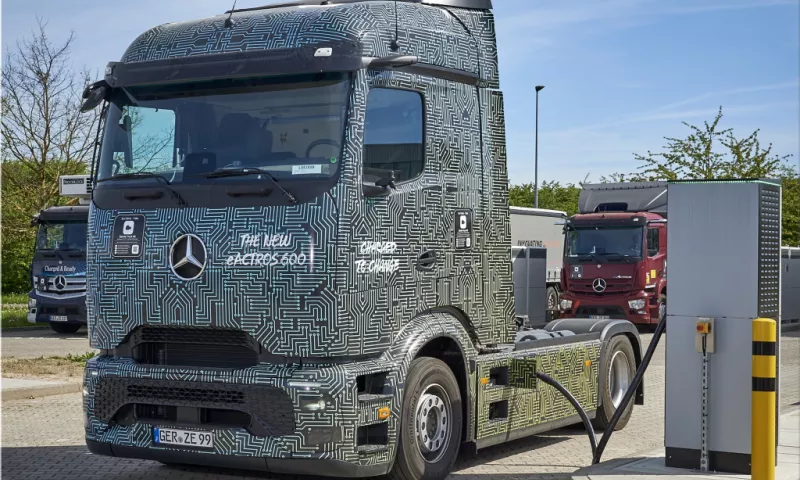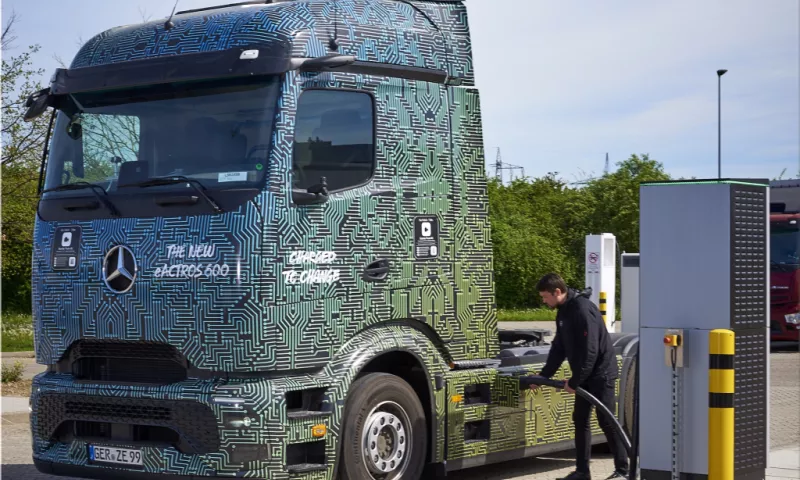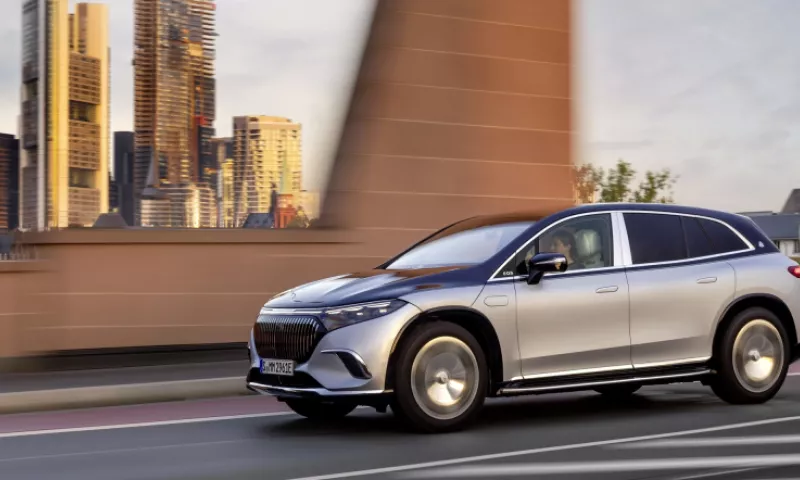
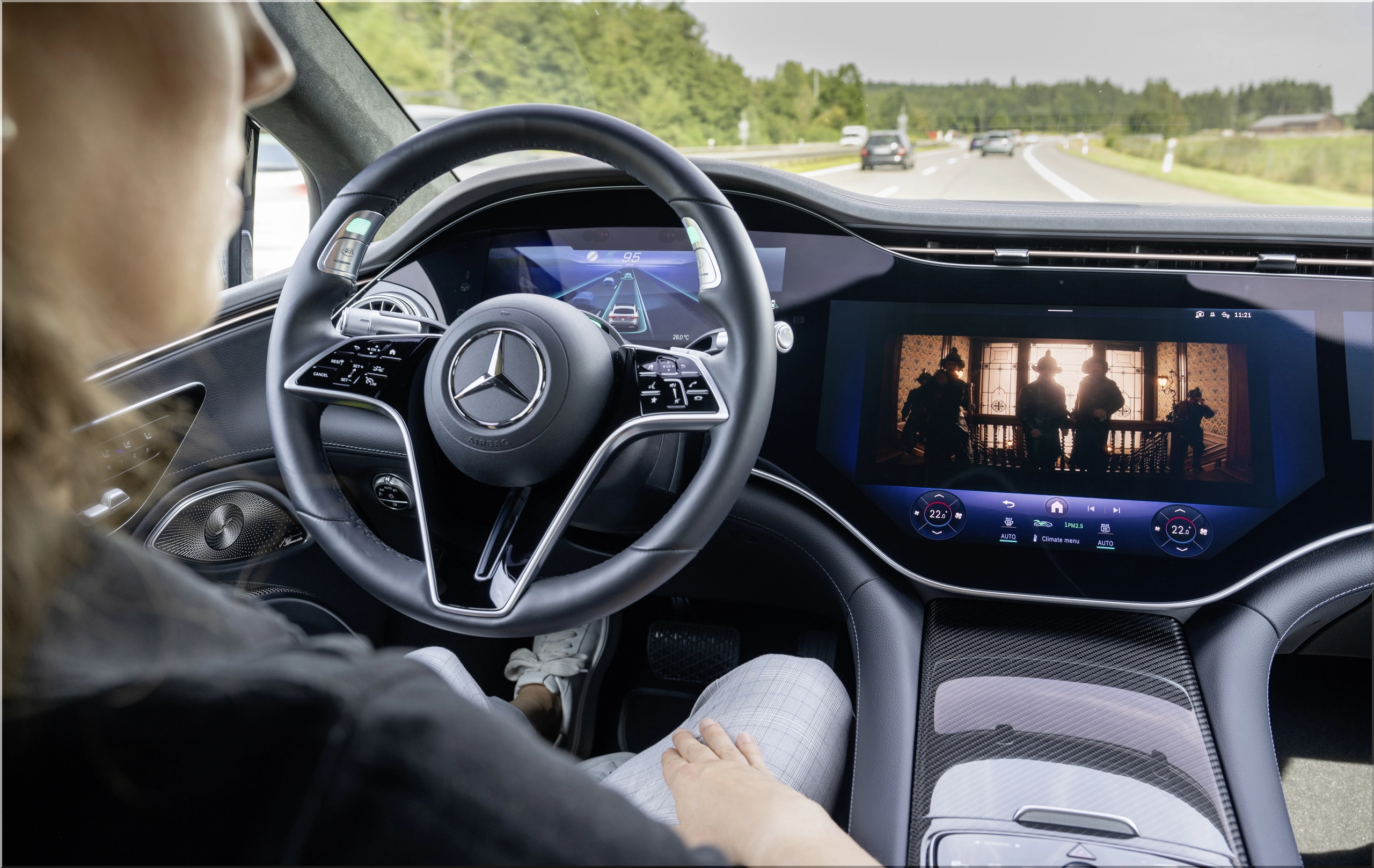
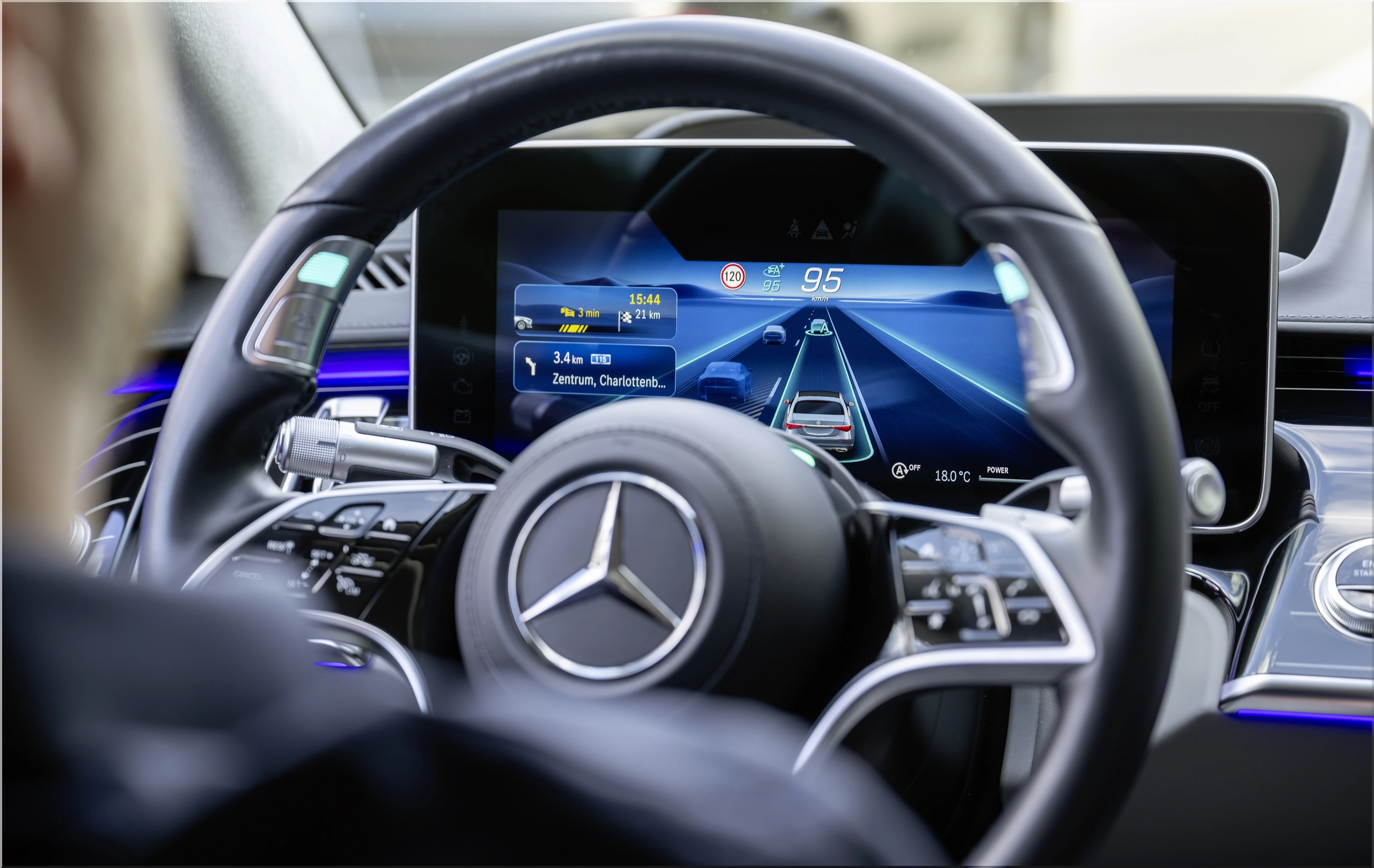
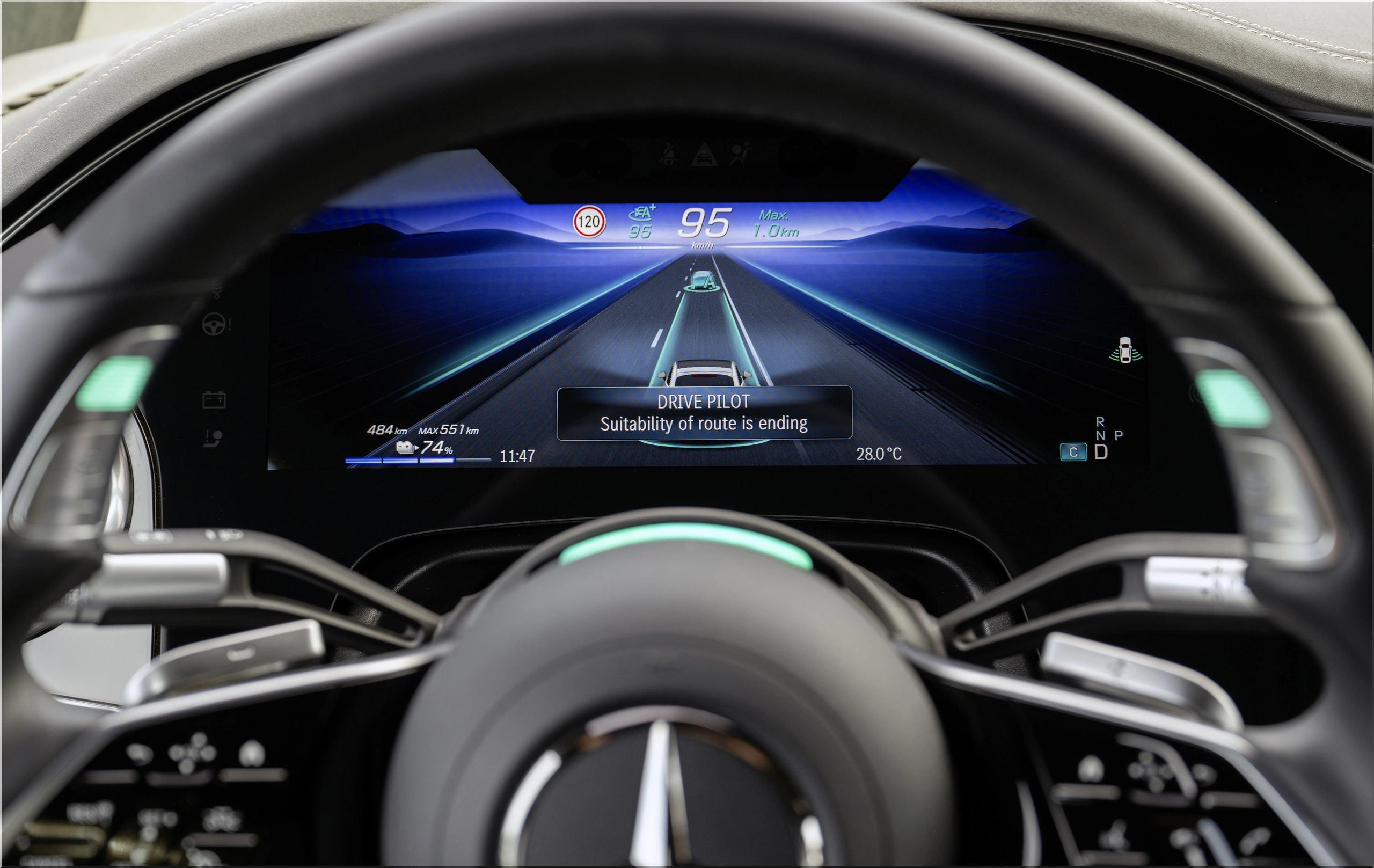
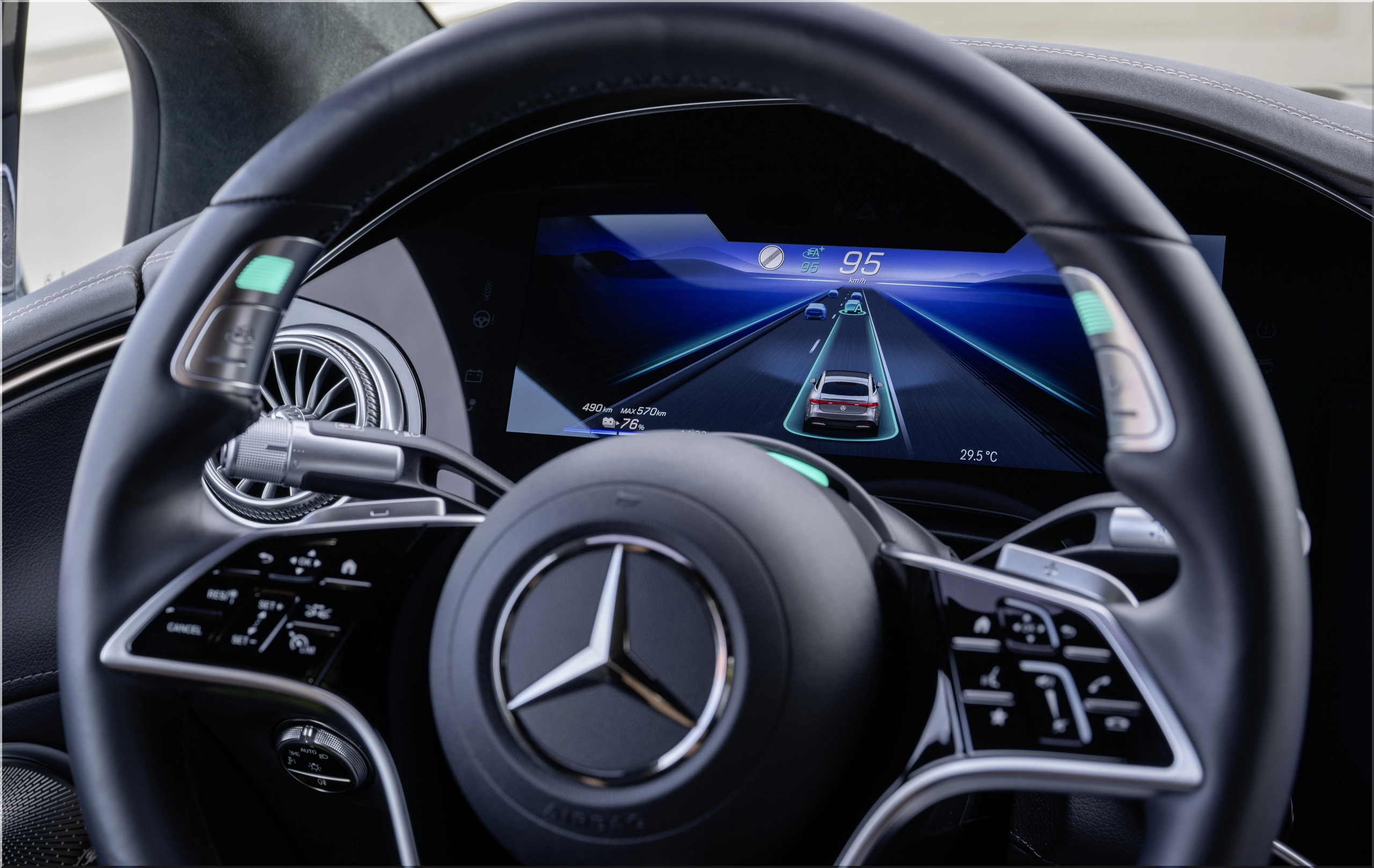
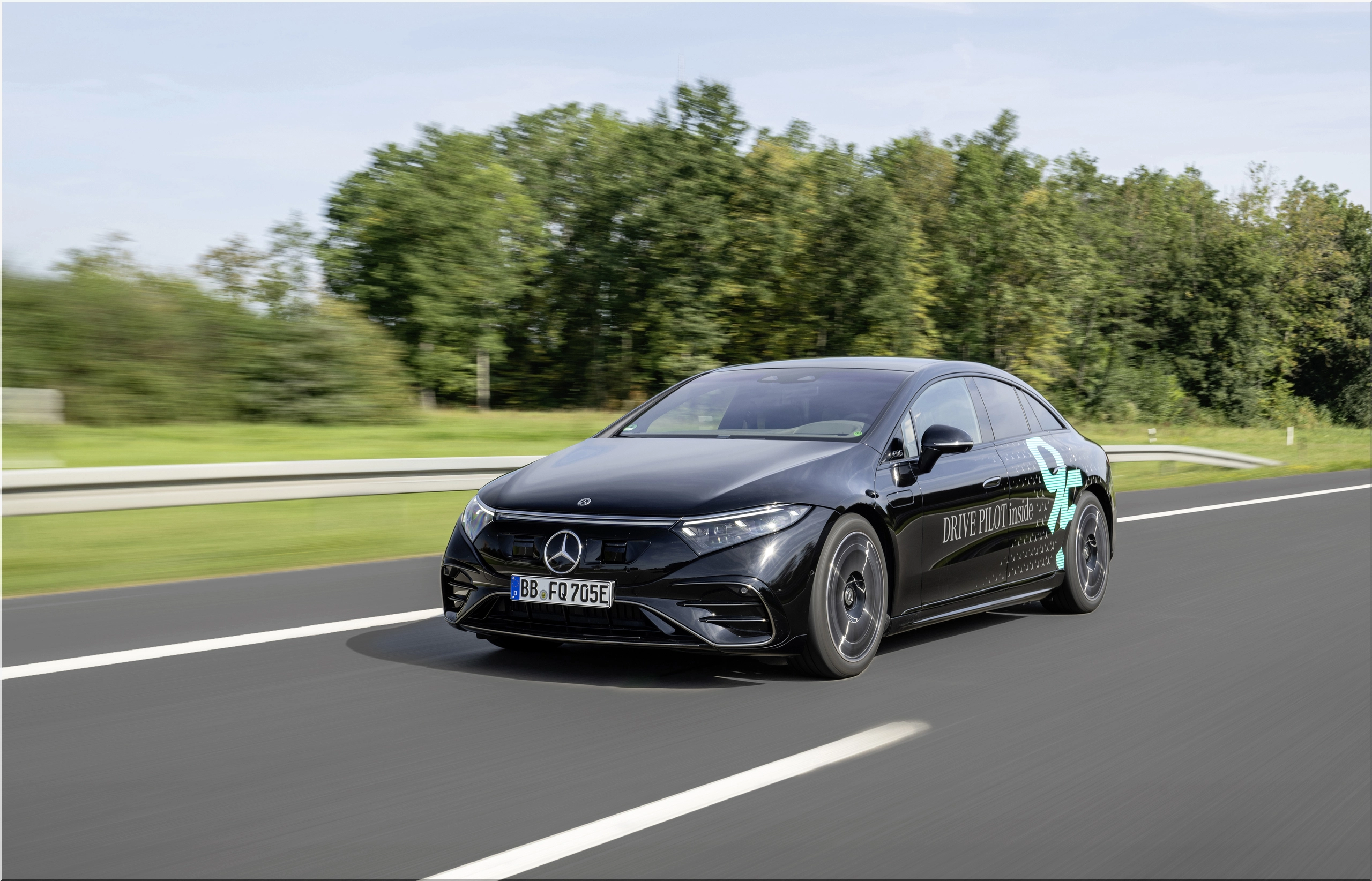
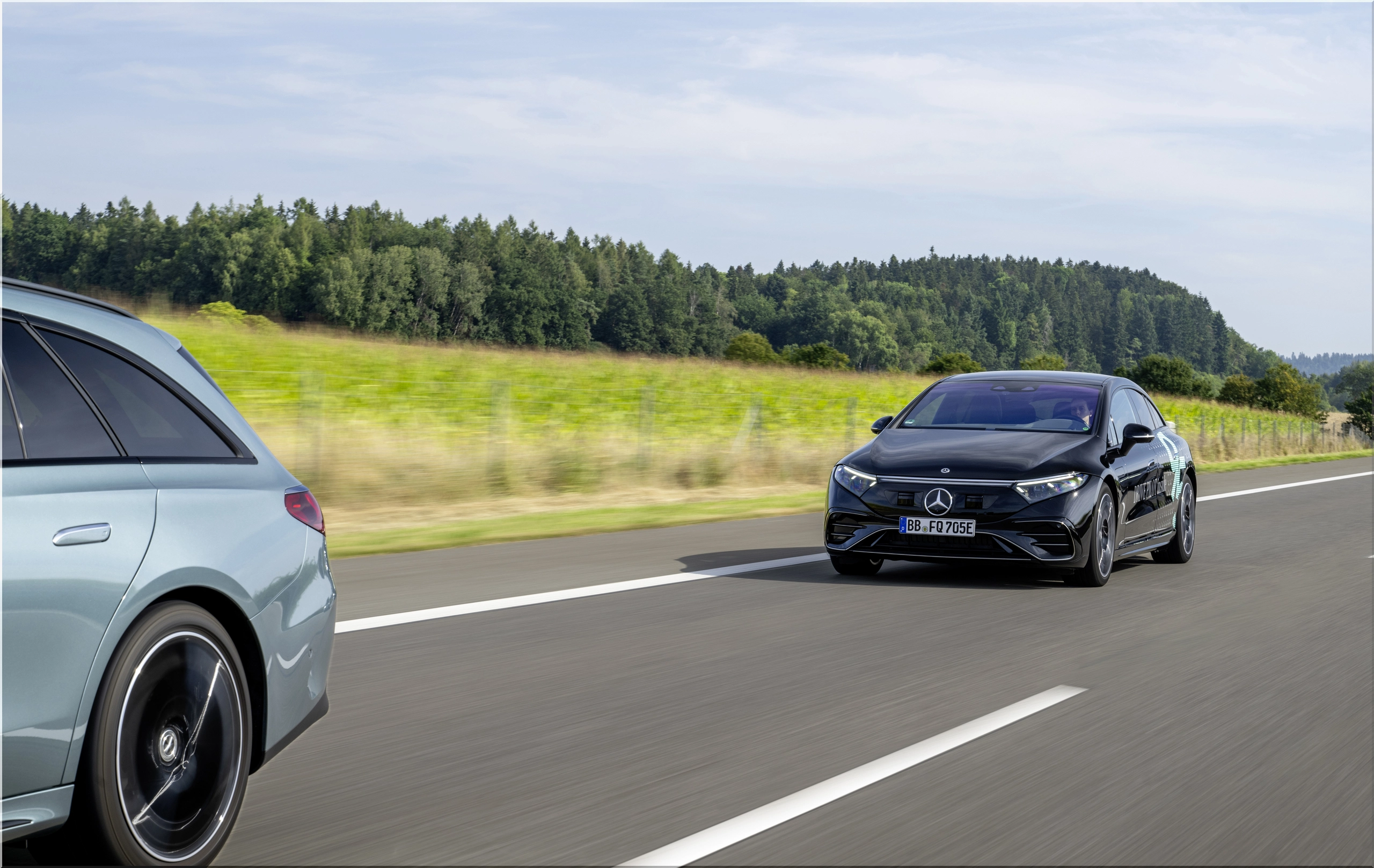
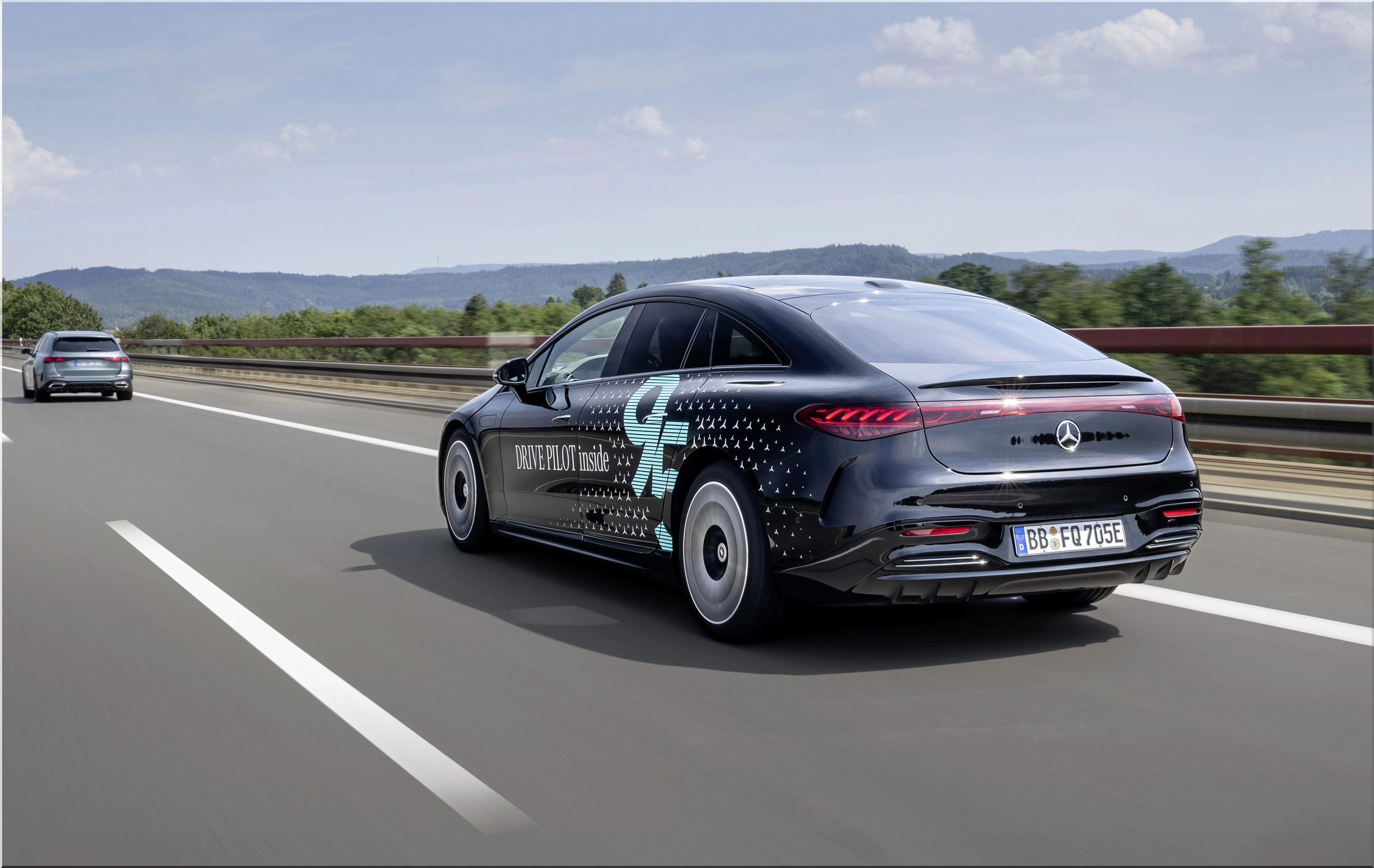
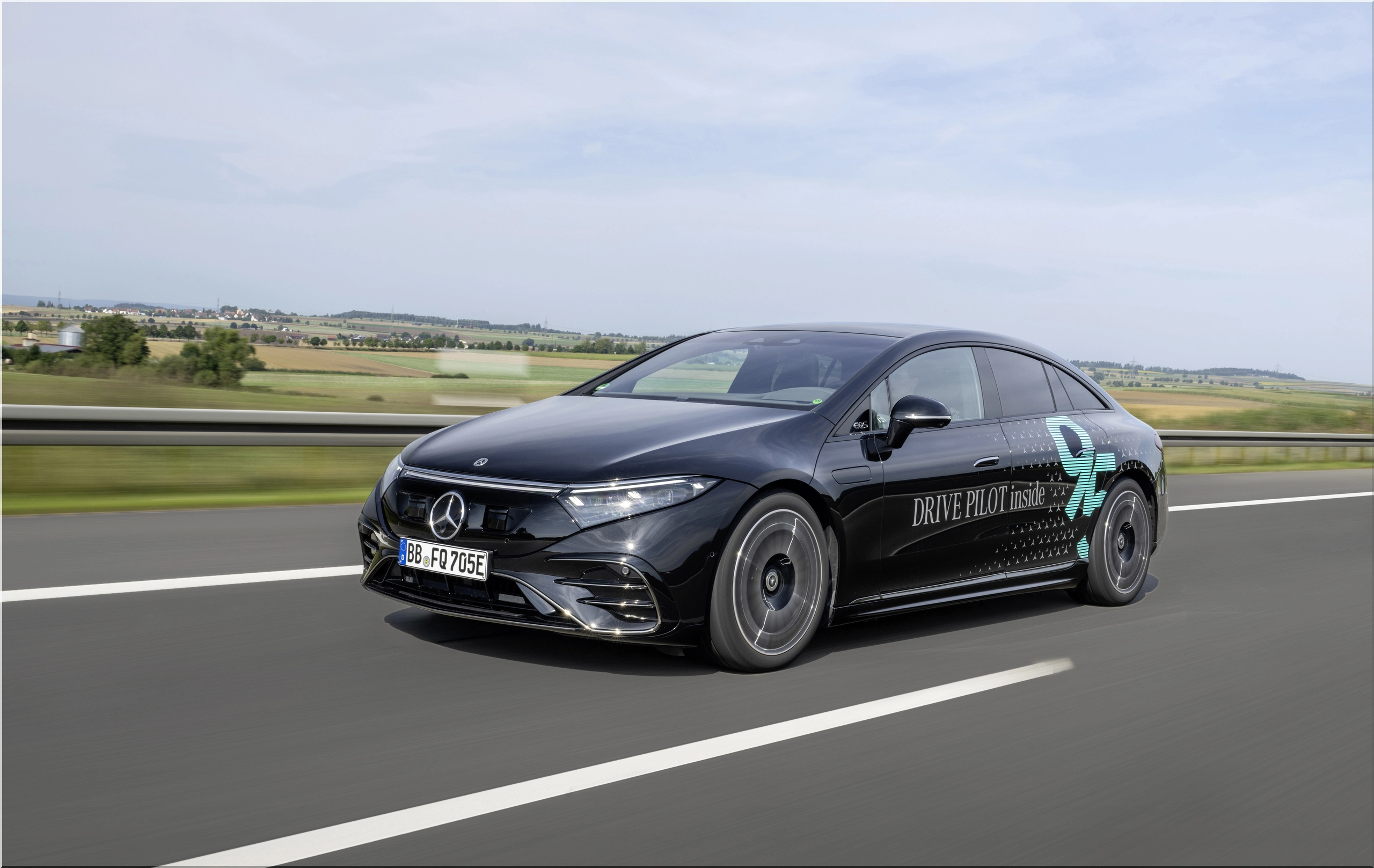
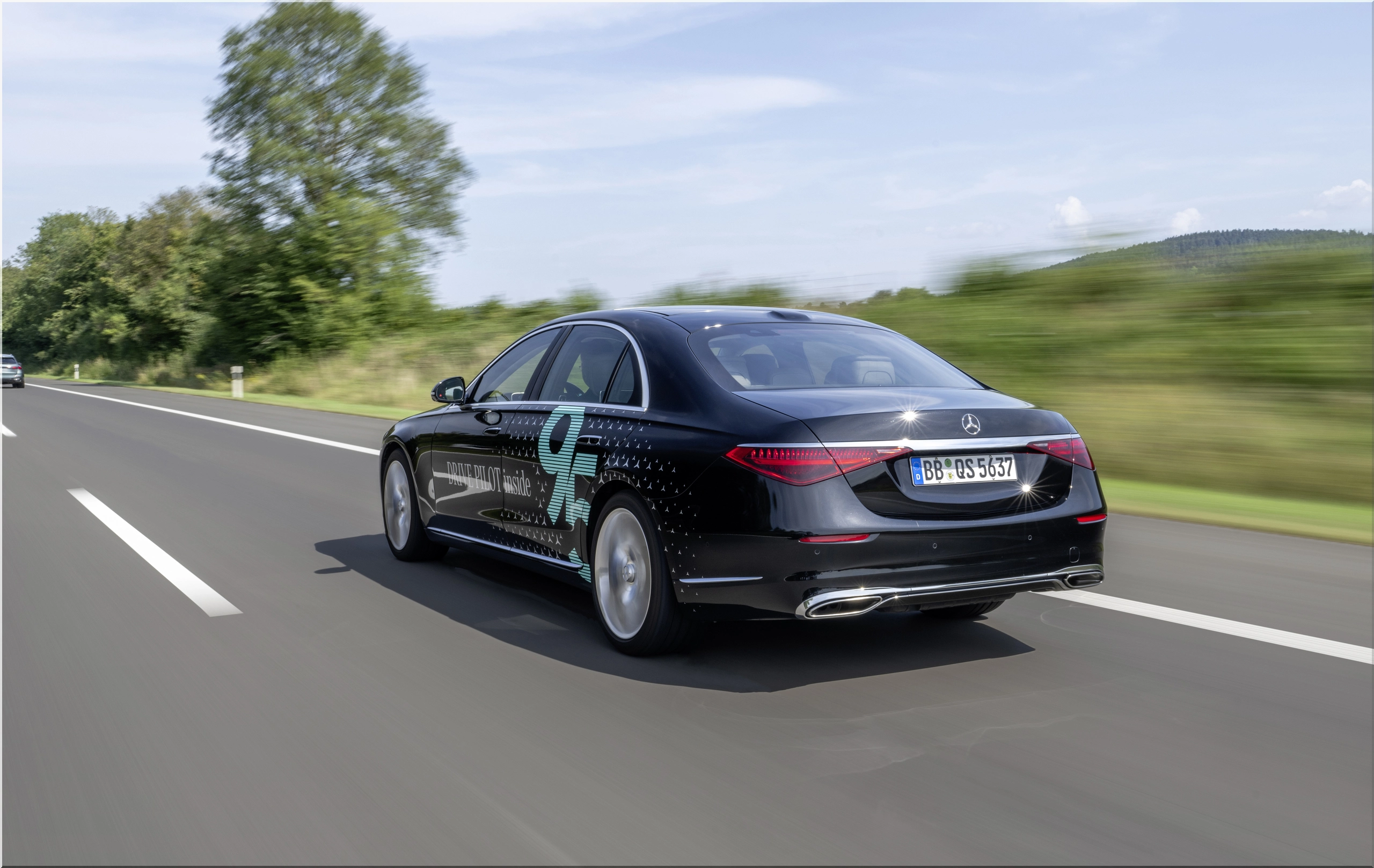
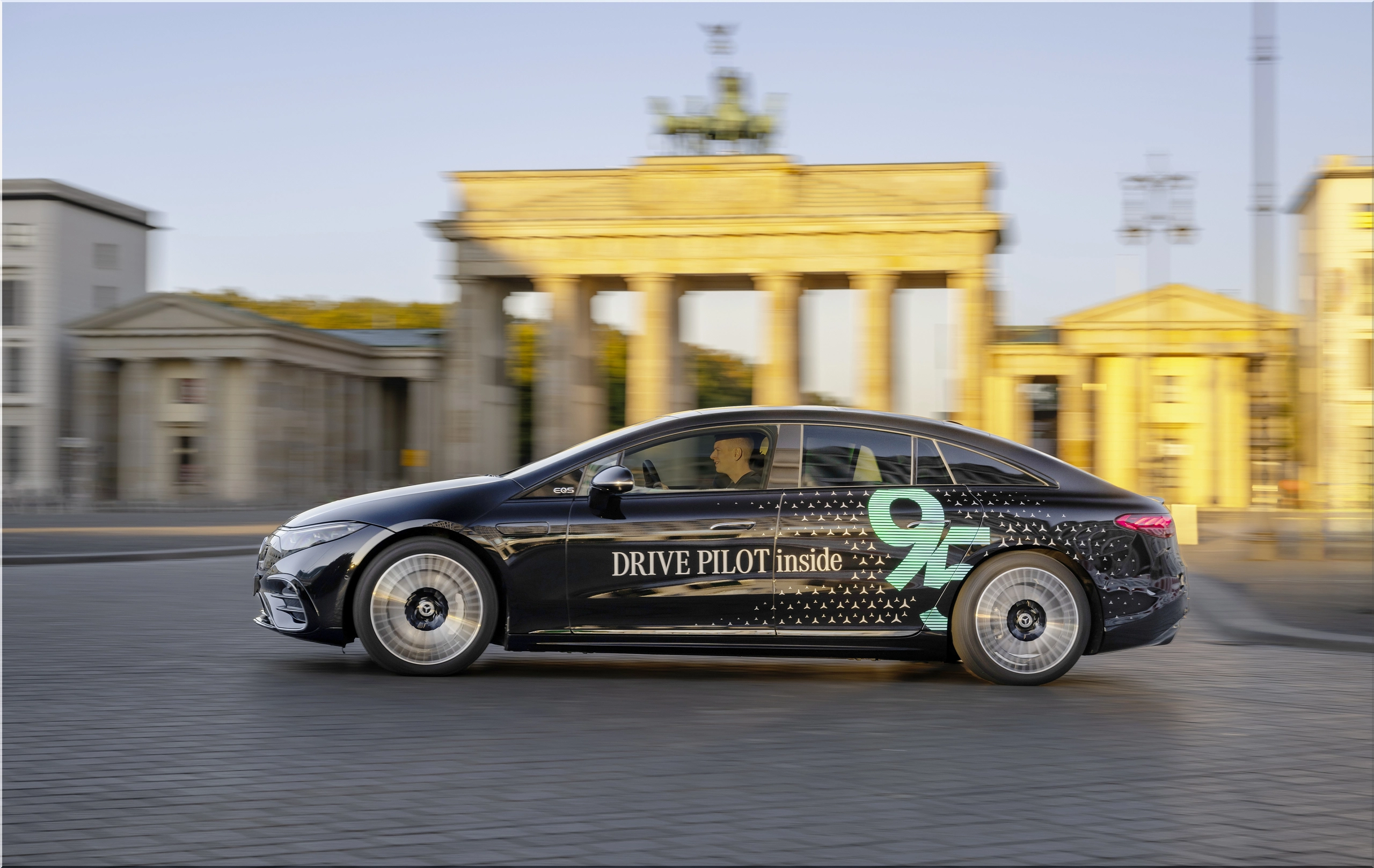
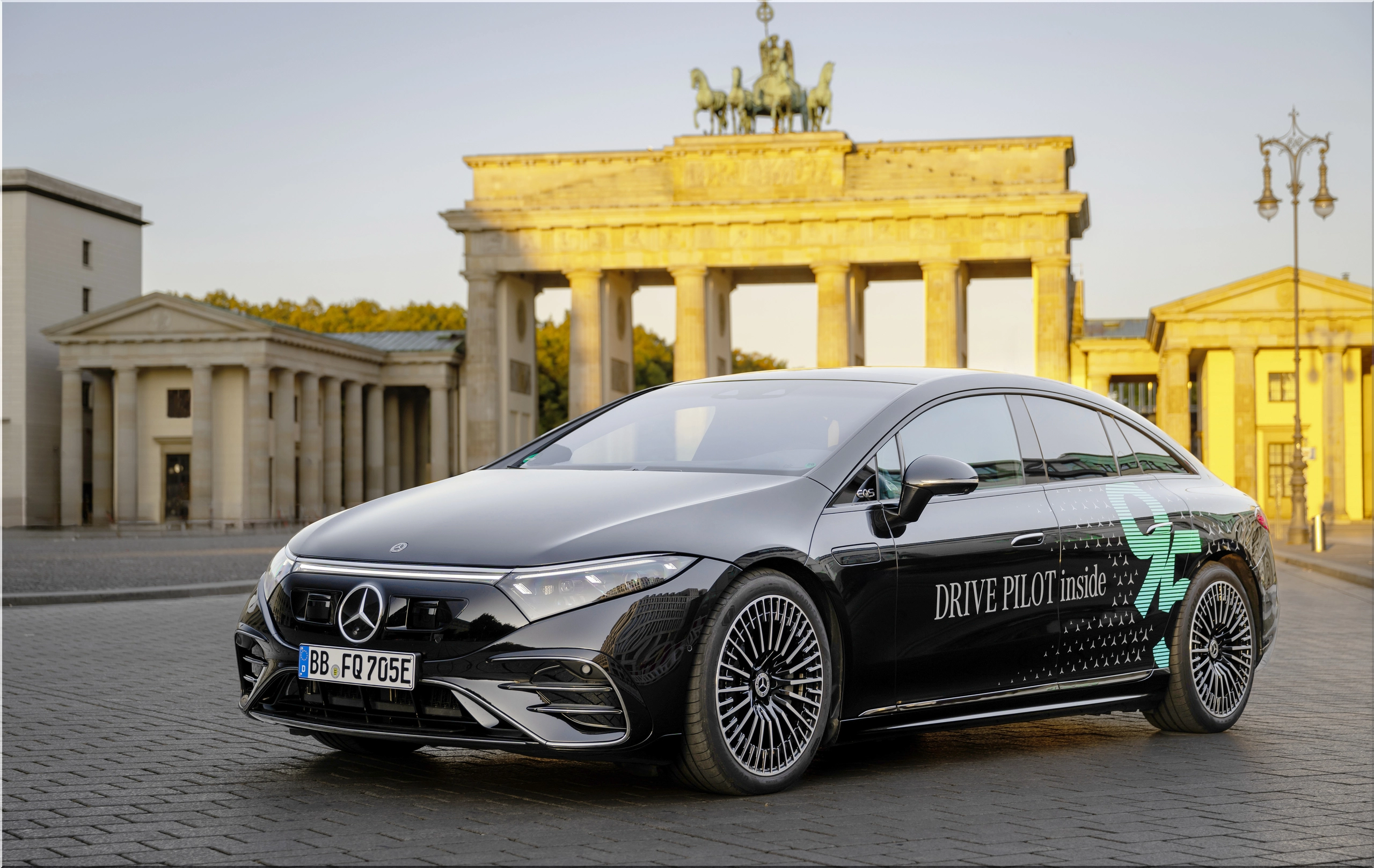
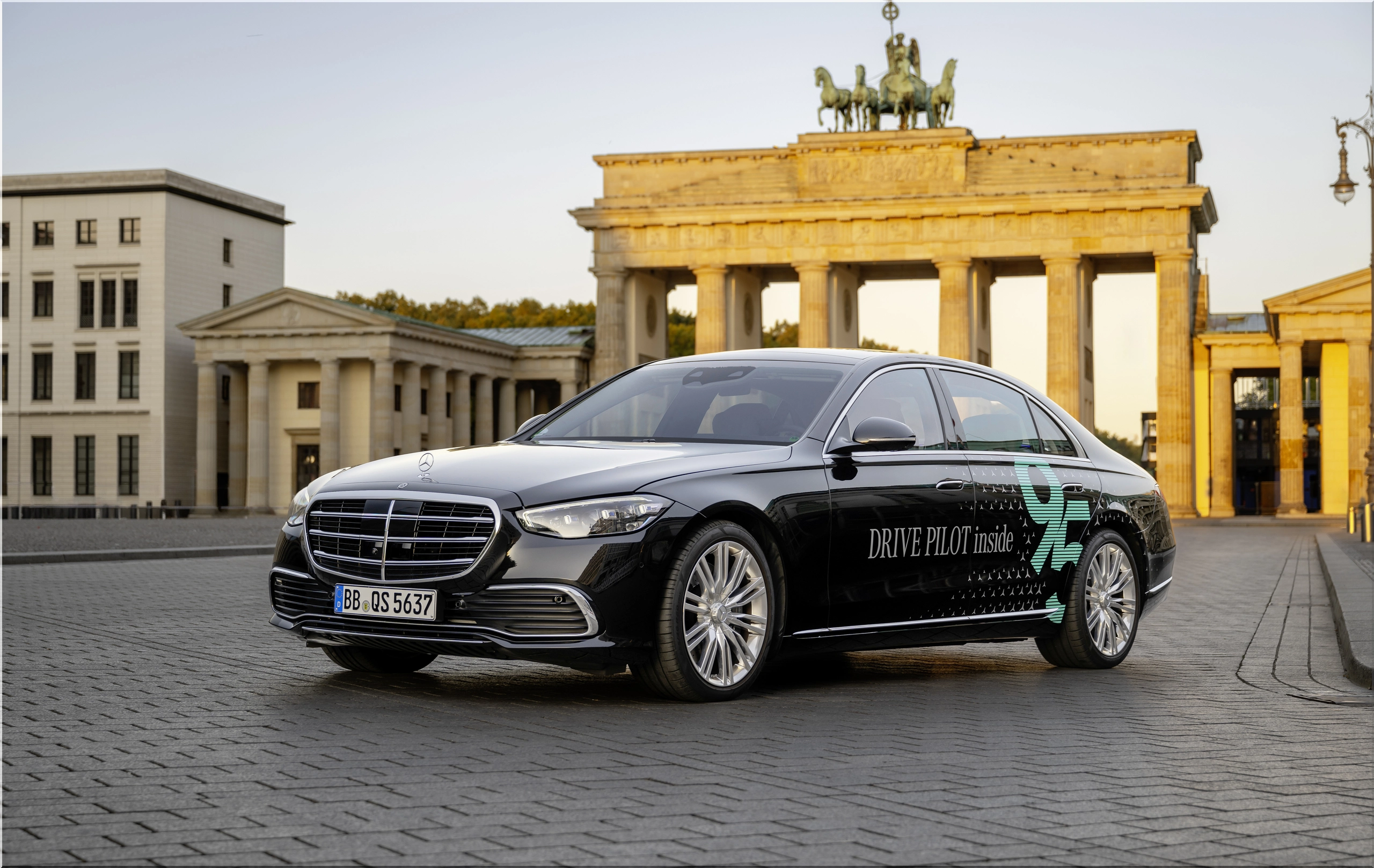
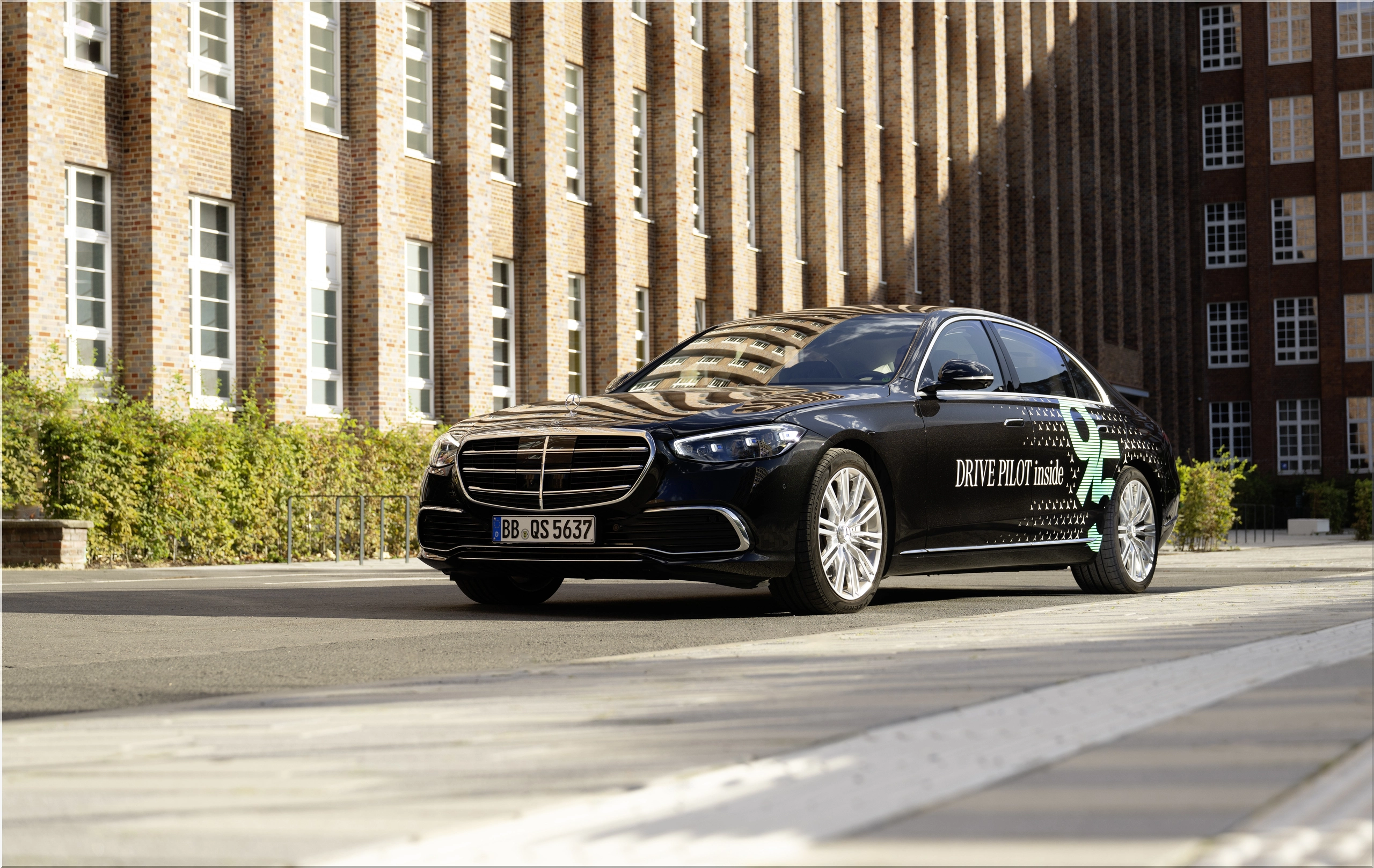
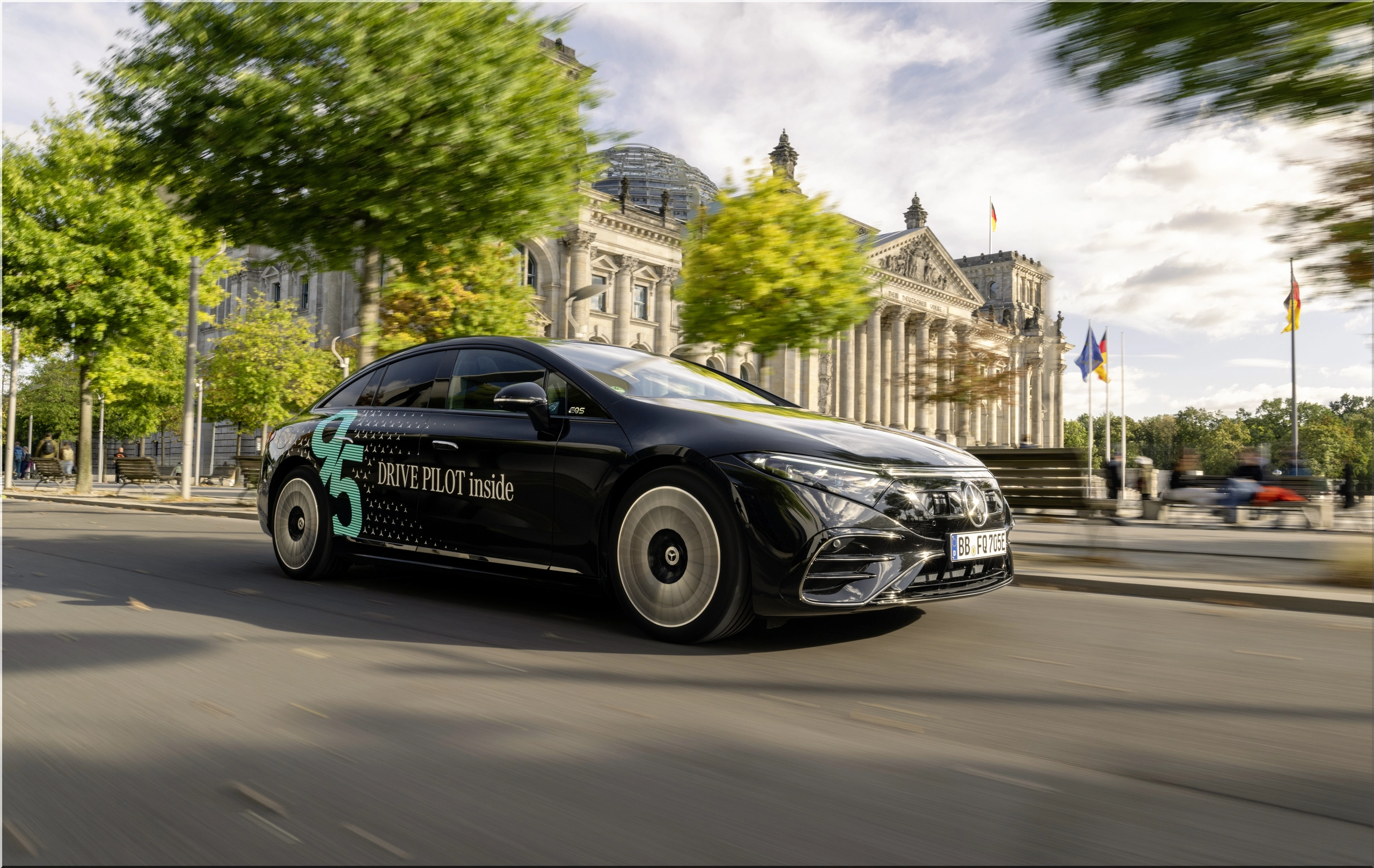
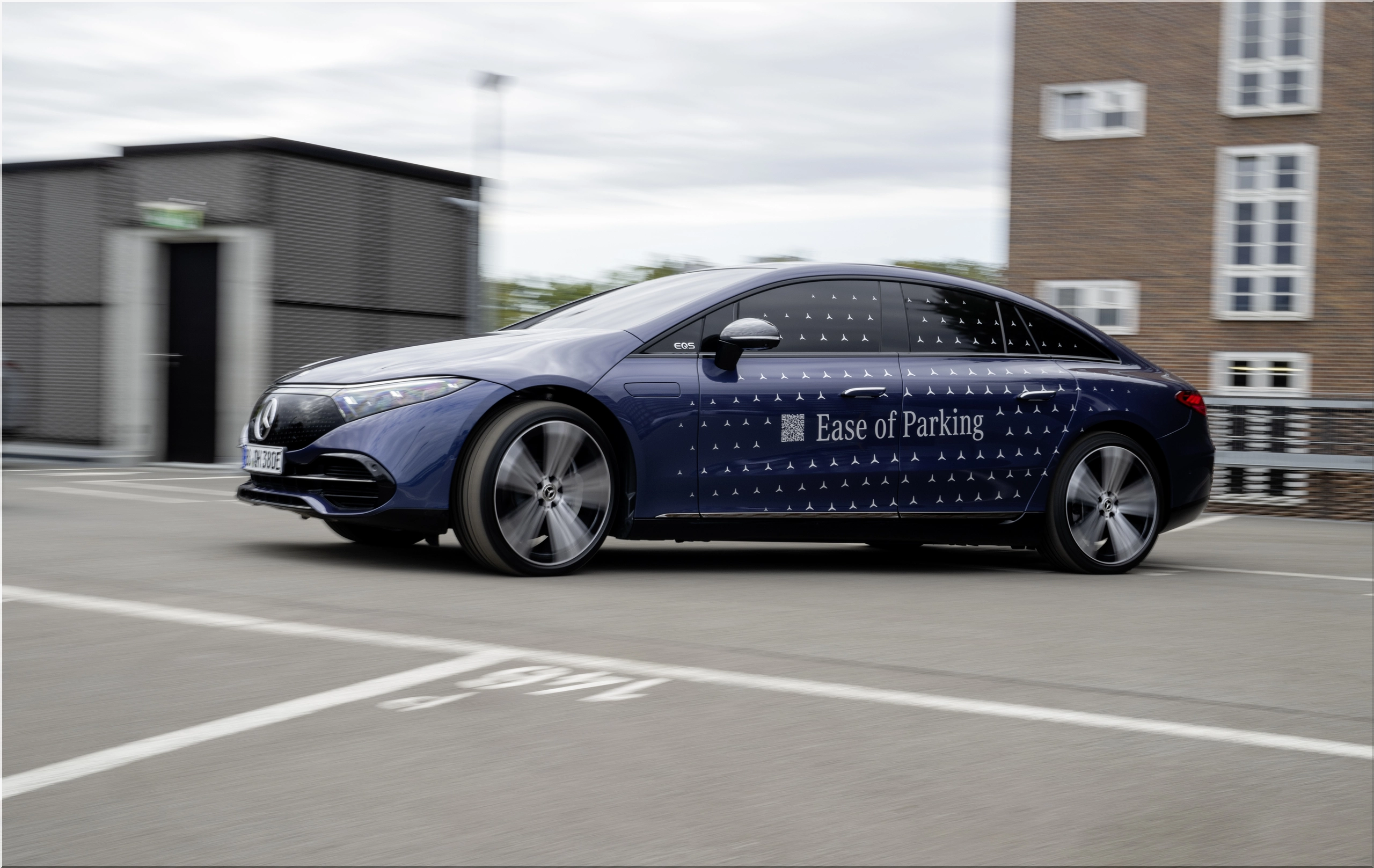
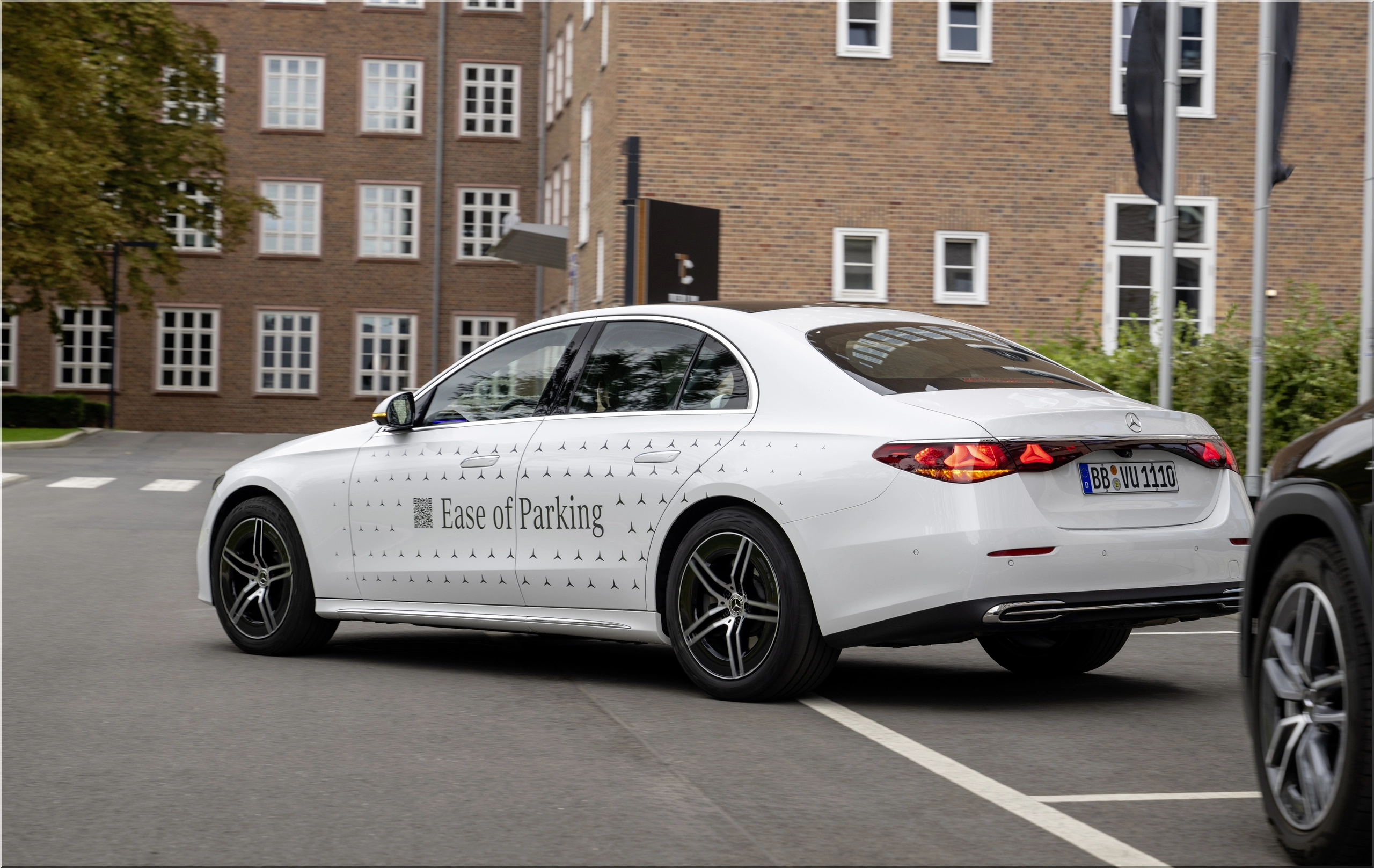
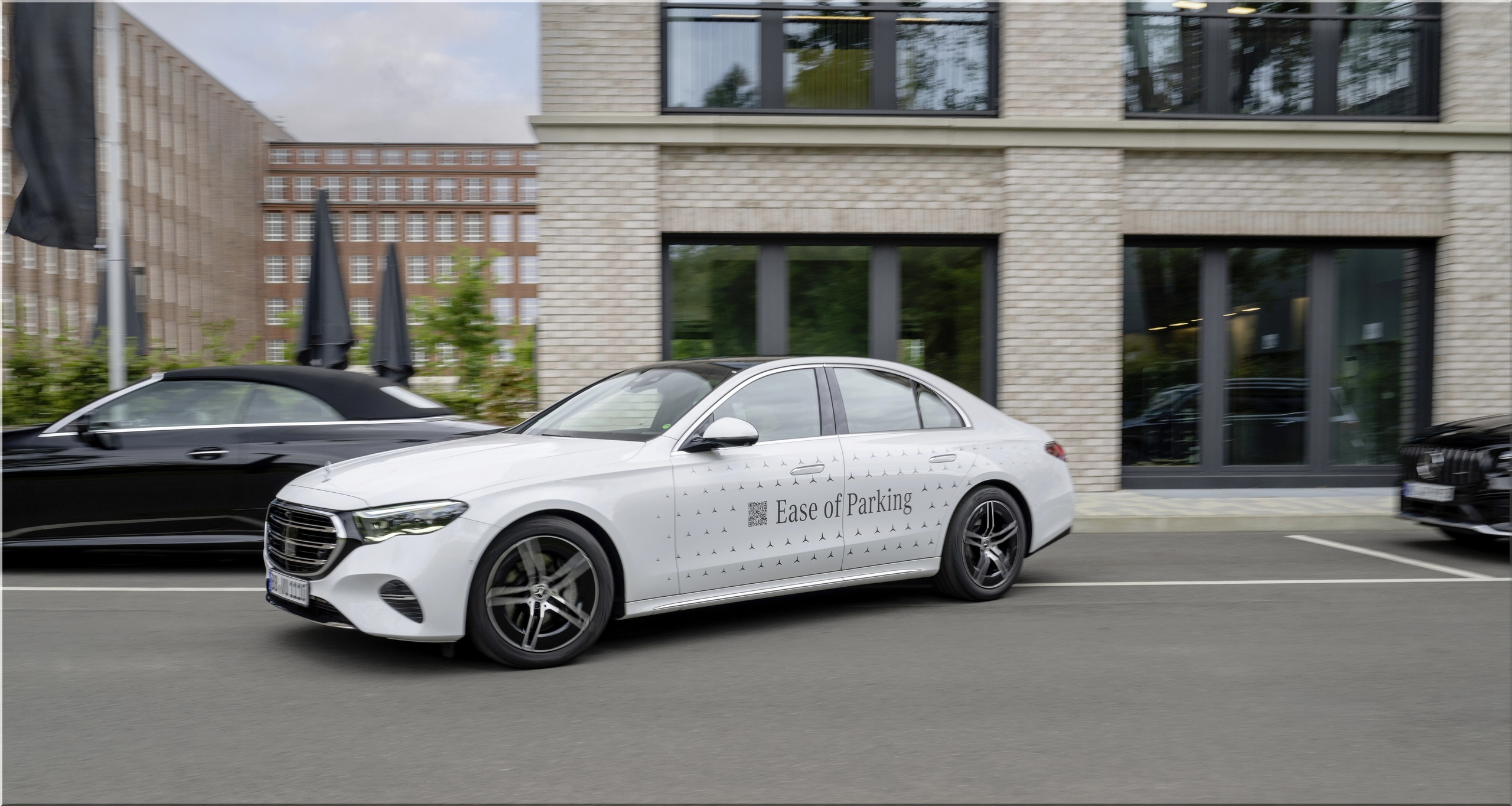
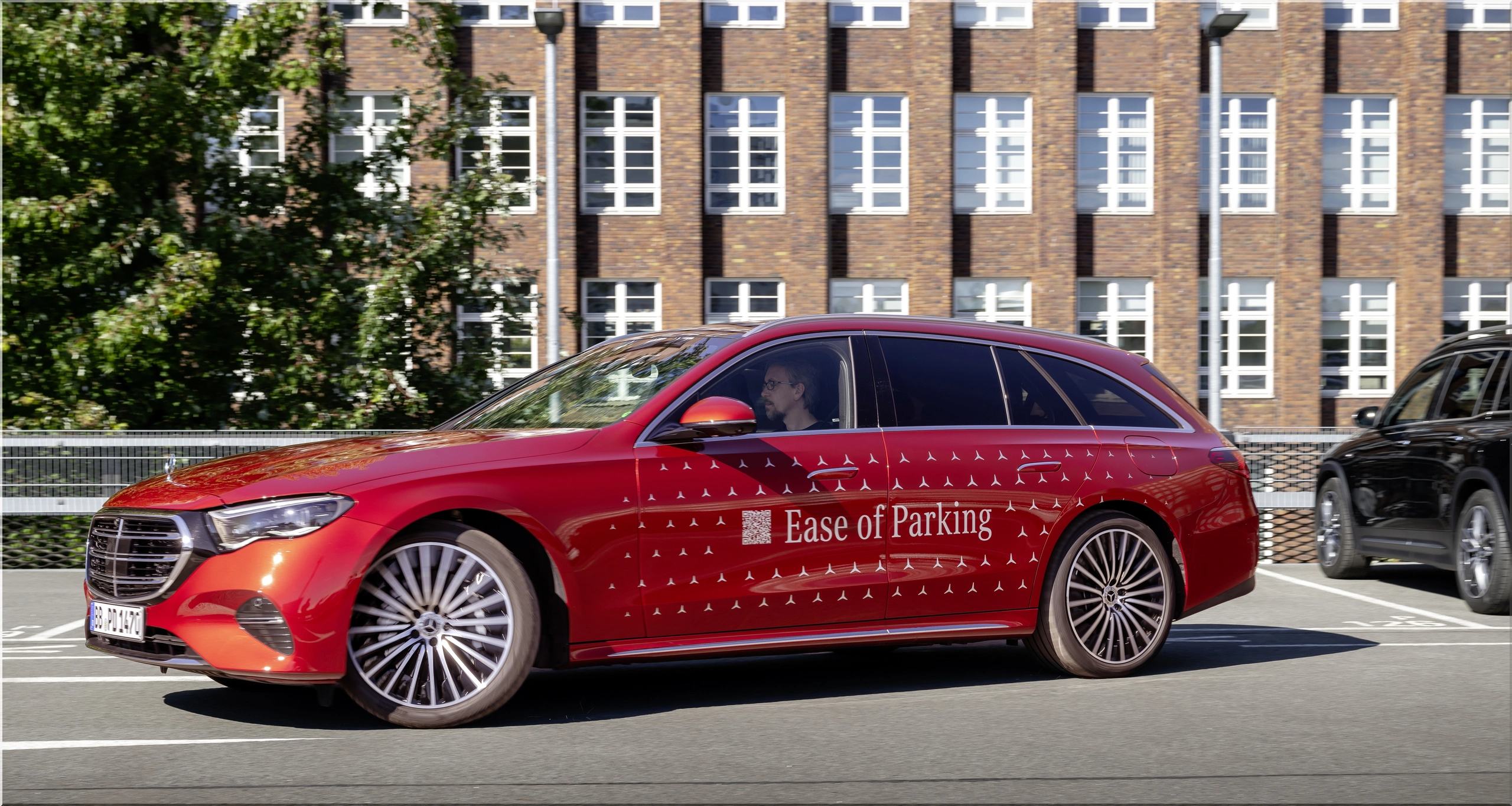
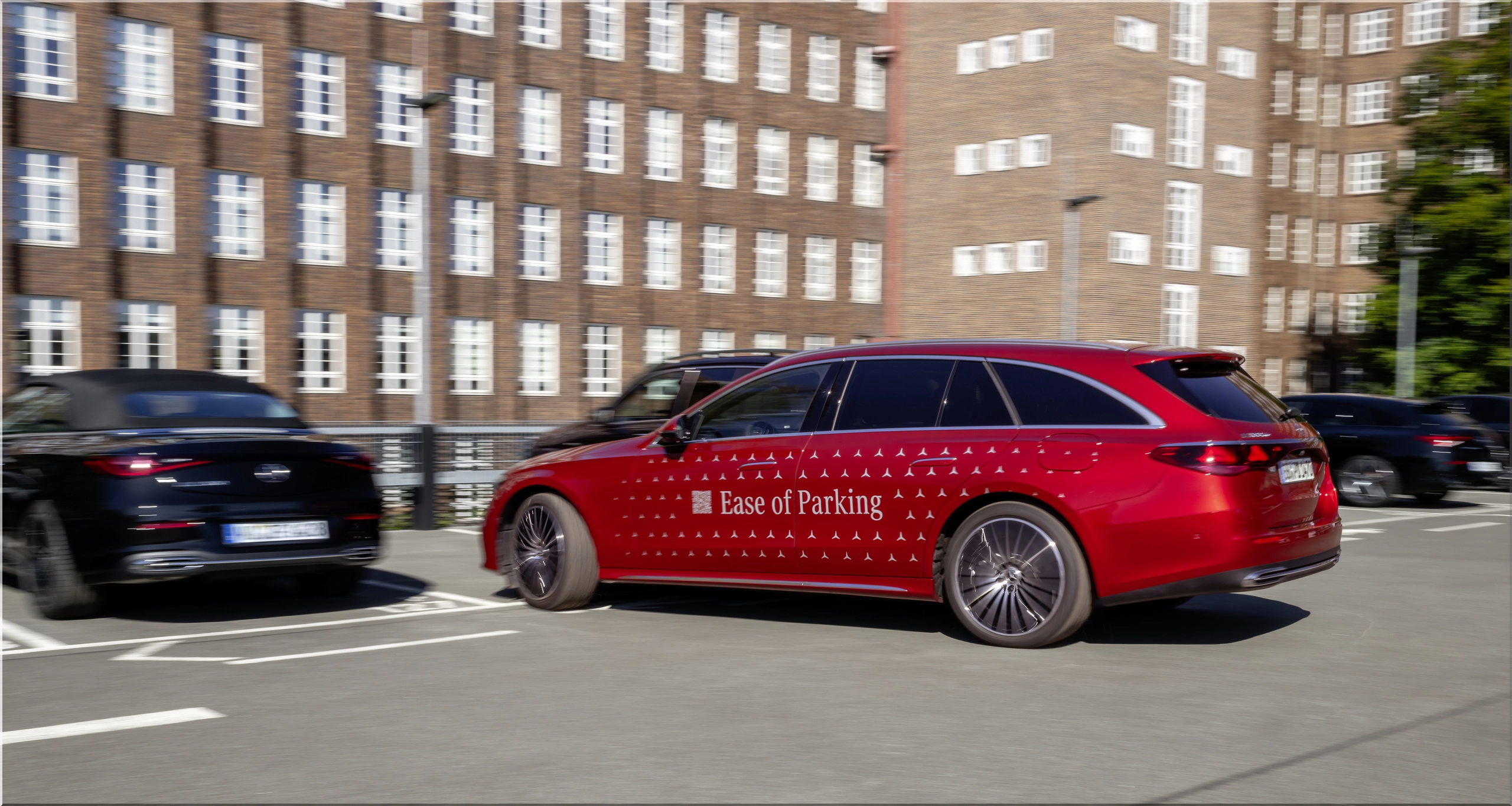
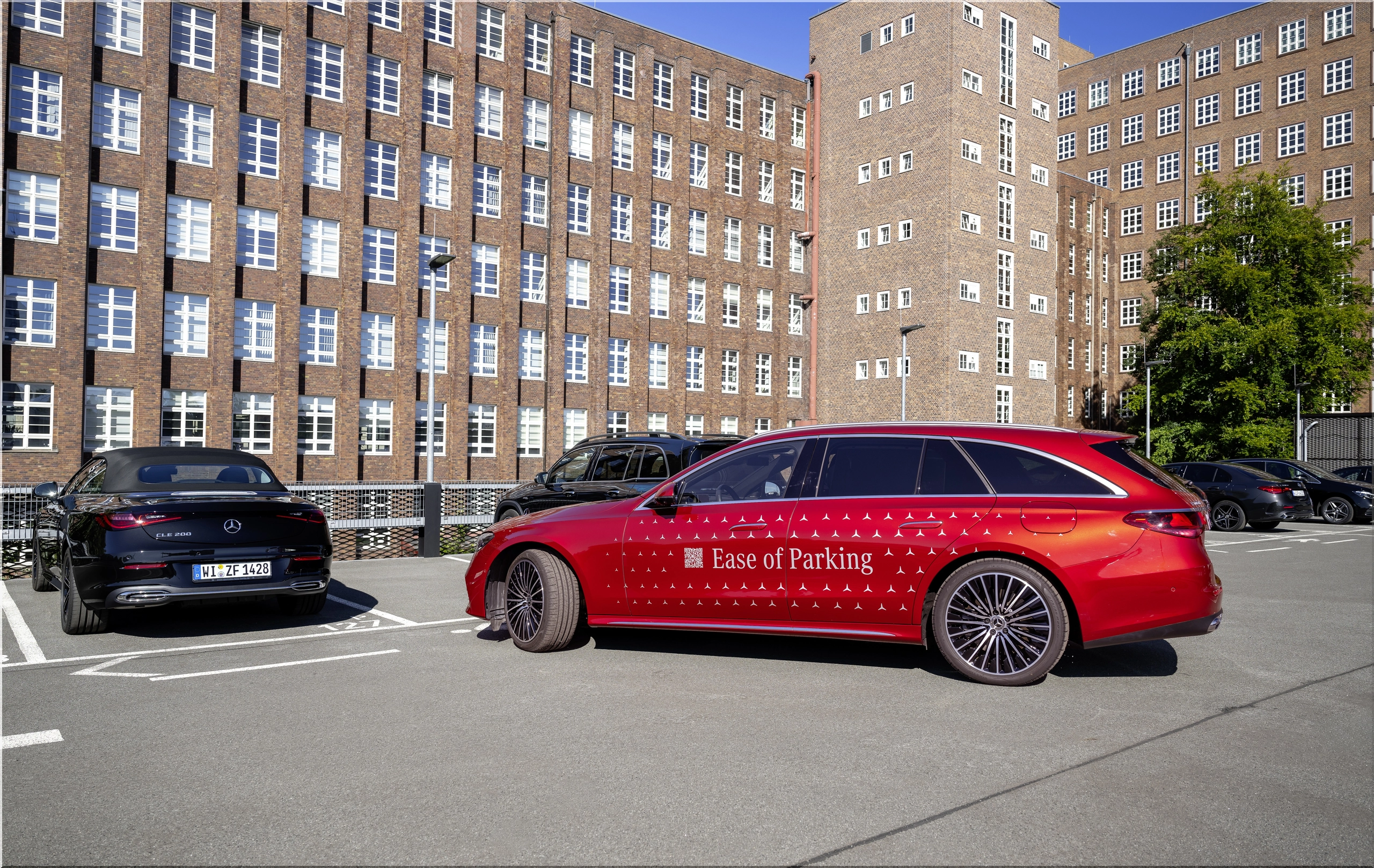
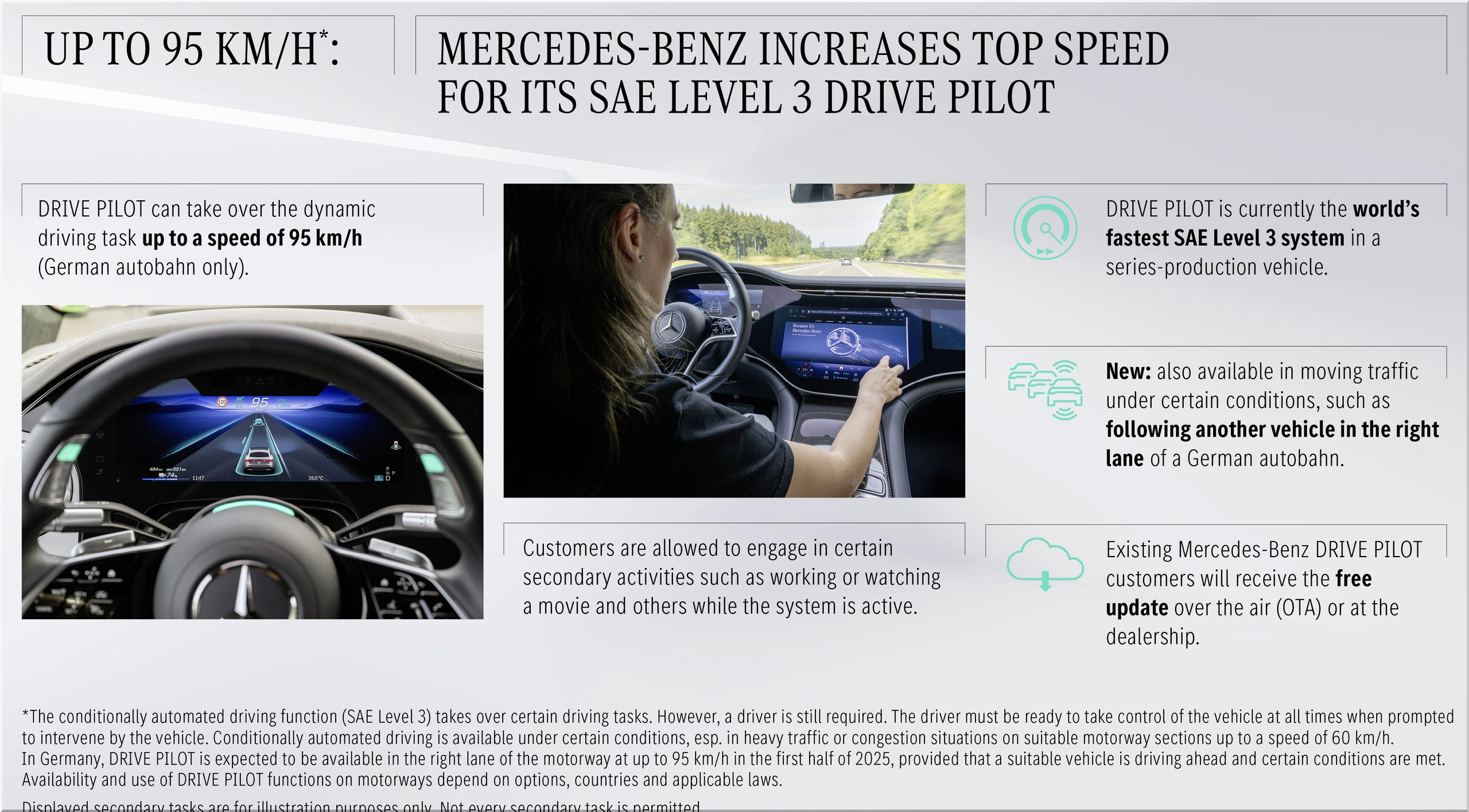
Mercedes-Benz has made a significant leap in its pursuit of automated driving technology by increasing the top speed of its Level 3 automated driving system to 95 km/h (59 mph). This latest update marks a crucial step forward in vehicle autonomy, combining safety, comfort, and innovation. The German automaker's Drive Pilot system now delivers an enhanced driving experience on highways, expanding the use case for hands-off driving.
Key Features of Mercedes-Benz's Updated Level 3 Driving System
The increase in the top speed of the Level 3 Drive Pilot is one of the most important updates Mercedes-Benz has made to its self-driving technology. Here are the key highlights:
- New top speed of 95 km/h (59 mph) allows the system to operate on highways under specific conditions.
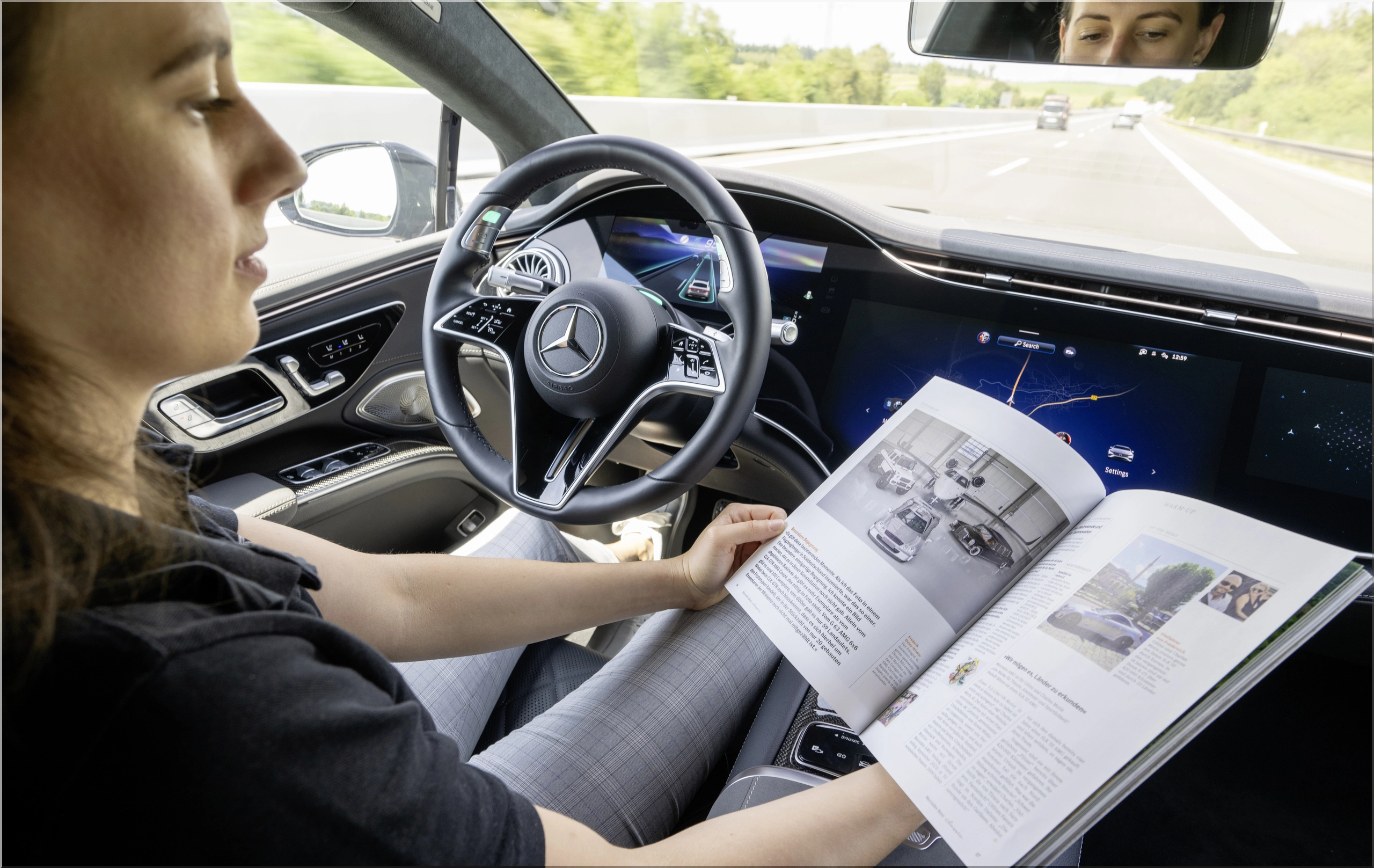
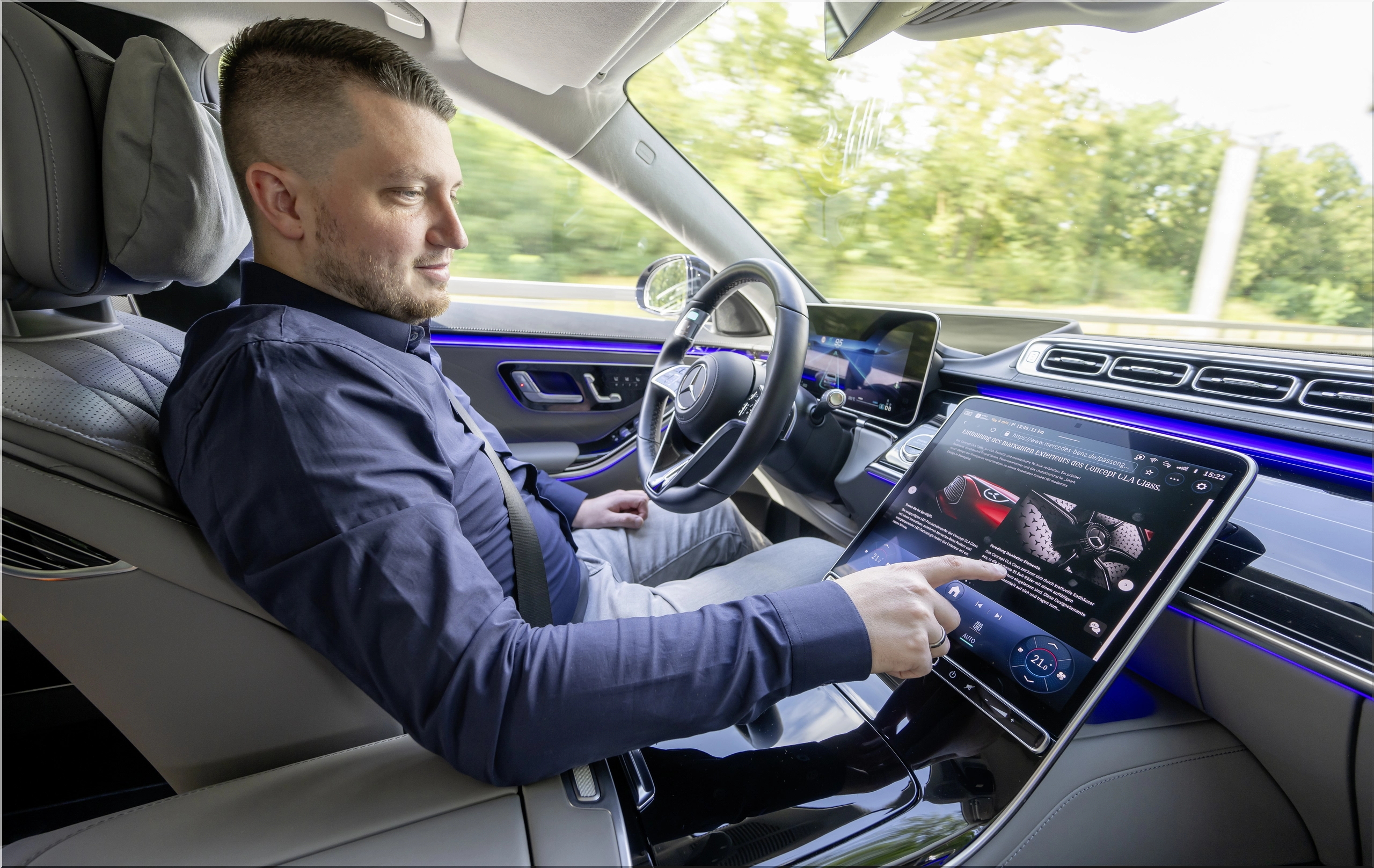
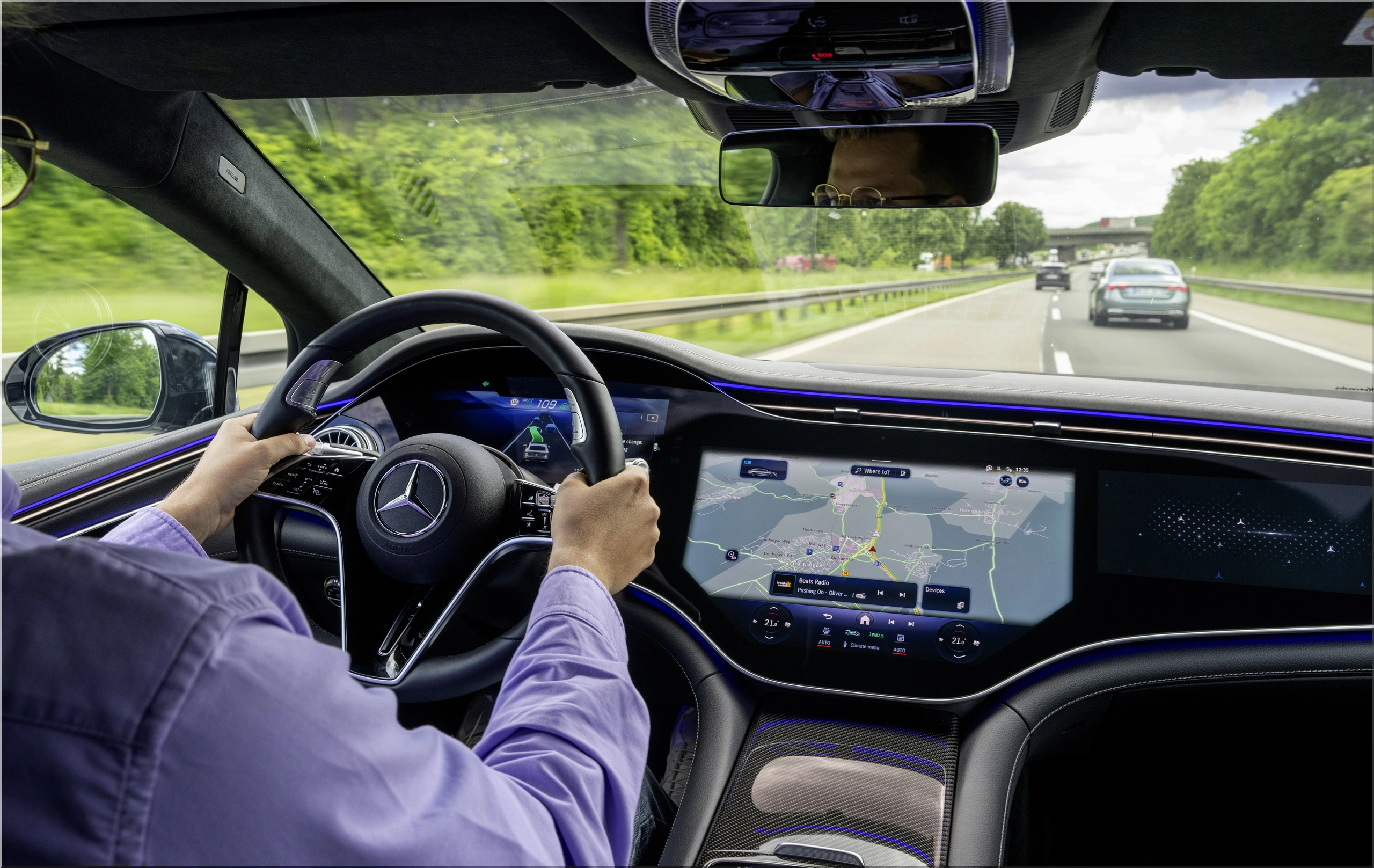
- Hands-free driving is now permitted in designated areas without requiring the driver’s attention.
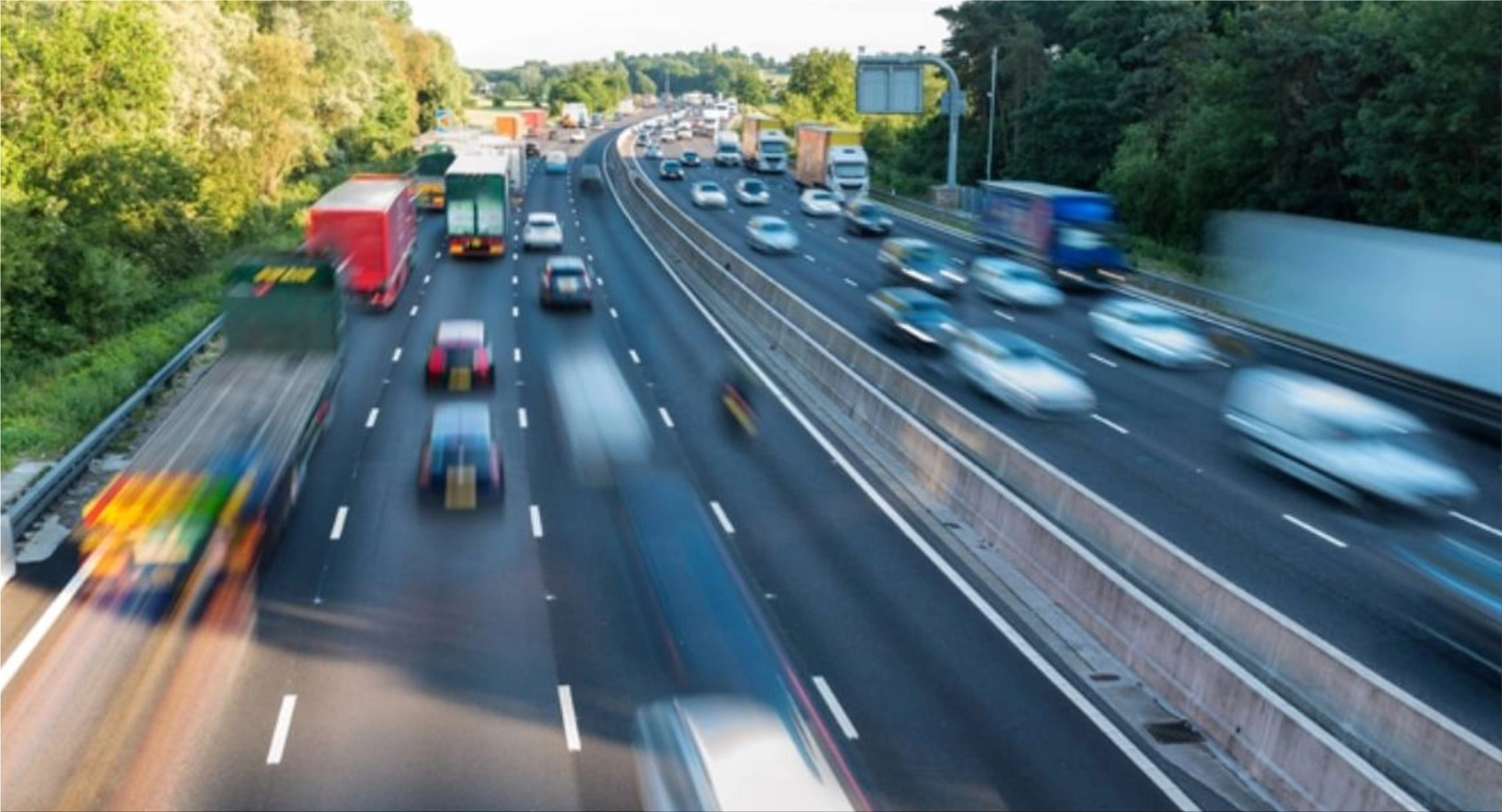
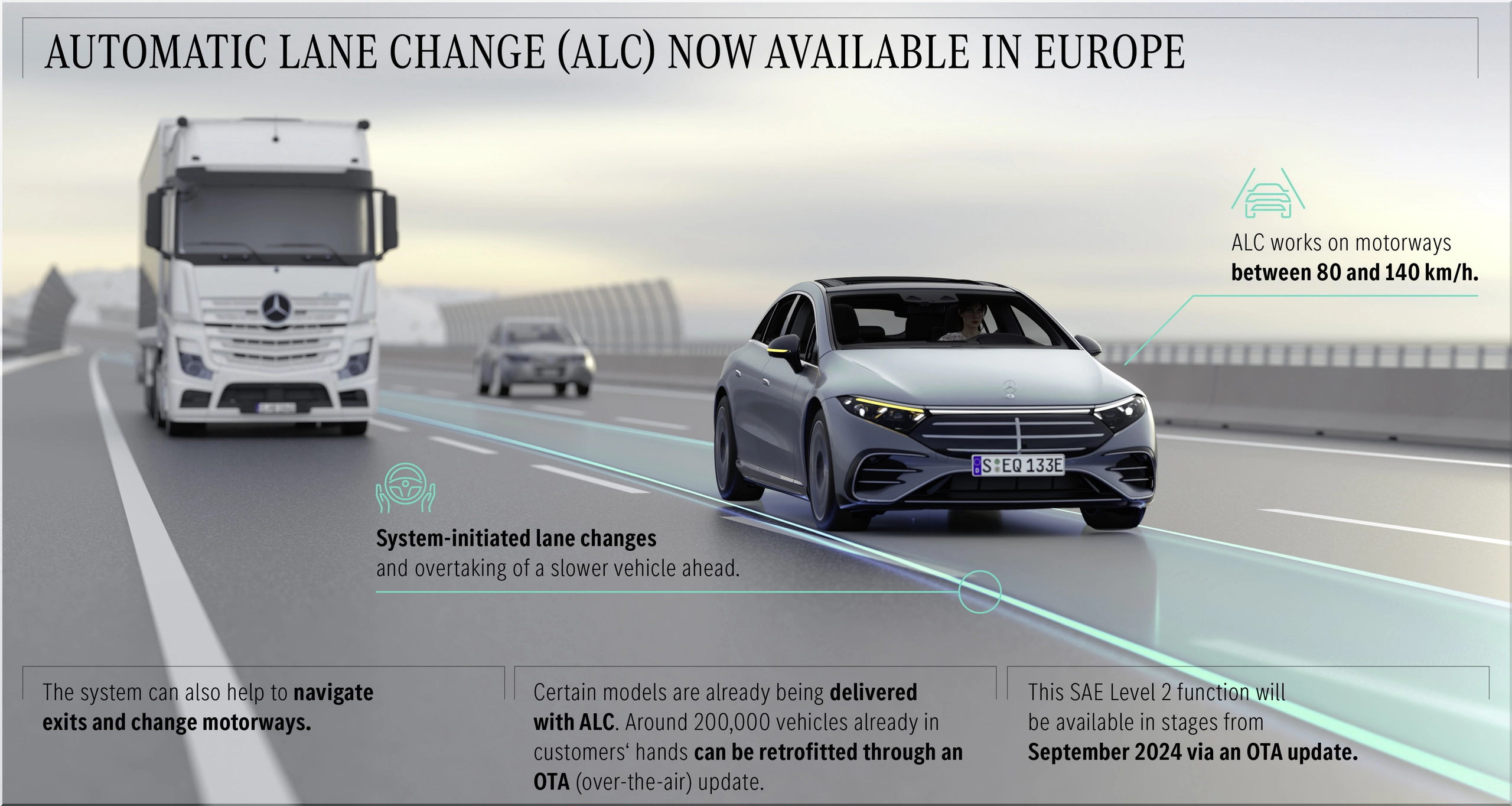
- The system can handle lane changes, traffic jams, and various driving scenarios autonomously.
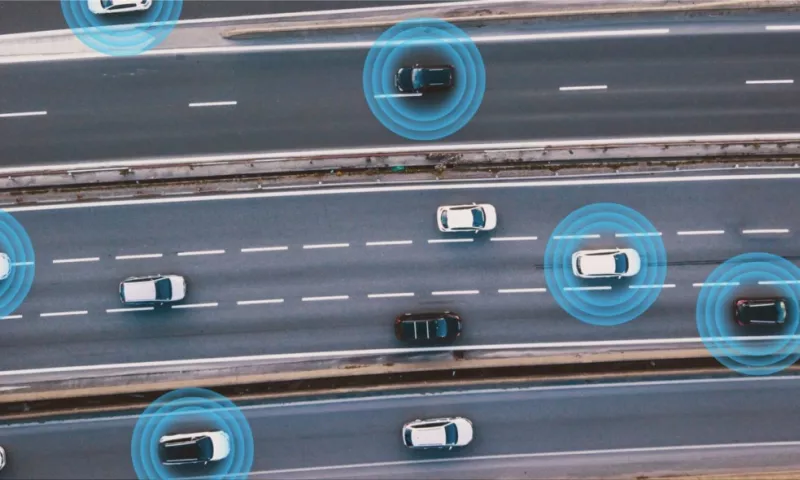
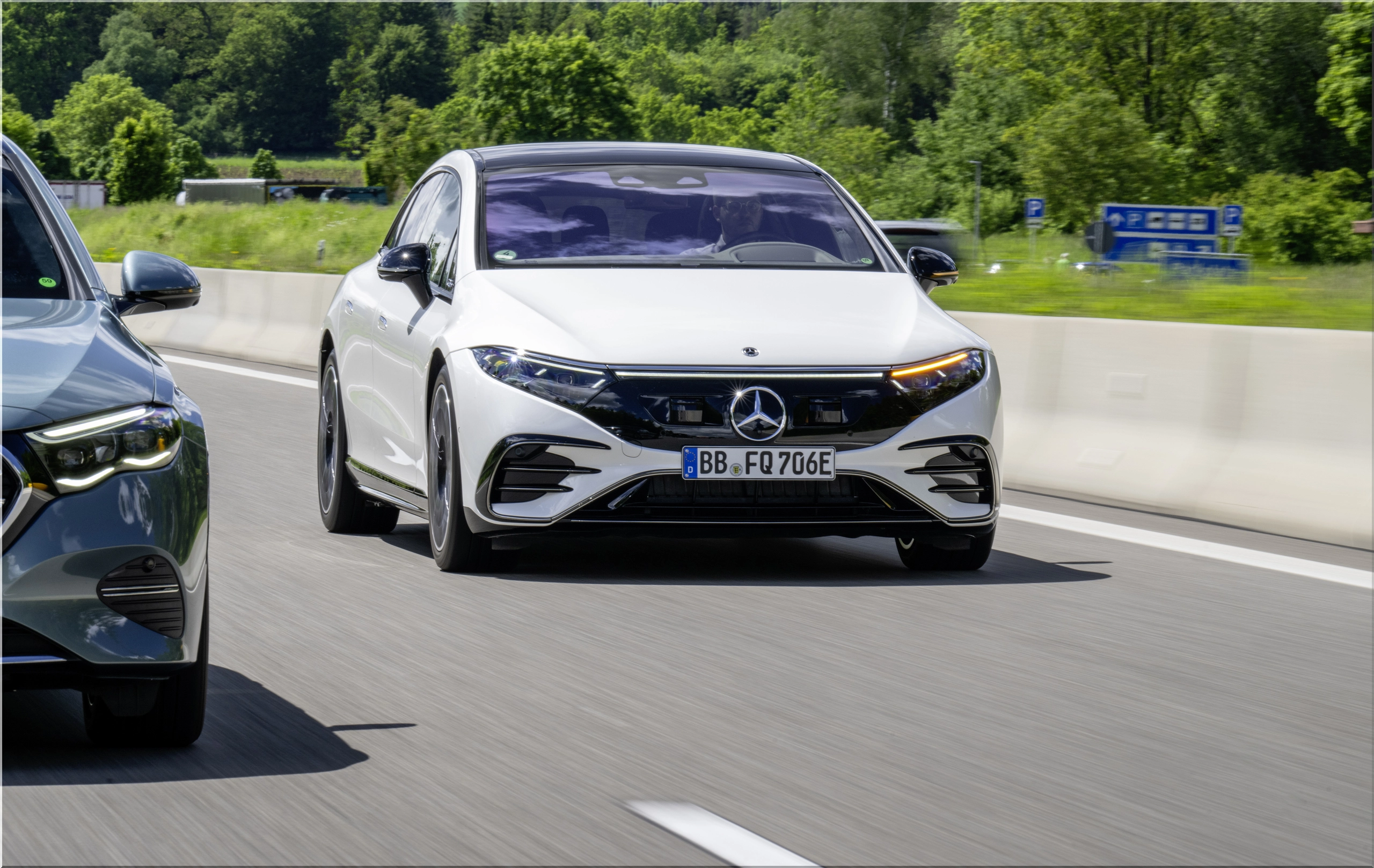
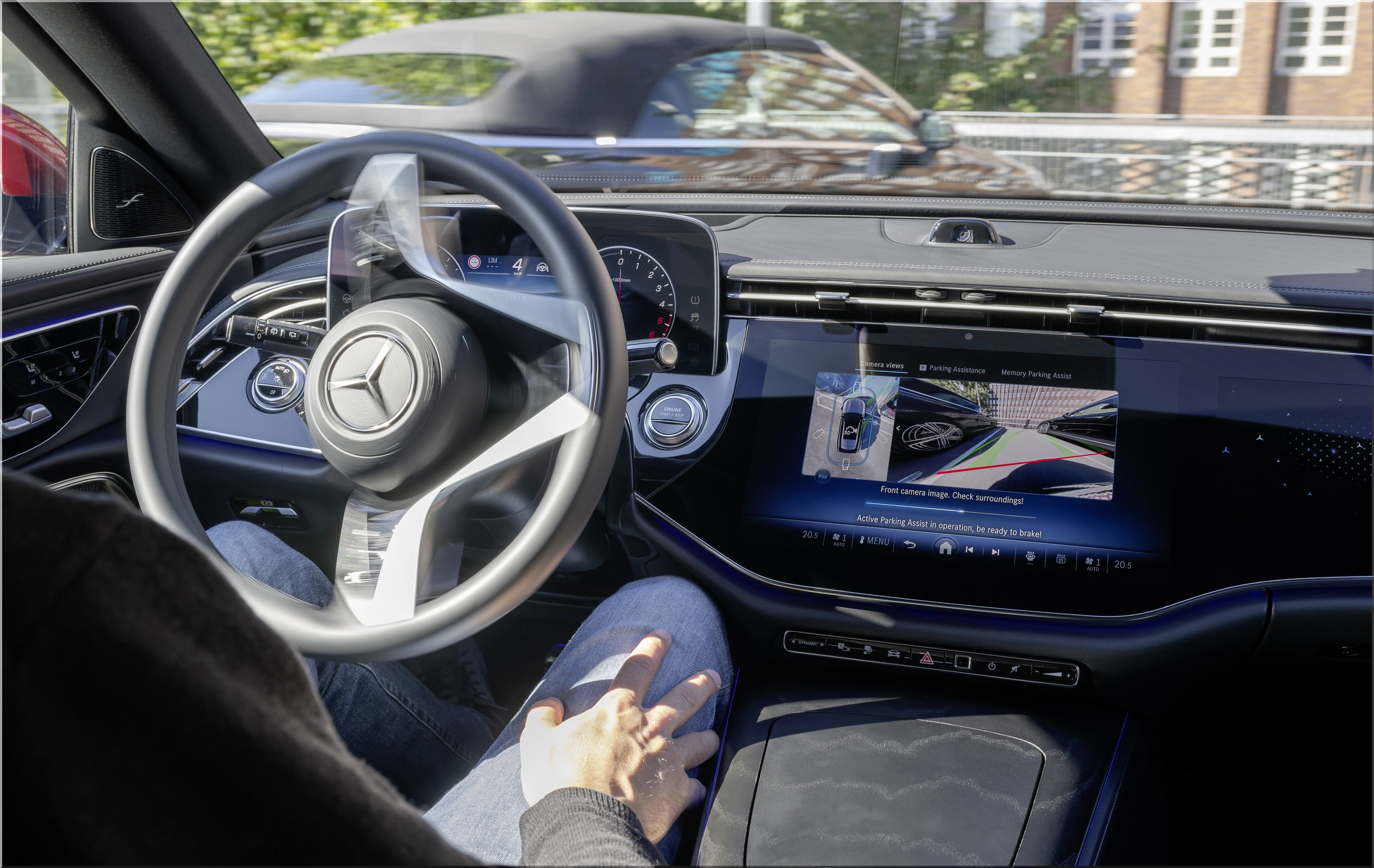
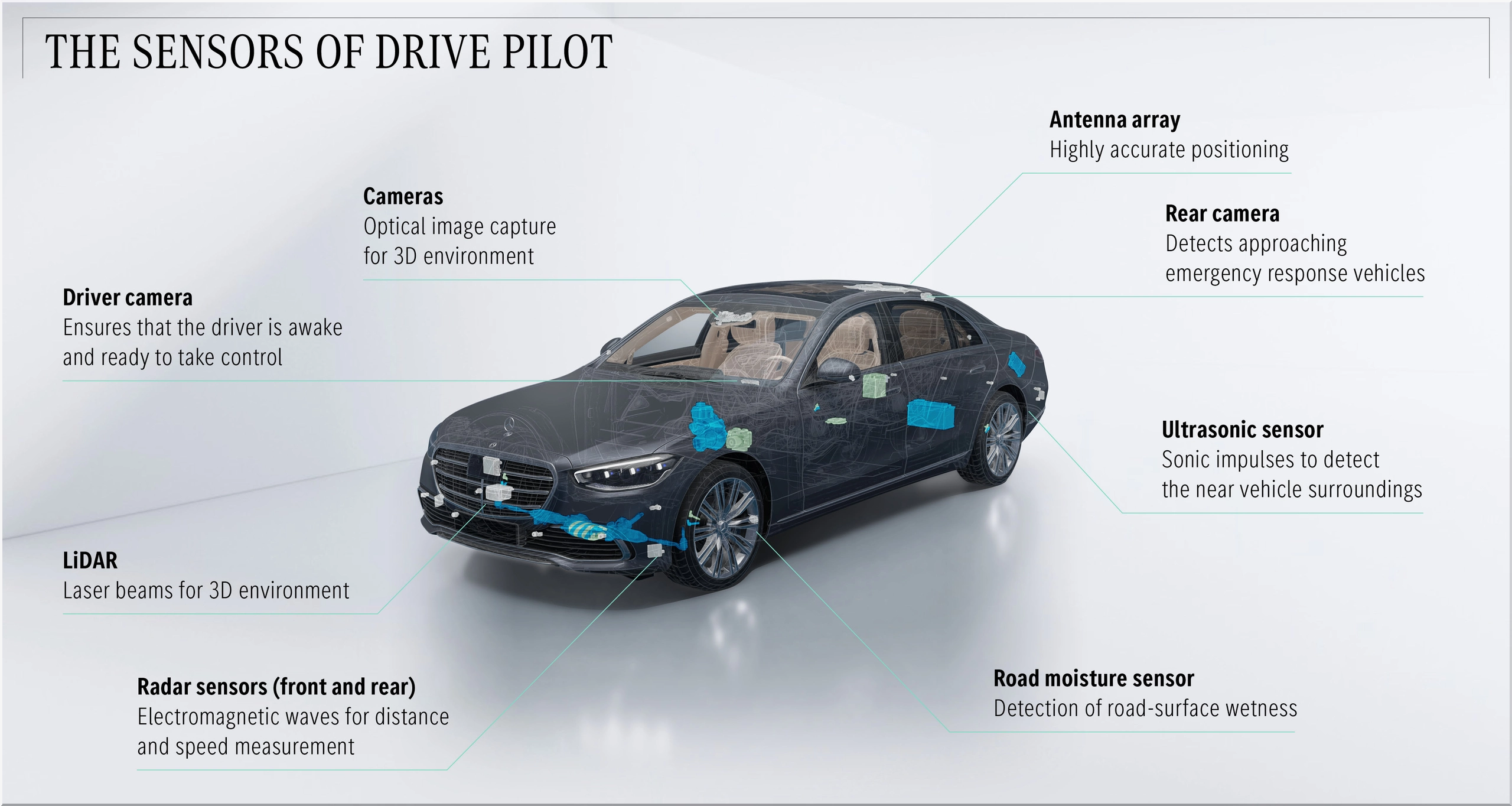
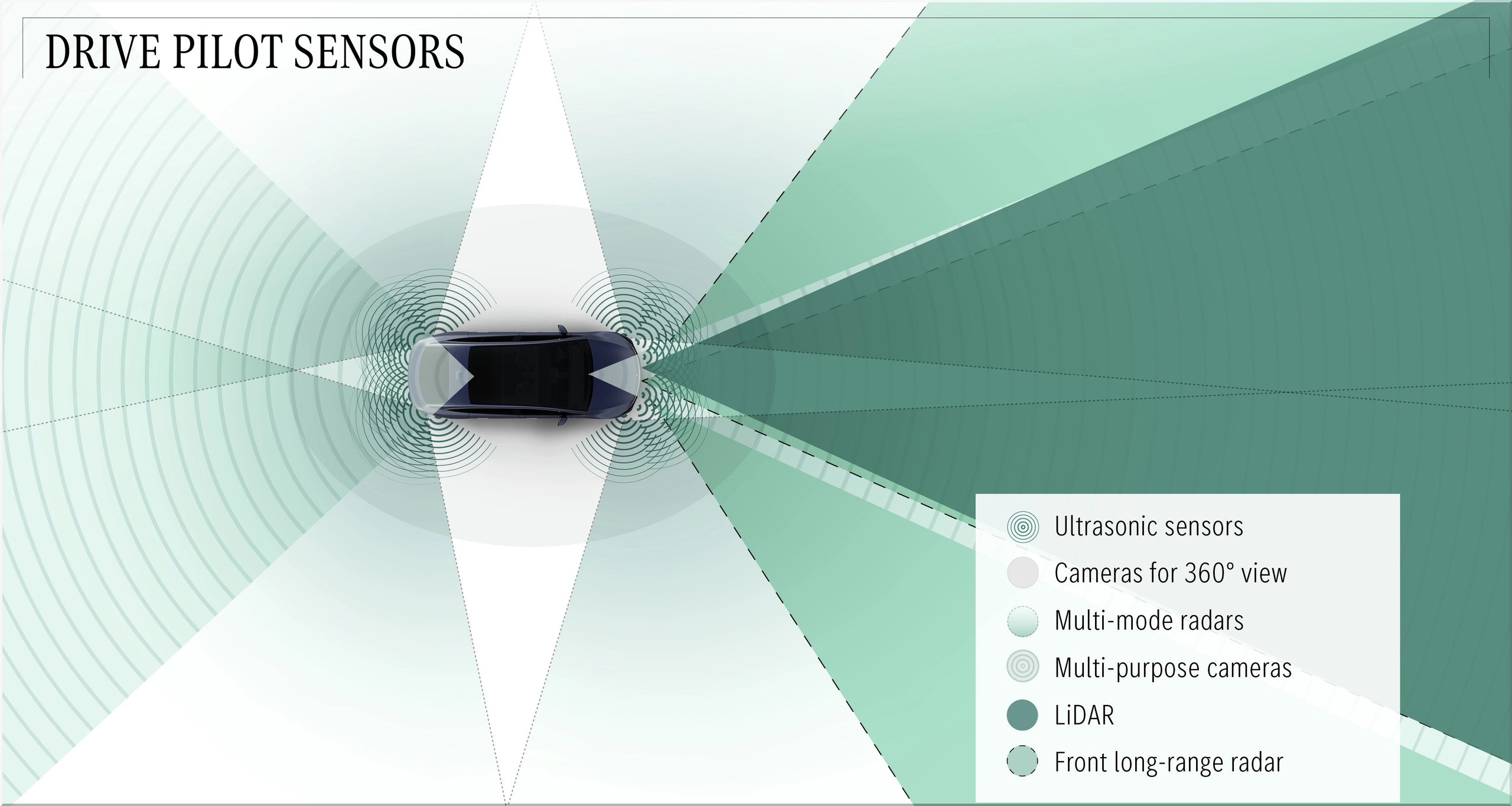
- State-of-the-art sensors ensure safe navigation, with cameras, radars, and LiDAR working in harmony.
- The system’s onboard AI monitors road conditions and surrounding vehicles, making real-time decisions.
This updated Drive Pilot technology is currently available in Germany and will soon expand to other countries. The increase in top speed is a direct response to customer demands for a more versatile system in everyday driving situations.
The Technology Behind Mercedes-Benz Drive Pilot
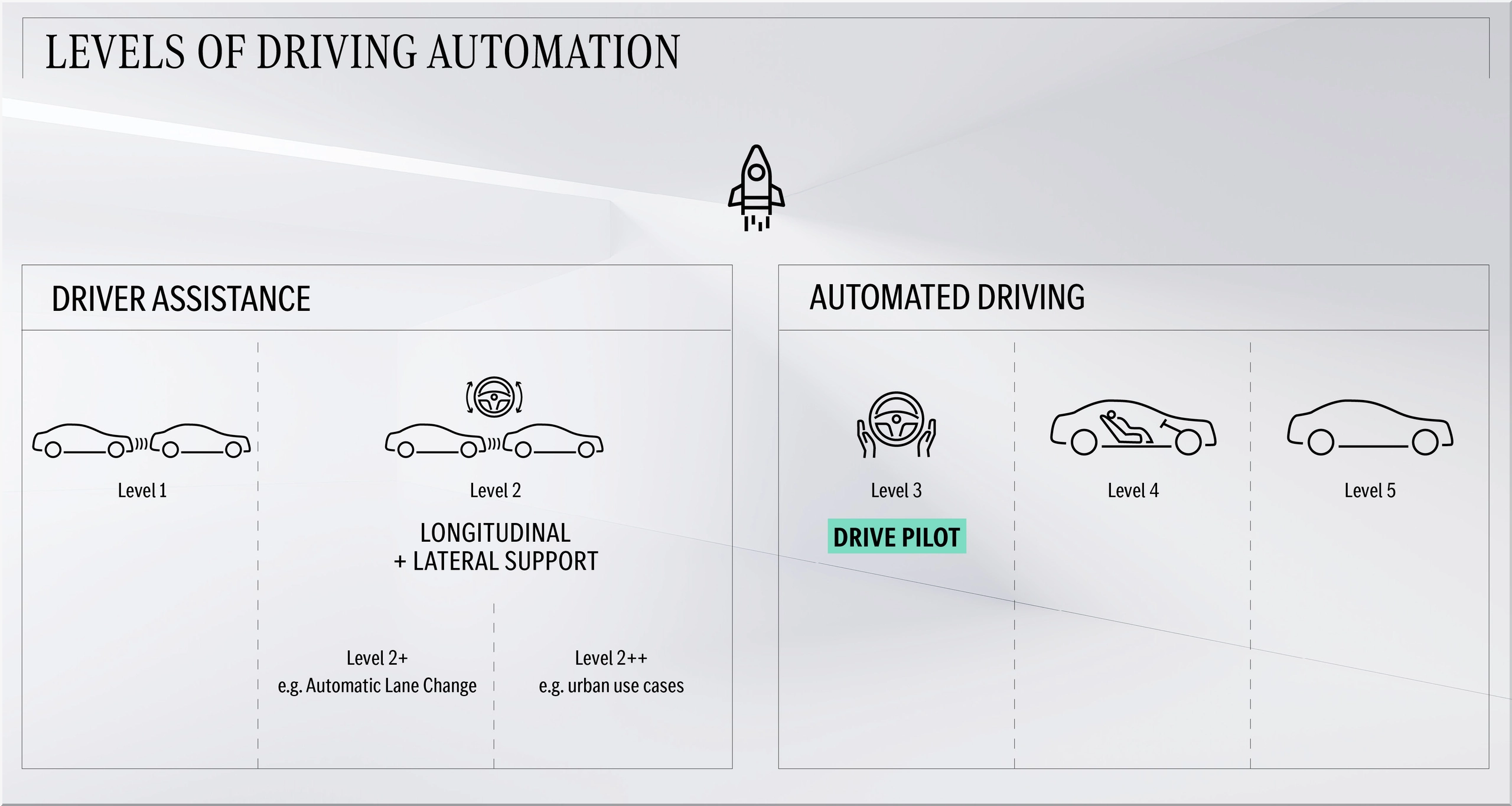
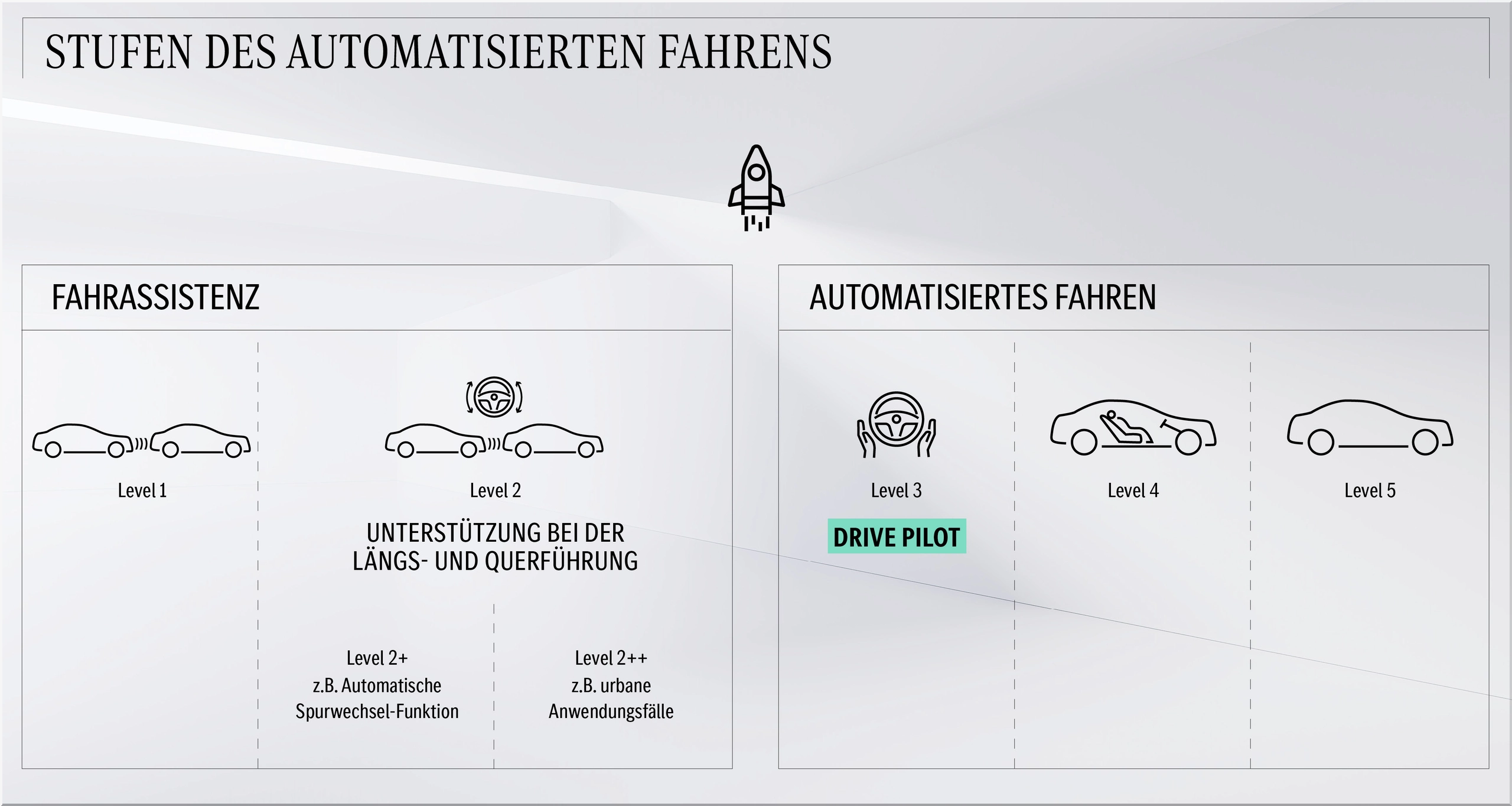
At the core of this system are some of the most advanced sensors and software in the industry. The Level 3 automation category allows the vehicle to take over full control in certain conditions, reducing driver stress and increasing safety.
Key Components Include:
- LiDAR technology: Scans the surrounding environment, providing precise mapping and obstacle detection.
- Radar sensors: Monitor the distance to other vehicles, enabling the car to react to sudden changes in traffic.
- High-resolution cameras: Detect lane markings, road signs, and pedestrians.
- AI-powered algorithms: Process data in real-time, adjusting speed, positioning, and steering.
In the event that human intervention is required, the system will issue an alert, giving the driver ample time to take control.
Benefits of the Level 3 System for Drivers
The increased speed of the Mercedes-Benz Level 3 Drive Pilot system offers numerous benefits to both drivers and passengers:
- Reduced fatigue: Hands-off driving in traffic jams and on highways allows drivers to relax and focus on other activities.
- Improved safety: The system actively monitors road conditions and reacts faster than a human driver, reducing the risk of accidents.
- Enhanced comfort: The ability to hand over control in stressful driving situations leads to a more relaxed experience, especially on long trips.
- Cutting-edge technology: With advanced sensors and algorithms, this system provides an industry-leading solution for semi-autonomous driving.
- Increased efficiency: The system optimizes fuel consumption and minimizes stop-and-go driving.
Legal Framework and Availability
Currently, Level 3 autonomy is only legal in select regions, including Germany, where Mercedes-Benz's Drive Pilot operates. The system is expected to become available in more countries as regulatory frameworks evolve. Mercedes-Benz continues to work with government bodies to ensure safe and smooth integration of self-driving vehicles into public roads.
Countries like the United States are still finalizing their laws on automated driving systems, but it's expected that this technology will see wider adoption as governments update traffic regulations.
What’s Next for Autonomous Driving?
With this latest update, Mercedes-Benz is paving the way for further advancements in automated driving technology. While the current system remains classified as Level 3, it's clear that the future of driving will involve higher levels of automation. In the coming years, we can expect:
- Higher speeds: Future updates could see an increase in the top speed for automated driving systems.
- Improved AI: As algorithms become more sophisticated, these systems will handle more complex driving scenarios.
- Global availability: As regulatory environments adapt, more countries will permit the use of Level 3 systems.
Mercedes-Benz's commitment to innovation ensures that it remains at the forefront of the automated driving revolution.
Conclusion: A Step Toward the Future
With the increase in the top speed of the Level 3 Drive Pilot to 95 km/h, Mercedes-Benz continues to lead the charge in developing safe and reliable autonomous driving systems. This update offers improved convenience, safety, and a glimpse into the future of mobility.
The integration of cutting-edge technology, paired with the company’s dedication to driver assistance, shows that Mercedes-Benz is not slowing down in its mission to change how we drive.
- Add new comment
- 203 views