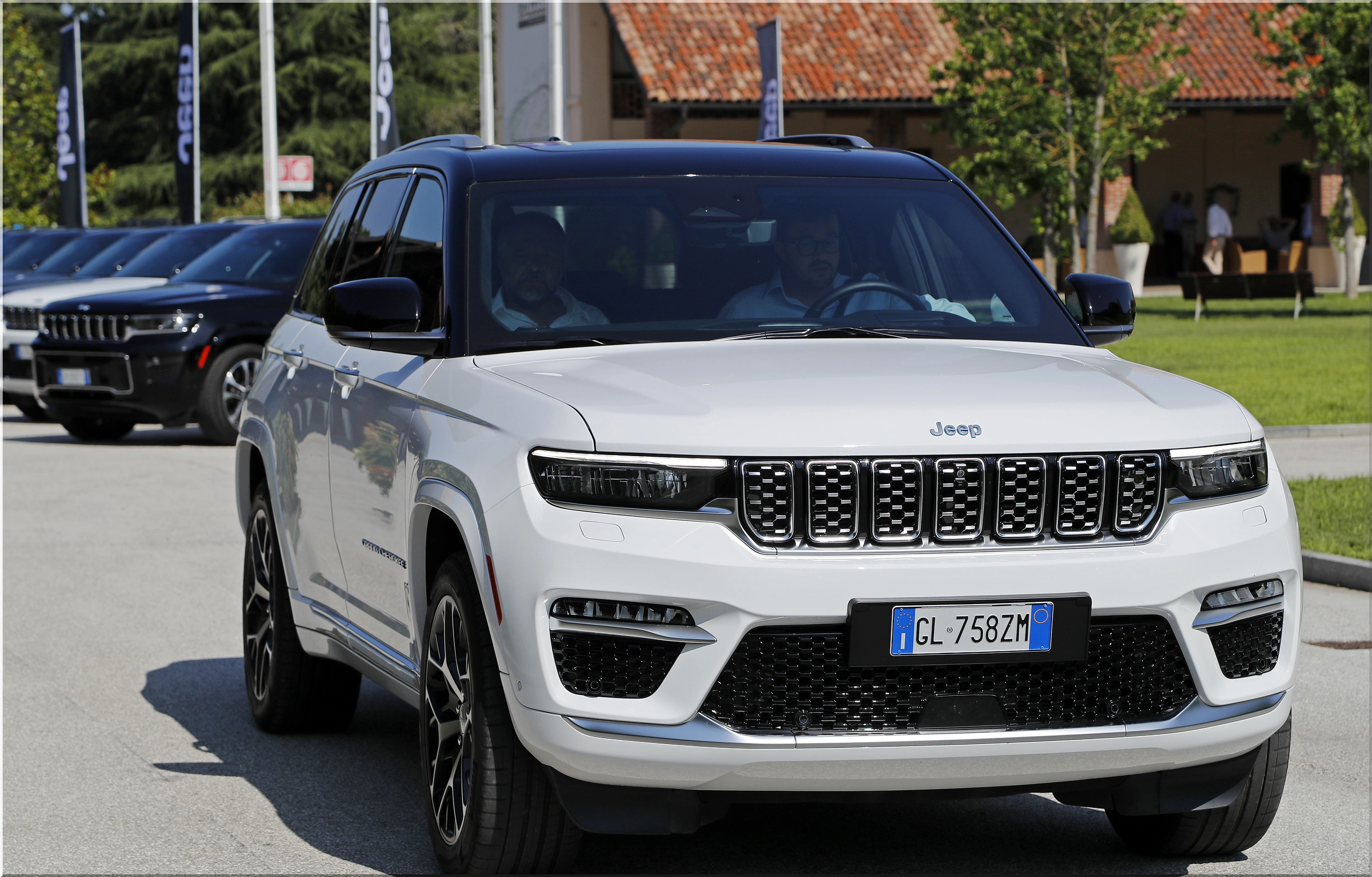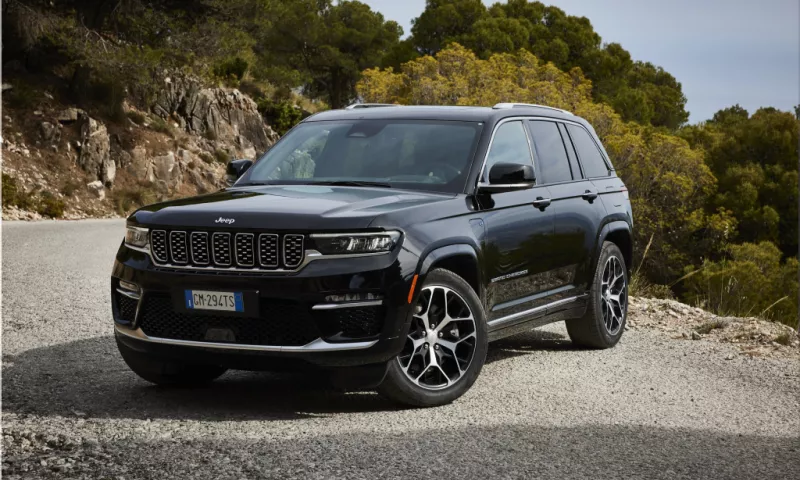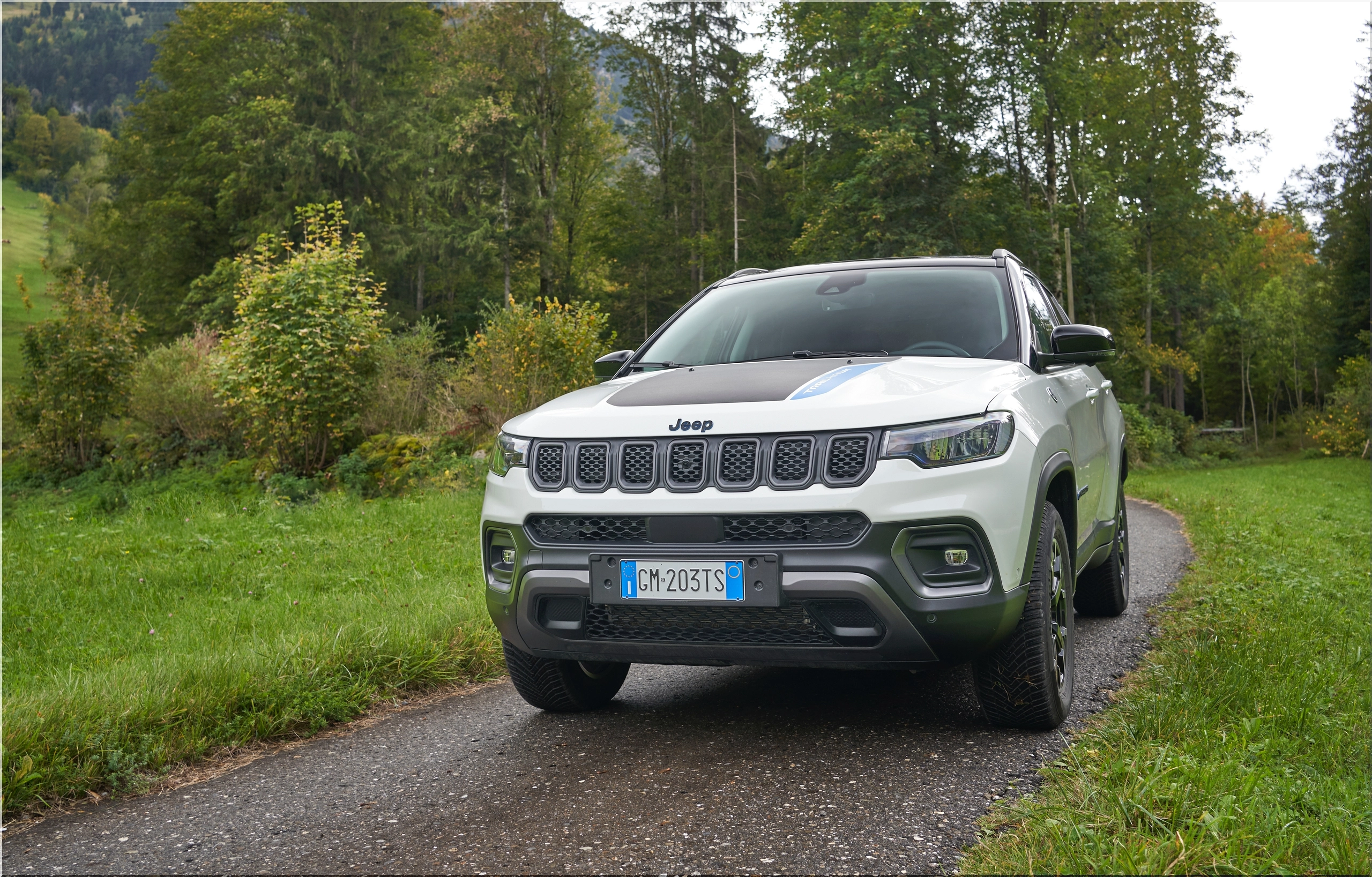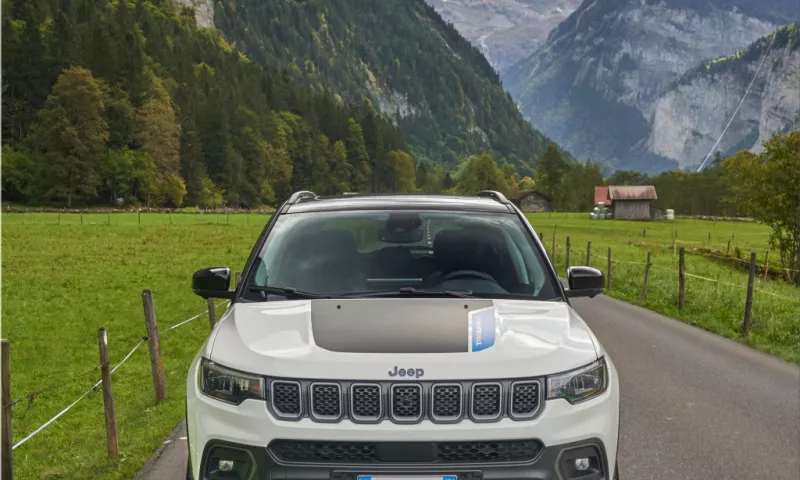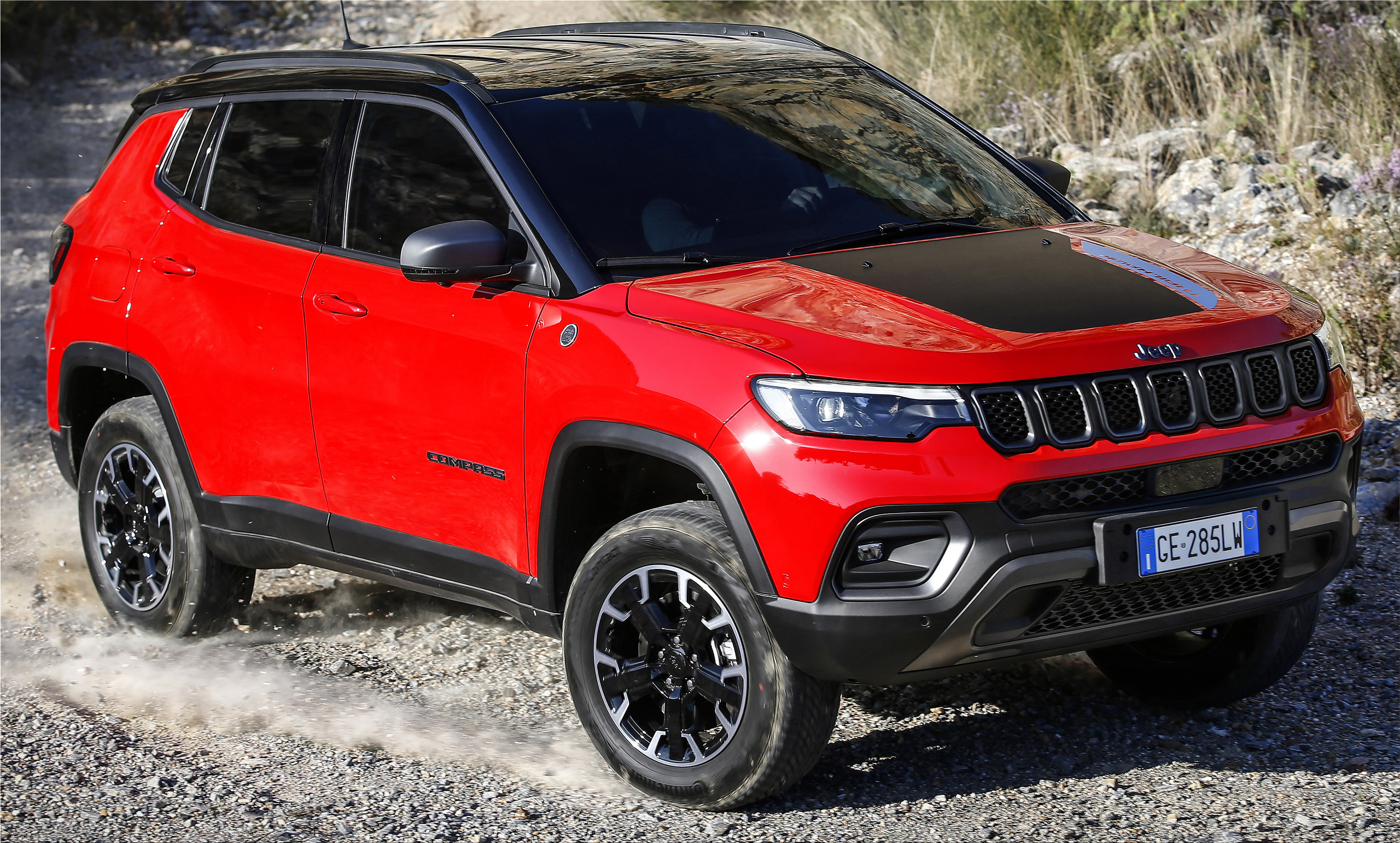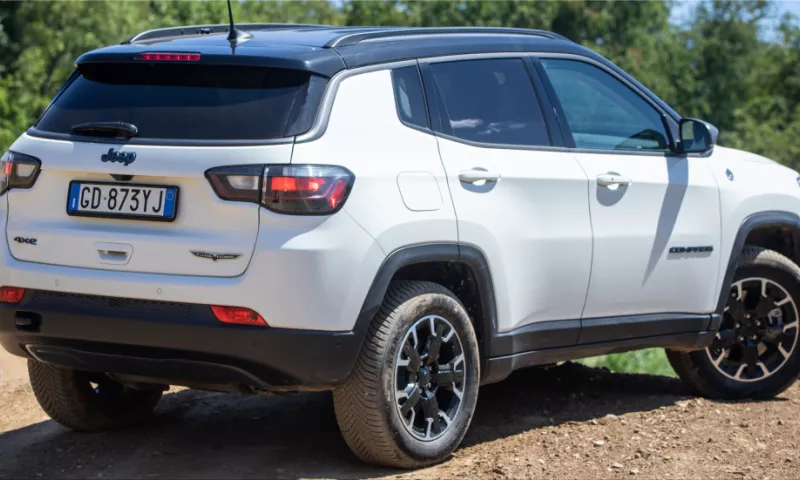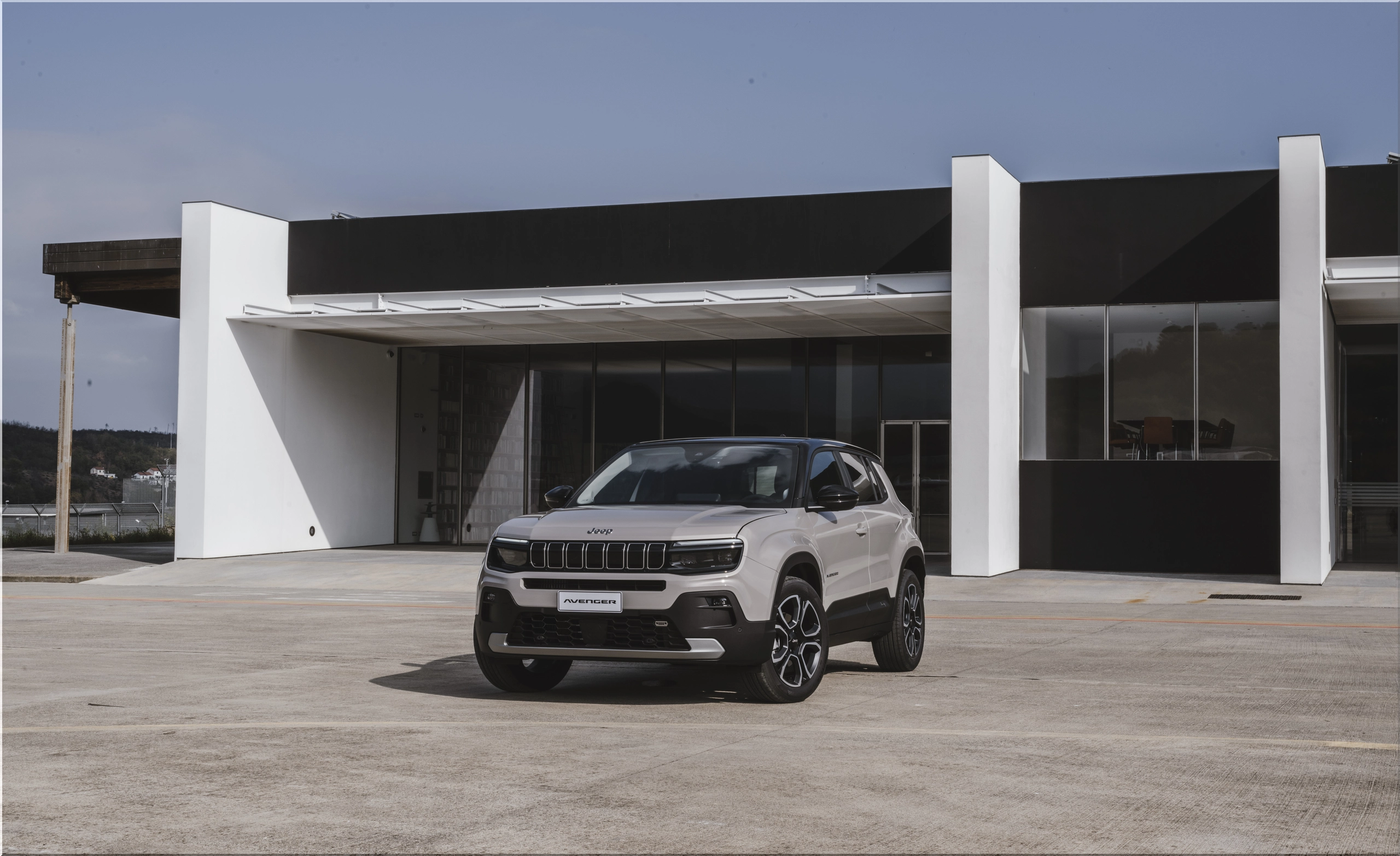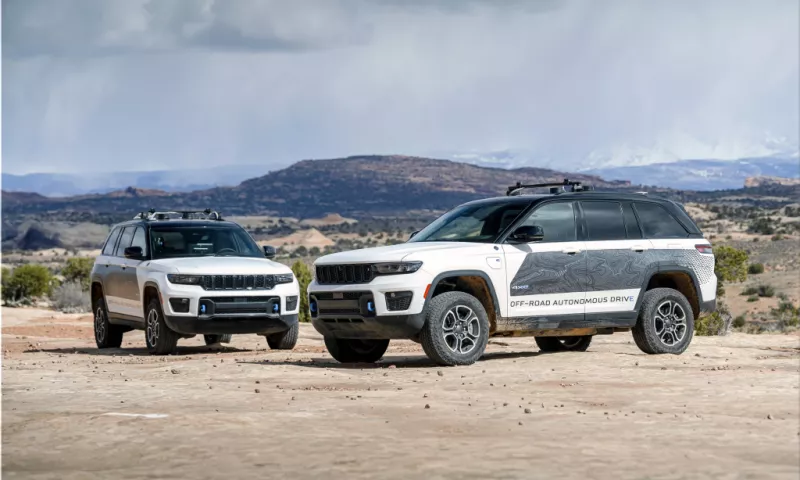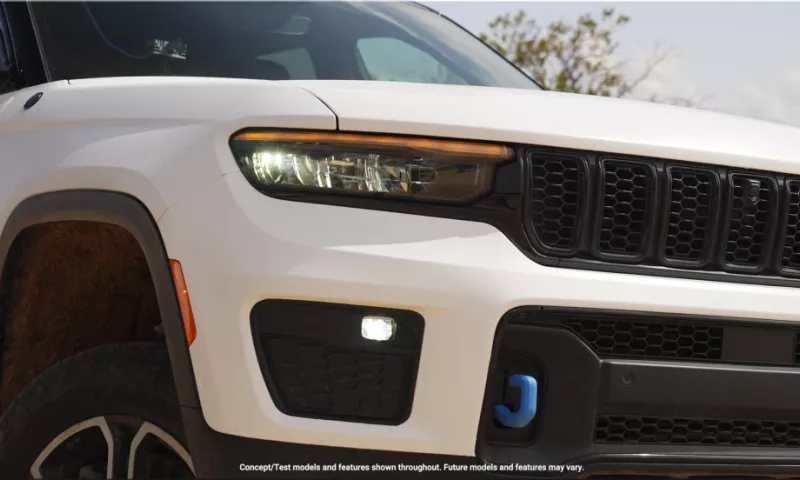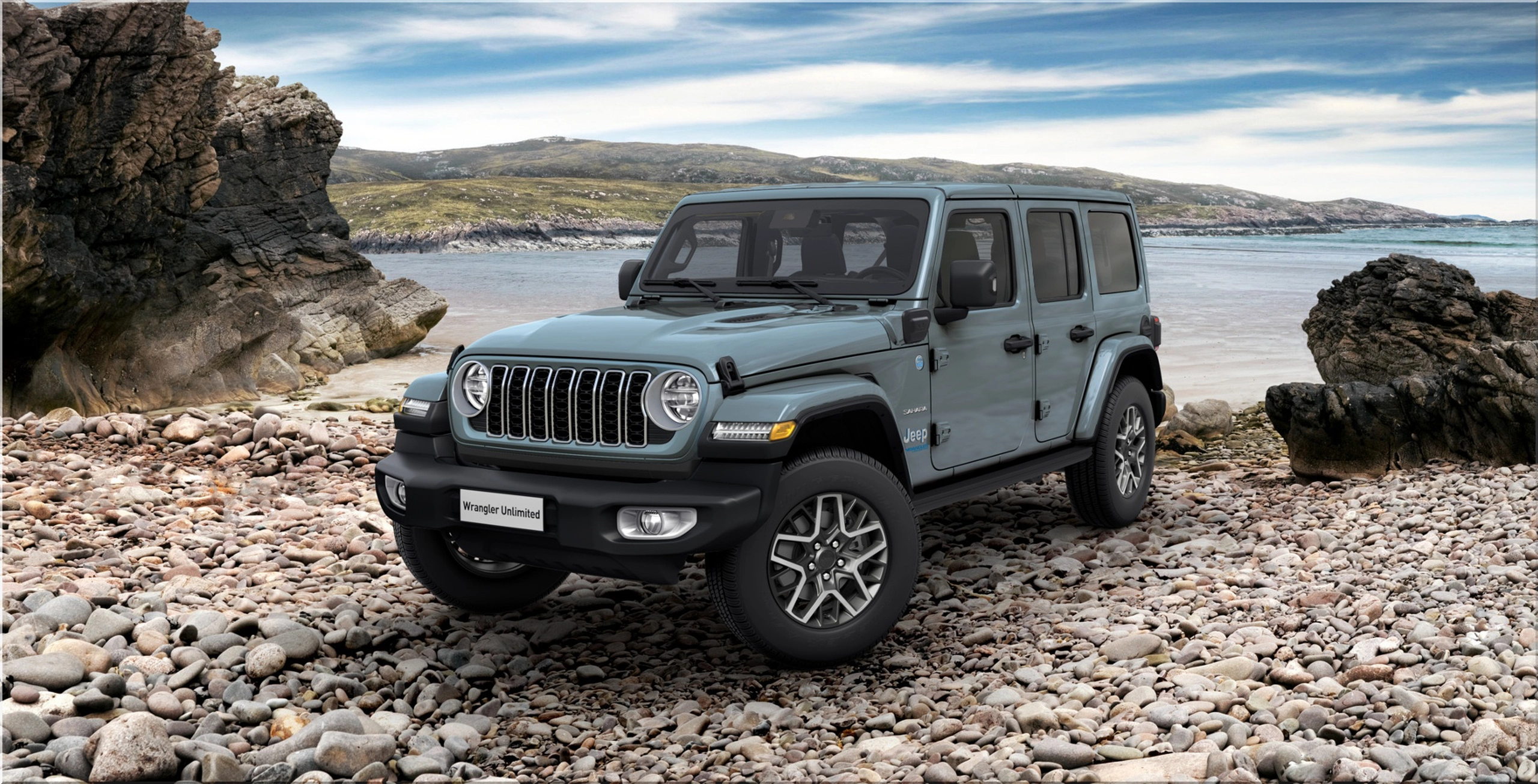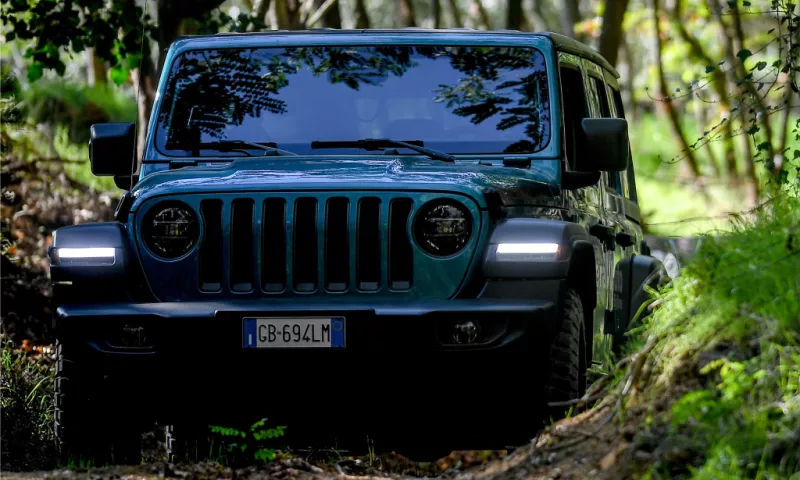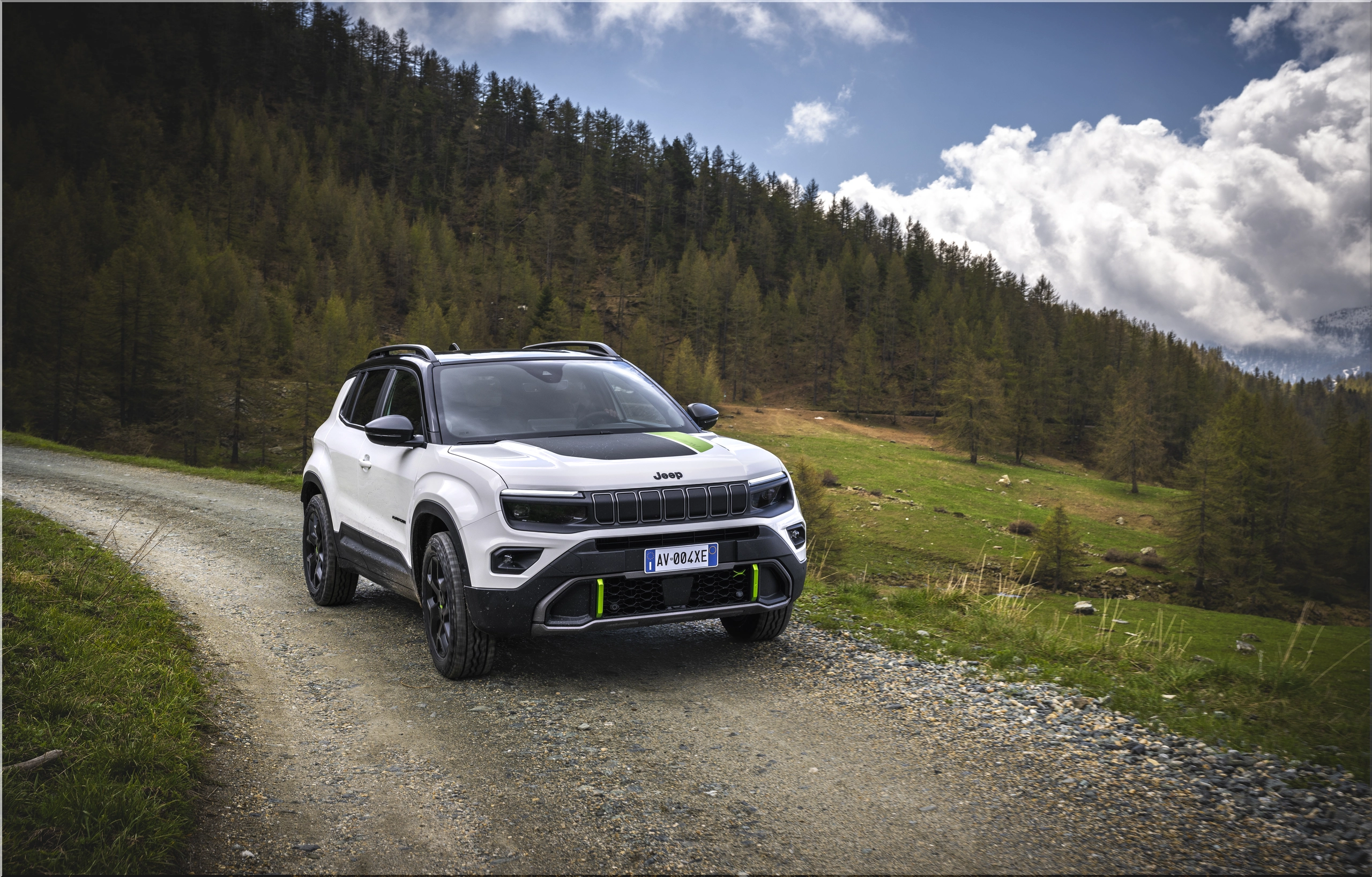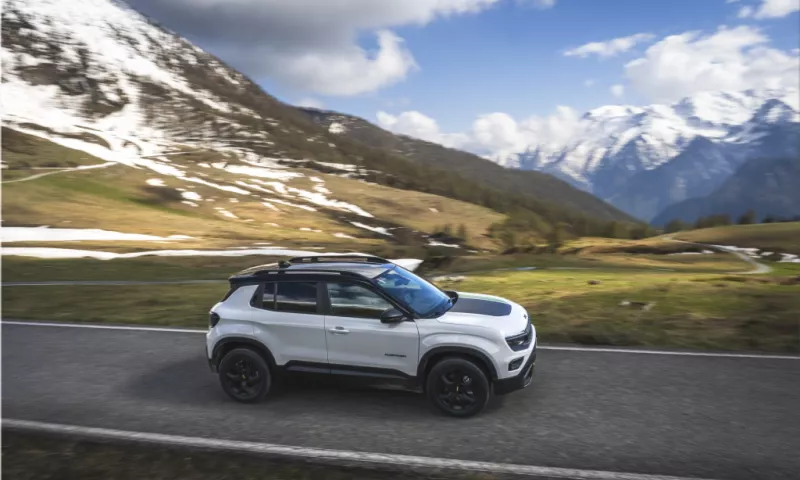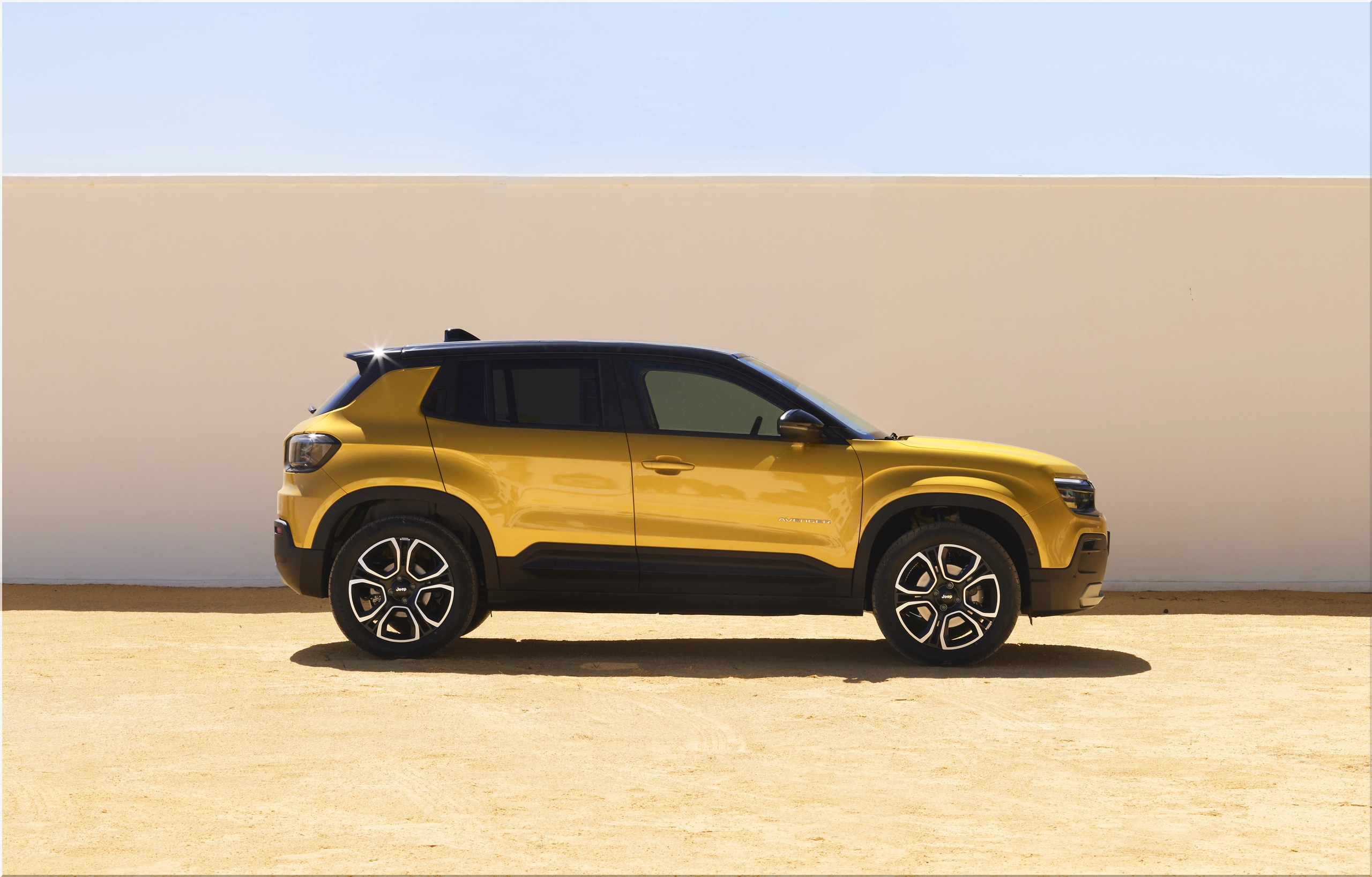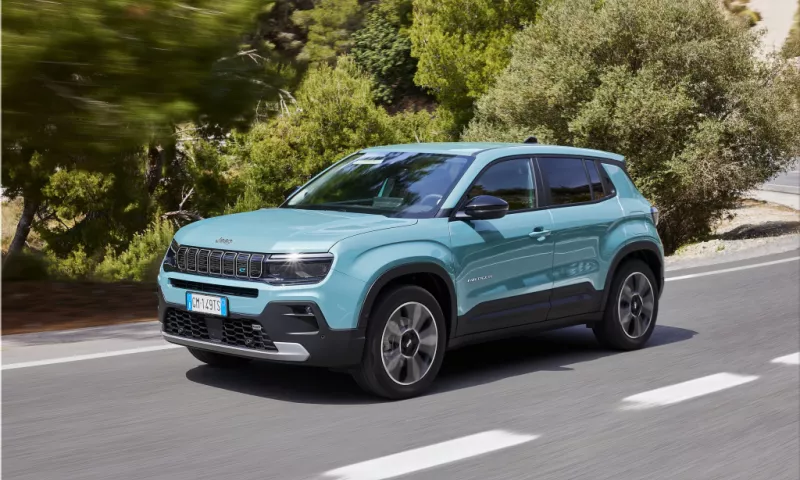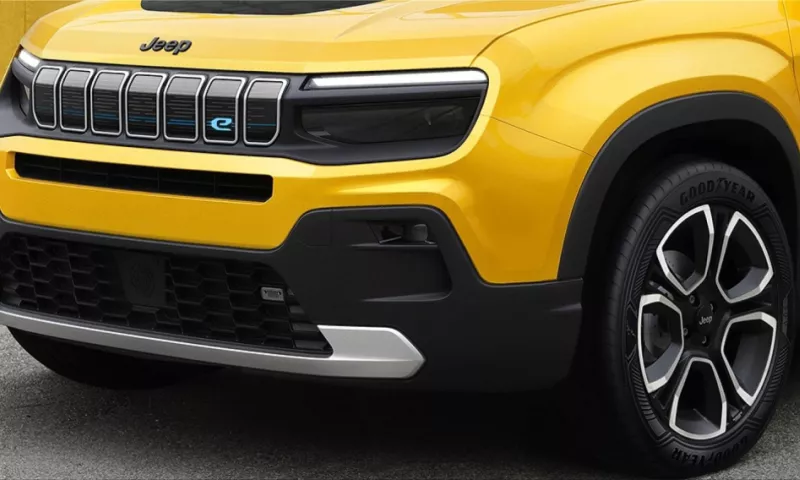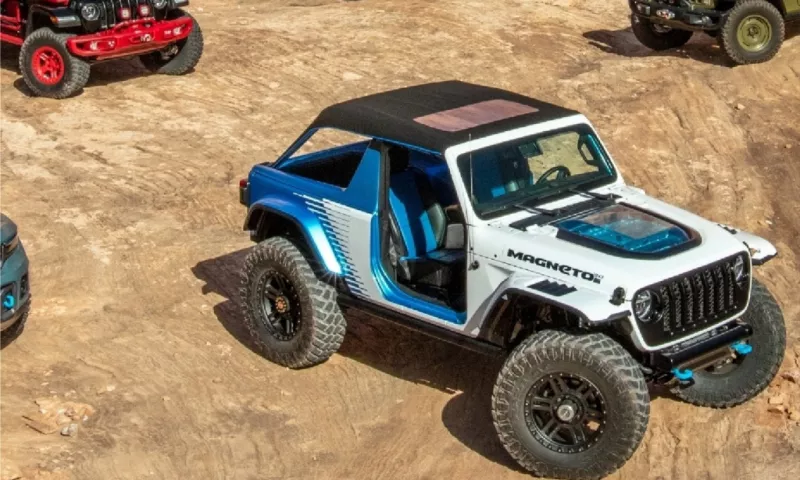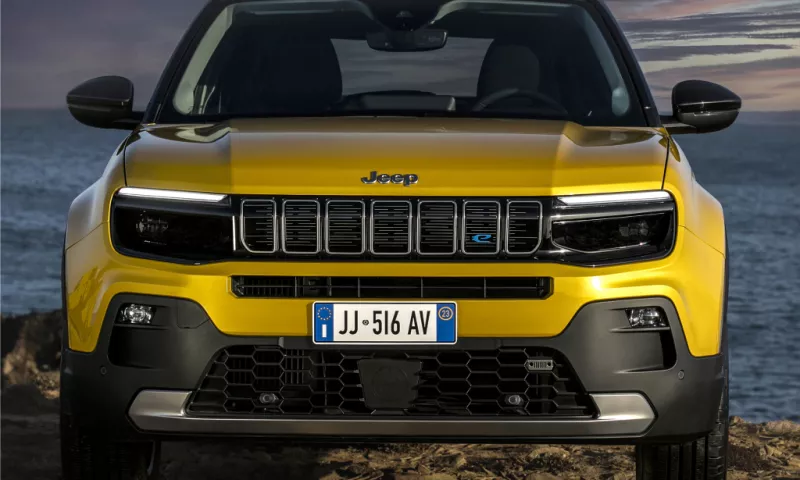
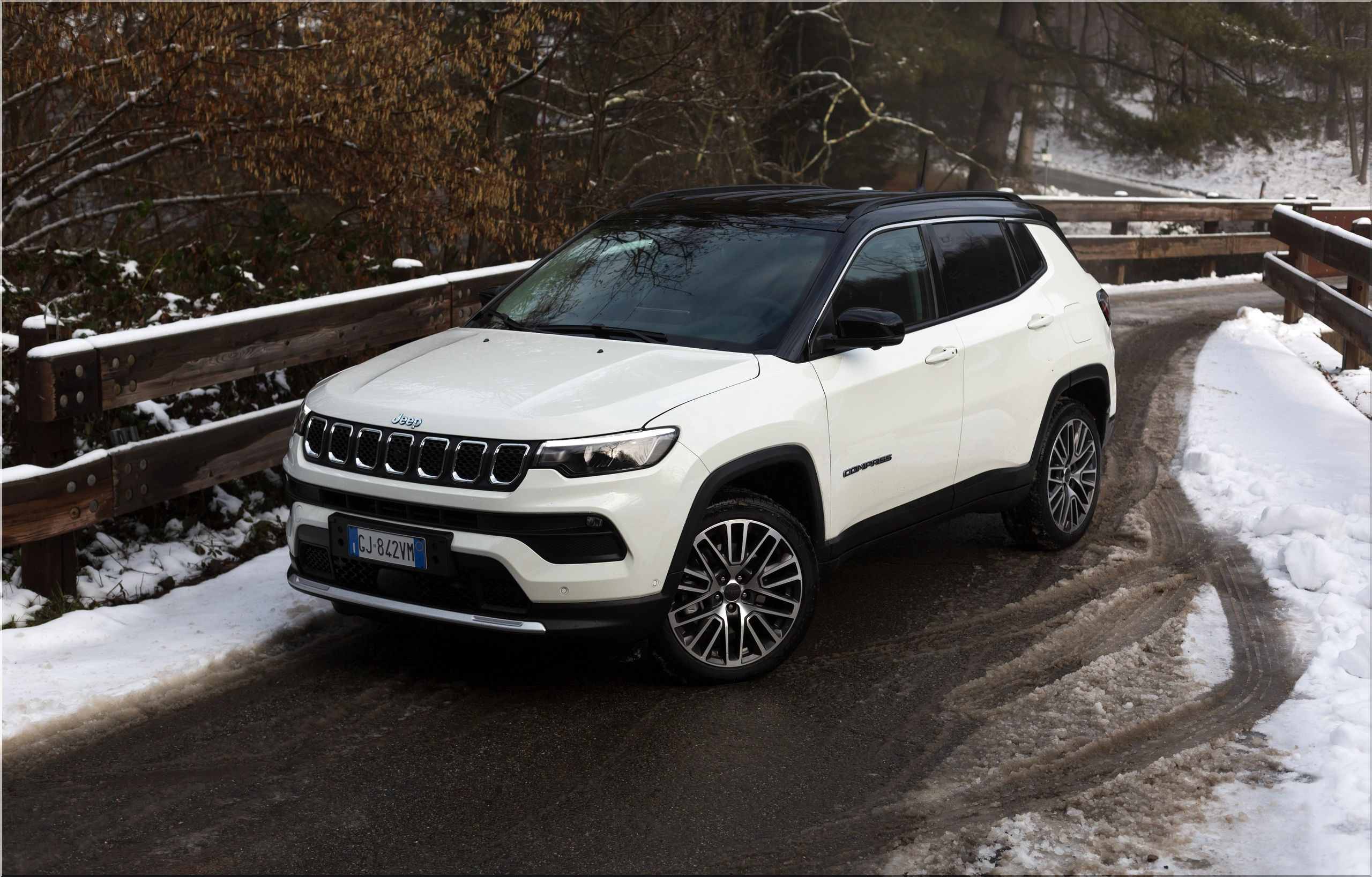
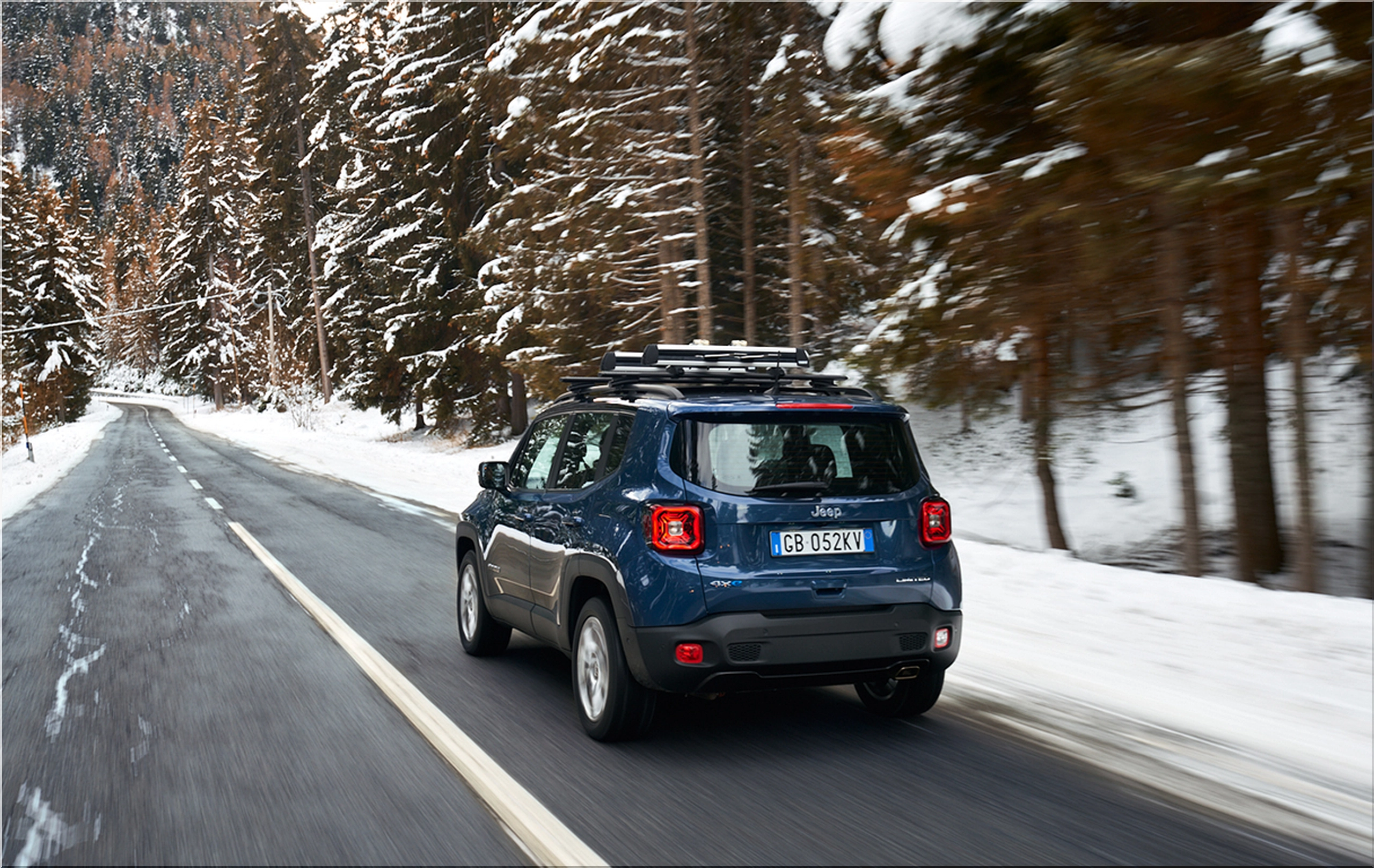
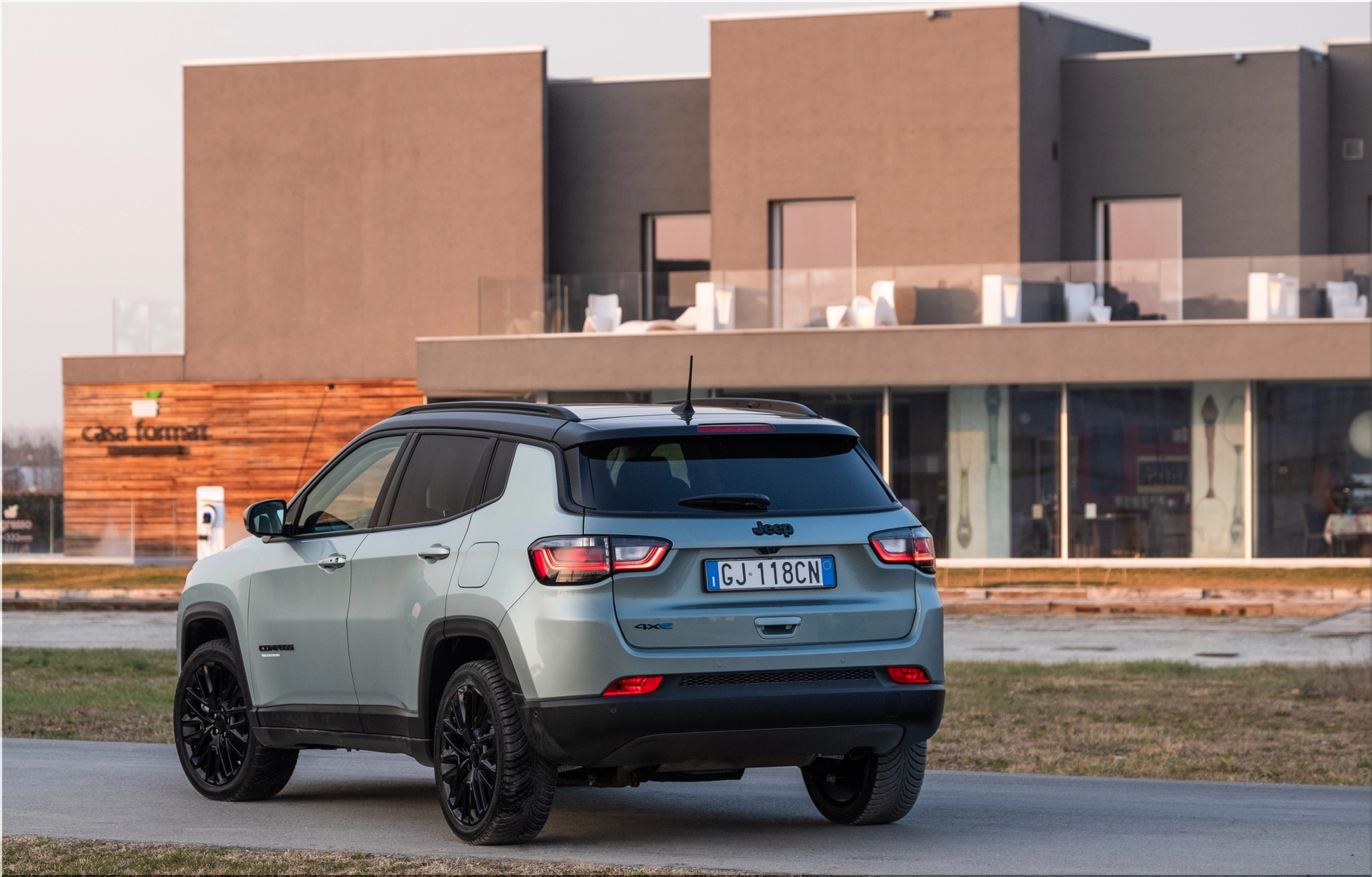
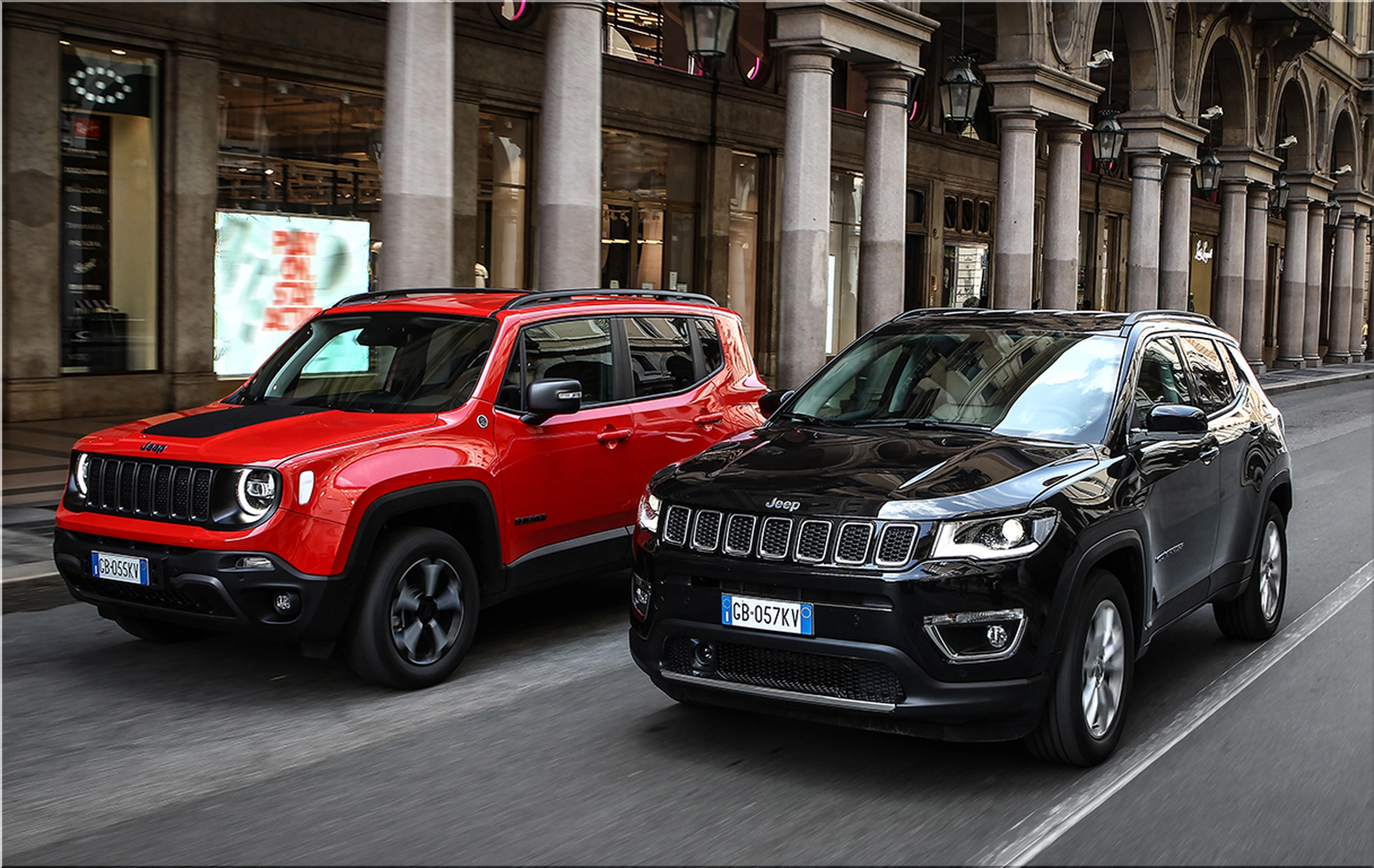
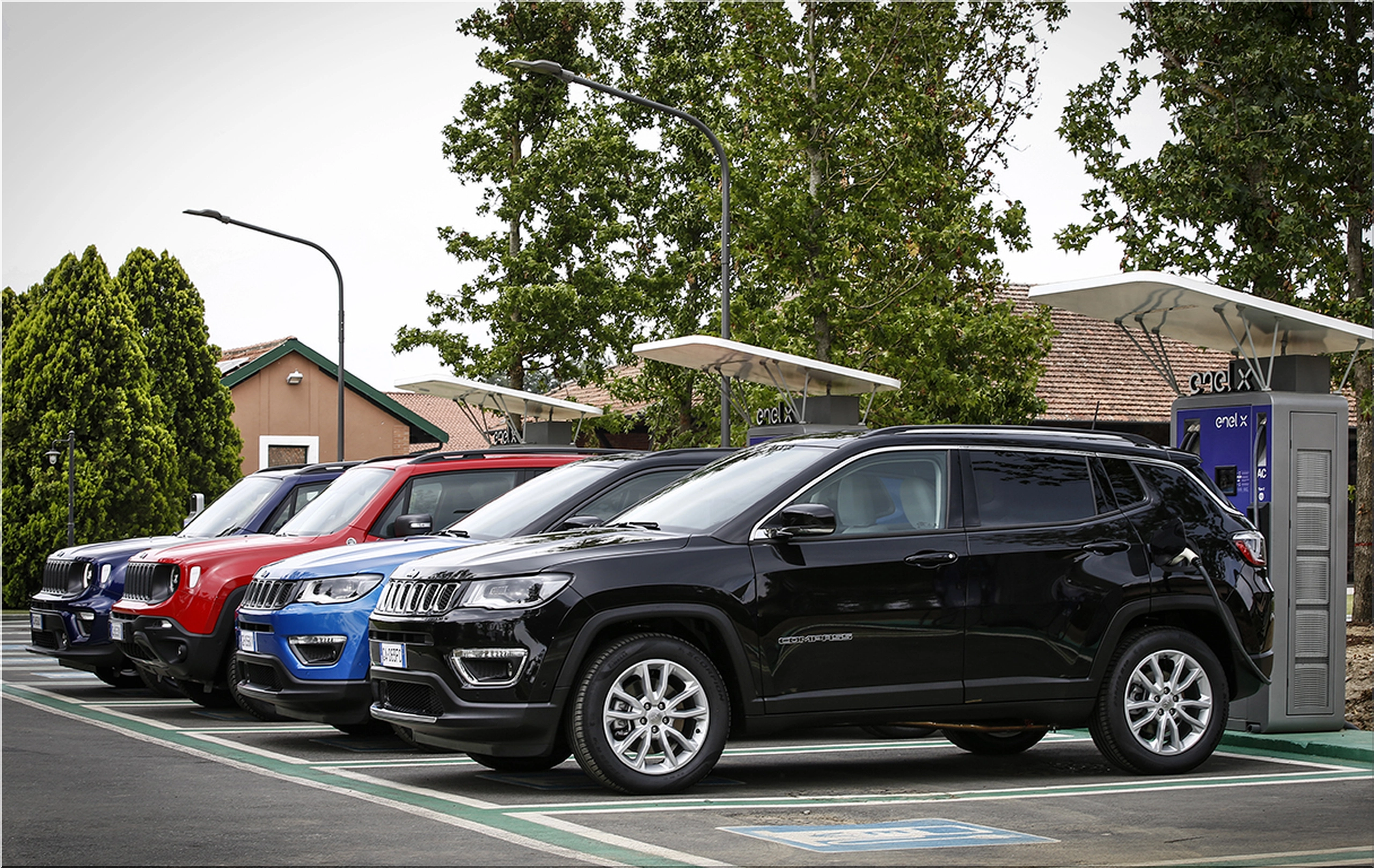
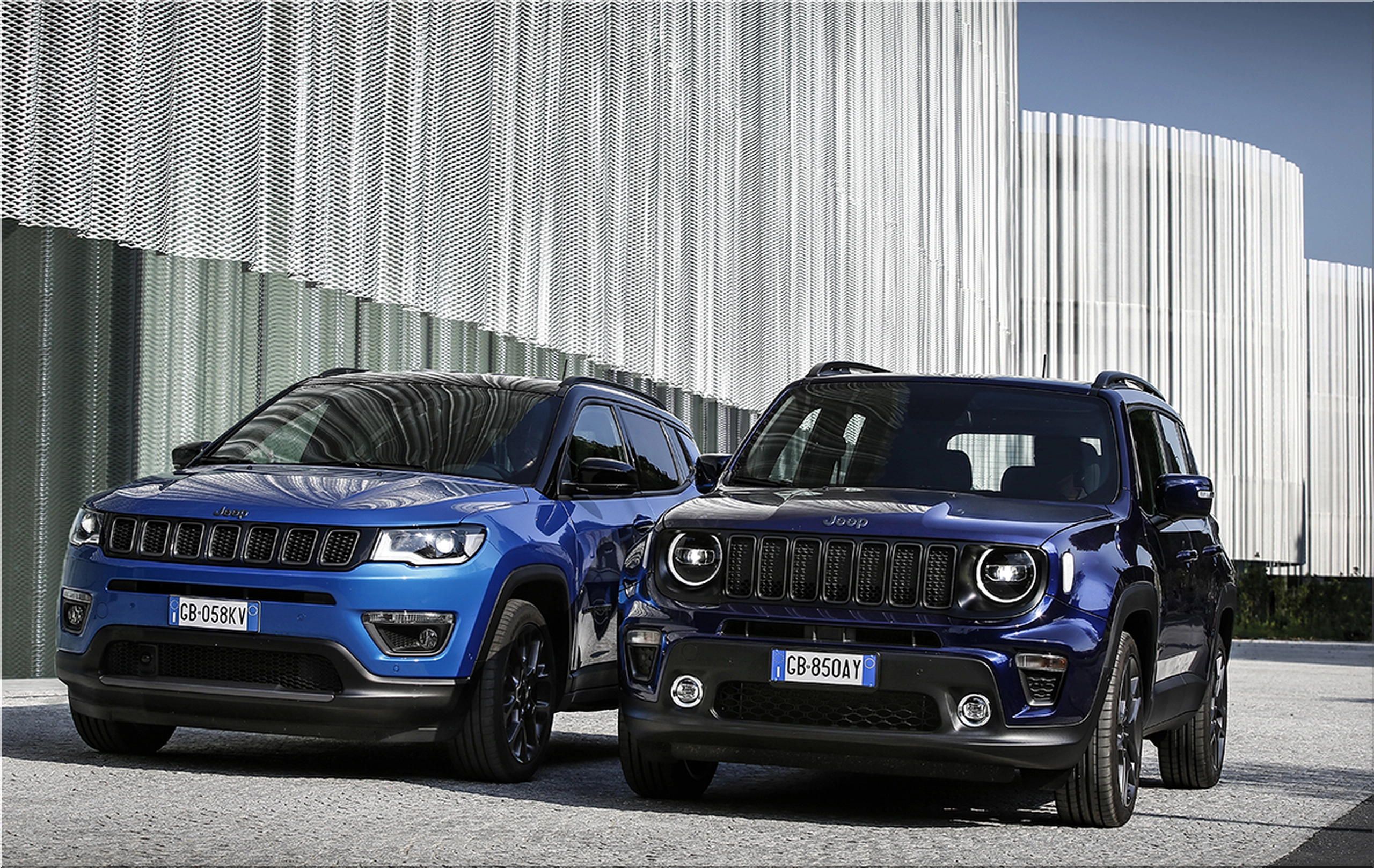
Winter driving can be challenging and risky, especially on slippery roads covered with snow and ice. That's why having a vehicle that can handle any weather condition and provide maximum safety and comfort for the driver and passengers is important. One of the best options for winter driving is the Jeep Renegade 4xe and Jeep Compass 4xe, the plug-in hybrid models that combine the legendary 4x4 capability of Jeep with the efficiency and sustainability of electrification.
We'll explore how the Jeep 4xe technology and winter tires work together to make driving on snow and ice safer, easier, and more fun and enjoyable. We'll also look at some of the features and benefits of the Jeep 4xe models, such as the four-wheel drive hybrid powertrain, the Selec-Terrain traction control system, the Powerloop function, and the ECO Coaching feature.
What is Jeep 4xe Technology?
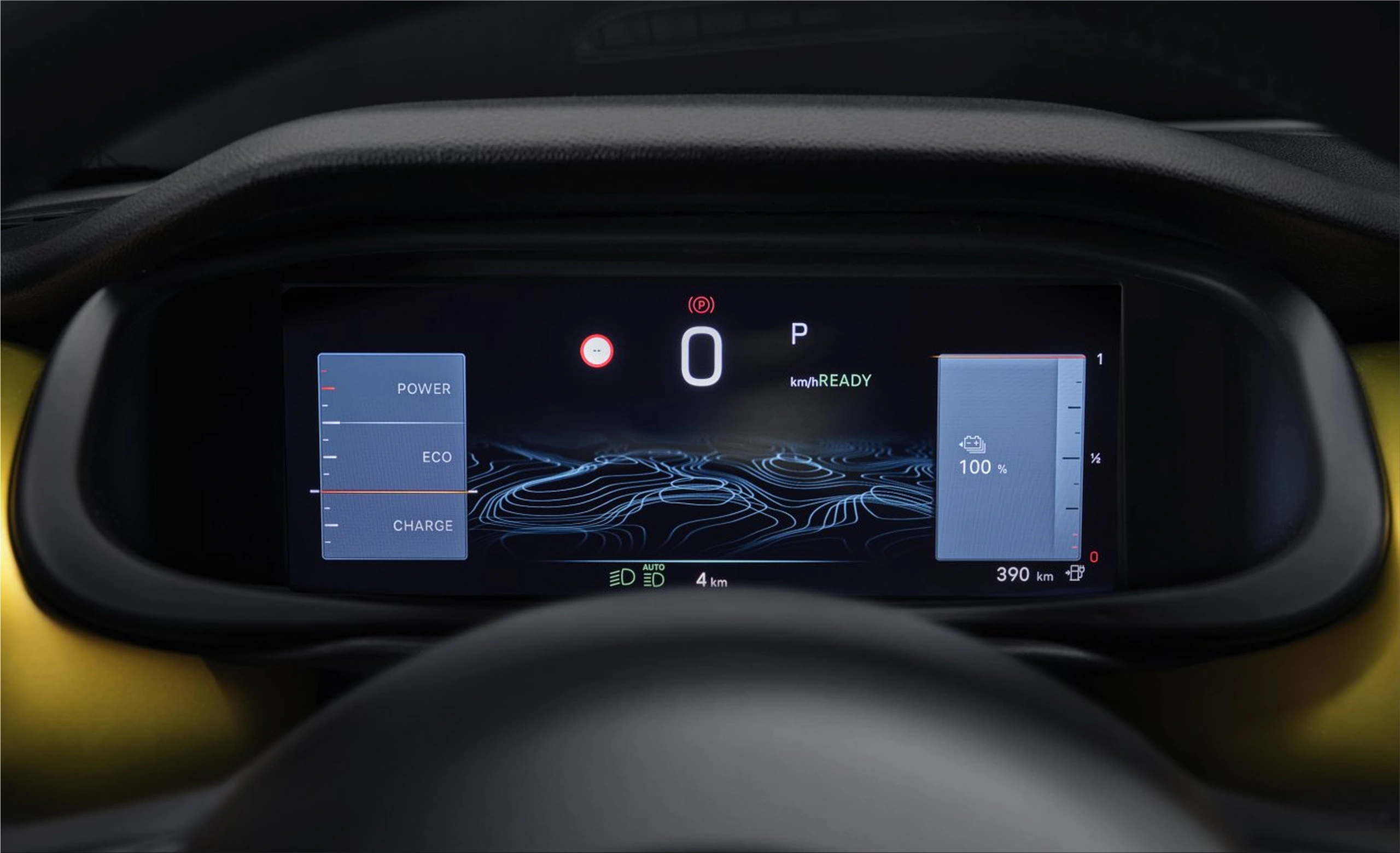
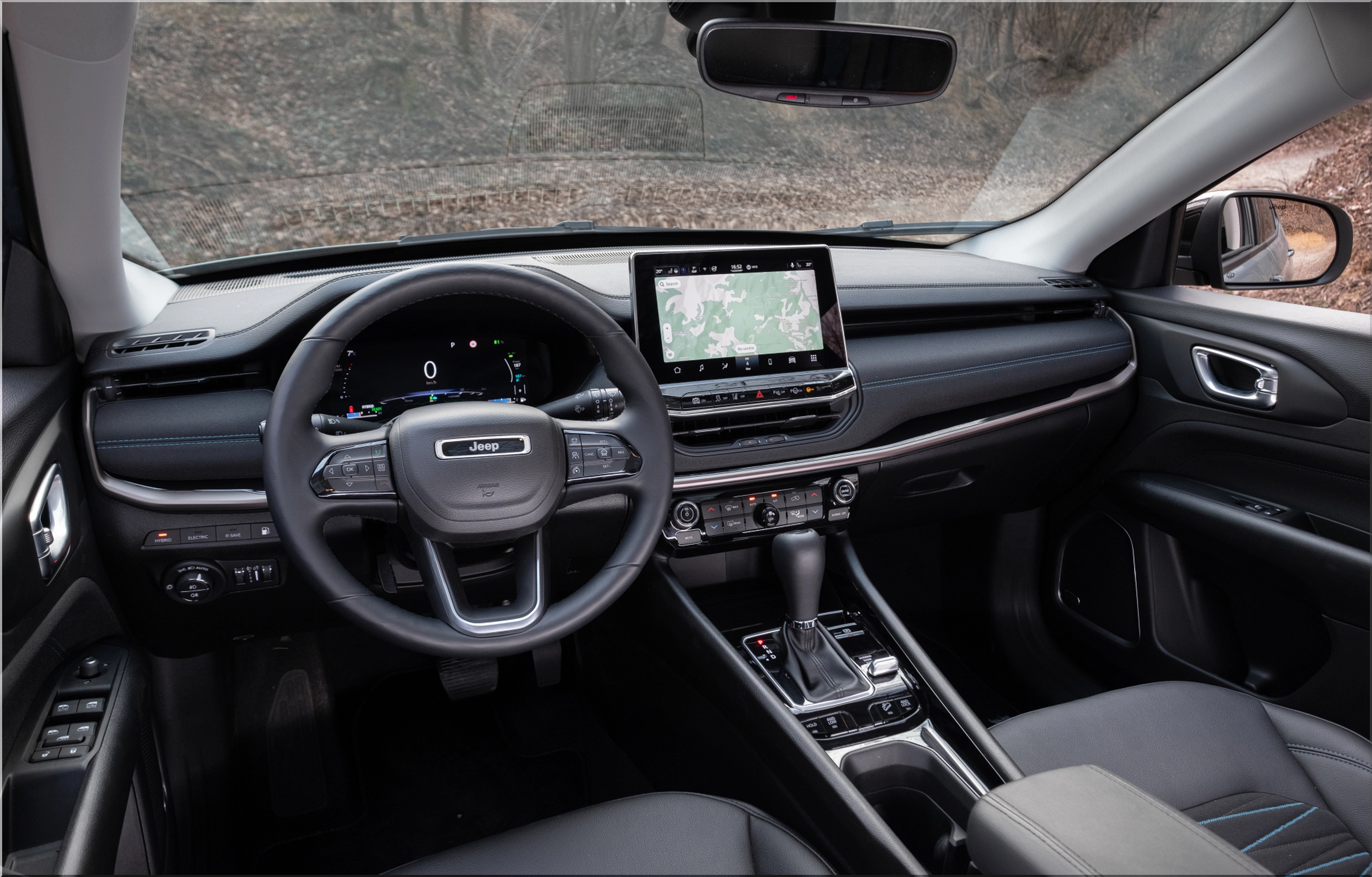
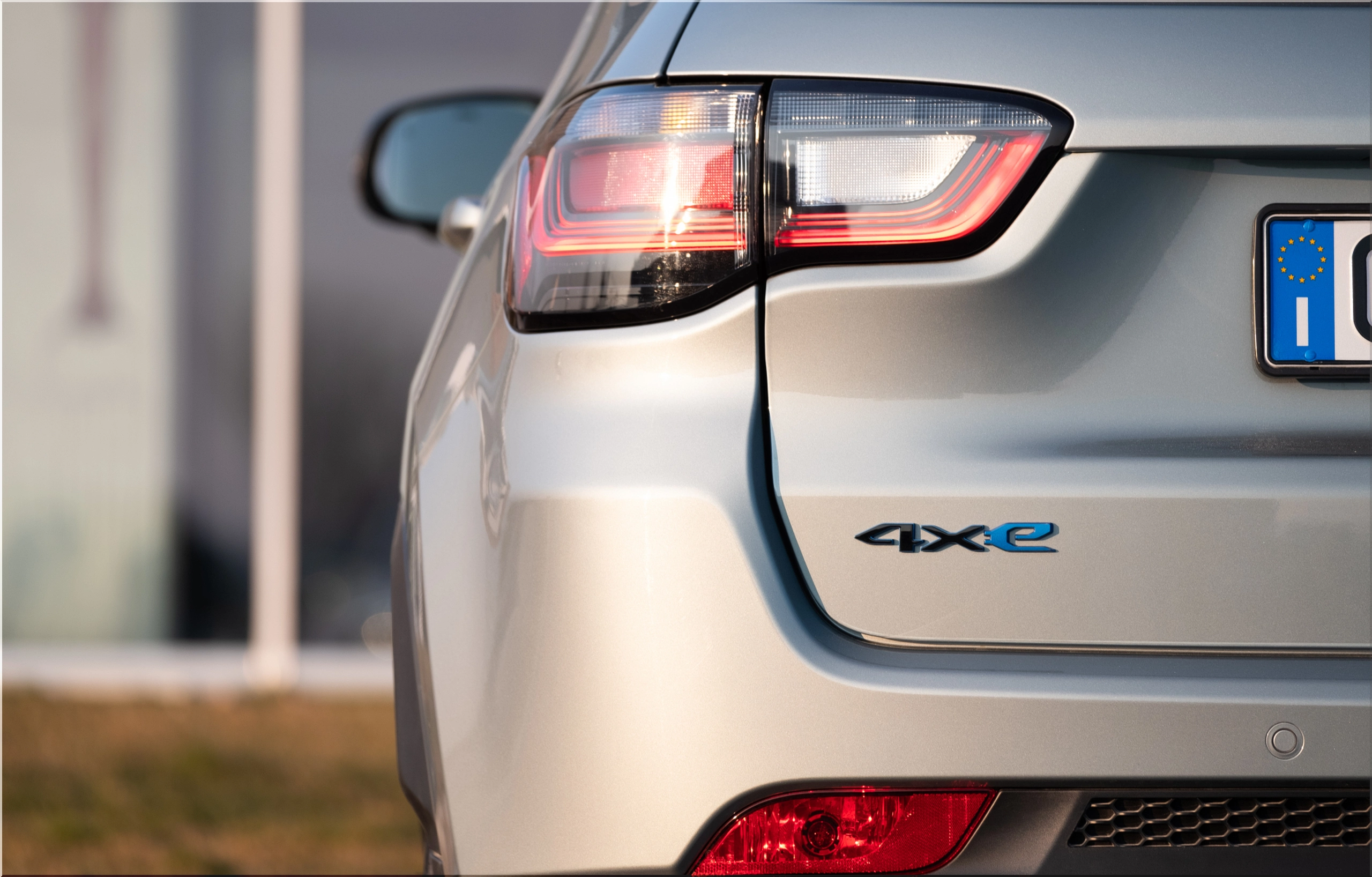
Jeep 4xe technology is the name given to the plug-in hybrid (PHEV) system that powers the Jeep Renegade and Compass 4xe models. It has three main components: an internal combustion engine, an electric motor, and a battery pack.
The internal combustion engine is a 1.3-liter turbocharged four-cylinder engine that delivers 130 or 180 horsepower, depending on the trim level. It drives the front wheels and works with a six-speed automatic transmission.
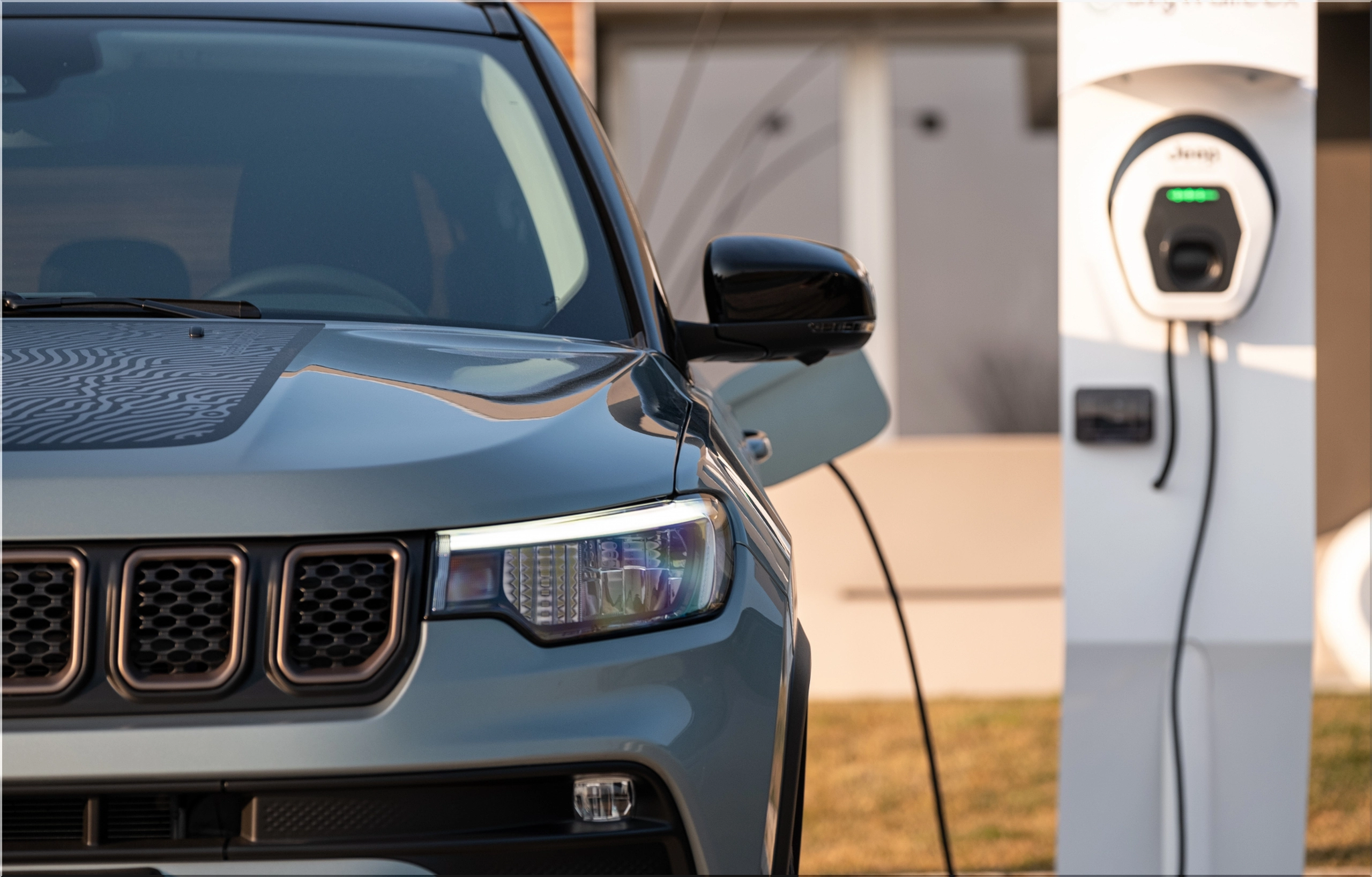
The electric motor is a 60-horsepower unit that drives the rear wheels and works with a dedicated power transfer unit (PTU). The electric motor is powered by an 11.4 kWh lithium-ion battery pack that can be recharged by plugging into an external power source or regenerative braking.
The battery pack is located under the second row of seats and does not compromise the vehicle's interior space or cargo capacity. It also has a dedicated heating and cooling system to ensure optimal performance in different temperatures.
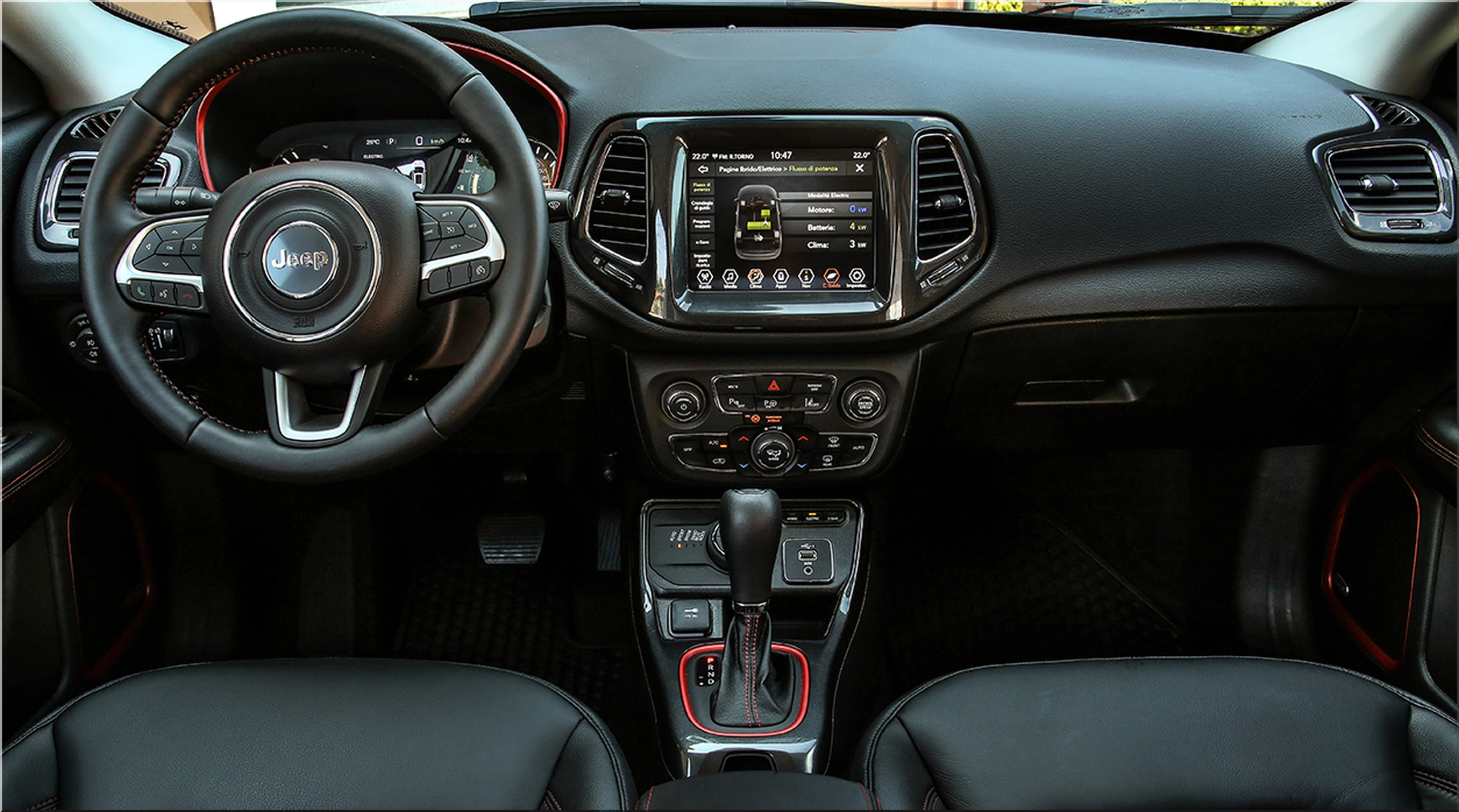
The Jeep 4xe technology allows the vehicle to operate in three different modes: Electric, Hybrid, and E-Save.
- Electric mode: The vehicle runs solely on electric power, using the energy stored in the battery pack. The electric motor drives the rear wheels and provides zero emissions. The electric mode can be selected manually by pressing the eDrive button on the dashboard, or it can be activated automatically when the battery level is high enough. The electric mode can cover an average range of 50 km (31 miles) and reach a top speed of 130 km/h (81 mph).
- Hybrid mode: In this mode, the vehicle runs on a combination of electric and gas power, using both the internal combustion engine and the electric motor. The hybrid mode can be selected manually by pressing the Hybrid button on the dashboard or activated automatically when the battery level is low or when more power is needed. The hybrid mode optimizes fuel efficiency and performance by switching between electric and gas power depending on driving conditions. The hybrid mode can cover an average range of 500 km (310 miles) and reach a top speed of 200 km/h (124 mph).
- E-Save mode: The vehicle runs mainly on gas power, using only the internal combustion engine. The E-Save mode can be selected manually by pressing the E-Save button on the dashboard or activated automatically when the battery level is critically low. The E-Save mode preserves the battery charge for later use, such as when driving in urban areas or restricted zones where electric mode is required or preferred.
How Does Jeep 4xe Technology Improve Winter Driving?
One of the main advantages of Jeep 4xe technology is that it provides four-wheel drive capability without using a mechanical connection between the front and rear axles. This means that each axle can operate independently and receive power from either the internal combustion engine or the electric motor, depending on driving conditions.
This system called eAWD (electric all-wheel drive), enhances traction and stability on slippery roads by delivering torque to each wheel as needed. It also improves handling and agility by reducing understeer and oversteer tendencies.
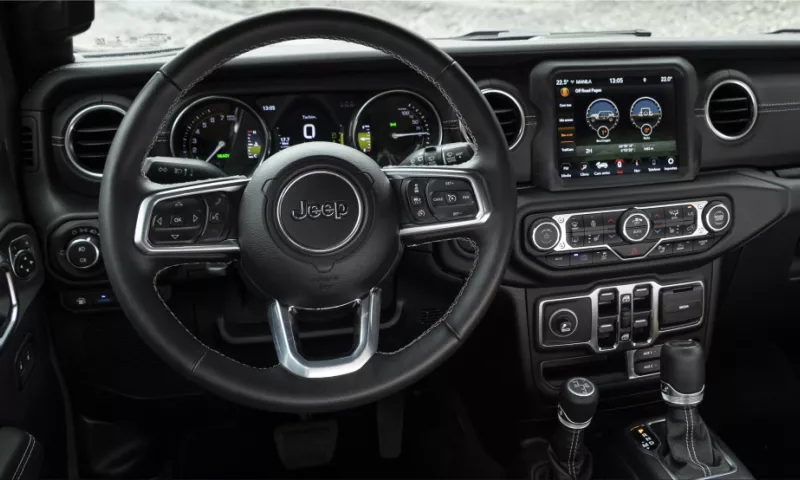
Another advantage of Jeep 4xe technology is that it allows the driver to choose from different driving modes depending on road conditions and personal preferences. The driver can select from four modes using the Selec-Terrain traction control system: Auto, Snow, Mud/Sand, and Rock.
- Auto mode: This mode suits normal driving conditions on paved roads. It automatically adapts to changing road surfaces and optimizes traction and fuel efficiency.
- Snow mode: This mode is suitable for driving on snow-covered roads. It reduces wheel slip by increasing traction control intervention and adjusting throttle response. It also activates the Hill Descent Control (HDC) system, which helps the driver maintain a constant speed when going downhill on slippery slopes.
- Mud/Sand mode: This mode is suitable for driving on soft and loose surfaces, such as mud, sand, or gravel. It allows more wheel slip by reducing traction control intervention and increasing throttle response. It also activates the 4WD Lock function, which locks the front and rear axles together and distributes torque evenly to all four wheels.
- Rock mode: This mode is suitable for driving on rocky and uneven terrain. It maximizes wheel grip by increasing traction control intervention and reducing throttle response. It also activates the 4WD Low function, which reduces the gear ratio and increases torque delivery to the wheels.
How Do Winter Tires Enhance Safety and Performance in Cold Weather?
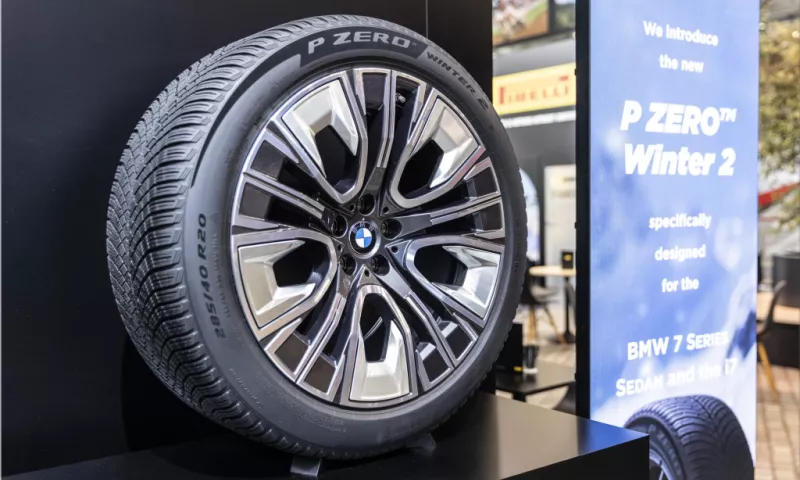
Another factor that affects winter driving is the type of tires used on the vehicle. While all-season tires may work well in mild weather conditions, they are not designed to handle extreme cold, snow, and ice. That's why it's recommended to use winter tires when the temperature drops below 7°C (45°F).
Winter tires are specially designed to provide better grip and traction on cold and slippery roads. They have the following characteristics that distinguish them from all-season tires:
- Tread pattern: Winter tires have a more aggressive tread pattern with deeper grooves and more sipes (small slits) that create more biting edges to grip the road surface. They also have wider spacing between the tread blocks to prevent snow buildup and improve self-cleaning.
- Rubber compound: Winter tires have a softer rubber compound that remains flexible and pliable in low temperatures. This allows them to conform to the road surface and maintain contact with the ground. All-season tires have a harder rubber compound that becomes stiff and brittle in cold temperatures, reducing their grip and traction.
- Markings: Winter tires have a symbol of a snowflake inside a mountain on their sidewall, indicating that they meet or exceed the industry standards for winter performance. This symbol is also known as the Three Peak Mountain Snowflake (3PMSF) or Alpine symbol.
Winter tires can improve safety and performance in cold weather by providing the following benefits:
- Shorter braking distances: According to Transport Canada, Winter tires can reduce braking distances by up to 25% on snow and ice compared to all-season tires. This means that winter tires can help drivers stop sooner and avoid collisions or skidding.
- Better handling and cornering: According to Transport Canada, Winter tires can improve handling and cornering by up to 15% on snow and ice compared to all-season tires. This means that winter tires can help drivers steer more accurately and confidently on slippery roads.
- Enhanced comfort and noise reduction: Winter tires can enhance comfort and noise reduction by absorbing road vibrations and reducing tire noise. This means that winter tires can provide a smoother and quieter ride for the driver and passengers.
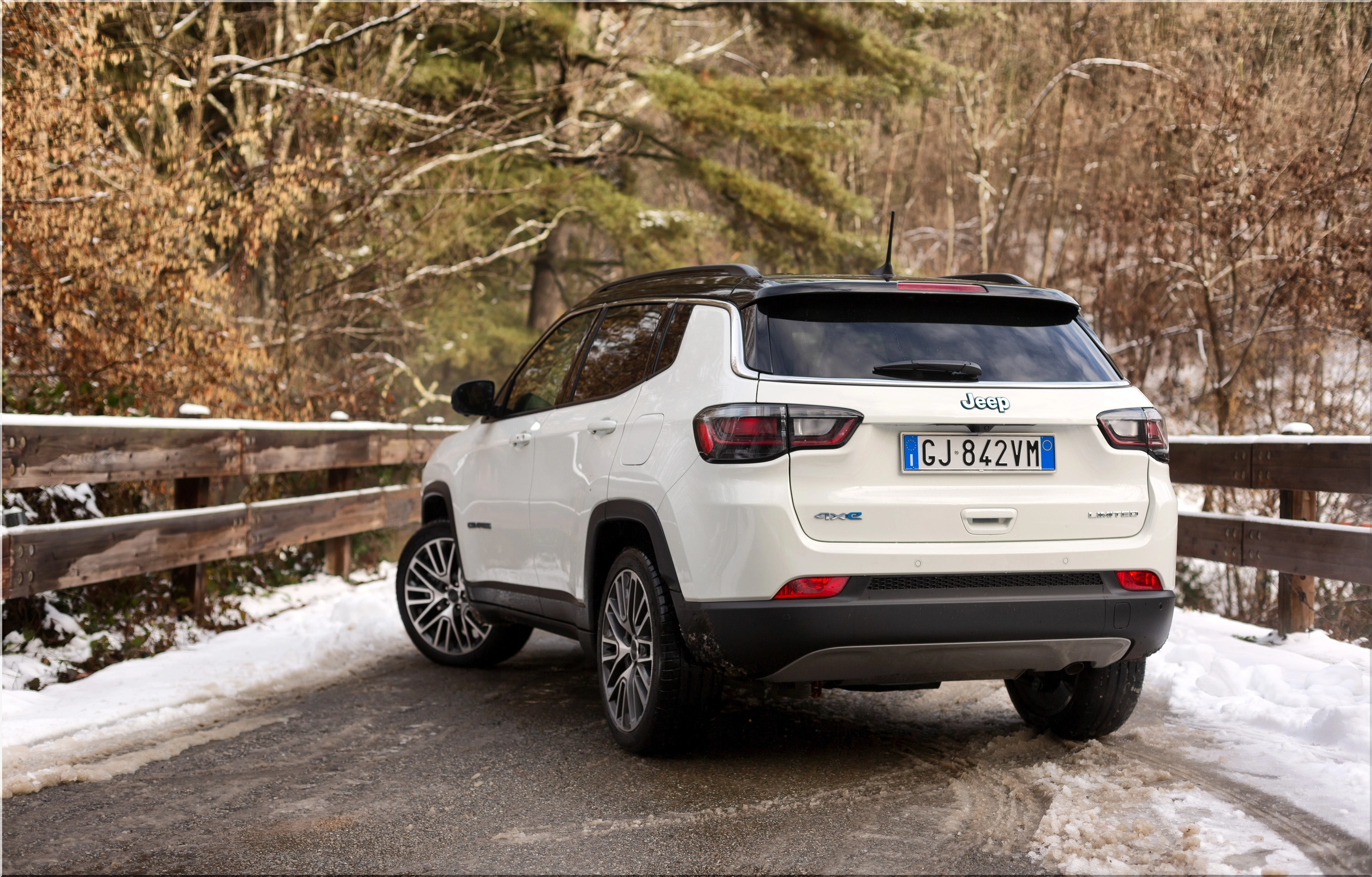
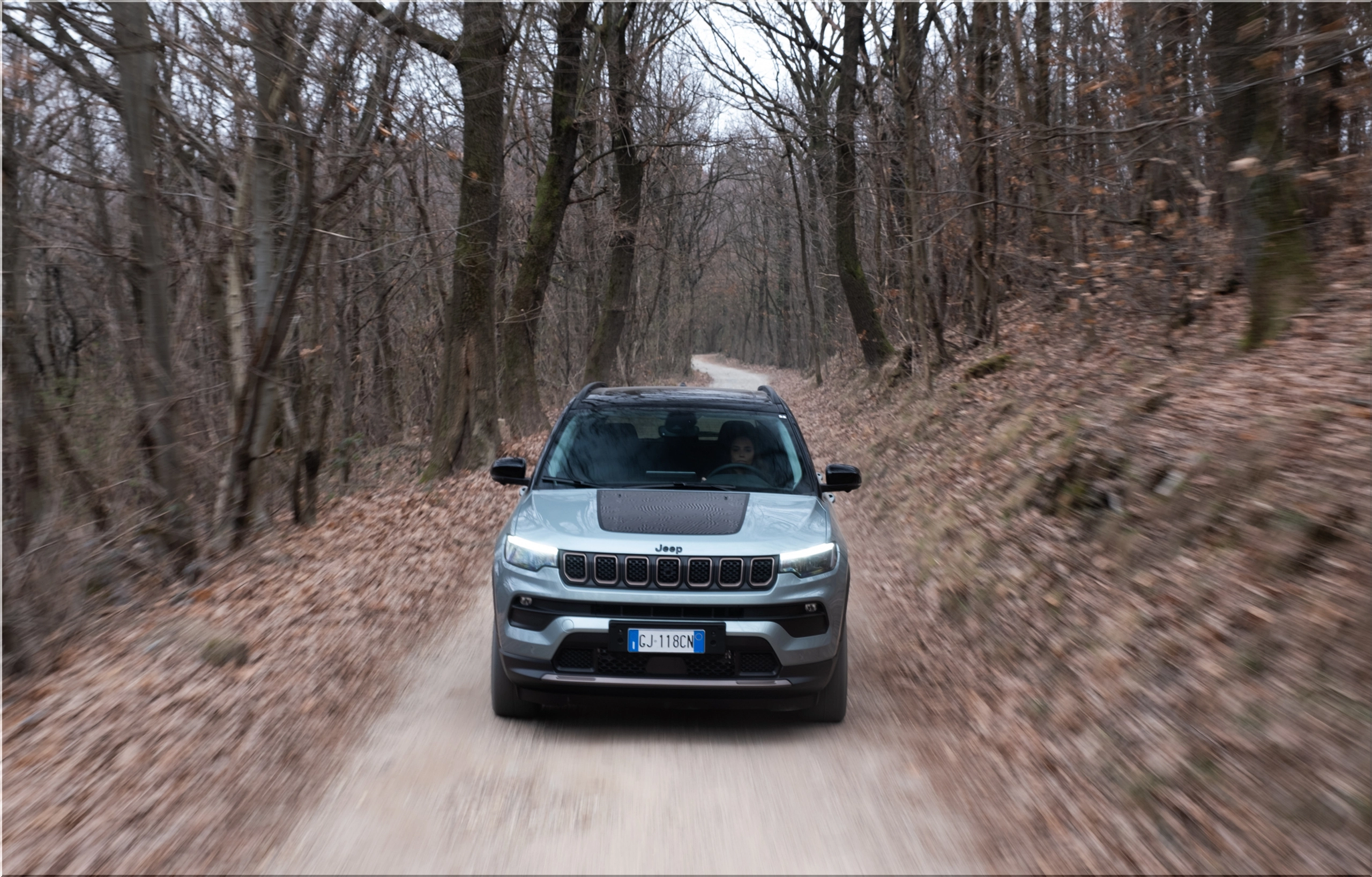
How Do Jeep 4xe Models Support Winter Tires?
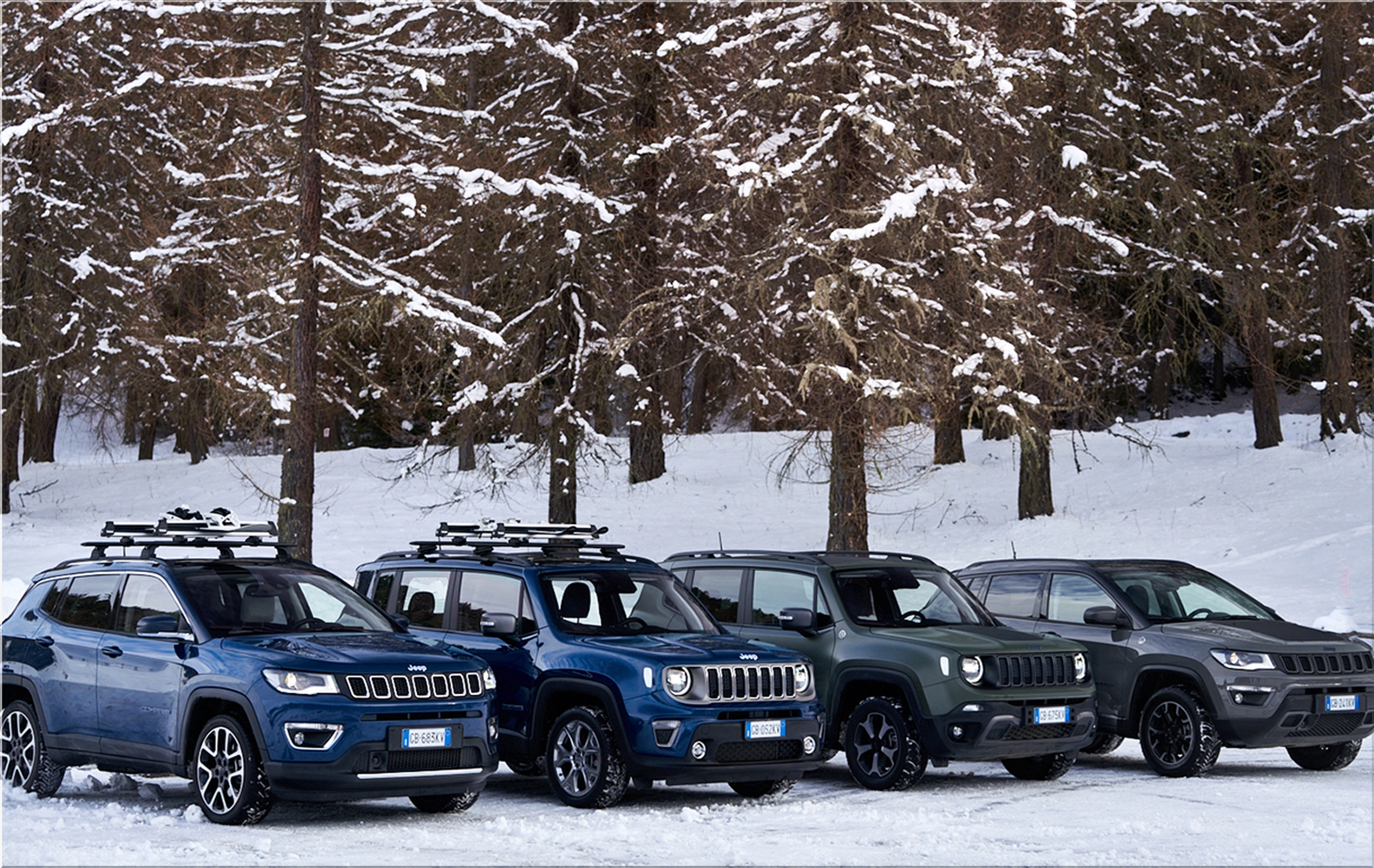
The Jeep Renegade and Compass 4xe models are compatible with winter tires of different sizes and specifications, depending on the trim level and wheel size. The Jeep 4xe models support winter tires by providing the following features:
- Tire Pressure Monitoring System (TPMS): This system monitors the air pressure of each tire and alerts the driver if any tire is underinflated or overinflated. This helps maintain optimal tire pressure for better performance, safety, and fuel efficiency.
- Tire Service Kit (TSK): This kit includes a sealant bottle and an air compressor that can be used to repair a punctured tire temporarily. This helps avoid being stranded on the road in case of a flat tire.
- Tire Rotation Indicator (TRI): This indicator reminds the driver when it's time to rotate the tires to ensure even wear and extend their lifespan. This helps maintain optimal tire conditions for better performance, safety, and fuel efficiency.
What Other Features Do Jeep 4xe Models Offer for Winter Driving?
Besides the Jeep 4xe technology and winter tires, the Jeep Renegade and Compass 4xe models also offer other features that enhance safety and performance in cold weather, such as:
- Heated Seats and Steering Wheel: These features provide extra comfort and warmth for the driver and passengers in low temperatures. They can be activated by pressing a button on the dashboard or the steering wheel or by using the Uconnect infotainment system. The heated seats have three intensity levels, while the heated steering wheel has one level.
- Remote Start and Pre-Conditioning: These features allow the driver to start the vehicle and adjust the cabin temperature remotely using the key fob or the My Uconnect mobile app. This helps save time and energy by warming up or cooling down the vehicle before getting in. The pre-conditioning feature also optimizes the battery charge by using an external power source rather than draining the battery when plugged in.
- Windshield Wiper De-Icer: This feature prevents the windshield wipers from freezing and sticking to the windshield in cold weather. It does so by heating up the lower part of the windshield where the wipers rest. This helps improve visibility and safety by keeping the windshield clear of snow and ice.
- Rain-Sensing Wipers and Automatic Headlights: These features automatically activate the windshield wipers and headlights when they detect rain or low-light conditions. This helps enhance convenience and safety by reducing driver distraction and improving visibility.
Conclusion
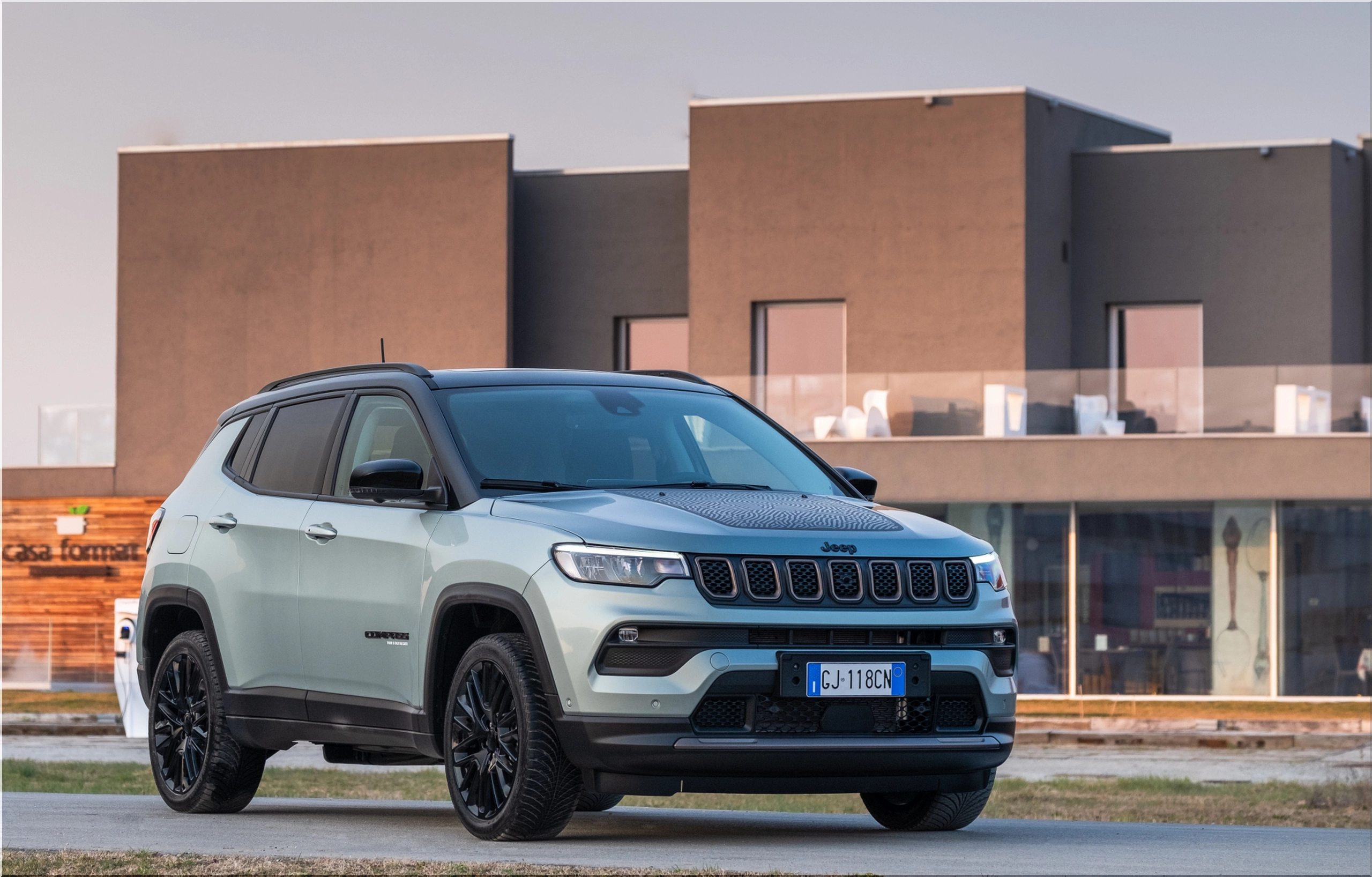
The Jeep Renegade and Jeep Compass 4xe models are ideal cars for winter driving, thanks to their Jeep 4xe technology and winter tires. The Jeep 4xe technology provides four-wheel drive capability, different driving modes, and plug-in hybrid efficiency, while the winter tires provide better grip and traction on cold and slippery roads. The Jeep 4xe models also offer other features that enhance safety and performance in cold weather, such as powerloop, ECO coaching, heated seats and steering wheel, remote start and pre-conditioning, windshield wiper de-icer, rain-sensing wipers, and automatic headlights. The Jeep 4xe models are safe, reliable, fun, and enjoyable to drive on snow and ice.
- Add new comment
- 433 views