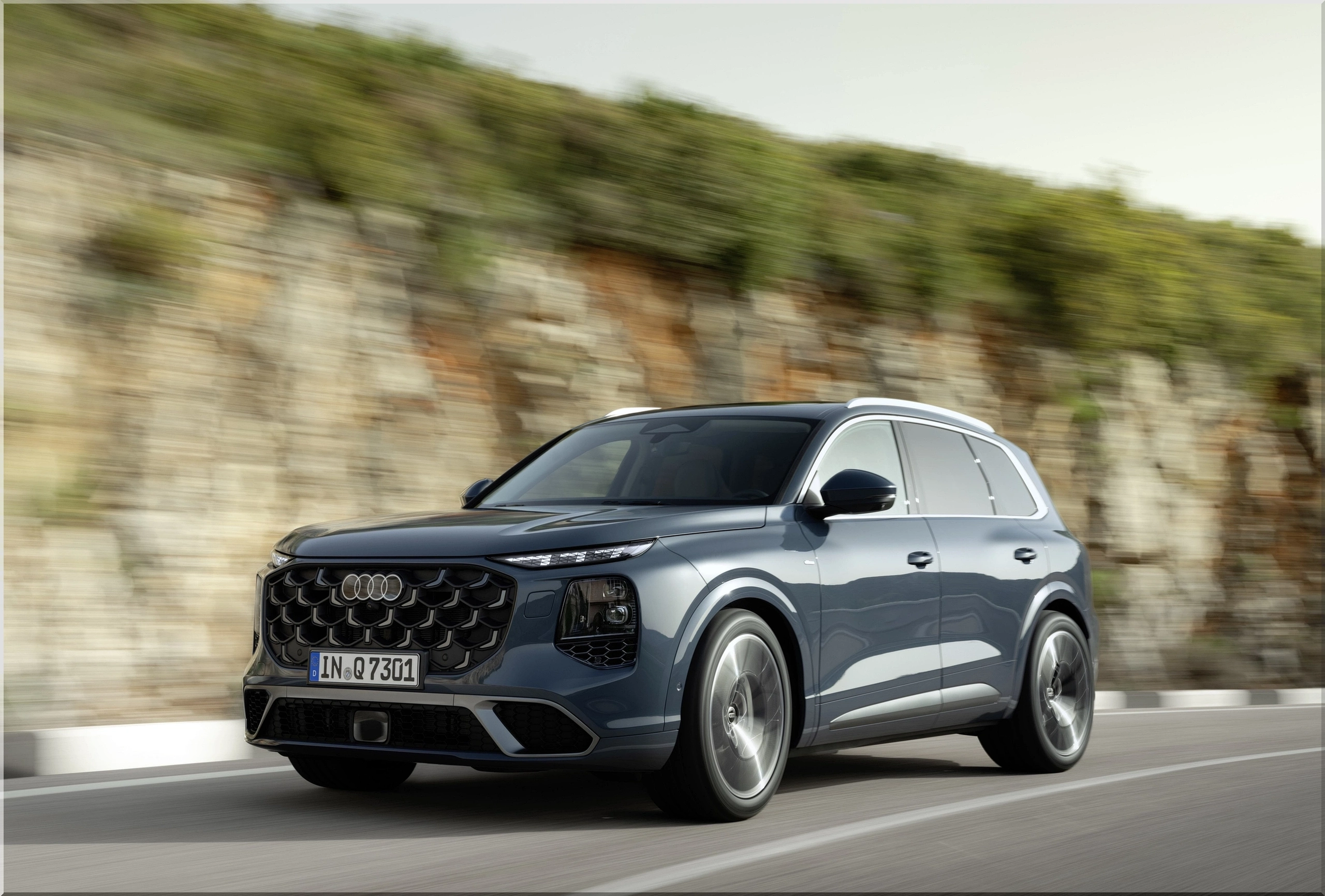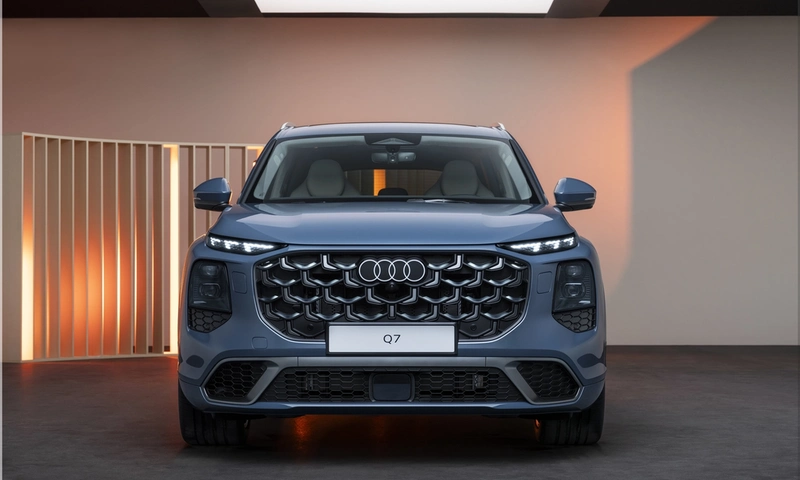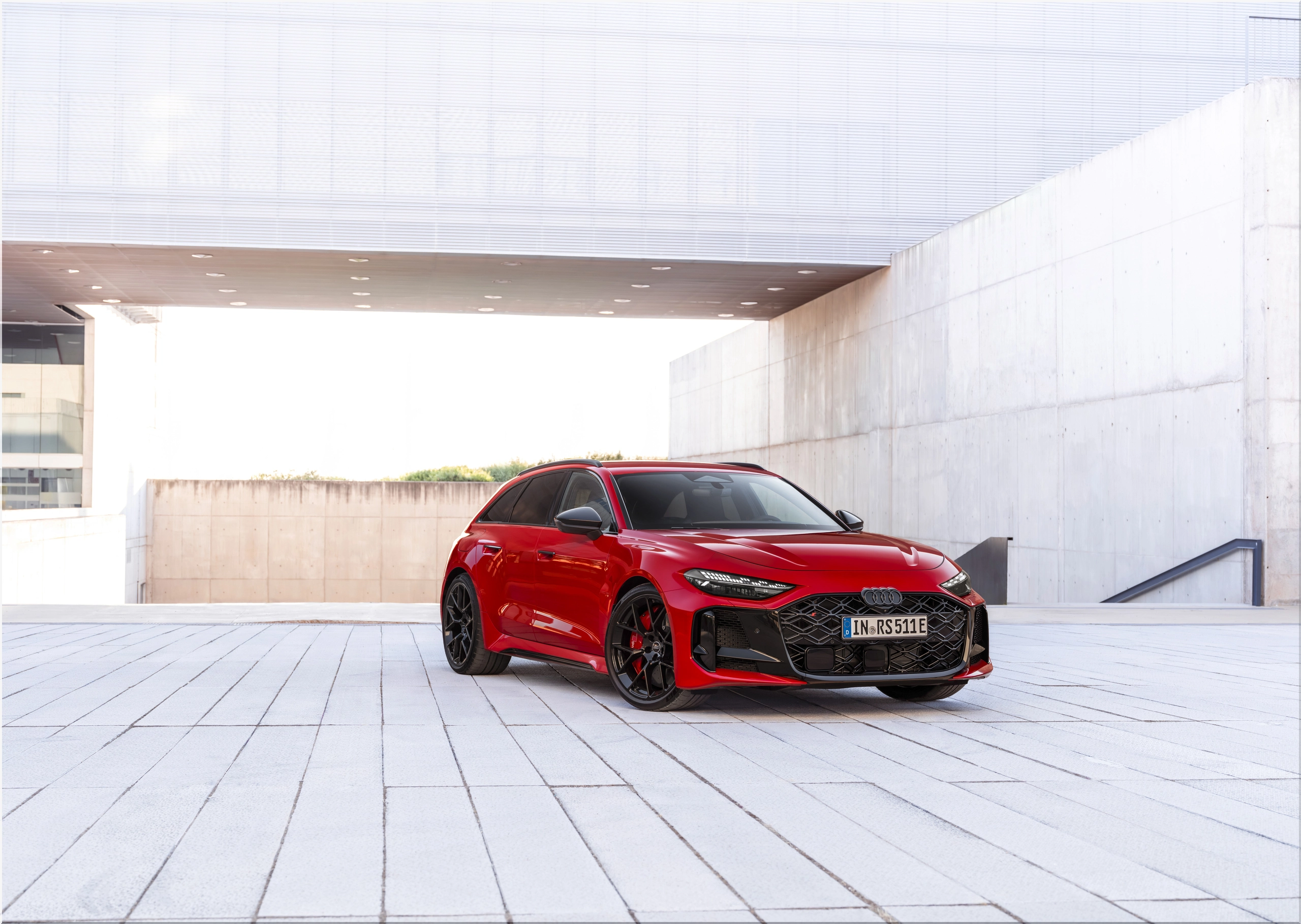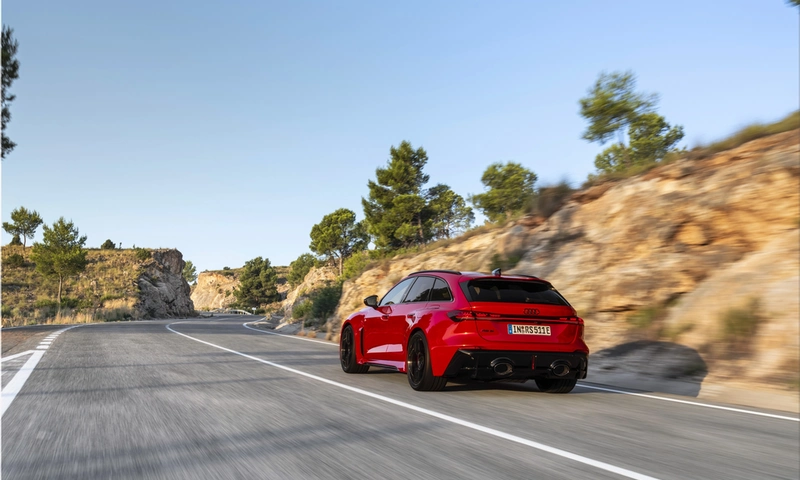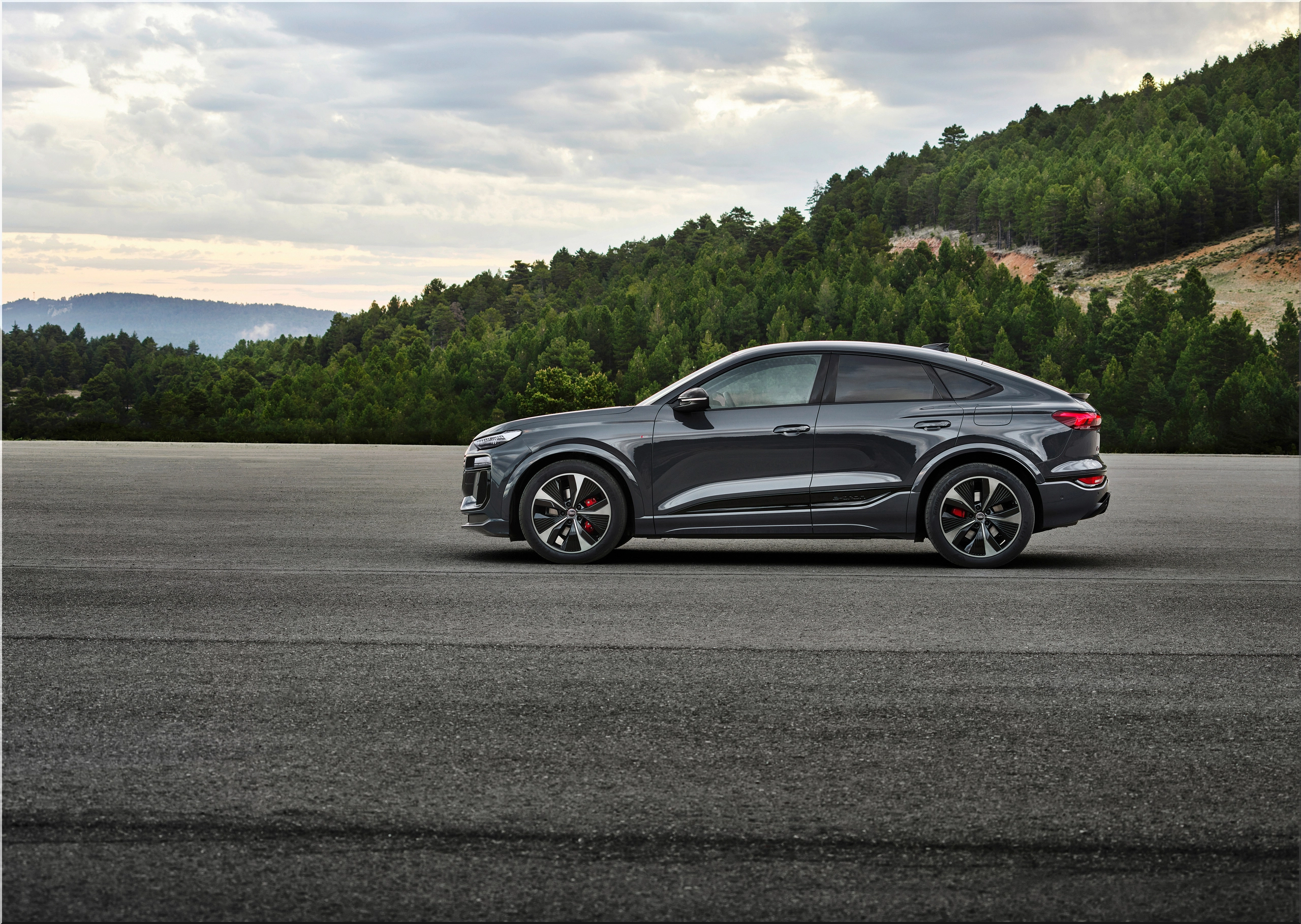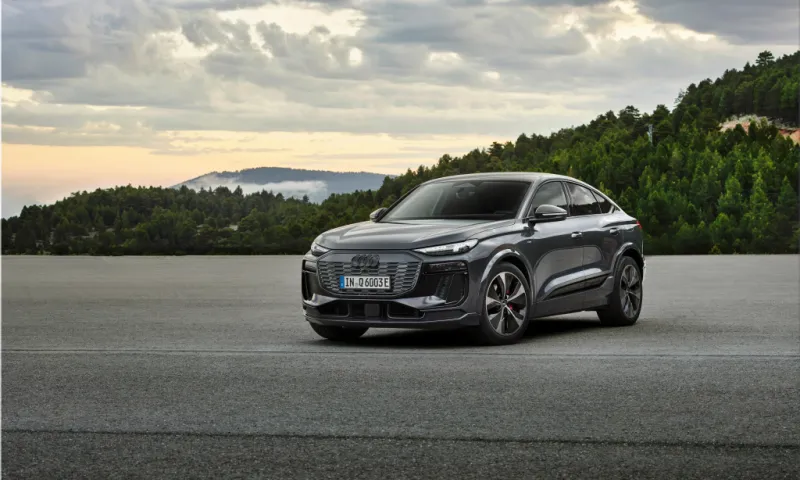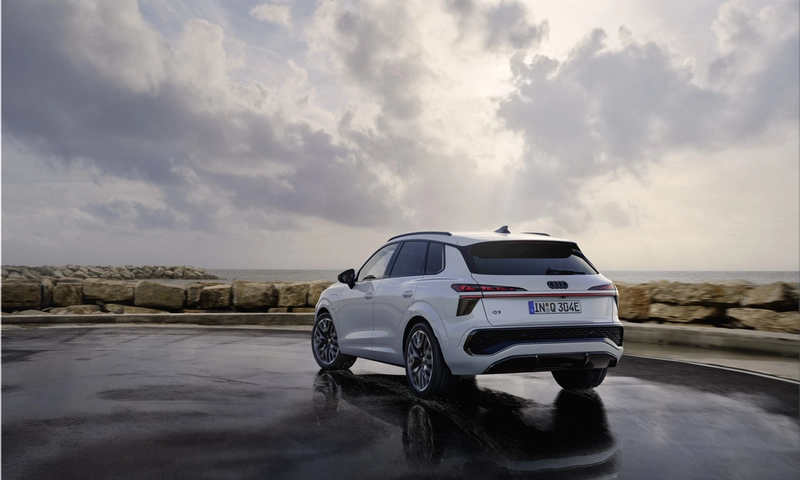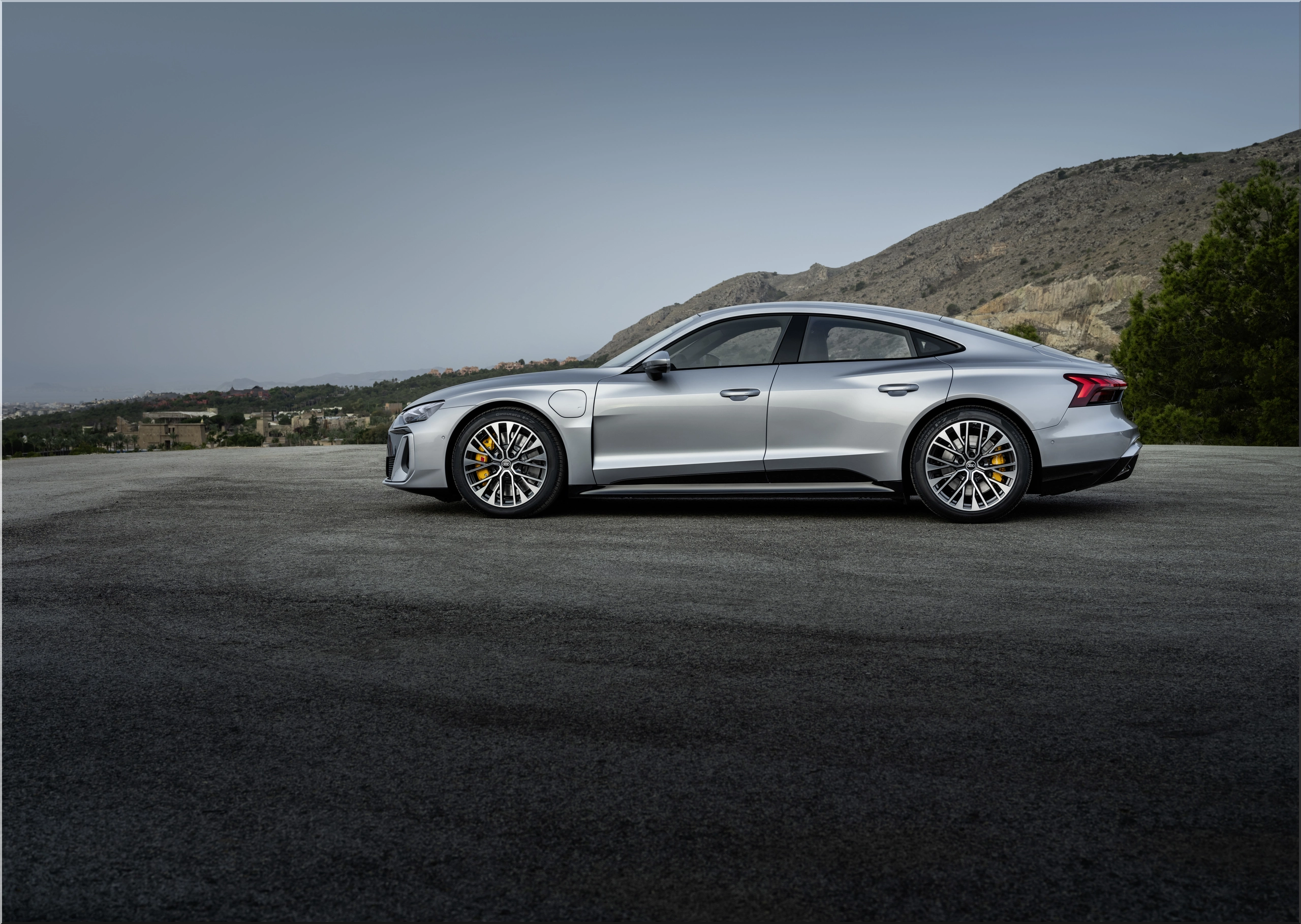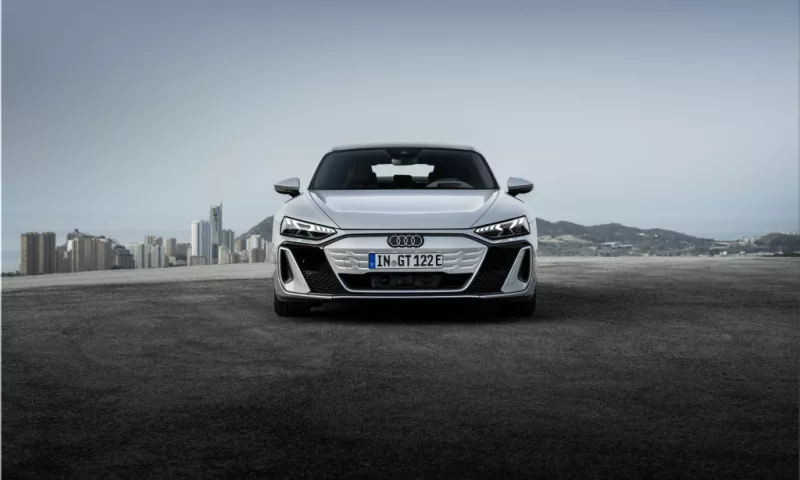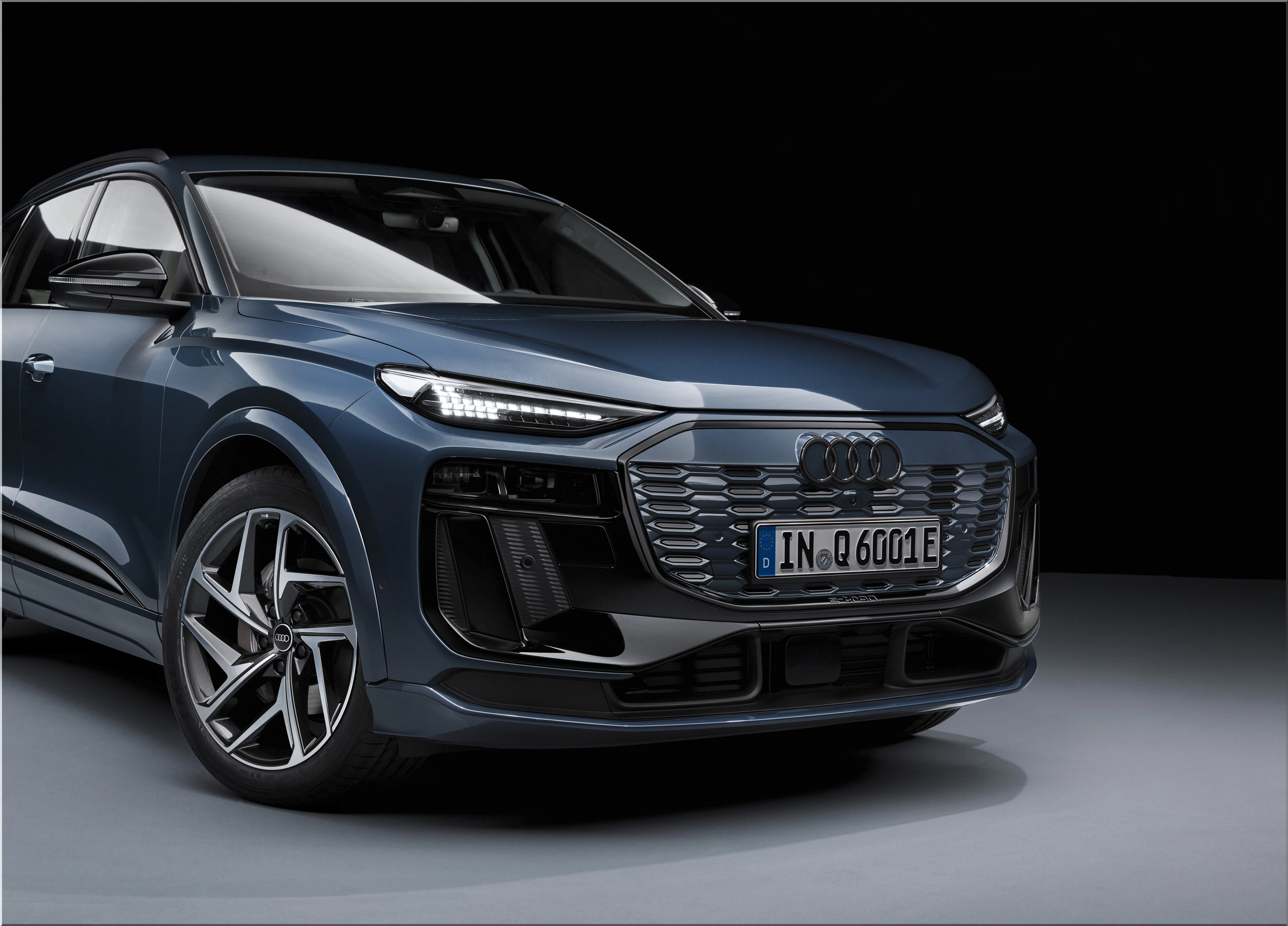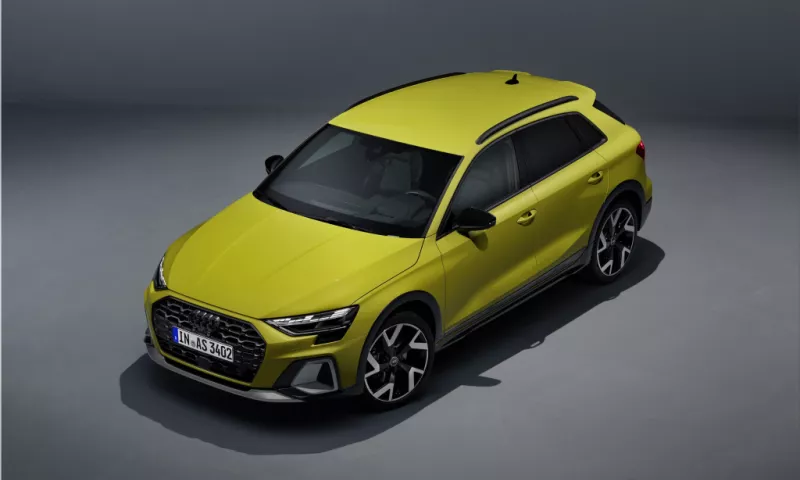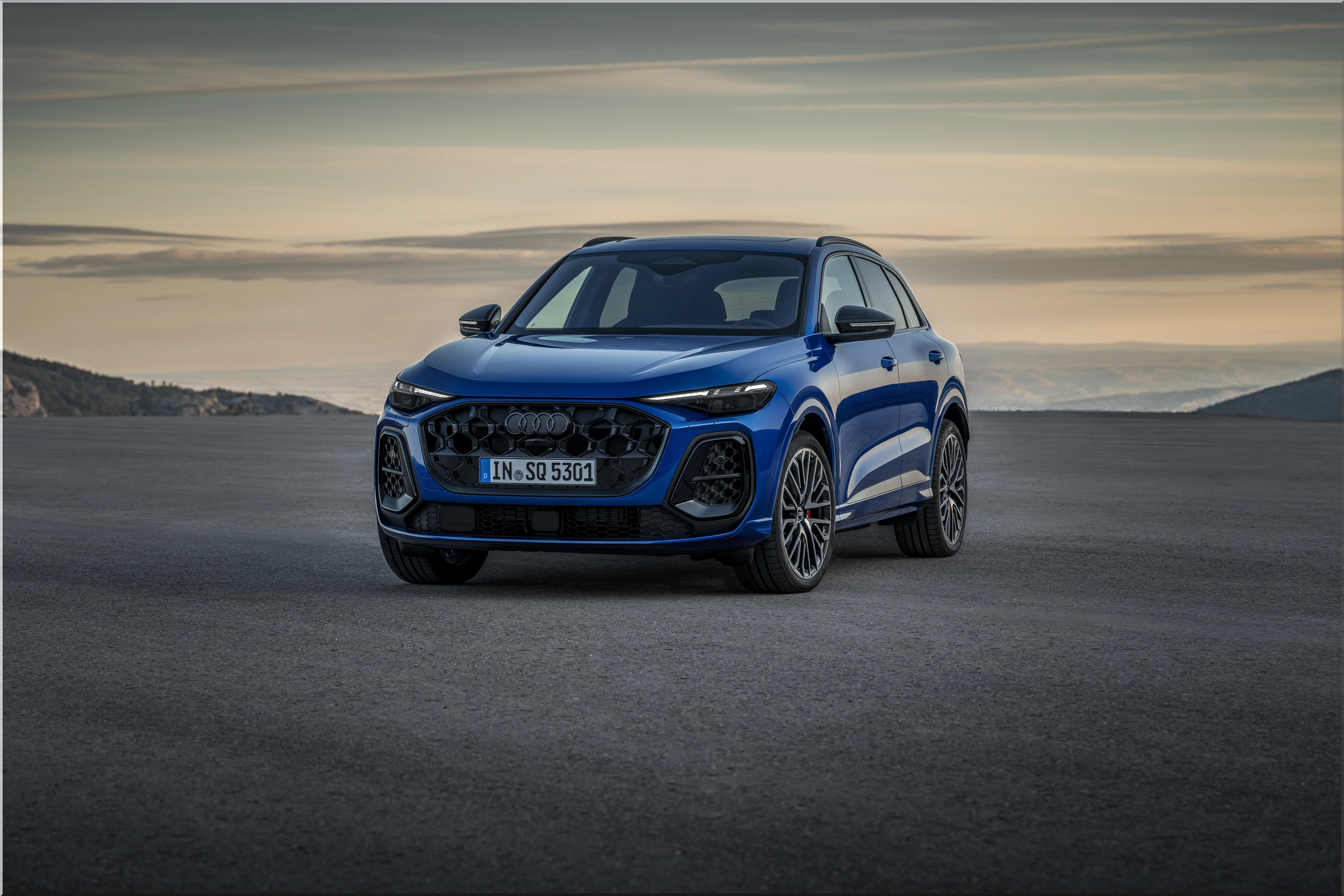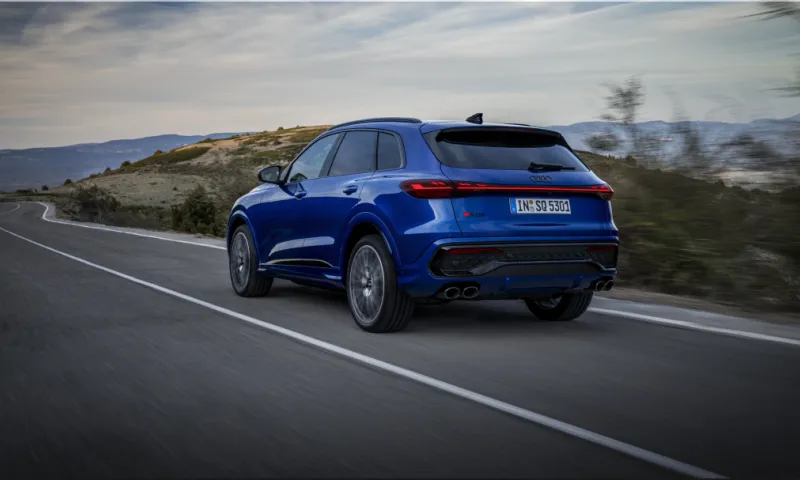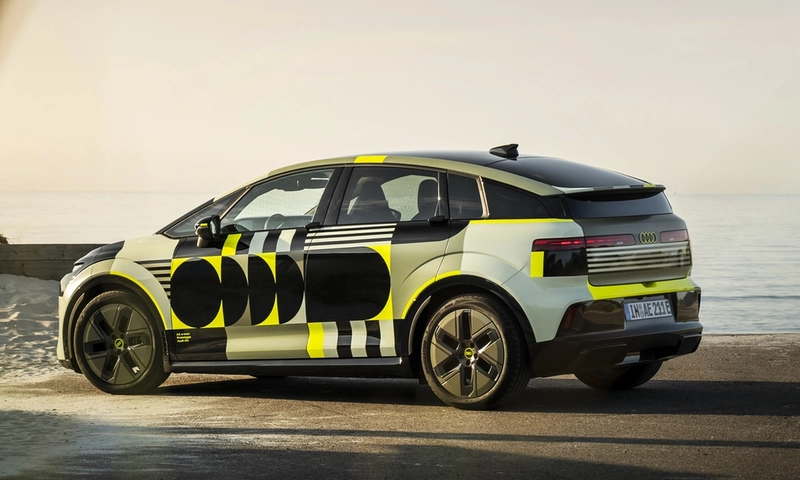
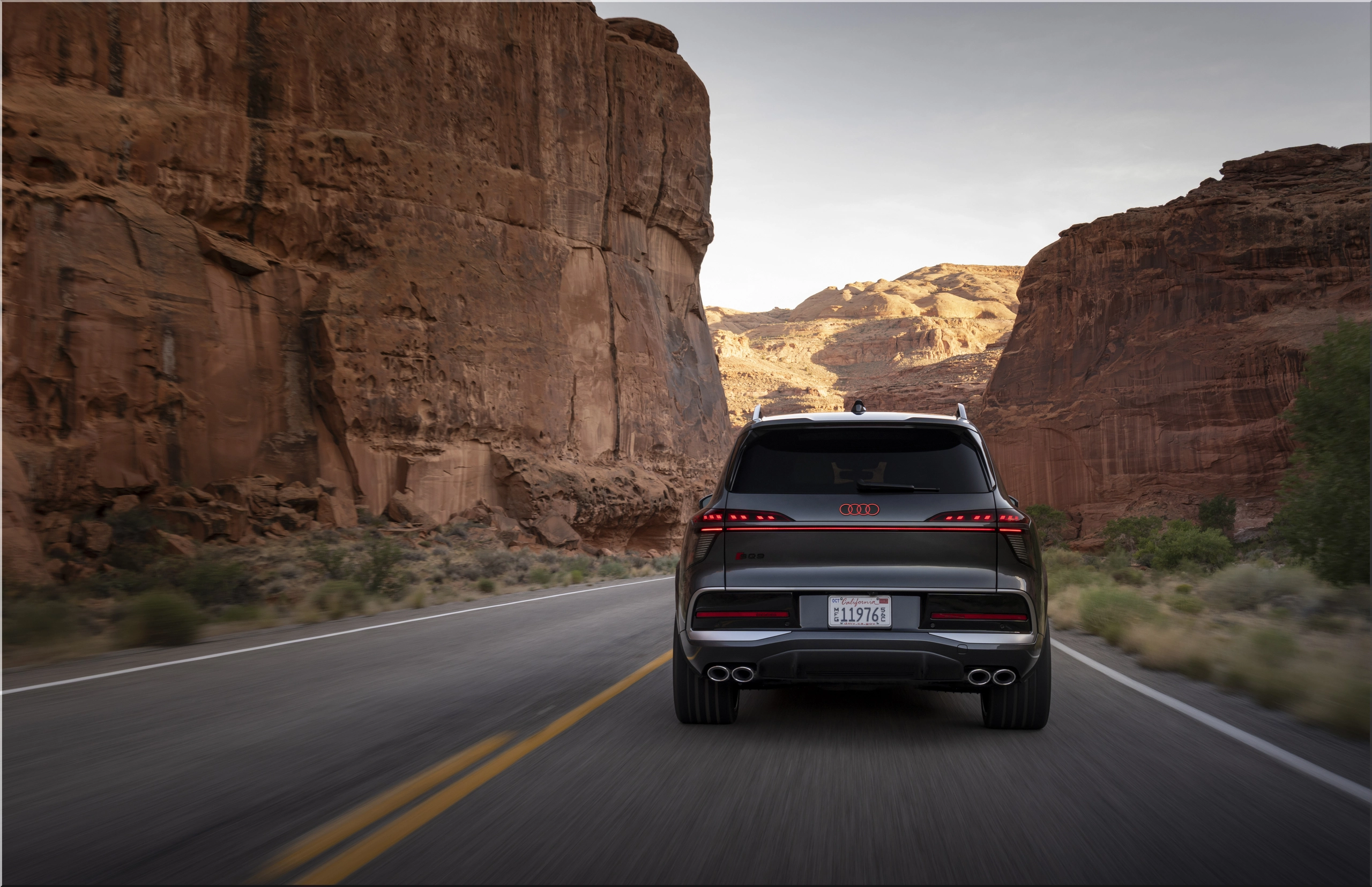
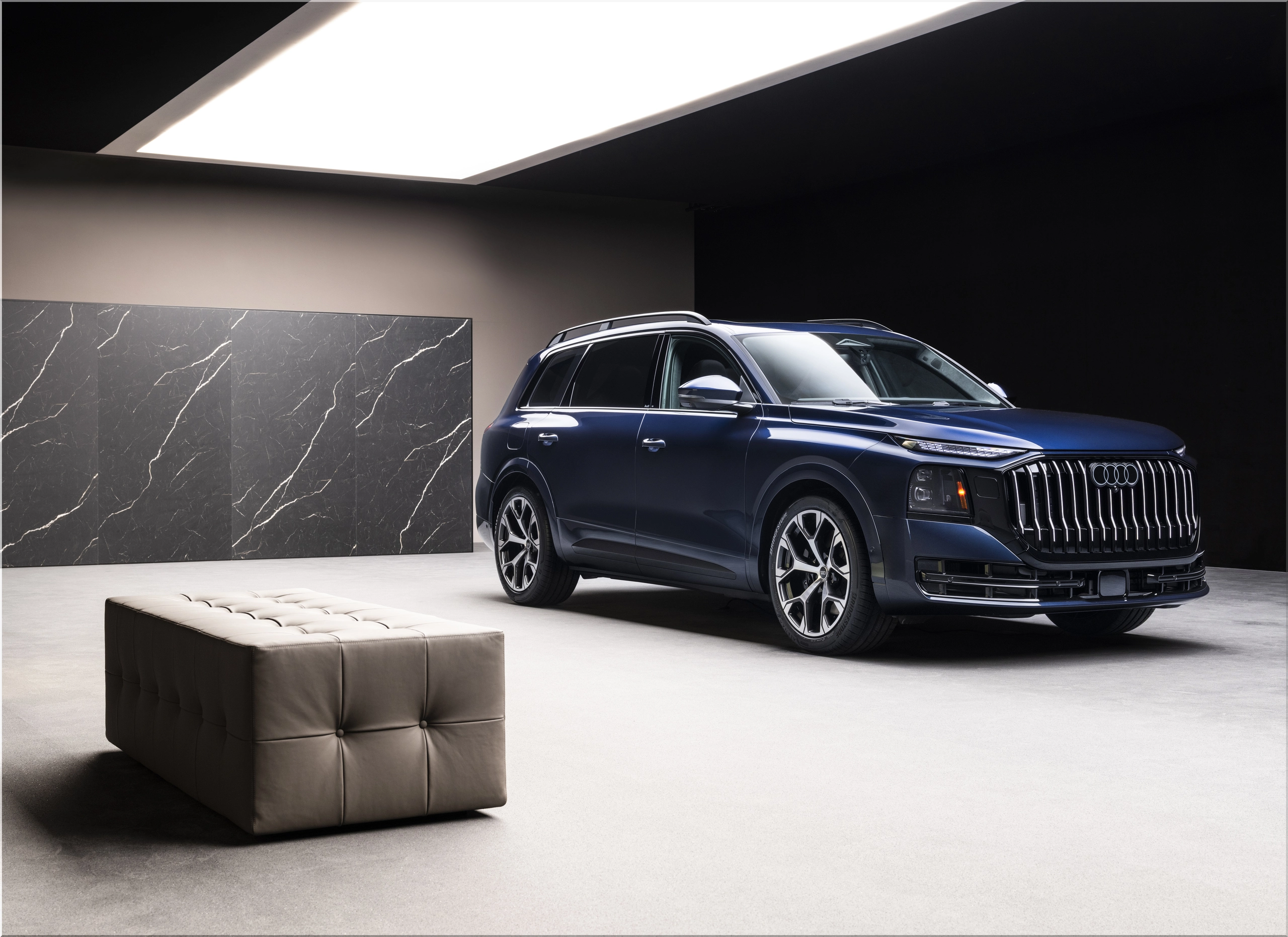
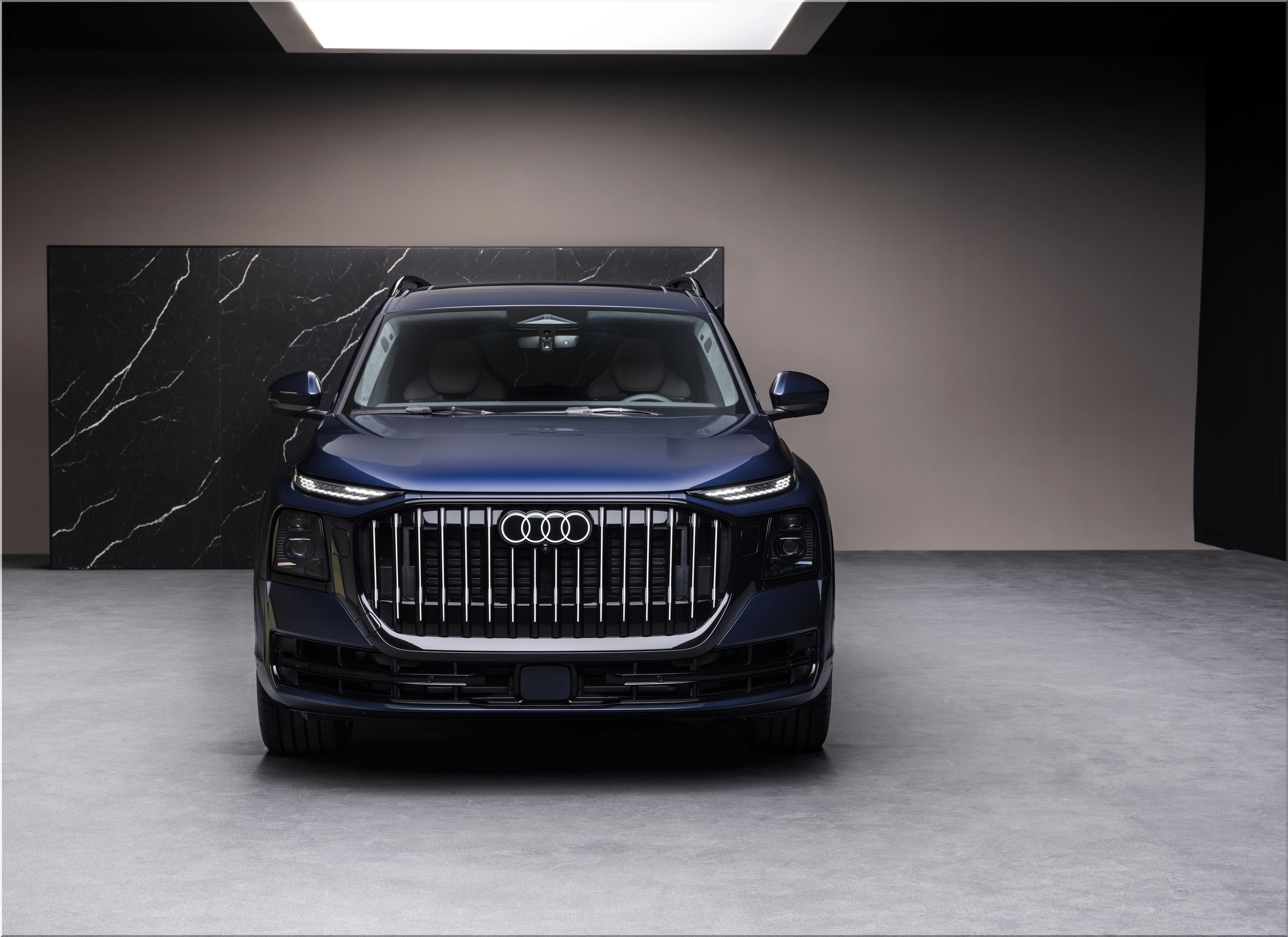
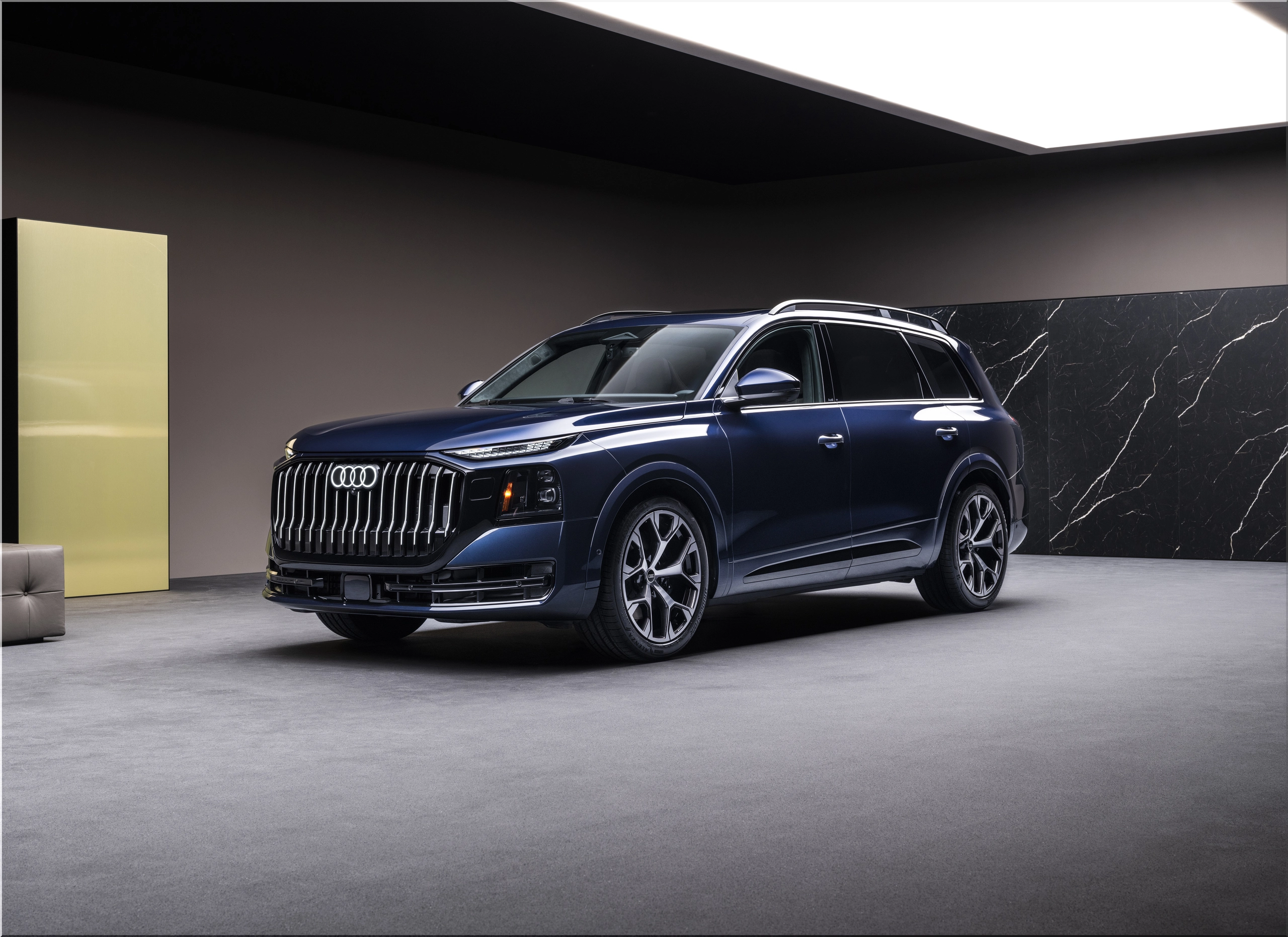
Audi has finally entered the full-size premium SUV class. The new Audi Q9 sits above the Audi Q7 and Q8 with three adult-capable rows, standard air suspension, permanent quattro drive, and a €108,400 German launch price. European deliveries start in November 2026, while North America receives a 2027 model.
Image
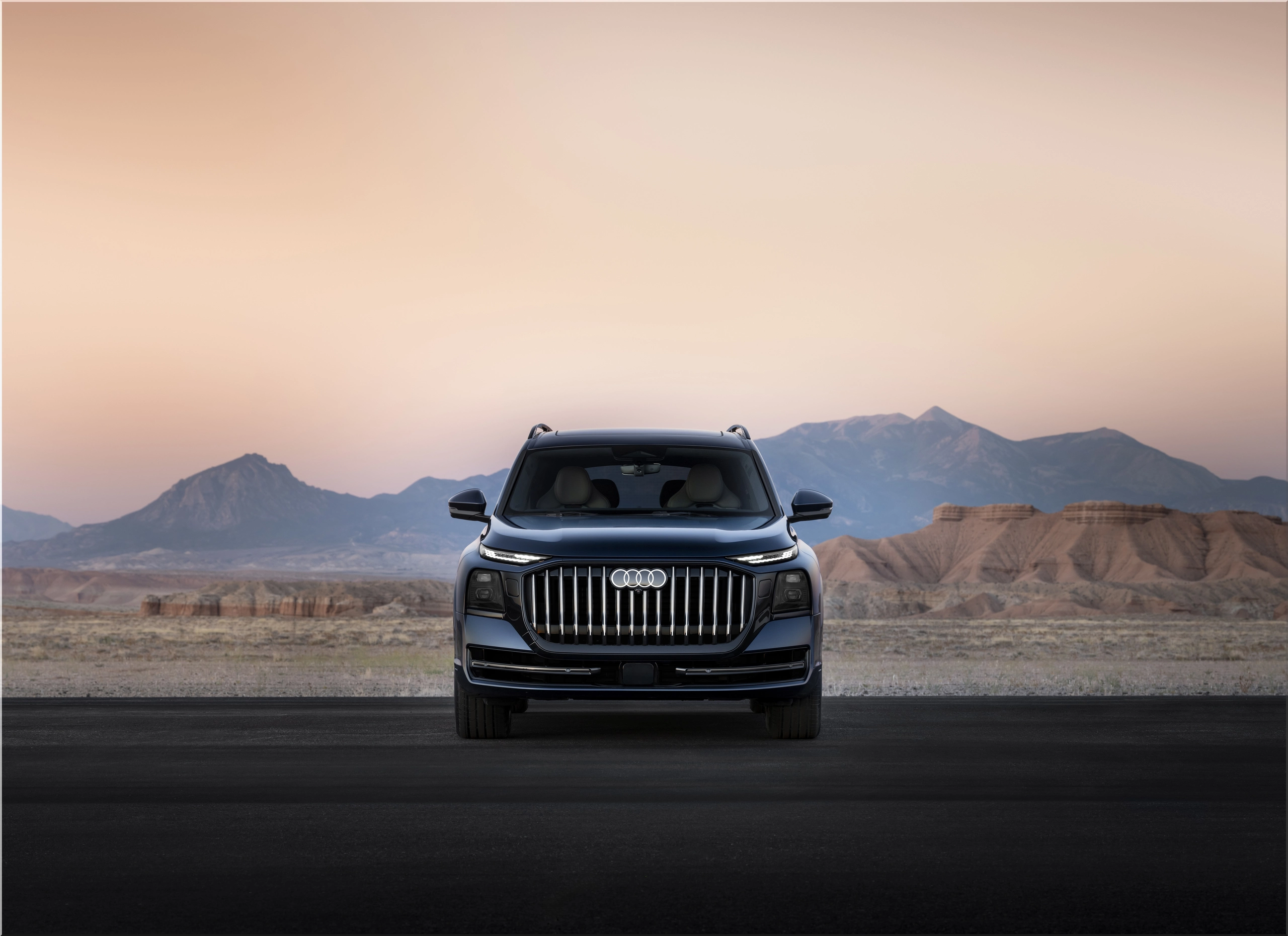
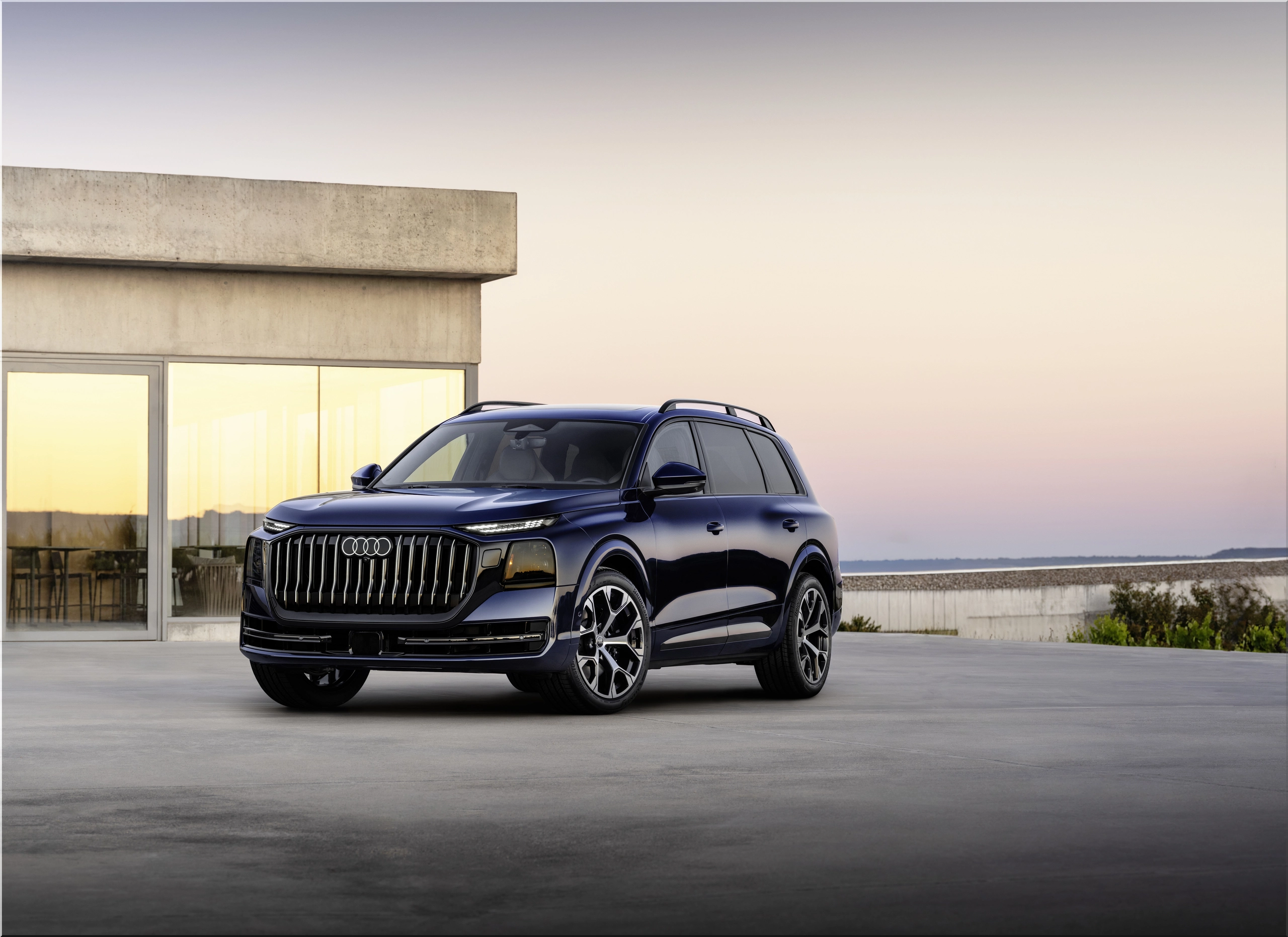
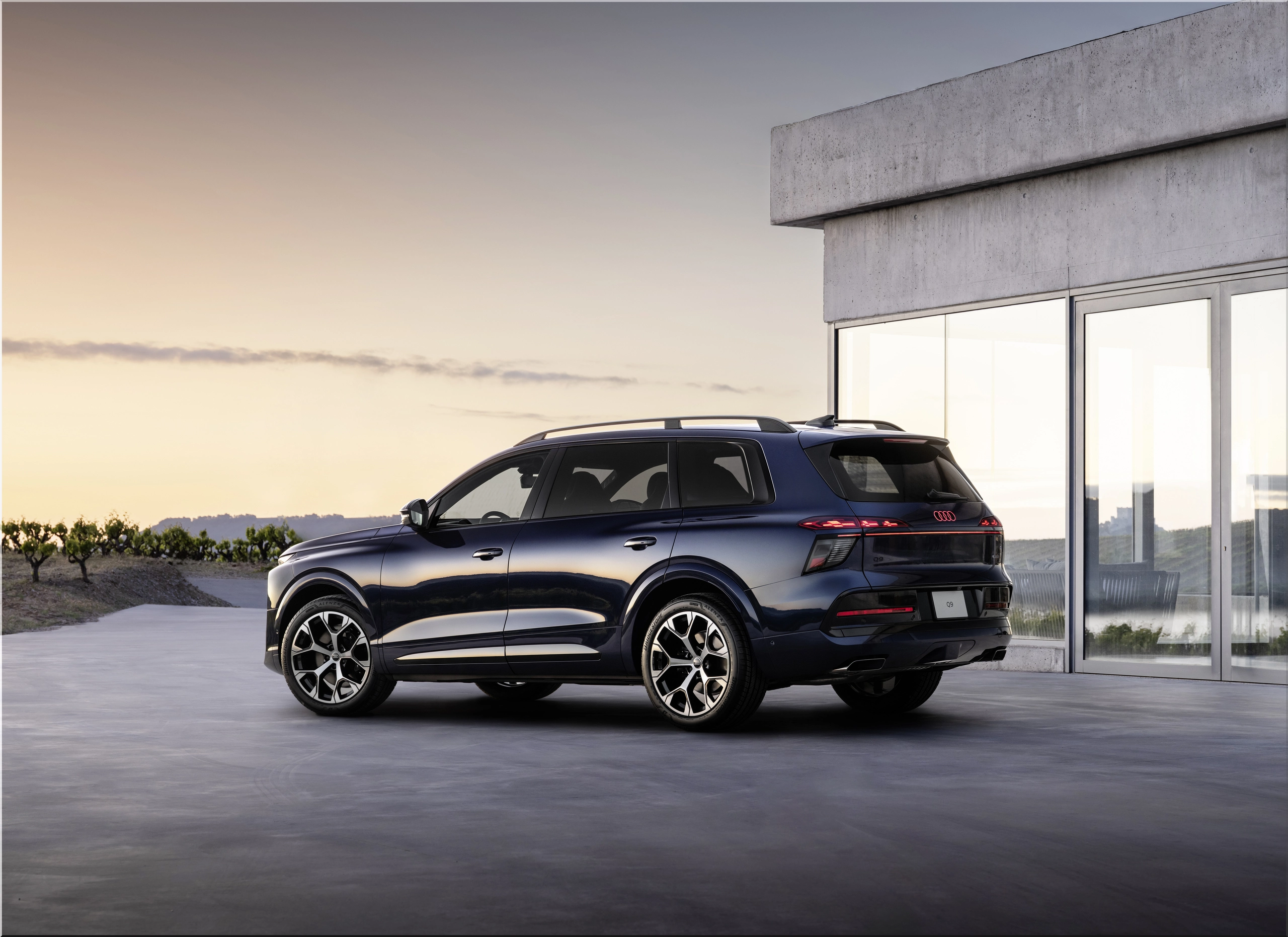
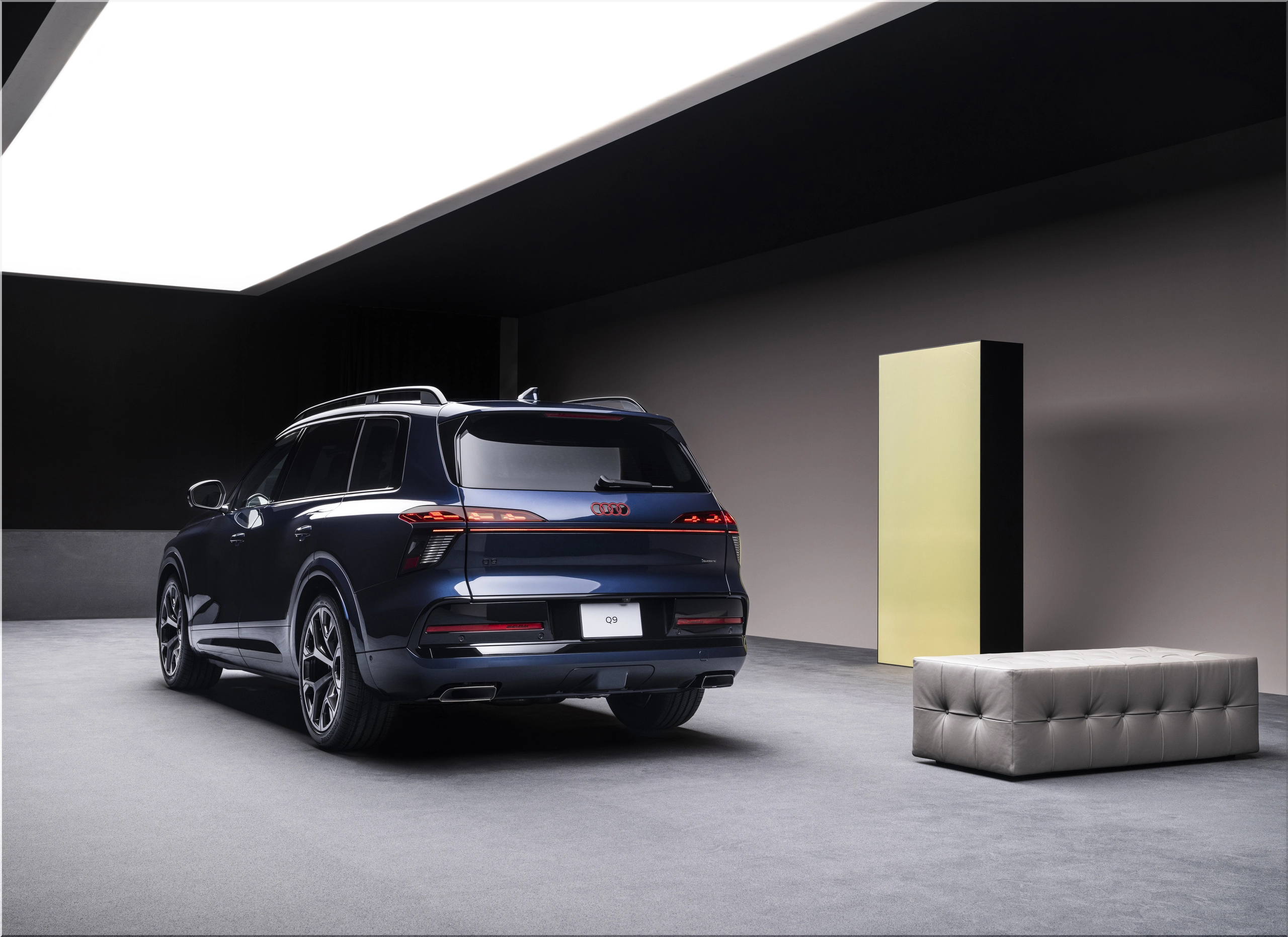
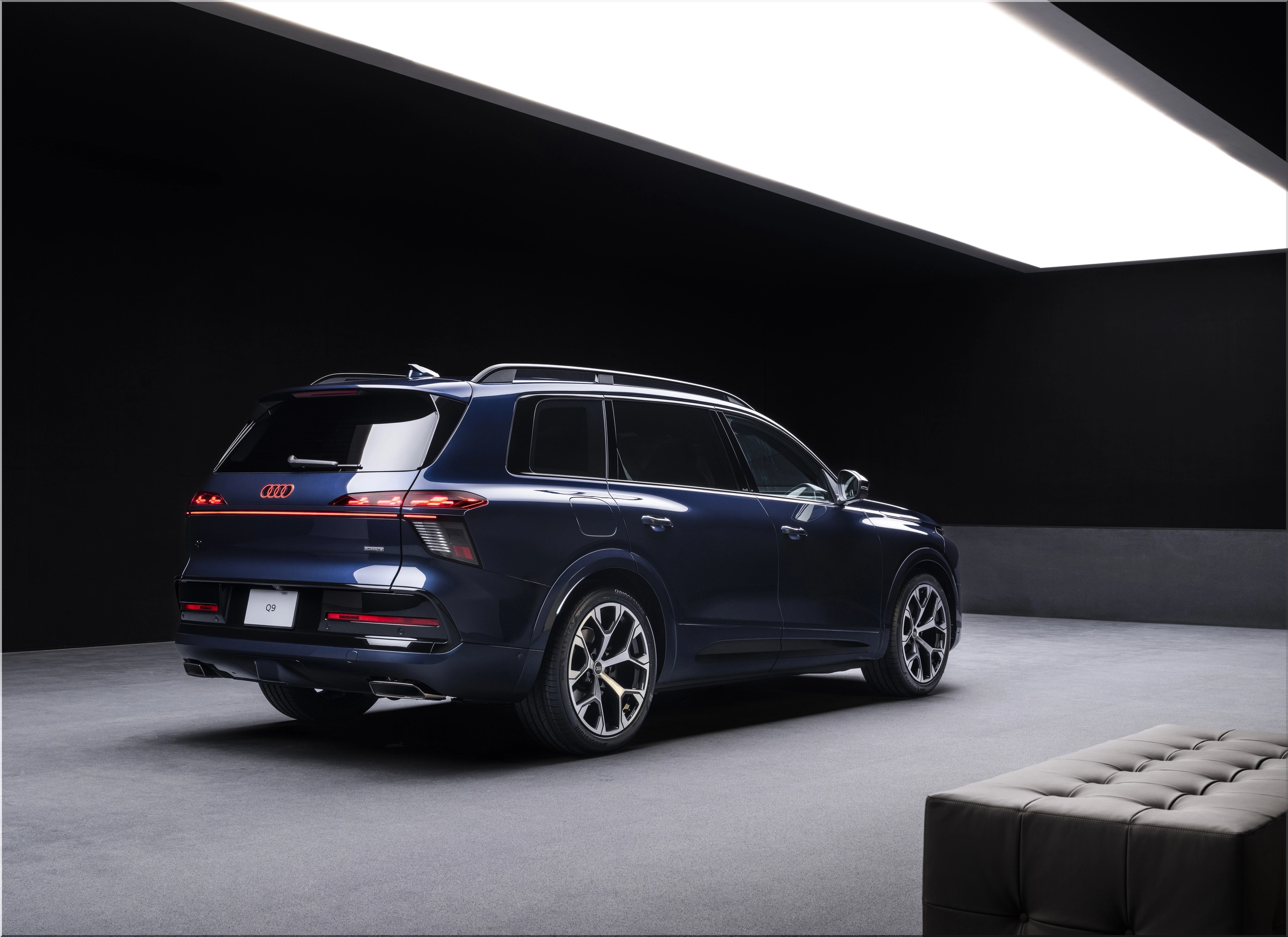
At 5,307 mm long, the Audi Q9 SUV exceeds the BMW X7 and Mercedes-Benz GLS. Buyers can select seven seats with a three-place second row or six seats with two electric middle-row chairs.
Key Takeaway
The Q9 pairs a 3,138-3,141 mm wheelbase with 2,308 litres of maximum luggage capacity, 3,500 kg towing, and a 299 PS V6 diesel that returns 7.4-8.0 litres/100 km WLTP.
Audi Q9 Dimensions Put It in the Full-Size Class
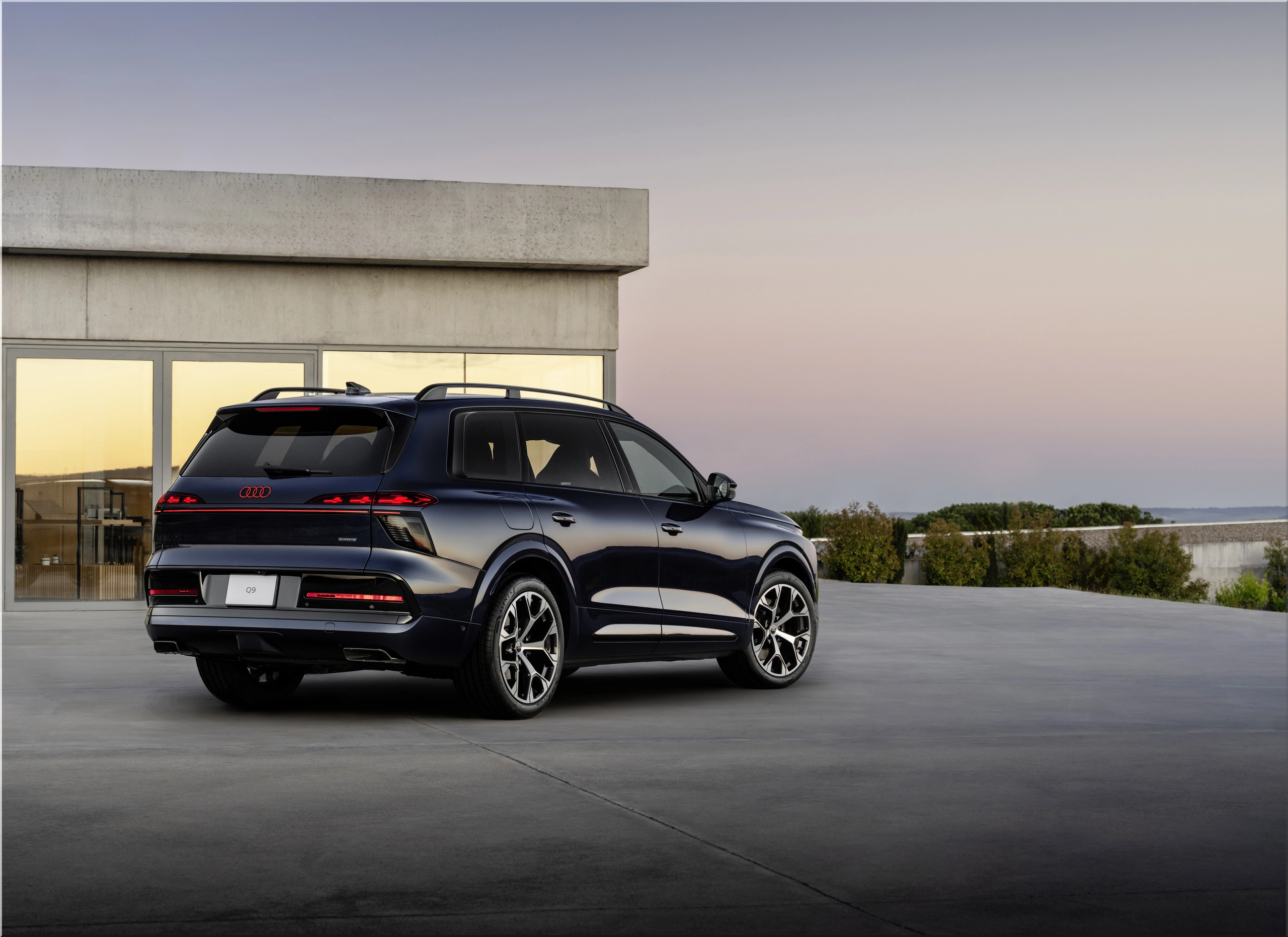
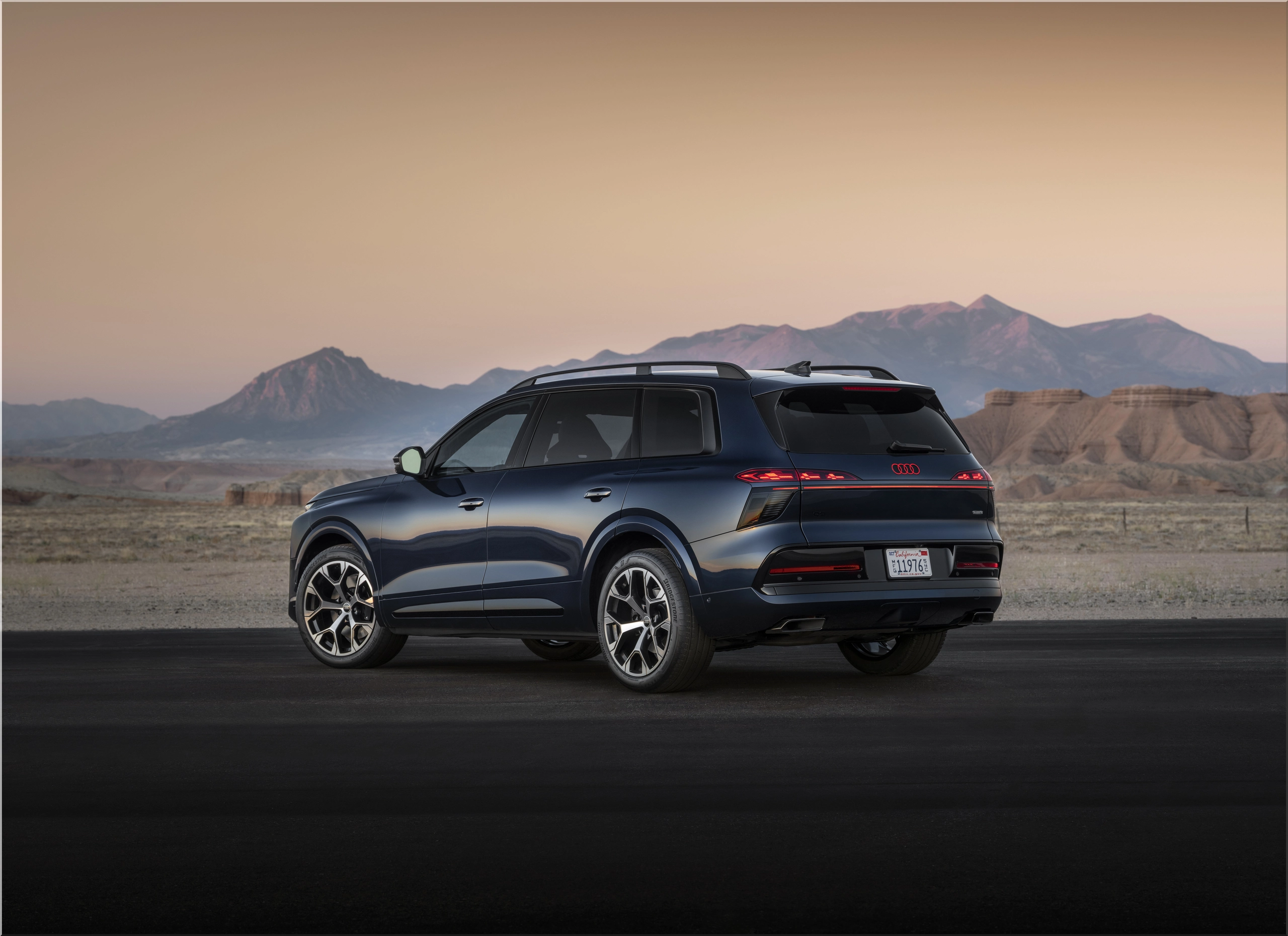
The Audi Q9 dimensions reveal its packaging strategy. Audi uses a 3,138-3,141 mm wheelbase and long rear overhang to create third-row space. The body measures 2,010 mm without mirrors and 2,205 mm with them, so narrow European garages require planning.
| Measurement | Audi Q9 figure | Imperial equivalent |
|---|---|---|
| Length | 5,307 mm | 208.9 in |
| Width without mirrors | 2,010 mm | 79.1 in |
| Width with mirrors | 2,205 mm | 86.8 in |
| Height, equipment dependent | 1,768-1,806 mm | 69.6-71.1 in |
| Wheelbase under load | 3,138-3,141 mm | 123.5-123.7 in |
| Front/rear track | 1,686/1,713 mm | 66.4/67.4 in |
| Turning circle | 13.3 m | 43.6 ft |
| Front/rear overhang angle | 18.7/21.7 degrees | - |
| Ramp angle | 20 degrees | - |
| Loading-edge height | 780-801 mm | 30.7-31.5 in |
| Drag coefficient/frontal area | 0.30/3.00 m2 | 32.3 sq ft |
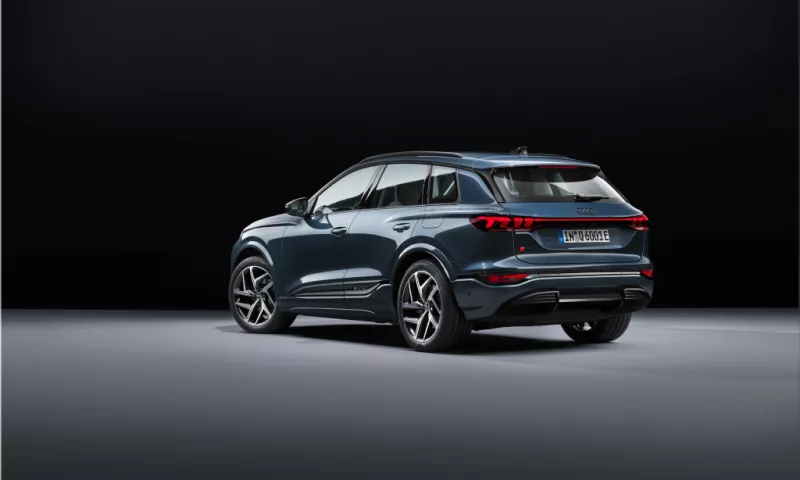
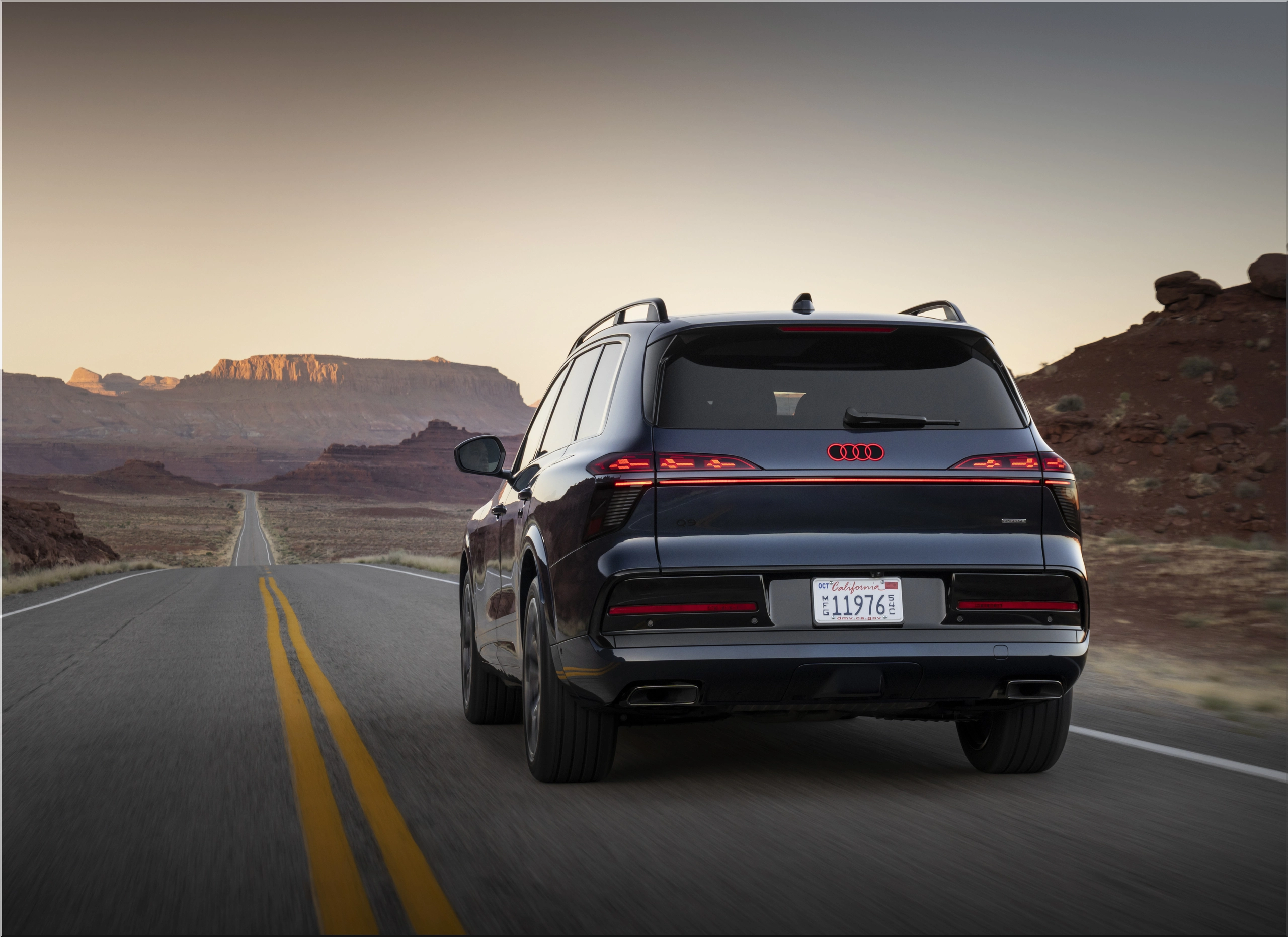
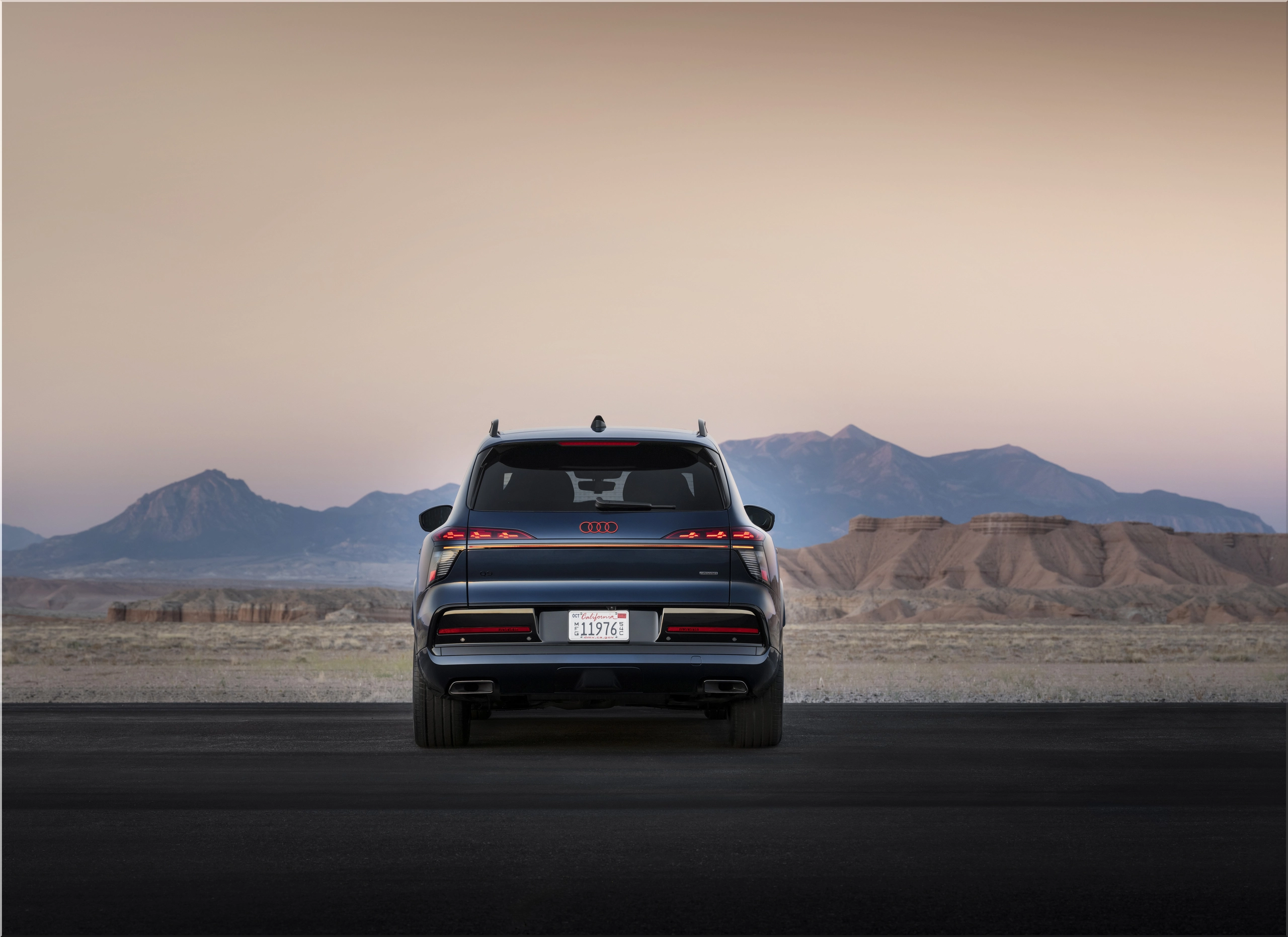
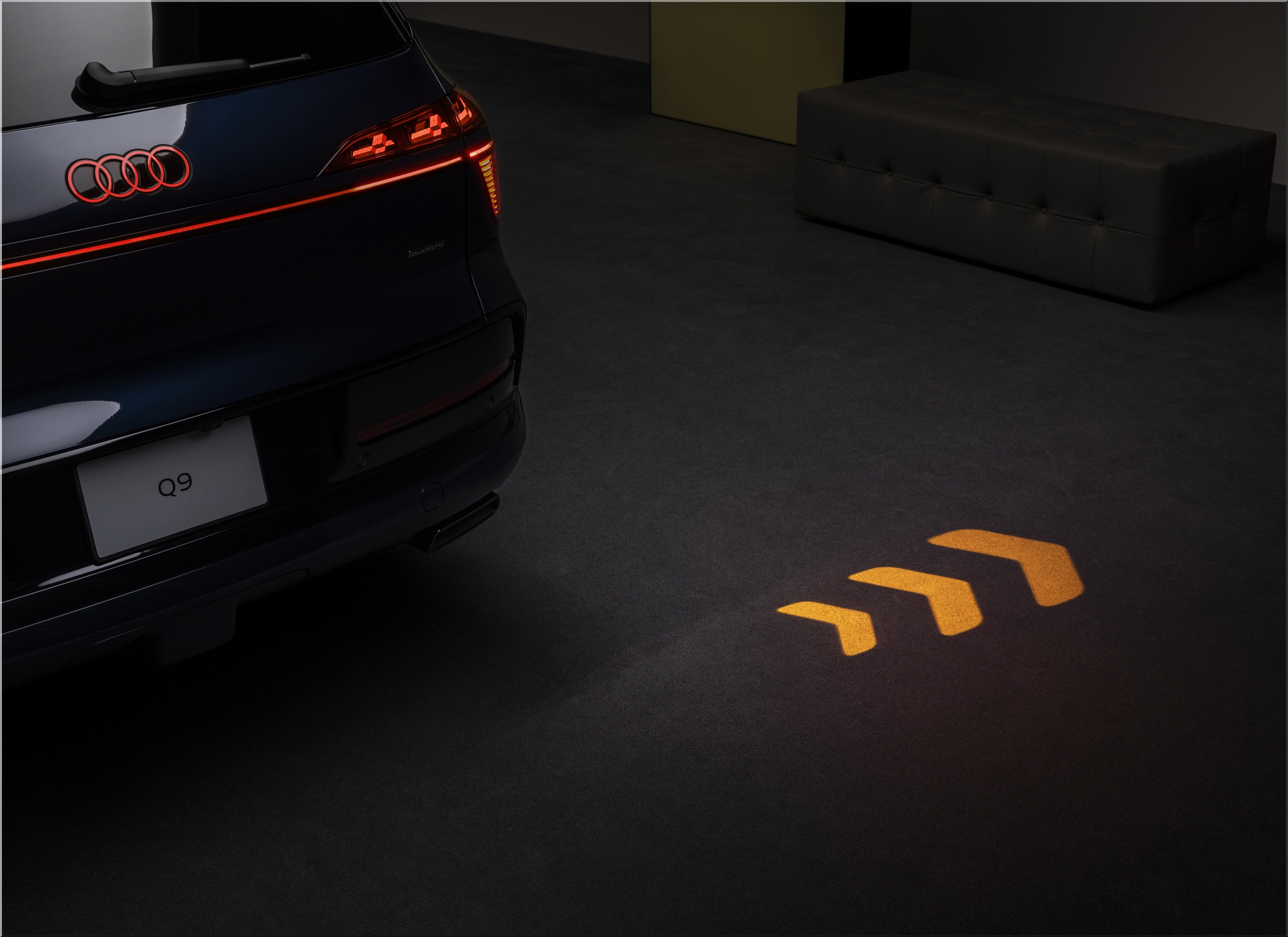
At the rear, six curved digital OLED panels carry 512 controllable segments. The outer, centre, and inner panels use 99, 84, and 73 segments per side. Audi bends 0.1 mm glass around the body for wider side visibility, while advanced indicators project turn graphics onto the road at night.
Video file
Video title
2027 Audi Q9 SUV
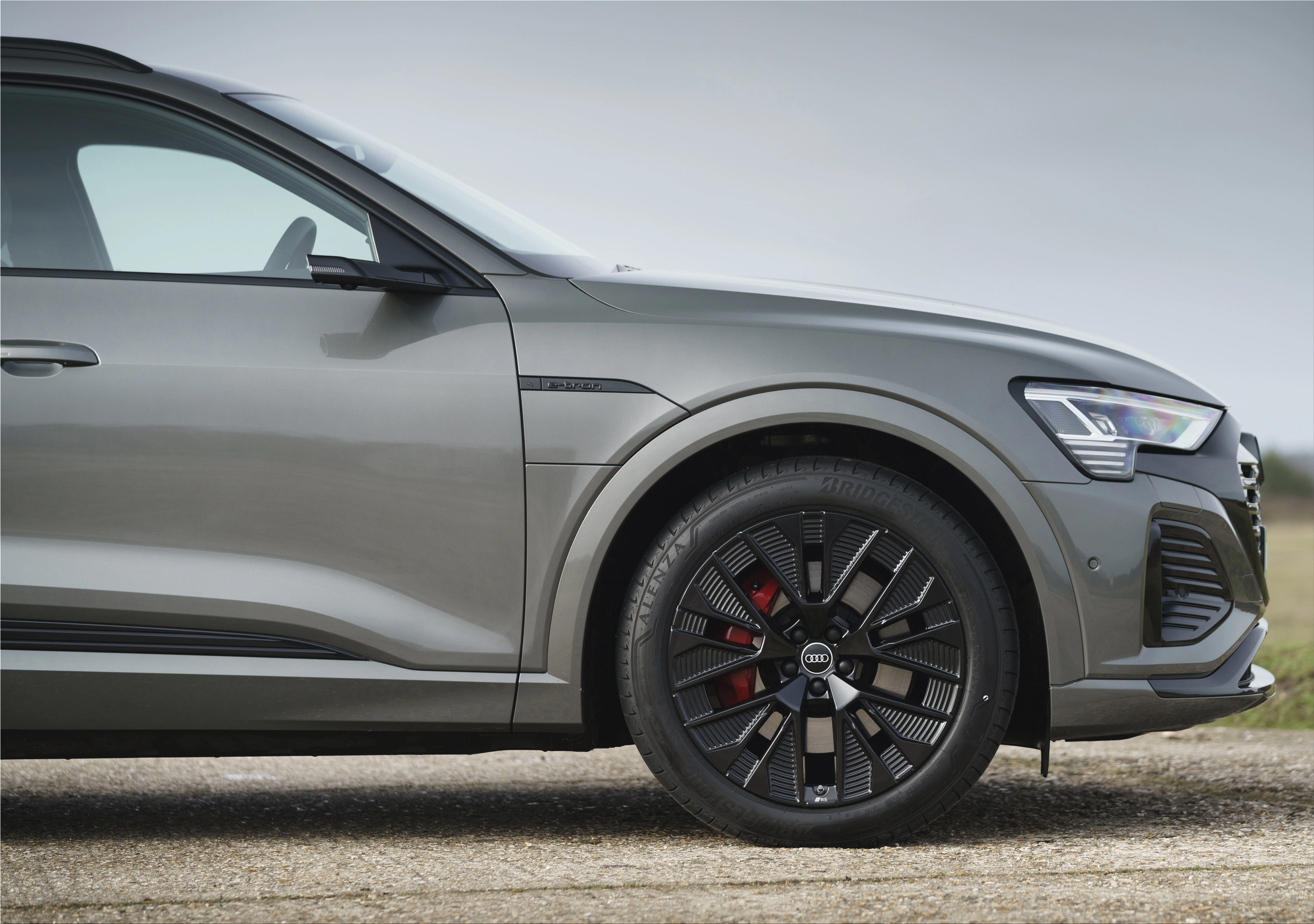
Looking at the data, the 18.7-degree front angle limits serious trail use. This 2,530 kg SUV targets motorways and towing. Audi offers 20- to 23-inch wheels; the two largest sizes gain acoustic foam to cut noise.
Pro-Tip: Check the Garage Before Ordering
Measure the entrance, not only the bay. The mirrors push width past 2.2 metres, the doors open to 90 degrees, and standard steering produces a 13.3-metre circle. Rear-wheel steering helps, but the Q9 remains 5.3 metres long.
Seven Seats, Automatic Doors, and a Flexible Boot
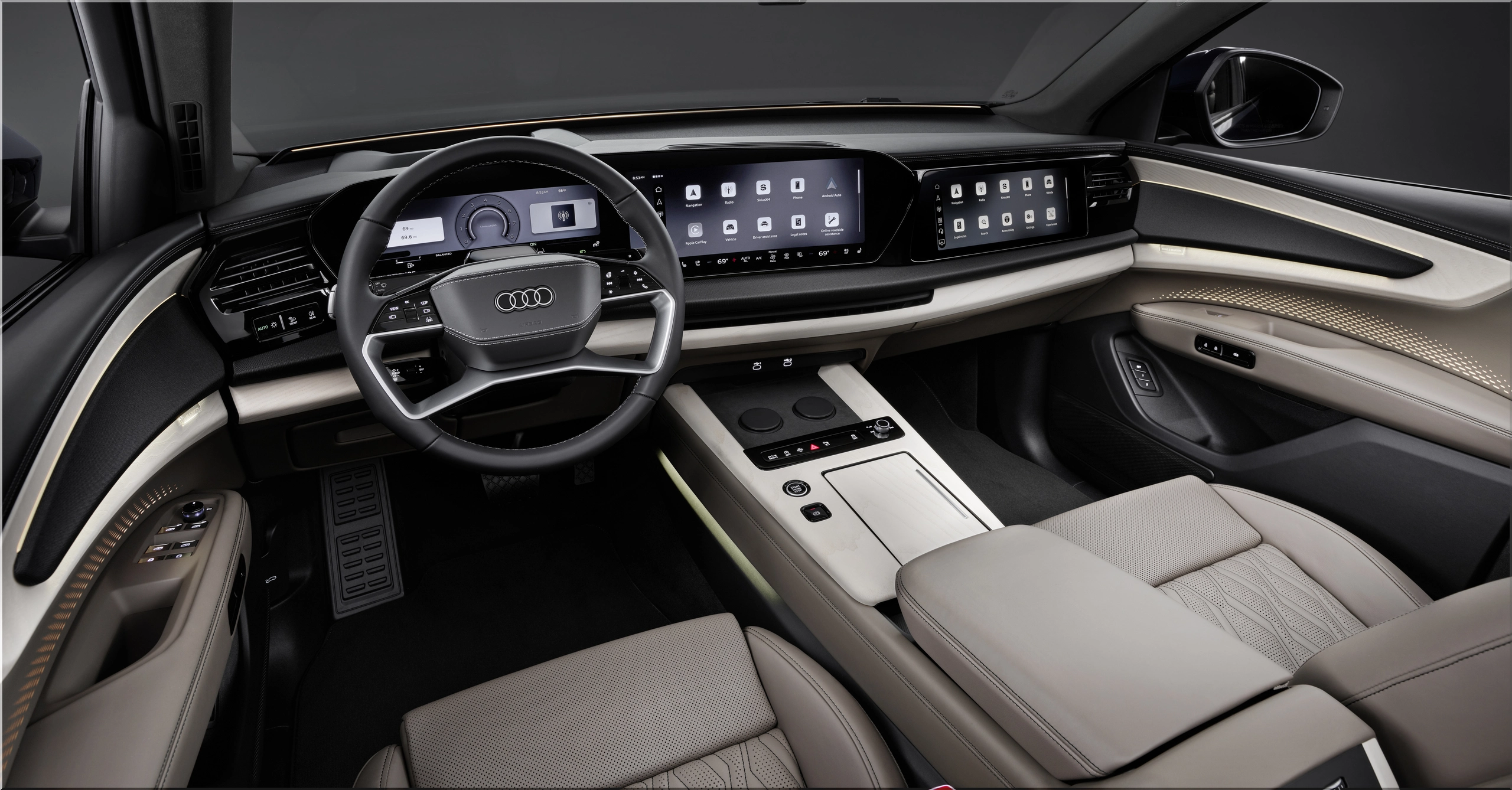
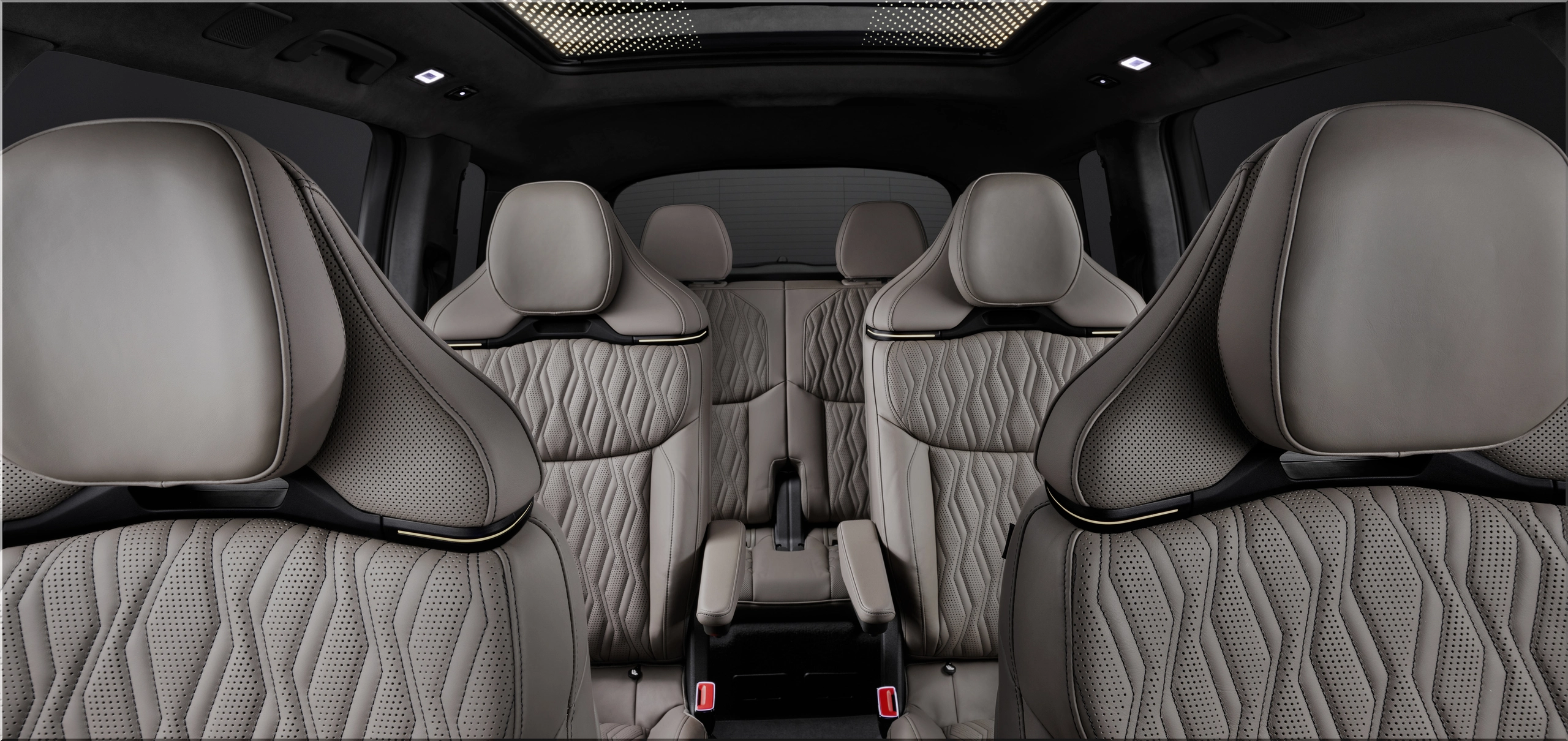
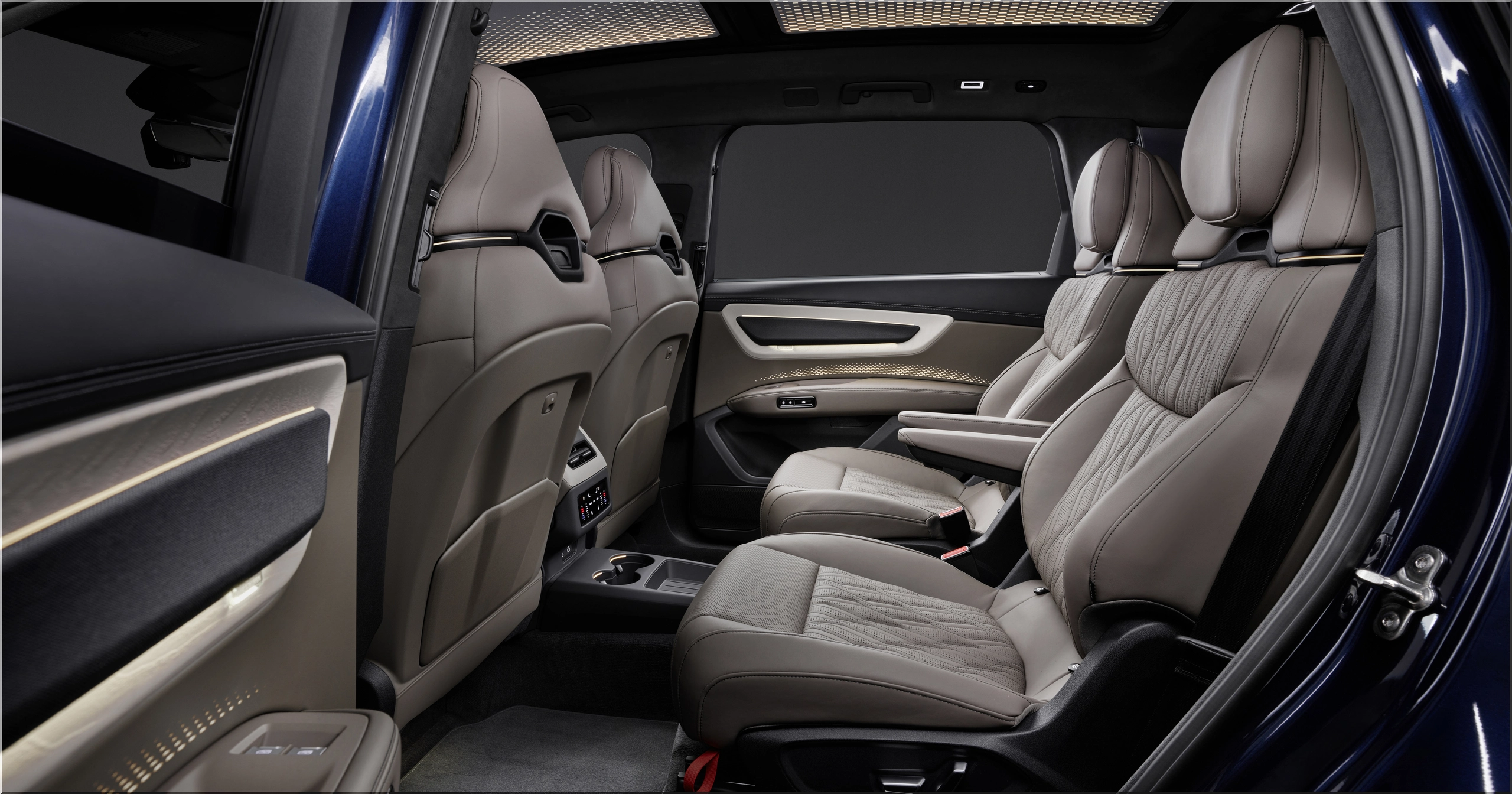
The Audi Q9 interior carries seven people as standard. Every second-row position gains Isofix points, a 35/30/35 split, and electric fore-aft adjustment. An outer seat slides and tilts without forcing parents to remove an installed child seat.
The six-seat cabin replaces the bench with two individual electric chairs. Buyers can add heating throughout, front ventilation and massage, heated armrests, and five-zone climate control.
Boot volume reaches 280 litres with all rows raised, 700-850 litres behind row two, and 2,308 litres behind the front seats. Aluminium rails and adjustable anchors secure loads; the luggage cover stores below the floor.
Audi adds several practical details:
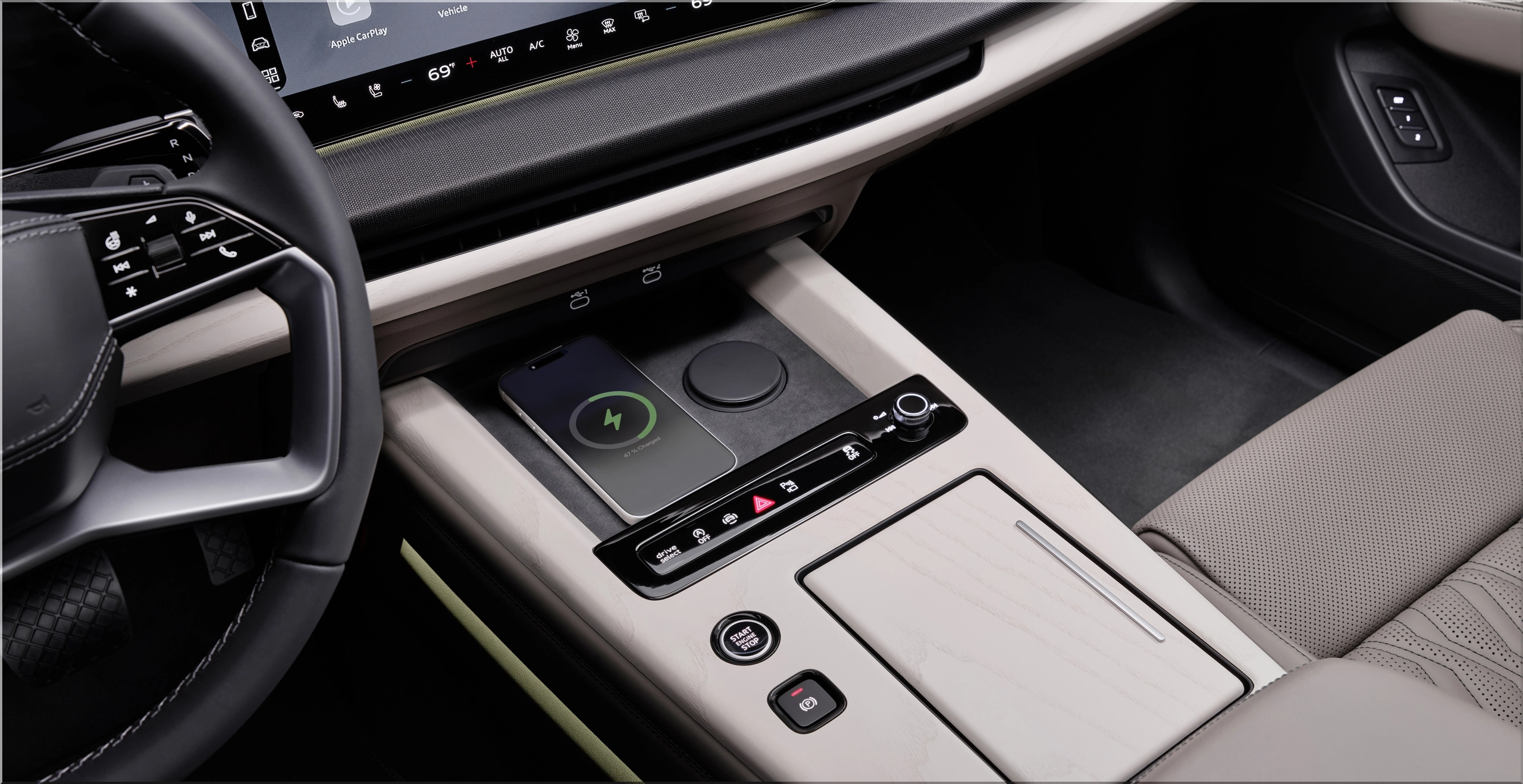
- Two Qi2.2 wireless charging areas deliver up to 25 watts each.
- USB-C ports supply 60 watts in front, up to 100 watts in row two, and 45 watts in row three.
- Automatic doors use obstacle detection, soft-close motors, and remote app control.
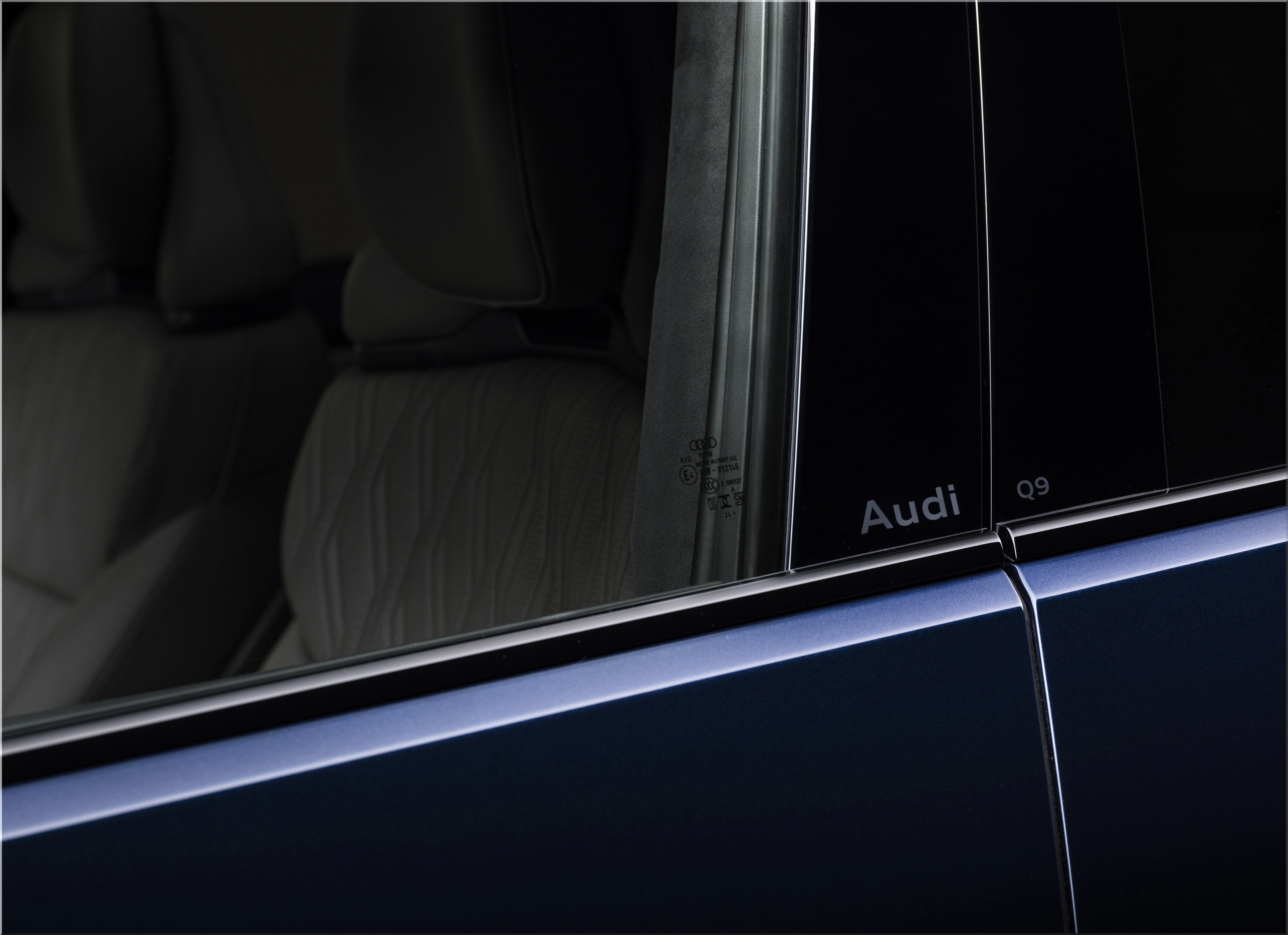
- The standard panoramic roof covers over 1.5 m2, filters over 99.5 percent of ultraviolet radiation, and opens or tilts.
- A later top specification adds nine switchable glass zones and 84 LEDs with 30 roof-light colours.
Image
European TDI and North American Petrol Engines
Audi launches two distinct regional strategies. Europe receives a 2,967 cc Audi Q9 TDI with 48-volt MHEV plus assistance, while North America receives a much faster 2.9-litre twin-turbo petrol V6. Selected markets also gain the Audi SQ9 and its 4.0-litre twin-turbo V8.
| Version | Output | Torque and delivery | Performance | Efficiency | Price |
|---|---|---|---|---|---|
| Q9 3.0 TDI, Germany | 220 kW/299 PS at 3,500-3,750 rpm | 630 Nm at 1,750-3,000 rpm | 0-100 km/h in 6.5 sec; 240 km/h | 7.4-8.0 l/100 km; 194-209 g/km | From €108,400 |
| Q9 3.0 TDI, selected Europe | 180 kW/245 PS | 500 Nm | Market data pending | 7.3-7.9 l/100 km | From €116,900 in Italy |
| Q9 2.9 TFSI, North America | 429 hp at 5,500-6,800 rpm | 599 Nm at 2,000-4,500 rpm | 0-97 km/h in 4.9 sec | Official economy pending | About €76,360 before delivery and tax |
| SQ9 4.0 TFSI, selected markets | 441 kW/591 hp | 800 Nm | 0-100 km/h in 4.0 sec | Official economy pending | About €102,740 before delivery and tax |
The European diesel uses an 83.0 mm bore, 91.4 mm stroke, and 17.3:1 compression ratio. Common-rail injection, a particulate filter, exhaust-gas recirculation, and SCR deliver Euro 6e-bis certification. Its 80-litre tank implies roughly 1,000-1,081 km at the WLTP rate before reserve; real conditions reduce that figure.
Why Audi Uses MHEV Plus and a Torque-Converter Automatic
The 1.7 kWh lithium-iron-phosphate battery powers a transmission generator that contributes 18 kW and 370 Nm, then recovers up to 25 kW. Specifically, a 7.5 kW electric compressor creates 3.6 bar of absolute boost in 1.2 seconds, filling the response gap before the two-stage turbo reaches full pressure.
An eight-speed Tiptronic uses a torque converter and lock-up clutch. A 5.000:1 first gear supports smooth launches and towing; a 0.640:1 eighth gear cuts motorway revs. The converter multiplies low-speed torque, while the clutch limits slip at speed.
Air Suspension, Quattro Drive, and 3,500 kg Towing
Standard adaptive air suspension combines five-link axles, variable damping, and a 90 mm ride-height range. Drivers can lower the body by 62 mm for access; the highest North American setting provides about 254 mm of clearance. Optional rear-wheel steering turns up to five degrees.
Permanent quattro all-wheel drive uses a self-locking centre differential and transfers torque mechanically as grip changes. Core chassis figures include:
- A 3,500 kg braked trailer limit on an 8 or 12 percent gradient.
- A 140 kg nose-weight limit and 100 kg roof-load limit.
- 400 mm front and 350 mm rear discs, with six-piston fixed front calipers cited in launch material.
- Seven drive settings for damping, height, steering, accelerator response, gearbox logic, and torque distribution.
Three Displays and Hands-Free Level 2 Assistance
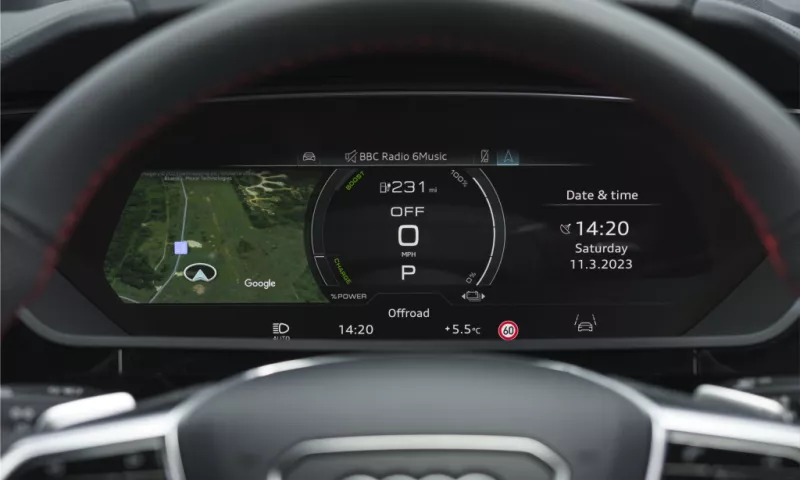
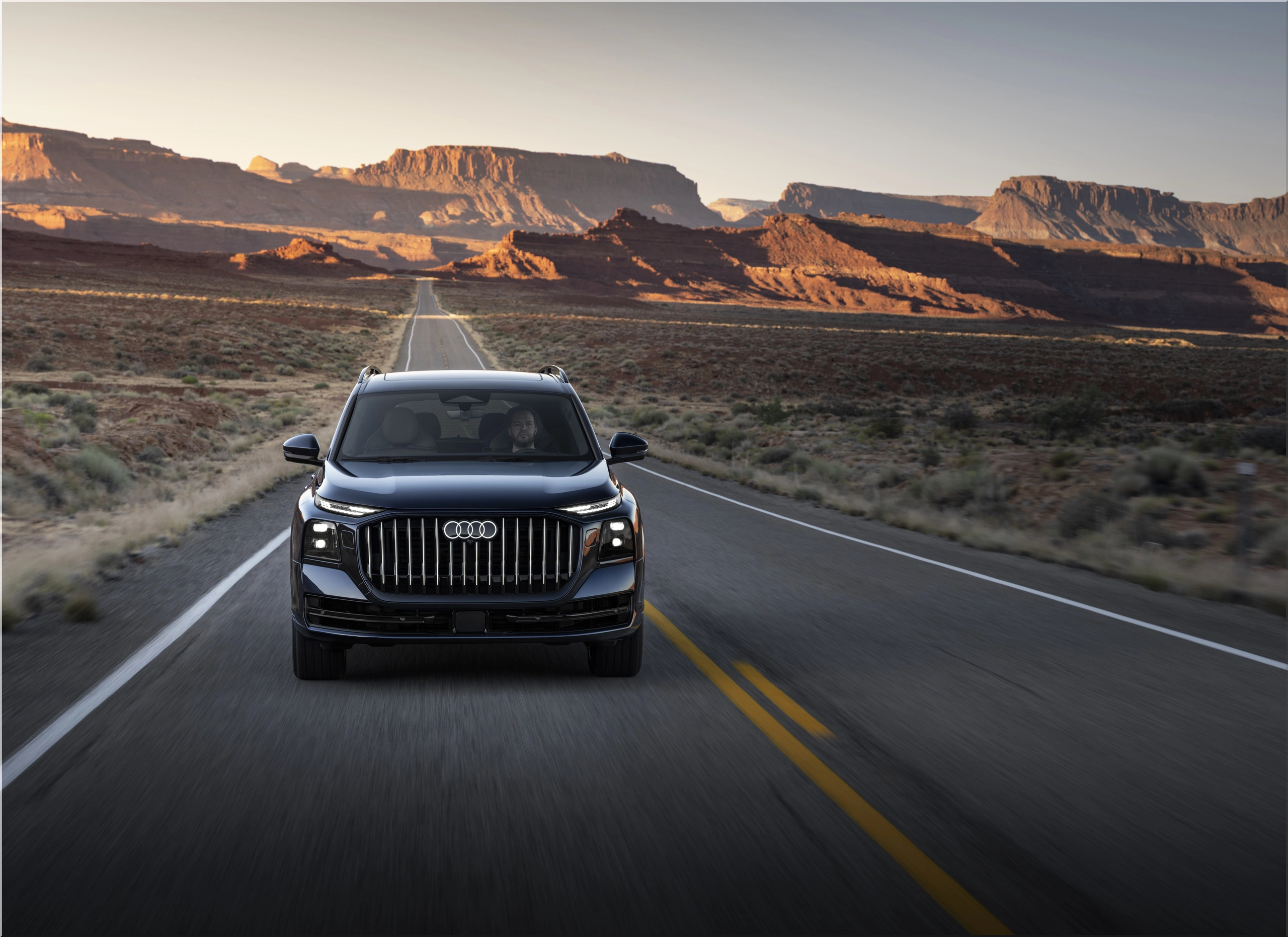
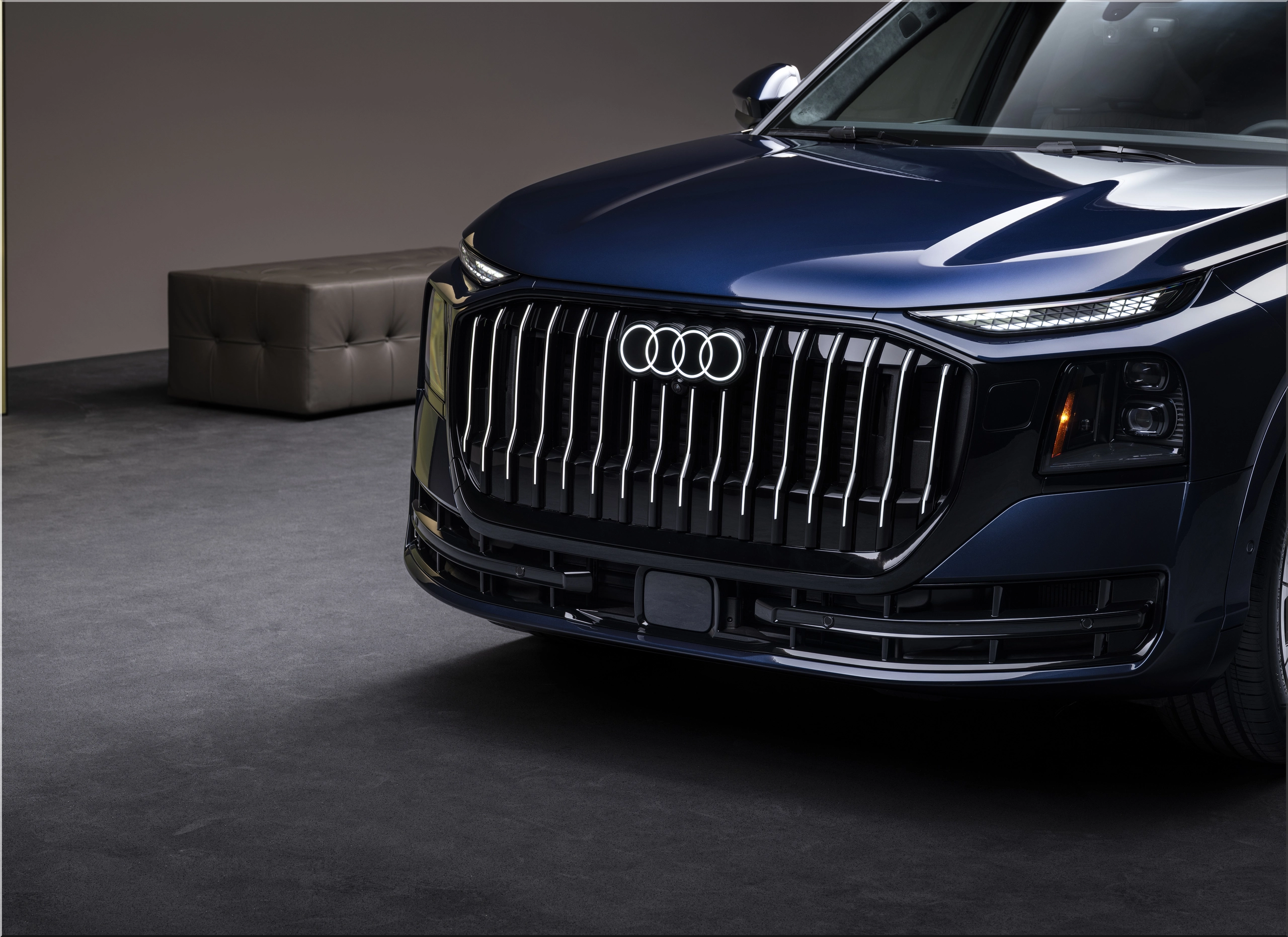
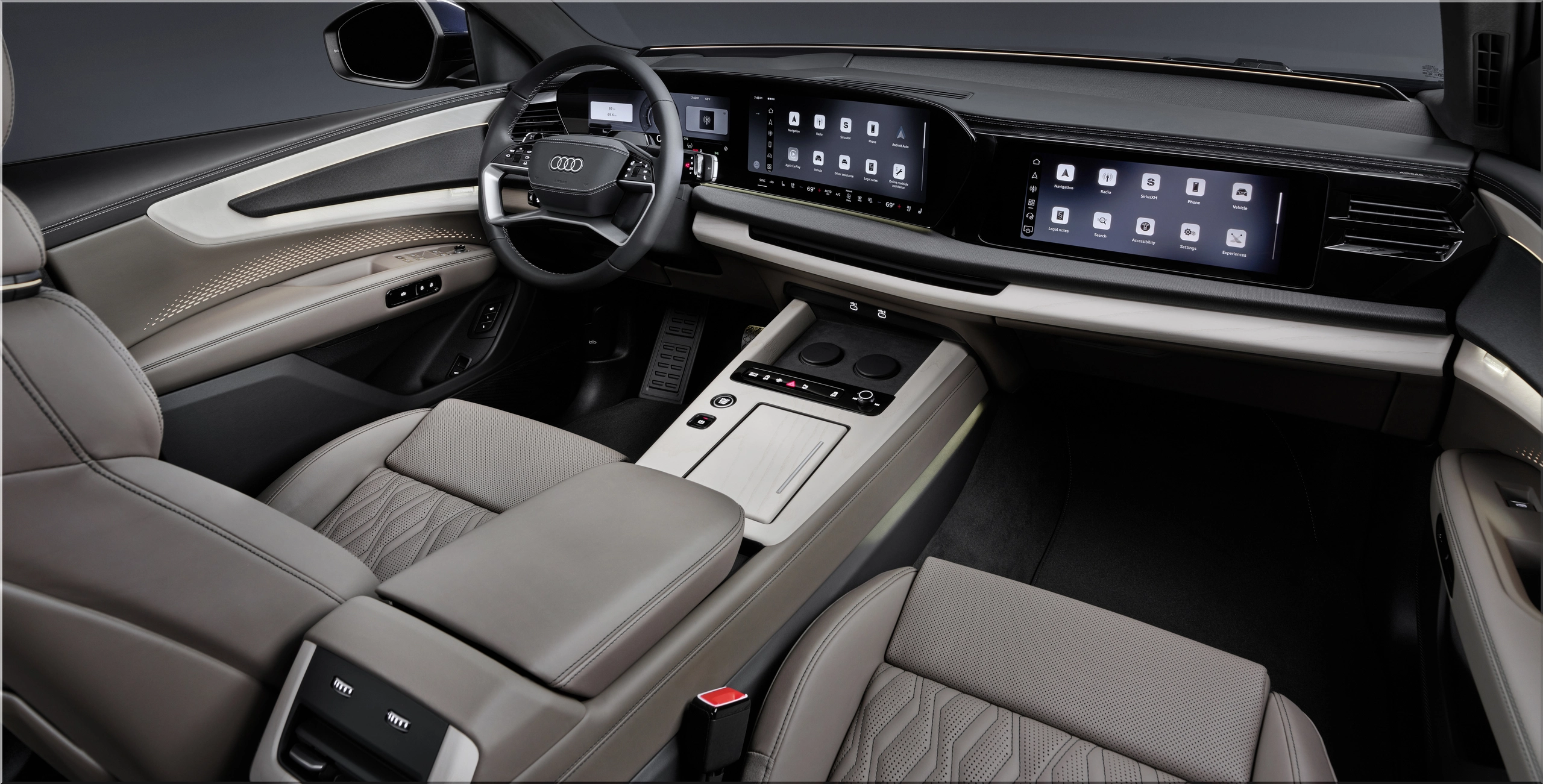
The dashboard groups a 12.3-inch driver display, 14.5-inch OLED touchscreen, and 12.3-inch passenger screen. A privacy layer blocks video from the driver's view. Android Automotive OS runs embedded apps, while Audi's assistant routes general questions to ChatGPT.
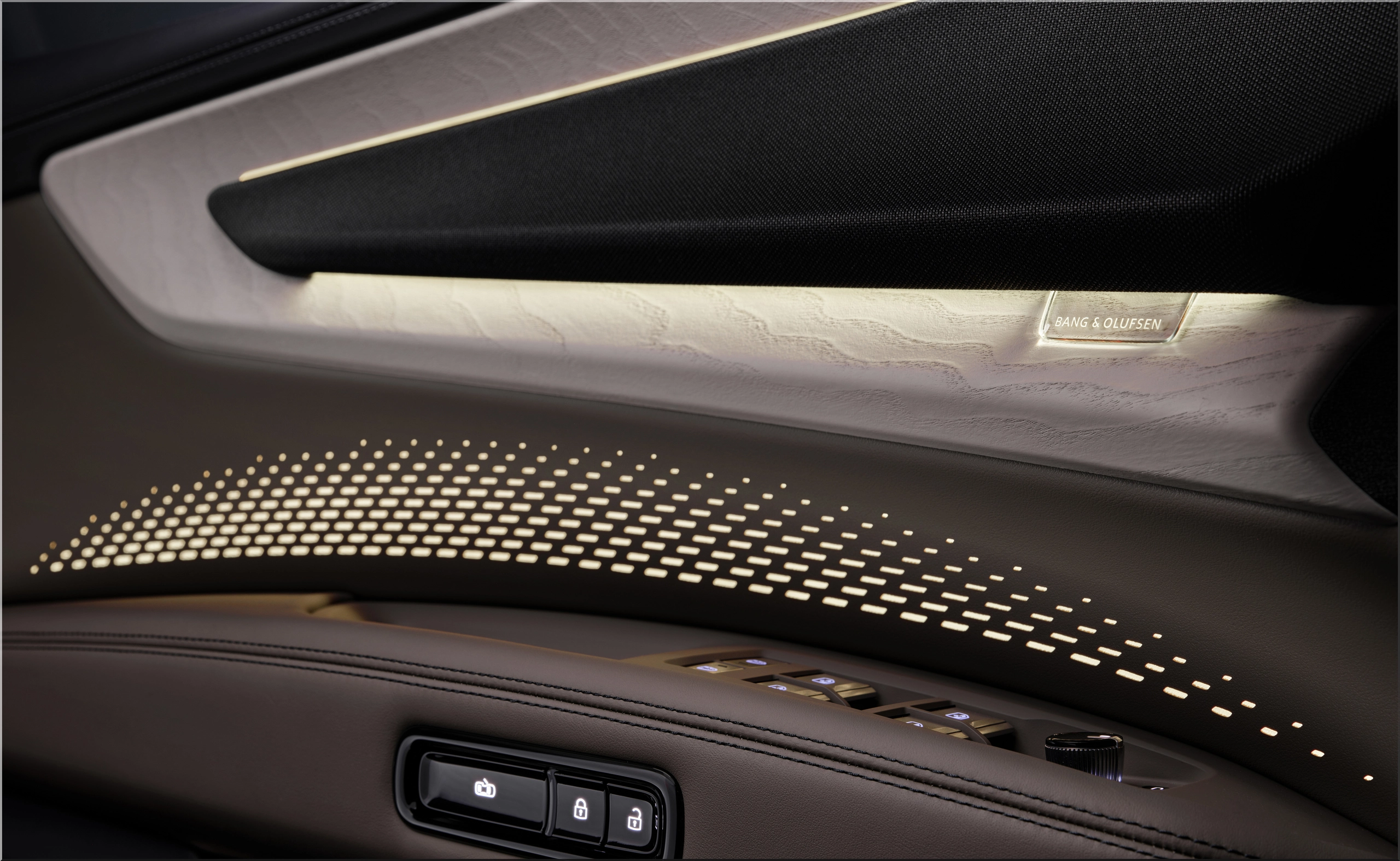
The optional Bang & Olufsen system sends 1,360 watts through 22 speakers; front-seat actuators turn bass into physical pulses.
Adaptive driving assistant plus permits hands-free operation up to 130 km/h on approved roads in Germany, the US, and Canada. SAE Level 2 rules keep the driver responsible. A camera checks attention; emergency assist can slow the Q9, move toward an empty hard shoulder, stop, and call for help.
Audi Q9 vs BMW X7 and Mercedes-Benz GLS
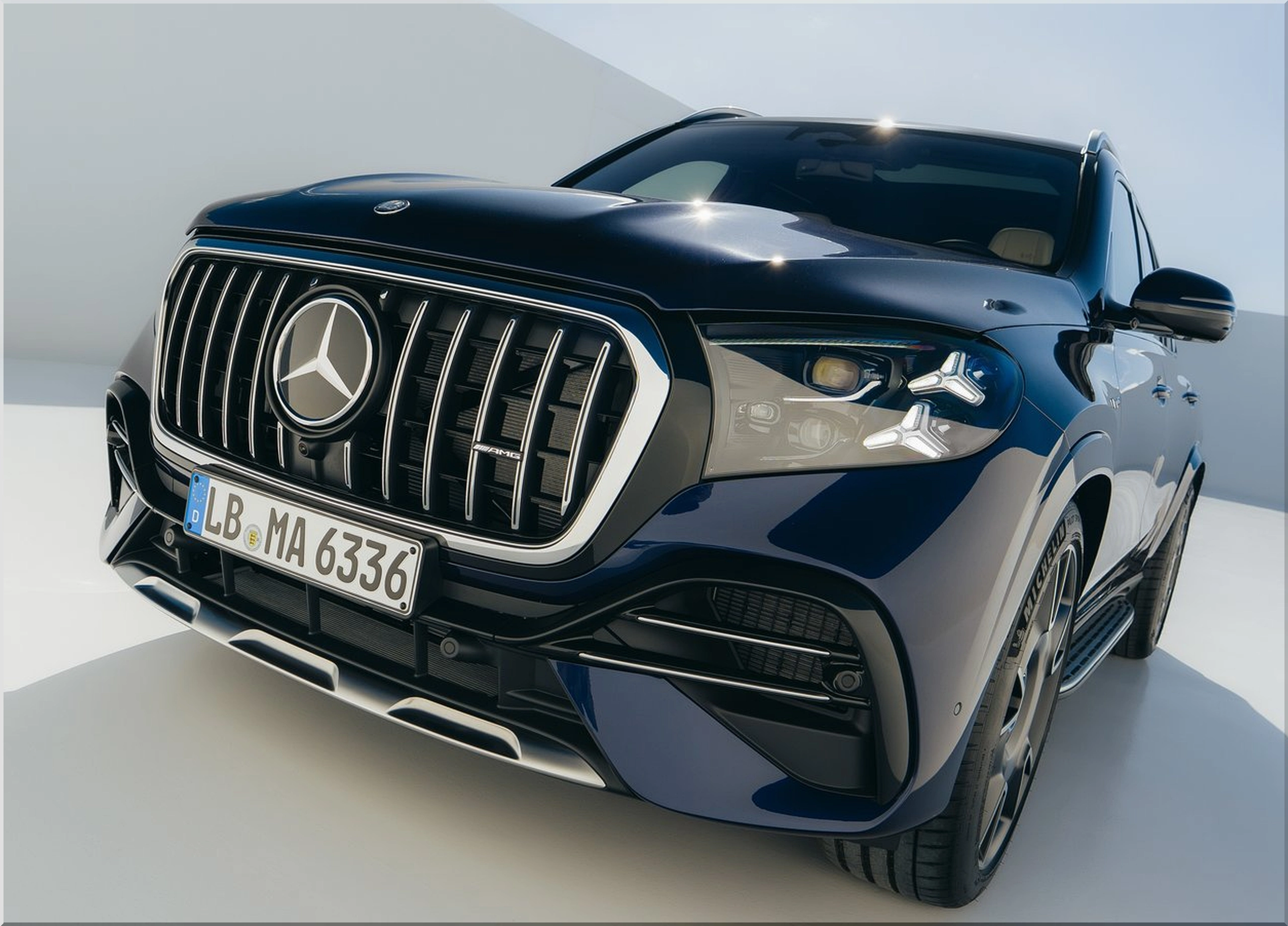
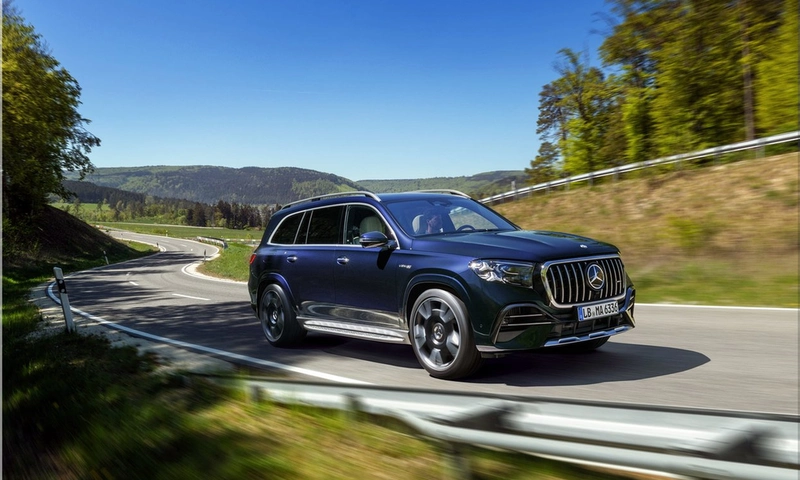
By comparison, the Q9 leads its German rivals in length, base petrol output, and North American cargo volume behind row three. It ties the GLS on towing and edges the X7. Independent previews place Audi behind both for third-row legroom.
| US-market metric | Audi Q9 | BMW X7 xDrive40i | Mercedes-Benz GLS 450 |
|---|---|---|---|
| Length | 5,307 mm | 5,181 mm | 5,209 mm |
| Wheelbase | 3,140 mm | 3,105 mm | 3,135 mm |
| Base petrol output | 429 hp | 375 hp | 375 hp |
| Cargo behind row three, SAE | 538 litres | 368 litres | 510 litres |
| Maximum towing | 3,493 kg | 3,402 kg | 3,493 kg |
| Starting price, converted | About €77,570 | About €77,540 | About €79,760 |
Conversions use the ECB reference rate published on 31 July 2026 and include destination charges. US taxes remain excluded.
Audi Q9 Price, Launch Date, and EU Emissions Context
The Audi Q9 price starts at €108,400 for the 299 PS TDI in Germany. Orders opened in July, Bratislava handles production, and deliveries start in November 2026. Italy asks €116,900 for the 245 PS diesel and €119,600 for the 299 PS version.
From an expert perspective, the Q9's 194-209 g/km rating and CO2 class G deserve attention. CO2-linked taxes can raise costs across Europe. Audi lists Euro 6e-bis; Euro 7 starts on 29 November 2026 for new M1 types and 29 November 2027 for all new M1 vehicles.
The PPC architecture accepts later petrol and plug-in systems, but Audi has not issued European output, range, or launch details. A plug-in Q9 could suit city access and company-car taxation better.
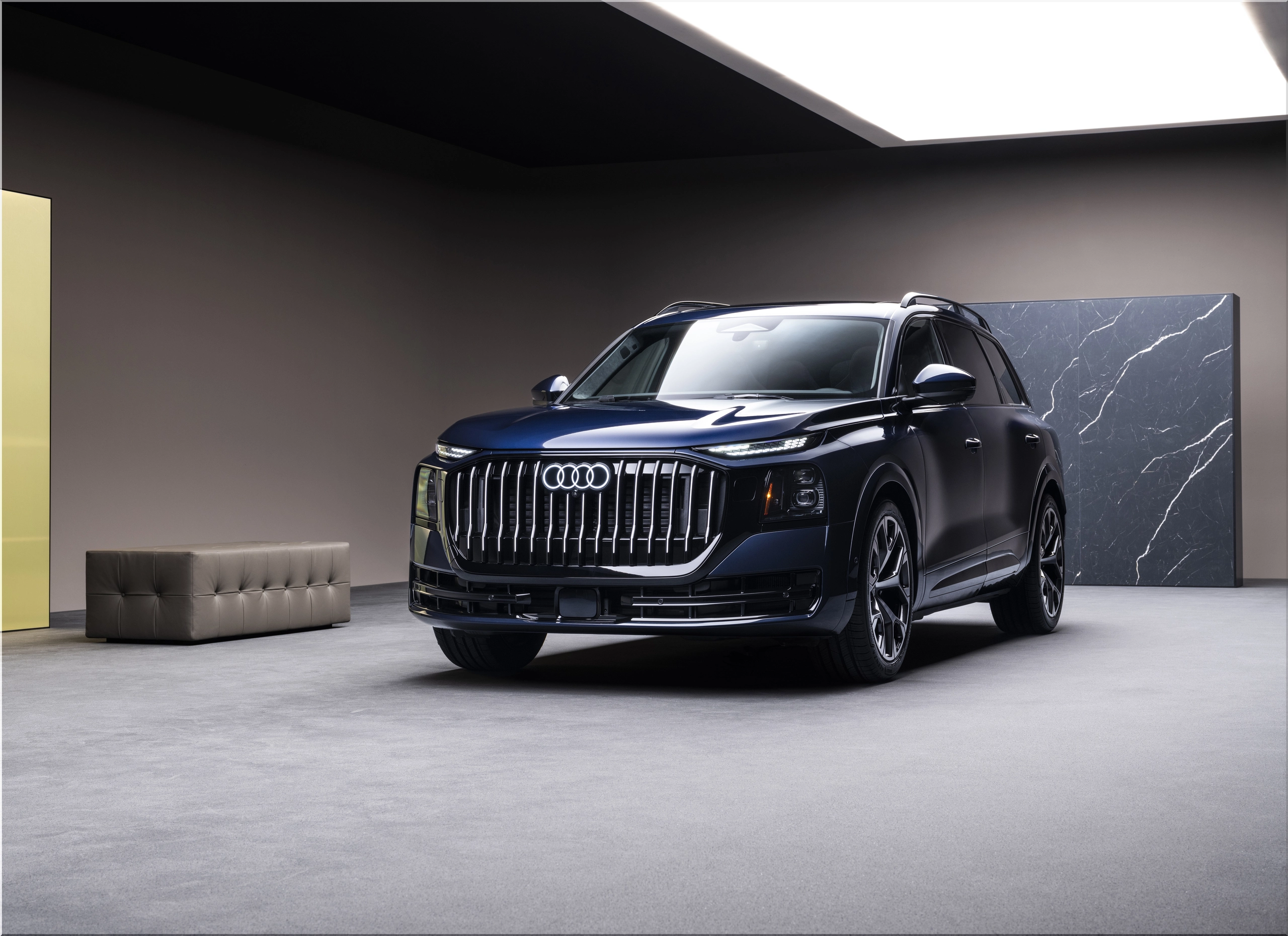
Which Audi Q9 Should a European Buyer Choose?
- Choose the 299 PS TDI for high mileage, towing, and motorway use; its 630 Nm plateau, 80-litre tank, and 3,500 kg rating support that job.
- Wait for confirmed plug-in specifications if city use and high CO2 taxation dominate the ownership plan.
Pro-Tip: Price the Whole Ownership Period
Price registration tax, annual road tax, large-wheel tyre replacement, insurance, servicing, and fuel. The €108,400 base figure tells only part of the cost story. Size, mass, and emissions attach real running costs to the Q9's capability.
- Add new comment
- 227 views