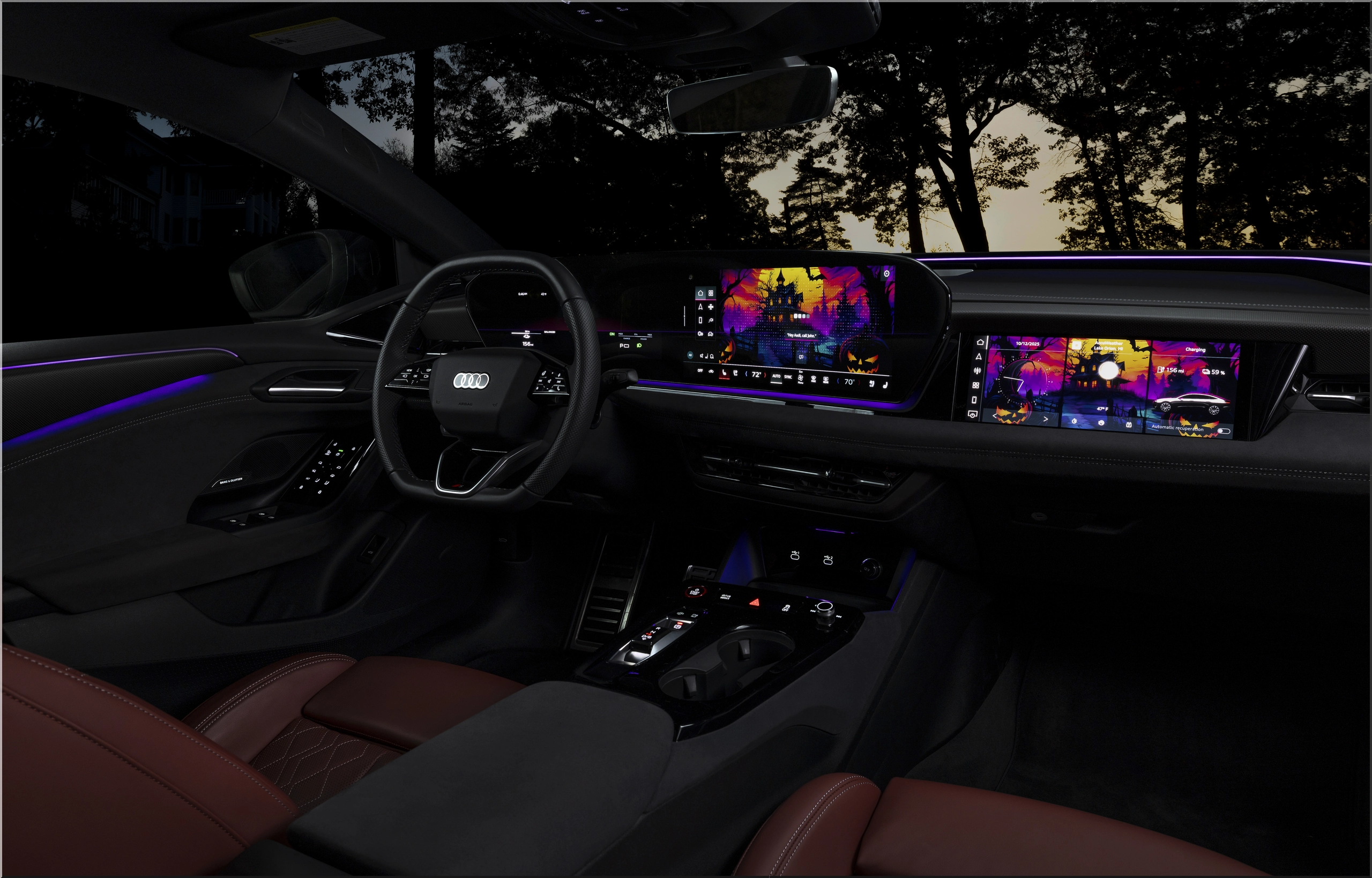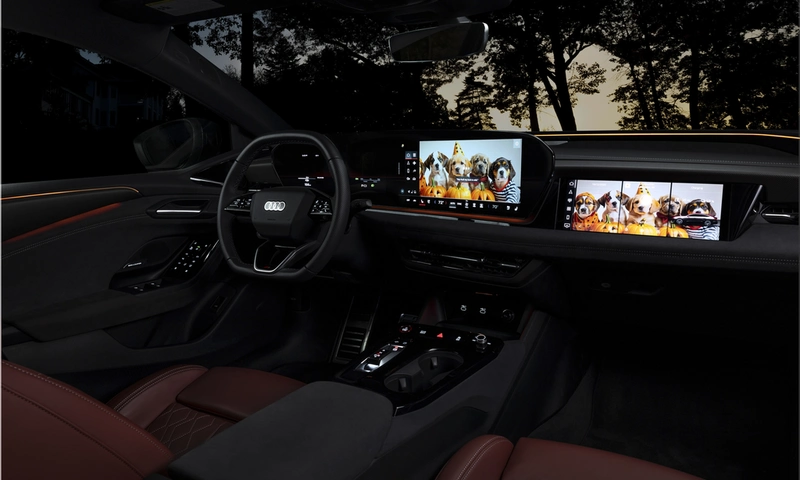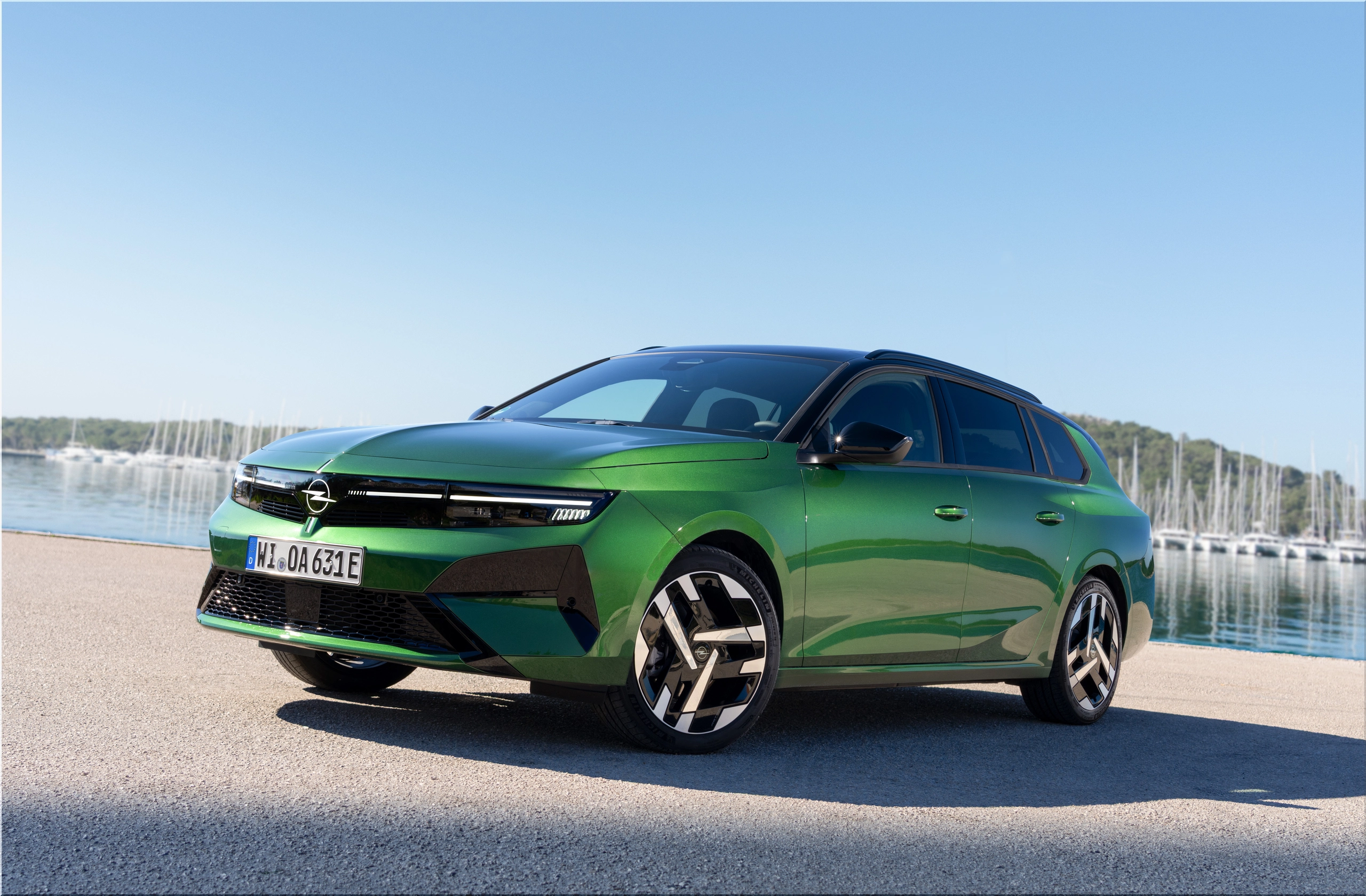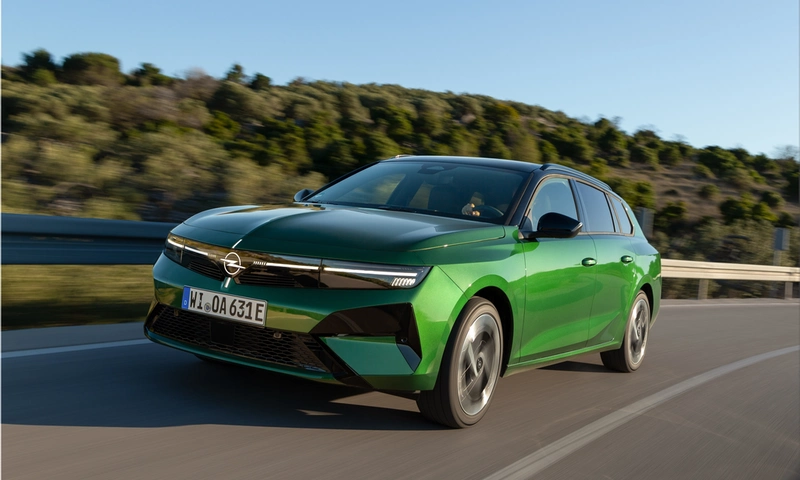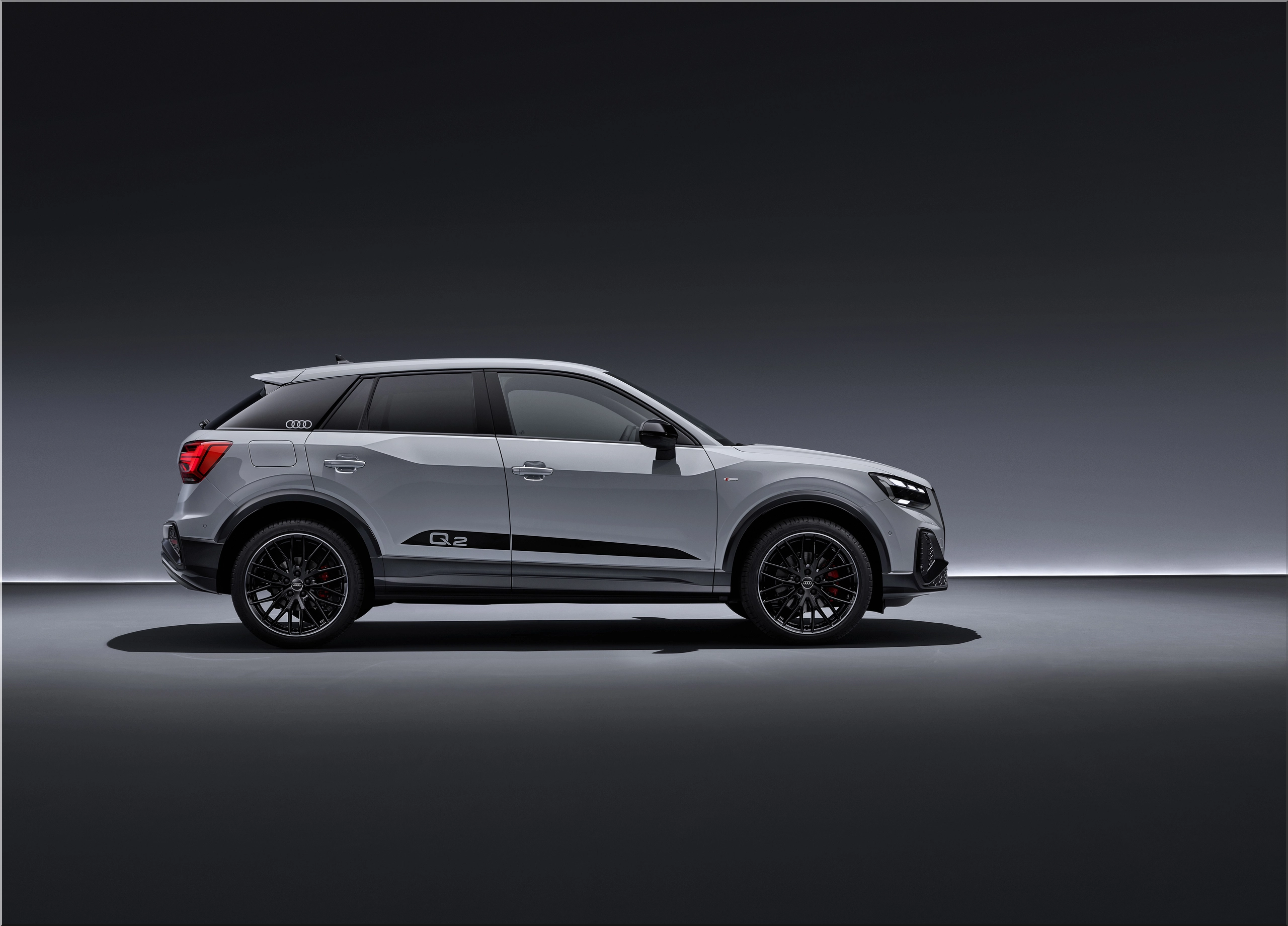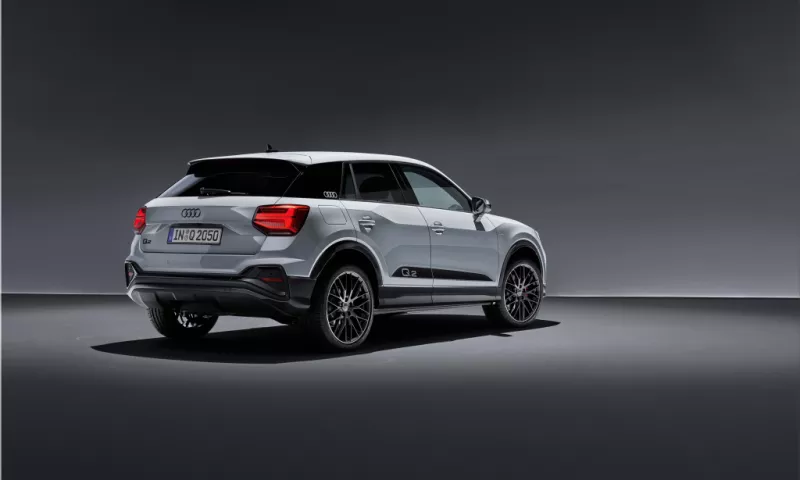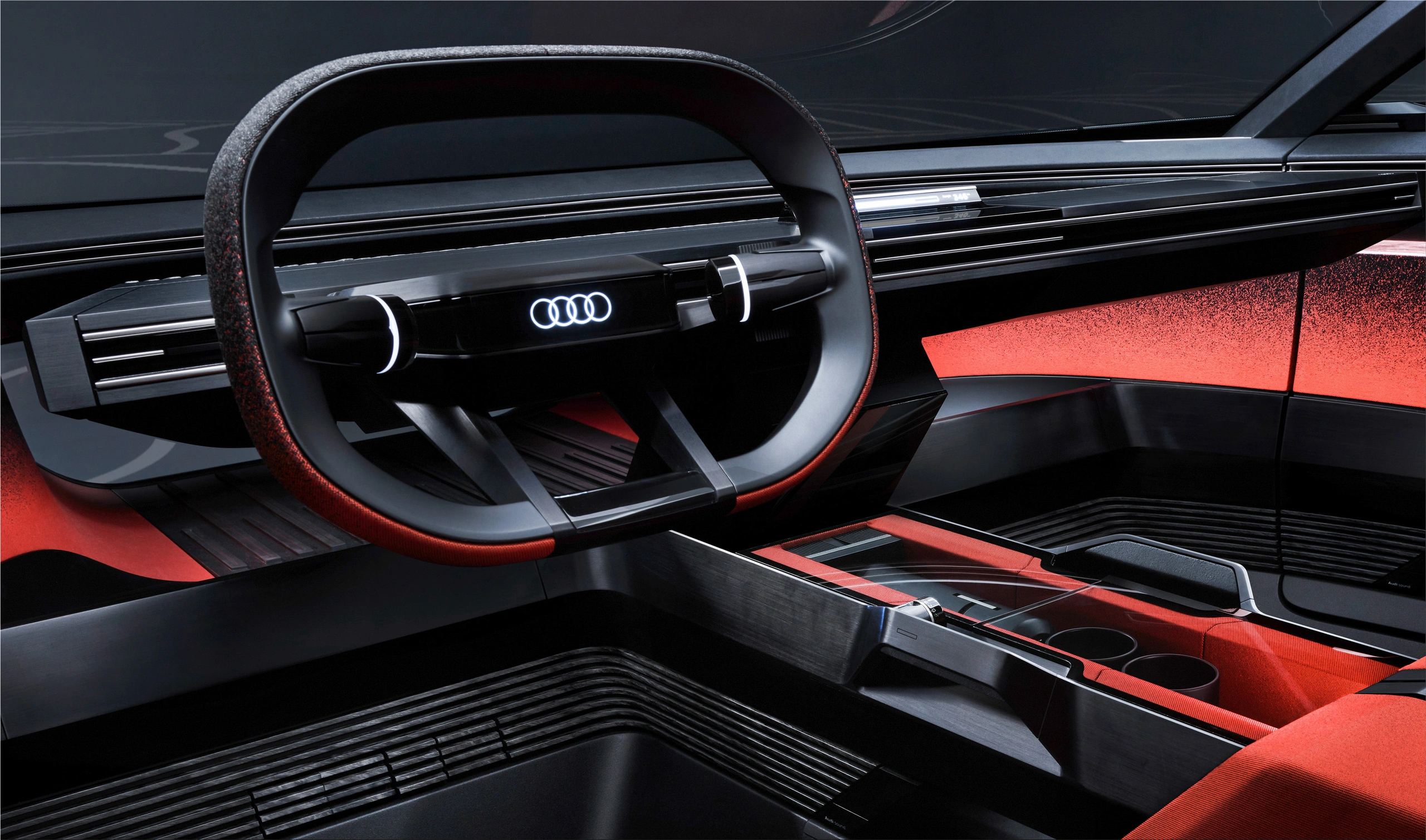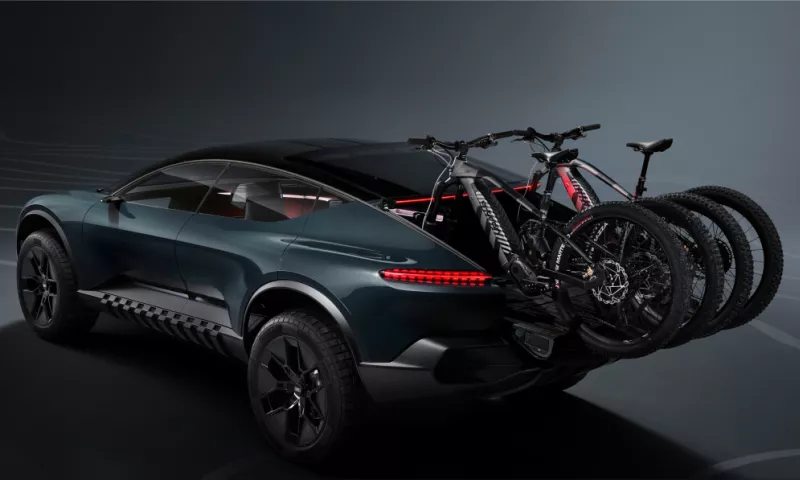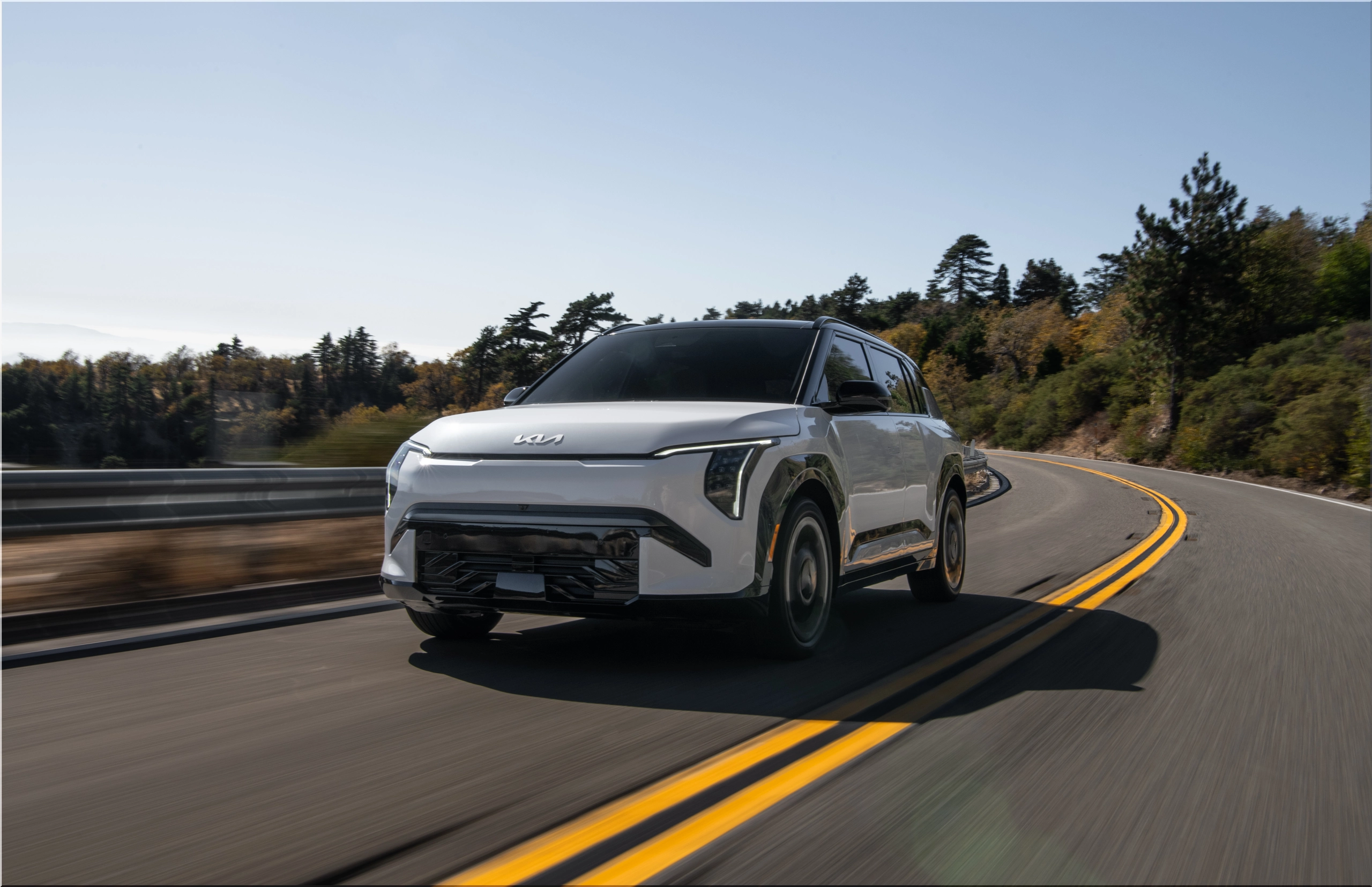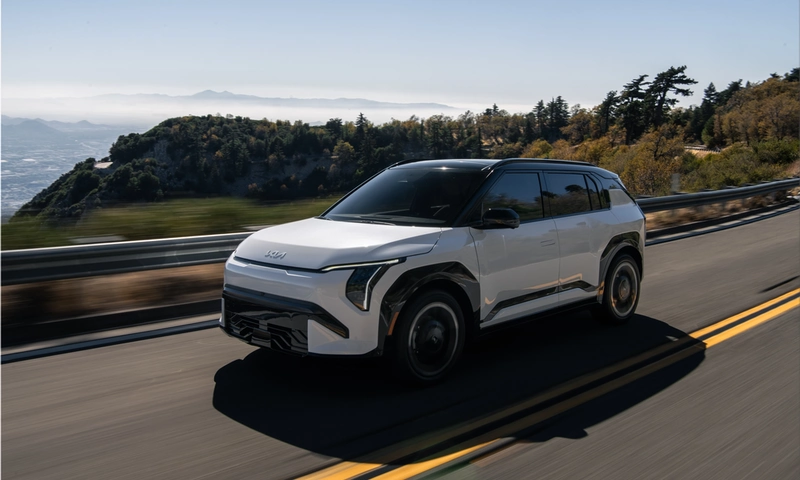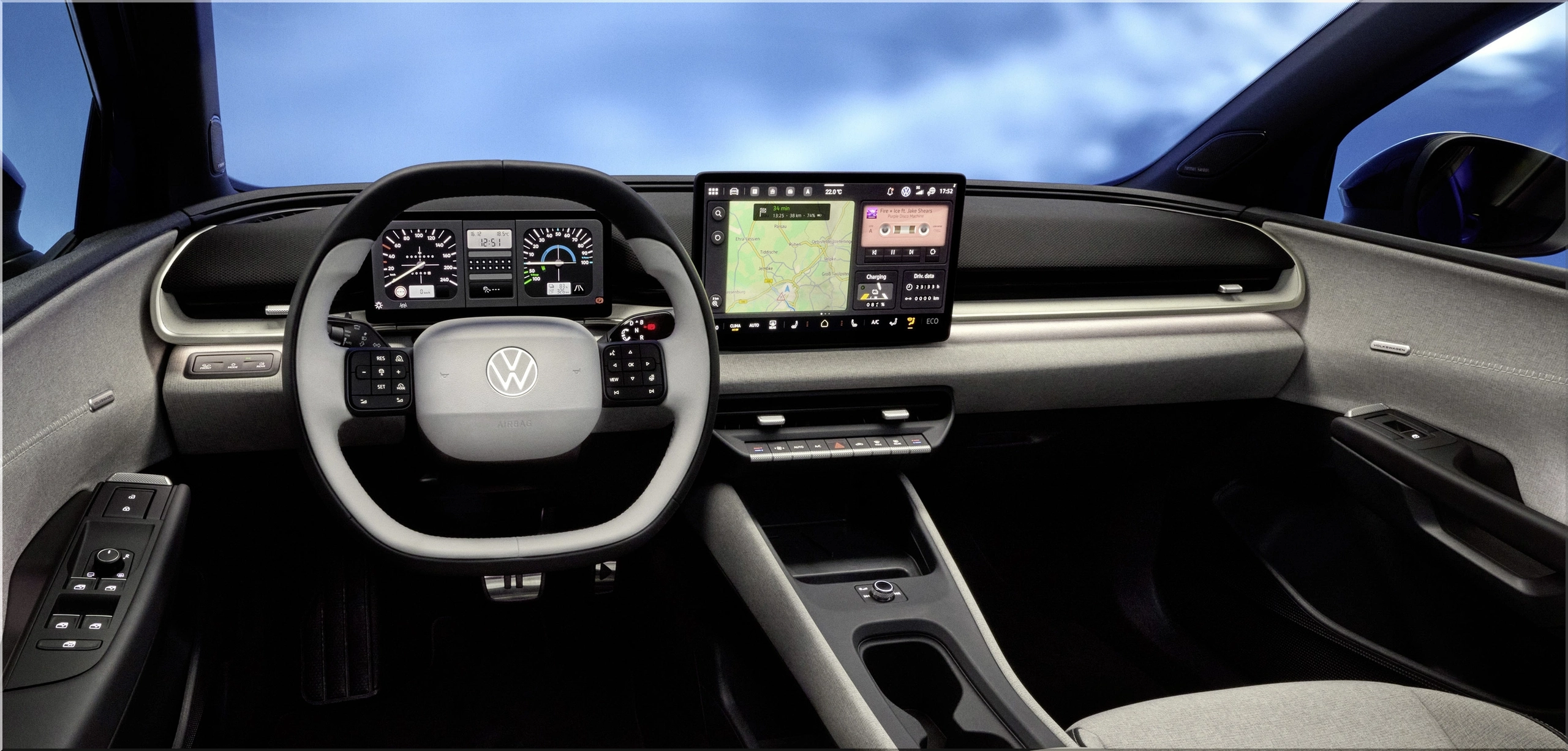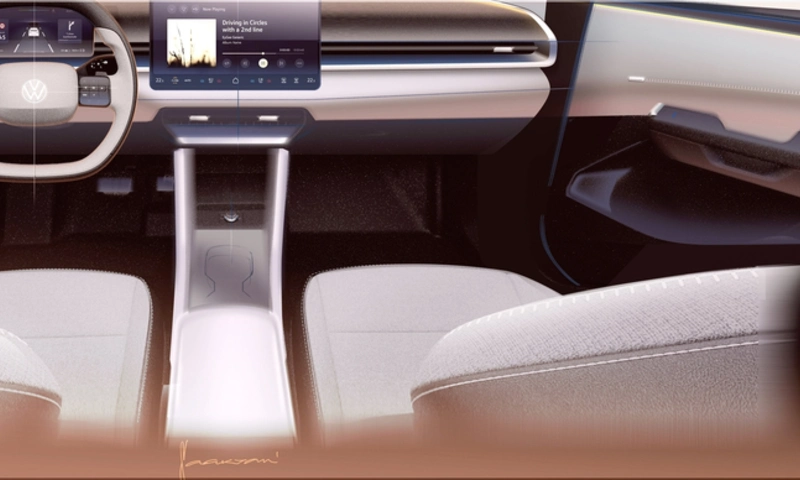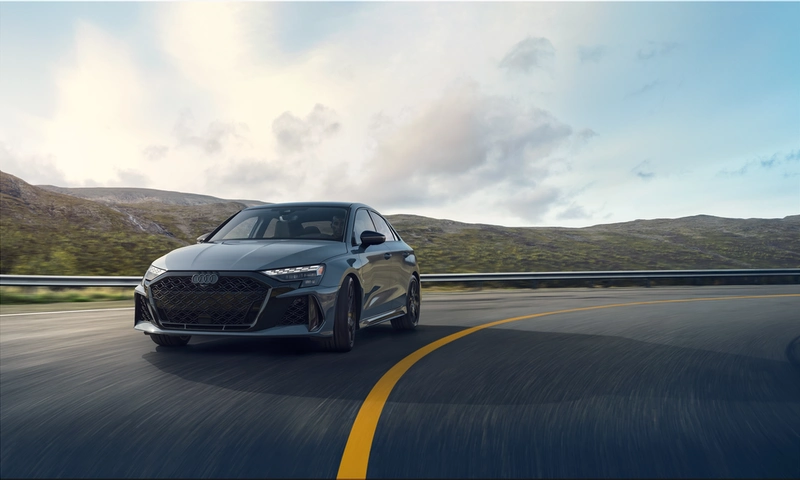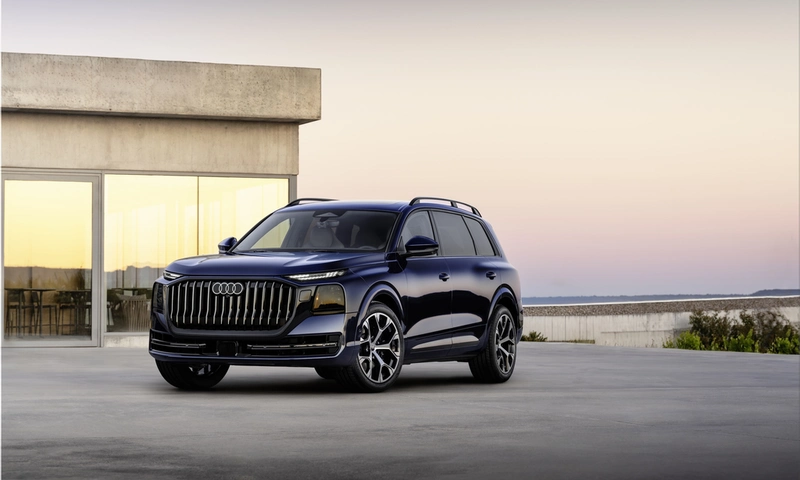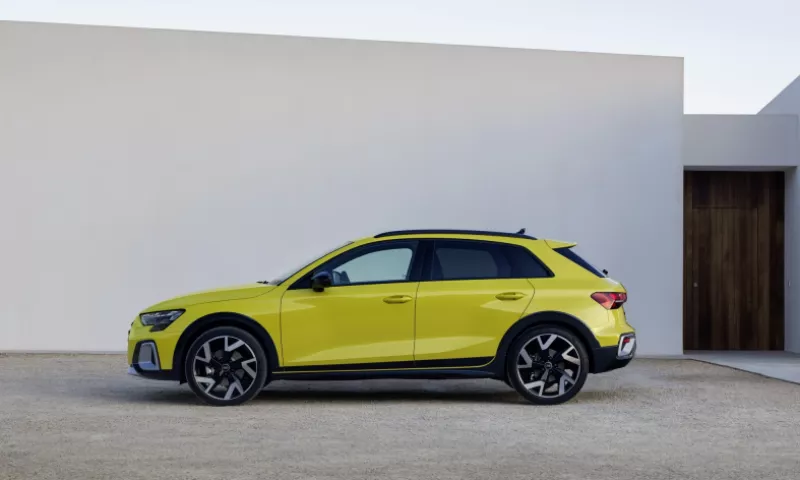
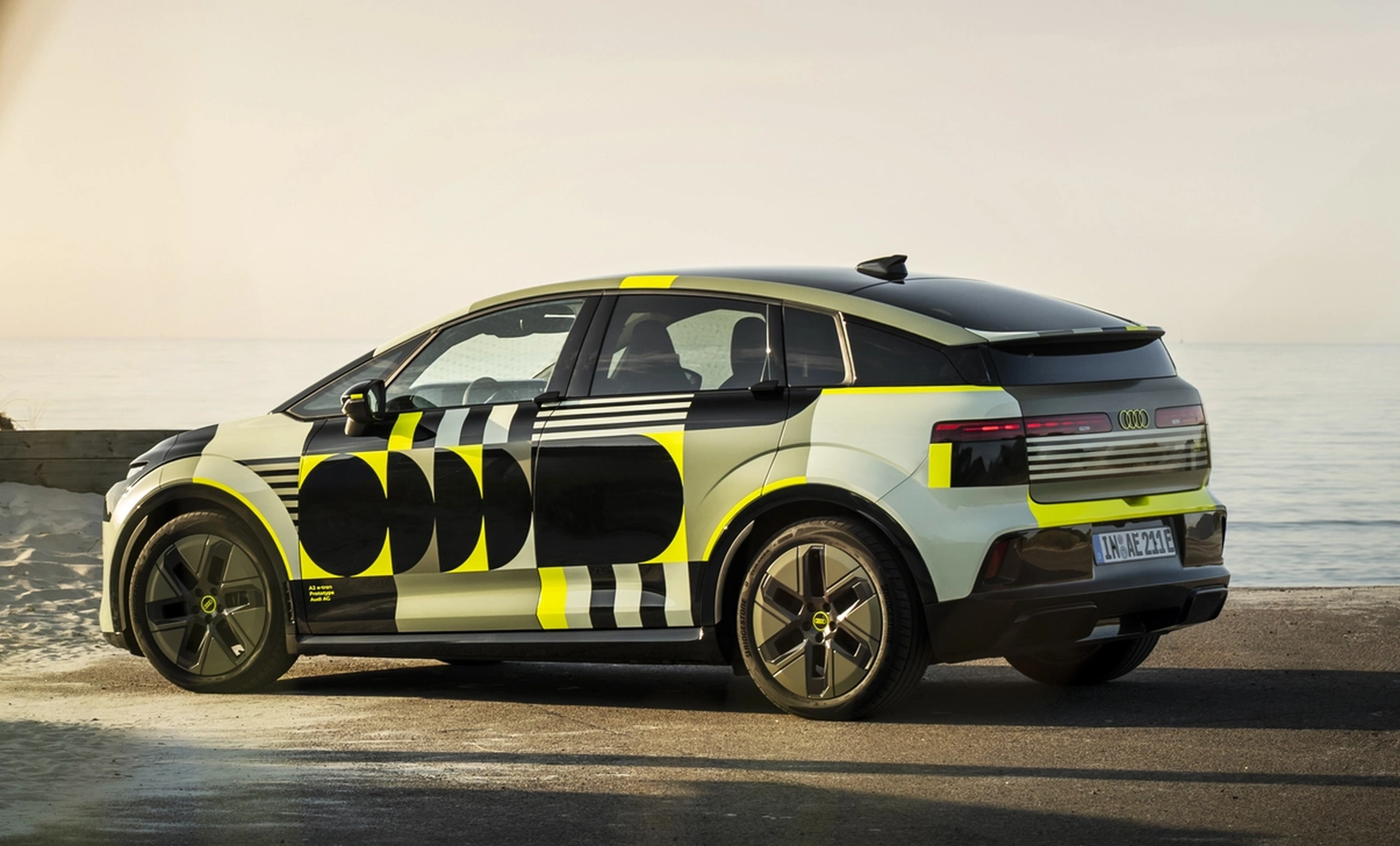
The Audi A2 e-tron records a preliminary 12.8 kWh/100 km WLTP in 140 kW specification with the optional efficiency package, the lowest consumption figure Audi has announced. That equals 7.81 km per kWh, or about 4.85 miles per kWh.
Image
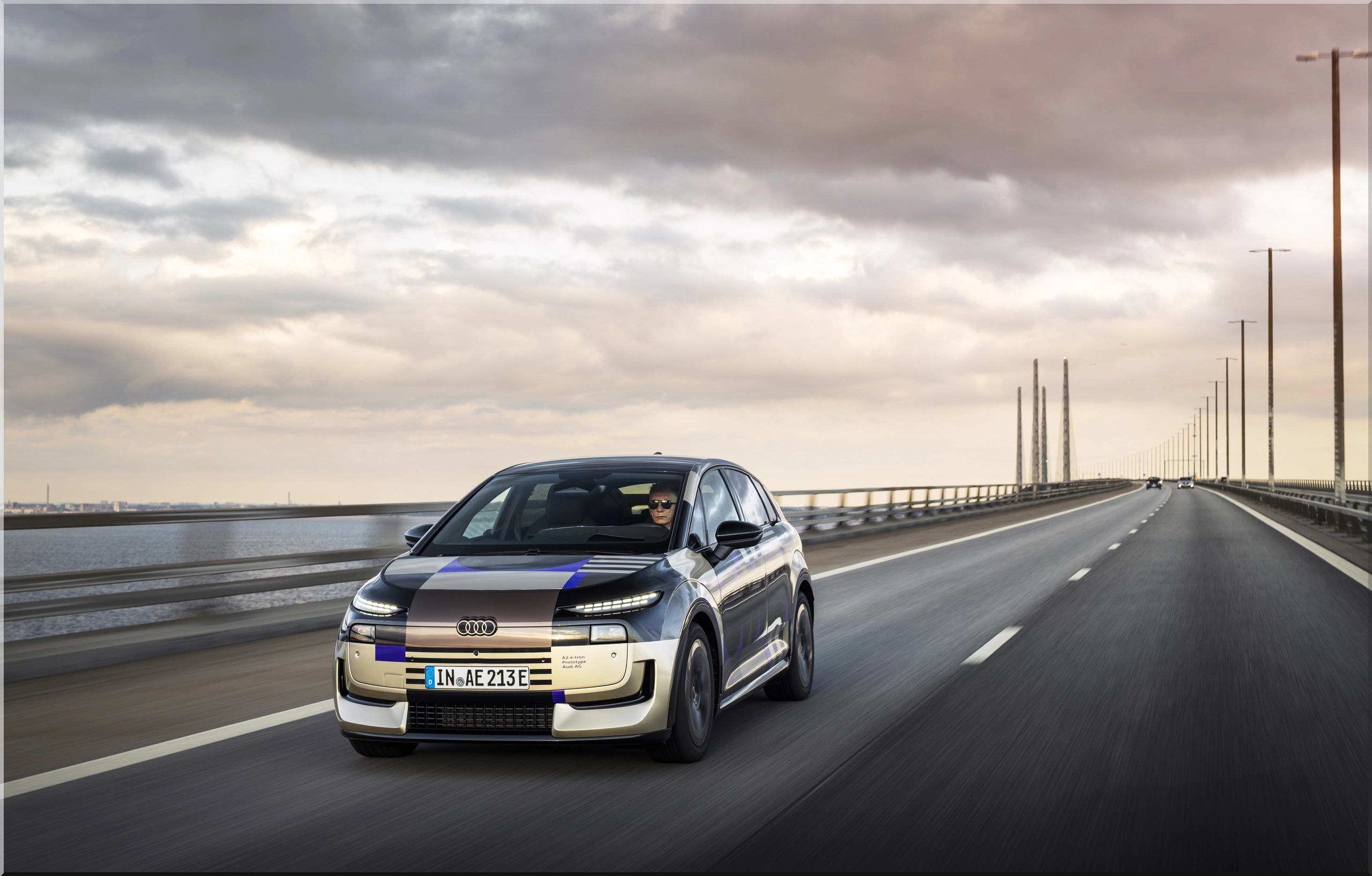
Dozens of small reductions produce that result. Audi combined cleaner airflow, low-rolling-resistance tyres, silicon-carbide electronics, a revised rear motor, a low-friction gearset and managed battery cooling. Audi plans an autumn 2026 debut and first deliveries before year-end.
Confirmed Audi A2 e-tron specifications
Audi released efficiency data before the full specification sheet. These numbers cover the 140 kW car with the efficiency package.
| Technical item | Confirmed figure | Practical effect |
|---|---|---|
| WLTP energy use | 12.8 kWh/100 km | Lowest announced Audi consumption |
| Motor output | 140 kW, or 190 PS | Entry efficiency specification |
| Battery capacity | 61 kWh gross, 58 kWh usable | Daily 100% charging capability |
| Battery chemistry | Lithium iron phosphate | No nickel or cobalt; slower ageing |
| Drag coefficient | 0.24 Cd | Lowest figure in Audi's compact range |
| Aero contribution | Up to 0.9 kWh/100 km | Roughly 6.6% lower use than the same car without the measures |
| Drive-system gain | Up to 10% | Lower drivetrain losses |
| Final-drive ratio | 10.2:1 | Lower motor speed during fast road driving |
| DC charging | Up to 105 kW | 10-80% in 26 minutes |
| AC charging efficiency | 89.6% | 1.3 percentage-point improvement |
Audi has not released final dimensions, boot capacity, kerb weight or certified range. The related Volkswagen ID.3 Neo measures 4,287 mm (168.8 inches) long, 1,809 mm (71.2 inches) wide and 1,554 mm (61.2 inches) tall, with a 2,764 mm (108.8-inch) wheelbase. Those numbers only provide scale. Independent reports point to a €38,200 entry price, but Audi has not confirmed it.
A 0.24 drag coefficient does real work
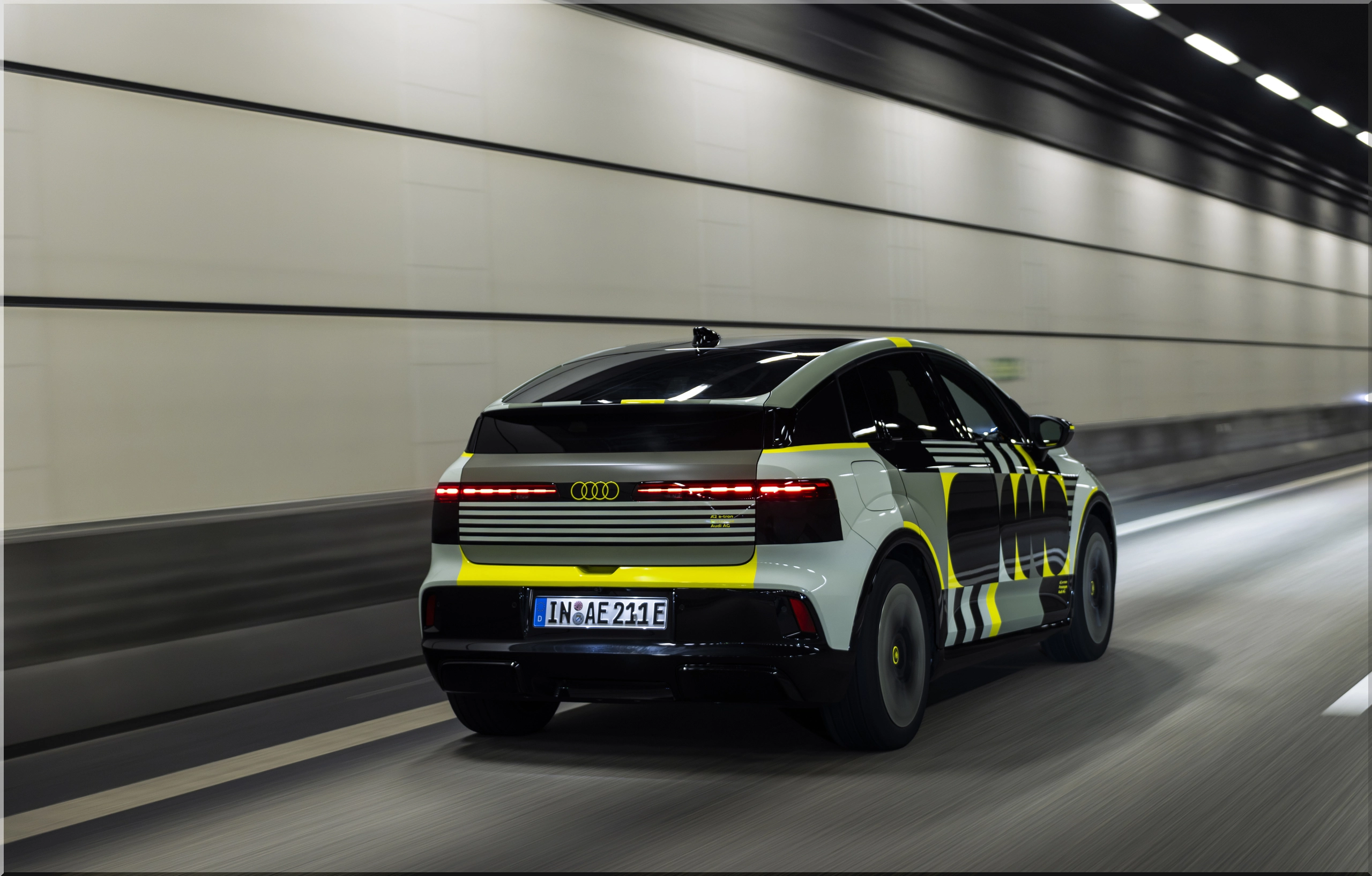
At roughly 100 km/h and above, aerodynamic drag consumes over half of a car's road energy. Consequently, the A2 e-tron's 0.24 Cd carries real motorway value. Audi says the changes trim as much as 0.9 kWh/100 km from the same vehicle.
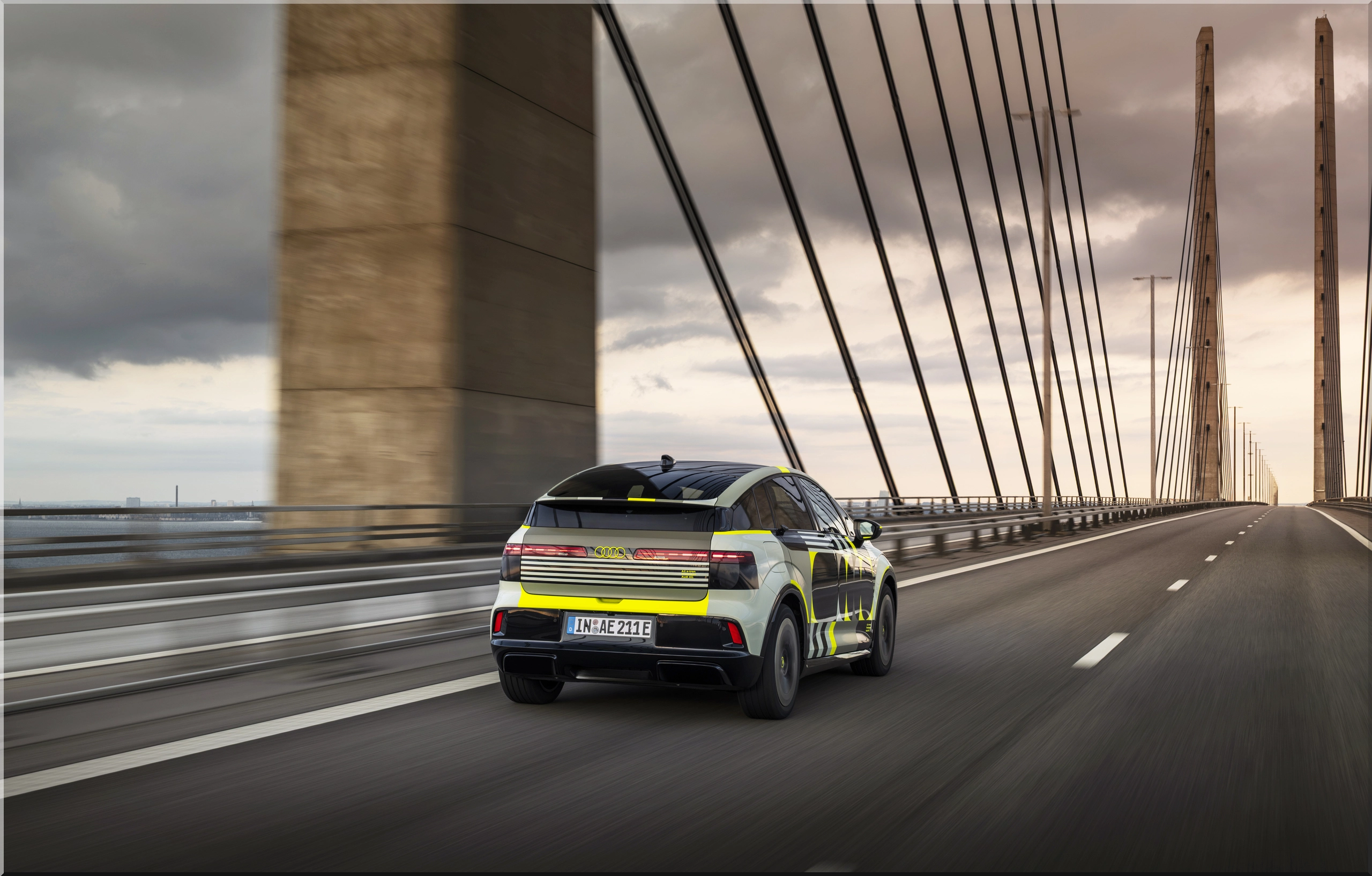
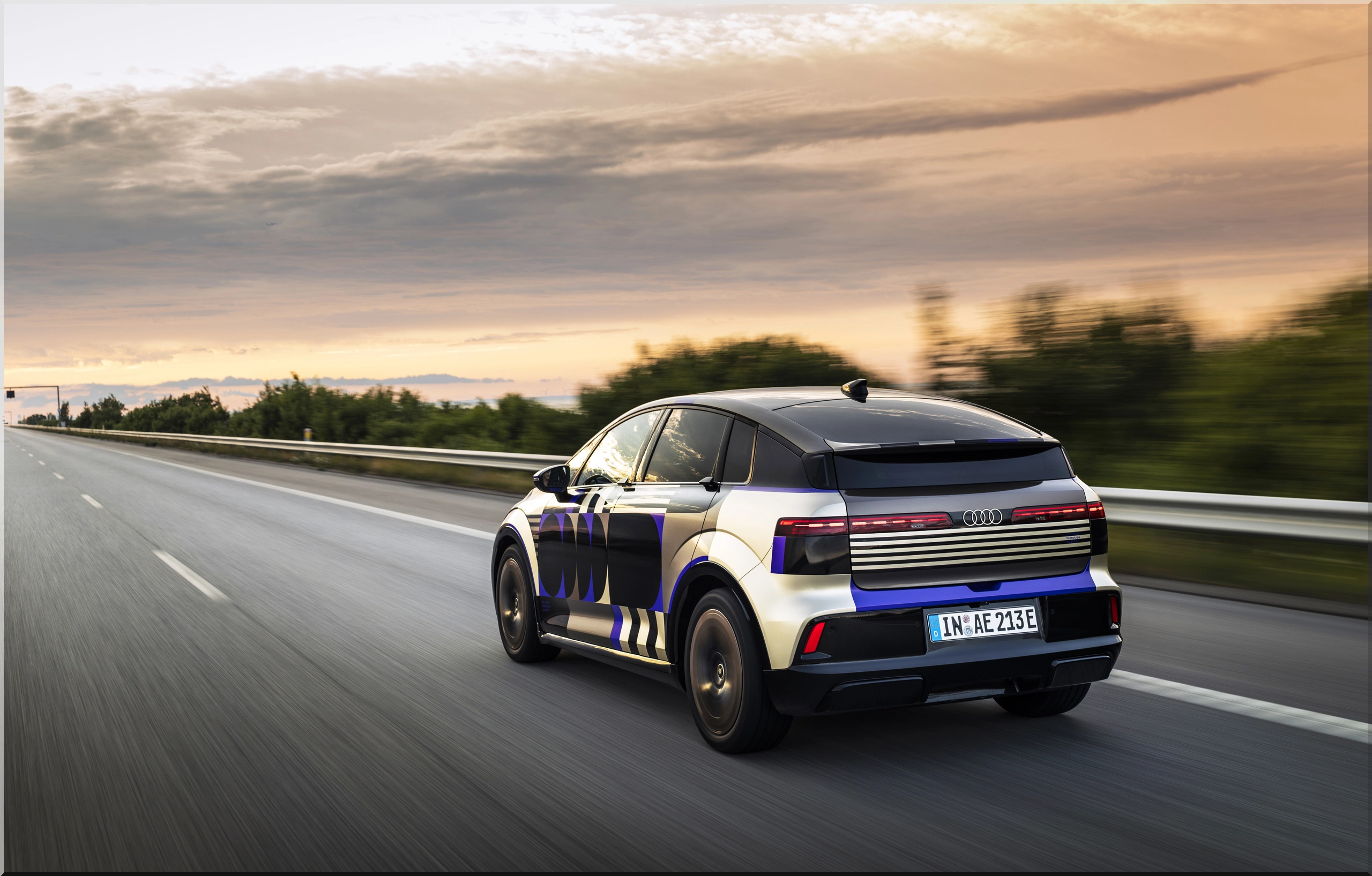
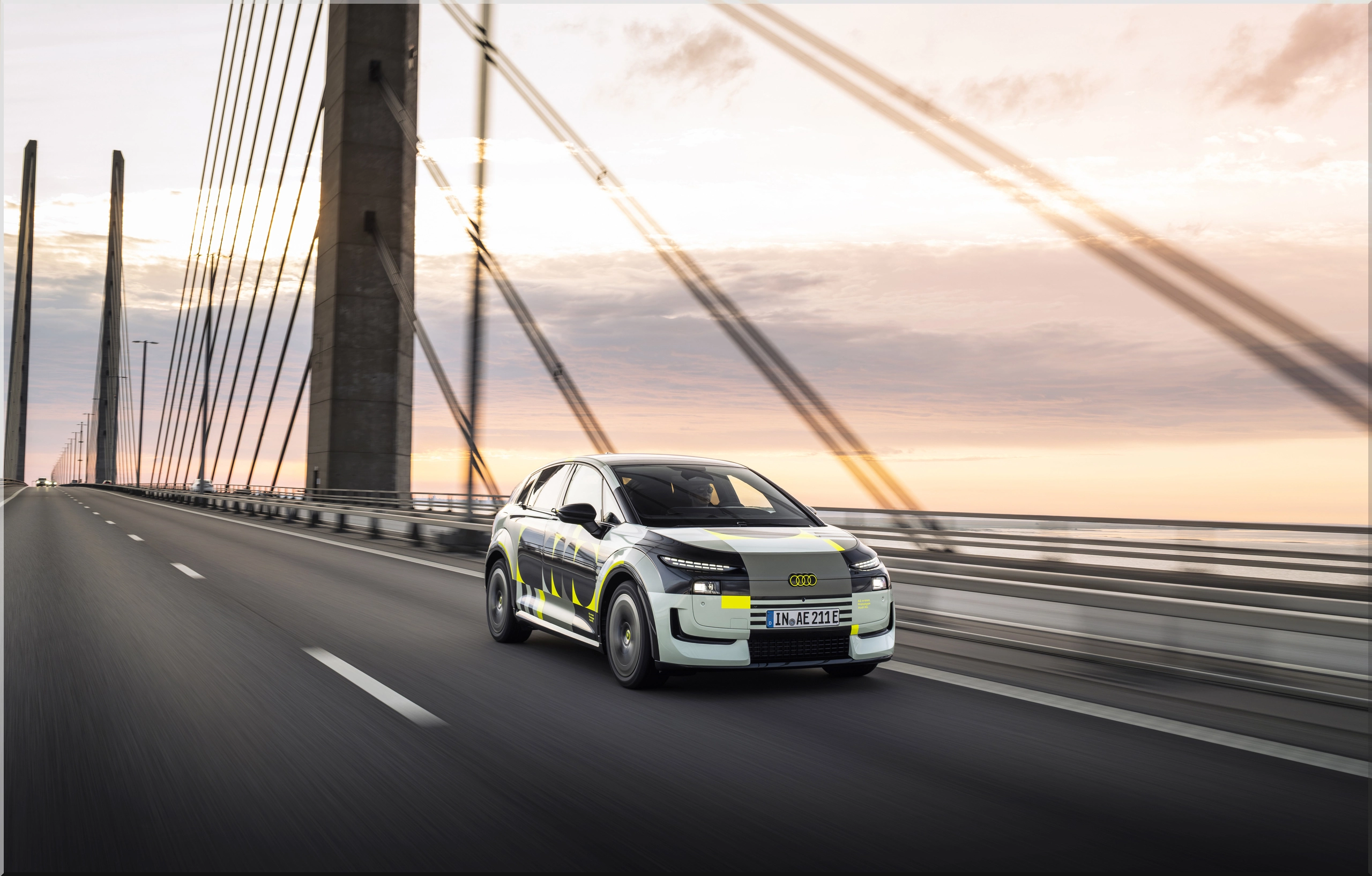
The rounded nose, descending roof and abrupt tail release air cleanly. Four devices control local turbulence:
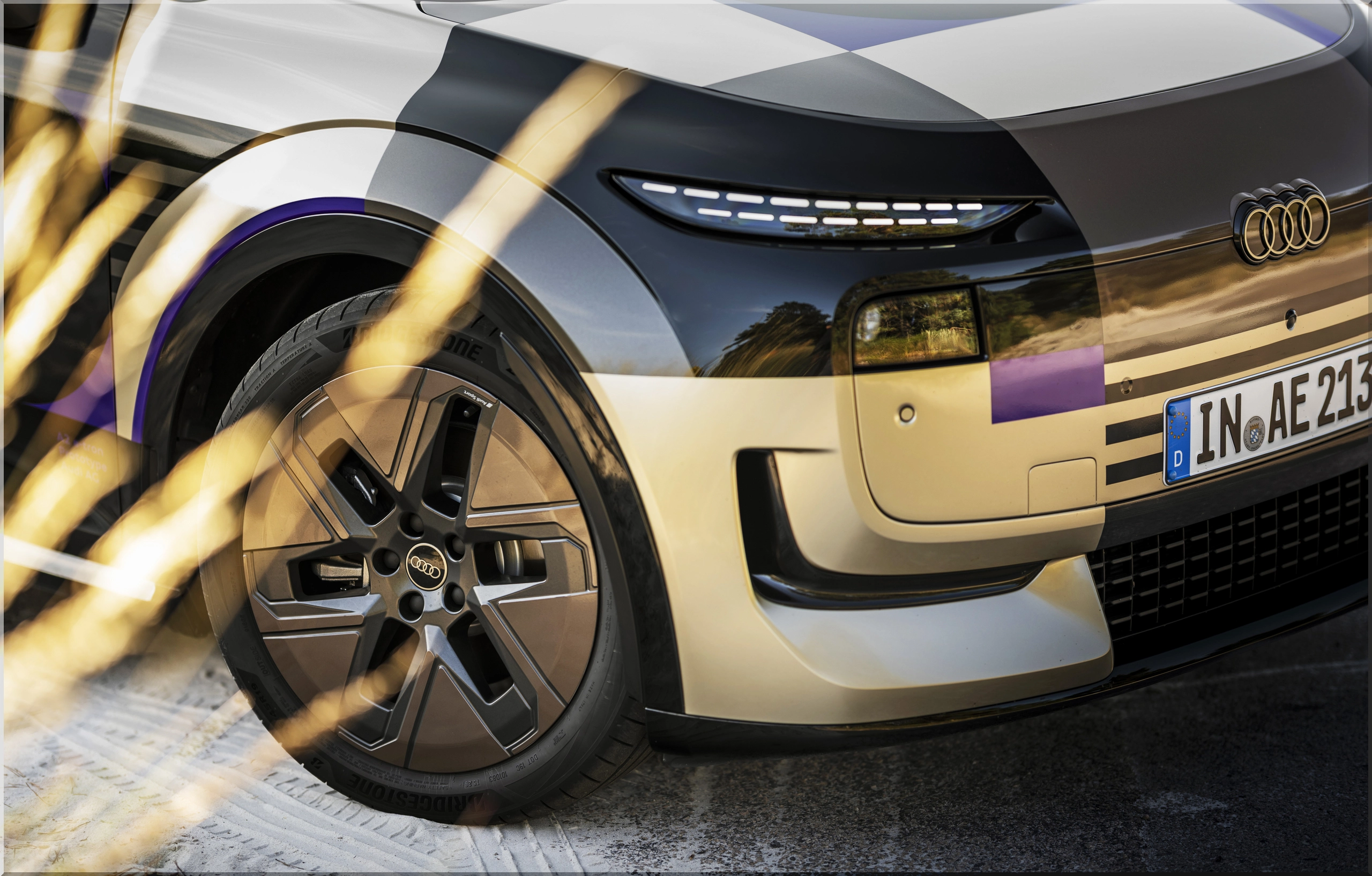
- Air curtains guide flow around the rotating front tyres.
- Gap reducers narrow the opening between each tyre and wheel arch.
- Gap breathers vent pressure from inside the wheel housings.
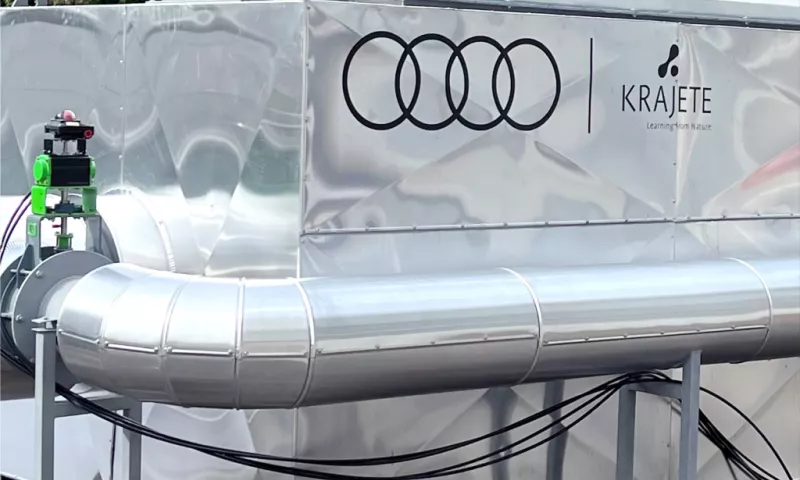
- An active cooling shutter closes when the battery and electronics need no extra air.
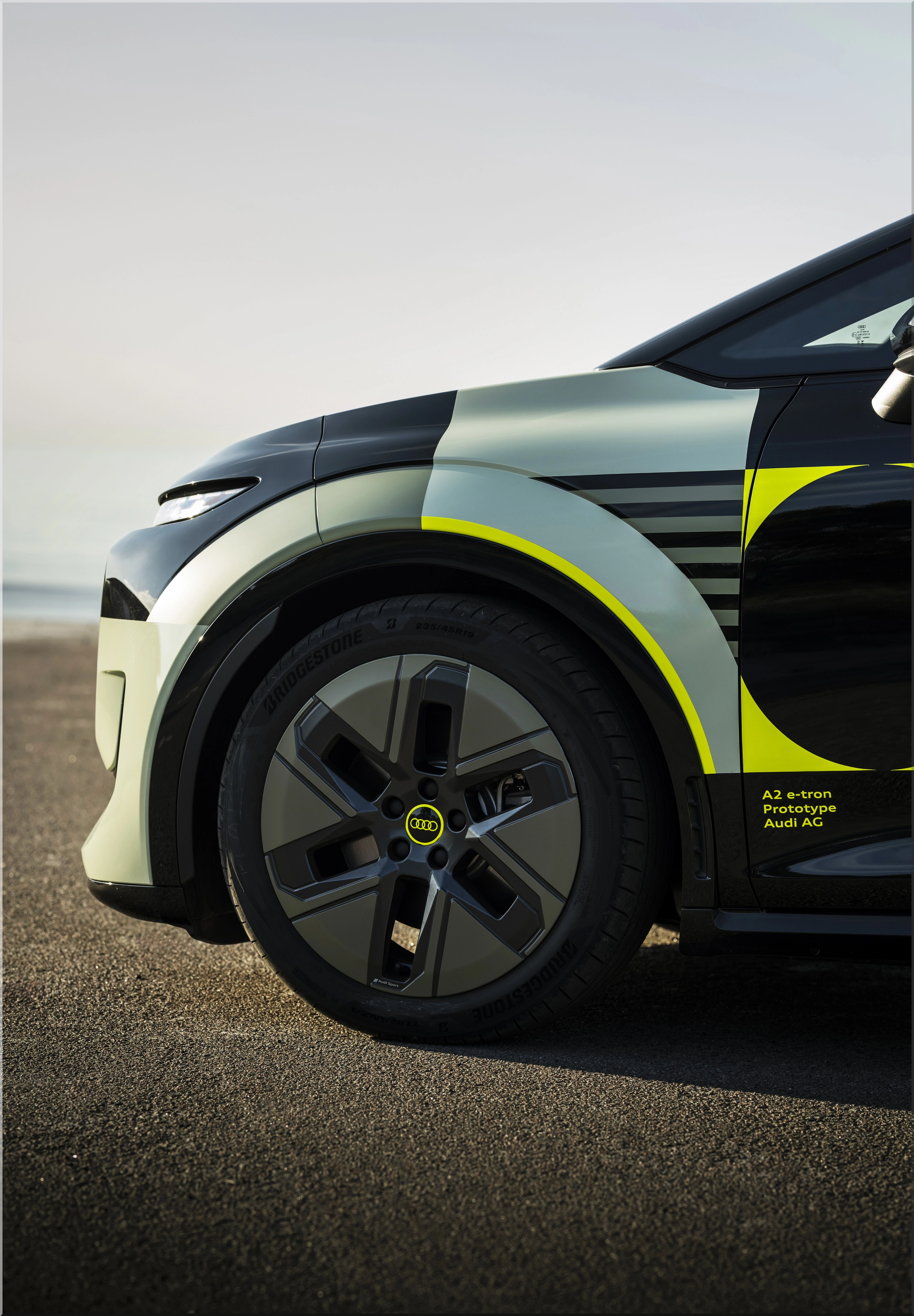
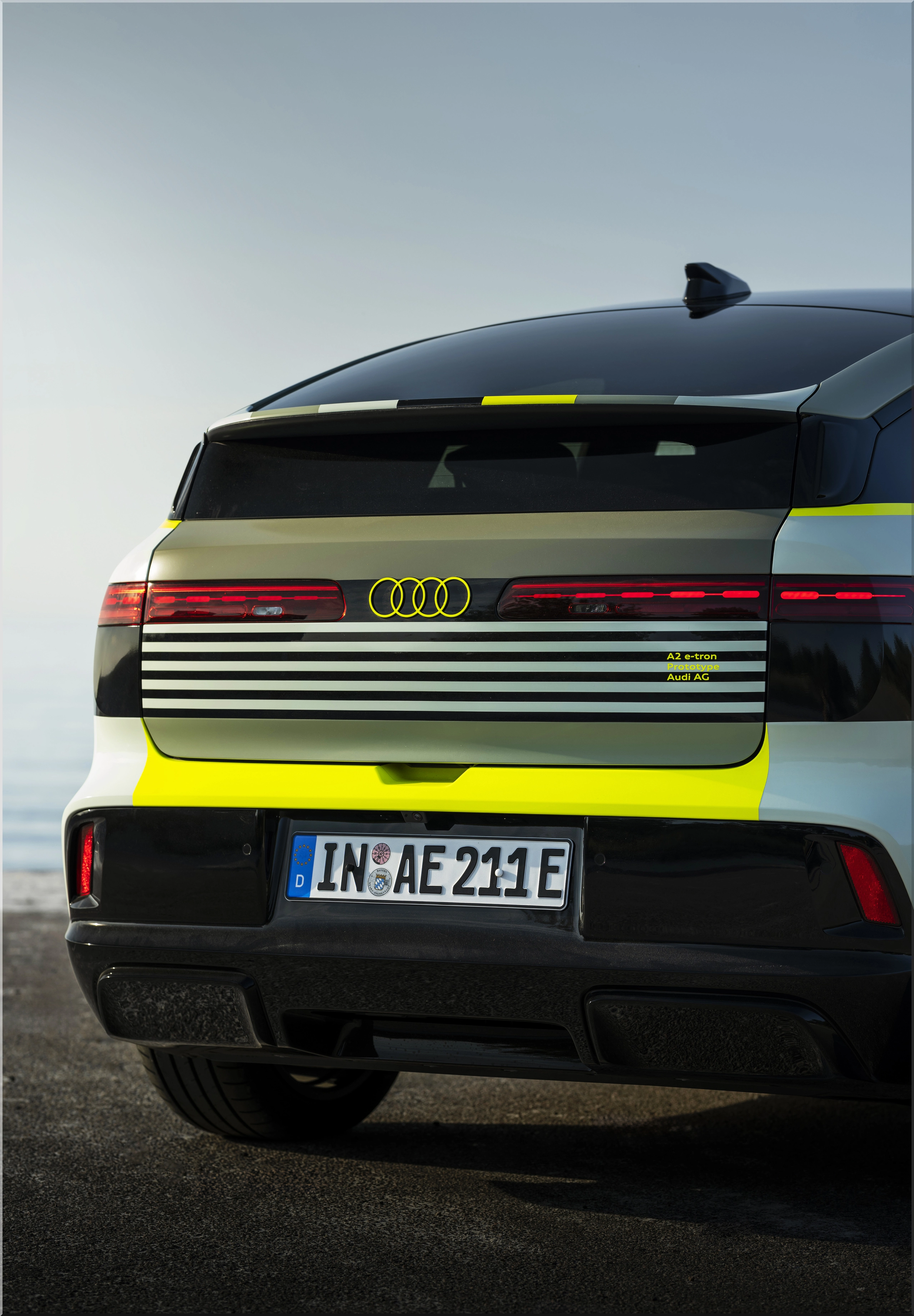
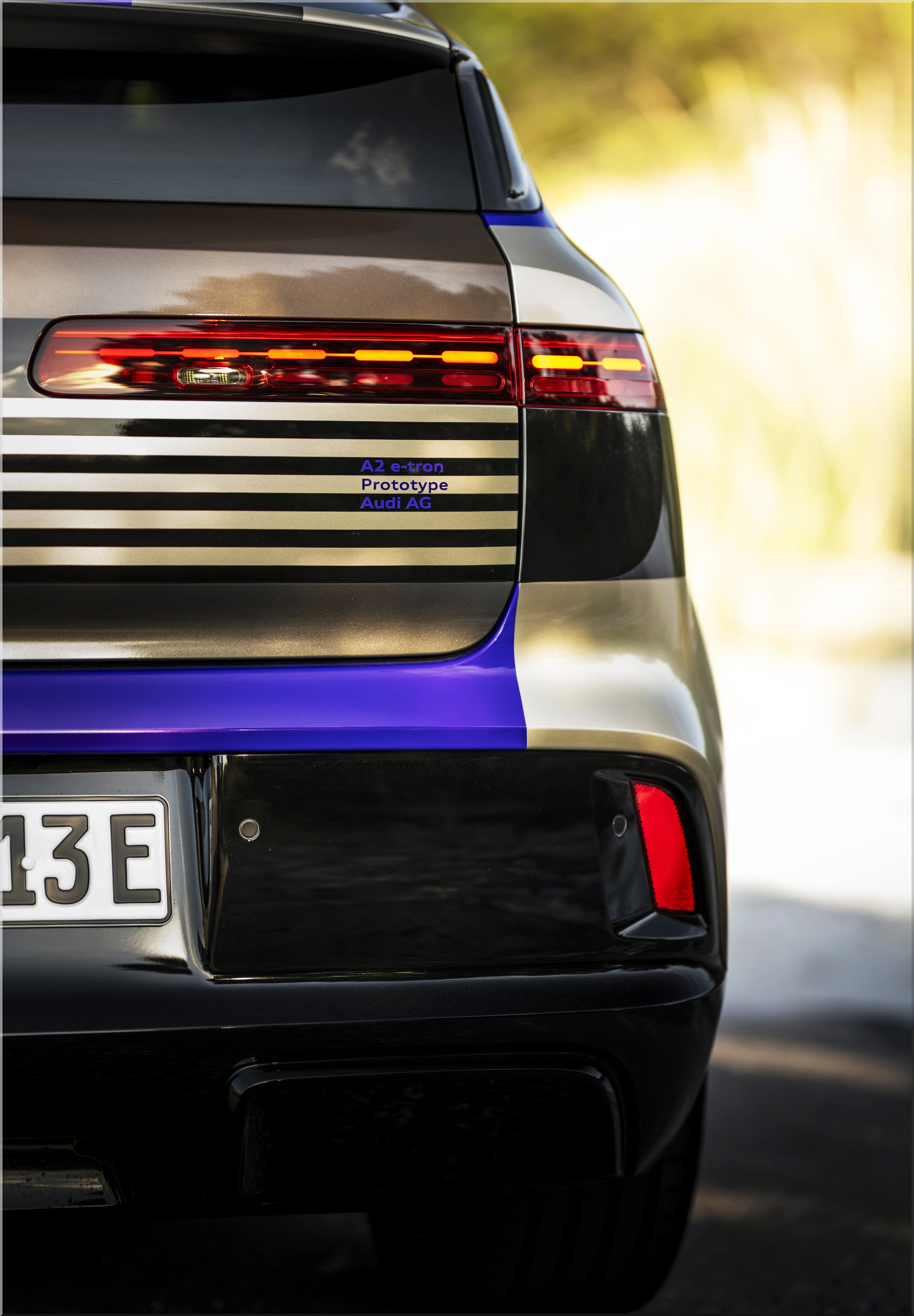
In addition, Audi enclosed most of the underbody and smoothed the path from front splitter to rear diffuser. Closed wheel surfaces reduce turbulence. Together, these details cut the power needed to push air aside.
Image
The APP350 motor attacks three loss points
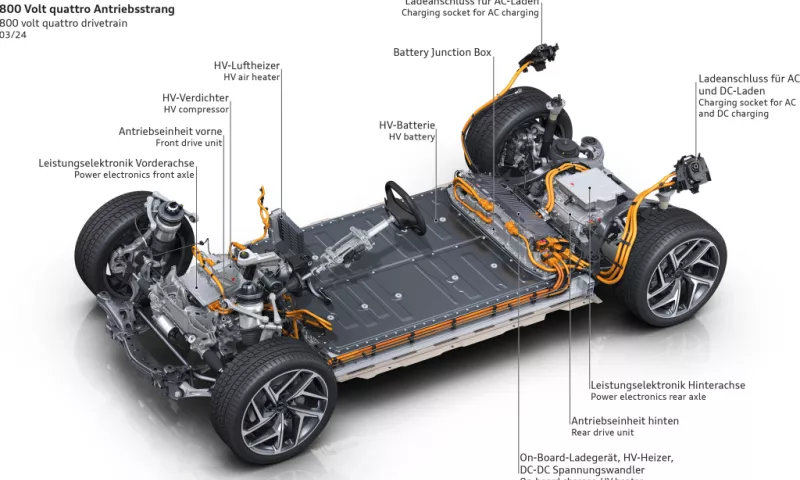
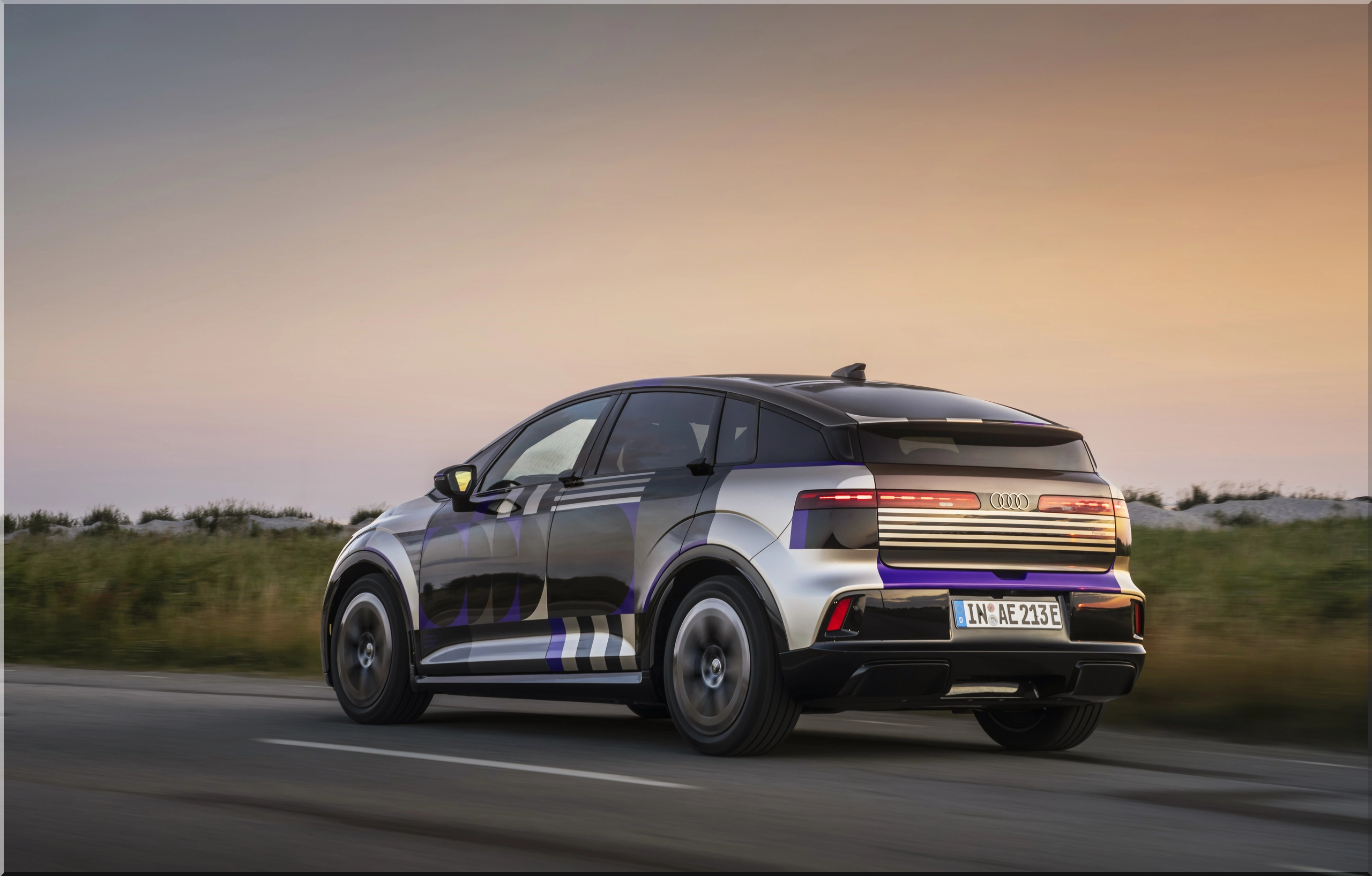
The MEB+ electric platform places a permanently excited synchronous motor at the rear axle. The APP350 unit supports outputs through 170 kW and 350 Nm; the APP550 reaches 240 kW and 545 Nm.
Specifically, Audi improved three parts of the 140 kW drivetrain:
- Power electronics: Silicon-carbide semiconductors reduce partial-load switching losses. Variable frequency saves up to 20 watts; alternative modulation cuts switching losses by as much as 33%.
- Electric motor: Audi reduced lamination thickness from 0.3 mm to 0.2 mm, limiting iron losses. A delta-connected stator shifts operation toward a more efficient speed zone.
- Single-speed transmission: Low-friction oil and the tall 10.2:1 ratio reduce churning and motor rpm at higher road speeds.
From an expert perspective, the strategy targets daily operating points. Peak output sells performance; lower partial-load losses reduce every electricity bill.
The 61 kWh LFP battery favours usable life
The 61 kWh LFP battery supplies 58 kWh of usable energy. Cell-to-pack construction removes module hardware and lowers pack height, creating cabin legroom while improving packaging density.
LFP chemistry tolerates repeated 100% charging better than many nickel-rich alternatives. Its flat voltage curve sustains steadier output as charge falls. Looking at the data, adapted cooling raises wallbox efficiency to 89.6%, so less purchased electricity turns into heat.
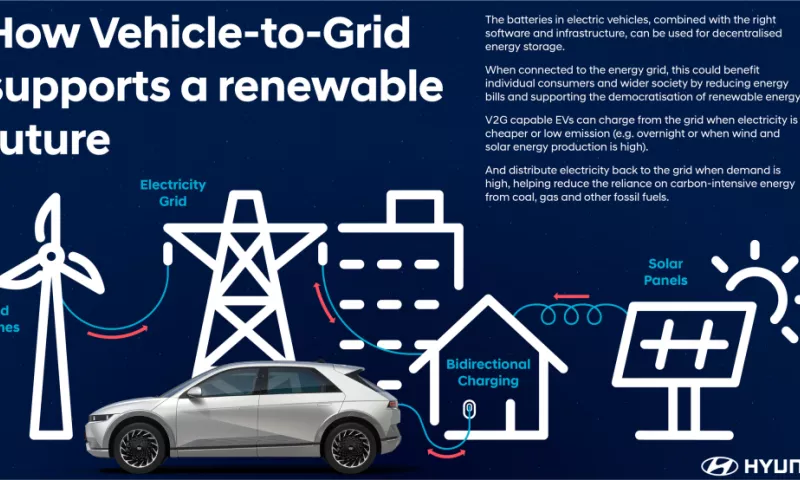
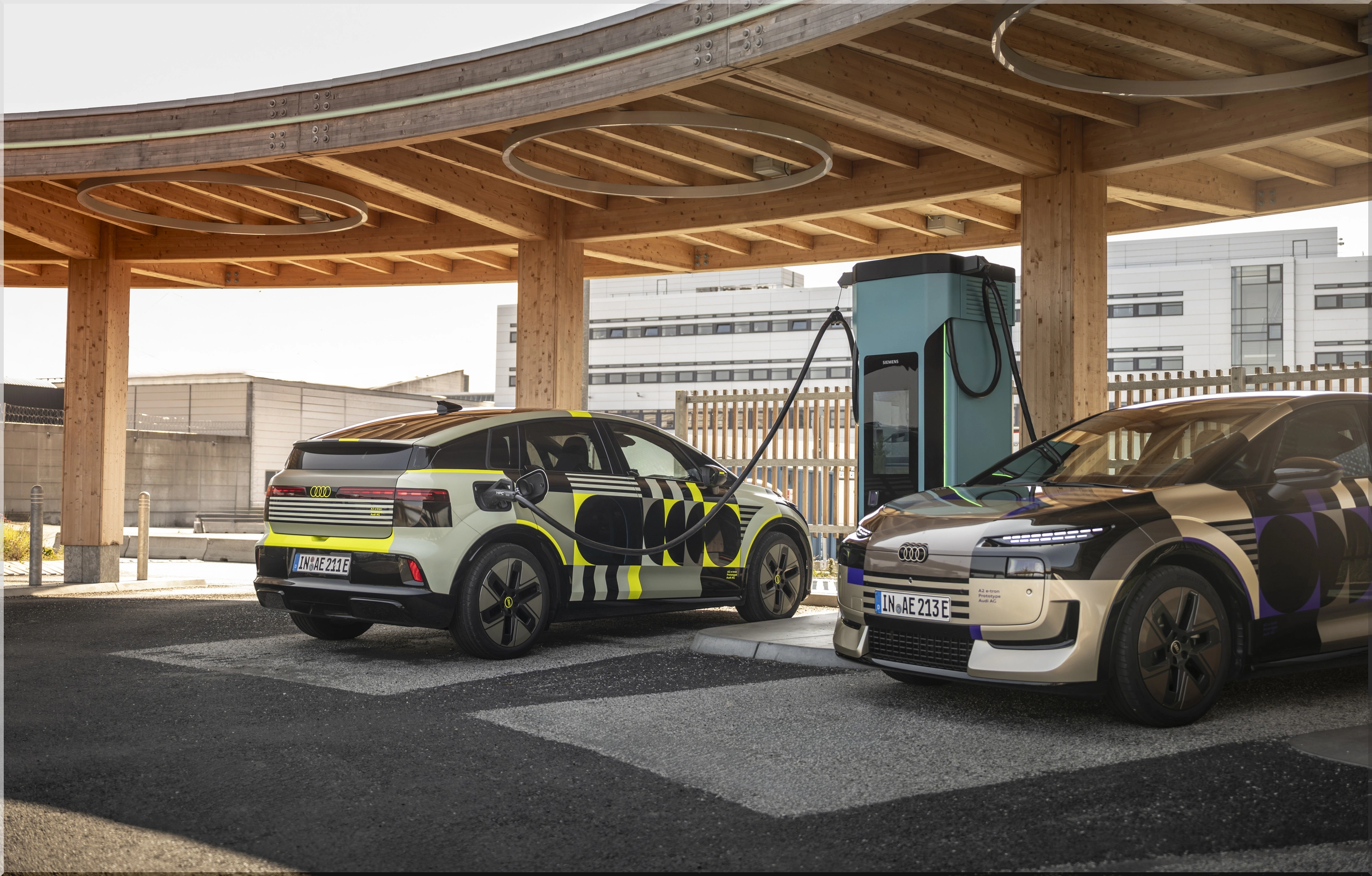
The pack accepts 105 kW and moves from 10% to 80% in 26 minutes. In addition, bidirectional charging supports Vehicle-to-Load and Vehicle-to-Home. V2H starts in Germany, Austria and Switzerland and requires compatible home hardware.
Audi A2 e-tron efficiency against direct rivals
By comparison, the Audi leads compact EV consumption figures, but rivals carry larger batteries or accept greater charging power. Wheels and equipment can shift each result.
| Model | Output | Battery capacity | WLTP use | WLTP range | Peak DC / 10-80% |
|---|---|---|---|---|---|
| Audi A2 e-tron 140 kW | 140 kW | 58 kWh | 12.8 kWh/100 km preliminary | Not released | 105 kW / 26 min |
| Volkswagen ID.3 Neo 140 kW | 140 kW | 58 kWh usable | 13.9-15.7 kWh/100 km across range | Up to 494 km | 105 kW / not stated |
| MINI Aceman SE | 160 kW | 49.2 kWh | 14.7 kWh/100 km | Up to 384 km | 95 kW / 31 min |
| Volvo EX30 Extended Range | 200 kW | 69 kWh nominal | 17.0 kWh/100 km | Up to 475 km | 175 kW / 28 min |
The Audi uses 7.9% less energy than the best Volkswagen ID.3 Neo figure, 12.9% less than the MINI and 24.7% less than the Volvo EX30. Audi has withheld certified range. Reports project 476 km from gross capacity, but buyers should wait for homologated data.
How much money can 12.8 kWh/100 km save?
At 15,000 km per year and €0.35 per kWh, the A2's consumption produces an annual electricity cost near €672. The best ID.3 Neo figure produces €730, the MINI €772 and the Volvo €893.
That gives the Audi a yearly advantage of roughly:
- €58 against the most efficient ID.3 Neo figure
- €100 against the MINI Aceman SE
- €221 against the Volvo EX30 Extended Range
Pro-Tip: Use your own tariff
Multiply annual kilometres by kWh/100 km, divide by 100, then multiply by your tariff. Add rapid-charging sessions separately. The result answers a practical question: will lower energy use repay the A2's likely price premium during your ownership period?
What Audi still needs to prove
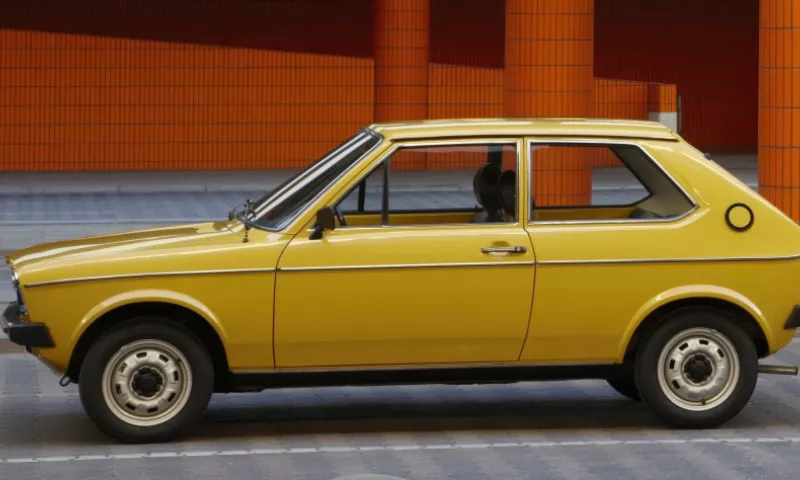
The original Audi A2 measured 3,826 mm (150.6 inches) long on a 2,405 mm (94.7-inch) wheelbase. Its 1.2 TDI weighed 855 kg, returned 2.99 litres/100 km and posted a 0.25 Cd. The EV lowers Cd to 0.24, though its larger frontal area complicates total-drag comparisons.
Audi still owes buyers final dimensions, weight, boot volume, performance, range, package content and pricing. An early prototype drive reported a harsh ride with the lowered sport suspension. Buyers should compare the standard setup before ordering.
The Audi A2 e-tron wins the consumption argument on preliminary WLTP data. Certified range, winter charging, motorway use and price will decide its broader value. If customer cars preserve 12.8 kWh/100 km without punishing ride quality, the A2 name will regain its technical purpose.
- Add new comment
- 55 views