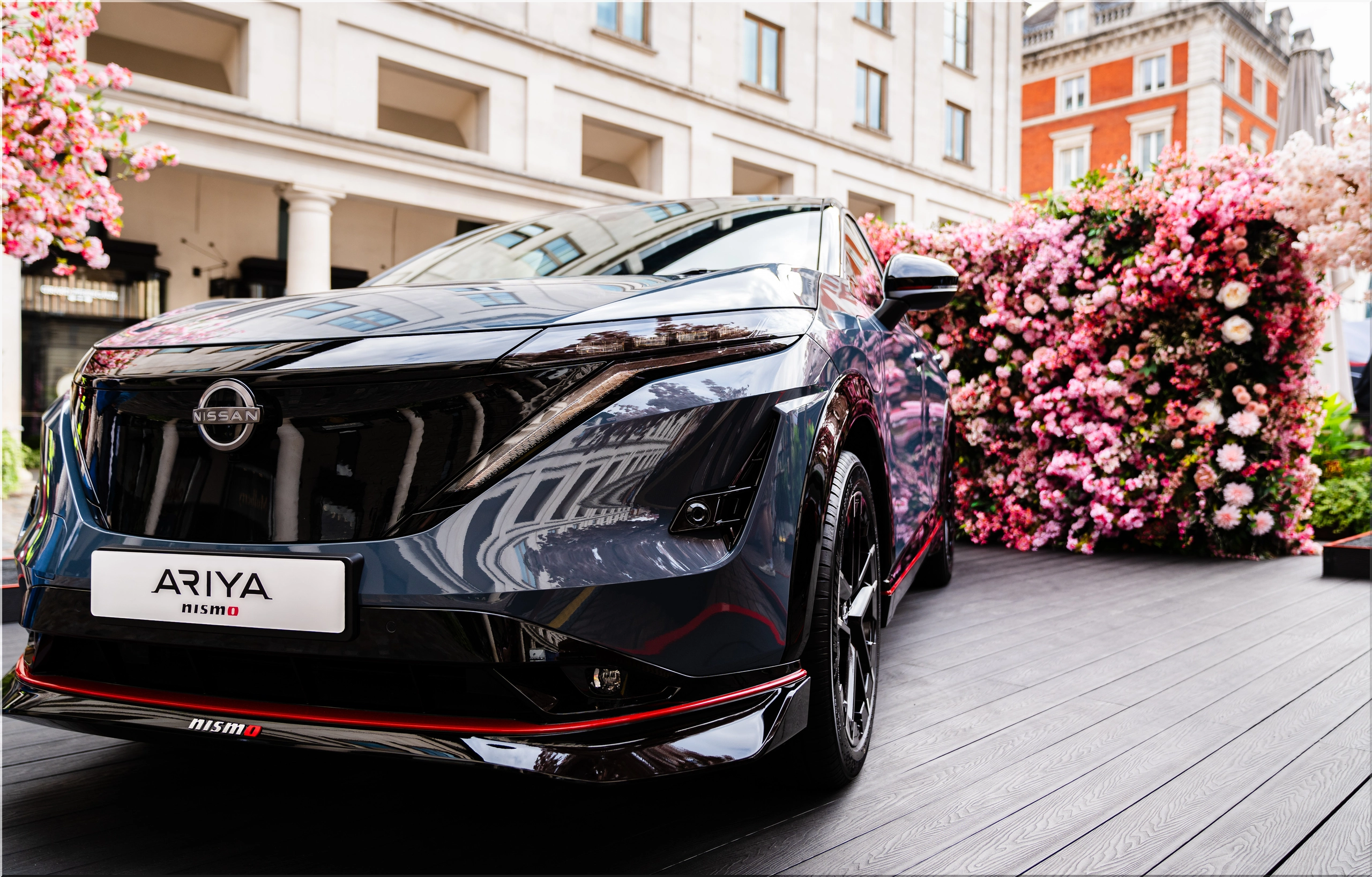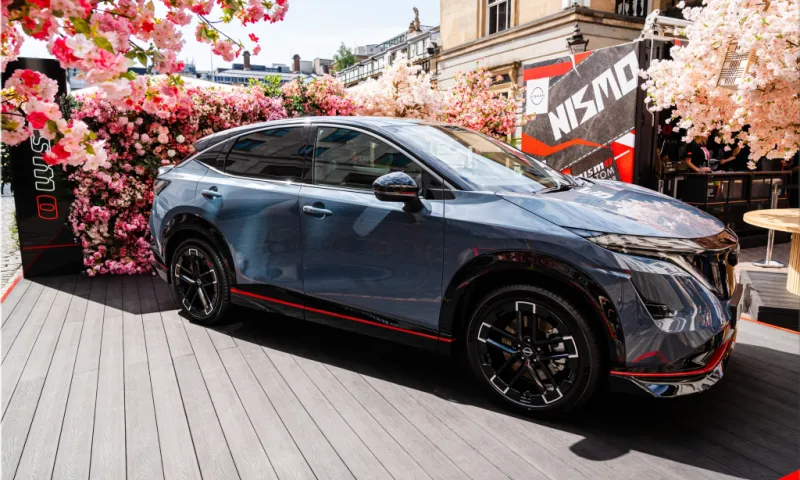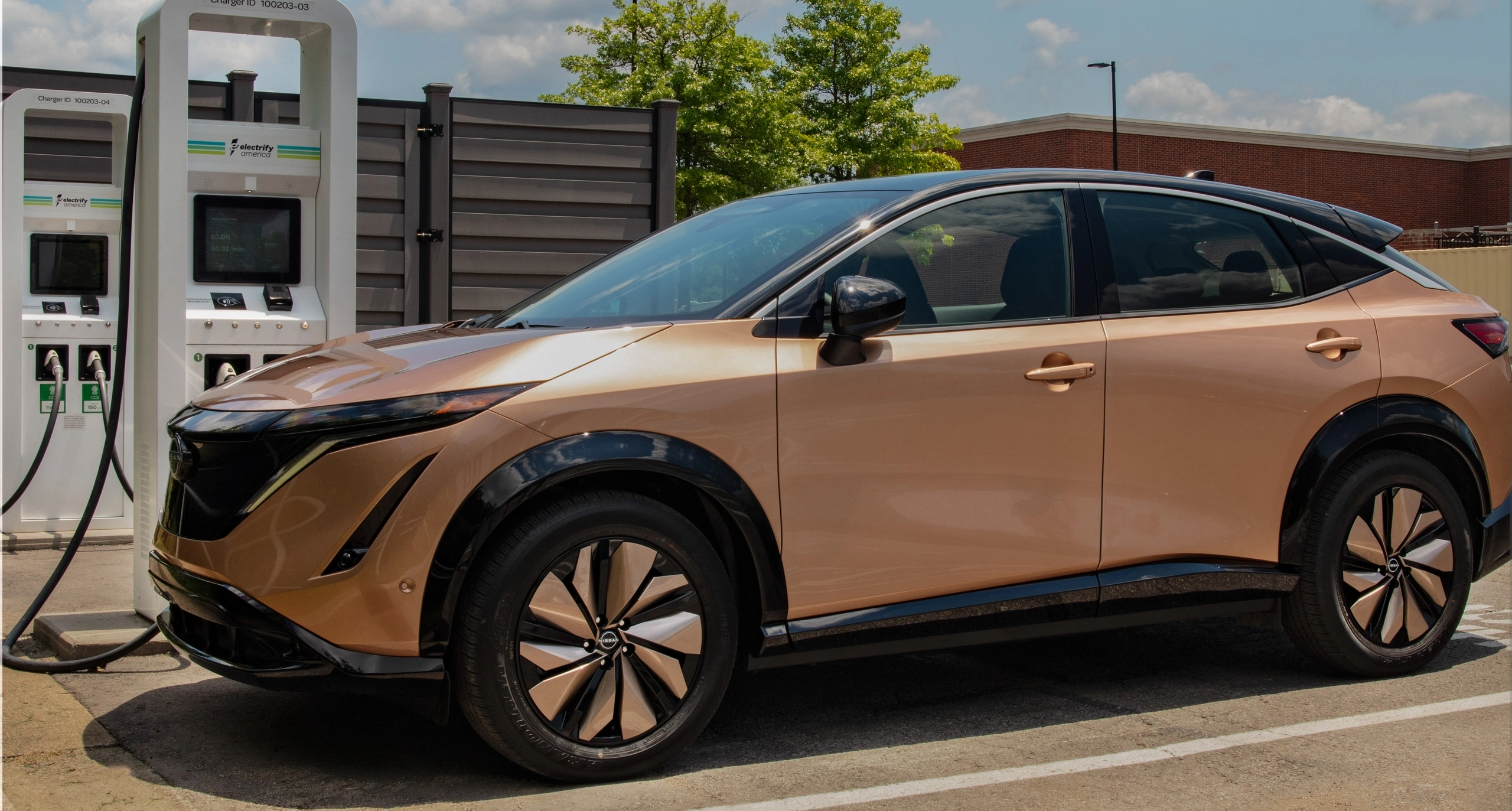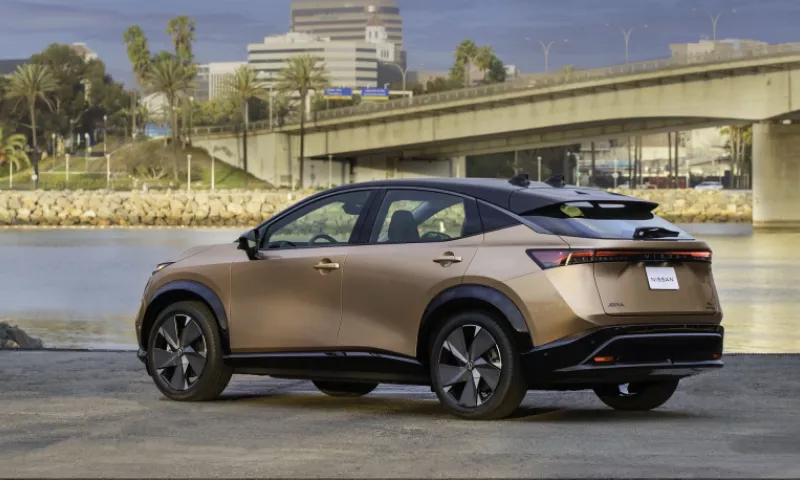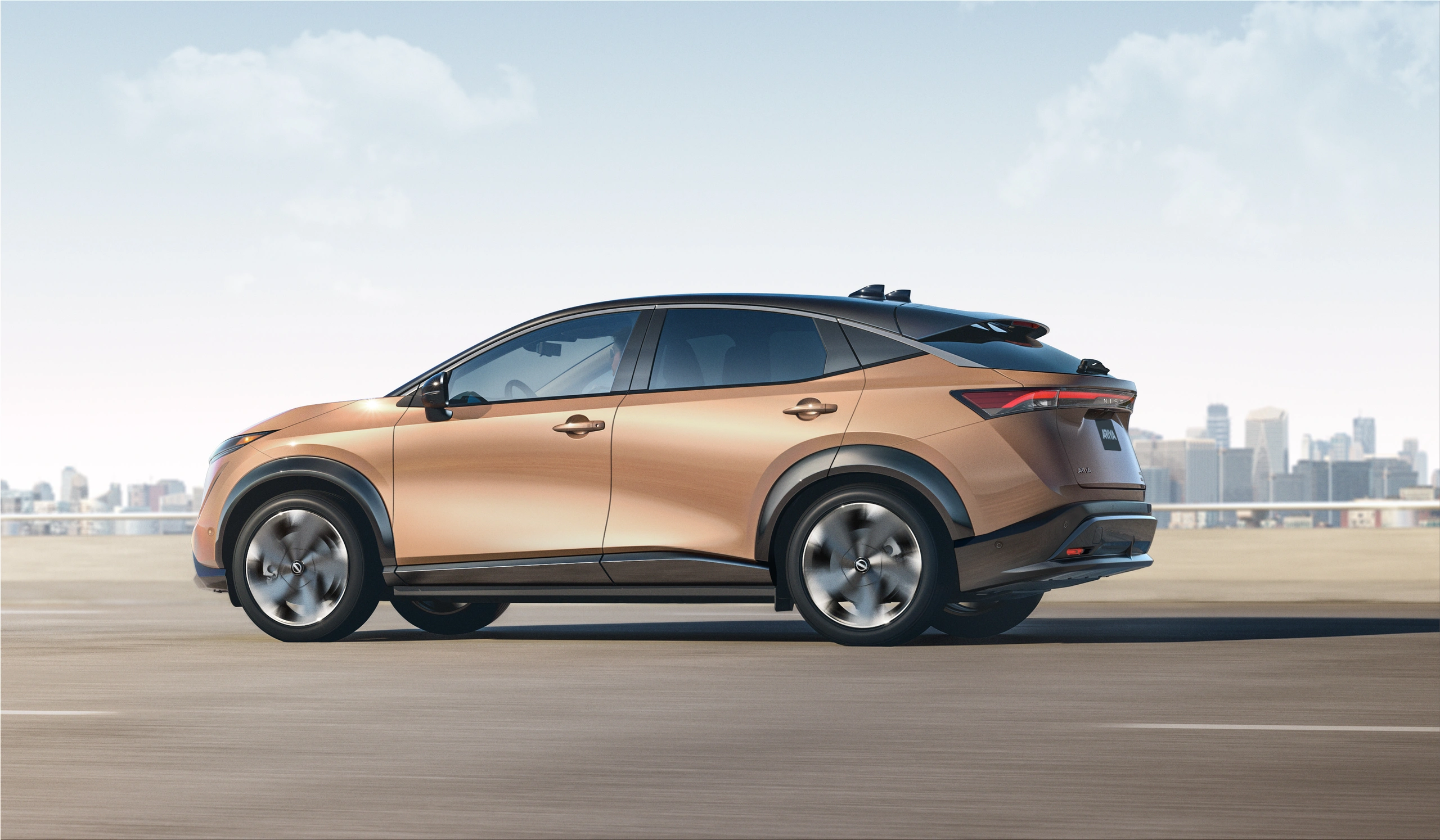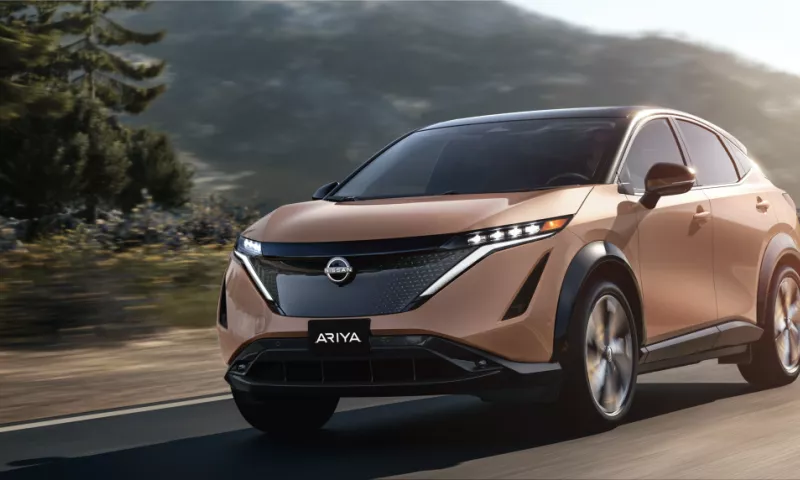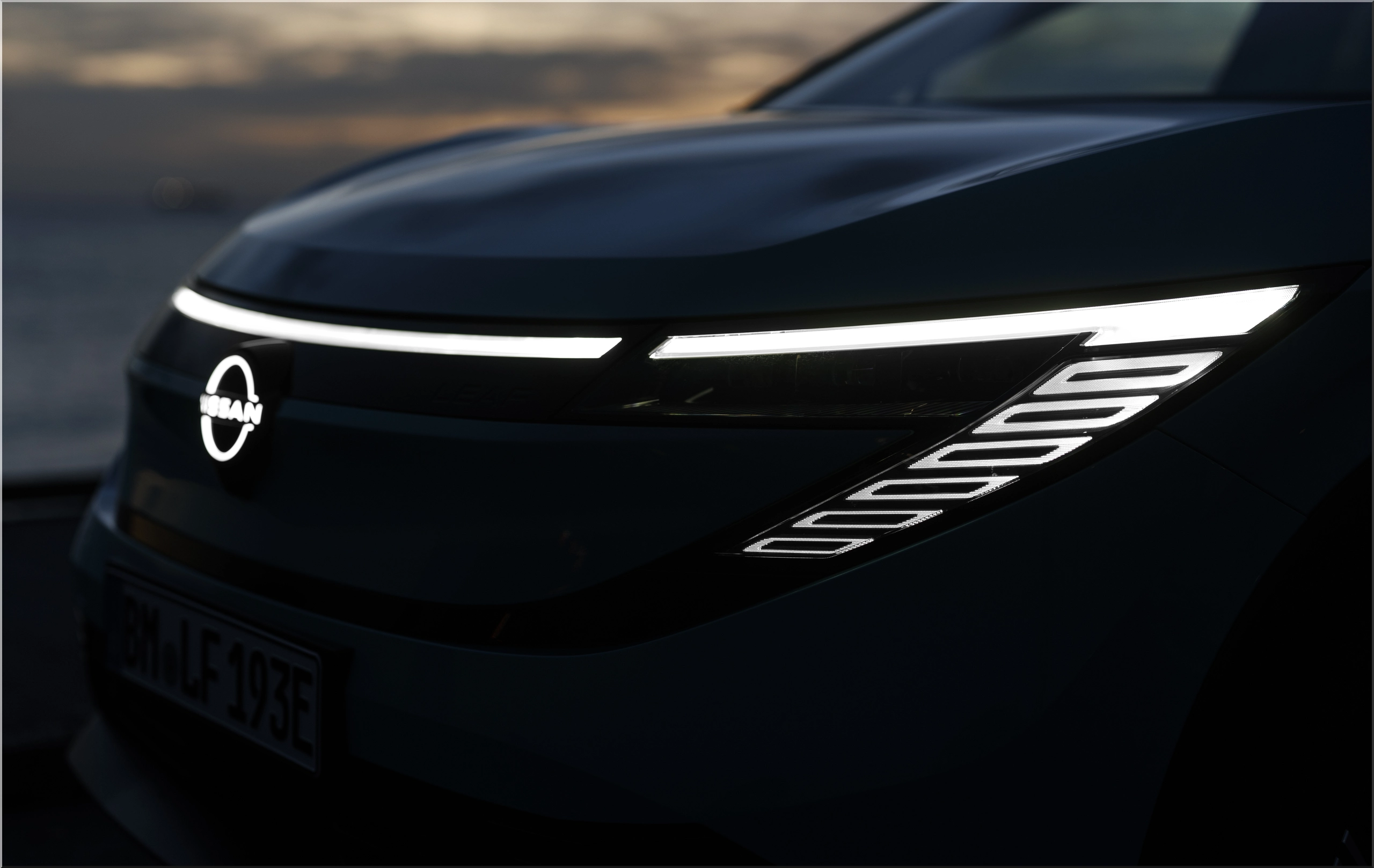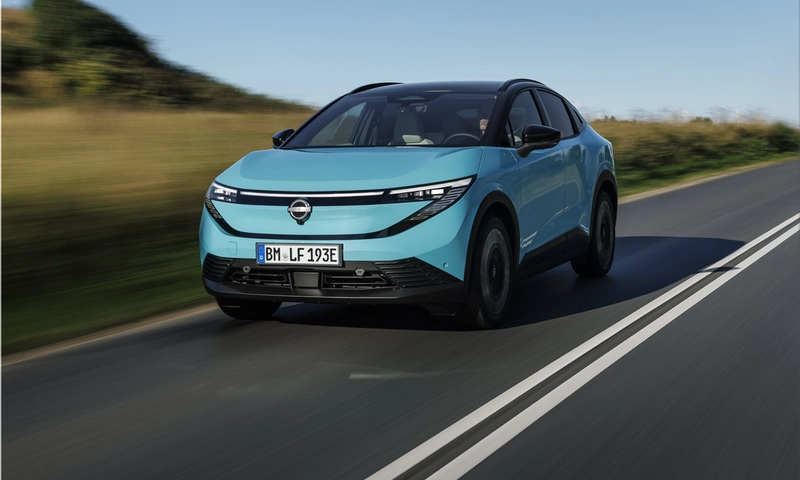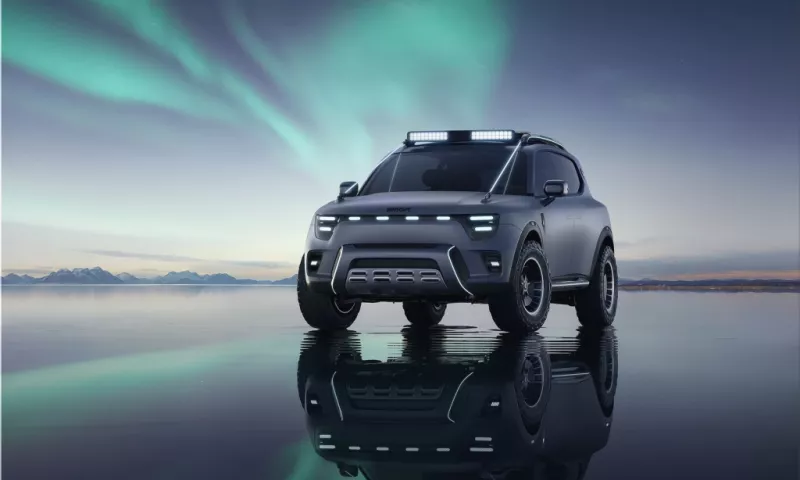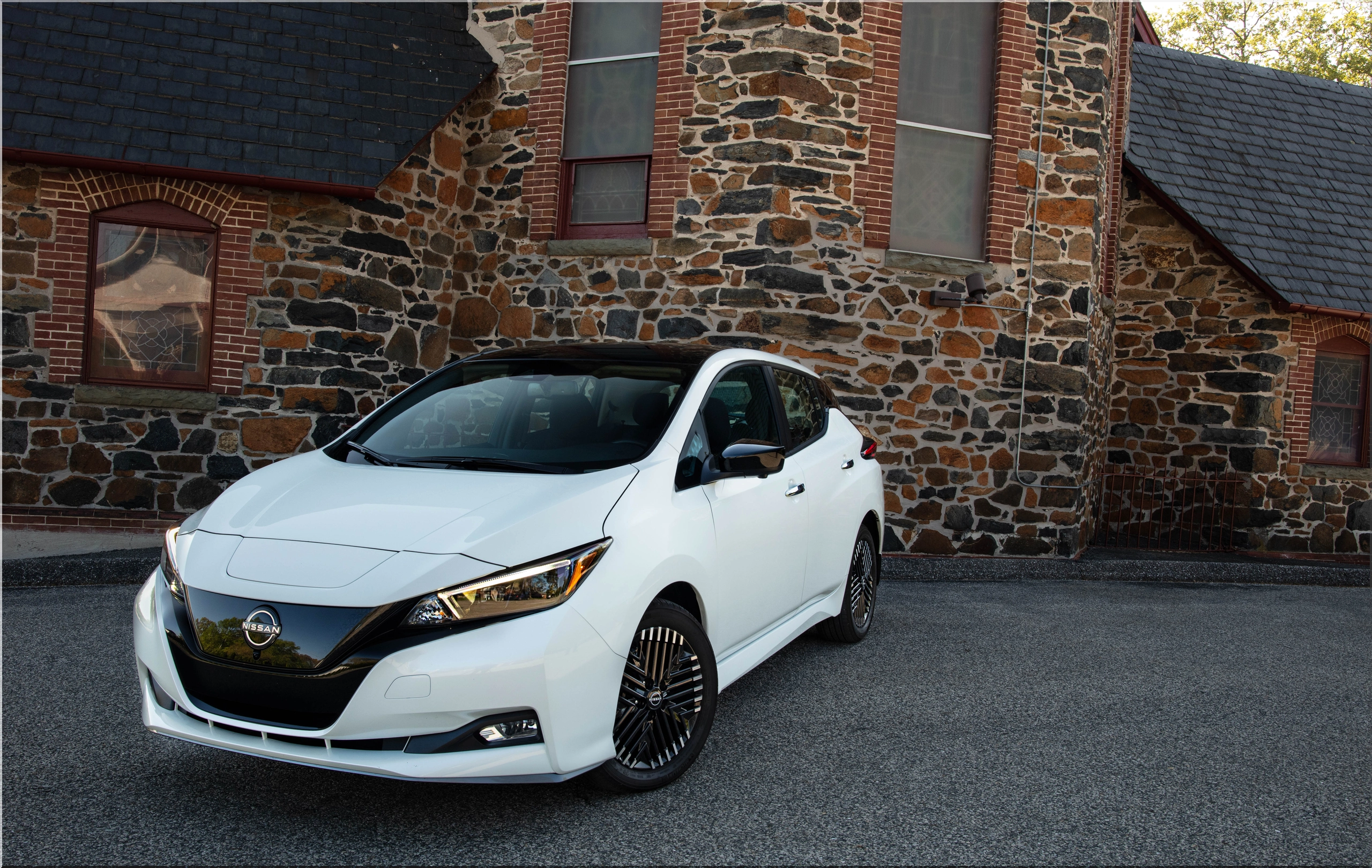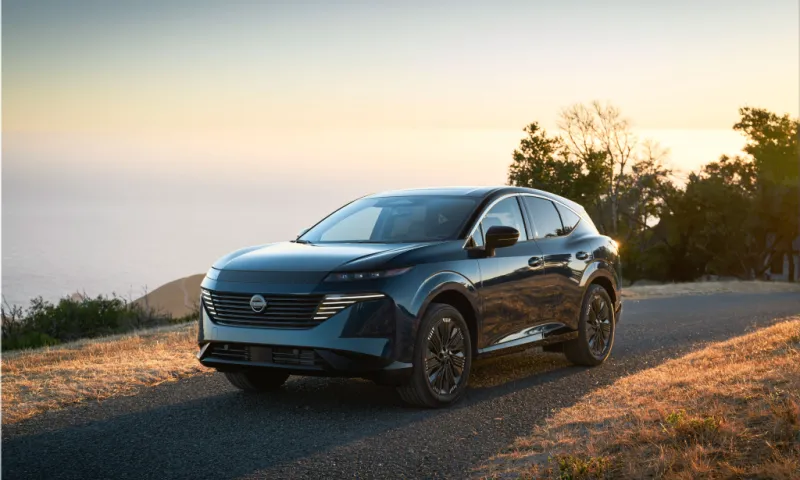
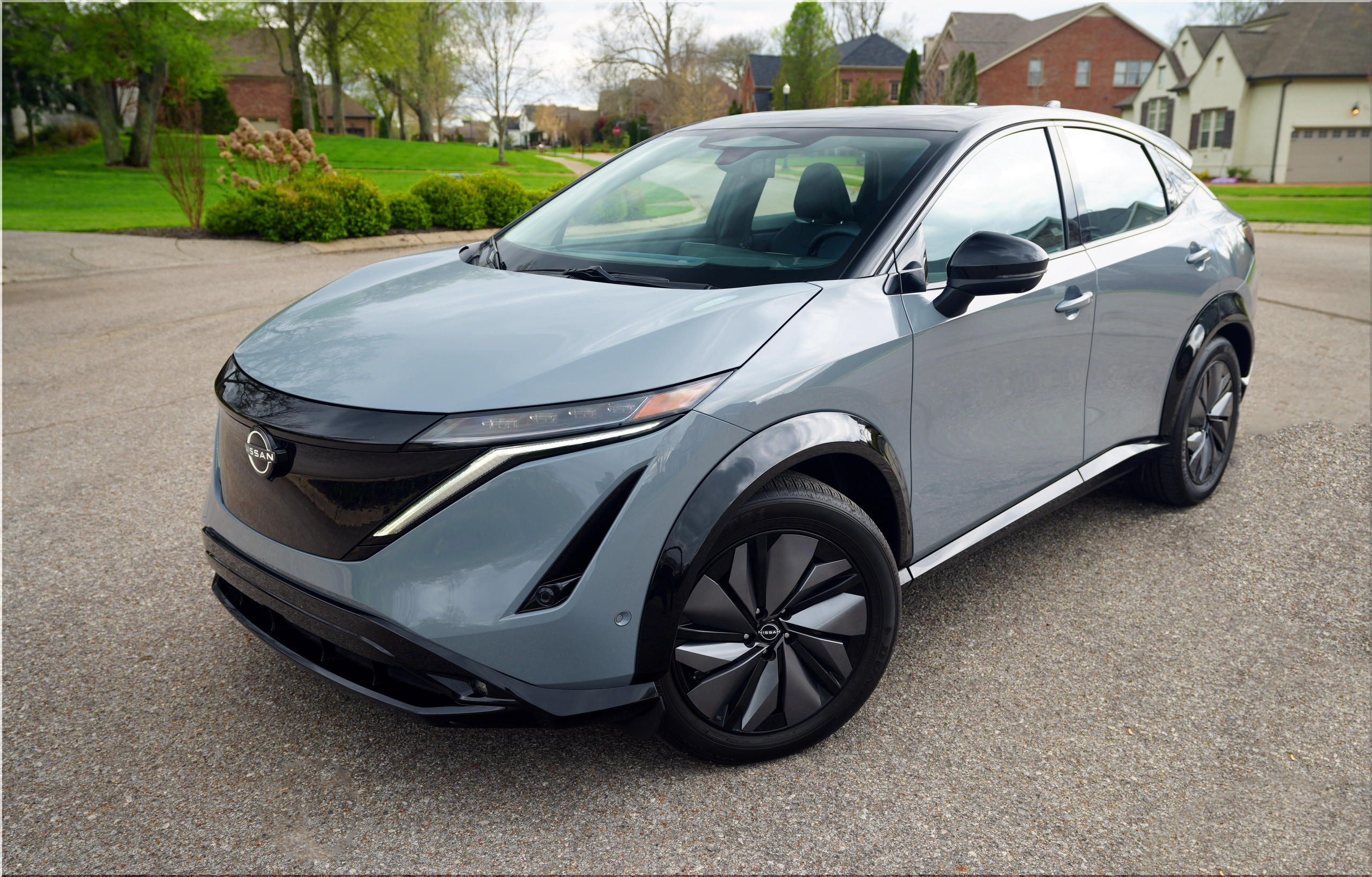
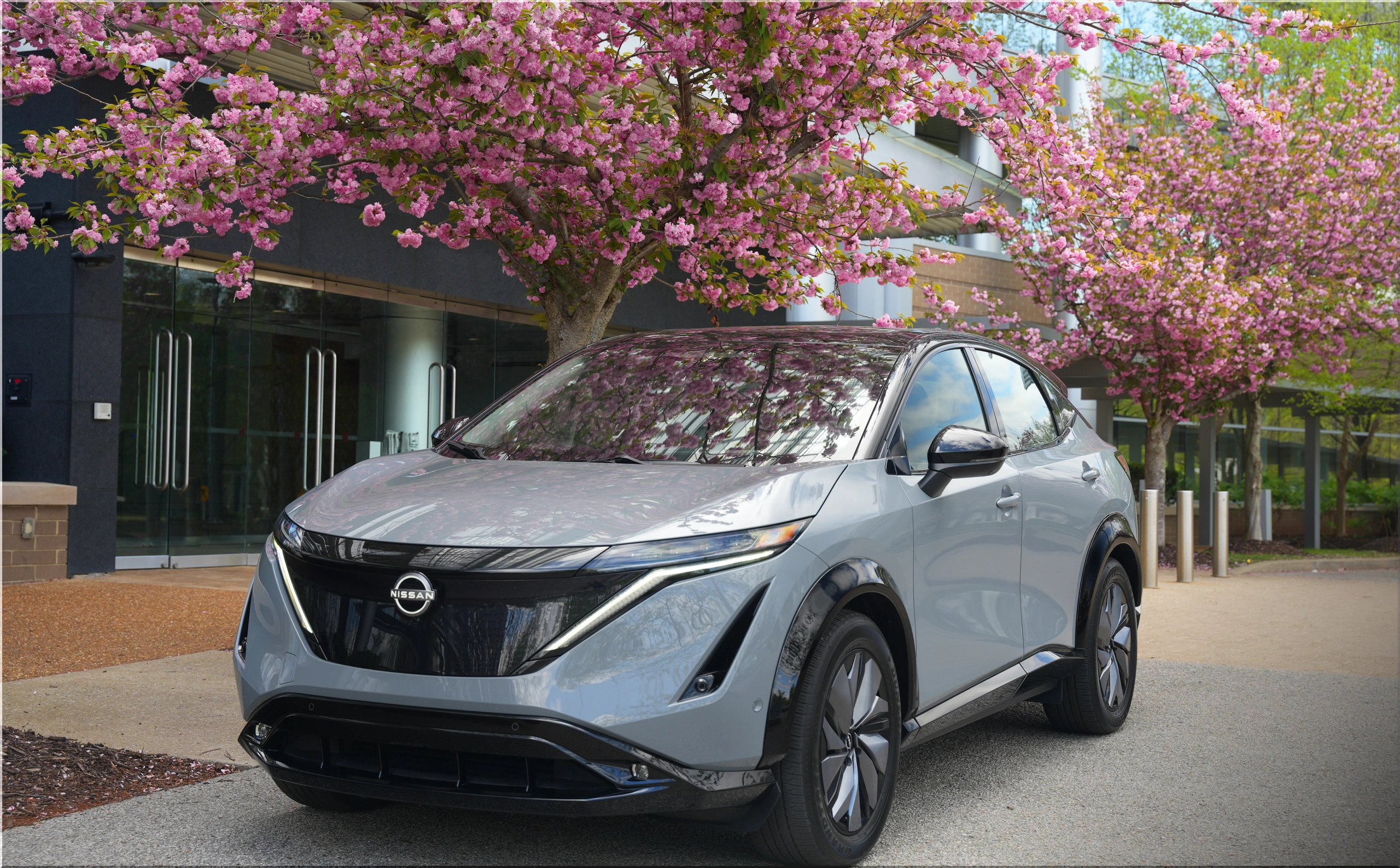
When temperatures drop below freezing and roads become slick with ice, most drivers share a common concern: will their car handle the challenge? For Nissan engineers, this question was at the forefront when designing the Ariya, their all-electric SUV. With electric vehicles (EVs) gaining traction worldwide, ensuring they perform reliably in harsh winter conditions is a critical benchmark. Here’s how Nissan rigorously tested the Ariya to ensure it stands up to bitter cold and keeps drivers confident in the harshest climates.
The Challenge of Cold Weather for Electric Vehicles
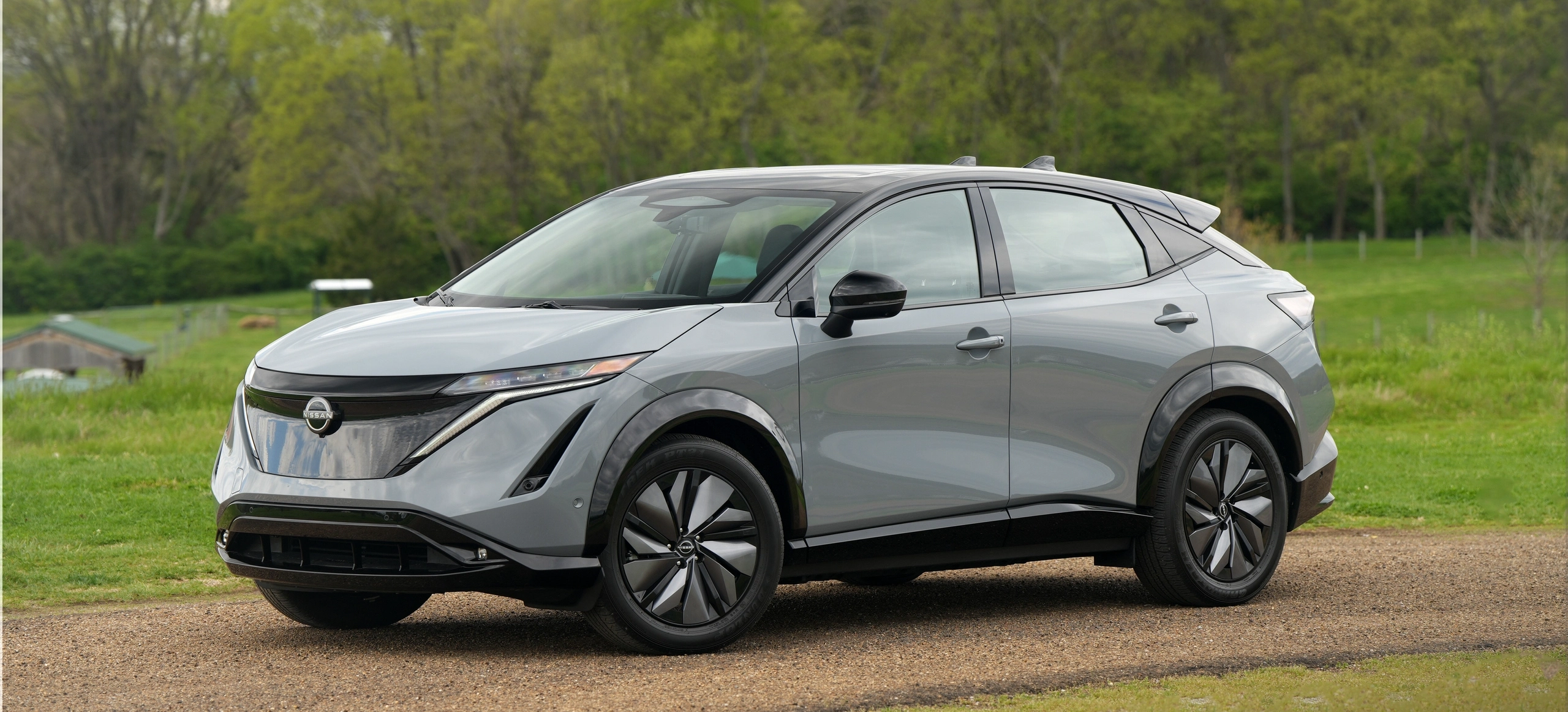
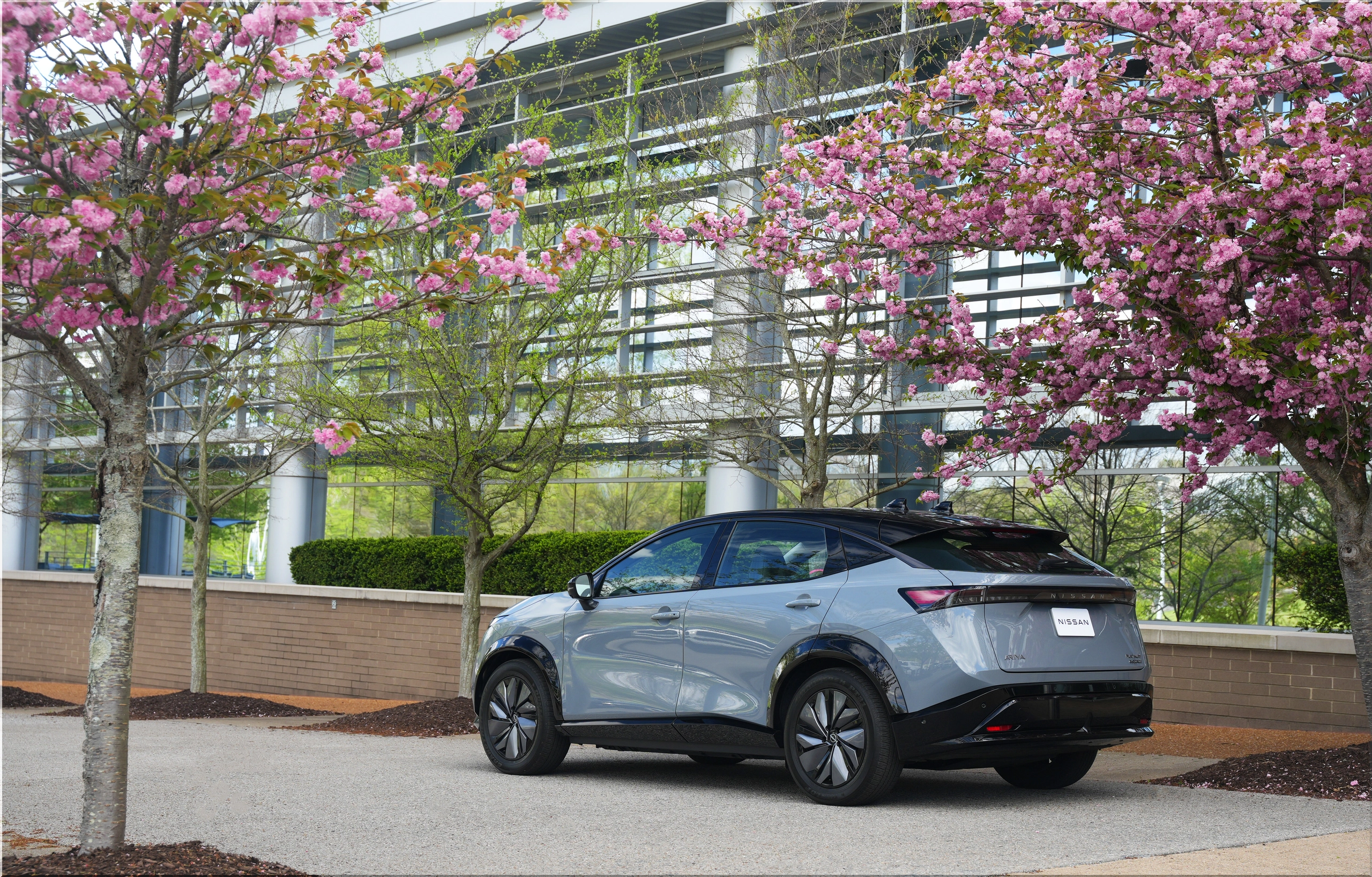
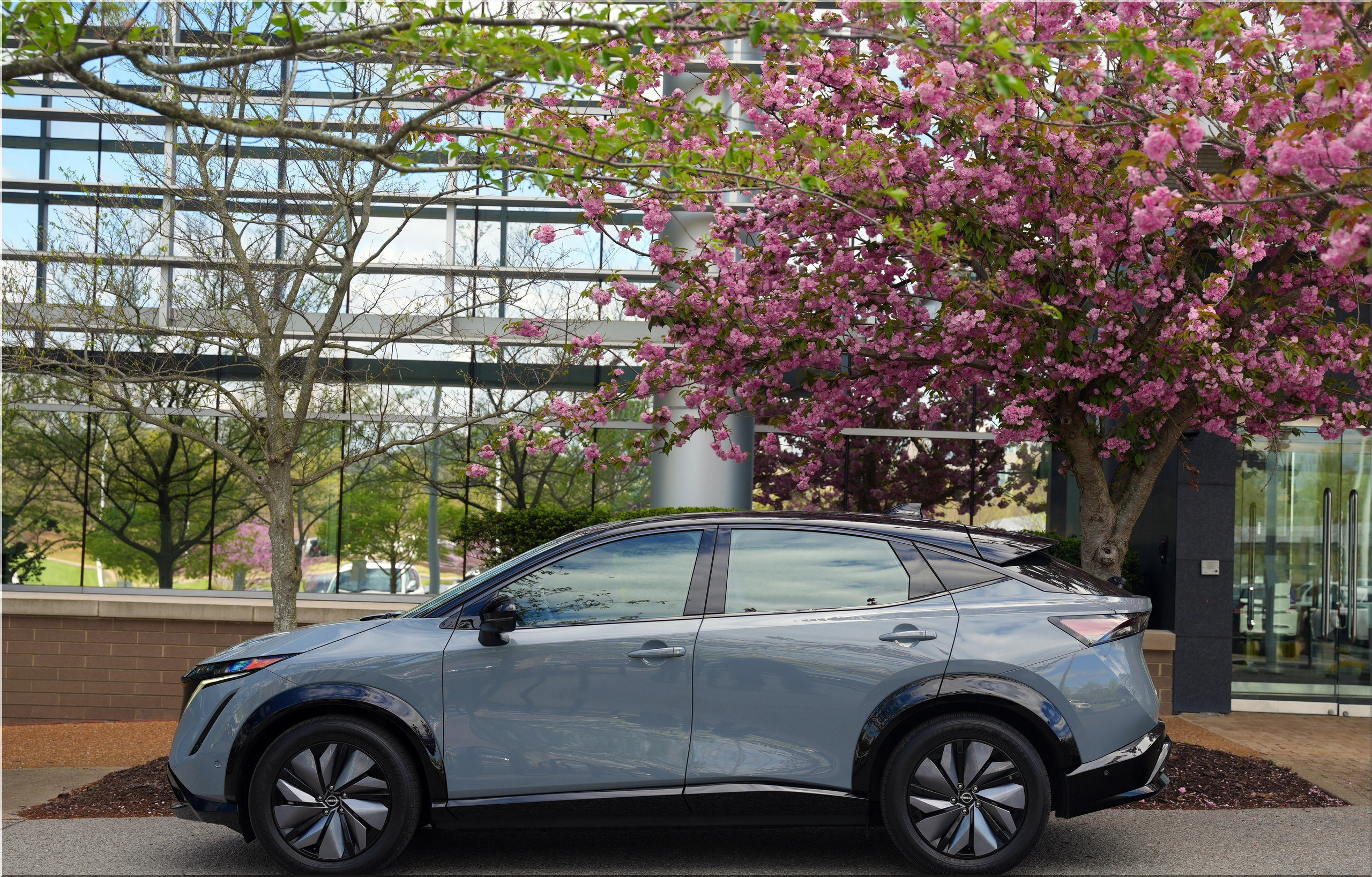
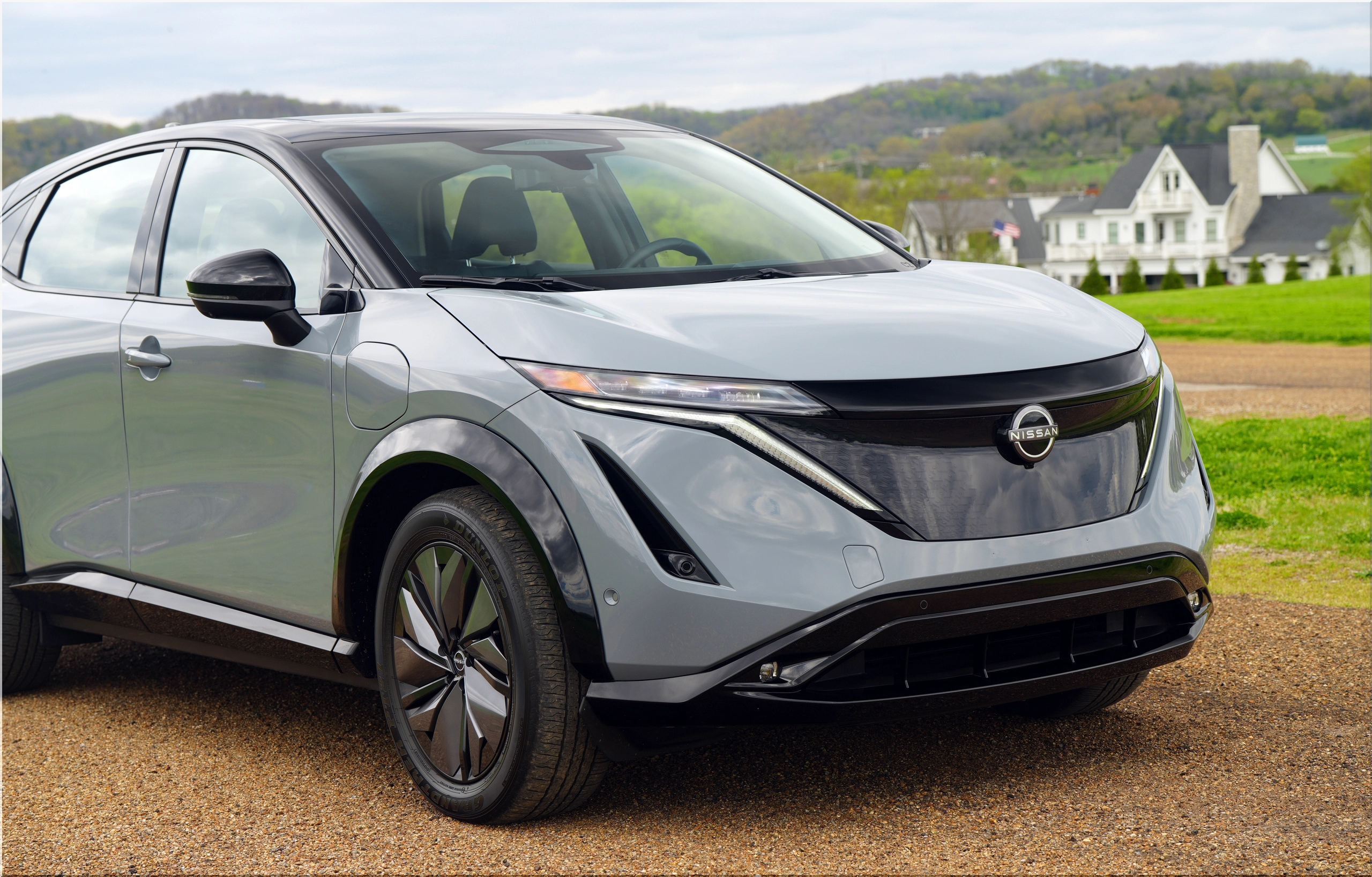
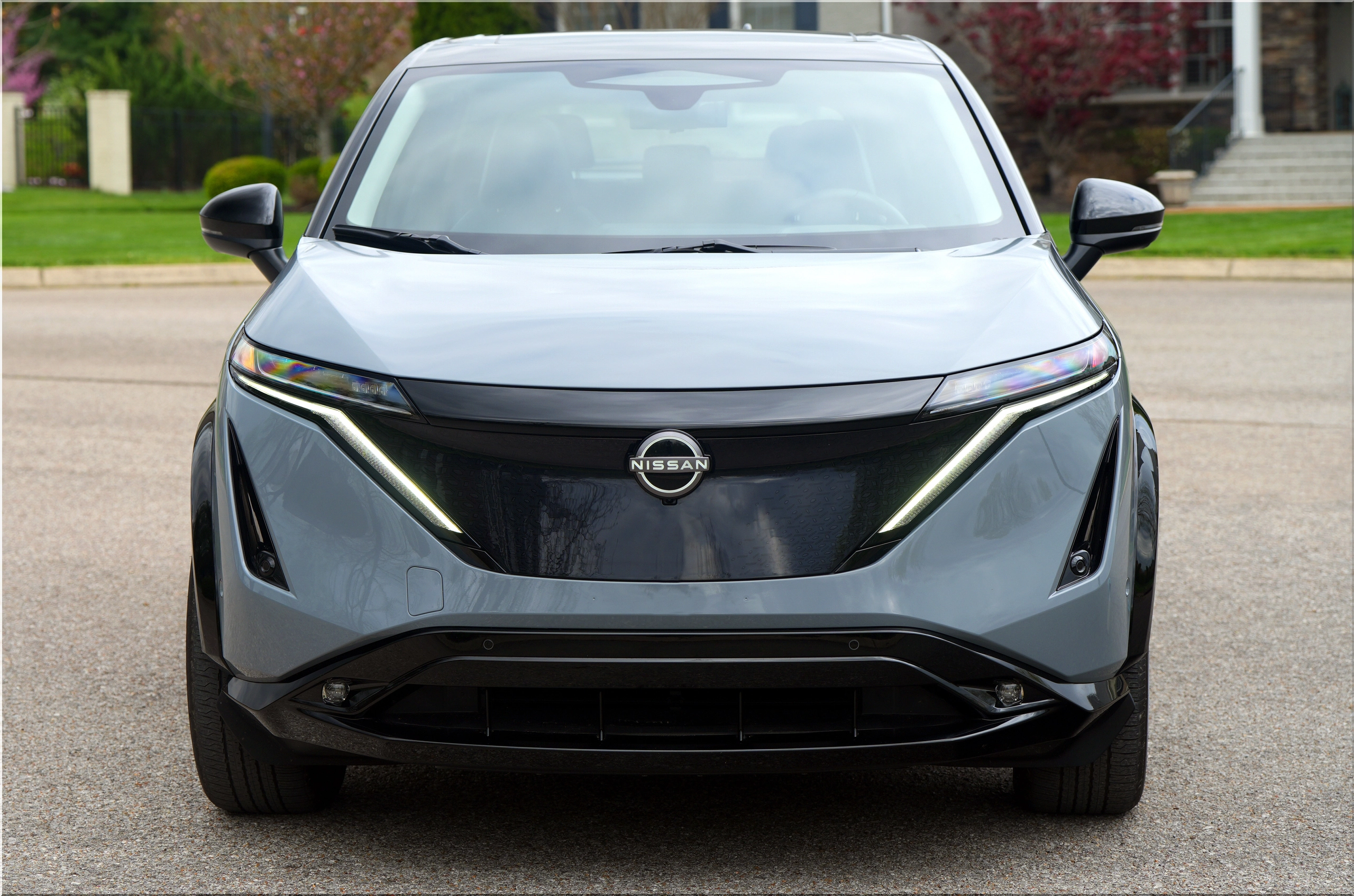
Cold weather poses unique challenges for EVs, like how we humans struggle to get out of bed on chilly mornings. For EVs, it’s not about snooze buttons but about battling reduced battery efficiency, slower charging speeds, and limited range. Low temperatures can significantly reduce battery performance, slow charging speeds, and affect driving range. Additionally, snow and ice demand robust traction and stability systems. Nissan’s engineers knew they had to address these hurdles head-on to make the 2025 Nissan Ariya all-electric SUV a reliable option for drivers facing winter extremes.
Testing in Extreme Conditions: Welcome to Hokkaido
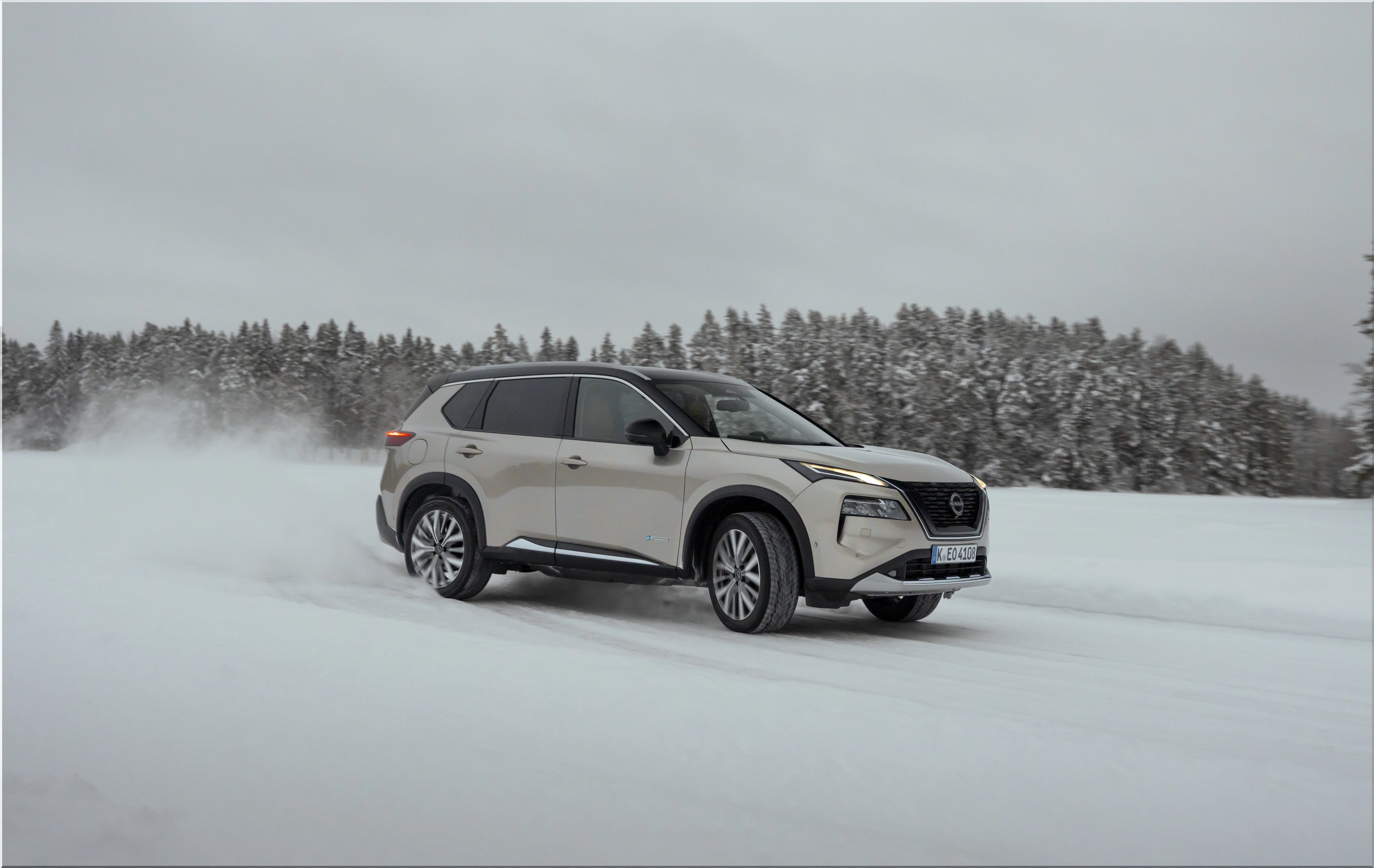
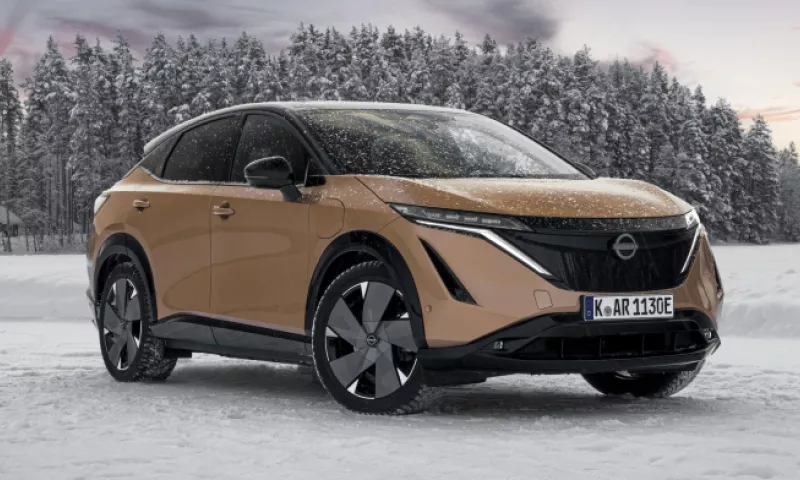
Nissan took the Ariya to Hokkaido, Japan’s northernmost island, where winters are so brutal they make you question the existence of warm socks. Temperatures frequently plunge below freezing, providing the ideal setting to see if the Ariya could face the cold without shivering. Over weeks of testing, engineers subjected the Ariya to icy roads, deep snow, and bone-chilling winds.
Key Testing Included:
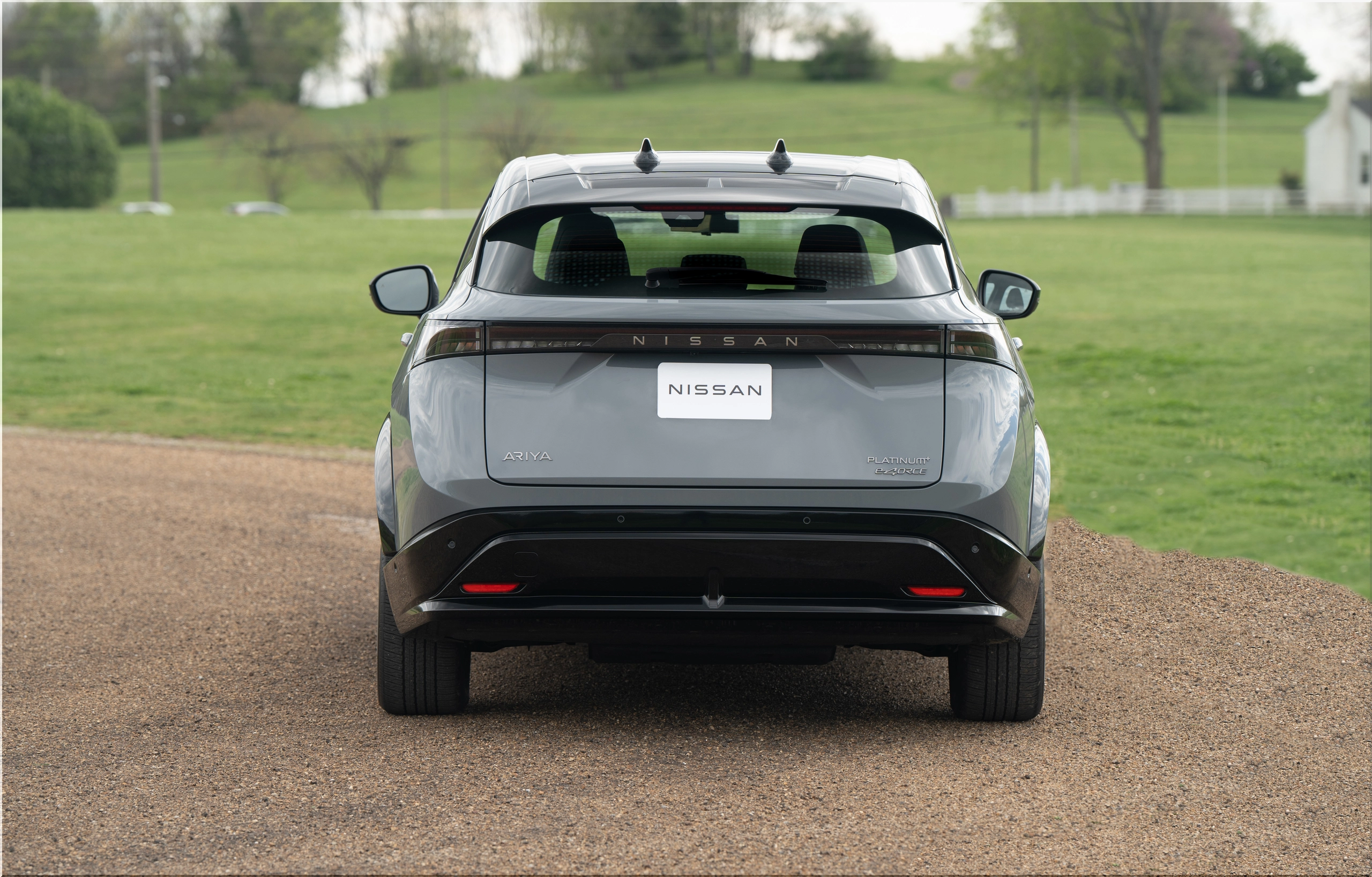
- Traction and Stability: Engineers evaluated the Ariya’s dual-motor all-wheel-drive system, e-4ORCE, on slippery surfaces. This advanced system adjusts torque distribution between the front and rear wheels for optimal grip, ensuring confident handling even in challenging conditions.
- Battery Performance: Cold weather can sap battery life, so Nissan assessed how well the Ariya’s thermal management system maintained efficiency in subzero temperatures.
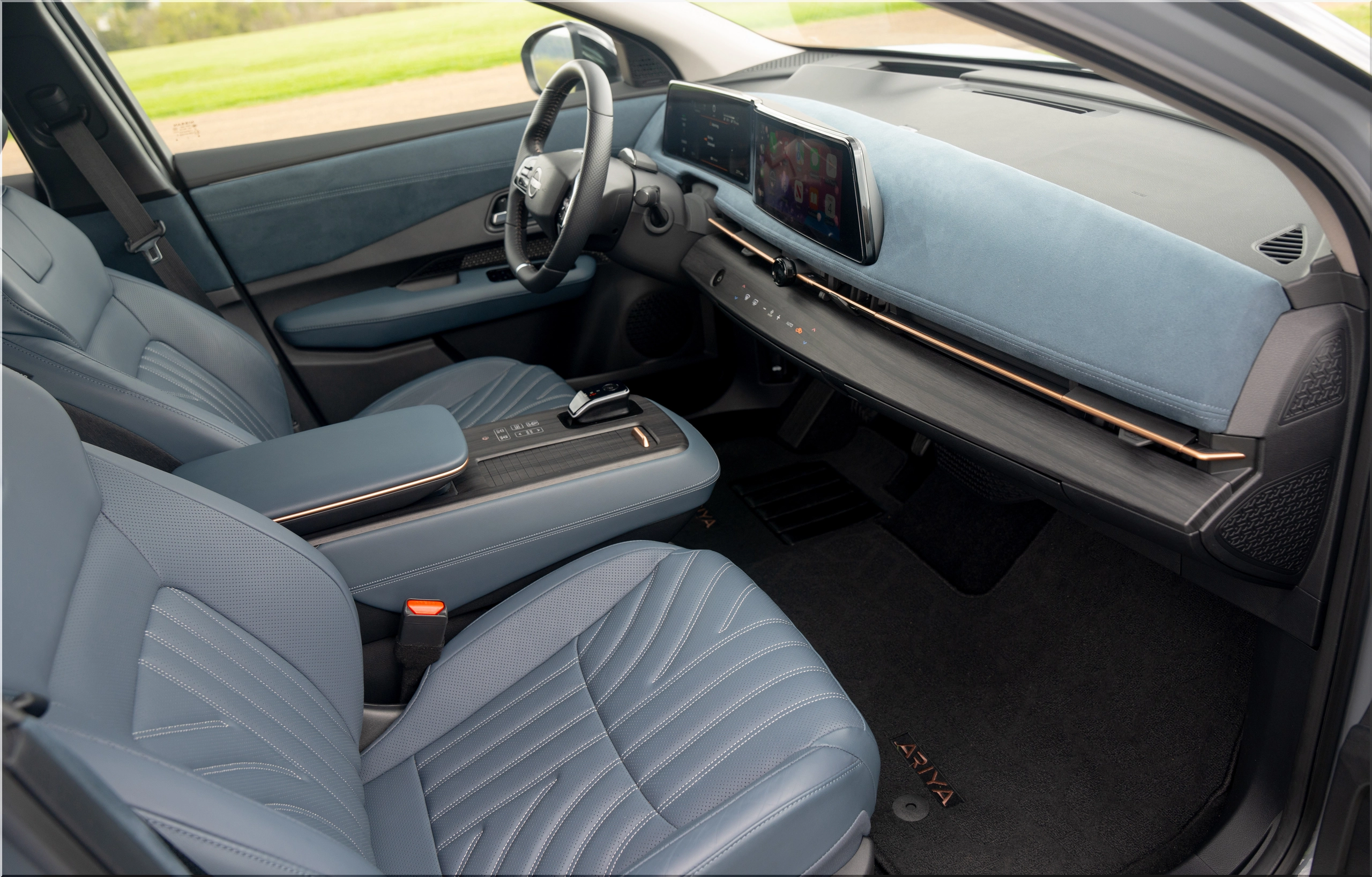
- Heating Systems: Engineers fine-tuned the climate control to provide quick cabin warmth without excessively draining the battery, ensuring comfort doesn’t come at the cost of range.
Innovations That Stand Up to the Cold
To deliver consistent performance, the 2025 Nissan Ariya all-electric SUV incorporates several innovations:
- Thermal Management System: The Ariya’s battery features an active heating and cooling system that acts like a personal thermostat, ensuring it stays cozy and efficient. Think of it as your car’s way of wrapping itself in a thermal blanket to brave the icy outdoors. This technology minimizes range loss, even during frigid conditions.
- Efficient Heat Pumps: Instead of relying solely on traditional resistive heaters, the Ariya employs a heat pump system to warm the cabin. Heat pumps are far more energy-efficient, helping to preserve battery power while keeping passengers comfortable.
- e-4ORCE Technology: This dual-motor all-wheel-drive system isn’t just about traction; it’s also about balance. By distributing torque precisely, it reduces understeer and oversteer, making icy roads less intimidating.
- Advanced Driver Assistance Systems (ADAS): Features like ProPILOT Assist and Nissan’s Intelligent Around View Monitor are tailored for winter. They help drivers navigate snow-covered roads and parking lots with greater ease and confidence.
Real-World Scenarios: Putting Theory to the Test
Testing in controlled environments is one thing, but Nissan wanted to see how the Ariya electric SUV handled real-world winter curveballs. Engineers simulated everyday challenges, such as:
- Starting Up in Extreme Cold: They examined how quickly the Ariya’s systems, including the battery and heating, activated after being left outside overnight in freezing conditions.
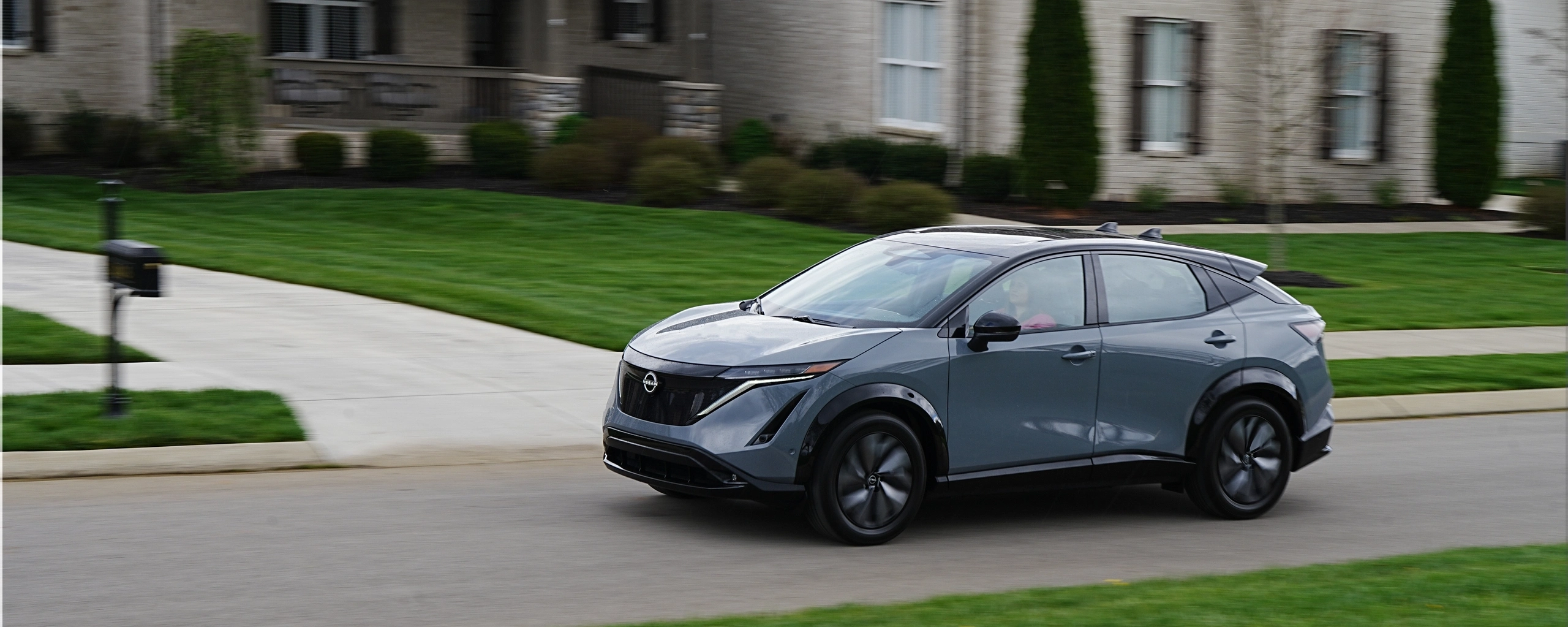
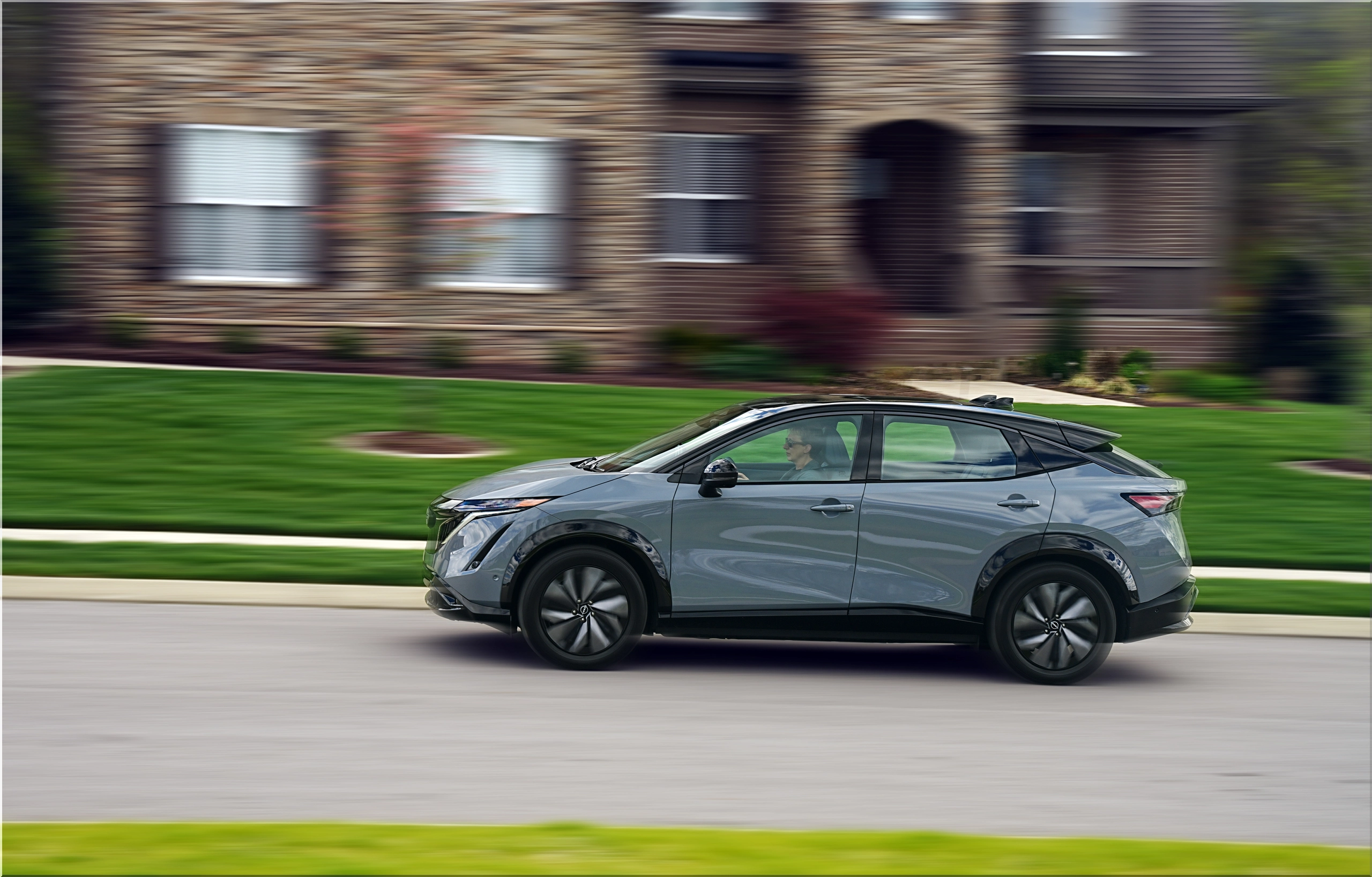
- Driving Through Snow: The team tested the vehicle’s handling on snow-packed roads, ensuring consistent grip and stability.
- Slippery Inclines: Engineers drove the Ariya up icy hills to evaluate how well the e-4ORCE system prevented wheel slippage and maintained control.
Insights for EV Owners Facing Cold Weather
While Nissan’s rigorous testing ensures the Ariya is ready for the cold, drivers can take some extra steps to stay ahead of Jack Frost:
- Precondition the Battery: Use scheduled charging to warm up the battery before driving. This improves efficiency and range.
- Park Indoors When Possible: Keeping the car in a garage or sheltered space reduces the strain on the battery.
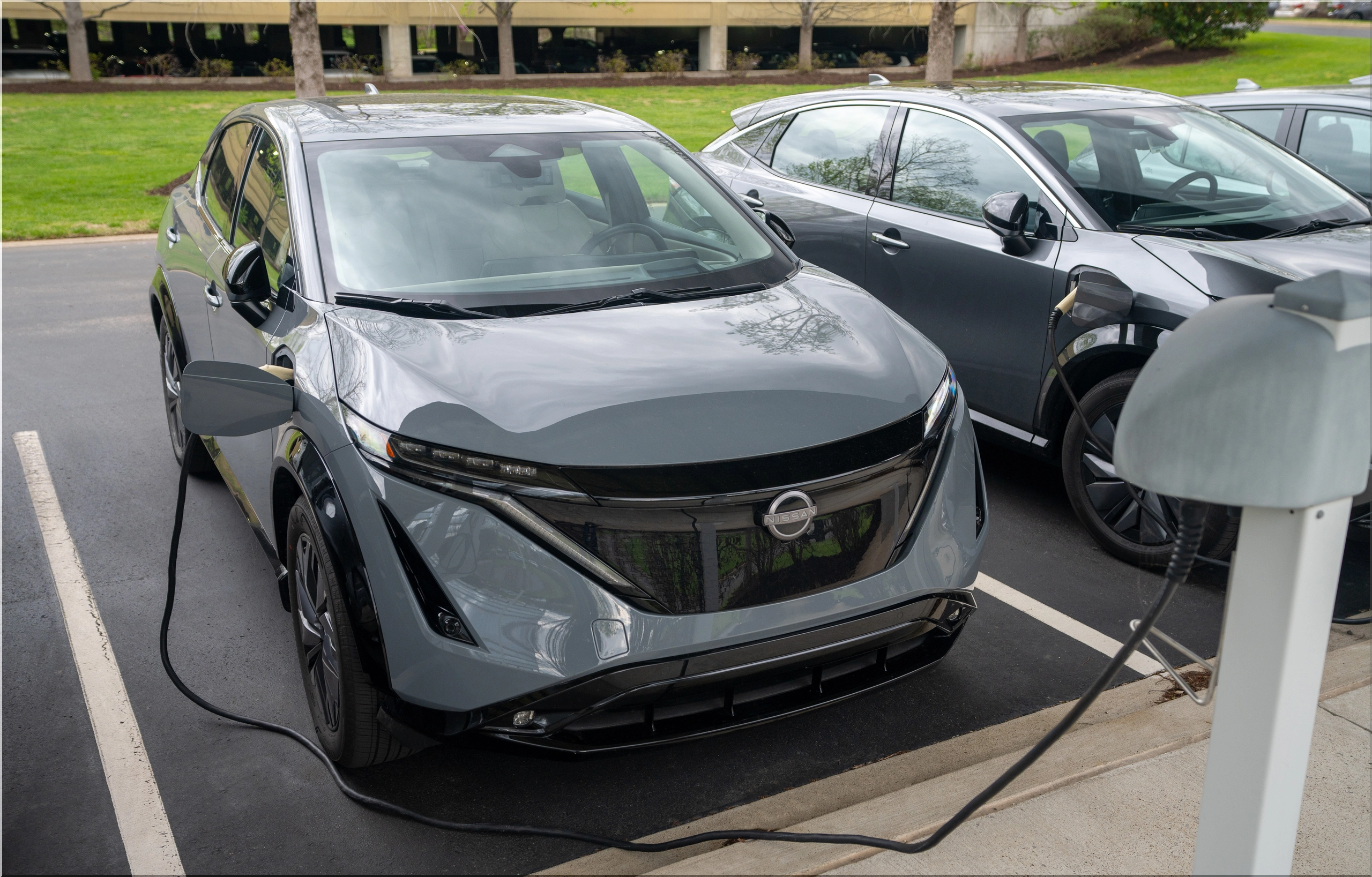
- Plan Charging Stops: Cold weather can affect charging speeds, so allow extra time for road trips.
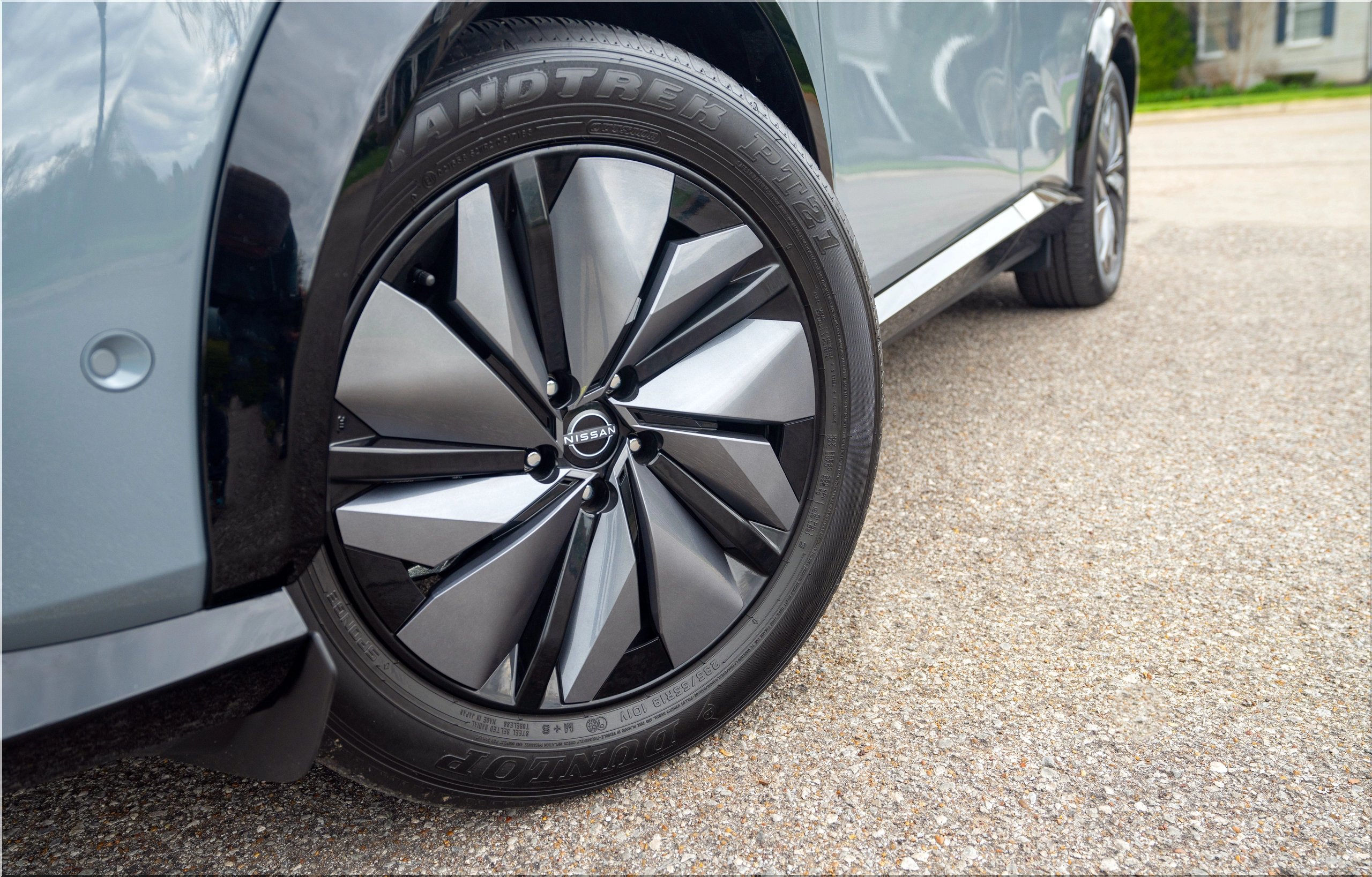
- Monitor Tire Pressure: Cold air contracts, lowering tire pressure and affecting traction. Regular checks are essential.
Why It Matters
Nissan’s focus on cold-weather performance is about more than just technical achievement. It’s about giving drivers peace of mind. Whether you’re navigating icy city streets or embarking on a ski trip, knowing your car has been tested in some of the harshest conditions offers reassurance. By tackling the challenges of winter head-on, the Ariya demonstrates that EVs aren’t limited to temperate climates. With innovations like e-4ORCE and efficient thermal management, Nissan is paving the way for a future where EVs are practical and reliable, no matter the season.
Conclusion
Nissan’s engineers didn’t just test the Ariya for cold weather; they designed it to thrive in it. Their work ensures that drivers can embrace the benefits of electric vehicles without compromise, even when the temperature plunges. As EVs become an increasingly common choice, it’s reassuring to see manufacturers like Nissan pushing boundaries to meet real-world demands. @via Nissan.
How do you think EVs will continue to adapt to extreme climates? Share your thoughts and experiences below!
- Add new comment
- 149 views