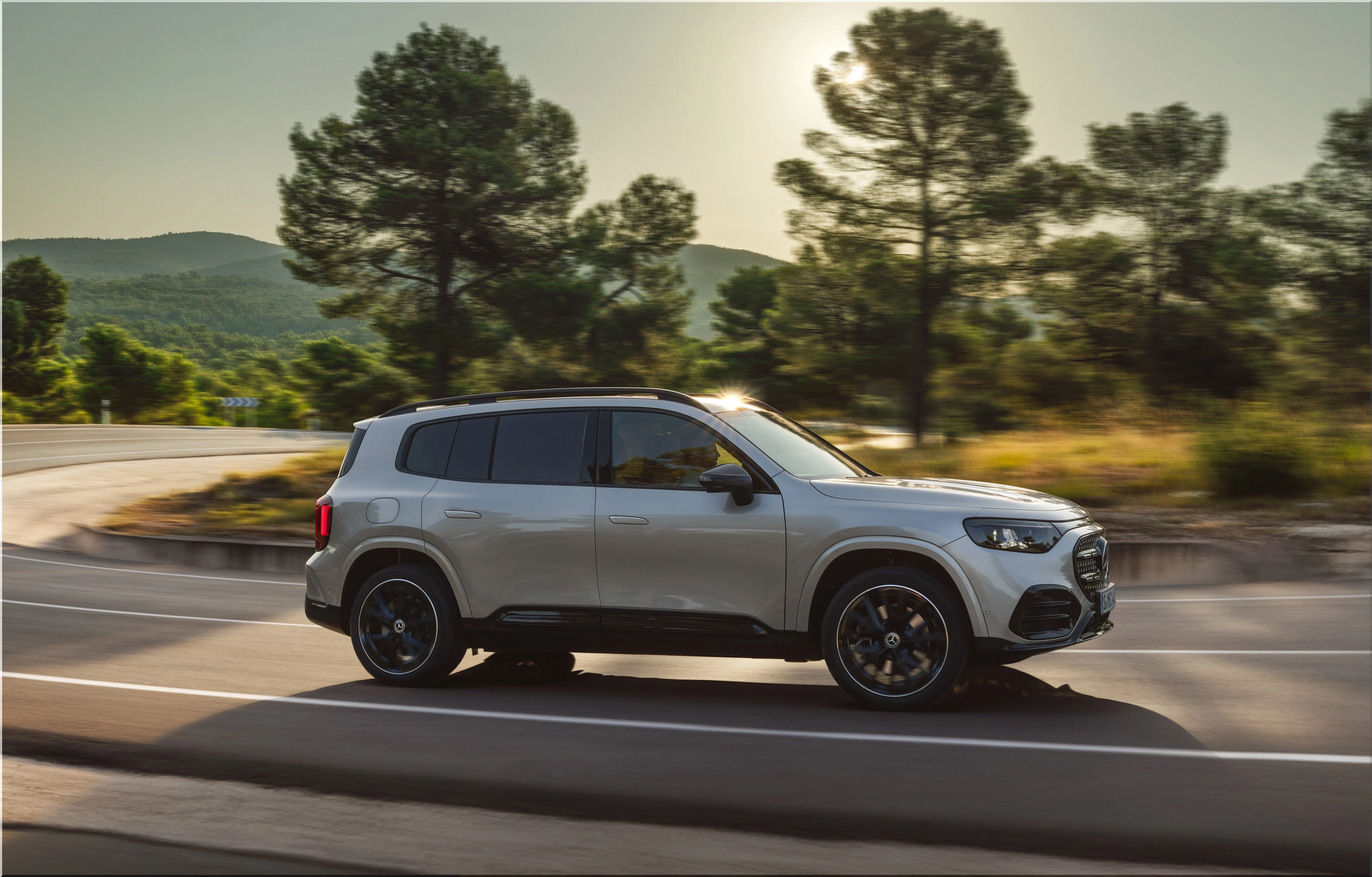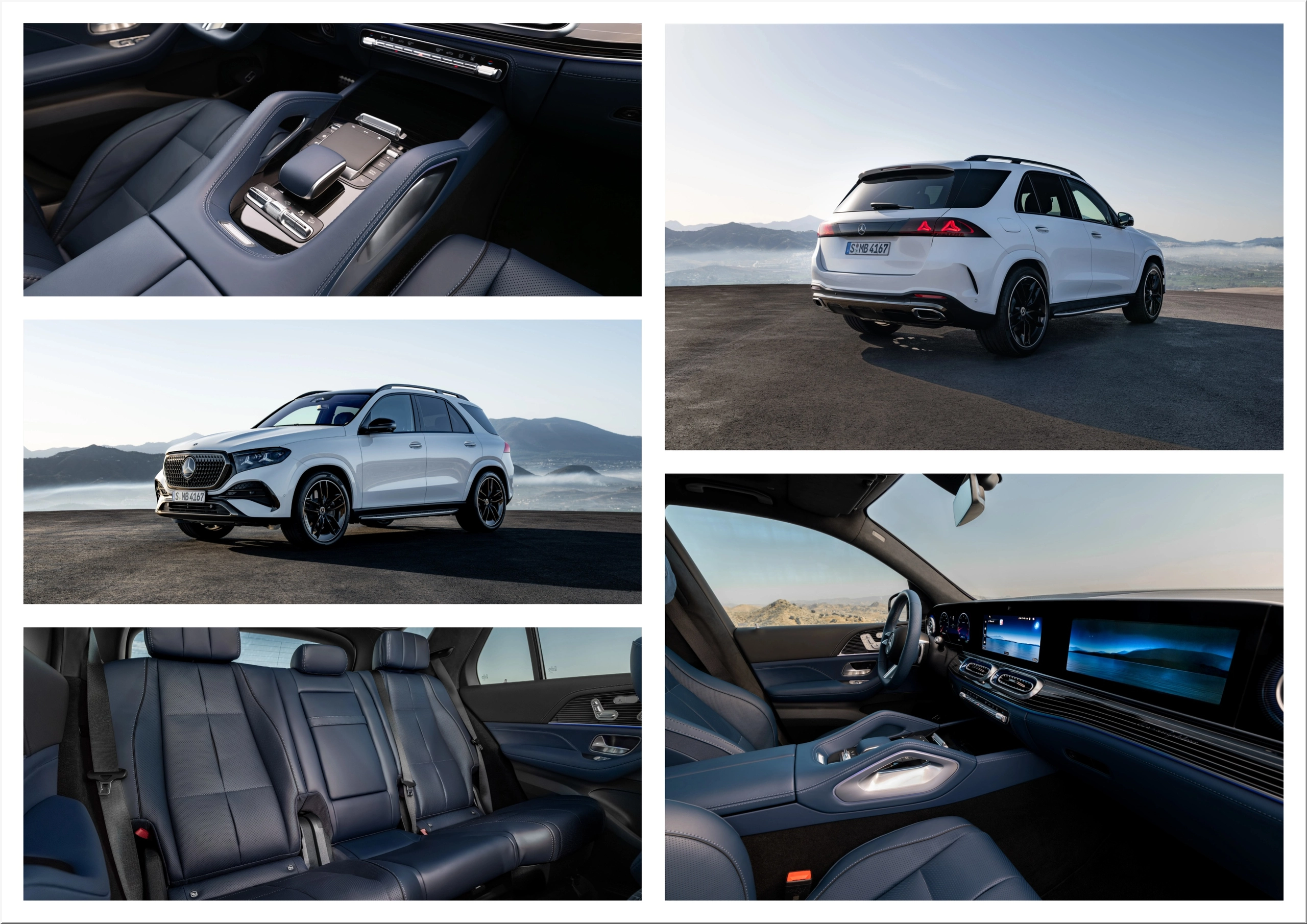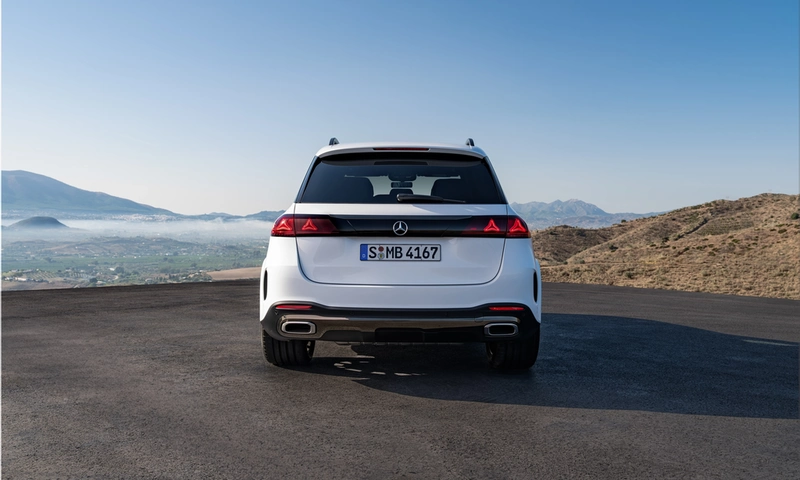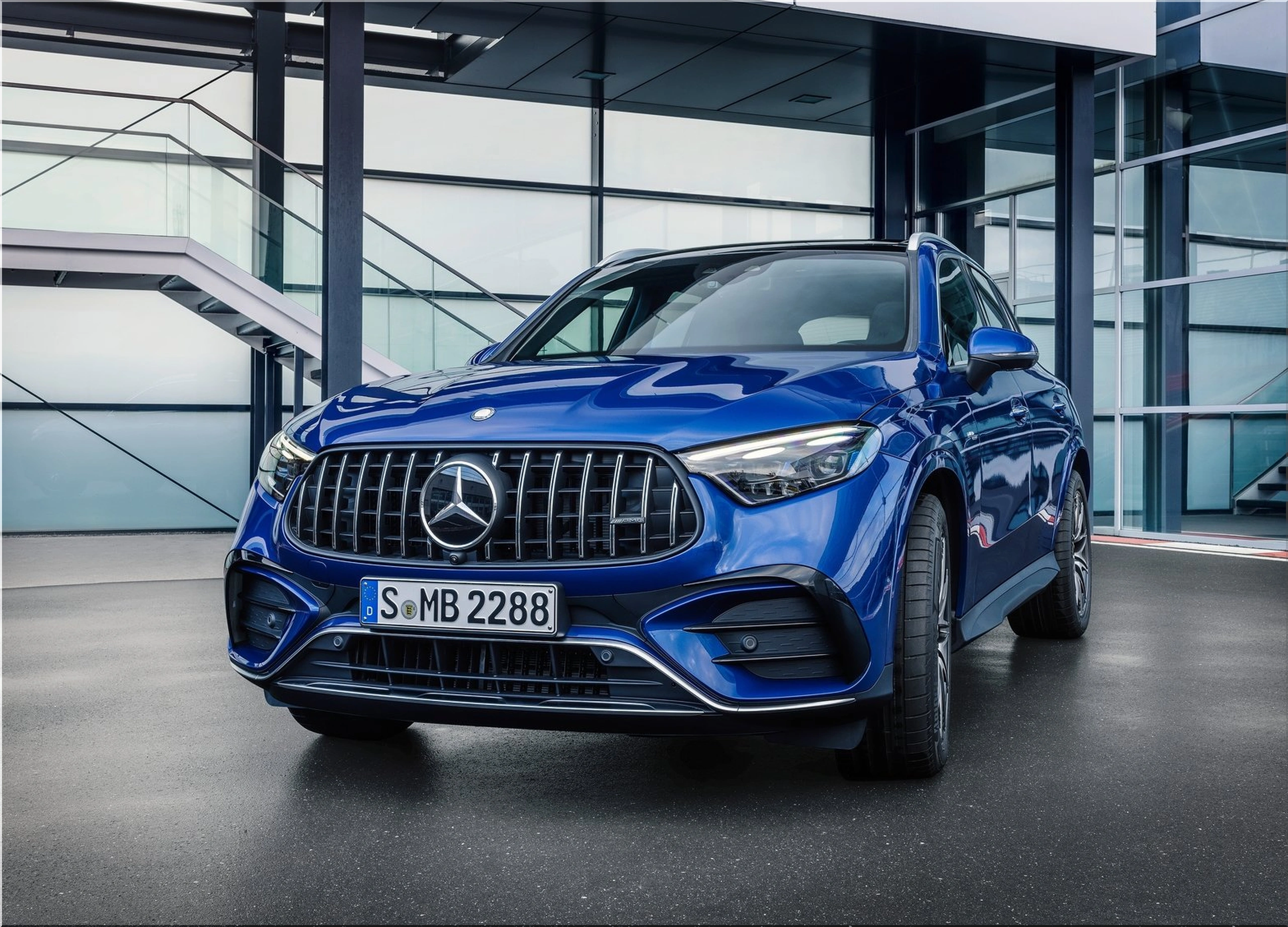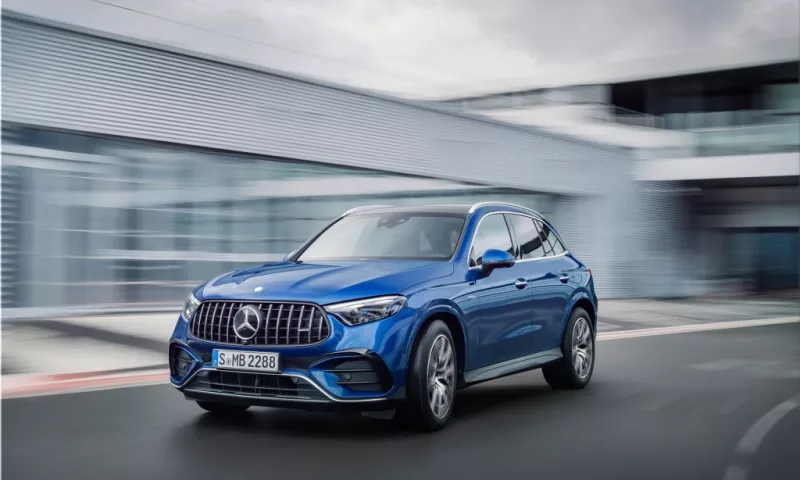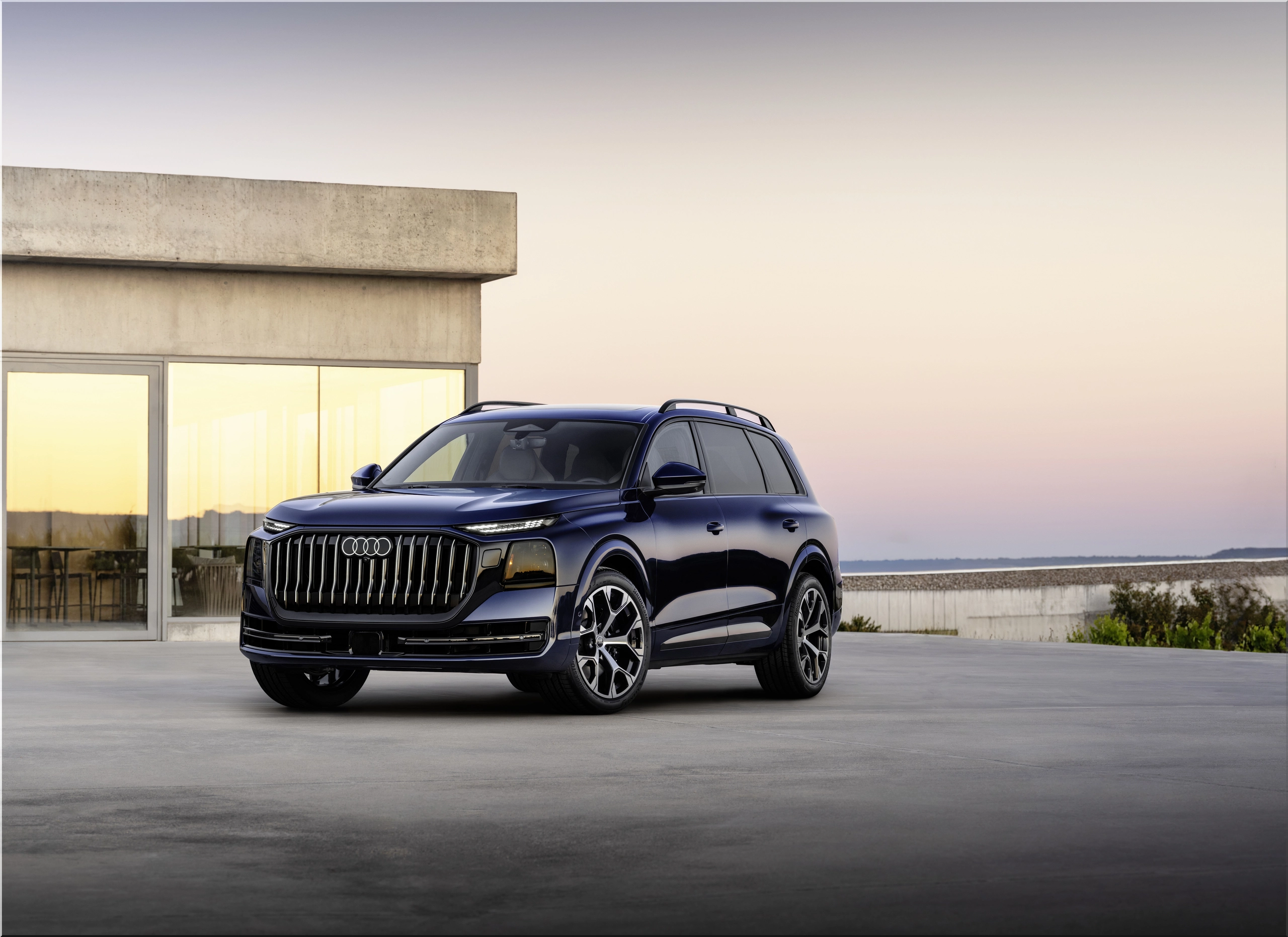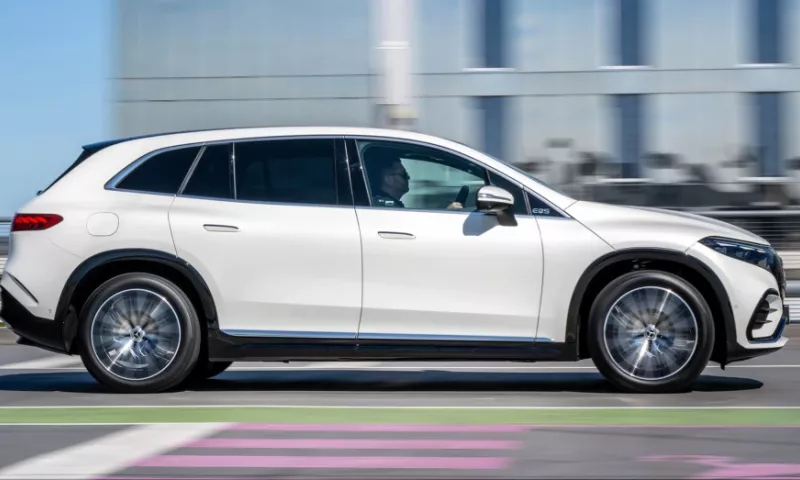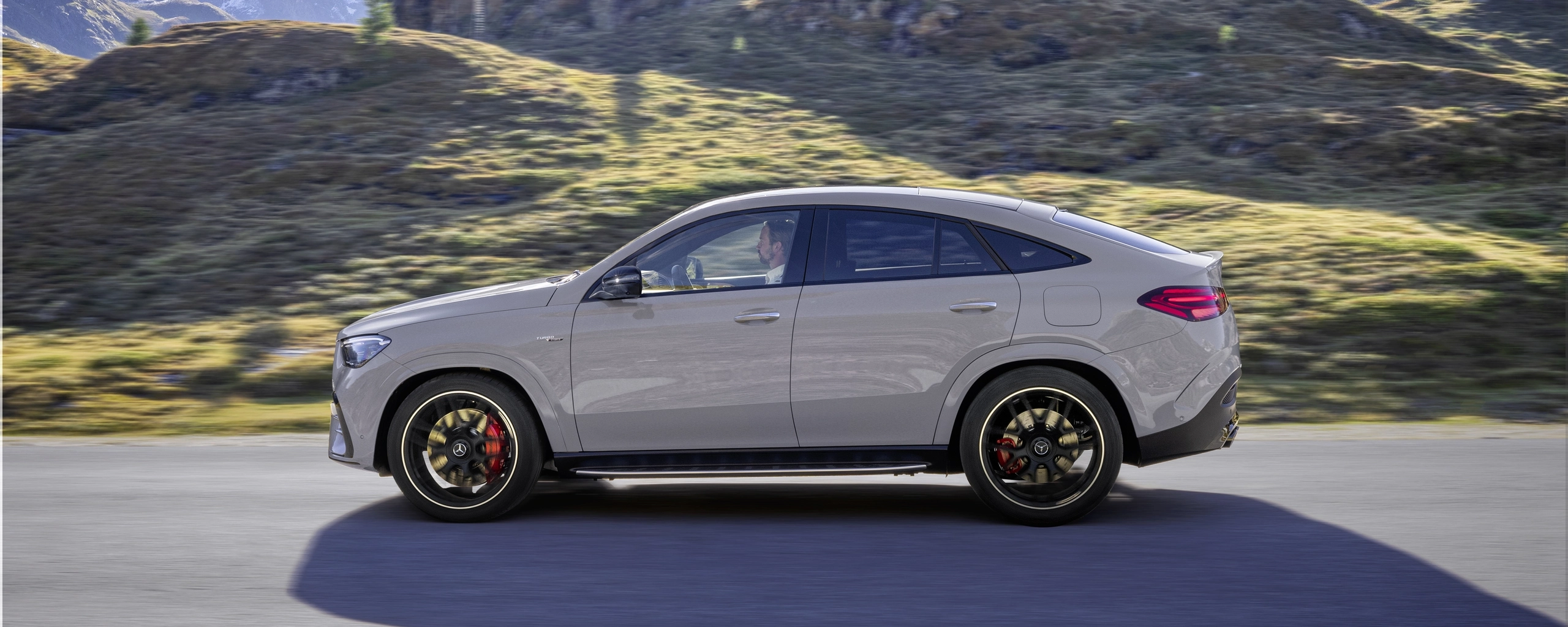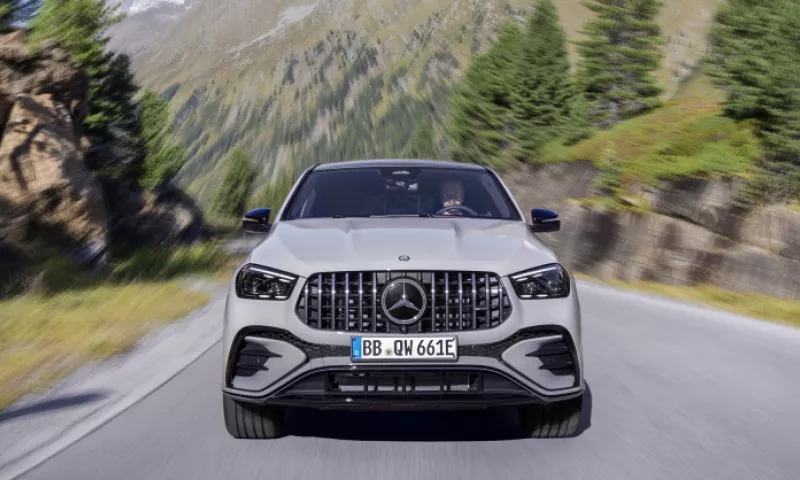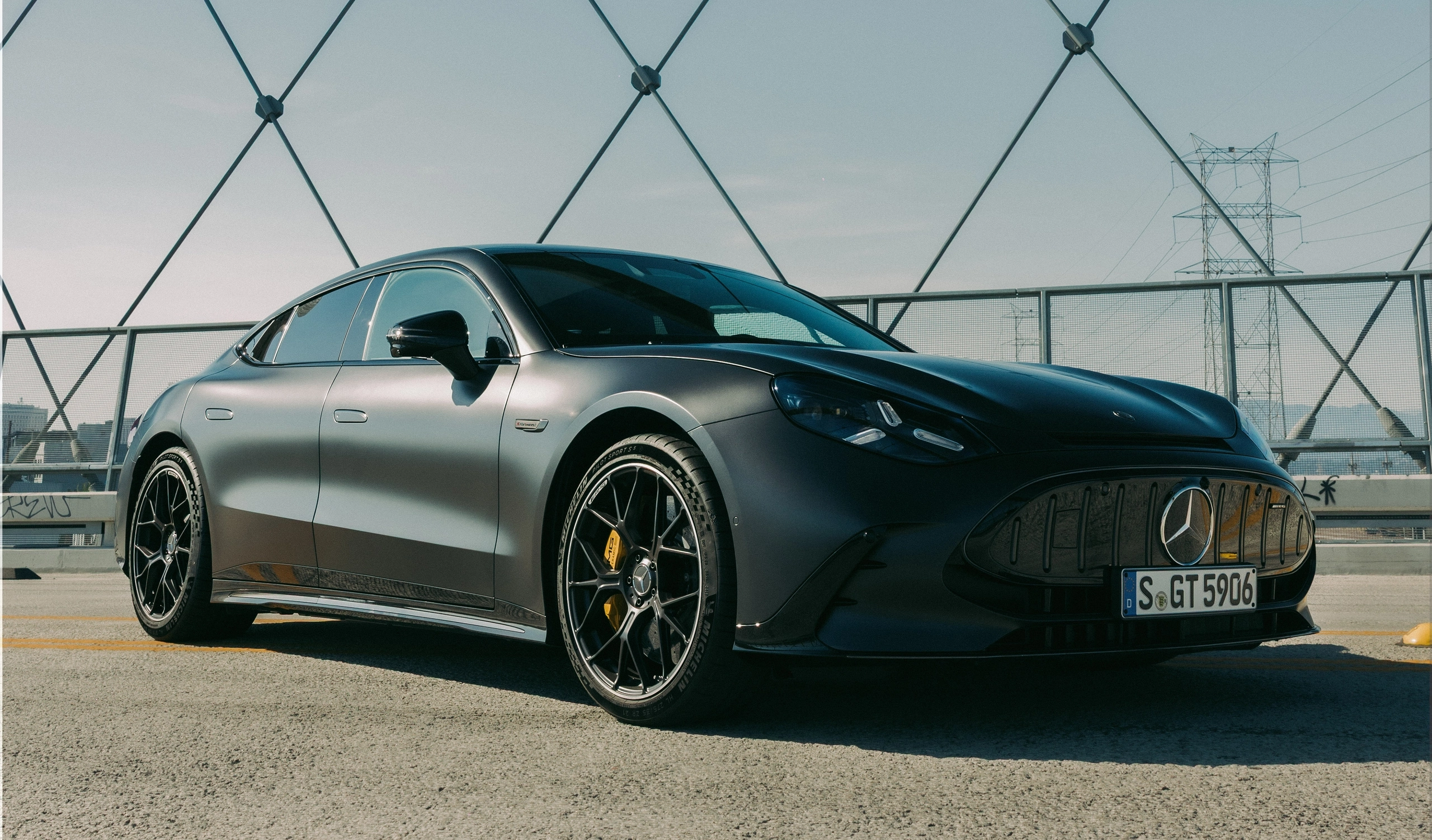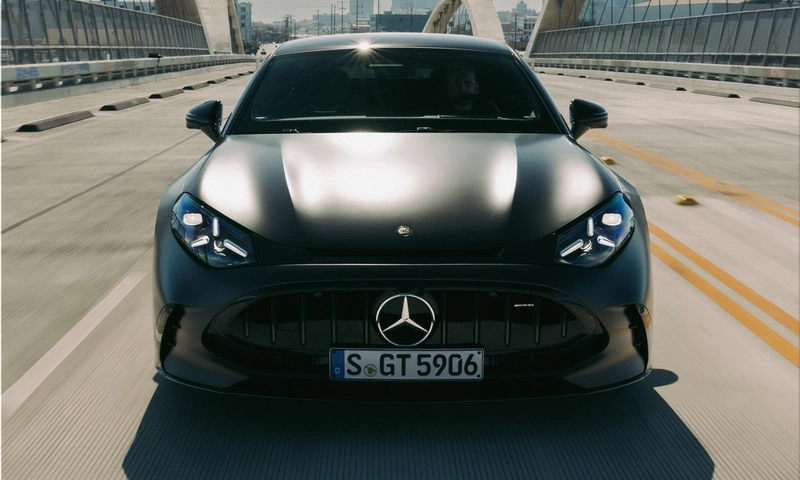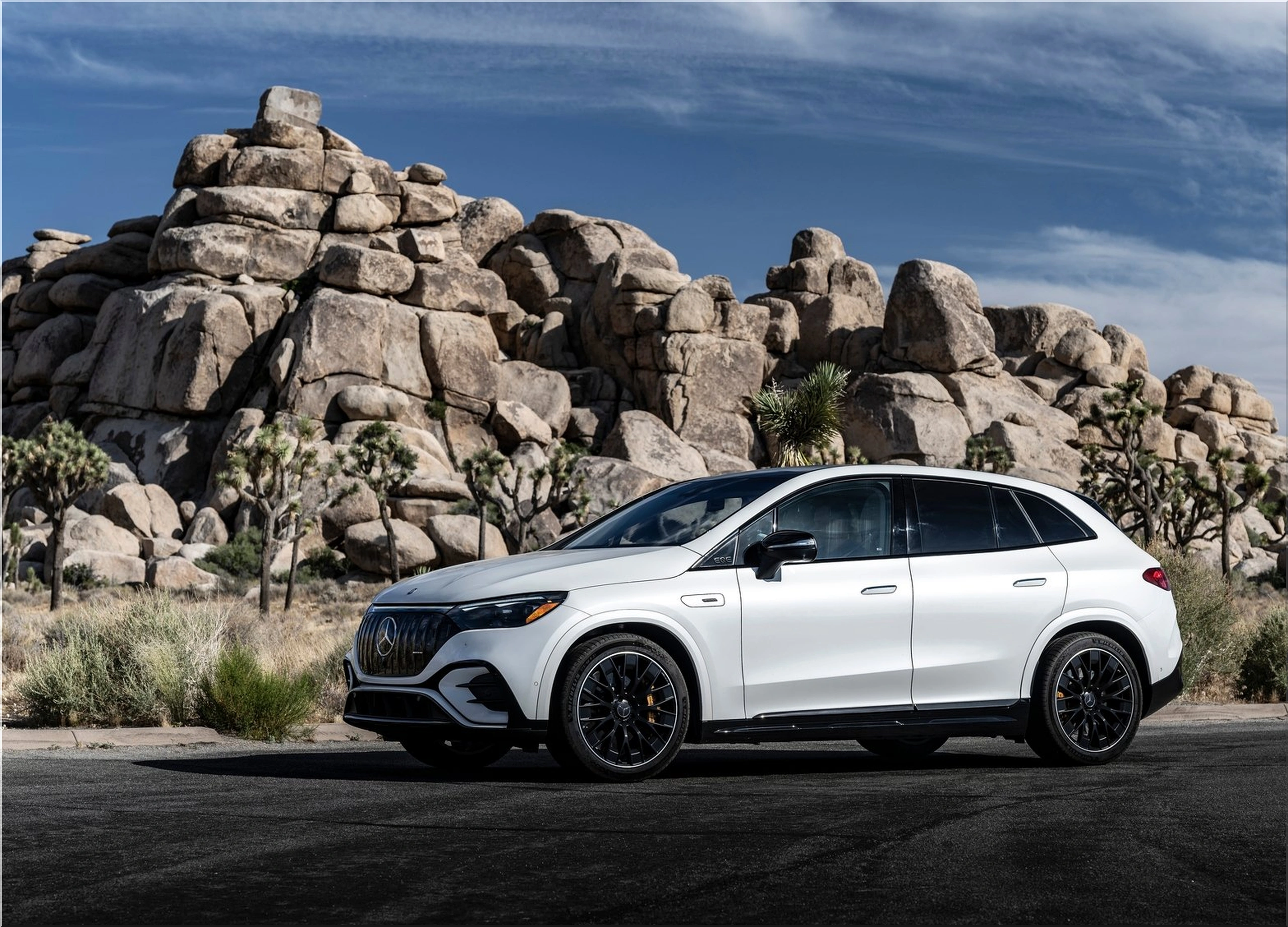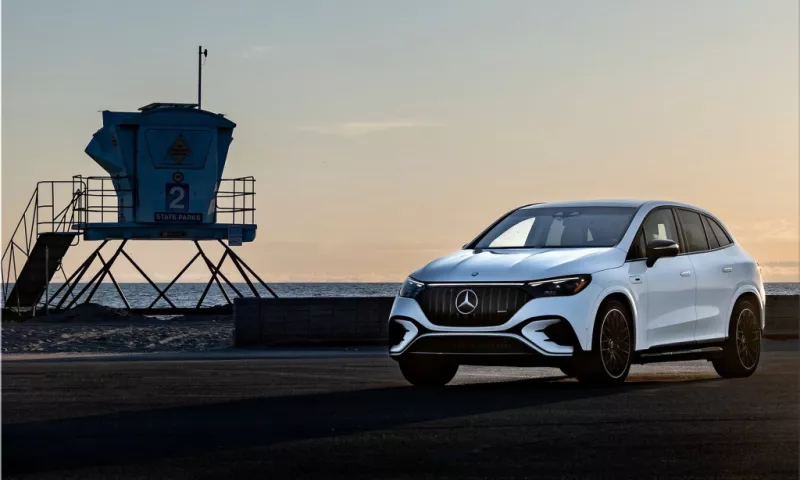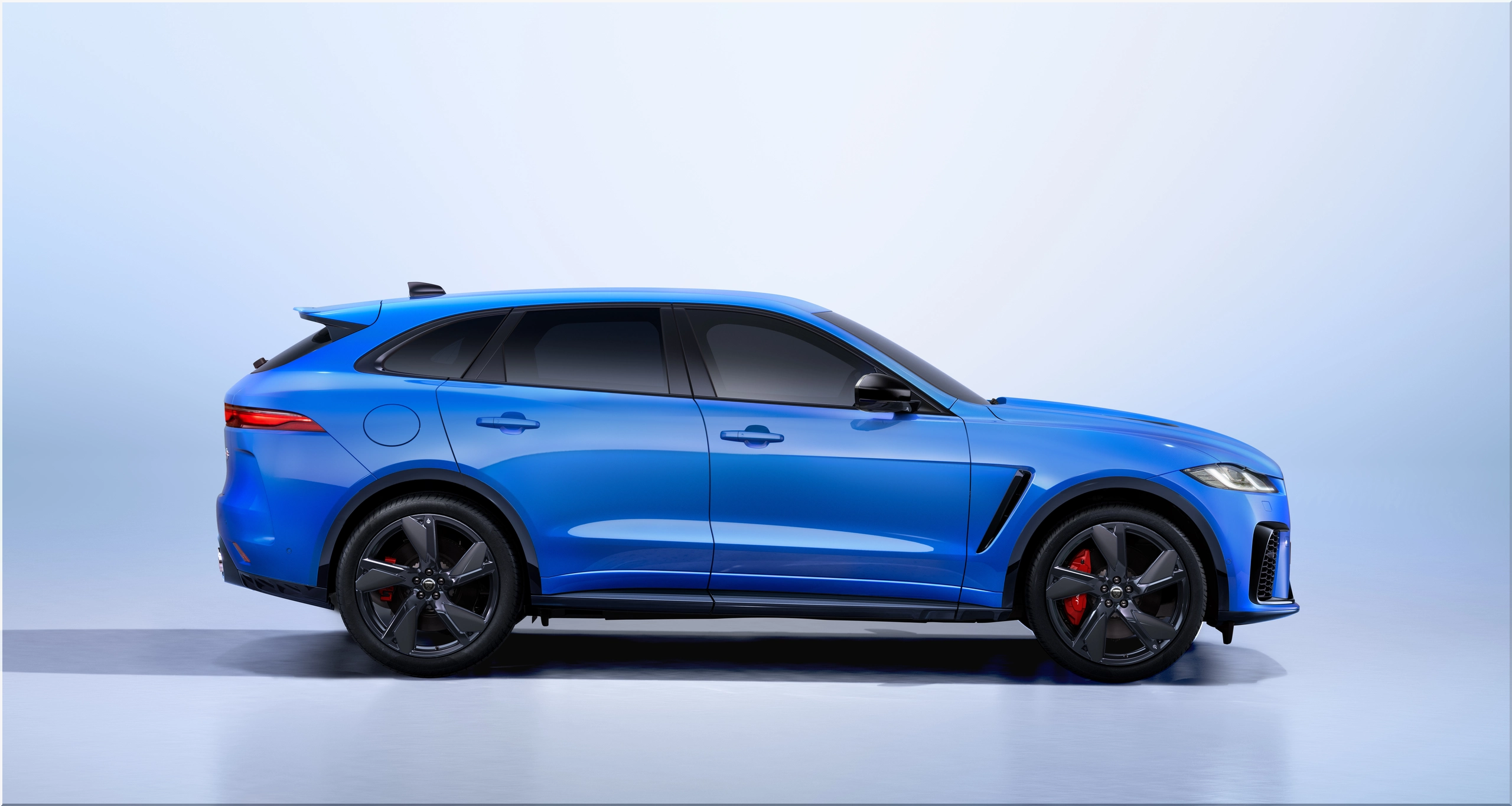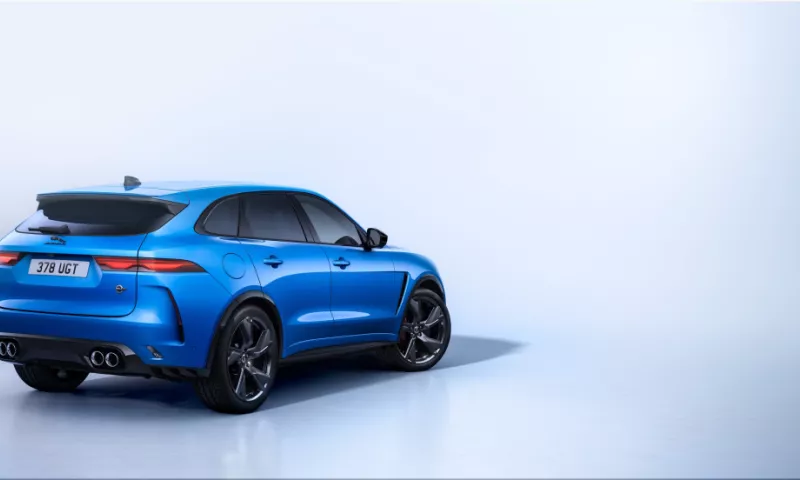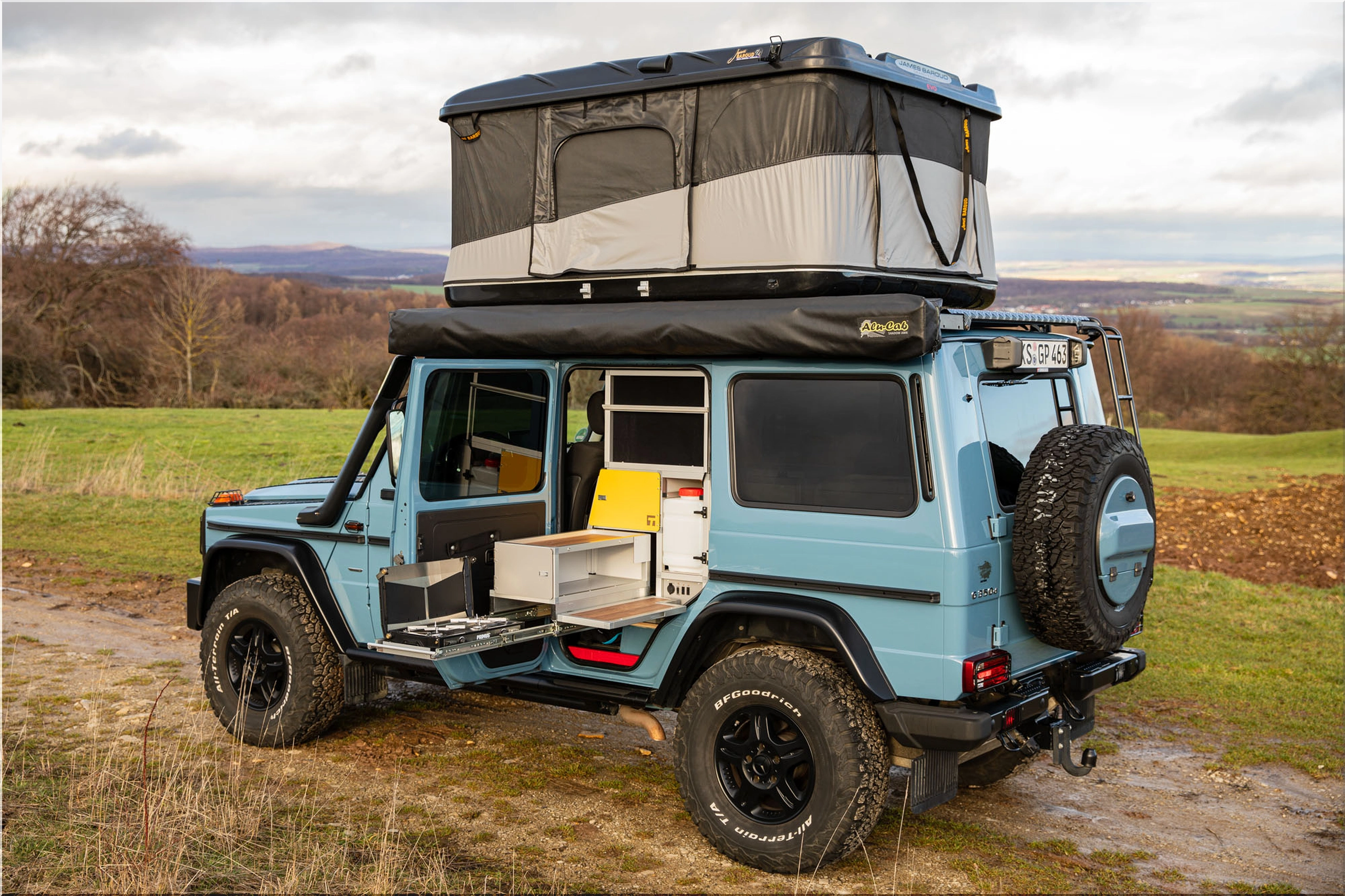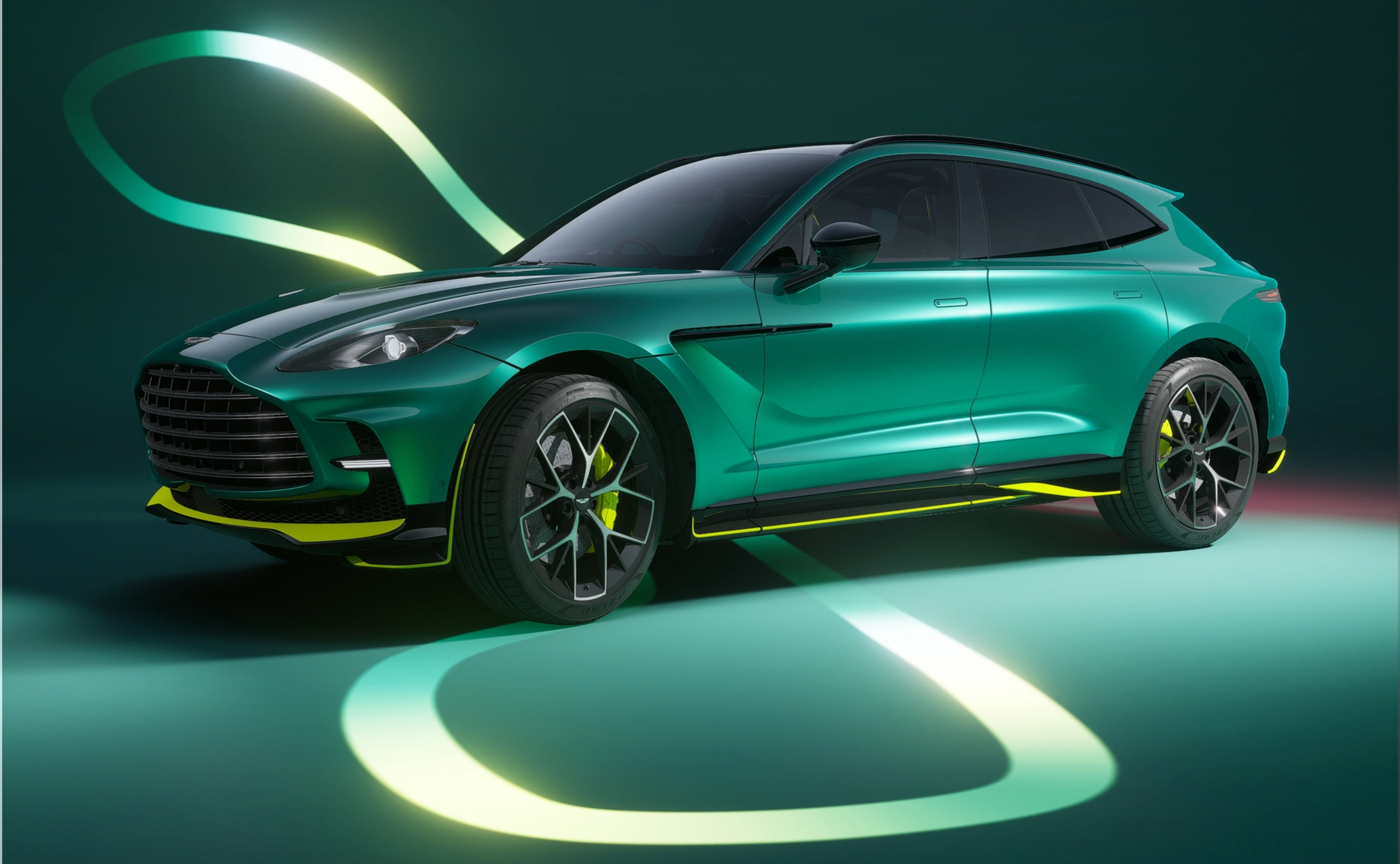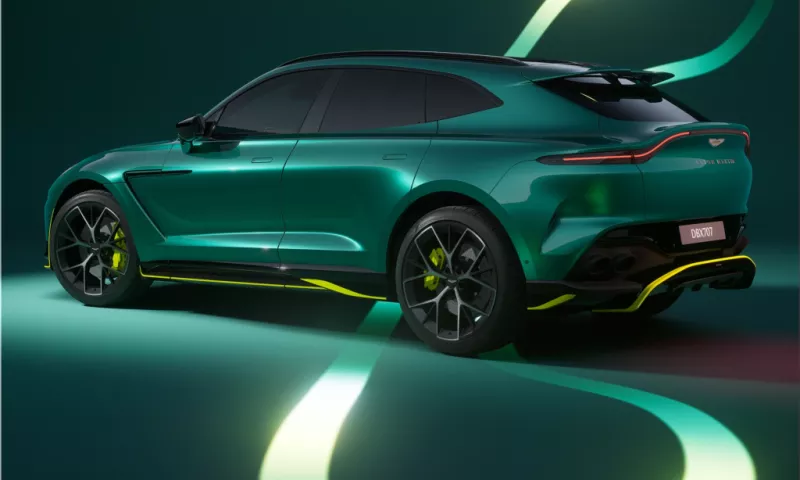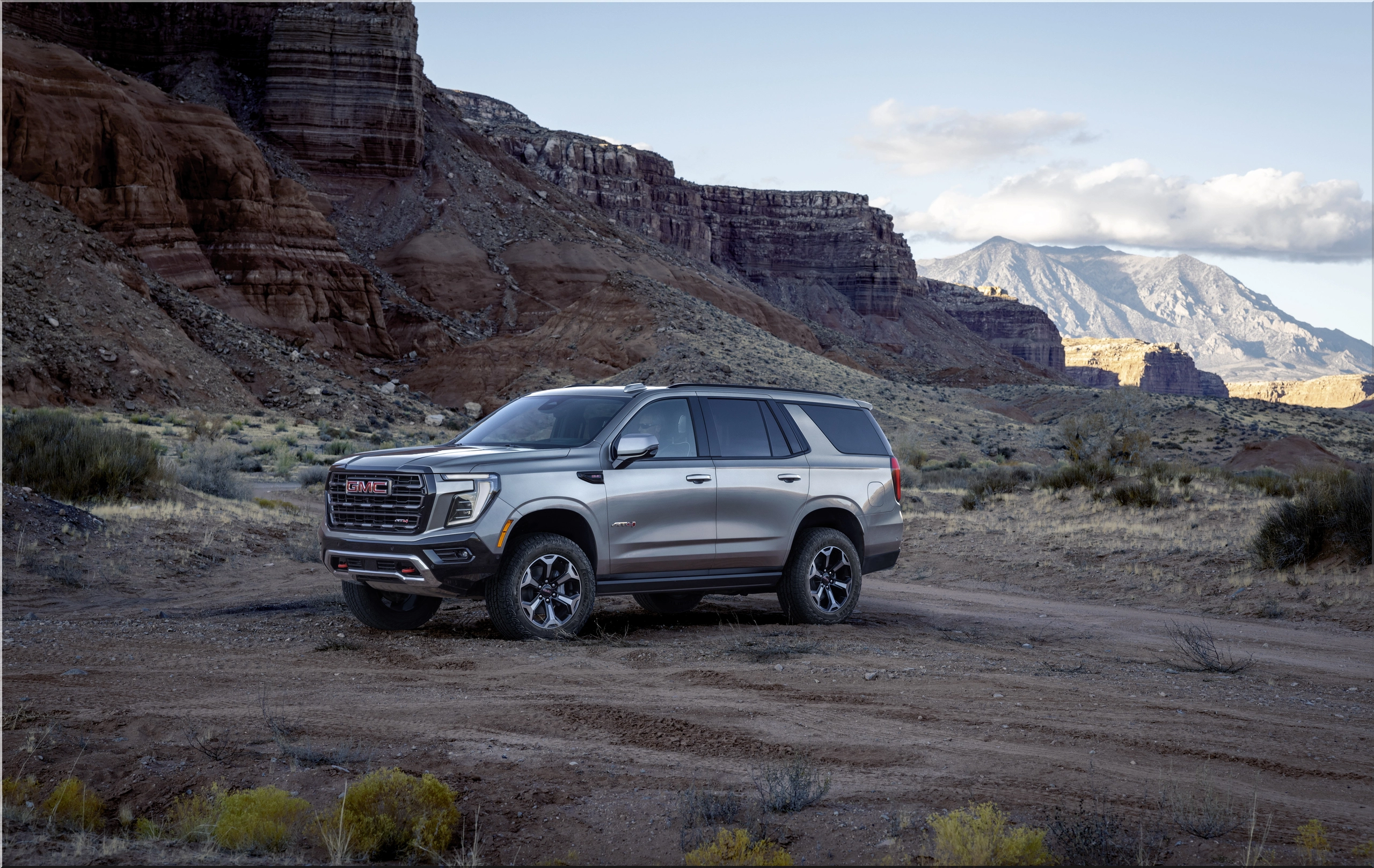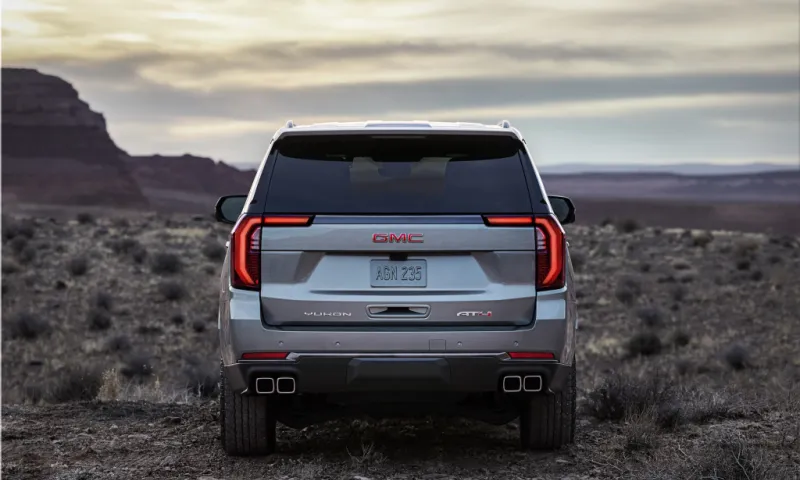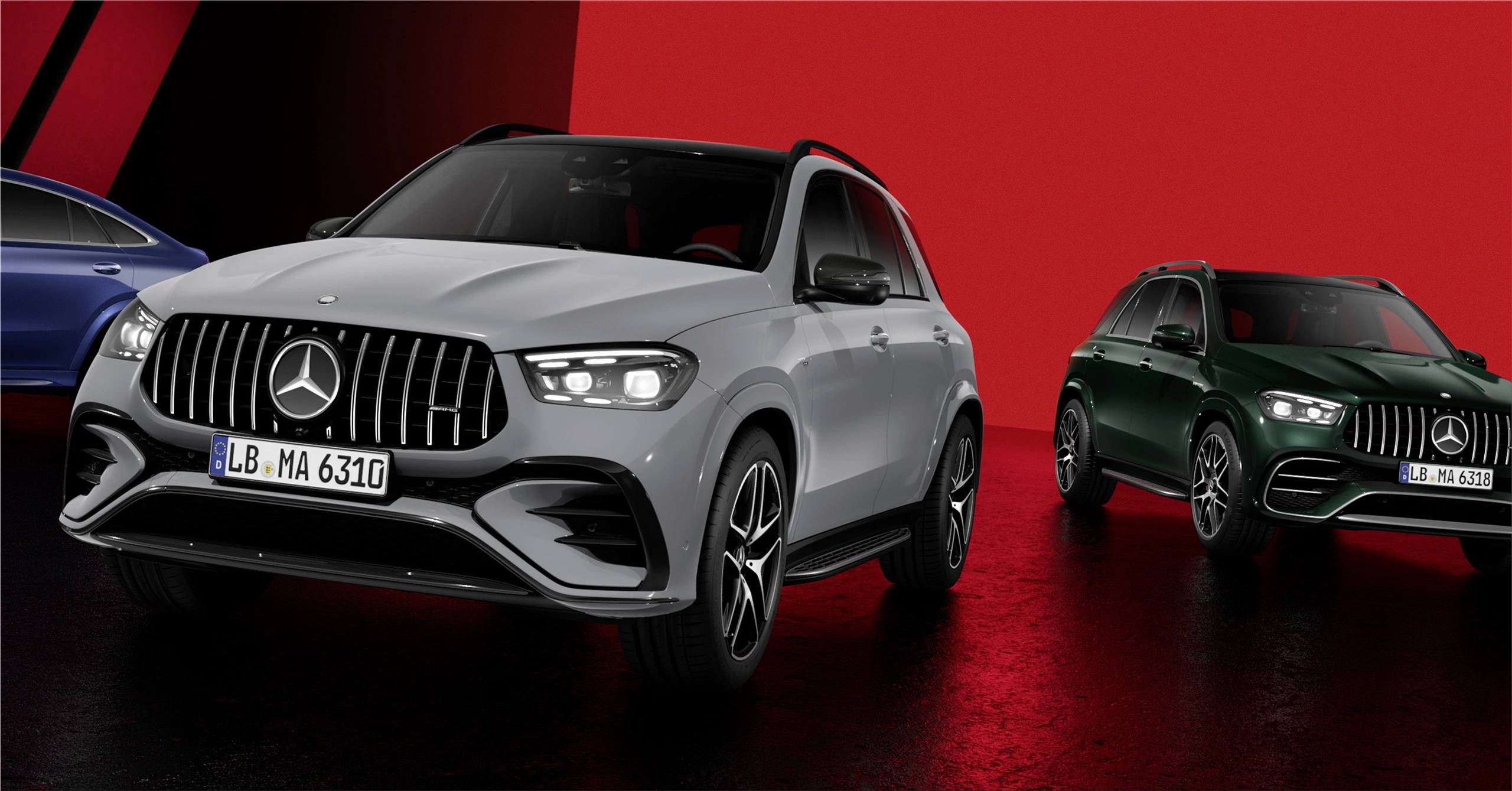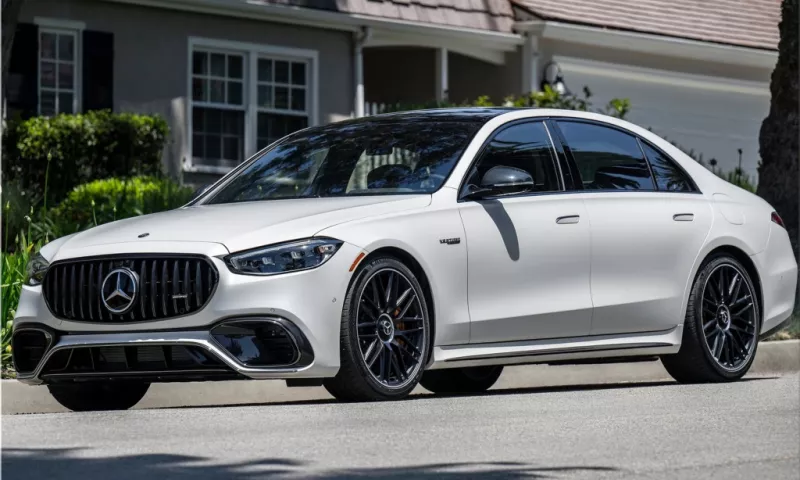
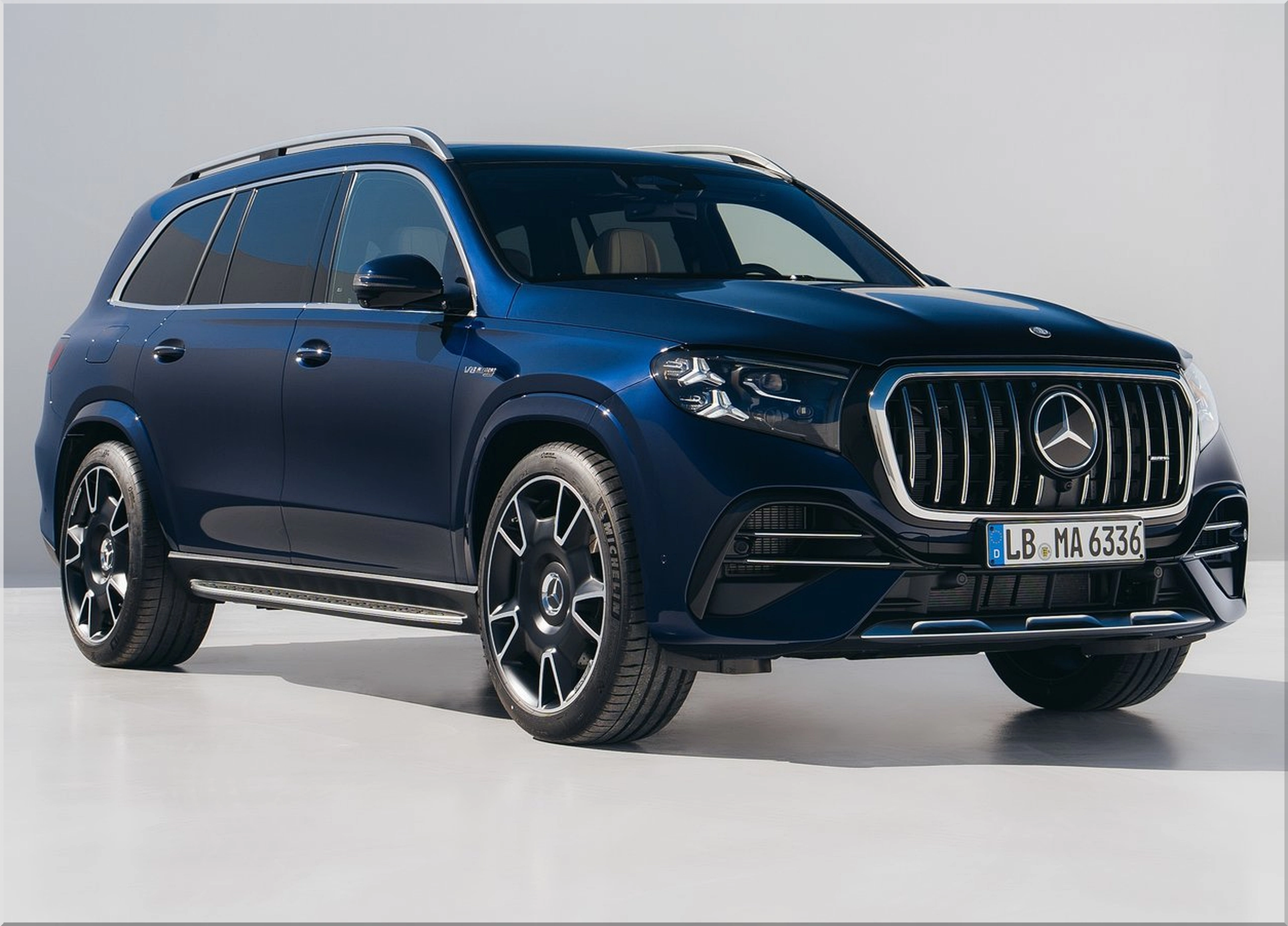
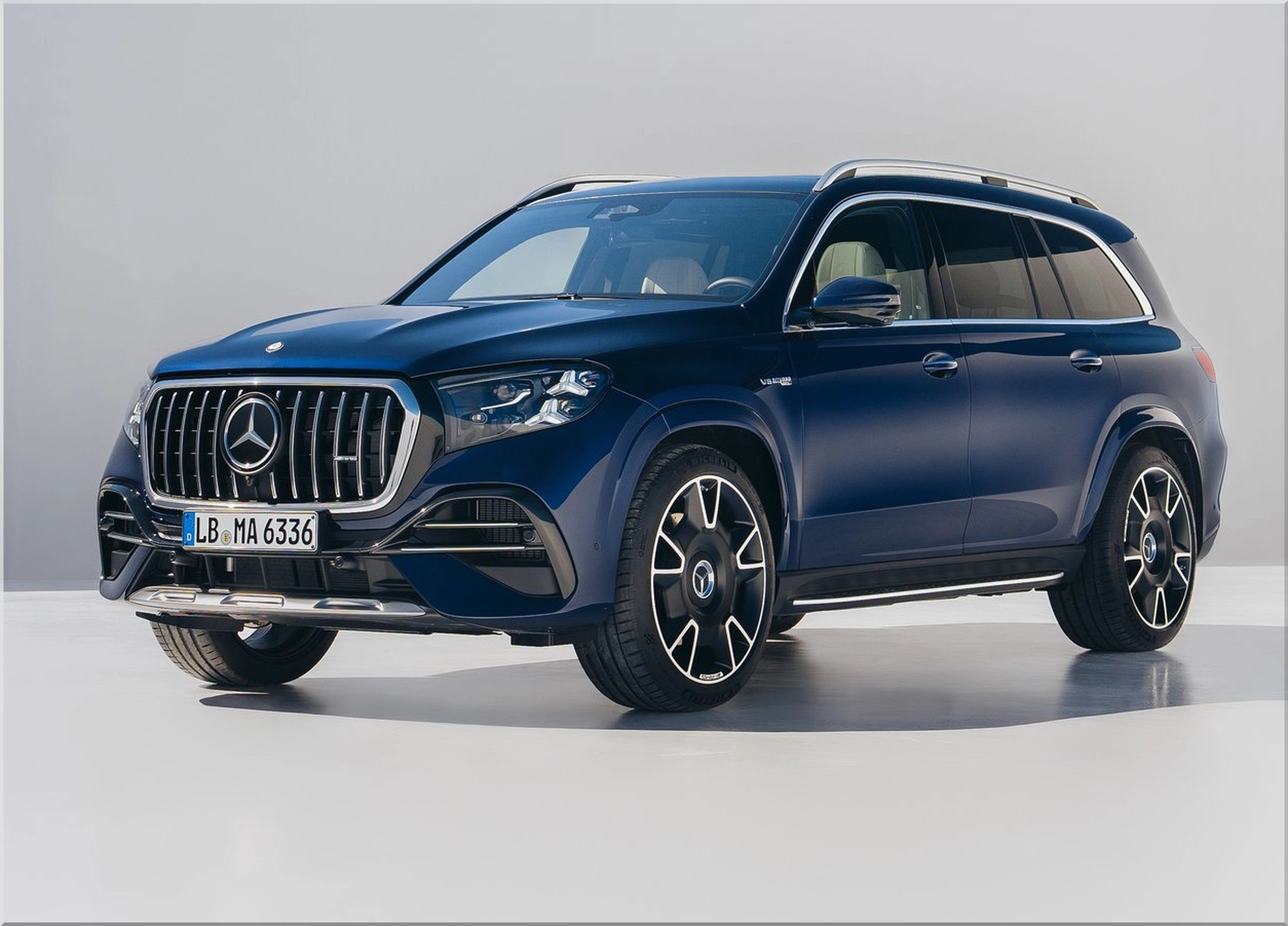
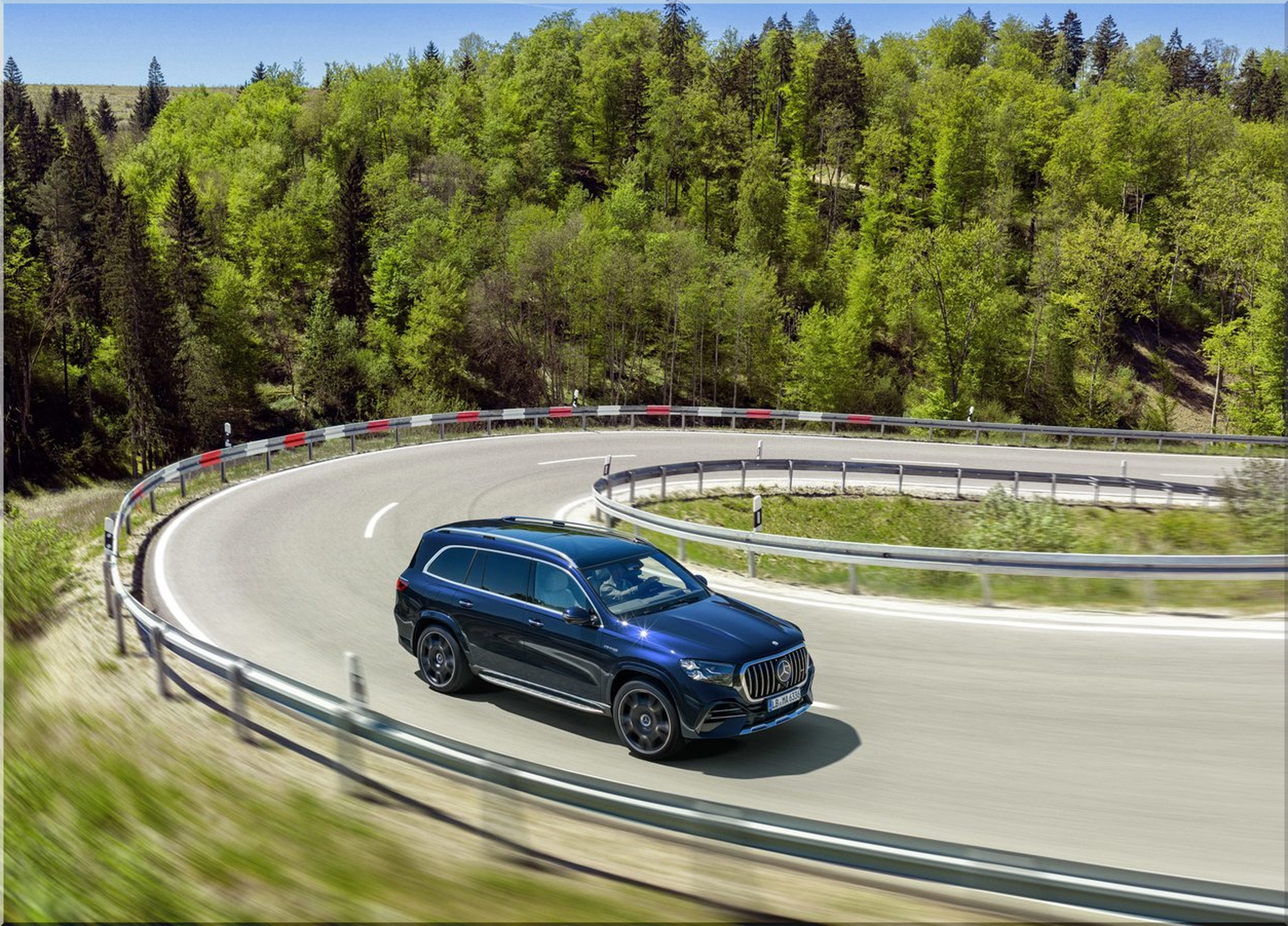
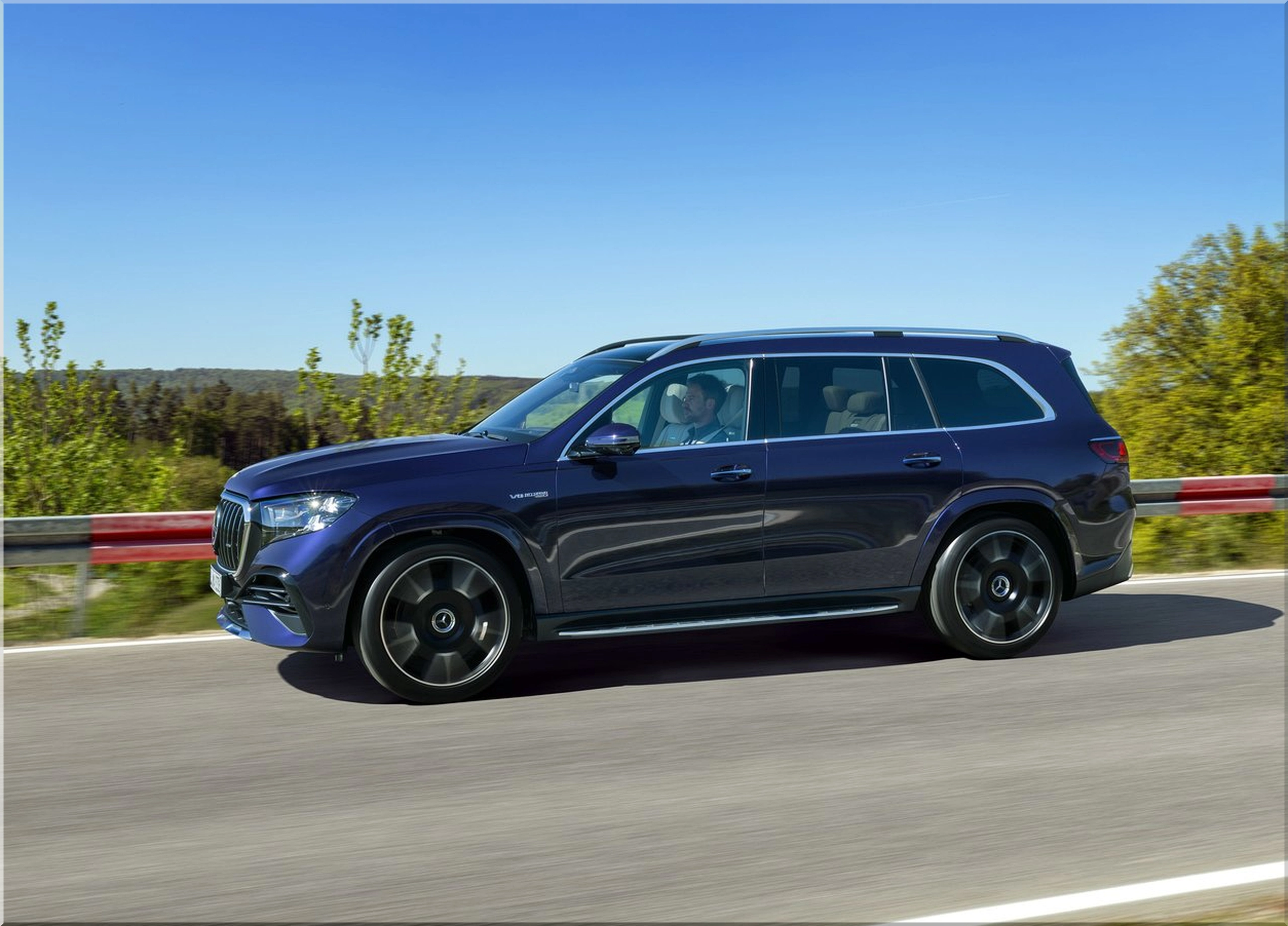
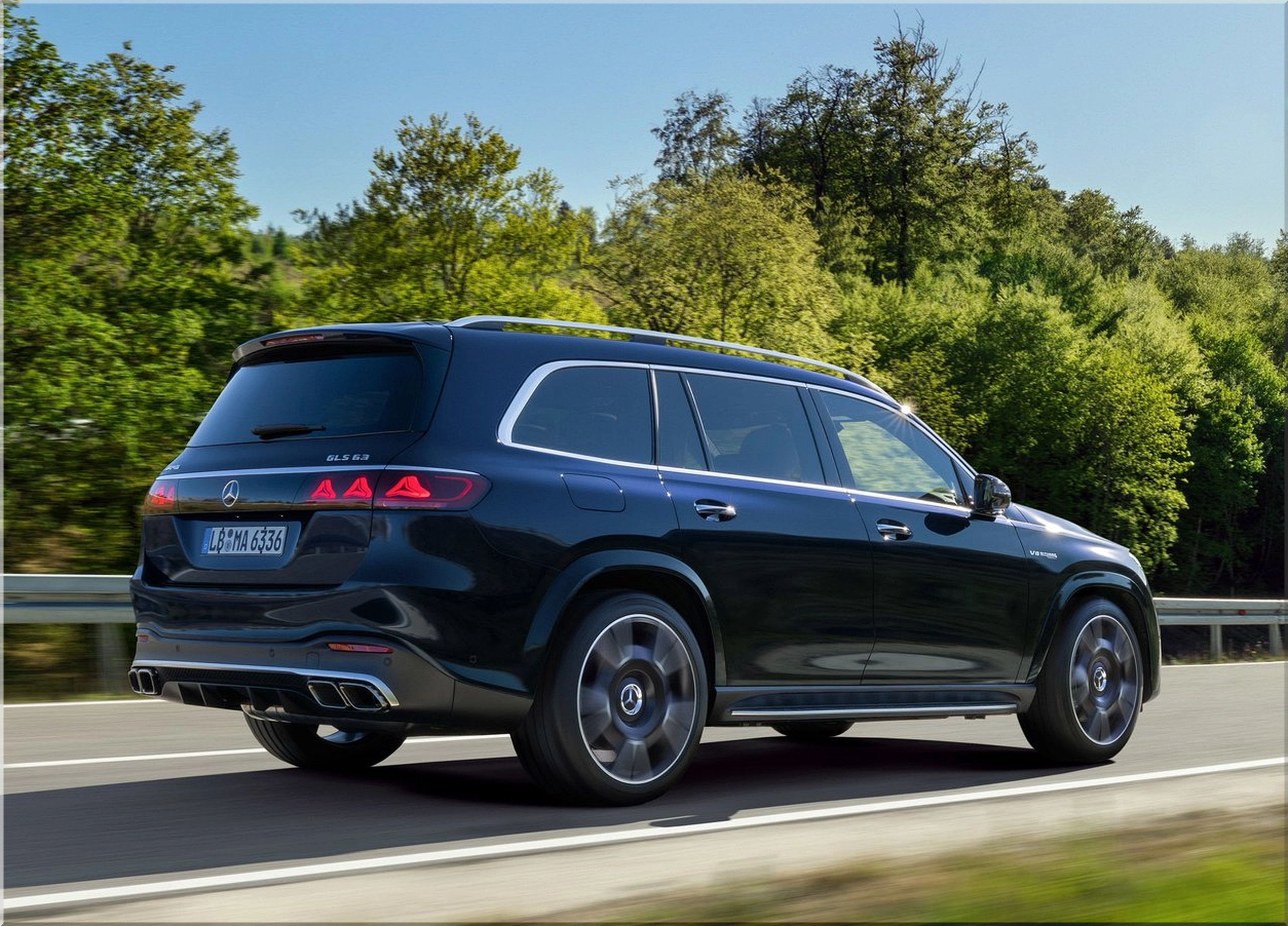
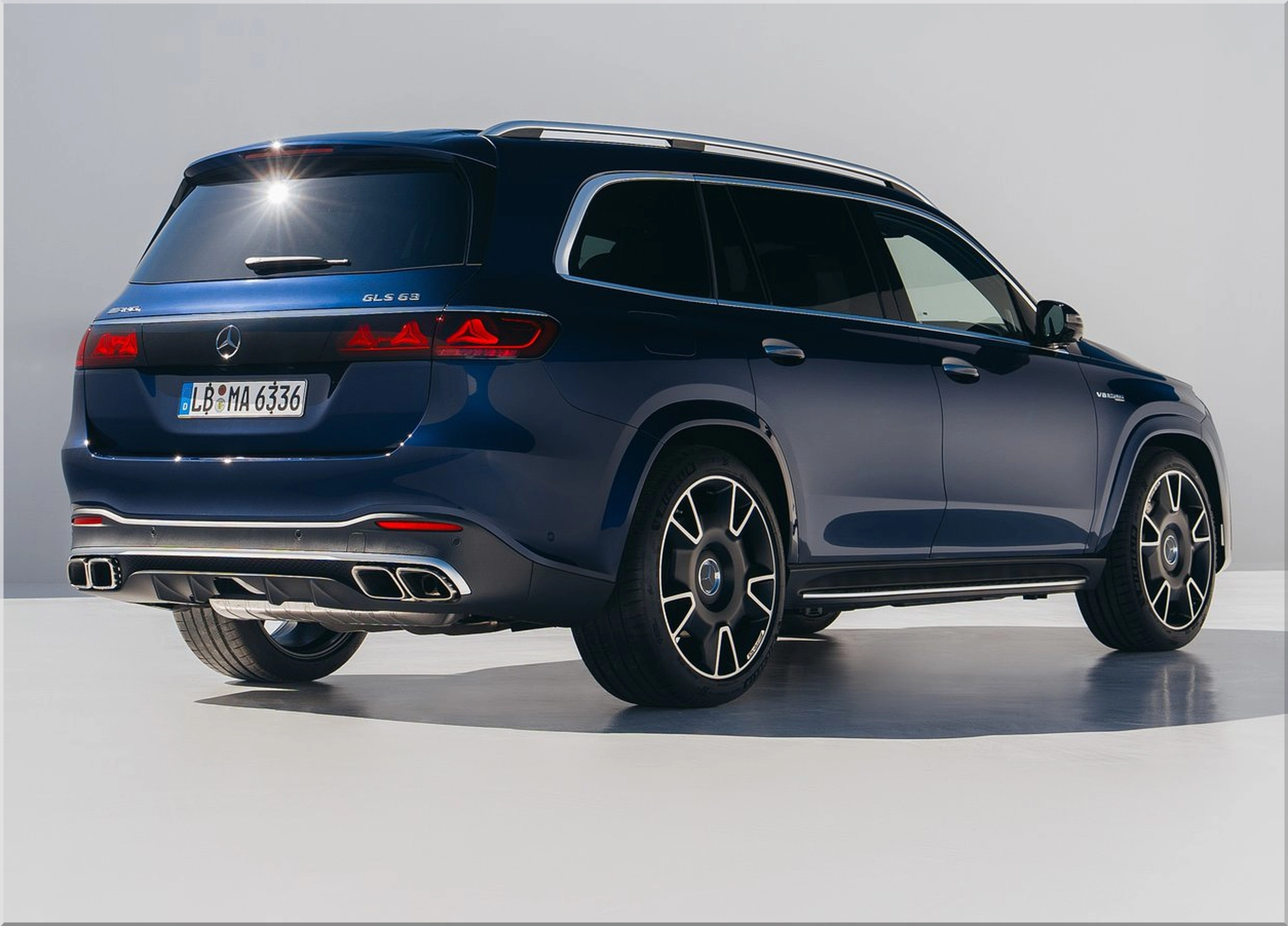
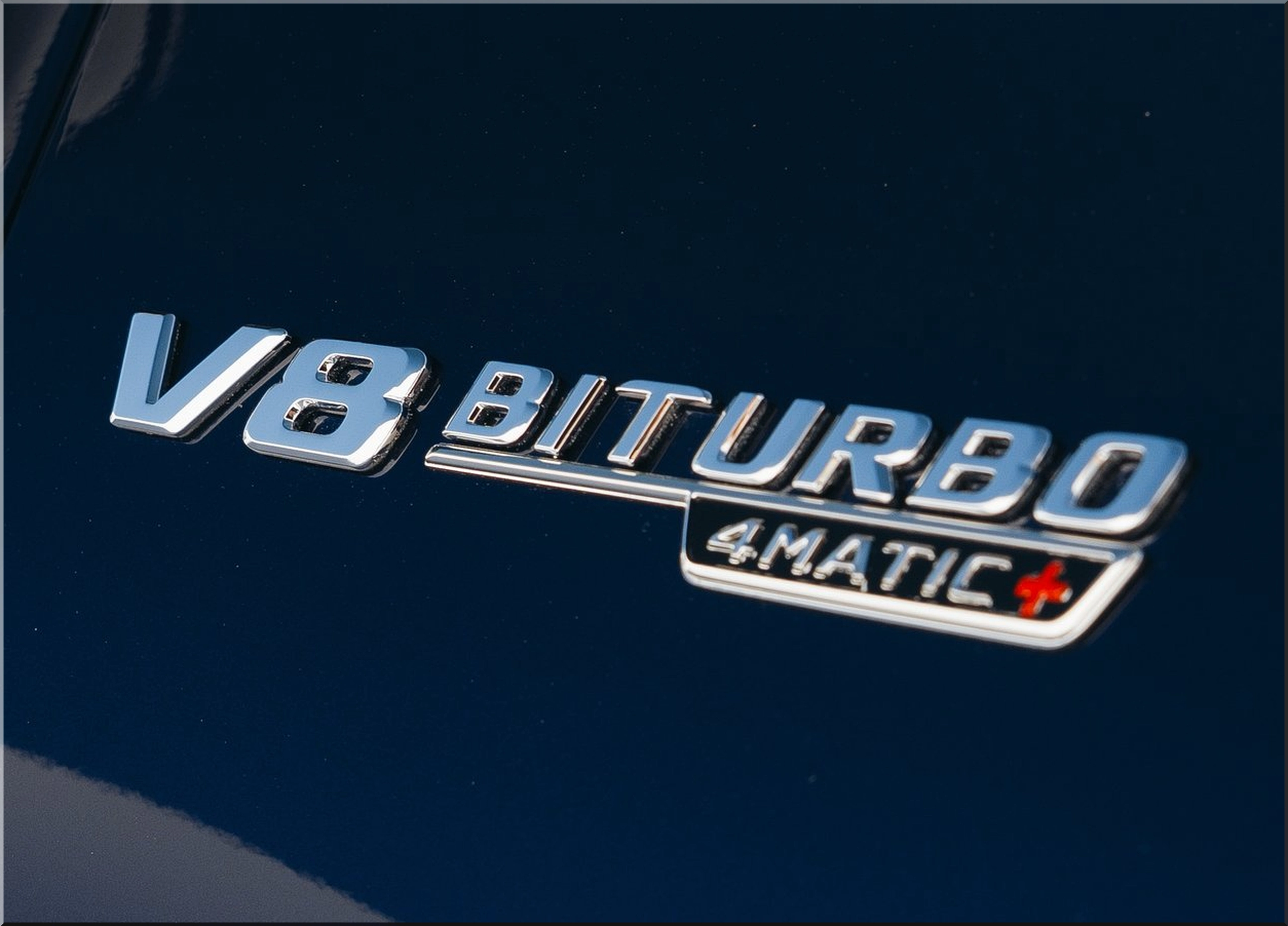
The 2027 Mercedes-AMG GLS 63 4MATIC+ keeps the hand-built 4.0-litre twin-turbo V8, retains 612 hp, and adds a revised 48-volt mild-hybrid system. This remains a three-row luxury SUV with sports-car acceleration, a 280 km/h maximum speed, and strong towing ability. It also weighs about 2,738 kg, stretches past 5.2 metres, and consumes up to 13.7 litres/100 km under WLTP testing. Physics still sends invoices.
Image
2027 Mercedes-AMG GLS 63 Specifications
| Specification | 2027 Mercedes-AMG GLS 63 |
|---|---|
| Engine | 3,982 cc twin-turbo V8 |
| Combustion output | 450 kW/612 hp |
| Maximum torque | 850 Nm from 2,500-4,500 rpm |
| Electric assistance | 17 kW/23 hp and 205 Nm |
| Transmission | AMG Speedshift TCT 9-speed automatic |
| Drive | Fully variable 4MATIC+ all-wheel drive |
| 0-100 km/h | 4.2 seconds |
| Maximum speed | 280 km/h |
| WLTP consumption | 13.4-13.7 litres/100 km |
| WLTP CO2 output | 305-312 g/km |
| Kerb weight | 2,738 kg |
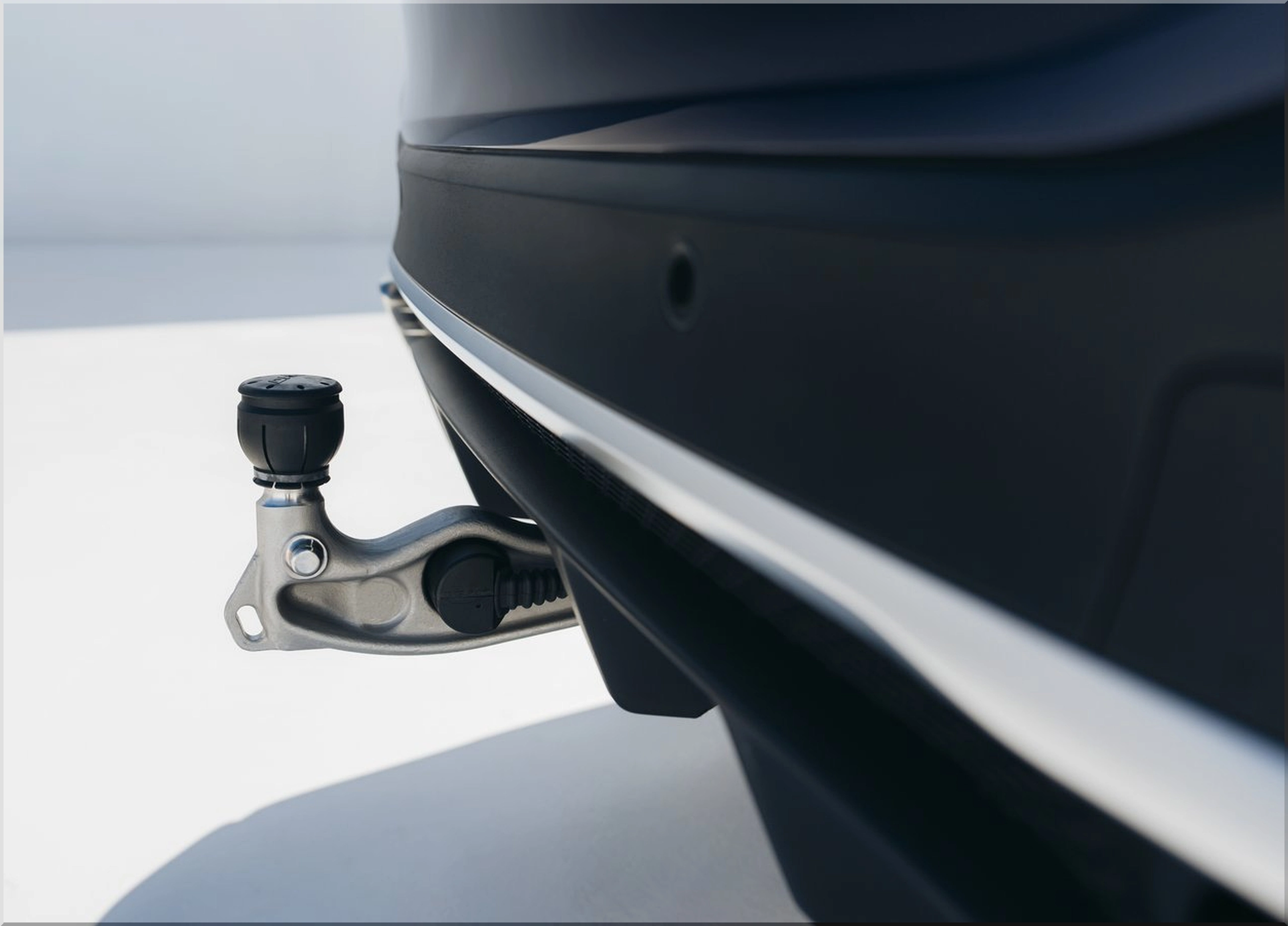
| Braked towing capacity | 3,300 kg |
| Fuel tank | 90 litres |
The M177 EVO V8 Targets Response and Regulation
The new M177 EVO V8 uses a flat-plane crankshaft instead of the previous cross-plane design. This layout cuts rotating mass and gives the engine a faster response to throttle inputs. Mercedes-AMG also revised the intake camshaft, injection hardware, intake and exhaust ports, compressor wheel, and turbocharger housing.
Power stays at 612 hp, while 850 Nm remains available from 2,500 to 4,500 rpm. Looking at the data, Mercedes-AMG redesigned the engine to preserve V8 character under stricter emissions rules rather than chase a decorative power increase.
A petrol particulate filter now appears in every market. In addition, the new AMG Performance exhaust uses controllable valves, giving Comfort mode a quieter voice and Sport+ a harder-edged sound.
What the 48-Volt System Does
The second-generation integrated starter-generator adds up to 23 hp and 205 Nm for brief periods. It fills the low-rev gap before the turbochargers reach full pressure, recovers energy during deceleration, and restarts the engine with less vibration.
This system does not make the GLS 63 mild hybrid an electric commuter. Its job centres on response, refinement, and accessory power.
Image
Acceleration, Gearbox, and Traction
Mercedes-AMG quotes 4.2 seconds from 0-100 km/h. The 280 km/h maximum speed puts this seven-seat SUV in serious performance territory, though lighter five-seat rivals accelerate faster.
The nine-speed AMG Speedshift TCT replaces a conventional torque converter with a wet start-off clutch. That choice cuts rotating weight and produces quicker, more direct shifts while retaining smooth low-speed control. Specifically, Sport and Sport+ shorten shift times and add rev-matched downshifts.
The fully variable AMG Performance 4MATIC+ system sends torque between the axles according to grip and driver demand. An electronically controlled rear locking differential divides power across the rear axle without braking the inside wheel, which preserves momentum and reduces wheelspin.
Active Suspension Controls 2.7 Tonnes
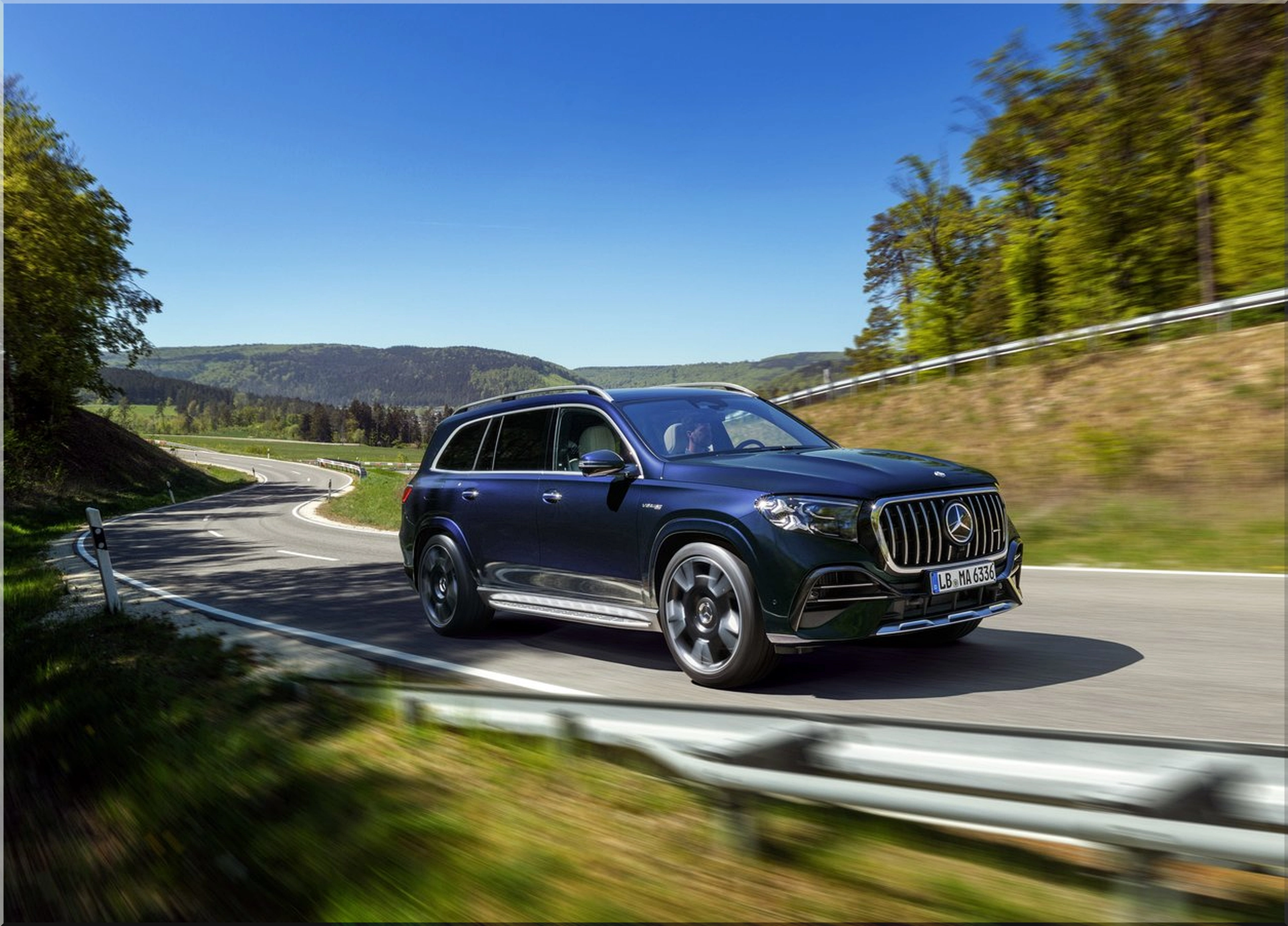
The AMG Ride Control+ air suspension pairs adaptive dampers with electromechanical anti-roll hardware on both axles. Sensors read steering, body movement, and road inputs up to 1,000 times per second, then apply counterforce to reduce lean without excessively stiff springs.
That engineering separates vertical comfort from lateral control. The air springs absorb bumps while the anti-roll units resist cornering forces.
Ride-height functions include:
- Trail mode raises the body by 55 mm and adjusts damping and all-wheel drive.
- A manual control adds up to 20 mm for ramps, snow, or poor roads.
- Sport and Sport+ lower the body by 10 mm.
- Comfort mode lowers the body by 10 mm above 120 km/h.
- Self-levelling maintains ride height with passengers, luggage, or trailer load.
Size, Seating, and Utility
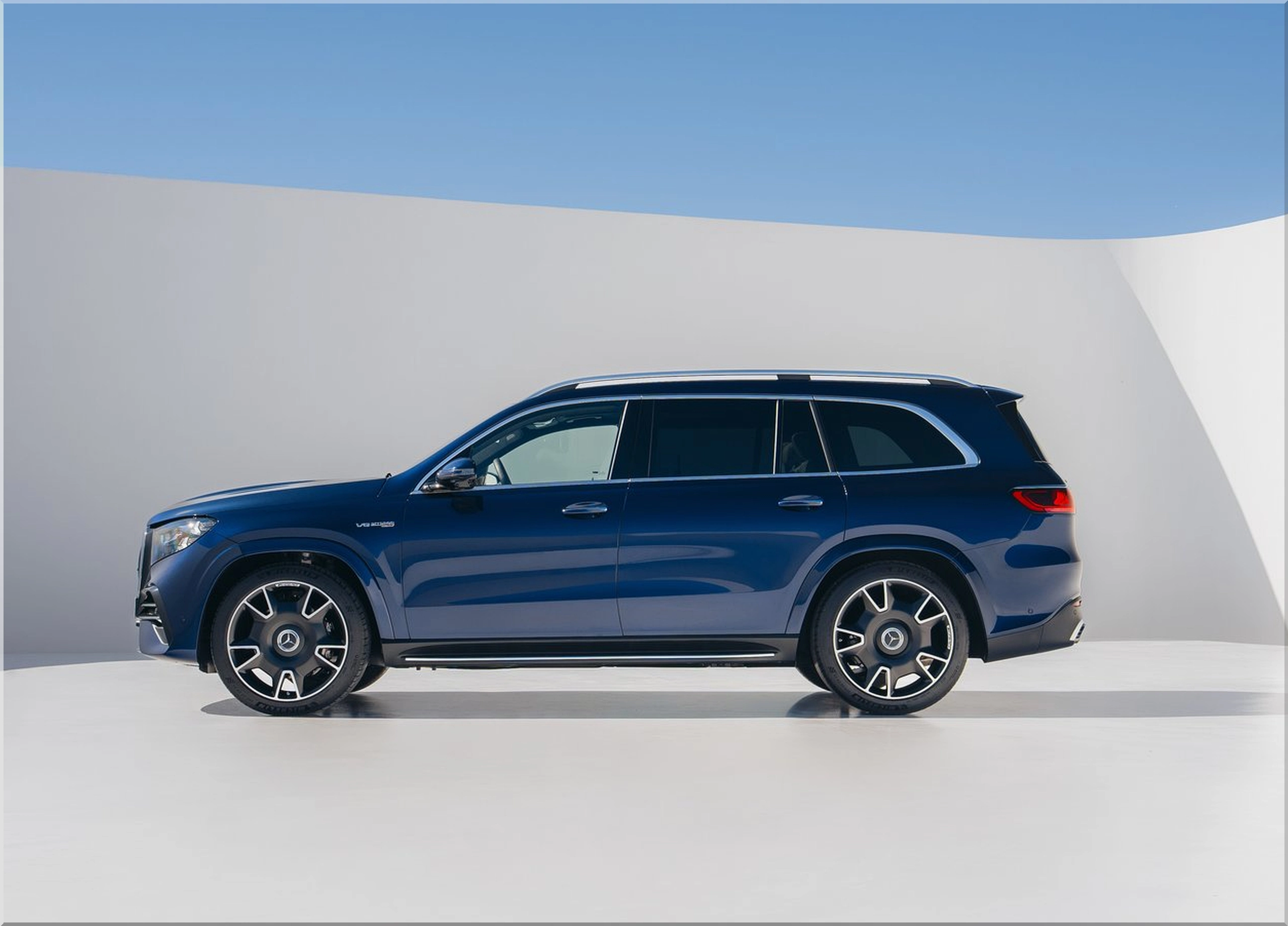
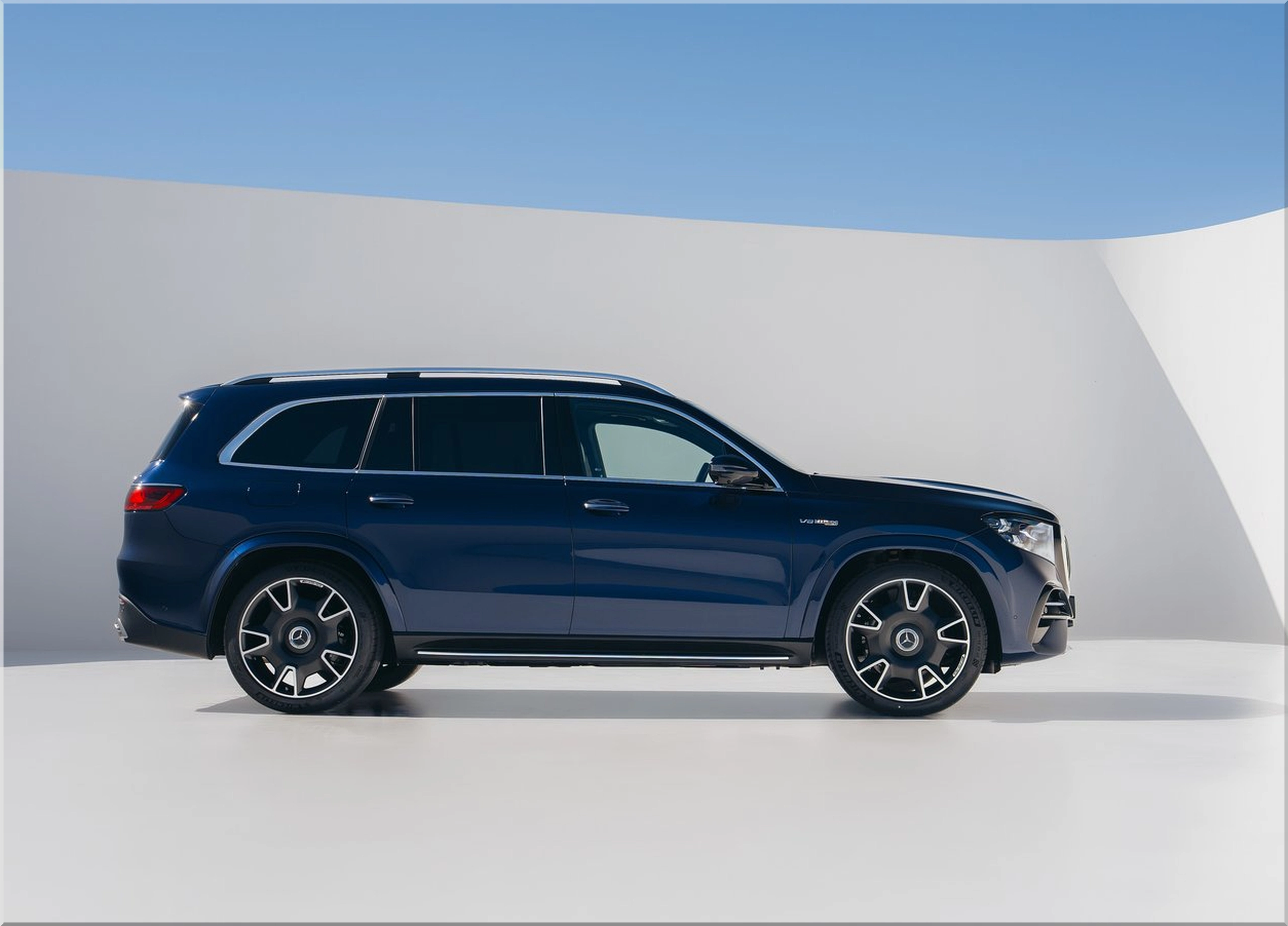
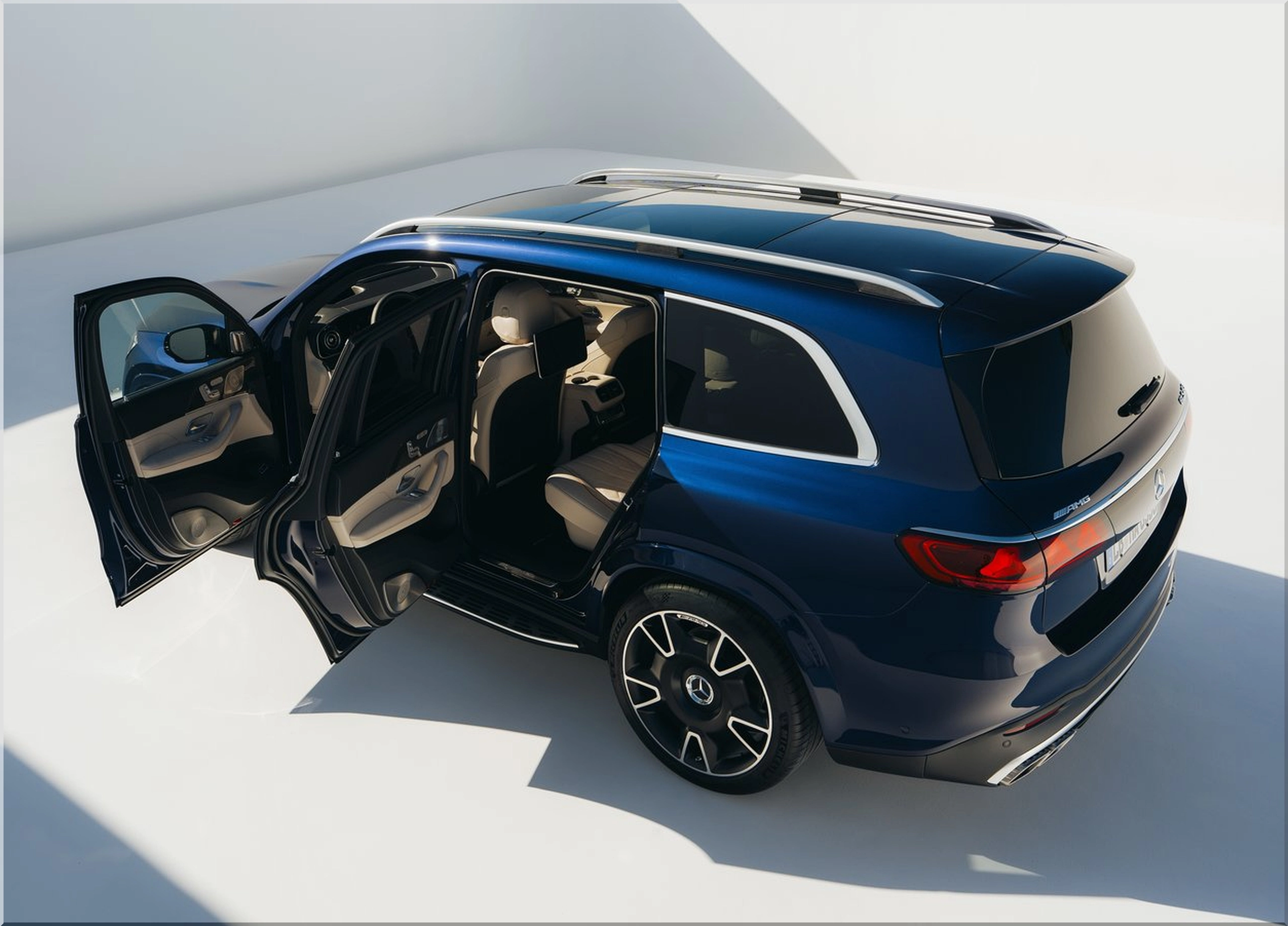
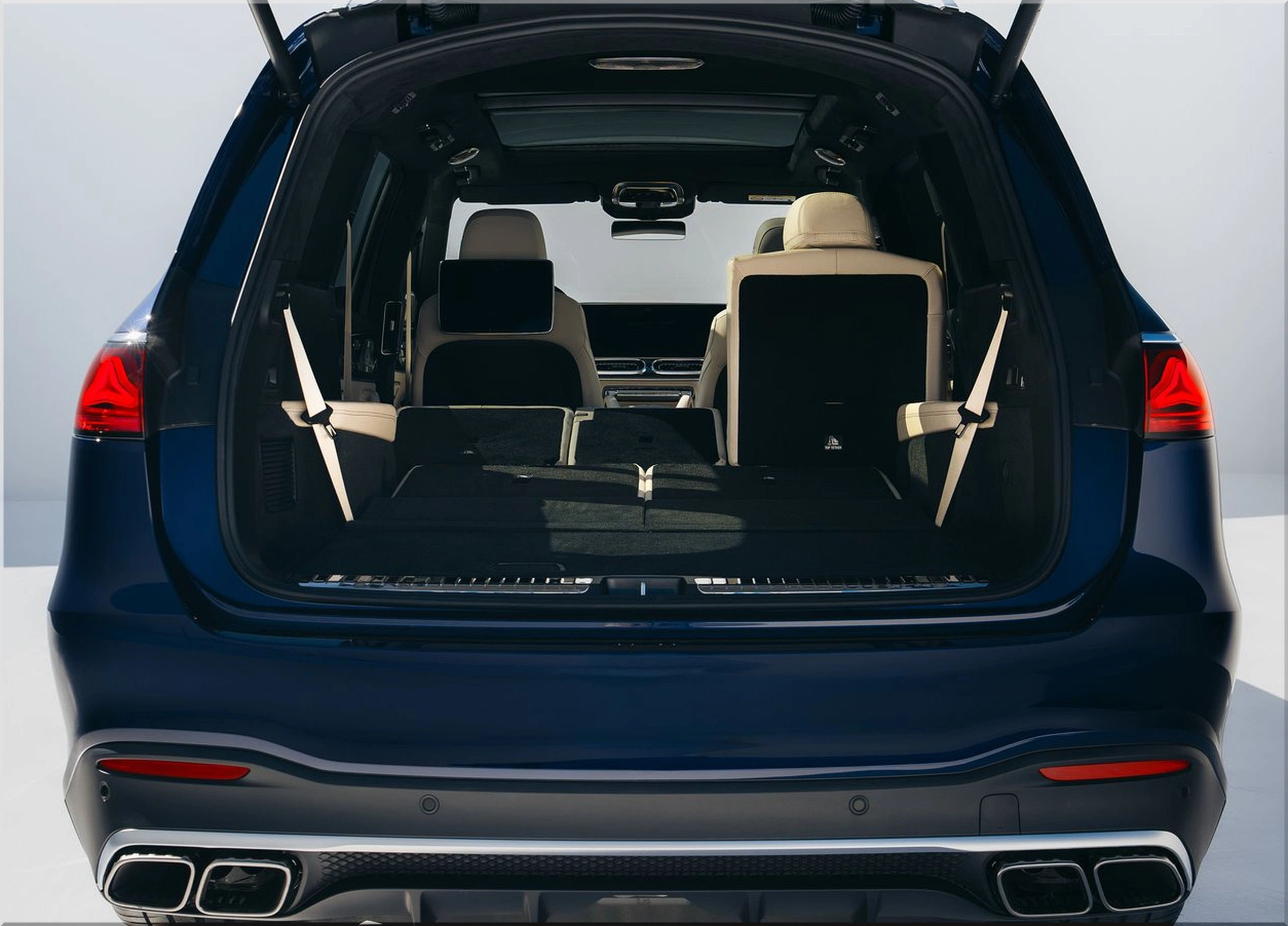
The 2027 AMG GLS 63 dimensions confirm its scale. It measures 5,233 mm/206.0 inches long, 2,030 mm/79.9 inches wide without mirrors, and 1,836 mm/72.3 inches tall. The wheelbase spans 3,135 mm/123.4 inches.
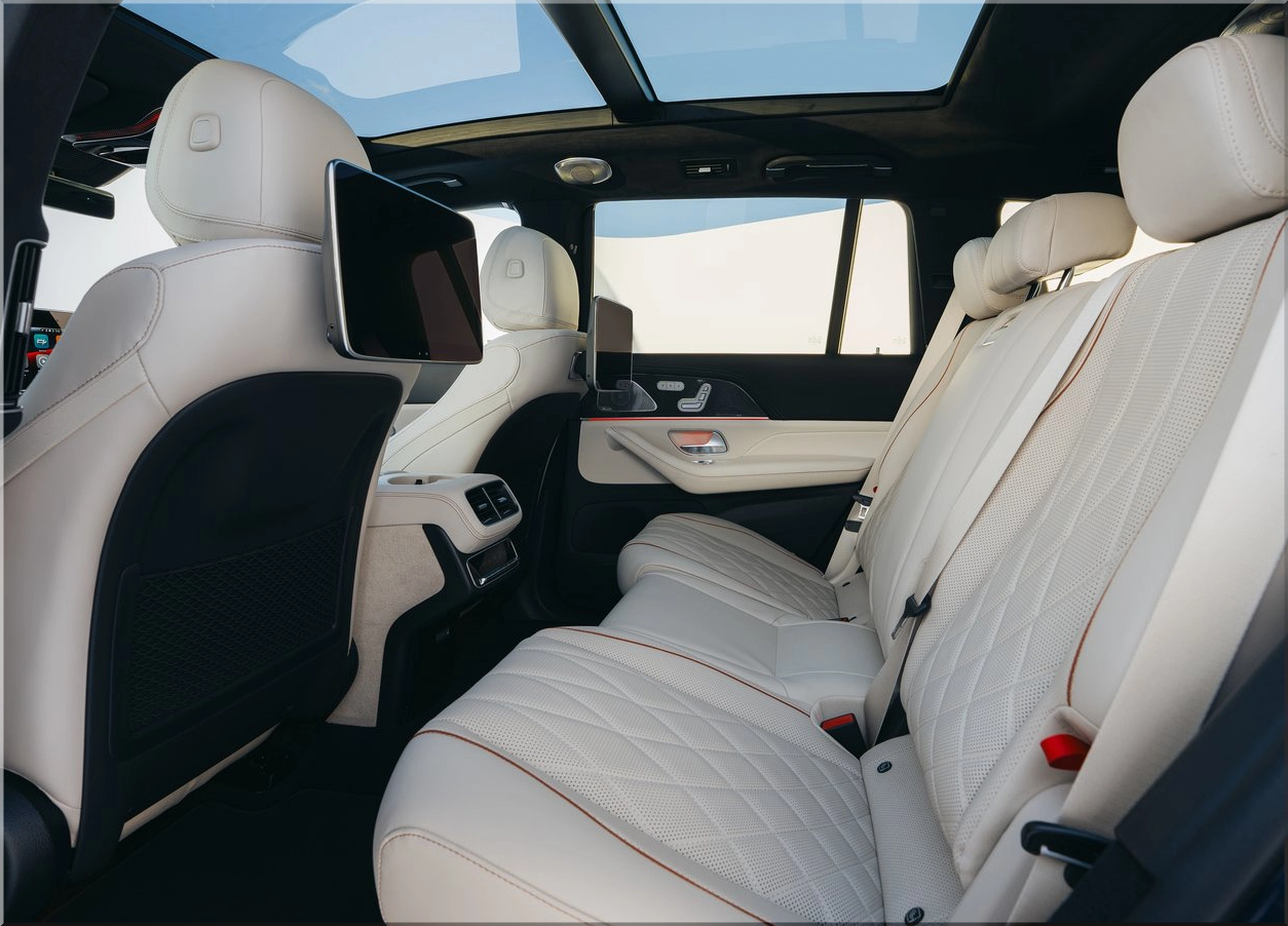
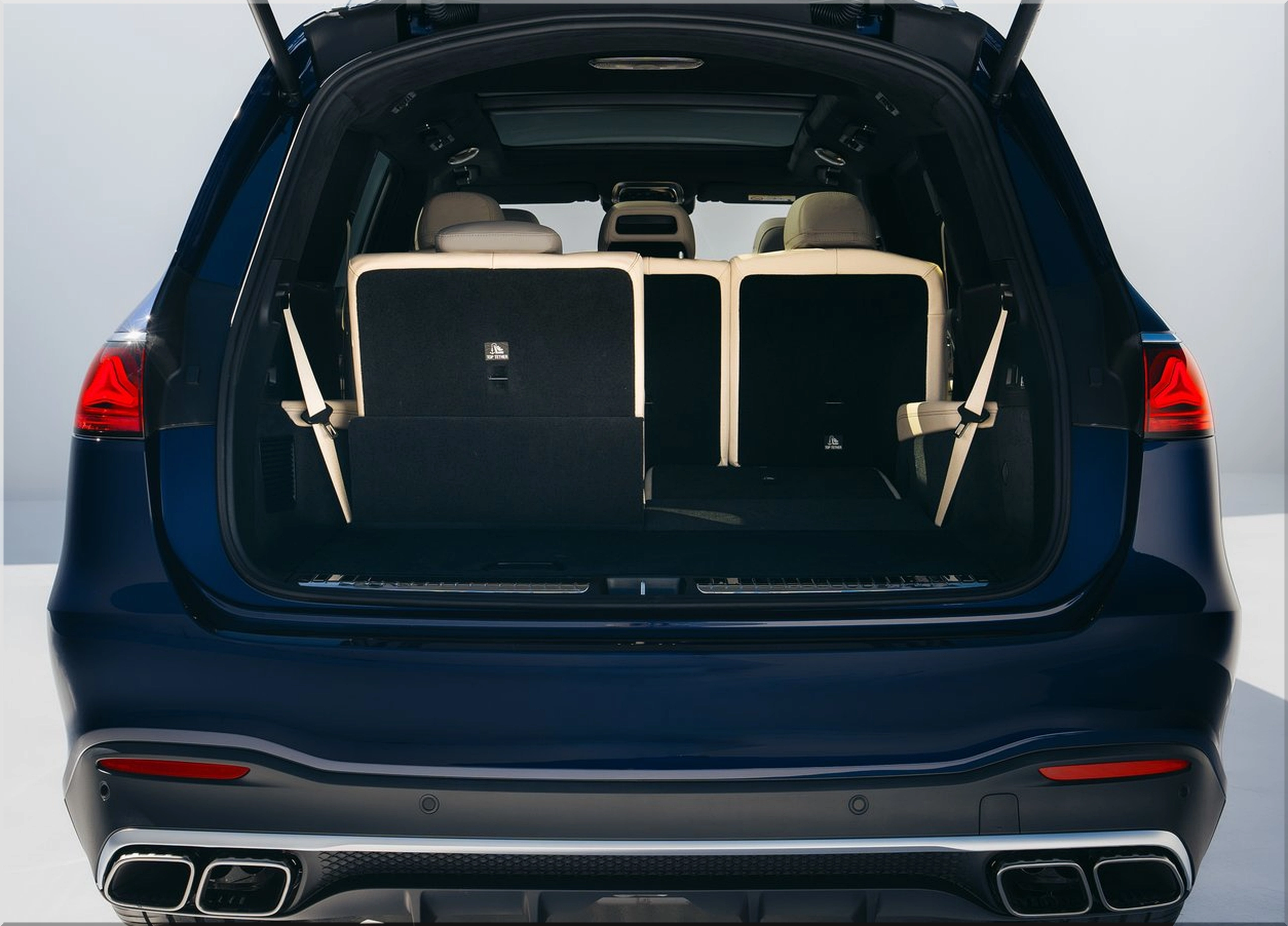
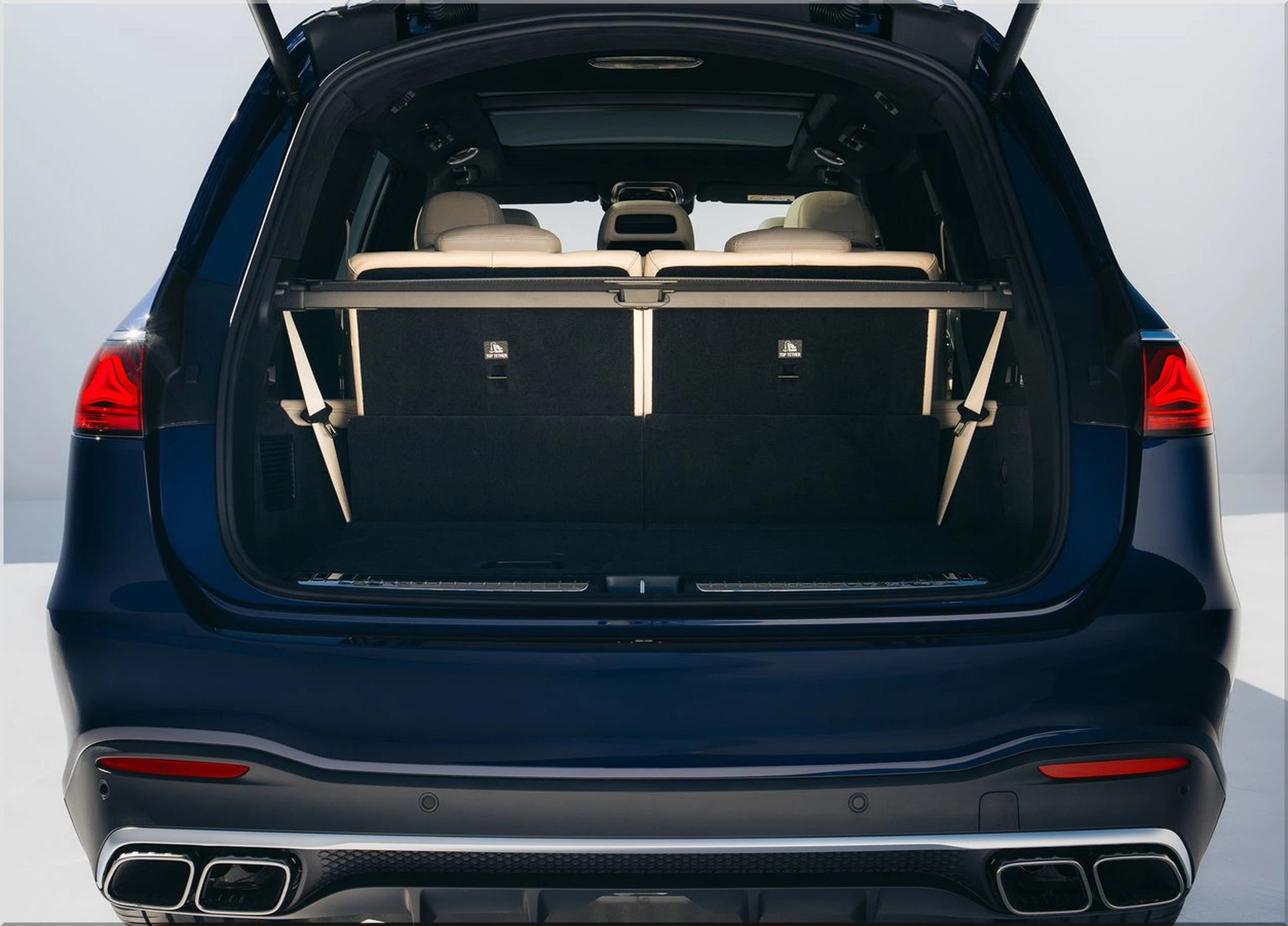
Mercedes-AMG describes seating for up to seven, though some national configurations list six seats when individual second-row chairs replace the bench. Buyers should check the specification before ordering.
Practical figures include:
- Width with mirrors: 2,157 mm/84.9 inches
- Turning circle: 13.1 metres/43.0 feet
- Luggage capacity behind the third row: 355 litres
- Payload: 695 kg
- Roof load: 100 kg
- Braked trailer rating: 3,300 kg
That 13.1-metre turning circle deserves attention in European cities. Underground car parks will demand patience, parking cameras, and occasional negotiations with concrete pillars.
Cabin Technology and Comfort
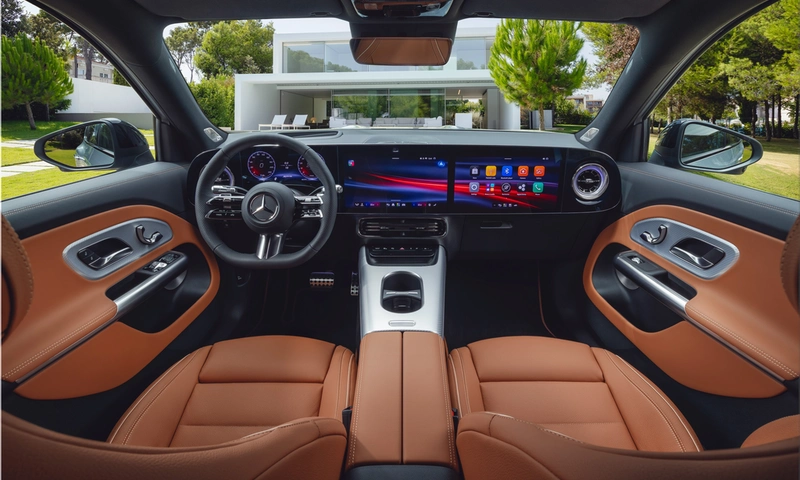
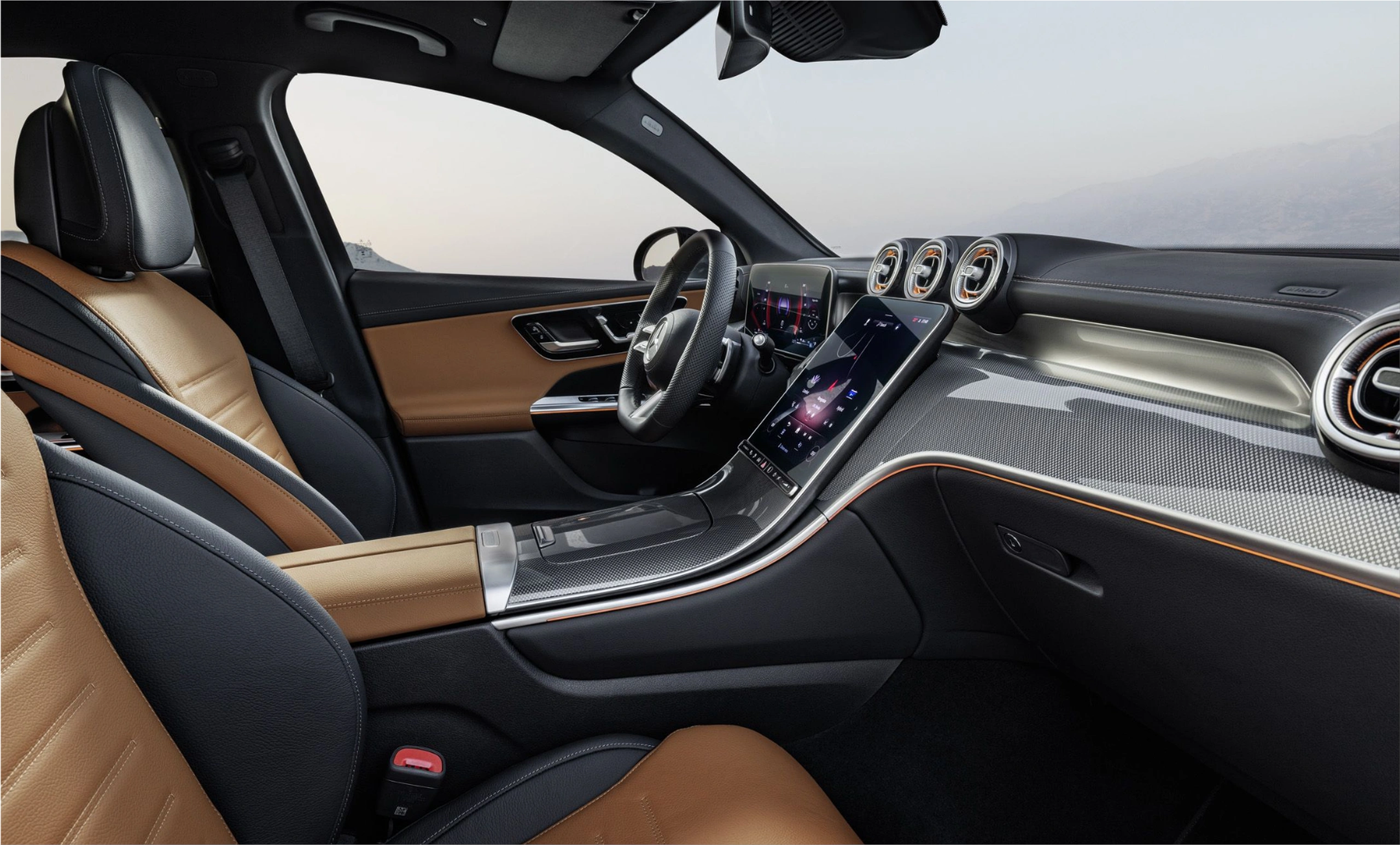
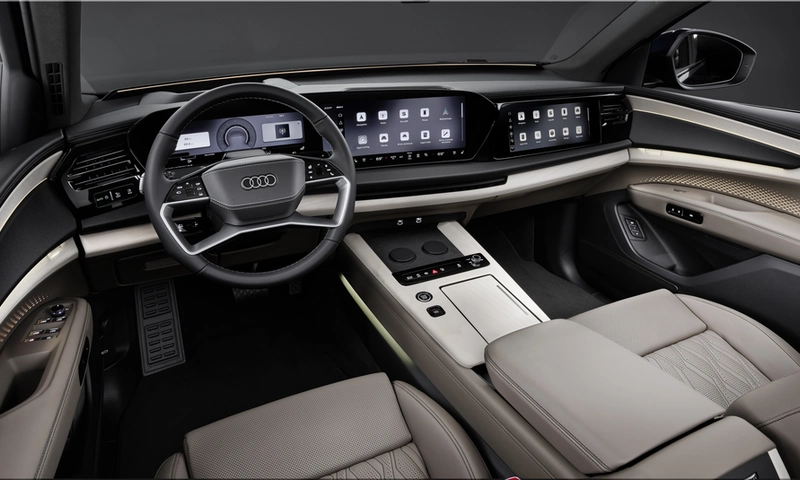
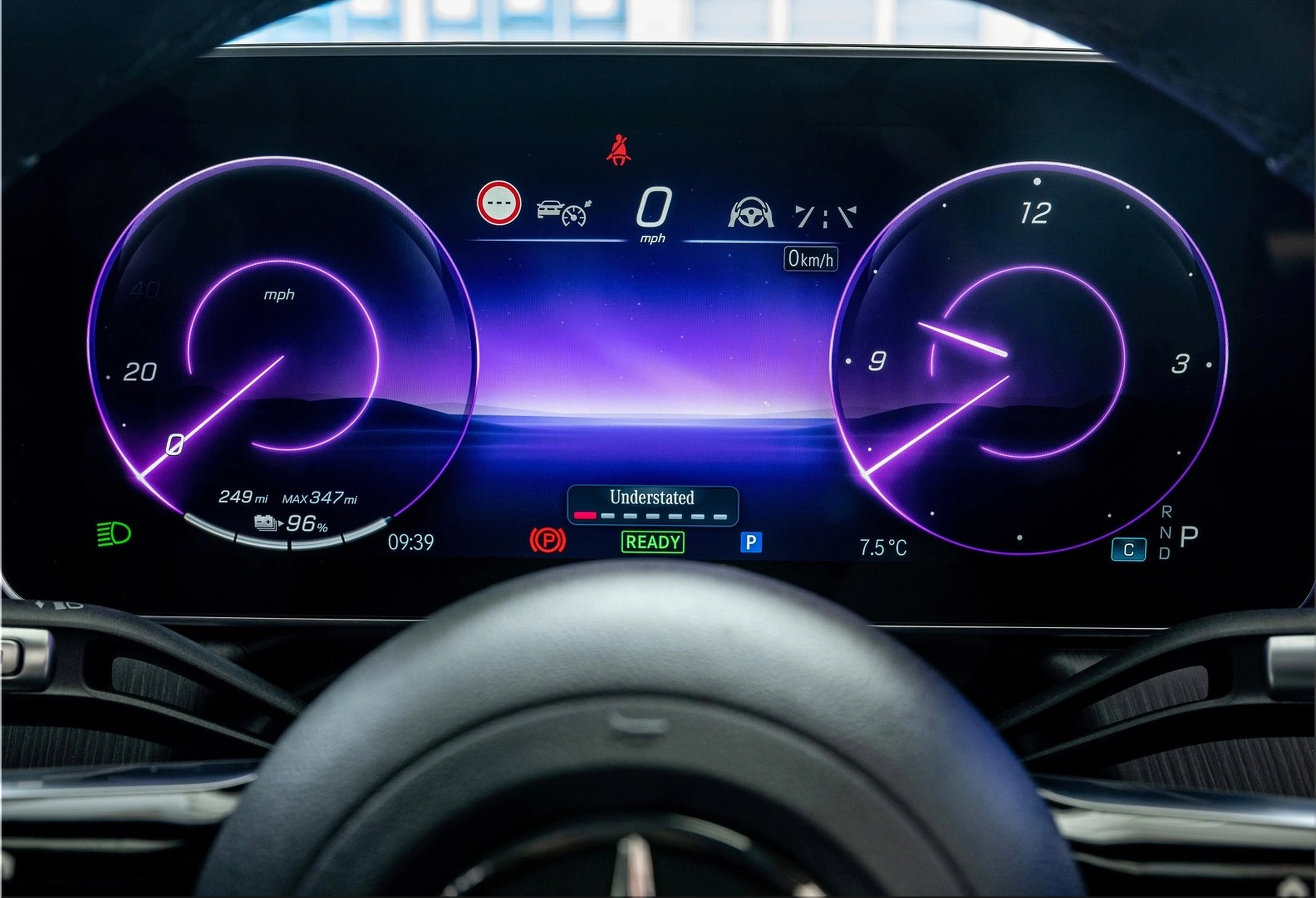
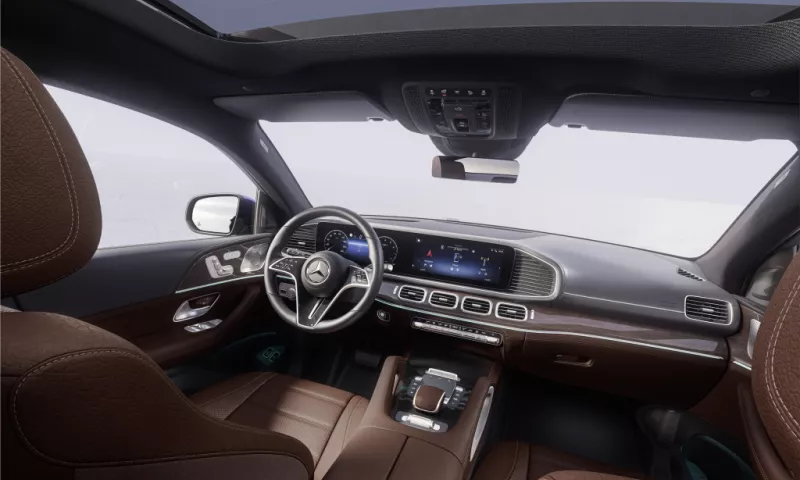
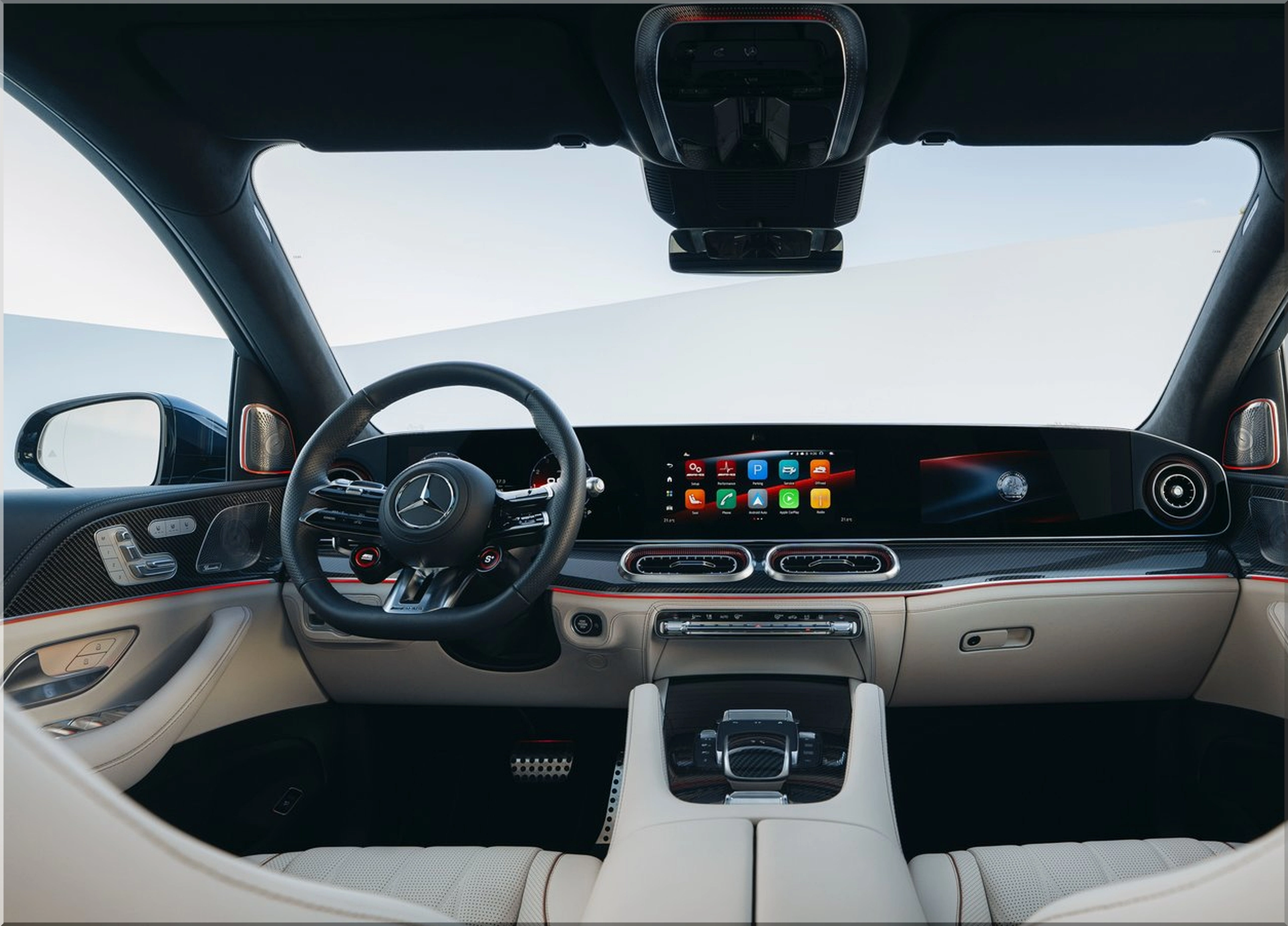
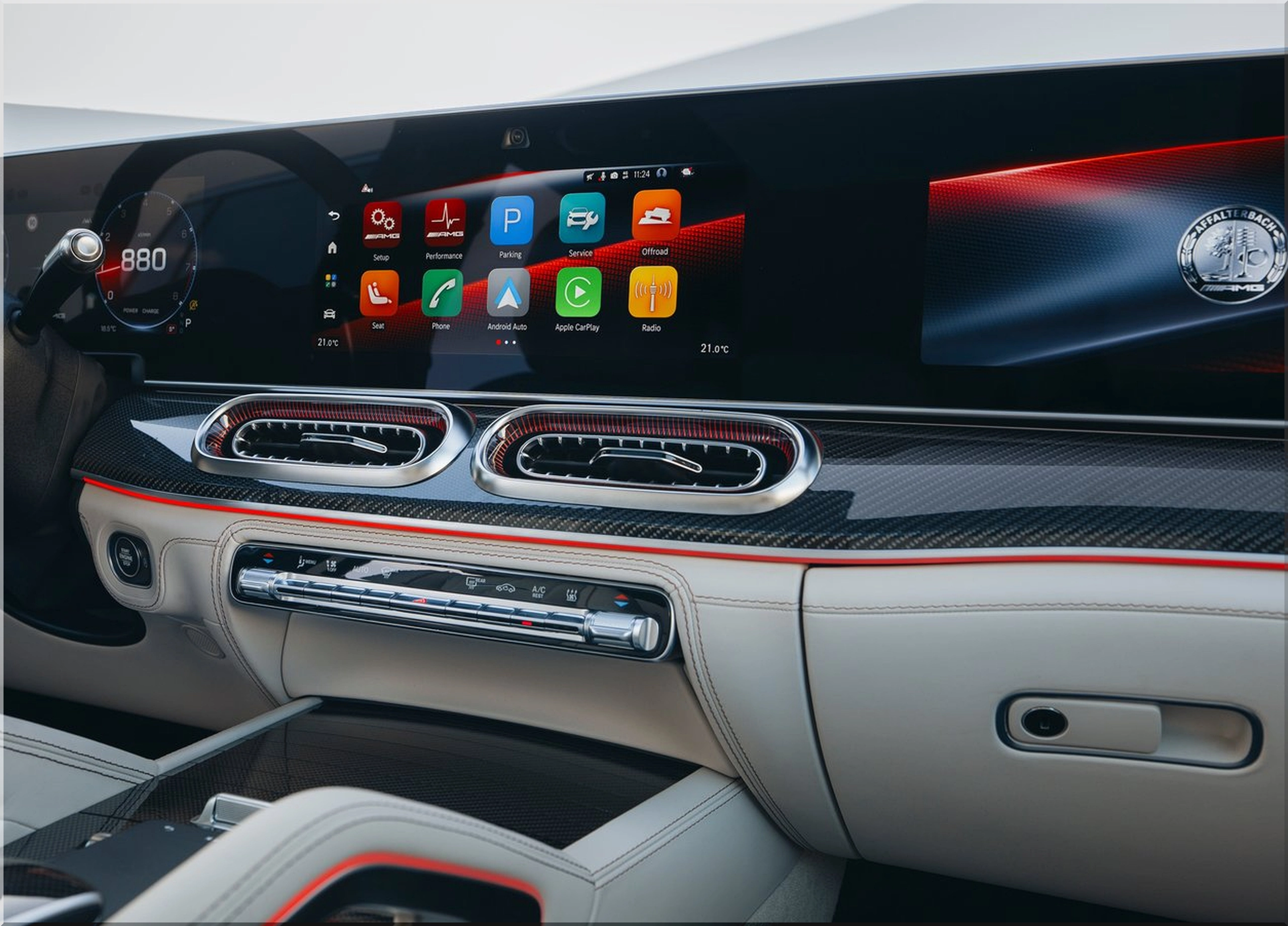
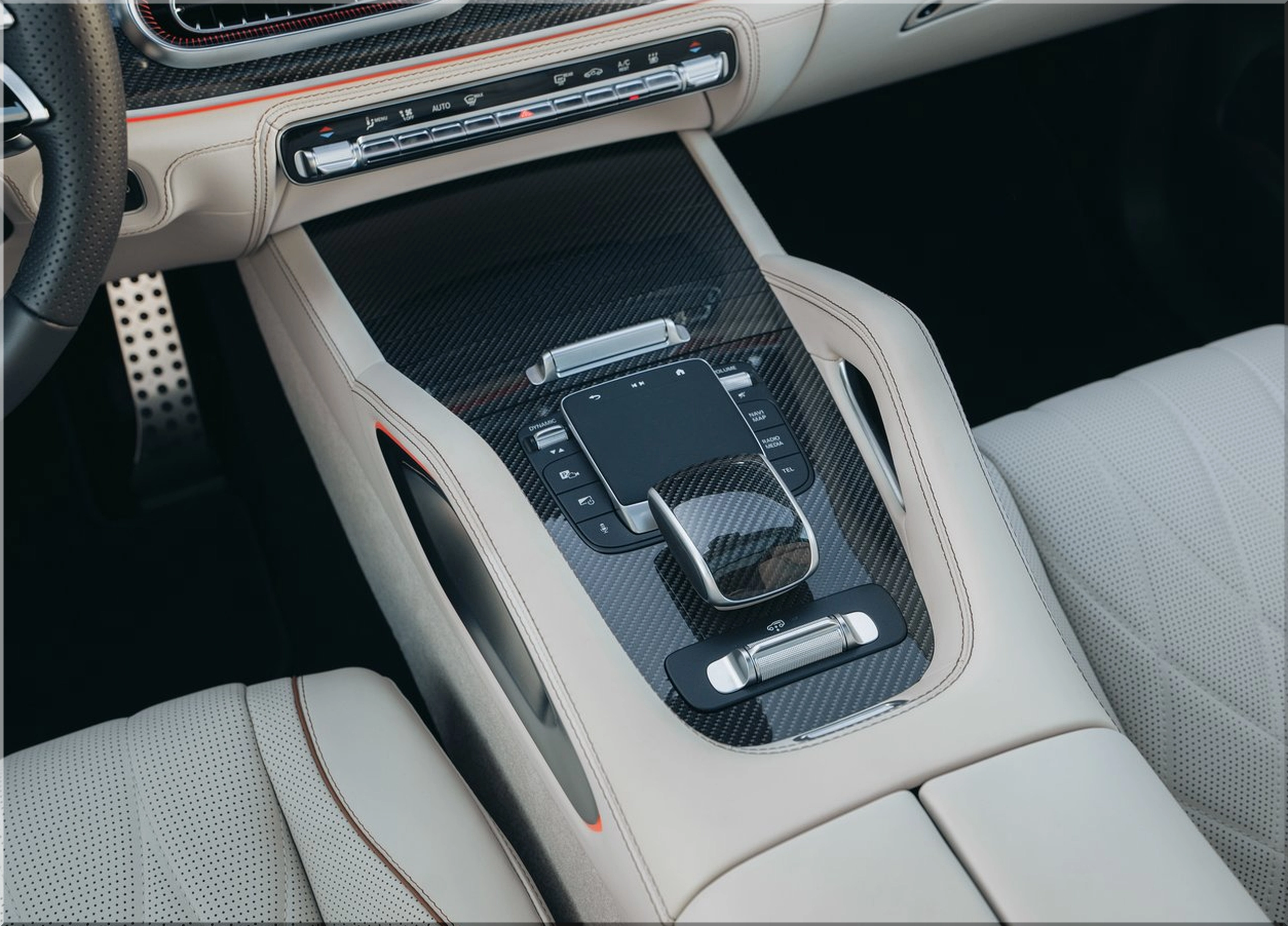
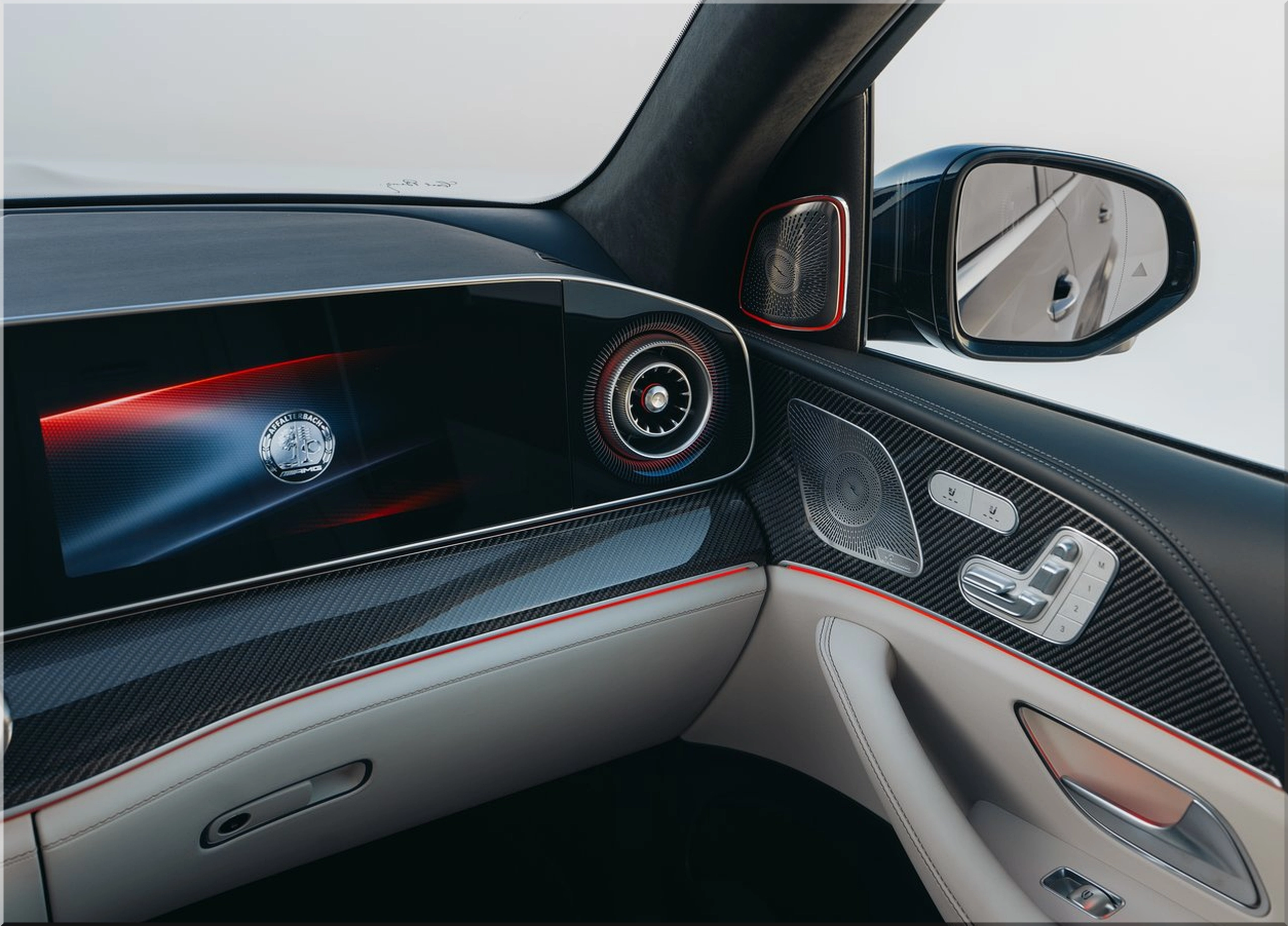
The cabin combines MB.OS, high-resolution displays, AMG performance pages, and a steering wheel with dedicated control switches. Drivers can view torque distribution, G-force readings, engine data, navigation, and assistance settings.
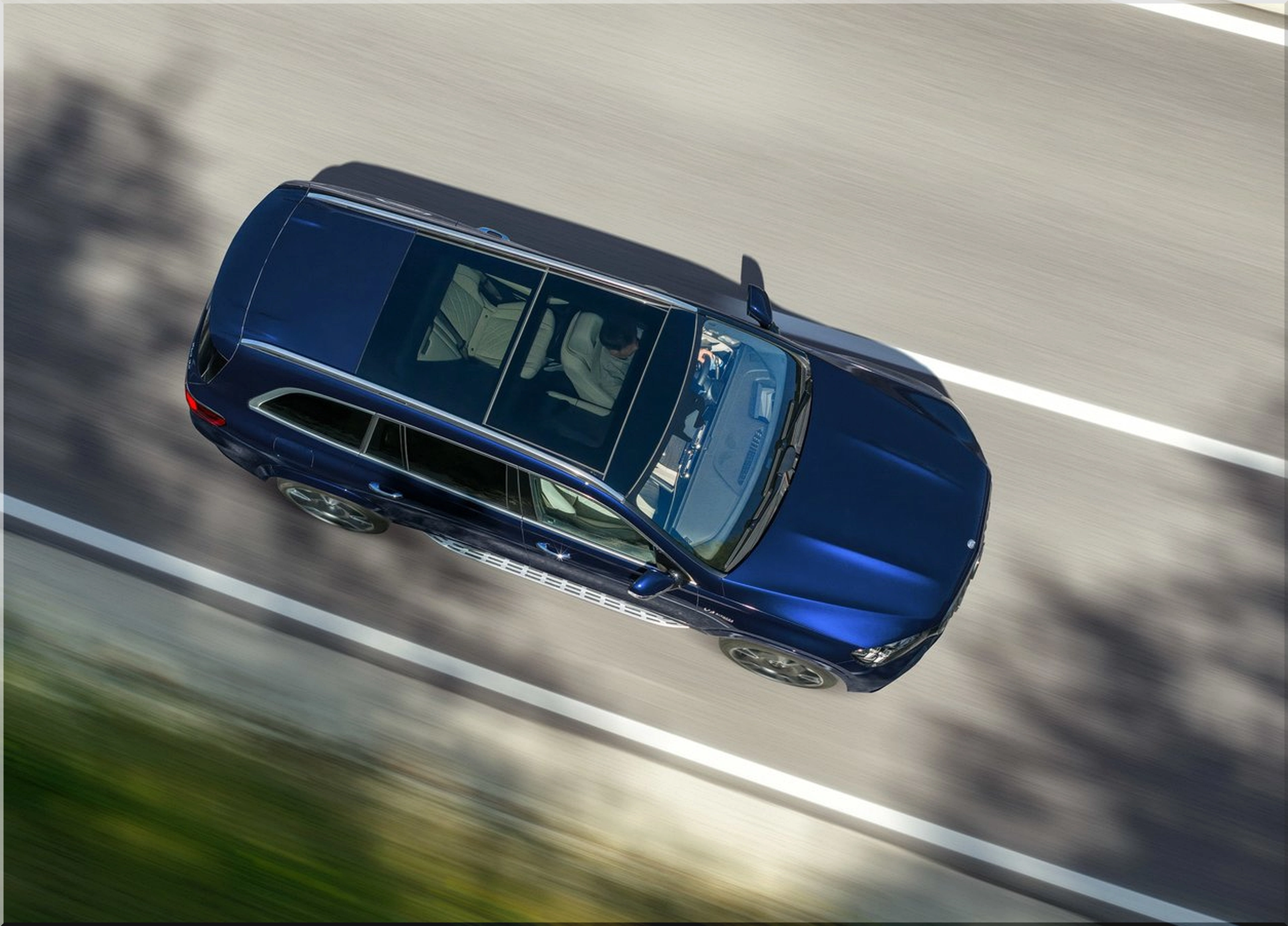
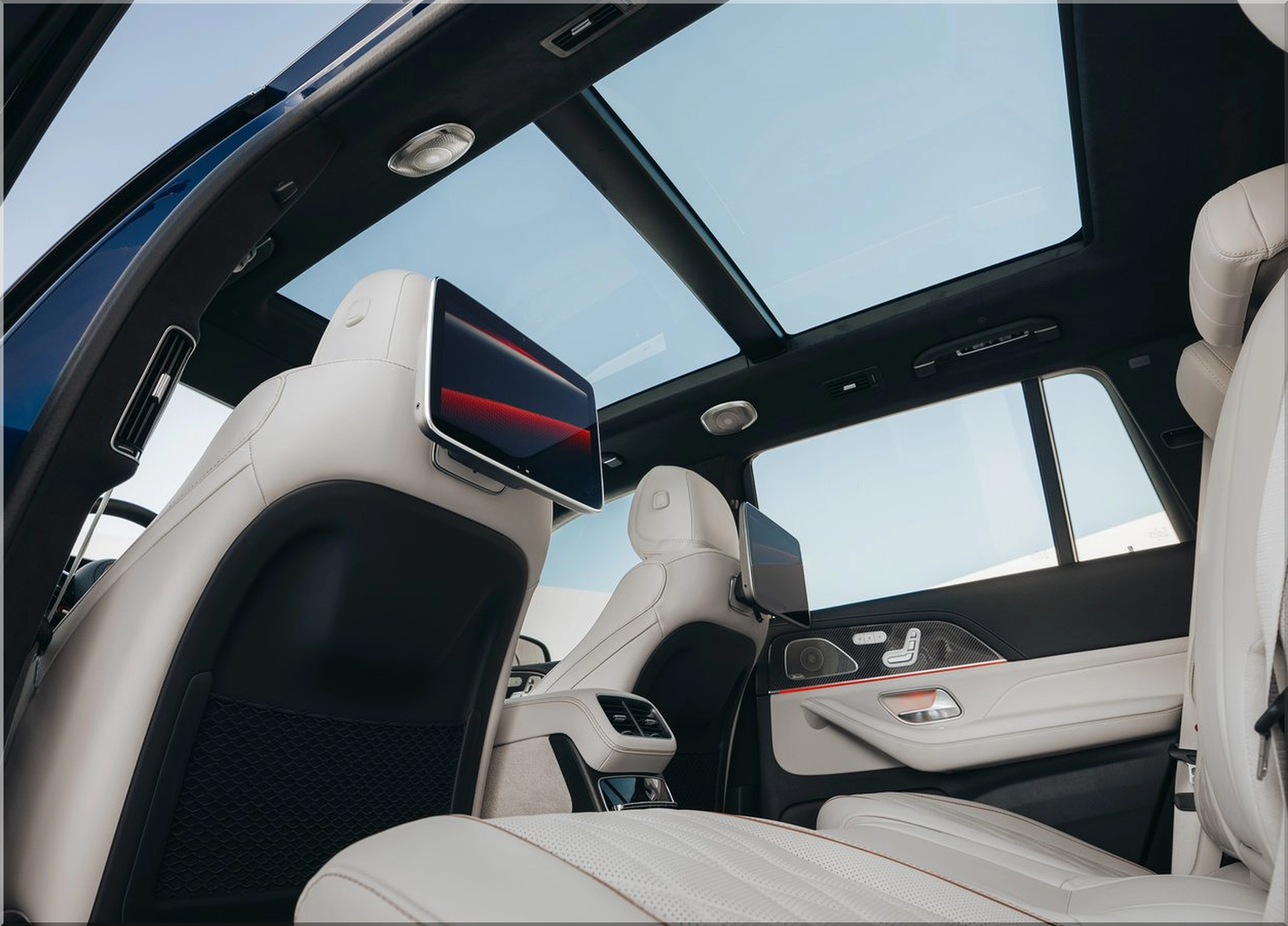
Nappa leather, carbon-fibre or aluminium trim, a MICROCUT microfibre headlining, a panoramic roof, and multicontour front seats set the luxury brief. Rear passengers can receive twin 11.6-inch entertainment displays, while optional comfort packages add heated armrests and extra controls.
From an expert perspective, the large screens provide useful data but increase reliance on software for basic functions. Buyers planning long ownership should judge menu speed, update support, and shortcut access during a test drive.
Image
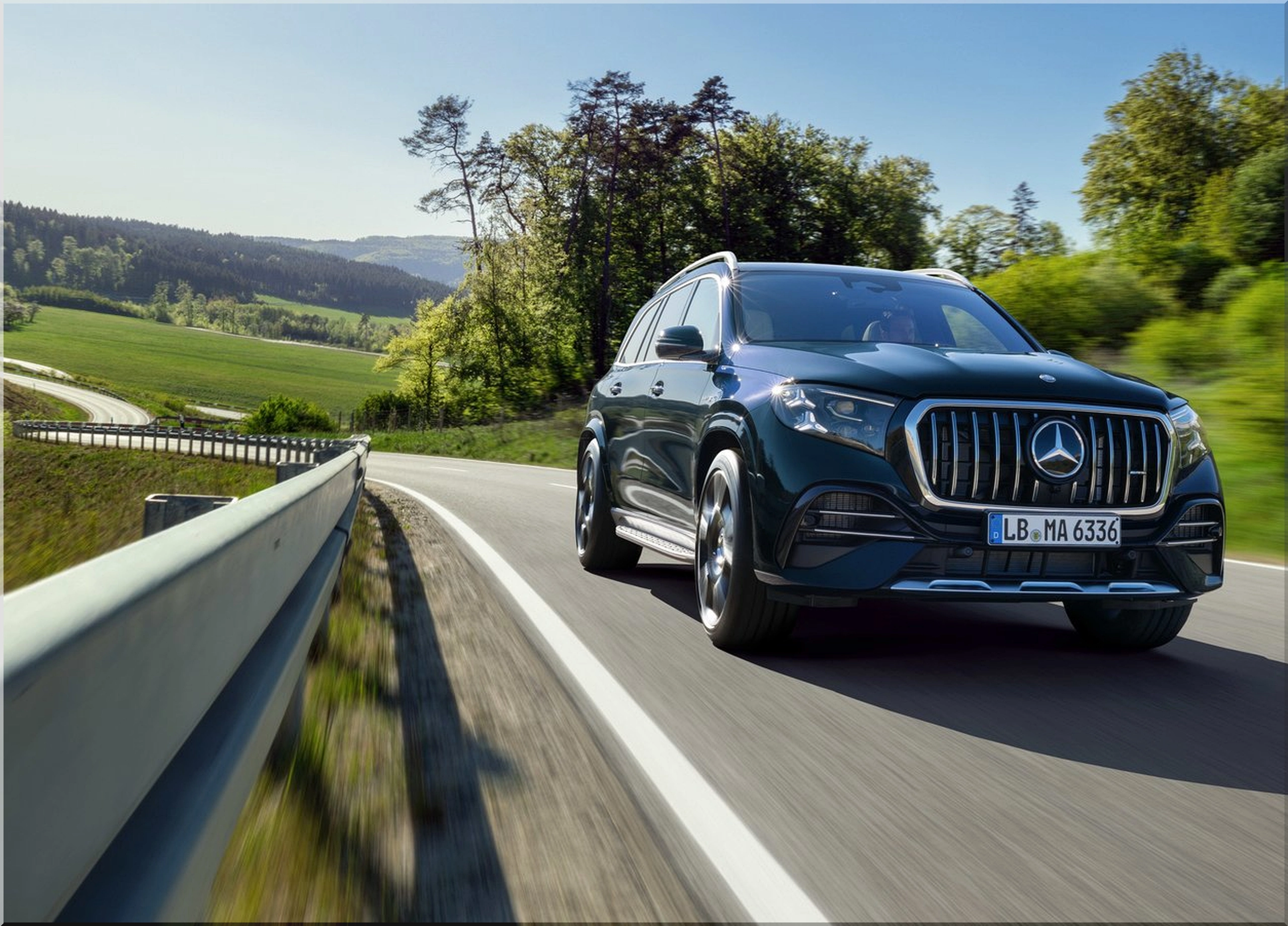
Exterior Changes Serve Cooling
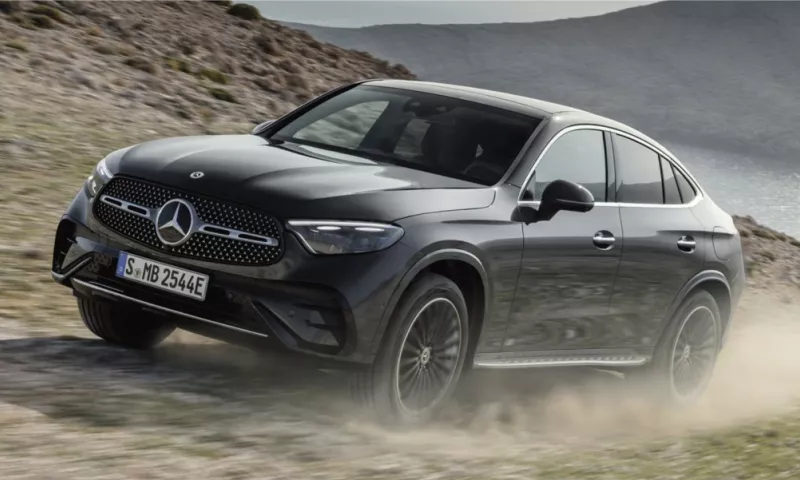
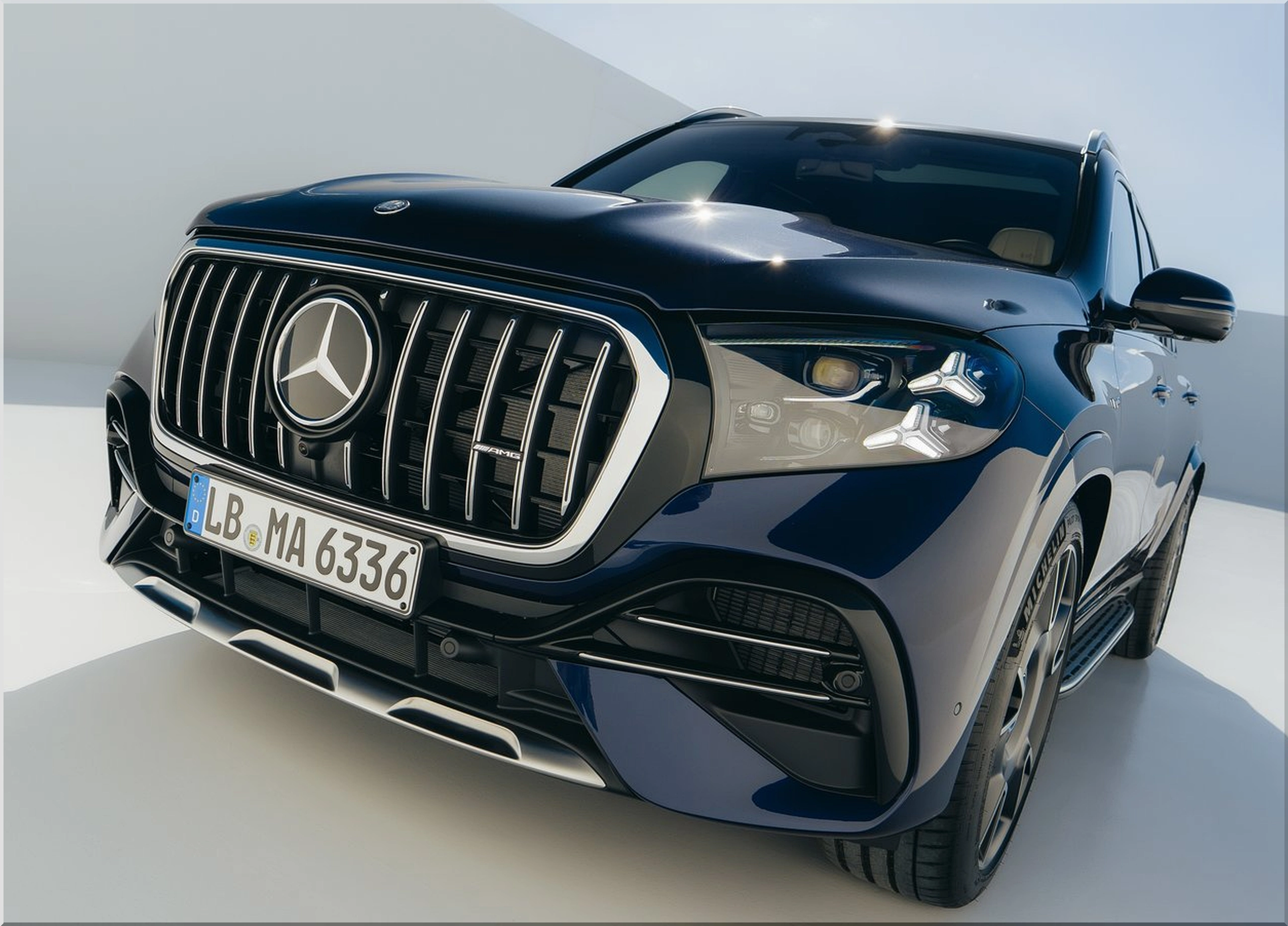
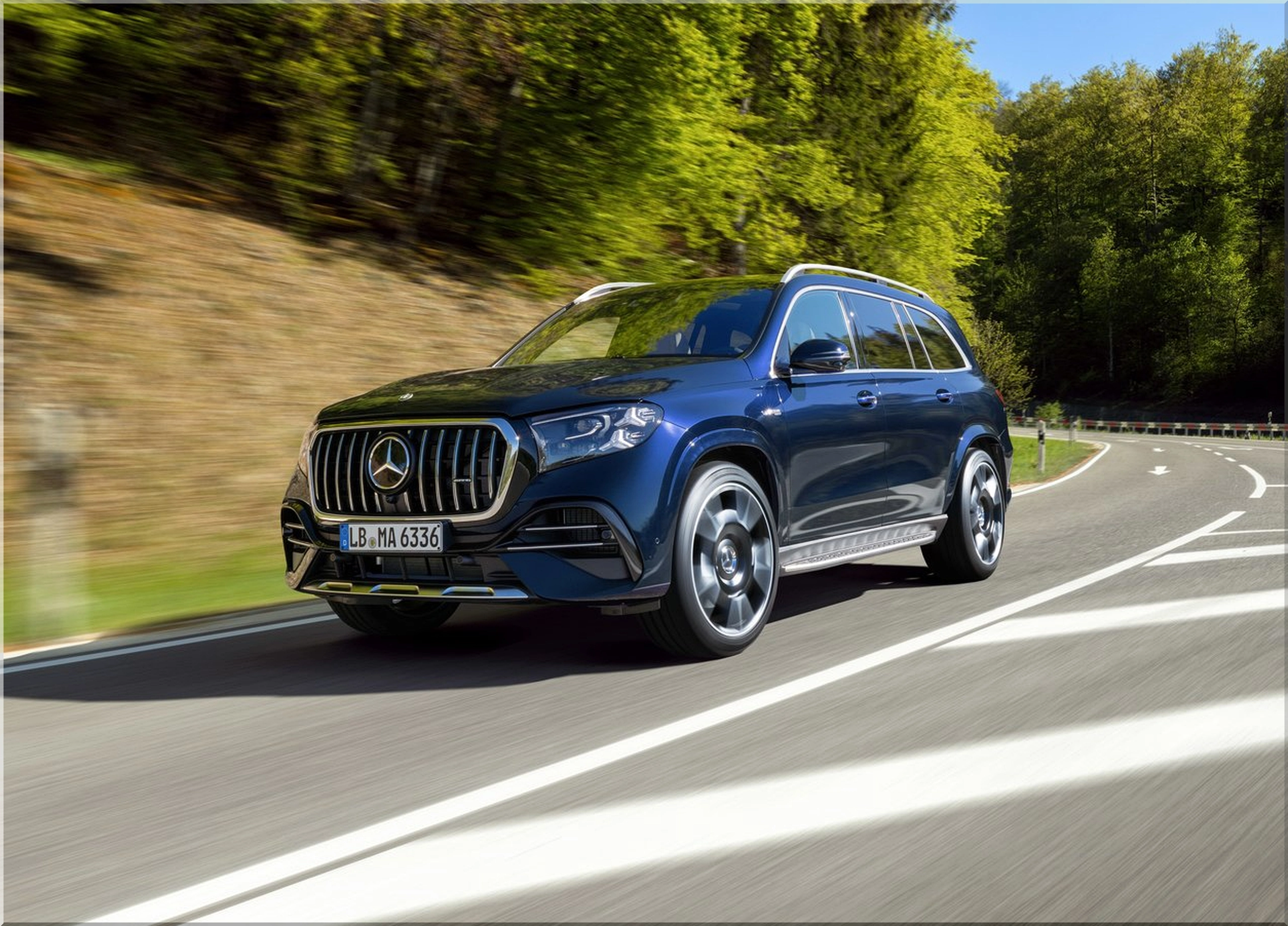
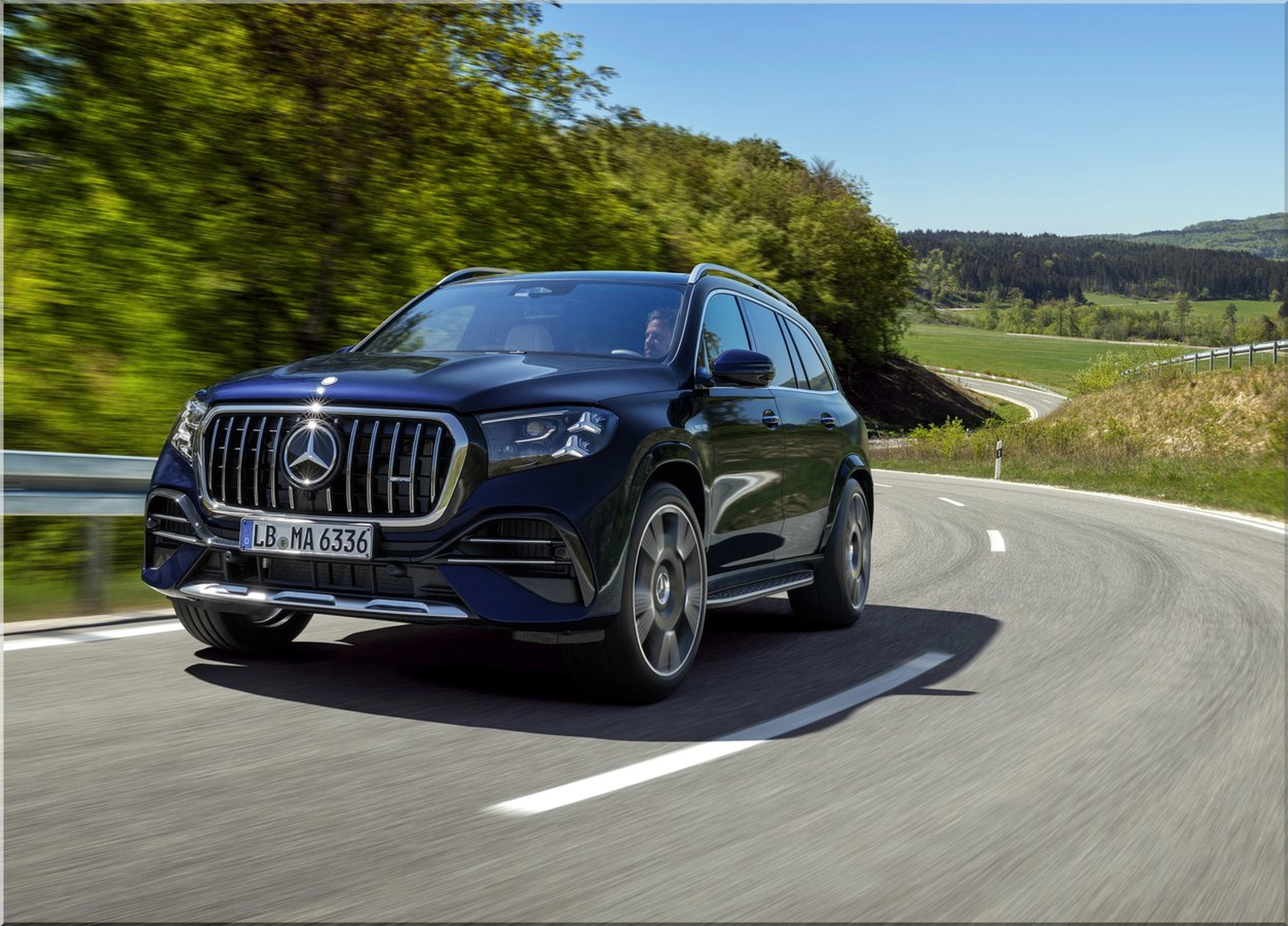
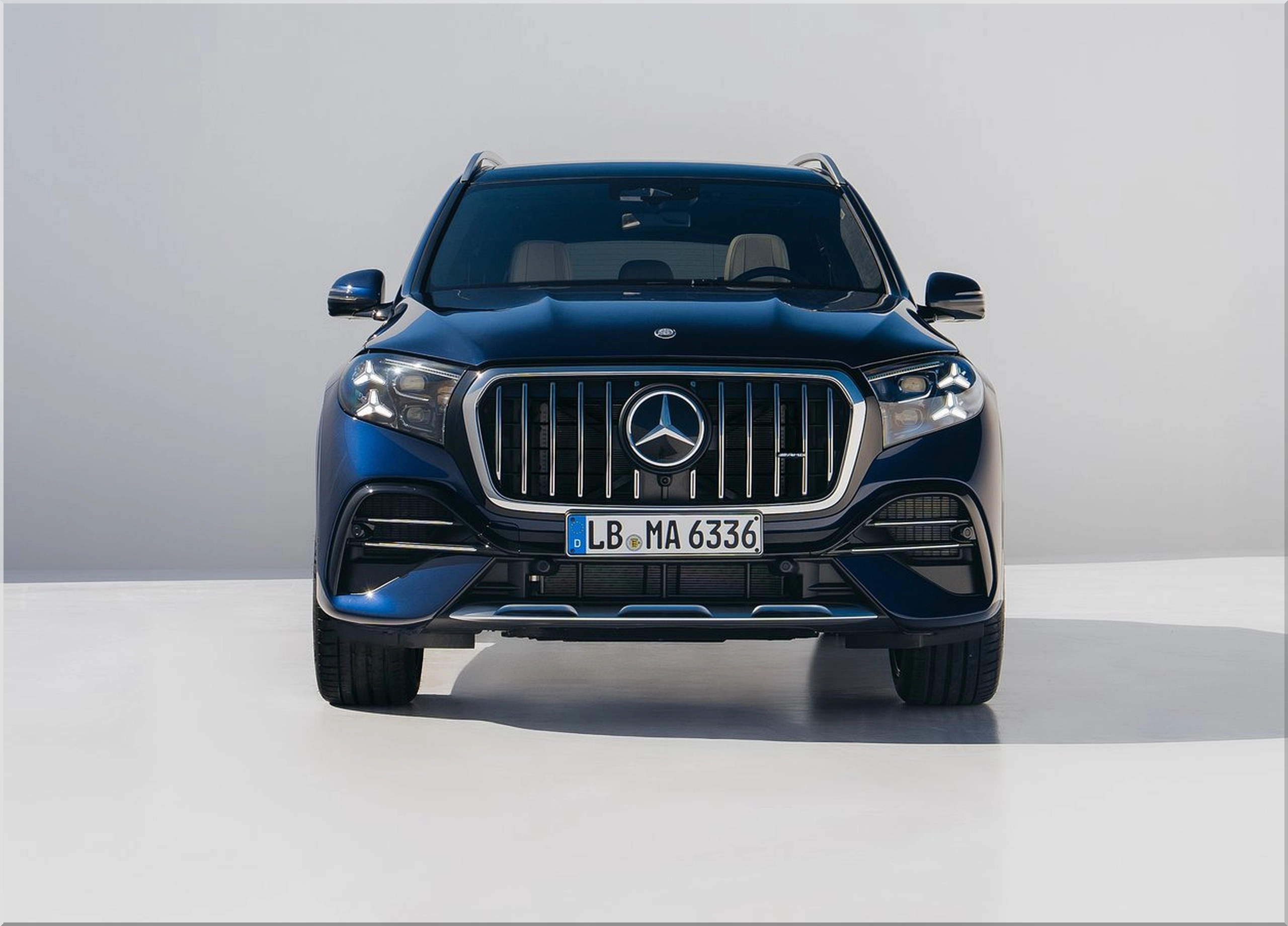
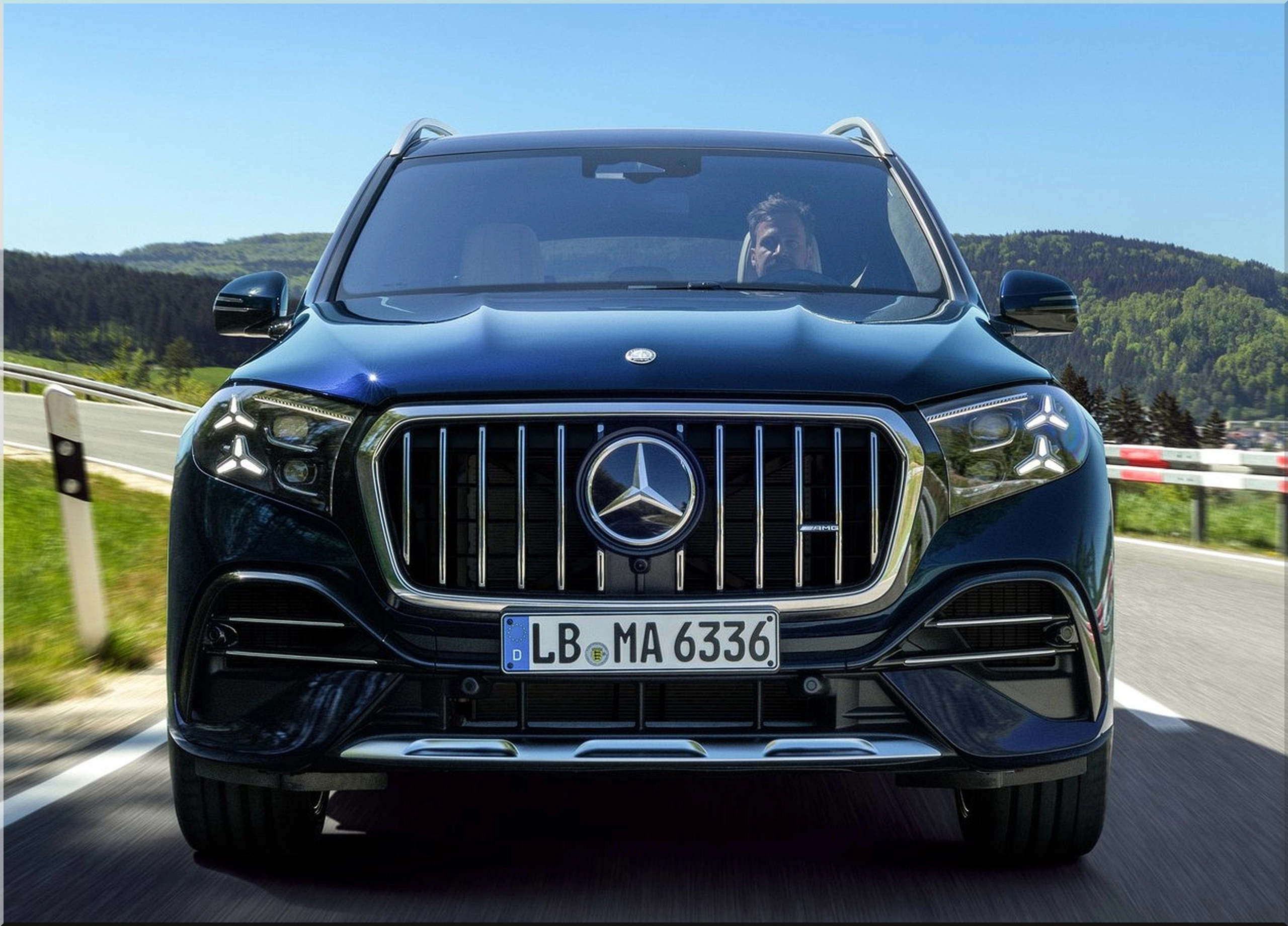
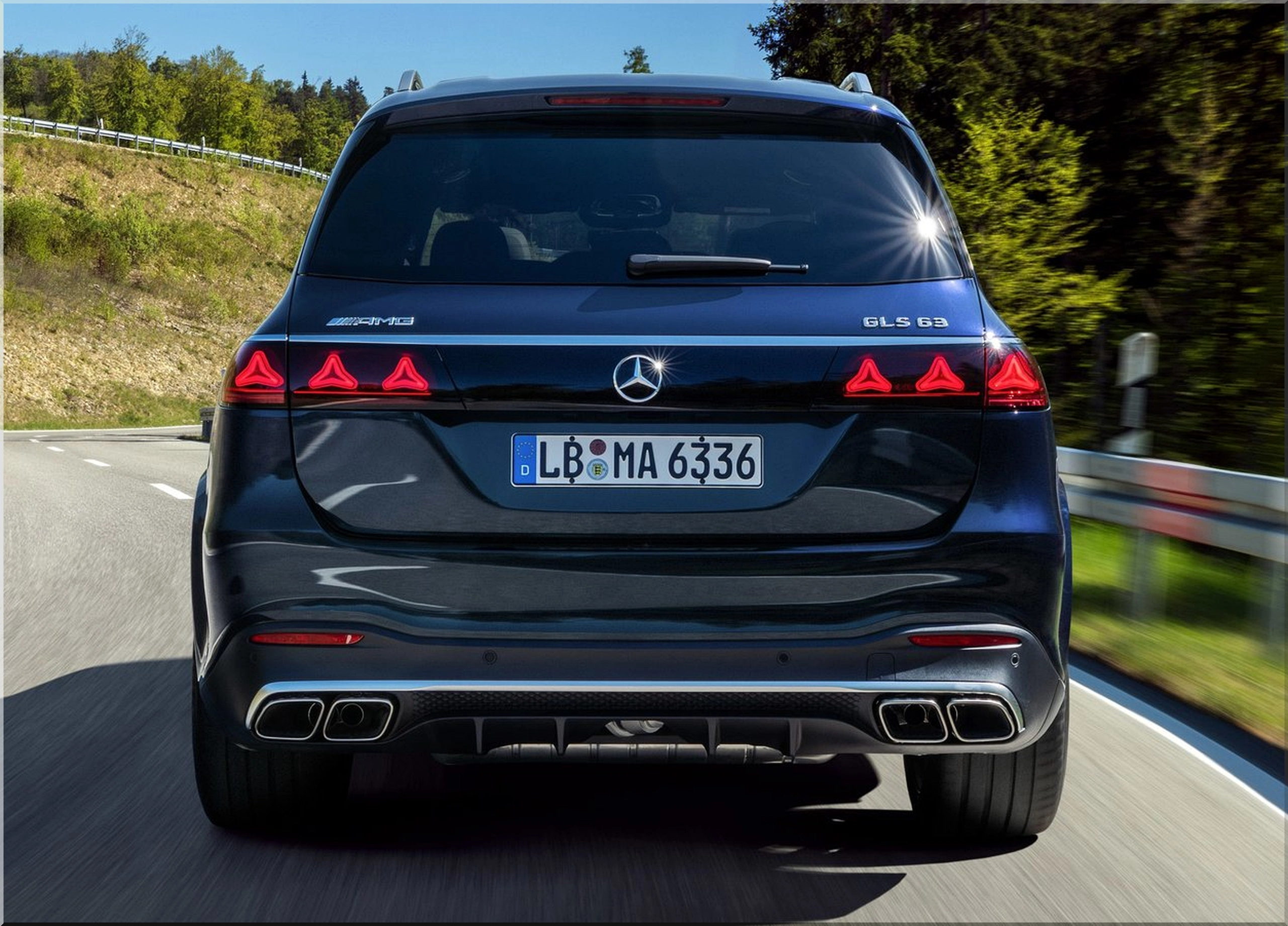
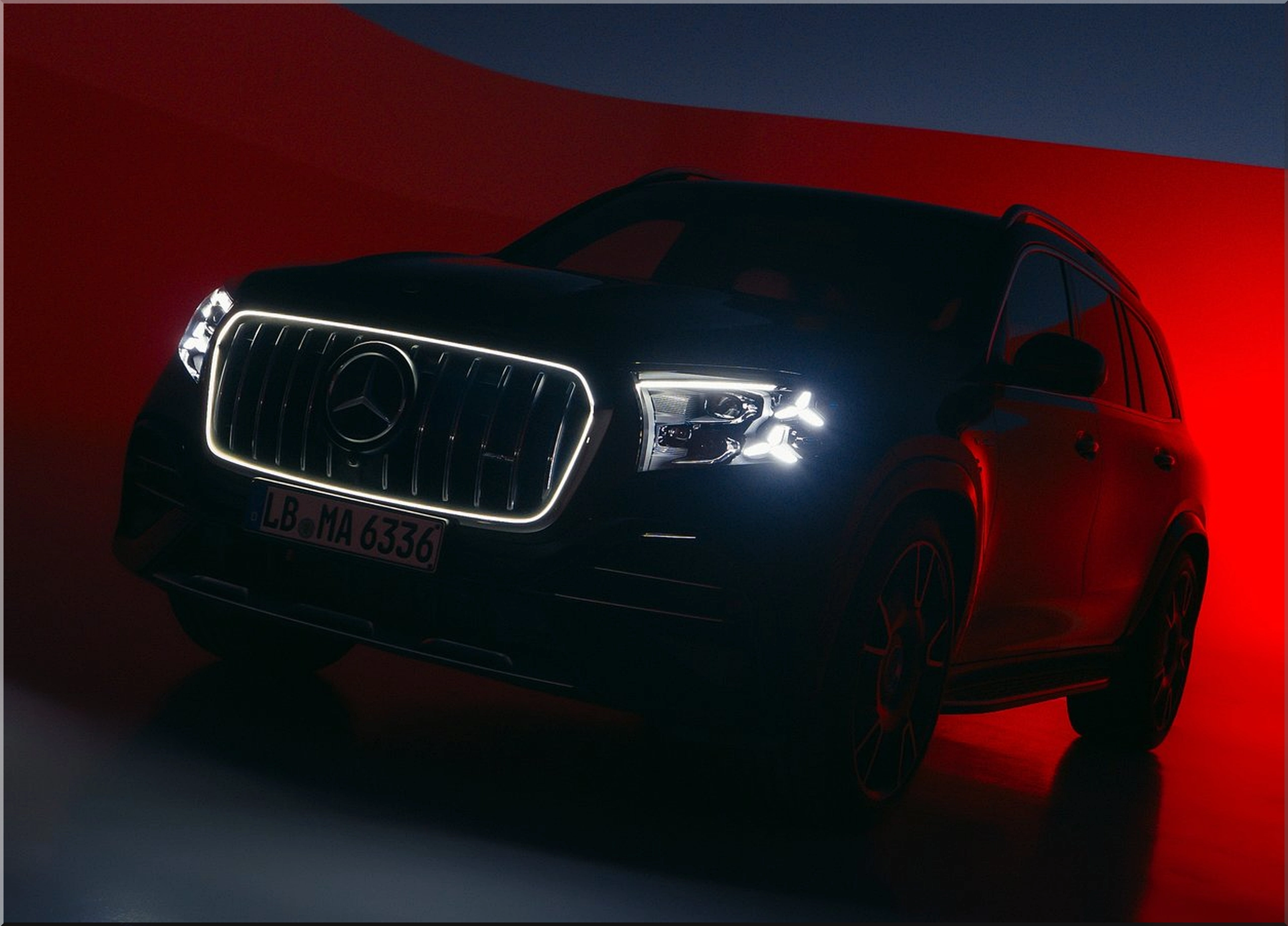
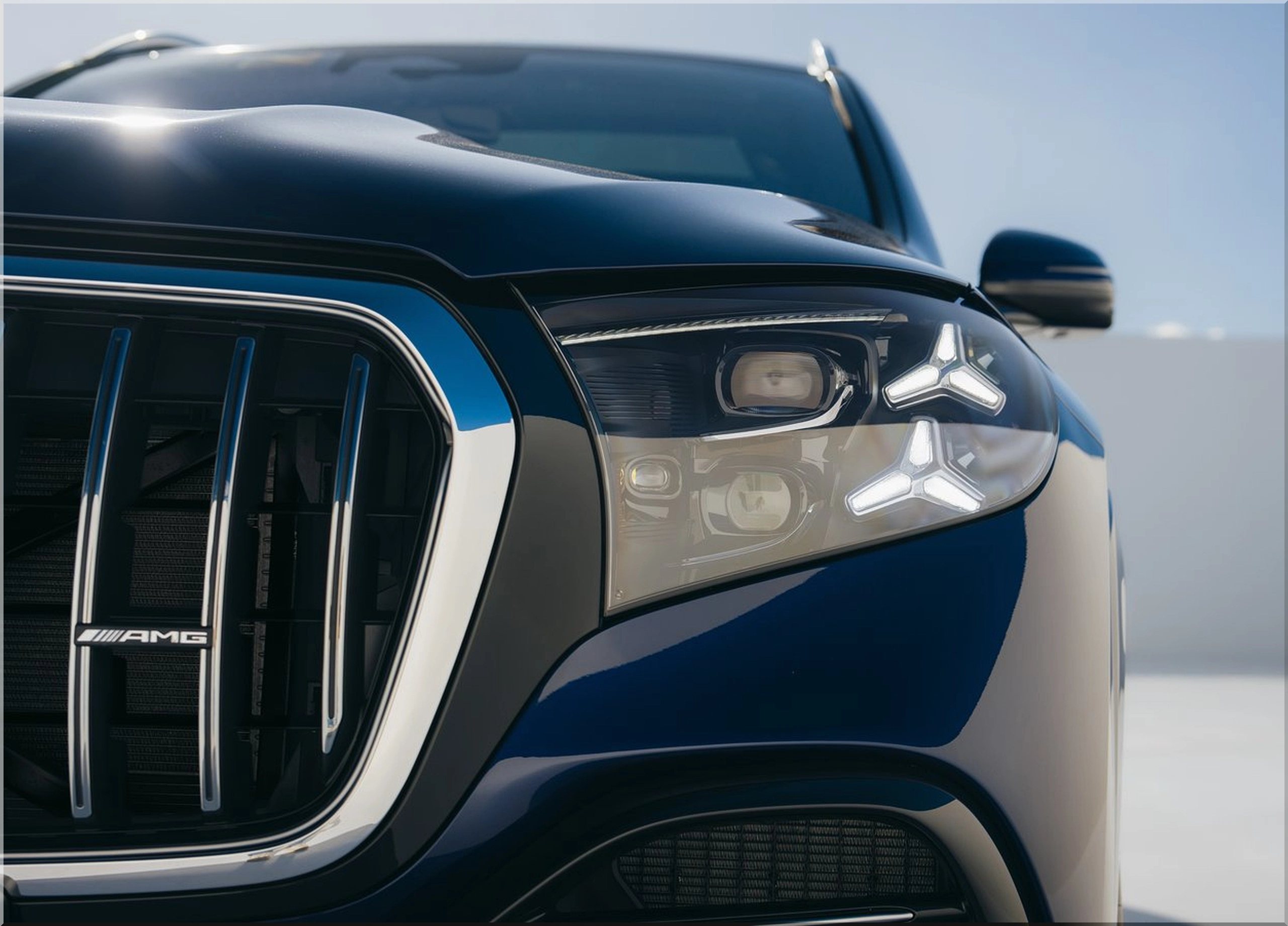
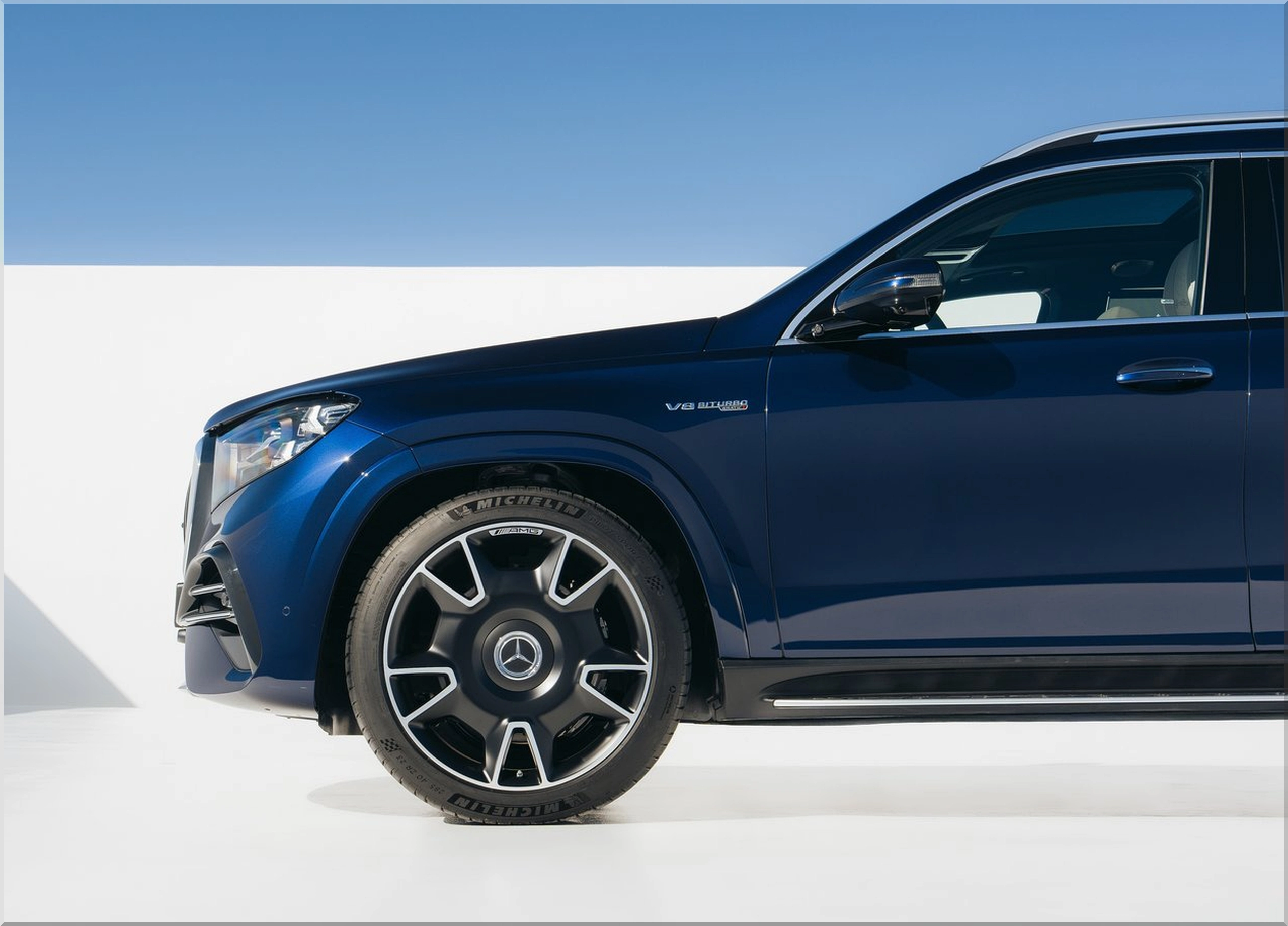
The revised front section uses a larger AMG grille, expanded air intakes, and a new LED signature. The openings feed a V8 and cooling circuit that must manage sustained high loads.
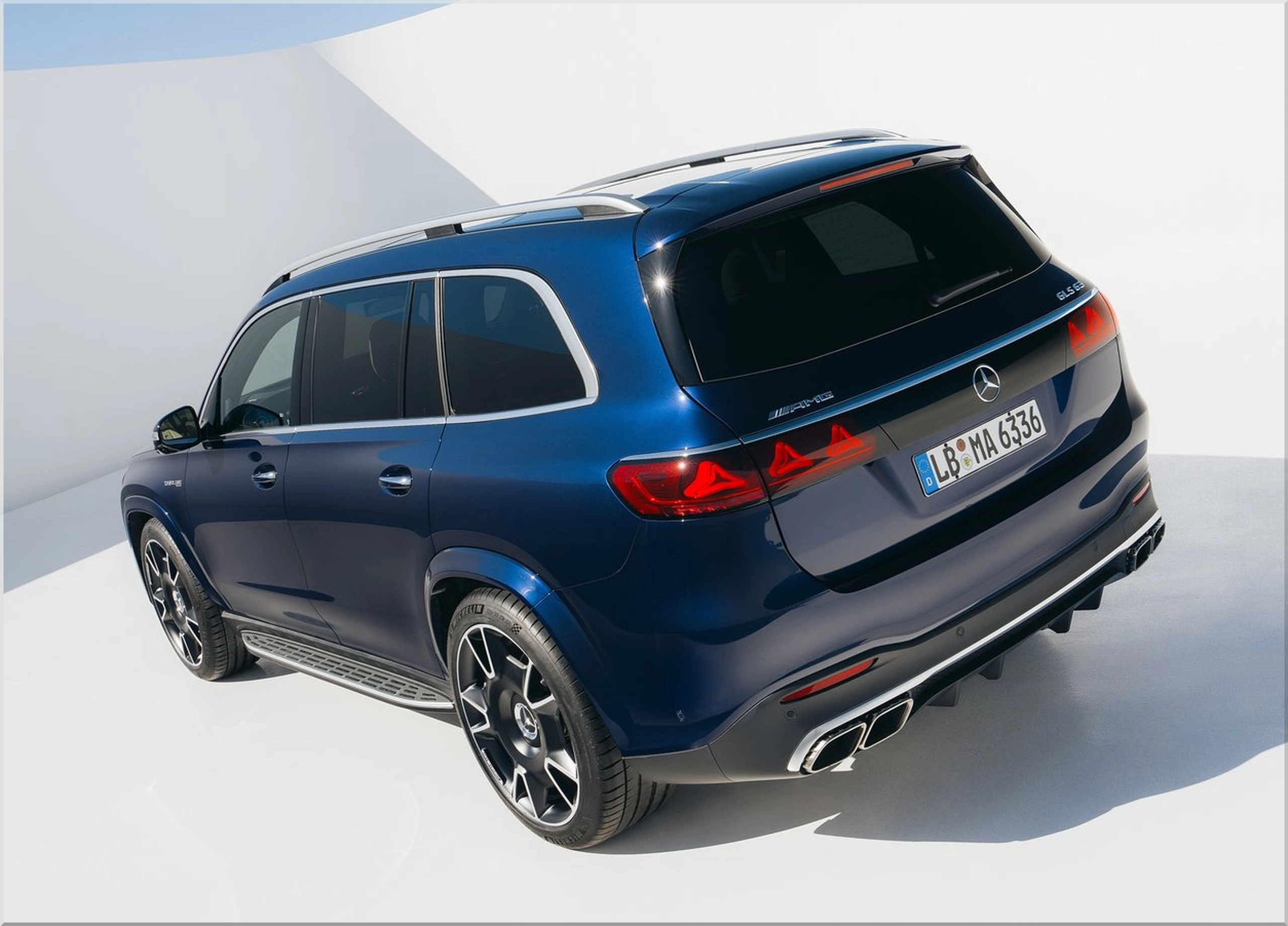
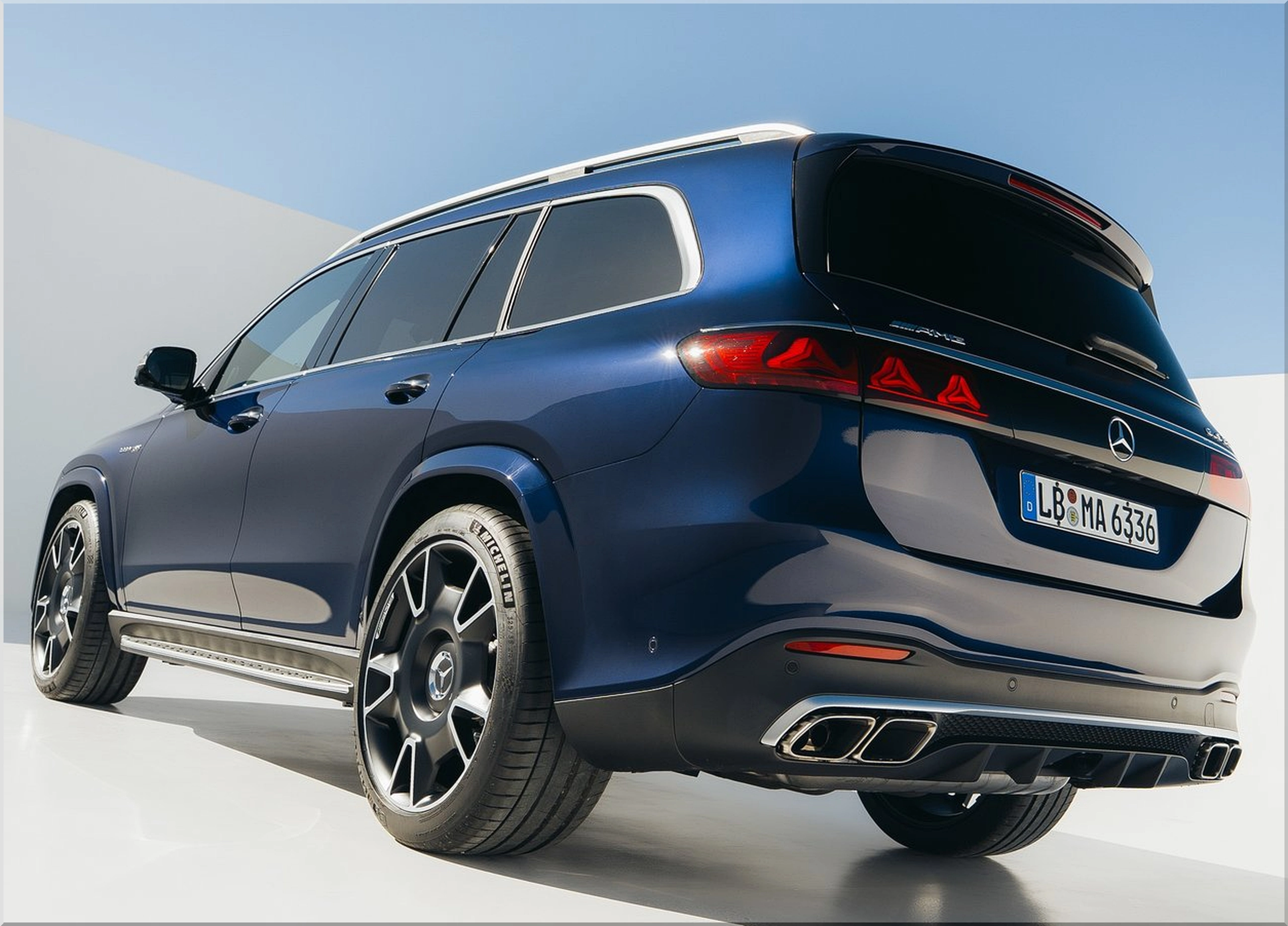
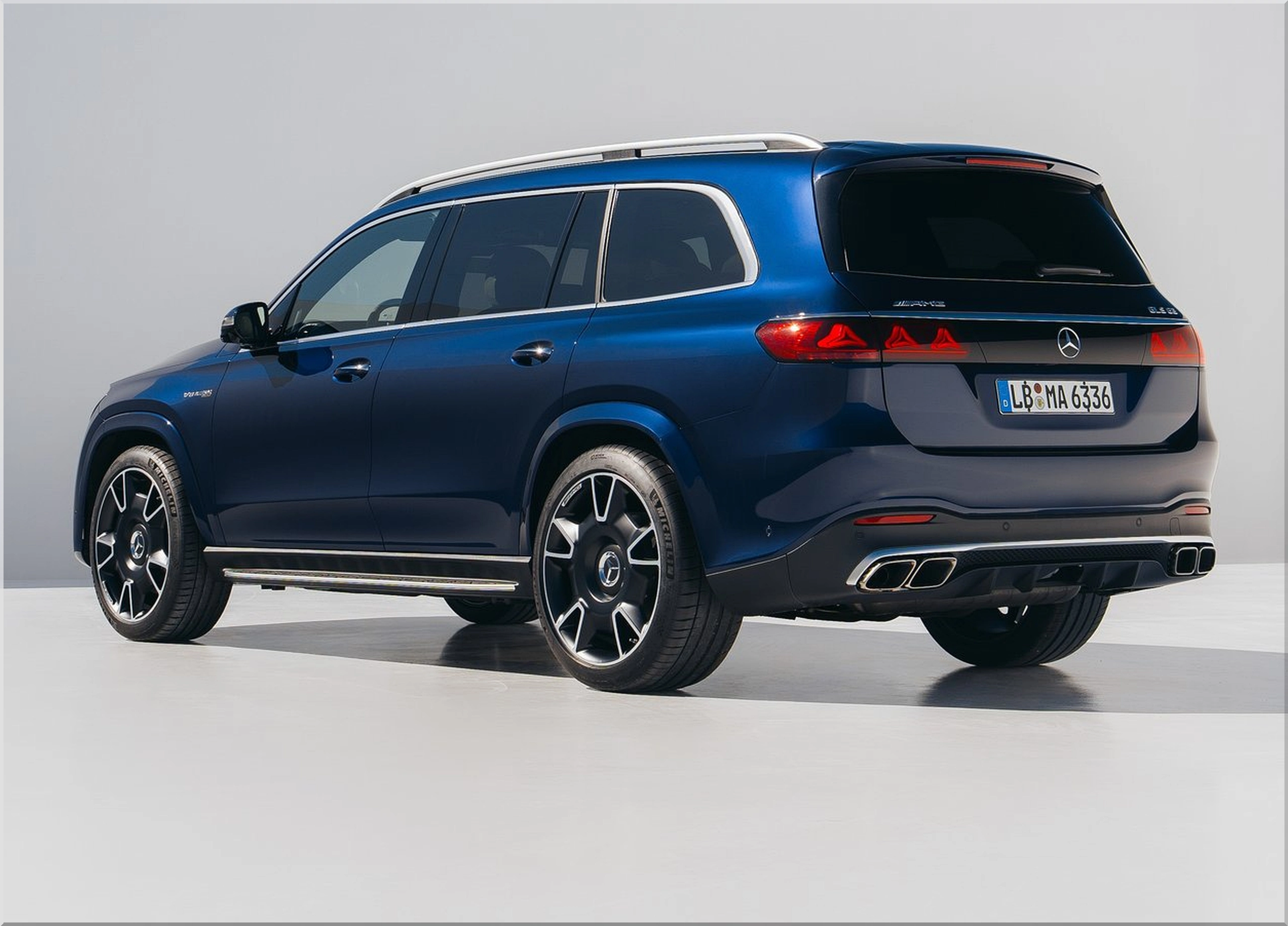
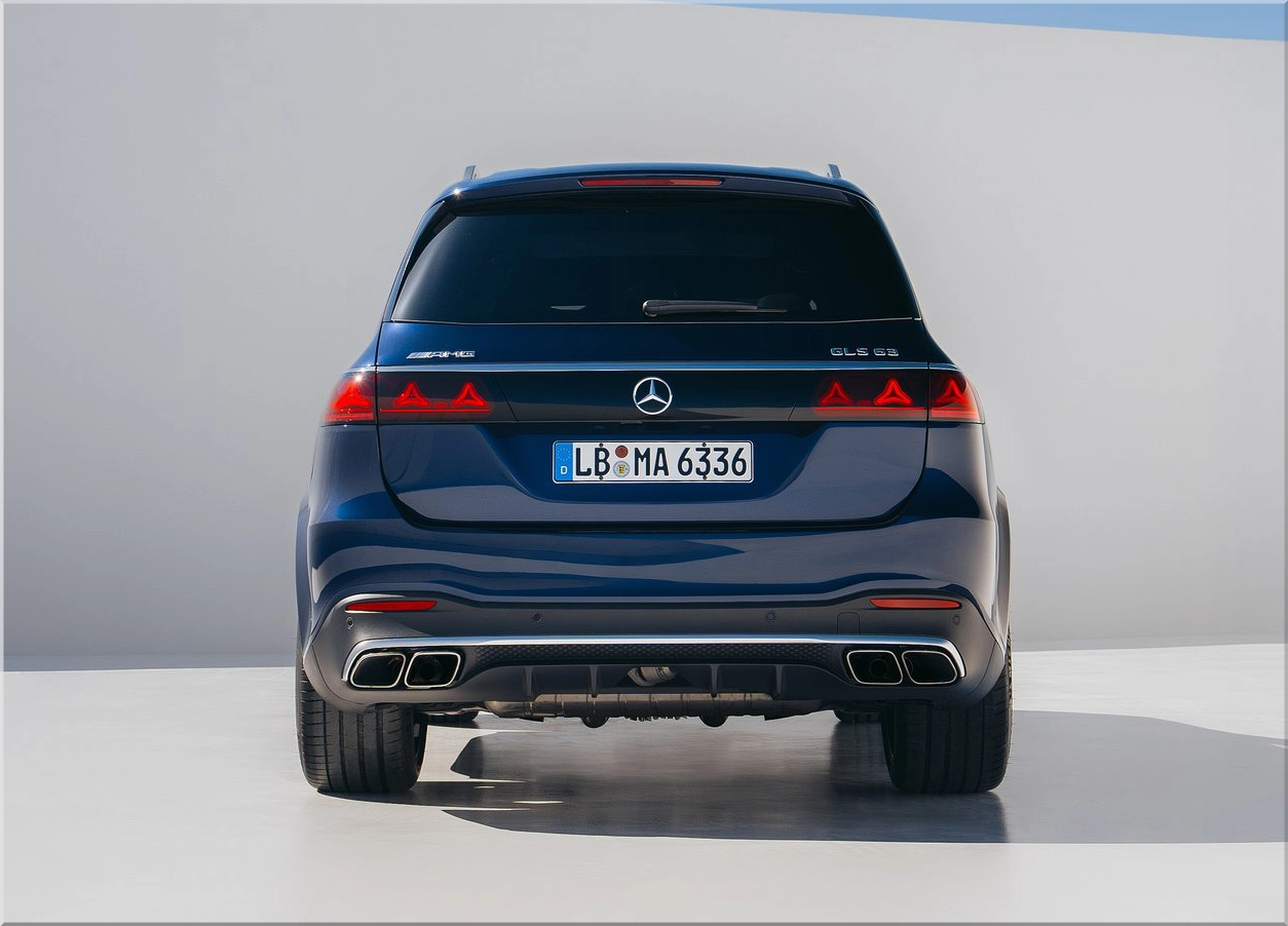
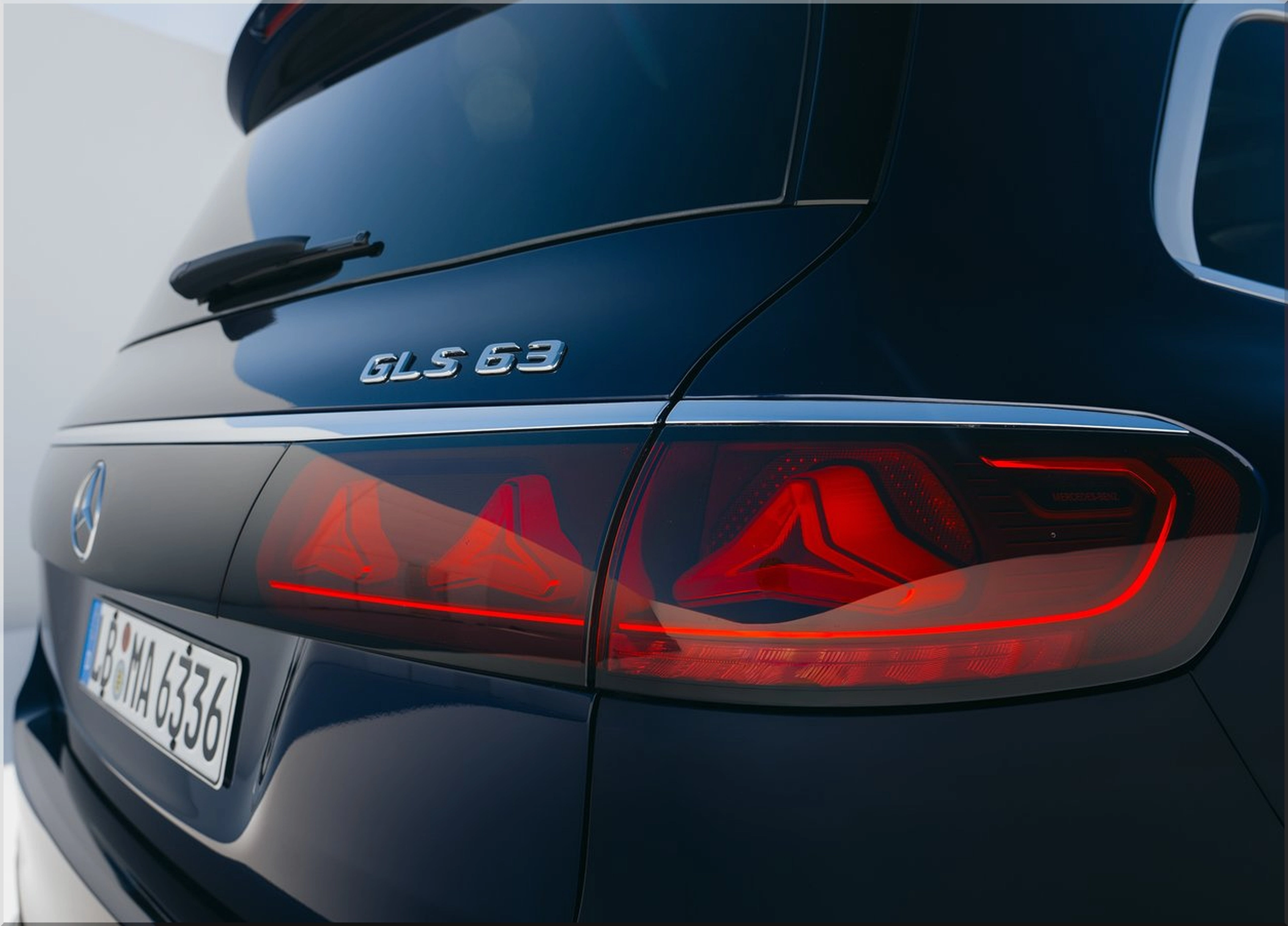
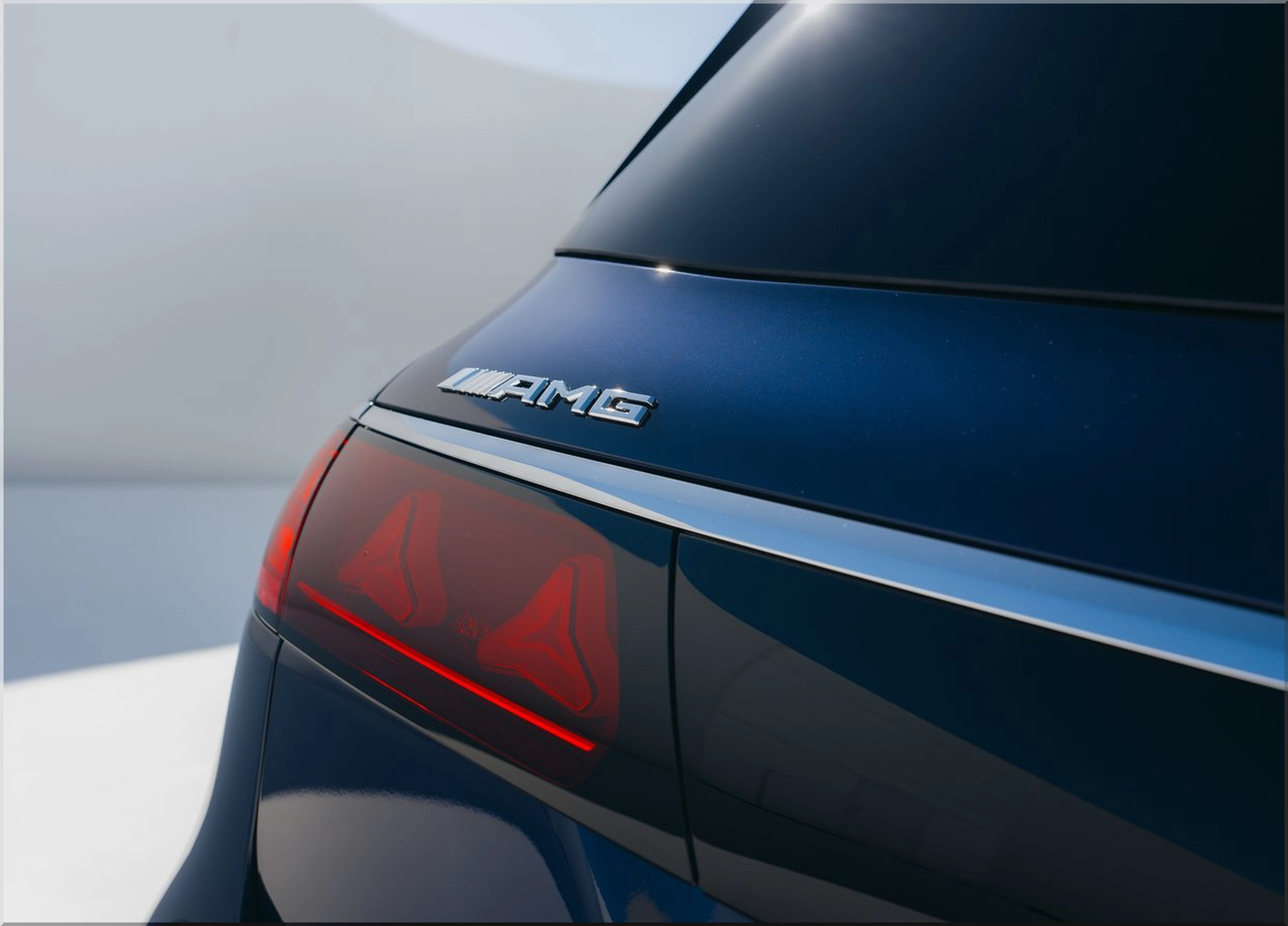
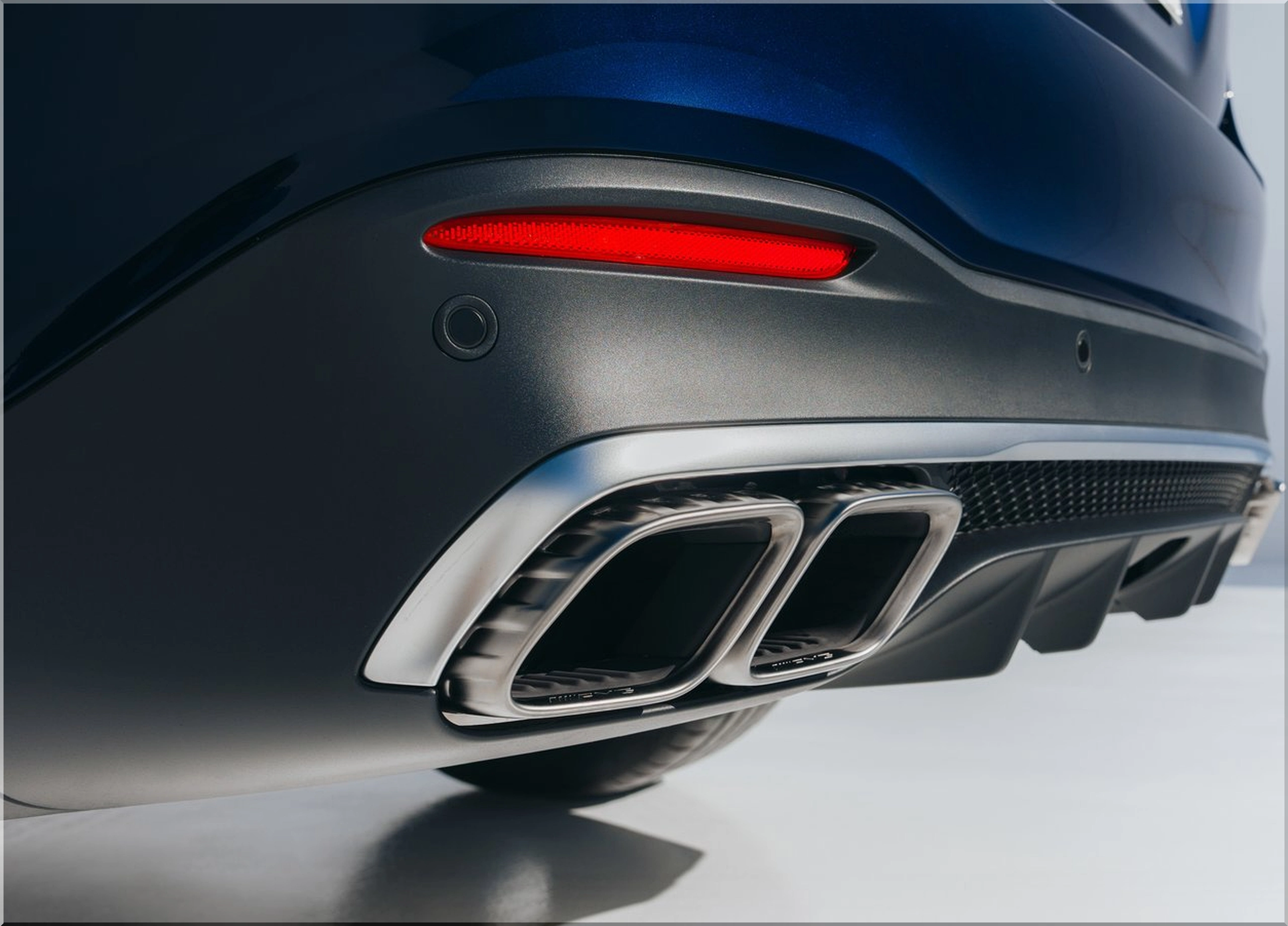
Four exhaust outlets and a diffuser-style rear bumper retain familiar AMG cues. Wheels extend to 23 inches, though 21- or 22-inch choices should lower tyre costs and improve impact isolation.
Mercedes-AMG GLS 63 vs Direct Rivals
| Model | Power | Torque | 0-100 km/h | Seats | WLTP fuel use | German price |
|---|---|---|---|---|---|---|
| 2027 Mercedes-AMG GLS 63 | 612 hp | 850 Nm | 4.2 sec | 6 or 7 | 13.4-13.7 L/100 km | Expected near €200,000 |
| Audi RS Q8 Performance | 640 hp | 850 Nm | 3.6 sec | 5 | 13.0-13.6 L/100 km | From €160,000 |
| Range Rover Sport SV | 635 hp | 750 Nm | 3.8 sec | 5 | 12.5 L/100 km | From €183,800 |
| BMW X7 M60i | 530 hp | 750 Nm | 4.7 sec | 7 | 12.8-12.9 L/100 km | From about €138,000 |
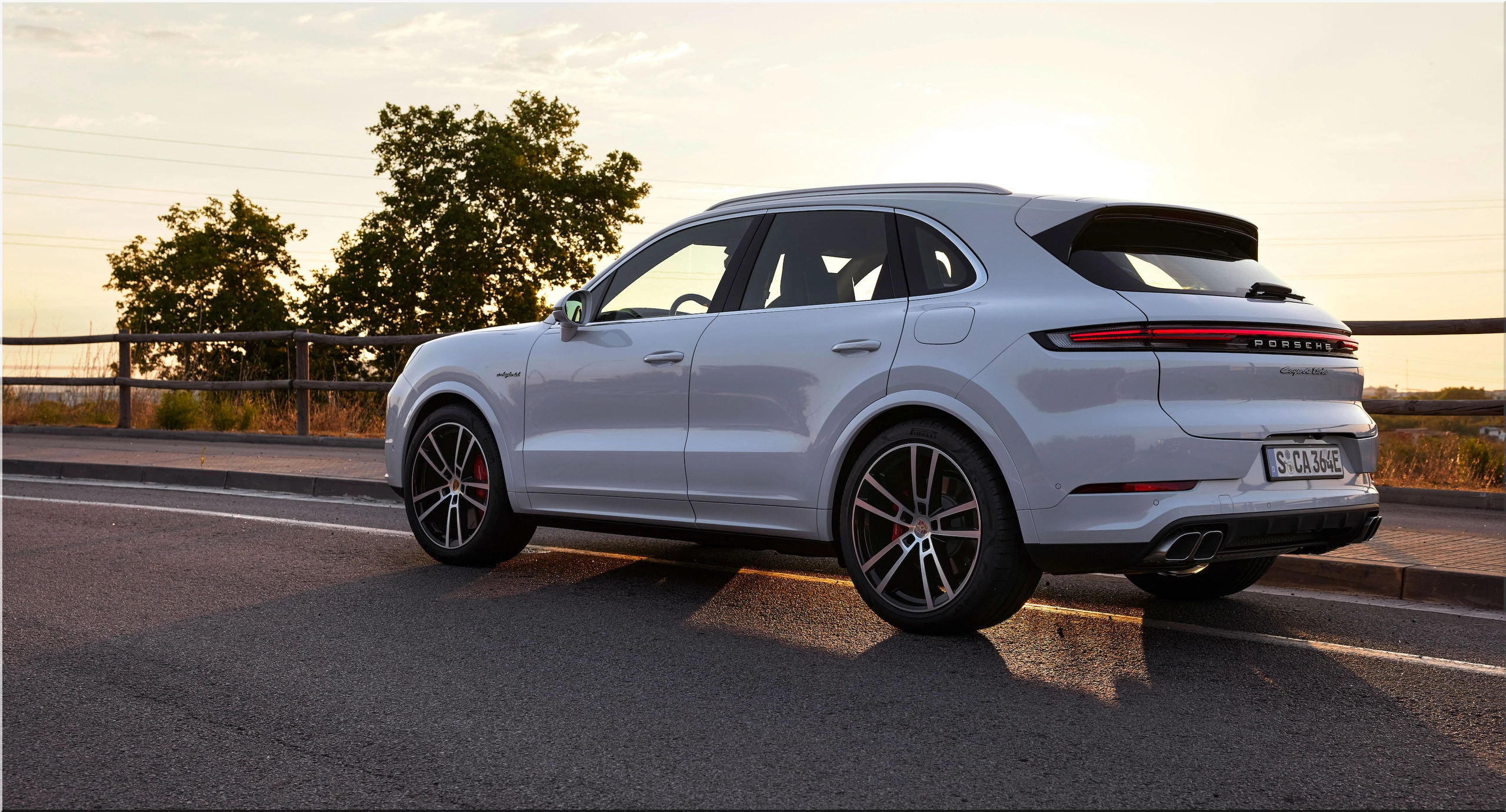
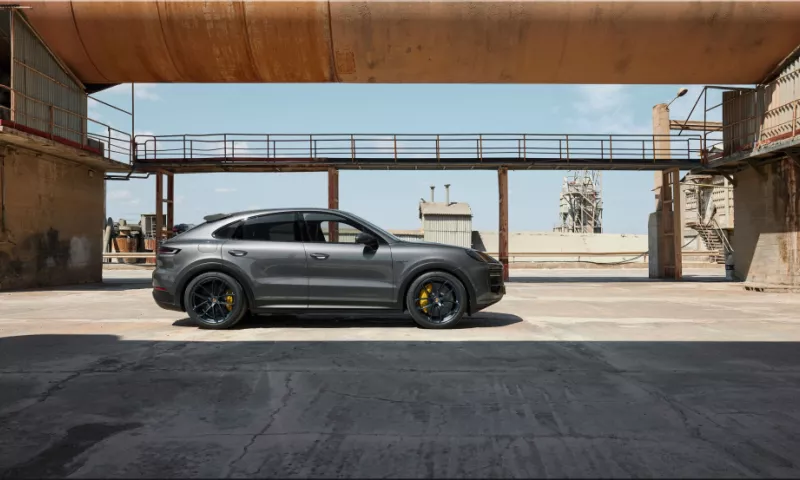
The Audi and Range Rover win the acceleration contest. The BMW offers seven seats at a much lower entry price. The Mercedes answers with 850 Nm, a usable third row, active roll control, and a strong mix of towing, cabin space, and speed.
Price and Running Costs
Mercedes-AMG has not published a confirmed German price for the 2027 model. The outgoing GLS 63 started near €191,000, so a figure close to or above €200,000 appears realistic.
At 13.7 litres/100 km, 20,000 annual kilometres require roughly 2,740 litres before real-road variation. Large performance tyres, high-output brakes, insurance, and CO2-based taxes will add substantial ownership costs.
Pro-Tips for Ordering the 2027 GLS 63
- Choose smaller wheels for frequent city use or poor roads.
- Confirm six-seat or seven-seat configuration in writing.
- Price 23-inch tyres and brake components before signing.
- Check garage width with mirrors included.
- Test the assistance systems and screen shortcuts before purchase.
Is the 2027 Mercedes-AMG GLS 63 Worth Waiting For?
Yes, for buyers who need three rows, high towing capacity, and V8 performance in one vehicle. The new engine does not add power, but it improves response and gives the V8 a stronger regulatory future. The active chassis also attacks the central engineering problem: controlling immense mass without ruining motorway comfort.
Buyers focused on outright pace should choose the Audi RS Q8 Performance or Range Rover Sport SV. Families focused on price and seven-seat space may prefer the BMW X7 M60i. The 2027 Mercedes-AMG GLS 63 earns its case by covering the widest range of duties while keeping the hand-built V8 alive.
- Add new comment
- 78 views