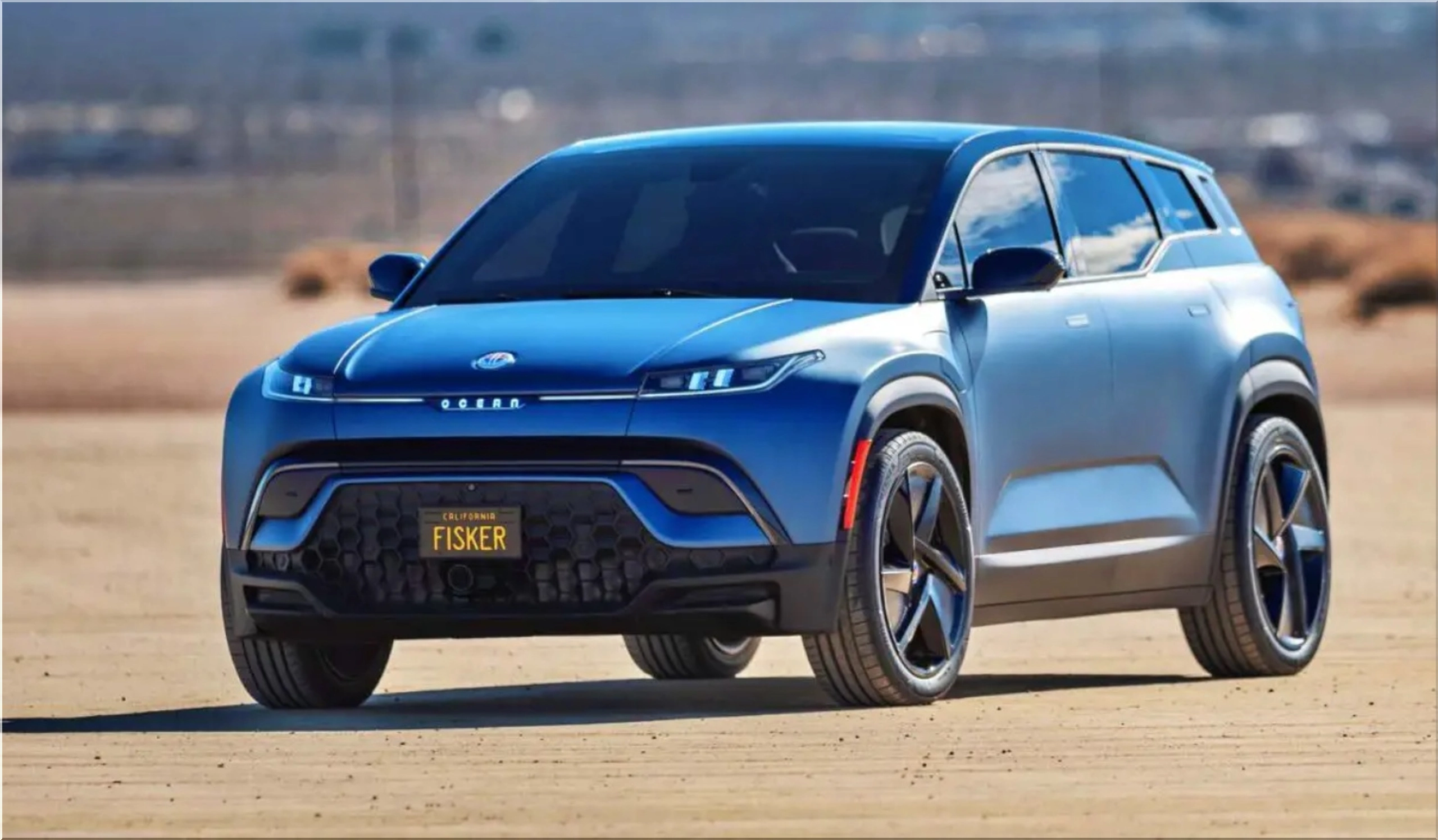
Fisker, the electric vehicle company founded by renowned car designer Henrik Fisker, is taking a different approach to selling its vehicles. Instead of relying solely on direct-to-customer sales, Fisker is partnering with dealerships to expand its reach and offer customers a more convenient and personalized experience.
Fisker announced on Thursday that it would integrate its dealership model with its direct sales model, creating a hybrid distribution system that would allow customers to choose how they want to buy and receive their vehicles. Fisker said this strategy would help boost its sales and delivery targets and increase customer satisfaction and loyalty.
Why Fisker Needs Dealerships
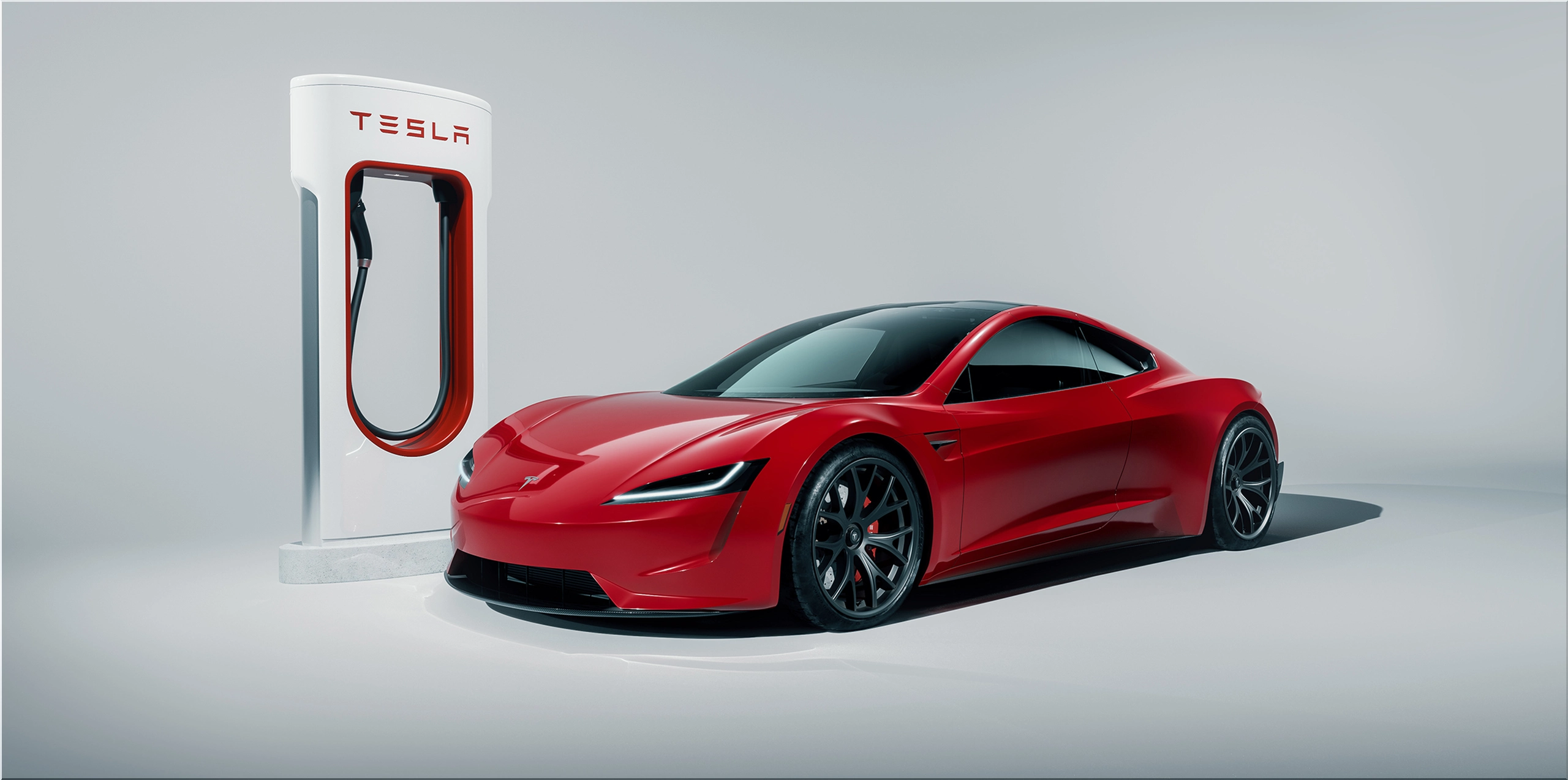
Fisker is not the first EV company to adopt a hybrid distribution model. Tesla, the market leader in the EV space, also sells its vehicles both online and through its network of showrooms and service centers. However, Tesla has faced challenges and legal battles with traditional dealerships, who see Tesla as a threat to their business model and lobby for laws protecting their interests.
On the other hand, Fisker is trying to avoid such conflicts and leverage dealerships' existing infrastructure and expertise. Fisker said it has signed agreements with 12 dealership groups in the U.S., representing more than 100 locations across 25 states. Fisker also said that it is in talks with several dealership groups in Europe, where it plans to launch its vehicles in the second half of 2023.
Fisker’s CEO, Henrik Fisker, said that dealerships are essential for the company’s growth and success, especially in the U.S., where customers still prefer to see and test-drive vehicles before buying them. He said that dealerships can provide better customer service and support and help with trade-ins, financing, and delivery options.
Fisker also said that dealerships can help the company reach new markets and customers, especially in rural areas where online sales may not be as effective. He said that dealerships can also help with marketing and promoting the Fisker brand and products and generate referrals and repeat purchases.
How Fisker’s Hybrid Distribution Model Works
Fisker’s hybrid distribution model is designed to give customers more choice and flexibility in buying and receiving their vehicles. Customers can order their electric vehicles online through Fisker’s website or app or visit a Fisker dealership to see and test-drive the electric cars in person. Customers can switch between online and offline channels at any point in the buying process, depending on their preferences and needs.
Fisker said that its online platform is integrated with its dealership network, allowing for seamless and transparent communication and coordination. Fisker said that its online platform allows customers to customize their vehicles, reserve their production slots, track their order status, schedule delivery, and access their service and warranty information.
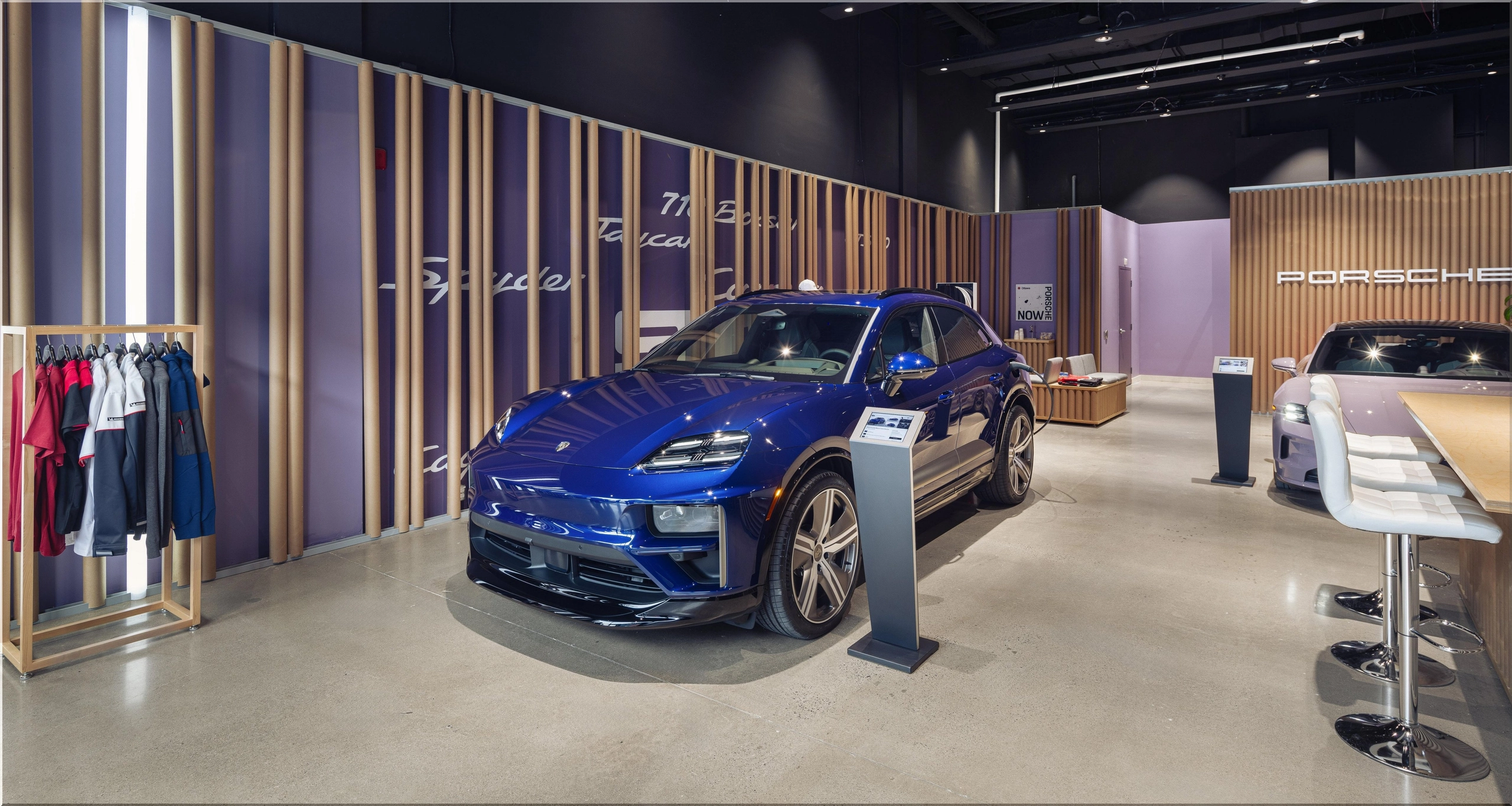
Fisker said that its dealership network provides customers with a high-quality, personalized experience and a range of value-added services. Fisker said that its dealership network allows customers to see and test-drive the vehicles and get expert advice and guidance from trained and certified Fisker representatives. Fisker said its dealership network also offers customers trade-in options, financing solutions, delivery options, and service and maintenance support.
Fisker said that its hybrid distribution model is based on a revenue-sharing agreement between the company and its dealership partners, where both parties benefit from the sales and delivery of the vehicles. Fisker said that its hybrid distribution model also allows the company to reduce its capital expenditure and operational costs and increase its scalability and efficiency.
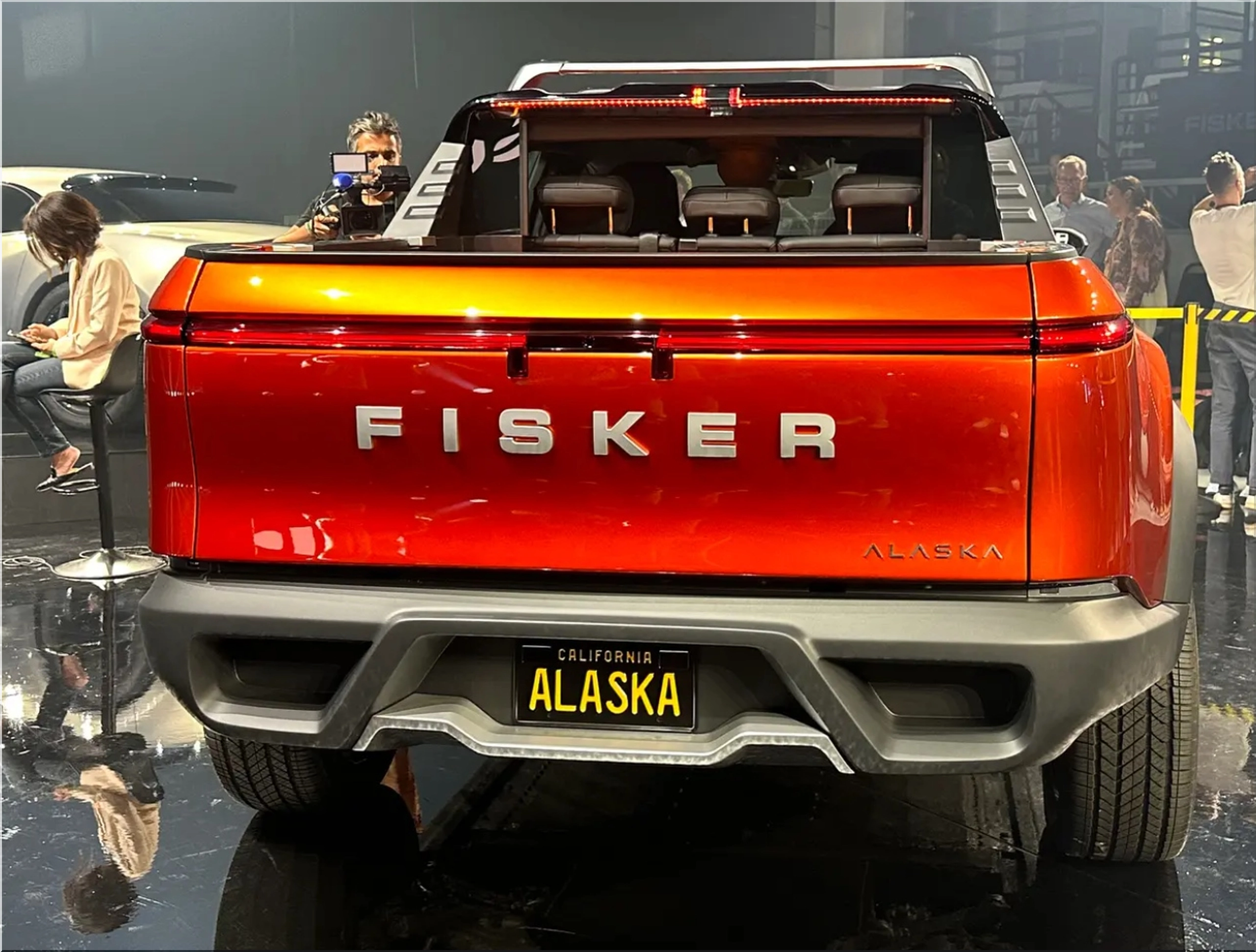
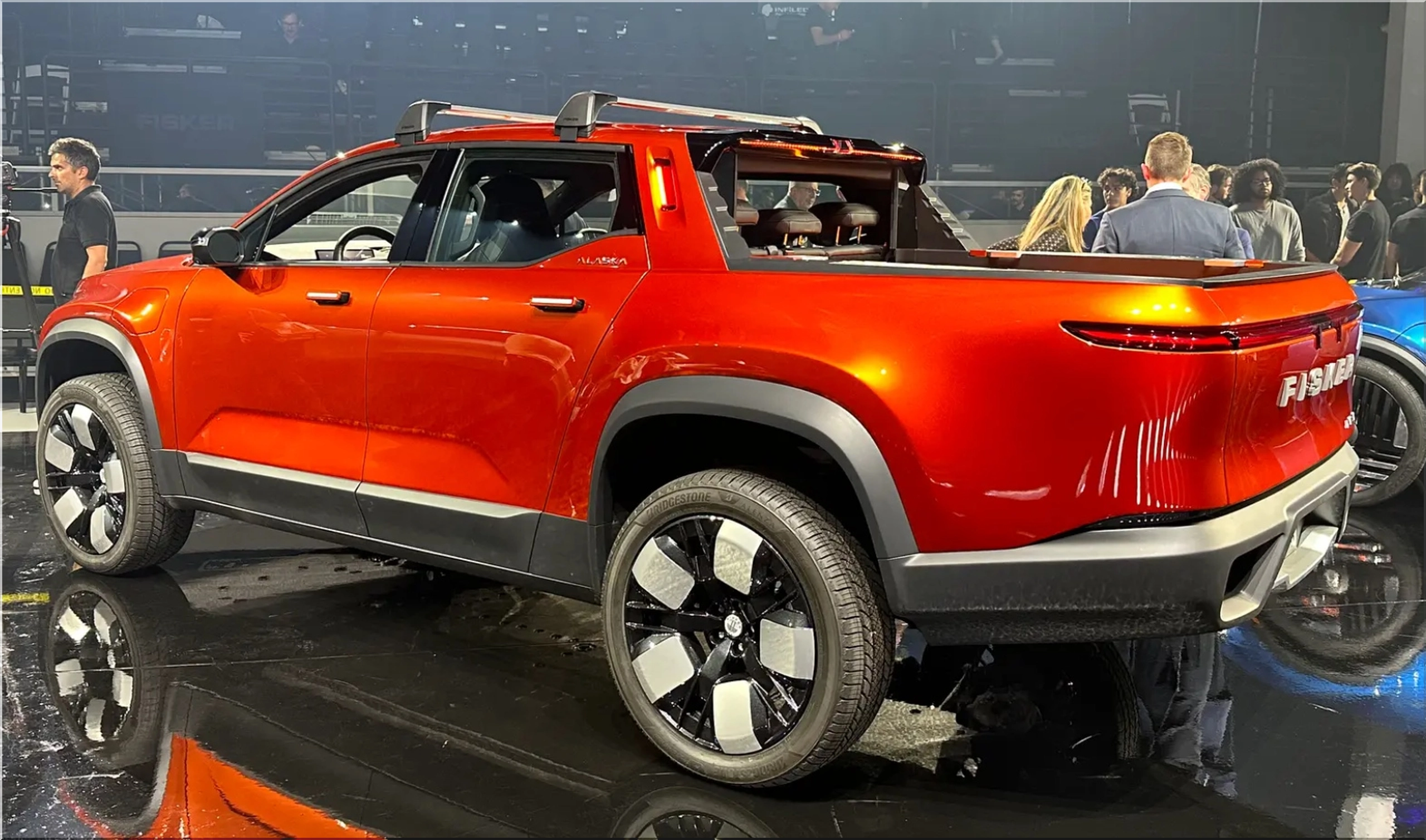
What Fisker’s Hybrid Distribution Model Means for Its EV Sales
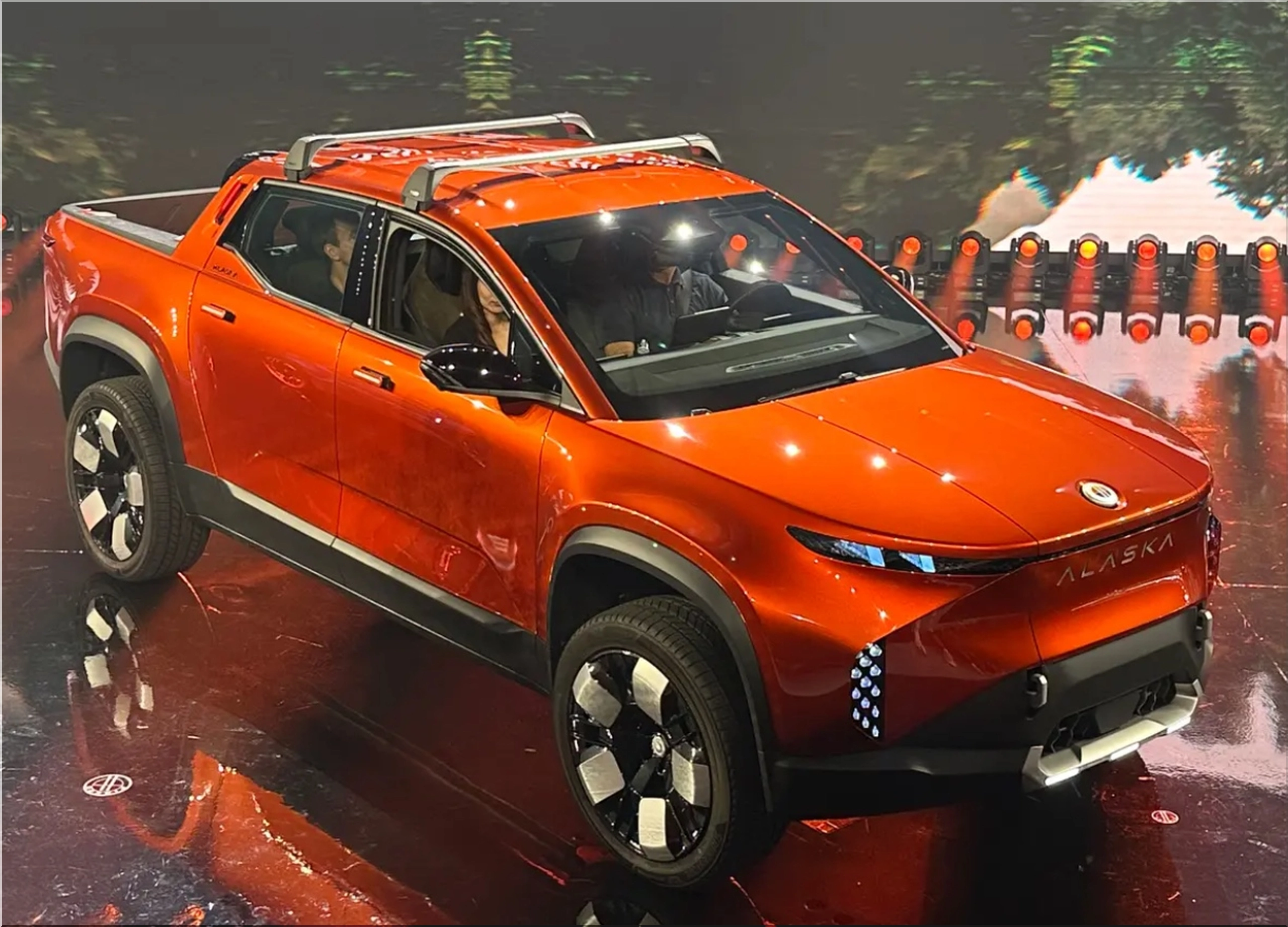
Fisker’s hybrid distribution model is part of the company’s ambitious plan to boost its EV sales and delivery targets and compete with other EV players in the market. Fisker said it expects to deliver more than 4,700 vehicles in 2023, representing a more than 300% increase from 2022. Fisker also said it aims to deliver more than 42,000 vehicles in 2023 and more than 100,000 in 2024.
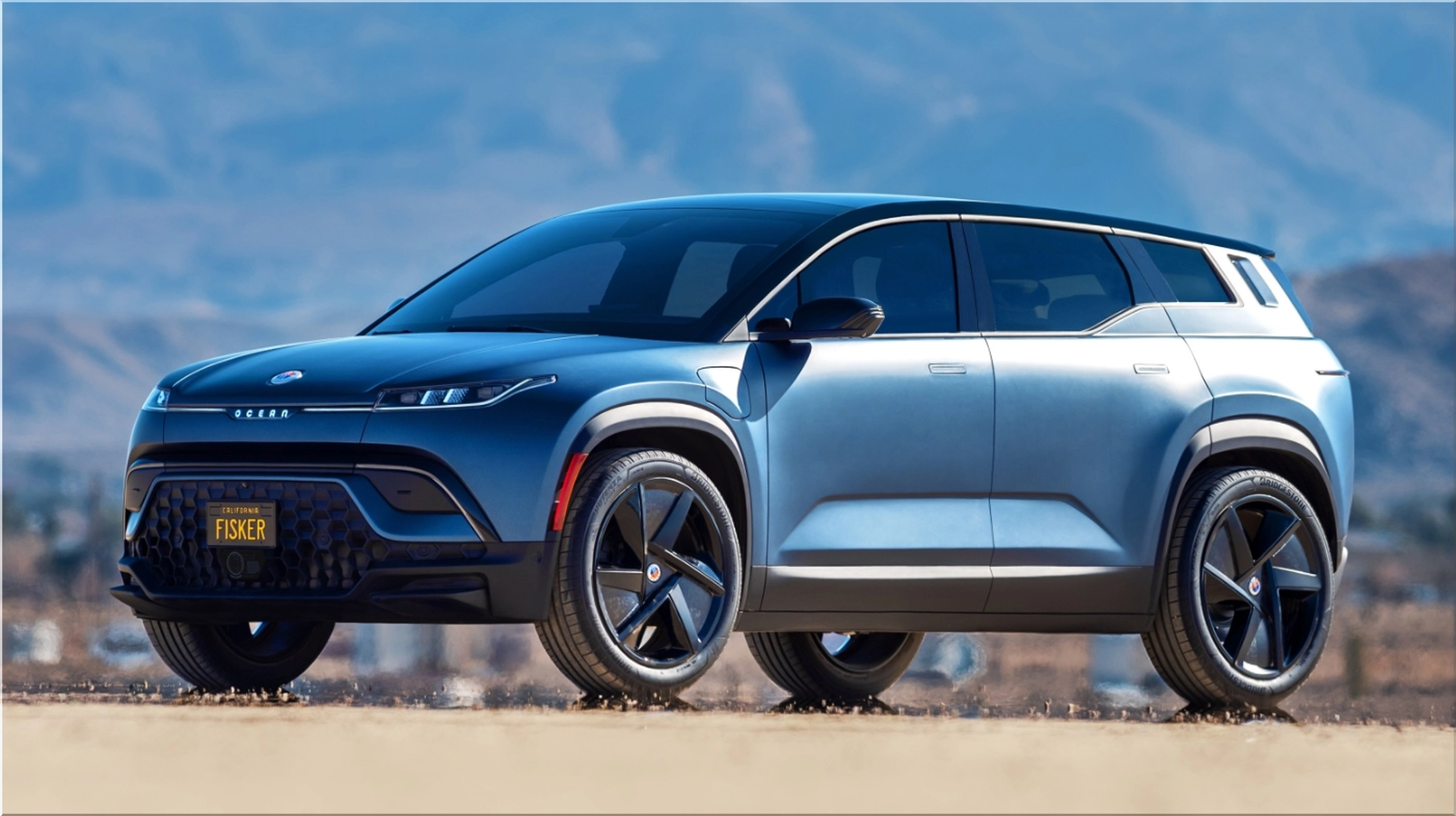
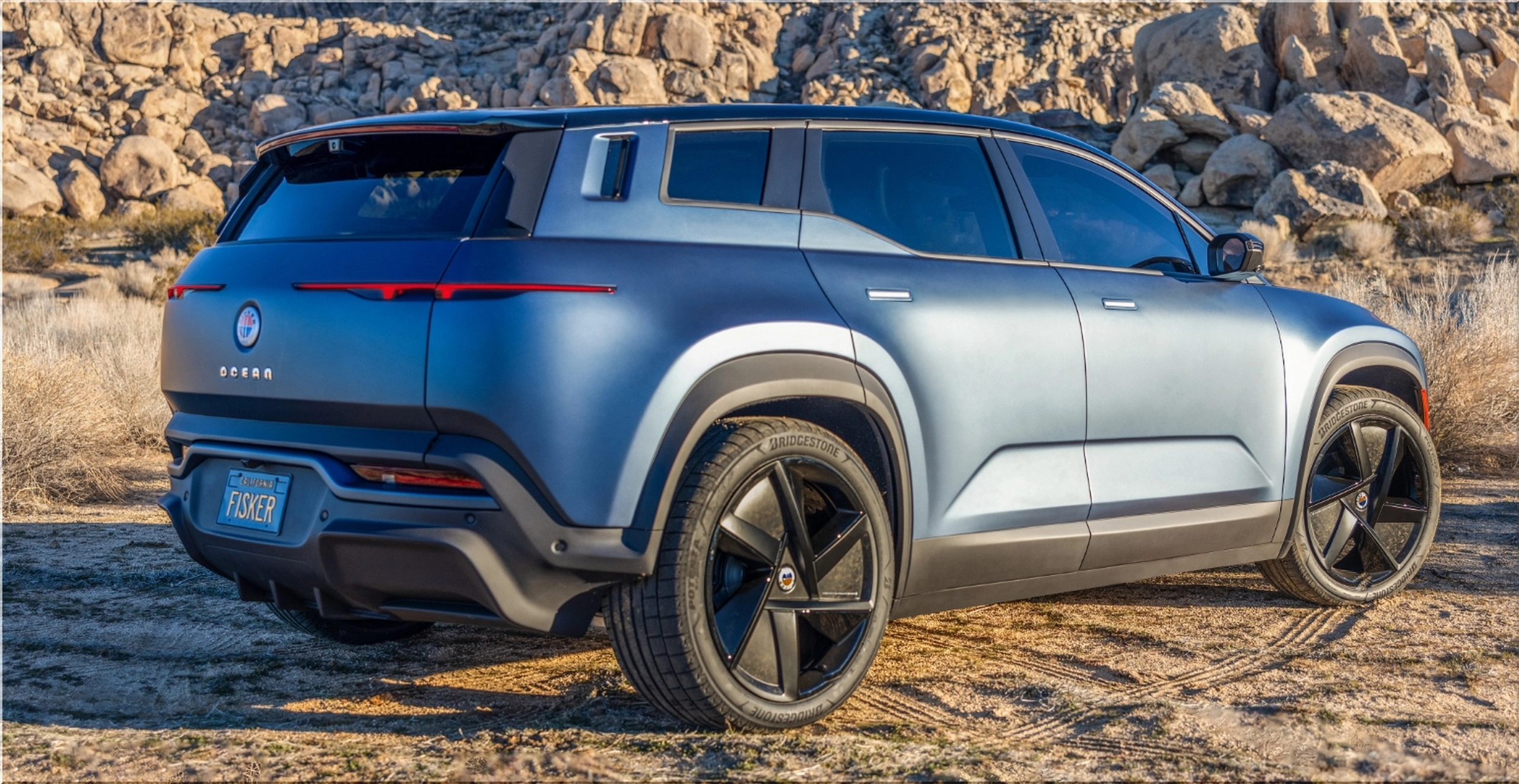
Fisker’s flagship product, the Fisker Ocean, is a mid-sized SUV with a sleek and futuristic design, a spacious and luxurious interior, and a range of advanced technologies and features. The Fisker Ocean has a starting price of $37,499 and a range of up to 350 miles on a single charge.
Fisker’s second product, the Fisker PEAR, is a compact and affordable EV that is designed for mass-market appeal. The Fisker PEAR, which stands for Personal Electric Automotive Revolution, is a collaboration between Fisker and Foxconn, the Taiwanese electronics giant that also manufactures iPhones for Apple. The Fisker PEAR has a target price of $25,000 and a target range of 250 miles on a single charge. The Fisker PEAR is expected to start deliveries in 2024.
Fisker’s hybrid distribution model is a key differentiator for the company as it seeks to carve out a niche in the crowded and competitive EV market. Fisker’s hybrid distribution model also reflects the company’s customer-centric and innovative approach, as it strives to offer a better and more convenient way to buy and own EVs. Fisker’s hybrid distribution model is a win-win situation for the company, its dealership partners, and its customers, as it creates a more efficient and effective way to deliver high-quality and affordable EVs to the market.
- Add new comment
- 213 views