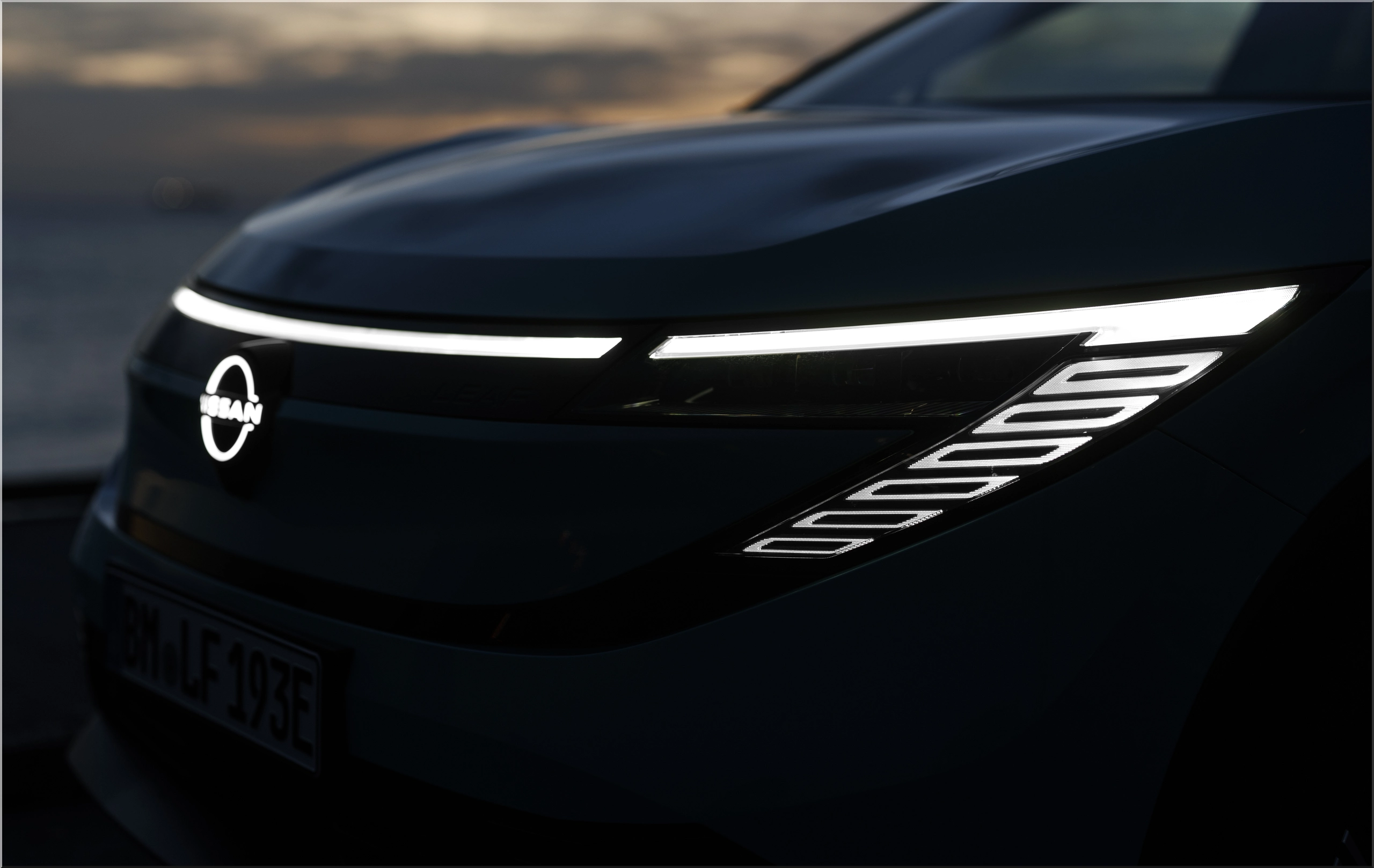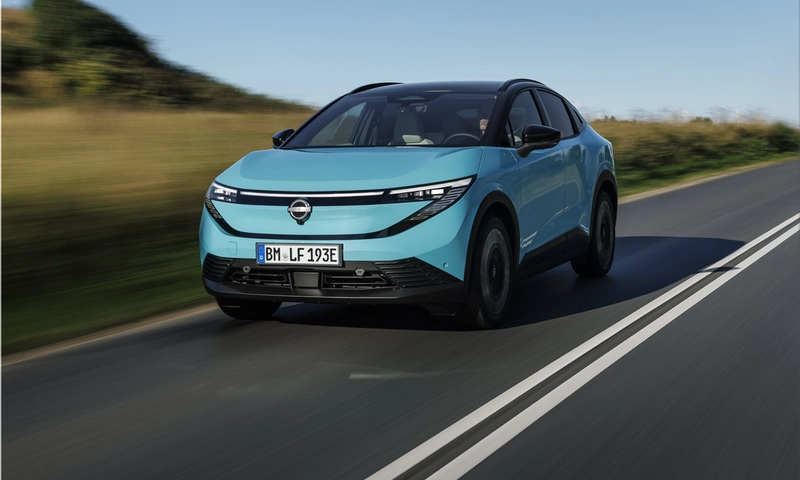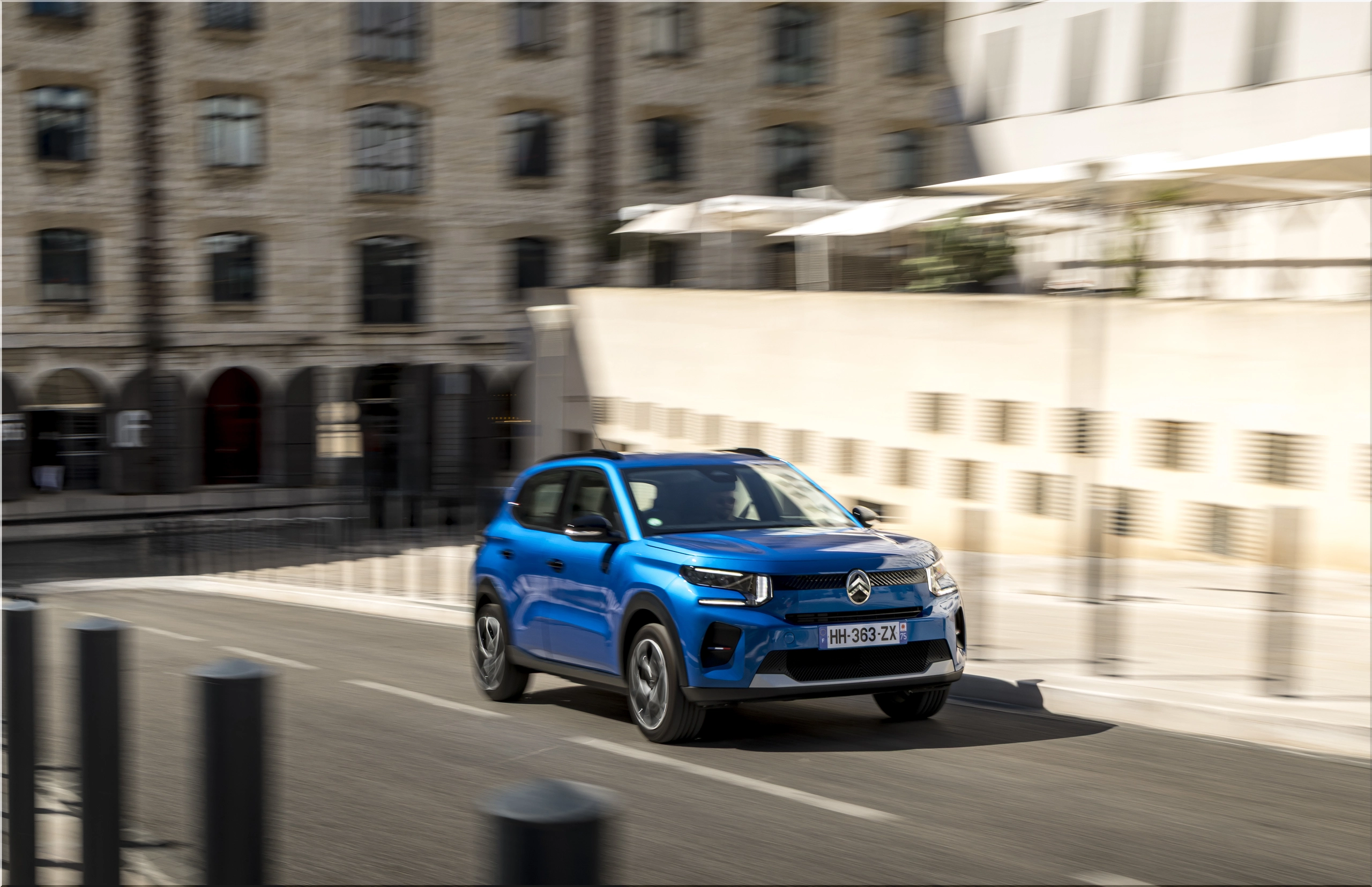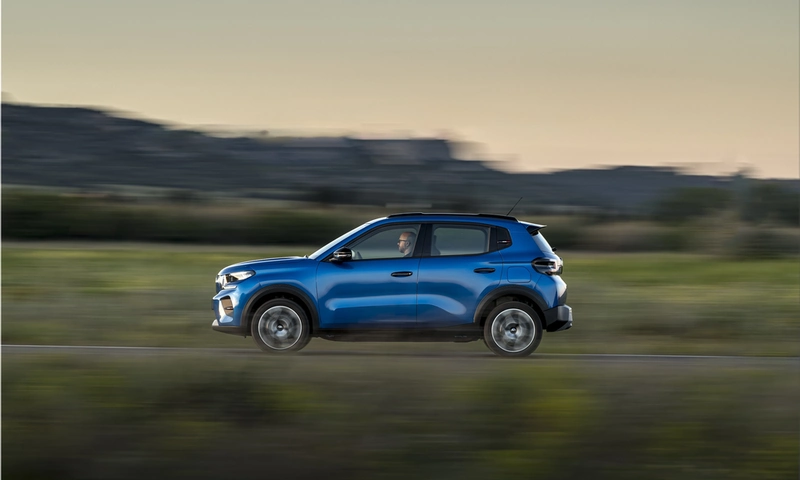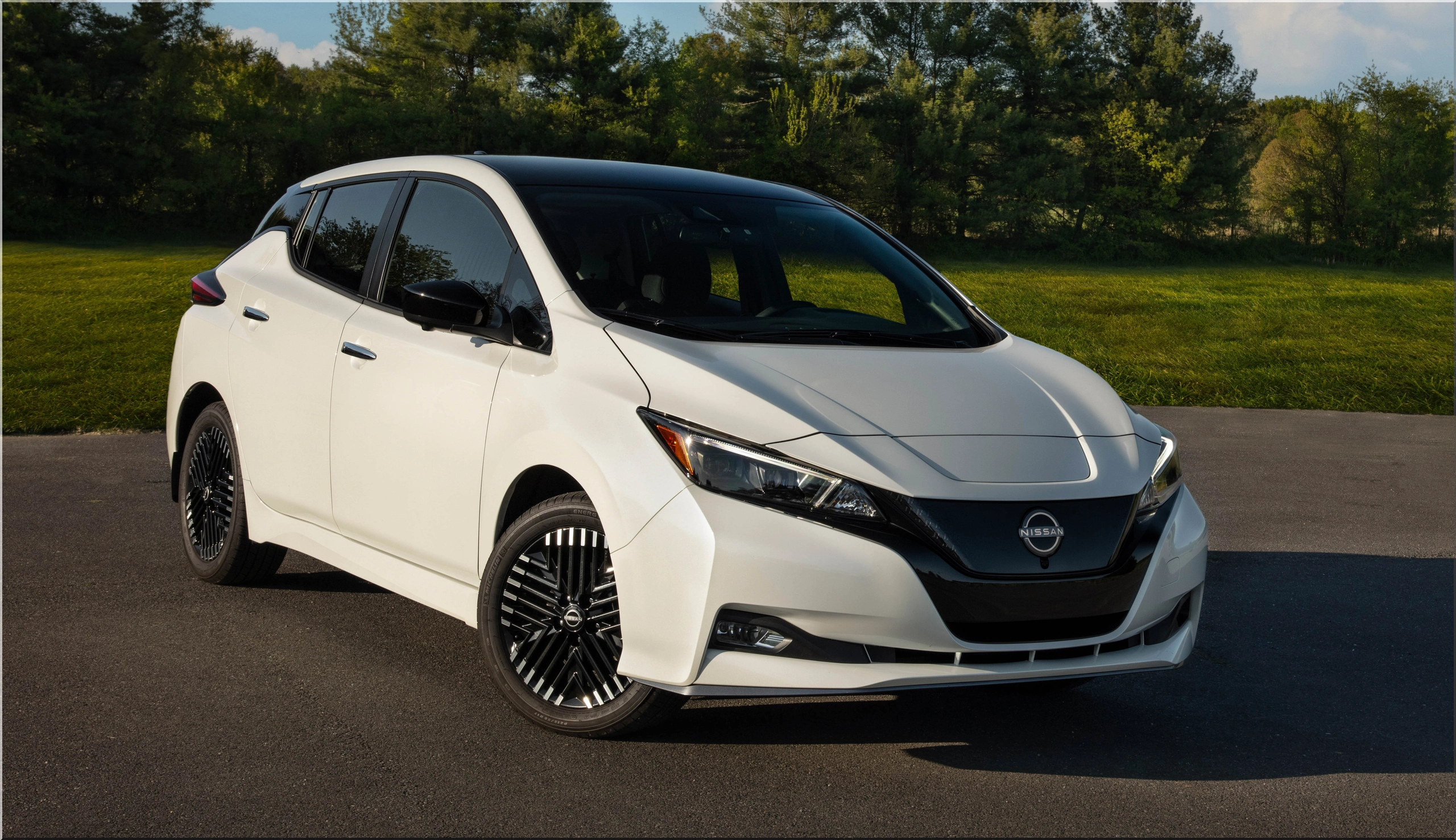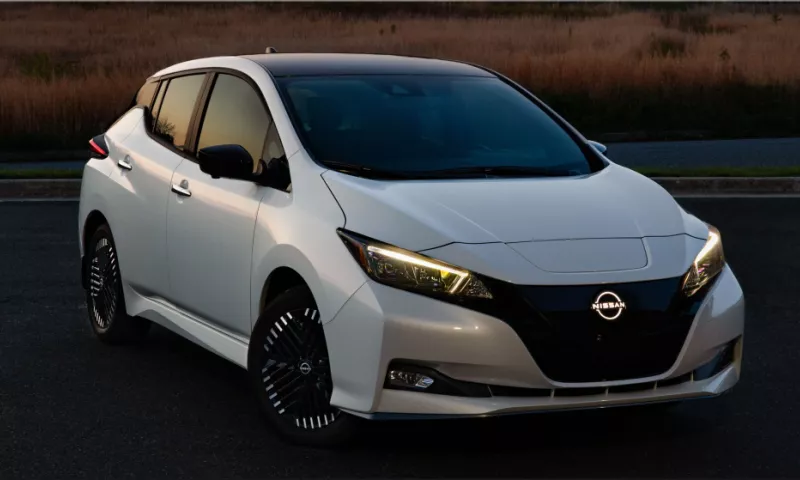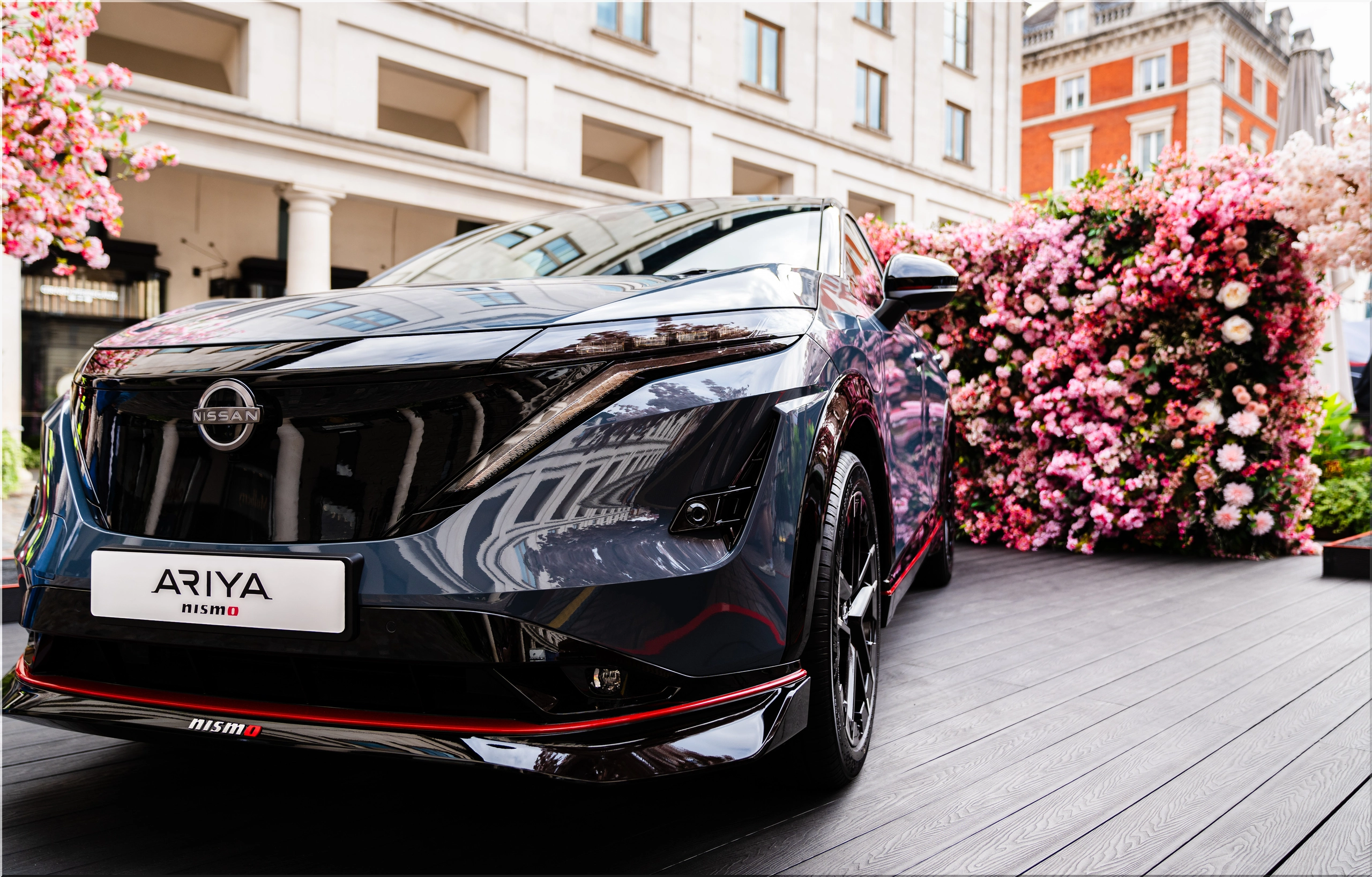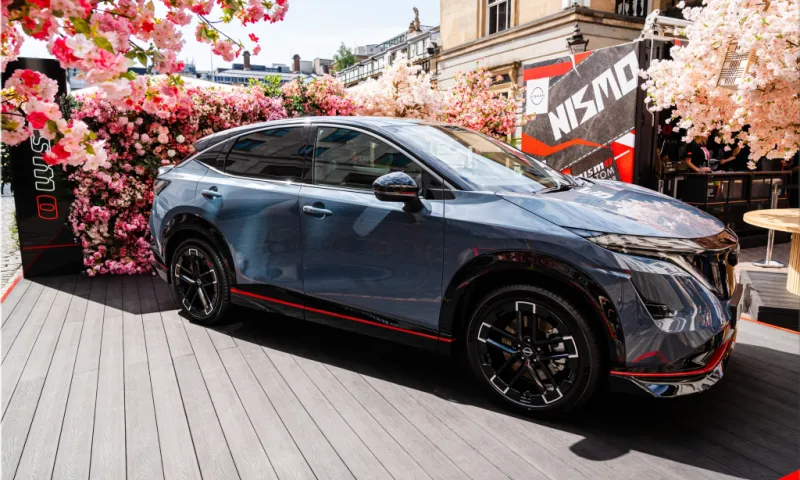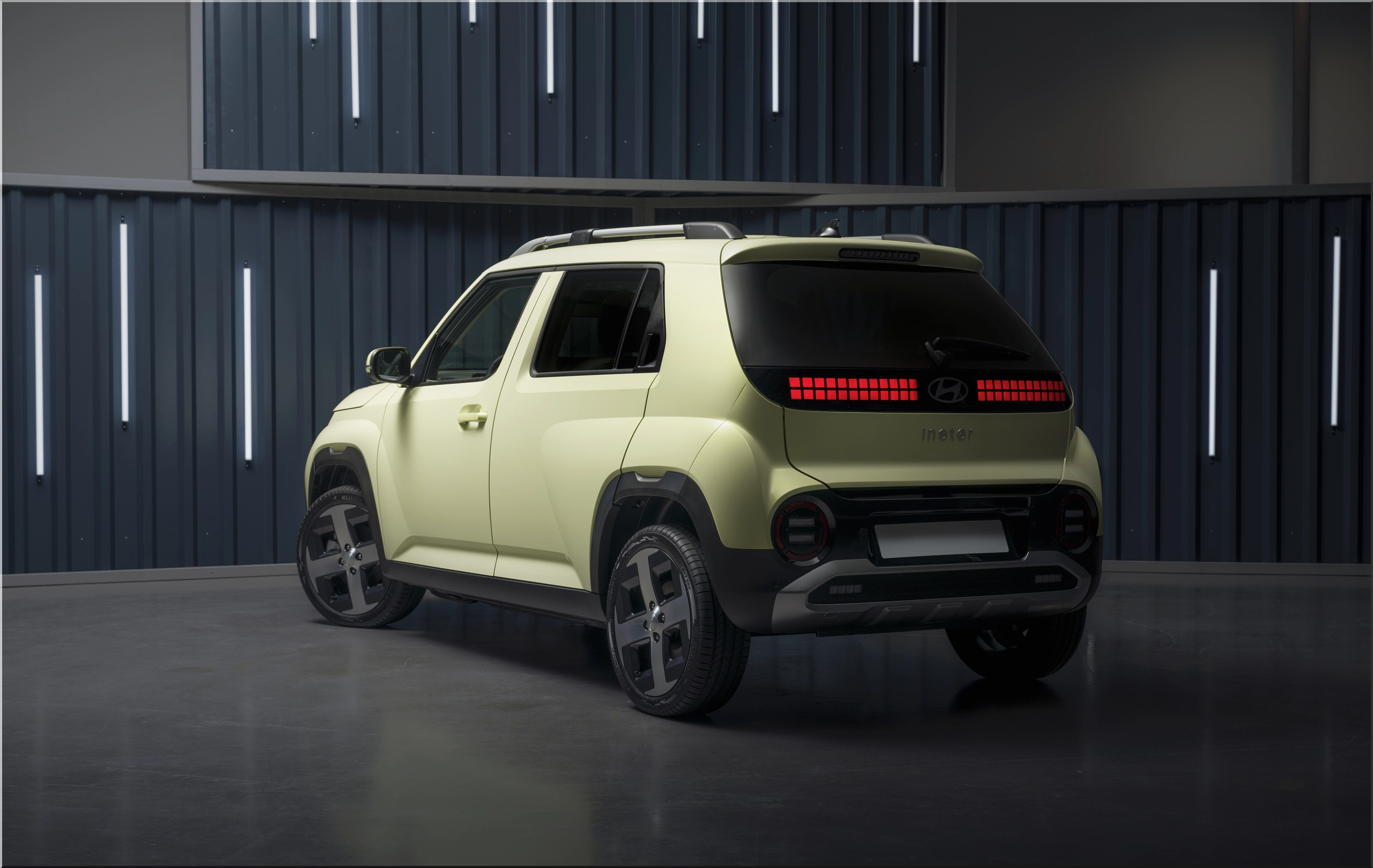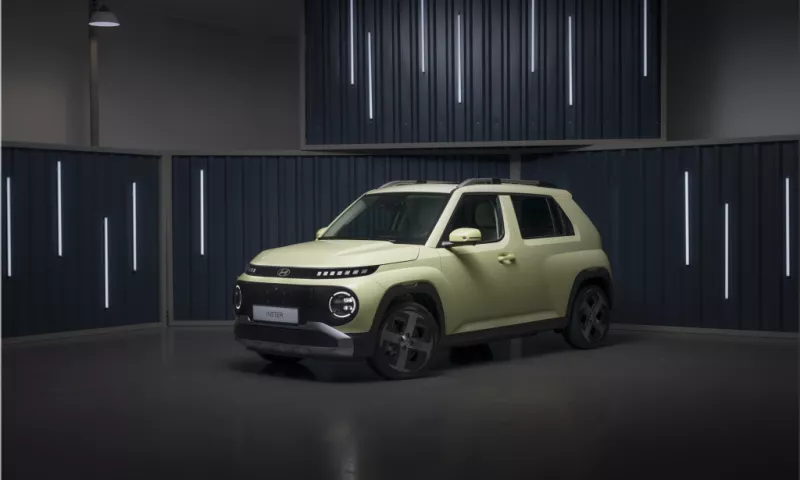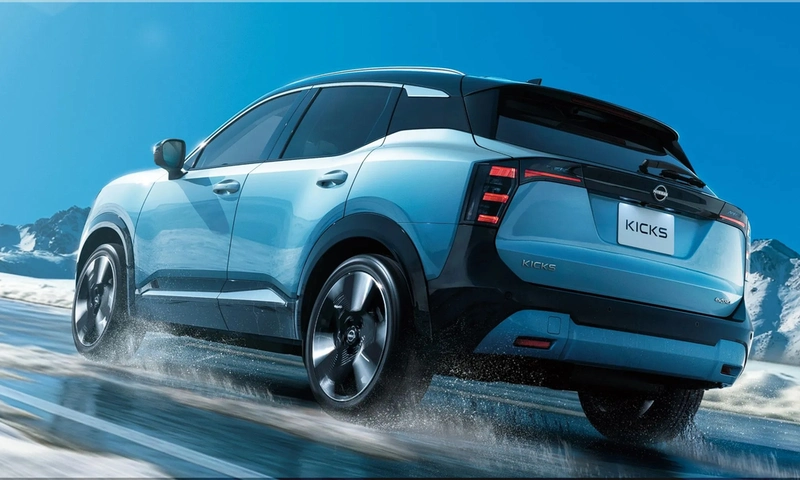
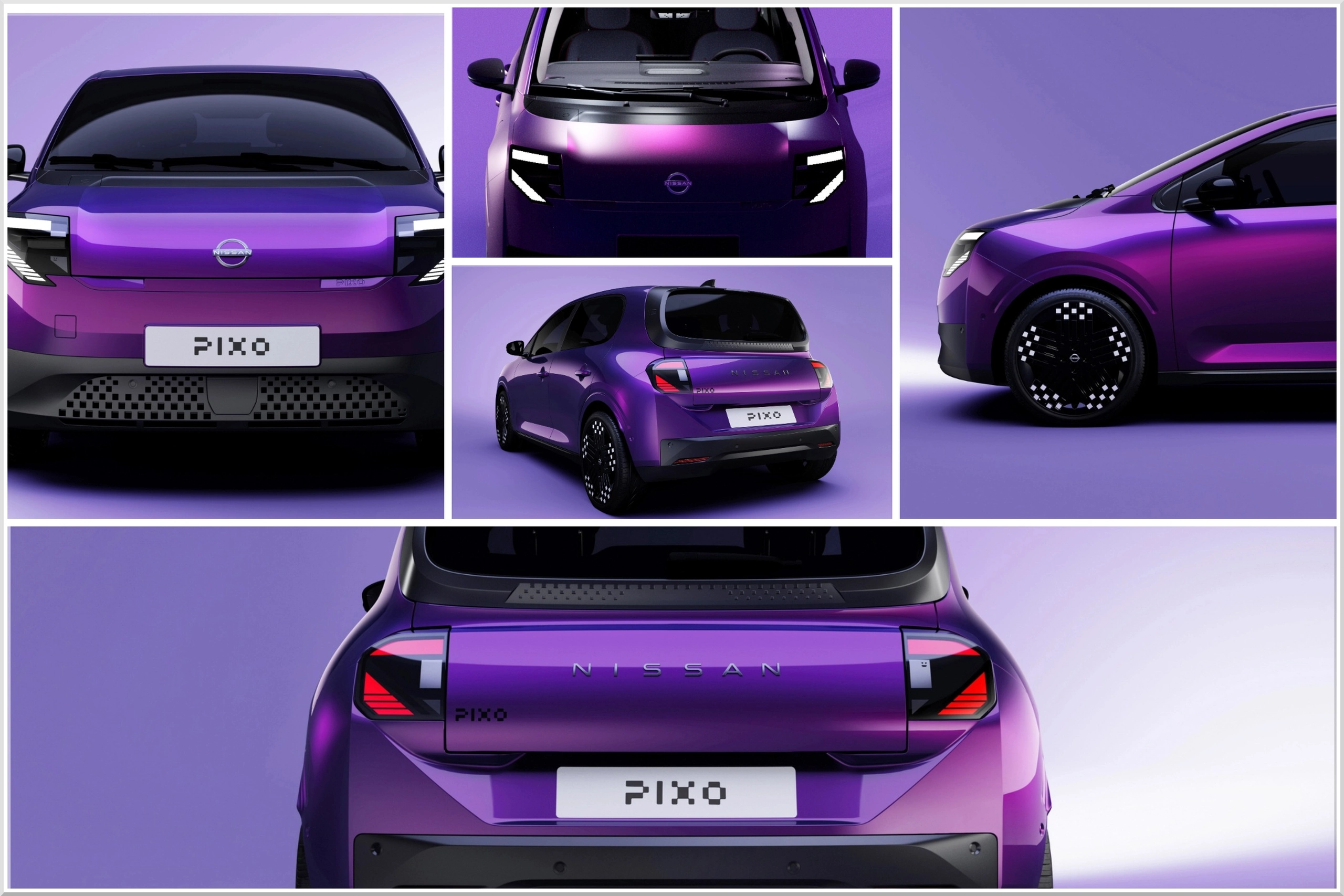
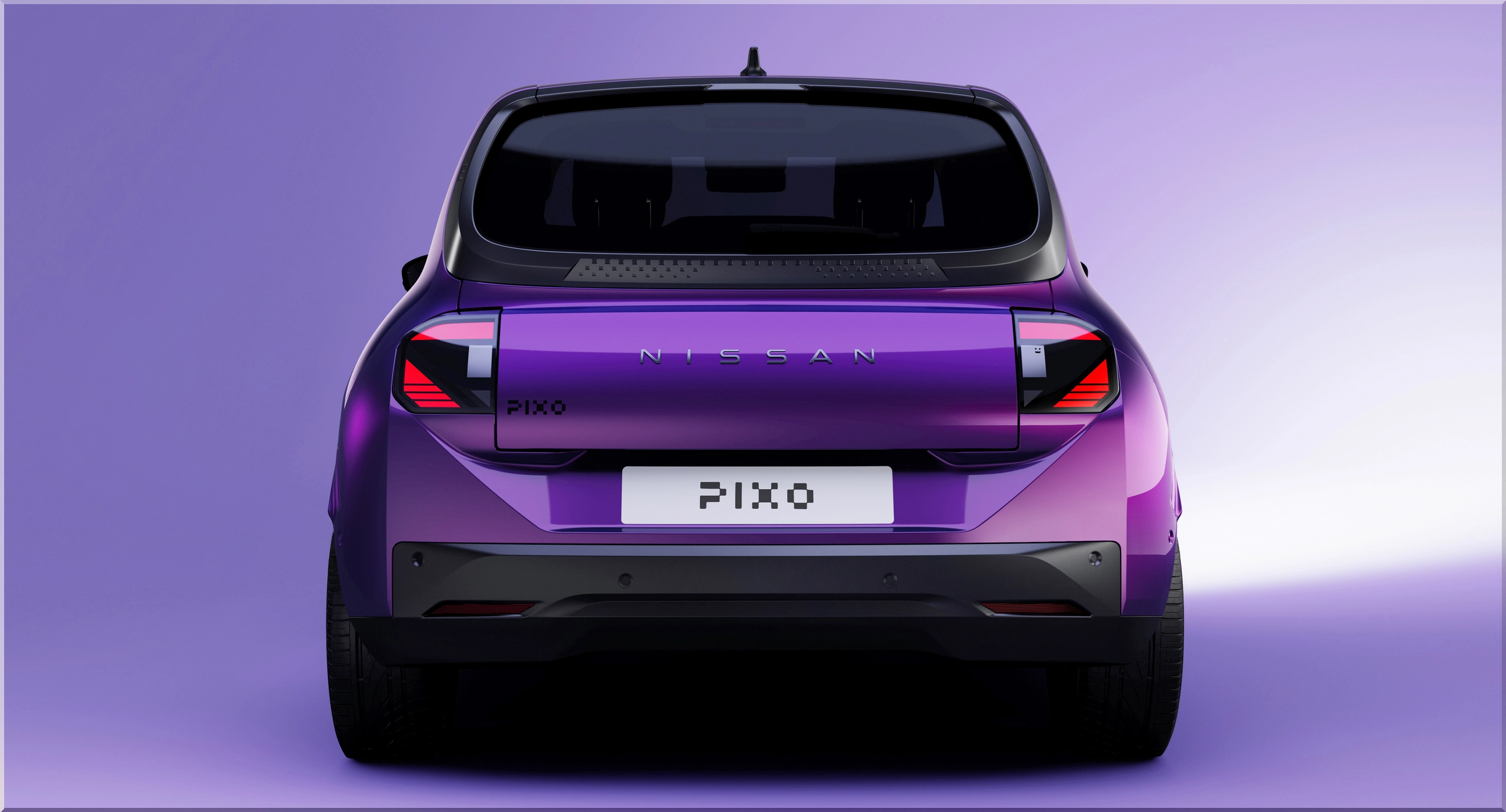
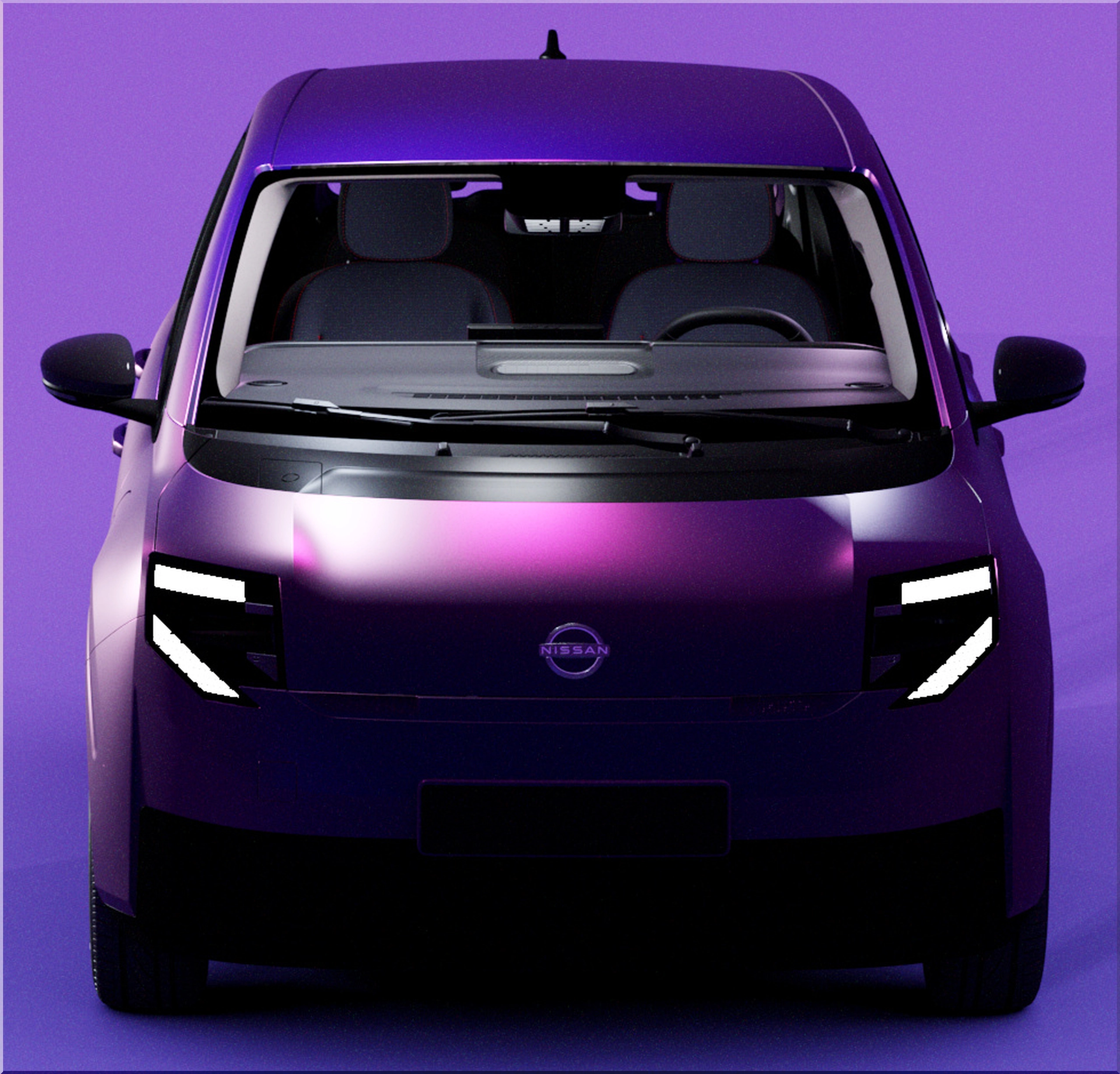
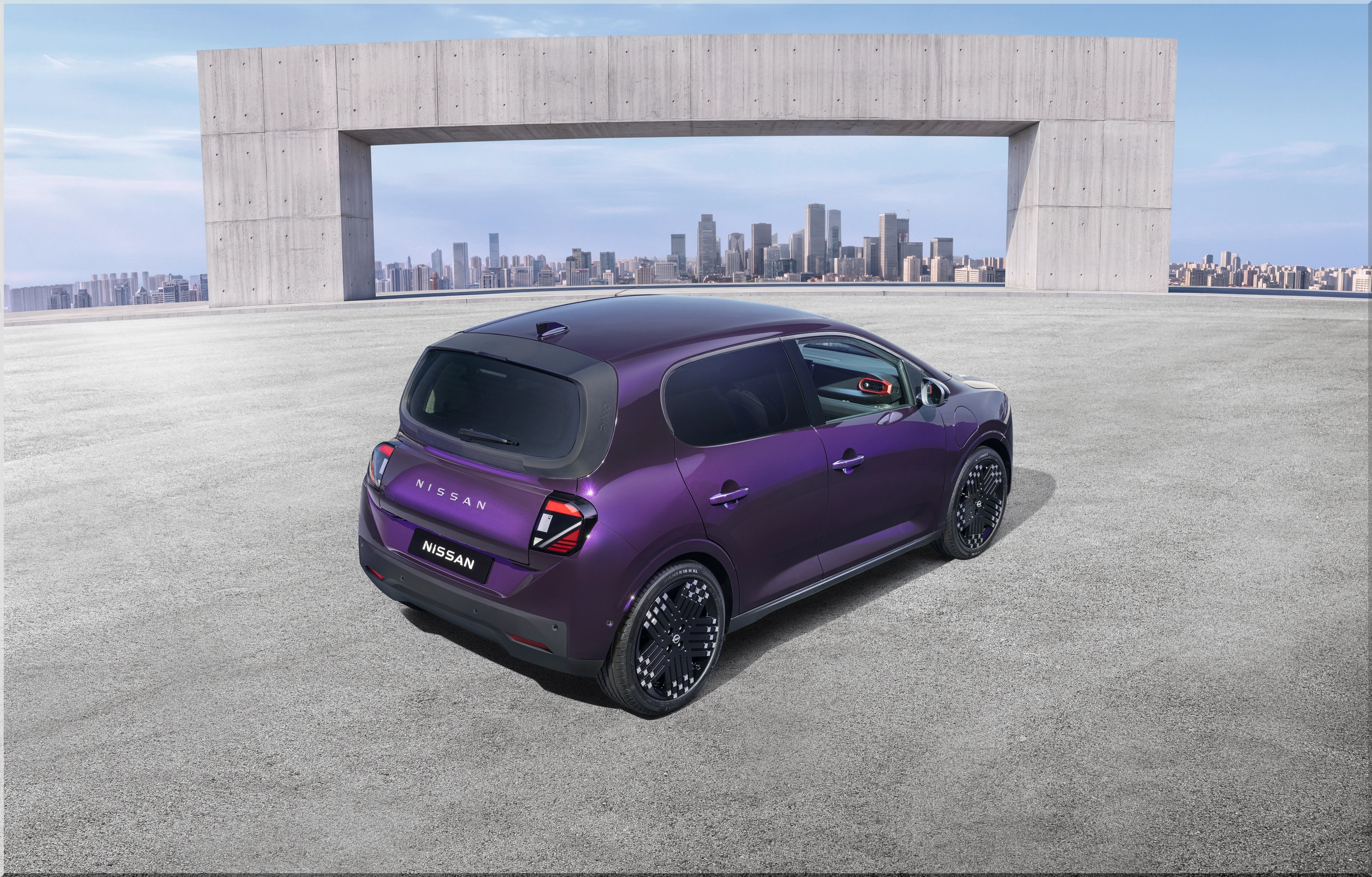
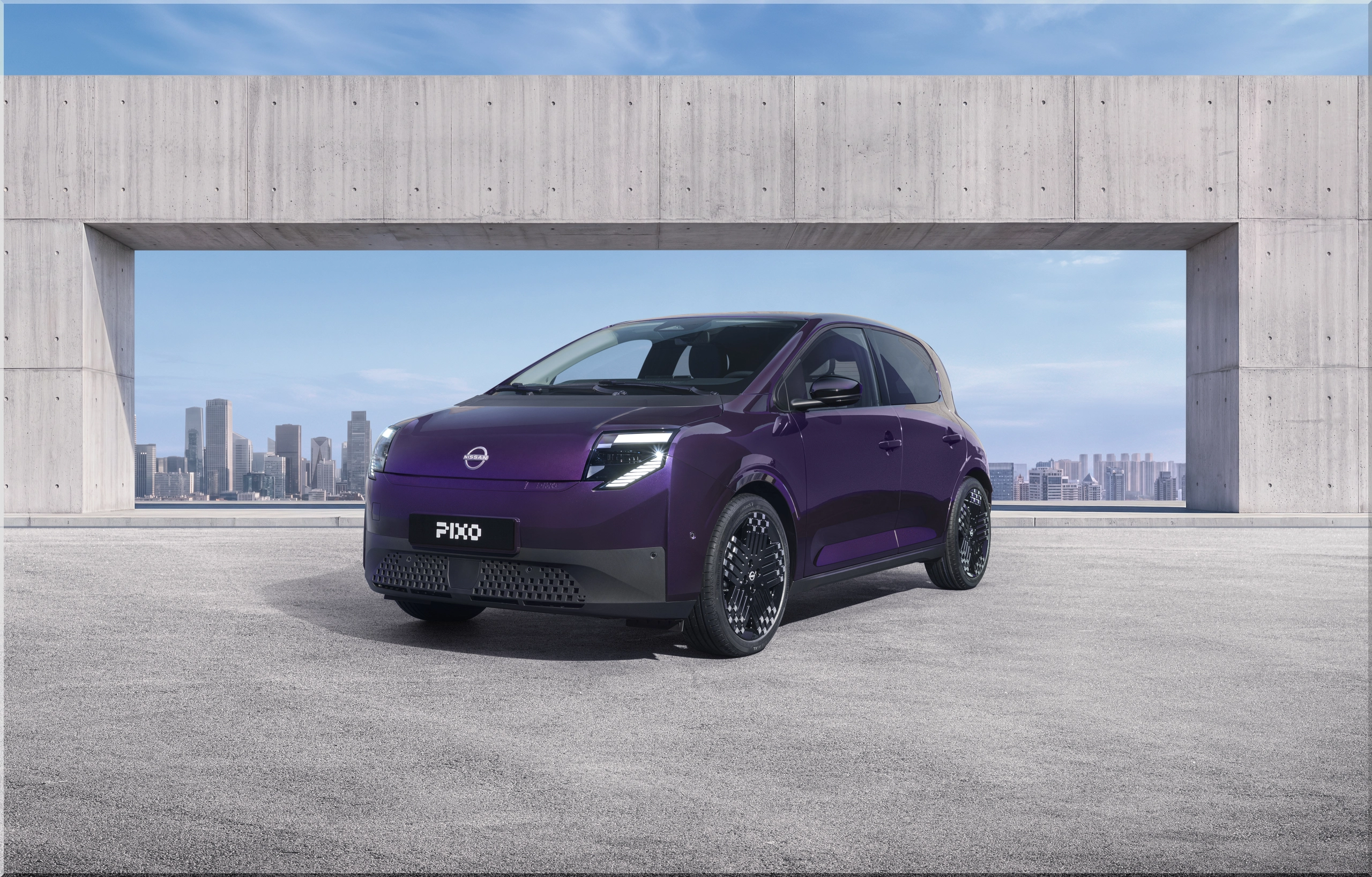
Nissan has revived the PIXO name for a four-seat electric city car aimed at European drivers. The 2027 Nissan PIXO combines a 27.5 kWh lithium iron phosphate battery with a 60 kW motor, a preliminary range of up to 259 km WLTP and standard 50 kW DC charging. Those numbers put it alongside the Renault Twingo E-Tech electric and new Dacia Spring. The price remains the decisive missing figure.
Image
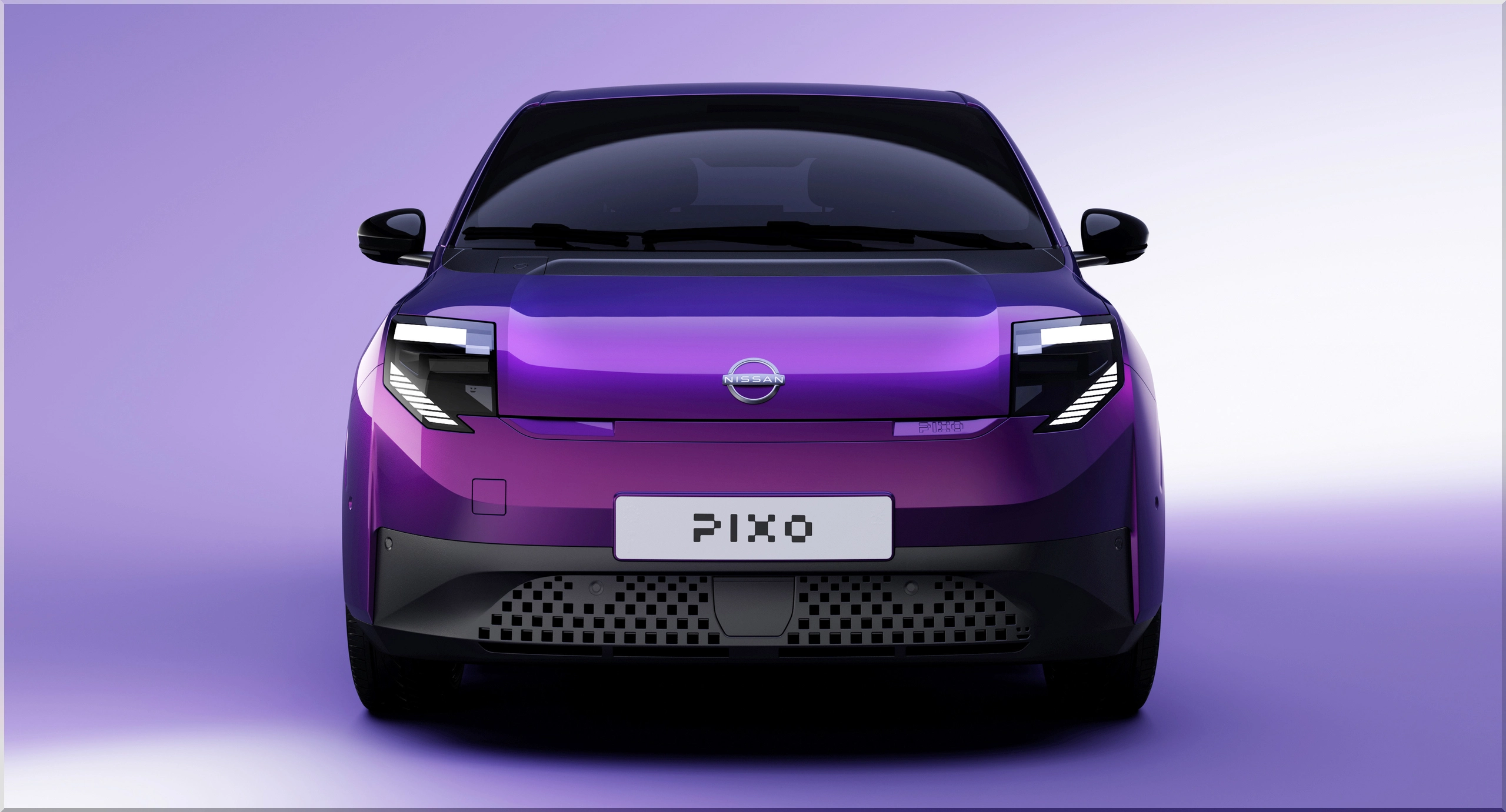
The PIXO sits below the electric Micra in Nissan's European range. Nissan plans early 2027 deliveries, with order dates and equipment varying by market.
Nissan PIXO specifications at a glance
| Specification | 2027 Nissan PIXO |
|---|---|
| Battery | 27.5 kWh lithium iron phosphate |
| Motor output and torque | 60 kW (82 hp); 175 Nm |
| Driven wheels | Front-wheel drive |
| Preliminary combined range | Up to 259 km WLTP |
| Energy use | 12.4 kWh/100 km, preliminary combined figure |
| AC charging | Up to 11 kW; 10-100% in 2 hours 35 minutes |
| DC charging | 50 kW standard; 15-80% in 28 minutes |
| Acceleration and top speed | 0-100 km/h in 11.9 seconds; 130 km/h |
| Length, width, height | 3,796 x 1,790 x 1,512 mm; width excludes mirrors |
| Wheelbase and turning circle | 2,492 mm; 9.9 m kerb to kerb |
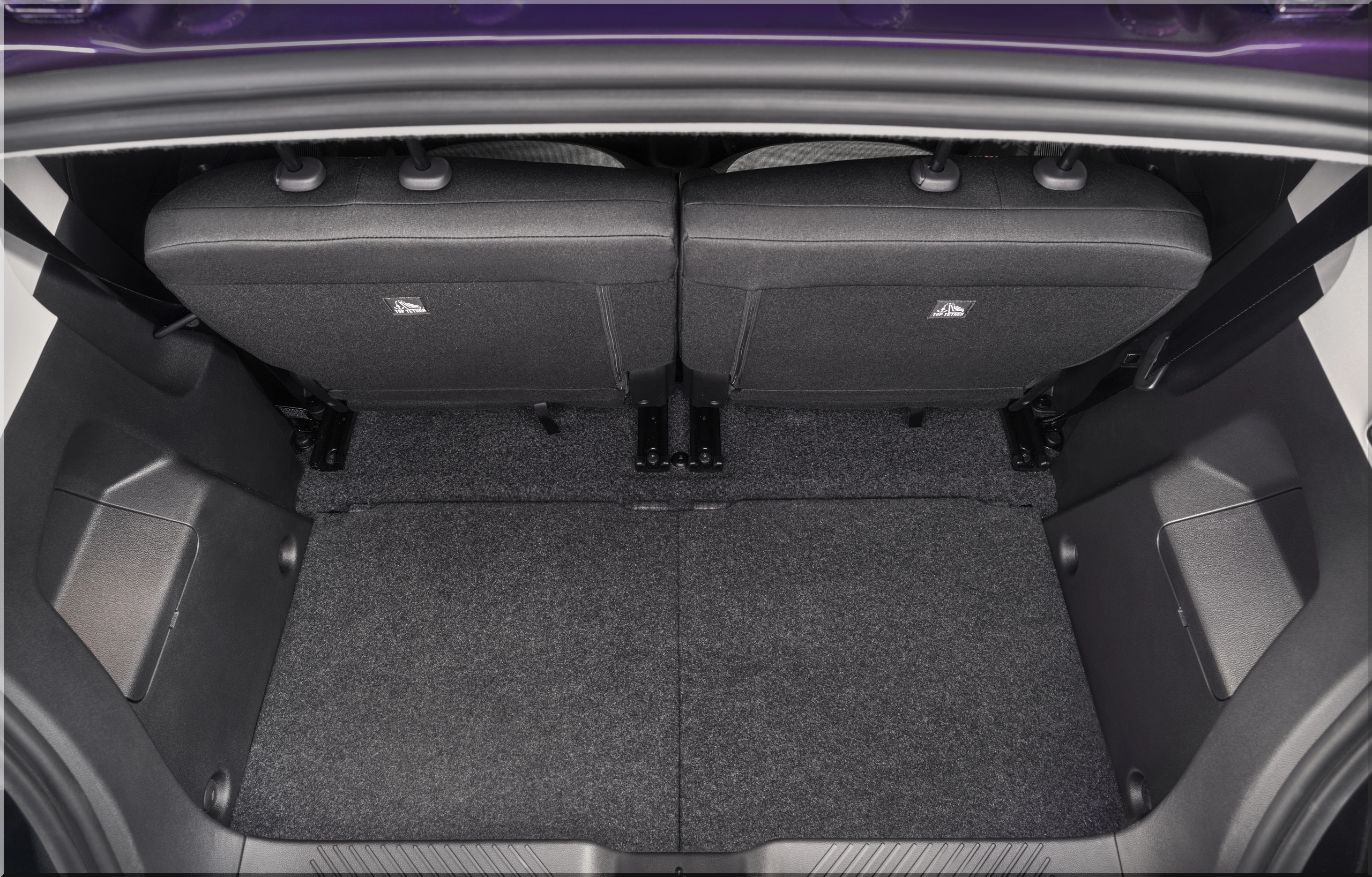
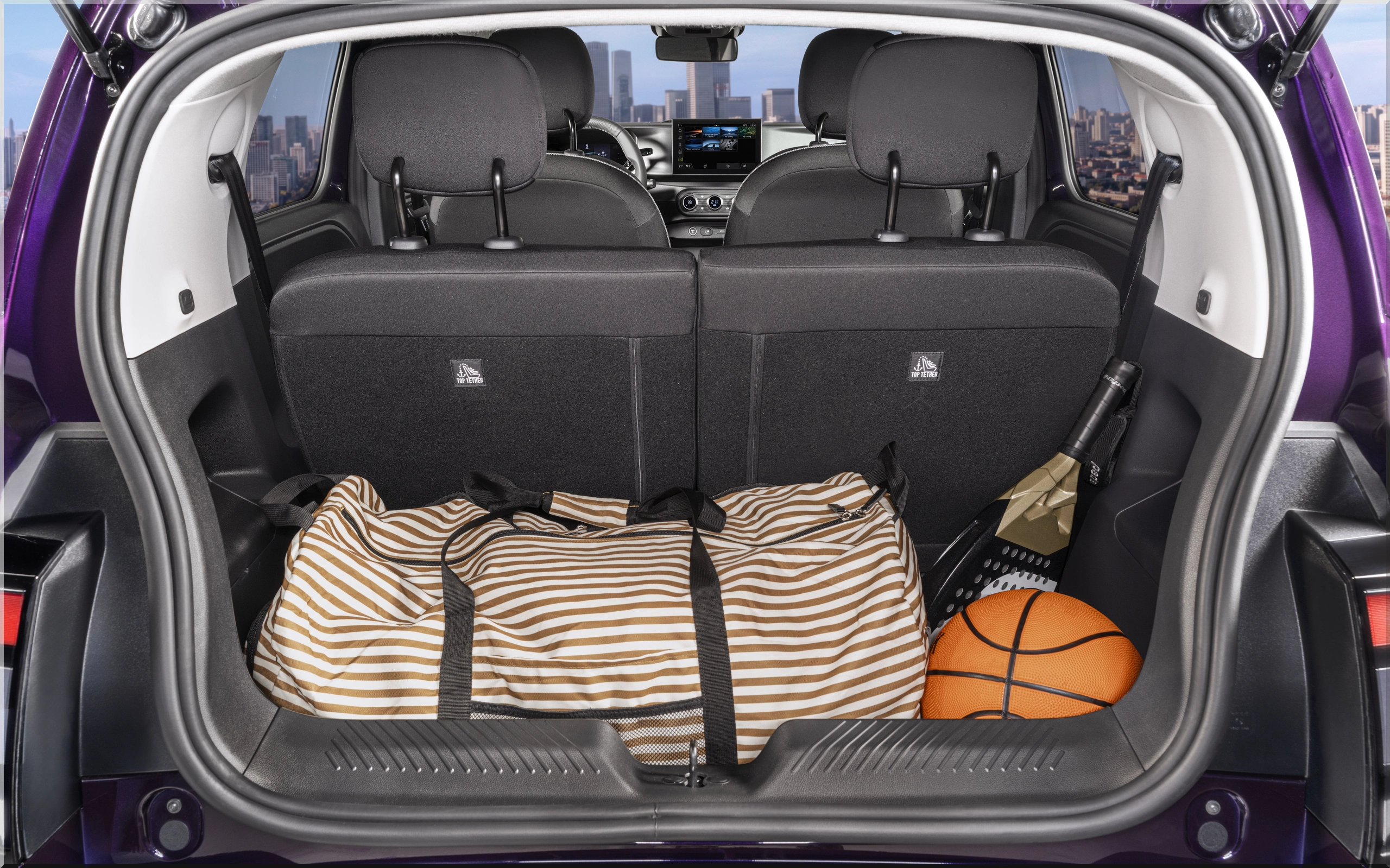
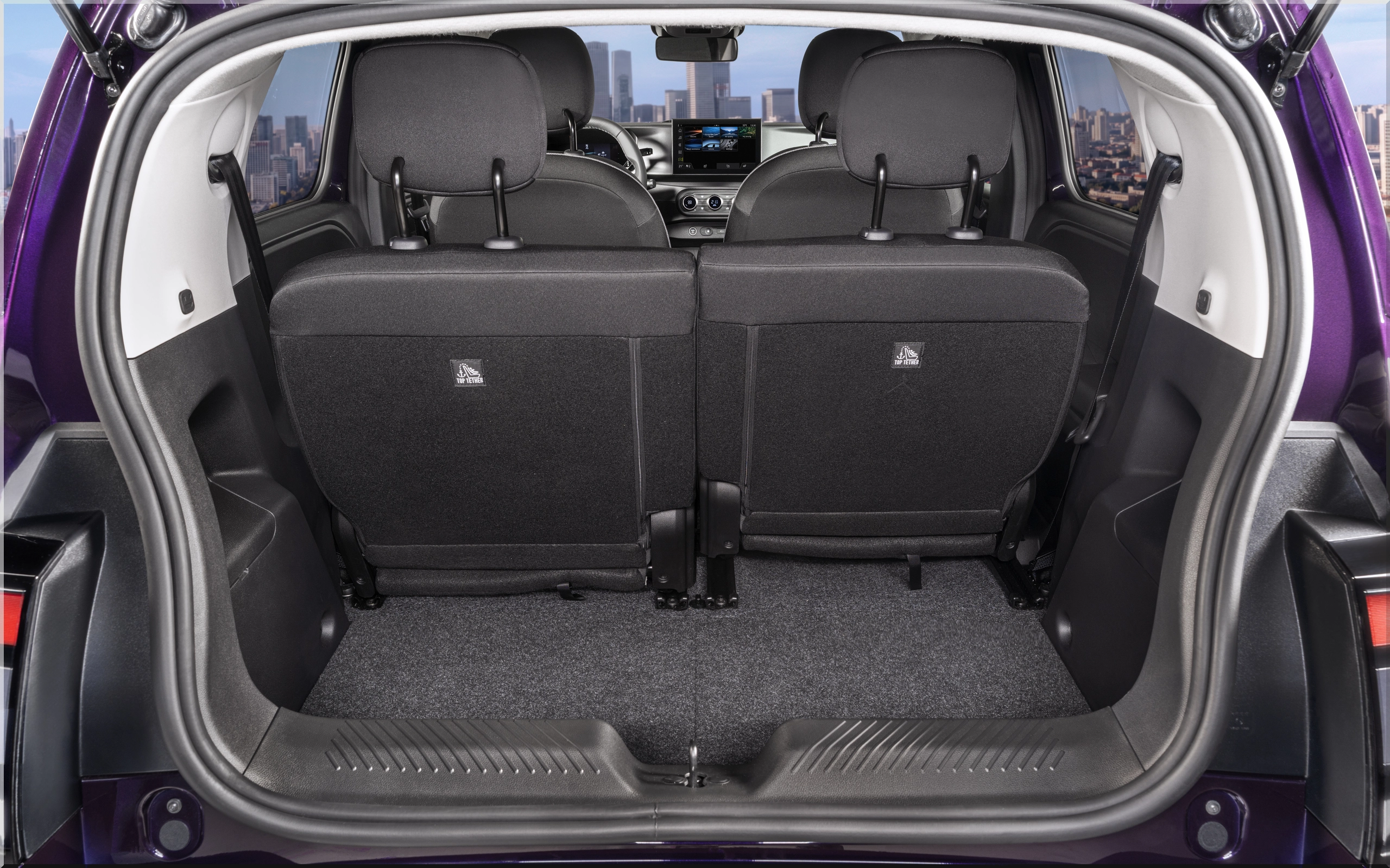
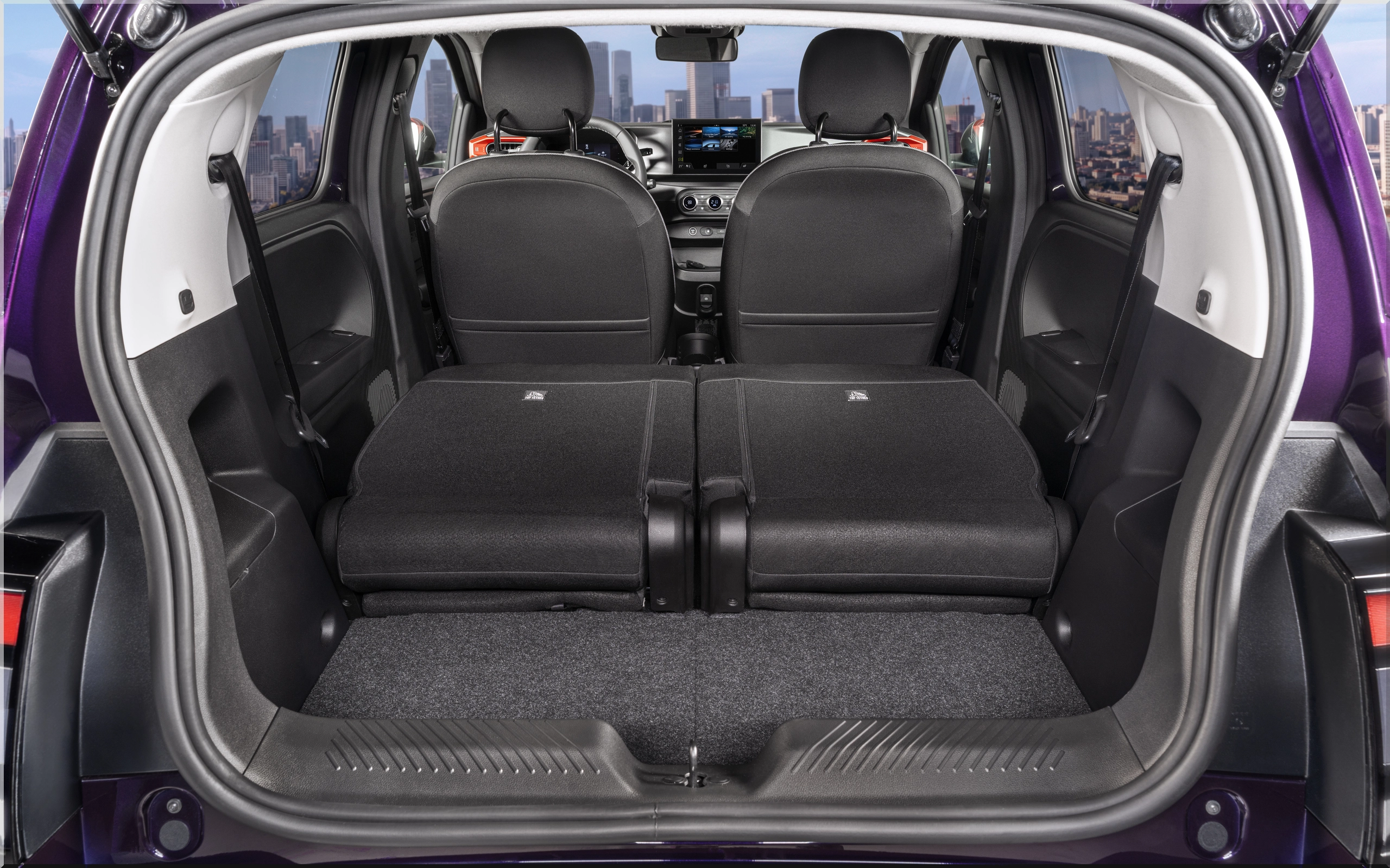
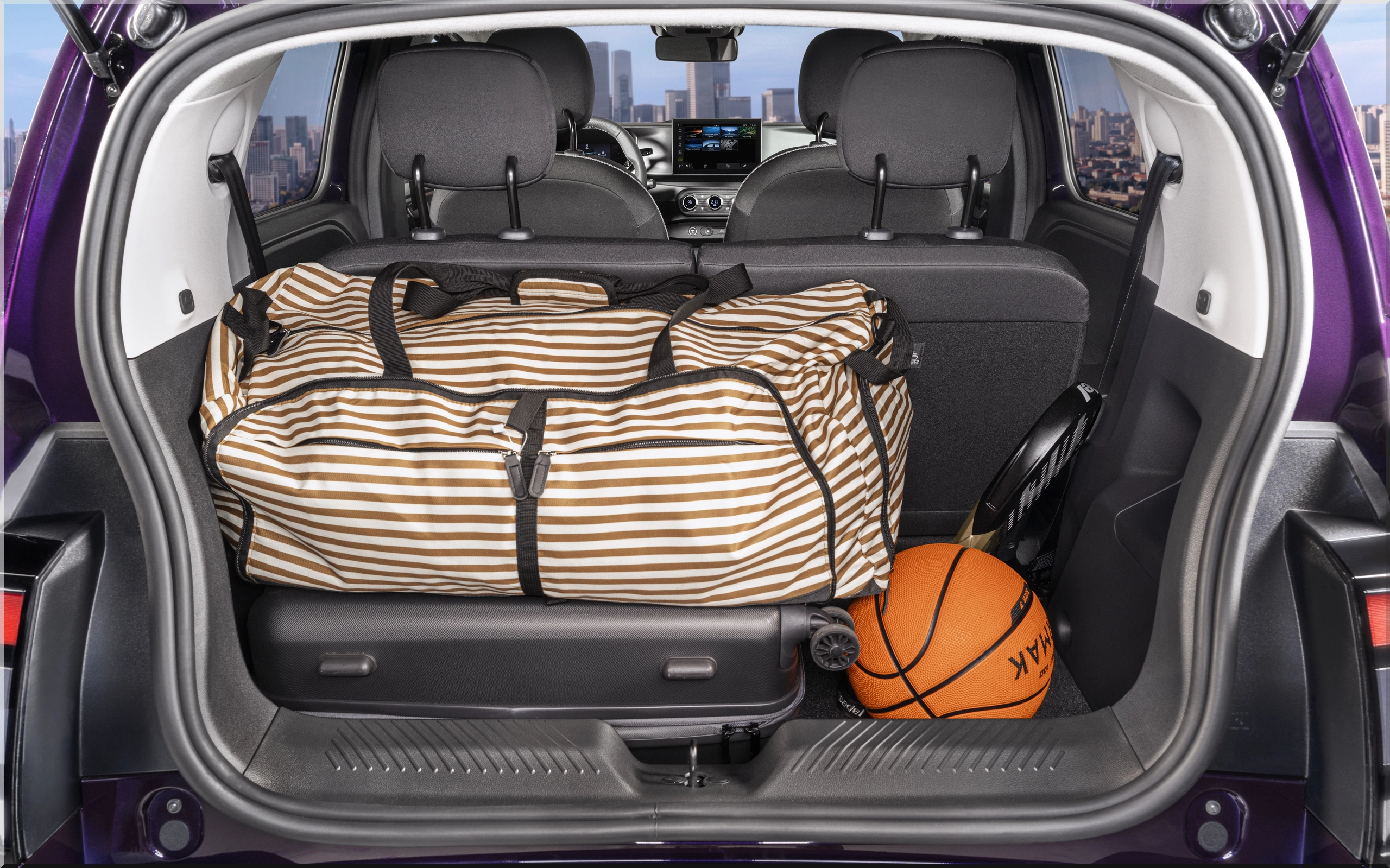
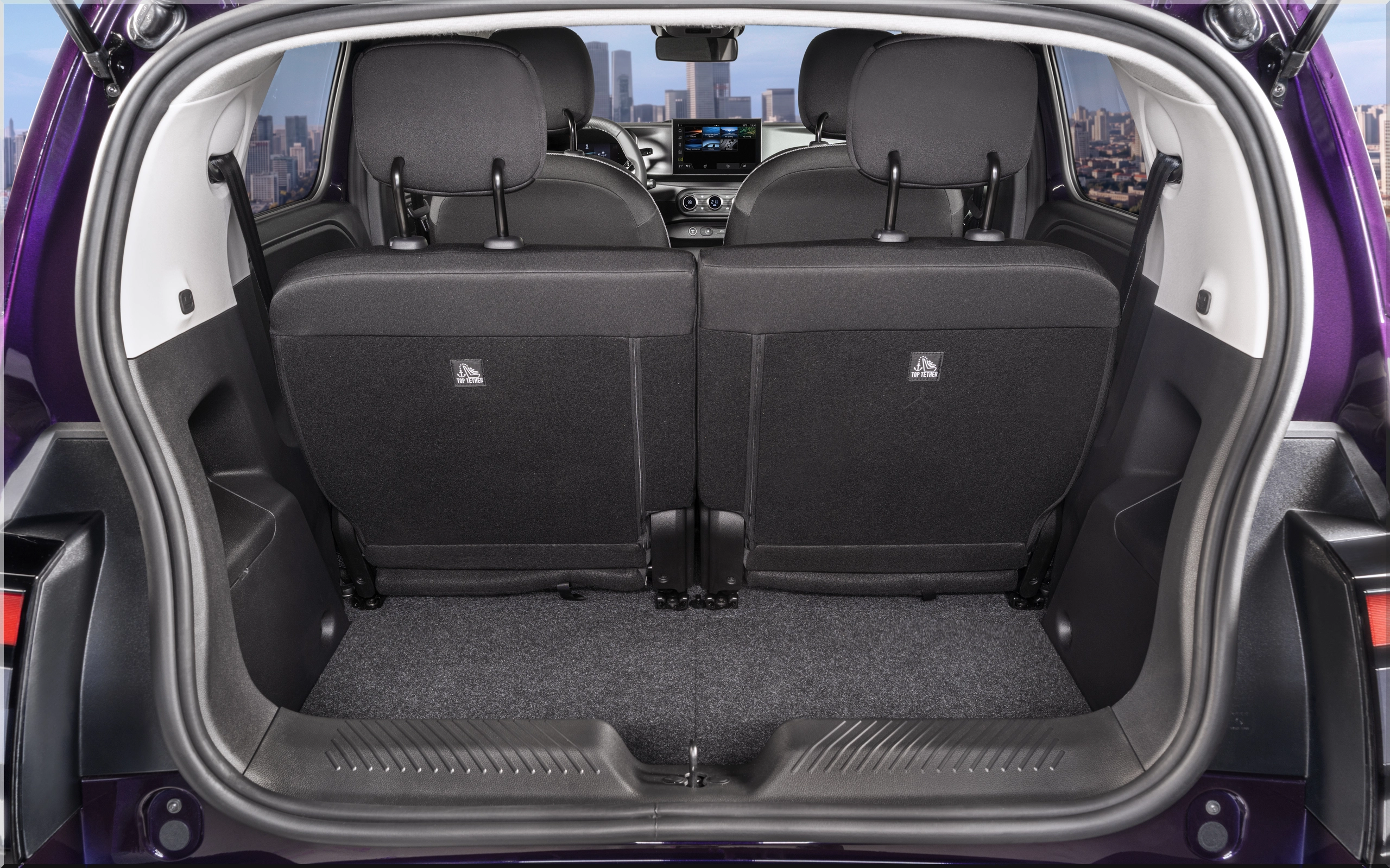
| Boot | 356 litres with seats up, including underfloor storage; 1,221 litres with seats down |
| Seats and doors | Four seats; five doors |
Nissan still needs to complete final homologation. Consequently, the range and consumption figures may change. The 356-litre boot figure includes 50 litres of underfloor cable storage.
Image
A small footprint with usable interior space
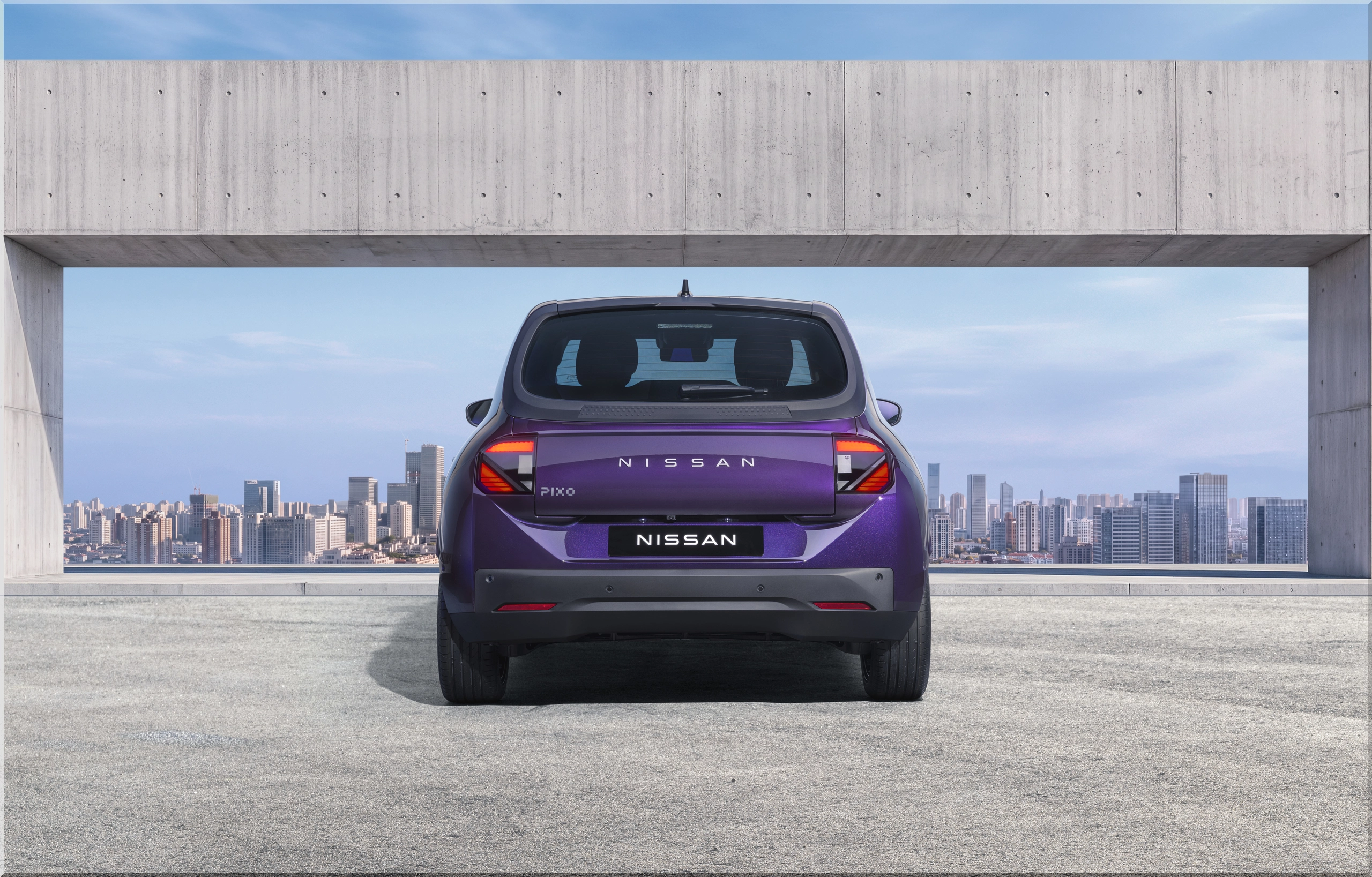
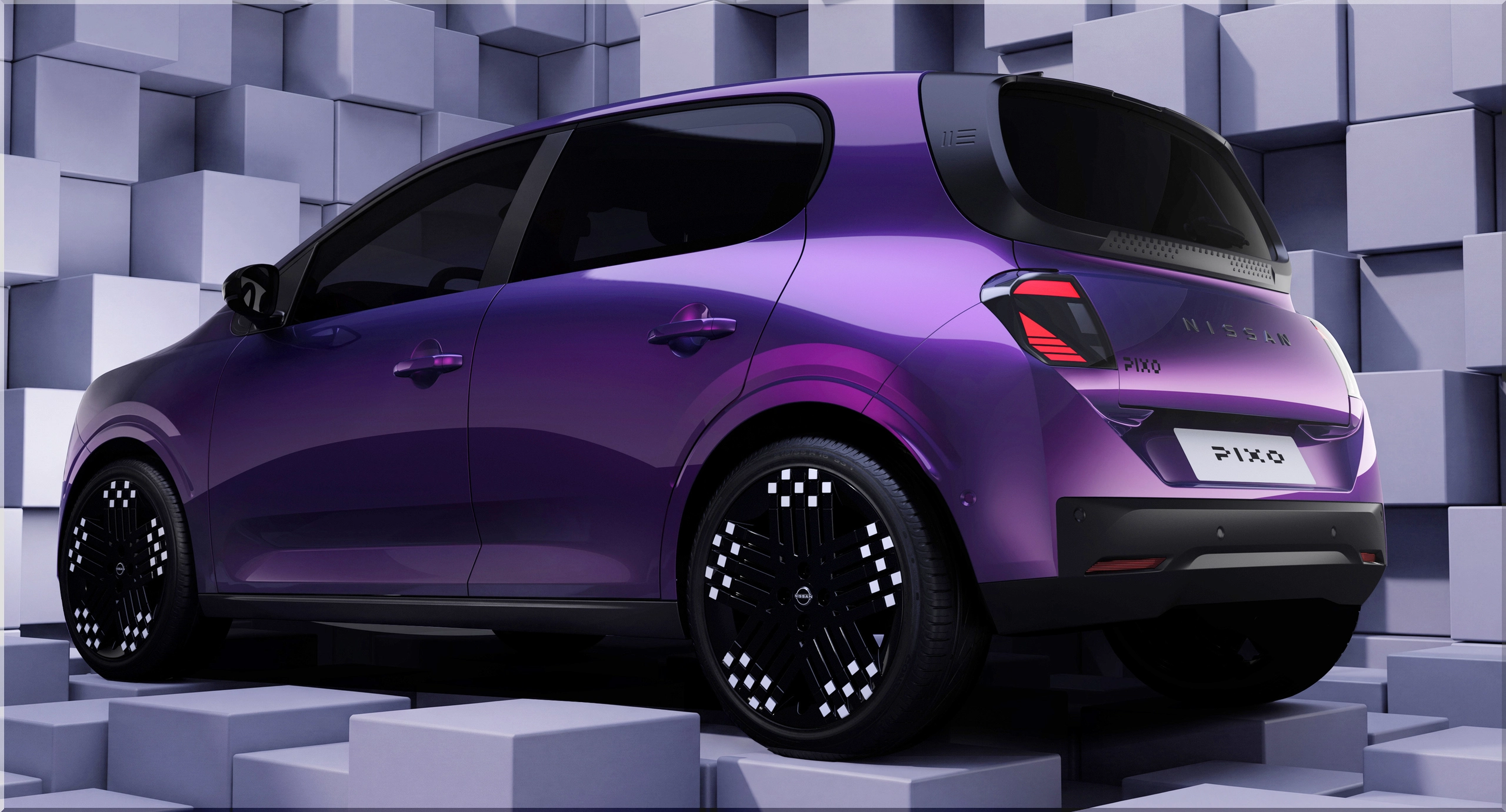
At 3,796 mm long, the Nissan PIXO electric city car needs less kerb space than a typical supermini. Its 2,492 mm wheelbase occupies roughly 66% of its overall length, which helps Nissan allocate more of the footprint to passengers. A 9.9 m kerb-to-kerb turning circle should make narrow streets and tight parking entrances easier to handle.
Width demands a closer look. Nissan lists 1,790 mm with the mirrors folded and 1,953 mm with them extended. Drivers who use a narrow garage should measure the opening against the second figure; the nominal body width alone can give a misleading impression of clearance.
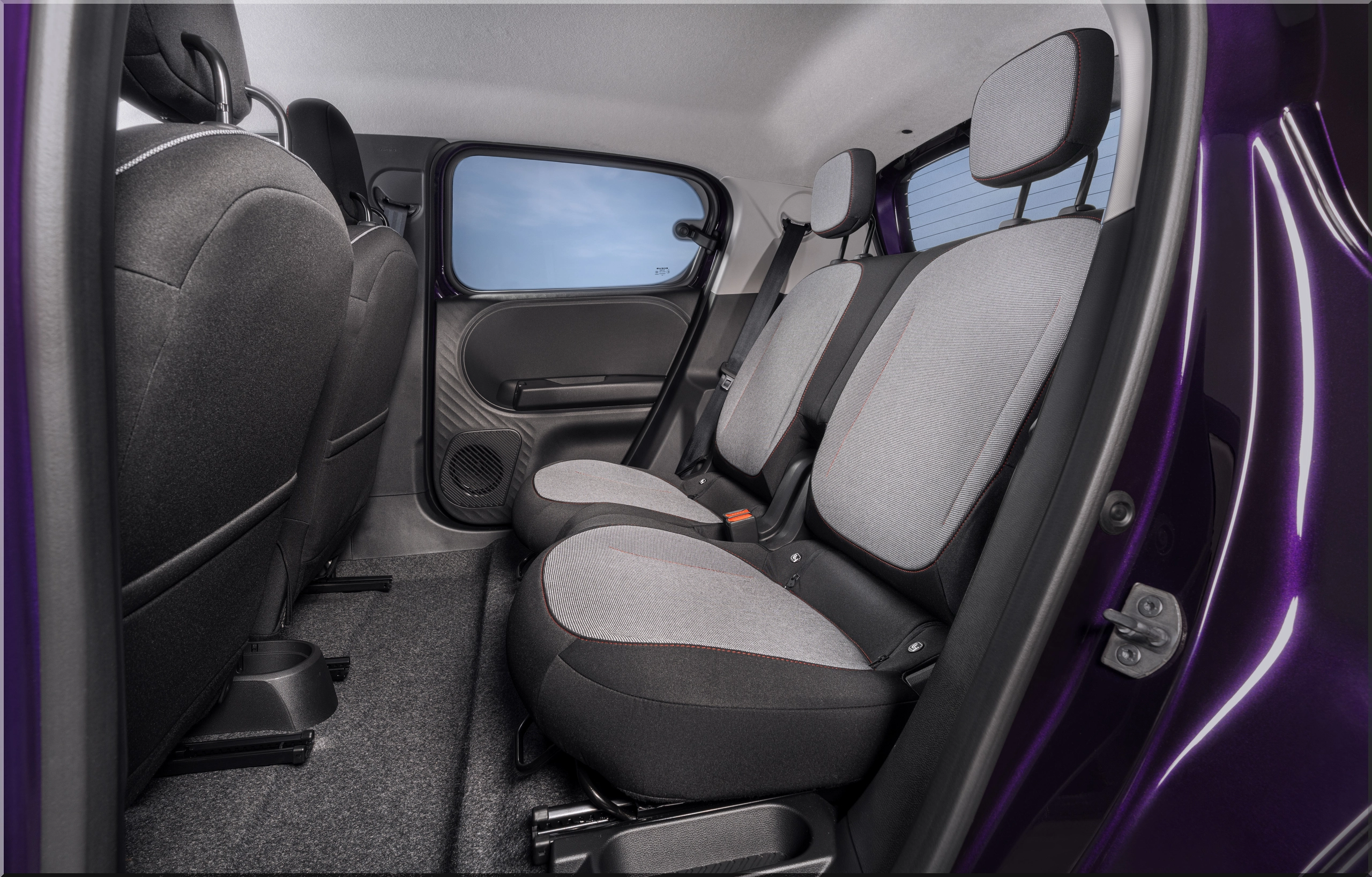
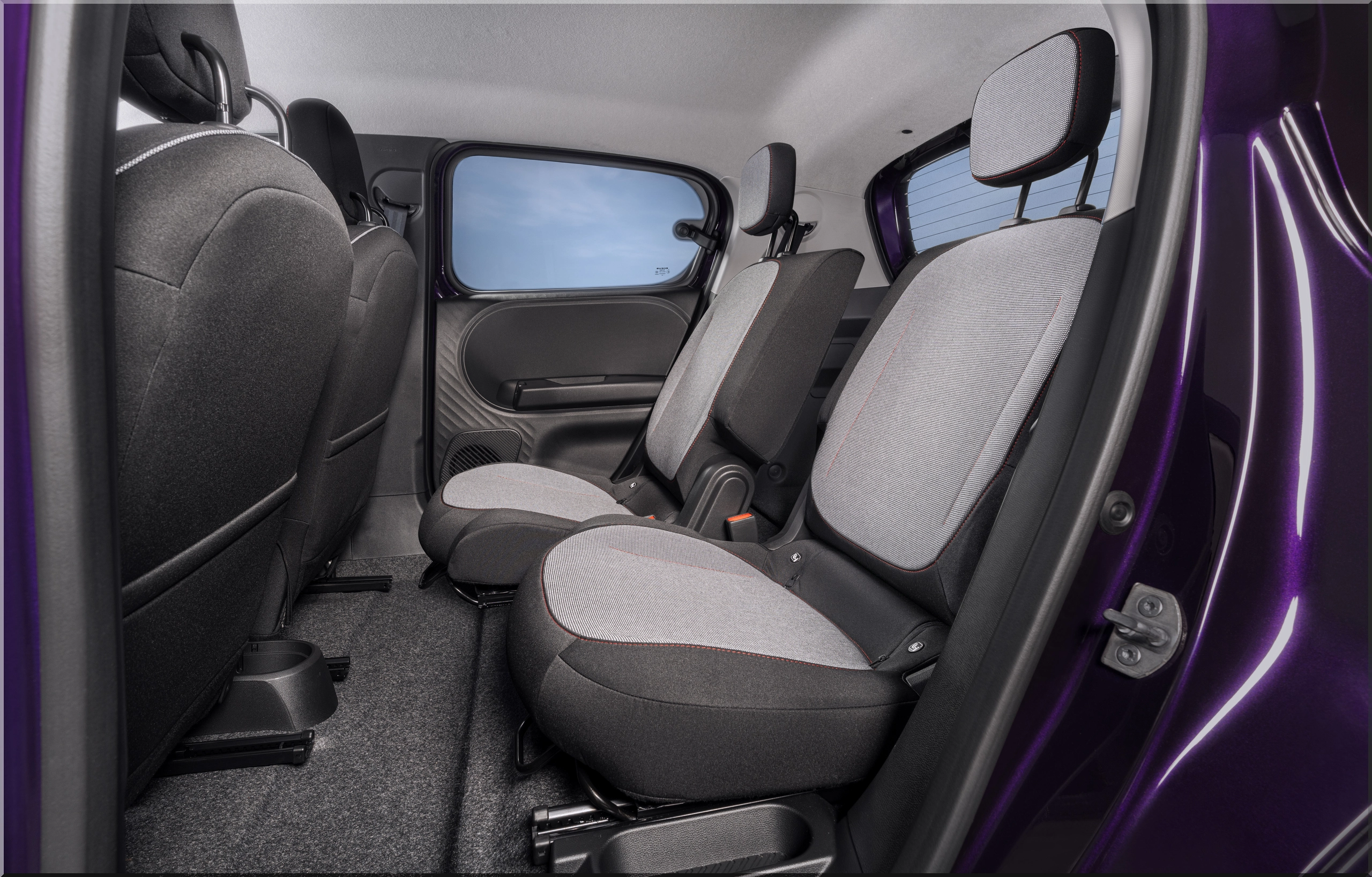
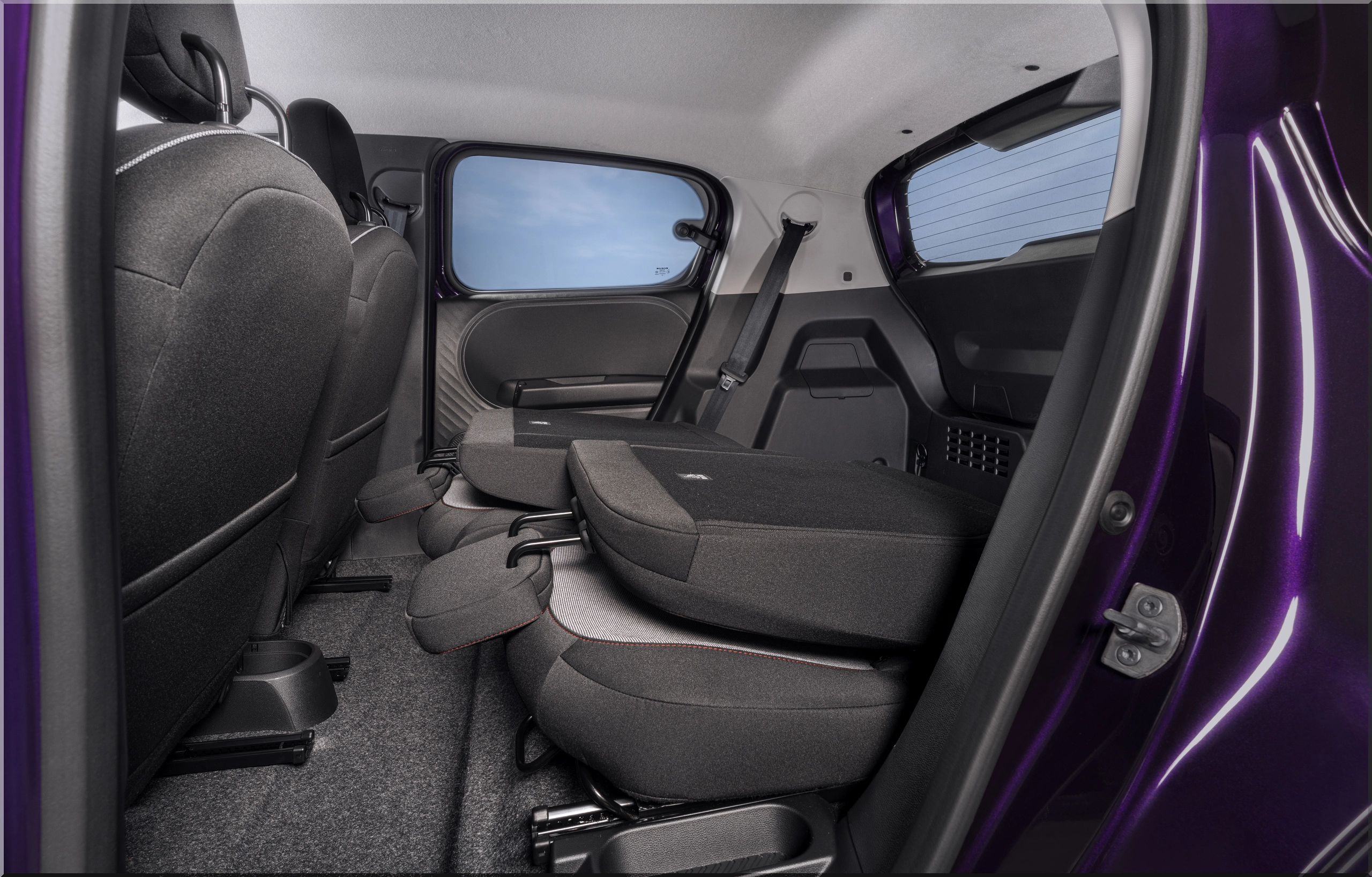
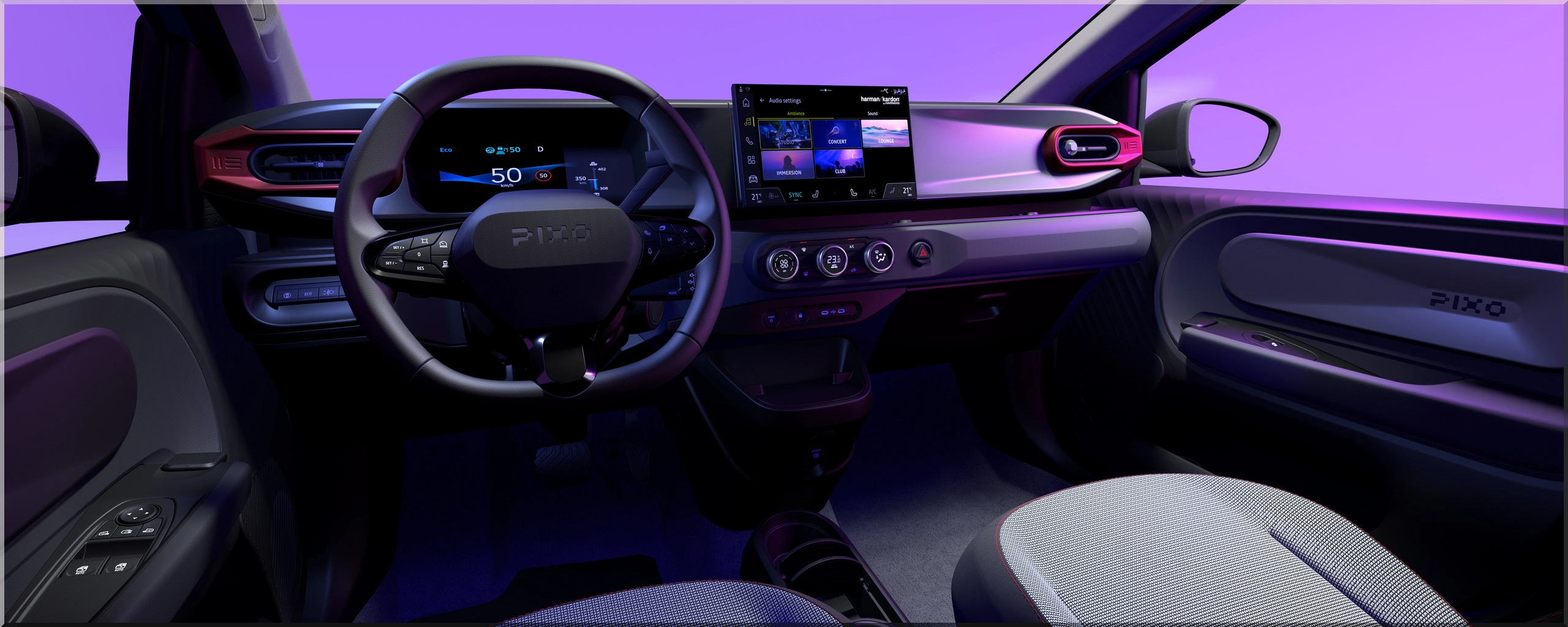
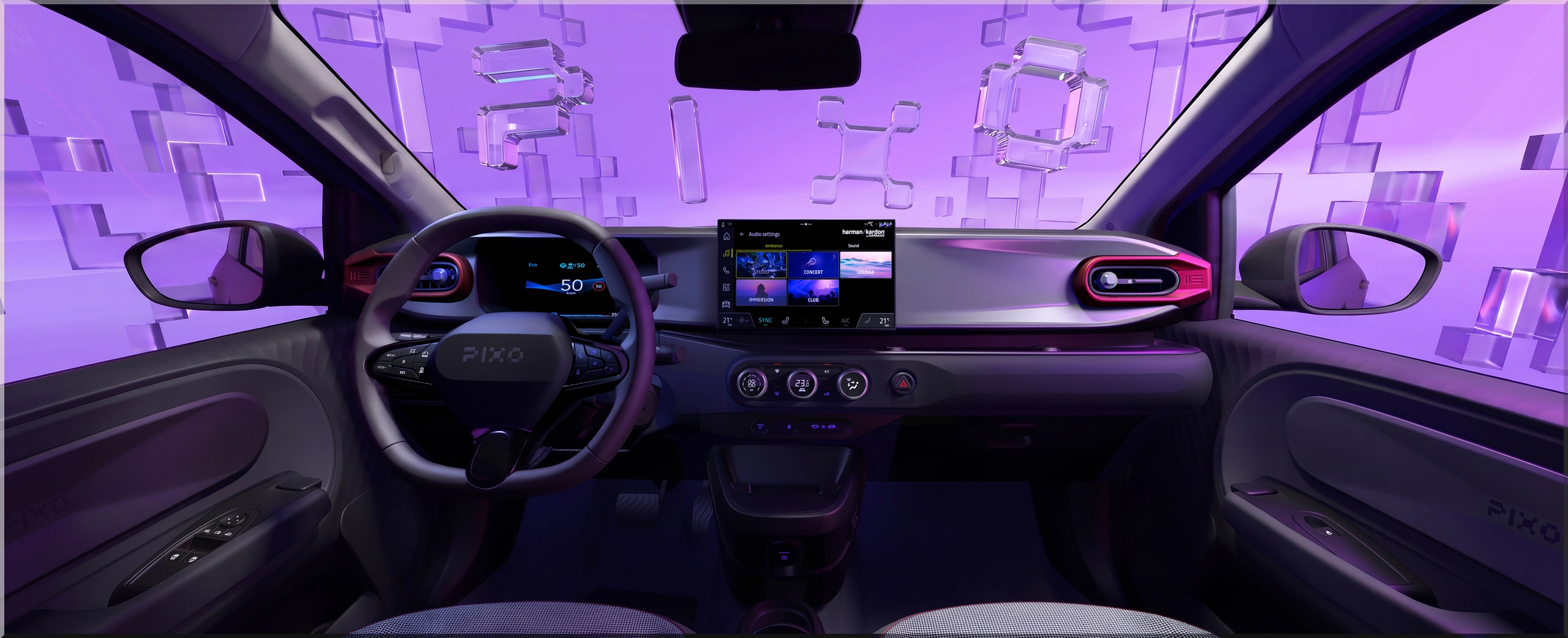
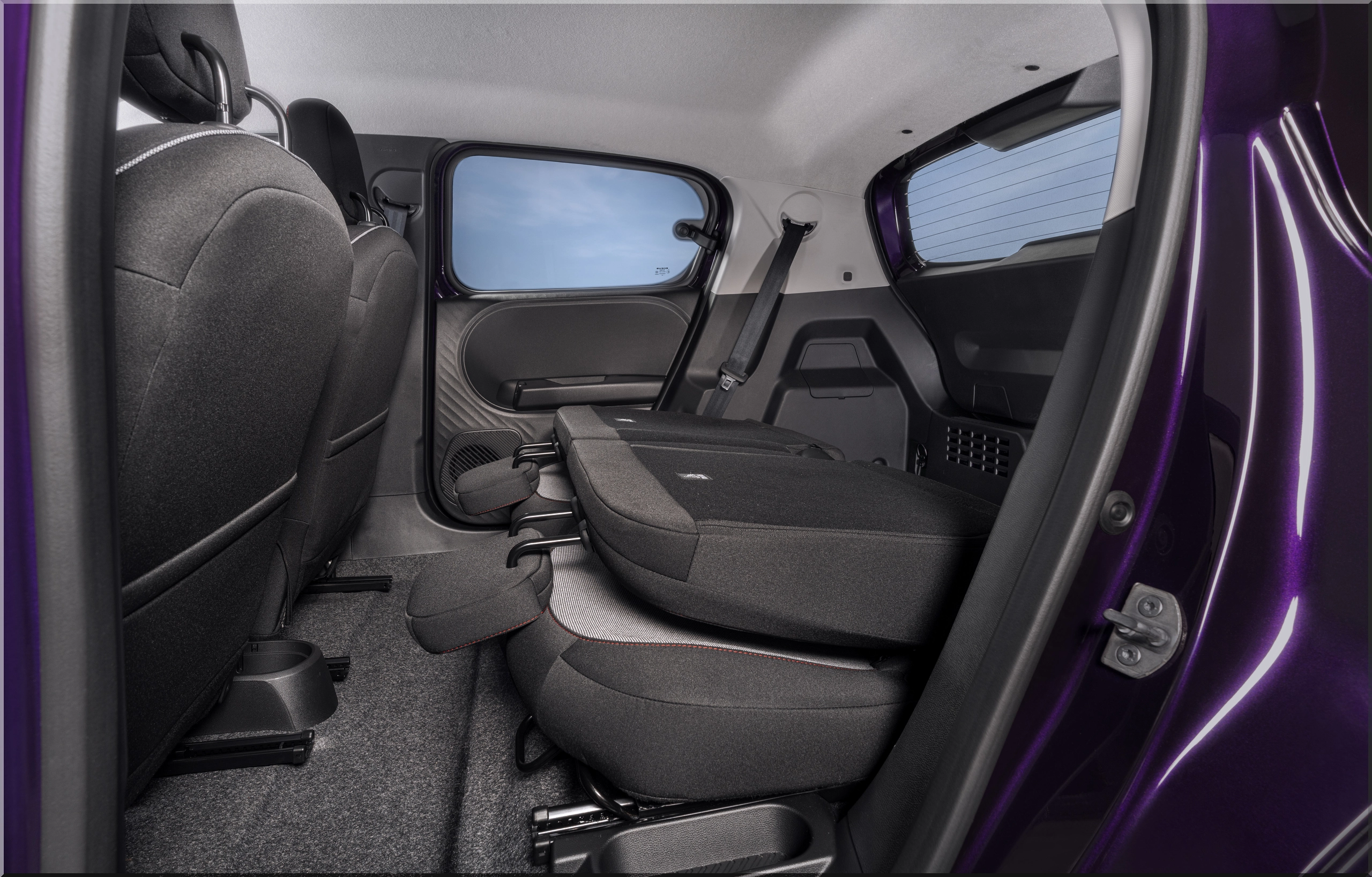
Inside, four people get rear seats that slide and fold separately. Move them forward for luggage or back for legroom. Fold them to expand capacity to 1,221 litres.
- Pro-Tip: Bring a child's seat, pushchair or weekly shopping crate to the test drive. Check rear access and boot fit with the rear seats in the positions you would actually use.
Video file
Video title
Nissan PIXO 2027
Battery, range and charging: what the figures mean
The 27.5 kWh LFP battery keeps the energy store appropriately sized for an urban car. Nissan reports up to 259 km on the combined WLTP cycle, while its Dutch model page lists 12.4 kWh/100 km of combined consumption. That pairing reflects a low-energy-use strategy: a compact car can cover routine trips without carrying the mass and cost of a substantially larger pack.
Do not plan a 259 km motorway leg as if the test result were a guarantee. Higher speeds, winter heating and wet roads can increase demand. At 35 km a day, the published range represents about seven days in ideal arithmetic; leave a reserve and track actual consumption.
Video file
Video title
Nissan PIXO 2027
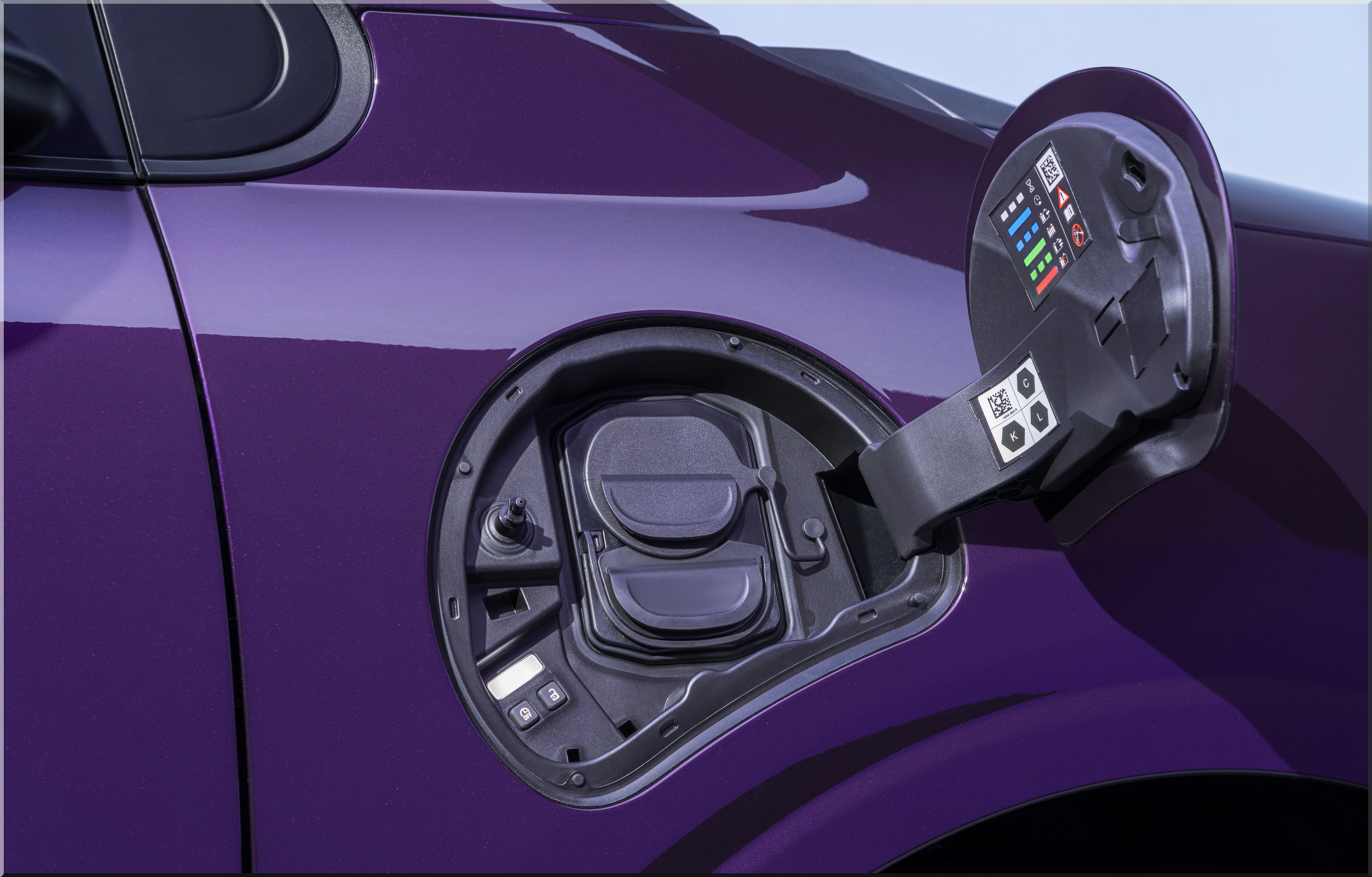
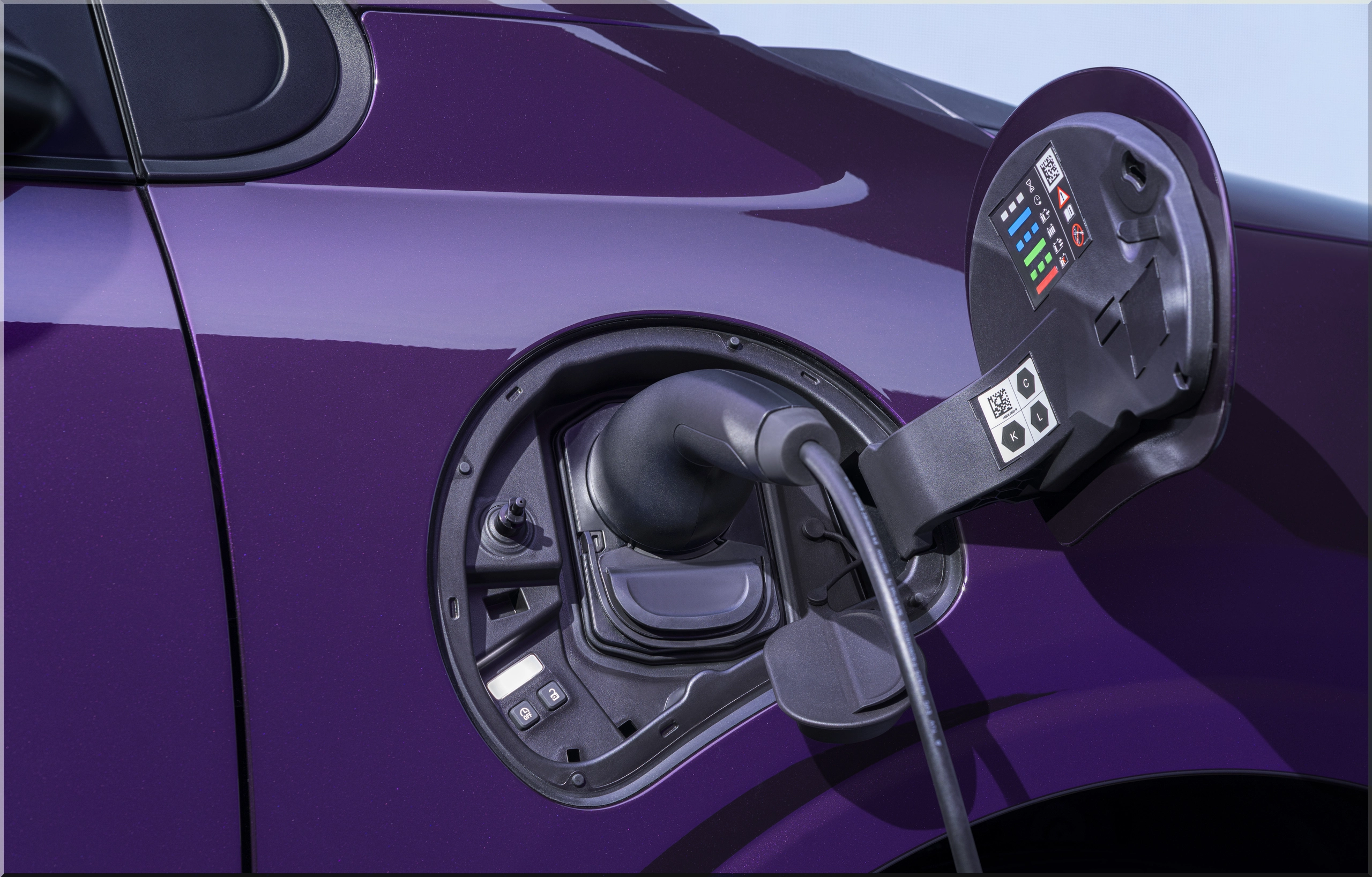
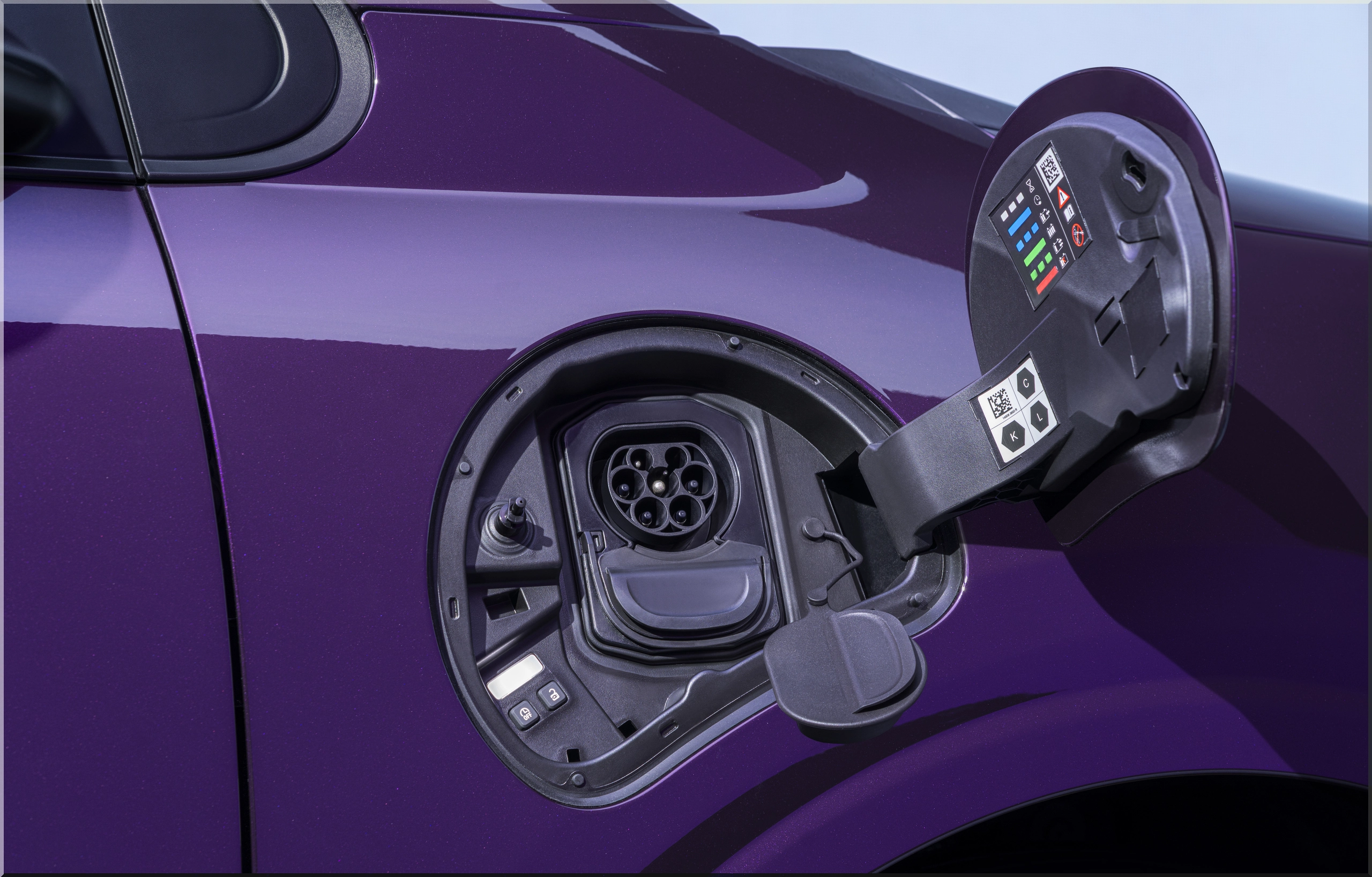
Nissan includes 50 kW DC charging as standard. It quotes 28 minutes from 15% to 80%, or 30 minutes from 10% to 80%. Charging power changes with battery temperature and state of charge. With a suitable supply, 11 kW AC charging takes the pack from 10% to 100% in a quoted 2 hours 35 minutes.
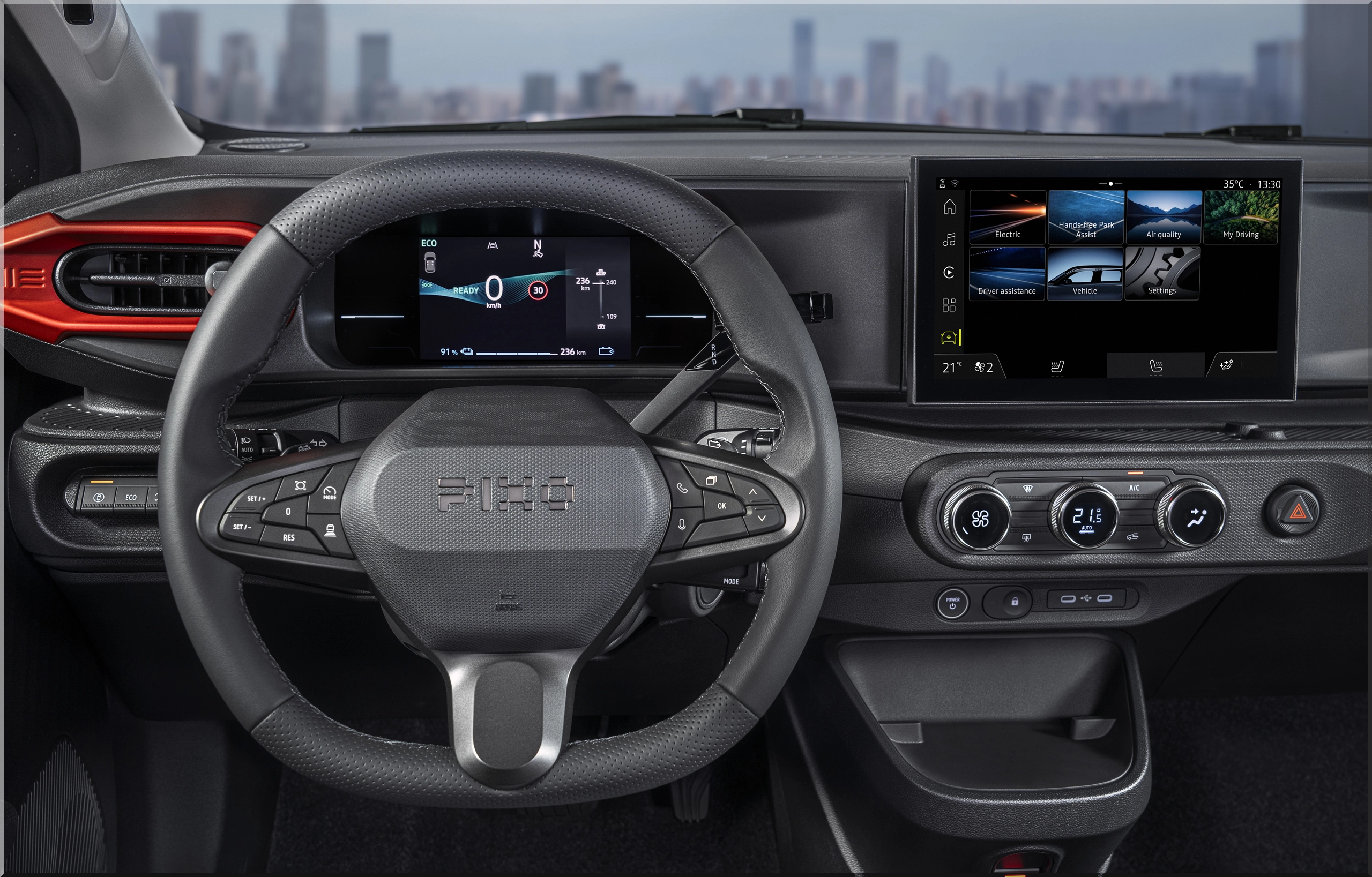
The e-Pedal lets the driver control much of the slowing and acceleration with one pedal while the motor recovers energy. That can reduce repeated brake-pedal use in stop-start traffic. The system's exact behaviour still deserves a test drive, particularly when approaching a full stop or driving with a nearly full battery.



PIXO versus Renault Twingo and Dacia Spring
Nissan enters a closely matched field. The Renault Twingo E-Tech electric and new Dacia Spring also use 27.5 kWh LFP batteries and 60 kW motors, but the charging equipment that comes with the entry version differs. The comparison below uses manufacturer figures; each range claim depends on its stated version and test status.
| Metric | Nissan PIXO | Renault Twingo E-Tech electric | New Dacia Spring |
|---|---|---|---|
| Motor | 60 kW; 175 Nm | 60 kW | 60 kW; 175 Nm |
| Battery | 27.5 kWh LFP | 27.5 kWh LFP | 27.5 kWh usable LFP |
| Combined WLTP range | Up to 259 km, preliminary | Up to 263 km | Up to 250 km |
| Standard AC charging | Up to 11 kW | 6.6 kW | 6.6 kW |
| 50 kW DC charging | Standard | Optional Advanced Charge pack | Optional fast-charge pack |
| Announced price | Pending | From €19,490 in France before grants | Market price pending for new generation |
Looking at the data, the PIXO trails the Twingo's published maximum range by 4 km and exceeds the new Spring's by 9 km. Such small gaps will carry less weight in real use than purchase price, equipment and access to convenient charging. Specifically, Nissan's standard 11 kW AC and 50 kW DC hardware could strengthen its case against base versions of its two rivals if Nissan keeps the final price competitive.
Renault quotes €19,490 before grants for the Twingo Evolution in France, but that version starts with 6.6 kW AC charging. Its optional Advanced Charge pack adds 11 kW AC and 50 kW DC; buyers should compare the equipped transaction price, not the entry price alone. Nissan has yet to publish a PIXO price, so a claimed price win for any model would come too early.






Connected features and the European rollout
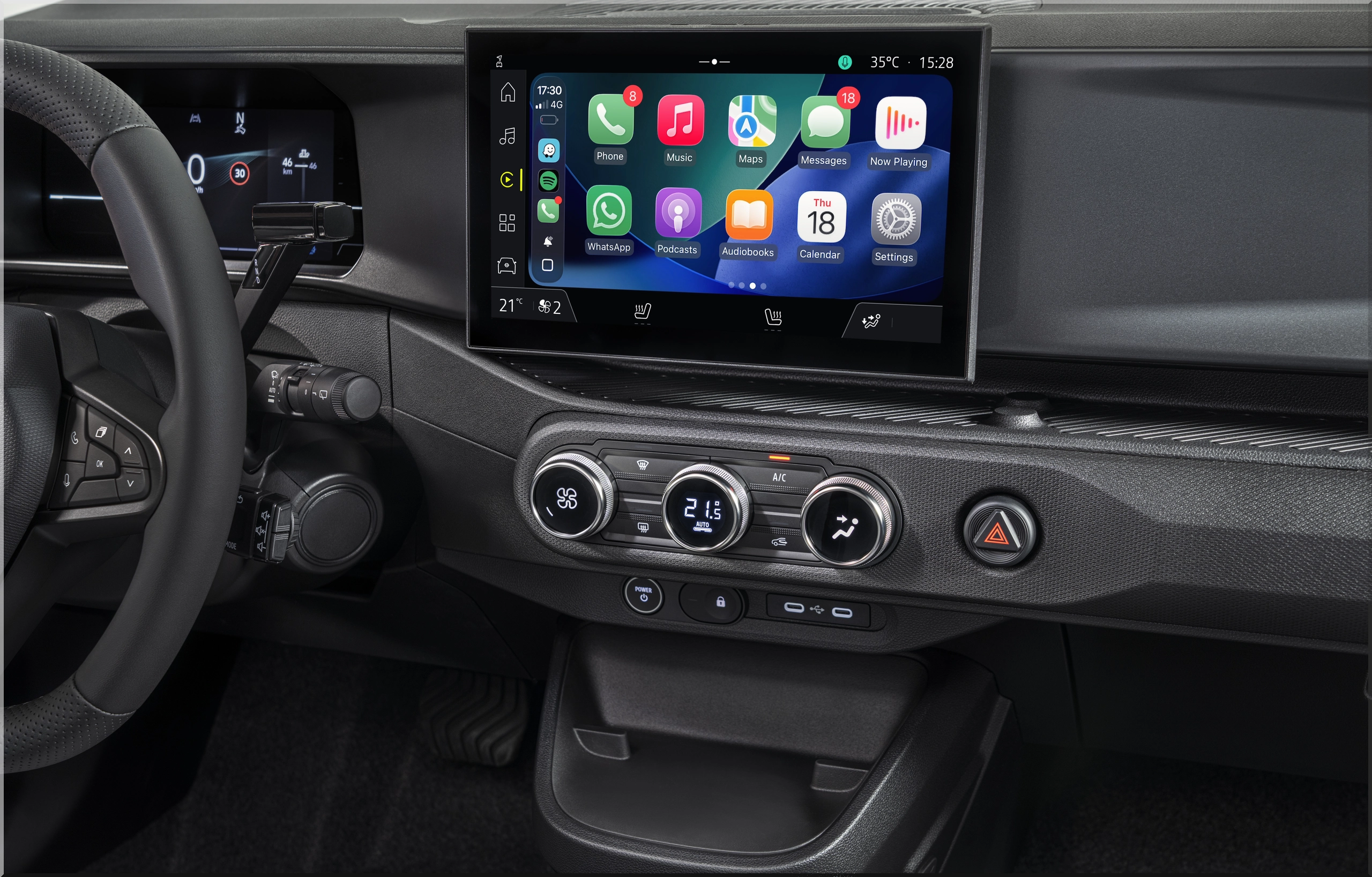
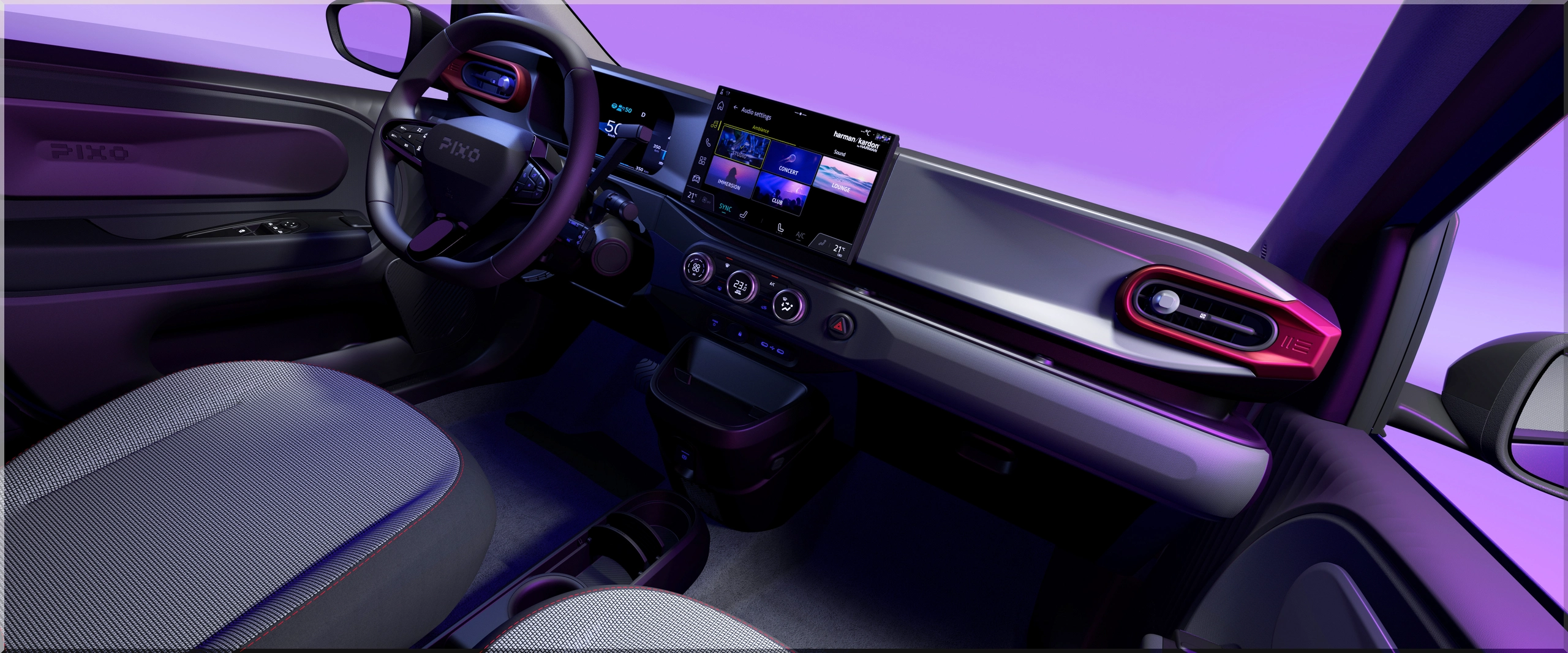
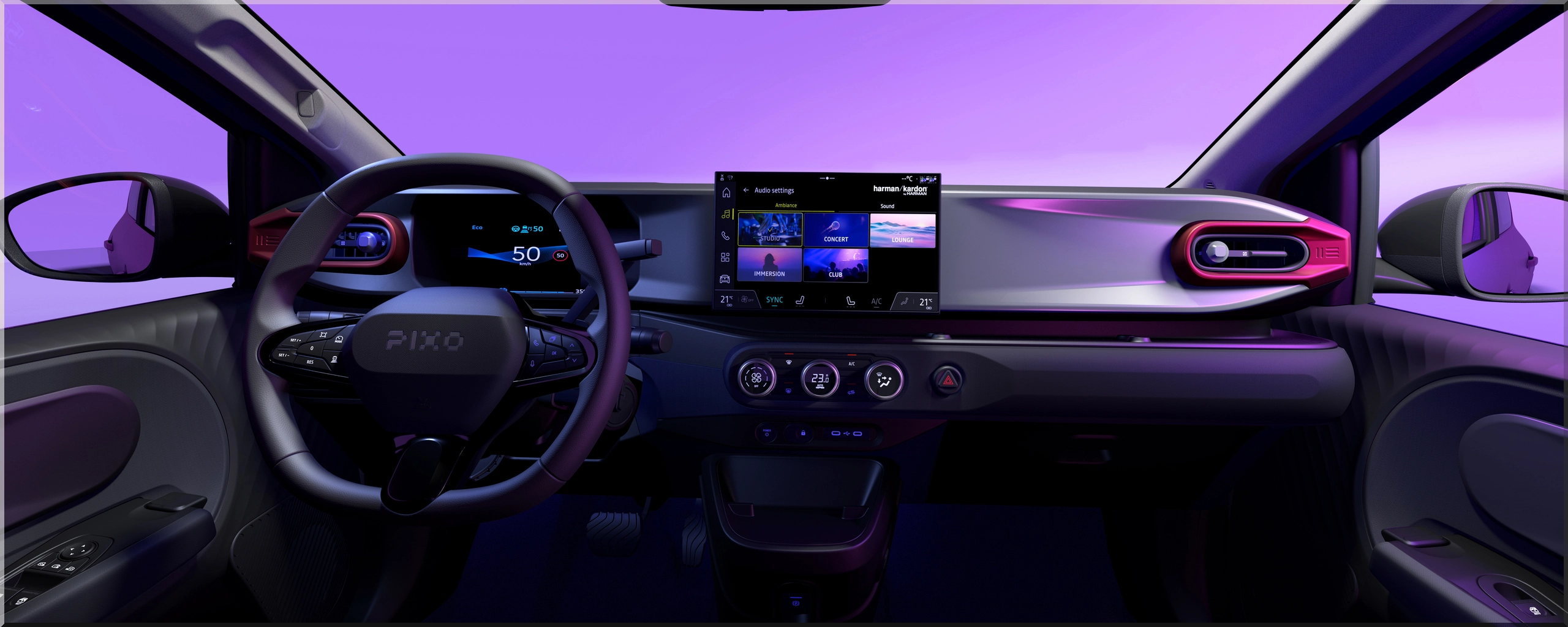
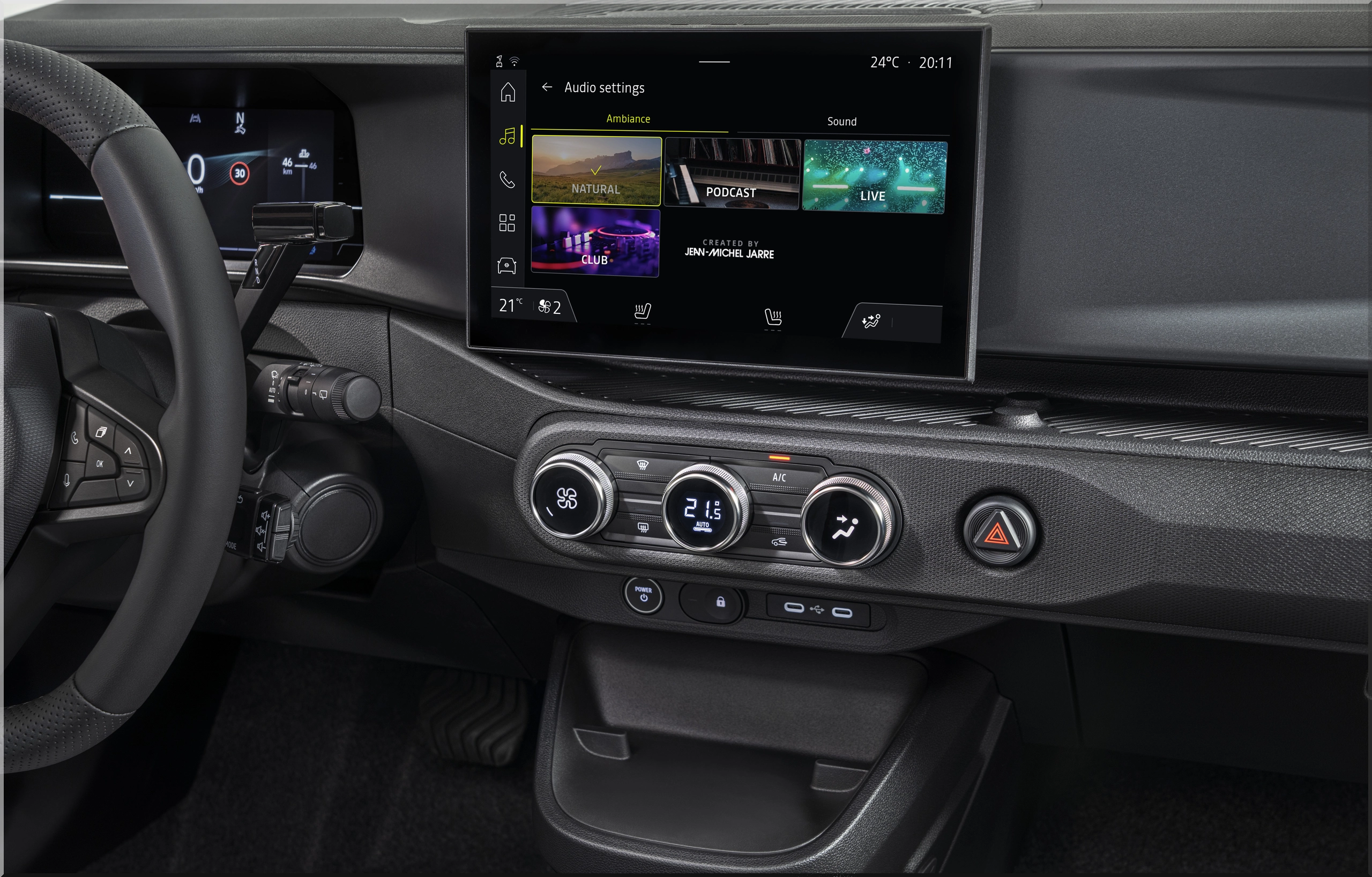
Google built-in brings Maps, Play and Gemini to the PIXO's infotainment system. Nissan says drivers can request route guidance and charging stops by voice, while facial recognition can switch between driver profiles for settings such as parking, climate control and connectivity. Feature availability can depend on trim and market, and Nissan describes Gemini's rollout as gradual.
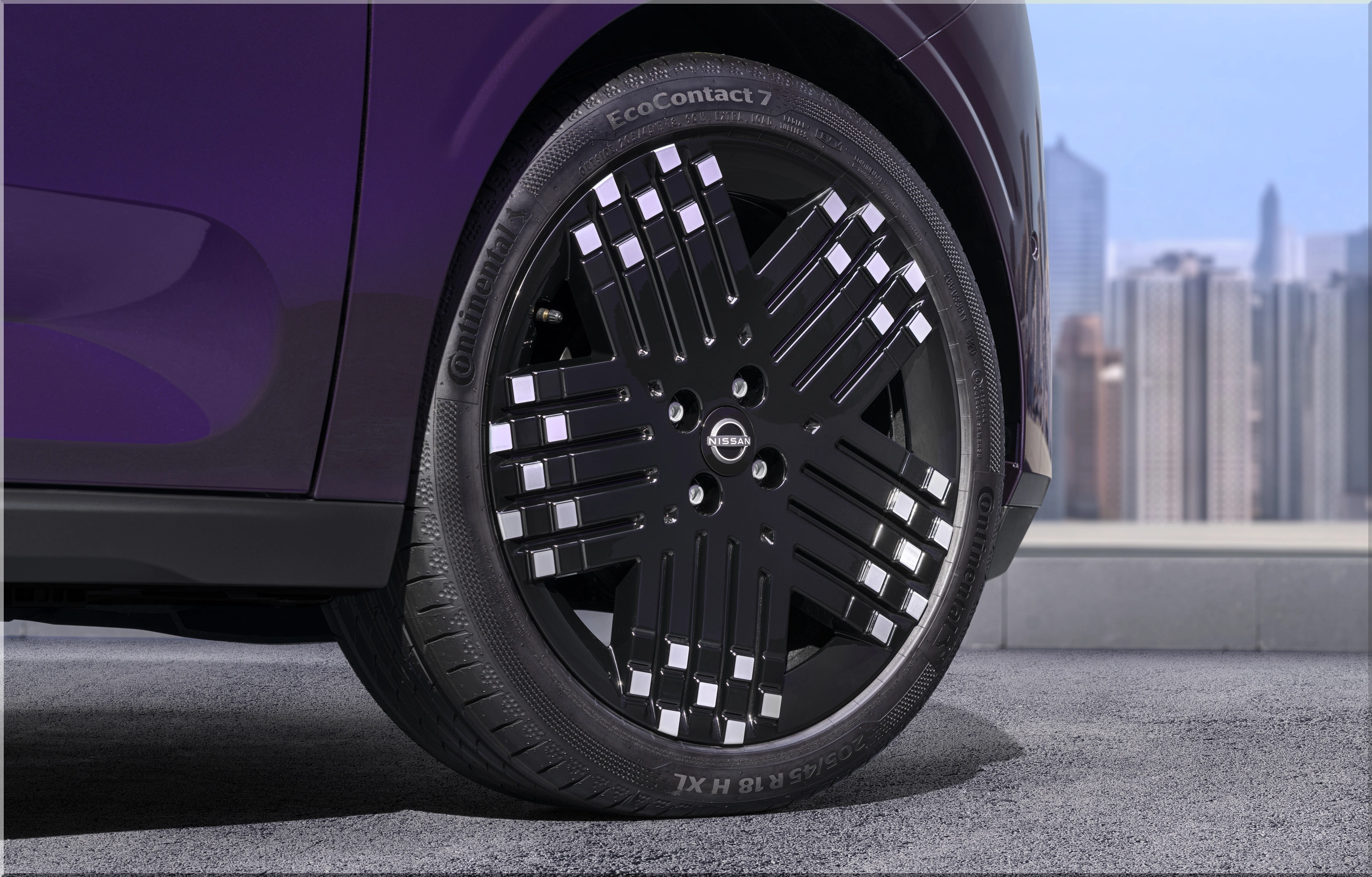
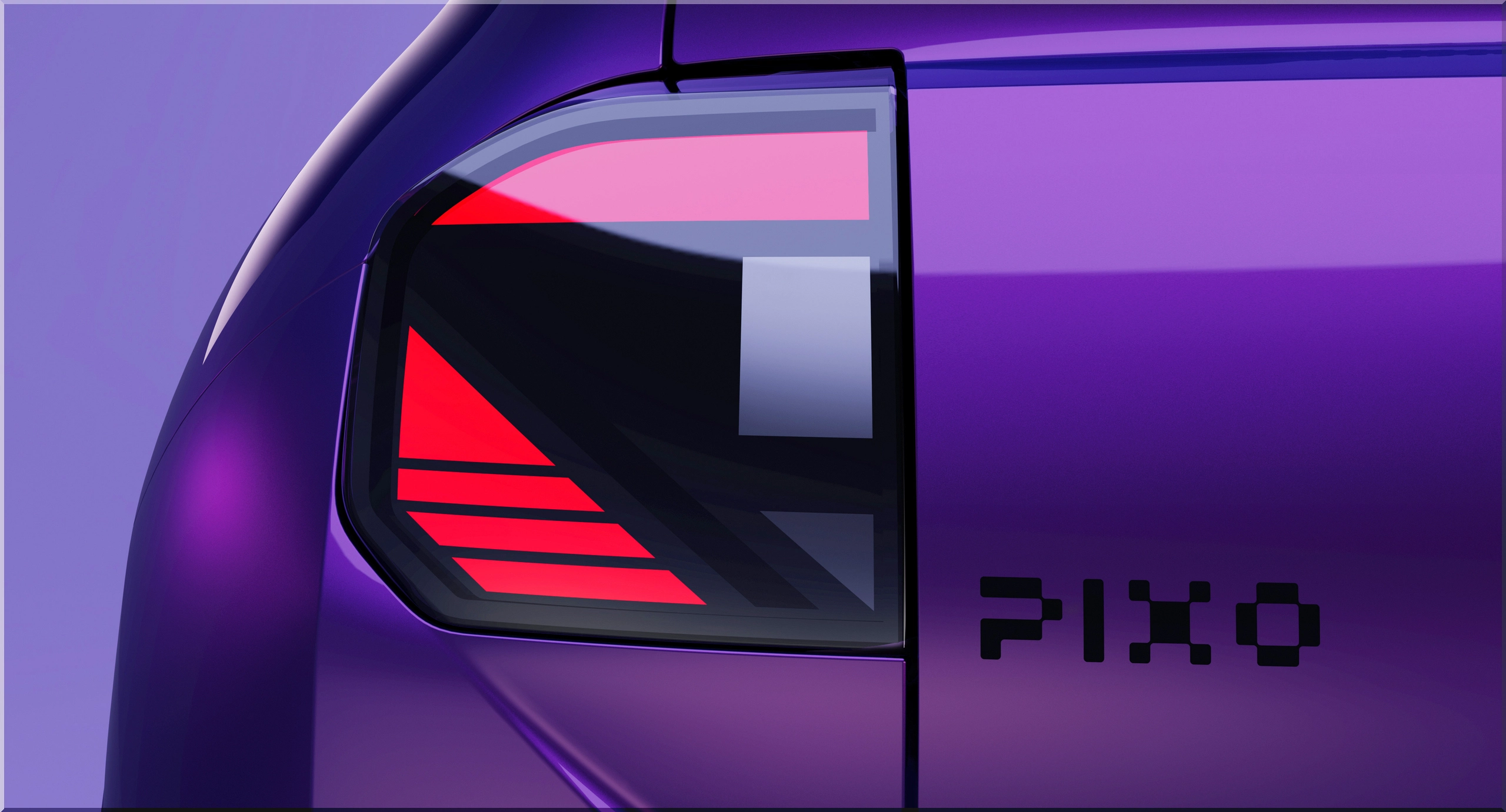
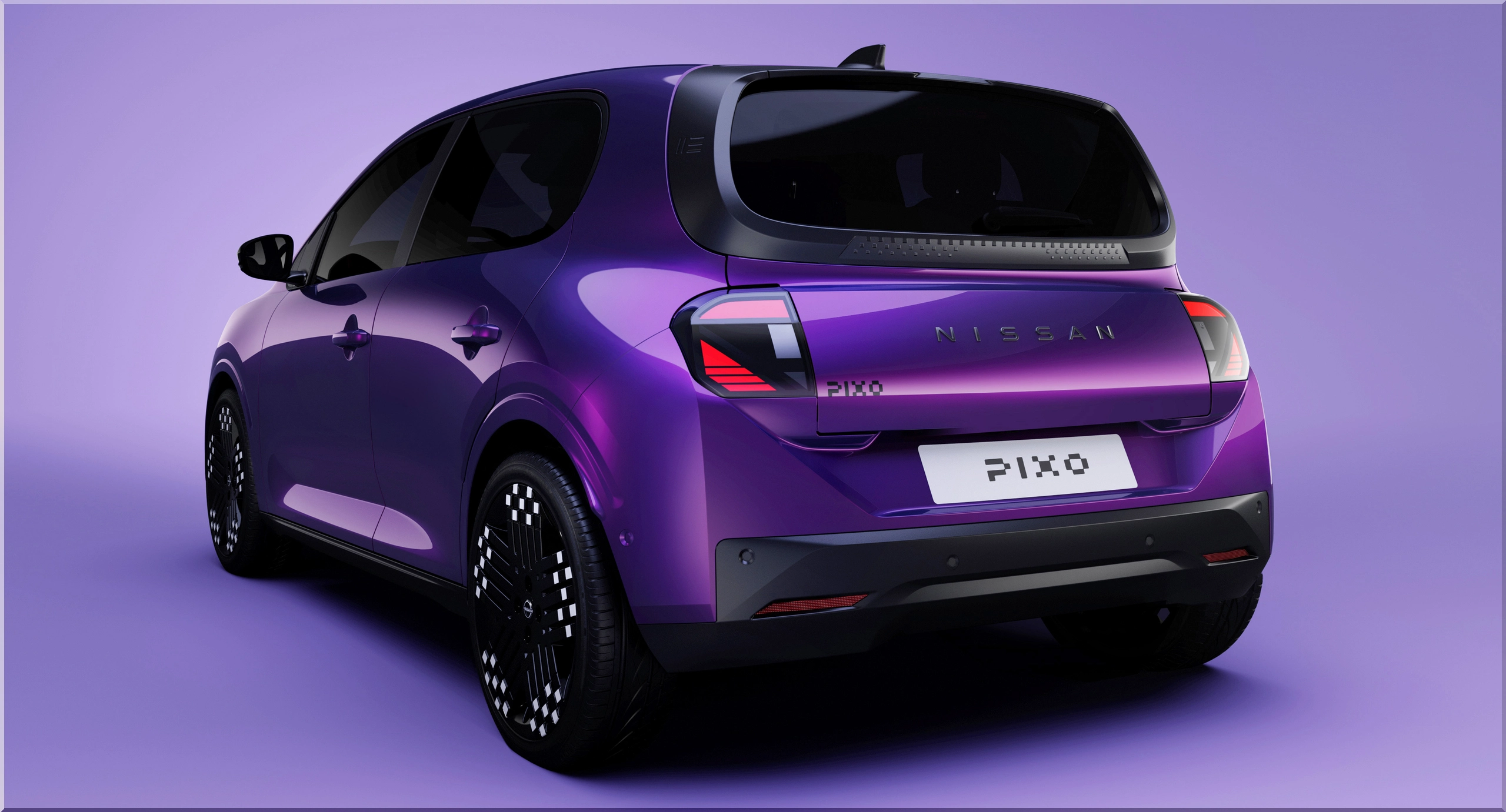
Nissan will build the PIXO in Europe as part of its small-EV programme with Renault. Shared engineering and production help spread development costs across several compact models, while Nissan gives the PIXO its own exterior character and cabin presentation. The approach matters in a segment where a few thousand euros can decide a purchase.
Should you wait for the 2027 Nissan PIXO?
If you need a four-seat urban EV and can wait until 2027, put the PIXO on your shortlist. Its turning circle, sliding rear seats and standard rapid charging address daily use. Ask the dealer for the final WLTP certificate, a local price with your chosen equipment, battery warranty terms and a test drive over your usual route.
- Add new comment
- 44 views