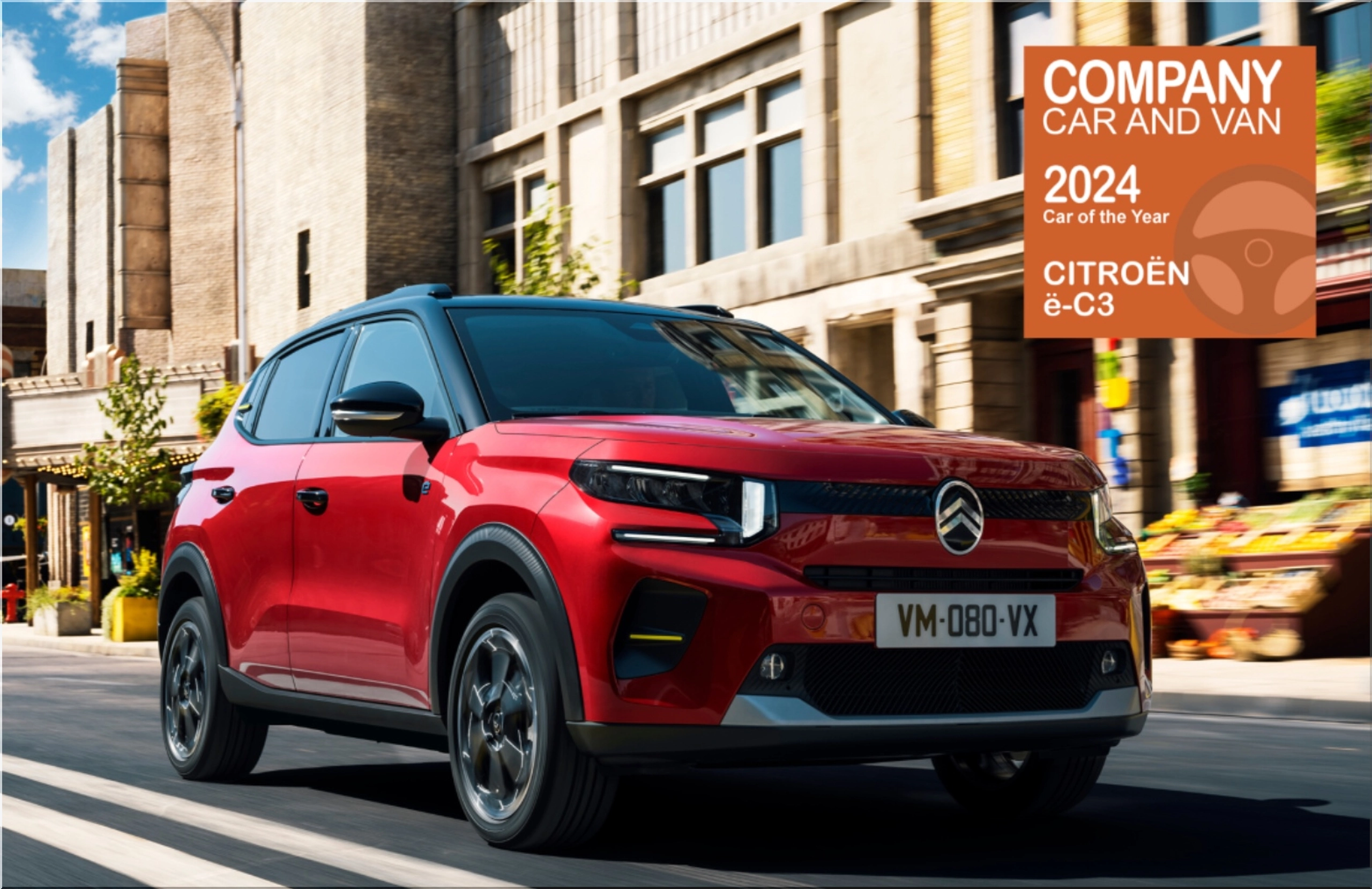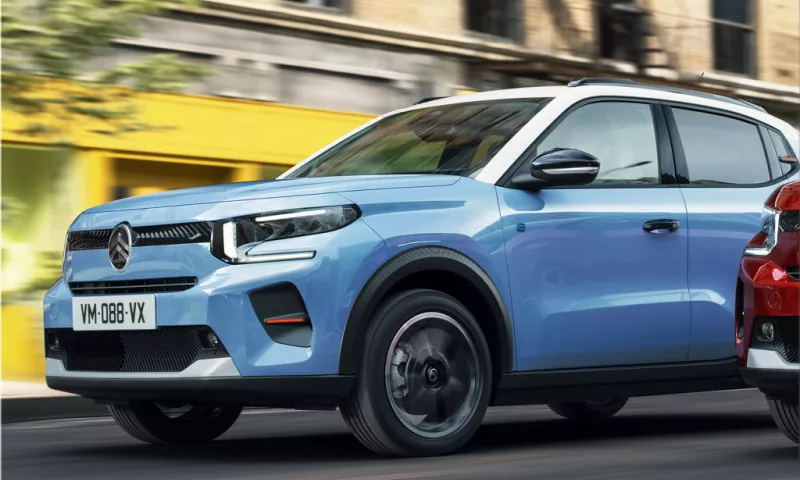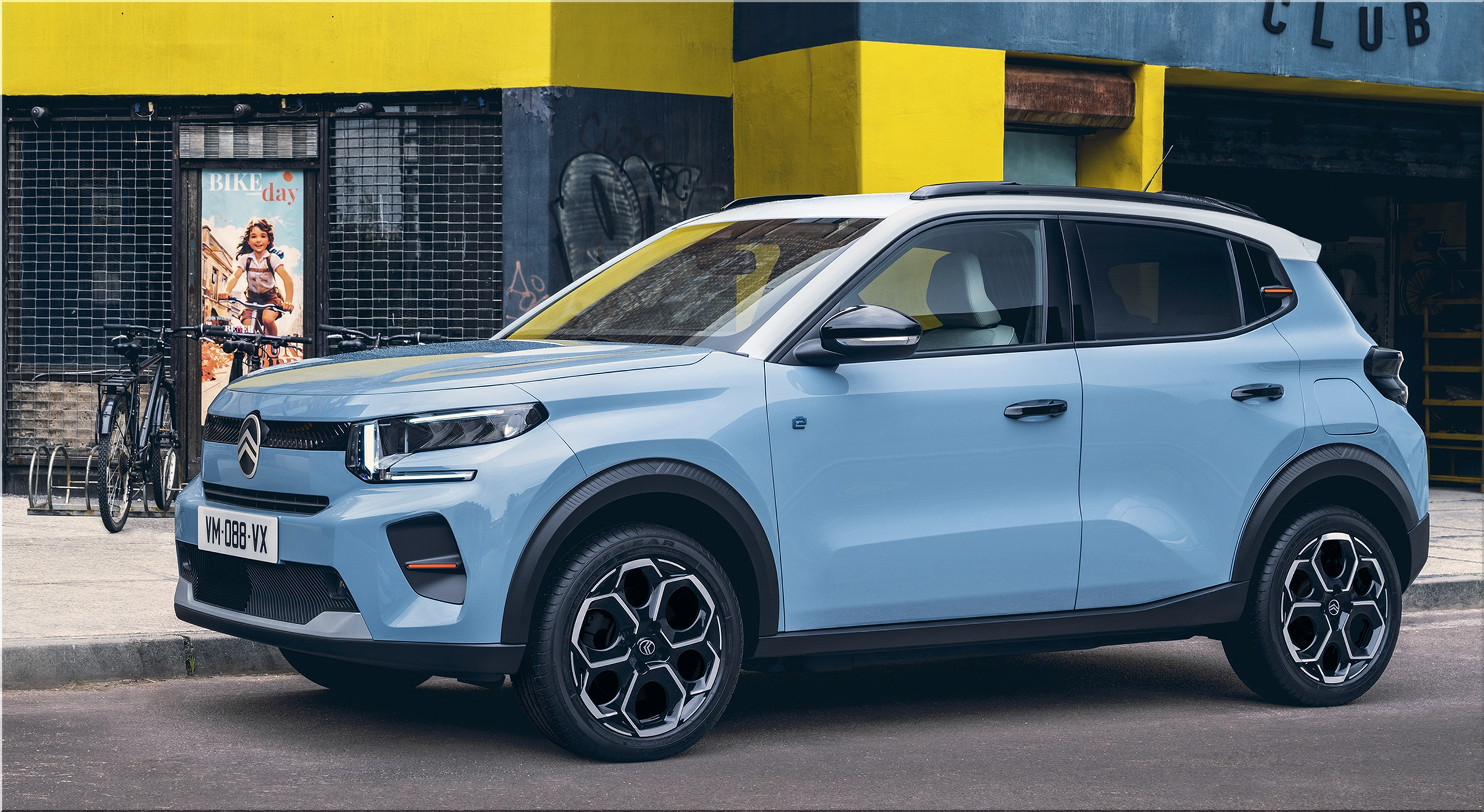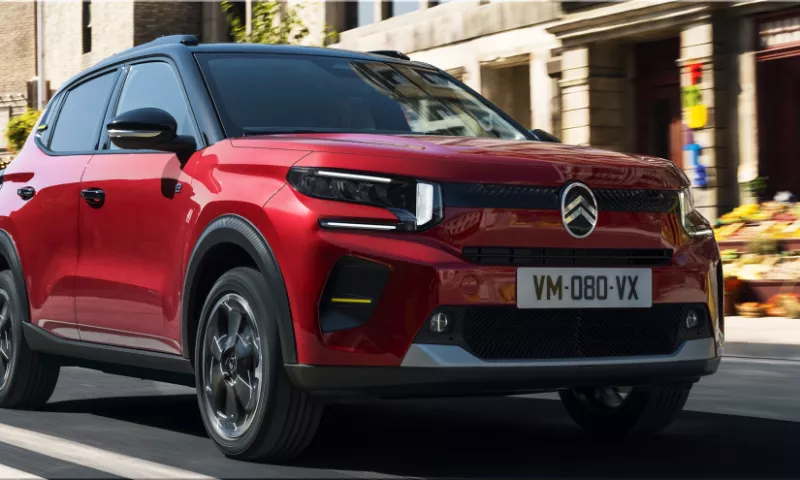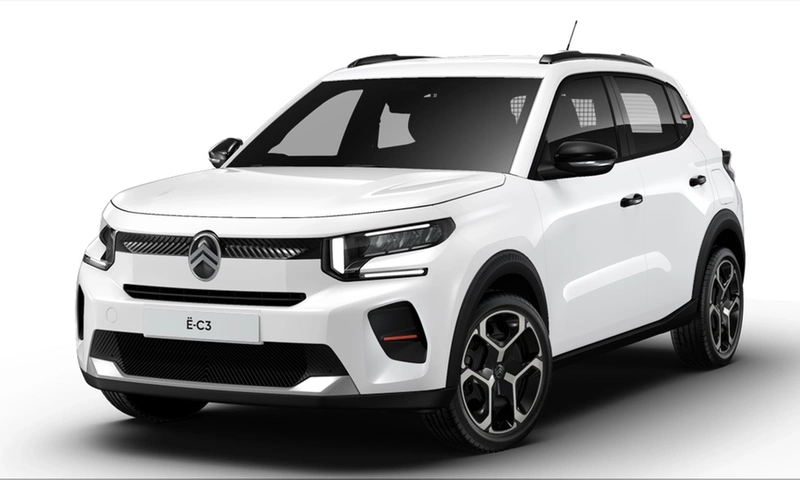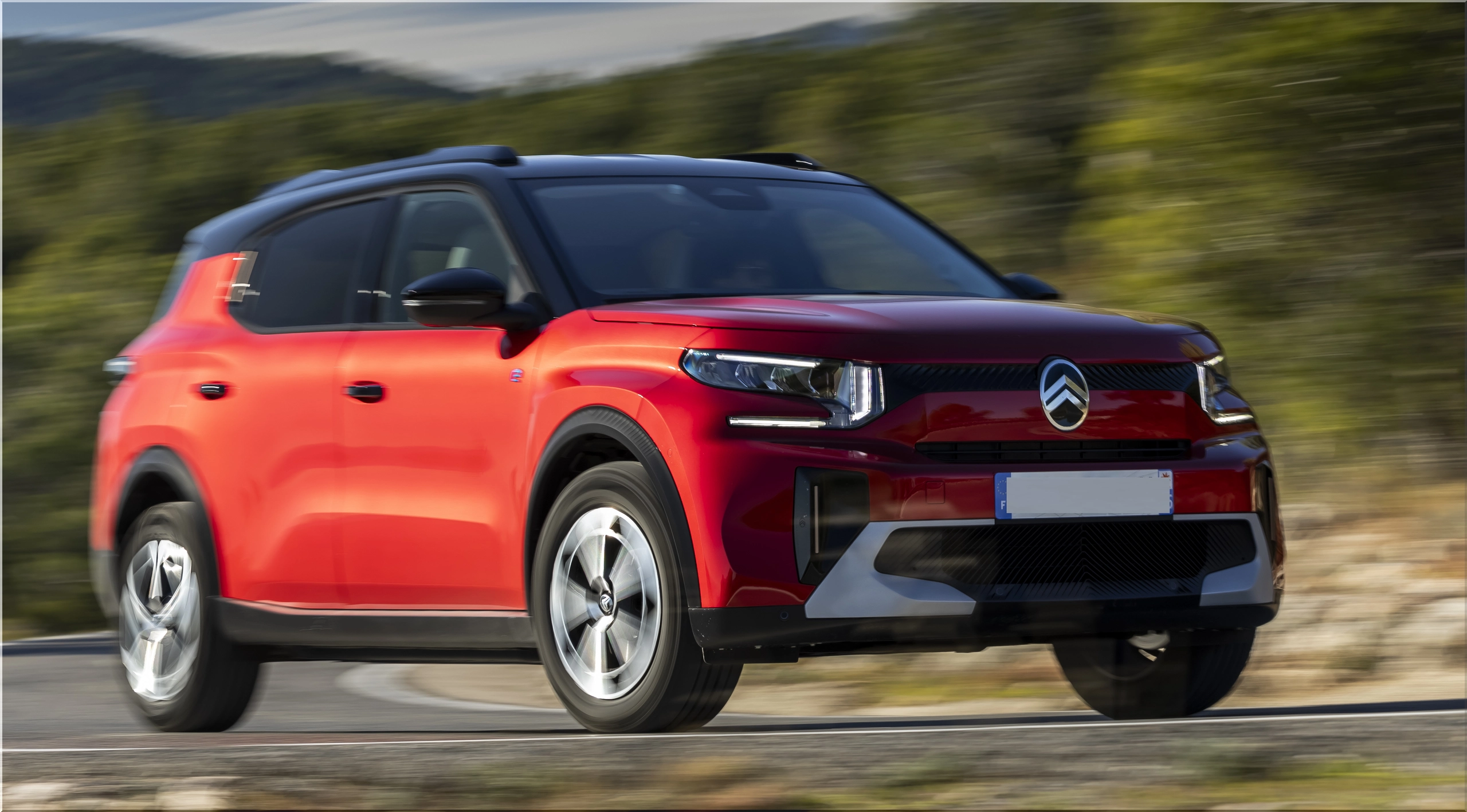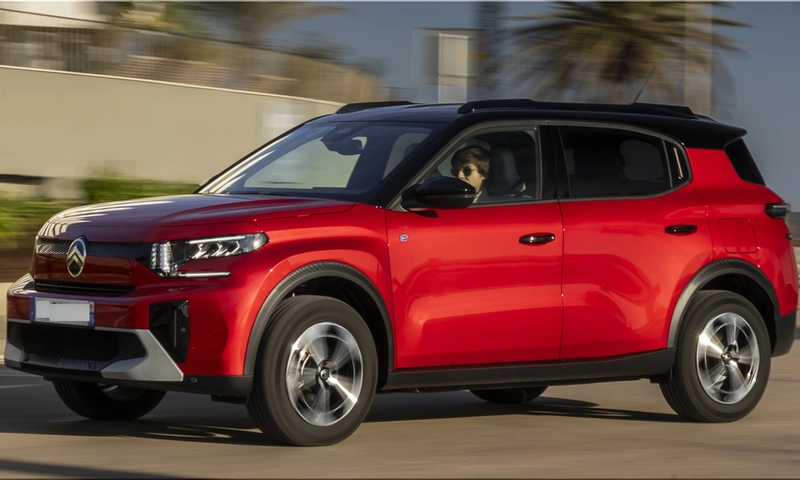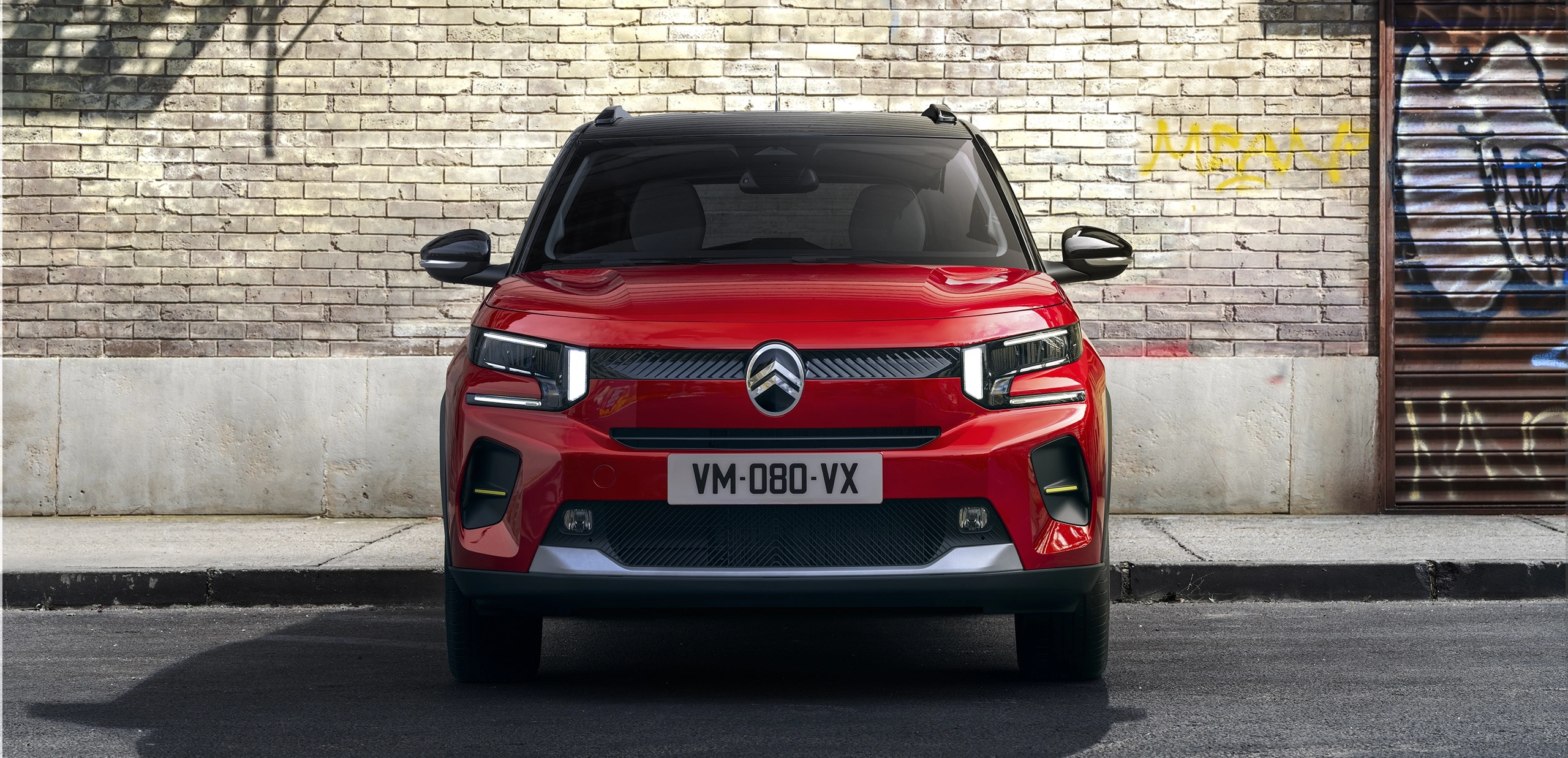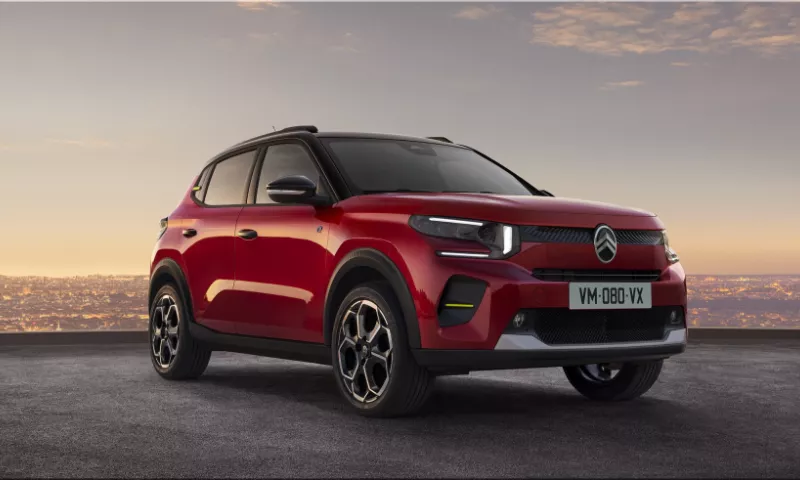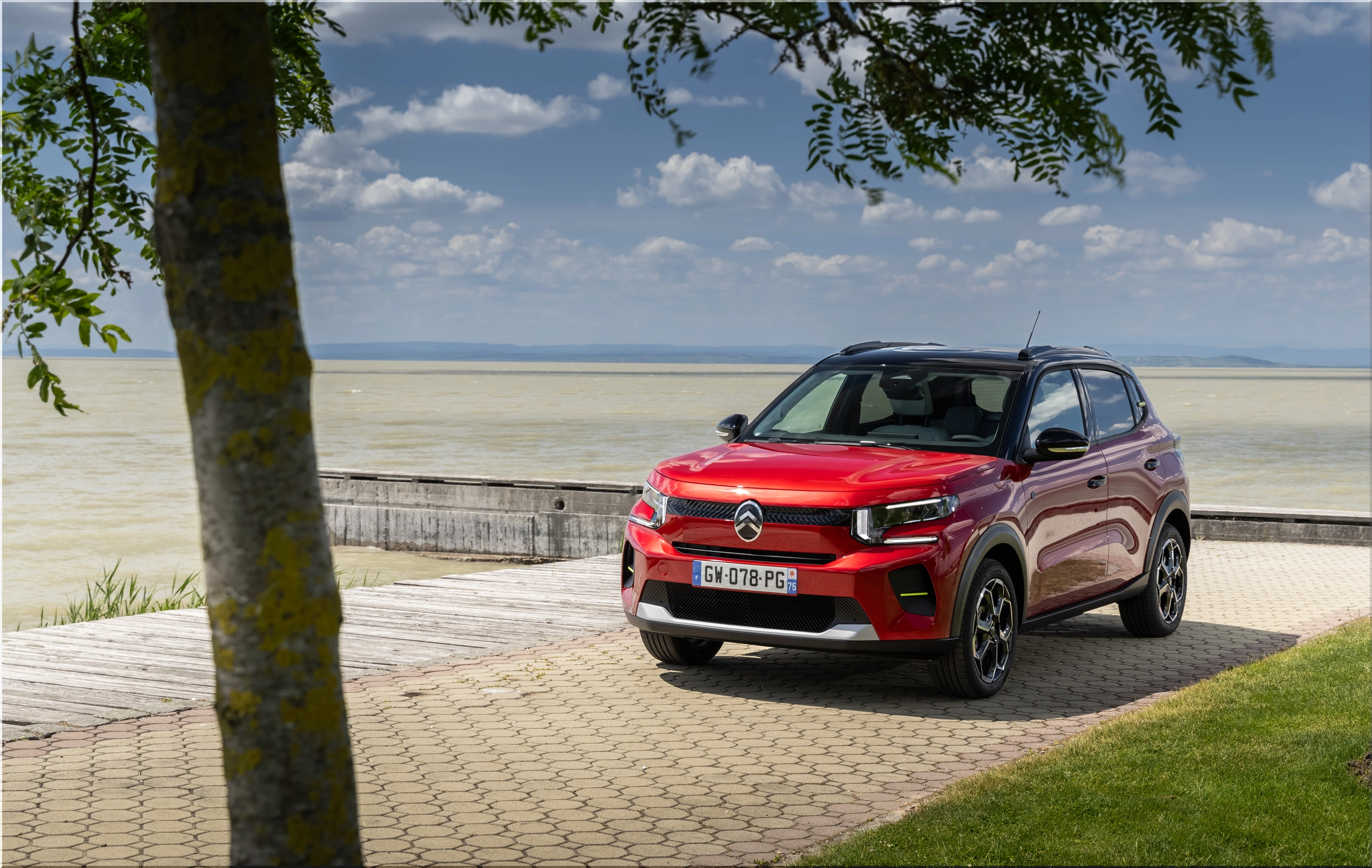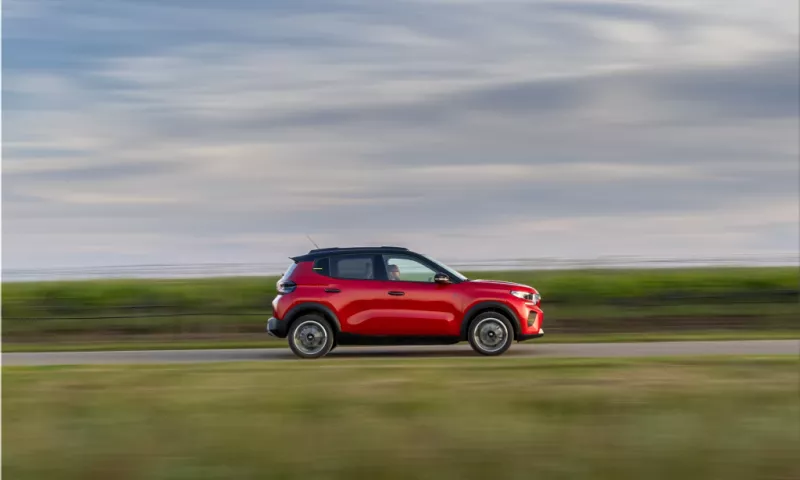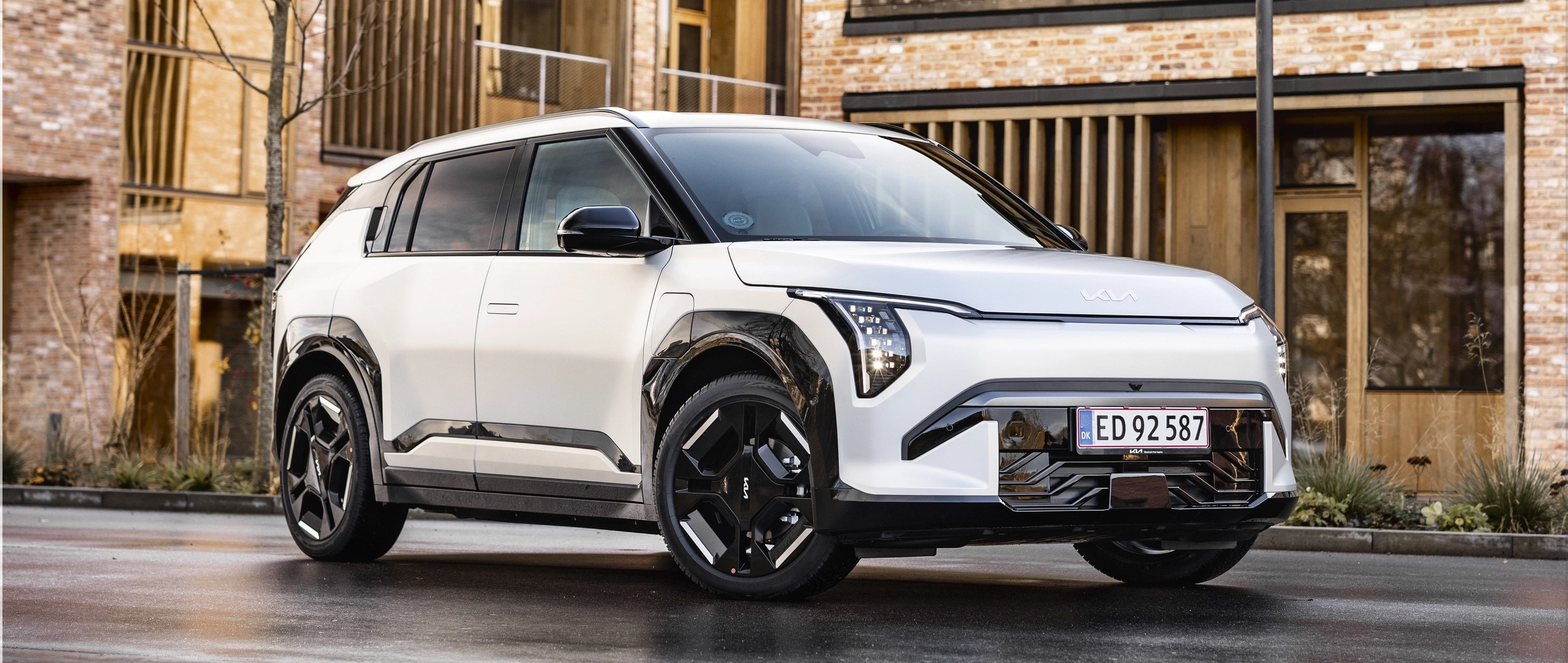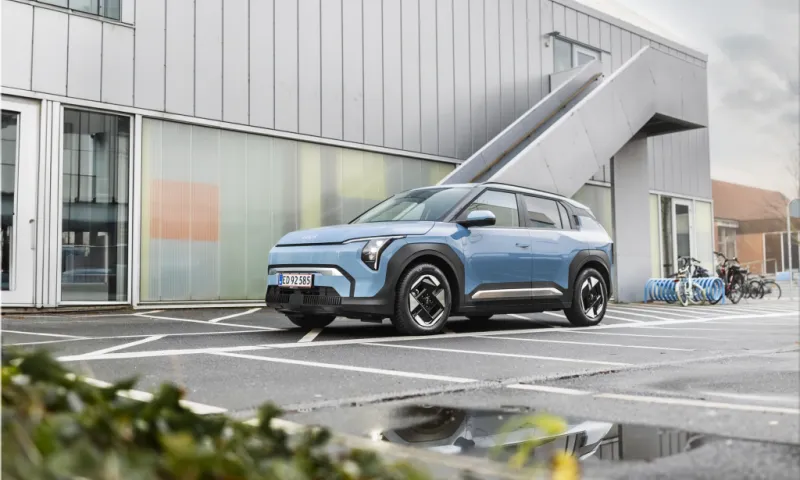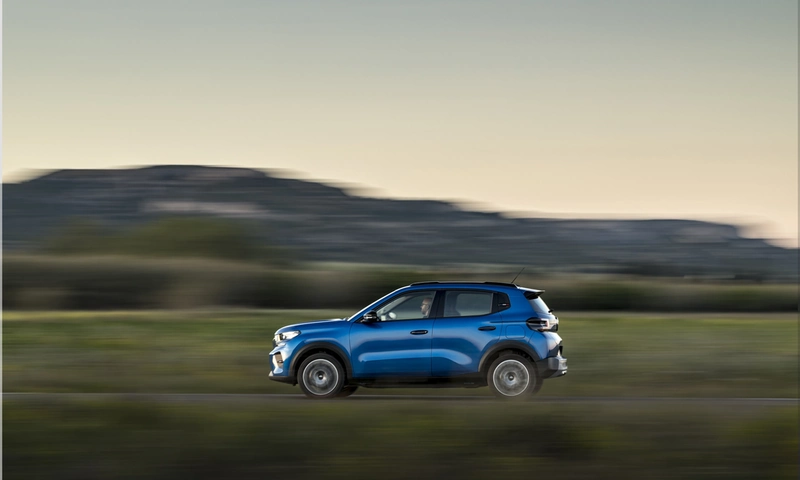
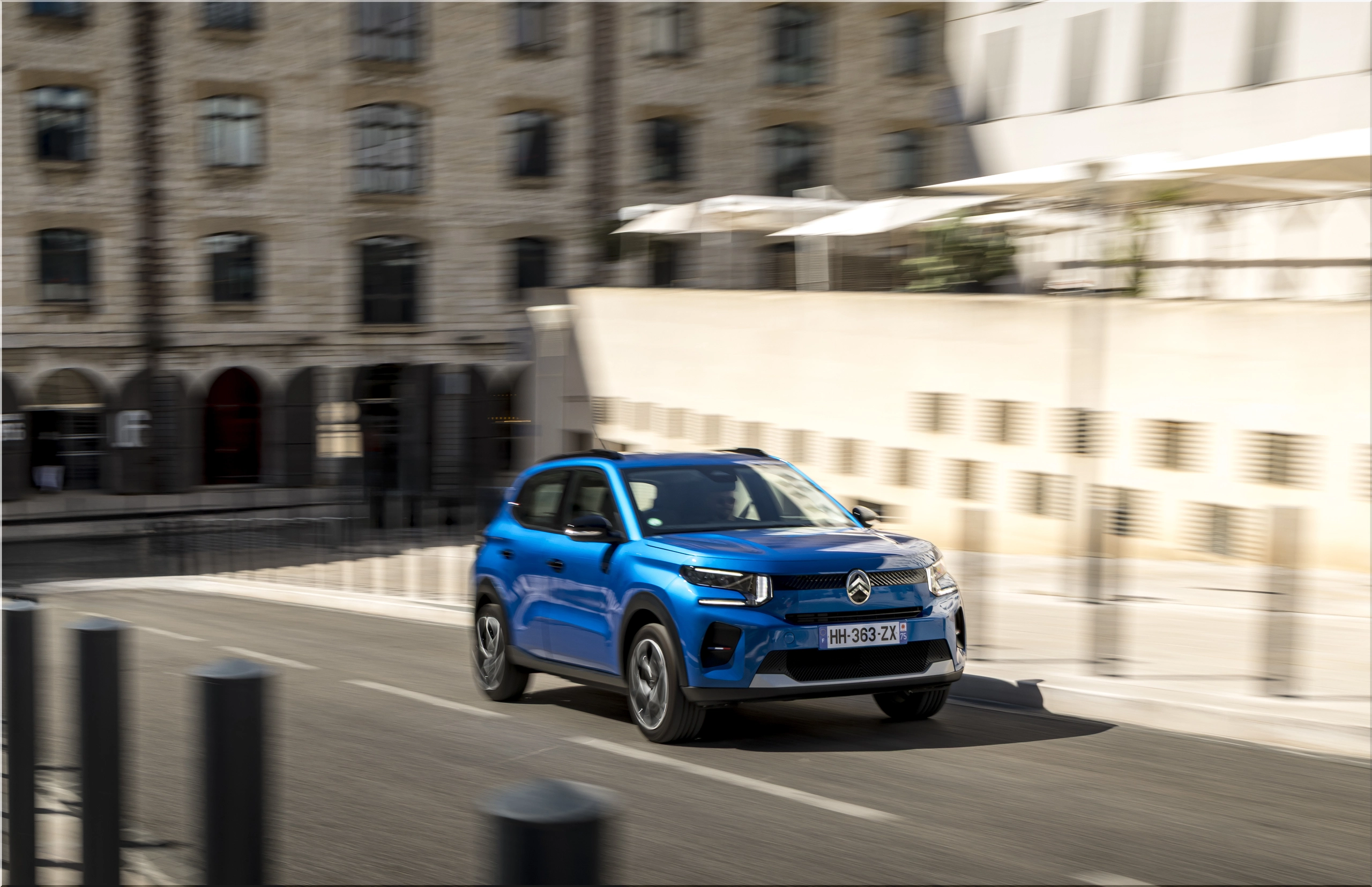
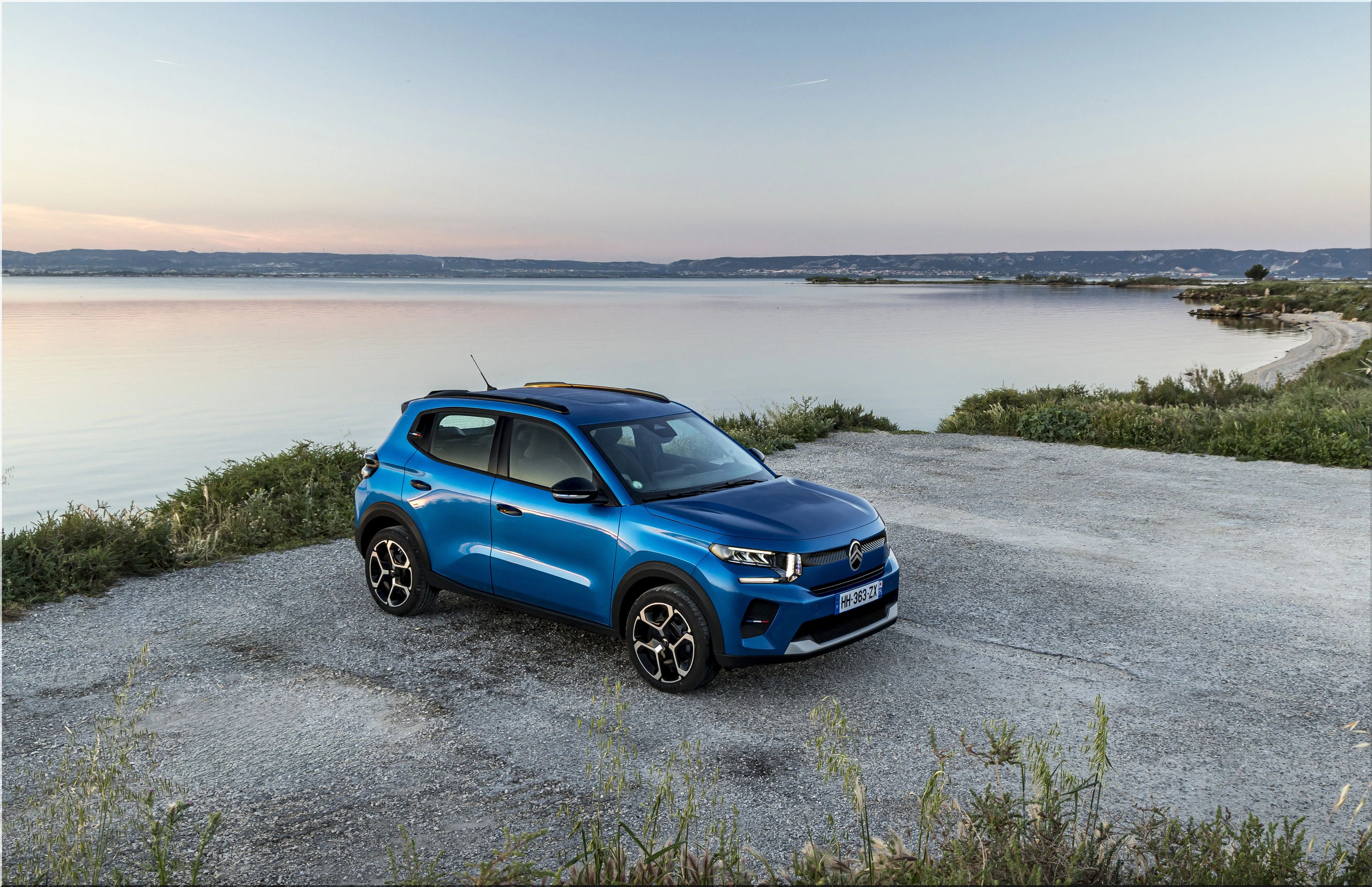
Citroën has taken a sharp, practical step with the Citroën ë-C3 Urban Range. Instead of chasing a larger battery and a bigger brochure number, it has built a version of the ë-C3 that targets what many European drivers actually do every day: short commutes, school runs, supermarket stops, and steady city traffic. That decision gives the car a clear role in the market. It also gives buyers a more realistic entry point into affordable electric car ownership.
Image
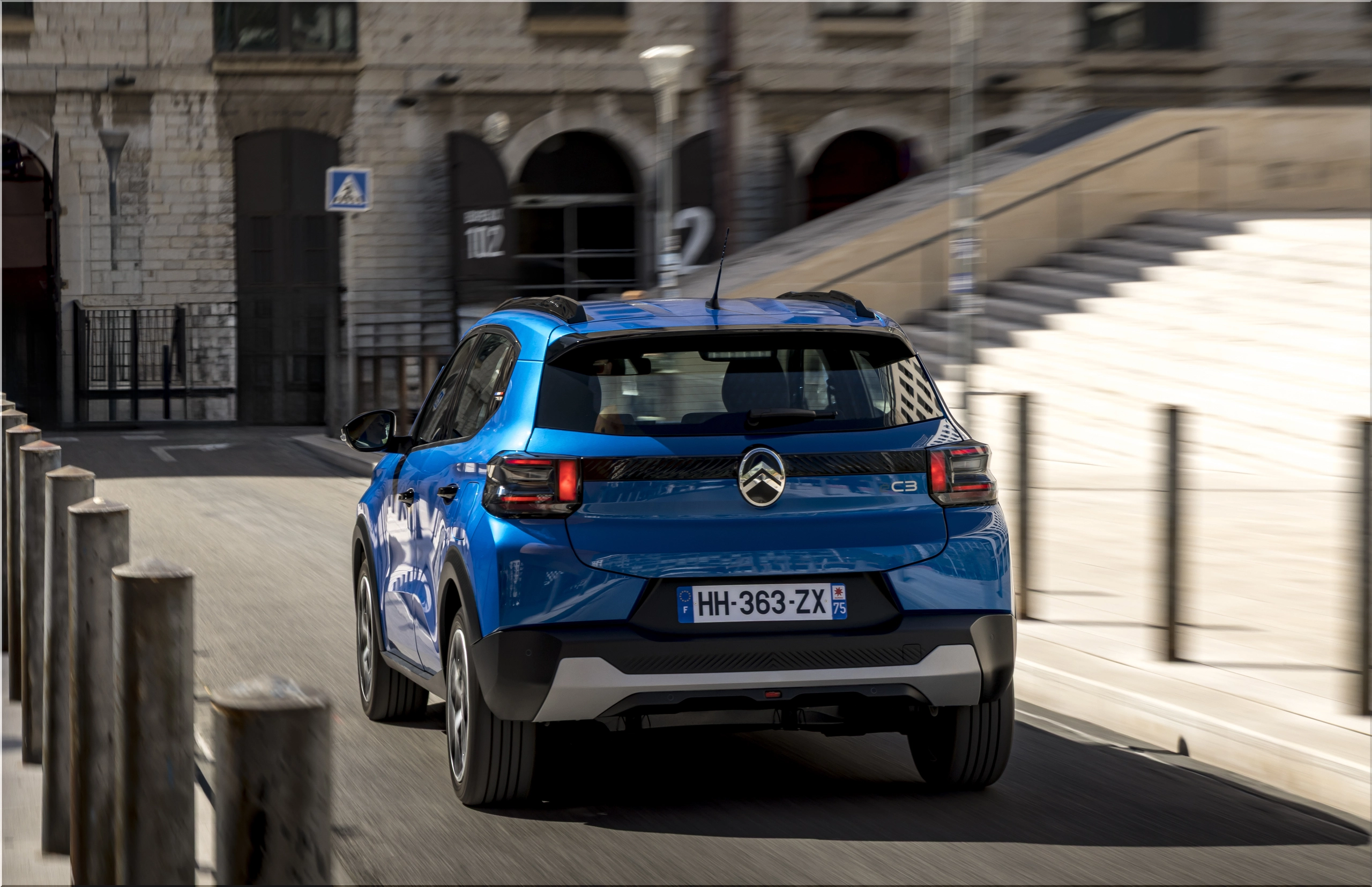
That matters because the small EV market still suffers from a basic problem. Many buyers want the lower running costs and quiet operation of an electric car, but they do not want to pay for battery capacity they rarely use. The new Citroën ë-C3 Urban Range answers that concern with a smaller 30 kWh battery, the same 113 hp electric motor, and a full-sized supermini body that still works as an everyday family hatchback.
Citroën is not selling fantasy here. It is selling a simpler equation. Keep the cabin space. Keep the decent power output. Keep the ride comfort. Trim the battery. Trim the price. For city-focused buyers, that formula makes more sense than many longer-range EVs that spend most of their lives carrying unused battery weight.
What the Citroën ë-C3 Urban Range actually is
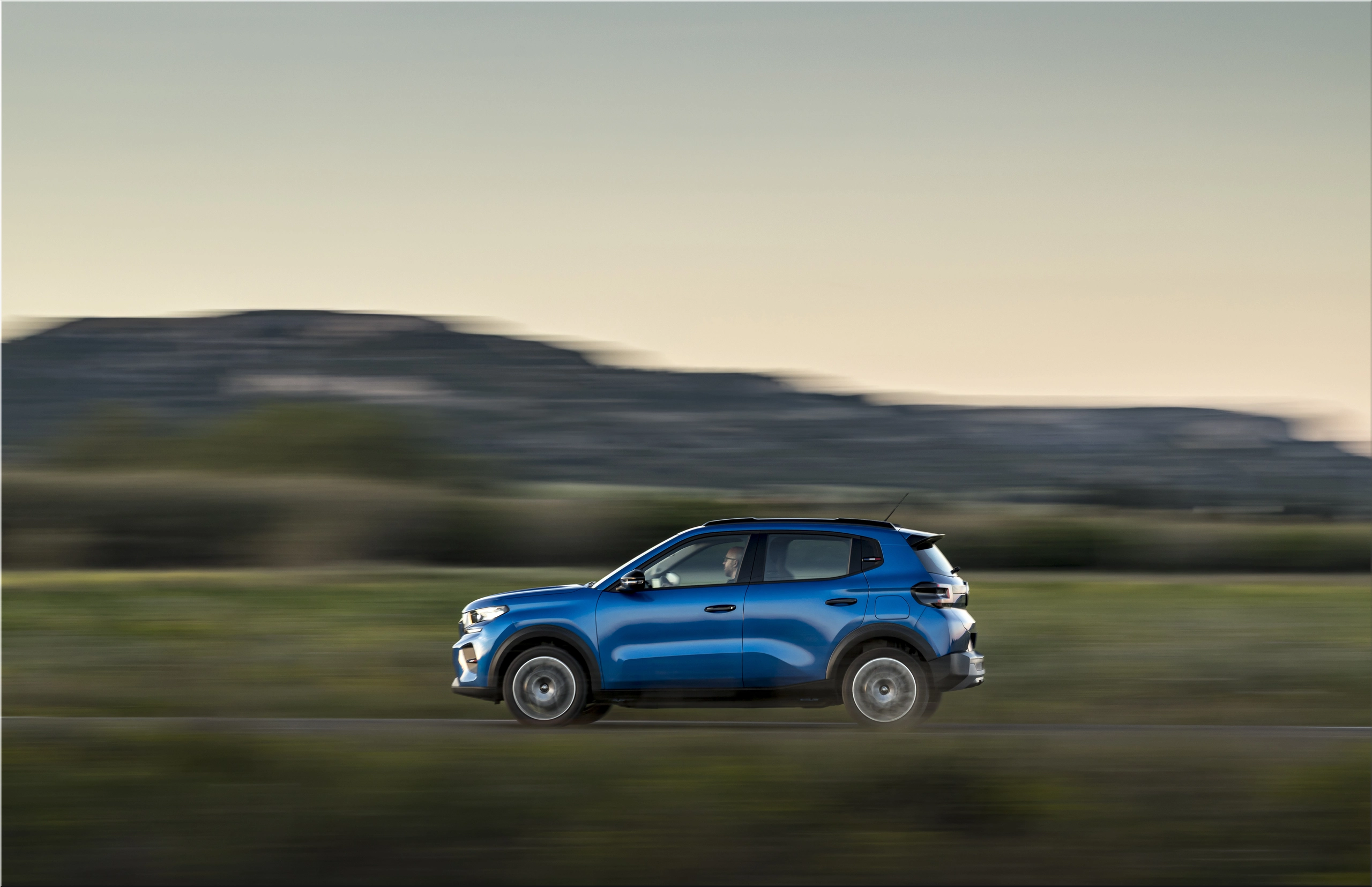
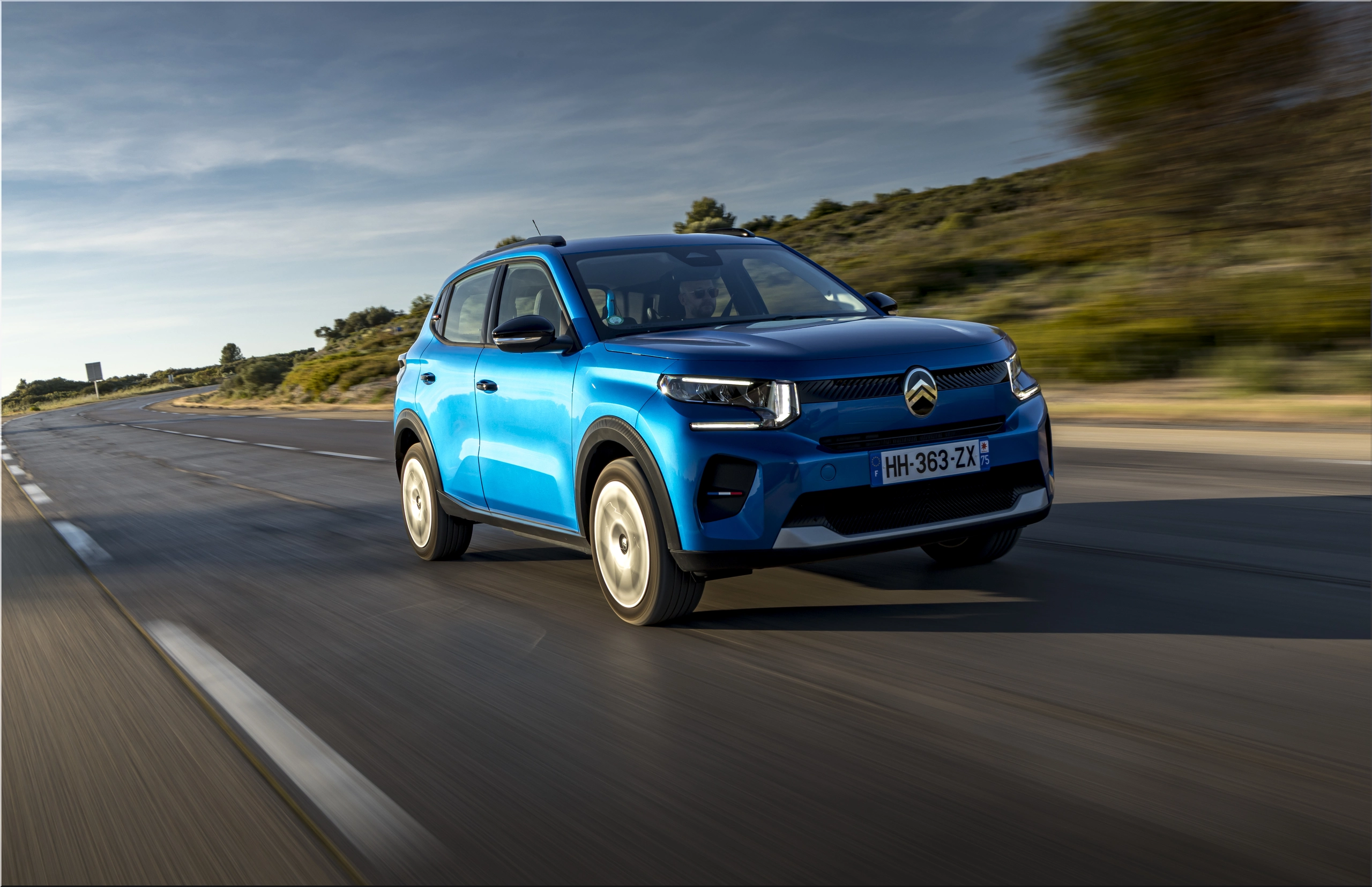
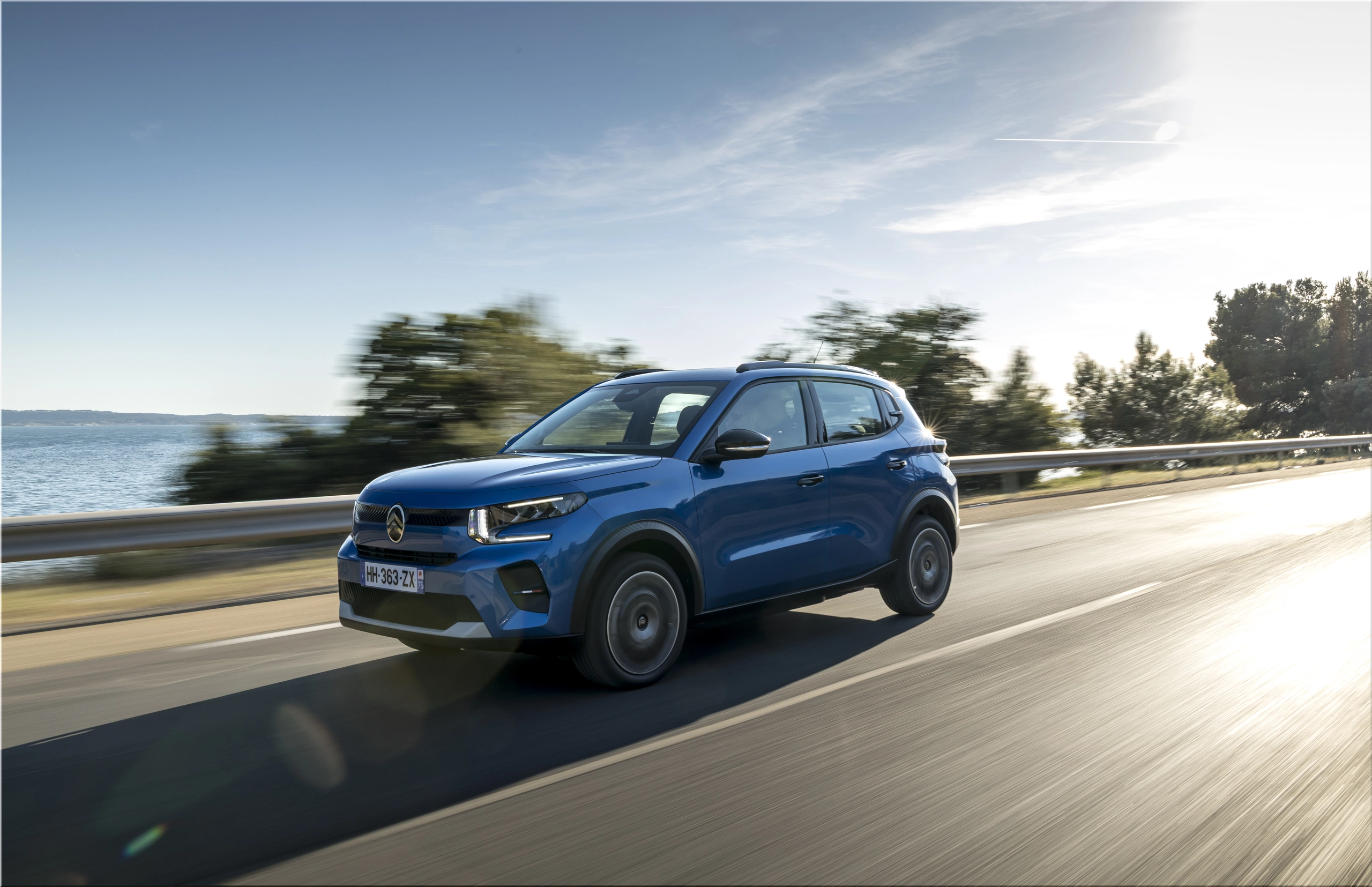
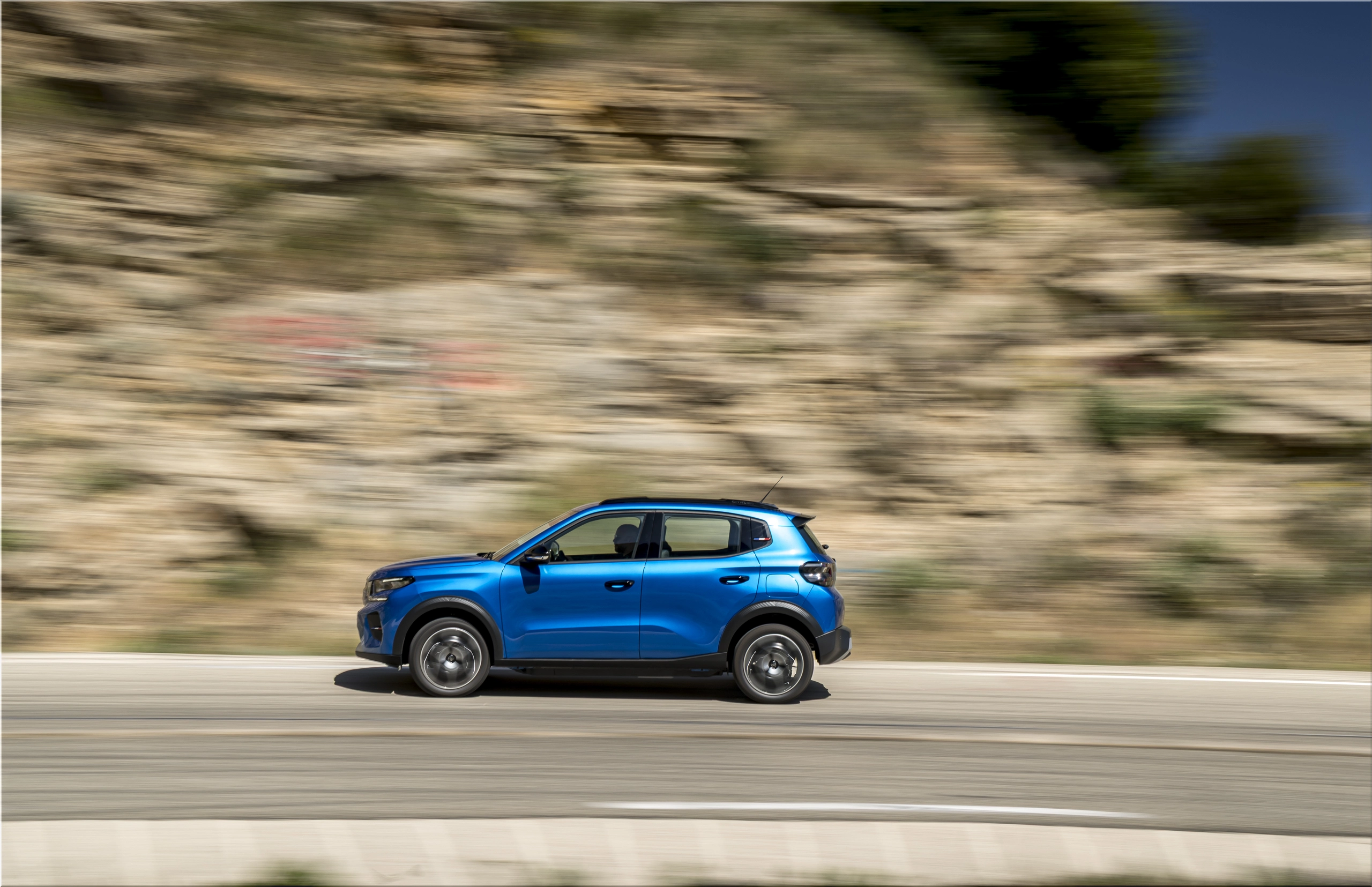
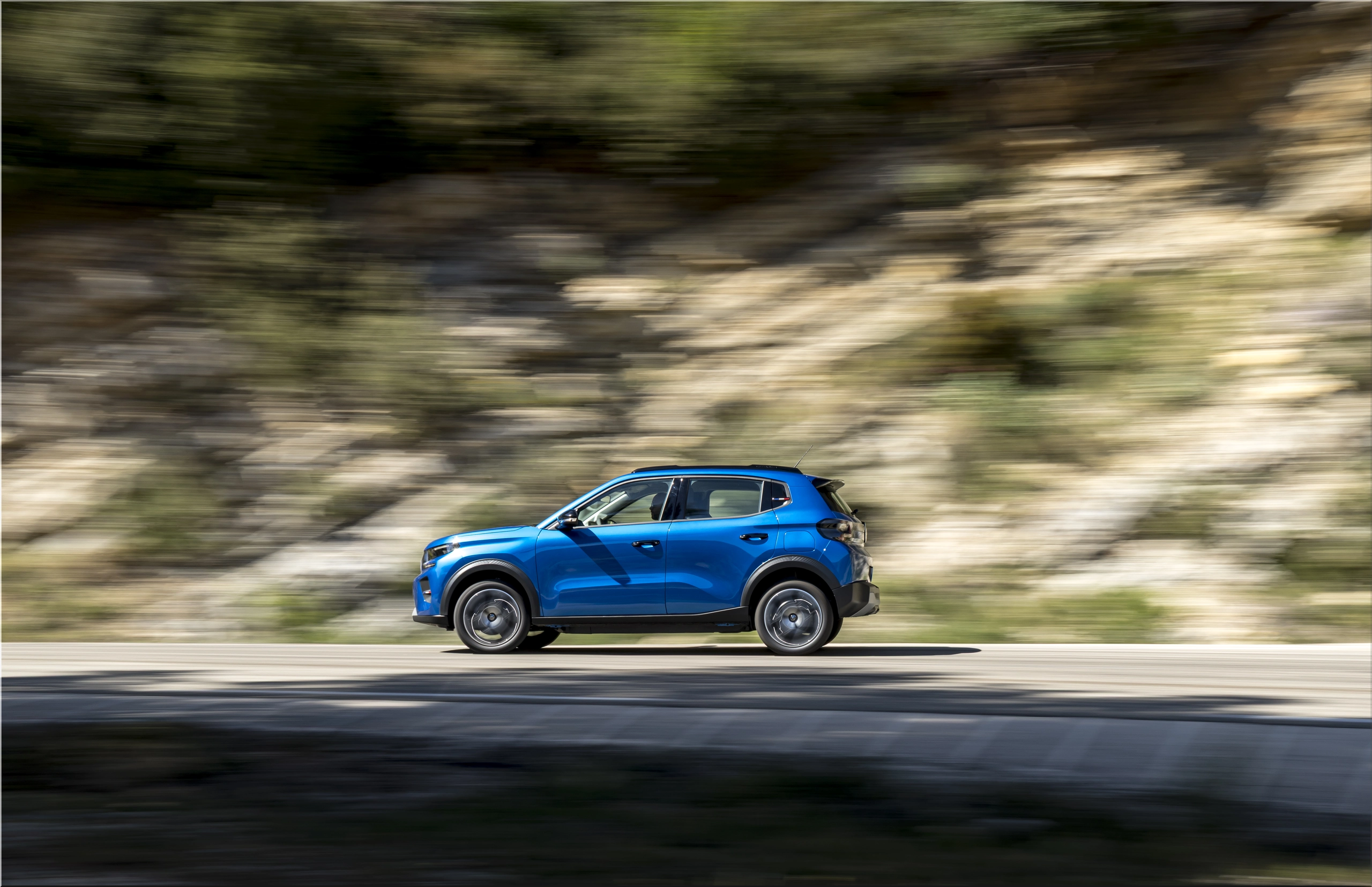
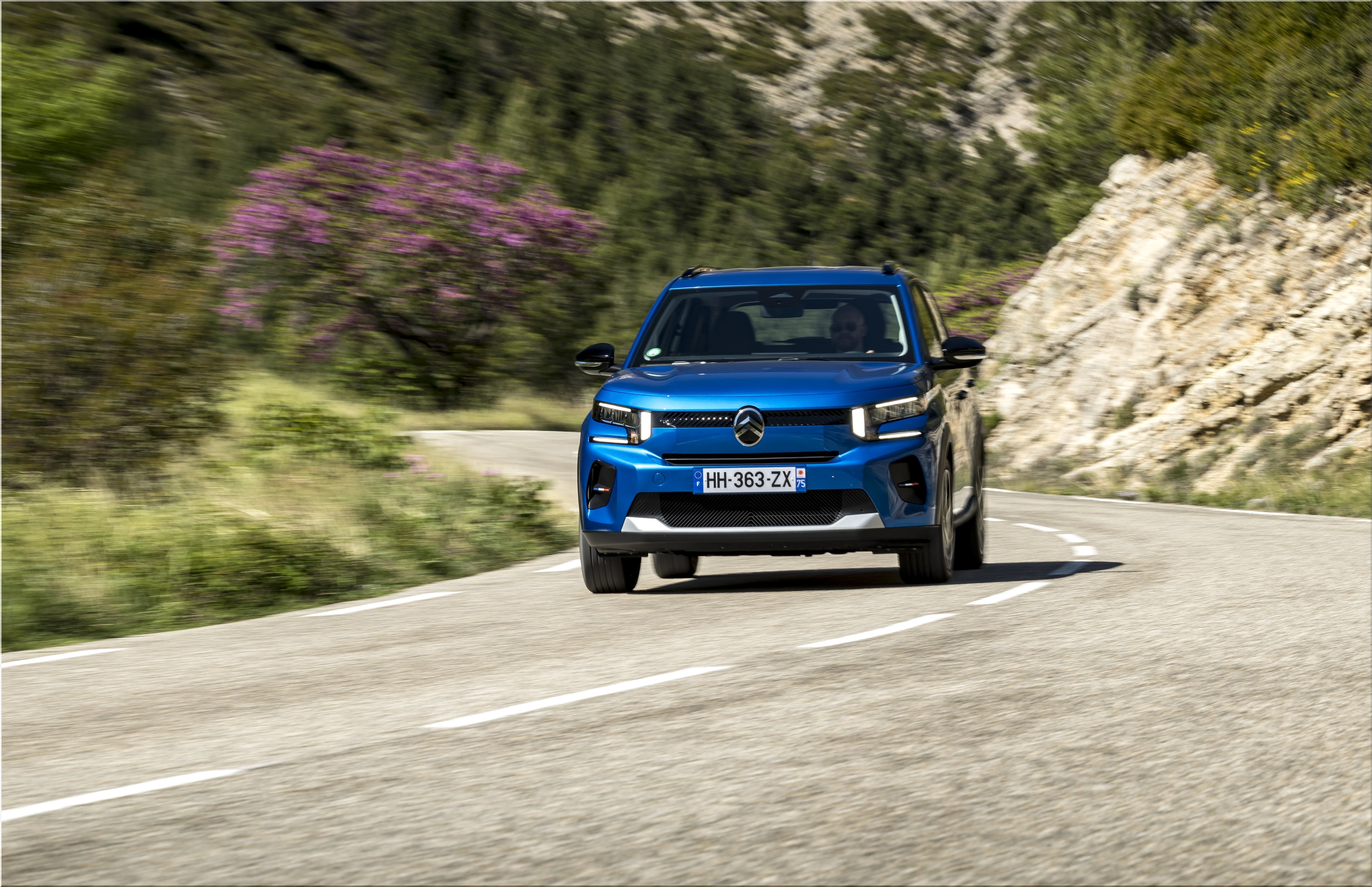
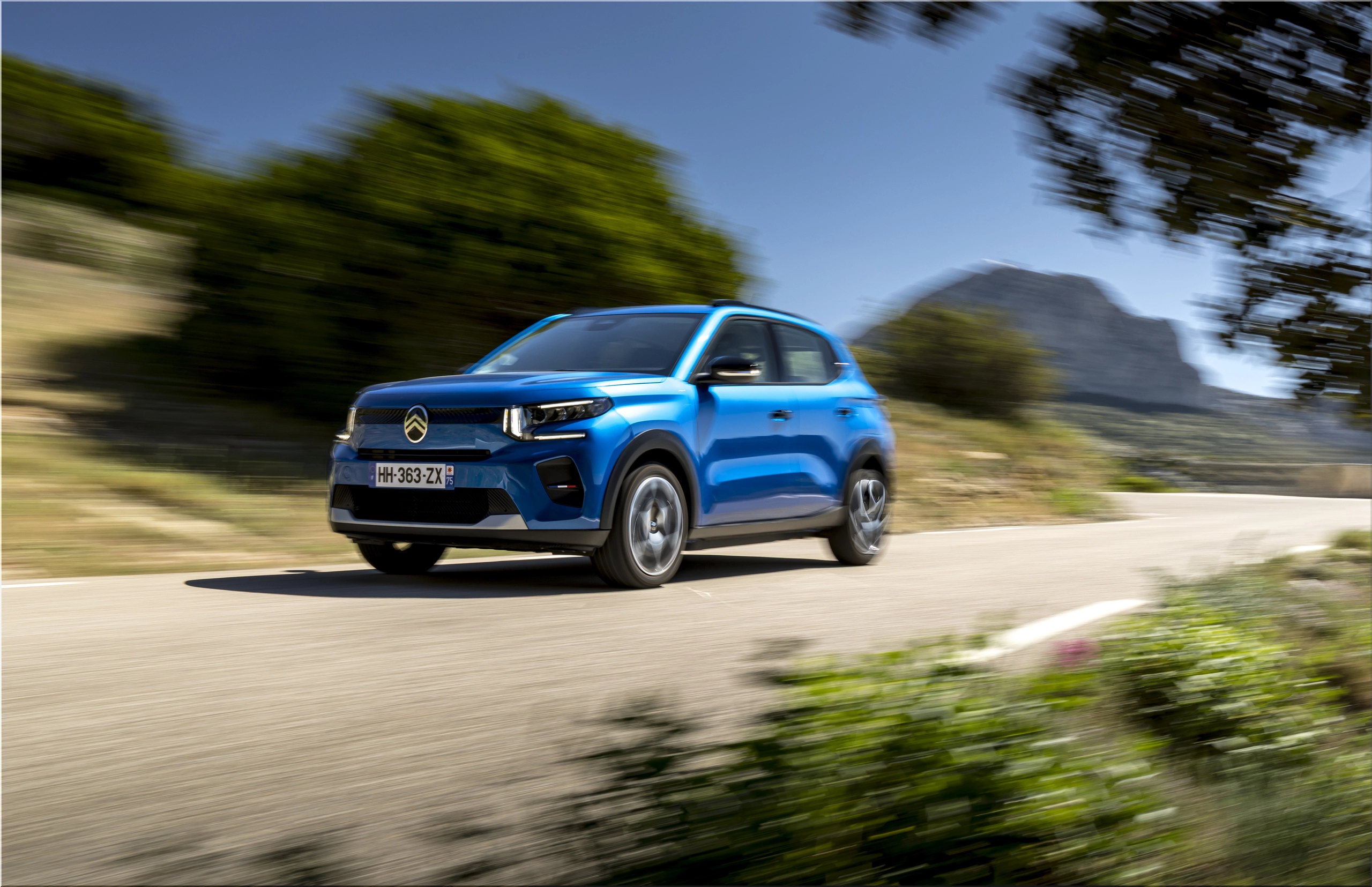
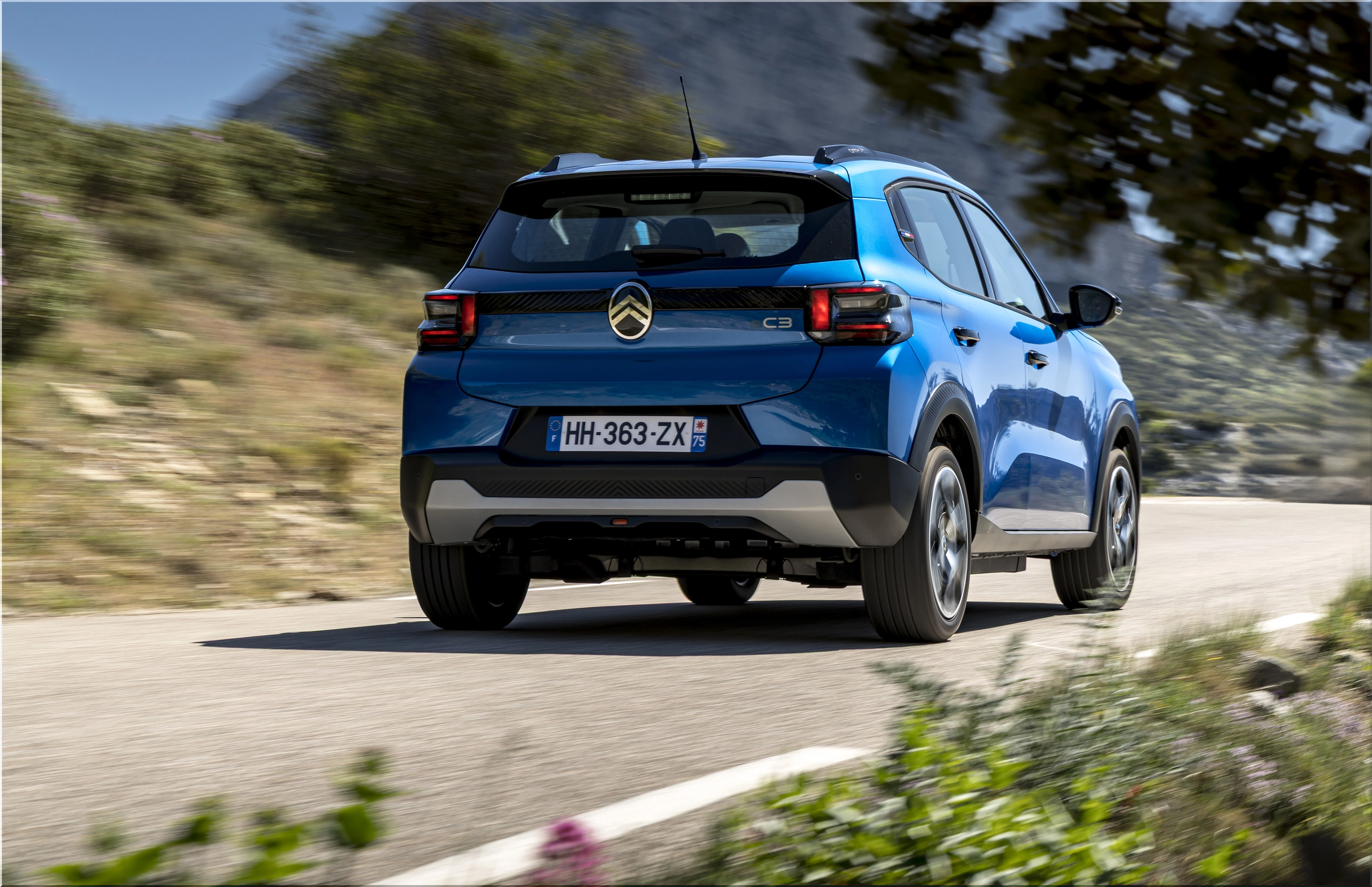
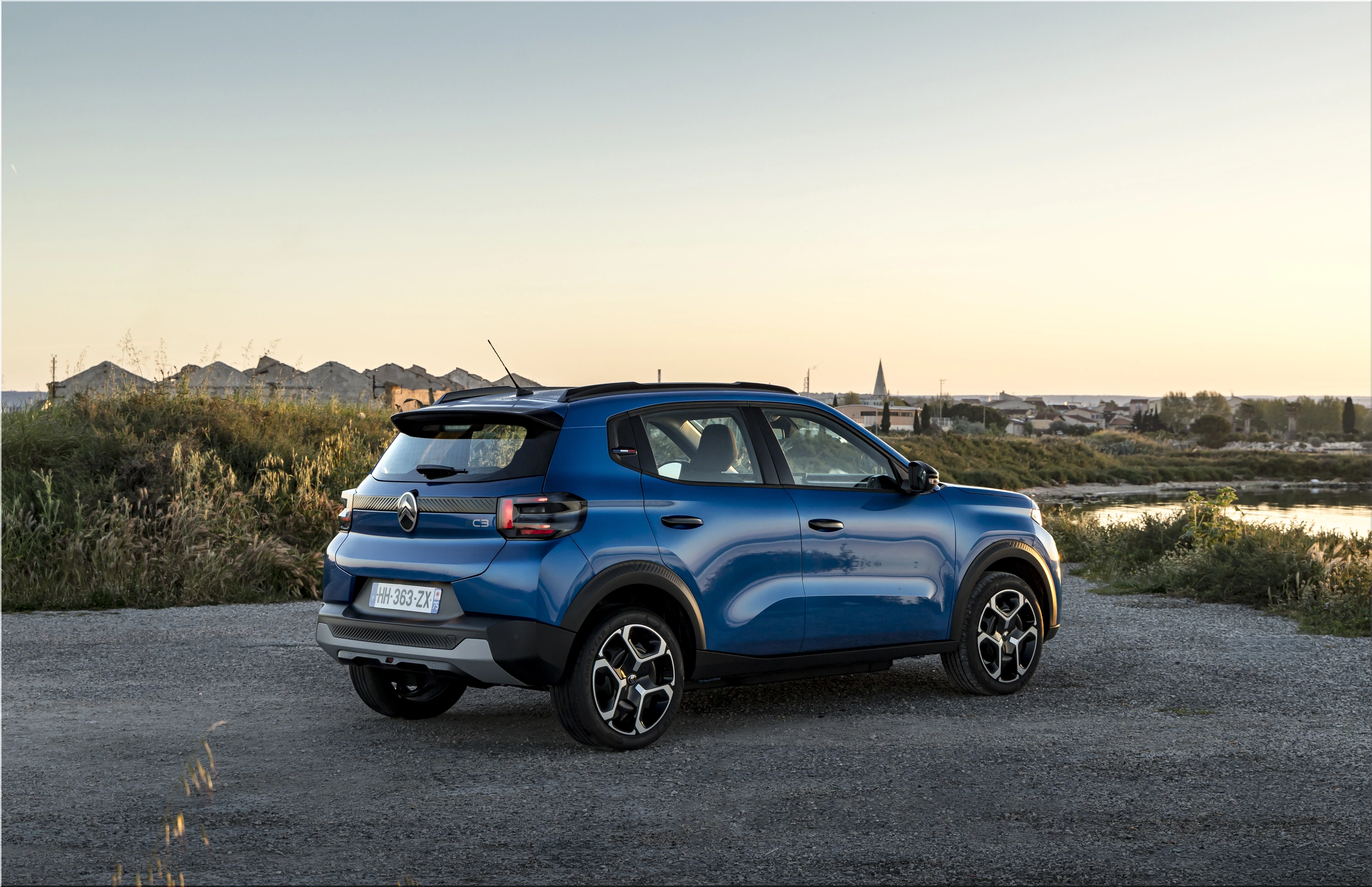
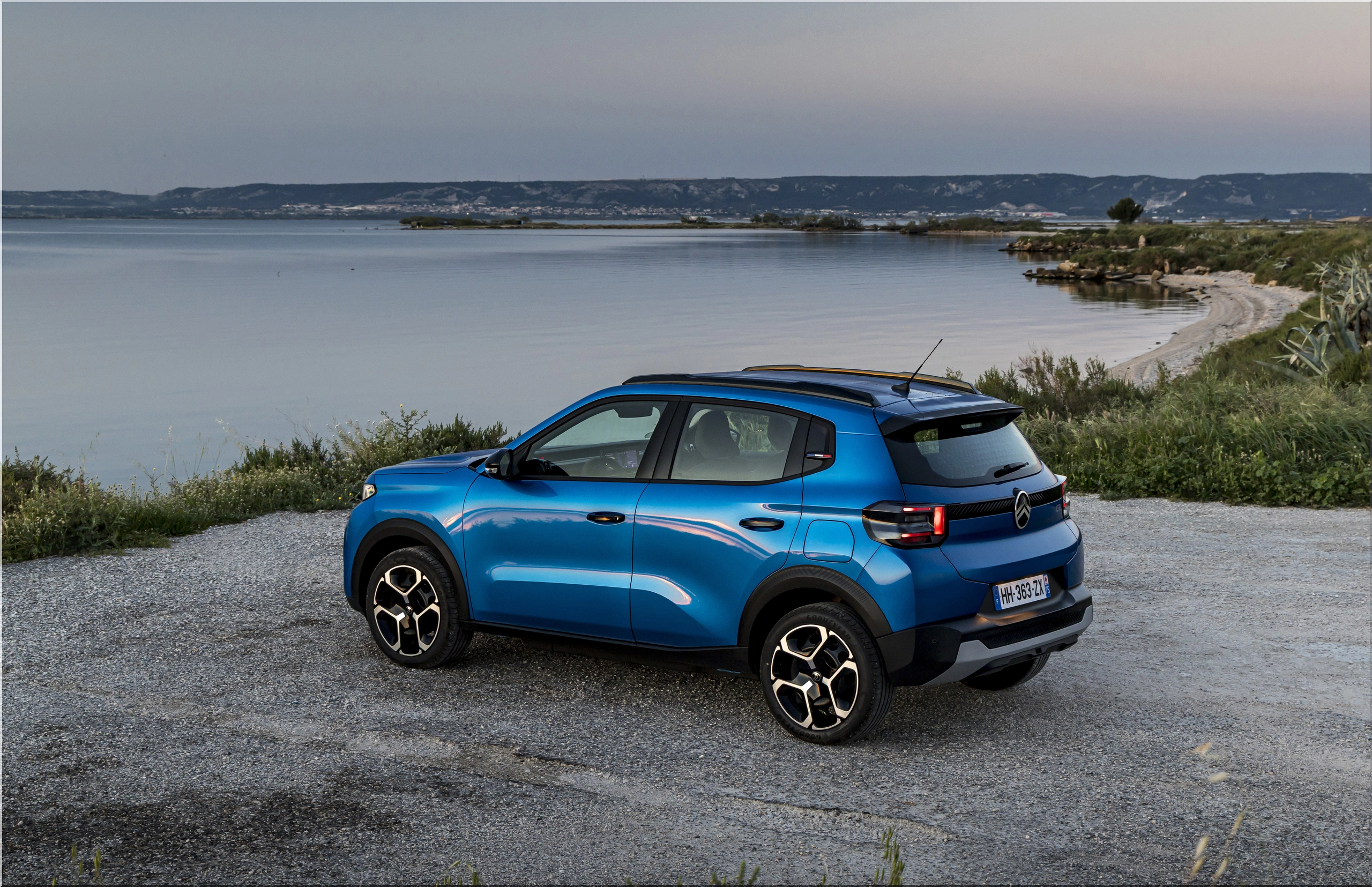
The Citroën ë-C3 Urban Range sits below the standard ë-C3 electric model in battery capacity, but not in the things that define daily usability. It remains a proper B-segment hatchback with a tall roofline, upright seating position, and a footprint large enough to serve as a main household car for drivers whose lives stay mostly local.
Citroën keeps the same 83 kW motor, equivalent to 113 hp, and pairs it with a 30 kWh LFP battery. The result is a car aimed at city and suburban use, with over 200 km of WLTP range and over 300 km in urban driving. Those figures do not try to impress long-distance drivers. They are aimed at buyers who want a dependable, compact EV that fits modern urban routines.
The important part is that the Urban Range does not turn into a bare-bones compromise. It still offers the basic shape, stance, and practicality of the standard ë-C3. That gives Citroën a stronger argument than ultra-small budget EVs that save money by shrinking everything.
Key specifications that matter in daily use
The numbers explain the car's mission quickly.
| Specification | Citroën ë-C3 Urban Range |
|---|---|
| Battery capacity | 30 kWh LFP |
| Power output | 113 hp / 83 kW |
| WLTP range | Over 200 km |
| Urban driving range | Over 300 km |
| DC charging | Up to 30 kW |
| Length | 4,015 mm |
| Wheelbase | 2,540 mm |
| Height | 1,577 mm |
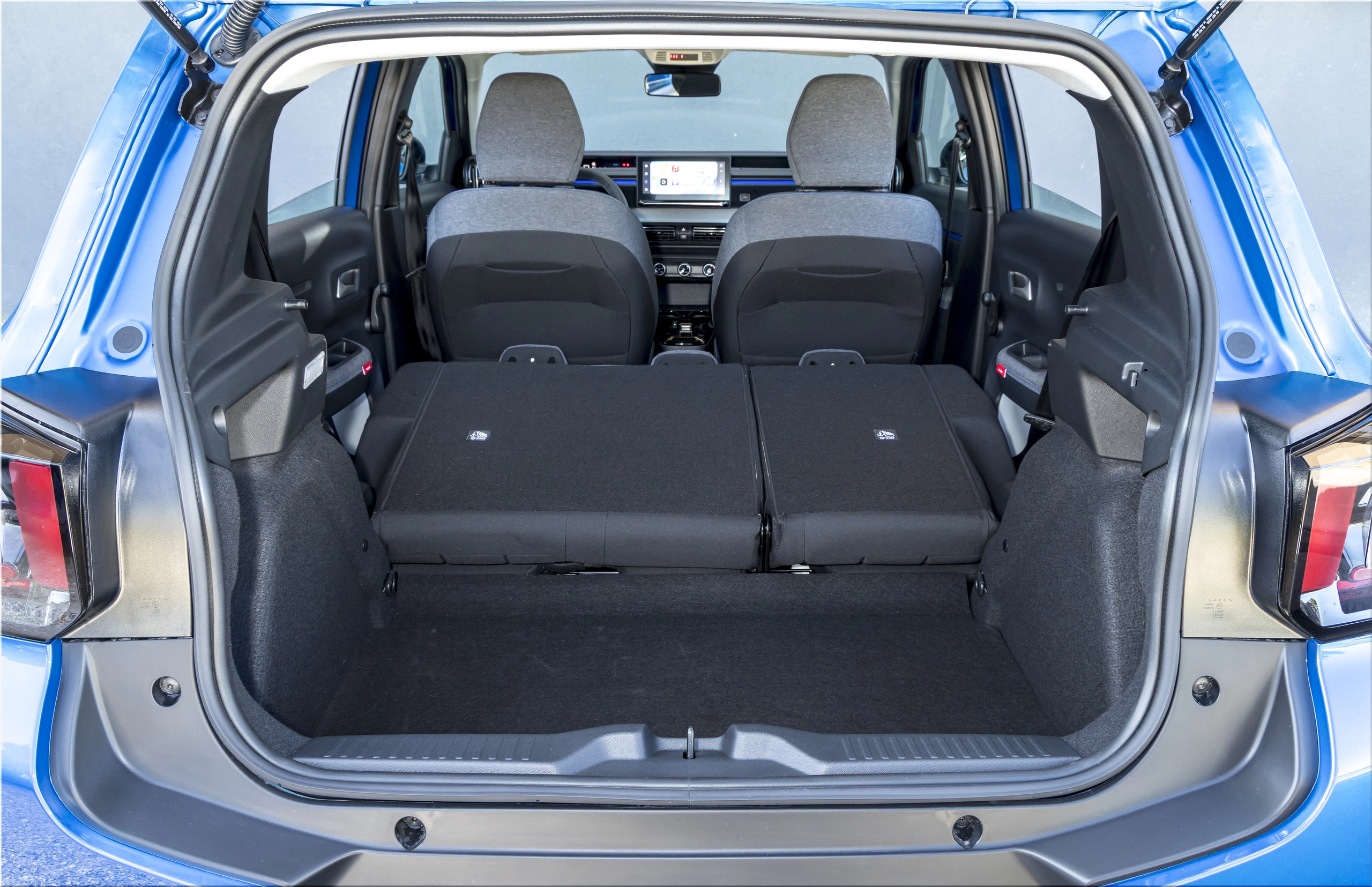
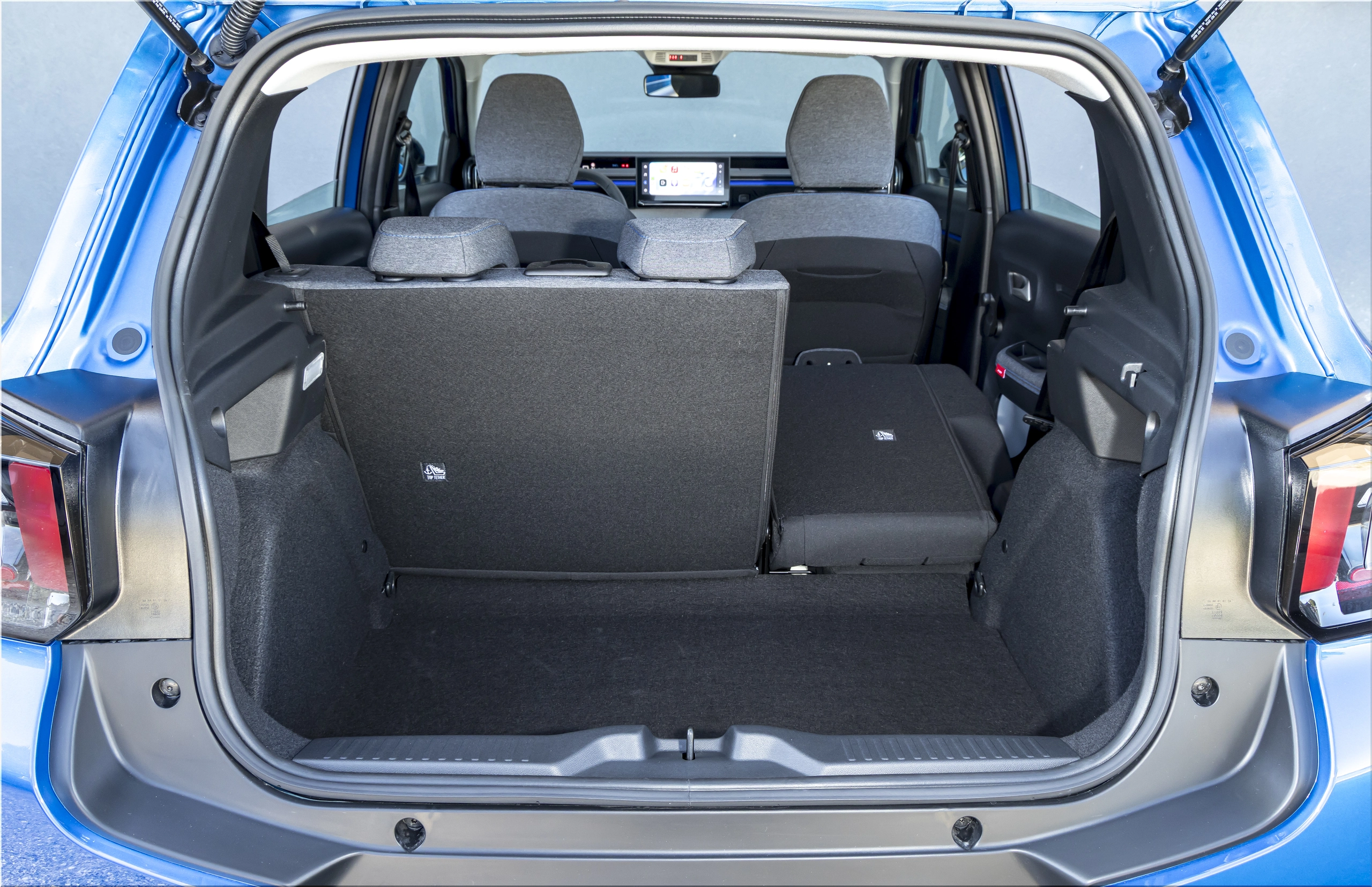
| Boot capacity | 310 litres |
That set of figures puts the Citroën ë-C3 Urban Range in a useful middle ground. It offers far more real-car substance than a budget micro-EV, but it avoids the higher cost that comes with larger batteries and more ambitious charging hardware.
Why the smaller battery makes sense
A lot of EV buying advice still treats range as the first and last question. That approach misses how people use small hatchbacks in the real world. Most city drivers do not travel 250 or 300 kilometres every day. They travel much less. In that setting, a smaller pack can be the smarter choice.
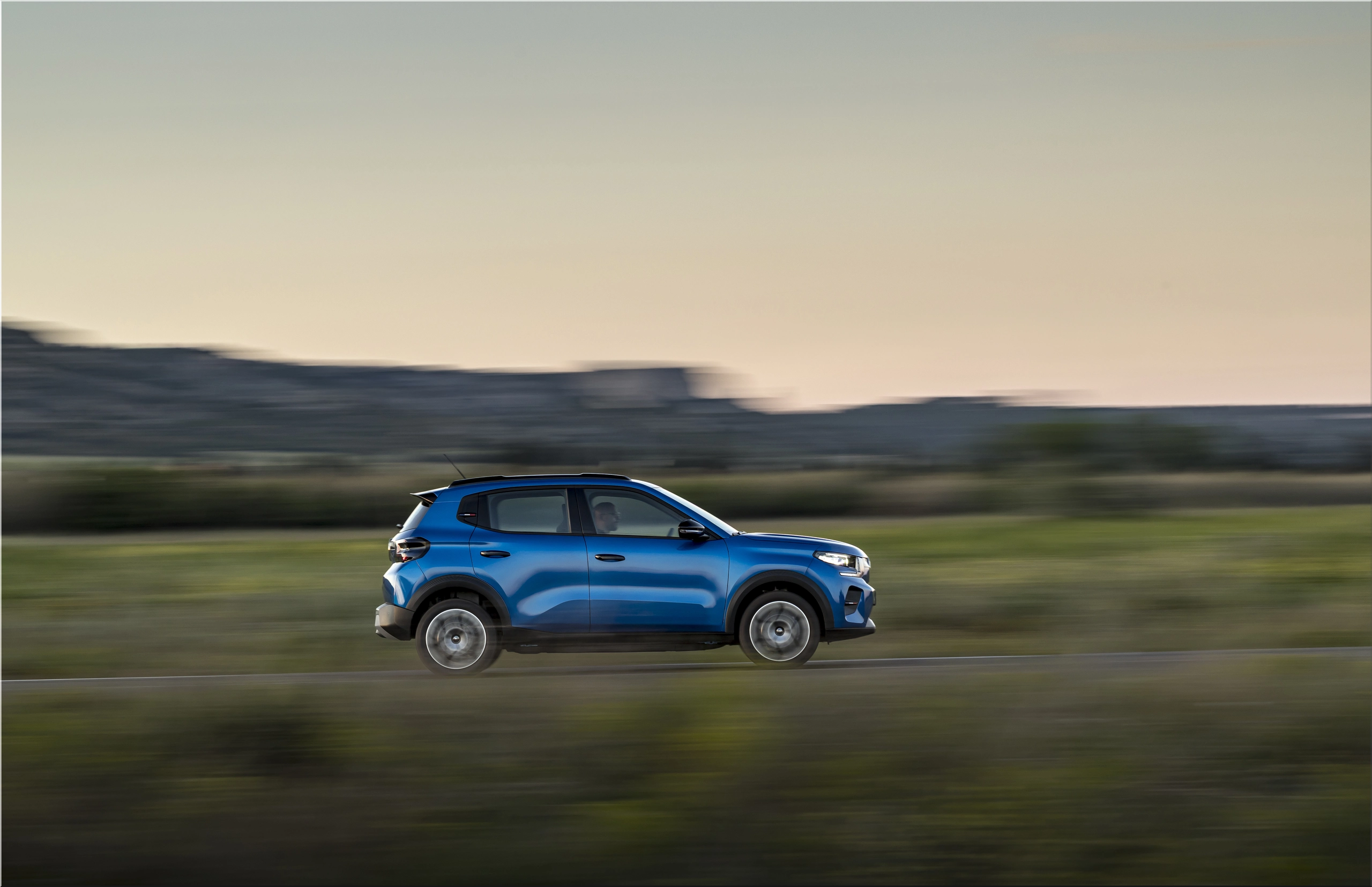
The 30 kWh battery lowers cost first. It also trims weight. That helps efficiency in city conditions, where repeated stop-start driving rewards lighter vehicles. By keeping the same motor, Citroën avoids making the car feel weak or slow. The Urban Range still has enough punch to merge, overtake, and stay comfortable in mixed traffic.
The battery chemistry matters too. Citroën uses LFP battery technology, which has become increasingly attractive in lower-cost EVs because it supports cost control and durability. In a car designed for daily charging and local use, that makes good engineering sense.
Definition: What is an LFP battery?
LFP stands for lithium iron phosphate. This battery chemistry usually costs less than nickel-rich alternatives and has become common in more accessibly priced electric cars. It often works well in vehicles designed for predictable daily use rather than maximum range.
Real-world logic beats brochure bravado
The Urban Range exists because there is a gap between how cars are marketed and how cars are used. Many buyers do not need a long-range EV. They need a city car that feels like a normal car. That is where Citroën has aimed this version of the ë-C3.
For many households, the typical daily pattern stays well under 50 km. Even when that doubles, the Urban Range still sits inside a workable zone. Overnight home charging or occasional workplace charging becomes enough. The owner does not need to obsess over finding a rapid charger every few days. That lowers stress, lowers energy cost exposure, and simplifies ownership.
That is the strong consumer case for this car. It does not ask buyers to change their lives to suit the vehicle. It fits the life they already have.
Comfort remains part of the pitch
Citroën has spent years trying to separate itself from rivals through ride quality and comfort. The Citroën ë-C3 Urban Range keeps that tone. The current C3 generation has been positioned around Advanced Comfort themes, including softer seat design and suspension tuning meant to handle broken city surfaces more gracefully than many low-cost rivals.
That focus matters in a small EV because urban drivers spend a great deal of time on poor roads, speed humps, patched asphalt, and short broken sections that can make a cheap car feel crude. Citroën knows that comfort can be a stronger daily selling point than a few extra kilometres of claimed range.
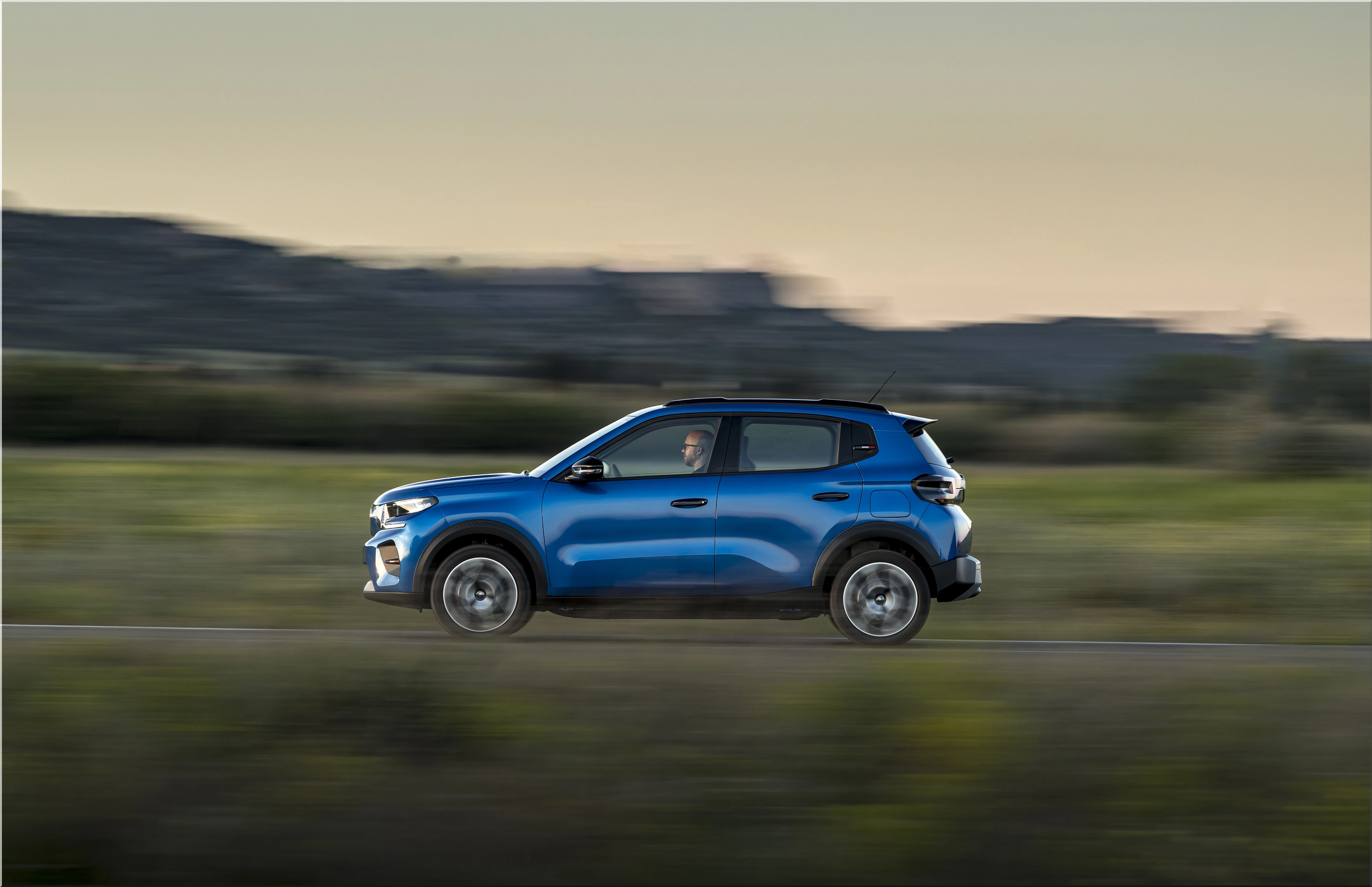
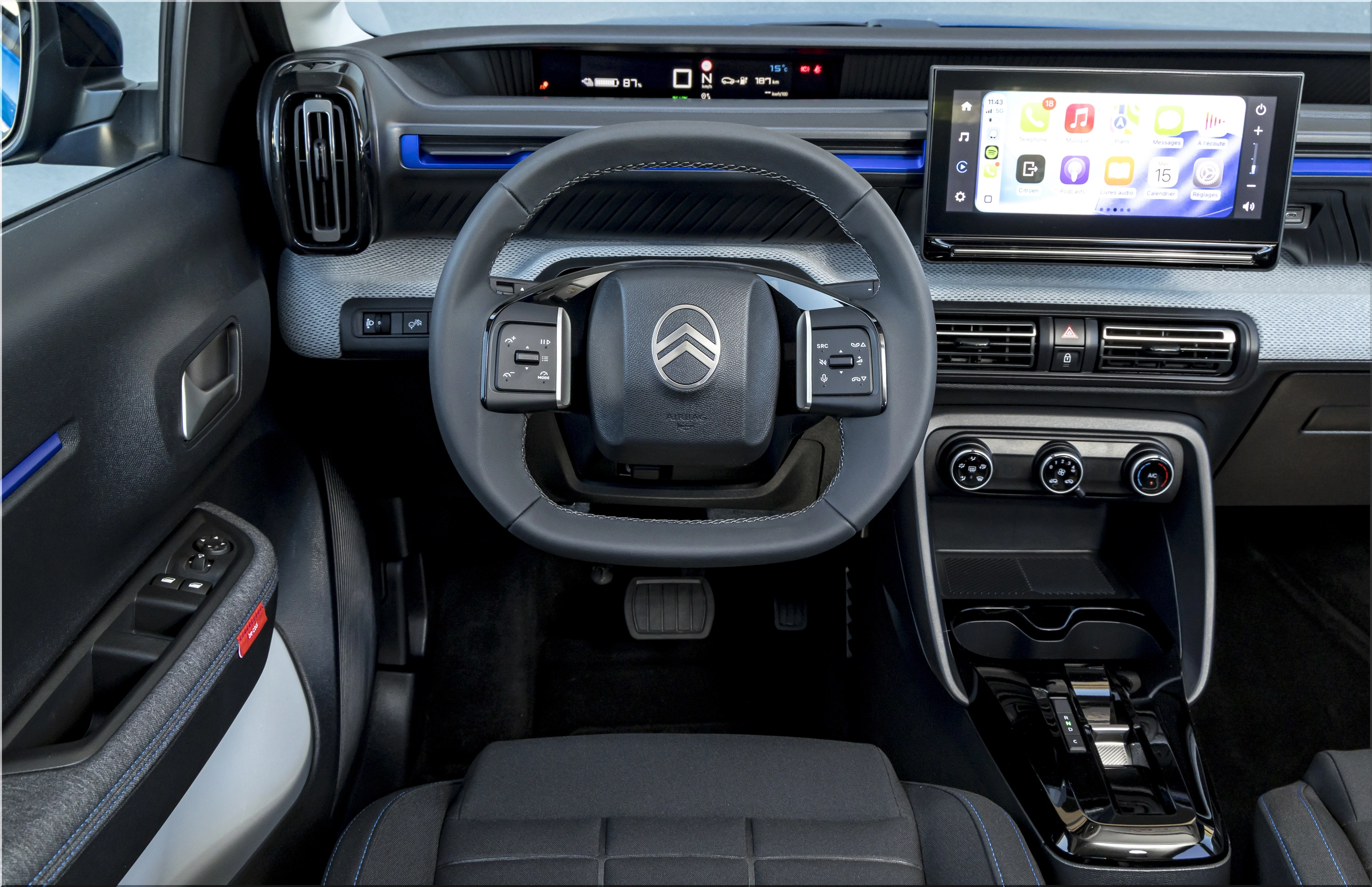
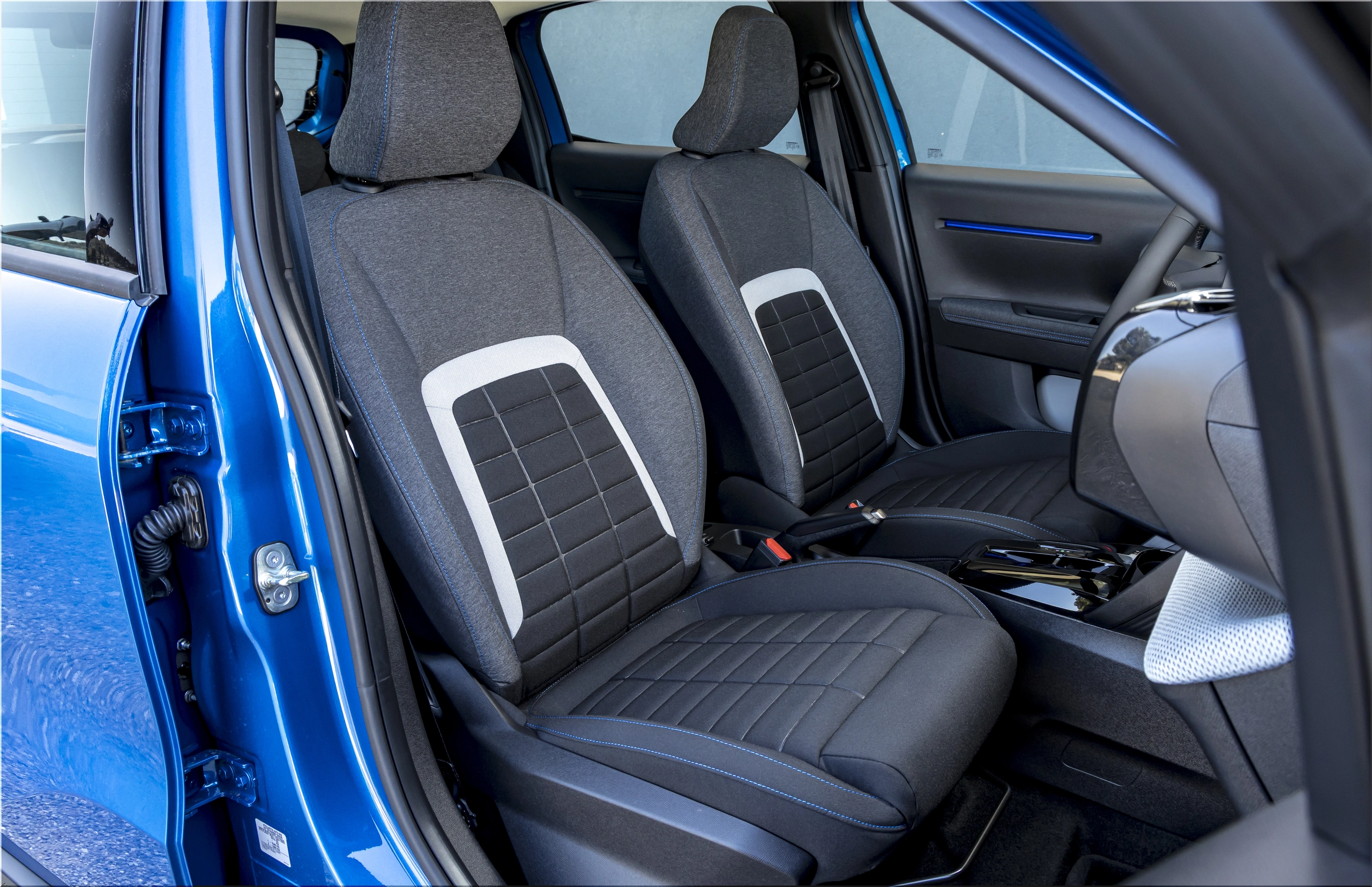
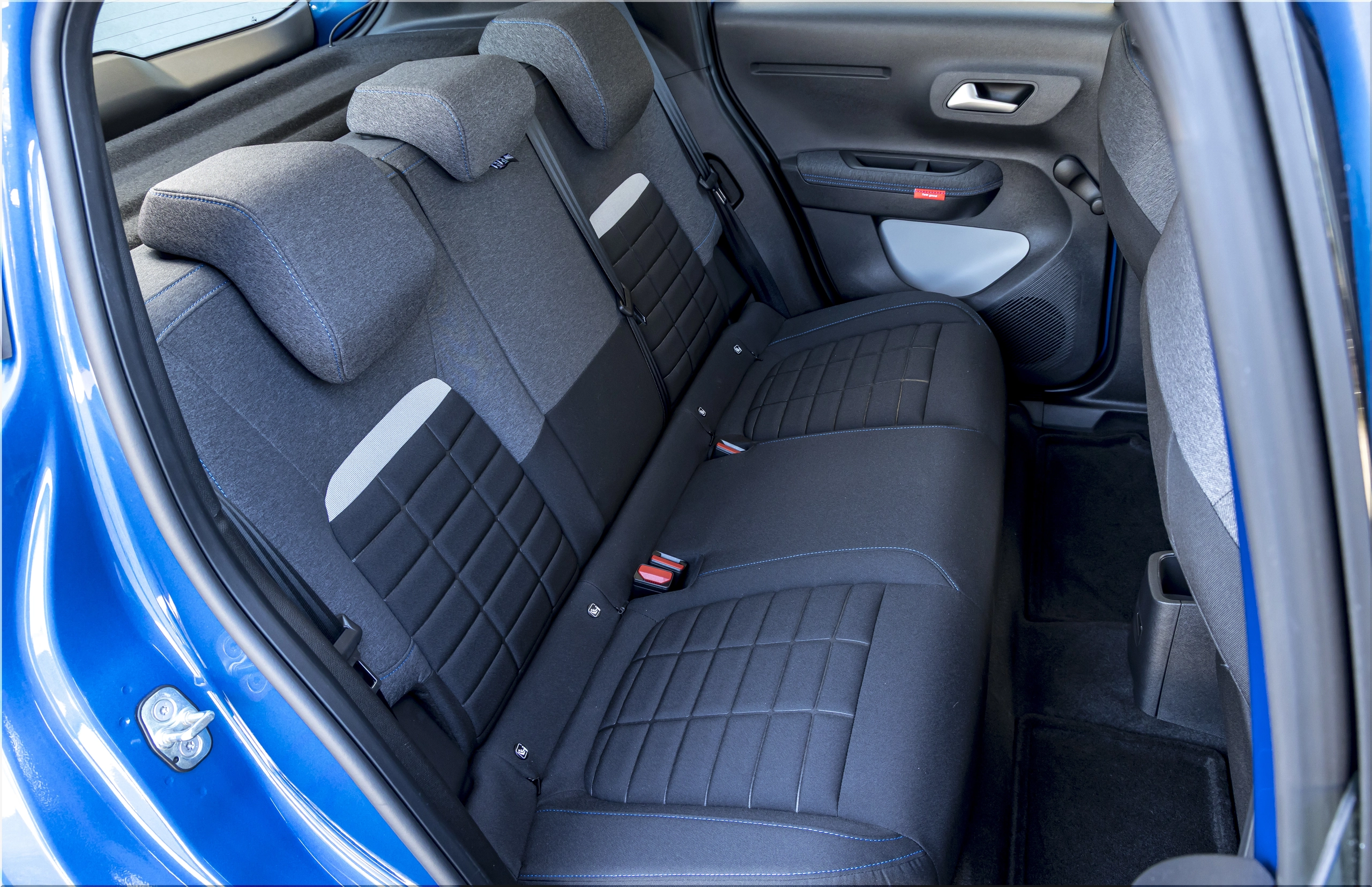
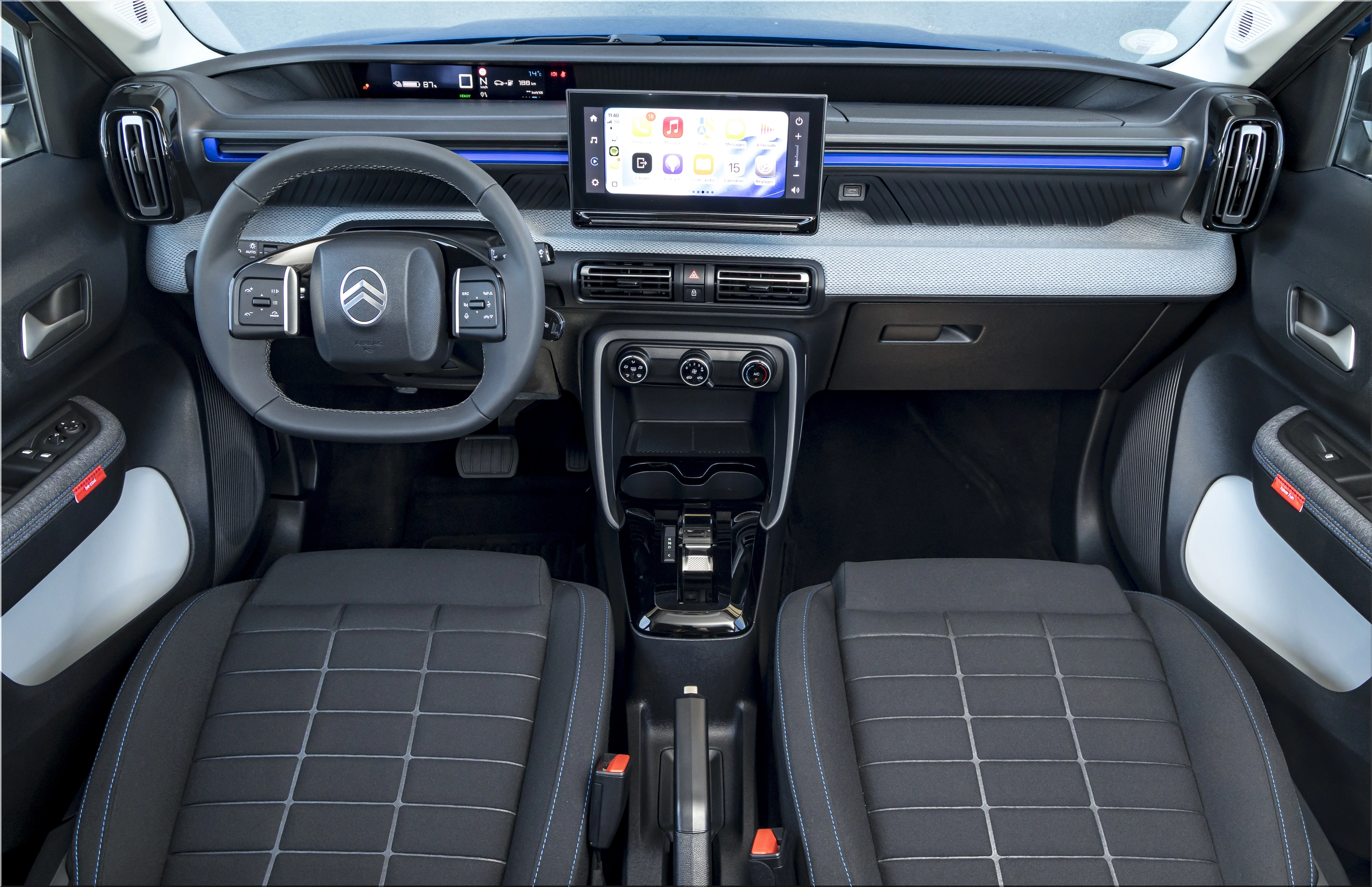
The upright design helps too. Entry and exit are easier, forward visibility feels more natural, and the cabin does not impose the cramped feel that still defines some entry-level electric cars. In practical terms, that gives the electric city car buyer a more mature package.
Video file
Video title
Citroën ë-C3 Urban Range
Urban Range versus the standard ë-C3
Citroën's own lineup explains the strategy best. The standard ë-C3 gives buyers more battery capacity and far stronger DC charging. The Urban Range strips that back but keeps the same basic vehicle and the same power output.
| Feature | ë-C3 Urban Range | Standard ë-C3 |
|---|---|---|
| Battery | 30 kWh | 44 kWh |
| Power | 113 hp | 113 hp |
| WLTP range | Over 200 km | Around 320 km |
| Urban range | Over 300 km | Higher, depending on use |
| DC fast charging | 30 kW | 100 kW |
| Main role | City and everyday local use | Wider mixed-use driving |
That split is clean. The Urban Range works for drivers who stay local and charge slowly at home. The standard model makes more sense for households that drive longer distances, depend more often on public charging, or want extra winter and motorway buffer.
In other words, Citroën has not created a better and worse car. It has created two answers for two patterns of use.
How the Citroën ë-C3 Urban Range compares with rivals
The most important comparison is not with premium EVs. It is with other accessibly priced small electric cars trying to win over budget-conscious buyers.
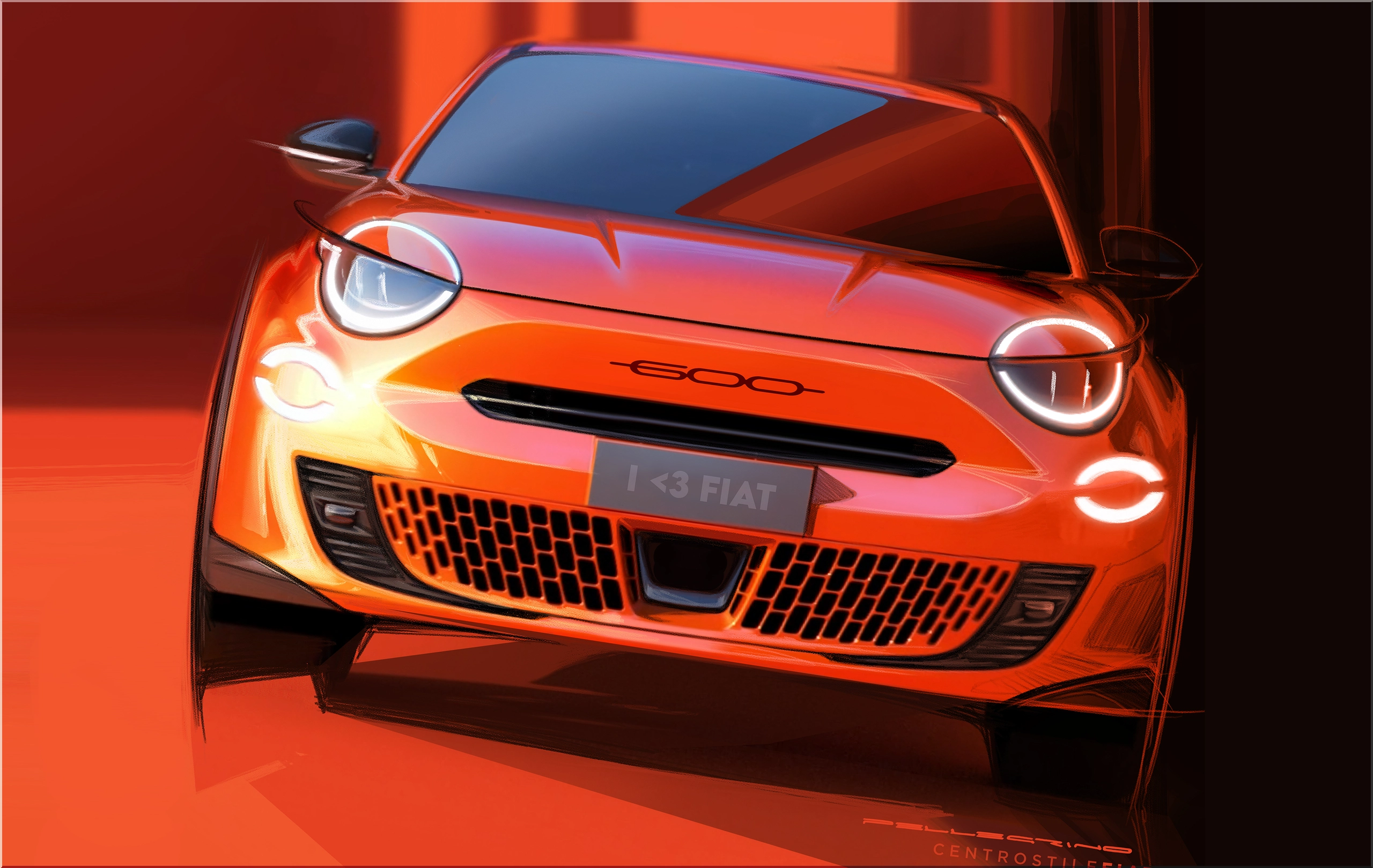
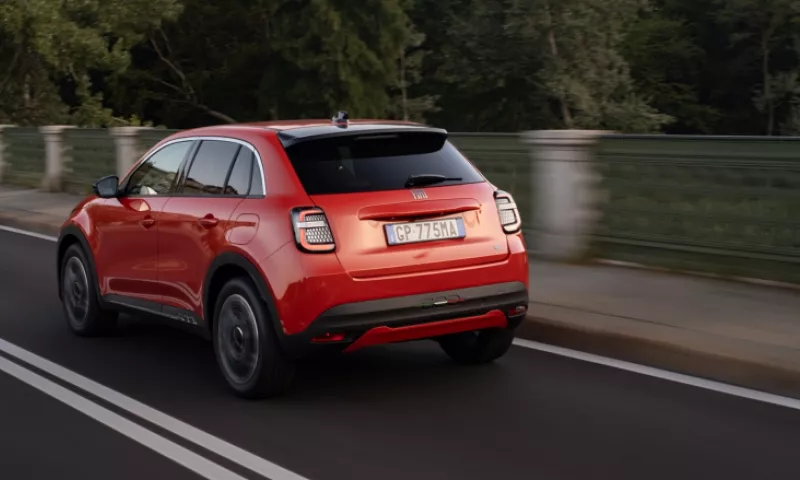
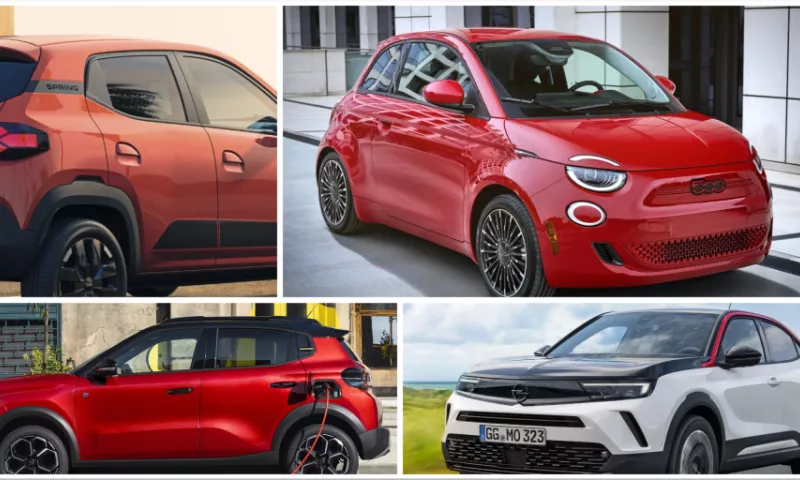
The Dacia Spring remains one of the best-known low-cost EVs in Europe. It wins on pure entry price, but it gets there by being smaller, less powerful, and less substantial overall. The Hyundai Inster brings more technology and more range, but it moves into a higher price class. The Fiat Grande Panda Electric looks like one of the more direct alternatives because it offers a similar footprint with a larger battery and quicker charging, but it also asks buyers to spend more.
Competitive view
| Model | Market position | Main strength | Main weakness |
|---|---|---|---|
| Citroën ë-C3 Urban Range | Budget-friendly B-segment EV | Full-sized small hatchback feel at lower cost | Limited DC charging speed |
| Dacia Spring | Cheapest basic city EV | Low entry price | Smaller body, less power, less substance |
| Hyundai Inster | Tech-rich compact EV | Better battery and stronger equipment | Higher price point |
| Fiat Grande Panda Electric | Stylish mainstream small EV | More range and faster charging | Costs more |
The Citroën ë-C3 Urban Range may not win every technical contest, but it lands in a very useful spot. It offers more presence and practicality than the cheapest city EVs while staying below the price of better-equipped rivals with larger batteries.
Who should buy the Citroën ë-C3 Urban Range?
This car makes the most sense for buyers whose routines are consistent and local. That includes:
- Urban commuters with predictable daily mileage
- Small families who want a practical second car or even a primary car for city use
- Older buyers moving from a petrol supermini to their first EV
- Apartment and townhouse owners with access to overnight charging
- Drivers who care more about monthly costs than road-trip pace
It makes less sense for drivers who do frequent motorway trips, depend heavily on public rapid charging, or need one car to cover every possible use case. The 30 kW DC charging ceiling is the clearest limitation. For city use, that is manageable. For repeated inter-city travel, it becomes a harder sell.
What buyers should think about before ordering
The smartest EV decision still starts with routine. A buyer considering the Citroën ë-C3 Urban Range should think about actual weekly mileage, not fantasy mileage. Too many people shop for the one journey they make three times a year instead of the journey they make every weekday.
Ask the right questions:
- How far do I drive on a normal day?
- Can I charge overnight at home or nearby?
- How often do I use motorway rapid chargers?
- Do I want the lowest price, or do I want the broadest capability?
Those answers will usually point clearly to either the Urban Range or the larger-battery standard ë-C3.
Pro-Tips for getting the most from this EV
Pro-Tip: Buy for your real routine
If your daily use stays local, a smaller-battery electric hatchback can save money without adding inconvenience.
Pro-Tip: Prioritise home charging
The Citroën ë-C3 Urban Range makes the strongest case when owners can charge overnight and avoid relying on public rapid charging.
Pro-Tip: Do not overpay for unused range
A bigger battery sounds reassuring, but unused battery capacity is still something you paid for.
Pro-Tip: Check total ownership cost
Insurance, home charging setup, tyre costs, and servicing plans can shape the real value of an affordable EV more than a headline range figure.
The bigger market point
Citroën may have read the European market more clearly than some competitors. Buyers still want EVs that feel attainable. They also want vehicles that feel normal. The Citroën ë-C3 Urban Range brings those two goals closer together than many small electric cars have managed so far.
That is why this launch matters. It suggests that the next phase of affordable electrification may not come from shrinking cars to the limit. It may come from offering mainstream small cars with right-sized batteries and honest expectations. That is a much stronger long-term formula.
Final verdict
The Citroën ë-C3 Urban Range looks like a well-judged answer to a very common problem. Many buyers want to move into electric driving, but they do not want the cost and complexity of a larger EV built for occasional long-distance use. Citroën has answered that problem with a car that keeps the practical shape, the useful cabin, and the decent power of the regular ë-C3 while cutting the expensive part to a more reasonable size.
For city drivers, that is the point. The Citroën ë-C3 Urban Range does not try to do everything. It tries to do the everyday job properly, comfortably, and at a lower price. In this part of the market, that may be the smartest move of all.
- Add new comment
- 83 views