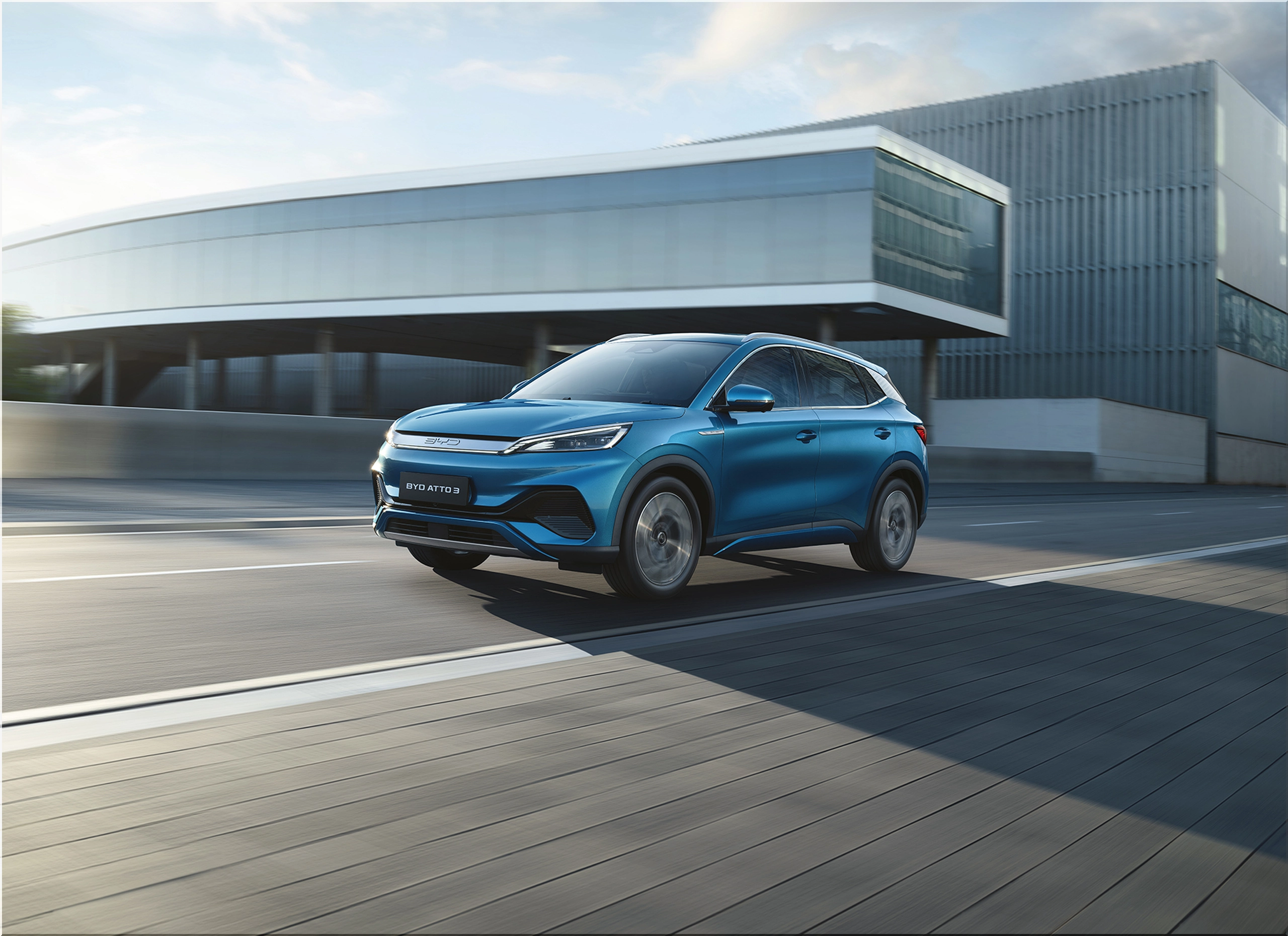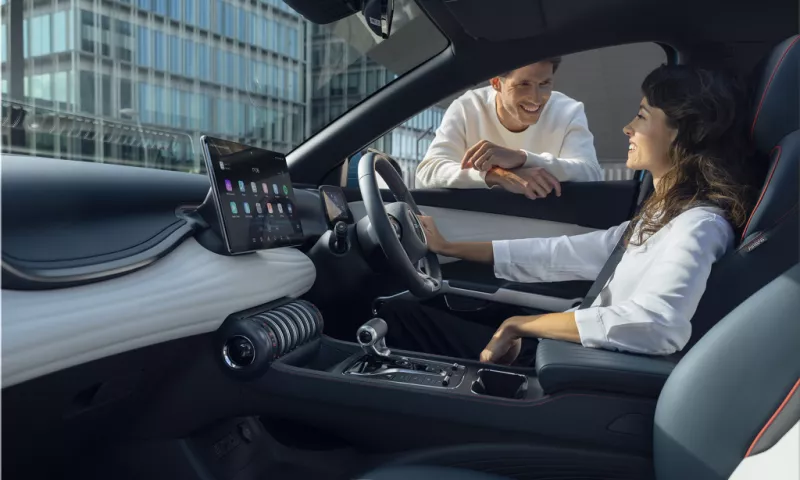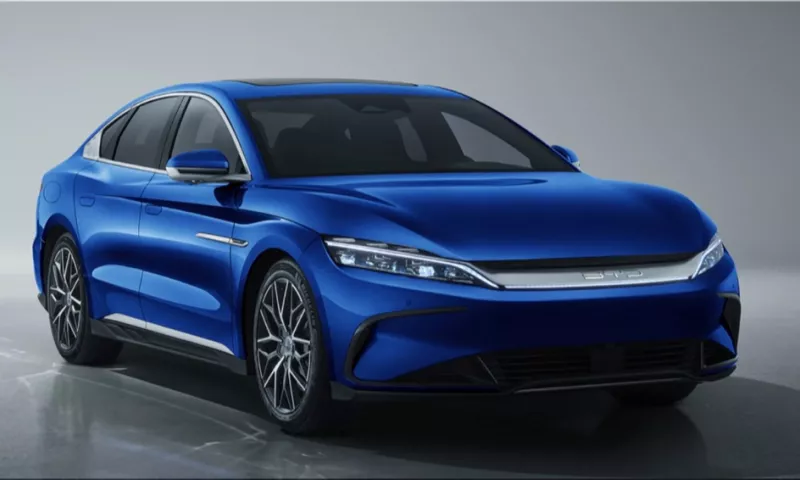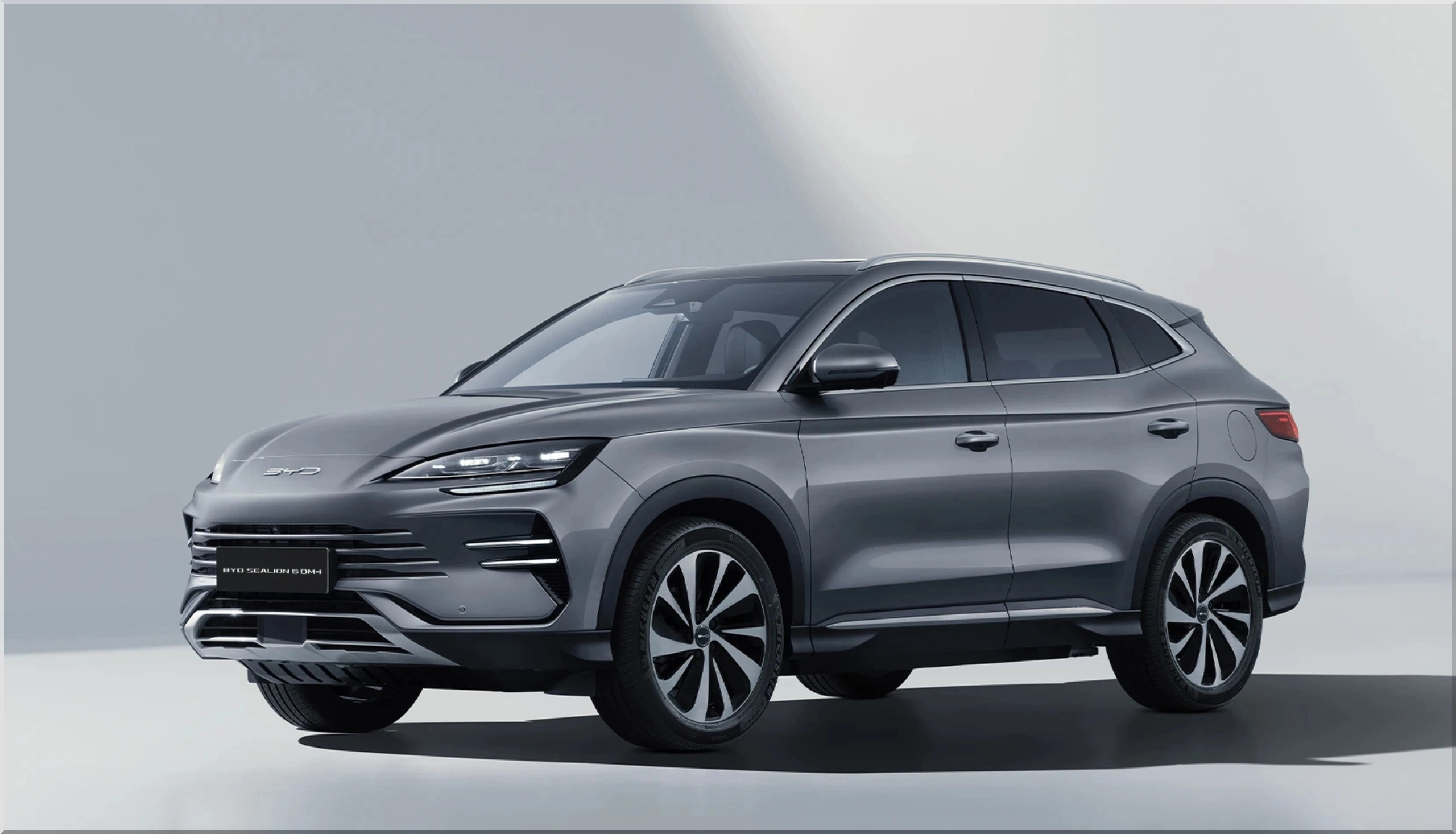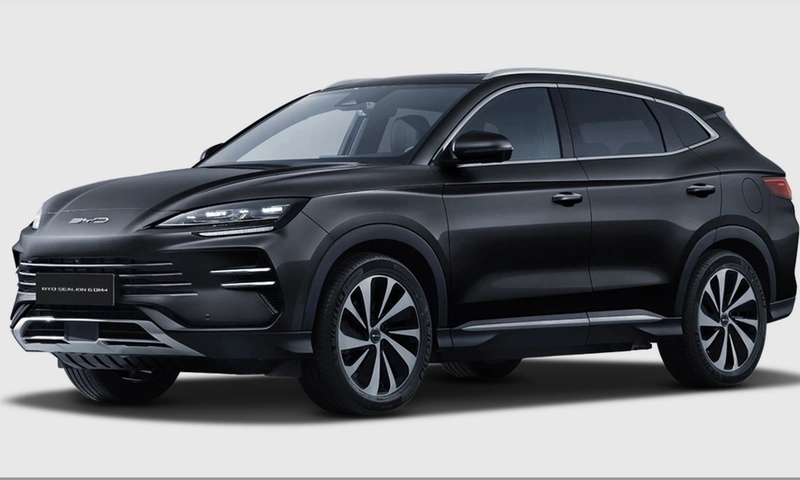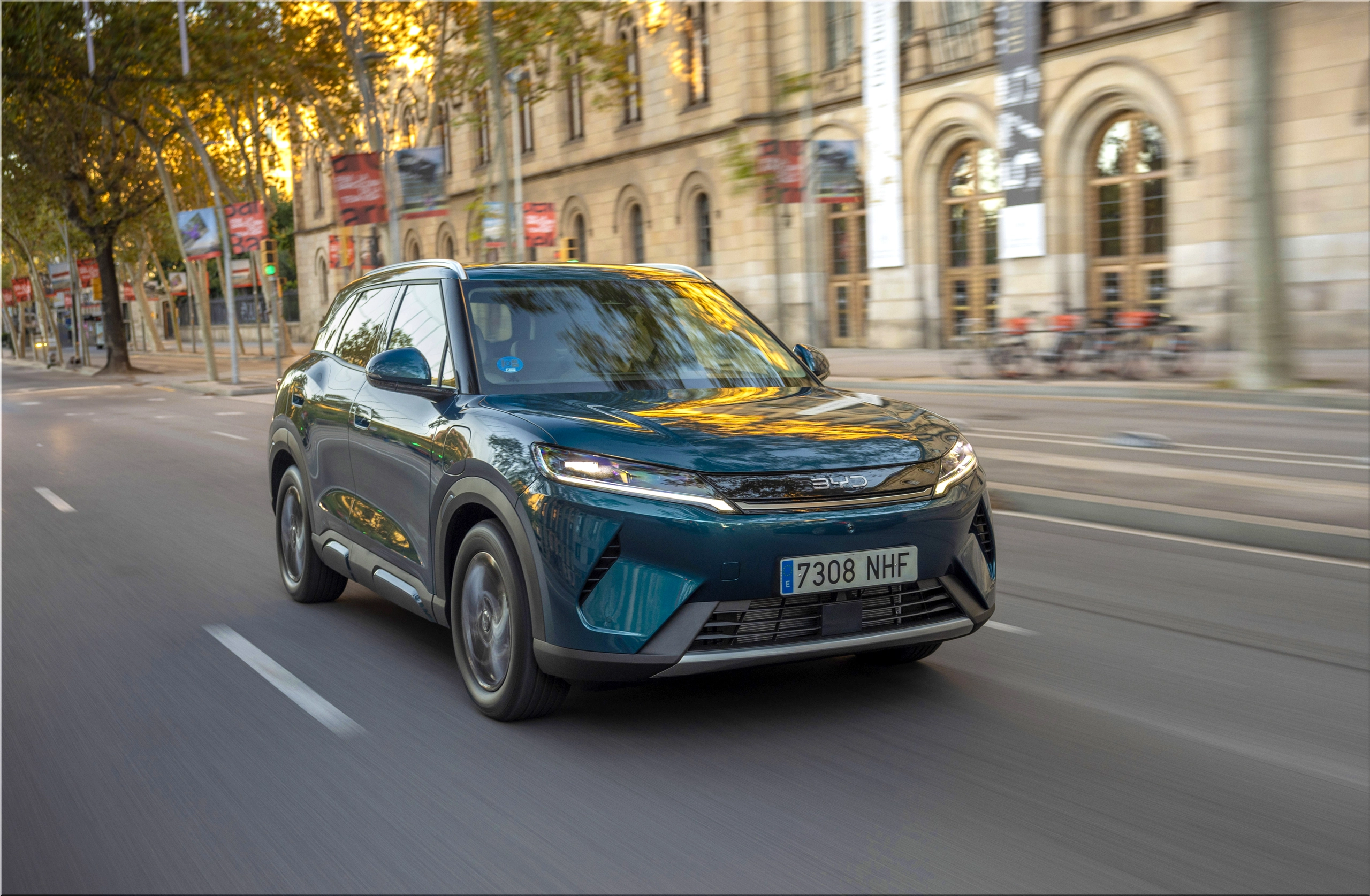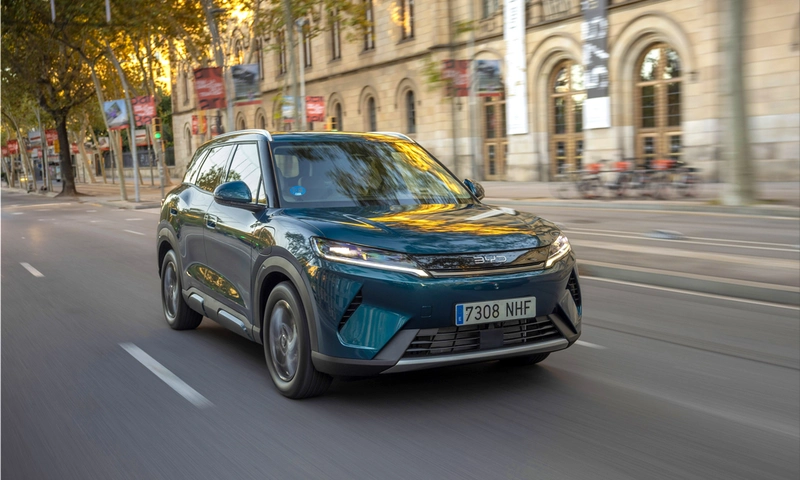
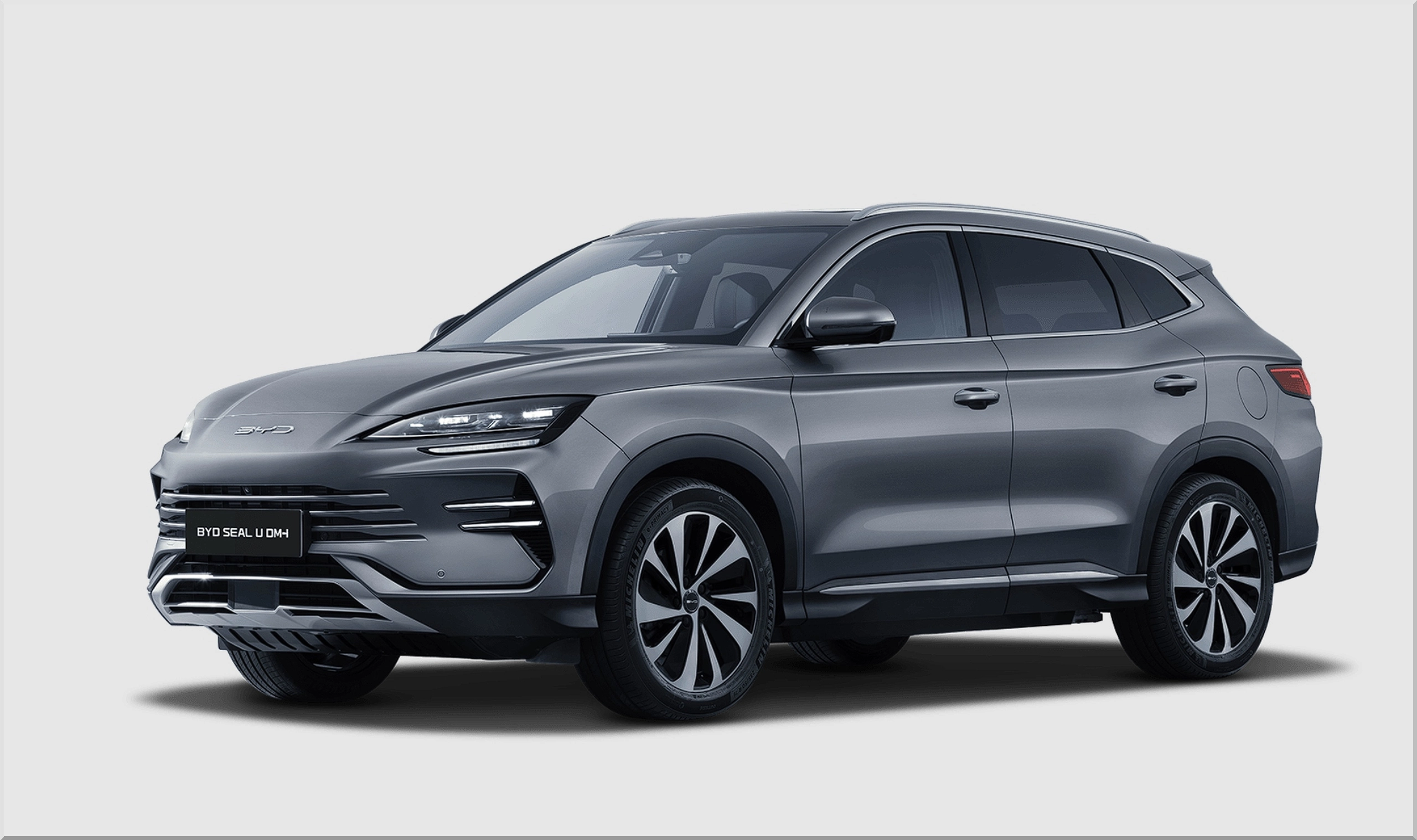
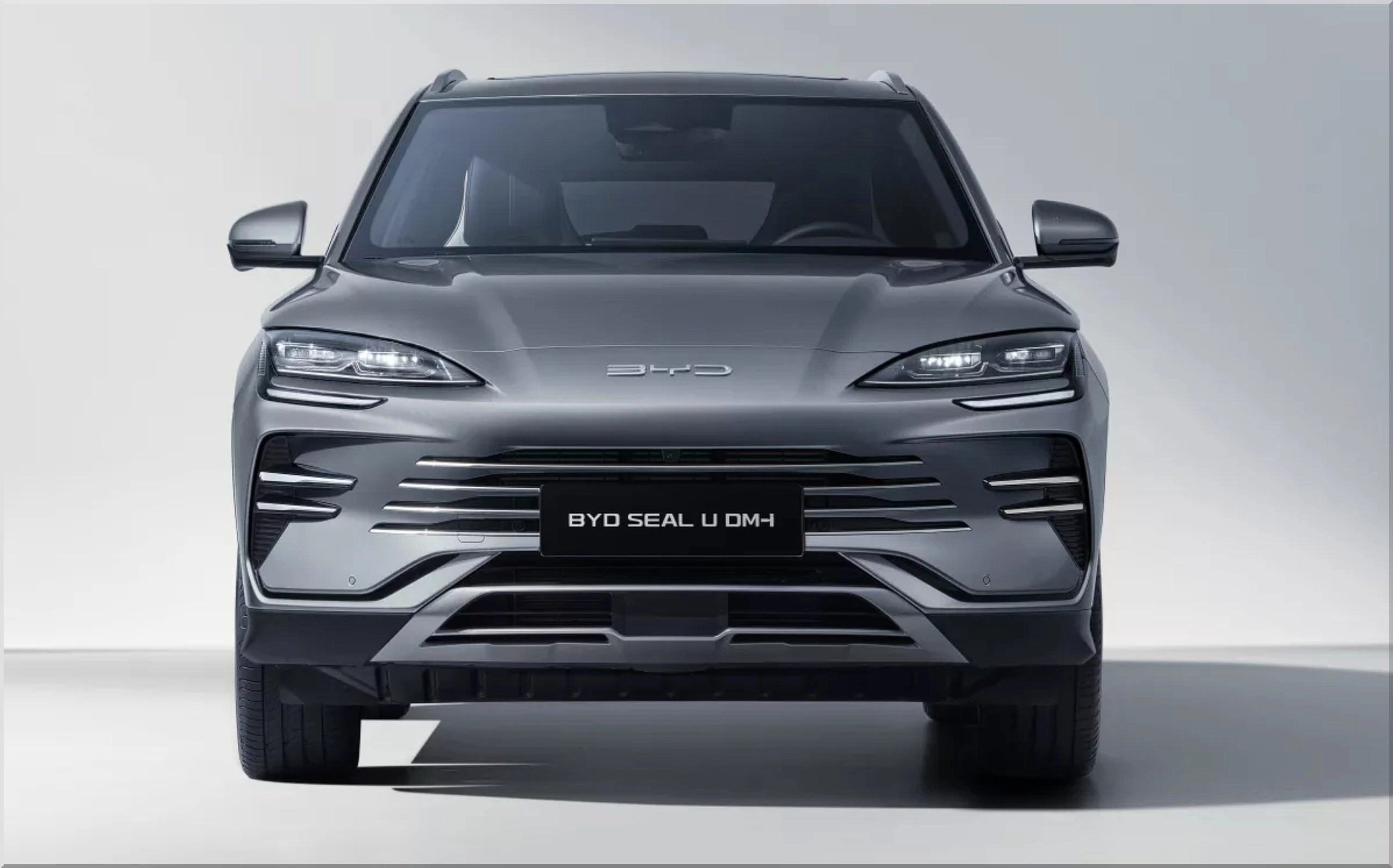
BYD has activated a 138-site BYD Approved Repair network across the UK, giving drivers a national route for accident repairs on the brand's electric and DM-i plug-in hybrid cars. Vizion Network supplies the bodyshop footprint, while BYD sets the technician, parts, equipment, and repair-method requirements.
This is an important aftersales move. BYD passed 100,000 UK registrations in July 2026, so a fast-growing vehicle parc now needs collision capacity to match its retail reach. In addition, the network connects accident reporting, repairer selection, progress tracking, and quality control through one digital system.
What BYD's New Repair Network Includes
| Data point | Launch specification | Direct owner value |
|---|---|---|
| UK coverage | 138 approved repairers | National accident-repair access |
| Operating partner | Vizion Network | Existing bodyshop capacity and digital case management |
| Technician requirement | BYD repair training | EV and DM-i vehicle repair knowledge |
| Parts policy | Genuine BYD parts where required | Correct fit, performance, and safety integrity |
| Ownership support | 6 years or 93,750 miles basic warranty | Longer-term manufacturer backing |
| Roadside support | Up to 4 years free assistance | Recovery support after eligible incidents |
Looking at the data, 138 sites give BYD immediate scale rather than a slow regional rollout. Every approved centre must follow BYD processes, and drivers can locate nearby sites with a postcode search that returns the five closest repairers.
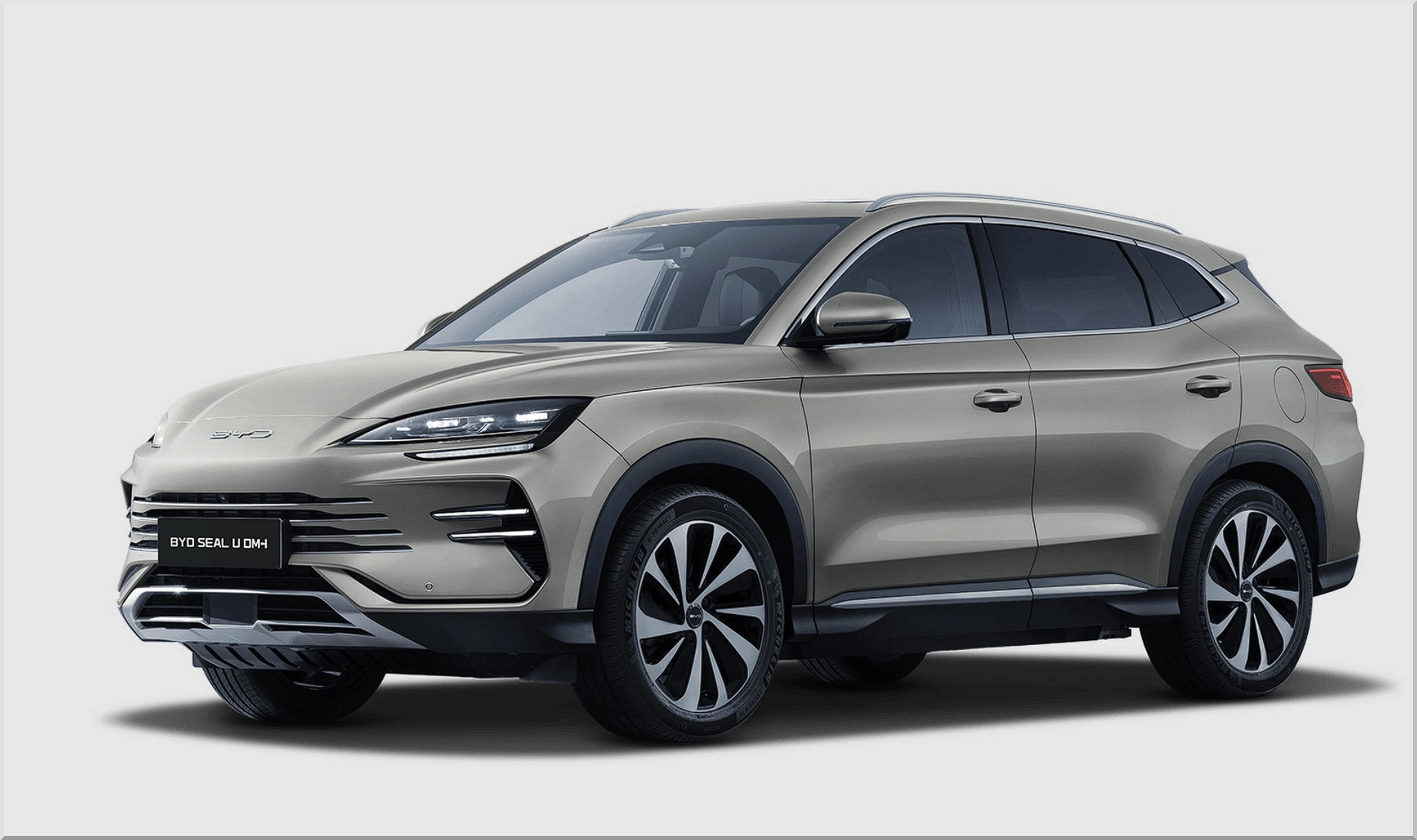
Image
Why EV-Specific Crash Repair Matters
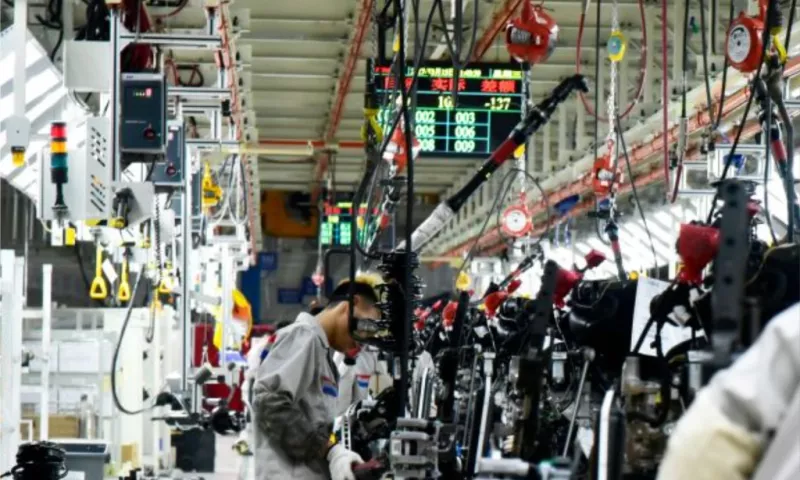
Electric-car body repair requires more than panel replacement and paint. Specifically, technicians must control high-voltage isolation, use suitable equipment, follow model-specific procedures, and complete road-ready safety checks. BYD's programme also calls for structured inspections and final quality checks to reduce repeat work and callbacks.
DM-i cars add another layer. Their plug-in hybrid layout combines a combustion engine, fuel system, electric drive, power electronics, and a high-voltage battery, so technicians need the right data and training before work starts. Consequently, BYD-trained technicians give owners and insurers a clearer route to consistent repairs.
| Repair stage | BYD system | Practical result |
|---|---|---|
| Incident report | Online damage description and photo upload | Faster initial triage |
| Repairer choice | Postcode-based approved-centre search | Location and availability options |
| Damage review | Remote evidence review or in-person inspection | Appropriate repair estimate |
| Workshop work | BYD methods, parts, tools, and EV-safe procedures | Controlled EV collision repair |
| Progress tracking | Customer portal available 24/7, 365 days a year | Live case visibility |
| Completion | Final checks and downloadable repair guarantee | Documented handover |
What Should a BYD Owner Do After an Accident?
First, move to a safe place when possible and check every occupant. Then register the incident through BYD Accident Assist, upload clear photos, and select an approved centre. If the car will not move, BYD's accident service directs drivers to emergency recovery support.
Pro-Tip: Ask an insurer if its nominated bodyshop carries current BYD approval before authorising work. BYD lets owners choose a repairer. By comparison, insurer nomination alone does not prove BYD approval; cover, excess charges, replacement transport, and policy conditions can differ. Confirm those points in writing.
From an expert perspective, the network's real value comes from process control. AutoFlow links repairers, insurers, and case data, while compliance audits and defined repair methods can cut uncertainty for private owners and fleets. Repair time will still depend on damage severity, parts supply, and technical complexity.
BYD now has credible UK crash-repair scale. The next test involves cycle time, parts availability, insurer cooperation, and first-time repair quality across all 138 locations.
Image gallery
- Add new comment
- 15 views