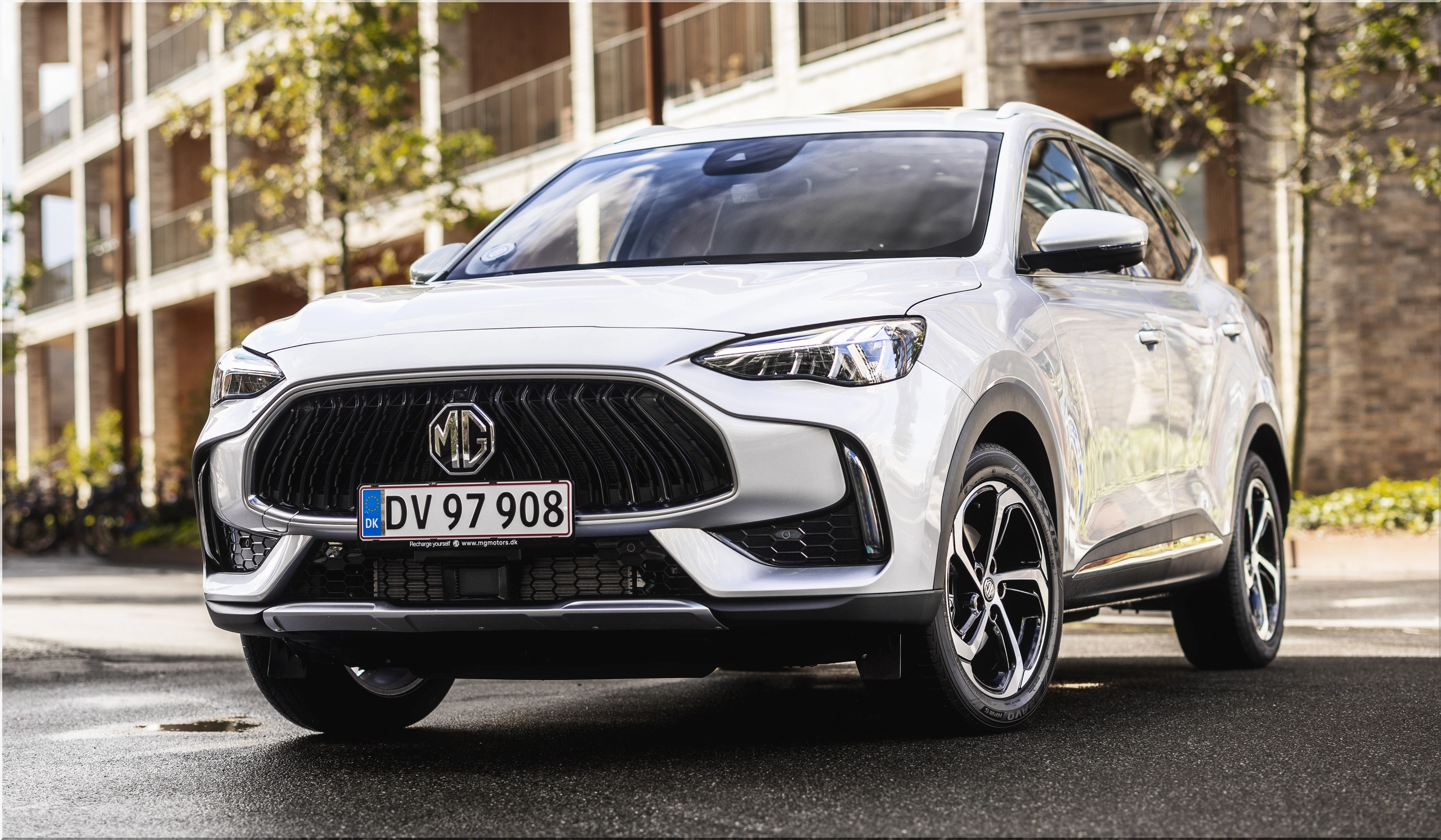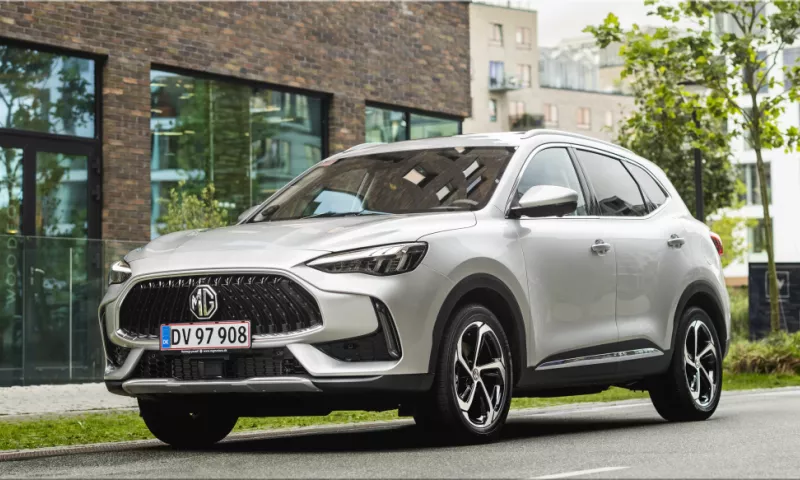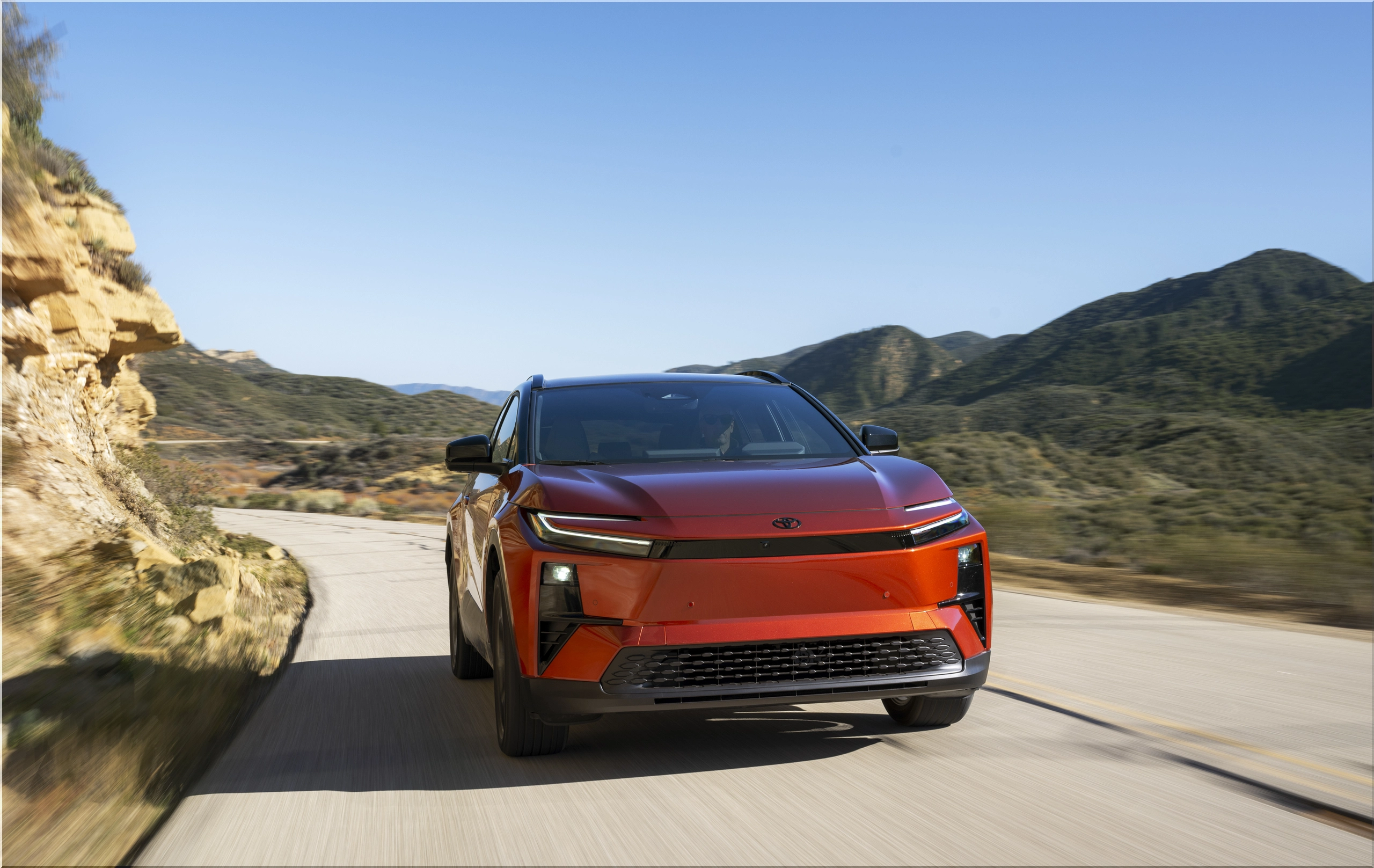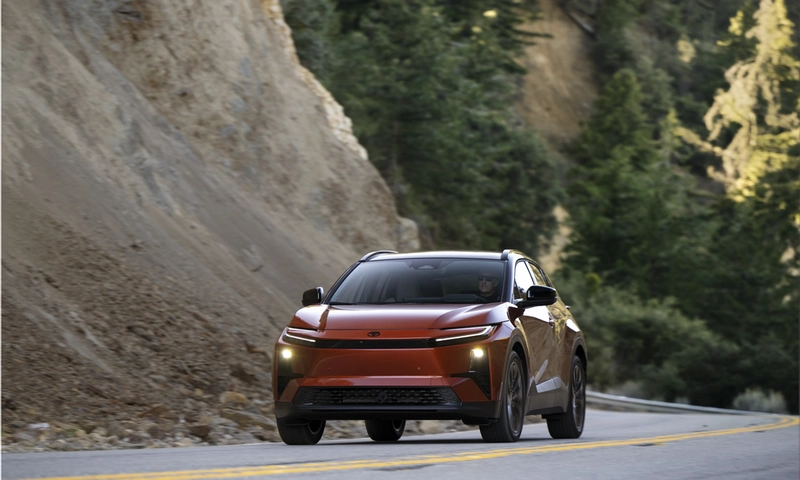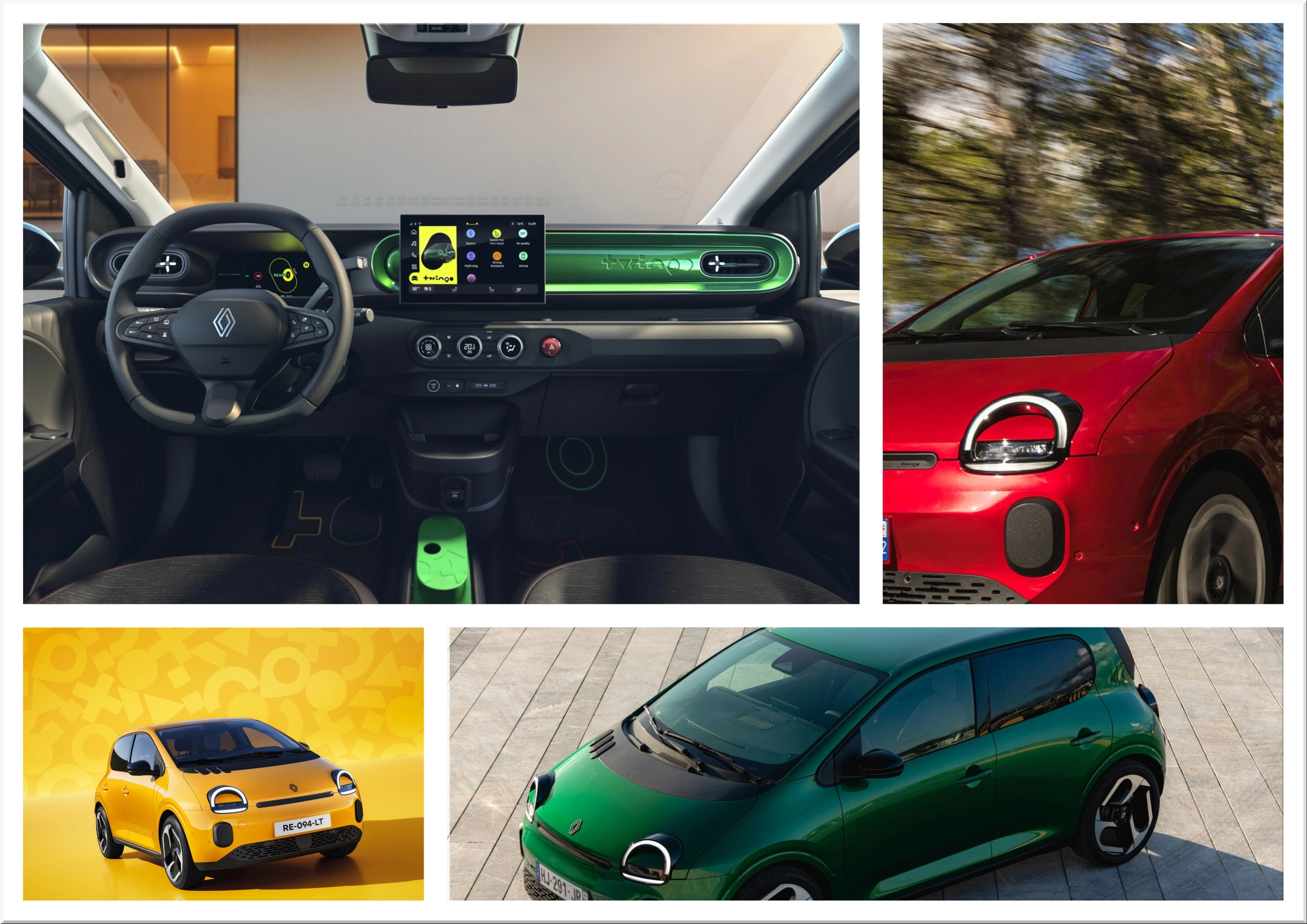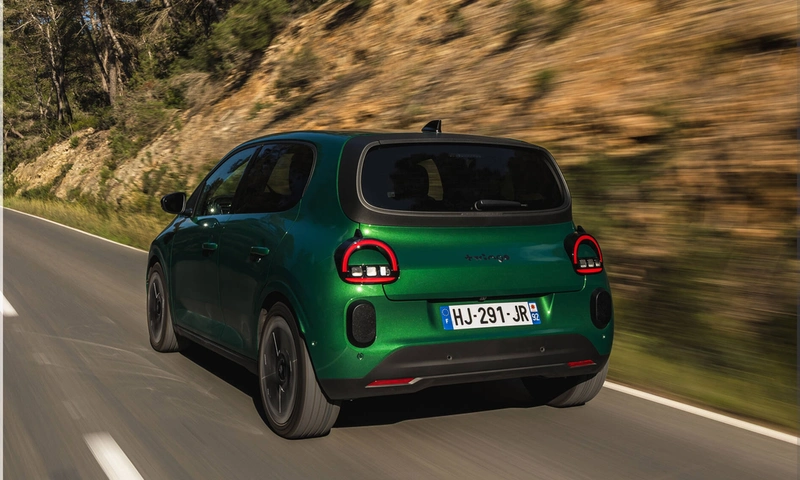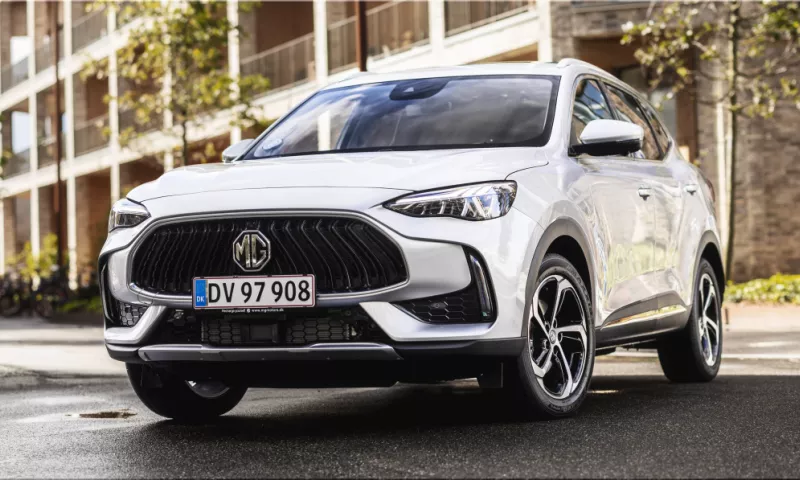
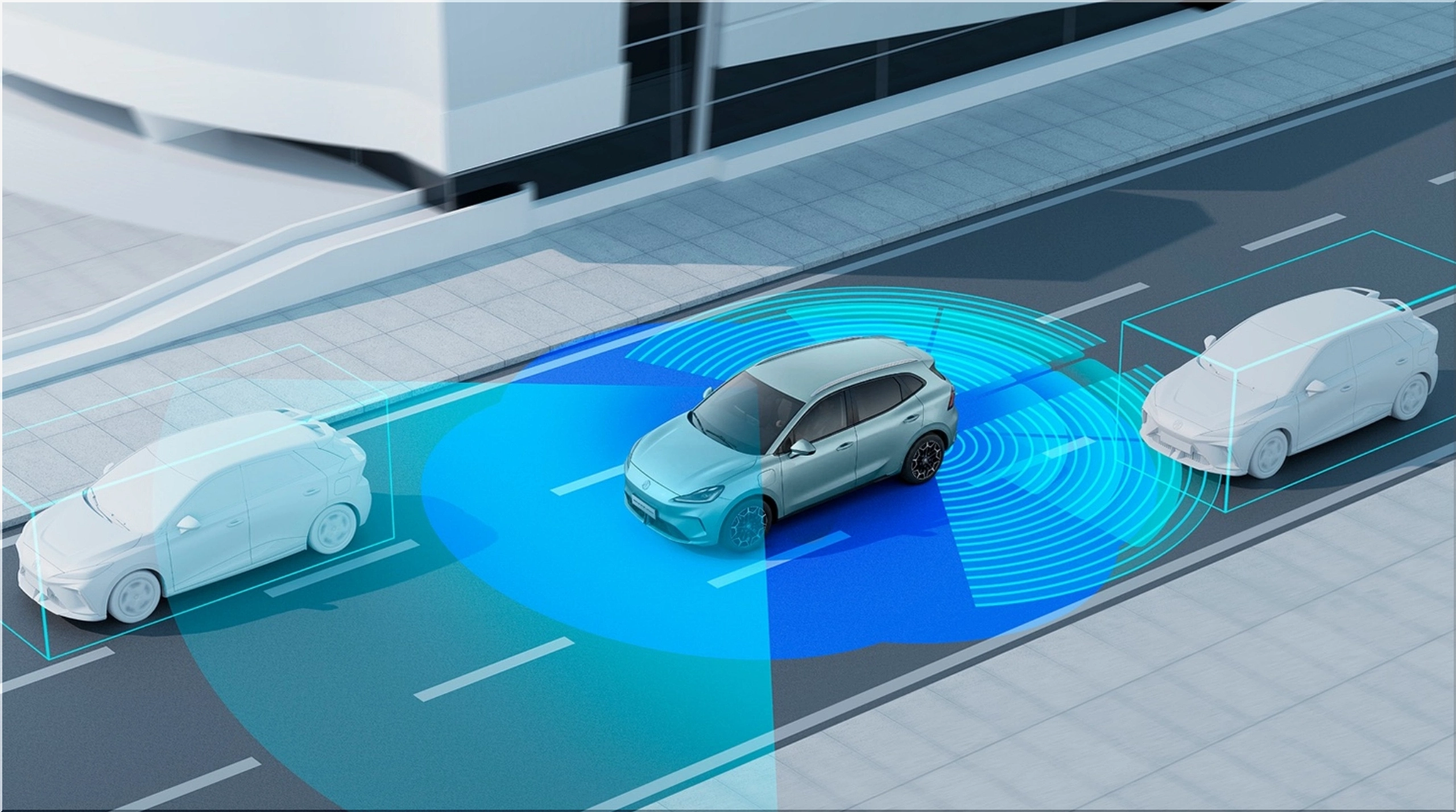
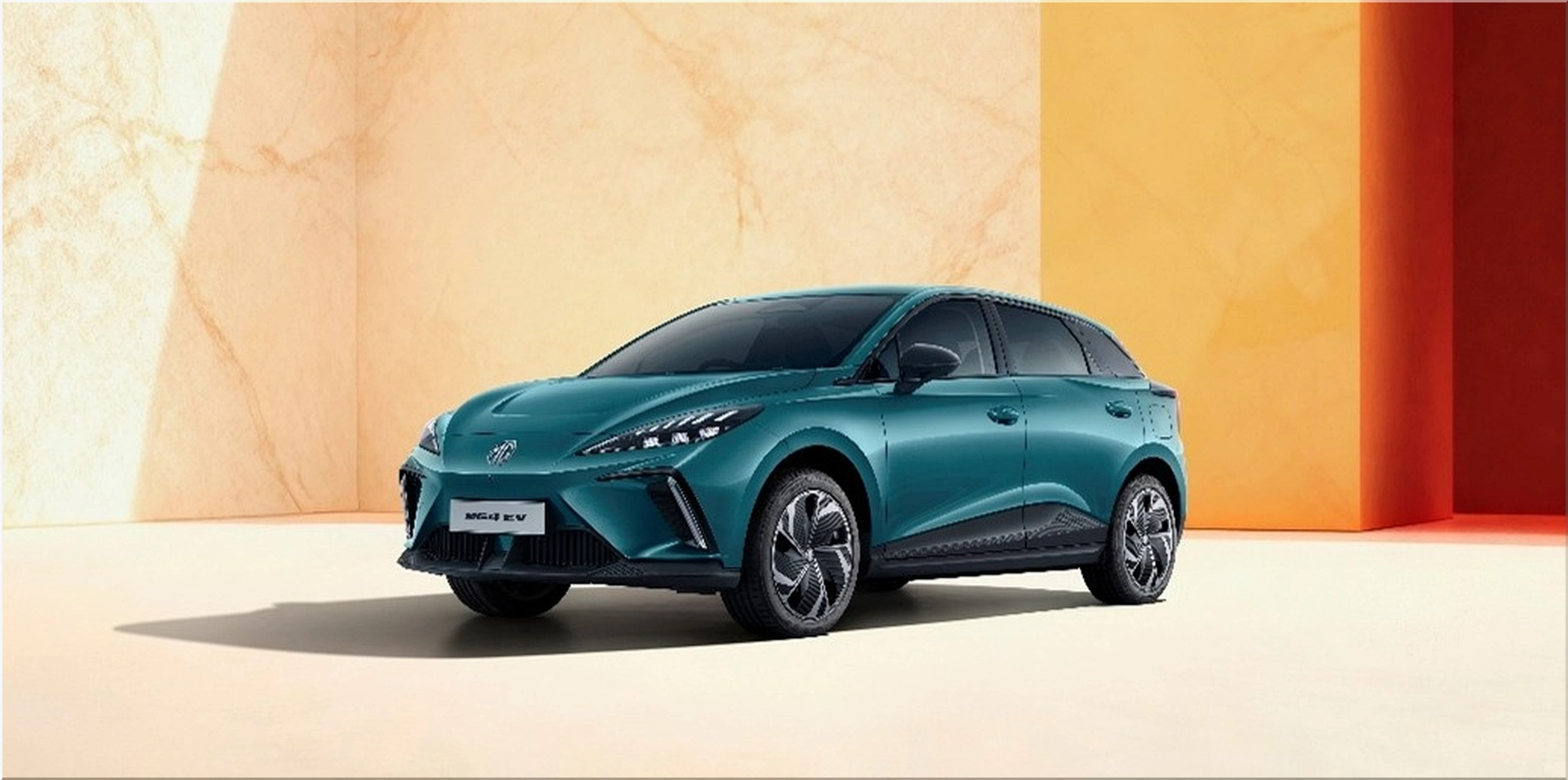
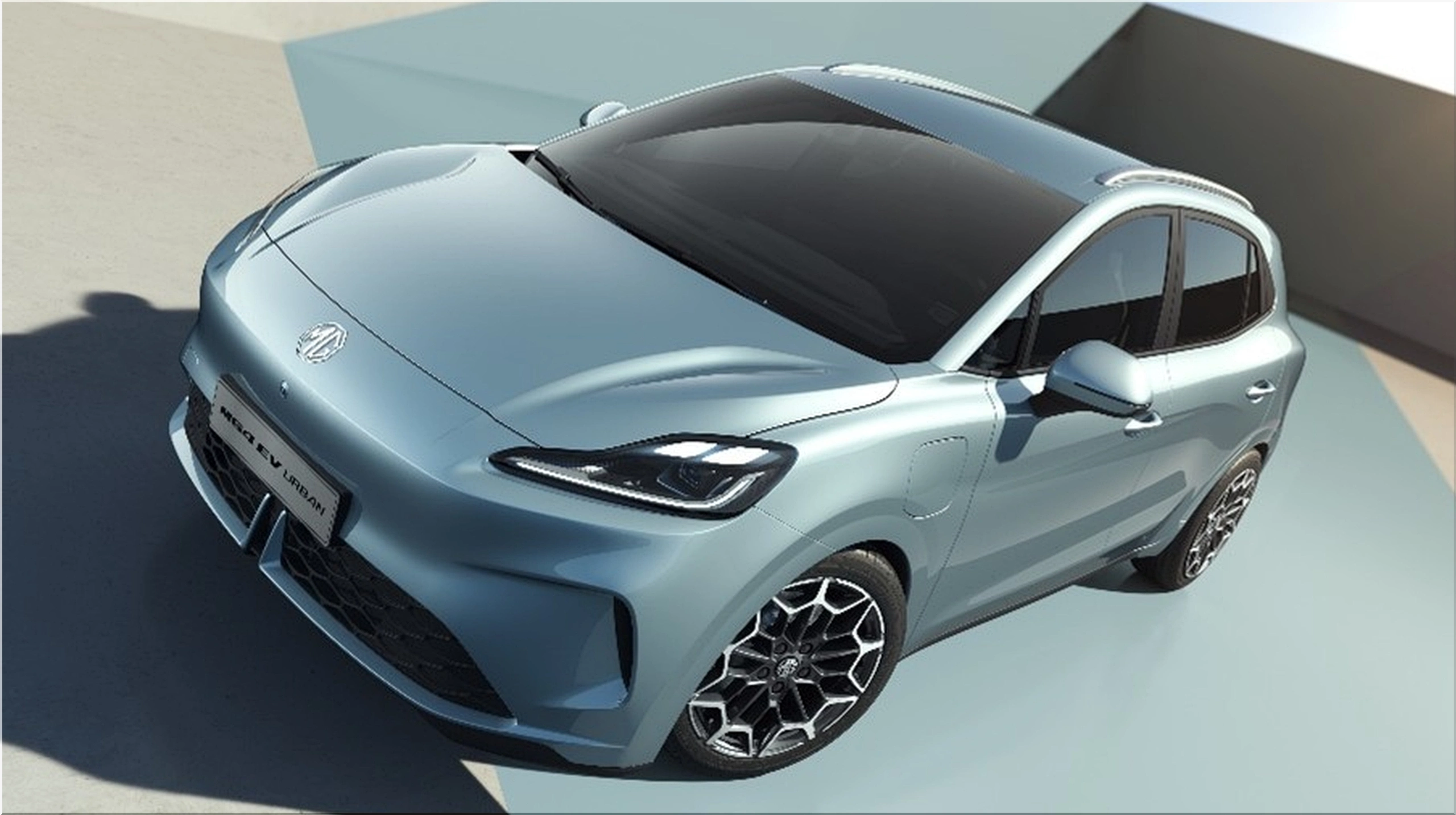
The 2026 MG4 EV Urban represents a calculated pivot in the compact electric vehicle sector. By transitioning to a front-wheel-drive architecture and adopting a lithium-iron-phosphate (LFP) battery chemistry, MG Motor has engineered a vehicle that prioritizes volumetric efficiency and cost-of-ownership over the enthusiast-oriented dynamics of the standard MG4. This model targets the high-volume city segment where internal cabin dimensions and charging predictability outweigh raw acceleration.
Image
Engineering Logic and Platform Architecture
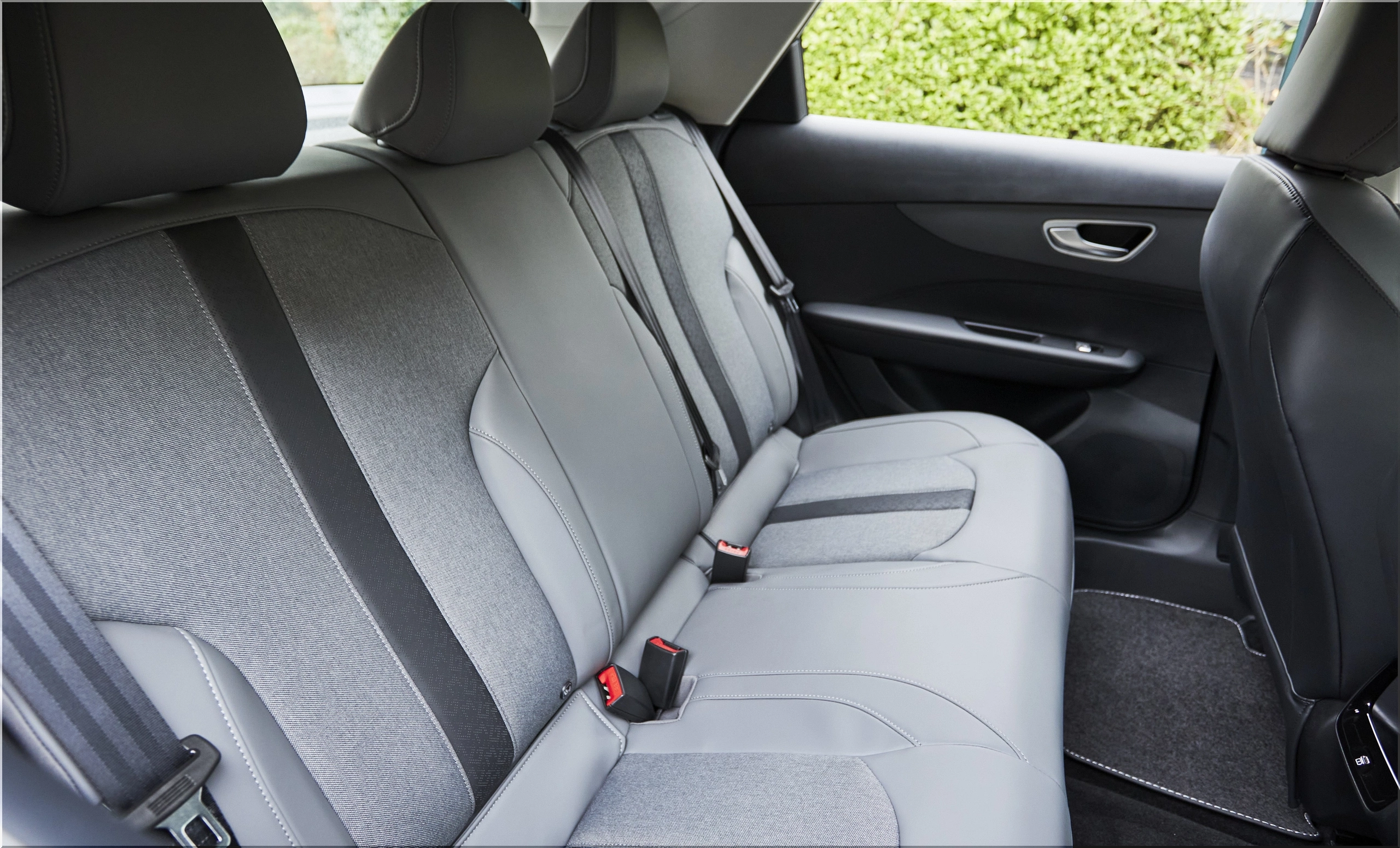
The 2026 MG4 EV Urban utilizes an entirely different structure compared to the rear-wheel-drive MG4 hatchback. Engineers shifted the powertrain to the front axle to eliminate the rear drive tunnel, thereby maximizing rear passenger legroom and expanding the luggage compartment. This structural change results in a vehicle that measures 4,395 mm (173 inches) in length, which is approximately 108 mm (4.2 inches) longer than the standard MG4.
Weight reduction served as a primary engineering objective. The MG4 EV Urban weighs approximately 1,520 kg (3,351 lbs), making it roughly 150 kg (330 lbs) lighter than its more expensive counterparts. This reduction comes from the simplified front-drive layout and the integration of the battery pack as a stressed member of the chassis. Looking at the data, the lower mass directly offsets the lower energy density of the LFP cells, maintaining efficiency at roughly 4.2 to 4.5 miles per kWh in city cycles.
Definitions for Fleet Operators
LFP (Lithium Iron Phosphate): A battery chemistry known for its longevity and safety. Unlike NMC (Nickel Manganese Cobalt) batteries, LFP packs can be charged to 100% daily without significant degradation, making them ideal for high-utilization urban fleets.
Powertrain Specifications and Energy Management
The Urban lineup features two distinct power outputs based on the selected battery capacity. The Comfort Standard Range employs a 42.8 kWh battery paired with a 110 kW (149 hp) motor. By comparison, the Long Range variants utilize a 53.9 kWh battery and a 118 kW (160 hp) motor.
Both configurations produce 250 Nm (184 lb-ft) of torque. Consequently, the vehicle delivers predictable linear acceleration rather than the aggressive surges typical of performance EVs. The 0-100 km/h (0-62 mph) sprint requires 9.5 to 9.6 seconds depending on the trim. This performance profile is designed to optimize tire longevity and passenger comfort in stop-and-go traffic.
2026 MG4 EV Urban Technical Specifications
| Feature | Comfort Standard Range | Comfort/Premium Long Range |
|---|---|---|
| Battery Capacity (Usable) | 42.8 kWh | 53.9 kWh |
| Peak Power Output | 110 kW (149 hp) | 118 kW (160 hp) |
| Maximum Torque | 250 Nm (184 lb-ft) | 250 Nm (184 lb-ft) |
| Drivetrain | Front-Wheel Drive (FWD) | Front-Wheel Drive (FWD) |
| WLTP Range | 201 Miles (323 km) | 258 Miles (415 km) |
| Top Speed | 100 mph (160 km/h) | 100 mph (160 km/h) |
| 0-62 mph (0-100 km/h) | 9.6 Seconds | 9.5 Seconds |
Charging Infrastructure and Thermal Efficiency
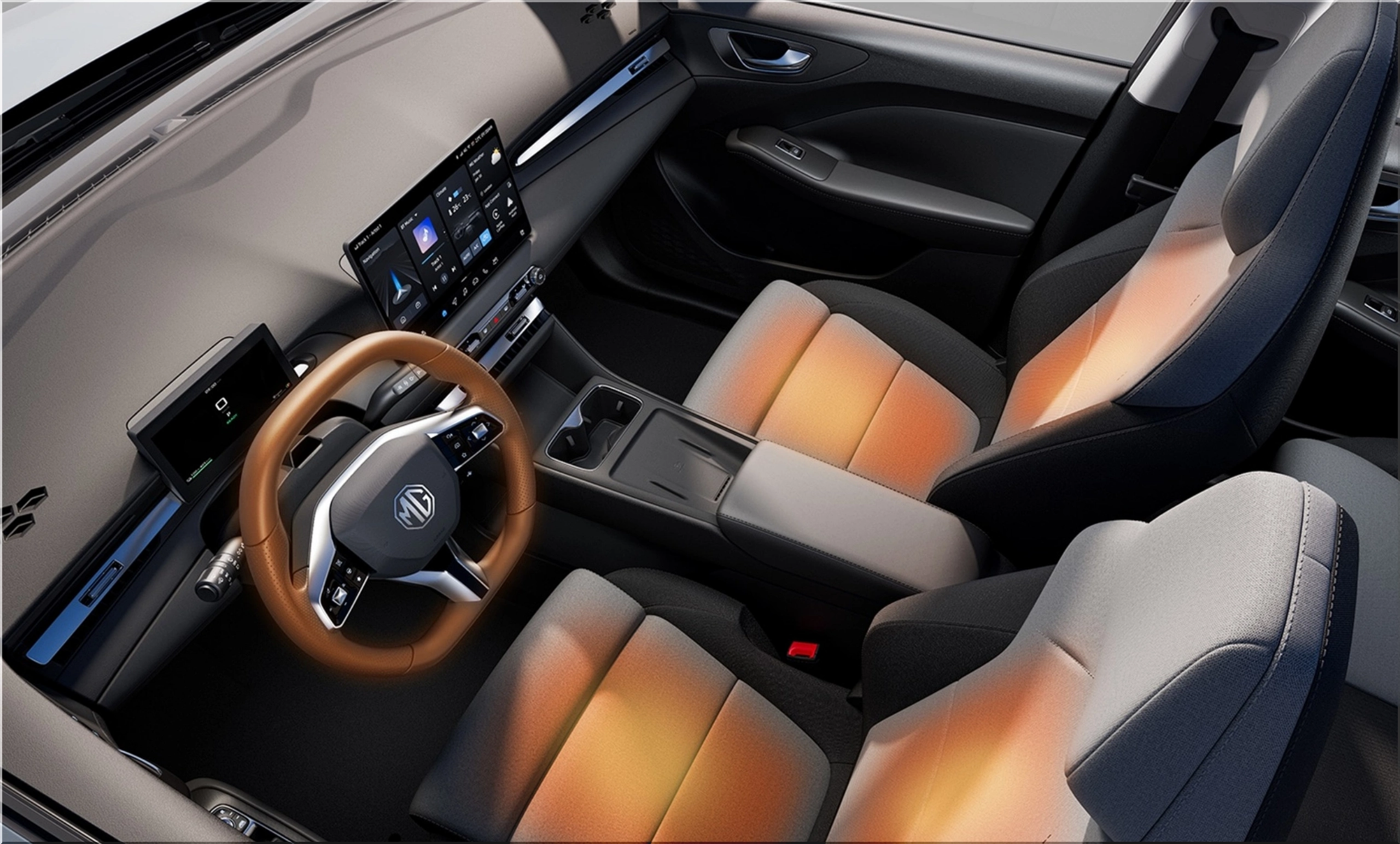
A standard heat pump across all trims ensures that the 2026 MG4 EV Urban maintains its range during winter operation. Specifically, the heat pump scavenges waste heat from the drivetrain and battery to warm the cabin, reducing the load on the high-voltage heater. From an expert perspective, this feature is critical for maintaining over 80% of the rated WLTP range in temperatures below 40 degrees Fahrenheit.
Image
The DC fast-charging rate is capped at 87 kW. While this is lower than the 150 kW capacity of the standard MG4, the LFP battery flatlines its charging curve more effectively. In addition, the 10% to 80% charge cycle takes 28 minutes when utilizing a 150 kW ultra-fast charger. For overnight charging, the onboard 11 kW AC charger allows for a full top-up in approximately 5 to 6 hours.
Pro-Tip: Battery Management
Charge the MG4 EV Urban to 100% at least once a week. Unlike standard NMC batteries, the LFP chemistry requires periodic full charges to recalibrate the Battery Management System (BMS) for accurate range estimation.
Interior Volume and Cargo Versatility
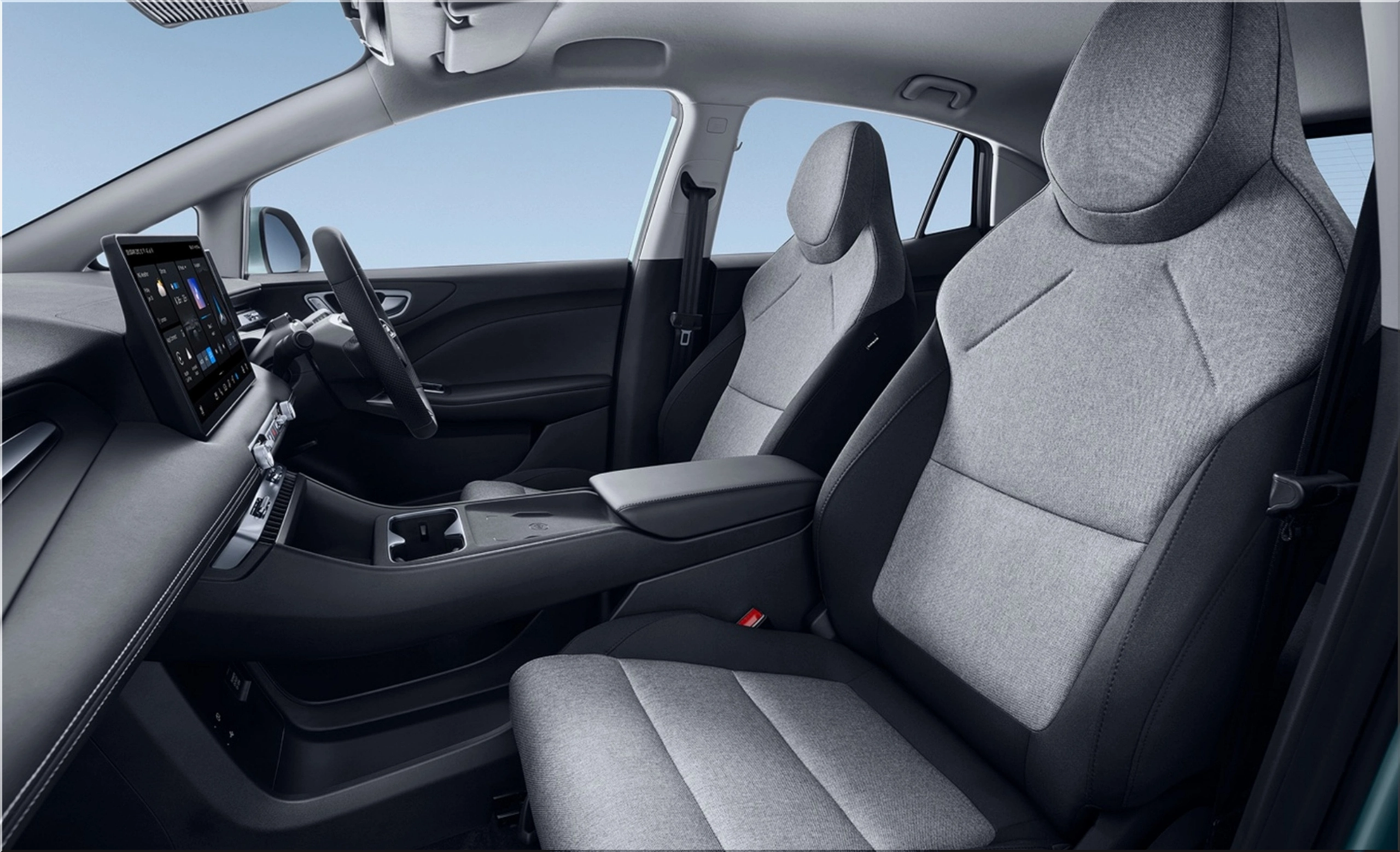
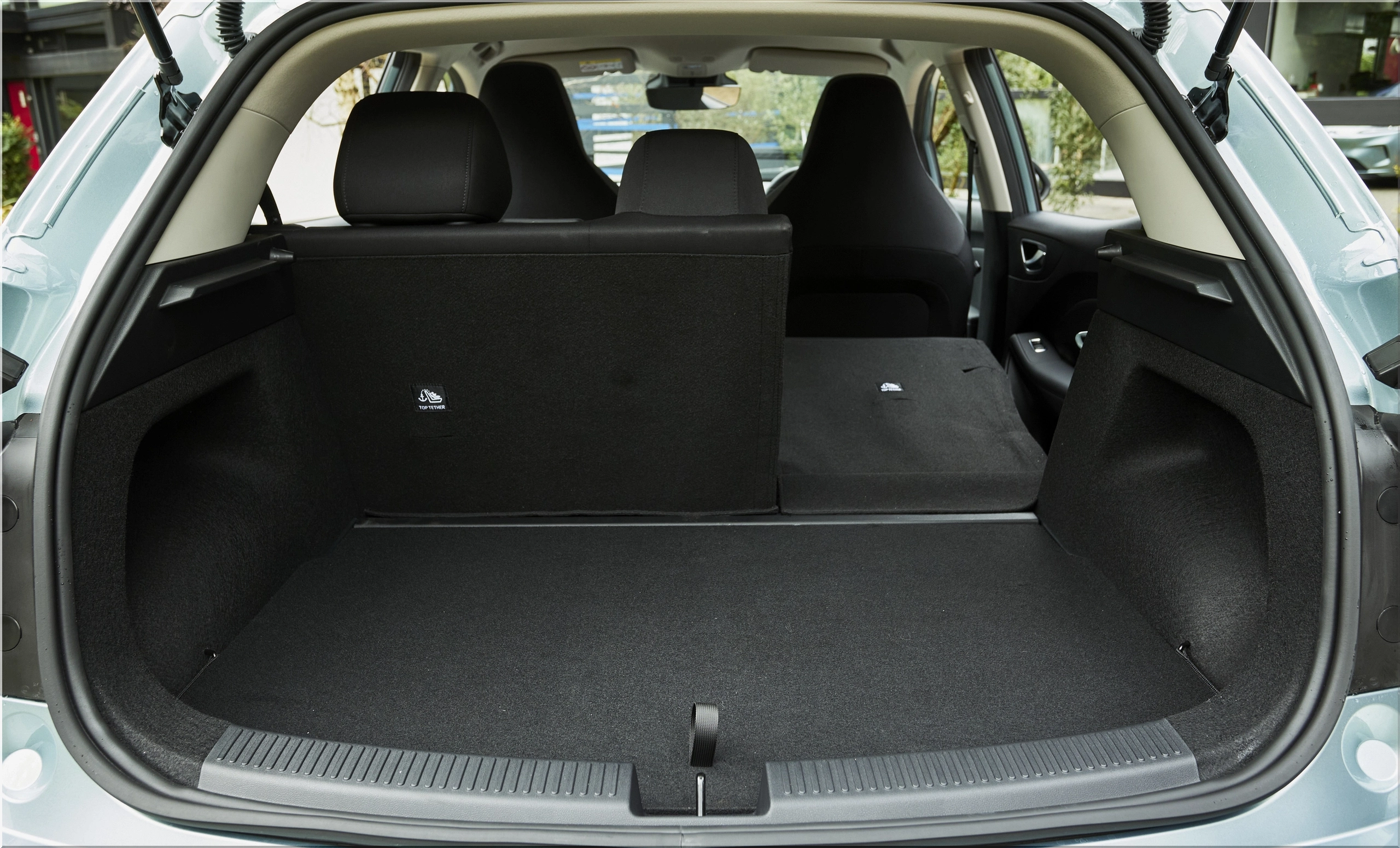
The shift to the Urban platform drastically improves utility. The boot offers a class-leading 577 liters (20.4 cubic feet) of space, which includes 98 liters of underfloor storage. Specifically, the lack of a rear motor allows for a much deeper luggage floor than the standard MG4.
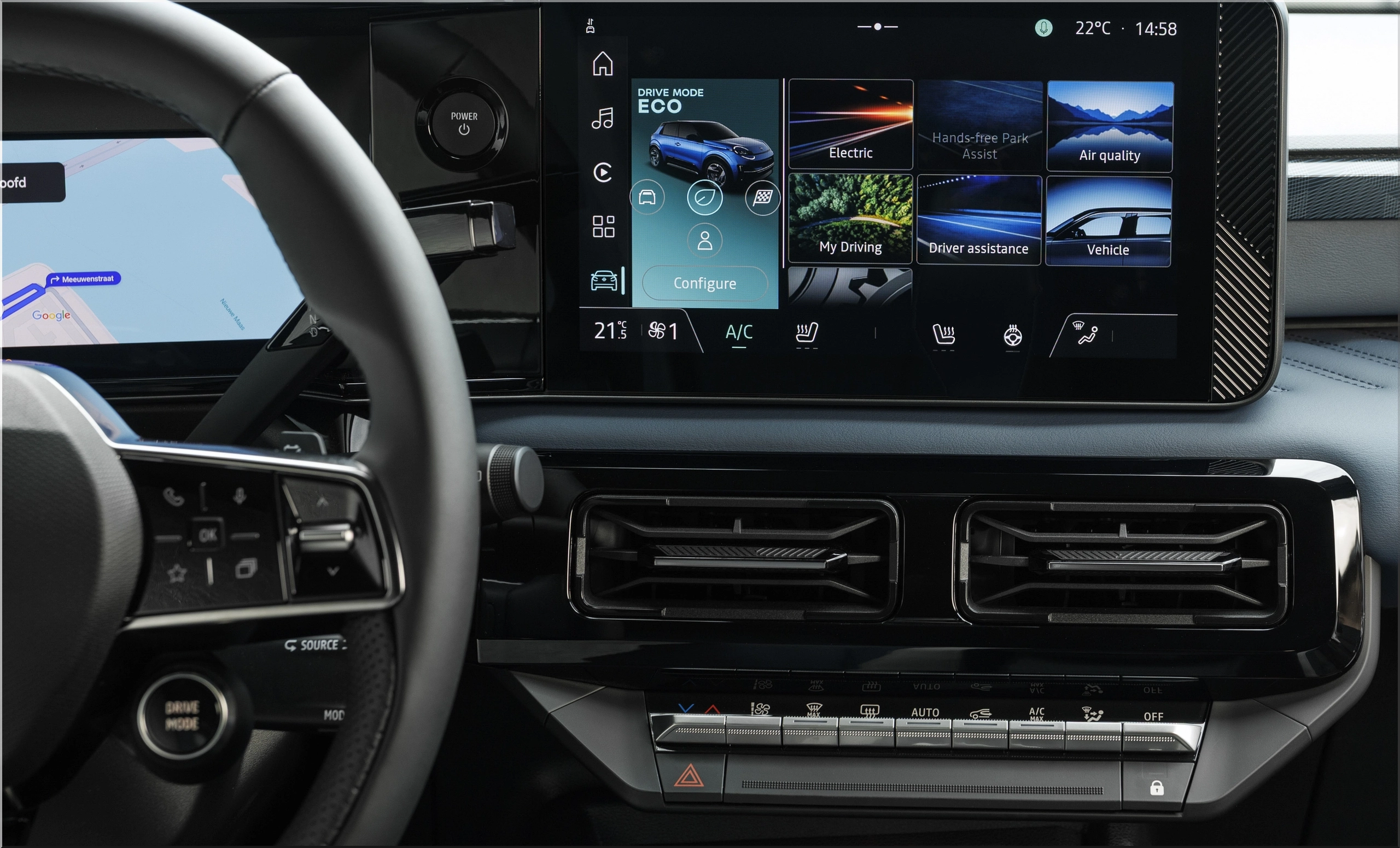
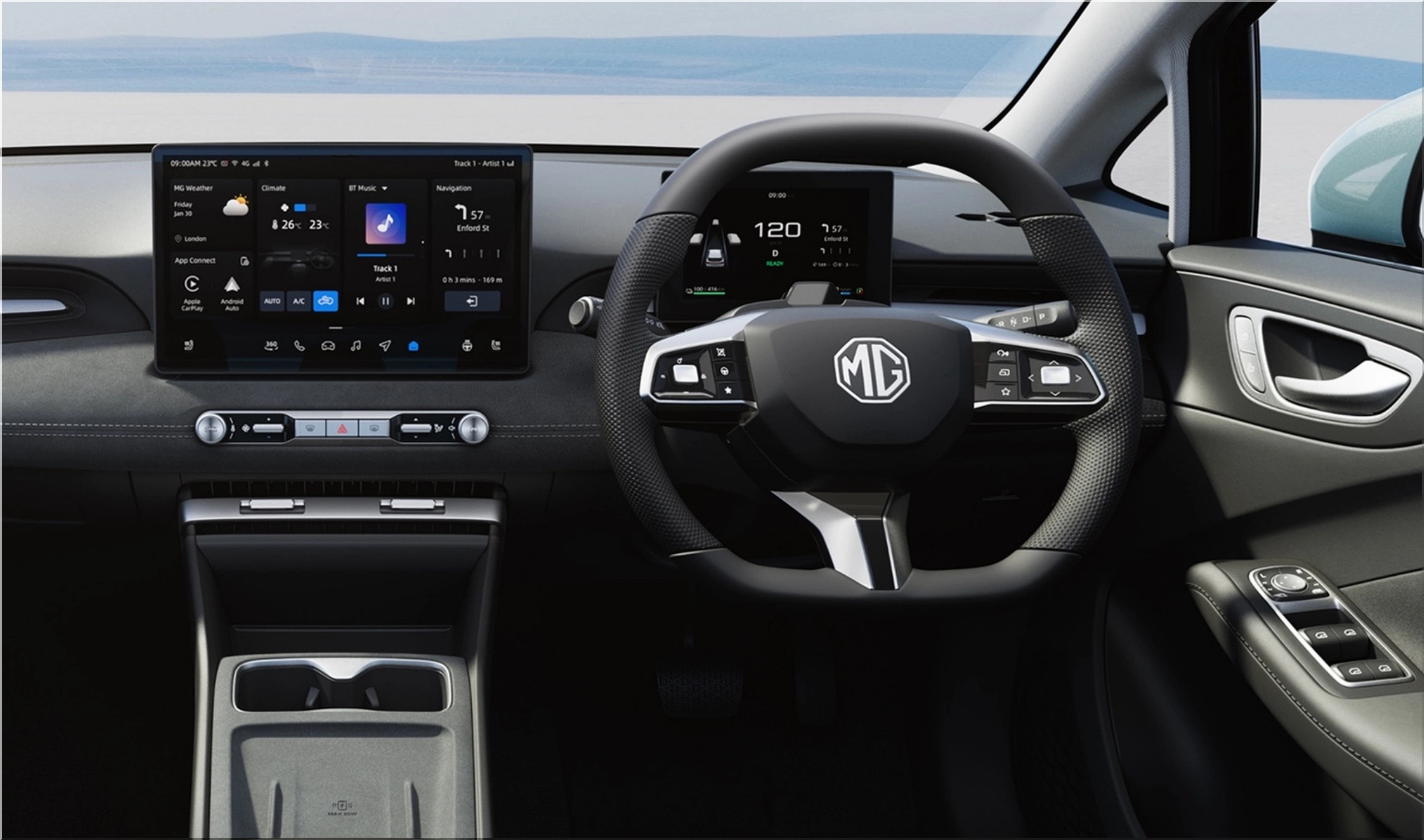
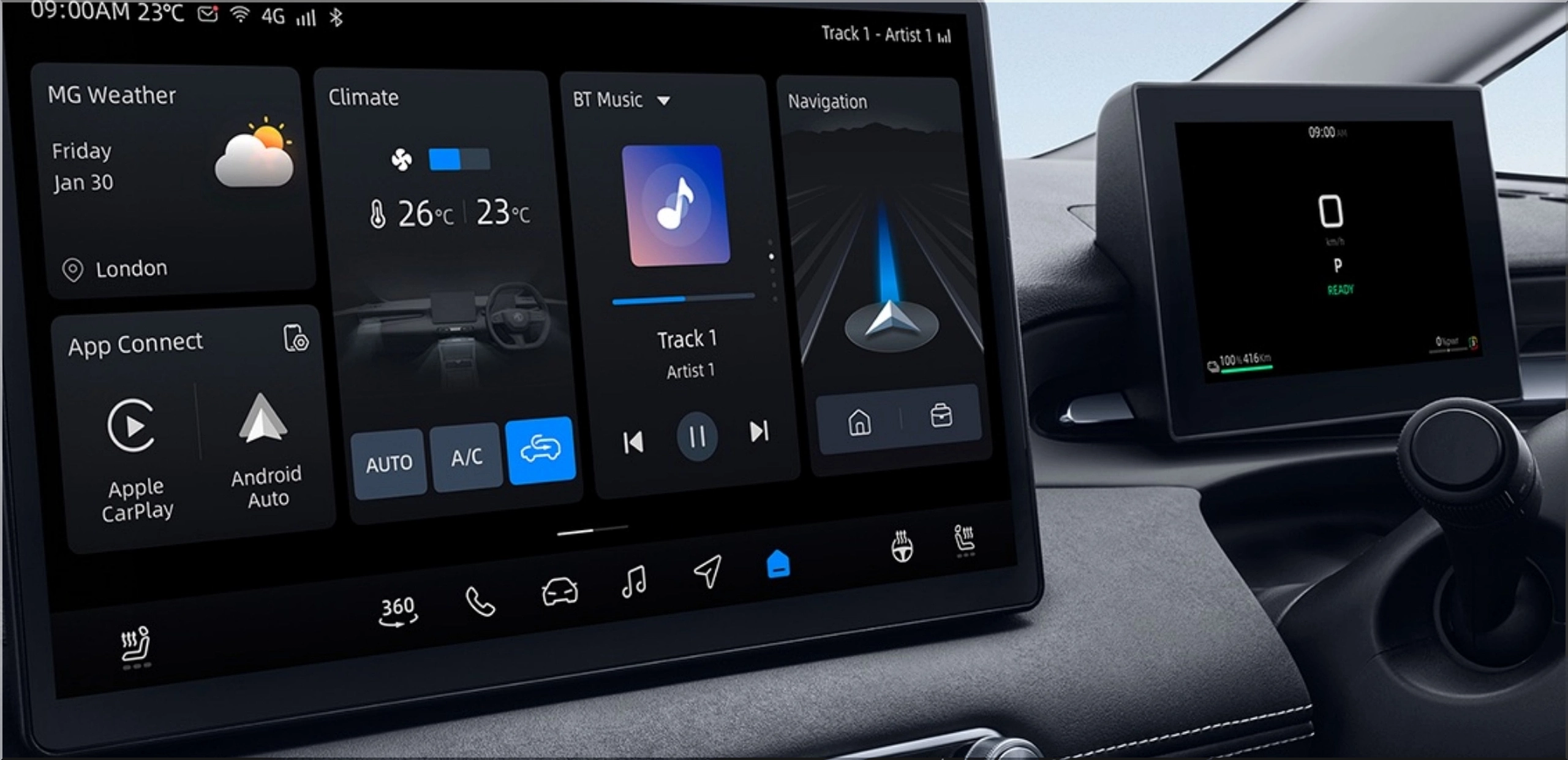
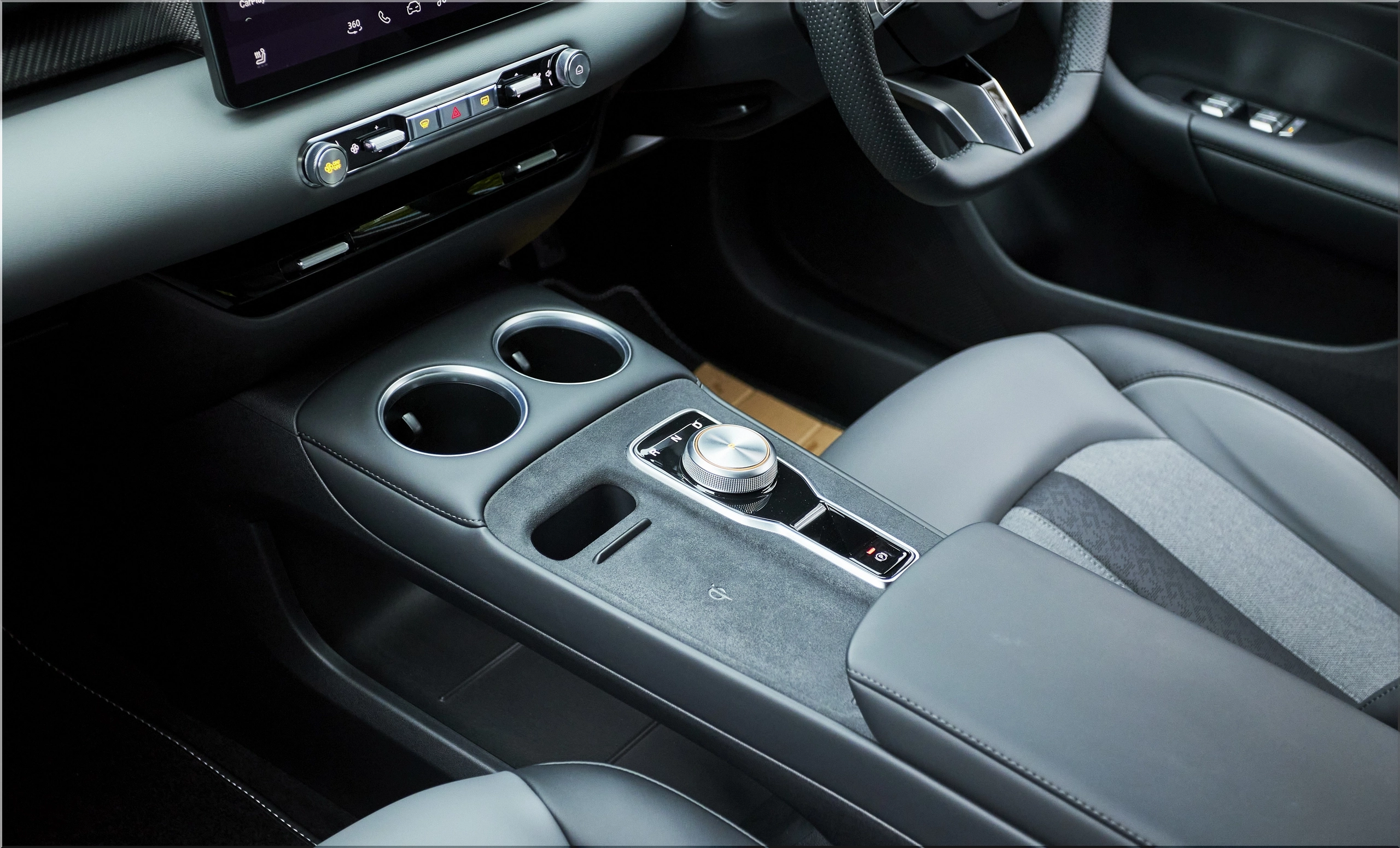
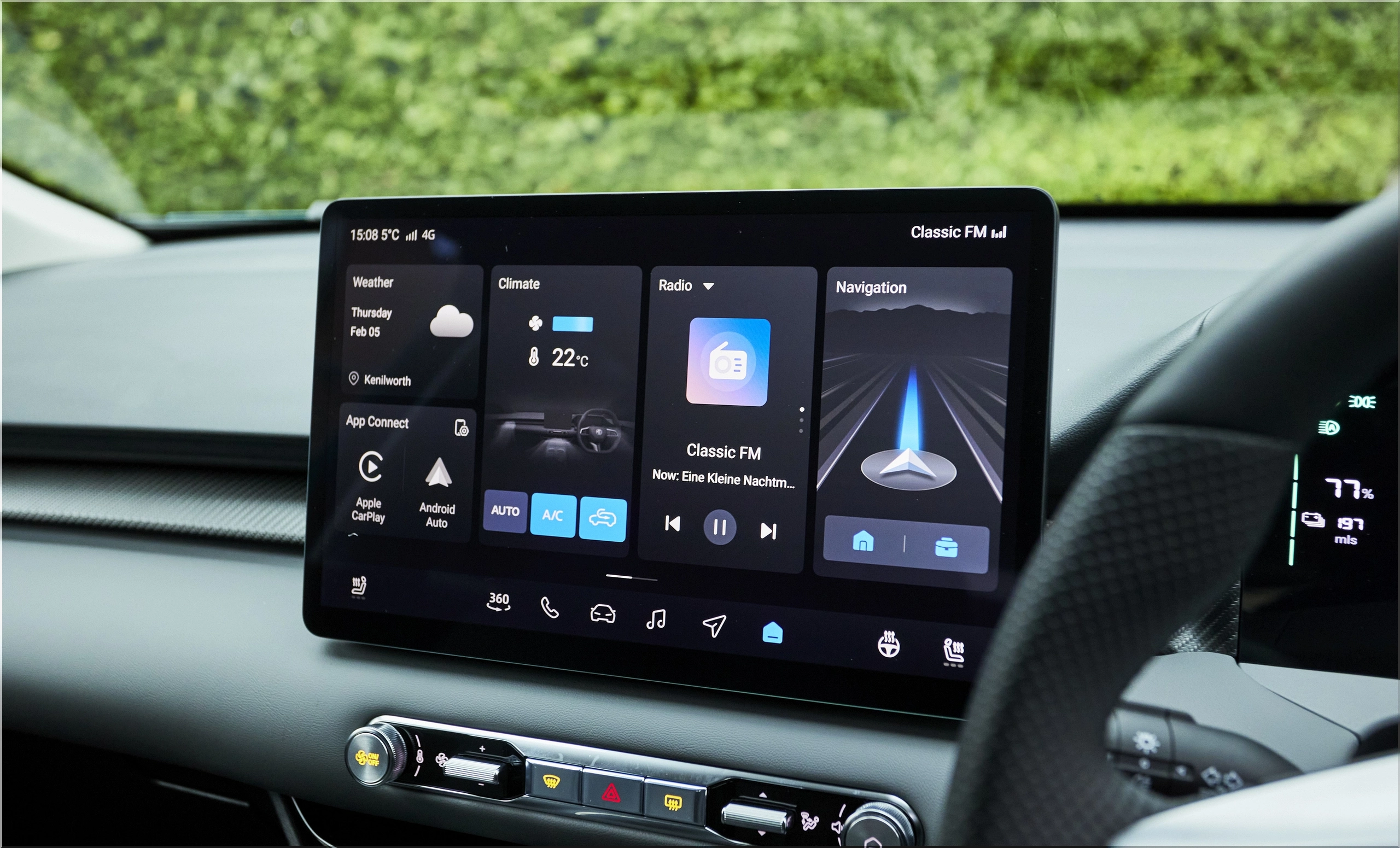
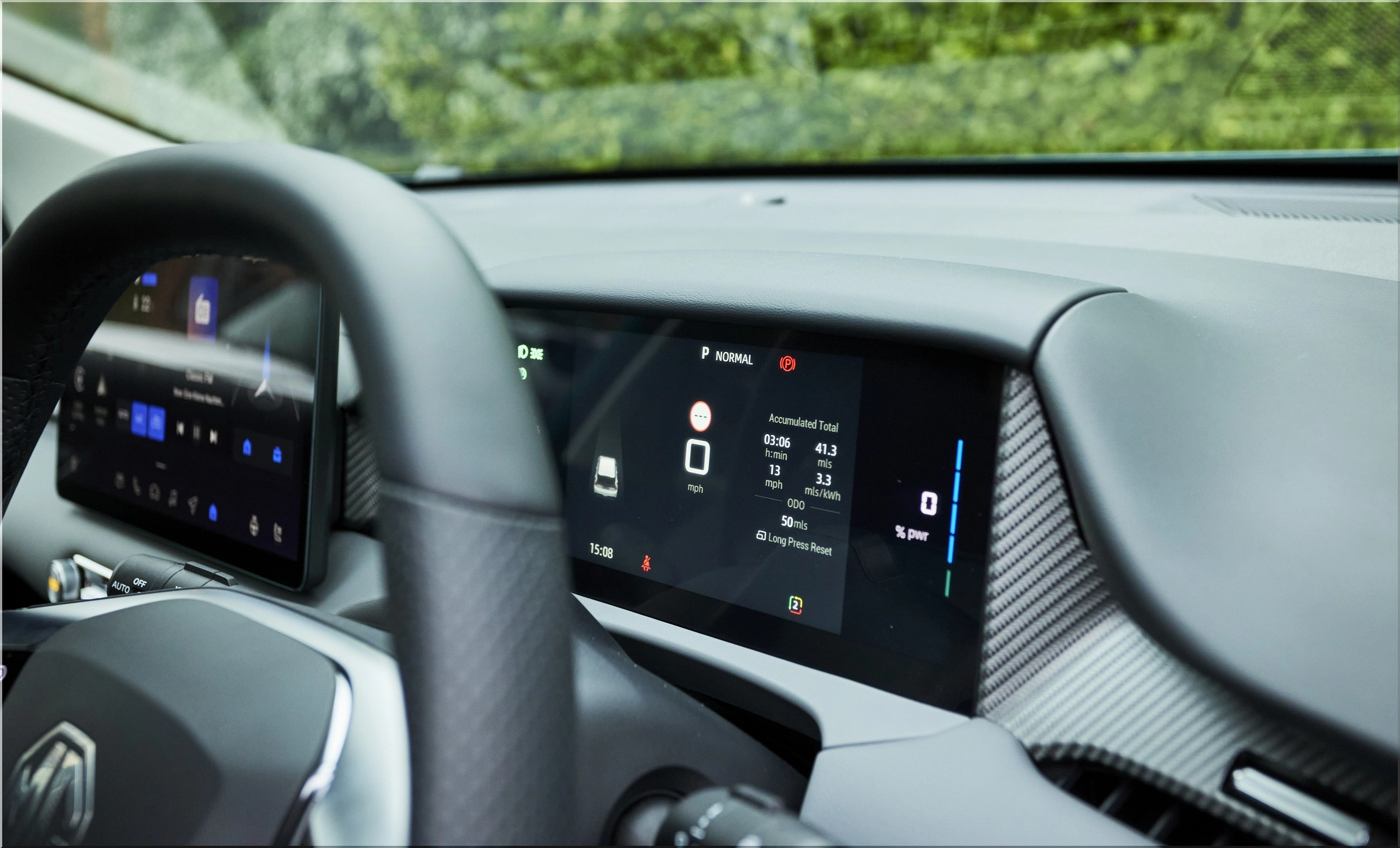
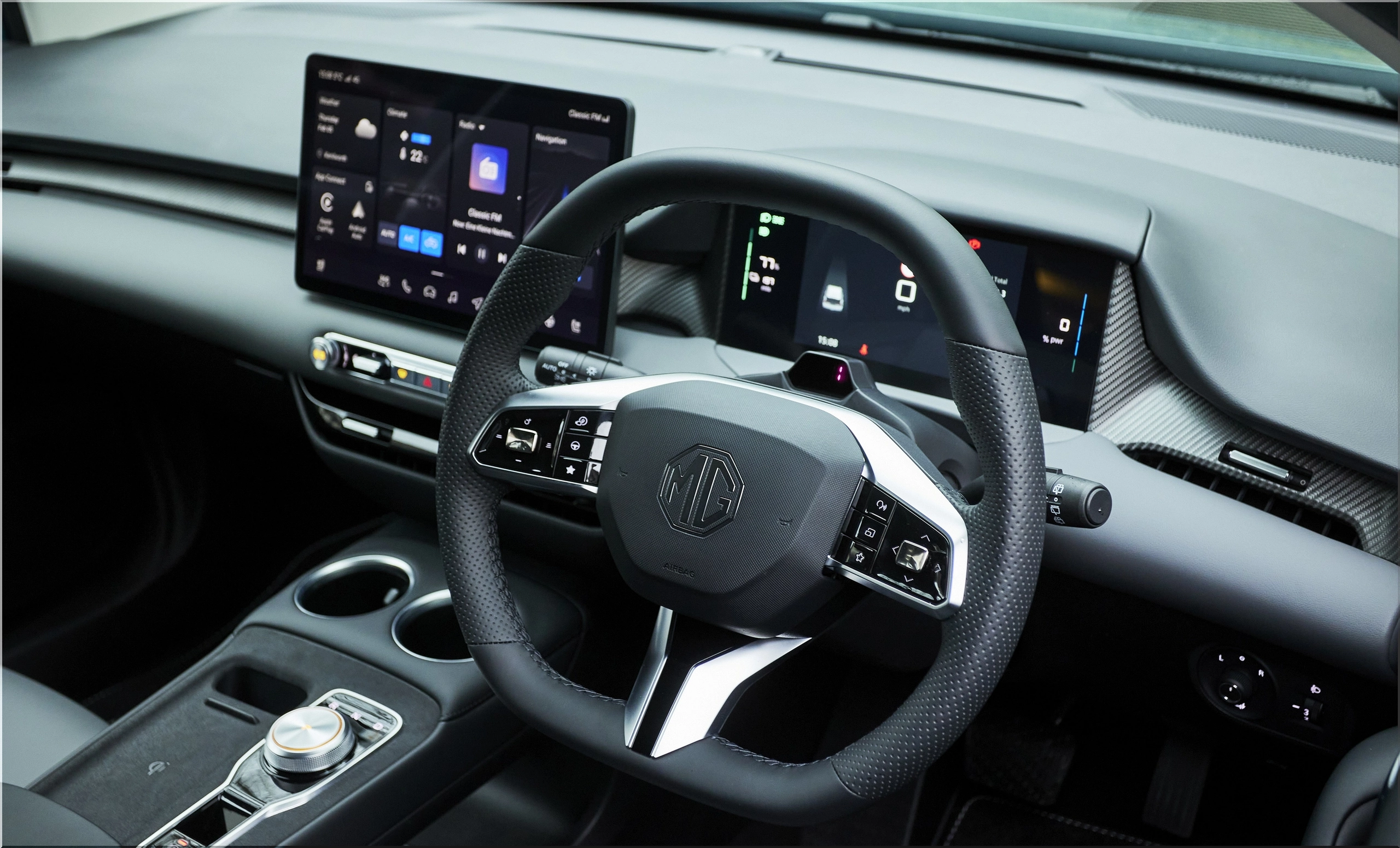
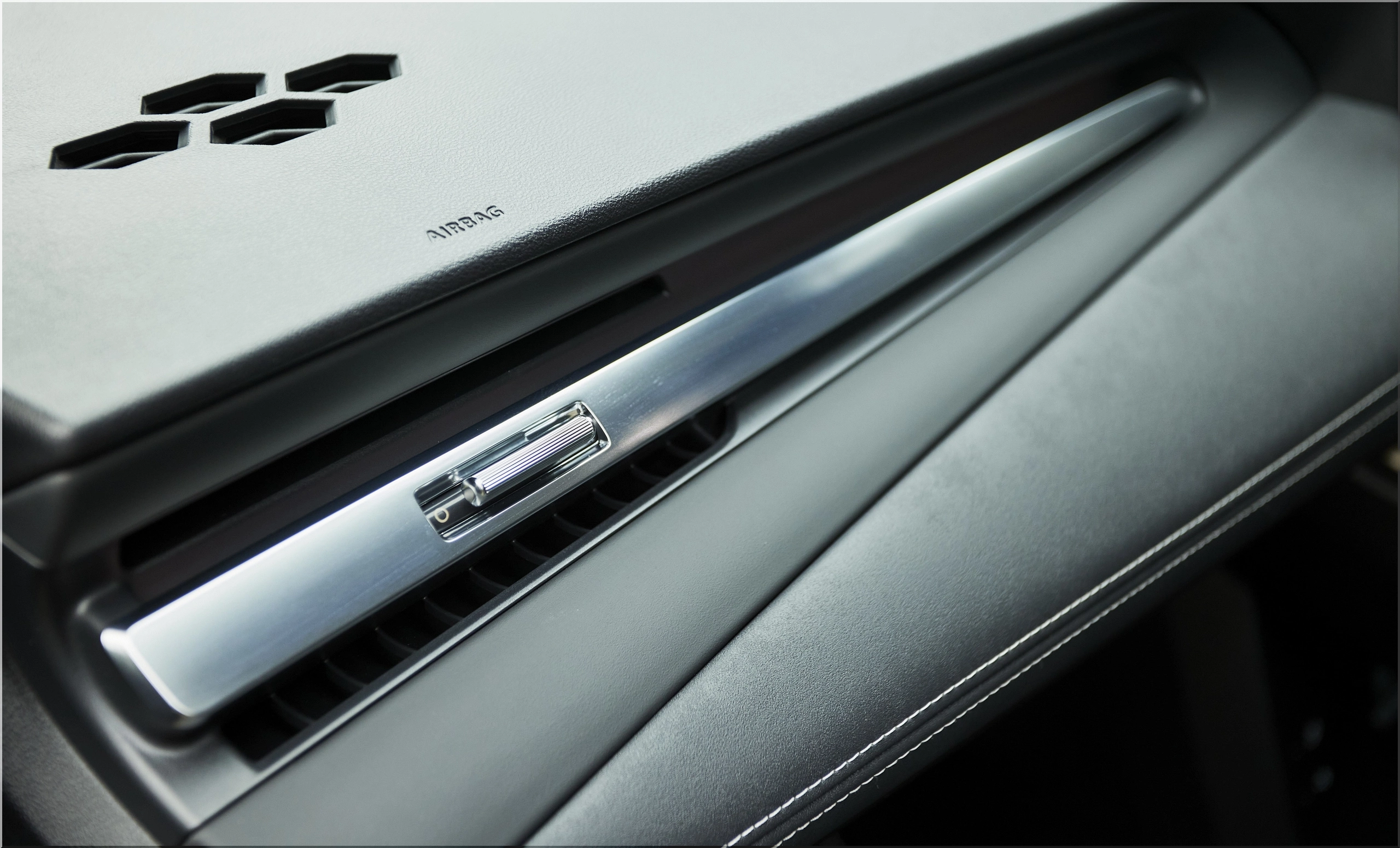
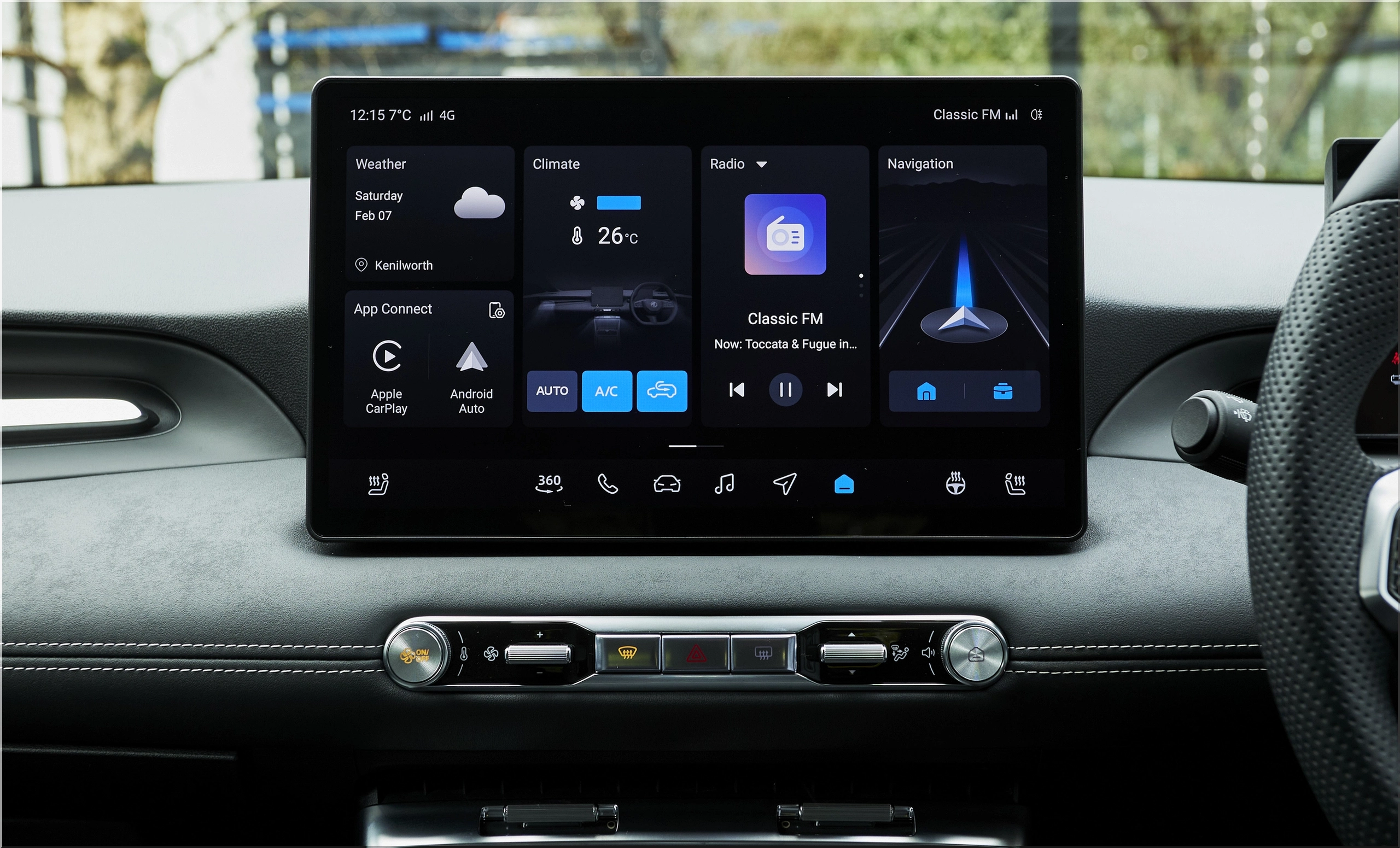
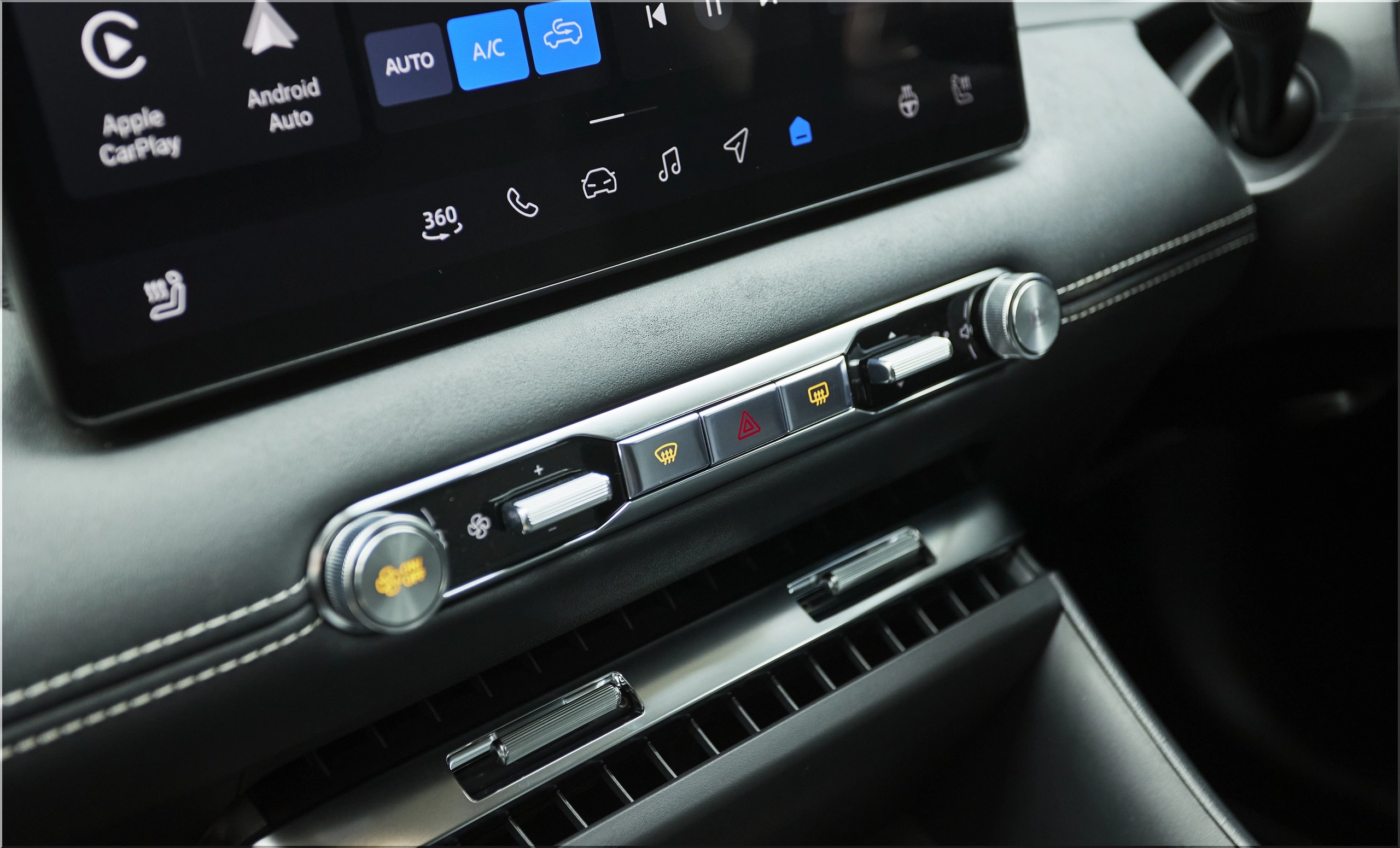
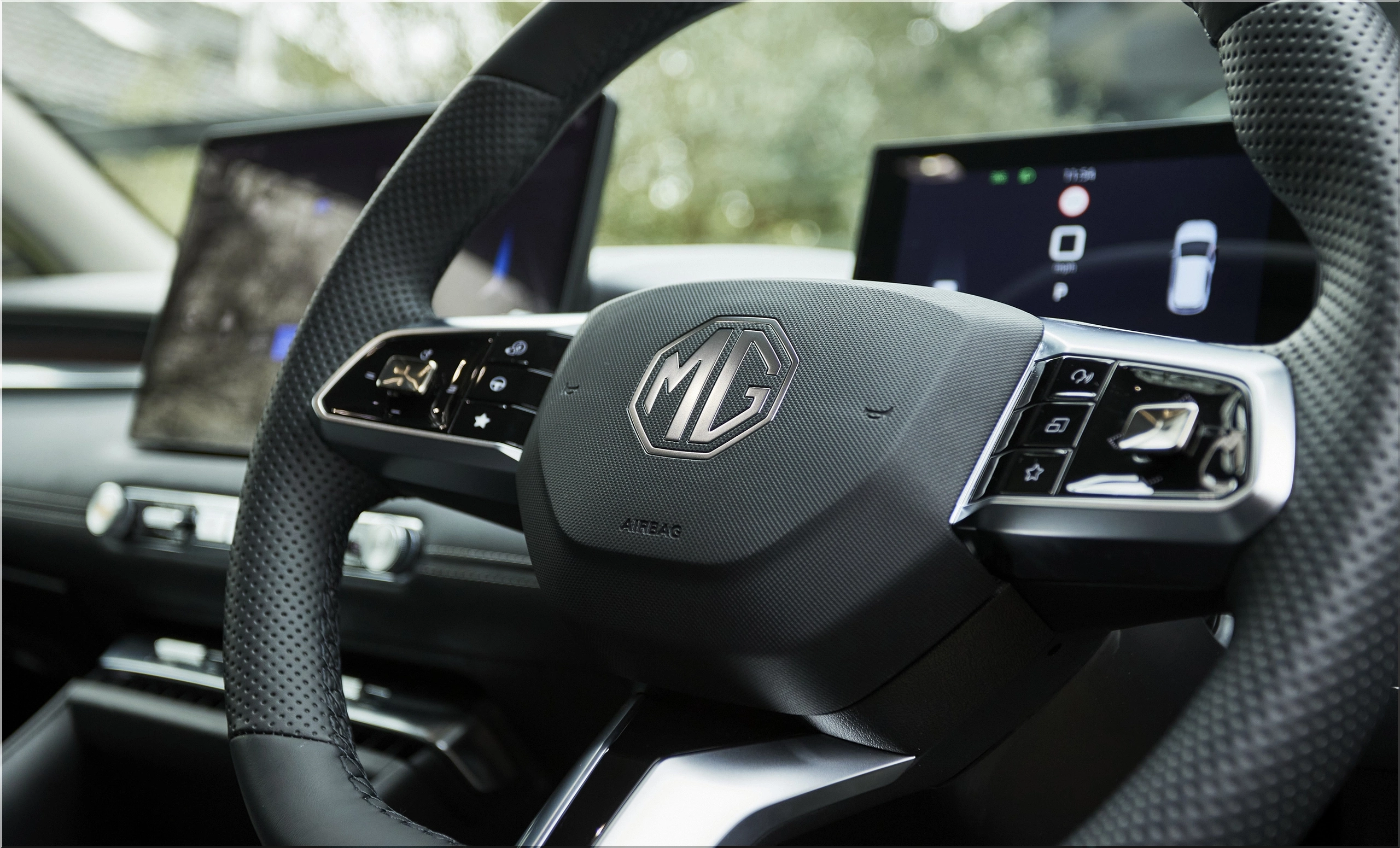
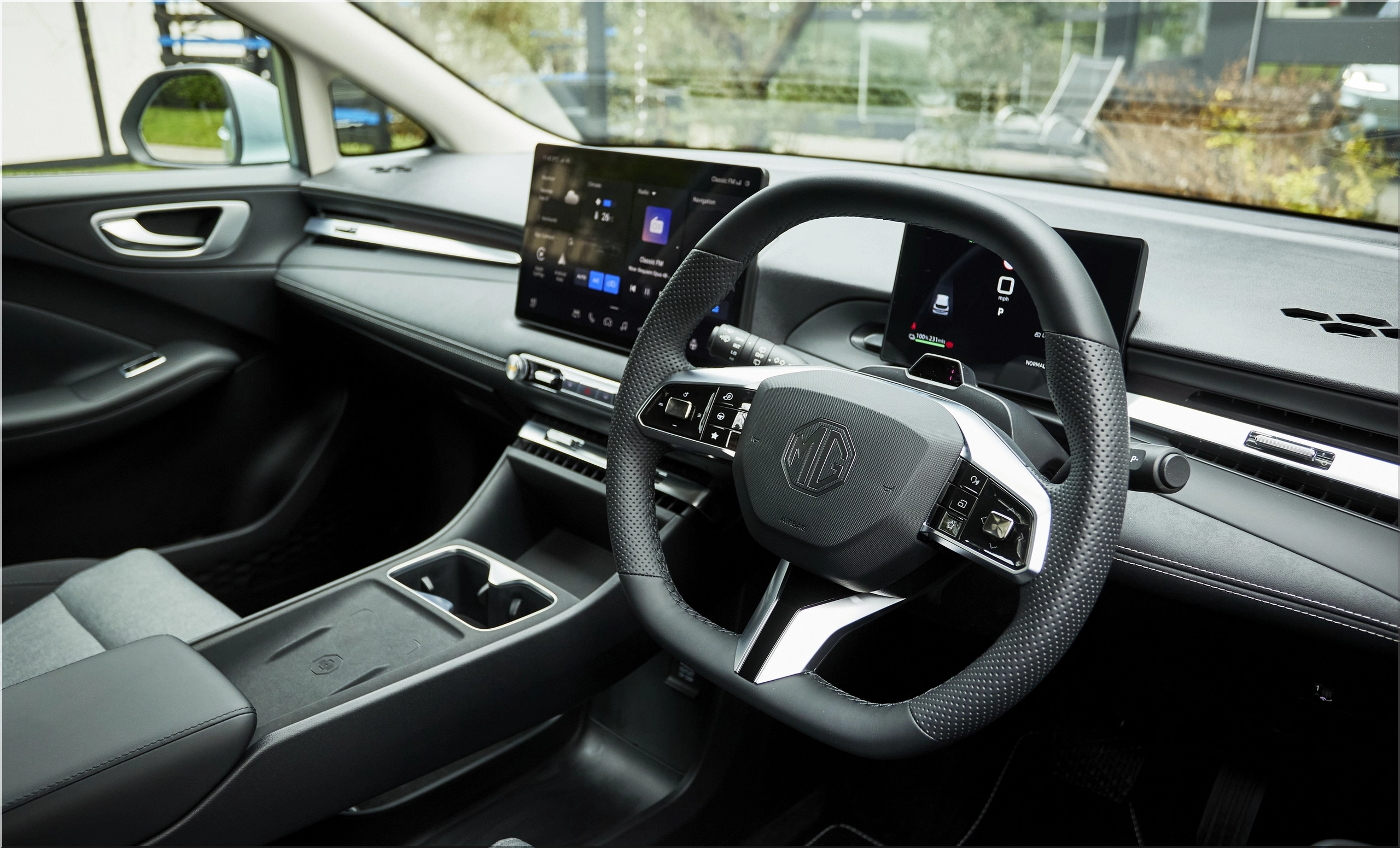
Inside, the driver interface features a 12.8-inch HD touchscreen and a 7-inch digital display. MG responded to ergonomic feedback by reintroducing physical buttons for climate control. These switches are located directly below the screen for tactile feedback while driving.
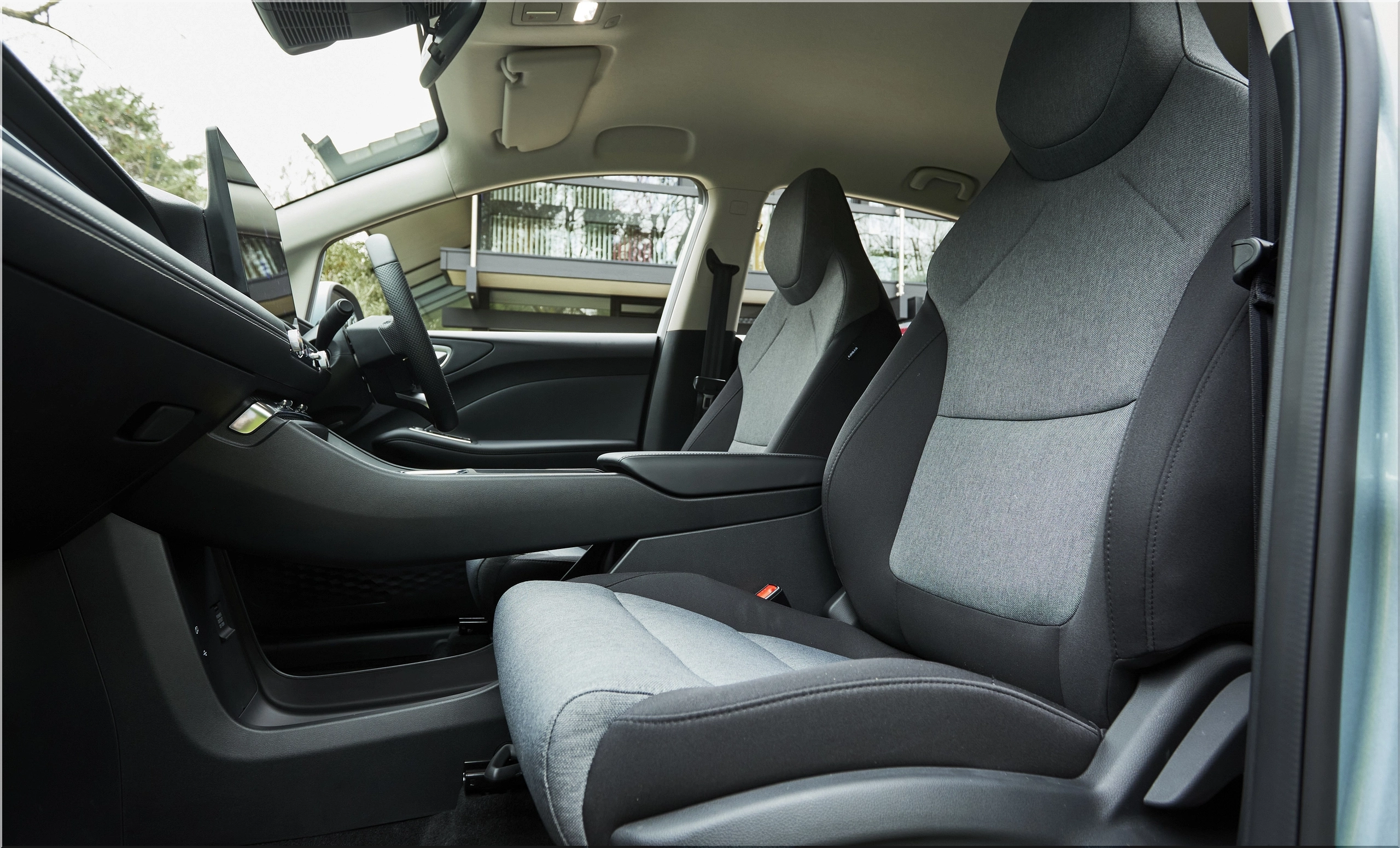
- Rear Legroom: 2,750 mm (108.3 inch) wheelbase provides executive-level space.
- Cargo Capacity: 577 liters (expanding to 1,364 liters with seats folded).
- Connectivity: Wireless Apple CarPlay and Android Auto are standard.
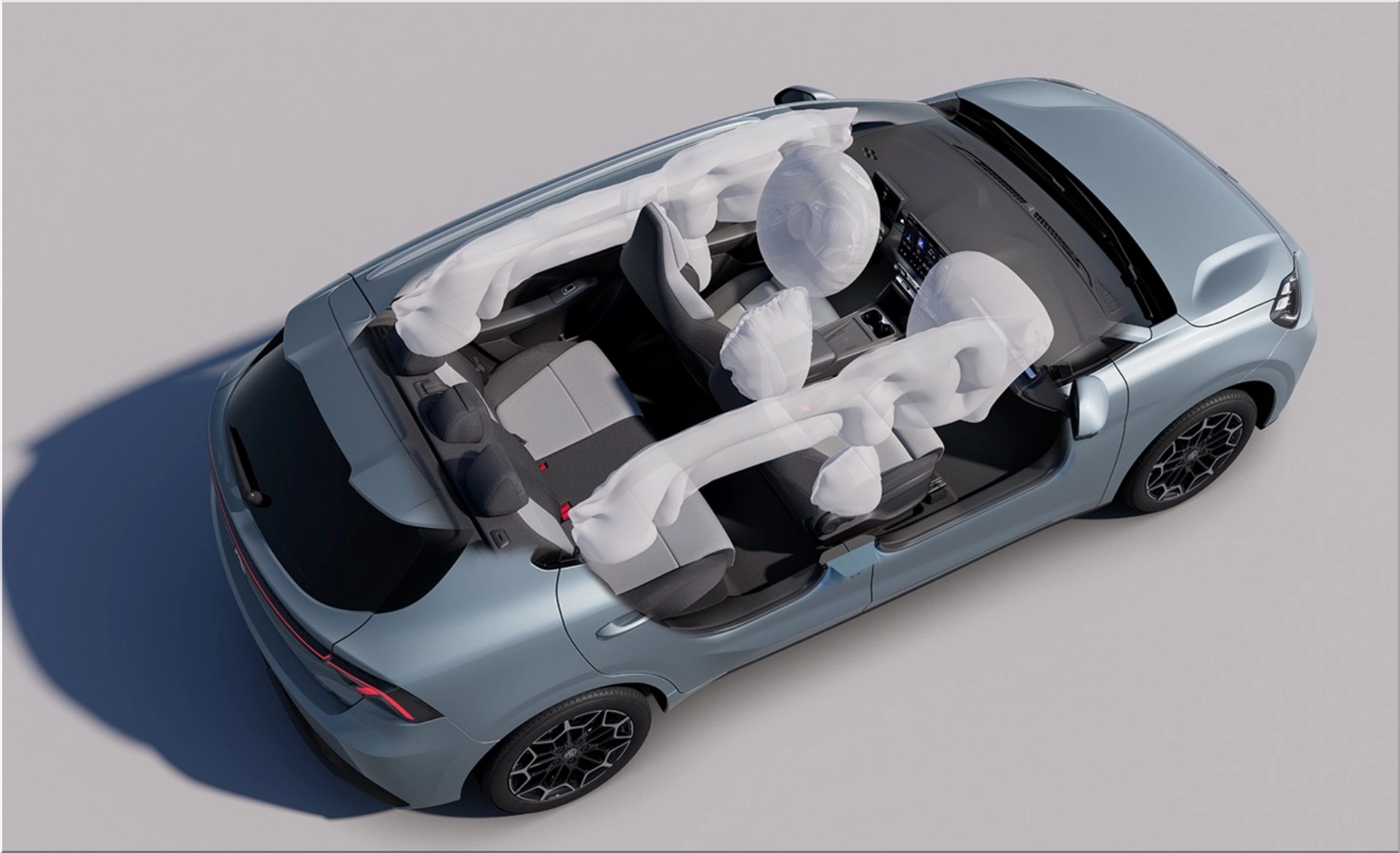
- Safety: Five-star Euro NCAP rating with the MG Pilot driver assistance suite.
Competitive Market Comparison
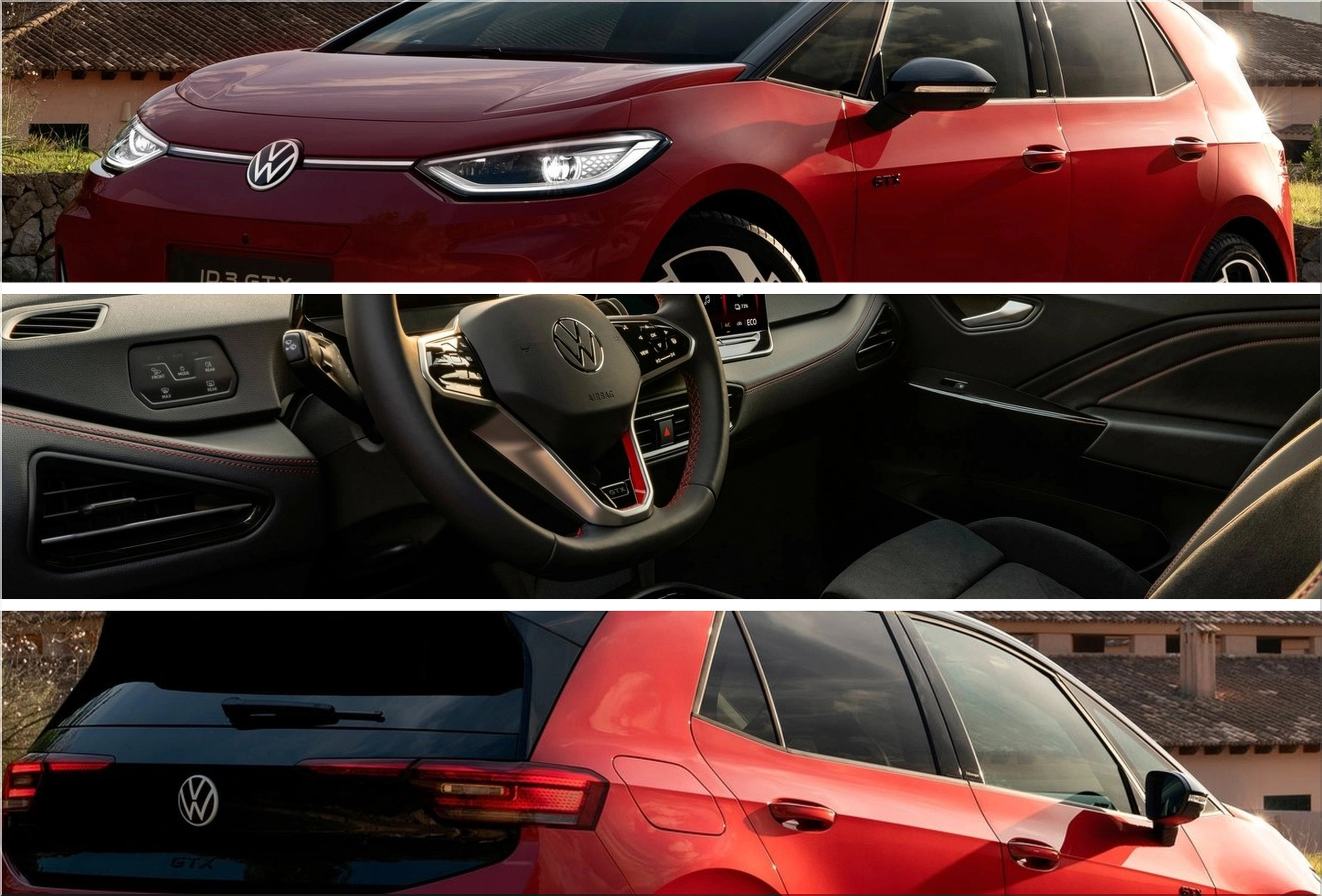
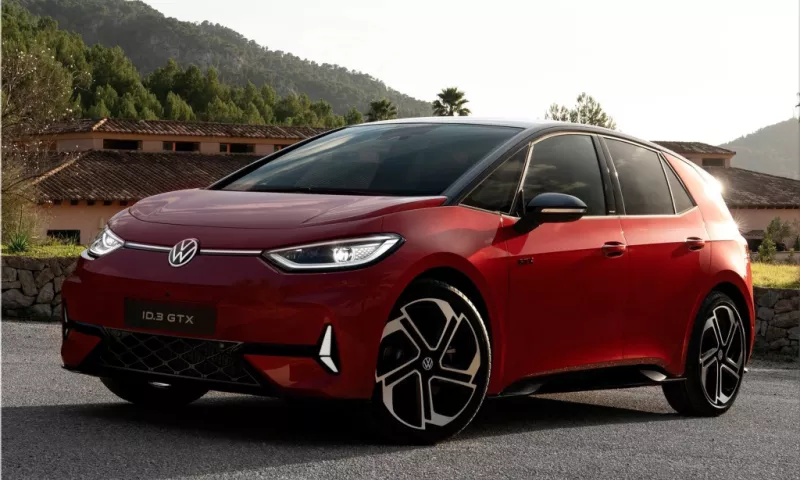
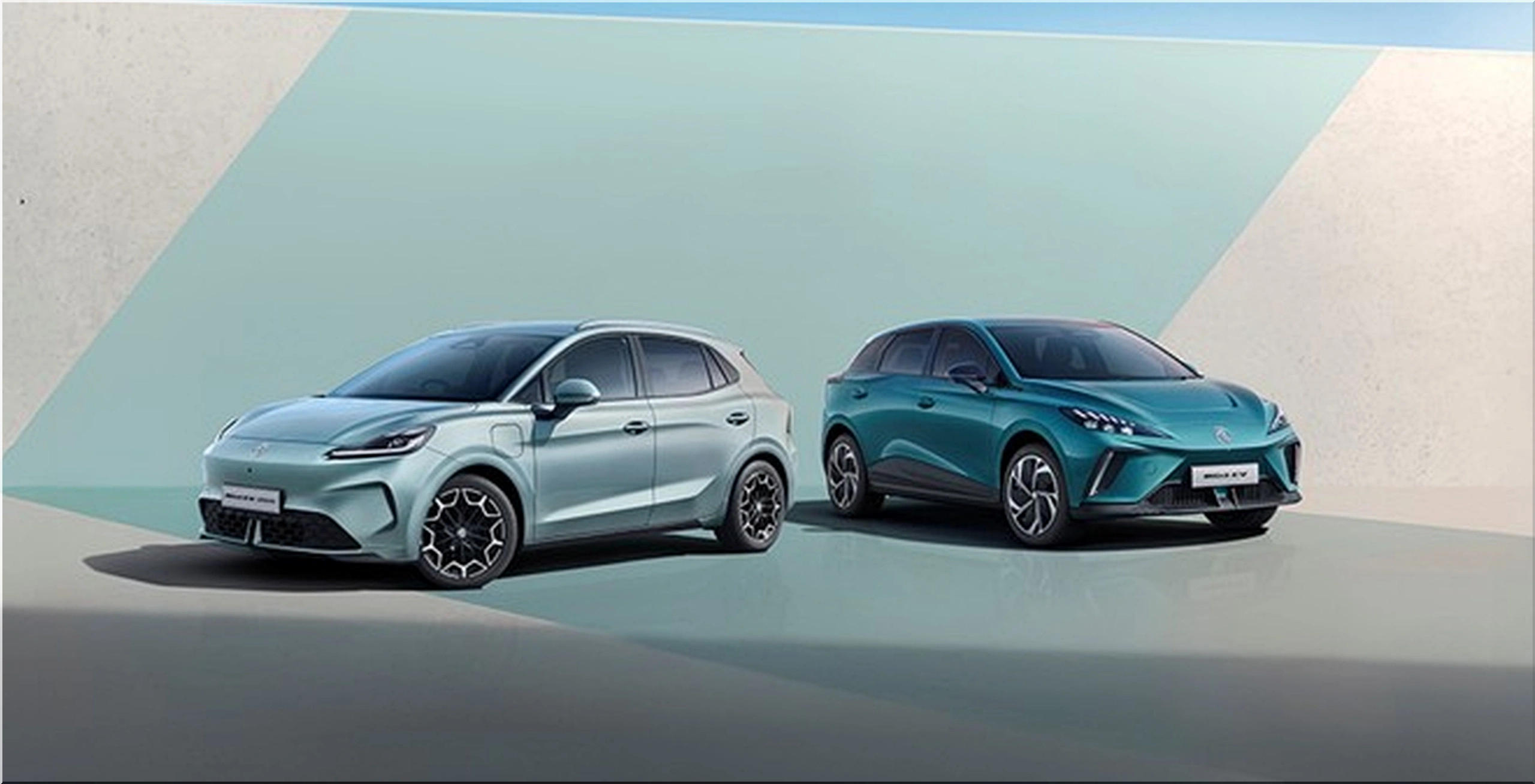
The 2026 MG4 EV Urban competes in the value-driven C-segment. Its primary rivals include the Volkswagen ID.3 and the Renault 5. When evaluating these vehicles, the MG4 Urban wins on raw interior volume and price-per-mile of range, though it sacrifices the premium interior materials found in the Renault.
Segment Performance Benchmark
| Metric | MG4 EV Urban (54kWh) | VW ID.3 Pure (52kWh) | Renault 5 (52kWh) |
|---|---|---|---|
| Base Price (approx. USD) | $28,500 | $34,800 | $31,500 |
| WLTP Range | 258 Miles | 240 Miles | 252 Miles |
| Boot Space | 577 Liters | 385 Liters | 326 Liters |
| Drive Layout | FWD | RWD | FWD |
| DC Charge Rate | 87 kW | 145 kW | 100 kW |
Looking at the data, the MG4 EV Urban offers significantly more storage than its European competitors. However, the Volkswagen ID.3 retains a charging advantage for long-distance travel. The MG is clearly positioned as the pragmatic choice for families or fleet operators who prioritize space over rapid-fire charging on the motorway.


Pricing Structure and Ownership ROI
In the United Kingdom and Europe, the MG4 EV Urban starts at approximately $28,500 (converted from £21,995 including local incentives). The Premium Long Range trim tops the range at roughly $34,500. This pricing strategy undercuts the standard MG4 by nearly $8,000, making it one of the most accessible family-sized EVs on the market in 2026.
Residual values are expected to remain stable due to the durability of the LFP battery. Maintenance costs are lower than ICE equivalents due to the lack of oil changes and reduced brake wear from the adjustable regenerative braking system. The Urban model features five driving modes, including a dedicated Sport mode that sharpens steering weight, though the Normal mode provides the most balanced energy consumption.
What now?
The 2026 MG4 EV Urban is the most logical entry point for buyers transitioning to electric power. It ignores the "horsepower wars" in favor of massive boot space and a durable battery chemistry that handles daily abuse better than any NMC-equipped rival.
Next Steps for Potential Buyers:
- Verify Charging Needs: Ensure your local infrastructure supports at least 50 kW DC charging to make the 30-minute top-up viable.
- Test the Boot: Bring your largest strollers or cargo boxes to an MG showroom to see how the 577-liter capacity handles real-world gear.
- Evaluate Trim: Opt for the Comfort Long Range if you plan on occasional inter-city travel; the 258-mile range offers the best value-to-utility ratio in the lineup.
- Add new comment
- 312 views