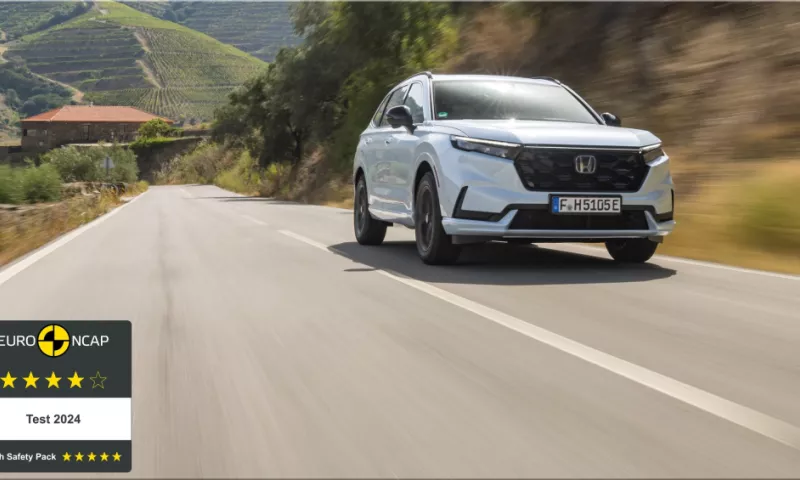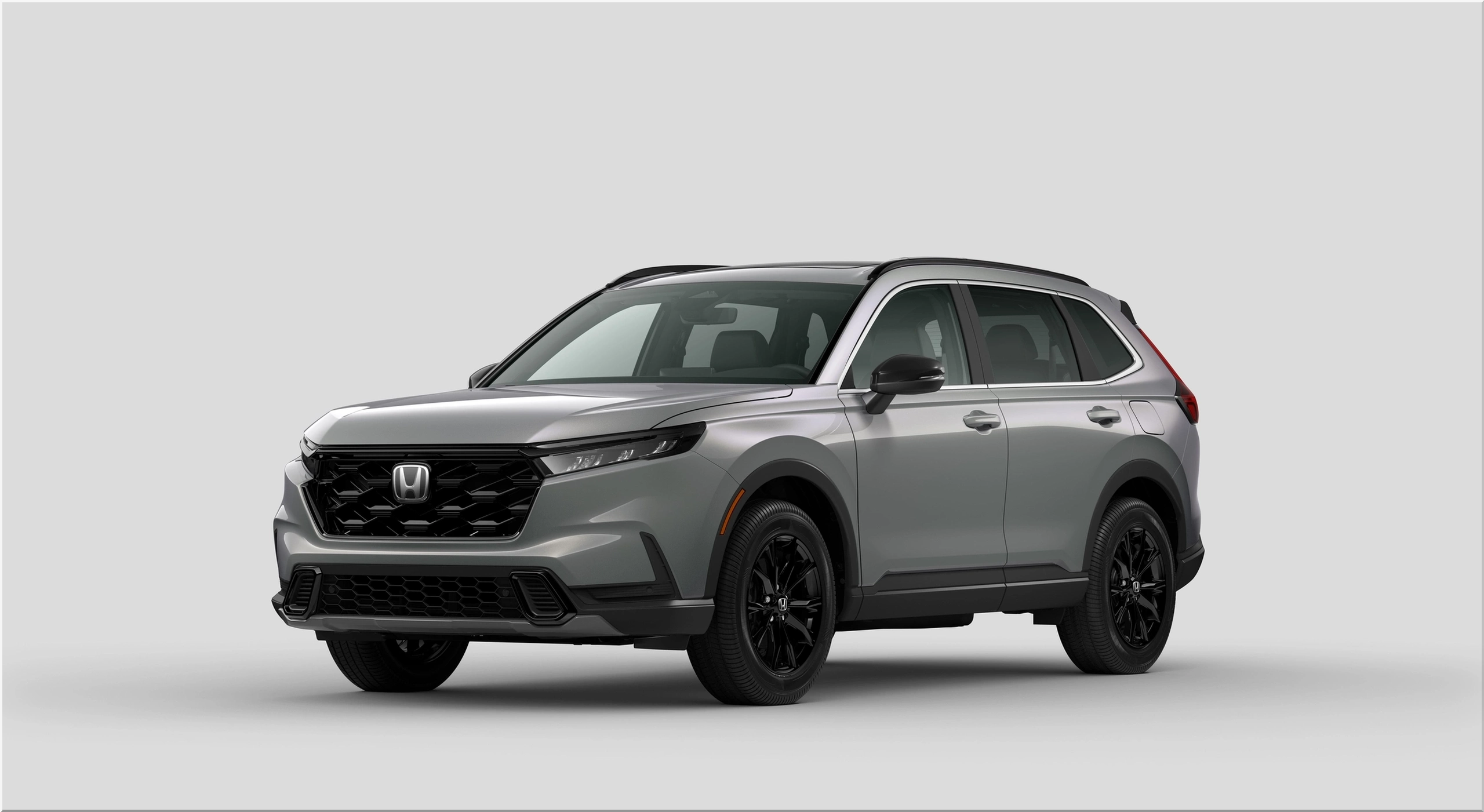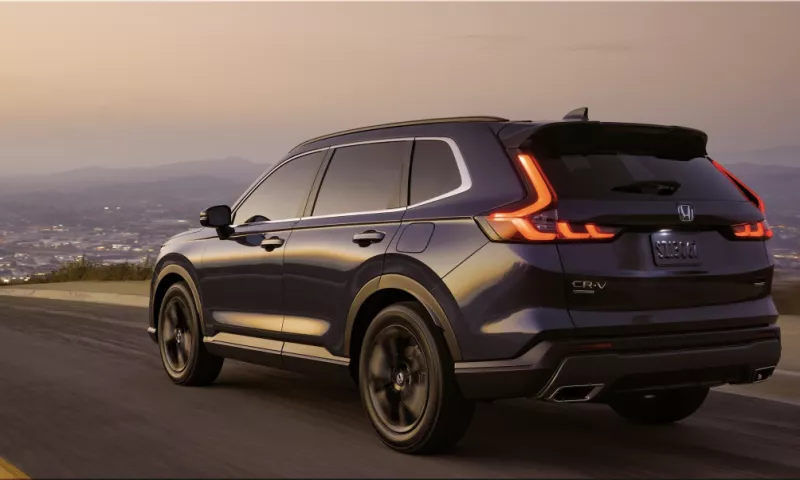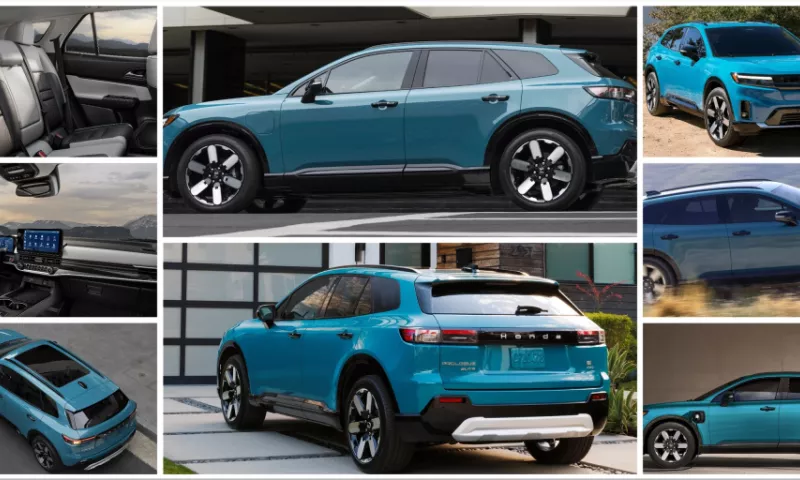
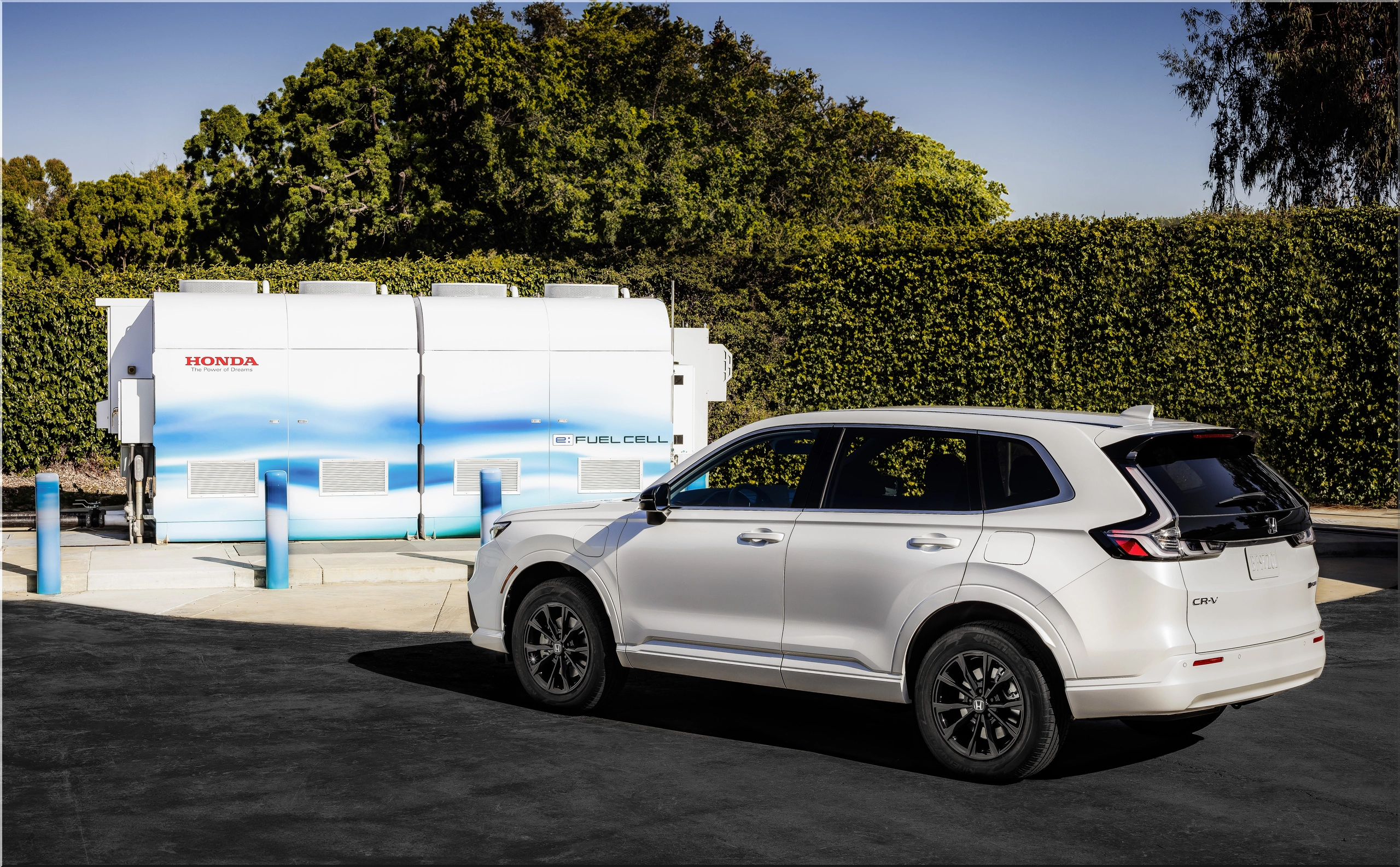
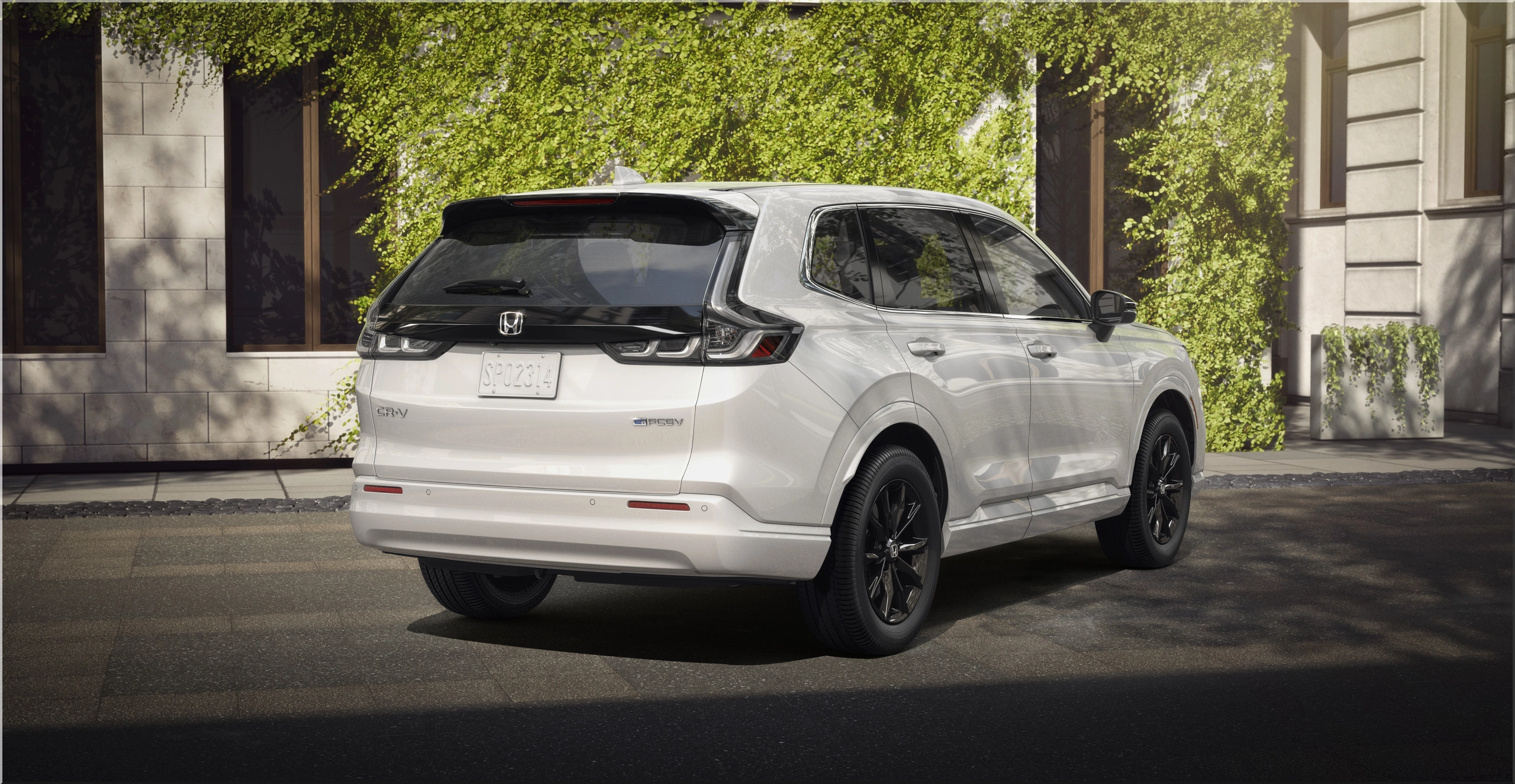
Honda has always been a pioneer in the field of alternative energy vehicles. From the first-generation Insight hybrid to the Clarity Fuel Cell, the Japanese automaker has been pushing the boundaries of what’s possible with green technology. Now, Honda is taking things to the next level with the 2025 Honda CR-V e:FCEV, the first plug-in hybrid that runs on hydrogen.
The CR-V e:FCEV is not just another eco-friendly crossover. It’s a game-changer that combines the best of both worlds: the convenience of plug-in charging and the range and performance of hydrogen fuel cells. In this article, we’ll take a closer look at what makes the CR-V e:FCEV so special and why it might be the ultimate green vehicle for the future.
What is a Plug-in Hydrogen Fuel Cell Electric Vehicle?
A plug-in hydrogen fuel cell electric vehicle (PHEFCEV) is a type of hybrid vehicle that uses two sources of power: a battery and a fuel cell. The battery can be charged from an external source, such as a wall outlet or a charging station, and provides electric power to the motor. The fuel cell uses hydrogen gas and oxygen from the air to generate electricity, which can also power the motor or recharge the battery.
The main advantage of a PHEFCEV is that it offers more flexibility and versatility than a conventional hybrid or a pure electric vehicle. A PHEFCEV can run on battery power alone for short trips, saving fuel and reducing emissions. It can also run on hydrogen power alone for longer trips, extending the range and eliminating the need for frequent recharging. Or, it can use both battery and hydrogen power together for optimal efficiency and performance.
The Honda CR-V e:FCEV is the first PHEFCEV to be offered in the US market. It has a 13.5 kWh lithium-ion battery that can provide up to 29 miles of electric-only driving and a 5.5 kg hydrogen tank that can provide up to 270 miles of hydrogen-only driving. Combined, the CR-V e:FCEV has a total range of 299 miles, which is comparable to some gasoline-powered vehicles.
What are the Benefits of the CR-V e:FCEV?
The CR-V e:FCEV offers many benefits for drivers who want a green vehicle that doesn’t compromise on practicality, comfort, or performance. Here are some of the main advantages of the CR-V e:FCEV:
- Zero emissions: The CR-V e:FCEV produces no harmful emissions from its tailpipe. The only byproduct of the fuel cell is water vapor, which is harmless to the environment. When running on battery power, the CR-V e:FCEV also emits no greenhouse gases, as long as the electricity comes from a clean source. The CR-V e:FCEV is one of the cleanest vehicles on the road and can help reduce the impact of transportation on climate change and air quality.
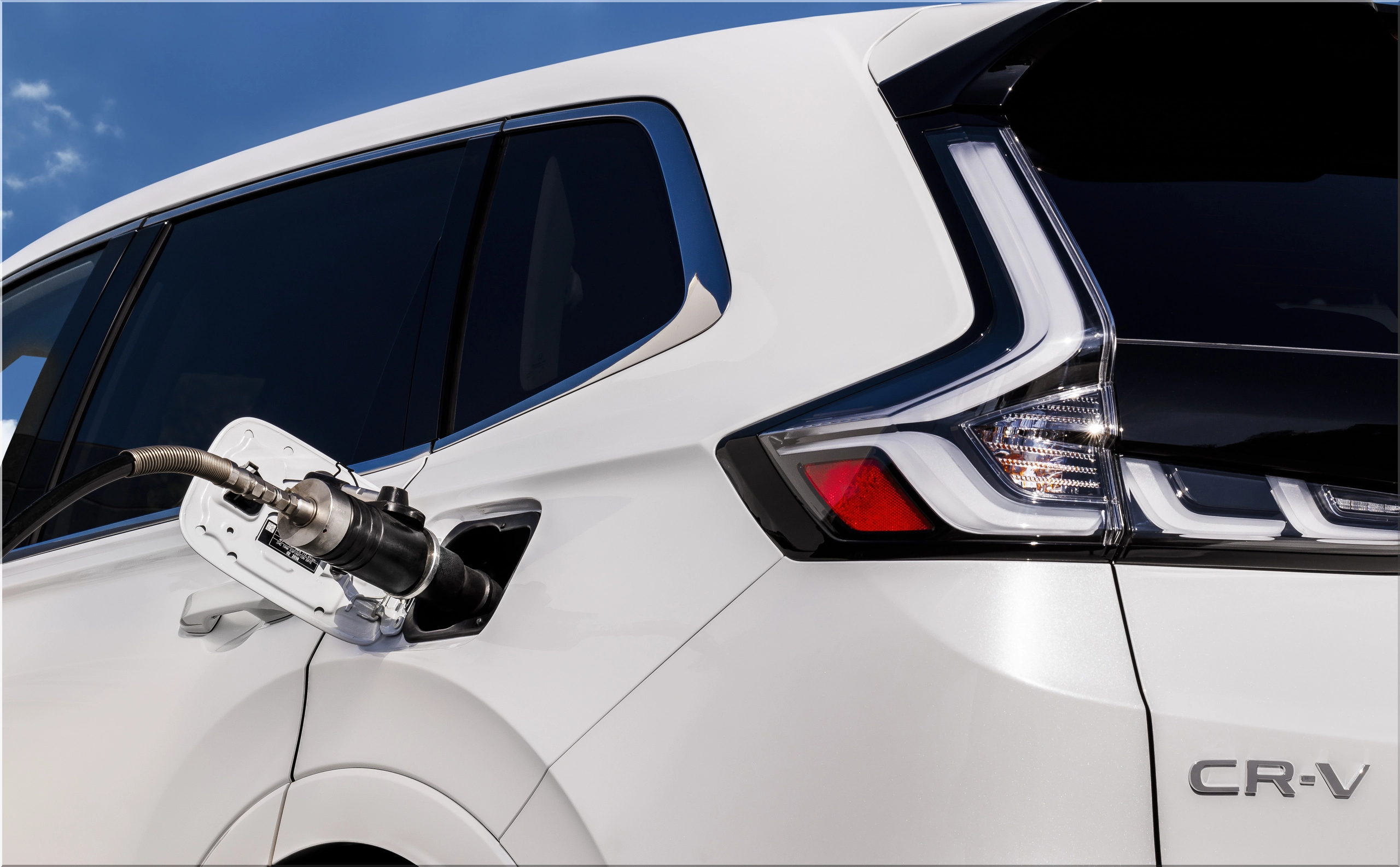
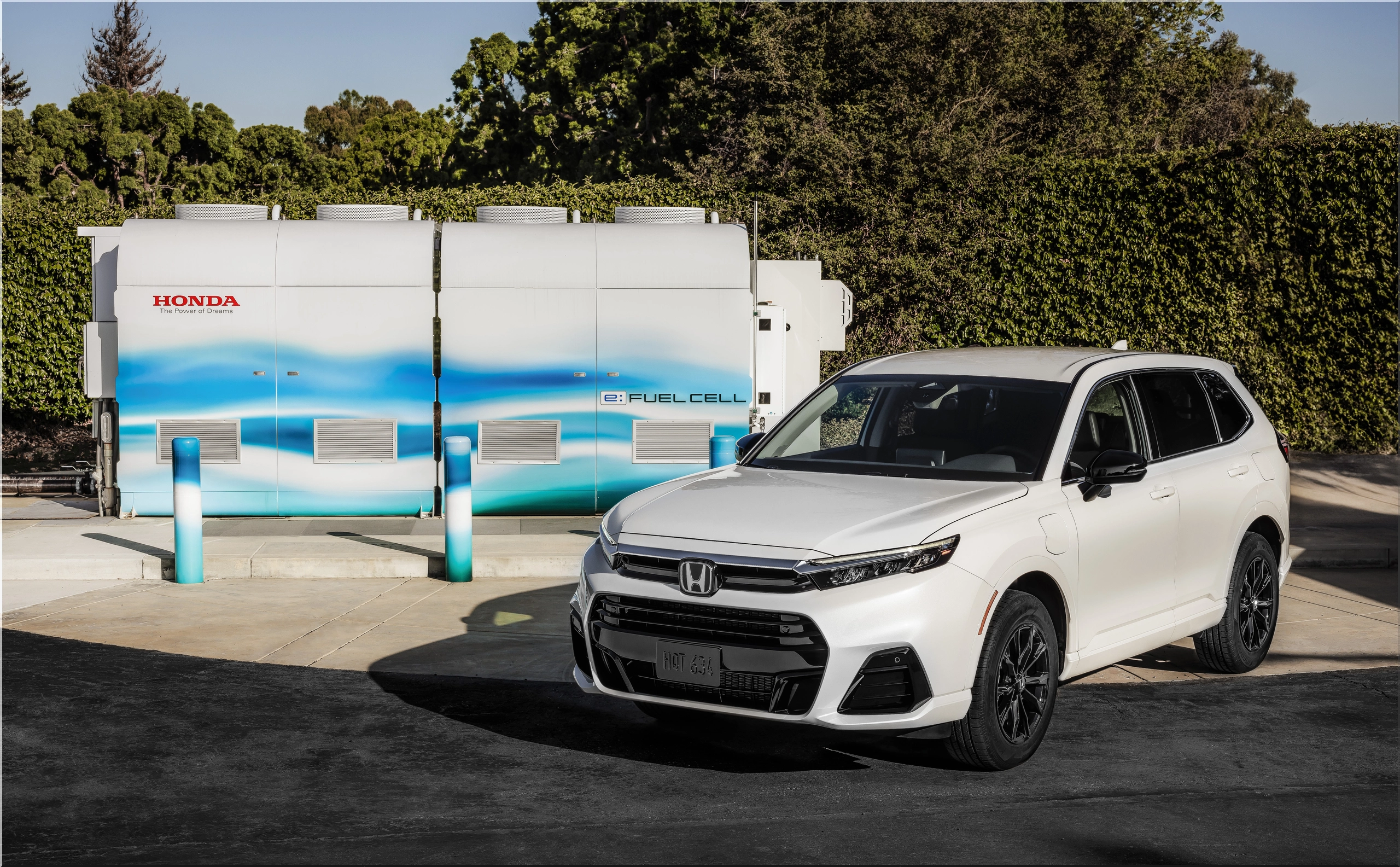
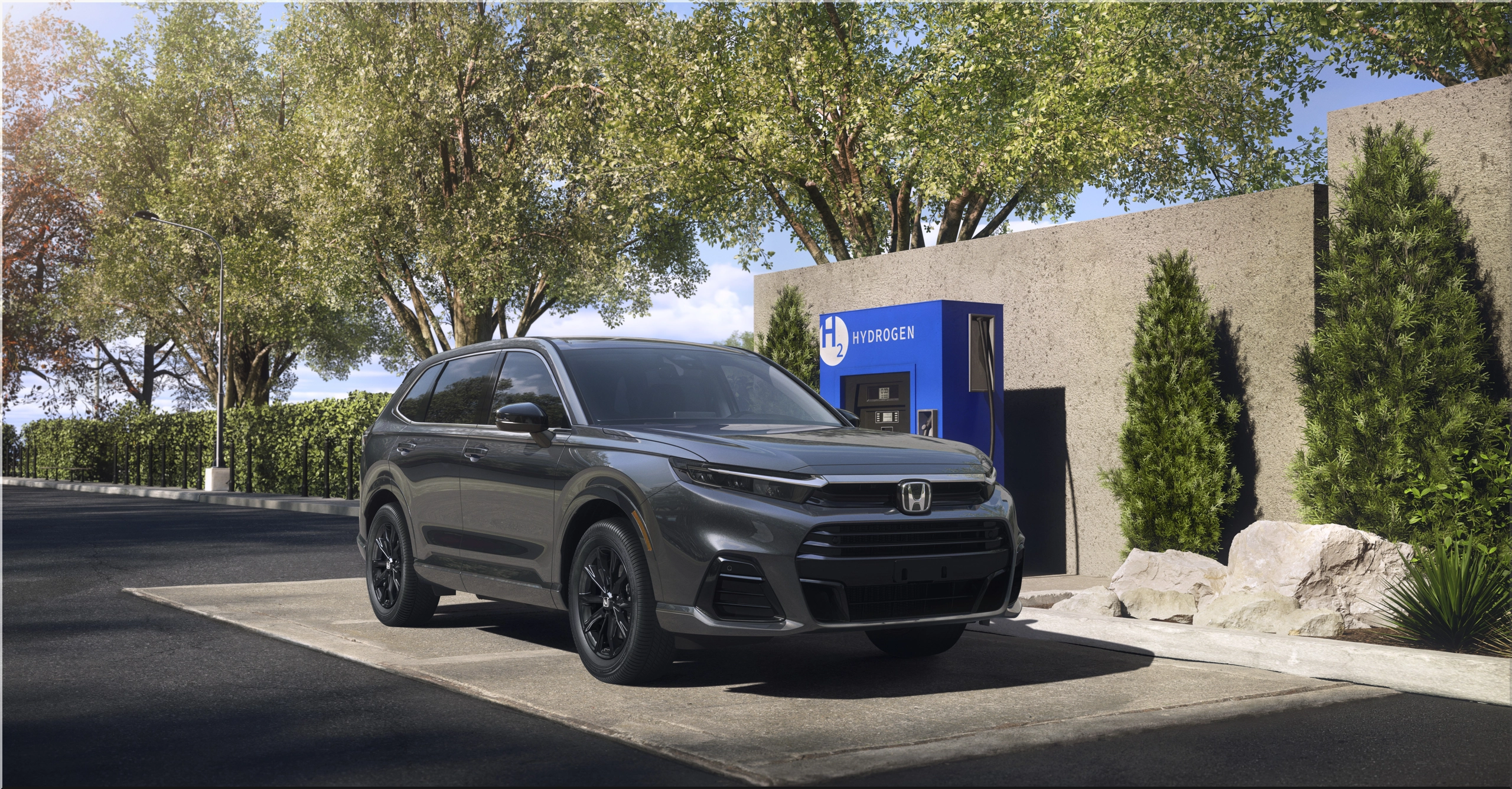
- Fast refueling: The CR-V e:FCEV can be refueled with hydrogen in minutes, just like a conventional gasoline vehicle. There are currently over 40 hydrogen stations in California, and more are being built across the country. Hydrogen refueling is convenient and easy, and eliminates the anxiety of running out of power or waiting for hours to recharge. The CR-V e:FCEV also comes with a complimentary fuel card that covers the cost of hydrogen for the first three years or $15,000, whichever comes first.
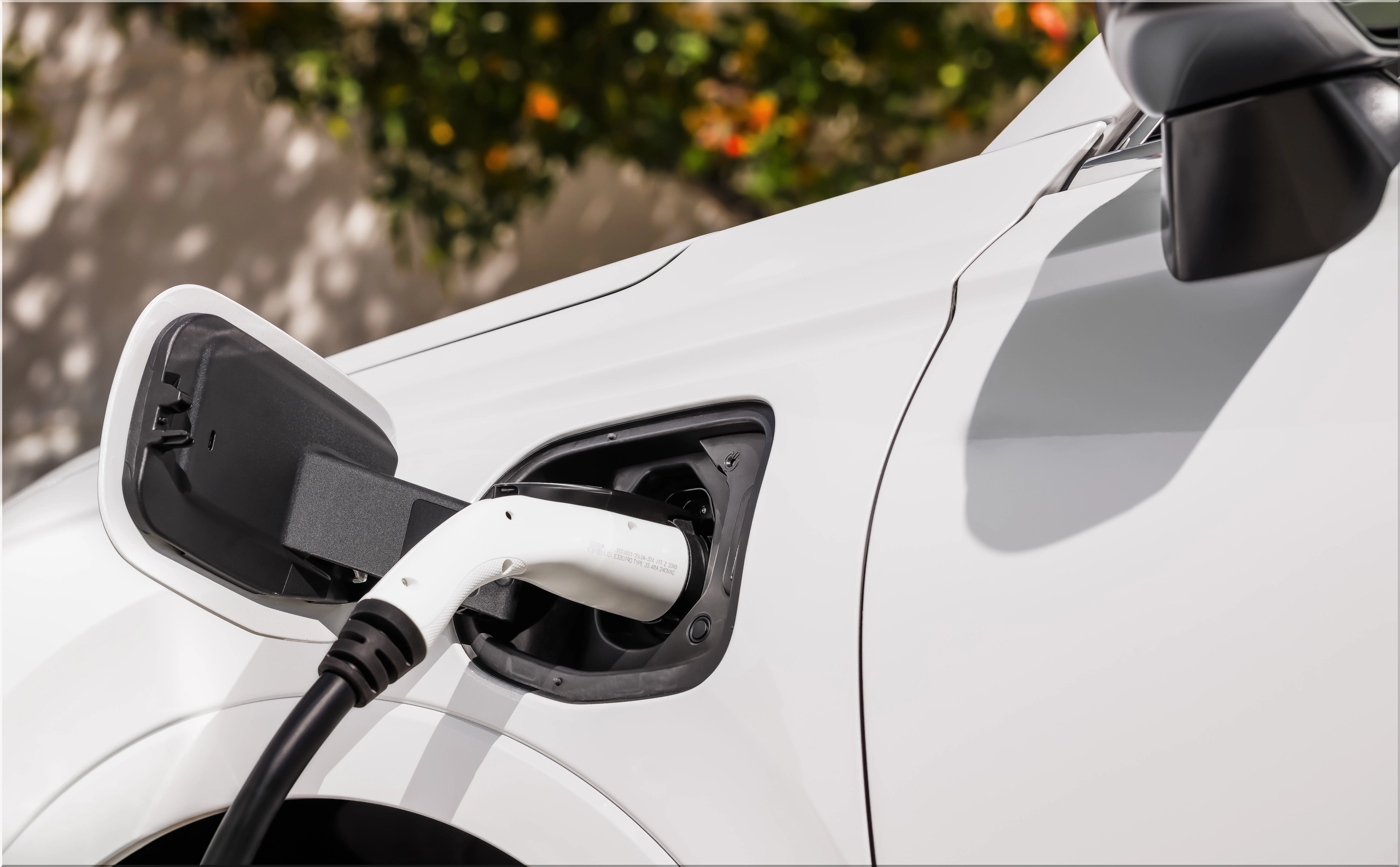
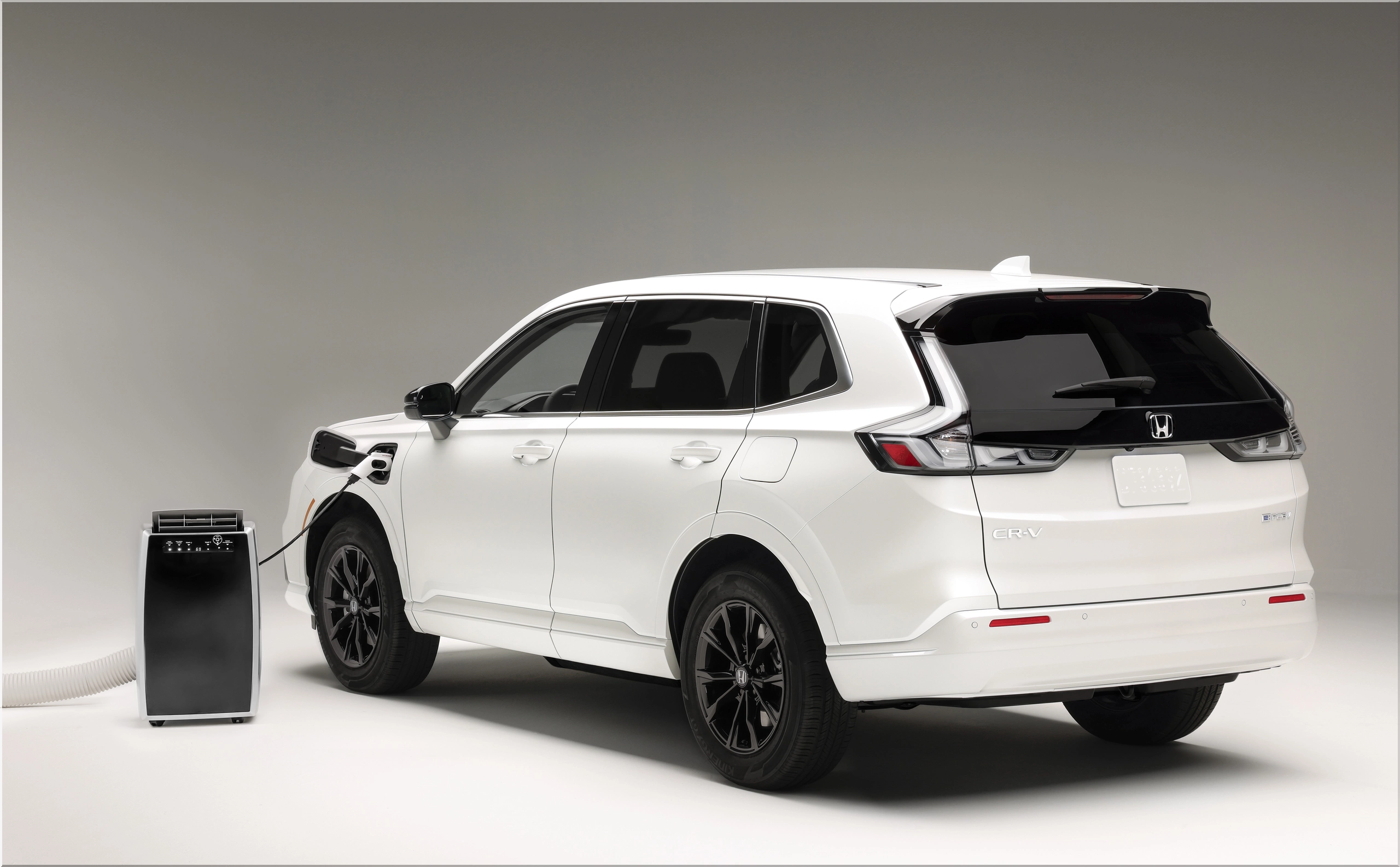
- Plug-in capability: The CR-V e:FCEV can also be plugged into a standard 120-volt outlet or a Level 2 charger and fully charged in about 2.5 hours. This allows drivers to take advantage of off-peak electricity rates and use renewable energy sources such as solar or wind. Plug-in charging also enables drivers to use the CR-V e:FCEV as an electric vehicle for short trips, such as commuting or running errands, and save hydrogen for longer trips or emergencies.
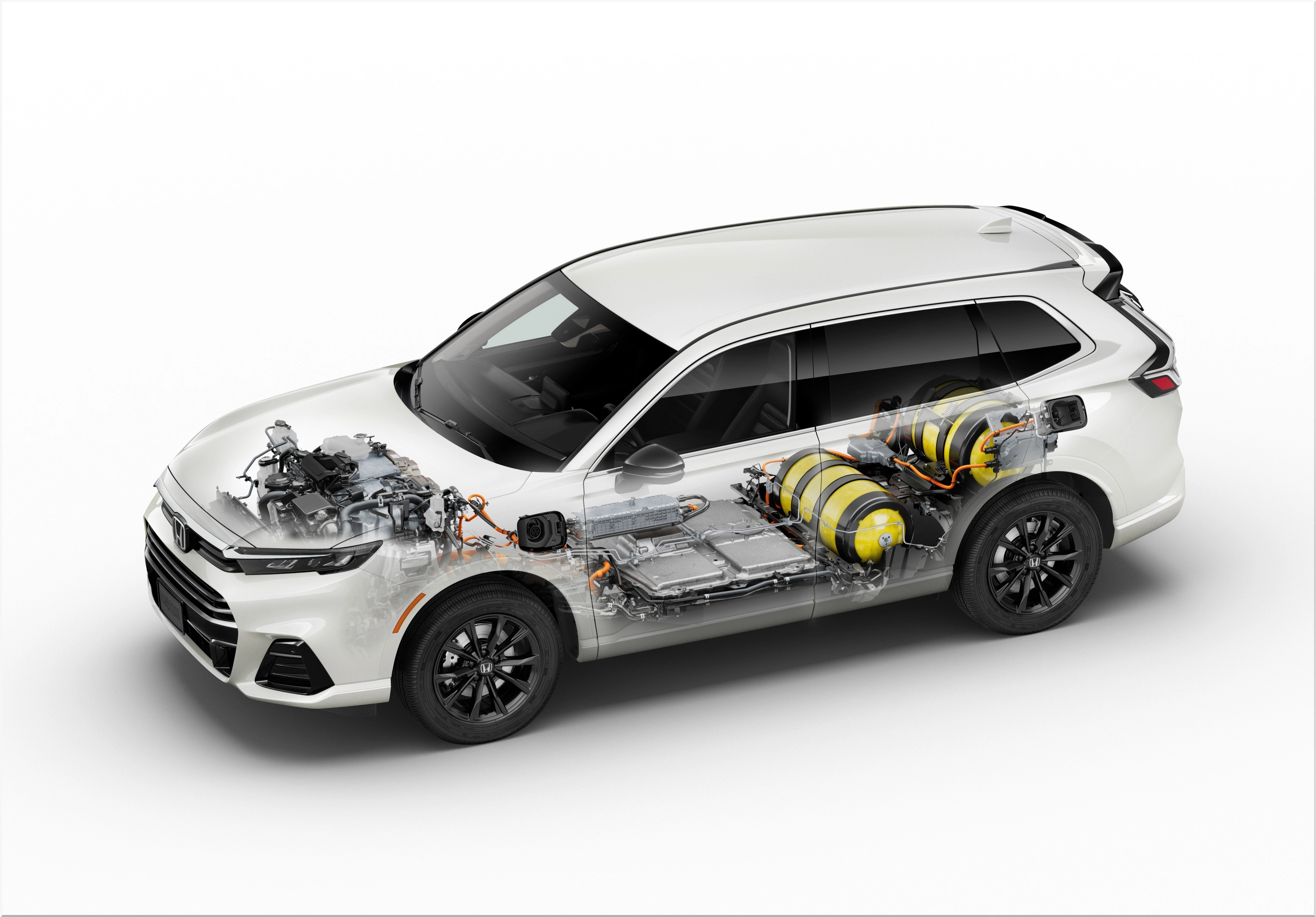
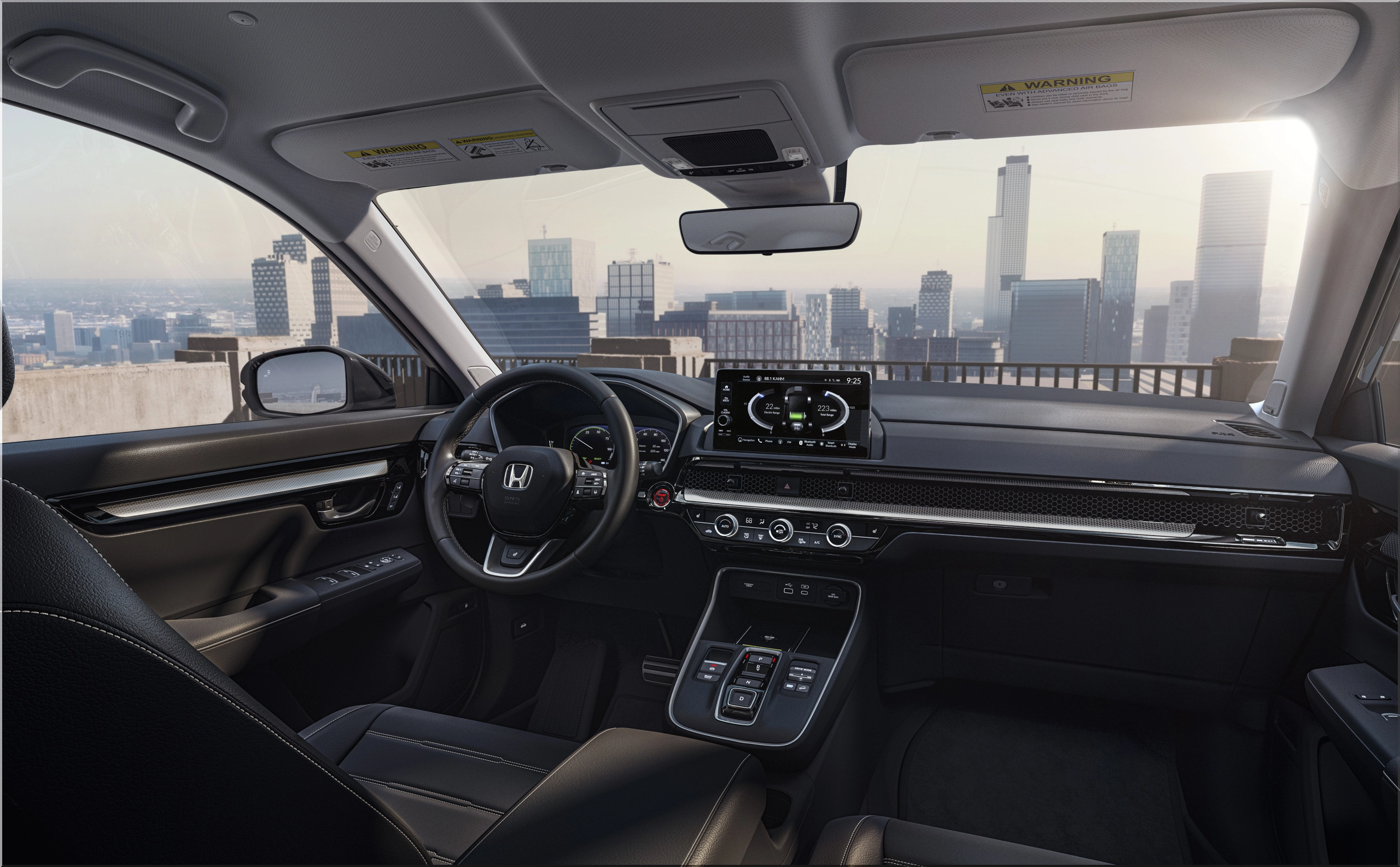
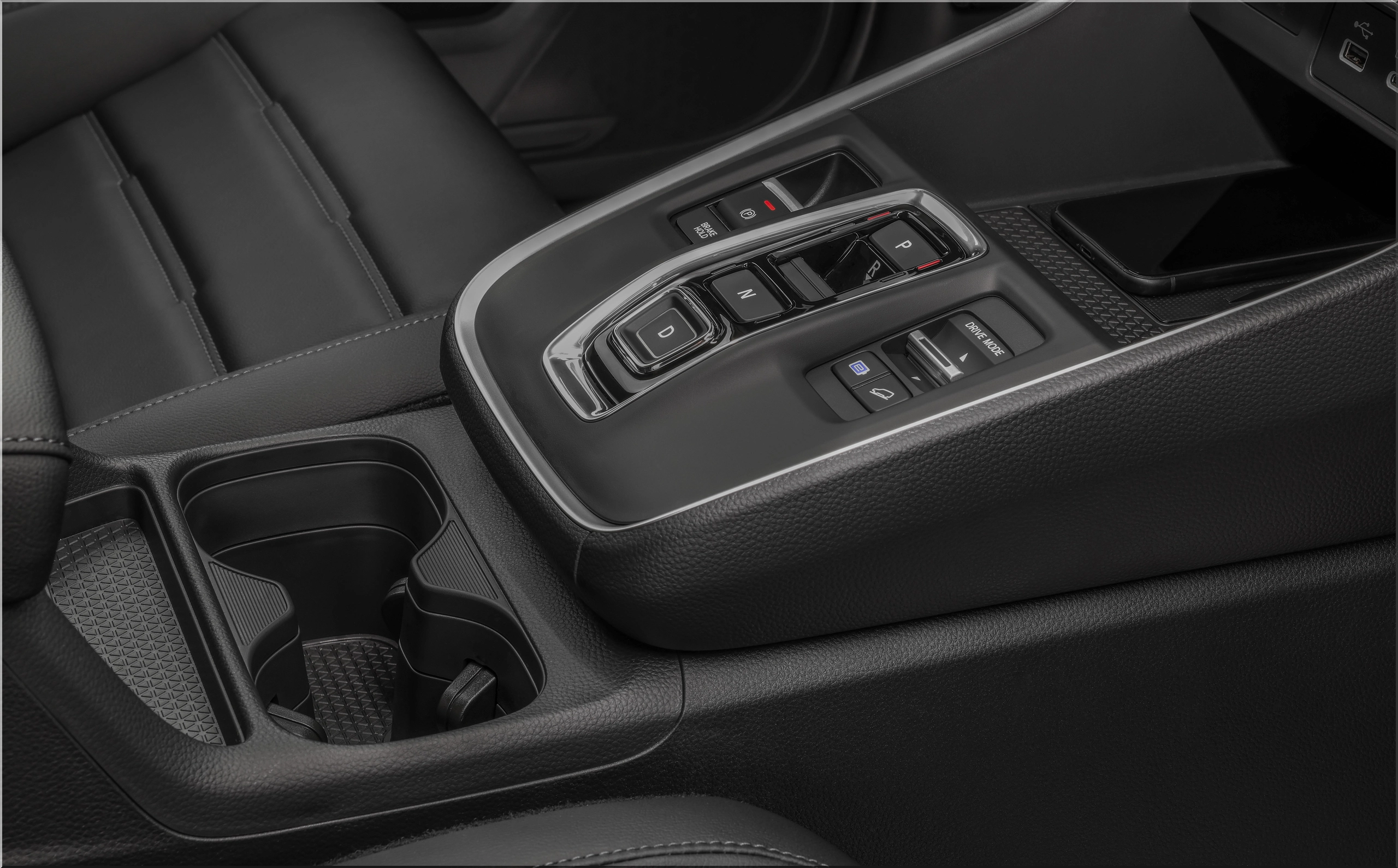
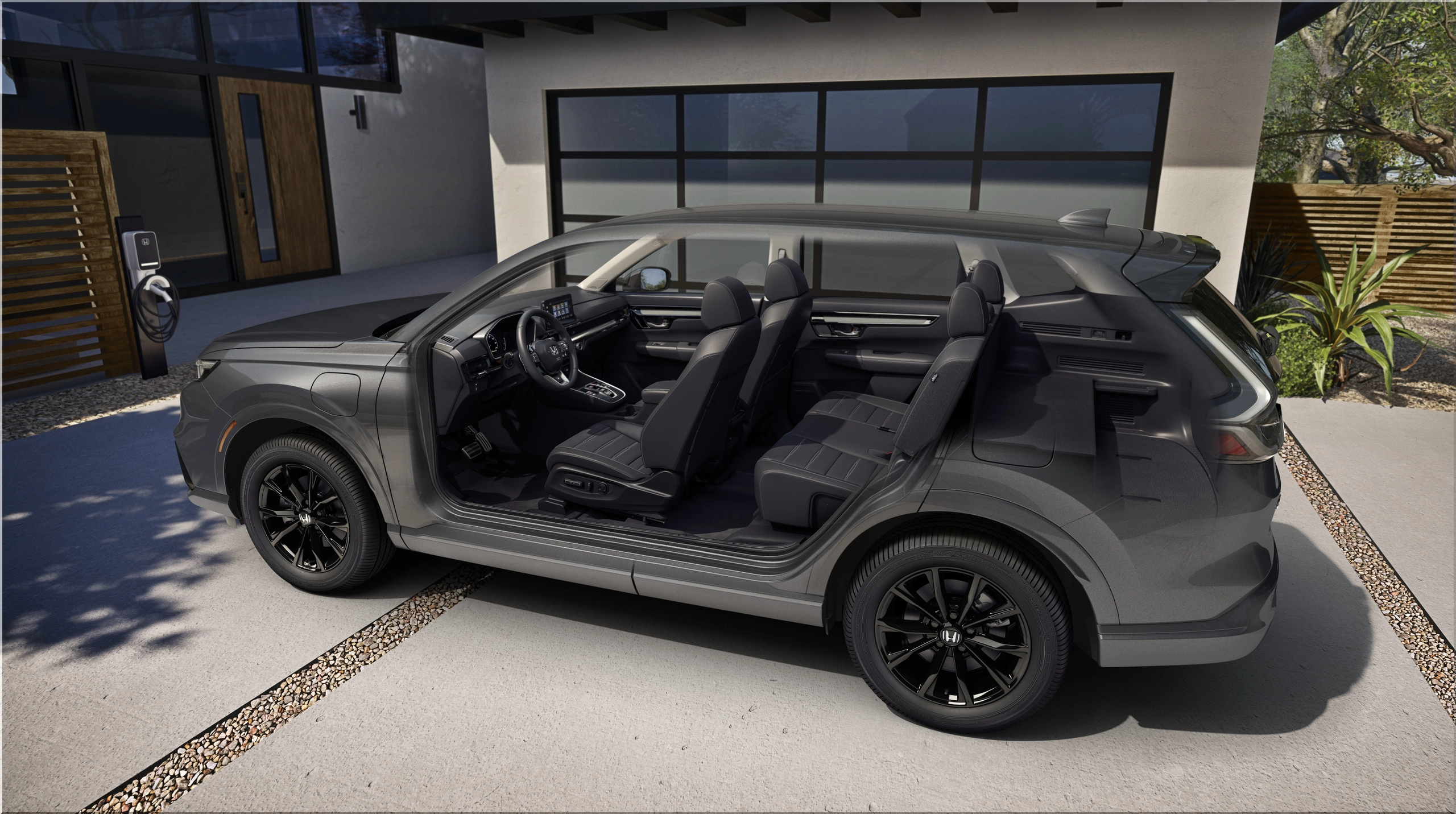
- Spacious and versatile: The CR-V e:FCEV is based on the popular CR-V crossover, which is known for its spacious and versatile interior. The CR-V e:FCEV can seat up to five passengers comfortably and has plenty of cargo space for luggage, groceries, or gear. The CR-V e:FCEV also has a cleverly designed fuel cell system that fits under the hood, under the floor, and behind the rear seats without compromising the cabin or cargo space. The CR-V e:FCEV is a practical and family-friendly vehicle that can handle any lifestyle or adventure.
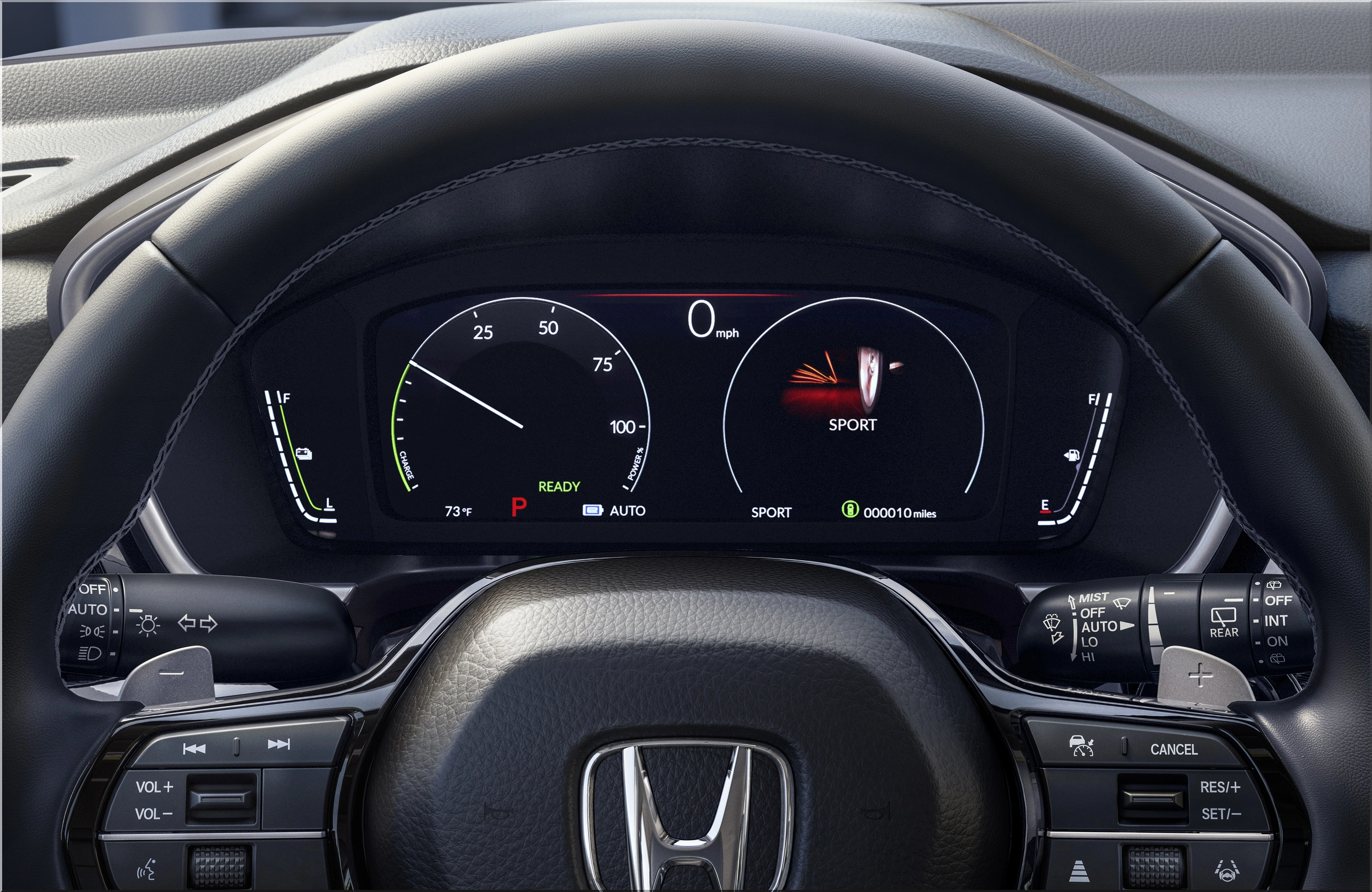
- Fun to drive: The CR-V e:FCEV is not only eco-friendly but also fun to drive. It has a powerful electric motor that delivers 174 horsepower and 229 lb-ft of torque, which is more than enough to accelerate, merge, or pass with ease. The CR-V e:FCEV also has a smooth and quiet ride, thanks to the electric drivetrain and the advanced suspension system. The CR-V e:FCEV also has a sport mode that enhances the throttle response and steering feel for a more engaging driving experience.








How Does the CR-V e:FCEV Compare to Other Green Vehicles?
The Honda CR-V e:FCEV is a unique vehicle that stands out from other green vehicles on the market. Here are some of the main differences between the CR-V e:FCEV and other types of vehicles:
- PHEFCEV vs. PHEV: A plug-in hybrid electric vehicle (PHEV) is similar to a PHEFCEV, except that it uses a gasoline engine instead of a fuel cell. A PHEV can run on battery, gasoline, or both, depending on the driving conditions. A PHEV has the advantage of being able to use the existing gasoline infrastructure, which is widely available and familiar to most drivers. However, a PHEV also has the disadvantage of producing emissions and consuming fossil fuels when running on gasoline power, which is less clean or sustainable than hydrogen power.
- PHEFCEV vs. BEV: A battery electric vehicle (BEV) is a pure electric vehicle that runs only on battery power. A BEV has the advantage of being the simplest and most efficient type of electric vehicle, as it has fewer moving parts and no need for fuel. A BEV is also the cheapest to operate, as electricity is generally cheaper than gasoline or hydrogen. However, a BEV also has the disadvantage of having a limited range and a long charging time, which can be inconvenient and impractical for some drivers. A BEV also depends on the availability and quality of the electricity grid, which may not be reliable or clean in some areas.
- PHEFCEV vs. FCEV: A fuel cell electric vehicle (FCEV) is a pure hydrogen vehicle that runs only on fuel cell power. A FCEV has the advantage of having a longer range and a faster refueling time than a BEV, which makes it more suitable for long-distance driving. A FCEV is also more compact and lightweight than a PHEFCEV, as it does not need a large battery pack. However, a FCEV also has the disadvantage of having a higher initial cost and a lower efficiency than a PHEFCEV, as it does not have the option of plug-in charging. A FCEV also depends on the availability and affordability of hydrogen stations, which are still limited and expensive in some areas.











Is the CR-V e:FCEV the Right Vehicle for You?
The CR-V e:FCEV is a groundbreaking vehicle that offers a new way of driving green. It combines the benefits of plug-in charging and hydrogen fuel cells, and delivers a zero-emission, spacious, and fun-to-drive crossover. The CR-V e:FCEV is ideal for drivers who want to reduce their environmental impact, but also value convenience, versatility, and performance.
However, the CR-V e:FCEV is not for everyone. It is a limited-production vehicle that will only be available for lease in California, where the hydrogen infrastructure is more developed. It is also a premium vehicle that will have a high monthly lease payment, which may not fit everyone’s budget. The CR-V e:FCEV is also a new and experimental technology, which may have some risks and challenges, such as safety, reliability, and maintenance.
If you are interested in the CR-V e:FCEV, you can sign up to stay informed on the Honda website and get exclusive updates and information as they become available. You can also check out the other electrified vehicles in the Honda lineup, such as the Honda Accord Hybrid, the Honda Insight, and the Honda Clarity Plug-in Hybrid, which offer different options and features to suit your needs and preferences.
The CR-V e:FCEV is a bold and innovative vehicle that showcases Honda’s vision and leadership in the field of alternative energy vehicles. It is a vehicle that challenges the status quo and opens up new possibilities for the future of mobility. It is a vehicle that might change how you think about driving green.
- Add new comment
- 199 views