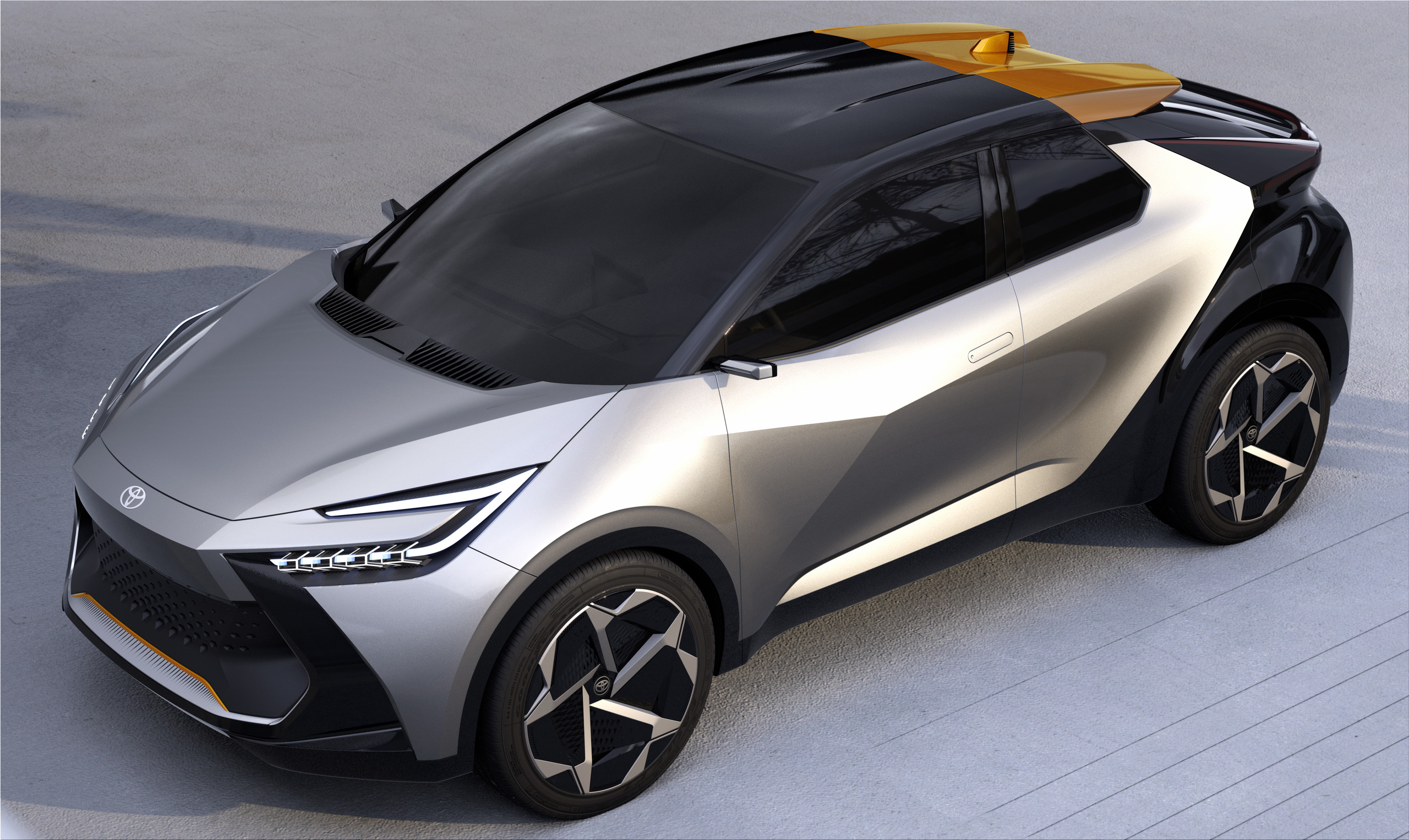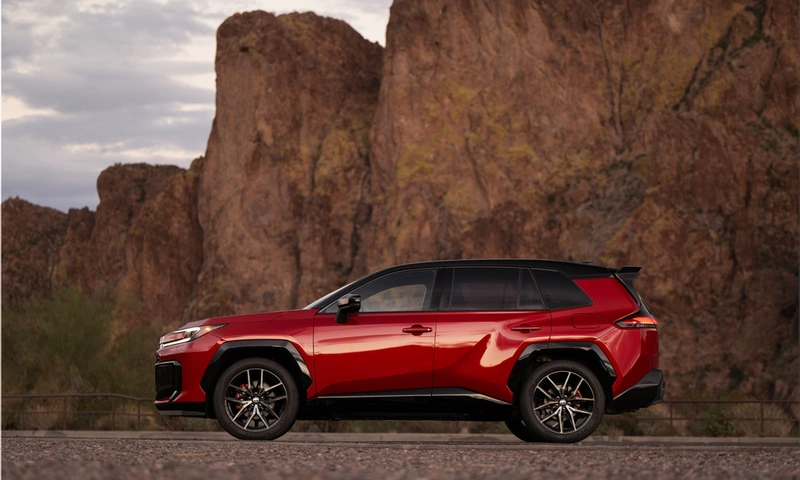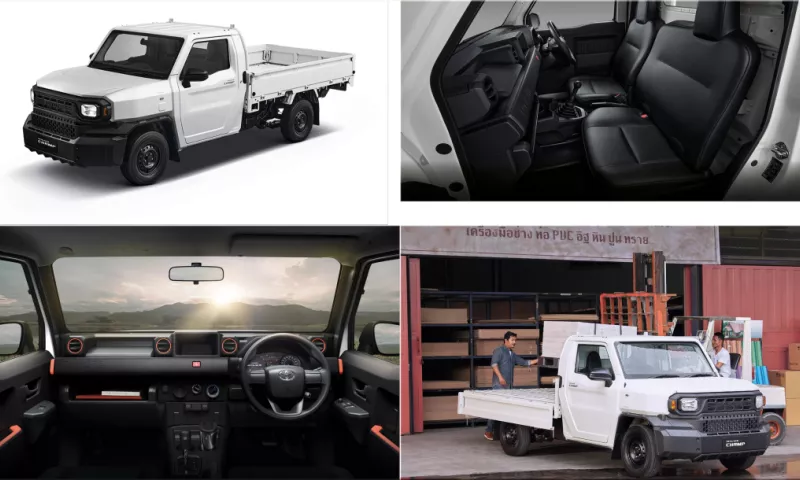
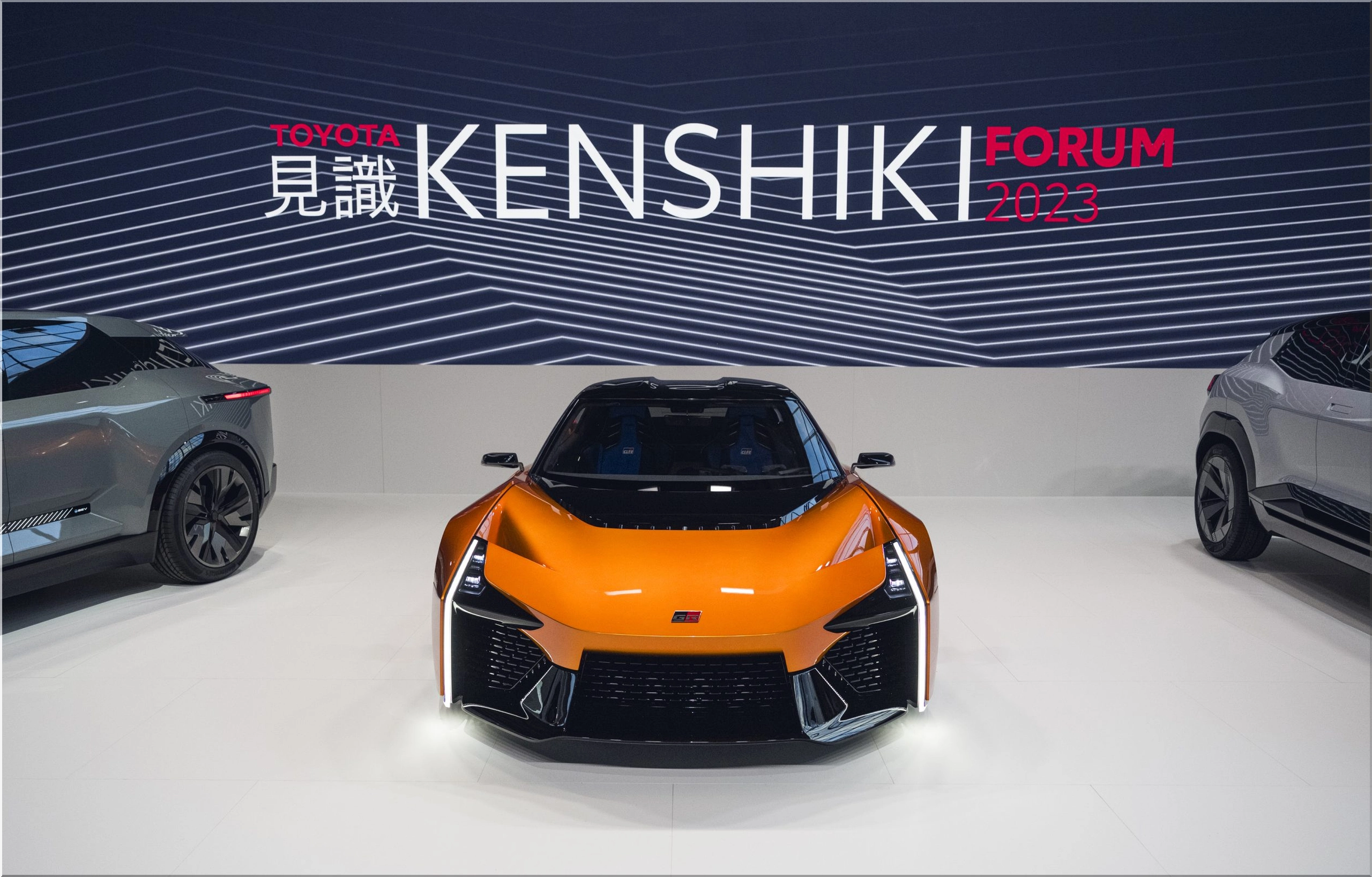
Toyota, the world’s largest automaker, has recently unveiled its new technology strategy and plans for the future of cars. The Japanese giant aims to achieve carbon neutrality by 2050 and to do so, it is pursuing a multi-pathway approach that includes battery electric vehicles (BEVs), hydrogen fuel cell vehicles (FCEVs), and hybrid electric vehicles (HEVs).
Battery Electric Vehicles: 10 New Models by 2026
Toyota has been a pioneer in hybrid technology, with more than 20 years of experience since releasing the first Prius. However, the company has been lagging in the fully electric segment, with only one BEV model currently available, the Toyota C-HR EV, which is sold exclusively in China.
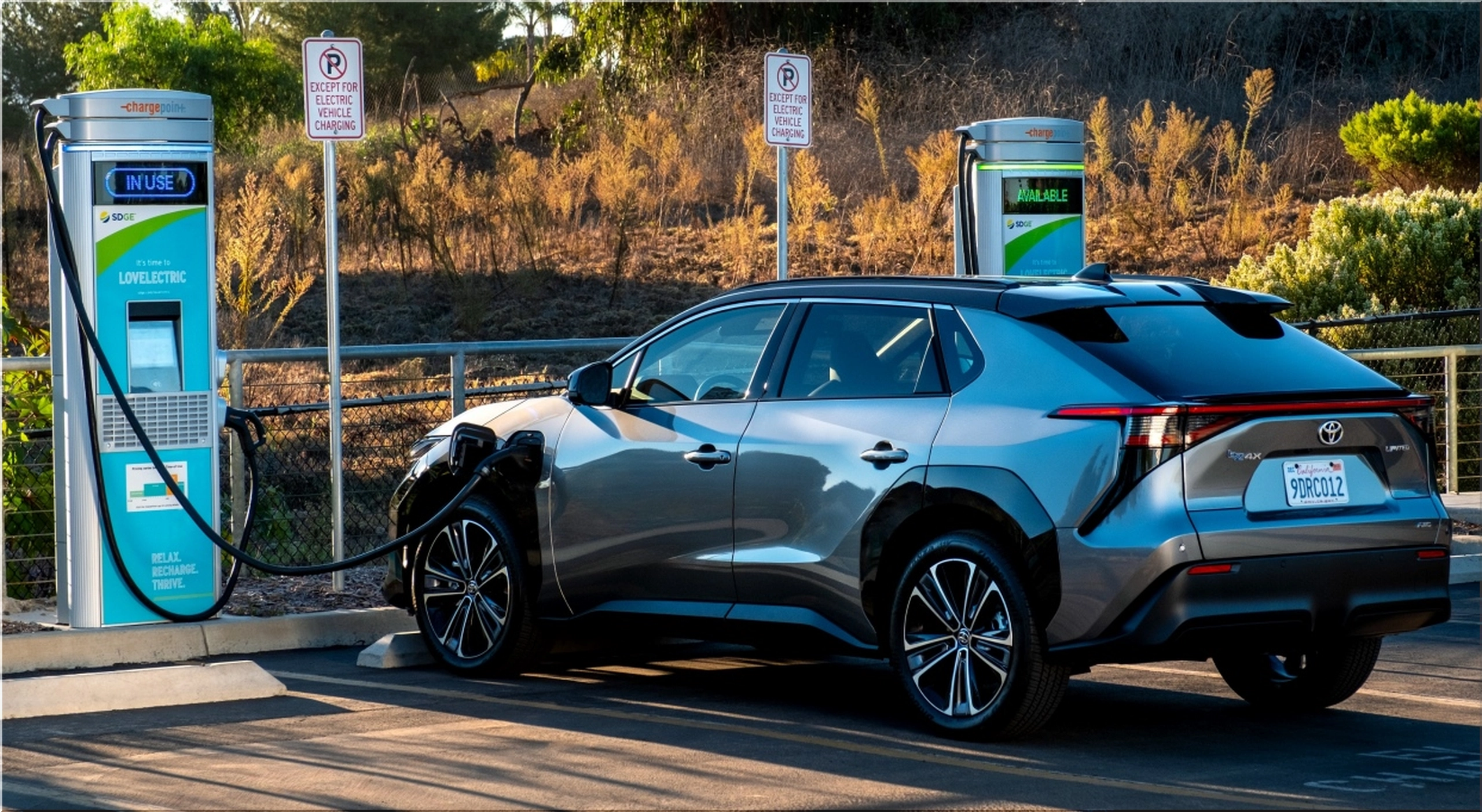
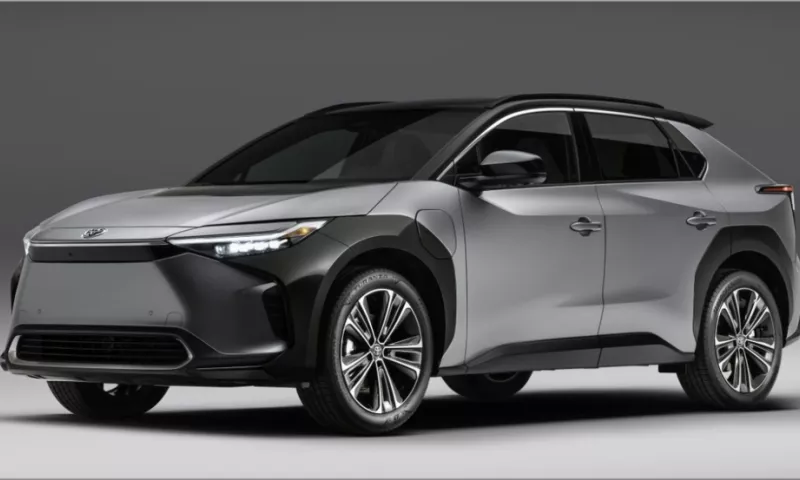
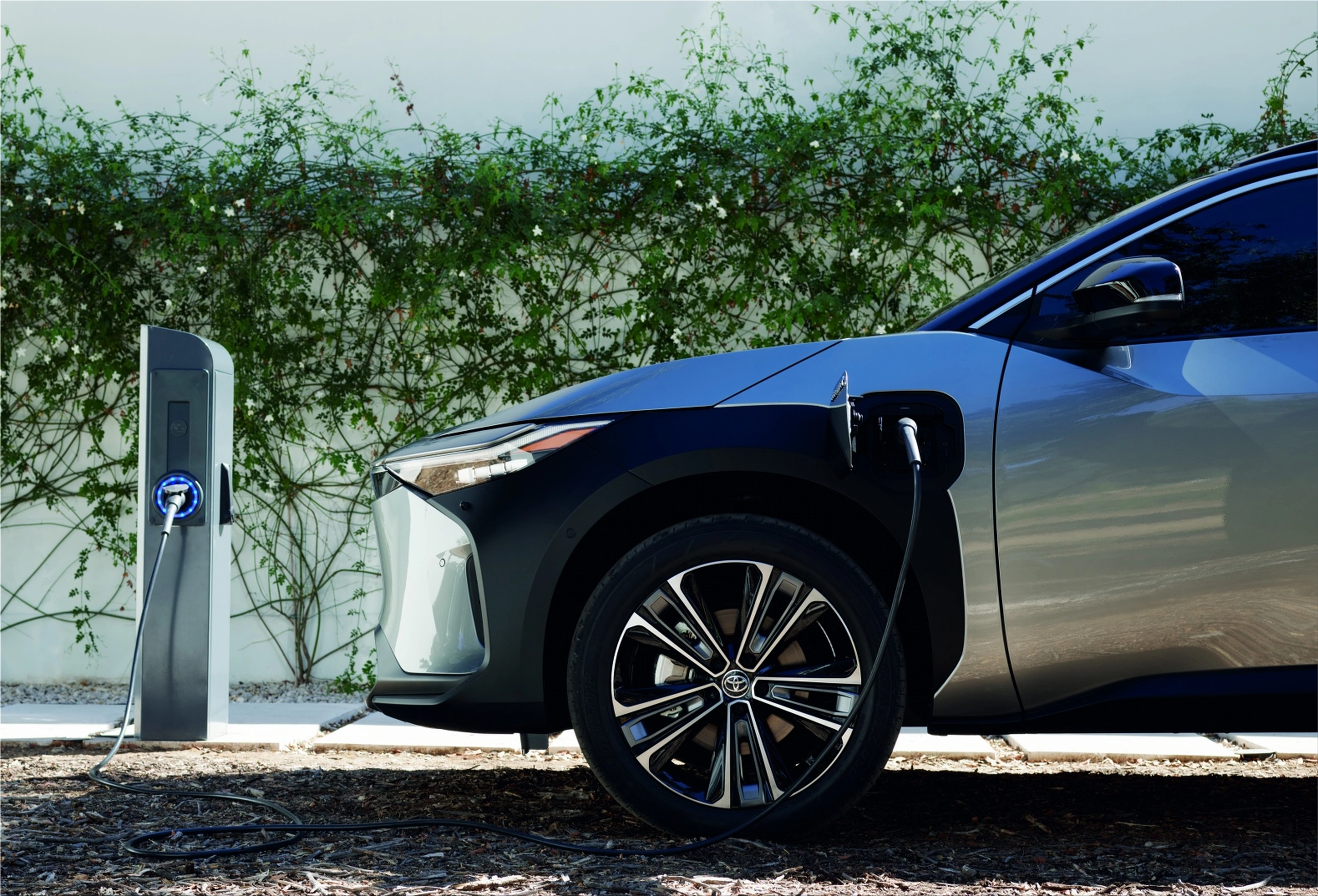
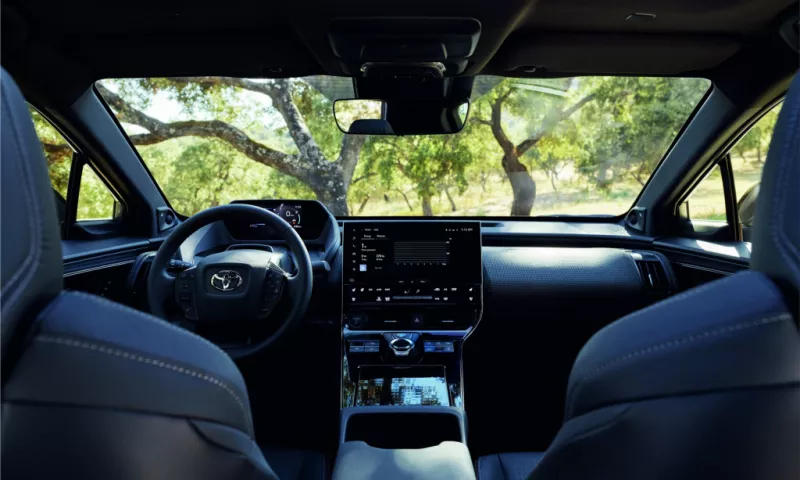
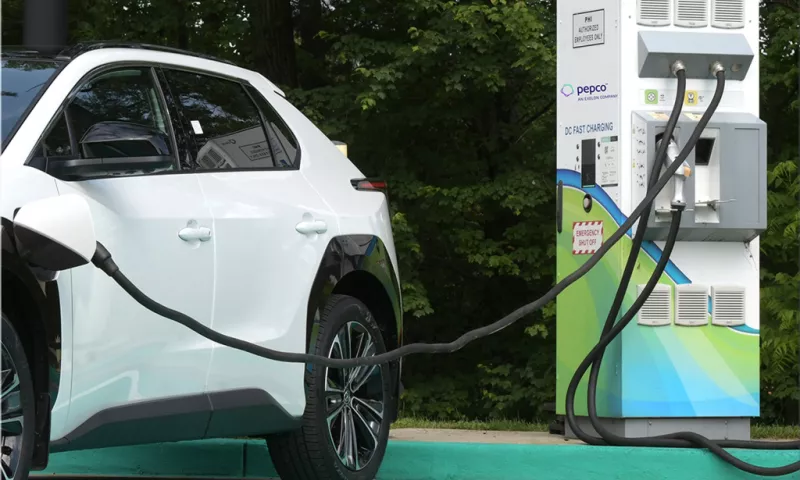
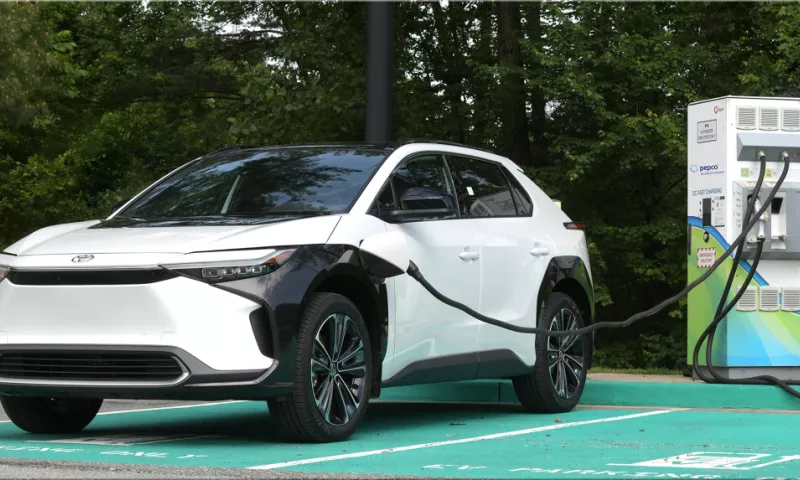
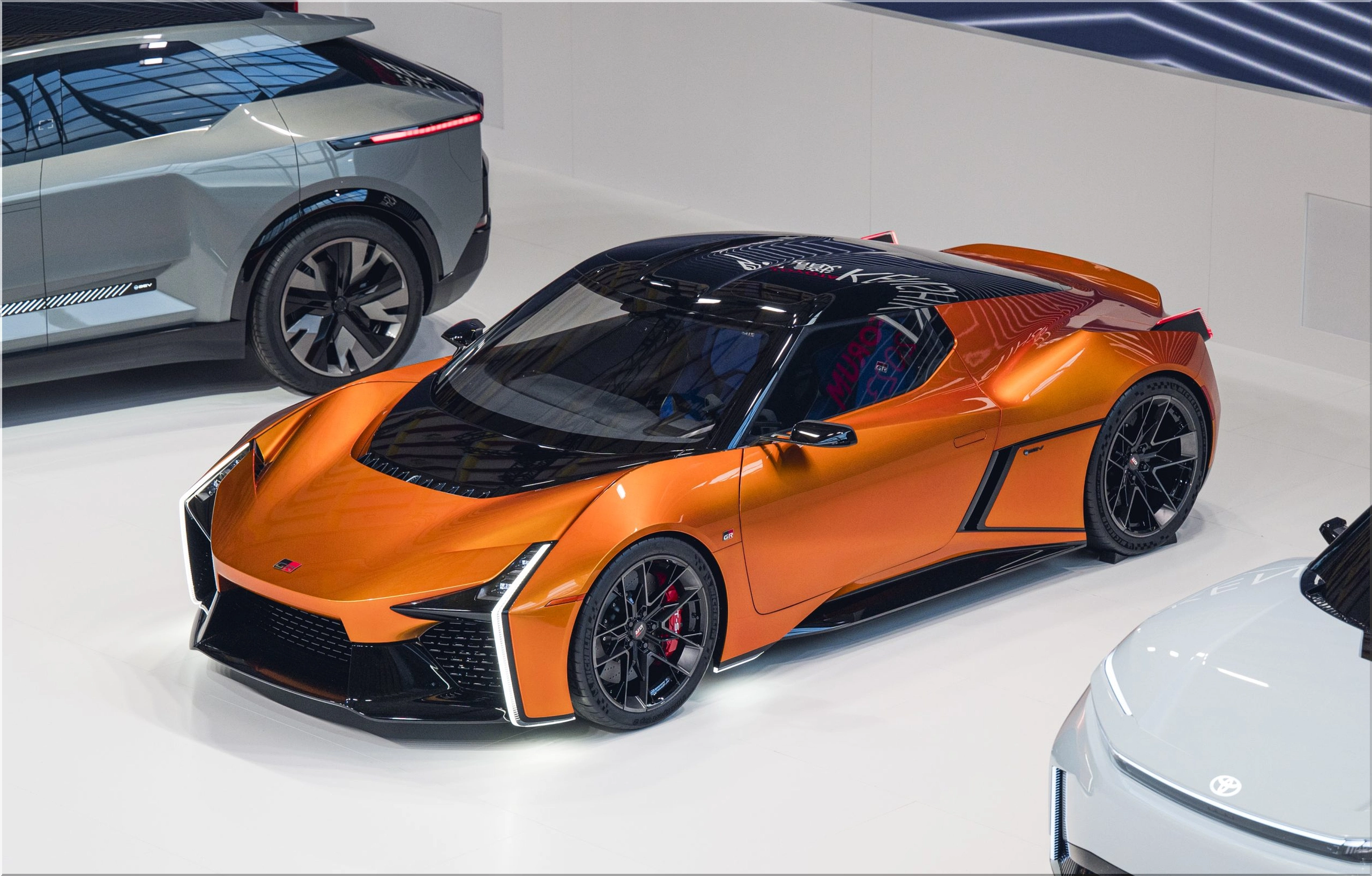
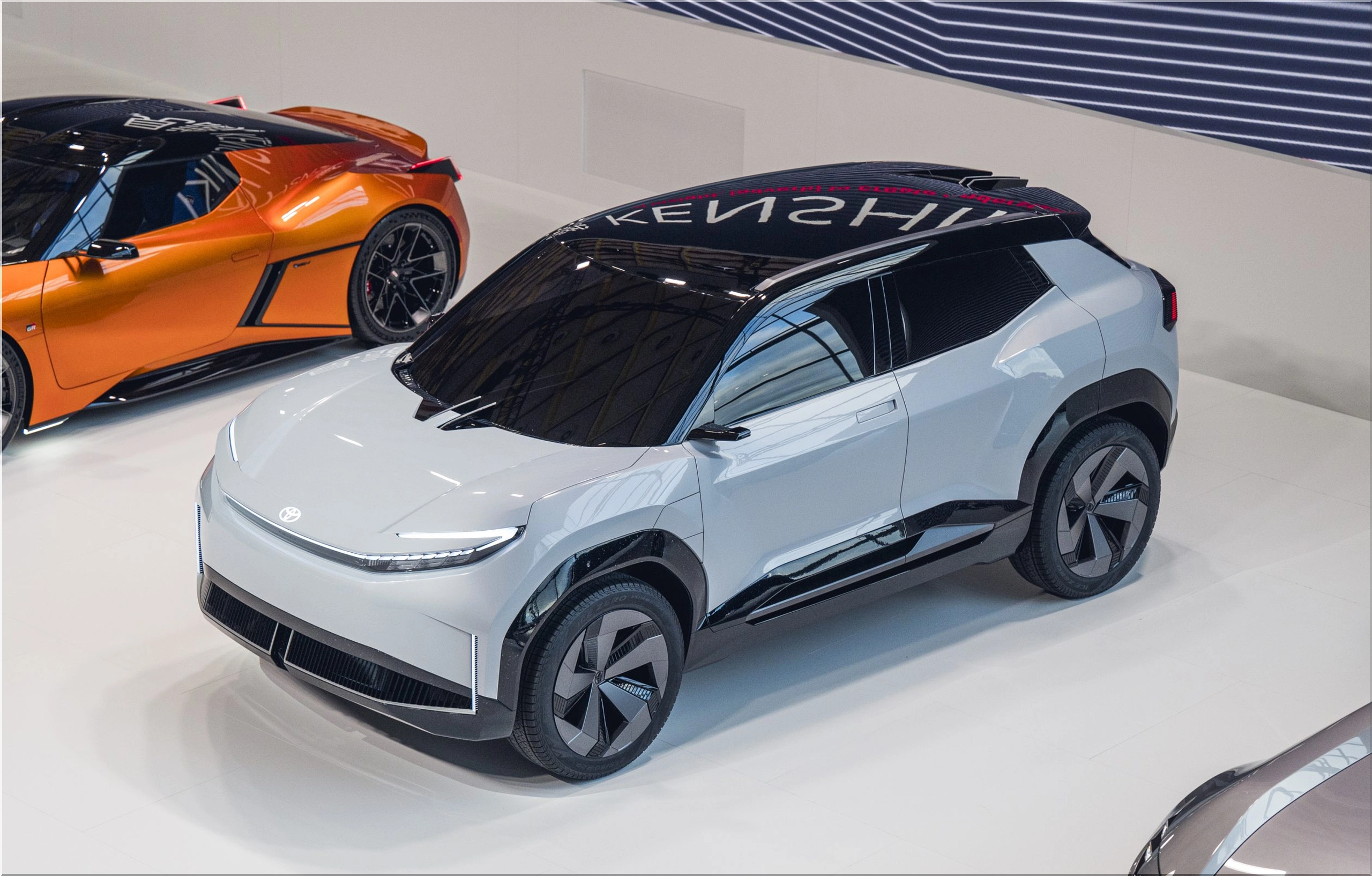
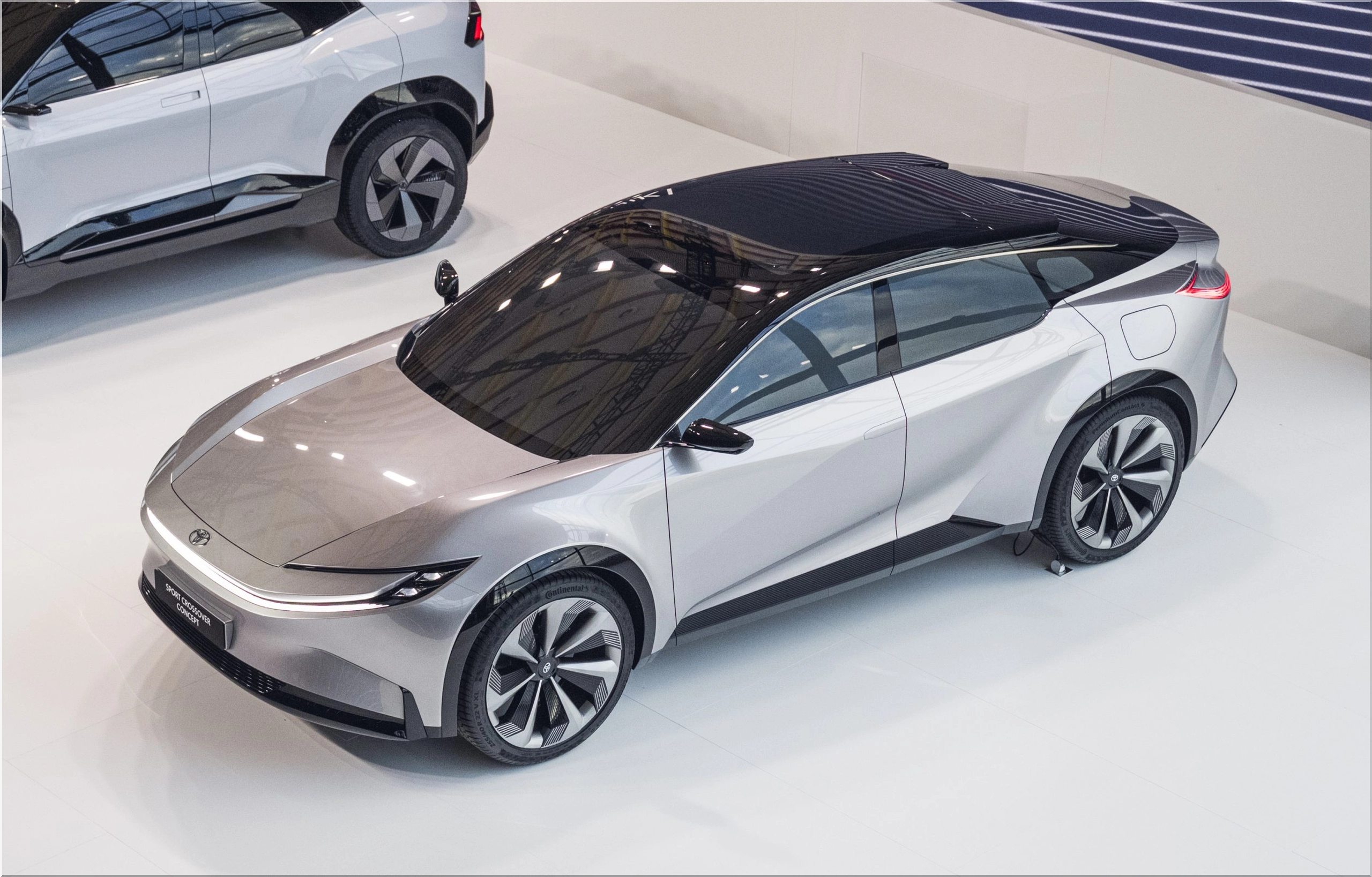
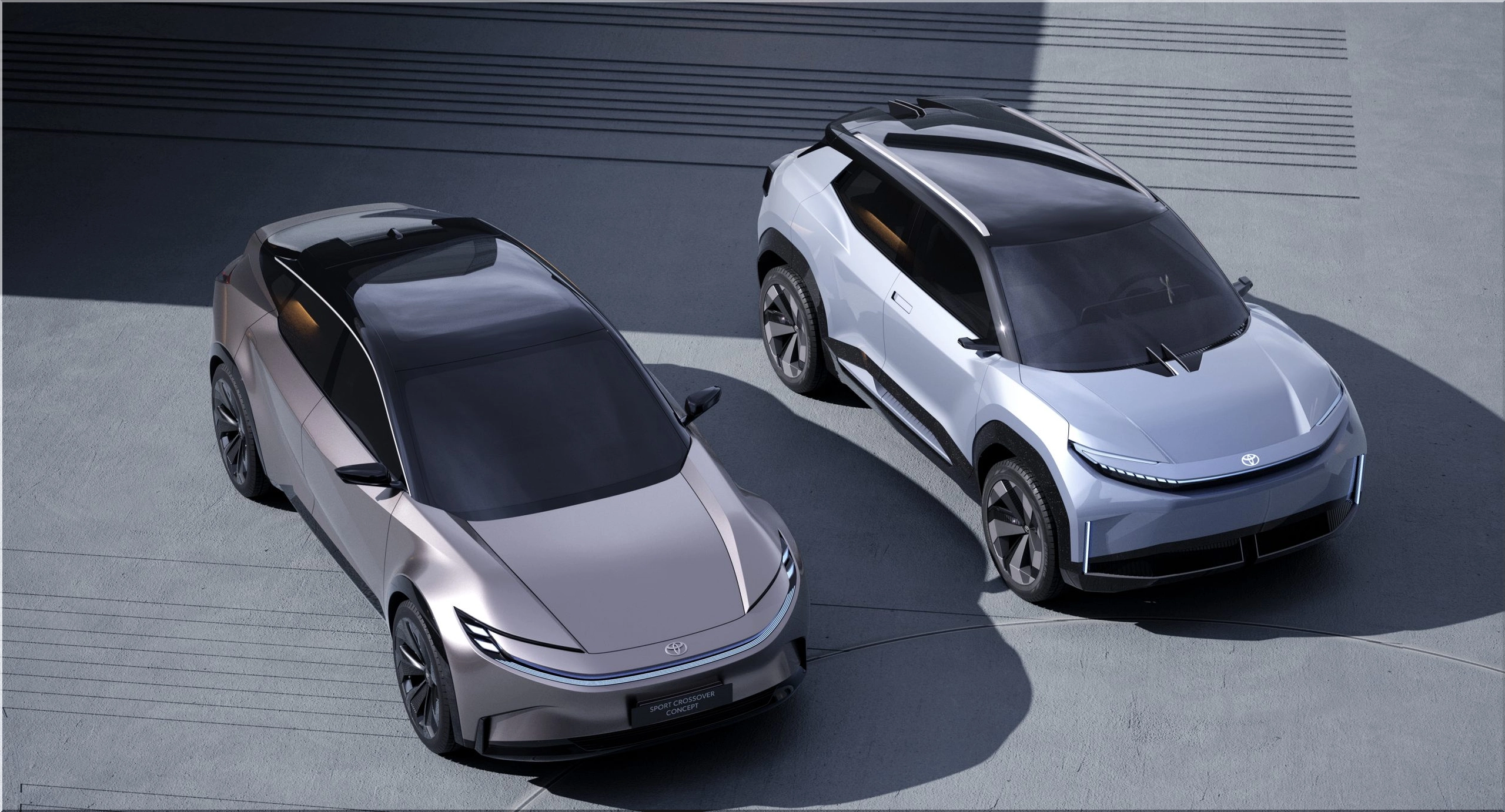
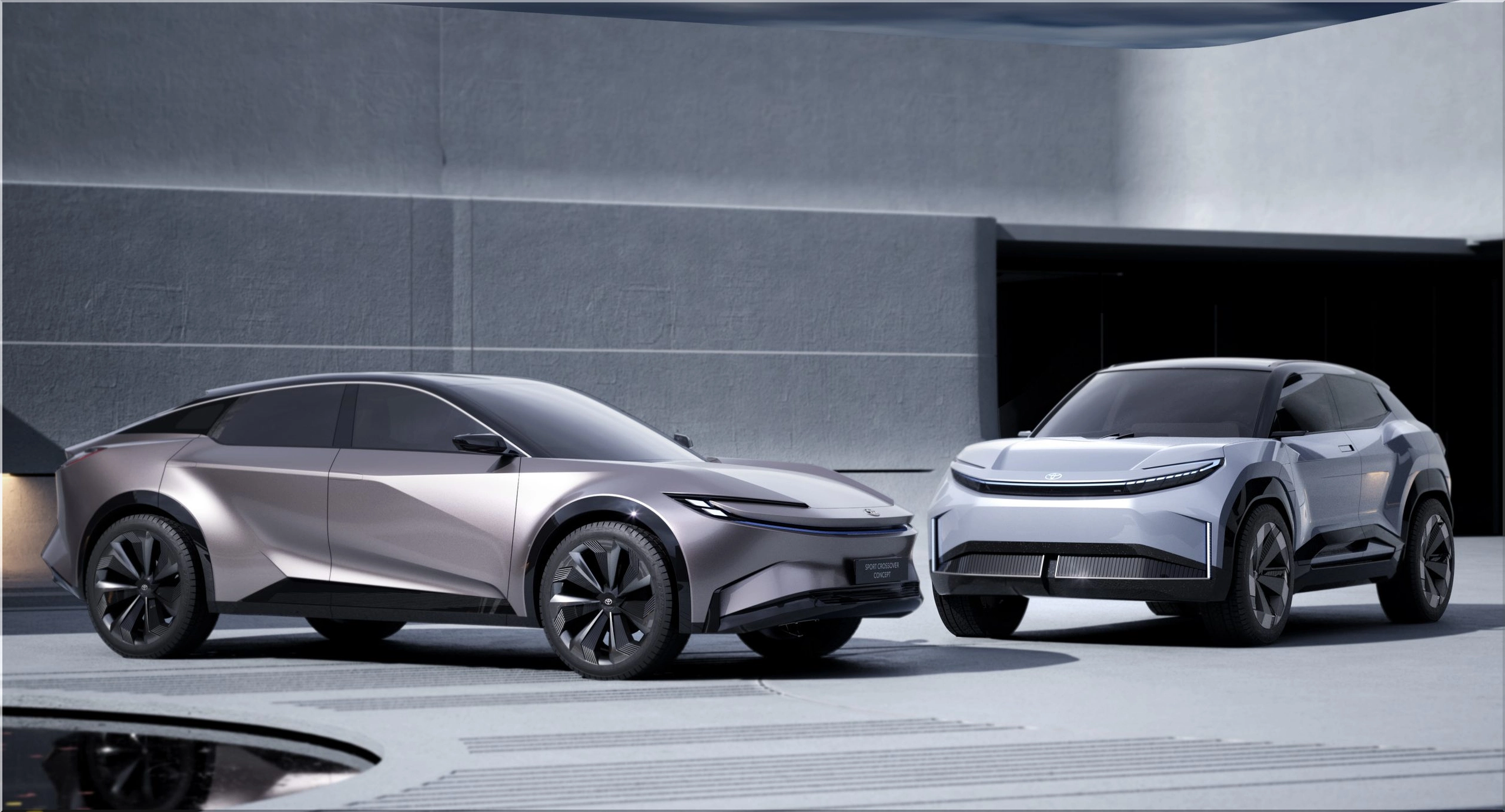
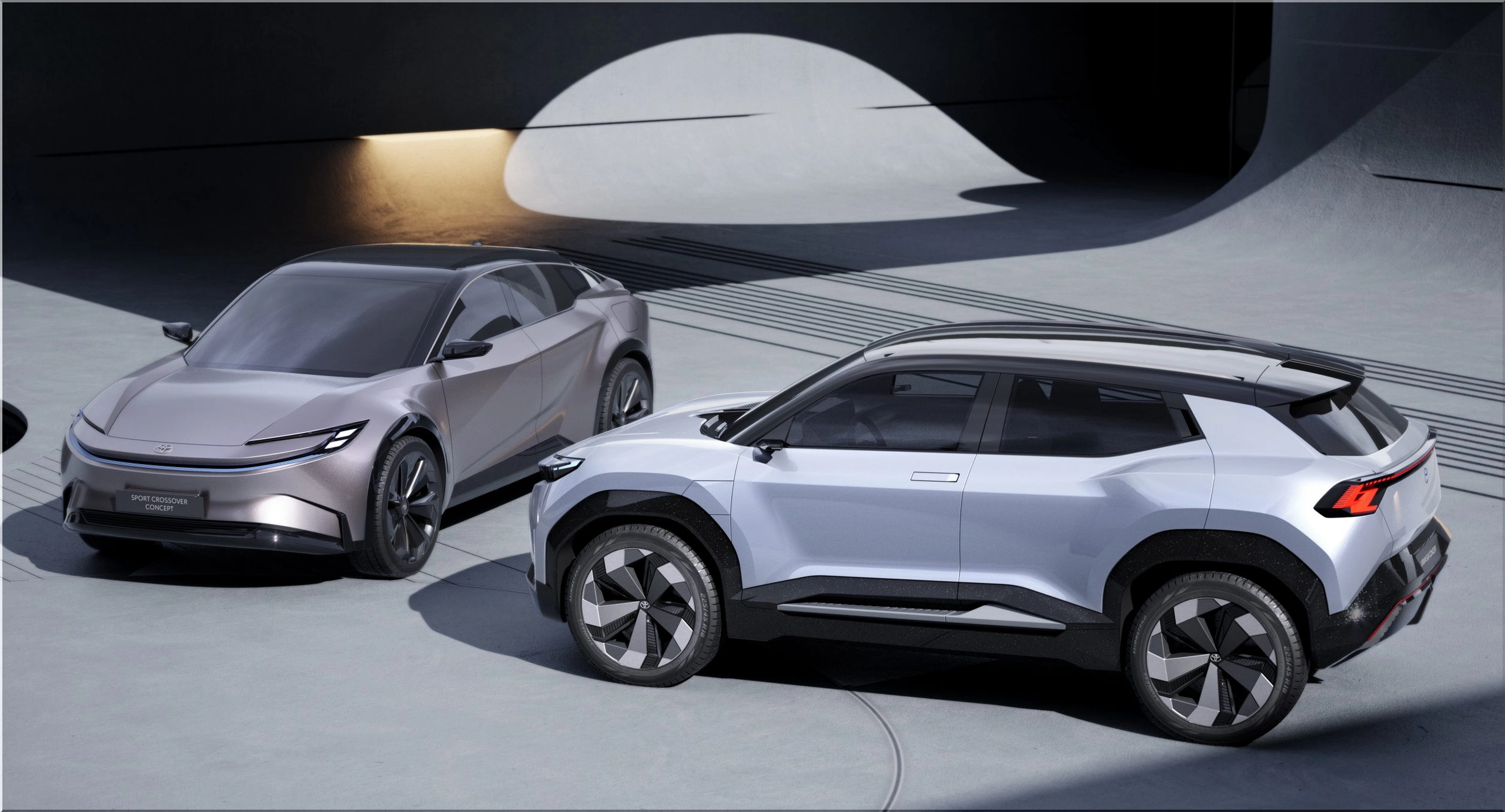
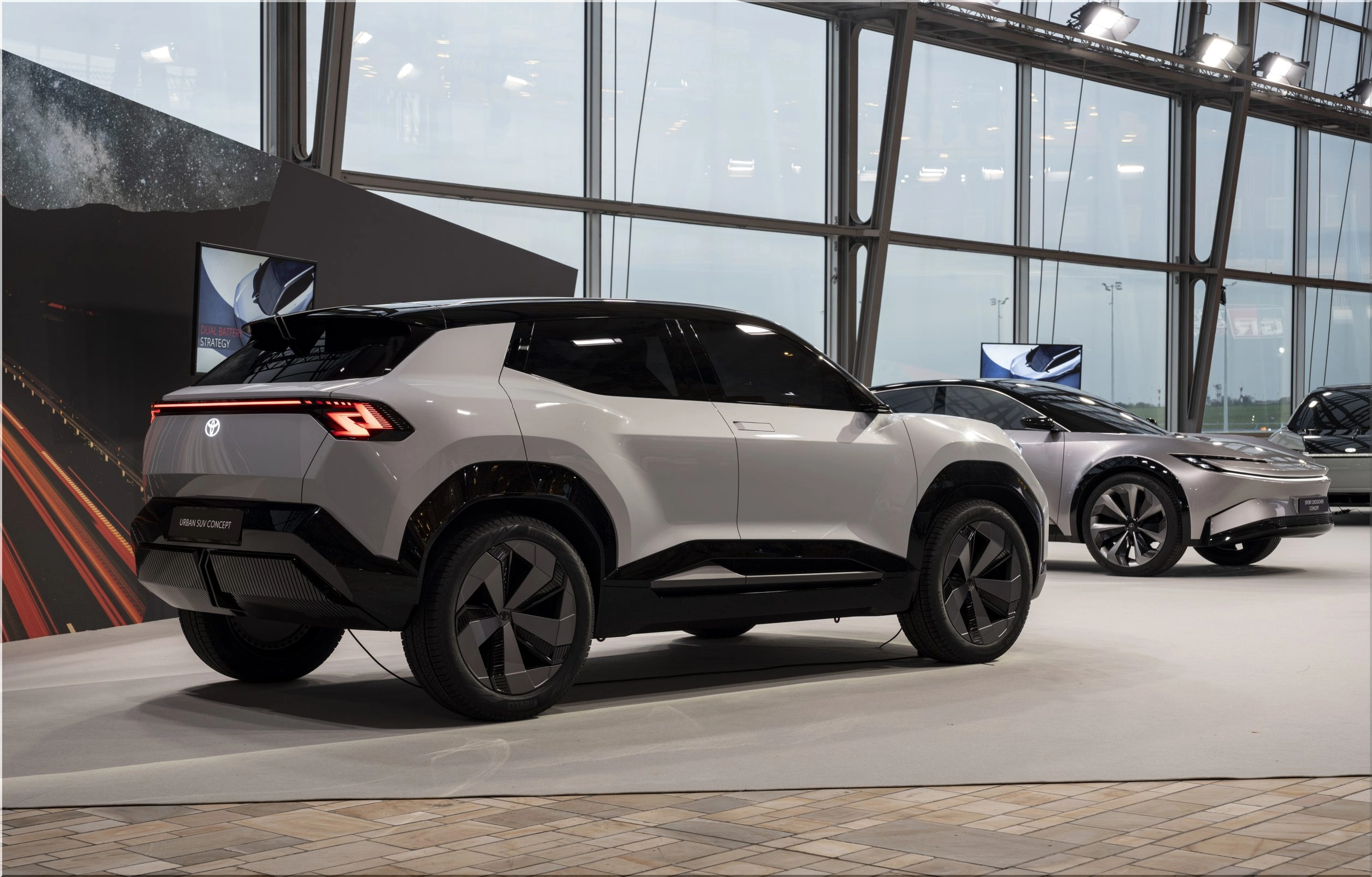
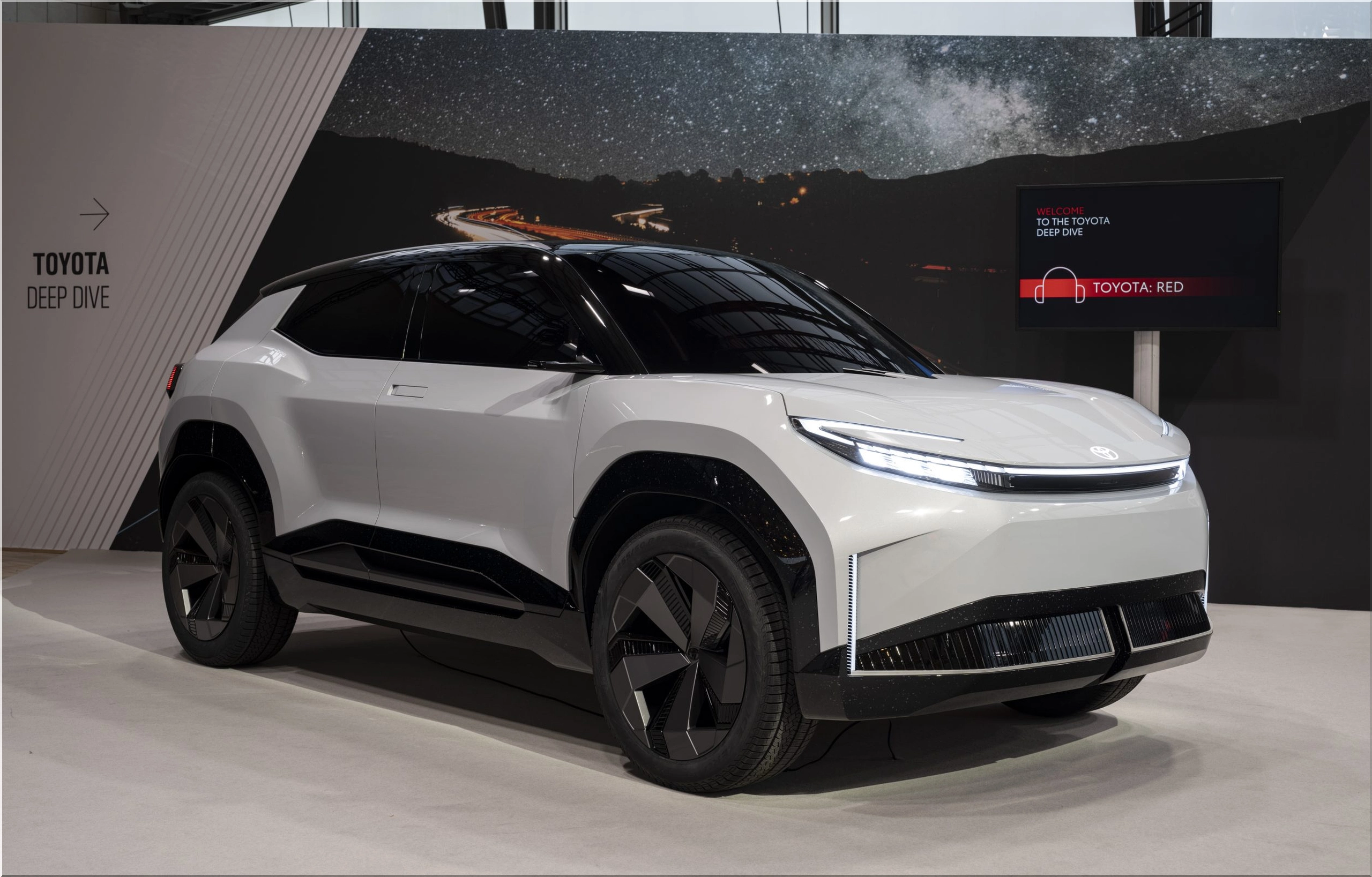
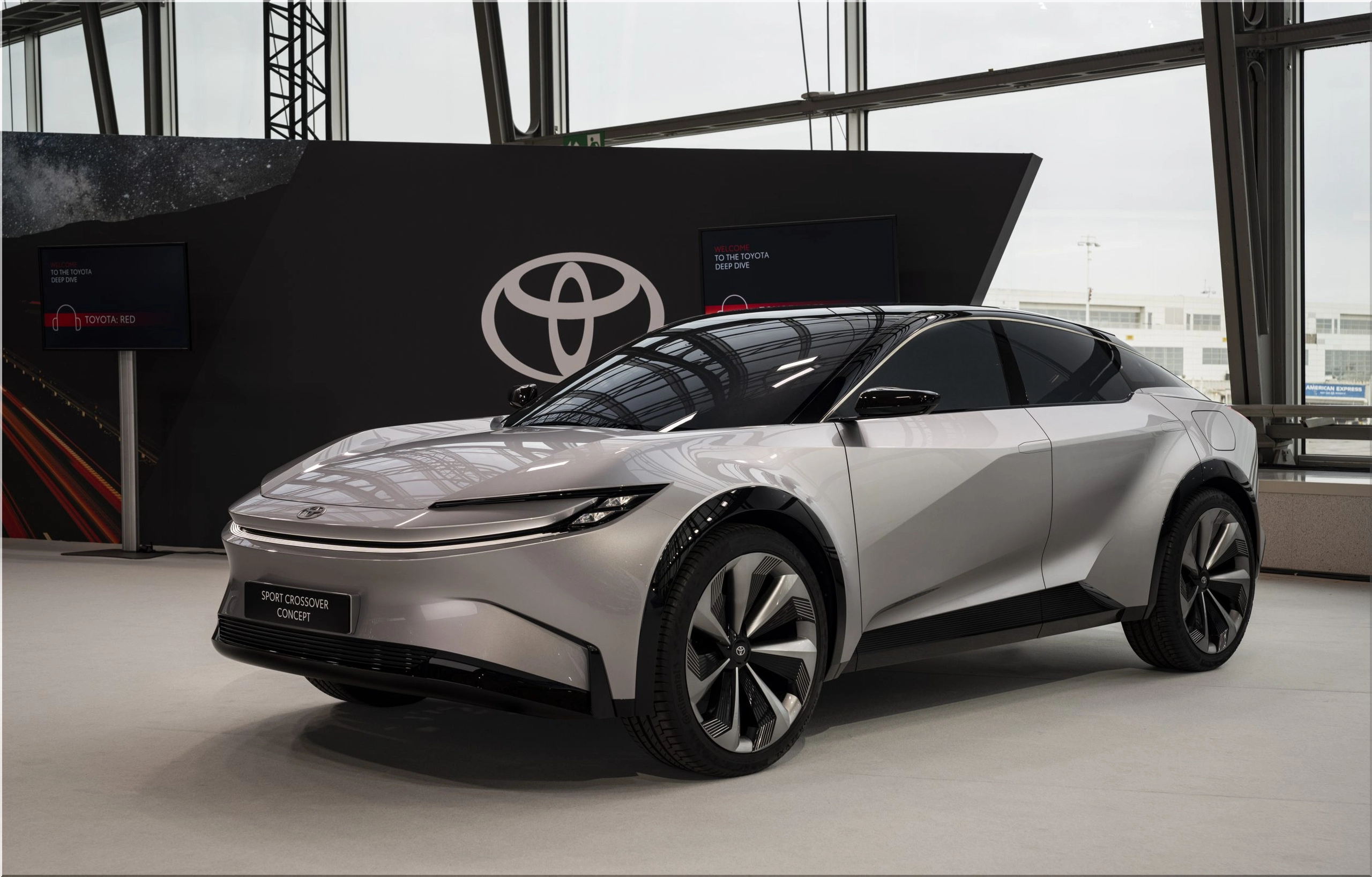
That is about to change, as Toyota announced that it will launch 10 new BEV models by 2026, to significantly expand its zero-emission range. The first of these models will be the Toyota bZ4X, a compact SUV that will debut in 2023. The Toyota bZ4X is based on the e-TNGA platform, a dedicated architecture for BEVs that allows for various body types, sizes, and battery capacities.
The bZ4X will feature a solar recharging system that can increase the driving range by up to 9.3 miles (15 km) per day, as well as a steer-by-wire system that eliminates the mechanical connection between the steering wheel and the front wheels, resulting in a smoother and more precise steering feel.
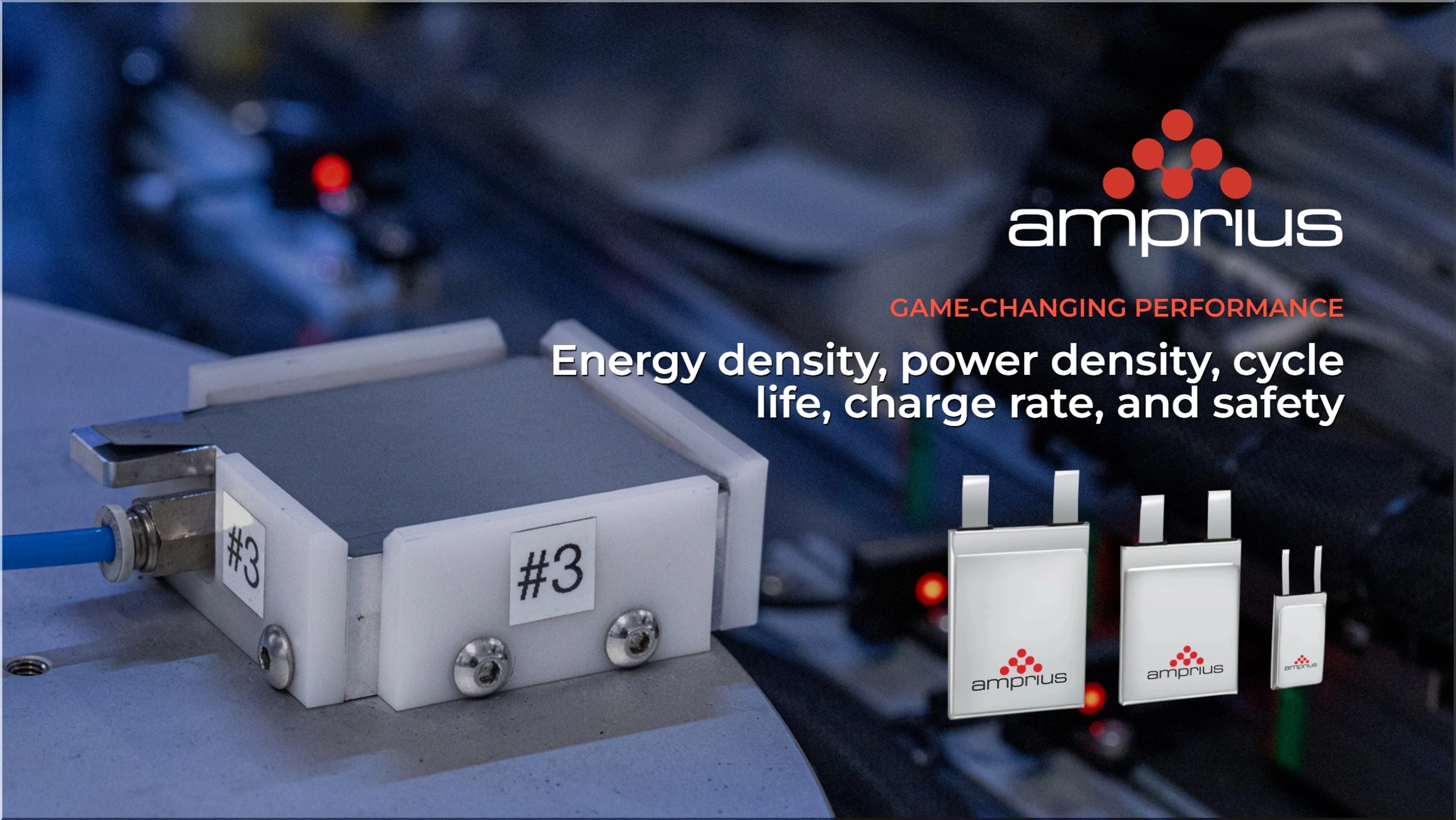
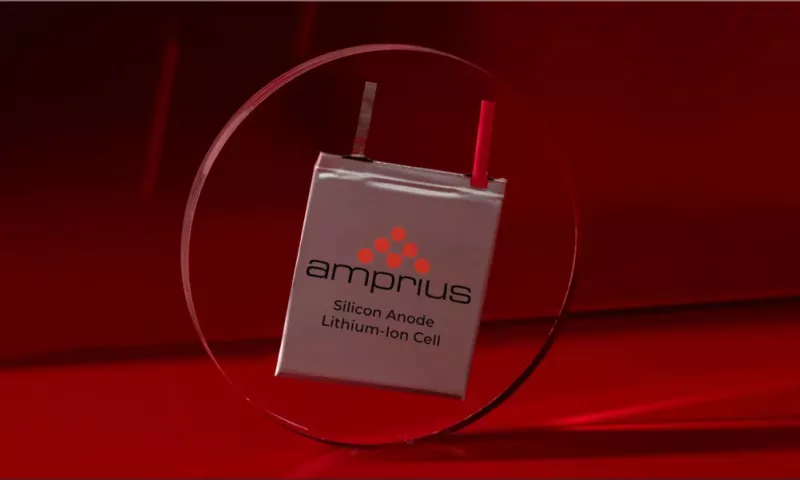
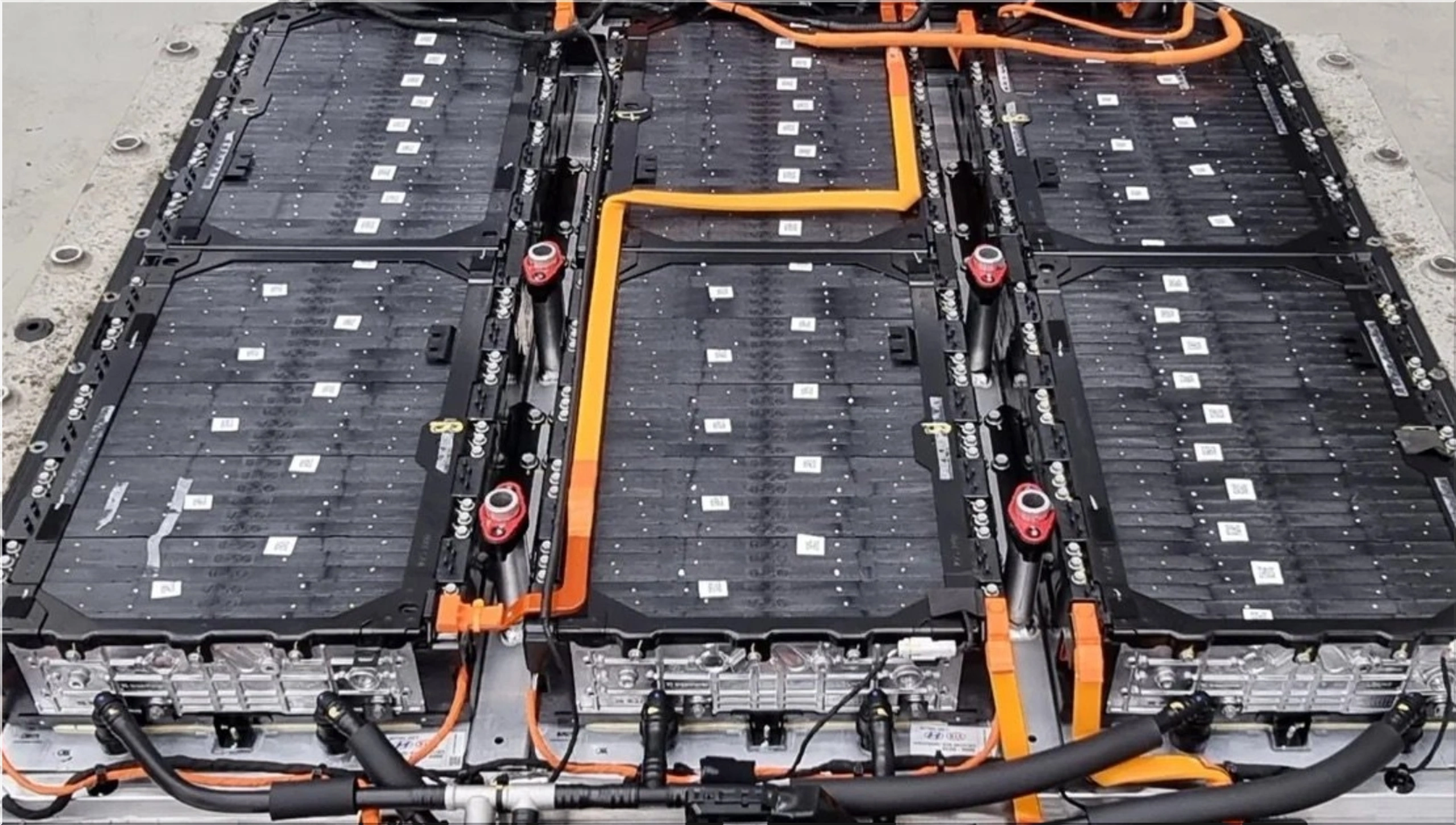
Toyota claims that its new generation of BEVs will be “entirely different from those today”, offering a driving range of up to 373 miles (600 km) on a single charge, thanks to its innovative battery technology. The company is developing solid-state batteries, which have higher energy density, faster charging, and lower fire risk than conventional lithium-ion batteries. Toyota expects to start mass production of solid-state batteries by the mid-2020s.
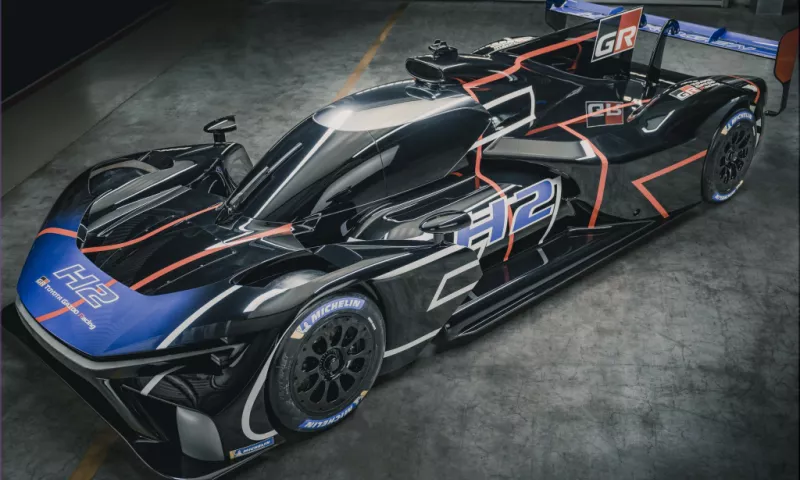
Hydrogen Fuel Cell Vehicles: A Carbon Neutral Fuel
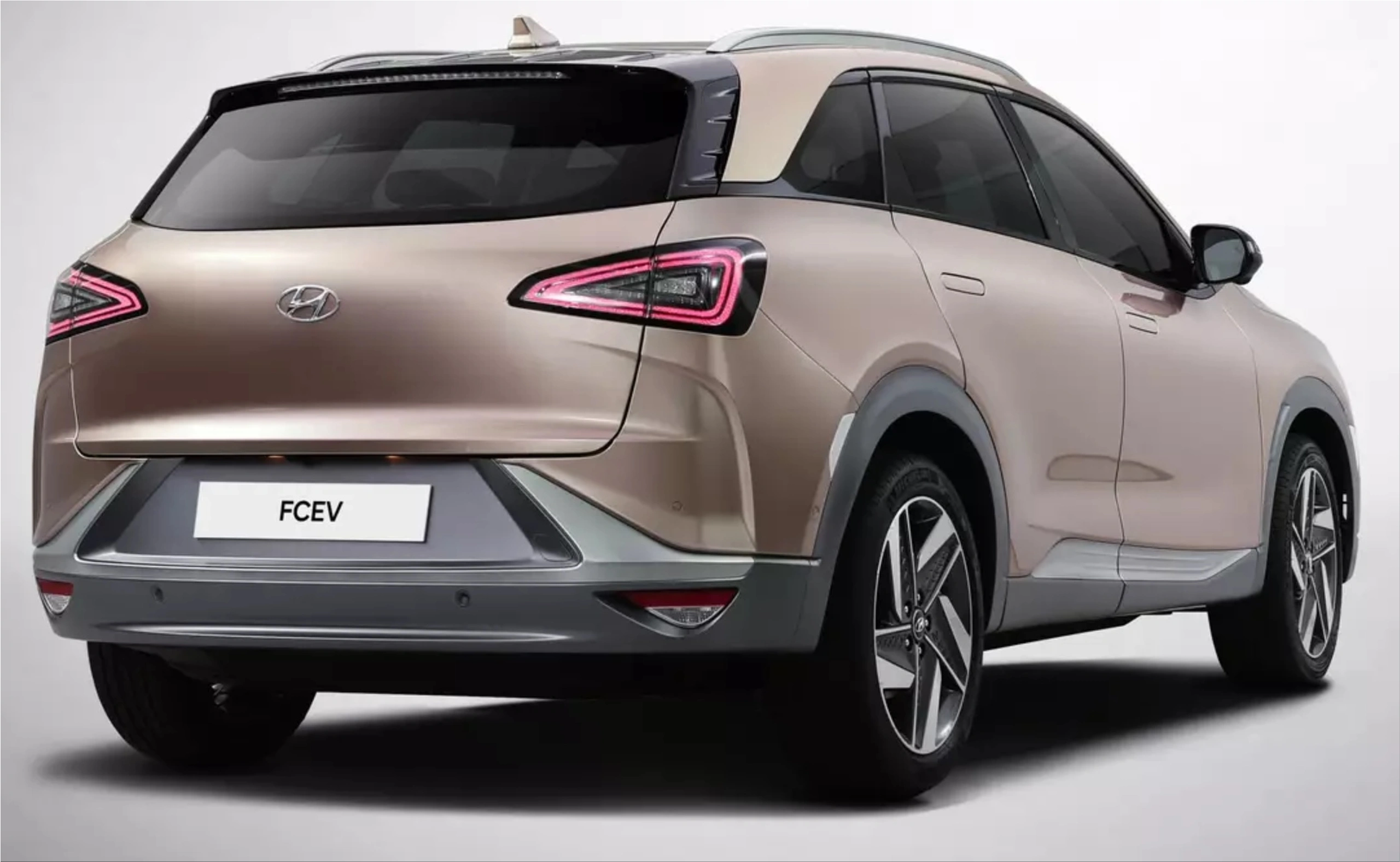
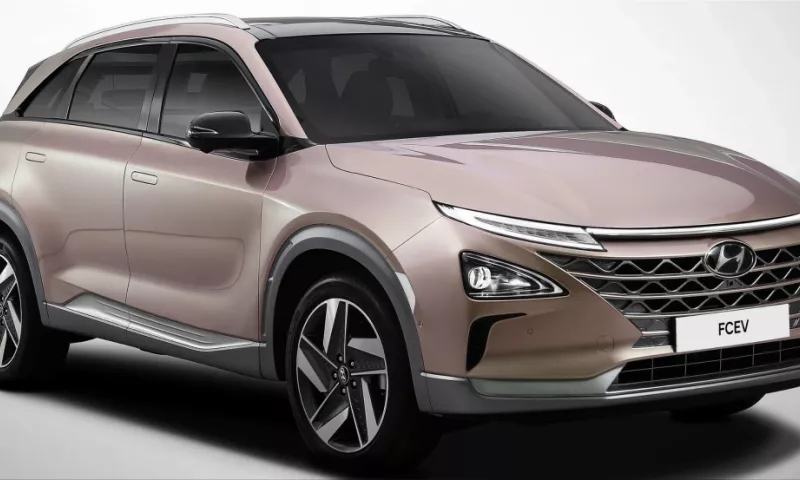
Toyota is also a leader in hydrogen fuel cell technology, launching the first mass-produced FCEV, the Mirai, in 2014. The Mirai, which means “future” in Japanese, uses hydrogen and oxygen to generate electricity, with water as the only emission. The second-generation Mirai, which debuted in 2020, has a sleeker design, a larger fuel tank, and a longer range of 402 miles (647 km).
Toyota believes hydrogen is a key element for achieving carbon neutrality, as it can be produced from various renewable sources, such as solar, wind, and biomass. The company is pursuing a hydrogen business strategy that covers the entire value chain, from production and supply to utilization and recycling.
One of the initiatives that Toyota promotes is the Carbon Neutral Fuel Project, which aims to produce hydrogen from renewable energy and capture the carbon dioxide emitted during the process. The captured CO2 can then create synthetic fuels, such as methanol and gasoline, which can power conventional internal combustion engines without increasing the net CO2 emissions.
Toyota is also developing hydrogen-powered commercial vehicles, such as buses, trucks, forklifts, and stationary fuel cells, that can provide electricity and heat for homes and businesses. The company plans to launch a new FCEV factory in July 2023, responsible for the mass production and global expansion of hydrogen products.
Hybrid Electric Vehicles: A Bridge to Electrification
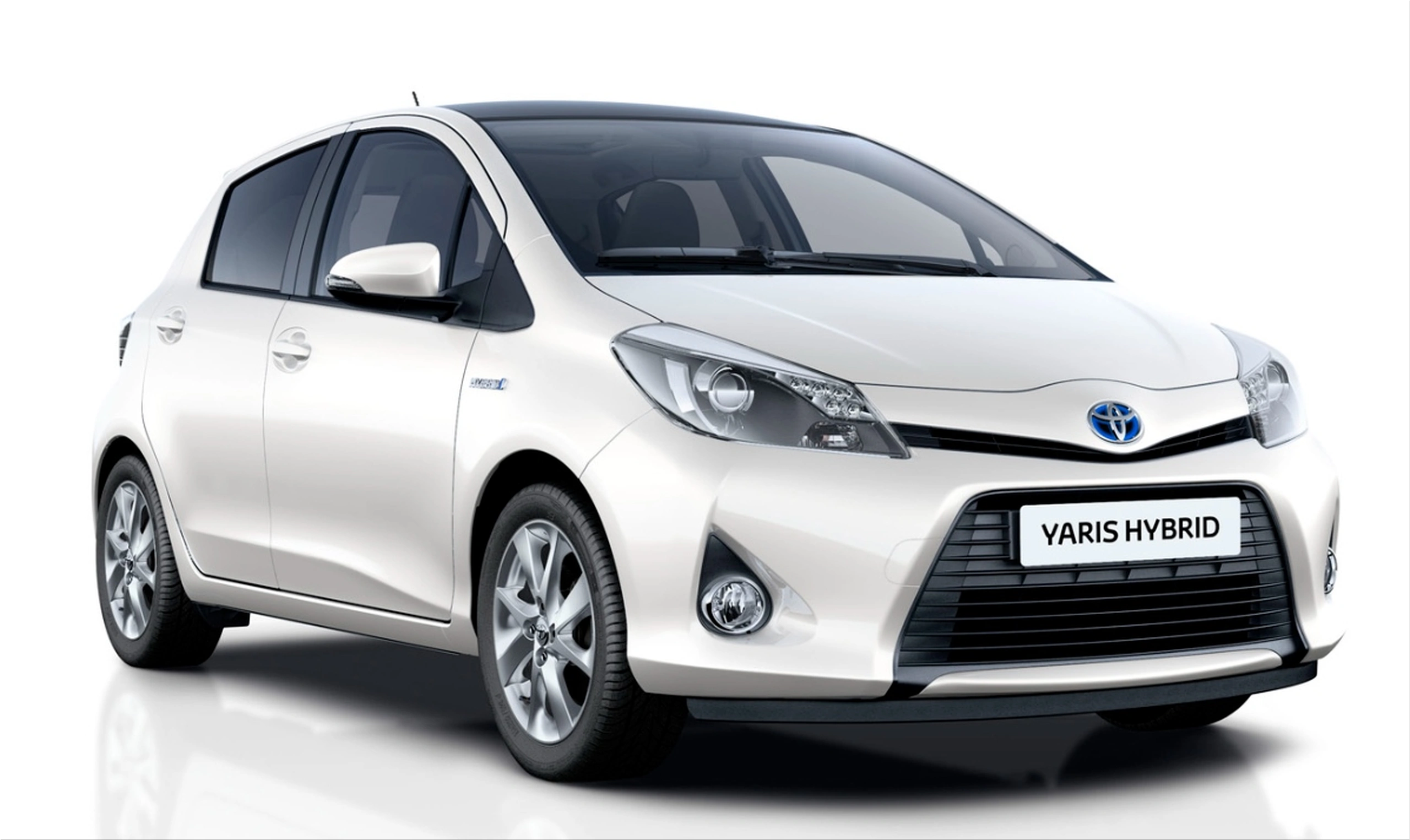
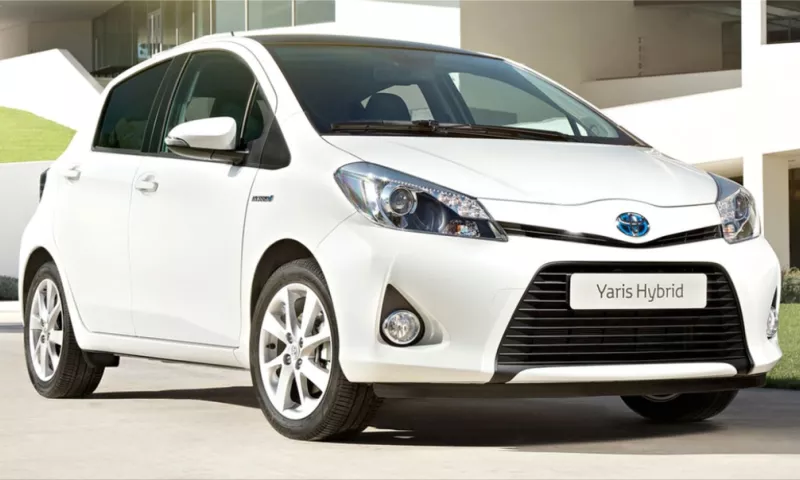
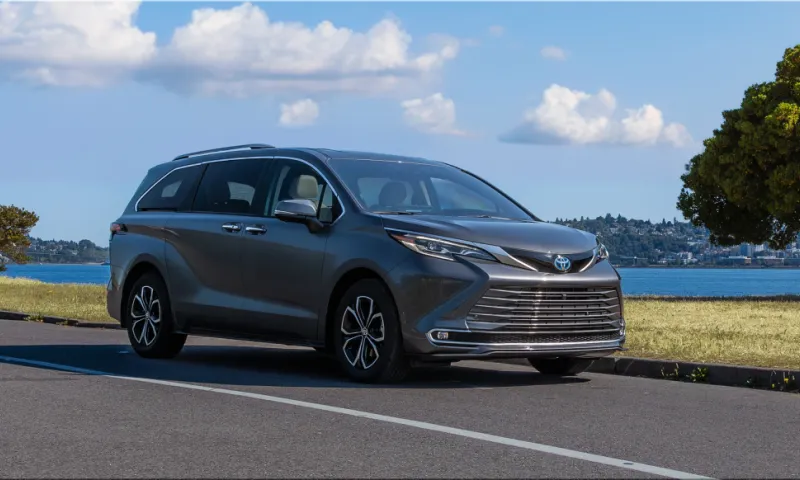
Toyota is not abandoning its hybrid technology, which it considers a bridge to electrification. The company has sold more than 18 million HEVs worldwide since 1997 and currently offers more than 40 HEV models, including the popular Toyota RAV4, Toyota Corolla, and Toyota Camry.
Toyota says that its HEVs can reduce CO2 emissions by 33% compared to conventional gasoline vehicles and by 50% compared to diesel vehicles. The company also claims that its HEVs can achieve a fuel efficiency level similar to that of BEVs in urban driving conditions, where frequent acceleration and deceleration occur.
Toyota is working to improve the battery efficiency of its plug-in hybrid electric vehicles (PHEVs), which can run on both electricity and gasoline. The company aims to extend the EV driving range of its PHEVs beyond 124 miles (200 km), making them comparable to BEVs in terms of environmental performance.
Conclusion: A Diverse and Flexible Approach
Toyota’s multi-pathway approach reflects its commitment to meeting customers' diverse needs while advancing sustainable mobility solutions. The company recognizes that different regions have different energy sources, infrastructure, regulations, and consumer preferences and that there is no one-size-fits-all solution for reducing emissions.
By offering various electrified options, from BEVs and FCEVs to HEVs and PHEVs, Toyota hopes to cater to the different market segments and scenarios and accelerate the adoption of low-carbon vehicles. The company also intends to collaborate with various stakeholders, such as governments, energy providers, and other automakers, to create a favorable environment for transitioning to a carbon-neutral society.
Toyota’s new technology strategy and plans for the future of cars show that the company is innovating and evolving to meet the challenges and opportunities of the 21st century. As the company’s slogan says, “Let’s go beyond zero.”
- Add new comment
- 295 views