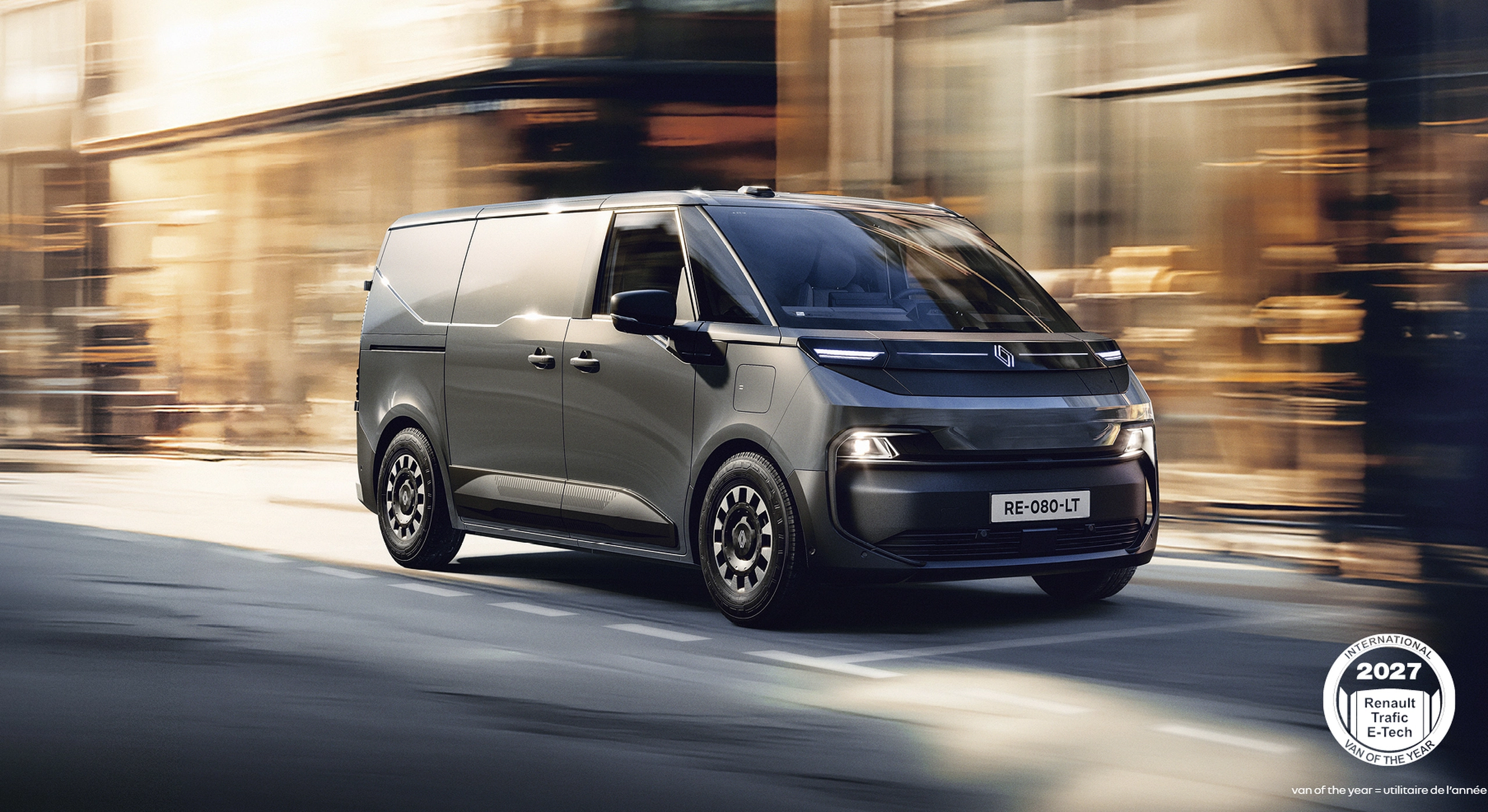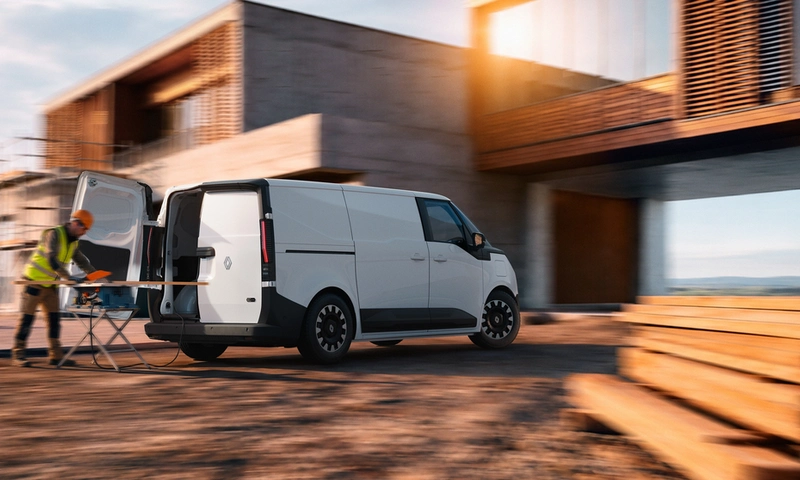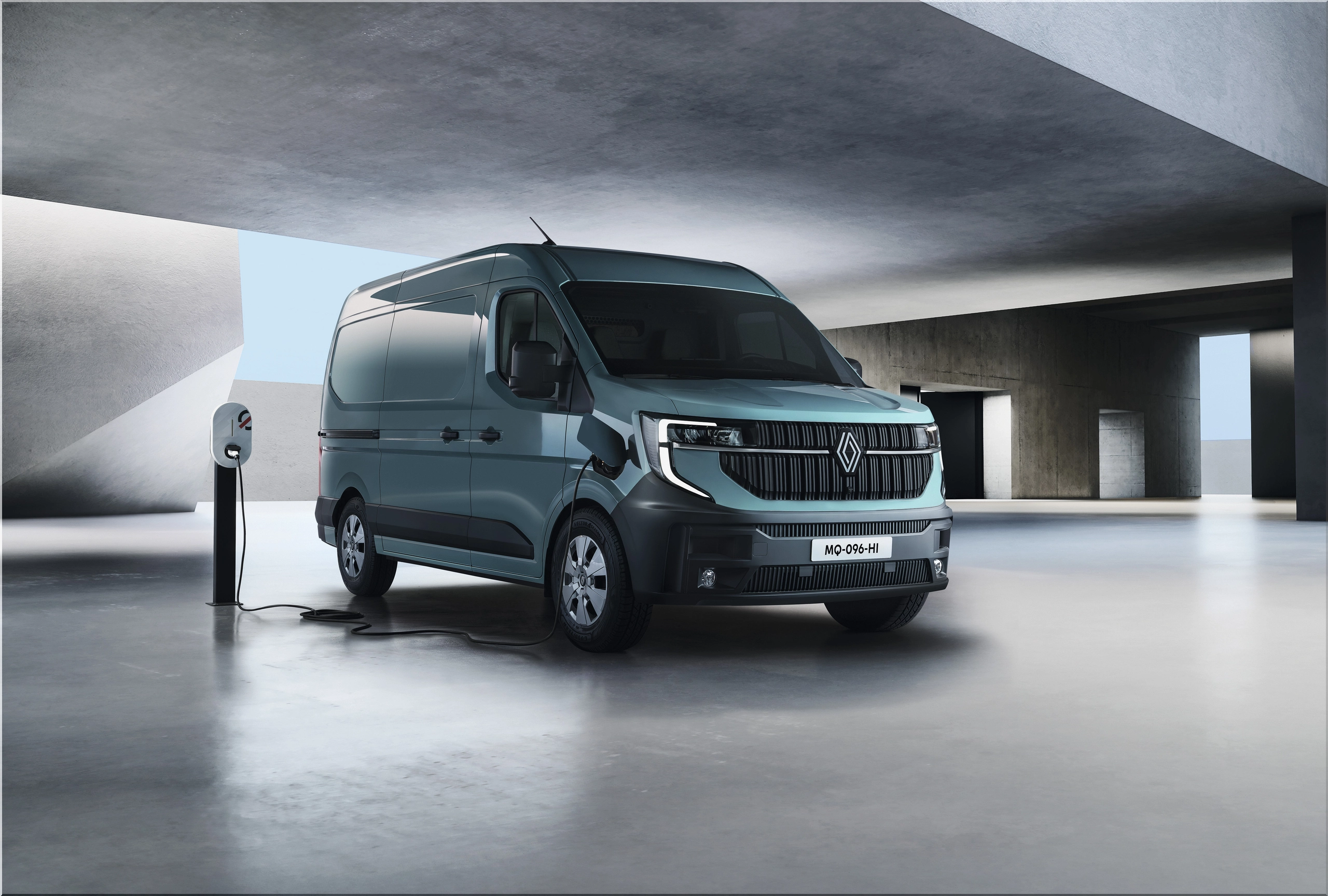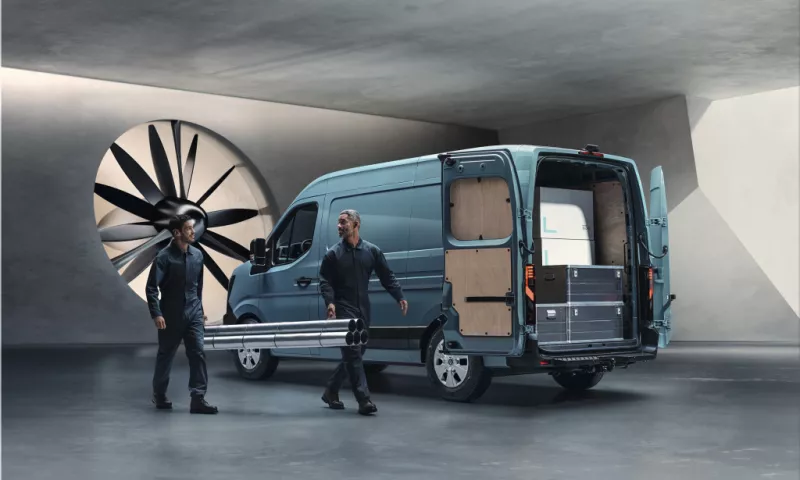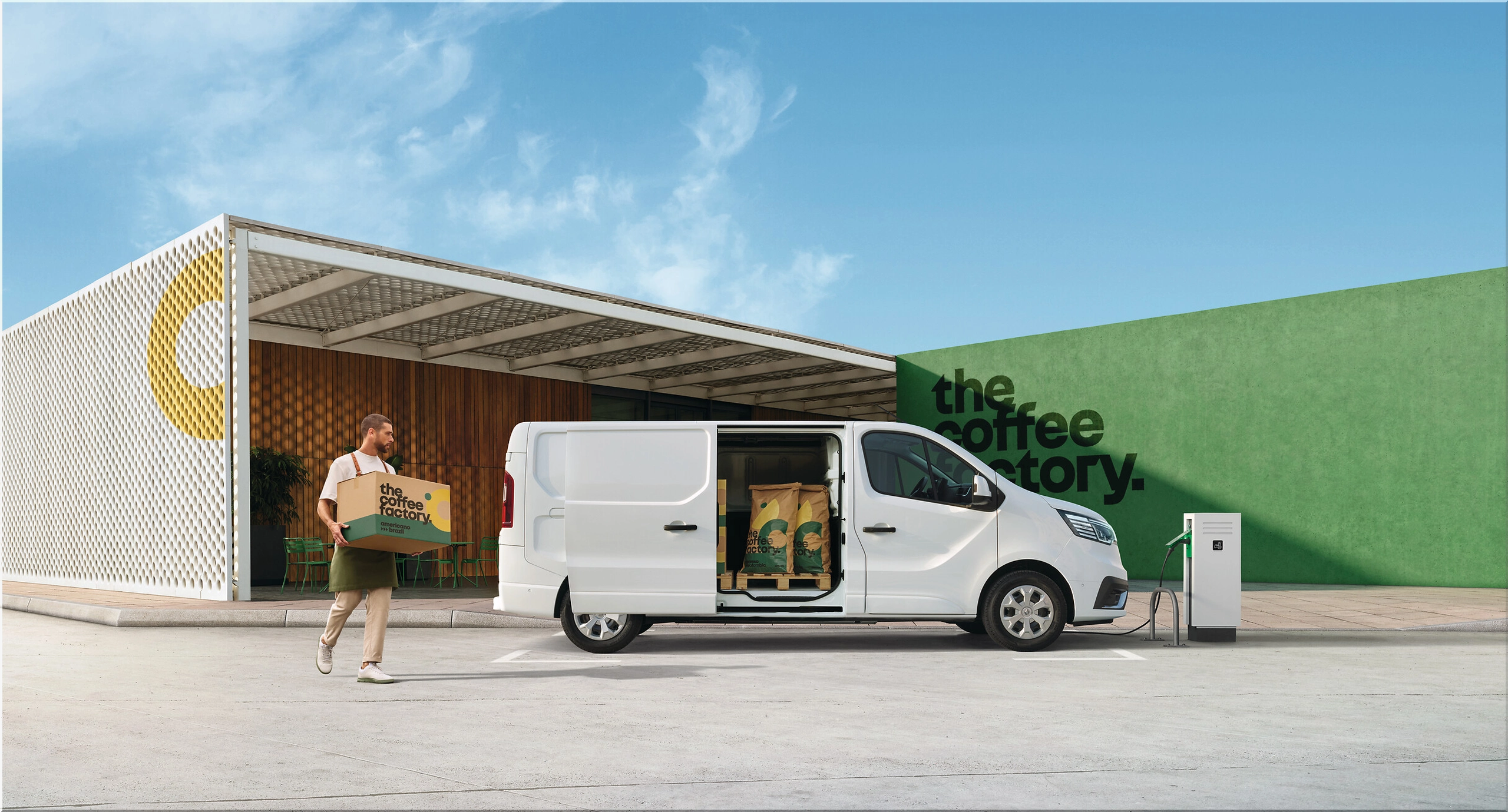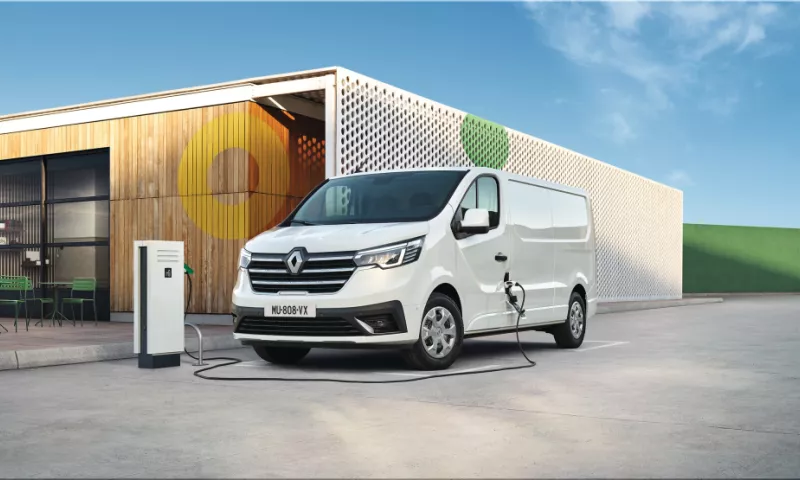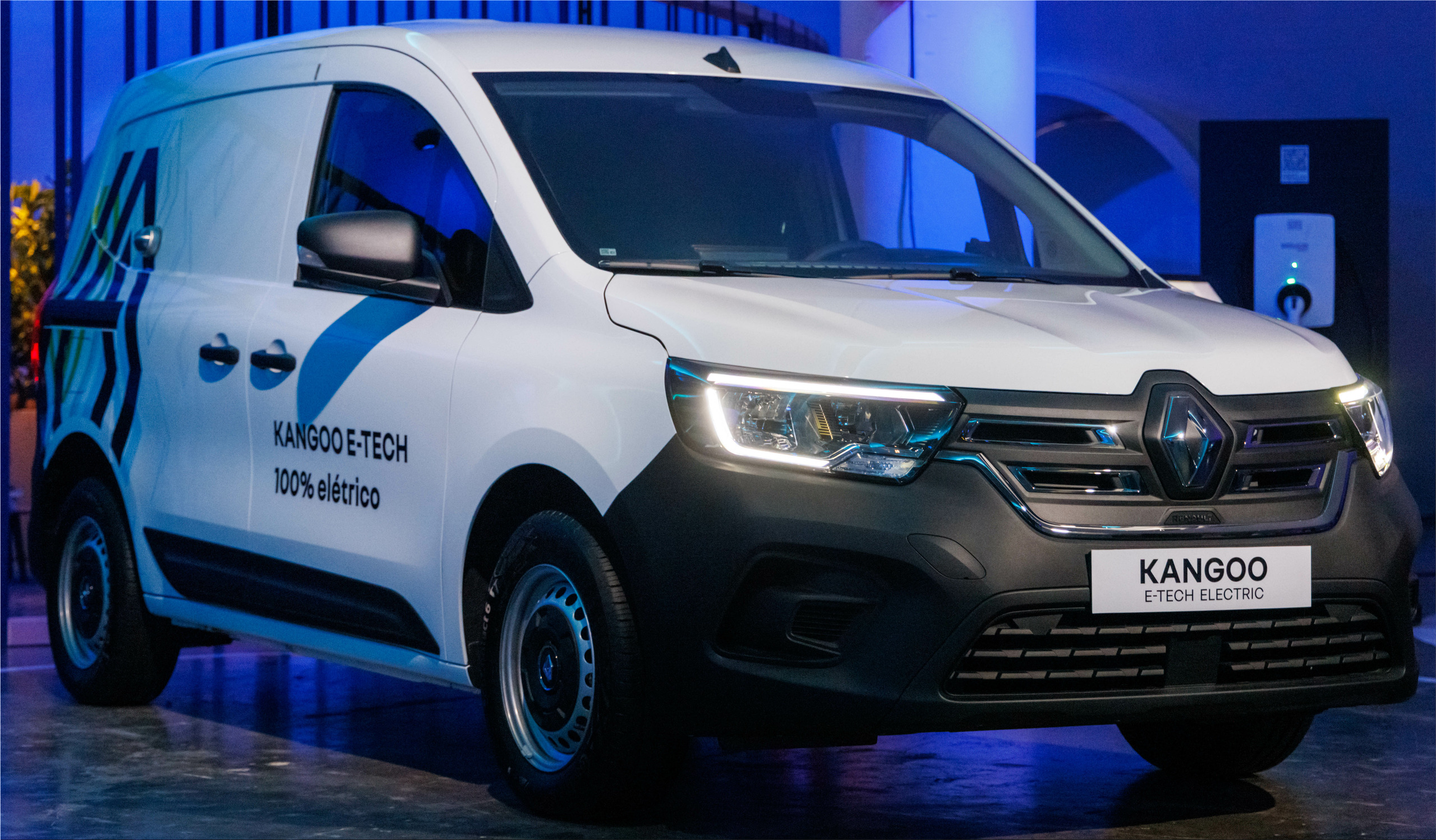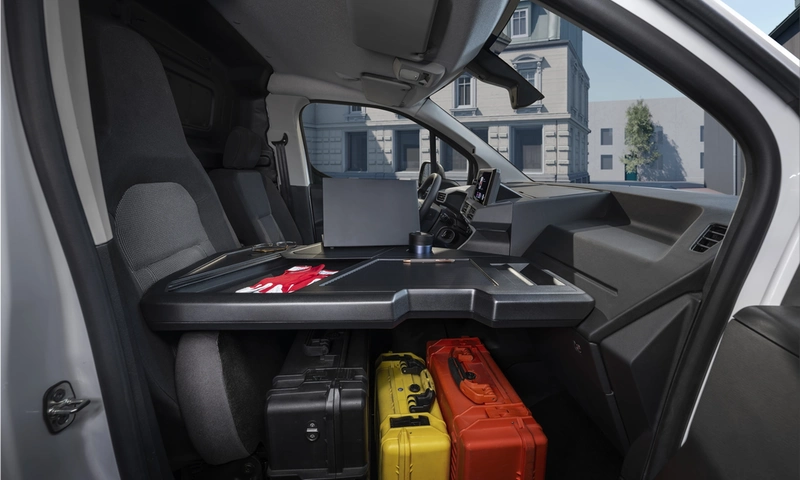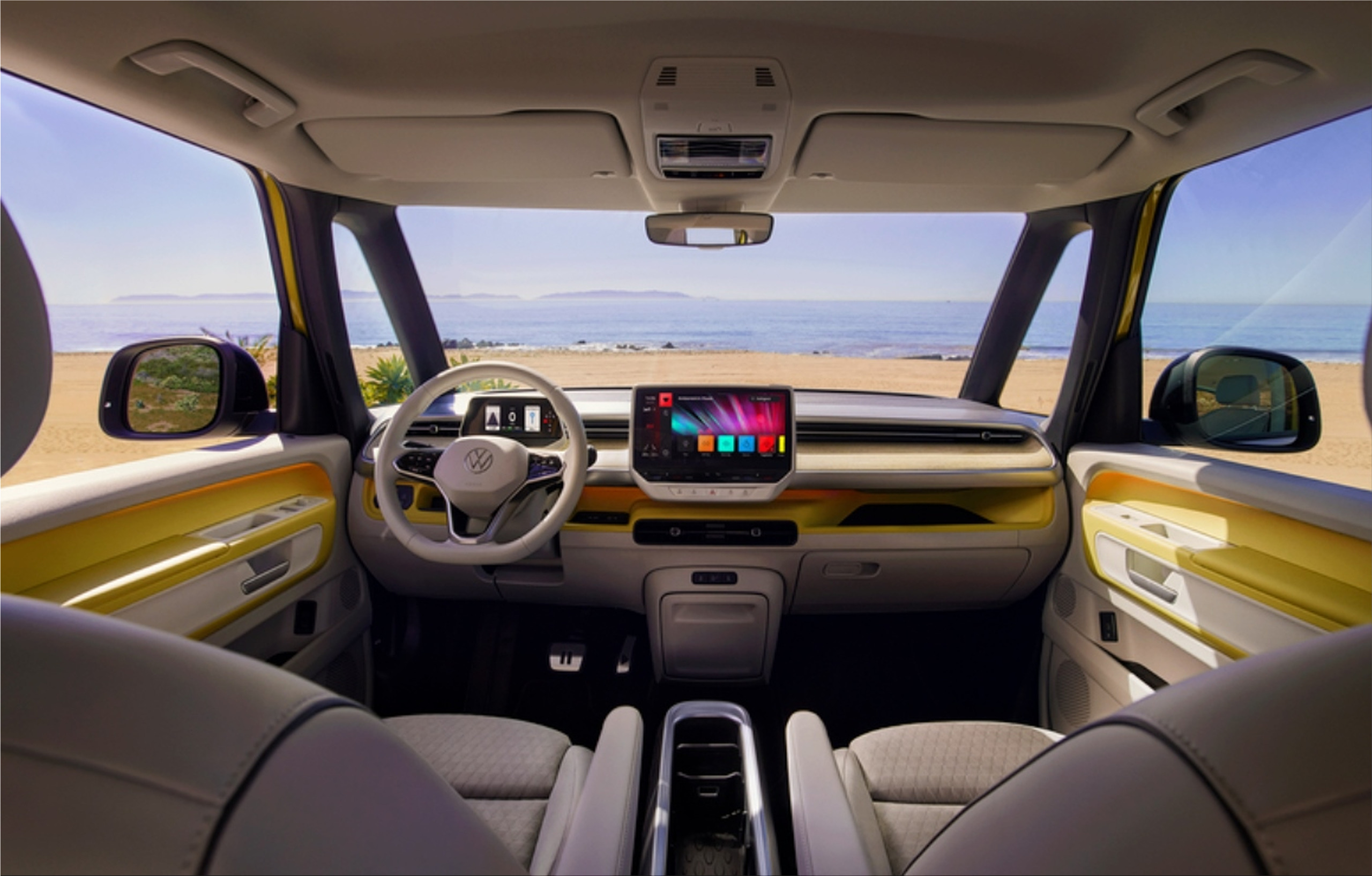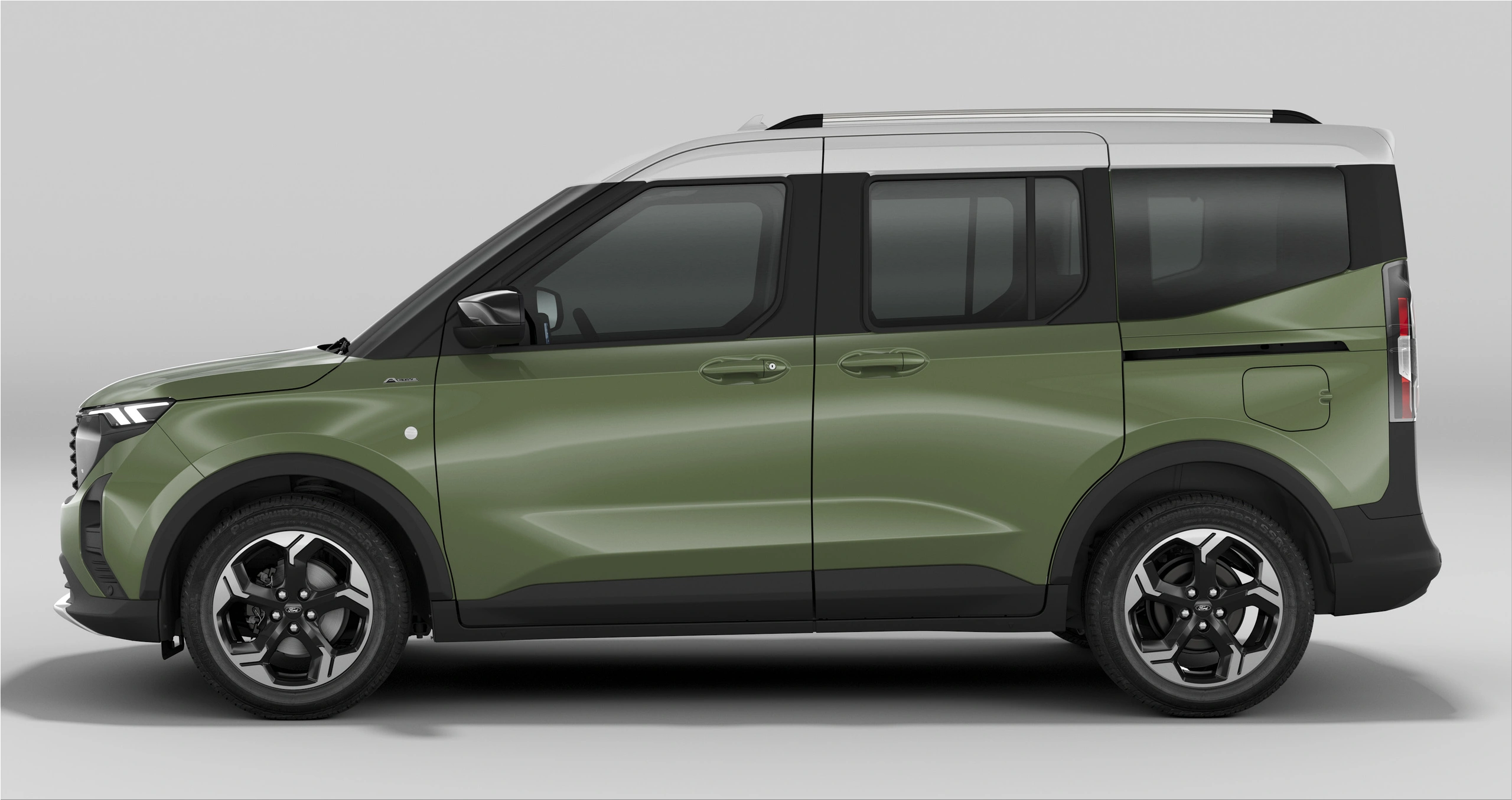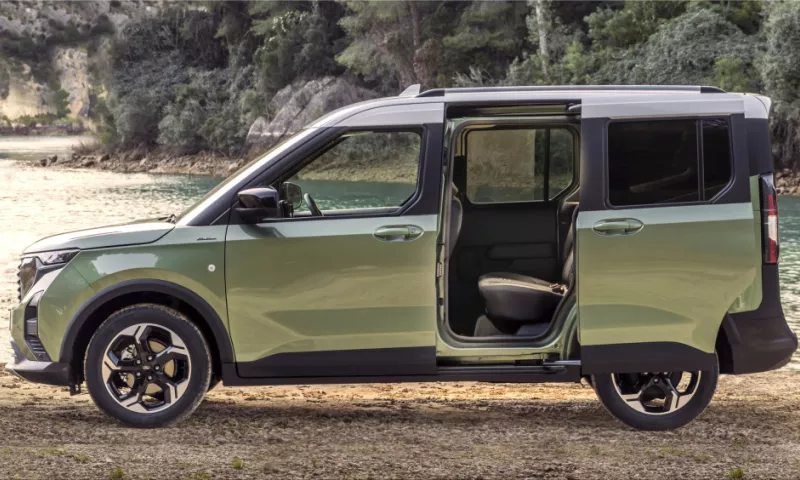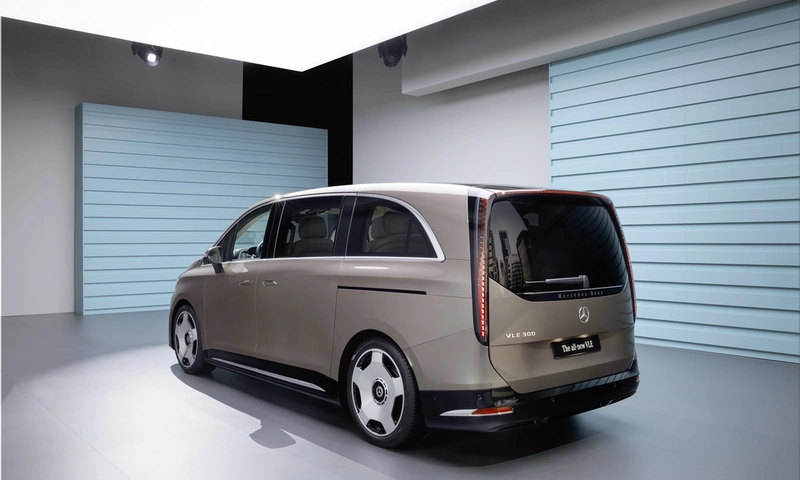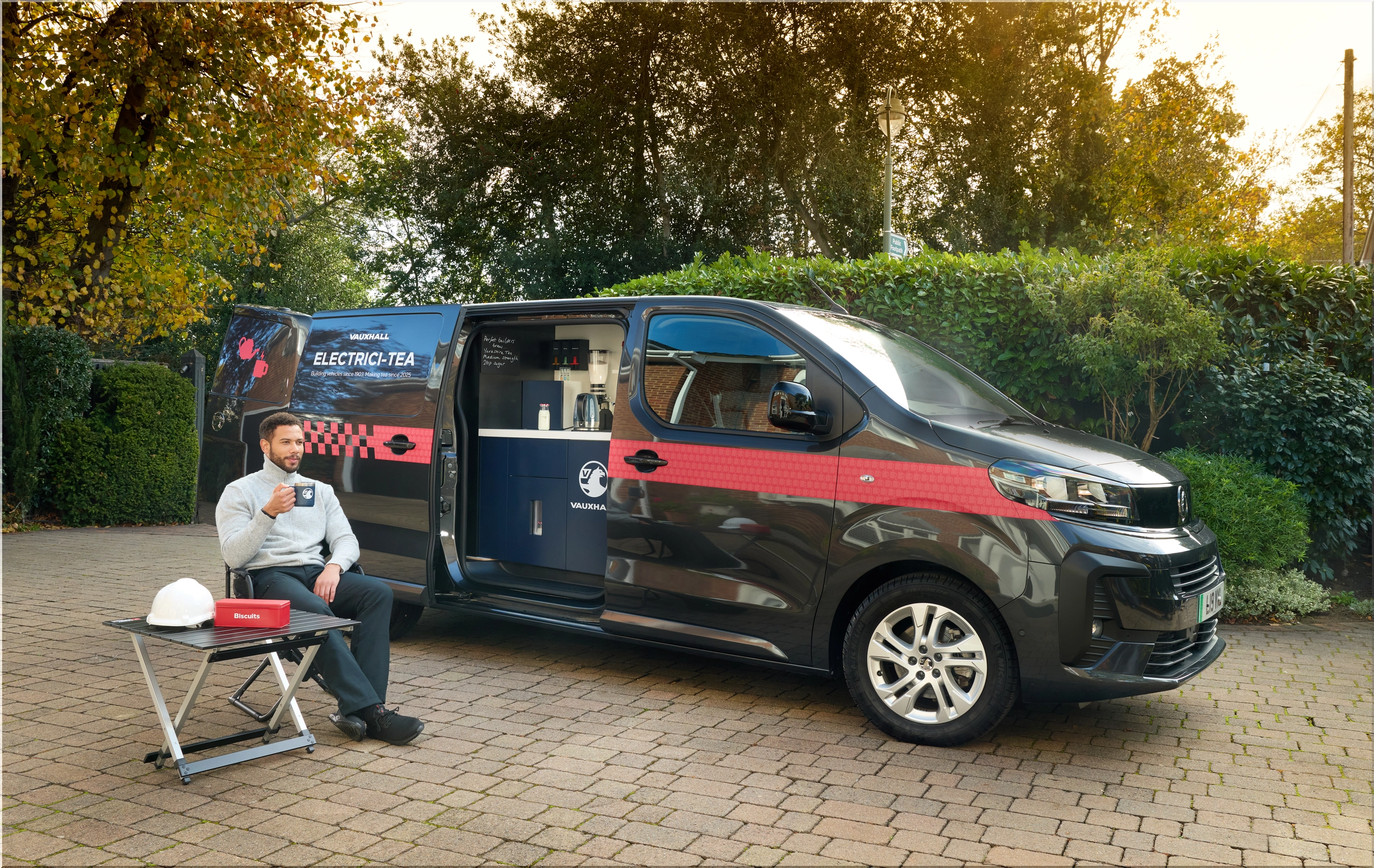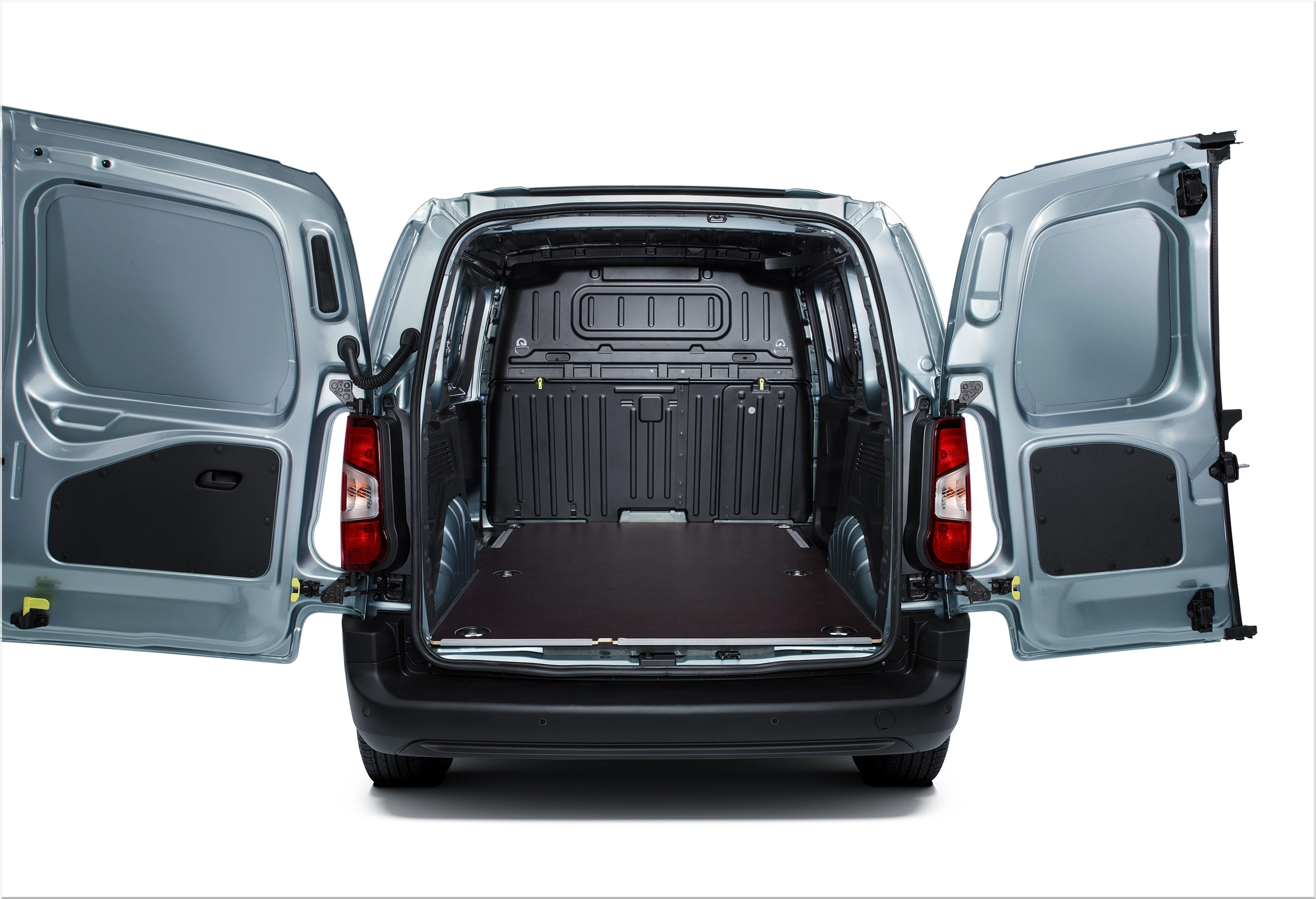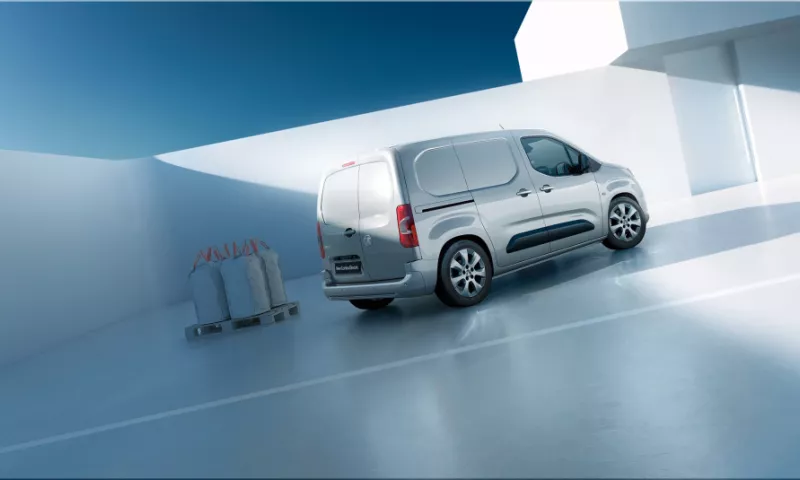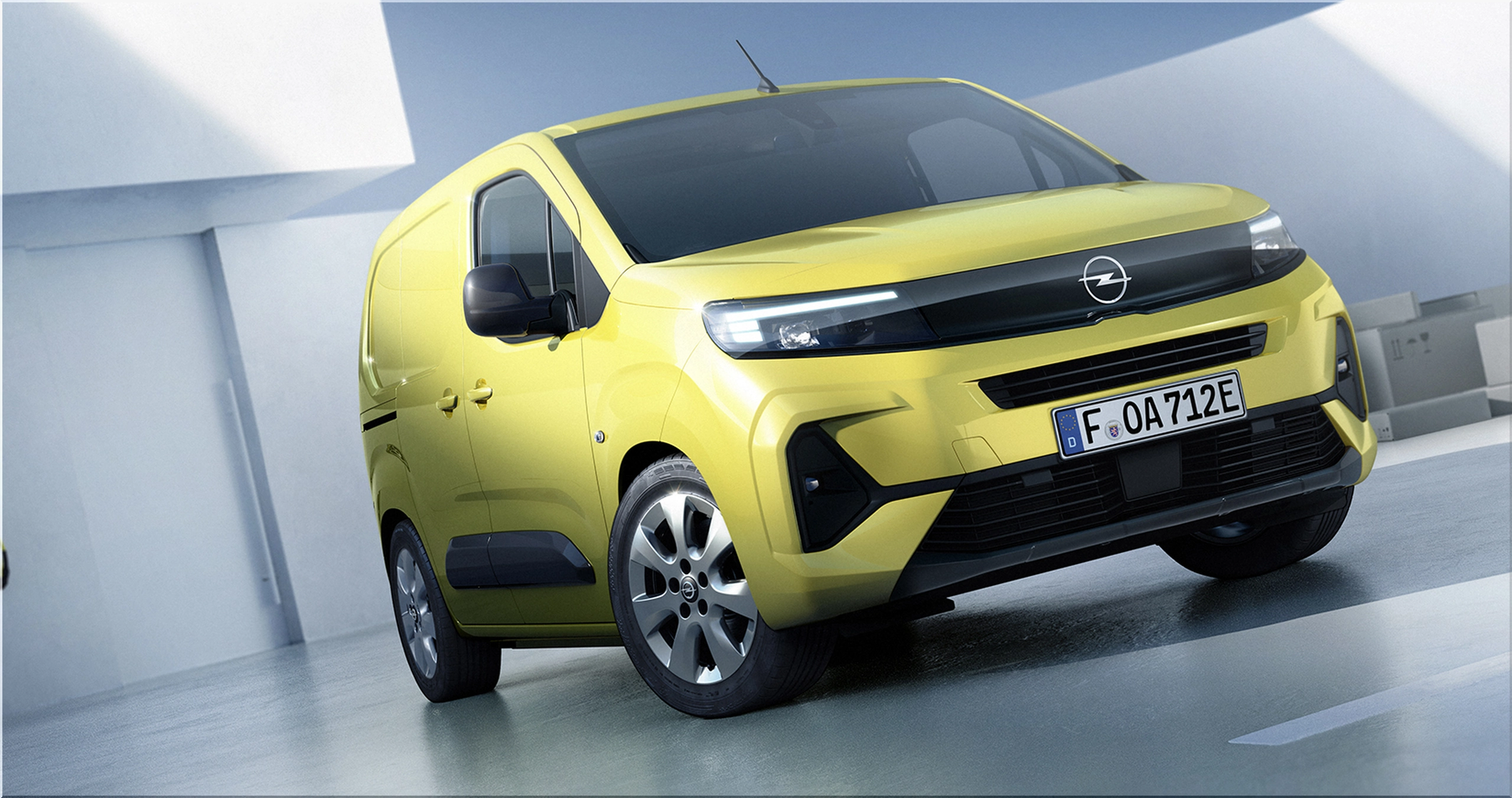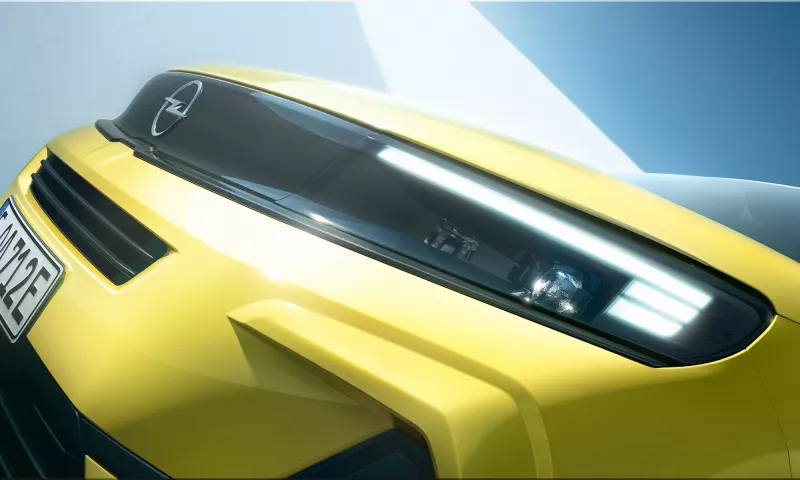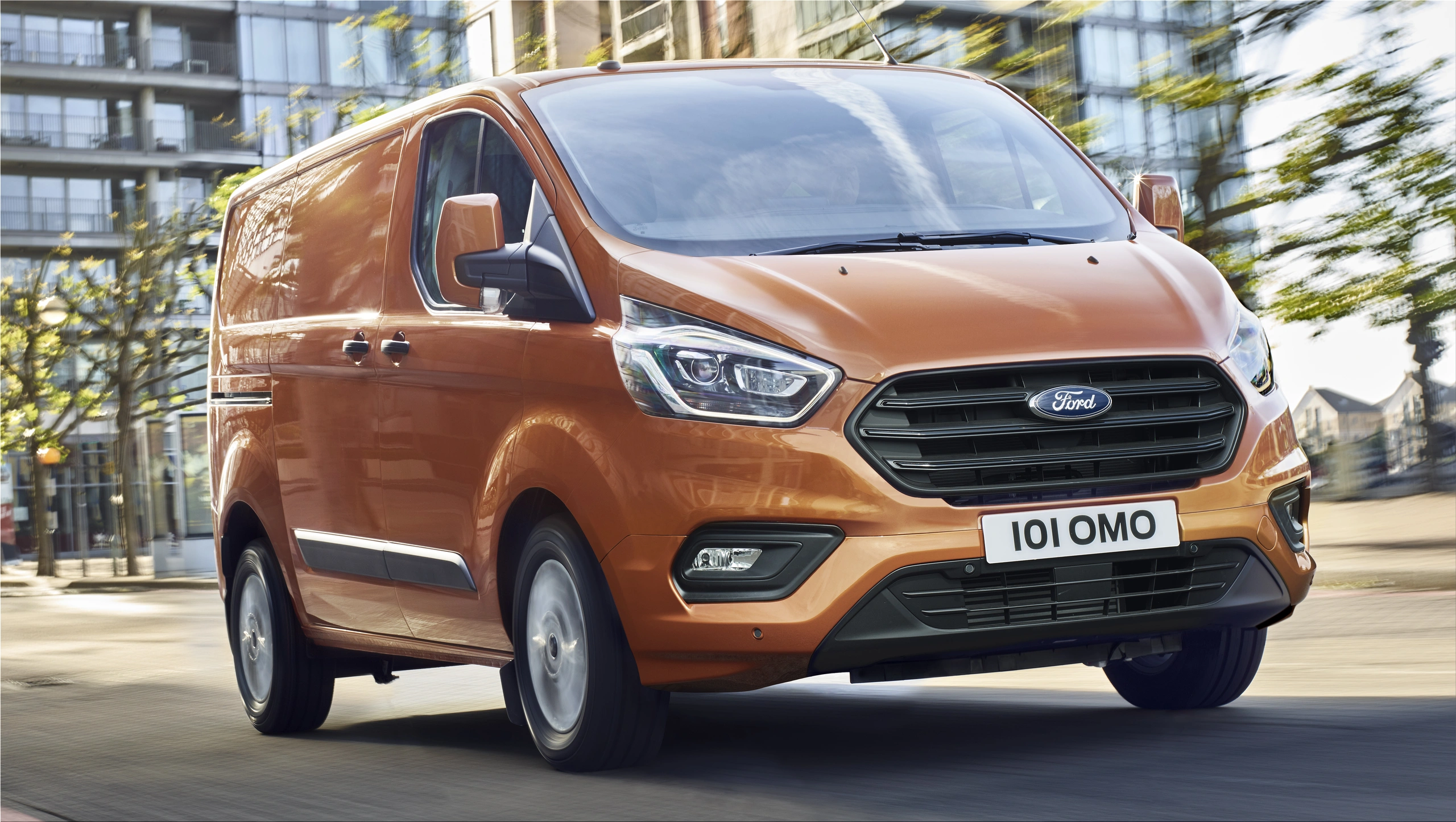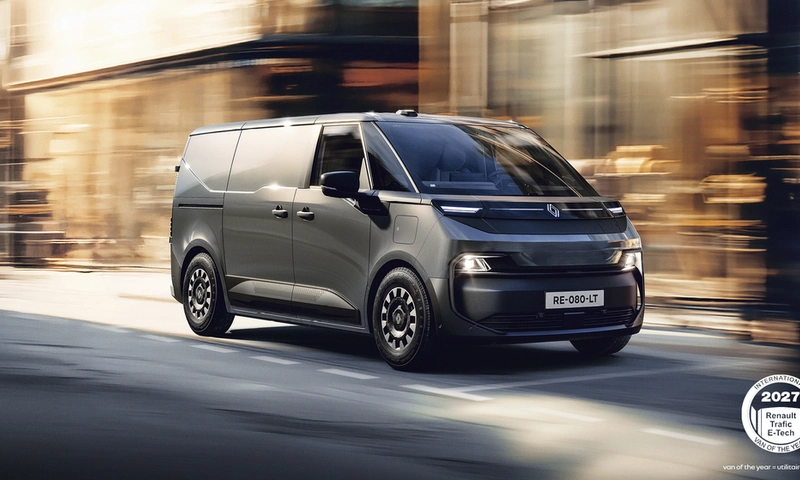
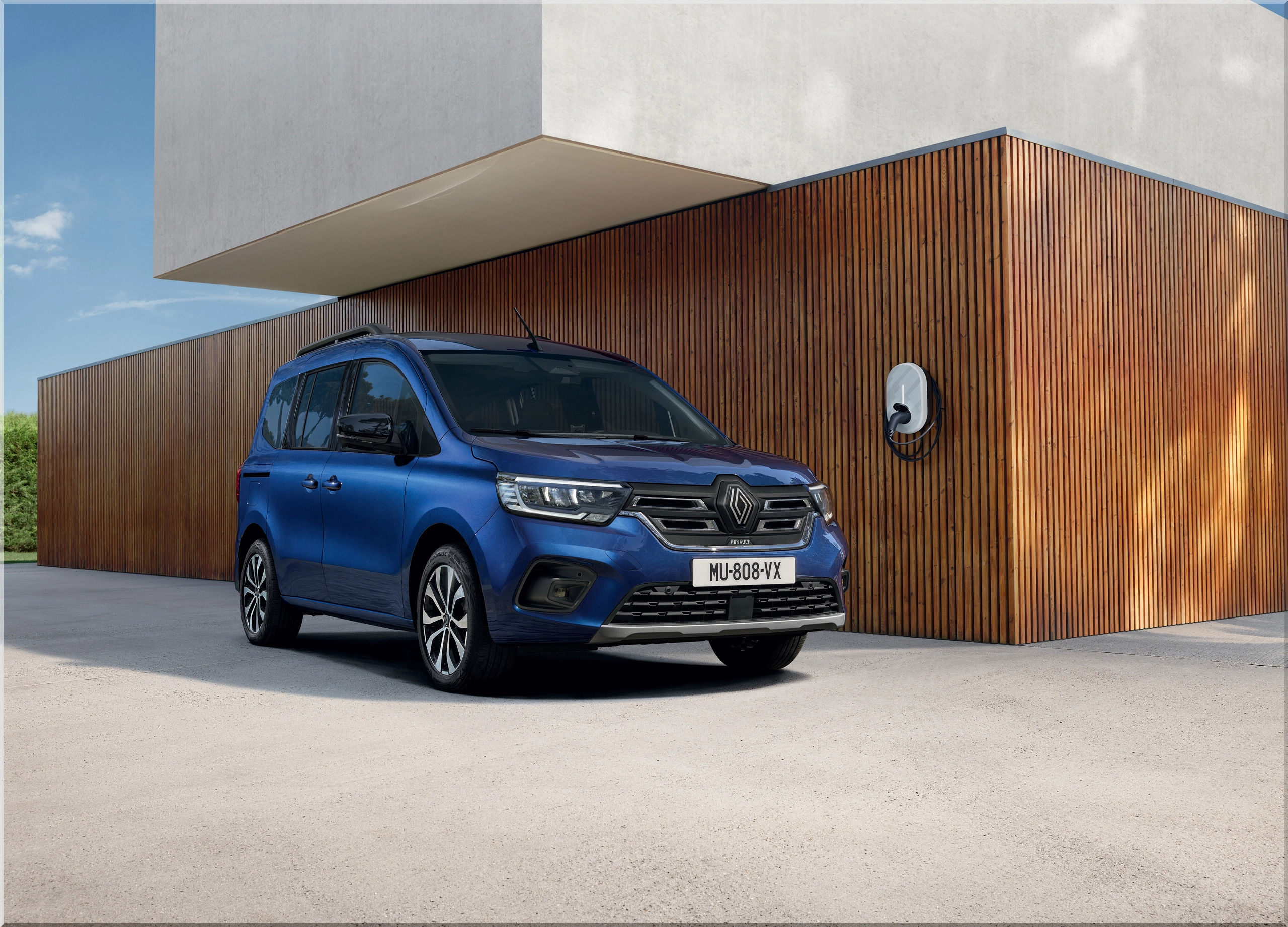
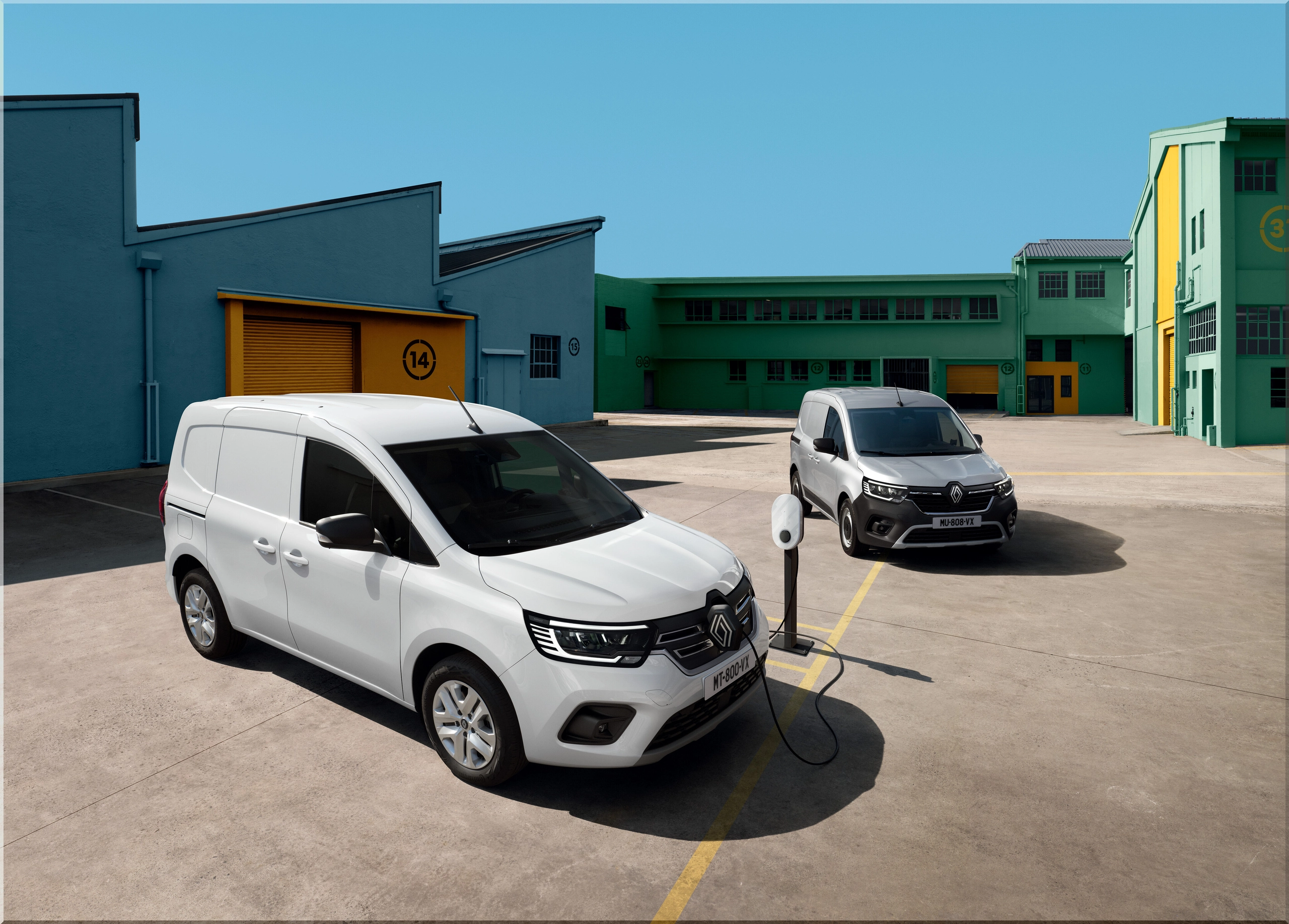
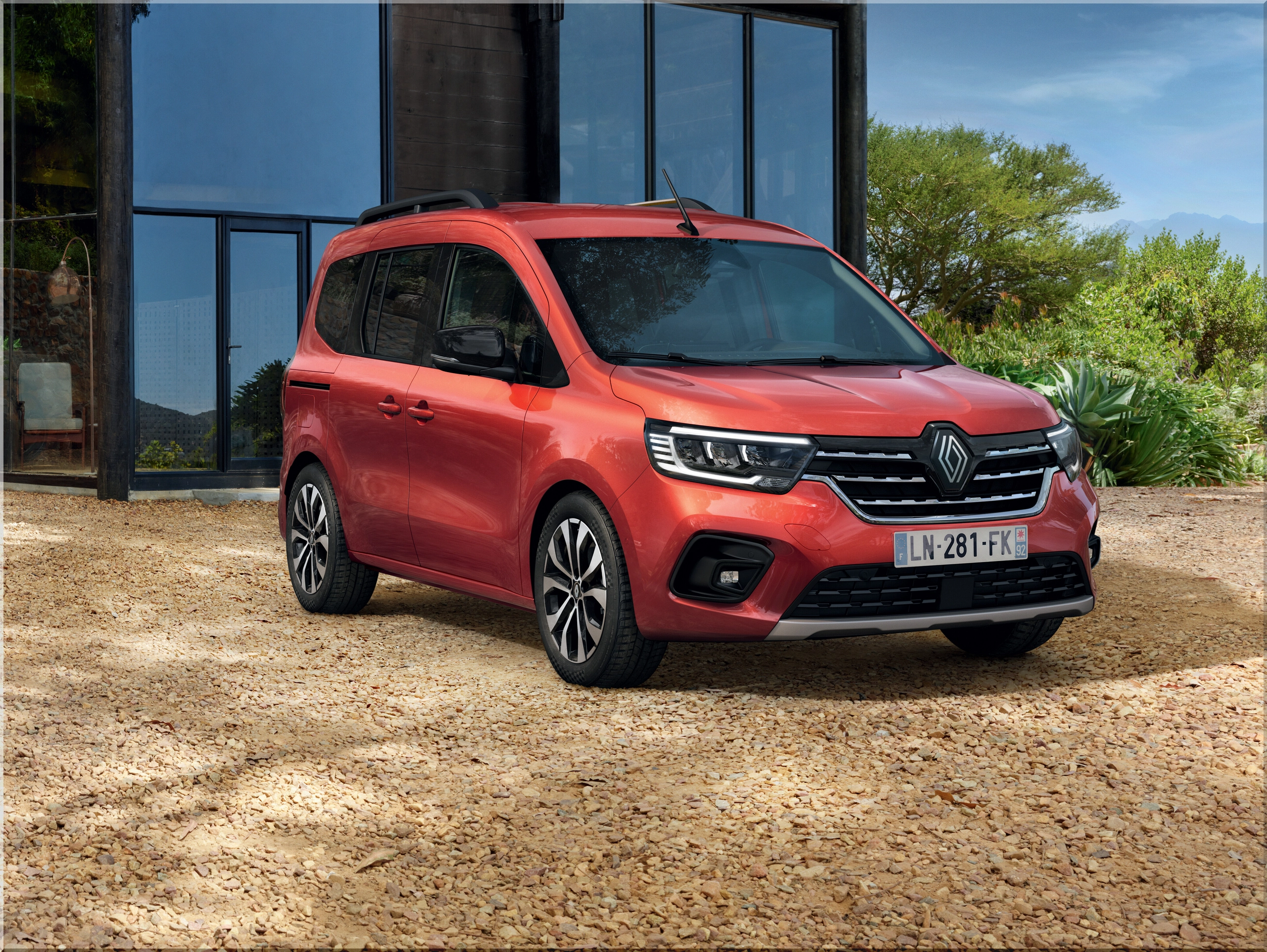
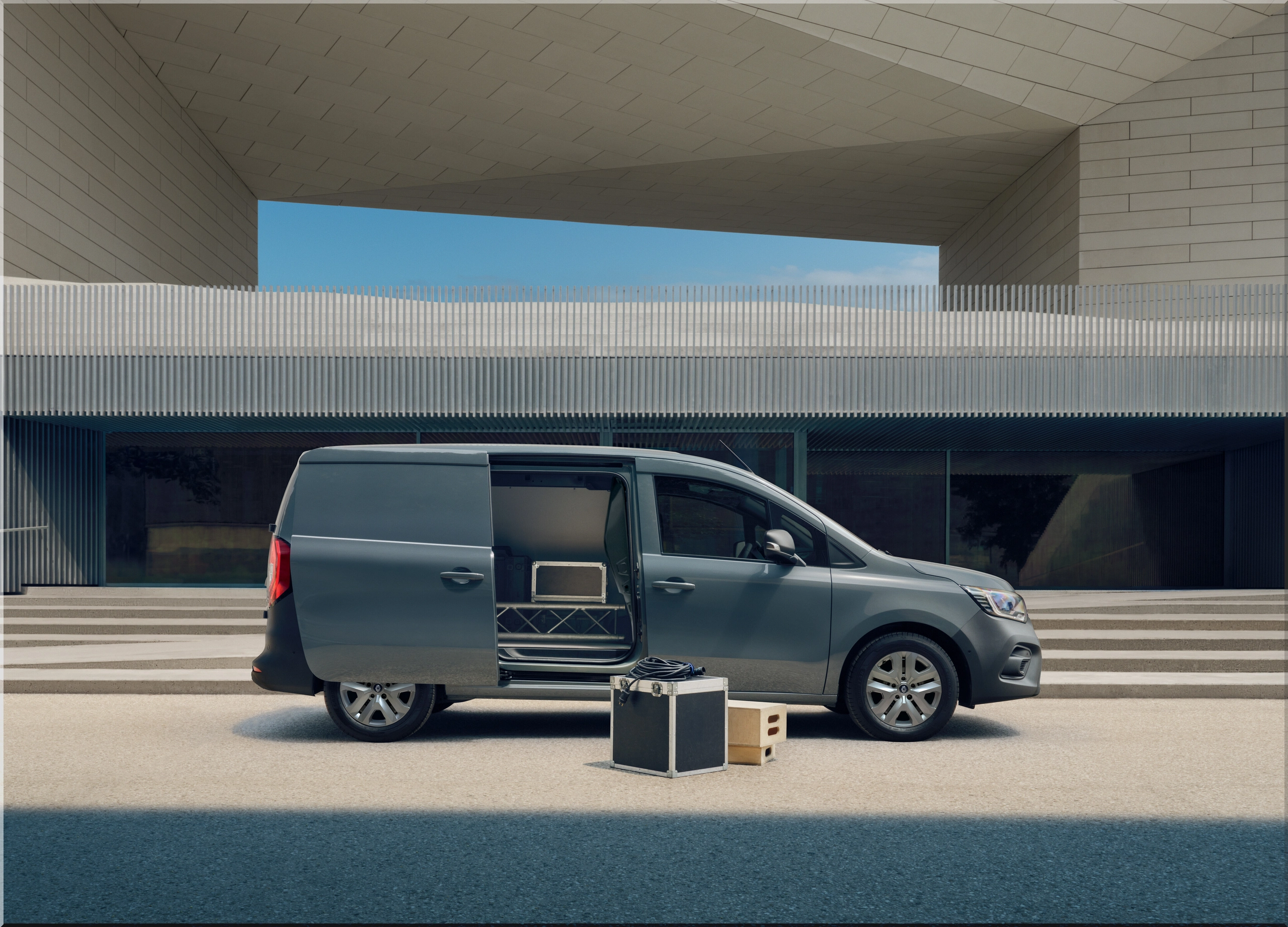
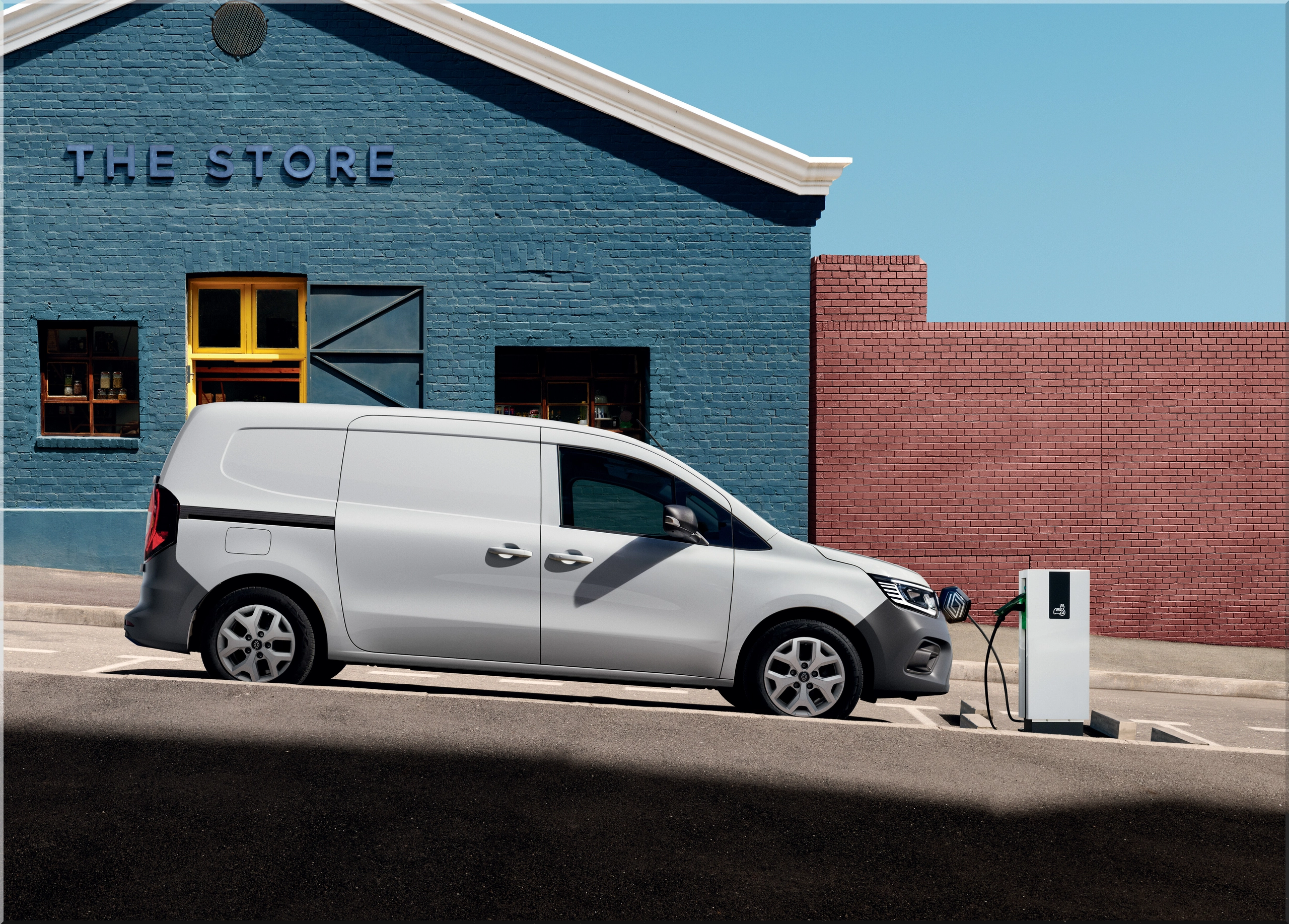
Renault gives the Renault Kangoo VAN and passenger Renault Kangoo E-Tech electric a larger battery, stronger motors and quicker charging. Its October 2026 announcement targets two practical needs: covering longer daily routes and spending less time plugged in.
The Kangoo reaches 354 km WLTP, depending on version and body configuration, with certification still pending.
Image
Bigger Battery, More Pull
The new 52 kWh NMC battery replaces the 45 kWh pack in the Renault Kangoo. Capacity increases by 15.6%, while two motor choices replace the previous single-output electric drivetrain.
| Technical specification | Previous electric Kangoo | Updated electric Kangoo |
|---|---|---|
| Battery capacity | 45 kWh | 52 kWh |
| Motor output | 90 kW / 120 hp | 100 kW / 135 hp or 115 kW / 155 hp |
| Maximum torque | 245 Nm | 270 Nm or 300 Nm |
| Peak DC charging | 80 kW | 100 kW |
| DC charge, 15–80% | 40 minutes | 30 minutes |
The 300 Nm motor supplies approximately 22% more peak torque than the outgoing unit. That additional torque should help a loaded van accelerate, although gearing, mass and traction also influence the result. Peak torque alone tells buyers little about sustained motorway performance; Renault supplies no acceleration times or torque curves in this announcement.
Charging Speed: Assess the Whole Stop
DC fast charging now takes 30 minutes from 15–80%, cutting the previous stop by ten minutes. However, a 100 kW peak does not mean the battery accepts 100 kW throughout the session. Charging power changes with battery temperature and state of charge.
Specifically, Renault offers 11 kW or 22 kW AC charging, depending on version. The same 15–80% window takes 3 hours 30 minutes at 11 kW, or 1 hour 45 minutes at 22 kW.
For businesses with three-phase charging infrastructure, the higher AC rate can shorten a midday depot stop without requiring a DC installation. Check the site's available electrical capacity first: a charger label does not guarantee that several vans can draw full power simultaneously.
Pro-Tips for fleet buyers:
- Specify the 22 kW onboard charger if short depot stops drive your schedule.
- Test a representative route with your normal payload.
- Compare charging tariffs alongside purchase and installation costs.
How the Kangoo Compares With Electric Van Rivals
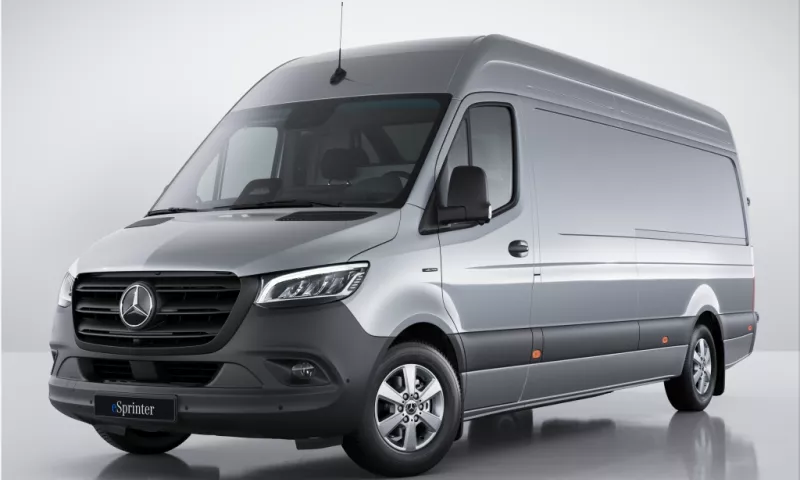
Looking at the data, Renault's announced maximum exceeds the published figures below. These manufacturer maxima cover different configurations; they do not establish a loaded, real-road winner.
| Compact electric van | Published maximum WLTP range | Peak DC charging | Published DC charging window |
|---|---|---|---|
| Updated Renault Kangoo E-Tech electric | 354 km, certification pending | 100 kW | 15–80% in 30 minutes |
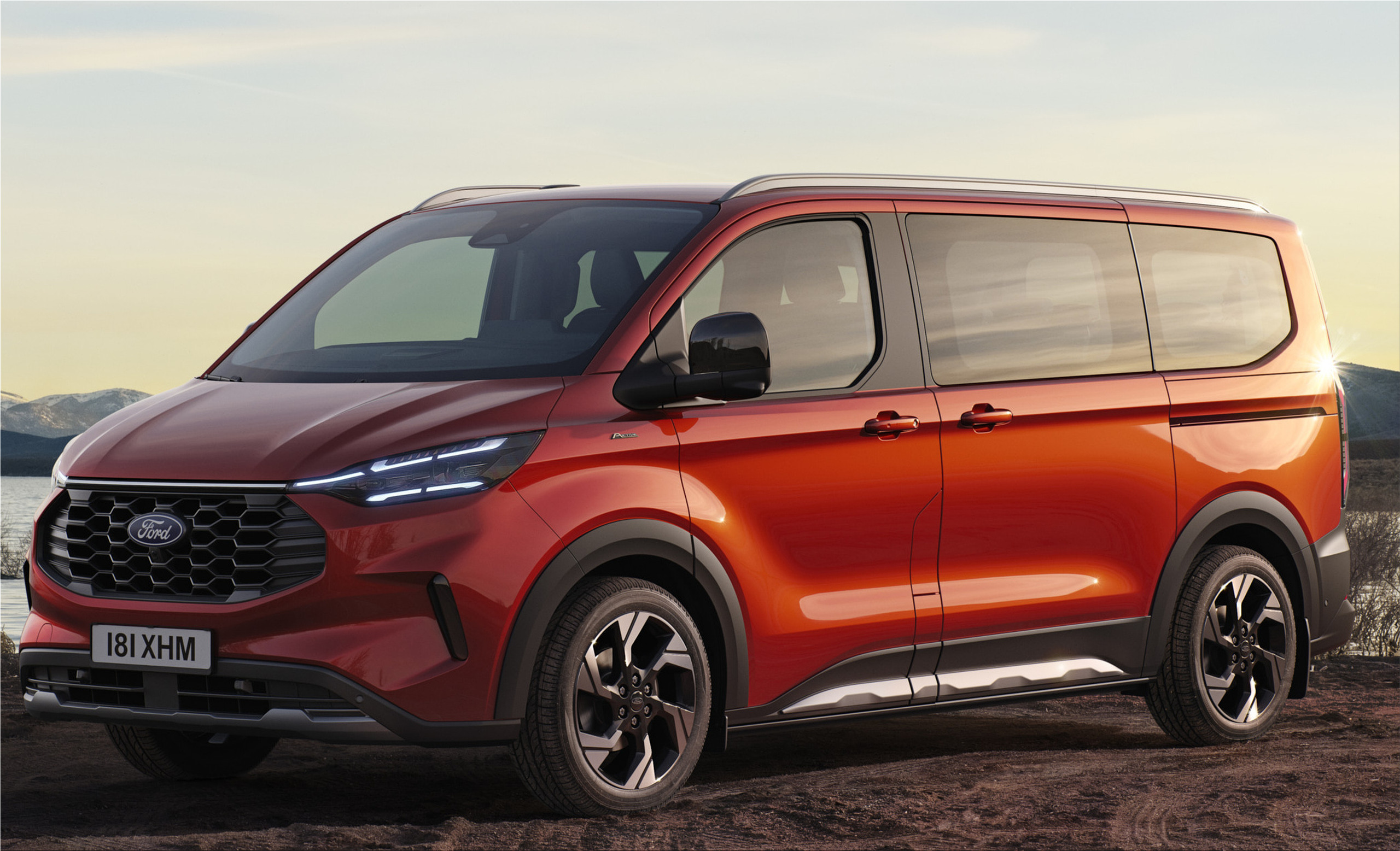
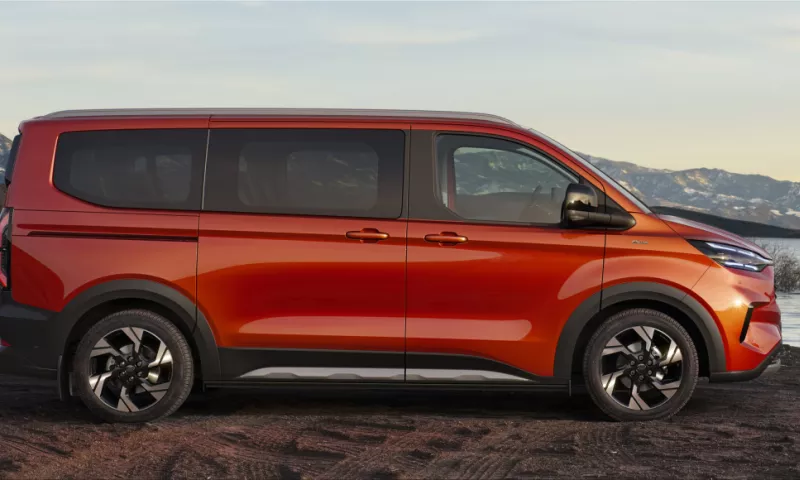
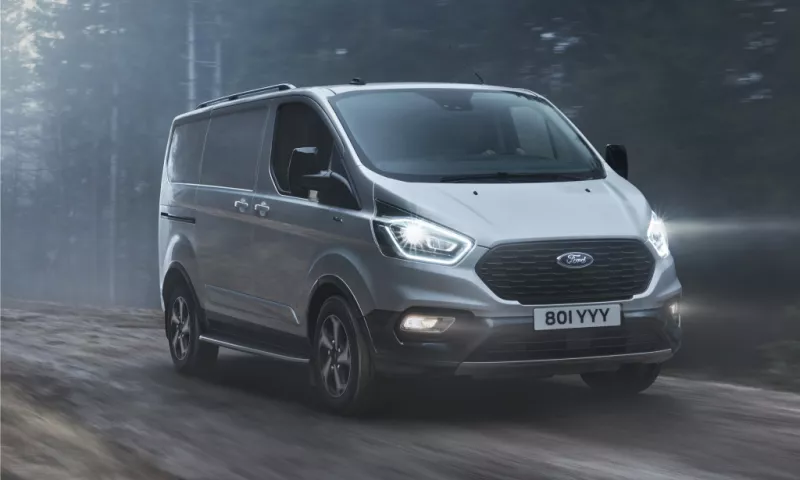
| 2026 Ford E-Transit Courier | 334 km, European announcement | 100 kW | 10–80% in approximately 26 minutes |
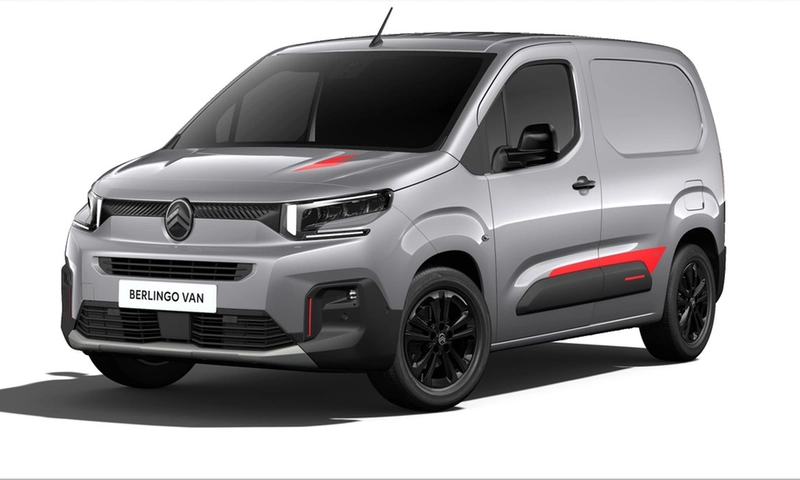
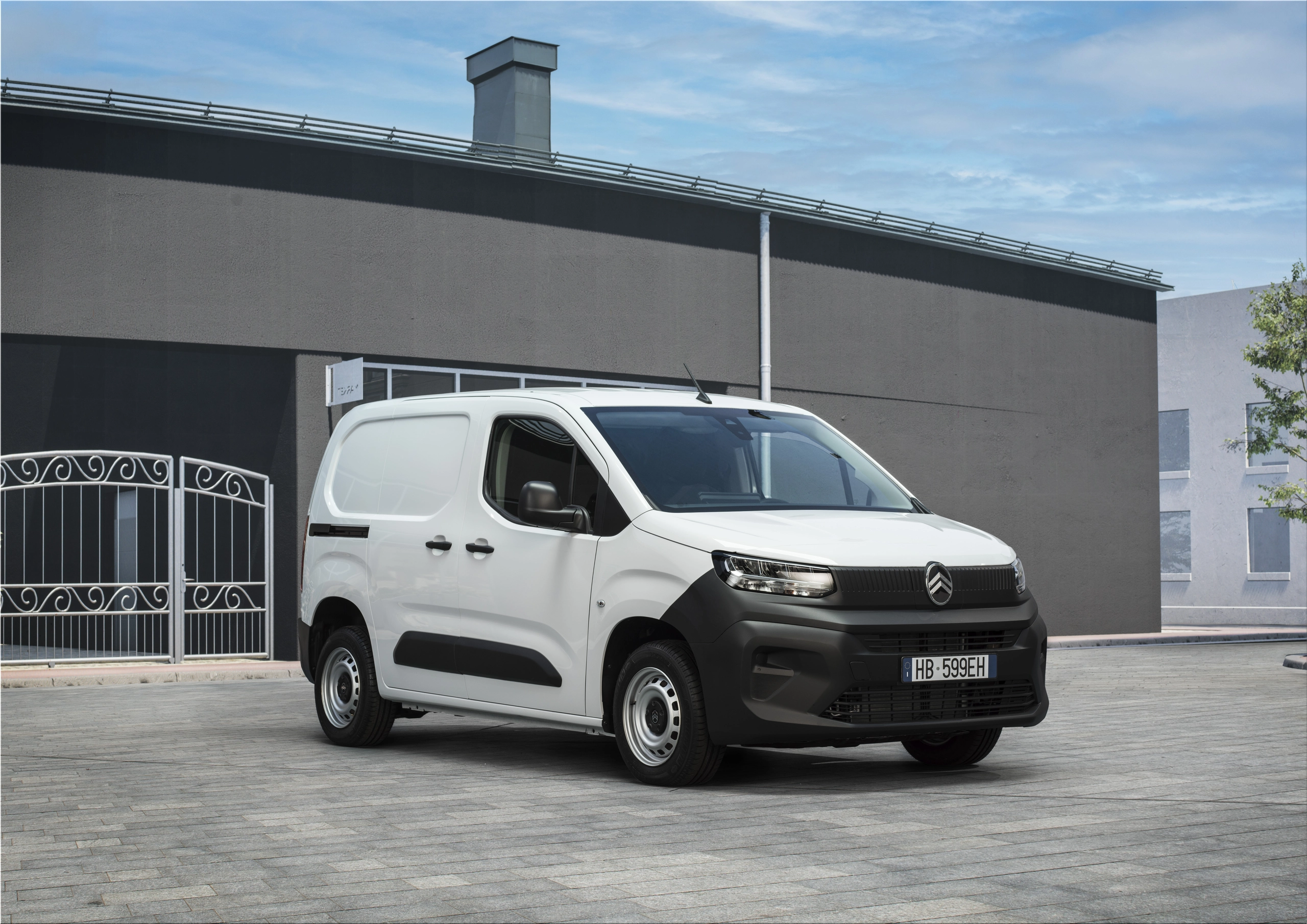
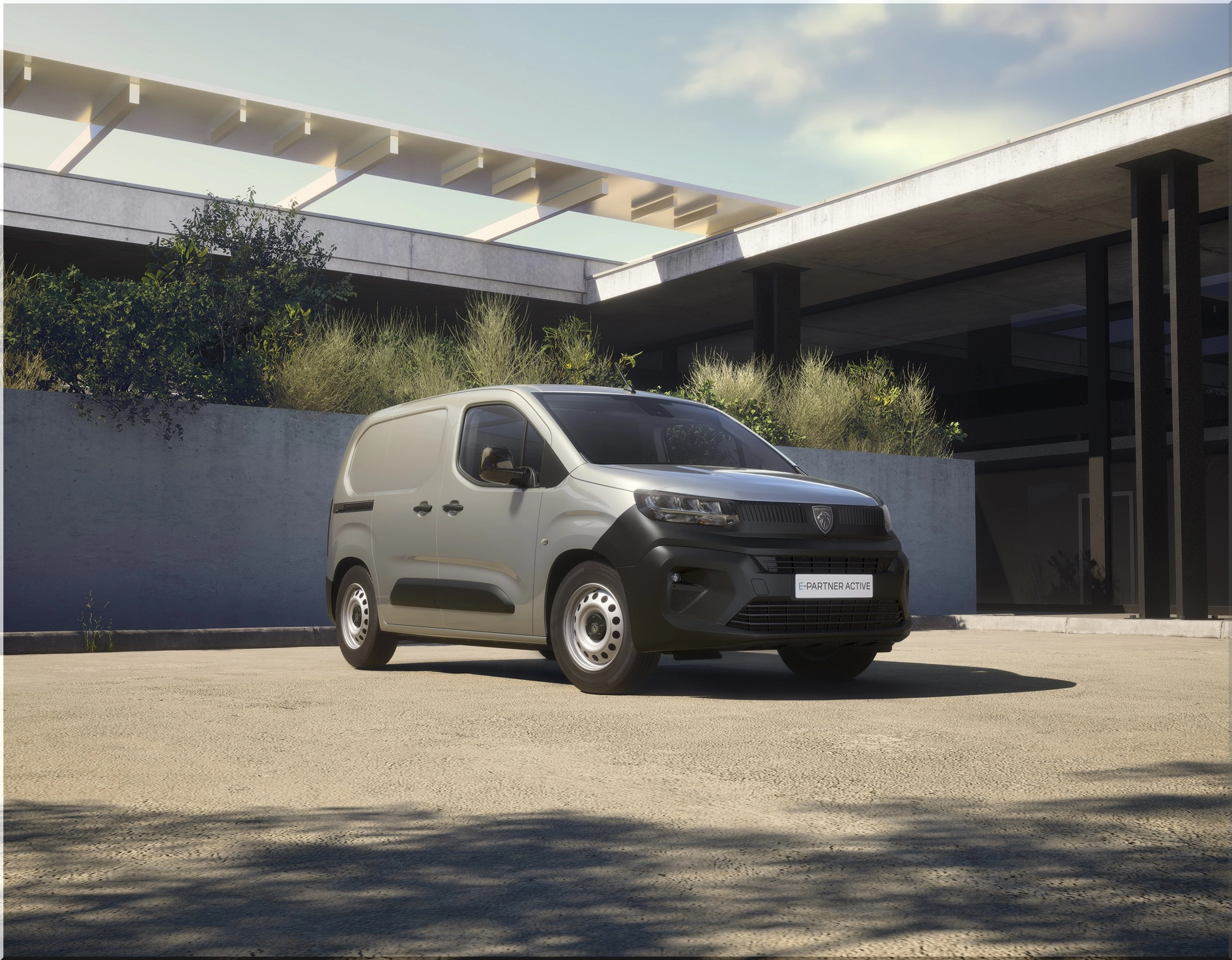
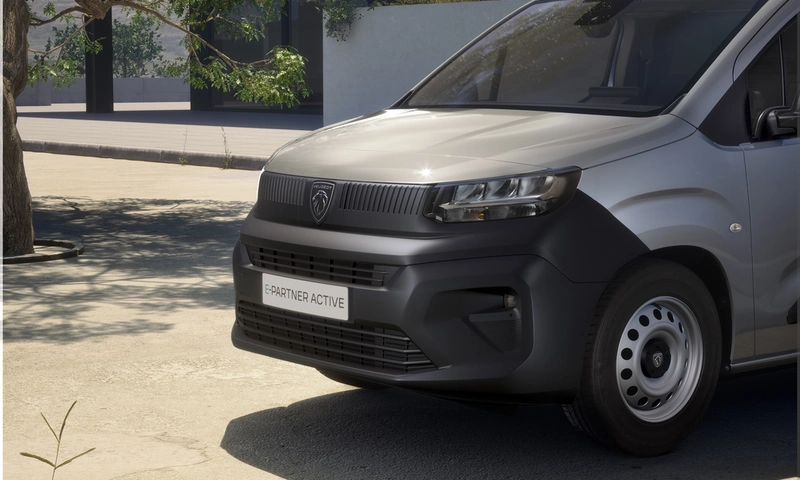
| Citroën ë-Berlingo Van | 330 km, cited European release | 100 kW | 0–80% in approximately 30 minutes |
Ford quotes a shorter charging stop despite starting at a lower charge level. By comparison, Renault offers the highest stated range here. Match local specifications and charging conditions before choosing: payload, winter heating and motorway speed can reduce the distance each van covers.
Onboard Technology With a Practical Purpose
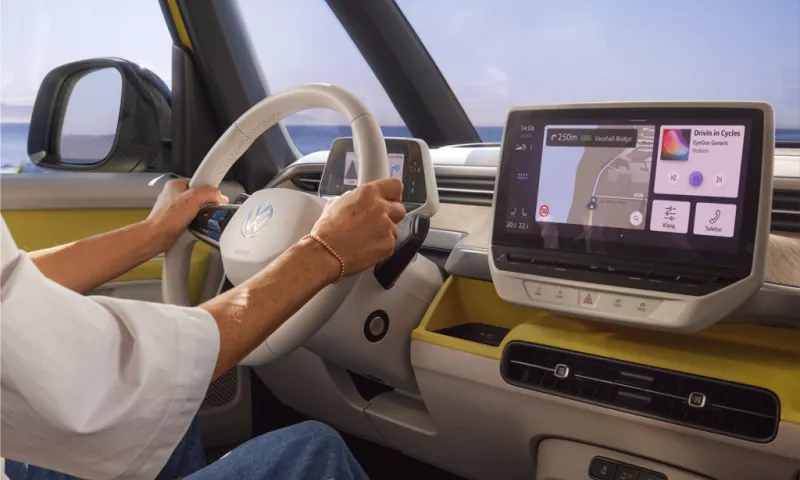
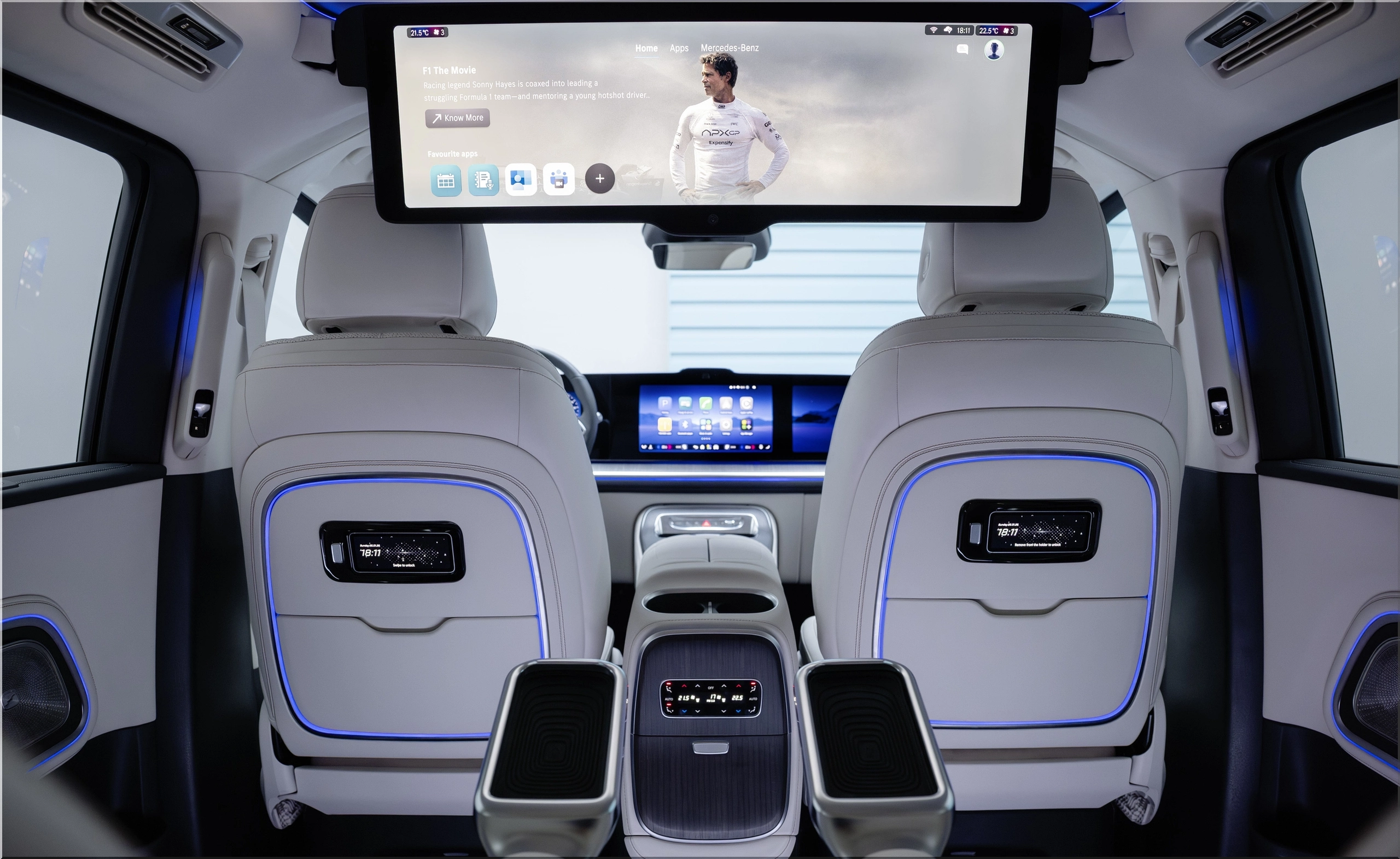
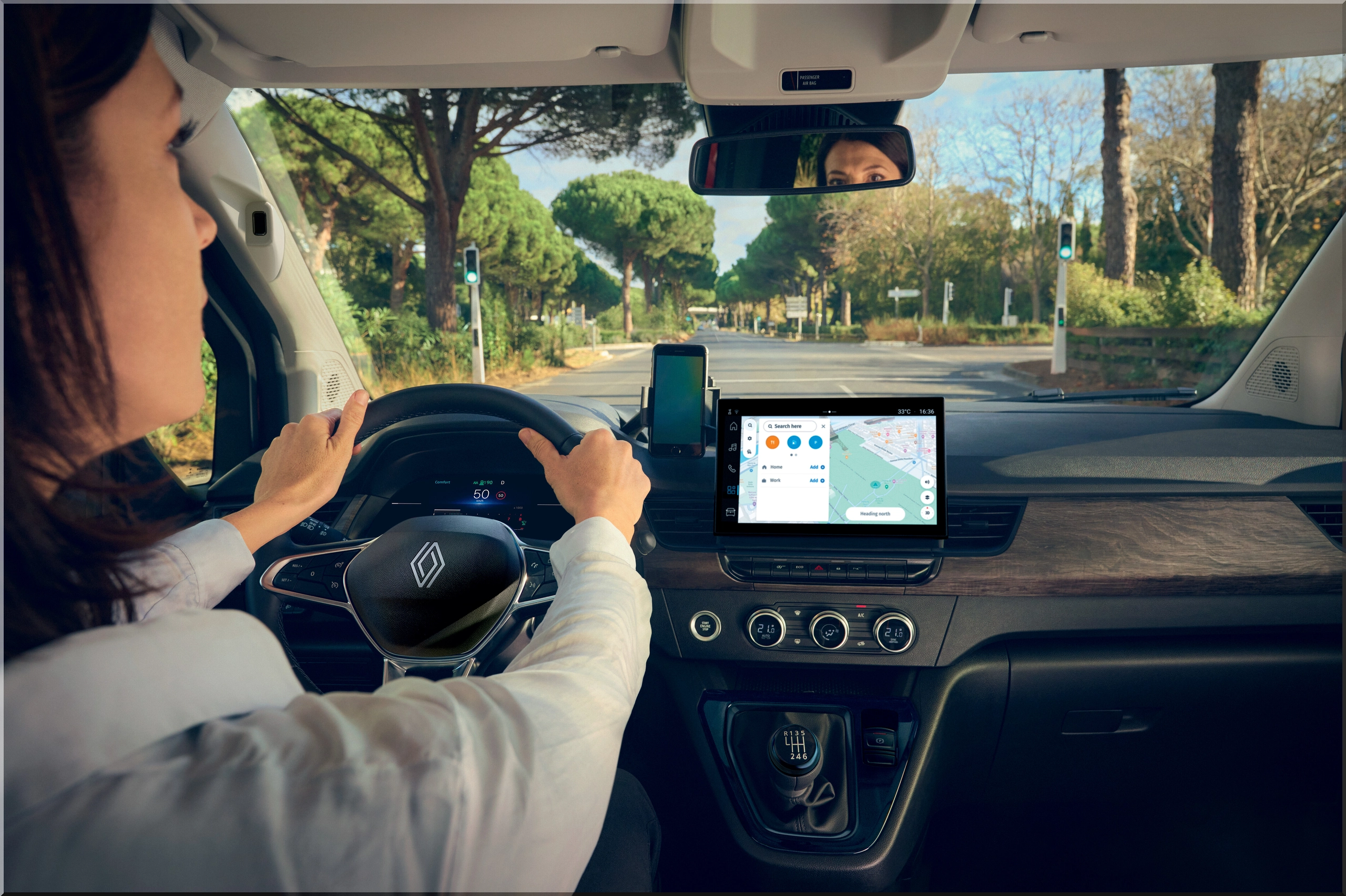
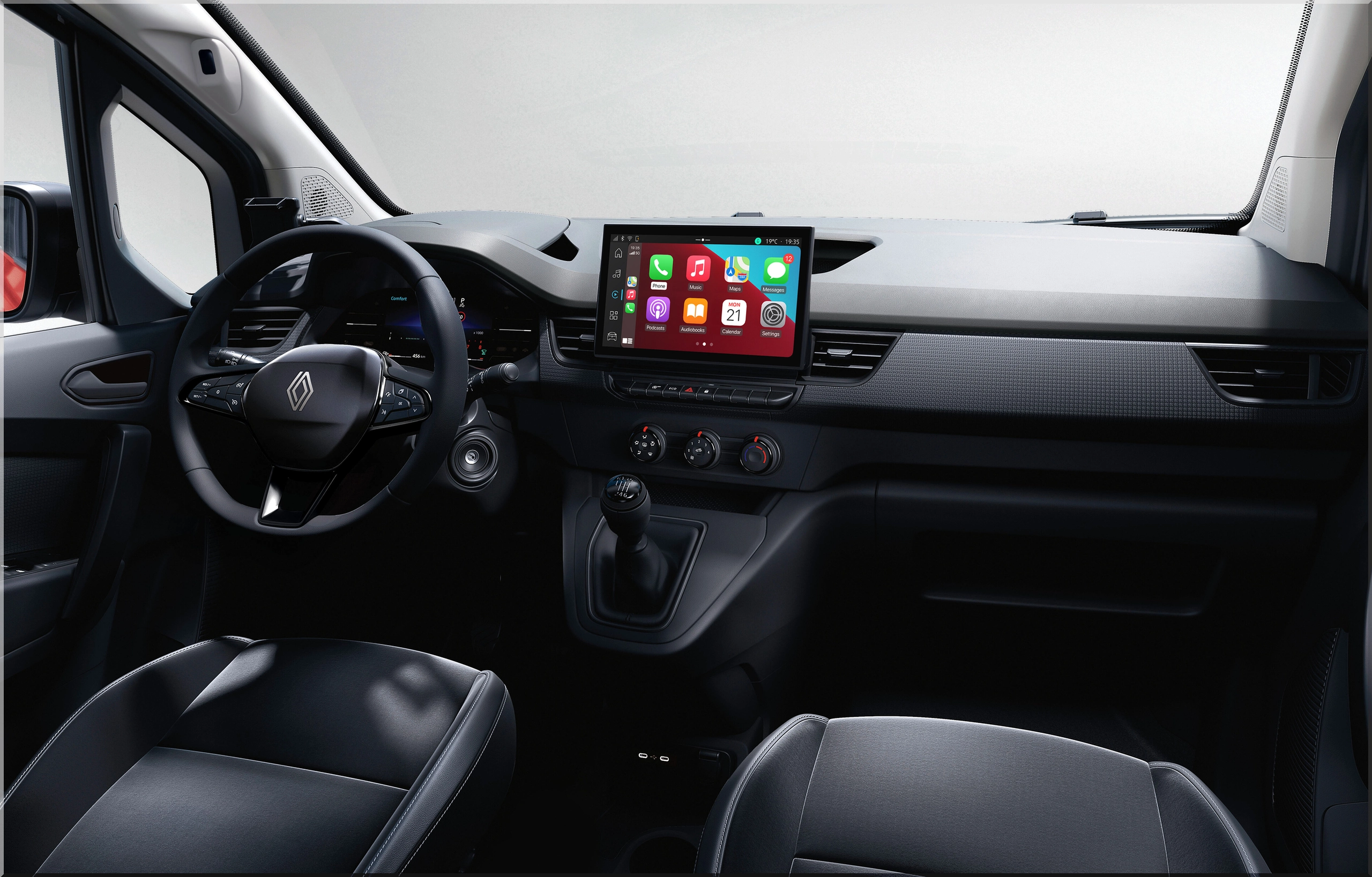
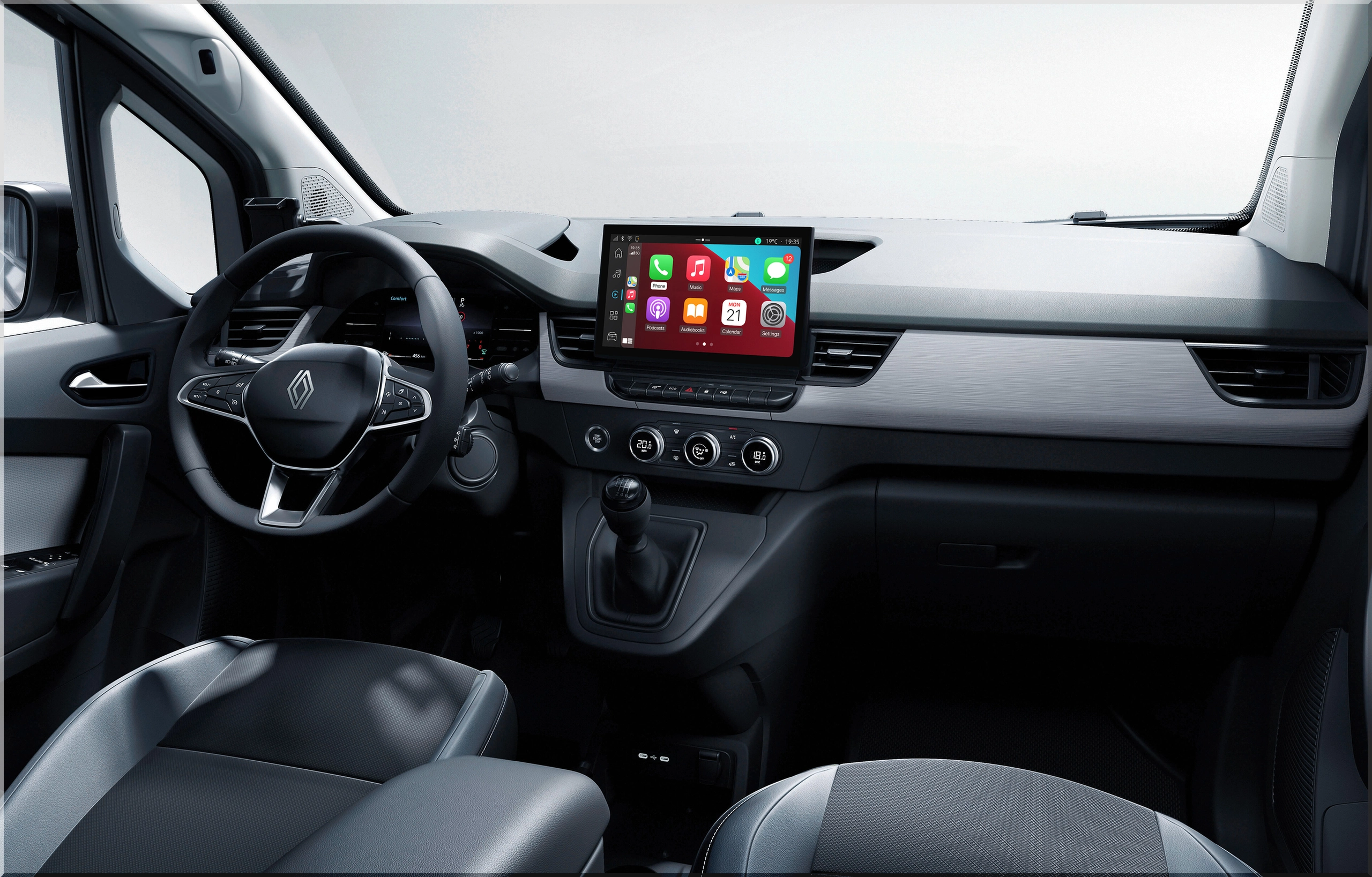
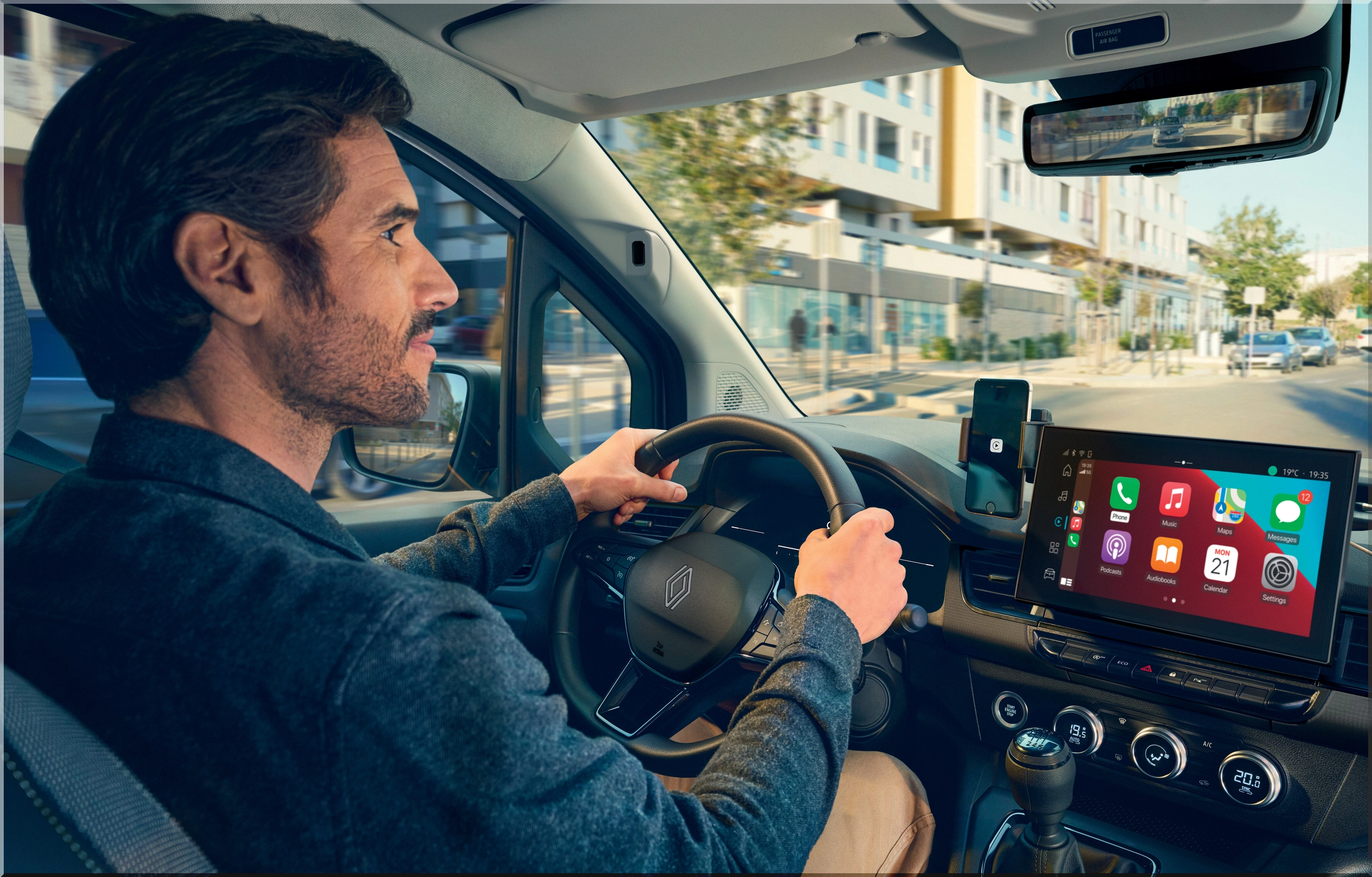
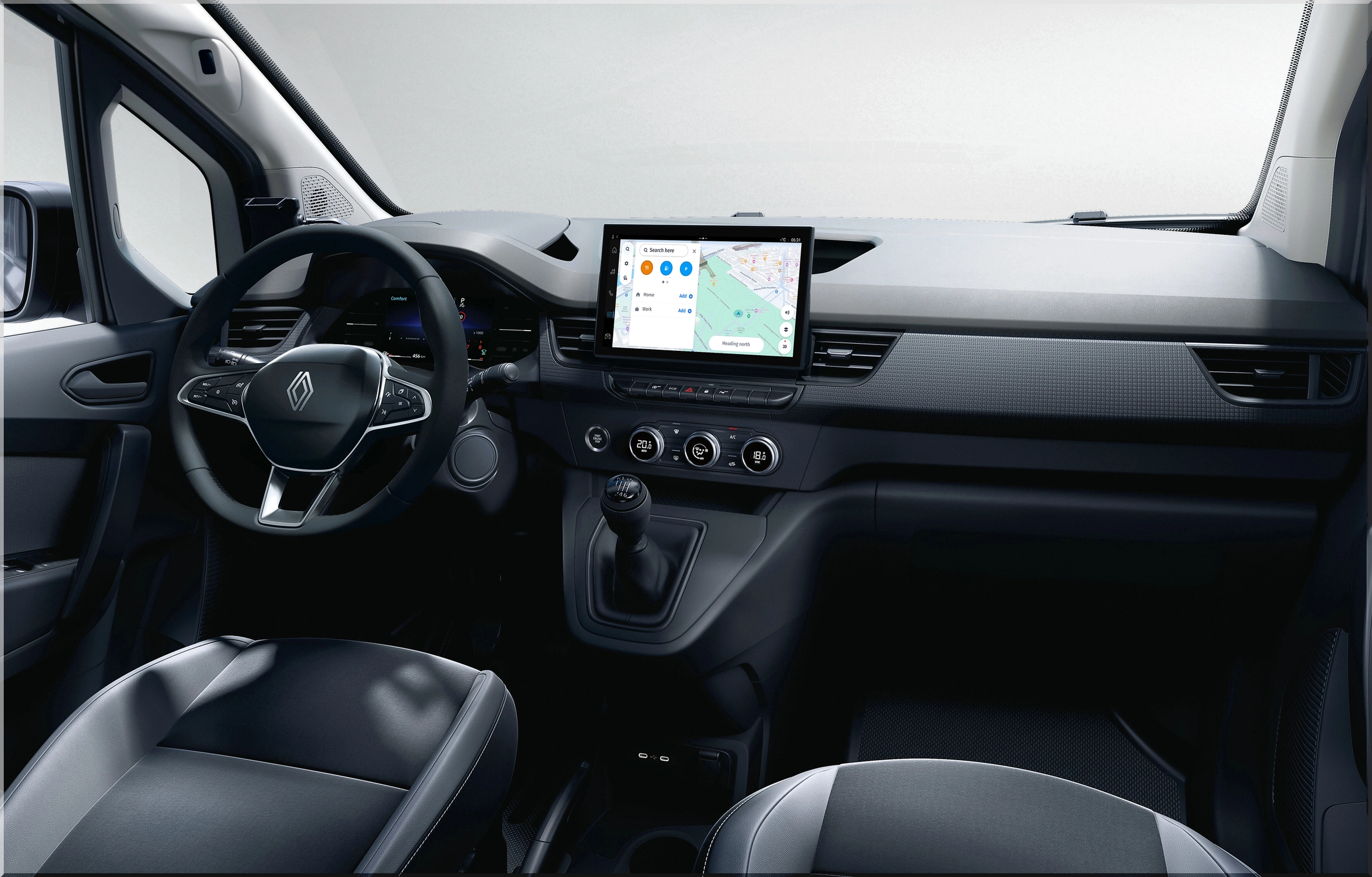
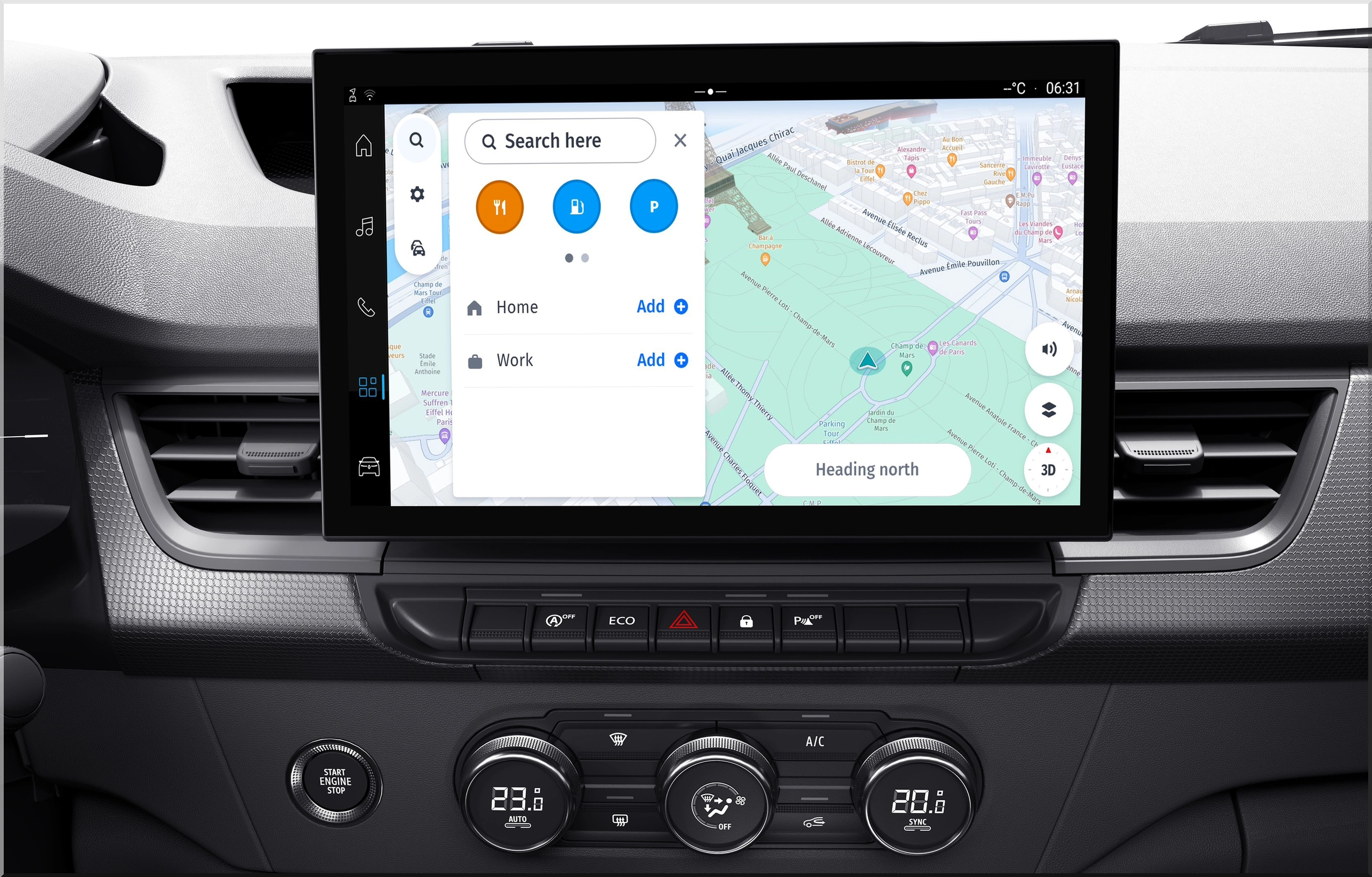
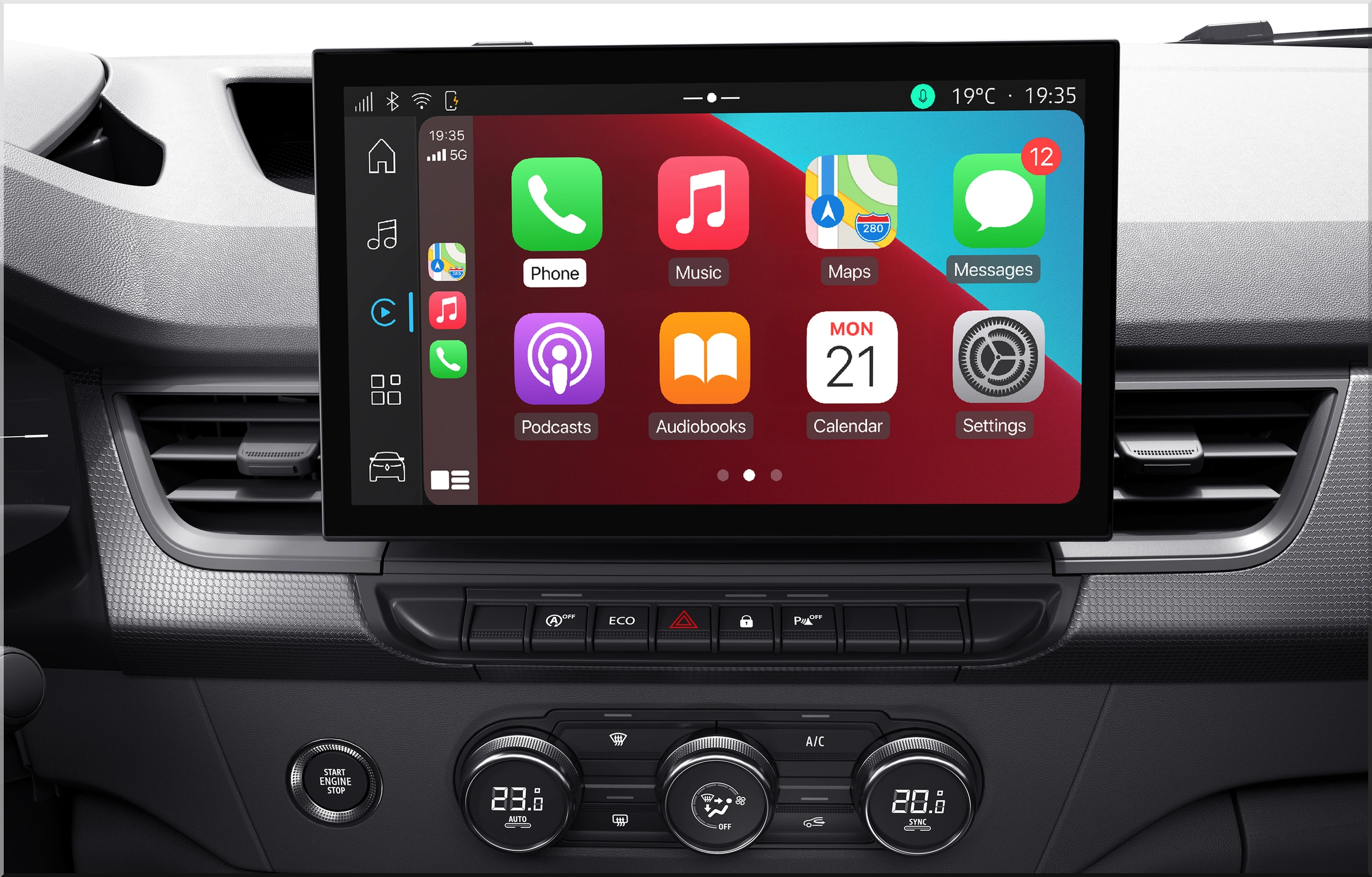
The OpenR Link touchscreen grows from 8 to 10 inches, or 203.2 to 254 mm diagonally. Renault adds battery preconditioning, an EV route planner and four paddle-controlled regenerative braking levels. Preconditioning brings the battery towards a suitable charging temperature, helping drivers access faster charging when conditions permit.
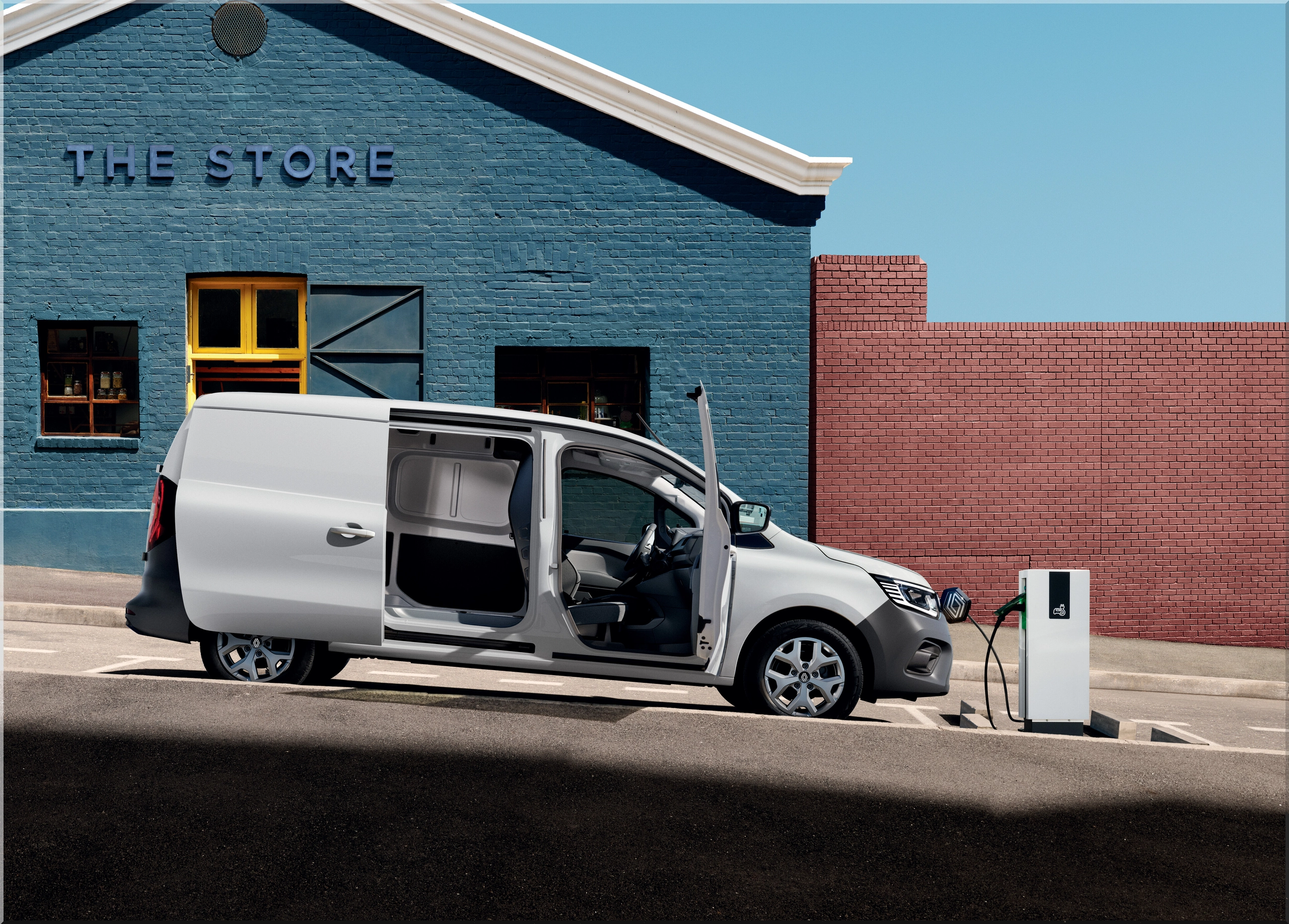
In addition, Vehicle-to-Load (V2L) supplies compatible external equipment from the traction battery. Check the electrical load and adapter requirements before connecting tools.
The wider Kangoo range retains:
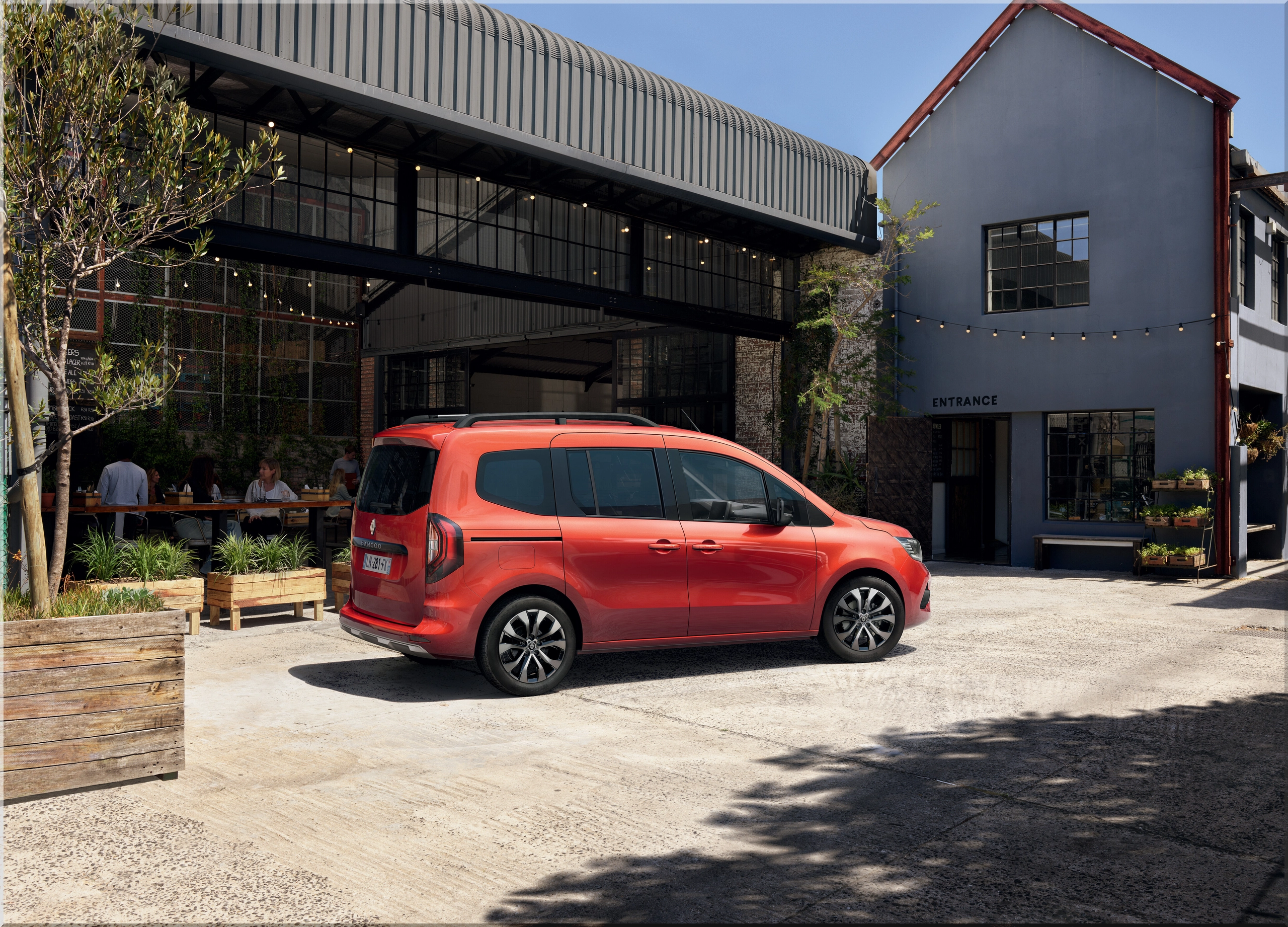
- Body lengths of approximately 4,490 mm and 4,910 mm.
- Passenger configurations with up to seven seats.
- Petrol, diesel and electric powertrain choices.
Should You Wait for the Updated Kangoo?
Wait for a specification and price quote if your current shortlist struggles with route length or midday charging. Renault plans to announce updated prices within weeks; the release provides no confirmed euro purchase figures.
Request a loaded demonstration, then compare annual energy spending, finance costs and downtime. For a fleet, ten minutes saved per charging stop offers a potential operational benefit. Your charging frequency and work schedule determine its actual value.
- Add new comment
- 26 views