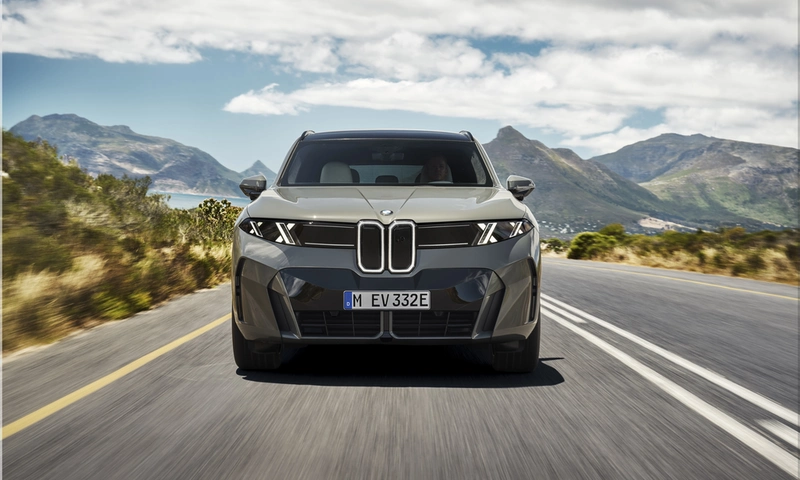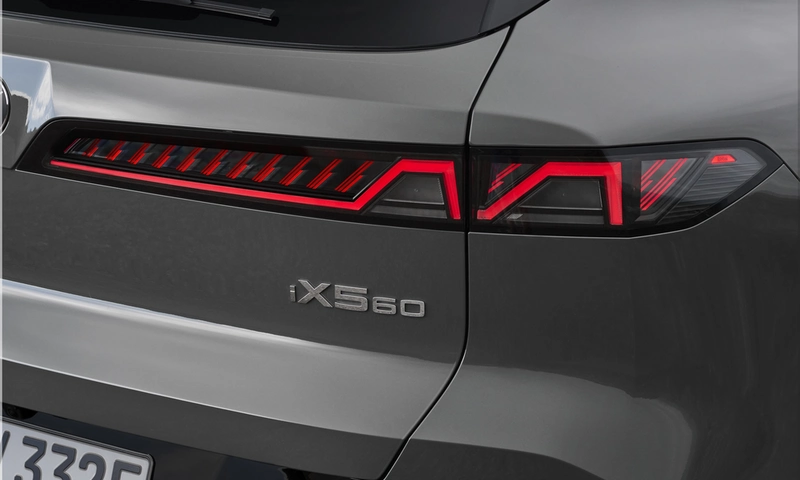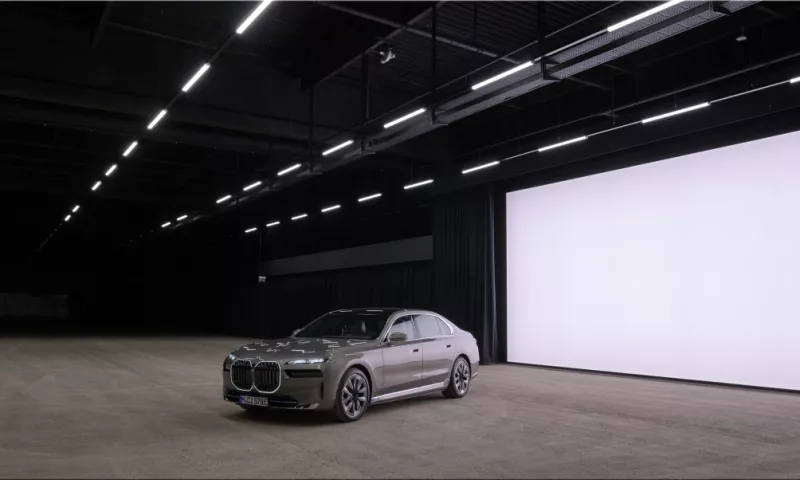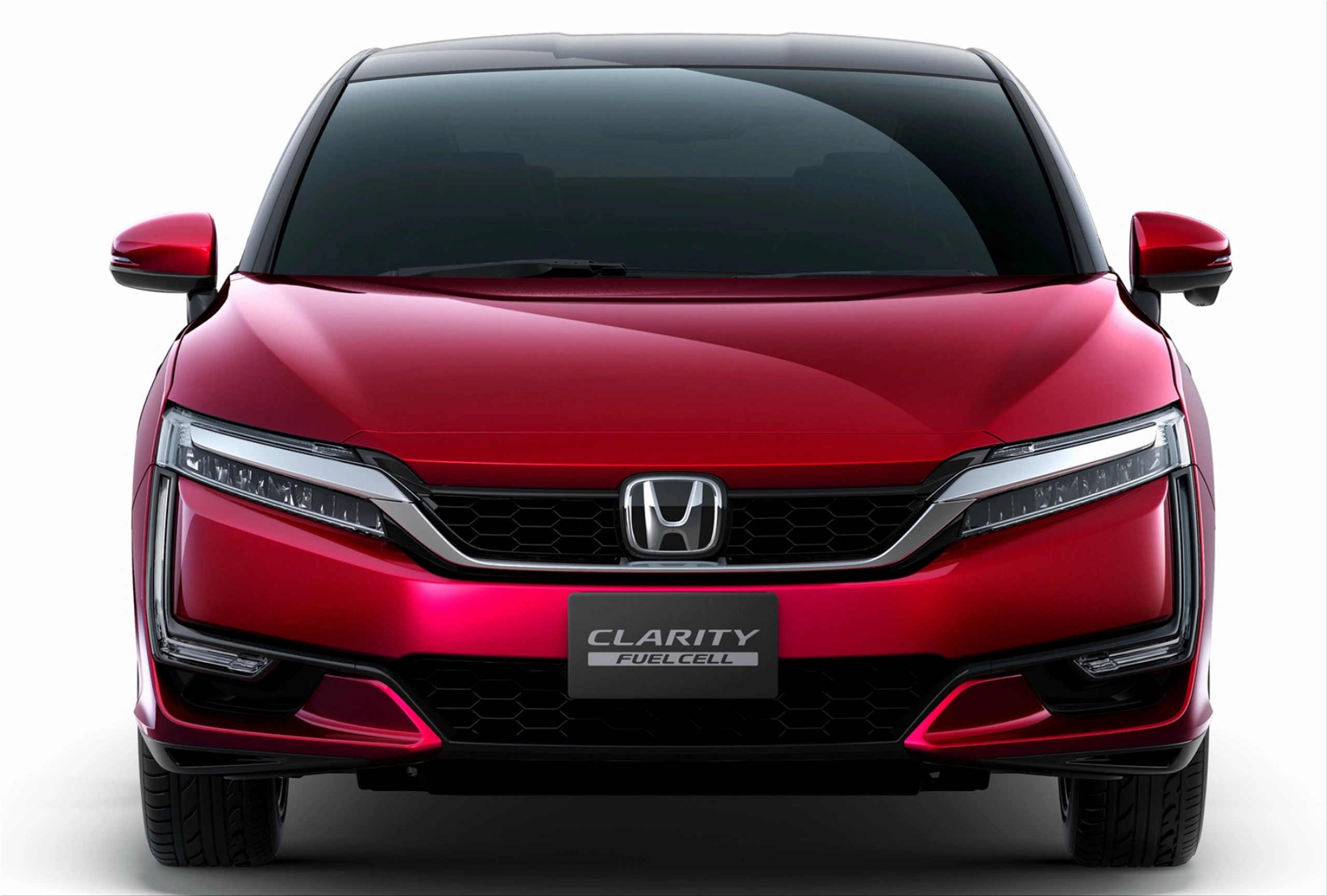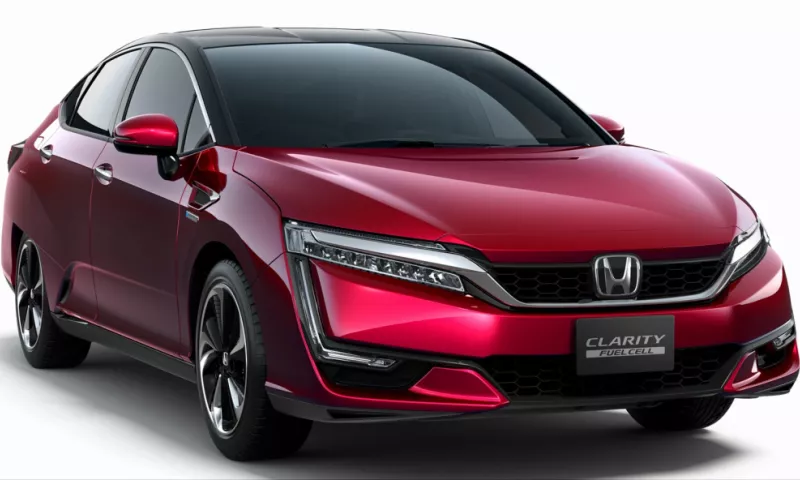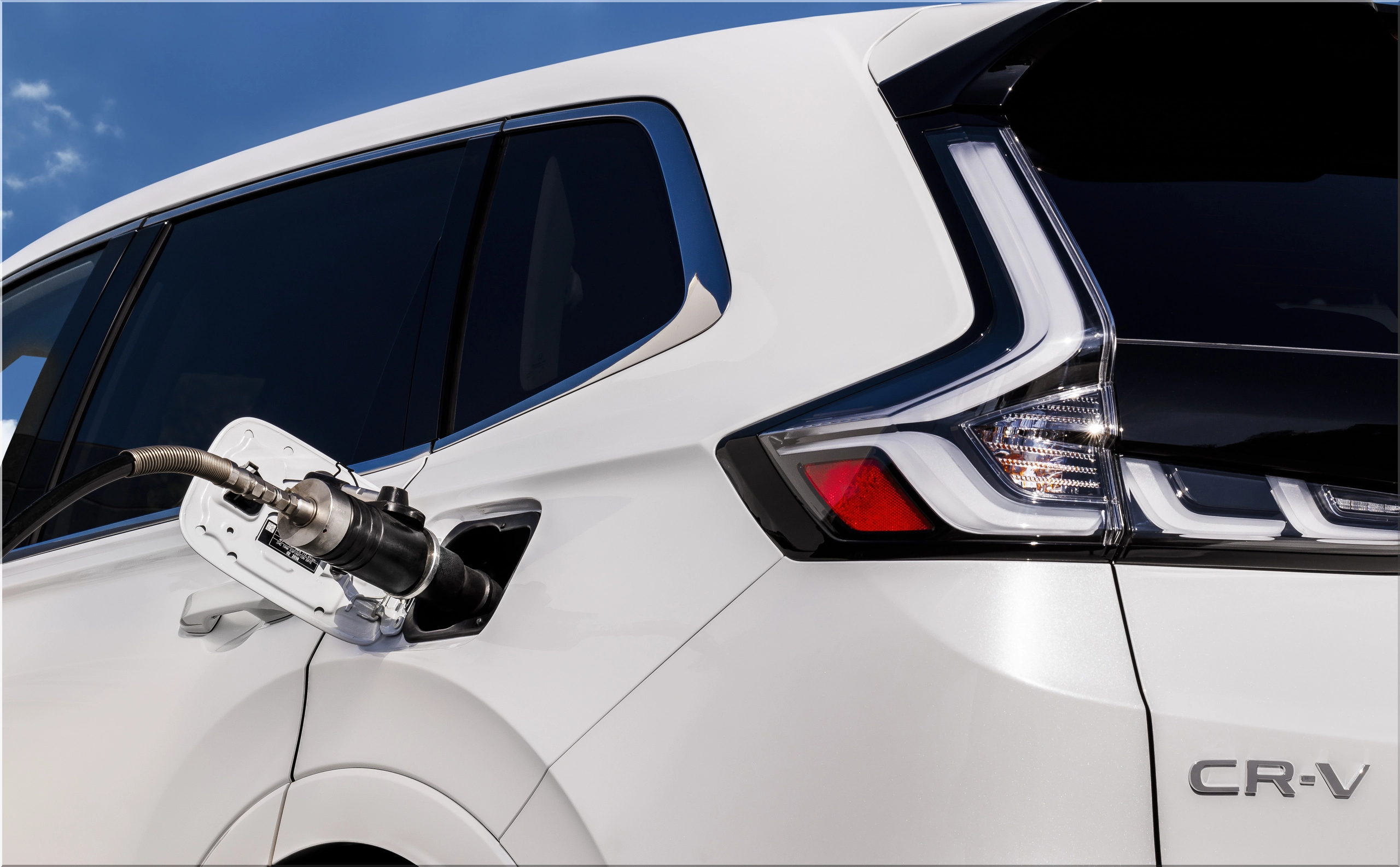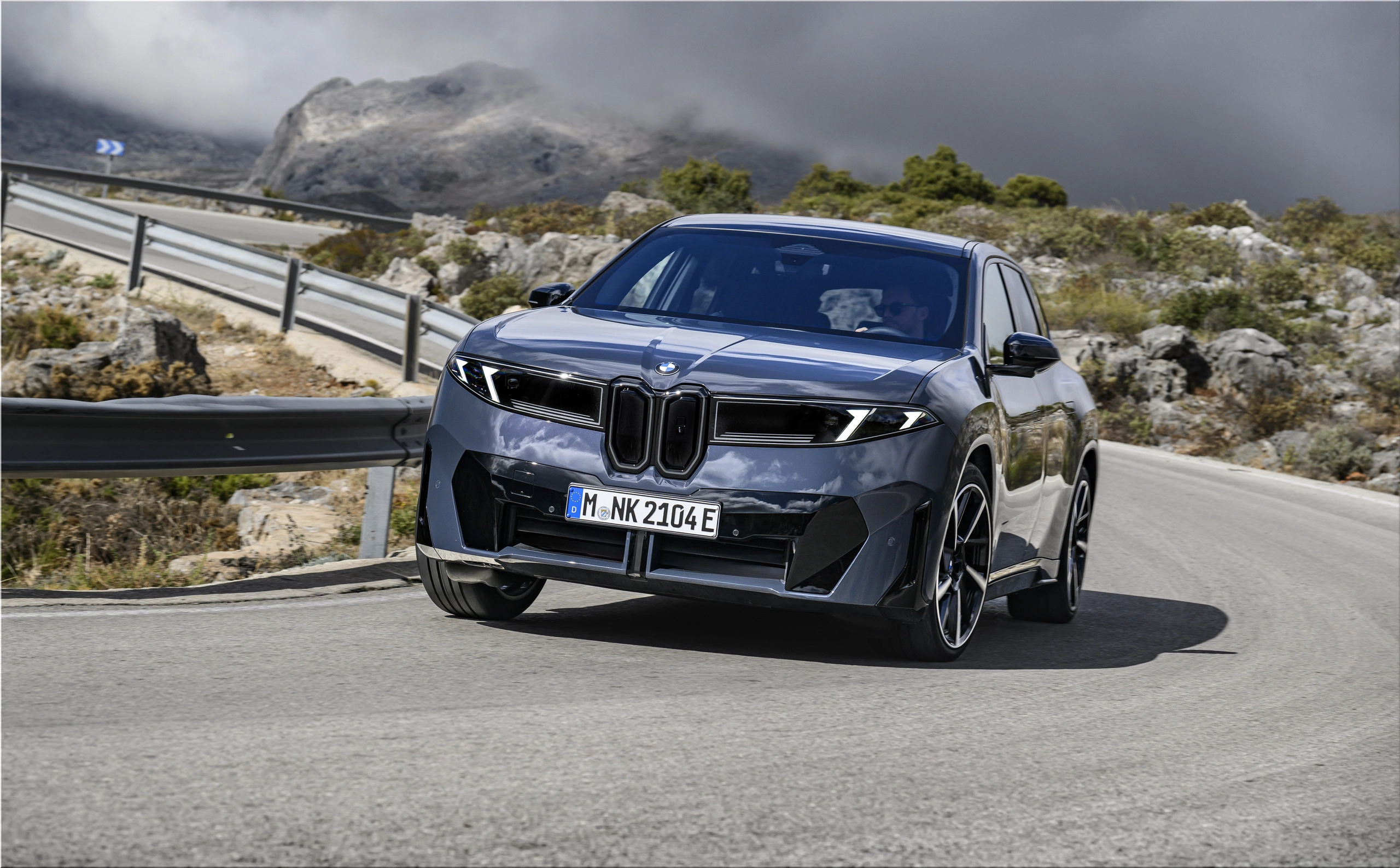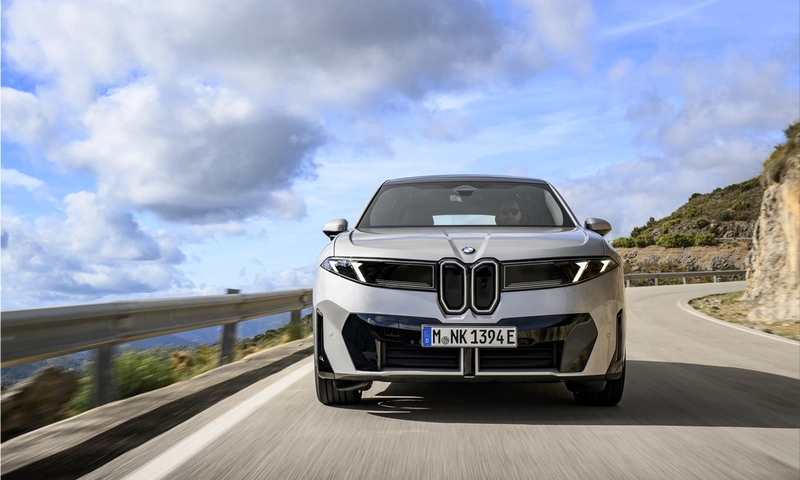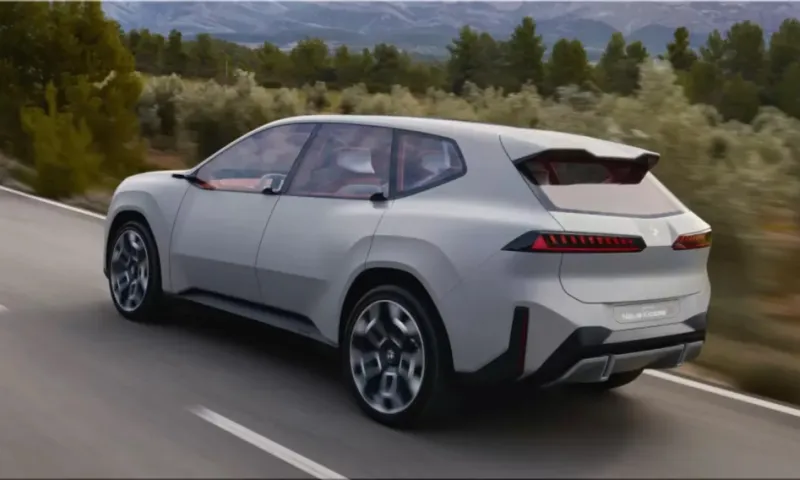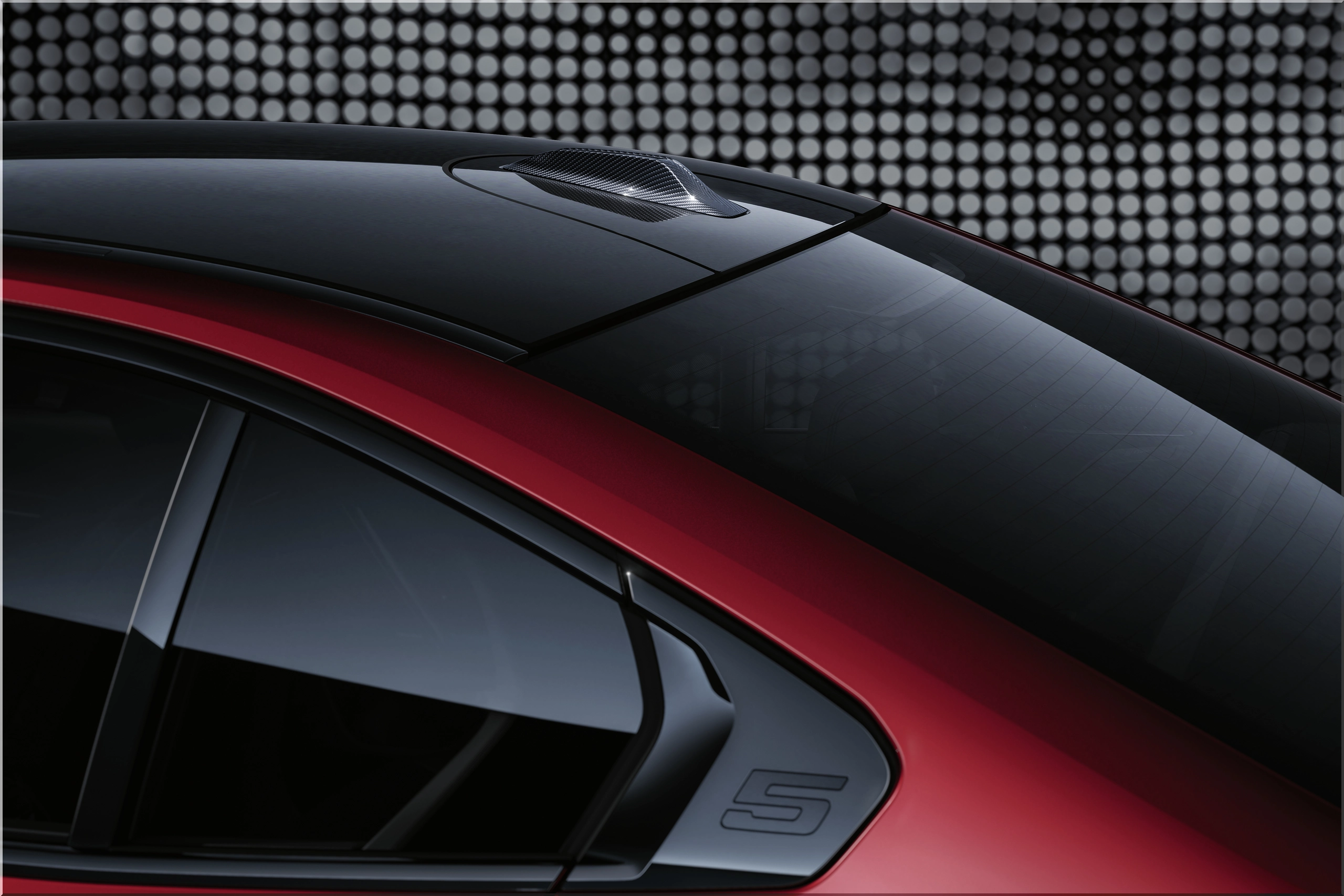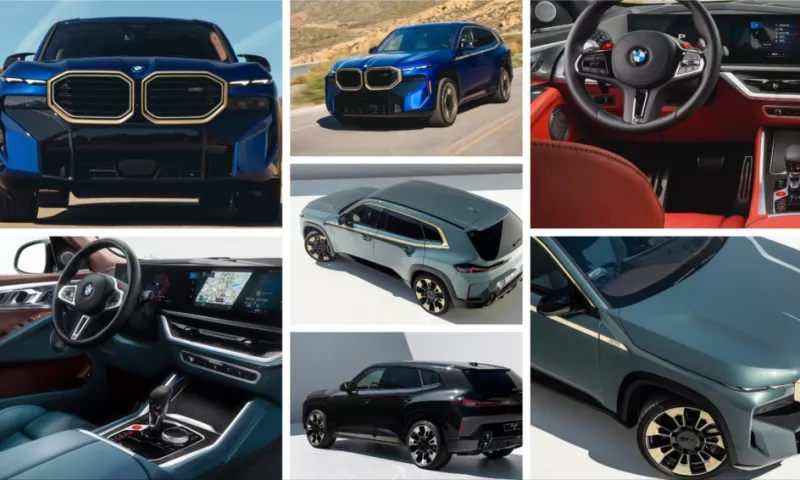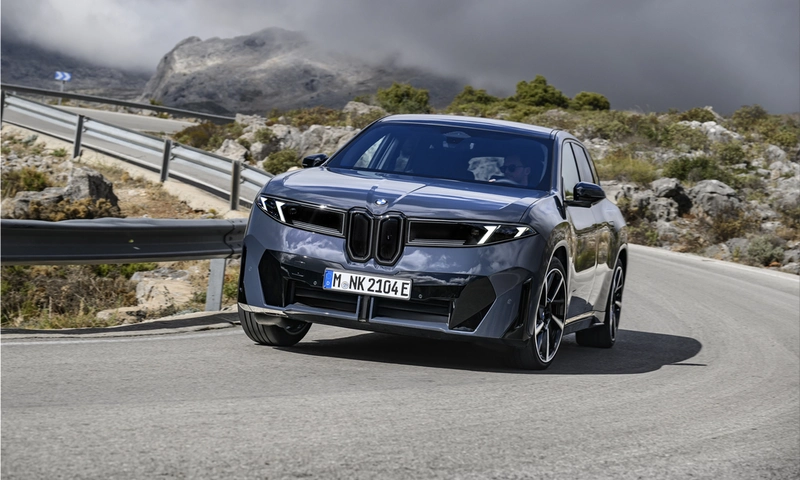
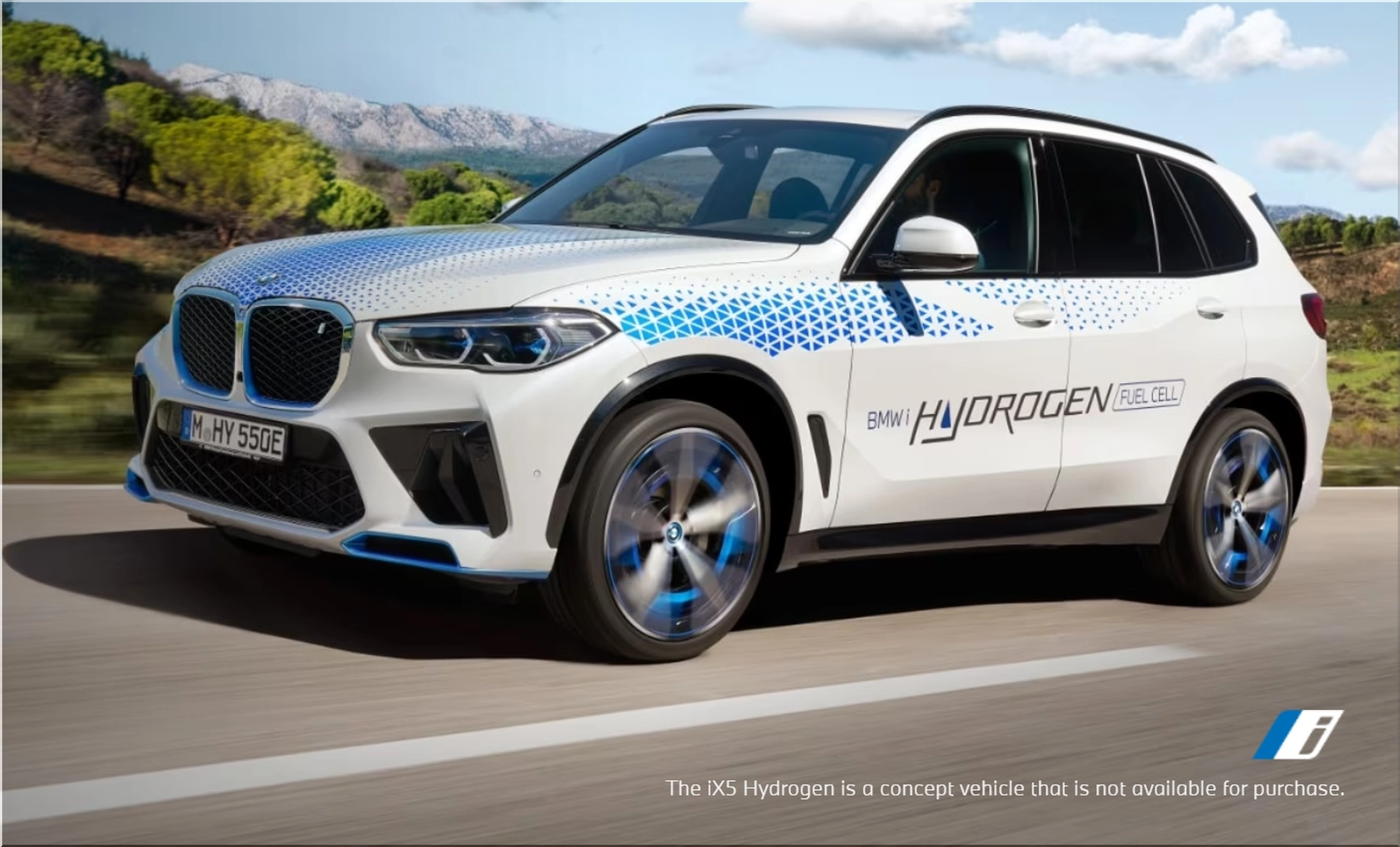
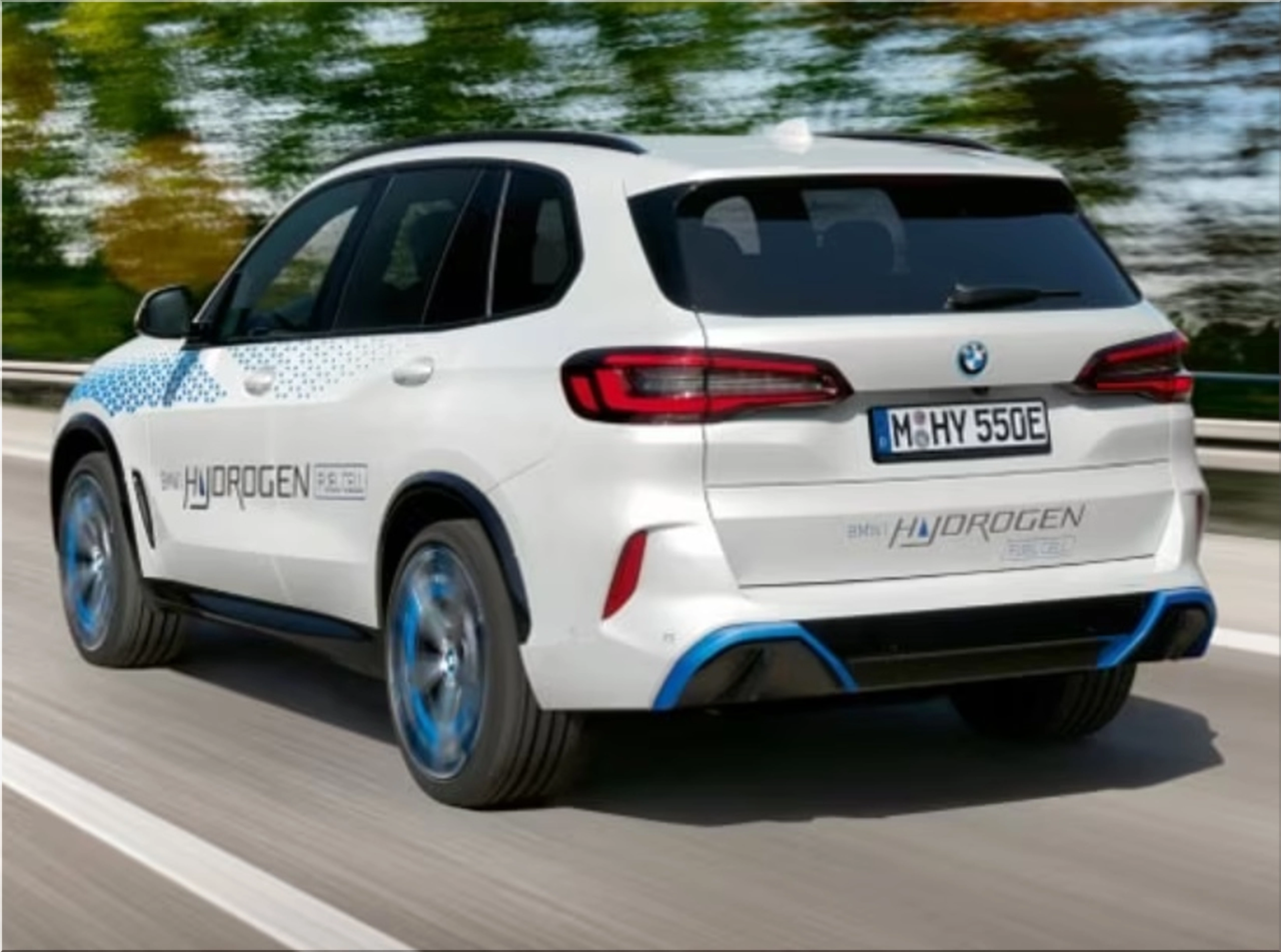
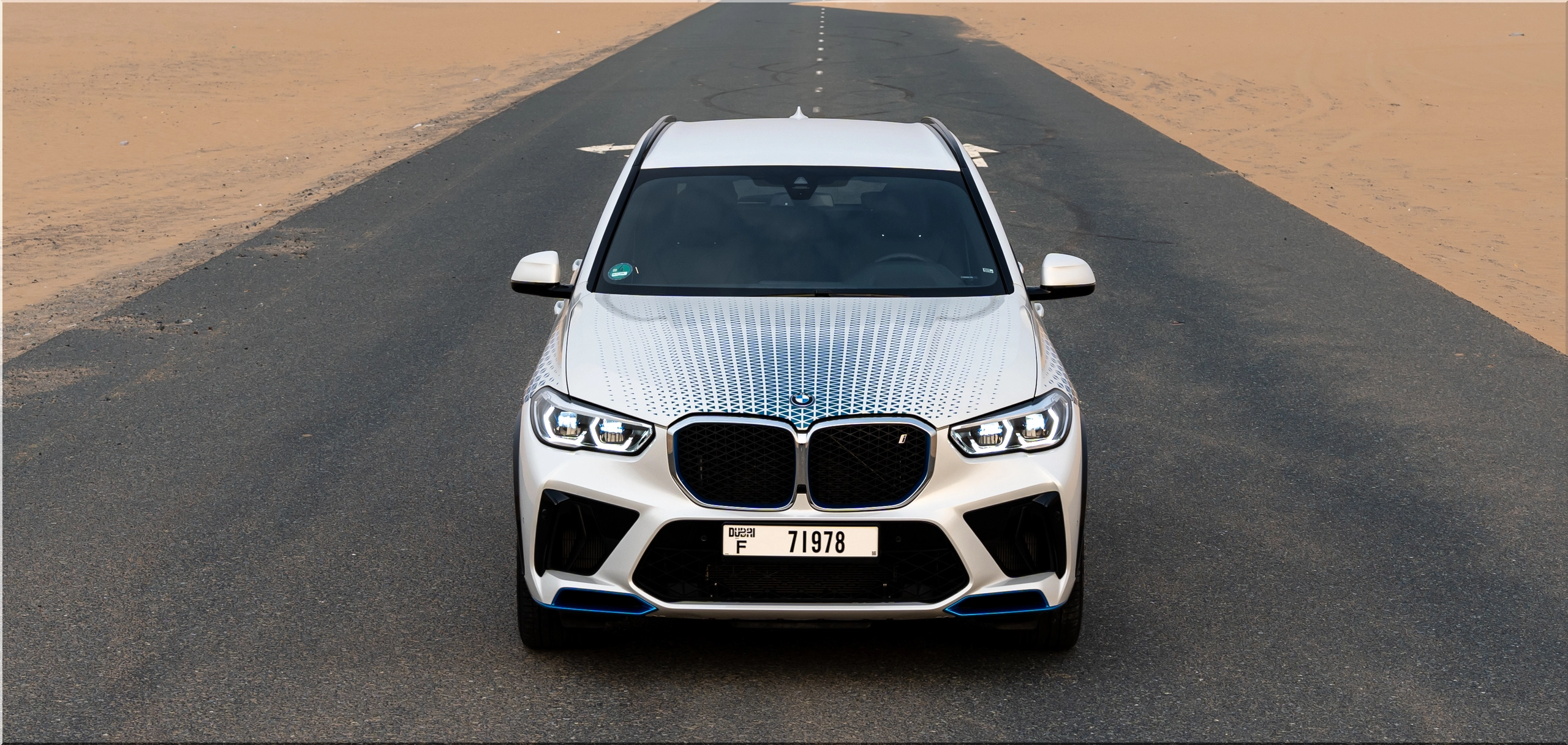
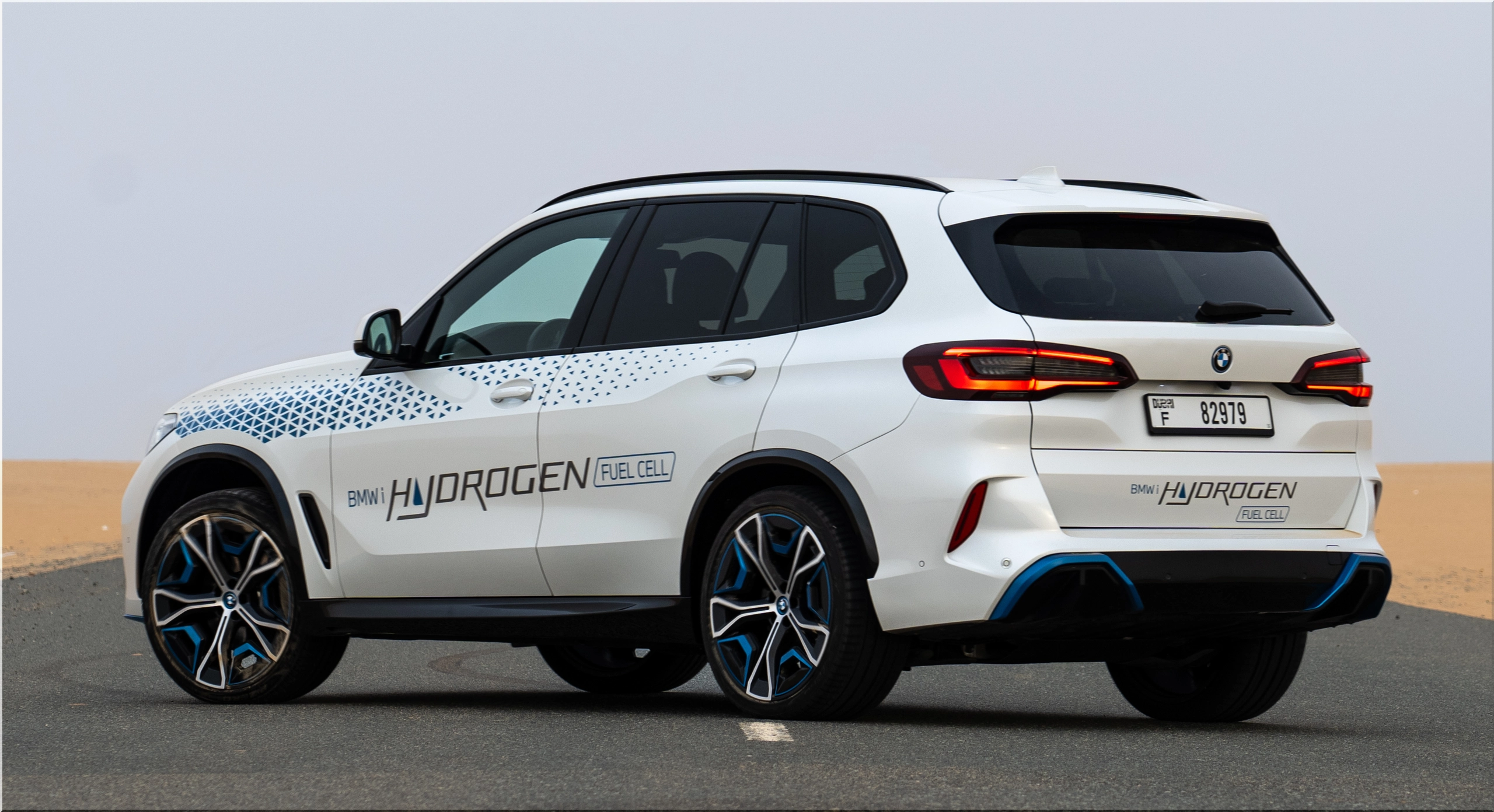
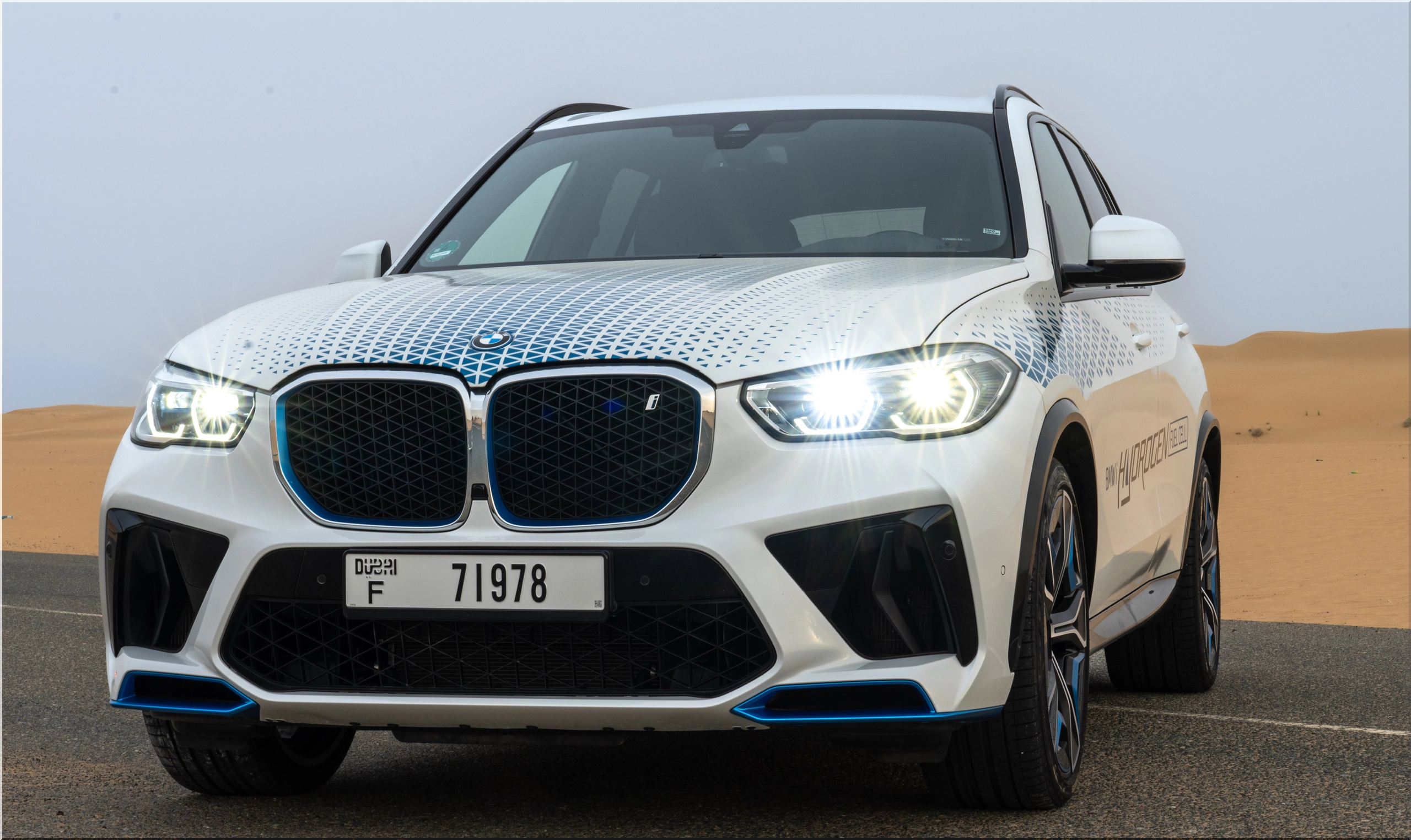
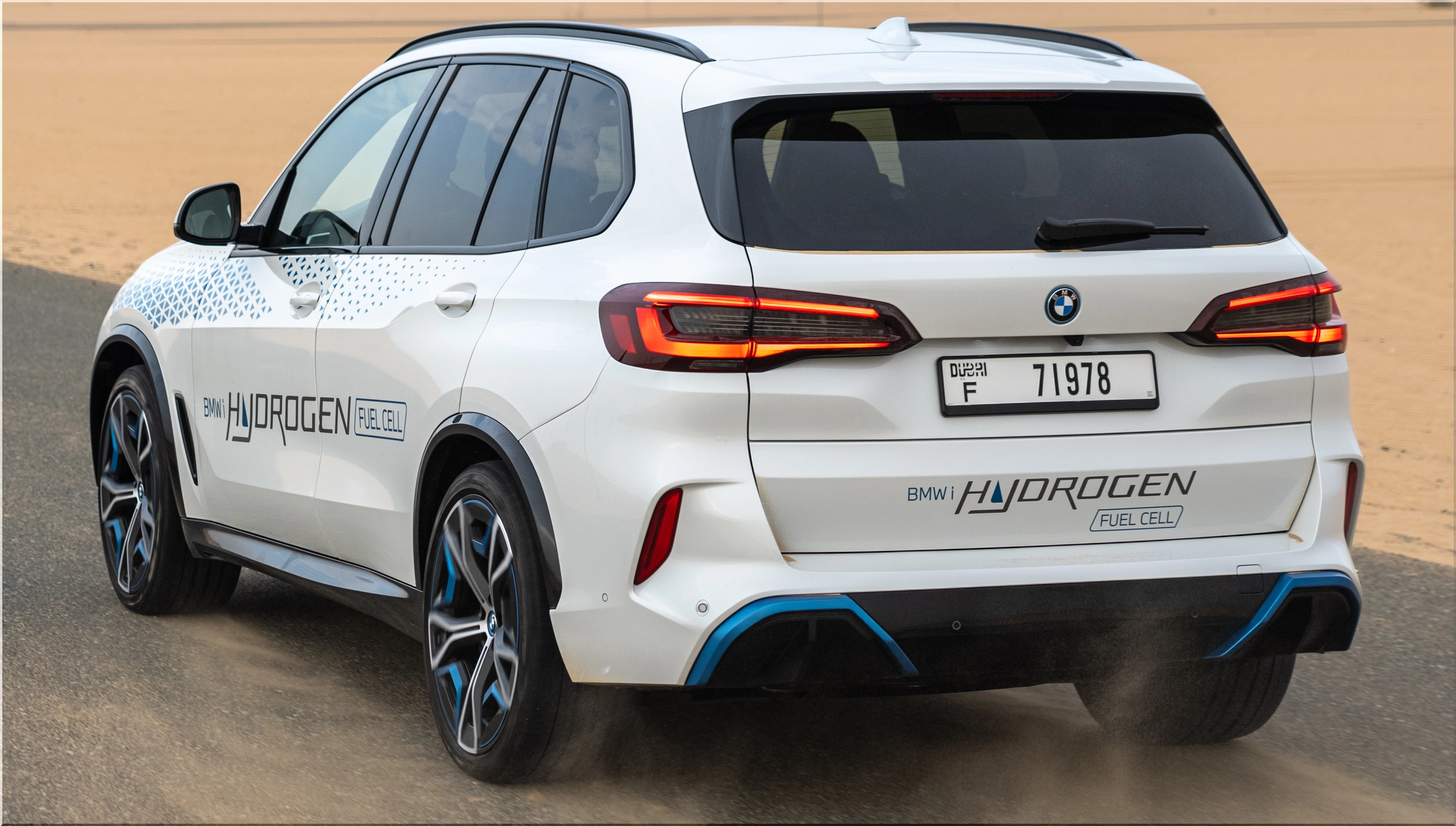
BMW iX5 Hydrogen is an FCEV vehicle that combines the benefits of electric driving with the convenience of hydrogen fuel cell technology. It is based on the regular BMW X5 but with a modified floor to accommodate the hydrogen tanks and a fuel cell stack that converts hydrogen into electricity for the drive unit. The result is a powerful, agile, and emission-free Sports Activity Vehicle (SAV) that can be refueled in just 3-4 minutes and has a range of up to 313 miles.
What is a Hydrogen Fuel Cell Vehicle?
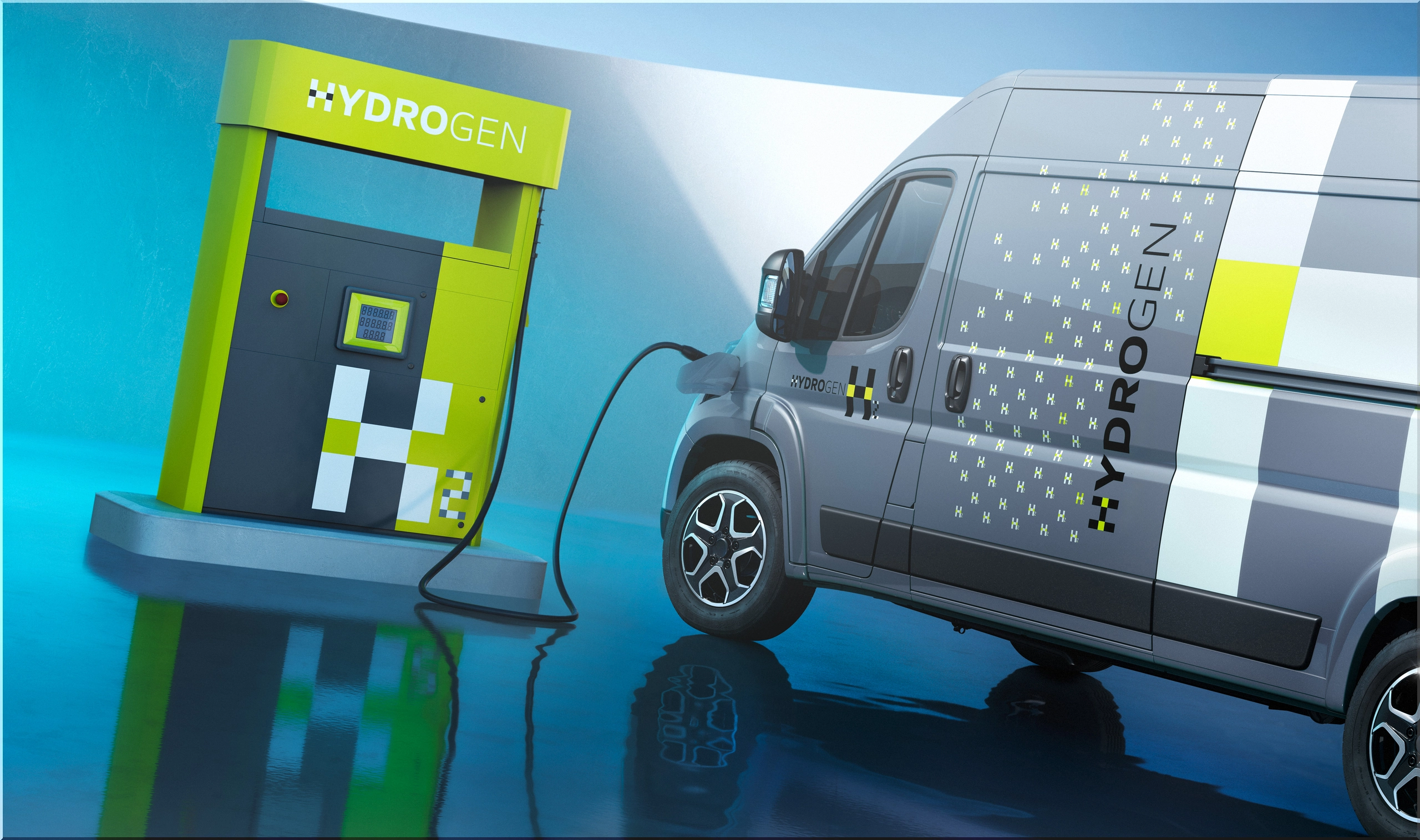
A hydrogen fuel cell vehicle (FCEV) is a type of electric vehicle (EV) that uses hydrogen as its energy source. Unlike a battery electric vehicle (BEV) that stores electricity in a battery, an FCEV stores hydrogen in tanks and uses a fuel cell to generate electricity for the electric motor. The only by-product of this process is water vapor, which means that a FCEV is locally emission-free.
What are the Advantages of FCEV Vehicles?
Hydrogen fuel cell vehicles have advantages over battery electric vehicles, such as:
- Faster refueling: A FCEV can be refueled in 3-4 minutes, similar to a conventional gasoline or diesel vehicle, while a BEV can take hours to recharge, depending on the battery size and charging speed.
- Longer range: An FCEV can travel up to 313 miles on a single tank of hydrogen, while a BEV typically has a lower range, depending on the battery capacity and driving conditions.
- Lighter weight: A FCEV has a lower weight than a BEV, as hydrogen tanks are lighter than batteries. This can improve the performance and handling of the car, as well as reduce the energy consumption.
- More sustainable: An FCEV can use hydrogen produced from renewable sources, such as wind or solar, which can reduce greenhouse gas emissions and dependence on fossil fuels. A BEV can also use renewable electricity, but the production and dumping of batteries can have environmental impacts.
How Does the BMW iX5 Hydrogen Work?
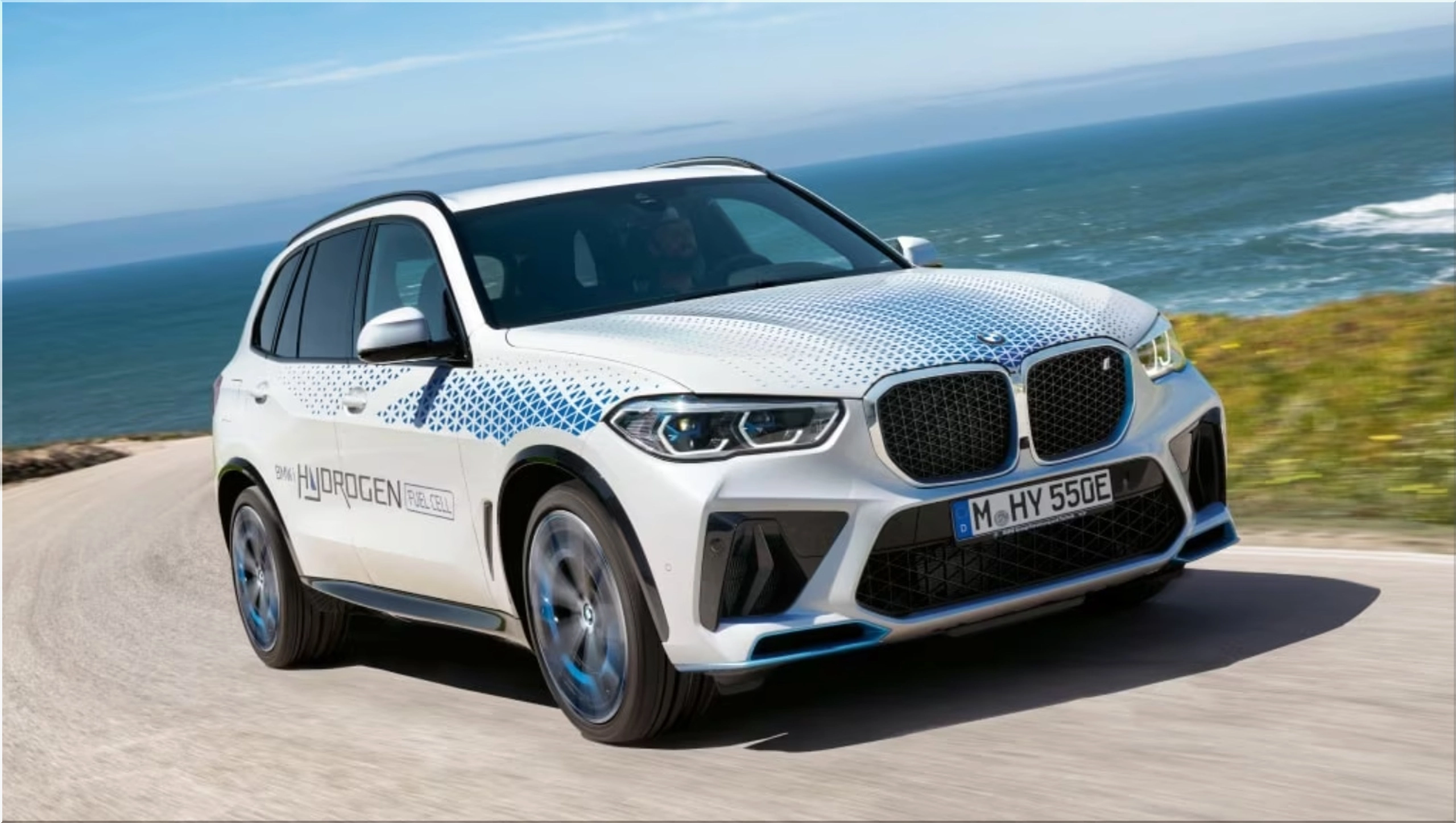
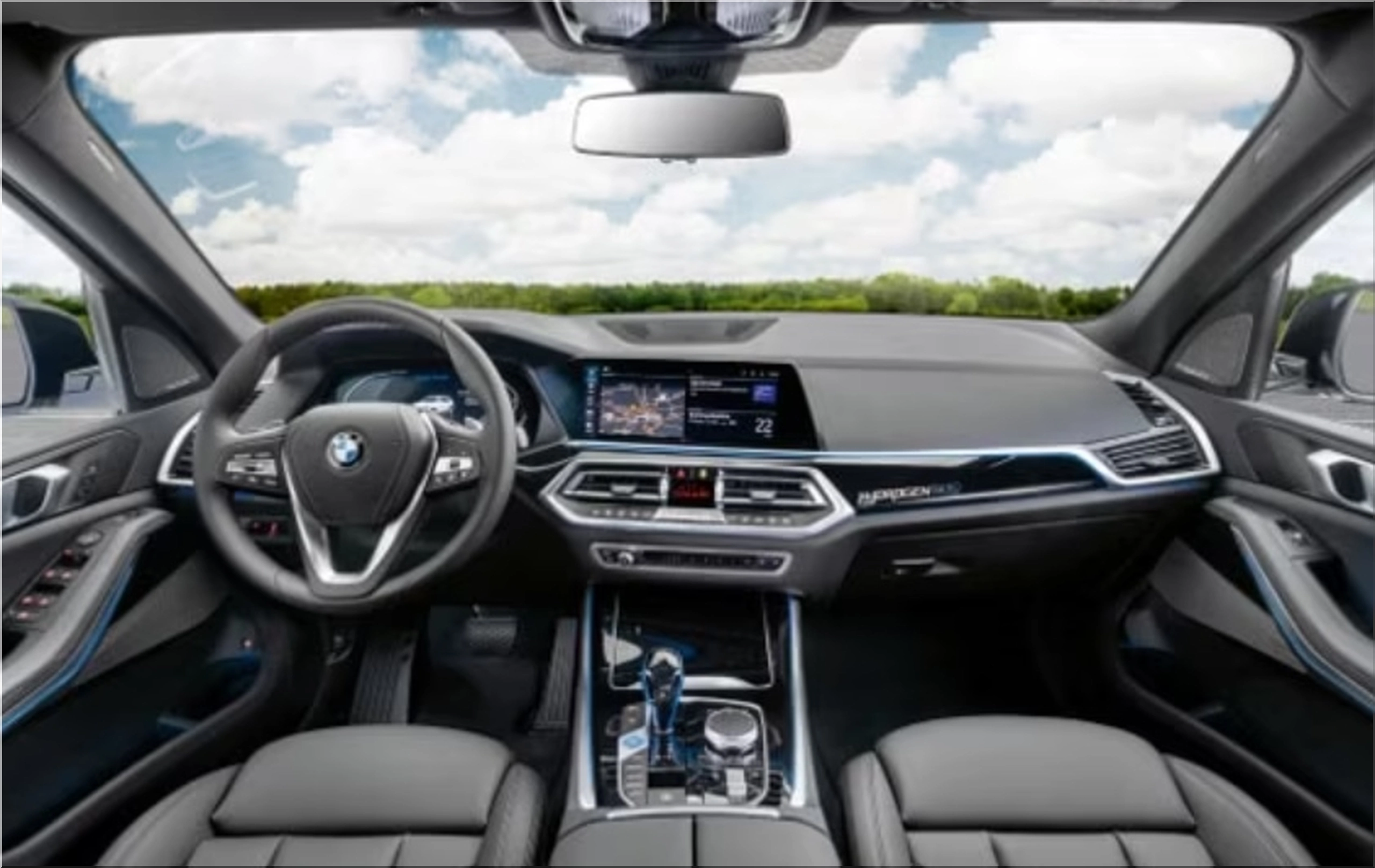
The BMW iX5 Hydrogen is a concept vehicle that shows the potential of hydrogen fuel cell (FCEV) technology for the BMW brand. It is based on the BMW X5 but with a modified floor to accommodate the hydrogen tanks and a fuel cell stack. The fuel cell stack consists of individual fuel cells that are supplied with hydrogen from the tanks and oxygen from the air. The fuel cells produce electricity that powers the electric motor, which delivers up to 401 hp and can accelerate from 0 to 60 mph in under 6 seconds. The electric motor also recovers energy during braking and feeds it back to the battery, which can provide additional power when needed. The battery is located under the rear seat and has a capacity of 1.1 kWh.
The BMW iX5 Hydrogen has two hydrogen tanks that can store a total of 6 kg of hydrogen at a pressure of 700 bar. The tanks are made of carbon fiber reinforced plastic (CFRP) and have a multi-layered structure to ensure safety and durability. The tanks can be refilled with gaseous hydrogen in 3-4 minutes at designated hydrogen filling stations, which are cleaner and more convenient than traditional gasoline stations.
The BMW iX5 Hydrogen also features a fifth-generation BMW eDrive system, which integrates the electric motor, transmission, and power electronics into a single unit. This reduces the weight and space requirements of the drive system and improves the efficiency and performance of the vehicle. The BMW iX5 Hydrogen also has an intelligent all-wheel drive system that distributes the power between the front and rear wheels according to the driving situation and road conditions.
What are the Challenges of Hydrogen Fuel Cell Vehicles?
Hydrogen fuel cell vehicles face some challenges that need to be overcome before they can become widely available and adopted, such as:
- Lack of infrastructure: There are not enough hydrogen filling stations in most countries, which limits the accessibility and convenience of FCEVs. The development and expansion of the hydrogen infrastructure requires significant investments and cooperation from various stakeholders, such as governments, automakers, energy companies, and consumers.
- High costs: FCEVs are currently more expensive than BEVs or conventional vehicles due to the high costs of the fuel cell system and hydrogen production and distribution. The costs of FCEVs are expected to decrease as the technology matures, and the economies of scale improve, but they still need to compete with the falling prices of BEVs and the improving efficiency of conventional vehicles.
- Public perception: FCEVs still need to be made familiar to many consumers, who may have doubts or concerns about the safety, reliability, and performance of hydrogen vehicles. FCEVs need to demonstrate their advantages and benefits over other types of vehicles and gain the trust and acceptance of the public.
What is the Future of Hydrogen Fuel Cell Vehicles?
Hydrogen fuel cell vehicles are part of the future of electric mobility, as they offer a complementary solution to battery electric vehicles. FCEVs are especially suitable for long-distance and heavy-duty applications, such as trucks, buses, trains, or ships, where the range, weight, and refueling time of BEVs are limiting factors. FCEVs can also play a role in the integration of renewable energy sources, as they can use excess electricity to produce hydrogen and store it for later use, creating a flexible and resilient energy system.
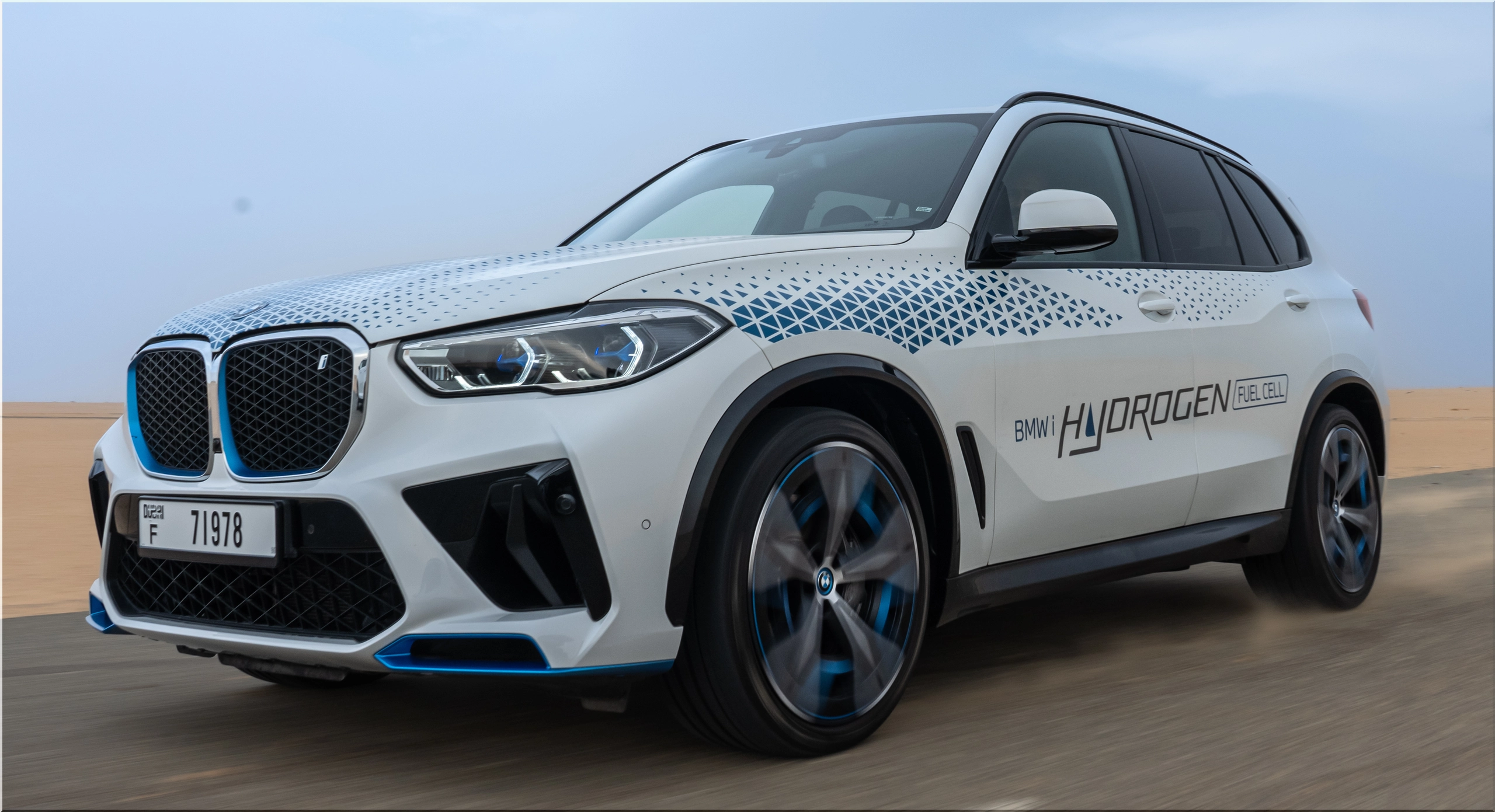
BMW is committed to developing and advancing hydrogen fuel cell technology as part of its vision of sustainable mobility. The BMW iX5 Hydrogen is a concept vehicle that is not yet available for purchase, but it represents an important step towards making FCEVs available to customers in the future. BMW is producing a small series of the iX5 Hydrogen for testing and media purposes and plans to launch a production vehicle in the second half of this decade, depending on the market requirements and conditions.
The BMW iX5 Hydrogen is a pioneer in hydrogen-based, emission-free mobility that combines the typical BMW dynamics and agility with an innovative and ground-breaking hydrogen drive. It is a vehicle that showcases BMW's potential and vision for the future of electric driving.
- Add new comment
- 121 views