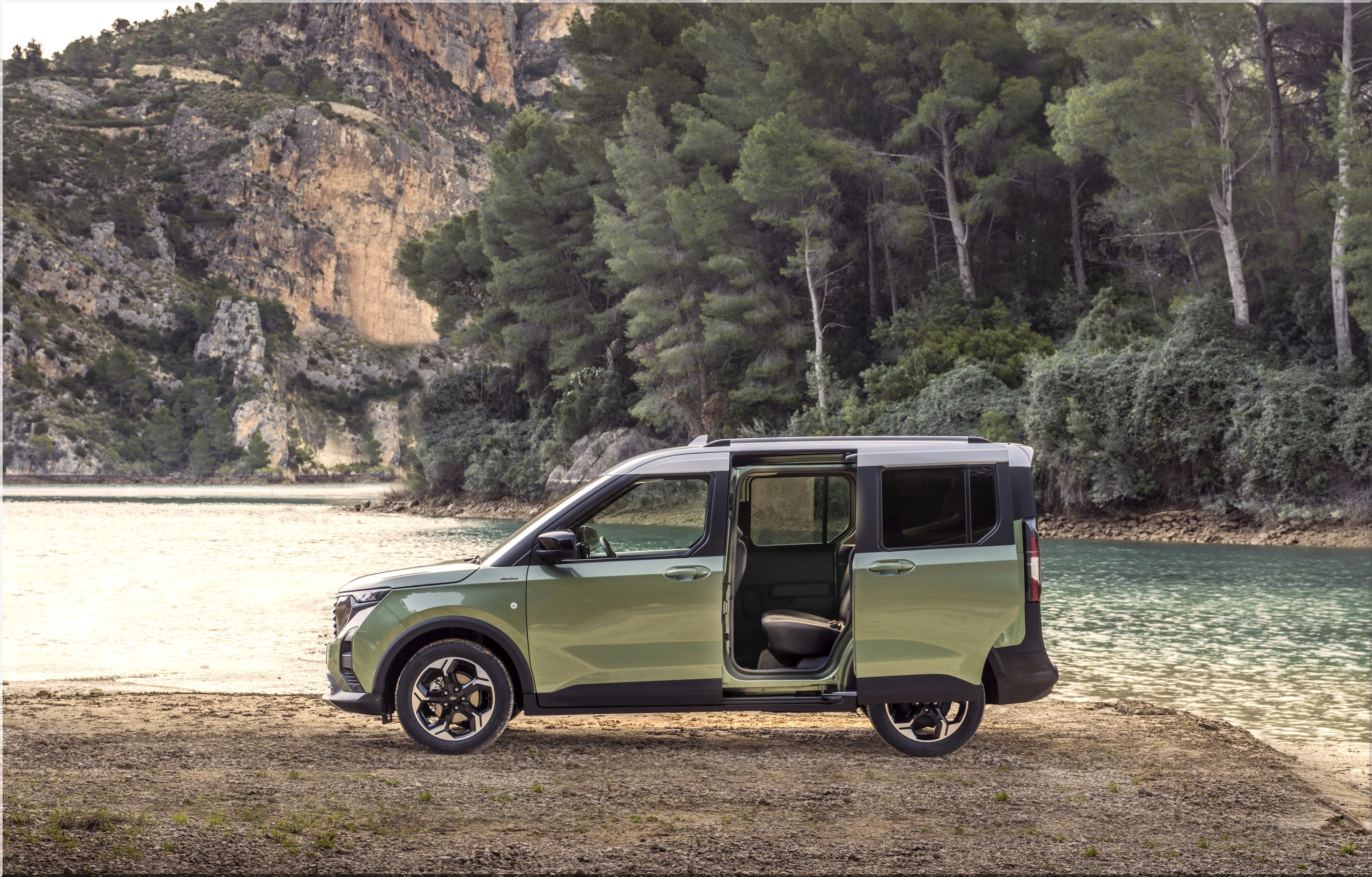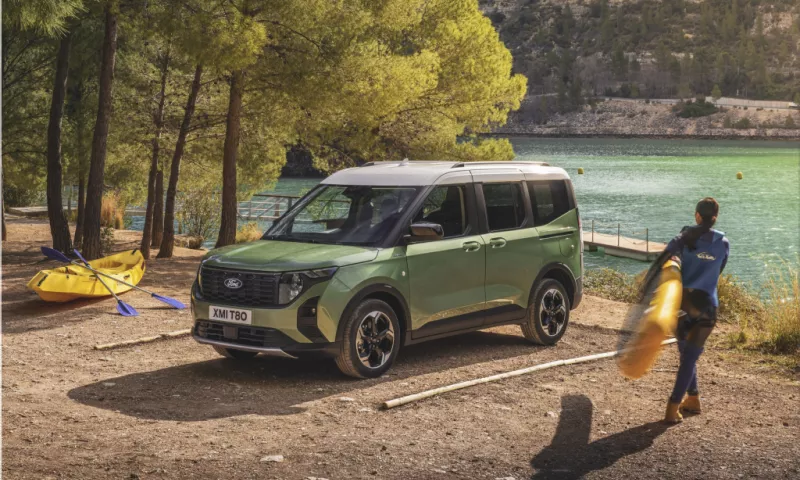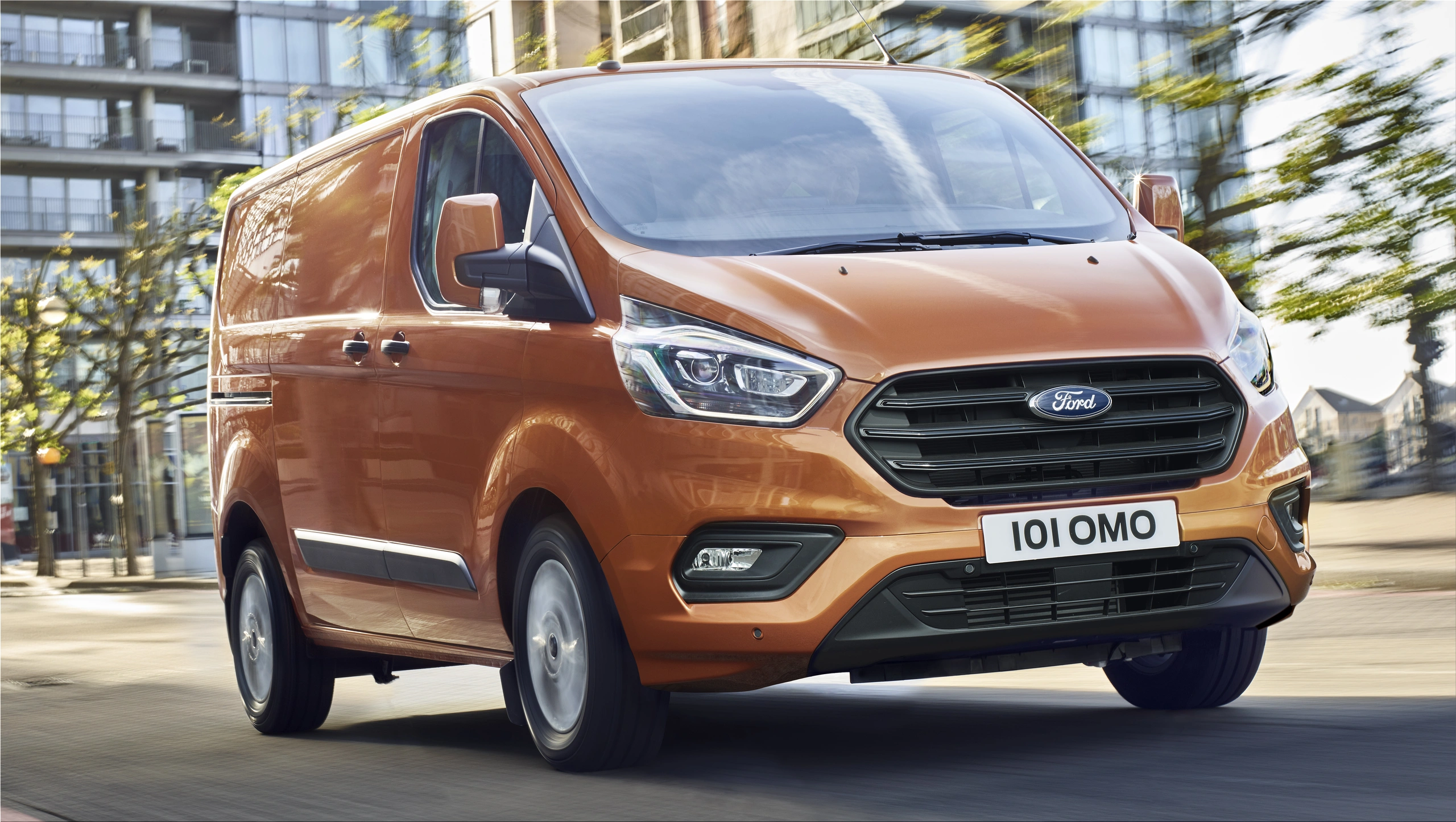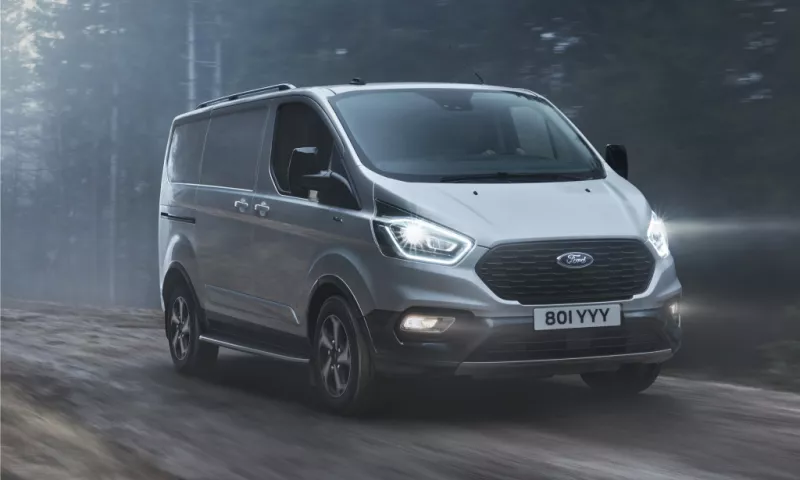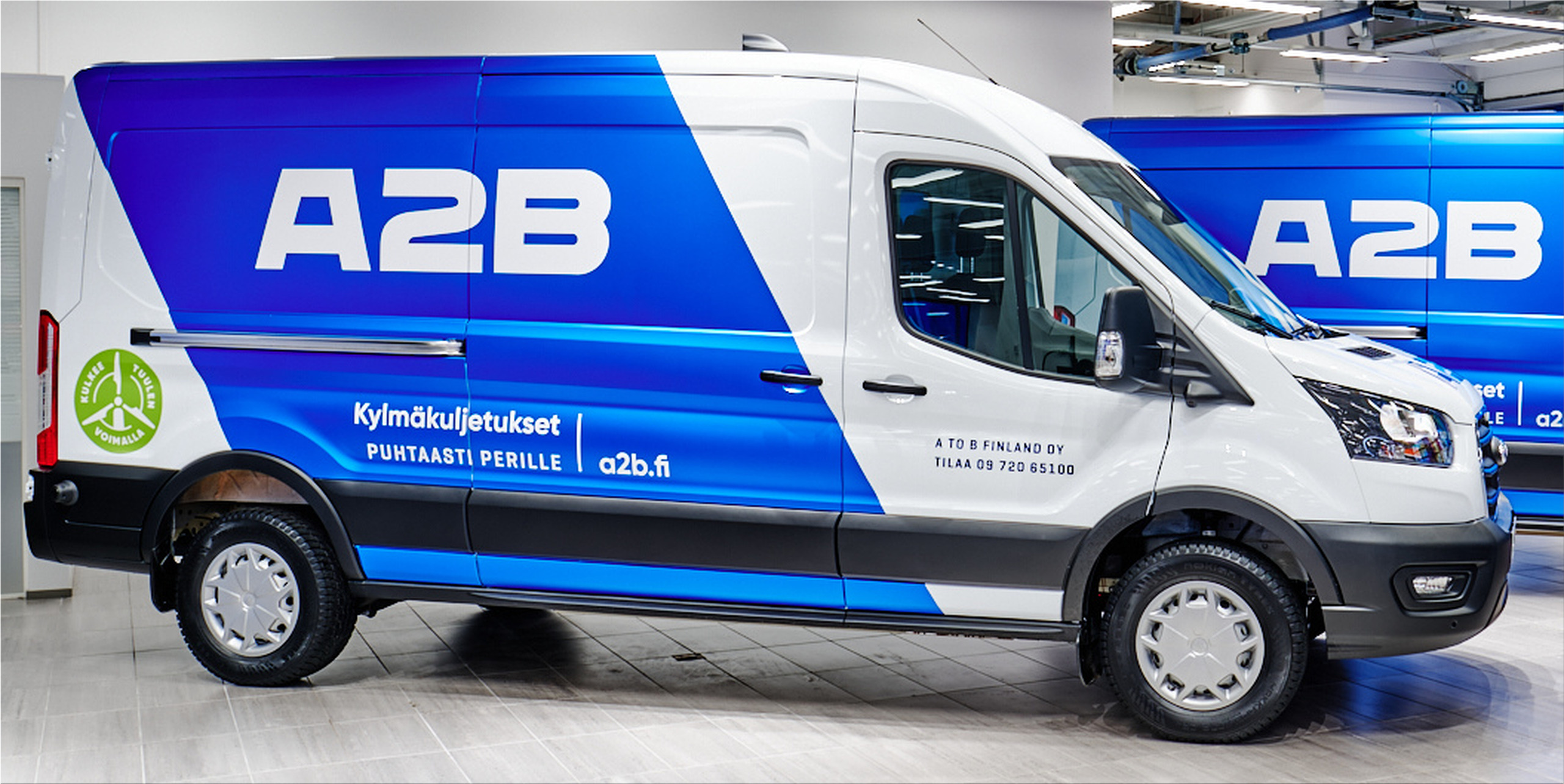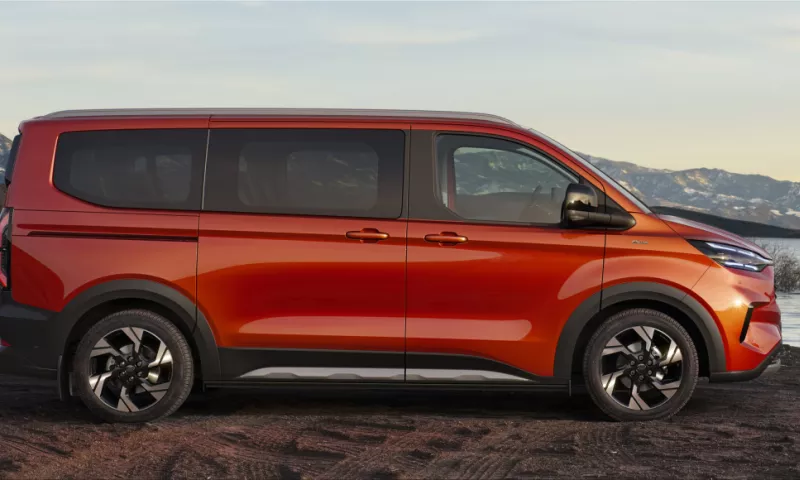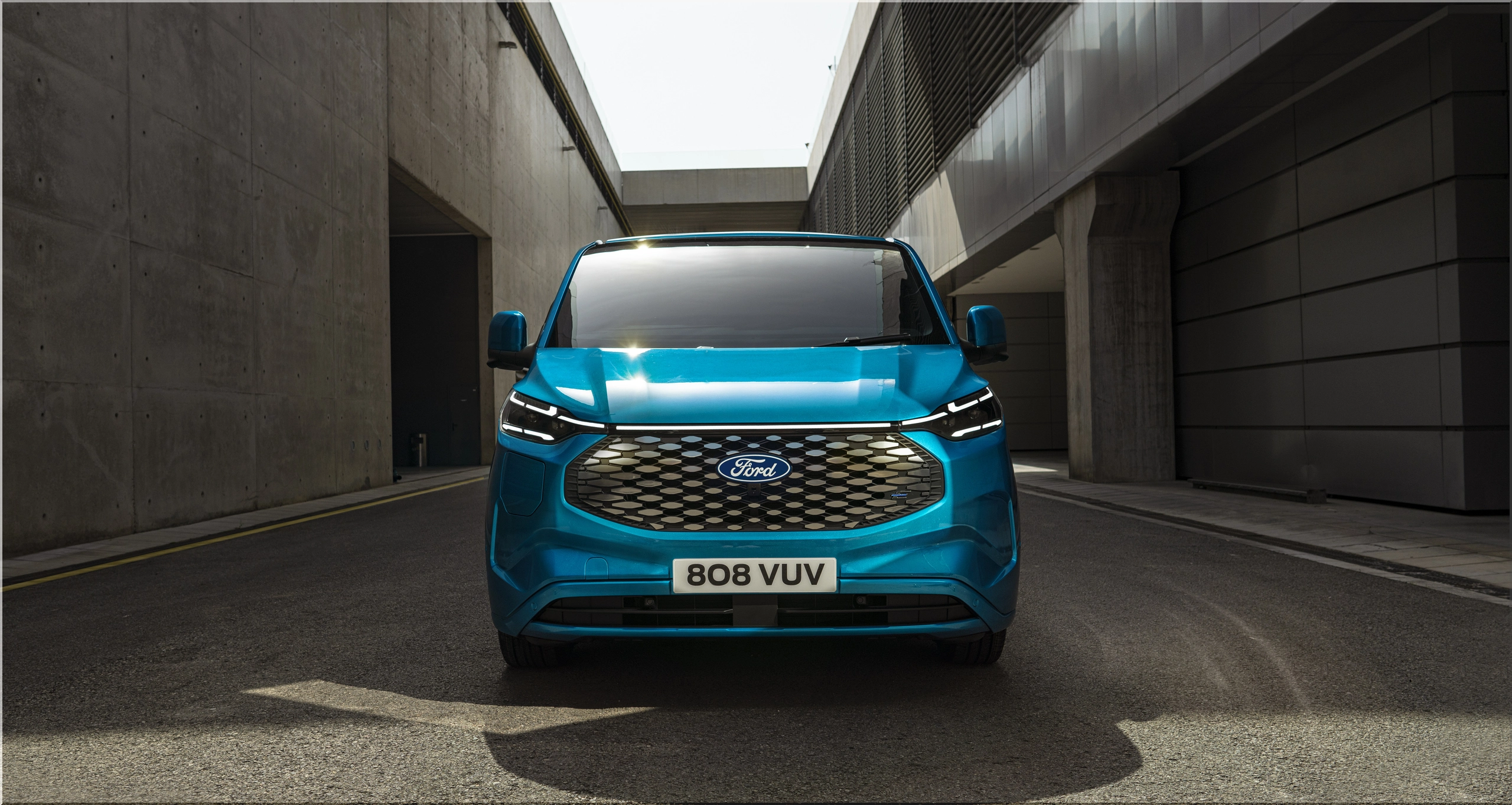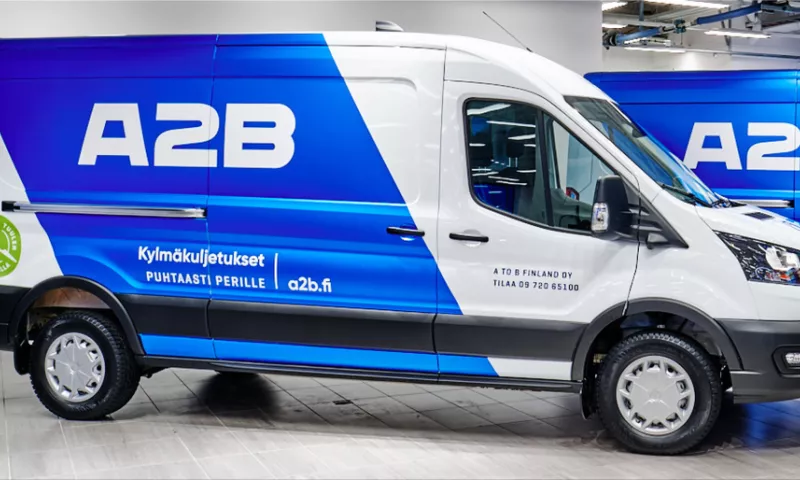
The Ford Transit is 60 years old. Since 1965, this van has become a symbol of European productivity. Over 10 million units later, it’s still leading the commercial segment across multiple continents. The Transit isn’t coasting on legacy—it’s innovating, electrifying, and expanding.
This is a results-based look at how Ford Transit has maintained its relevance for six decades by prioritizing payload, efficiency, and adaptability.
Transit in Numbers: Productivity by Design
Here’s what Ford has achieved since launching the Transit:
- Over 10 million units produced globally
- Sold in six continents
- Four million Transit vans manufactured by 2000
- Annual global registrations neared 400,000 units in 2015
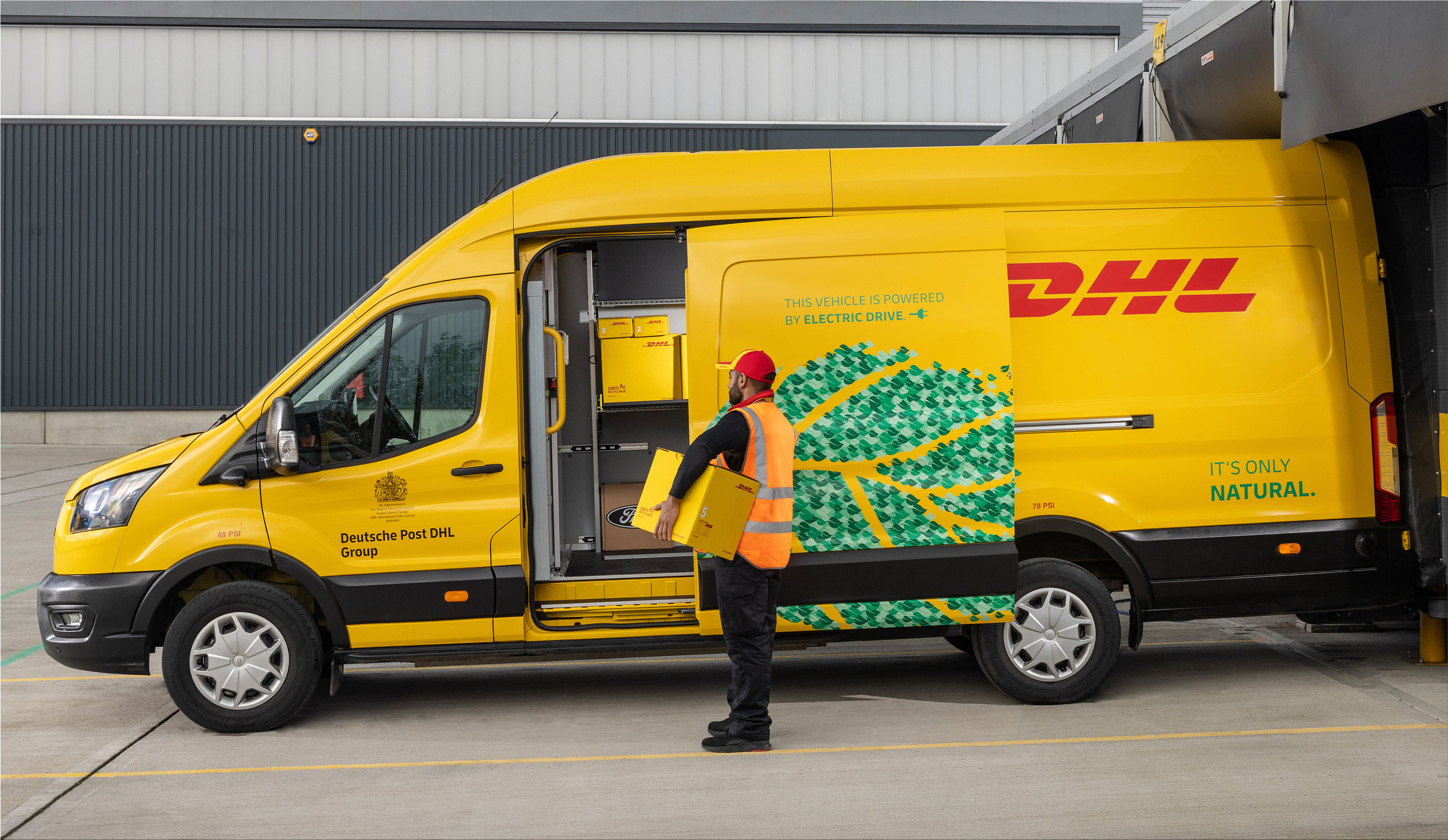
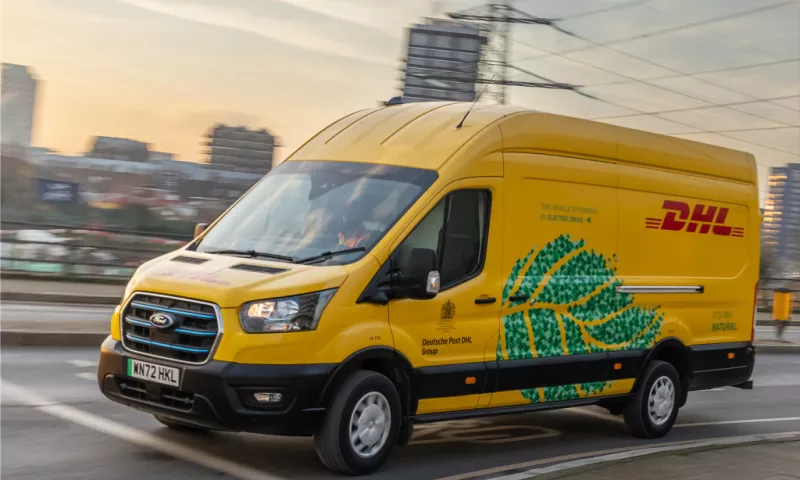
- Transitioned to electric with the E-Transit in 2022
The Transit wasn’t designed to be flashy. It was engineered to get the job done. That’s why fleet buyers choose it again and again.
1965–2000: Innovation on Wheels
The original 1965 Transit solved a basic logistics problem. Businesses wanted more payload, speed, and flexibility. Ford delivered with:
- Two wheelbase options
- Payloads from 610 kg to 1,782 kg
- Side loading doors and early adoption of halogen headlights and servo-assisted front disc brakes
By the 1980s, Ford made major changes:
- 1984: Introduced a 2.5-liter direct injection diesel
- 1986: First with a 0.37 Cd drag coefficient, reducing fuel costs by up to 8%
- 1991: Turbo diesel added, meeting tighter emission standards
In 1994, Transit became more refined with a quieter cabin (noise cut by 70%) and optional driver/passenger airbags. Ford kept production costs down while improving driver comfort.
2000–2010: Scaling for a Global Market
The 2000s marked the beginning of global Transit integration.
- Front- and rear-wheel drive built on the same platform
- First automated transmission (Durashift EST) in 2001
- The Transit Connect debuted in 2002, offering smaller fleet operators a purpose-built solution
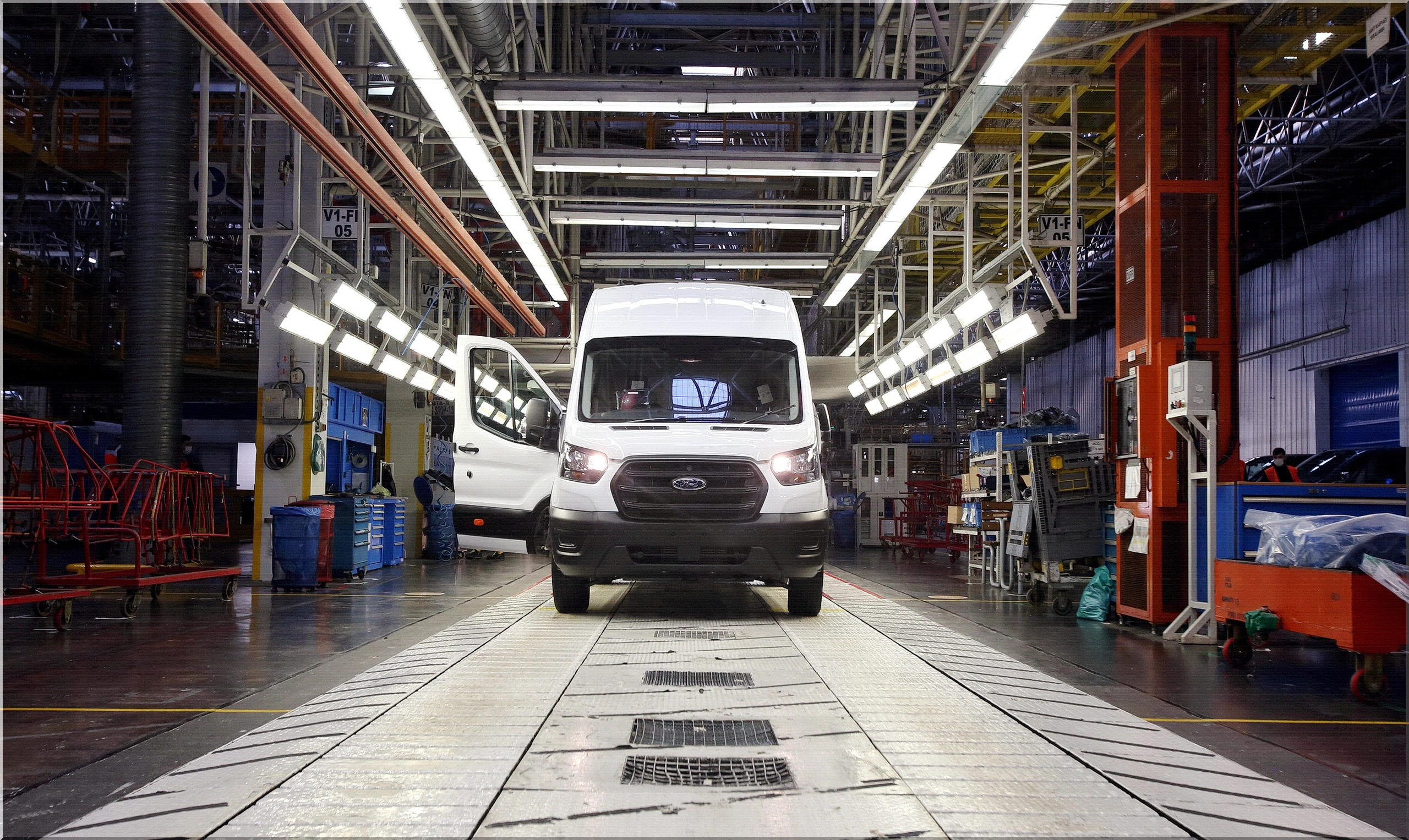
- 2004: Production shifted to Turkey’s Kocaeli plant, optimizing costs and logistics
In 2006, Ford updated the Transit with ESP availability, expanded powertrain choices, and a dash-mounted gear shifter. These weren’t flashy changes—they addressed daily commercial use cases.
2010–2020: Electrification and Driver-Assistance Integration
This decade brought Ford’s serious push into tech.
- 2011: Added Auto-Start-Stop, speed limiter, and Euro V diesel compliance
- 2013: Transit Connect and Transit Custom both earned International Van of the Year
- 2016: Ford launched EcoBlue diesel engines with better fuel economy and reduced NOx
- 2019: Transit Sport lineup got 3.2-liter and 1.5-liter EcoBlue upgrades; new weight-saving materials improved payload by up to 80 kg
Ford shifted from hardware-only updates to integrated digital solutions:
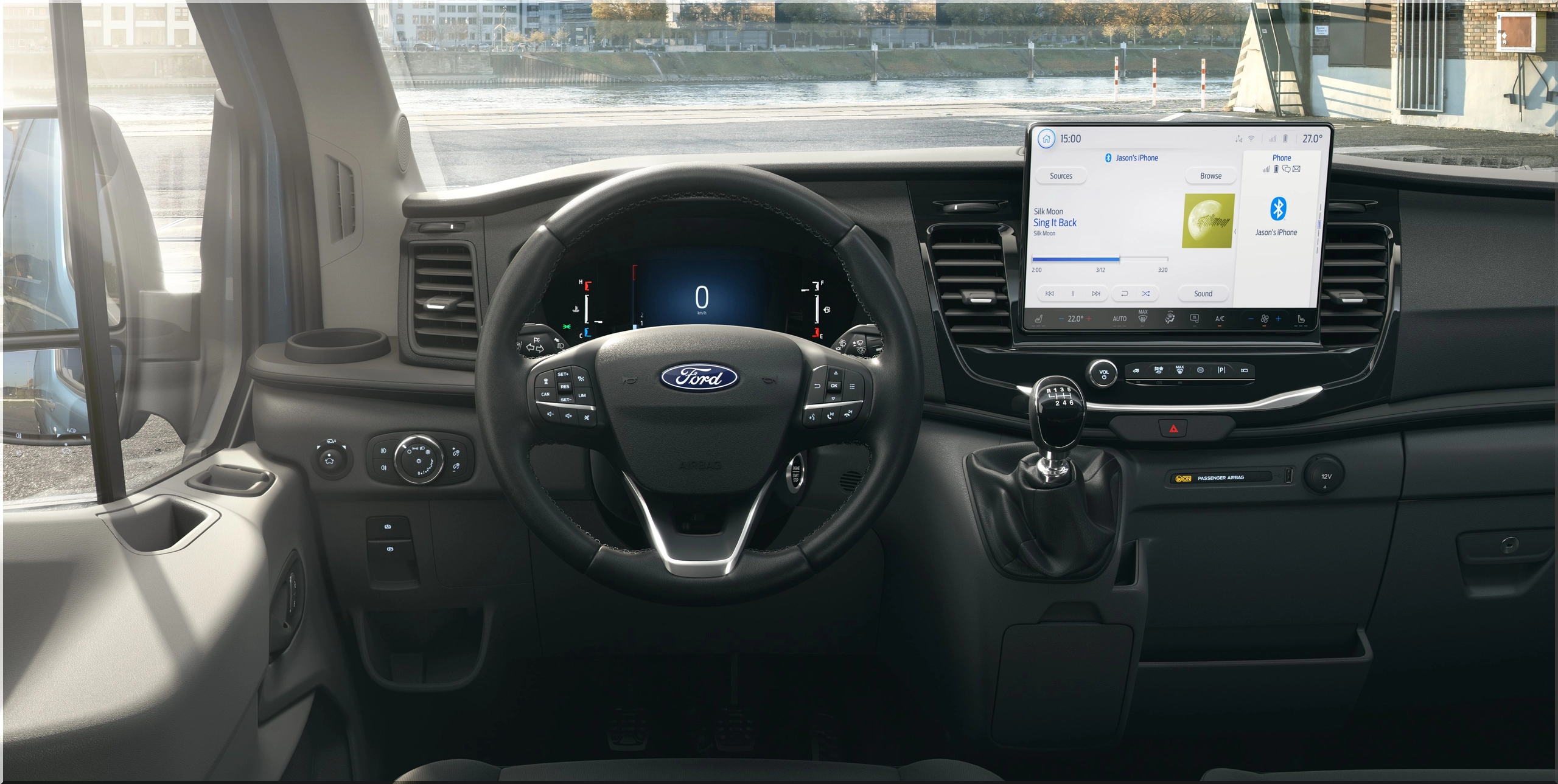
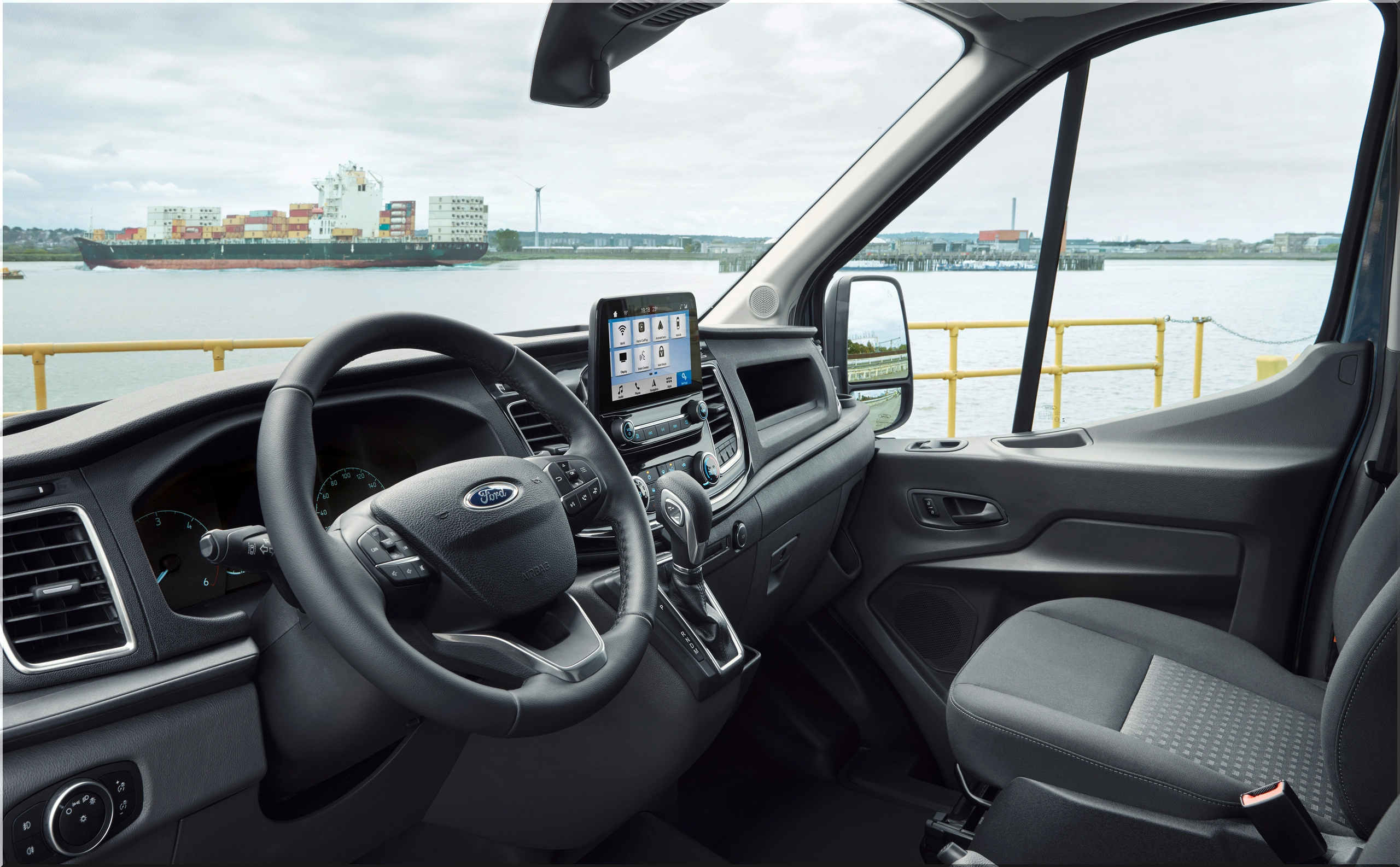
- SYNC 3 connectivity
- Pre-Collision Assist
- Adaptive Cruise Control
Each upgrade focused on one thing: minimizing fleet downtime.
2020–2025: The EV Era Begins
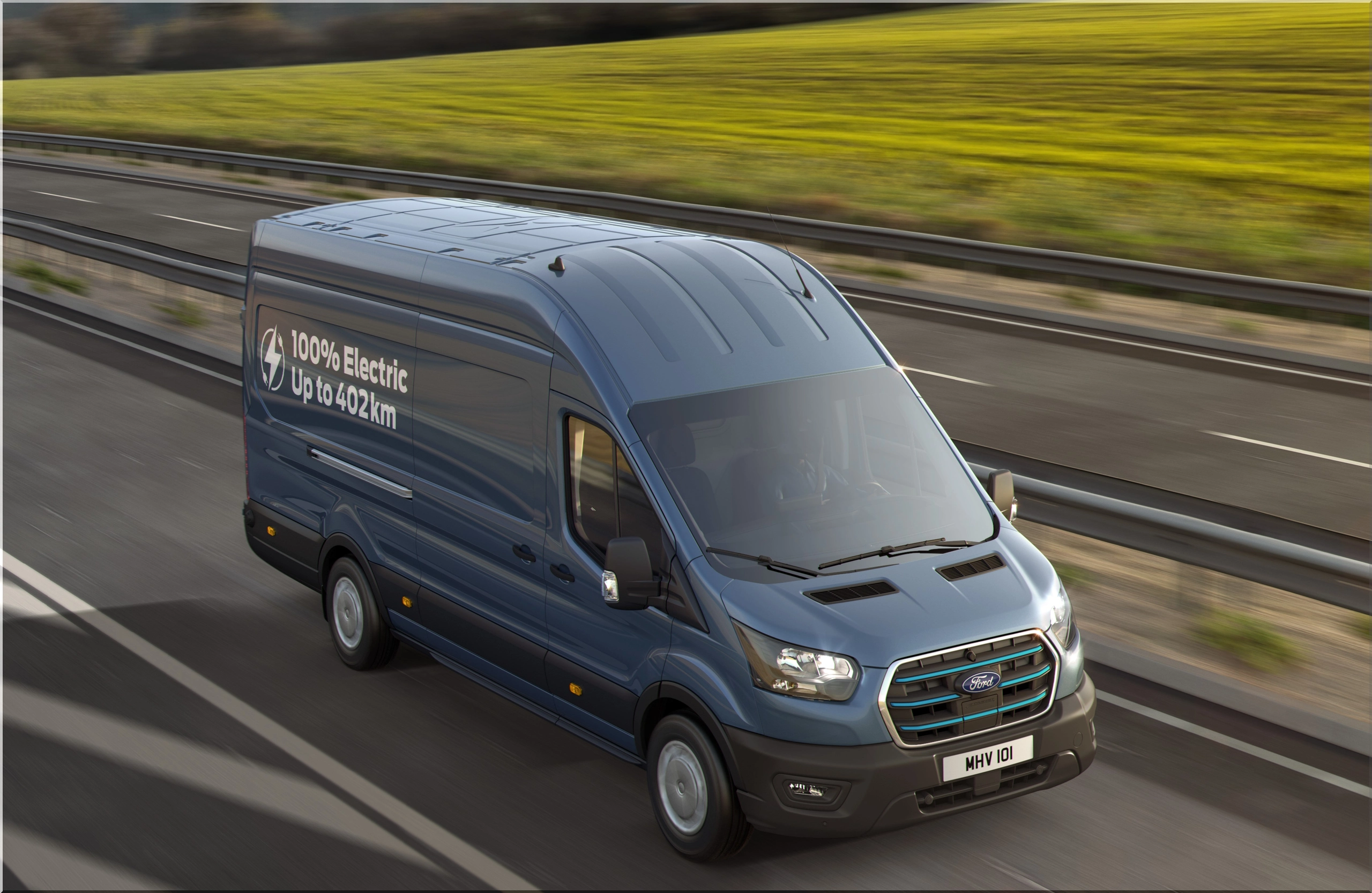
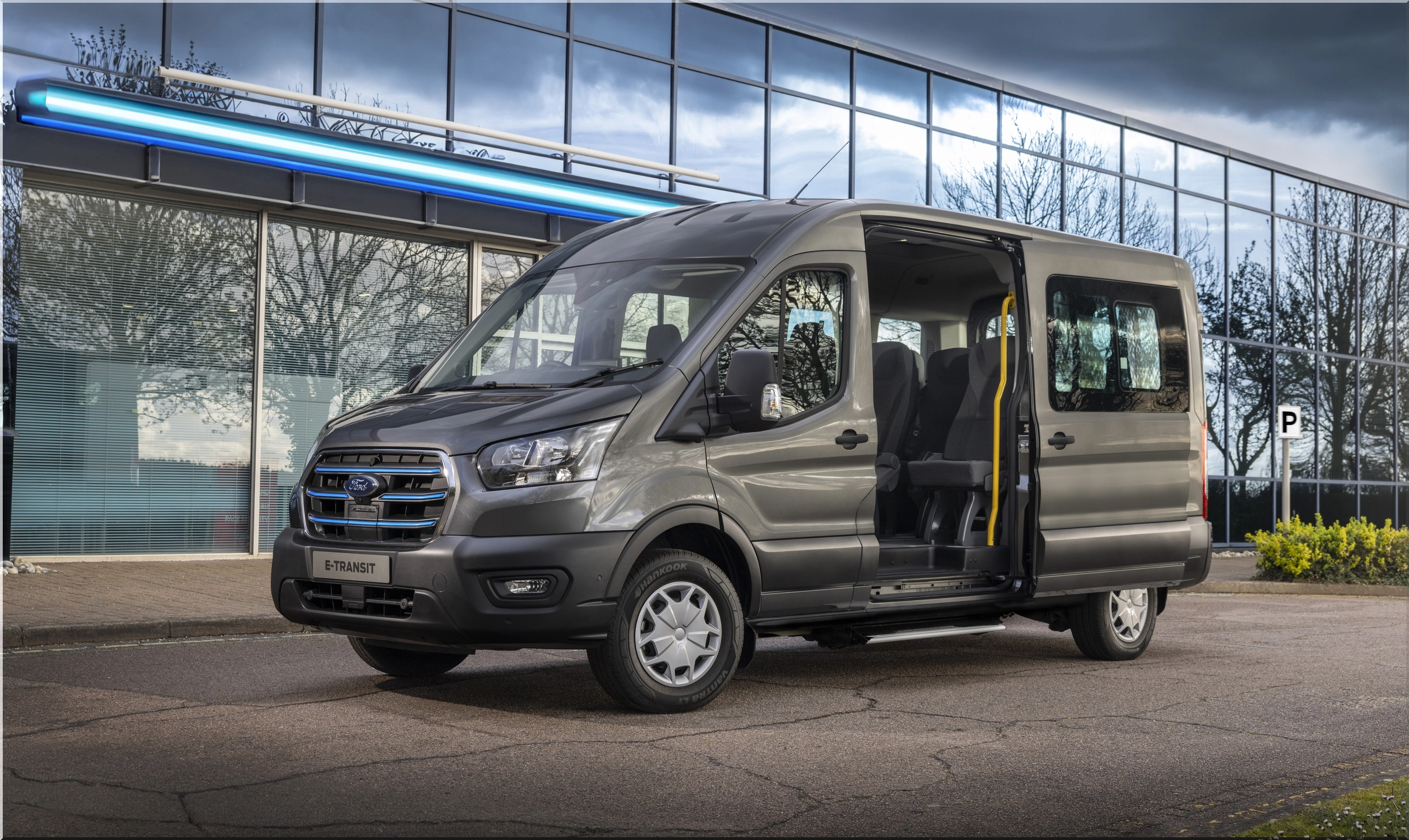
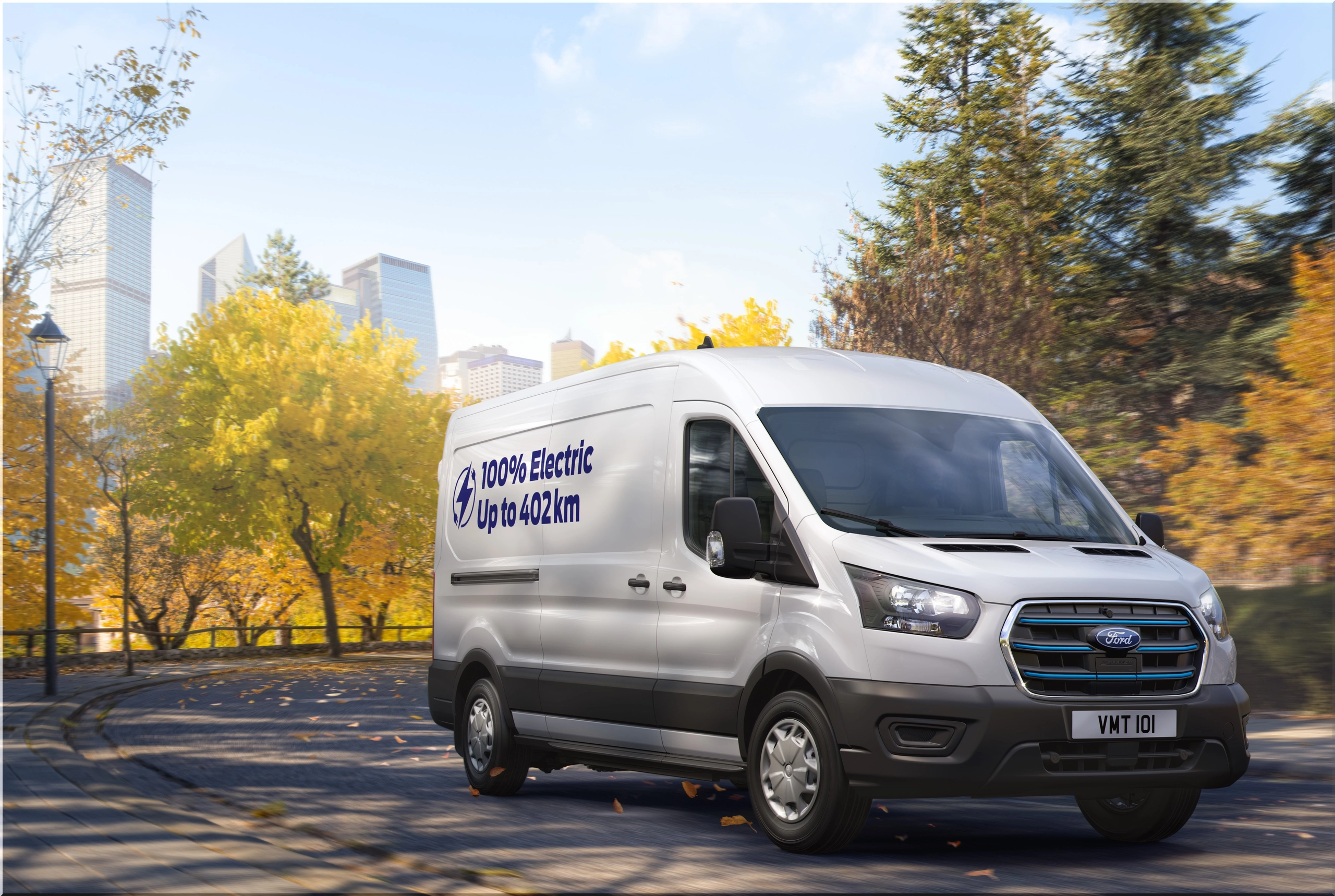
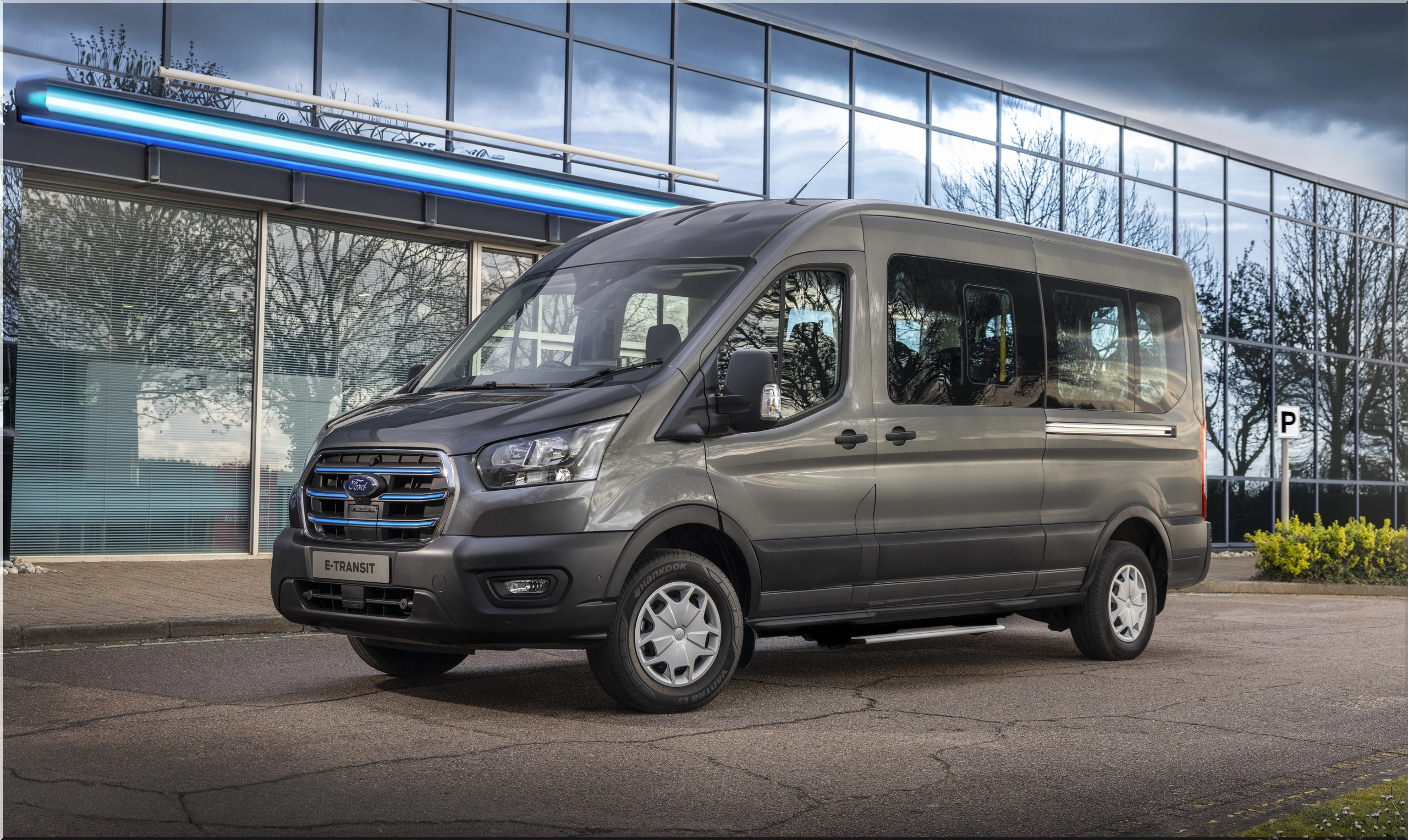
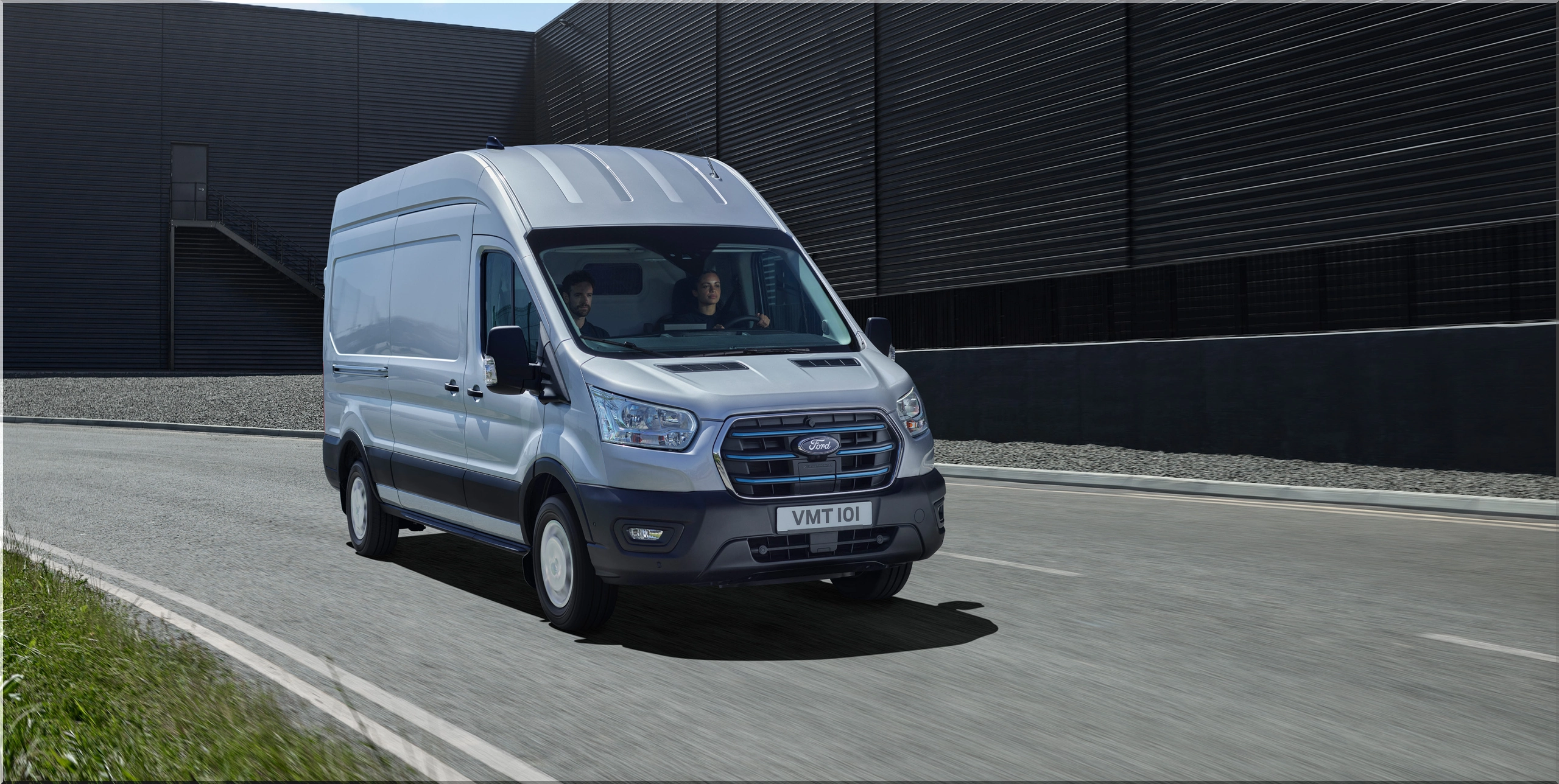
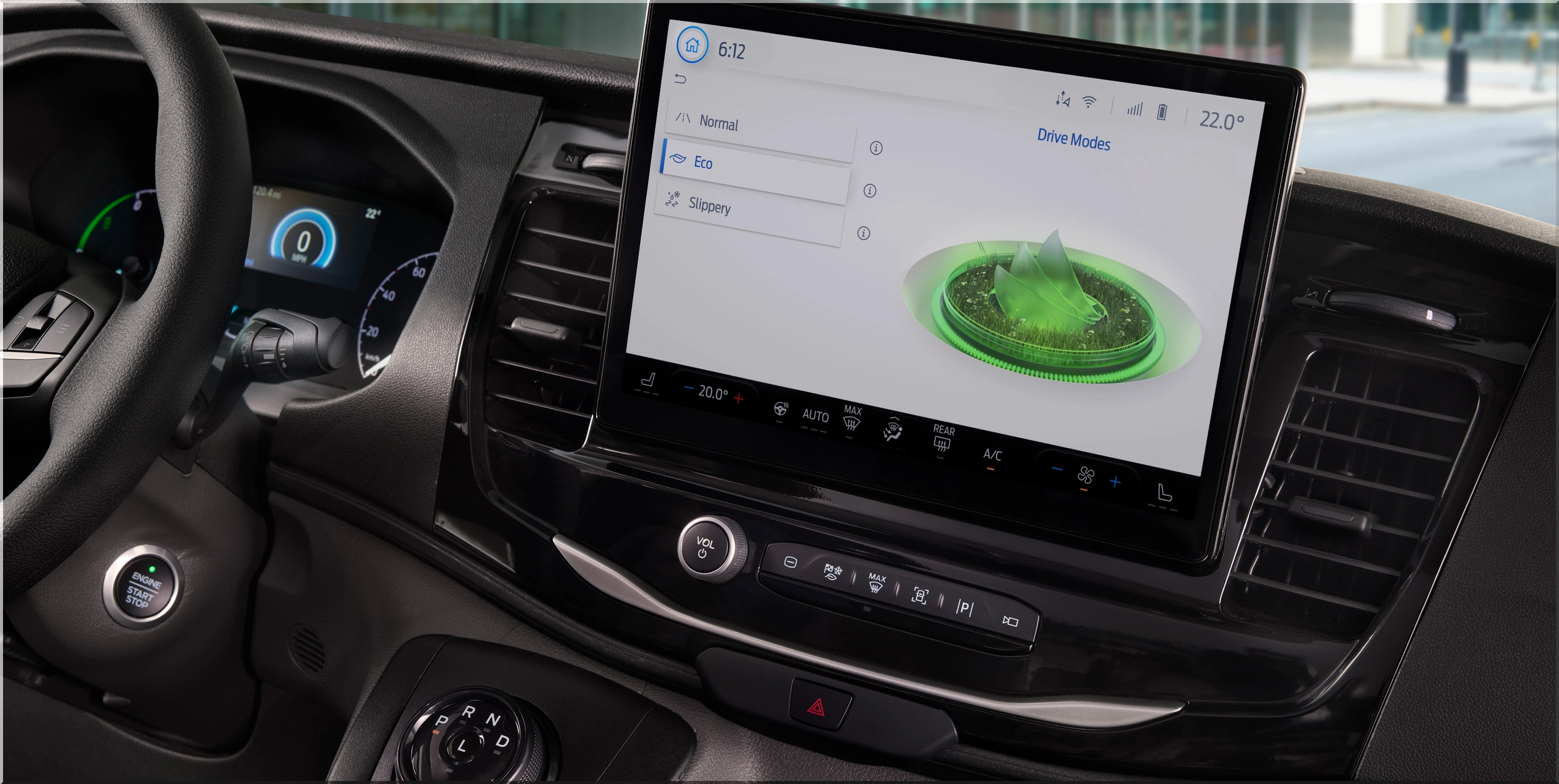
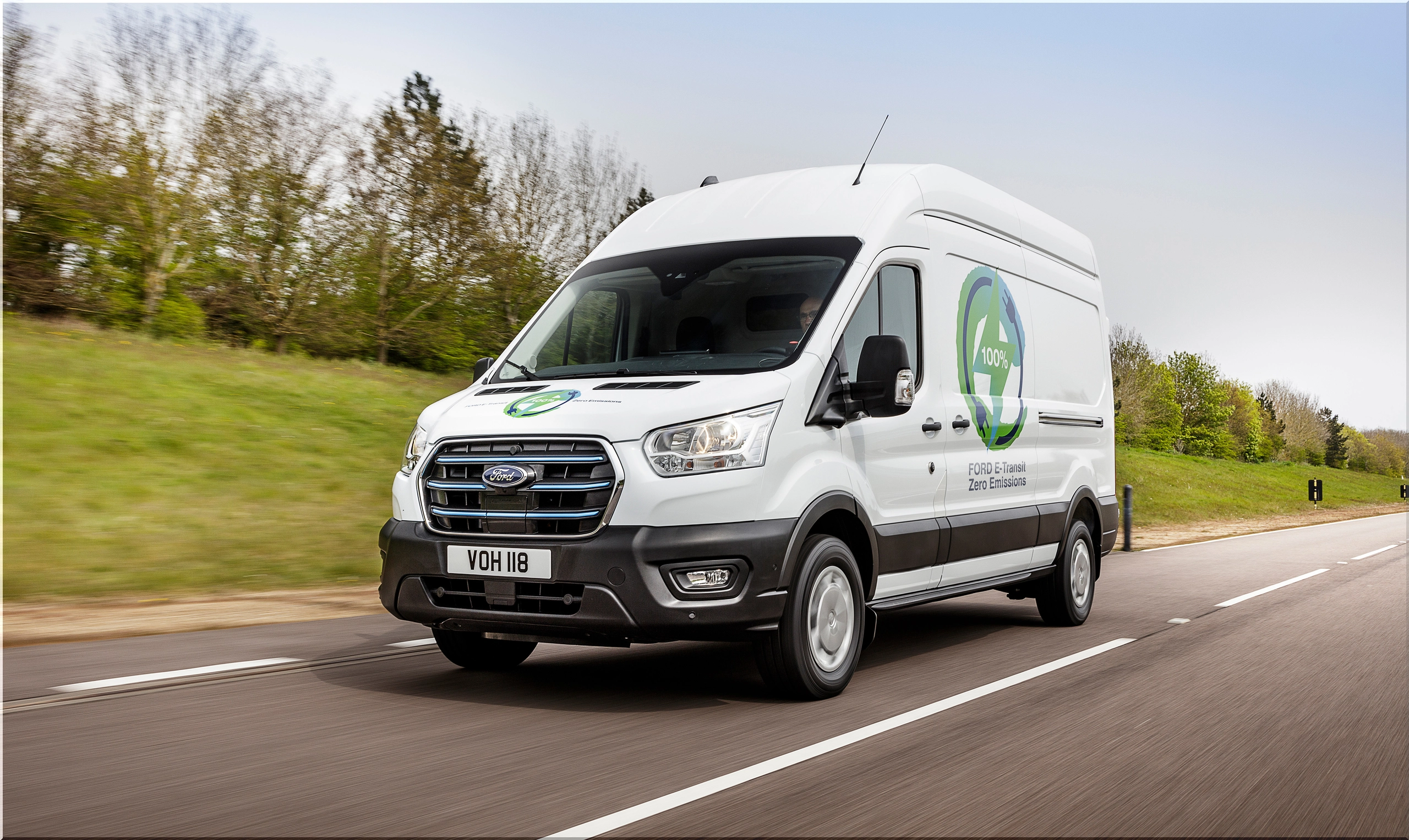
Ford E-Transit launched in 2022 with up to 25 configurations, a 68 kWh battery, and a max range of 250 miles (402 km) in enhanced versions. The van includes:
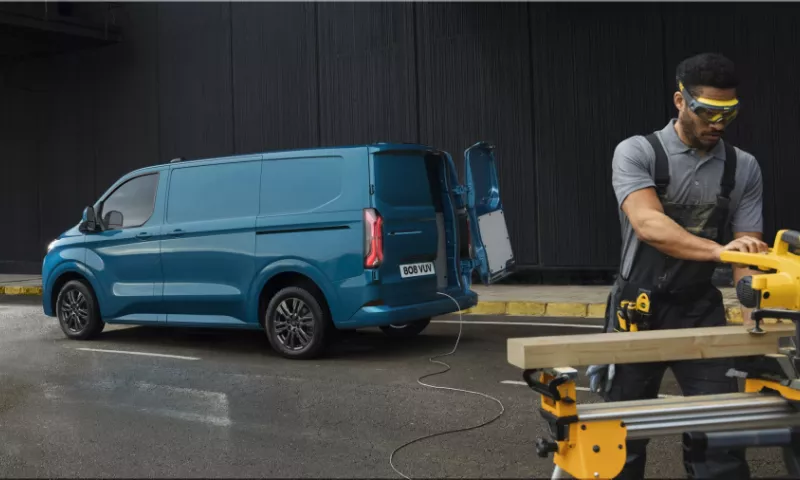
- Pro Power Onboard: Converts the van into a mobile worksite generator
- Delivery Assist: Automates lighting, hazard lights, and door locks during frequent stops
- Upfit Integration System: Helps third-party conversions integrate with Transit’s digital systems
Ford also introduced:
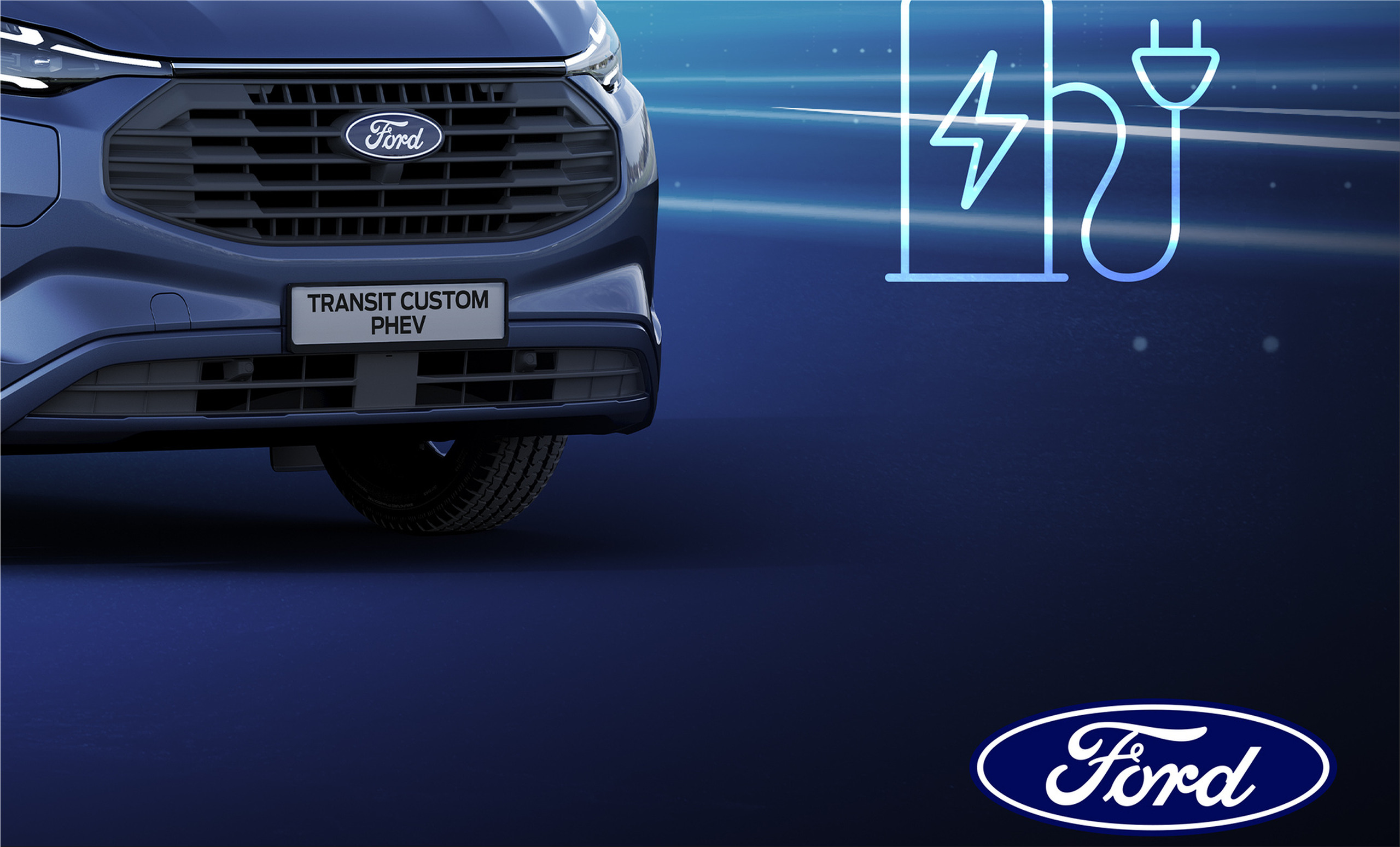
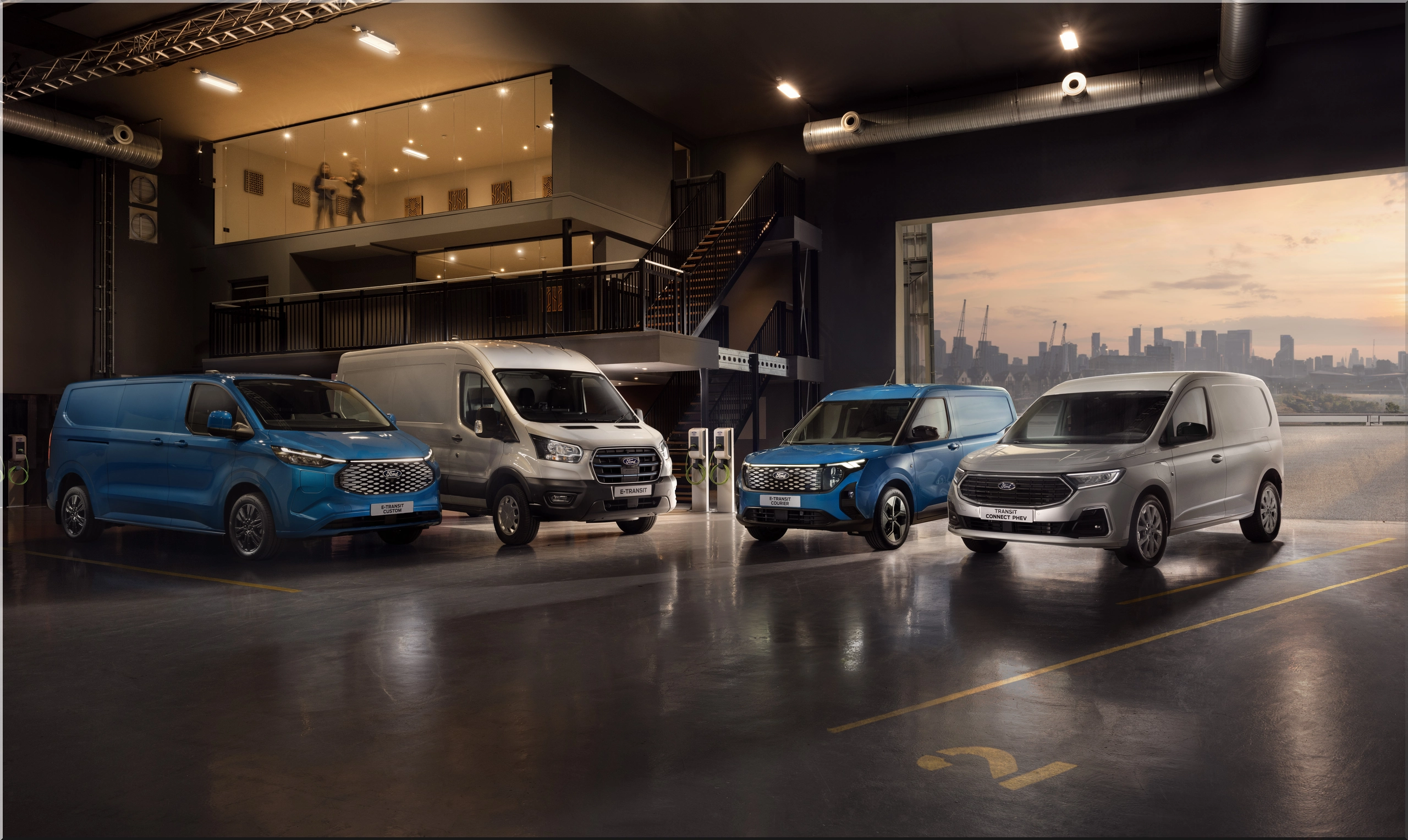
- E-Transit Custom: With 337 km range and 1,011 kg payload
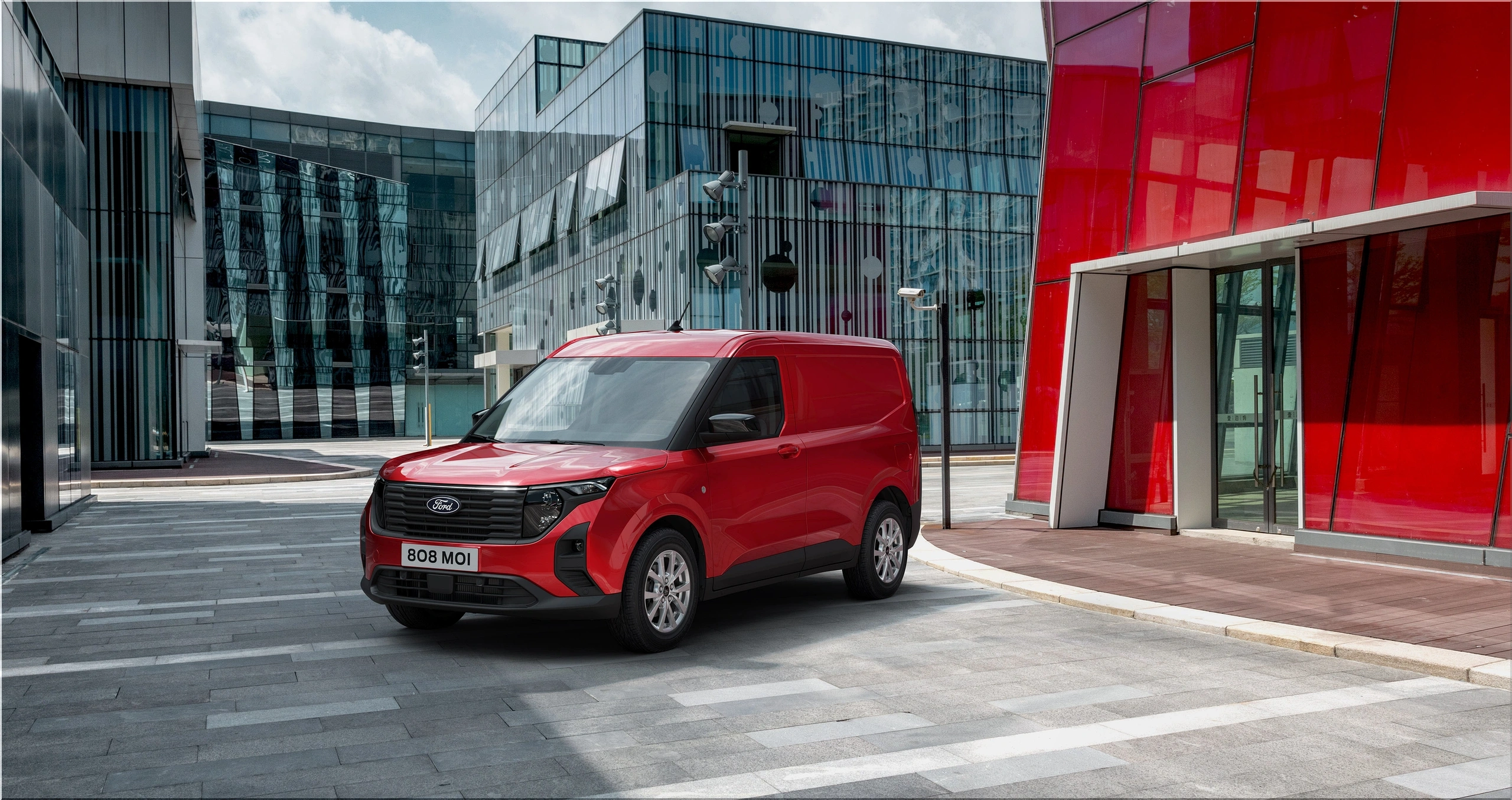
- E-Transit Courier: Smaller, electric-first van for urban use
- All-new Transit Connect: Plug-in hybrid introduced in 2024
Ford continues to cover every use case—diesel, hybrid, or fully electric—without disrupting payload, reliability, or cargo access.
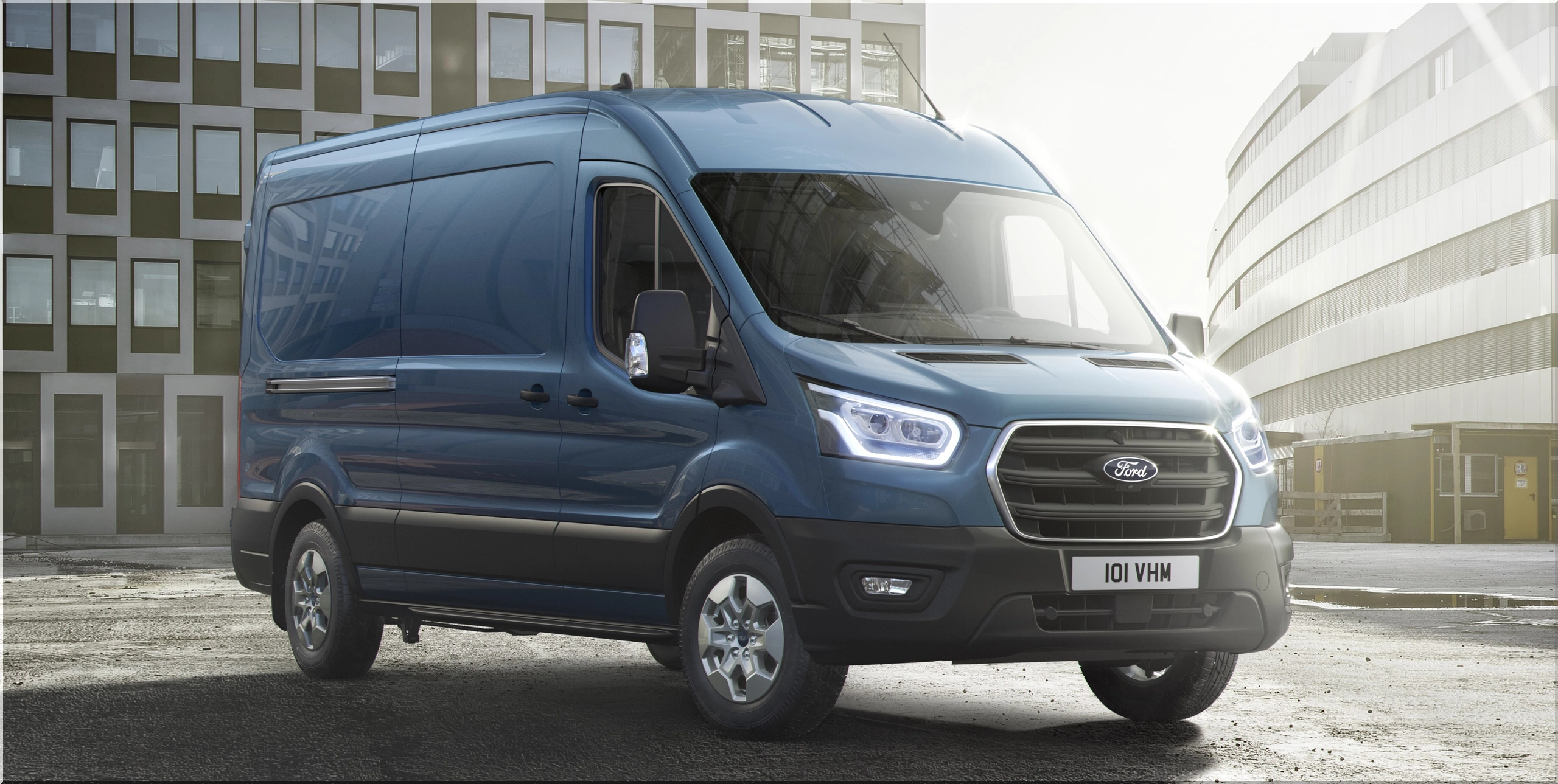
Transit by Segment: Breakdown of Capabilities
| Transit Model | Payload Capacity (kg) | Powertrain Options | Launch Year | Max Range (EV) |
|---|---|---|---|---|
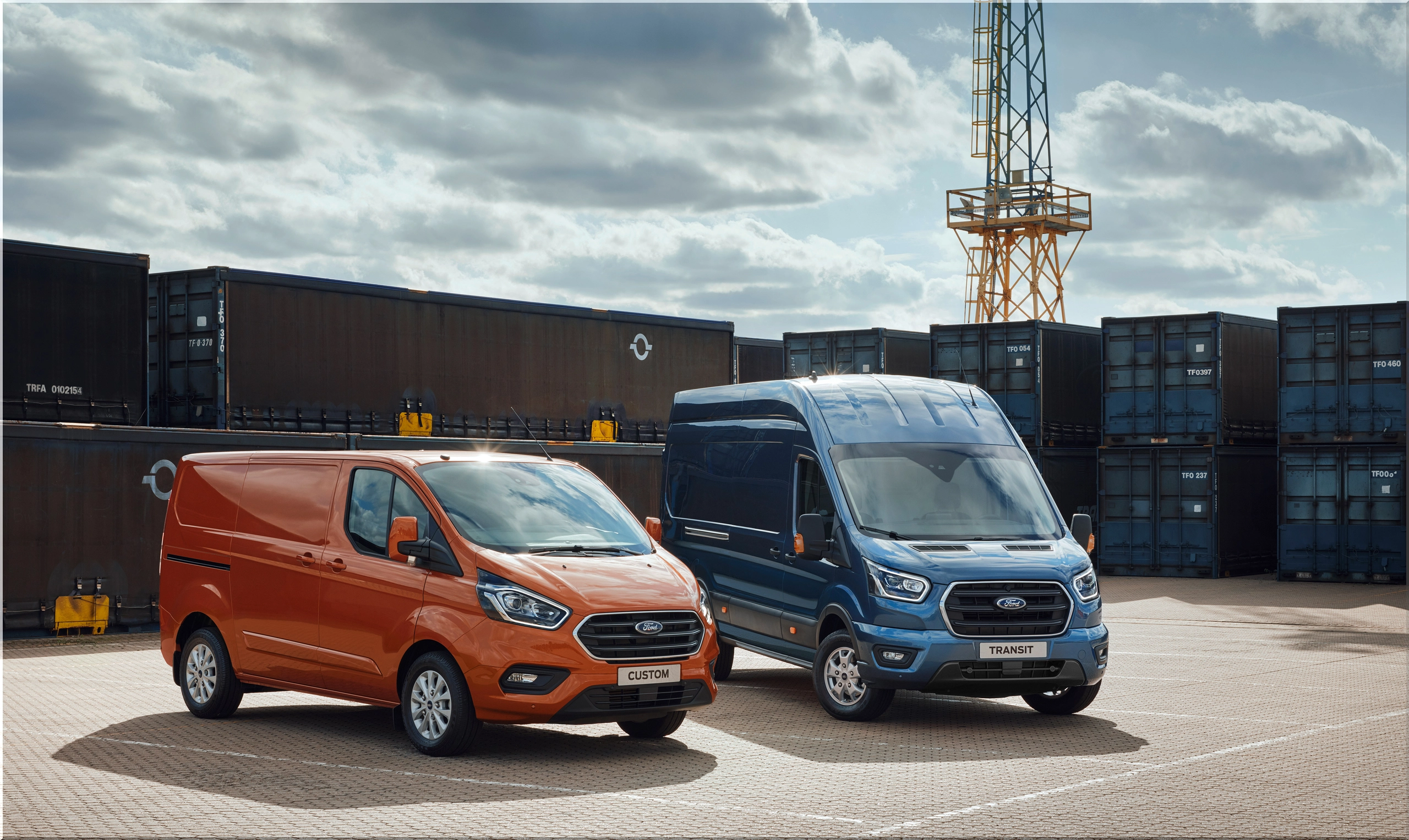
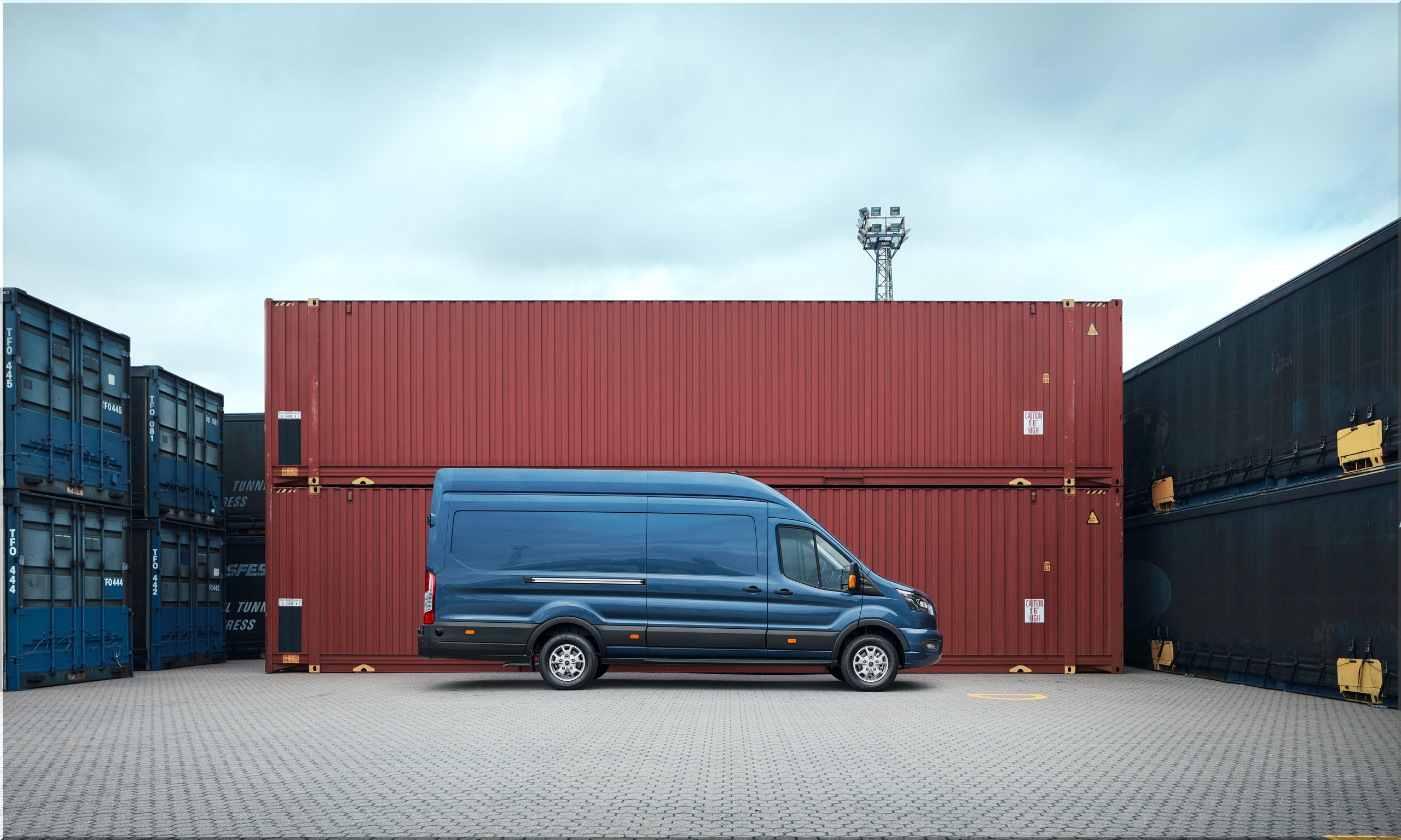
| Ford Transit | Up to 5,000 | Diesel, PHEV, Electric | 1965 | 402 km |
| Ford Transit Custom | Up to 1,500 | Diesel, PHEV, Electric | 2012 | 337 km |
| Ford Transit Connect | Up to 1,000 | Diesel, PHEV, Petrol | 2002 | TBD |
| Ford Transit Courier | Up to 845 | Petrol, Diesel, Electric | 2014 | TBD |
Ford segments the Transit lineup to suit all fleet needs—urban deliveries, regional distribution, and heavy-duty hauling.
Competitive Edge: Why Transit Still Leads
Ford isn’t the only player in commercial vans, but the Transit still outsells rivals for a few reasons:
- Multiple drivetrains (FWD, RWD, AWD)
- Compatible with upfitters across all weight classes
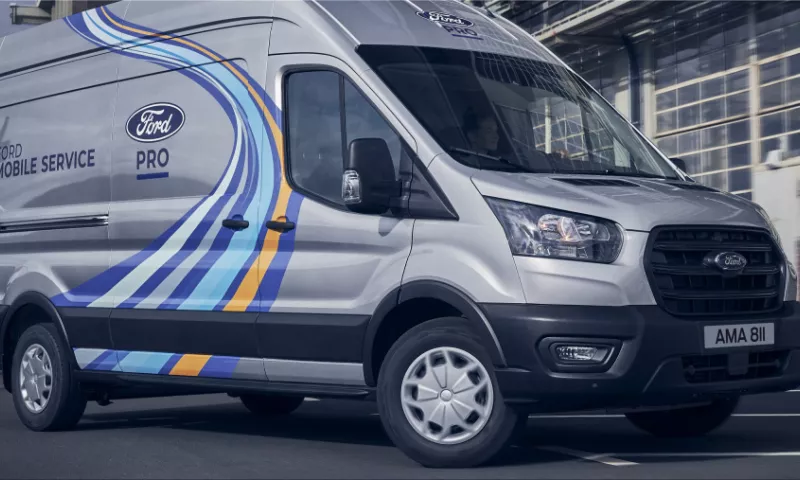
- Ford Pro platform enables uptime management, service scheduling, and live diagnostics
- Transit remains cost-effective per payload ton over its life cycle
Instead of reinventing the wheel, Ford optimized it—year after year.
Safety as a Business Asset
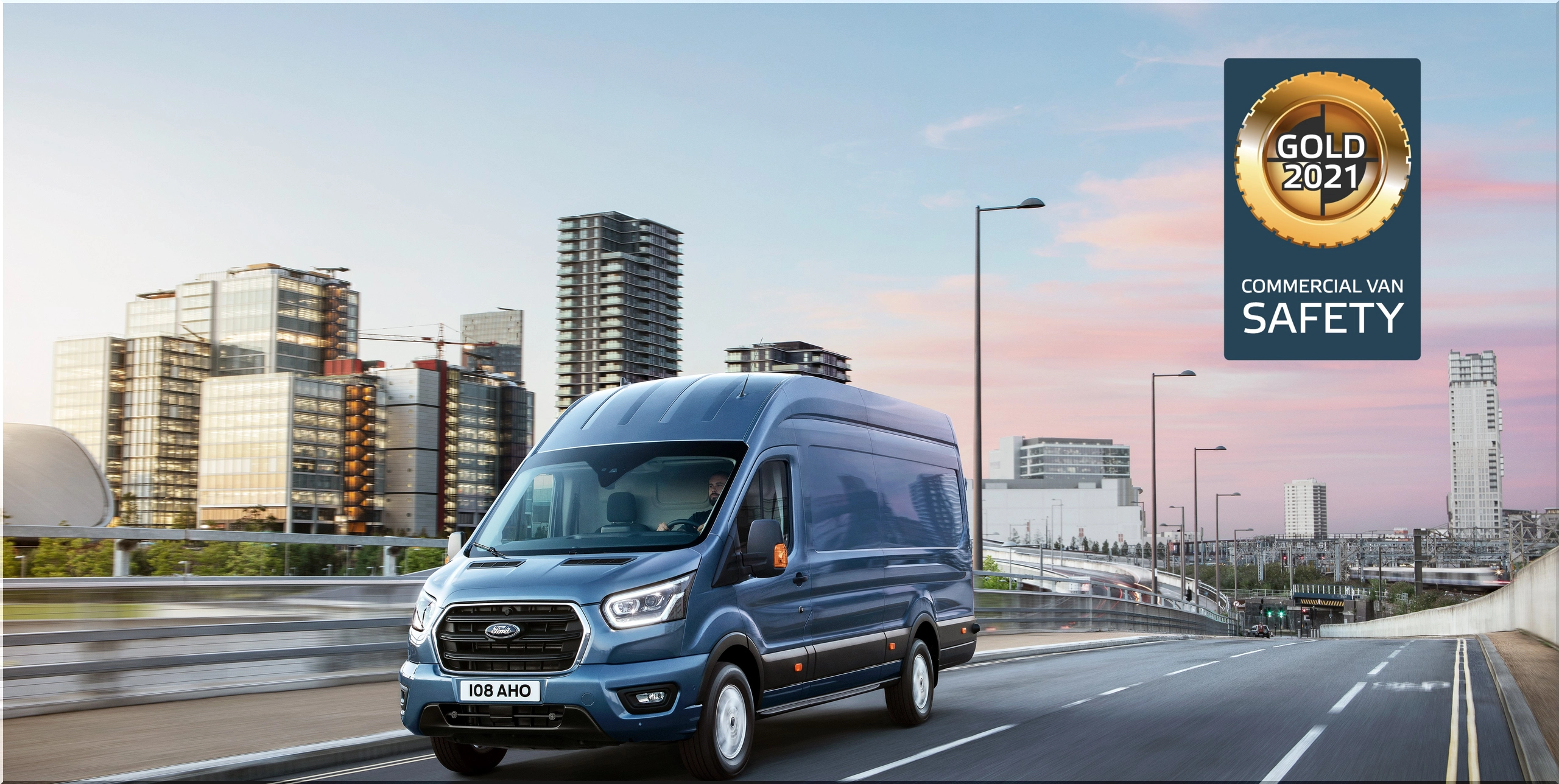
Transit’s safety credentials are proven:
- Euro NCAP Platinum ratings for every current model
- ADAS features: Lane Keeping, Collision Assist, Adaptive Cruise
- Integrated Ford Pro Telematics to track driver behavior and reduce incidents
In logistics and passenger transport, fewer accidents mean lower insurance premiums and less downtime. Transit’s safety suite contributes to lower total cost of ownership.
Ford Pro: The Operating System for Fleets
Ford Pro isn’t just software. It’s a full ecosystem that supports commercial buyers. Features include:
- Real-time vehicle health monitoring
- Predictive maintenance alerts
- Usage analytics for fleet managers
- Integration with third-party fleet systems
For businesses managing 5 or 500 vans, Ford Pro transforms Transit into an ROI-optimized asset, not just a vehicle.




Conclusion: Still the Commercial Van to Beat
At 60 years old, the Ford Transit isn’t slowing down. It leads the commercial van segment by staying focused on what matters:
- Uptime
- Payload
- Cost of ownership
Electrification is here, and Ford’s response is pragmatic, not performative. Transit EVs are designed around existing use cases, not experimental ones.
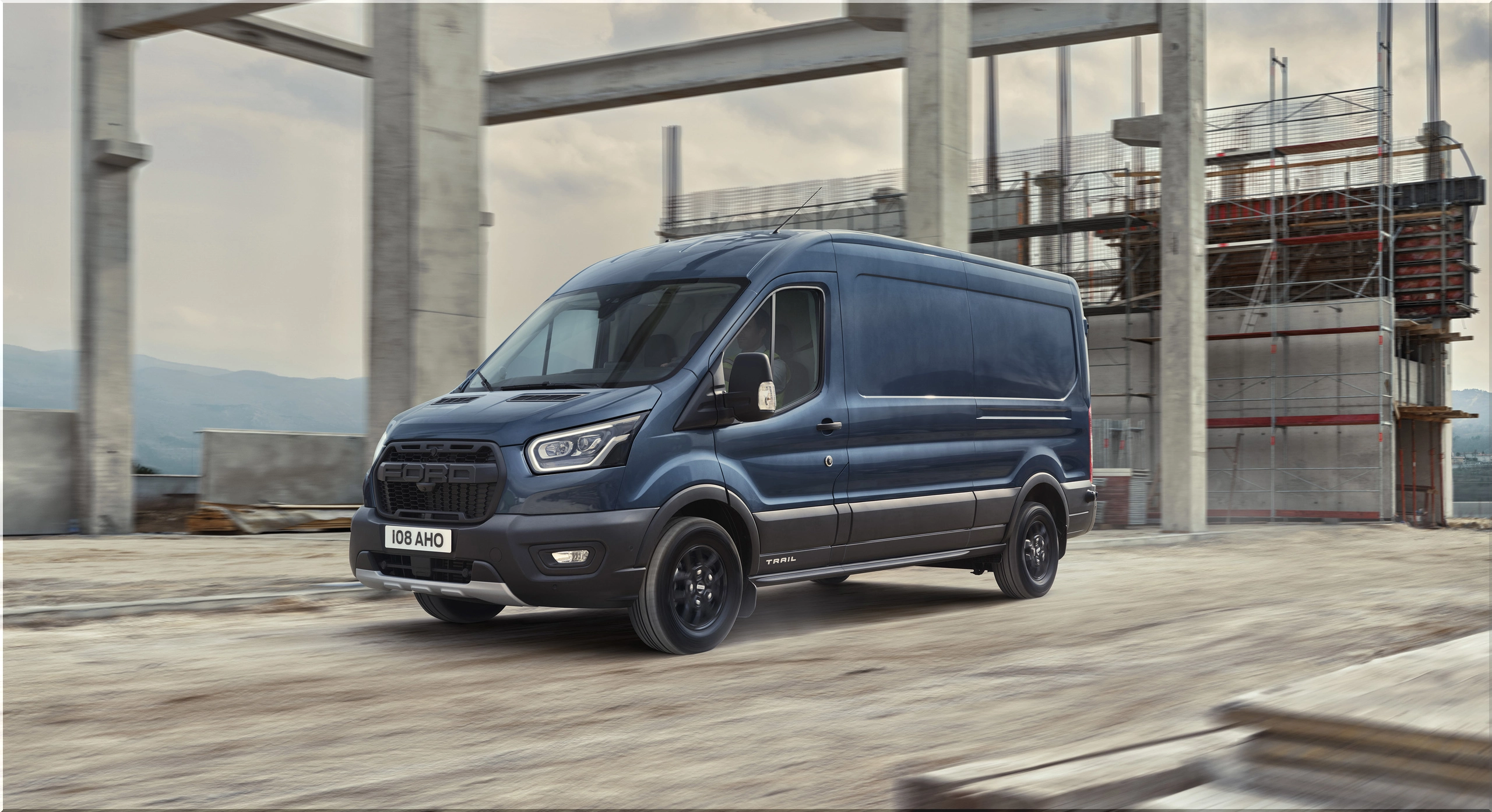
Whether it’s construction, food delivery, mobile service, or passenger transit, the Transit platform scales. It adapts. And in 2025, it continues to dominate—because it gets the job done.
- Add new comment
- 184 views