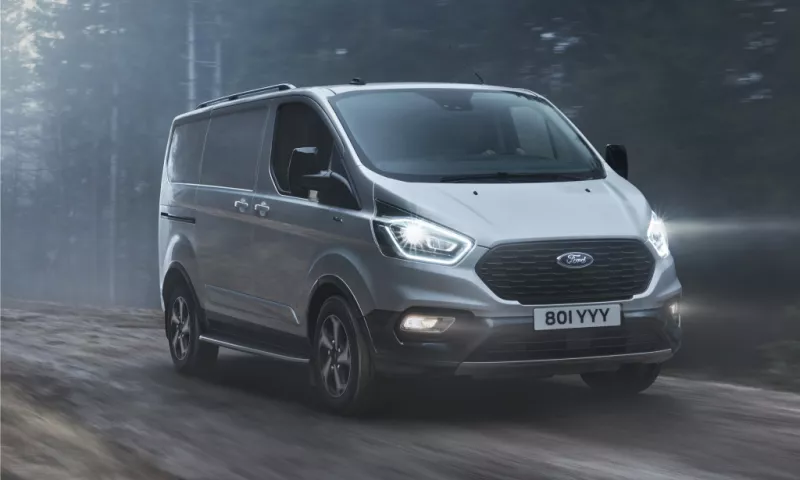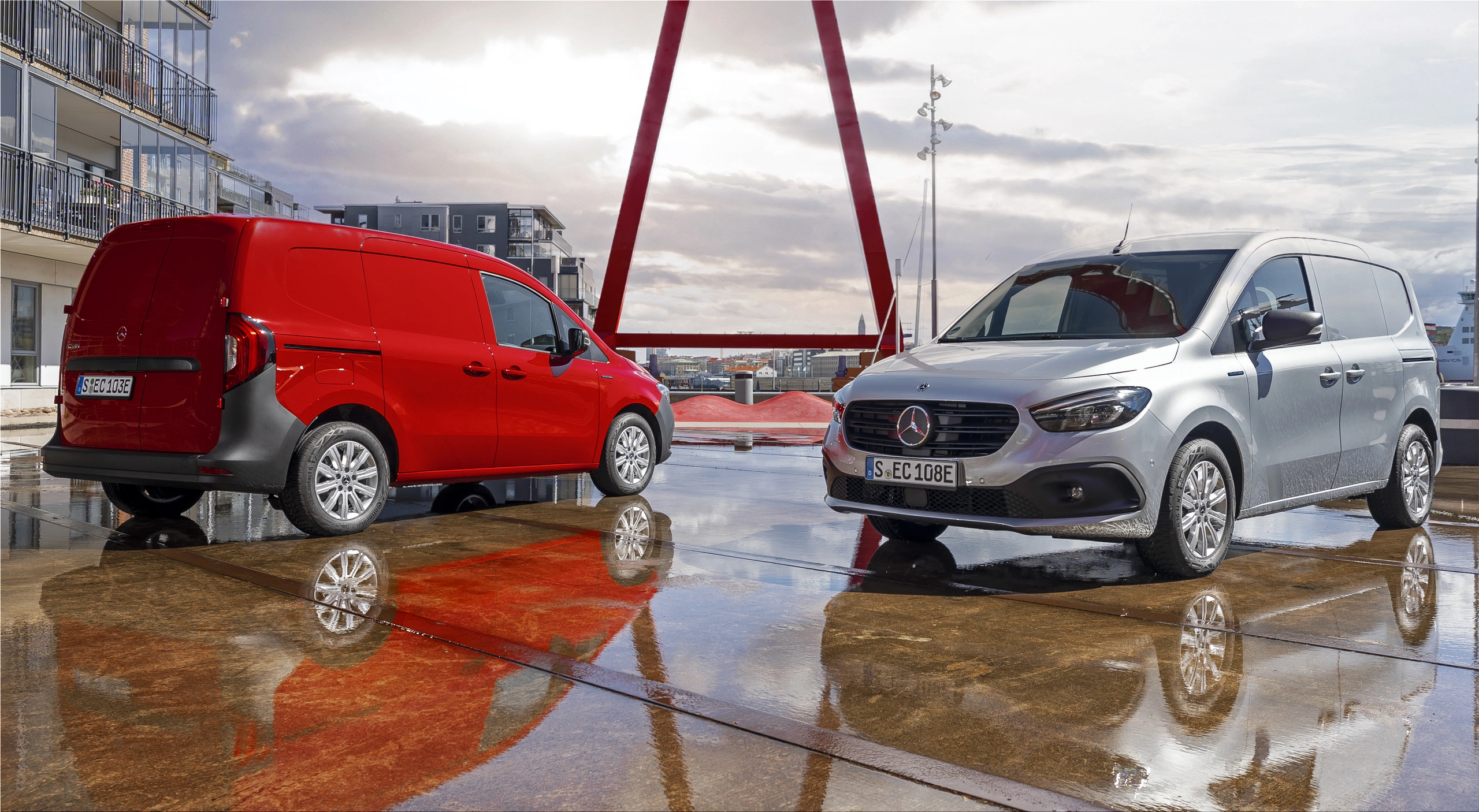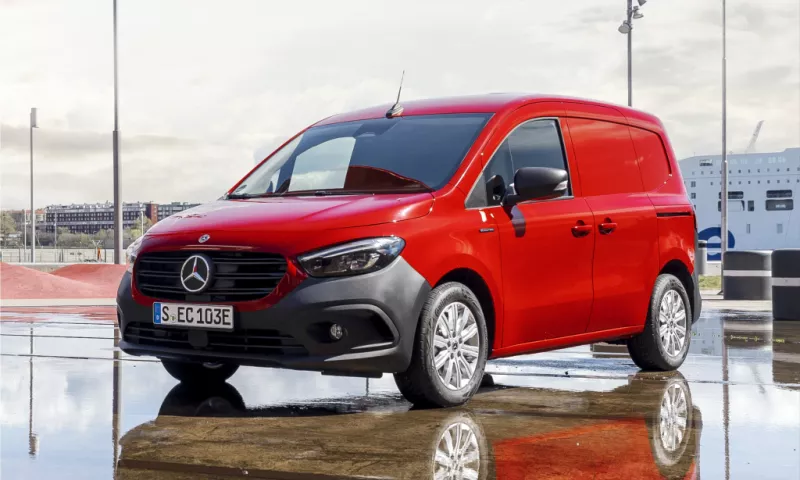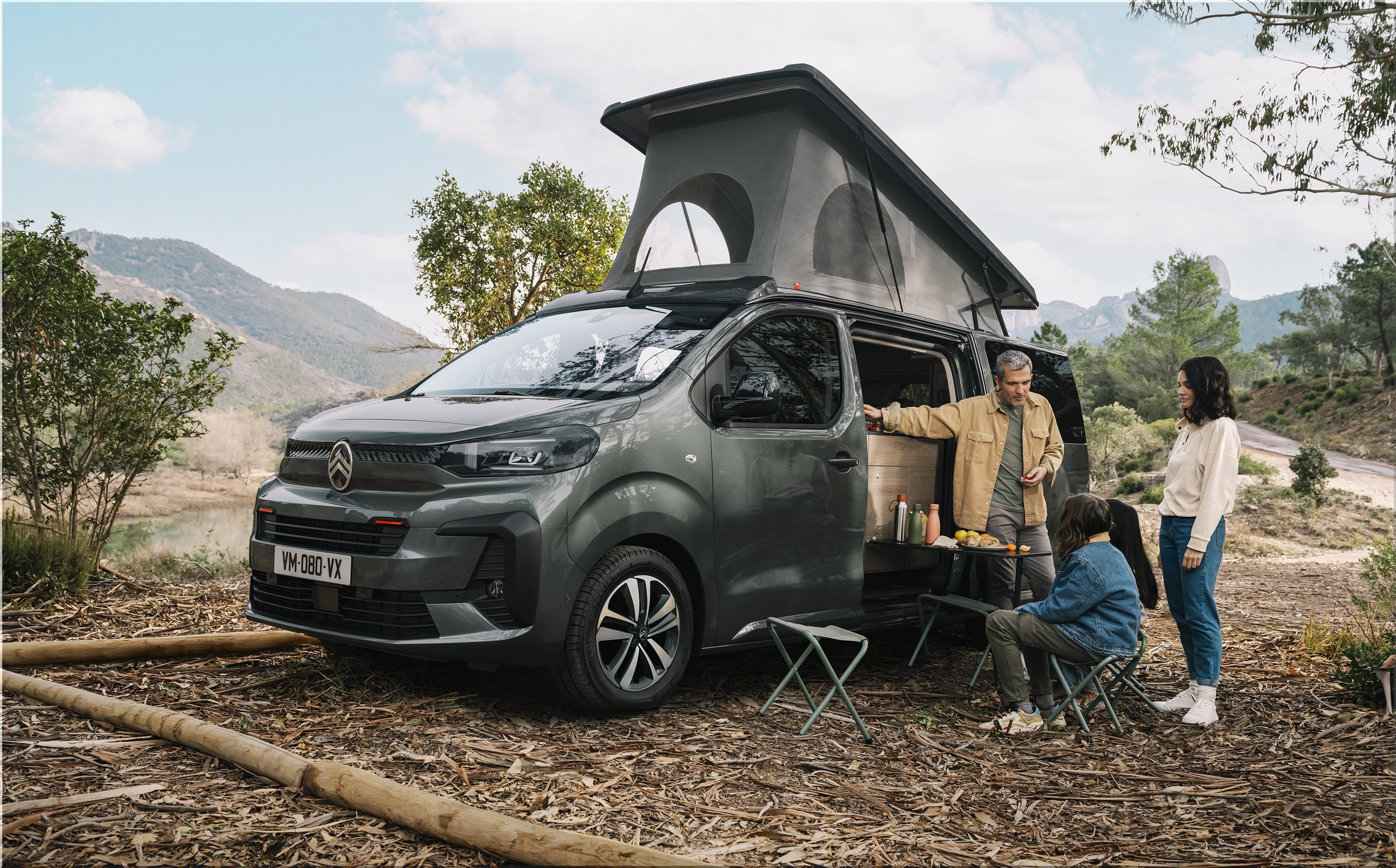
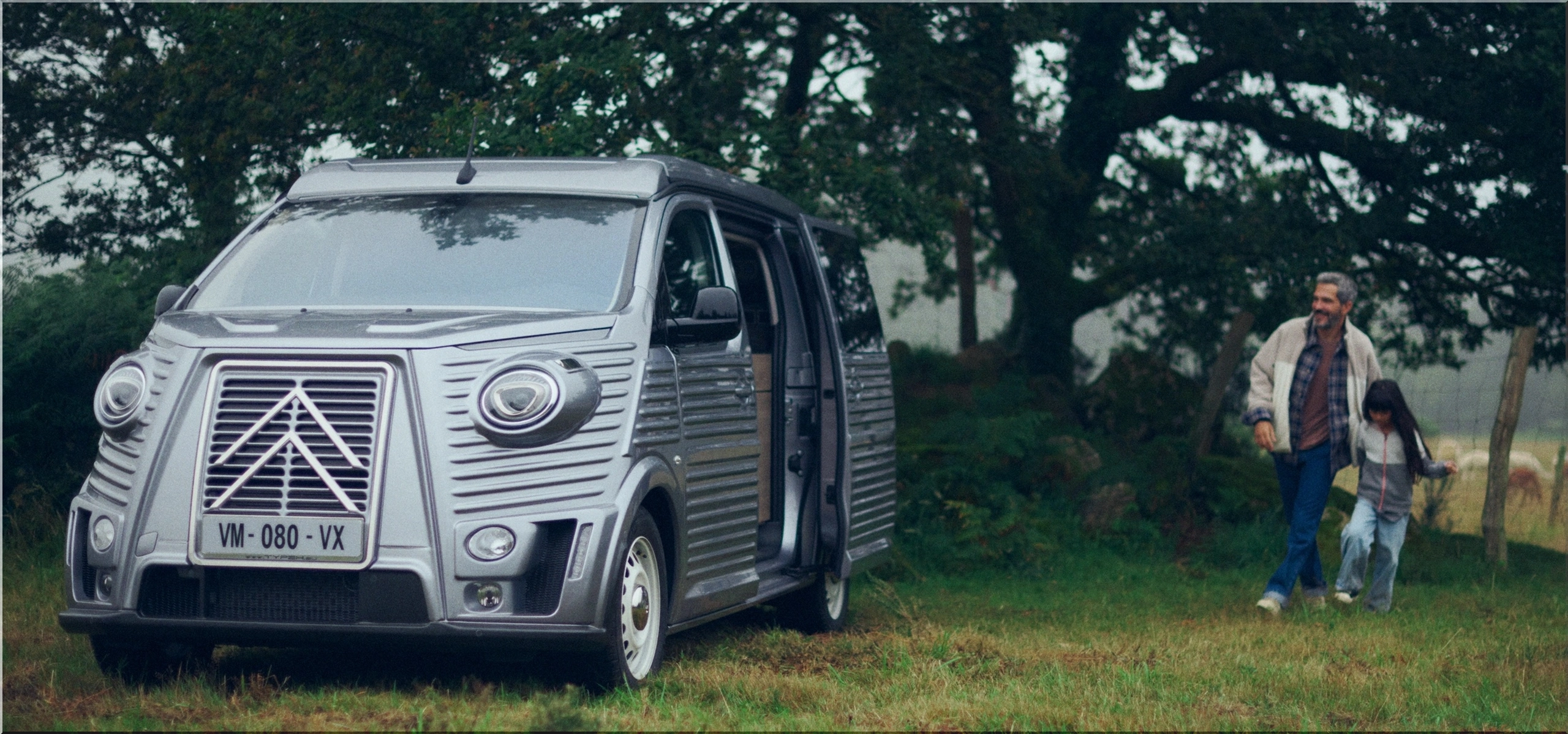
Living in a van is a lifestyle choice that has become increasingly popular in recent years. Many people are drawn to the idea of traveling the world, living simply, and saving money by converting a vehicle into a mobile home. However, van life is not as glamorous as it may seem on social media. It also comes with its own set of challenges and drawbacks that require adaptation and resilience. In this article, we will explore some of the pros and cons of van life and what you need to consider before committing to this alternative way of living.
The Benefits of Van Life
One of the main reasons why people choose to live in a van is the freedom and flexibility it offers. You can go wherever you want, whenever you want, without being tied down by a lease, a mortgage, or a fixed schedule. You can explore new places, experience different cultures, and enjoy nature at your own pace. You can also change your plans according to your mood, the weather, or the opportunities that arise.
Another benefit of van life is the financial freedom it can provide. Living in a van can significantly reduce your living expenses, as you don't have to pay rent, utilities, or property taxes. You can also save money on food, entertainment, and transportation by cooking your own meals, finding free or cheap activities, and avoiding tolls and parking fees. Depending on your income source, you may be able to work less and live more or save more for your future goals.
A third benefit of van life is the opportunity to make new friends and have new experiences. Living in a van can expose you to a diverse and supportive community of fellow travelers who share your values and interests. You can meet people from different backgrounds, learn from their stories, and form lasting connections. You can also participate in various events and activities that are organized by the van life community, such as meetups, festivals, workshops, and volunteer projects.
The Challenges of Van Life
Despite these benefits, van life also has its downsides that you need to be aware of. Living in a van is not for everyone, and it can be hard on your physical, mental, and emotional well-being.
One of the challenges of van life is working productively and reliably. If you rely on remote work or online business to sustain your lifestyle, you need to have access to a stable internet connection and a comfortable workspace. However, finding free or affordable Wi-Fi can take time and effort in some areas. You may also have to deal with distractions, noise, or lack of privacy while working in public places such as cafes or libraries.
Another challenge of van life is finding free or legal places to park and sleep. Depending on where you are traveling, you may have to deal with strict regulations, limited options, or safety issues when it comes to overnight parking. You may have to research the local laws, scout for suitable spots, or move frequently to avoid fines or harassment. You may also have to compromise on comfort, convenience, or security when sleeping in your van.
A third challenge of van life is maintaining your hygiene and health. Living in a small space with limited resources can make keeping yourself and your environment clean and sanitary is hard. You may have to look for public facilities such as showers, toilets, or laundromats to address your personal needs. You may also have to deal with pests, mold, or odors in your van. Furthermore, living in a van can expose you to extreme temperatures, poor air quality, or physical injuries that can affect your health.
Is Van Life for You?
Van life is not a one-size-fits-all solution for everyone who wants to escape the rat race or pursue their dreams. It is a lifestyle that requires a lot of planning, preparation, and adaptation. It also involves trade-offs between freedom and stability, simplicity and comfort, adventure and routine.
Before you embark on van life, you must consider your personality, preferences, goals, and expectations. It would be best to weigh the pros and cons of living in a van versus a conventional home. You must assess your financial situation, income source, skills, and equipment. Researching the legalities, logistics, and costs of converting and maintaining a van would be best.
Van life can be an amazing and rewarding experience for some people who are willing to embrace its challenges and opportunities. It can also be a stressful and frustrating ordeal for others who are not suited to its demands and limitations. Ultimately, only you can determine if van life is for you.
How do I choose the right van for me?
Choosing the right van for you depends on several factors, such as your budget, preferences, needs, and goals. There is no one-size-fits-all answer, but some general guidelines can help you narrow down your options and make an informed decision.
First, you need to consider the size of the van. The van's size will affect the space you have for living, sleeping, cooking, and storing your belongings. It will also affect the van's fuel efficiency, maneuverability, and maintenance costs. Generally speaking, larger vans offer more comfort and amenities, consume more gas, and are harder to park and drive. Smaller vans are more economical and agile but also more cramped and limited in features.
Some of the common sizes of vans are:
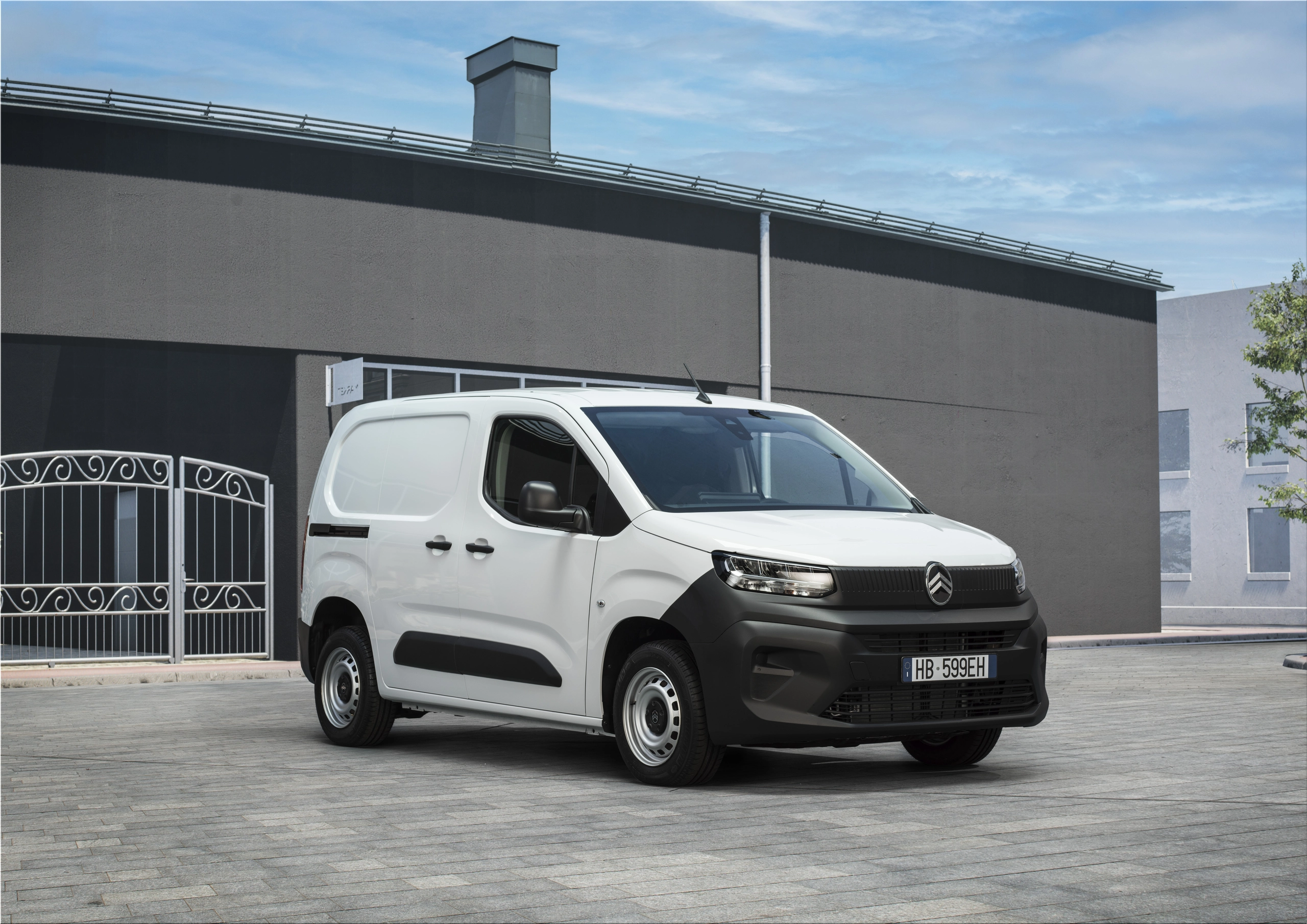
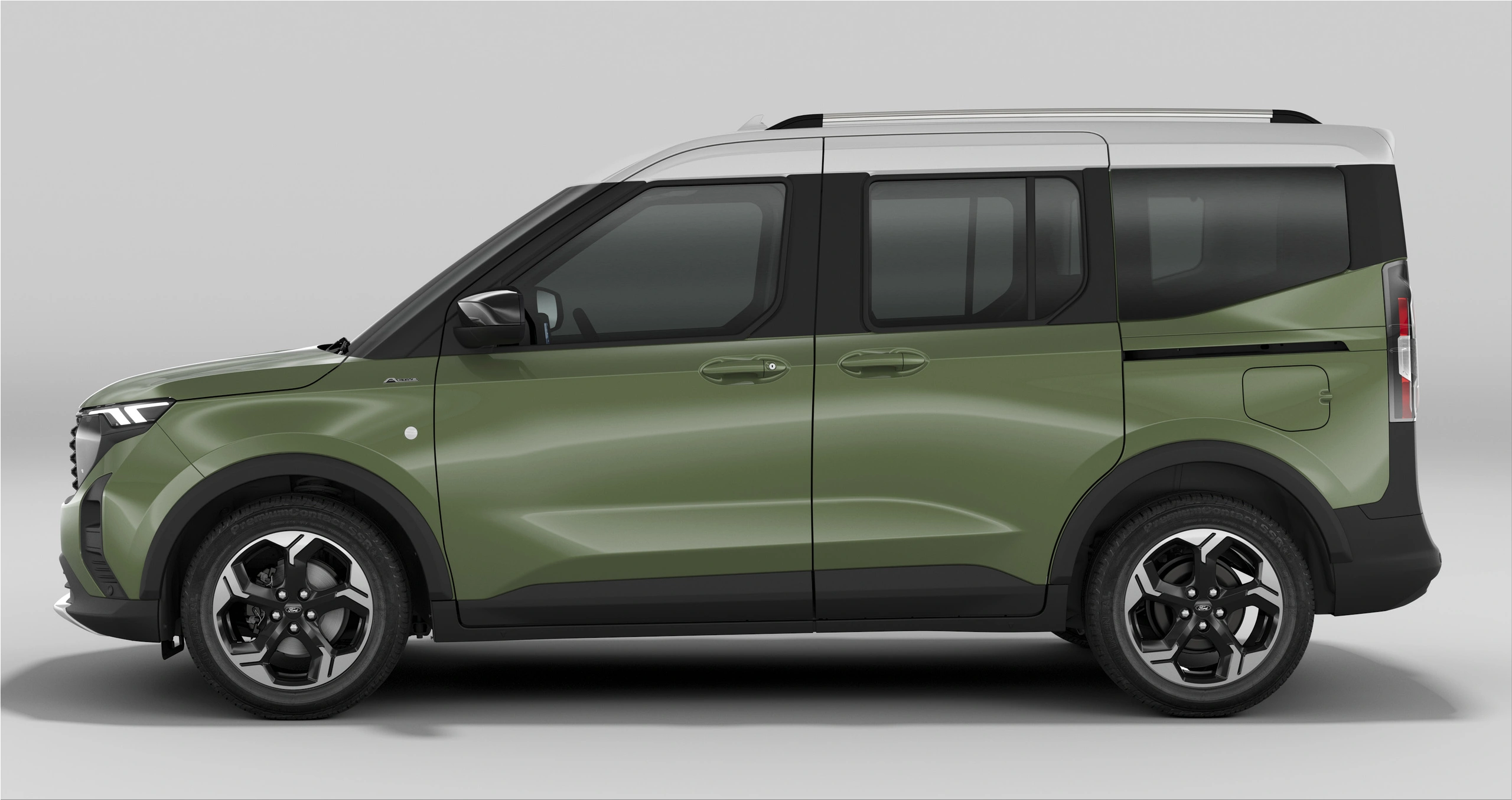
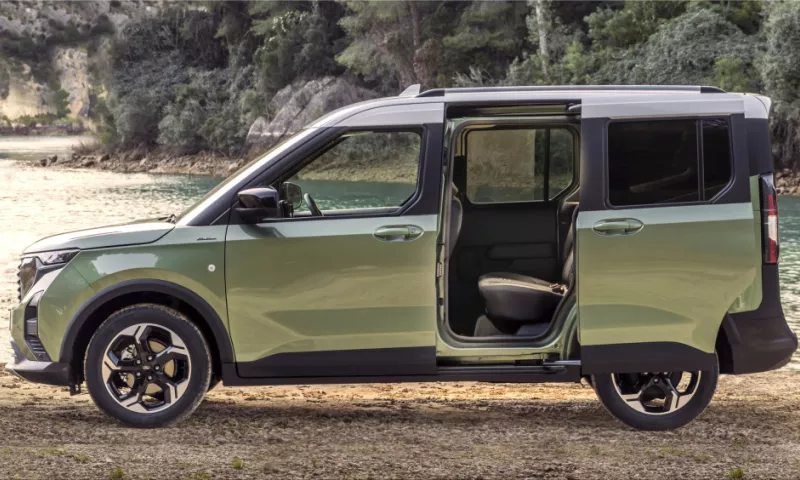
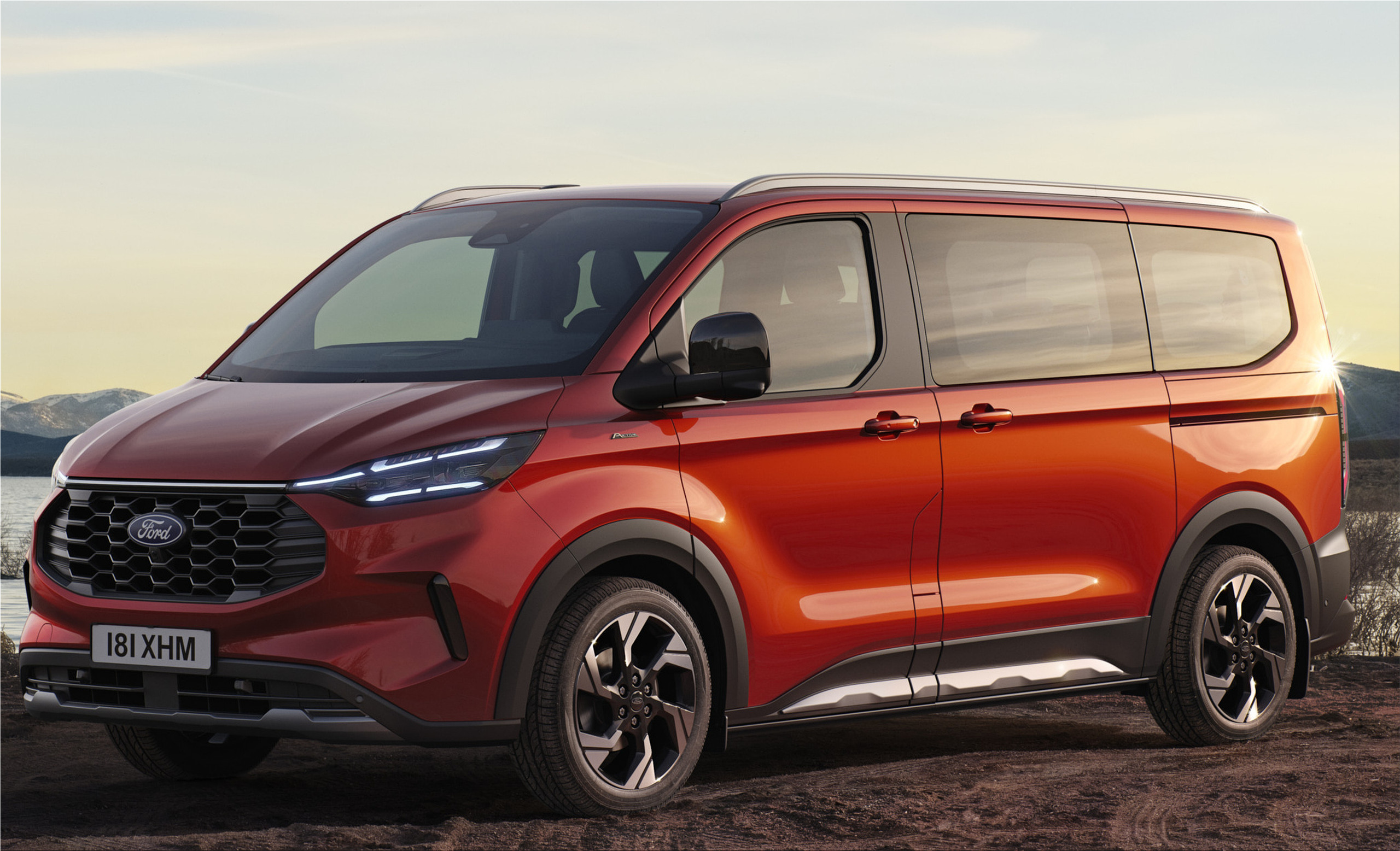
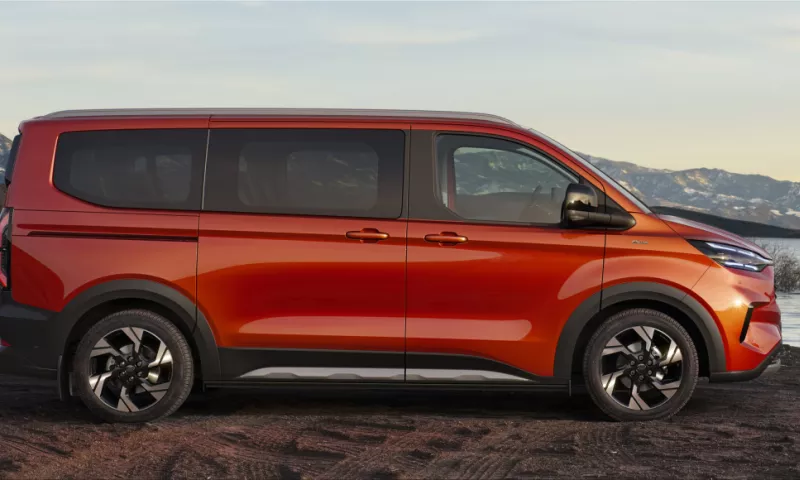
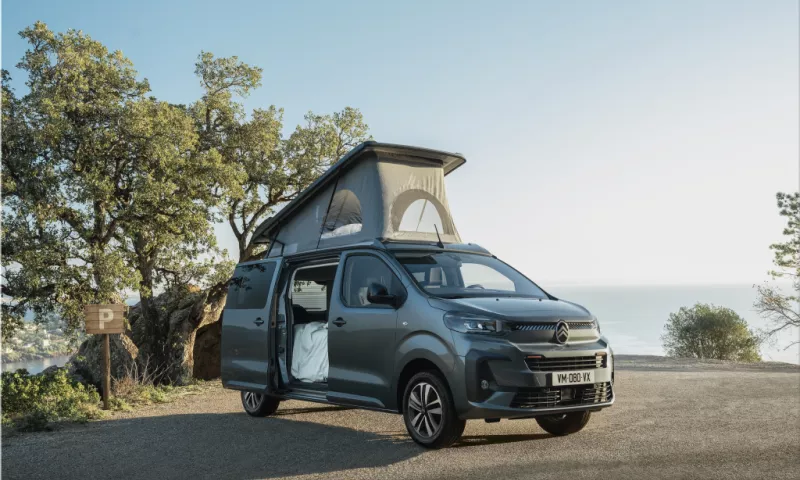
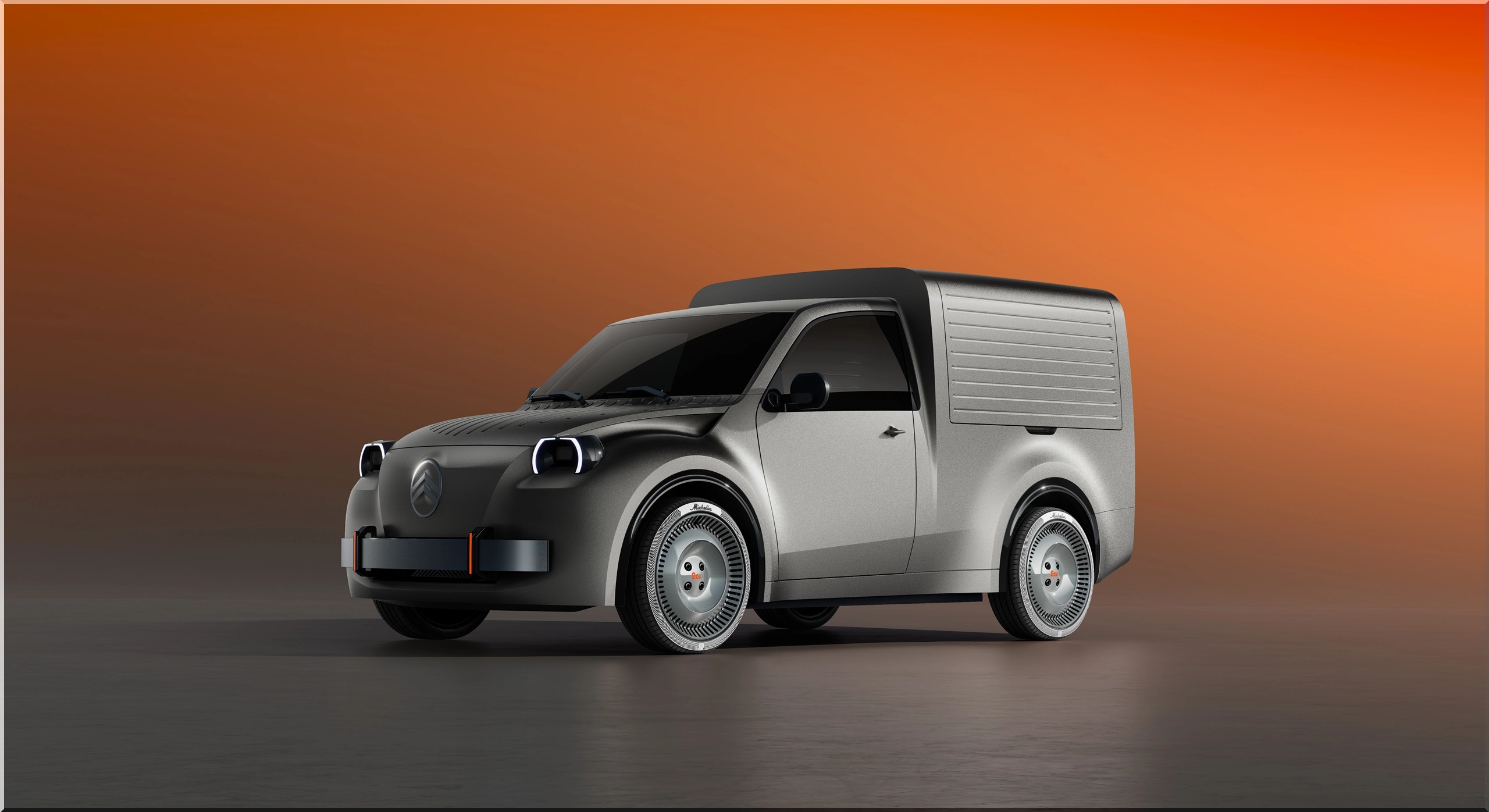
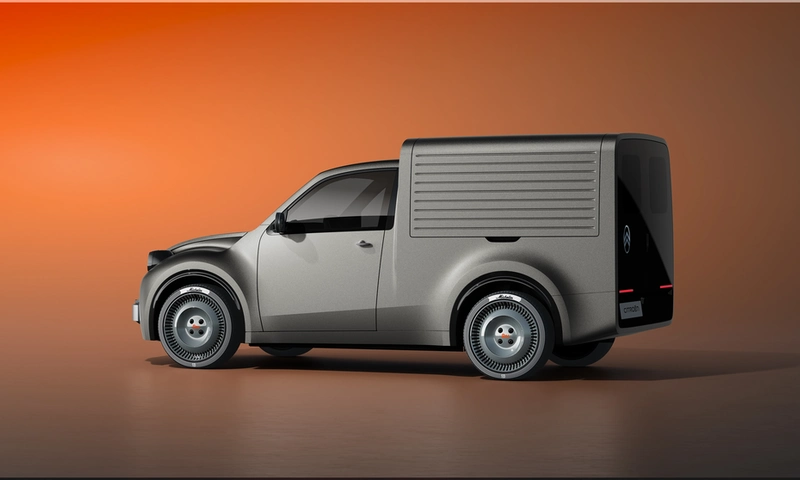
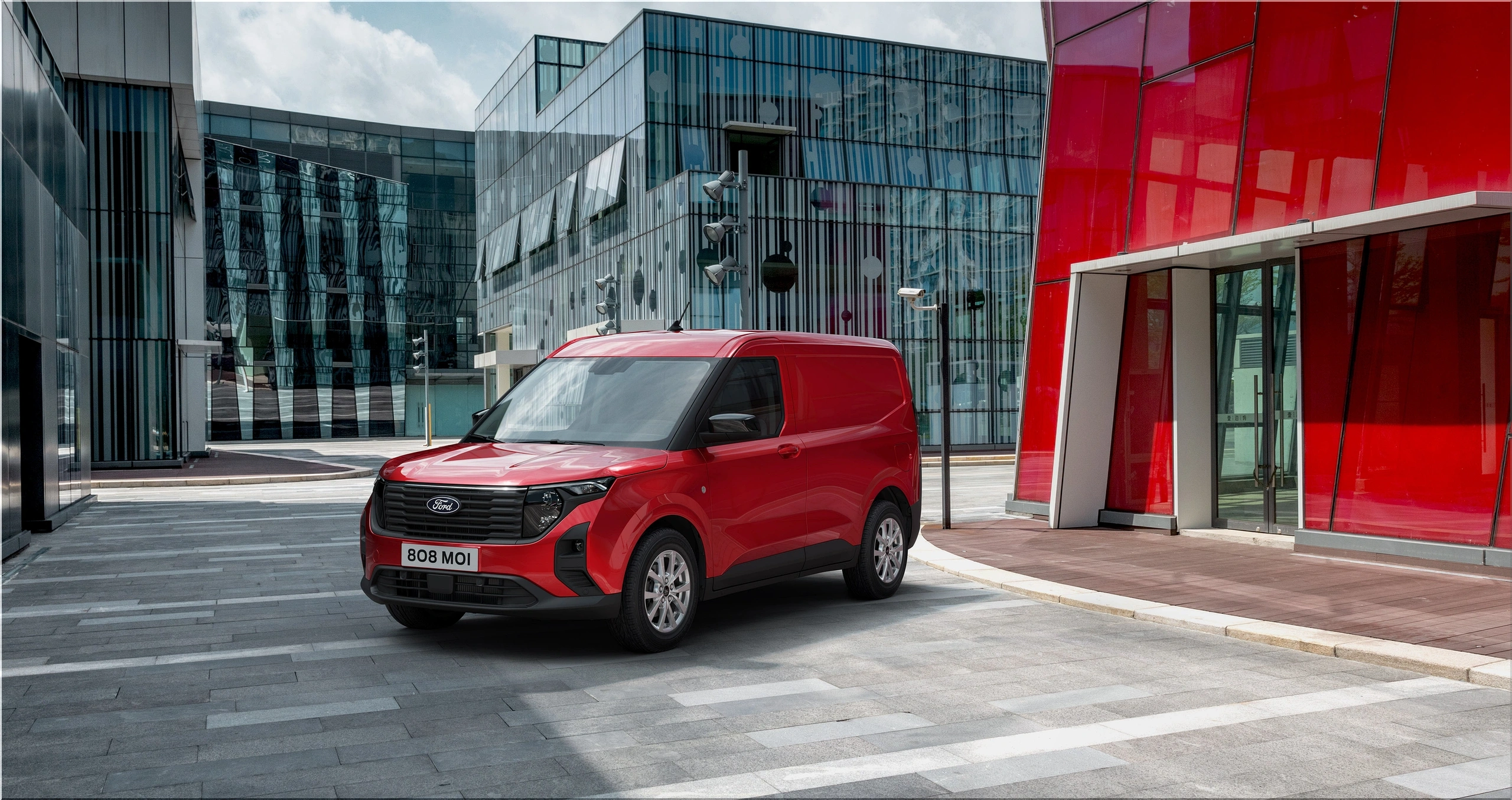
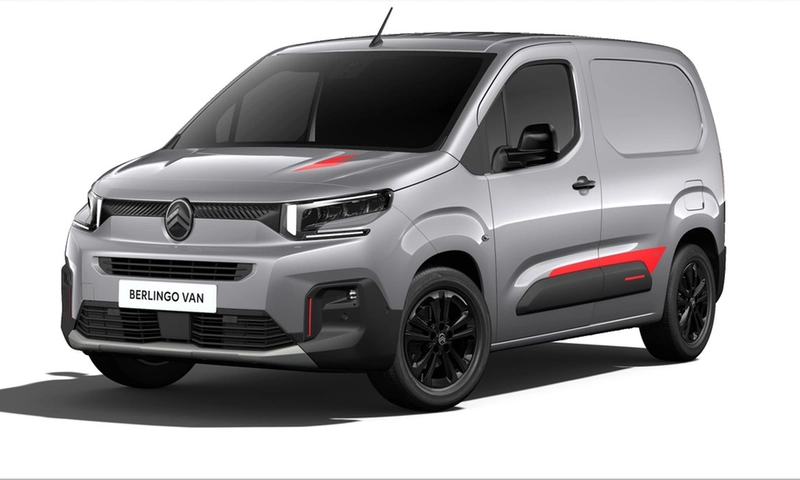
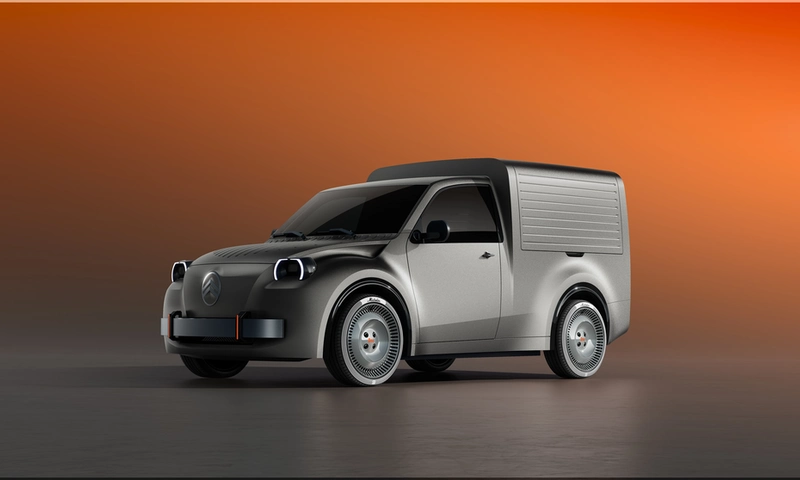
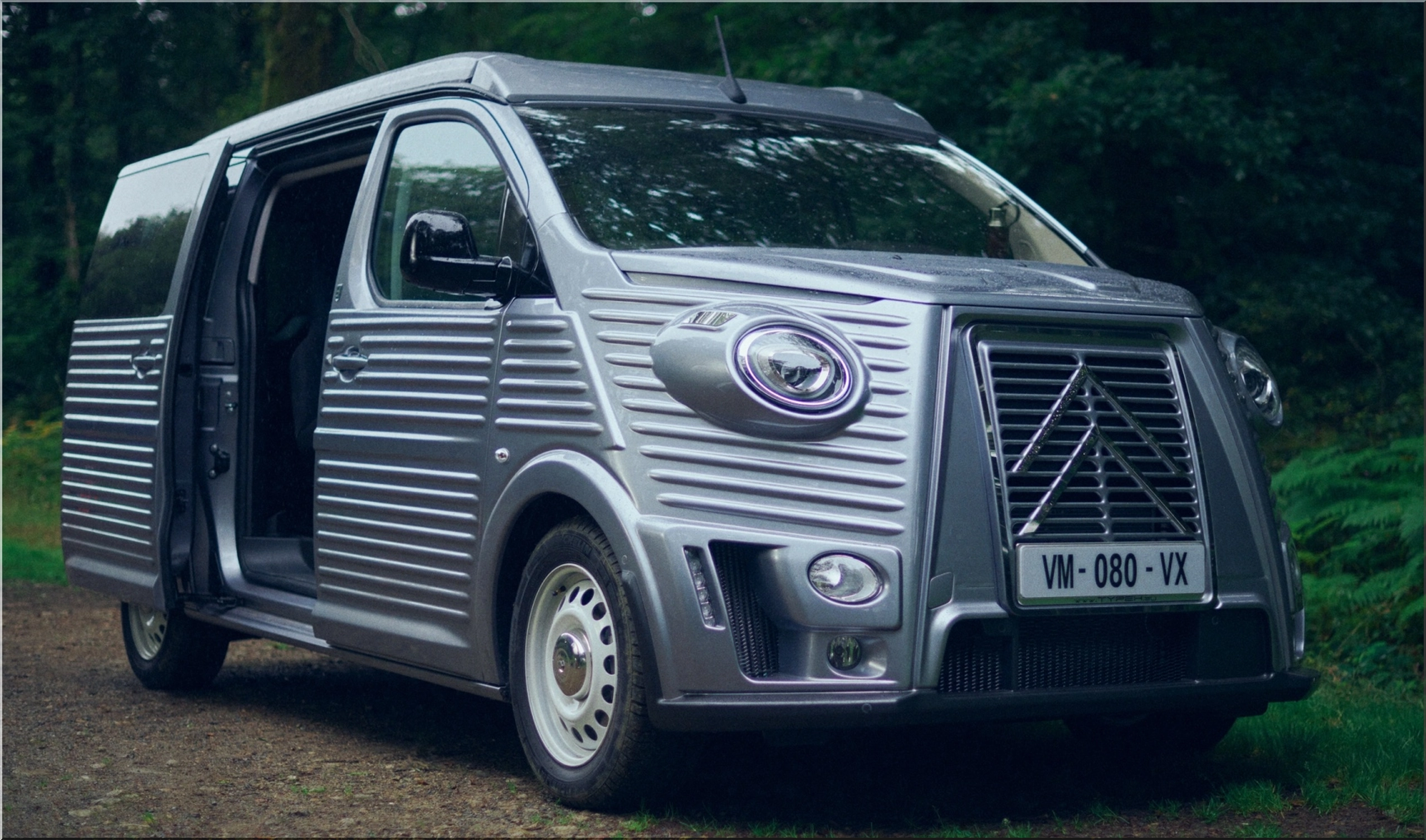
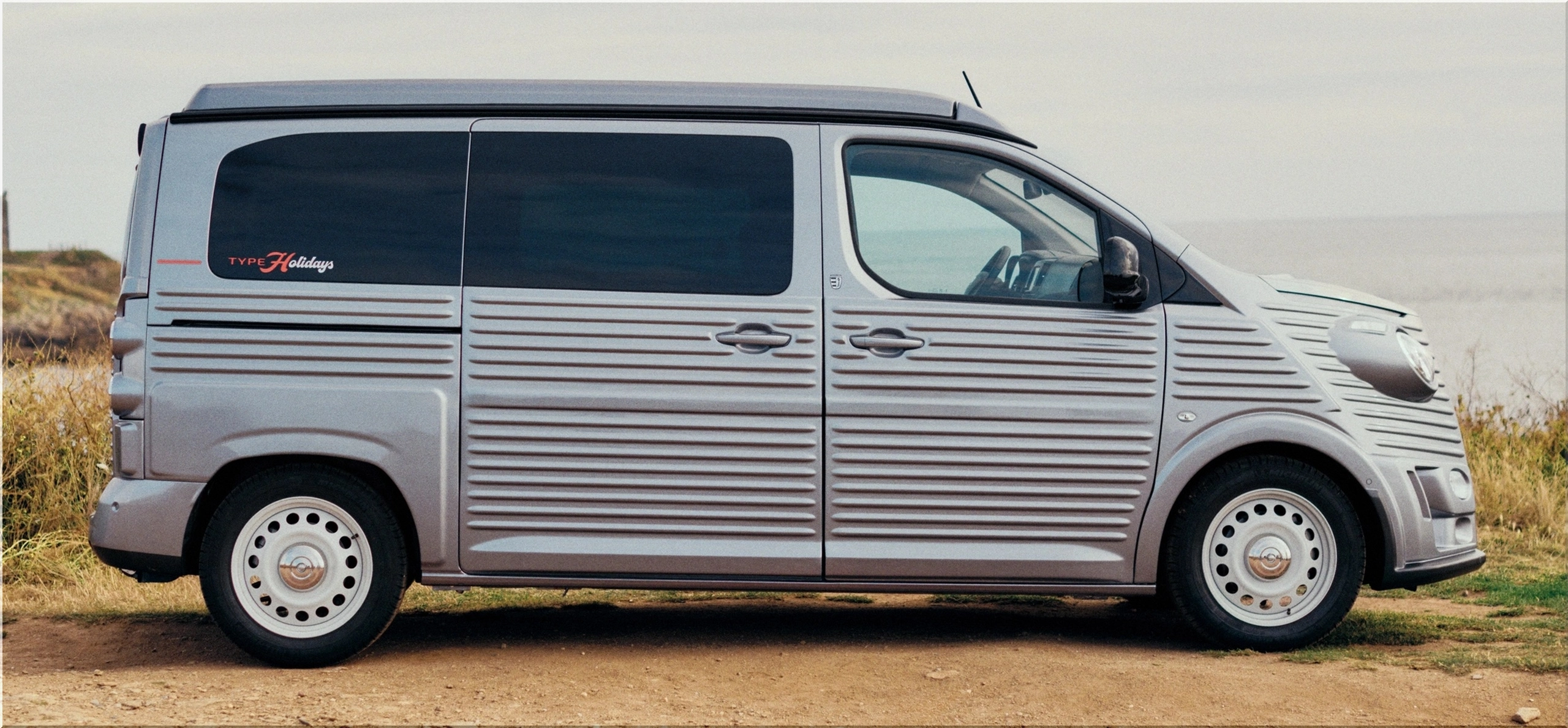
- Compact vans: These are the smallest vans that can fit in a standard parking space. They are ideal for solo travelers or couples needing little space or amenities. They are easy to drive and park and have good gas mileage. Some examples are the Ford Transit Connect, the Nissan e-NV200, the Citroen Type H Camper and the Ram ProMaster City.
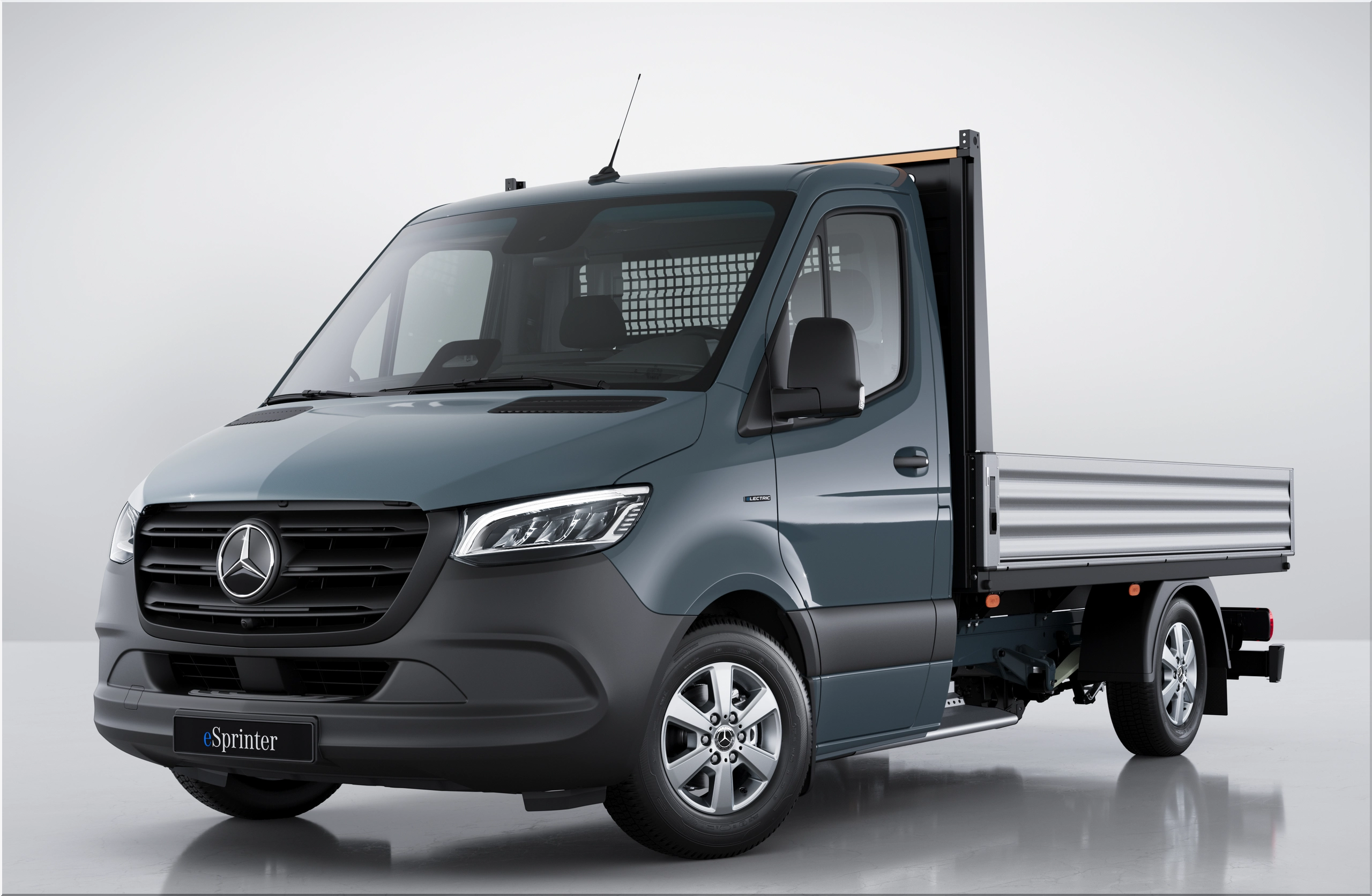
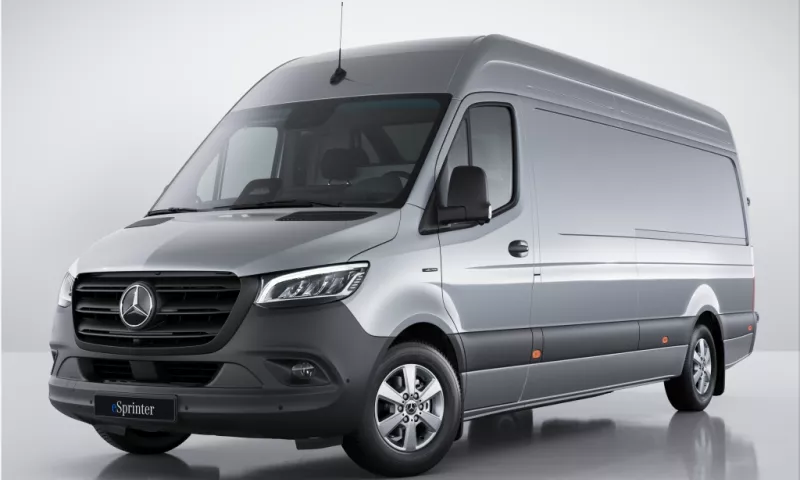
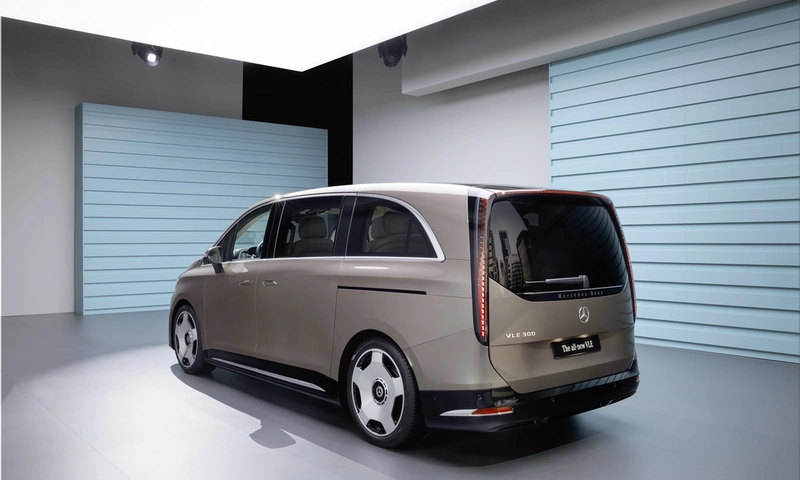
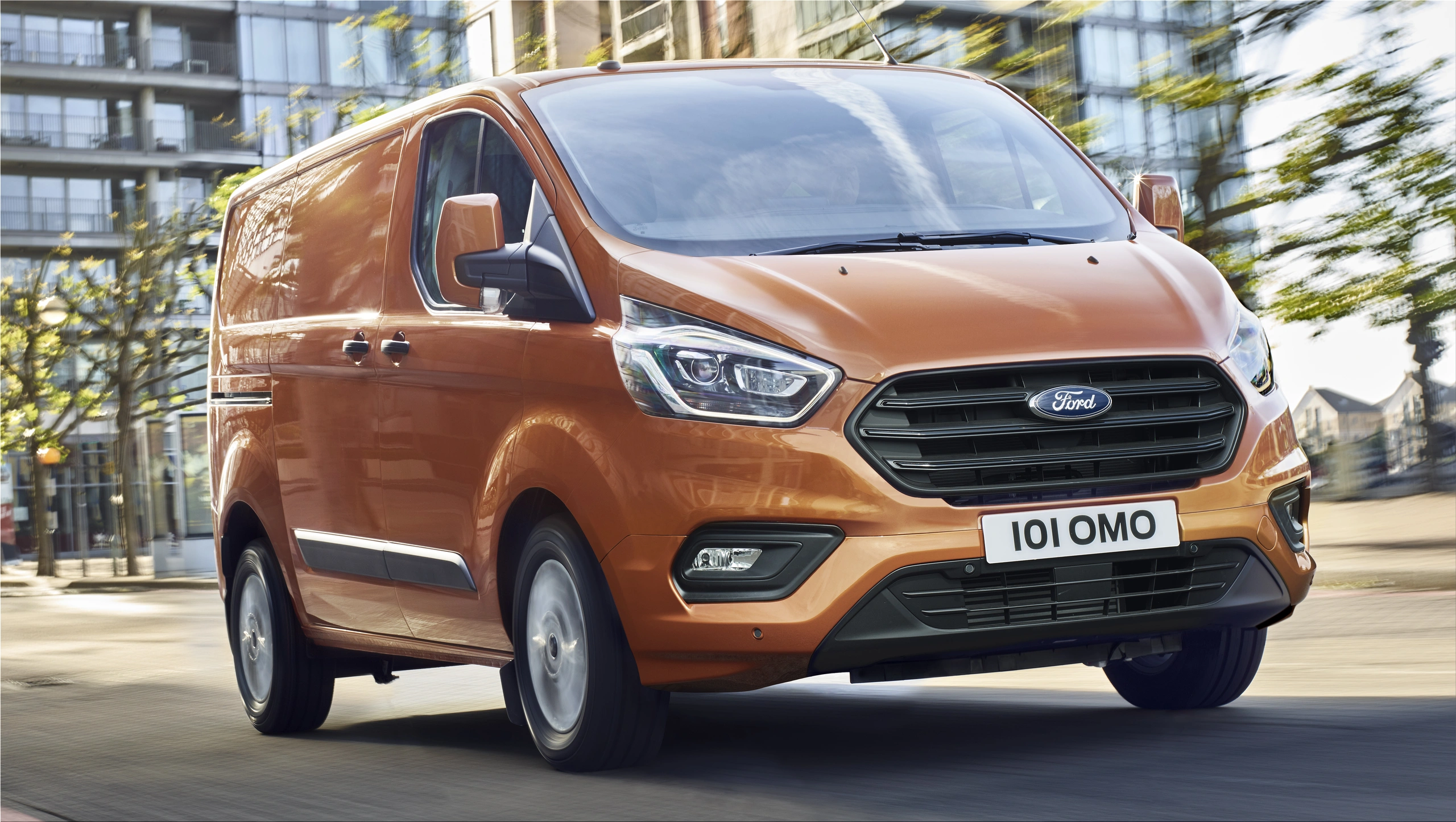
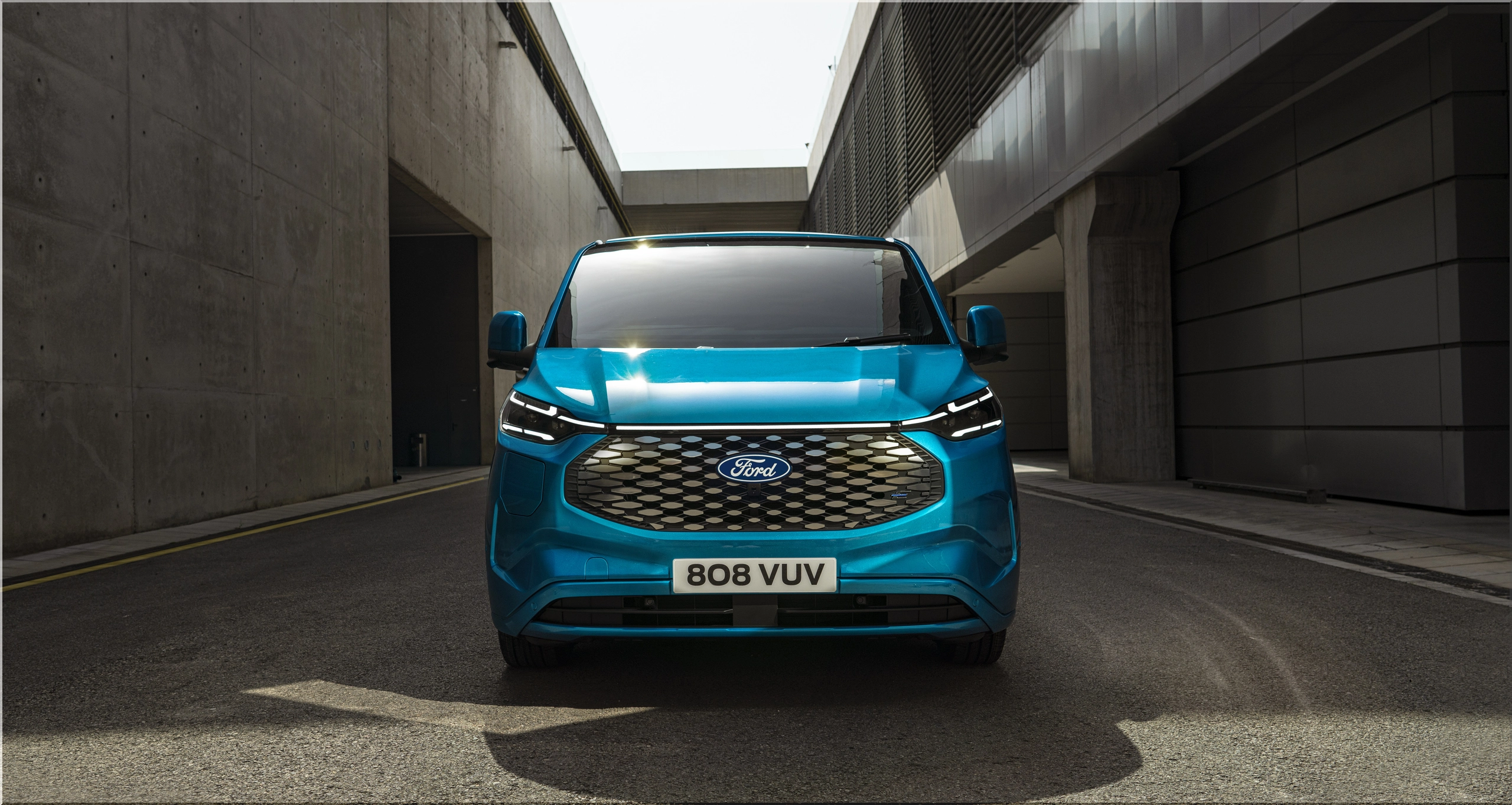
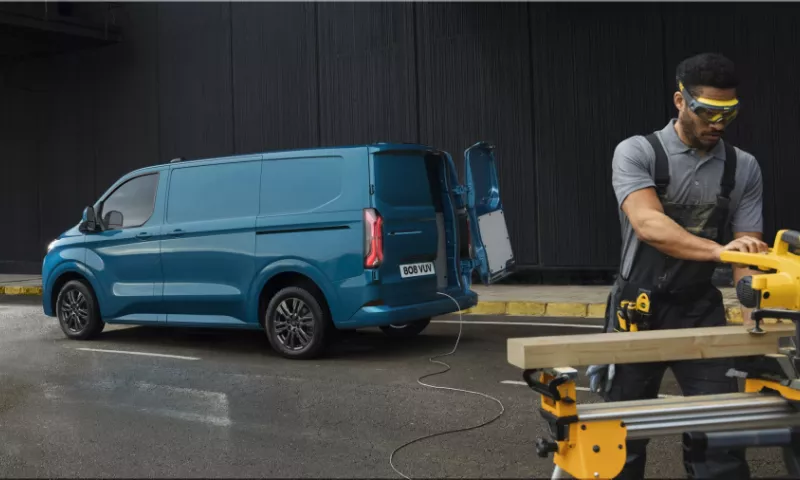
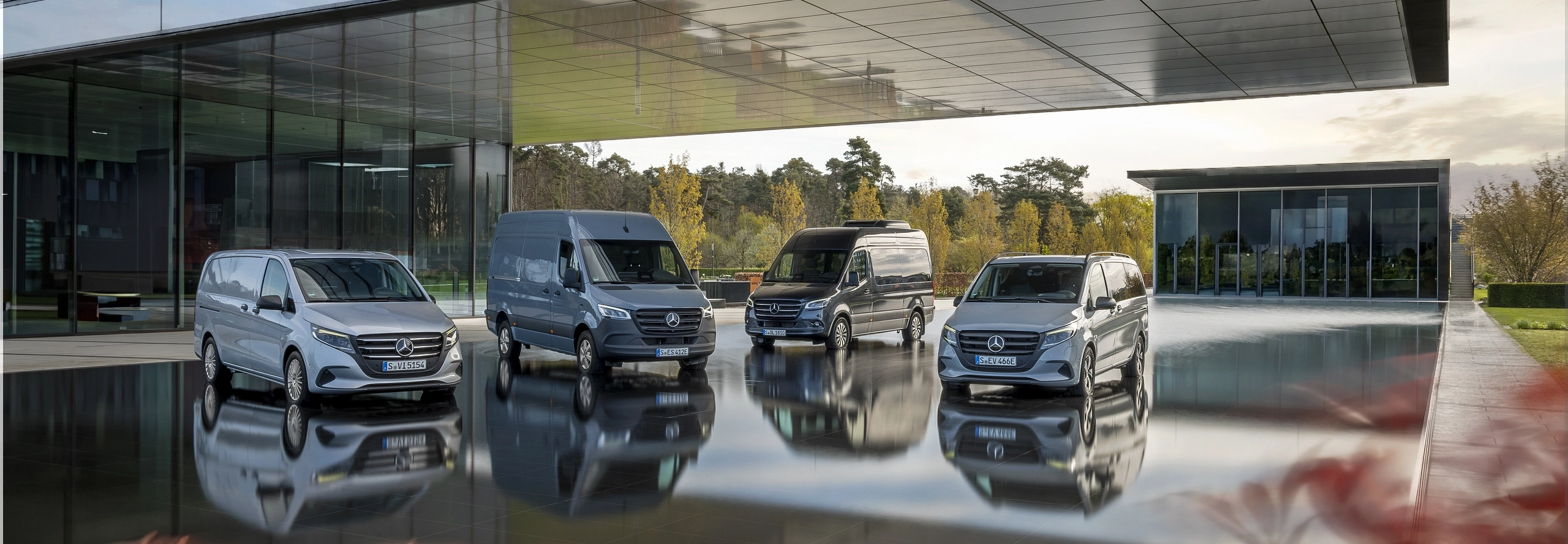
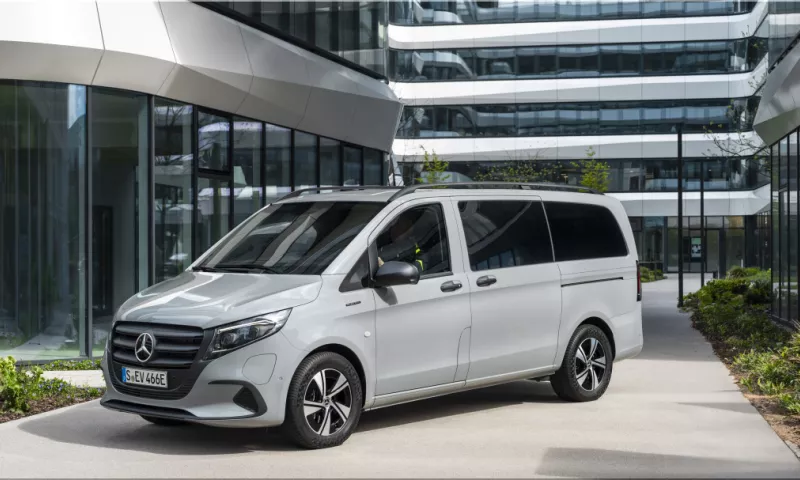
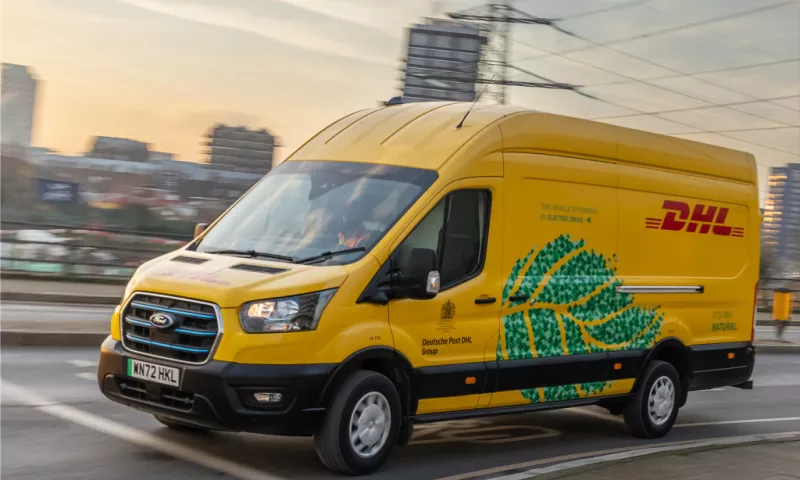
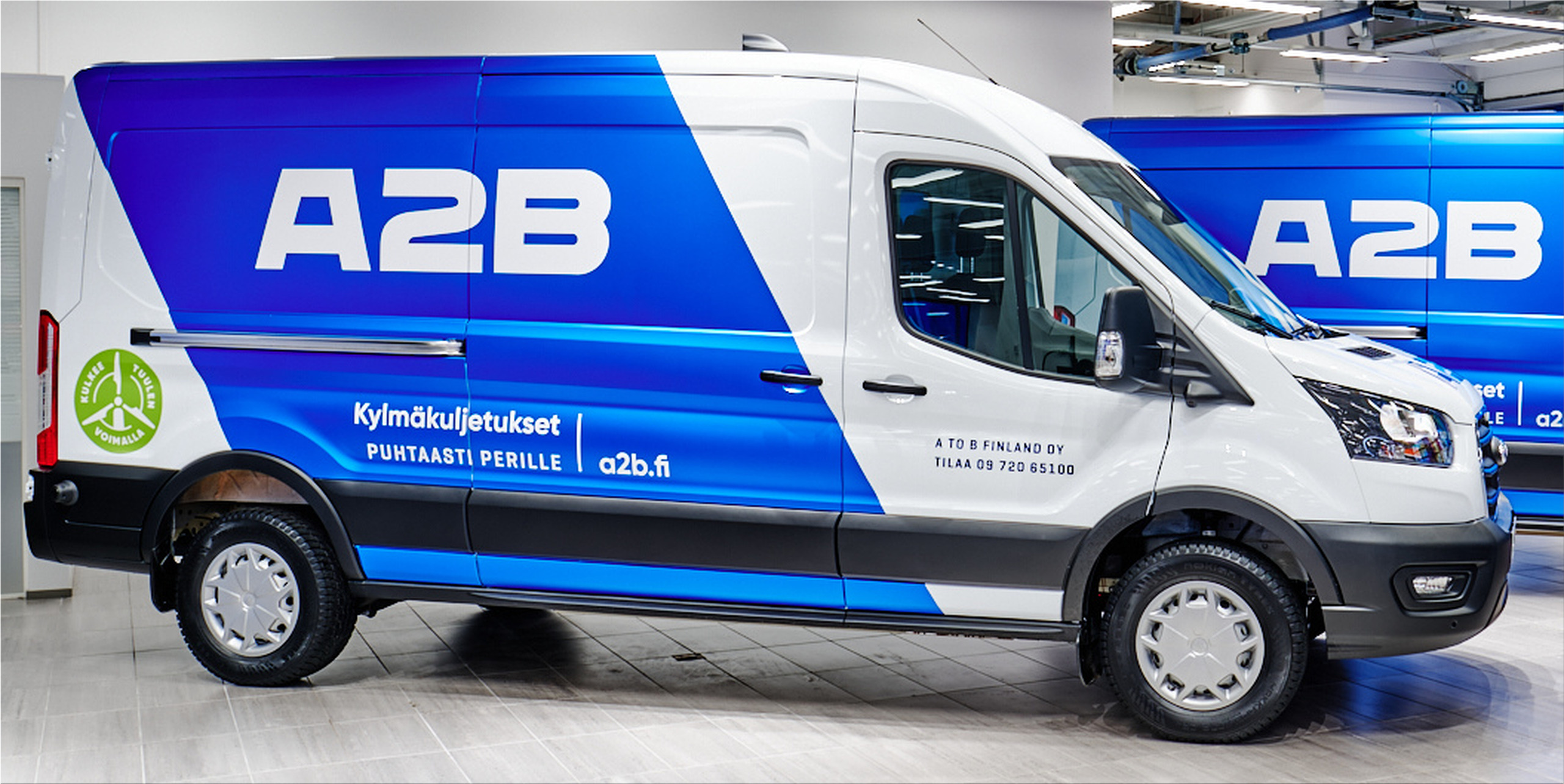
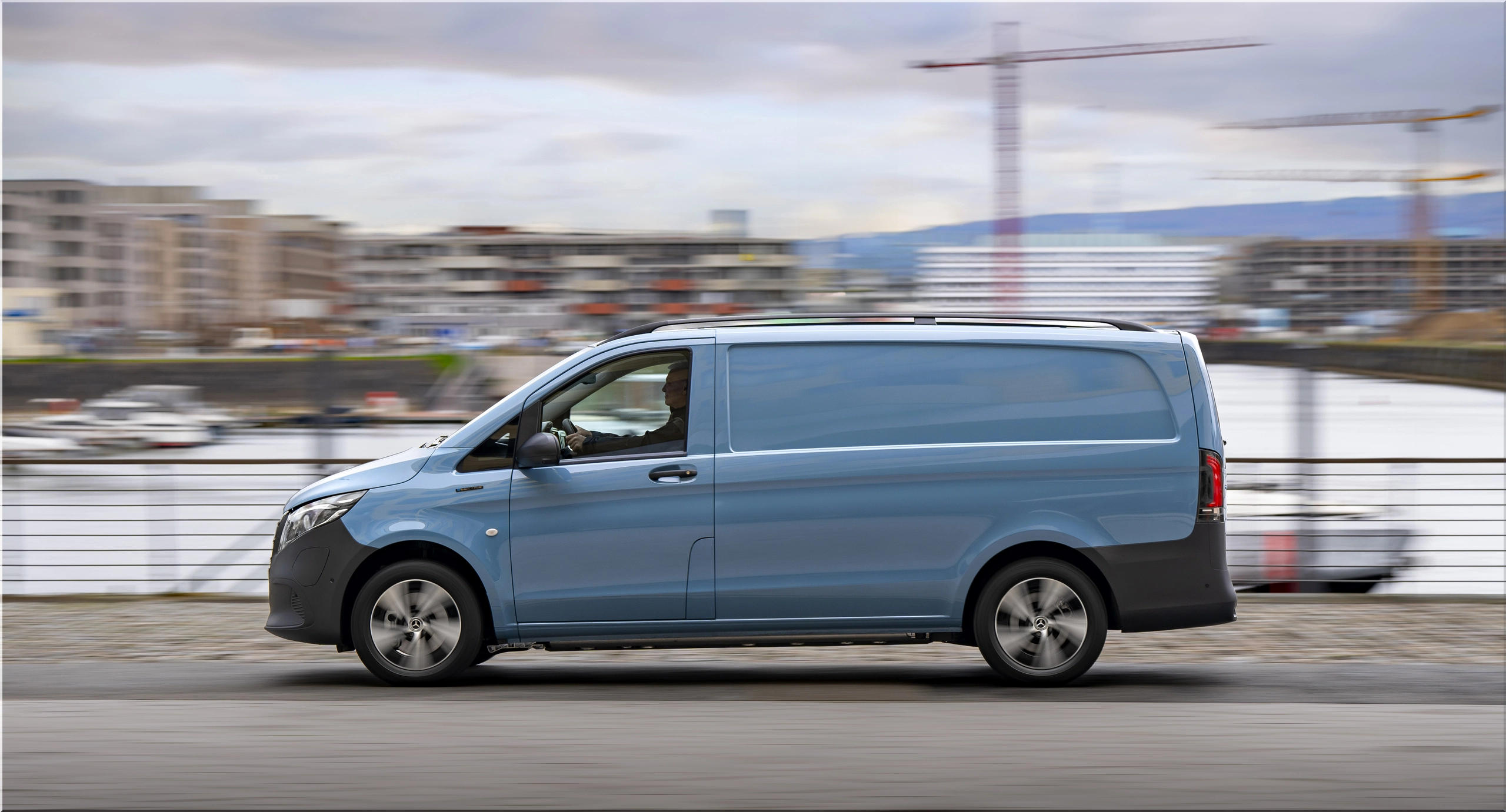
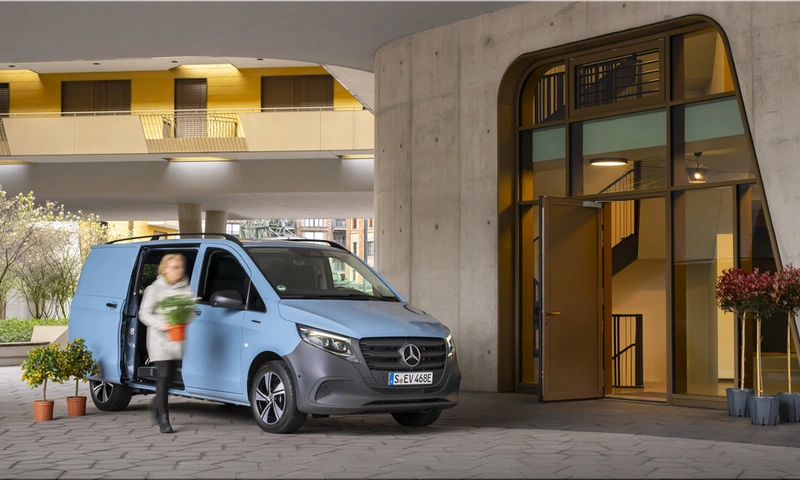
- Standard vans: These are medium-sized vans that offer more space and versatility than compact vans. They can accommodate up to four people and have enough room for a bed, a kitchenette, and some storage. They are still relatively easy to drive and park and have decent gas mileage. Some examples are the Ford Transit, the Mercedes-Benz eSprinter, and the Ram ProMaster.
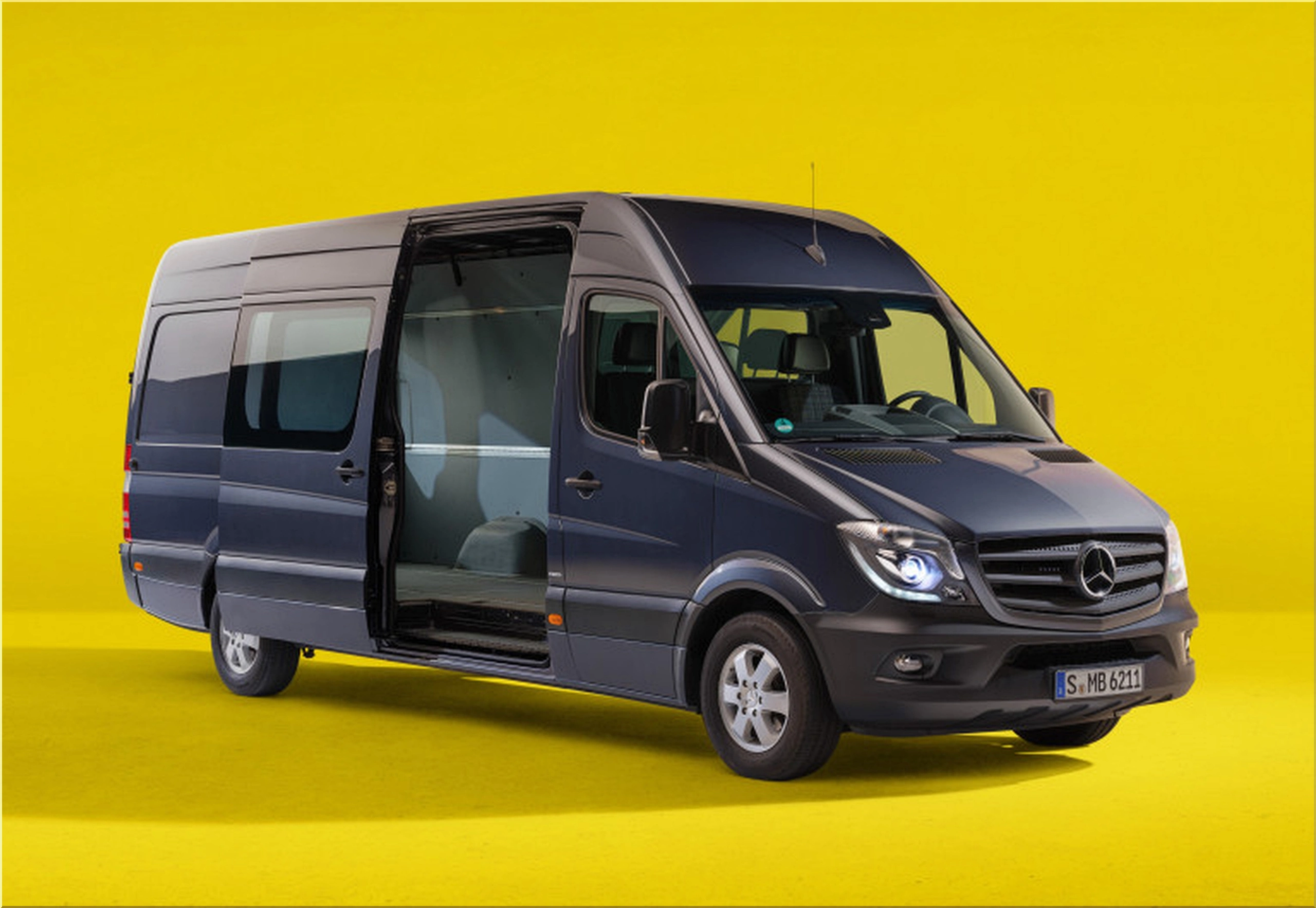
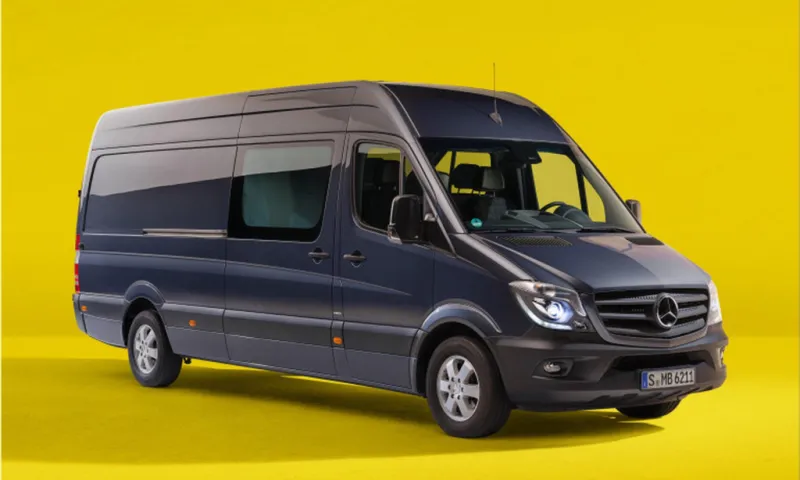
- Extended vans: These are the largest vans that offer the most space and comfort. They can accommodate up to six people and have enough room for a full-size bed, a bathroom, a kitchen, and plenty of storage. They are ideal for families or groups who want to live in luxury on the road. However, they are also the most expensive, consume the most gas, and are the hardest to drive and park. Some examples are the Ford Transit Extended, the Mercedes-Benz Sprinter Extended, and the Ram ProMaster Extended.
Second, you need to consider the technical state of the van. The technical state of the van will affect the reliability, safety, and performance of the van. It will also affect the amount of work and money you need to invest in repairing or converting the van. Generally speaking, newer vans offer more features and technology but also cost more upfront. Older vans are cheaper to buy but may require more maintenance and repairs.
Some of the common technical aspects of vans are:
- Engine: The engine is the heart of the van that powers its movement. You need to check the engine type (gasoline or diesel), size (liters), power (horsepower), torque (pound-feet), and mileage (miles per gallon) of the van. You also need to check the engine's condition by looking for signs of leaks, noises, smoke, or overheating.
- Transmission: The transmission system transfers the power from the engine to the wheels. You need to check the transmission type (manual or automatic), speed (number of gears), mode (front-wheel drive, rear-wheel drive, or all-wheel drive), and fluid (level and color) of the van. You also need to check how smoothly and quietly the transmission shifts gears.
- Suspension: The suspension is the system that supports the van's weight and absorbs shocks from bumps and potholes. You need to check the suspension type (leaf springs or coil springs), height (ground clearance), alignment (wheel angles), and shocks (dampers) of the van. You also need to check how well the suspension handles curves and corners.
- Brakes: The brakes are the system that slows down or stops the van. You need to check the brake type (disc or drum), size (diameter), pads (thickness), rotors (condition), fluid (level and color), and lines (leaks) of the van. You also need to check how effectively and evenly the brakes respond.
Third, you need to consider your personal preferences. Your personal preferences will affect how comfortable and happy you feel in your van. They will also reflect your personality and style. There is no right or wrong answer here, but rather what suits you best.
Some of the common personal aspects of vans are:
- Color: The color is the van's appearance that affects its visibility and attractiveness. You can choose a color that matches your taste, mood, or theme. You can also choose a color that blends in or stands out from your surroundings.
- Windows: The windows are the openings in the van that affect its light, ventilation, and privacy. You can choose how many windows you want, where you want them, and how big you want them. You can also choose how to cover them with curtains, blinds, or tinting.
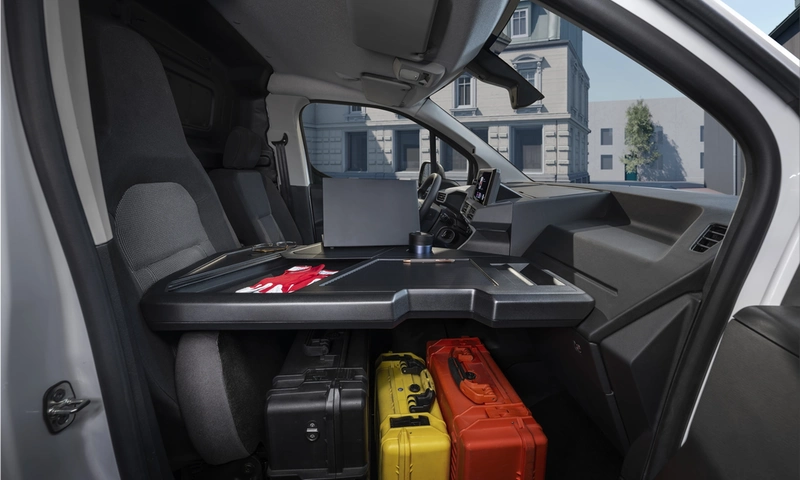
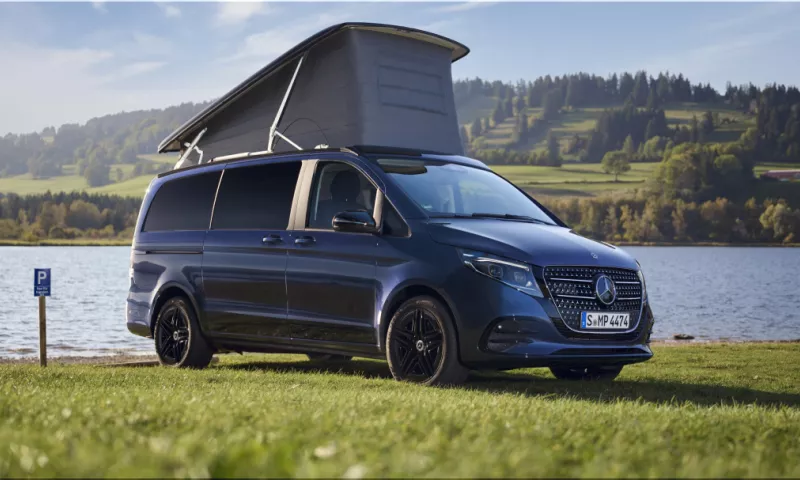
- Layout: The layout is the arrangement of the van's furniture, appliances, and fixtures that affect its functionality and livability. You can choose how to divide the space into different zones, such as a living area, a kitchen area, a sleeping area, and a bathroom area. You can also choose how to optimize the space for storage, comfort, and convenience.
Finally, it would help if you considered your needs and goals. Your needs and goals will affect how you use your van and what you want to achieve with it. They will also determine how long and how often you plan to live in your van.
Some of the common needs and goals of van dwellers are:
- Travel: Travel is the main reason many people live in a van. You can use your van as a transportation and accommodation to explore new places, experience different cultures, and enjoy nature. You can also use your van as a base for other activities, such as hiking, biking, surfing, or skiing.
- Work: Work is another reason some people live in a van. You can use your van as a mobile office or studio to work remotely or online. You can also use your van as a source of income by offering services or products related to your van, such as tours, rentals, or crafts.
- Save: Save is another reason some people live in a van. You can use your van to reduce your living expenses and increase your savings. You can also use your van to simplify your life and minimize your impact on the environment.
Choosing the right van for you is a complex and personal decision requiring careful research and evaluation. You need to consider the van's size, technical state, preferences, needs, and goals. You also need to compare different options and test drive them before making a final choice. To help you with this process, you can use some online resources, such as:
- Van Dimensions: This website provides detailed information and diagrams of various vans' dimensions, capacities, and features.
- Van Life Movement: This website provides helpful guides and tips on choosing, converting, and living in a van.
- YouTube: This platform provides videos of van tours, reviews, comparisons, and conversions.
This answer helps you find the best van for you. Good luck and happy van life! ?
- Add new comment
- 319 views