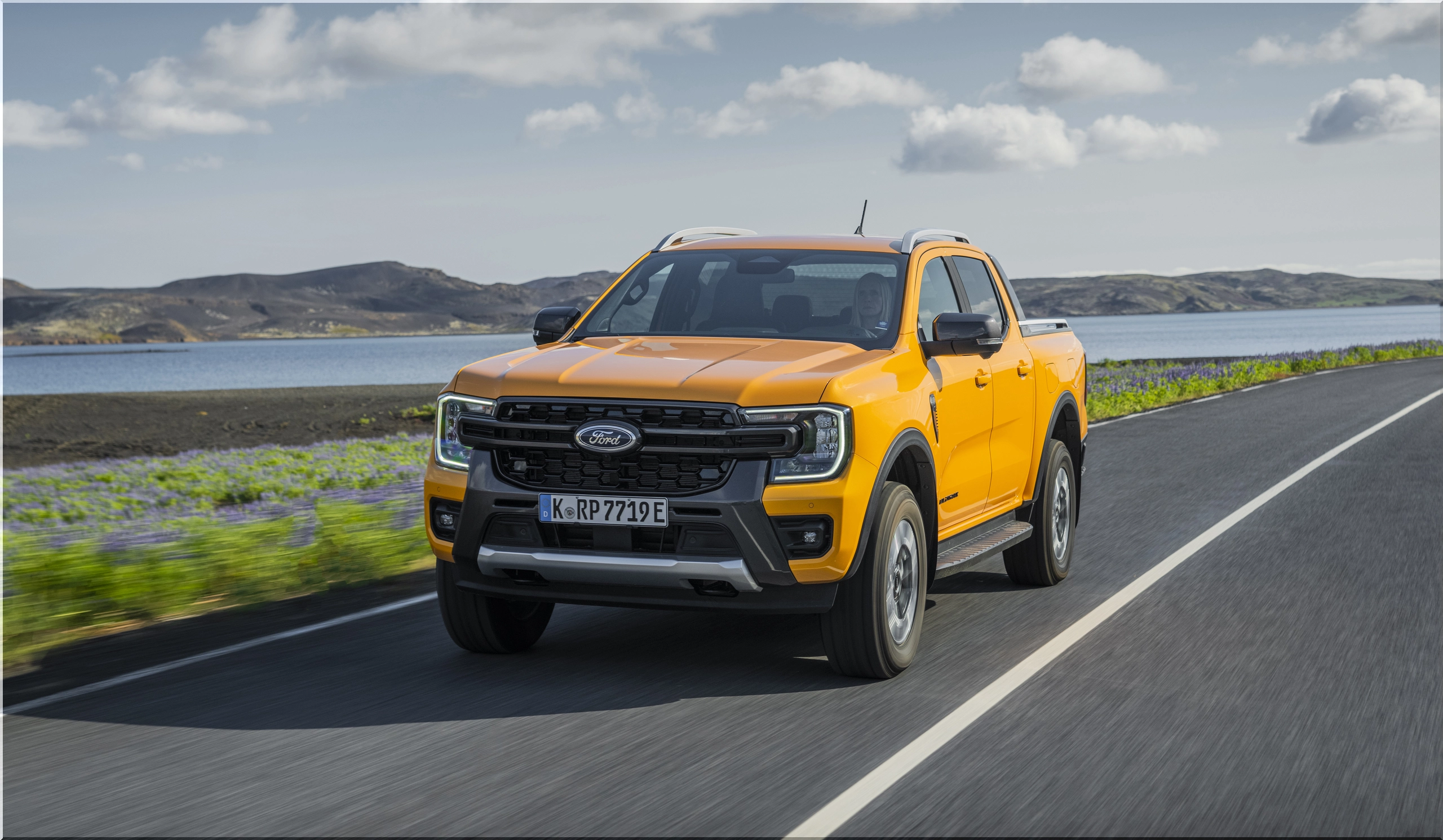
Ranger PHEV Delivers Plug-In Performance Without Compromise
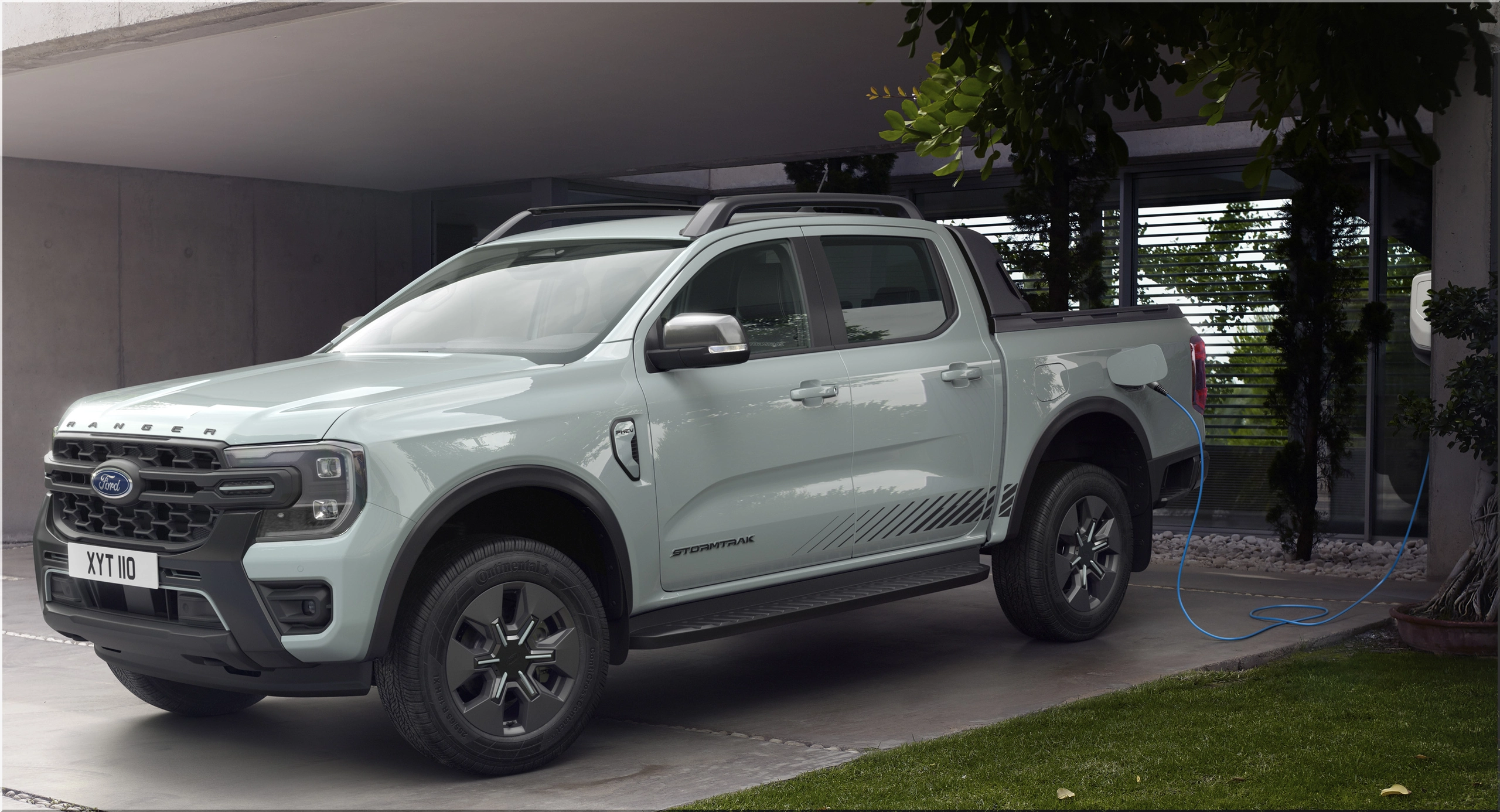
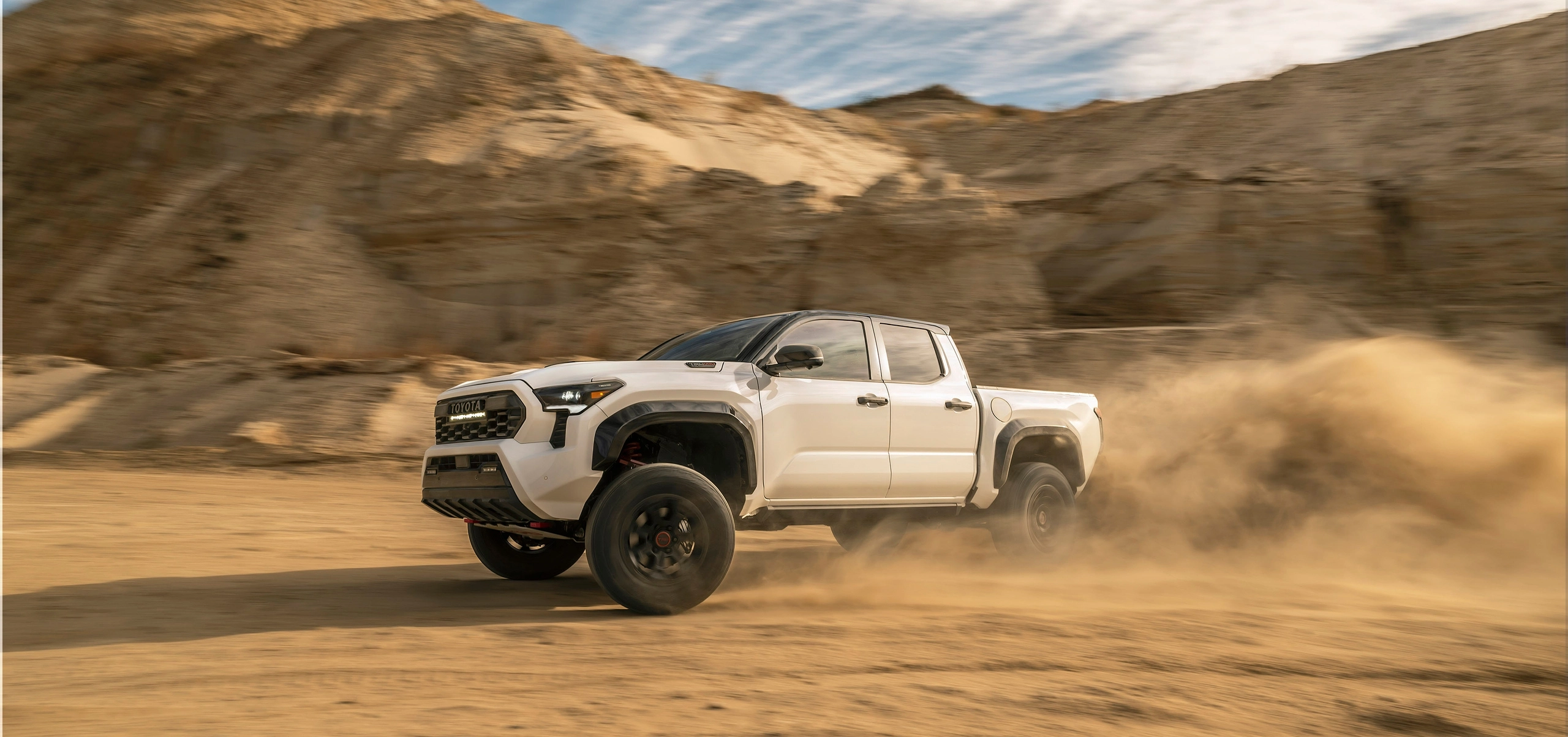
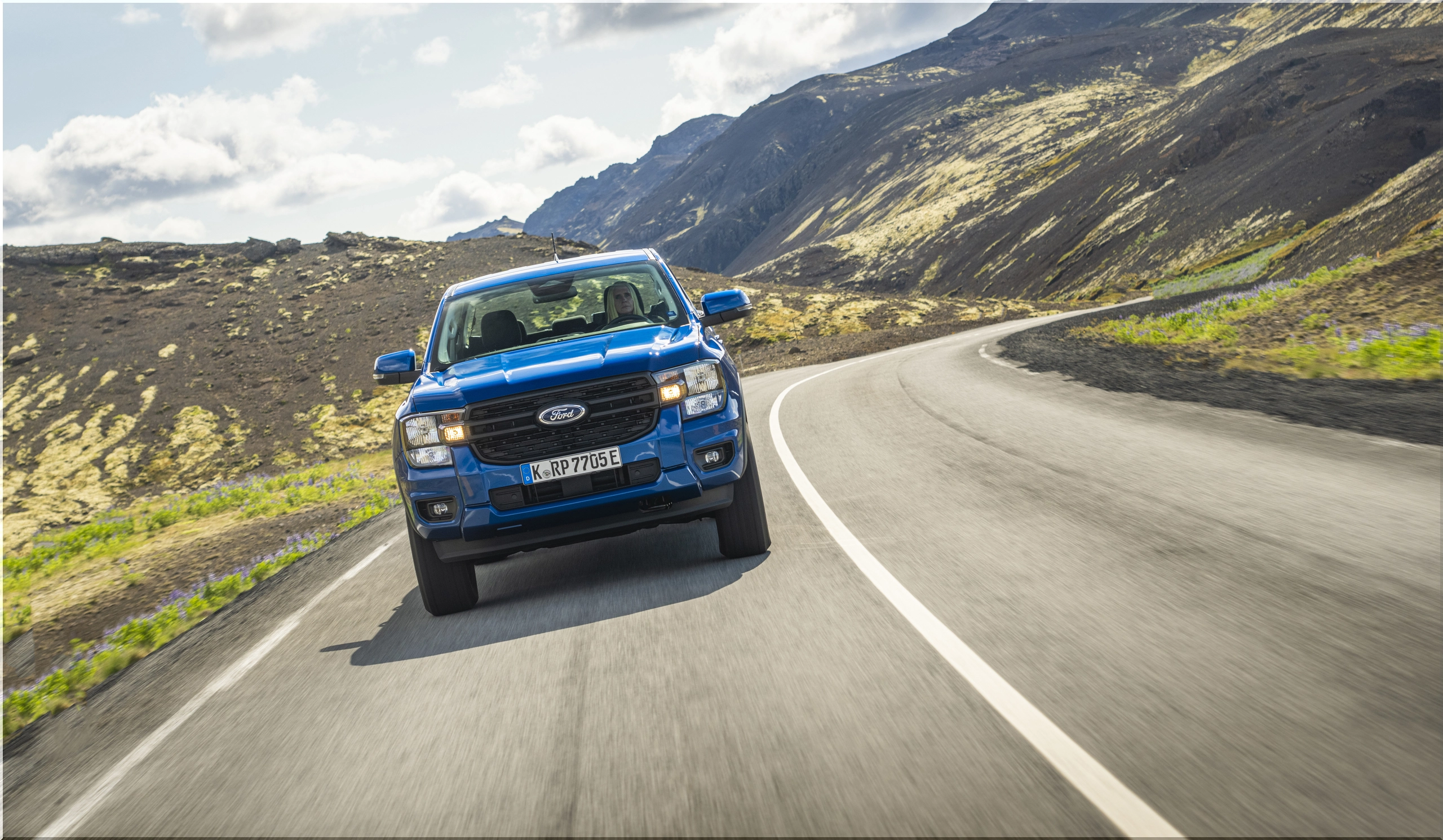
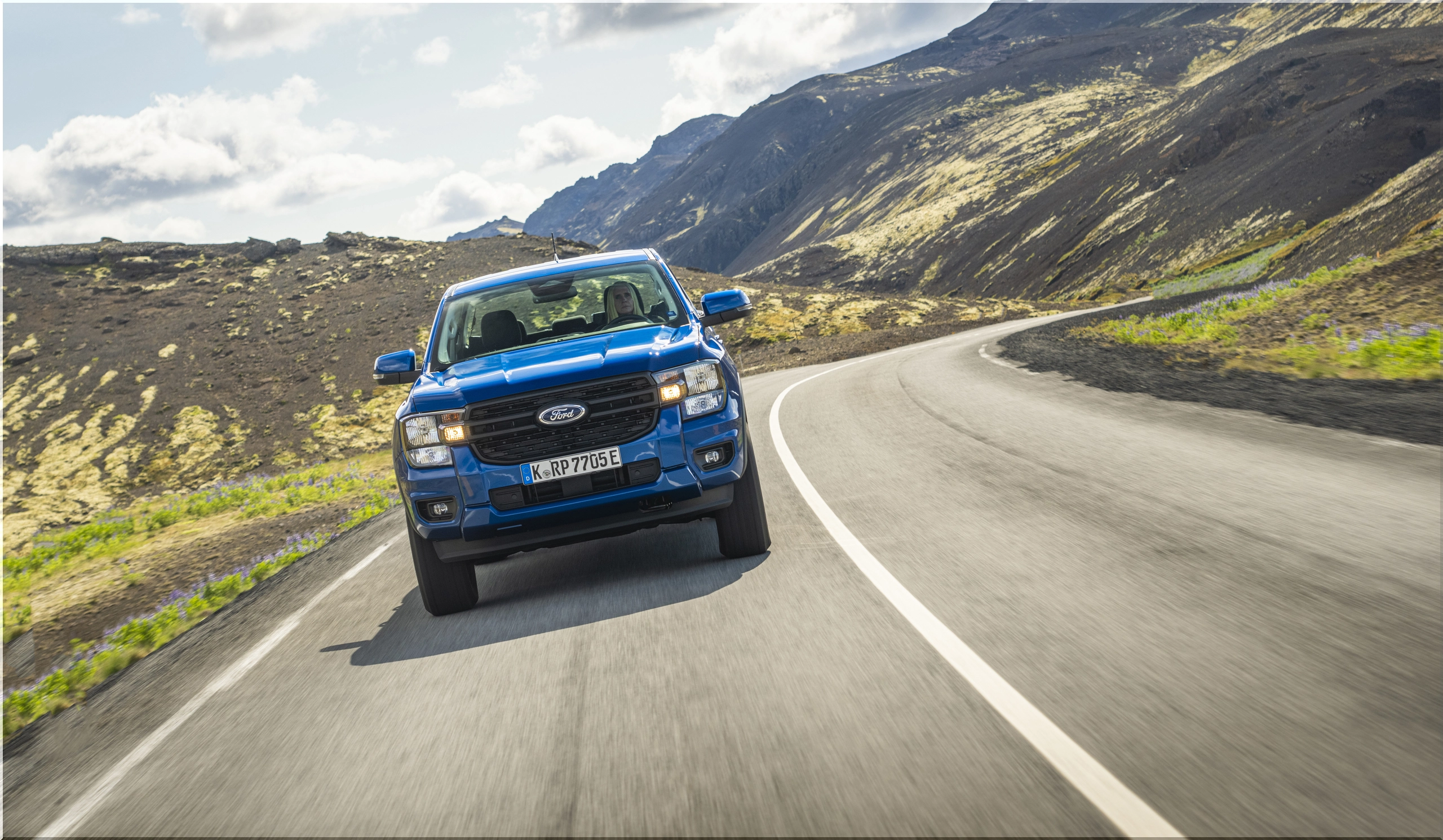
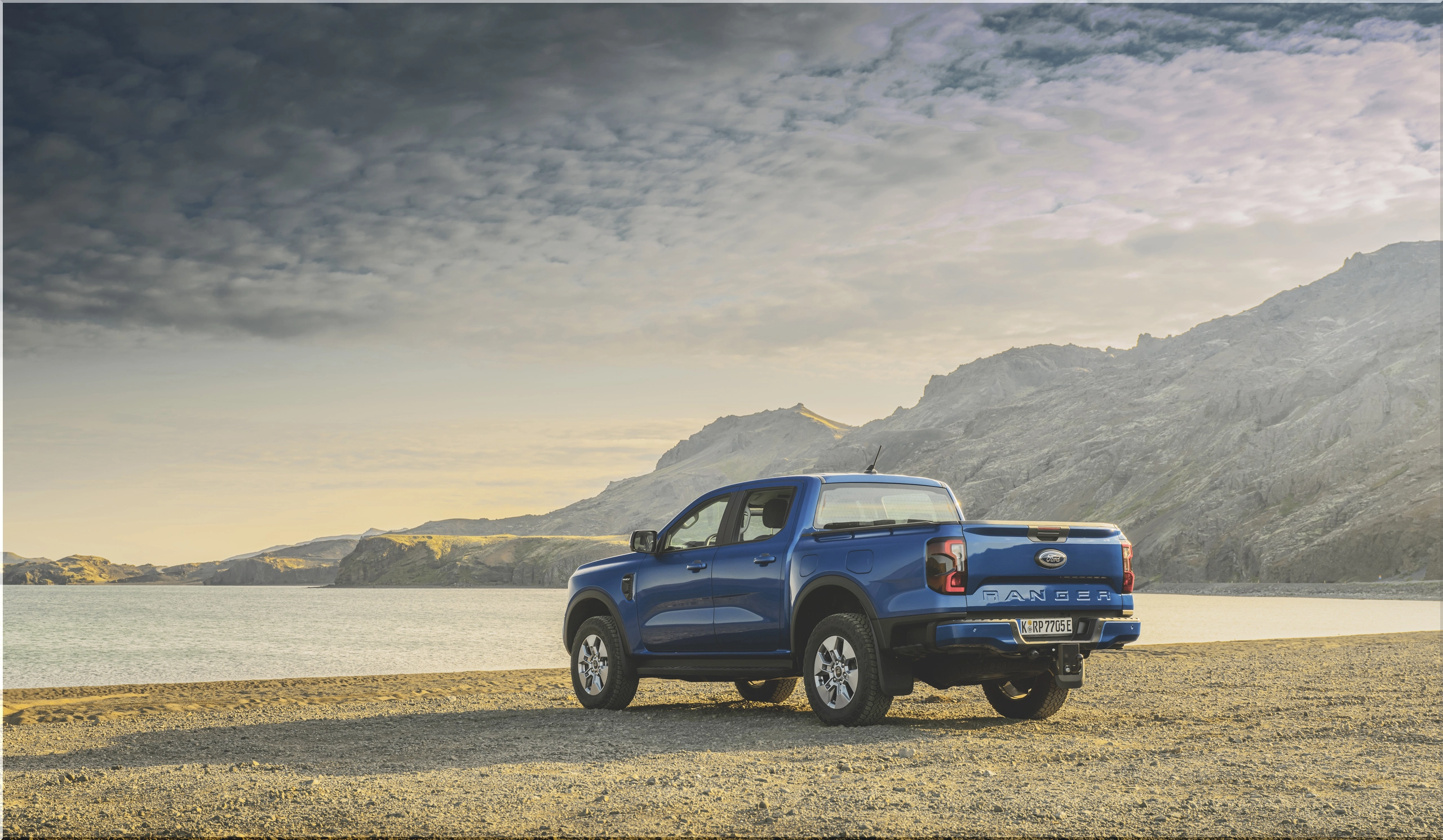
Ford’s best-selling pickup in Europe now arrives with a plug-in hybrid powertrain. The 2025 Ford Ranger PHEV is equipped to deliver serious torque, practical range, and zero-emission capability—all while retaining its core strengths in payload, towing, and off-road performance.
It’s not experimental. It’s production-ready and shipping now.
Key Specs: Ford Ranger Plug-In Hybrid 2025
| Specification | Value |
|---|---|
| Power Output | 281 hp |
| Torque | 697 Nm |
| Electric Range | Up to 43 km (26.7 miles) |
| Towing Capacity | 3,500 kg (7,716 lbs) |
| Payload Capacity | 1,000 kg (2,204 lbs) |
| Battery Capacity | 11.8 kWh (usable) |
| Charging Time (AC, 16A) | Under 4 hours |
| Starting Price (Estimated) | $53,600 USD (XLT) / $60,200 USD (Wildtrak) |
Plug-In Hybrid Tech With Serious Output
Ford combines a 2.3L EcoBoost gasoline engine, a 10-speed automatic transmission, a 75 kW electric motor, and an 11.8 kWh battery. This configuration delivers a total of 281 horsepower and an industry-leading 697 Nm of torque.
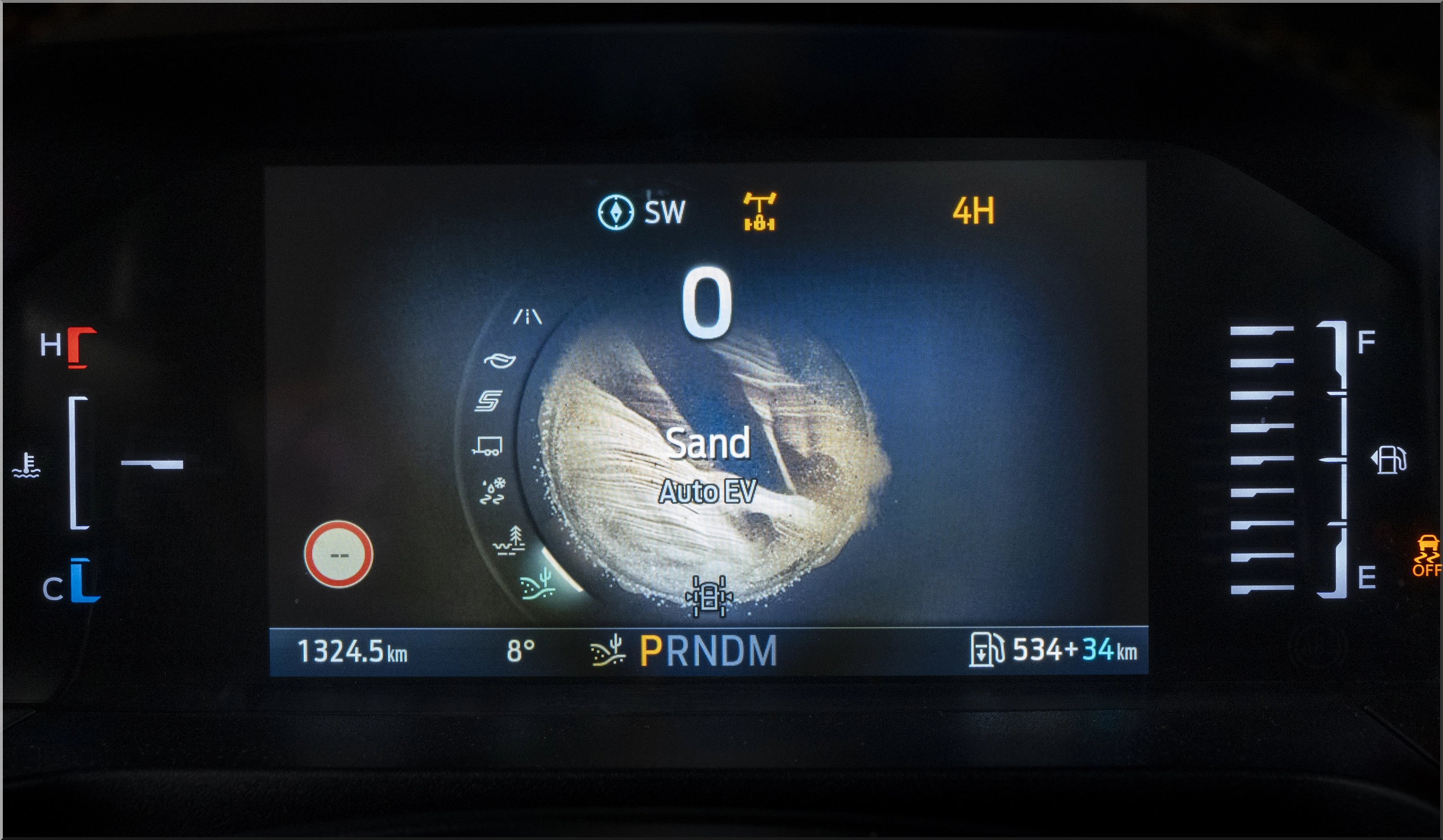
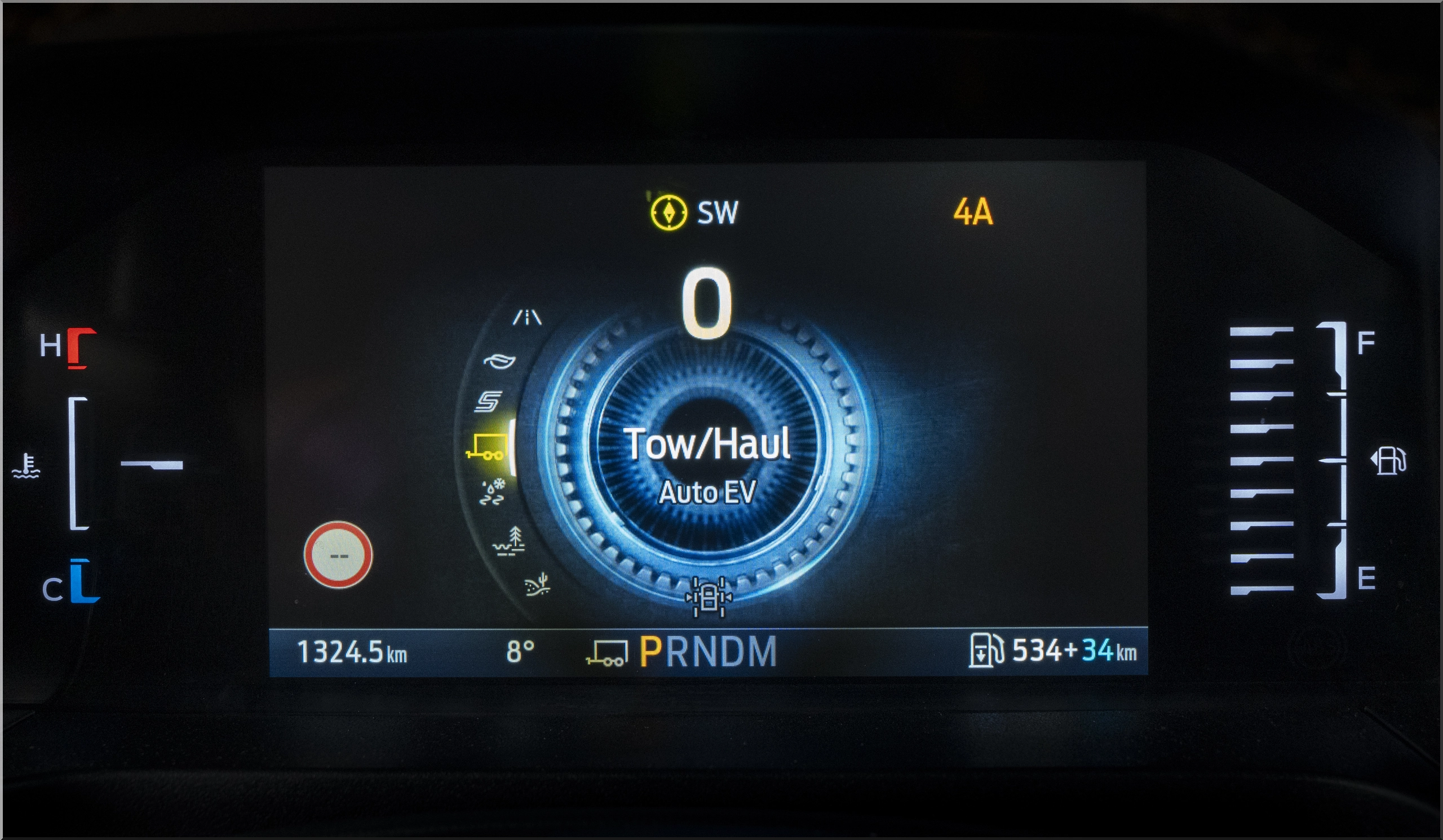
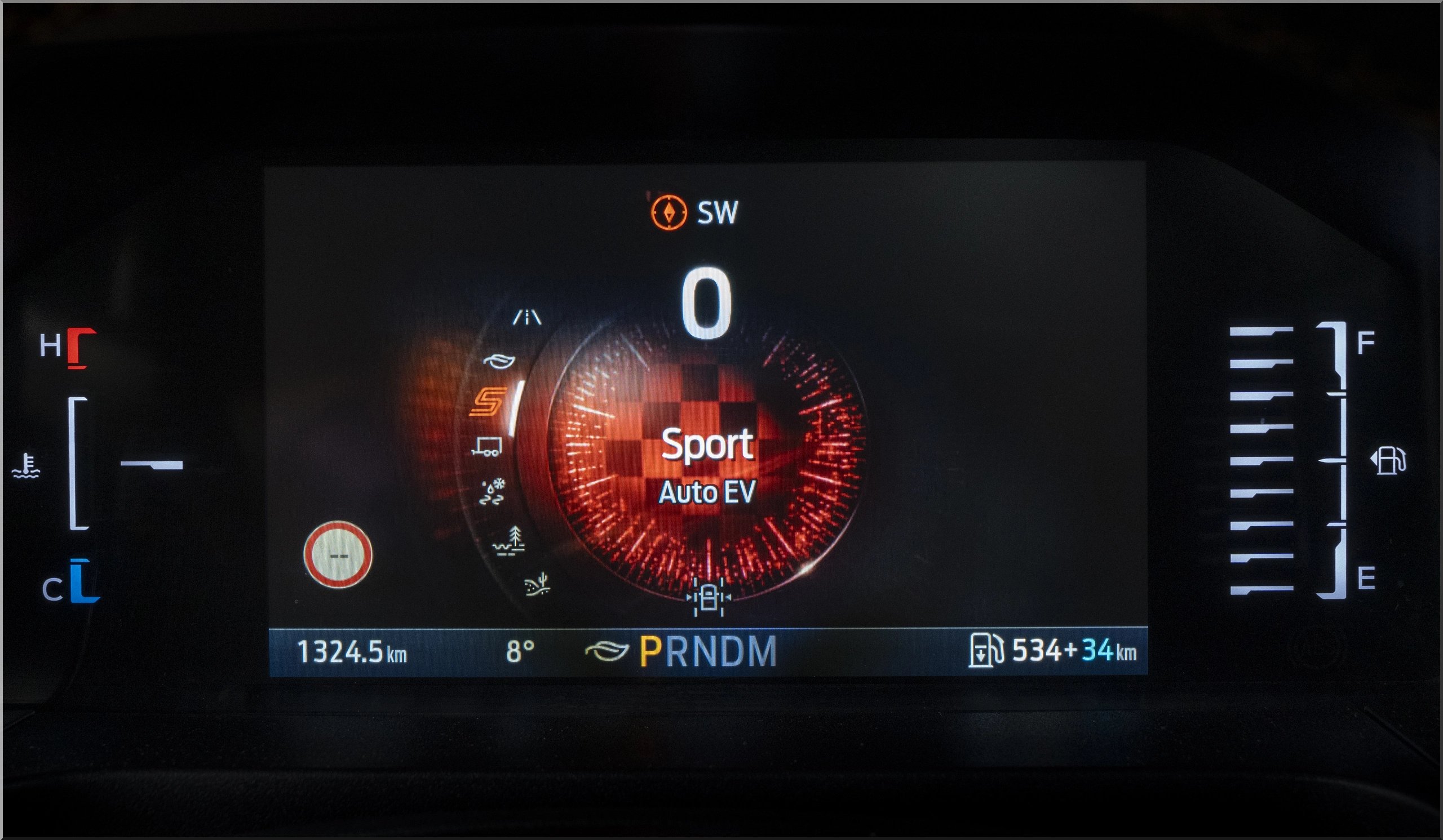
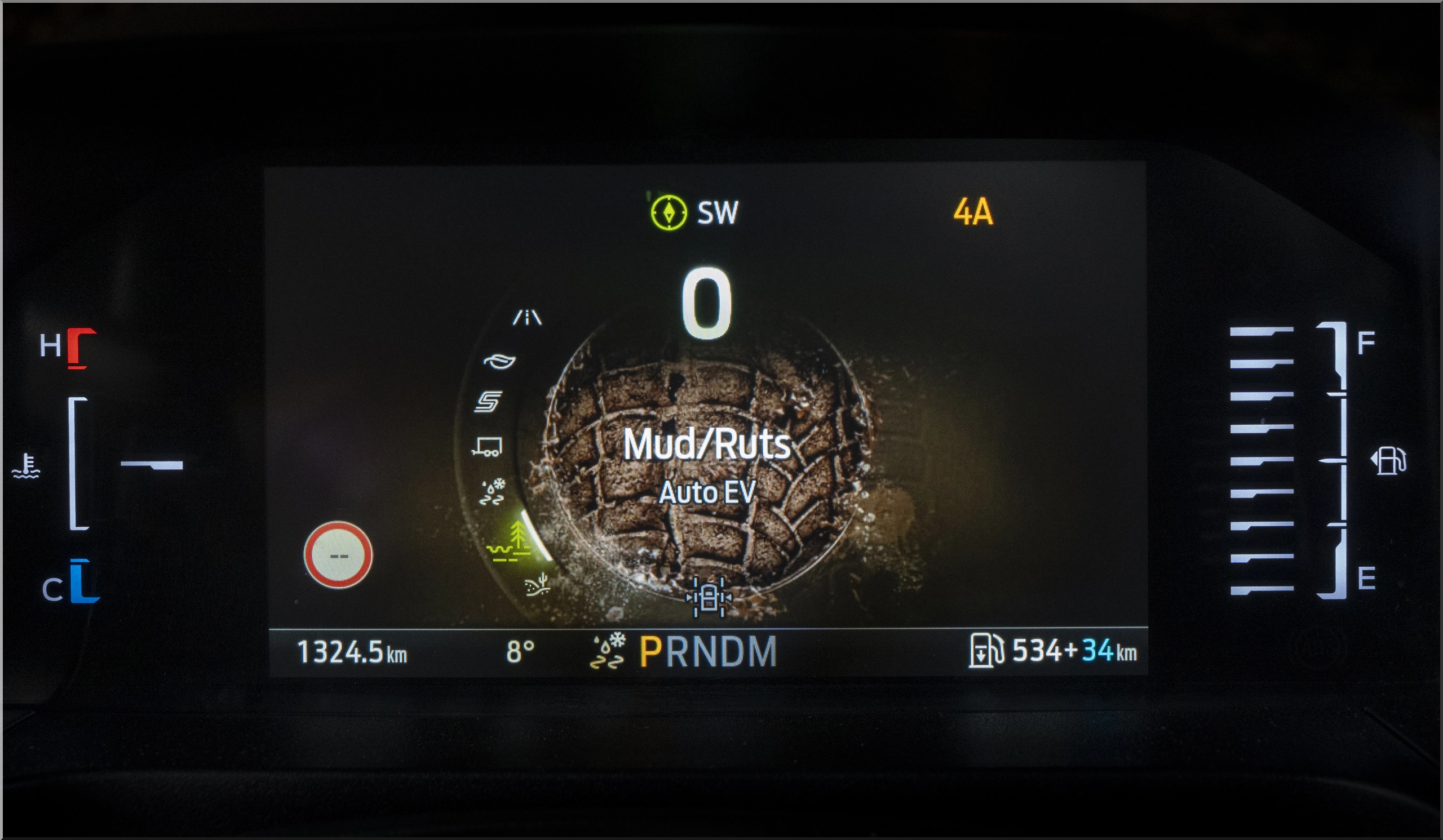
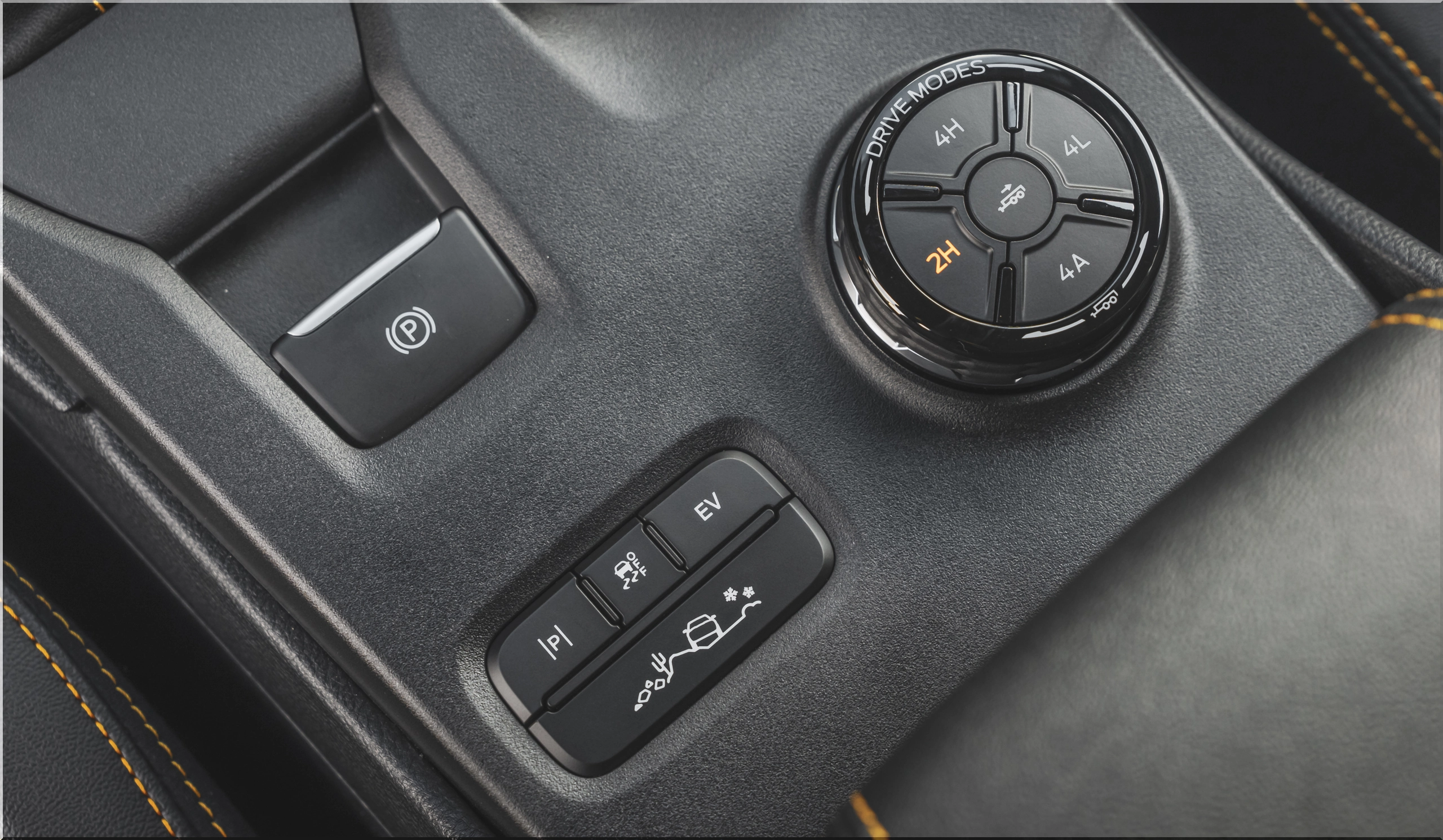
That torque figure is the highest ever for a production Ranger, beating the previous 3.0L V6 diesel option. The hybrid system supports four drive modes—Auto EV, EV Now, EV Later, and EV Charge—letting drivers manage energy use in real time.
All-Electric Range Matches Real-World Usage
With up to 43 km (26.7 miles) of electric-only driving, the Ranger PHEV can cover short commutes and job-site tasks without burning fuel. That range meets the daily needs of over 50% of current Ranger users, based on Ford usage studies.
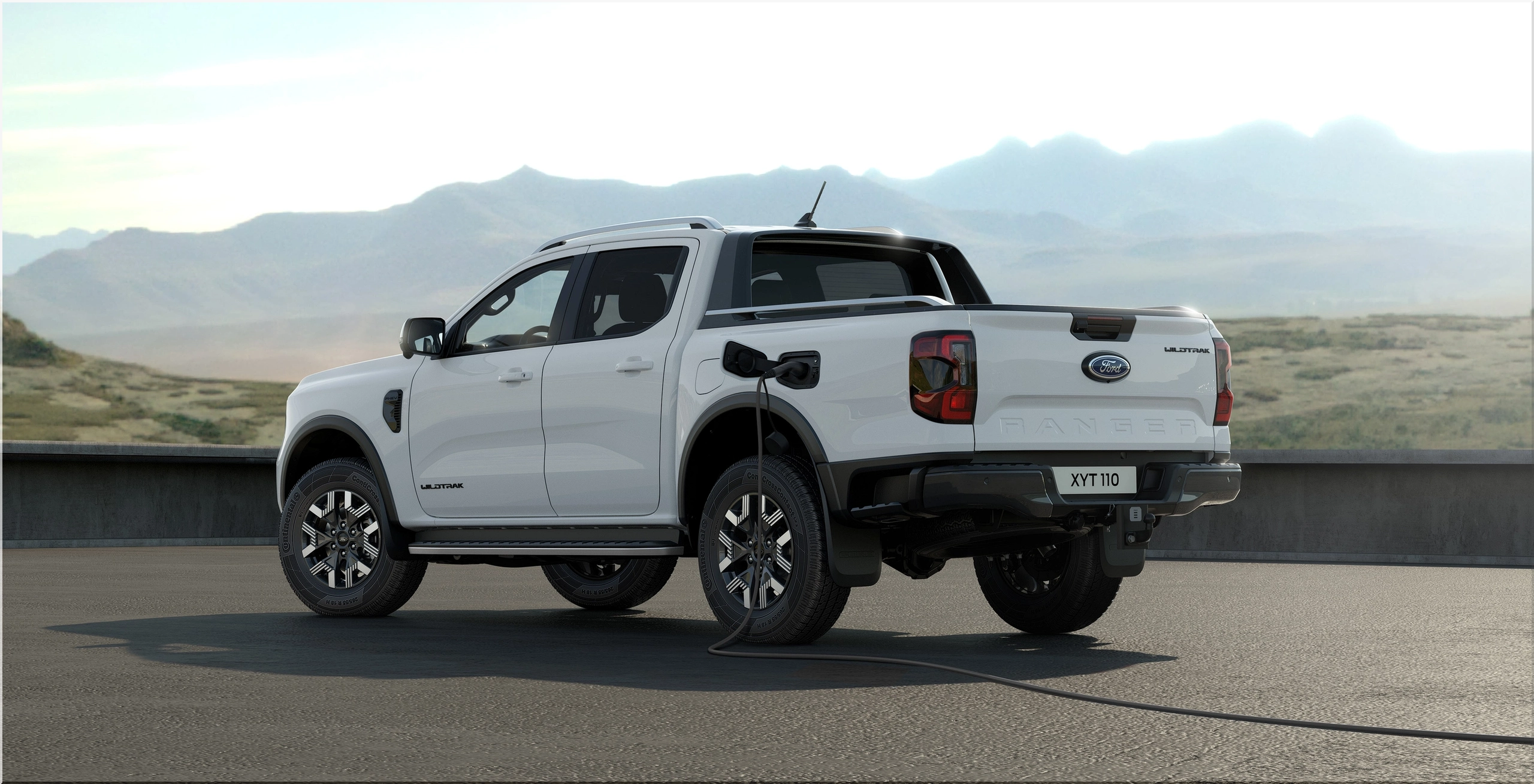
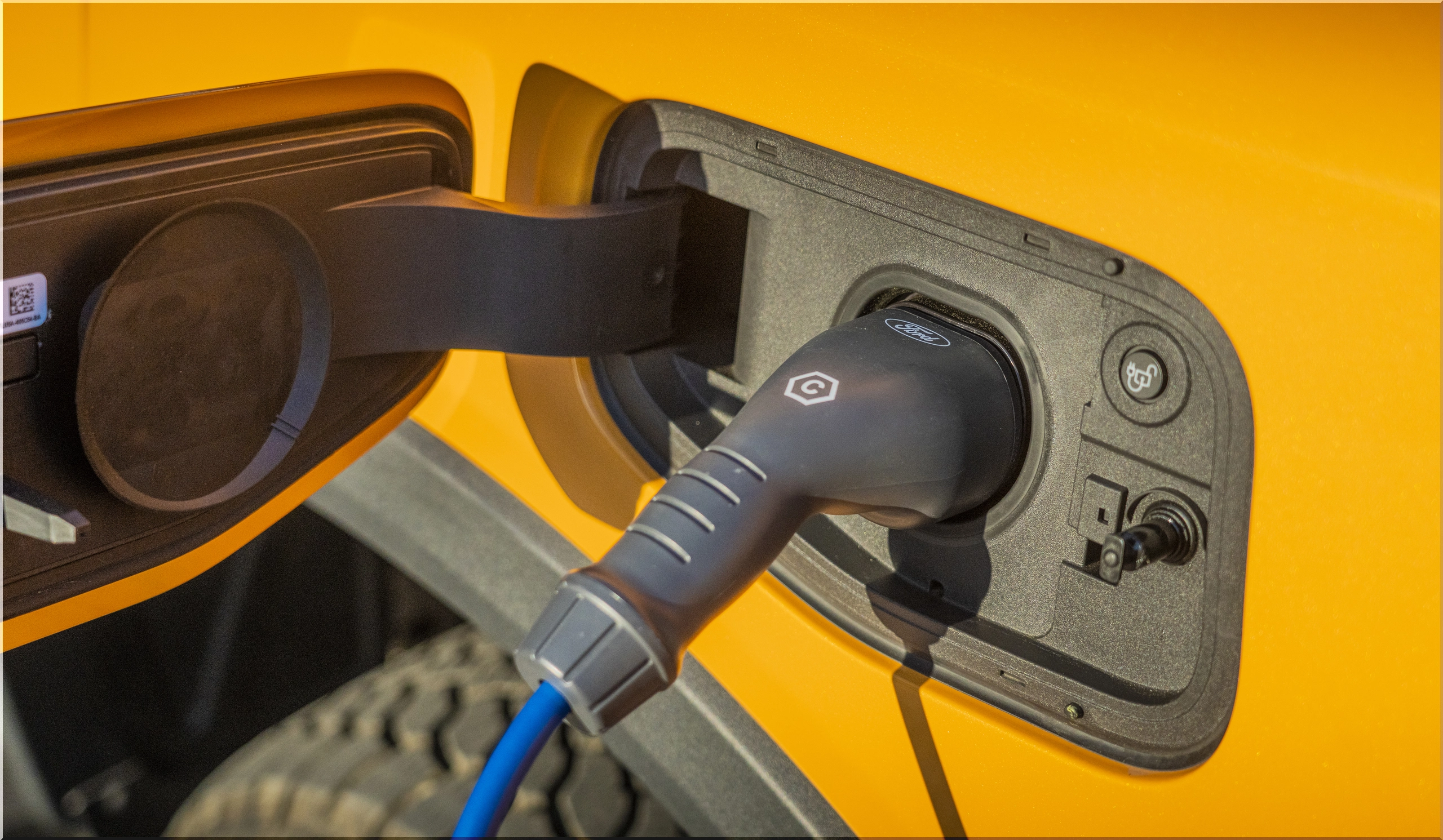
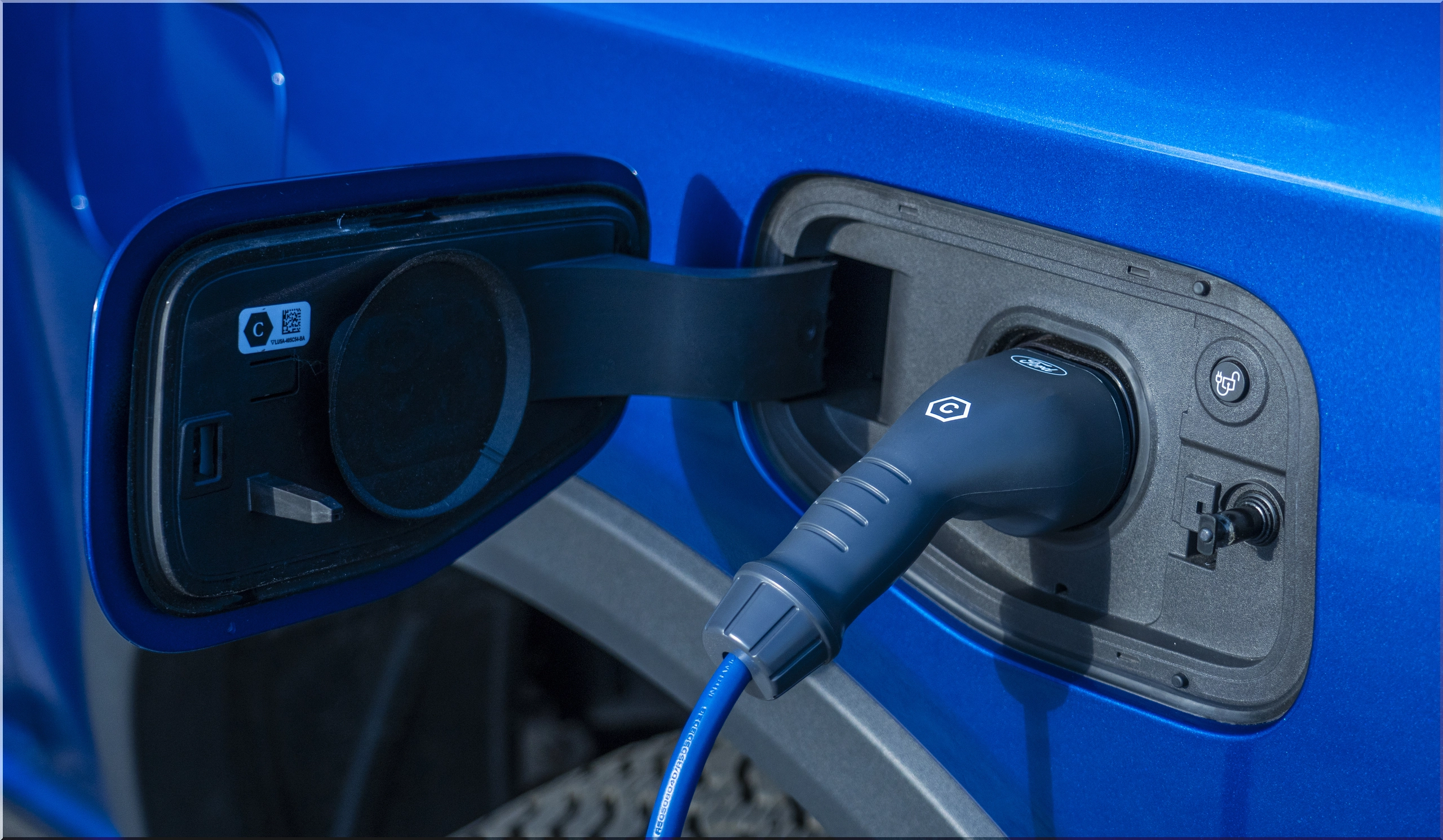
The battery charges in under four hours with a 16A AC wall box. Regenerative braking also recovers energy on descents and during stop-start driving.


No Sacrifice in Core Utility
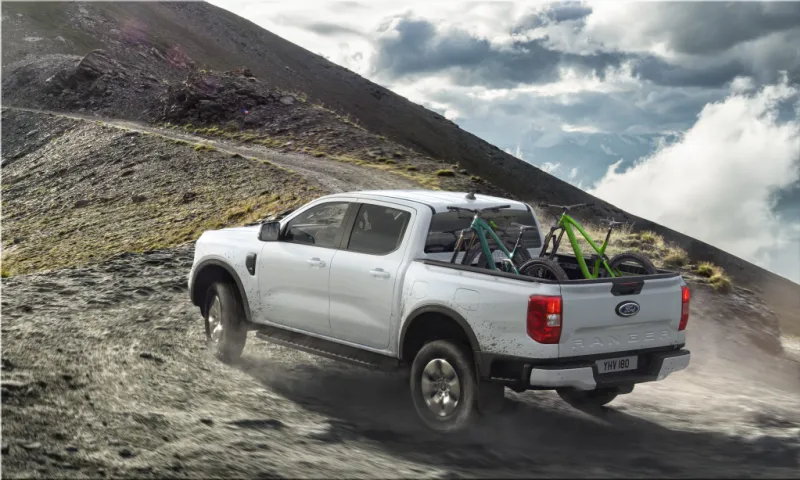
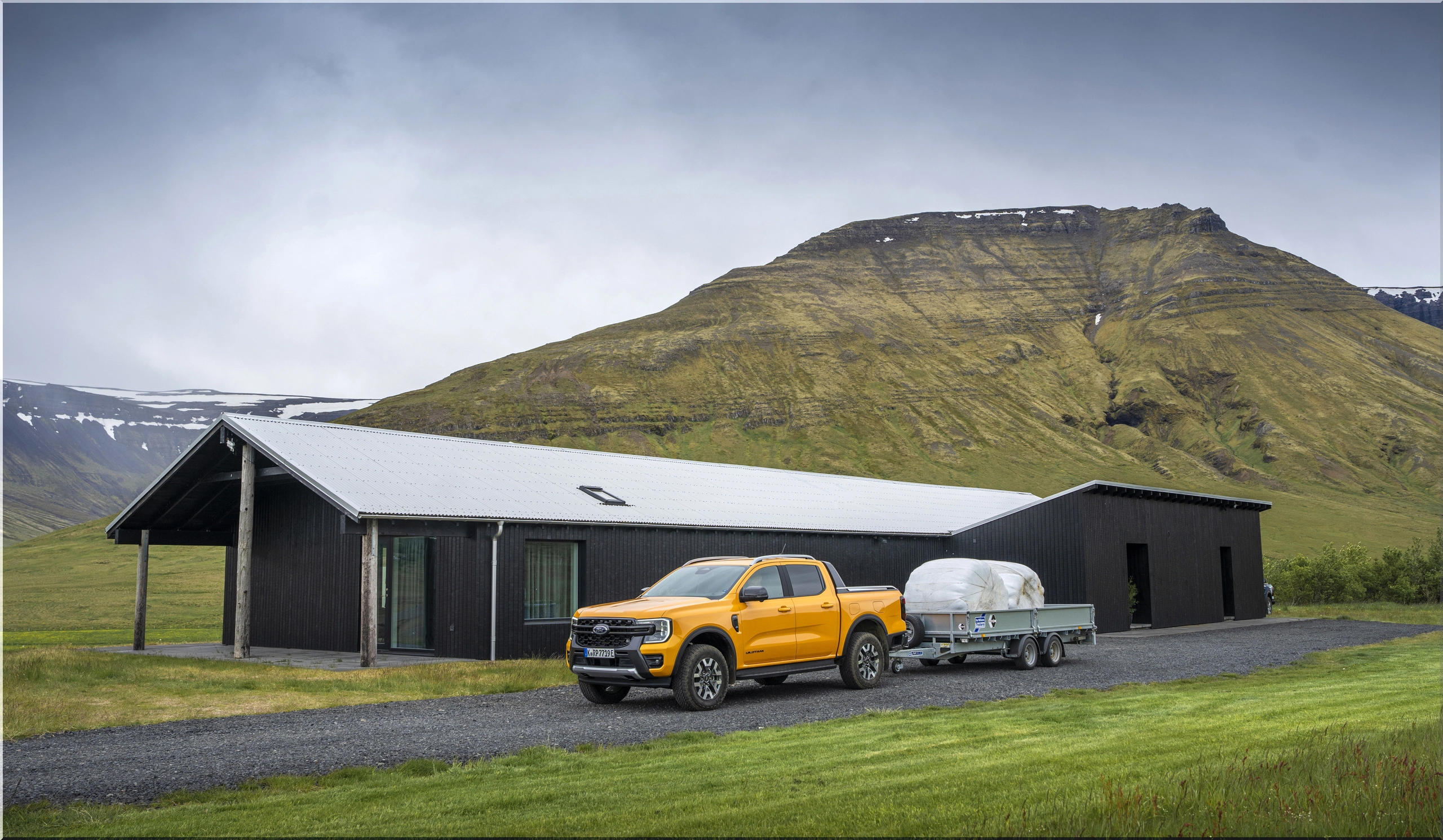
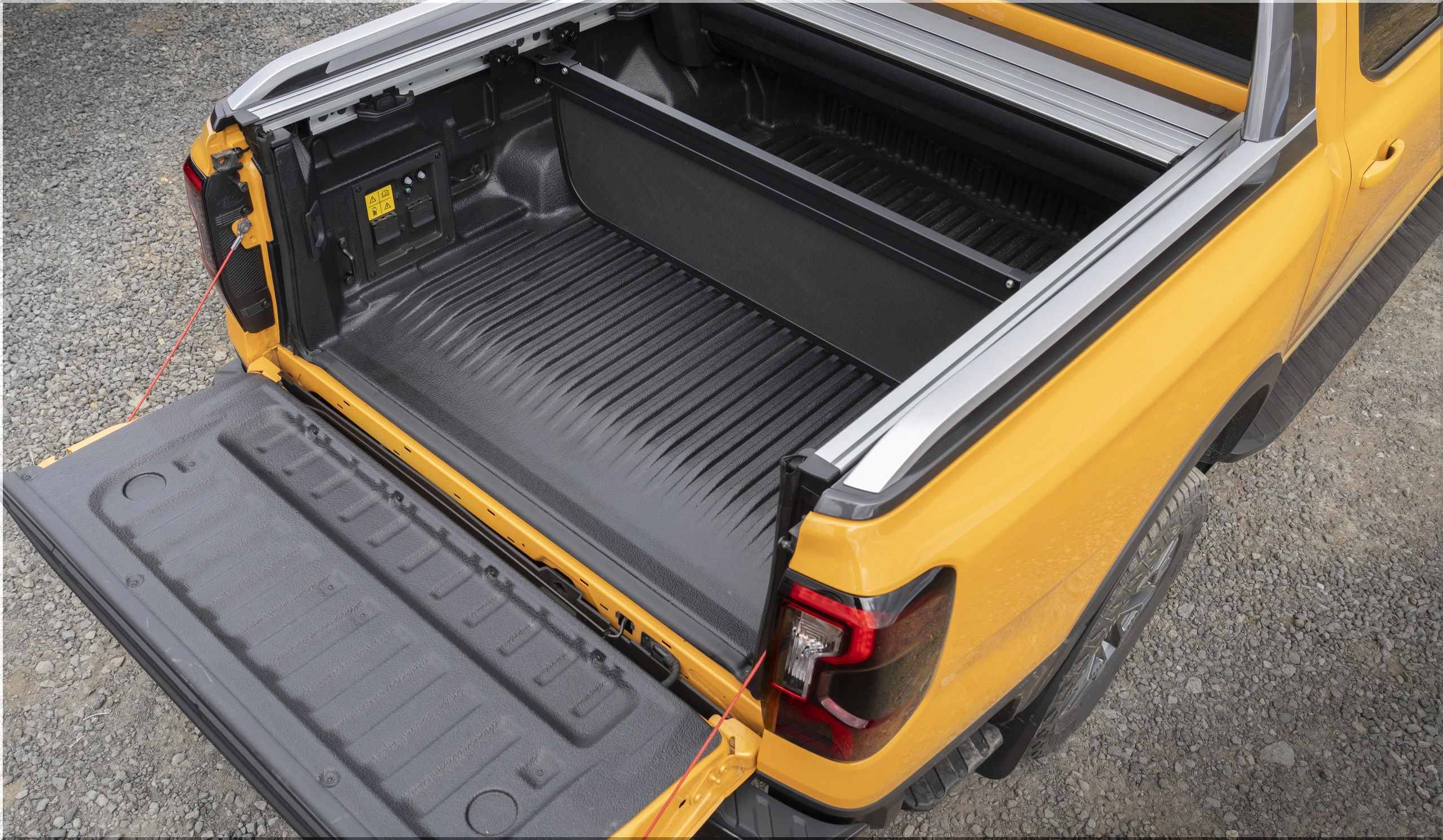
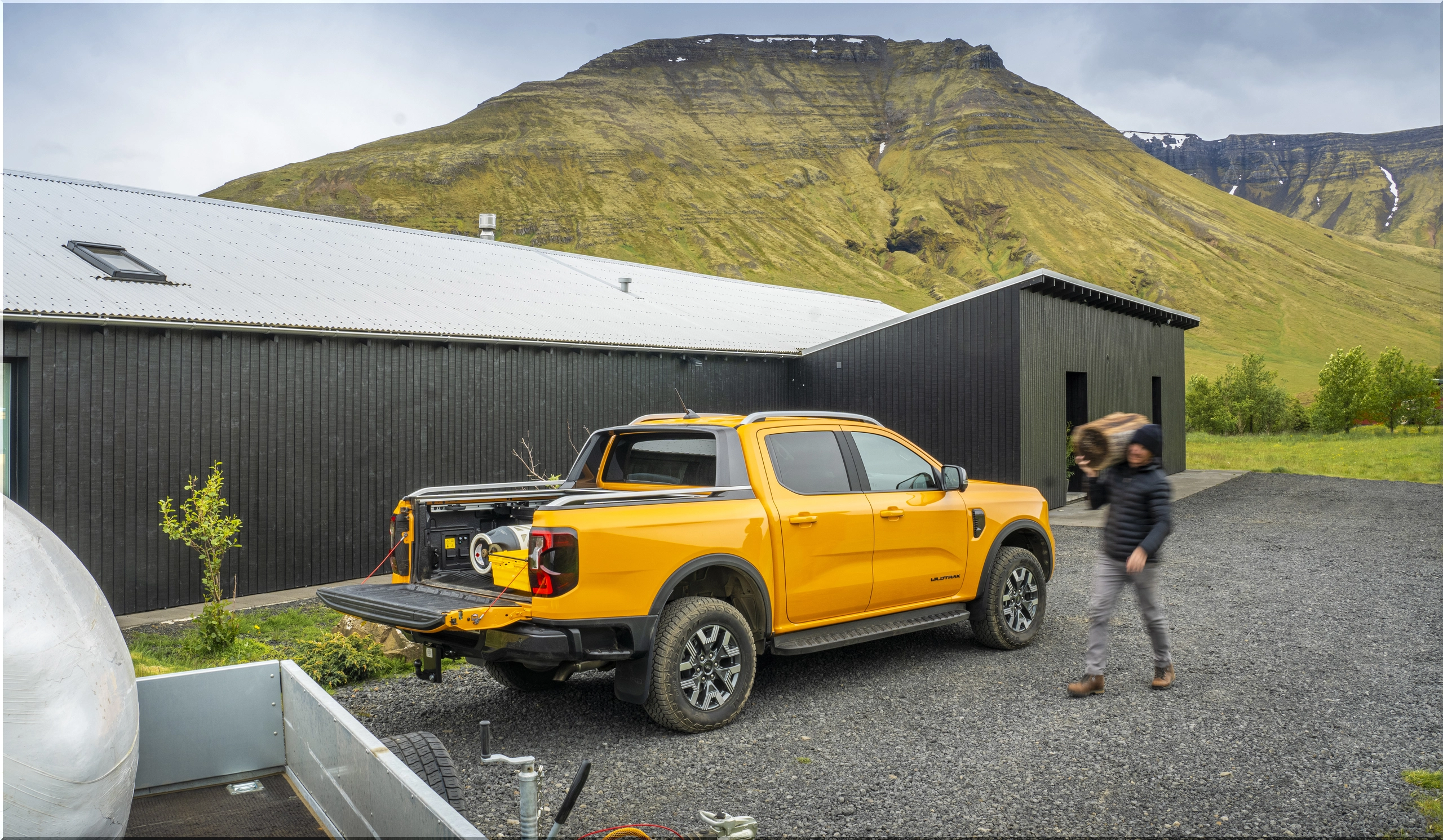
The Ranger PHEV retains its 3,500 kg max towing capacity and 1,000 kg payload. Electric torque and revised suspension enhance low-speed control and motor braking, useful for towing, descending, and worksite operations.
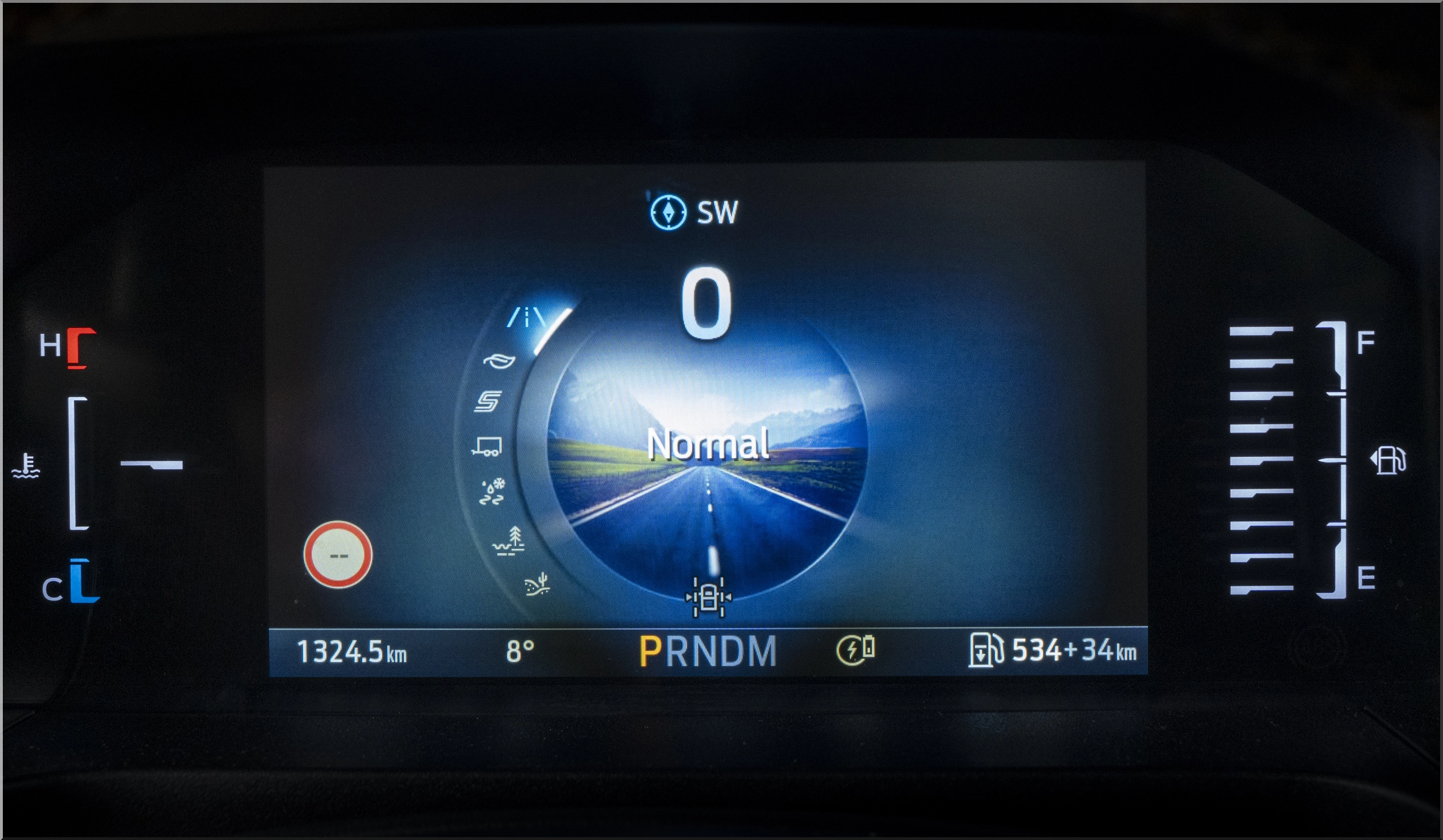
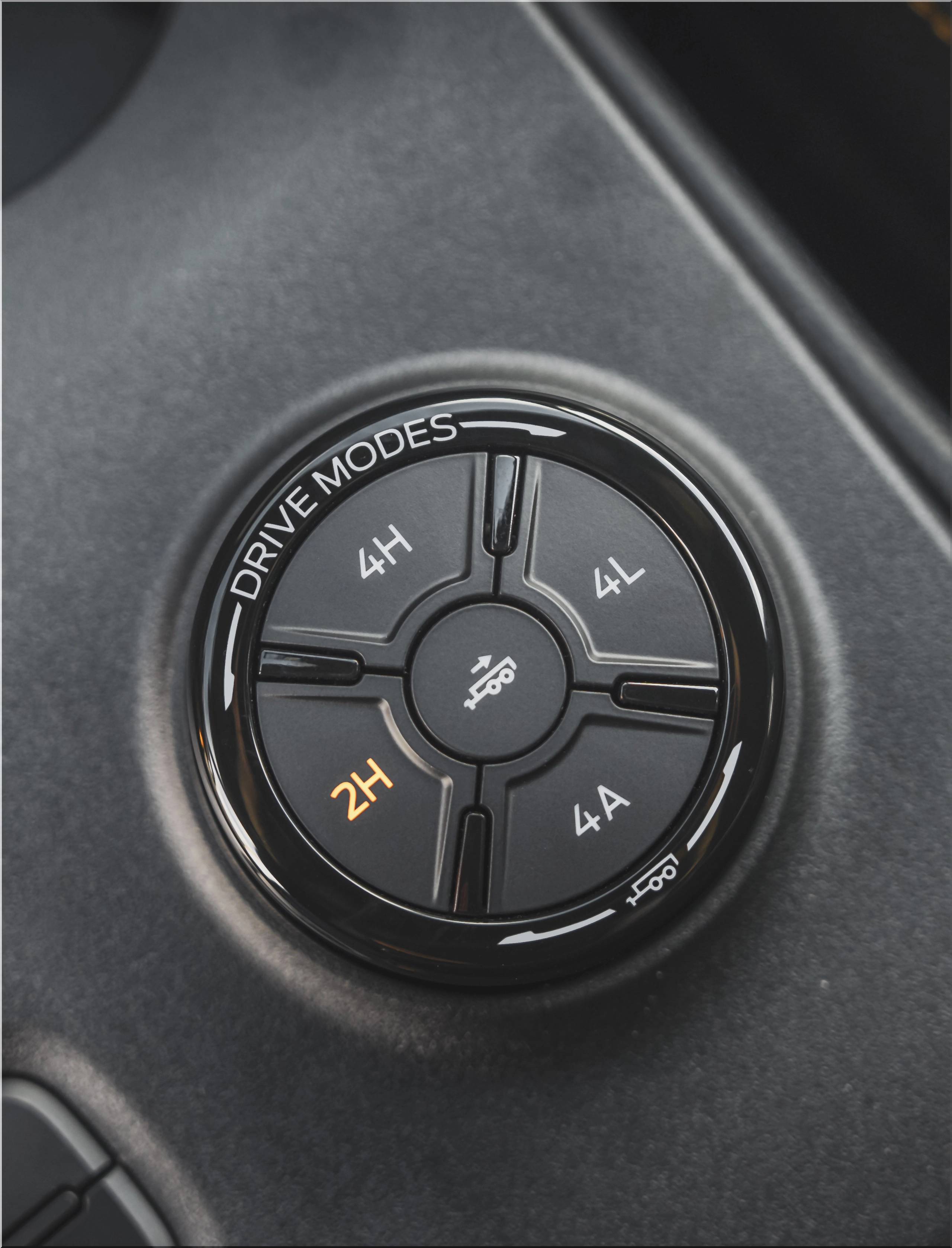
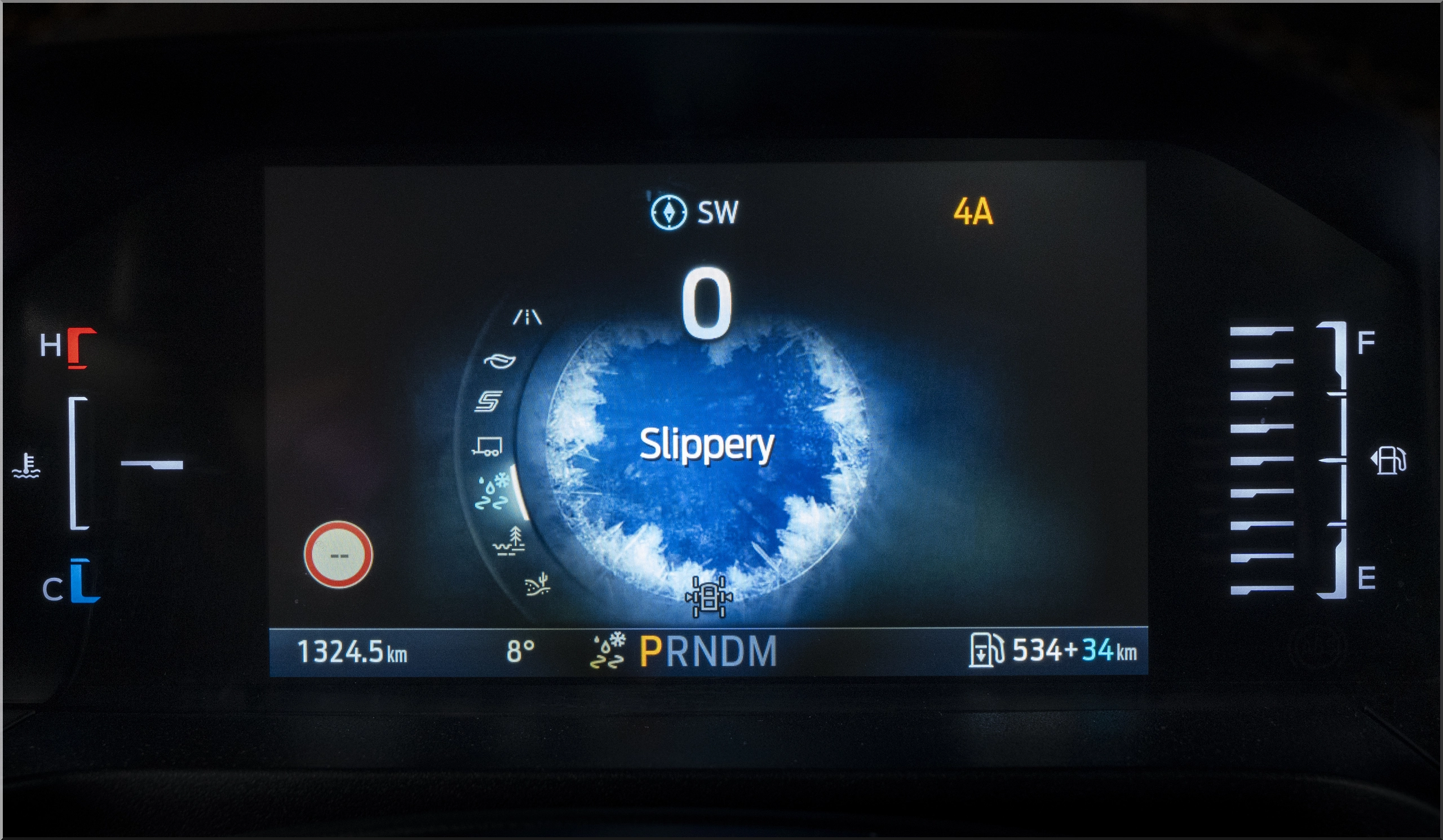
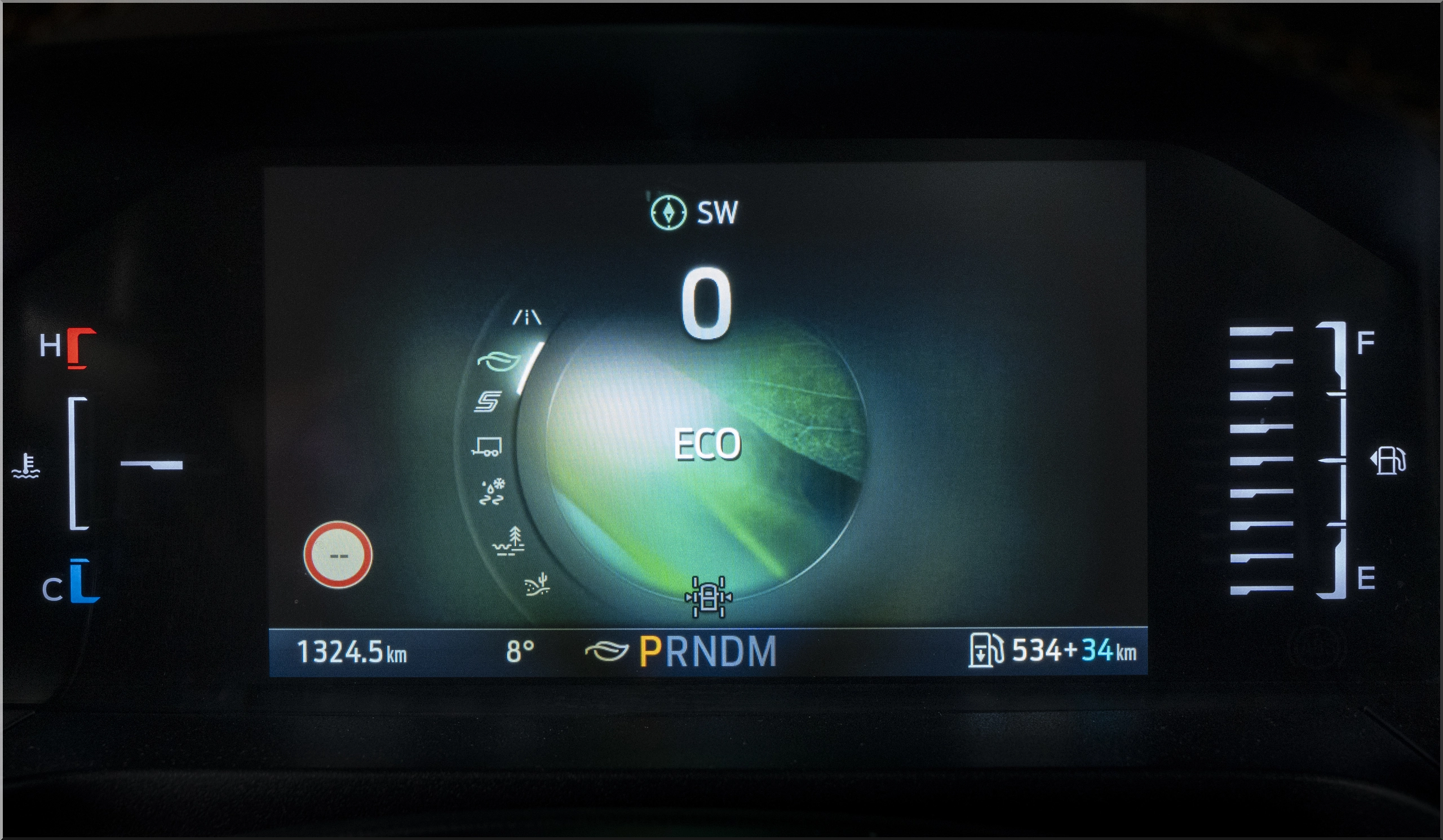
The truck includes e-4WD with selectable terrain modes: Normal, Eco, Sport, Slippery, Tow/Haul, Mud/Ruts, and Sand. A low-range gearbox and rear differential lock are also standard.
Key Capabilities That Stay Intact
- Full towing and payload performance
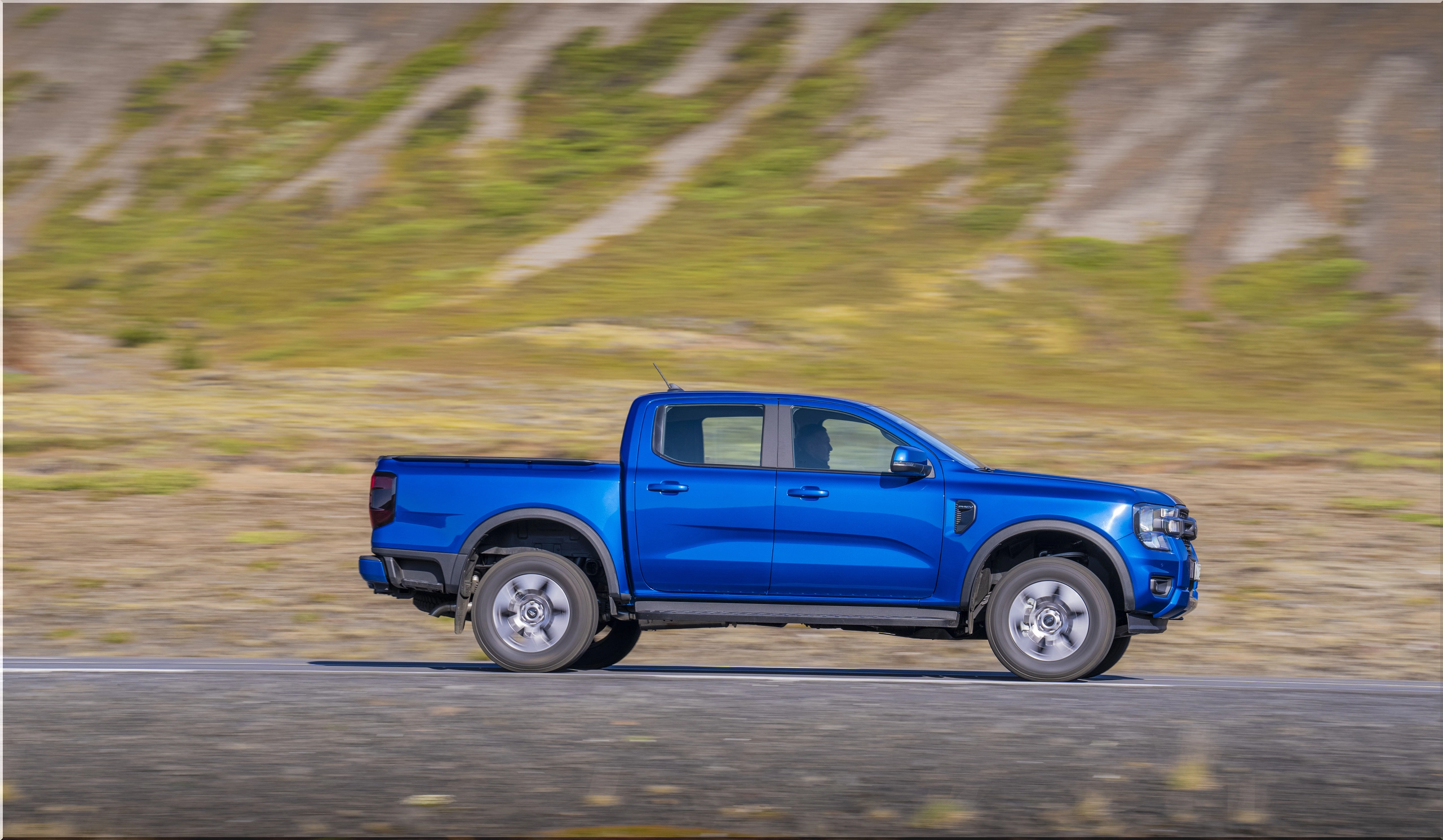
- Five-passenger Double Cab setup
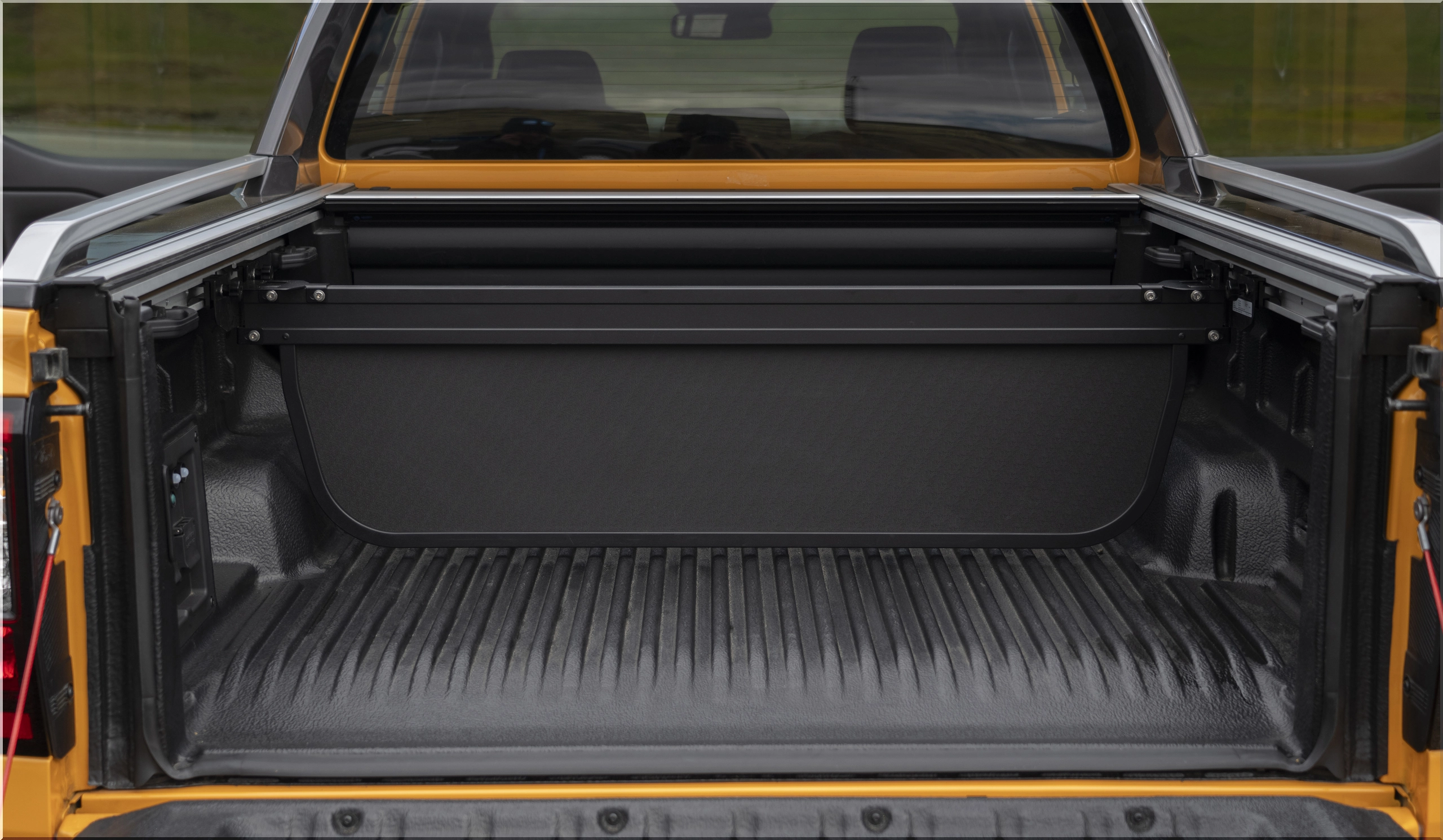
- Cargo bed fits euro pallet between wheel wells
- Easy Lift tailgate and built-in lighting
Onboard Power for Work and Weekend
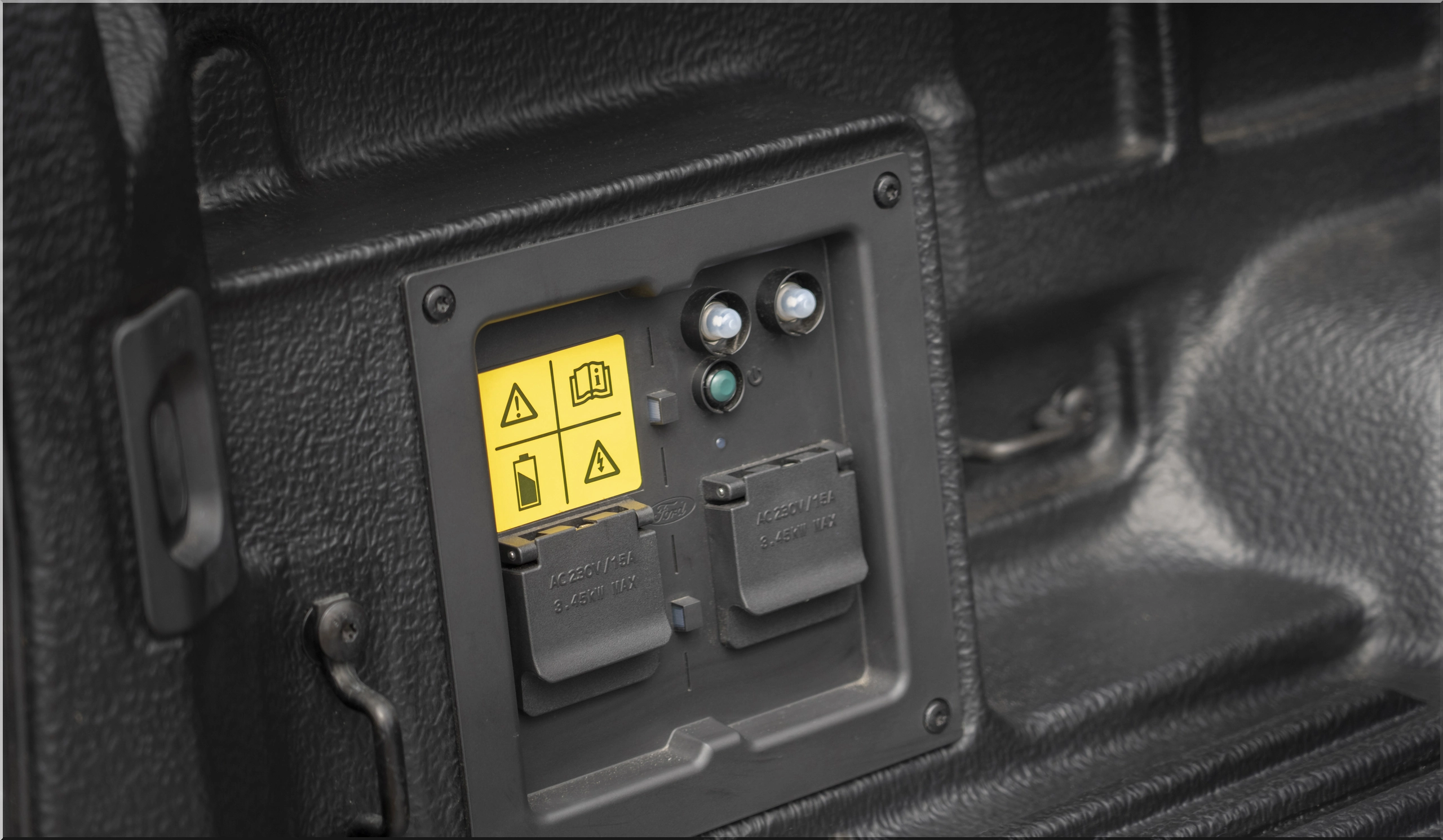
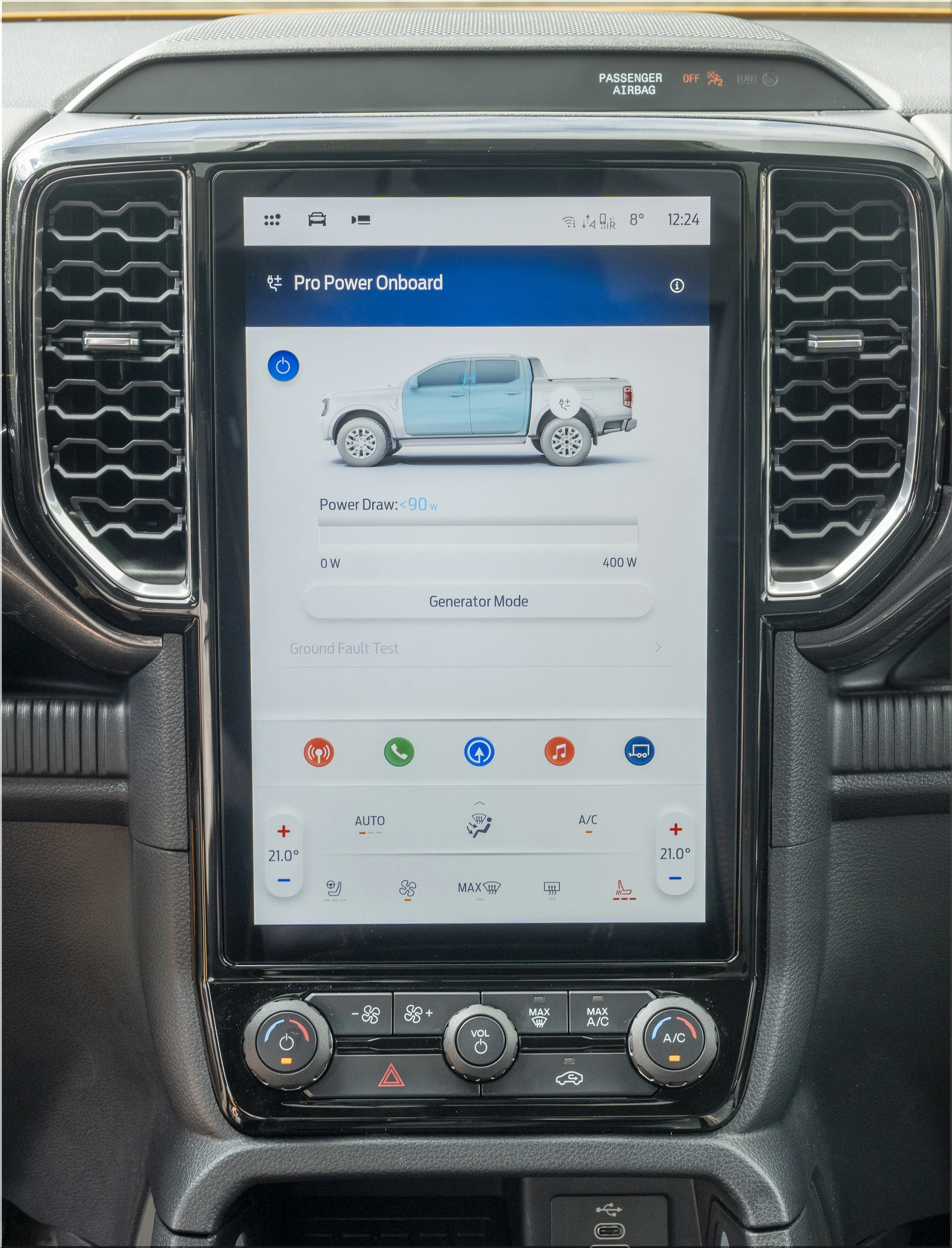
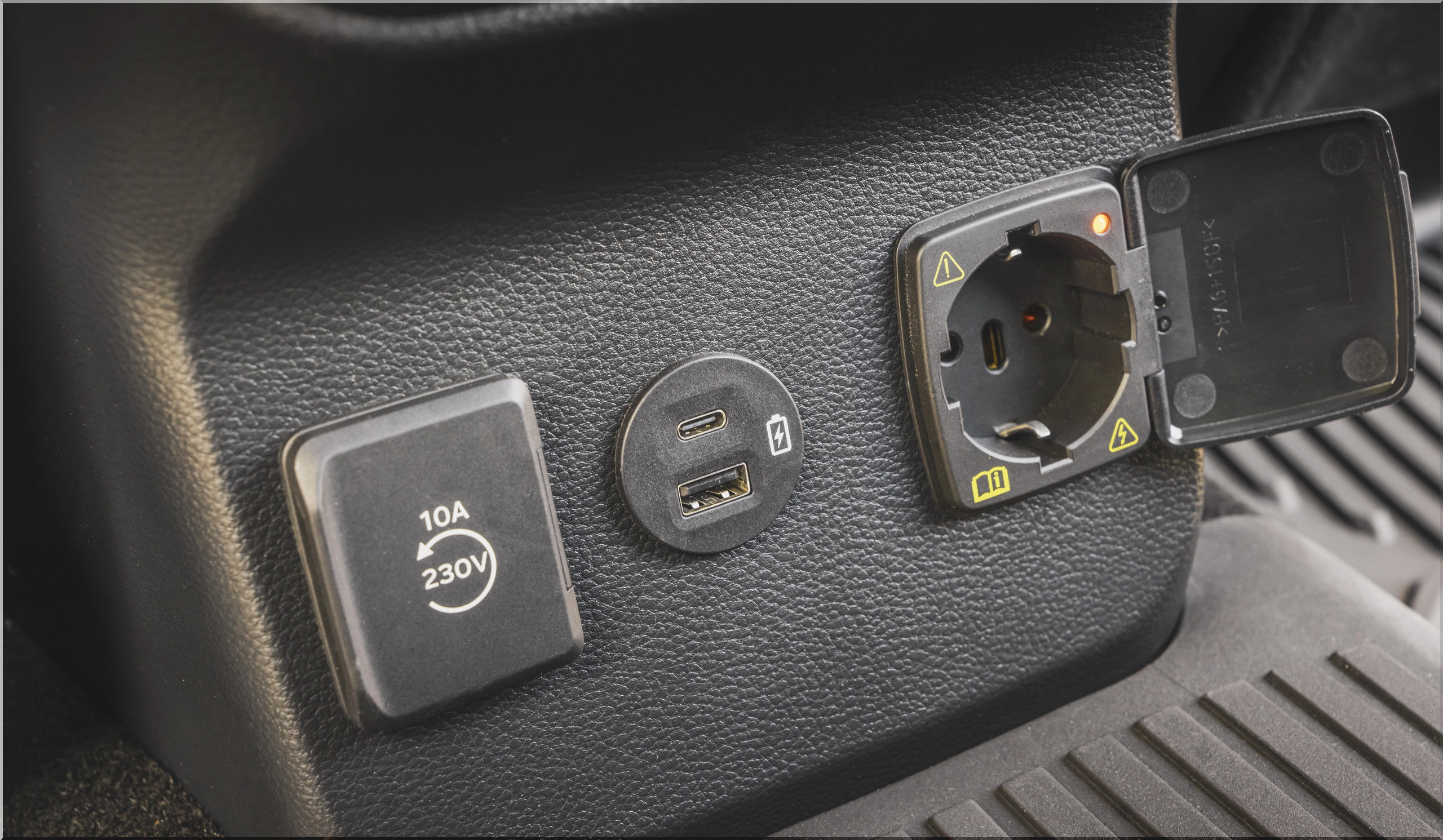
The Pro Power Onboard system turns the Ranger PHEV into a mobile power source. Two versions are available:
- 2.3 kW system – Runs e-bikes, fridges, and smaller devices
- 6.9 kW system – Powers mixers, grinders, and floodlights together
Each includes 15A outlets in the truck bed, replacing the need for external gas-powered generators.
Trim Levels and Equipment
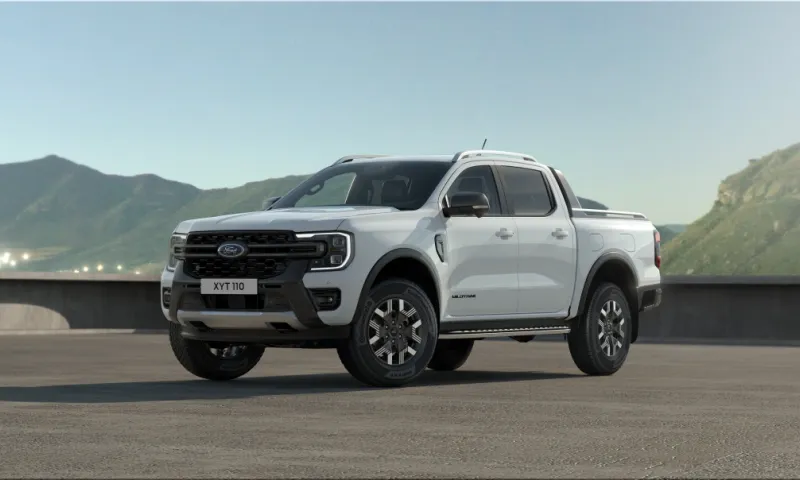
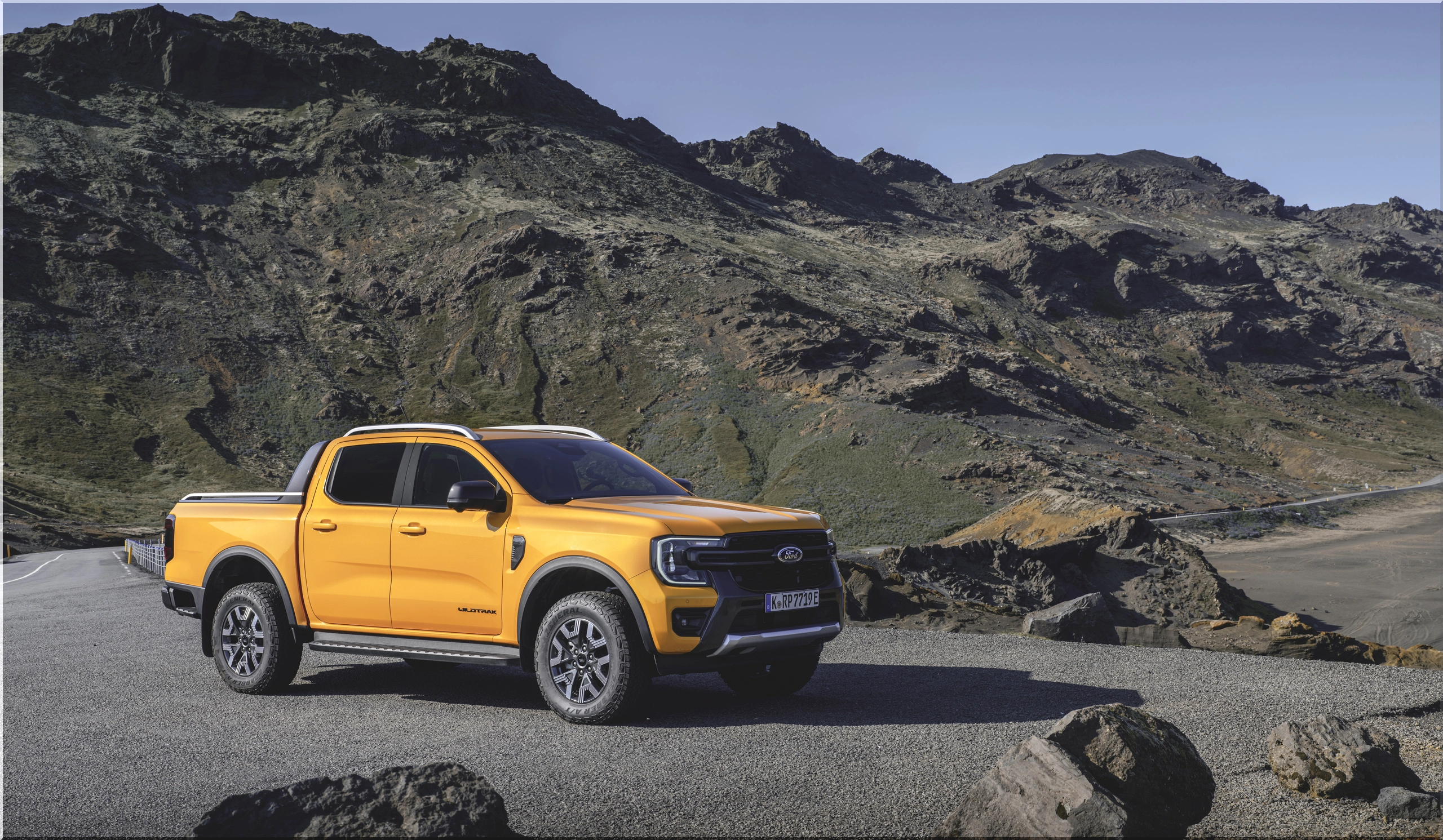
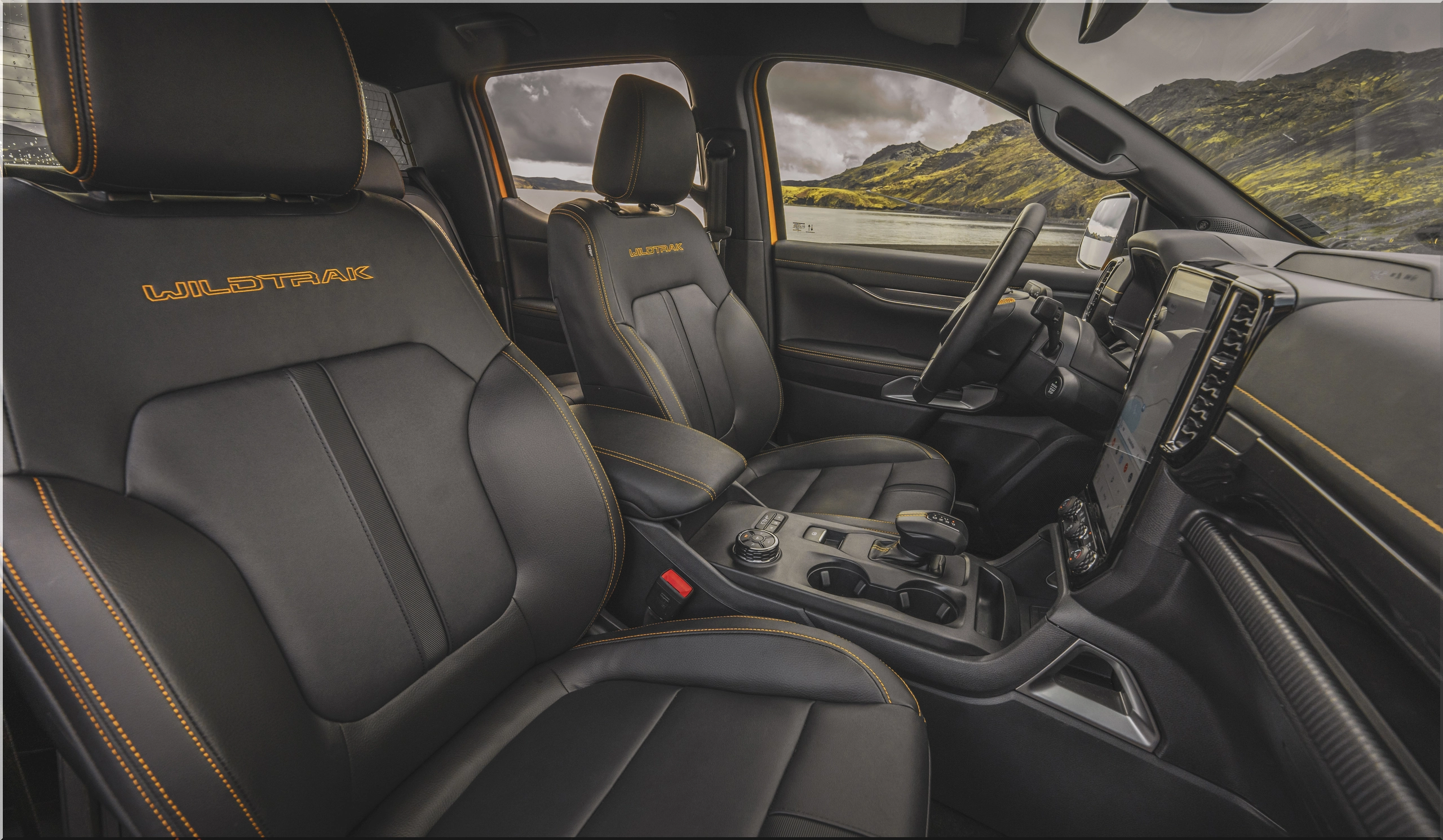
Two trims are confirmed: XLT and Wildtrak, both featuring a Double Cab with seating for five. A third version, Stormtrak, is reserved for select markets.
Ranger PHEV XLT
- 17-inch alloy wheels
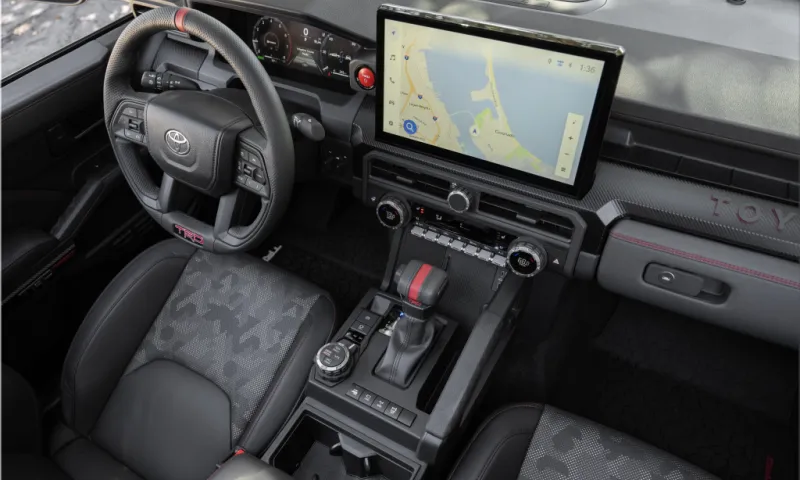
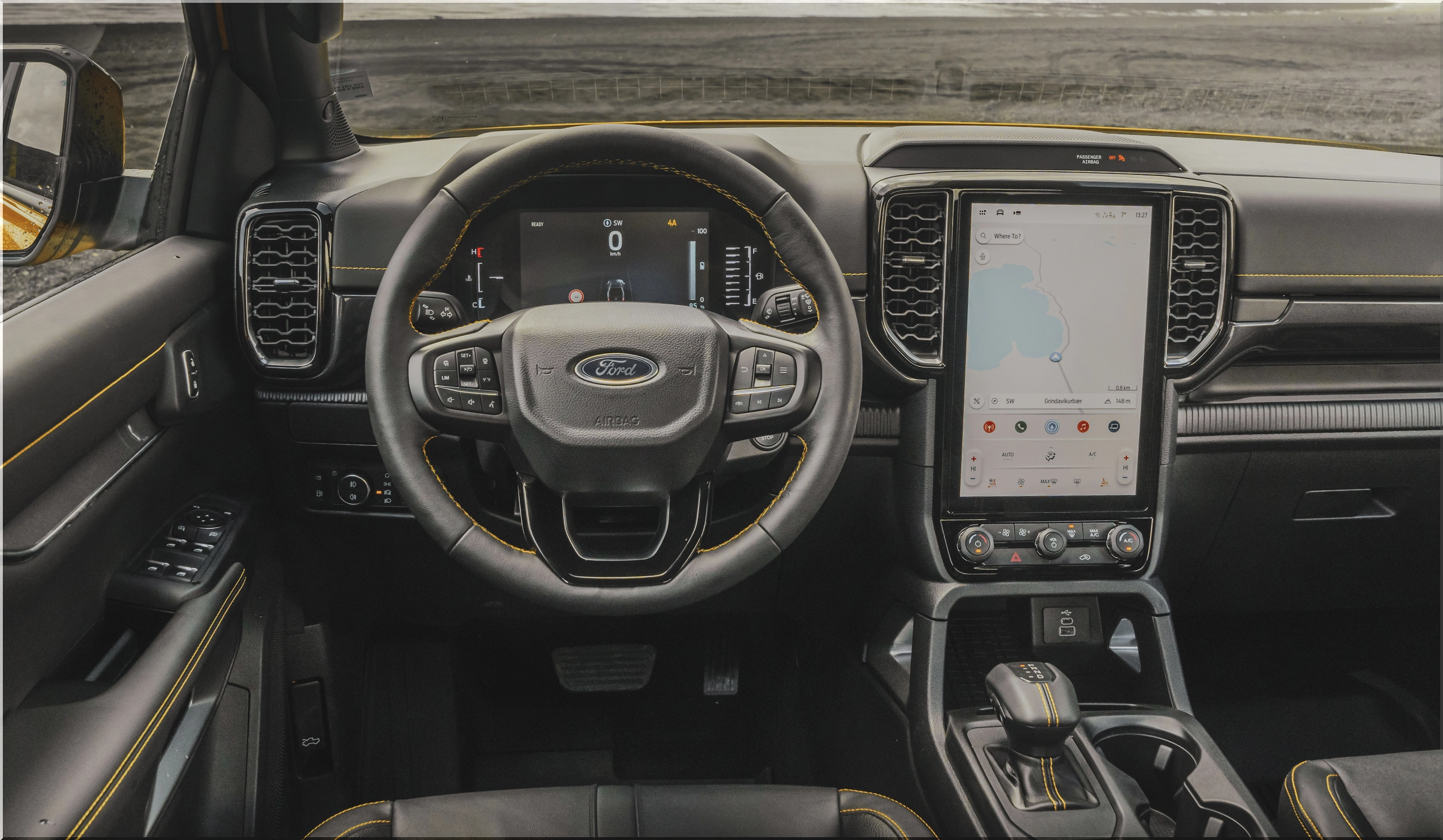
- 12-inch SYNC 4 touchscreen
- Heated front seats and steering wheel
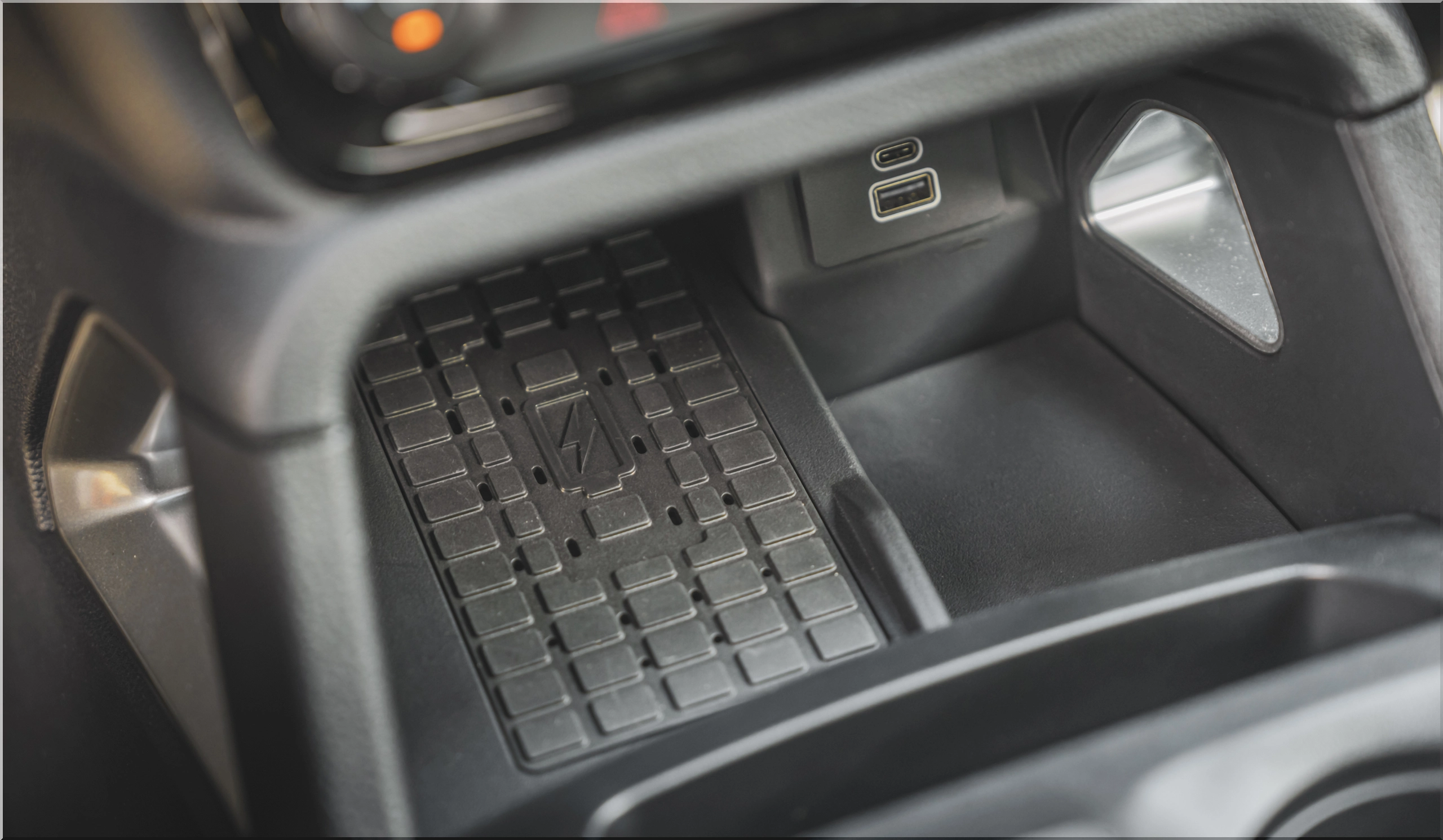
- Wireless phone charging
- Driver assistance: Pre-Collision Assist, Lane Keeping Aid, Rear View Camera
- Starting at approximately $53,600 USD
Ranger PHEV Wildtrak
- Adds 360-degree zone lighting
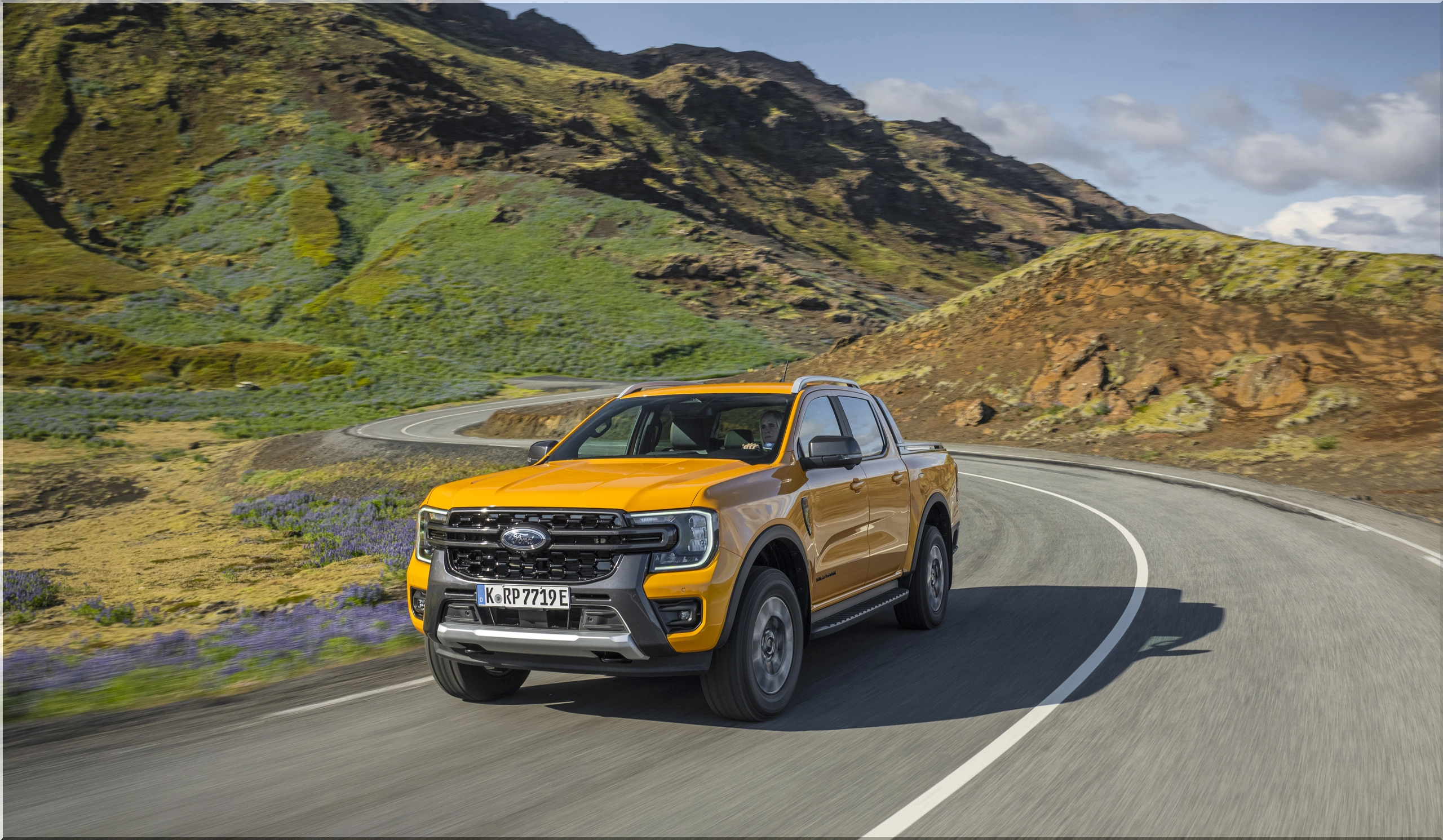
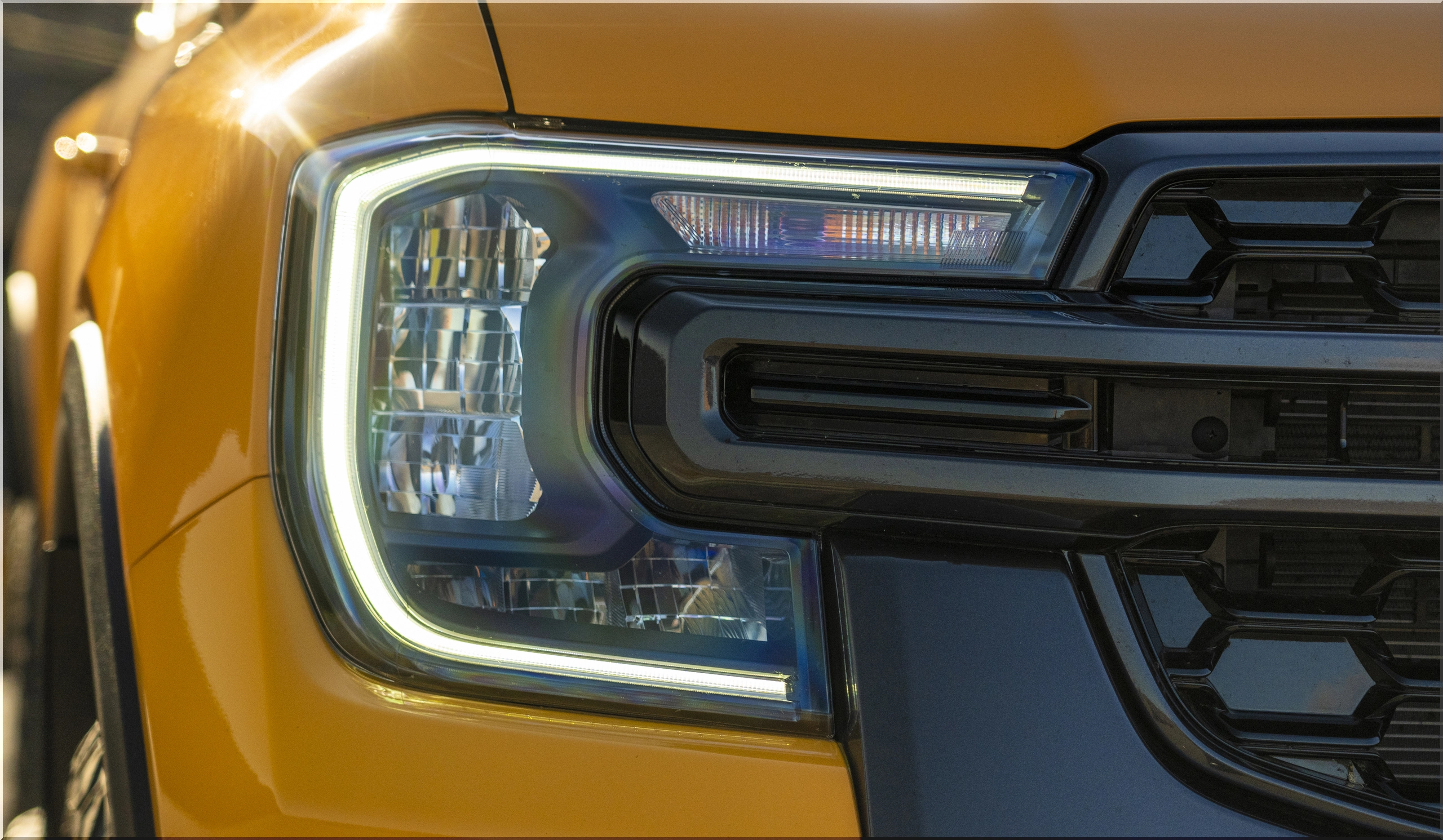
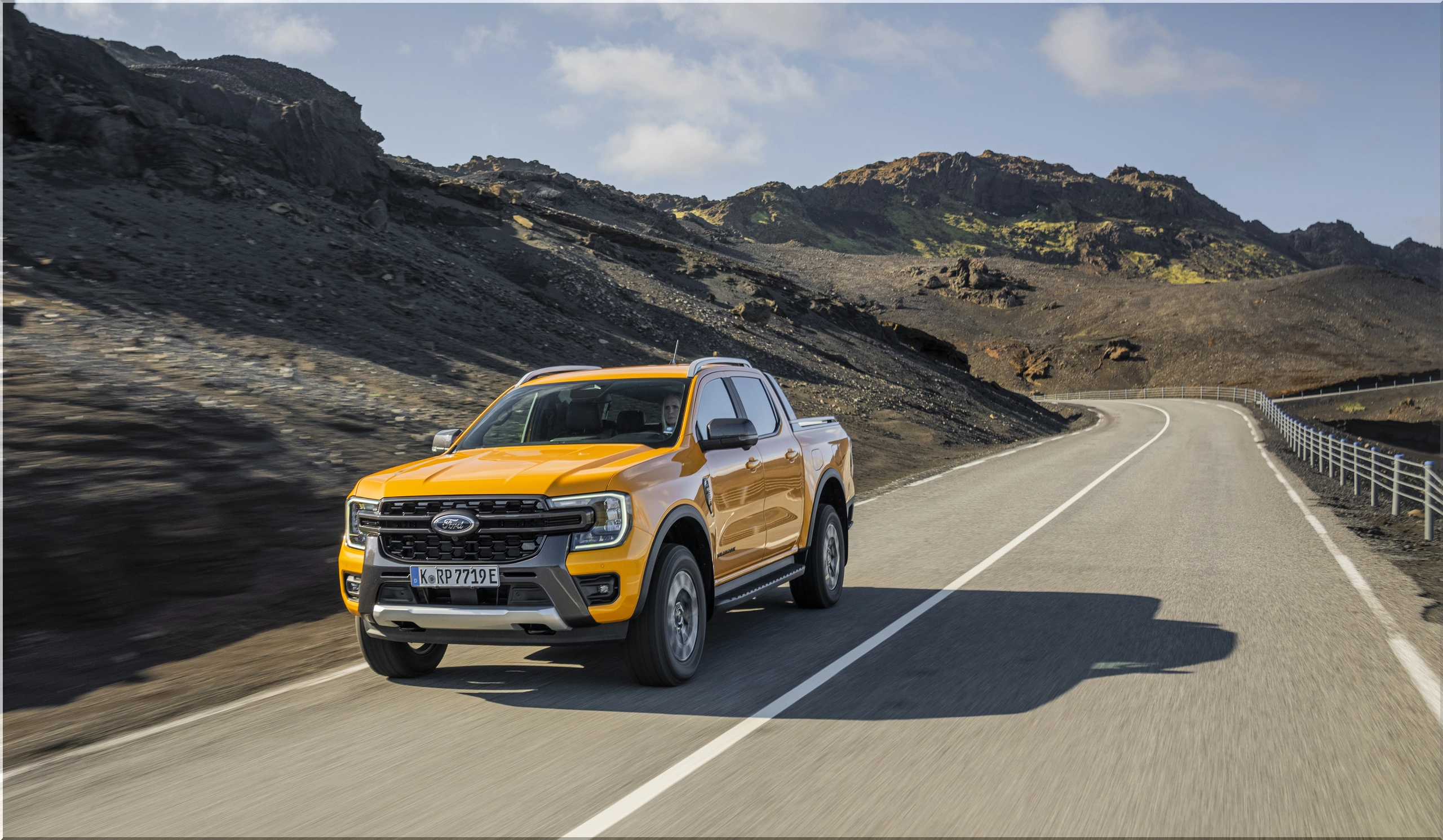
- Exclusive exterior styling
- Starting at approximately $60,200 USD
Built for the European Market
Production is underway in Silverton, South Africa, targeting global demand. The Ranger remains the top-selling pickup across Europe, holding 43% market share last year. It led sales in 10 European countries, and accounted for over half of pickups sold in four of them.
Since 2012, more than 500,000 Rangers have been sold in Europe.
Feedback-Driven Development
Ford interviewed over 5,000 Ranger users, many of whom operate small businesses. Their trucks serve both work and recreational roles. The PHEV was built to meet this dual-use demand.
Updates include:
- Rear frame redesigned to house the battery
- Suspension tuned for hybrid-specific weight distribution
- Chassis revised for load balance and control
Built to Lower Operating Costs
The Ranger PHEV aims to cut long-term expenses by reducing fuel use and adding electric-only driving in emission-restricted zones. It also qualifies for incentives and reduced tolls in many regions.
Why Fleet Buyers Will Care
- Fuel savings on local jobs
- Mobile power for tools without a generator
- Compliance with urban emissions rules
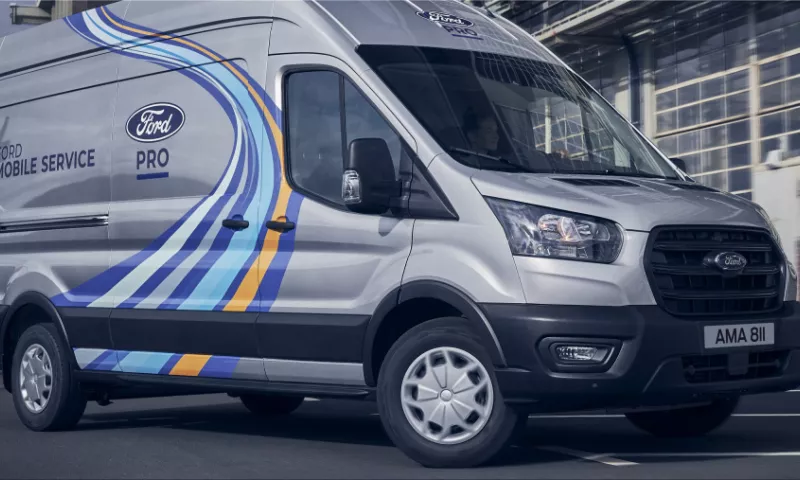
- Backed by Ford Pro service and financing tools
Ranger Remains a Global Workhorse
Sold in 180 markets worldwide, the Ranger now adds plug-in capability without giving up its core attributes. The Ranger PHEV is a transitional product—electrified, but still practical and proven.
The hybrid doesn’t change the Ranger’s DNA. It just expands what it can do—quietly and efficiently.
- Add new comment
- 462 views