The Vito’s 30-Year Legacy in Commercial Transport
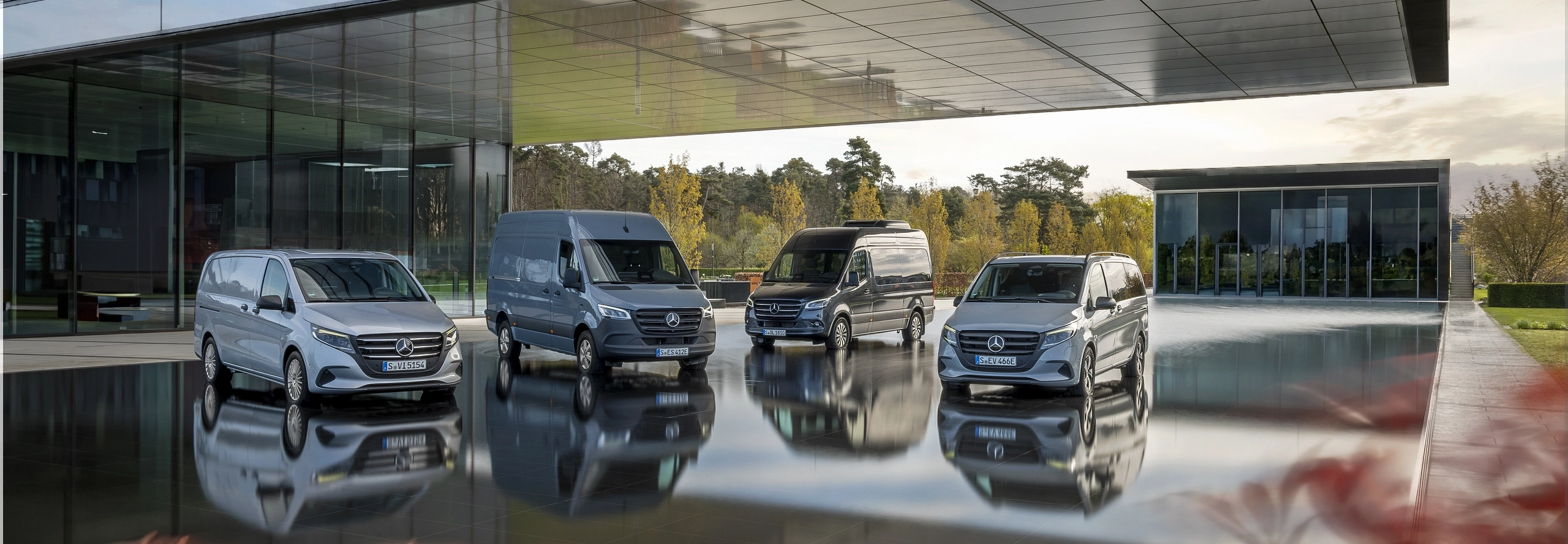
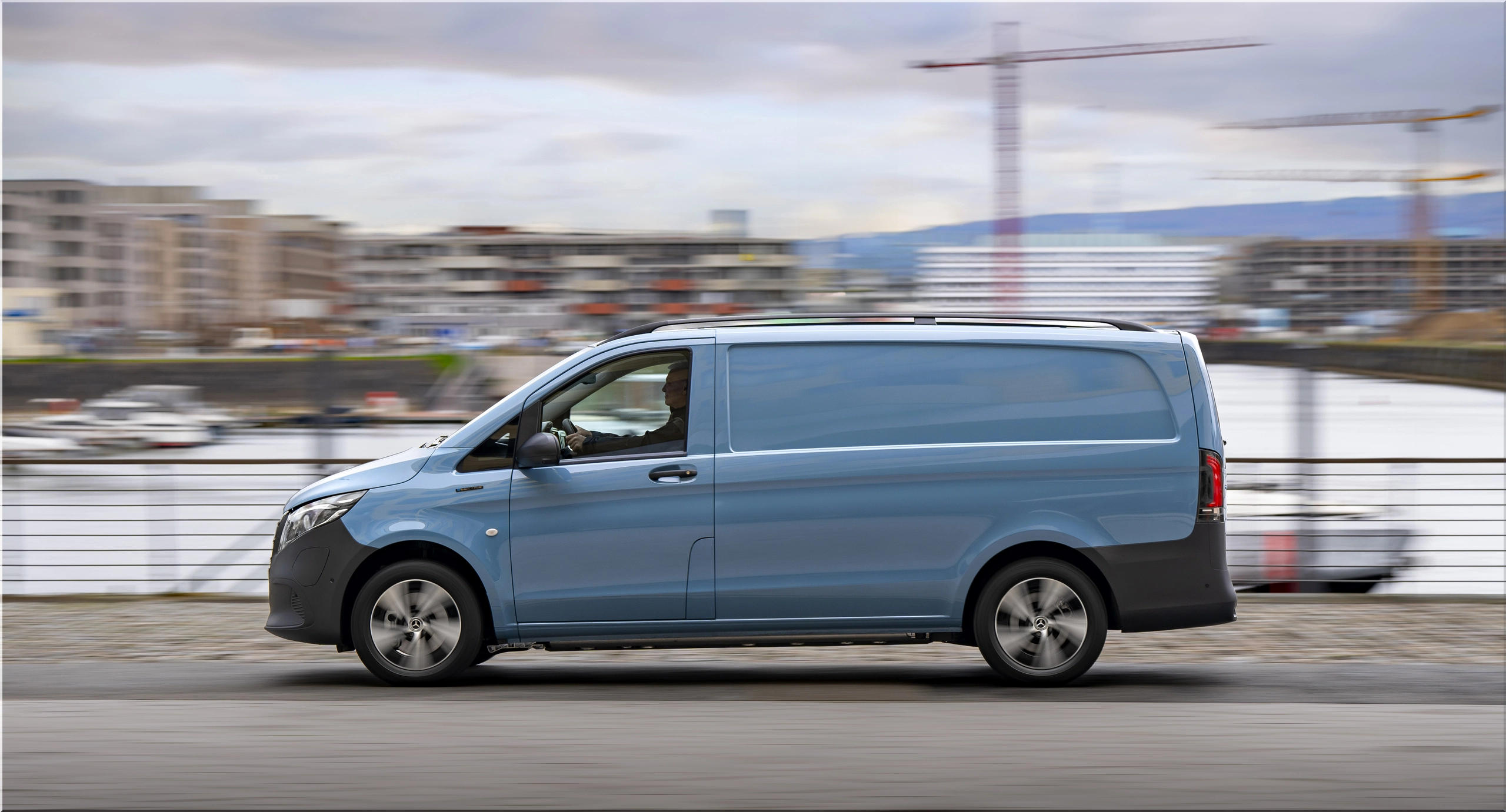
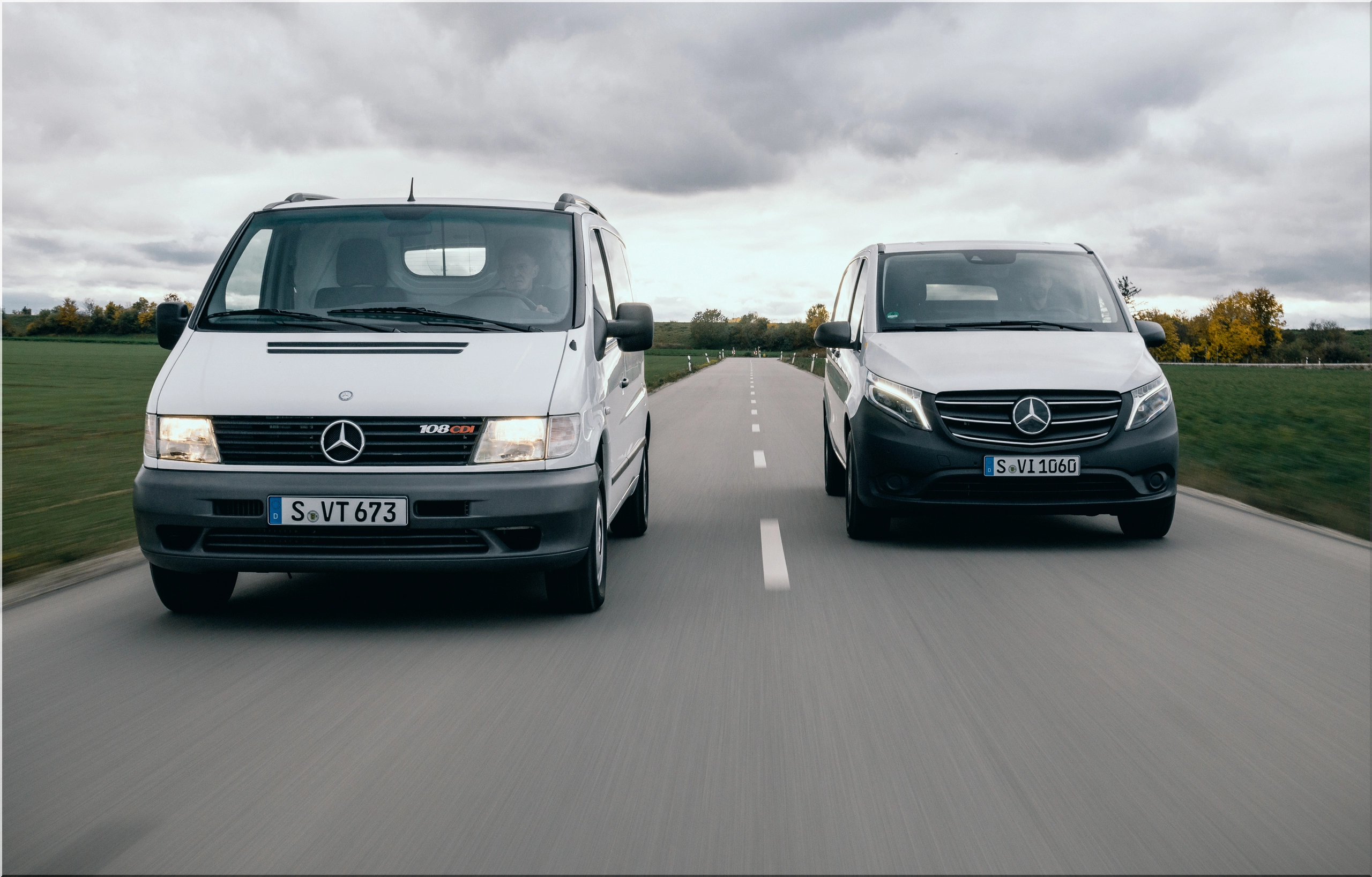
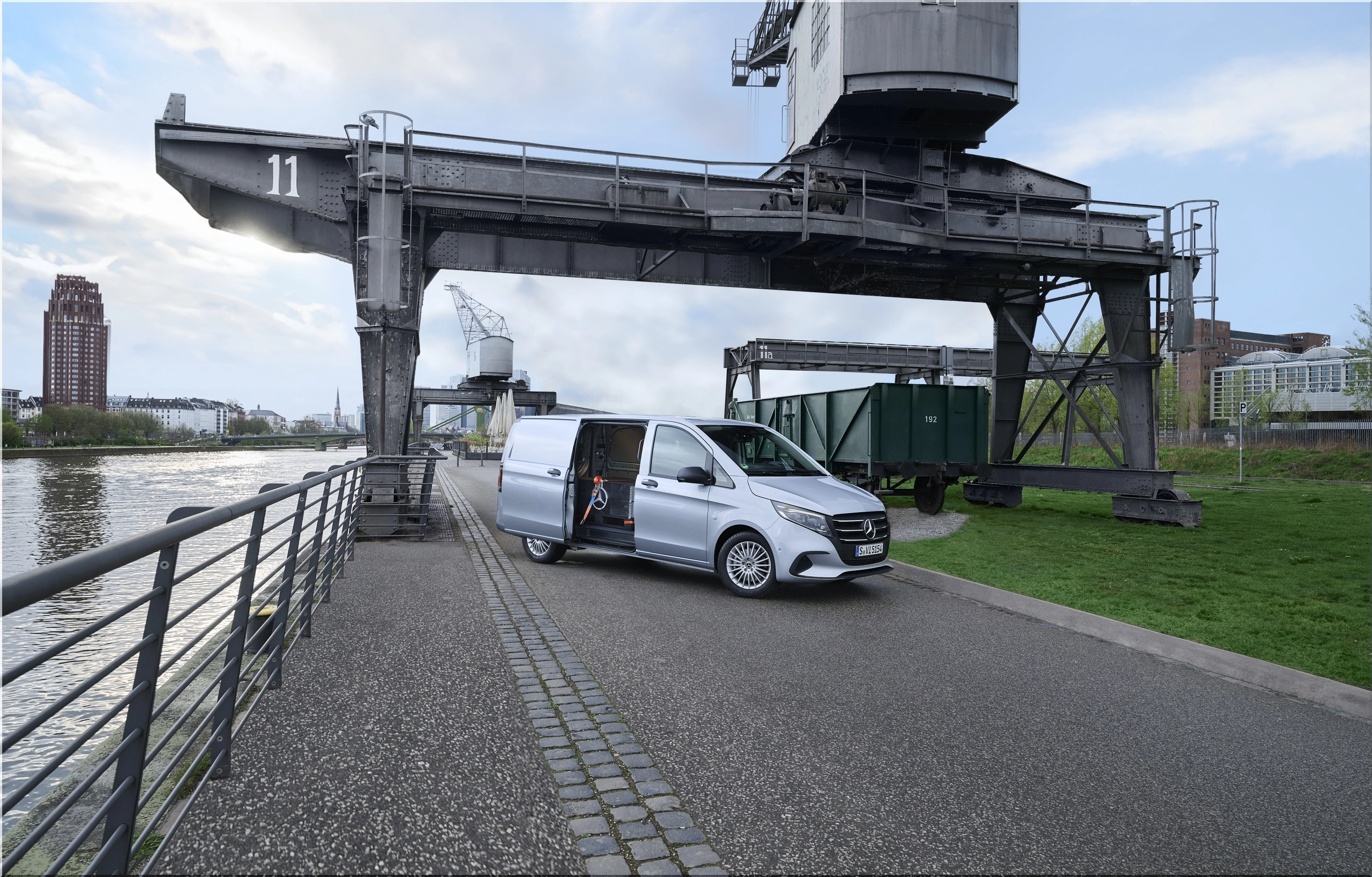
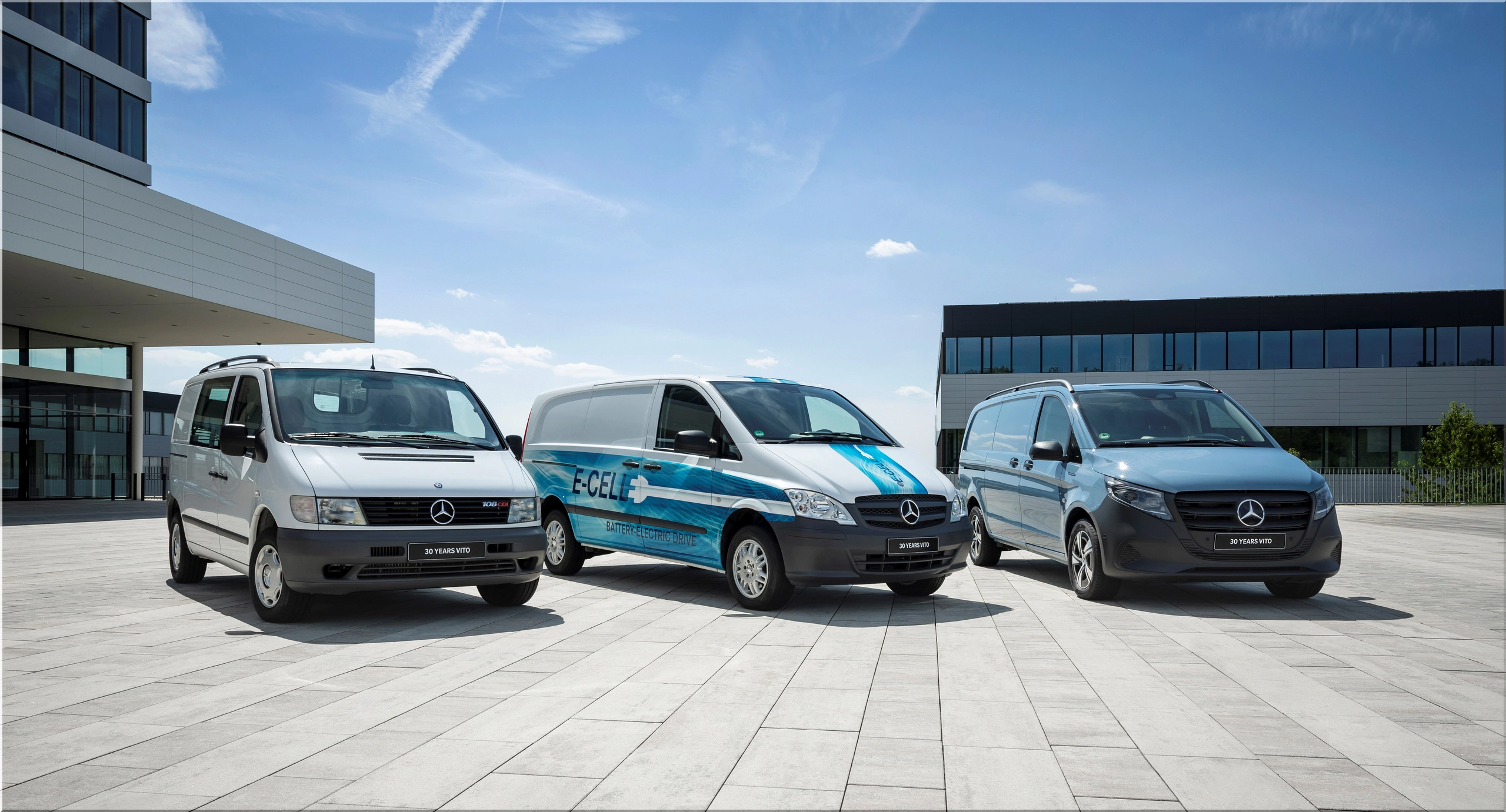
Mercedes-Benz celebrates three decades of the Vito, a van that has shaped the midsize commercial segment since 1995. Over the years, the Vito has delivered consistent results for tradespeople, service providers, and fleet operators. Its mix of compact dimensions, high payload capacity, and reliability keeps it relevant in urban and rural operations.
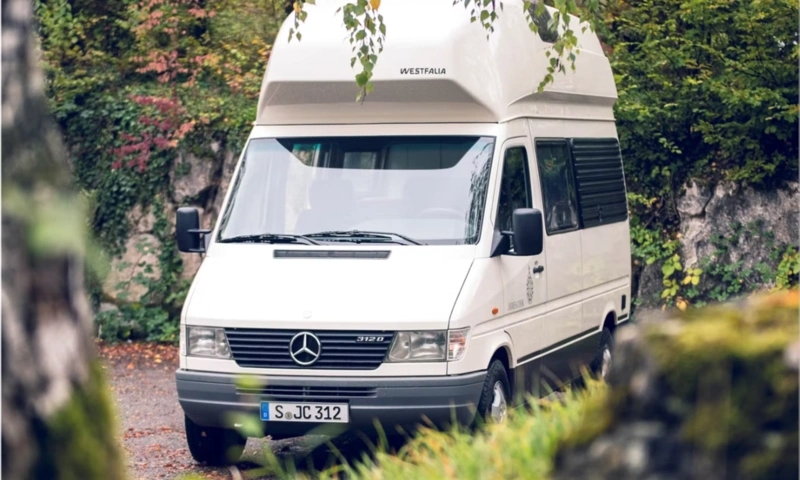
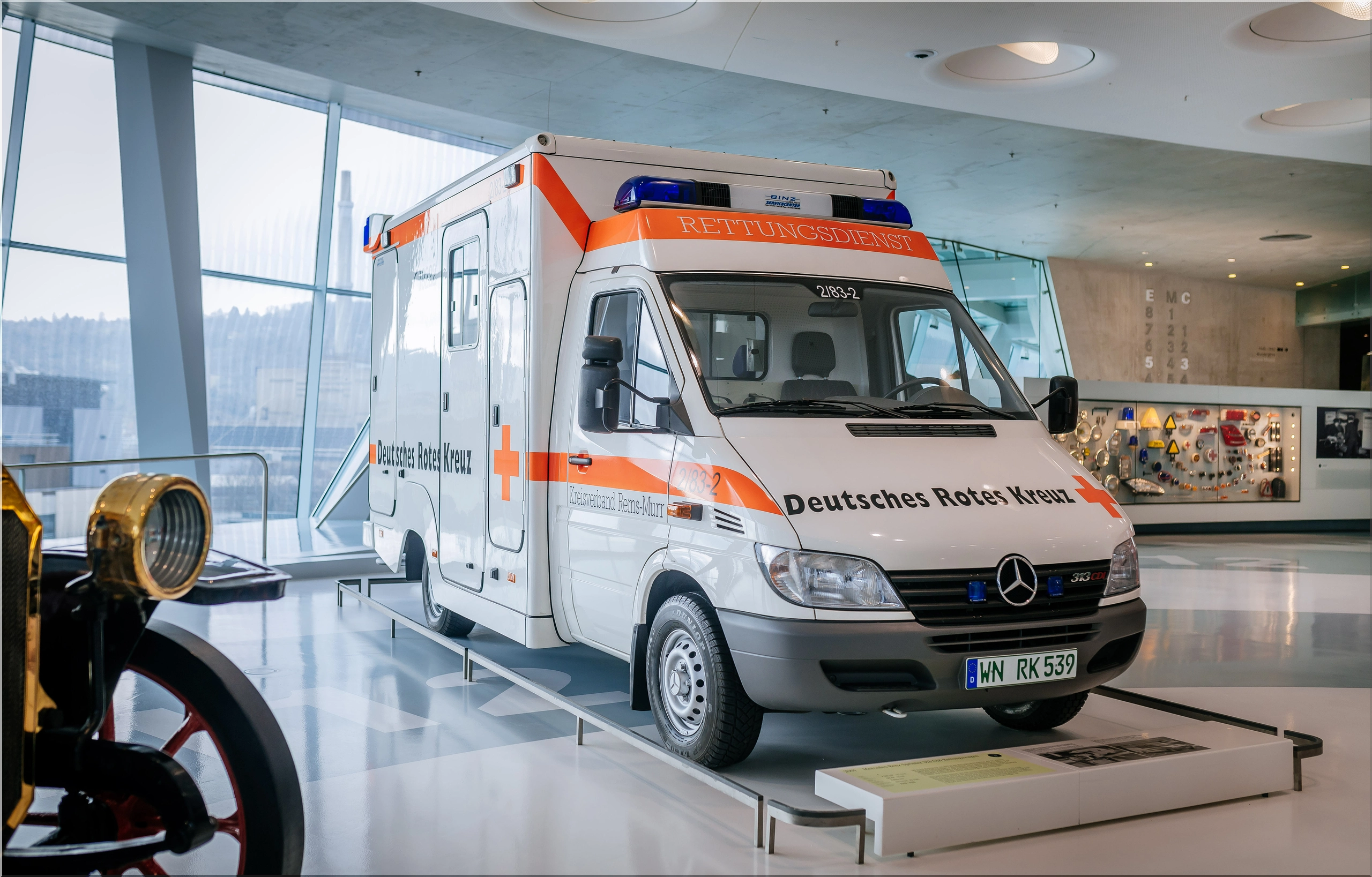
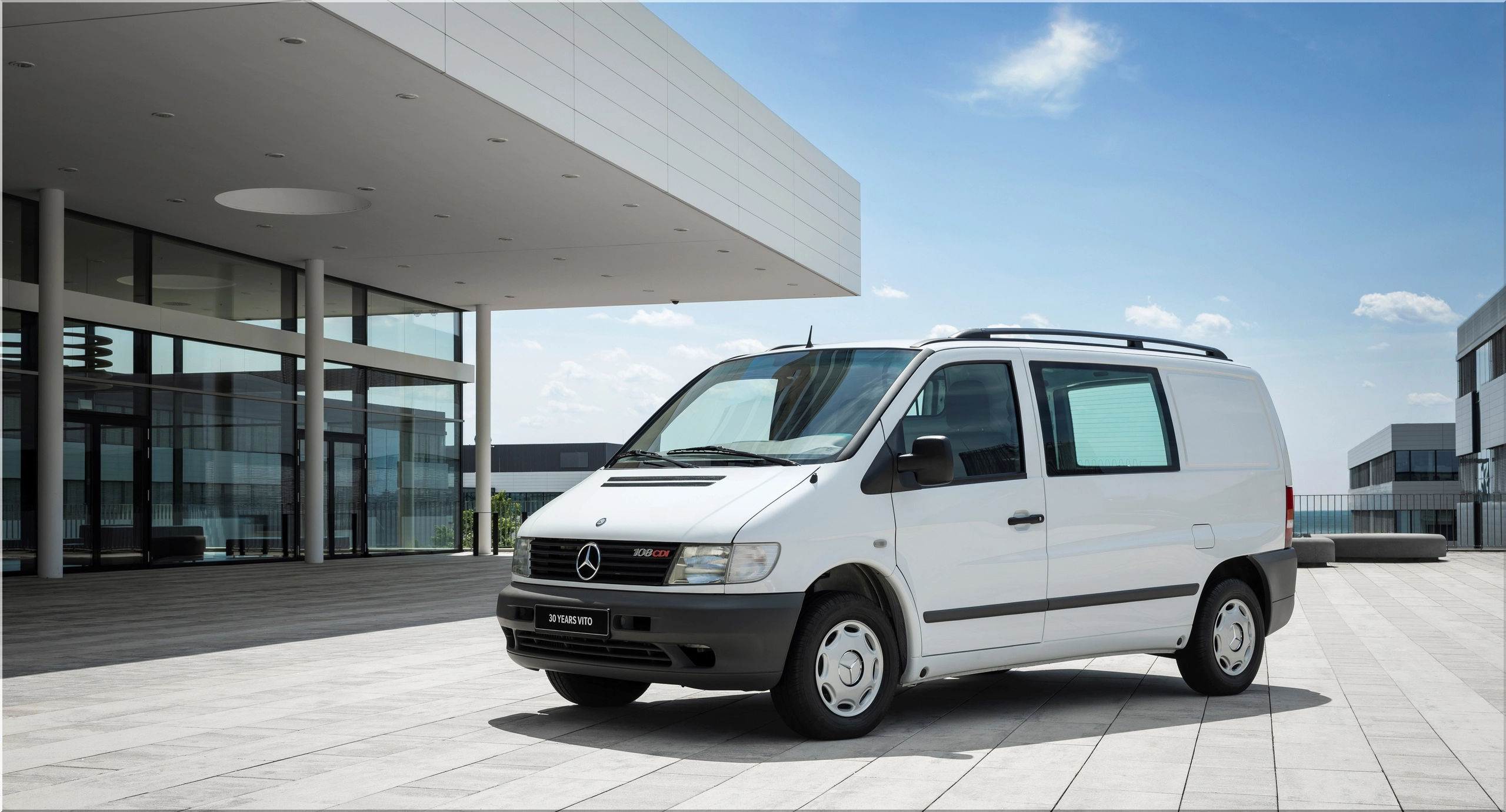
The Vito started with front-wheel drive and a 2.6 to 2.8-ton gross vehicle weight rating. Its early success was due to practical features: a low height for parking garages, a one-ton payload, and strong safety equipment for its class. By 2003, Mercedes sold 473,000 units of the first-generation Vito.
Key Milestones: Three Generations of Progress
First Generation (1995–2003)
- Payload: 1 ton
- Cargo area: 3.6 m², volume 5 m³
- Engines: four-cylinder petrol and diesel
- Safety: ABS, driver airbag, disk brakes on all wheels
- Sales: 473,000 units
- Award: Van of the Year 1996
Second Generation (2003–2014)
Mercedes redesigned the Vito with rear-wheel drive, improving handling and load capability. The range expanded with:
- Payload: up to 1,295 kg
- Engine options: from four-cylinder to V6
- All-wheel drive introduced
- Variants: three lengths, two roof heights
- Electrification milestone: Vito E-CELL (2010) with 70 kW motor, 130 km range
- Sales: 750,000 units
- Award: Van of the Year 2005
Third Generation (2014–2023)
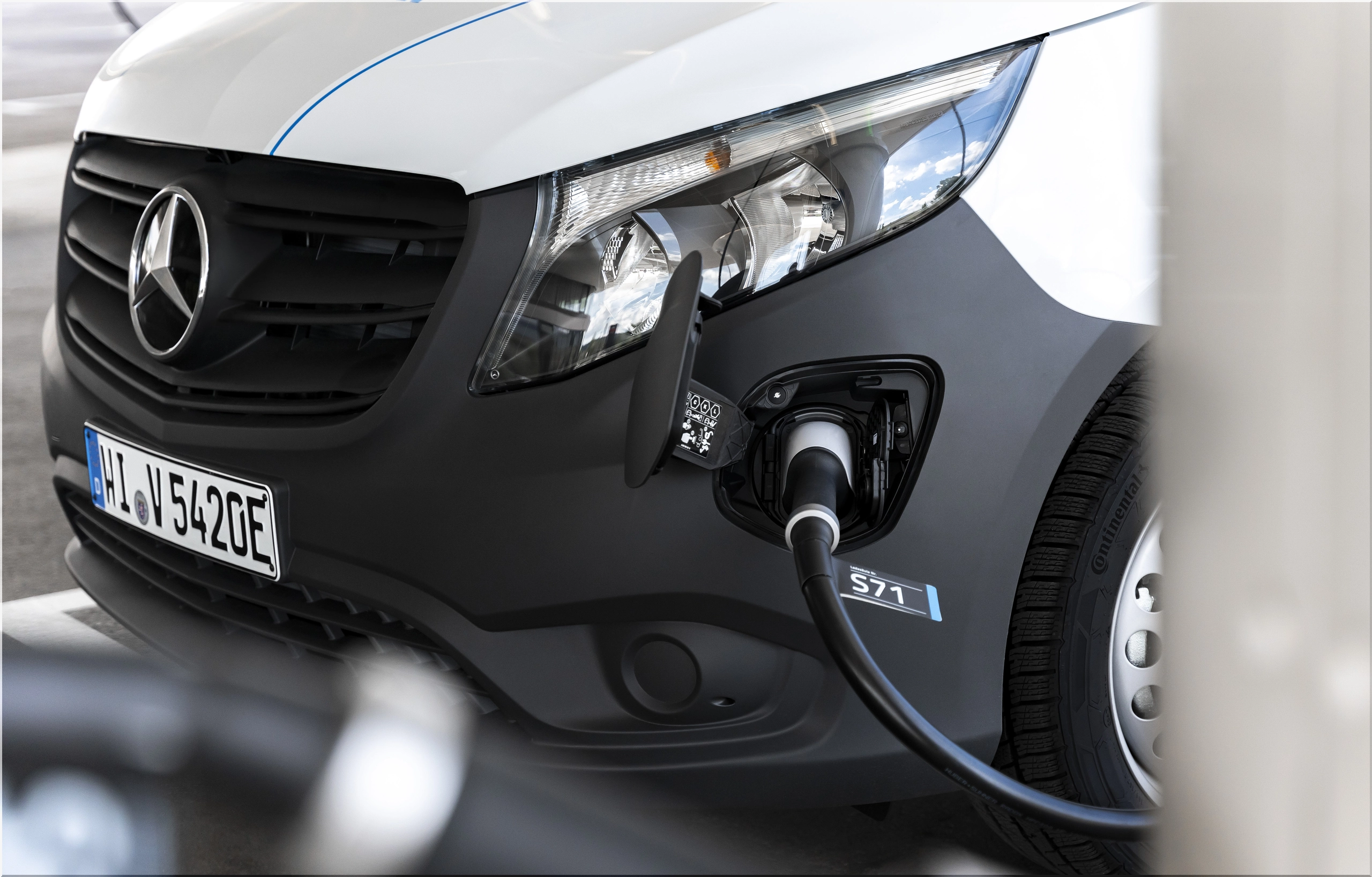
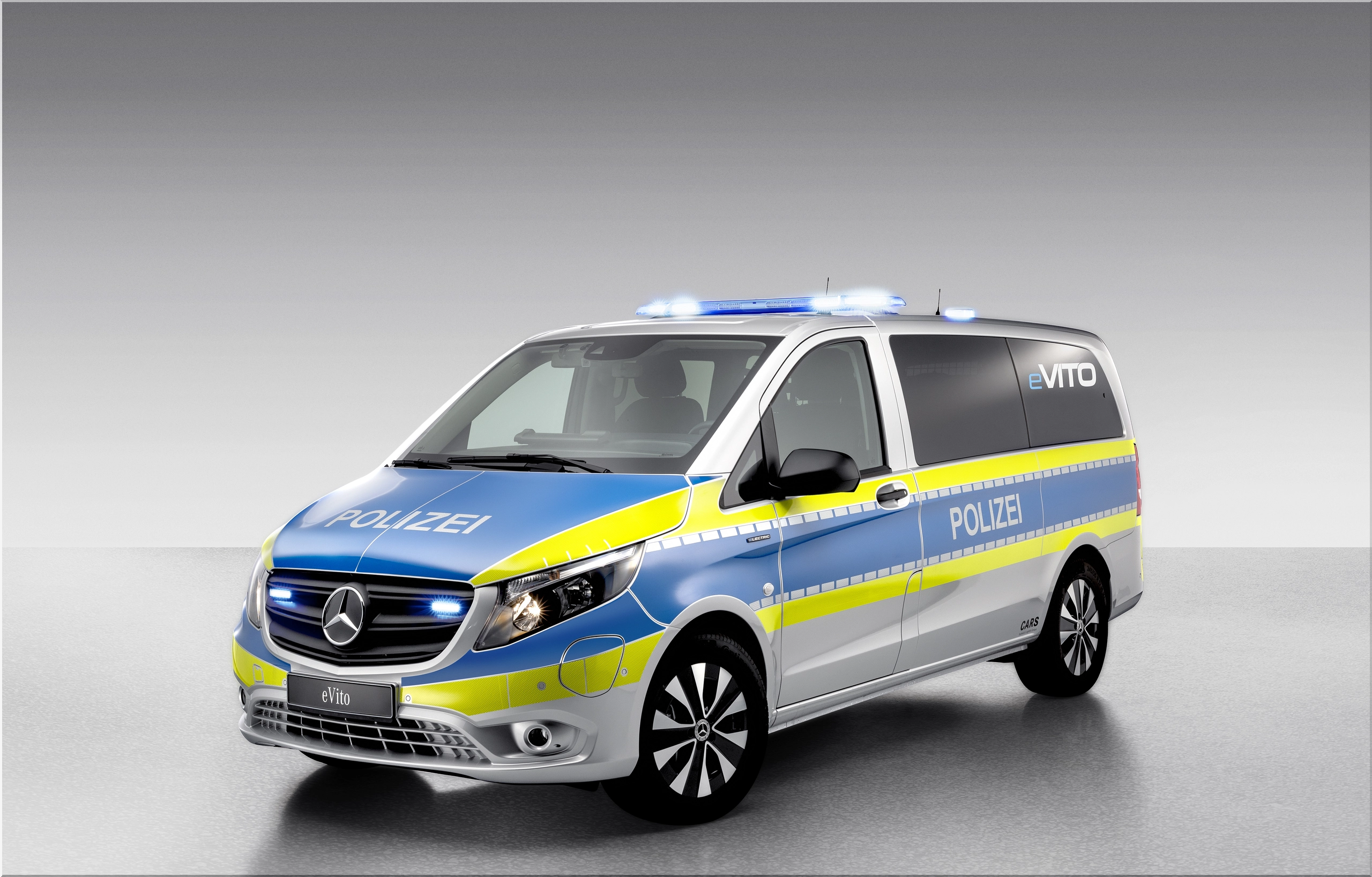
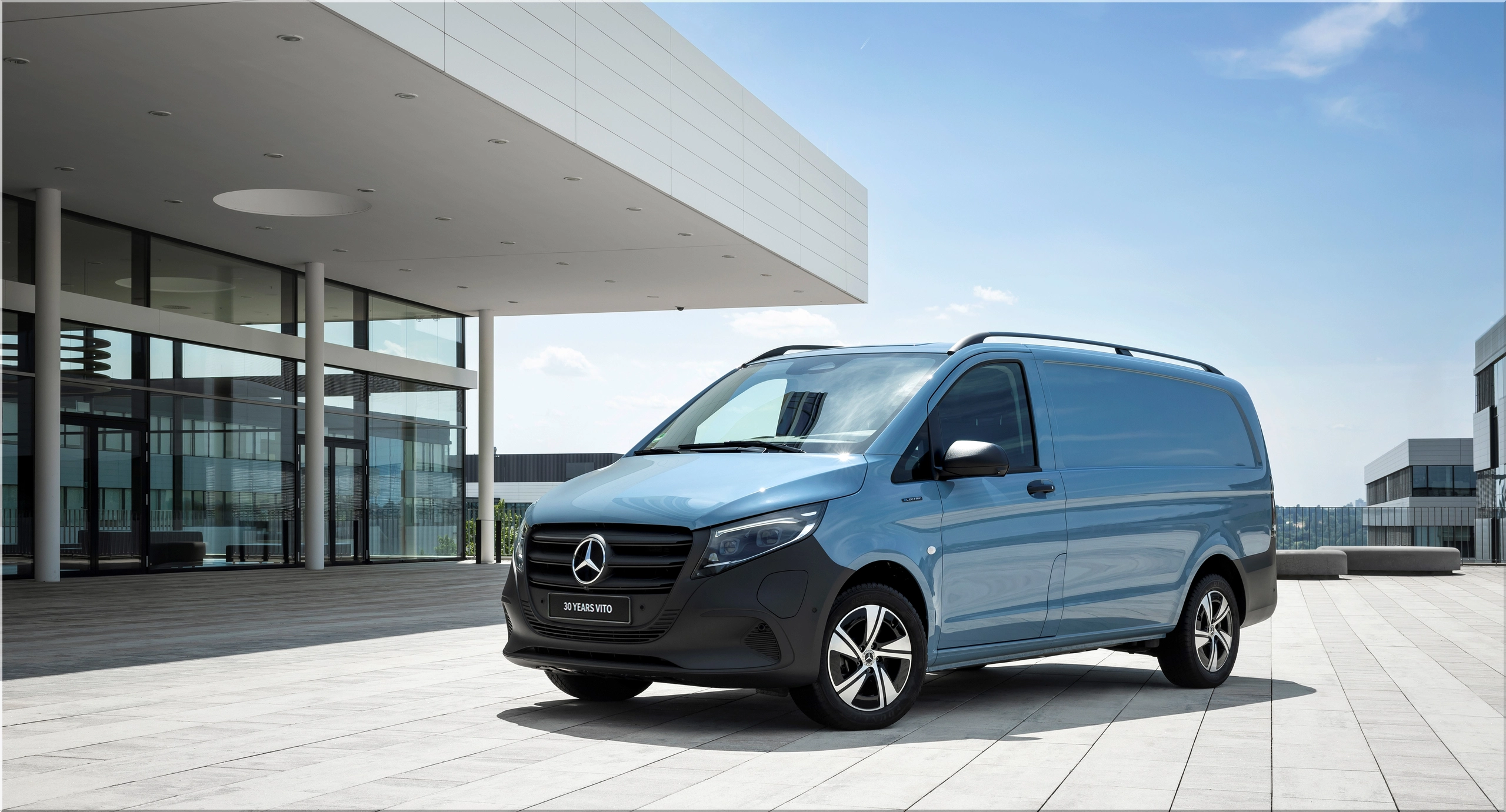
The third generation increased length by 13 cm (up to 5.37 m) and payload to 1,369 kg. Safety improved with standard airbags and features like Crosswind Assist. The eVito (2018) brought full electrification to the segment. The 2020 update added:
- OM 654 diesel engines (more power, less fuel use)
- 9G-TRONIC automatic transmission
- Advanced assistance: DISTRONIC, AIRMATIC suspension
The 2024 Update: Connectivity and Efficiency
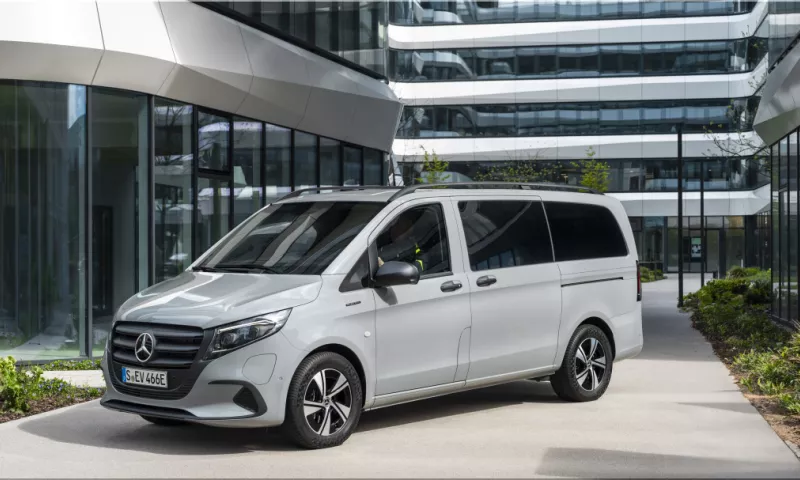
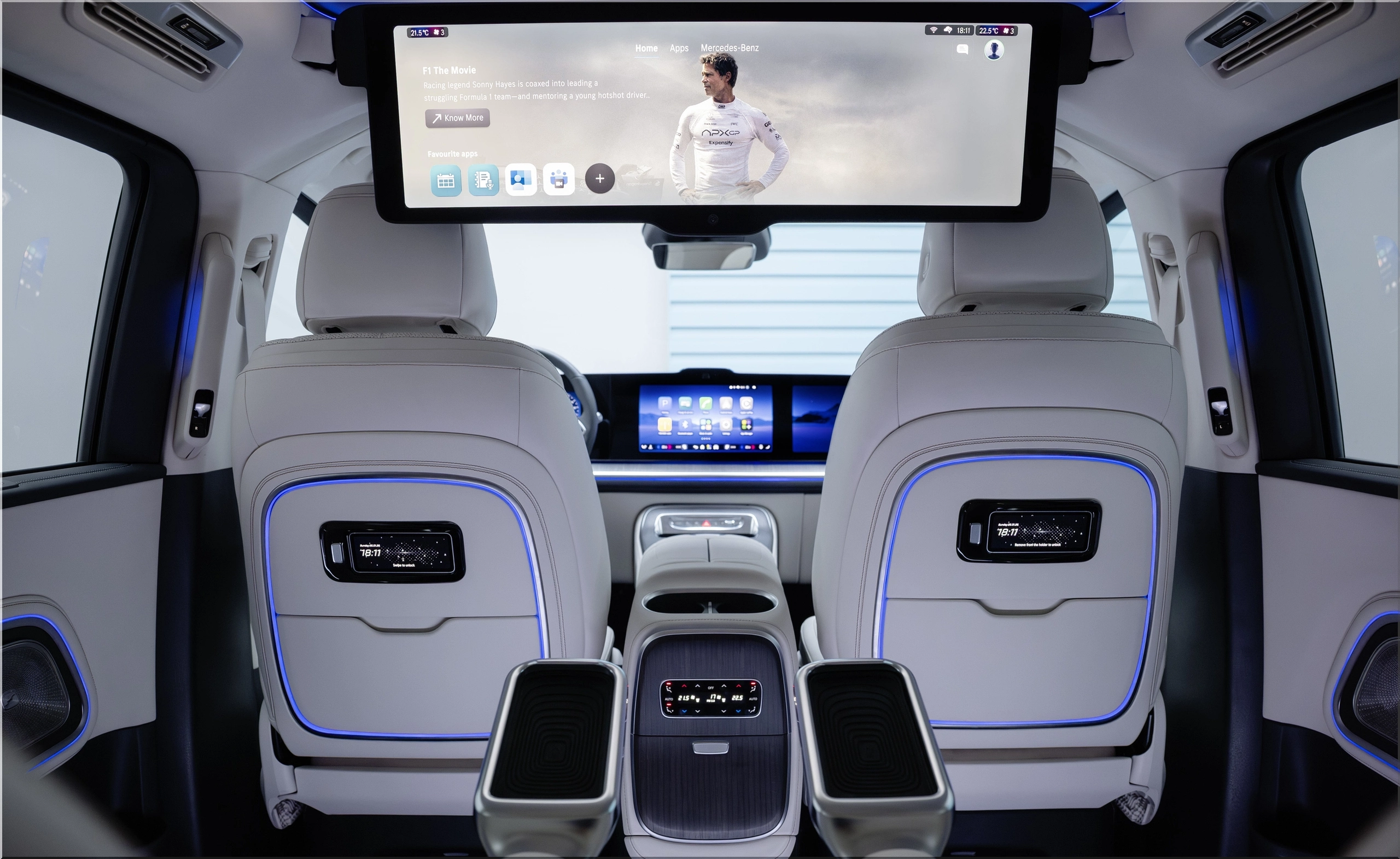
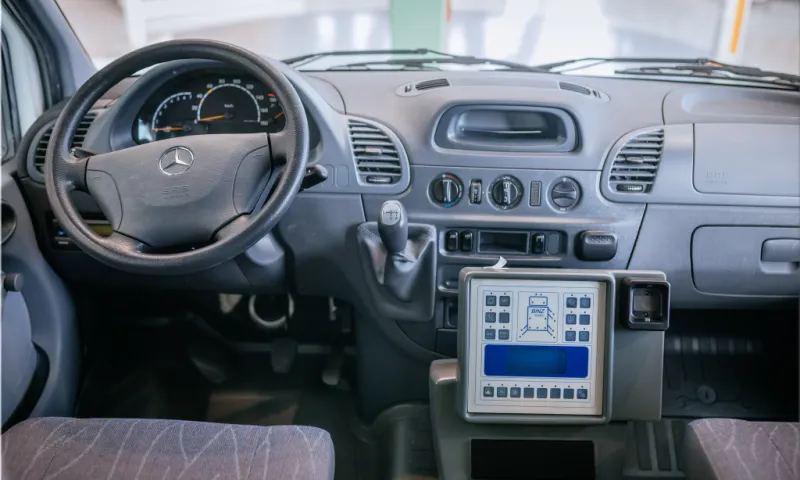
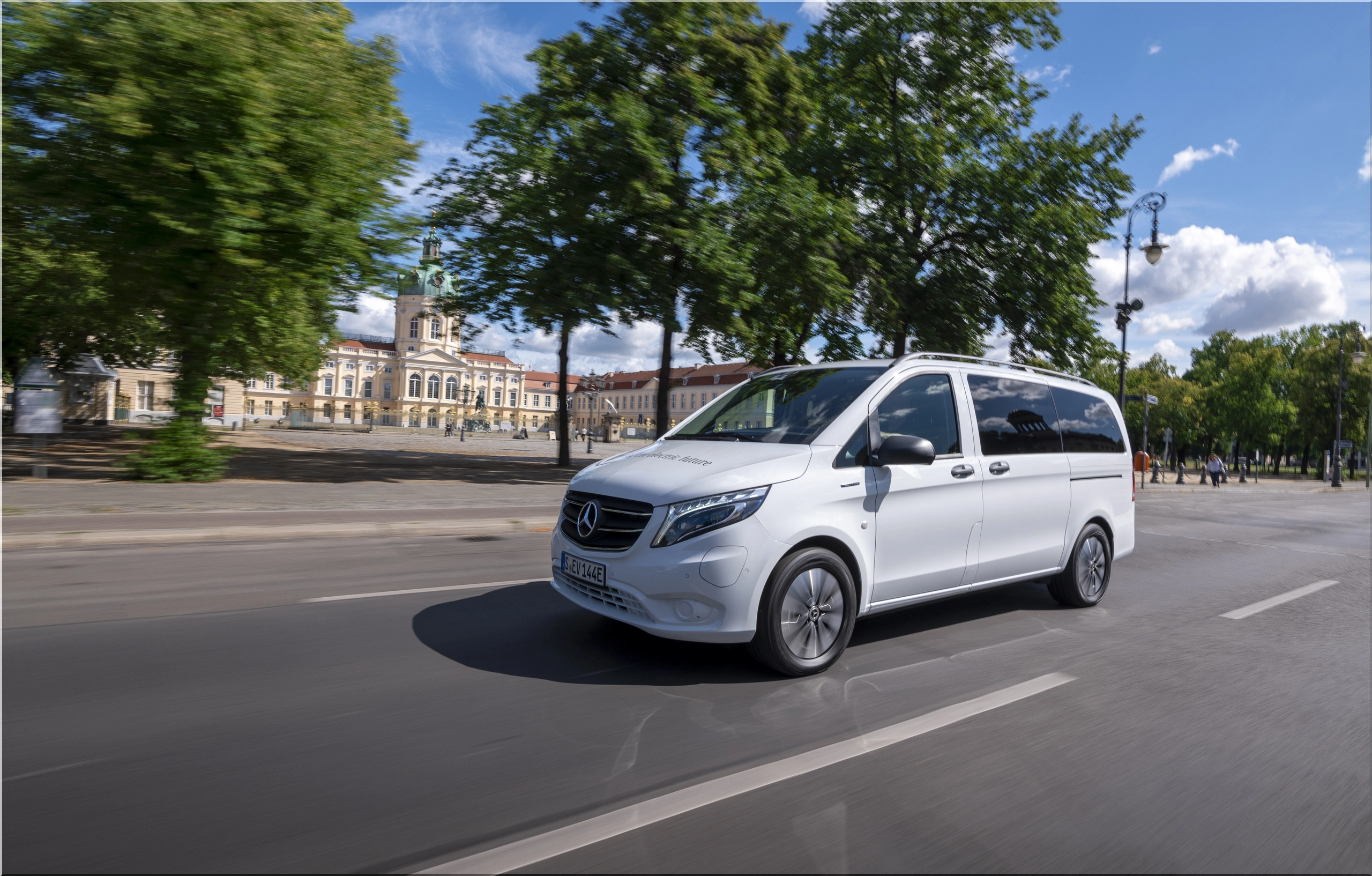
The latest Vito generation integrates MBUX multimedia, improved safety (Active Brake Assist, Active Lane Keeping), and optional mild-hybrid petrol engines. The eVito gained a 480 km WLTP range with an 85 kW motor and 90 kWh battery.
Pricing (USD Equivalent)
- Vito: starts at $35,400
- eVito: starts at $47,100
Why the Vito Remains Competitive
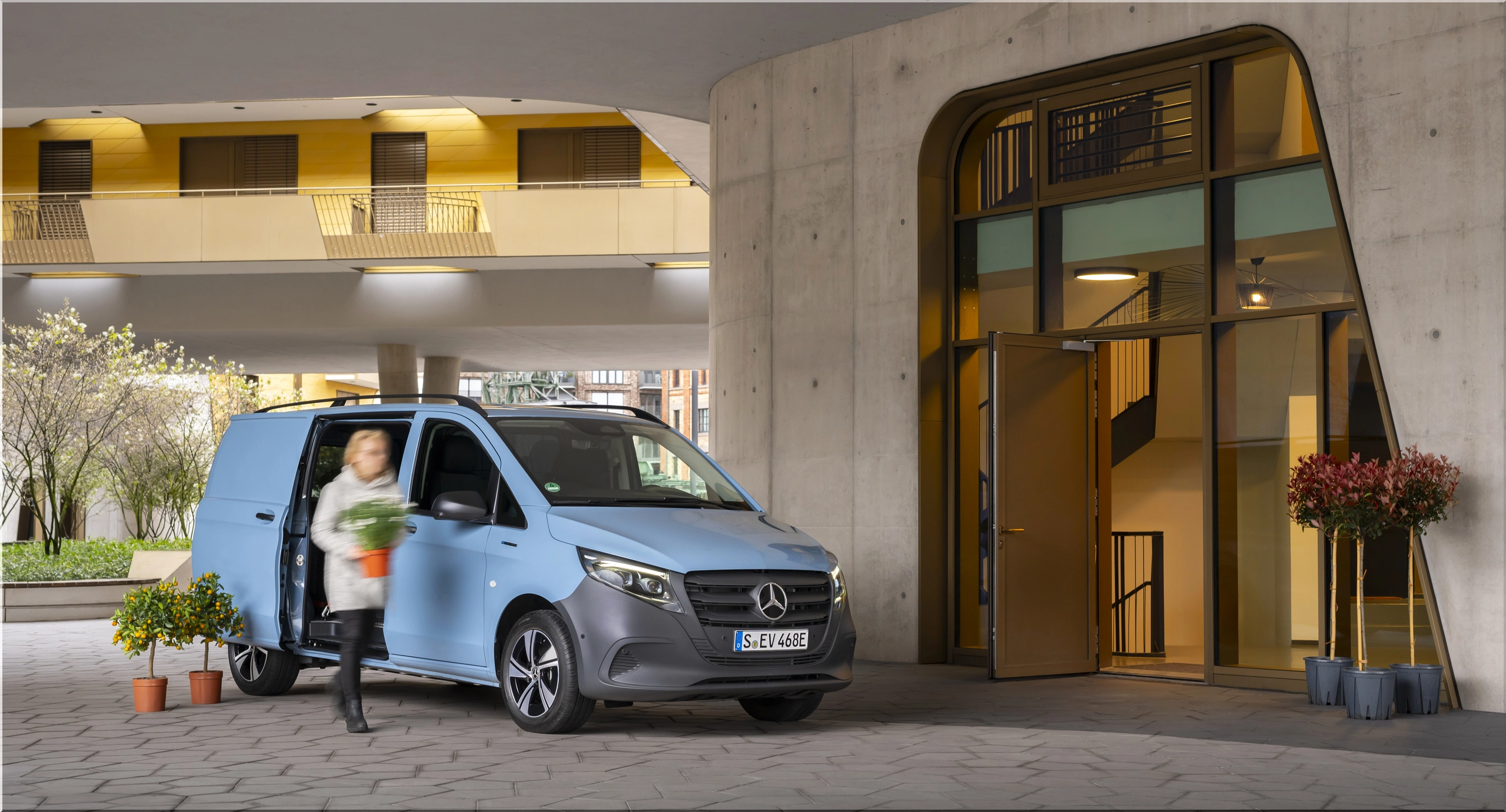
Mercedes positions the Vito as a quarter of its van sales. Its urban adaptability and payload flexibility drive demand. Key strengths:
- Compact size for tight city streets
- Payload over 1.3 tons
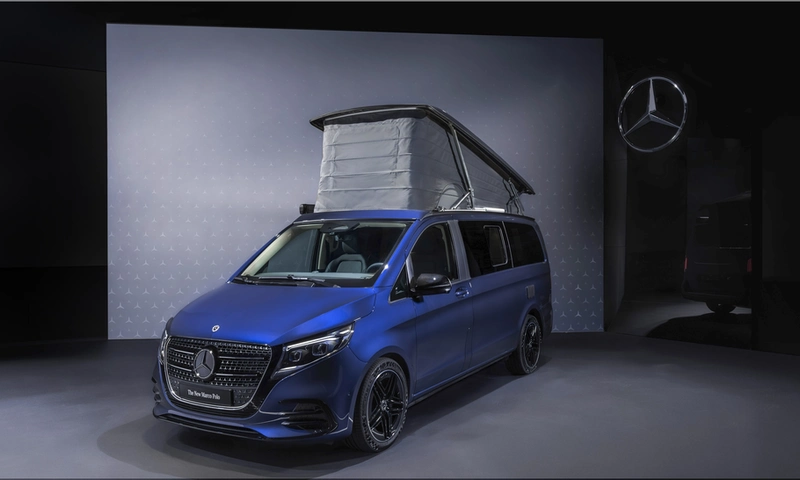
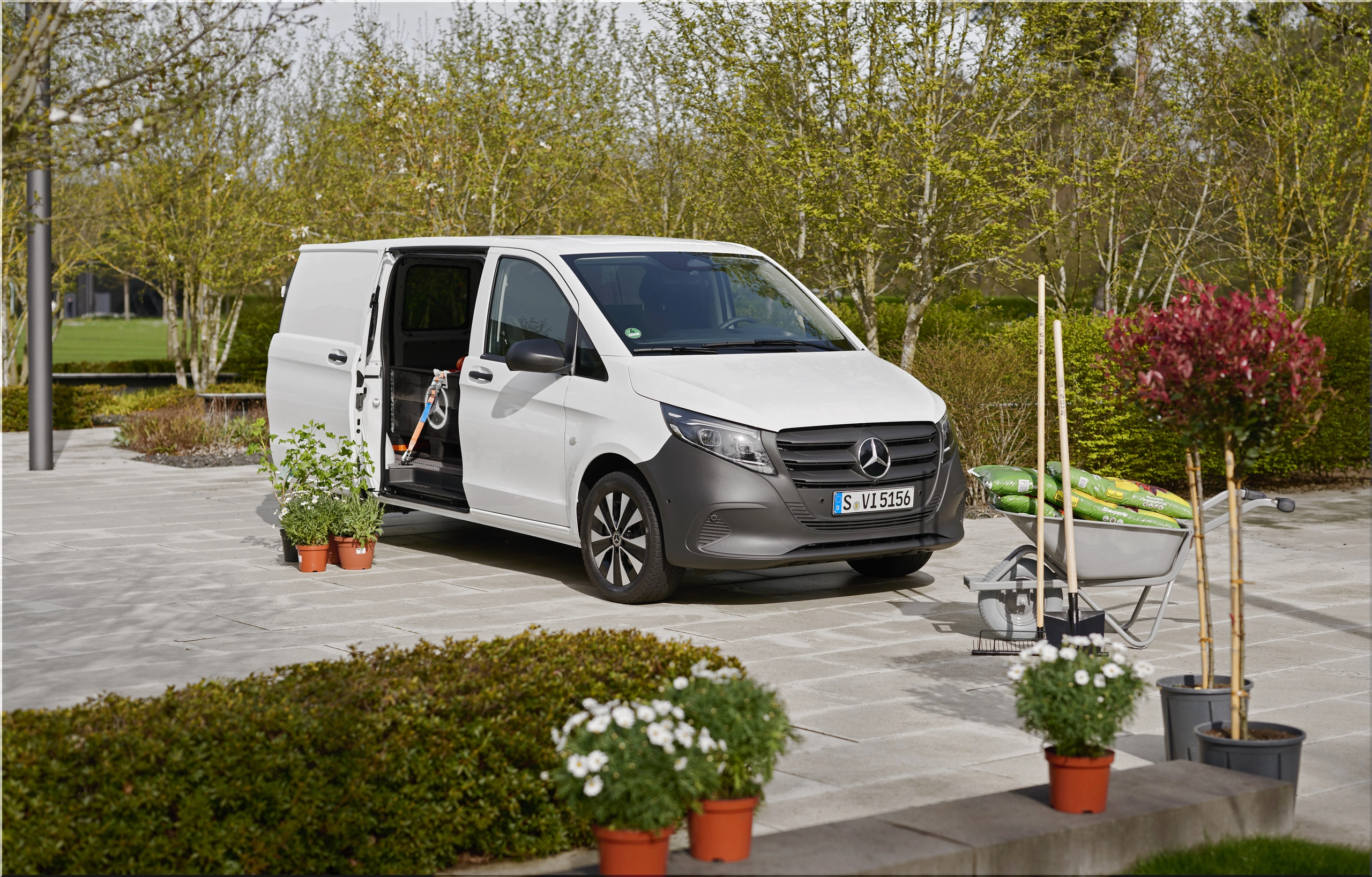
- Variants for cargo, passenger, and specialty conversions
- Electrified option with competitive range for urban fleets
Manufacturing in Vitoria: Consistency in Quality
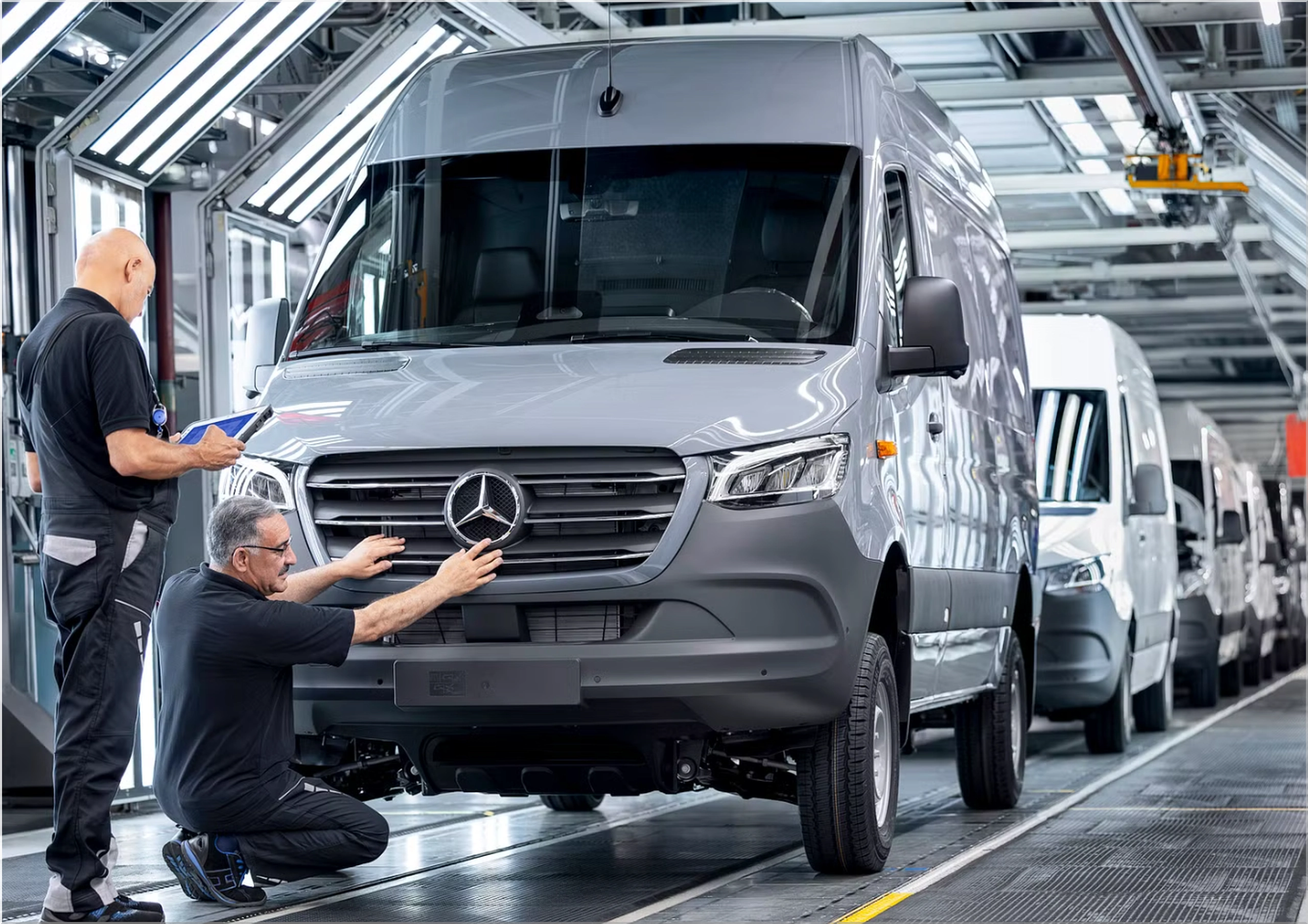
The Vitoria plant in Spain produces every Vito. This site spans 696,000 m², employs 4,800 workers, and is undergoing expansion for electric van production on the VAN.EA platform starting 2026. Continuous investment ensures competitive output and future readiness.
Future Outlook for Vito and eVito
Mercedes is betting on electrification. The eVito’s 480 km range targets last-mile delivery, passenger shuttles, and trades in cities with emission restrictions. The upcoming VAN.EA architecture will push the brand into the next phase of electric vans, reinforcing the Vito’s role in a changing market.
Key Specs Snapshot
| Feature | Vito (2025) | eVito (2025) |
|---|---|---|
| Payload | Up to 1,369 kg | Similar to diesel version |
| Range | Diesel/petrol: N/A | Up to 480 km (WLTP) |
| Powertrain | Diesel, petrol mild hybrid | 85 kW electric motor |
| Drive | FWD, RWD, AWD | FWD |
| Base Price | $35,400 | $47,100 |
Actionable Insights for Businesses
- Fleet managers should factor the eVito’s range and connectivity into TCO calculations.
- Urban operators benefit from the compact design and low running costs of the electric model.
- Service providers gain flexibility with various configurations and strong safety tech.
Mercedes-Benz has kept the Vito relevant through three decades by iterating on practical features and adapting to market shifts. The Vito and eVito remain essential tools for businesses that need reliable transport with a future-ready edge.
- Add new comment
- 235 views