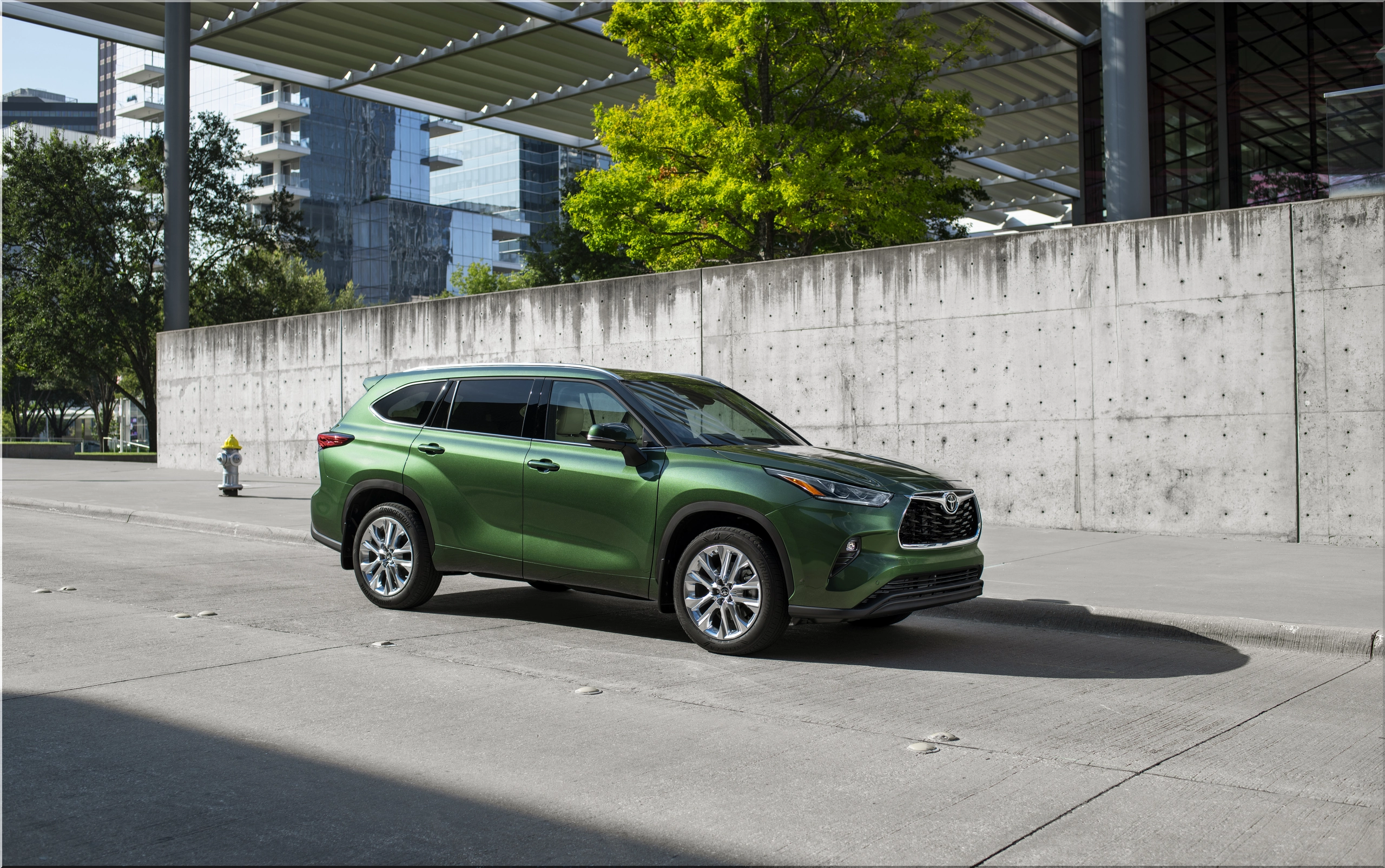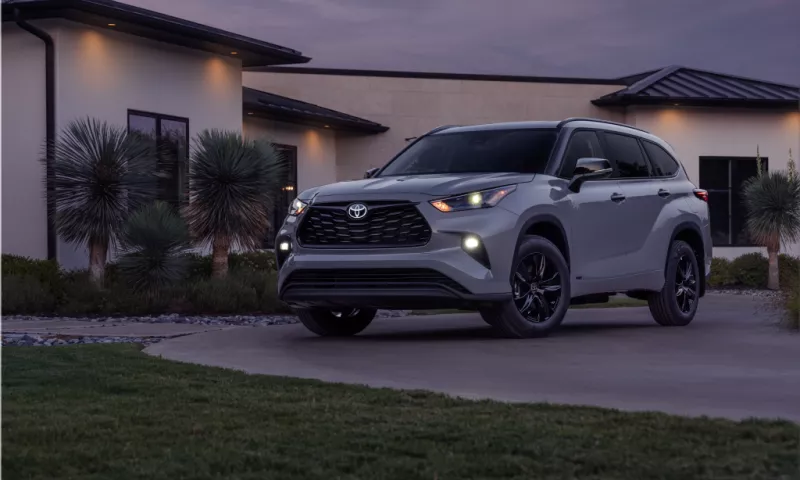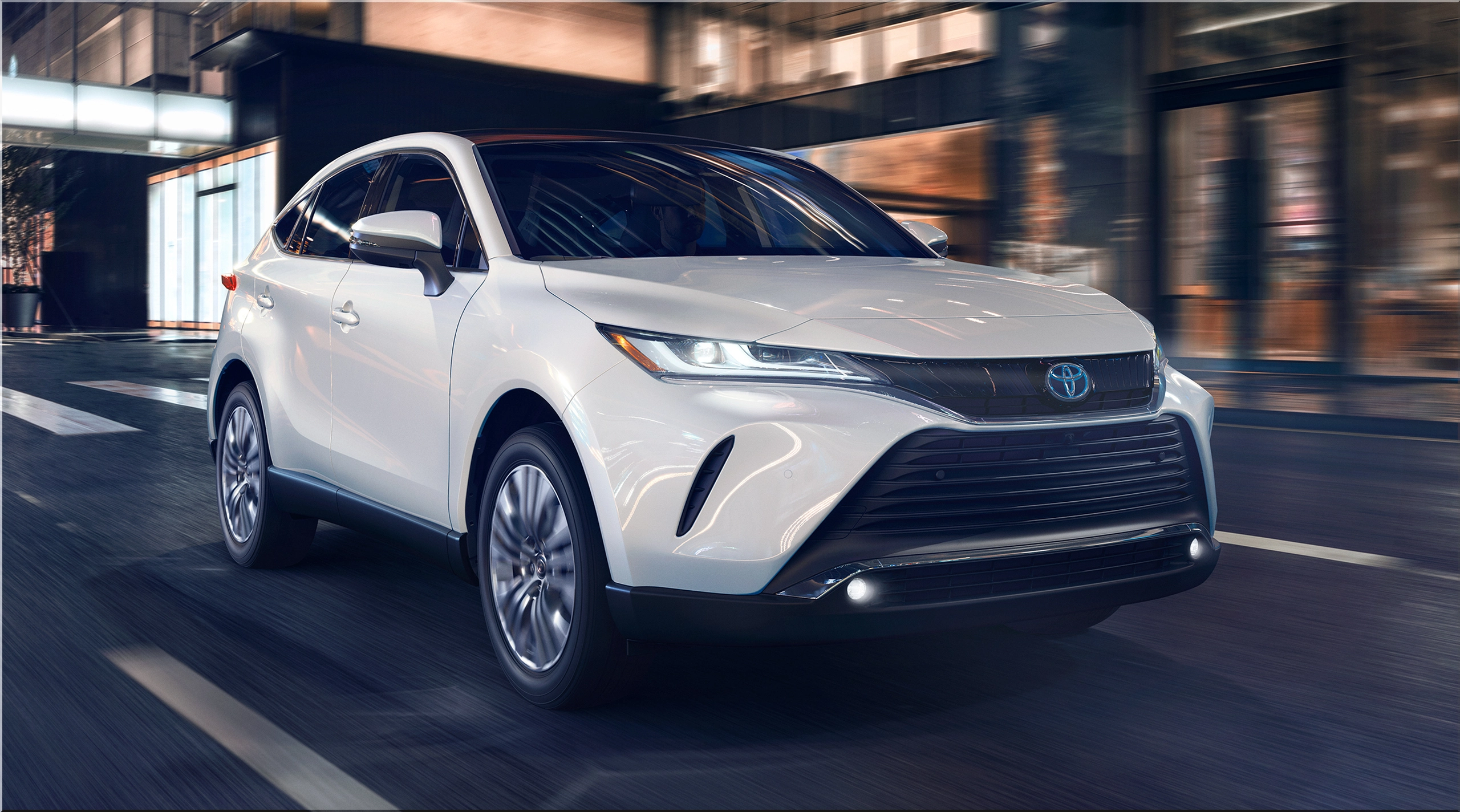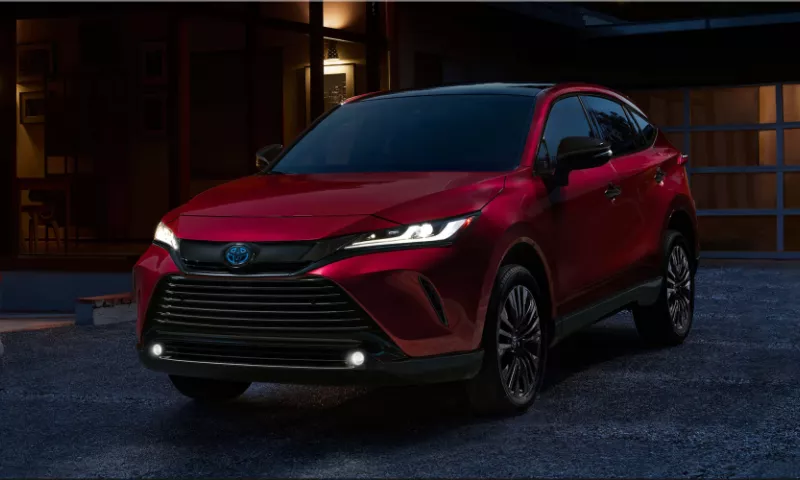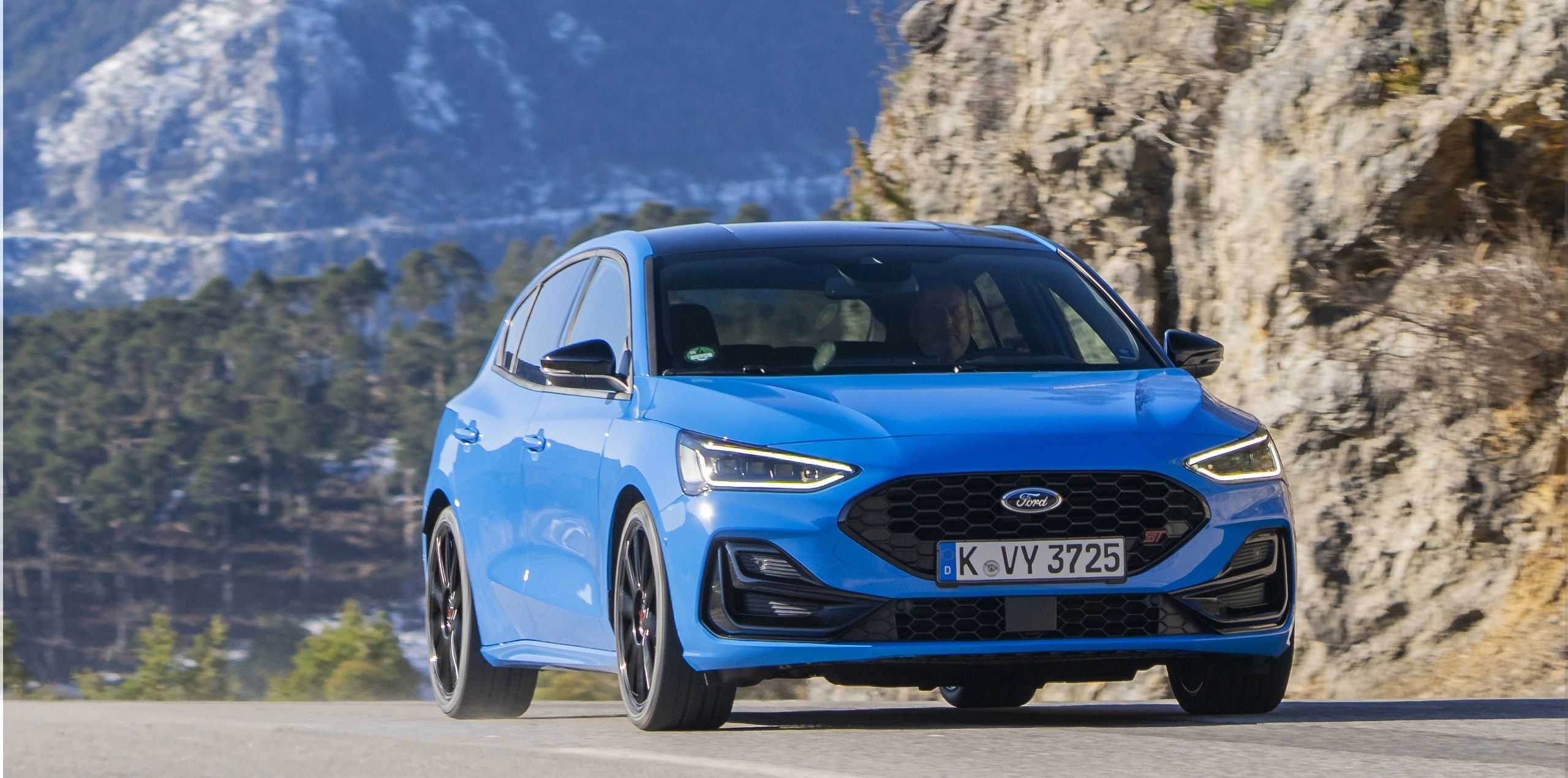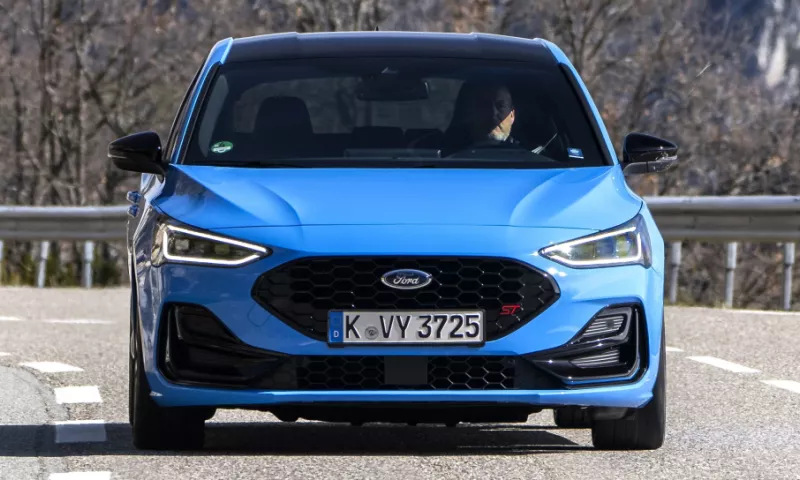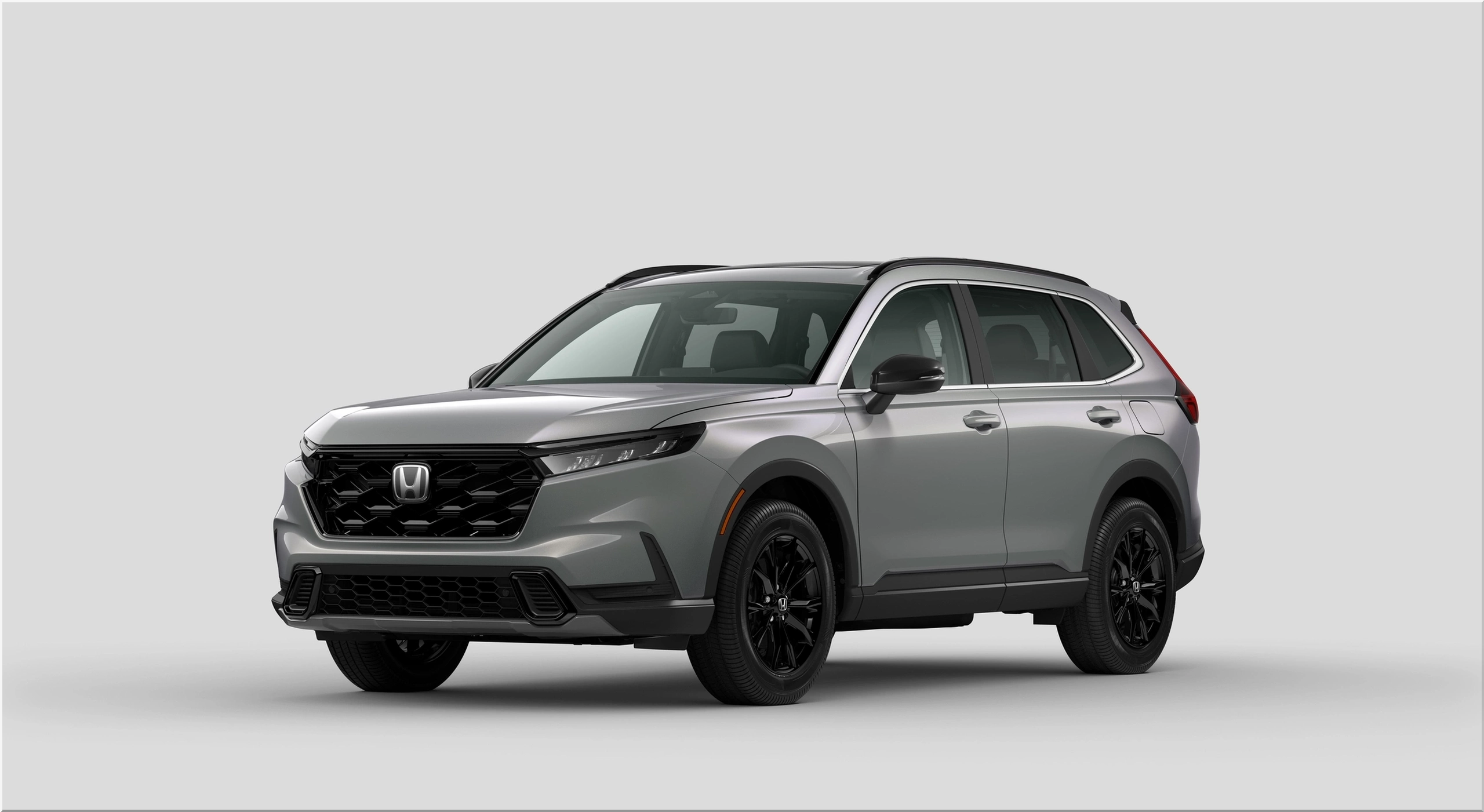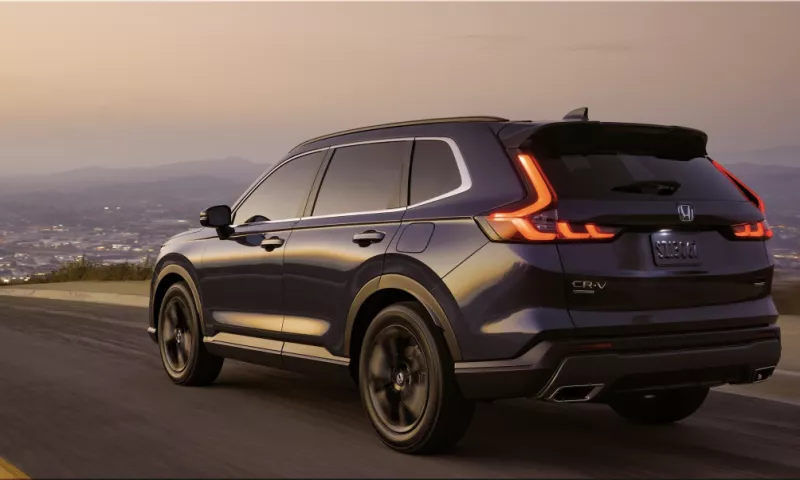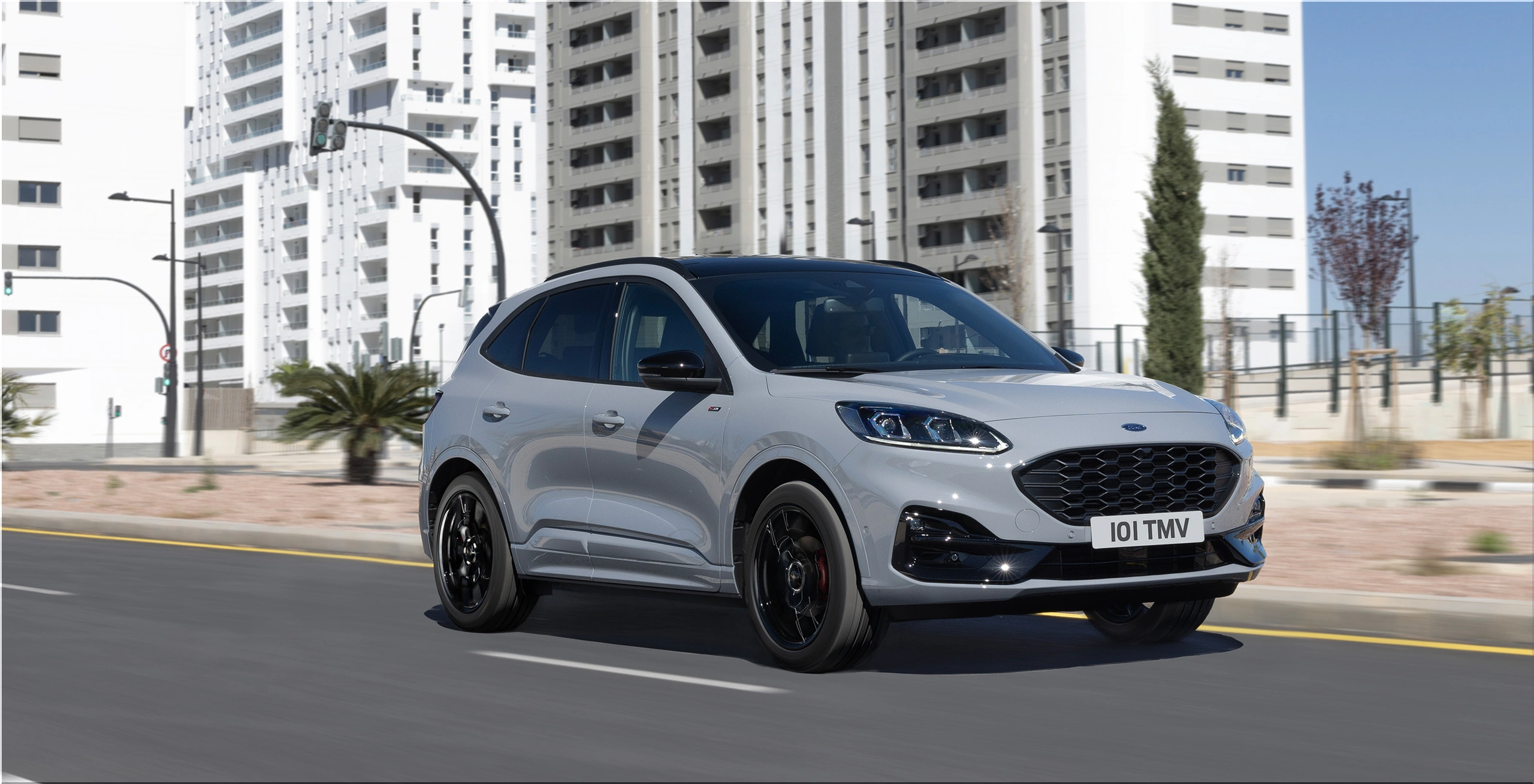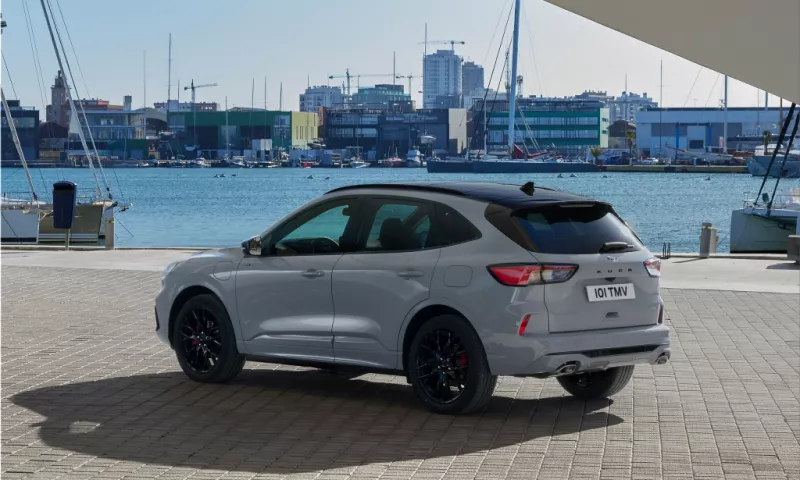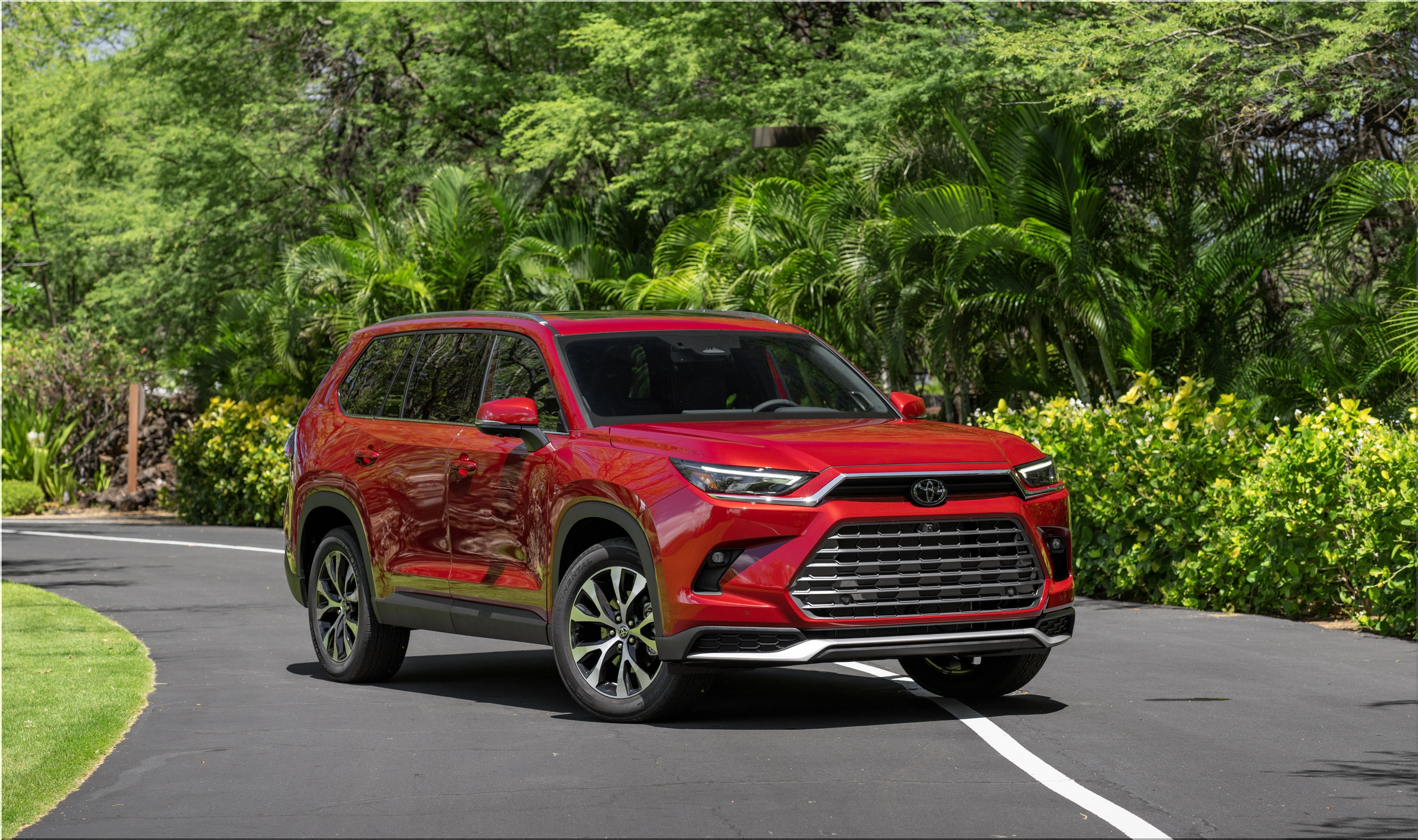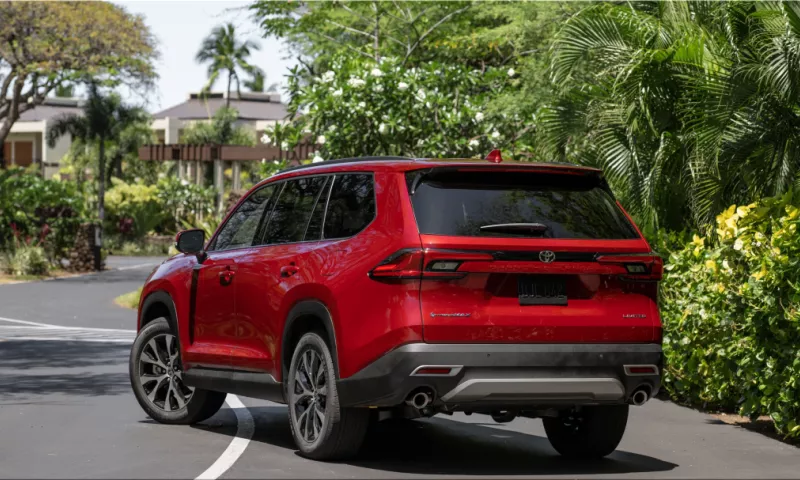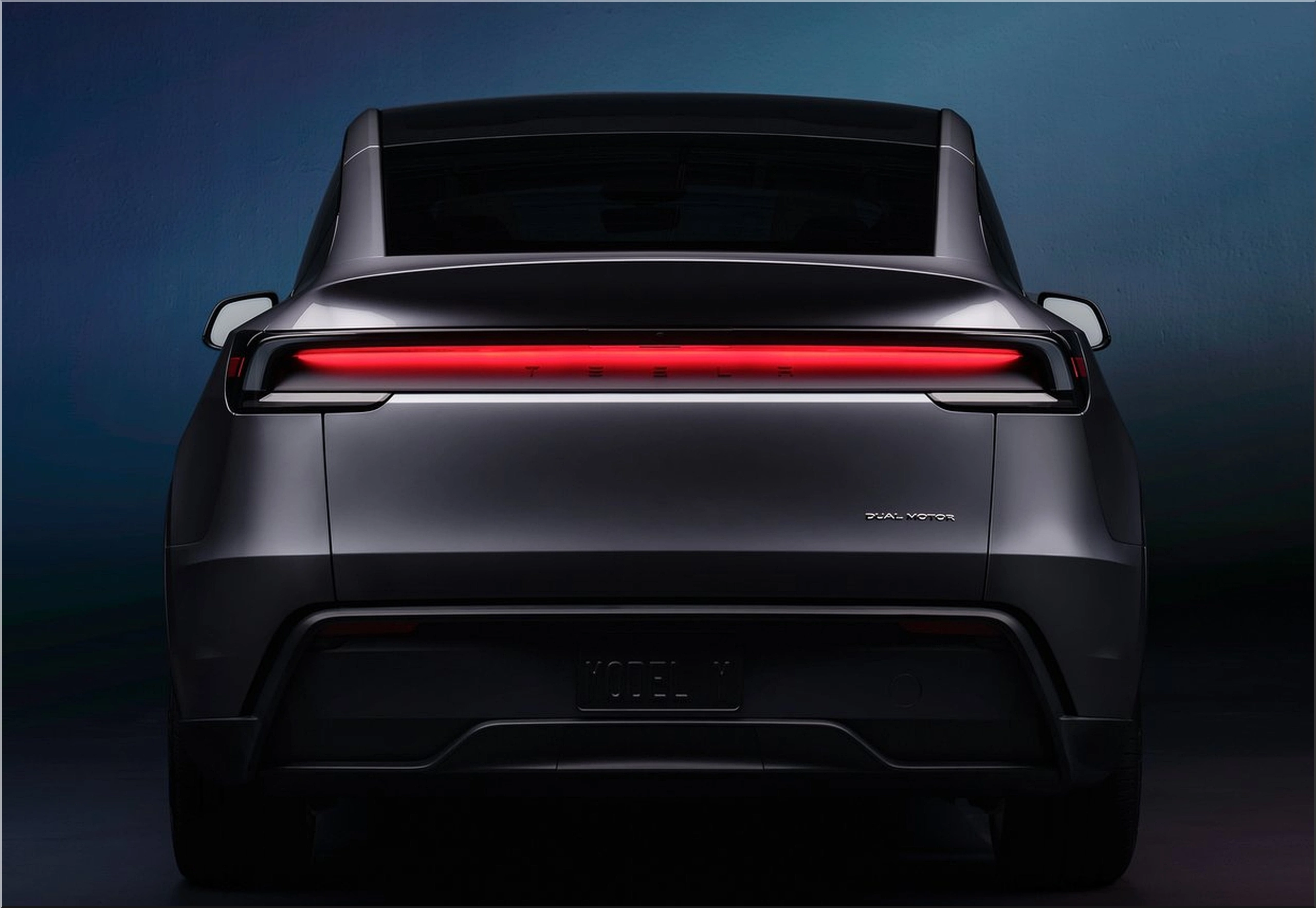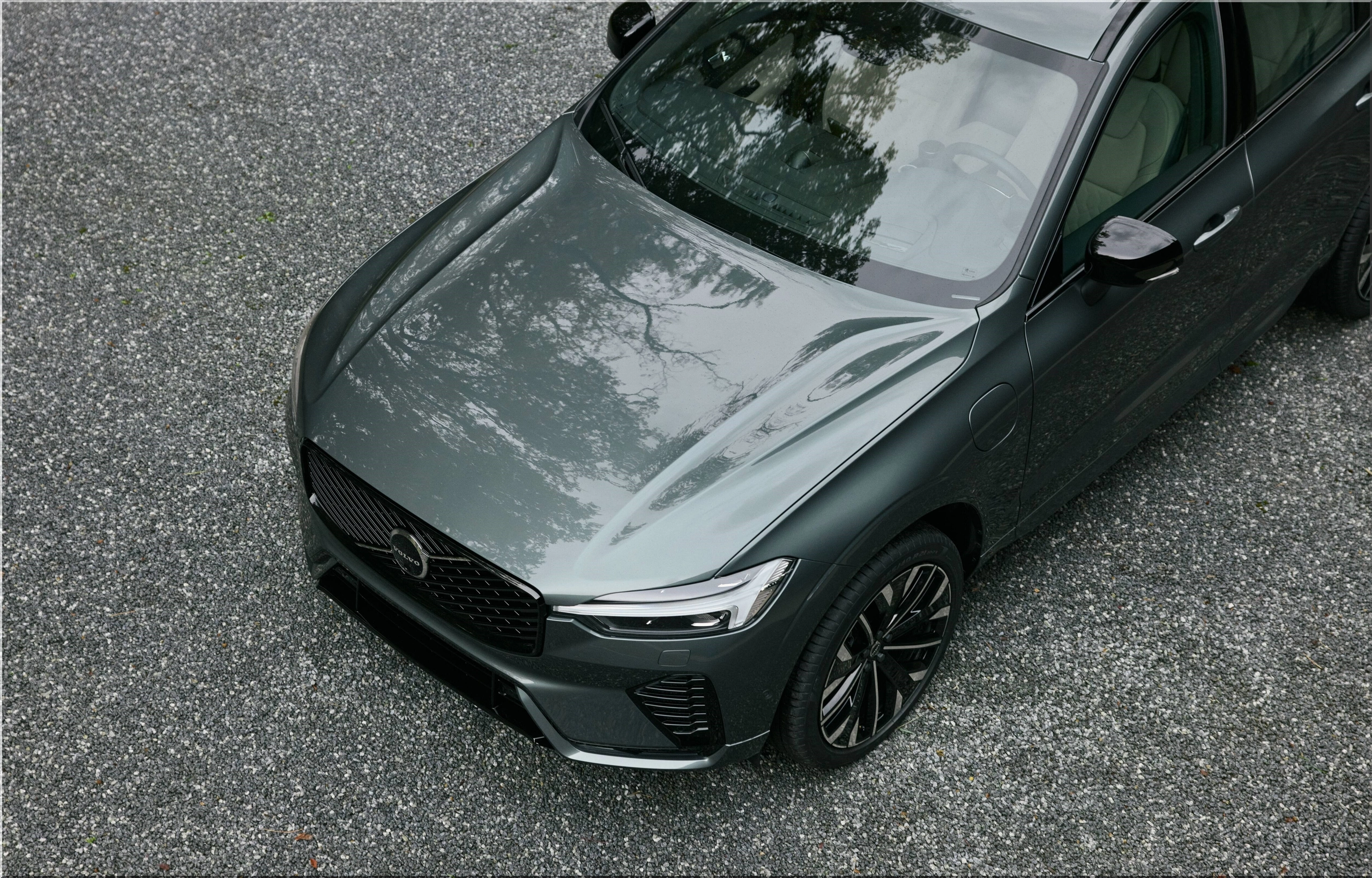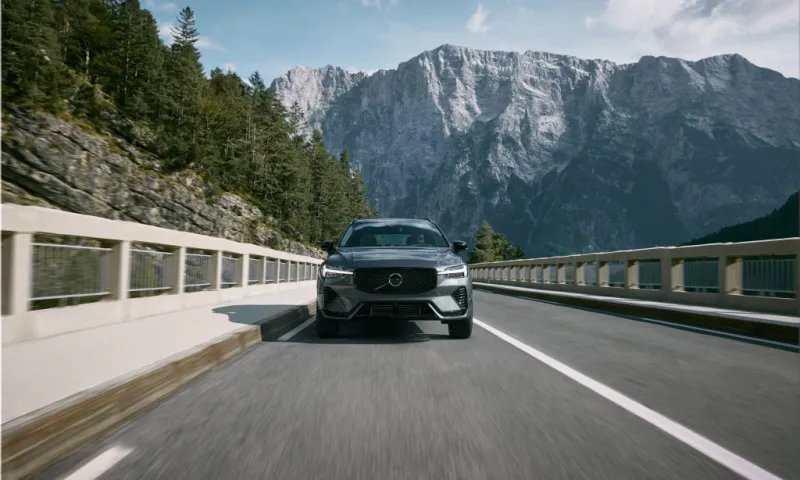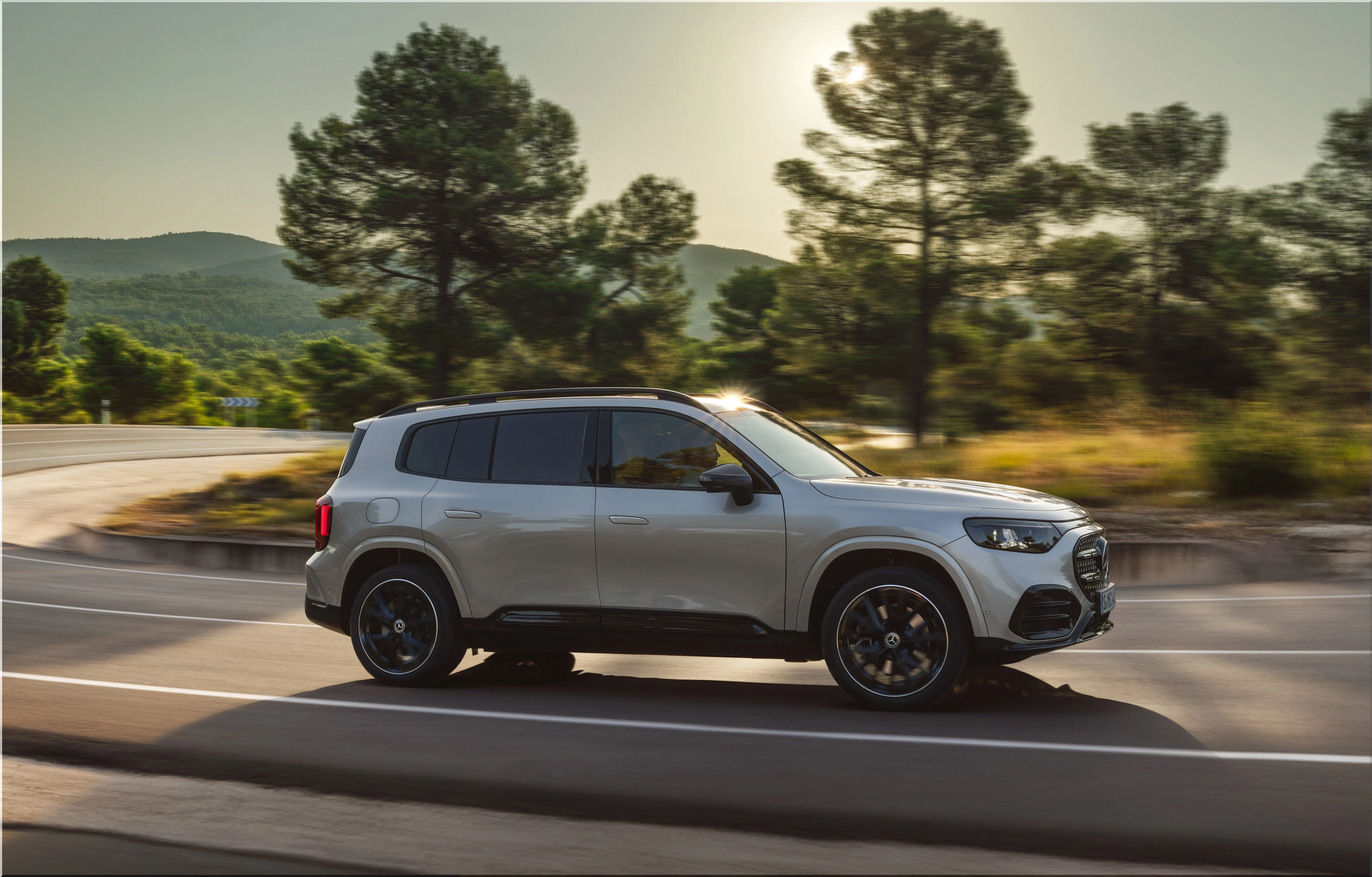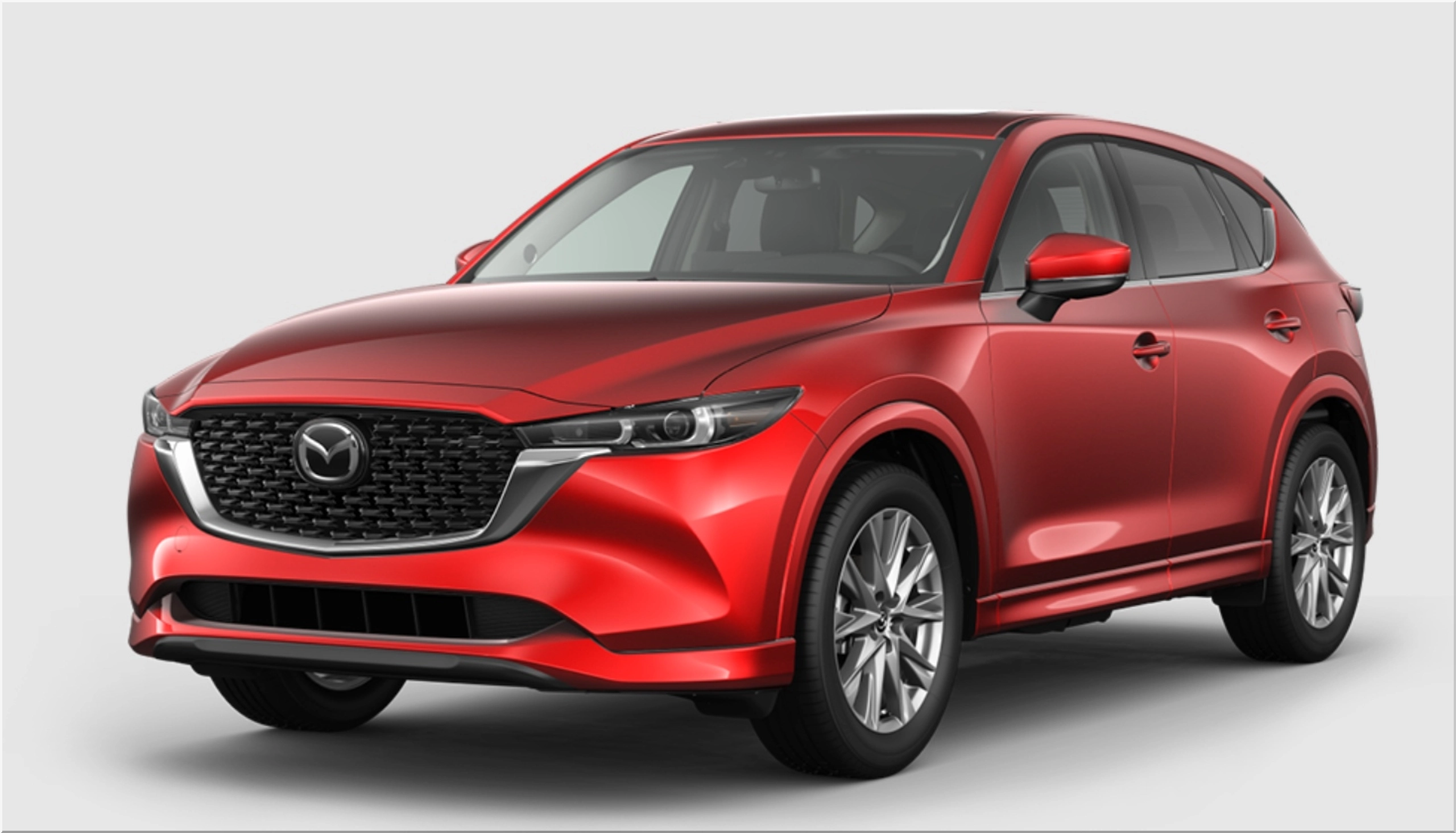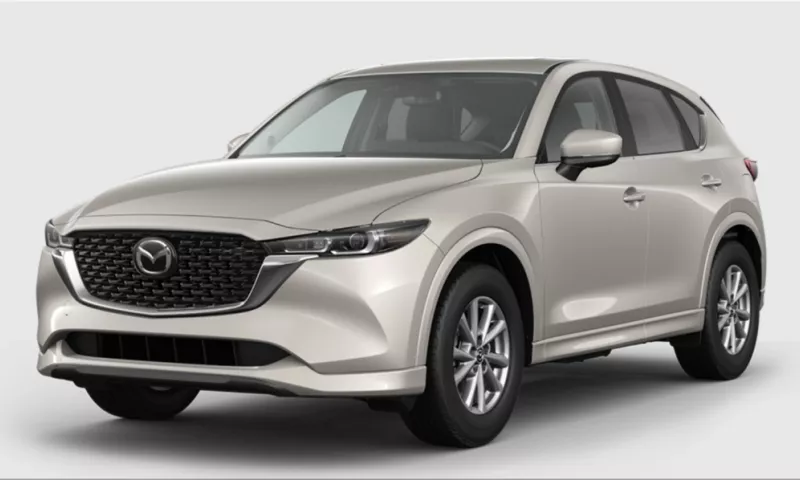
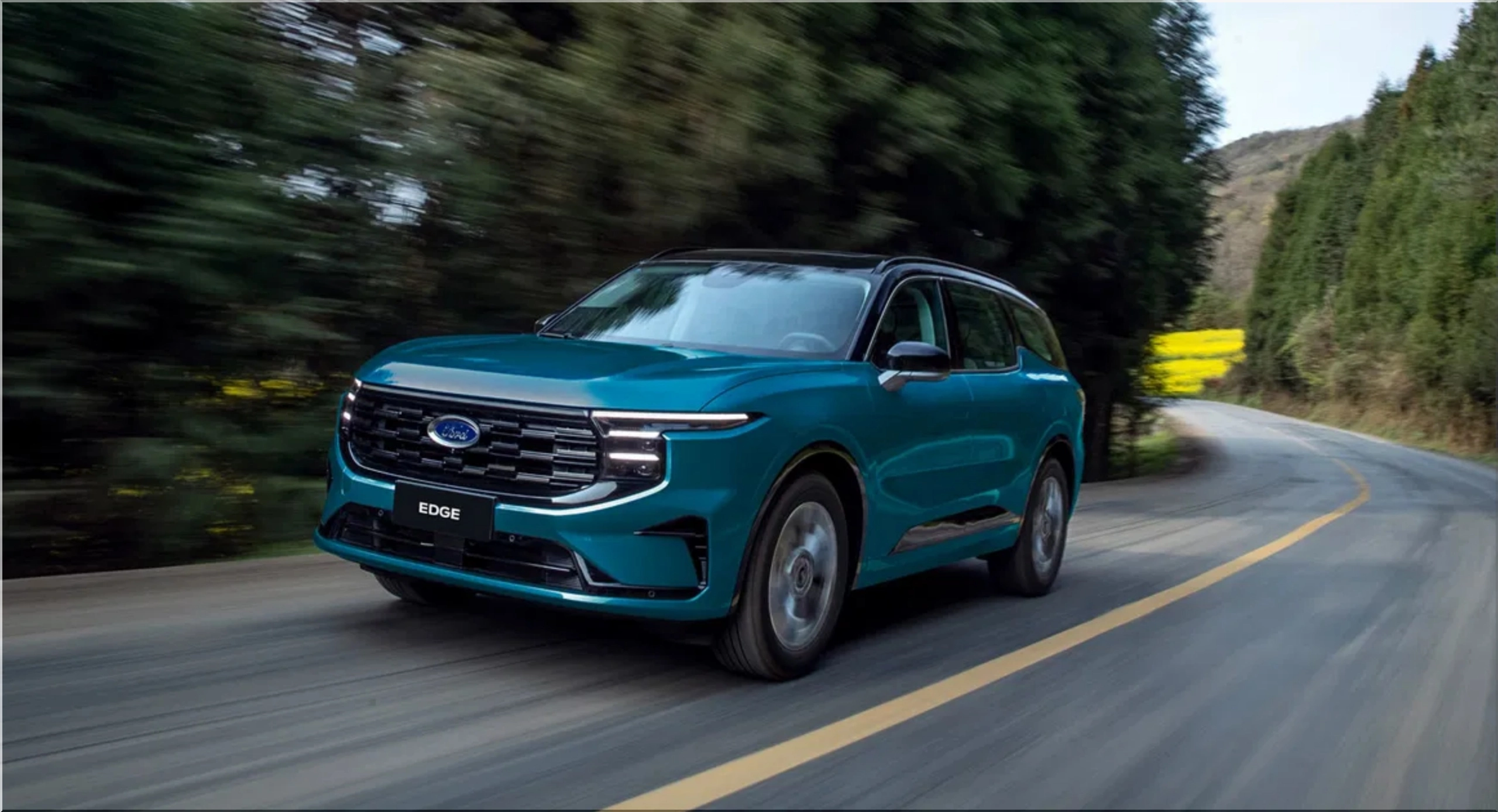
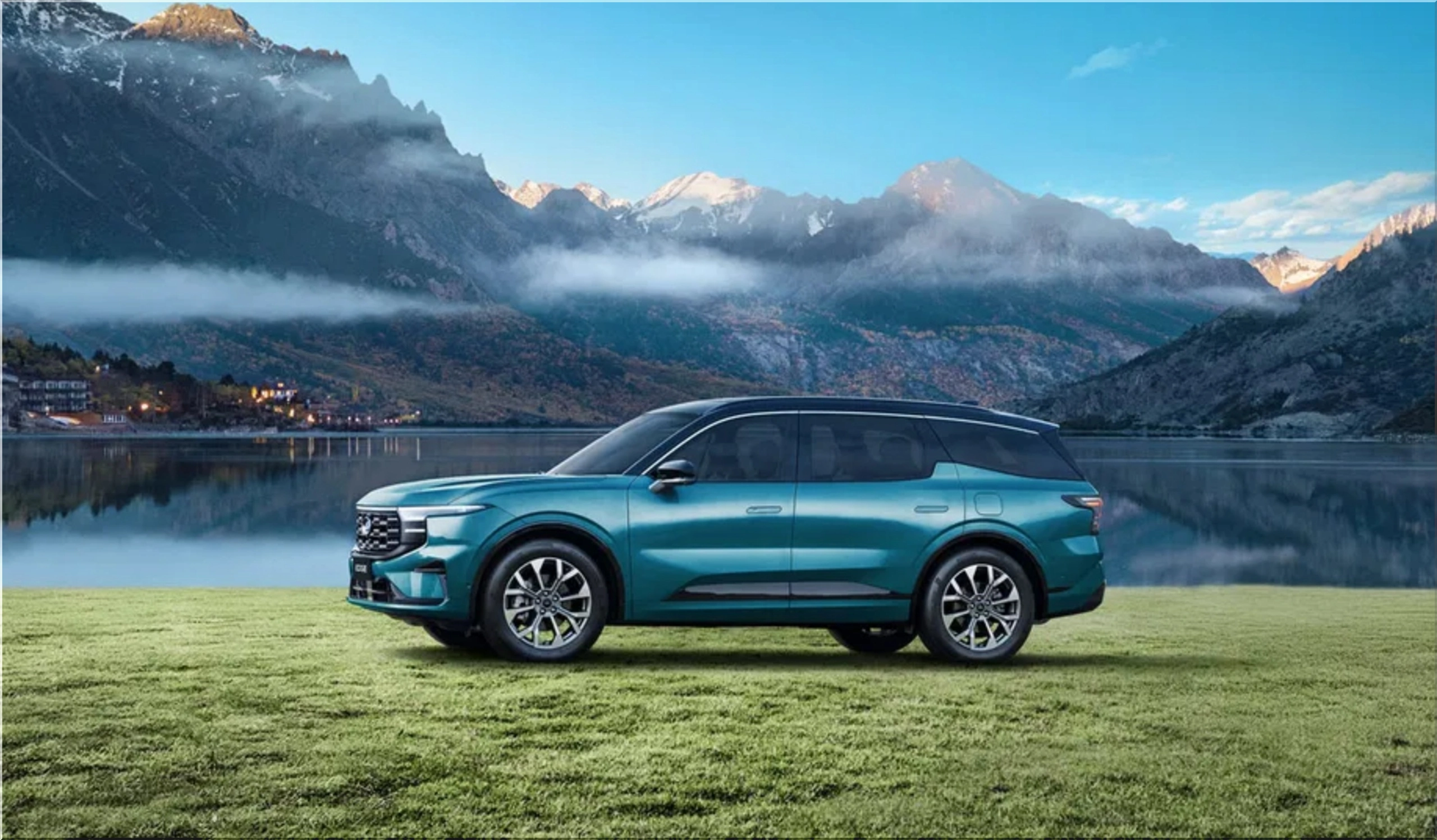
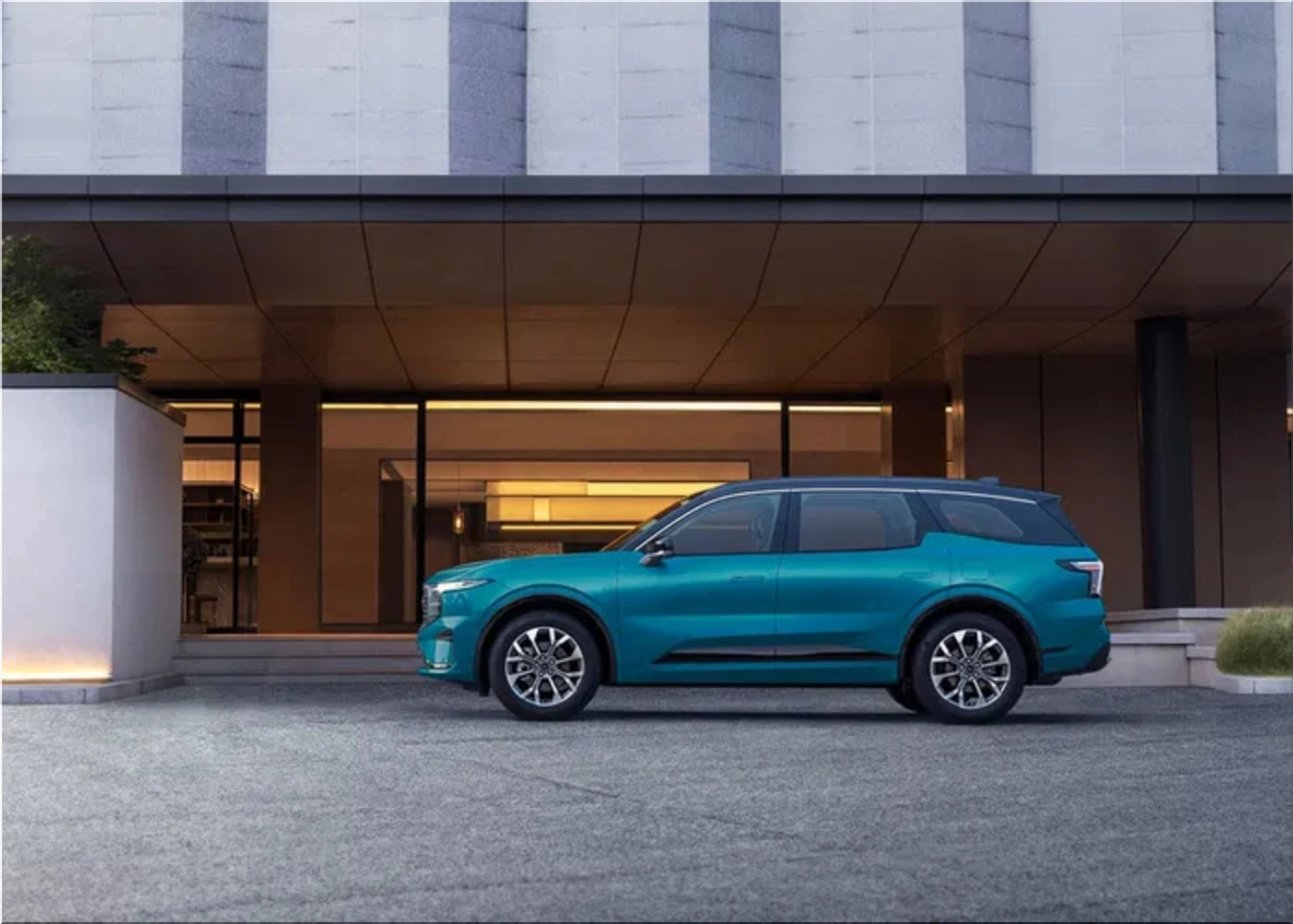
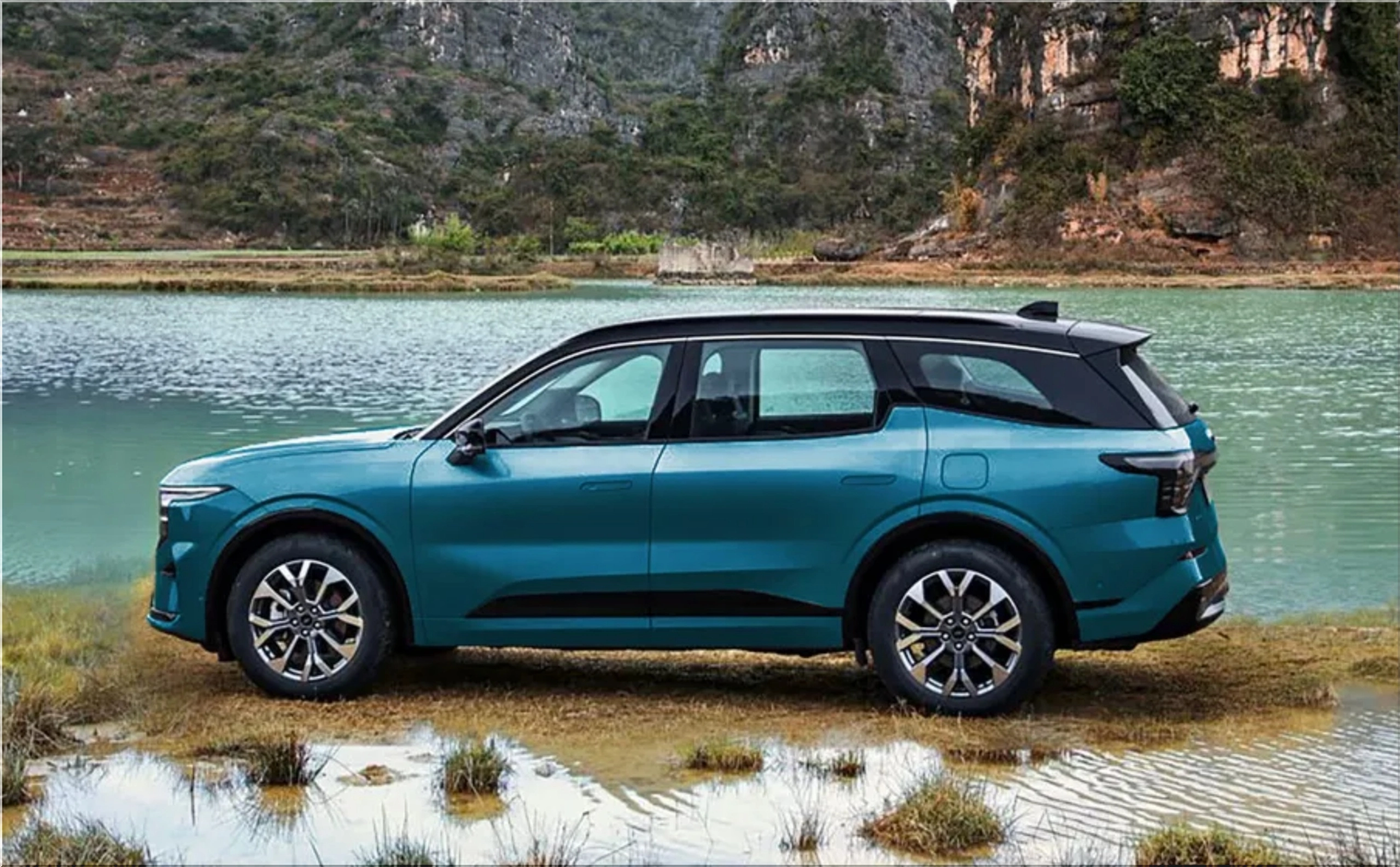
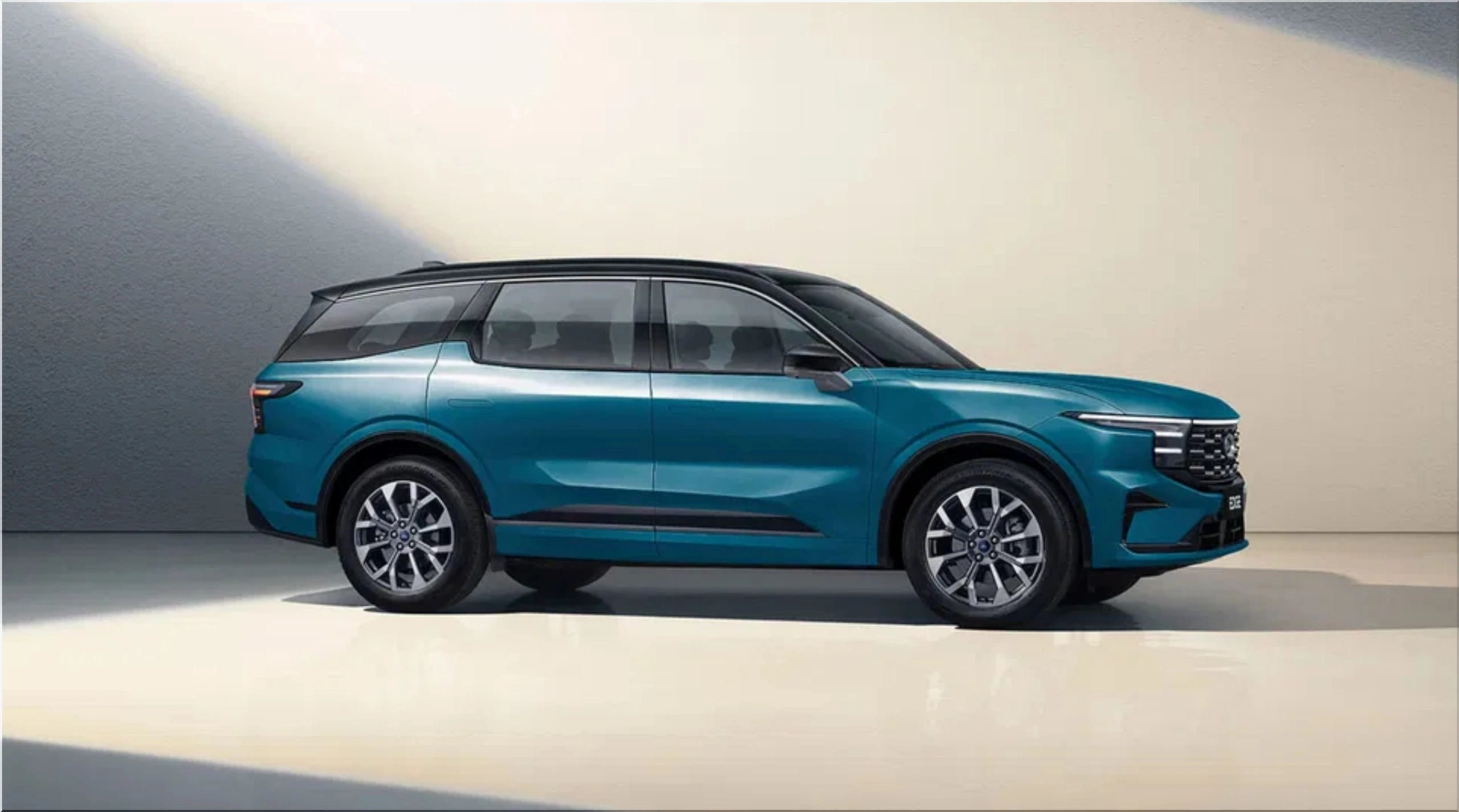
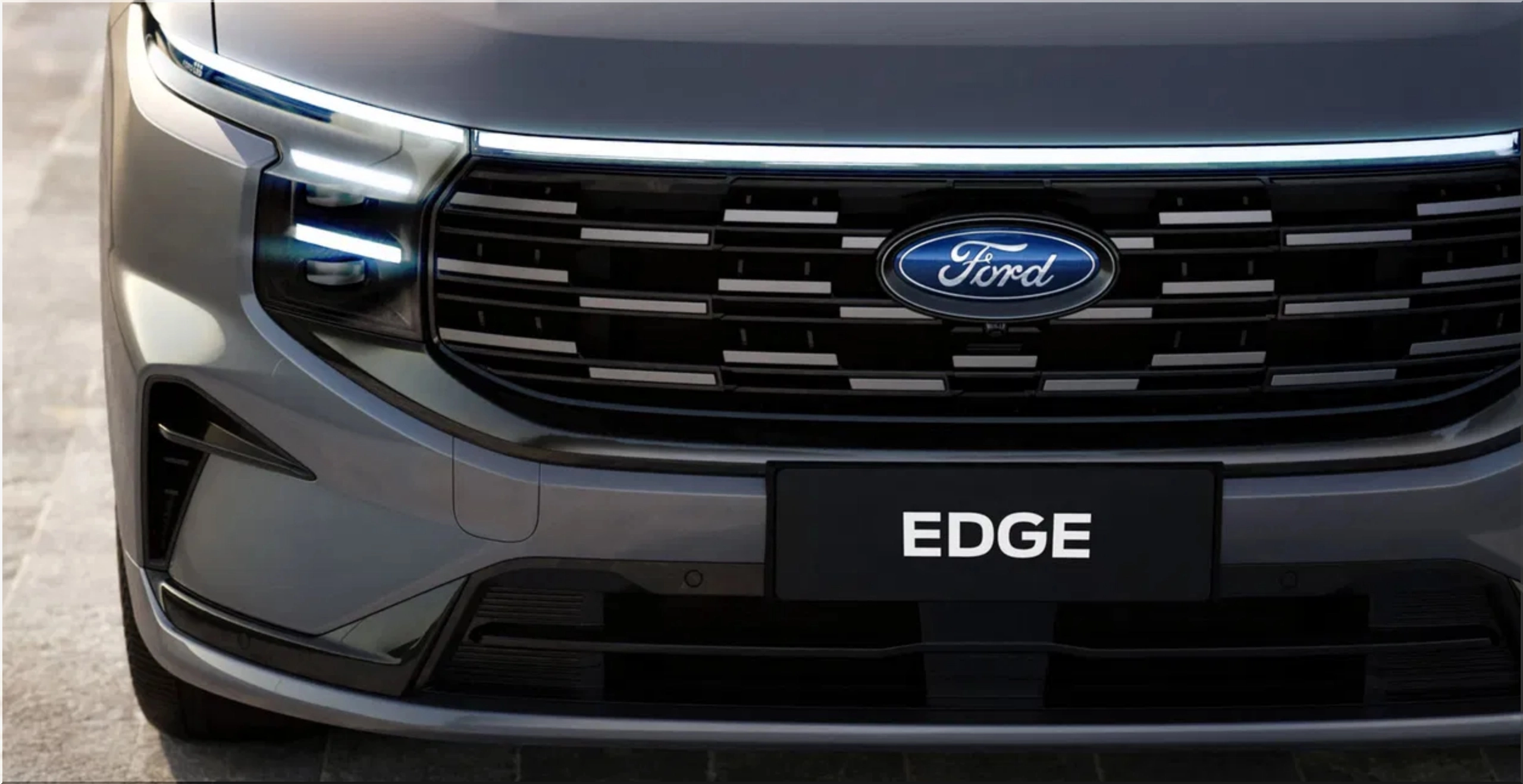
The 2026 Ford Edge Hybrid returns to the SUV market with a clear value proposition. Ford shifts from limited trims and complex features to a practical, hybrid-first strategy focused on fuel efficiency, usable space, and real-world ownership cost.
Ford abandoned its prior North American production line and now sources this model globally. That decision reduces cost pressure and supports hybrid volume at a time when midsize SUV buyers weigh fuel savings against rising EV prices.
Image
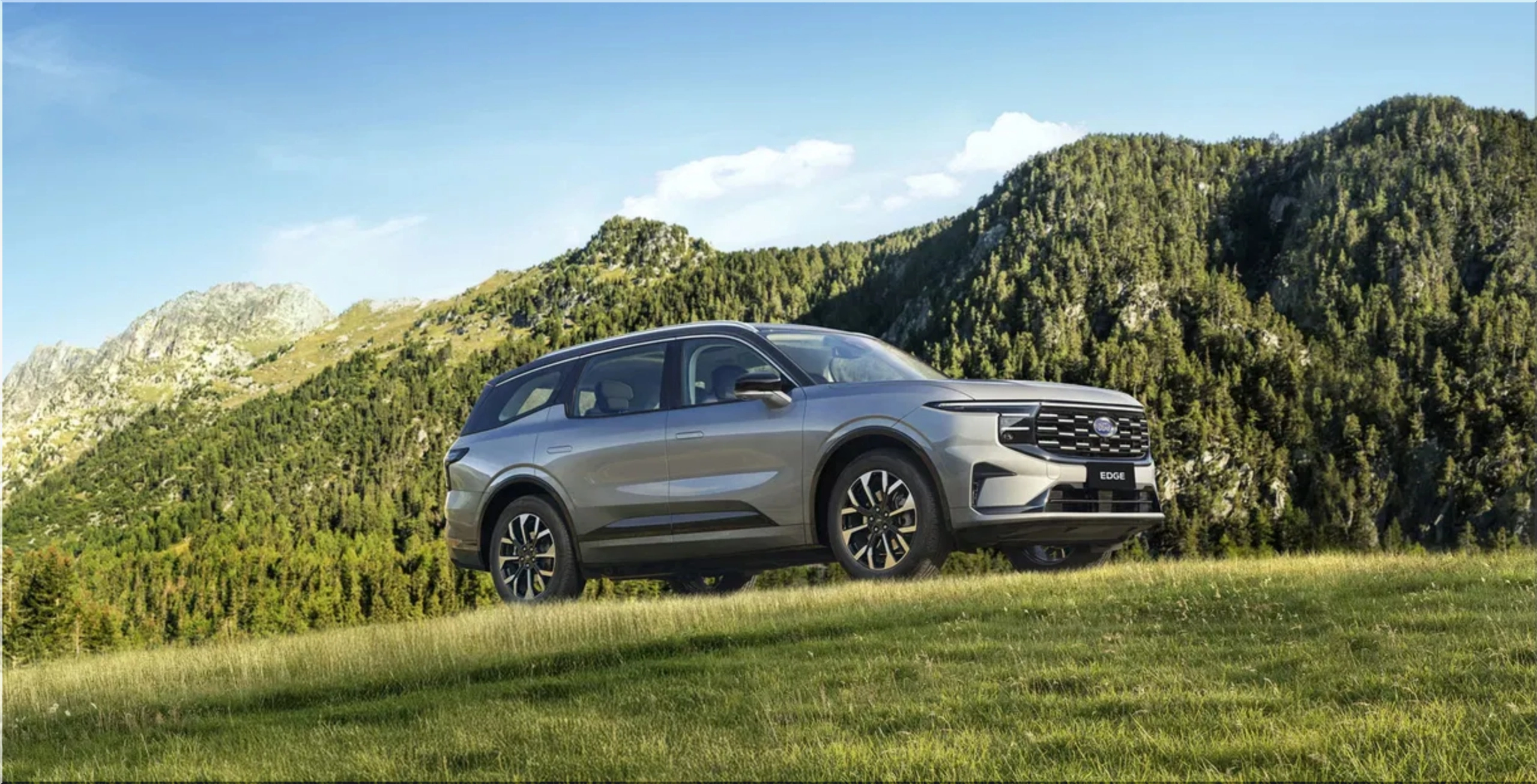
Let's breaks down what matters: powertrain, range, interior utility, pricing, competitor context — including the 2026 Renault Filante — and who wins or loses.
Refocused Strategy: What Ford Changed With the Edge Hybrid
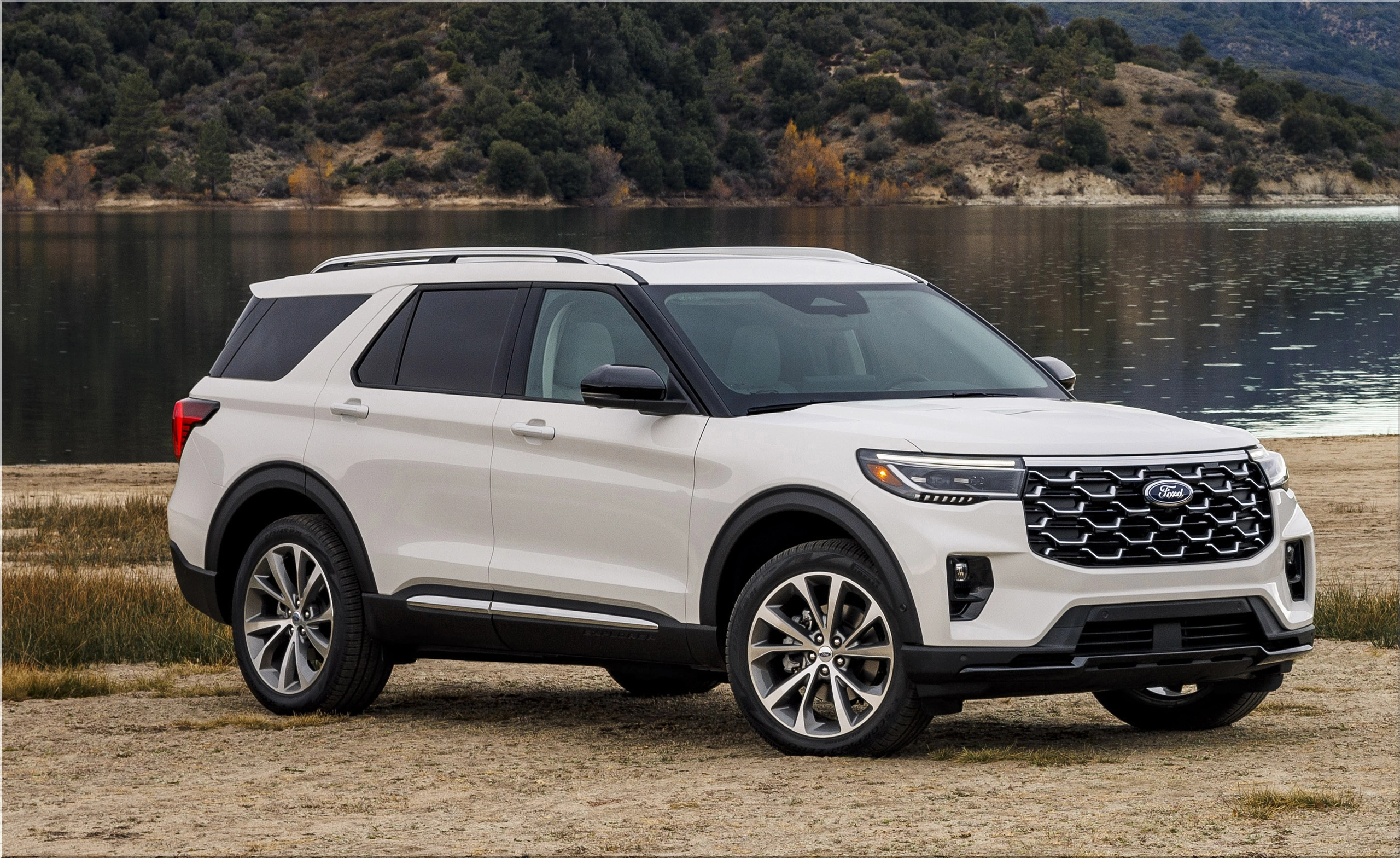
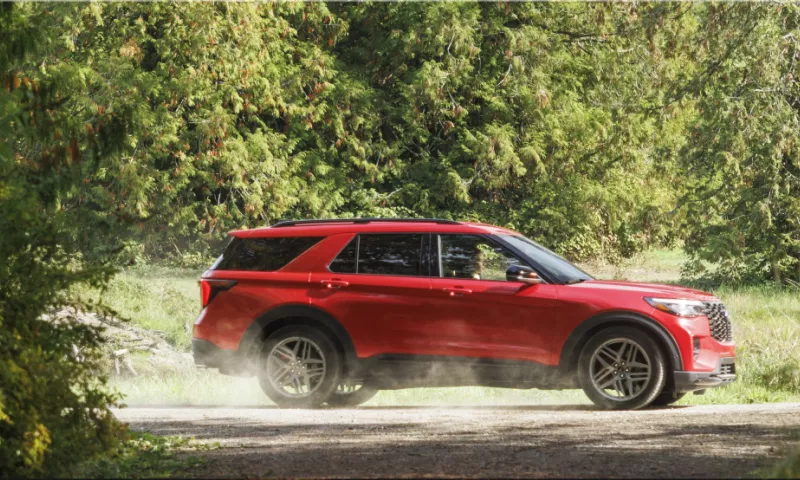
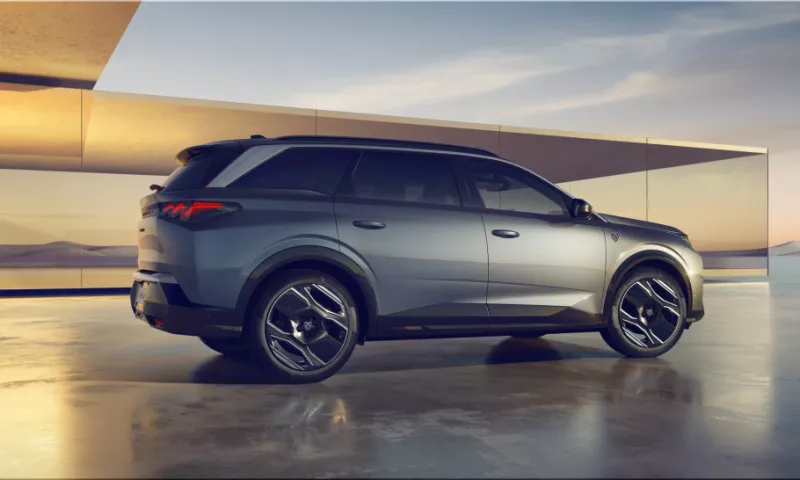
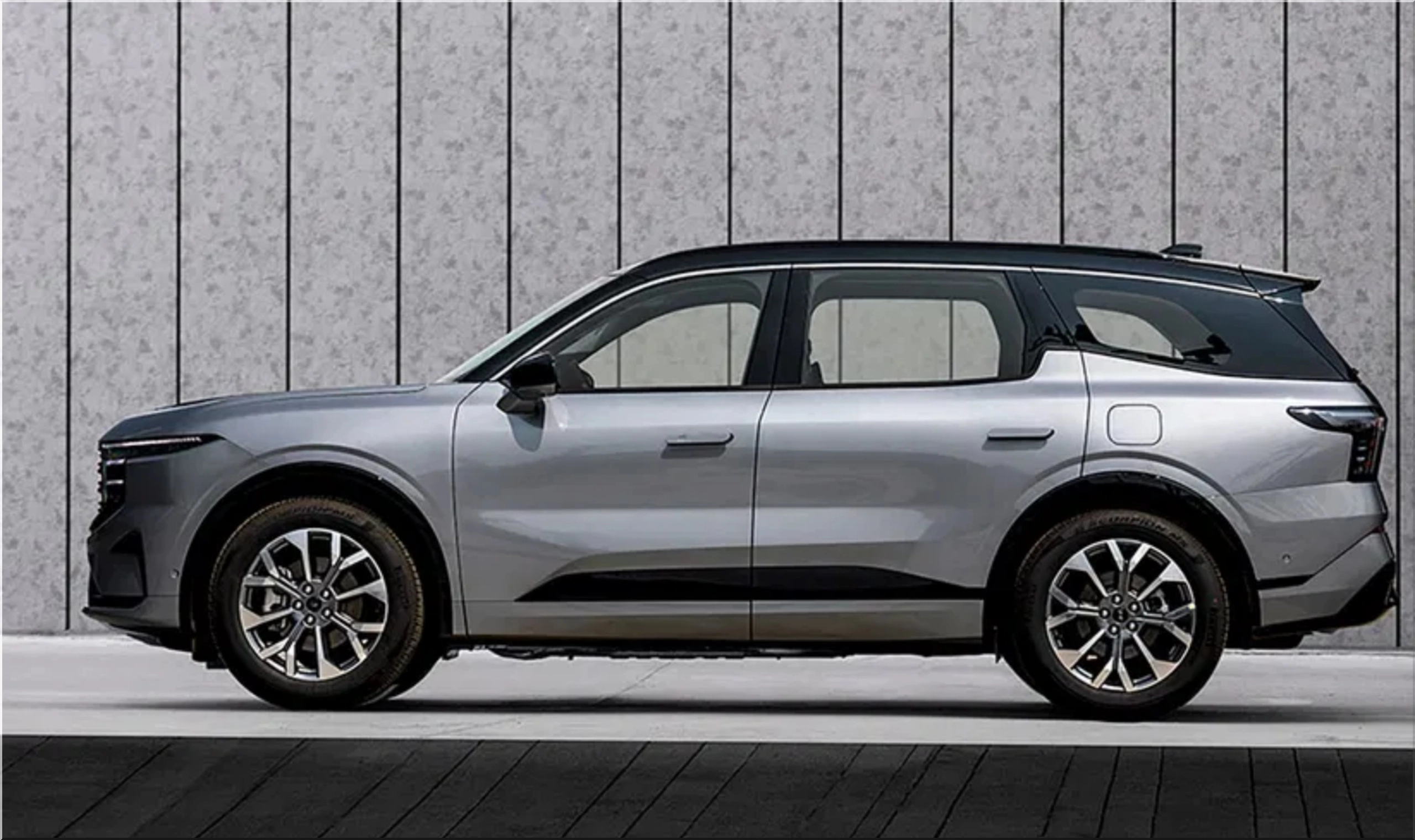
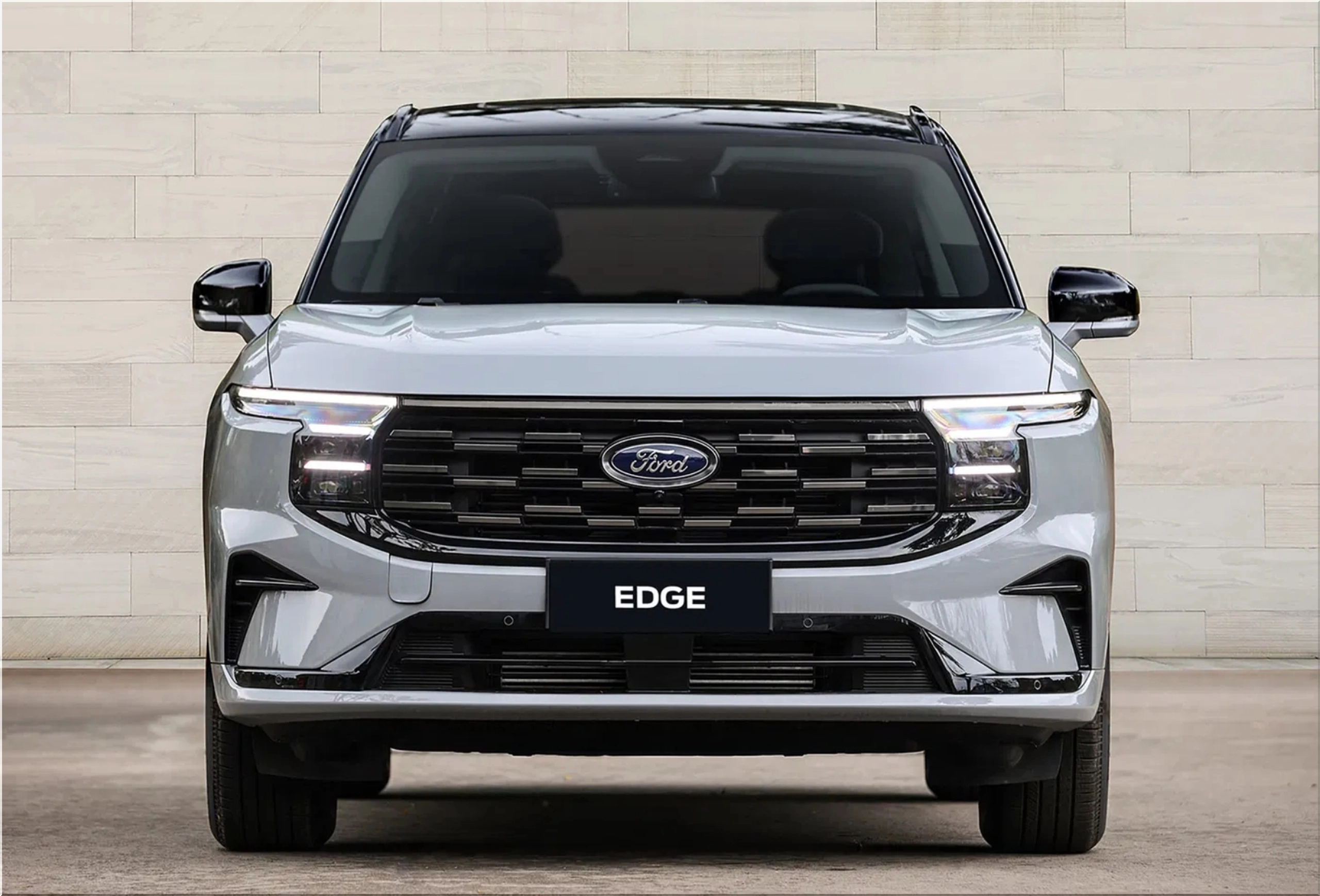
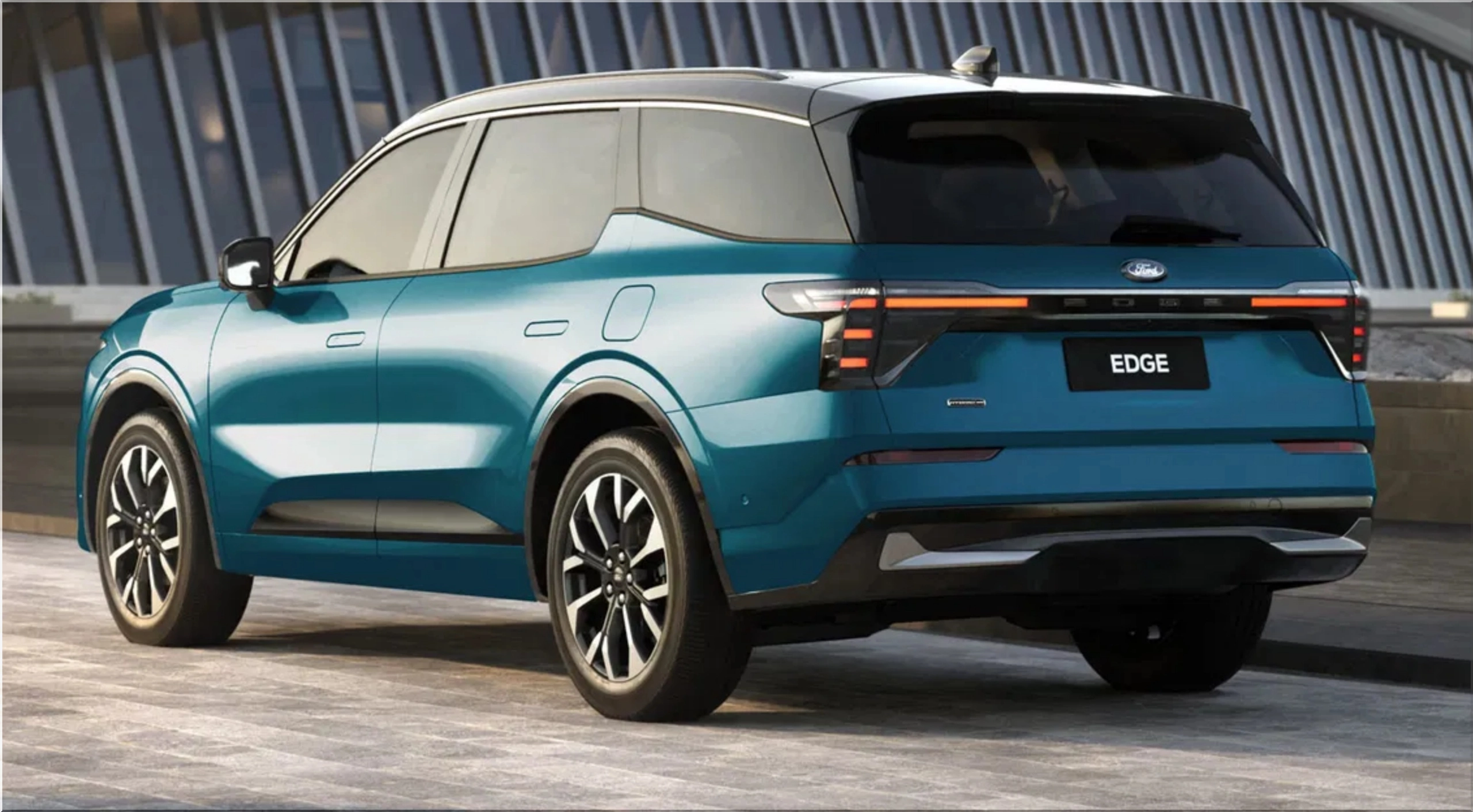
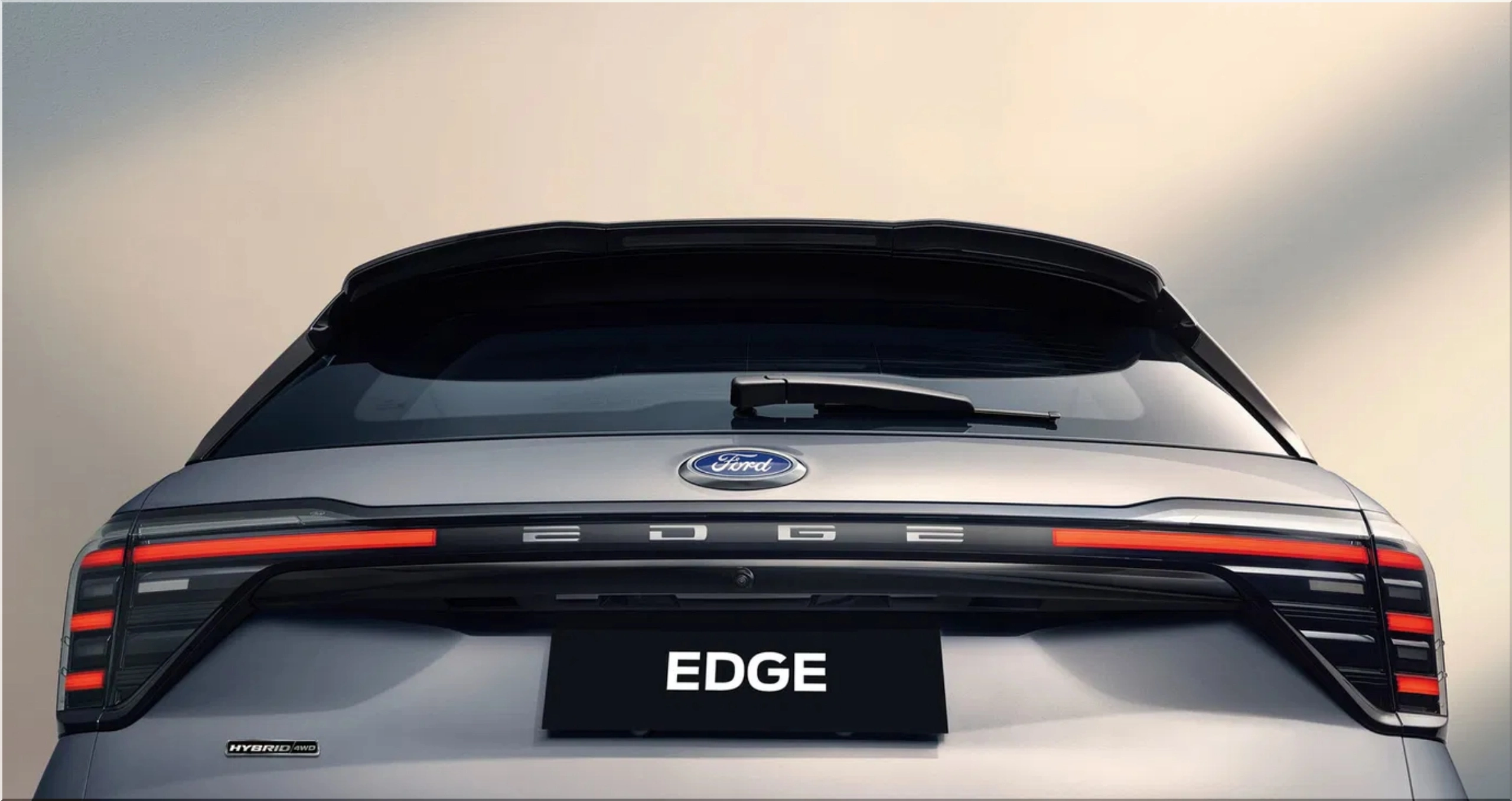
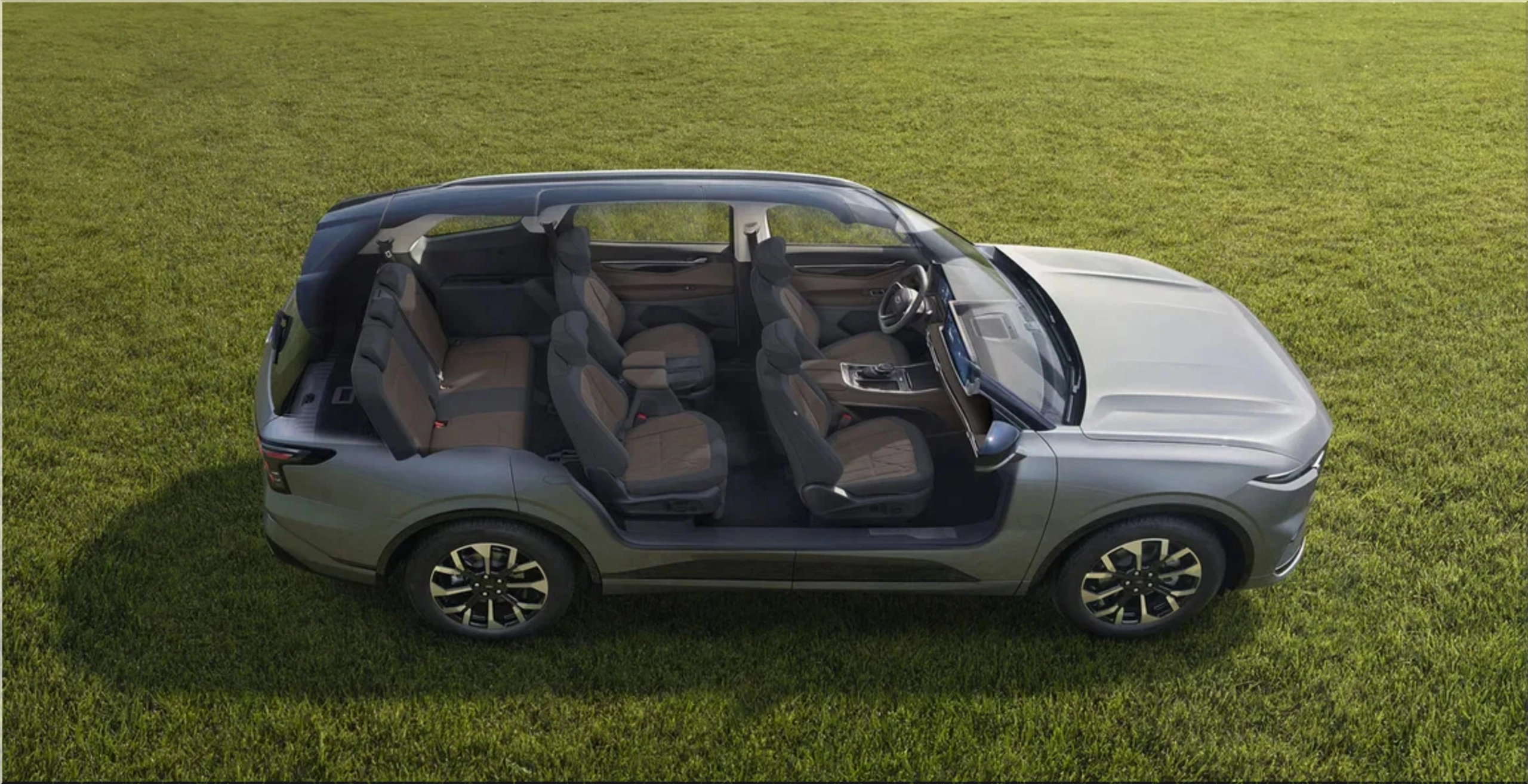
Ford shifted the Edge from a traditional midsize SUV into a three-row hybrid SUV designed for real use.
This isn’t incremental. It’s strategic:
- Three-row seating expands the addressable market beyond two-row SUVs.
- Hybrid-only powertrain targets fuel cost conscious buyers.
- Global assembly lowers production cost without diluting feature content.
Ford dropped confusing trim proliferation. The new Edge Hybrid delivers clear, purposeful packaging with lower complexity and strong value signals.
Powertrain and Efficiency: Ford Edge Hybrid’s New Core
The Edge Hybrid’s 2.0-liter EcoBoost hybrid system combines a turbocharged gasoline engine with an electric motor and CVT. Output sits at 271 horsepower and 298 lb-ft of torque.
That power level matches expectations for midsize hybrids aimed at families. It emphasizes smooth acceleration and early torque delivery — a strong behavioral nudge for buyers who value responsive performance without premium cost.
Fuel Economy and Driving Range
Ford targets a maximum driving range of about 1,100 kilometers (roughly 684 miles) on a full tank. That figure separates the Edge from many direct gasoline rivals and positions it competitively against hybrid peers.
Long range reduces loss aversion tied to frequent refueling. Buyers see fewer stops, fewer fuel costs, and a tangible reduction in operating expense.
Interior Space and Technology: Three Rows With Clear UX Priorities
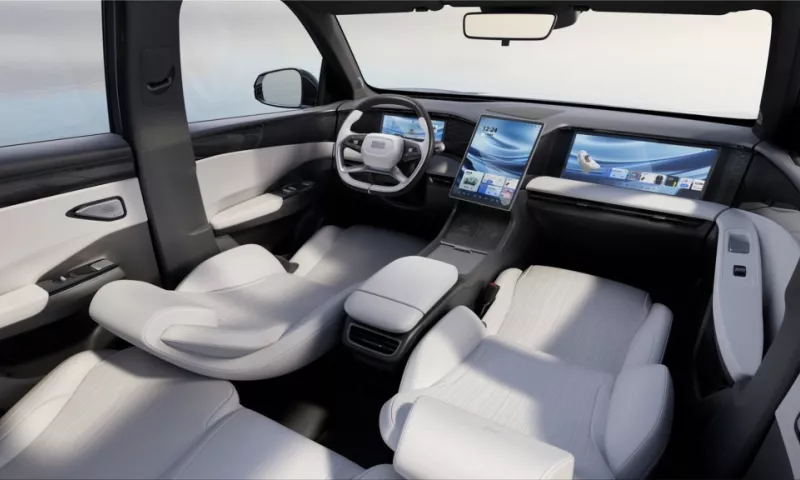
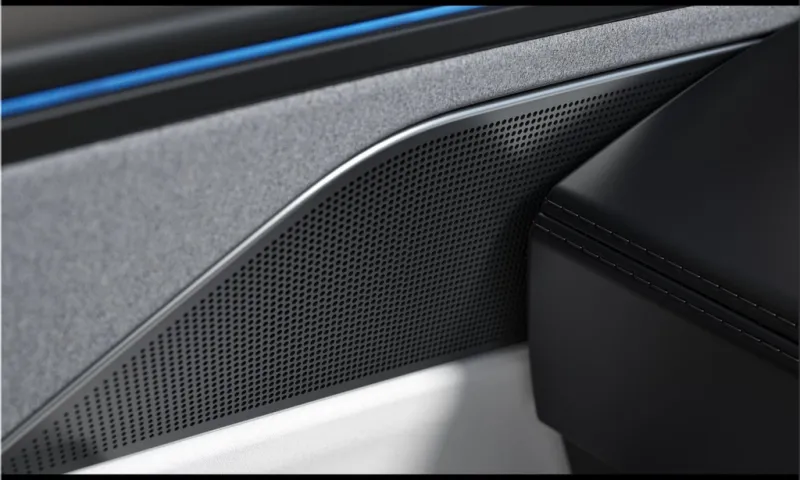
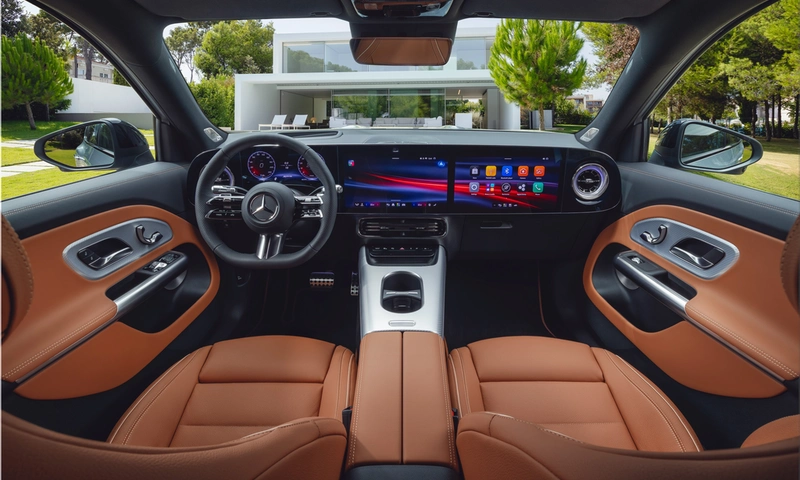
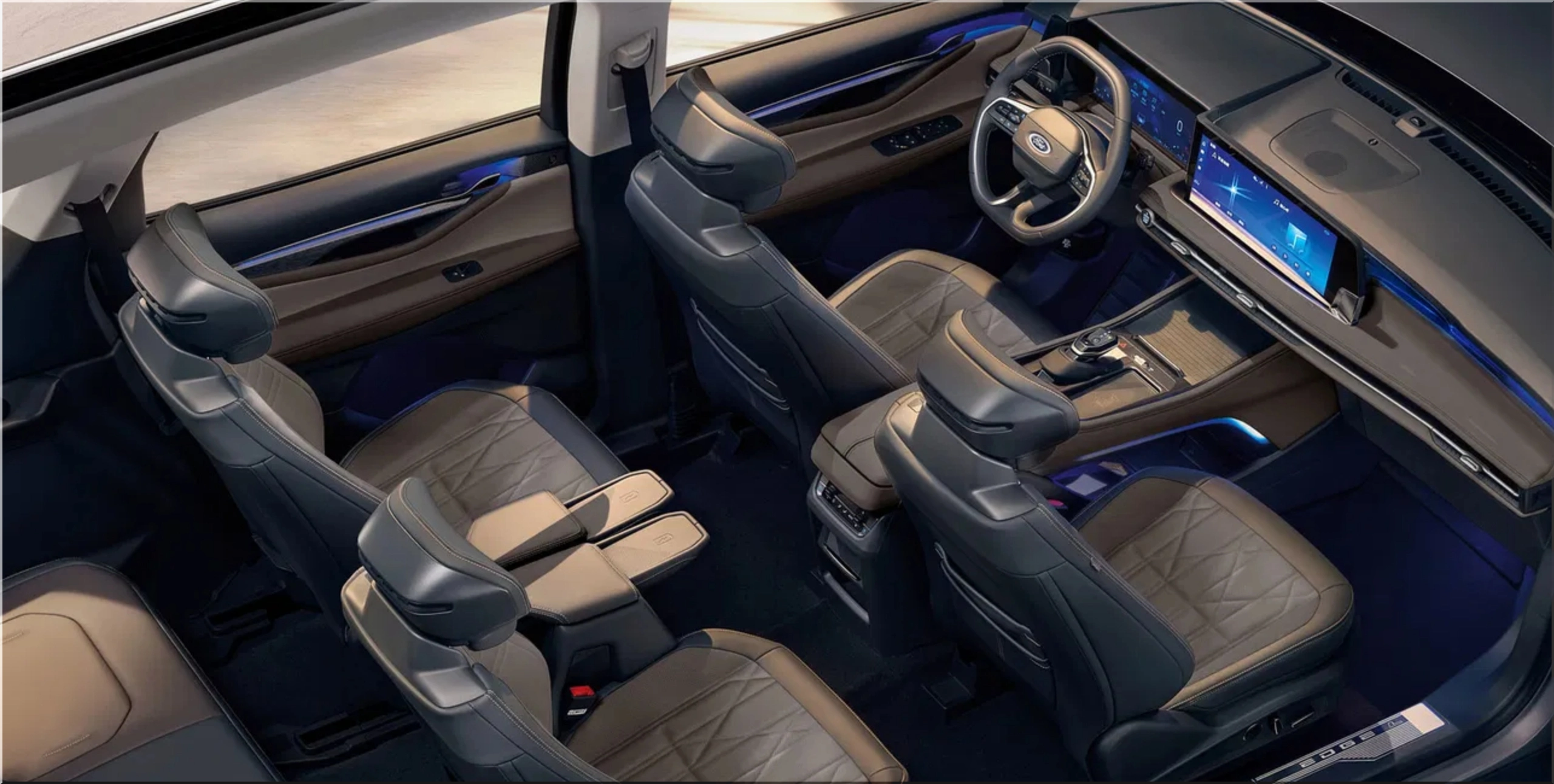
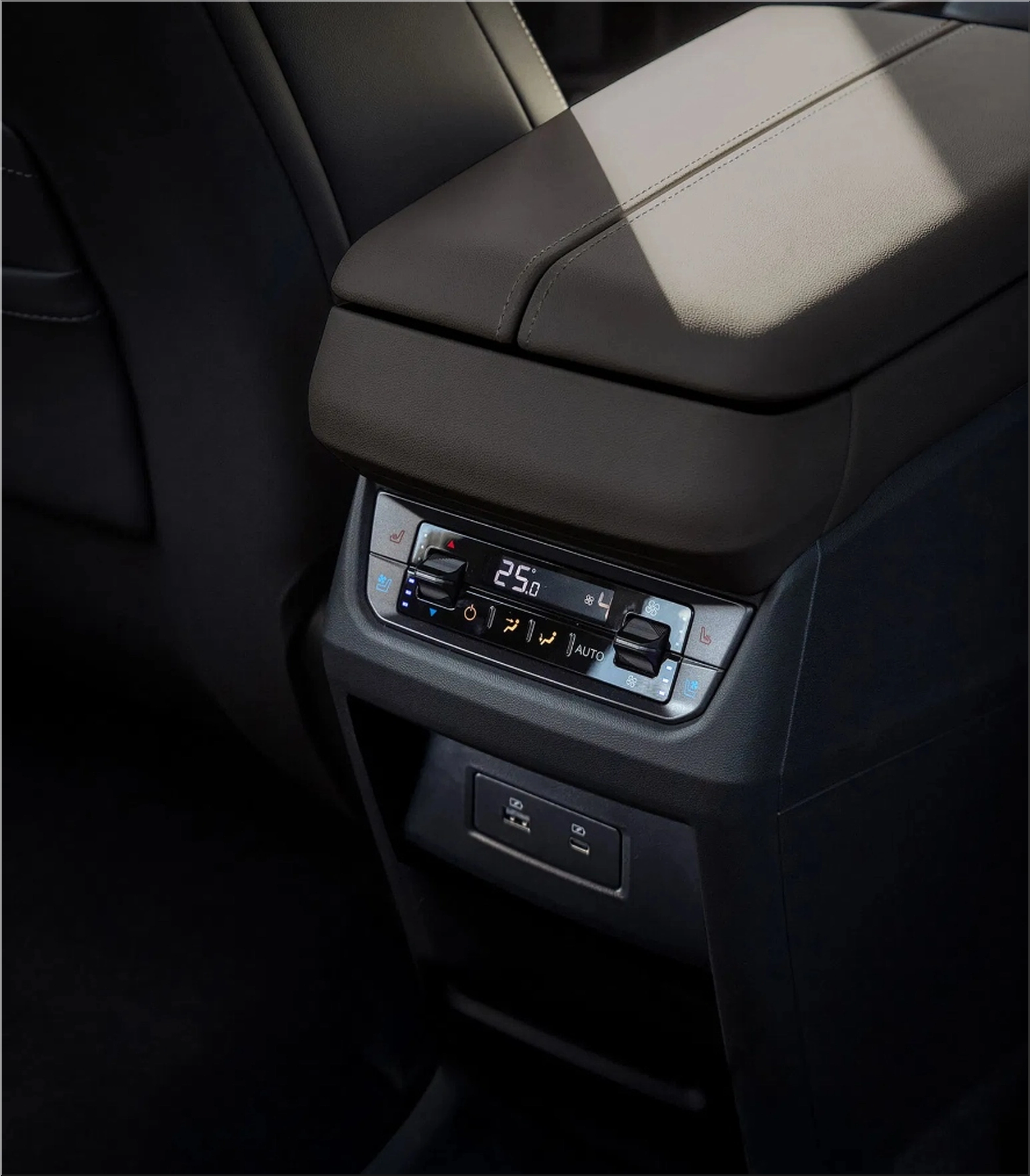
The interior splits the difference between space and tech efficiency. Ford avoids cluttered screens and confusing menus.
Key cabin facts:
- 13.2-inch central display
- 12.3-inch digital cluster
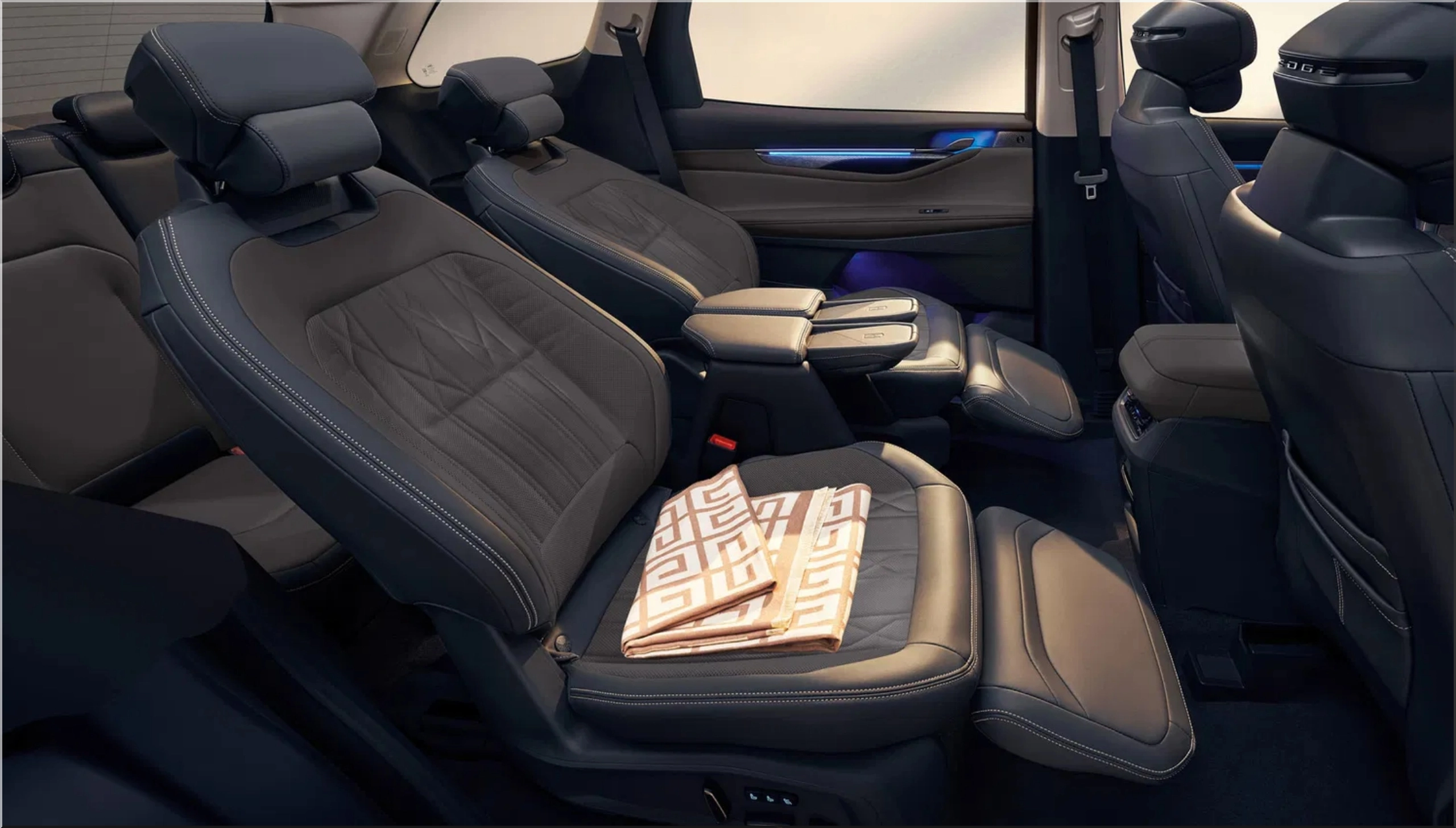
- Option for second-row captain’s chairs
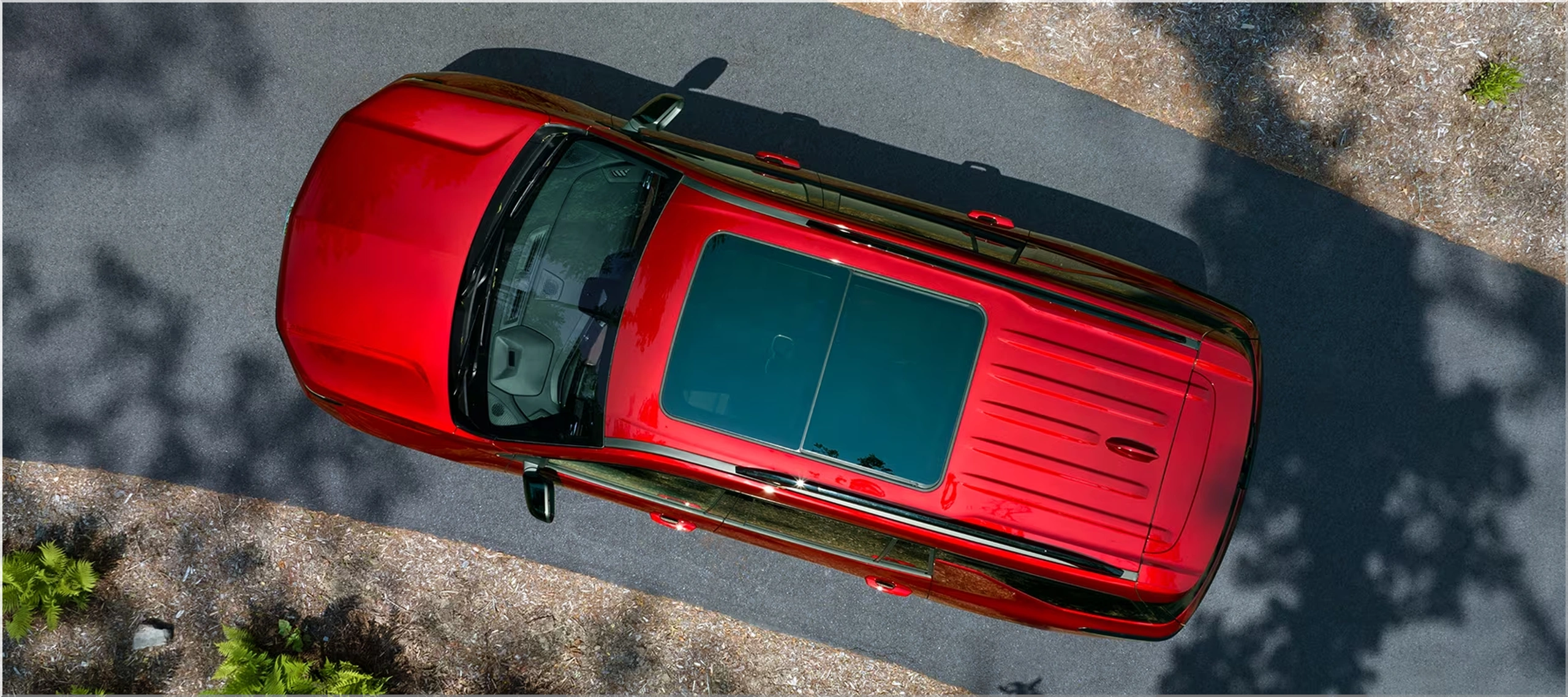
- Panoramic roof available
- Practical cargo space
The third row fits children and shorter adults well, improving family utility without the cost of full-size SUV mass.
Ford’s software experience emphasizes quick access and avoidance of deep nested menus, a UX choice that reduces cognitive effort for drivers and passengers.
Image
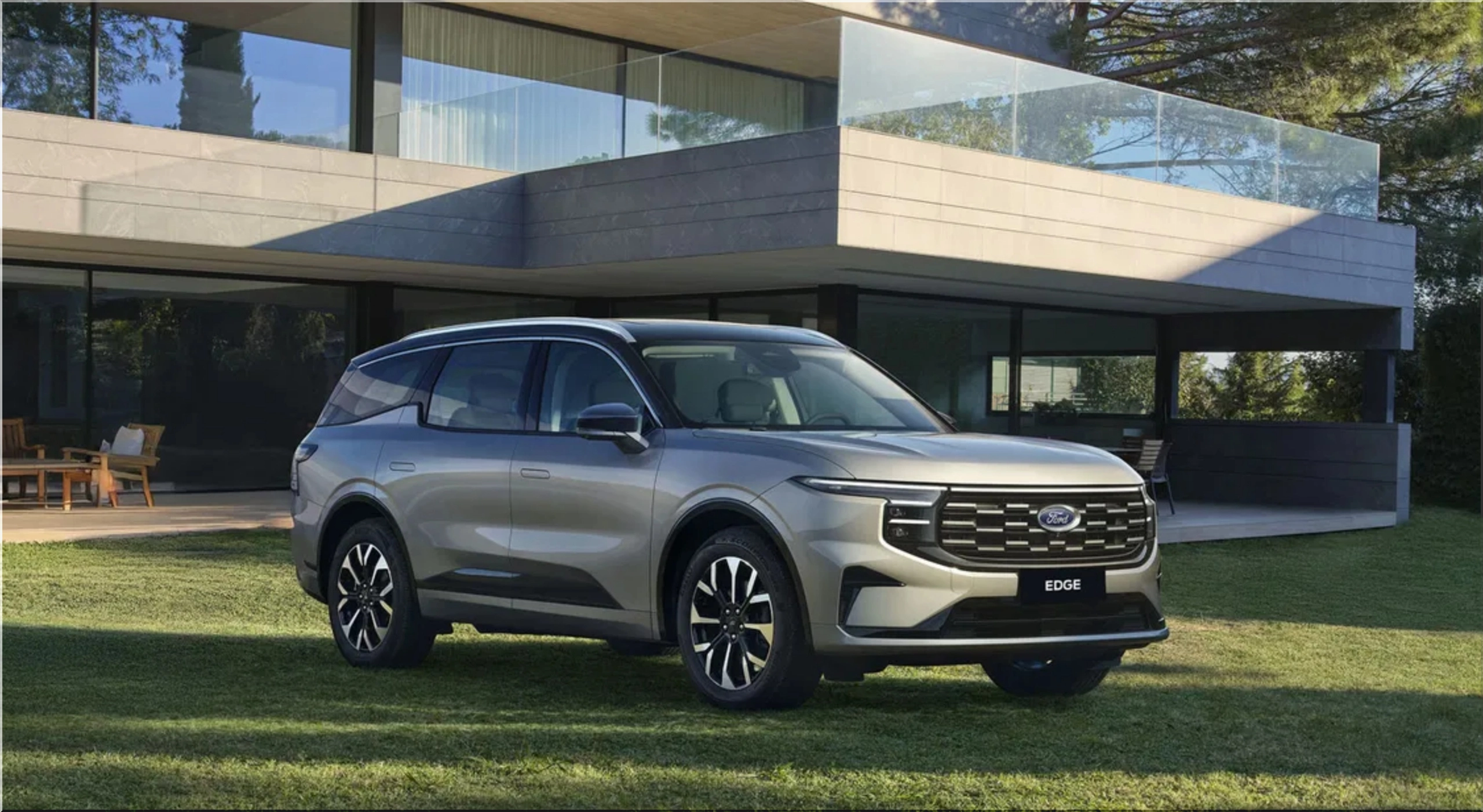
Trim Lines and Pricing Shape Perceived Value
Ford limits the Edge Hybrid to two trims — Trend and Titanium.
Estimated pricing range converts to approximately:
- $40,000 to $55,000 USD
This pricing signals value rather than premium exclusivity. It aligns with buyers who focus on utility, economy, and mid-tier quality.
Trend covers essentials with core driver assistance tech, while Titanium layers comfort and premium features like larger wheels and added safety systems.

Safety Tech: Practical, Predictable, Adoptable
Standard safety systems across trims include:
- Adaptive cruise with stop-and-go
- Lane centering assistance
- Blind-spot monitoring
- Automatic emergency braking
- Rear cross-traffic alert
Ford favors established safety features over experimental automation. That reduces complexity and aligns with how most buyers use driver assist systems.
Competitor Insights: Where Ford Edge Hybrid Stands
Below is a comparison of the Edge Hybrid with other hybrid SUVs, including the 2026 Renault Filante.
| Model | Powertrain | Seating | Est. Range | Approx. Price (USD) |
|---|---|---|---|---|
| Ford Edge Hybrid 2026 | 2.0L Turbo Hybrid | 3 rows | ~684 mi | $40k–$55k |
| Toyota Highlander Hybrid | 2.5L Hybrid | 3 rows | ~615 mi | $43k–$53k |
| Hyundai Santa Fe Hybrid | 1.6L Hybrid | 2–3 rows | ~630 mi | $38k–$48k |
| Kia Sorento Hybrid | 1.6L Hybrid | 3 rows | ~620 mi | $37k–$47k |
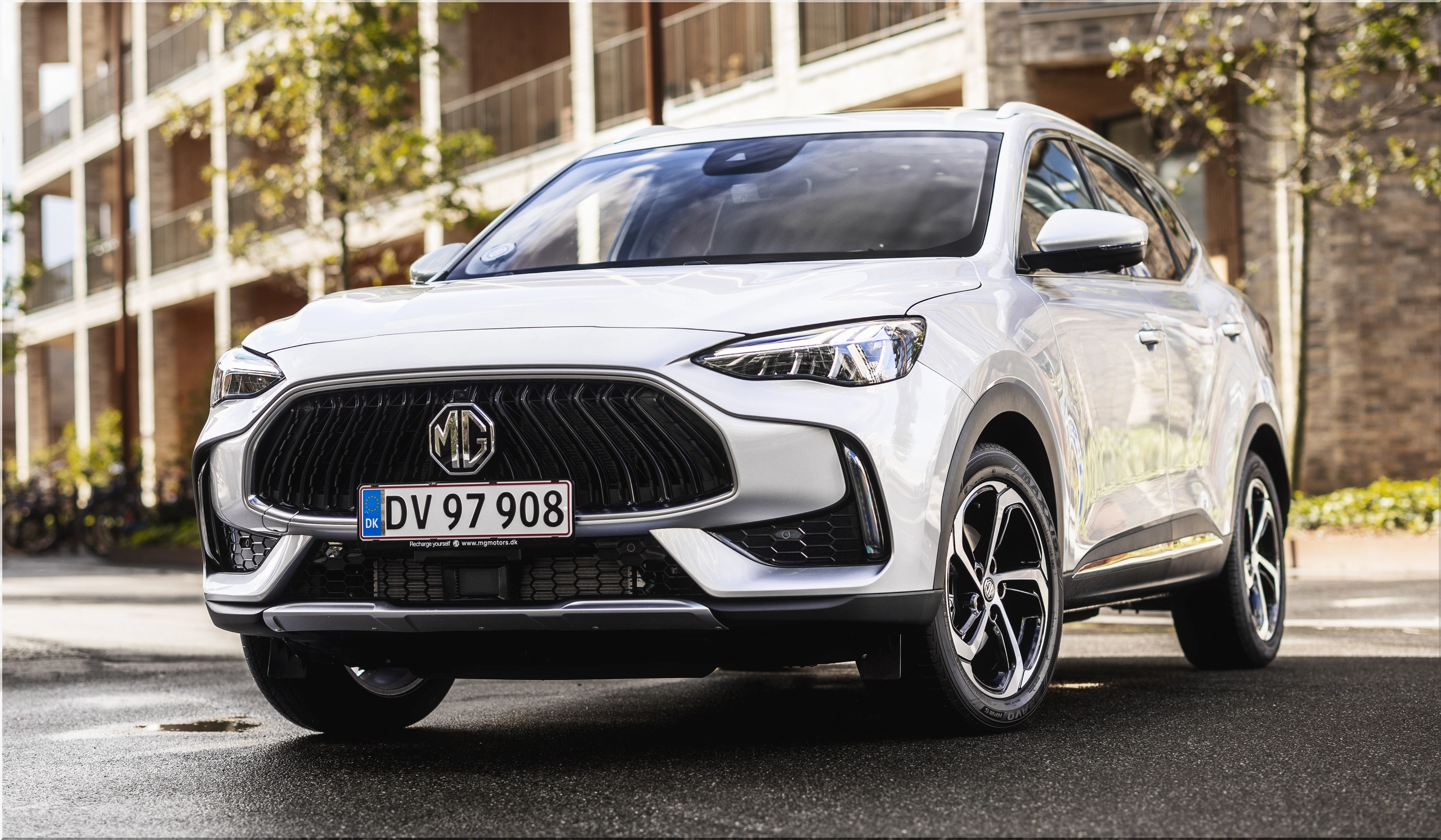
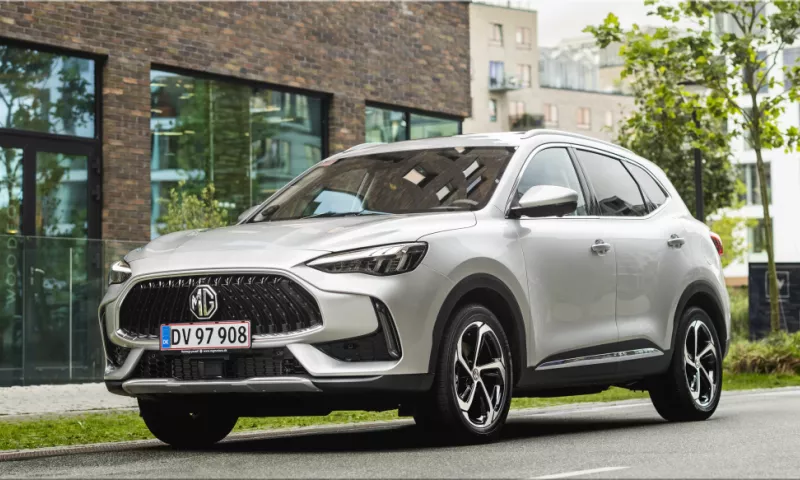
| Renault Filante 2026 | 1.5L E-Tech Hybrid | 2–5 seat SUV | ~500–550 mi est | $29k+ |
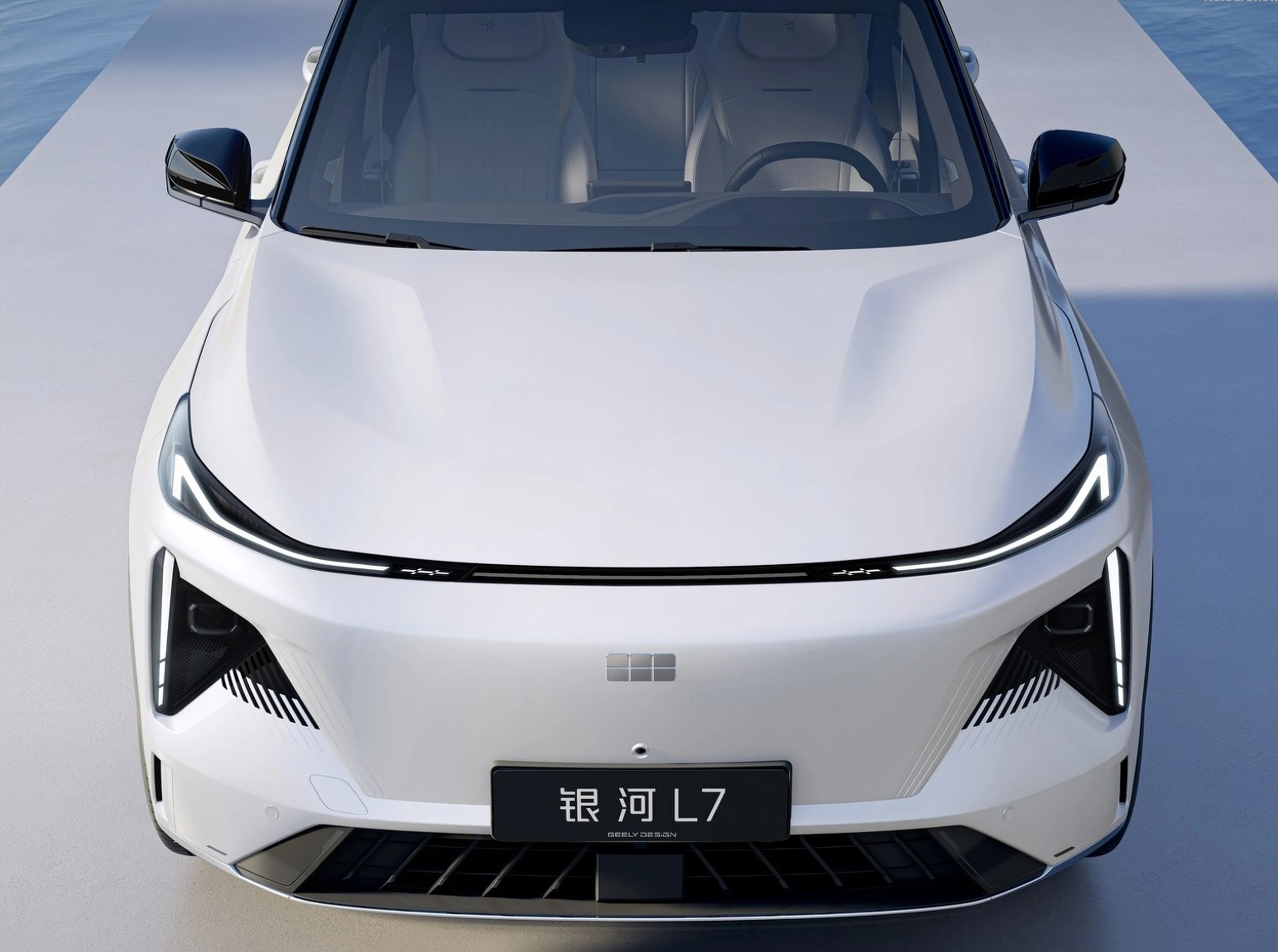
The Renault Filante enters a different competitive niche. It uses a 1.5-liter full hybrid E-Tech system with around 250 hp and a trimmed, premium experience aimed at Asia, Middle East, and Latin America markets. Longer term goals include comfort, tech, and brand positioning in higher segments than basic family SUVs.
The Filante’s hybrid focus aligns with fuel-savvy global buyers but sits outside direct pricing and distribution parity with the Ford Edge three-row hybrid SUV in North America.
Manufacturing and Market Positioning
Ford assembles the Edge Hybrid outside the U.S., using global production lines to reduce cost pressure and adapt to regional demand. This approach supports hybrid expansion without over-reliance on EV incentives.
Renault also sources its Filante from South Korea through a Geely partnership platform. That collaboration reduces manufacturing risk and increases competitive pricing in targeted export markets.
Buyer Psychological Triggers and Conversion Signals
Two behavioral economics principles play here:
- Loss aversion — Lower operating costs and long range reduce the pain point of fuel spend.
- Cognitive ease — Simple trim choice and clear specs reduce decision paralysis.
Ford’s strategy mitigates buyer friction by focusing on features consumers use daily rather than niche technology that looks good on spec sheets but adds cost.
Ownership Cost Outlook: What Buyers Actually Pay
Fuel cost savings represent a key ownership benefit. The hybrid system rivals many plug-in setups in real-world usage without charging infrastructure requirements.
Ongoing costs tend to mirror those of traditional gas SUVs, but with lower refueling frequency and improved fuel economy.
Resale value likely stays competitive where hybrid demand persists.
Strategic Implications for Ford
The 2026 Ford Edge Hybrid positions Ford for consistent volume rather than headline splits.
It avoids extreme MSRP spikes, keeps complexity low, and aligns with buyers who want utility and economics first.
This model fits midrange SUV buyers who:
- Drive long distances regularly
- Value dependable fuel economy, not flashy credentials
- Prefer simplicity over technology overload
What Buyers Should Do Next
If you prioritize:
- Fuel efficiency and long range in a three-row SUV
- A predictable, user-friendly interface
- Practical safety tech and family space
Then test driving the Ford Edge Hybrid alongside a competitor like the Toyota Highlander Hybrid or Renault Filante will provide clarity on real-world fit.
Focus on fuel usage scenarios and cargo patterns specific to your lifestyle.
- Add new comment
- 872 views