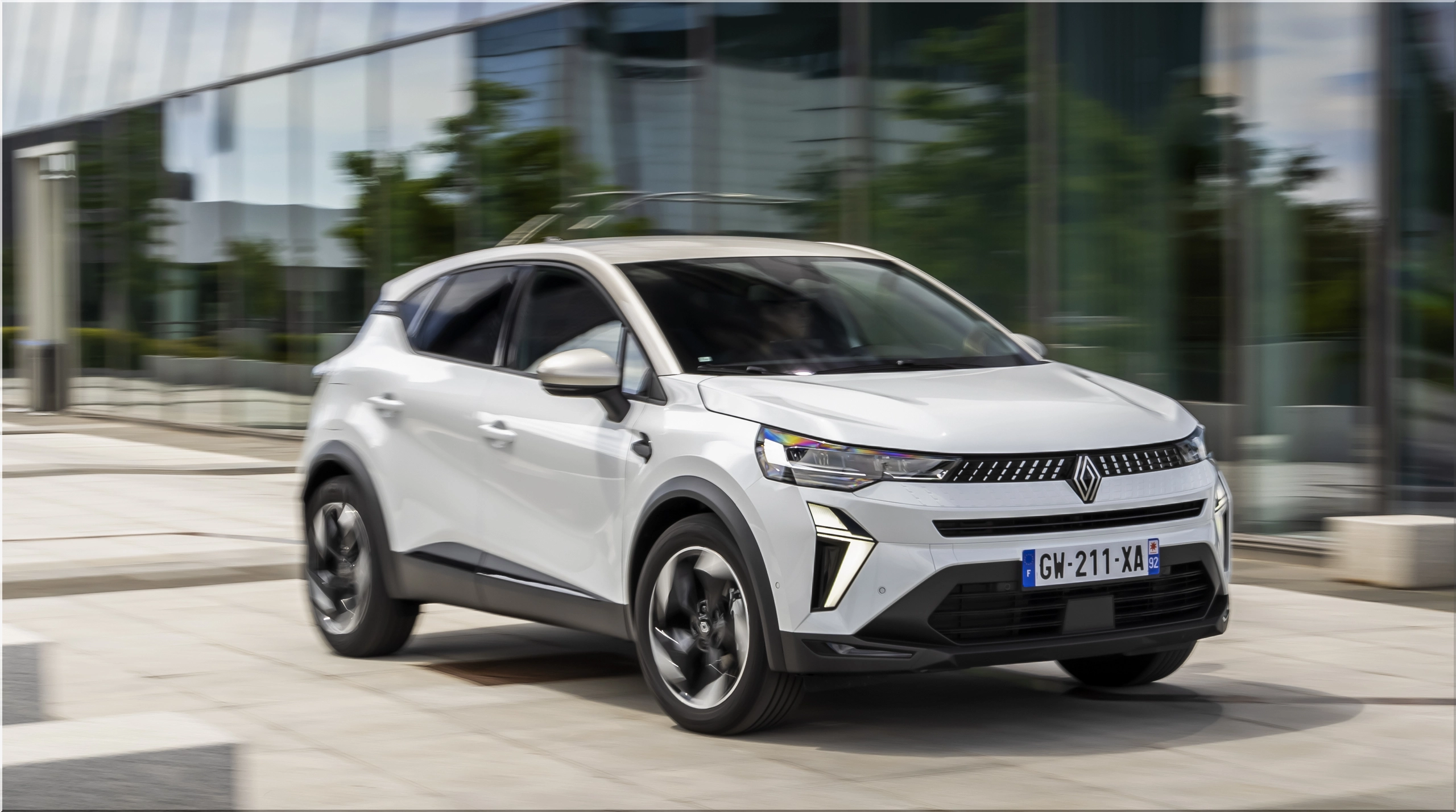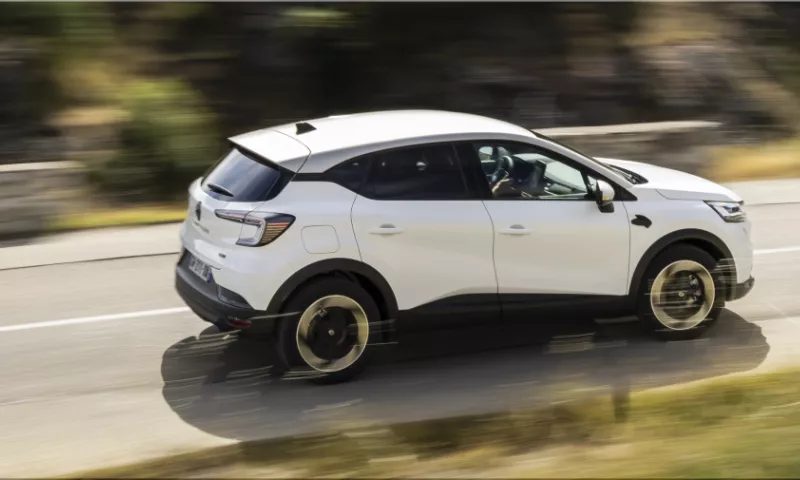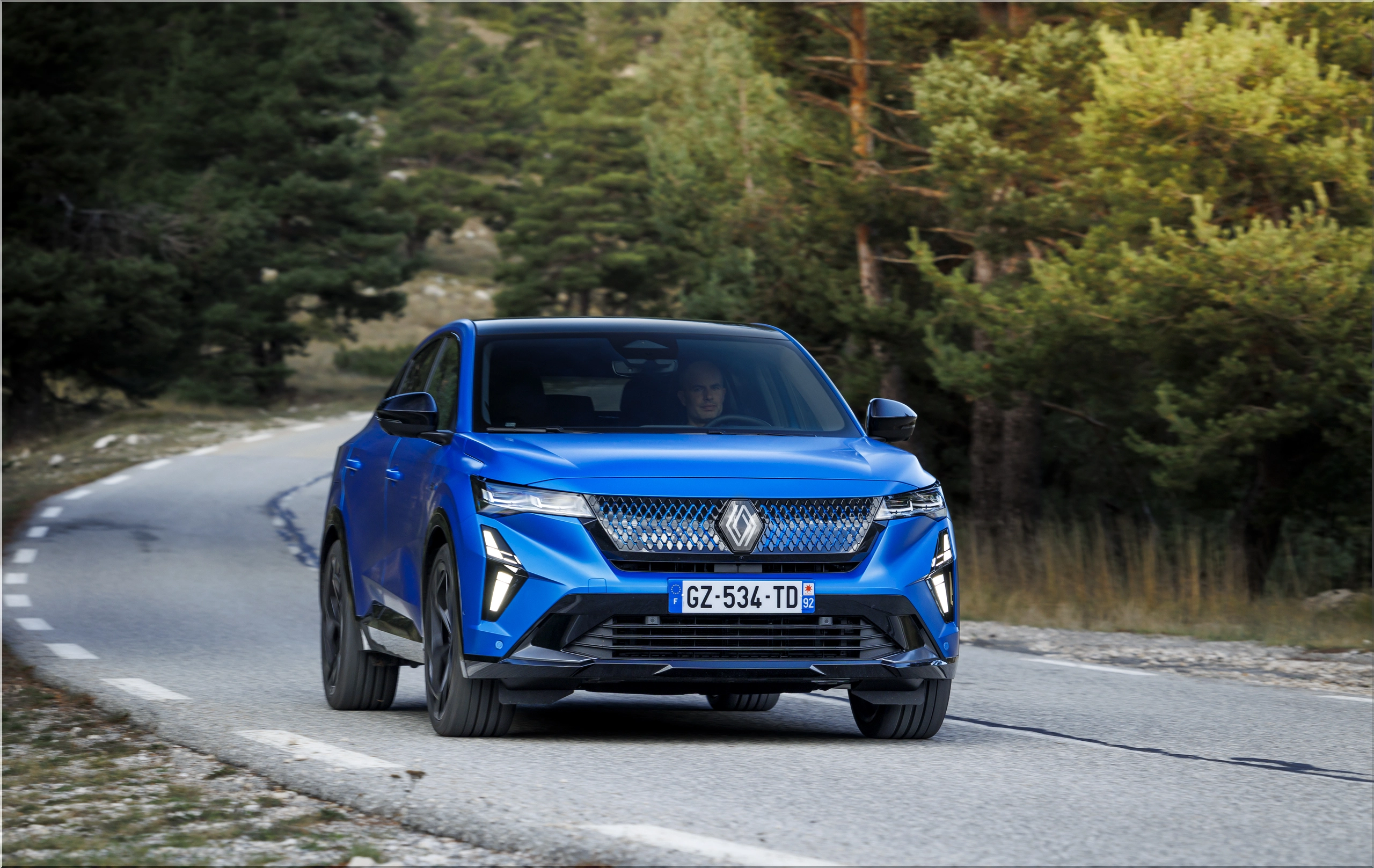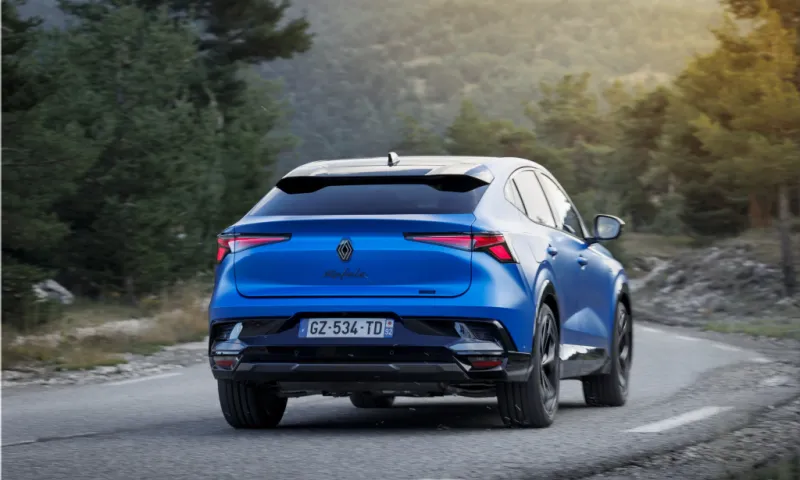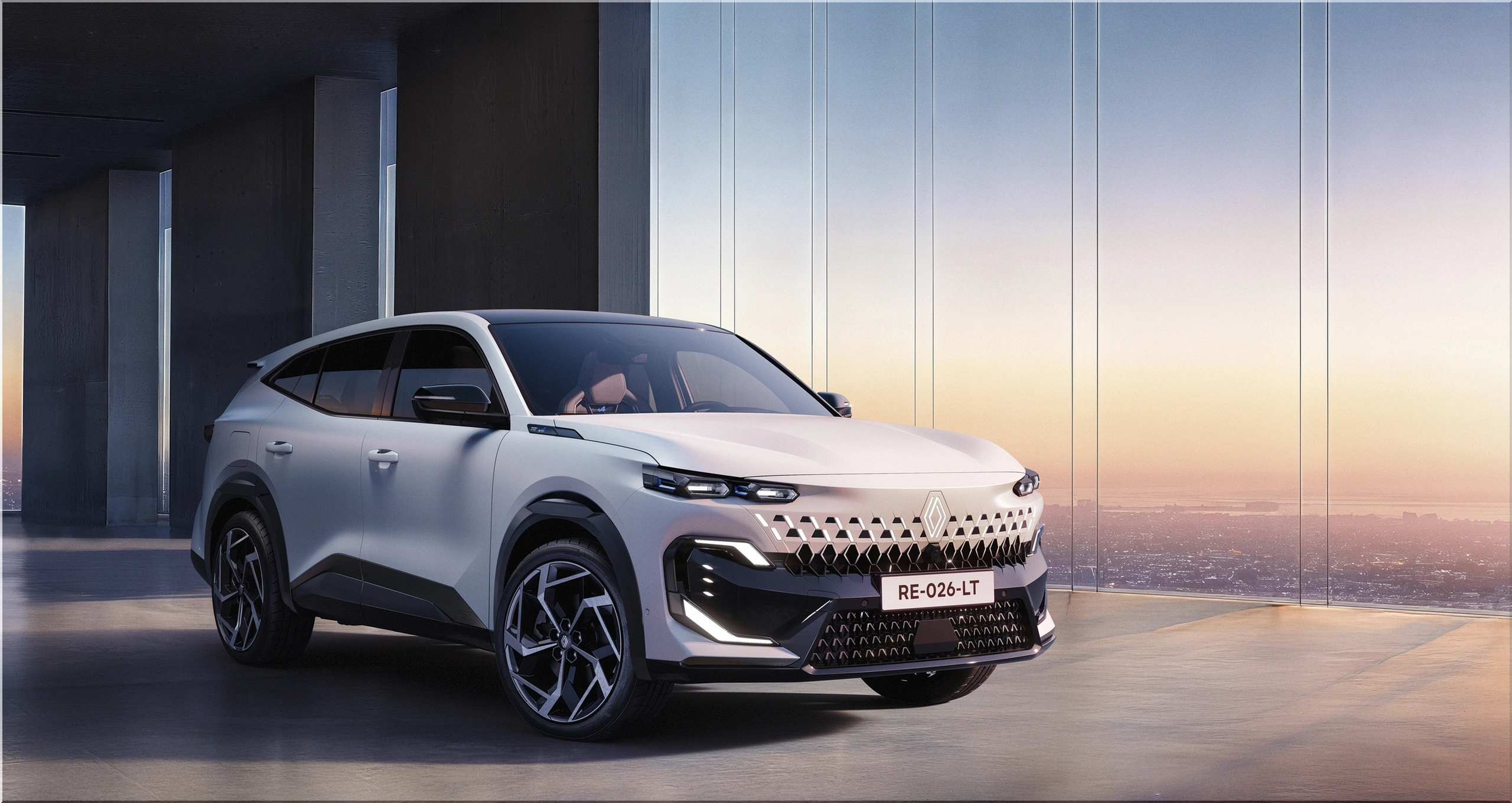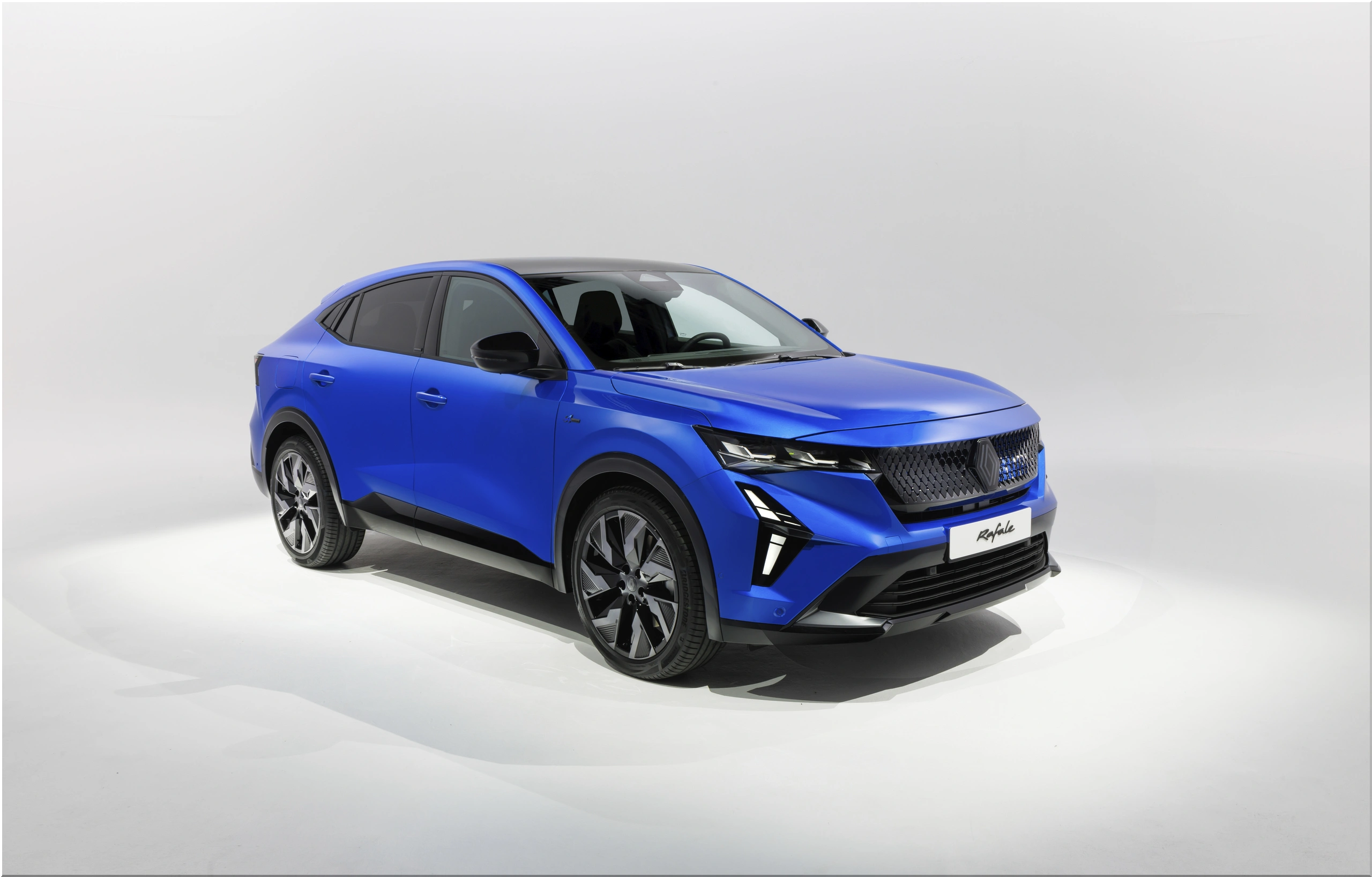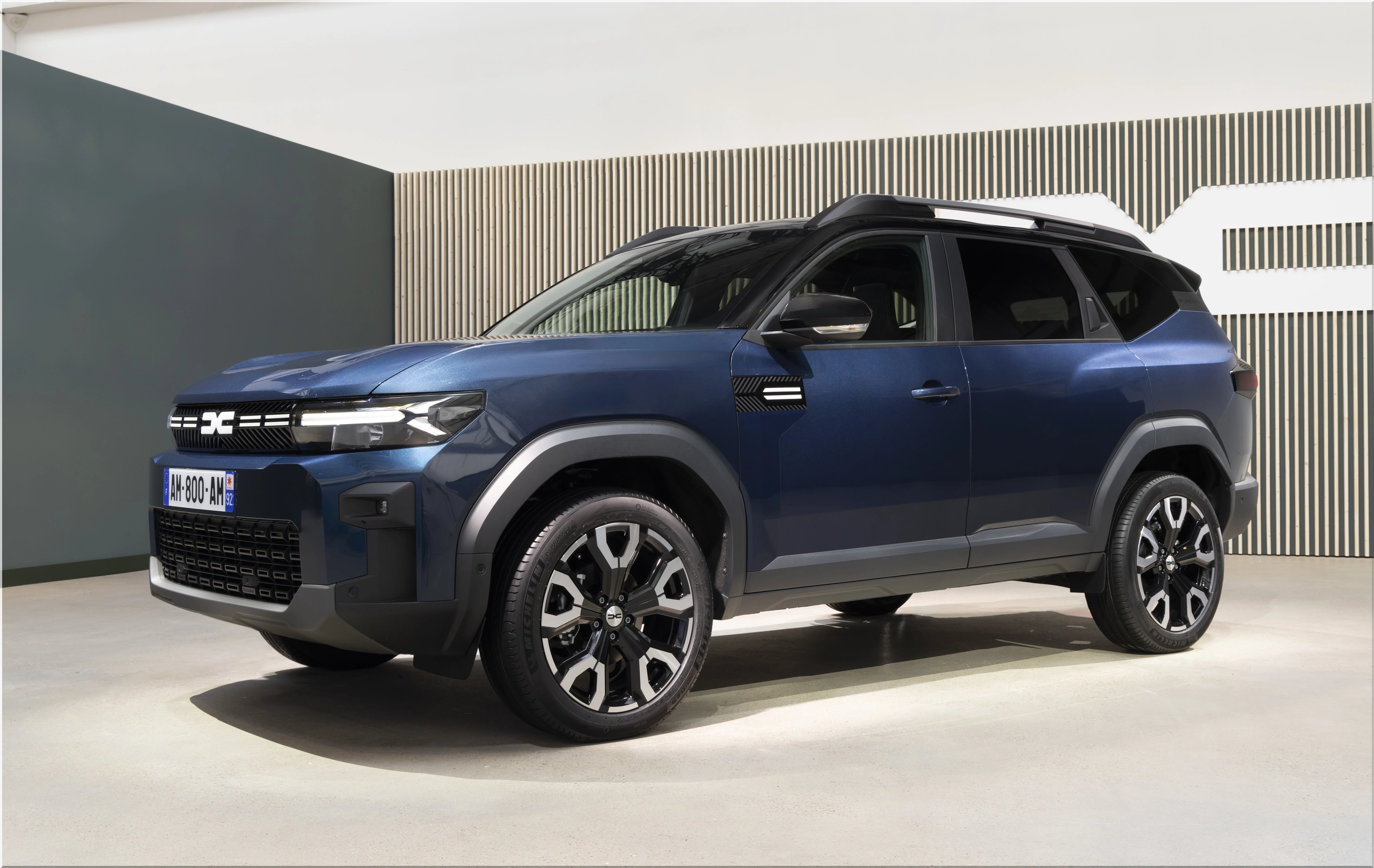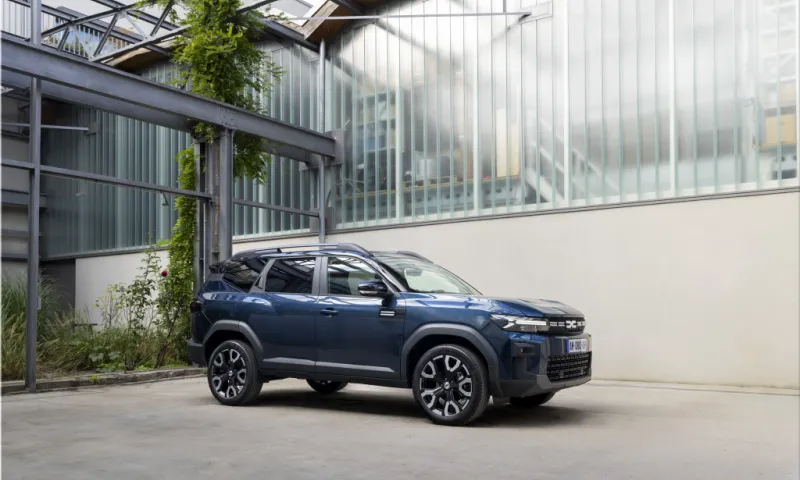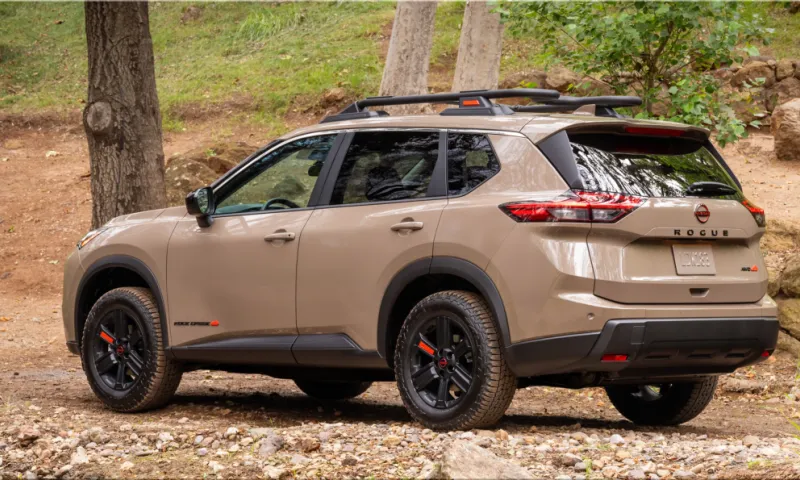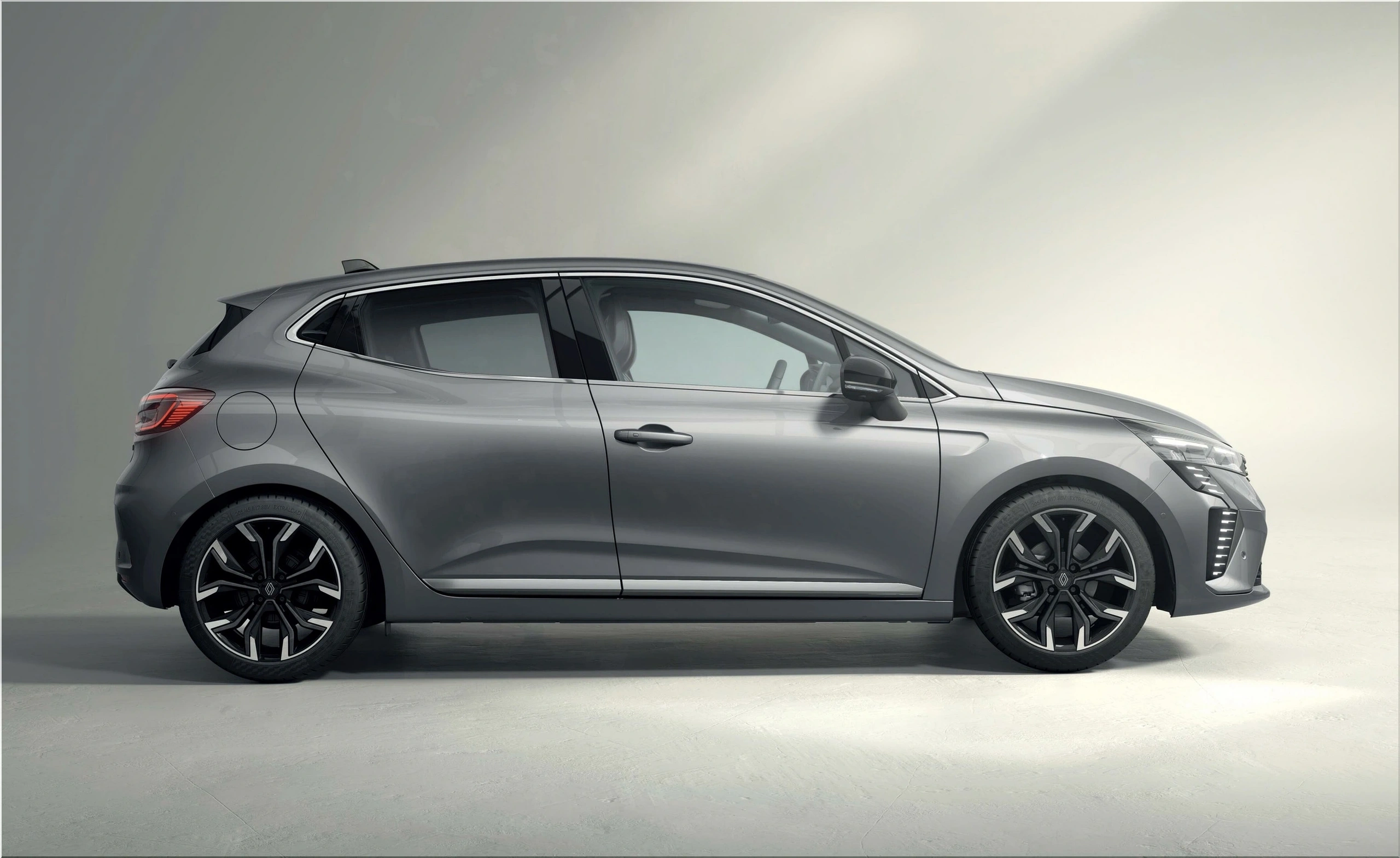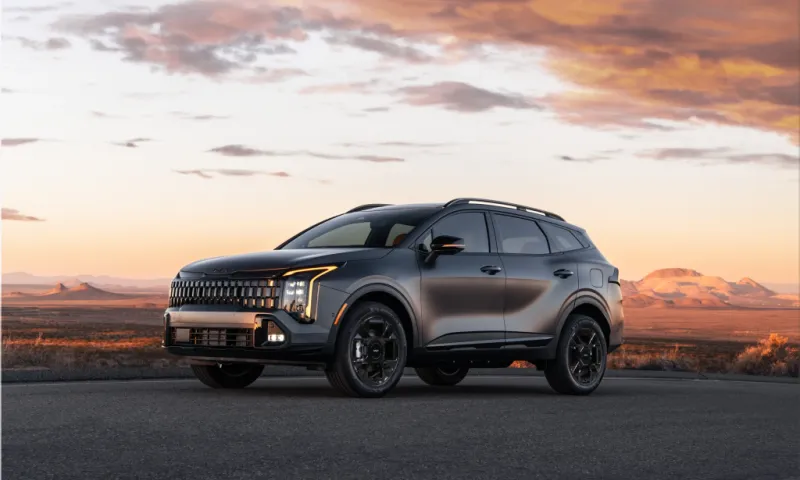
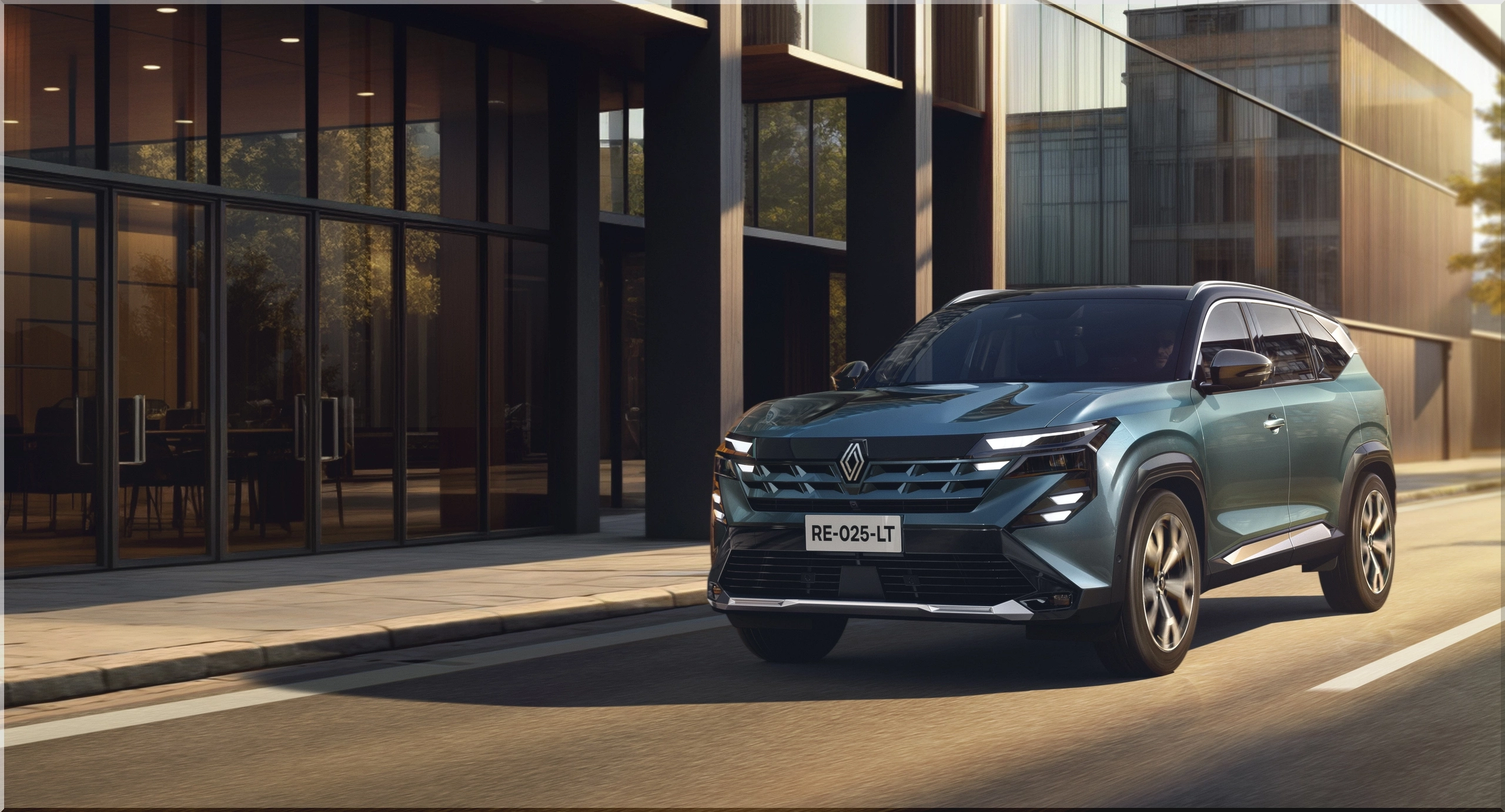
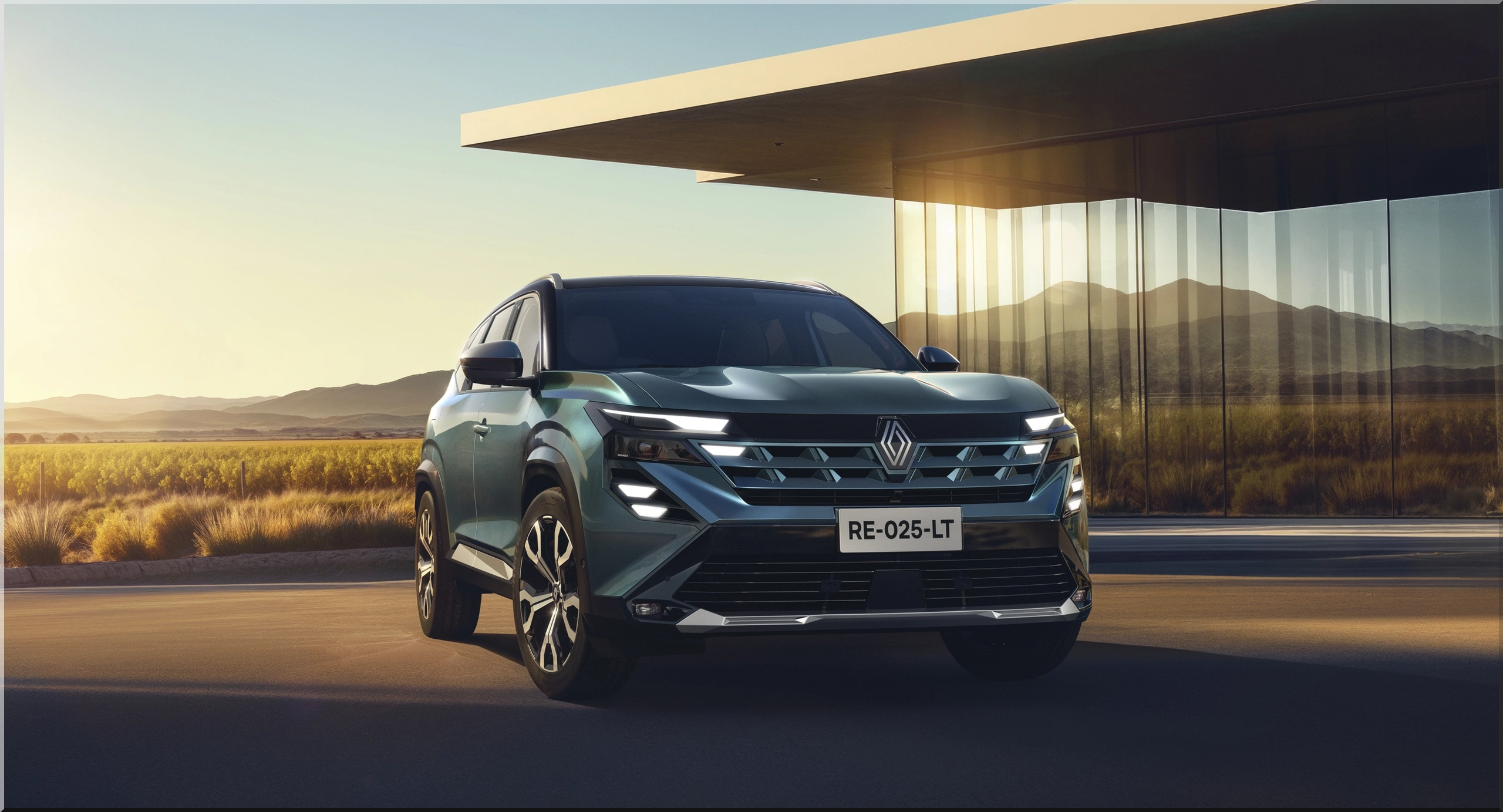
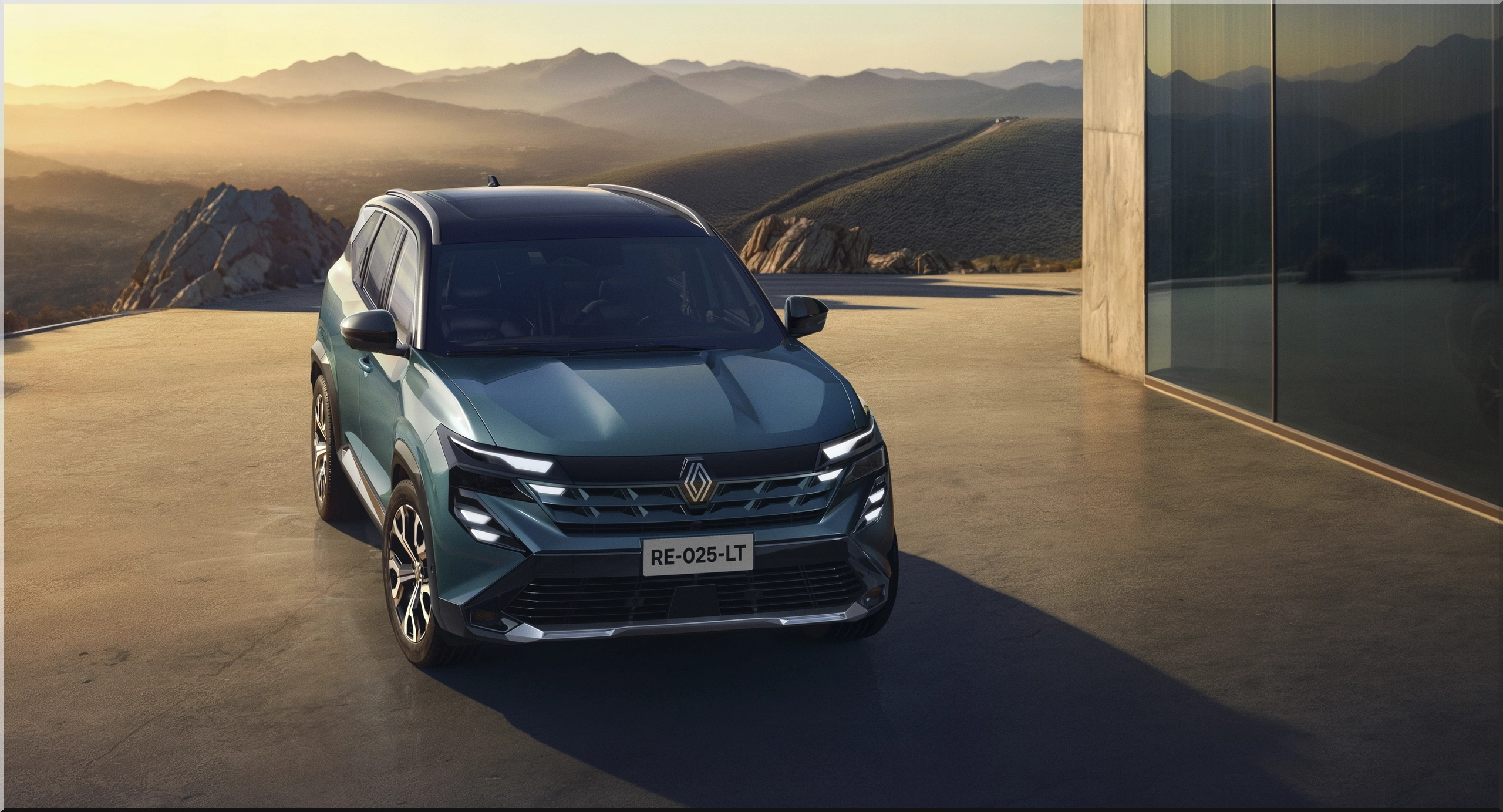
Renault has moved Renault Boreal into a new phase. The C-segment SUV now gains a second production hub in Bursa, Türkiye, and the launch plan brings a full hybrid E-Tech 160 hp into the mix. That pairing tells the story: scale, local fit, and lower running costs without forcing every growth market into battery-electric adoption at the same pace.
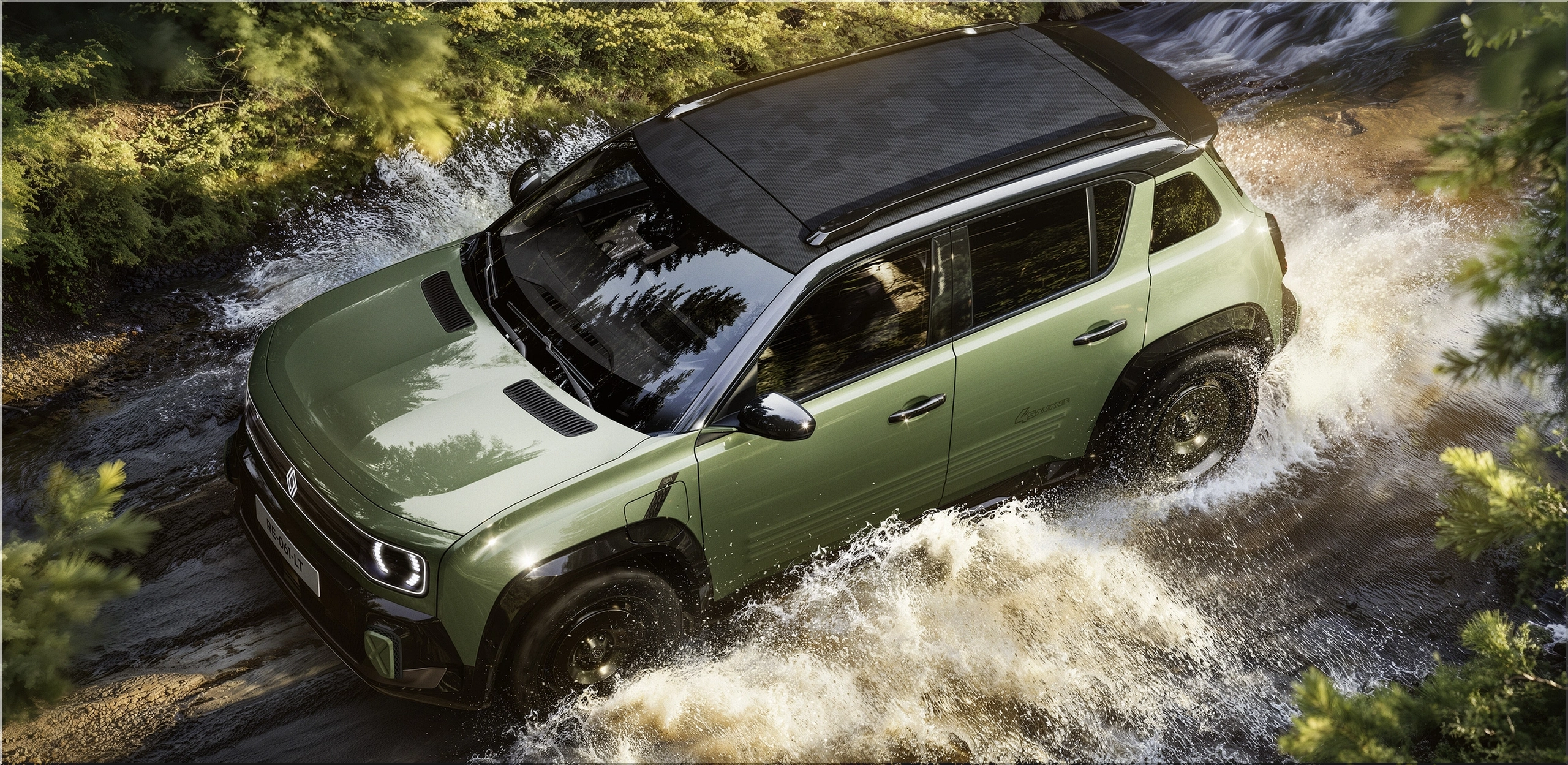
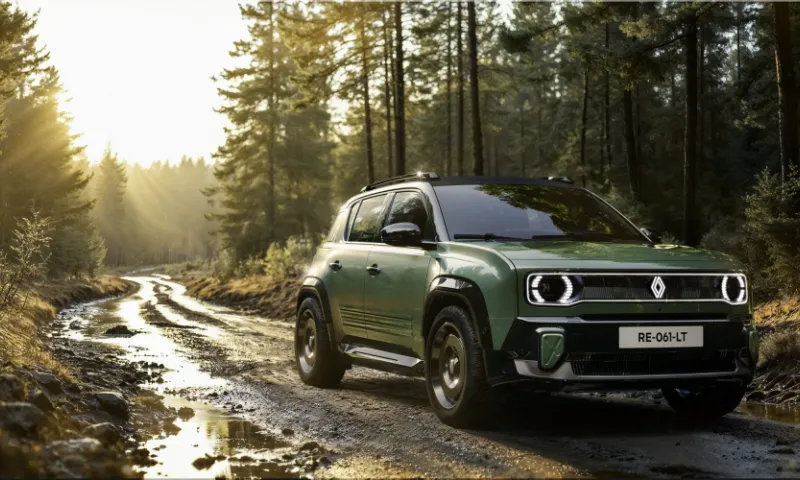
The 2026 Renault Boreal targets 71 countries outside Europe, with Curitiba, Brazil covering Latin America and Bursa covering Türkiye, Eastern Europe, the Middle East, North Africa, and Sub-Saharan Africa. Specifically, Renault uses Boreal to attack the high-value C-SUV segment, where family buyers want space, tech, low fuel use, and a stronger badge image than budget crossovers usually provide.
Image
Renault Boreal Fits the C-SUV Sweet Spot
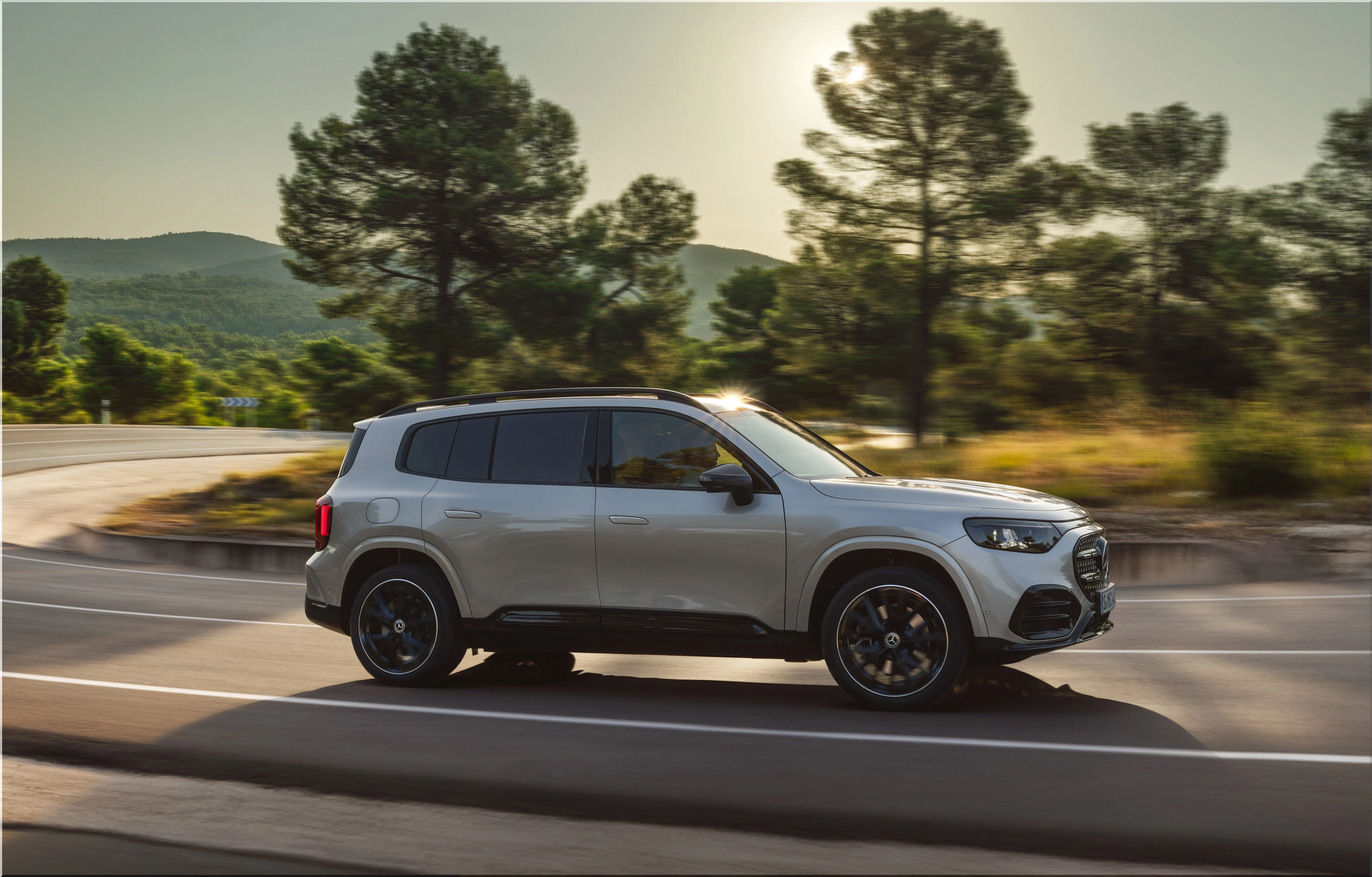
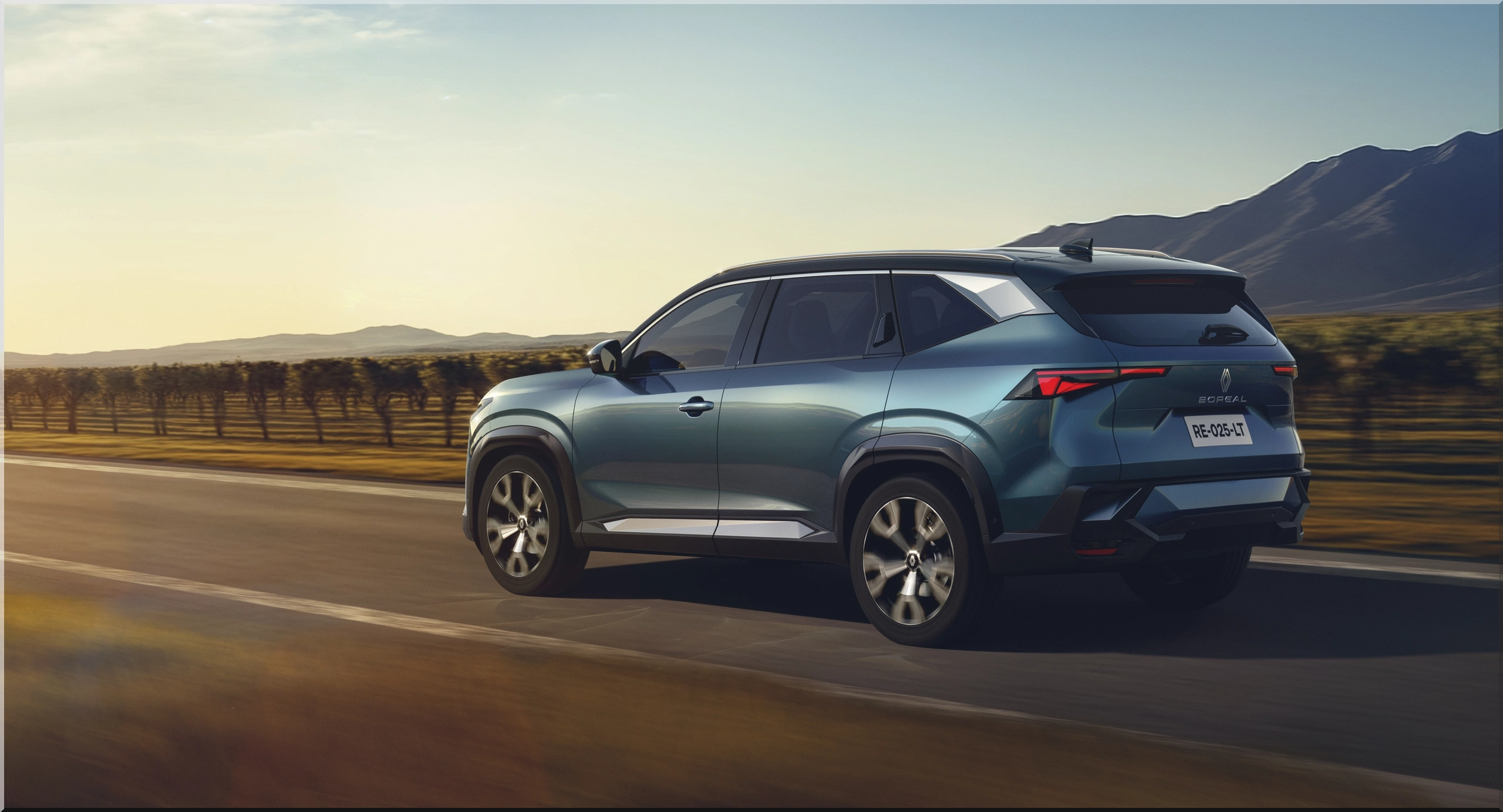
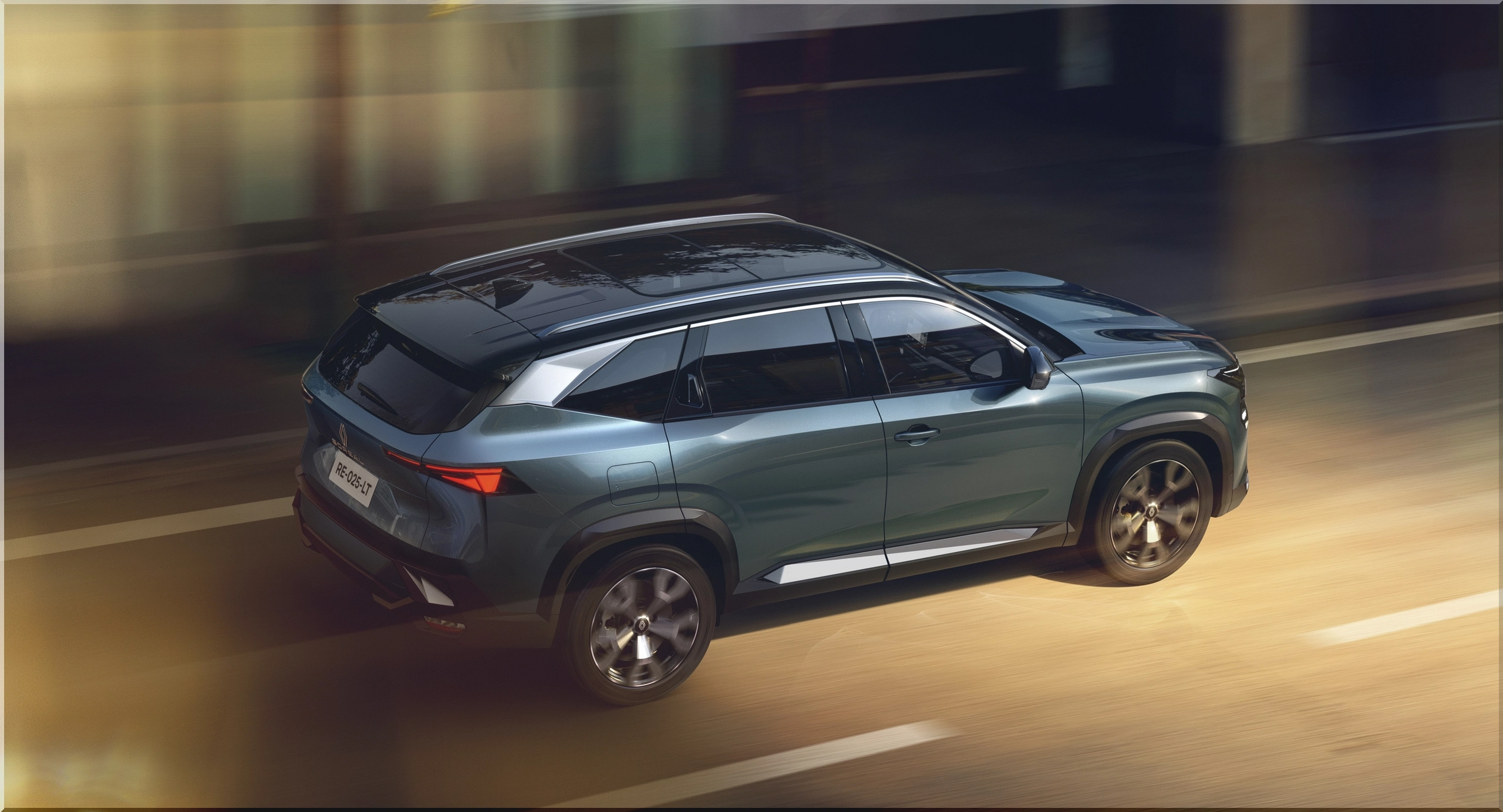
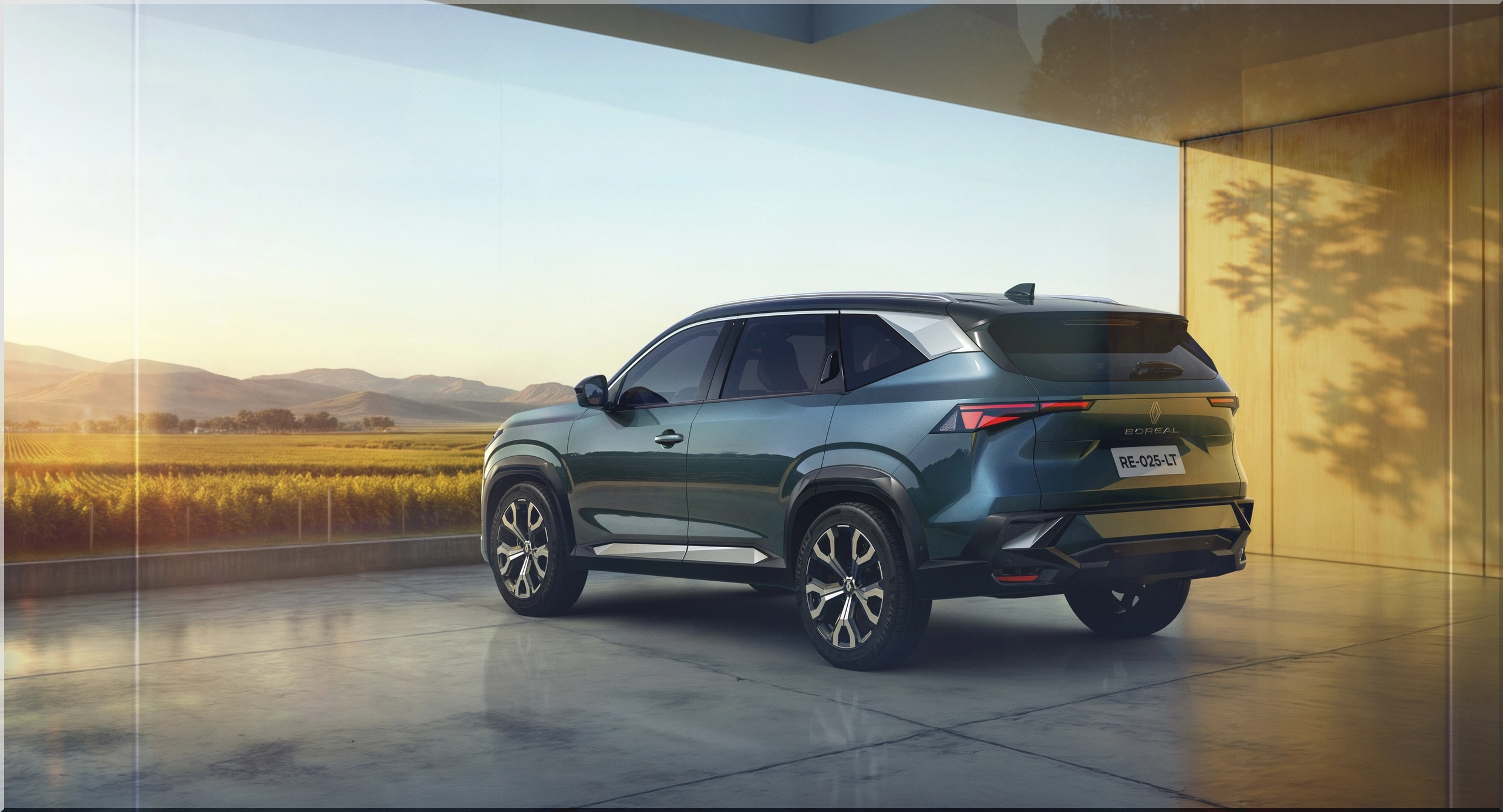
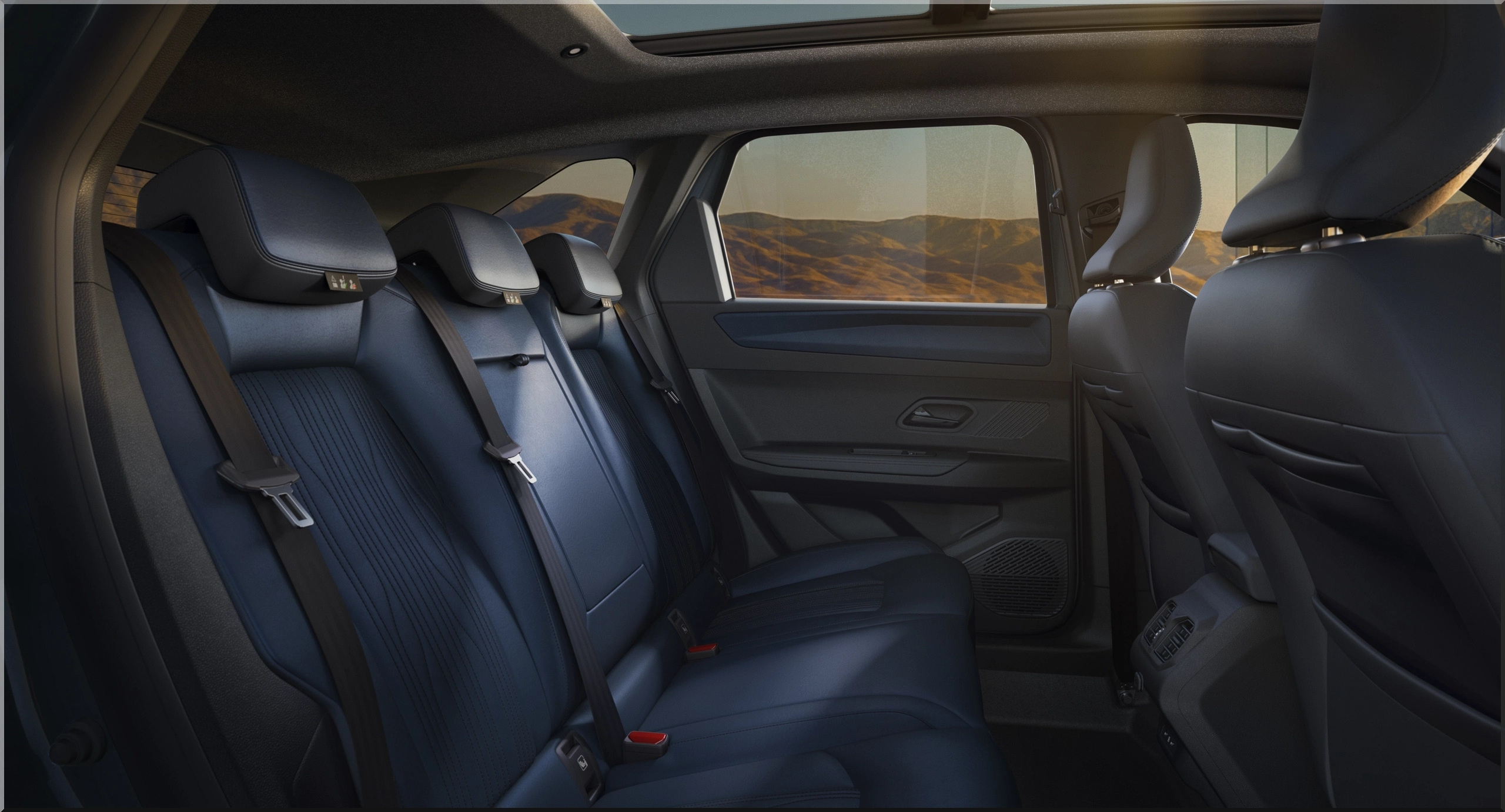
The new Renault Boreal measures 4,560 mm long, or about 179.5 inches, and rides on a 2,700 mm wheelbase, equal to about 106.3 inches. Those numbers give it the footprint buyers expect from a practical five-seat SUV rather than a cramped urban crossover. By comparison, the long wheelbase gives Renault room to tune rear legroom, luggage volume, and cabin storage without stretching the vehicle into D-segment pricing territory.
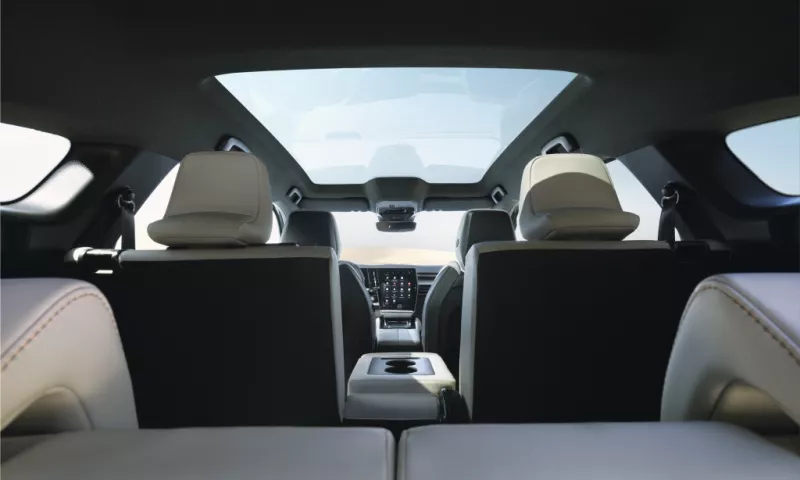
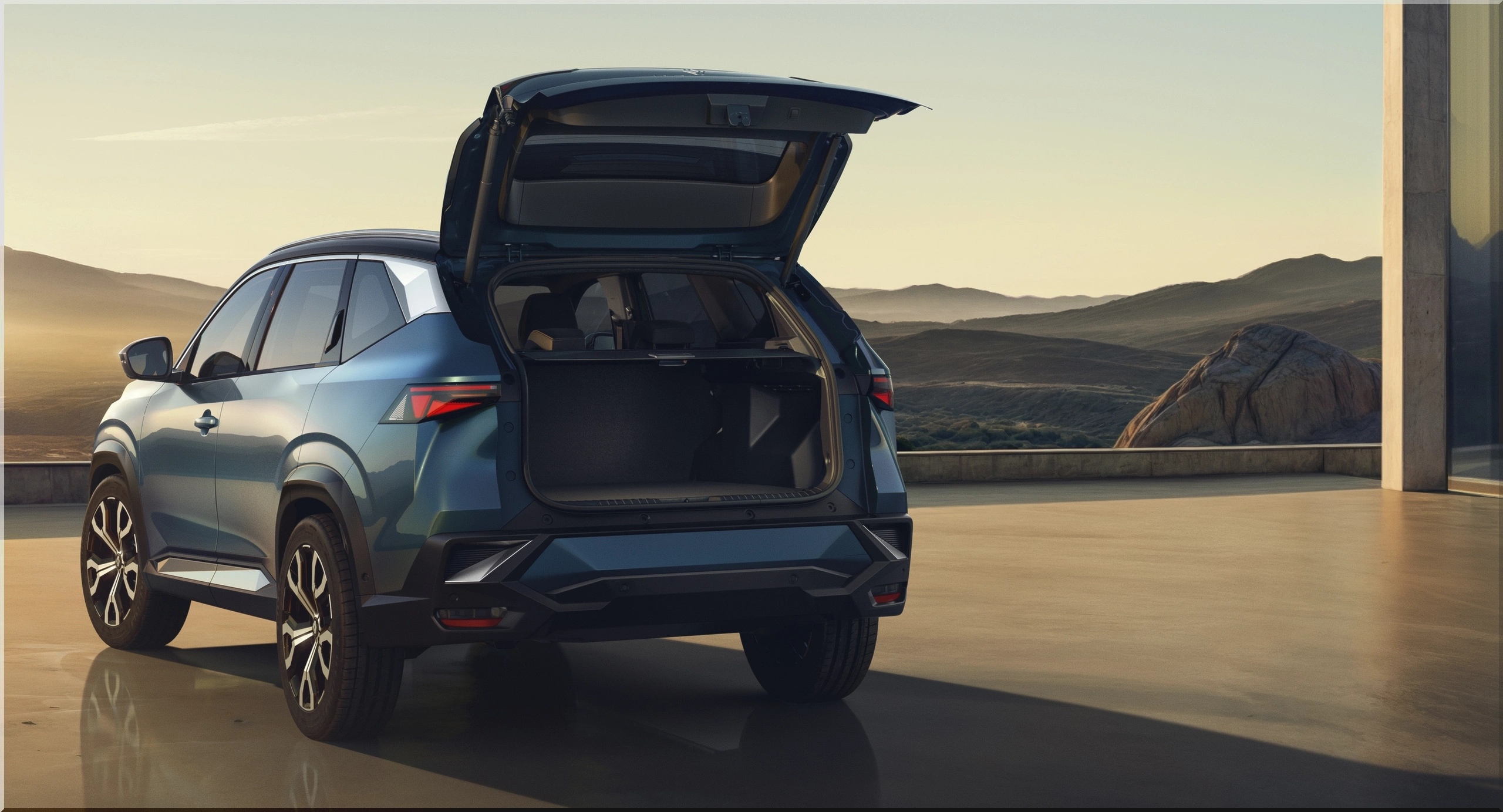
Renault pairs that footprint with a large boot. In Türkiye-market data, cargo capacity reaches 630 litres with the rear seats in use and expands to 1,868 litres with the Easy Break rear seats folded. That equals roughly 22.2 to 66.0 cubic feet, a useful spread for families, airport runs, and small-business errands.
| Renault Boreal packaging data | Metric figure | Approximate imperial figure | Buyer value |
|---|---|---|---|
| Length | 4,560 mm | 179.5 in | C-SUV road presence |
| Wheelbase | 2,700 mm | 106.3 in | Better rear cabin space |
| Alloy wheel size | 19 in | 483 mm rim diameter | Stronger visual stance |
| Boot volume, seats up | 630 litres | 22.2 cu ft | Family luggage capacity |
| Boot volume, seats folded | 1,868 litres | 66.0 cu ft | Weekend load flexibility |
Two Production Hubs Give Boreal Its Real Business Case
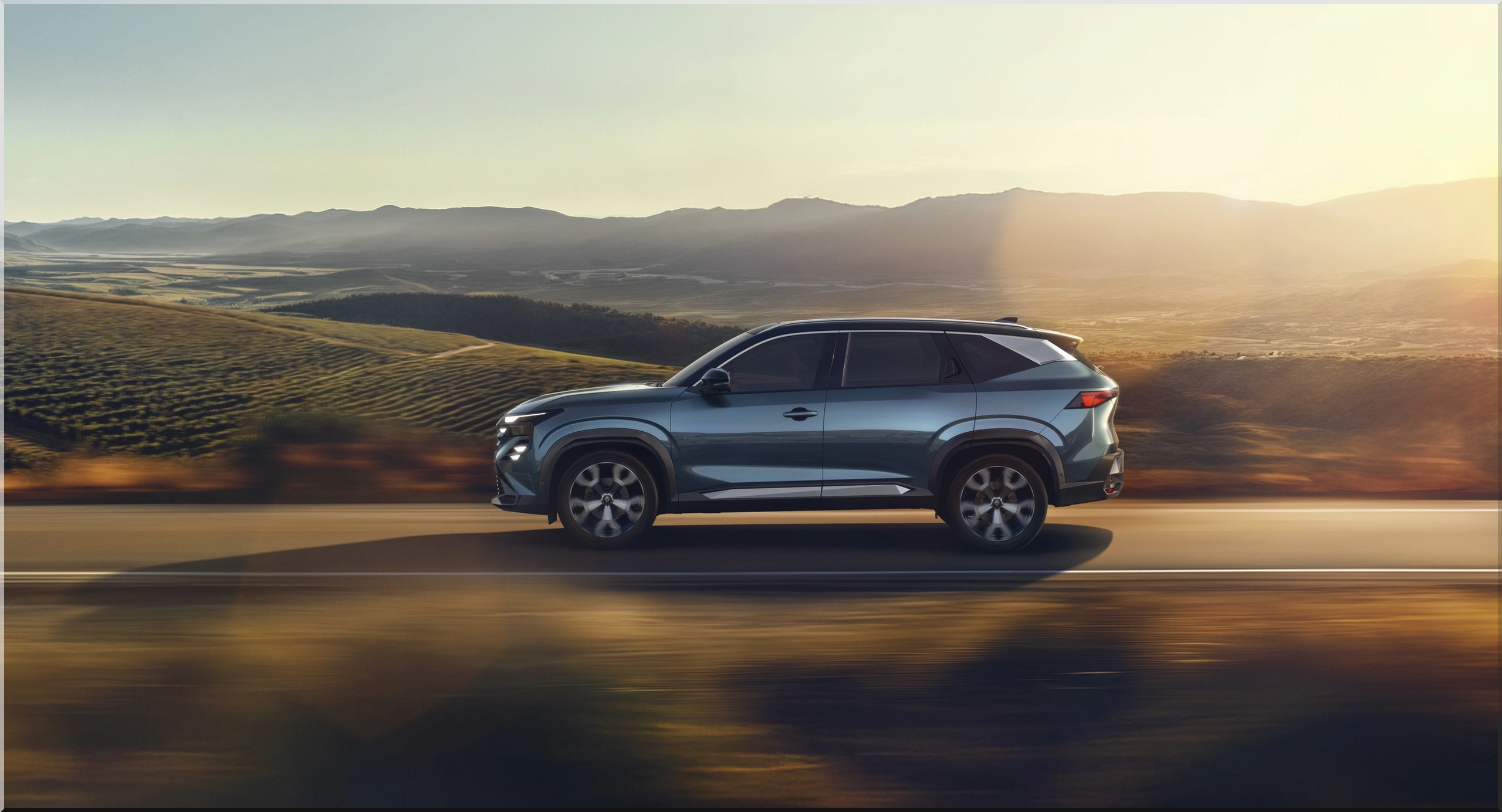
Renault did not place 2026 Renault Boreal in Bursa by accident. Curitiba gives the SUV a Latin American base, while Bursa gives it a faster export route into Türkiye and nearby regions with high SUV demand. Consequently, Renault cuts logistics exposure, supports local sourcing, and builds close to buyers with different tax, fuel, and road-use patterns.
The Bursa move also counts for the powertrain plan. Renault and OYAK already run a deep industrial base in Türkiye, and Boreal uses that base to introduce an HR18-coded hybrid engine produced by Oyak Horse in Bursa. From an expert perspective, that turns the SUV from a single-region product into a repeatable industrial programme.
Image
| Production hub | Main market coverage | Strategic role | Product impact |
|---|---|---|---|
| Curitiba, Brazil | Latin America | First launch base | Supports 17 Latin American countries |
| Bursa, Türkiye | Türkiye, Eastern Europe, Middle East, Africa | Second production hub | Adds full hybrid E-Tech and export scale |
| Renault modular platform | International markets | Shared architecture | Cuts development time and supports local tech fit |
Full Hybrid E-Tech 160 hp Gives Boreal a Cleaner Urban Argument
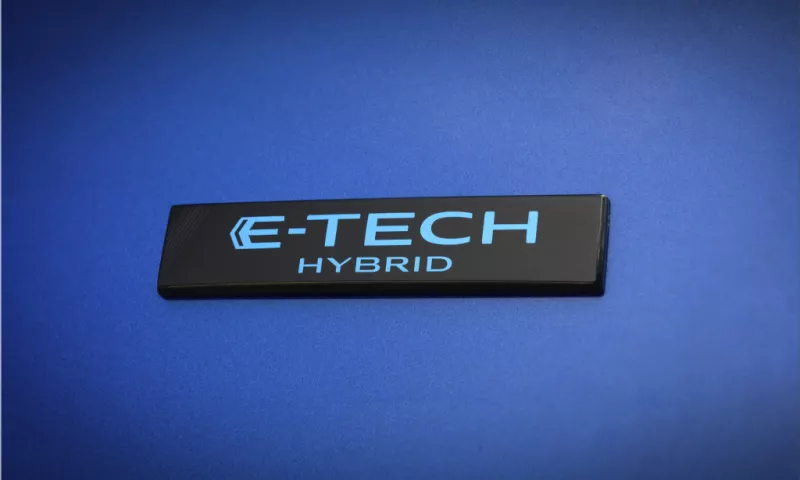
The headline powertrain brings full hybrid E-Tech 160 hp to Renault Boreal. Renault says the system allows up to 80% electric driving in urban use and supports electric acceleration up to 110 km/h. In addition, the WLTP figures give buyers a clear cost argument: 4.8 L/100 km combined fuel use and 108 g/km CO2.
Looking at the data, the hybrid cuts fuel use by 1.8 L/100 km versus the 1.3 turbo TCe EDC 145 hp. It also cuts CO2 by 41 g/km. That difference gives fleet buyers, private owners, and high-mileage urban drivers a direct reason to price the hybrid against the petrol model.
| Powertrain | Output | Gearbox | WLTP fuel use | WLTP CO2 | Best use case |
|---|---|---|---|---|---|
| Full hybrid E-Tech | 160 hp | Multi-mode automatic | 4.8 L/100 km | 108 g/km | Urban commuting and lower fuel cost |
| 1.3 turbo TCe EDC | 145 hp | 6-speed wet dual-clutch | 6.6 L/100 km | 149 g/km | Lower entry cost and smooth petrol driving |
| Hybrid E-Tech 4x4 | 150 hp | Hybrid AWD system | TBA | TBA | Added traction from late 2026 |
Why The 1.3 TCe EDC Still Has A Role
The 1.3 turbo TCe EDC 145 hp gives Renault a simpler petrol option with a 6-speed wet dual-clutch transmission. That wet clutch design suits higher torque loads and repeated low-speed use better than a dry-clutch unit, because oil cooling helps manage heat during traffic crawl, hill starts, and parking manoeuvres. The result should feel smoother in dense city traffic than a basic torque converter alternative, while still giving direct shift response on open roads.
This engine also protects price access. A full hybrid costs more to build because it adds electric motors, power electronics, a traction battery, and control software. Renault needs the TCe version to capture buyers who want automatic shifting, C-SUV space, and the Boreal cabin package without paying the premium for the hybrid system.
Interior Tech Targets Families, Not Gadget Collectors
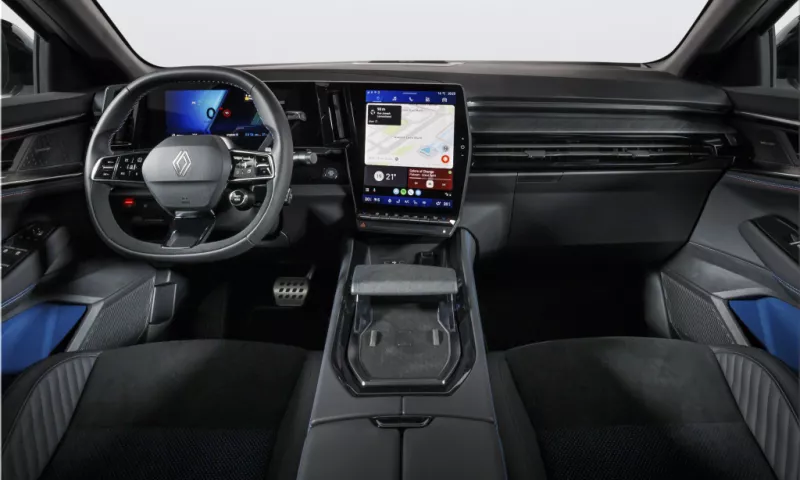
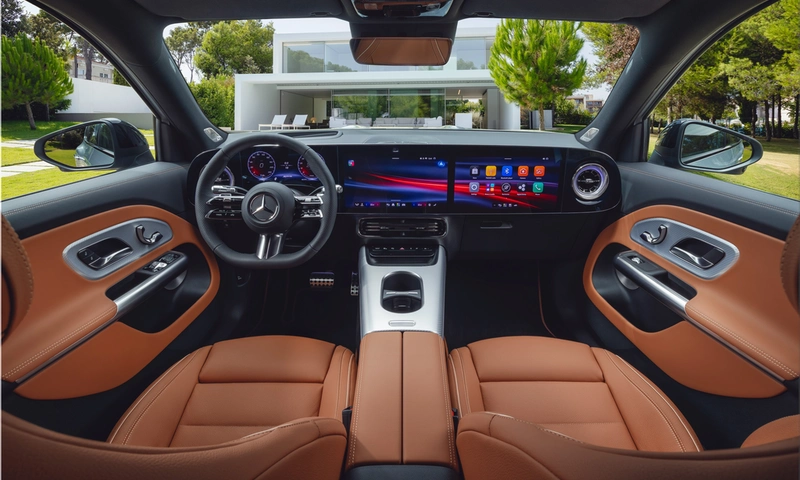
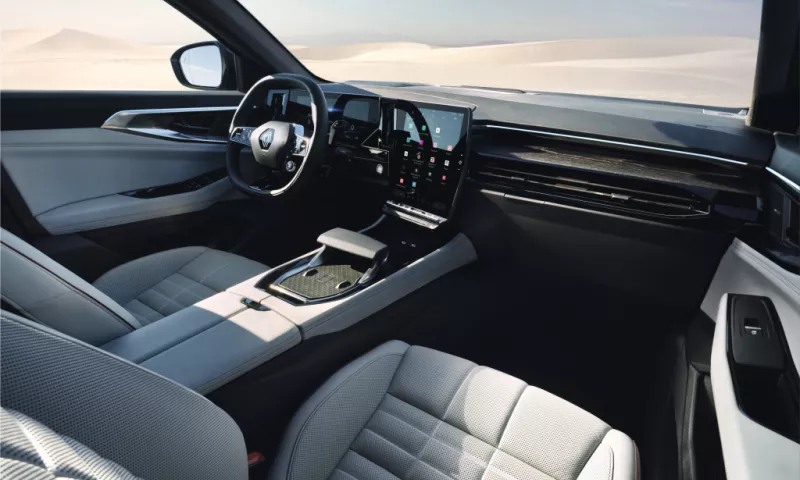
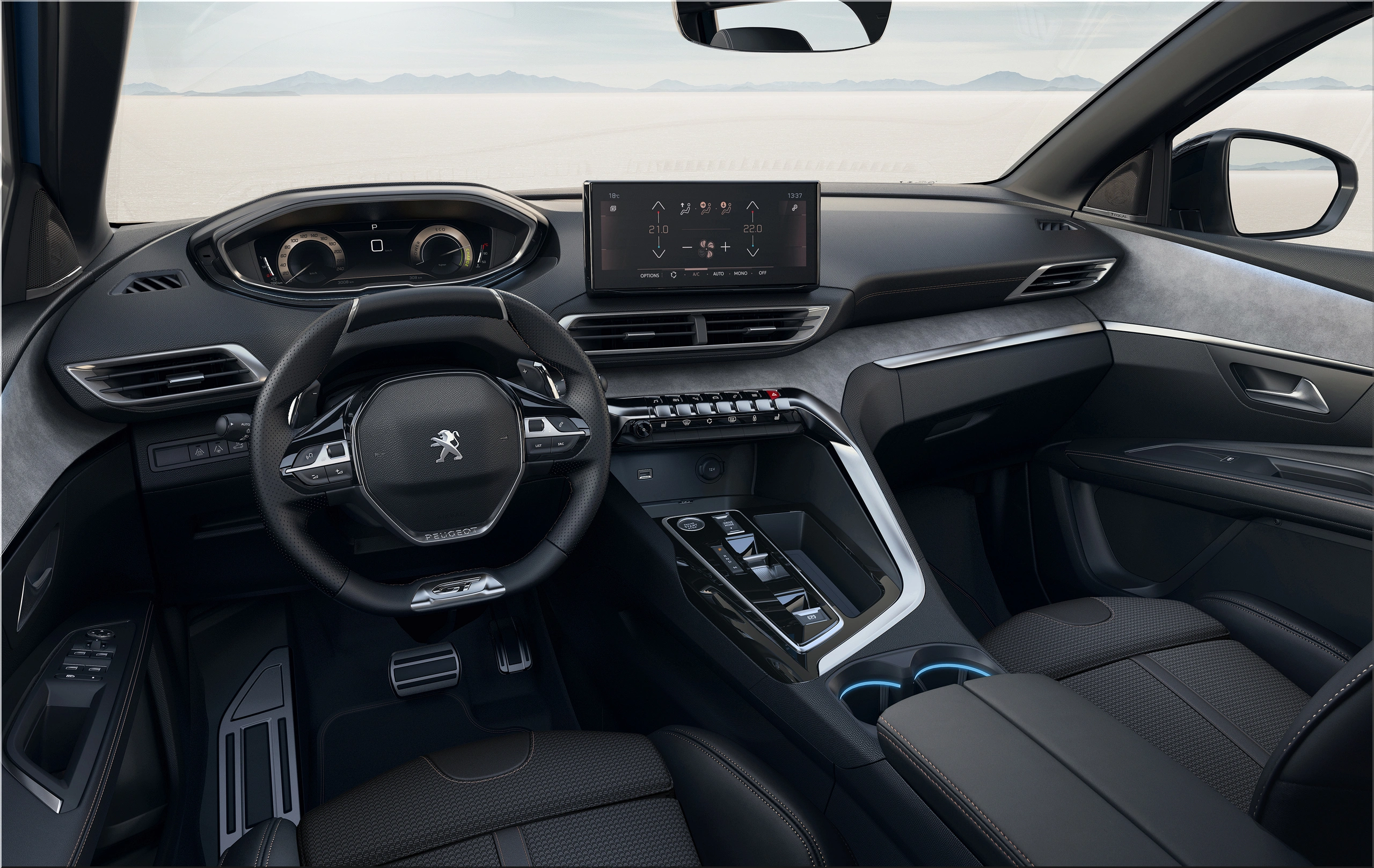
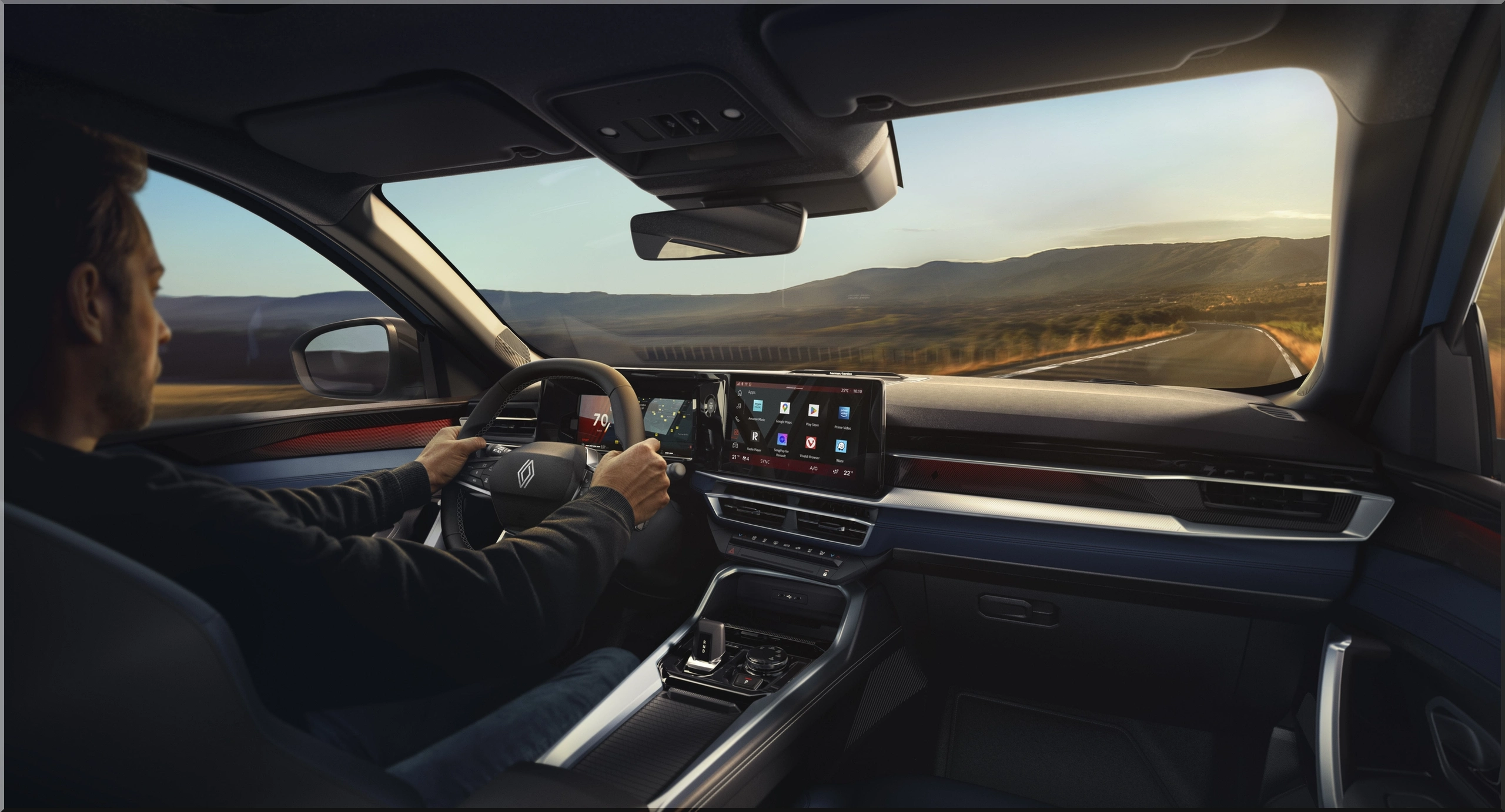
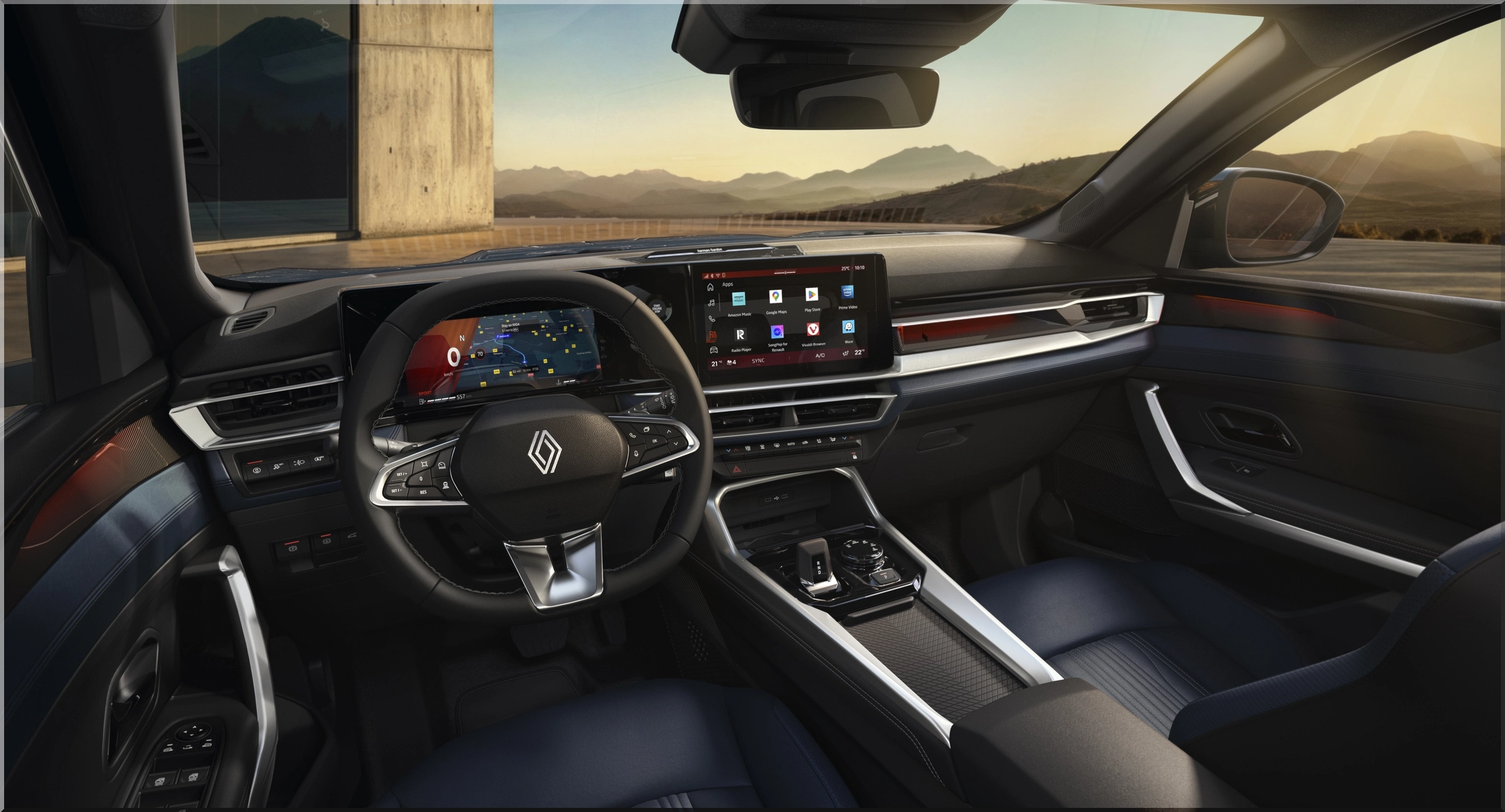
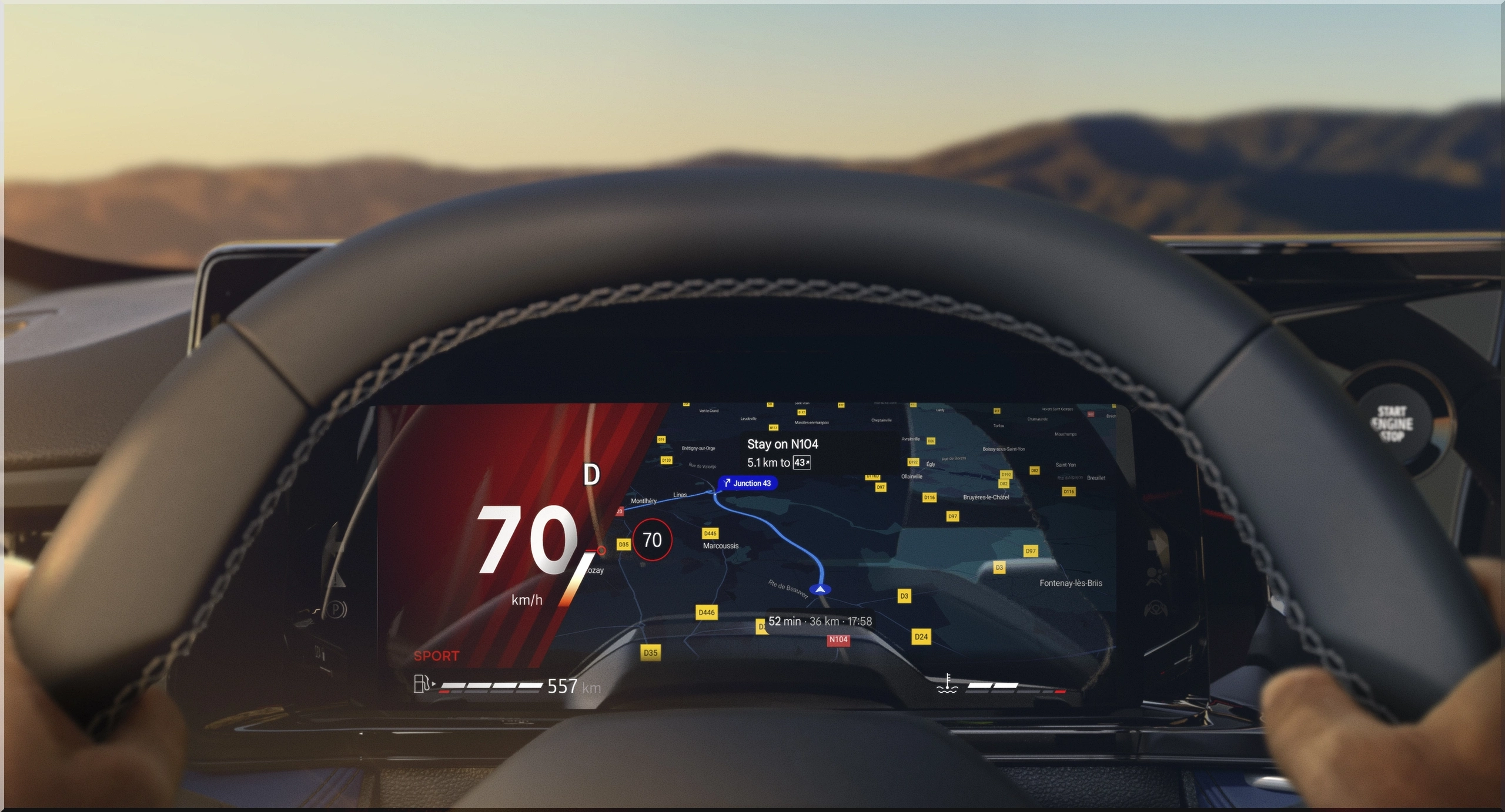
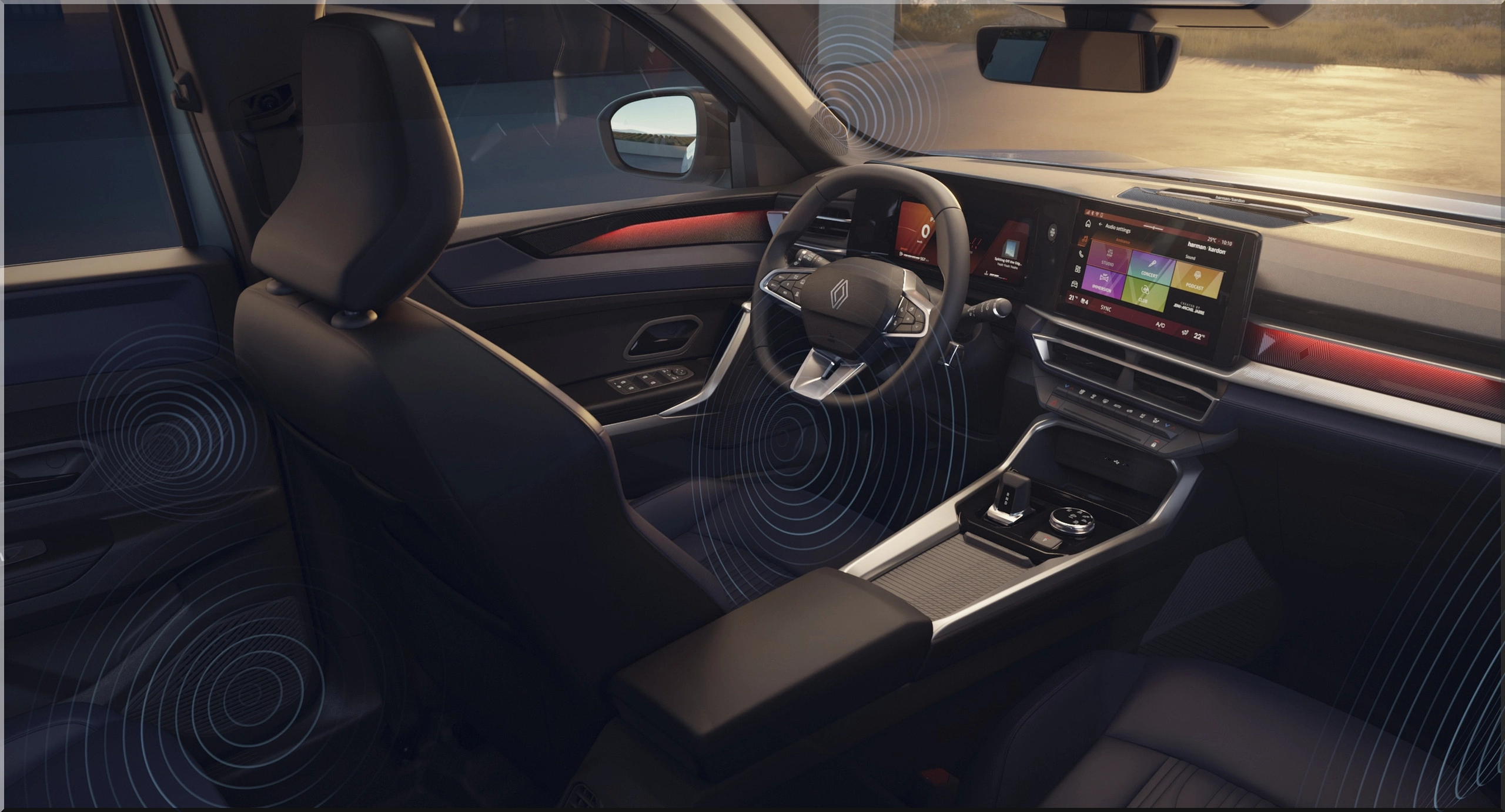
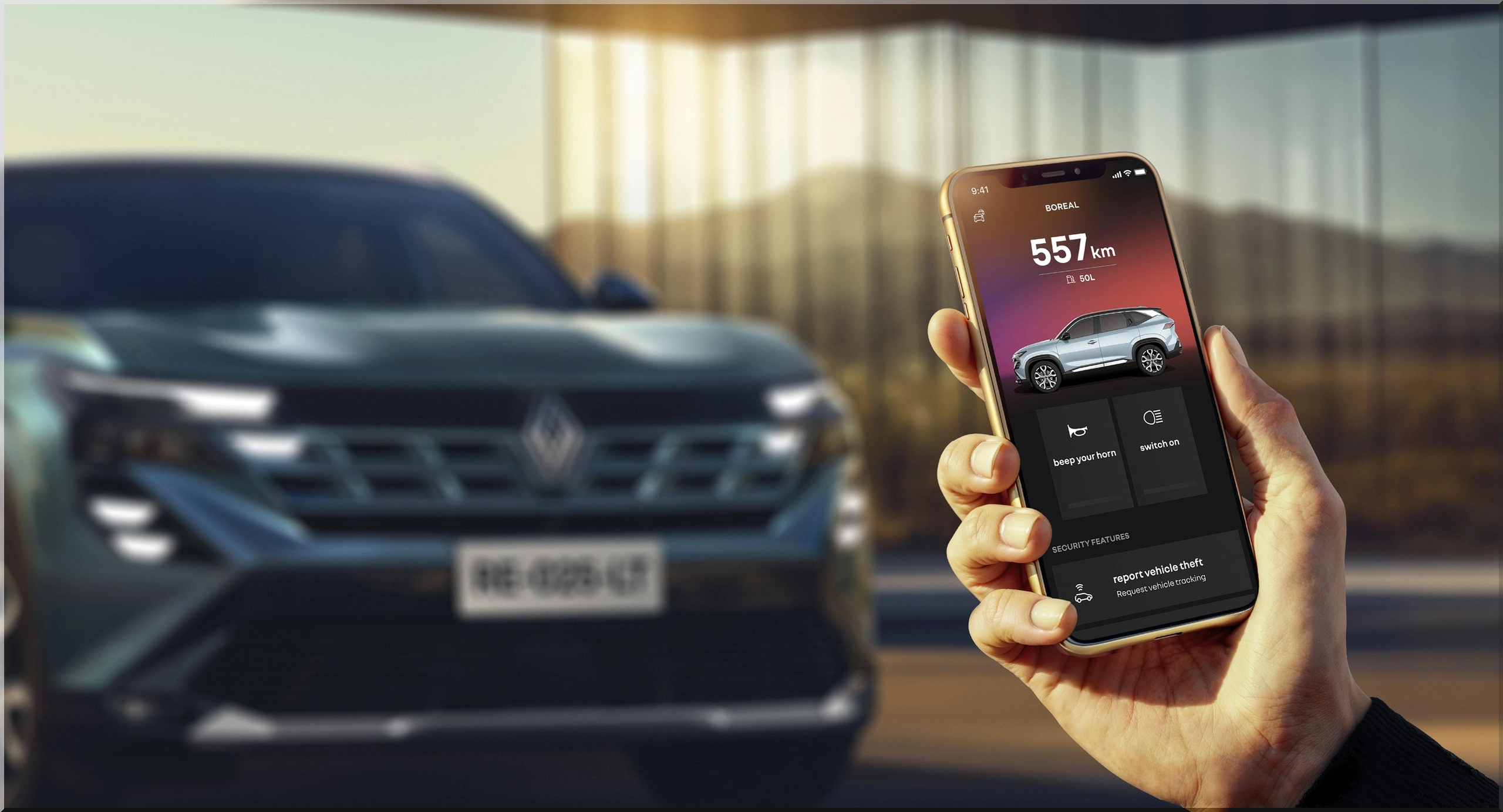
Renault gives the Boreal SUV a 10-inch digital instrument display and a 10-inch openR link central multimedia screen. The layout places key driving data ahead of the driver, then moves Google Maps, Google Assistant, Google Play, real-time traffic data, and selected apps into the centre screen.
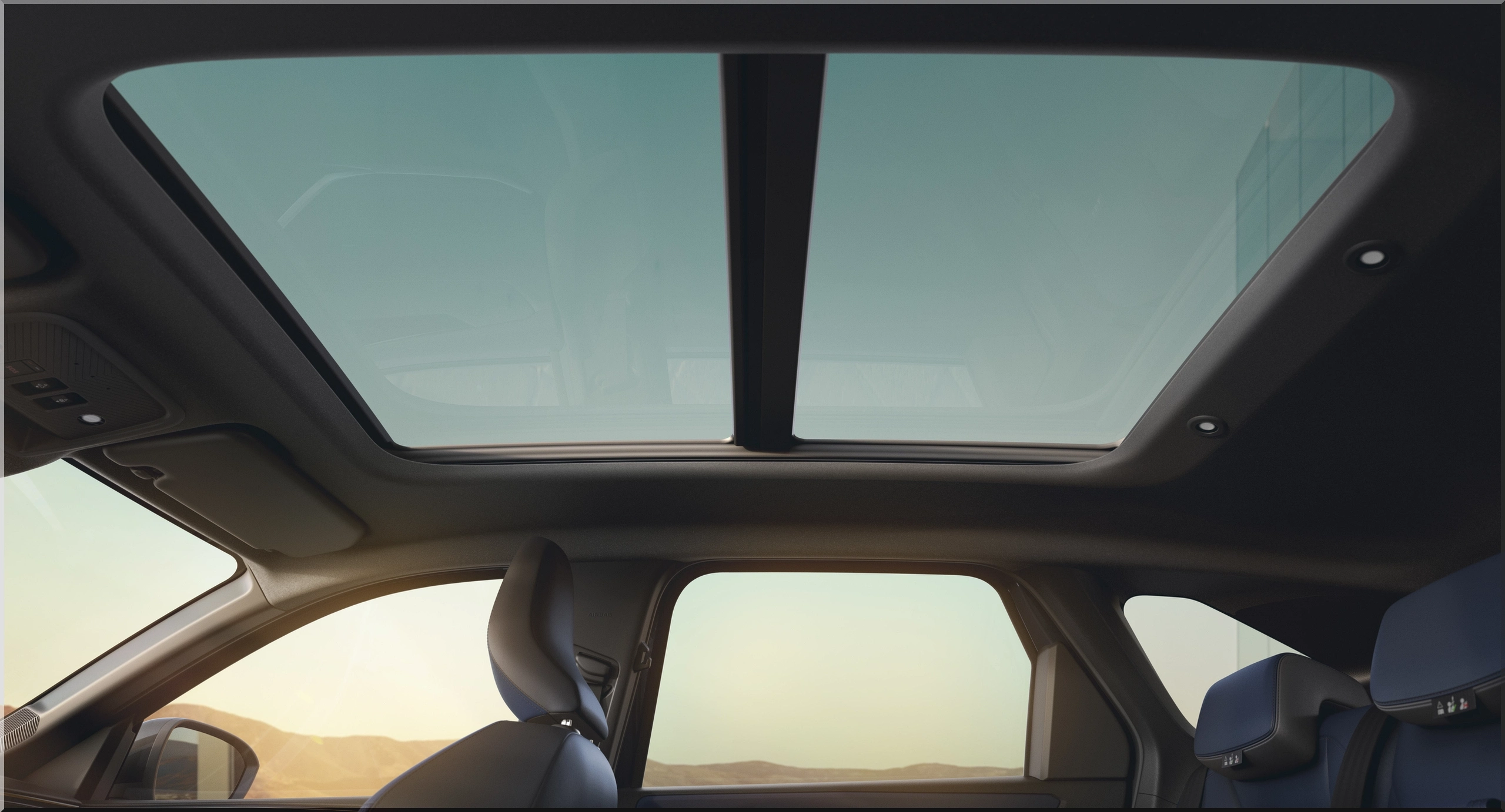
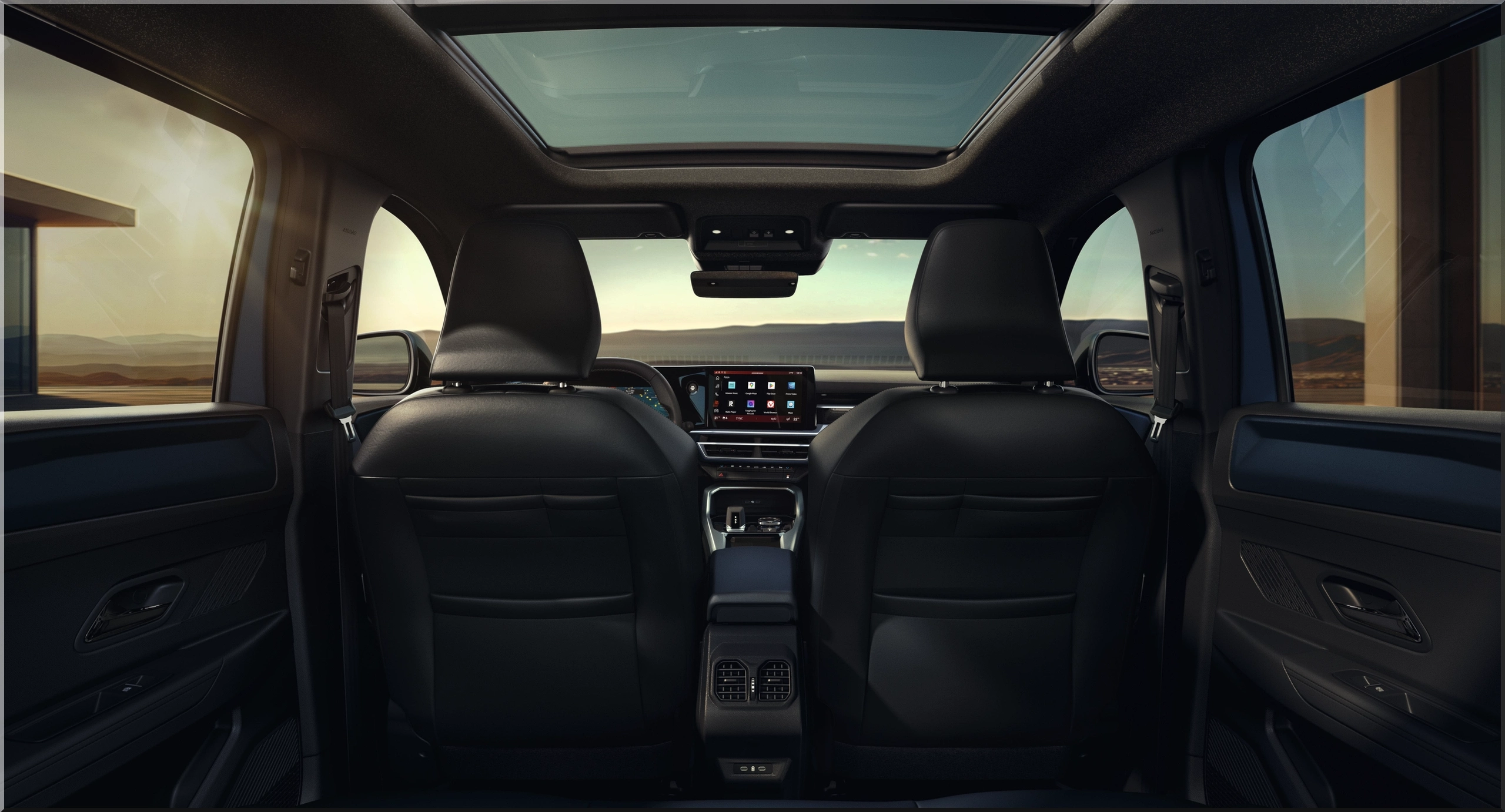
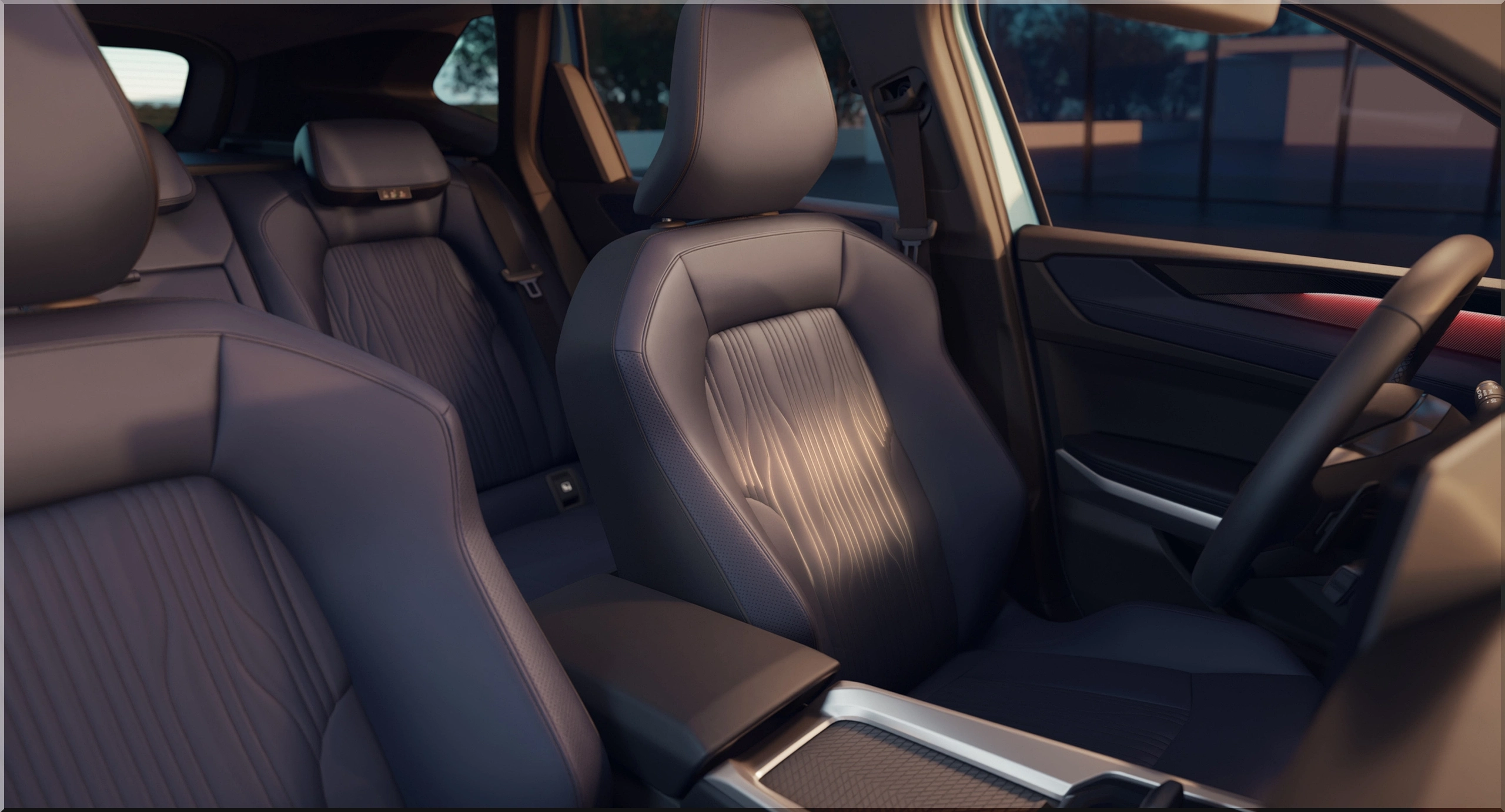
Comfort hardware supports the tech story. Depending on trim, Boreal offers electrically adjustable front seats, driver memory and massage function, dual-zone climate control, a cooled wireless charging pad, rear air vents, USB-C ports, and ambient lighting with 48 colour choices. In addition, Renault fits a Harman Kardon 10-speaker, 435-watt audio system tuned with Jean-Michel Jarre sound settings.
Image
Safety Tech Moves Boreal Upmarket
Renault equips Boreal with up to 25 driver-assistance features, depending on version and market. The pack includes lane keeping assistance, blind spot warning, safe exit warning, rear cross traffic alert, emergency stop assistance, hands-free parking, and a 360-degree camera. The Active Driving Assist package adds Level 2 support by combining adaptive cruise control with Stop and Go plus lane centring.
That package counts in markets where long commutes, mixed road quality, and heavy traffic punish drivers every day. From an expert perspective, Level 2 support does not replace driver attention, but it can reduce fatigue in dense traffic and on controlled roads.
Pro-Tips: Should Buyers Choose Hybrid Or Petrol?
Choose the full hybrid E-Tech 160 hp if most driving takes place in cities, suburbs, school runs, taxi-style duty cycles, or high-fuel-cost regions. The hybrid's lower WLTP fuel use and CO2 figure create the stronger long-term cost case, and its electric driving capability suits stop-start traffic.
Choose the 1.3 turbo TCe EDC 145 hp if purchase price carries more weight than fuel saving, or if most driving takes place on steady open roads. The petrol version still gives automatic shifting and adequate power, but it lacks the hybrid's urban efficiency advantage.
Use this buying rule:
- Pick hybrid for urban mileage, fuel savings, and lower CO2.
- Pick TCe EDC for lower entry cost and simpler ownership.
- Wait for hybrid E-Tech 4x4 if rough roads, steep regions, or winter traction sit high on the priority list.
The Strategic Read: Boreal Shows Renault's Hybrid Pivot Outside Europe
The 2026 Renault Boreal gives Renault a sharper answer to fast-growing SUV demand outside Europe. It does not chase the same job as Renault 5 E-Tech electric or Scenic E-Tech electric. Instead, it gives international buyers a C-SUV with full hybrid E-Tech, strong cargo space, Google-based cabin software, and local production logic.
Bursa changes the scale. The second hub lets Renault serve Türkiye and export markets from a plant already tied deeply into the brand's regional operations. Consequently, Boreal becomes a practical test of Renault's wider plan: push value per vehicle upward, add electrified powertrains where buyers can use them now, and keep the SUV package familiar enough for markets where petrol still carries the sales volume.
- Add new comment
- 63 views