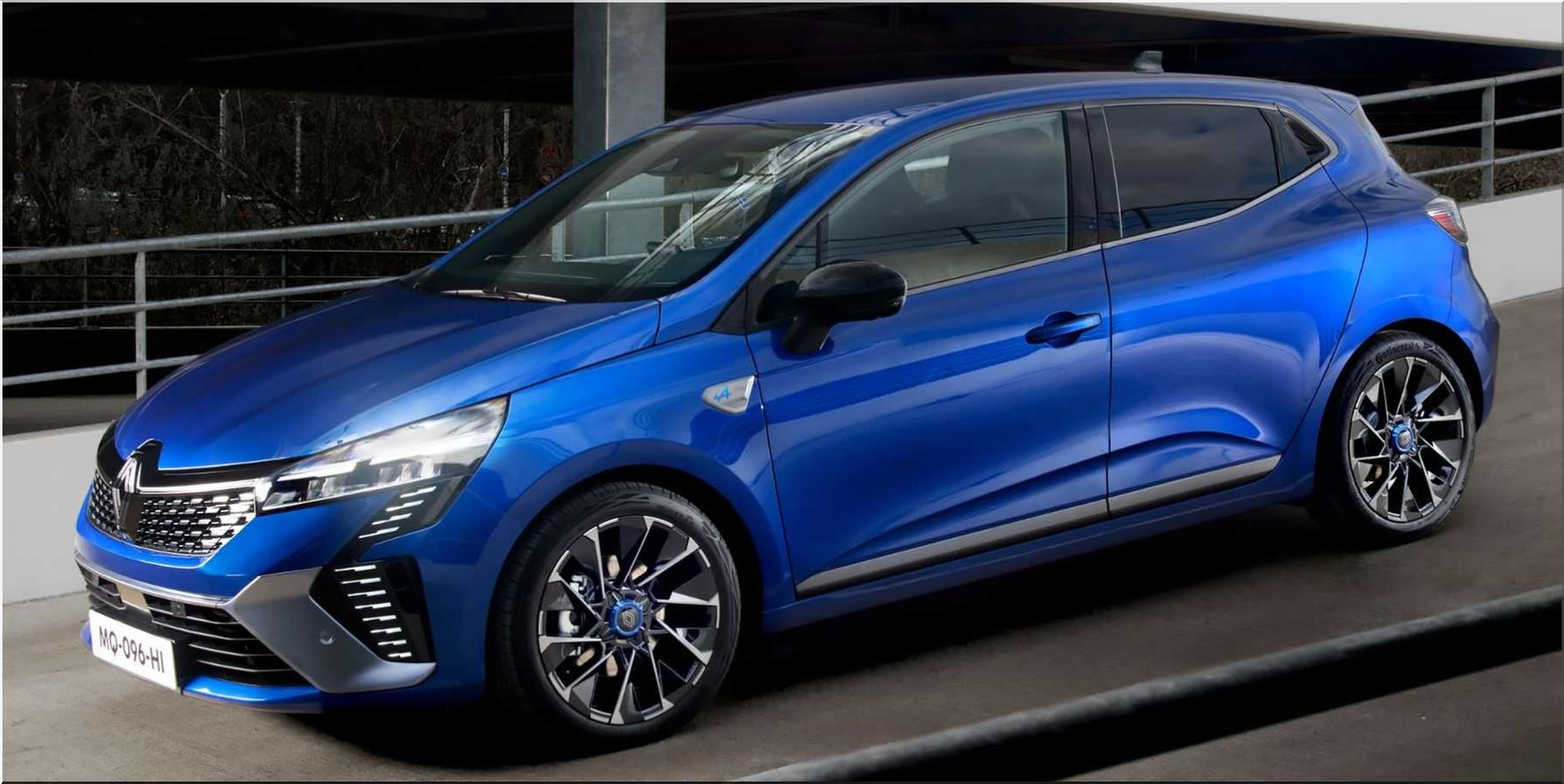

Strong upgrades wrapped in compact dimensions
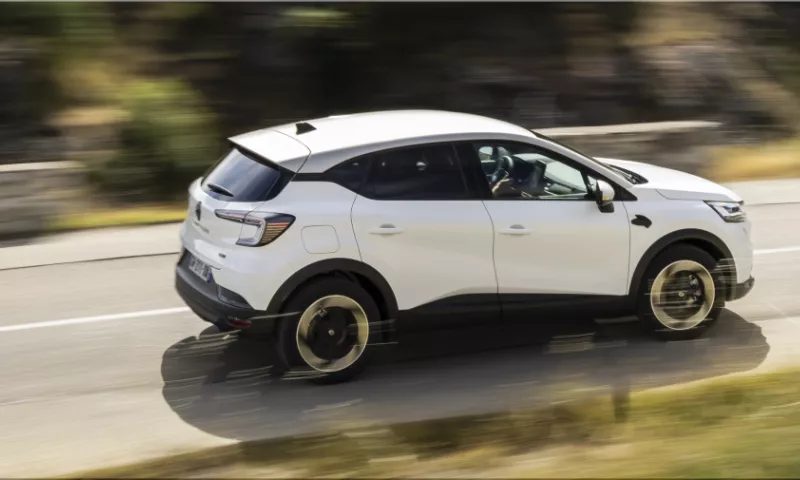
Renault treats the 2026 Renault Clio like a small car that spends too much time at the gym. The footprint grows. The tech list grows. The Clio powertrains gain real efficiency. The ADAS count reaches a point where the car might judge your driving choices before your passengers do.
Image
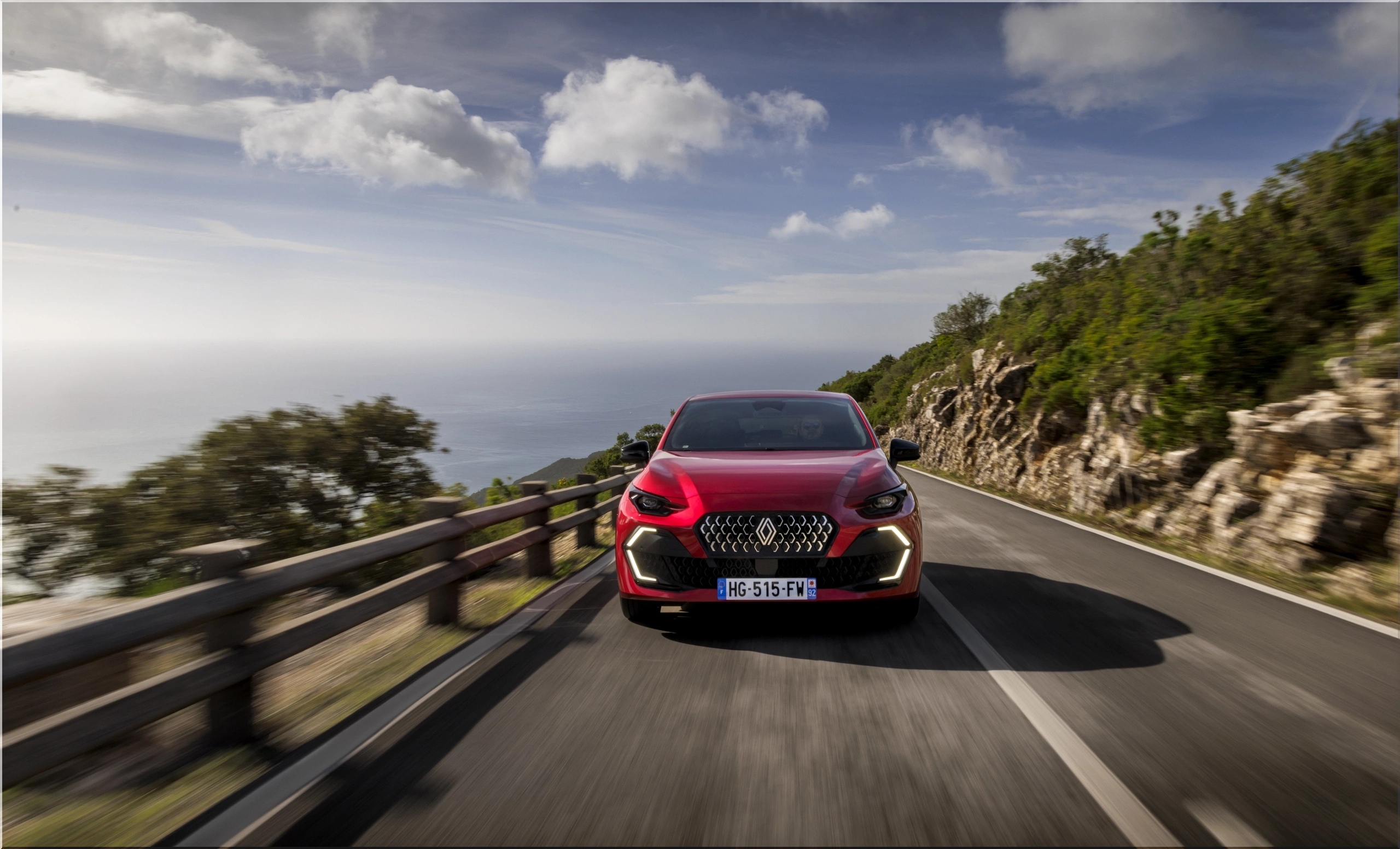
Larger body with measurable gains
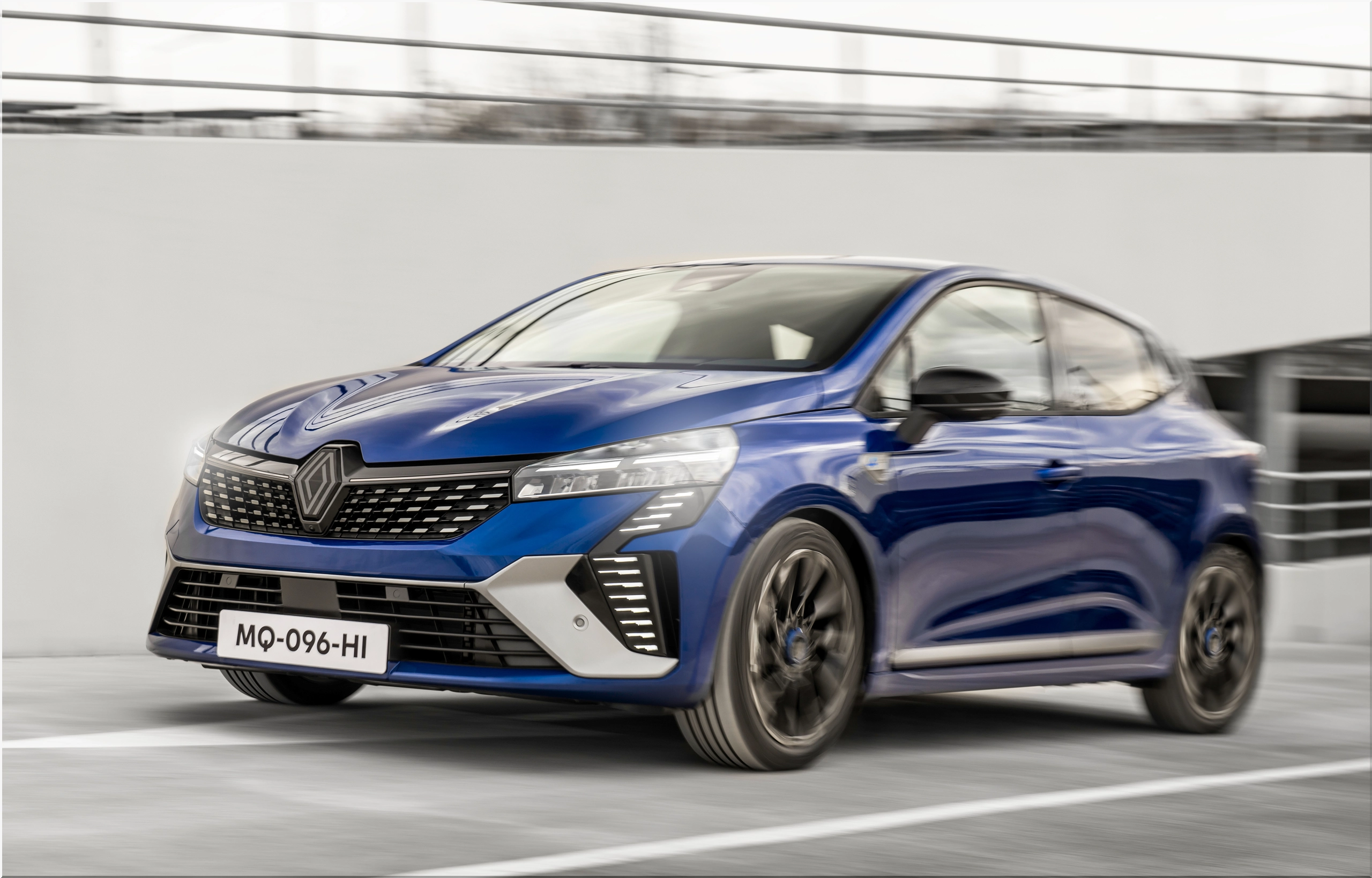
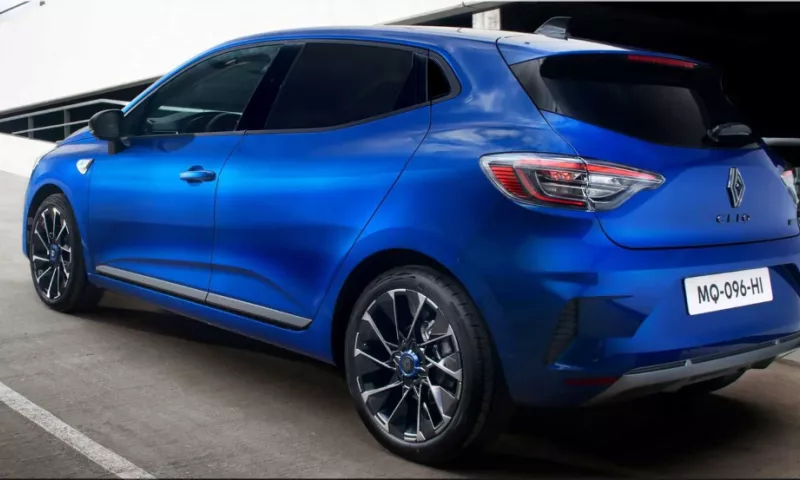
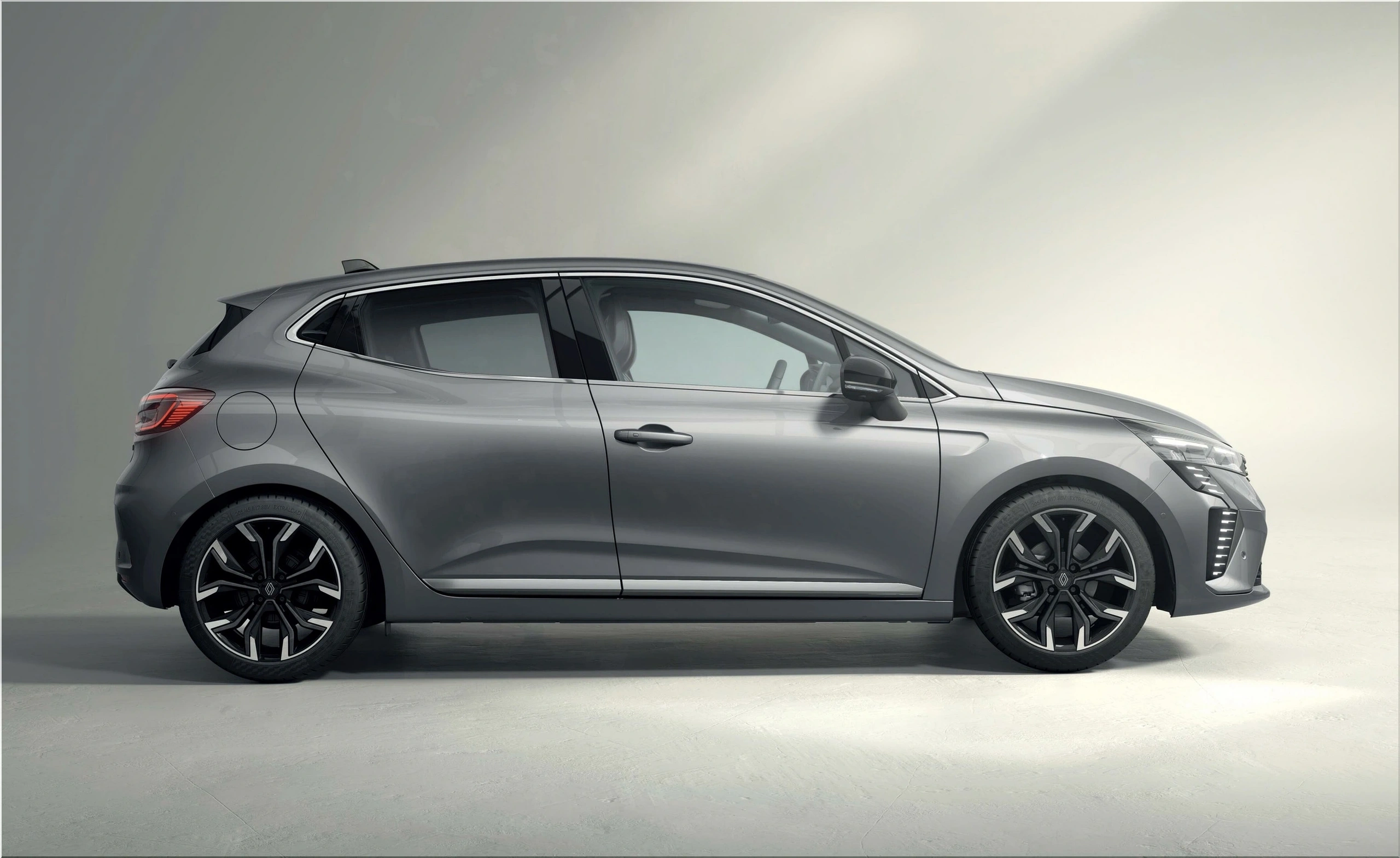
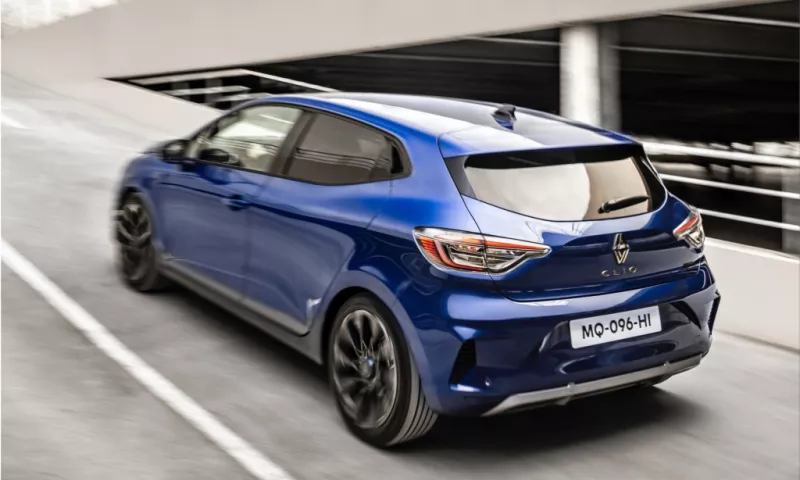
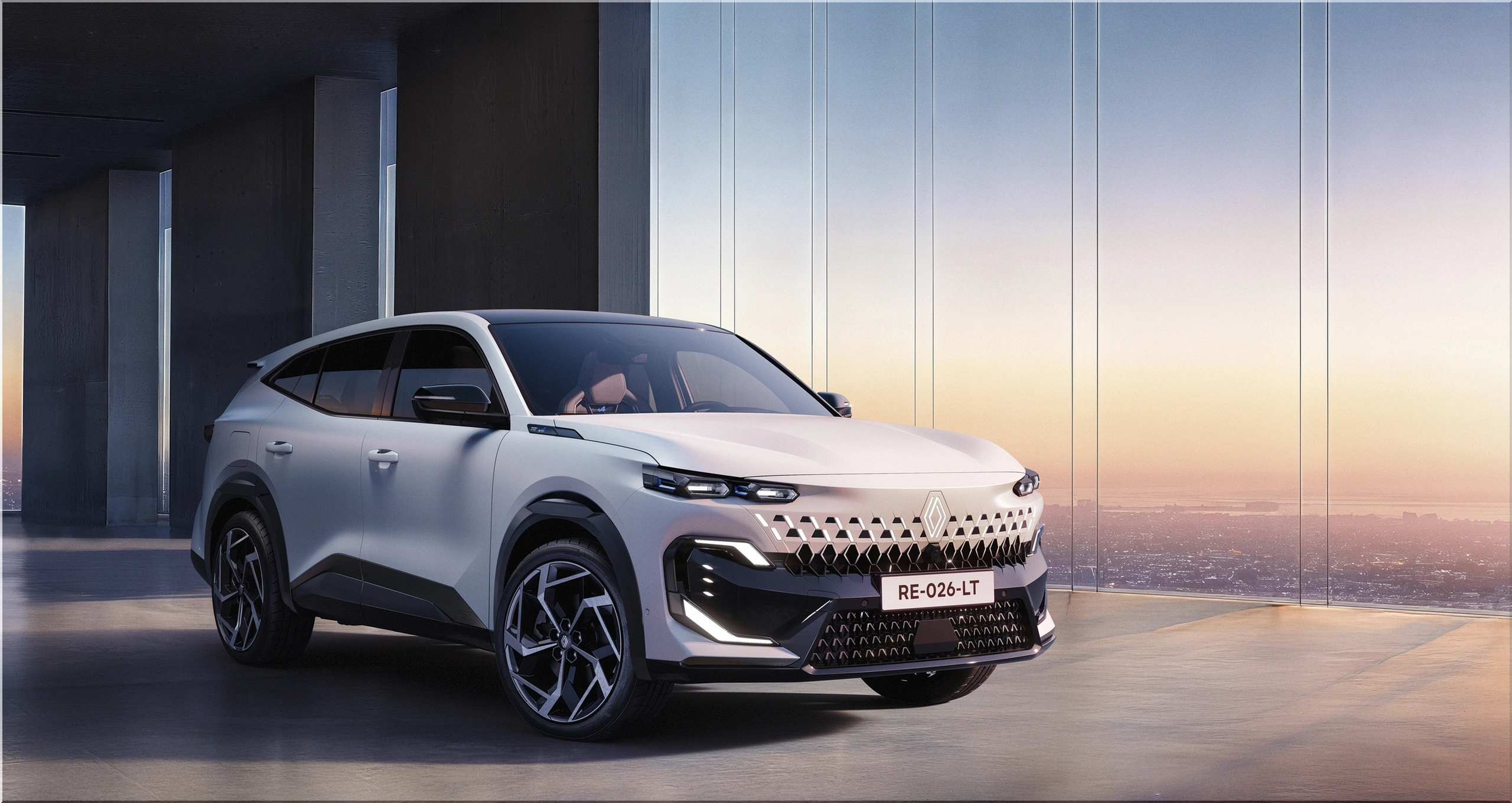
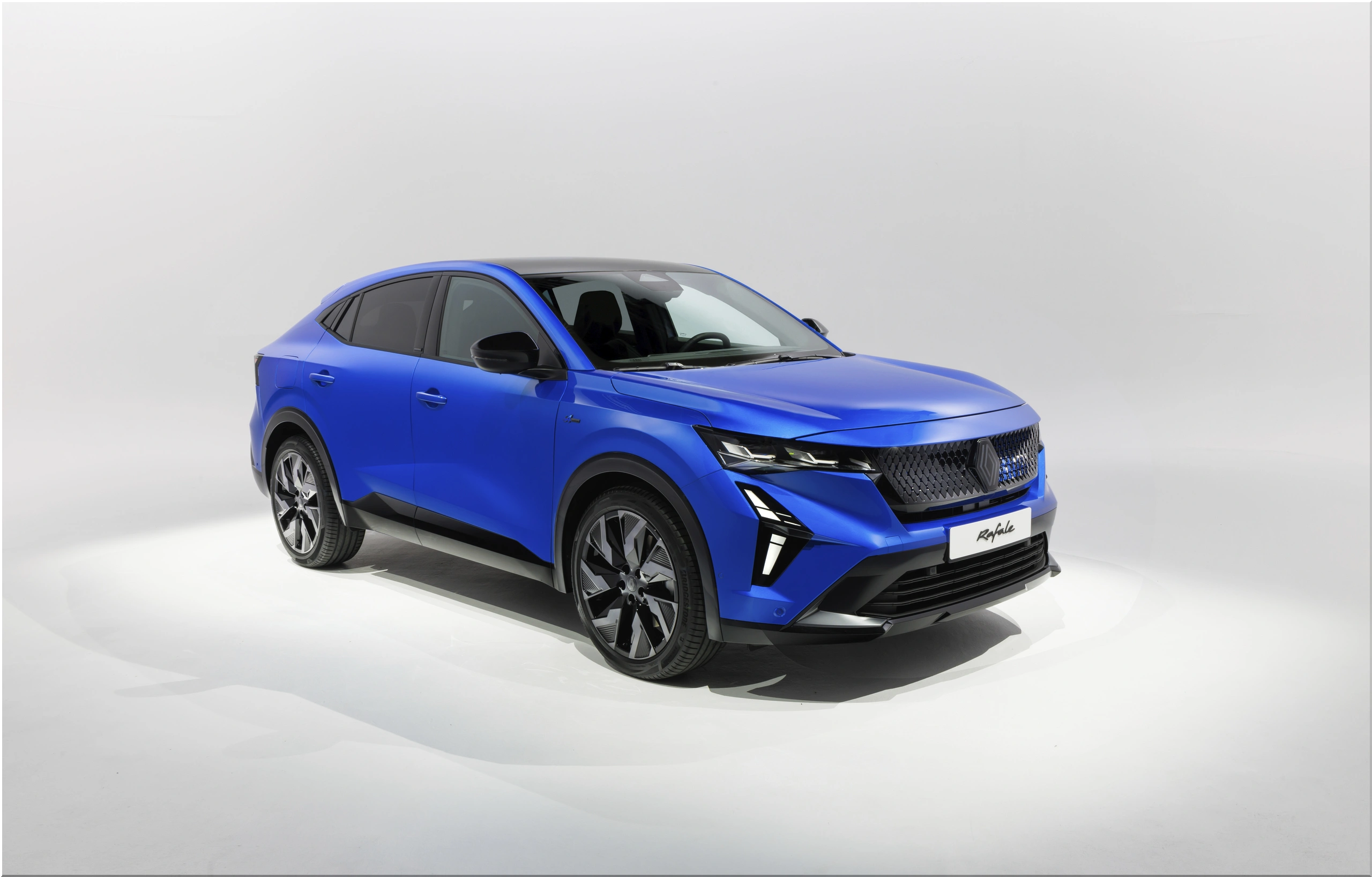
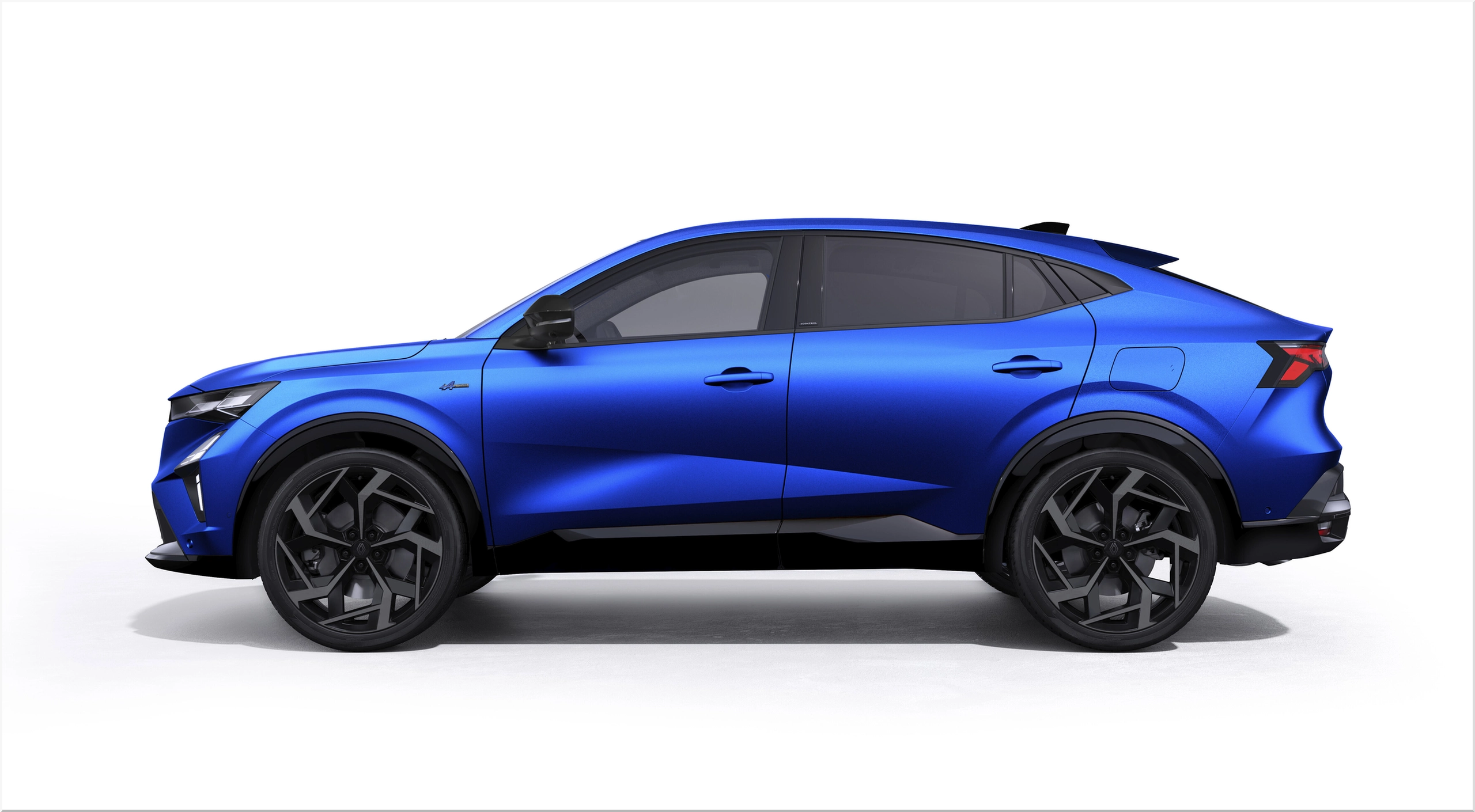
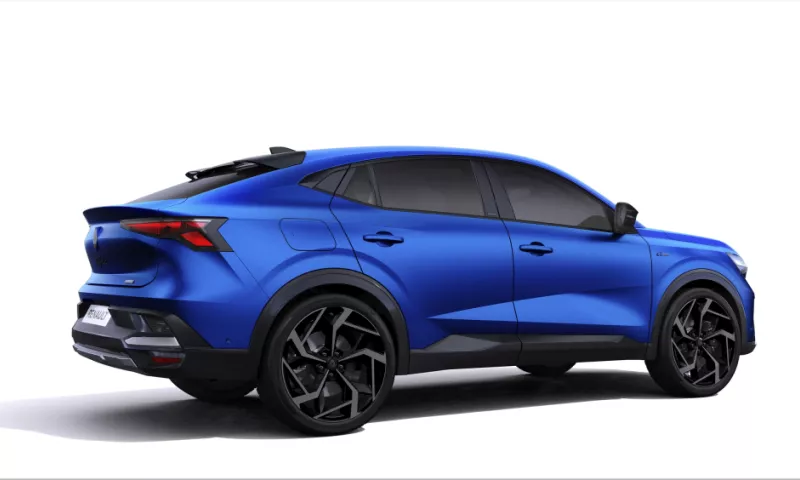
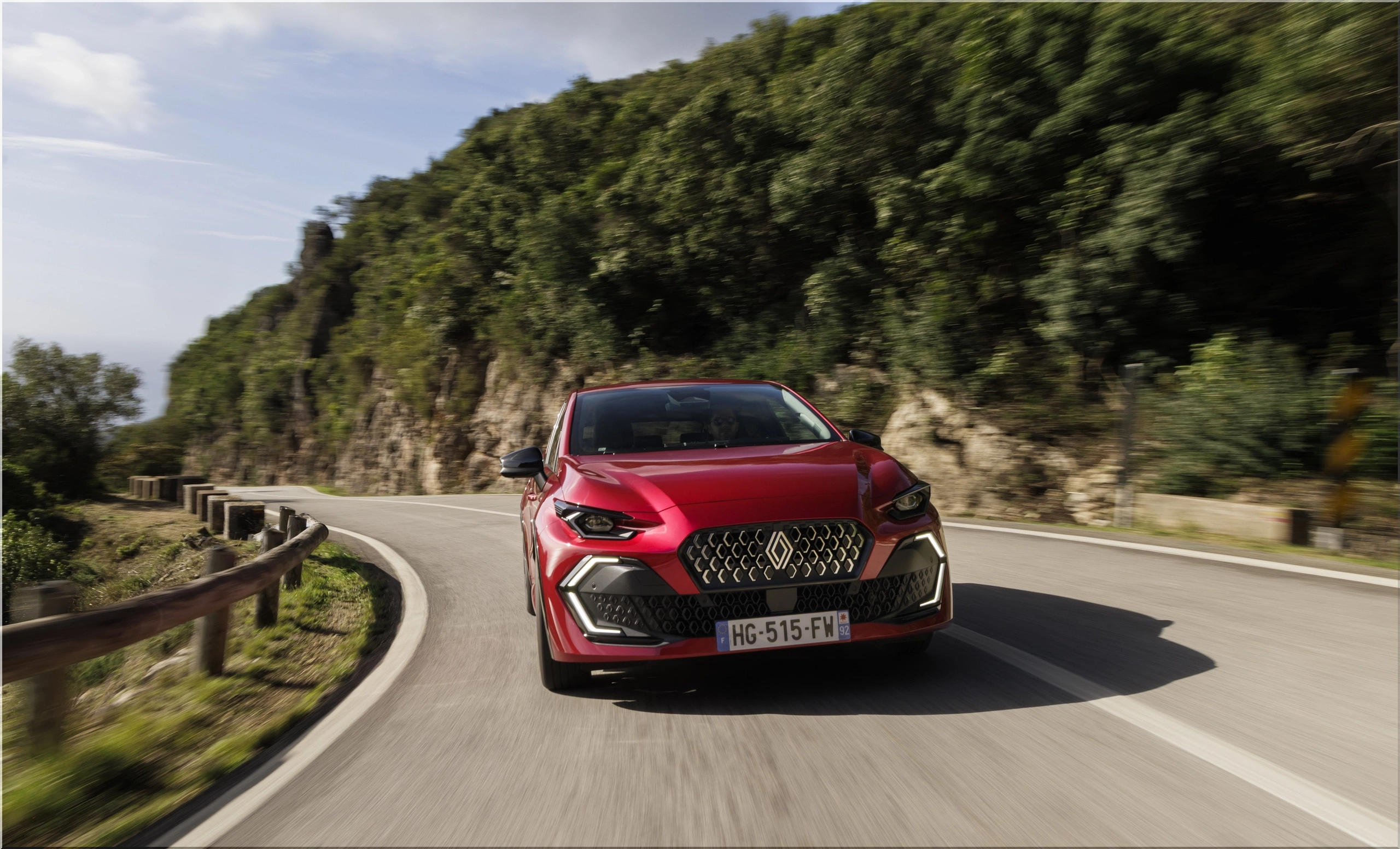
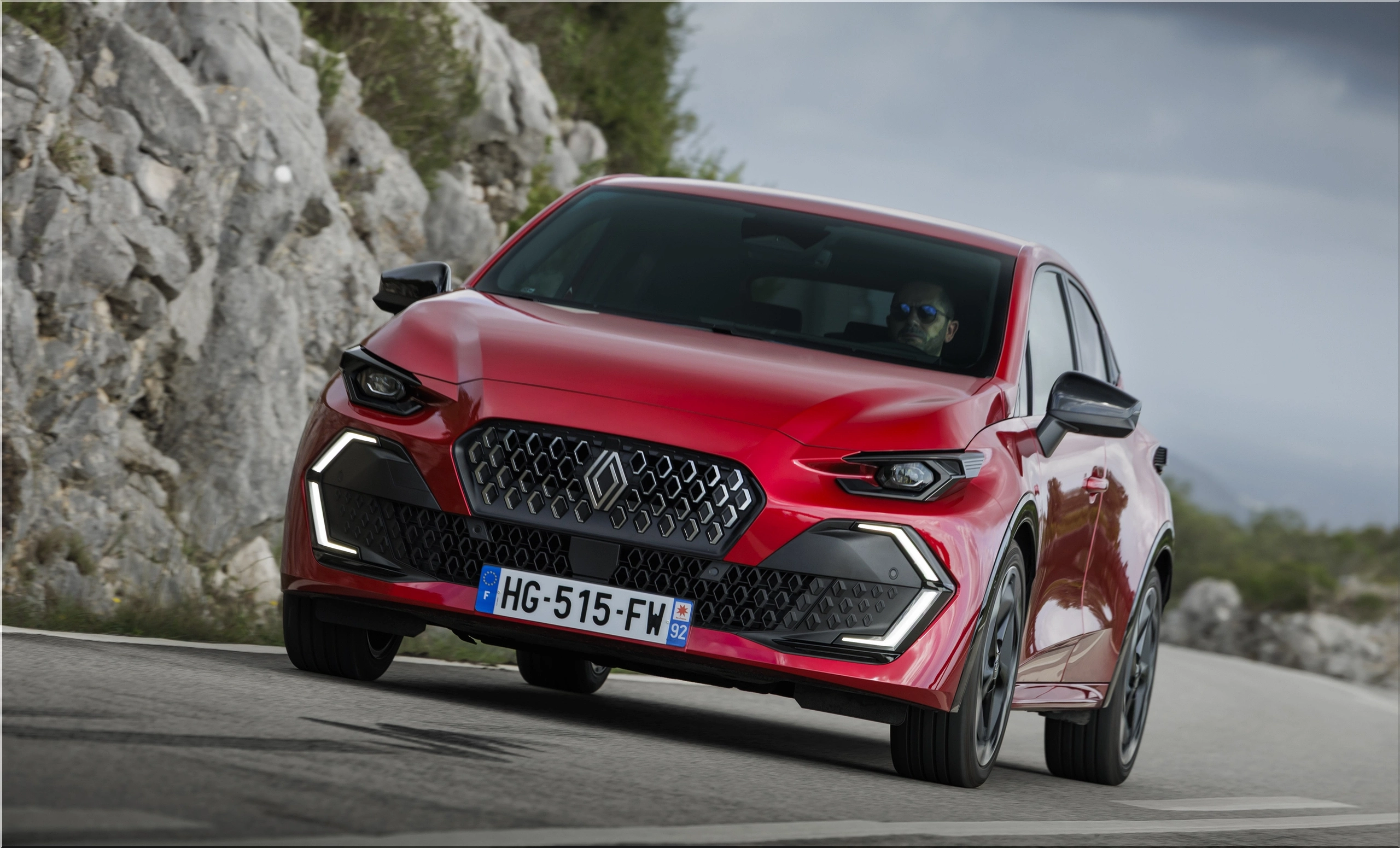
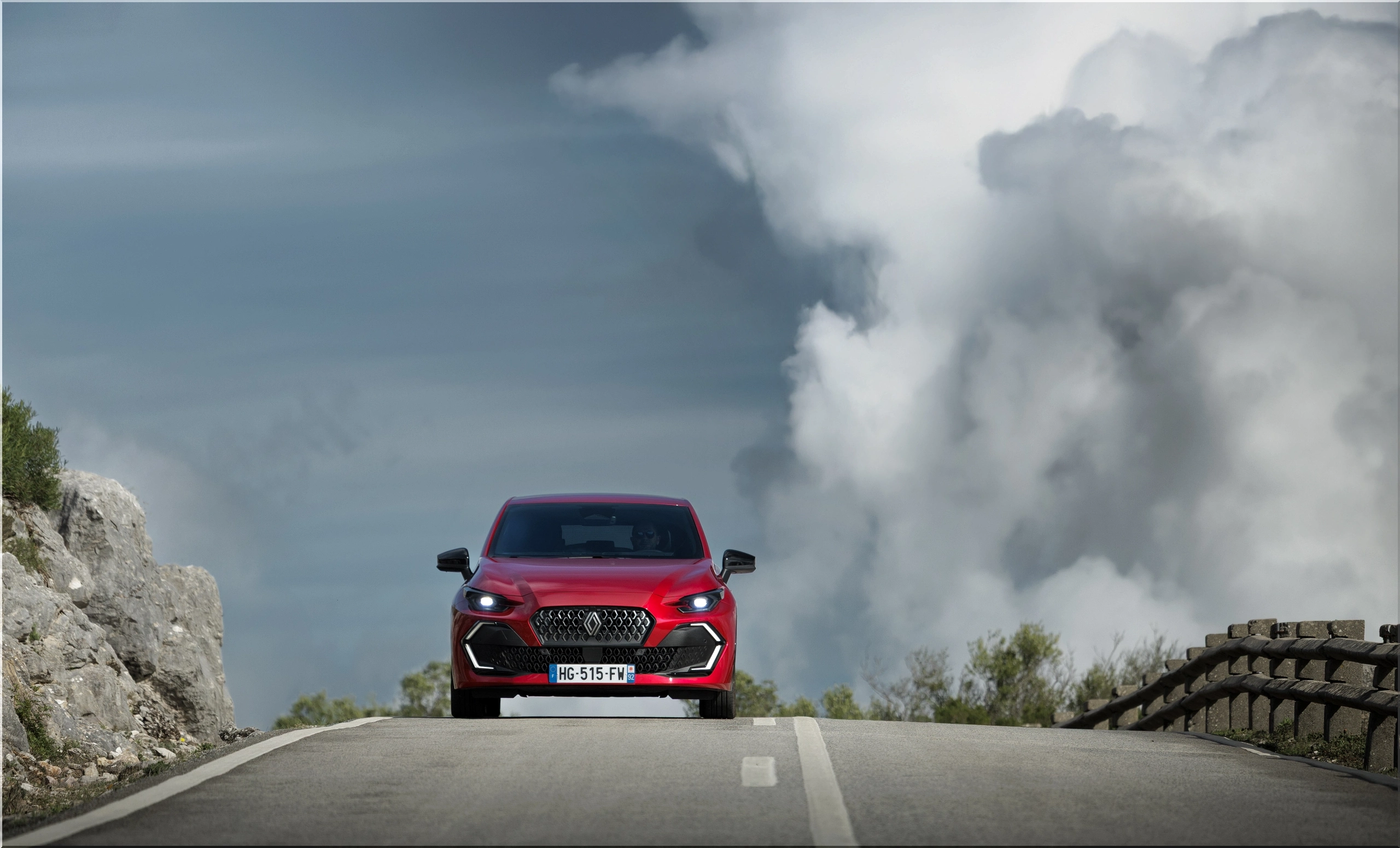
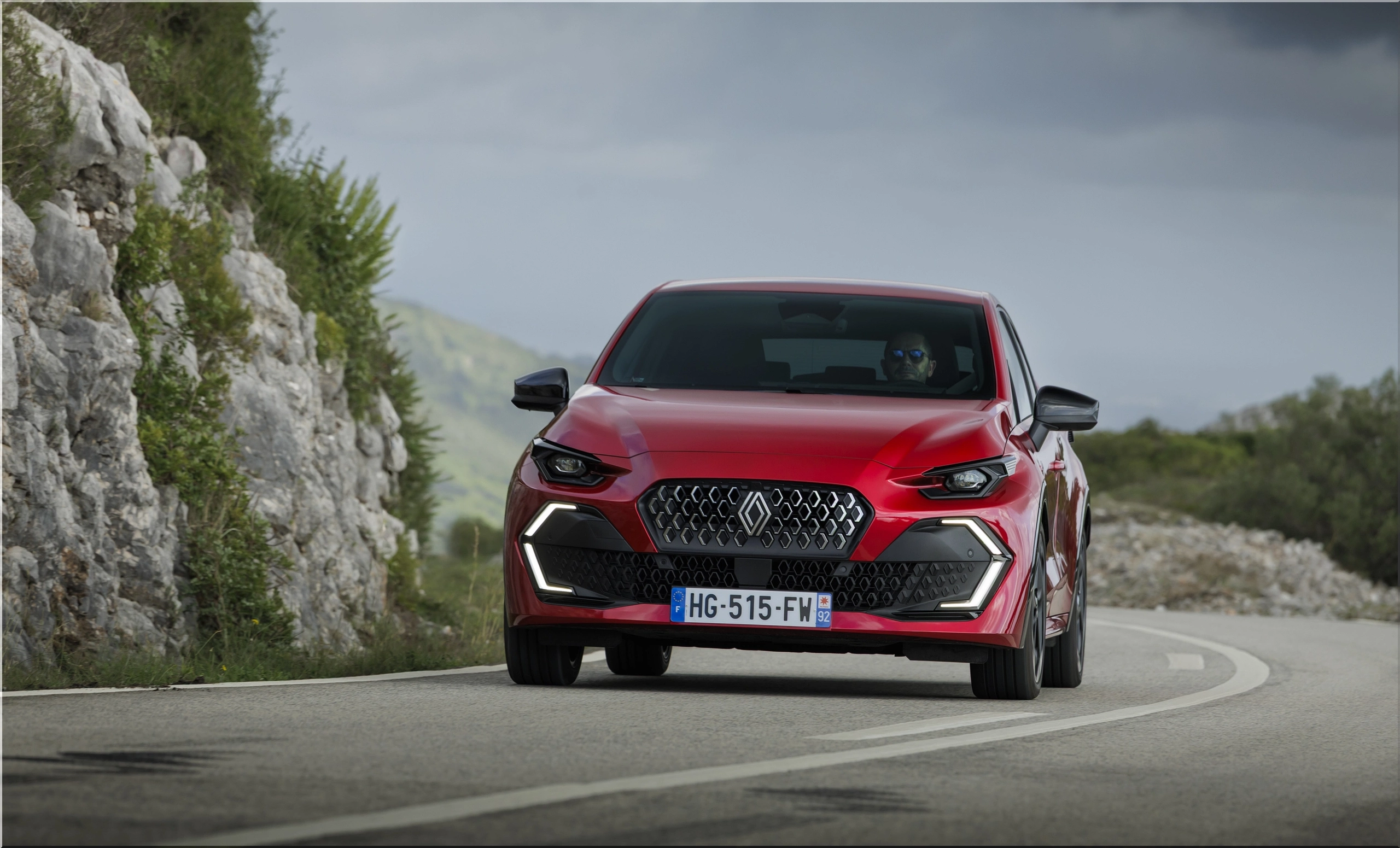
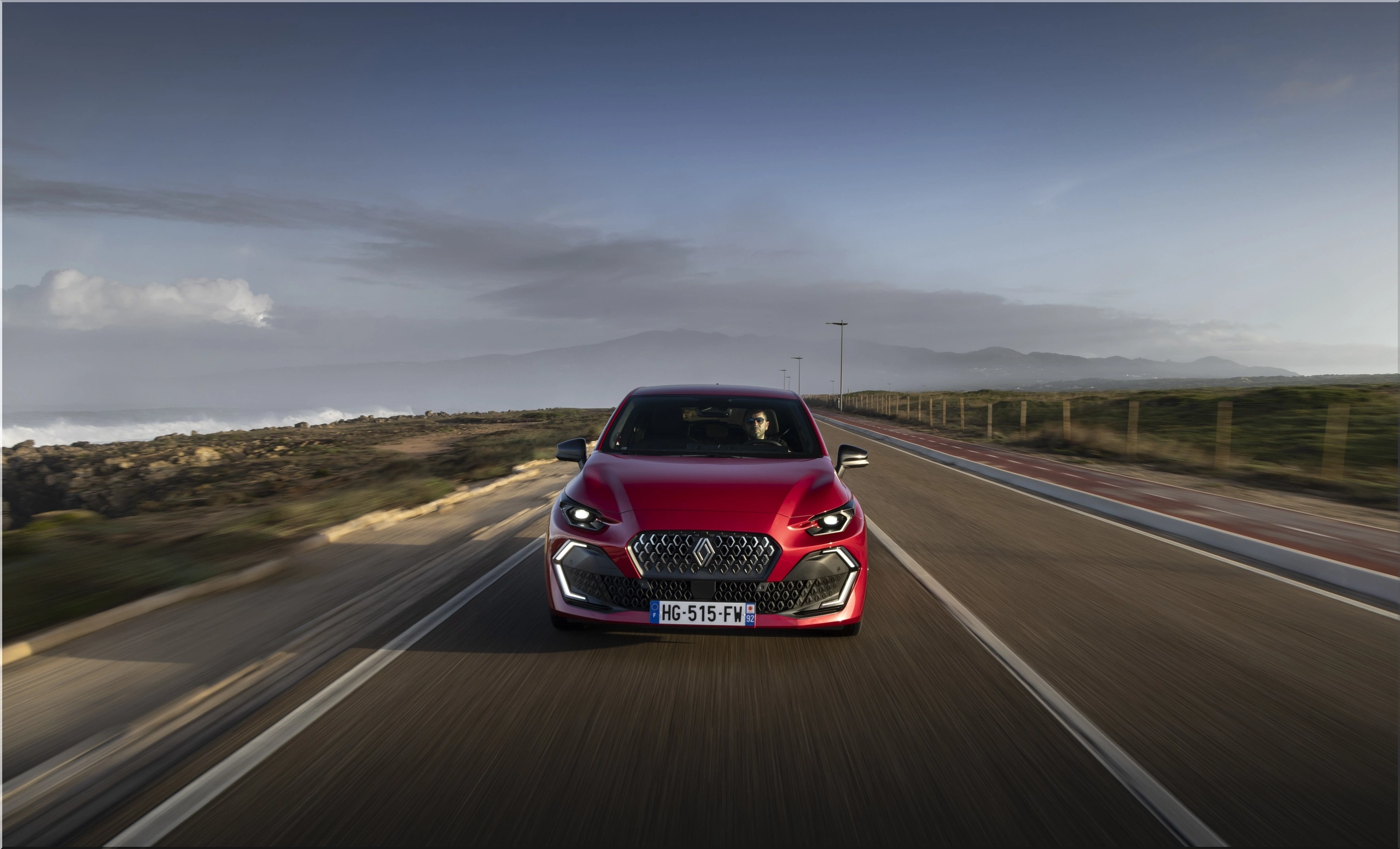
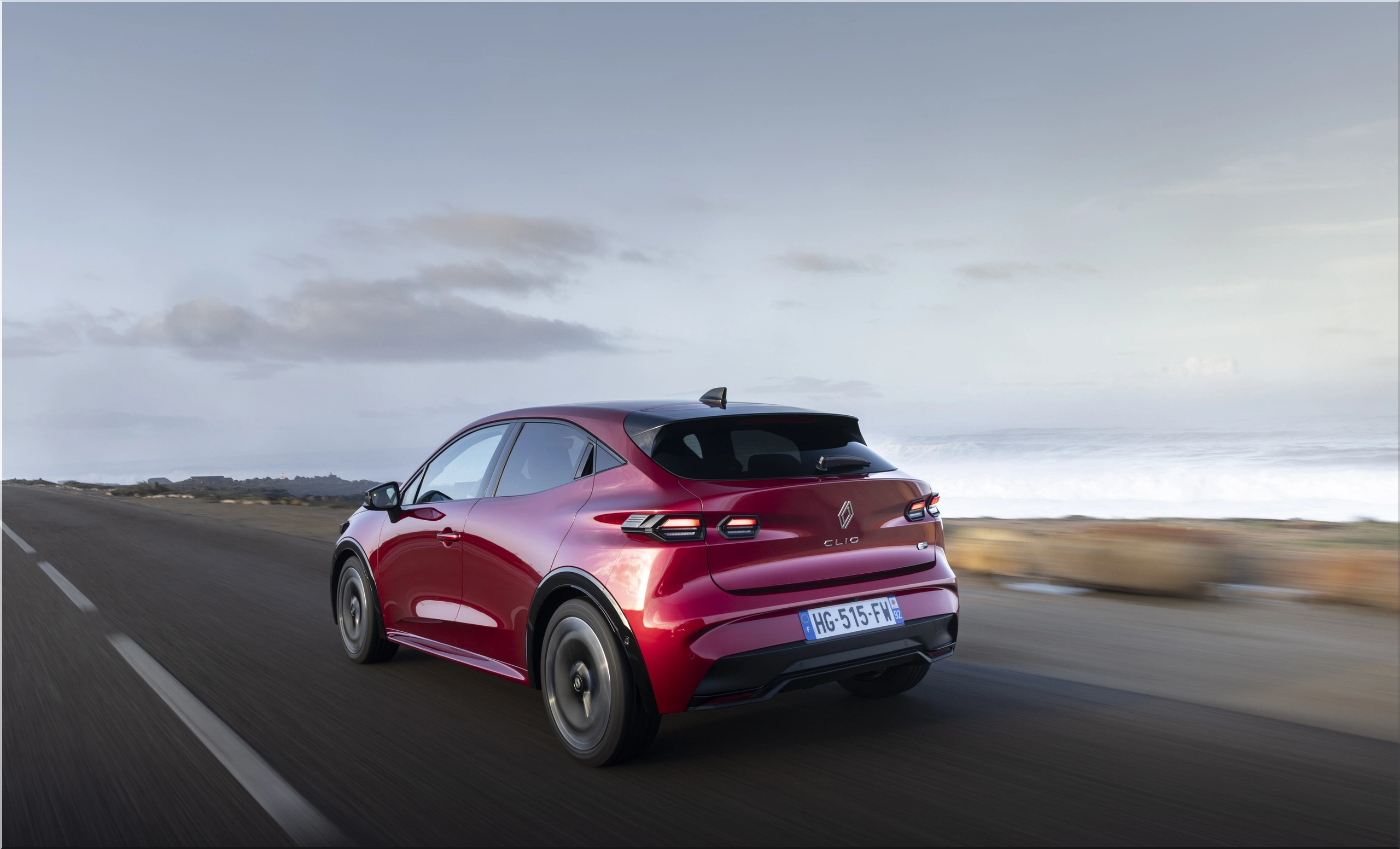
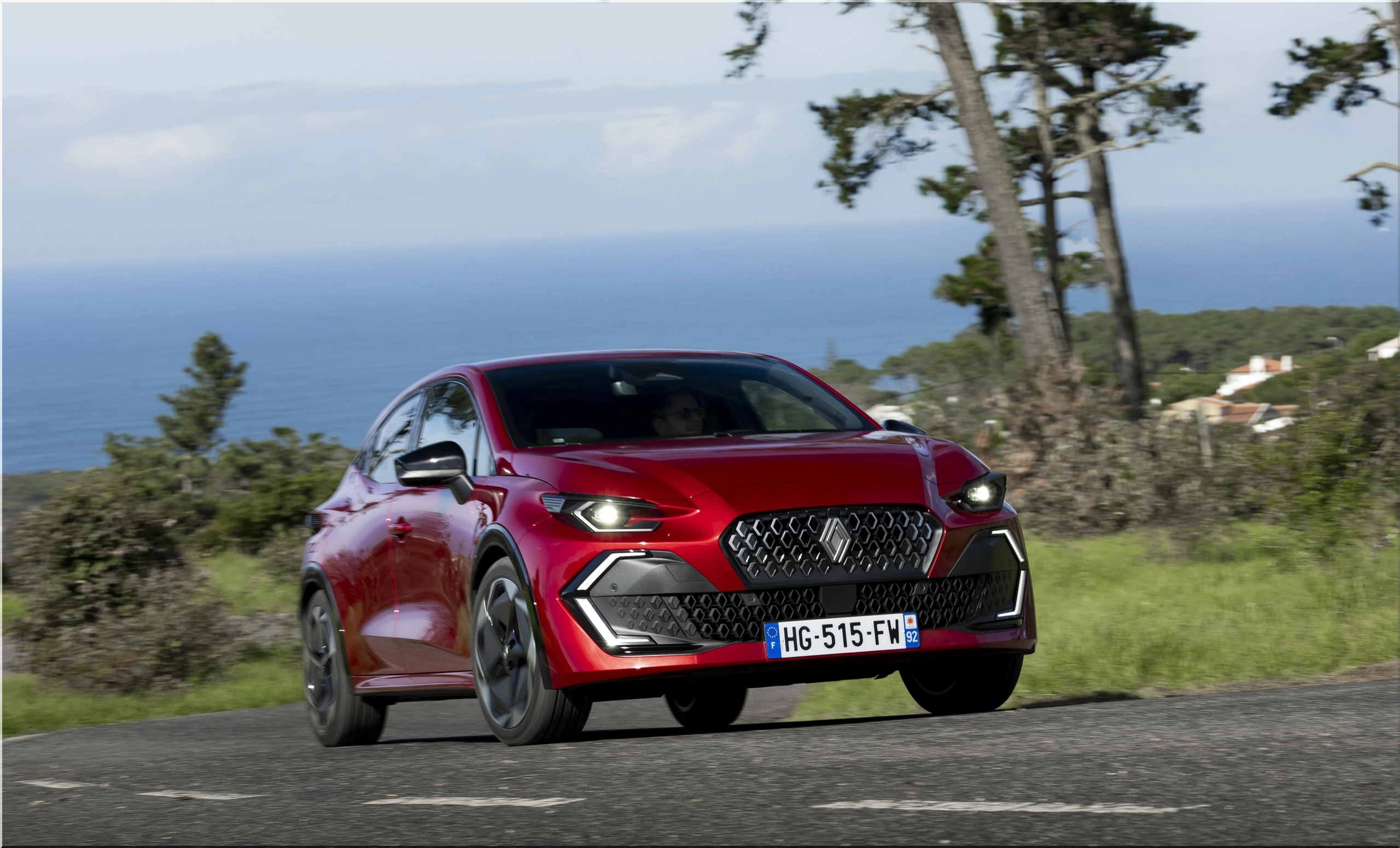
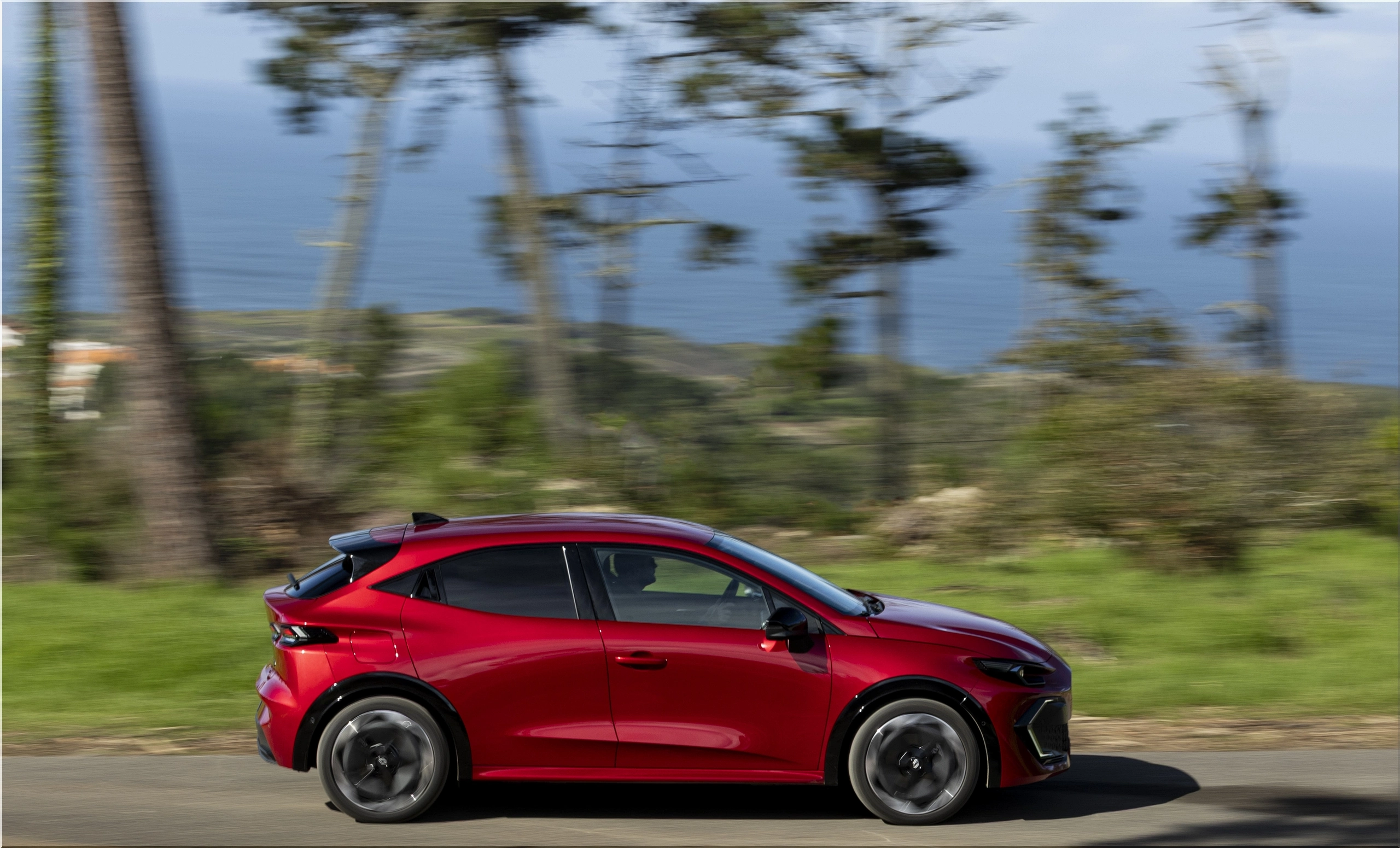
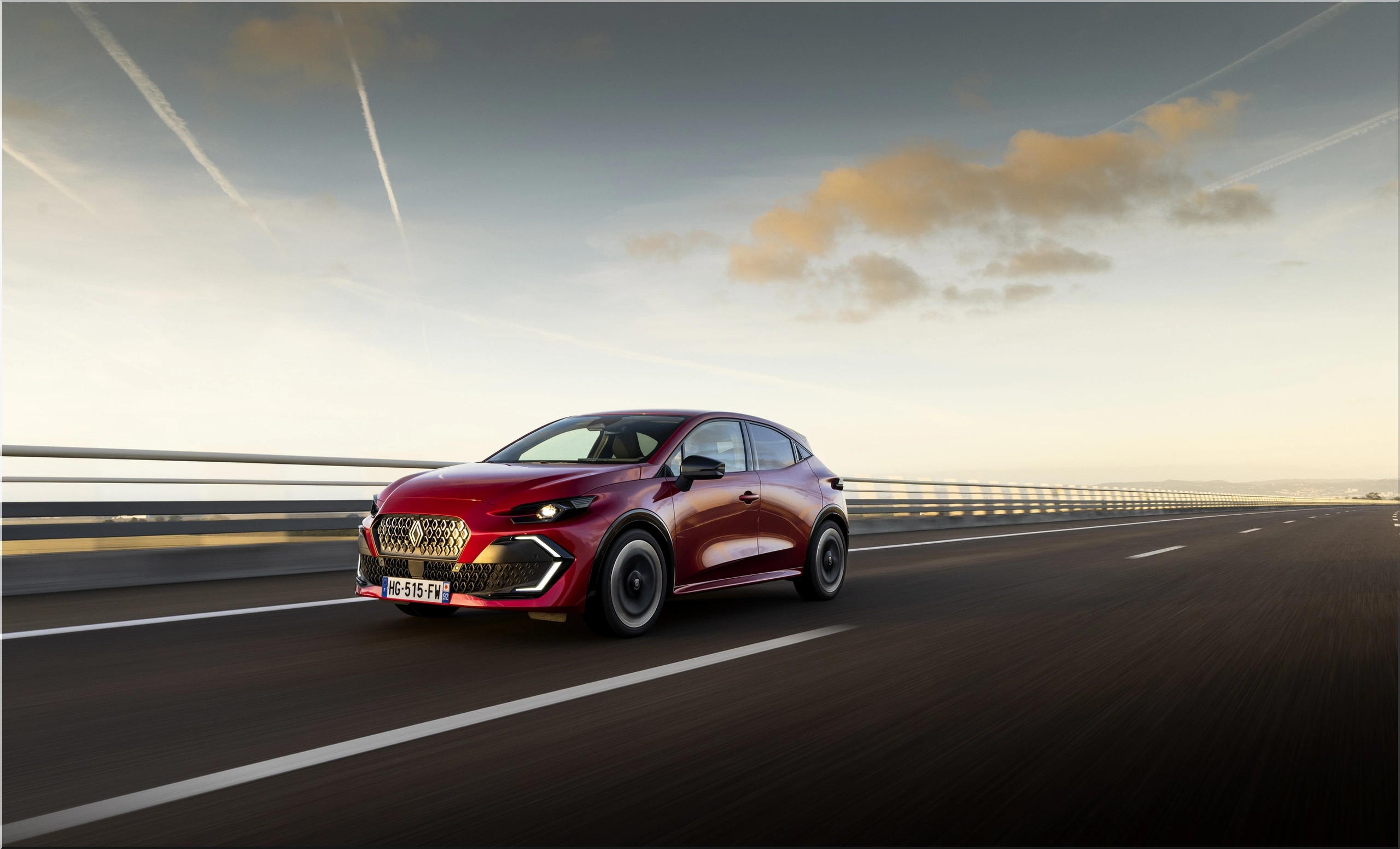
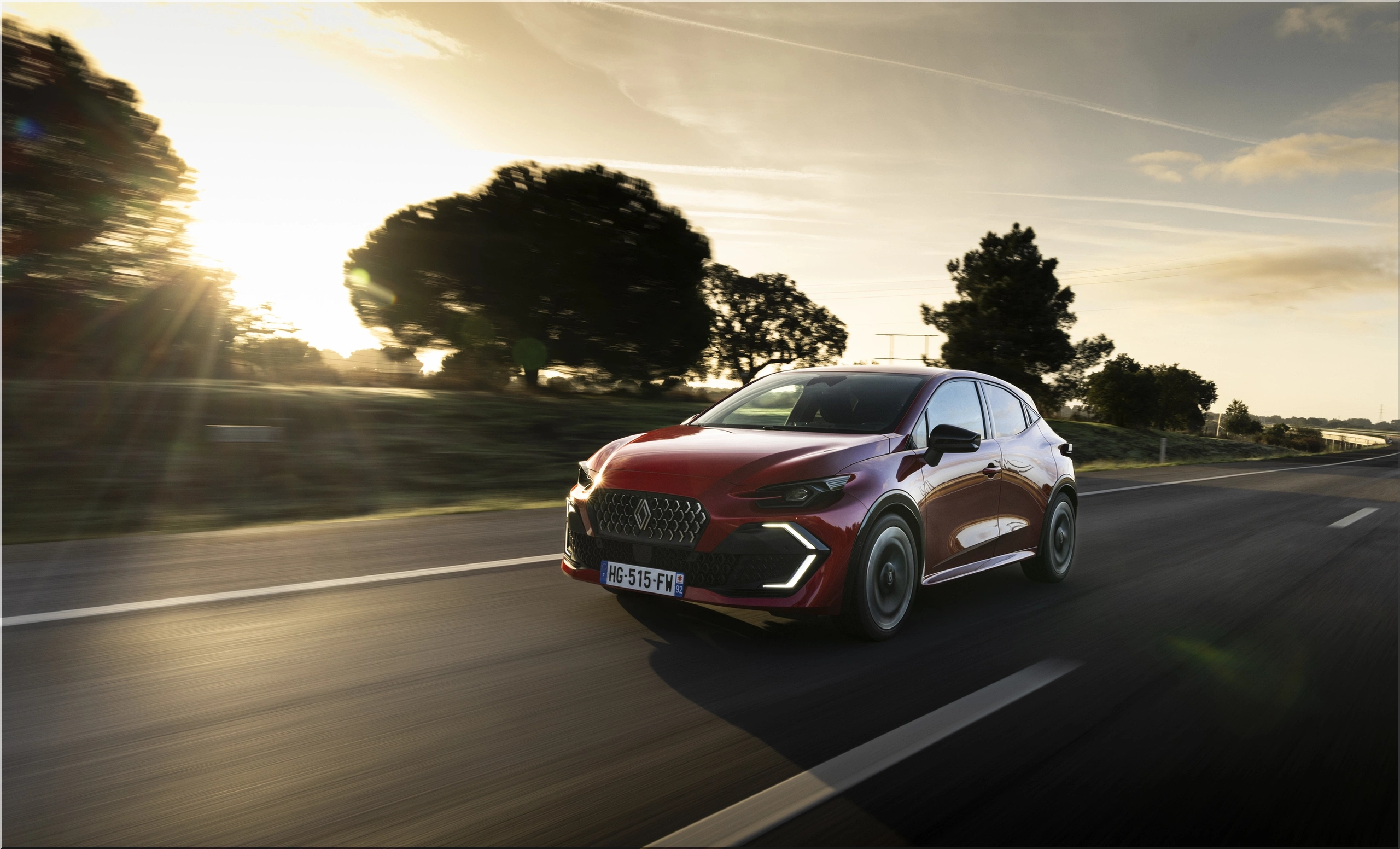
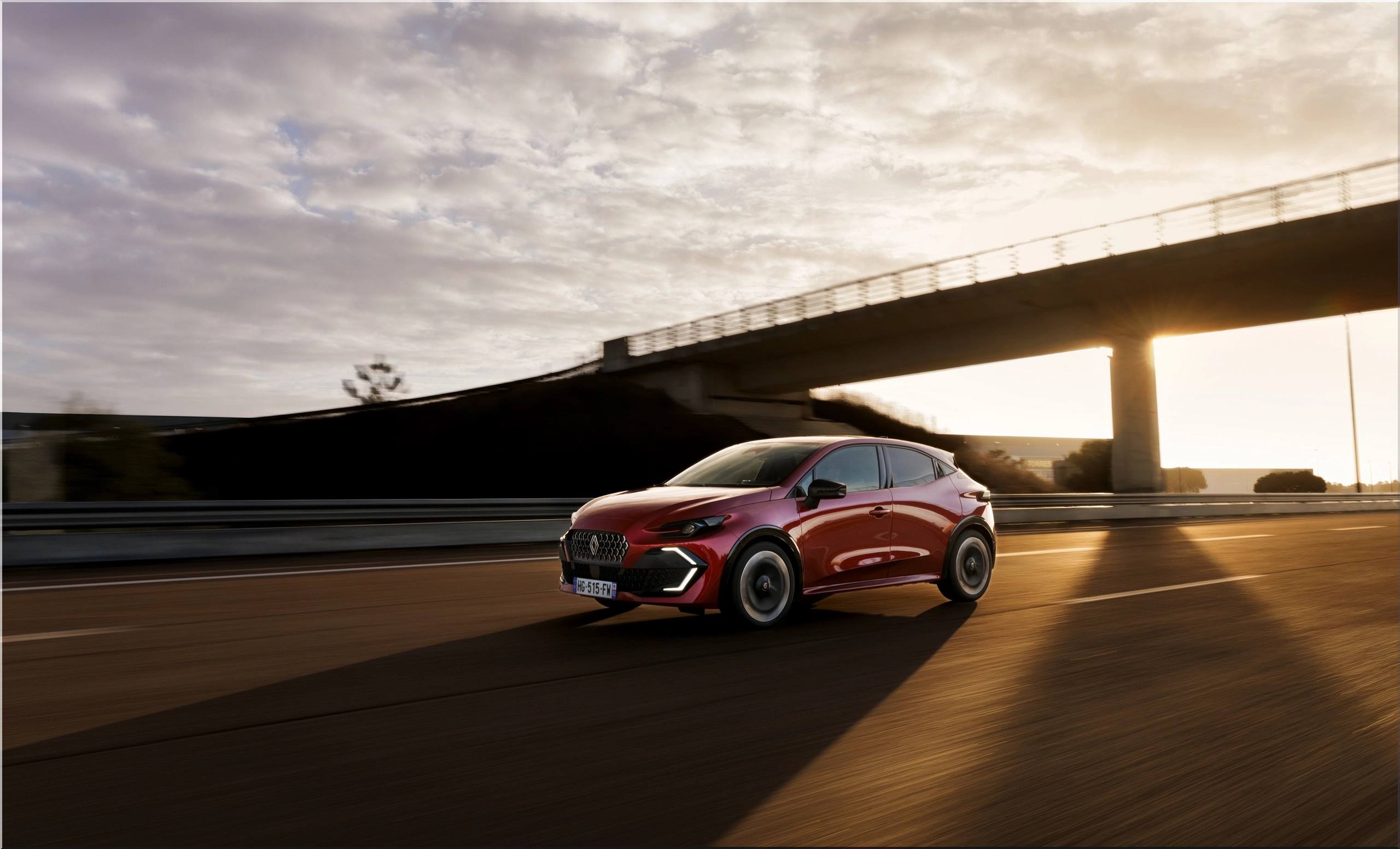
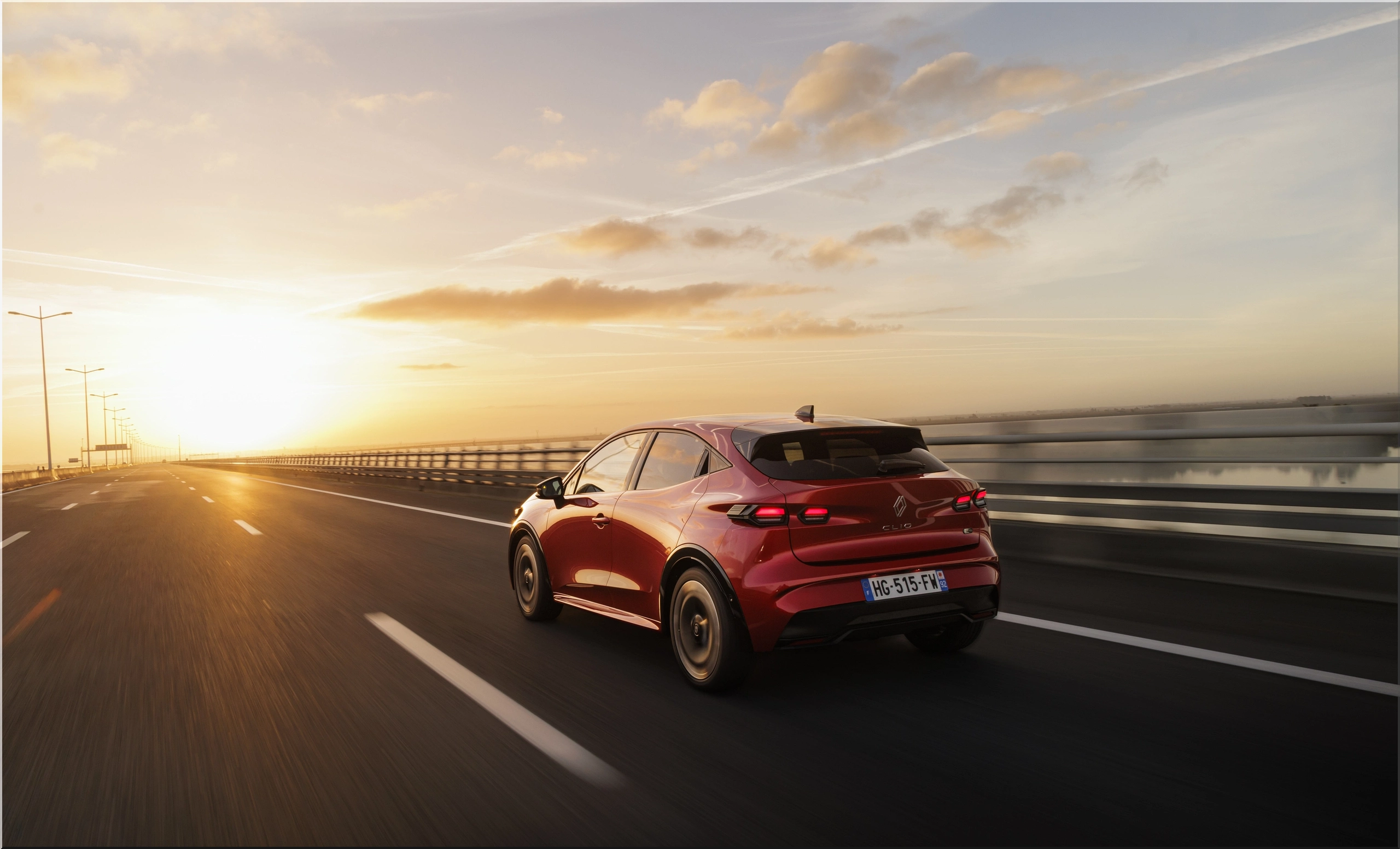
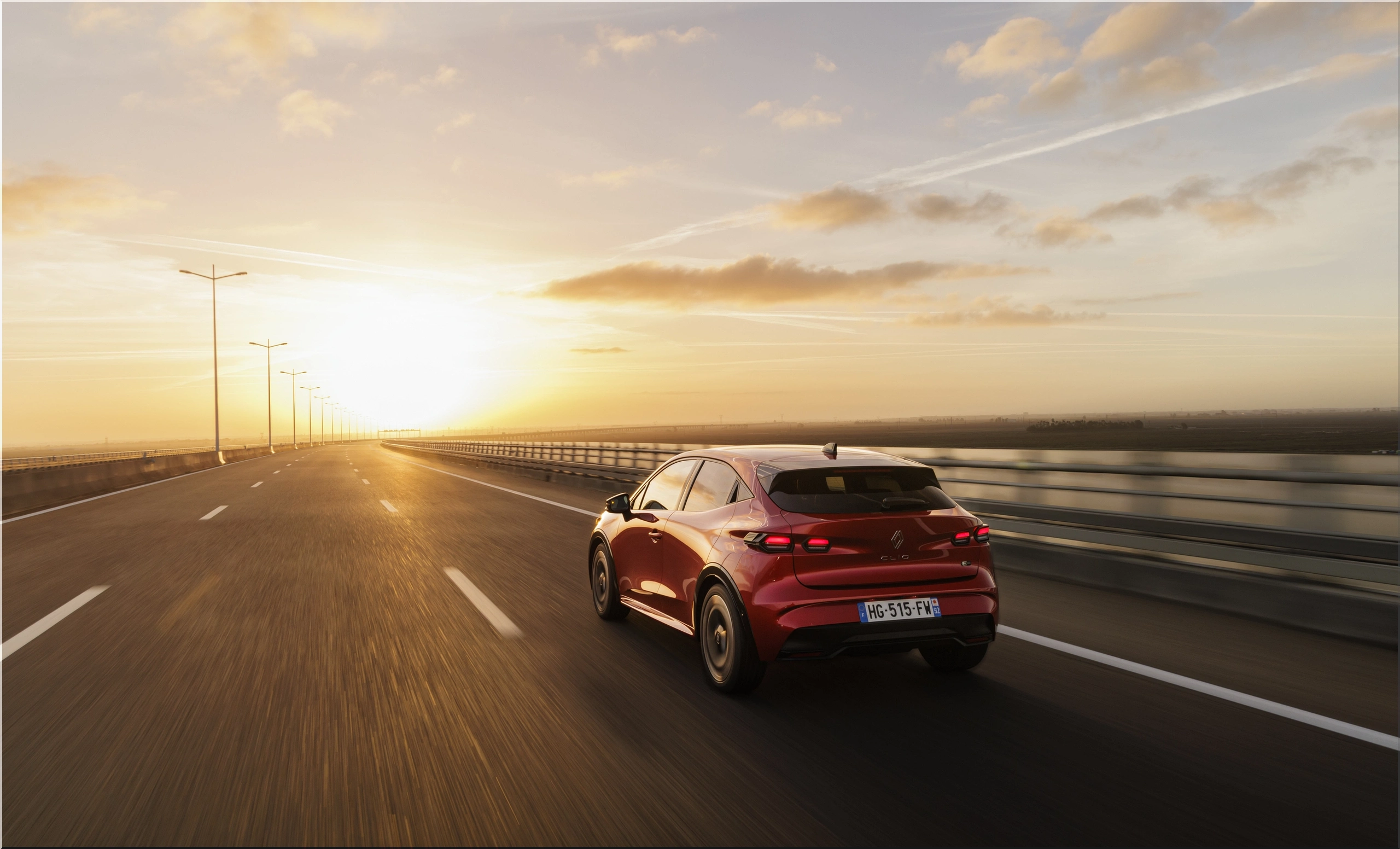
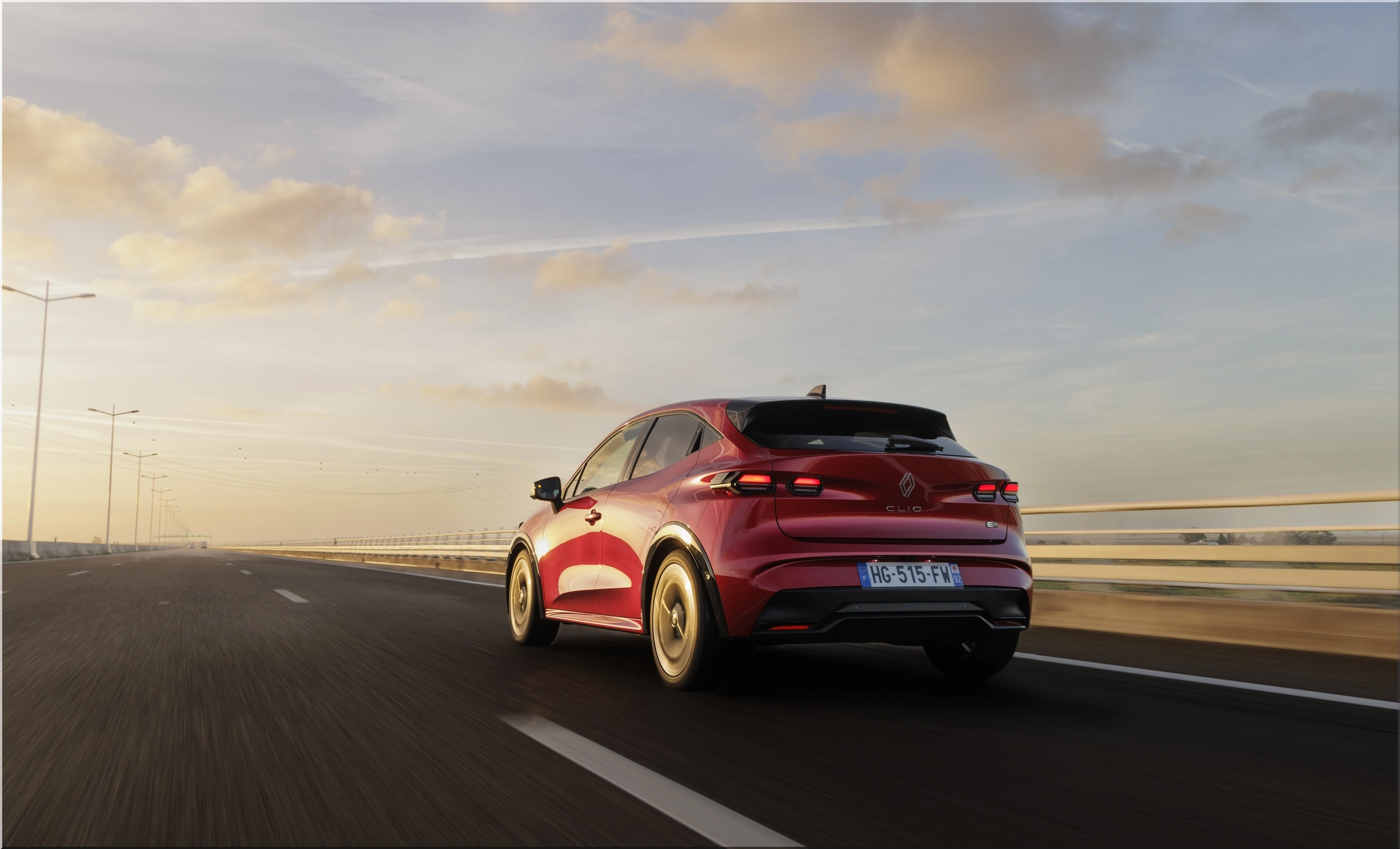
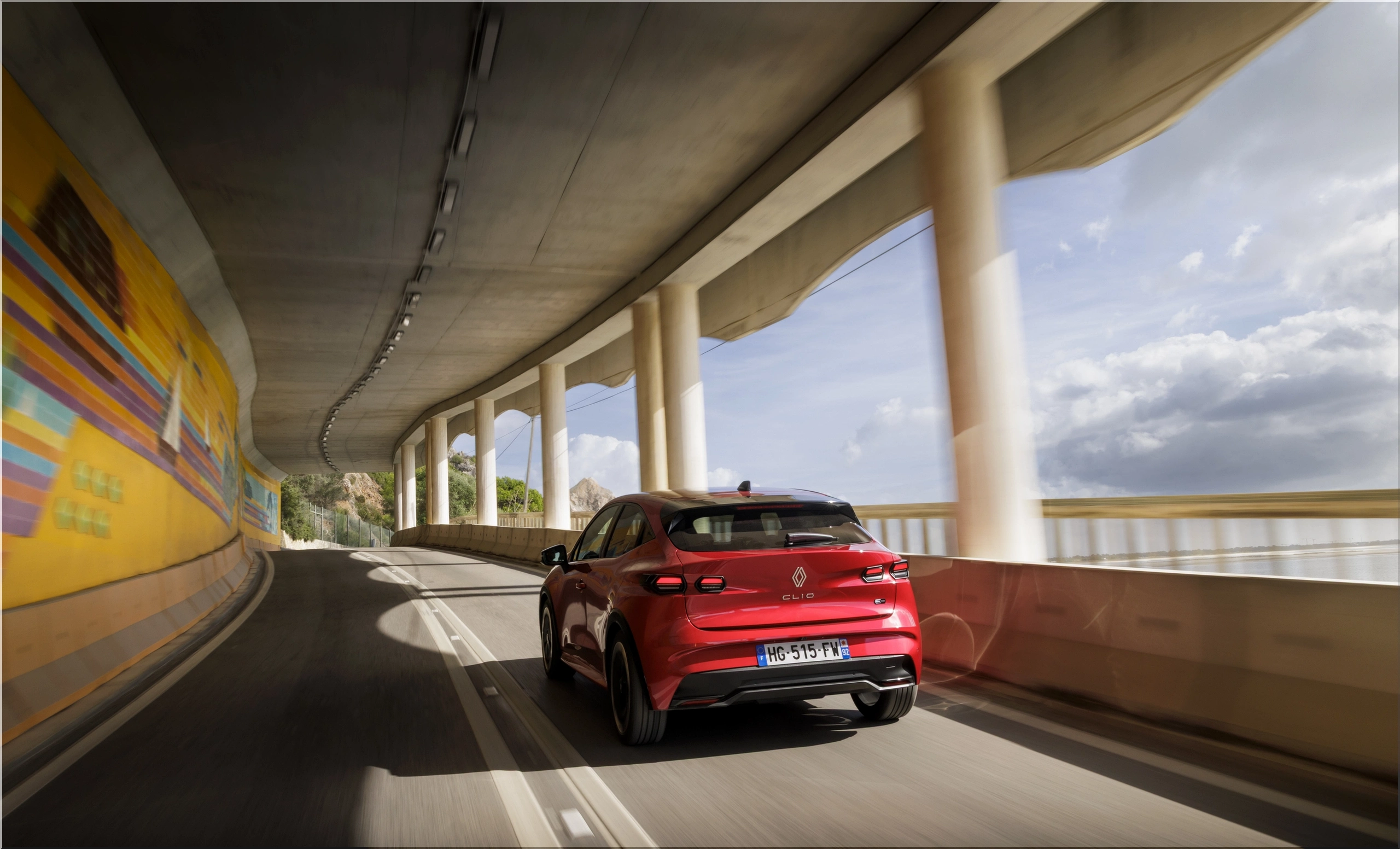
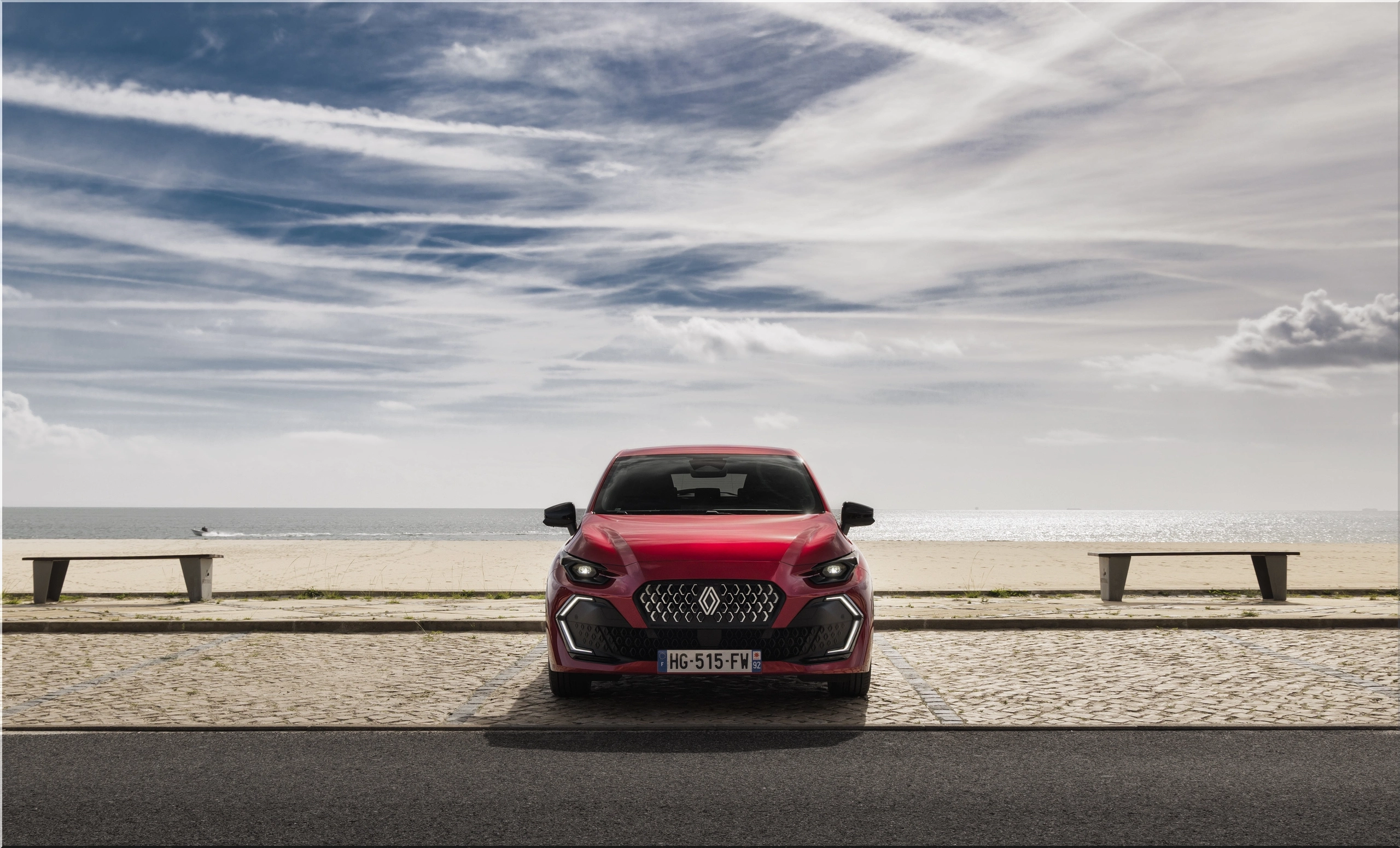
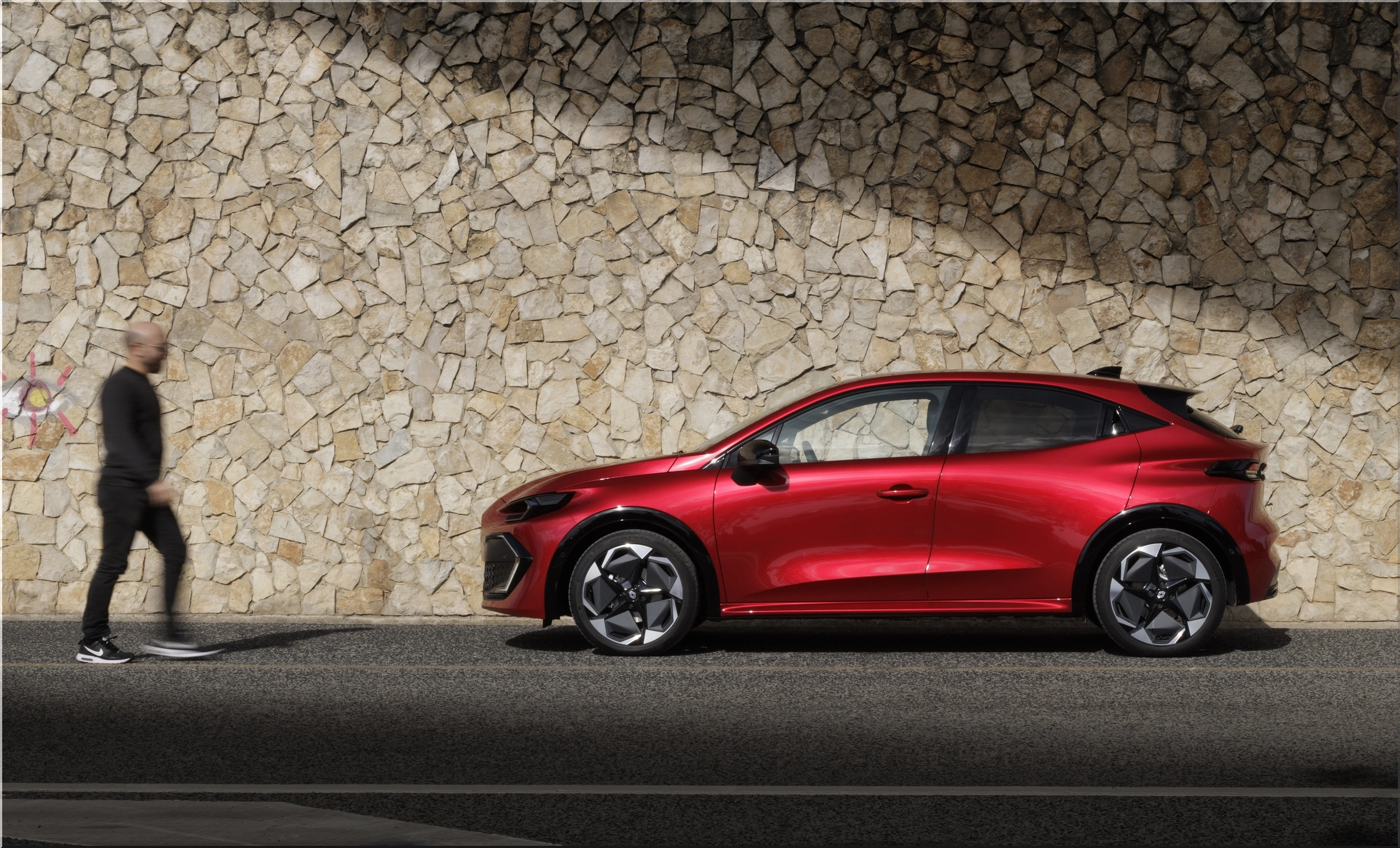
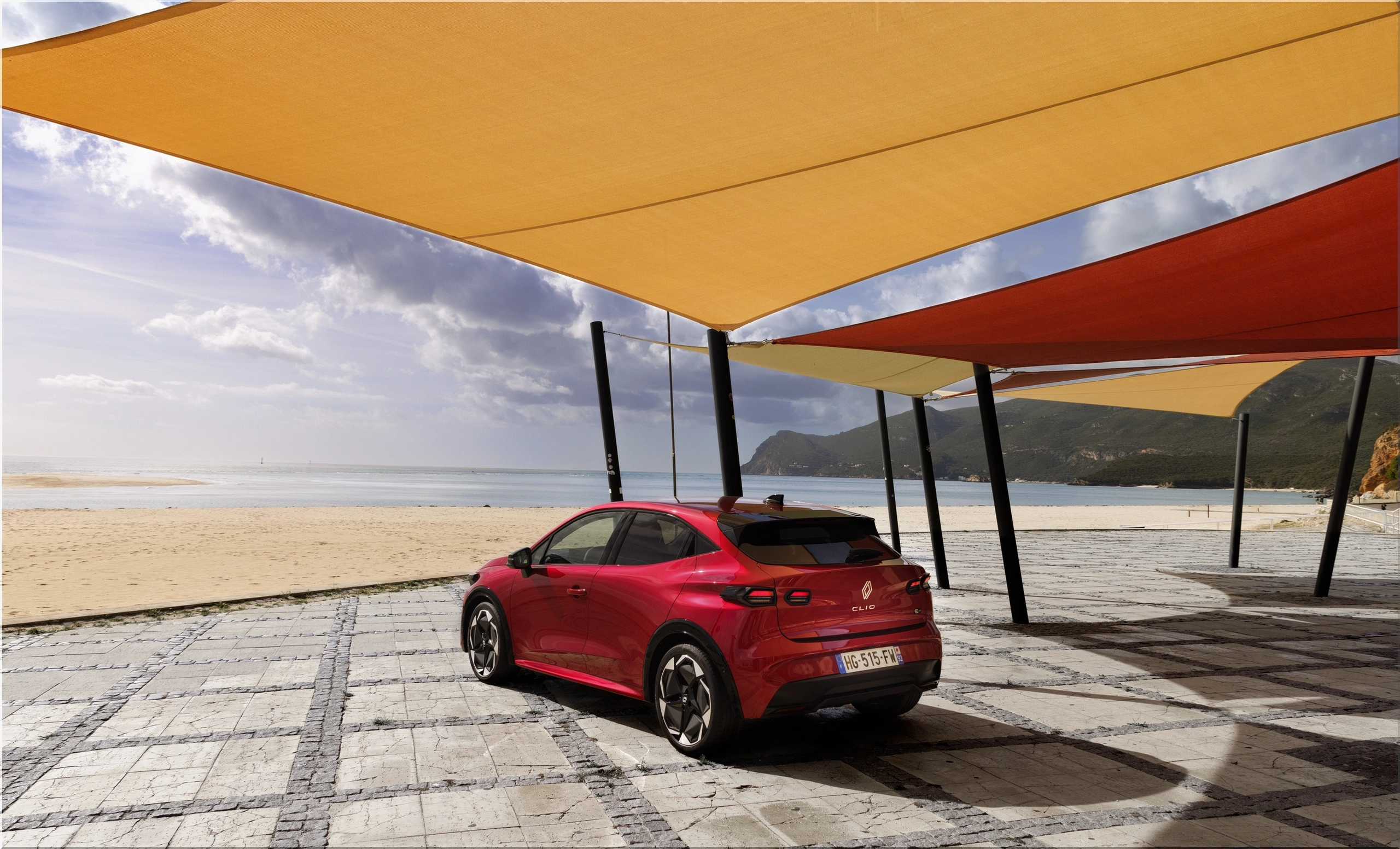
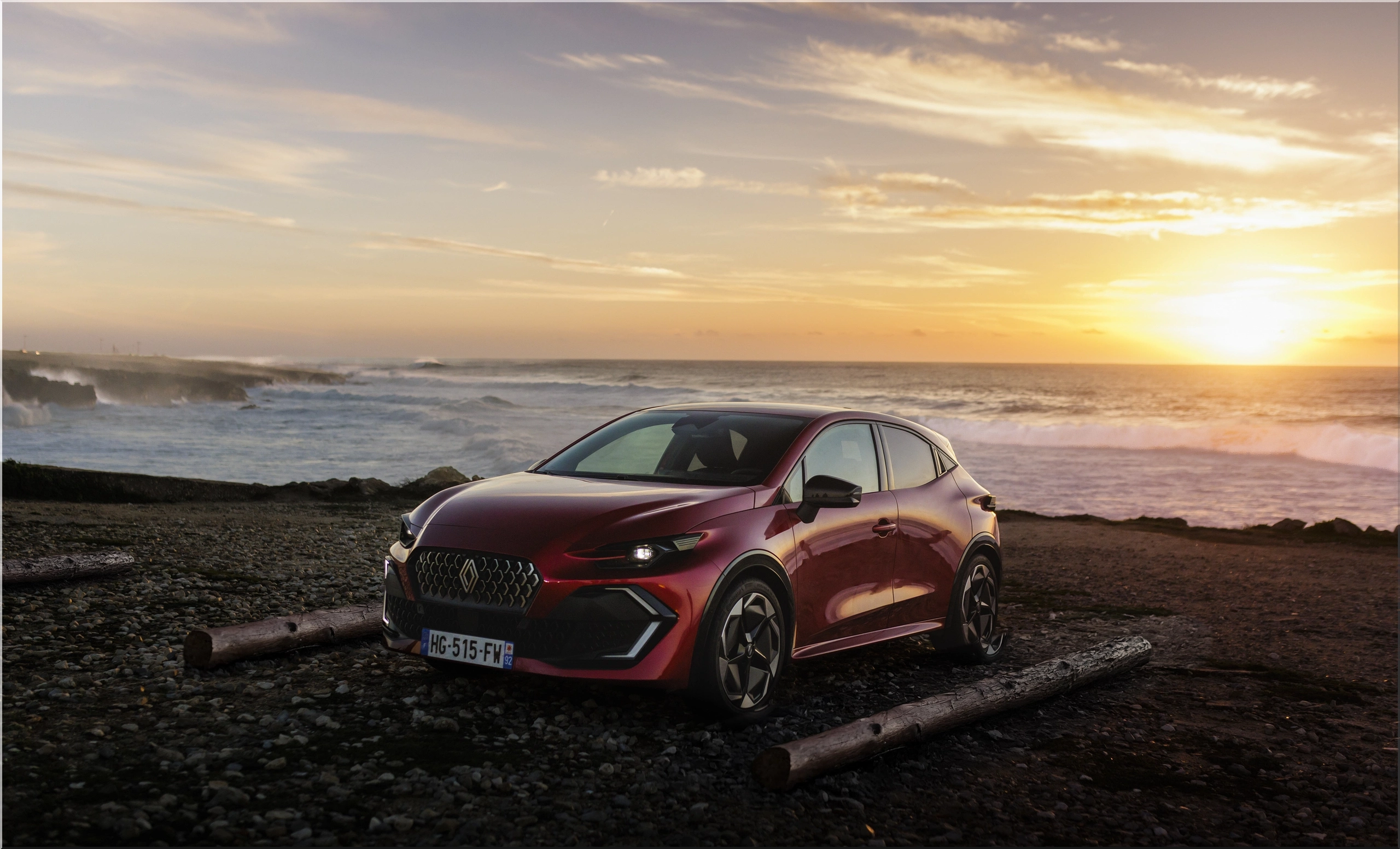
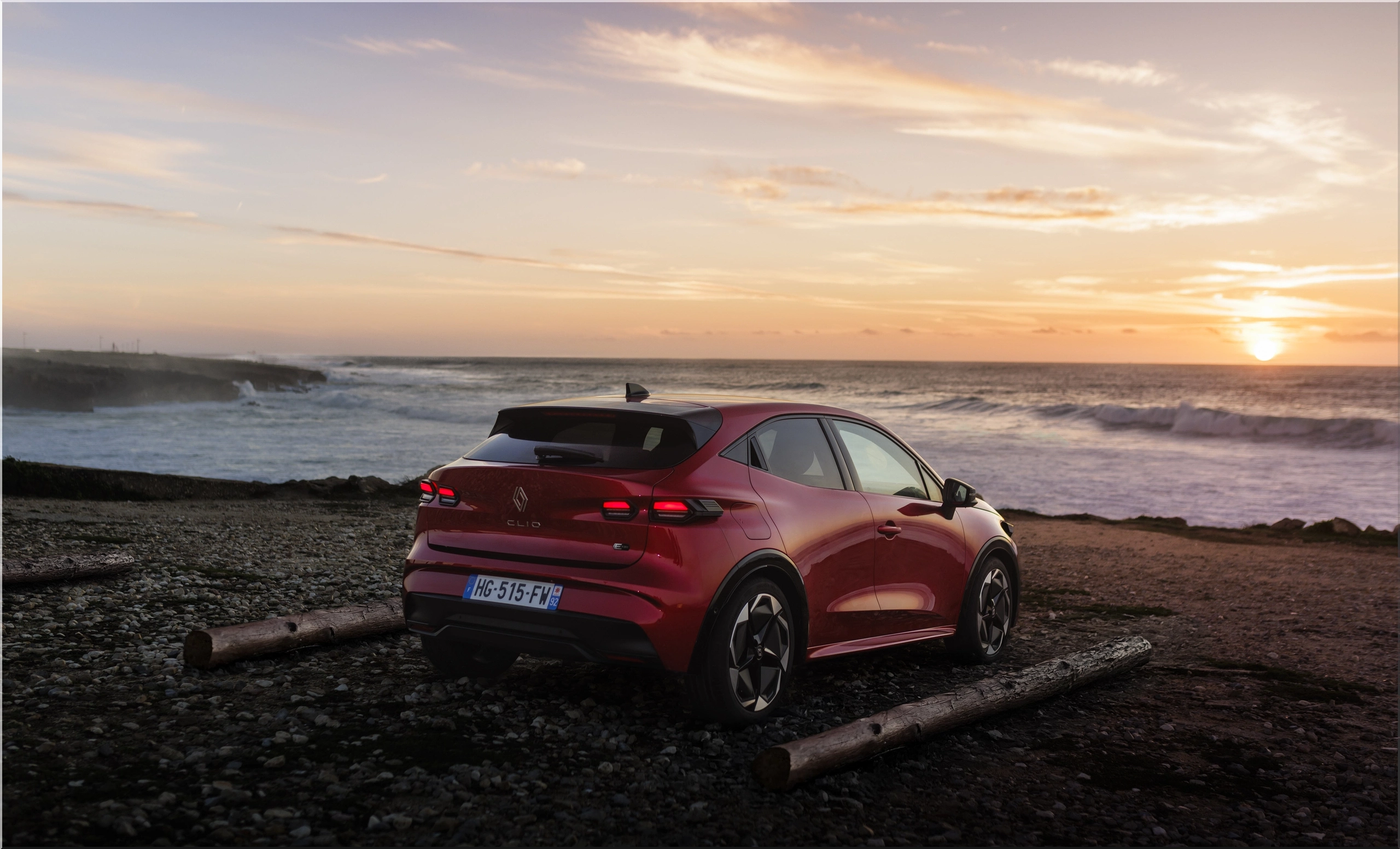
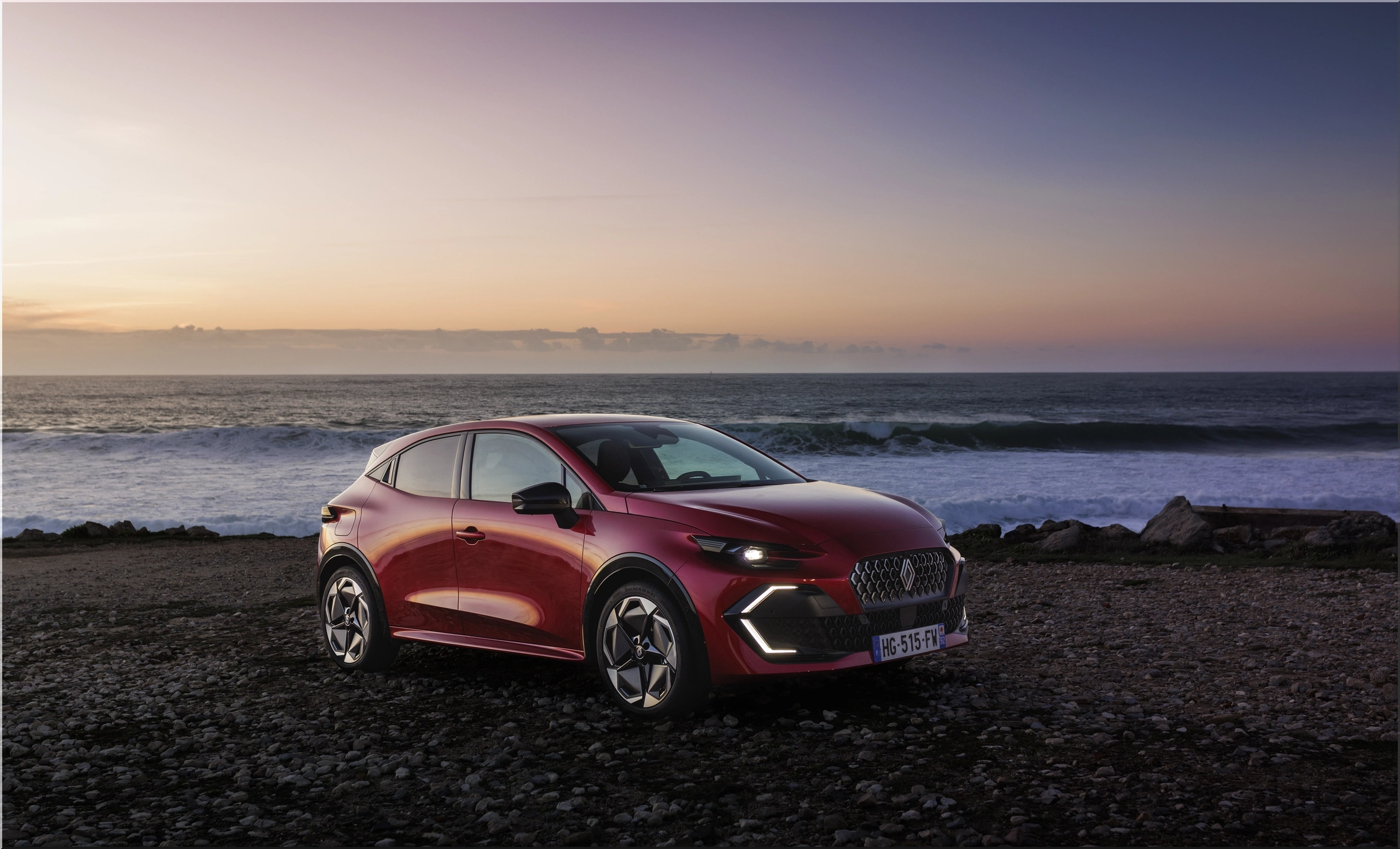
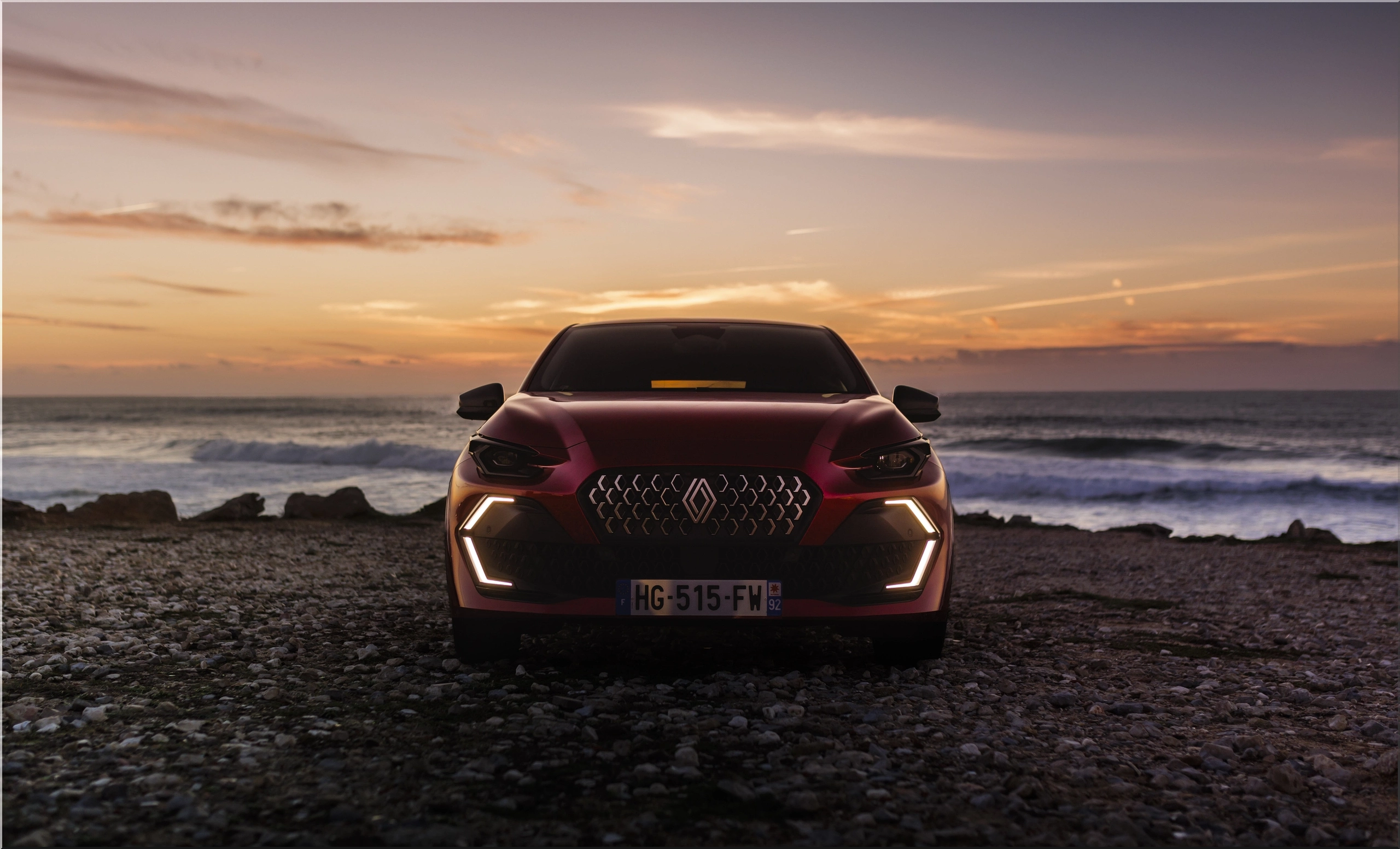
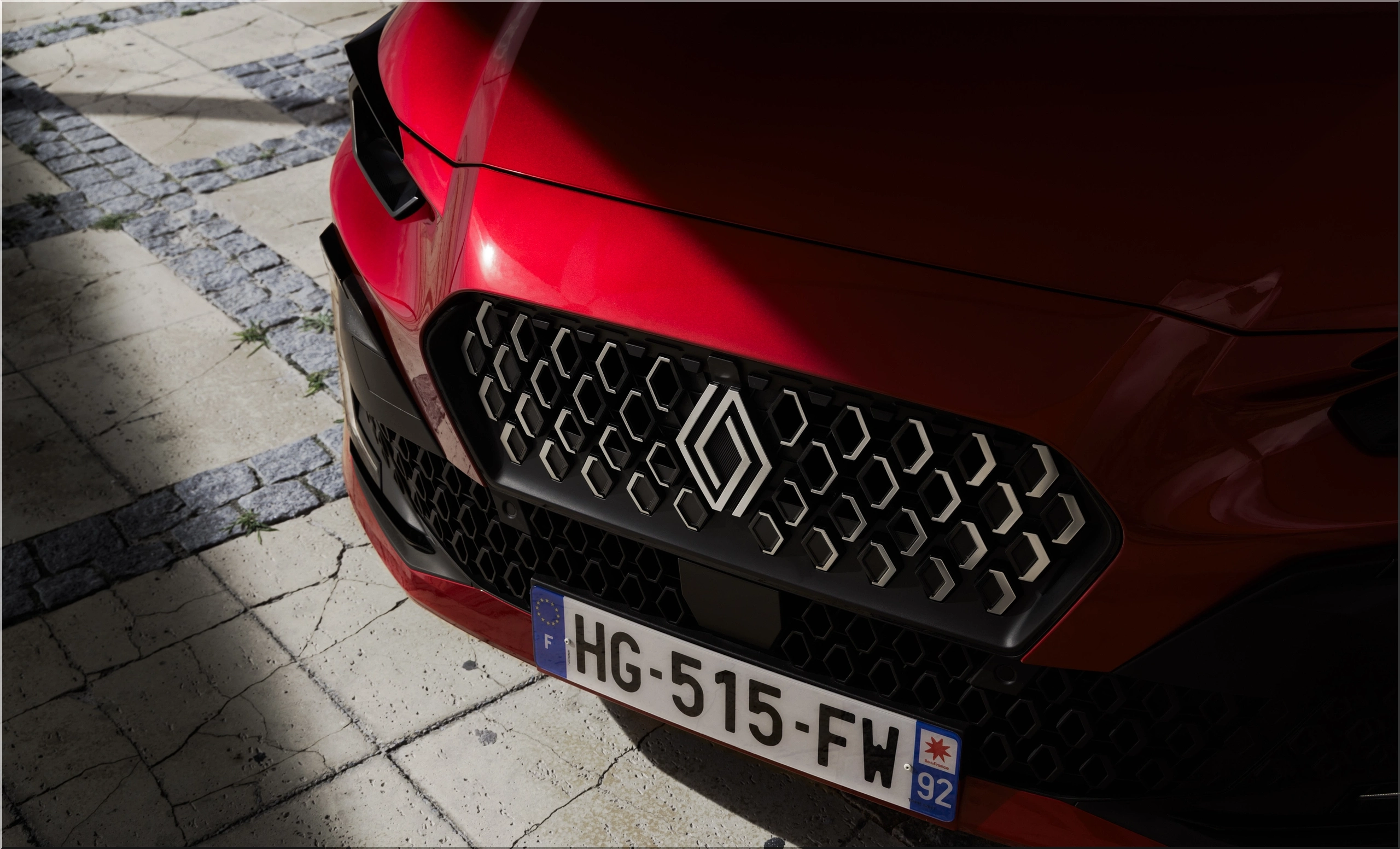
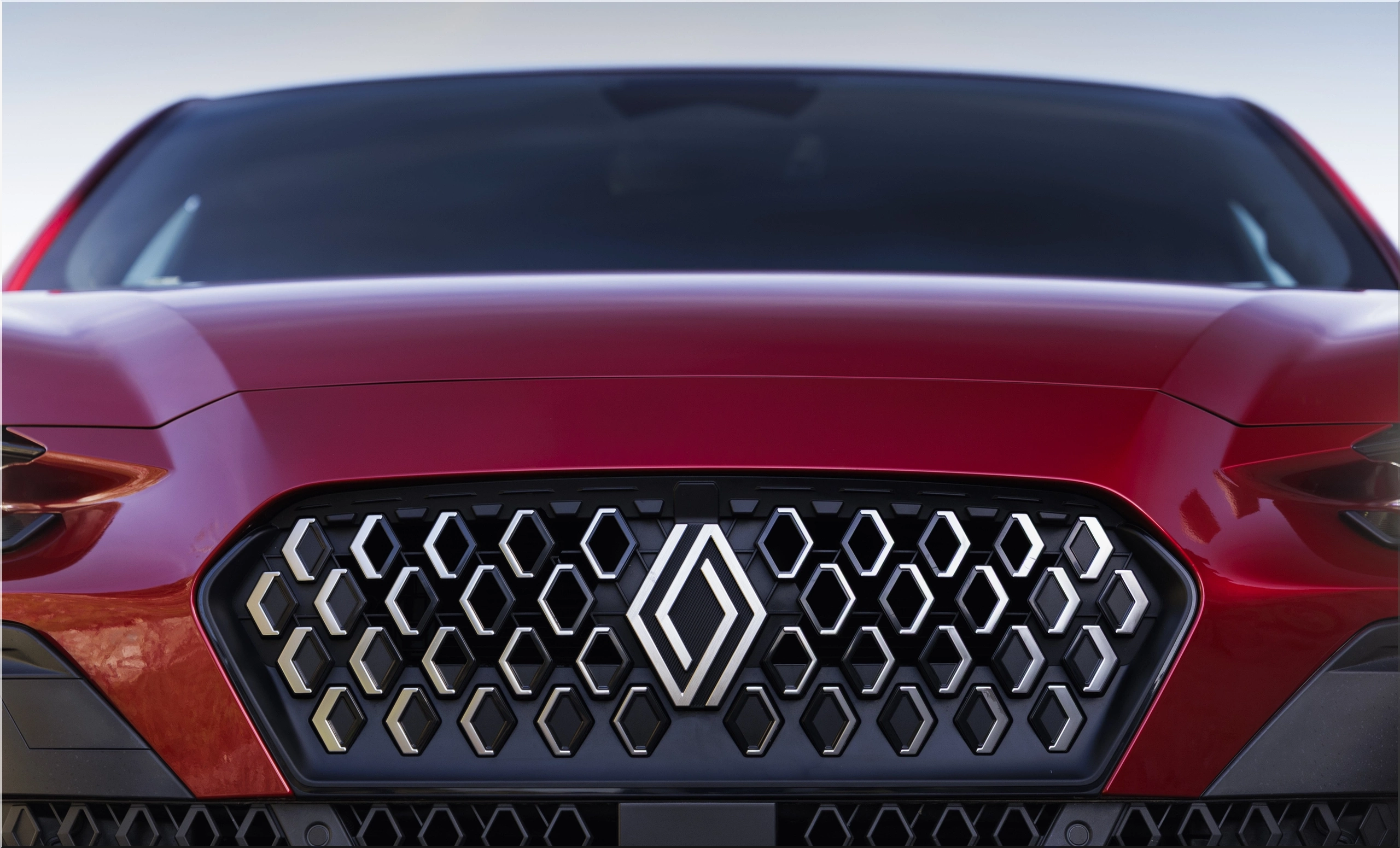
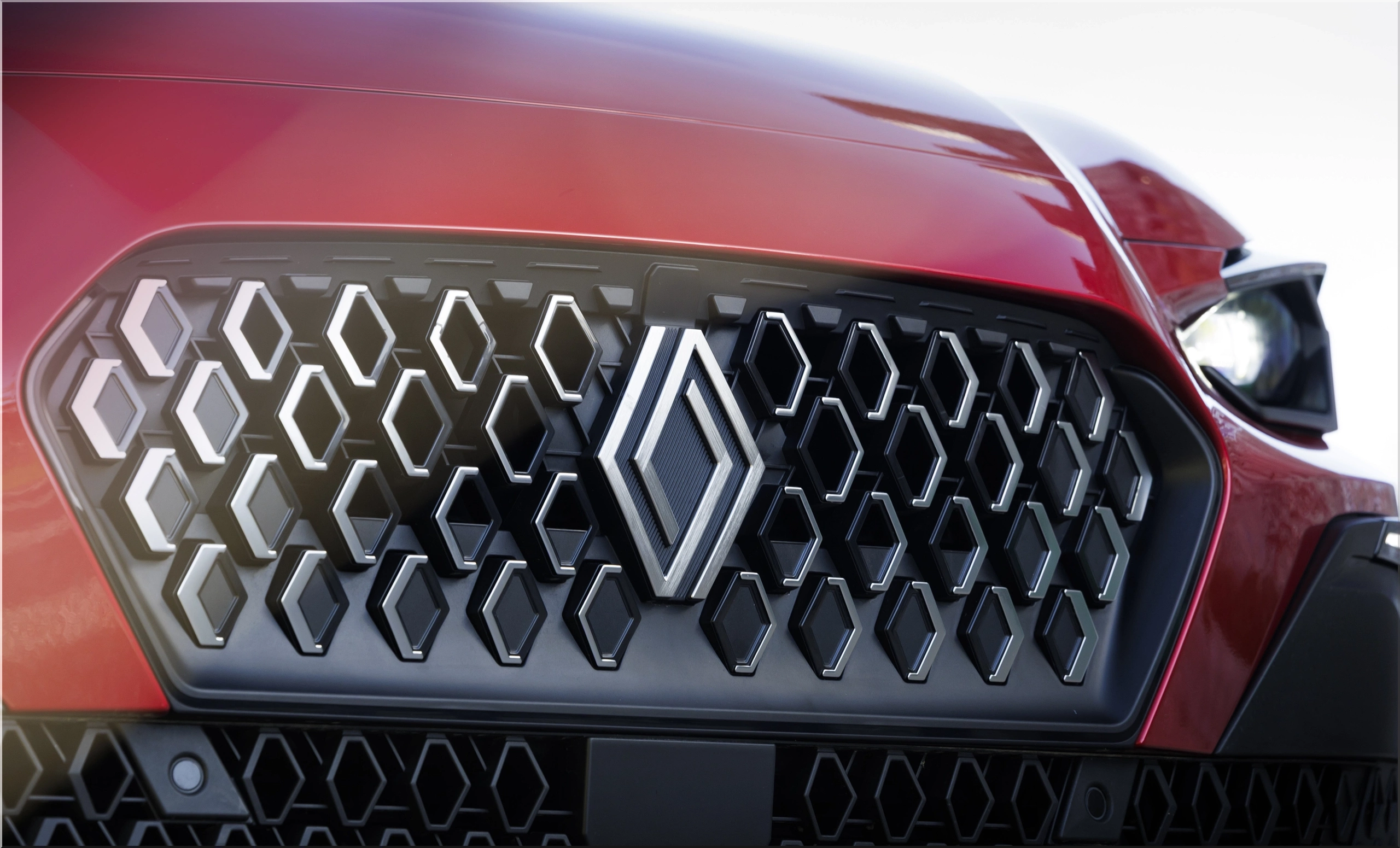
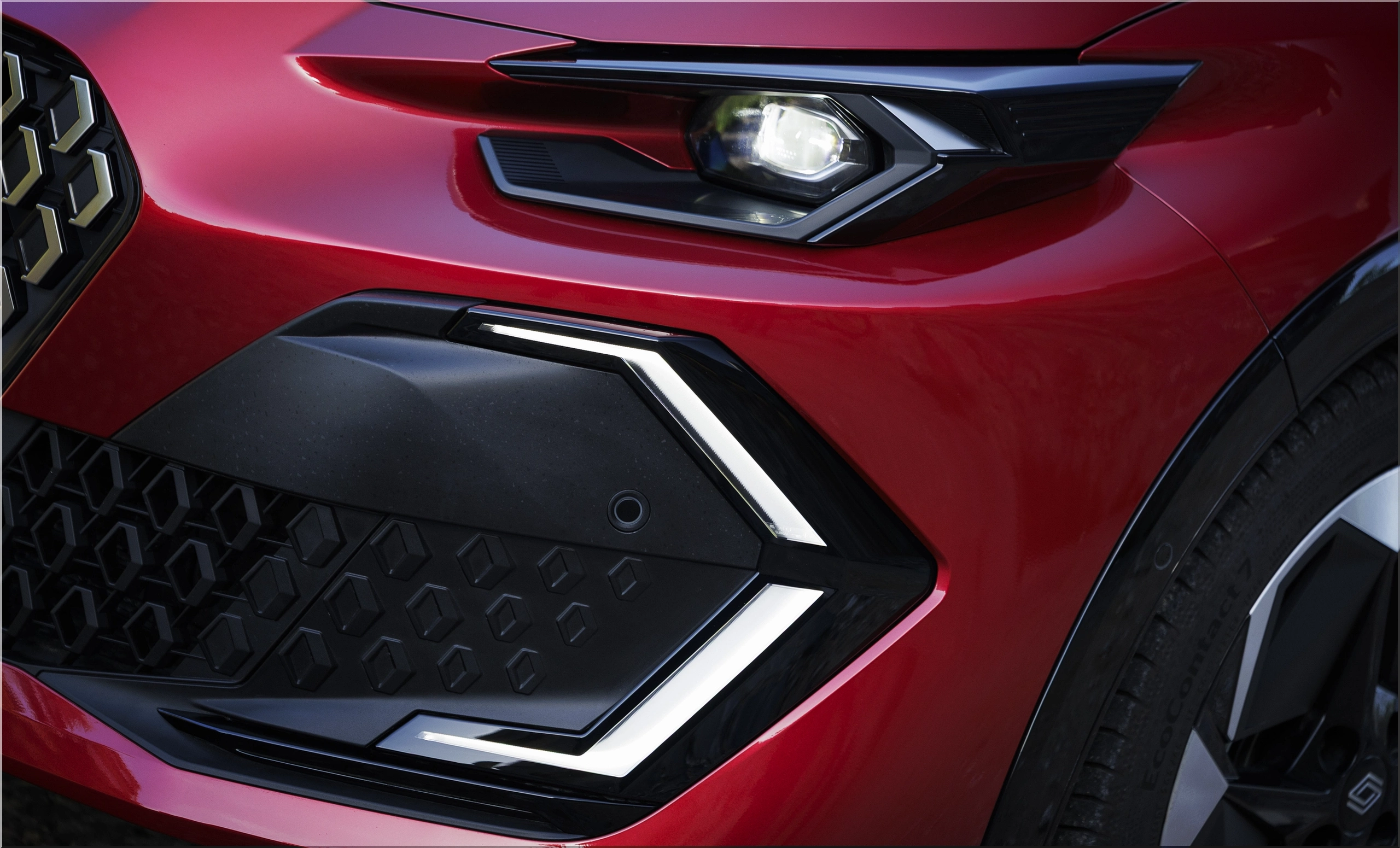
The 2026 Renault Clio hybrid adds length and width, giving it a wider stance and more stability. Engineers extend the bonnet, pull the roofline tight, and redesign the grille with more detail than most smartphone wallpapers.
Image
Key dimensional changes:
| Item | New Measurement | Change |
|---|---|---|
| Length | 4.116 m | +67 mm |
| Width | 1.768 m | +39 mm |
| Track (Front) | Wider | +39 mm |
| Boot | 391 L | Lower sill |
| CdA | 0.30 | From 0.32 |
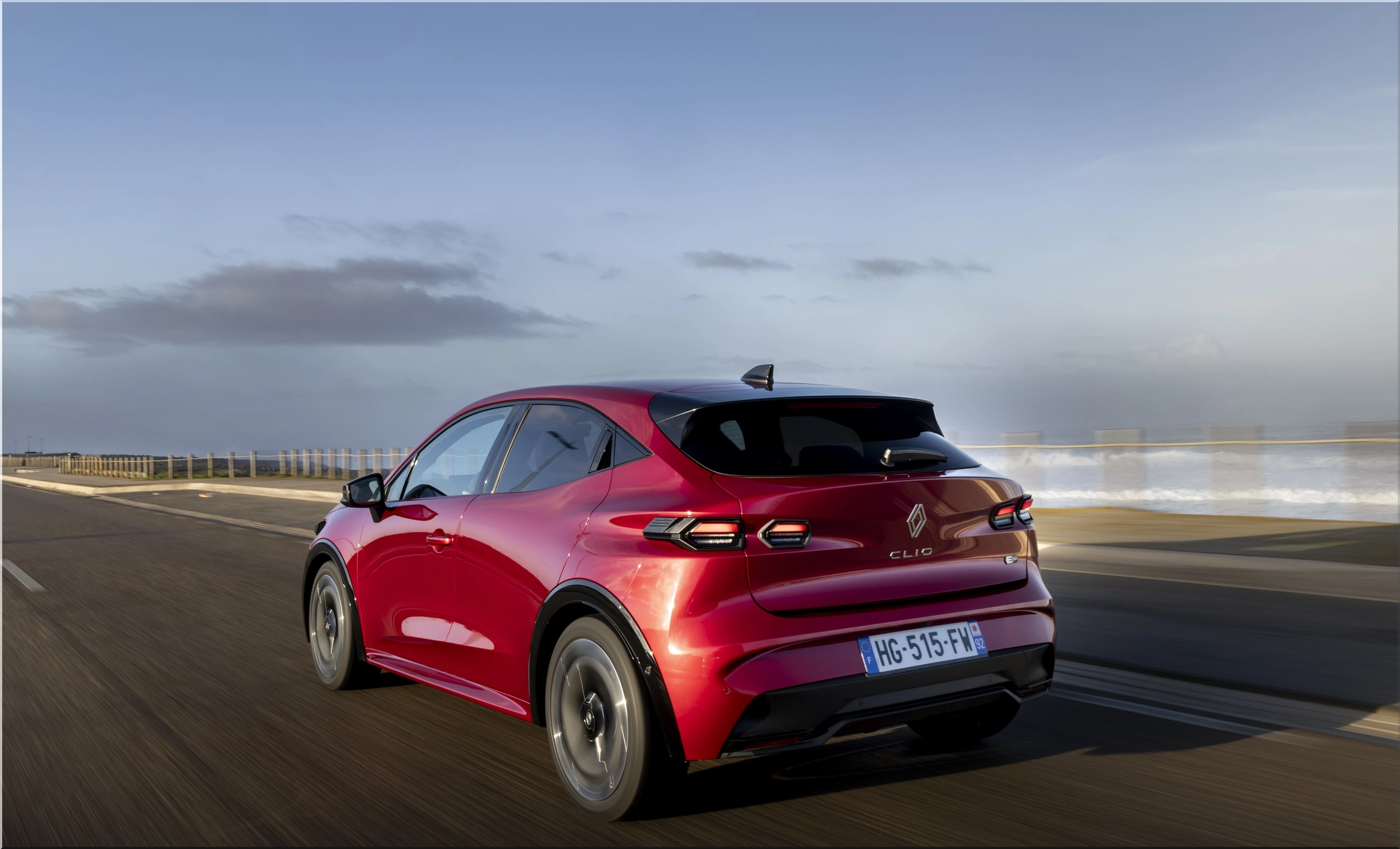
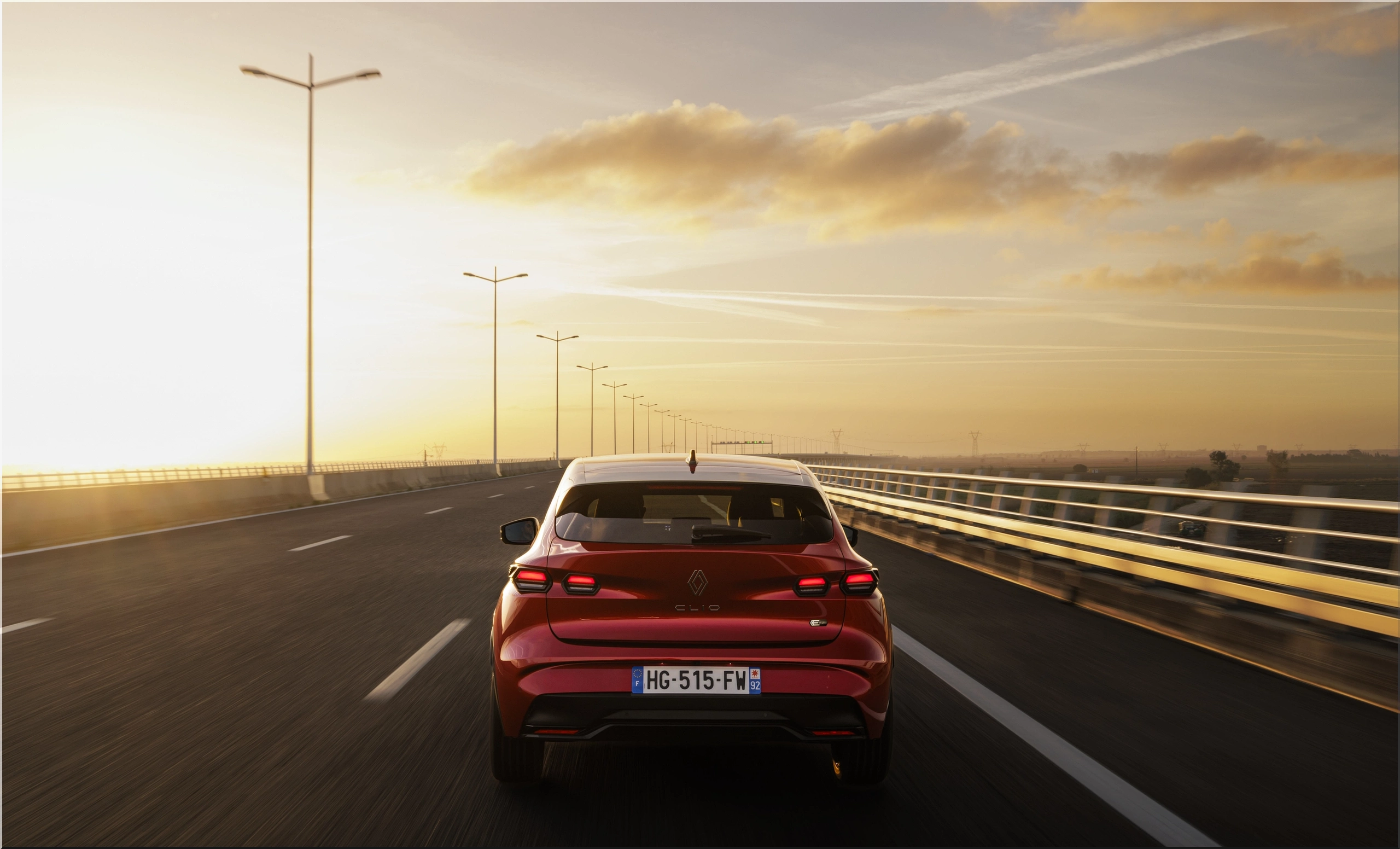
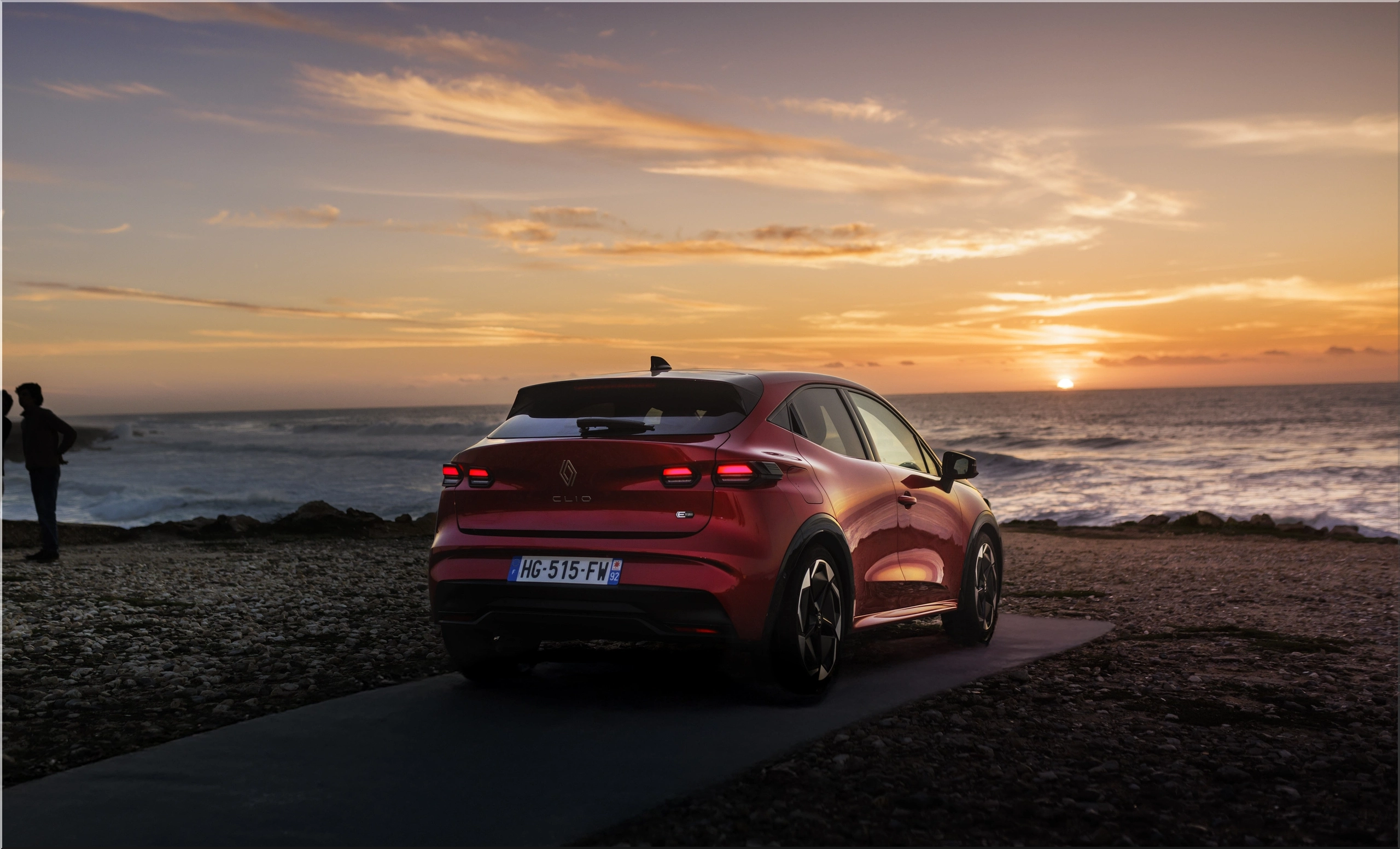
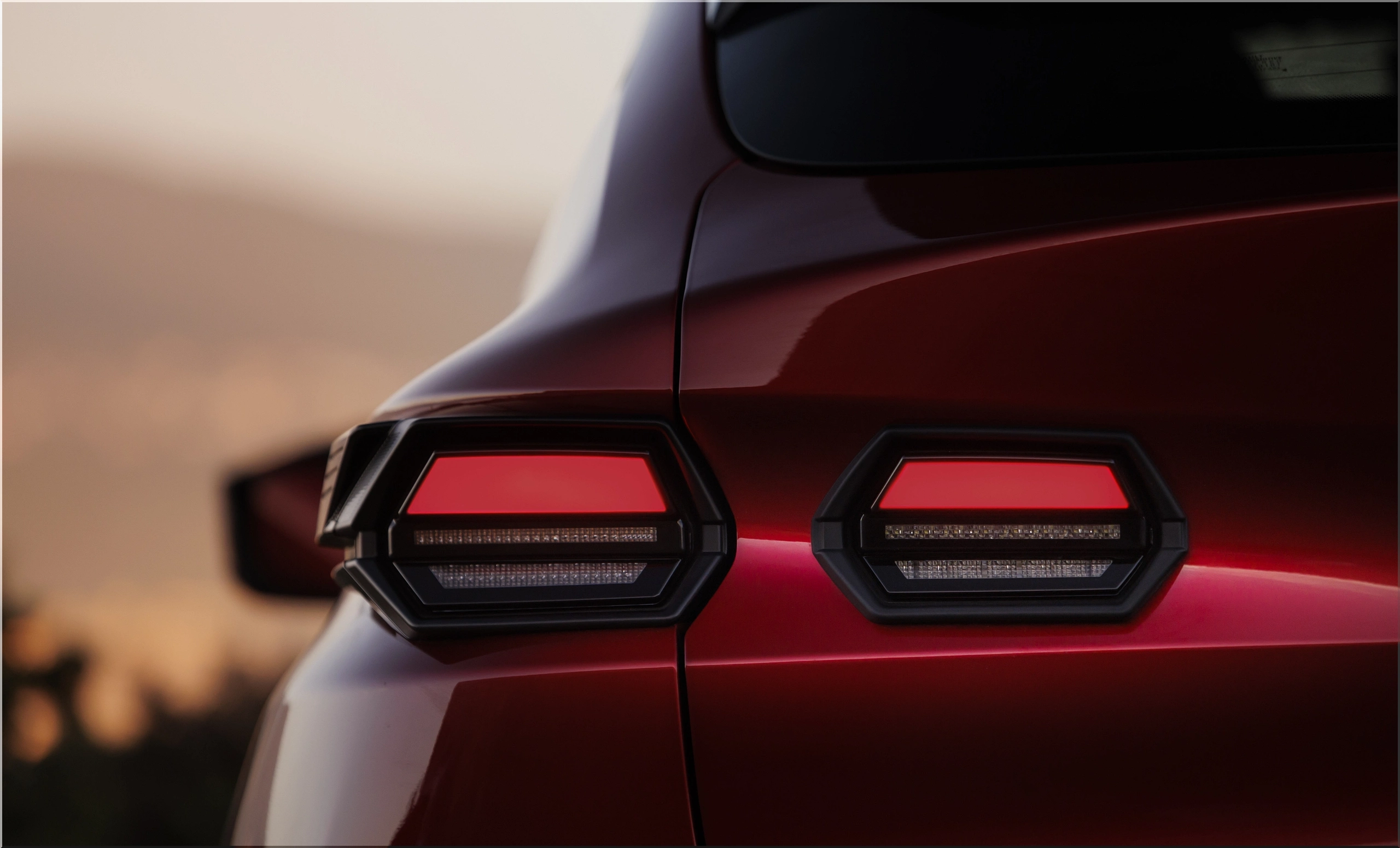
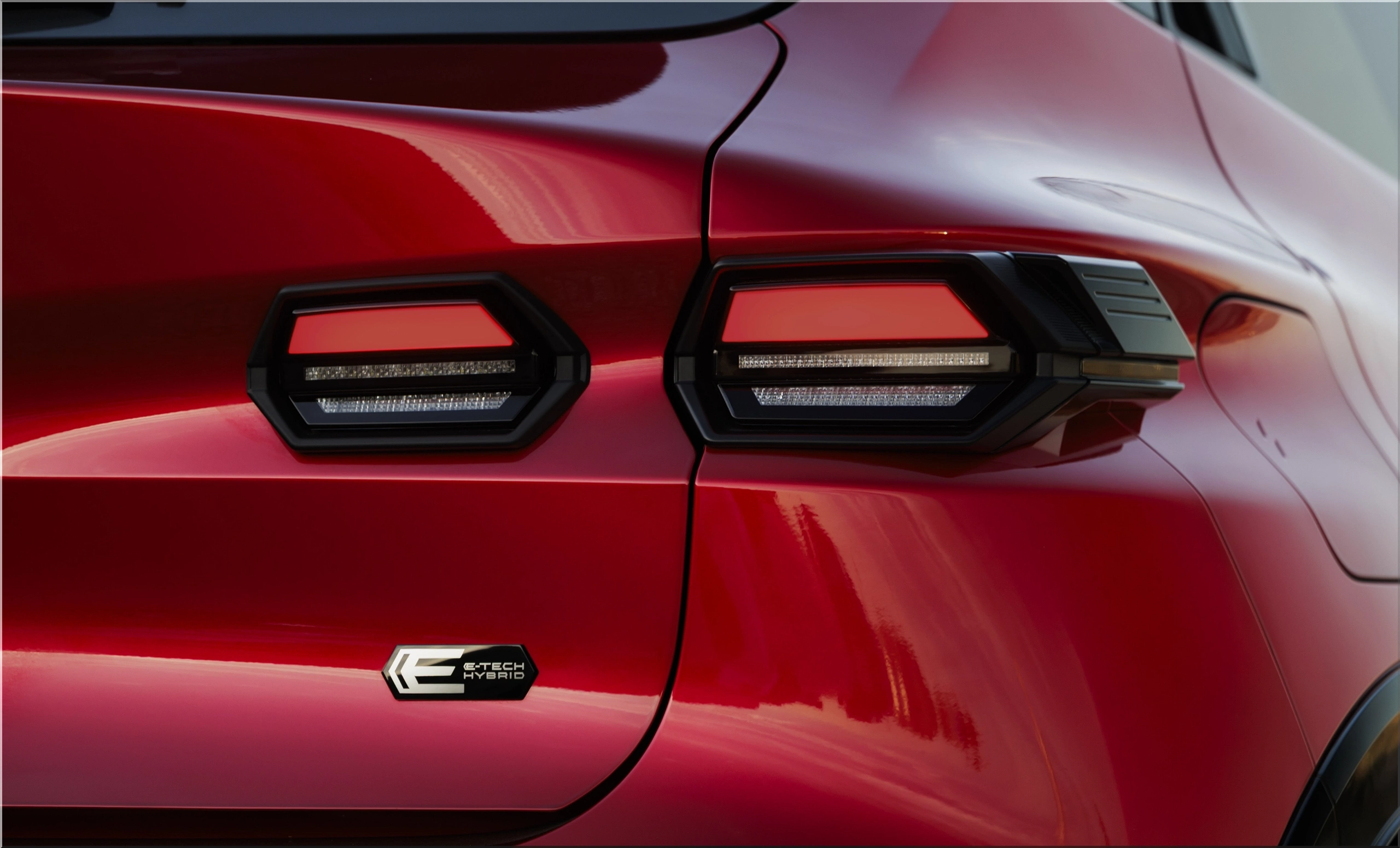
Engineers trim aerodynamic drag by refining mirrors, underbody surfaces, wheels, and rear lights. A front flap adjusts airflow based on speed. No cape required.
Cabin upgrades built for real-world humans
Renault improves rear knee room by reshaping seatbacks and adjusting seat height. Passengers can slide feet under the front seats without folding themselves like action figures.
Useful additions include:
- Two front USB-C ports
- Wireless charging on select trims
- A rear 12V socket for coolers or compressors
- A center console with a soft folding cover
- Front seats with stronger lateral support
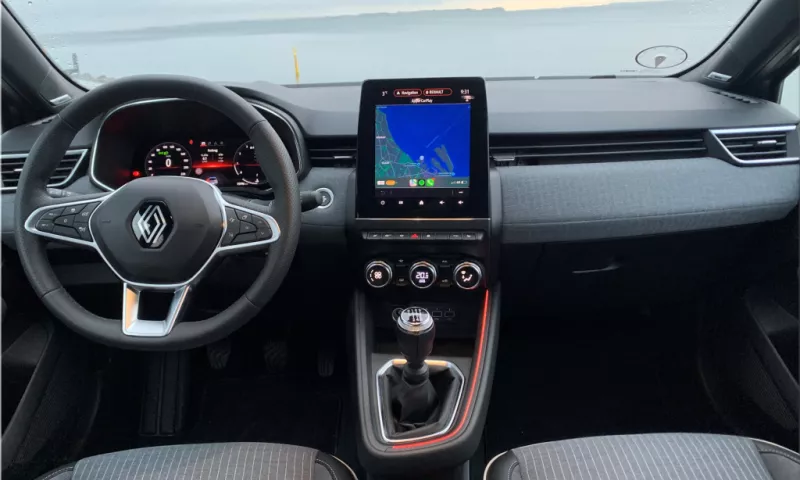
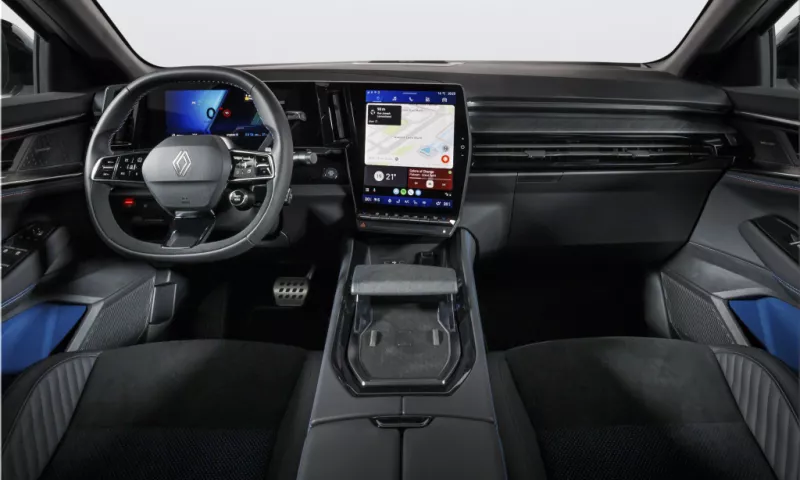
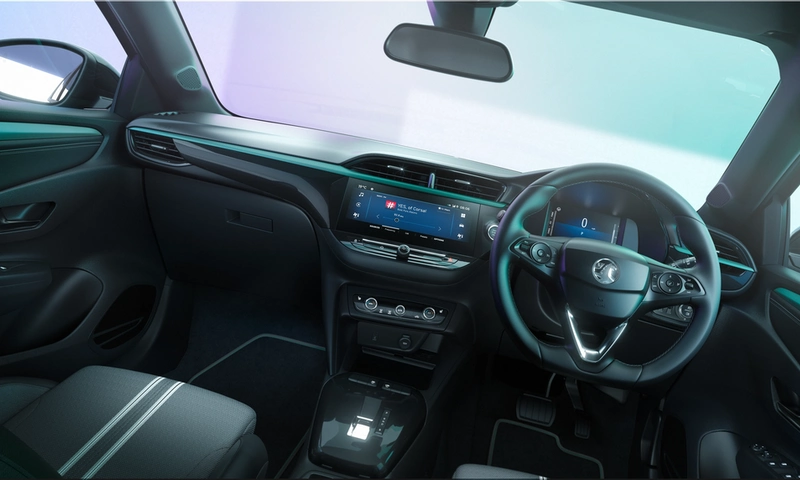
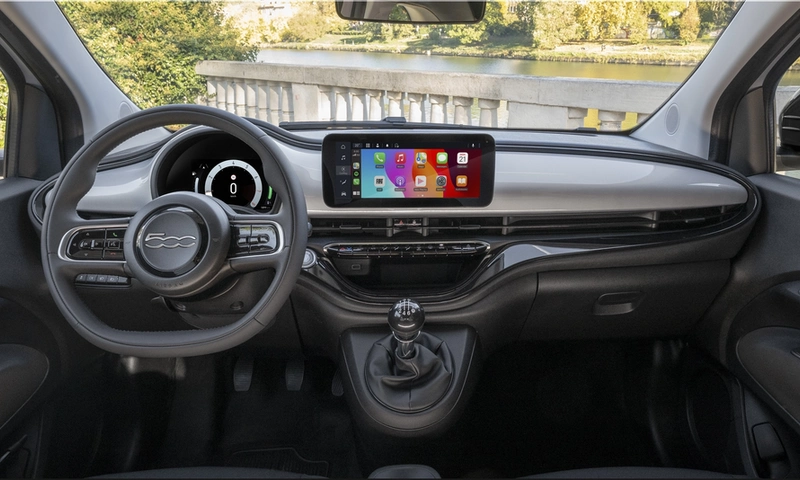
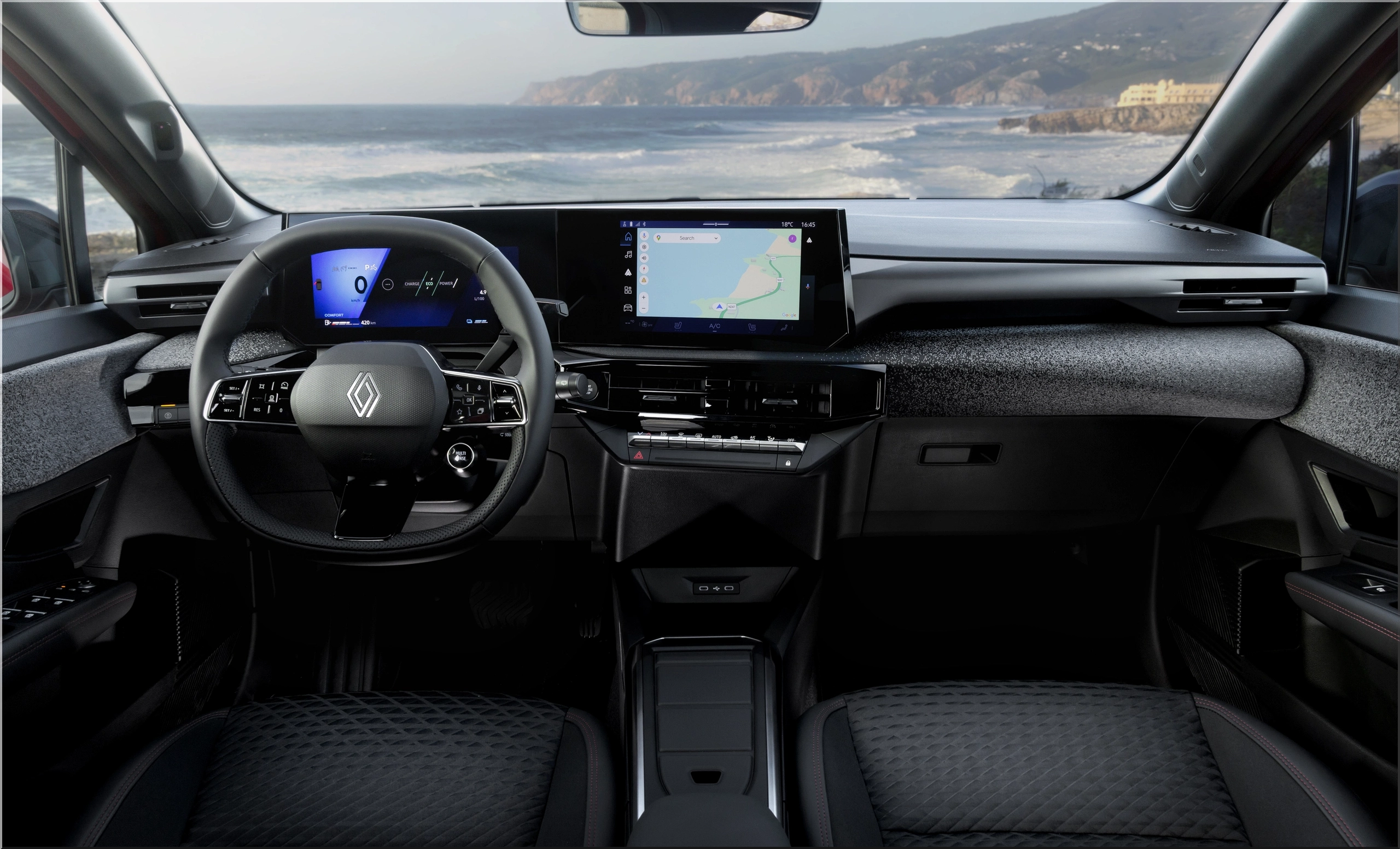
The OpenR Link setup brings two 10-inch screens aimed at actual usability. Google Maps, Google Play, and integrated data reduce phone dependency. Over-the-air updates will add Google Gemini, which will let drivers speak naturally instead of repeating the same command until the car understands.
Image
Steering and chassis tuned for tighter control
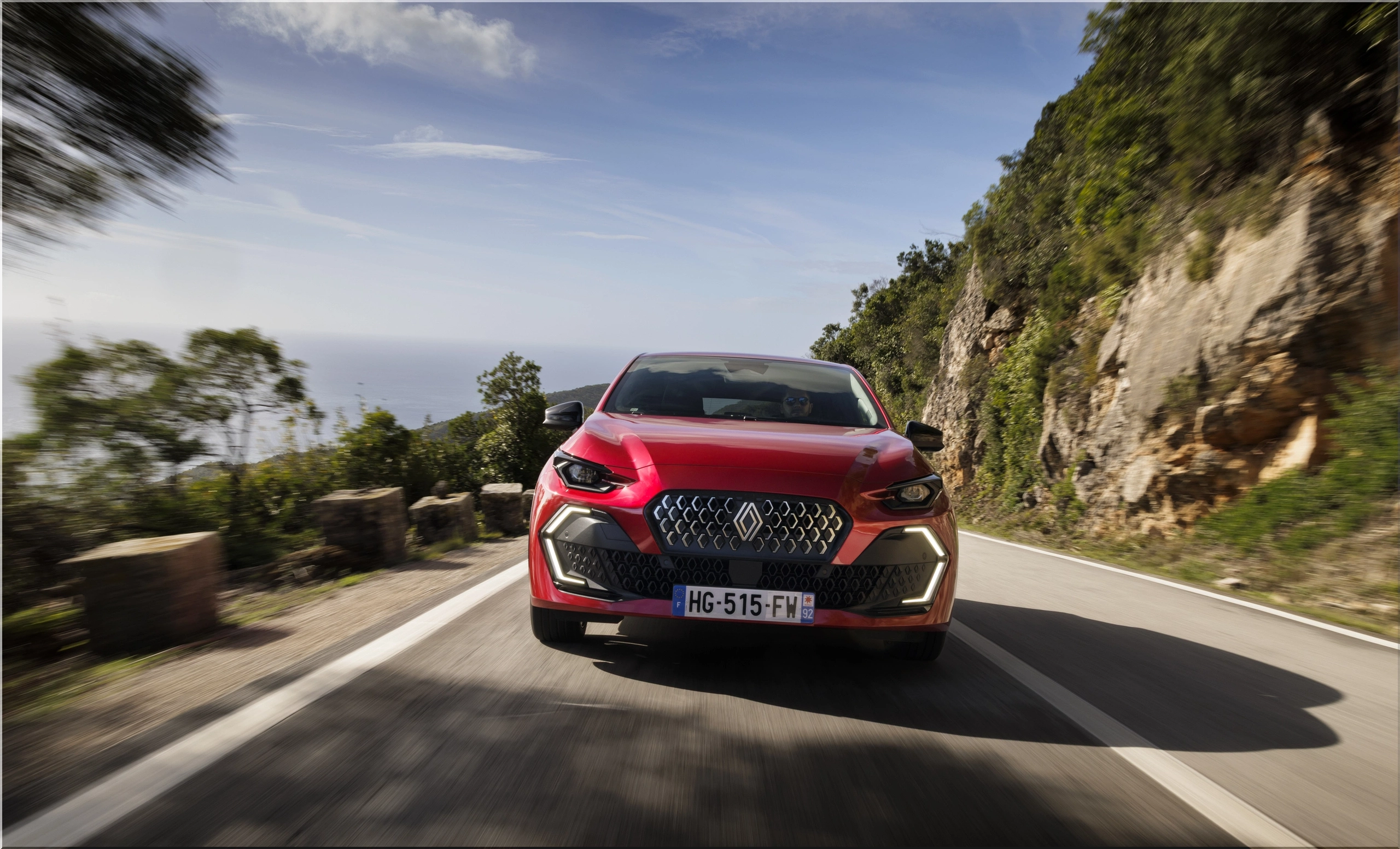
The steering ratio tightens. The 2.6 turns lock-to-lock deliver quicker direction changes. The 10.4-meter turning circle helps with parking lot battles. Engineers retune the anti-roll bar and shock absorbers to balance comfort and grip with the larger body.
Two chassis setups match vehicle weight variations. The aim stays simple: keep the car predictable without making the driver question engineering decisions.
Smart mode for real efficiency
Smart mode shifts between Eco, Comfort, and Sport automatically. It reacts to driver inputs. Need more punch? Sport steps in. Lifting off in a village? Eco saves fuel. The mode behaves like a polite co-driver who actually knows what to do.
Image
ADAS count high enough to need a menu
The Clio carries up to 29 ADAS functions, which is impressive for a compact car. Some features appear in higher segments, including:
- Active Driver Assist
- Adaptive cruise with predictive speed control
- Automatic emergency stop
- Reverse automatic braking
- Exit safety alerts
- 360-degree HD camera
- Interior camera for fatigue detection
The My Safety Switch lets drivers restore preferred settings with a single button. The car activates all ADAS at startup due to regulations, but the switch prevents daily frustration.
Powertrains with real-world gains
Renault fields three engines. All target lower consumption and better torque delivery.
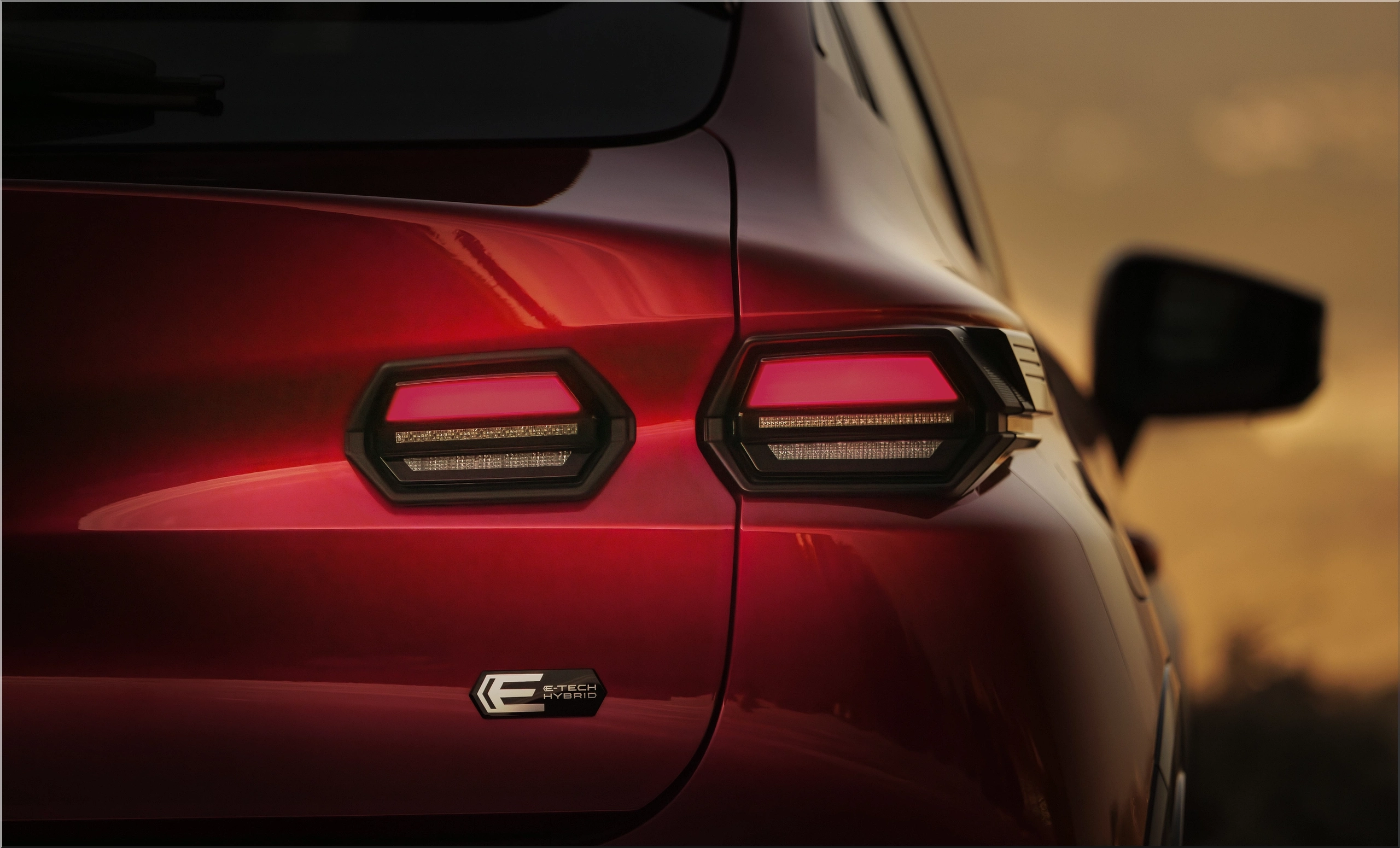
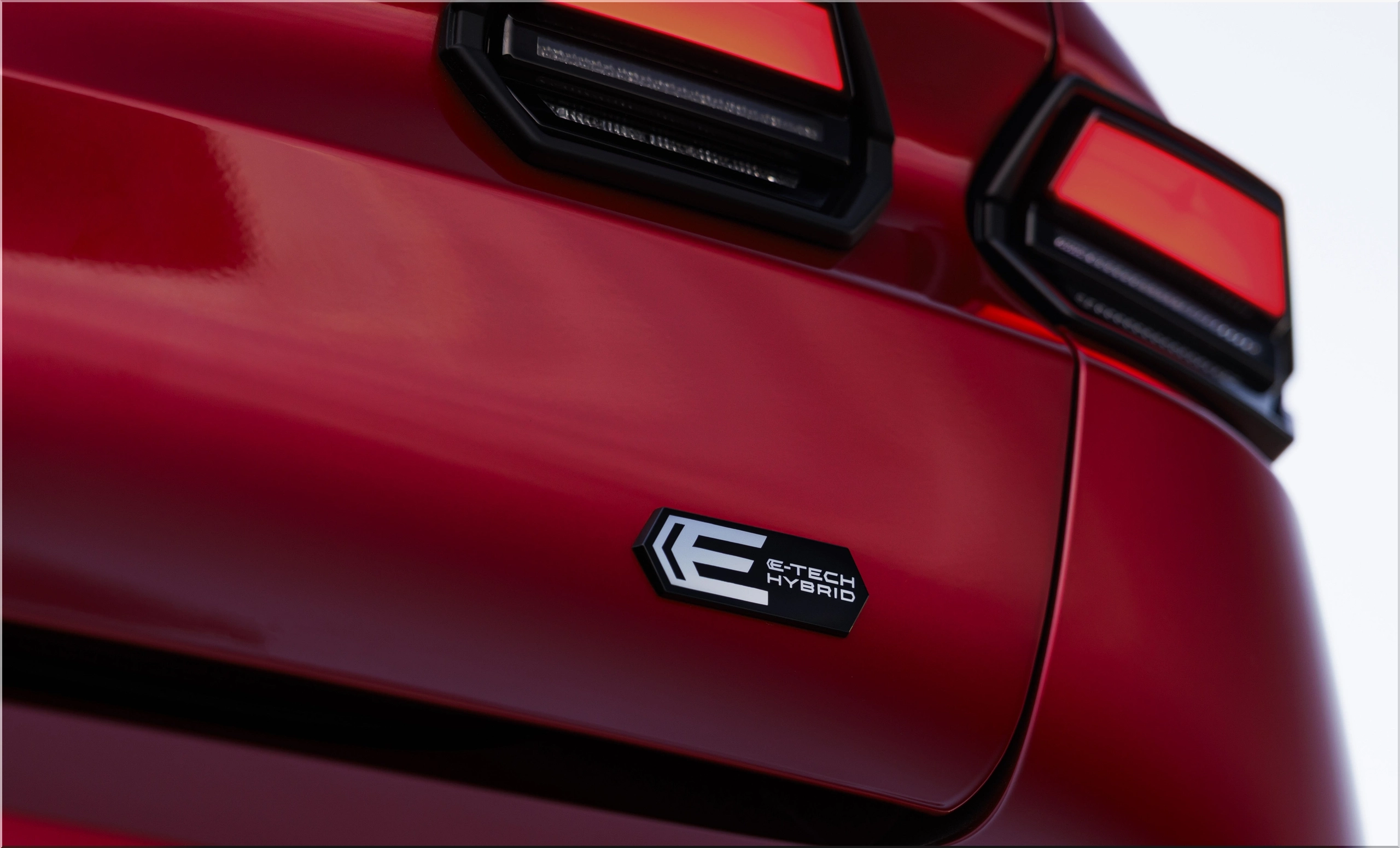
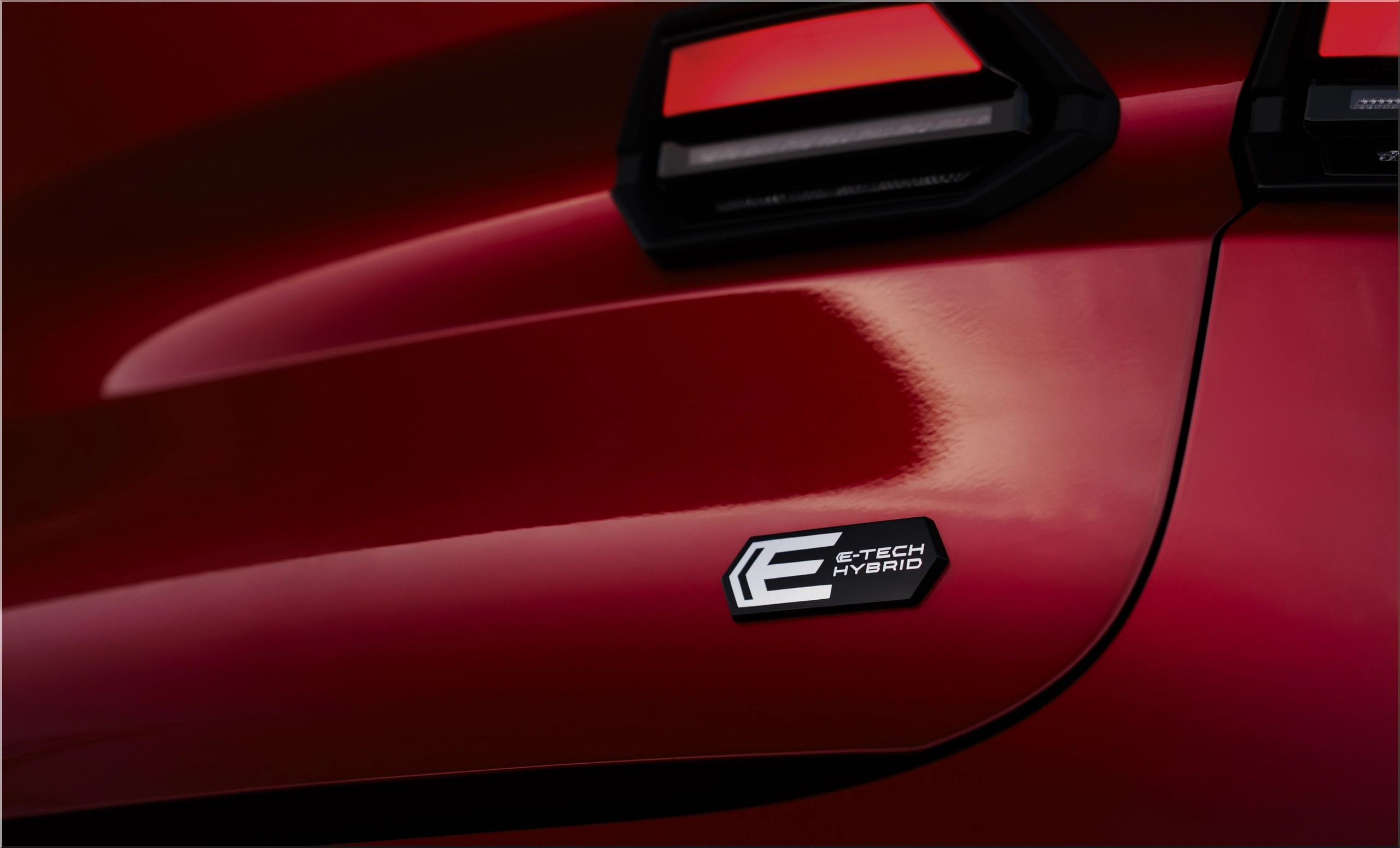
Full Hybrid E-Tech 160 hp
This hybrid system leads the range with a stronger 1.8-liter engine and a smarter multimode gearbox.
Performance and efficiency:
- 0–100 km/h: 8.3 seconds
- Consumption: 3.9 L/100 km
- Emissions: 89 g/km CO2
- Range: Up to 1,000 km
- Electric drive in city: Up to 80%
Battery capacity grows to 1.4 kWh. The Atkinson cycle and direct injection support better efficiency. Drivers get smoother transitions and quicker acceleration.
TCe 115 hp
The entry engine uses a 1.2-liter three-cylinder with 115 hp.
Key data:
- 190 Nm
- Manual or EDC
- 5.0–5.1 L/100 km consumption
The EDC reduces fuel use by 12% compared with the prior CVT. It also reacts faster when drivers ask for more speed.
Eco-G 120 hp EDC
This petrol-LPG flex-fuel engine offers:
- 120 hp
- 200 Nm
- 6.0 L/100 km
- A 50-liter LPG tank
Drivers can cover 1,450 km without refueling if they stay gentle on the throttle. Cost per mile stays low.




Sustainability with real numbers
Renault increases recycled materials across key areas:
- 33.9% of vehicle mass from circular economy sources
- 17.3% recycled plastics
- 92% recycled fibers in upholstery
- 50% recycled polymers in dashboard structure
- 50% recycled aluminum wheels (Esprit Alpine)
These changes reduce material impact without turning the car into a rolling science experiment.
Video file
Video title
2026 Renault Clio
Practical gains without fluff
Drivers see improvements in daily use:
- Lower boot sill
- More storage
- Faster infotainment
- Better sound insulation
- Clearer steering feel
Engineers reduce wind noise using redesigned mirrors and foam-filled pillars. The cabin stays quieter at speed, which helps drivers hear complaints from passengers more clearly.
Image
The data-backed case for the new Clio
Everything in the 2026 Renault Clio focuses on measurable improvement:
- Wider track for more control
- Hybrid system for lower operating costs
- Google-based tech for real usability
- ADAS features that scale above its class
- Improved aerodynamics for real fuel savings
The car pushes into new territory for compact daily drivers. The upgrades are objective, measurable, and grounded in engineering rather than marketing poetry.
Fast recap
Handling
- Quicker steering
- Wider stance
- Better shock tuning
Efficiency
- Hybrid at 3.9 L/100 km
- Petrol at 5.0–5.1 L/100 km
- LPG at 6.0 L/100 km
Tech
- Dual 10-inch screens
- Google built-in
- OTA with Gemini
- 29 ADAS tools
Usability
- 391 L boot
- Added rear space
- More storage spots
- Cleaner powertrain integration
The 2026 Renault Clio delivers hard data and practical gains. It balances compact dimensions with expanded capability and makes daily driving easier without adding complexity where it does not help.
- Add new comment
- 215 views