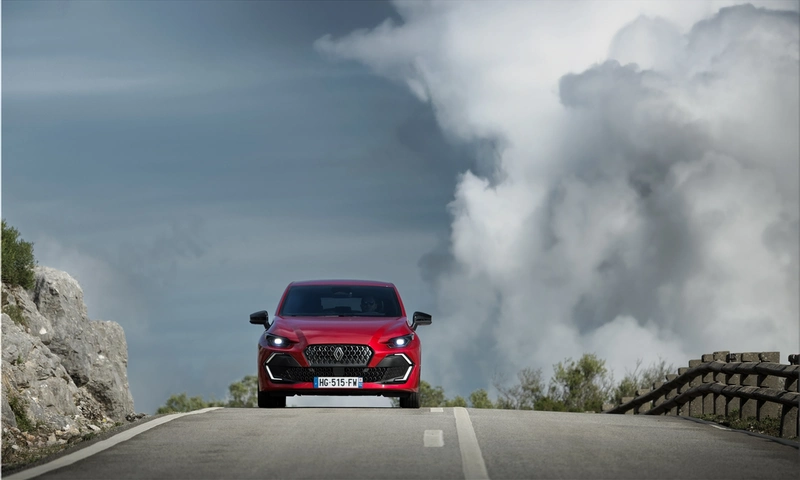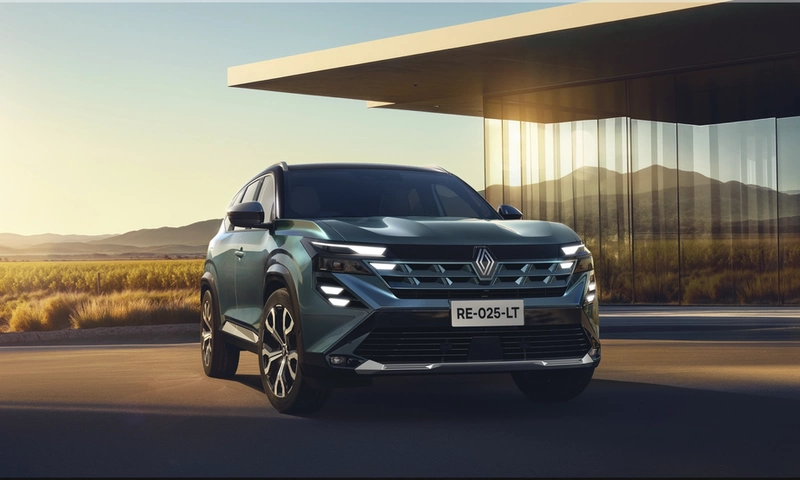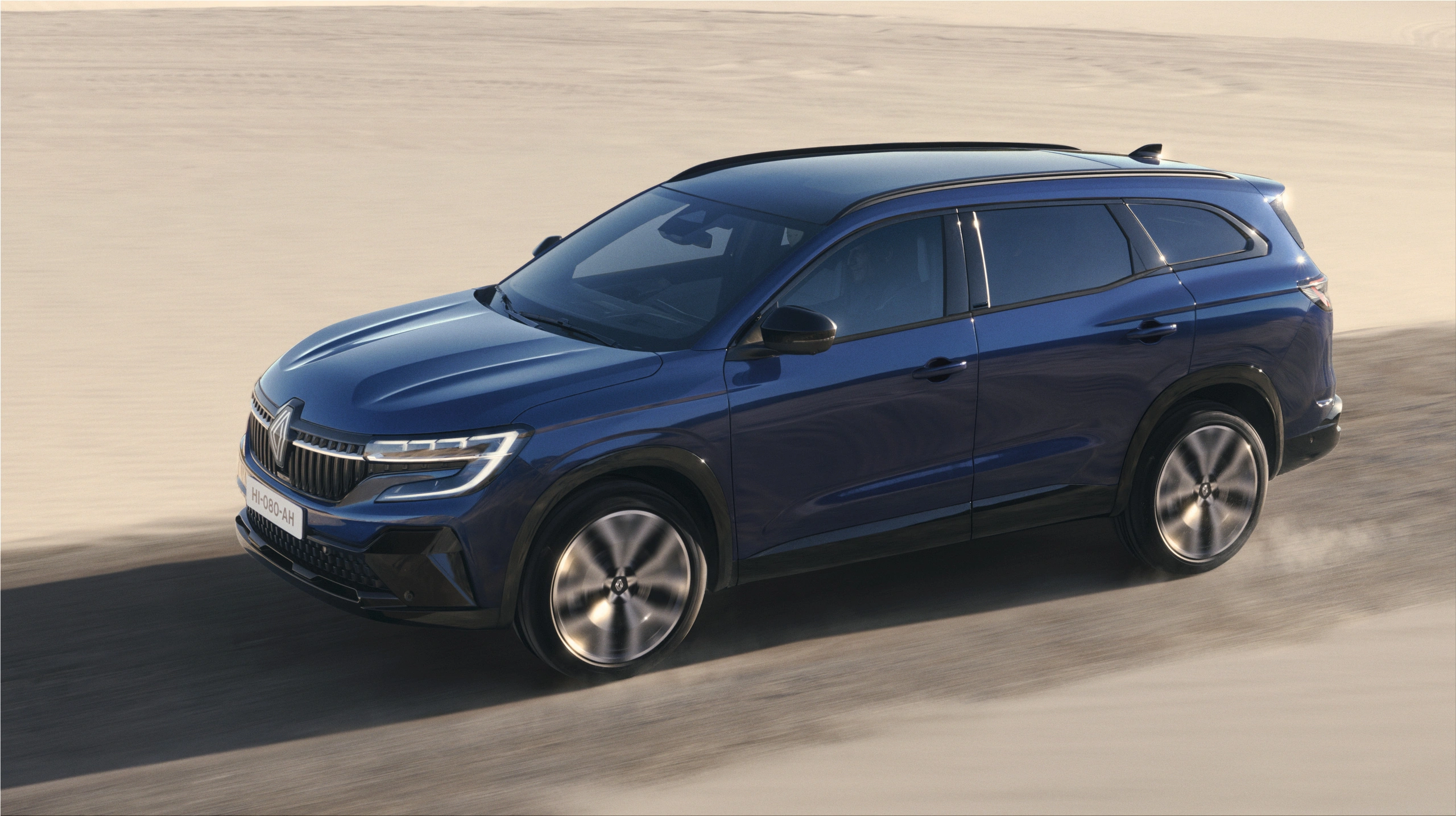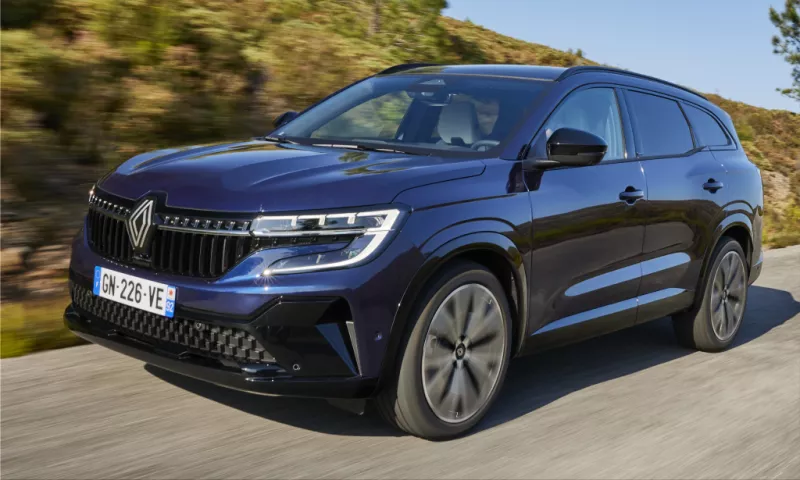
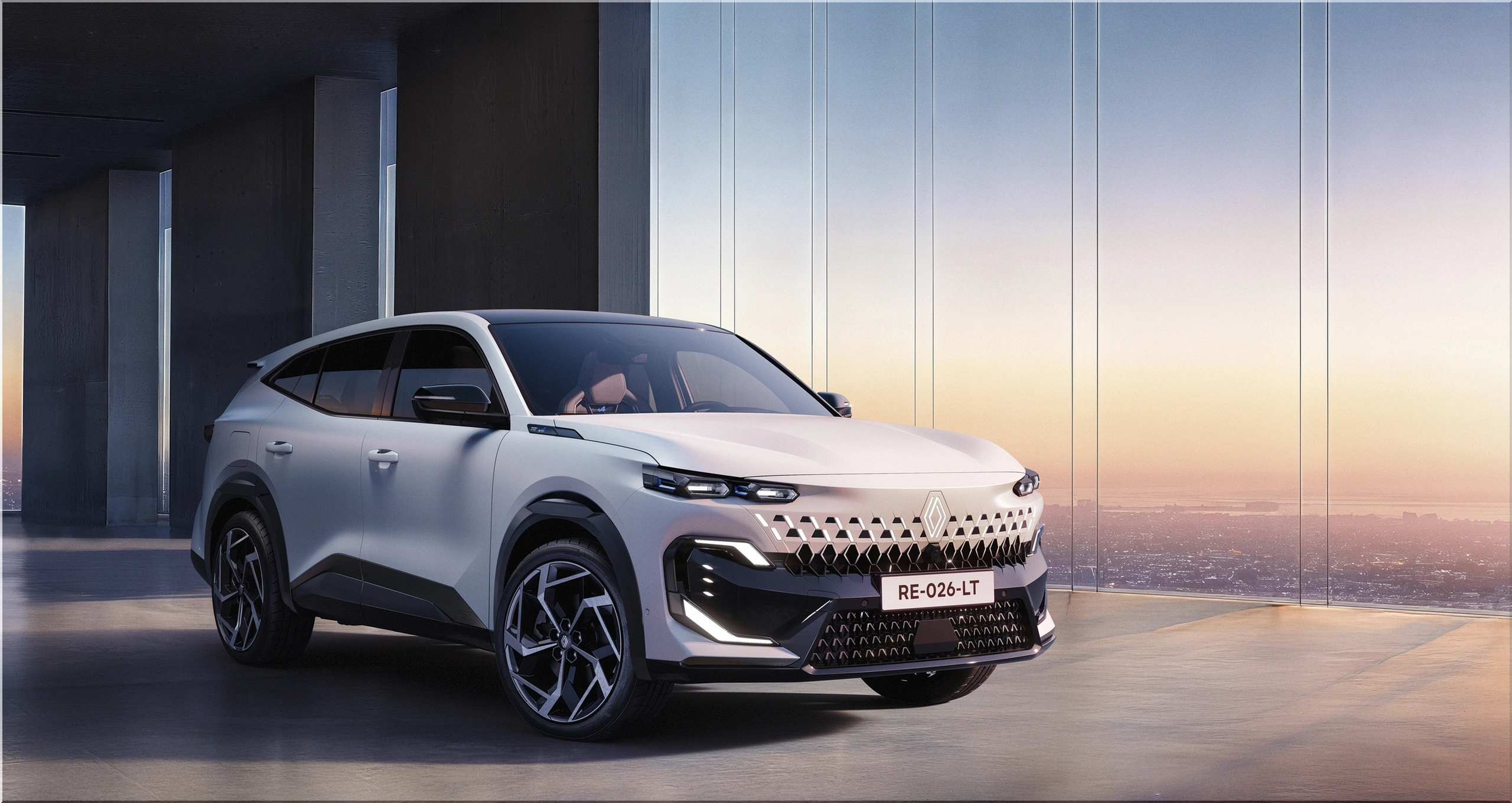
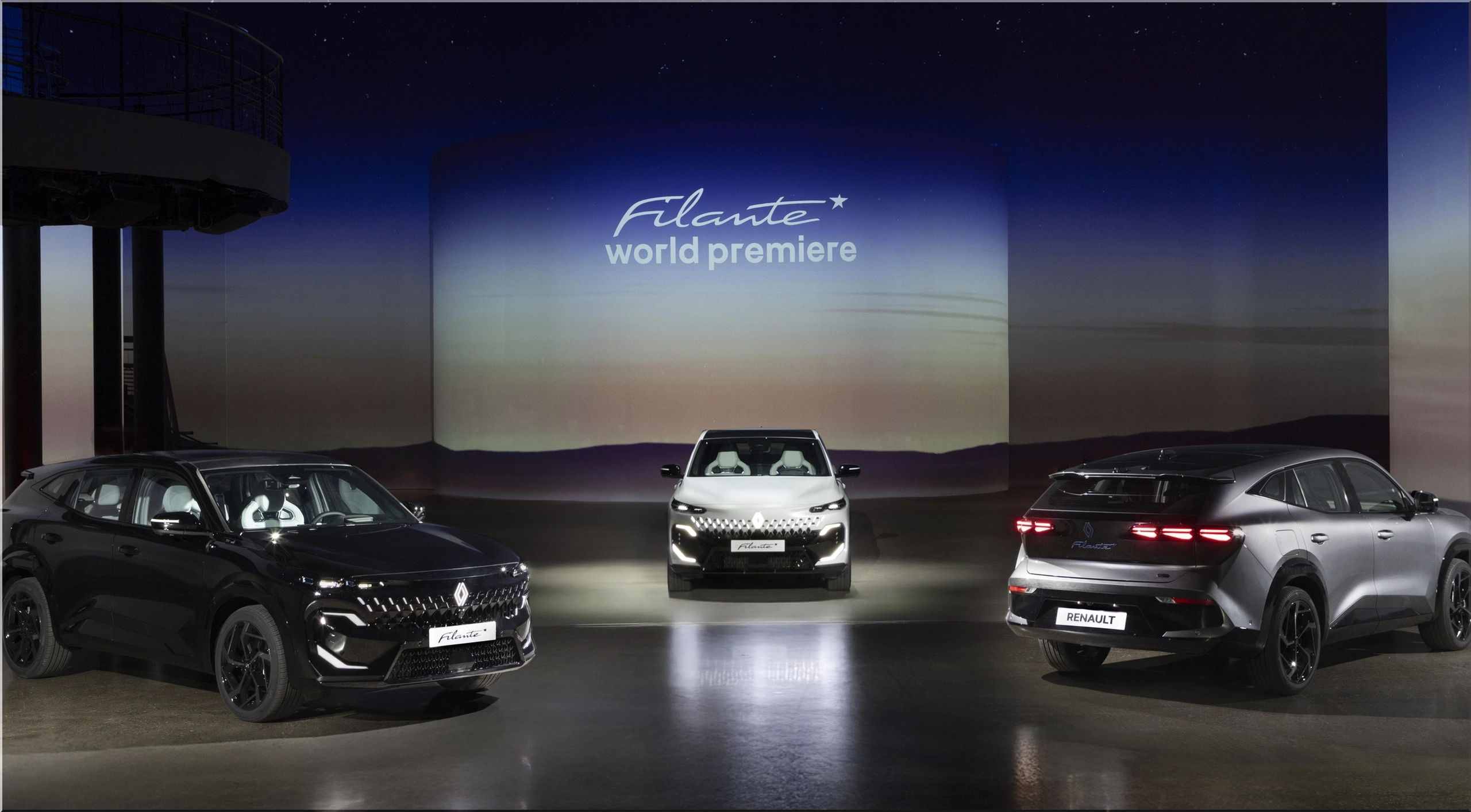
Renault built the 2027 Renault Filante to change buyer behavior. This model does not chase novelty or performance bragging rights. It focuses on reassurance, predictability, and daily usability. Those traits matter in markets where buyers hesitate to adopt full battery-electric vehicles but still want lower fuel costs, advanced technology, and long-term value.
The Filante acts as the spearhead of Renaults 2027 International Game Plan. It launches first in South Korea, then expands into South America and Gulf markets. These regions share one thing: strong demand for large crossovers paired with caution around charging infrastructure and resale volatility.
From a decision-science lens, the Filante reduces perceived risk. It offers hybrid efficiency without charging dependency, a long wheelbase for comfort, and advanced safety systems that lower cognitive load behind the wheel.
Image
Why Renault Built the Filante Now
Renault faces a structural challenge outside Europe. Margins tighten in small-car segments. Large crossovers deliver higher transaction prices and stronger loyalty. The Filante targets the E-segment hybrid crossover space where buyers prioritize reliability, cabin space, and long-term cost control.
Renaults strategy centers on three buyer motivations:
- Avoid fuel price volatility
- Avoid charging anxiety
- Avoid rapid depreciation
The Filante addresses all three through a full hybrid system, conservative mechanical tuning, and a premium interior that supports resale perception.
This model also signals Renaults renewed ambition in markets where brand prestige matters less than ownership outcomes.
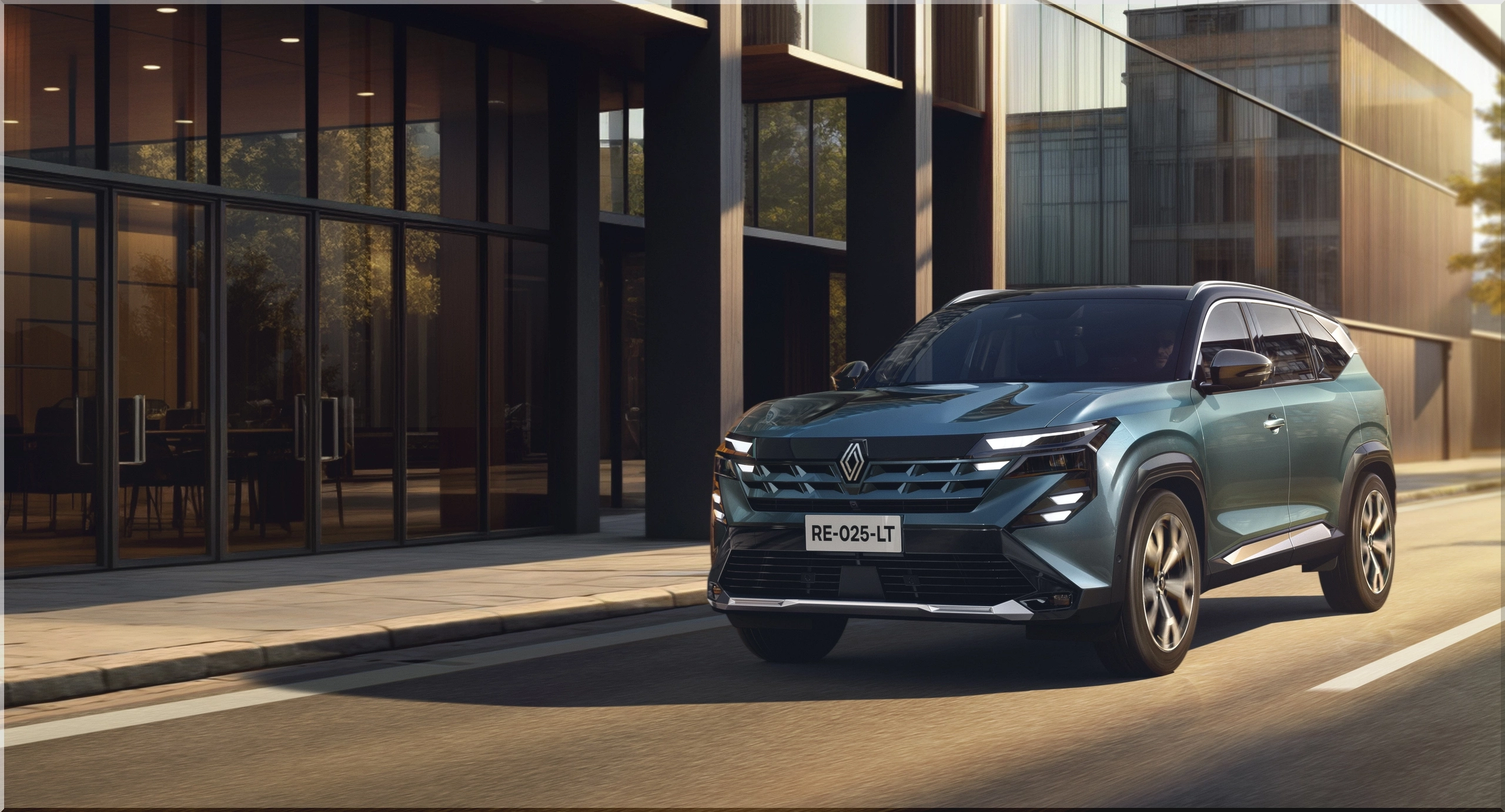
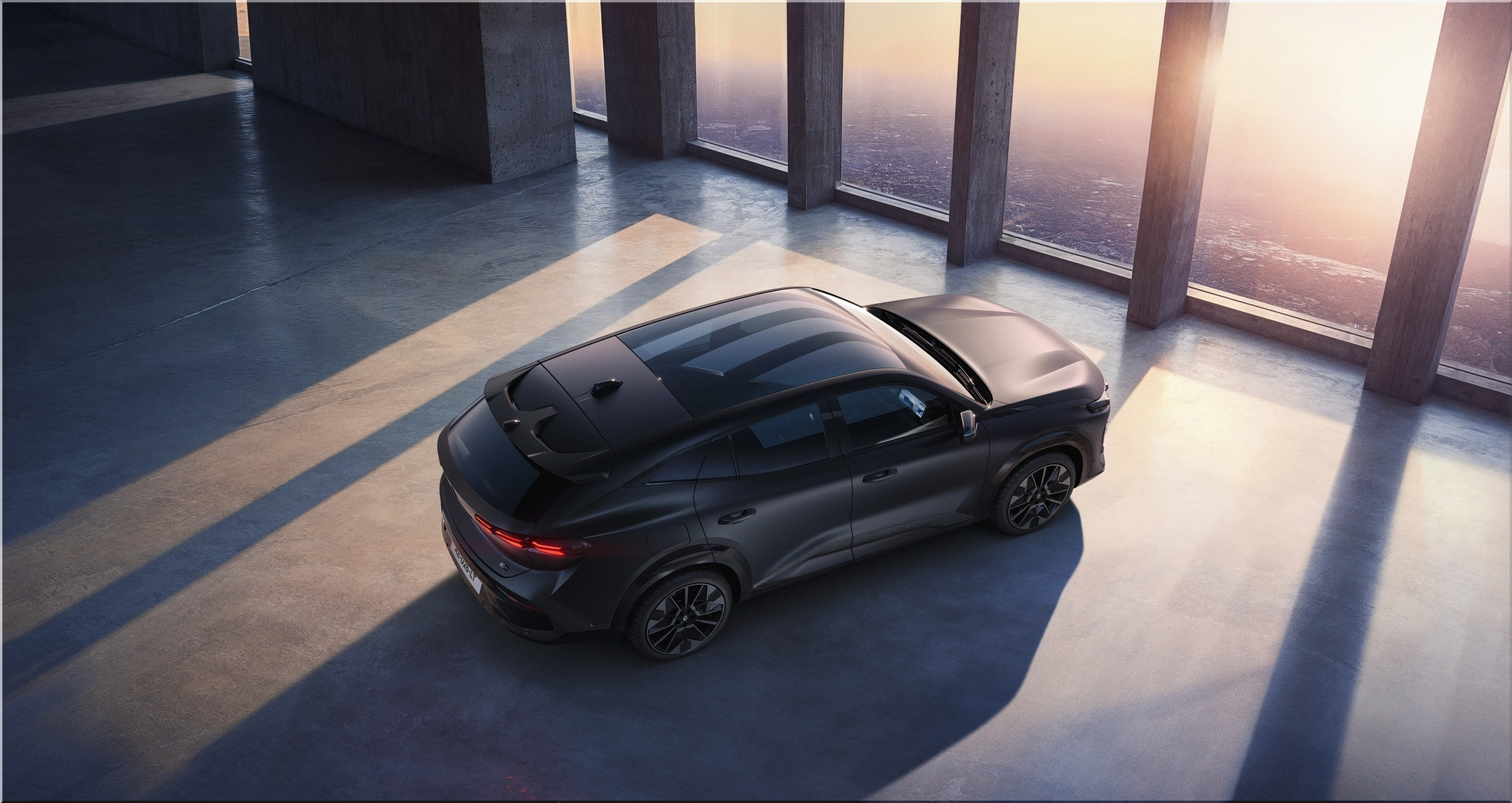
Exterior Design: Visual Size Without Visual Risk
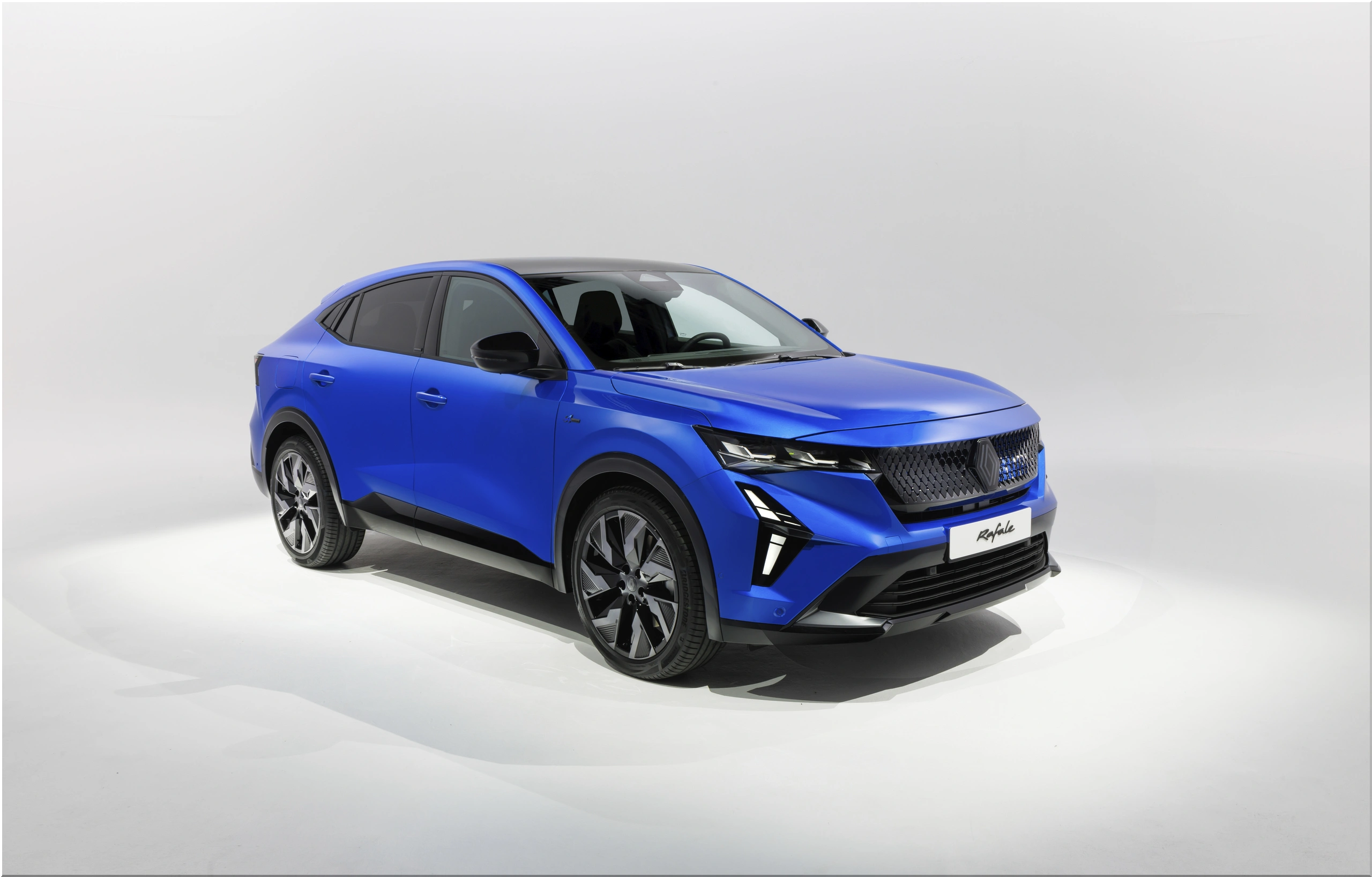
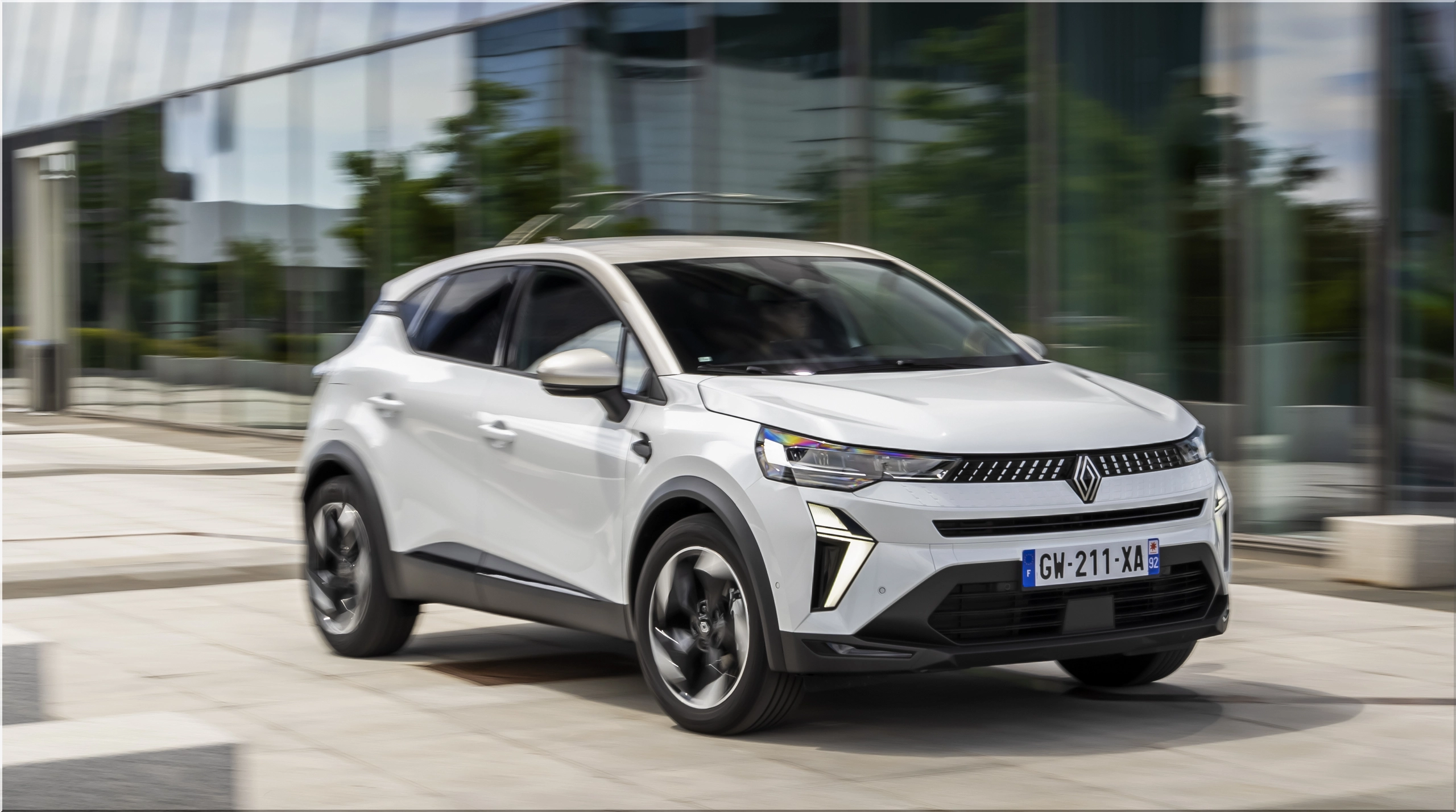
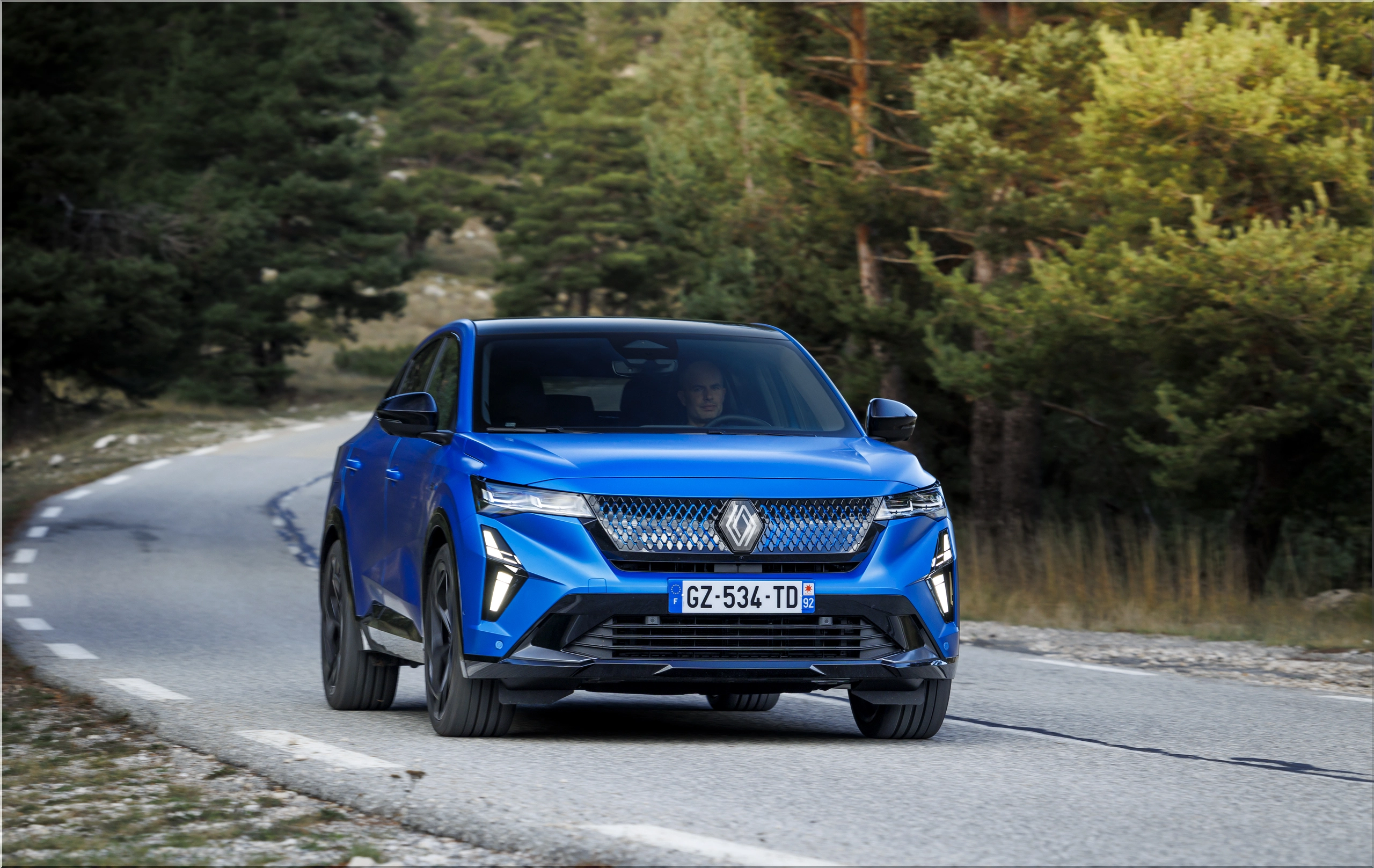
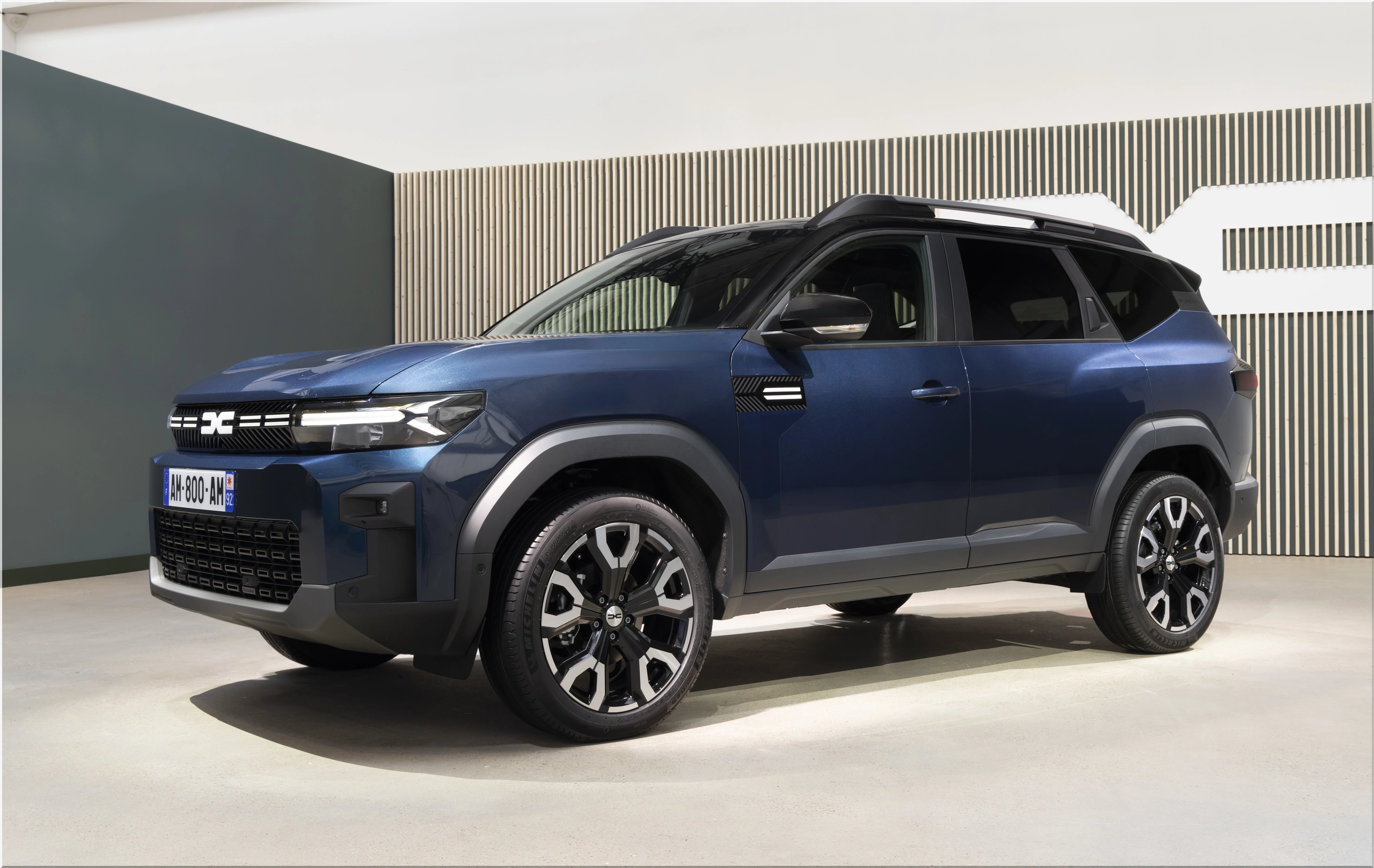
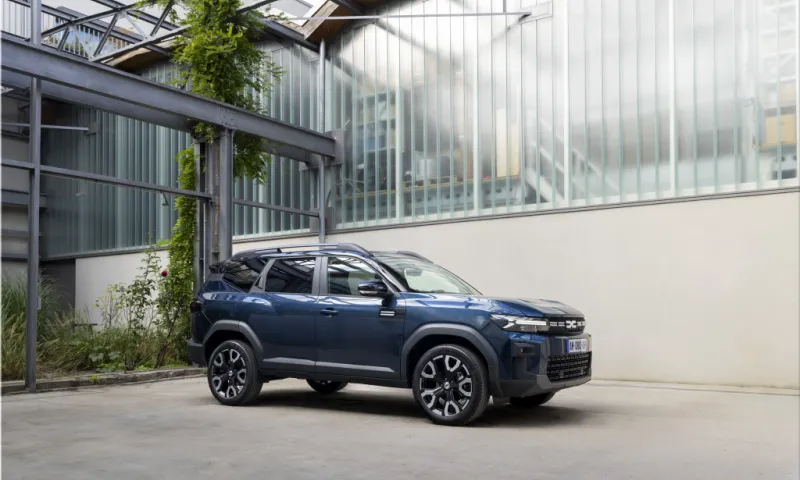
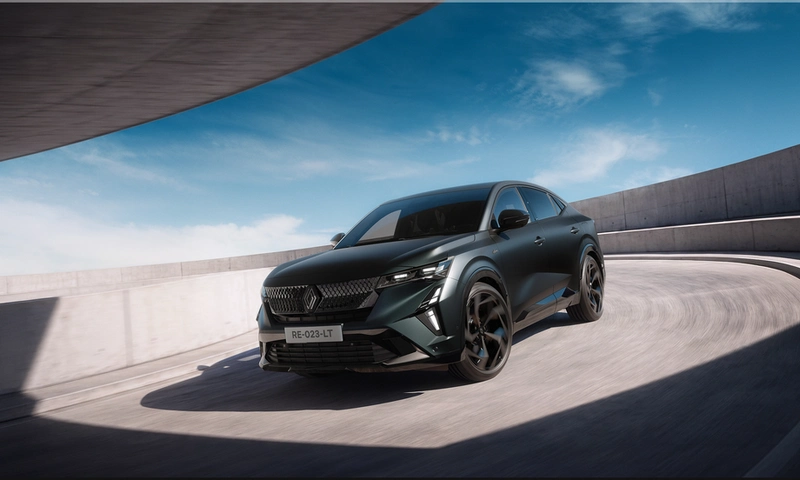
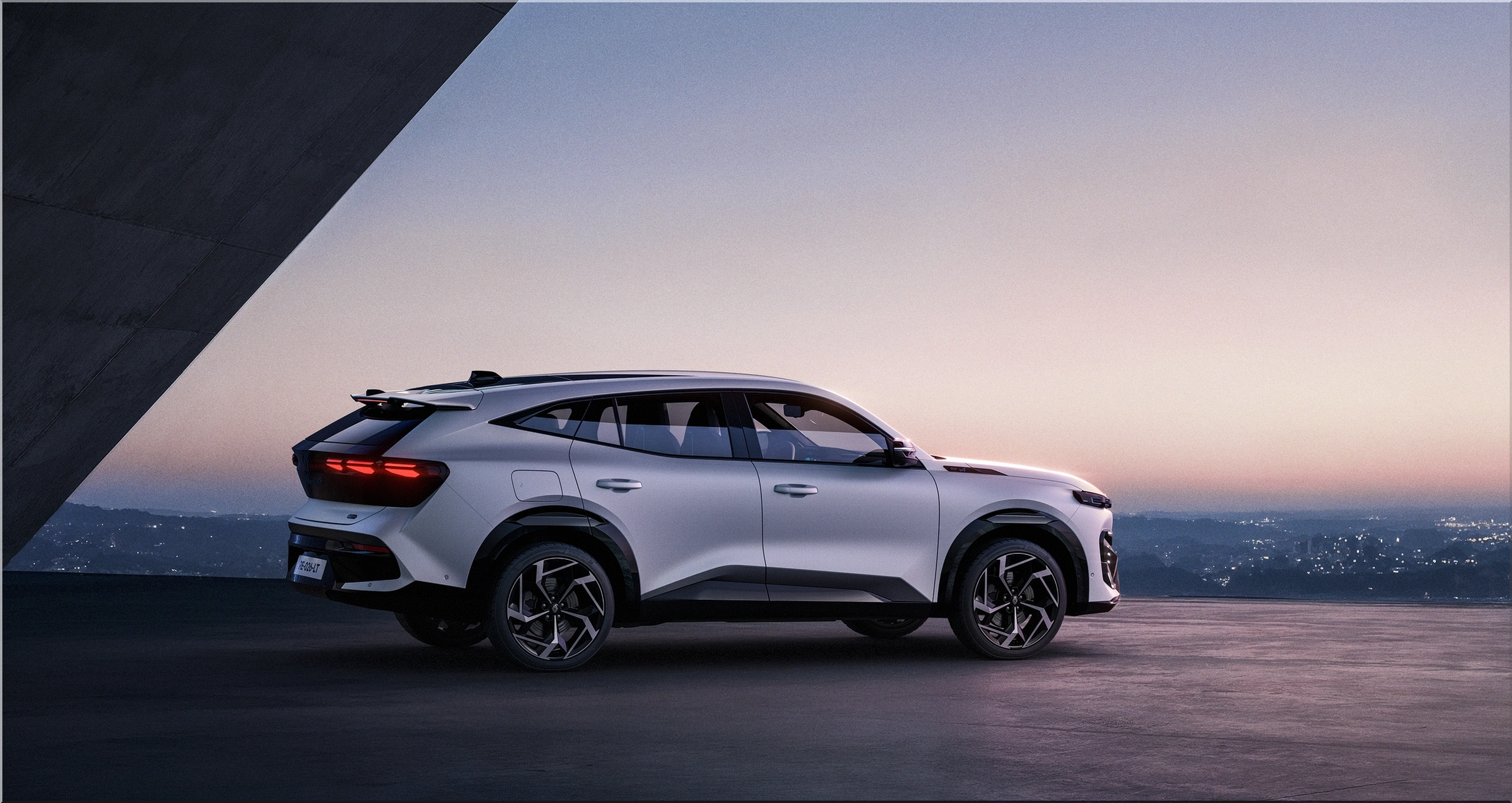
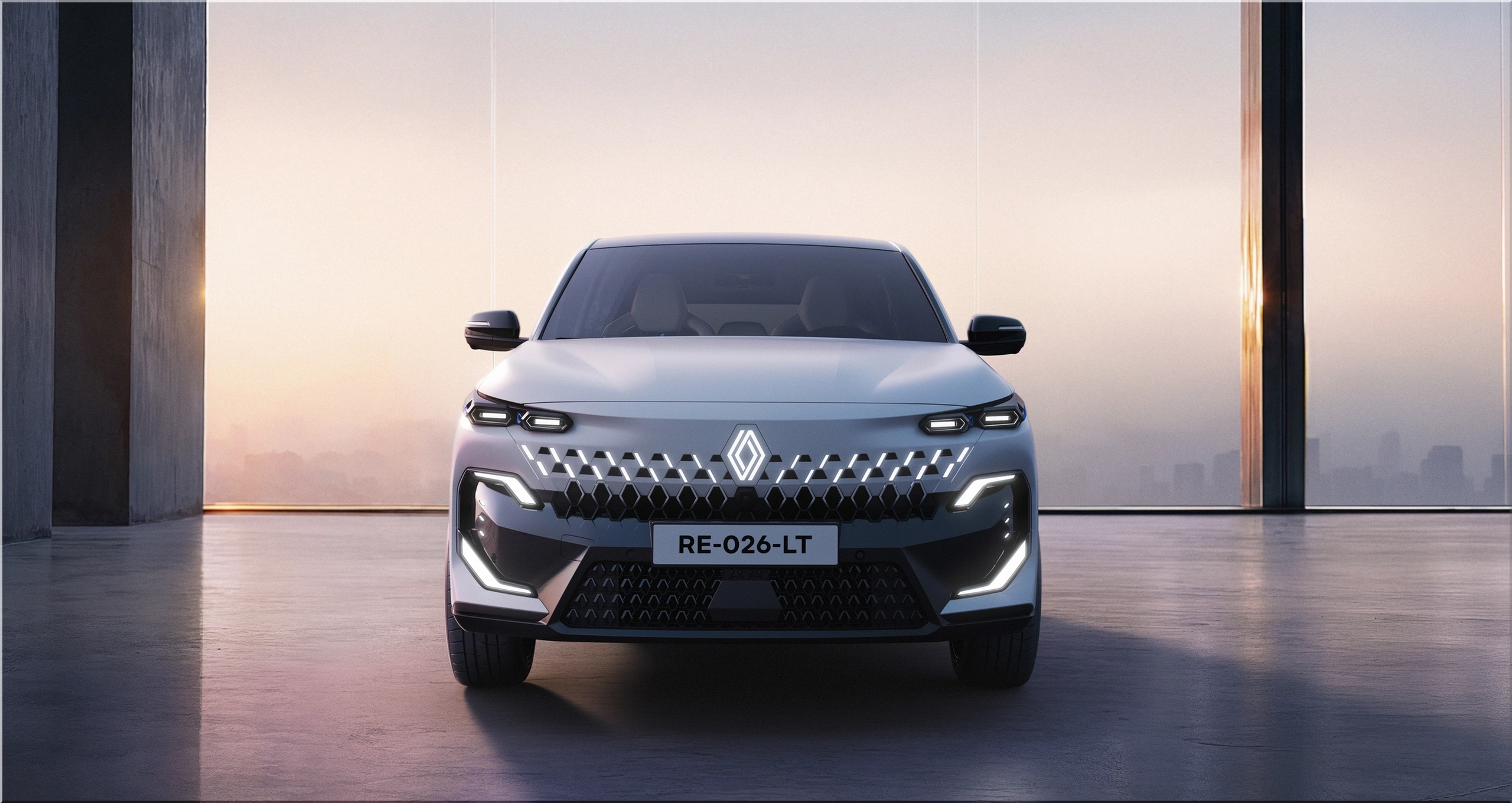
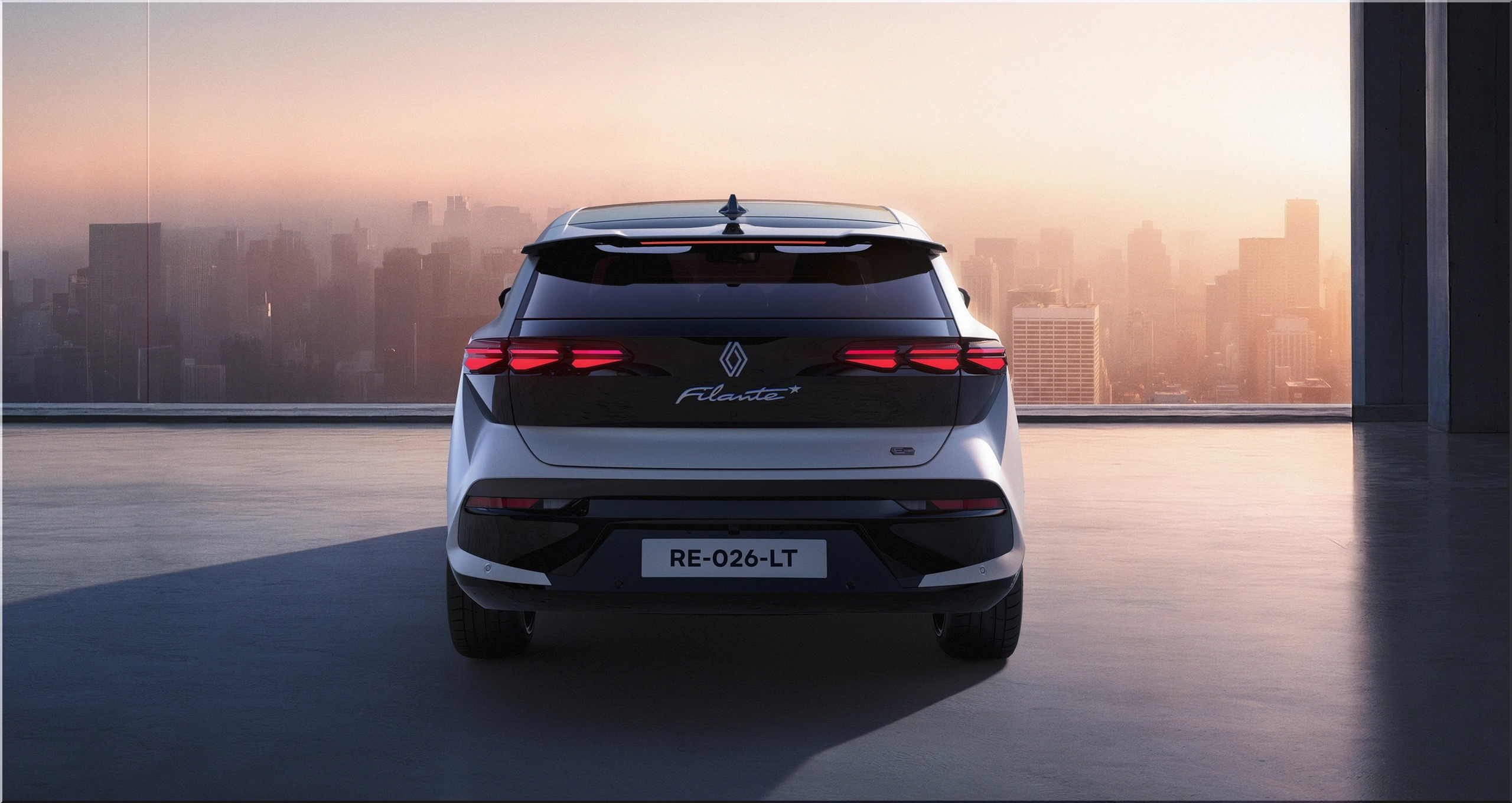
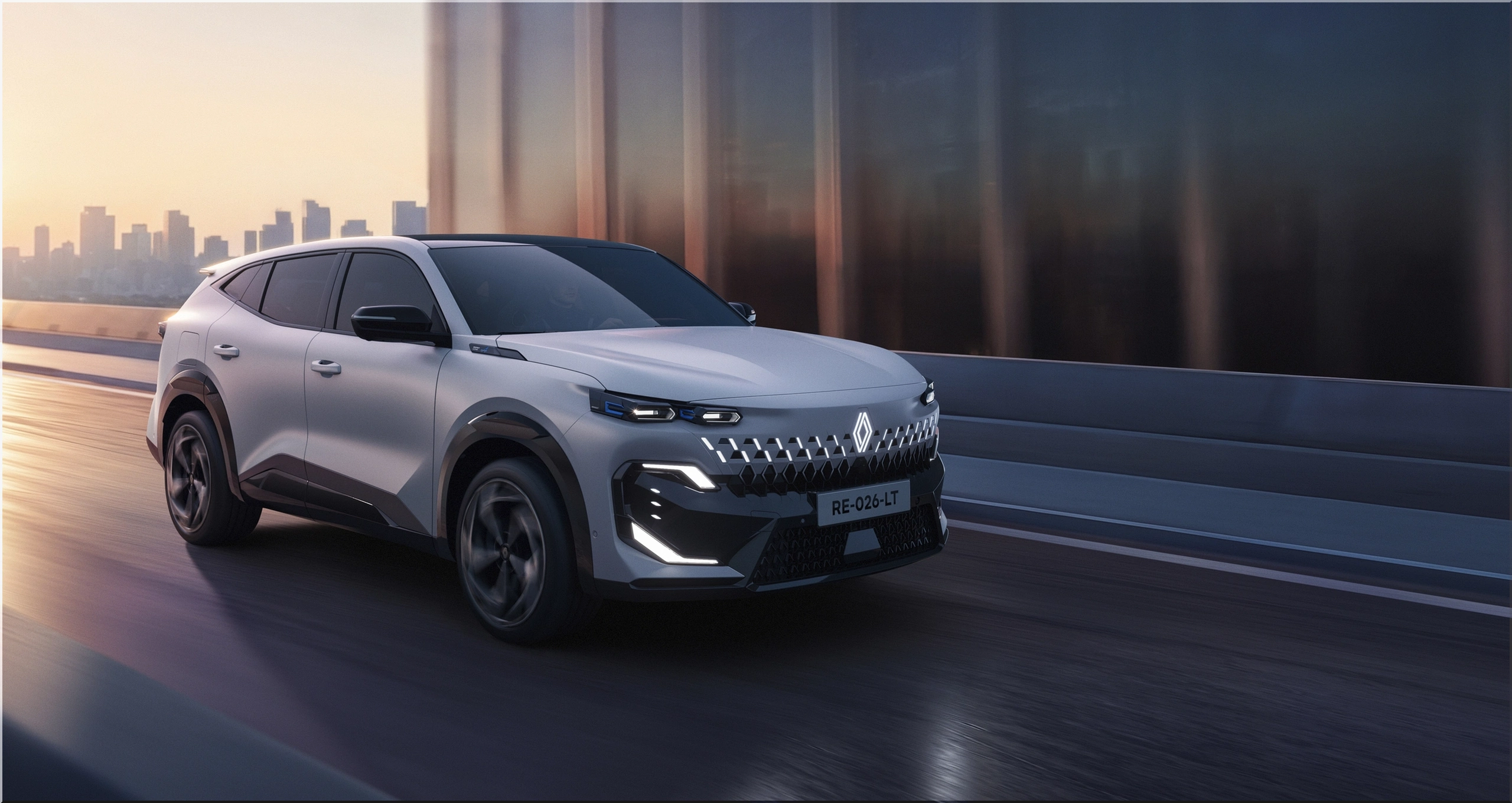
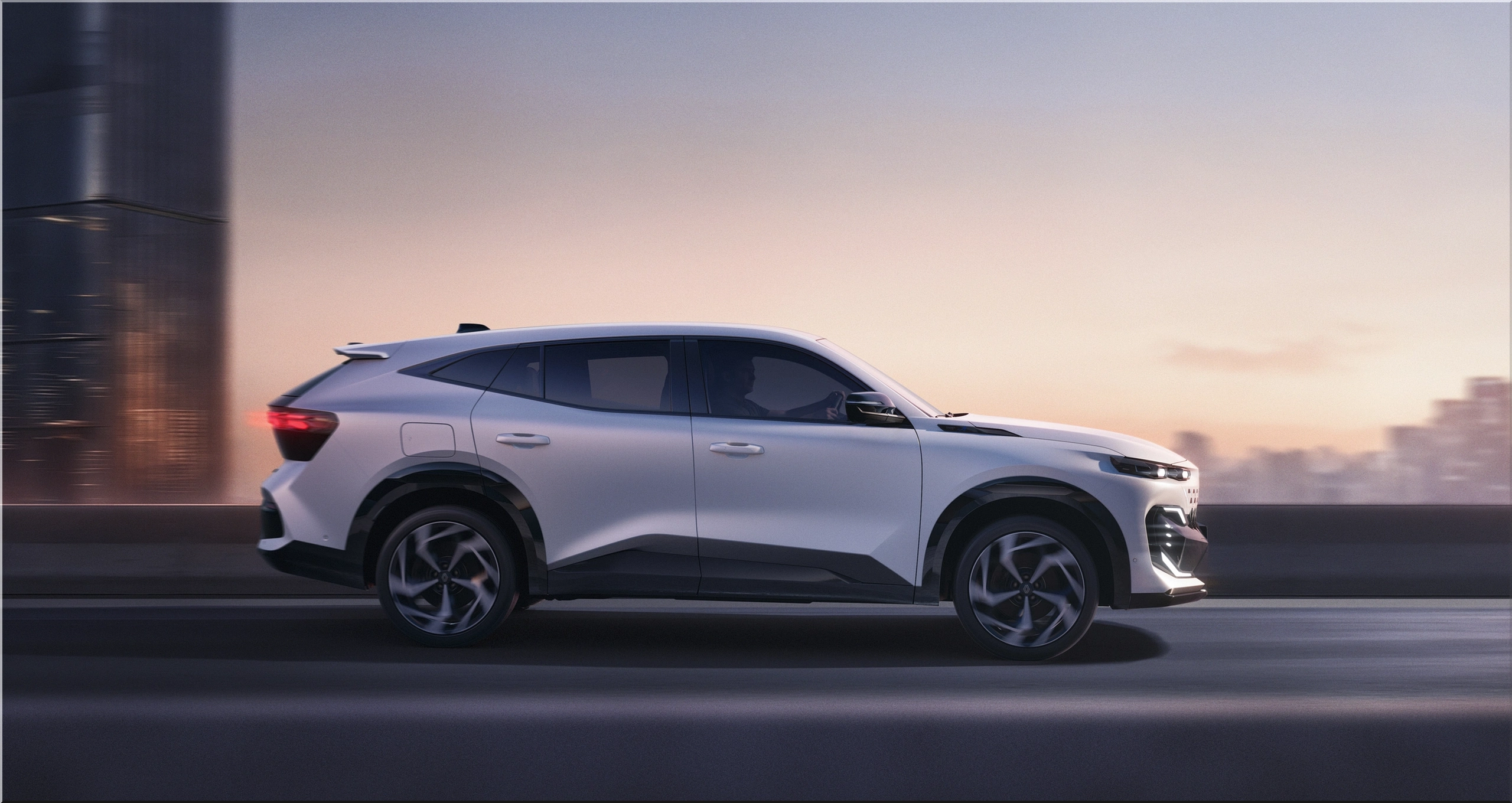
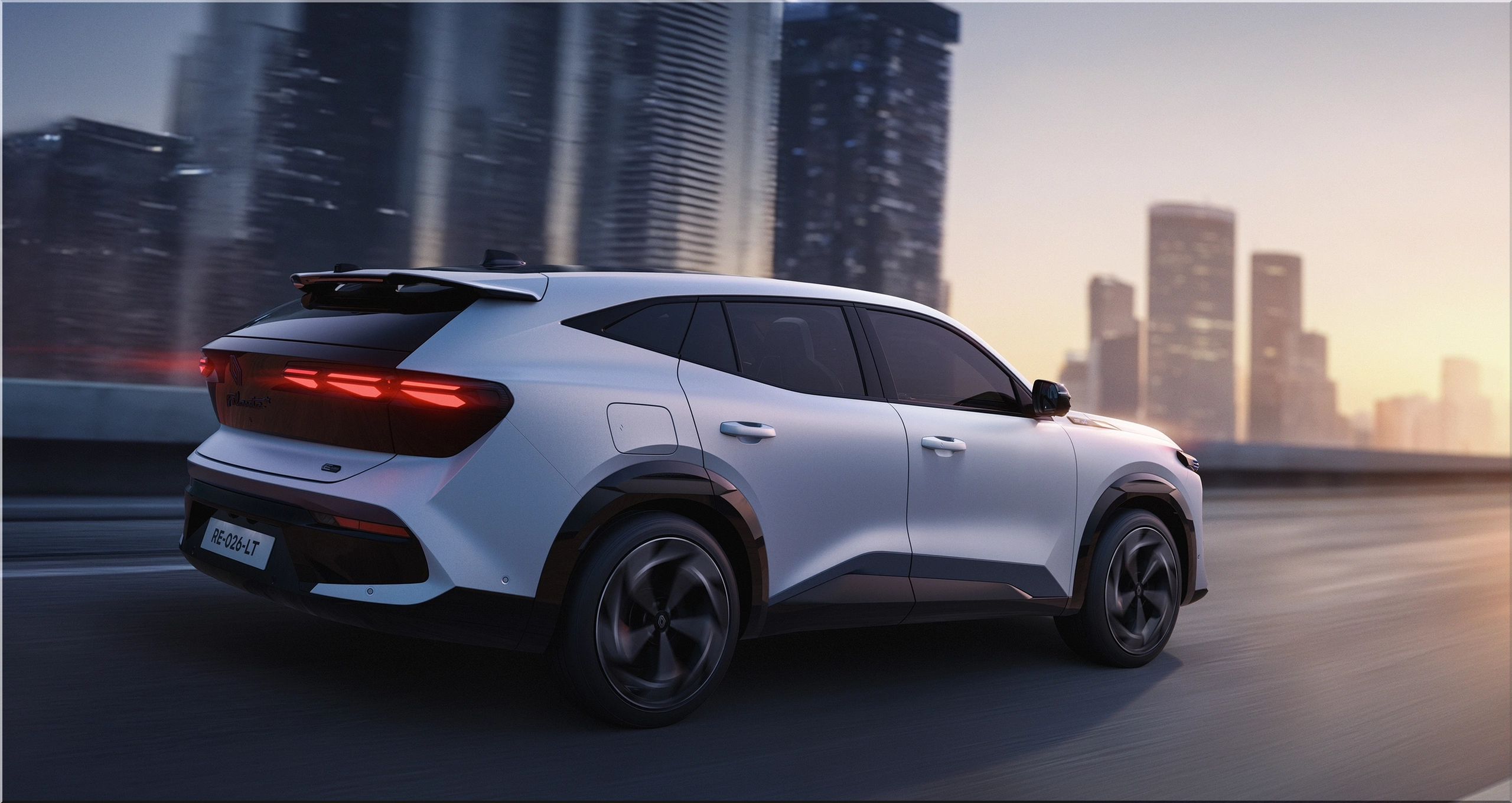
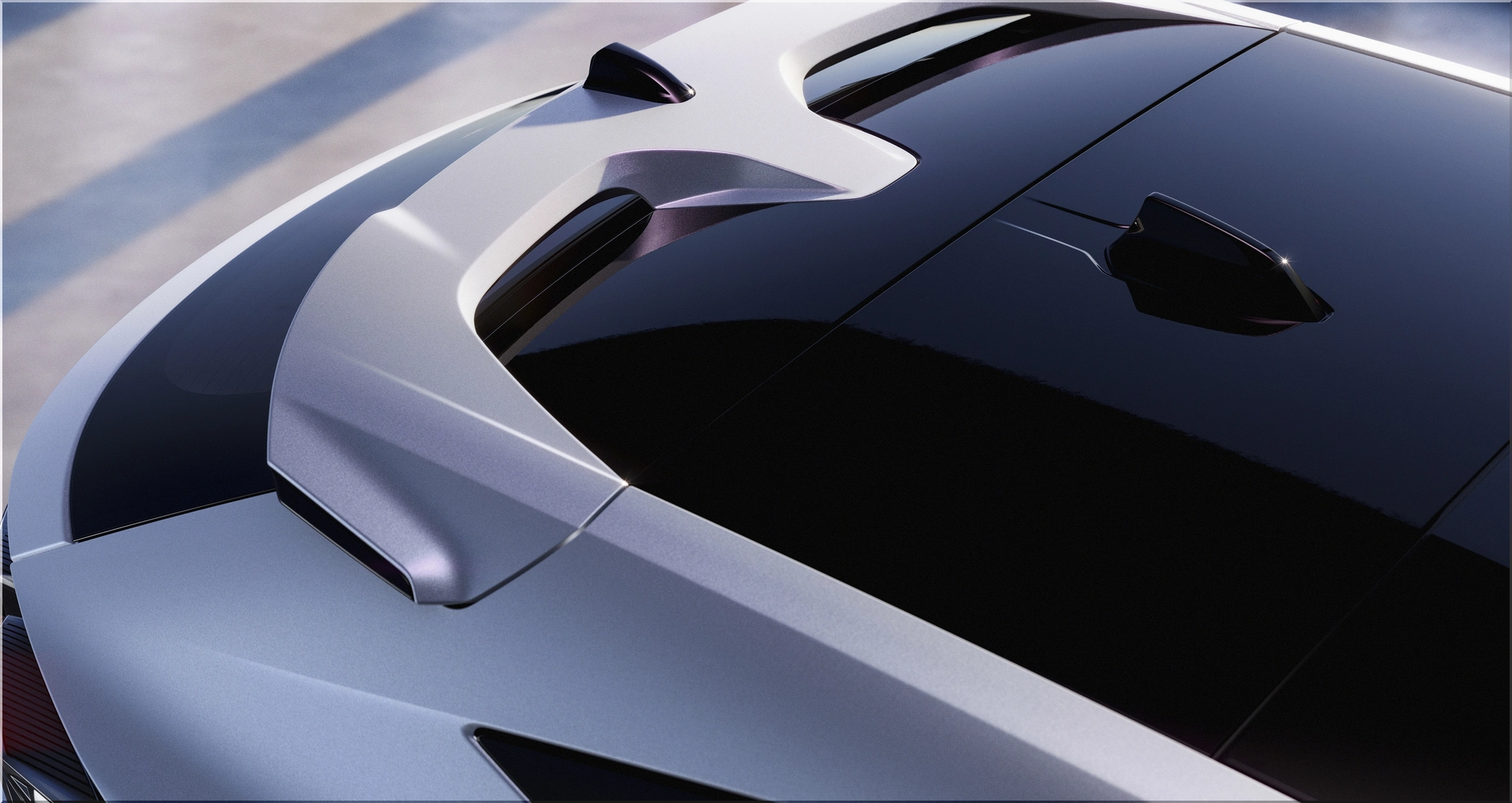
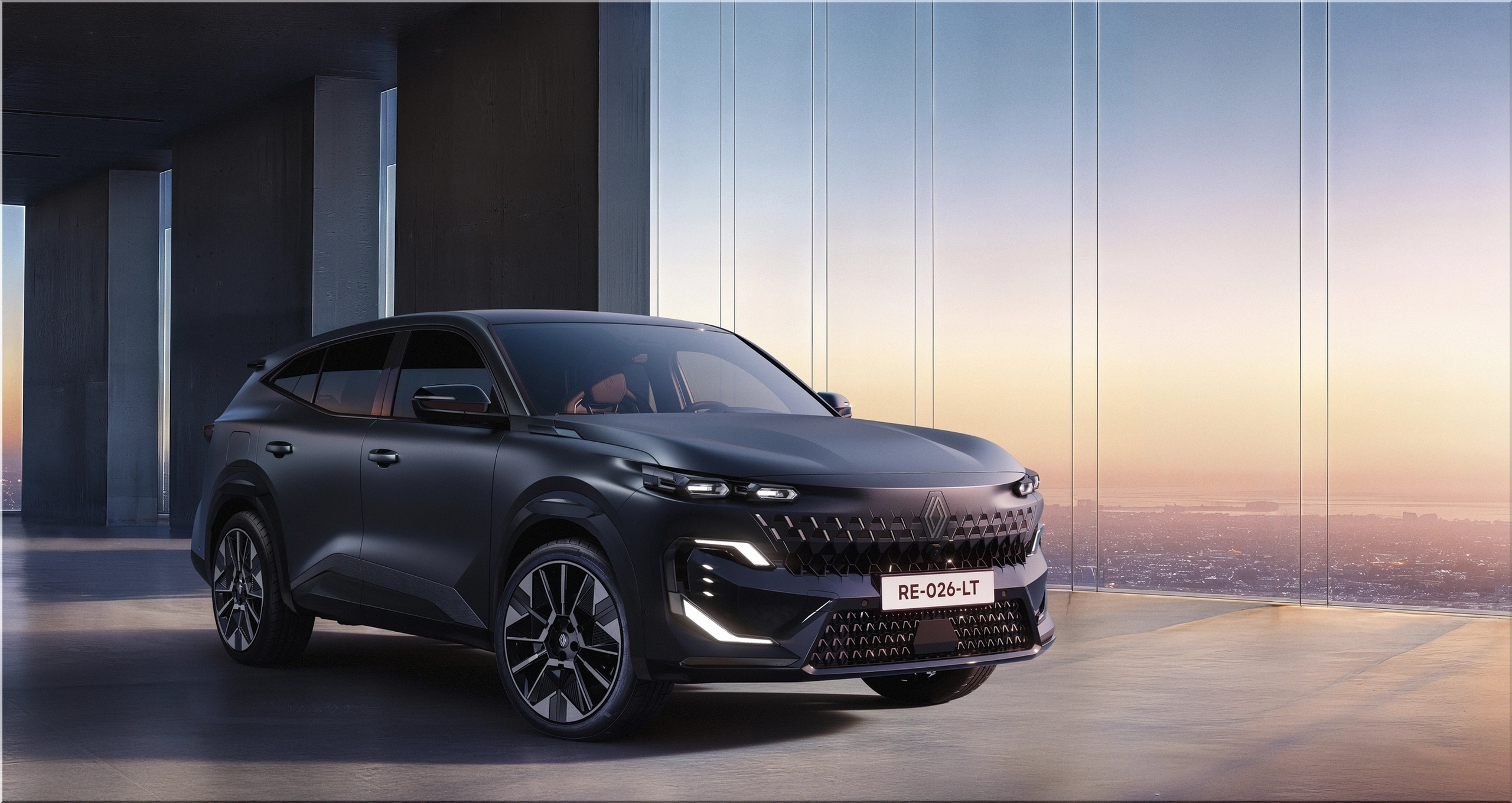
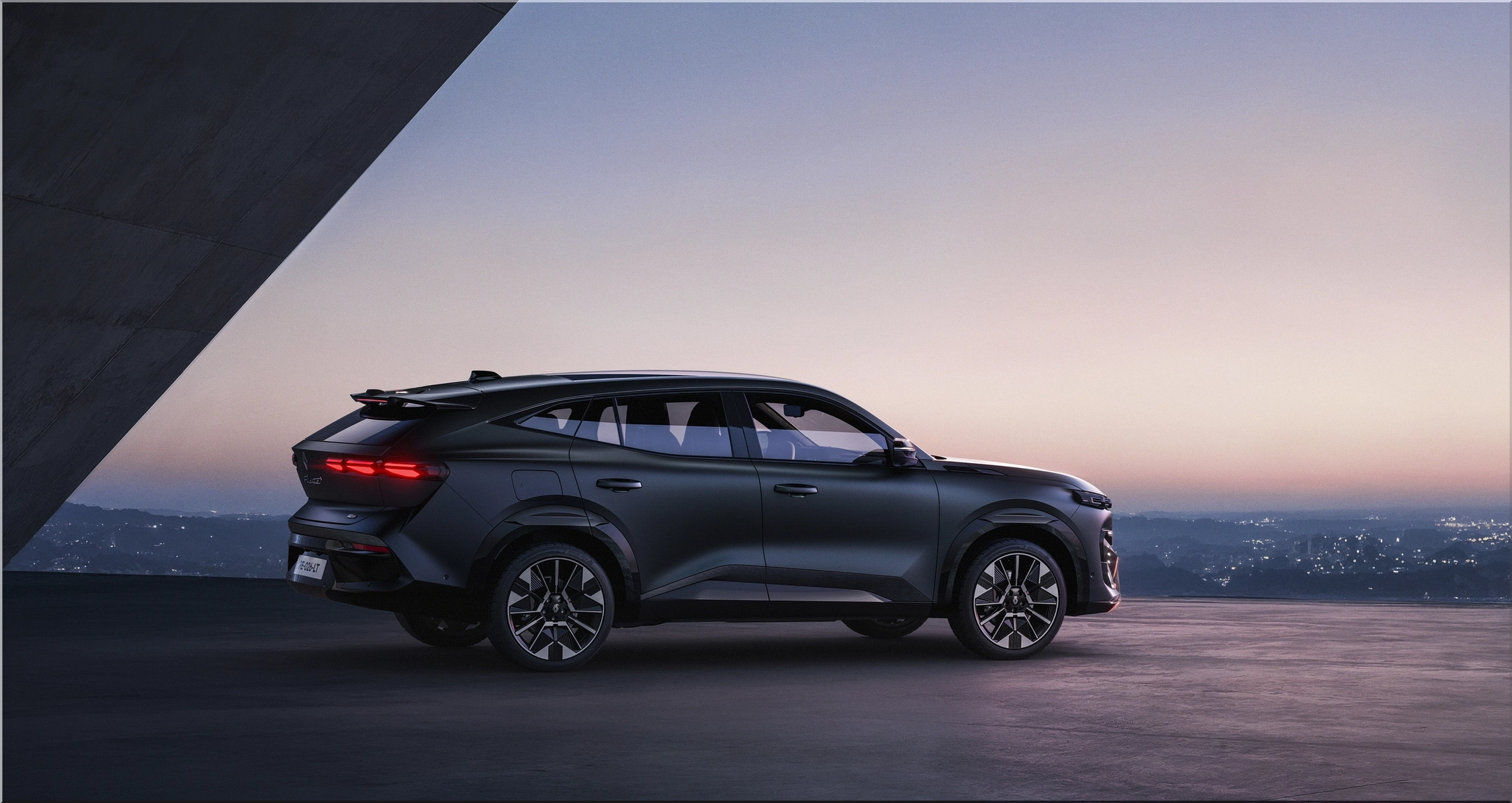
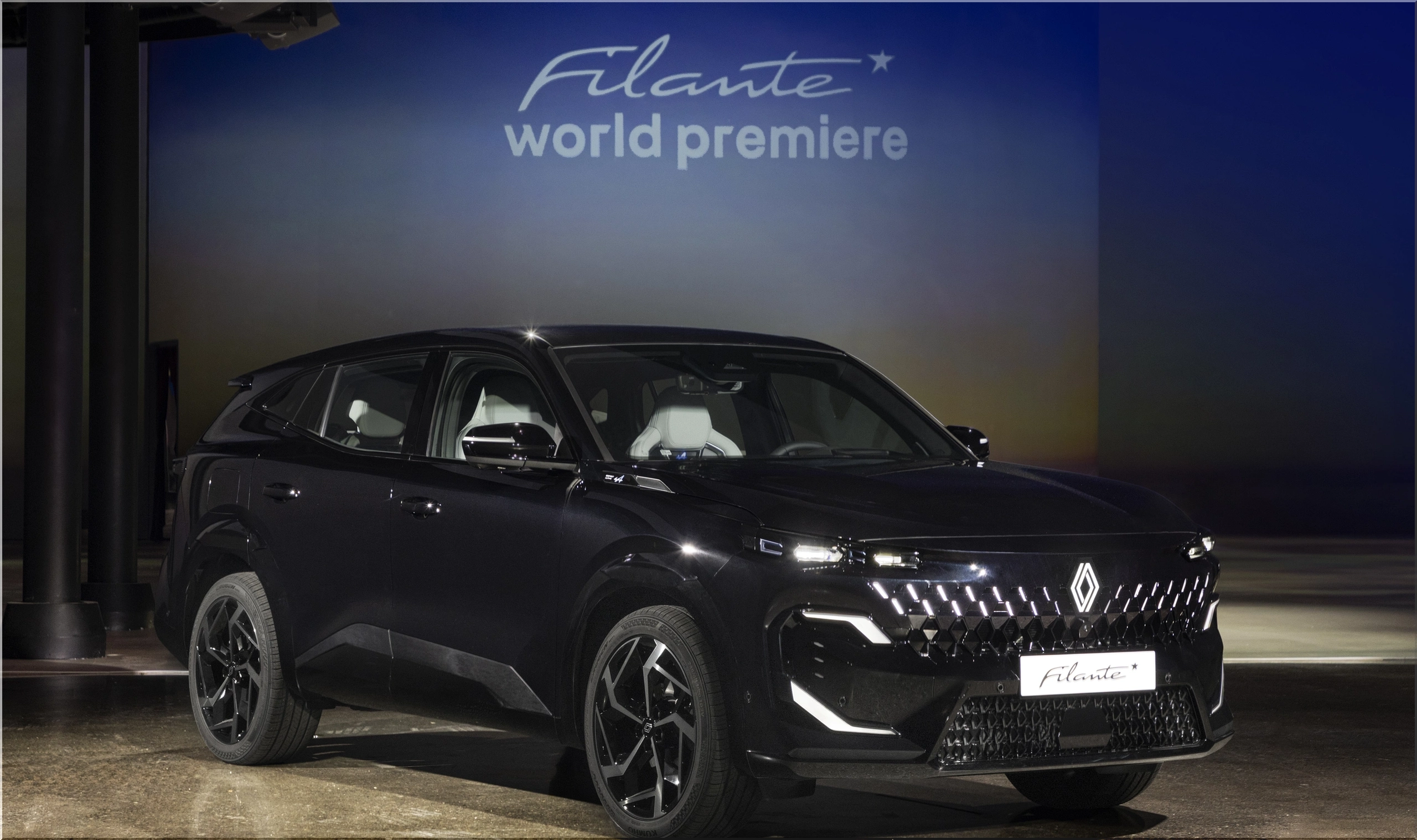
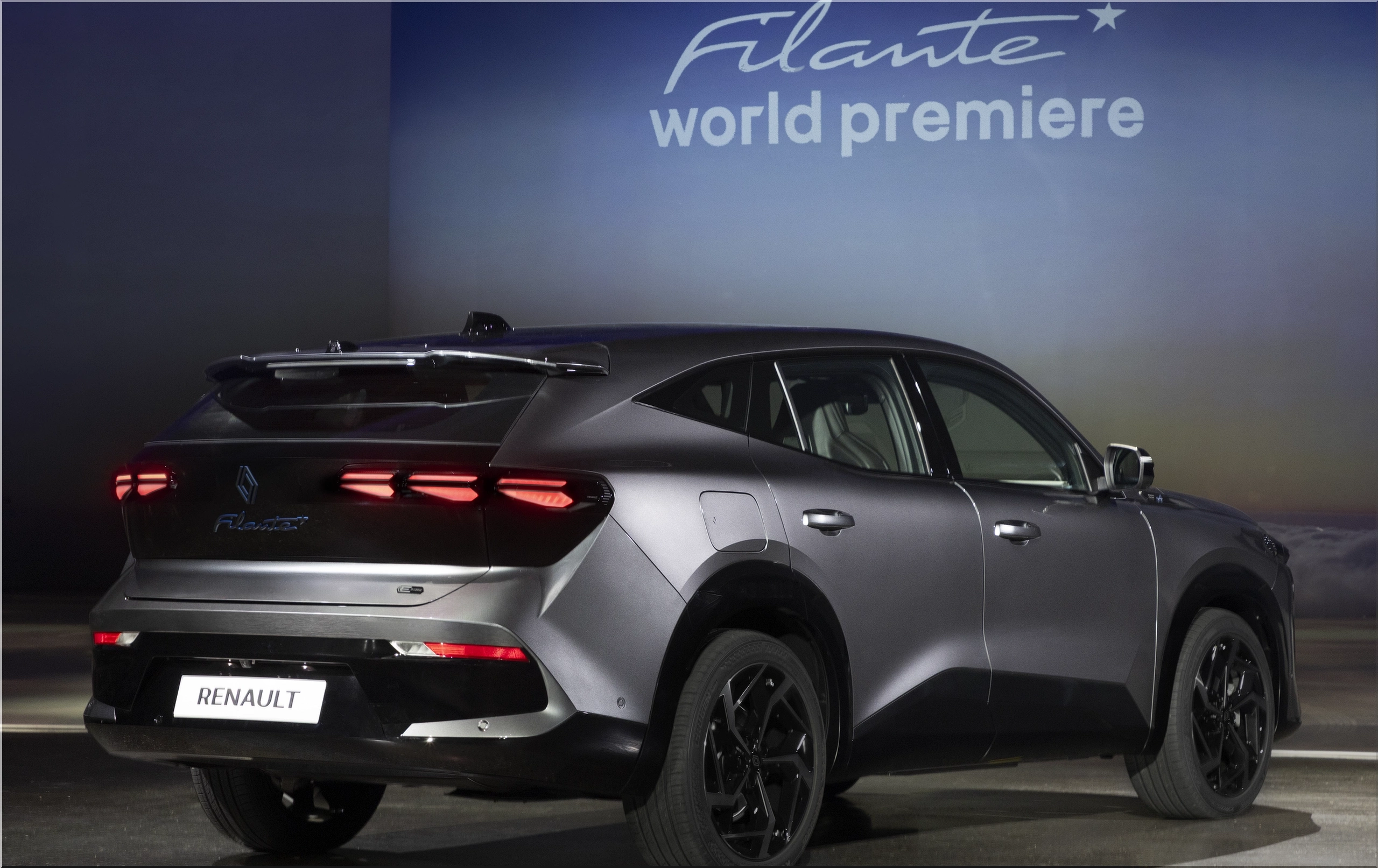
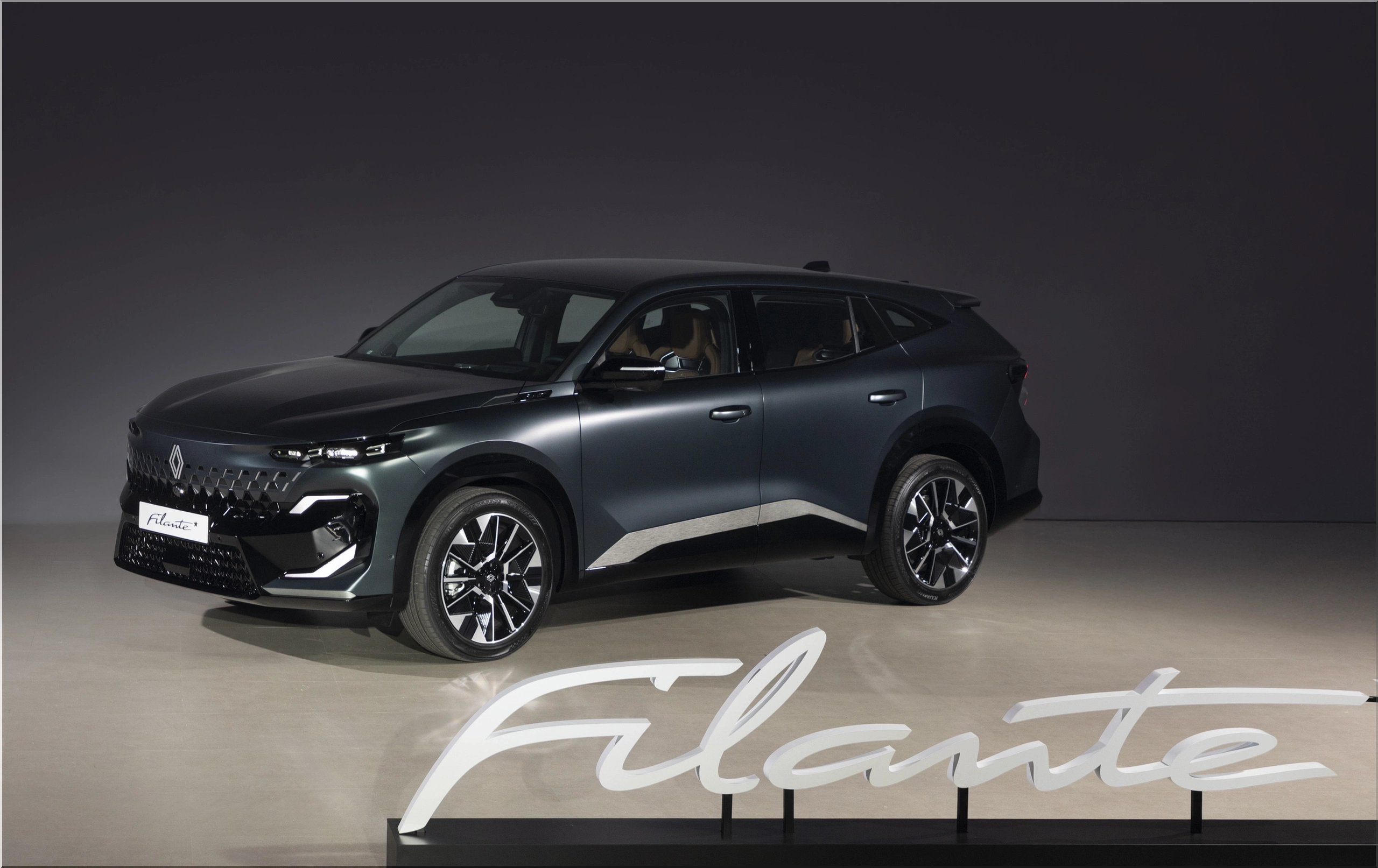
The Filante uses proportion as persuasion. At 4,915 mm long with a 2,820 mm wheelbase, it communicates stability and authority. Buyers in South Korea and Gulf states consistently equate size with value retention.
Design choices reinforce that logic:
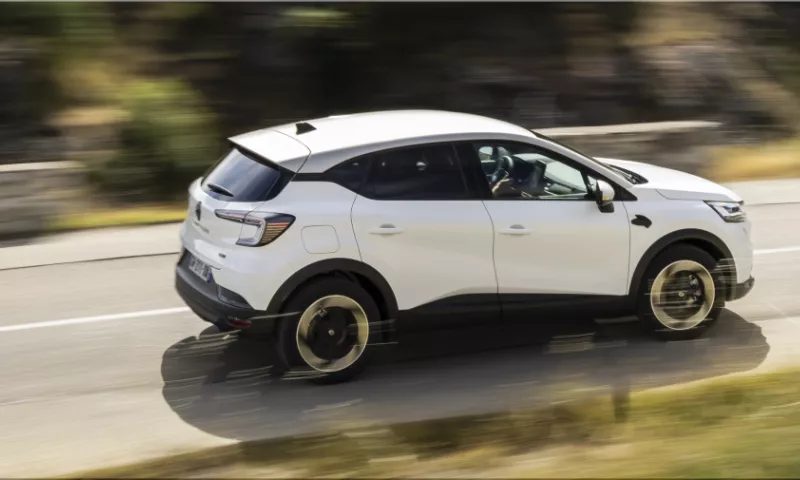
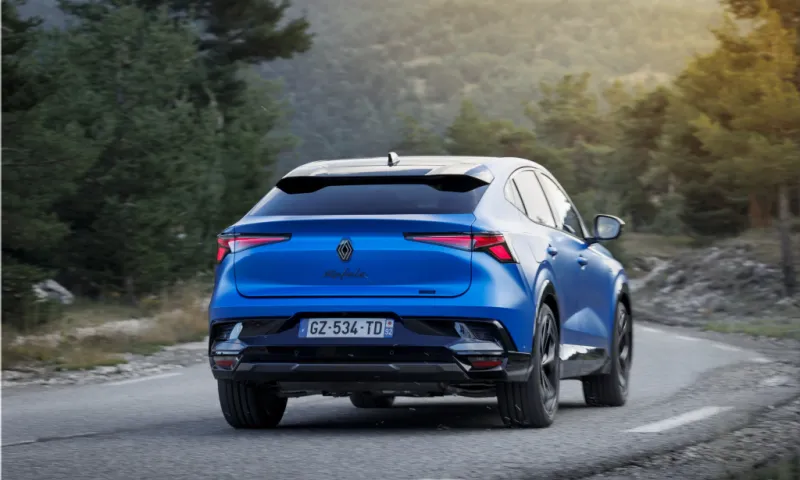
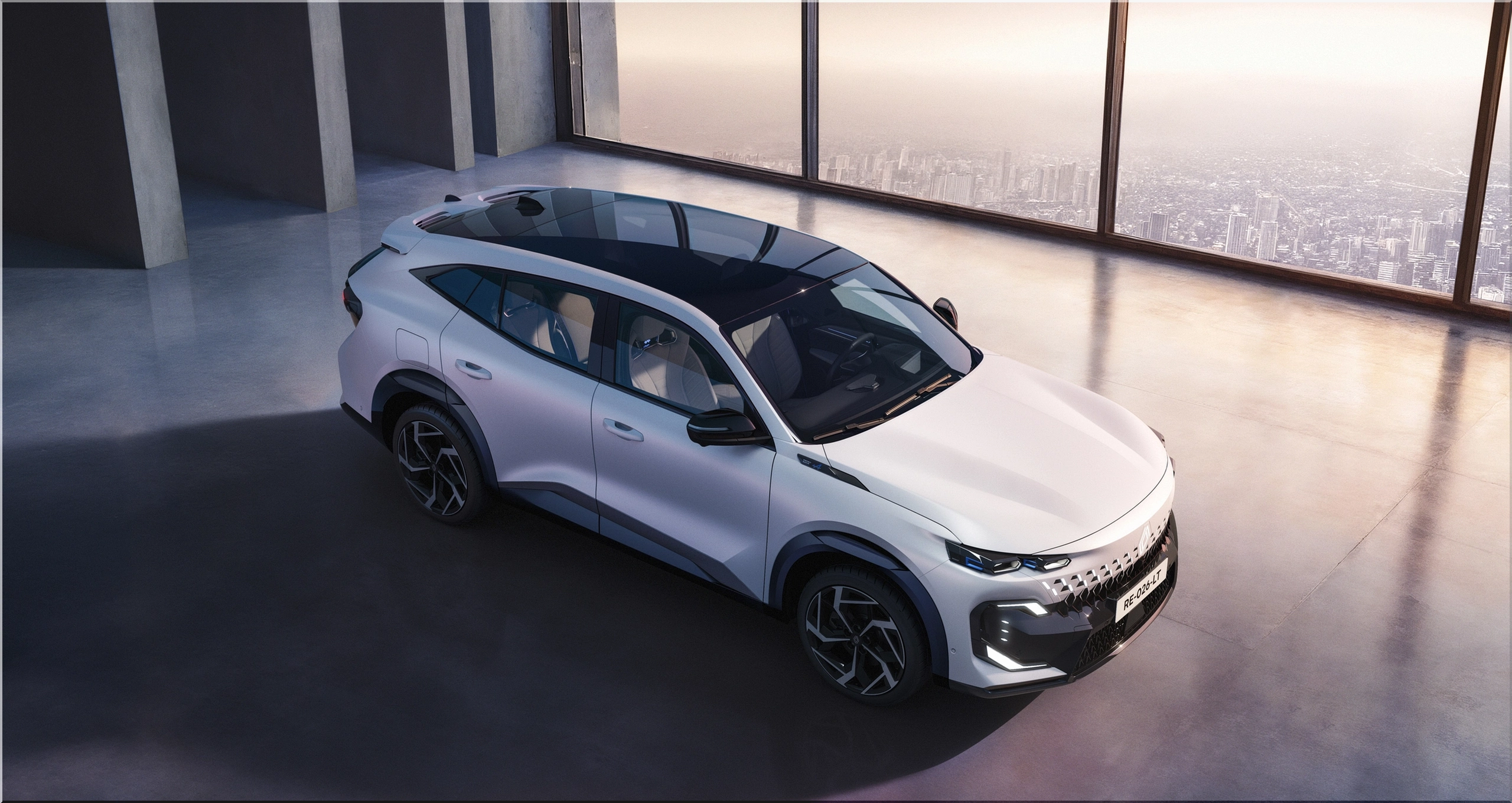
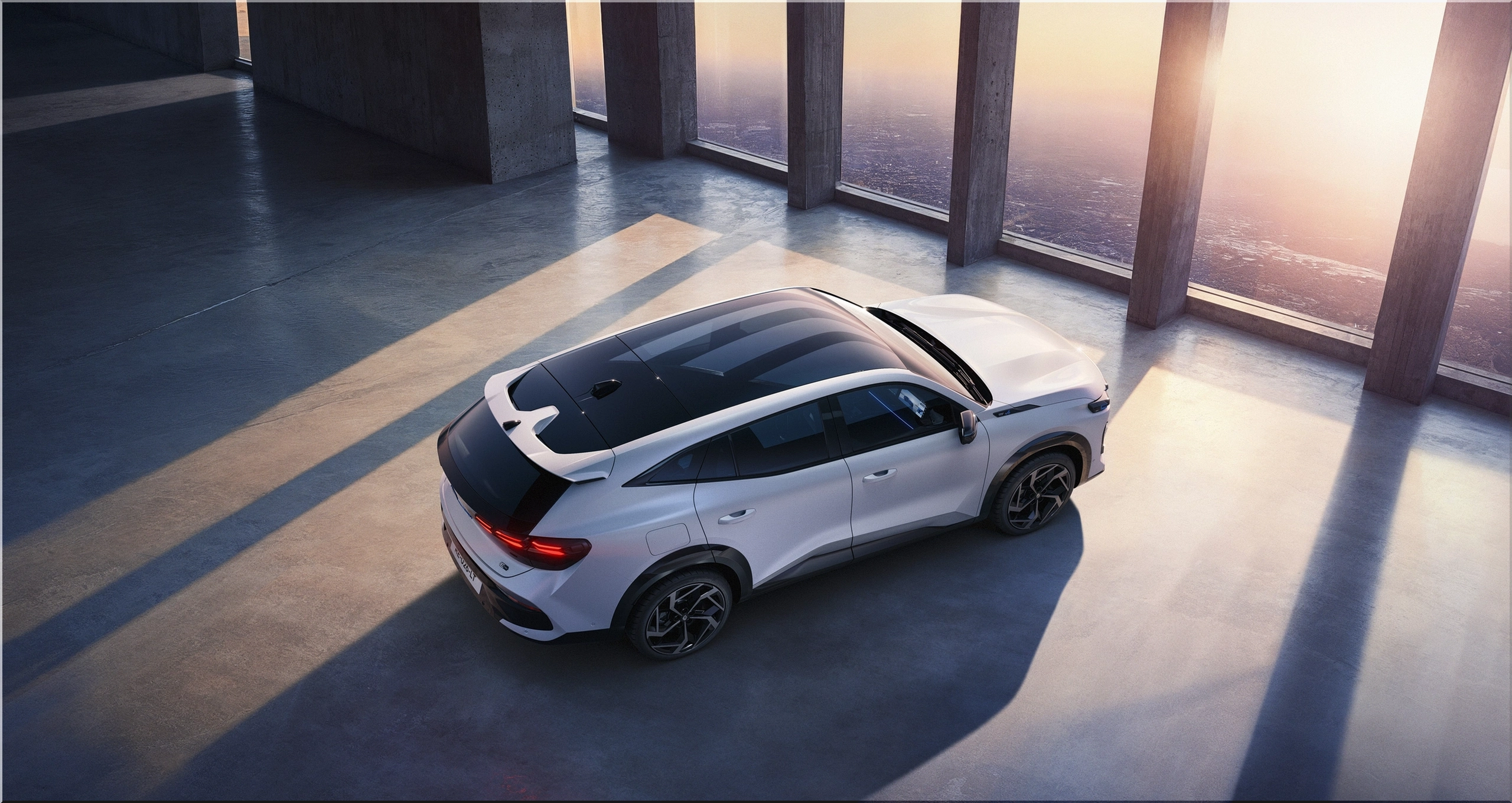
- Coupe-style roofline to reduce visual bulk
- Wide stance to signal road presence
- Clean surfaces to age well over time
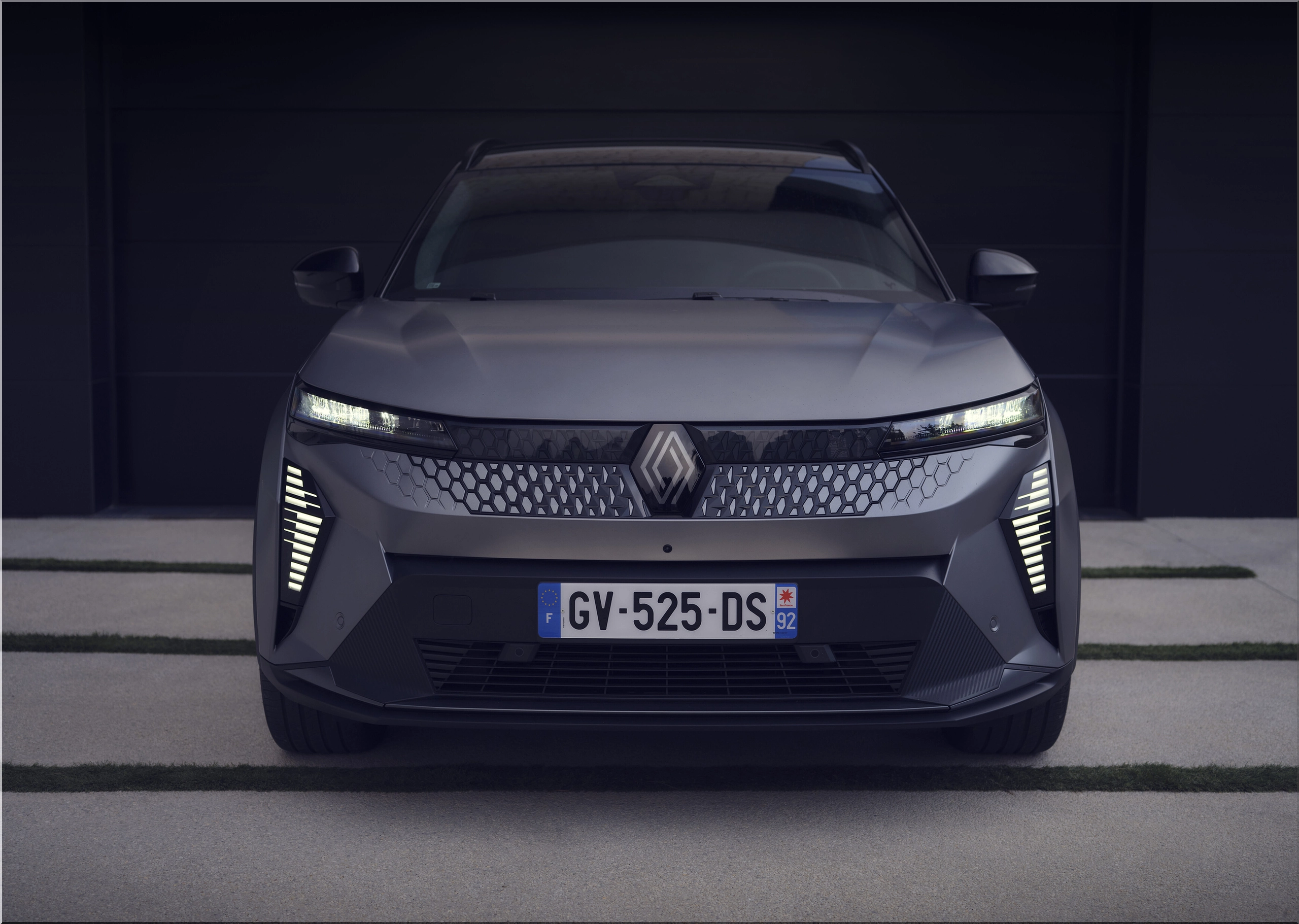
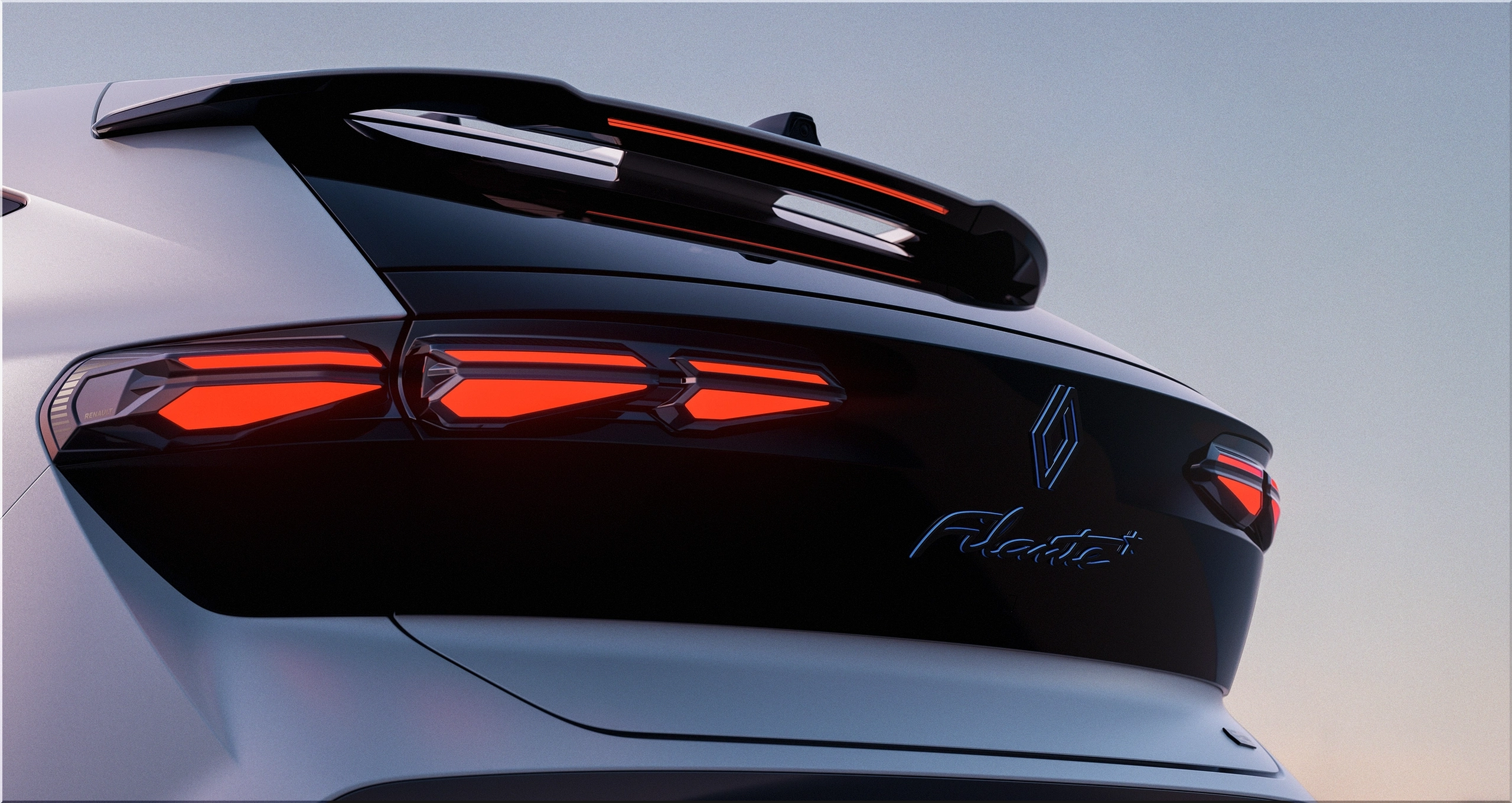
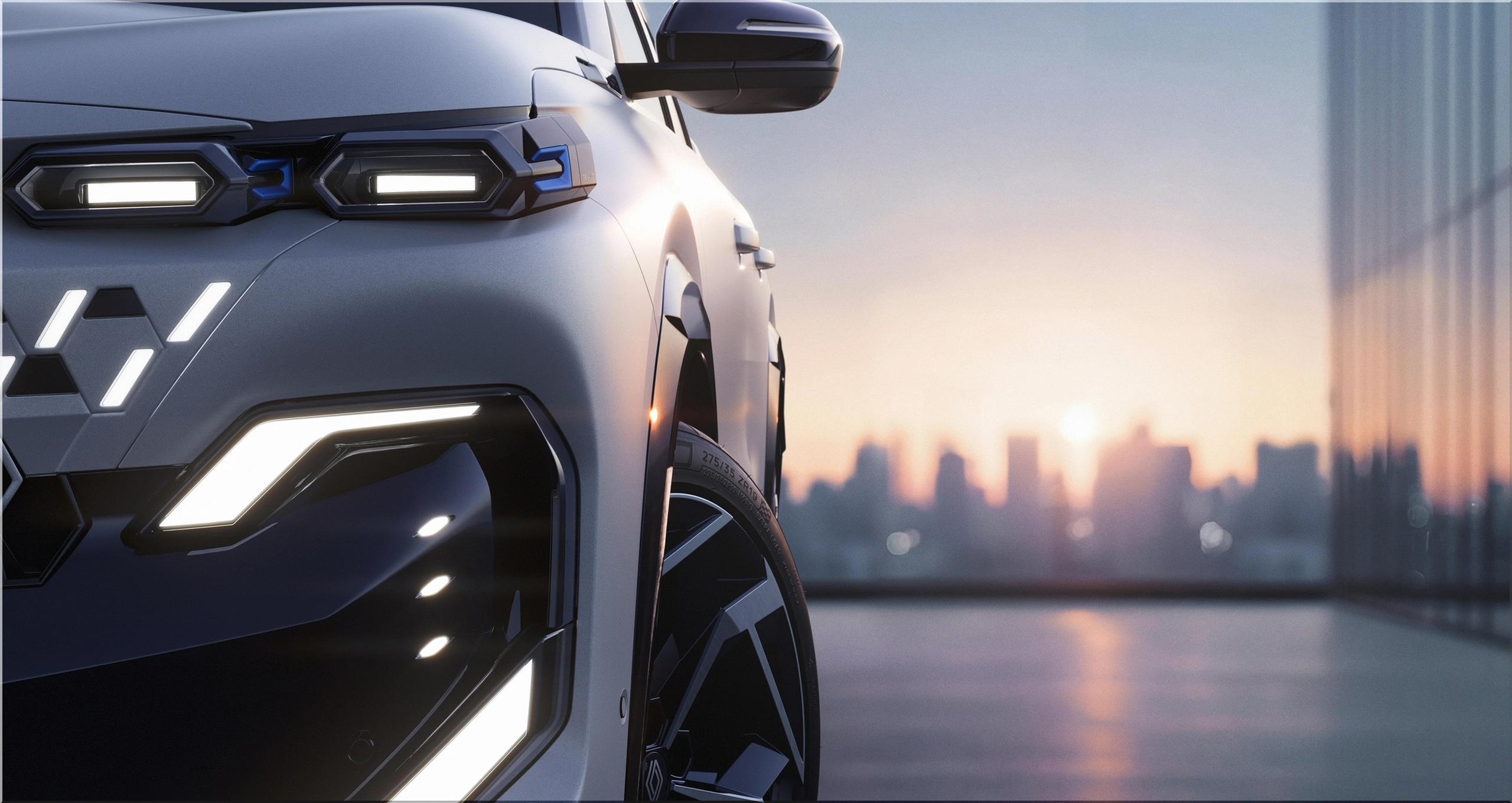
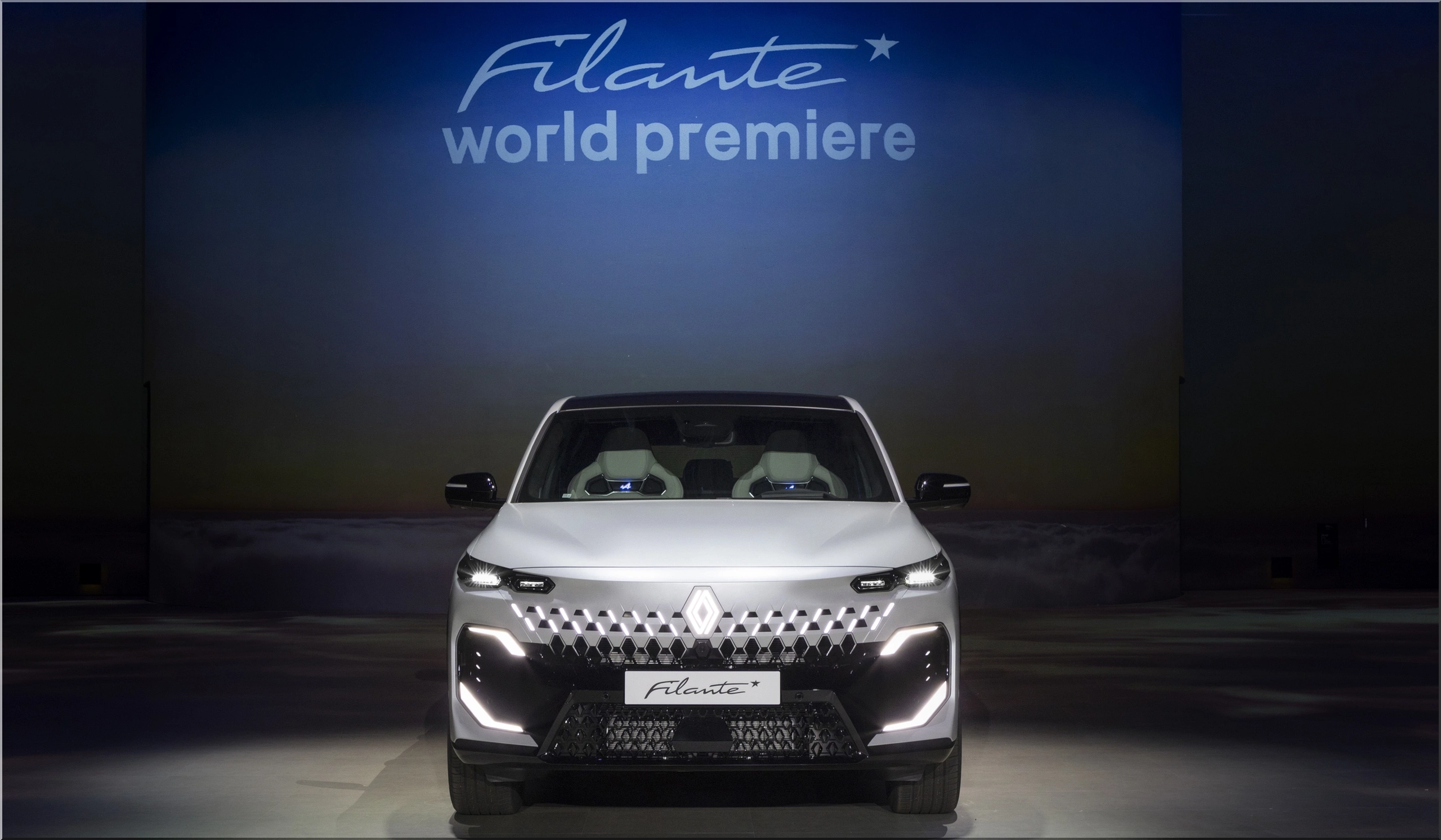
Renault avoids polarizing design cues. The illuminated grille and slim LED lighting provide distinction without alienation. This approach supports broader appeal and protects resale value, a key loss-aversion trigger for premium buyers.
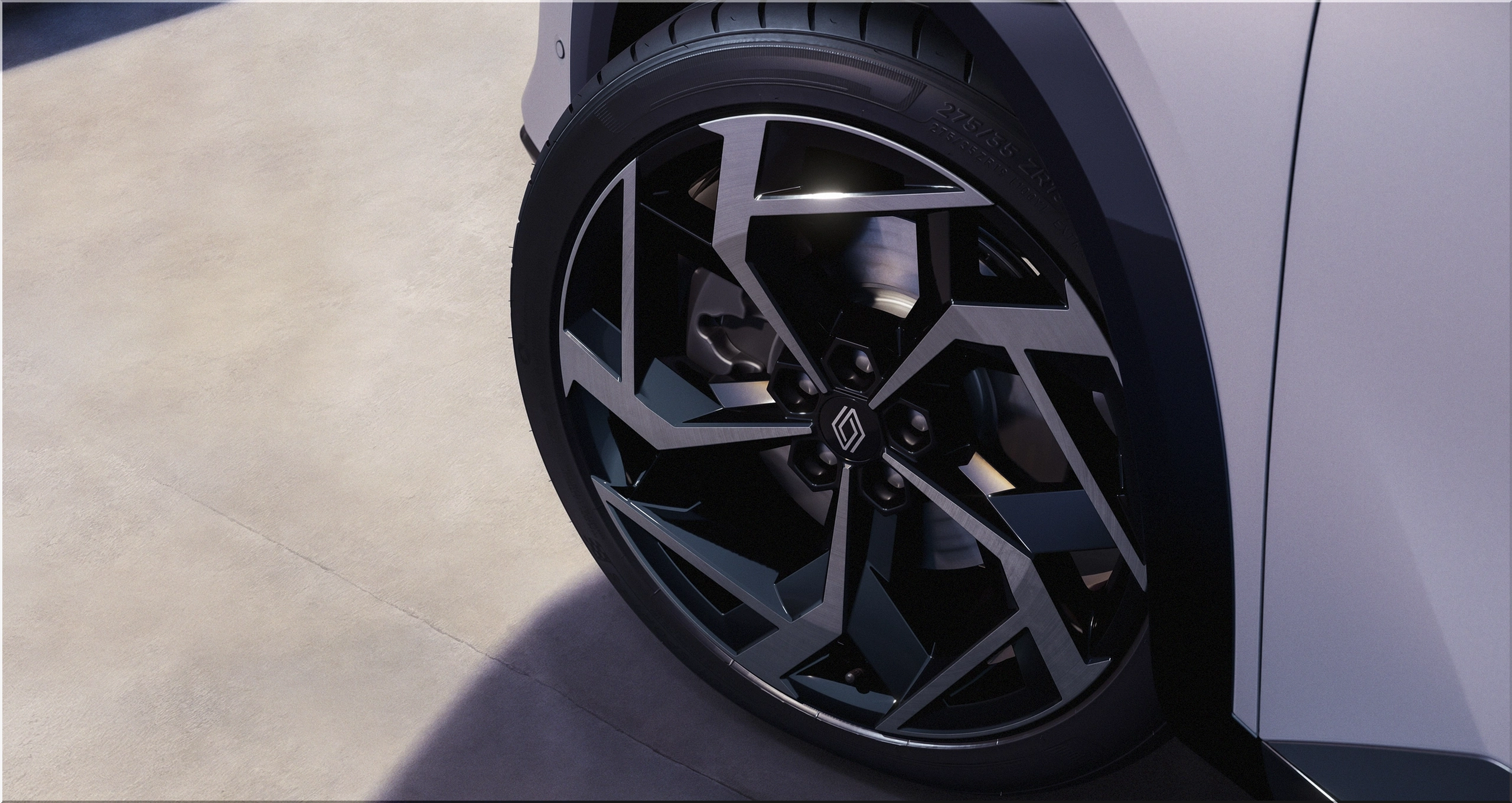
Wheel options up to 20 inches reinforce status without sacrificing ride comfort.
Interior Strategy: Reduce Friction, Increase Confidence
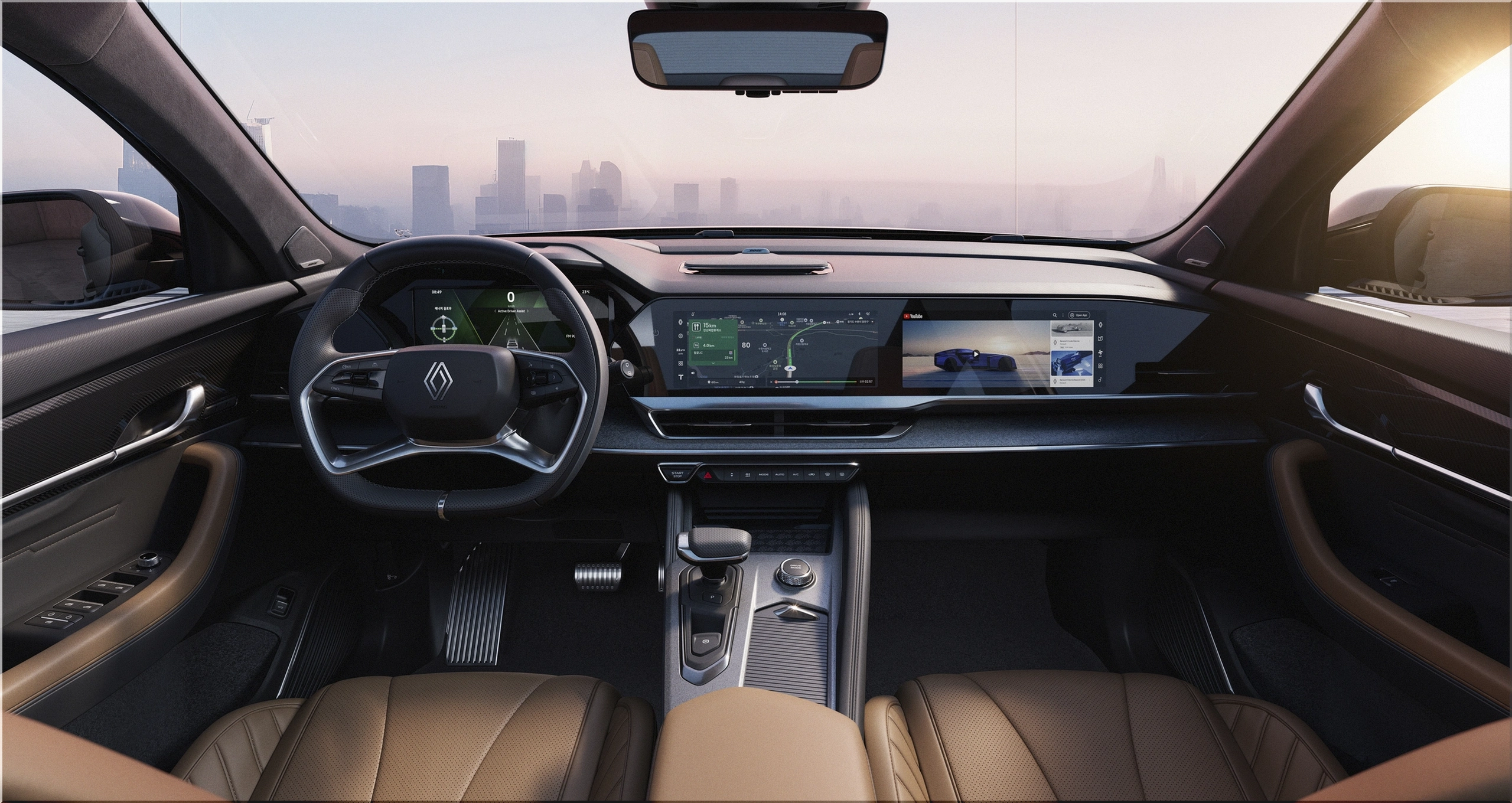
Screen Architecture and Information Control
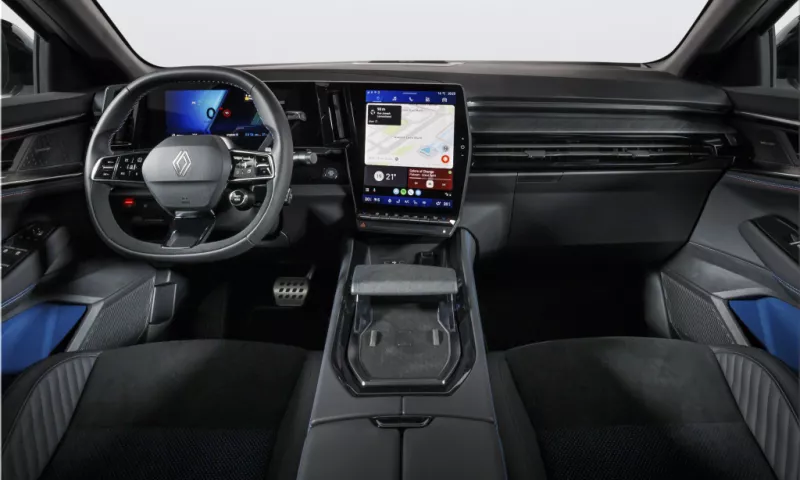
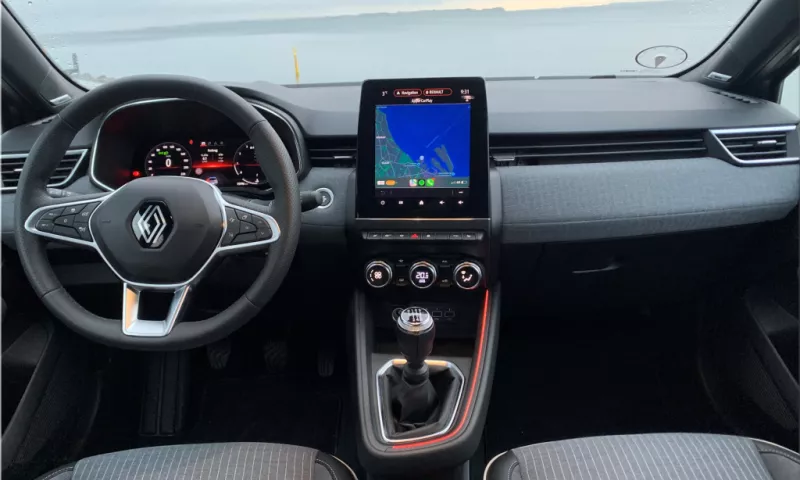
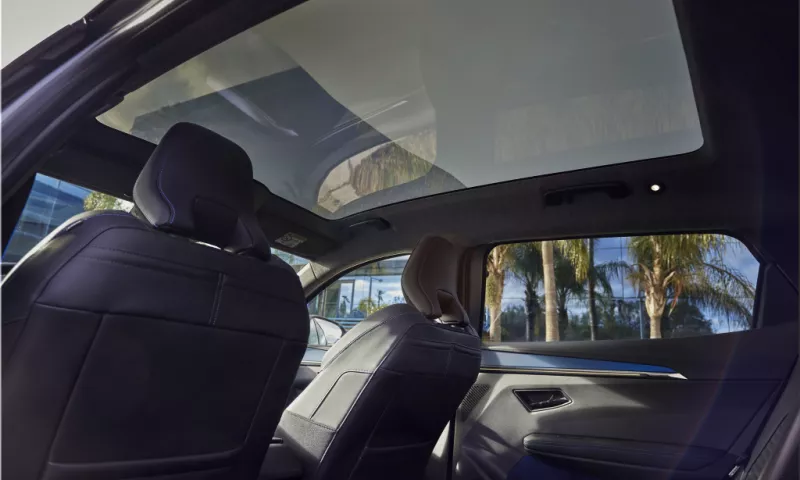
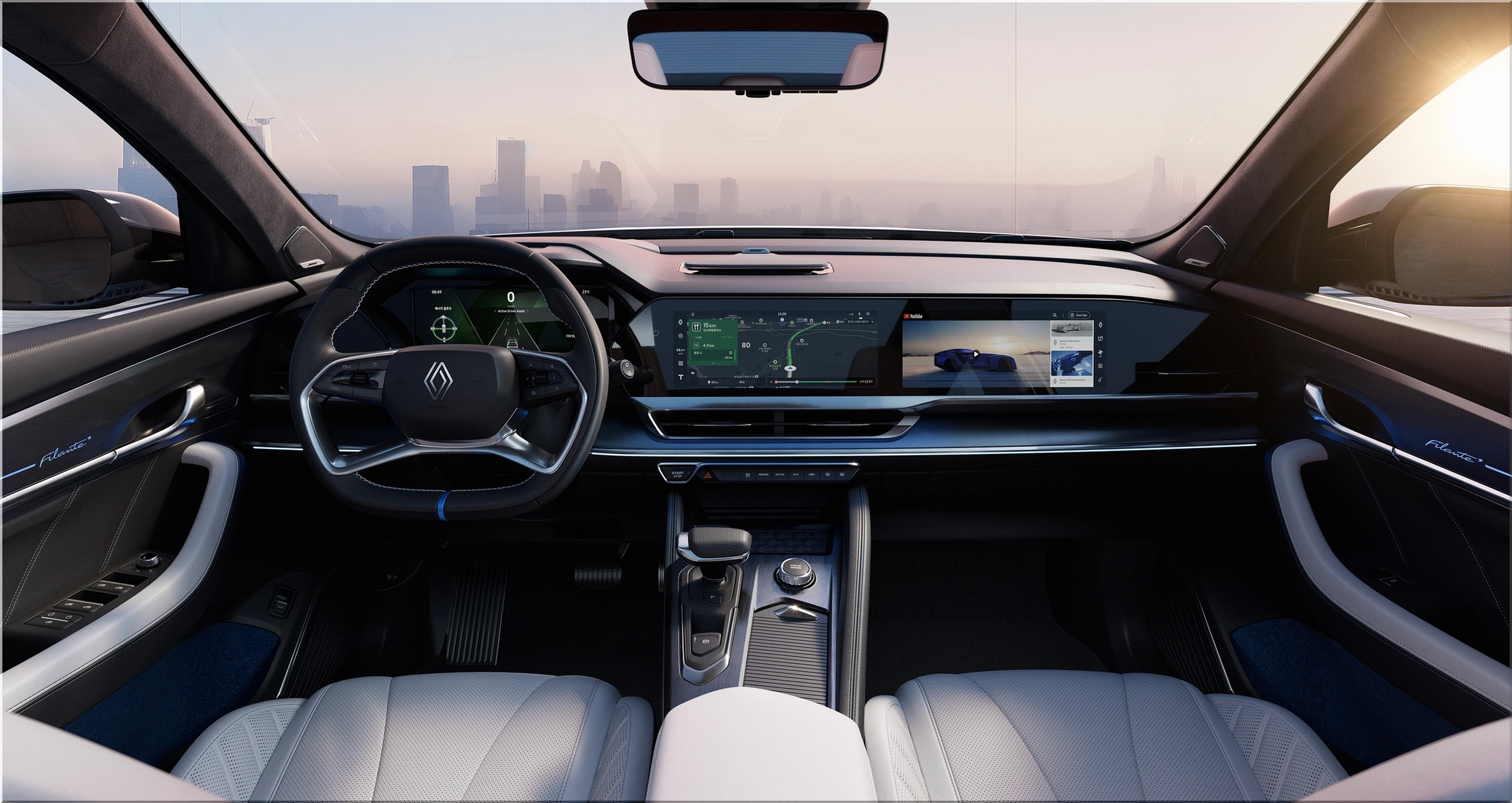
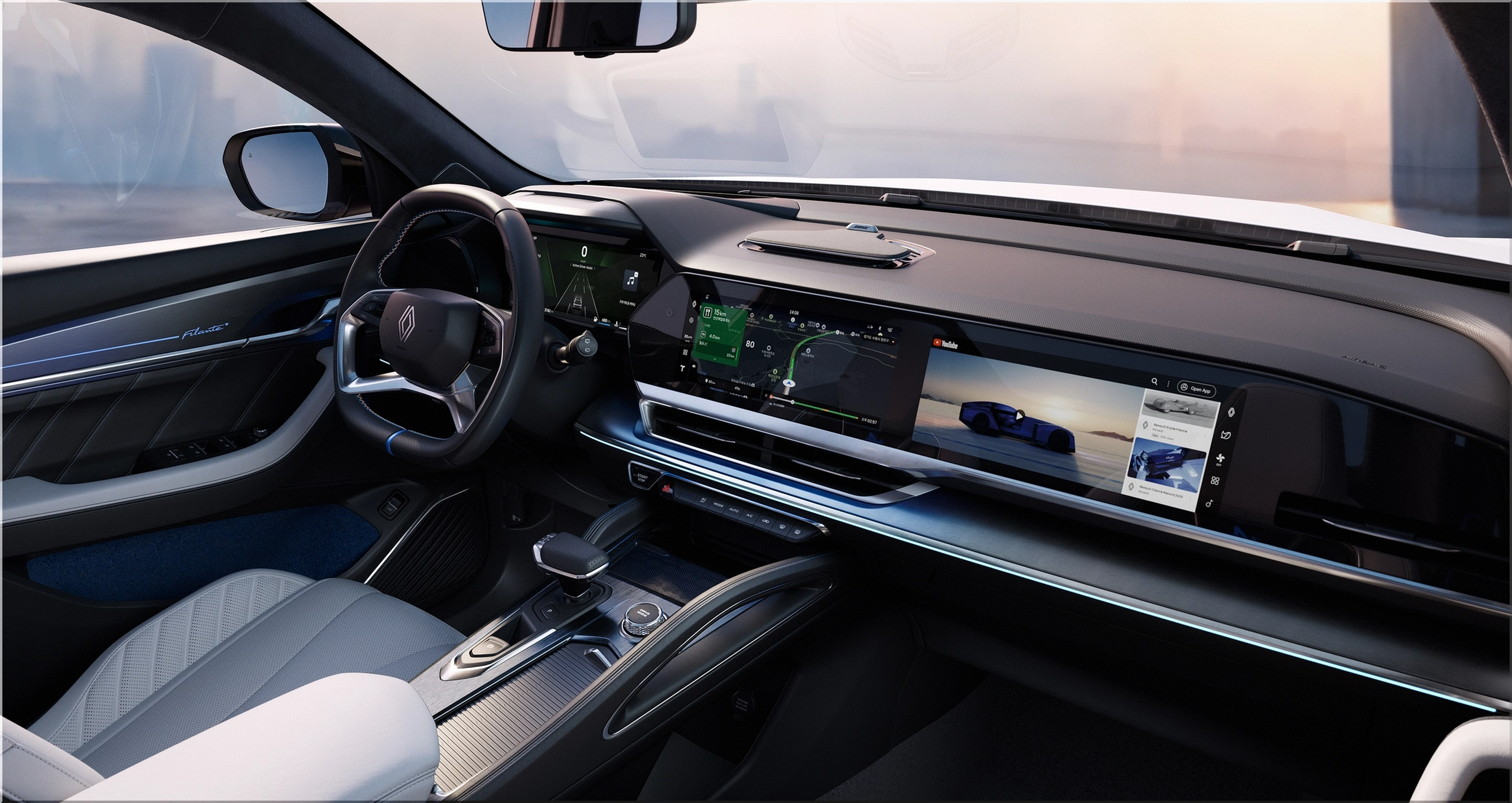
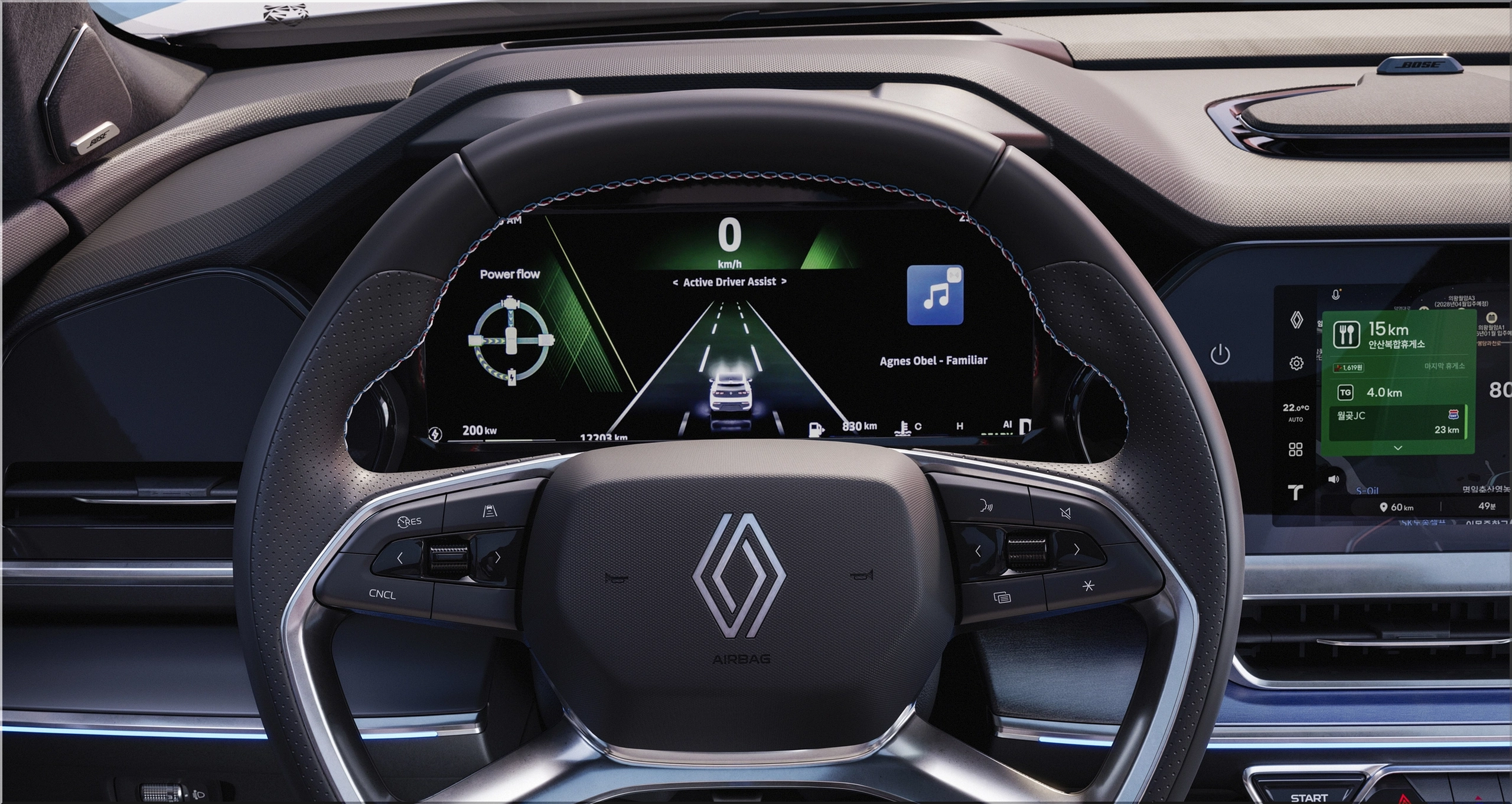
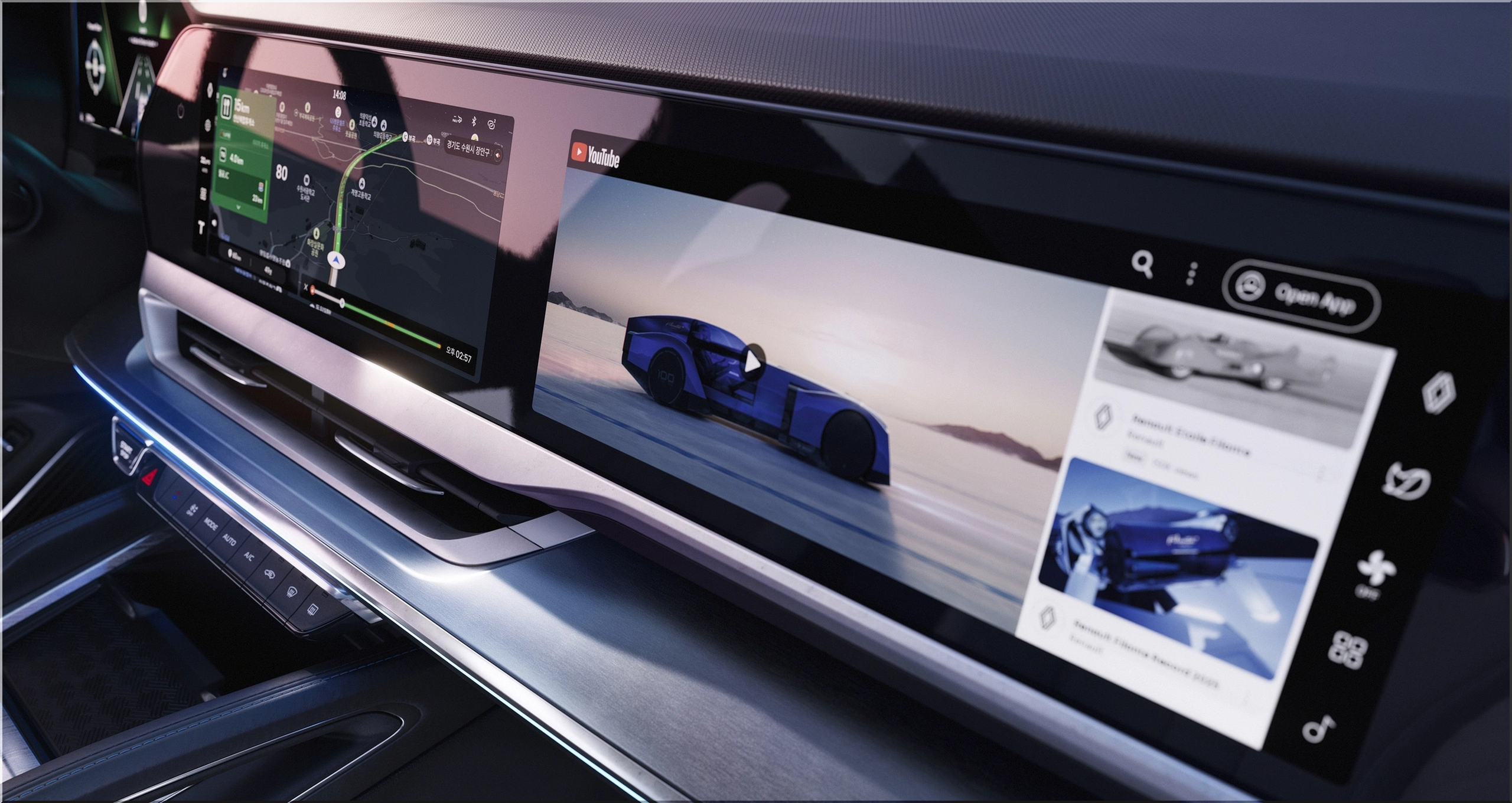
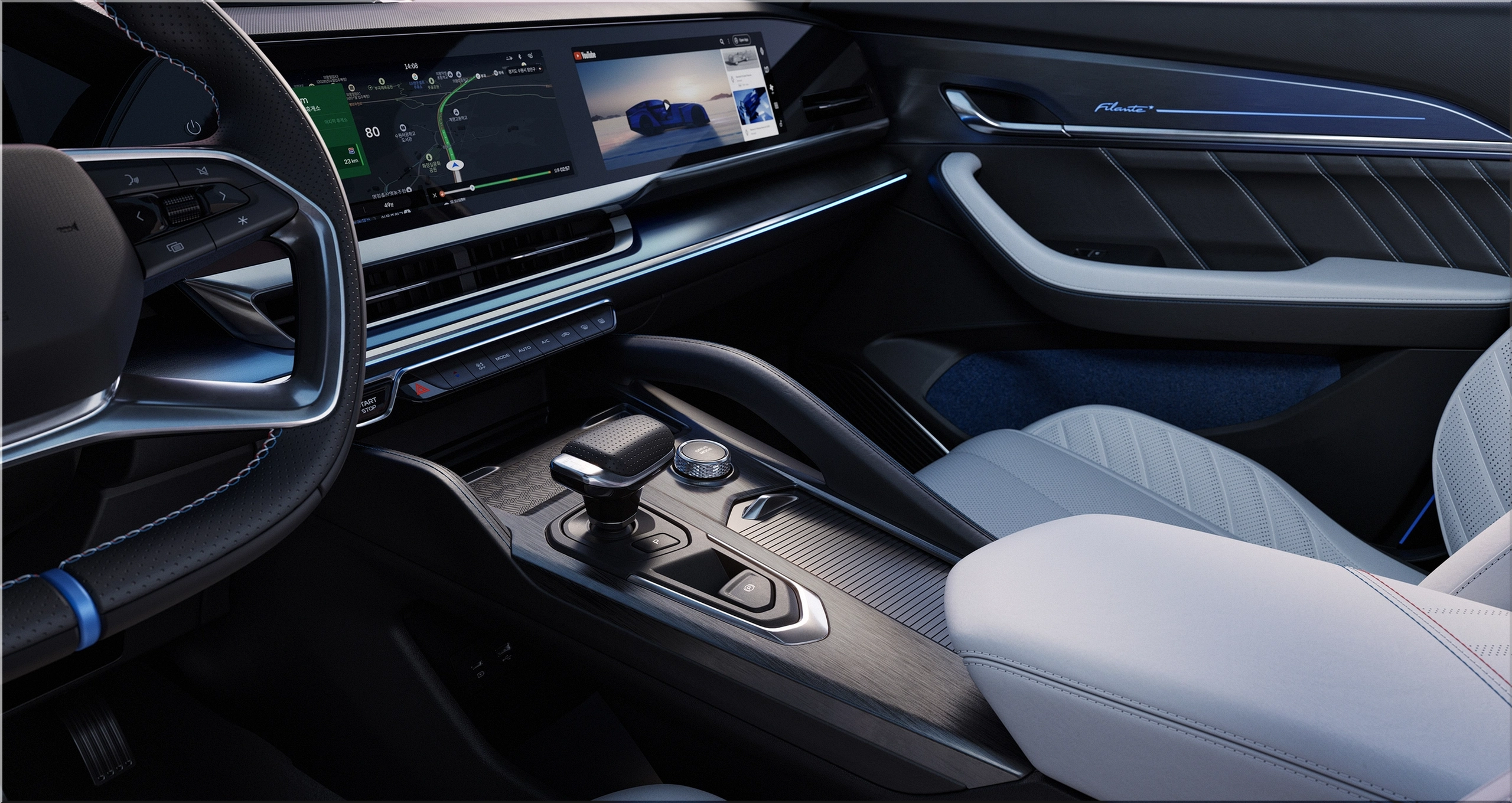
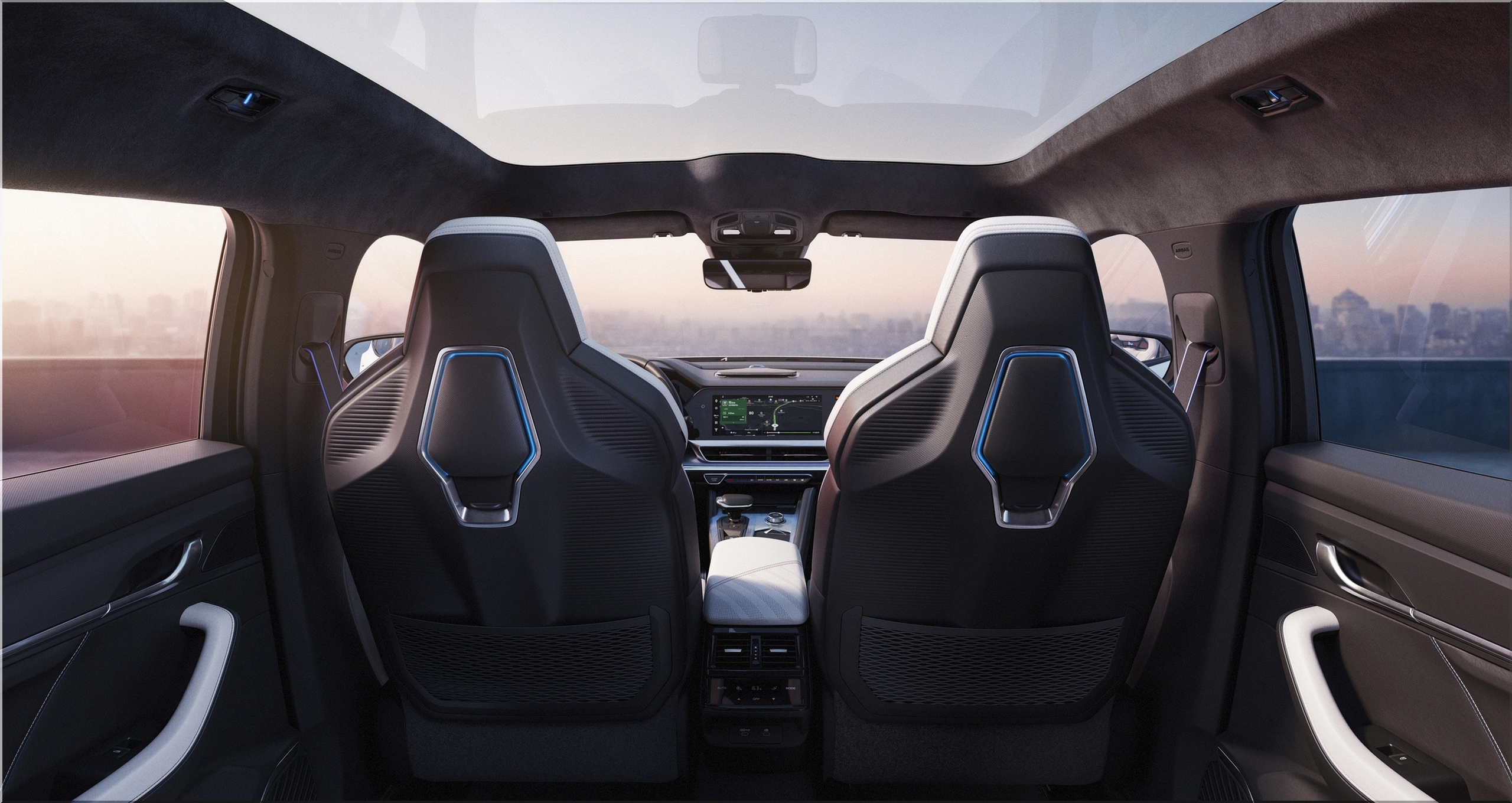
The OpenR Panorama cockpit uses three 12.3-inch displays and a 25.6-inch augmented reality head-up display. The layout reduces eye movement and decision fatigue.
From a UX standpoint, this matters. Drivers process information faster when it stays within their natural field of vision. Renaults approach lowers mental load during long commutes and dense urban traffic.
The passenger display supports media playback through Bluetooth headsets. This design choice limits driver distraction while maintaining passenger engagement.
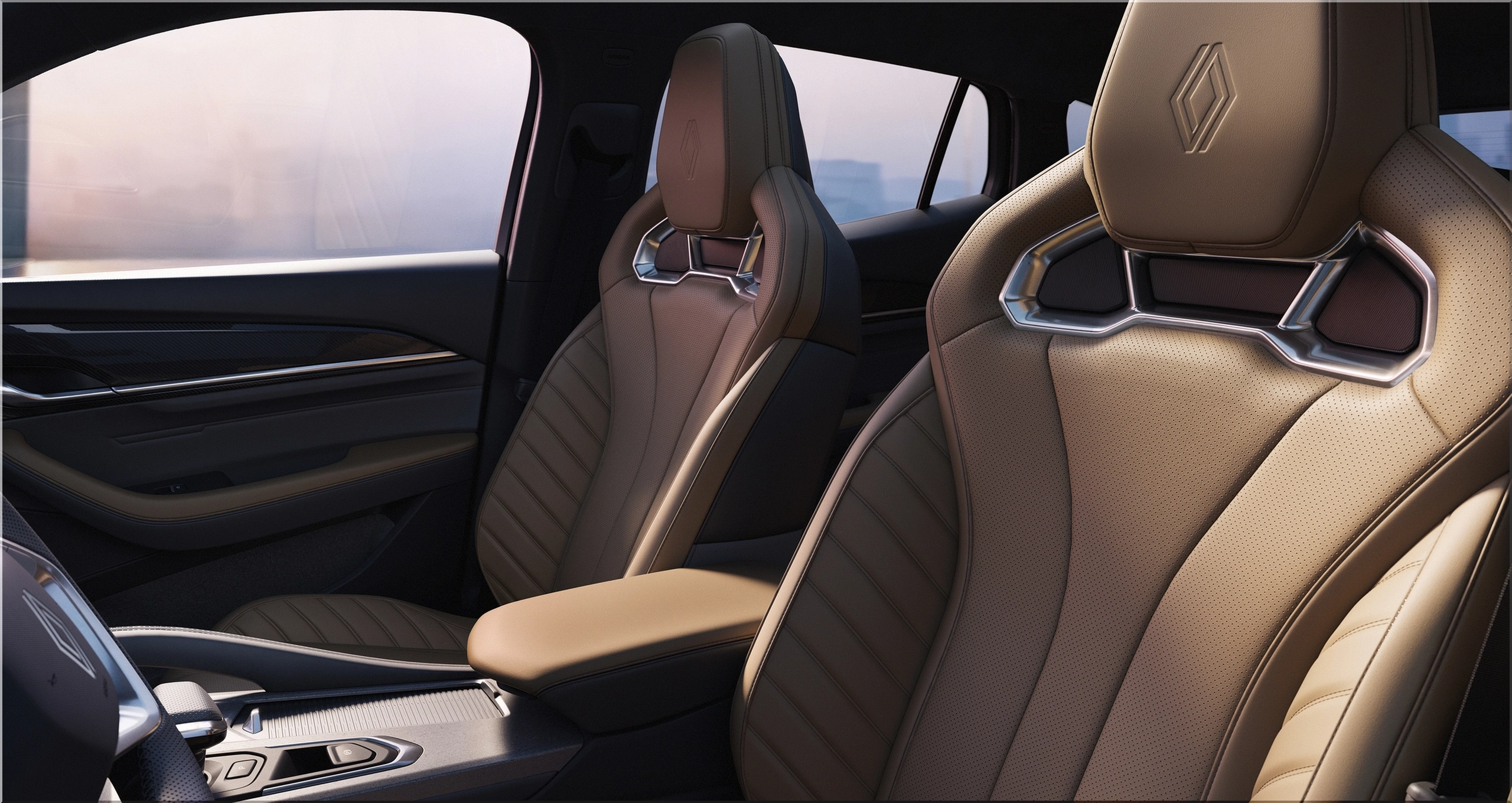
Space Metrics That Drive Purchase Confidence
Interior measurements anchor buyer trust:
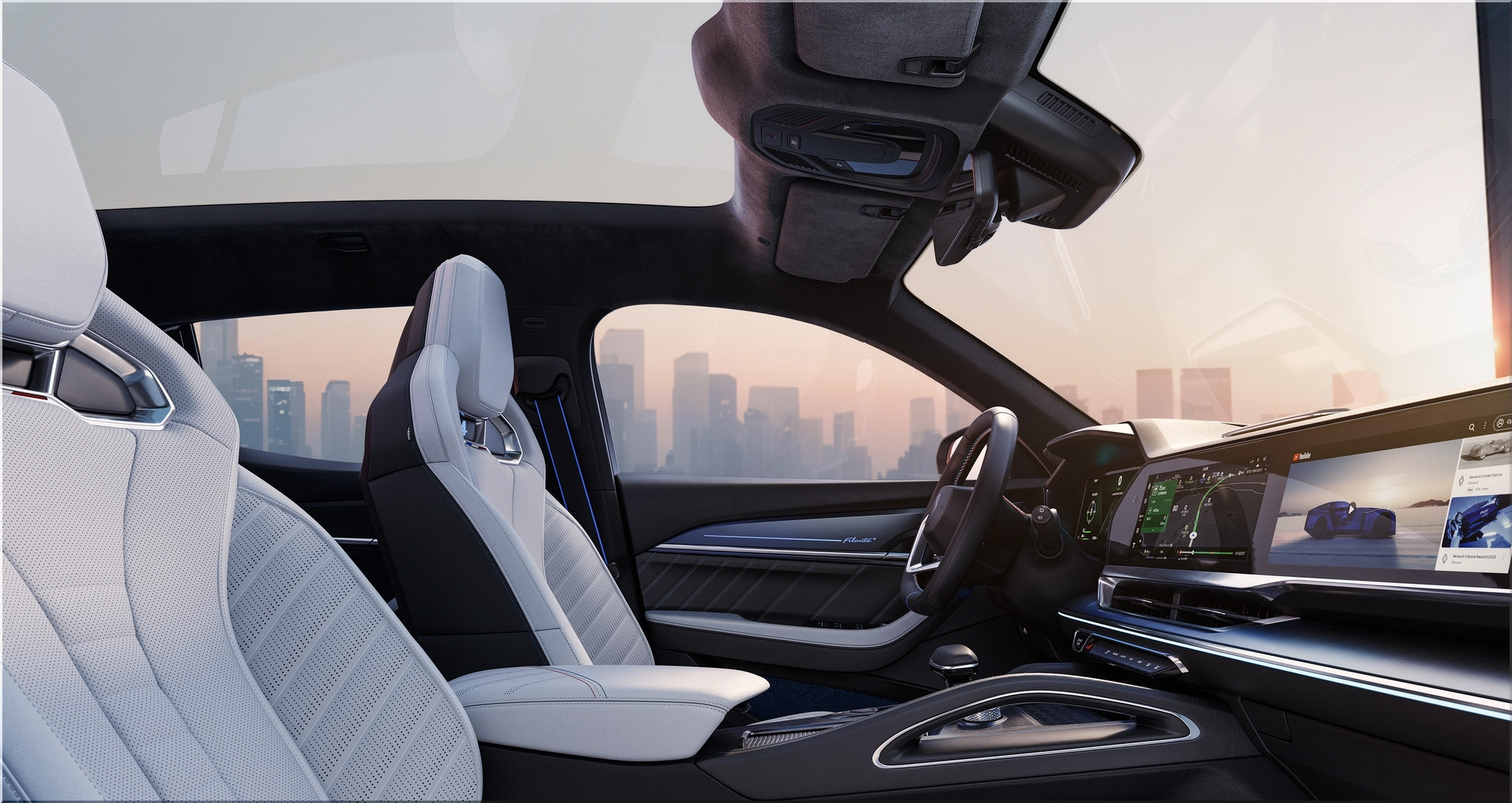
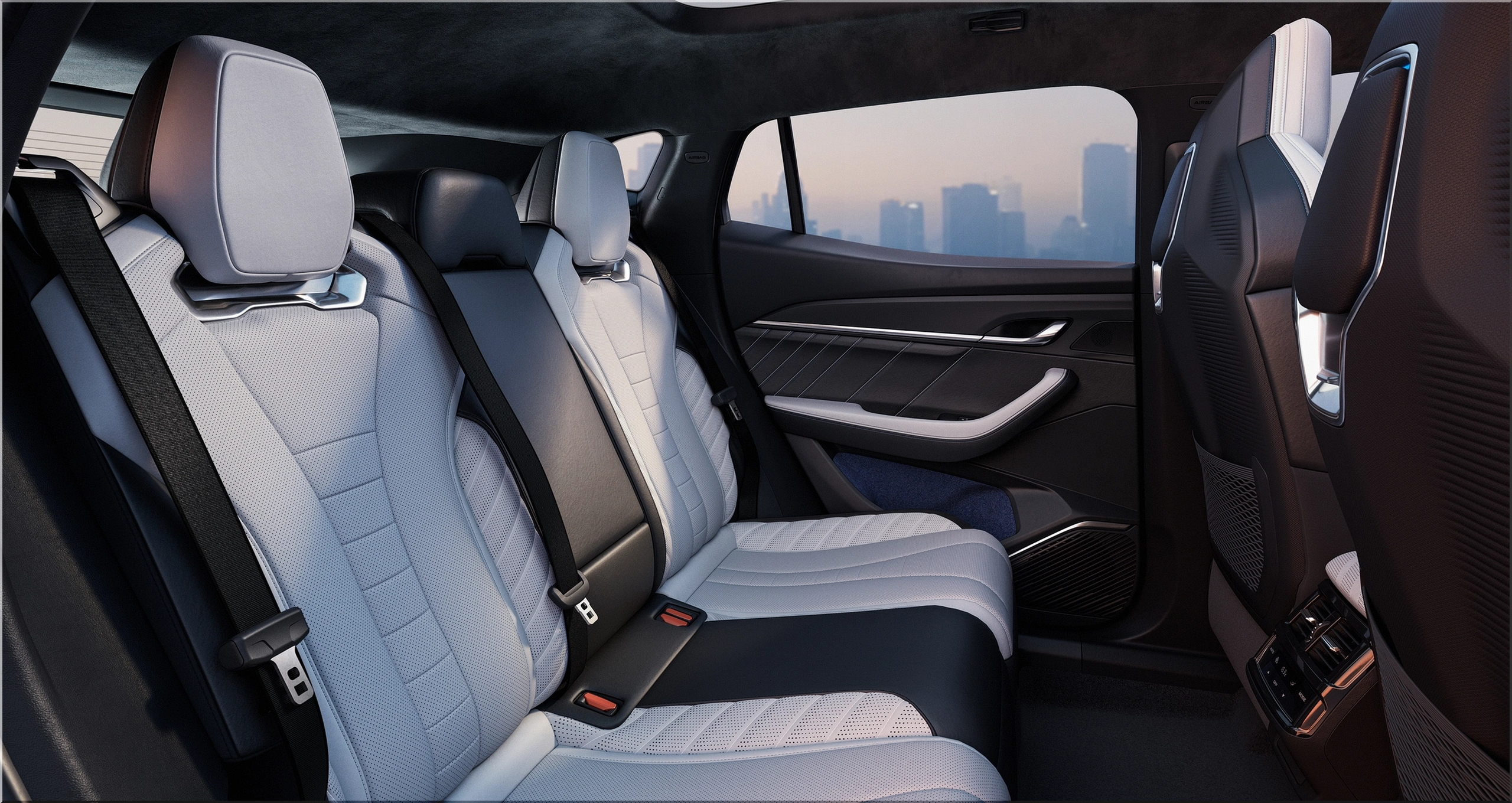
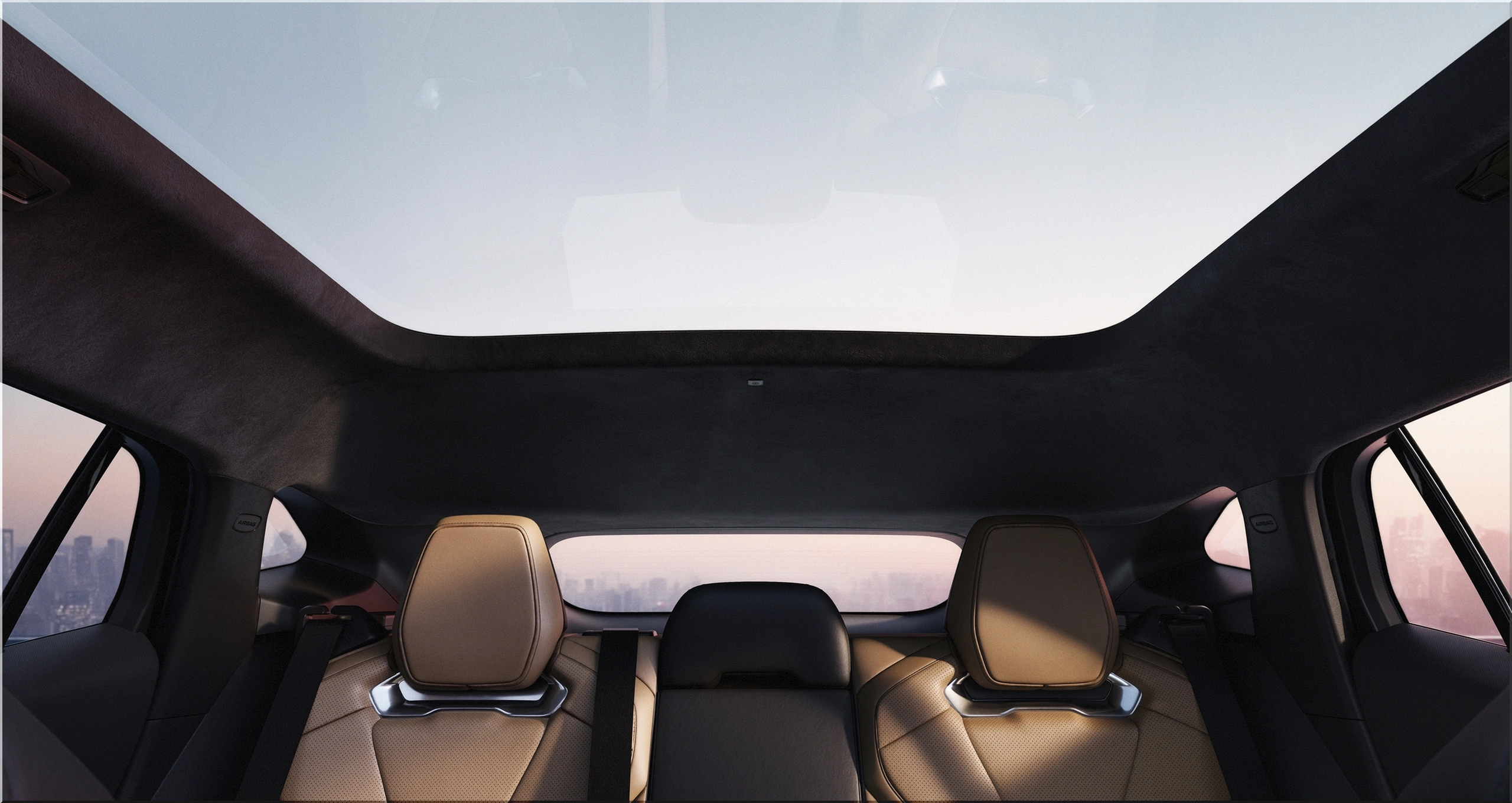
- Rear knee room: 320 mm
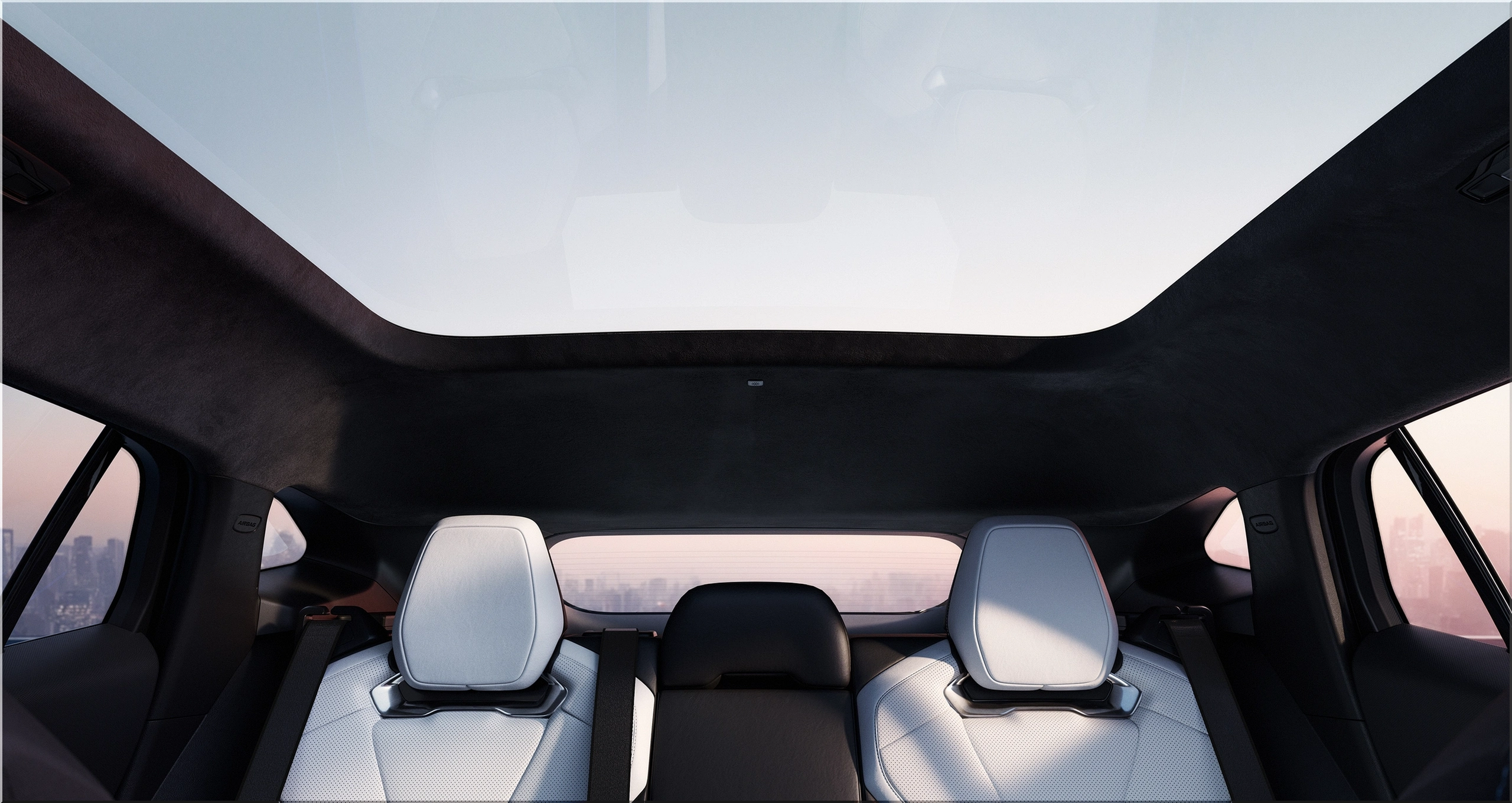
- Rear headroom: 886 mm
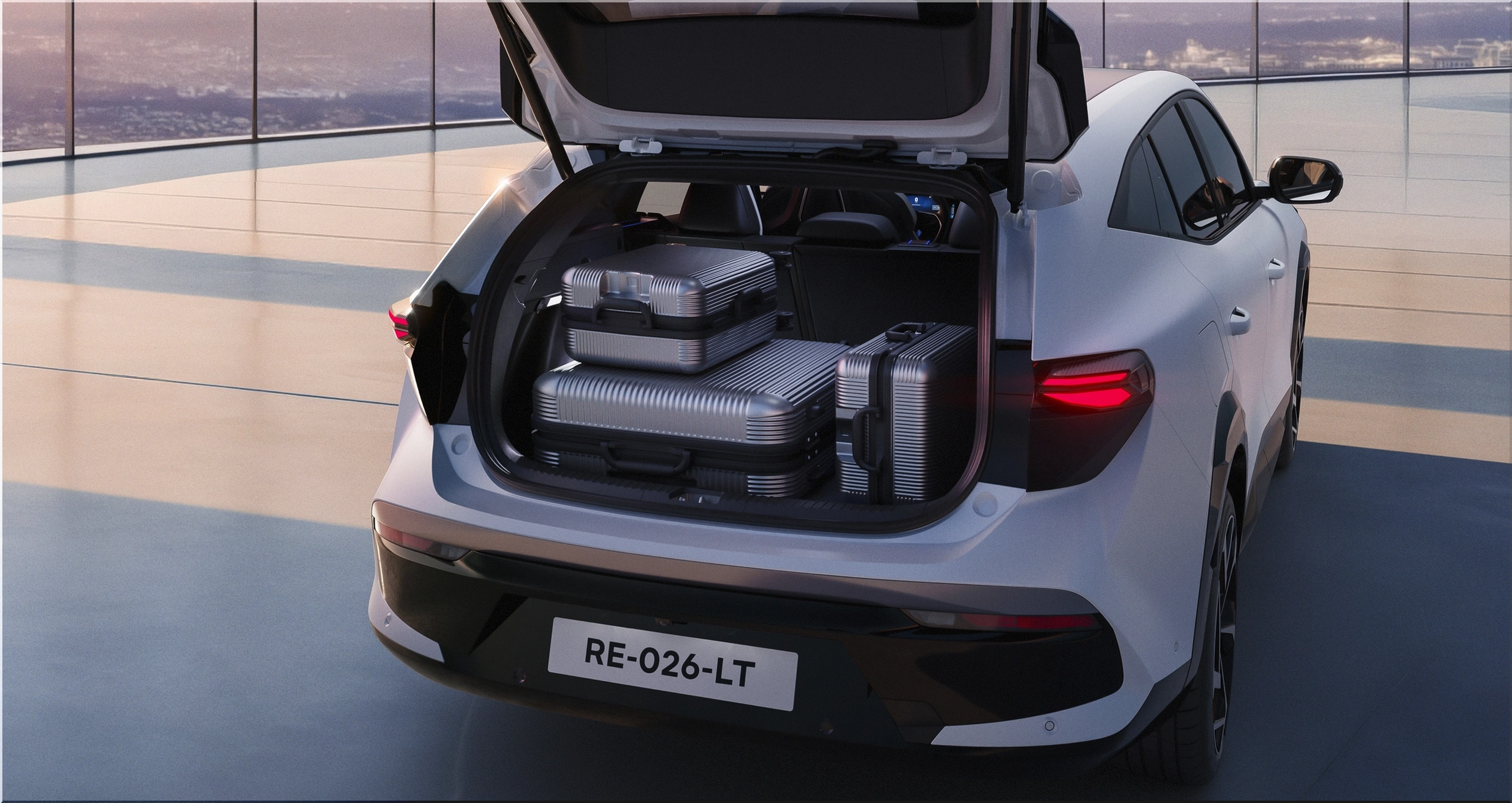
- Cargo volume: 633 liters, expanding to 2,050 liters
These figures outperform many midsize hybrids and match larger premium crossovers. Buyers see tangible proof that the vehicle fits family and business use without compromise.
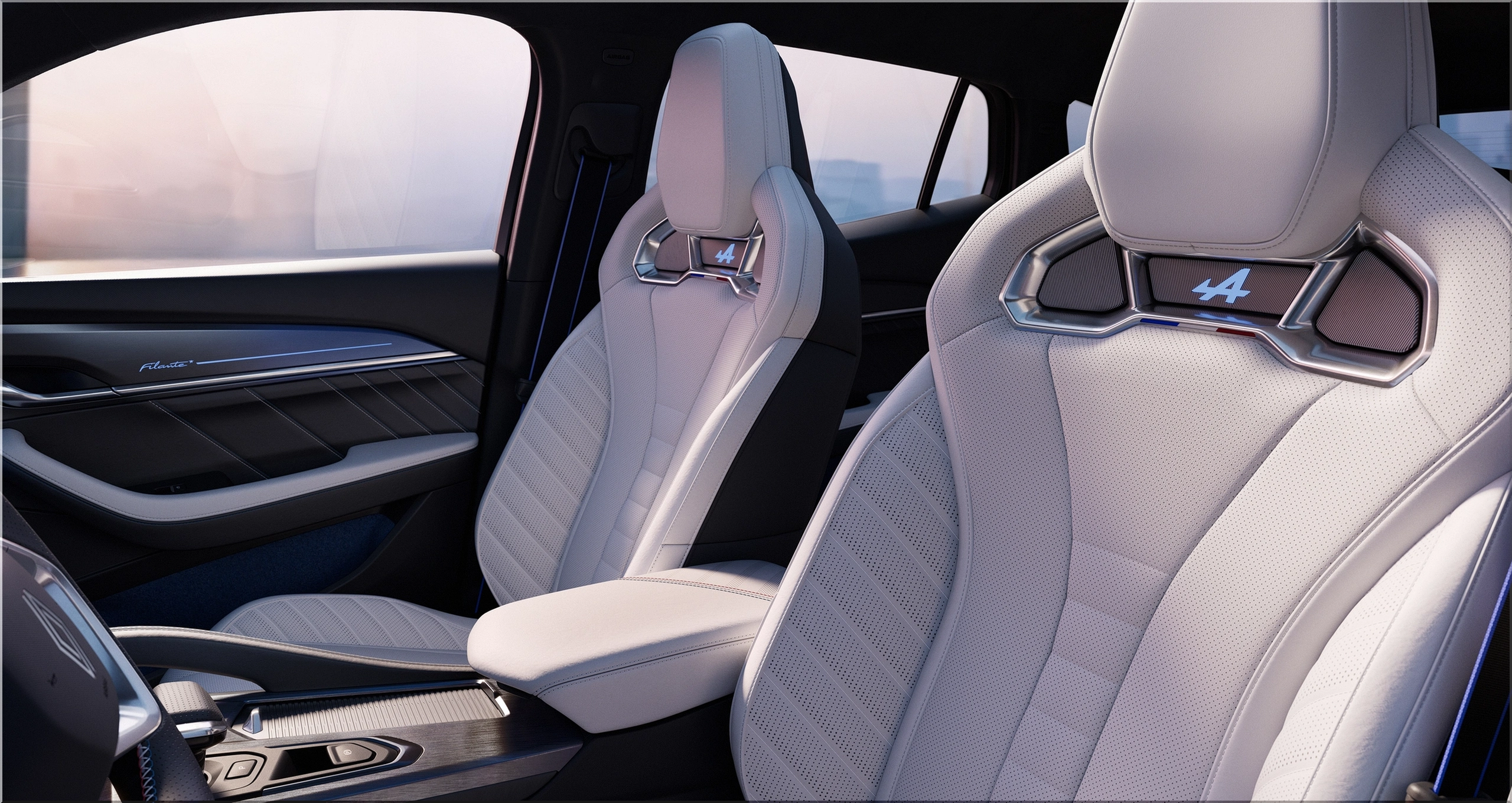
Tri-zone climate control and acoustic glazing reinforce comfort consistency, a factor strongly linked to long-term satisfaction scores.
Full Hybrid E-Tech 250: Engineering for Risk Reduction
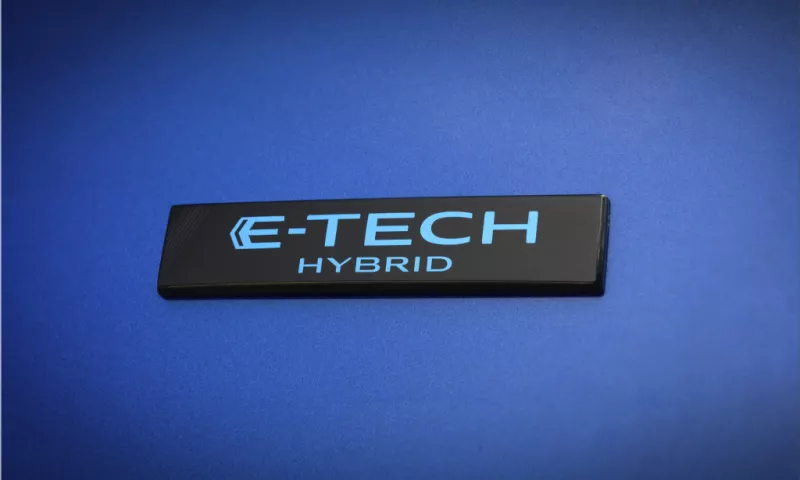
The full hybrid E-Tech 250 system defines the Filantes value proposition.
Key Technical Data
- Combined output: 250 ps
- Combined torque: 565 Nm
- Battery capacity: 1.64 kWh
- Transmission: 3-speed Multimode Auto
The system prioritizes electric driving at low speeds and during city use. Renault states that up to 75 percent of urban driving occurs in electric mode under typical conditions.
Image
Why Full Hybrid Beats Plug-In for This Buyer
From a behavioral economics perspective, plug-in hybrids introduce friction:
- Charging routines
- Forgotten cables
- Inconsistent real-world usage
The Filantes full hybrid setup removes those pain points. The vehicle always starts in electric mode. Drivers receive fuel savings without habit changes.
This design reduces regret risk, a major barrier to electrified vehicle adoption.
Ride, Handling, and Platform Decisions
The Filante rides on a reworked CMF-C/D architecture optimized for hybrid packaging. Engineers focused on:
- Improved sound insulation
- Multi-link rear suspension
- Steering calibration for highway stability
The goal stays clear: predictable behavior at speed and minimal intrusion from powertrain transitions. Buyers in this segment reward calmness more than sharp handling.
Renault also reinforced the body structure with hot-pressed steel components to support advanced driver assistance systems.
Safety Systems That Reduce Cognitive Load
The Filante includes over 30 driver assistance features, grouped under Renault Easy Drive.
Core ADAS Features
- Level 2 active driver assist
- Adaptive cruise control
- Lane keeping assist
- Automatic emergency braking
- Full automatic parking
New Safety Technologies
Three systems debut on this model:
- Emergency steering assist for collision avoidance
- Smart rearview mirror using a camera feed
- Child presence detection with cabin sensors
These features address high-anxiety scenarios. Parents and urban commuters gain reassurance without needing to actively manage systems.
Connectivity and Ownership Control
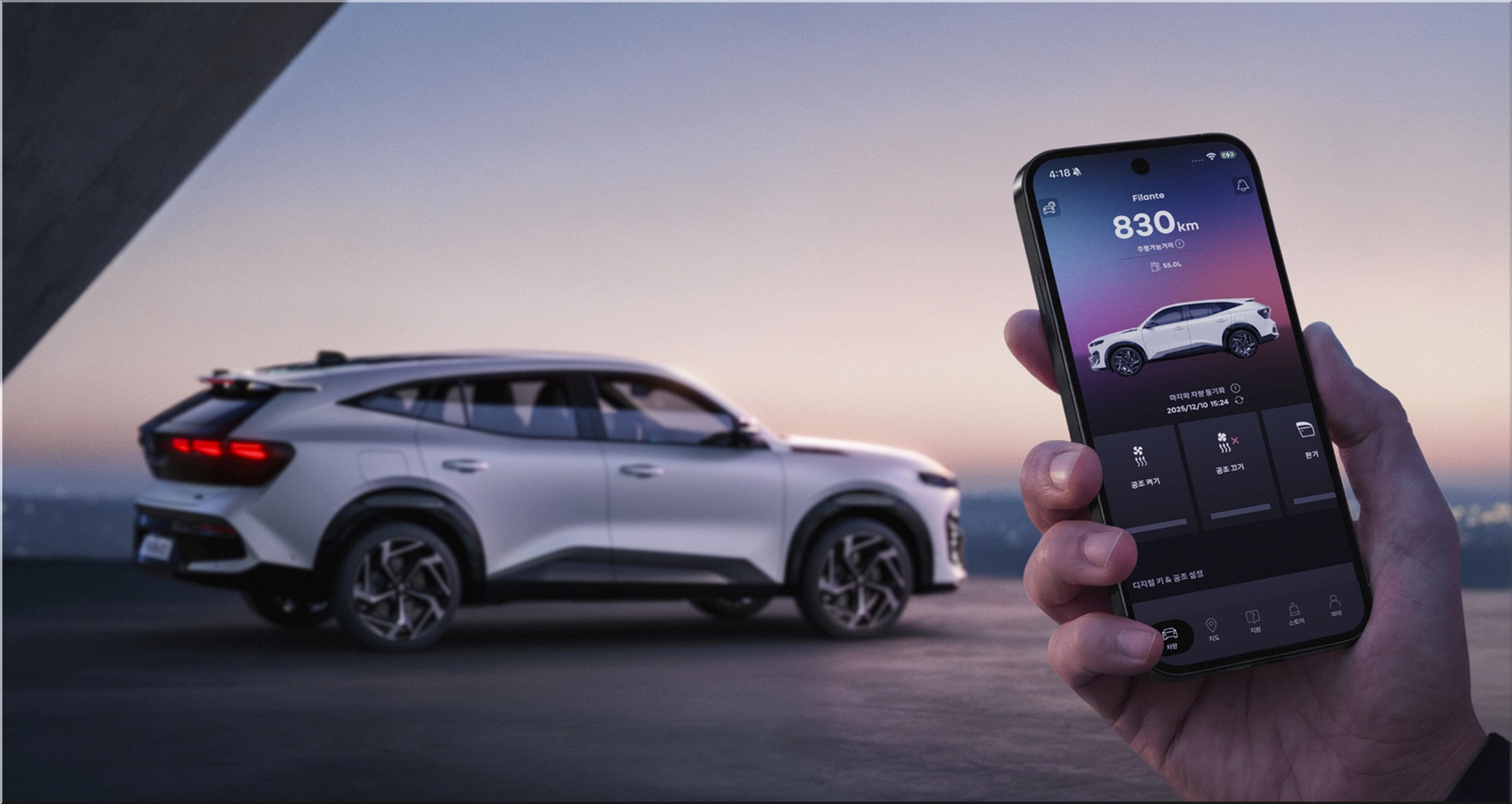
The Filante integrates over-the-air updates and remote vehicle access through the My Renault app.
Owners can:
- Precondition cabin temperature
- Locate the vehicle remotely
- Share digital keys with up to five users
5G connectivity and profile-based personalization allow settings to follow each driver. This reduces setup repetition, a subtle but powerful satisfaction driver.
Trim Levels and Expected Pricing Strategy
Renault offers three trims:
- Techno
- Iconic
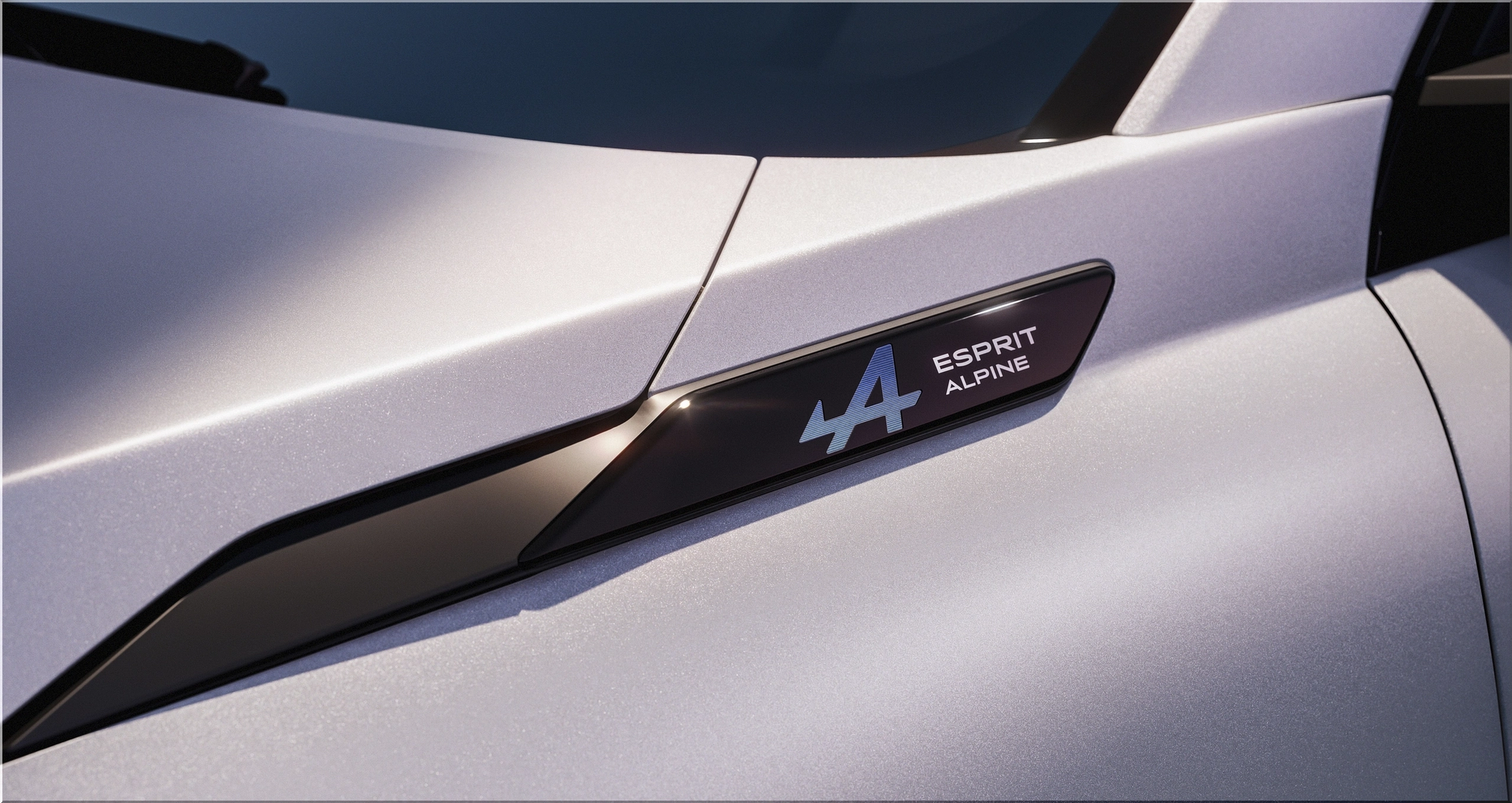
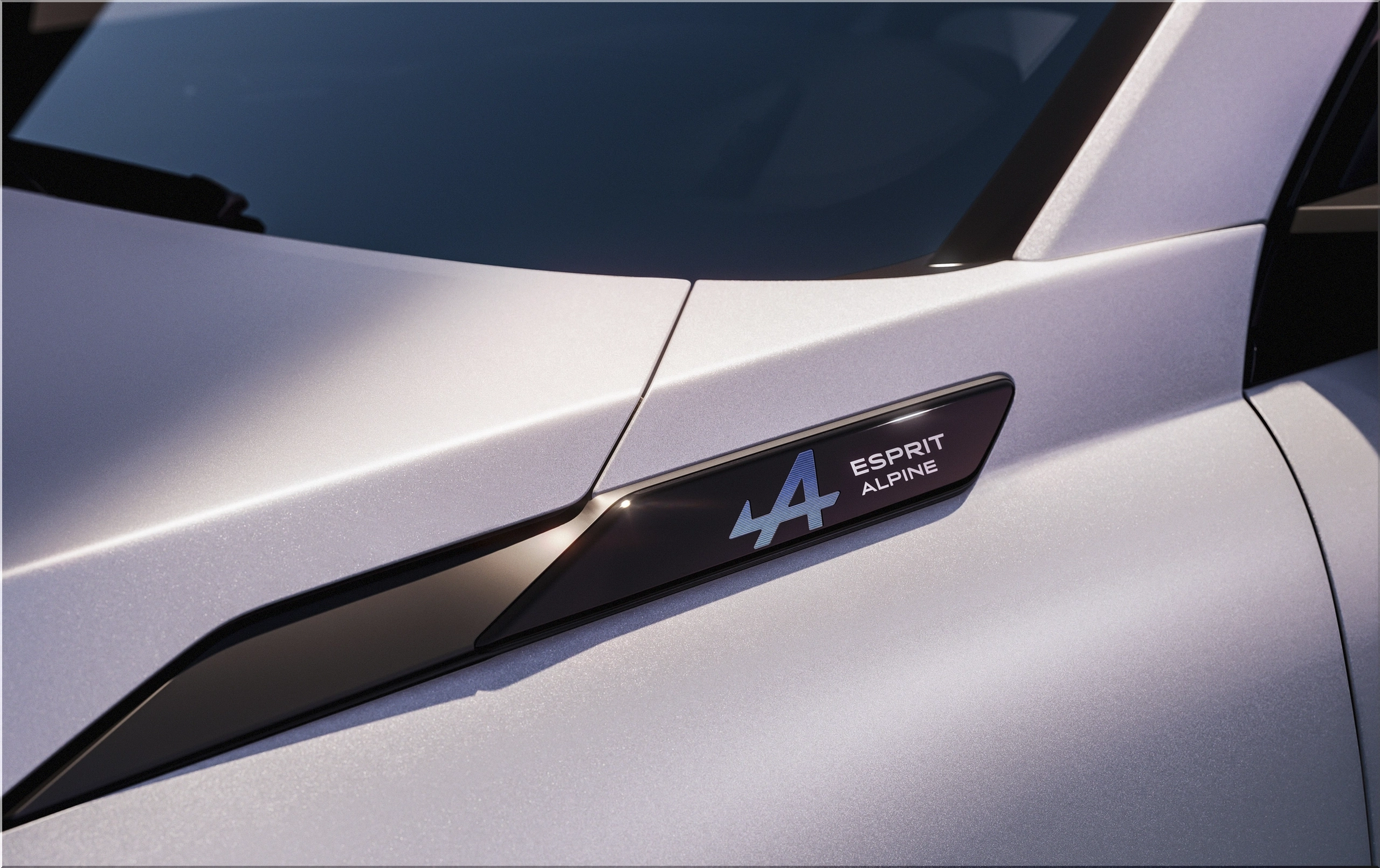
- Esprit Alpine
The Esprit Alpine trim adds sport-focused visual cues without mechanical changes. This tactic allows Renault to capture style-driven buyers while maintaining production simplicity.
Pricing remains unconfirmed. Based on segment positioning, estimated entry pricing likely falls between $42,000 and $48,000 USD, with higher trims approaching the low-$50,000 range in some markets.

Competitive Comparison: Expanded Segment Context
The Filante competes against established hybrid crossovers that prioritize reliability and comfort over performance extremes.
| Model | Powertrain | Combined Output | Length | Drivetrain Type |
|---|---|---|---|---|
| Renault Filante | Full Hybrid | 250 ps | 4,915 mm | Series-parallel hybrid |
| Toyota Crown Crossover | Hybrid | 236 ps | 4,930 mm | Parallel hybrid |
| Hyundai Santa Fe Hybrid | Hybrid | 226 ps | 4,830 mm | Parallel hybrid |
| Kia Sorento Hybrid | Hybrid | 227 ps | 4,810 mm | Parallel hybrid |
| Lexus RX 350h | Hybrid | 246 ps | 4,890 mm | Parallel hybrid |
| Ford Edge Hybrid | Hybrid | ~240 ps | 4,796 mm | Parallel hybrid |
Where Filante wins:
- Highest torque output in the group
- Largest screen real estate
- Electric-first urban driving behavior
Where rivals retain strength:
- Lexus brand equity
- Toyota hybrid reputation
- Ford dealer reach in some regions
Renault positions Filante as a rational alternative to premium badges rather than a direct luxury challenger.
Buyer Psychology: Why the Filante Makes Sense
The Filante appeals to loss-averse buyers. It minimizes downside scenarios:
- No charging dependency
- Lower fuel exposure
- Strong safety coverage
- Conservative design aging
This model favors ownership peace over emotional excitement. That approach aligns with real-world purchase behavior in its target regions.
What Now: Practical Takeaways
- Watch South Korean pricing for global clues
- Compare torque figures, not horsepower
- If charging access stays inconsistent, full hybrids remain the lowest-risk option
- Buyers focused on resale stability should track early market response
The 2027 Renault Filante does not aim to surprise. It aims to reassure. In todays premium crossover market, that may prove far more persuasive.
Full Hybrid: A drivetrain that switches automatically between electric, gasoline, or combined power without external charging.
Loss Aversion: A behavioral principle where buyers prioritize avoiding losses over achieving gains.
Pro-Tips
- Test rear-seat comfort before deciding in this segment
- Evaluate driver assistance calibration during highway drives
- Prioritize torque for daily usability, not peak output
- Add new comment
- 180 views