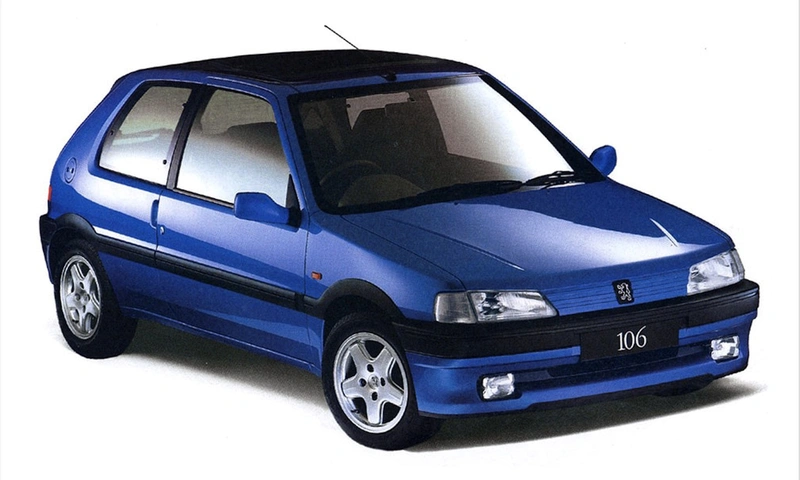
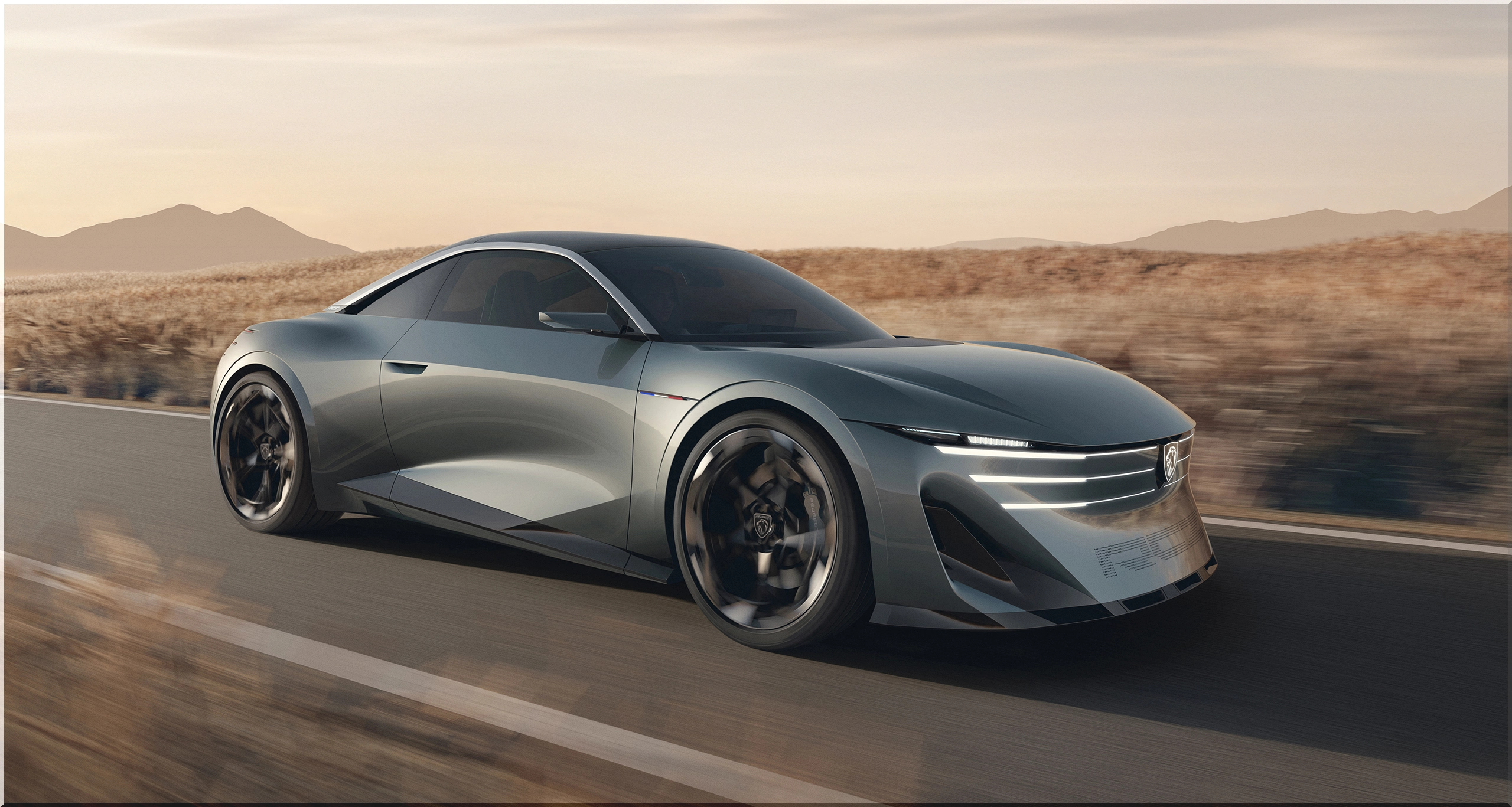
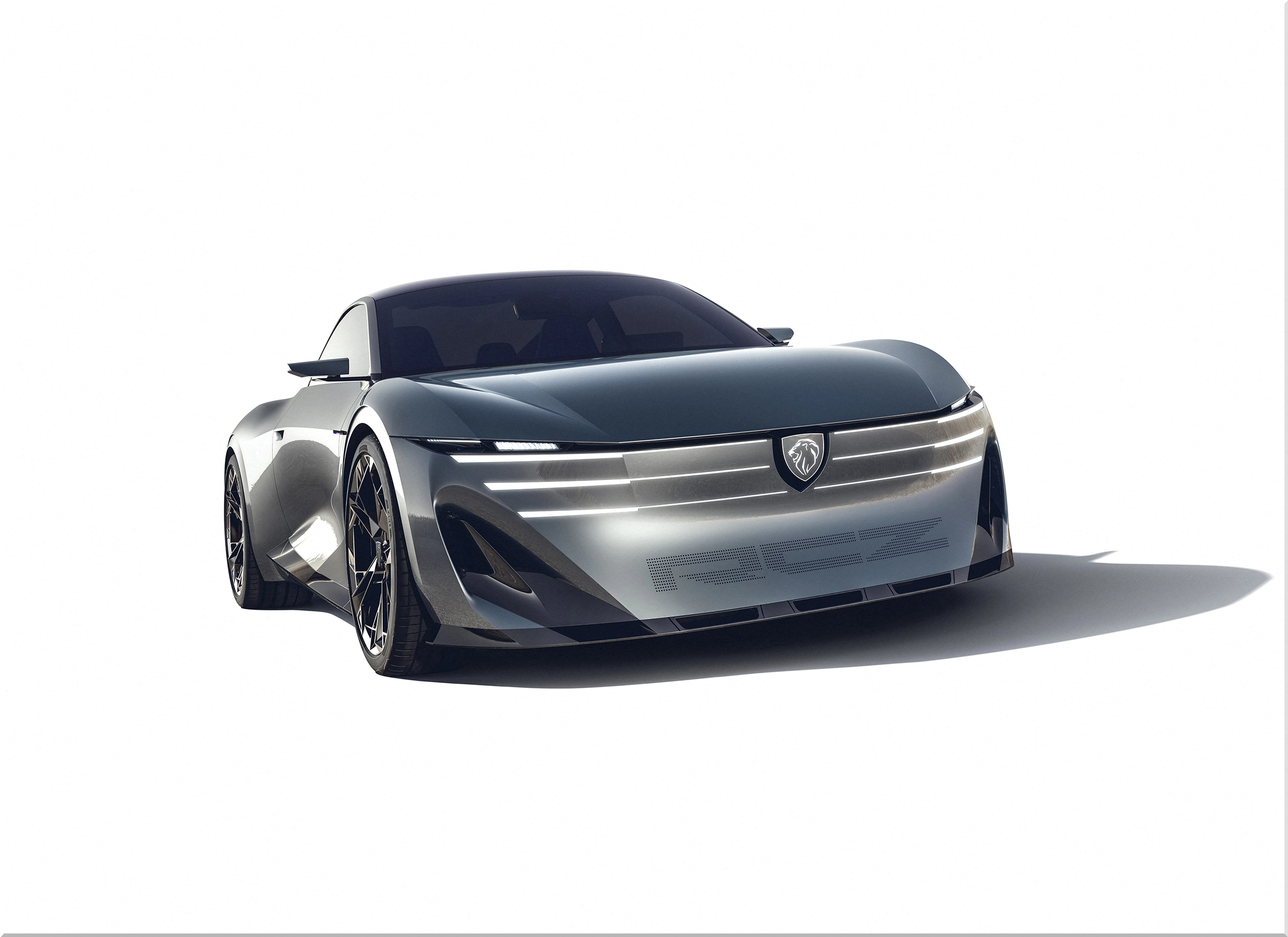
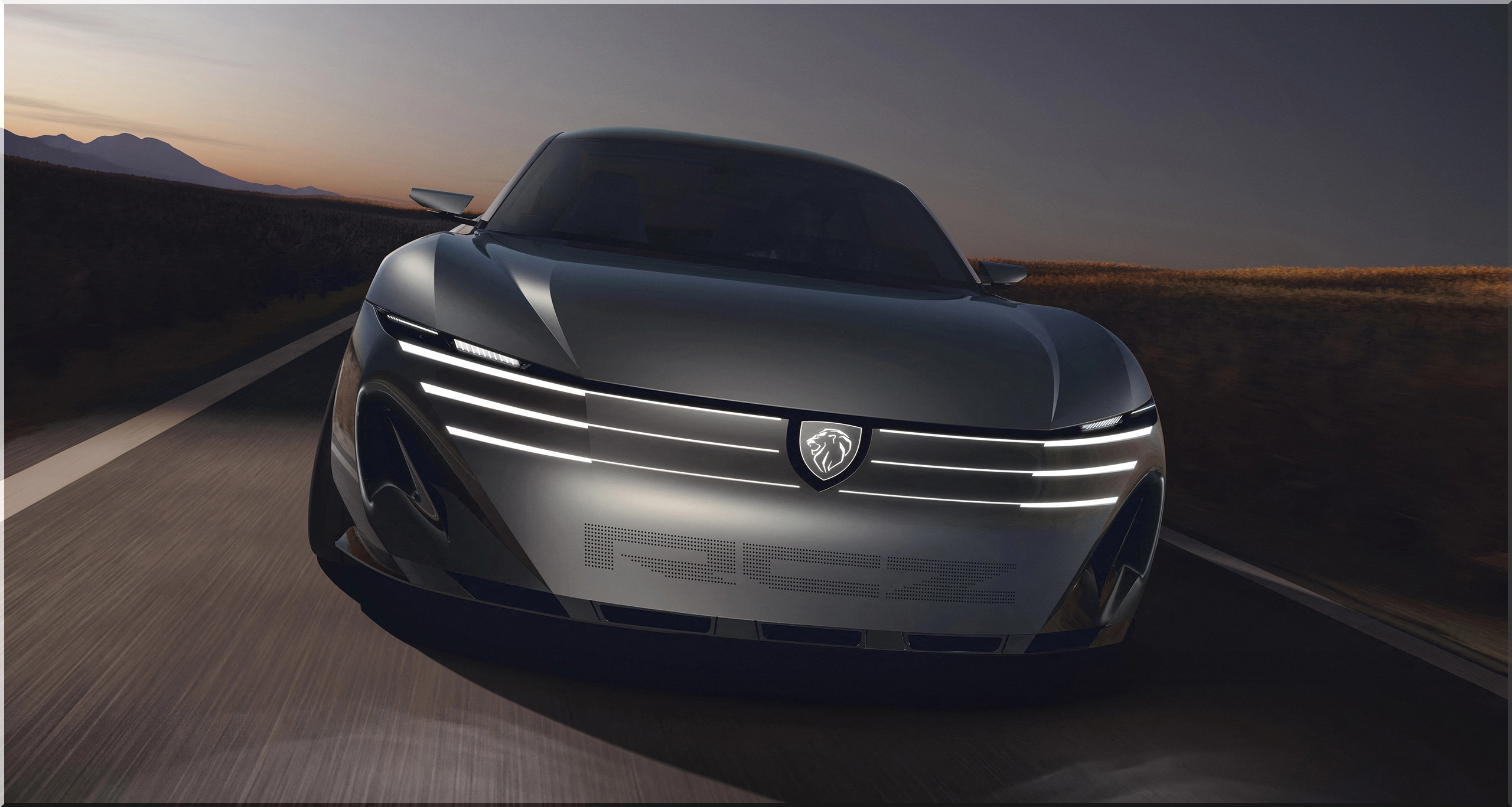
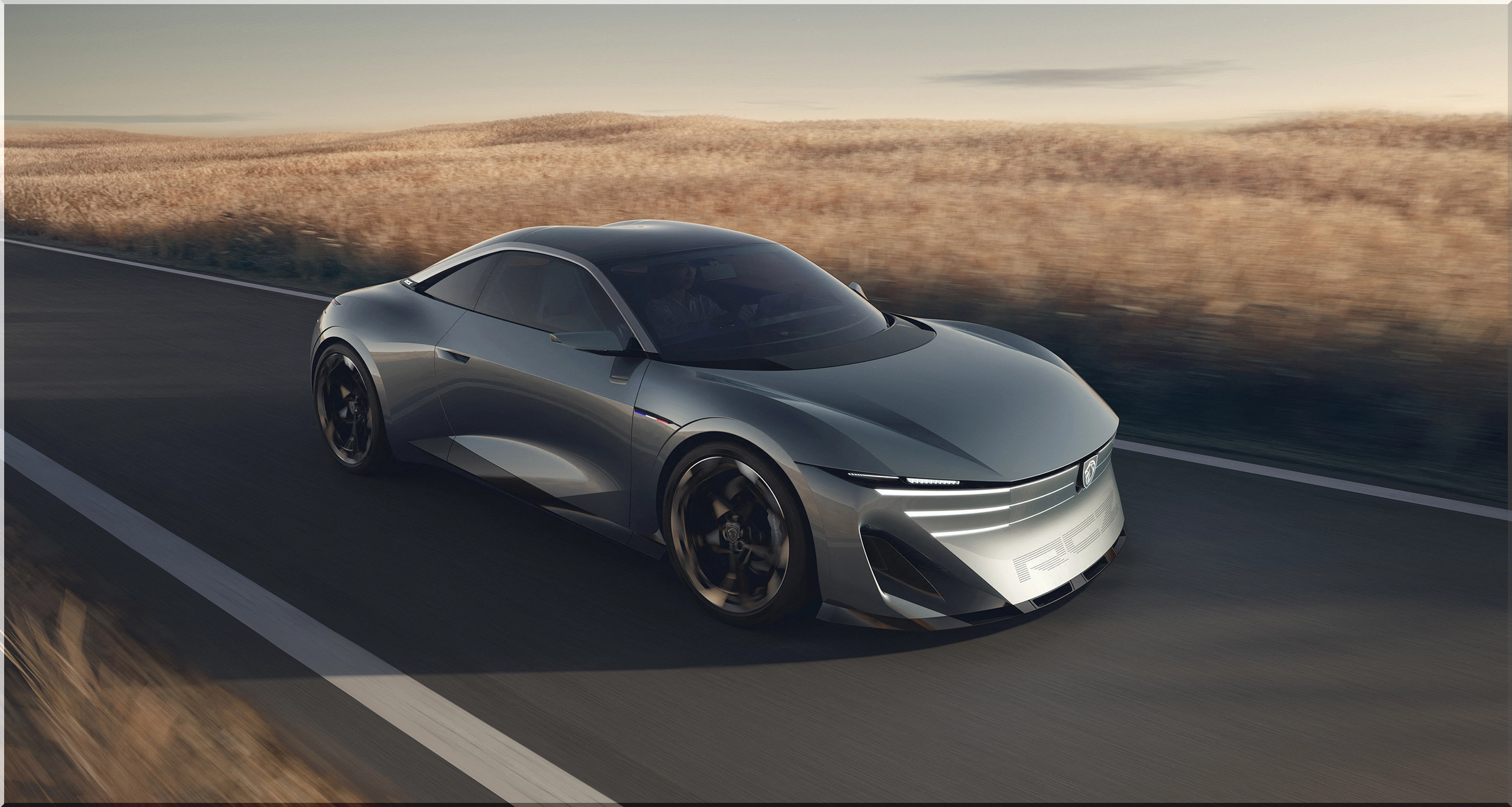
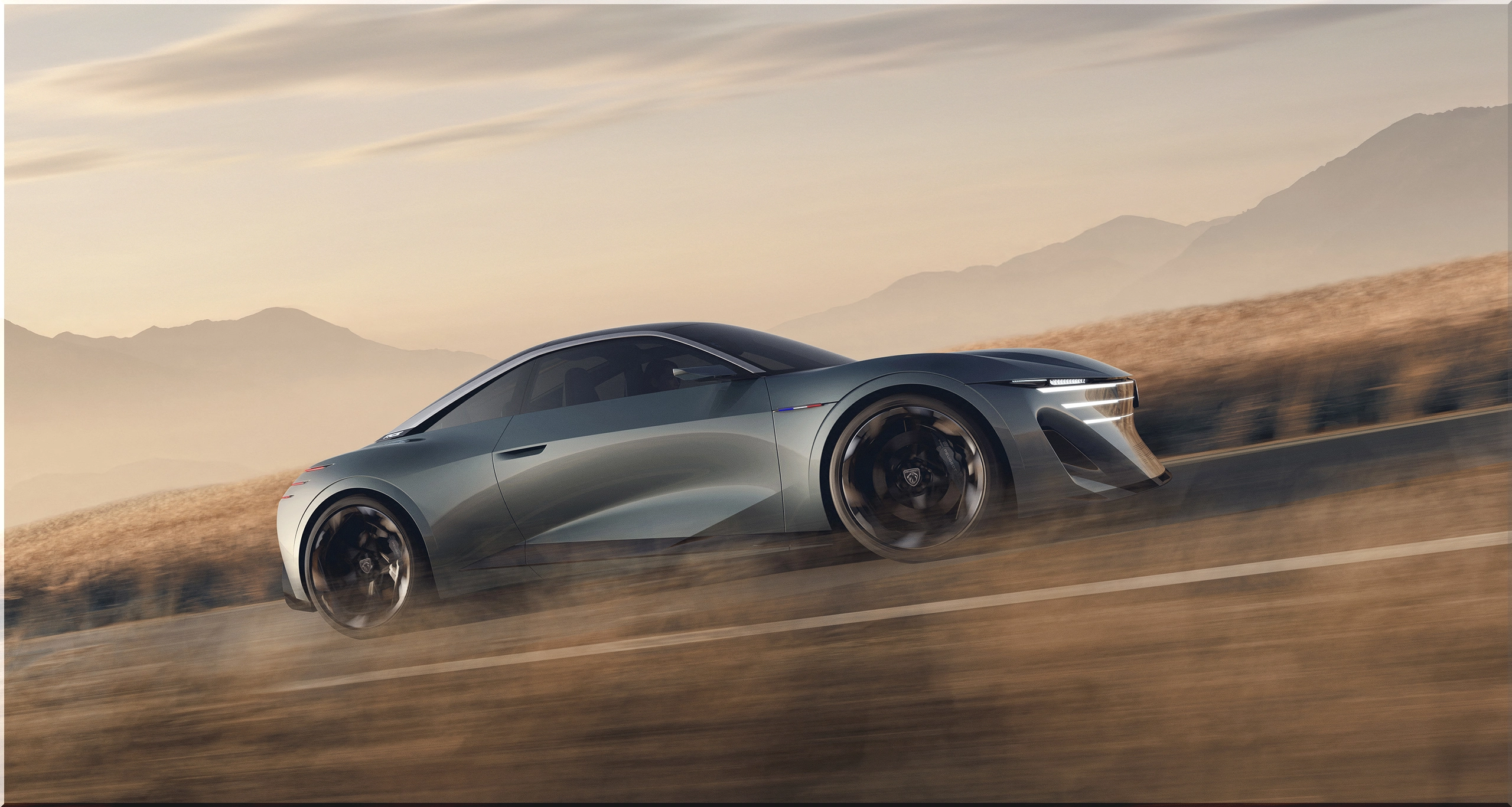
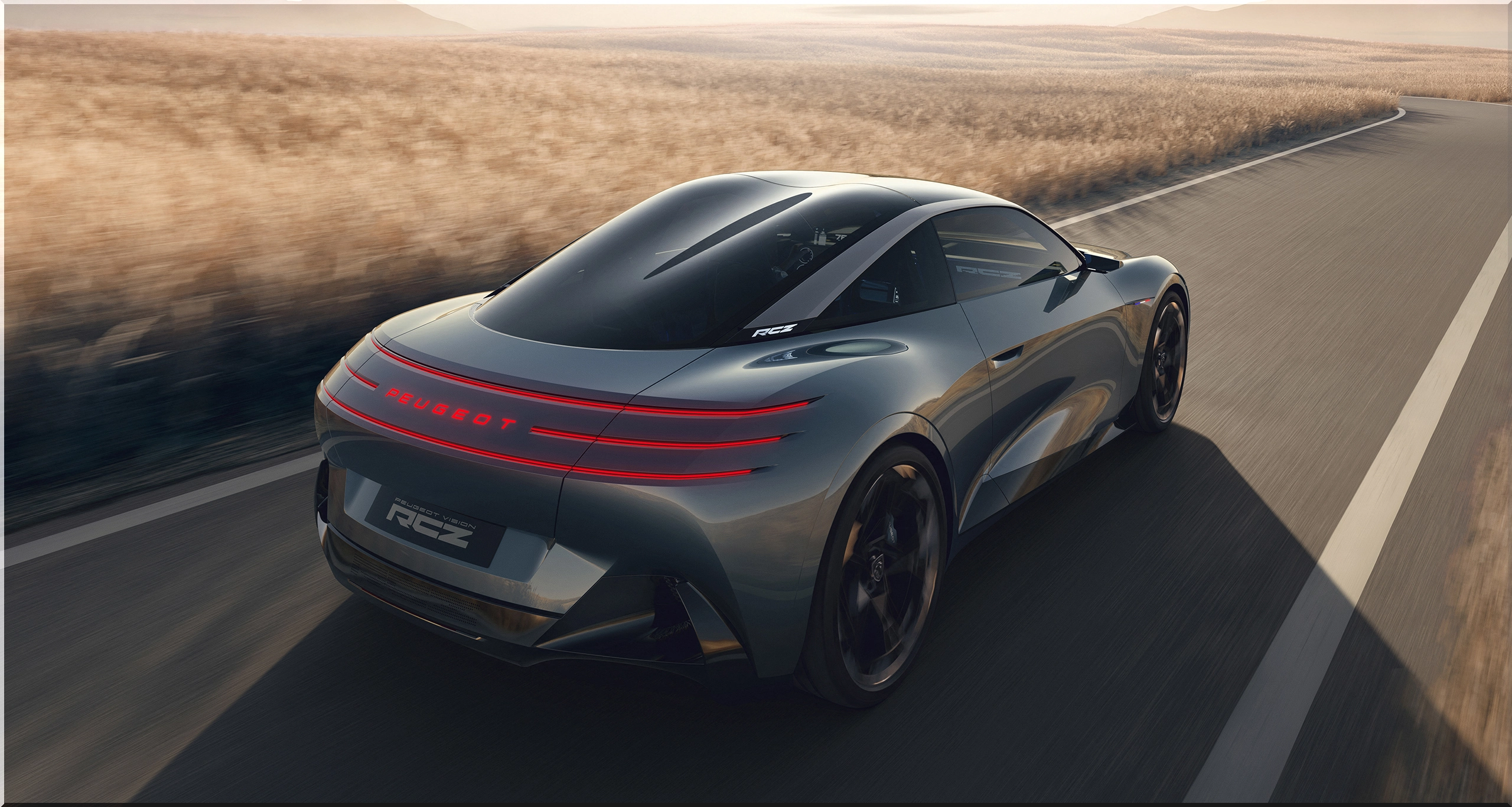
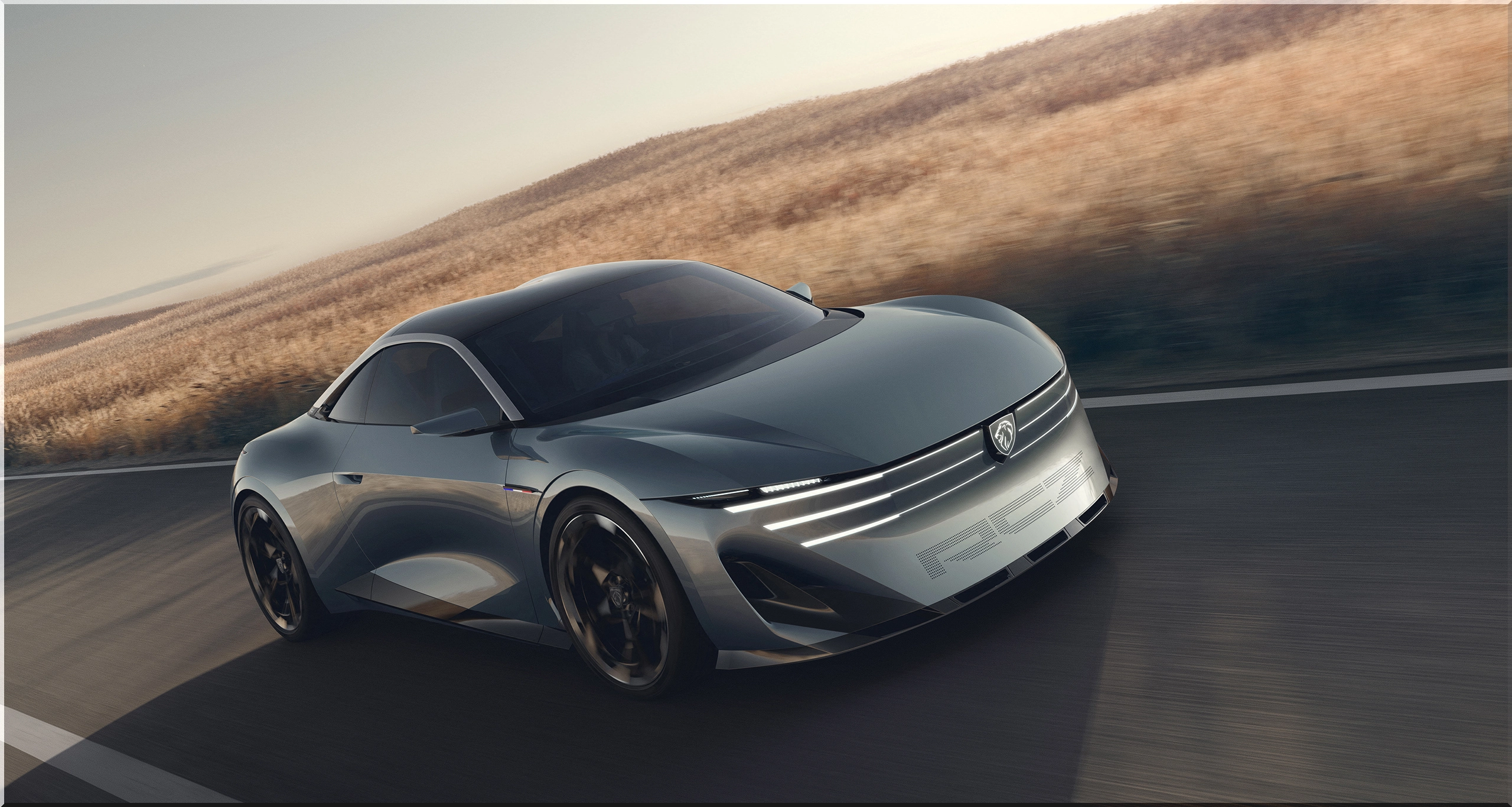
The Peugeot RCZ Vision brings the RCZ name back as a four-seat electric coupe concept with serious engineering ambitions. Peugeot claims 368 kW (500 PS), up to 600 km of range and a 1,000 V electrical architecture. Its strongest proposition combines rapid charging with a thin battery that supports a low roofline.
Image
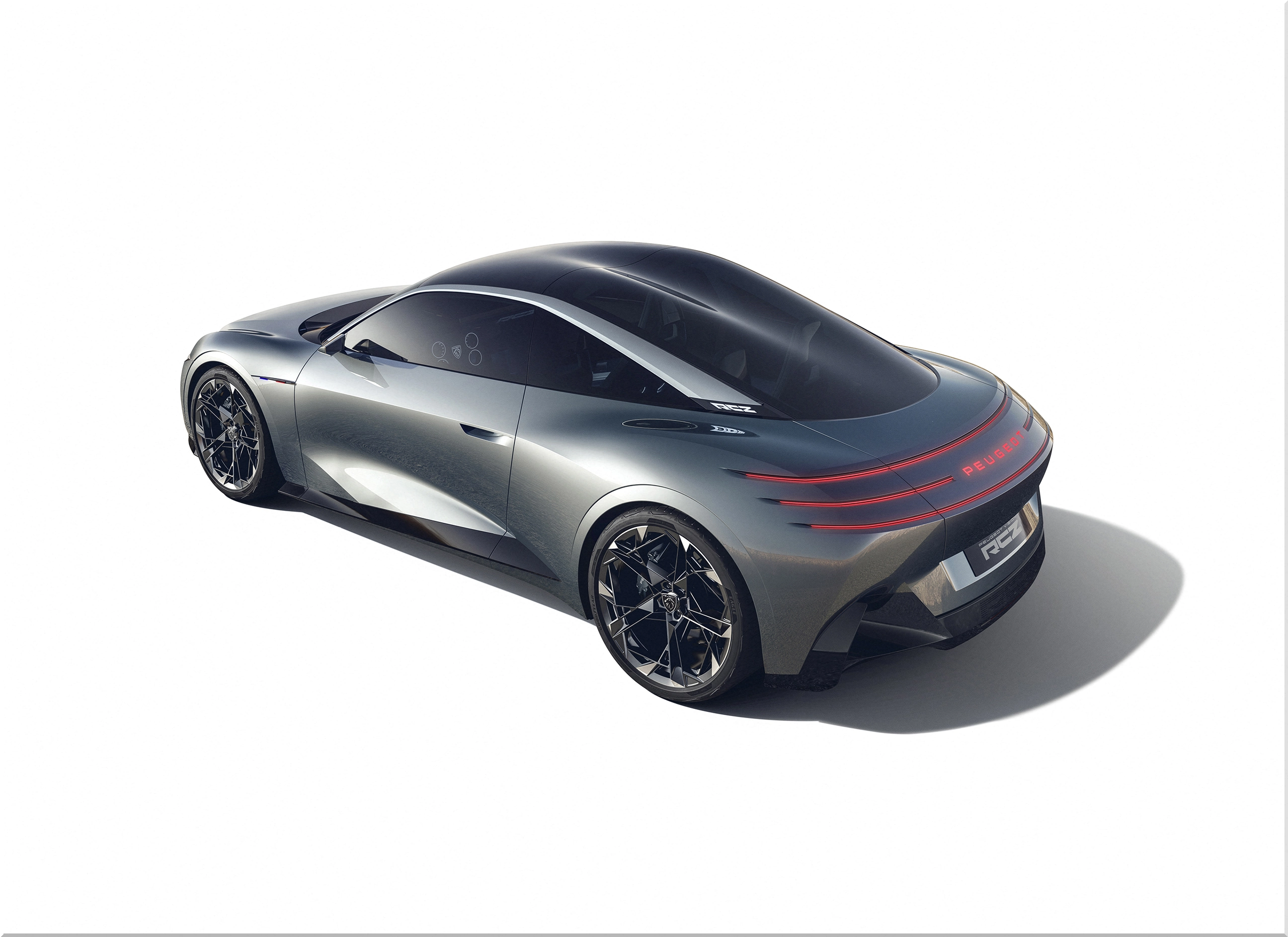
Peugeot published the concept on 11 October 2026. It has yet to announce a production commitment, price or delivery date.
RCZ Vision Specifications: Ambition Versus Today's GTi
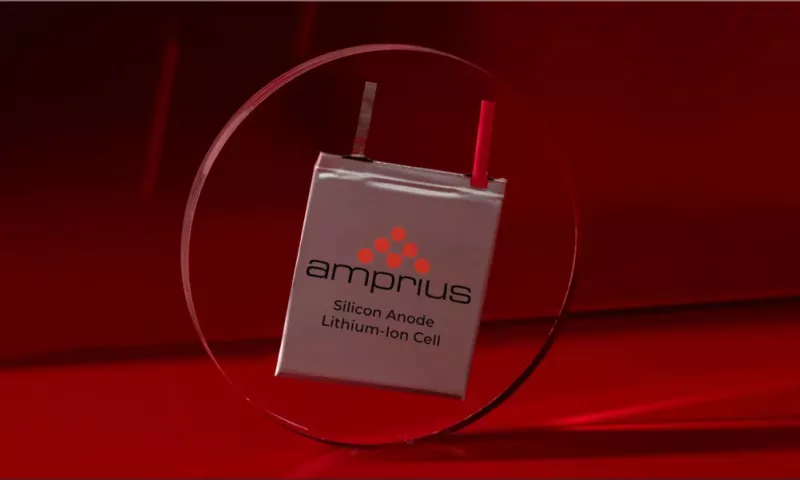
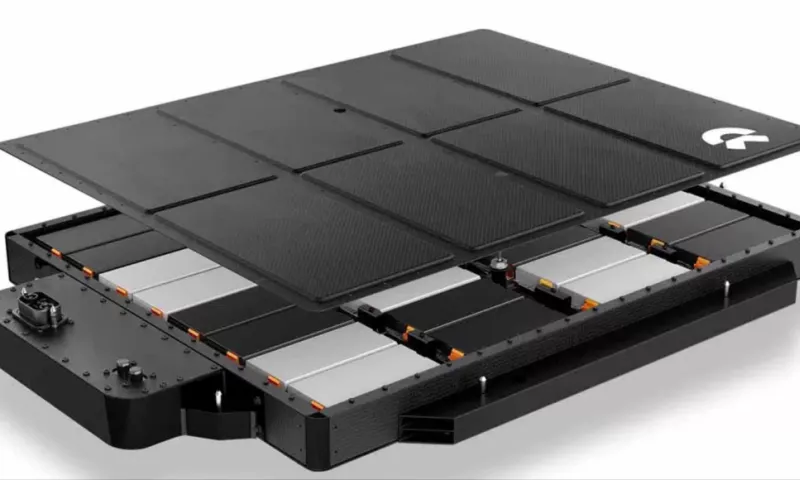
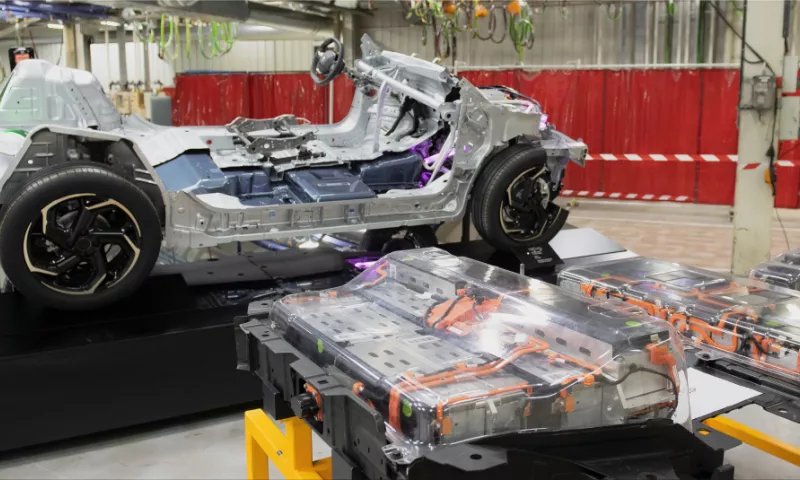
The STLA One platform architecture supports a solid-state battery developed with Factorial Energy. Peugeot specifies a pack thickness of 110 mm, or 4.33 inches, but omits its capacity. A thinner pack gives designers more vertical space to distribute between occupant accommodation, ground clearance and roof height.
Image
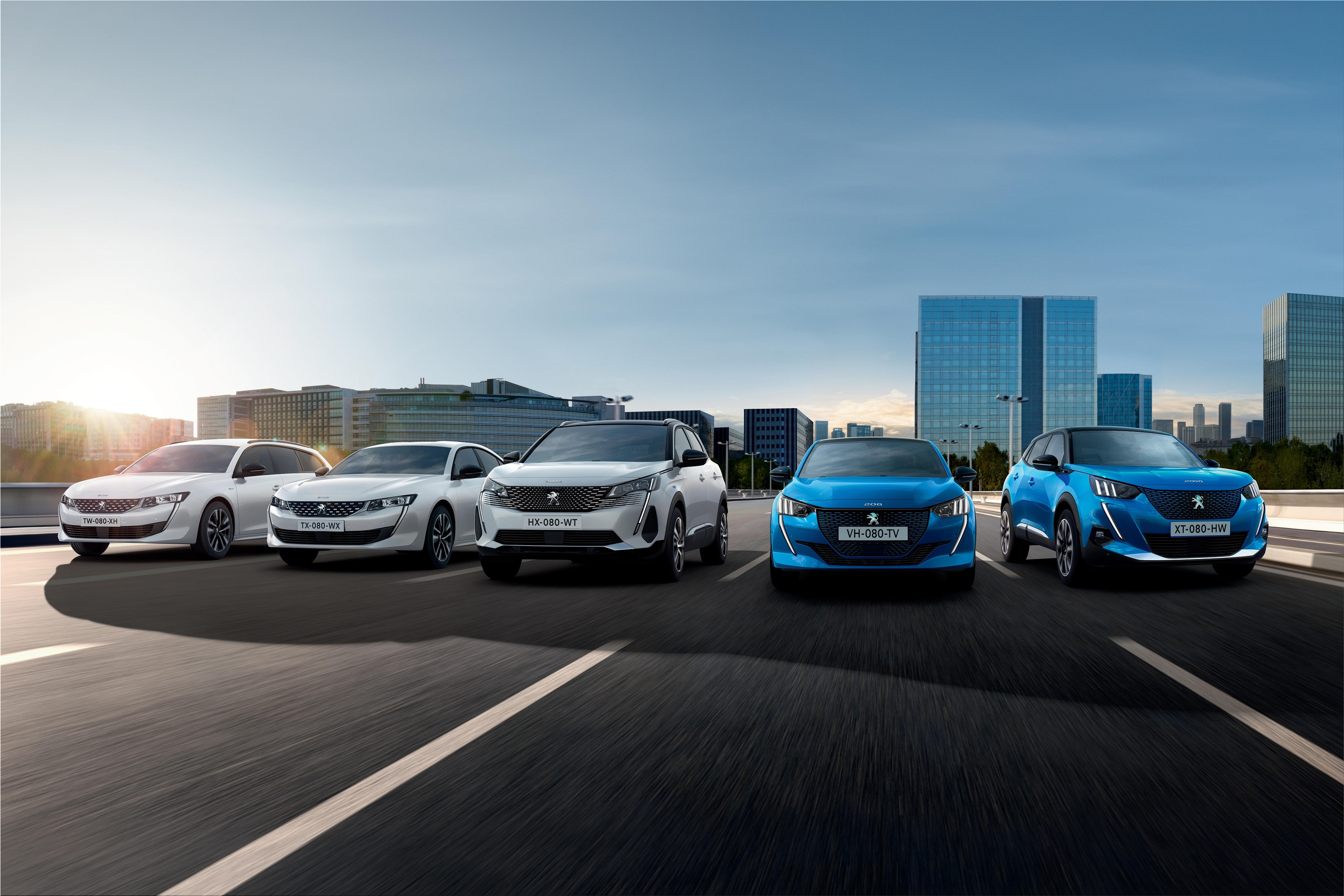
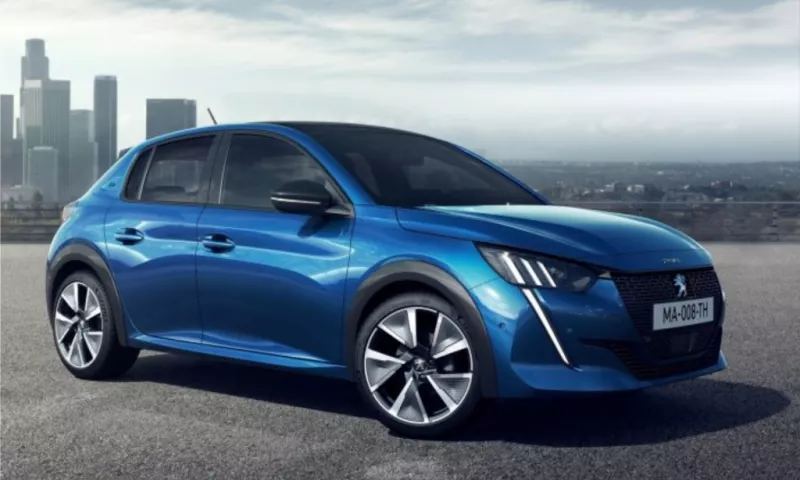
By comparison, Peugeot's E-208 GTi offers a useful reference for the brand's current electric performance technology.
| Specification | RCZ Vision concept | E-208 GTi announced specification |
|---|---|---|
| Power | 368 kW / 500 PS | 206 kW / 280 PS |
| Torque | Peugeot has not published a figure | 345 Nm |
| Range | Up to 600 km, concept claim | 350 km WLTP |
| Battery | Solid-state; 110 mm thick; capacity undisclosed | CATL; 54 kWh gross |
| DC charging | 10–80% in around 10 minutes, target | 20–80% in under 30 minutes at 100 kW |
| Wheels | 21-inch front; 22-inch rear | 18-inch |
| 0–100 km/h | Peugeot has not published a time | 5.7 seconds |
The charging windows differ, so the times do not establish a direct speed ratio. Peugeot also labels the RCZ Vision's 11.5 kWh/100 km combined-WLTP efficiency target as pending validation.
Video file
Video title
Peugeot RCZ Vision
Why a 1,000 V Architecture Helps Charging
Voltage changes the electrical workload. At equal power, higher voltage reduces current; lower current reduces resistive cable heating when resistance stays constant. The following engineering comparison uses an illustrative 100 kW transfer, rather than an announced RCZ charging peak.
| Electrical architecture | Current at 100 kW | Relative cable heating at equal resistance |
|---|---|---|
| 400 V | 250 A | 100% |
| 800 V | 125 A | 25% |
| 1,000 V | 100 A | 16% |
Consequently, the 1,000 V arrangement offers electrical headroom for fast charging. Battery chemistry, temperature control, charger compatibility and the charging curve still determine the actual session. Peugeot's headline specifies under 10 minutes, while its technical text states 10 minutes; independent testing must establish repeatable results.
Hypersquare Steering and a Practical Double-Bubble Roof
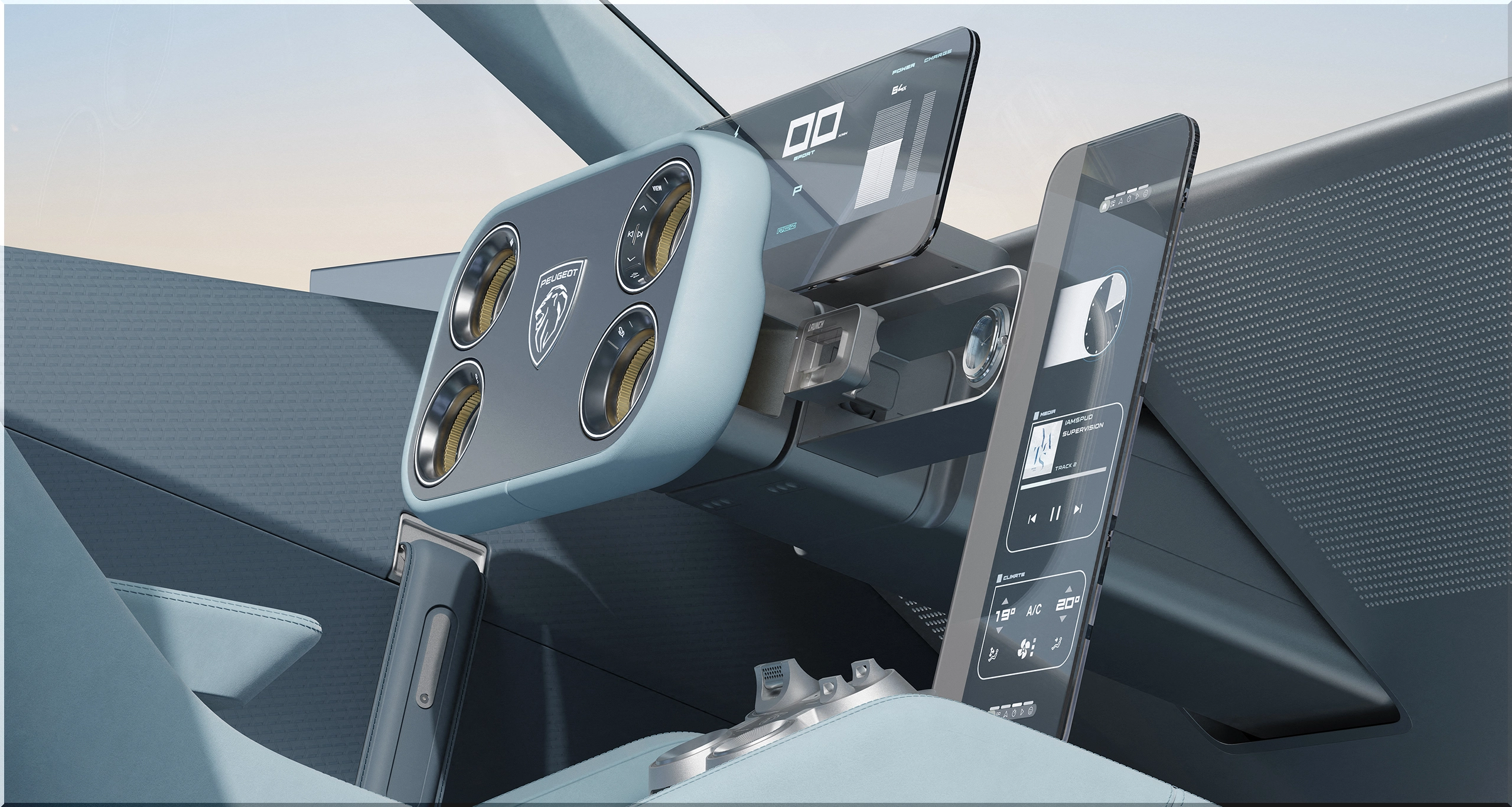
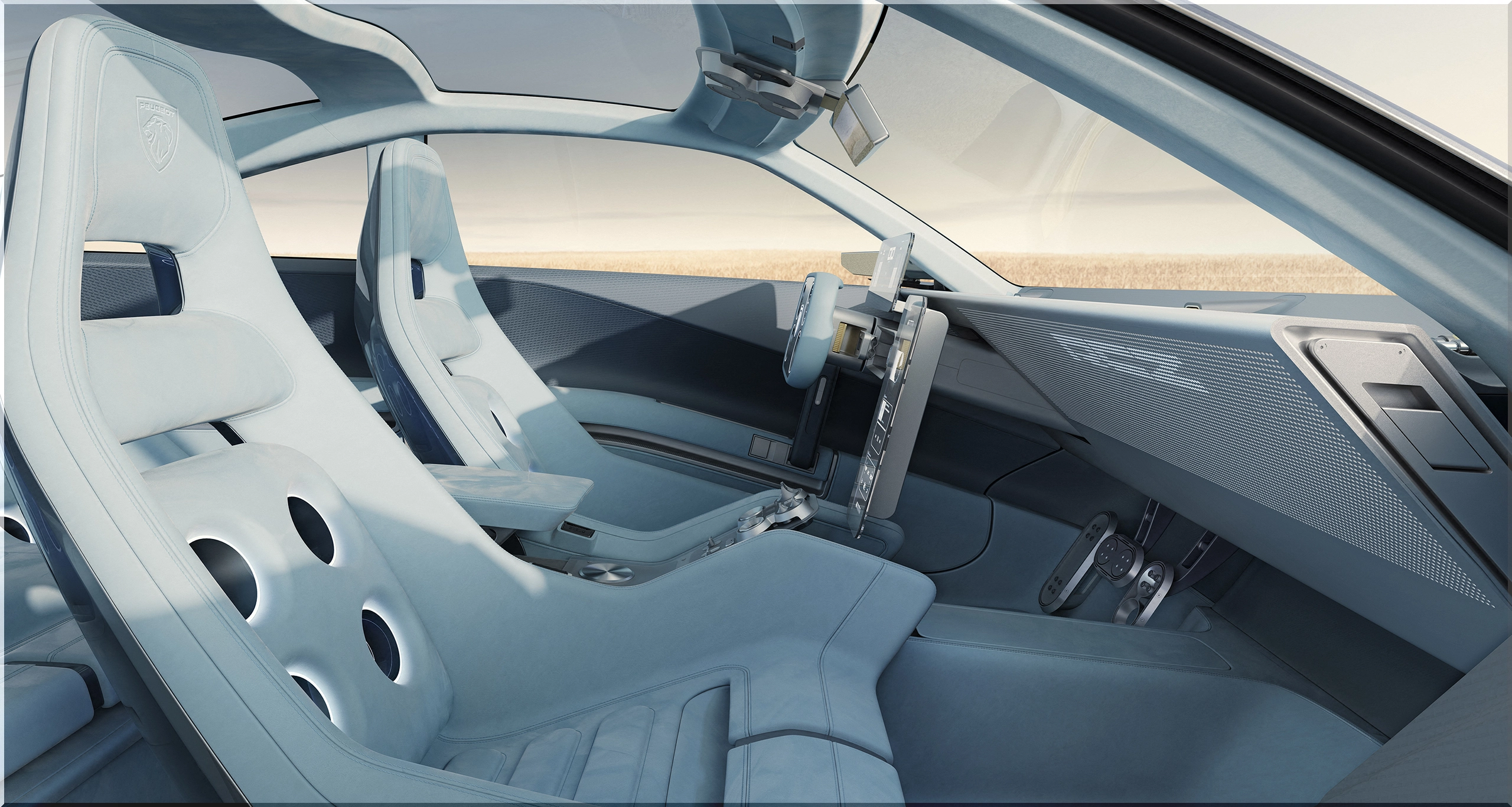
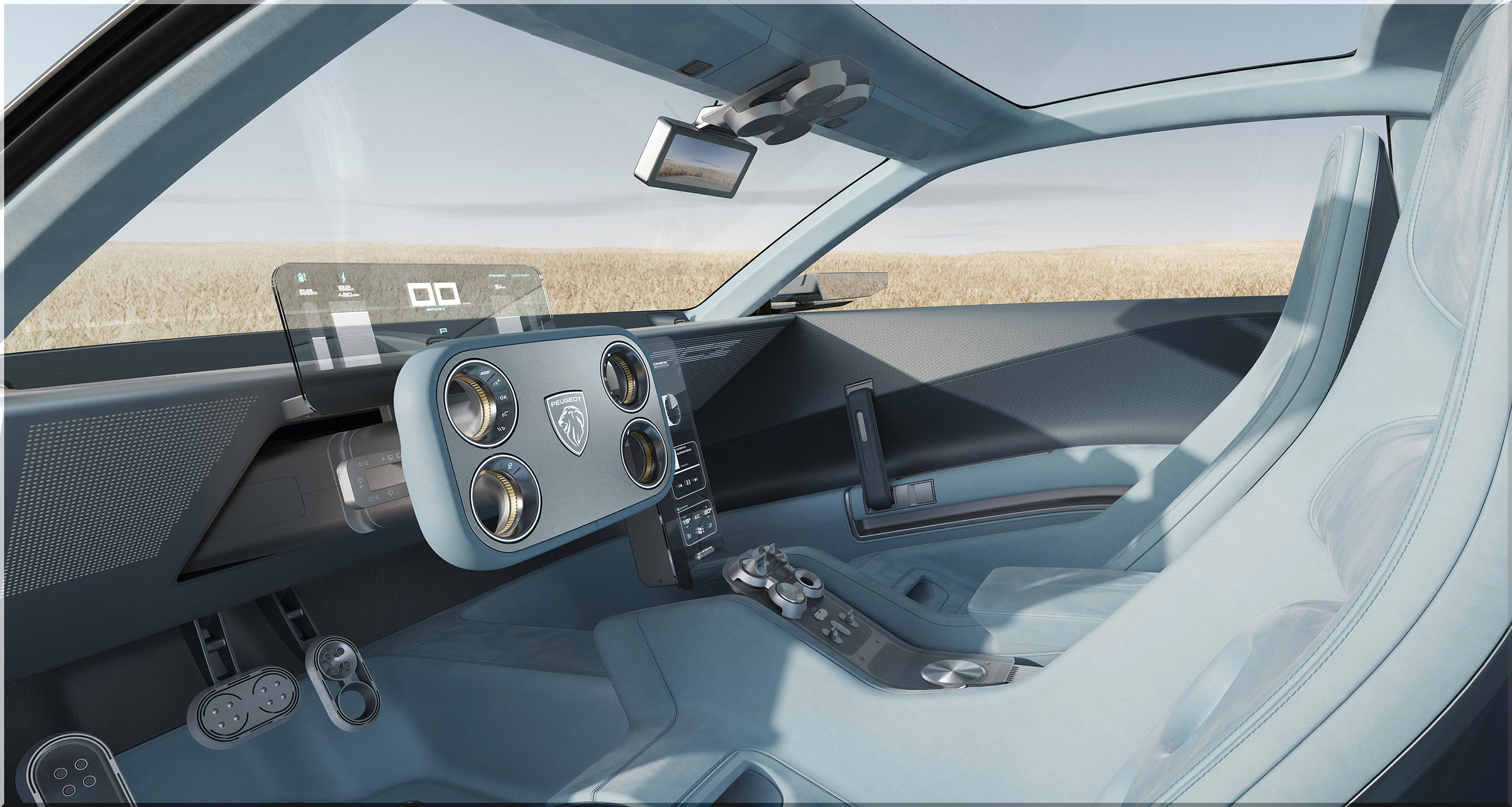
The Hypersquare steering control works with steer-by-wire, replacing the mechanical steering connection with electronic commands. Peugeot claims slightly less than one complete control rotation, versus roughly three turns for a conventional wheel. The system changes its response with vehicle speed to support parking manoeuvres and steadier high-speed inputs.
In addition, the concept introduces several functional details:
- Brake-by-wire coordinates braking commands with regenerative energy recovery.
- Transparent Micro LED displays let drivers switch off the central screen while retaining essential instruments.
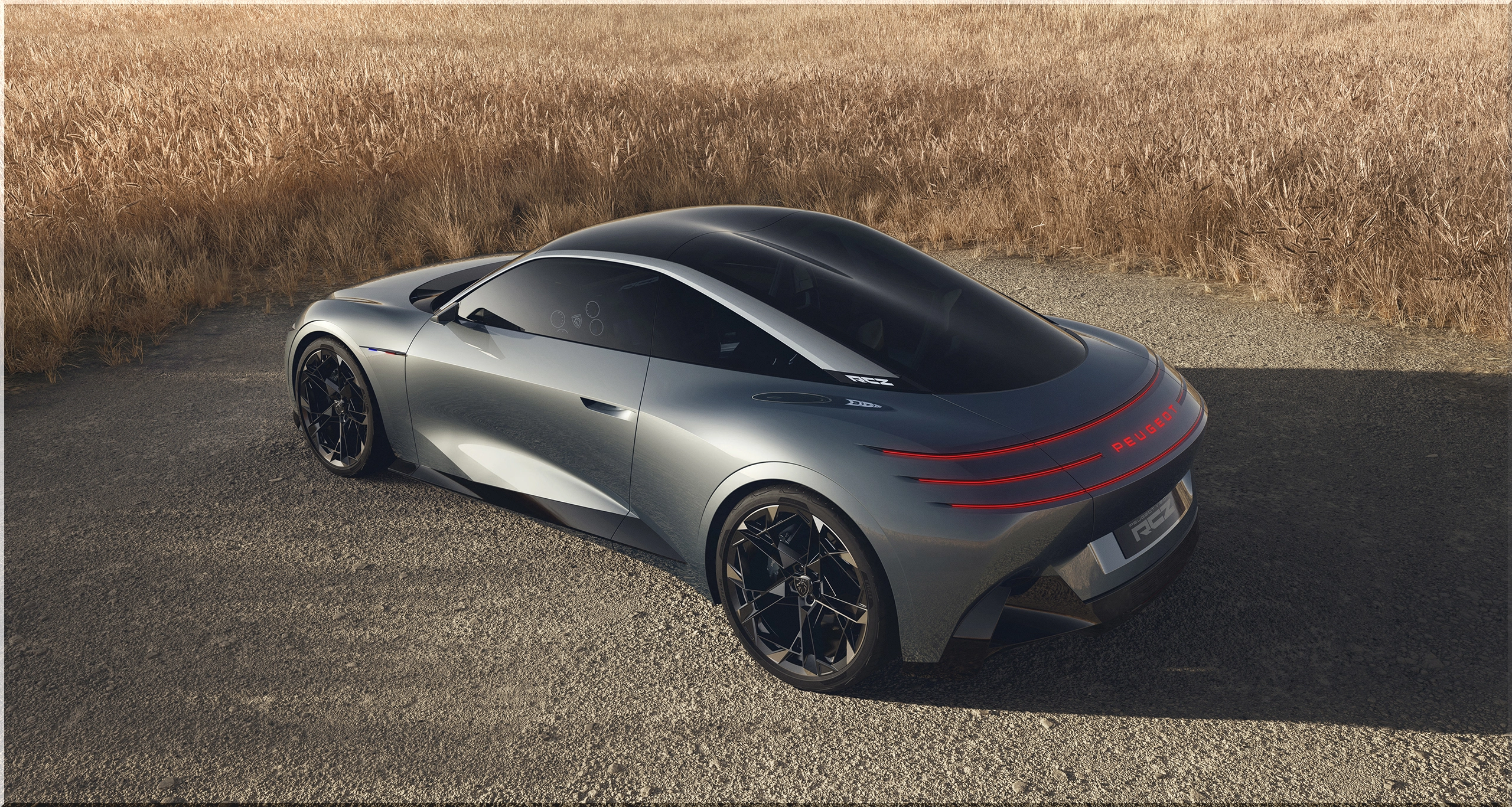
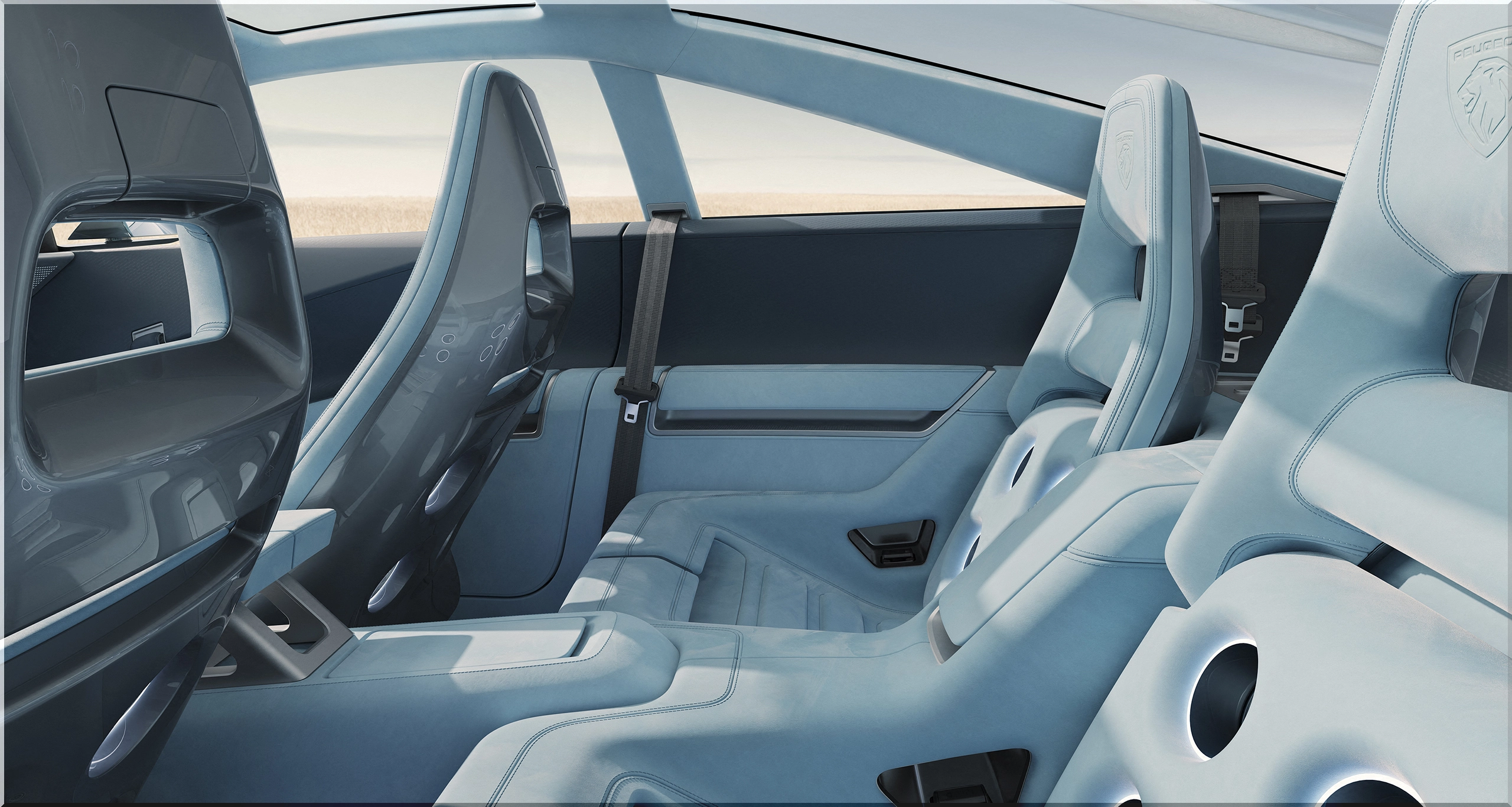
- A double-bubble glass roof creates additional rear-seat space; Peugeot claims accommodation for two rear adults.
- An active rear spoiler deploys during driving, while forged-aluminium wheels target lower wheel mass.
Should You Wait for a Production Peugeot RCZ?
Buy against confirmed specifications. Peugeot links this Hypersquare version to the next-generation E-208, giving the concept a concrete technology connection, but it offers no equivalent commitment for RCZ production.
Pro-Tip: Before changing a purchase plan, seek a confirmed launch date, usable battery capacity, certified range and a complete DC charging curve. Those figures will show how much of this concept's promise reaches a showroom.
- Add new comment
- 22 views