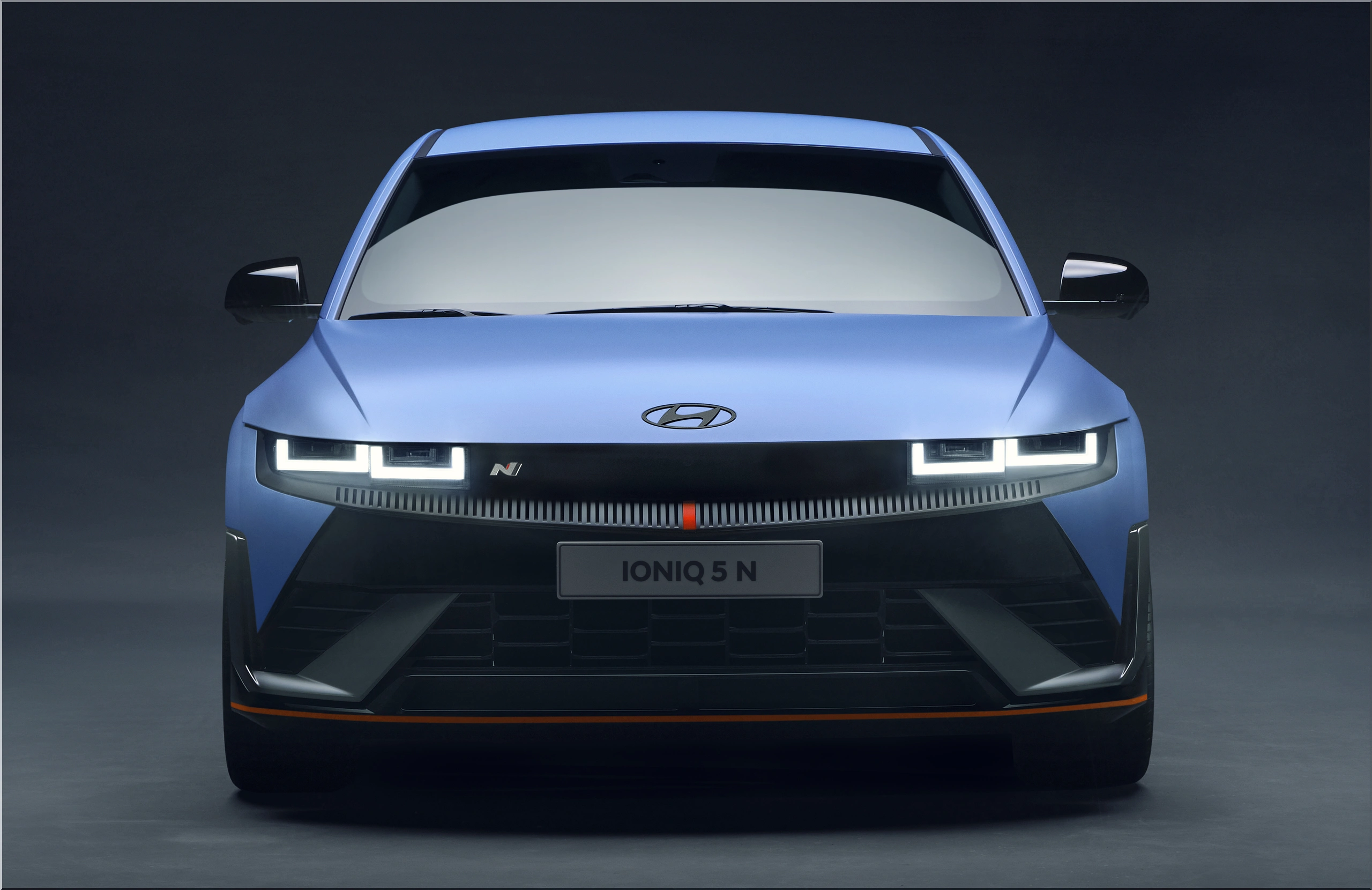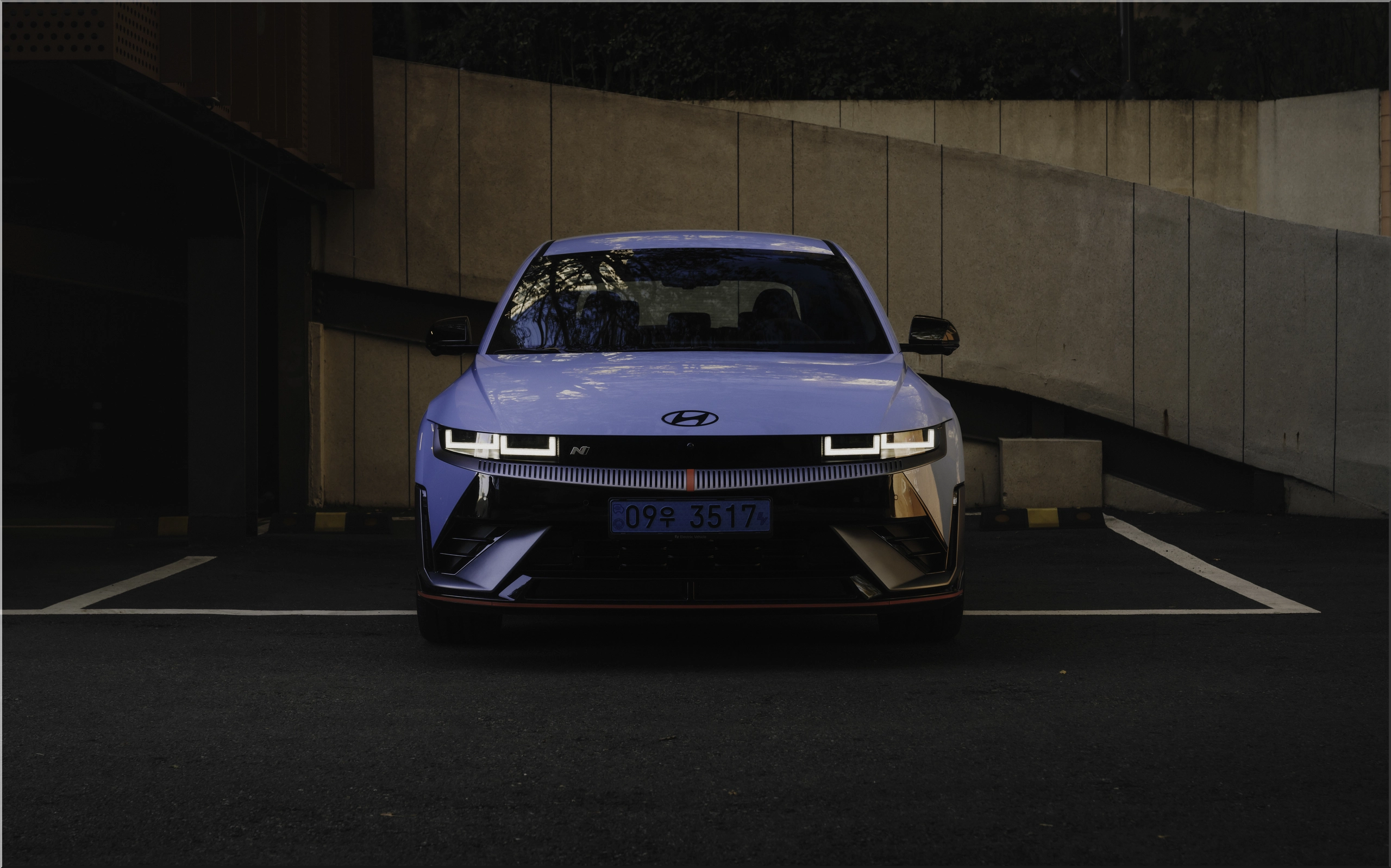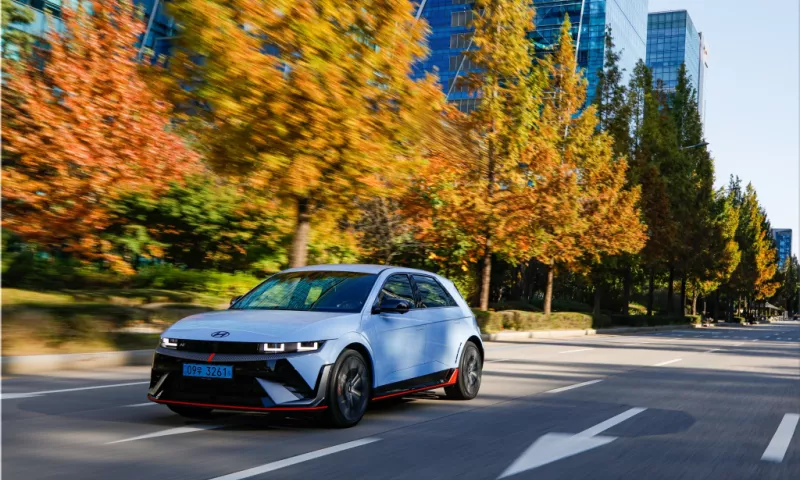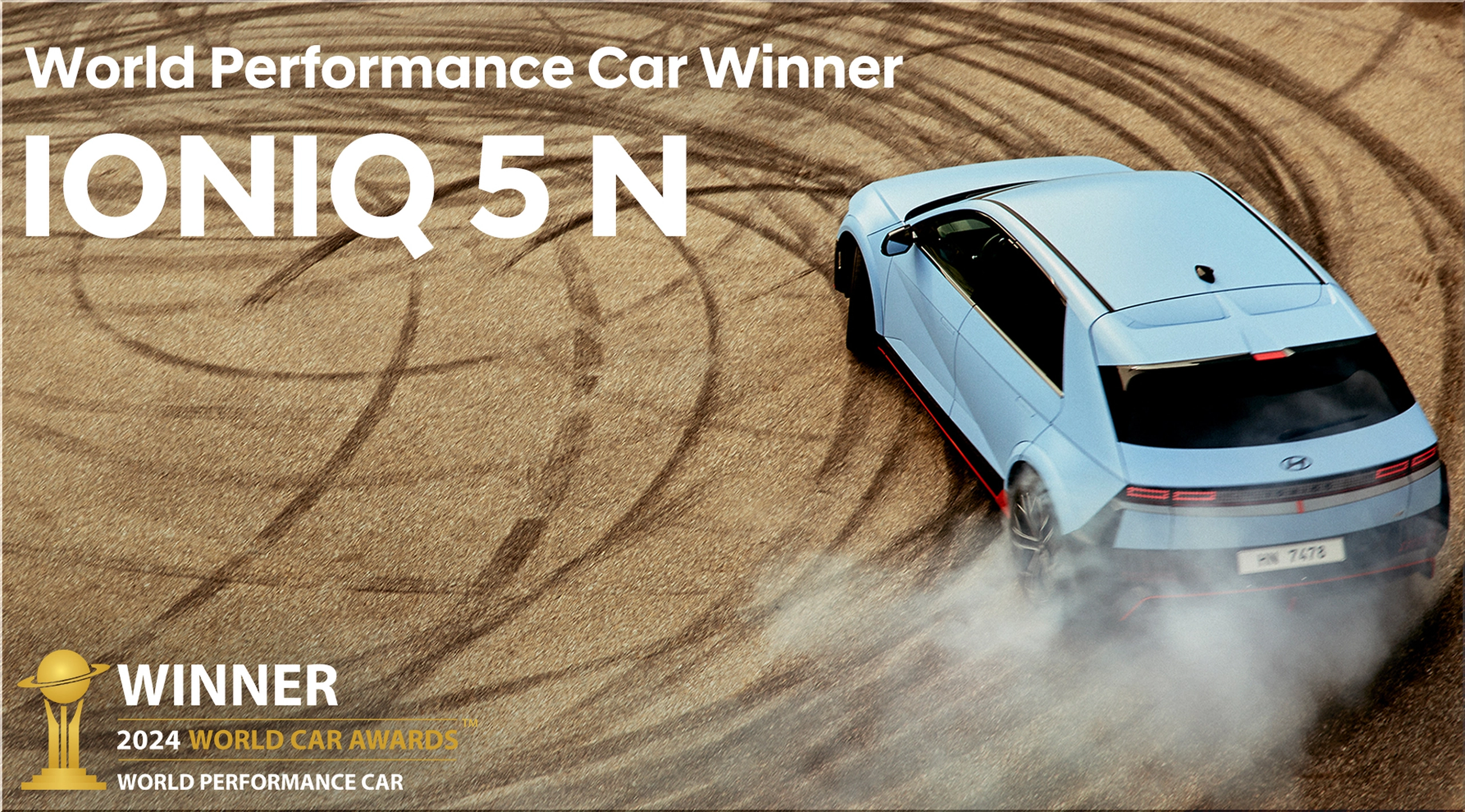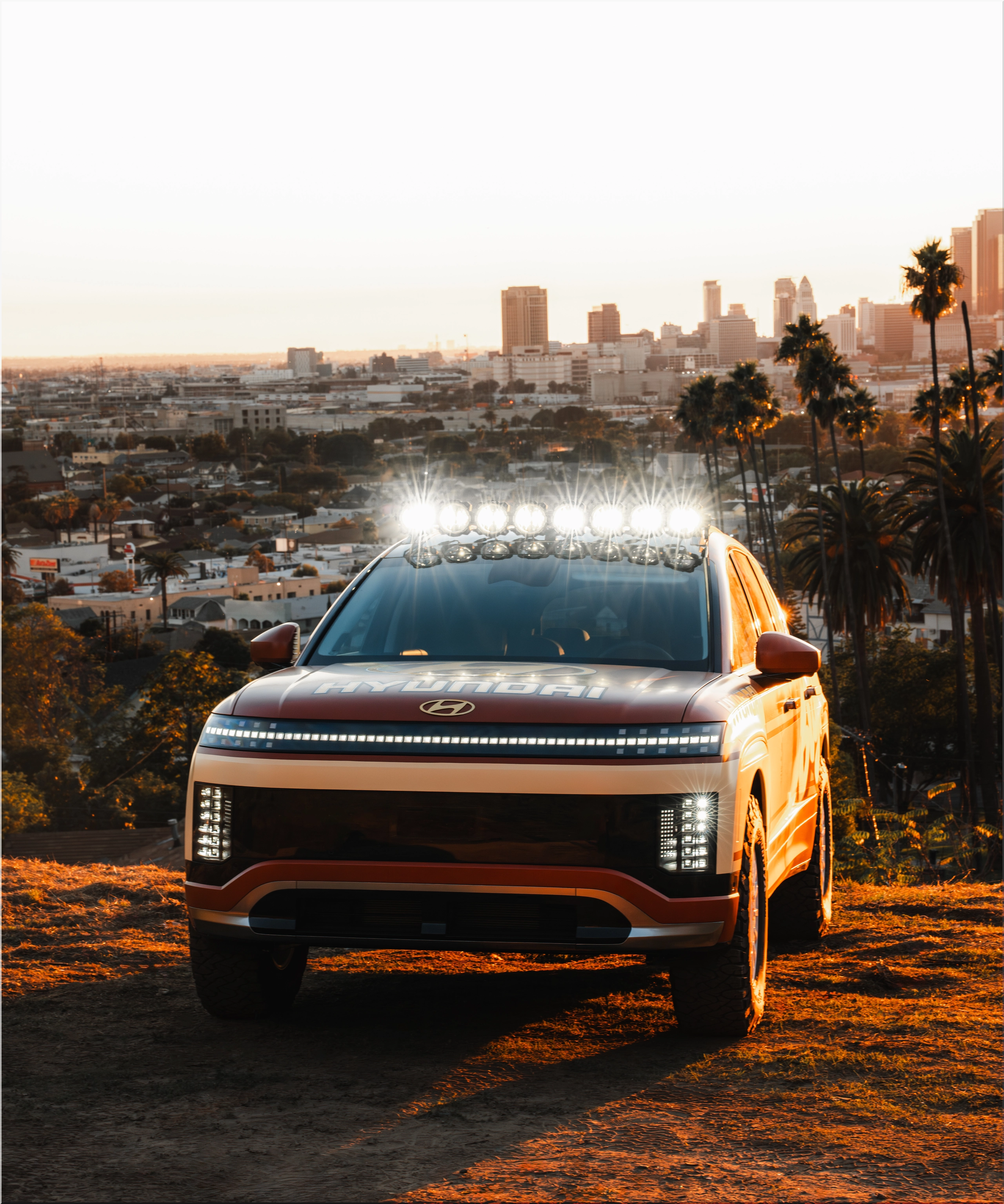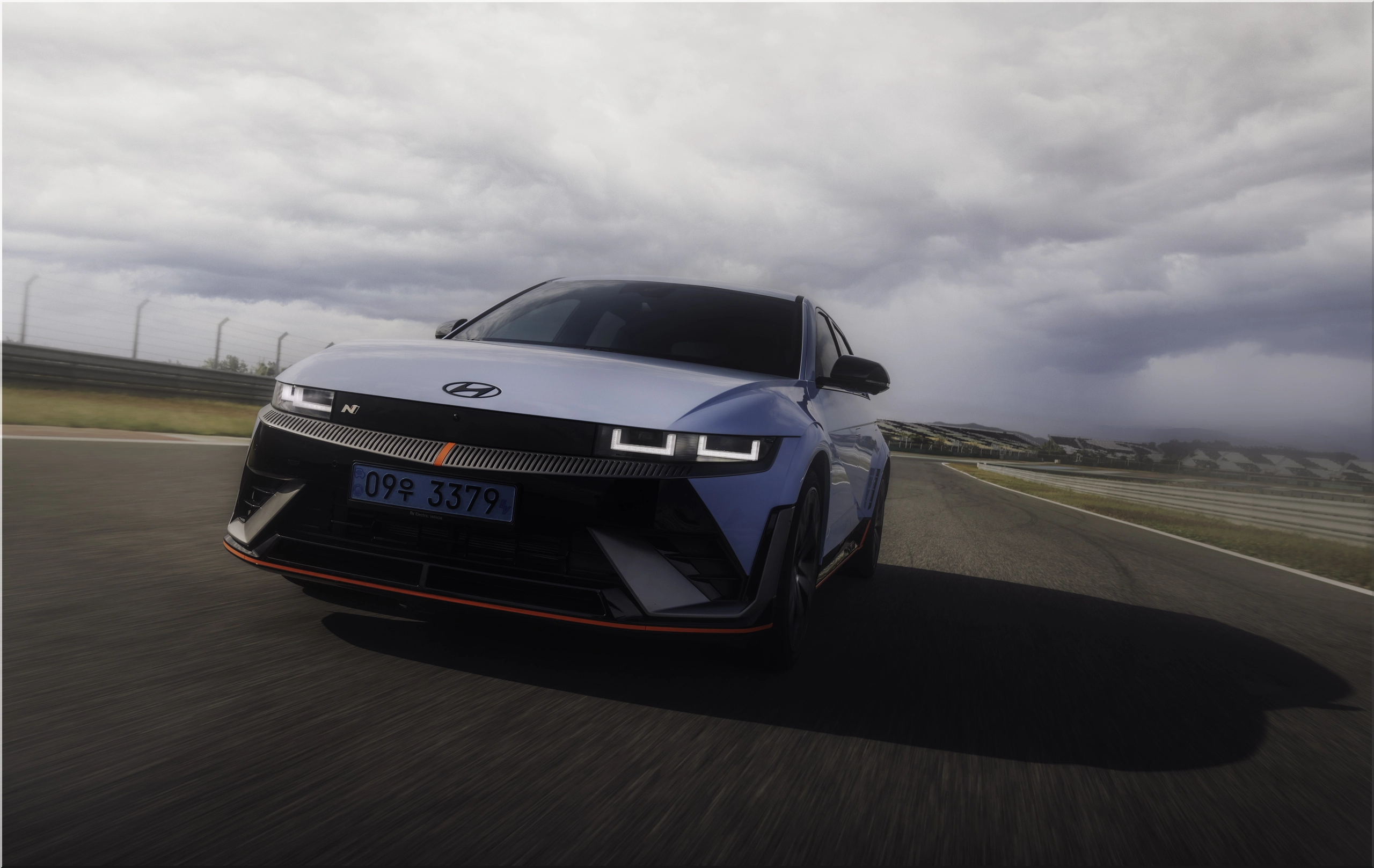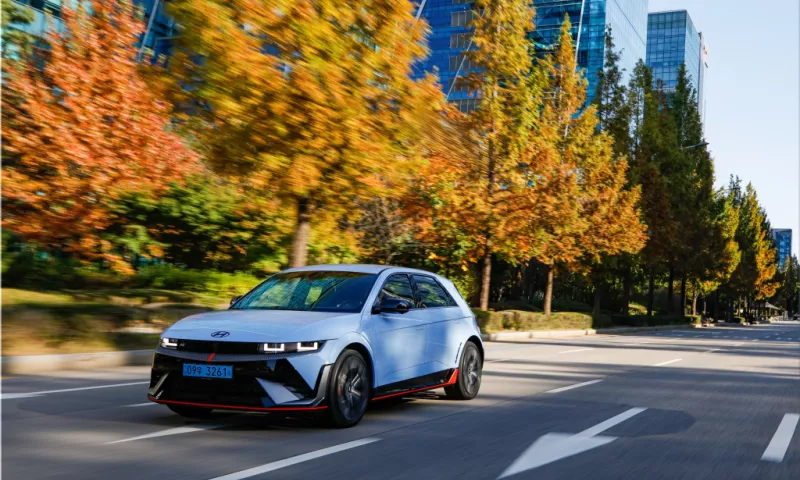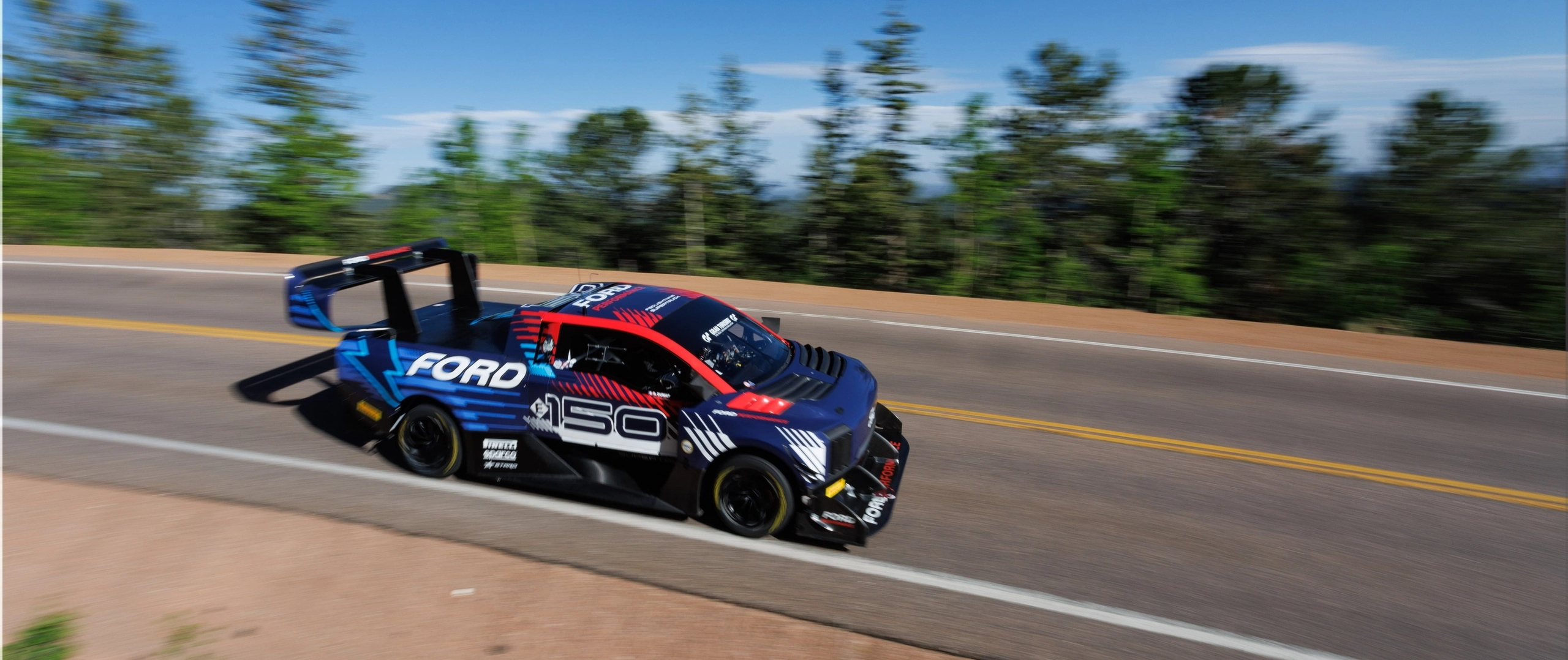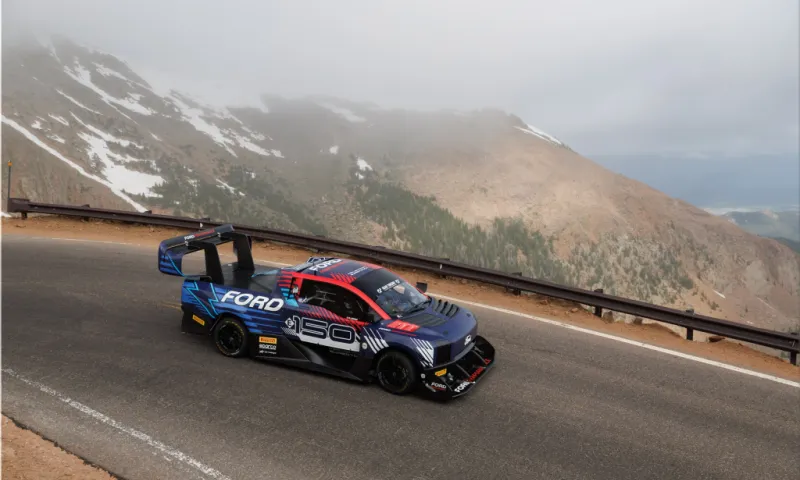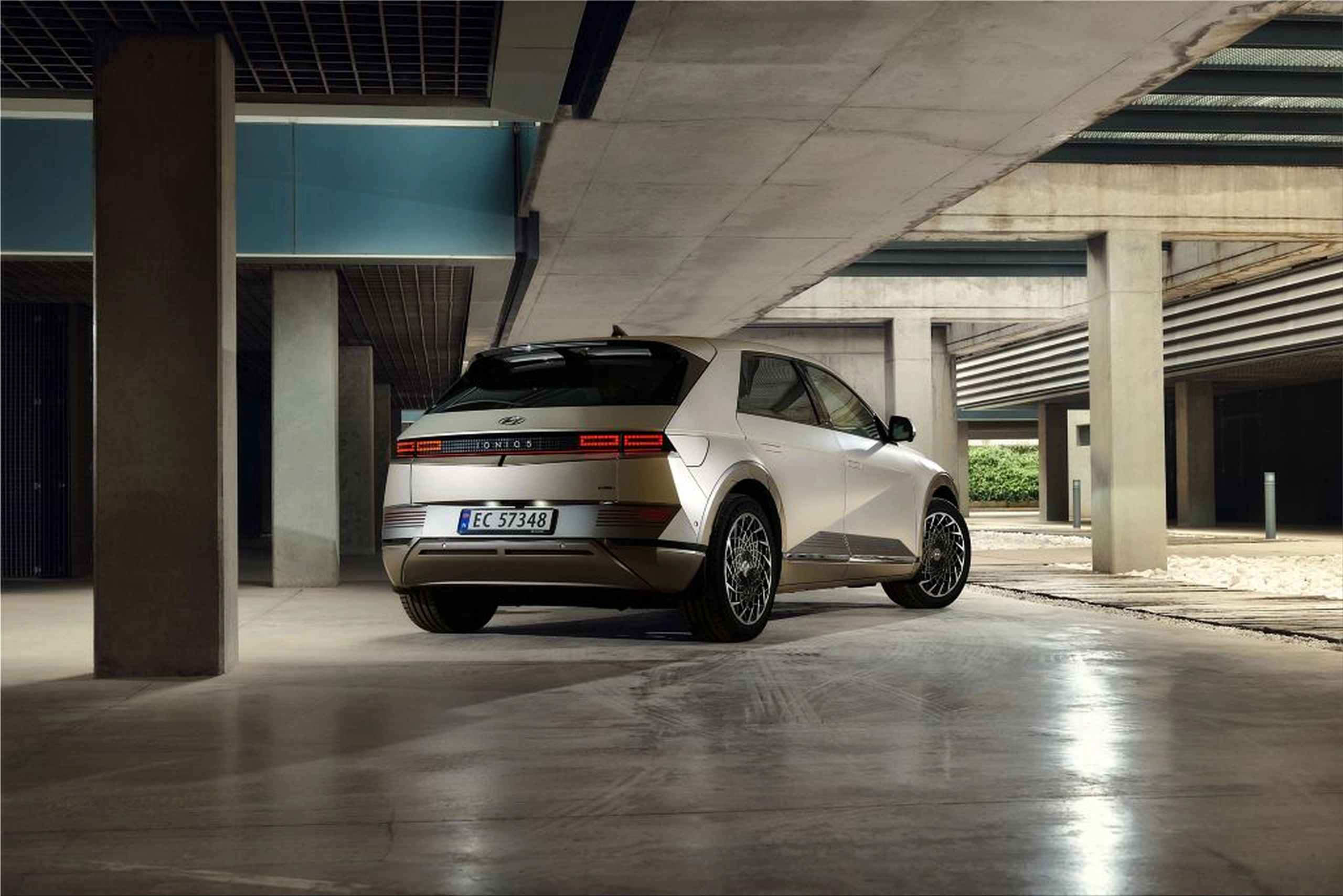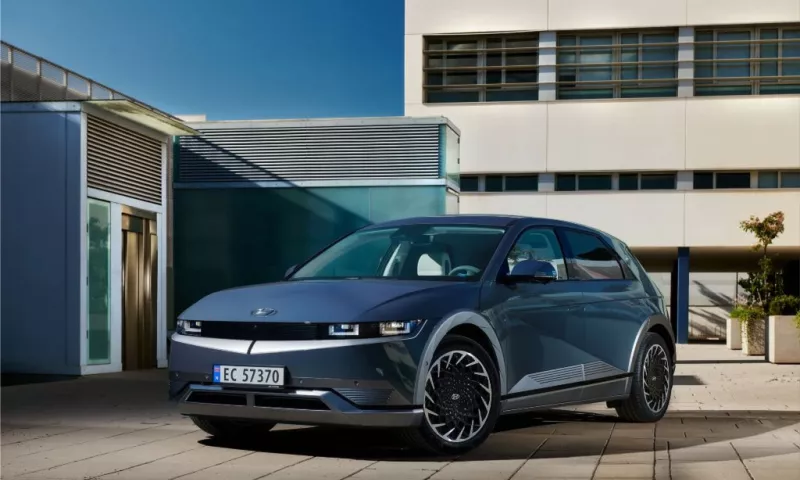
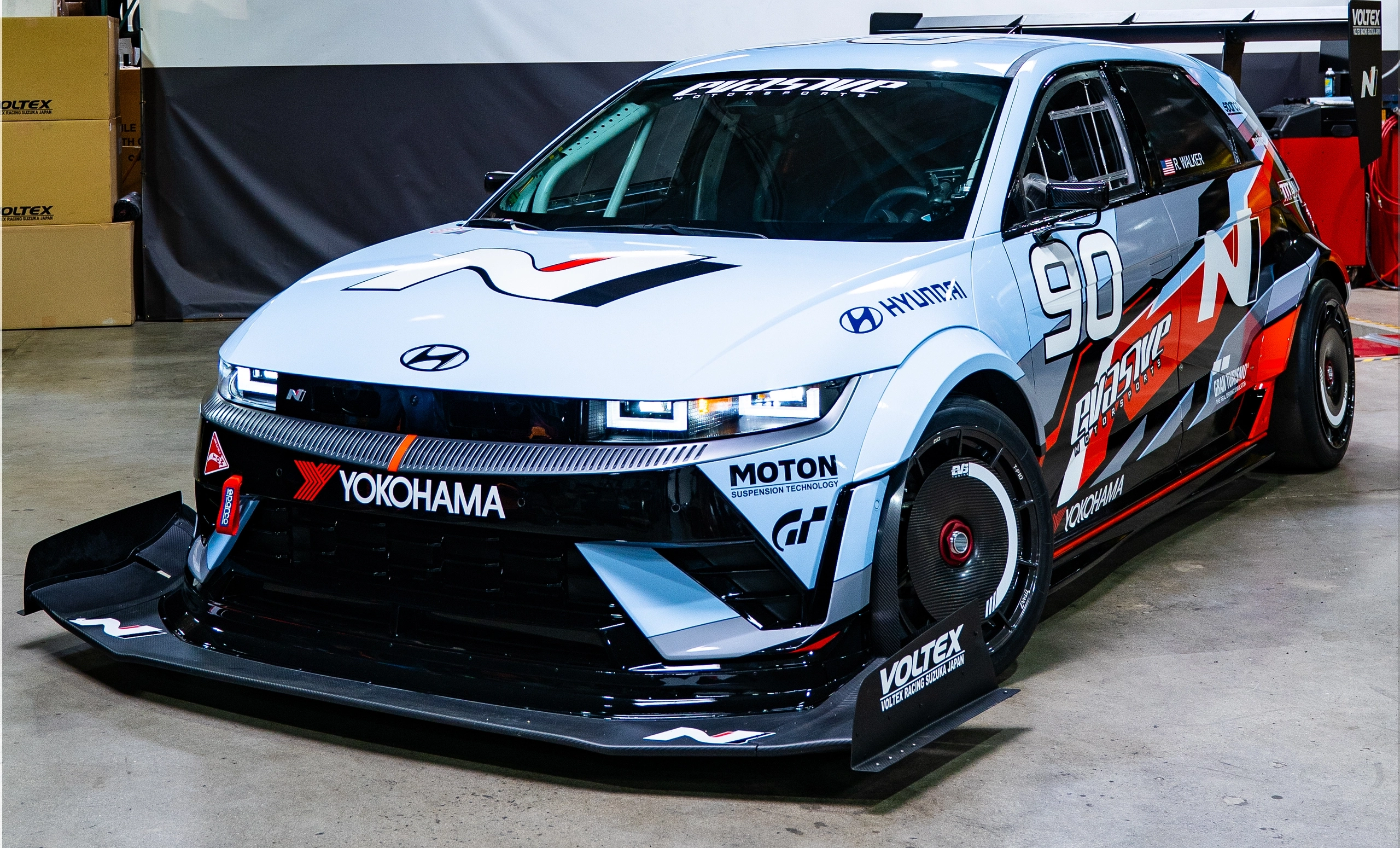
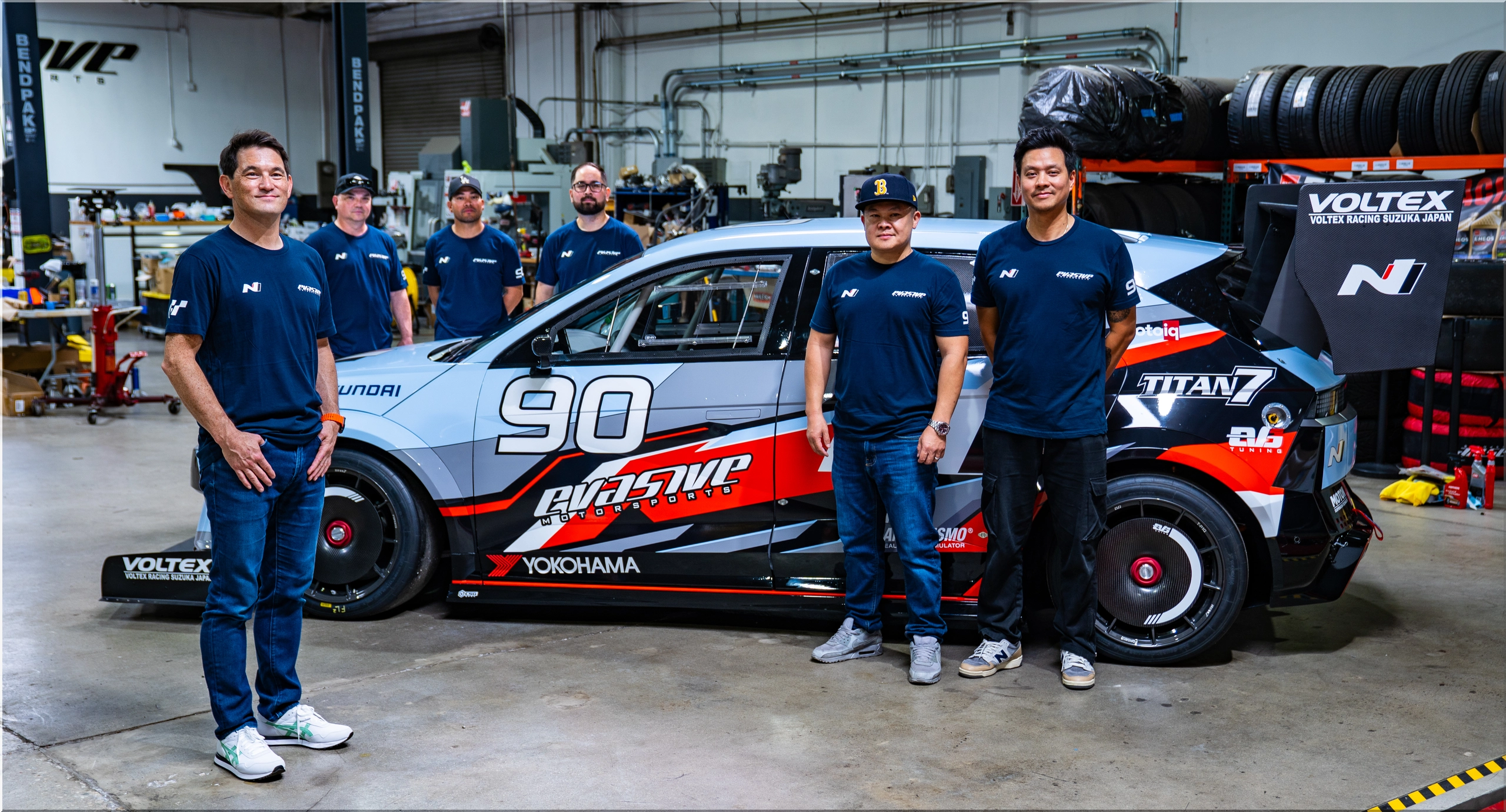
Evasive Motorsports, in collaboration with Hyundai Motor America, will field a heavily modified Hyundai IONIQ 5 N at the 102nd running of the Pikes Peak International Hill Climb on June 22, 2025. Known as the “Race to the Clouds,” this event is one of the oldest and most challenging motorsports competitions in the U.S., spanning 12.42 miles of tight switchbacks and steep elevation. Hyundai’s electric high-performance hatchback enters a new arena of competition—one that merges production EV performance with extreme motorsports engineering.
Evasive Motorsports: A Proven Name in Electric Hill Climb Racing
Founded in 2002 and based in Cerritos, California, Evasive Motorsports is known for its engineering precision and competitive racing record. The team has participated in the Pikes Peak International Hill Climb since 2013, demonstrating deep expertise in both combustion and electric platforms.
Pikes Peak highlights include:
- 2023: Modified Honda S2000RS (Time Attack Class)
- 2022: Tesla Model 3 Performance – Fastest modified EV in class
- 2021: Tesla Model 3 Performance – Top 3 EV overall
- 2020: Toyota 86 – Placed in Unlimited Class
- 2019: Toyota 86 – First team-developed widebody platform
The Tesla campaign helped Evasive understand the demands of high-altitude EV performance, including thermal management, regenerative braking behavior, and software-limited torque delivery.
Why the Hyundai IONIQ 5 N? Built for Both Road and Competition
The Hyundai IONIQ 5 N is the brand’s first all-electric performance model under the “N” sub-brand. Derived from the E-GMP (Electric Global Modular Platform), the production version offers:
- Dual-motor all-wheel drive
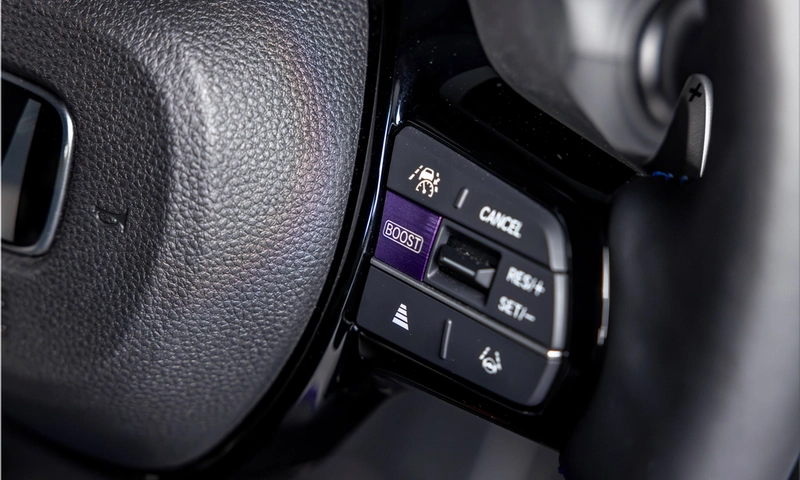
- 641 horsepower (478 kW) with N Grin Boost (10-second overboost)
- 568 lb-ft of torque (770 Nm)
- 0–60 mph in 3.25 seconds, top speed of 162 mph
- 84.0-kWh battery pack with liquid cooling and fast charging
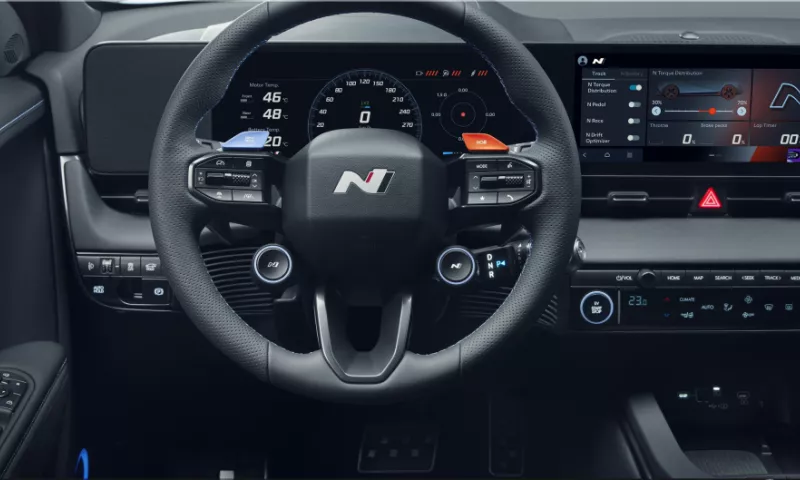
Unlike most EVs that struggle with thermal degradation under sustained load, the IONIQ 5 N includes N Battery Preconditioning and N Race Mode, features designed for track use and now adapted to hill climb racing.
With powertrain modifications restricted under class rules, Evasive focused its engineering effort on aerodynamic refinement, chassis weight reduction, and suspension upgrades to match the terrain-specific challenges of the Colorado mountain route.
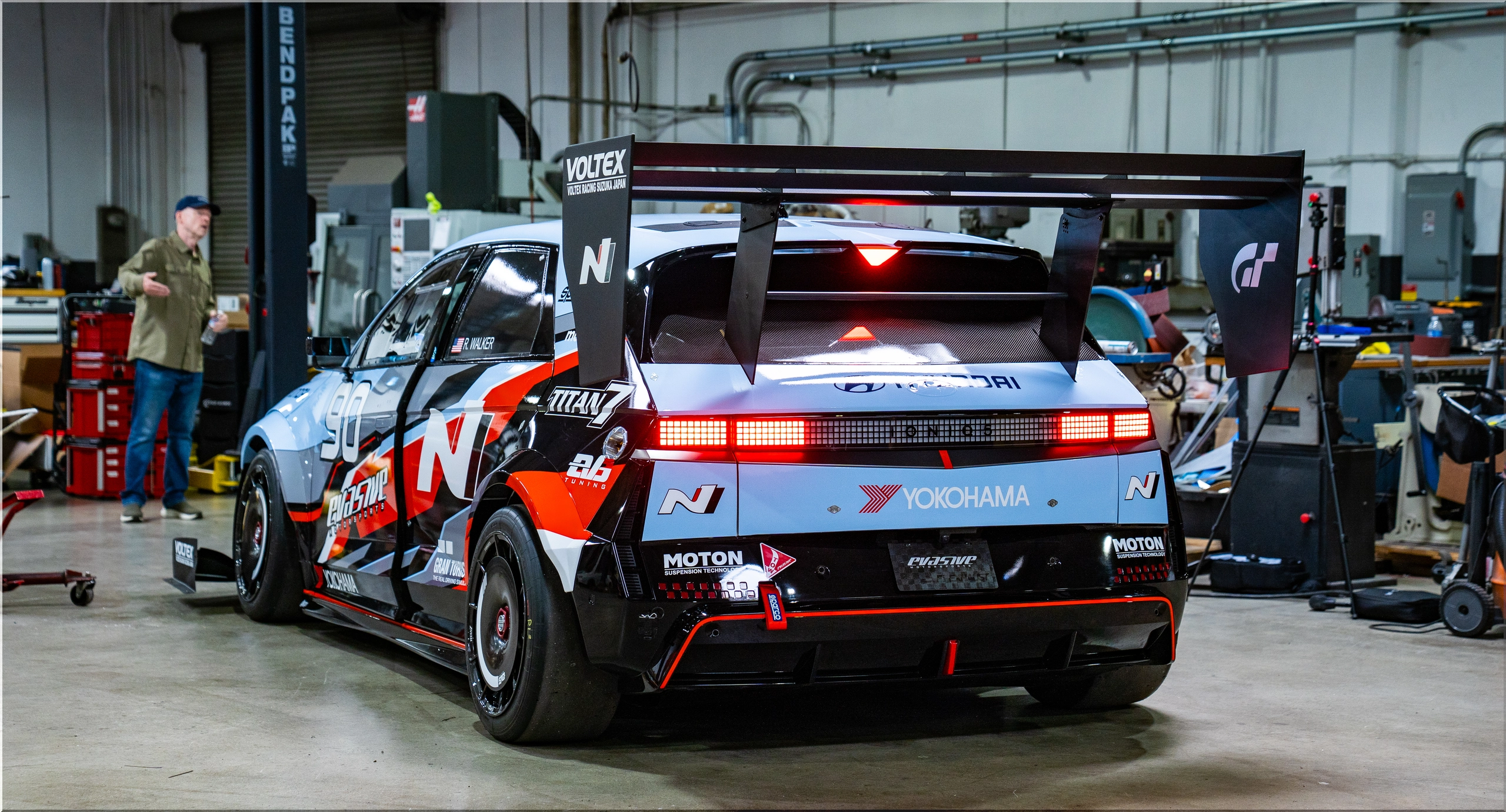
Engineering Deep Dive: EV Race Build for Altitude
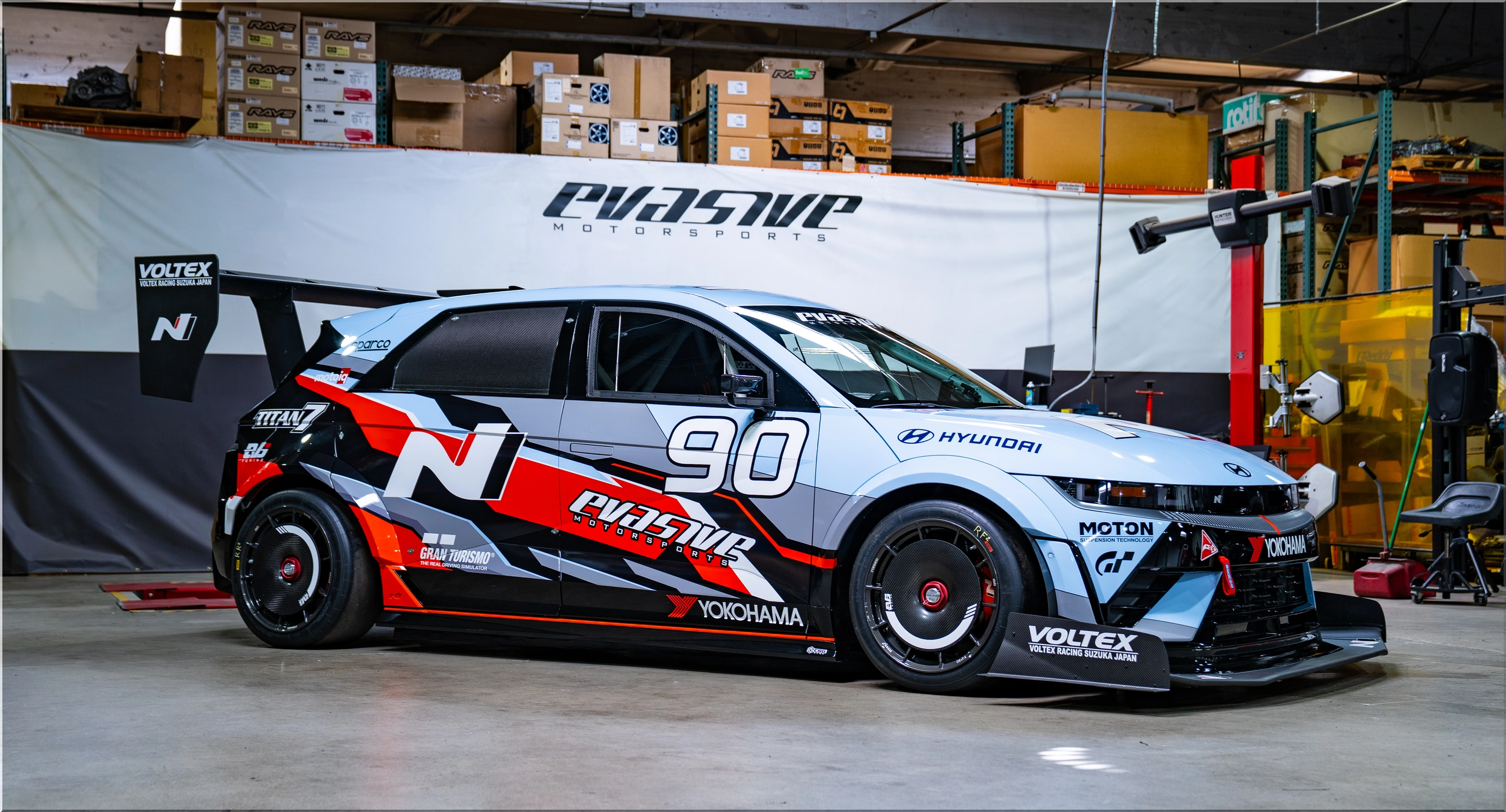
The EV's transformation began with a full interior gutting, cutting over 500 pounds (227 kilograms) from the factory curb weight of 4,861 pounds.
Key performance upgrades include:
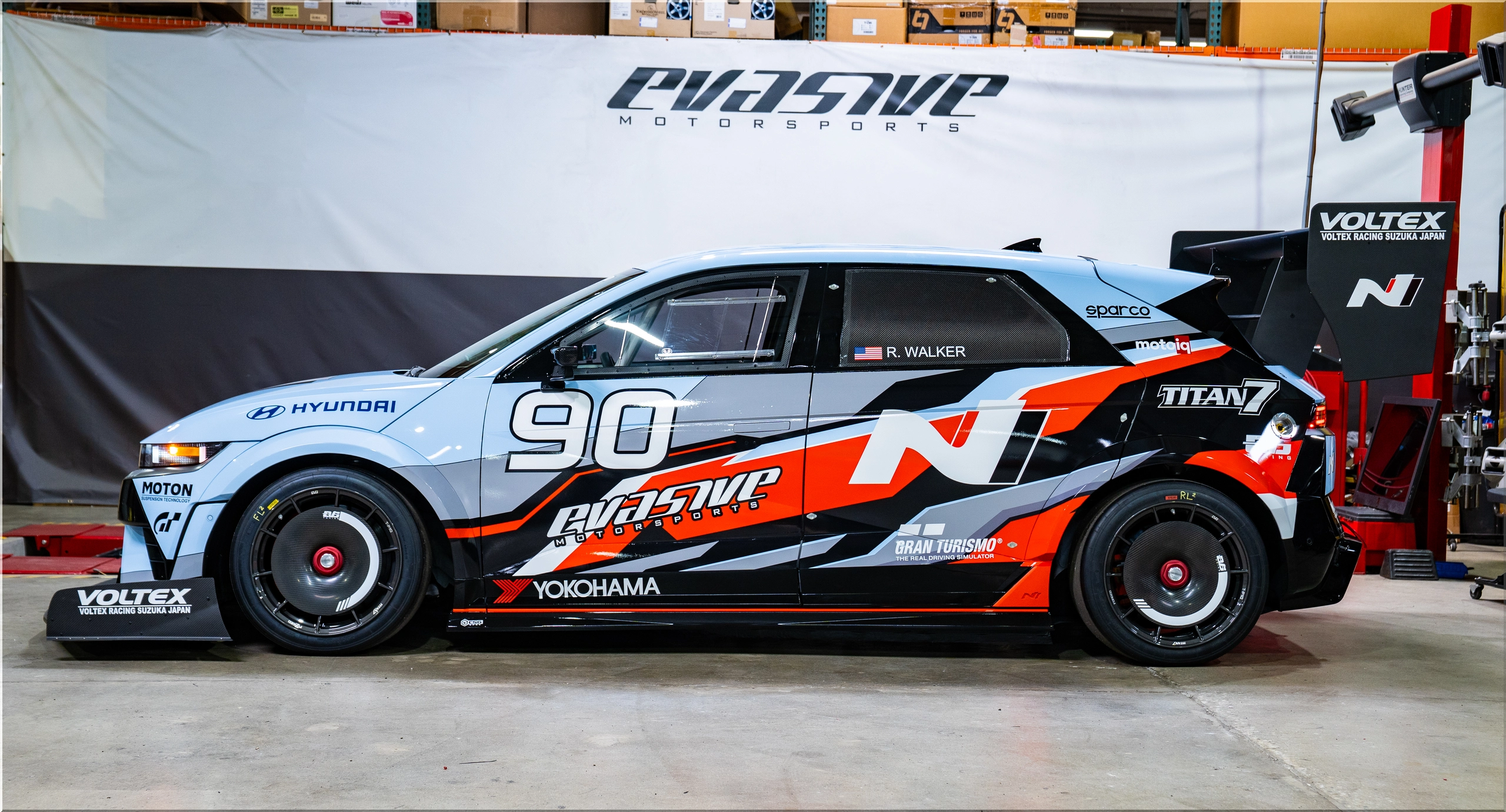
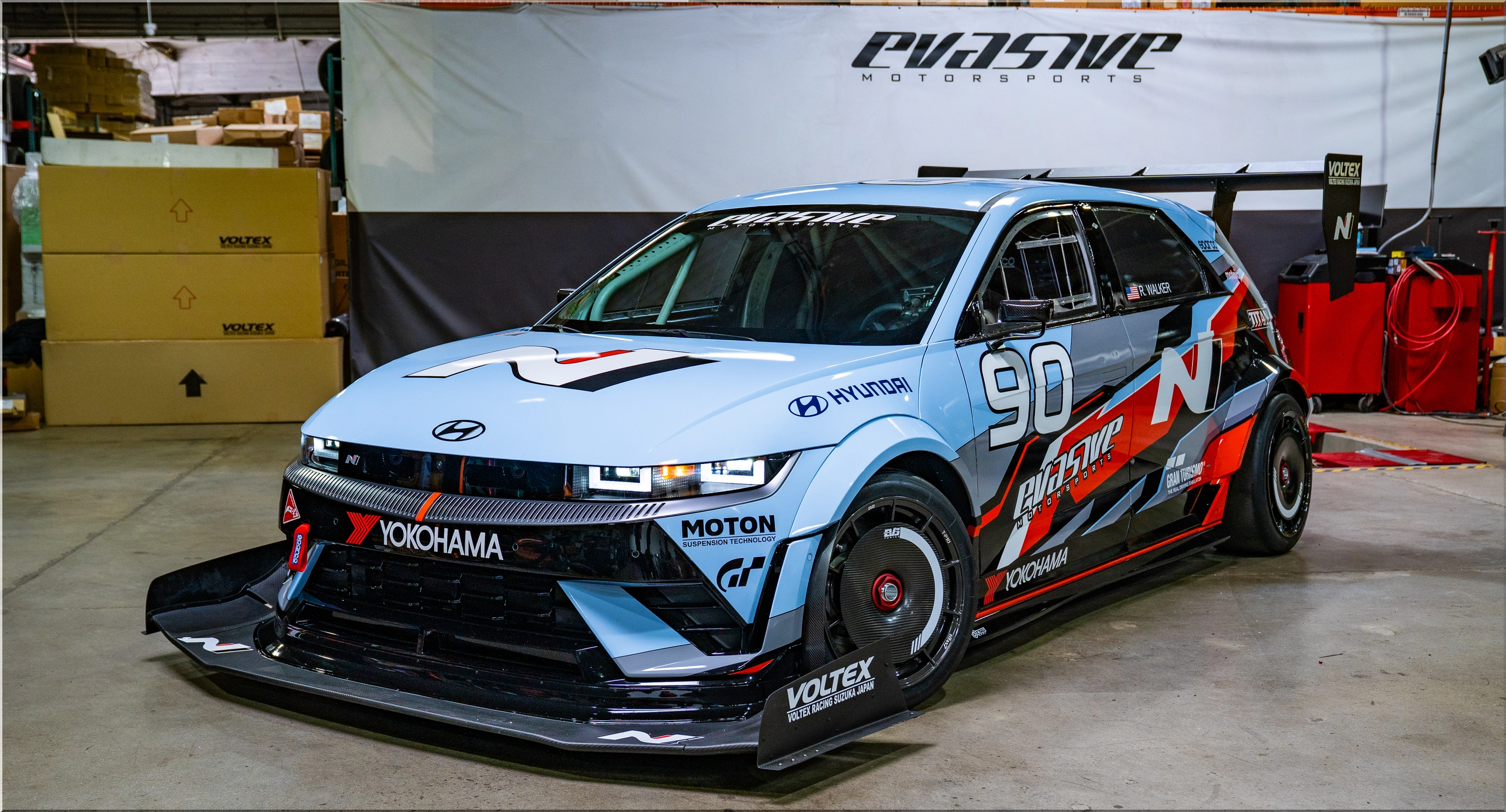
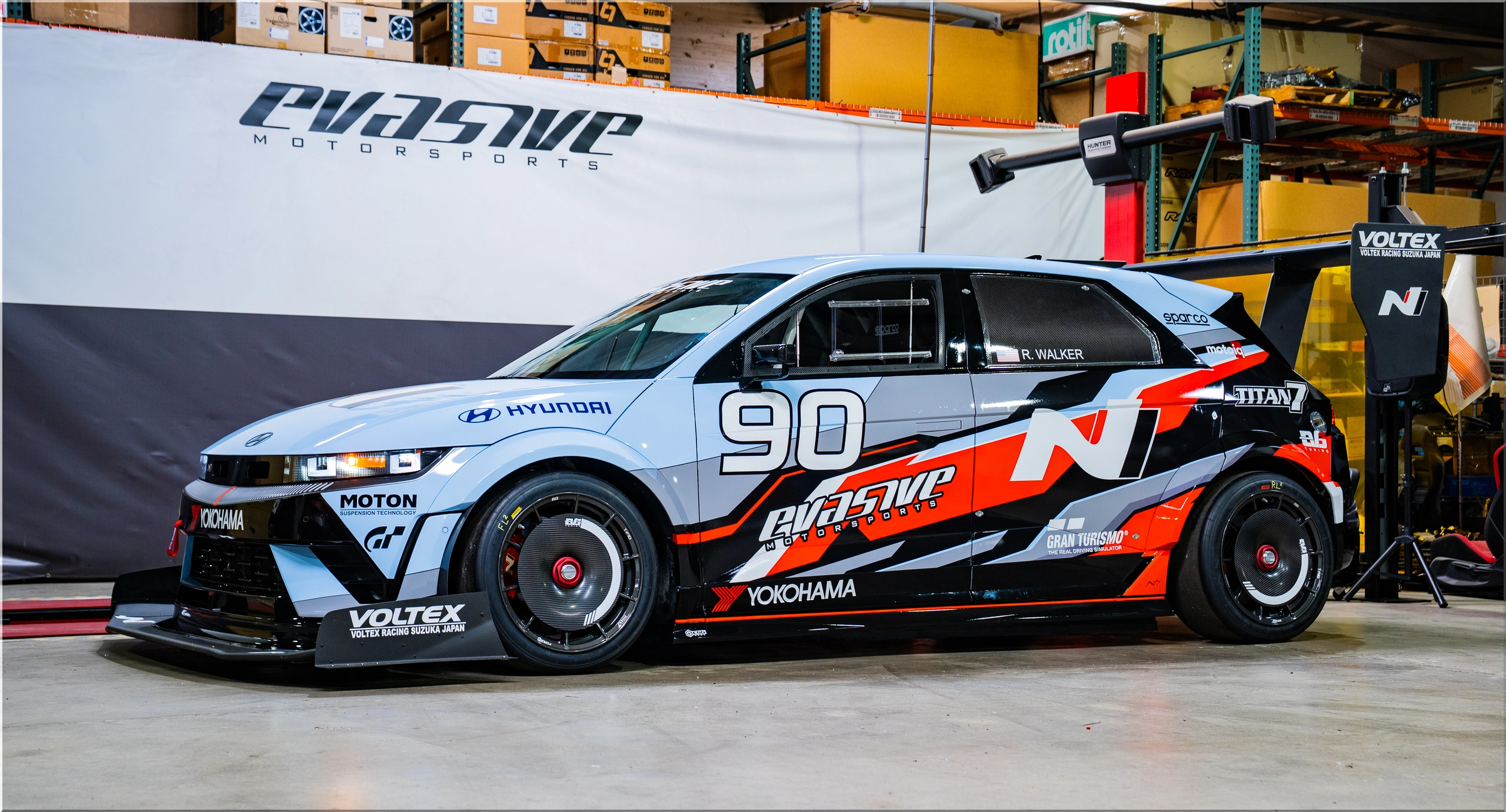
- Lightweight carbon-fiber body components, including doors, hatch, fender flares, side skirts, and underbody panels, custom-developed by EVS Tuning
- Voltex Racing carbon-fiber aero kit, designed in Japan, offering increased downforce through a motorsport-spec splitter and an oversized rear wing
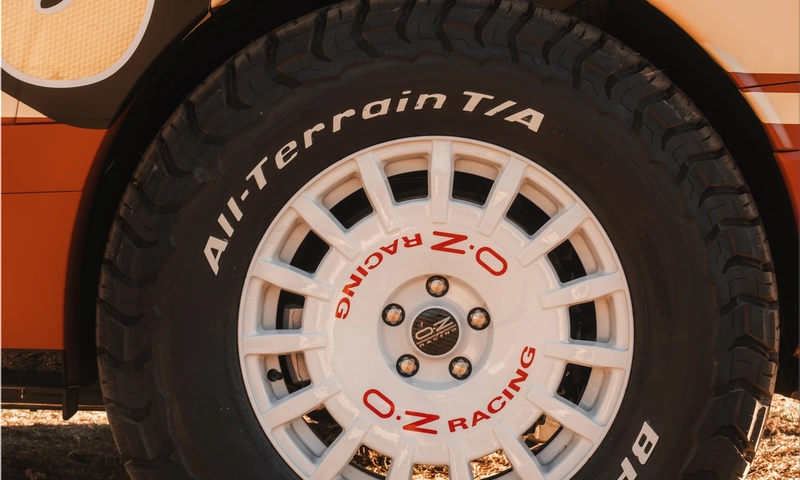
- 19-inch Titan 7 forged aluminum wheels fitted with Yokohama ADVAN A005 slick tires optimized for maximum grip and lateral G-force endurance
- Motorsport-grade coilover suspension and prototype anti-roll bar system, developed specifically for EV application by EVS Tuning
- Krontec air jack system for quick tire and brake maintenance during testing
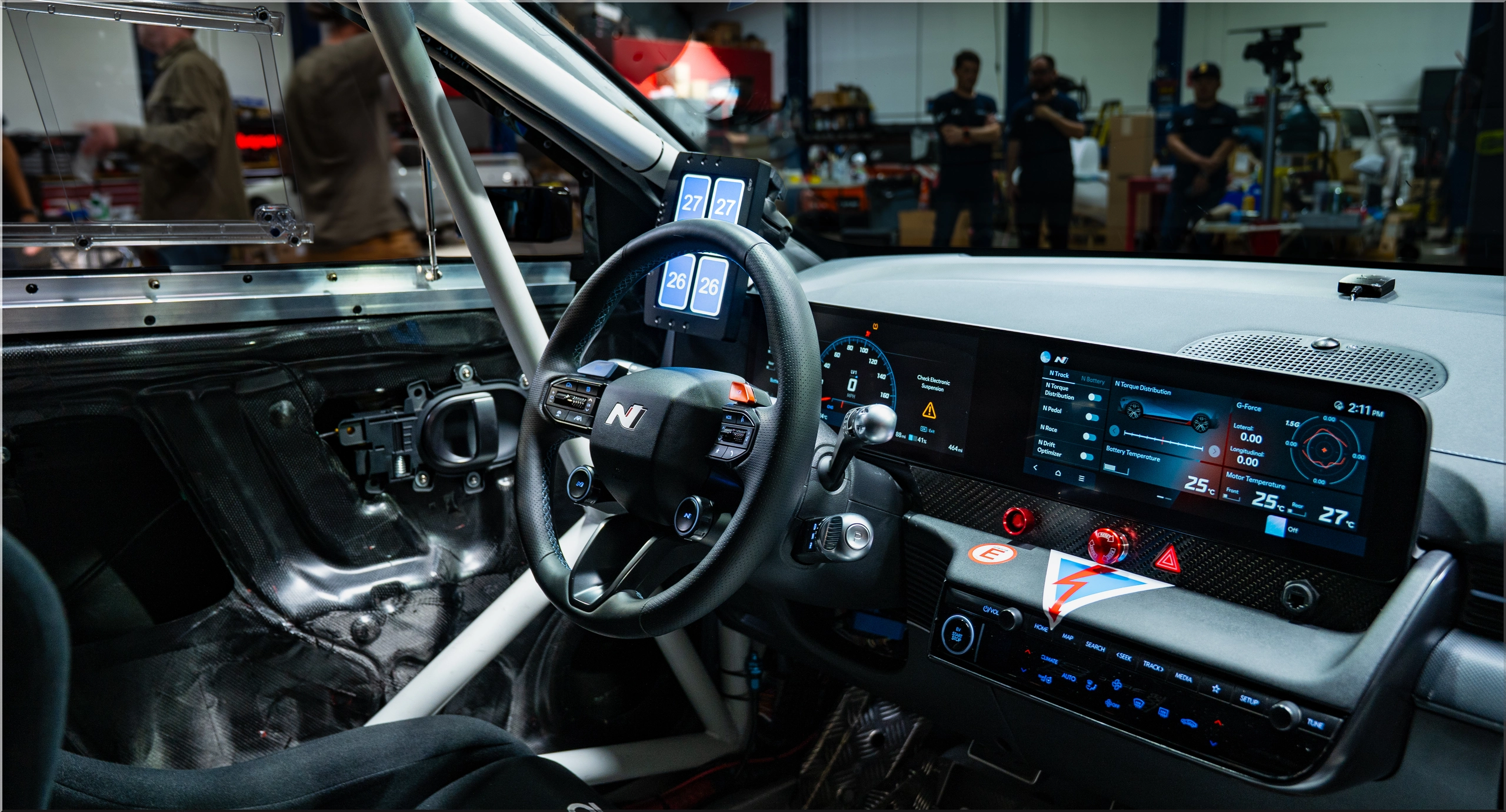
- Sparco carbon-fiber racing seat and 6-point FIA-certified roll cage
- CSG Spec racing brake pads with high thermal thresholds for downhill resistance
This build avoids electric powertrain tampering, instead maximizing mechanical grip, body control, and aerodynamic stability—essential at elevations exceeding 14,000 feet.
Sub-10-Minute Ambition: The Clock Is the Real Opponent
The Pikes Peak course is unforgiving:
- 12.42 miles, 156 turns, and an elevation gain of 4,720 feet
- Ambient air pressure drops nearly 30% from base to summit
- Reduced oxygen affects both cooling systems and regenerative braking response in EVs
Evasive Motorsports' objective is clear: complete the climb in under 10 minutes—a time achieved by only the most elite cars. According to Mike Chang, Co-Founder of Evasive Motorsports:
“We believe this car’s tuning potential, weight balance, and electric torque delivery make the sub-10-minute mark realistic for 2025.”
Driver Profile: Rob Walker Returns to Pikes Peak
Rob Walker, a professional driver with deep experience in time attack and hill climb formats, will take the wheel. Walker previously raced for Evasive in a Scion FR-S and Toyota 86 at Pikes Peak and has extensive simulation training for EV-specific hill climbs.
Walker noted the challenge of adapting to EV torque characteristics and thermal behavior during long runs. His input influenced many of the car’s suspension and brake setups, and his familiarity with Pikes Peak’s blind corners and surface transitions will be key.
Hyundai’s Factory Support Signals Serious Motorsport Intent
Hyundai’s direct involvement reflects a larger strategic investment in EV motorsport visibility. In addition to the IONIQ 5 N project with Evasive, the automaker is building out its N division track program in Europe and the U.S.
Support includes:
- Logistics and transport coordination for the Pikes Peak build
- Technical access to vehicle control systems
- Shared data from N brand test facilities and racetrack benchmarking
This level of engagement underscores Hyundai's growing emphasis on high-performance electric development that goes far beyond marketing.
Build Summary Table: Hyundai IONIQ 5 N Pikes Peak Race Car
| Component Area | Modification Details |
|---|---|
| Powertrain | Stock dual-motor AWD, 641 hp (N Grin Boost), 568 lb-ft torque |
| Body | EVS Tuning carbon-fiber panels, Voltex Racing aero kit, 500 lb+ weight reduction |
| Suspension | Coilovers, EVS prototype anti-roll bars, optimized for rapid elevation transitions |
| Brakes | CSG Spec racing pads, multi-stage regenerative tuning |
| Wheels & Tires | 19" Titan 7 wheels, Yokohama ADVAN A005 racing slicks |
| Safety Equipment | Sparco carbon seat, FIA 6-point harness, full roll cage, Krontec air jack system |
| Cooling & Electrical | Factory thermal software with modified airflow routing |
What Makes Pikes Peak So Demanding for EVs?
Unlike closed-circuit racing, Pikes Peak offers no margin for overheating or overbraking. EVs face unique challenges:
- Thermal management is strained by the absence of airflow at high altitudes
- Regen braking varies due to elevation and traction differences
- Battery conditioning must begin before the climb due to cooling lag
Hyundai’s IONIQ 5 N includes multi-stage torque vectoring, adaptive dampers, and track mode calibration, all critical for controlling weight shifts during rapid hairpins and variable pavement grip.
Industry Implications: EVs Poised to Dominate Hill Climbs
Evasive’s IONIQ 5 N build exemplifies a wider trend: factory EVs entering high-profile motorsports without needing combustion conversions. The transition signals:
- Growing OEM confidence in electric platforms
- Maturation of EV tuning communities and aftermarket suppliers
- Shifting audience perception of electric vehicles as competition-ready machines
The hill climb serves as an extreme benchmark—an event where engineering precision, driver focus, and system reliability come together under pressure.
Key Takeaways for Pikes Peak 2025
- Hyundai and Evasive Motorsports partner to campaign a modified IONIQ 5 N
- Build retains 641 hp AWD powertrain, adds extensive carbon-aero package
- 500+ lb weight cut achieved through interior strip-out and lightweight panels
- Sub-10-minute time goal could set a benchmark for production-based EVs
- Rob Walker brings prior Pikes Peak experience and EV training
- Factory-level support reflects Hyundai's evolving performance EV roadmap
Final Thoughts
The IONIQ 5 N's transformation from a production road car into a full-spec hill climb racer shows how far EV tuning has come. With the clock ticking and the summit looming, Hyundai and Evasive are betting on electric power, strategic engineering, and driver expertise to leave their mark at America’s most demanding motorsport event.
- Add new comment
- 146 views