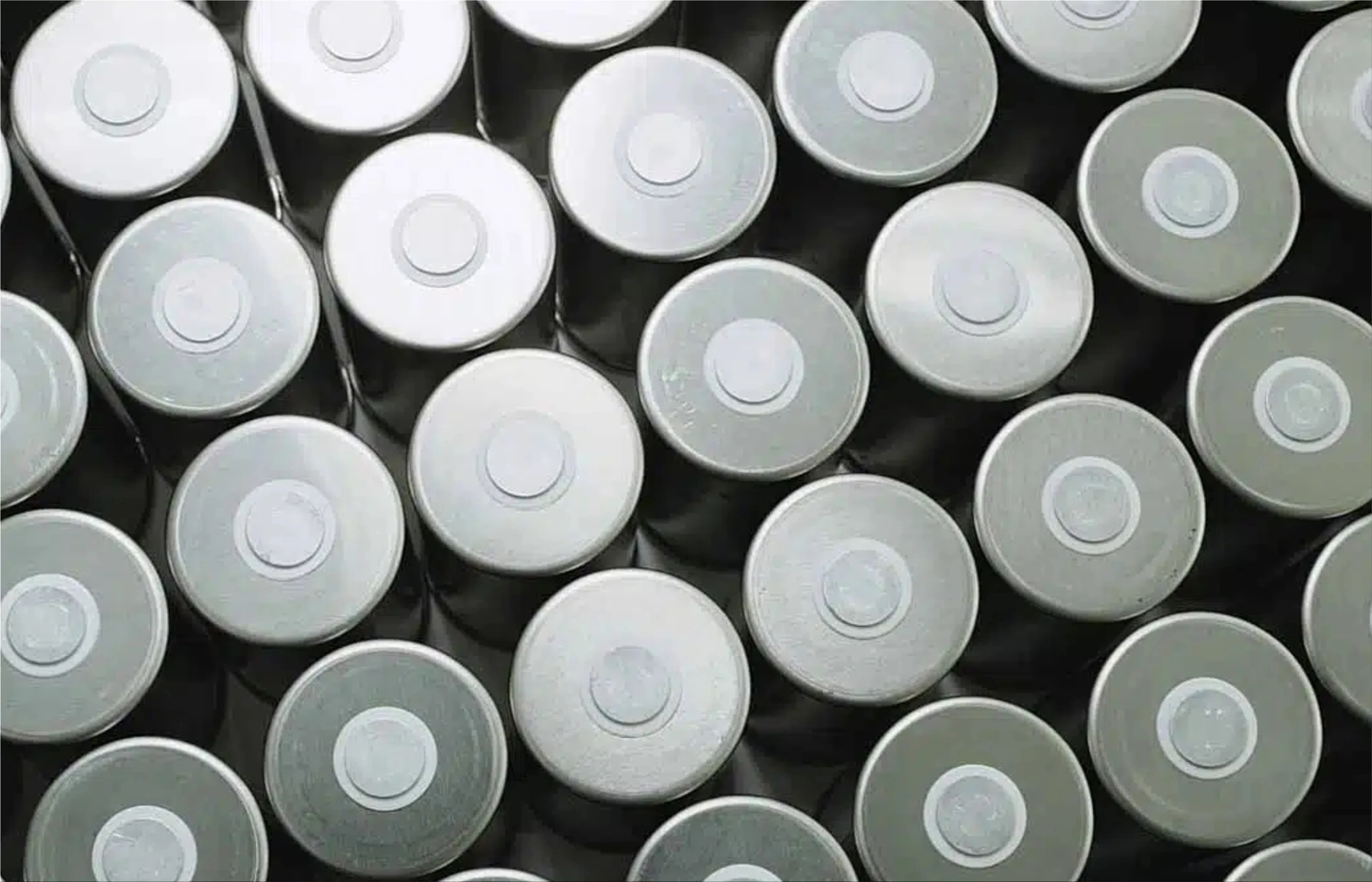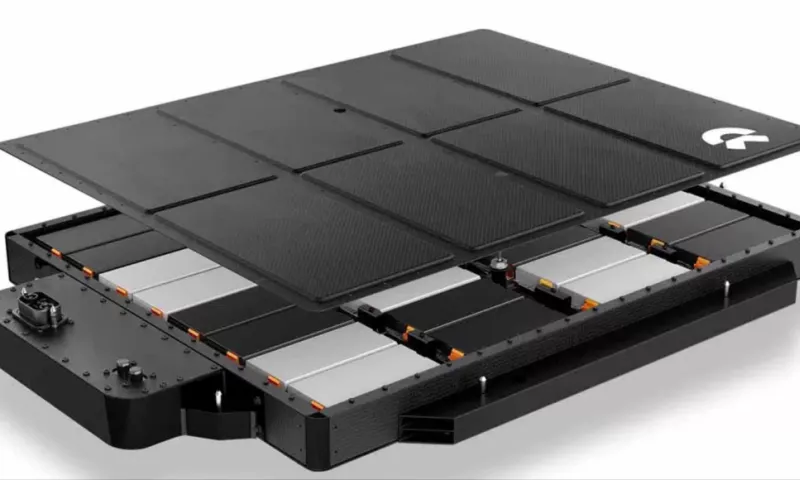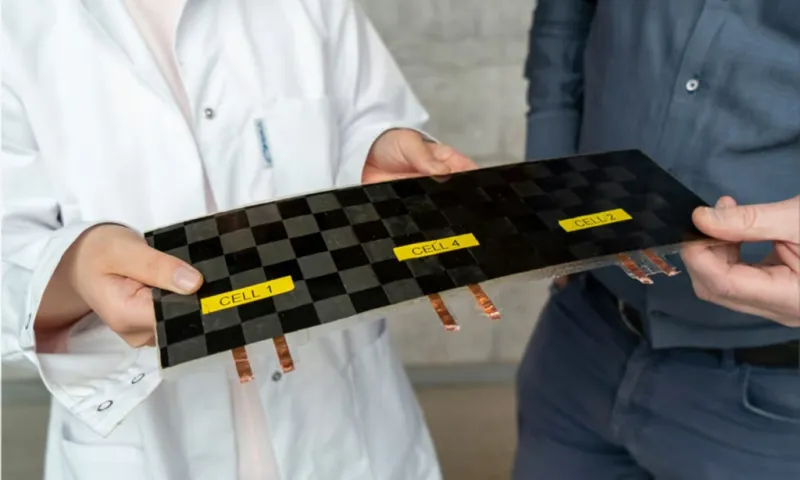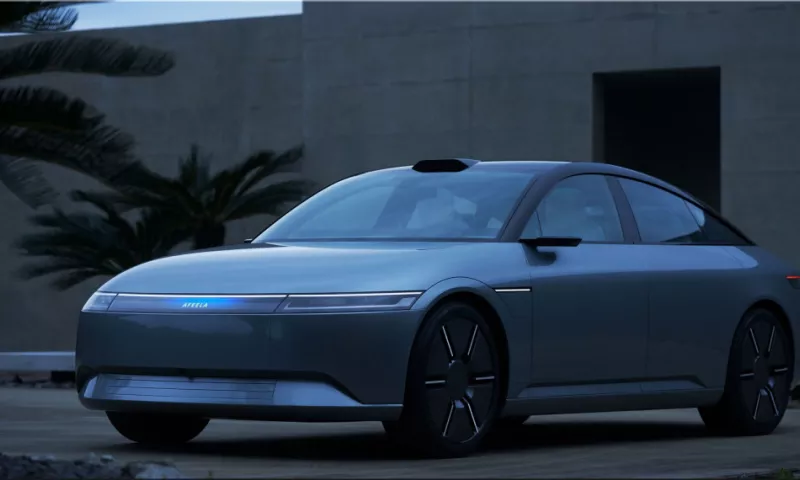
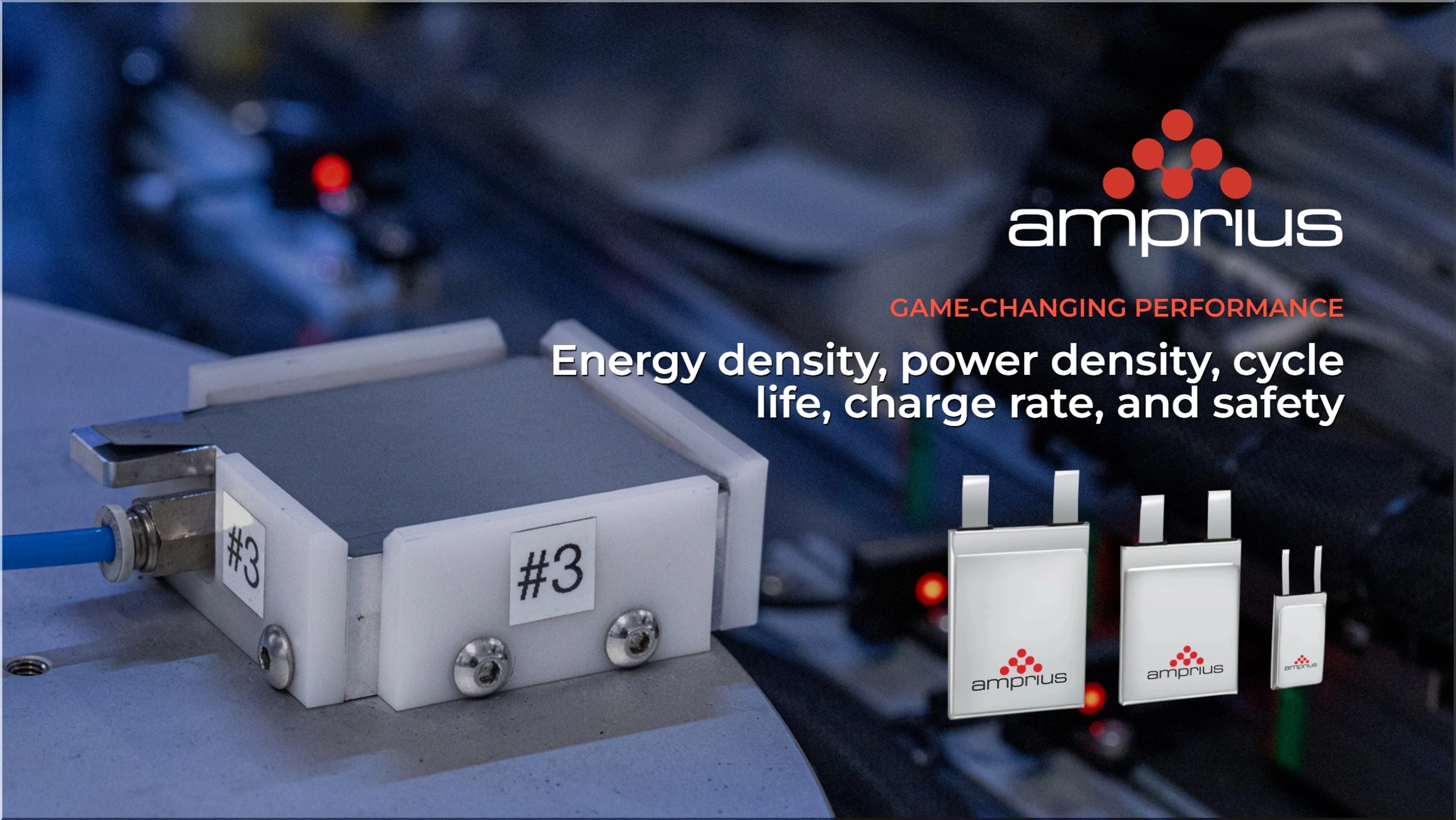
Silicon anode batteries are the holy grail of electric mobility. They promise to double the energy density of conventional lithium-ion batteries, enabling longer range, faster charging, and lower cost for electric vehicles. However, silicon anode batteries have been plagued by technical challenges, such as volume expansion, low cycle life, and poor power performance. Until now.
Amprius Technologies, a California-based company specializing in silicon anode battery technology, has unveiled a new cell that claims to overcome these limitations. The cell delivers an unprecedented energy density of 400 Wh/kg and a high discharge rate of 10C, meaning it can release 10 times its capacity in one hour. The cell also boasts a long cycle life of over 1000 cycles at 80% depth of discharge.
How did Amprius achieve this breakthrough? The company says it has developed a proprietary silicon nanowire anode that can accommodate the large volume change of silicon during charging and discharging without cracking or losing contact with the current collector. The nanowire structure also increases the surface area and reduces the diffusion length of lithium ions, enhancing the power performance of the cell.
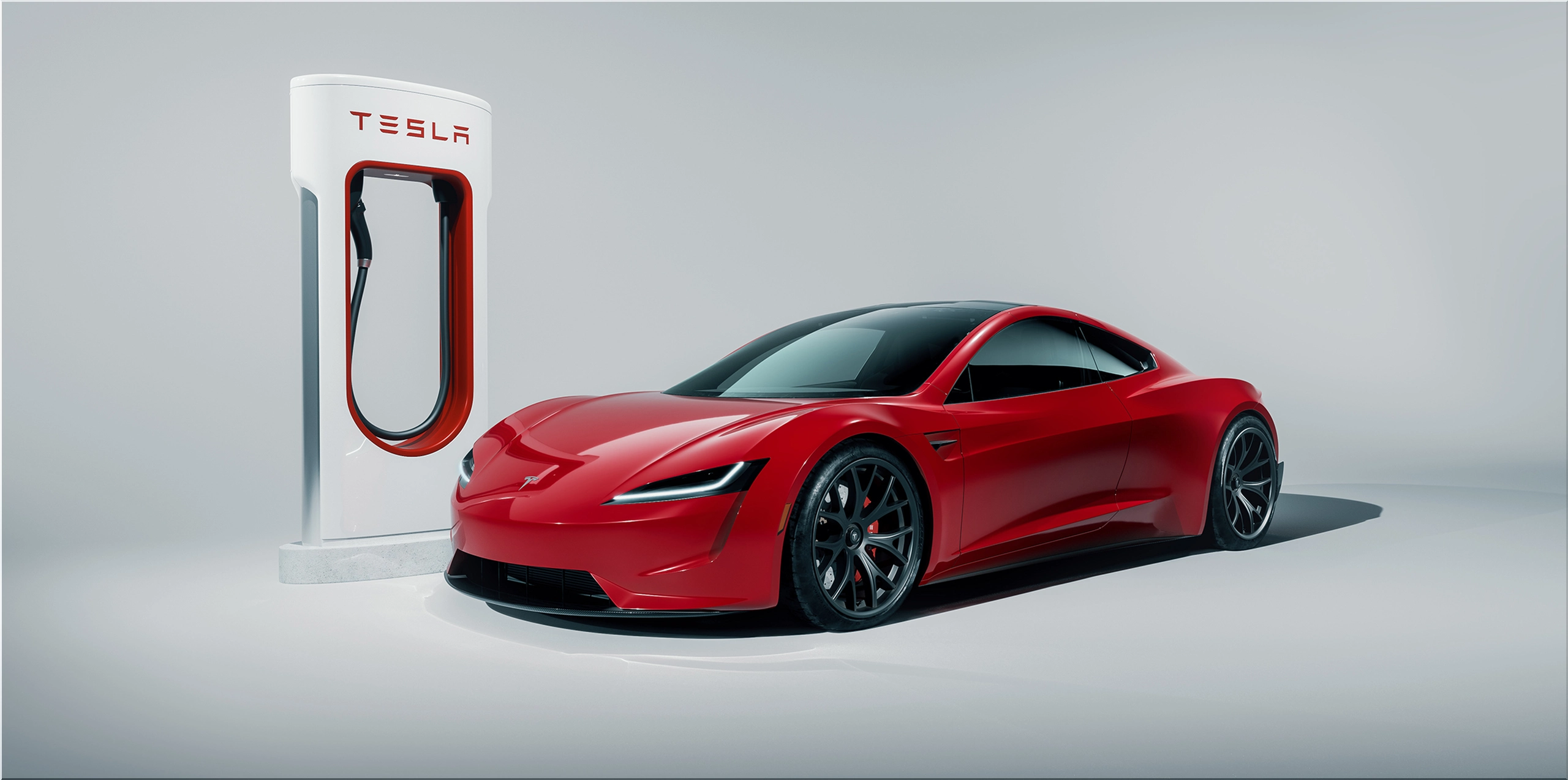
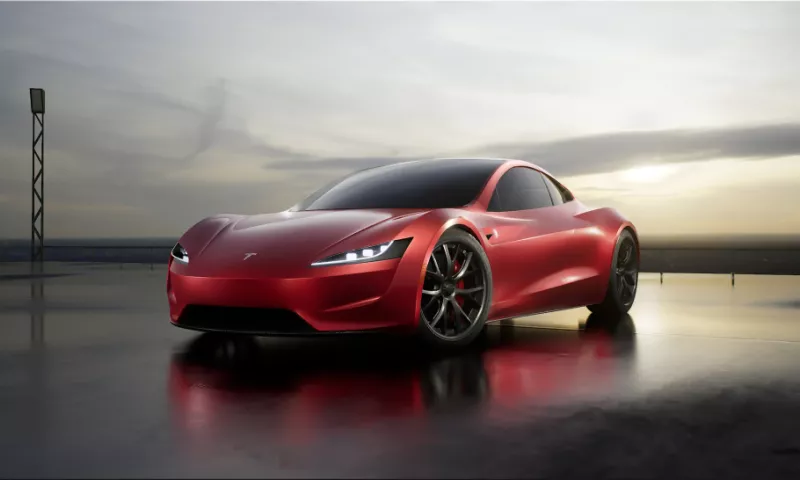
Amprius says its new cell is suitable for applications that require high energy and high power, such as electric vertical take-off and landing (eVTOL) aircraft, unmanned aerial vehicles (UAVs), and high-performance electric vehicles. The company claims that its cell can provide enough oomph for vertical take-offs and neck-snapping acceleration. For example, Amprius says its cell can power motors that can accelerate an EV from 0 to 60 mph in 1.5 seconds, faster than the Tesla Model S Plaid.
Amprius is not the only company working on silicon anode batteries. Several other players, such as Tesla, CATL, Panasonic, and Samsung SDI, have also announced their plans to introduce silicon anode batteries in the near future. However, Amprius claims to have a significant lead over its competitors in terms of energy density and power density.
Amprius has been supplying its silicon anode batteries to various customers since 2013, including Airbus Defence and Space, Lockheed Martin, and Zephyr Airworks. The company says it has delivered over 30,000 cells with a cumulative flight time of over 25,000 hours. Amprius is also planning to build a gigawatt-hour scale factory in Colorado by 2025 to meet the growing battery demand.
Amprius’ new cell is a game-changer for the electric mobility industry. It demonstrates that silicon anode batteries are feasible and superior to conventional lithium-ion batteries in terms of energy and power density. With Amprius’ technology, electric vehicles can achieve longer range, faster charging, and lower cost, making them more attractive and competitive than ever before.
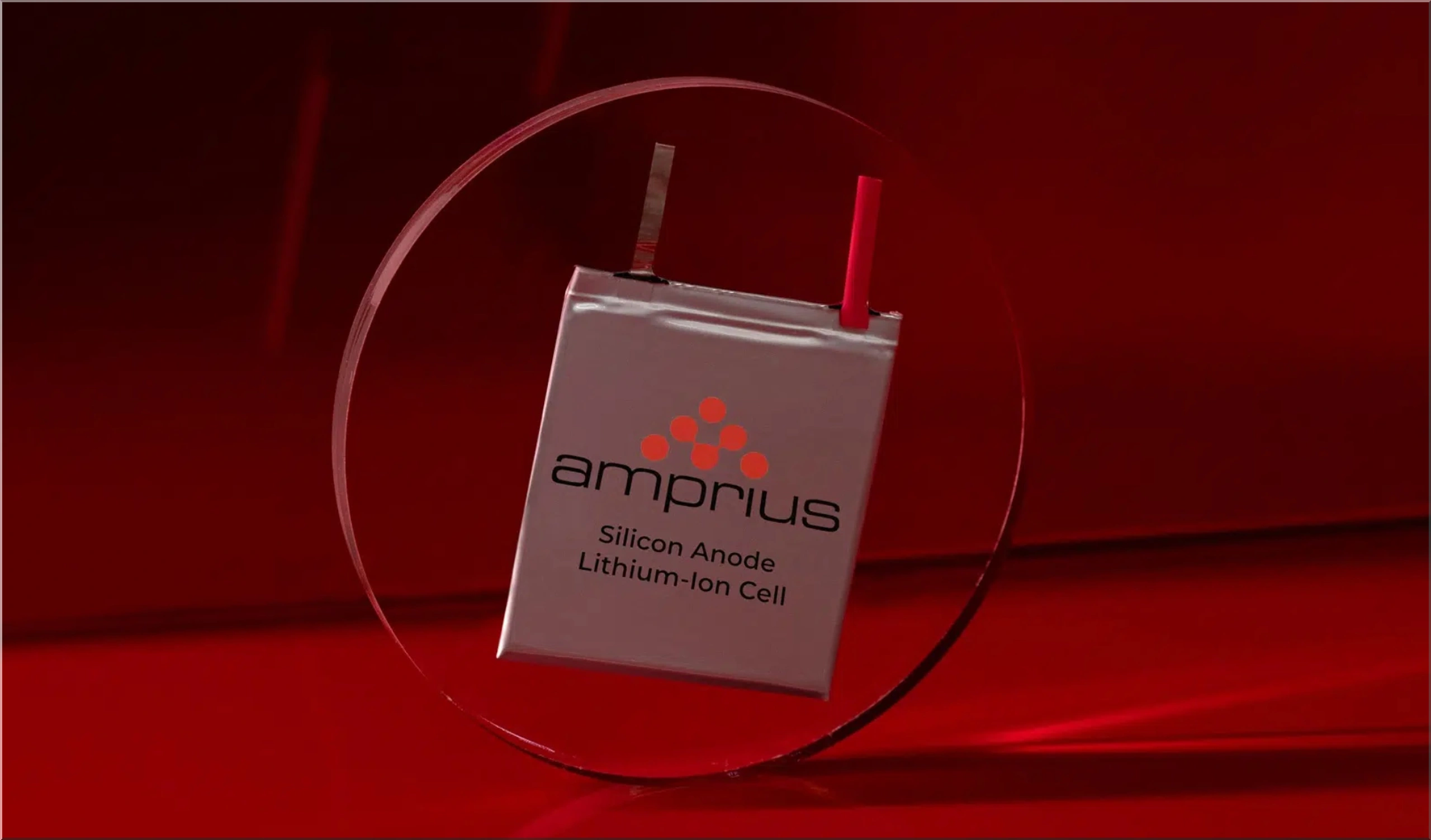
How does a silicon anode battery compare to a solid-state battery?
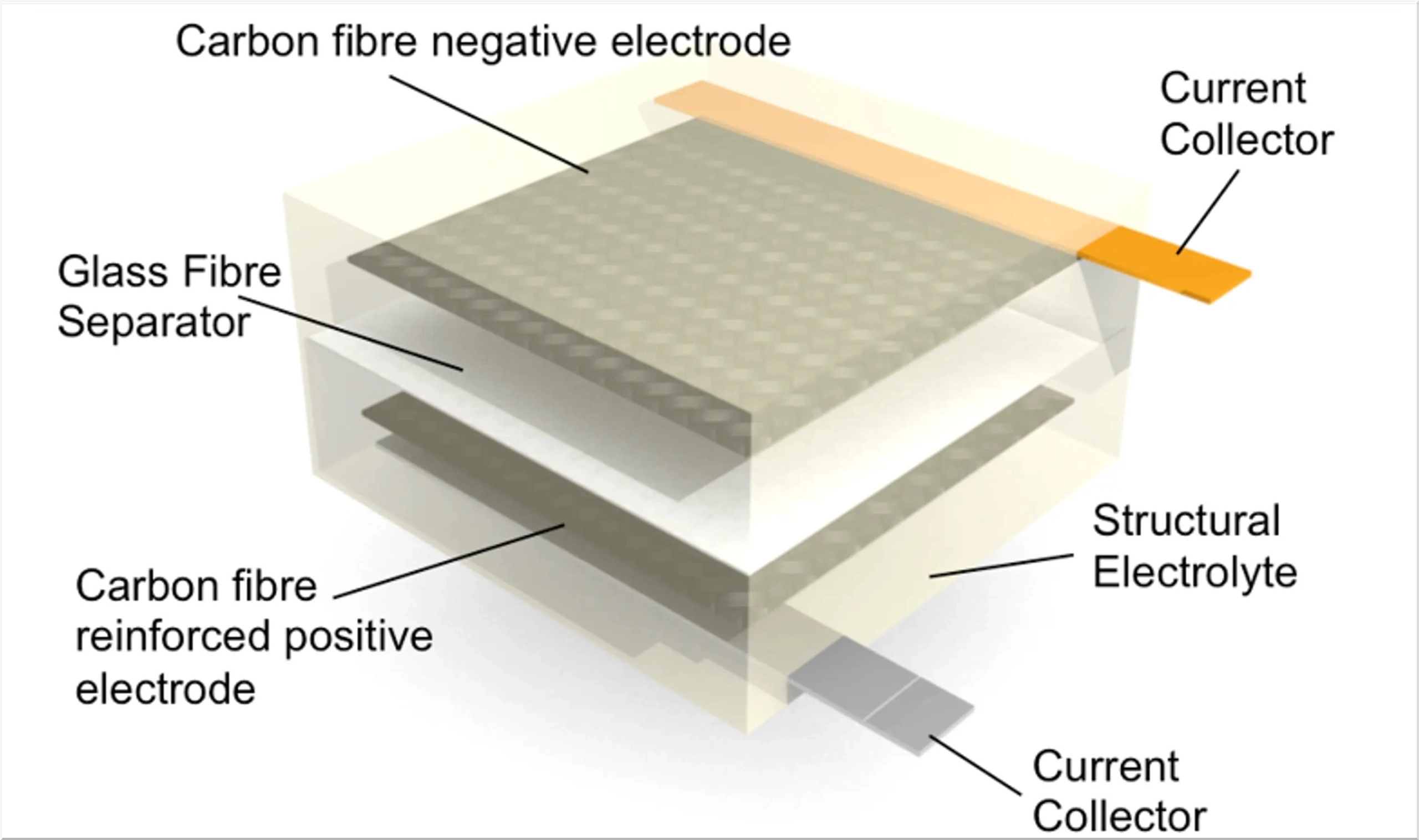
Silicon anode battery and solid-state battery are not mutually exclusive concepts. In fact, they can be combined to create a new type of battery with both high energy and power density. A silicon anode battery is a lithium-ion battery that uses silicon as the anode material instead of graphite. Silicon has a much higher capacity than graphite, but it also suffers from large volume expansion and contraction during charging and discharging, which can cause cracking and degradation of the anode. A solid-state battery is a battery that uses a solid electrolyte instead of a liquid one. A solid electrolyte can prevent leakage, fire, and corrosion and also enable the use of metallic lithium as the anode material. Metallic lithium has the highest theoretical capacity of all anode materials but poses safety risks due to dendrite formation and short-circuiting.
A recent study by researchers from UC San Diego and LG Energy Solution has shown that a solid-state battery with a silicon anode can overcome the drawbacks of both technologies. The researchers used a sulfide-based solid electrolyte and a pure-silicon anode without any carbon or binders. They found that the solid electrolyte can stabilize the silicon anode and prevent its cracking and degradation. The silicon anode can also provide high power performance and fast charging rates at room temperature, unlike metallic lithium anodes that require high temperatures. The resulting battery achieved an energy density of 400 Wh/kg and a cycle life of over 1000 cycles at 80% depth of discharge.
Therefore, silicon anode batteries and solid-state batteries are not competing technologies but complementary ones. By combining them, researchers can create a new generation of batteries that can offer longer range, faster charging, and lower cost for electric vehicles and other applications.
How does the cost of a silicon anode battery compare to a graphite anode battery?
The cost of a silicon anode battery is not easy to compare with a graphite anode battery because there are many factors that affect the cost, such as the type and amount of silicon used, the manufacturing process, the scale of production, and the market demand. However, some estimates suggest that silicon anode batteries can be cheaper than graphite anode batteries in terms of cost per kilowatt-hour (kWh), which is a measure of the energy stored in a battery.
According to a report by BloombergNEF, the average cost of a lithium-ion battery pack in 2020 was $137/kWh, and it is expected to drop to $100/kWh by 2023. The report also states that silicon anode batteries can reduce the cost by 5% to 15%, depending on the amount of silicon used. This means that silicon anode batteries can potentially reach a cost of $85/kWh to $95/kWh by 2023.
Another study by researchers from UC Berkeley and Argonne National Laboratory estimated that silicon anode batteries can achieve a cost of $80/kWh to $105/kWh by 2030, depending on the type of silicon used. The study compared four types of silicon anodes: pure silicon, silicon-carbon composite, silicon oxide, and silicon-graphene composite. The study found that pure silicon and silicon oxide have the lowest cost but also the lowest performance. Silicon-carbon composite and silicon-graphene composite have higher costs but also higher performance.
Therefore, based on these estimates, silicon anode batteries can be cheaper than graphite anode batteries in terms of cost per kWh, but the exact cost depends on many factors. Silicon anode batteries can also offer higher energy density and a longer range than graphite anode batteries, which can further reduce the total cost of ownership for electric vehicles and other applications. @via Amprius Technologies.
- Add new comment
- 273 views