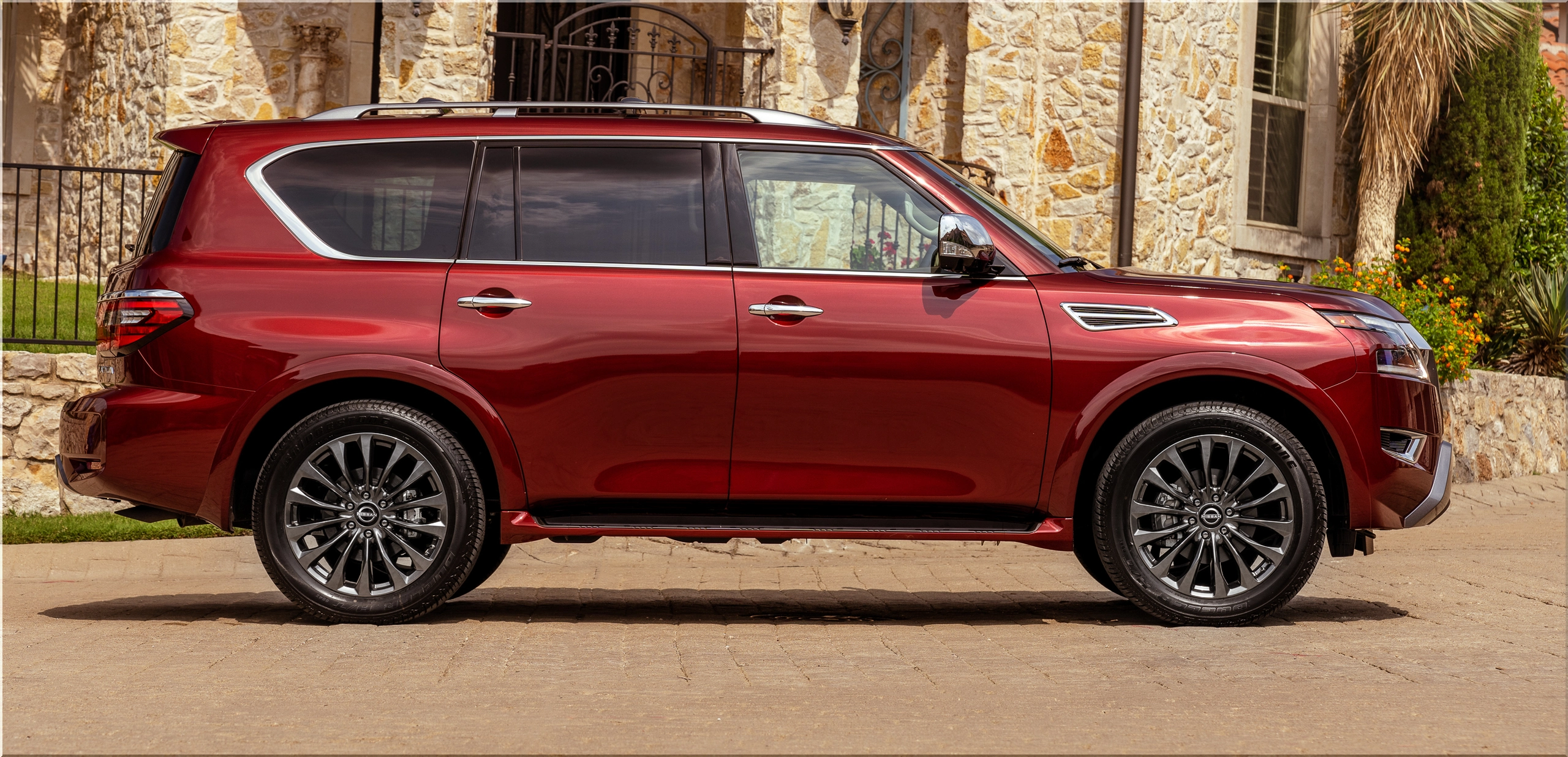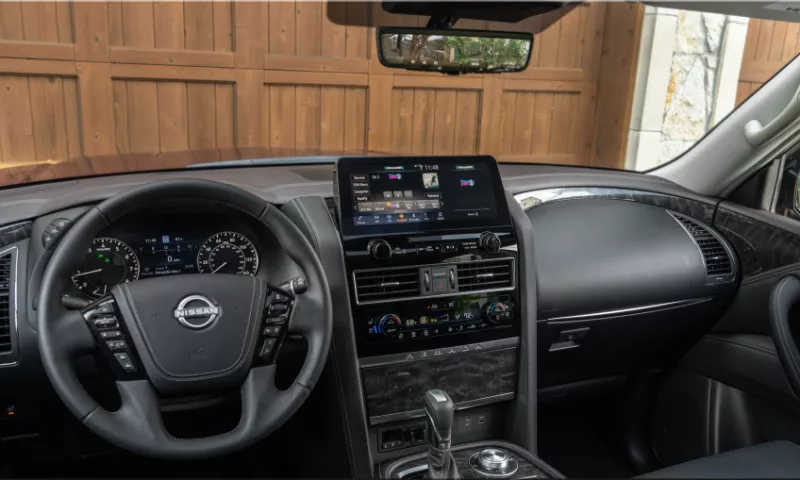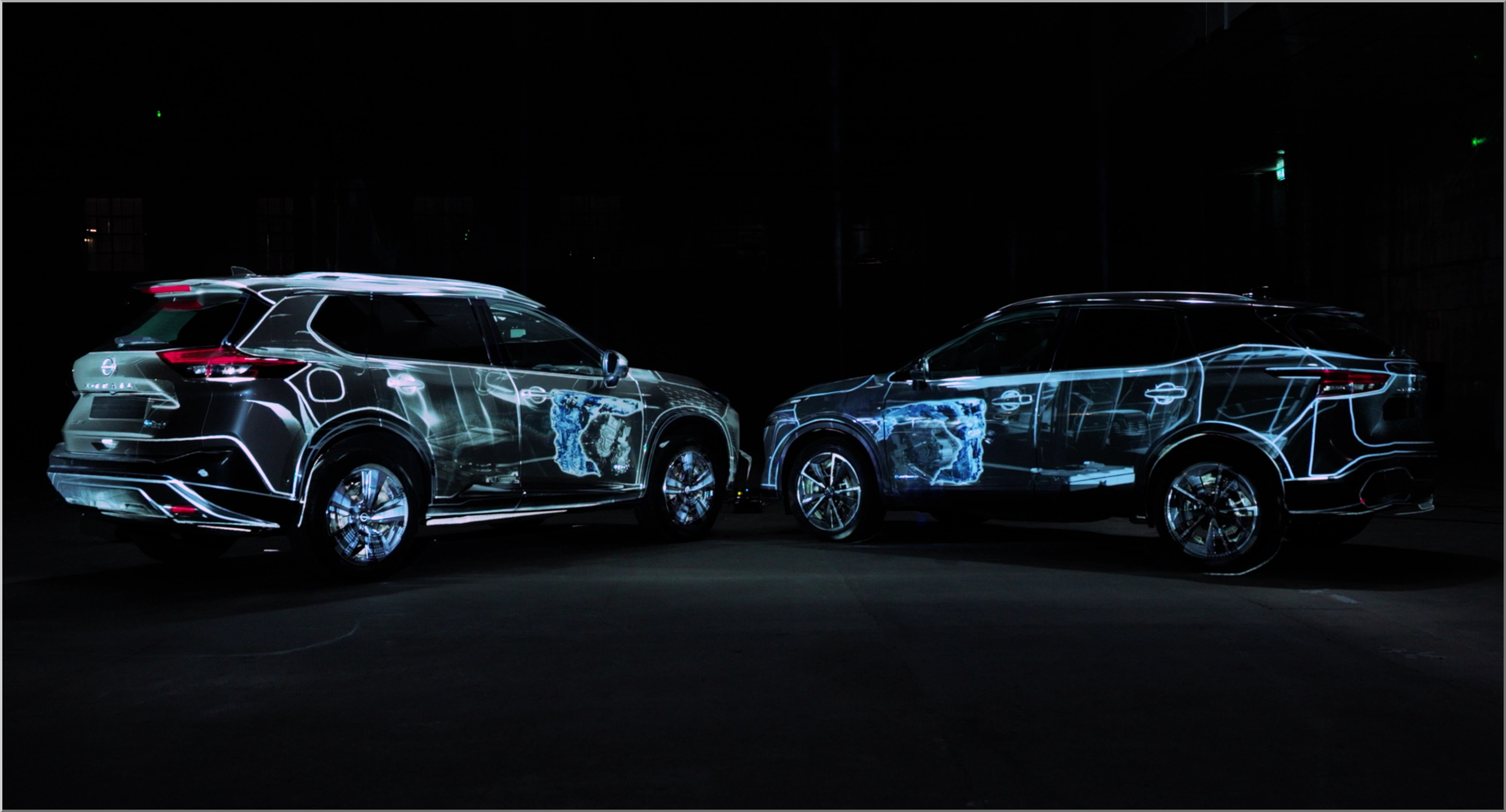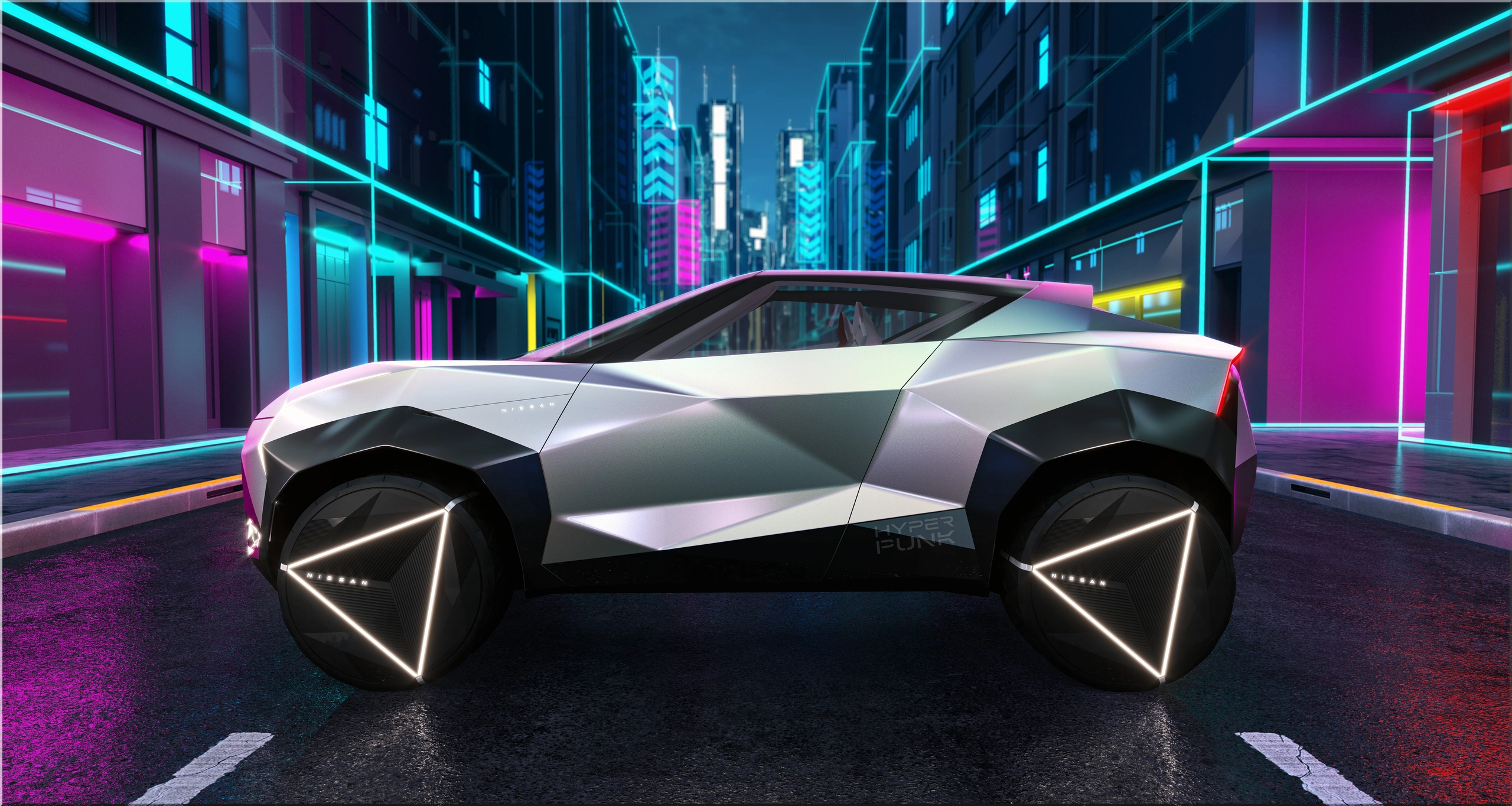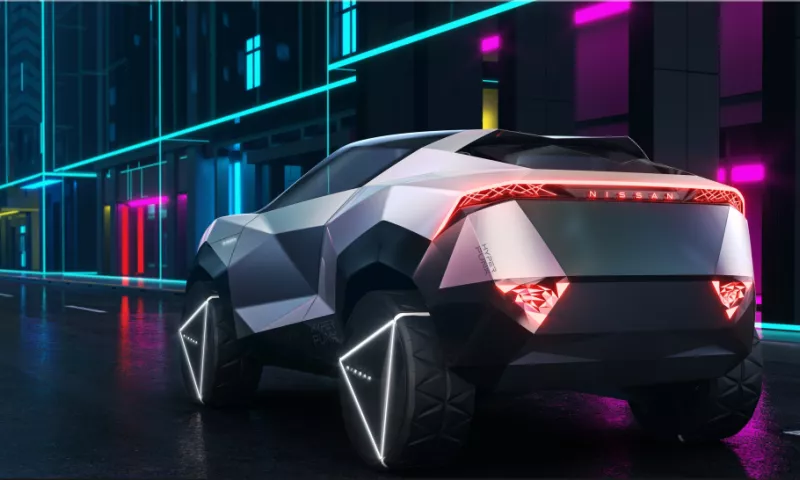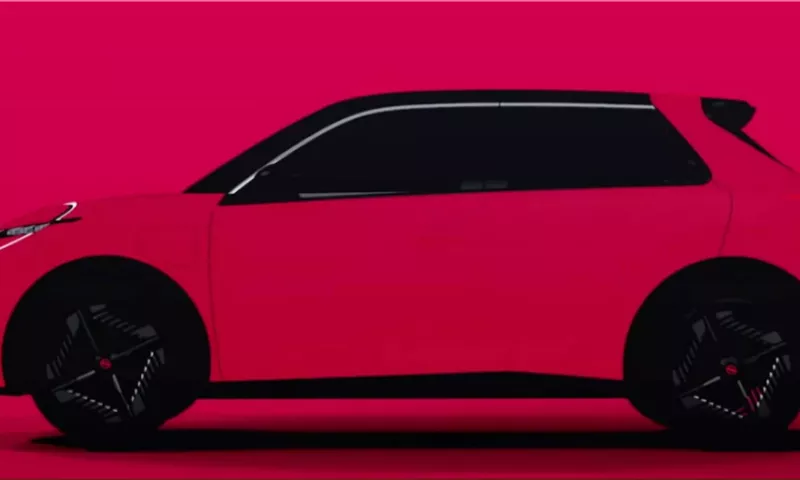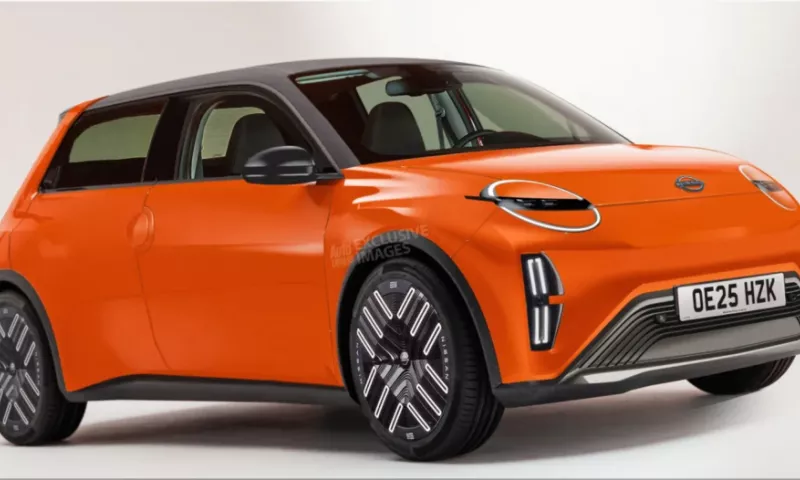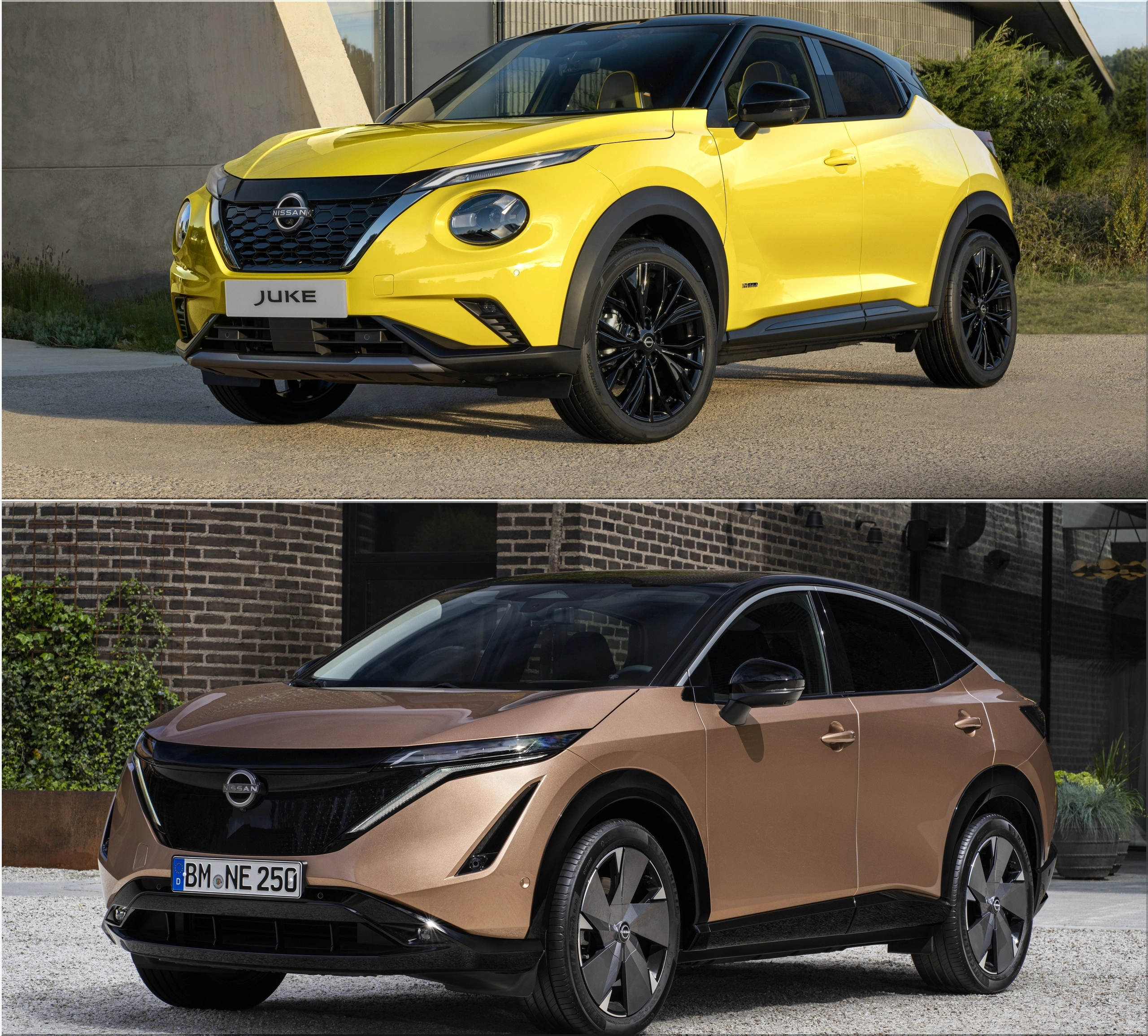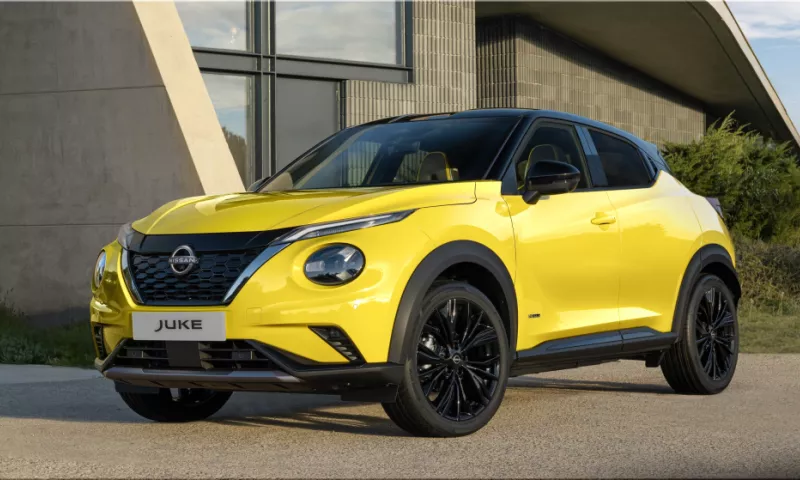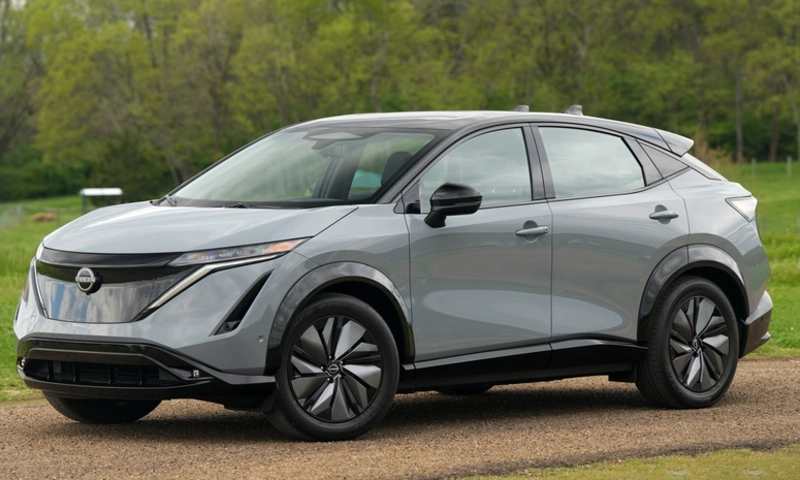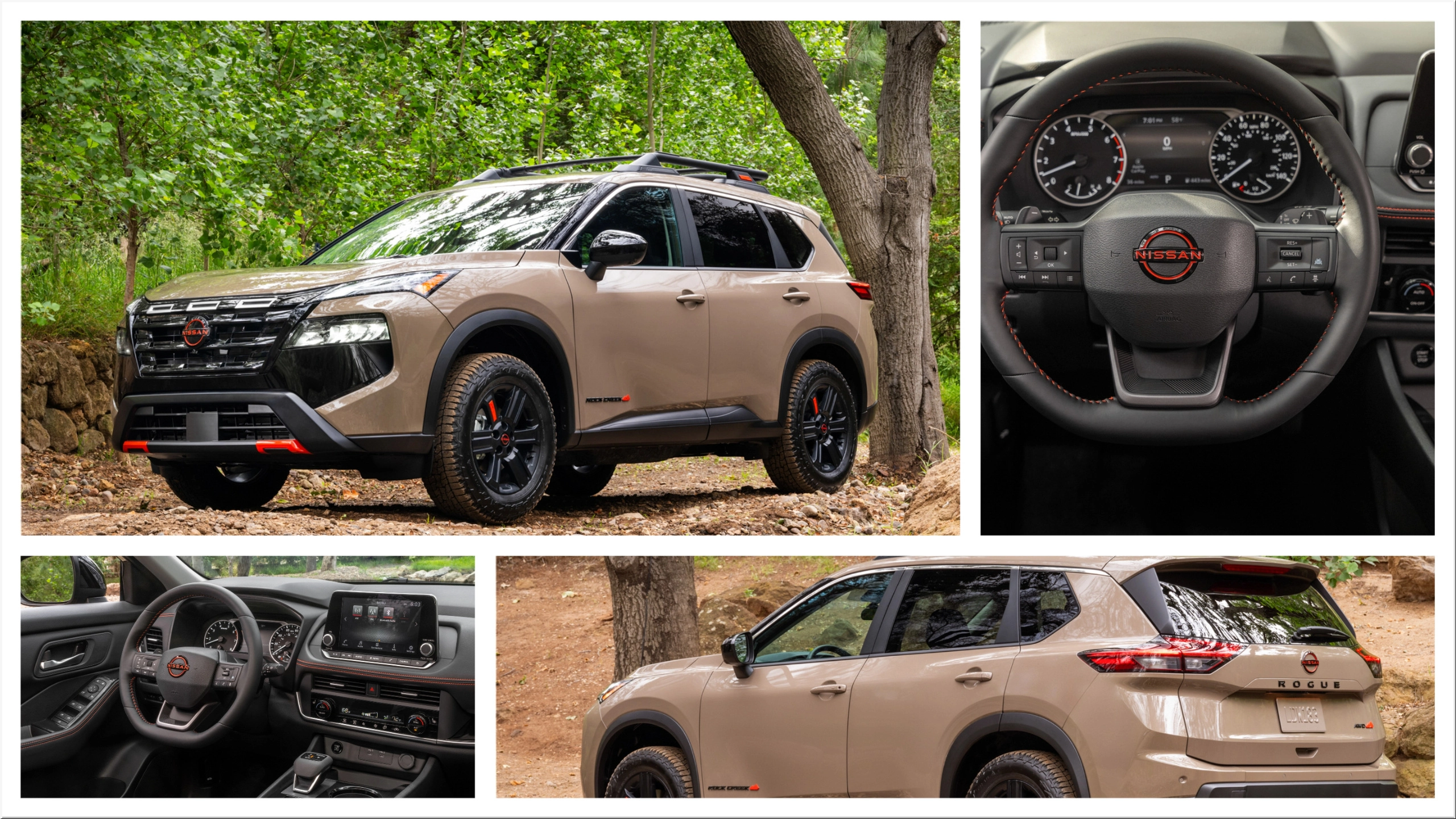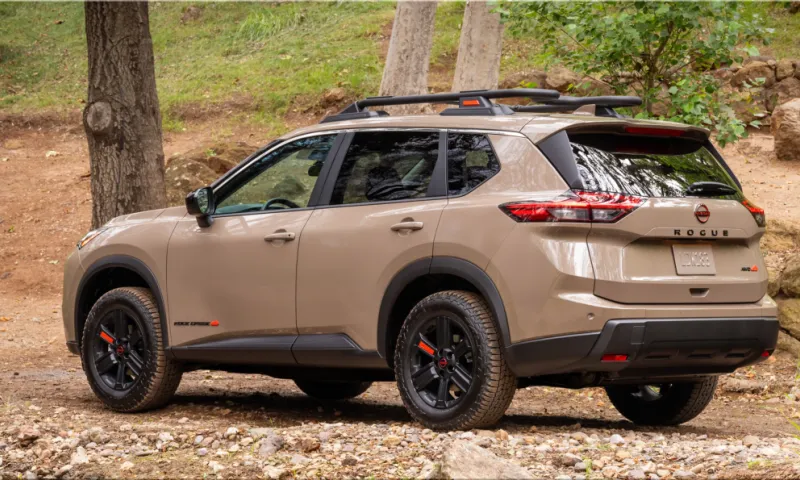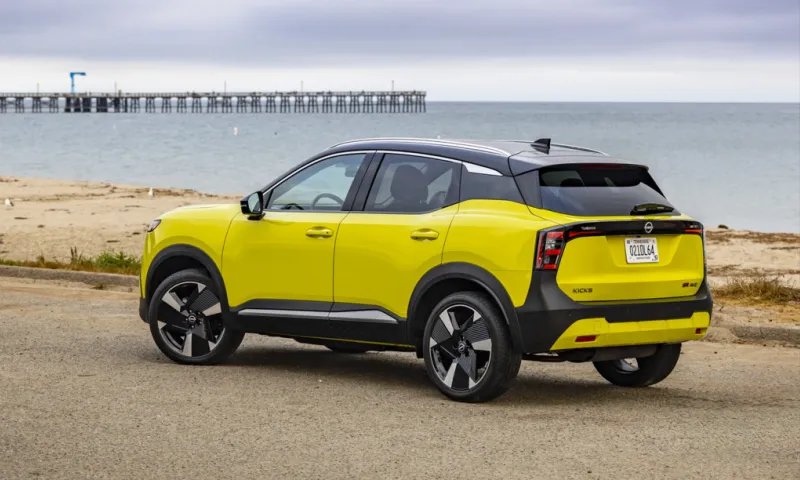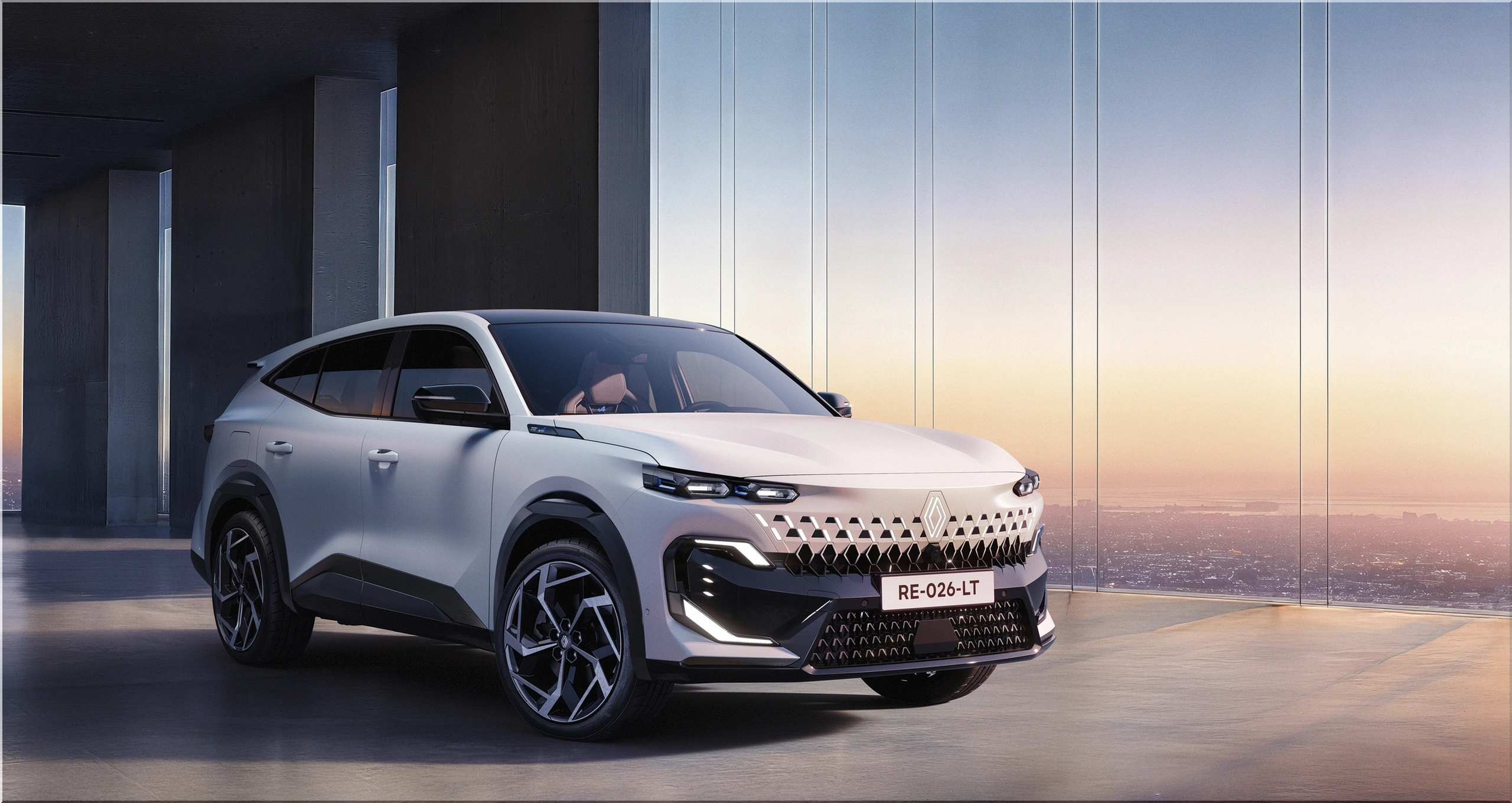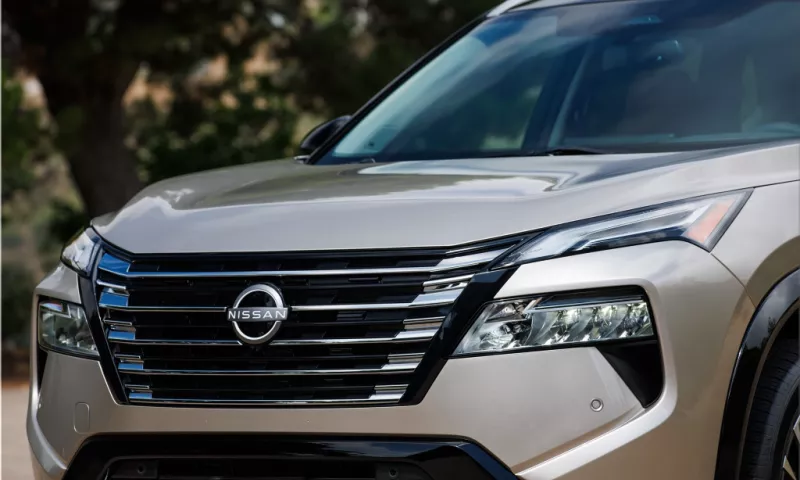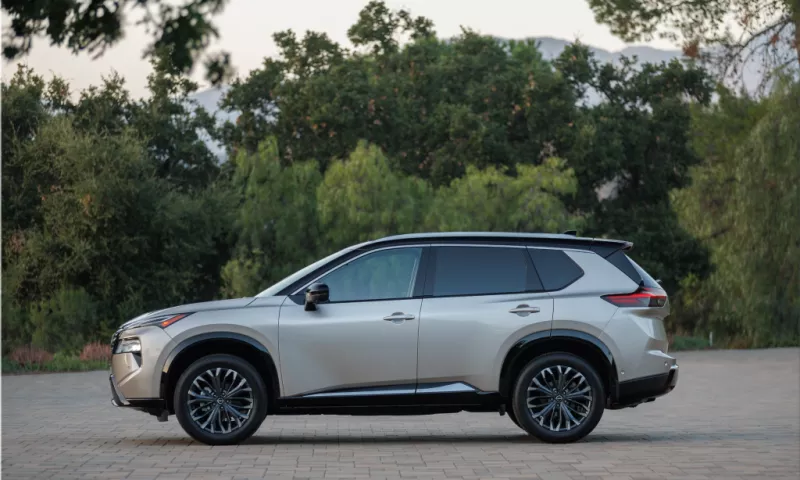
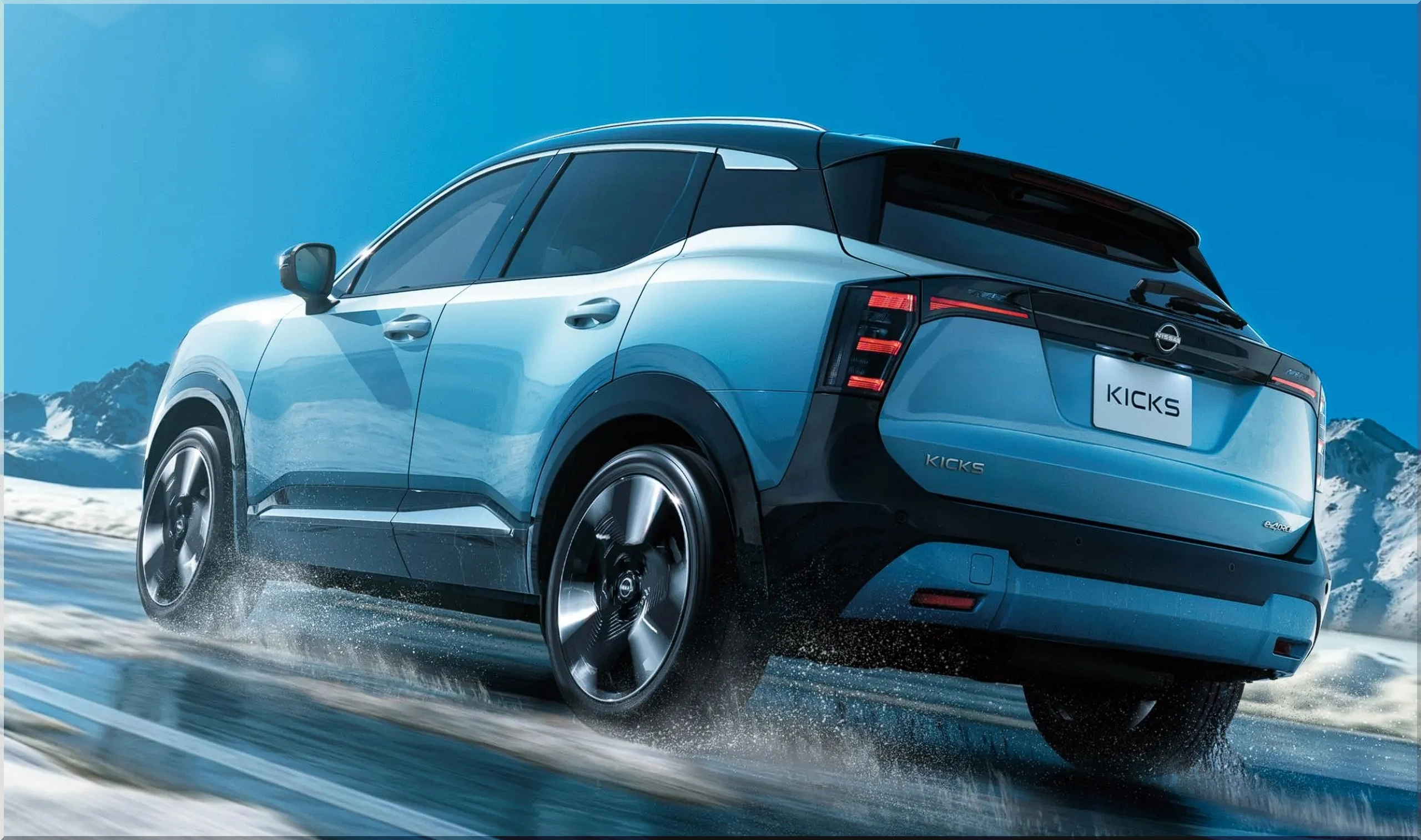
Nissan will bring the Nissan Kicks e-POWER to Europe and manufacture the B-segment crossover in Sunderland, England. A £170 million investment will add the Kicks to a line that already produces the Qashqai, Juke and Nissan Leaf. The move gives Nissan a second UK-made e-POWER SUV as the next Juke switches to battery-electric propulsion.
The latest Japanese Kicks measures 4,365 mm long, so it sits at the large end of the B-SUV class. Nissan has not confirmed identical European dimensions or outputs. Those figures provide a credible technical preview, not a final EU specification.
What Nissan Has Confirmed for Europe
| Item | European programme |
|---|---|
| Vehicle class | B-segment crossover |
| Hybrid system | Third-generation Nissan e-POWER |
| Wheel propulsion | Electric traction motor only |
| Petrol engine role | Generates electricity for the motor and battery |
| Production site | Nissan Sunderland, United Kingdom |
| Factory investment | £170 million |
| Intended markets | United Kingdom, continental Europe and Turkey |
| Still pending | Price, launch date, WLTP economy, CO2, performance and trim range |
Some reports may call it the 2027 Nissan Kicks, but Nissan has not announced a European model year. It also has not confirmed front-wheel drive, e-4ORCE all-wheel drive, battery capacity, boot volume, towing capacity or approach and departure angles.
Image
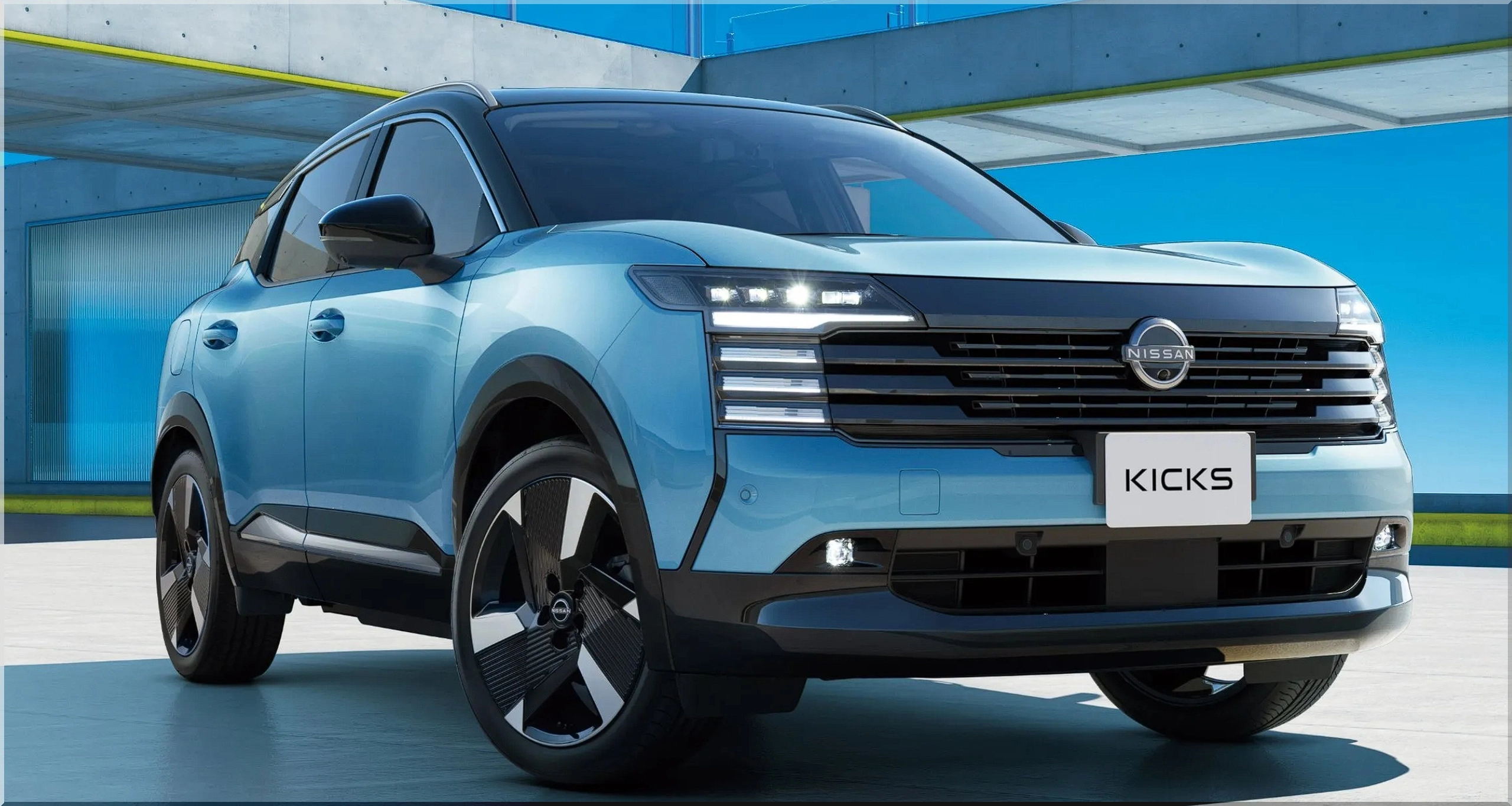
How the e-POWER Hybrid System Works
Unlike a conventional full hybrid, e-POWER never sends petrol-engine torque mechanically to the wheels. The engine powers a generator; an inverter manages the electrical flow; a compact battery buffers energy; and the traction motor drives the axle. This architecture delivers the immediate response and linear acceleration associated with an EV, yet drivers refuel with petrol and never plug in.
Specifically, Nissan integrates the motor, generator, inverter, reducer and increaser in one five-in-one drive unit. That packaging cuts size and mass while raising structural stiffness. Consequently, the control software can run the engine near efficient load points and let the battery cover short power demands.
In addition, Nissan claims the Japanese third-generation system improves fuel economy by more than 10% against its predecessor. European buyers still need official WLTP consumption and CO2 figures before comparing tax and fuel costs.
Japanese Kicks Specs Preview the European Hardware
| Measurement or output | Japanese-market Kicks | European status |
|---|---|---|
| Length | 4,365 mm / 171.9 in | Nissan has not confirmed |
| Width | 1,800 mm / 70.9 in | Nissan has not confirmed |
| Height | 1,615 mm / 63.6 in | Nissan has not confirmed |
| Wheelbase | 2,655 mm / 104.5 in | Nissan has not confirmed |
| Ground clearance | 170 mm / 6.7 in | Nissan has not confirmed |
| Generator engine | 1.4-litre, 3-cylinder, 72 kW / 98 PS | Third-generation system confirmed; output pending |
| Front traction motor | 105 kW / 143 PS, 315 Nm | Nissan has not confirmed |
| Optional rear motor | 50 kW / 68 PS, 140 Nm | e-4ORCE availability pending |
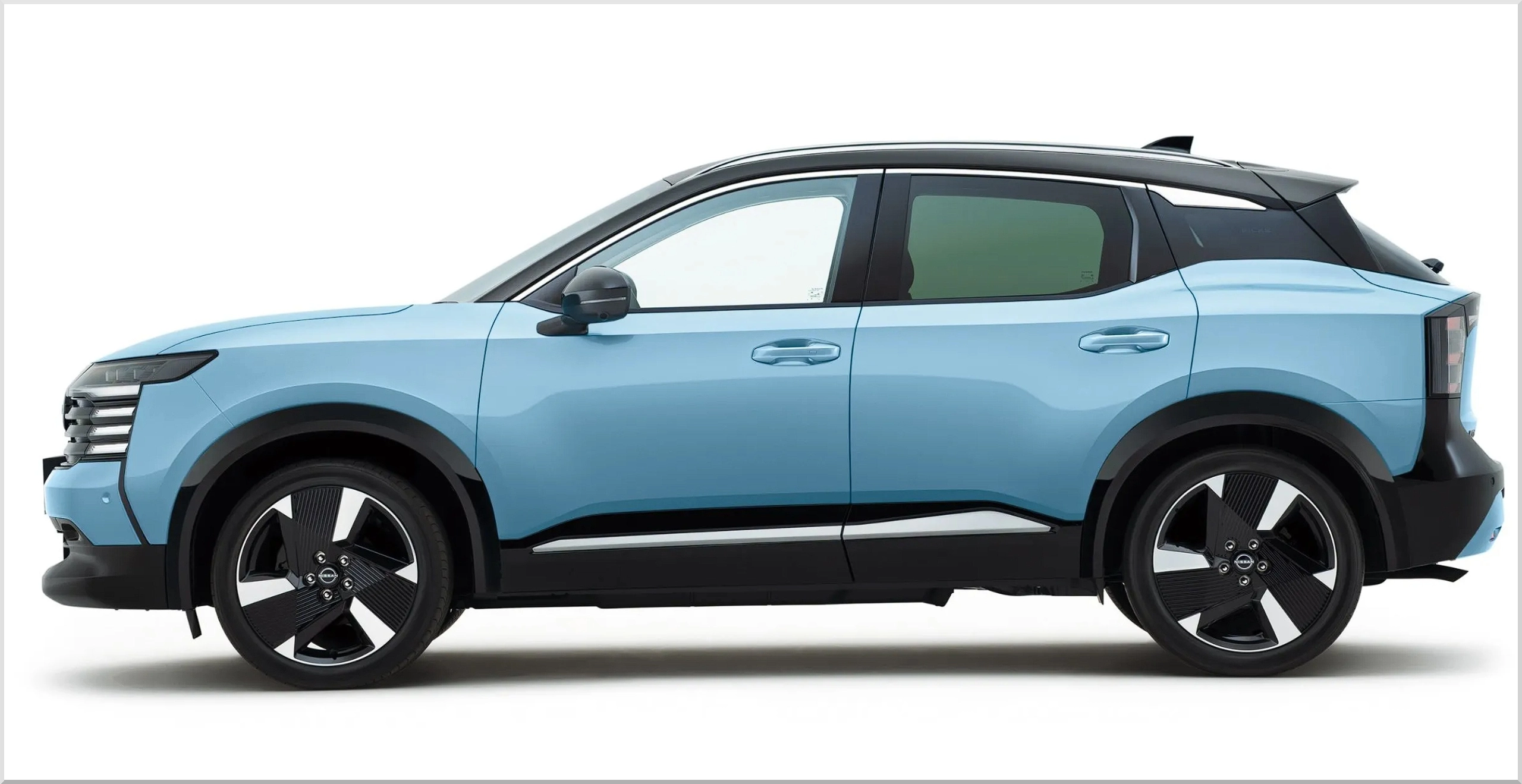
Looking at the data, the Kicks stretches 155 mm longer than the current 4,210 mm Juke. Its 2,655 mm wheelbase should also give Nissan room to prioritise rear legroom. By comparison, the optional Japanese rear motor adds traction and axle-level torque control without a mechanical propshaft, but Nissan may choose a front-drive-only European range.
Why Nissan Needs the Kicks in Europe
From an expert perspective, the Nissan Kicks e-POWER hybrid fills the space between the smaller Juke and the larger Qashqai while giving petrol-hybrid buyers an alternative to a charging-dependent EV. Nissan has already sold more than 1.8 million Kicks across over 70 markets. It has also sold more than 1.9 million e-POWER vehicles since 2016, including 200,000 Sunderland-built Qashqai e-POWER units.
The business case looks practical. Sunderland has produced 12 million vehicles since 1986, and Kicks becomes the site's tenth allocated model. Shared e-POWER production knowledge should control industrial risk and shorten the ramp-up period.
Image
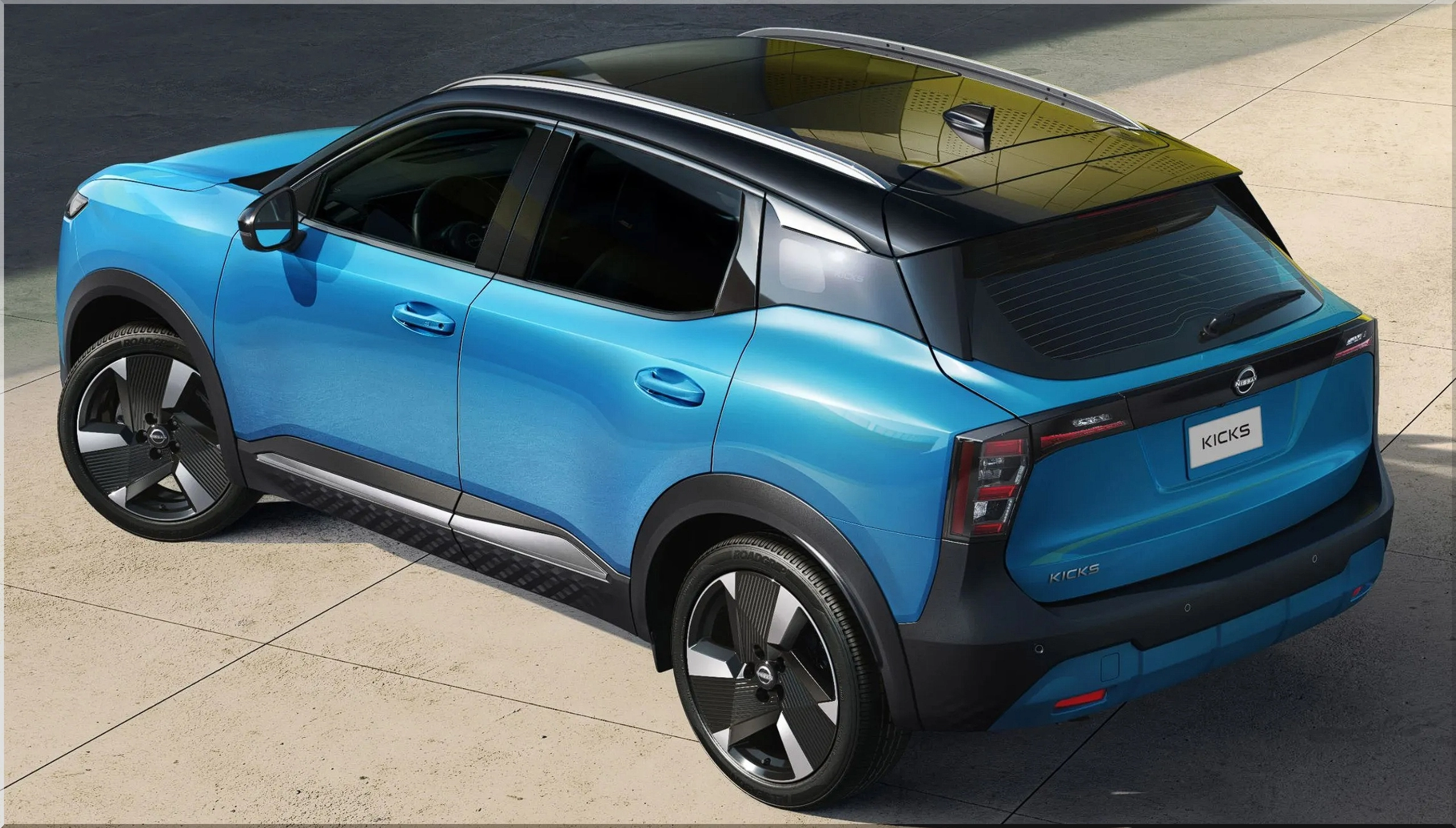
Should European Buyers Wait for the Nissan Kicks Hybrid?
Buyers should wait for the order books if they want EV-like wheel drive without home charging and need more cabin space than a Juke. Buyers with an immediate deadline should avoid making a decision from Japanese specifications alone.
Pro-Tip: Ask the dealer for five figures before signing: WLTP combined consumption, urban consumption, CO2 output, usable boot capacity and the battery warranty. Also confirm e-4ORCE availability if winter traction influences the purchase.
Image gallery
- Add new comment
- 71 views