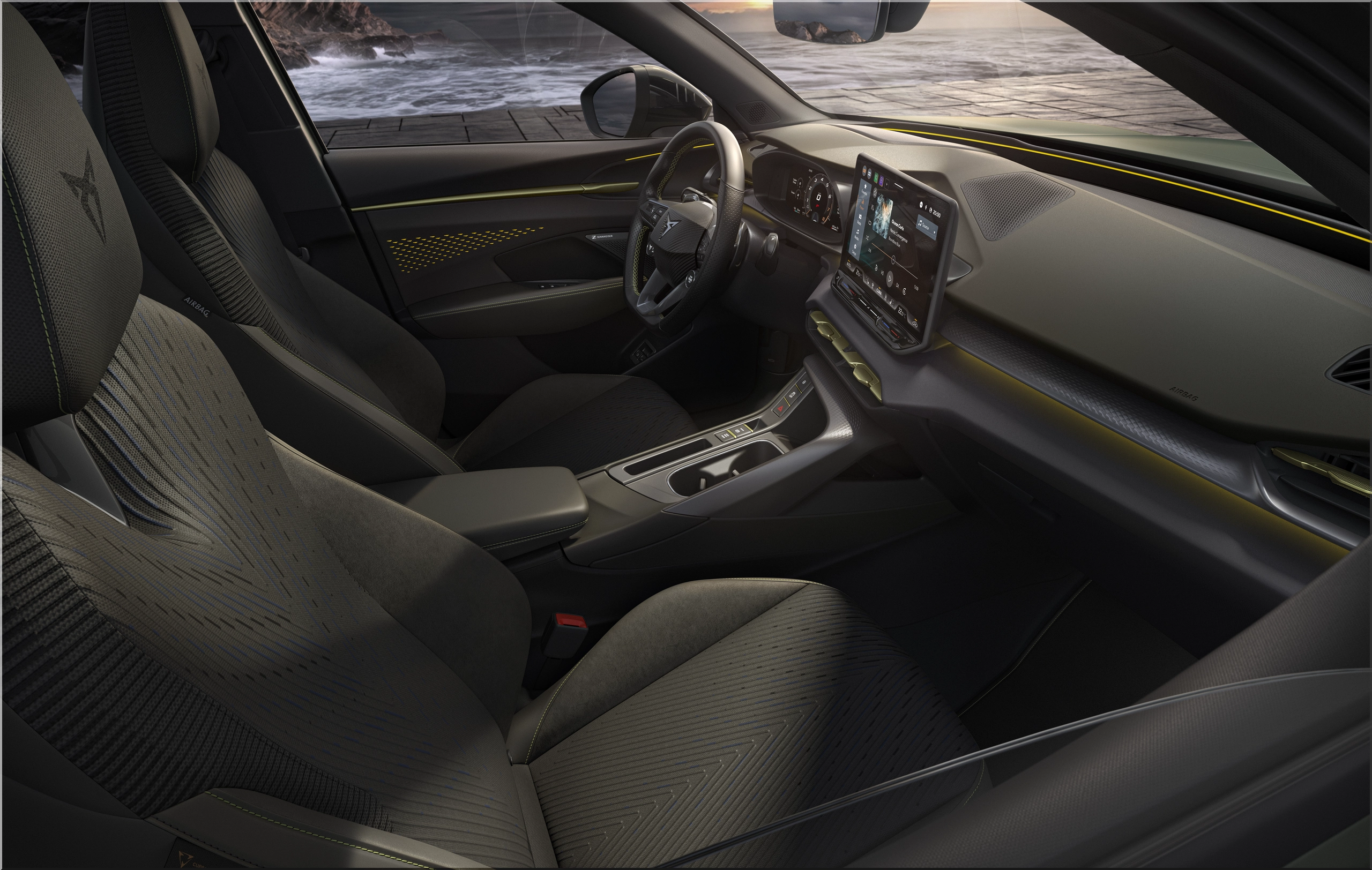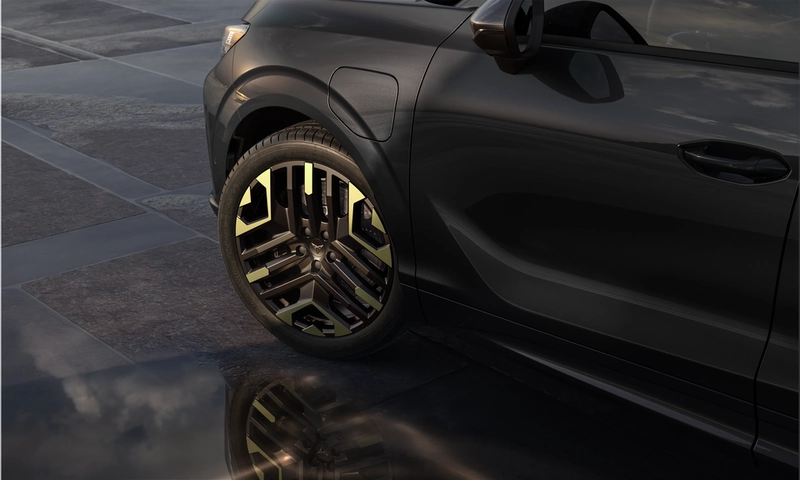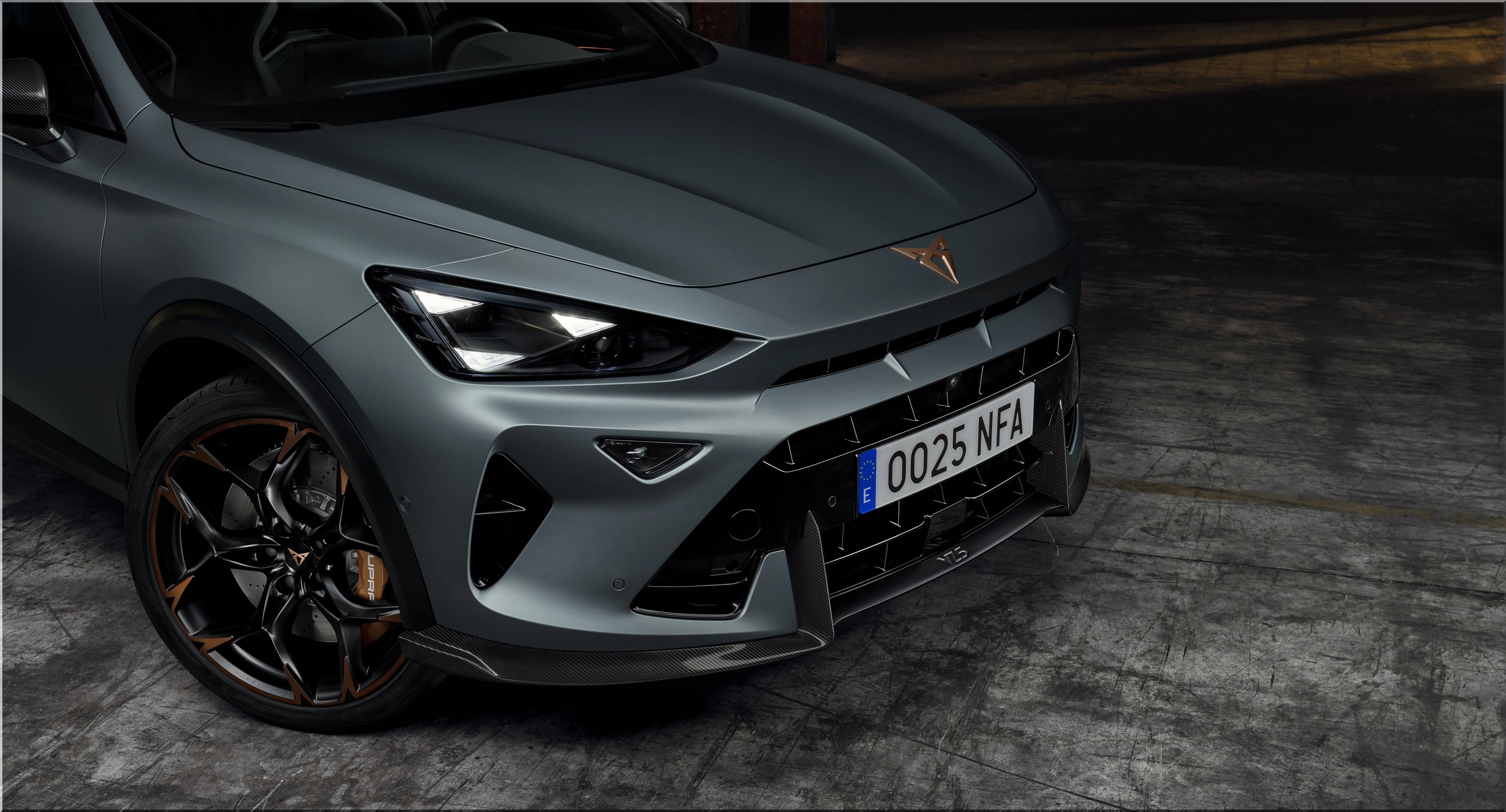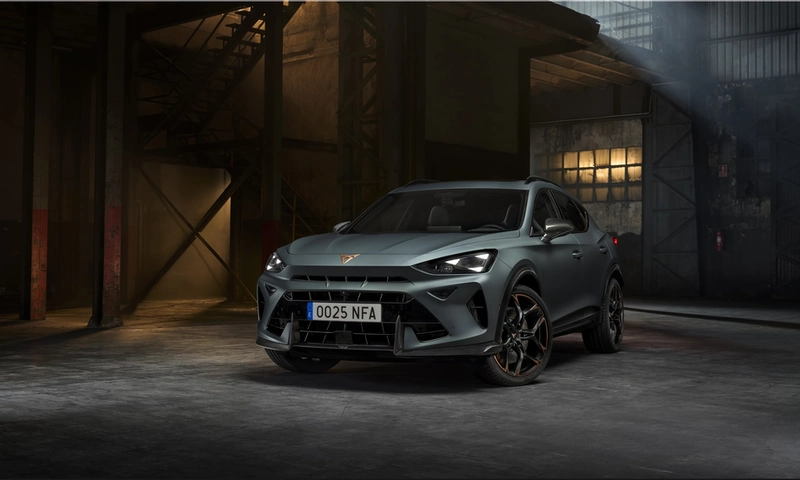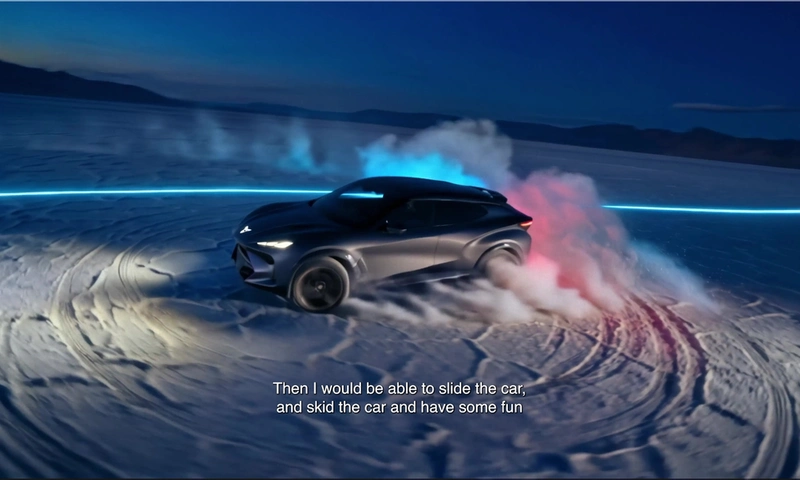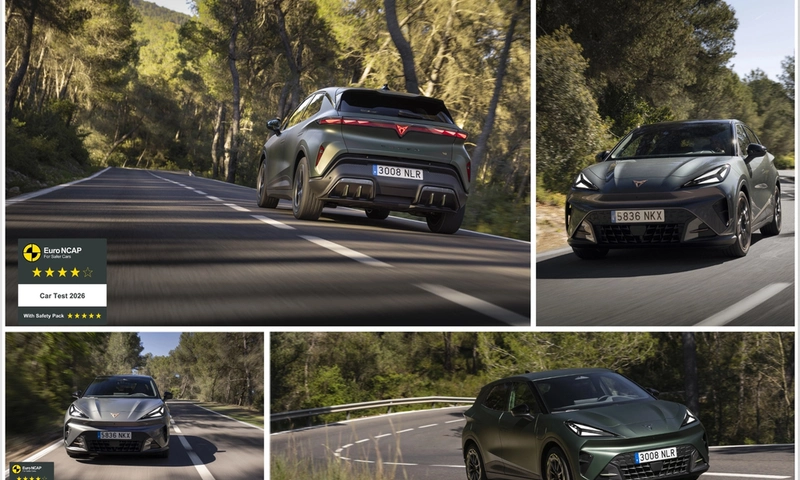
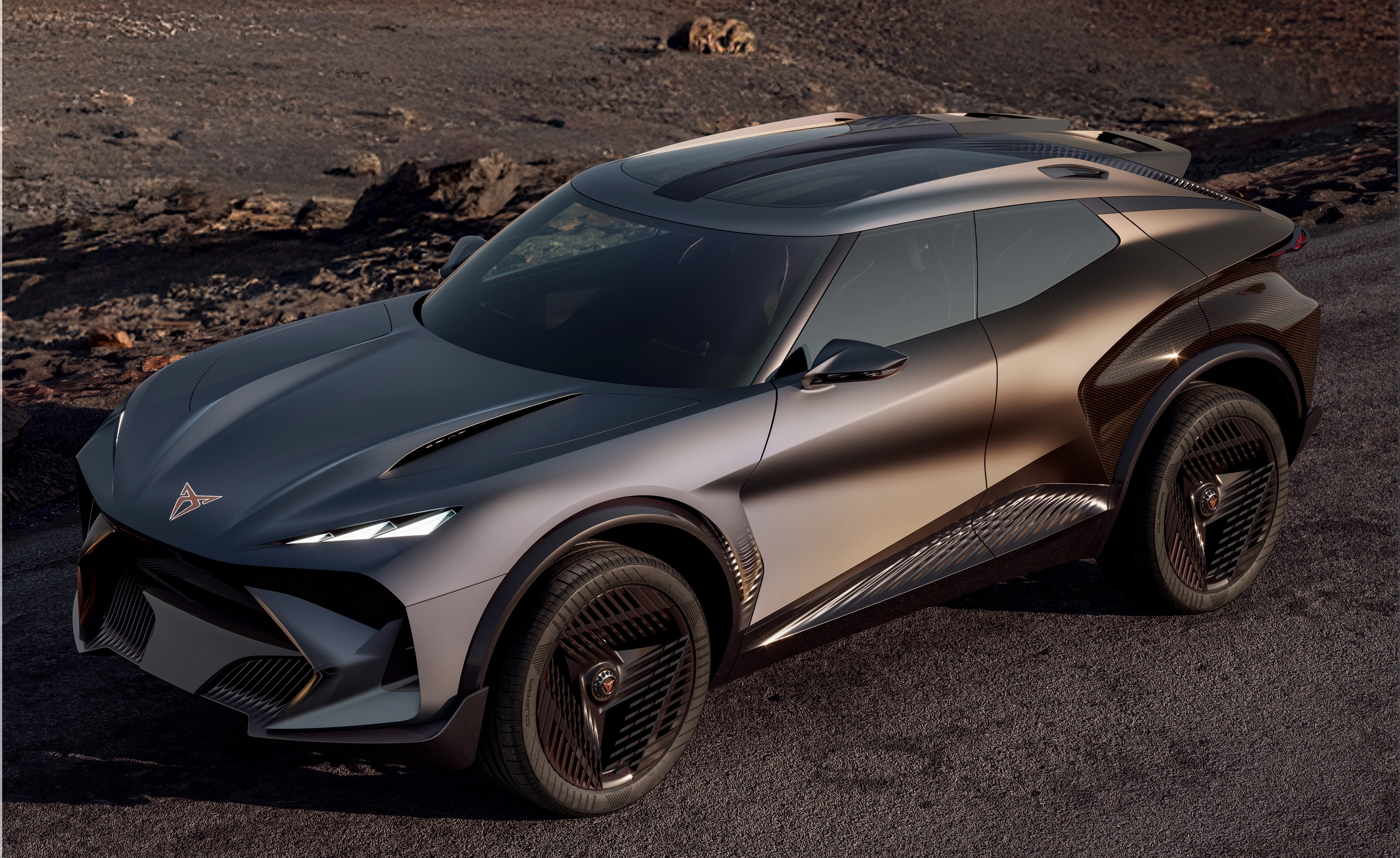
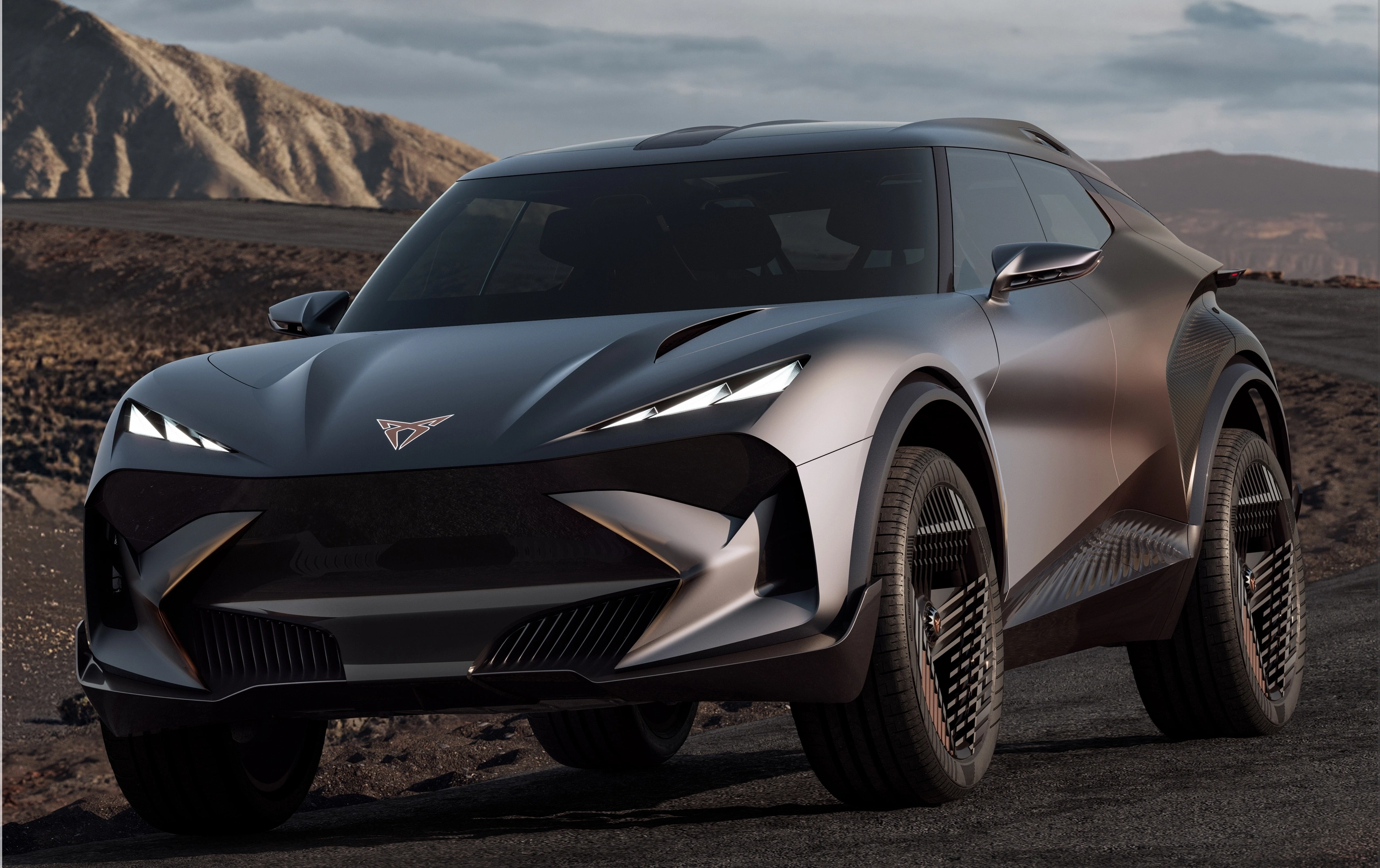
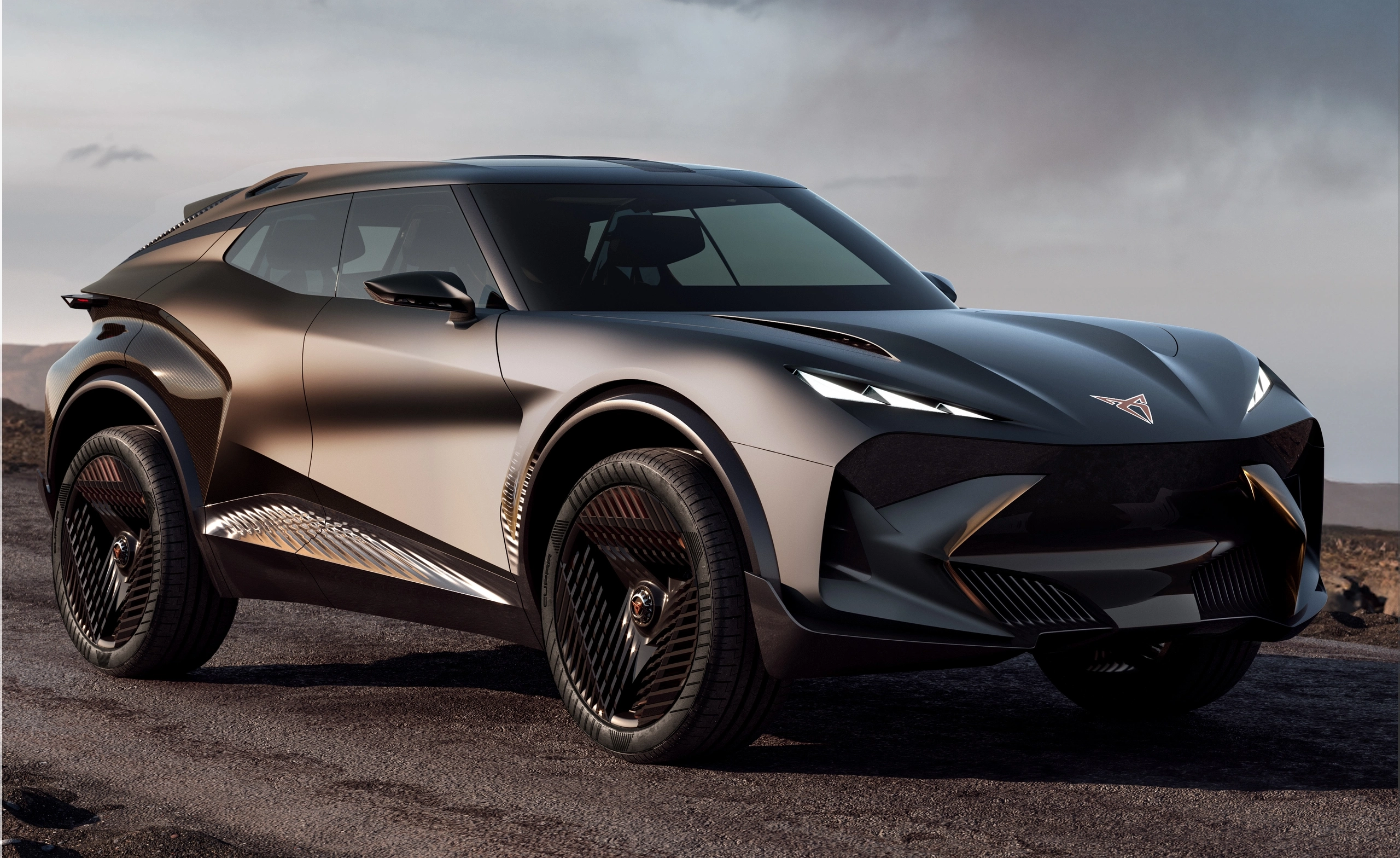
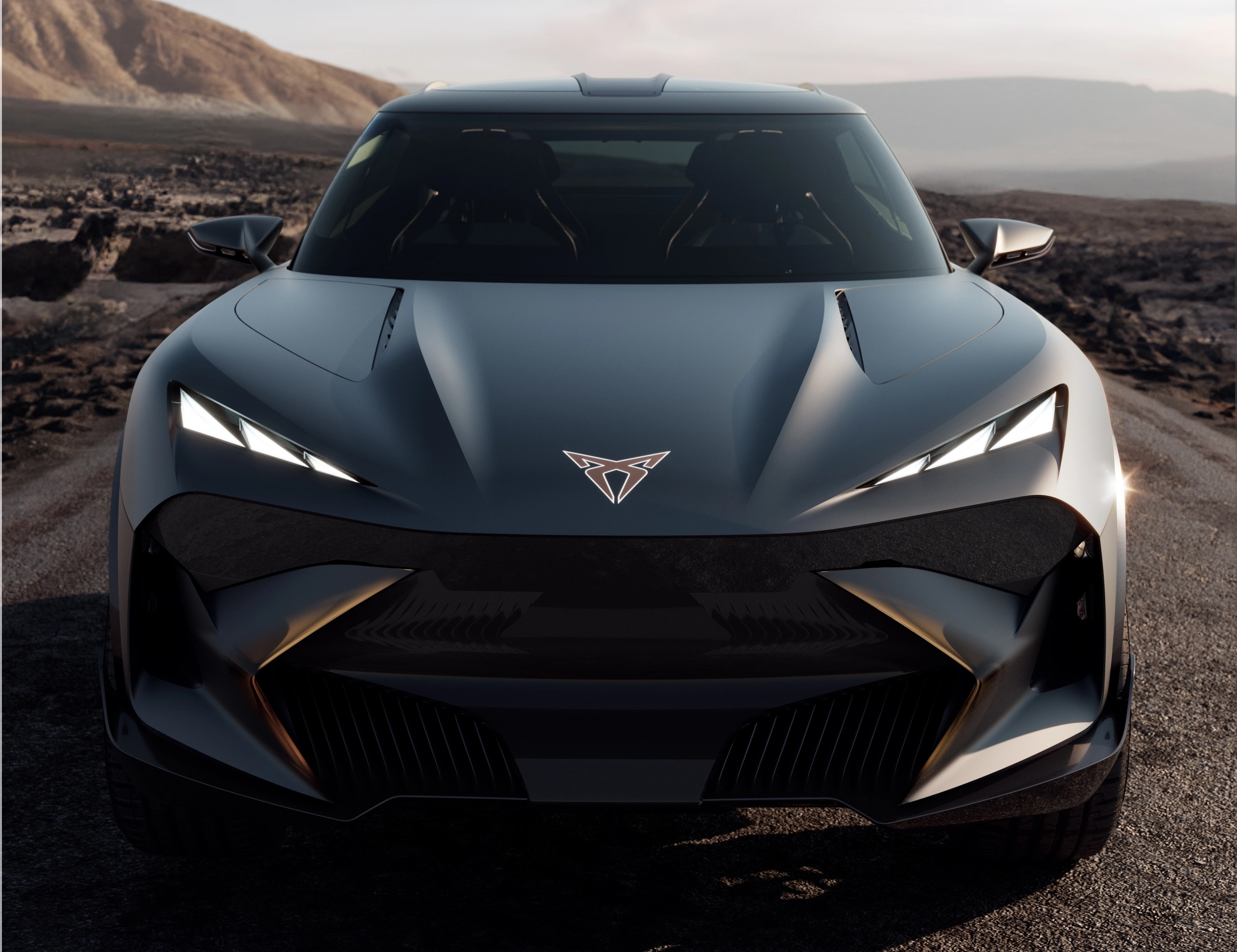
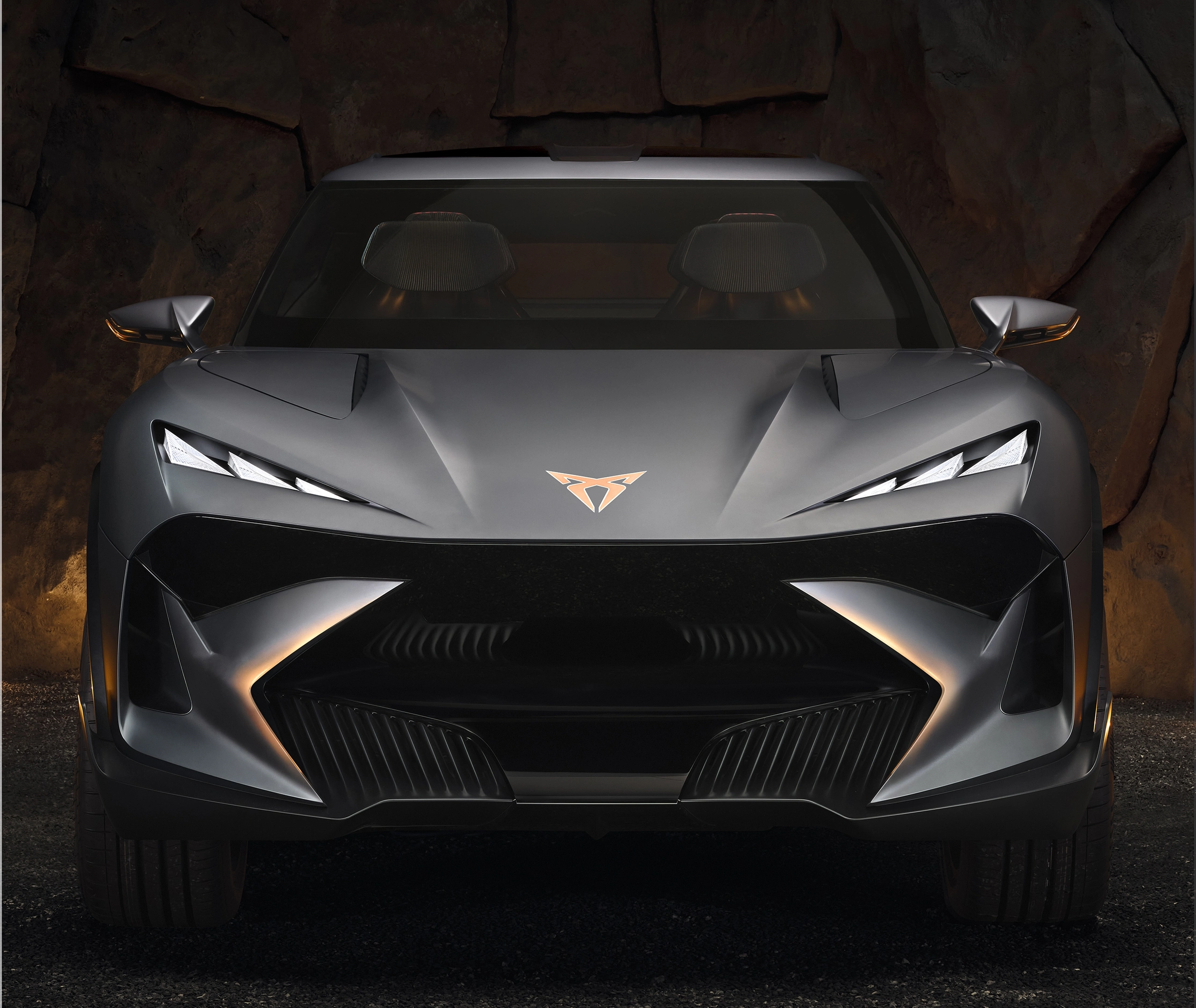
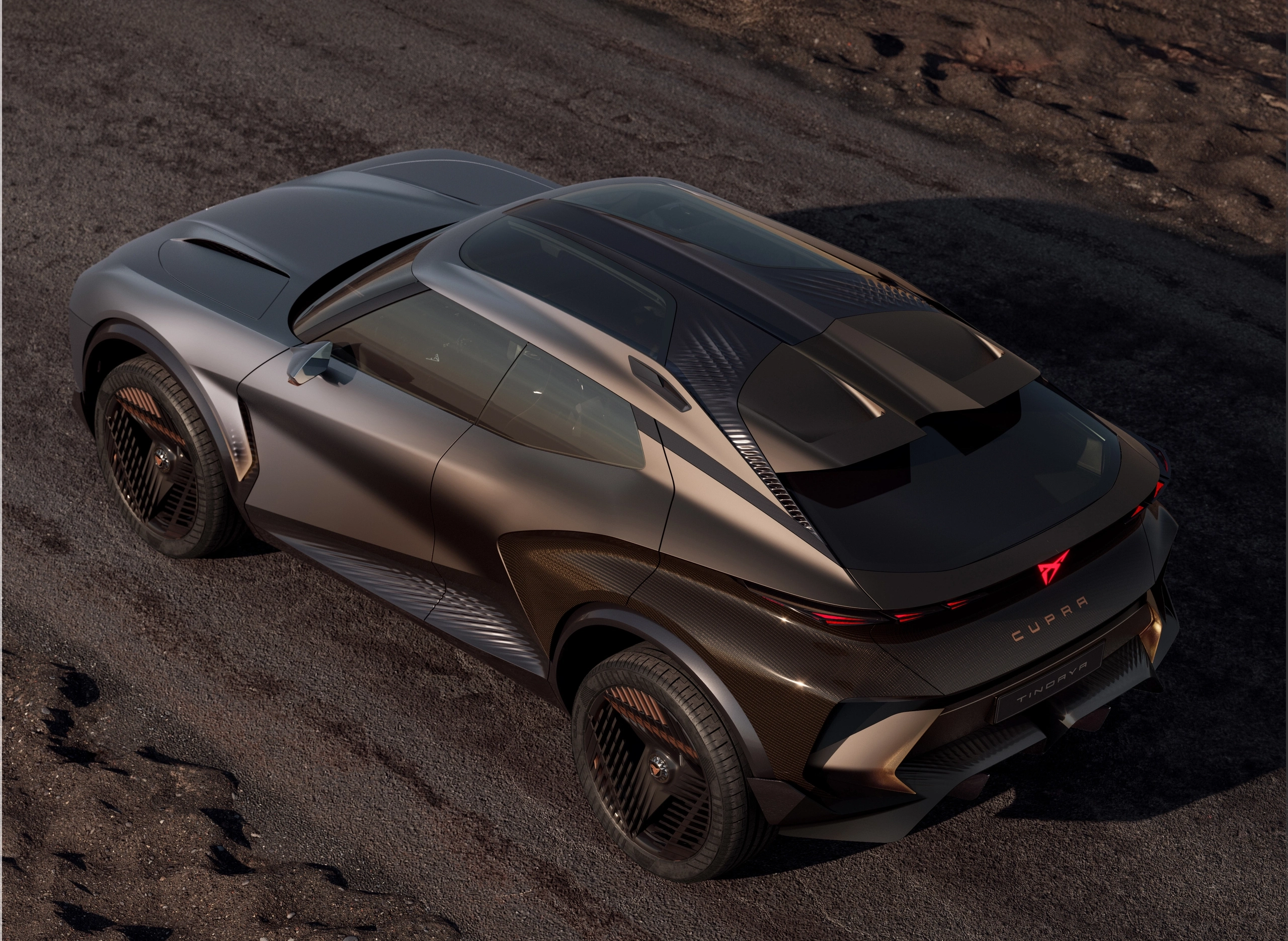
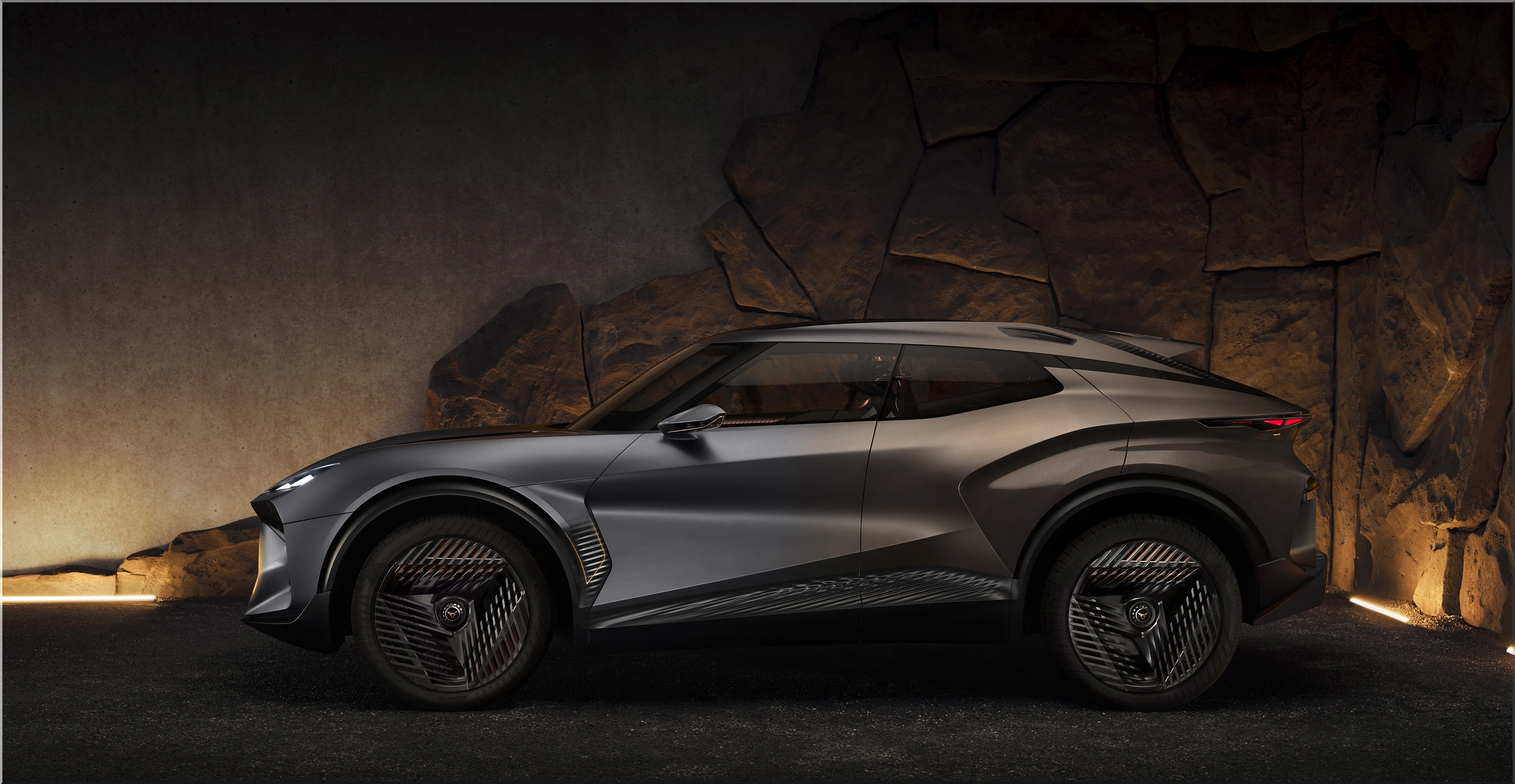
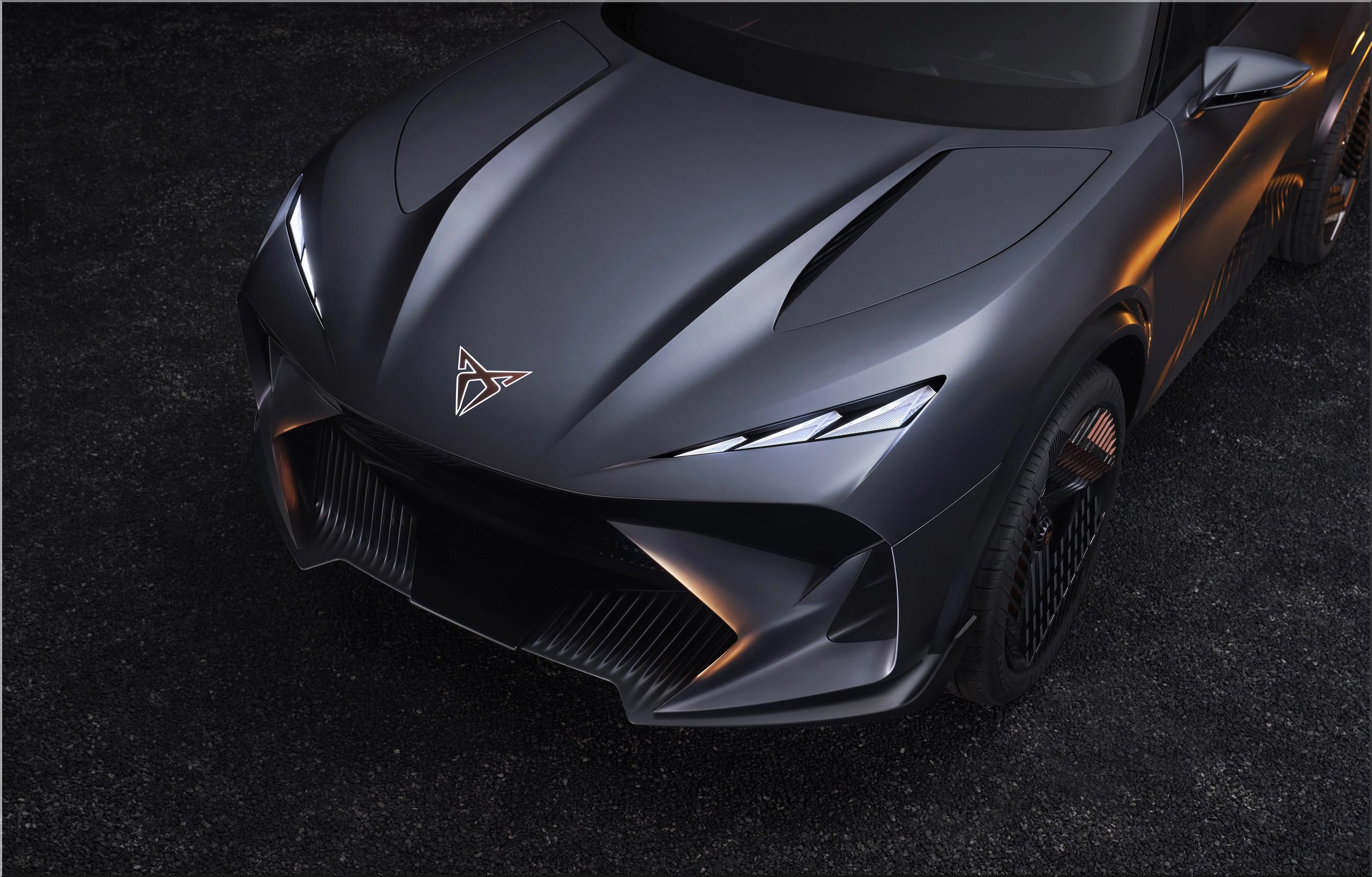
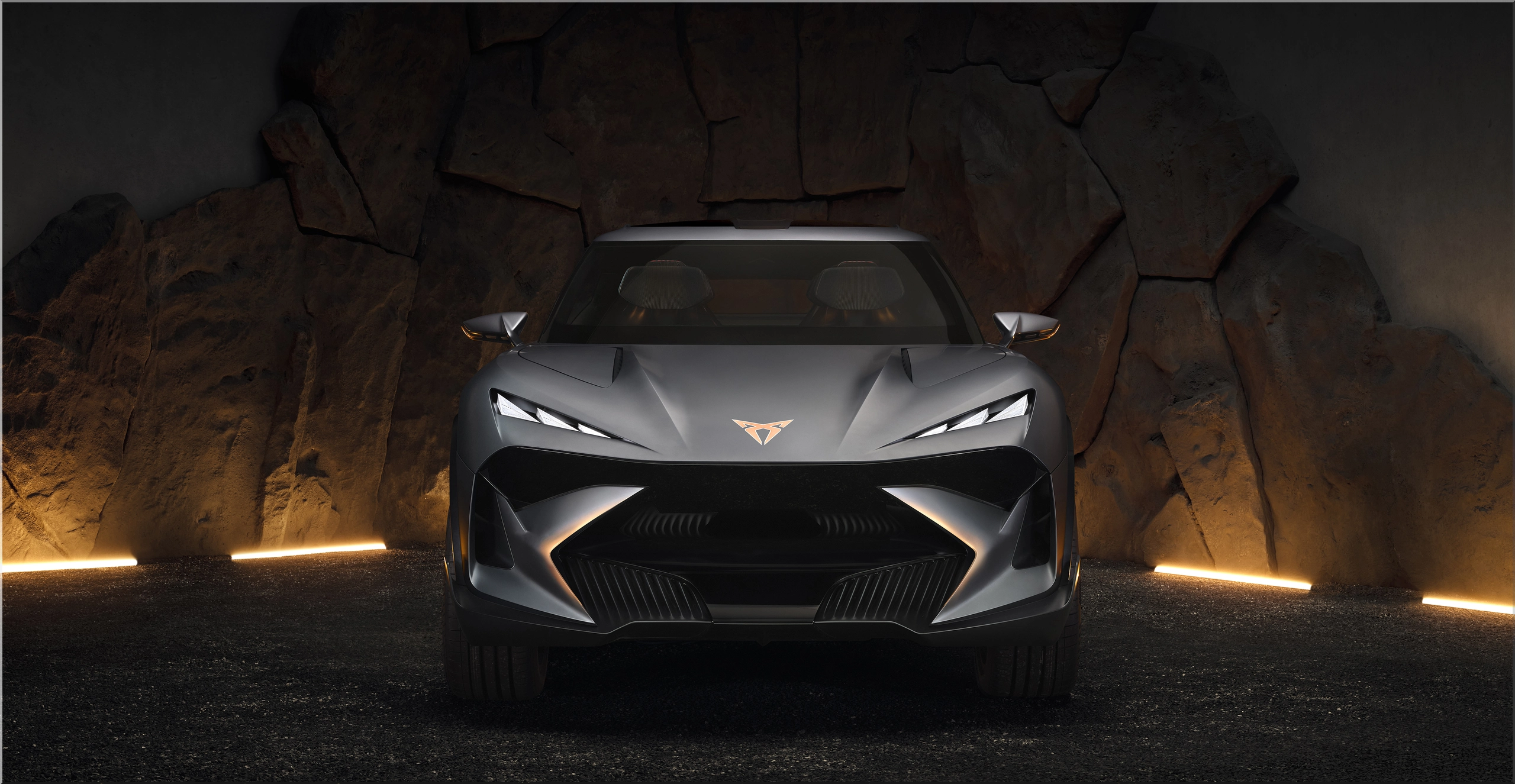
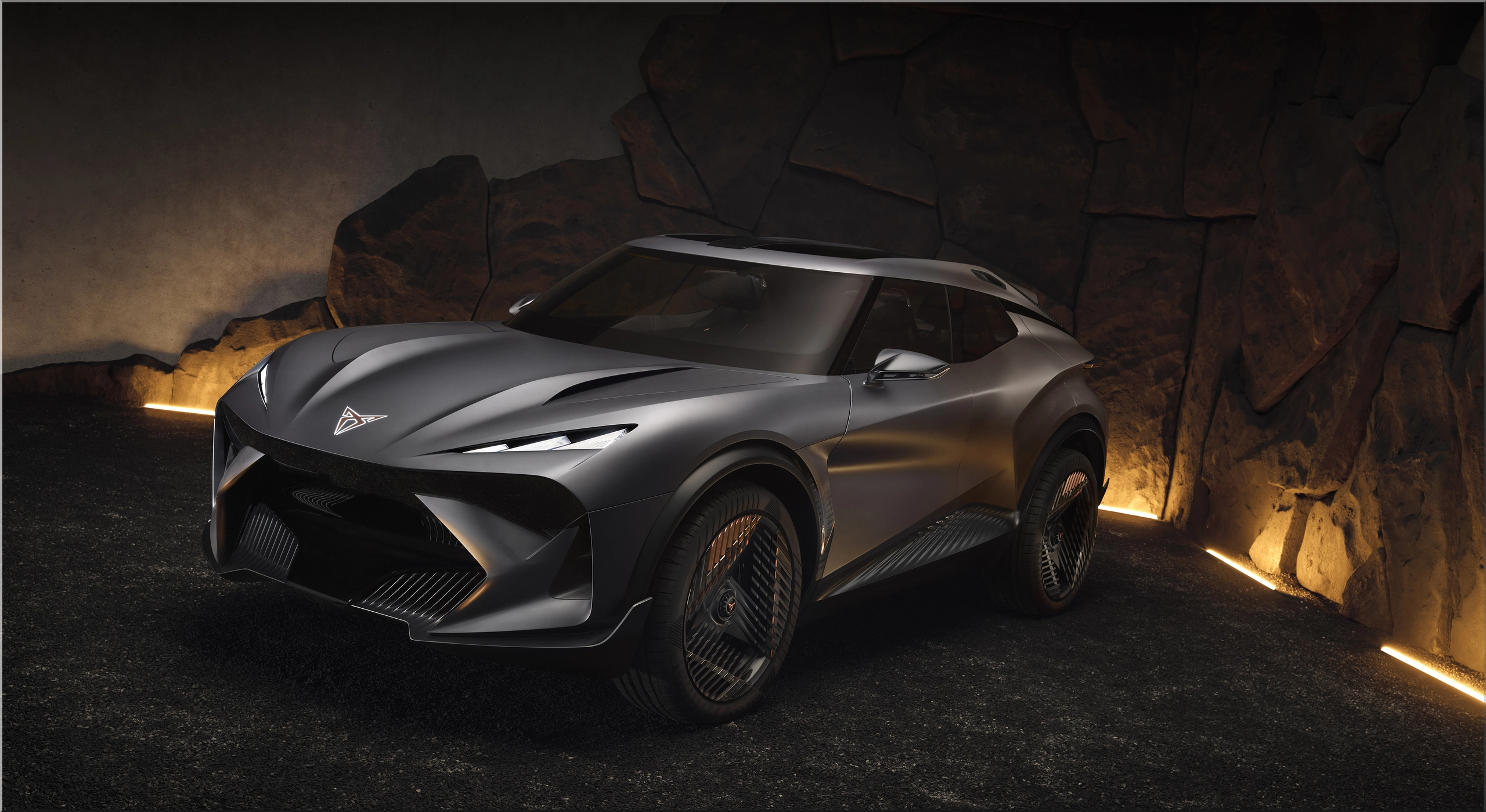
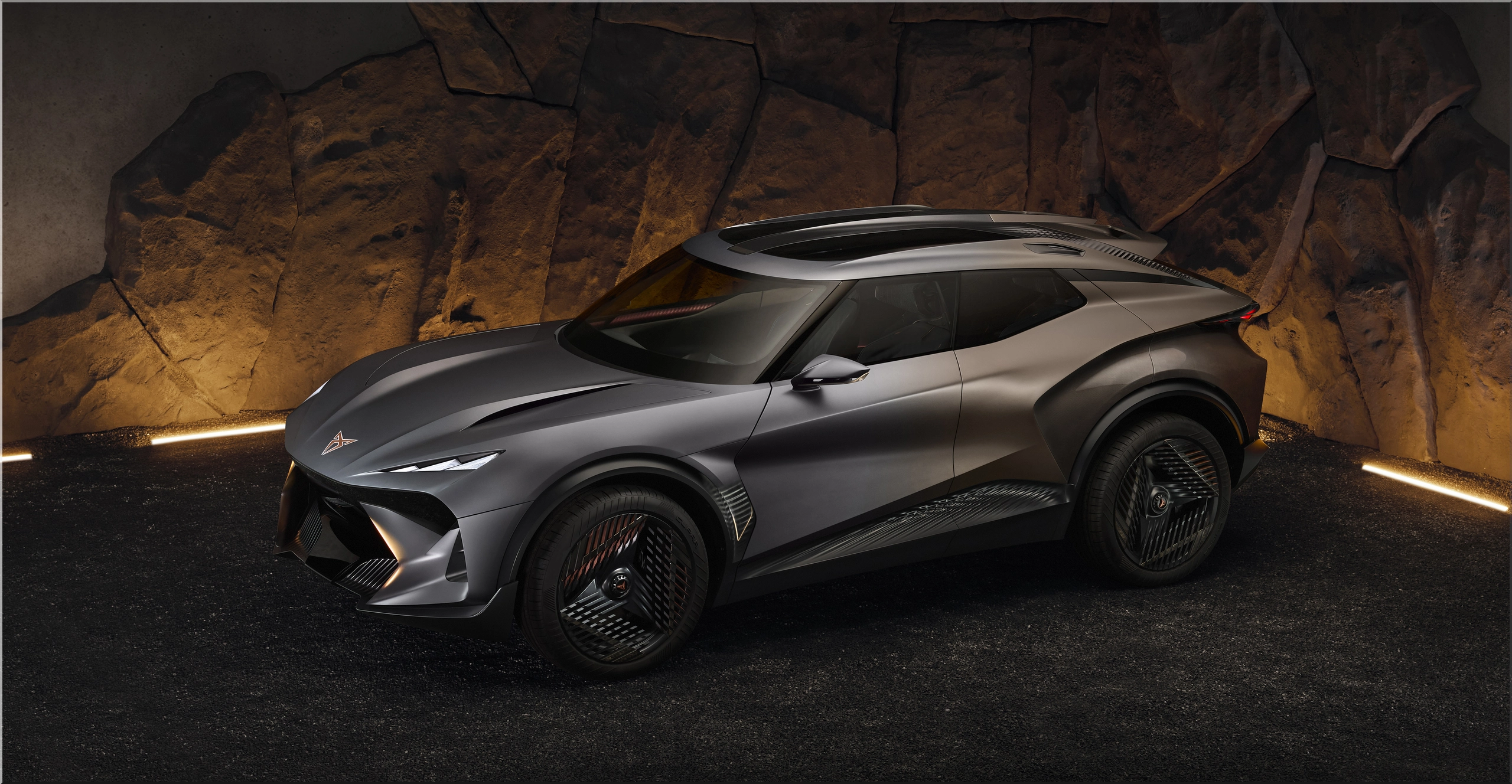
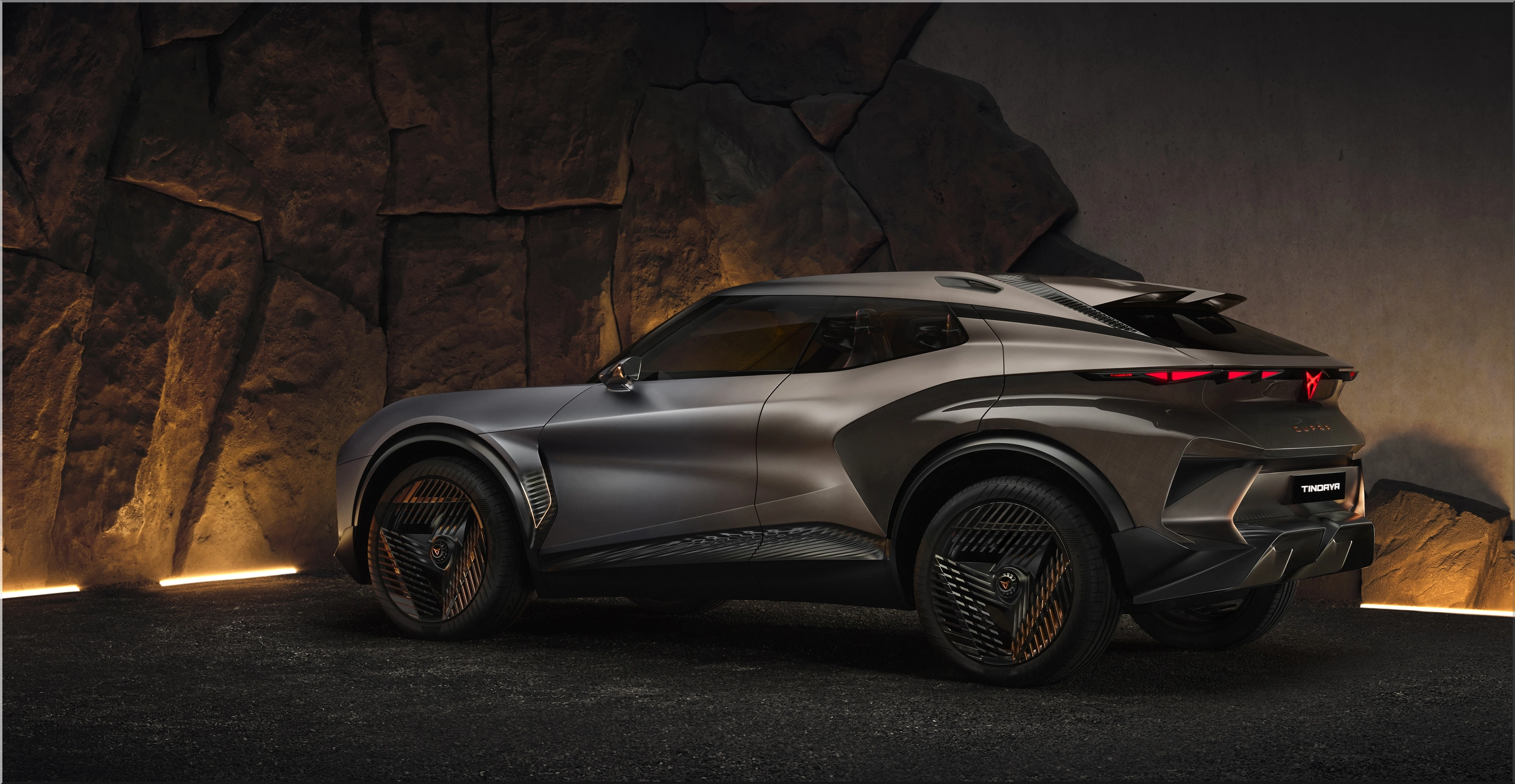
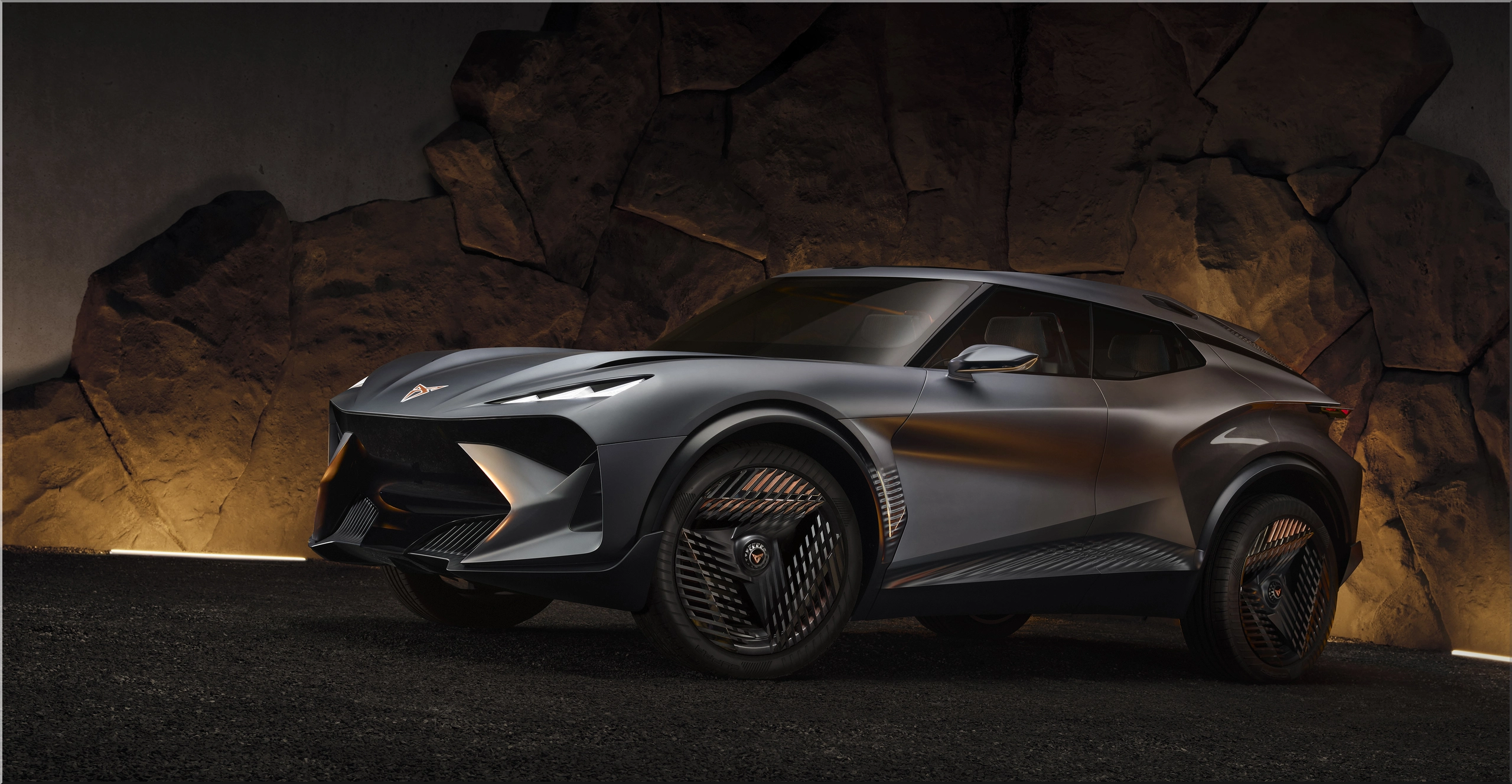
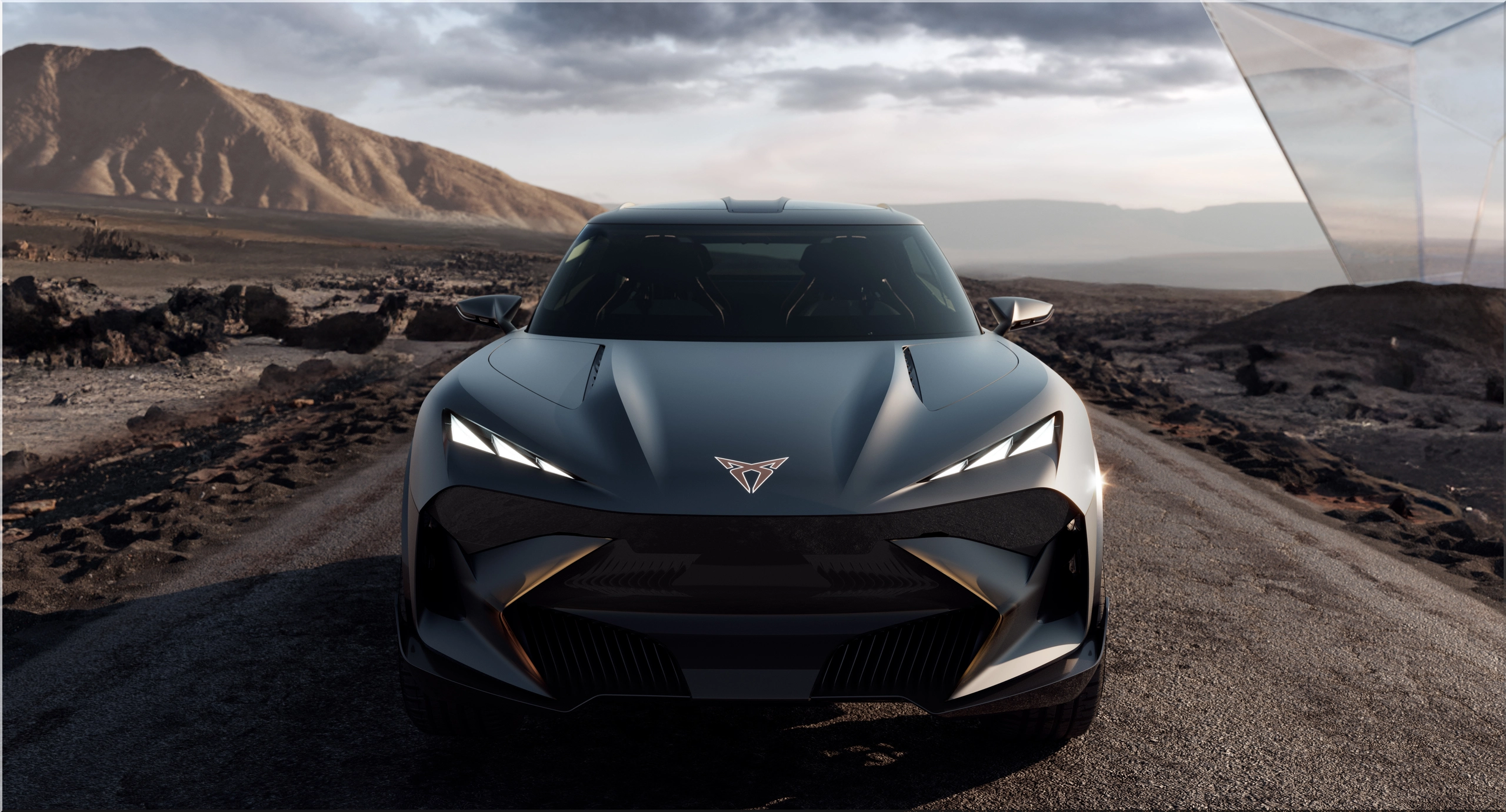
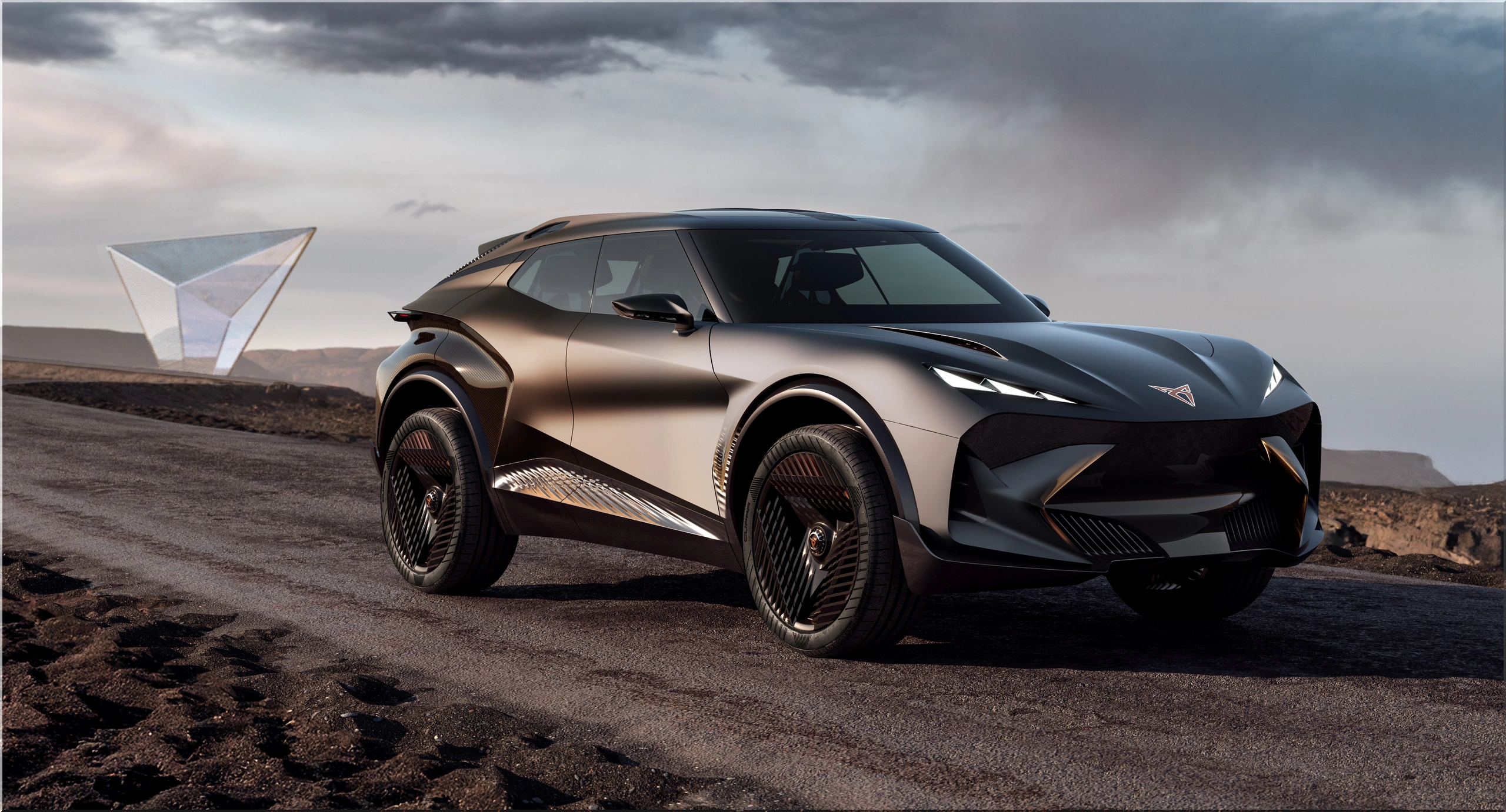
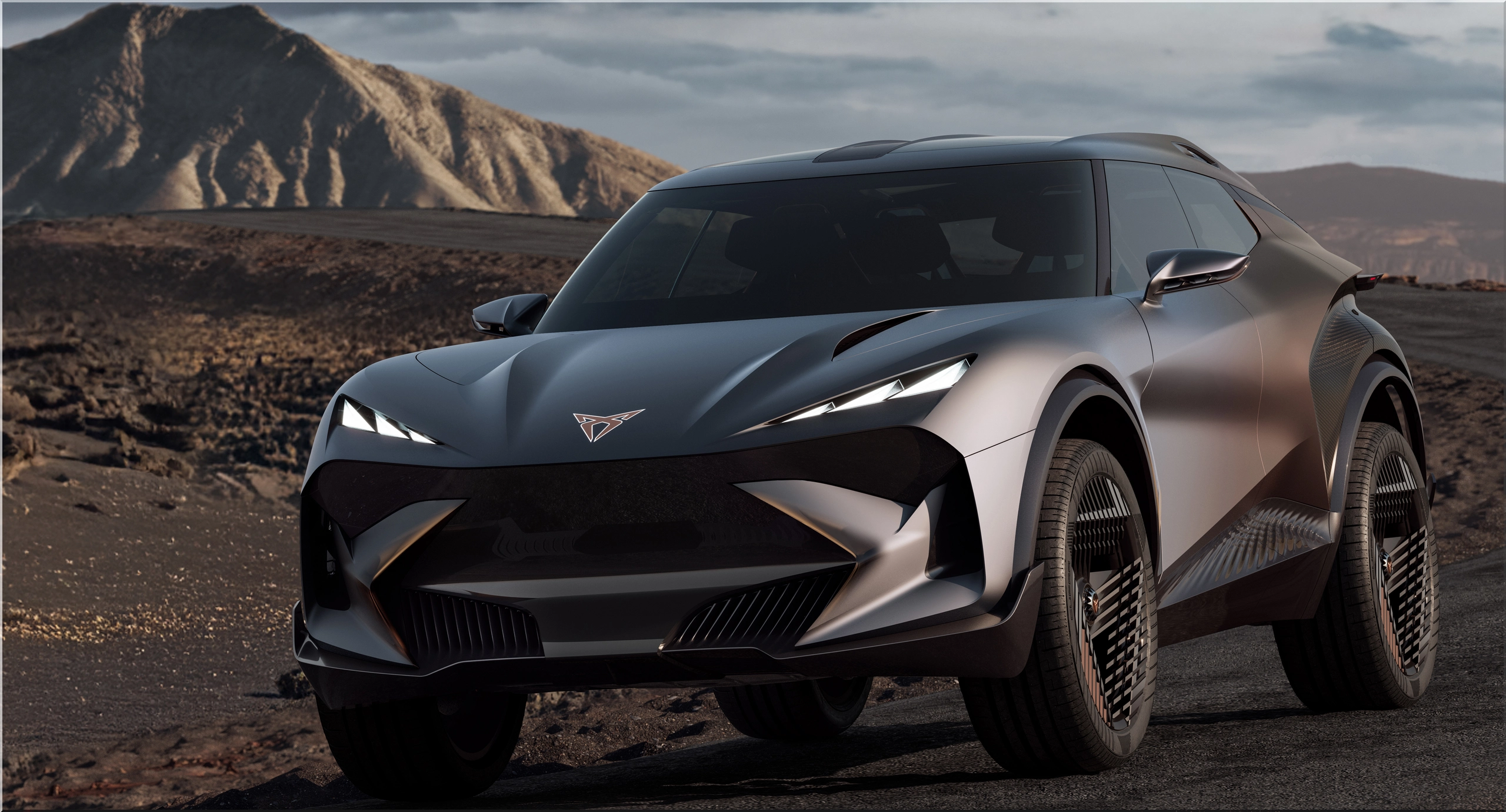
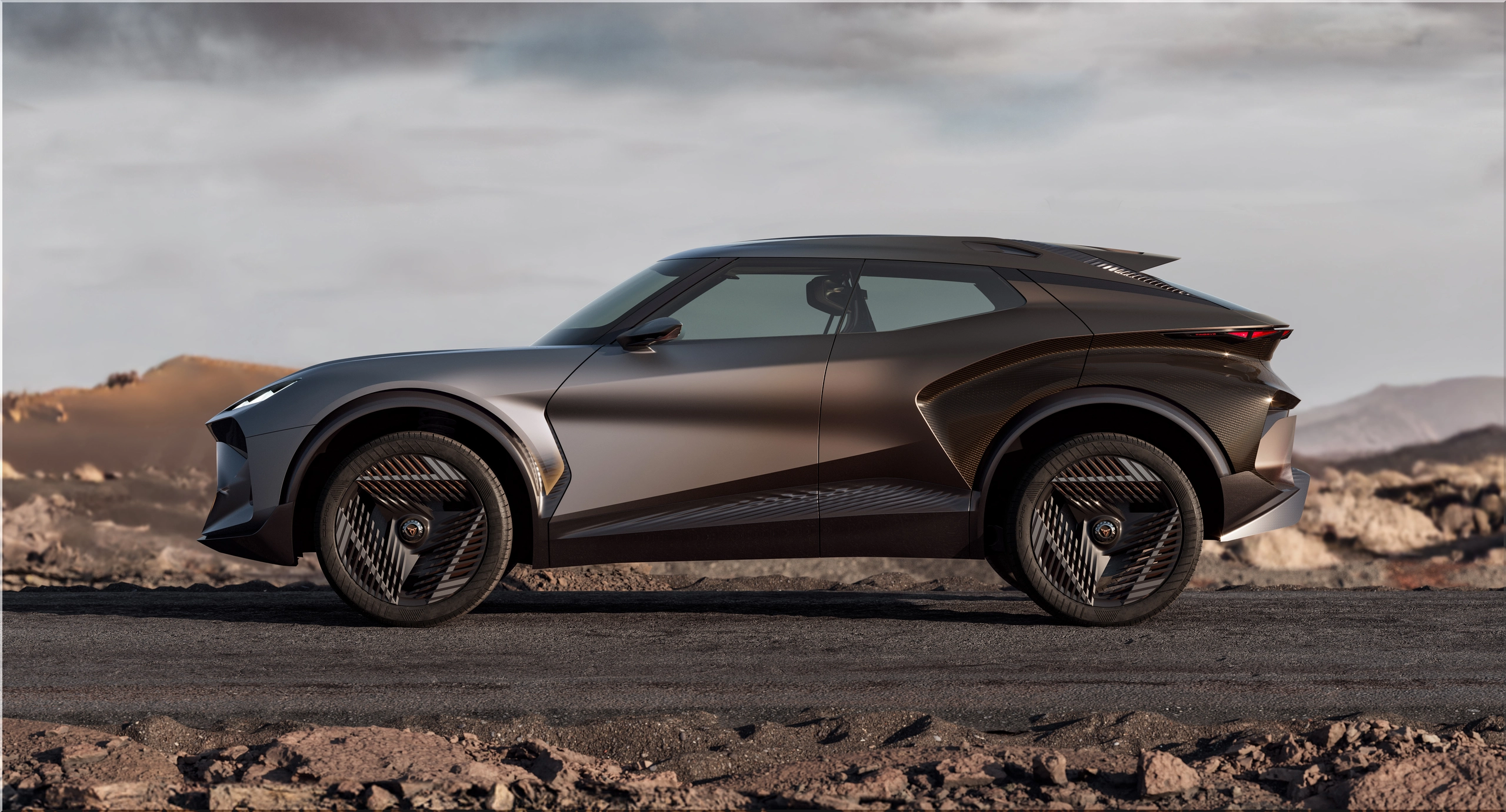
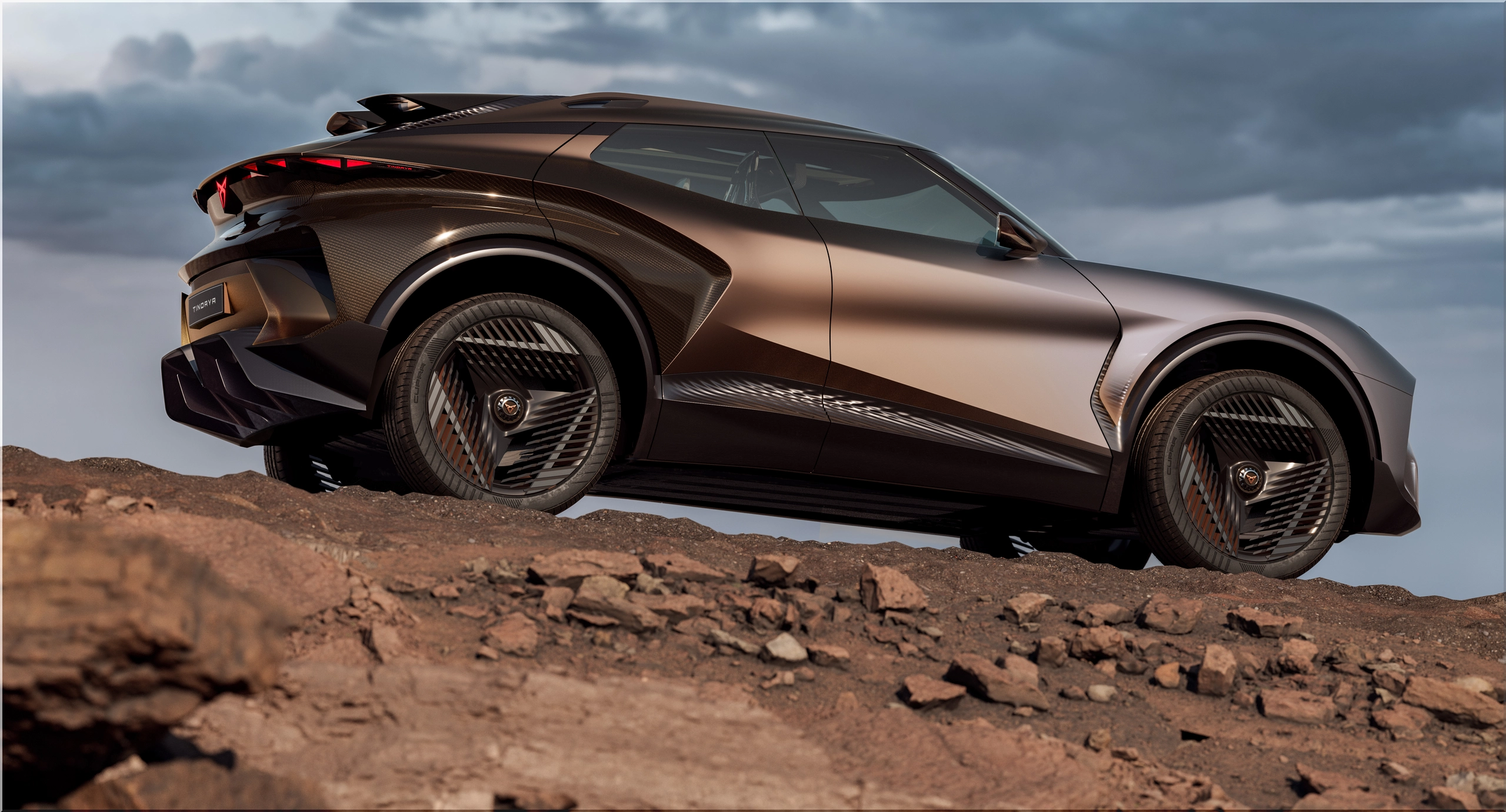
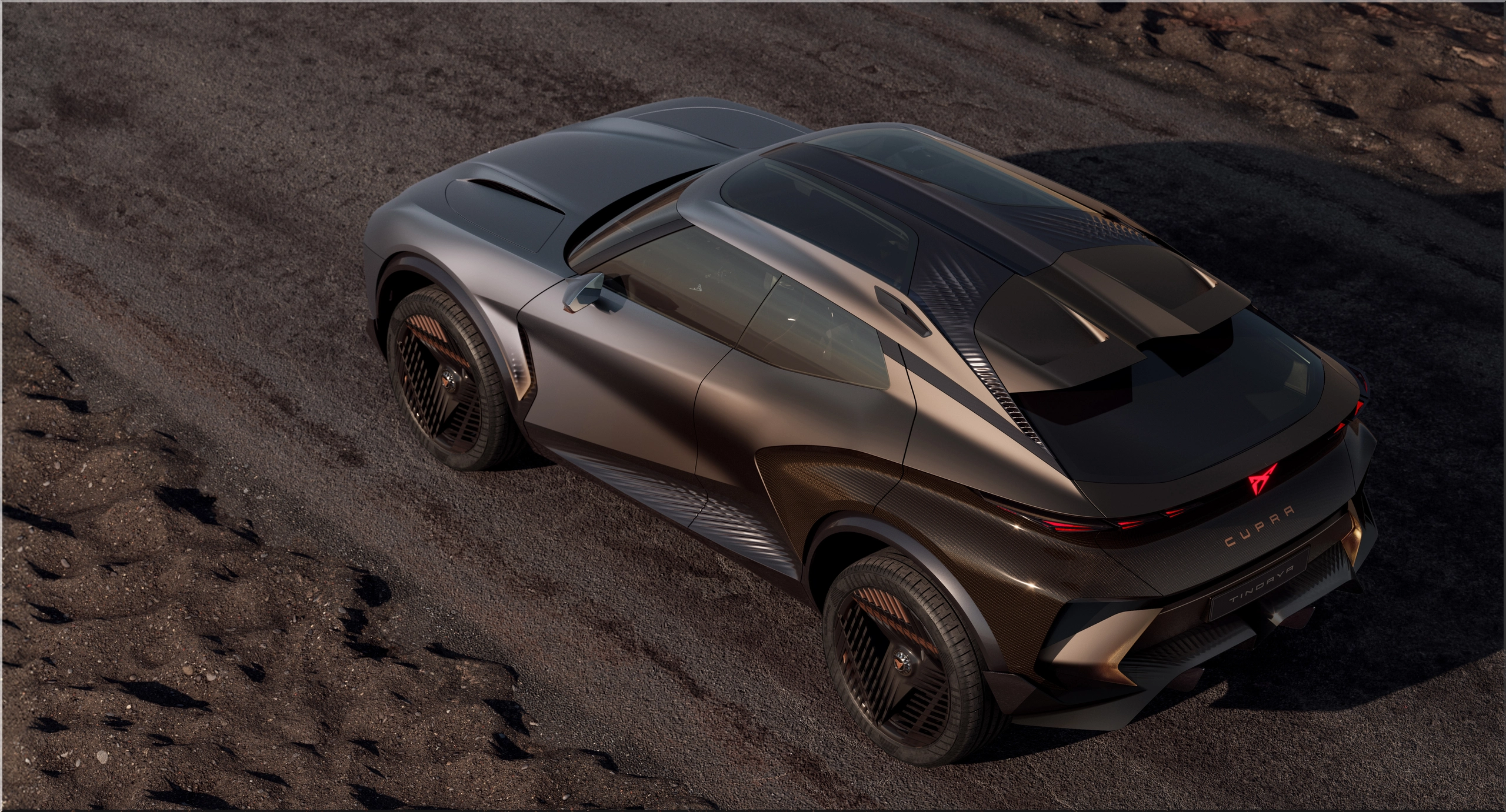
At the 2025 IAA Mobility show in Munich, CUPRA unveiled the Tindaya showcar, its boldest concept yet. The CUPRA Tindaya embodies the brand’s future design language, merging driver engagement, digitalisation, and emotional engineering into a single, performance-focused EV vision.
The CUPRA Statement
“This is not a dream, not even an ambition,” said Markus Haupt, Interim CEO of CUPRA. “While many move away from the driver, we double down on what matters most – the connection behind the wheel. Our focus will always be on the emotion of driving.”
The message is clear: CUPRA’s next phase revolves around the human behind the wheel, not the algorithm behind the screen.
Image
A Revolution in Brand DNA
The Tindaya represents a turning point for CUPRA. It serves as both a design manifesto and a technological prototype, hinting at the next generation of CUPRA’s electric vehicles. The car’s layout, interface, and driving logic are all engineered to amplify emotion through interaction.
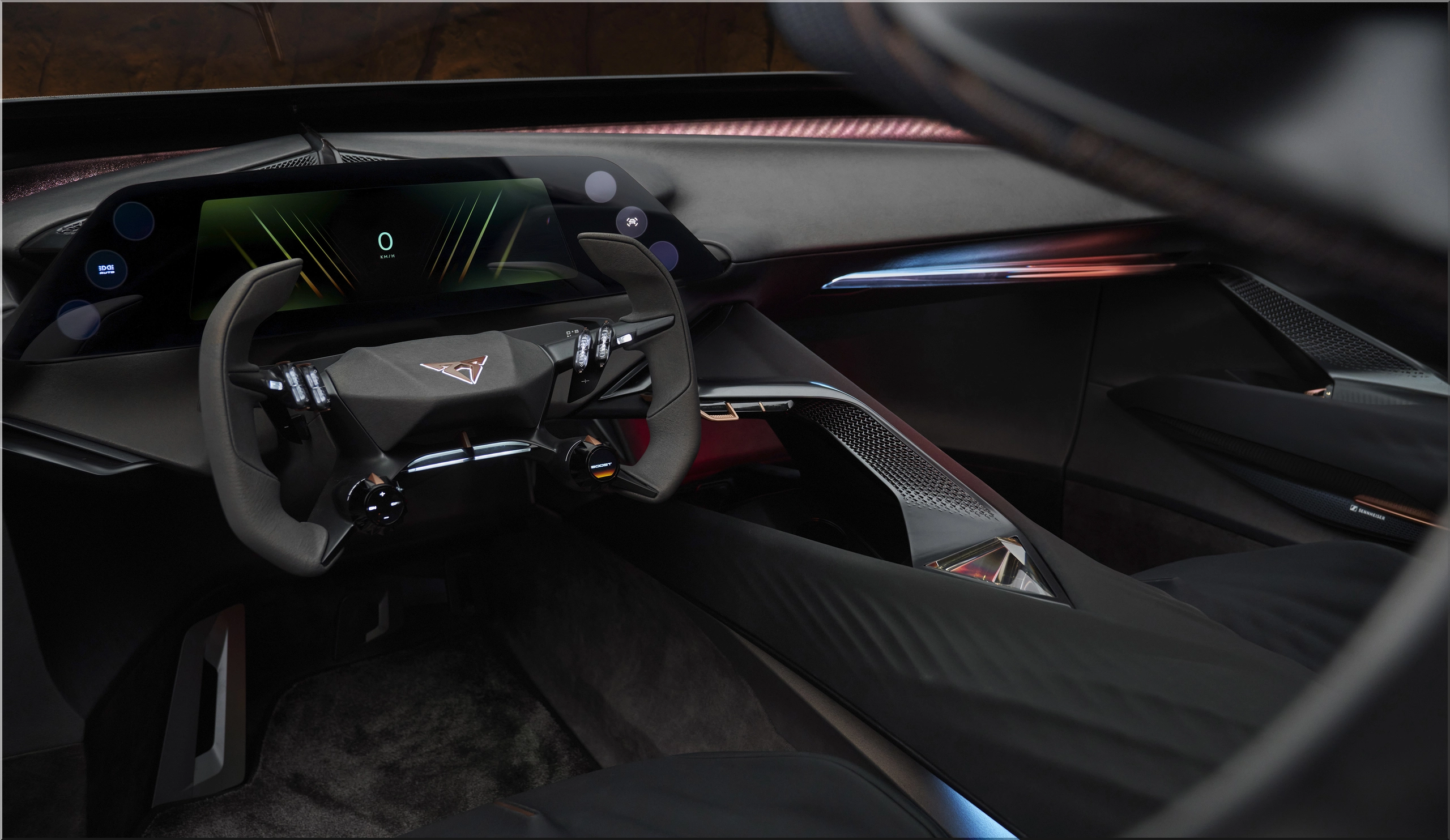
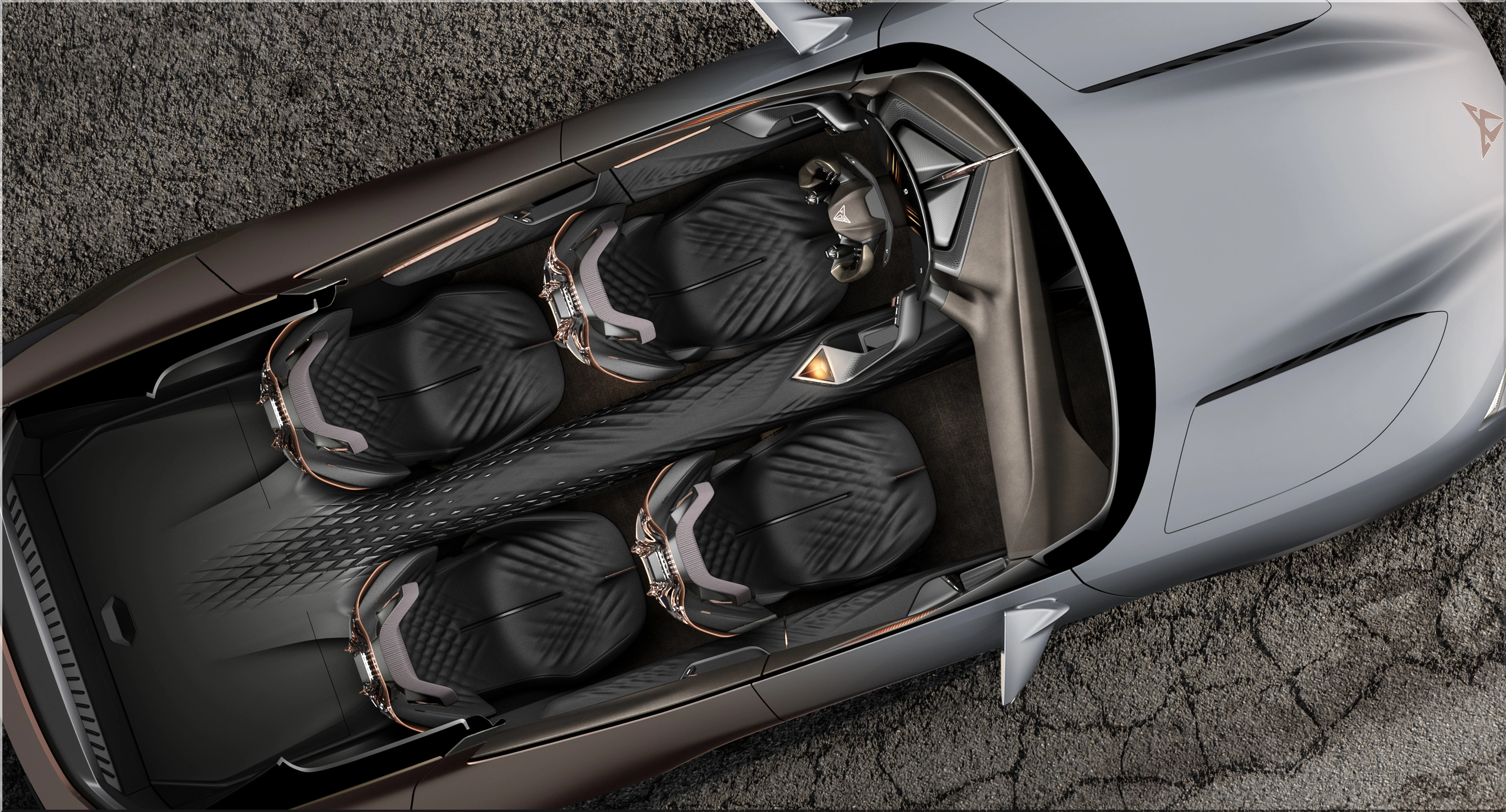
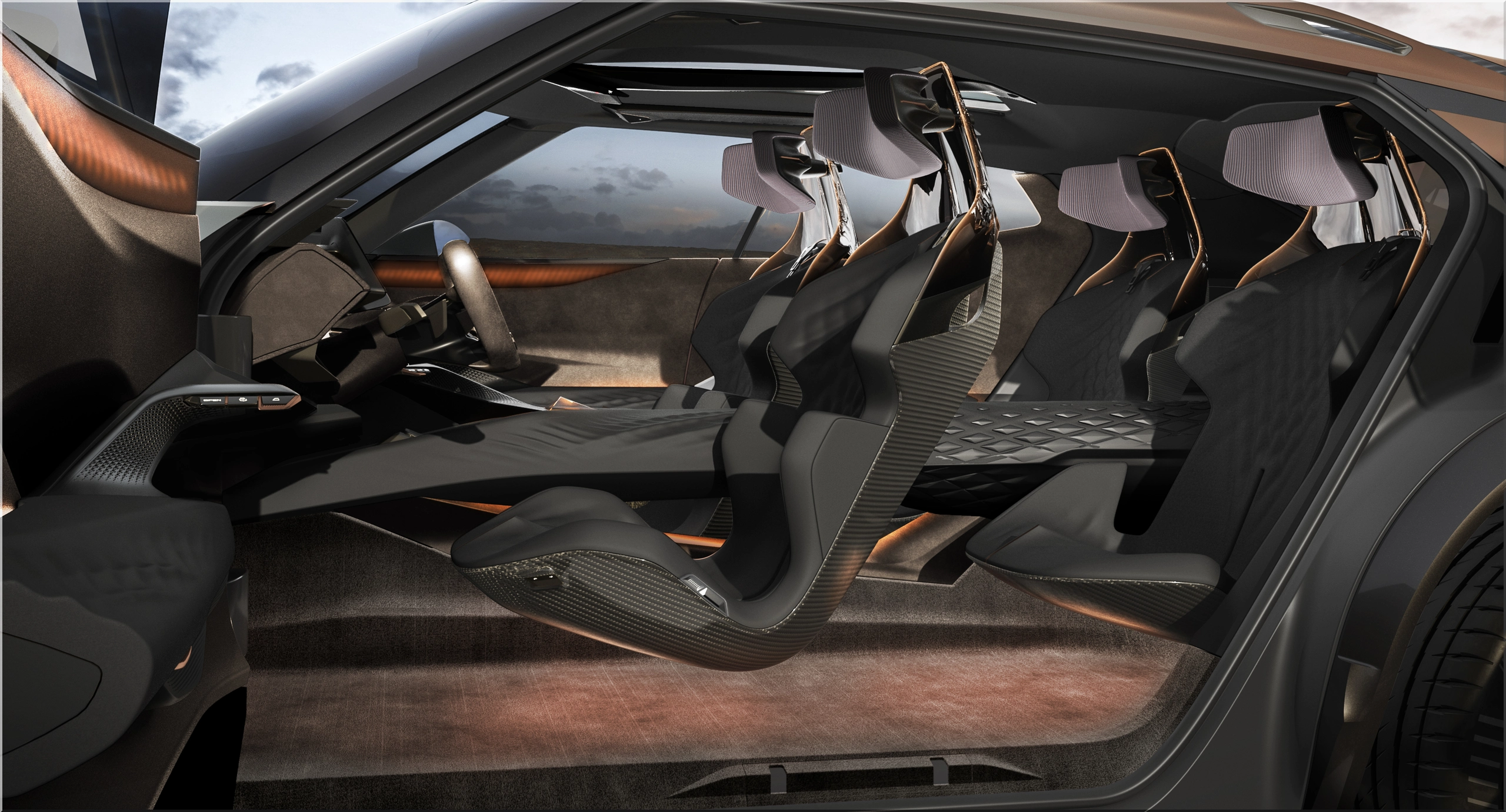
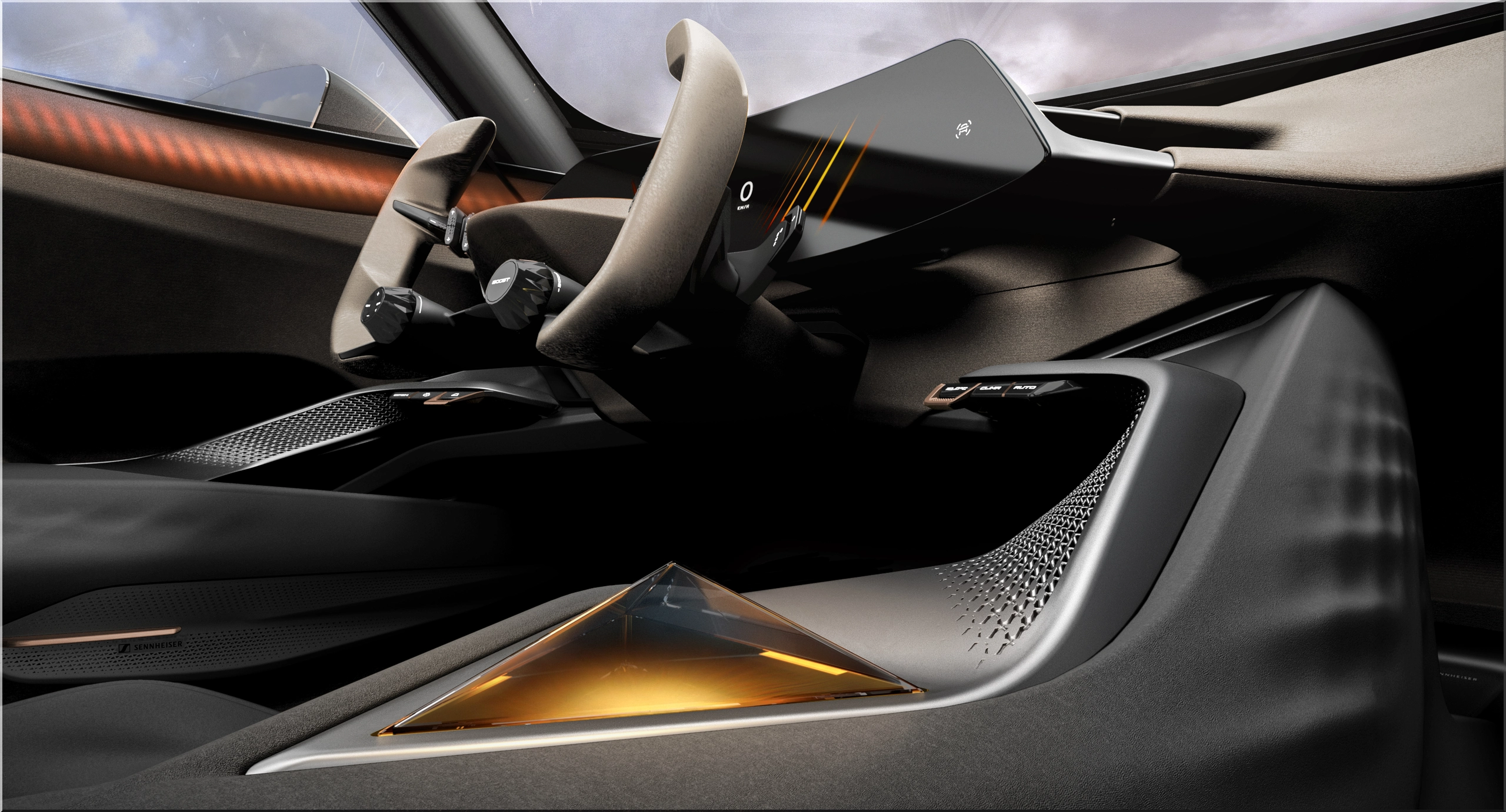
Its architecture integrates The Jewel, a glass prism located at the cabin’s center. This interactive core controls light, sound, and motion—turning data into emotion. With a single touch, the Tindaya’s interior transforms to match the driver’s intent, creating what CUPRA calls “one heart, three experiences.”
A New Icon That Puts the Driver at the Centre
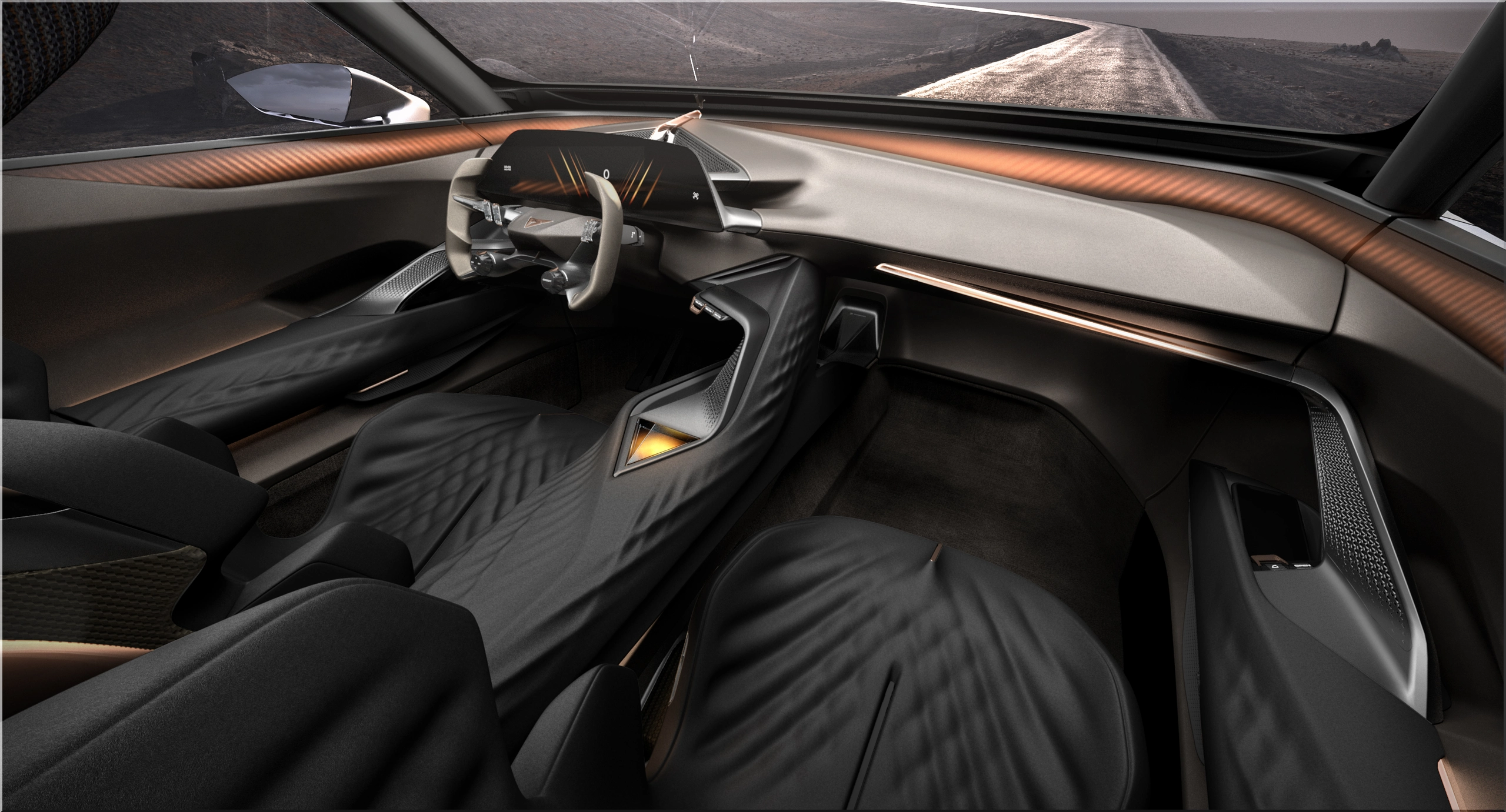
The Tindaya’s cockpit eliminates unnecessary clutter. Every control serves a purpose. The CUPRA Monitor+, an expanded digital display, provides high-definition data visualisation across both driver and passenger zones.
Key features include:
- Immersive Experience – Minimal data display, copper-accent lighting, and rhythmic visuals that sync with speed.
- Rider Experience – Technical data overlays for power, recovery, and G-forces, plus a Boost button for immediate torque surge.
- Tribe Experience – Extended 3D display for assisted and autonomous functions, allowing drivers to share connected routes via CUPRA Radar.
Each experience is built to shift how emotion is expressed behind the wheel, not simply how fast the car moves.
Image
Innovative Use of Materials and Colours
CUPRA’s design team explored transparent and responsive materials. Light passes through woven fabrics, syncing with speed and driver input. The visual identity blends copper tones, dark blue highlights, and luminous accents, creating a high-performance aesthetic that feels mechanical and alive.
This focus on sensory design reflects a key idea: electric vehicles should feel human, not sterile.
Digitalisation as Emotion
The Tindaya’s interface merges hardware precision with software adaptability. Its architecture supports real-time updates and predictive interaction, suggesting that future CUPRA models may feature adaptive driving intelligence—learning from driver input to adjust responsiveness and feedback.
CUPRA Radar also hints at a connected mobility ecosystem, where shared experiences and routes define a community-driven digital layer around the brand.
Image
A Brand Built on Emotion and Performance
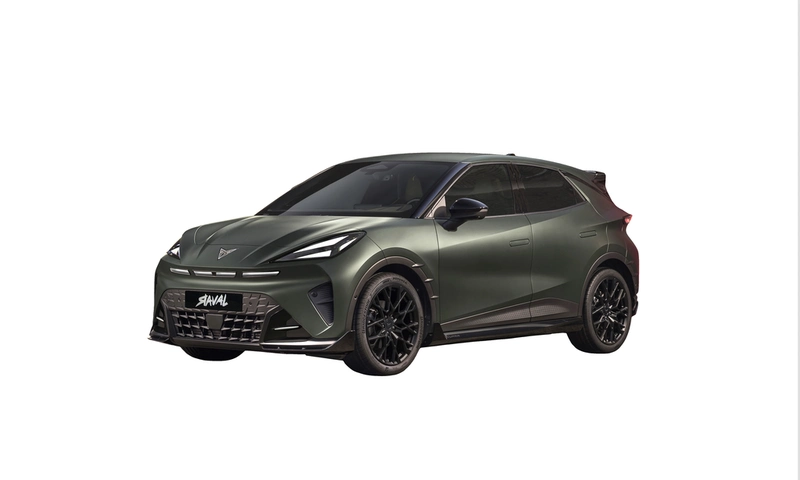
Since its creation in 2018, CUPRA has launched seven models and sold over 800,000 units globally. Each one—Ateca, Leon, Formentor, Born, Tavascan, Terramar, and the upcoming Raval—has defined a different frontier in design and performance.
The Tindaya continues that path, now as a spiritual successor to CUPRA’s EV identity. Its fusion of design and emotion differentiates the brand within the Volkswagen Group’s electric portfolio.
Competitive Context
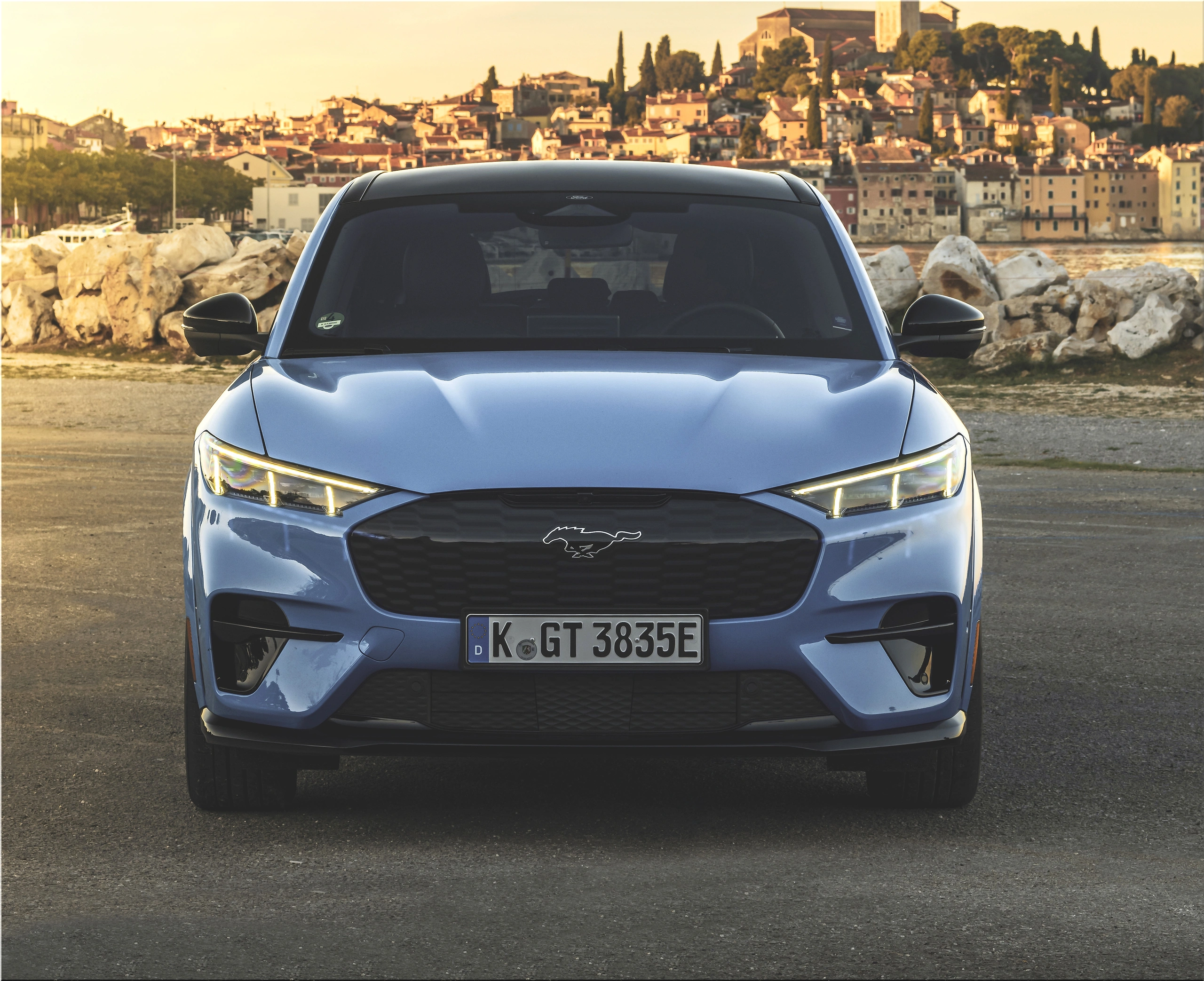
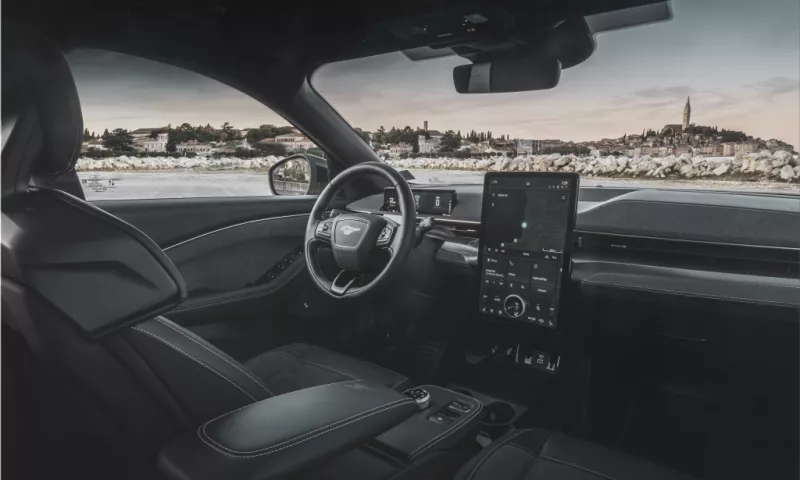
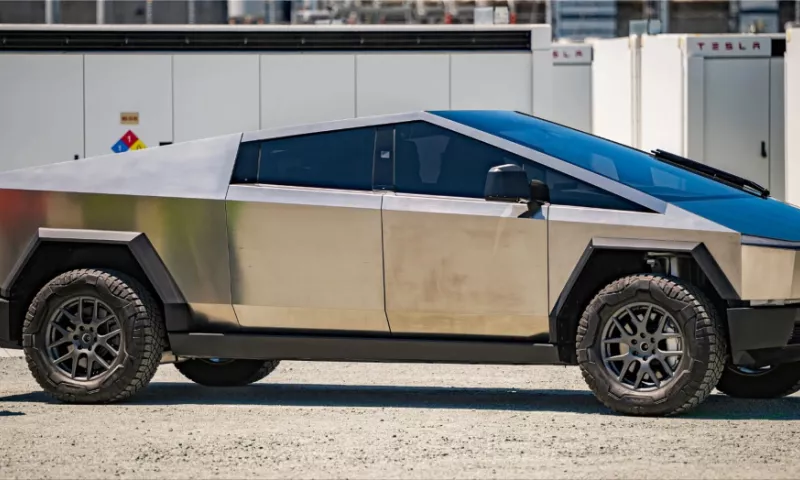
CUPRA’s move contrasts with the autonomy-driven direction of brands like Tesla and Mercedes-Benz. The Tindaya puts control back into the driver’s hands. In the $60,000–$80,000 (USD) performance EV segment, it targets enthusiasts seeking connection over automation.
Competitors such as Polestar 5 and BMW i Vision Dee also chase emotion through software. But CUPRA’s edge lies in visual tactility—making digital interaction feel physical, responsive, and personal.
Design and Production Outlook
While no production details have been announced, industry analysts expect CUPRA’s next models to borrow heavily from Tindaya’s layout and phygital design approach. The car likely previews:
- The next CUPRA Formentor EV design language.
- A new EV performance platform under Volkswagen Group’s software architecture.
- Integration of driver-centric AI interfaces and OTA (Over-the-Air) performance upgrades.
With this direction, CUPRA signals intent to grow its presence in North America and Asia—markets receptive to design-driven EVs.
Conclusion: Keeping the Human at the Core
The CUPRA Tindaya is a statement of resistance against automation without emotion. It argues that the future of driving remains personal, sensory, and connected.
By focusing on human interaction, adaptive design, and digital expression, CUPRA aims to prove that the EV revolution can still thrill the driver.
- Add new comment
- 138 views