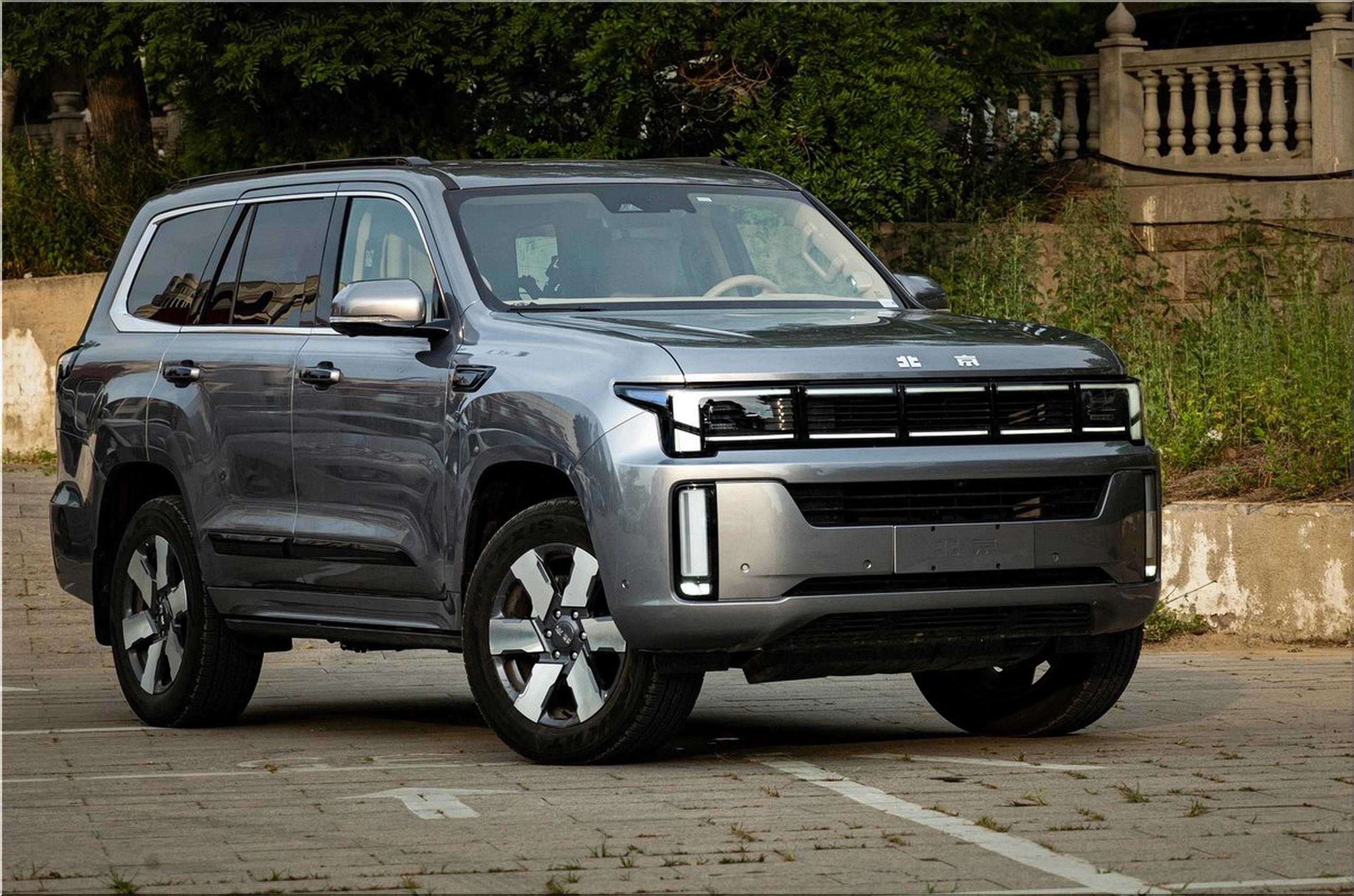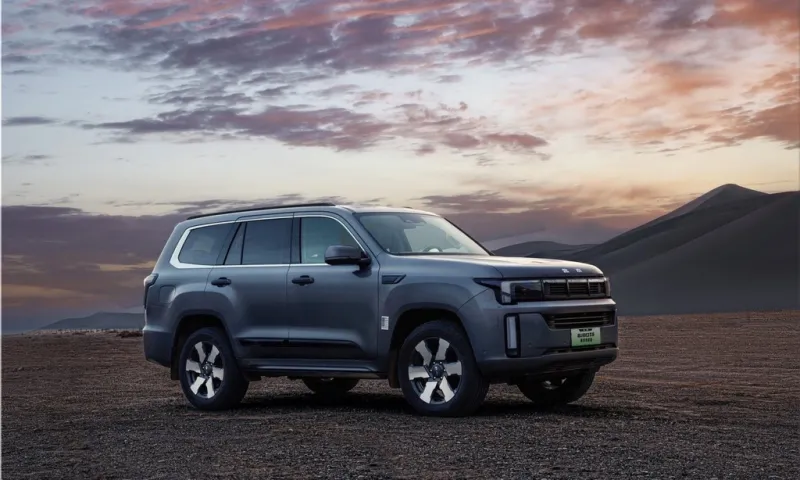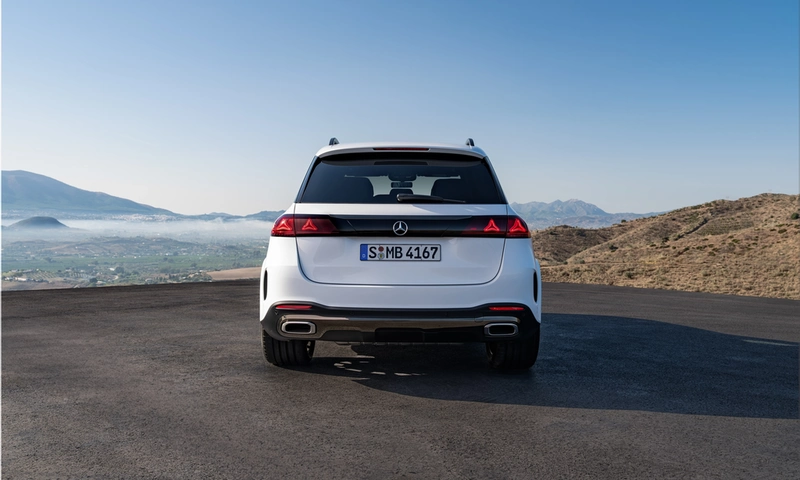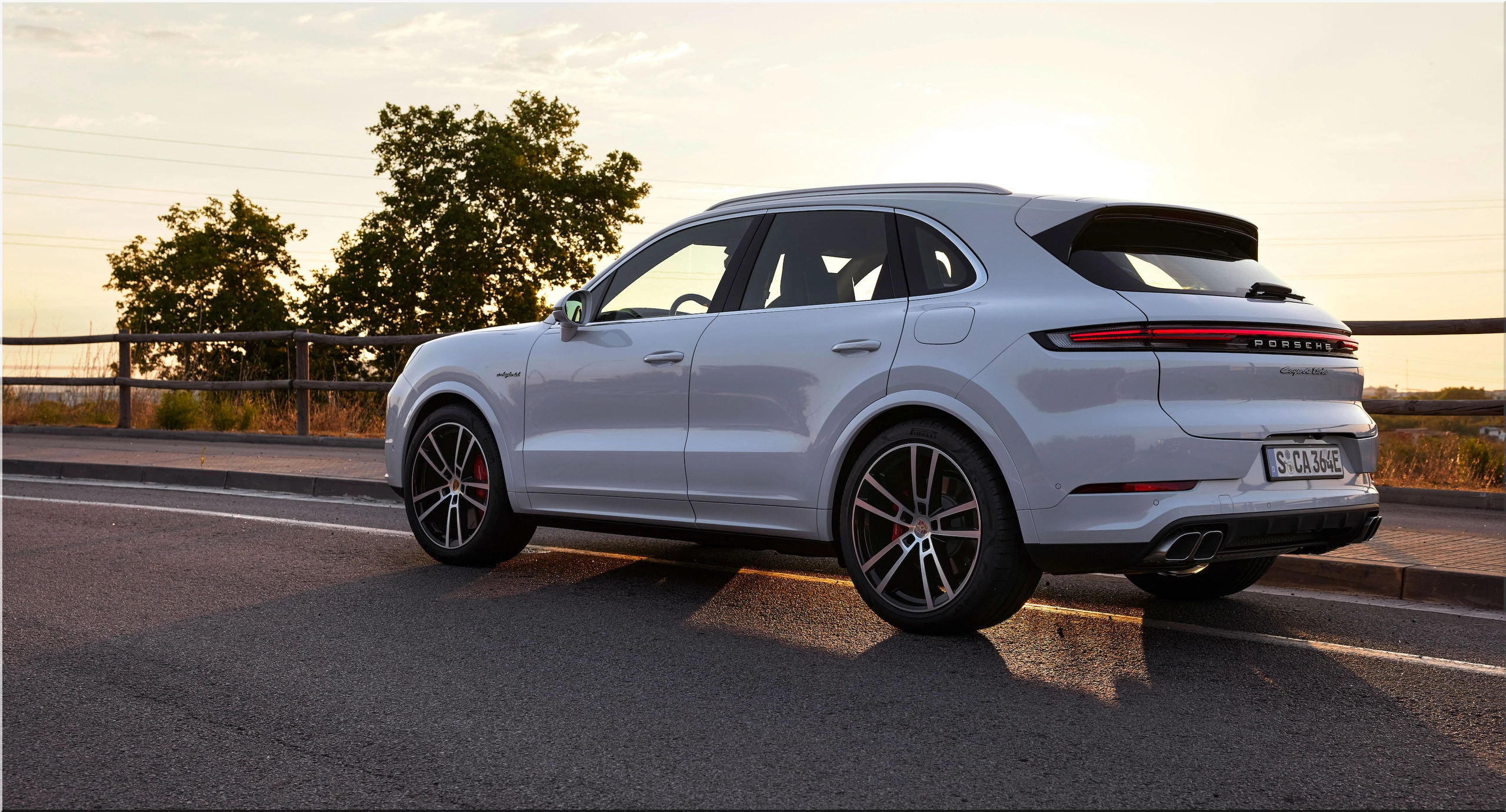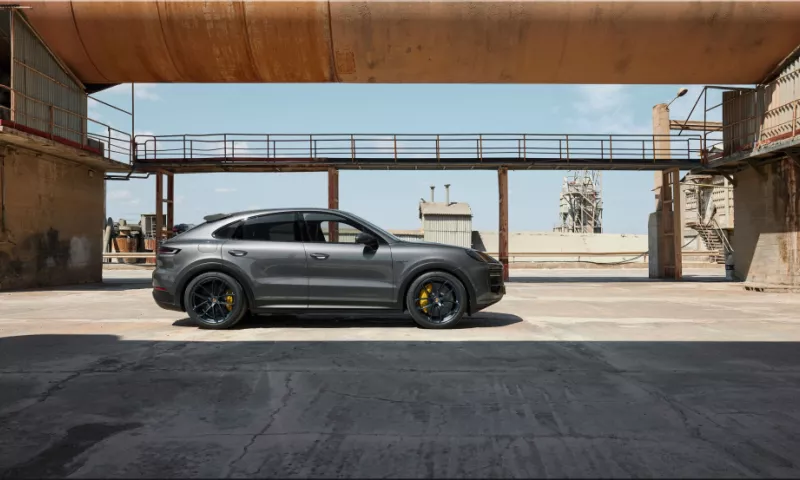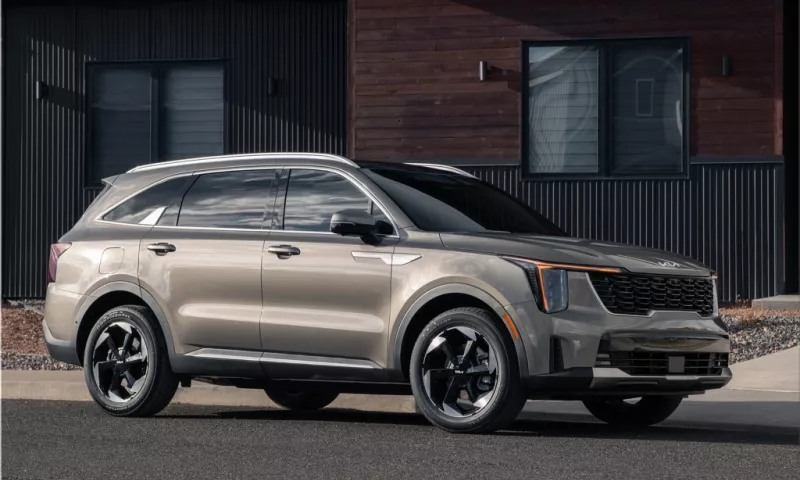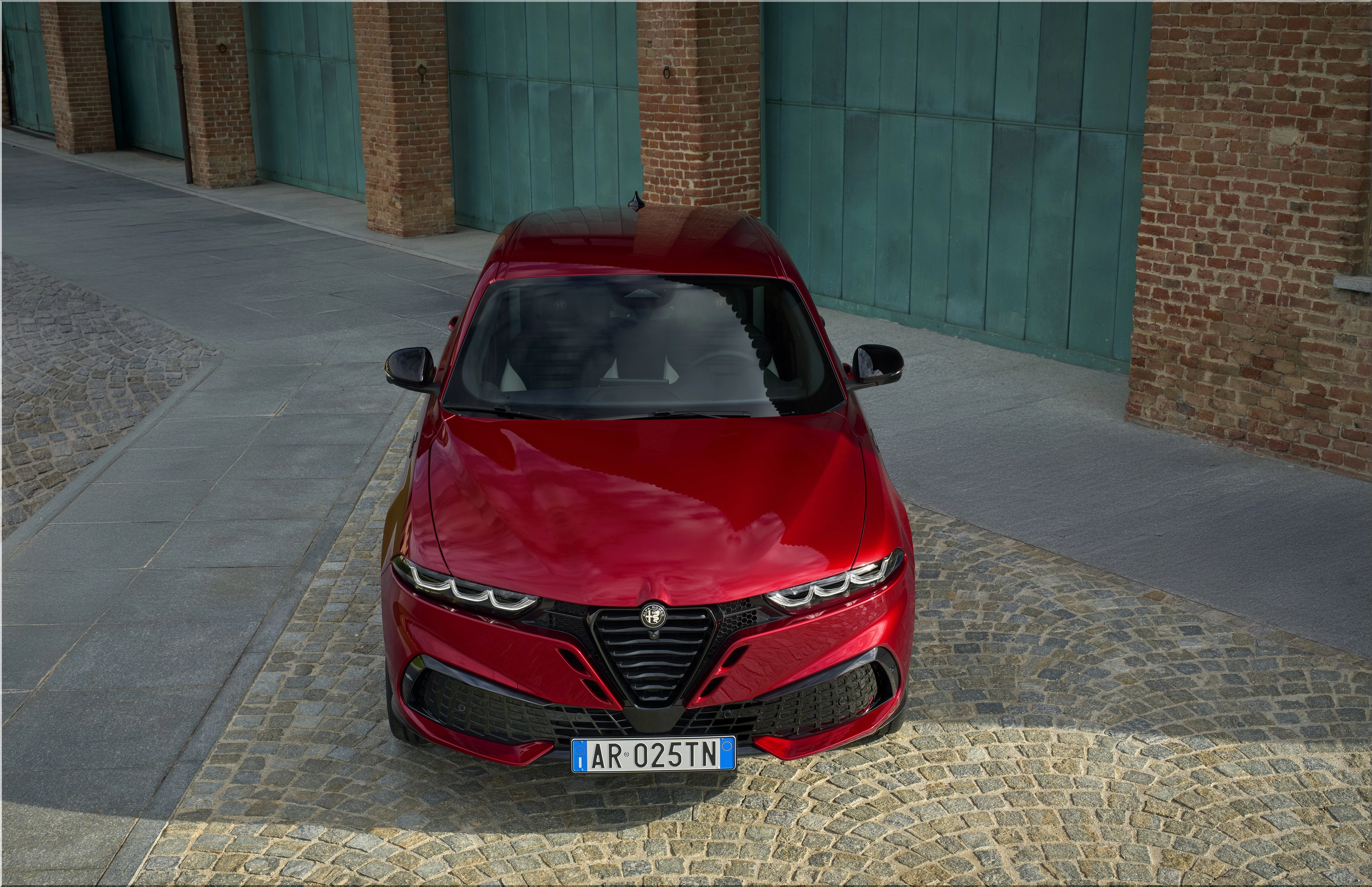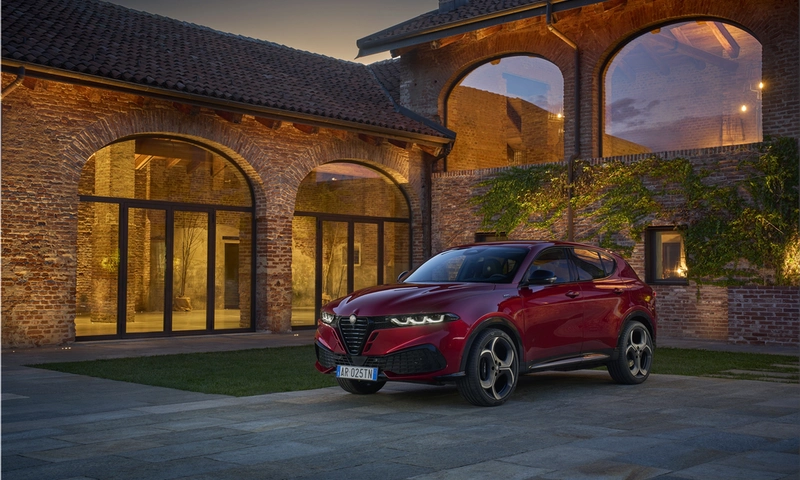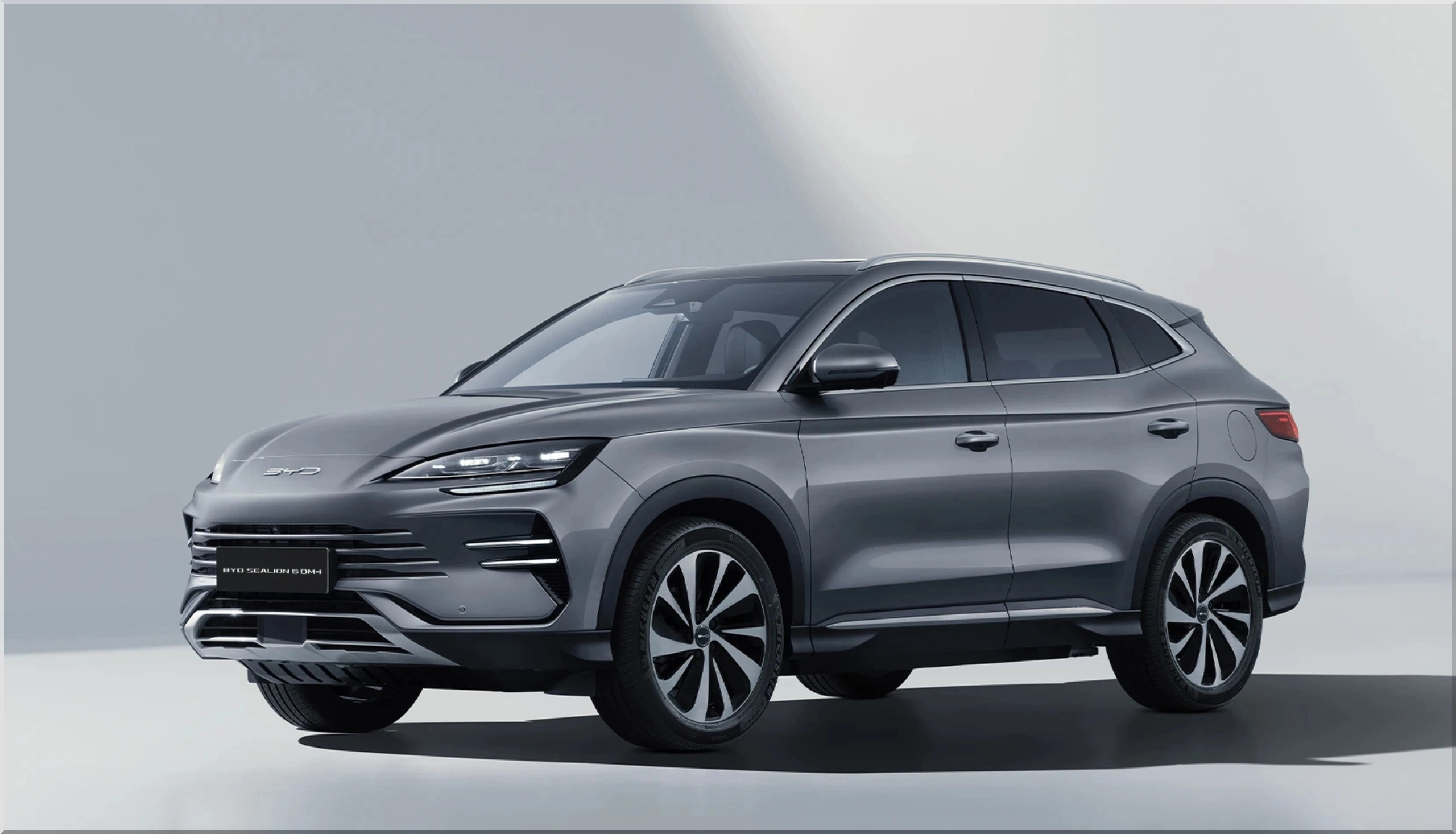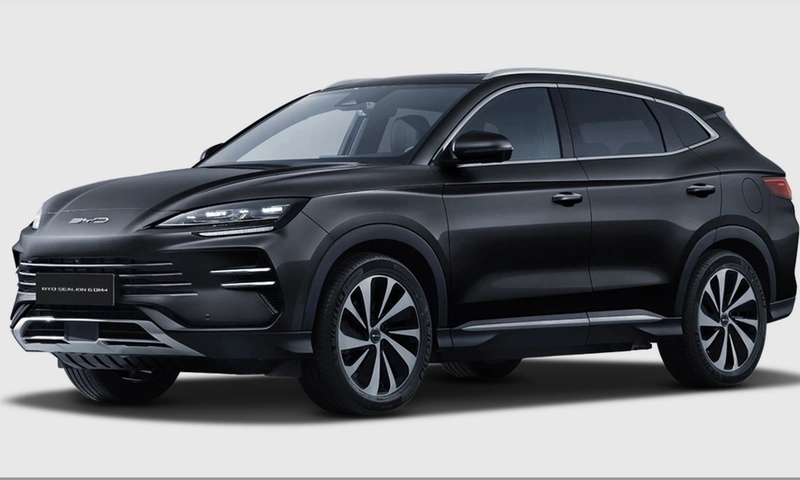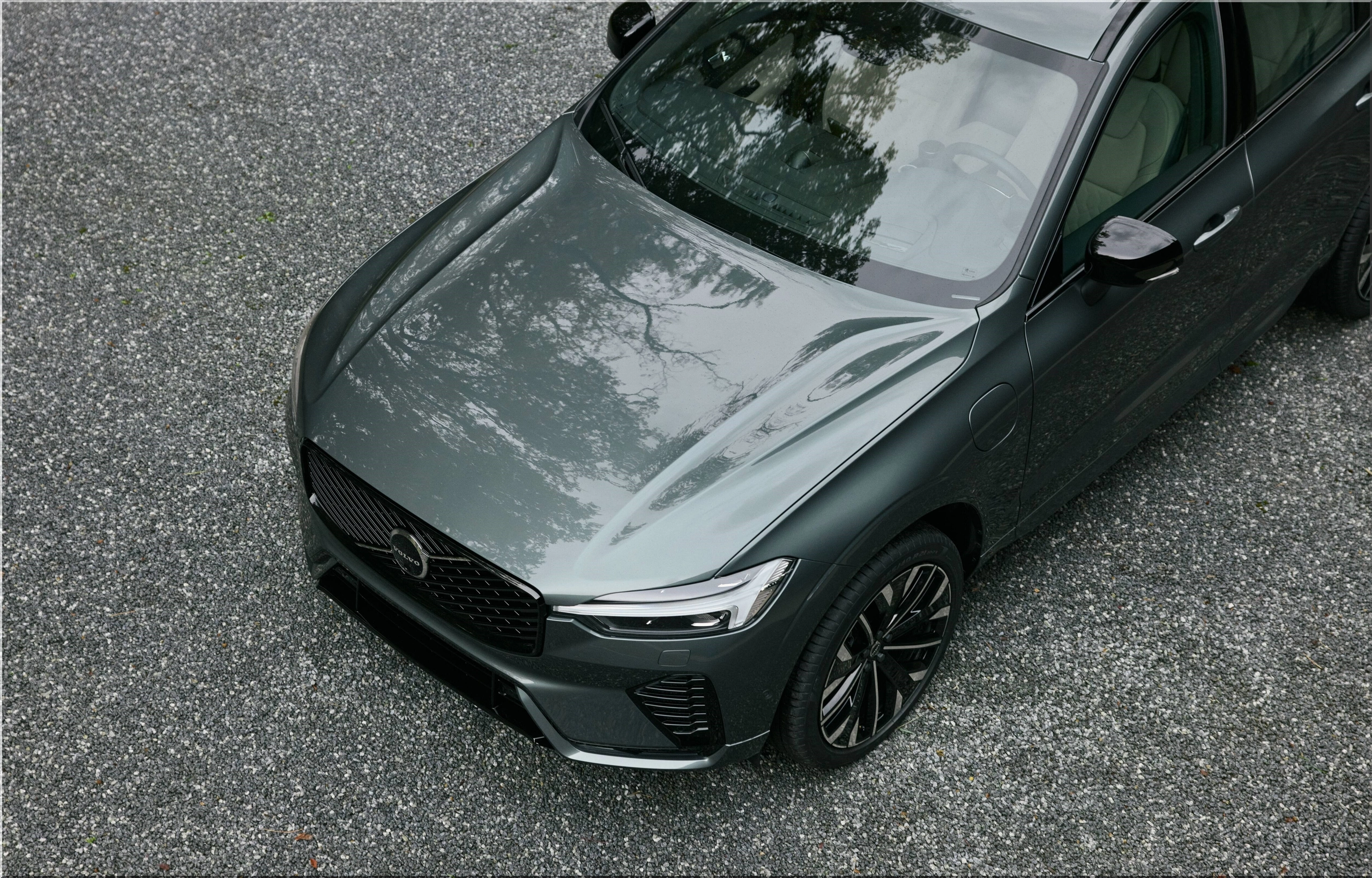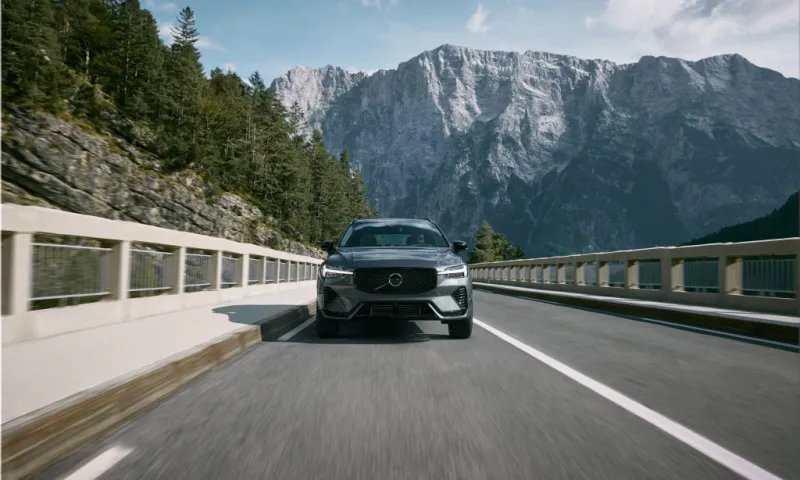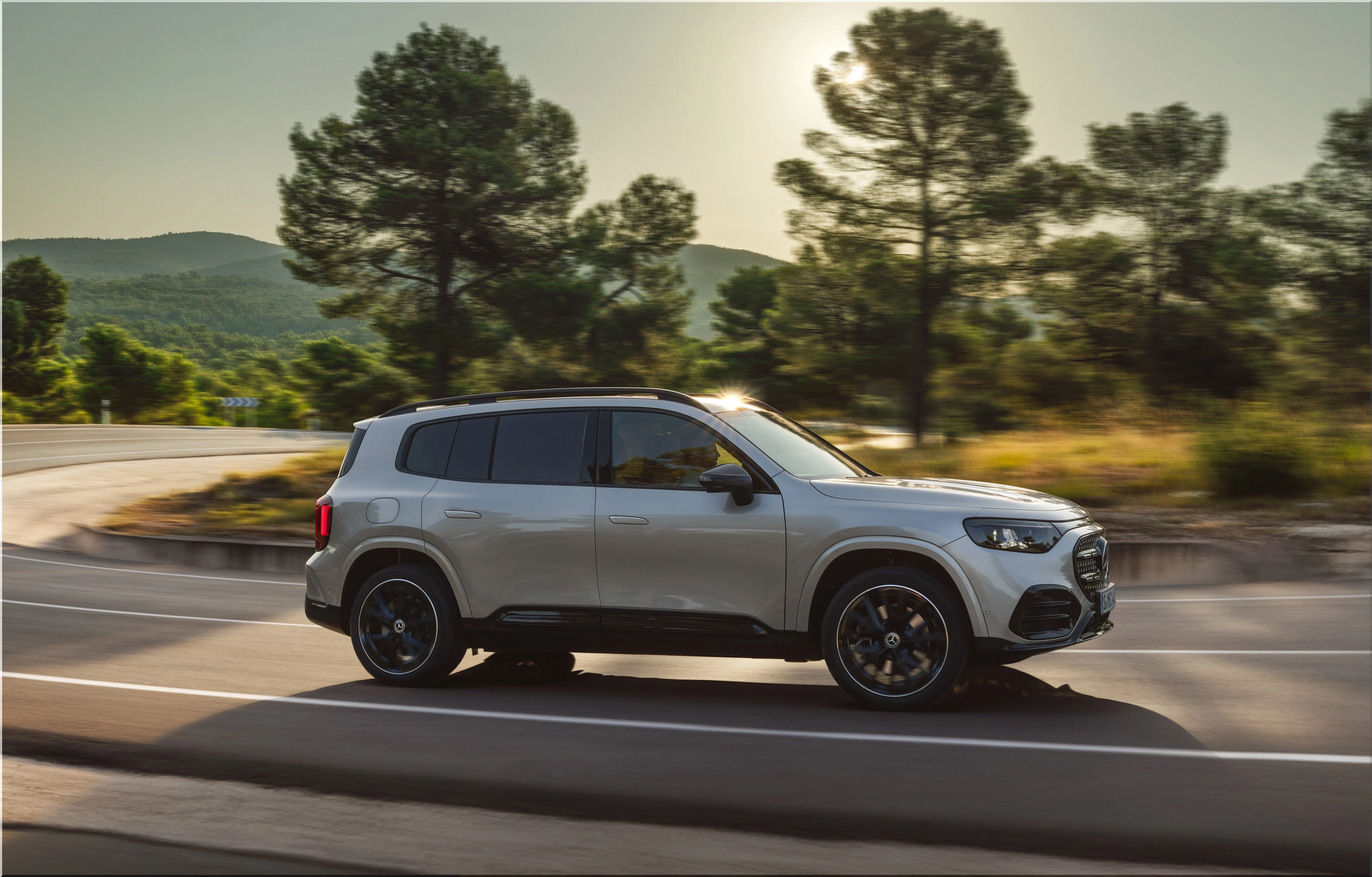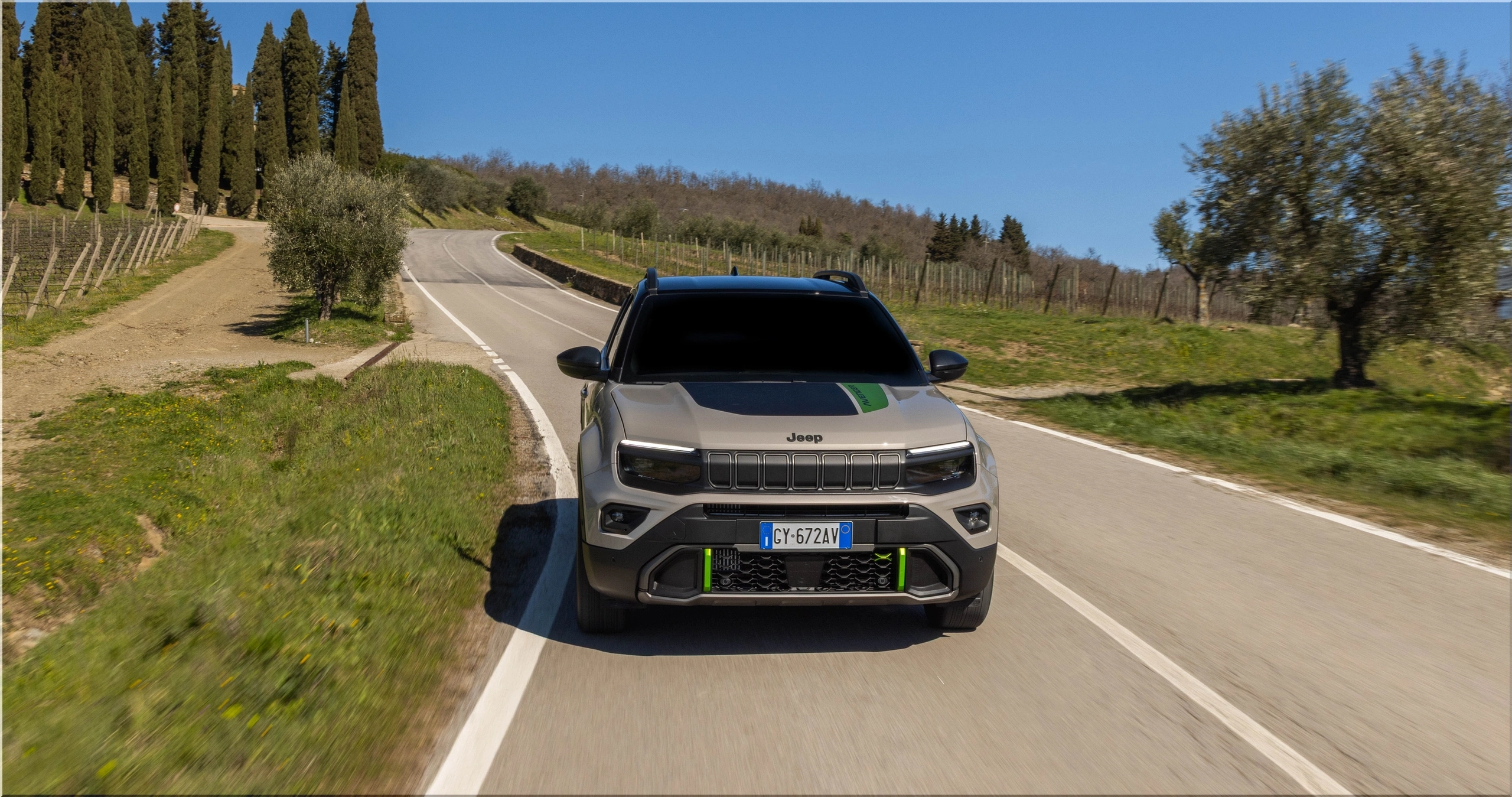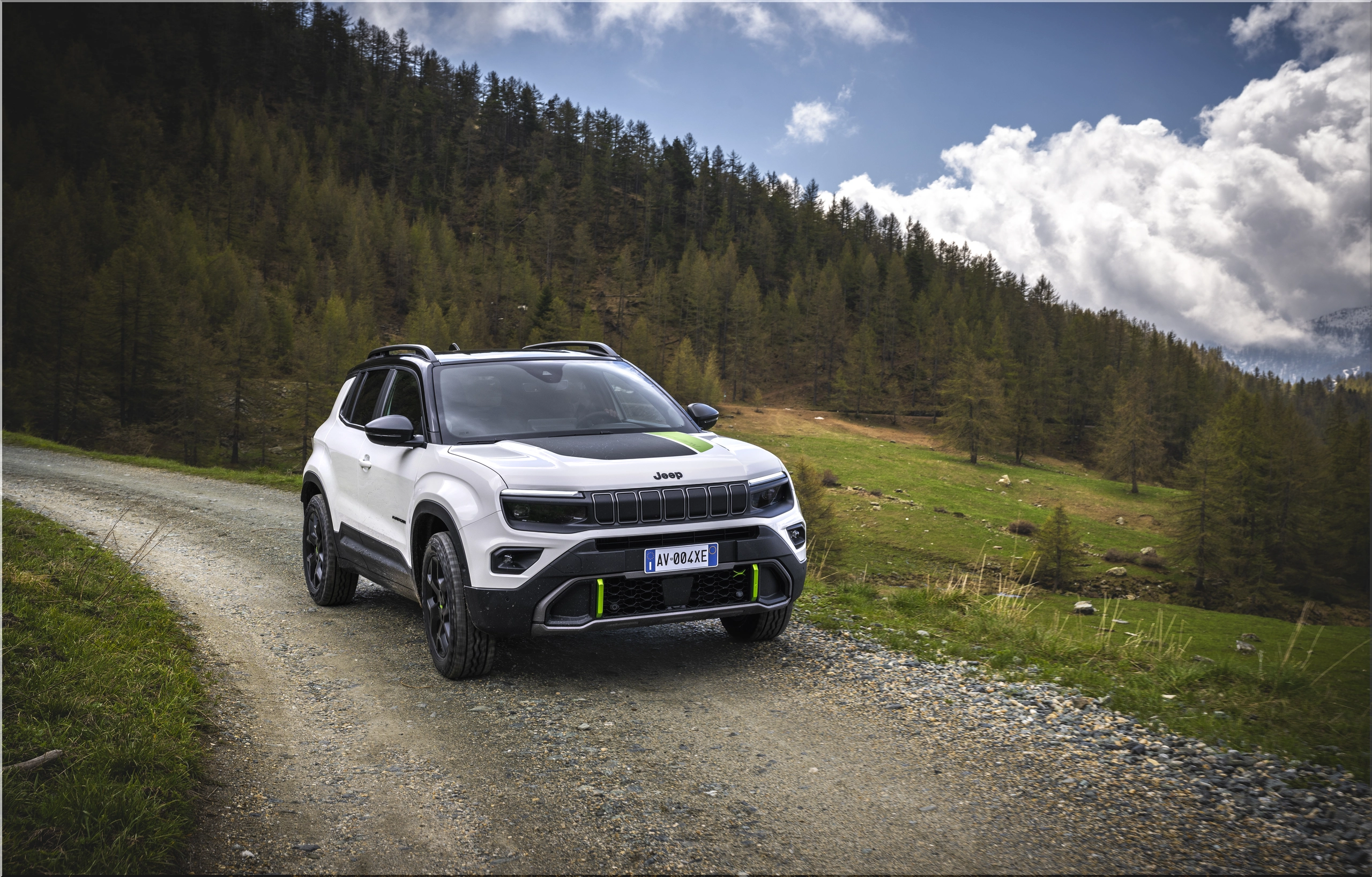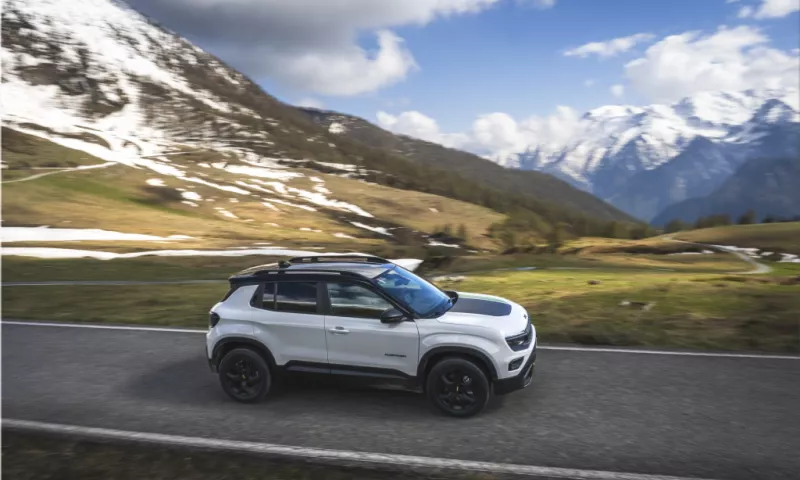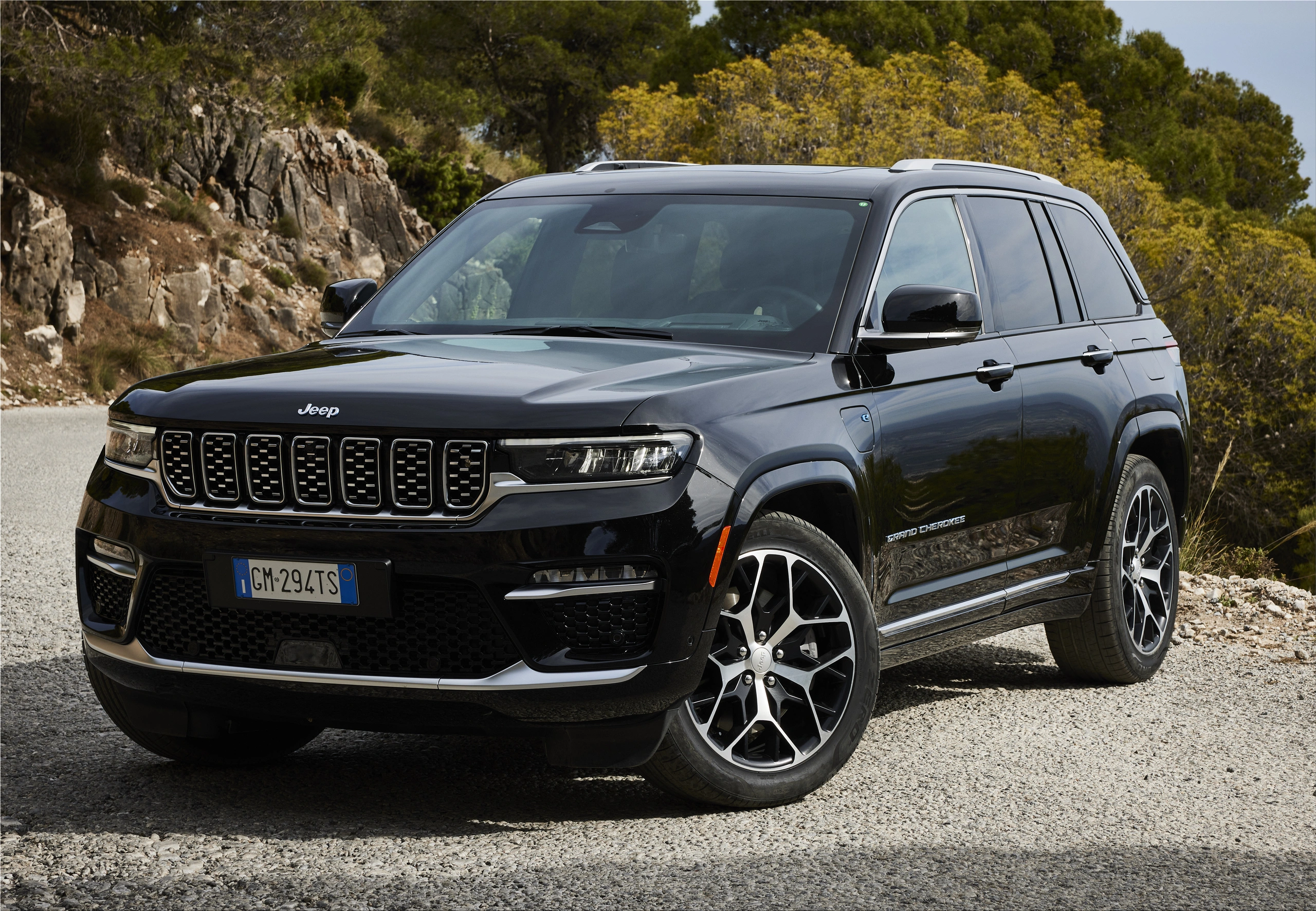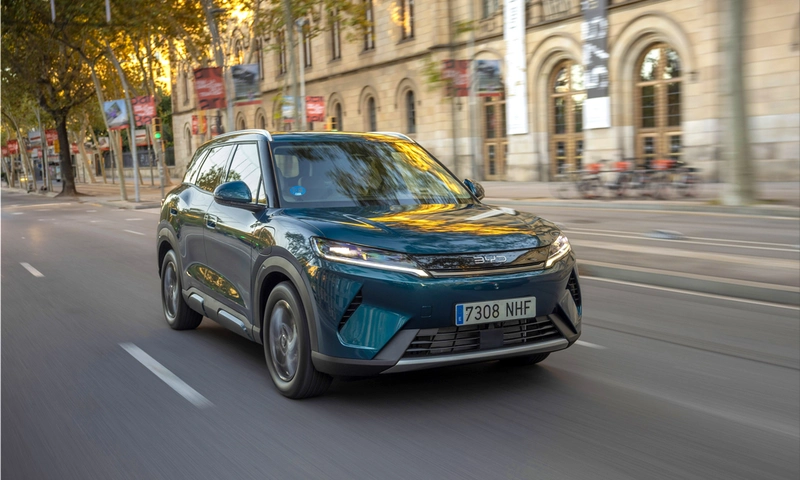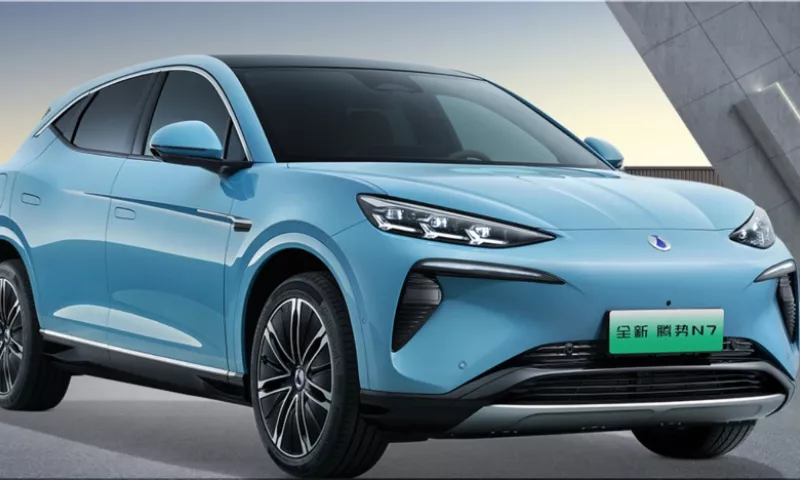
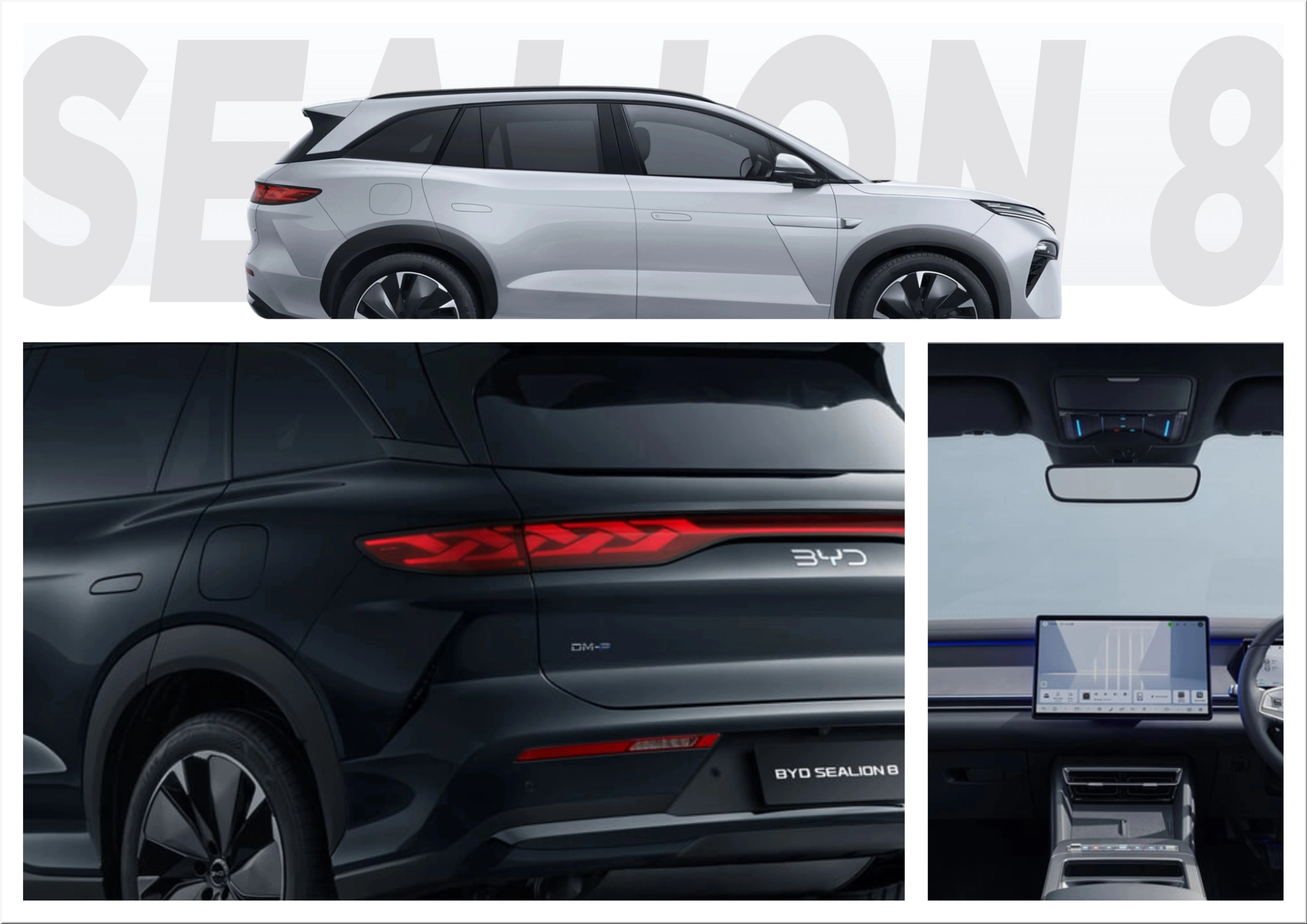
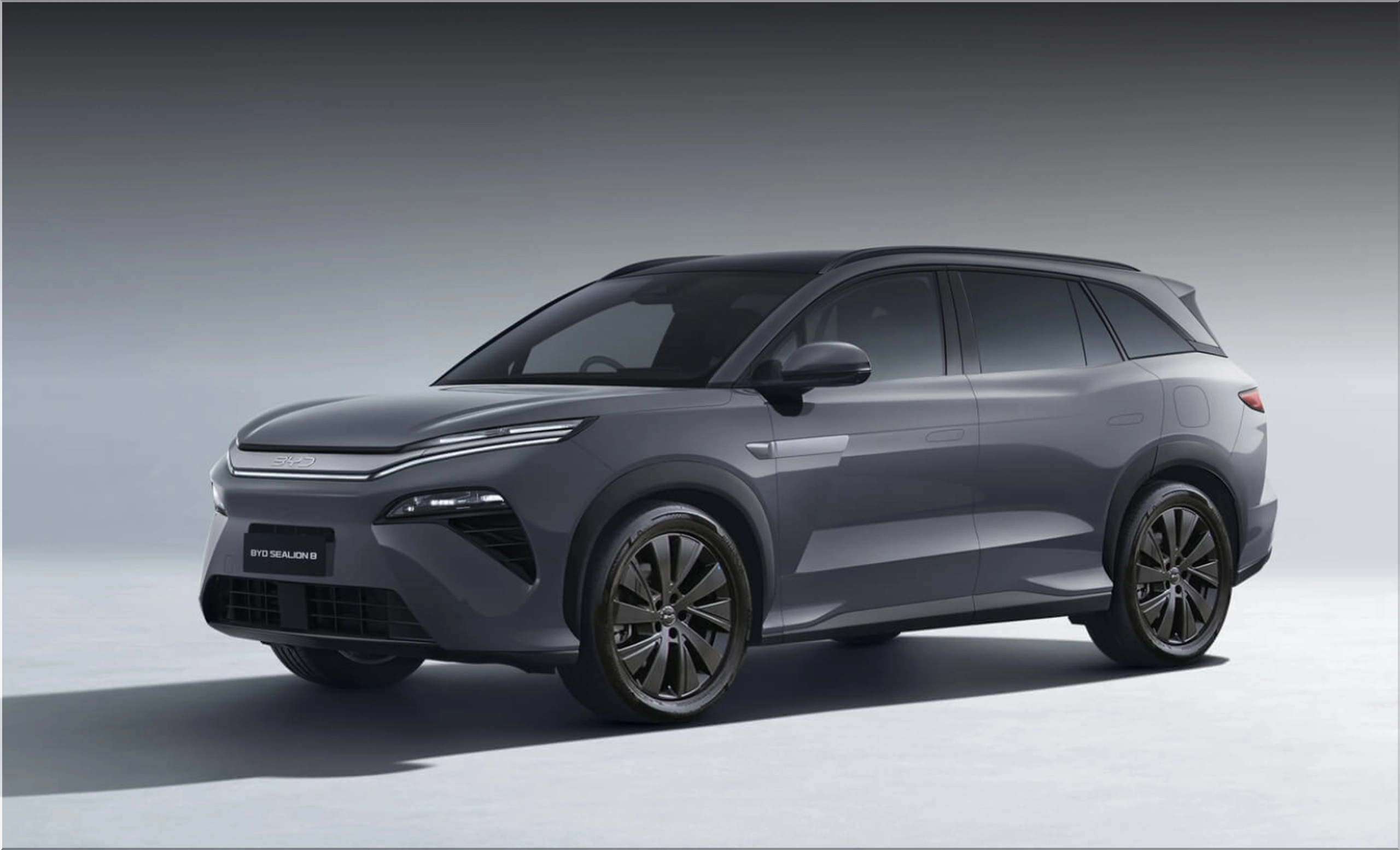
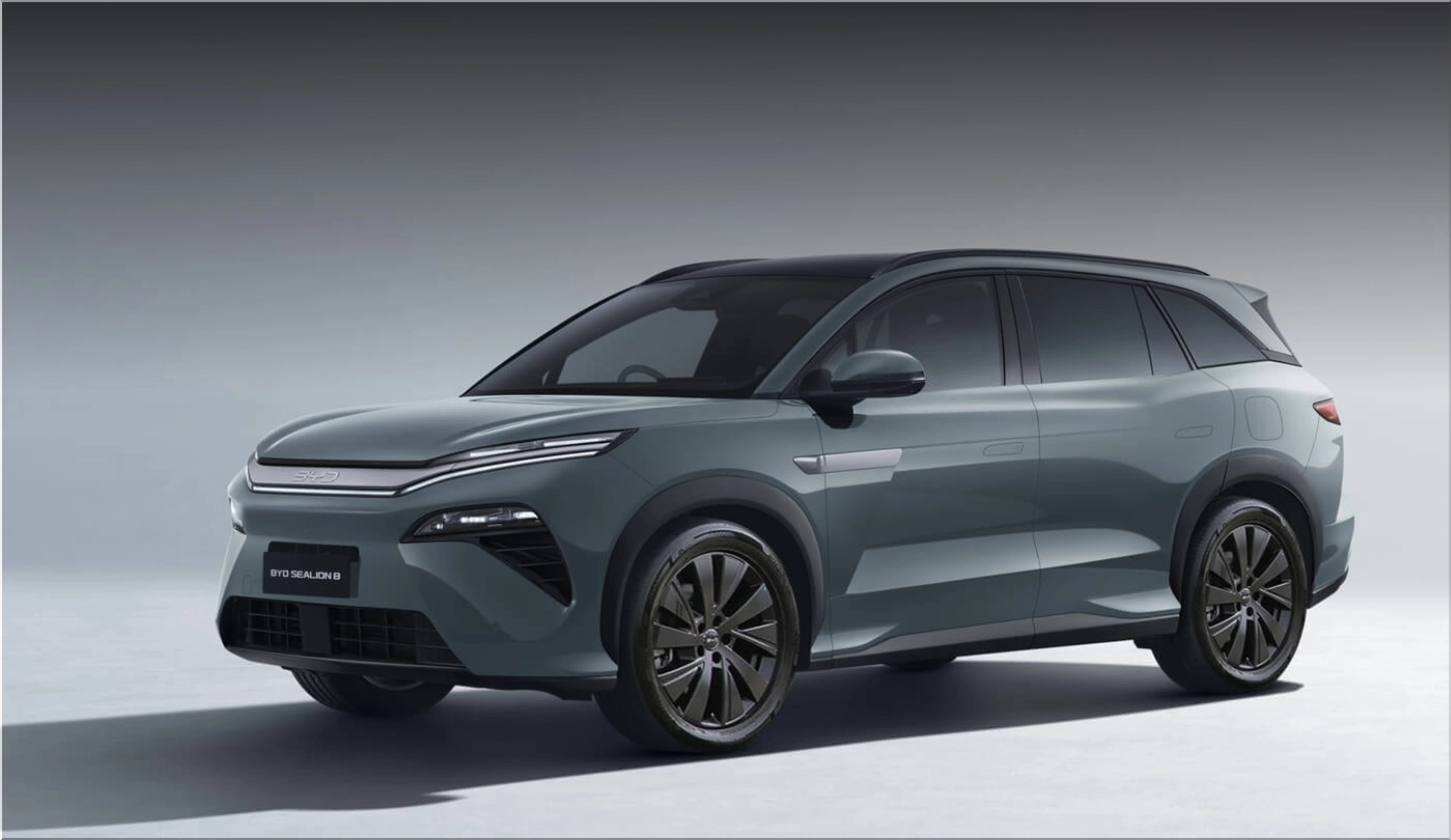
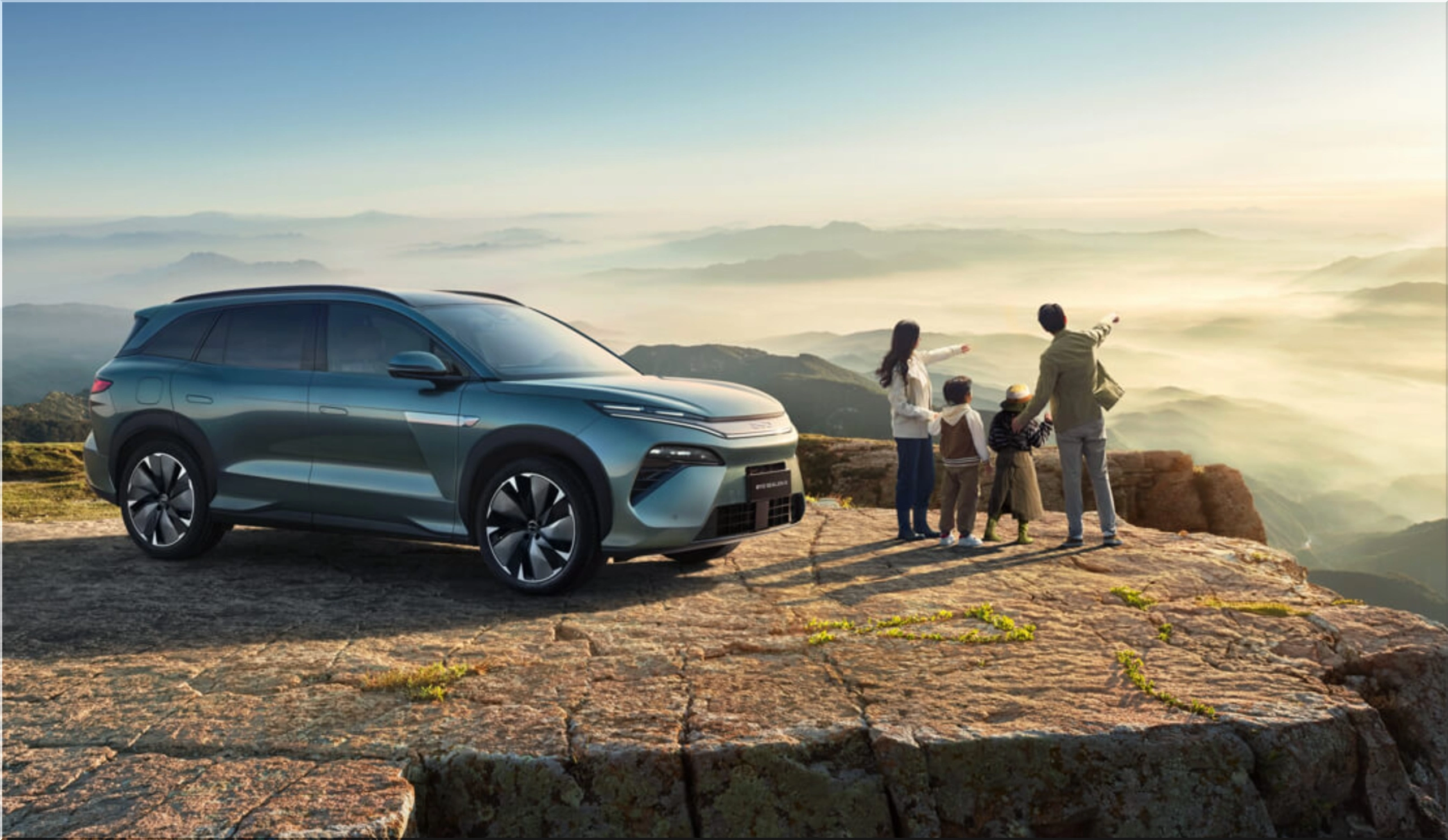
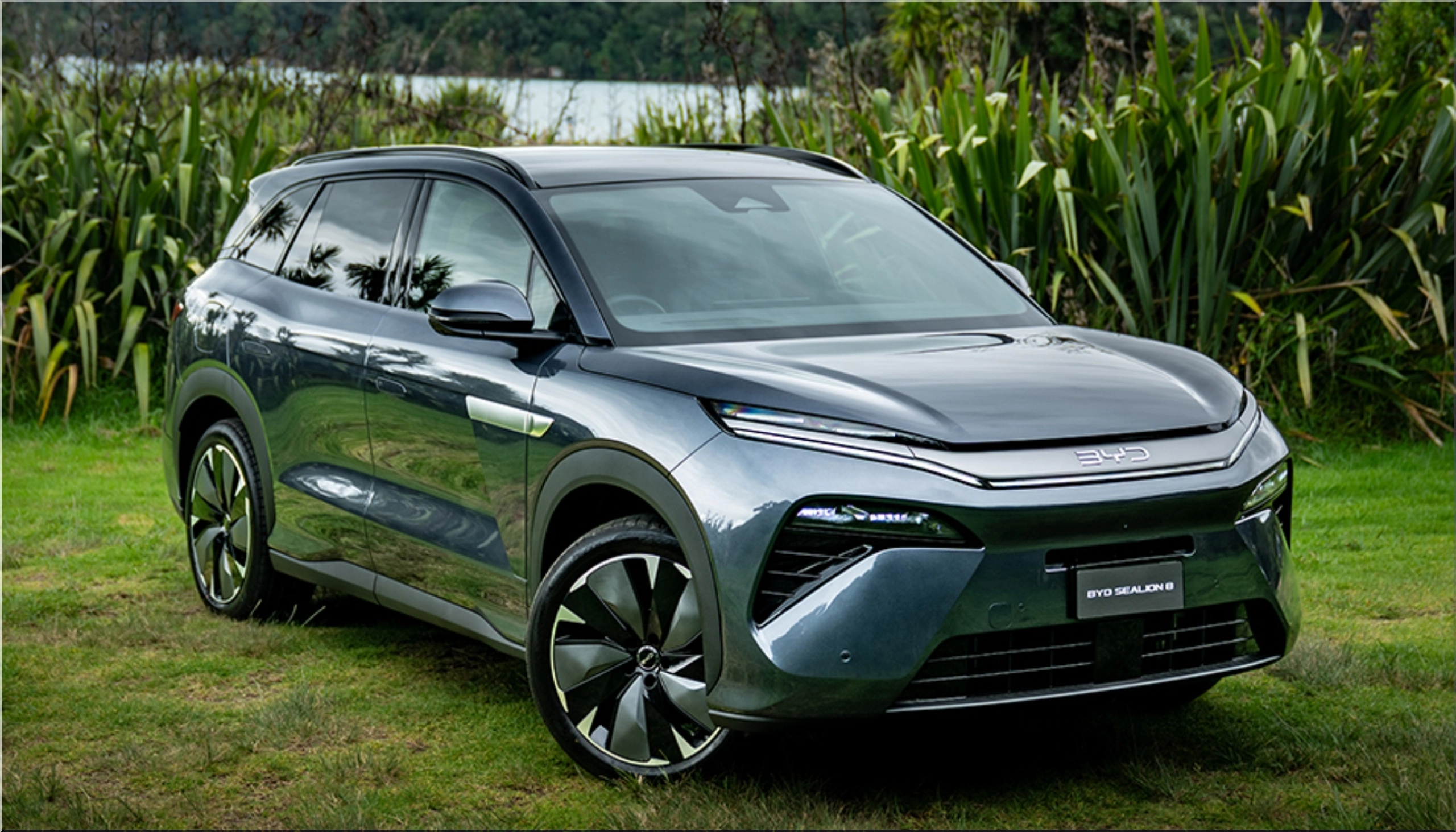
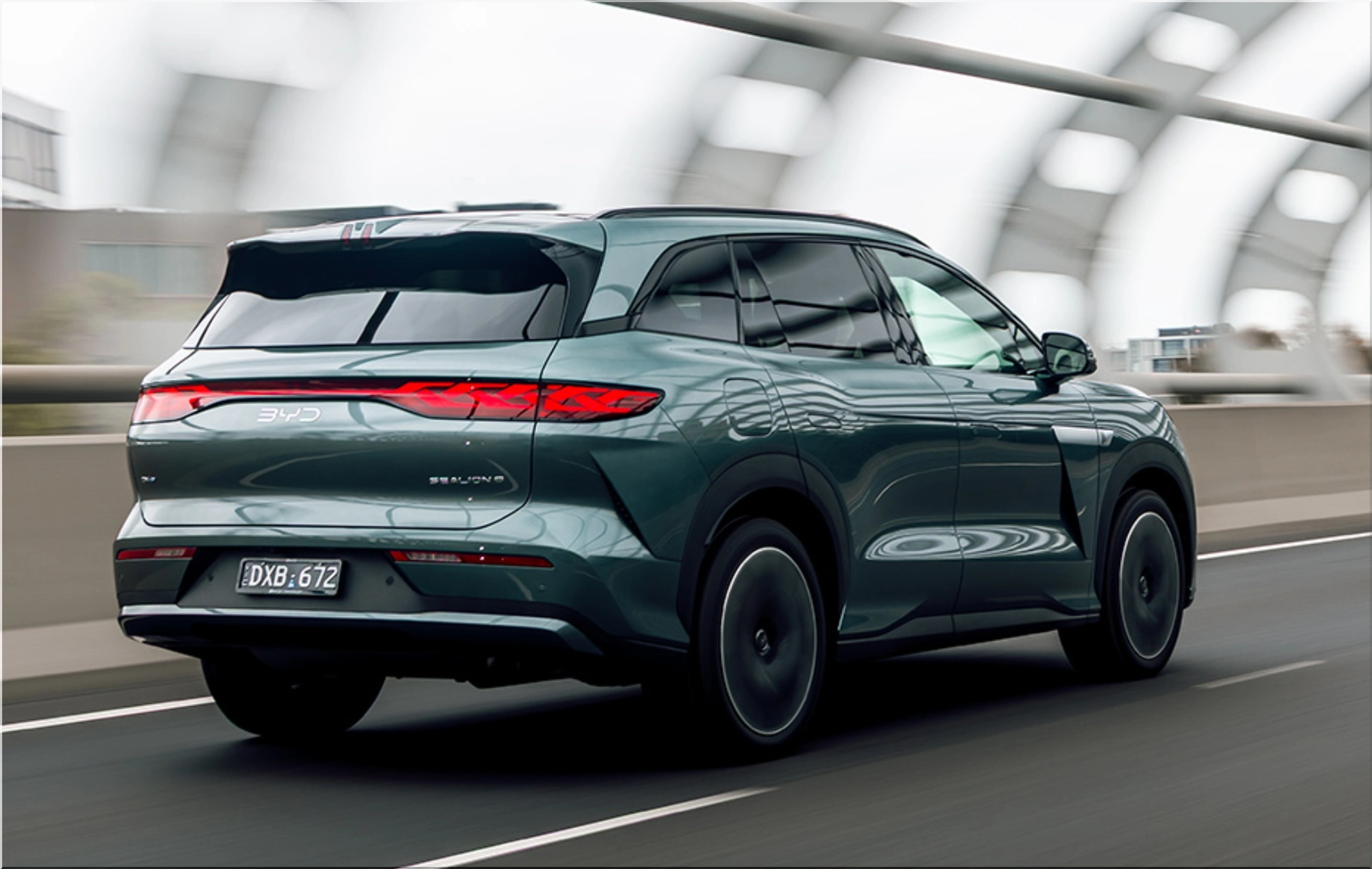
The BYD SEALION 8 attacks the large SUV class with a very clear brief. It gives family buyers a proper seven-seat SUV, a plug-in hybrid powertrain with unusually long claimed electric range, and performance numbers that would look more at home in a sporty crossover than a 2.5-tonne people hauler.
Image
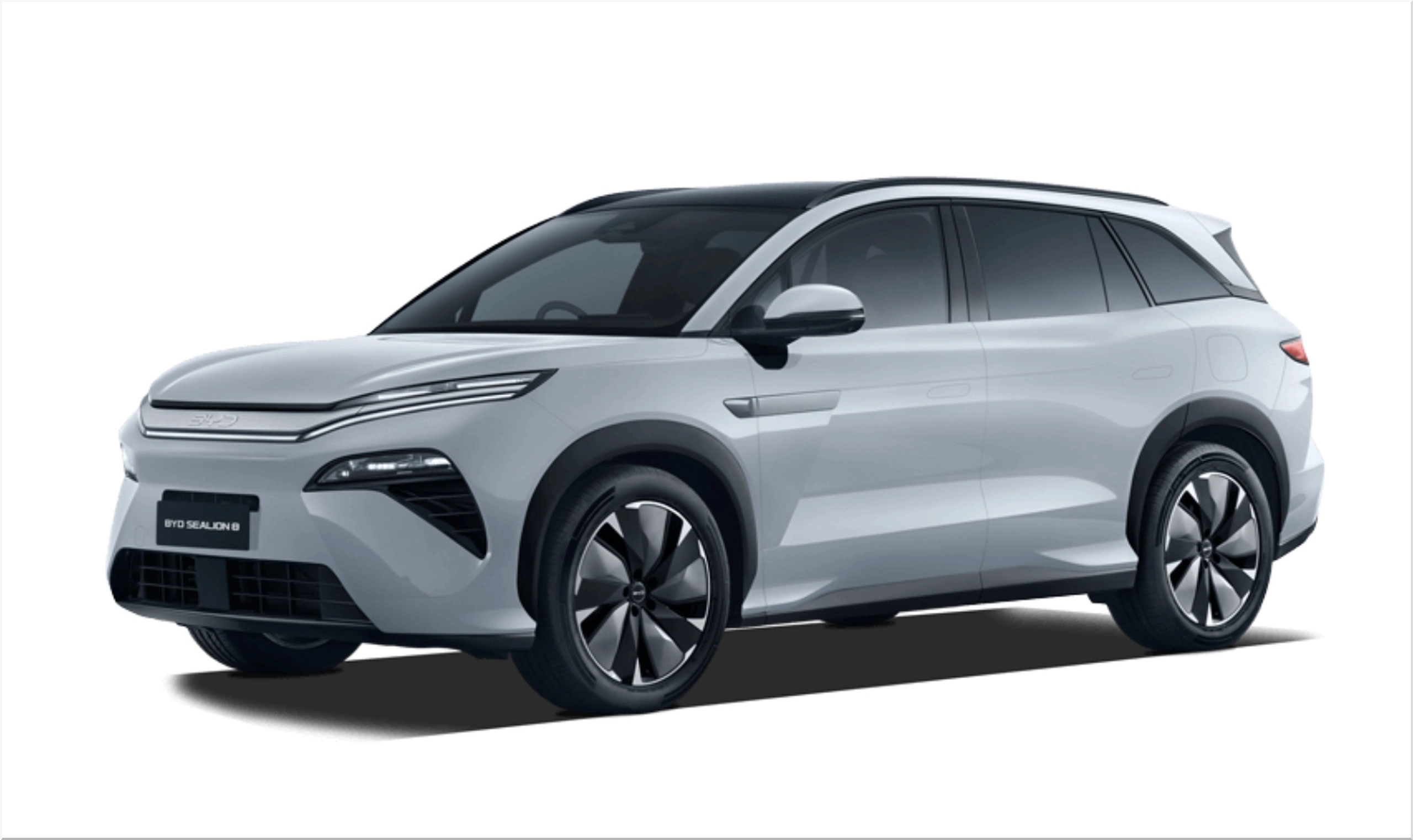
Looking at the data, that strategy makes sense. Full-size battery-electric SUVs still carry a price and weight penalty in many markets, while regular hybrids cannot offer meaningful electric commuting. The SEALION 8 splits the gap. It gives buyers a petrol backstop for long trips, enough battery for school runs and urban use, and a cabin layout that can handle family duty without asking drivers to commit to full EV life.
What the BYD SEALION 8 actually is
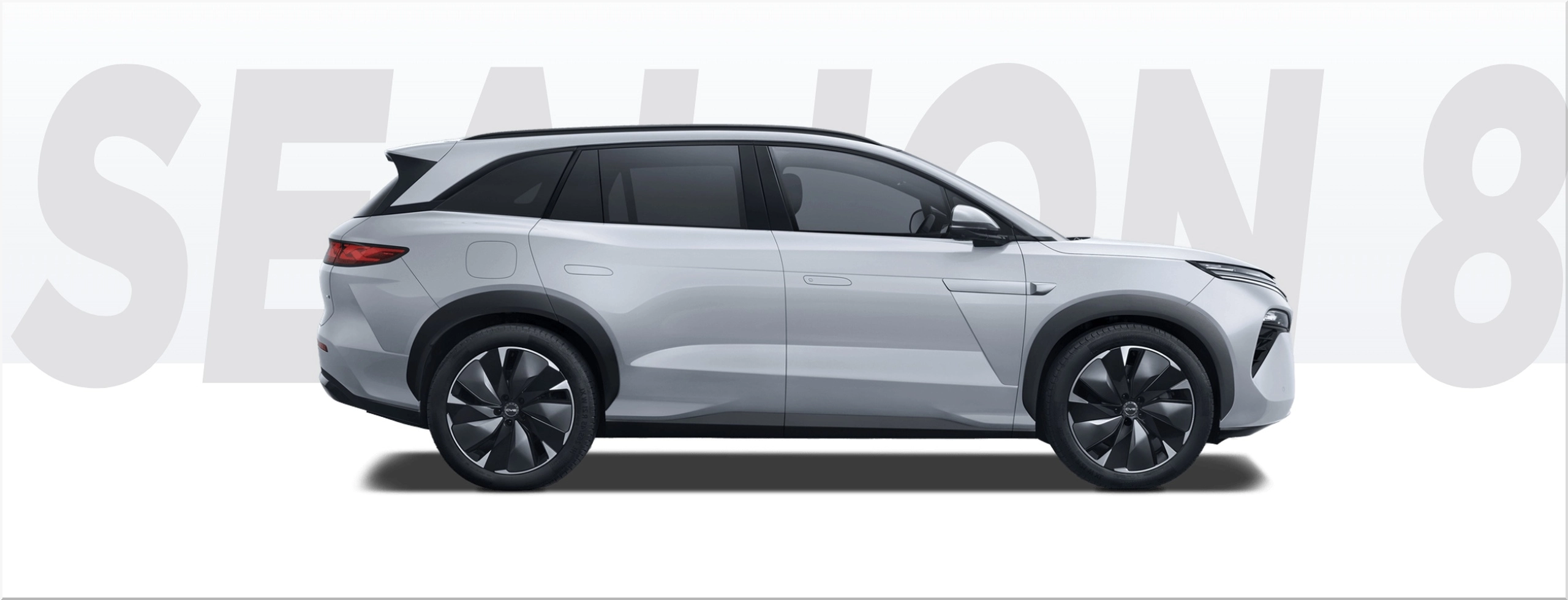
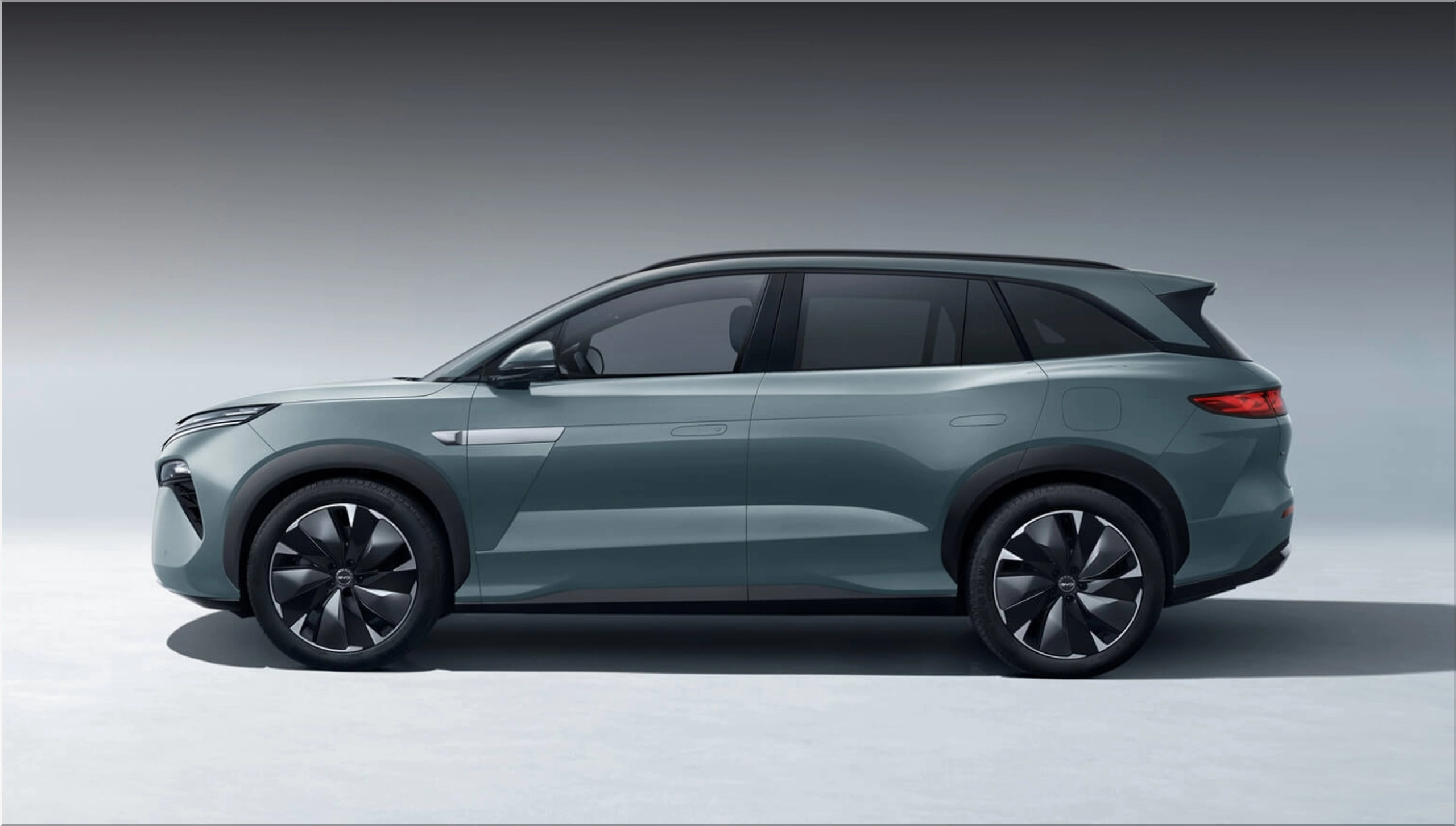
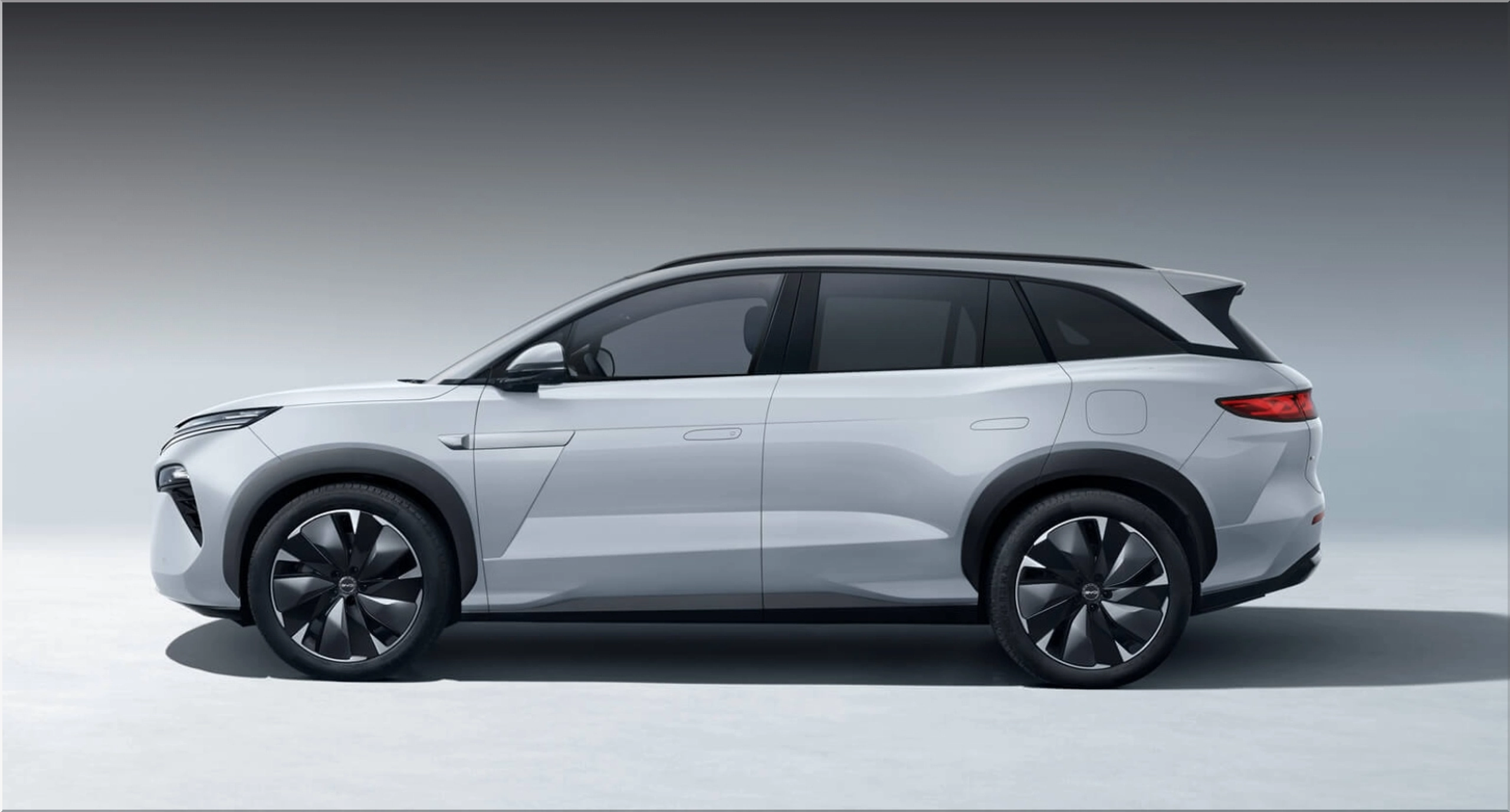
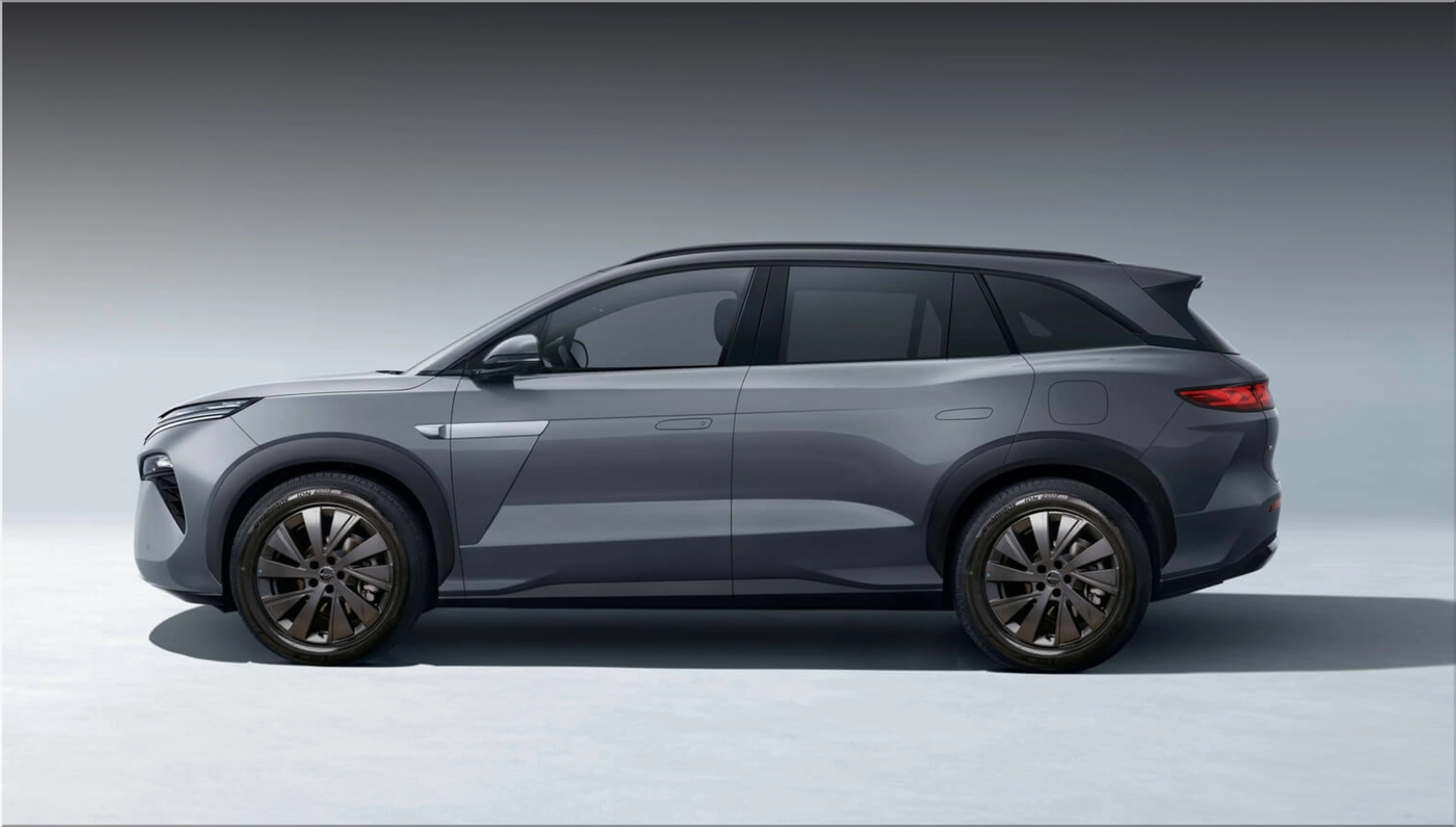
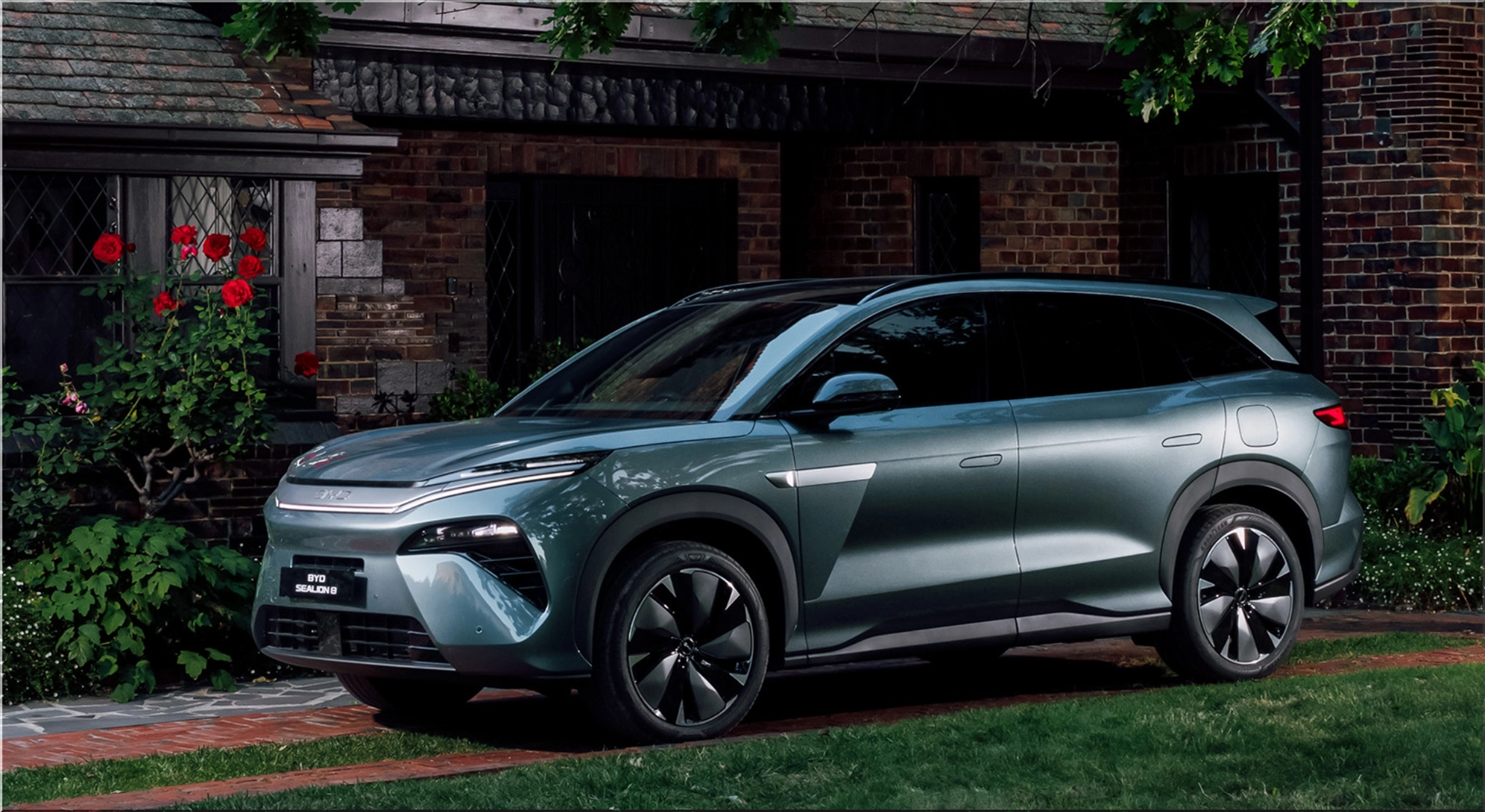
The SEALION 8 is BYD's flagship plug-in hybrid SUV in this class. It rides on a large footprint with a 2950 mm wheelbase and body dimensions of 5040 mm length, 1996 mm width, and 1760 mm height. In old money, that works out to roughly 198.4 inches long, 78.6 inches wide, 69.3 inches tall, with a 116.1-inch wheelbase.
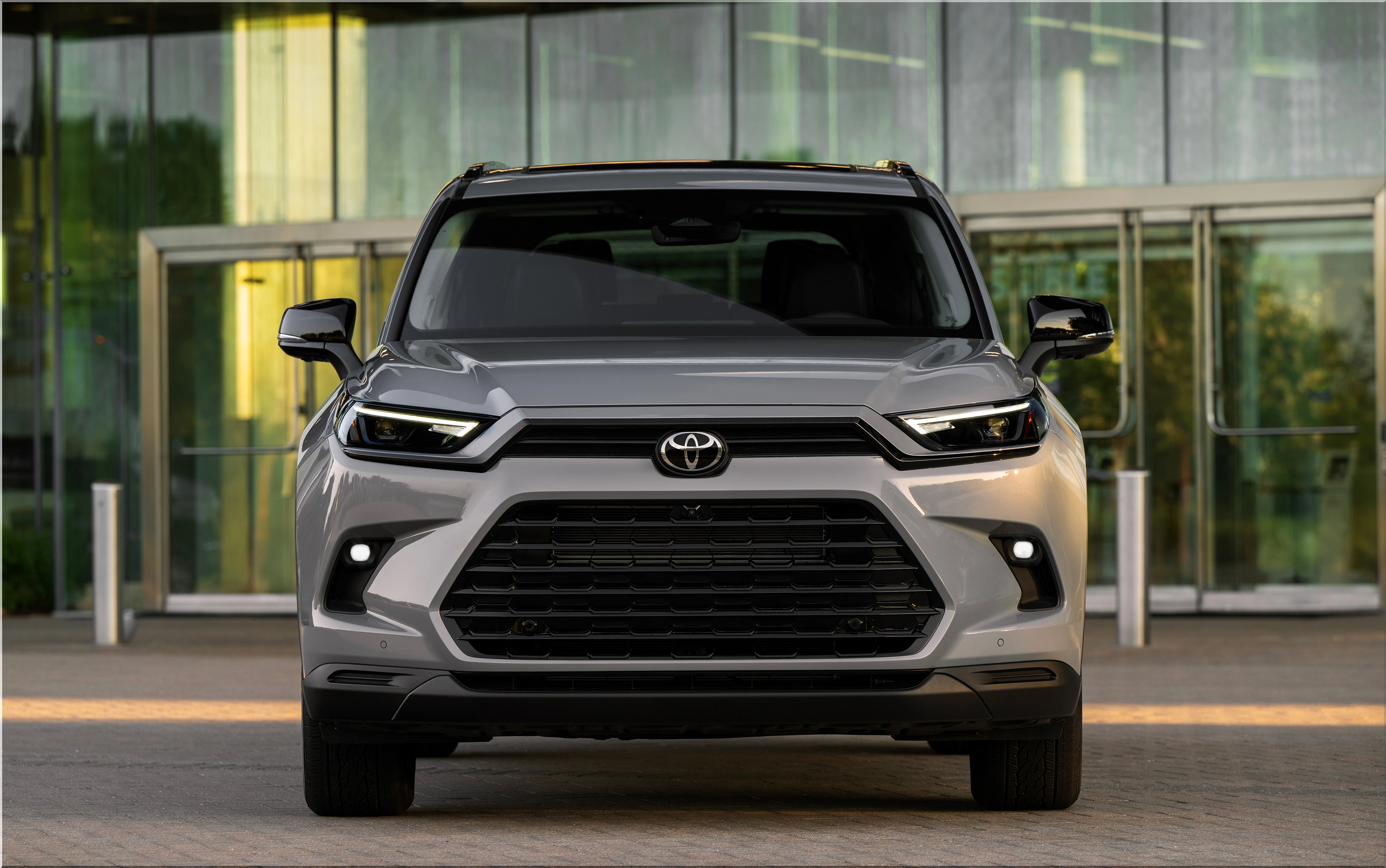
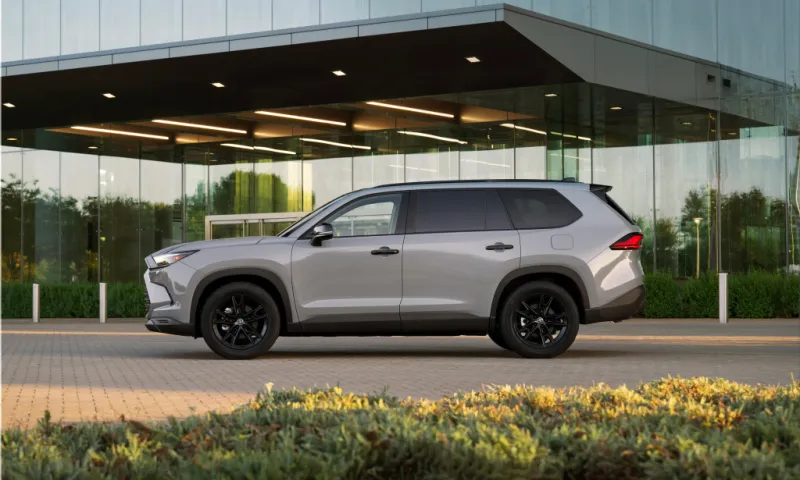
That size puts it directly into the same conversation as the Kia Sorento PHEV, Toyota Kluger Hybrid, Hyundai Santa Fe Hybrid, and Mazda CX-80 PHEV. By comparison, the BYD stretches longer than some of those rivals and uses that footprint to deliver a useful cabin and a very strong cargo spread.
BYD SEALION 8 specs at a glance
| Spec | Dynamic FWD | Dynamic AWD | Premium AWD |
|---|---|---|---|
| Powertrain | 1.5-litre turbo PHEV | 1.5-litre turbo PHEV | 1.5-litre turbo PHEV |
| Drive layout | FWD | AWD | AWD |
| Combined power | 205 kW | 359 kW | 359 kW |
| Combined torque | 315 Nm | 675 Nm | 675 Nm |
| Battery | 19.0 kWh LFP | 35.6 kWh LFP | 35.6 kWh LFP |
| 0-100 km/h | 8.6 sec | 4.9 sec | 4.9 sec |
| EV range, NEDC | 103 km | 152 km | 152 km |
| Fuel use, low SOC | 5.3 L/100 km | 6.3 L/100 km | 6.3 L/100 km |
| Kerb weight | 2315 kg | 2580 kg | 2580 kg |
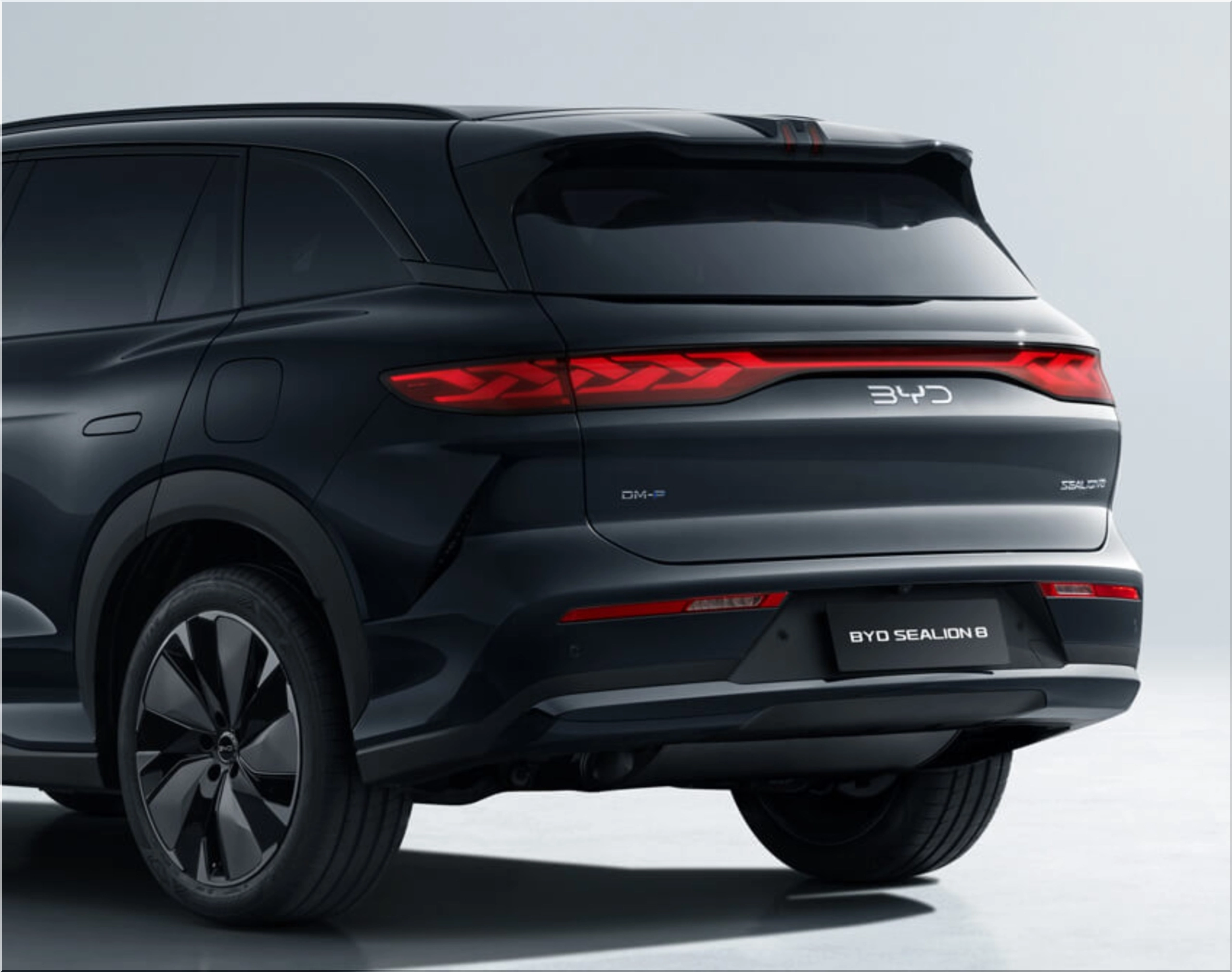
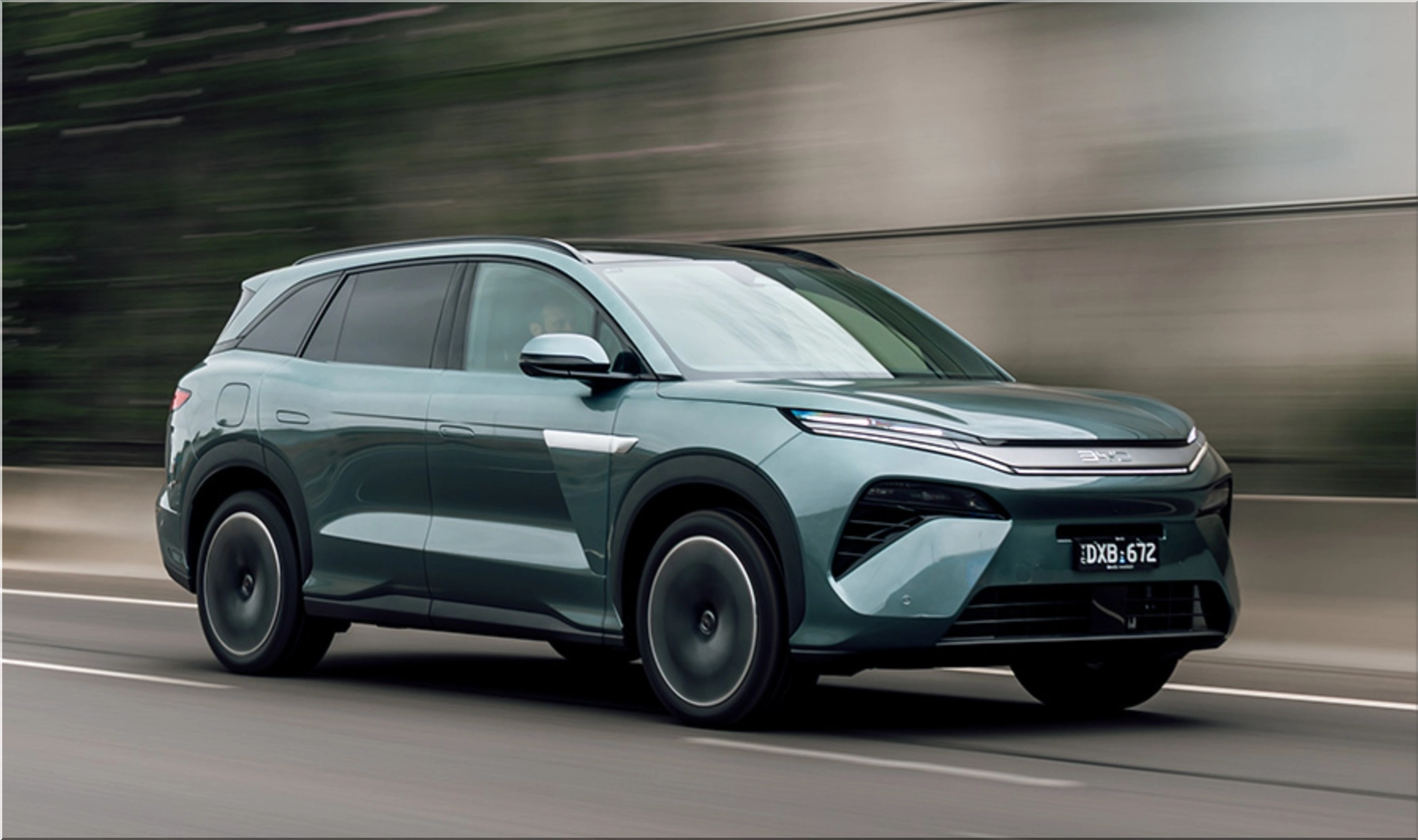
From an expert perspective, the AWD numbers are the headline. 359 kW and 675 Nm in a family SUV gives the SEALION 8 a very different character from the typical efficiency-first seven-seater. Specifically, the rear motor changes the equation. It adds punch off the line, improves traction under load, and lets BYD market the car as both practical and quick.
Image
Why the powertrain matters
BYD offers two main flavours here: DM-i for the front-wheel-drive model and DM-p for the all-wheel-drive grades. The FWD version focuses on efficiency. The AWD versions chase broader capability, more electric range, and much harder acceleration.
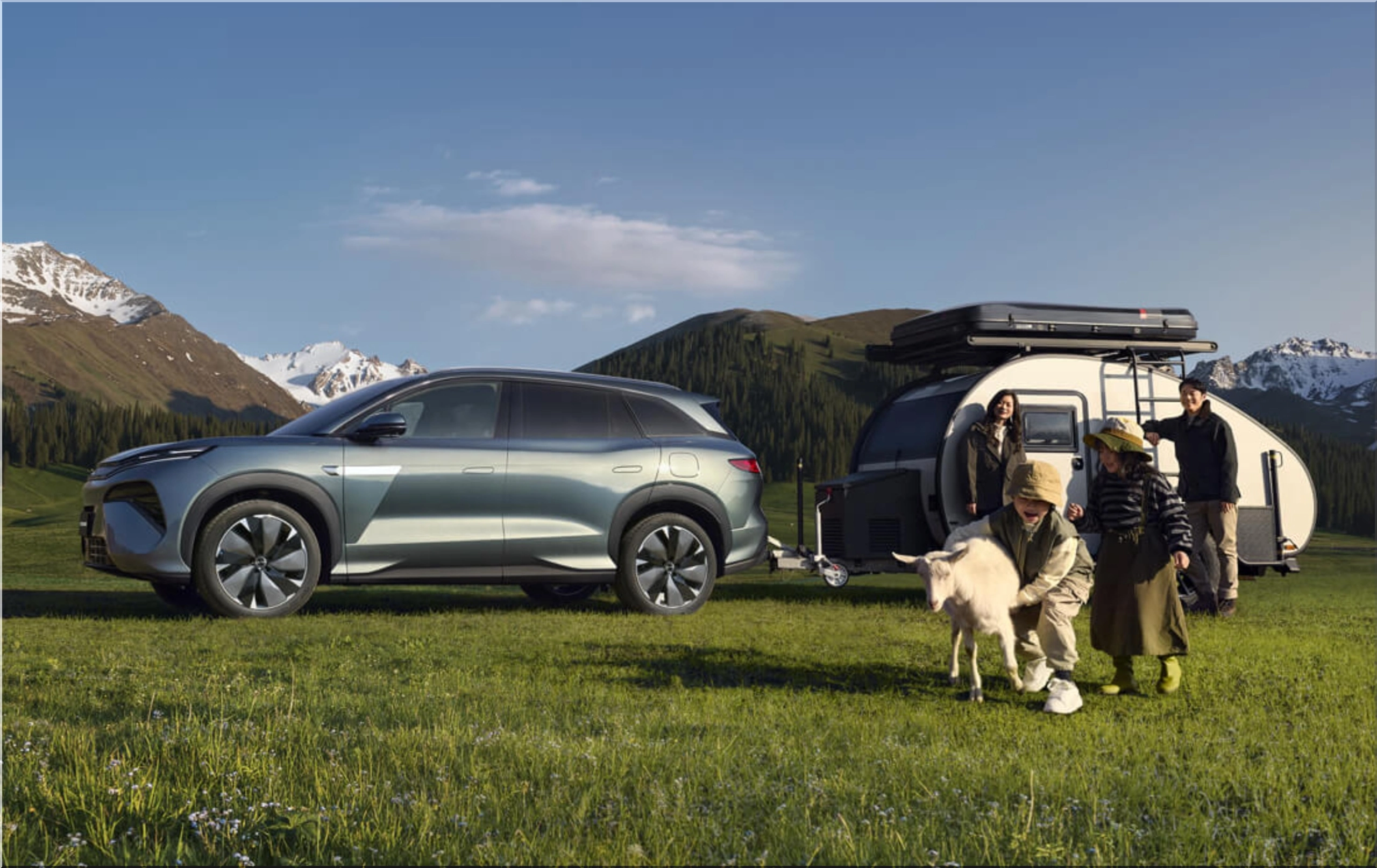
That engineering split matters because different buyers want different things. The Dynamic FWD looks like the commuter-family pick. The AWD models look like the better fit for buyers who tow, drive regional distances, or want stronger overtaking performance with a full cabin on board.
In addition, the second-generation Blade Battery uses lithium iron phosphate chemistry, which usually trades some energy density for thermal stability, durability, and lower raw-material cost. That suits a family SUV. BYD also claims 322 kW peak discharge, lower energy loss, and faster thermal response from the newer pack, which helps explain why the AWD version can deliver strong performance without feeling like a one-hit wonder.
Image
Charging, range, and road-trip logic
The charging numbers stay modest by EV standards but make sense for a PHEV:
- 11 kW AC charging across the range
- 40 kW DC charging for the 19.0 kWh battery
- 74 kW DC charging for the 35.6 kWh battery
- V2L standard across the range
Consequently, the SEALION 8 works best when owners treat it like a car that wants a home charger. Plug it in overnight. Use the battery for weekday driving. Keep the petrol tank for distance work. That is where a long-range plug-in hybrid 7-seater can beat both a regular hybrid and a full EV for some households.
Pro-Tip
Buyers who never plug in will miss the whole point of this SUV. The SEALION 8 earns its keep when you charge it often enough to use that battery capacity in daily driving.
Cabin space and practicality
The numbers are strong here too. BYD quotes:
| Cargo configuration | Boot volume |
|---|---|
| 7 seats in use | 270 L |
| 5 seats in use | 960 L |
| 2 seats in use | 1960 L |
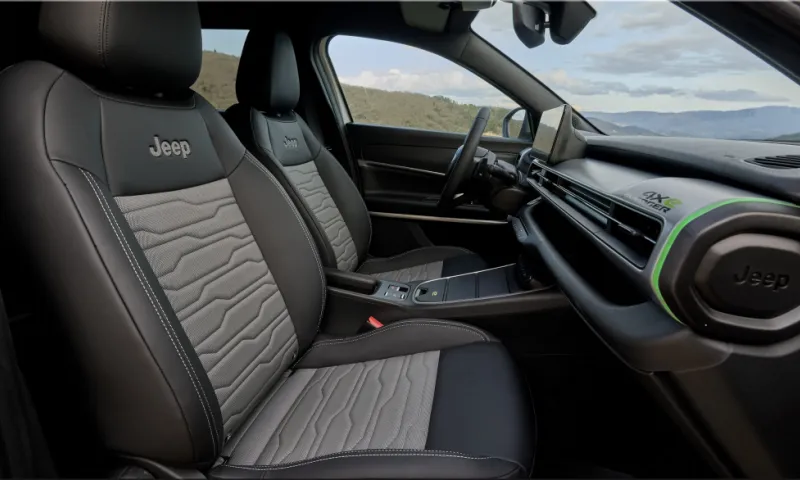
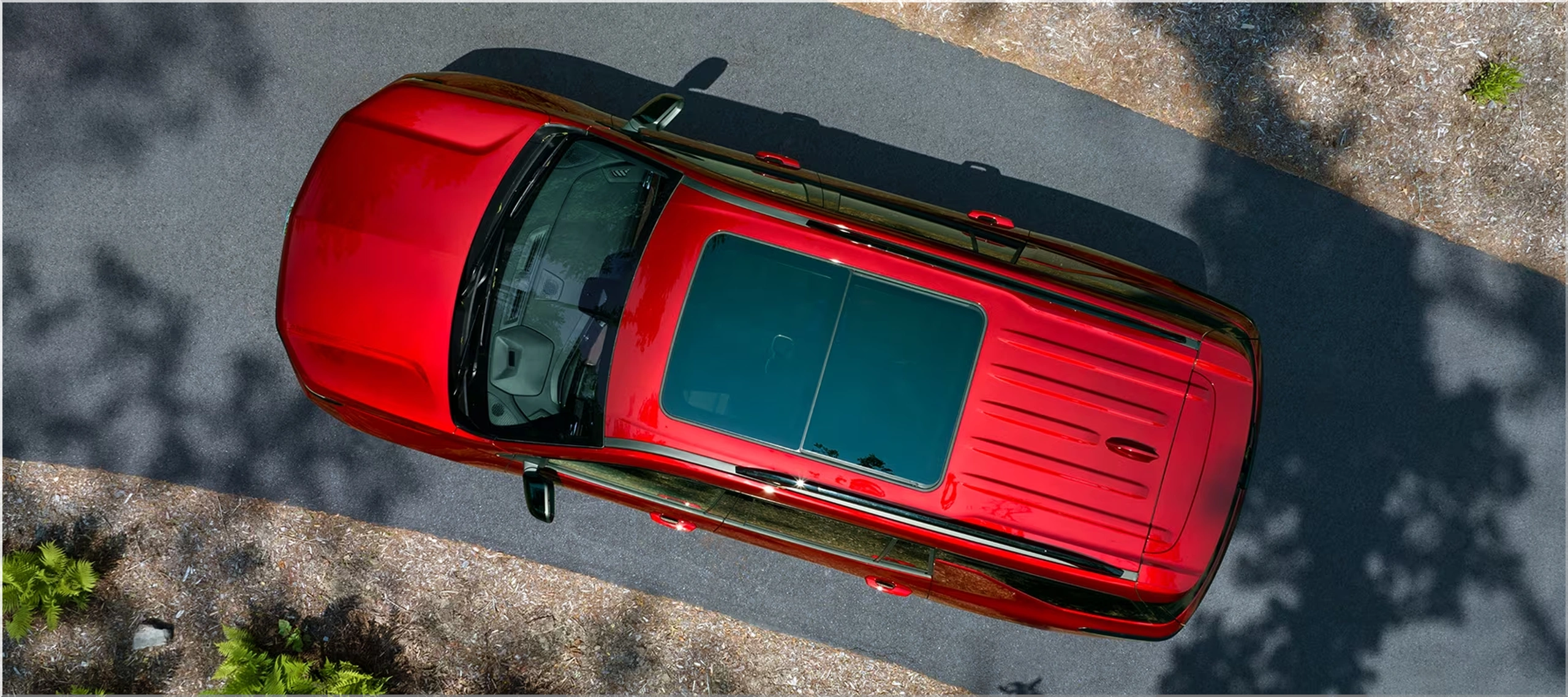
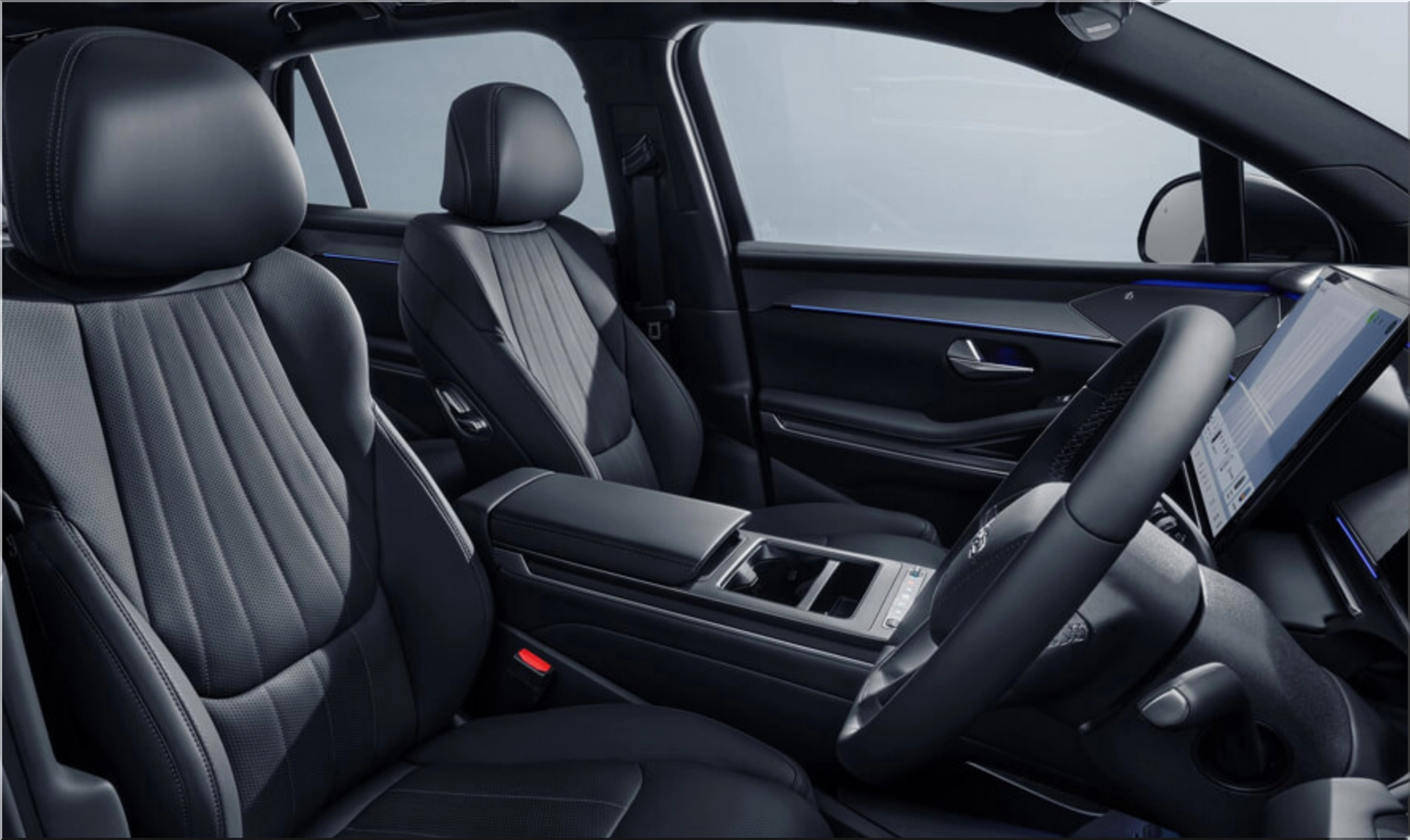
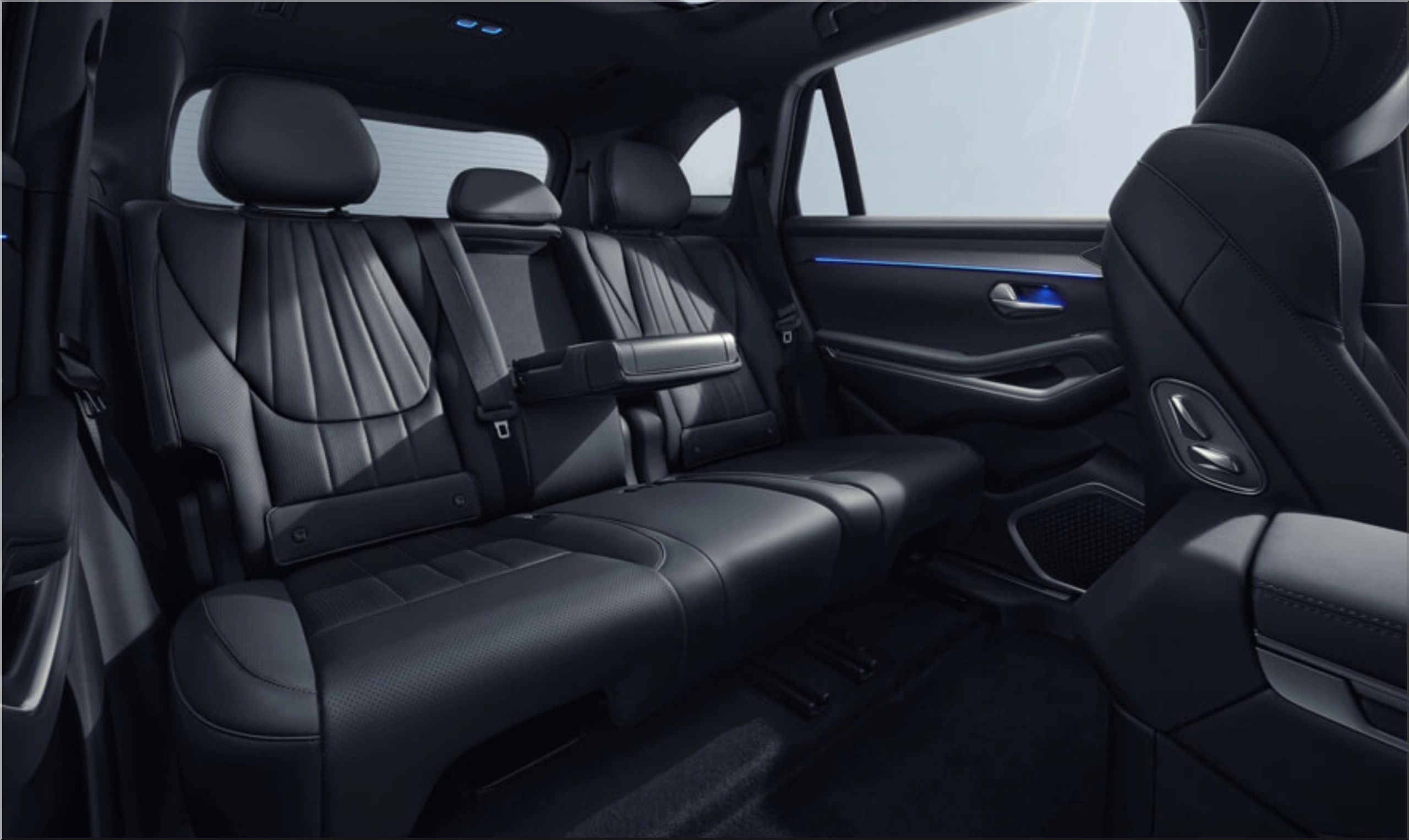
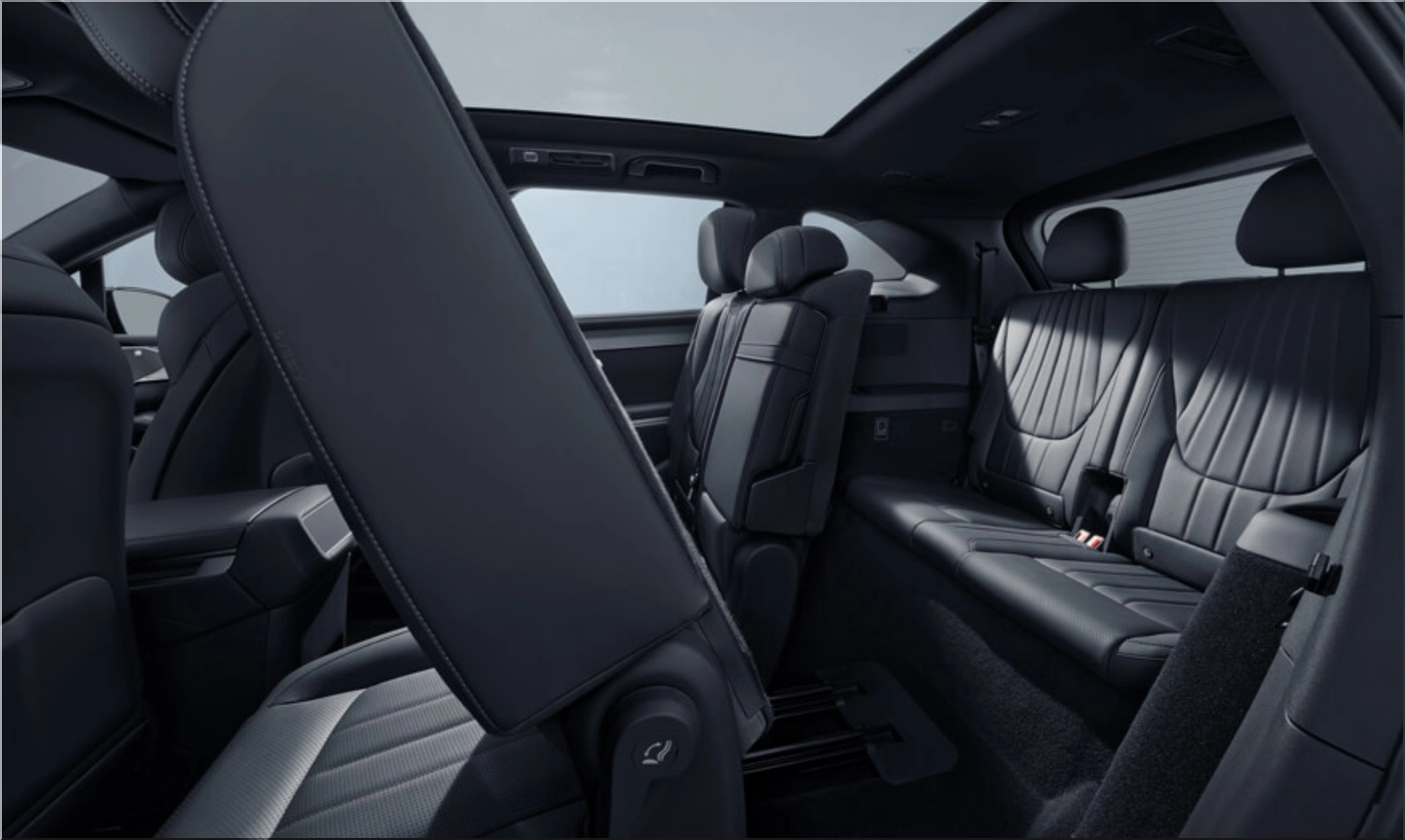
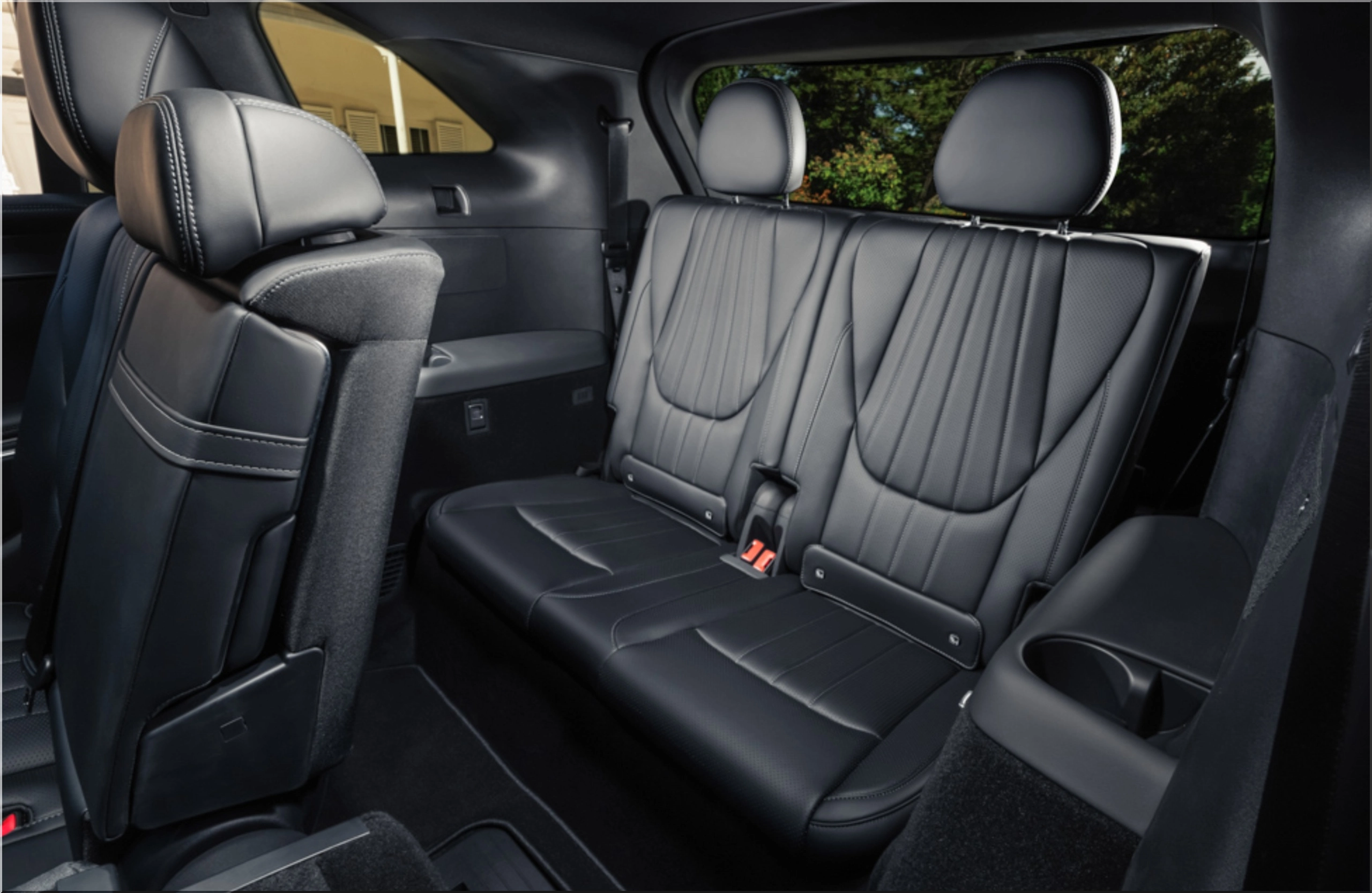
That makes the SEALION 8 properly useful rather than nominally seven-seat. The second row offers generous room, while the third row works better for children than adults. That is normal in this class. What stands out more is BYD's family packaging. The third row gets airbags and ISOFIX points, which many rivals still do not offer.
Image
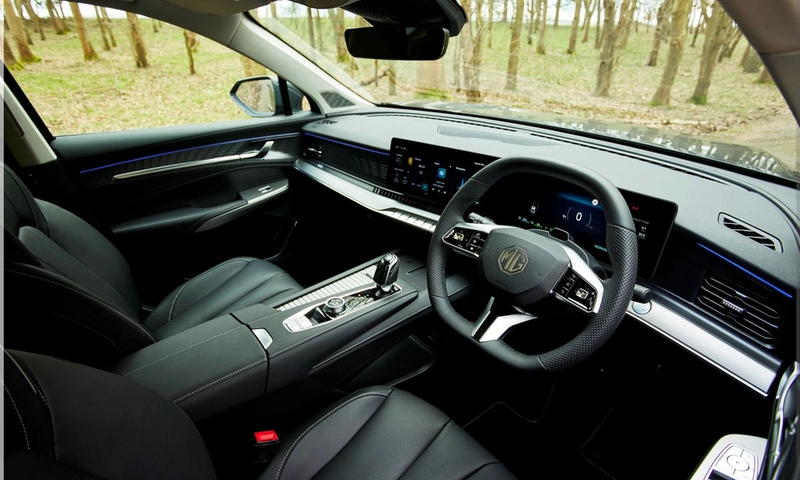
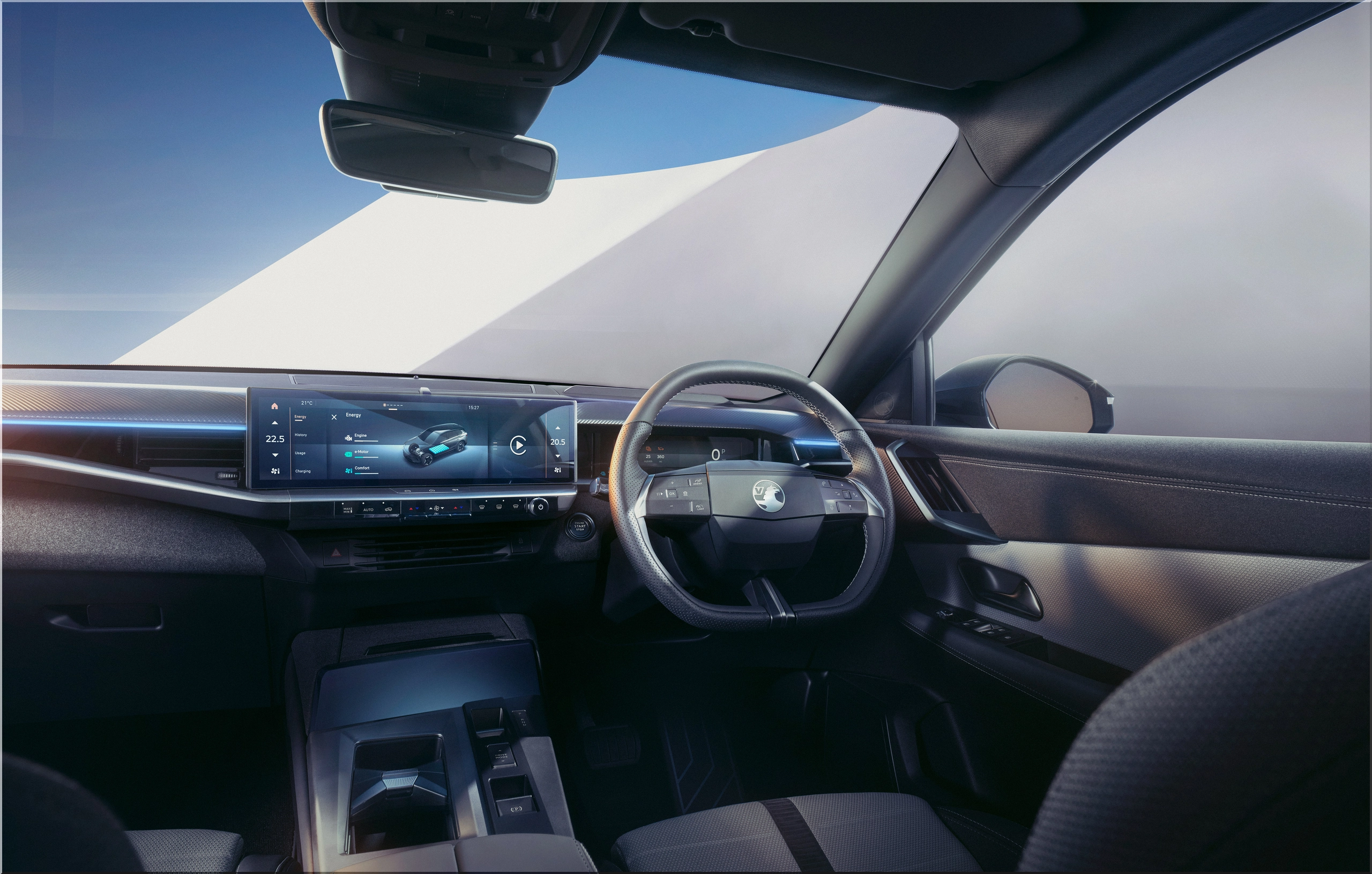
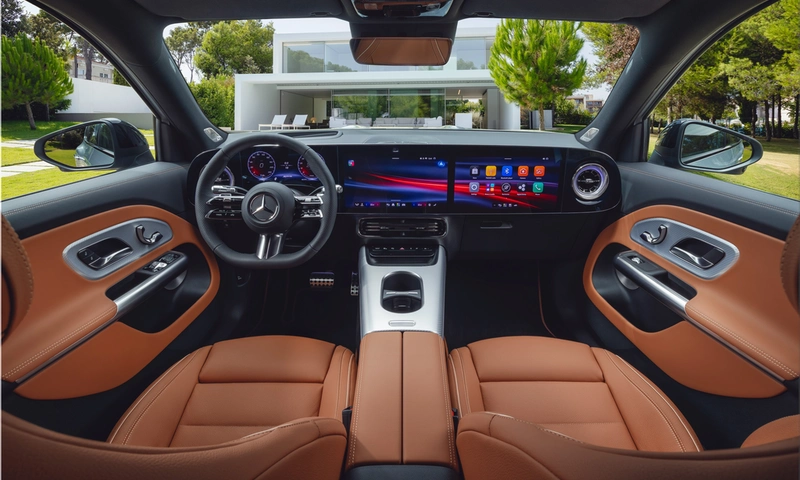
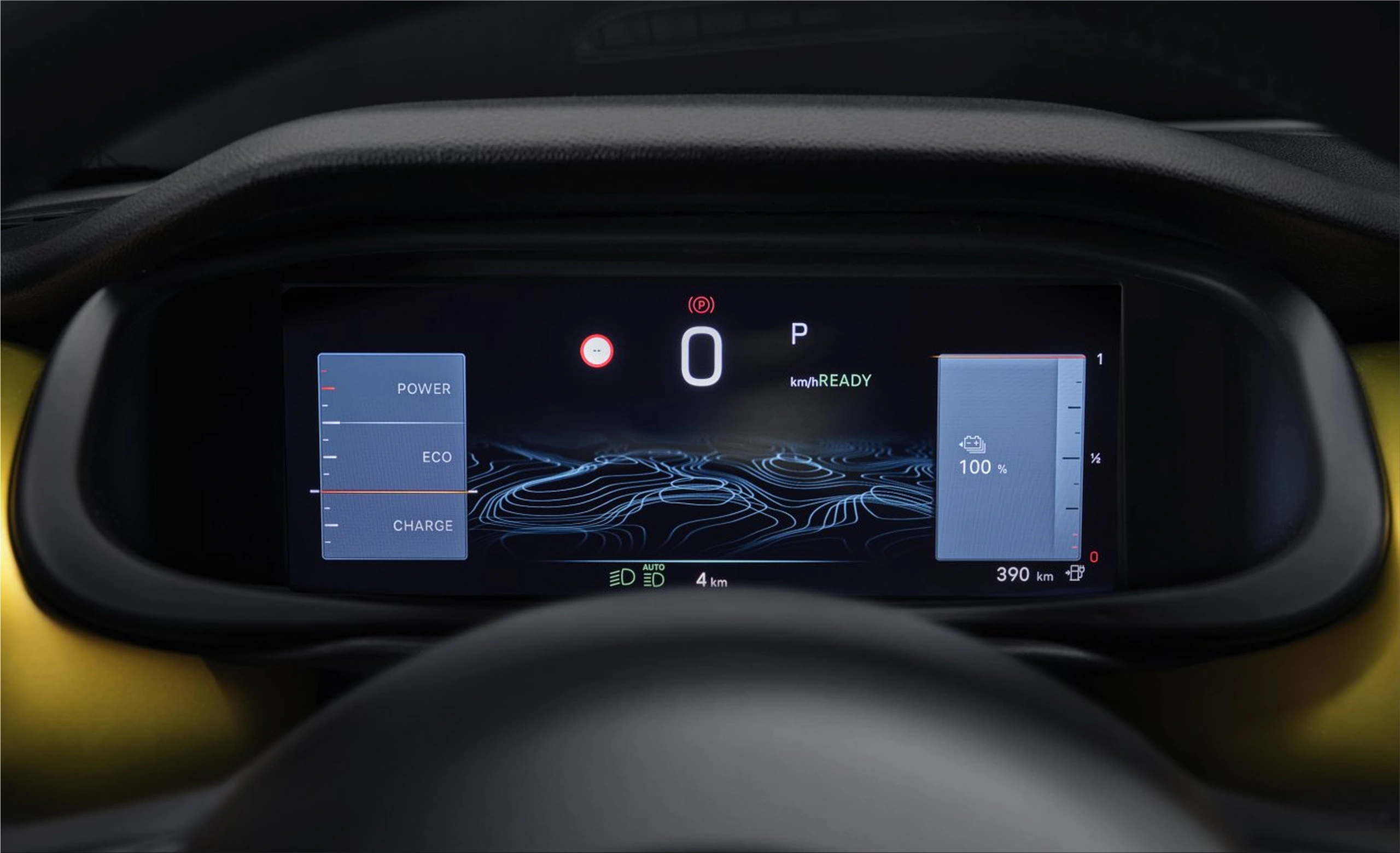
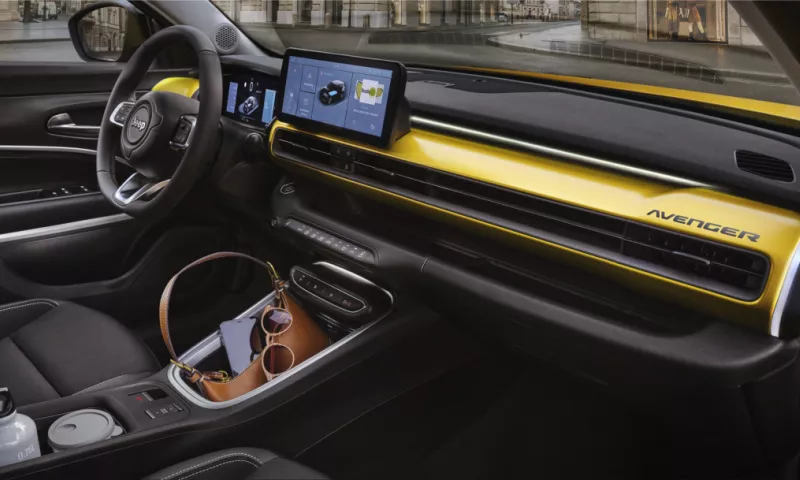
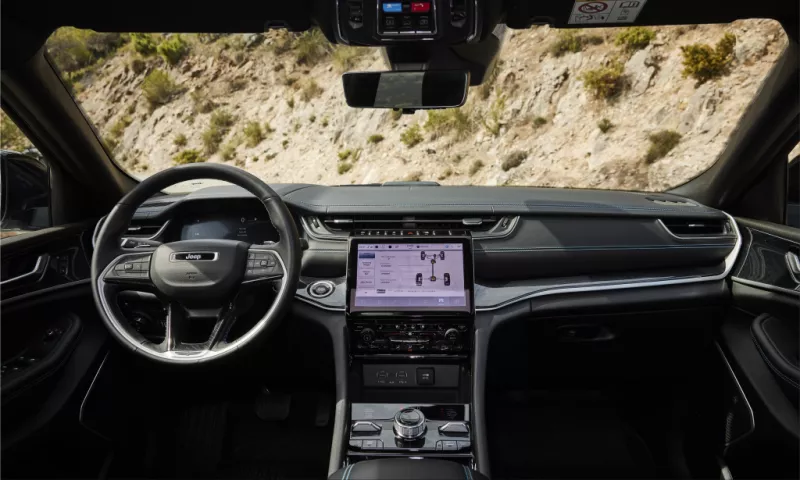
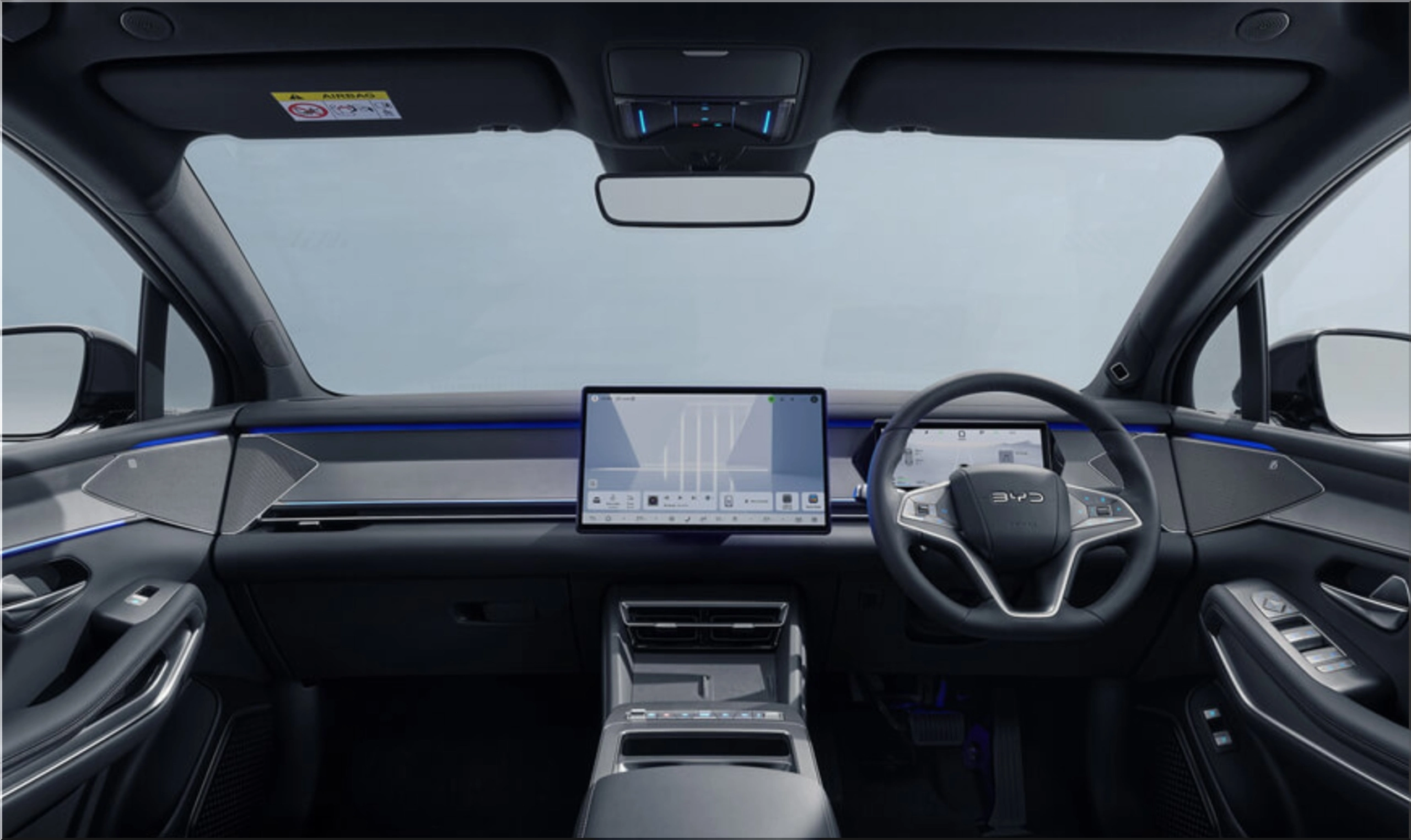
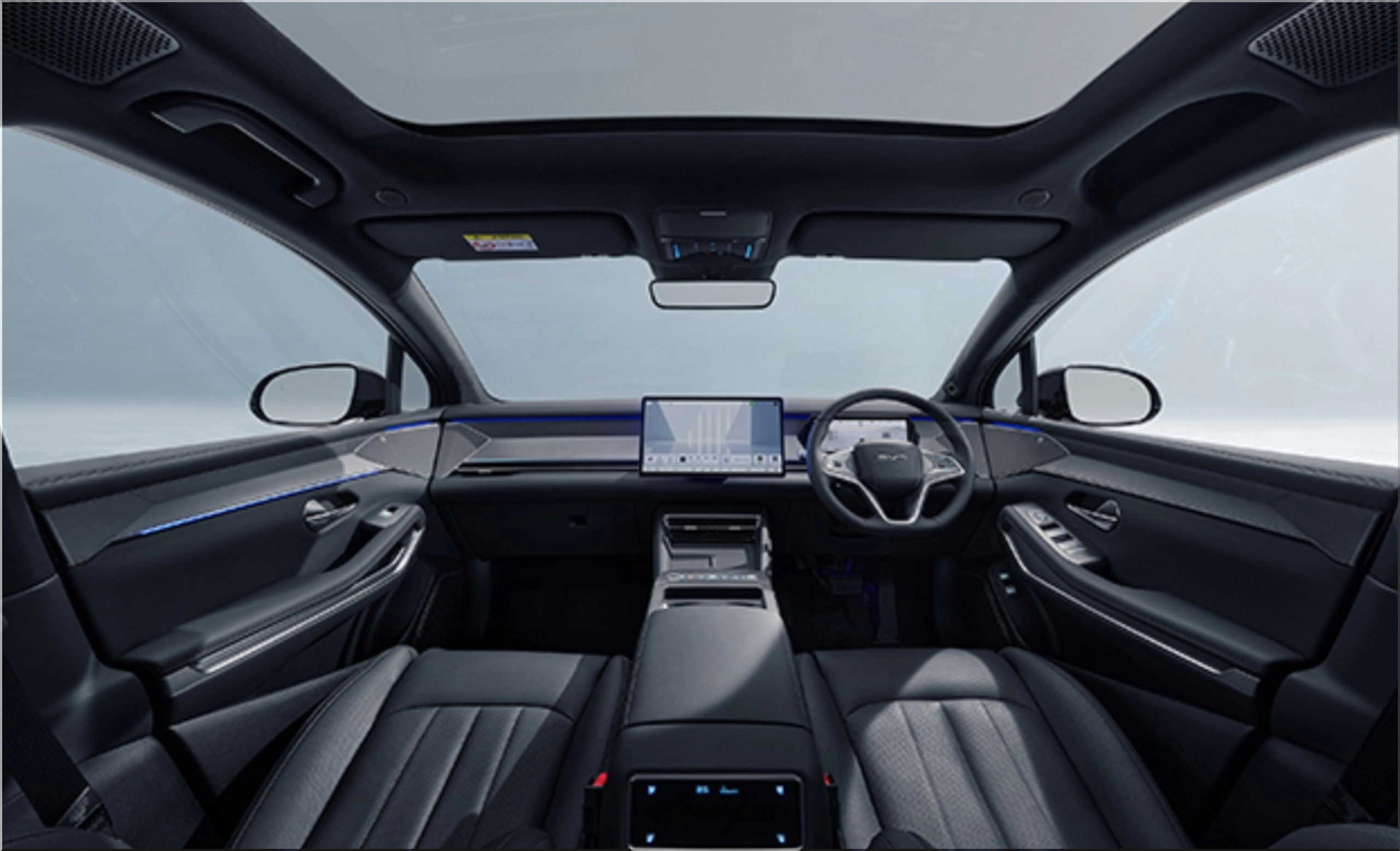
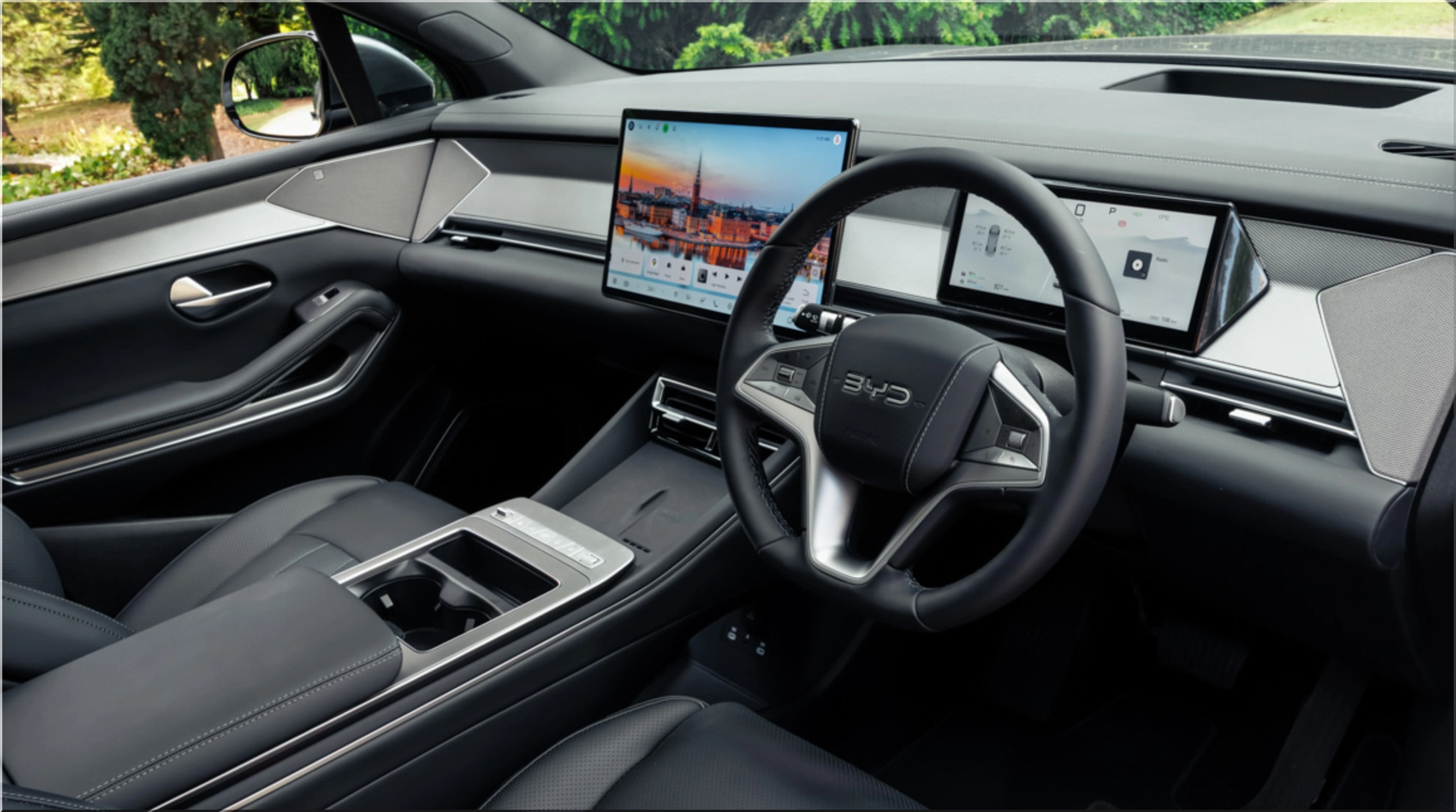
The feature count also comes loaded. Even the base grade brings a 15.6-inch touchscreen, 10.25-inch digital cluster, wireless Apple CarPlay and Android Auto, 3-zone climate control, panoramic sunroof, heated and ventilated front seats, and over-the-air updates. The Premium AWD piles on harder with massaging seats, a 21-speaker sound system, and a 26-inch head-up display.
How it stacks up against rivals
| Model | Starting price in Australia | Power | EV range / fuel use | Key read |
|---|---|---|---|---|
| BYD SEALION 8 Dynamic FWD | $39,400 USD | 205 kW | 103 km EV | Best value entry point |
| BYD SEALION 8 Dynamic AWD | $44,200 USD | 359 kW | 152 km EV | Best performance-value mix |
| BYD SEALION 8 Premium AWD | $49,100 USD | 359 kW | 152 km EV | Luxury-leaning flagship |
| Kia Sorento S PHEV AWD | $49,000 USD | 195 kW | Shorter EV range | Strong badge, pricier |
| Hyundai Santa Fe Hybrid | $41,500 USD | Hybrid | 5.6 L/100 km | No plug, lower complexity |
| Toyota Kluger Hybrid GXL AWD | $48,700 USD | 184 kW | 5.6 L/100 km | Trusted but aging formula |
| Mazda CX-80 PHEV | from about $38,500 USD | up to 241 kW | up to 65 km EV | Premium feel, less EV range |
The BYD wins on electric range, straight-line pace, and feature density per dollar. It loses ground on brand maturity, service-network confidence in some markets, and the fact that this much mass can never feel light on the road. Reviews also point to some suspension inconsistency and a third row that still suits children more than adults.
Should you care about the SEALION 8?
Yes, if you want a family SUV that treats electrification as a practical tool instead of a marketing line. The SEALION 8 gives buyers a large cabin, useful cargo flexibility, real plug-in range, and startling AWD output for the money.
From a strategic view, this is also a very important vehicle for BYD. It moves the brand into the profitable large-SUV space and shows how Chinese brands keep pressuring legacy makers: more battery, more performance, more standard kit, lower entry price.
What now?
Start with the Dynamic AWD unless you know you only need front-wheel drive. It looks like the sweet spot. You get the bigger 35.6 kWh battery, the full 359 kW, faster DC charging, and the more convincing long-distance brief without jumping straight to the flagship.
Choose the Premium AWD only if you value the comfort upgrades enough to justify the extra spend. For pure value, the middle grade makes the strongest case.
- Add new comment
- 590 views