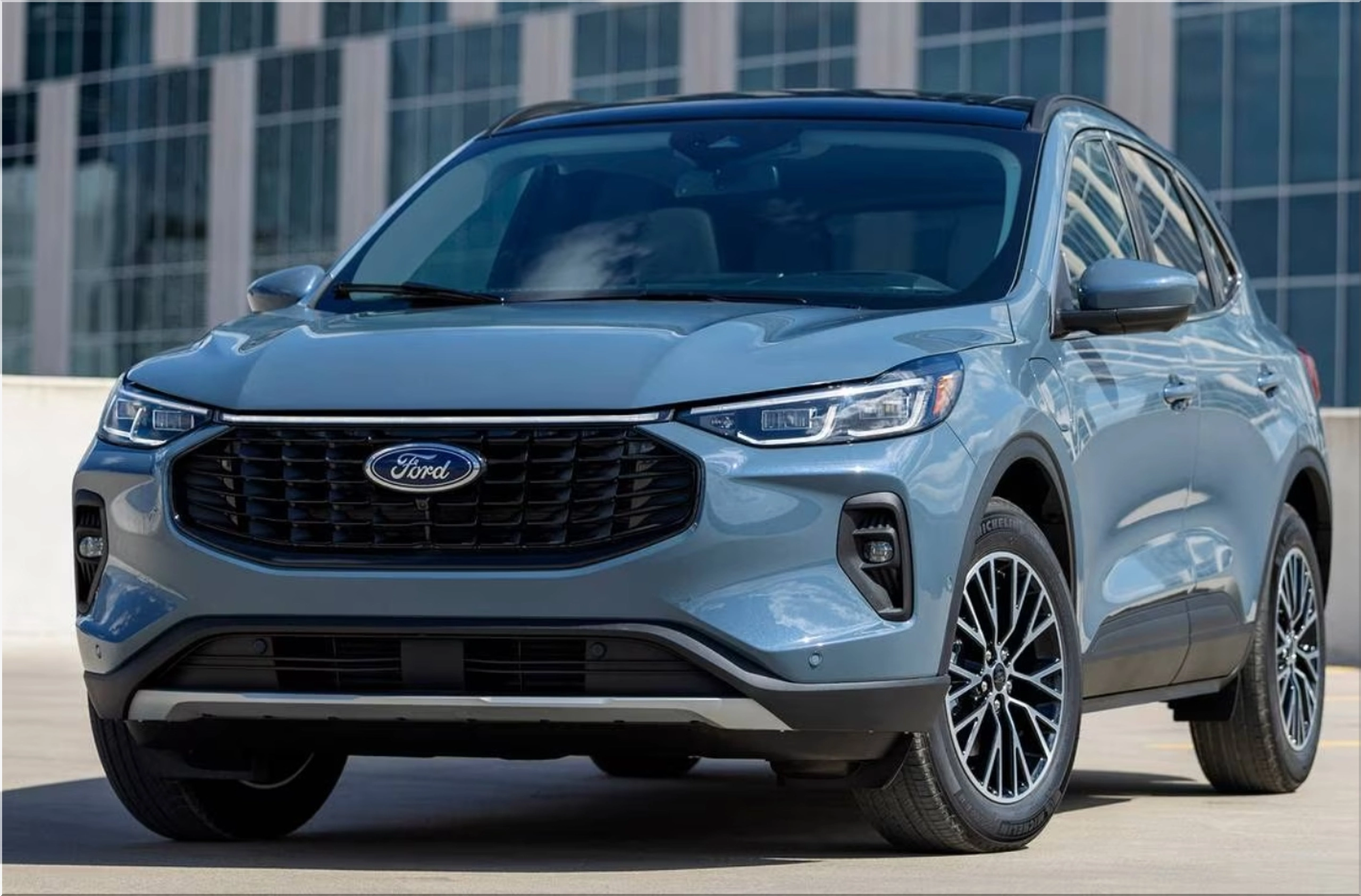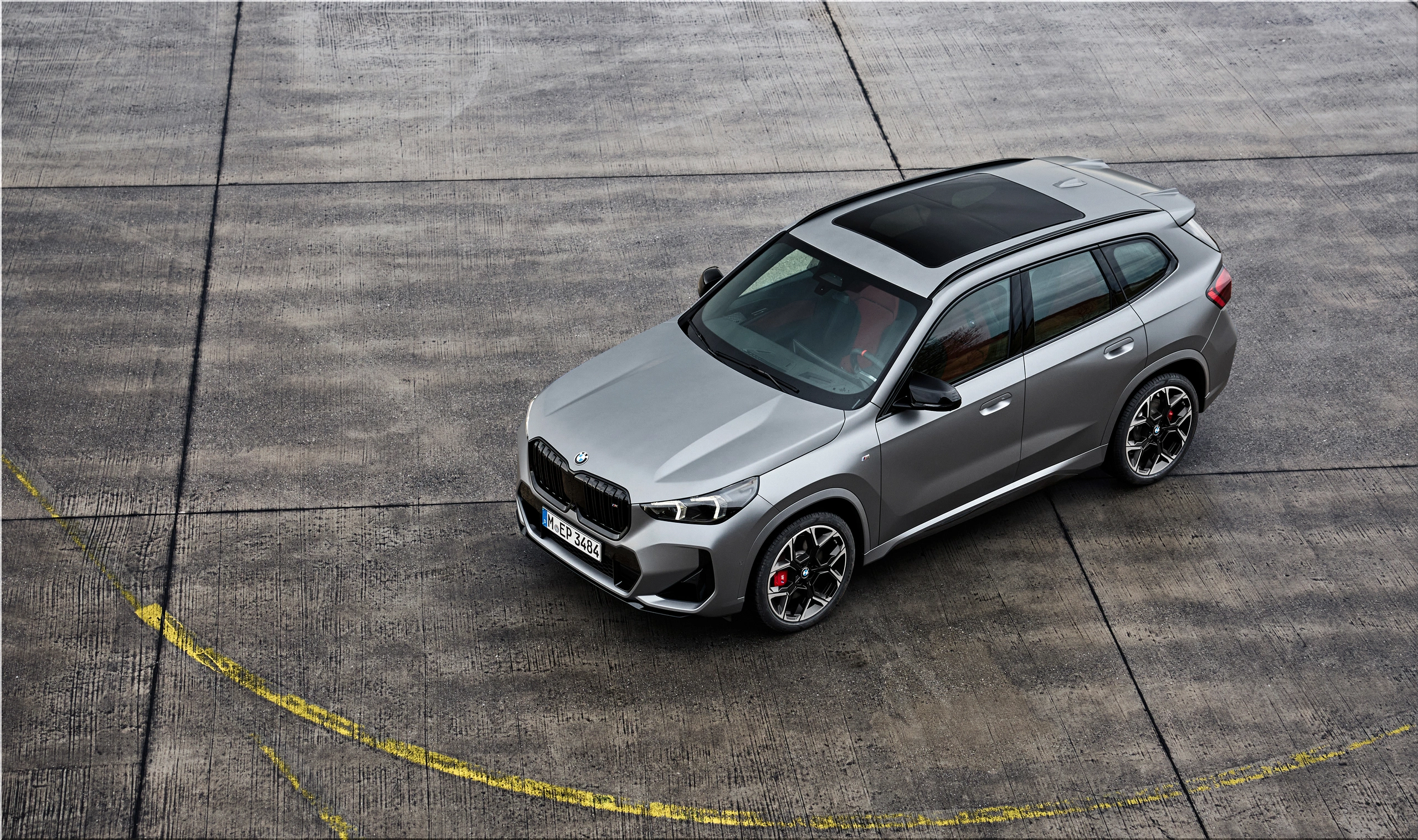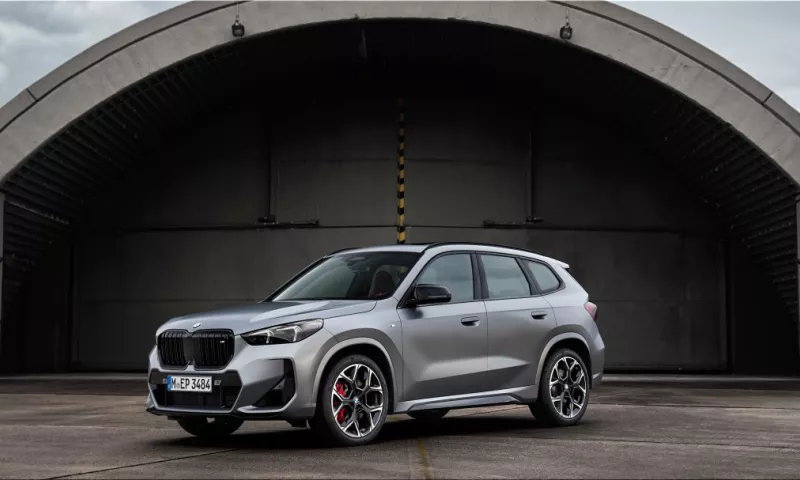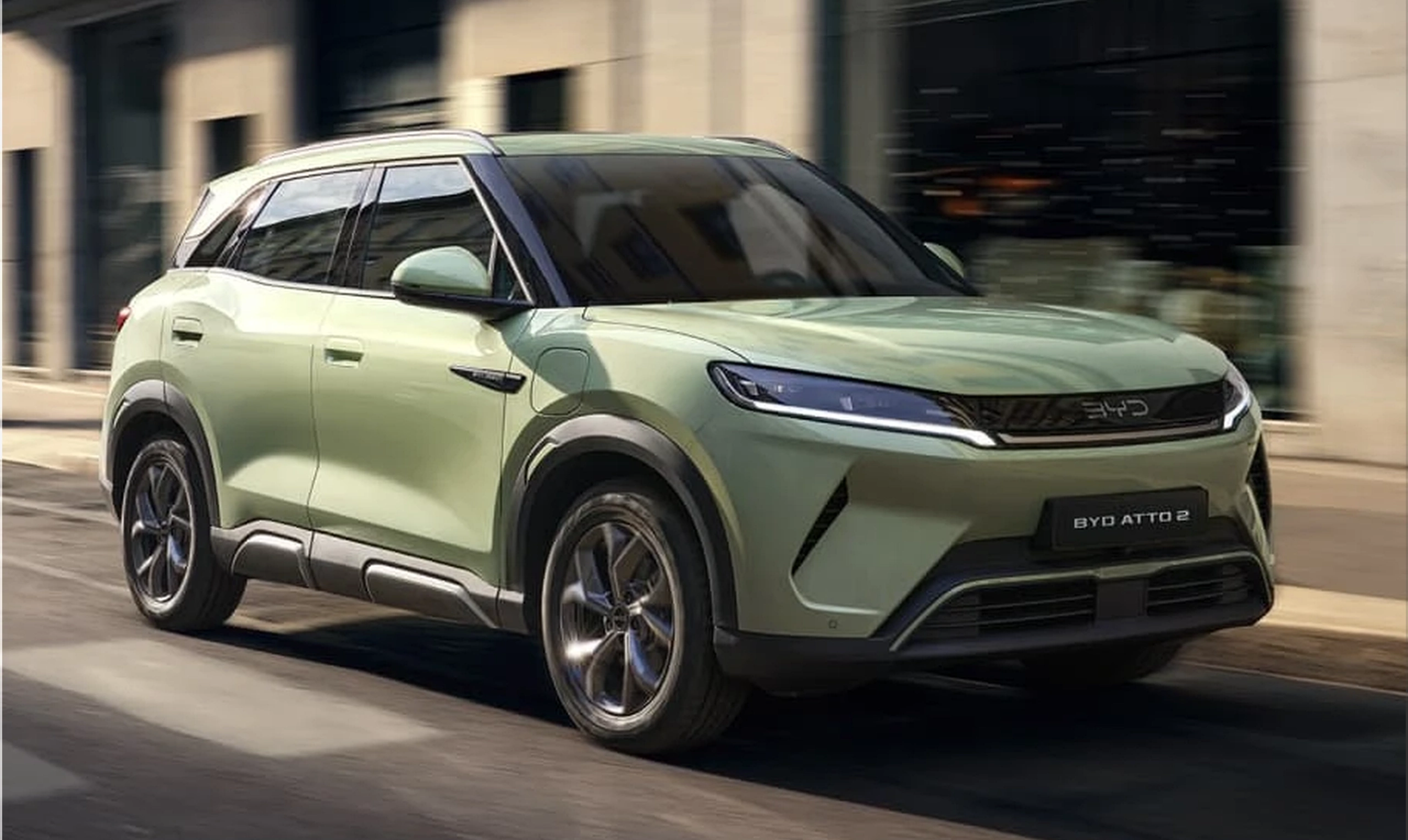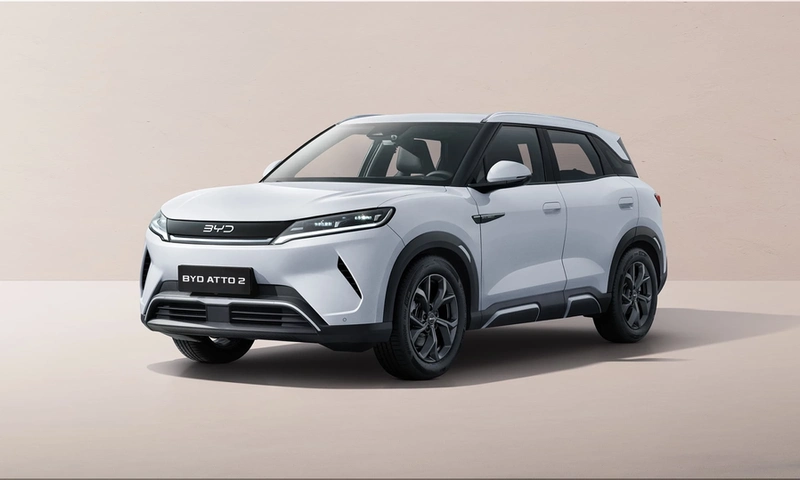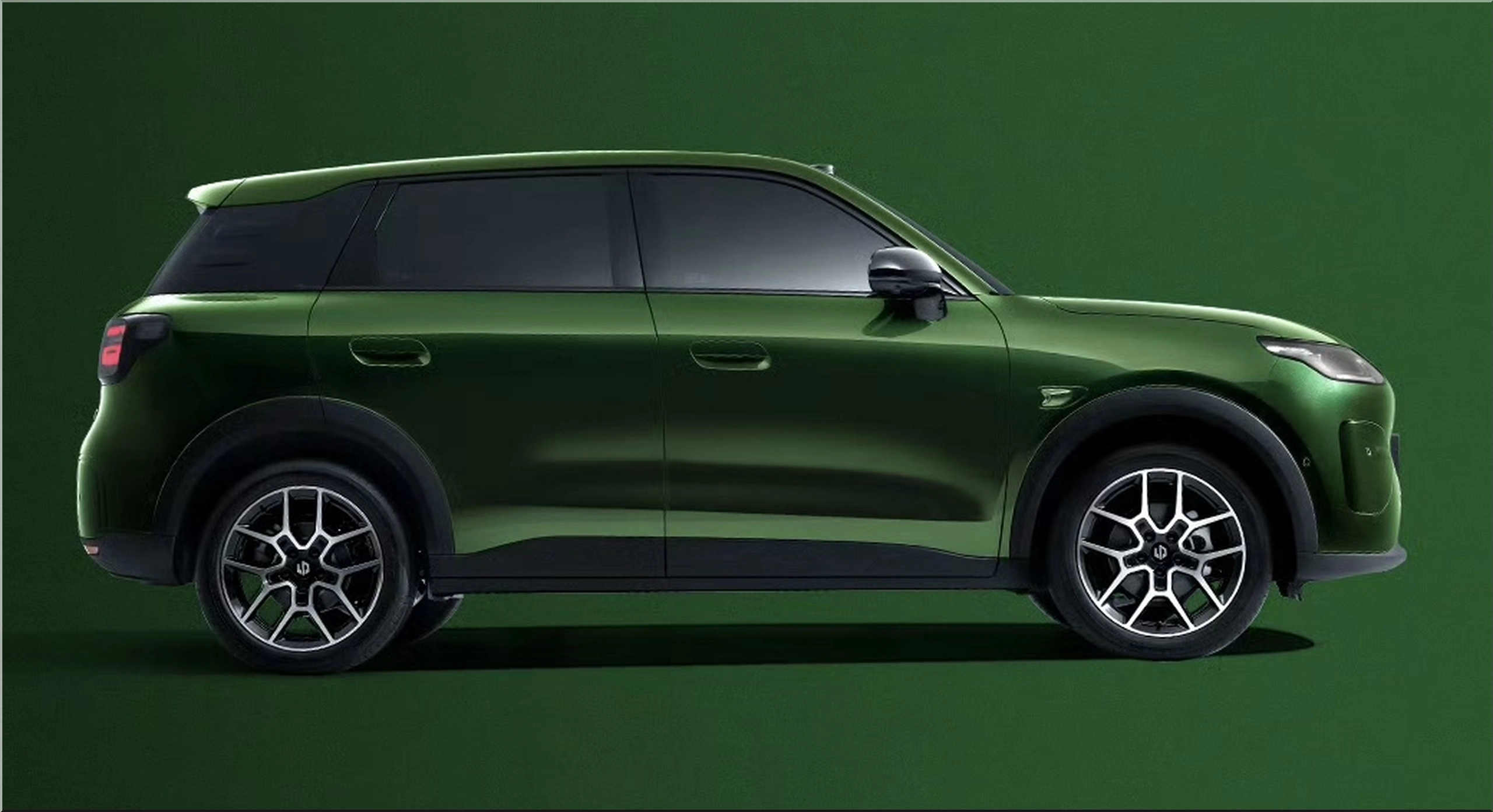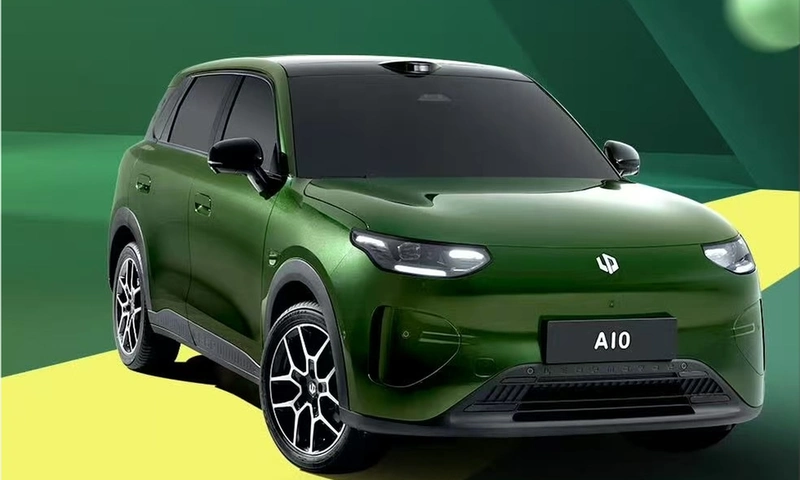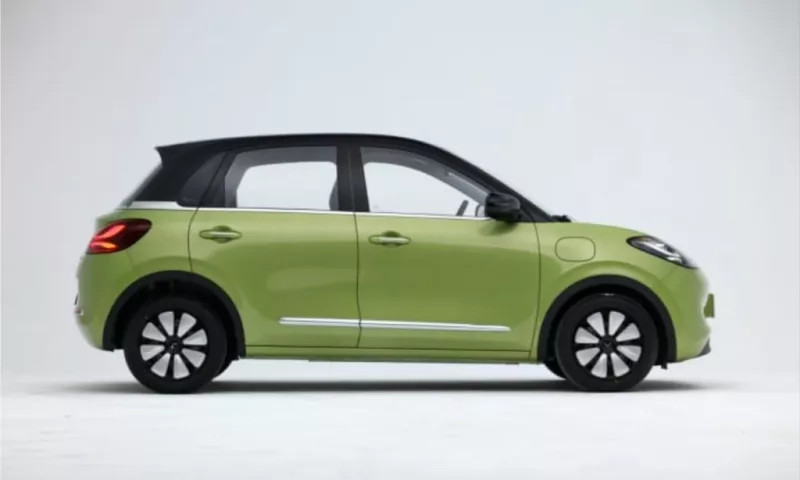
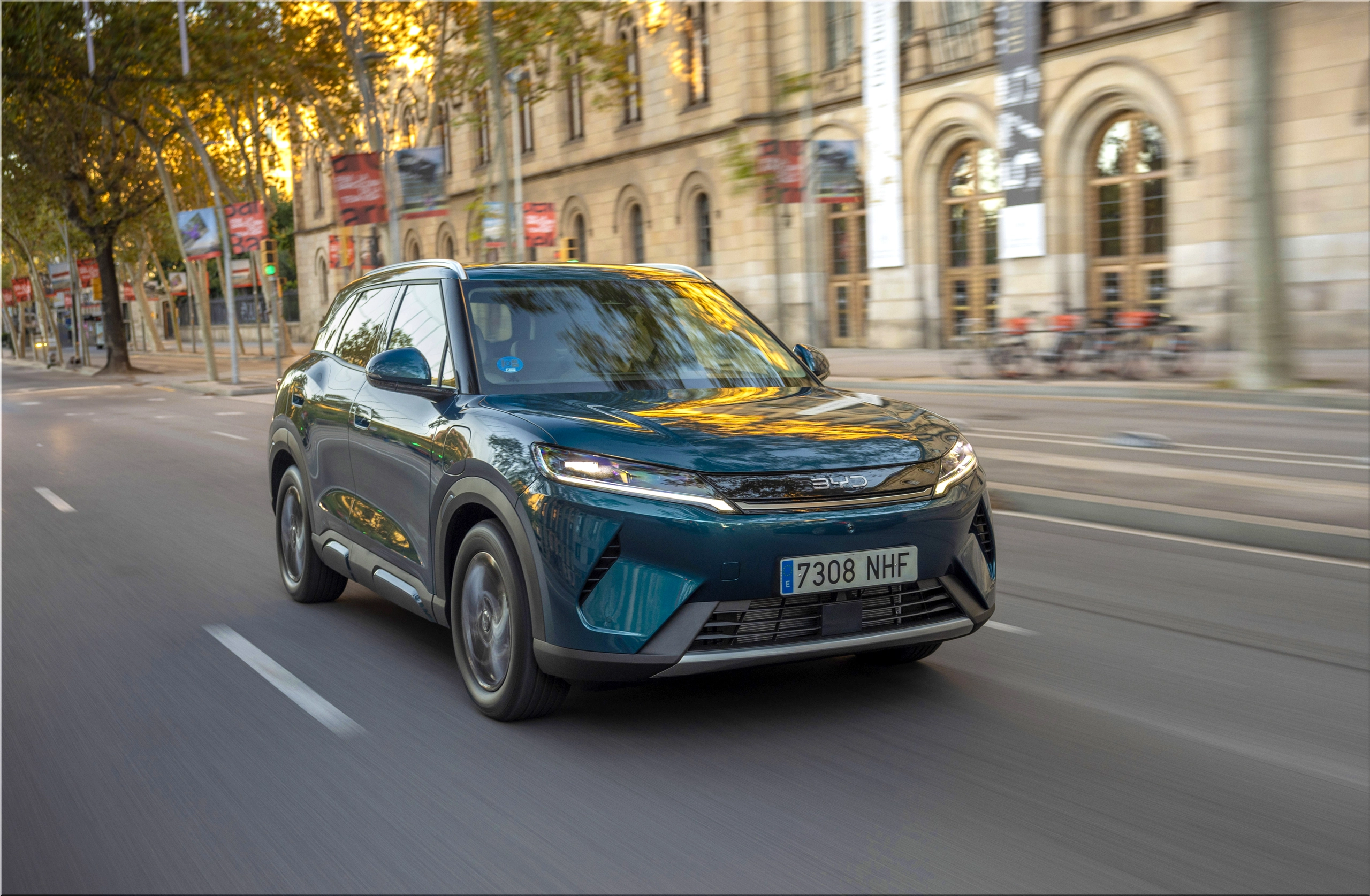
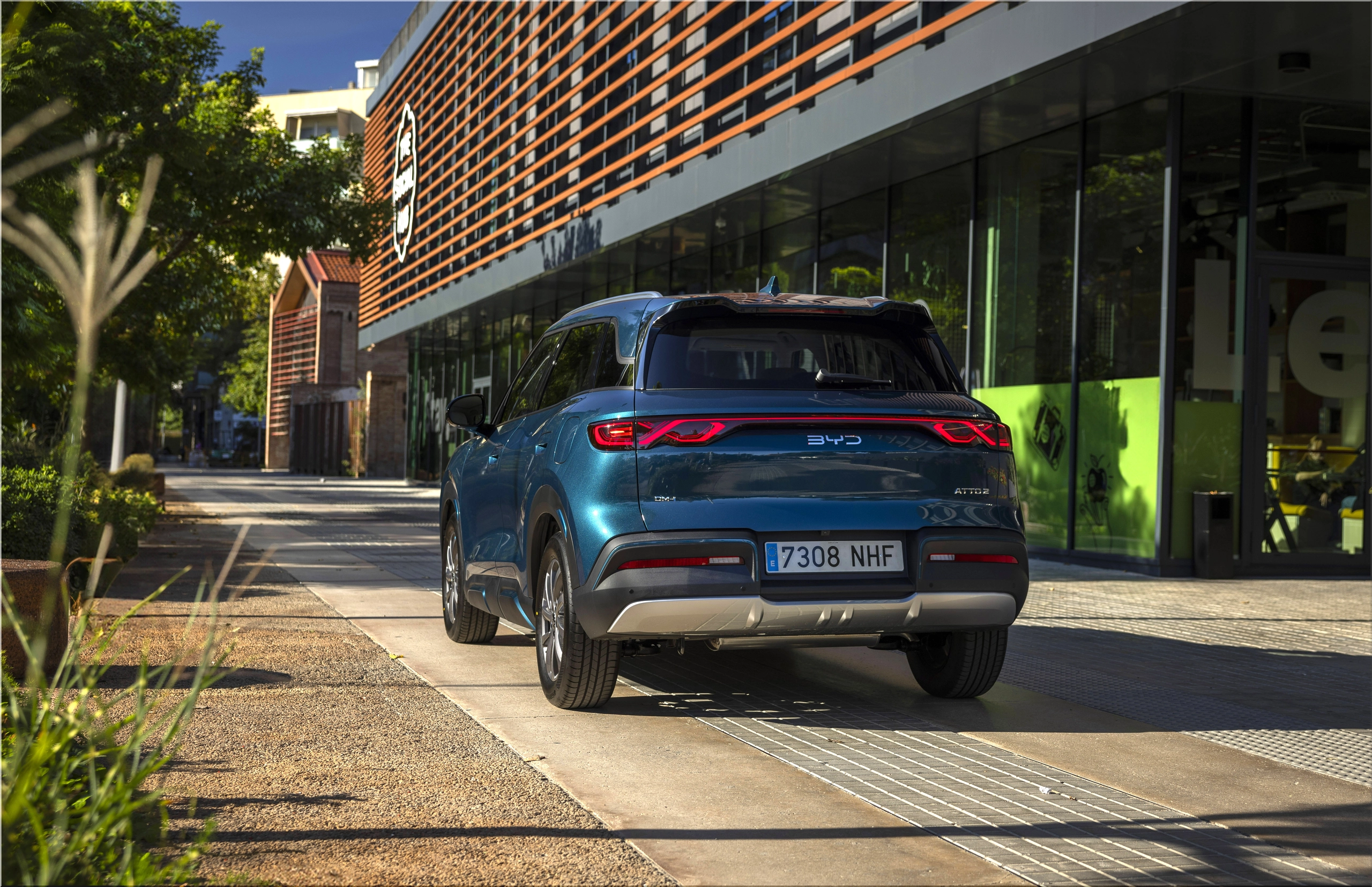
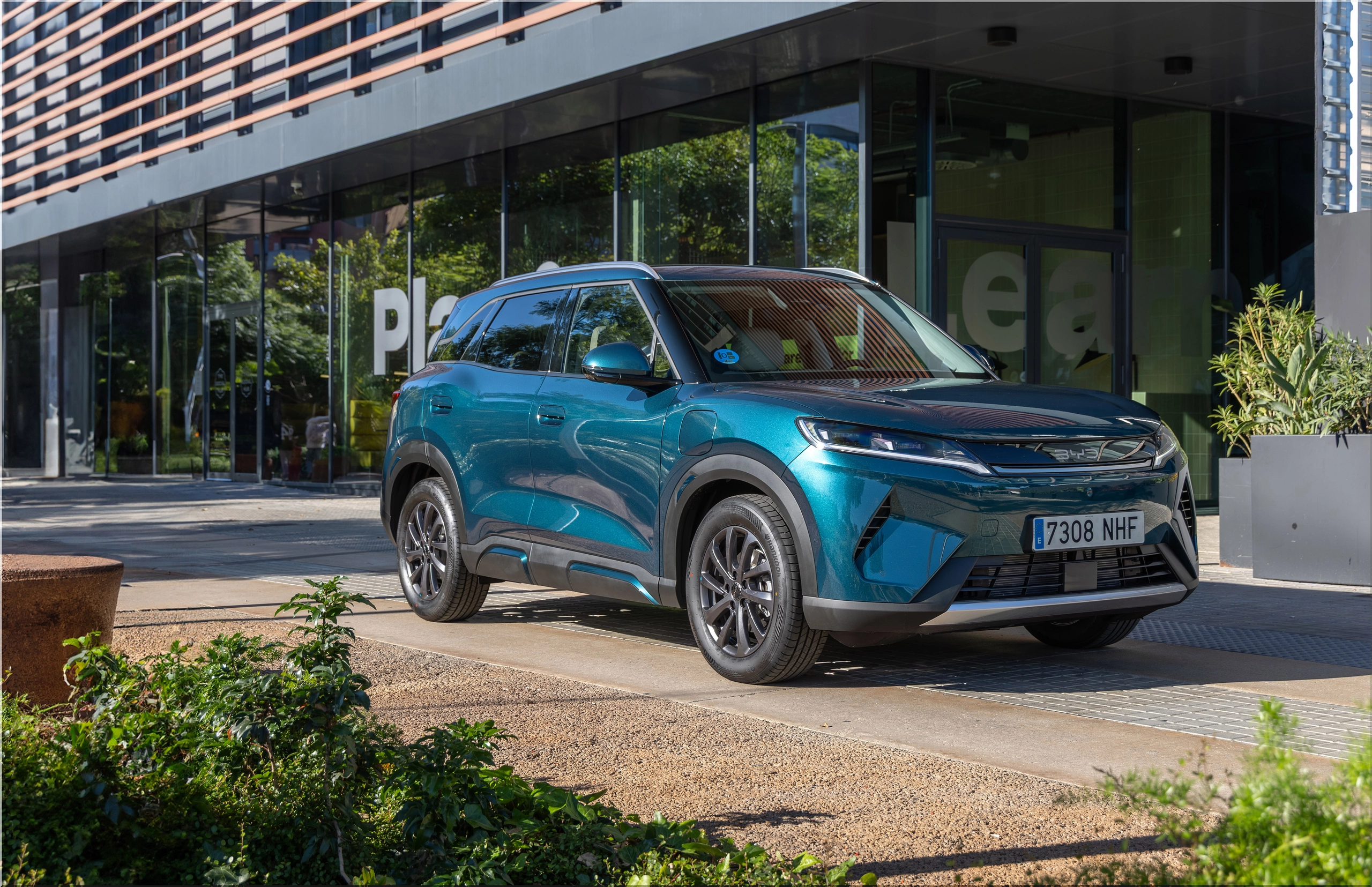
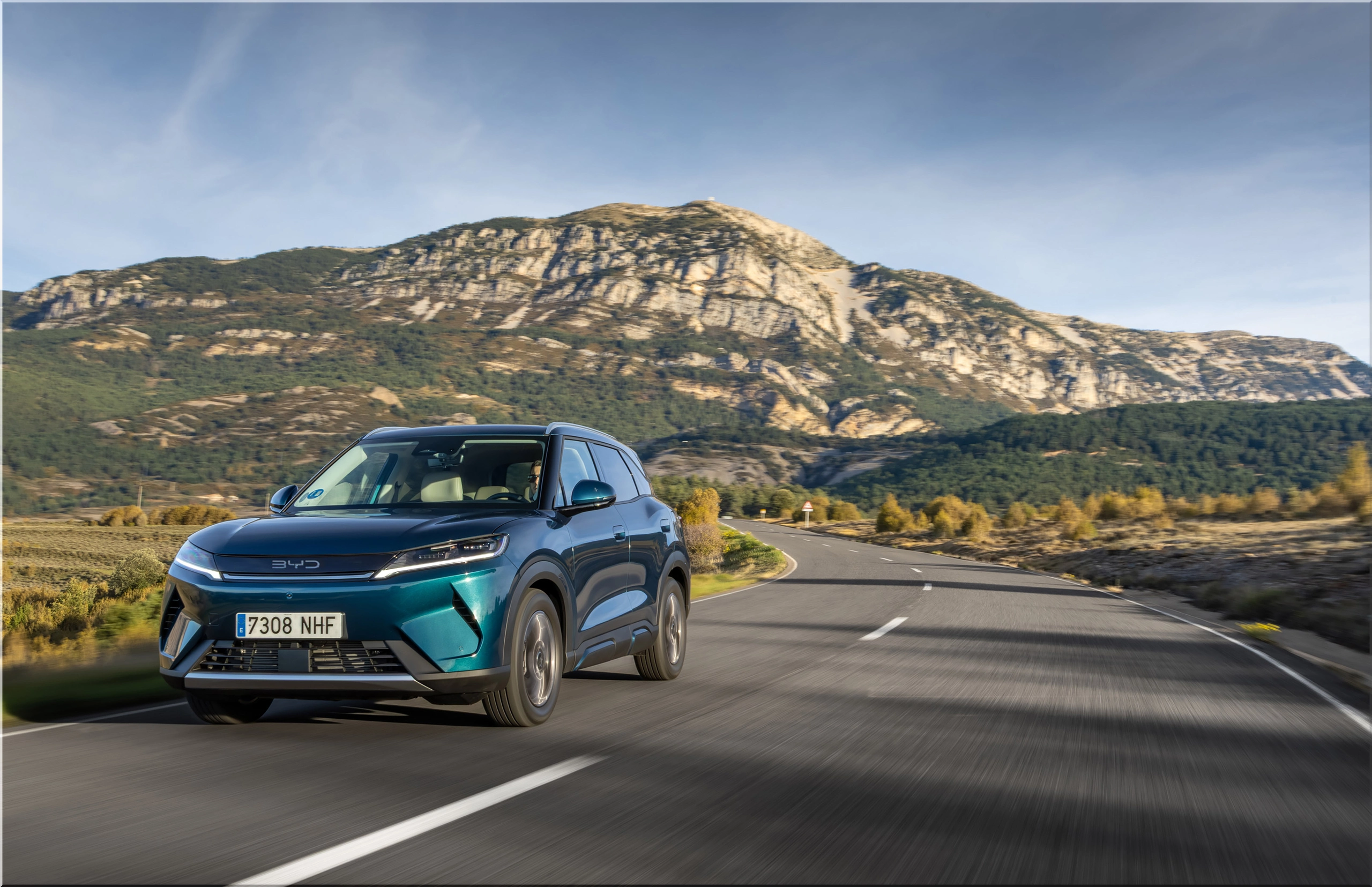
The BYD ATTO 2 DM-i gives BYD a sharper weapon in Europe's fastest-moving family-car class: the compact SUV with plug-in hybrid range, low running costs, and useful electric driving for cities. It arrives as a direct answer to buyers who want EV-like commuting without planning every long trip around chargers.
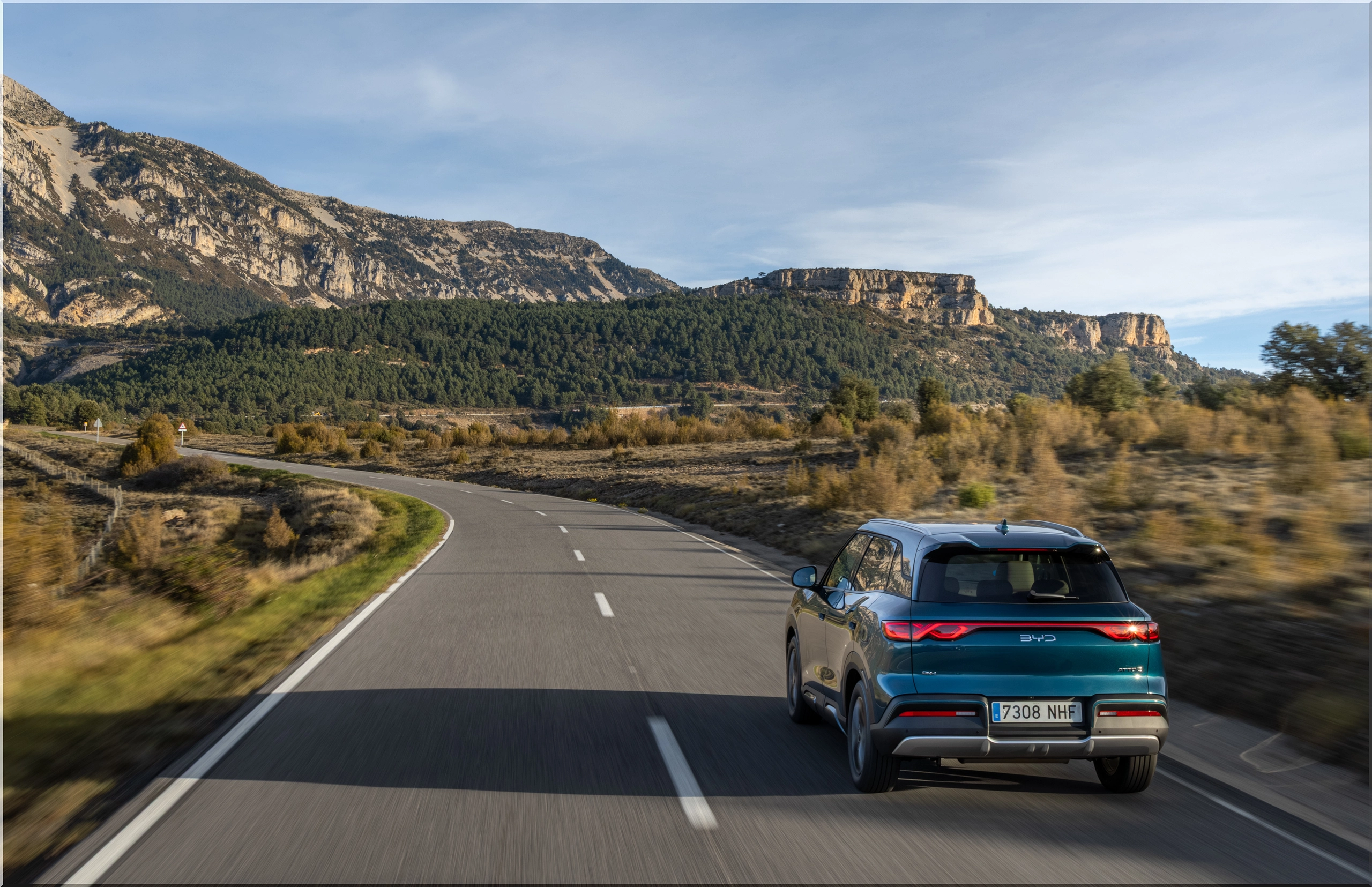
The formula looks simple. BYD takes the compact ATTO 2 body, adds its Dual Mode-intelligent plug-in hybrid system, and targets drivers who need one car for school runs, motorway work, and cross-border holidays. In practice, the ATTO 2 DM-i puts a high-efficiency petrol generator, an LFP Blade Battery, and front-wheel-drive electric traction into a 4,330 mm SUV with a 2,620 mm wheelbase.
Image
Why The BYD ATTO 2 DM-i Matters In Europe
The European market has shifted hard toward hybrids because buyers still care about charging access, energy prices, and resale risk. The BYD ATTO 2 DM-i plug-in hybrid lands directly in that gap. It gives buyers electric running for local trips and petrol-backed range for longer drives, which suits urban drivers who park at home but travel outside low-emission zones on weekends.
Specifically, the ATTO 2 DM-i also expands BYD's European strategy. BYD already sells full EVs such as the Dolphin, ATTO 3, Seal, and Sealion 7, while its DM-i hybrid technology now gives the brand a stronger answer to Toyota, Kia, Hyundai, Renault, Peugeot, and MG in the affordable SUV class.
BYD ATTO 2 DM-i Specifications
| Specification | Active | Boost |
|---|---|---|
| Length / Width / Height | 4,330 / 1,830 / 1,675 mm | 4,330 / 1,830 / 1,675 mm |
| Wheelbase | 2,620 mm | 2,620 mm |
| Kerb weight | 1,510 kg | 1,620 kg |
| System power | 165 PS | 212 PS |
| System torque | 300 Nm | 300 Nm |
| Battery capacity | 7.8 kWh | 18 kWh |
| 0-62 mph | 9.1 seconds | 7.5 seconds |
| Top speed | 111 mph | 111 mph |
| Boot volume | 425 / 1,335 litres | 425 / 1,335 litres |
Looking at the data, the Boost model makes the strongest technical case. Its larger 18 kWh battery gives it a much longer electric range, while the higher 212 PS output cuts nearly two seconds from the 0-62 mph time. That gap matters in real European driving because stronger mid-range response helps on slip roads, short overtakes, and loaded family trips.
How The DM-i Plug-In Hybrid System Works
The ATTO 2 DM-i uses a 1.5-litre Xiaoyun petrol engine with 43 percent thermal efficiency. That figure matters because the engine acts mainly as a generator for the electric drive system, rather than behaving like a traditional petrol engine tied to every throttle input. Under heavier load, the engine can drive the wheels directly, which reduces conversion losses at higher speeds.
In addition, the permanent magnet synchronous motor does the main traction work. This gives the car the immediate response buyers expect from an EV, while the petrol engine adds range security. BYD's logic favors electric drive in urban use, then brings the engine into the operating mix when speed, battery state, or driver demand calls for it.
Image
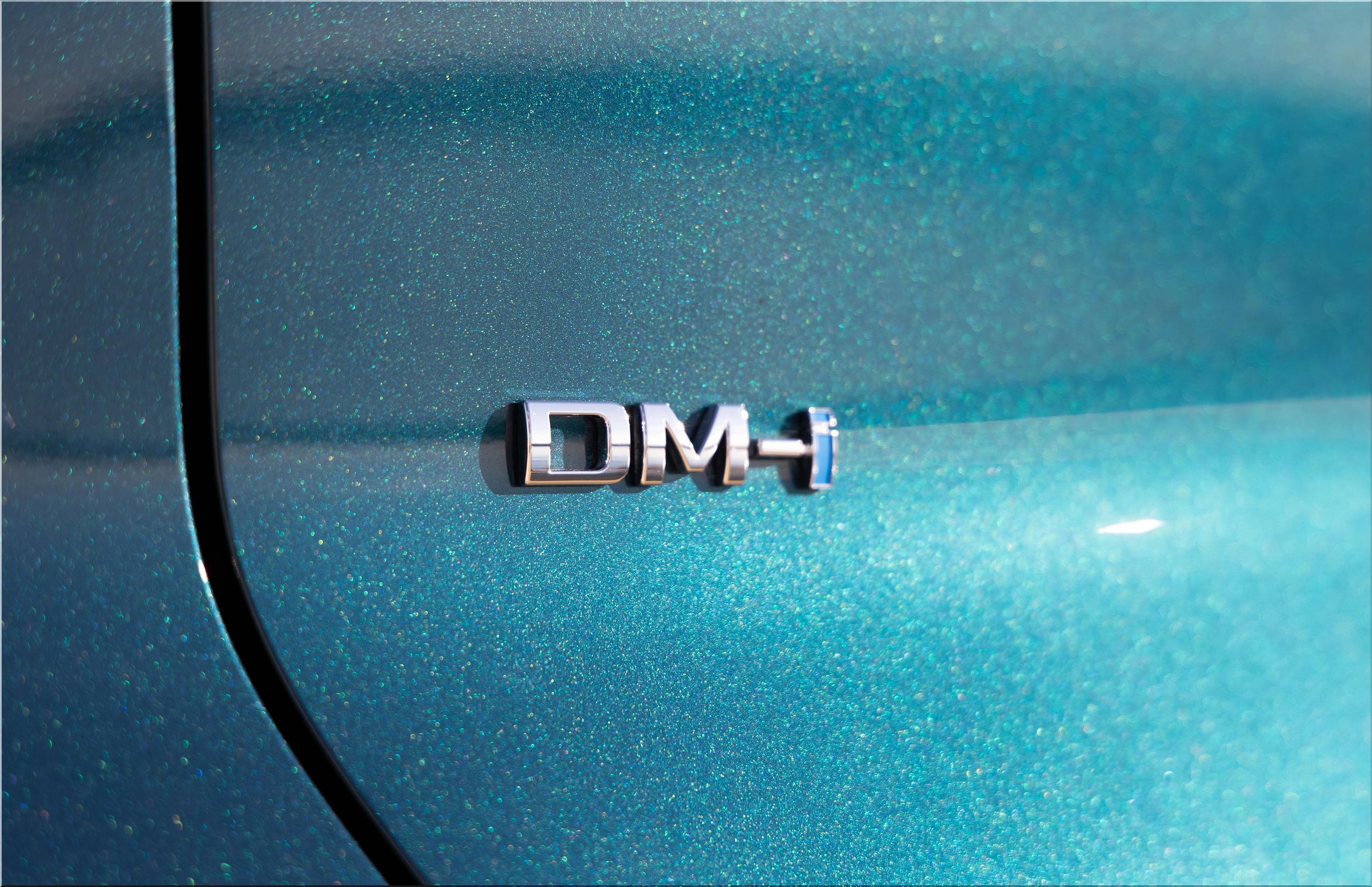
Definition: DM-i
DM-i means Dual Mode-intelligent. In BYD terms, it describes a plug-in hybrid system that prioritises electric drive, uses the petrol engine as a high-efficiency generator in many conditions, and switches drive modes based on demand.
Range, Fuel Economy, And Charging
| Efficiency Data | Active | Boost |
|---|---|---|
| WLTP electric range | 24 miles | 55 miles |
| WLTP city electric range | 31 miles | 93 miles |
| Combined petrol-electric range | 577 miles | 621 miles |
| Weighted combined fuel economy | 201.7 mpg | 470.8 mpg |
| AC charging power | 3.3 kW | 6.6 kW |
| AC charging time | 2.7 hours | 3.0 hours |
By comparison, the Active version suits buyers who charge frequently and mostly drive short urban routes. The Boost model makes a stronger case for company-car users, suburban commuters, and families who want meaningful electric-only range without stepping into a full EV.
The charging numbers also tell a useful story. The Active's 7.8 kWh battery charges at 3.3 kW, while the Boost gets 6.6 kW charging to support its larger pack. Consequently, the Boost can take a far larger energy load without turning overnight charging into a slow grind.
Interior, Practicality, And Equipment
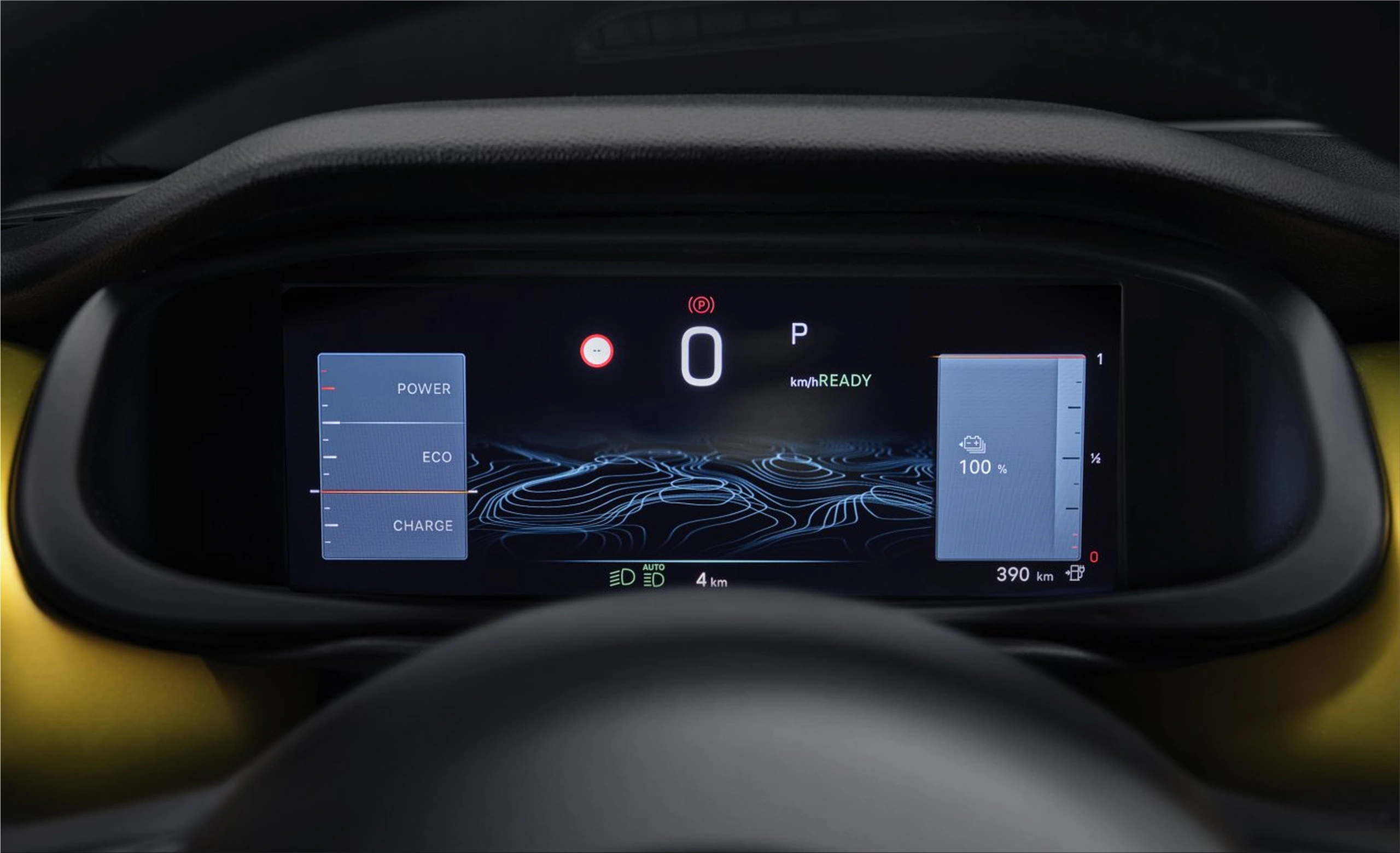
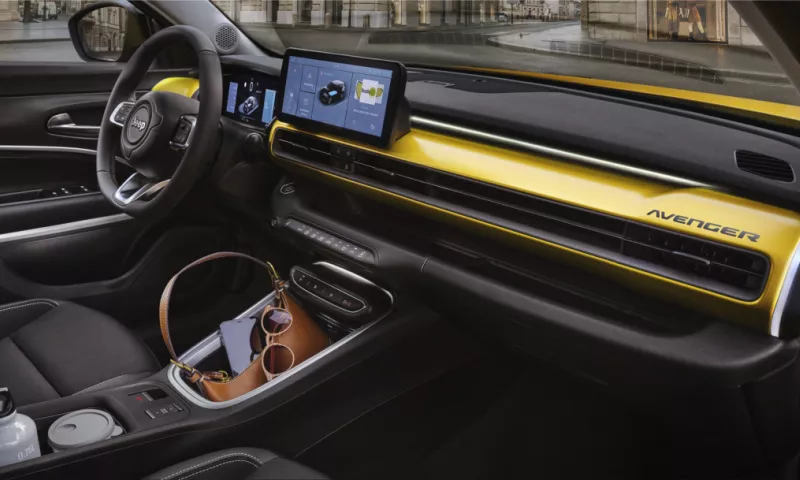
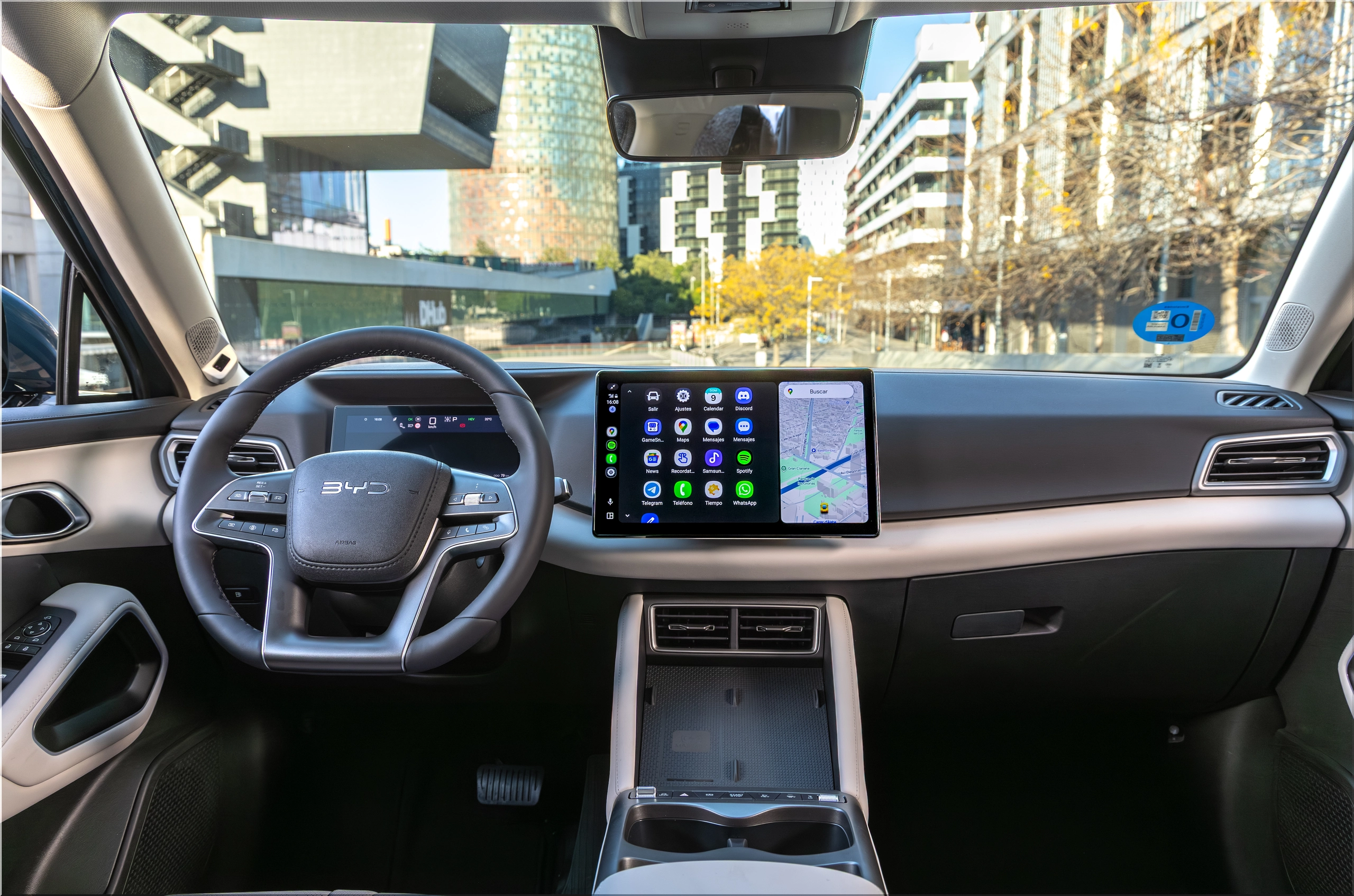
BYD gives the ATTO 2 DM-i a 12.8-inch touchscreen with Google Automotive Services as standard. That means Google Maps, Google Assistant, and access to Google Play apps sit inside the native infotainment setup. Android Auto and Apple CarPlay remain part of the package, which gives drivers a familiar fallback.
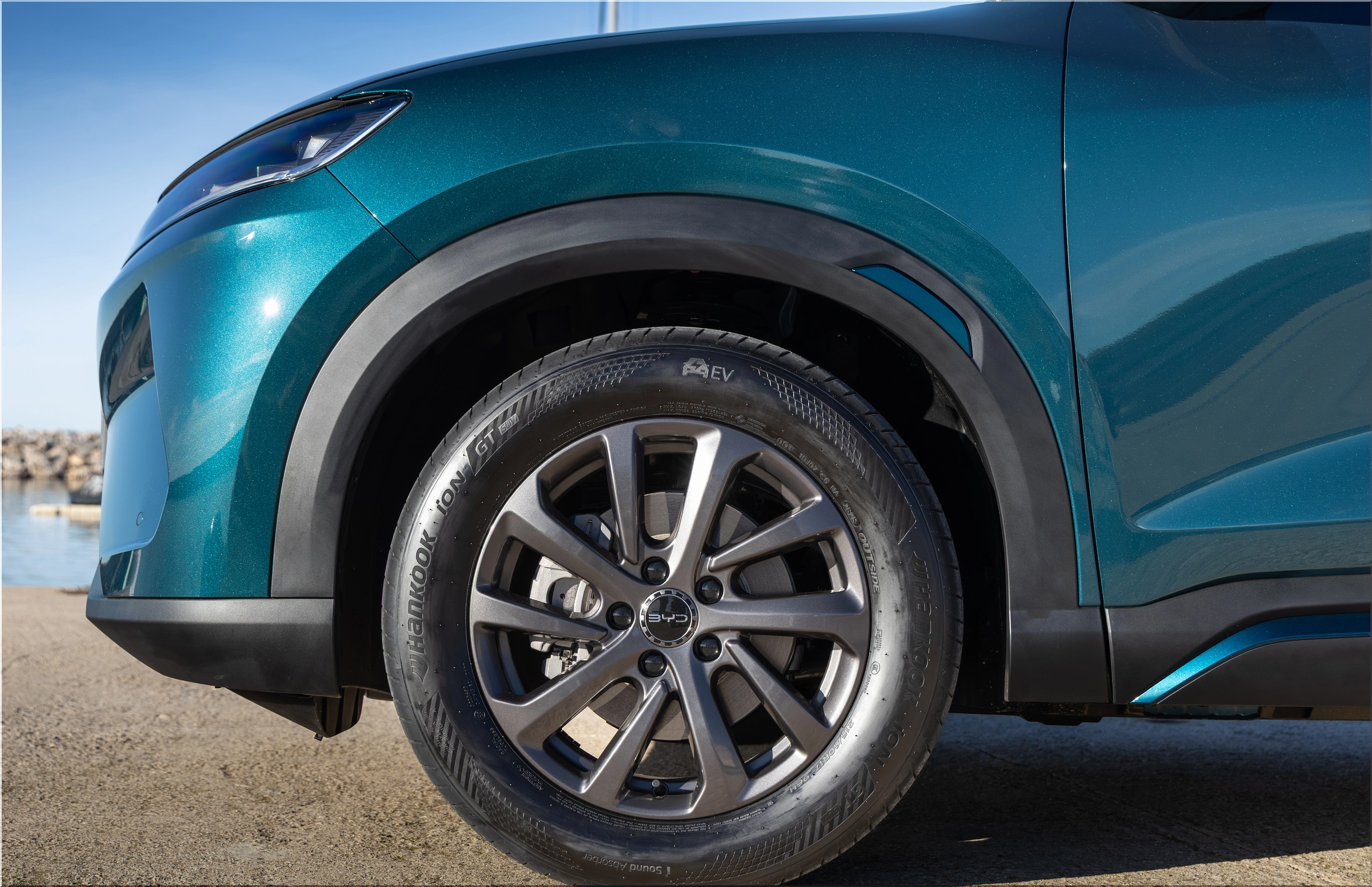
Active trim includes 16-inch alloy wheels, LED lighting, rain-sensing wipers, heated and electrically adjustable mirrors, an 8.8-inch driver display, rear parking sensors, a reversing camera, and four USB ports. Boost trim adds 17-inch wheels, aluminium roof rails, rear privacy glass, a panoramic sunroof, front parking sensors, folding mirrors, heated front seats, a heated steering wheel, a 360-degree camera, 50W wireless charging, and Vehicle-to-Load.
Pro-Tips For European Buyers
- Choose Boost if you regularly drive through city traffic and can charge at home or work.
- Choose Active if price matters most and your daily trips stay short.
- Check local company-car tax, congestion-charge, and plug-in hybrid rules before ordering.
- Use the 425-litre boot figure as a real advantage against many small hatchbacks.
- Compare insurance groups before choosing Boost, since the extra power may affect running costs.
The Buyer Takeaway
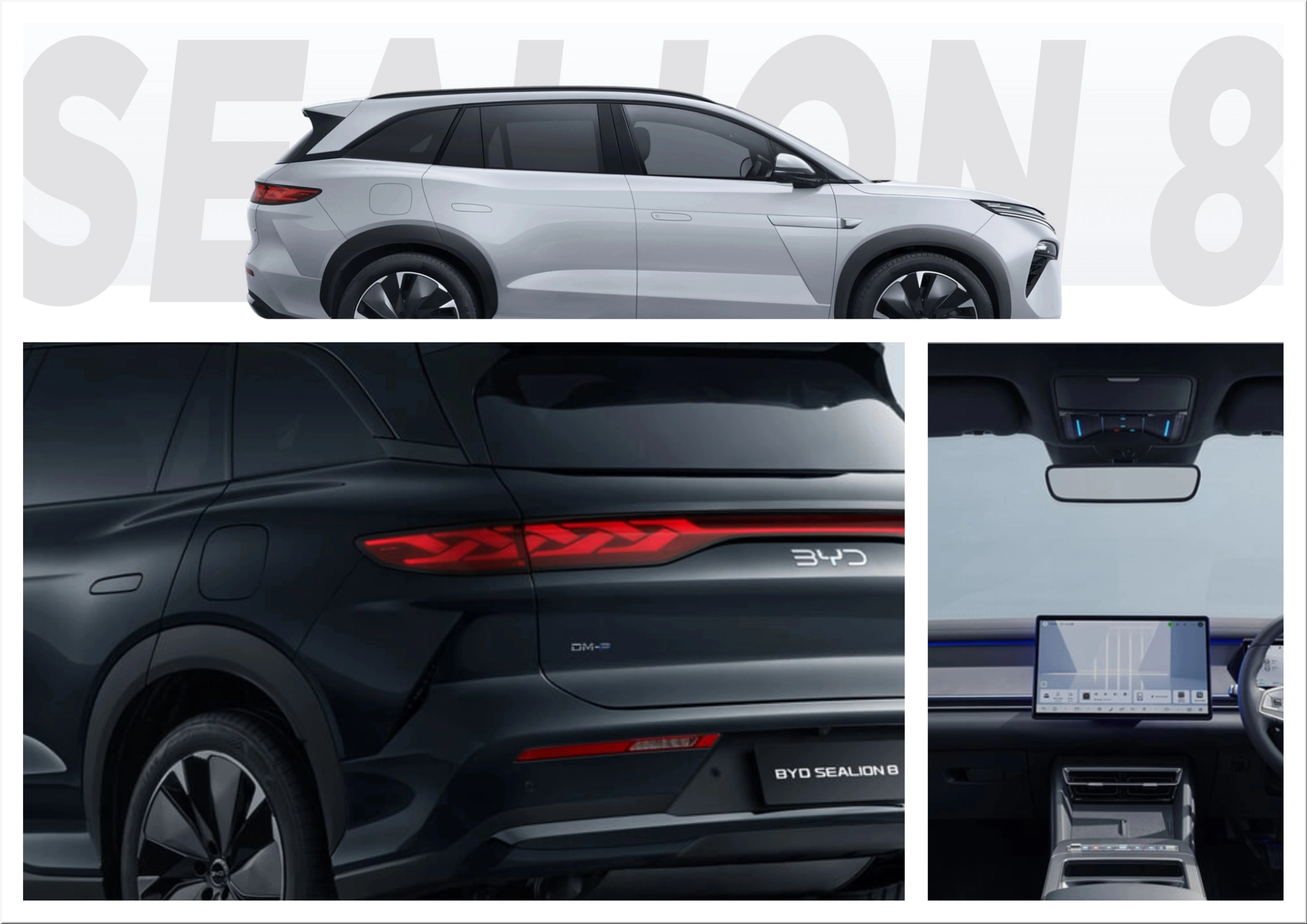
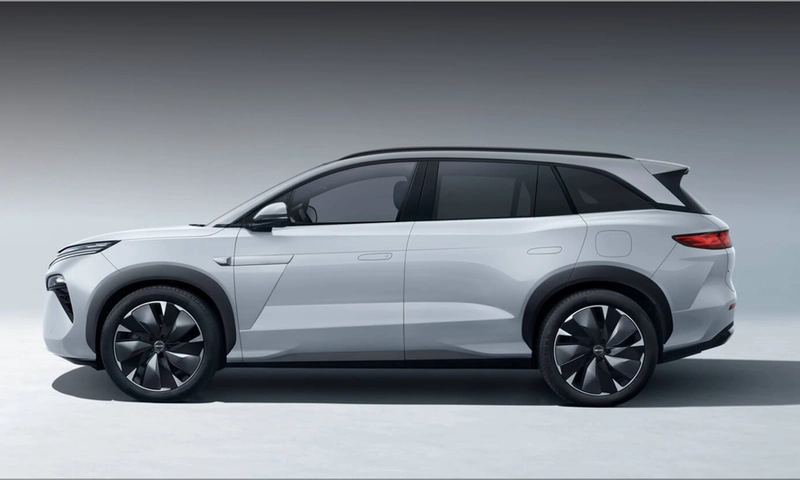
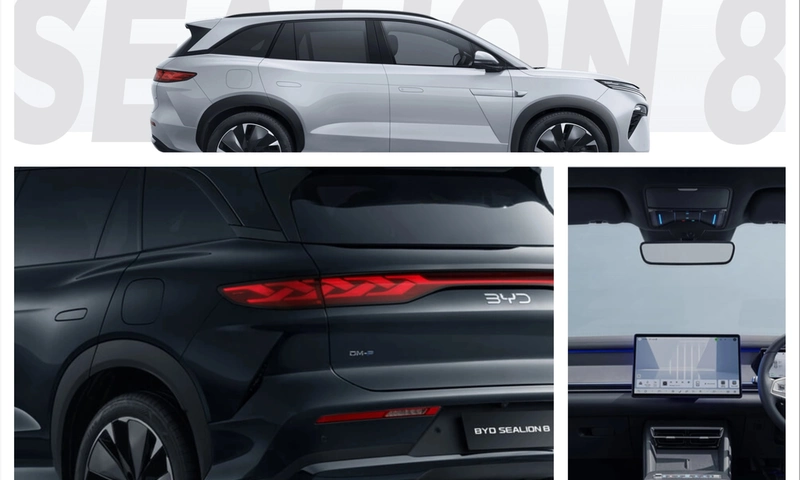
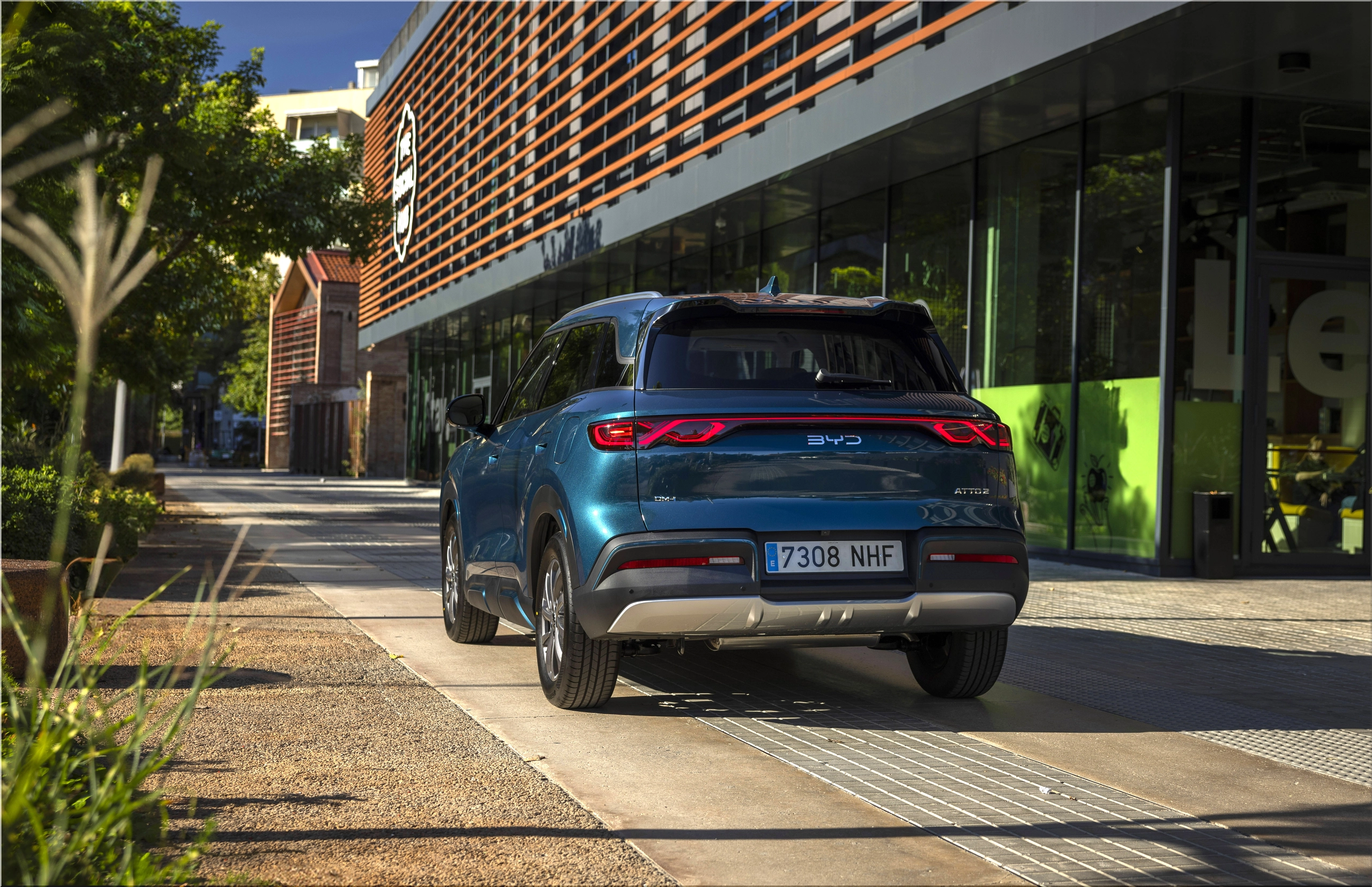
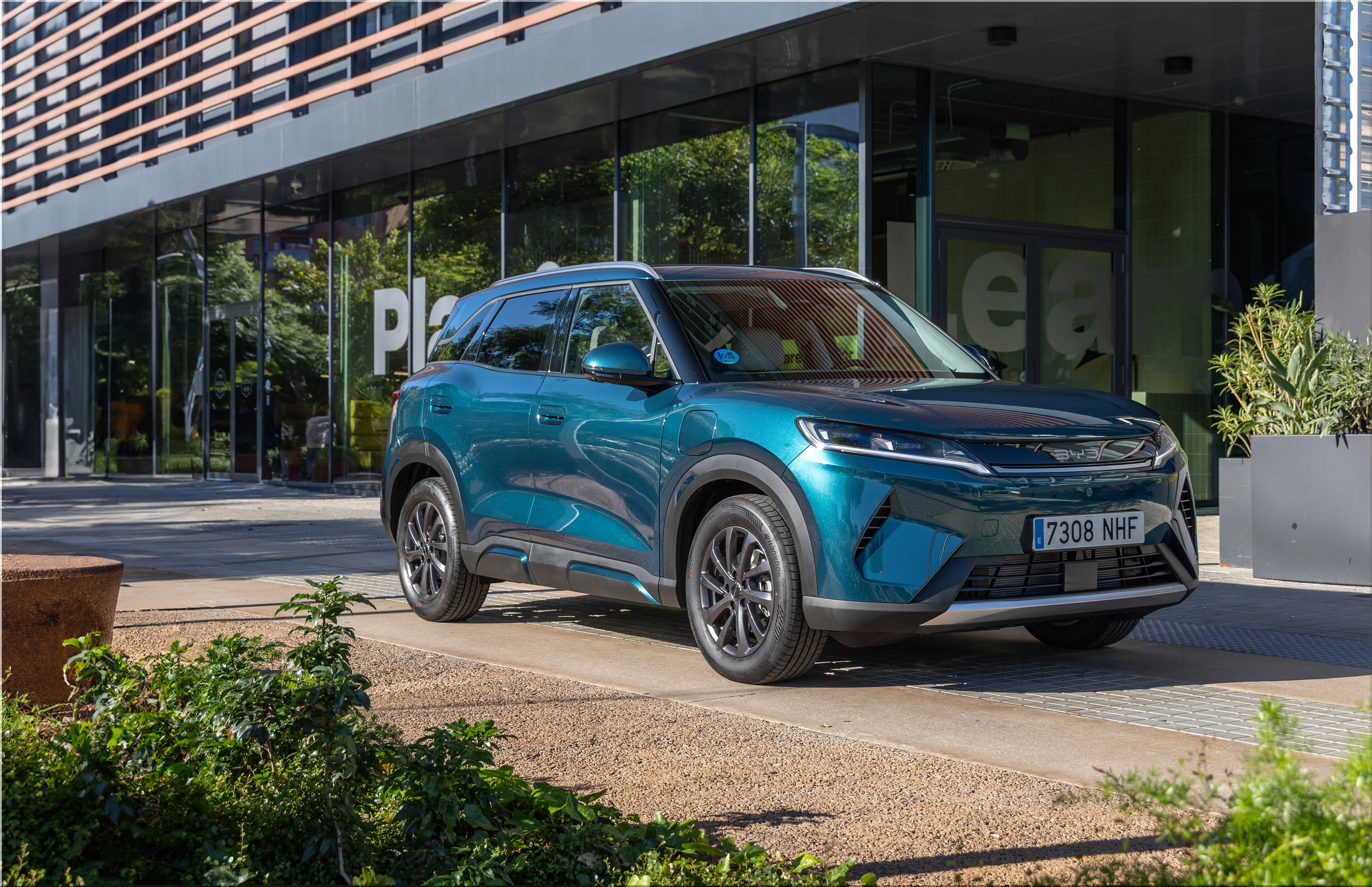
The BYD ATTO 2 DM-i compact SUV looks strongest as a practical bridge between petrol convenience and EV-style daily driving. It gives BYD a lower-cost plug-in hybrid than the larger BYD Seal U DM-i and BYD Sealion 8, while still offering family-ready space, serious range, and useful standard technology.
From an expert perspective, the Boost trim carries the best long-term value. Its bigger battery, stronger output, faster charging, richer equipment list, and 93-mile city electric range make it the smarter European choice for drivers who want to cut fuel use without giving up long-distance flexibility.
- Add new comment
- 324 views