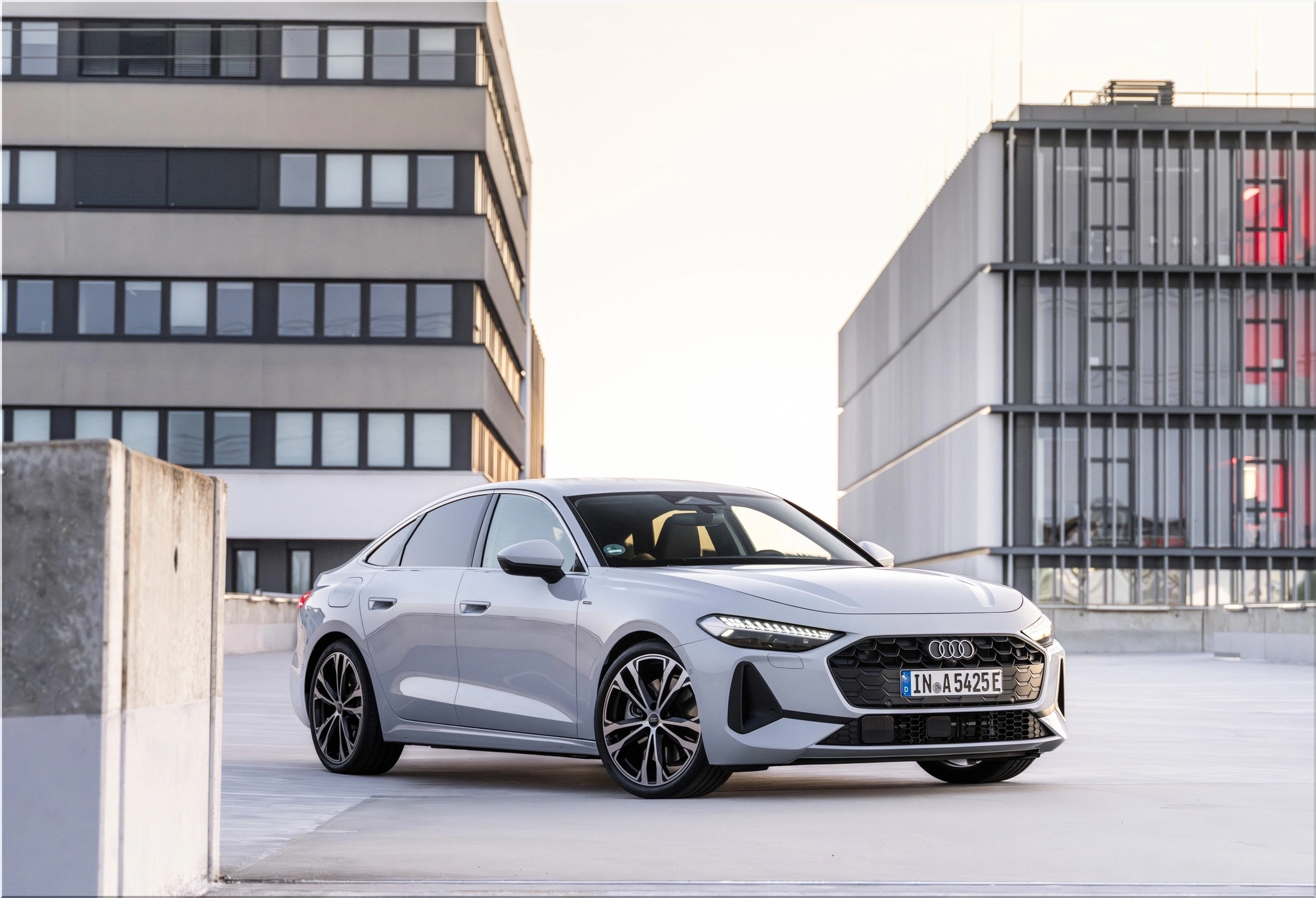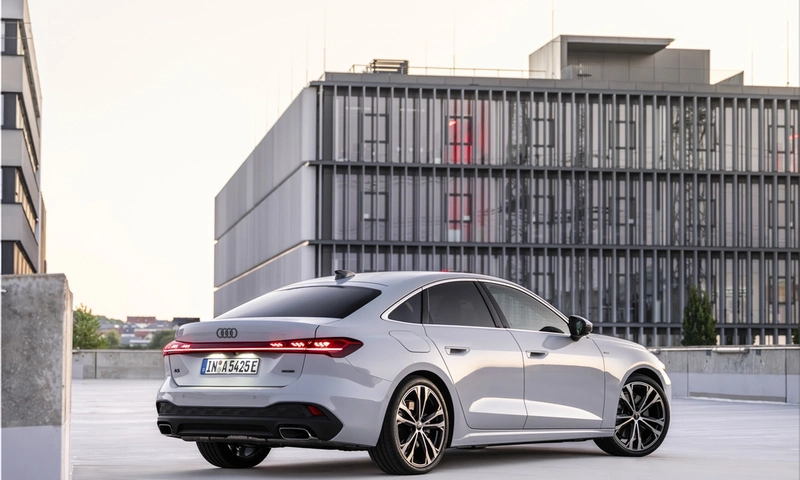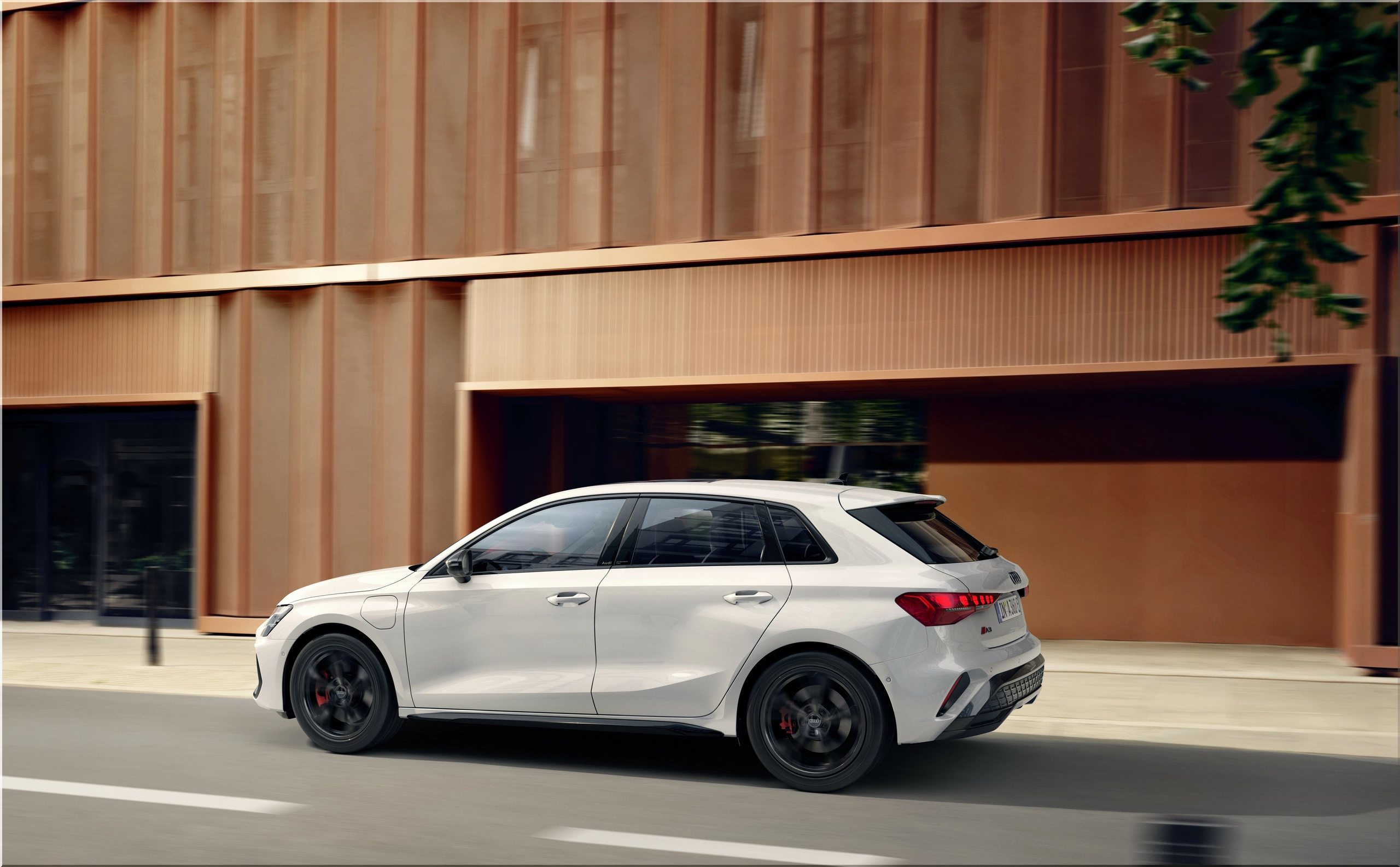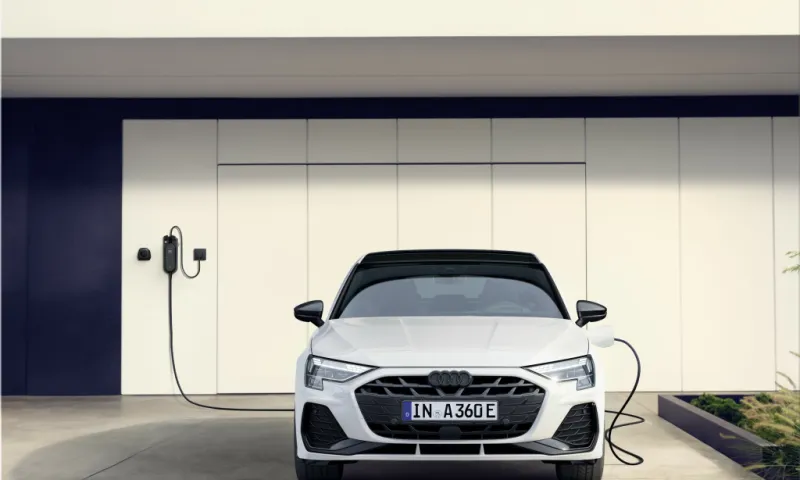
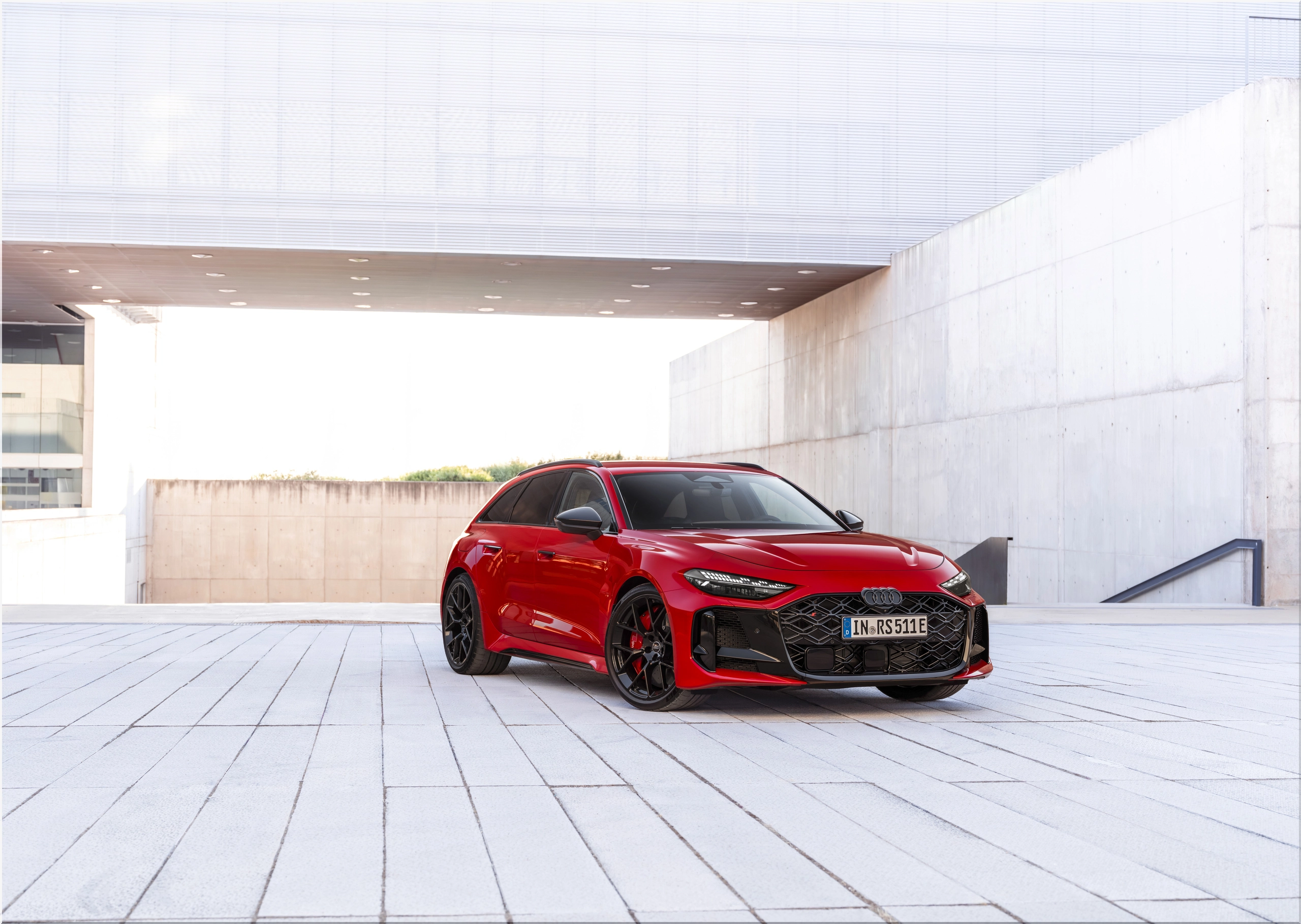
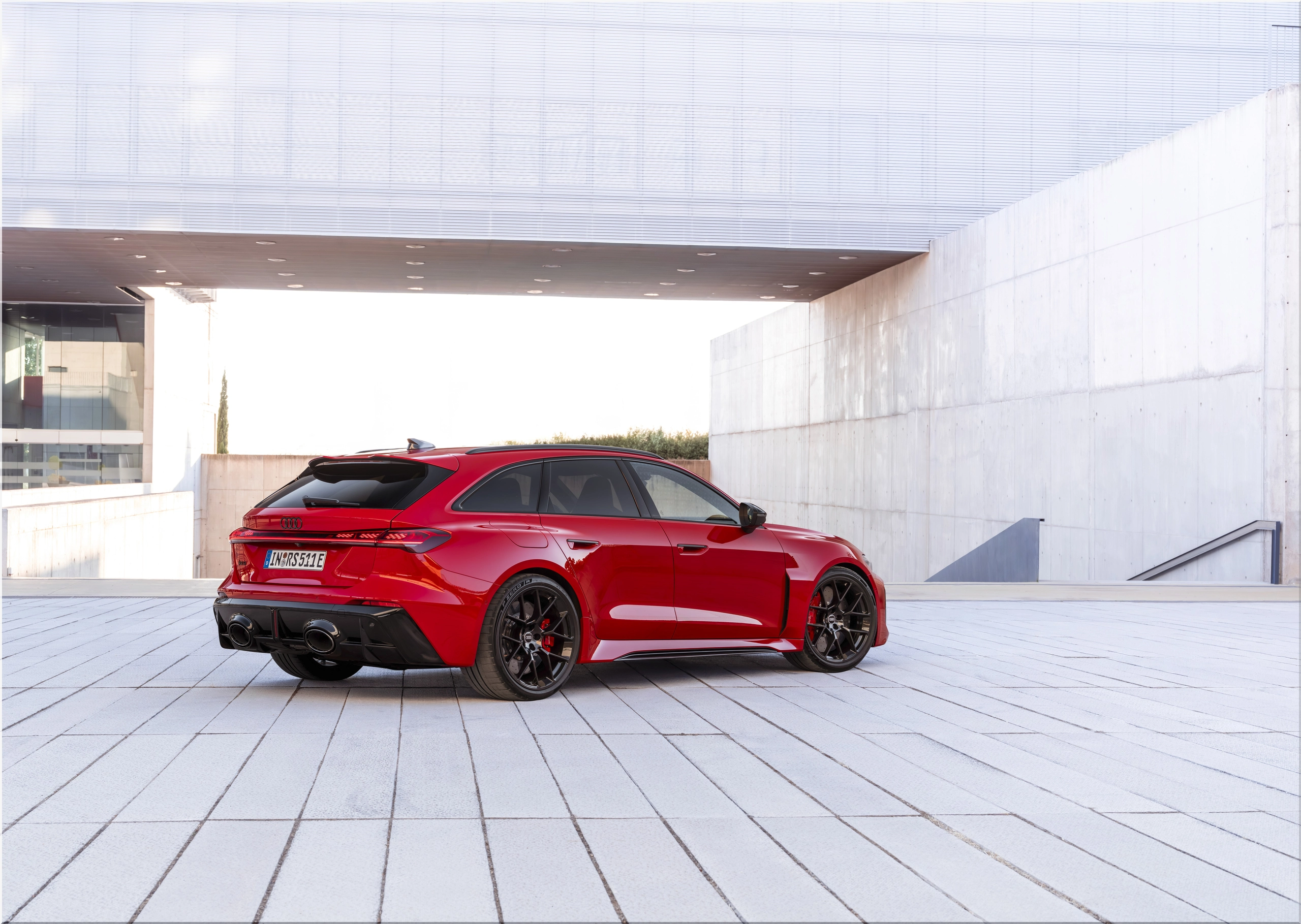
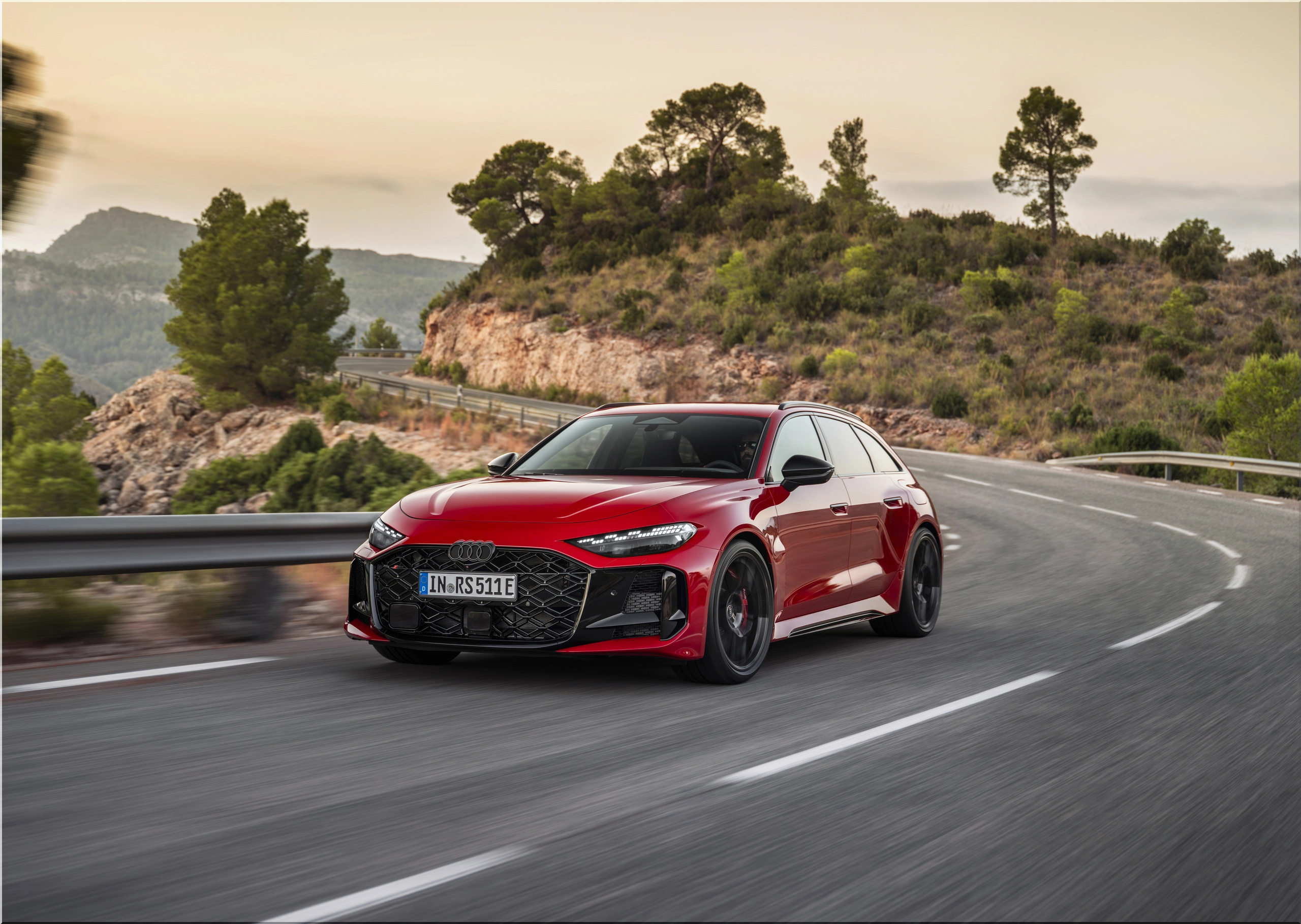
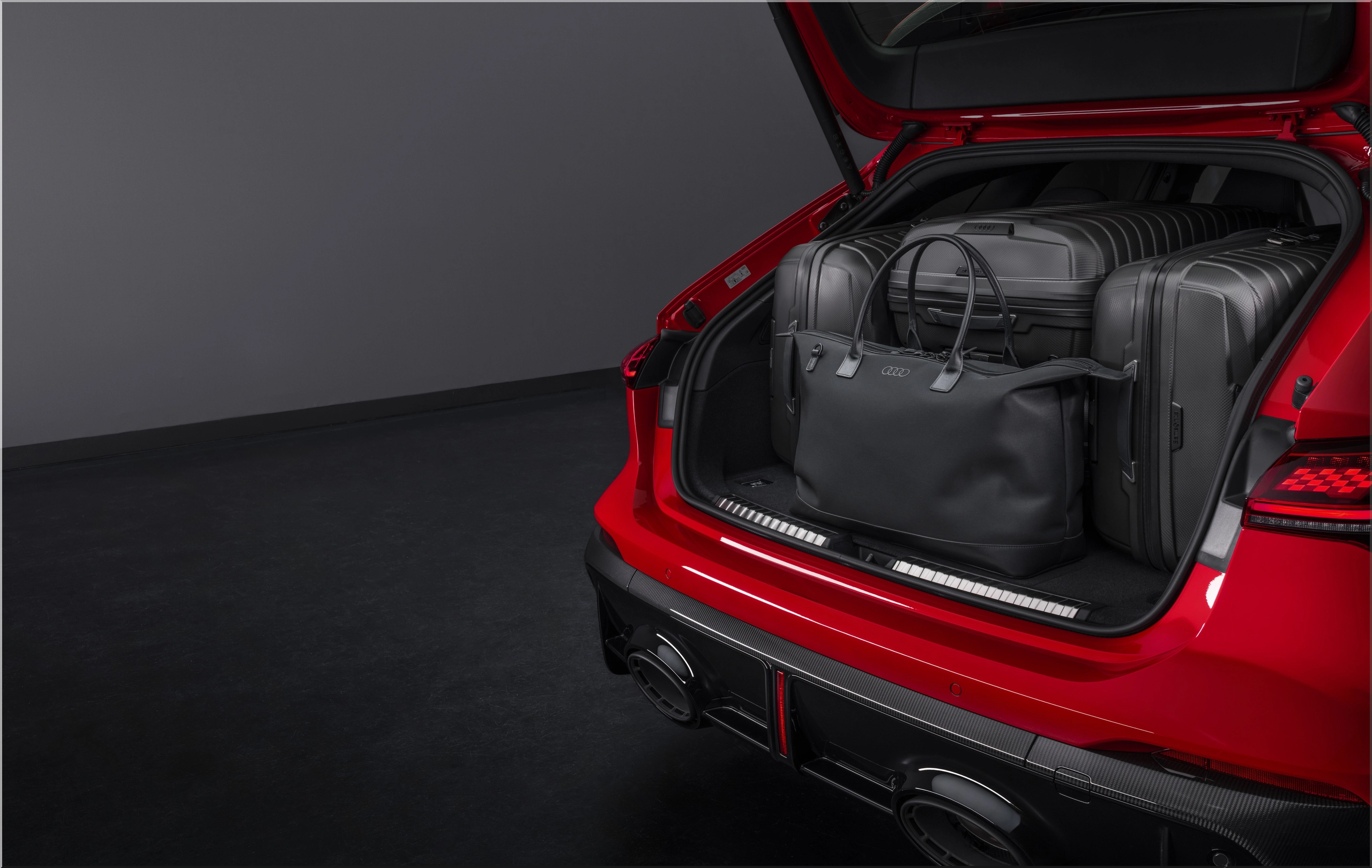
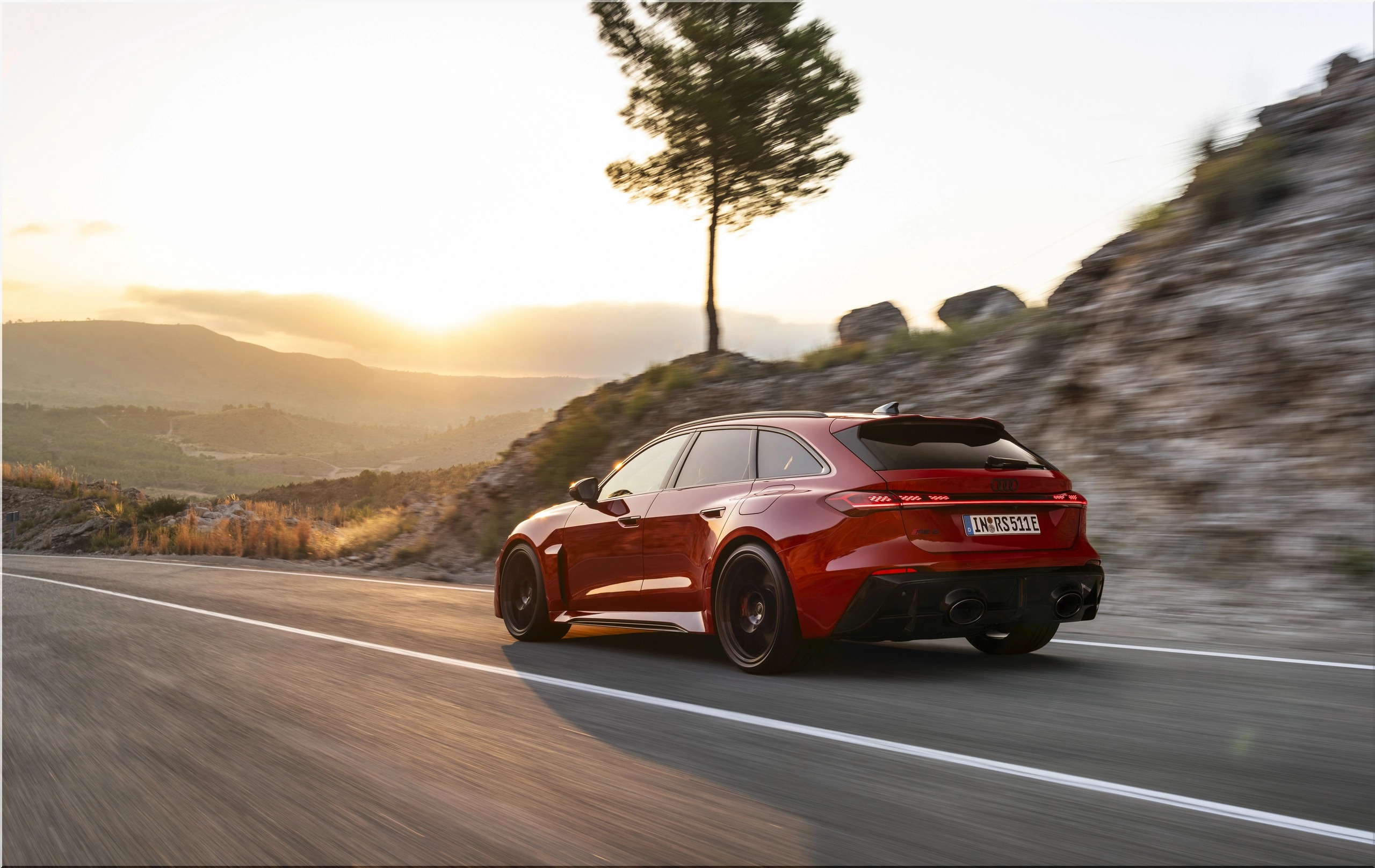
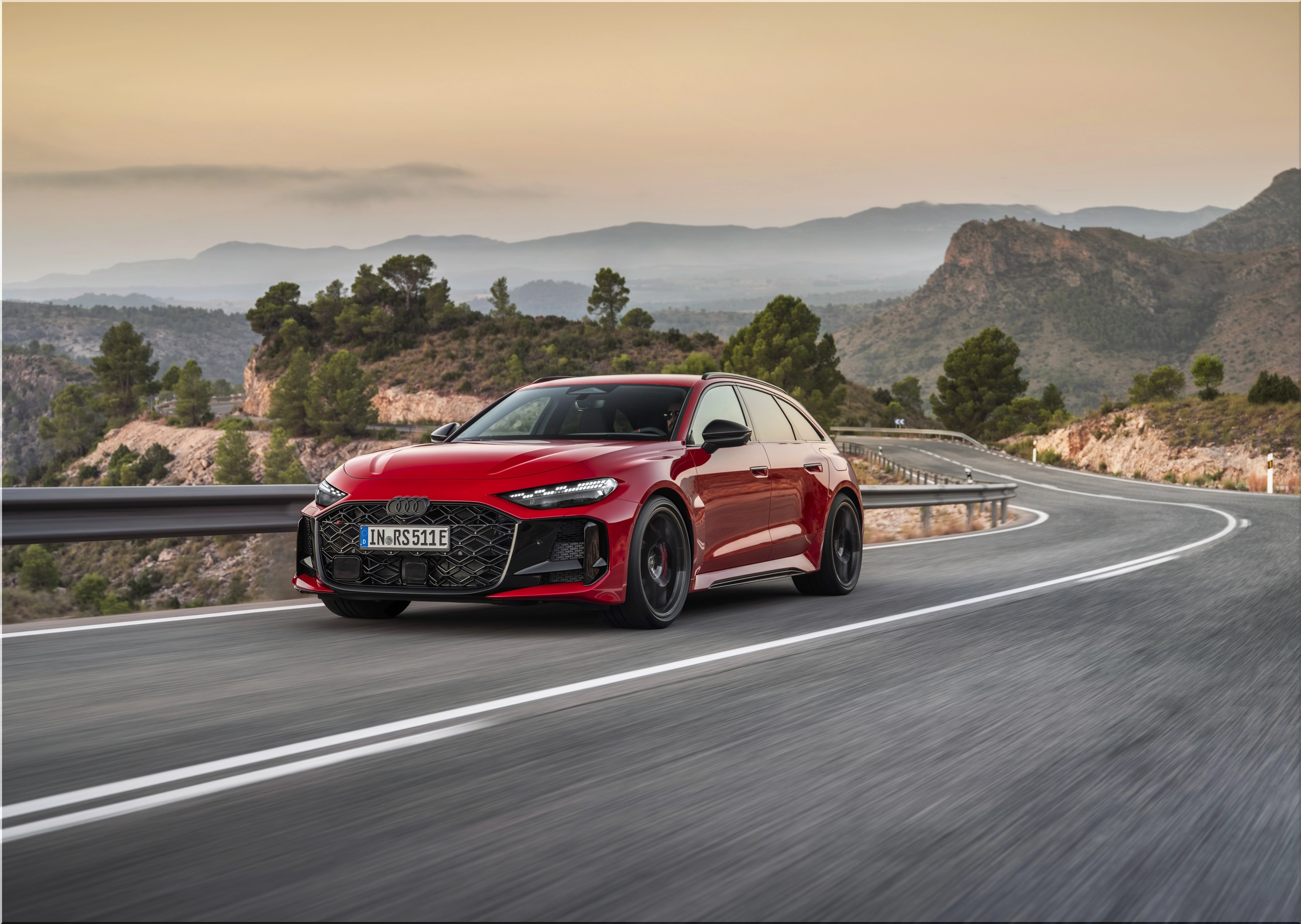
The new Audi RS 5 Avant moves the badge into plug-in hybrid territory, and Audi Sport did not treat electrification like a compliance add-on. It built a high-output RS wagon around a revised 2.9-liter twin-turbo V6, a 130 kW electric motor, a 400-volt battery, and a new rear transaxle torque-vectoring system that Audi calls a production first.
Image
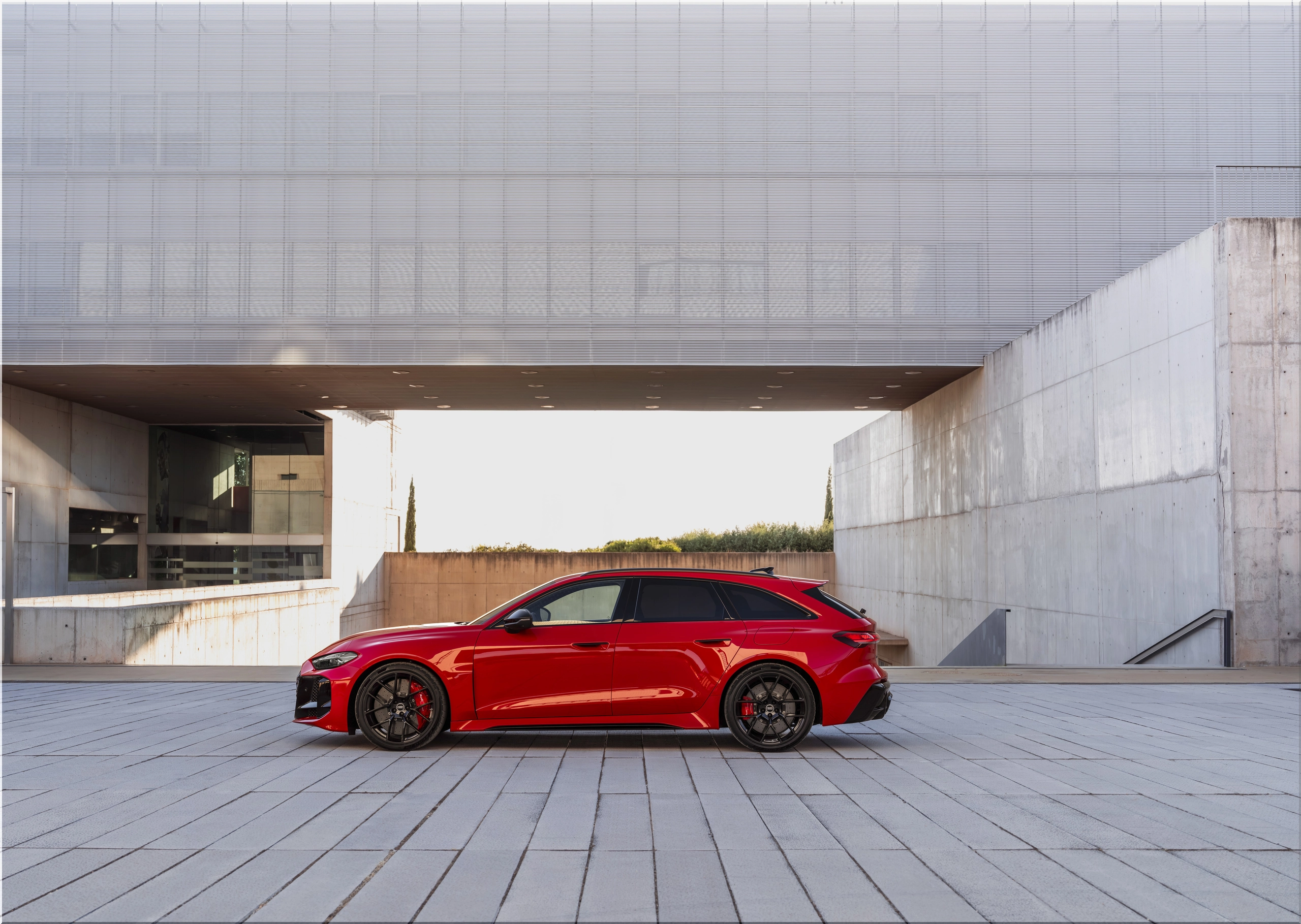
That matters because the 2027 Audi RS 5 Avant enters a performance wagon fight where numbers alone no longer close the deal. Power sells headlines. Chassis control sells the car. Audi's pitch combines both, with 470 kW (639 PS) system output, 825 Nm of system torque, a claimed 0-100 km/h (0-62 mph) in 3.6 seconds, and an optional 285 km/h (177 mph) top speed. In addition, it promises meaningful EV driving in daily use, with up to 84 km electric range (EAER) and up to 87 km in city use.
For U.S. buyers, there is one immediate caveat. Audi USA says final U.S.-market specs, pricing, and EPA figures will arrive closer to launch, and some lighting functions listed in the global release will not come to the U.S. due to regulations.
What the new Audi RS 5 Avant actually is
This RS 5 Avant is Audi Sport's first high-performance plug-in hybrid RS model. That line sounds obvious, but the technical layout tells the real story.
Audi pairs:
- A revised 2.9-liter twin-turbo V6
- A 130 kW (177 PS) electric motor integrated into the transmission
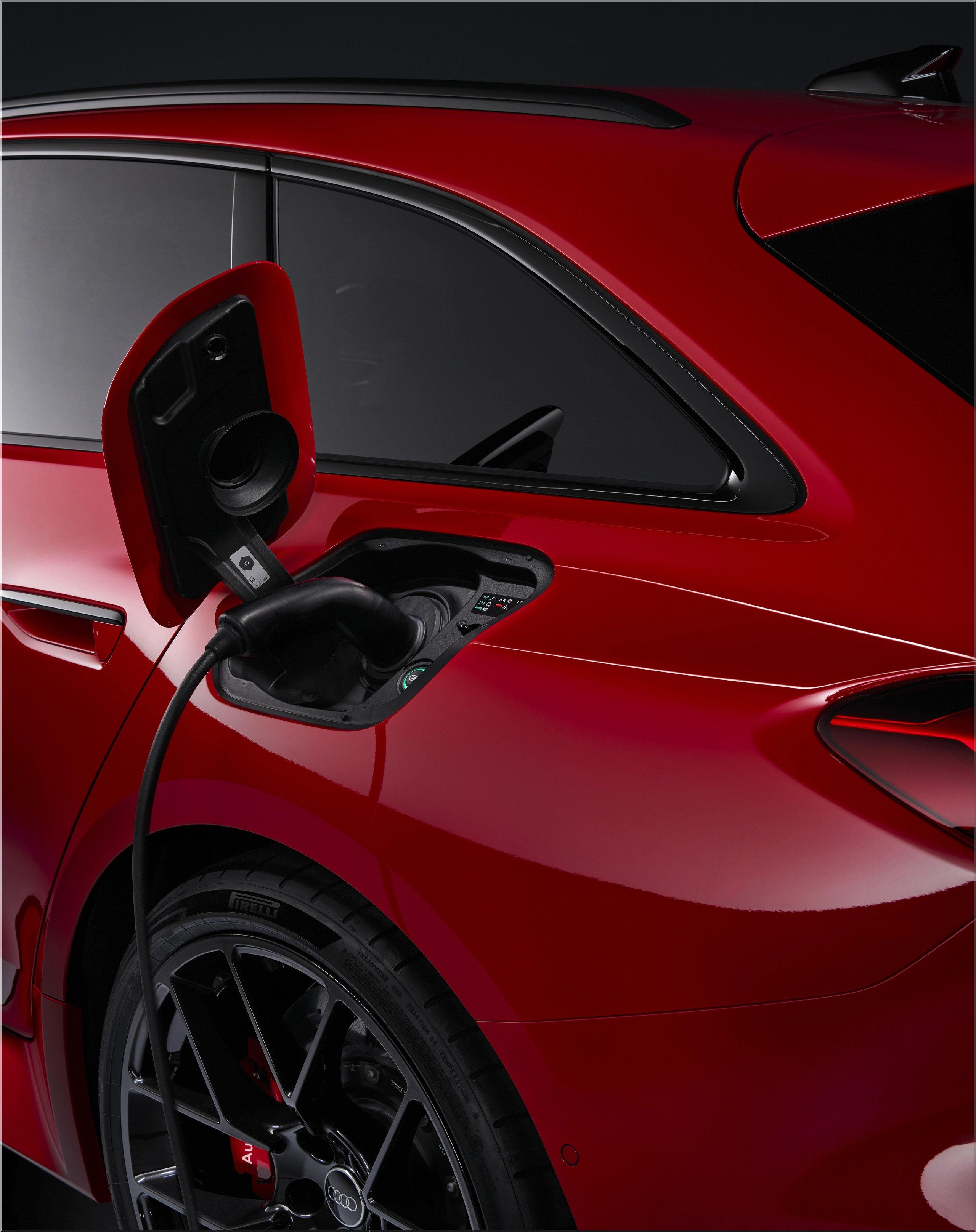
- A 25.9 kWh gross (22 kWh net) battery
- An 8-speed tiptronic transmission
- A new center differential with preload
- A new rear transaxle with electro-mechanical torque vectoring
That package gives the wagon two personalities without forcing a weak compromise. It can run quietly on electric power in town, then hold high battery state-of-charge in RS modes so the rear torque system and boost function stay fully armed during aggressive driving.
Looking at the data, Audi did not simply chase a low WLTP fuel number. It built a hybrid system around repeatable performance output, thermal control, and torque distribution speed.
Key performance specs and technical data for the Audi RS 5 Avant
The official global release provides a deep set of figures. Audi USA also attaches a U.S.-market disclaimer, so treat all numbers below as global/preliminary until U.S. confirmation arrives.
Core powertrain and performance figures
| Spec | 2027 Audi RS 5 Avant (global release) |
|---|---|
| Powertrain | Plug-in hybrid (PHEV) |
| Engine | 2.9L twin-turbo V6 |
| Engine output | 375 kW (510 PS) |
| Engine torque | 600 Nm |
| E-motor output | 130 kW (177 PS) |
| E-motor torque | 460 Nm |
| System output | 470 kW (639 PS) |
| System torque | 825 Nm |
| Battery capacity (gross/net) | 25.9 kWh / 22 kWh |
| Charging (AC) | Up to 11 kW |
| 0-100 km/h (0-62 mph) | 3.6 sec |
| Top speed | 250 km/h standard, 285 km/h optional |
| EV range (EAER) | Up to 84 km |
| EV range (city) | Up to 87 km |
| Charge time (0-100%, AC 11 kW) | Approx. 2.5 hours |
Chassis, brakes, and wheel hardware
| Chassis/Brake Item | Audi RS 5 Avant Detail |
|---|---|
| Front suspension | Five-link, RS-specific redevelopment |
| Rear suspension | Five-link, new clean-sheet rear axle for DTC layout |
| Dampers | RS sport suspension with twin-valve shock absorbers |
| Steering ratio | 13:1 |
| Wheel sizes | 20-inch standard, 21-inch optional |
| Front wheel width (21-inch forged) | 10J |
| Rear wheel width (21-inch forged) | 10.5J |
| Standard steel brakes | 420 mm front / 400 mm rear (16.54 in / 15.75 in) |
| Optional ceramic brakes | 440 mm front / 410 mm rear (17.32 in / 16.14 in) |
| Ceramic brake weight saving | Approx. 30 kg (66.1 lb) vs steel |
| 100 km/h braking distance (with ceramics) | 30.6 m |
Why Audi's hybrid strategy on the RS 5 Avant looks serious
Audi's engineering logic shows up in the details, not the press-release adjectives.
Image
1) The hybrid hardware supports performance repeatability, not only headline output
Audi says the battery chemistry improves power delivery at low state of charge and in extreme temperatures. That directly addresses a known weak point in many performance hybrids: power fade after repeated hard pulls.
Specifically, Audi's thermal system actively cools the battery to an optimal target in aggressive RS modes, and the car holds a very high state of charge in RS sport and RS torque rear mode. That gives the e-motor and the rear torque system consistent electrical support during repeated acceleration and corner-exit events.
Consequently, the hybrid system works like a performance reserve, not only a launch-control trick.
2) The revised V6 focuses on response as much as output
Audi cites a modified Miller cycle, higher injection pressure, and optimized turbo plumbing. It also calls out water-to-air intercoolers for the RS 5 for the first time.
From an expert perspective, that combination targets transient response and charge-air temperature stability. In plain language: less waiting, less heat-soak penalty, and more consistent pull after the first hard run.
Audi also claims up to 20 percent lower fuel use under high loads versus the predecessor. Even if real-road results vary, the engineering direction is clear.
3) The transmission choice stays conventional where it helps
Audi uses an 8-speed tiptronic with a torque converter and planetary gearset, then reduces internal rotational resistance and adds external cooling. That looks conservative until you consider the use case.
A torque-converter automatic can deliver smooth low-speed behavior, robust load handling, and predictable calibration in a heavy, high-torque AWD hybrid. Audi then sharpens shift response through reduced rotating resistance and RS-specific shift logic.
By comparison, a more exotic layout could add complexity without adding lap-time consistency for a heavy road-going wagon.
The big story: quattro with Dynamic Torque Control
This is the section that separates the new RS 5 Avant from a normal "big power + battery" update.
Audi introduces a new system architecture that combines:
- A center differential with preload for front/rear coupling behavior
- A rear transaxle with electro-mechanical torque vectoring
- A high-speed dynamics controller running at 200 Hz (every 5 milliseconds)
Audi says the rear system can deploy torque differences of up to 2,000 Nm in about 15 milliseconds. It uses a water-cooled electric motor actuator, overdrive gears, and a differential setup to move torque across the rear axle.
Why that matters in real driving
Most drivers talk about "grip" as one thing. It is not one thing.
You need:
- Stability on corner entry
- Rotation near apex
- Traction on corner exit
- Predictability during lift, throttle re-application, and braking
Audi's system aims at all four phases.
The center diff preload keeps the axles partially coupled even when torque is low, which helps turn-in behavior during off-throttle transitions. Then the rear transaxle system shifts torque side-to-side very quickly, including under braking and off-throttle phases, where some mechanical systems lose effectiveness.
Looking at the data, Audi did not tune this wagon only for straight-line launches. It built a control stack for transitional handling. That is where modern fast wagons gain time and confidence.
Definitions
- Center differential preload: A partially locked baseline state in the center diff that keeps front and rear axles coupled even when torque demand drops. This sharpens response during weight transfer and lift-throttle corner entry.
- Electro-mechanical torque vectoring: An electrically actuated system that actively changes torque split between left and right wheels, instead of relying only on passive clutch packs or brake intervention.
- 200 Hz control loop: The chassis controller updates target torque distribution every 5 milliseconds. Faster control timing usually improves stability and response during rapid steering/throttle changes.
Chassis engineering: where the RS 5 Avant earns its badge
Audi gives the new RS 5 a broader hardware reset than many mid-cycle RS updates get.
The body shell is said to be 10 percent stiffer than the base model. In addition, the wagon gets RS-specific axle work front and rear, a new rear axle developed around the DTC system, and twin-valve dampers.
That last piece matters.
Twin-valve dampers are a smart move for a heavy hybrid wagon
A performance PHEV wagon carries battery mass and drivetrain complexity. That usually pushes engineers into a painful ride/handling trade.
Audi's twin-valve setup controls compression and rebound independently, which gives more calibration room. The stated goal is simple: reduce pitch and roll while keeping real daily usability.
The hydro-pulse test bench work also stands out. Audi says it used a special test facility to simulate harsh road shocks, rapid weight transfer, and high-force scenarios beyond normal road conditions. That type of testing helps dial in repeated high-load behavior before public road validation, and it usually pays off in damper control over broken pavement.
Image
Steering and braking details worth watching
Audi claims a 13:1 steering ratio, more direct than the base A5. That is quick enough to support aggressive turn-in without going twitchy, assuming the rack calibration and front axle kinematics cooperate.
The braking system also gets attention:
- Brake-by-wire integrated brake regulation (iBRS)
- Regeneration-first deceleration strategy
- Friction brakes blending in as required
- New ABS software calibration
- Optional ceramic discs front and rear (segment-first per Audi)
Specifically, rear ceramic discs are a serious statement. Manufacturers often stop at front ceramics in this class due to cost and use-case tradeoffs. Audi went all in, which lines up with its repeatability pitch.
RS 5 Avant driving modes and energy strategy: this part is smarter than it looks
Audi gives the RS 5 Avant a wide spread of drive-select modes, including EV and Hybrid operation, plus RS-specific modes such as RS sport, RS torque rear, and RS individual.
On paper, that sounds like standard premium-performance menu design. In practice, the battery state-of-charge strategy makes it more interesting.
Battery reserve management as a performance tool
Audi says:
- In dynamic mode, battery charge stays above a lower reserve (reported at 20 percent) so the boost function remains available.
- In RS sport and RS torque rear, the car holds charge at 90 percent to preserve maximum electric support for rear torque control and acceleration.
That means the hybrid system acts like part of the handling package. The battery is not only there to produce a WLTP electric range figure. It also feeds the rear transaxle torque-vectoring unit and supports sharp torque deployment on demand.
Boost button: old-school fun, modern execution
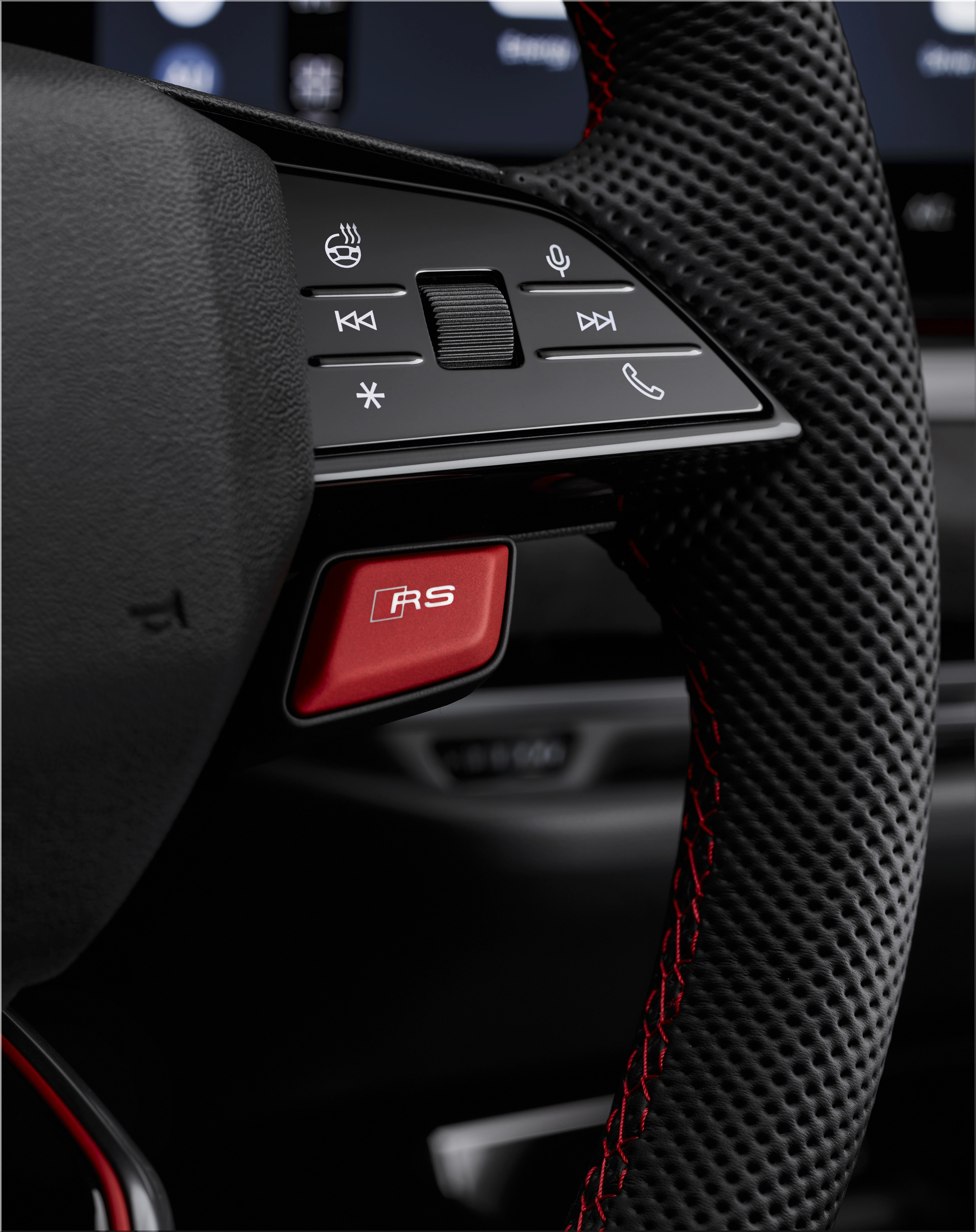
Audi adds a 10-second boost function via a steering-wheel control. Press it, and the car selects the right gear and deploys maximum acceleration. The driver display shows a countdown.
Short, simple, useful.
In addition, Audi says pressing boost during EV driving wakes the V6 immediately and opens the exhaust valves. That gives the car a direct overtaking mode without asking the driver to cycle through drive menus mid-maneuver.
Exterior and interior: function-first RS styling with a tech-heavy cabin
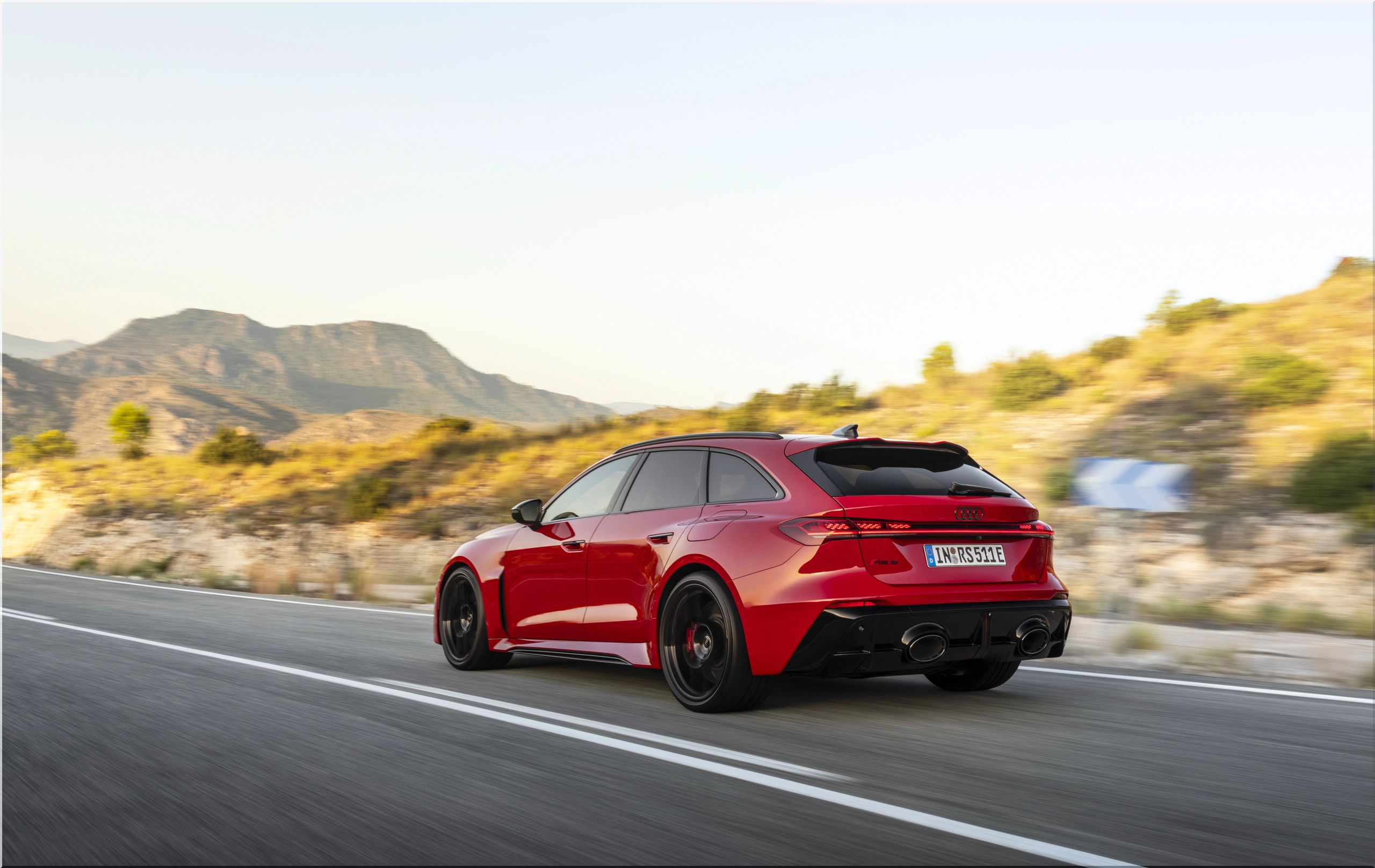
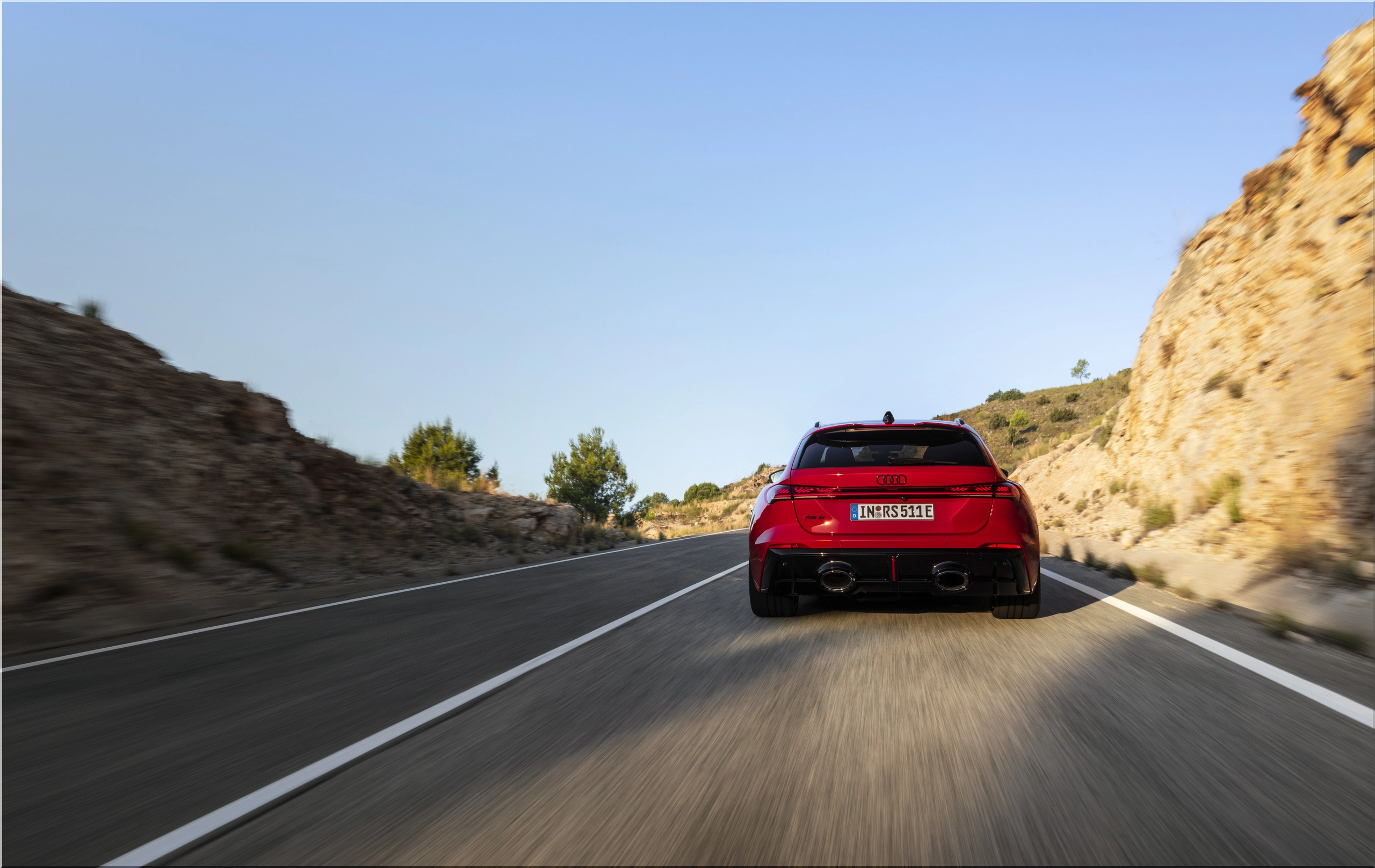
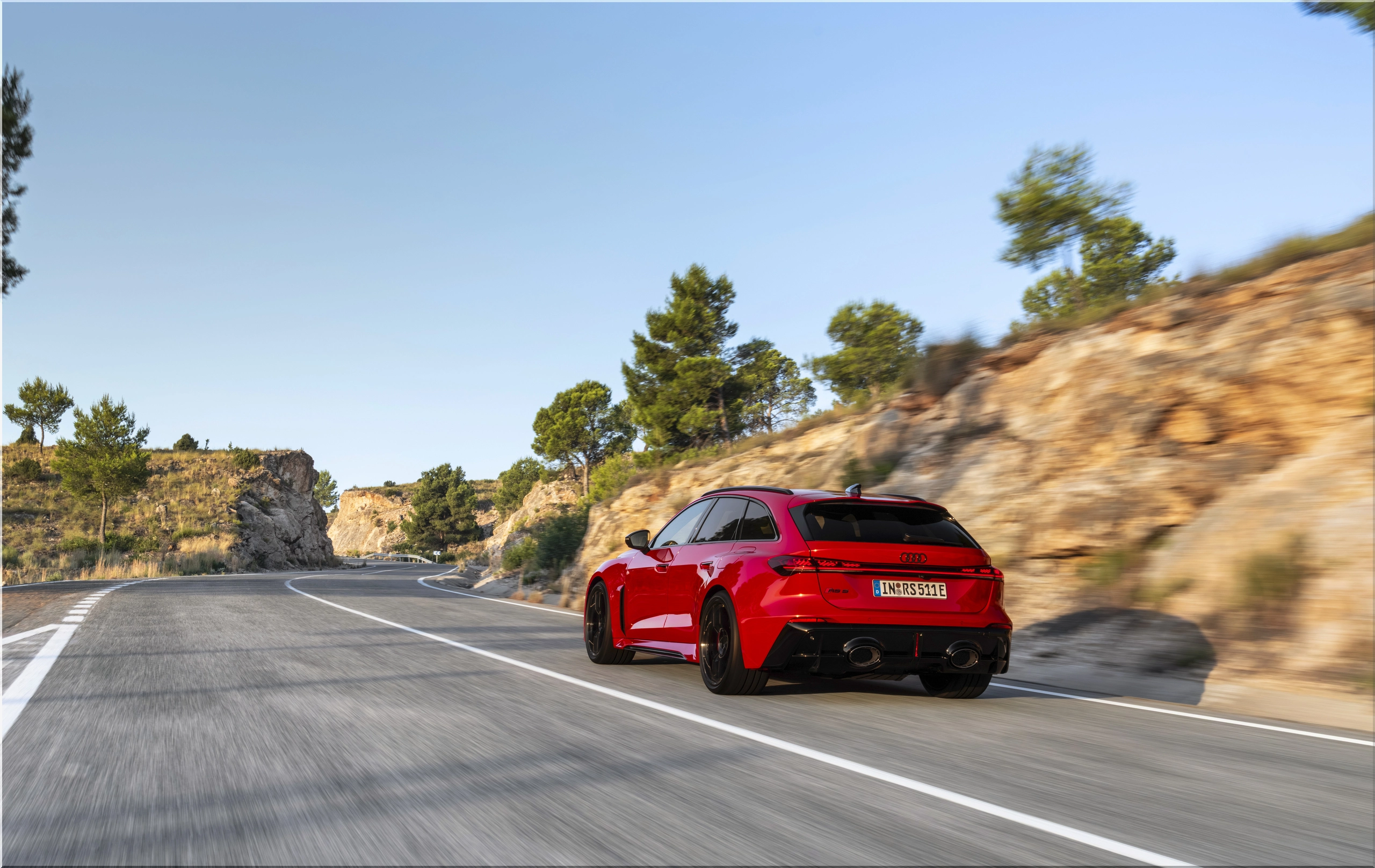
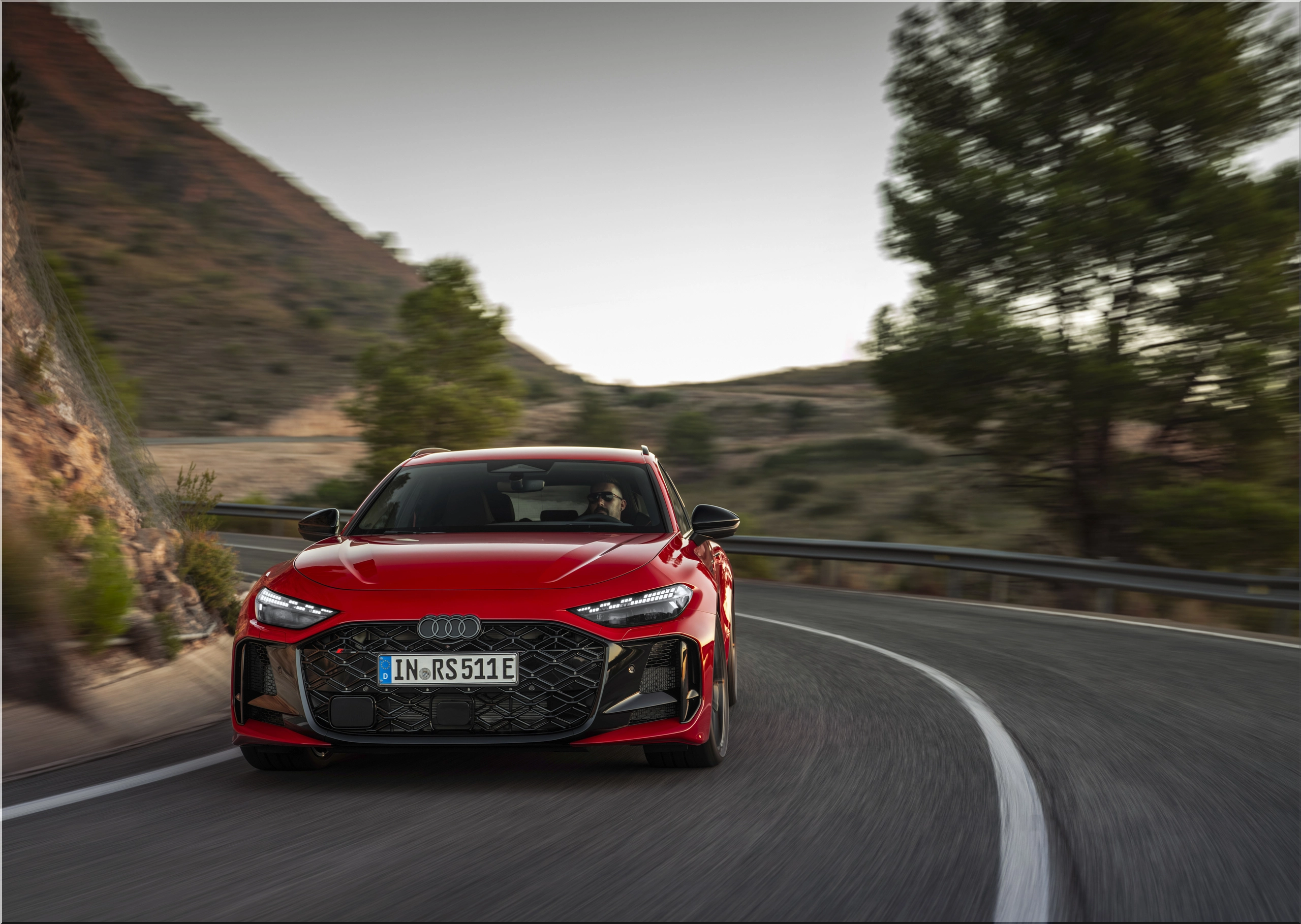
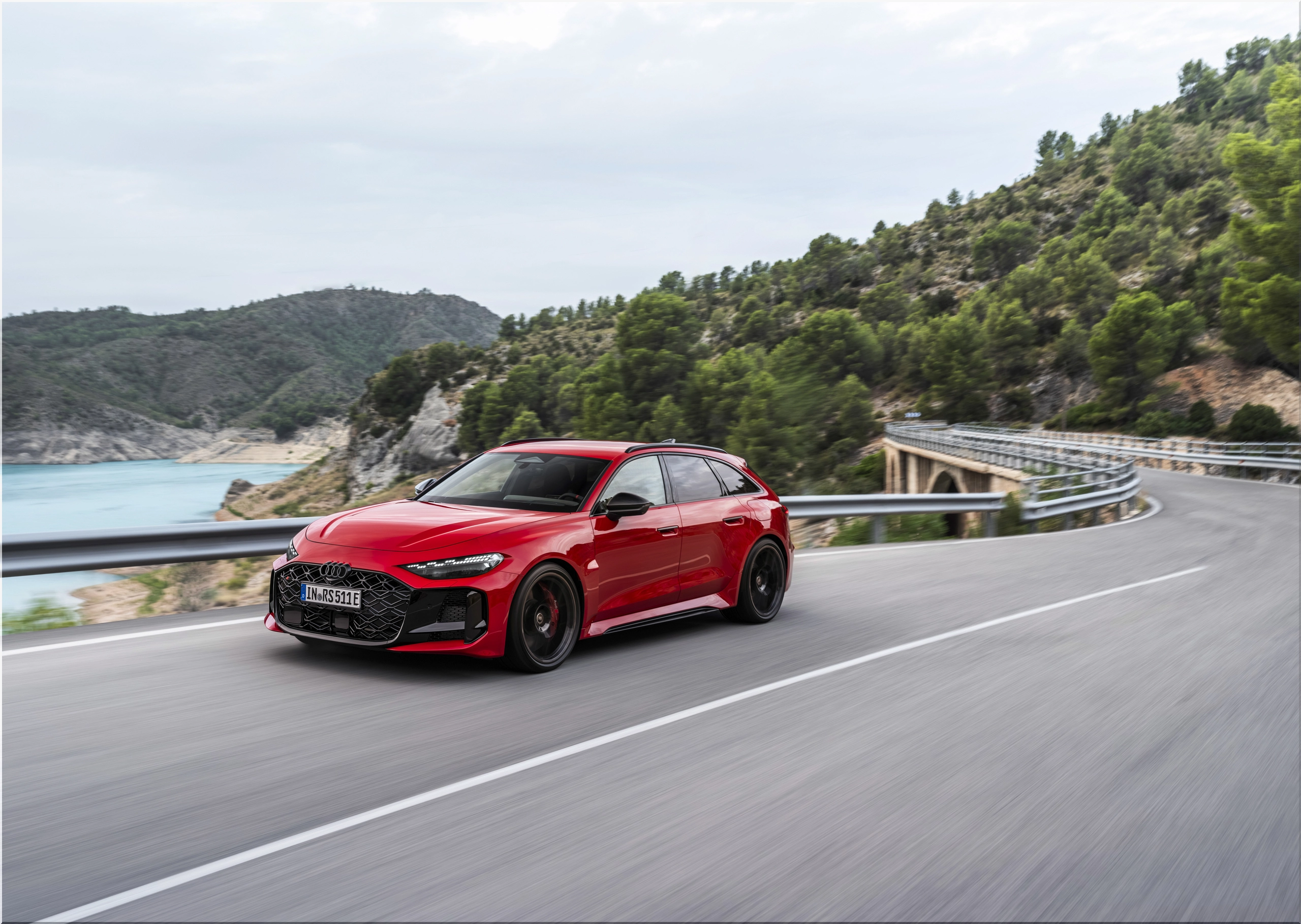
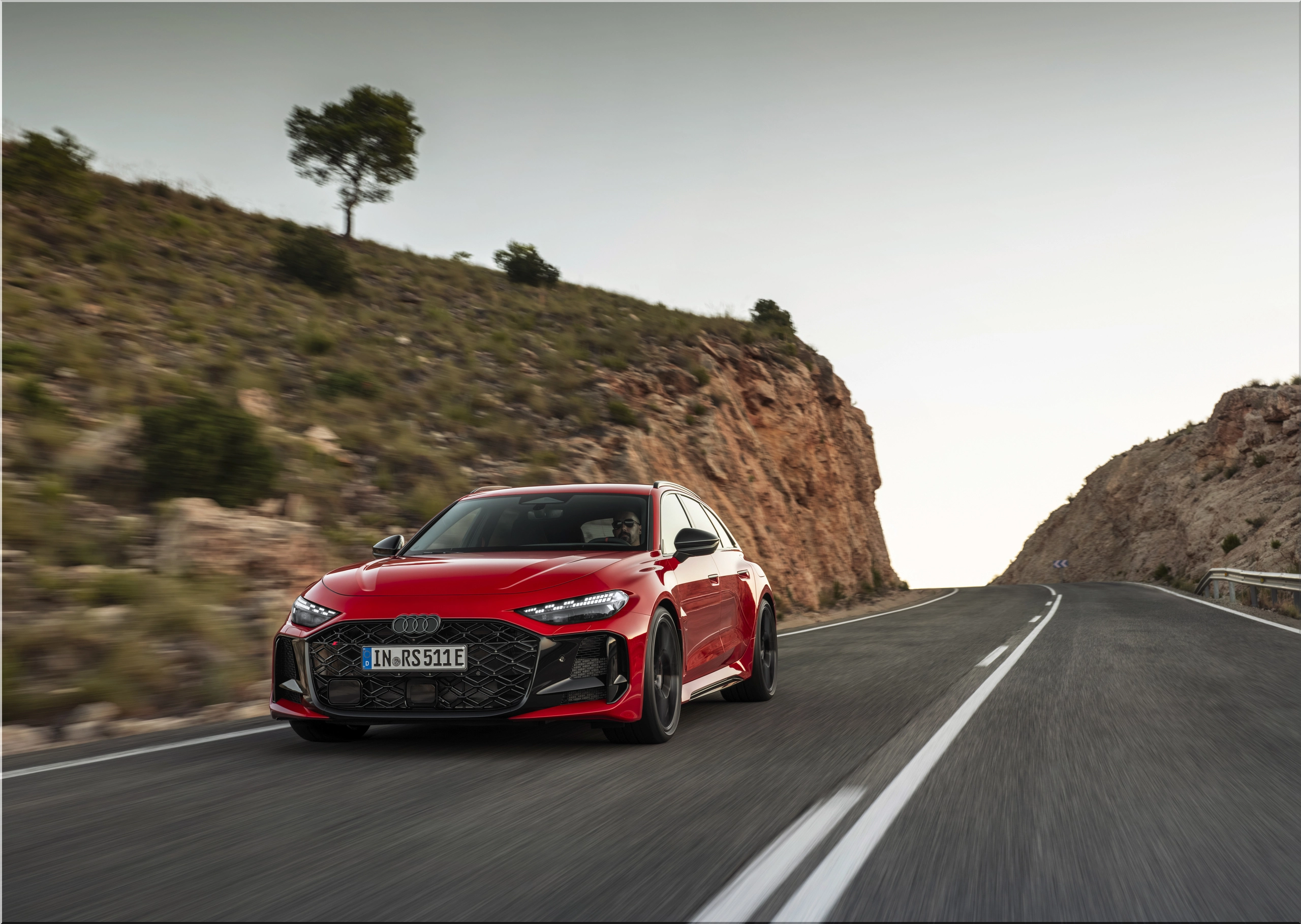
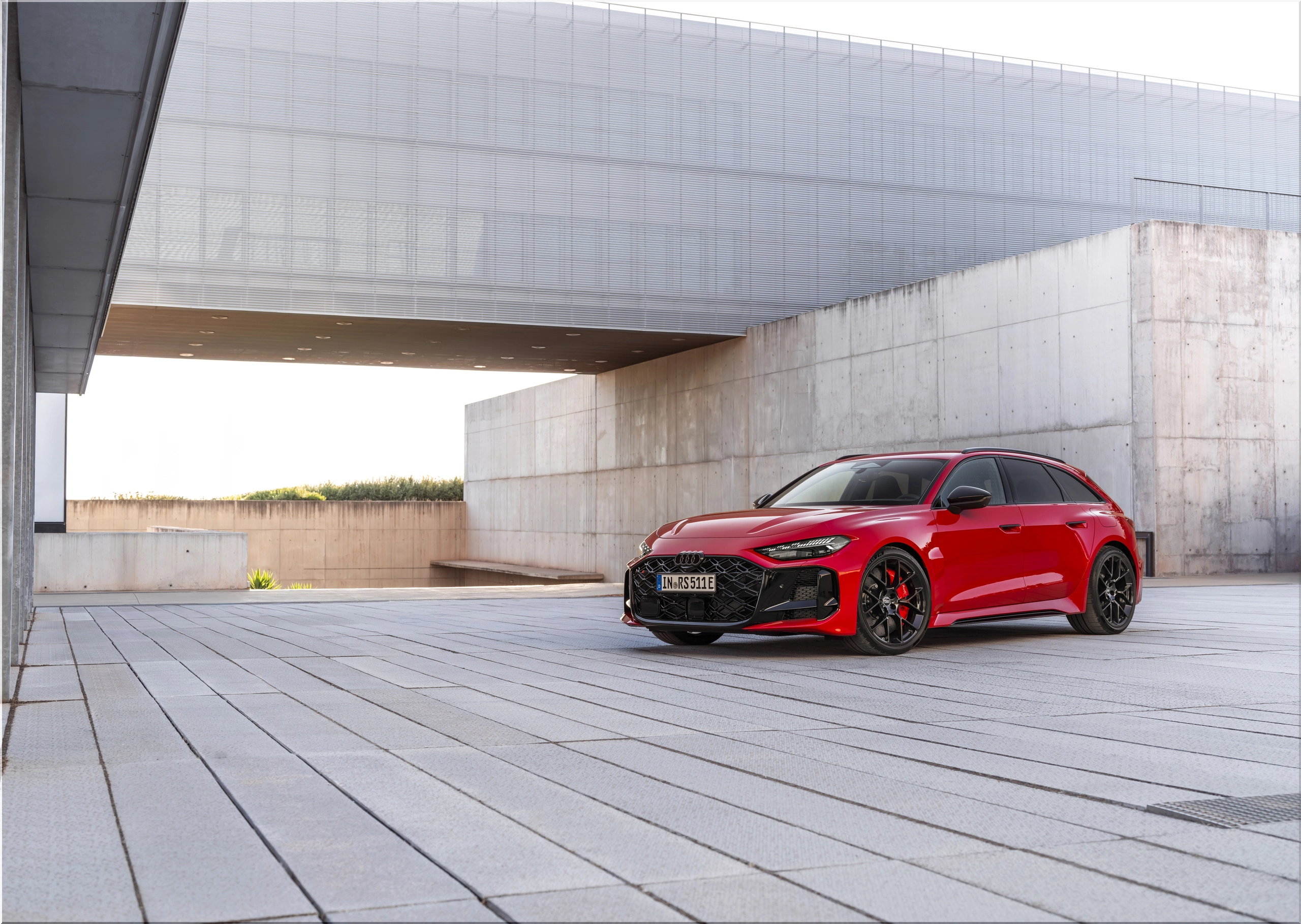
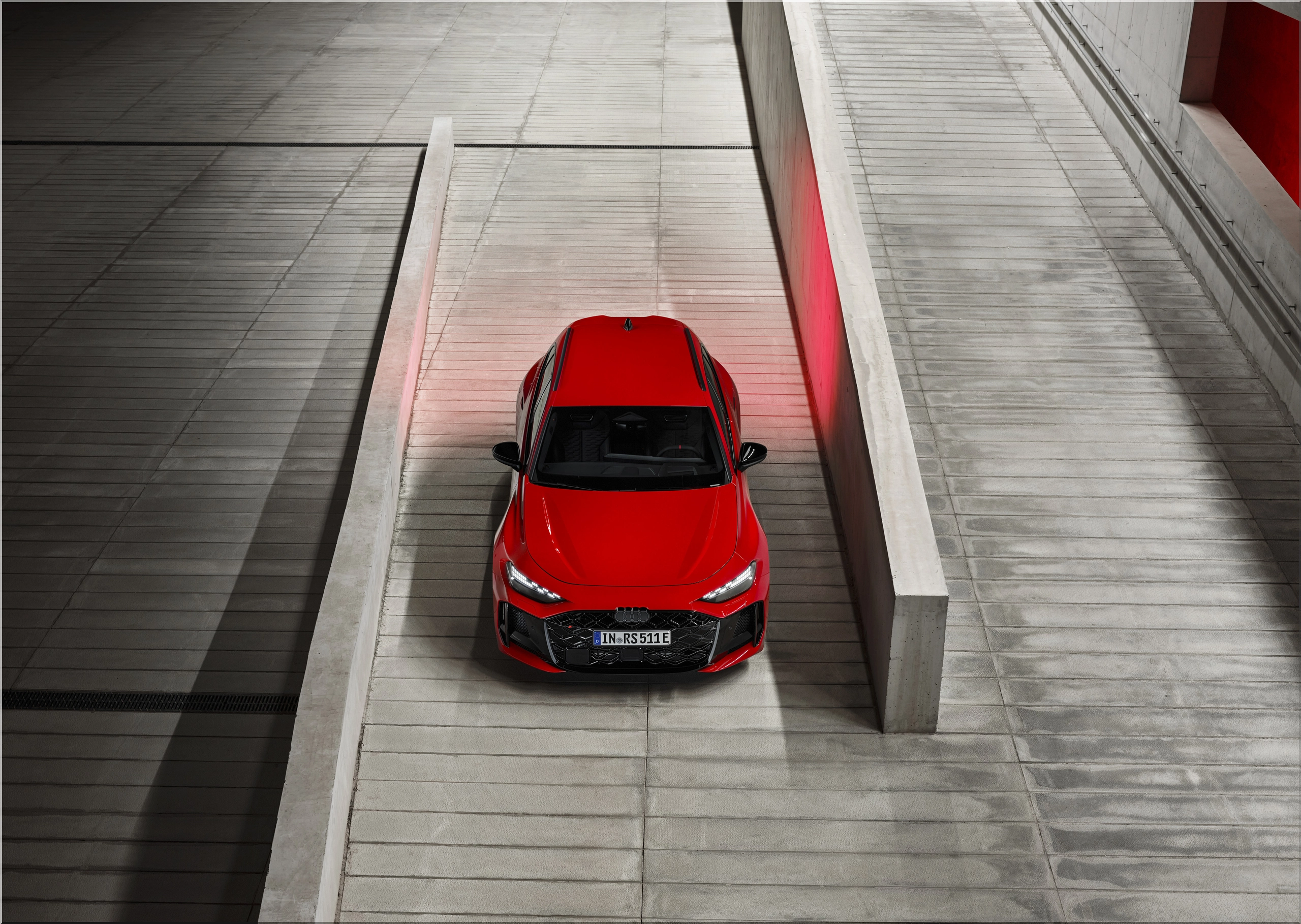
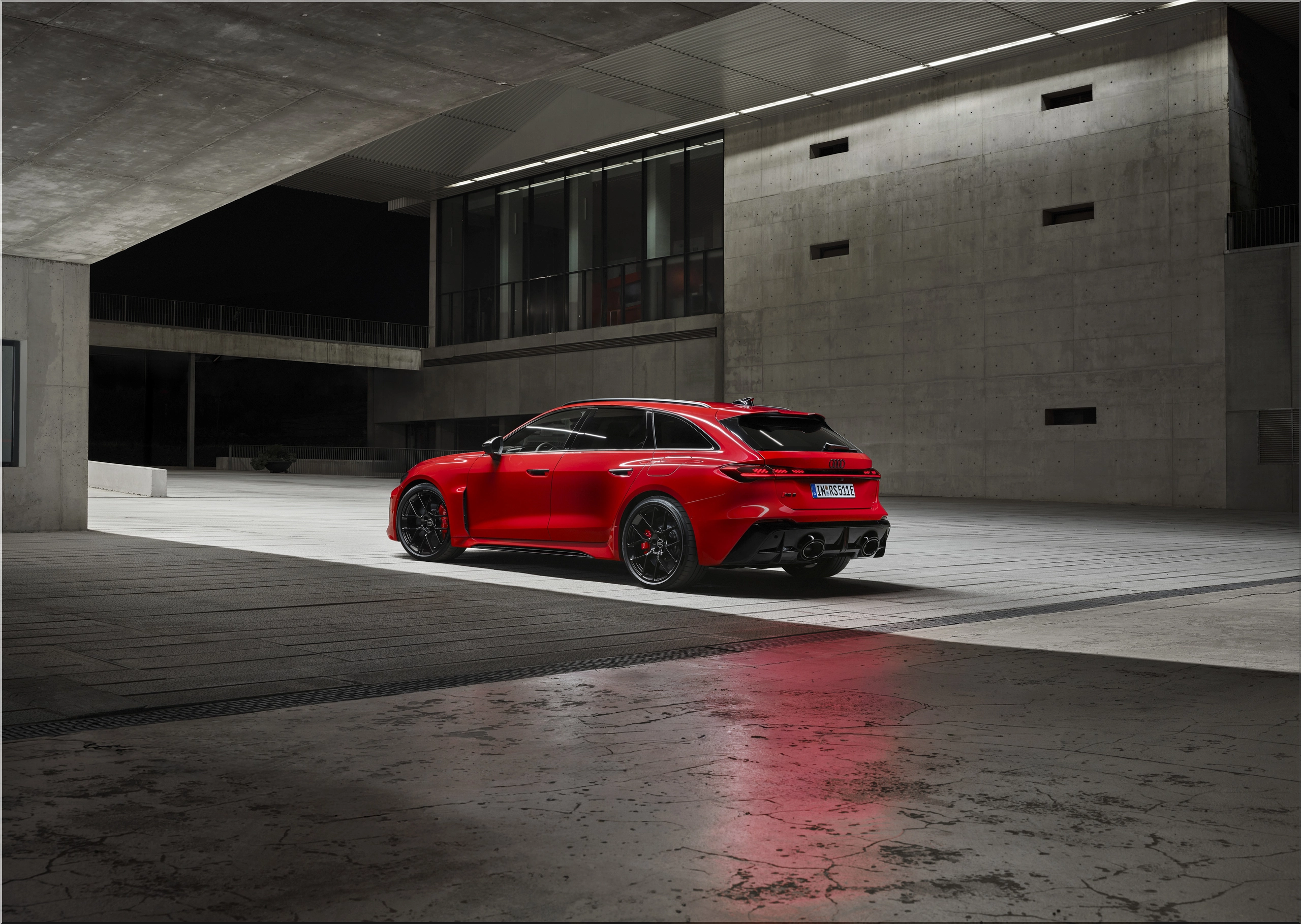
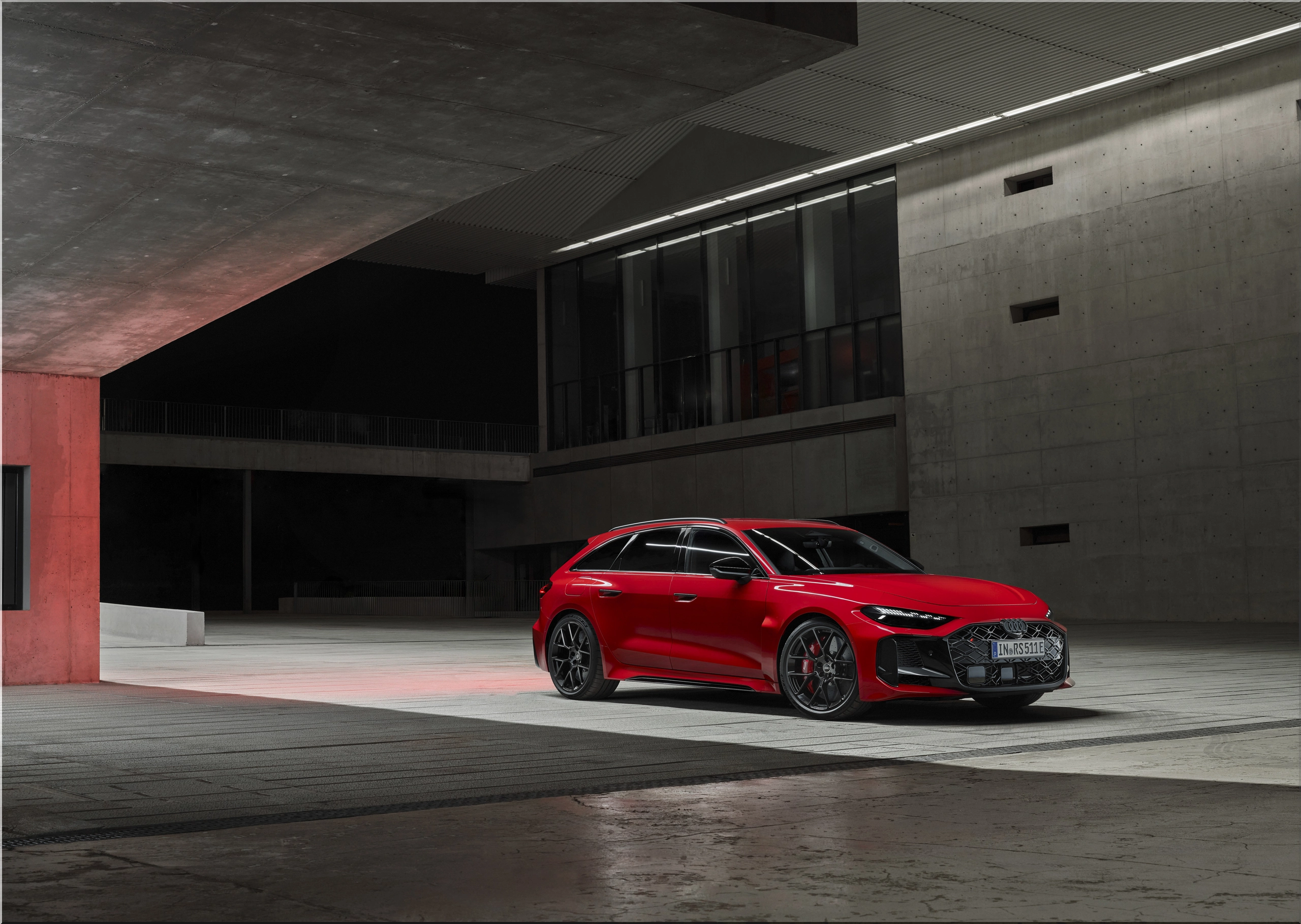
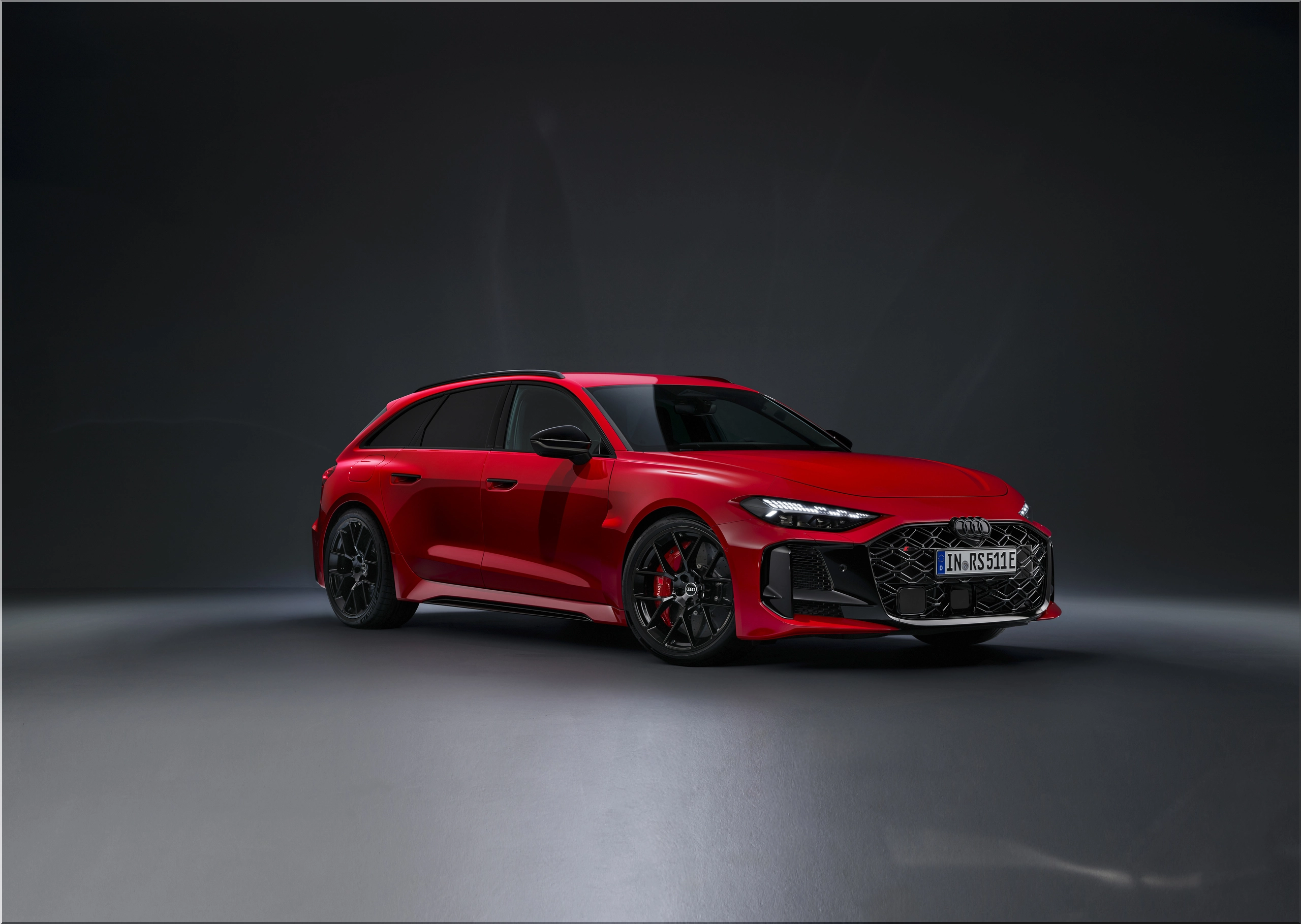
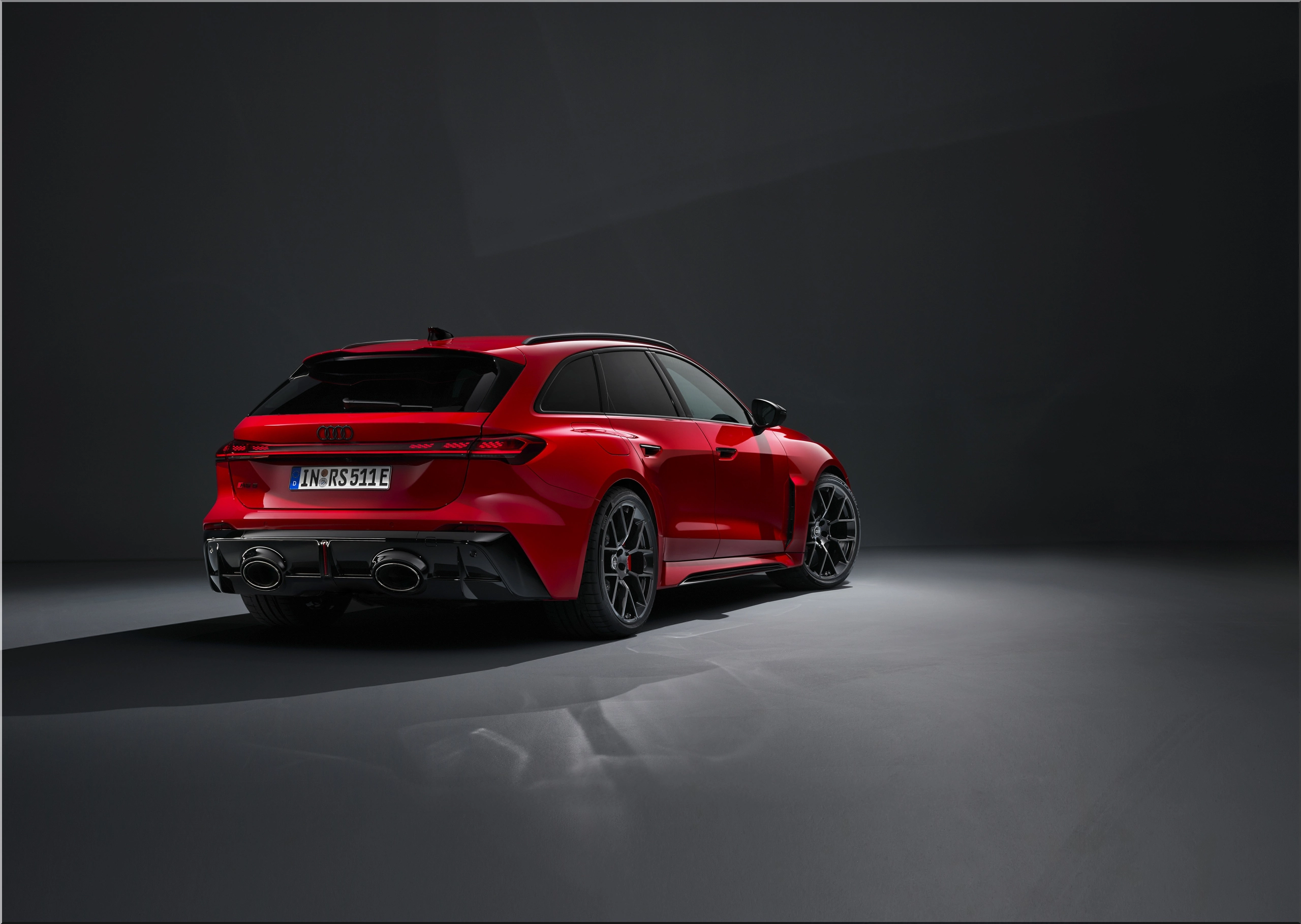
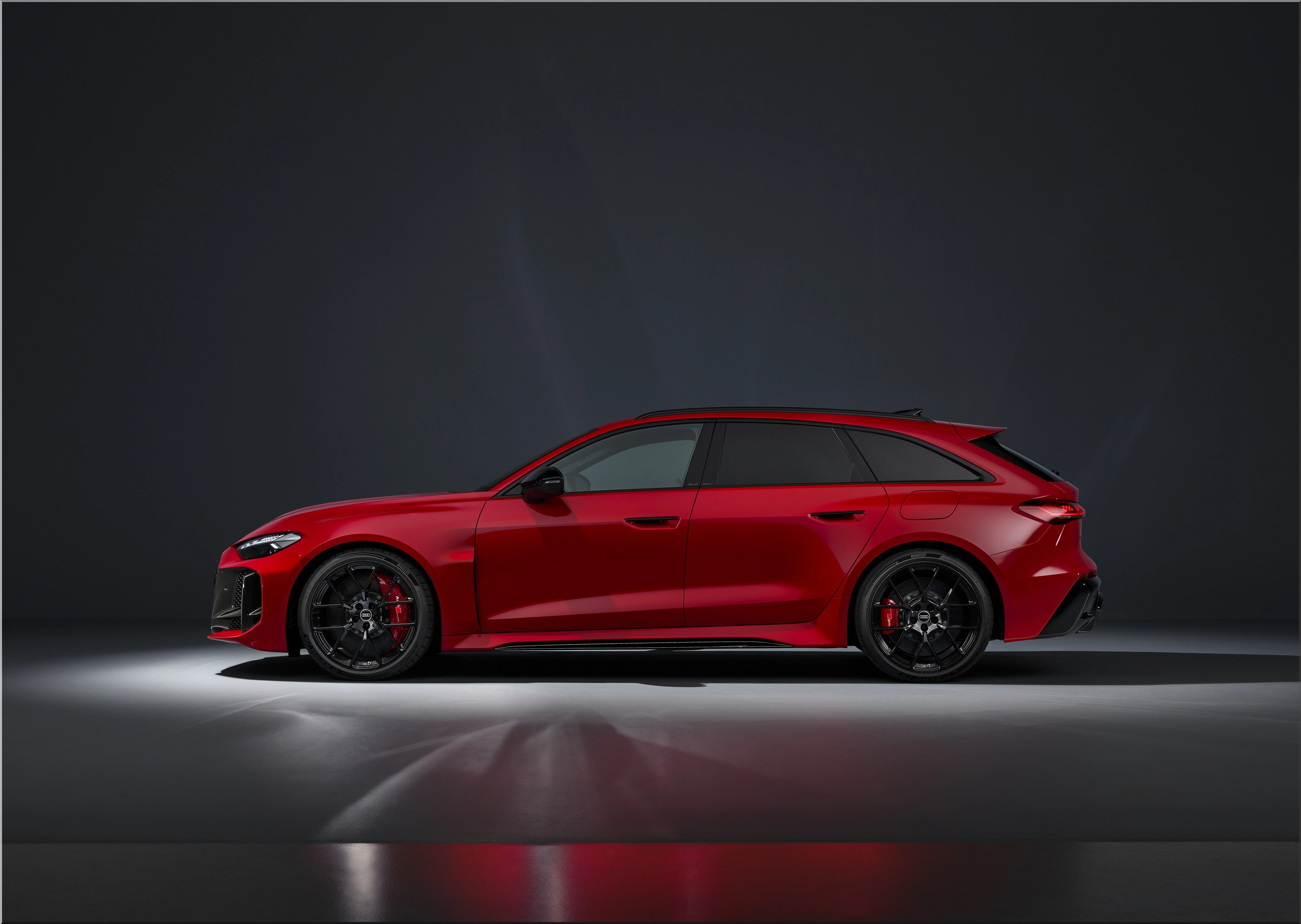
The Audi RS 5 Avant keeps the RS visual formula, but the dimensions and aero cues show meaningful packaging work.
Audi says the car sits around 9 cm wider overall than the base A5 at both ends thanks to flared bodywork. It also describes the RS body as widened by 4 cm per side front and rear compared with the base model. Either way, the visual message is the same: this wagon gets real width, not only trim pieces.
Exterior points that matter
- RS-specific widened bodywork
- Honeycomb Singleframe and airflow-managed front end
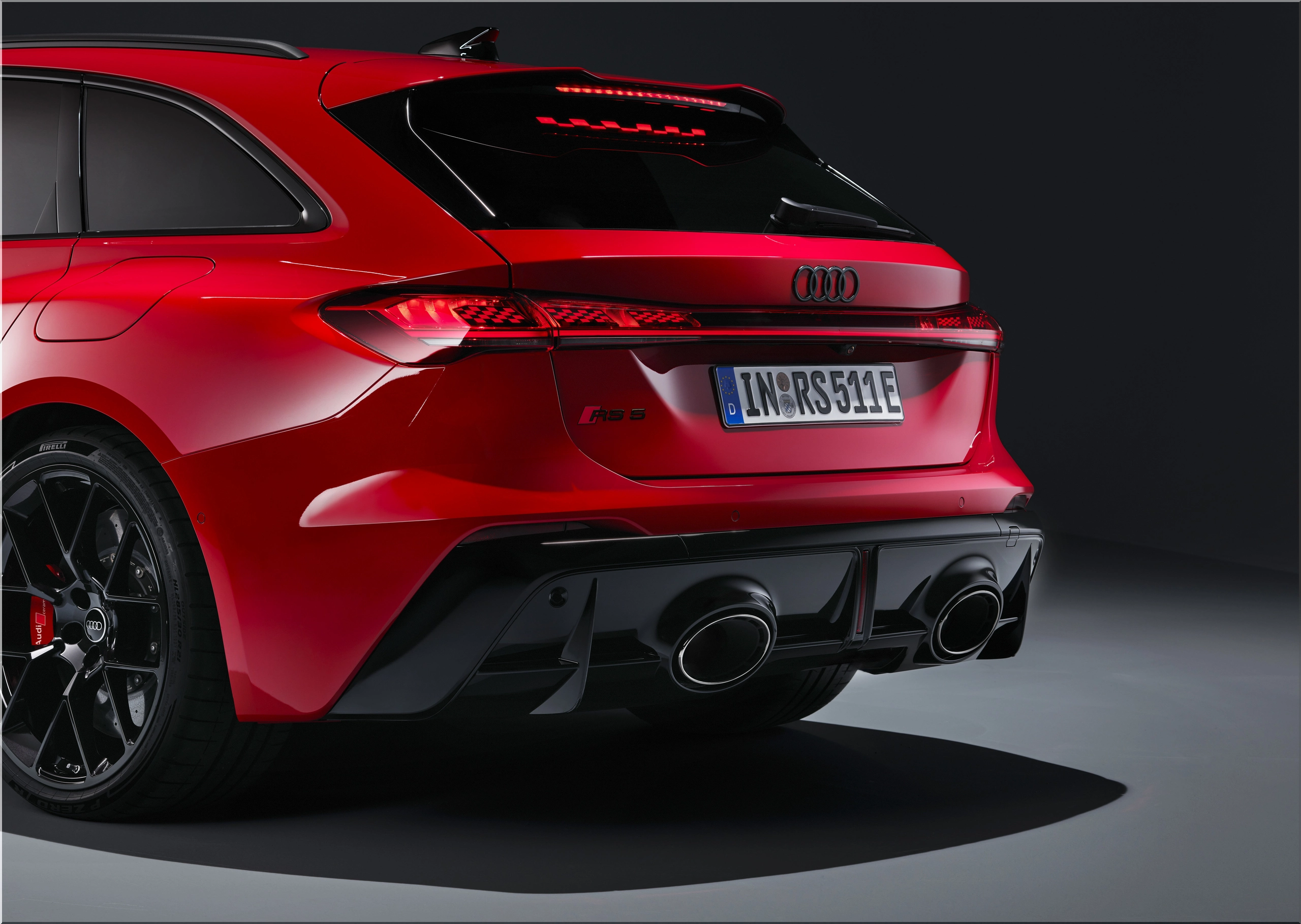
- Rear diffuser with vertical fins
- Matte oval RS exhaust tips
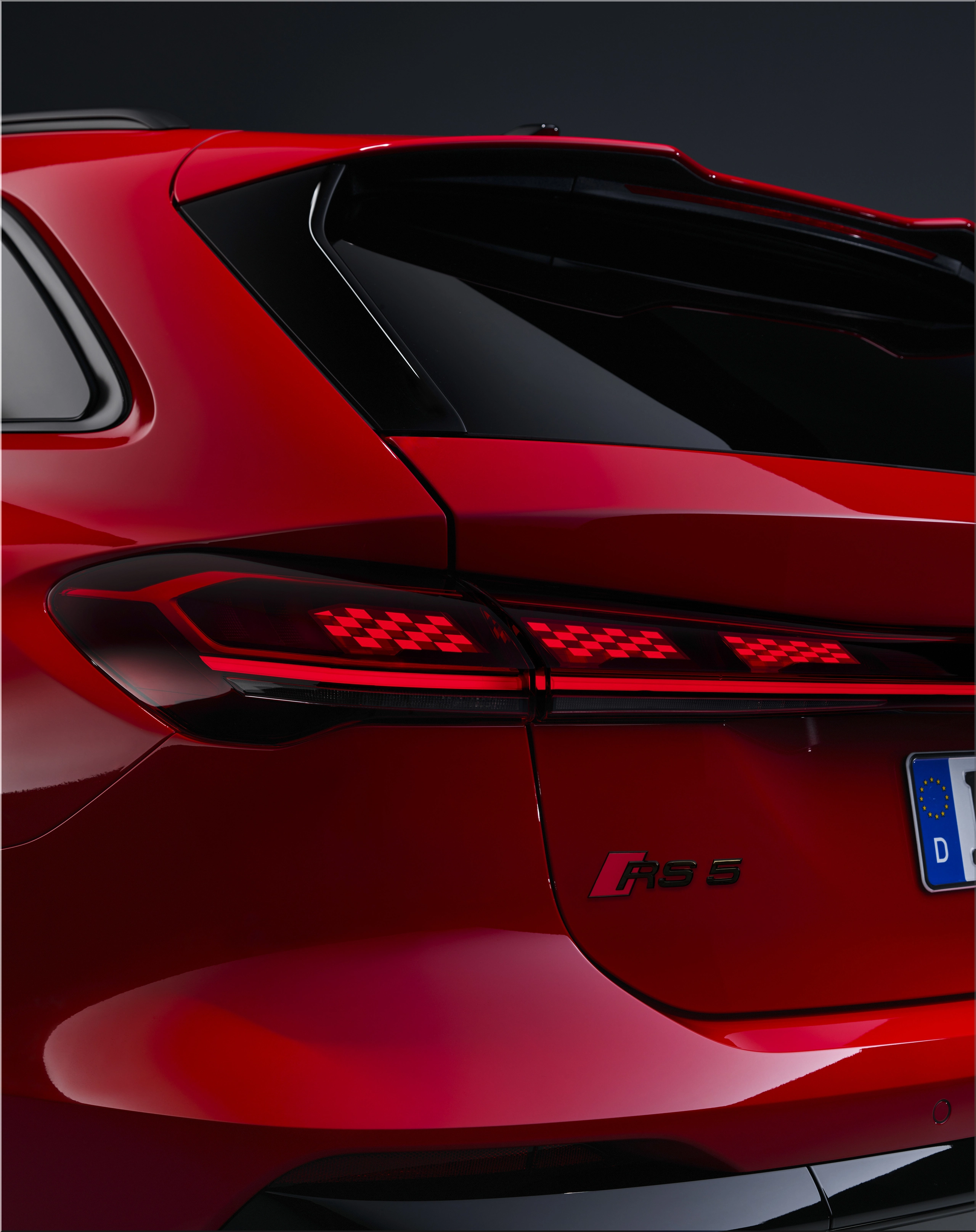
- Darkened Matrix LED headlights (global spec)
- RS-specific digital signatures (global spec, with U.S. lighting restrictions caveat)
The available Audi Sport package adds more than cosmetic pieces. It can raise top speed to 285 km/h (177 mph), includes RS sport exhaust hardware, and bundles distinctive wheel and trim options.
Image
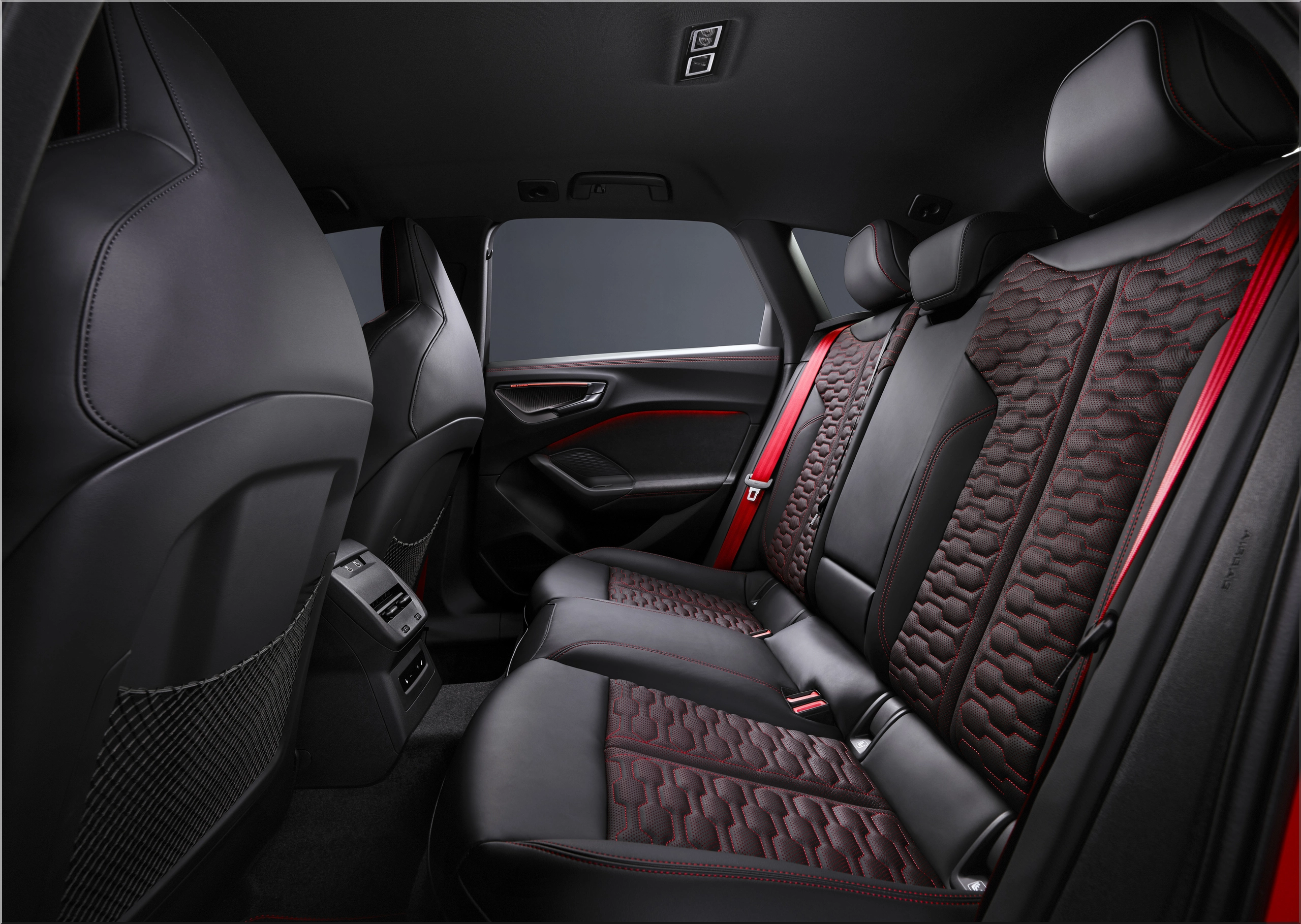
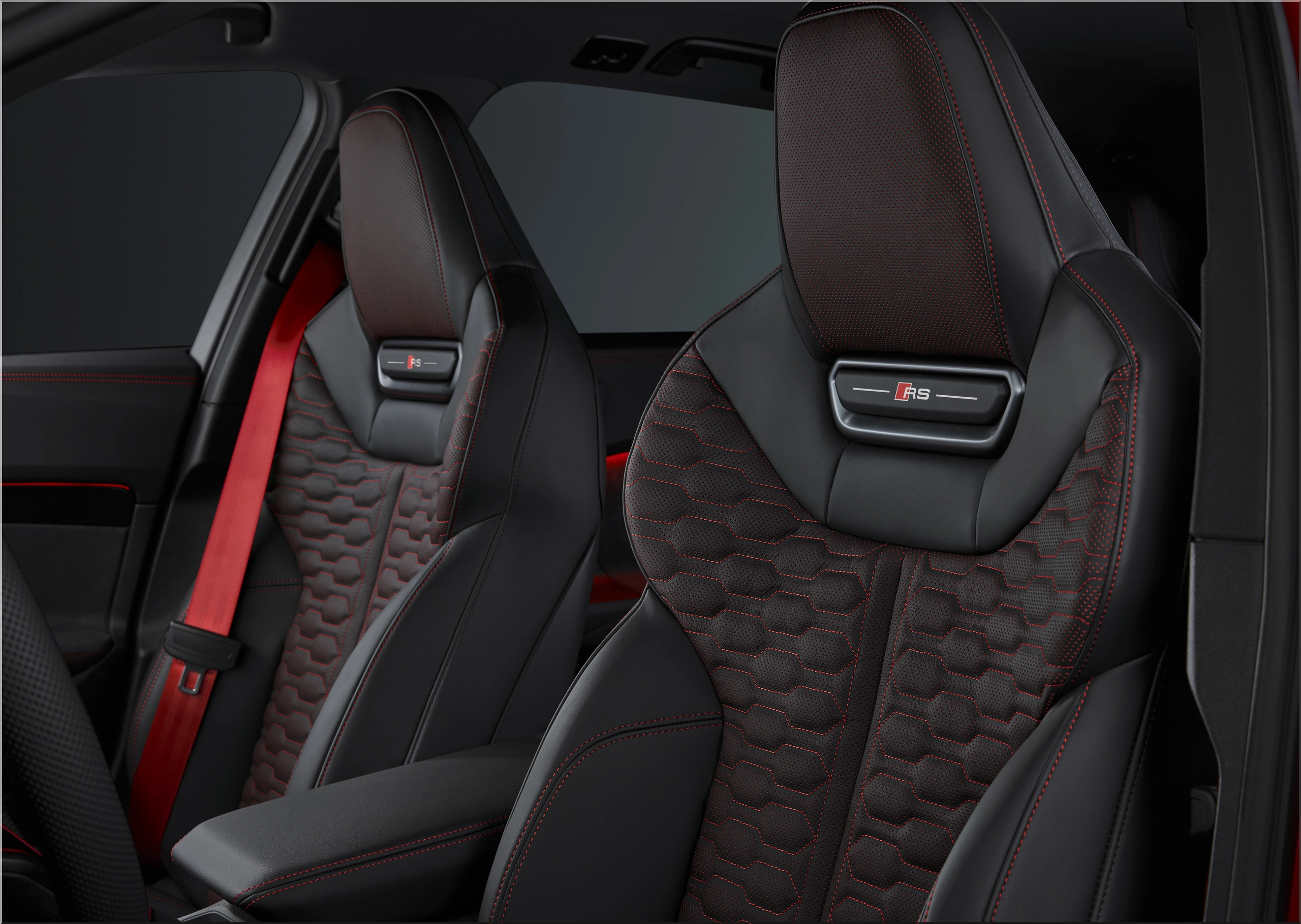
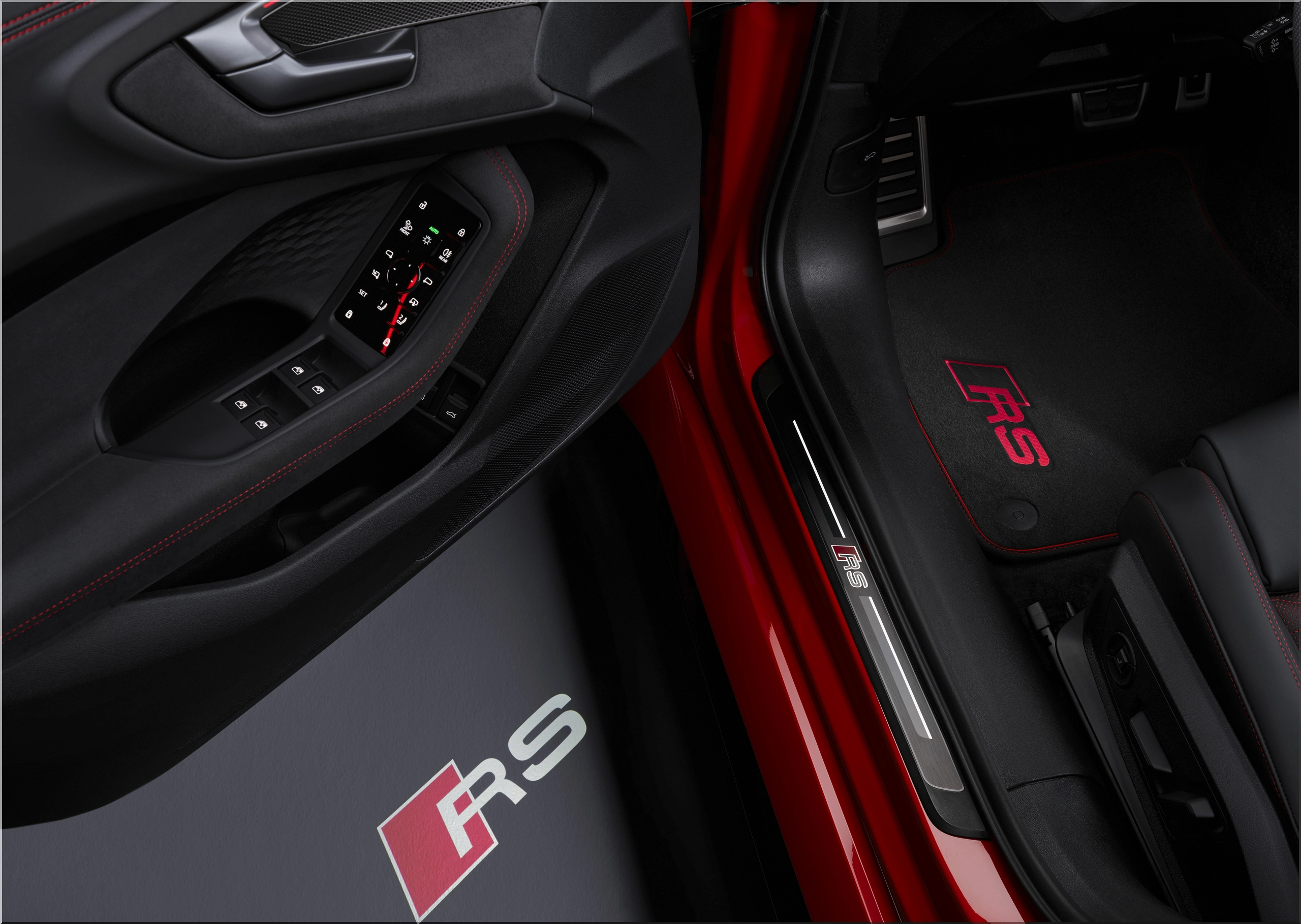
Interior and driver interface details
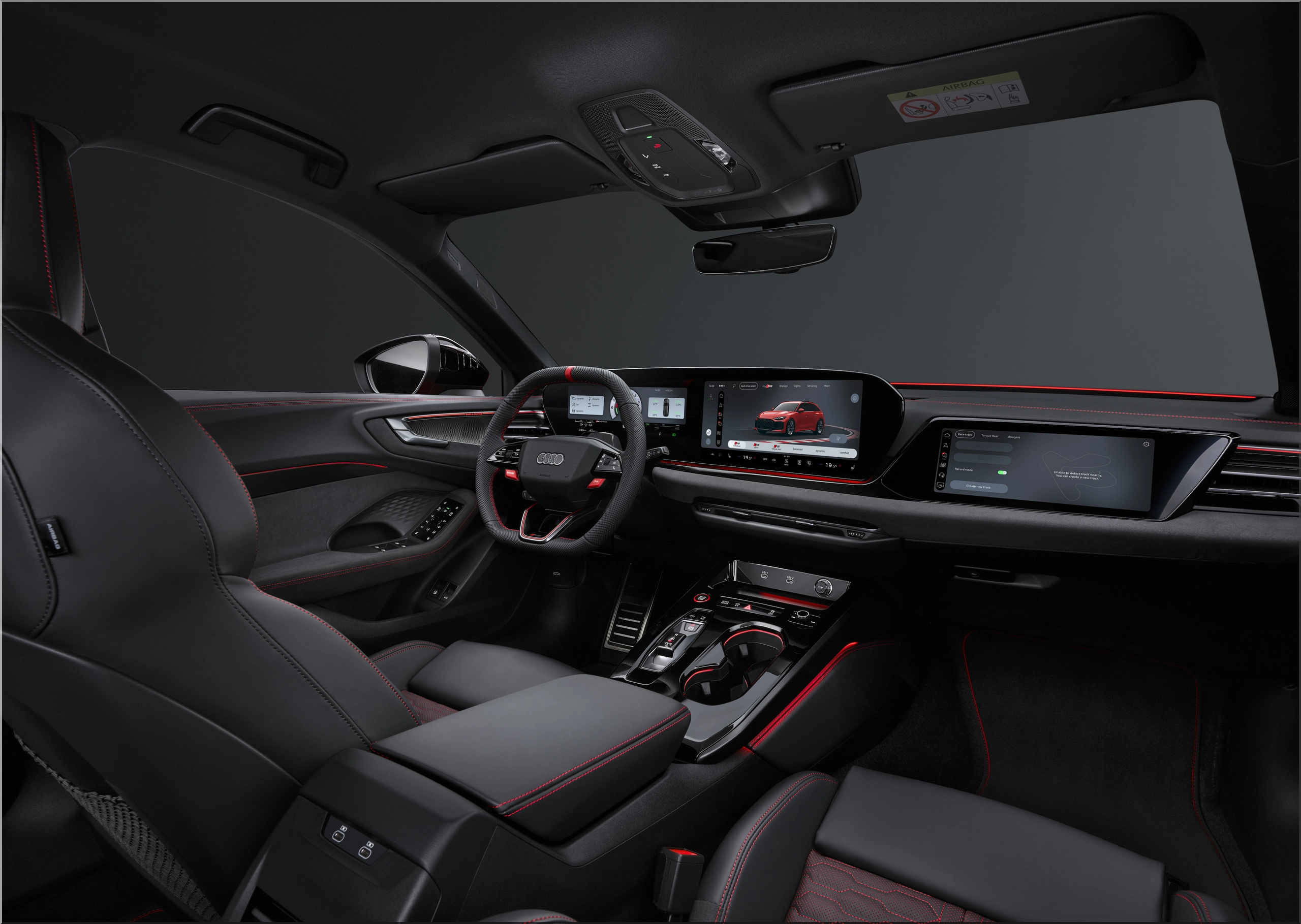
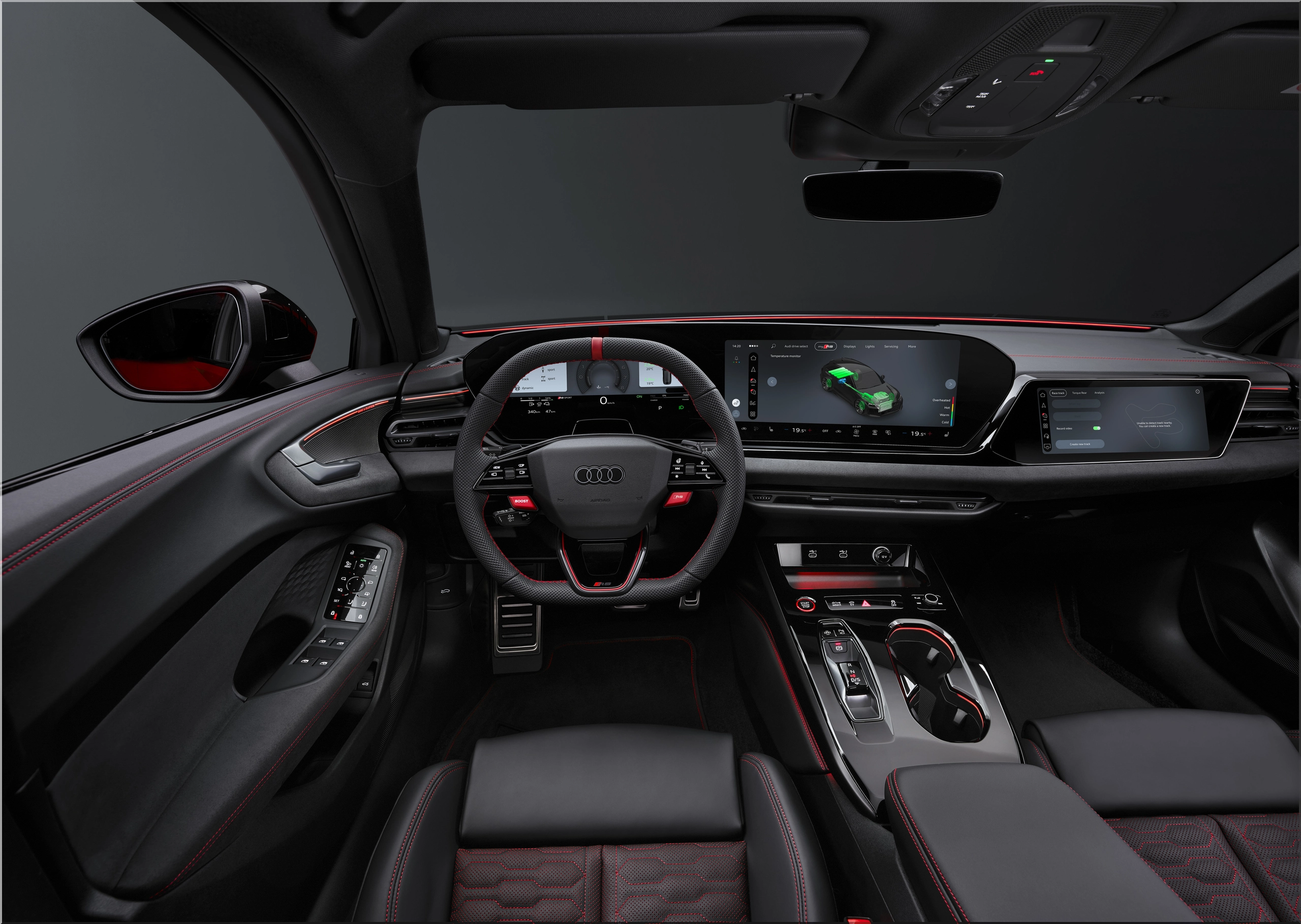
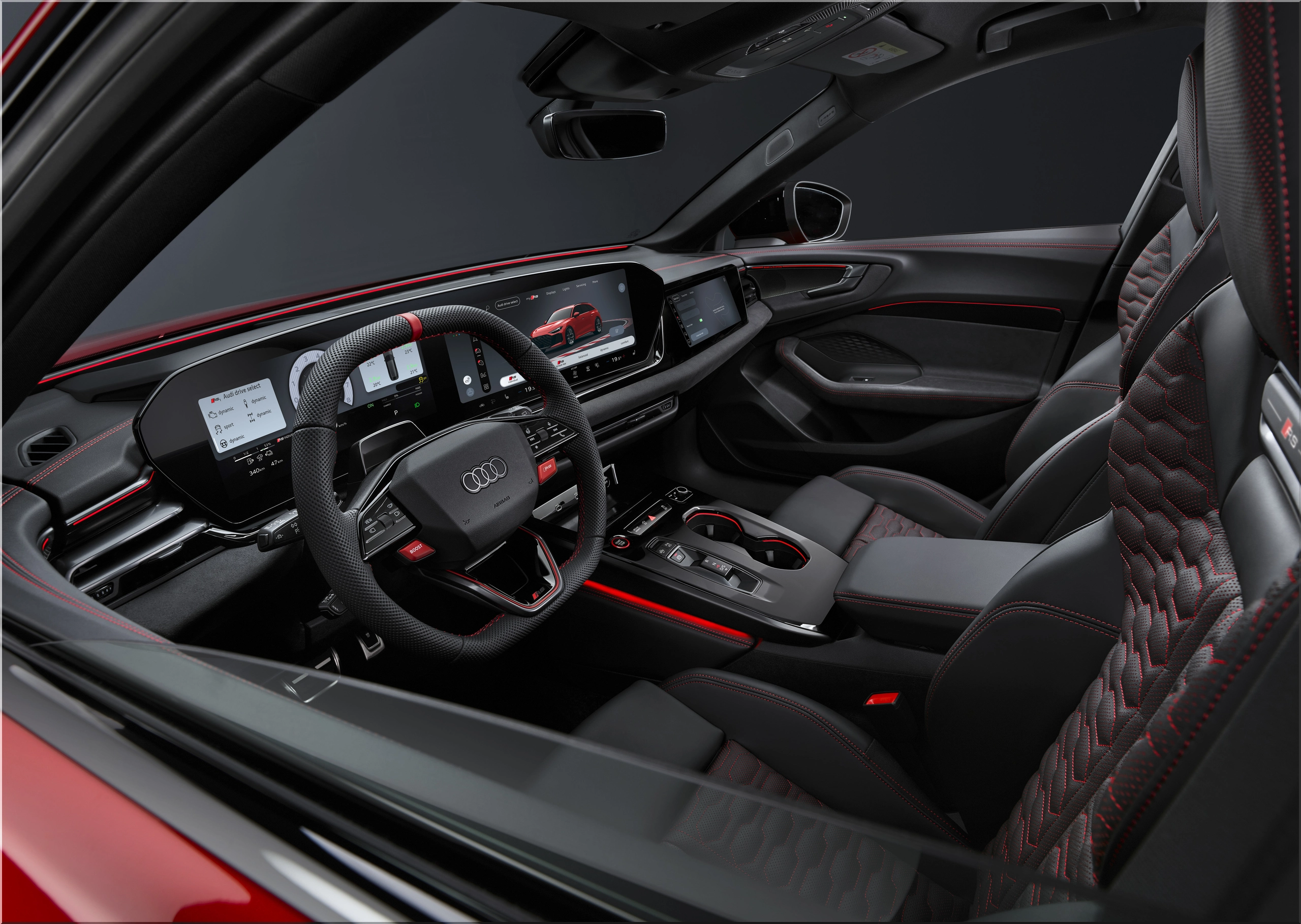
Audi leans hard into screen space and telemetry tools:
- 11.9-inch virtual cockpit
- 14.5-inch central MMI touch display
- 10.9-inch passenger display (standard in the global release)
- Optional head-up display with performance-oriented views
- RS-specific performance pages with temperatures, pressures, lap timing, G data, and more
The built-in Audi driving experience function looks useful for owners who actually use track days. It records pedal input, understeer/oversteer behavior, acceleration vectors, lap and sector timing, and drift-angle metrics in RS torque rear mode.
That is not a gimmick if the data logging is clean. It gives owners a reason to learn the car instead of only posting launch clips.
2027 Audi RS 5 Avant vs rivals: where it sits in the performance wagon field
Audi's direct competitive set depends on market availability. In Europe and other global markets, the main talking points sit around the BMW M3 Competition Touring xDrive and the Mercedes-AMG C 63 S E Performance Estate. For historical context, the outgoing Audi RS 4 Avant also matters because many buyers will view the new RS 5 Avant as its spiritual and market successor in wagon form.
Competitive comparison table
| Model | Powertrain | Power | Torque | 0-100 km/h (0-62 mph) | Drivetrain | Key angle |
|---|---|---|---|---|---|---|
| 2027 Audi RS 5 Avant | PHEV, 2.9L TT V6 + e-motor | 470 kW (639 PS) | 825 Nm | 3.6 s | AWD (quattro + DTC) | Highest-output Audi performance wagon in this tier, advanced rear torque control |
| BMW M3 Competition Touring xDrive | 3.0L TT I6 petrol | 390 kW (530 hp) | 650 Nm | 3.6 s | AWD | Lower mass than PHEV rivals, proven drivetrain and wagon practicality |
| Mercedes-AMG C 63 S E Performance Estate | PHEV, 2.0L turbo I4 + rear e-motor | 500 kW | 1,020 Nm | 3.4 s | AWD (hybrid performance layout) | Maximum torque and explosive hybrid output, different engine character |
| Audi RS 4 Avant (until 2024) | 2.9L TT V6 petrol | 331 kW (450 PS) | 600 Nm | 4.1 s | AWD | Useful baseline for how far Audi's wagon performance has moved |
What the RS 5 Avant wins and loses on paper
Wins
- Power and torque over the BMW M3 Touring
- Strong claimed EV usability for a serious RS model
- Very sophisticated rear torque management architecture
- Broad mode spread from EV commuting to track-focused setups
Potential tradeoffs
- Weight. Audi lists 2,370 kg curb weight for the Avant (about 5,225 lb), and mass changes every chassis decision.
- Packaging and long-term complexity will matter for ownership cost.
- U.S. market spec uncertainty remains, including pricing and final feature list.
By comparison, the BMW M3 Touring remains the simpler answer for buyers who want a traditional six-cylinder, non-PHEV performance wagon. The AMG C 63 S E Performance Estate pushes even harder on hybrid output but uses a four-cylinder combustion engine, which some buyers still reject on character alone.
Audi's move splits the difference: big hybrid power with a V6 soundtrack and an RS-specific handling tech story.
Pricing
Audi published preliminary Germany pricing in the global release:
- 2027 Audi RS 5 Sedan: 106,200 euros
- 2027 Audi RS 5 Avant: 107,850 euros
Using the ECB reference rate of EUR 1 = USD 1.1767 (20 February 2026), that converts to:
| Model | EUR Price | USD Conversion (approx.) |
|---|---|---|
| Audi RS 5 Sedan | 106,200 EUR | $124,965.54 |
| Audi RS 5 Avant | 107,850 EUR | $126,907.10 |
That conversion does not represent U.S. MSRP. It only gives a currency reference point. U.S. pricing will change due to market content, regulations, logistics, and local positioning.
Image
Pro-Tip
If you are planning around a future U.S. buy, track three things instead of guessing from euro pricing:
- Final U.S. power and EPA ratings
- Standard vs optional brake/wheel package content
- U.S.-specific deleted lighting features and software functions
Those three items will shape real value more than a straight FX conversion.
What this means for the U.S. market
Audi USA already flags that the U.S. launch will differ from the global release. That disclaimer matters.
The RS 5 Avant sits in a category where U.S. availability always becomes part of the product story. Audi's statement does not finalize U.S. specs yet, and it directly says some lighting functions listed in the global material will not come to the U.S. market.
Image
From an expert perspective, the most important upcoming data points are:
- U.S. performance figures (if changed from global)
- EPA electric range and fuel economy
- Final curb weight and option packaging
- U.S. standard brake/wheel setup
- MSRP and destination charges
- On-sale timing
If Audi keeps the core powertrain and DTC hardware intact, the Audi RS 5 Avant will arrive as one of the most technically ambitious performance wagons on sale. If it trims hardware or software materially for the U.S., the story changes fast.
- Add new comment
- 138 views