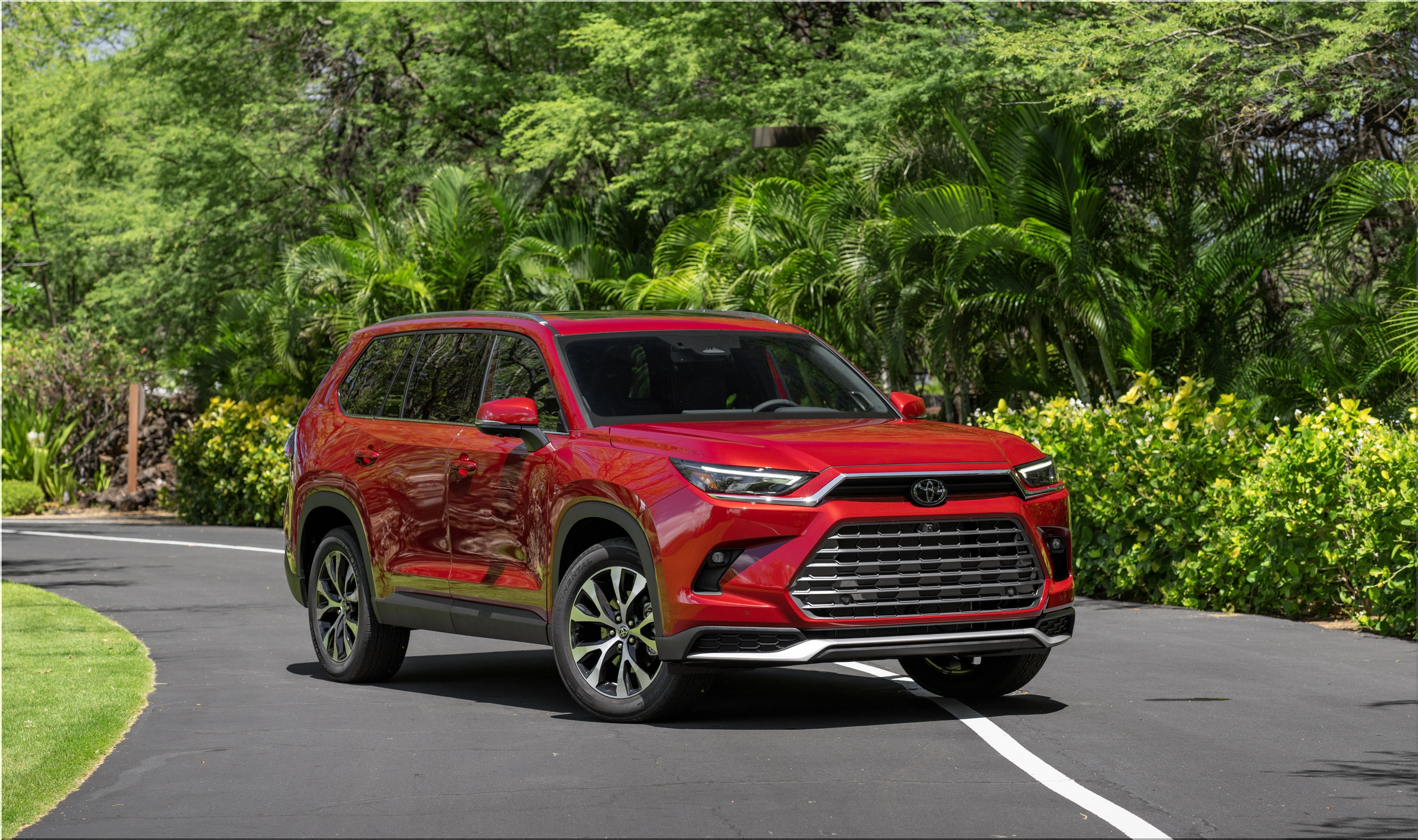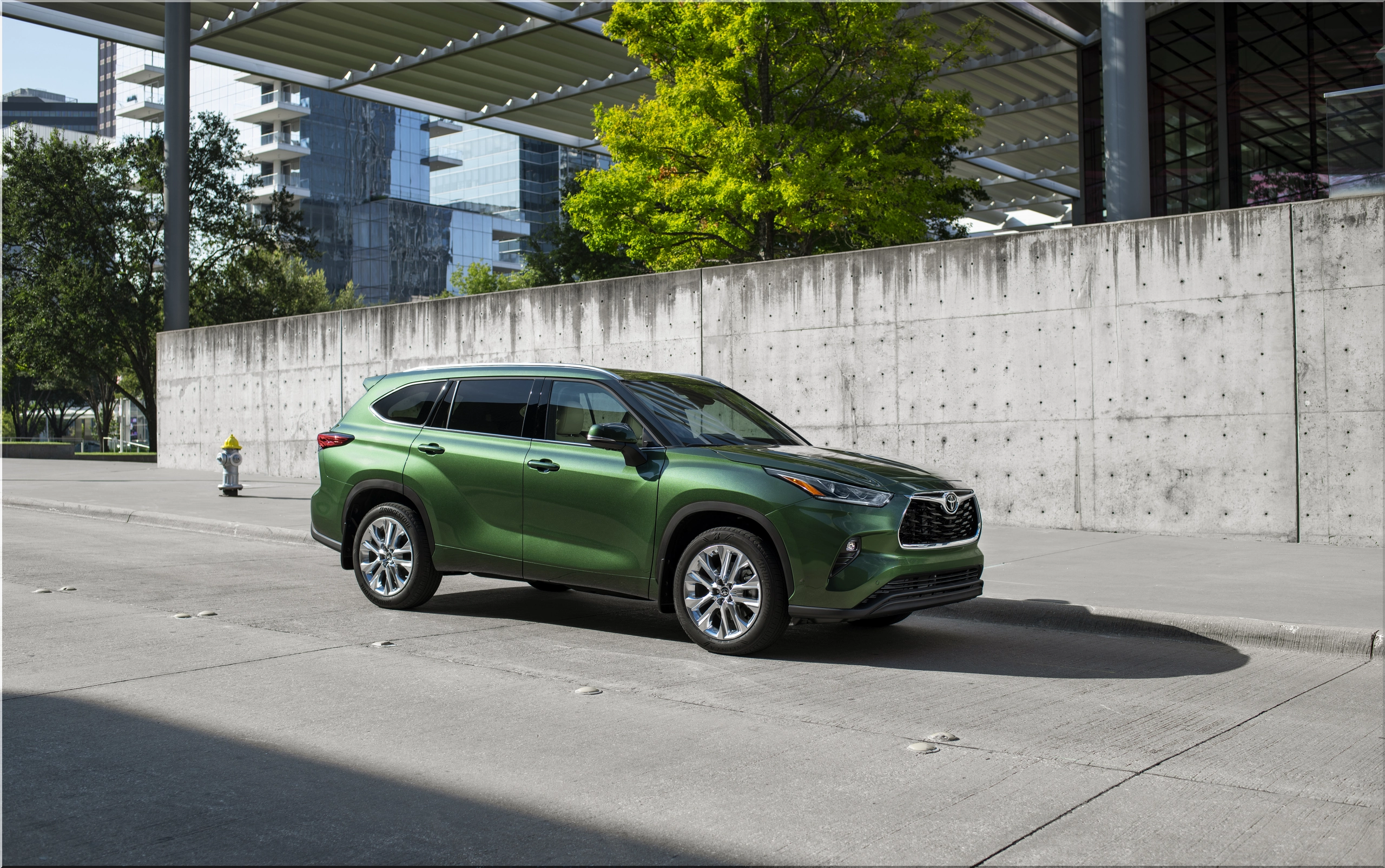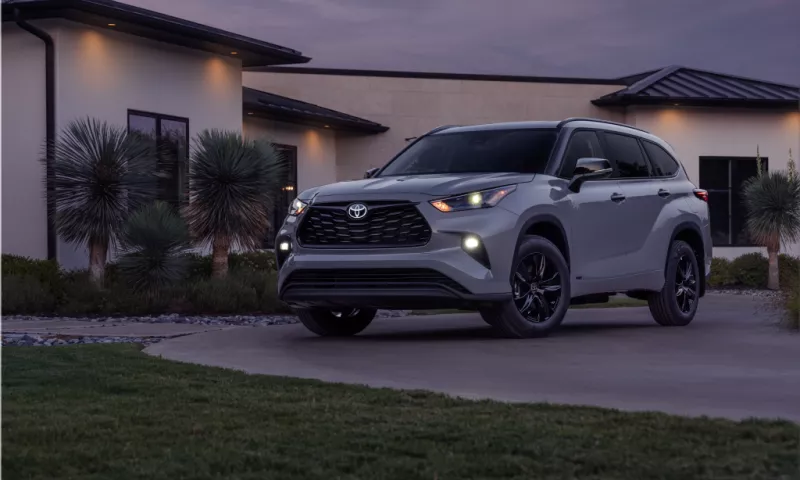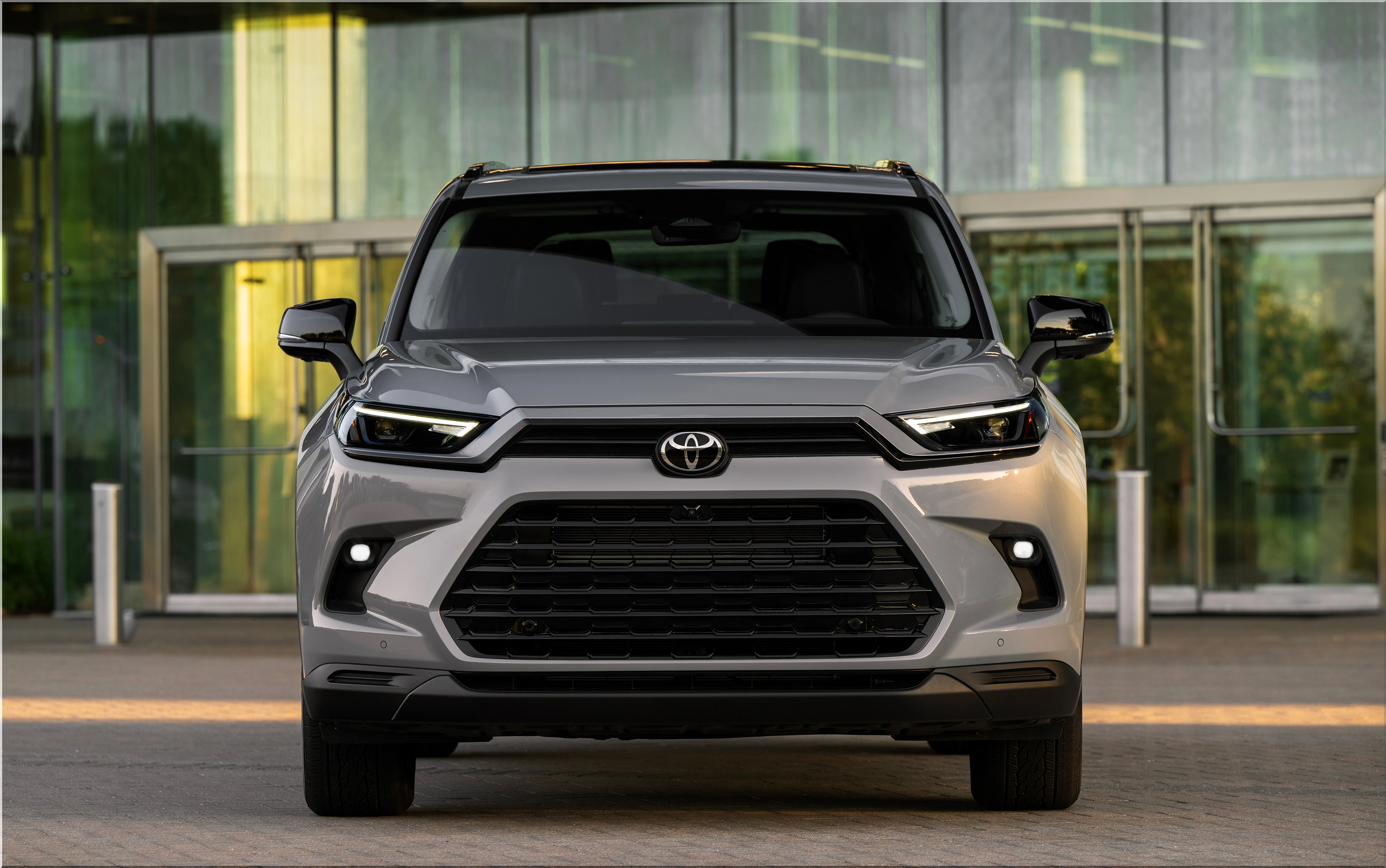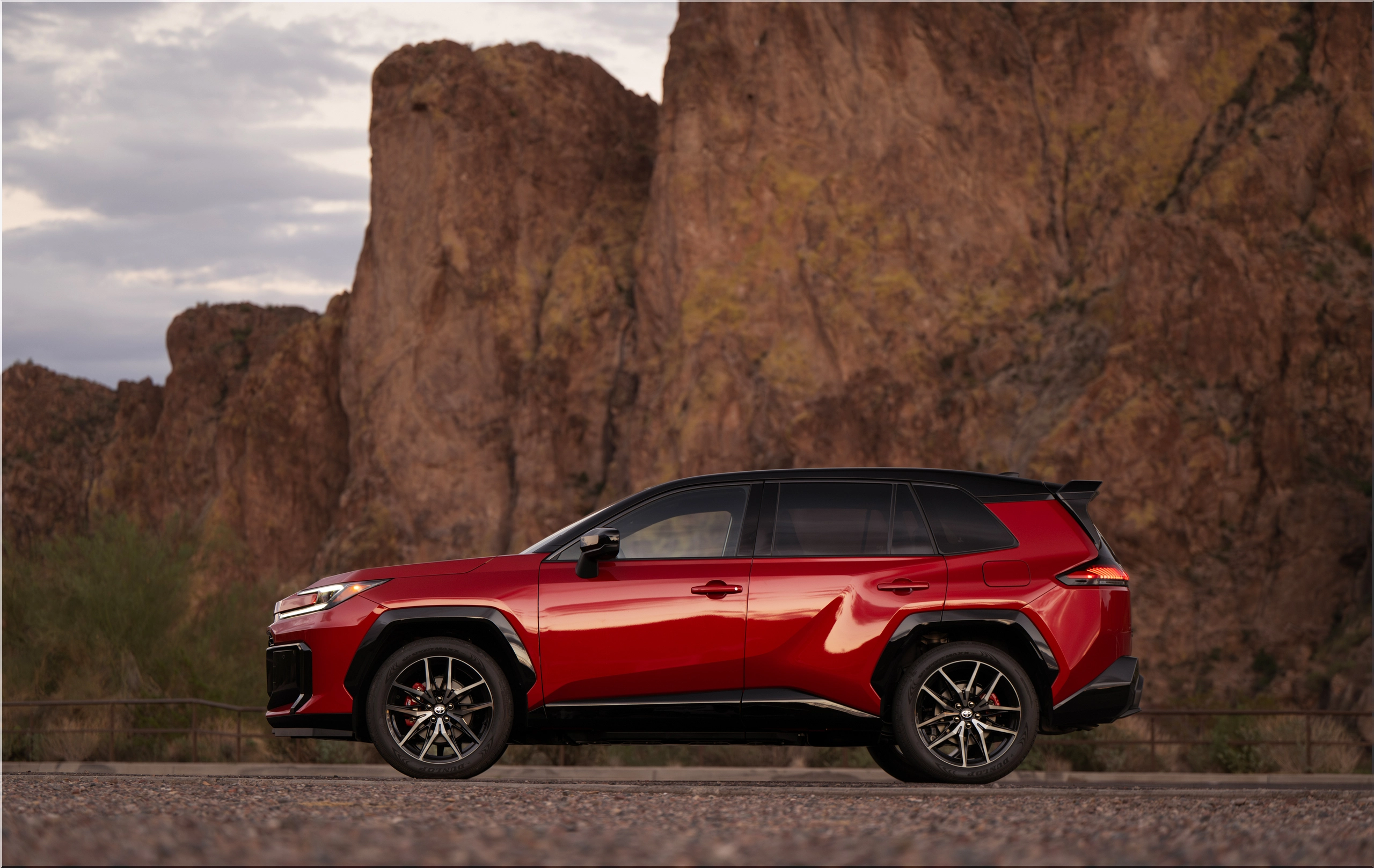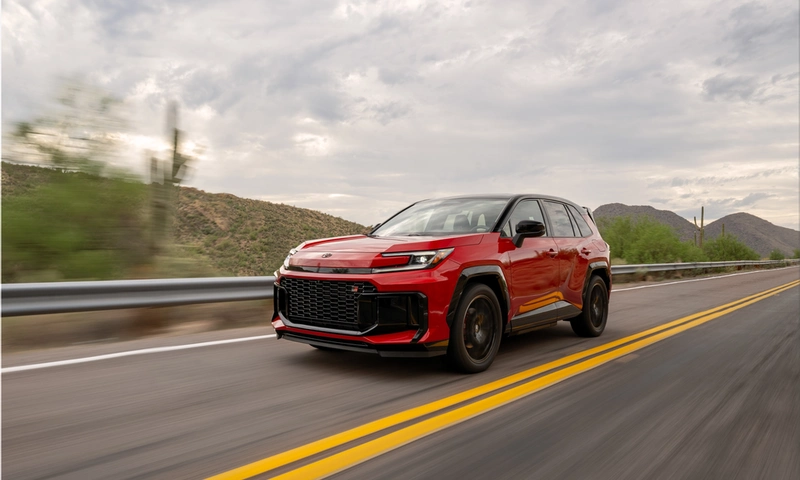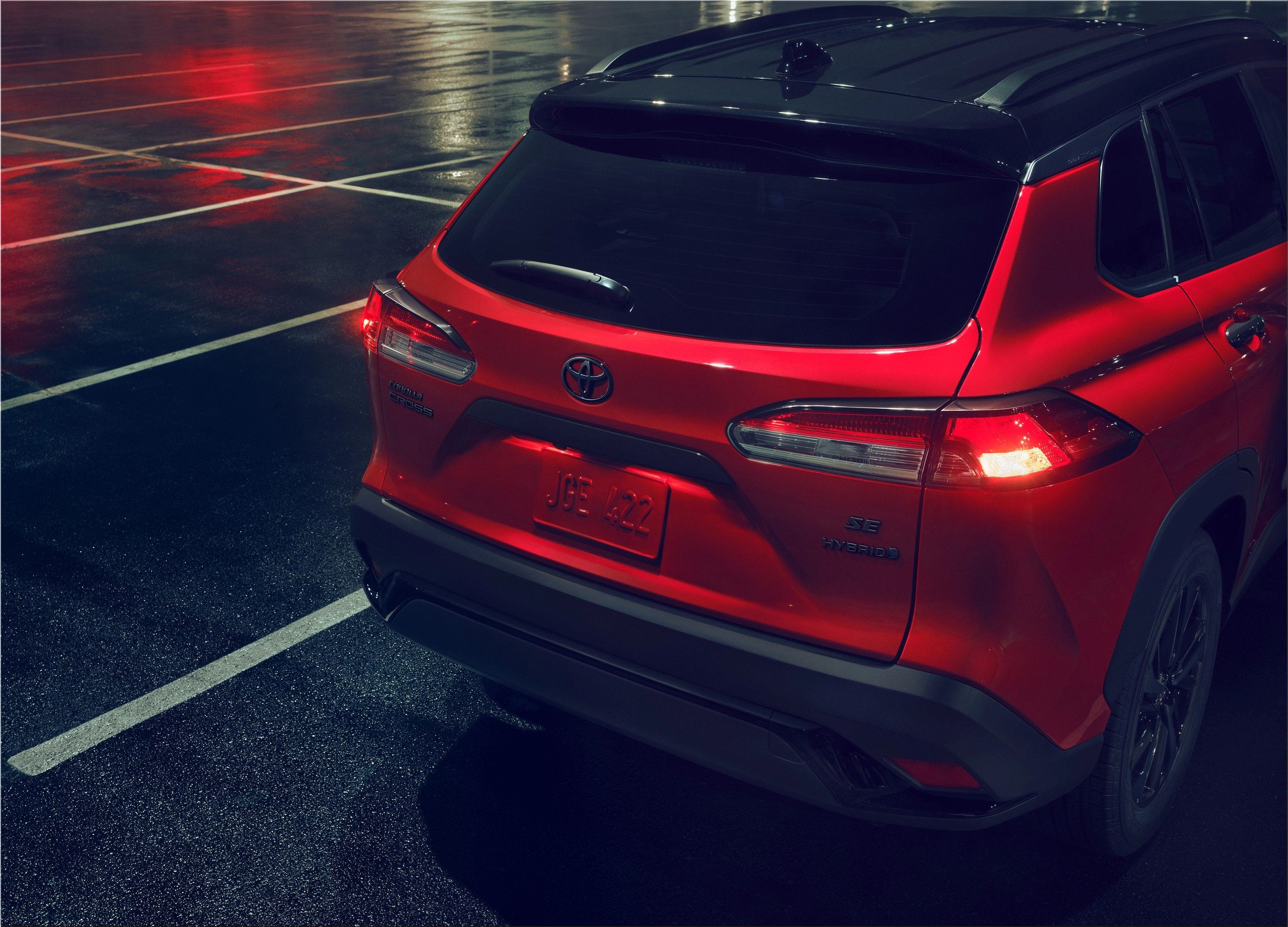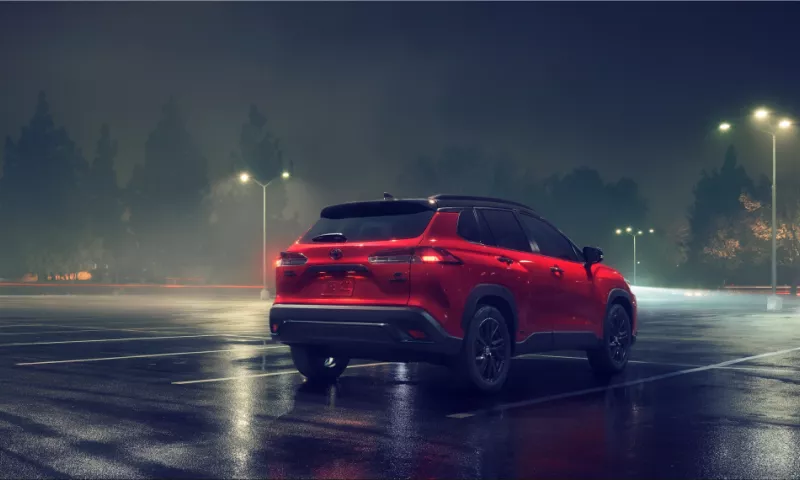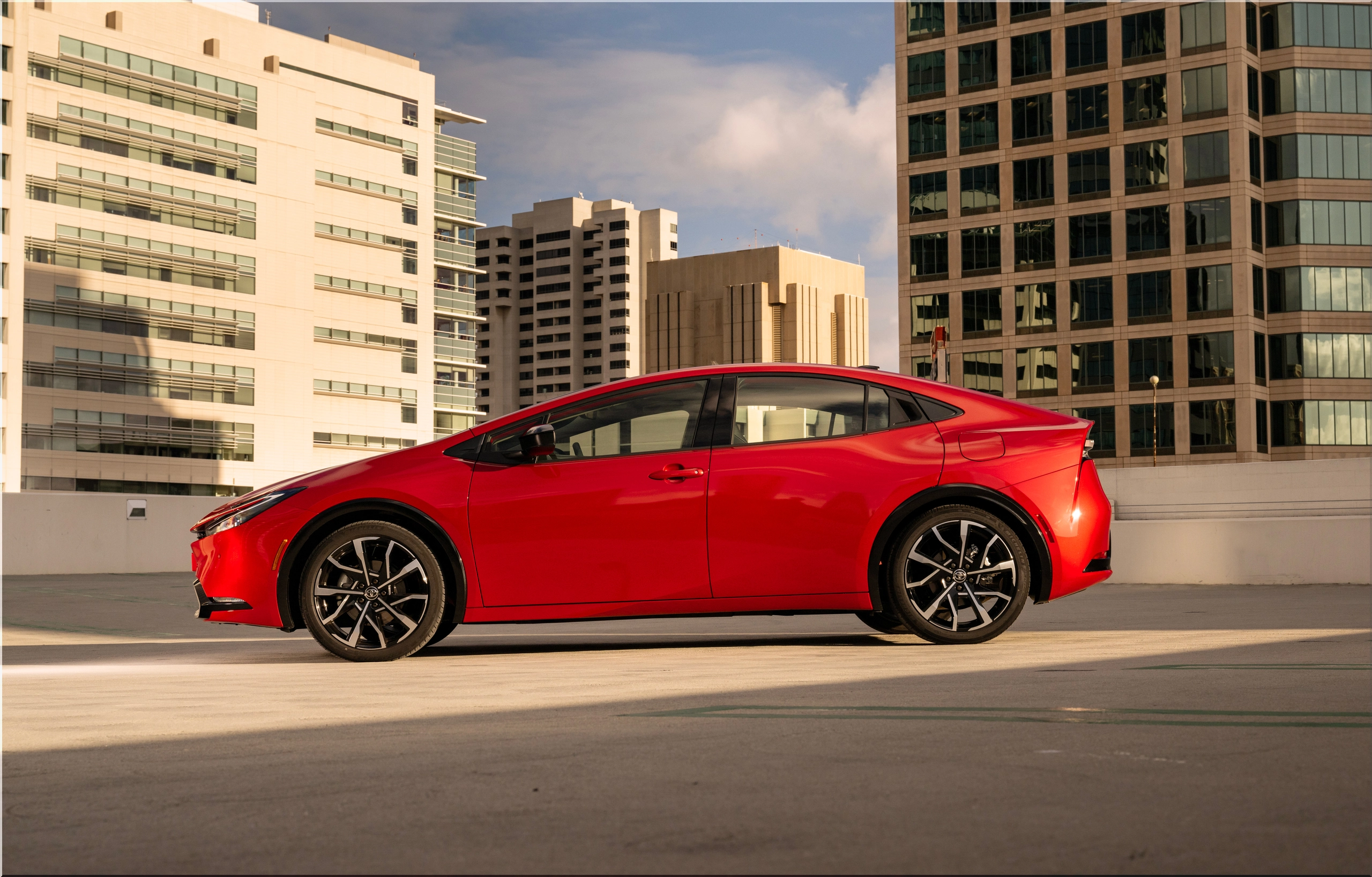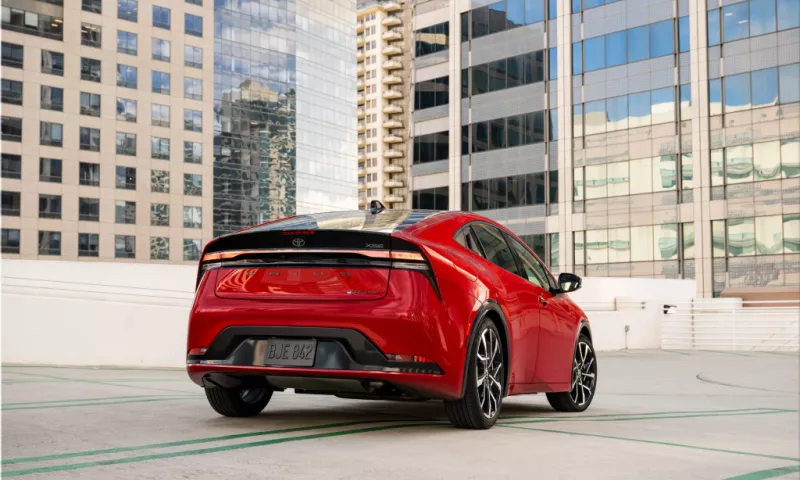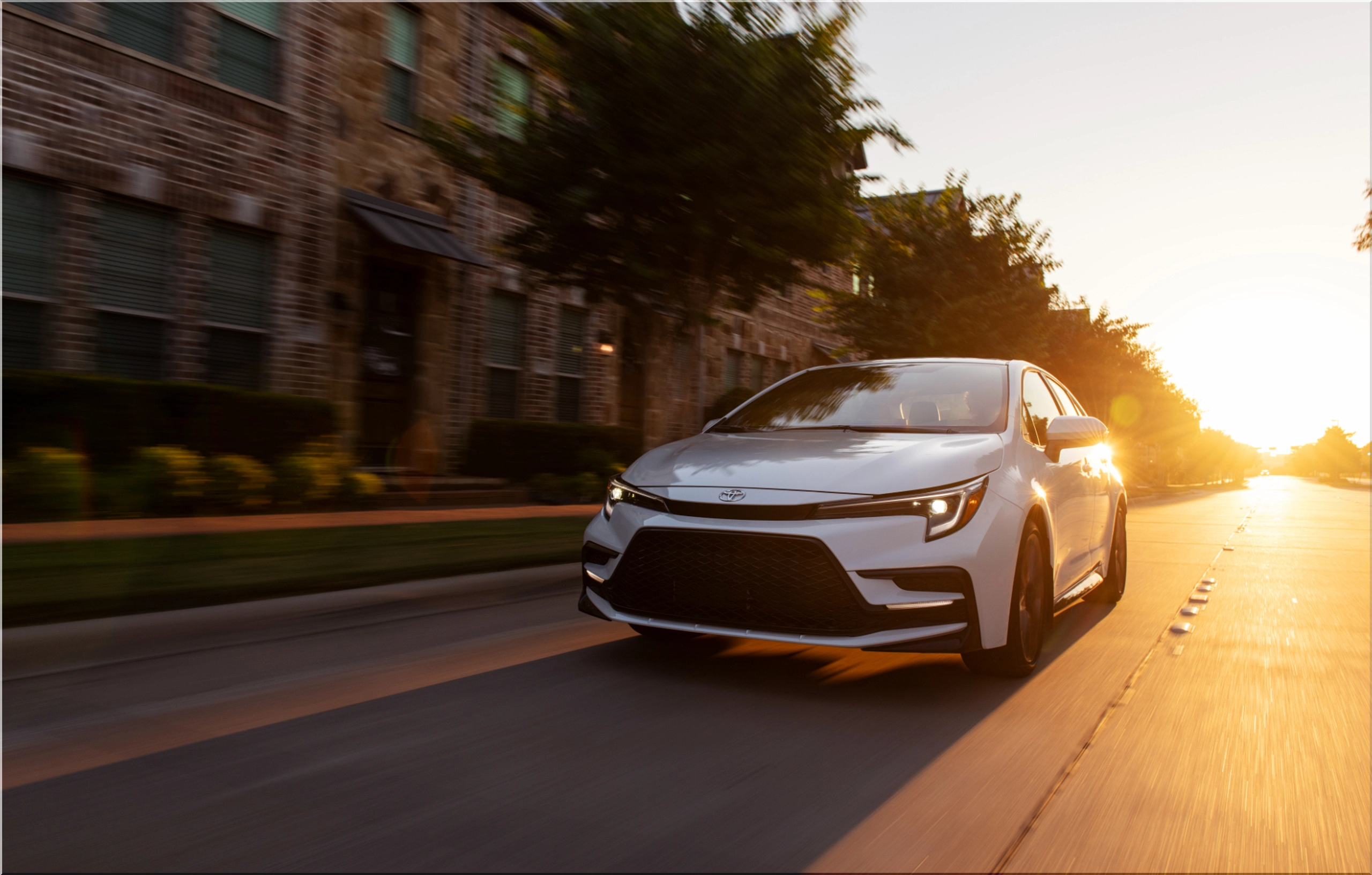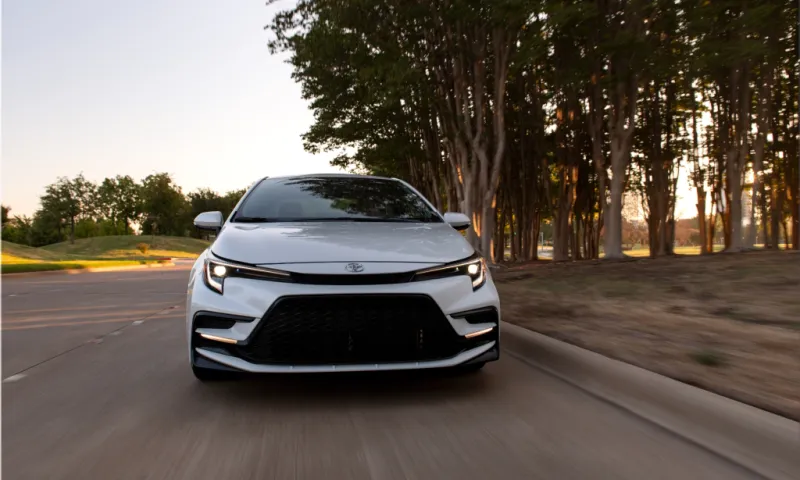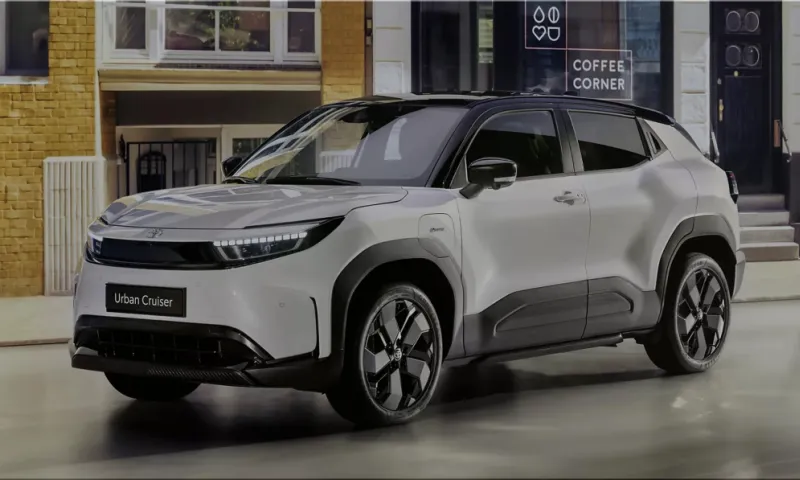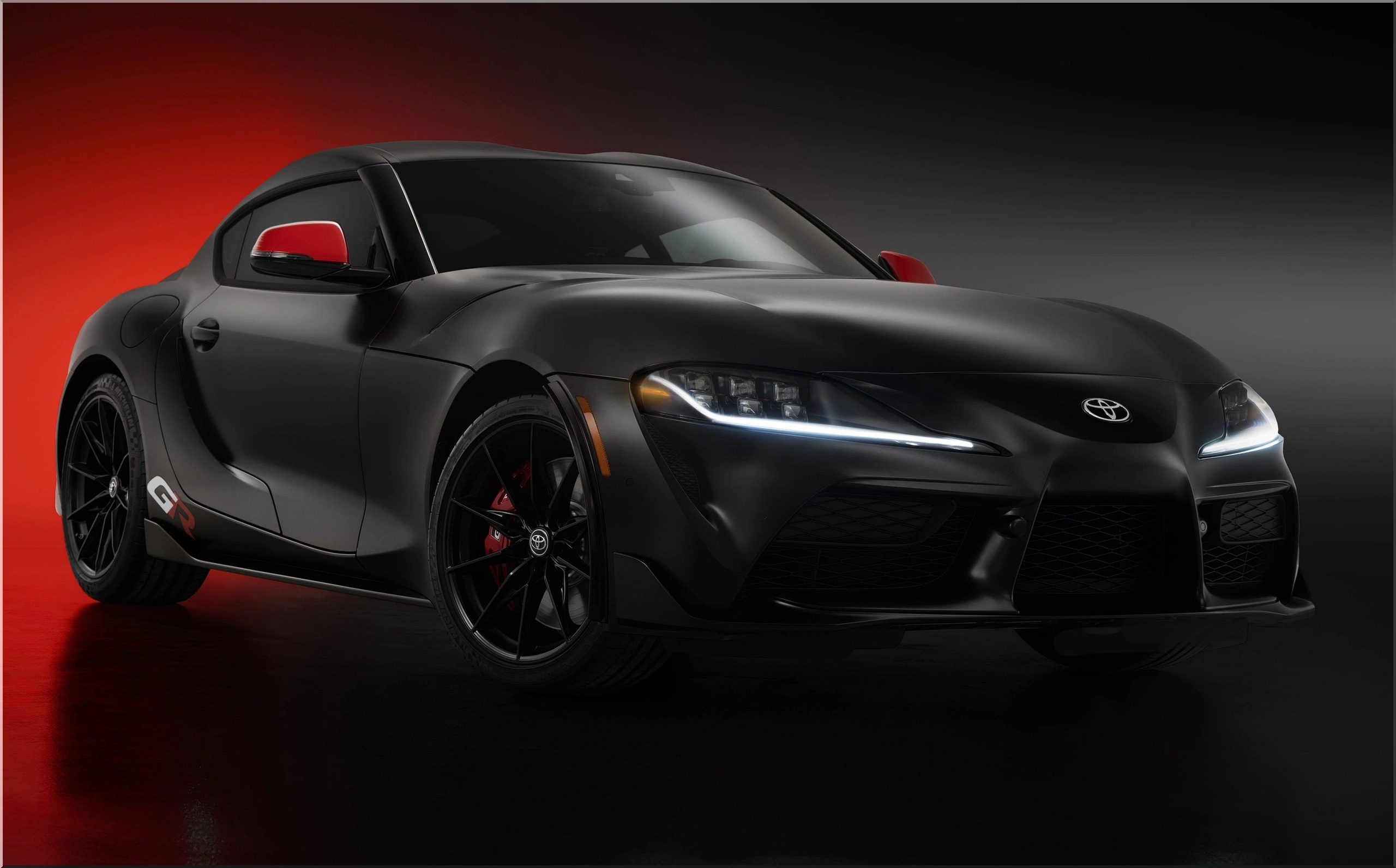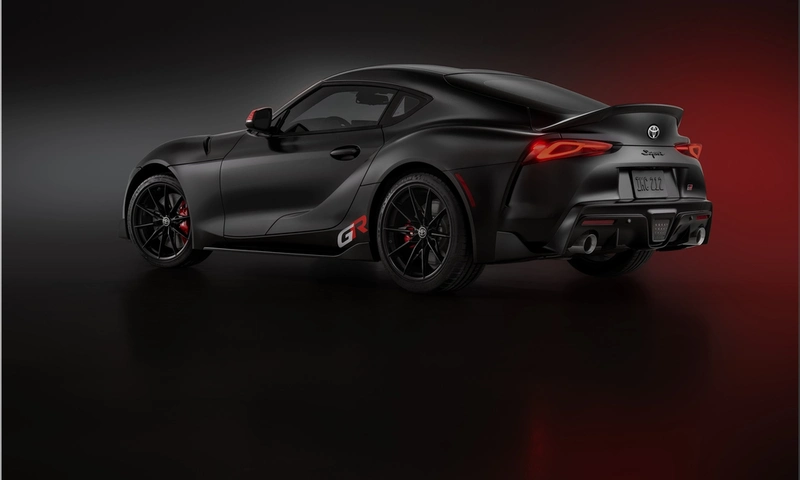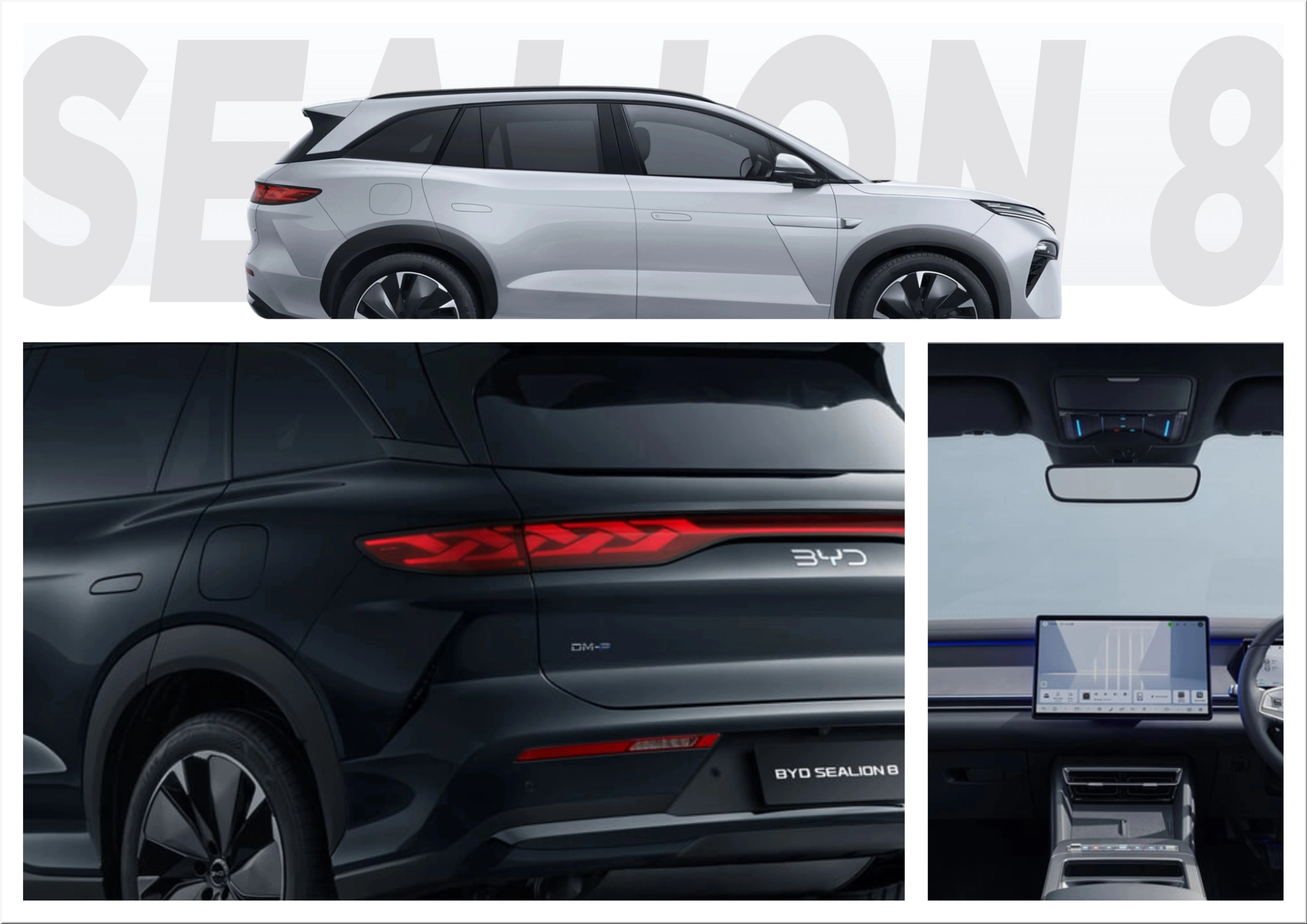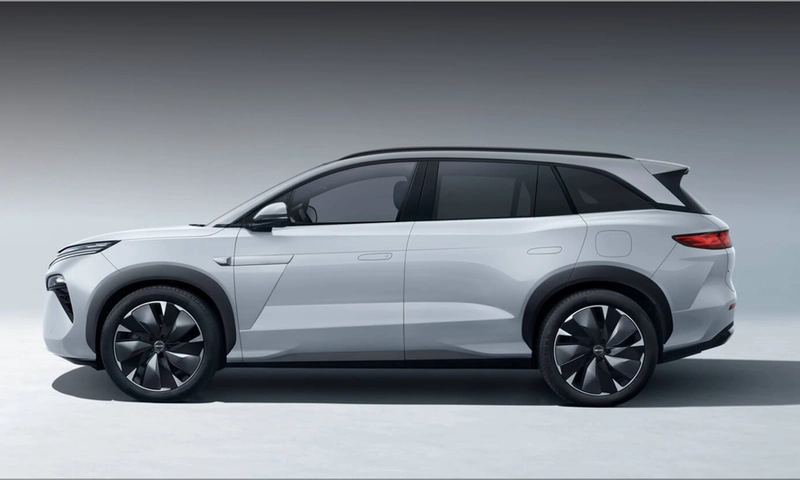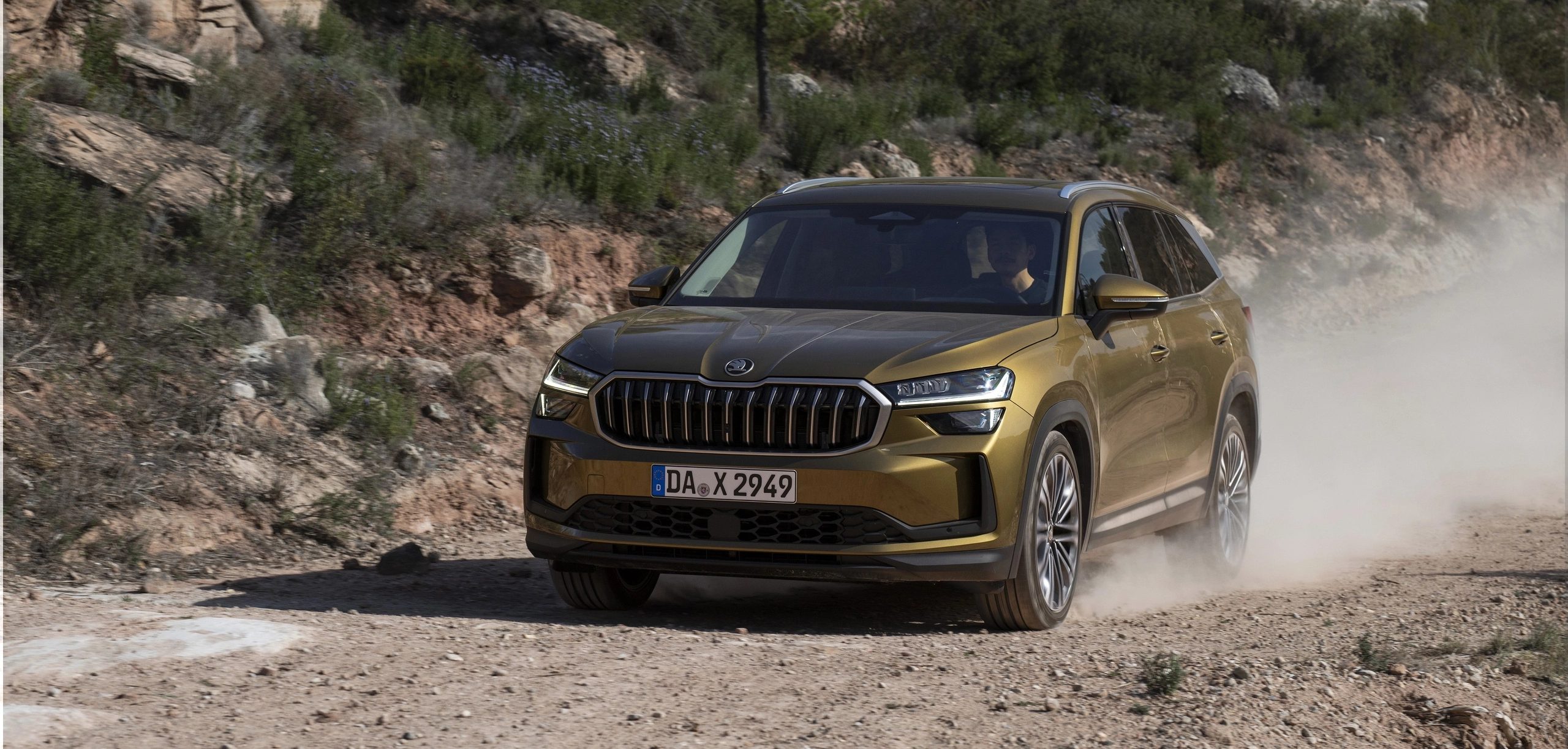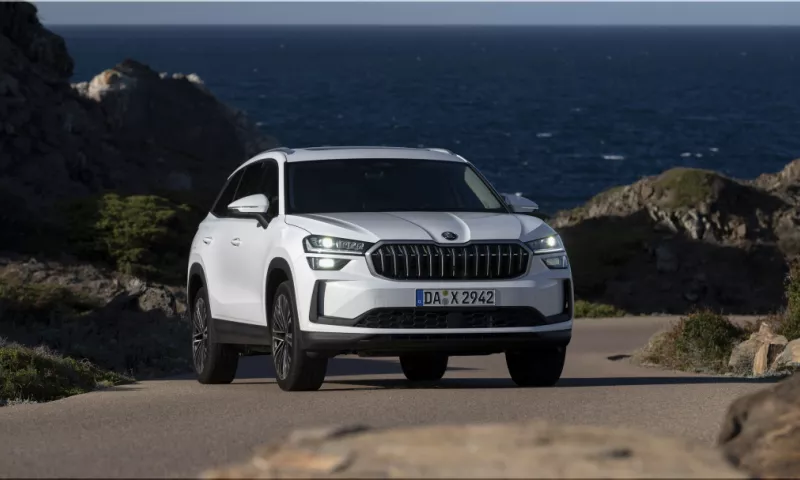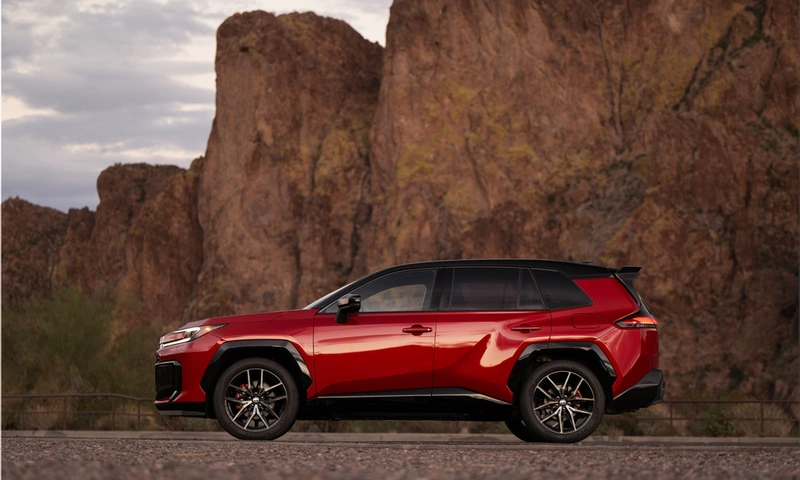
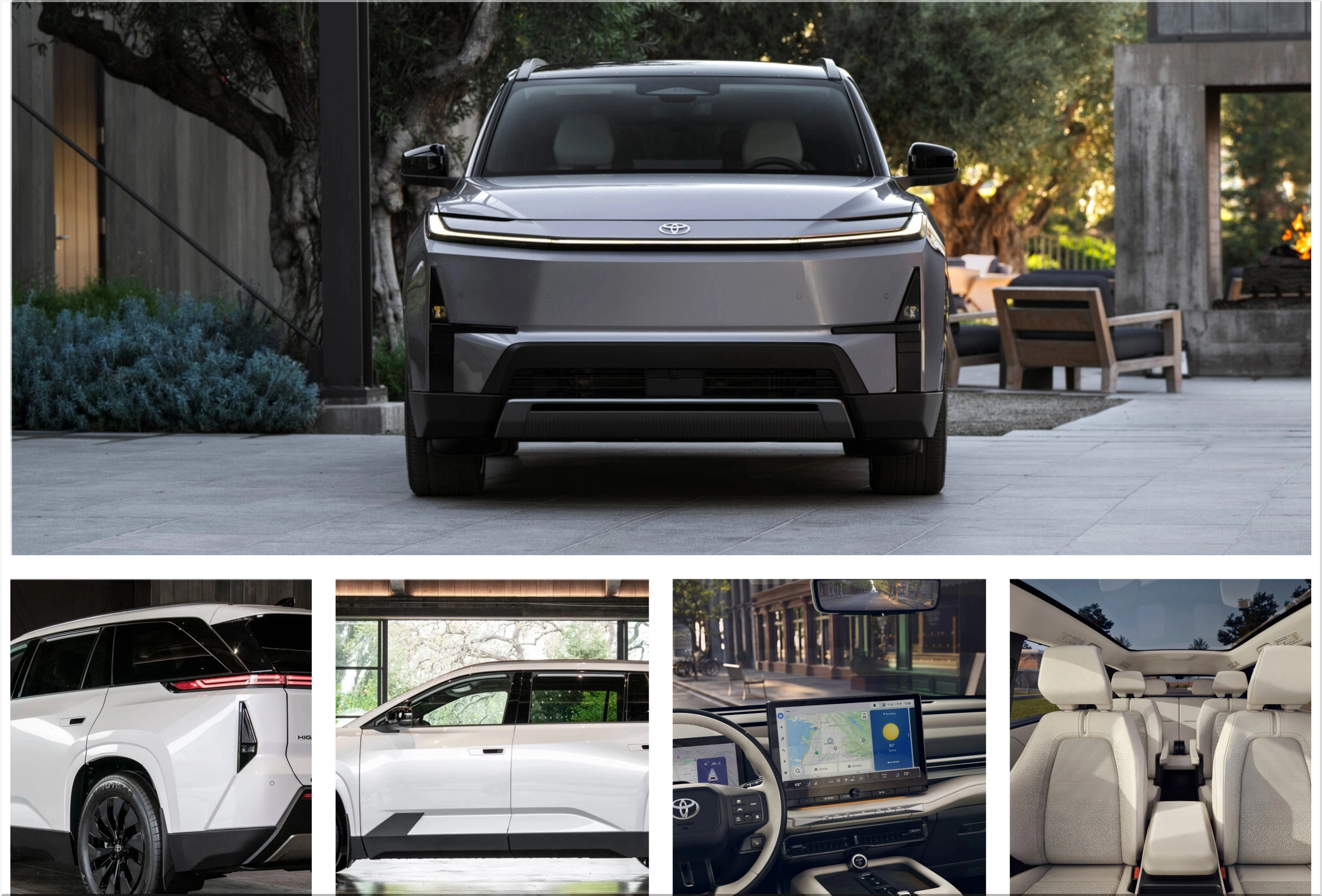
Toyota did something bold with the 2027 Toyota Highlander. It took one of its best-known family SUVs and pushed it into the battery-electric lane, full stop. That move gives the new Toyota Highlander EV a different job than the outgoing model: carry seven people, deliver real road-trip range, and still feel easy to live with every day.
Image
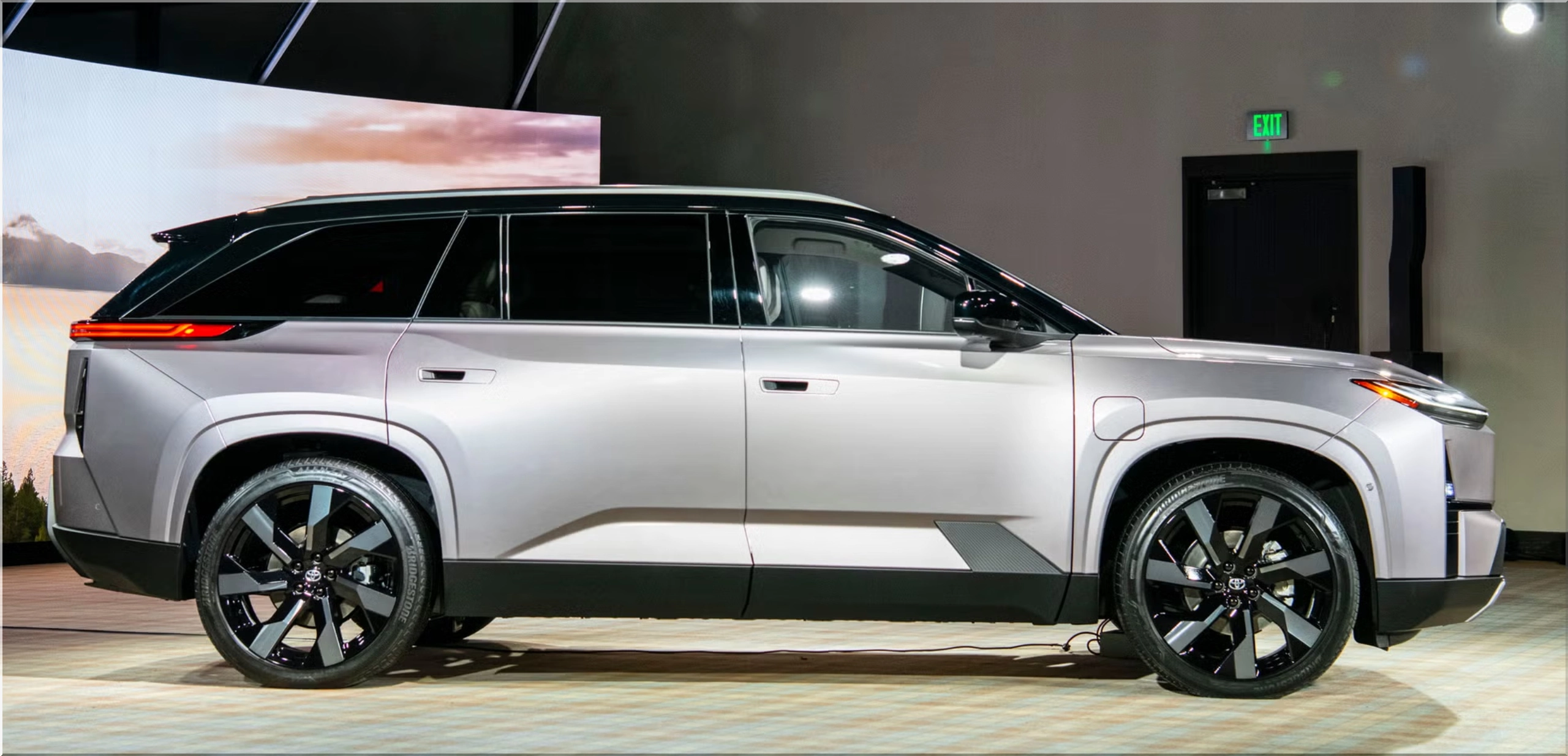
Looking at the data, Toyota did not build a science project. It built a three-row electric SUV with familiar Highlander priorities: space, comfort, safety tech, and low-stress usability. The difference sits under the floor, where the battery pack now dictates the packaging, stance, ride character, and the entire logic of the platform.
Why the all-new 2027 Toyota Highlander matters
The headline tells the story. The new Highlander becomes Toyota's first three-row battery electric vehicle for the U.S. market, and Toyota will assemble it in Georgetown, Kentucky. That gives the model more than marketing value. It places Highlander in the thick of the most competitive part of the family-SUV market while also giving Toyota a domestically built EV with a familiar badge.
From an expert perspective, that matters because Toyota did not replace the Grand Highlander. It repositioned the regular Highlander. The 2027 Toyota Highlander now reads like the lower, sleeker, more tech-heavy option for buyers who want three rows without stepping into a larger footprint than necessary.
The platform changed the whole vehicle
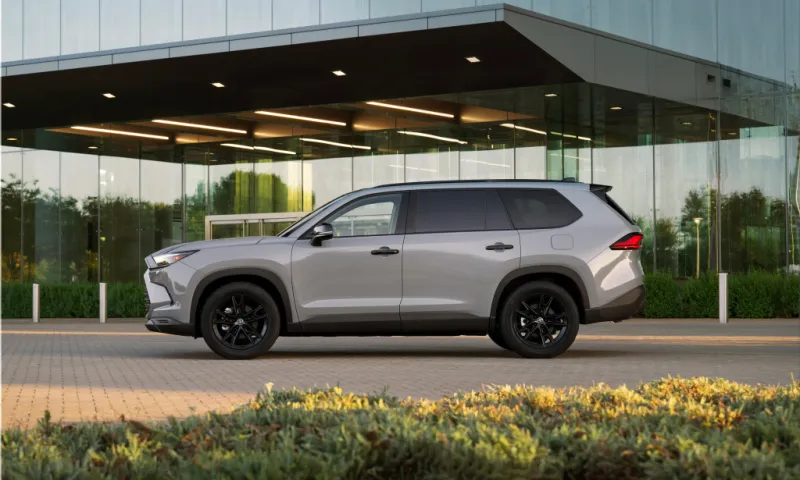
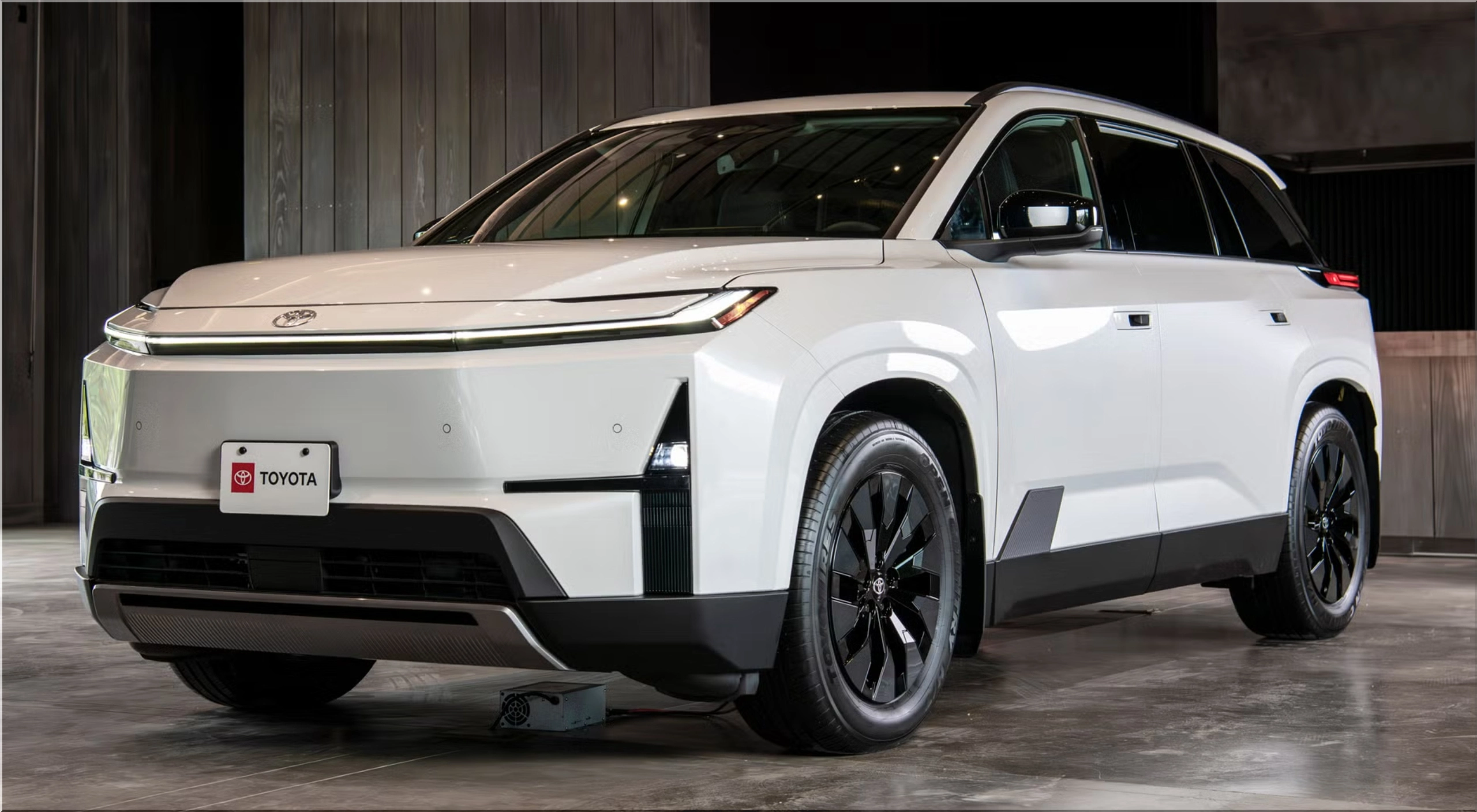
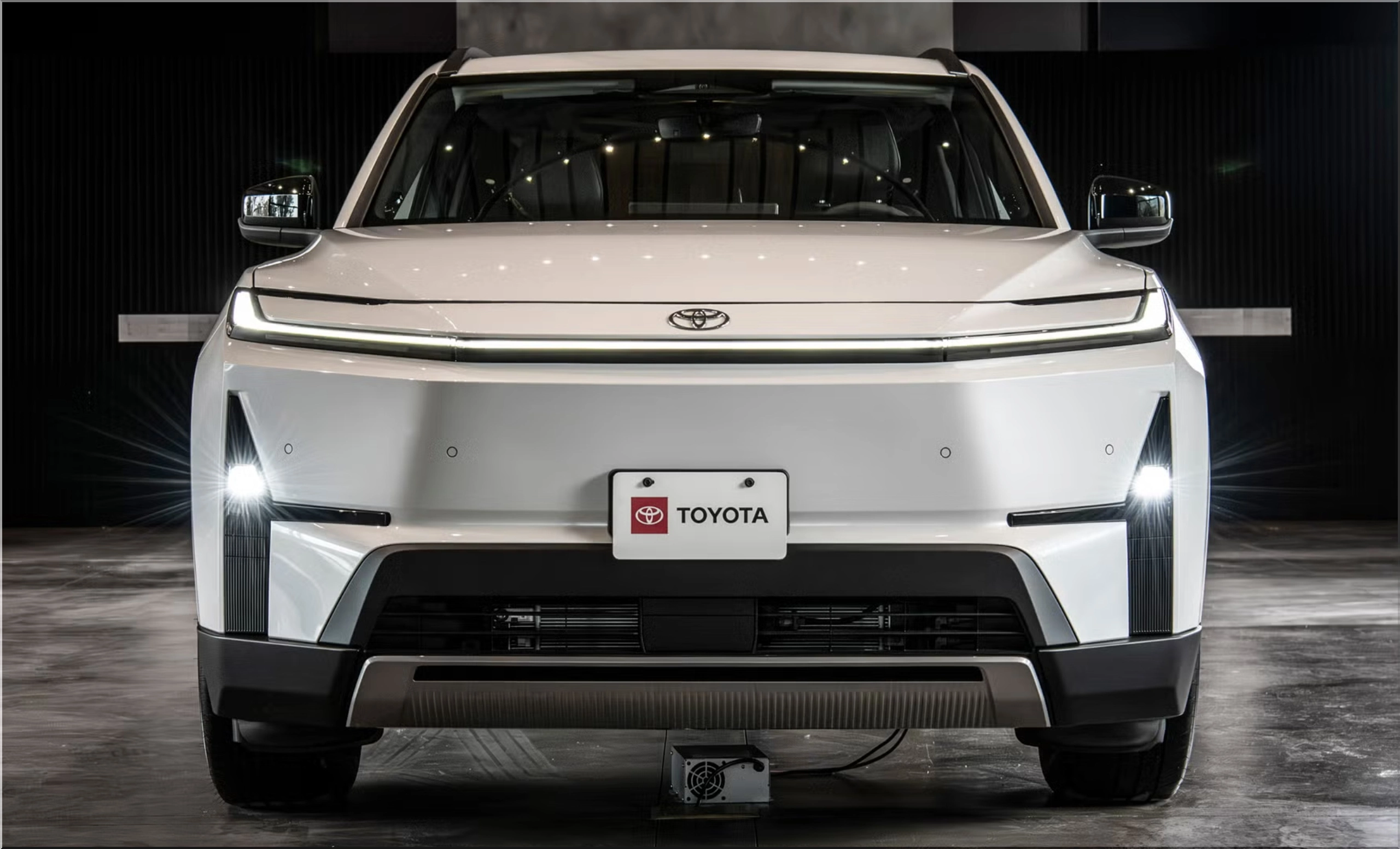
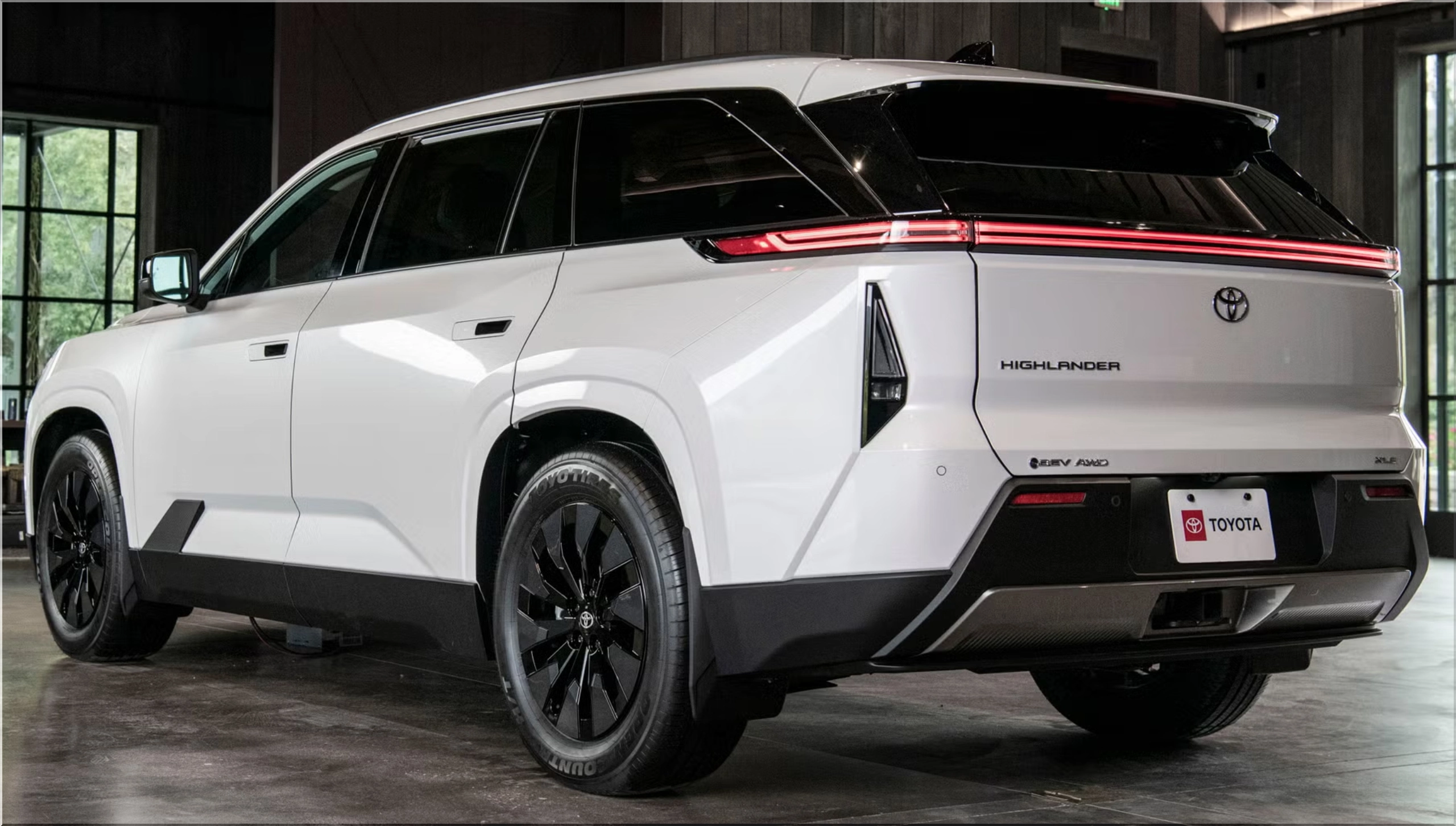
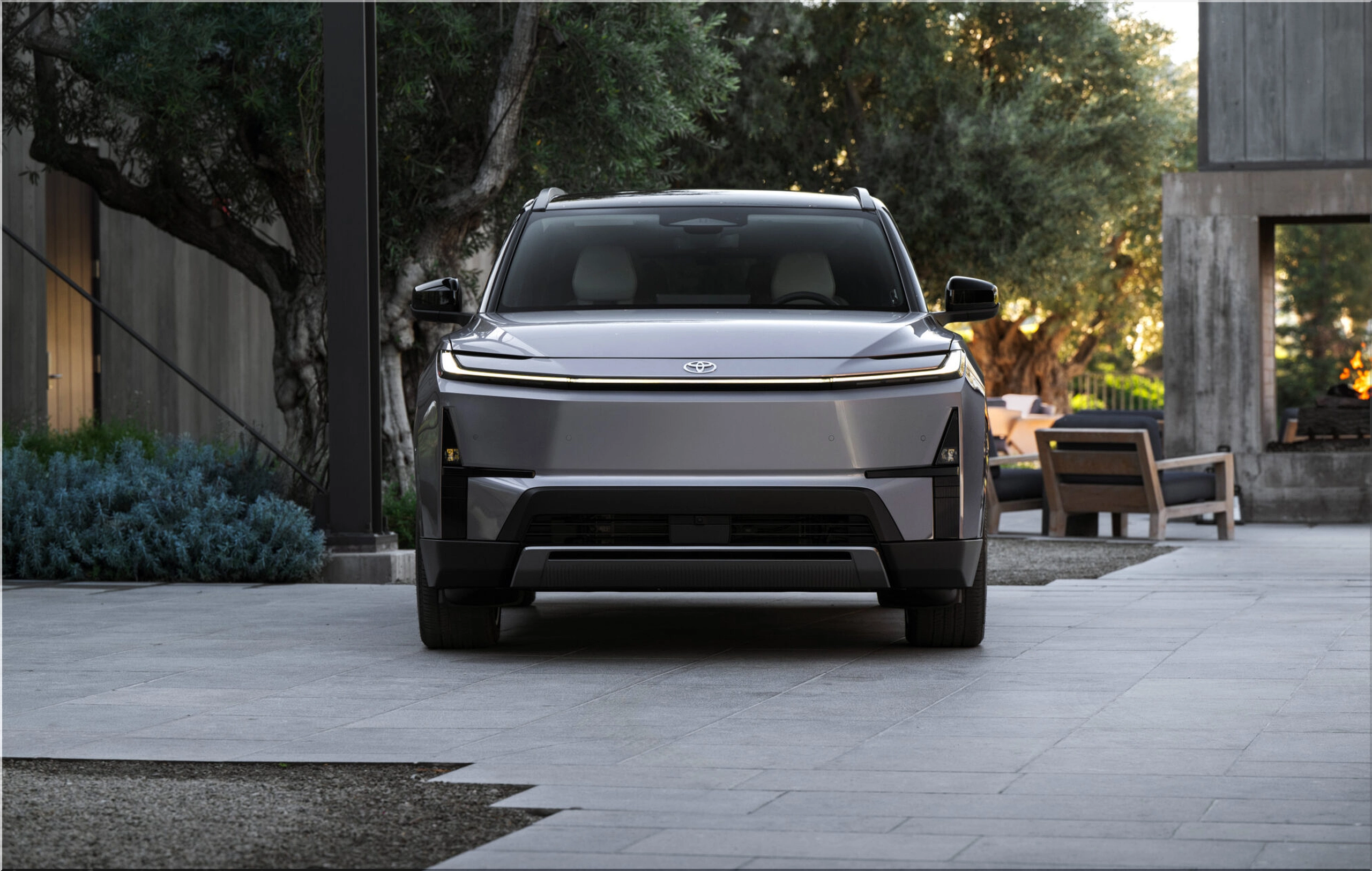
Toyota says the new Highlander rides on a modified TNGA-K platform developed to package a high-capacity battery while preserving passenger room. That decision shaped the exterior in obvious ways.
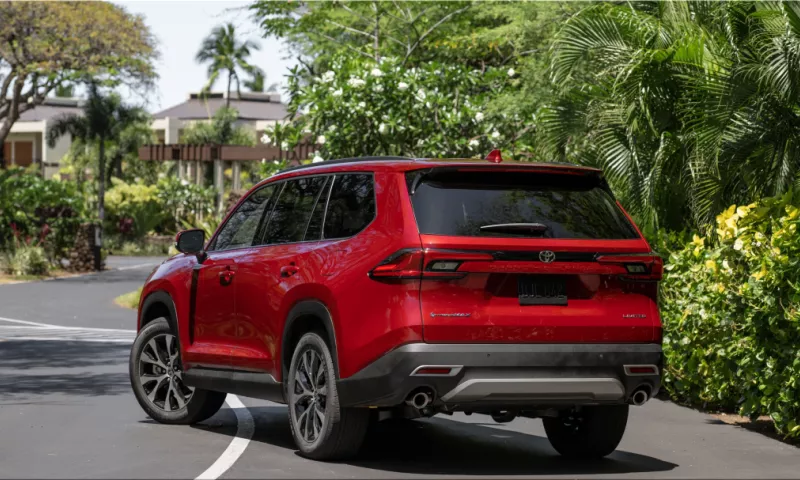
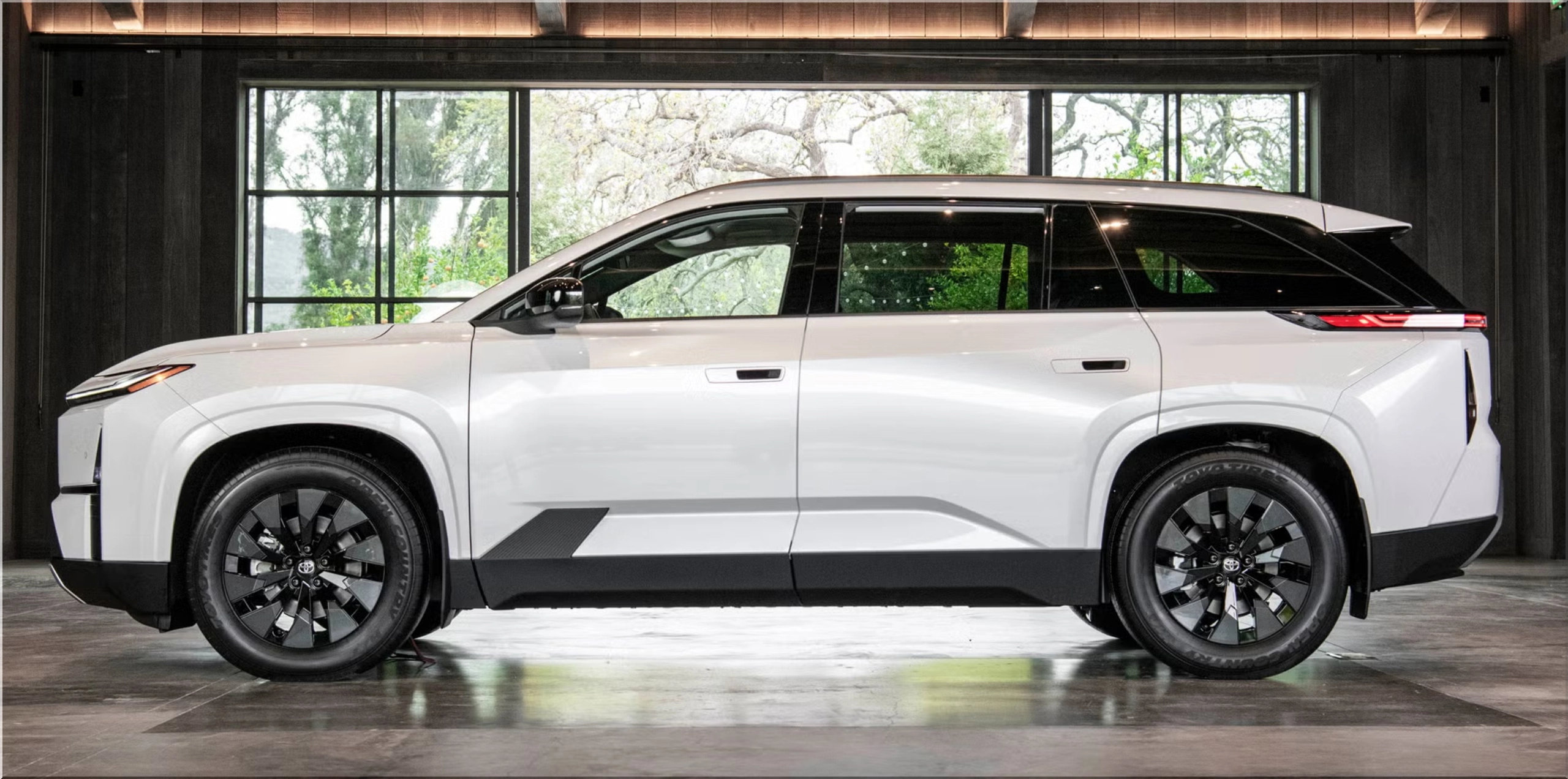
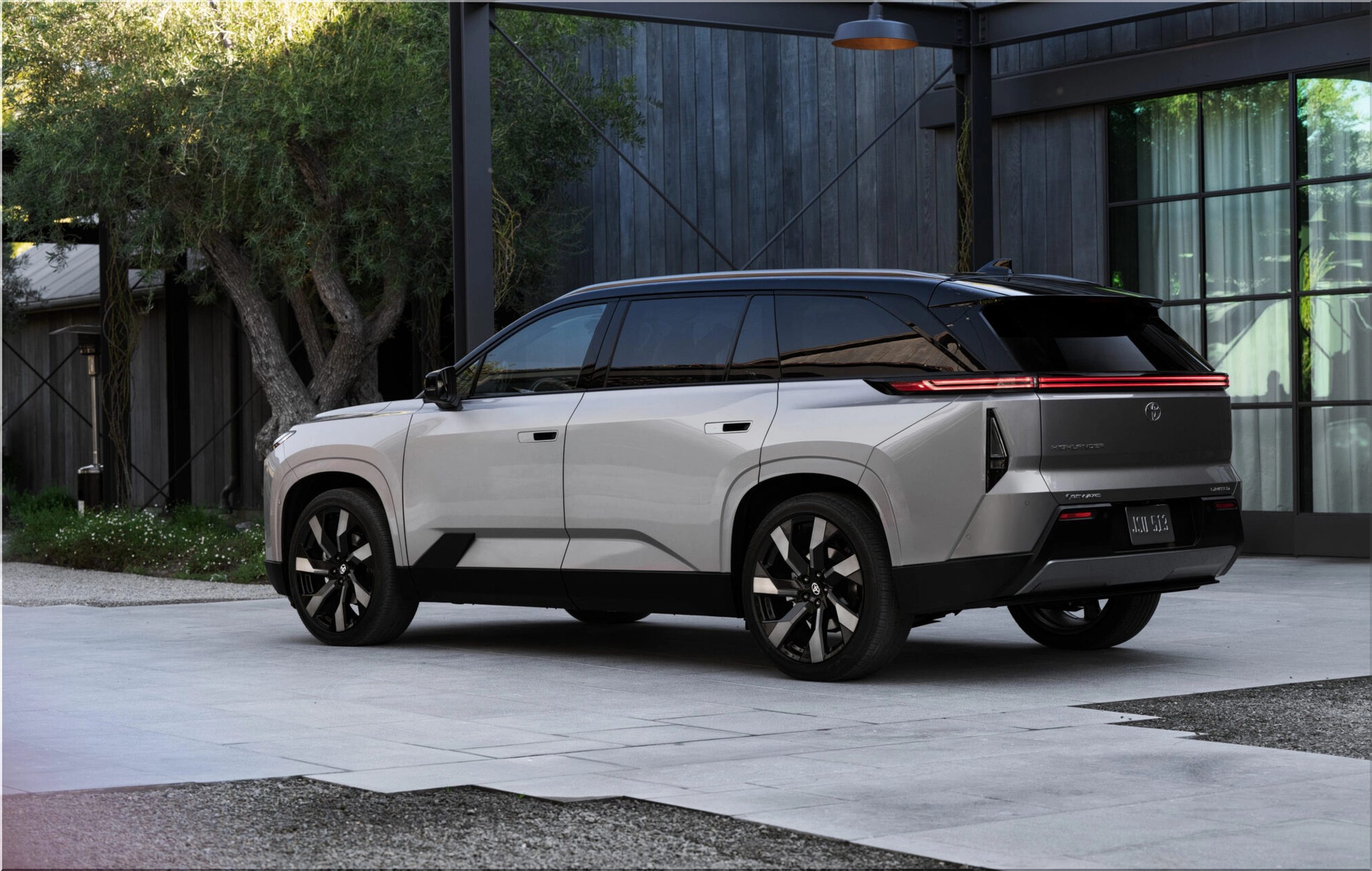
The new model measures 198.8 inches long, 78.3 inches wide, 67.3 inches tall, and rides on a 120.1-inch wheelbase. Toyota also says the roofline drops by 0.8 inch, width grows by 2.3 inches, and wheelbase stretches from 112.0 inches to 120.1 inches. That is a major packaging shift, not a minor refresh.
Image
Size and packaging changes
| Dimension | 2027 Toyota Highlander |
|---|---|
| Overall length | 198.8 in |
| Overall width | 78.3 in |
| Overall height | 67.3 in |
| Wheelbase | 120.1 in |
| Cargo volume, third row up | 15.9 cu ft |
| Cargo volume, third row folded | 45.6 cu ft |
That longer wheelbase does real work. It pushes the wheels closer to the corners, helps the cabin floor plan, and supports a more planted stance. By comparison, the lower roof and broader body also help aero efficiency, which every electric SUV needs if it wants usable highway range instead of brochure range.
Battery choices, range, and charging
Toyota gives buyers two battery sizes and four core configurations, though the lineup stays simple. The XLE FWD uses a 77.0-kWh battery. The XLE AWD can pair with either the 77.0-kWh pack or a larger 95.8-kWh pack. The Limited AWD comes only with the bigger battery.
That split makes sense. Toyota lets budget-minded buyers enter the lineup with a smaller pack, while families who cover longer distances can step into the larger battery without moving into a huge trim ladder.
2027 Toyota Highlander battery and range table
| Trim and drivetrain | Battery | Output | Est. range |
|---|---|---|---|
| XLE FWD | 77.0 kWh | 221 hp | 287 miles |
| XLE AWD | 77.0 kWh | 338 hp | 270 miles |
| XLE AWD | 95.8 kWh | 338 hp | 320 miles |
| Limited AWD | 95.8 kWh | 338 hp | 320 miles |
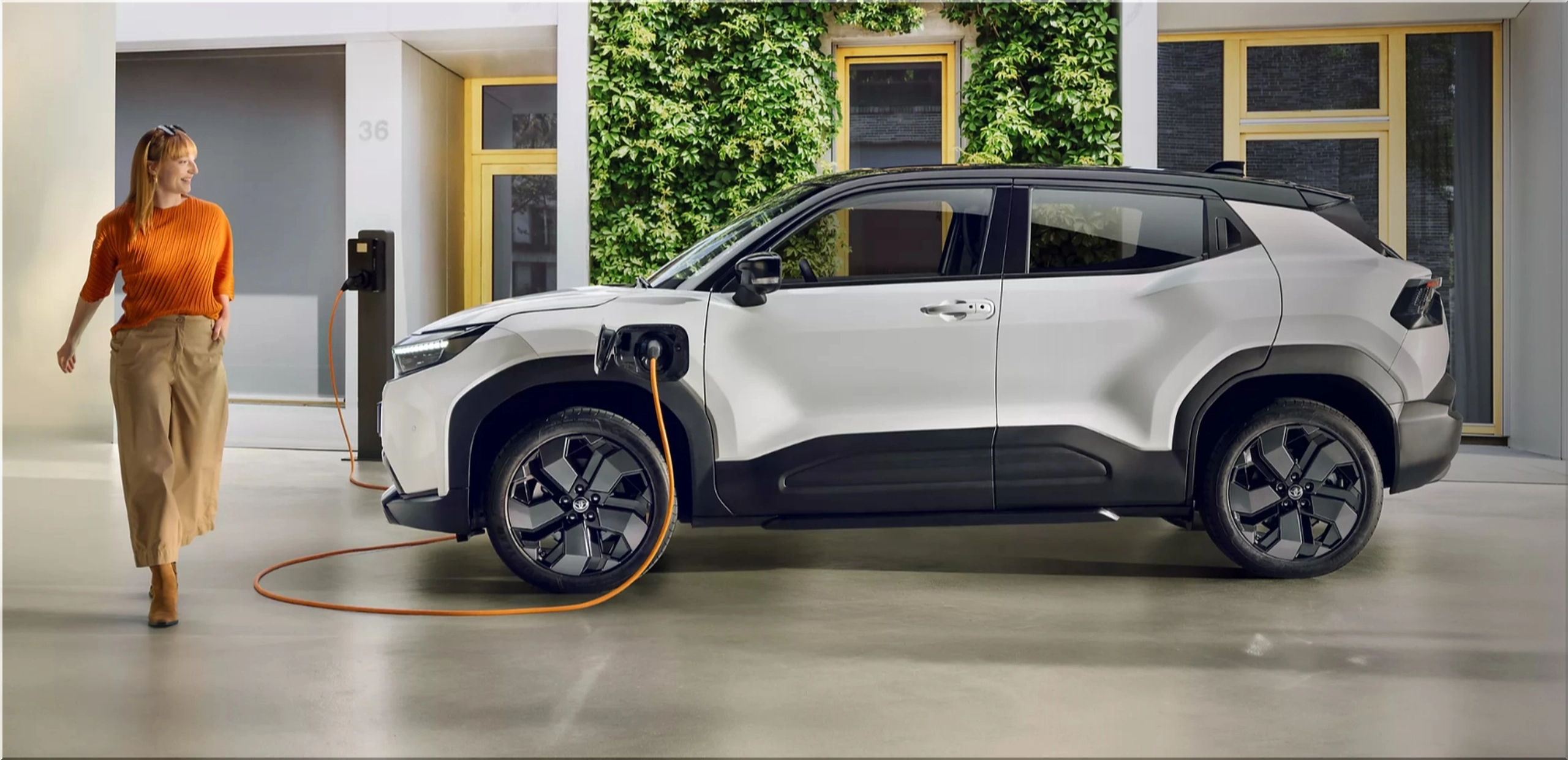
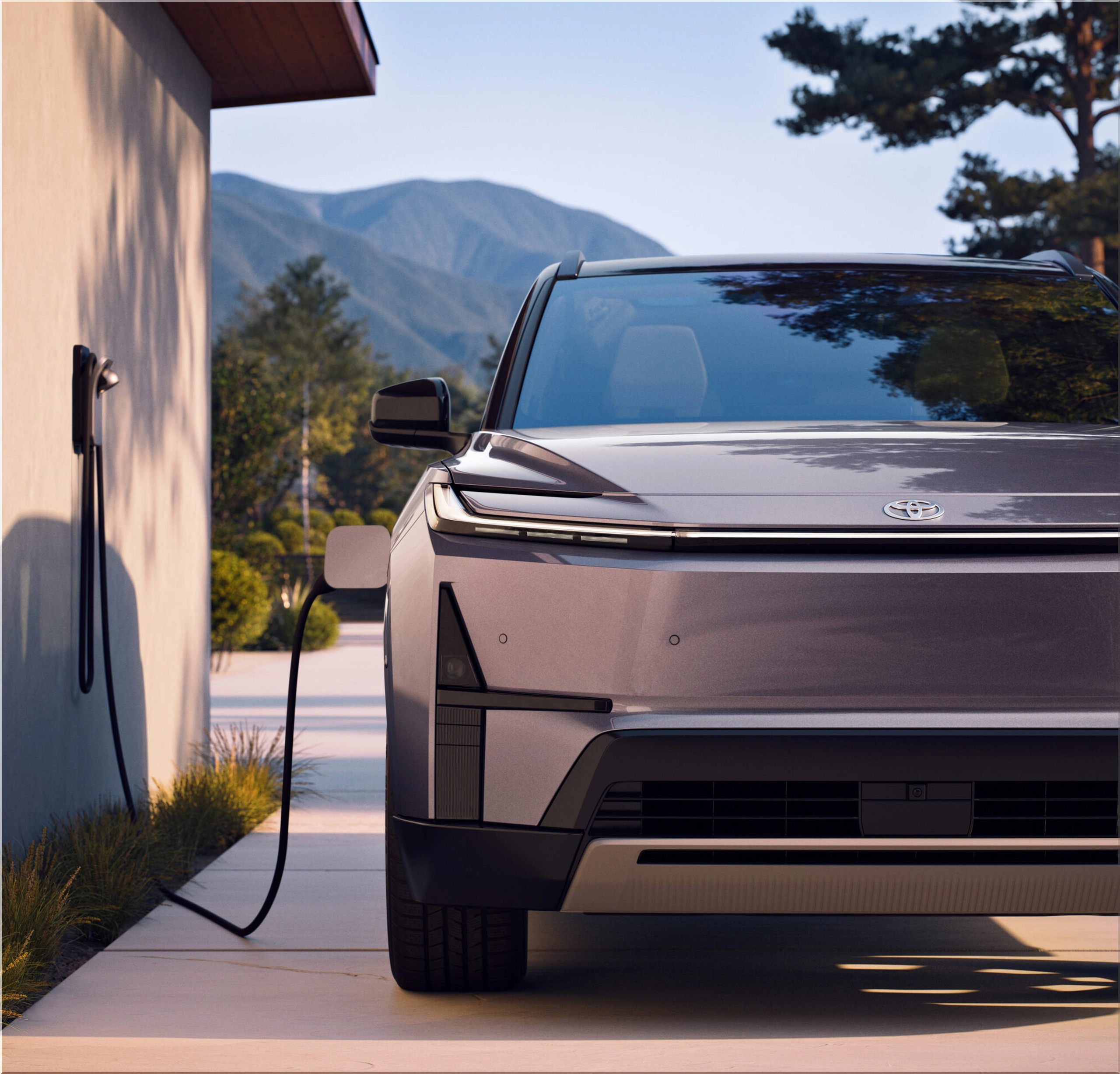
Toyota also says the Highlander uses a NACS charging port, supports DC fast charging from 10% to 80% in around 30 minutes under ideal conditions, and includes an 11-kW onboard AC charger plus a 120V/240V dual-voltage charging cable. In addition, Toyota fits battery preconditioning and Plug & Charge capability.
Image
That charging stack shows clear intent. Toyota knows family buyers do not want app overload or charging guesswork. Preconditioning helps the pack arrive at a fast charger in the right thermal window. Plug & Charge cuts friction at the charger. Together, those features attack one of the biggest pain points in the three-row electric SUV segment.
Performance: enough punch, no drama
The front-drive version makes 221 horsepower and 198 lb-ft of torque. AWD models jump to 338 horsepower with 198 lb-ft front and 125 lb-ft rear motor torque. MotorTrend estimates 0-60 mph times from 8.5 seconds on the slower end to 5.5 seconds for the stronger versions.
That output will not scare performance SUVs, and it does not need to. The real win sits in how the power arrives. EV torque hits early, which helps a loaded family SUV feel more responsive in traffic, freeway merges, and short passing windows.
Image
Definition
Electronic AWD in Toyota's electrified vehicles usually means a dedicated rear electric motor adds traction only when conditions call for it or when the system wants added stability and launch support. That setup trims mechanical complexity compared with a traditional driveshaft-based AWD layout while still improving grip.
Toyota also gives AWD versions Multi-Terrain Select and Crawl Control. That does not turn Highlander into a rock crawler, but it does tell you Toyota wants this SUV to keep moving on wet pavement, gravel access roads, and snow-covered driveways without making the driver work for it.


Cabin, tech, and family usability
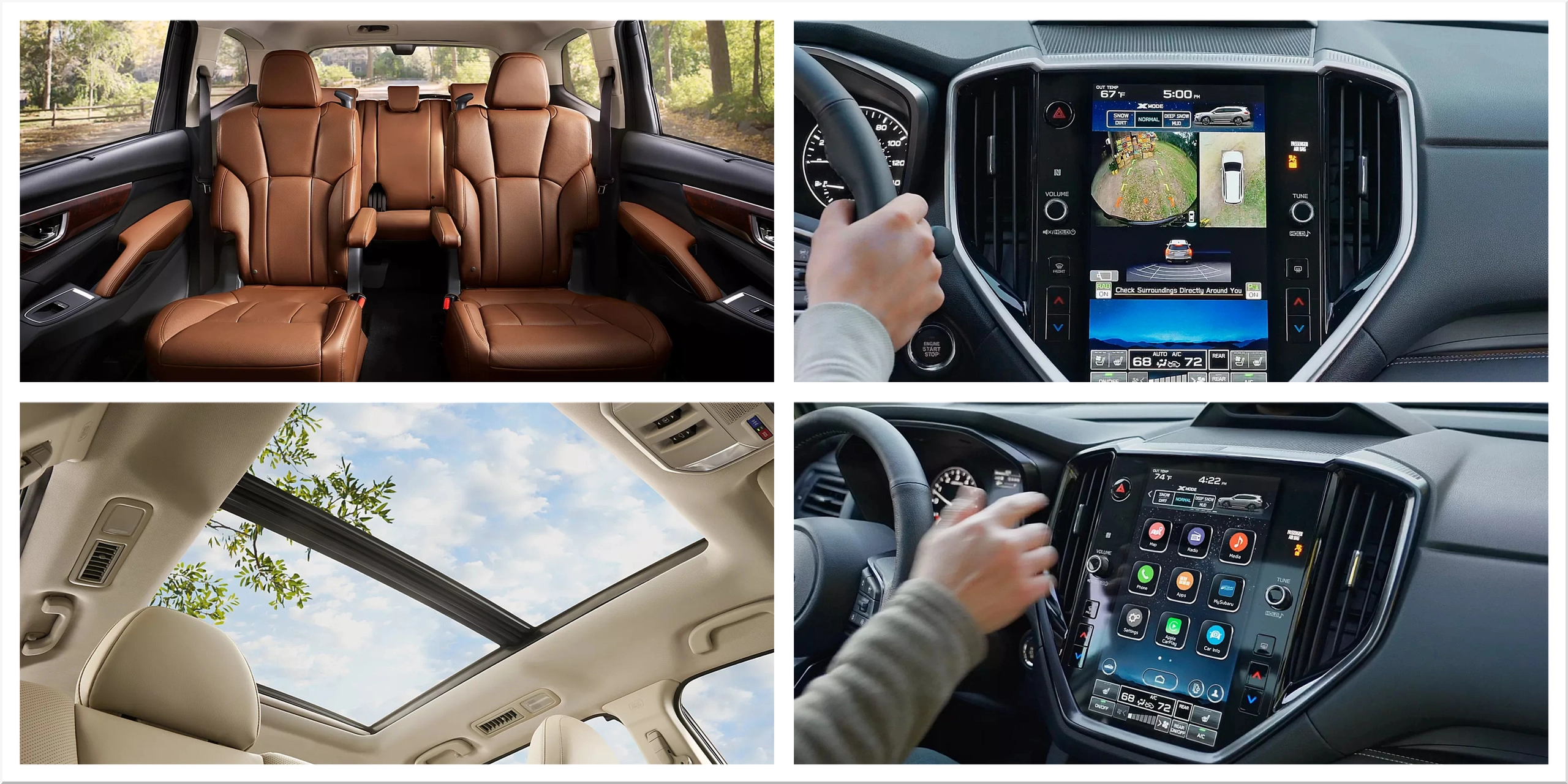
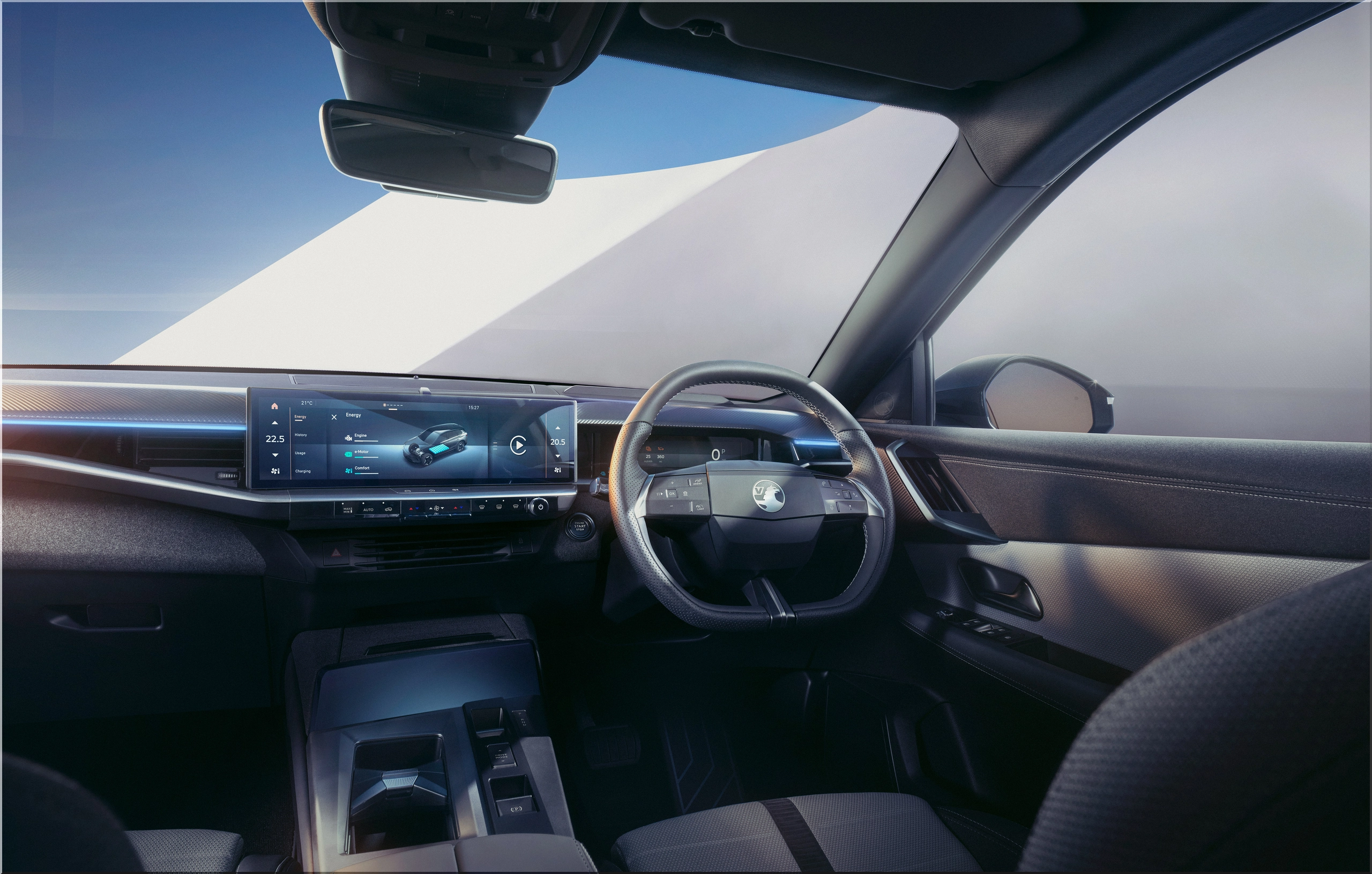
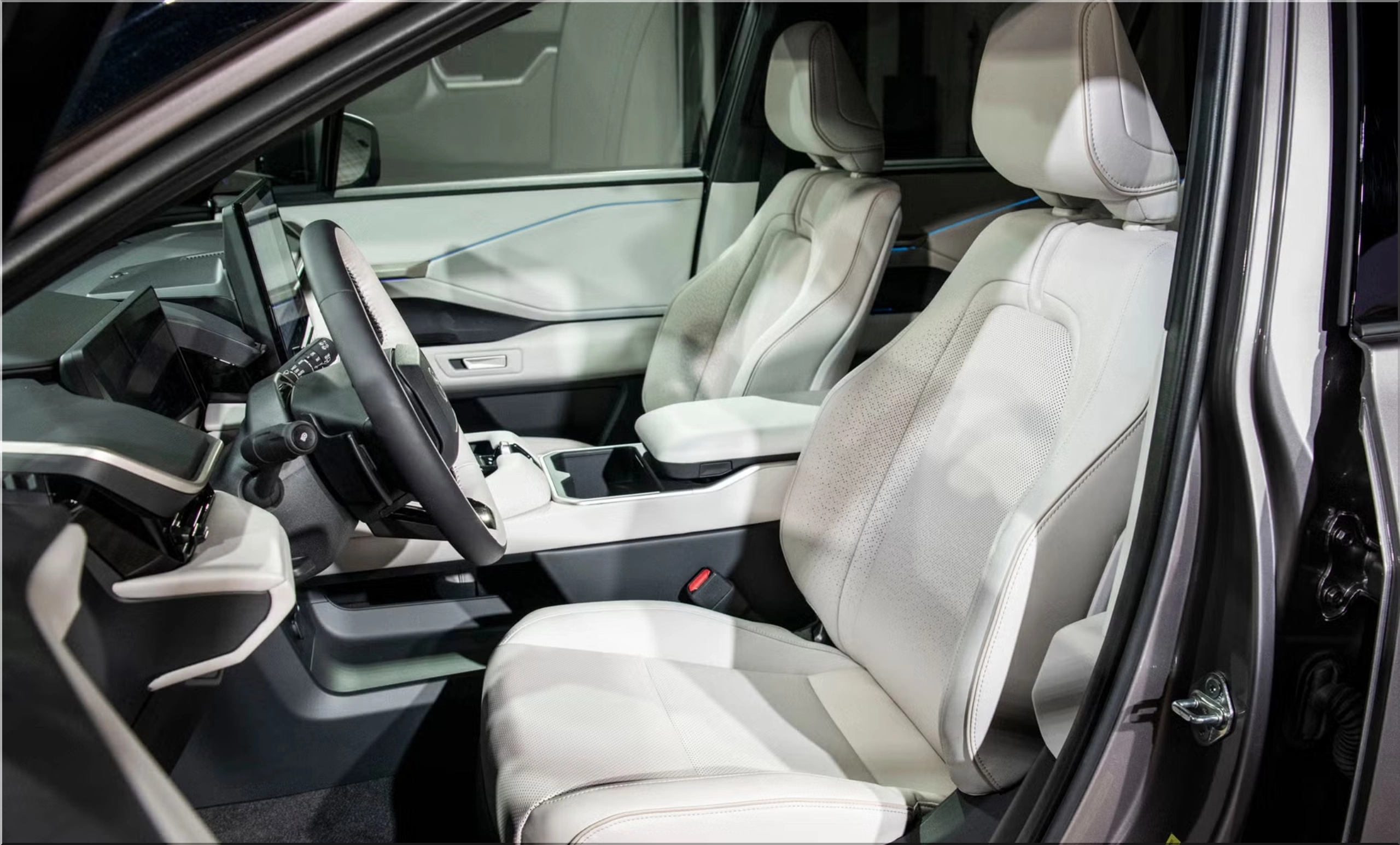
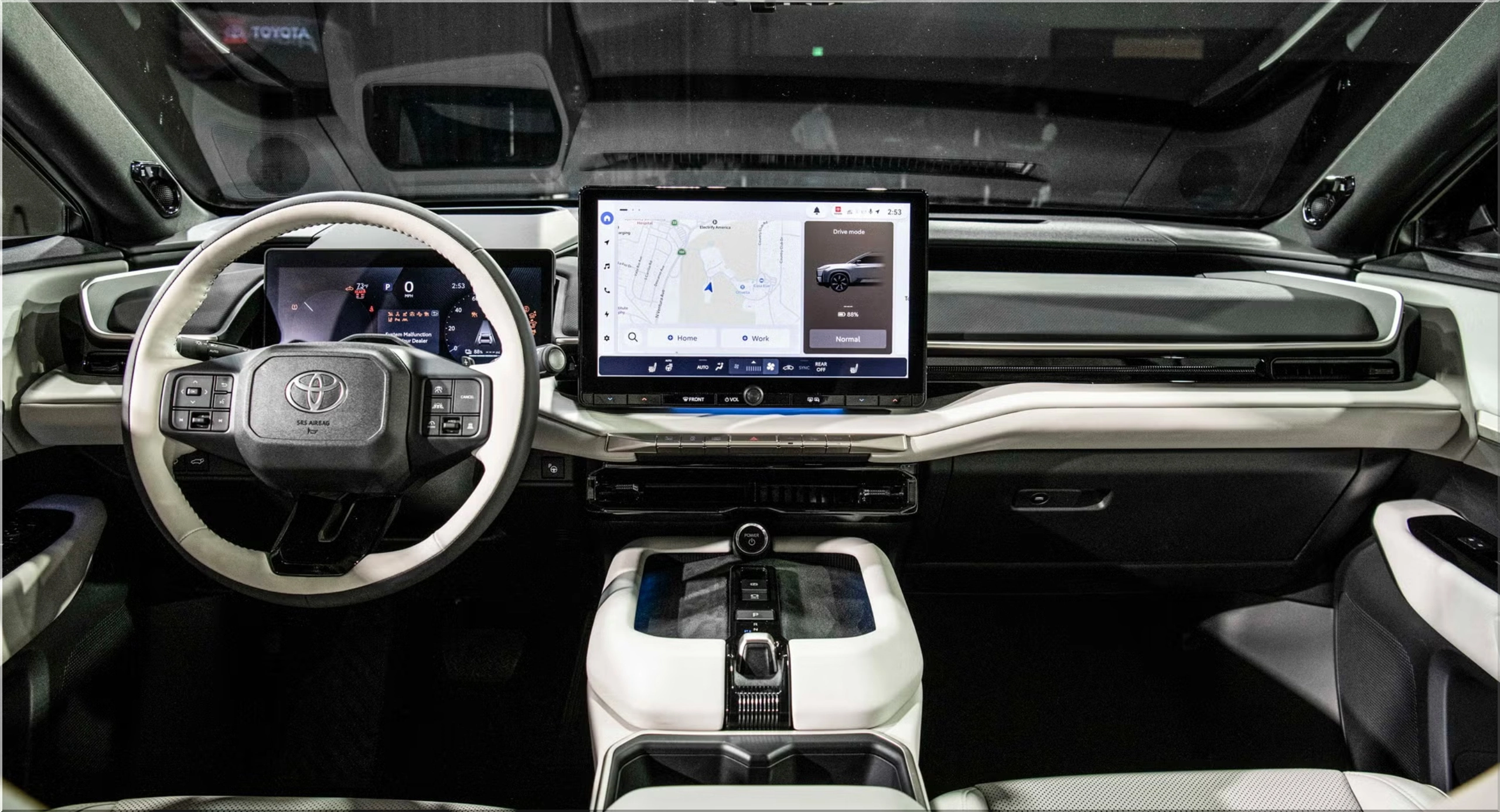
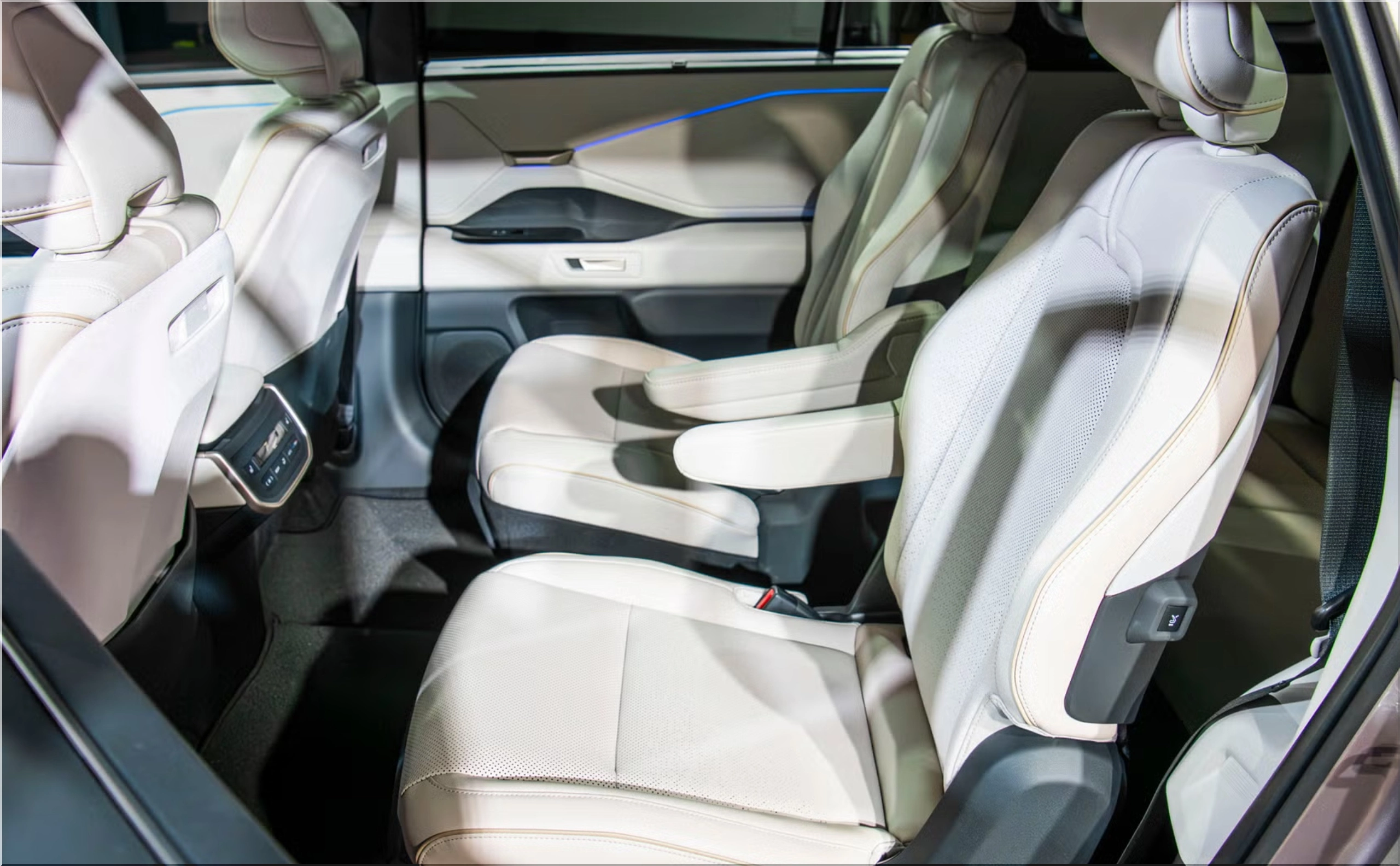
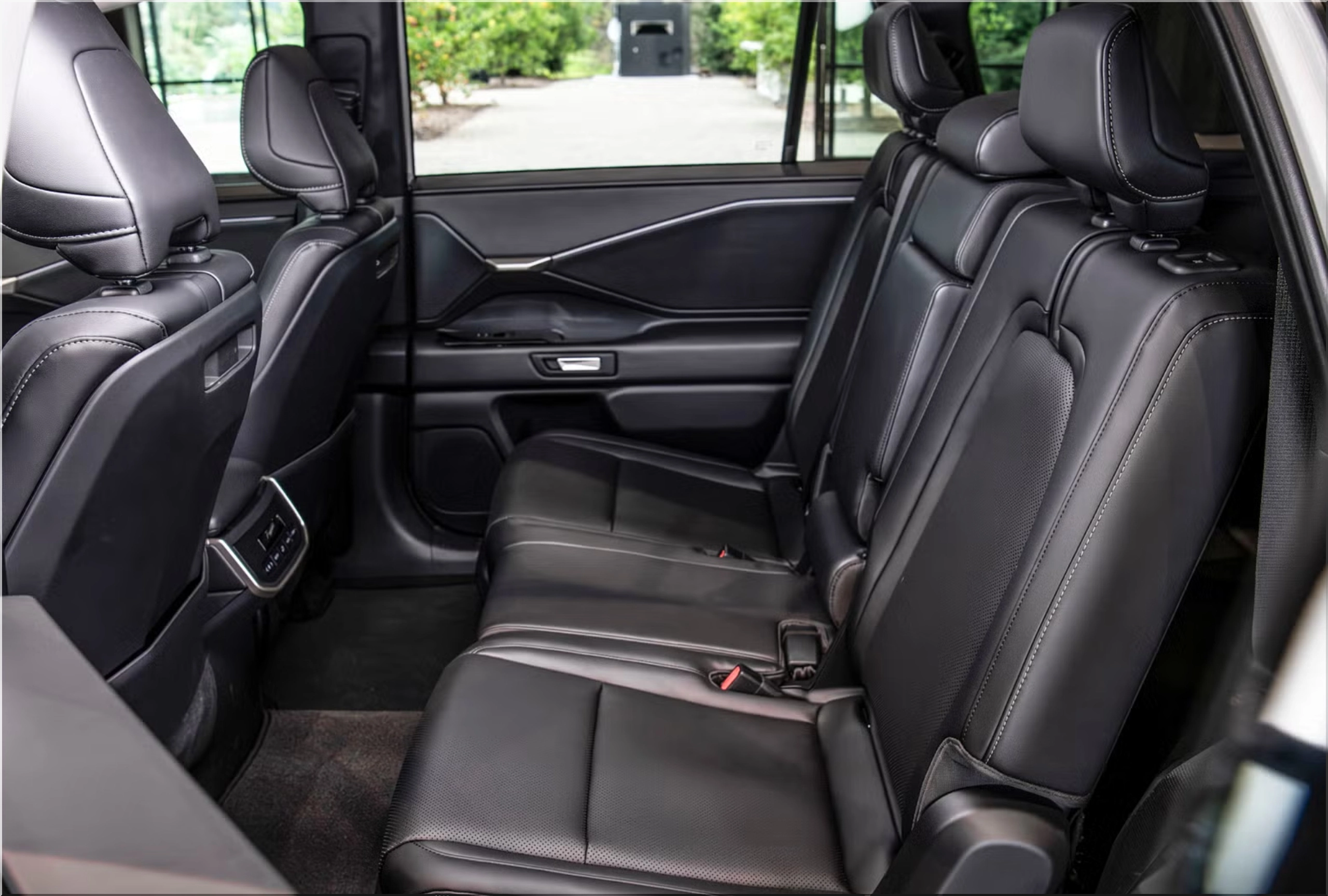
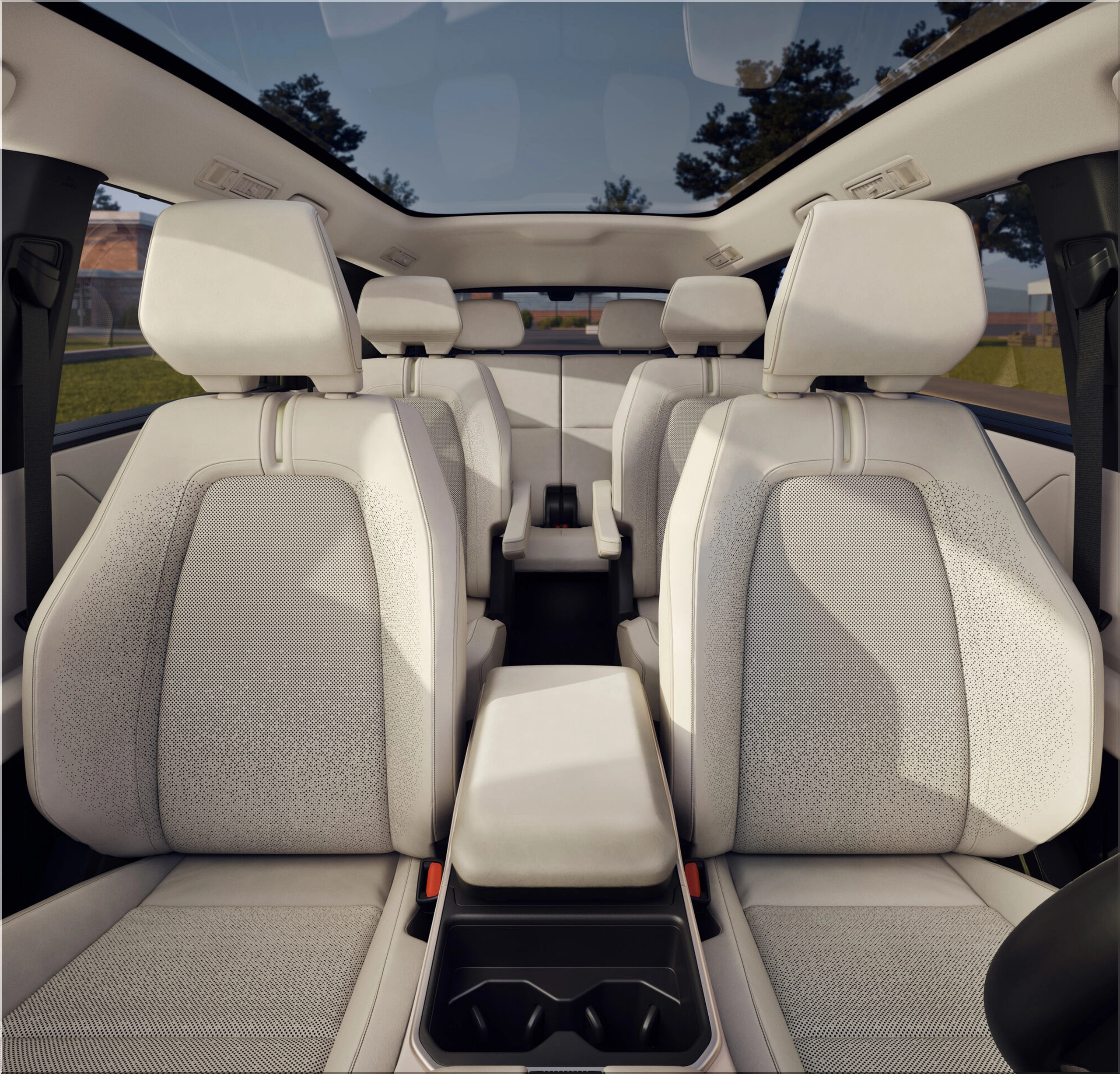
Inside, Toyota kept the family brief front and center. The new Highlander seats up to seven, uses a loveseat-style third row, and offers second-row captain's chairs as standard with an available bench on XLE AWD. Toyota also says the third row gives enough room for two adults and folds flat with a simple rear-seat lever or one-touch second-row access.
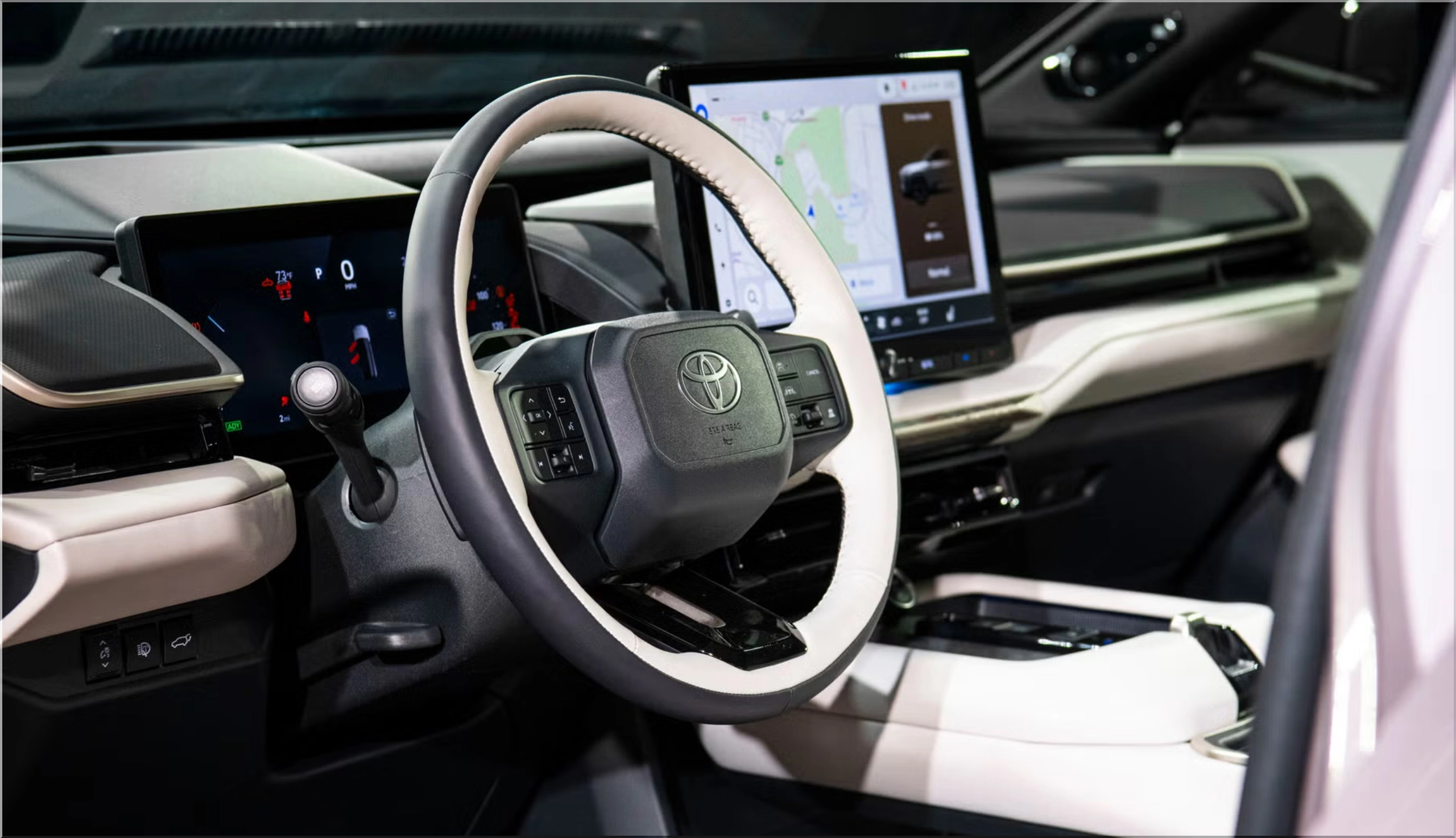
The cabin specs back that up:
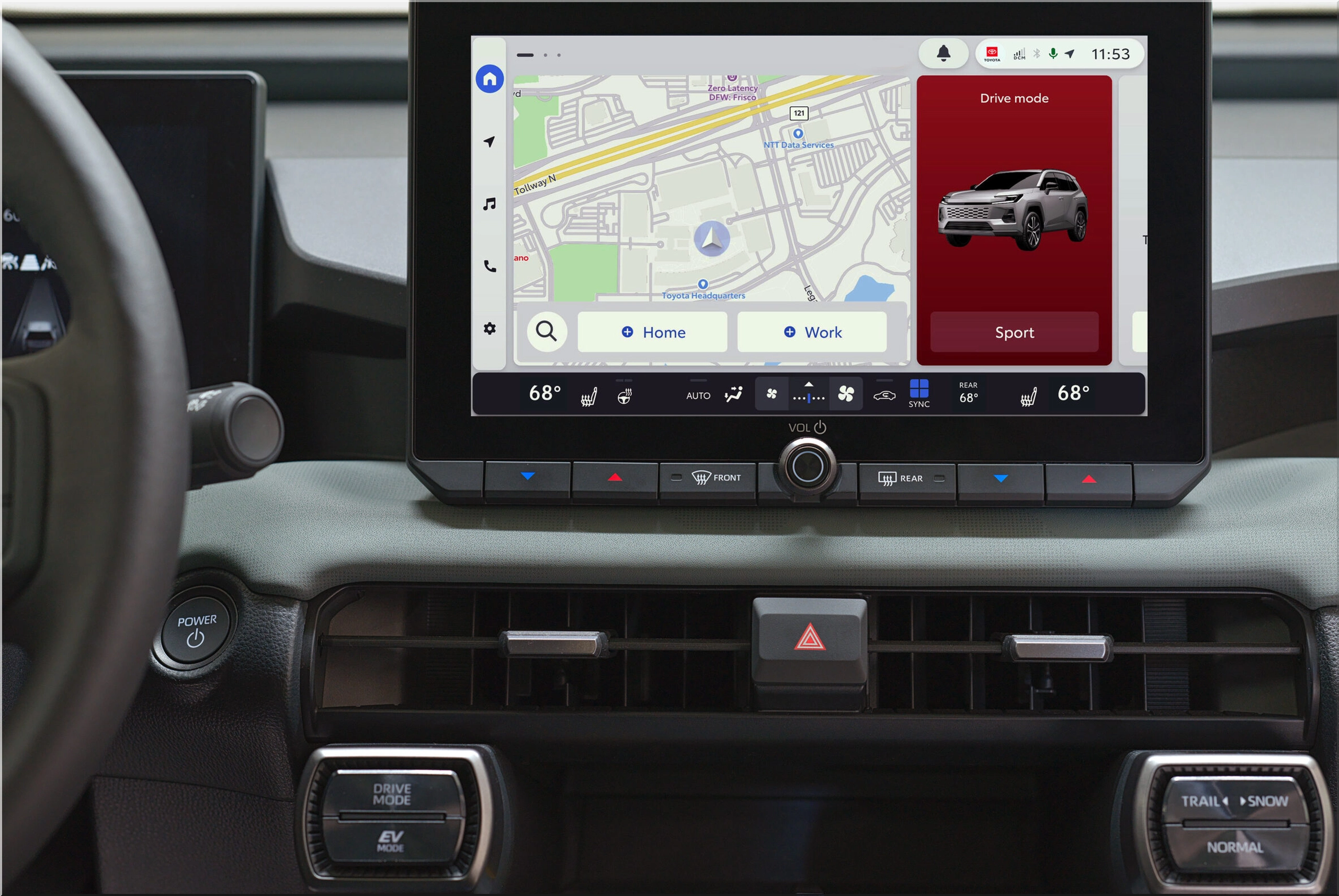
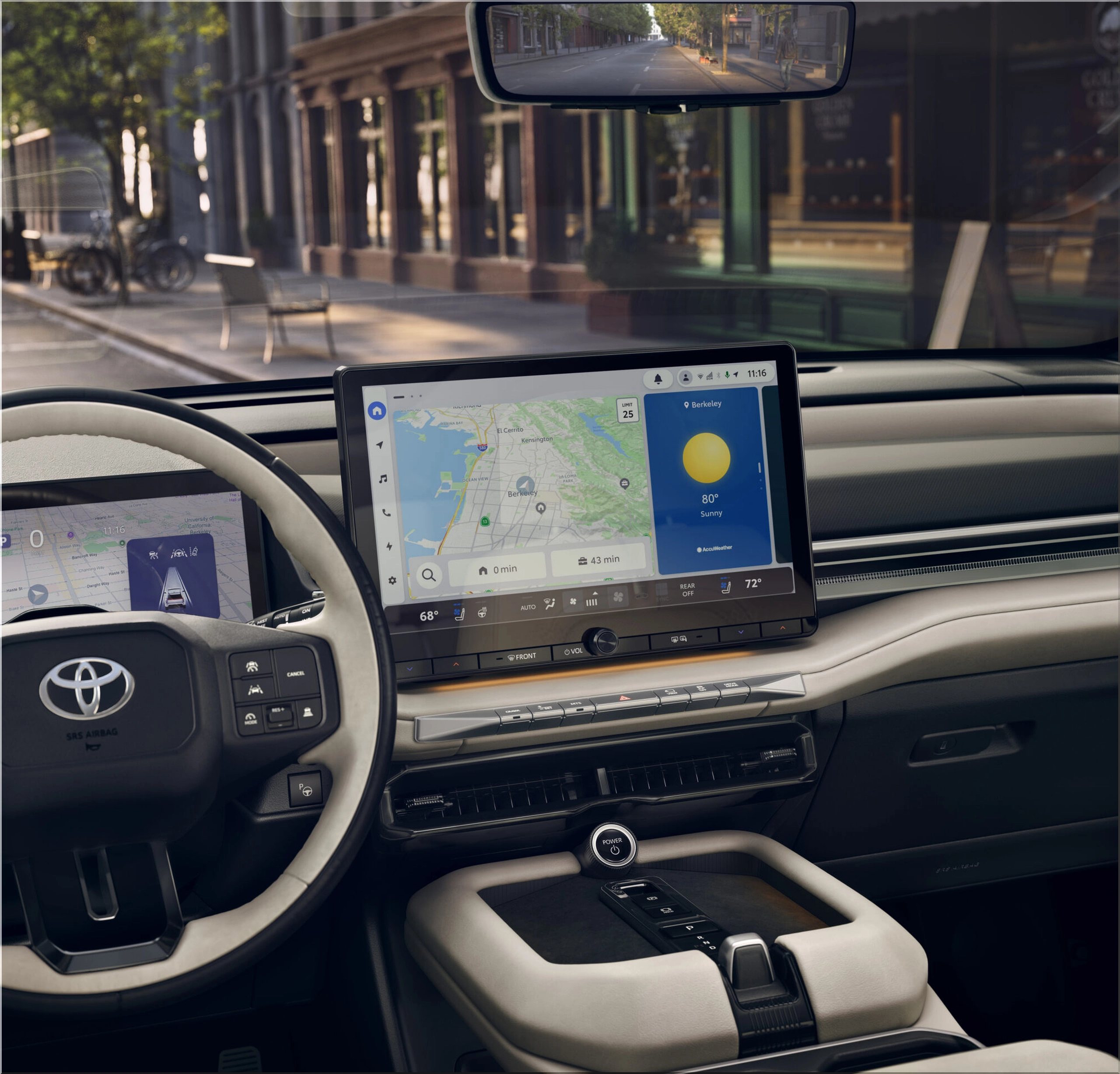
- 14-inch touchscreen standard
- 12.3-inch digital driver's display
- 64-color ambient lighting
- Dual Qi wireless charging tray
- USB-C ports in all rows
- 18 total cup holder locations
- Available head-up display
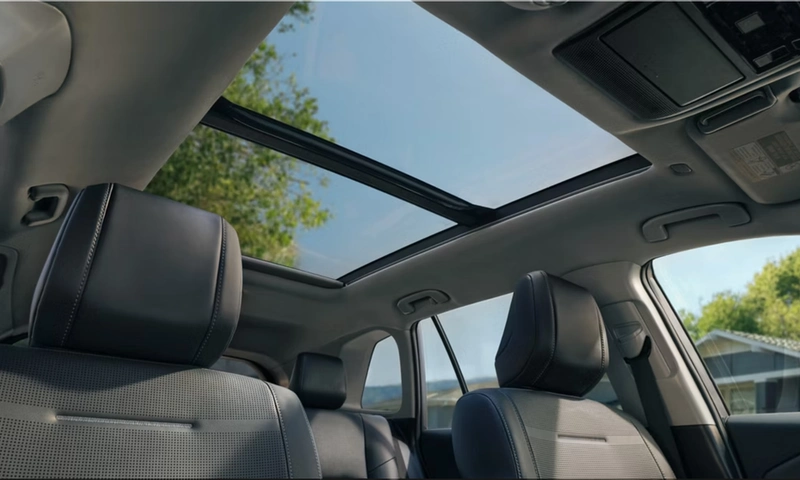
- Available panoramic roof
- Available JBL 11-speaker audio
Specifically, Toyota kept physical temperature controls and easy-access rear HVAC controls. That still matters. A family SUV lives in school runs, long weekends, grocery stops, and airport pickups. Good ergonomics beat screen gimmicks every time.
Safety and power export make this Highlander more useful
Every 2027 Toyota Highlander gets Toyota Safety Sense 4.0. That includes pre-collision braking support, adaptive cruise control, lane tracing, road sign assist, and proactive driving support. Toyota also adds standard blind-spot monitoring, rear cross-traffic alert, parking assist with automatic braking, and a built-in drive recorder.
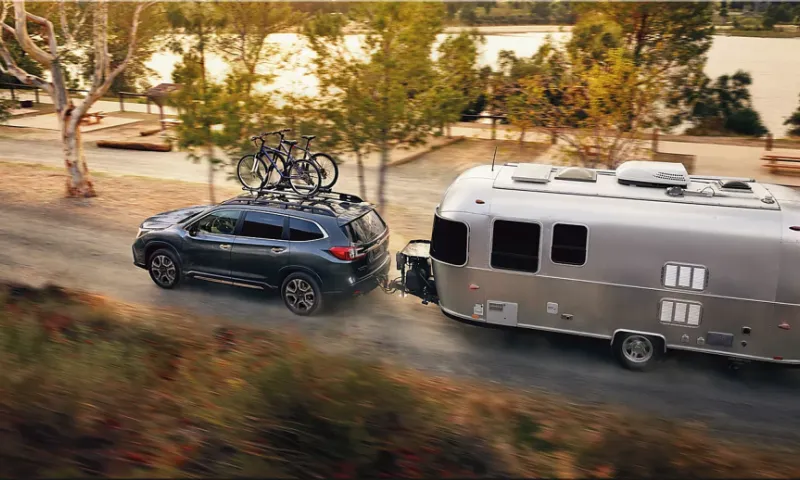
Then there is the feature many buyers will talk about most: vehicle-to-load capability. Toyota says Highlander becomes the first Toyota sold in the U.S. with V2L support. That means the SUV can power appliances, campsite gear, or backup devices with the right bi-directional accessories.
Pro-Tip
For many buyers, V2L will matter more in daily life than a tenths-of-a-second sprint number. If you tailgate, camp, work from remote sites, or want backup power during short outages, that feature adds real ownership value.
What now?
The smart play is simple. Watch for final pricing, EPA certification, and trim packaging closer to launch. We estimate the starting price at around $58,000, but Toyota has not yet released the official manufacturer's suggested retail price.
If your priority is value, the XLE FWD 77.0-kWh model looks like the volume pick. If you want the strongest case for this SUV, the XLE AWD 95.8-kWh may hit the sweet spot with 320 miles of range, 338 horsepower, and stronger four-season usefulness. The Limited AWD fits buyers who want the full tech load and larger wheels without stepping into luxury-brand pricing.
Toyota used to sell Highlander as the safe middle choice. The 2027 Toyota Highlander EV changes that. It keeps the family-first brief, adds stronger packaging, sharper road manners, useful charging hardware, and one of the more practical feature sets in the segment. That is not a gimmick. That is a very serious reset.
- Add new comment
- 163 views