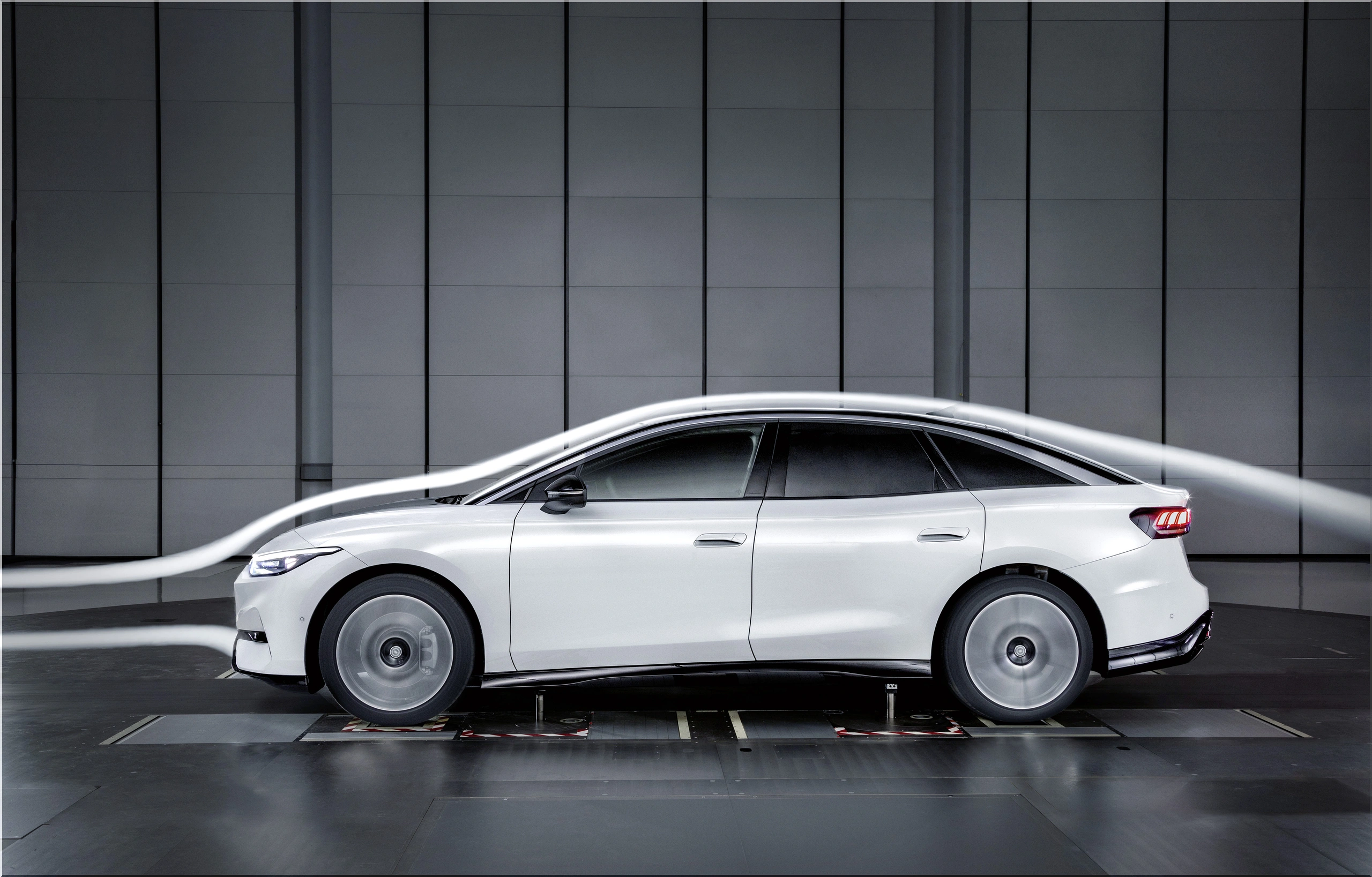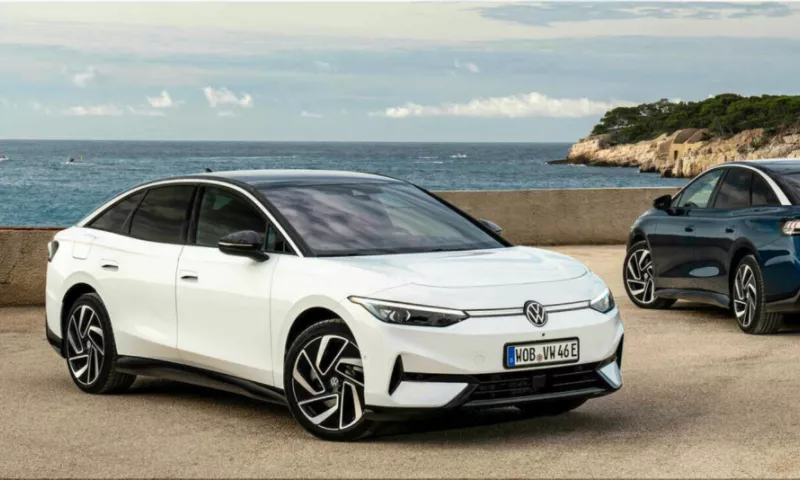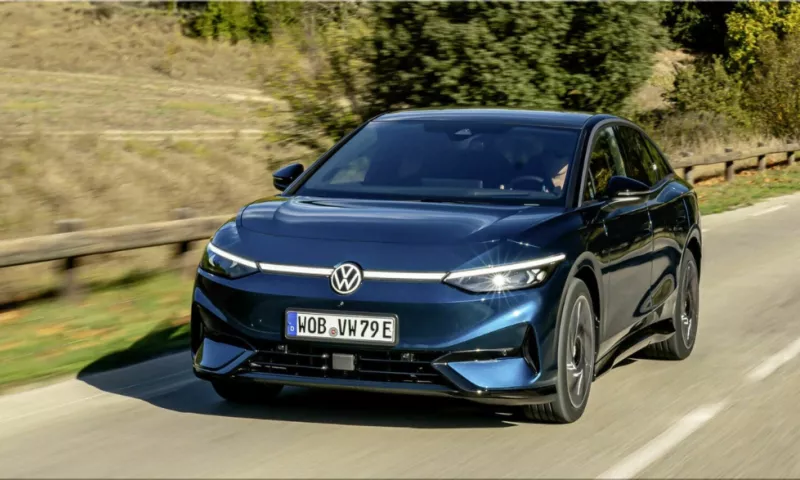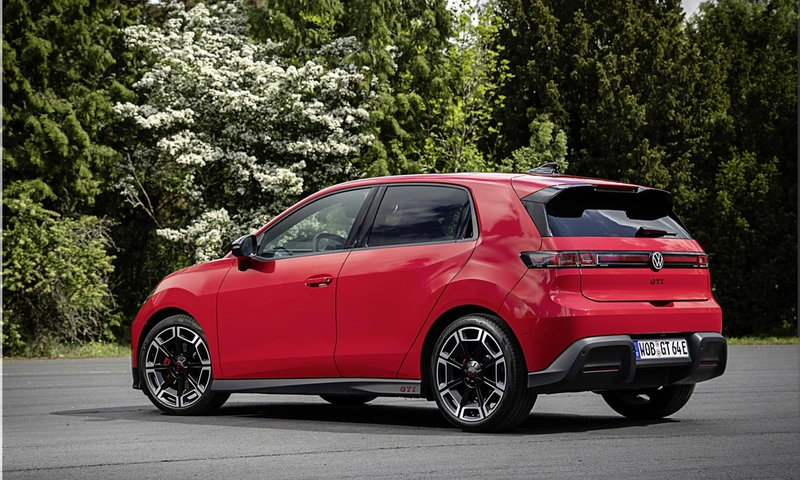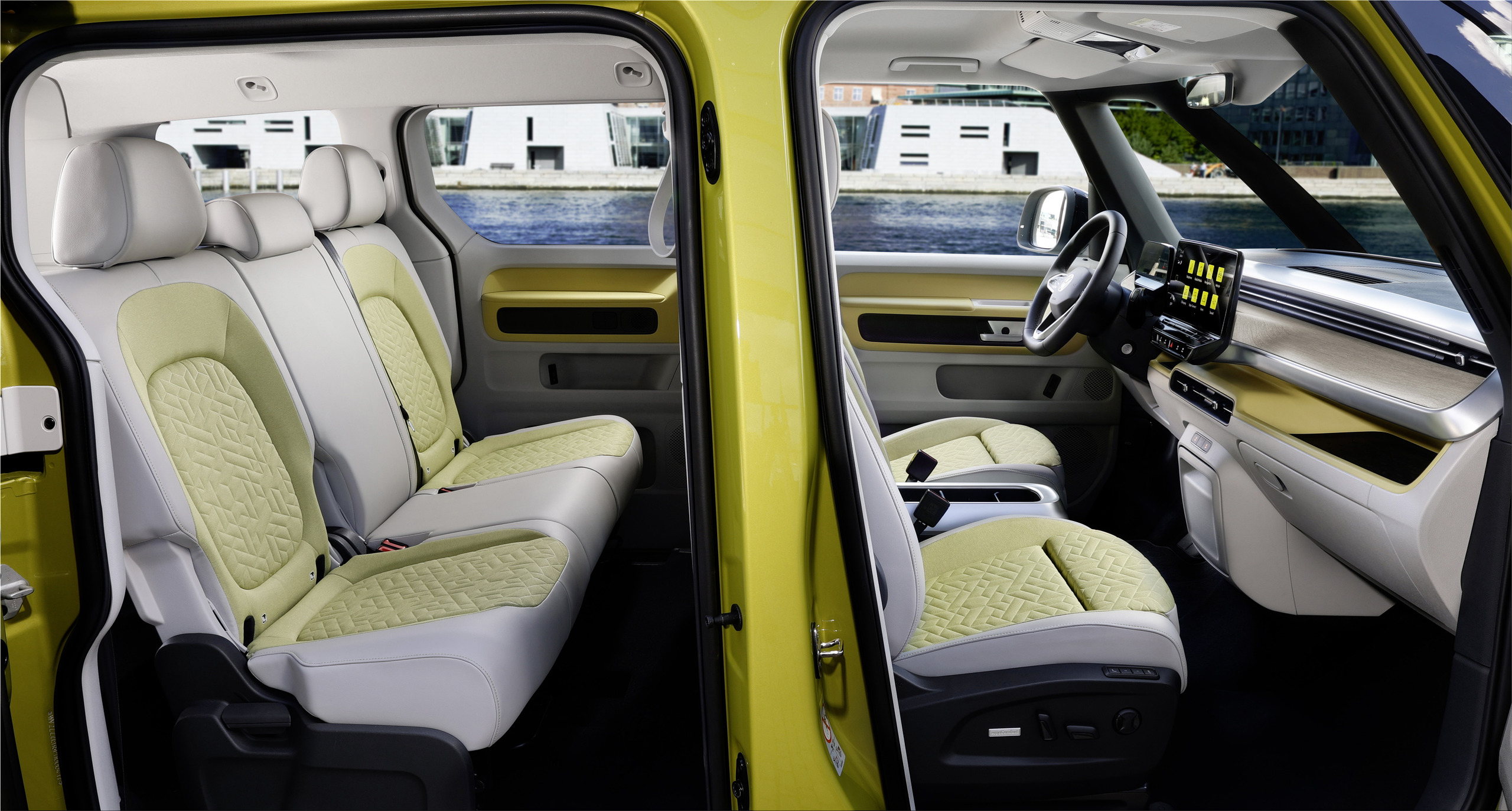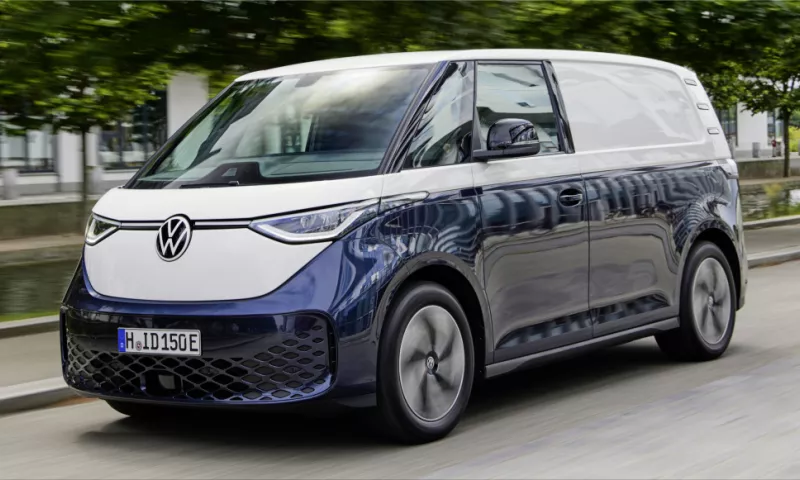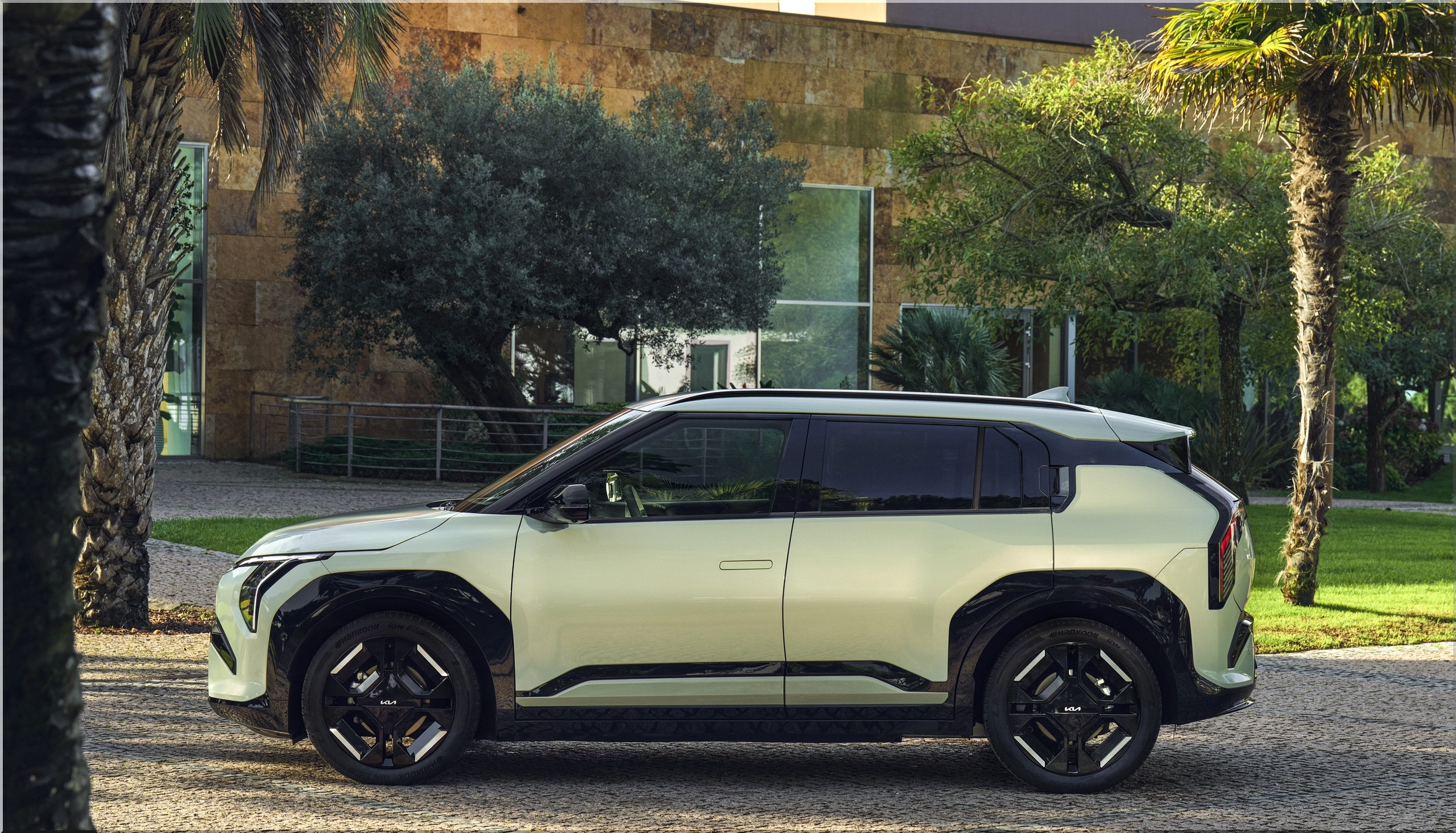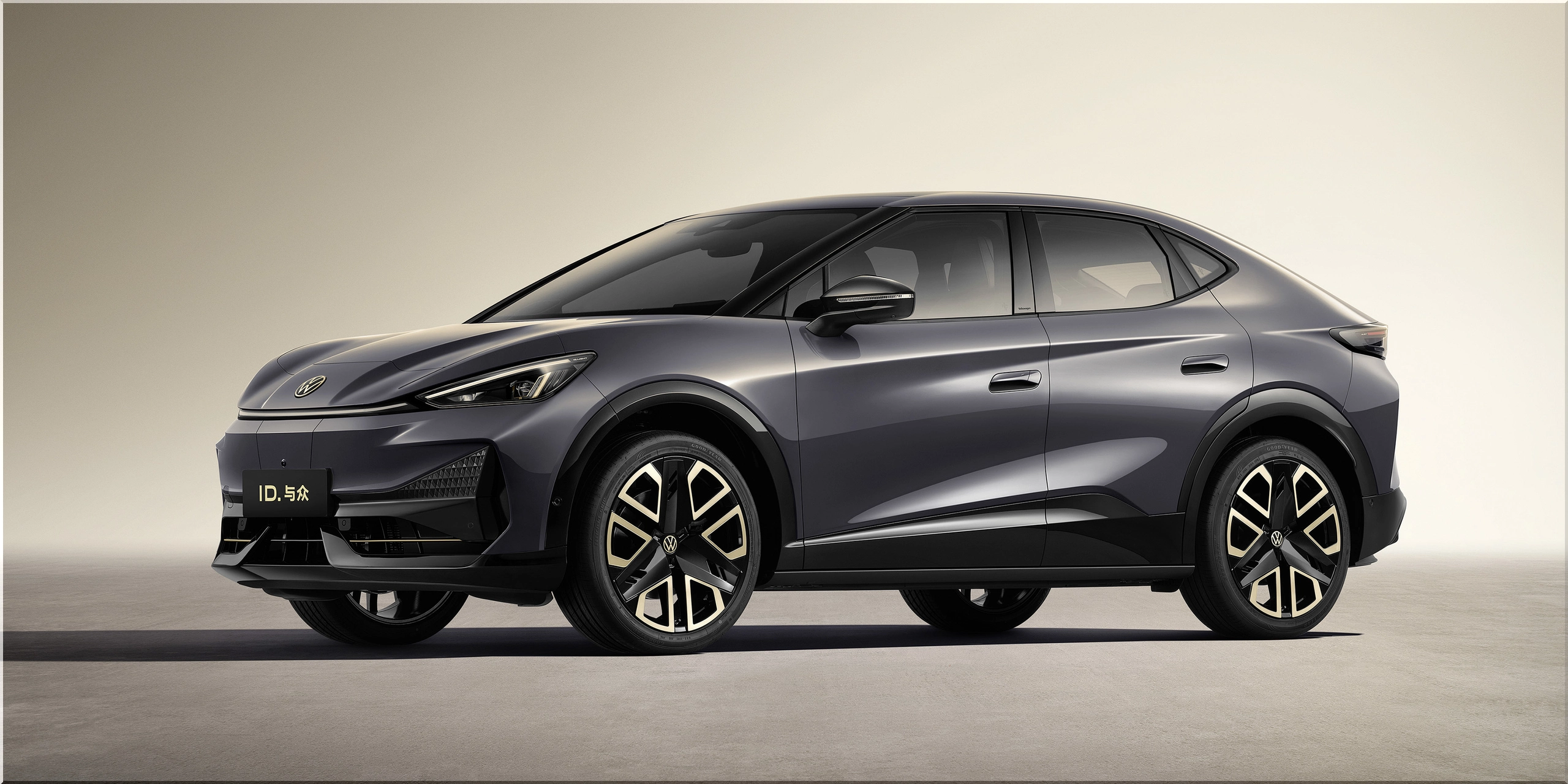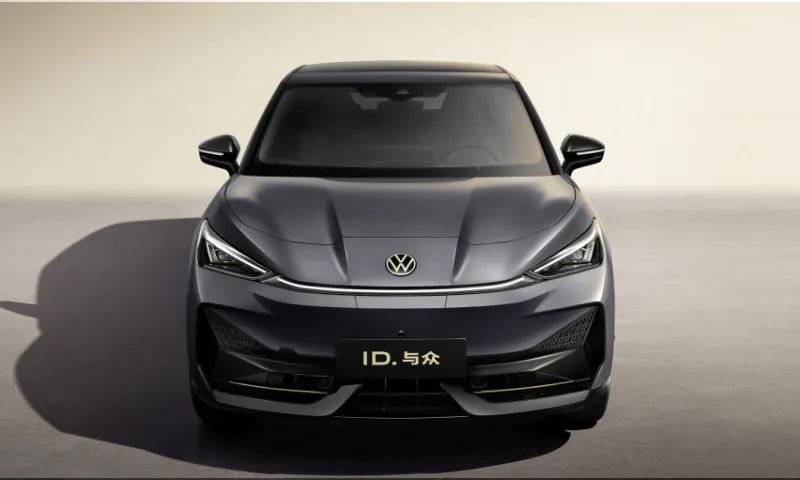
Volkswagen has a clear problem to solve. Drivers want fewer menus, clearer controls, and faster responses. The Volkswagen ID. Polo shows how the brand plans to fix that problem across its electric lineup.
This cockpit marks a reset. It responds directly to owner feedback. It also signals how future Volkswagen electric vehicles will look, feel, and operate.
Image
A Customer-Led Interior Reset
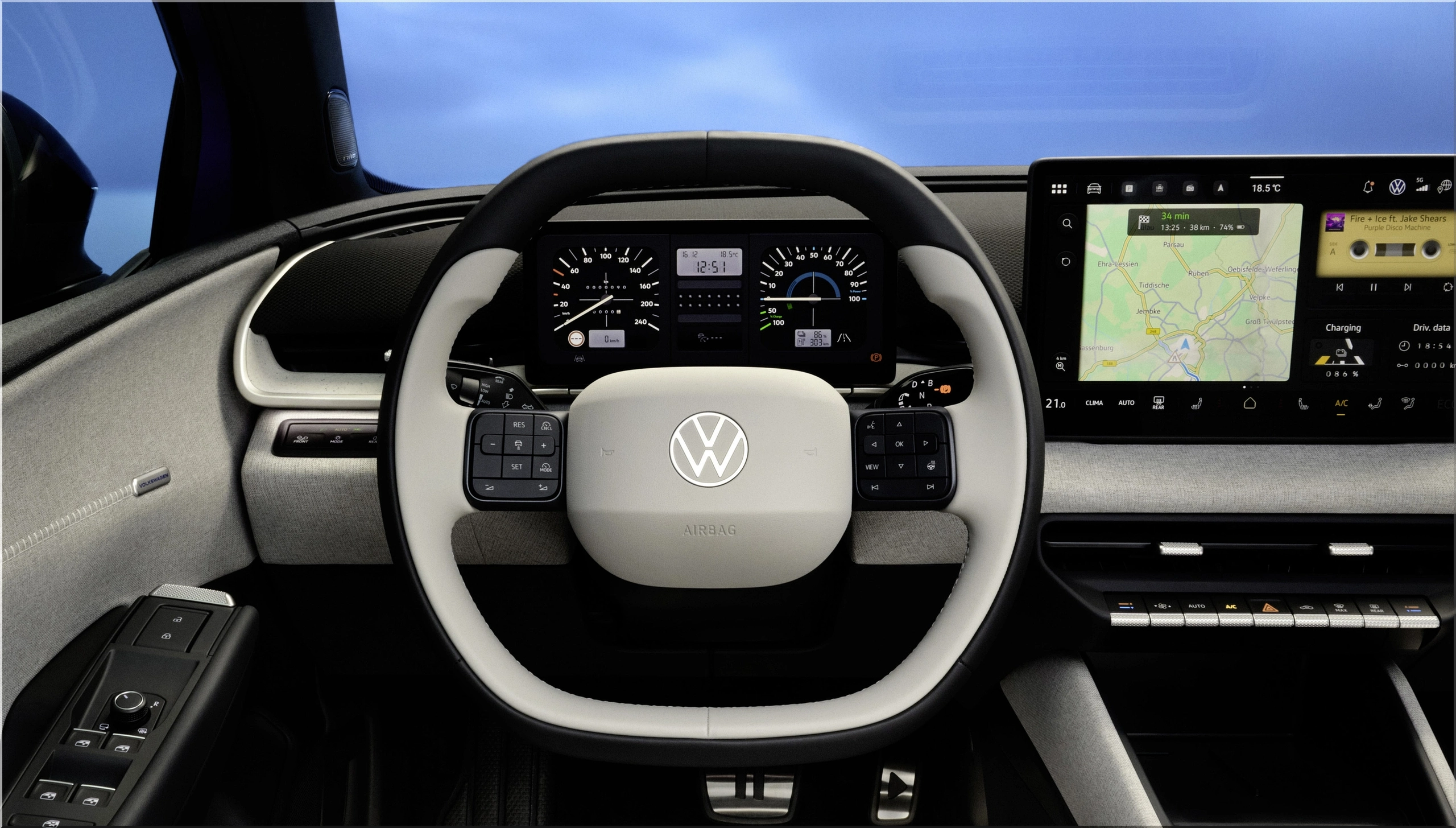
Volkswagen rebuilt the cockpit architecture from the ground up. Designers used direct customer feedback as the starting point, not the finishing touch.
The result focuses on three priorities:
- Intuitive controls
- Higher perceived quality
- Reduced distraction
This approach moves away from touch-only interfaces that frustrated owners. Physical buttons return where drivers expect them.
Clear Layout, Fewer Distractions
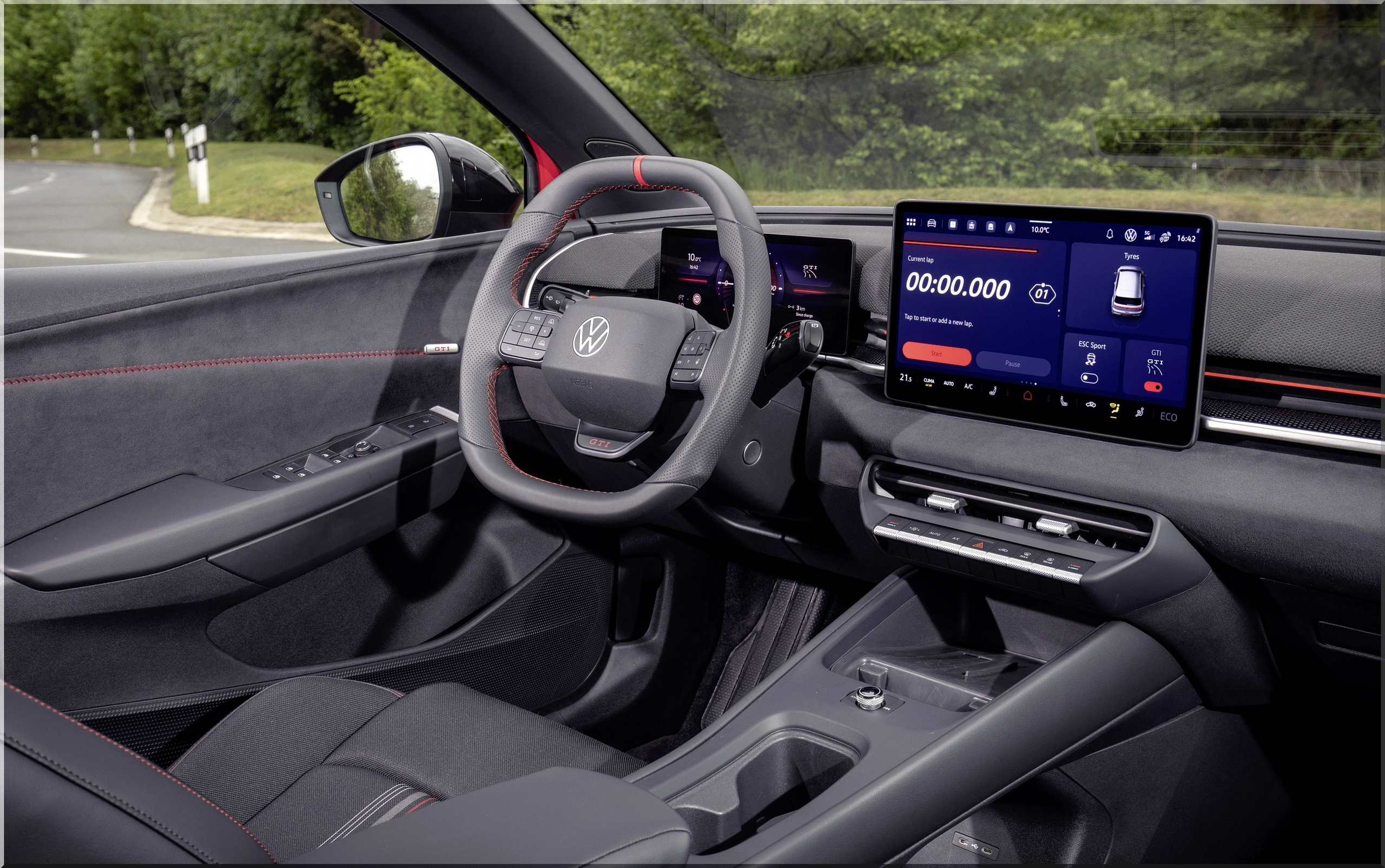
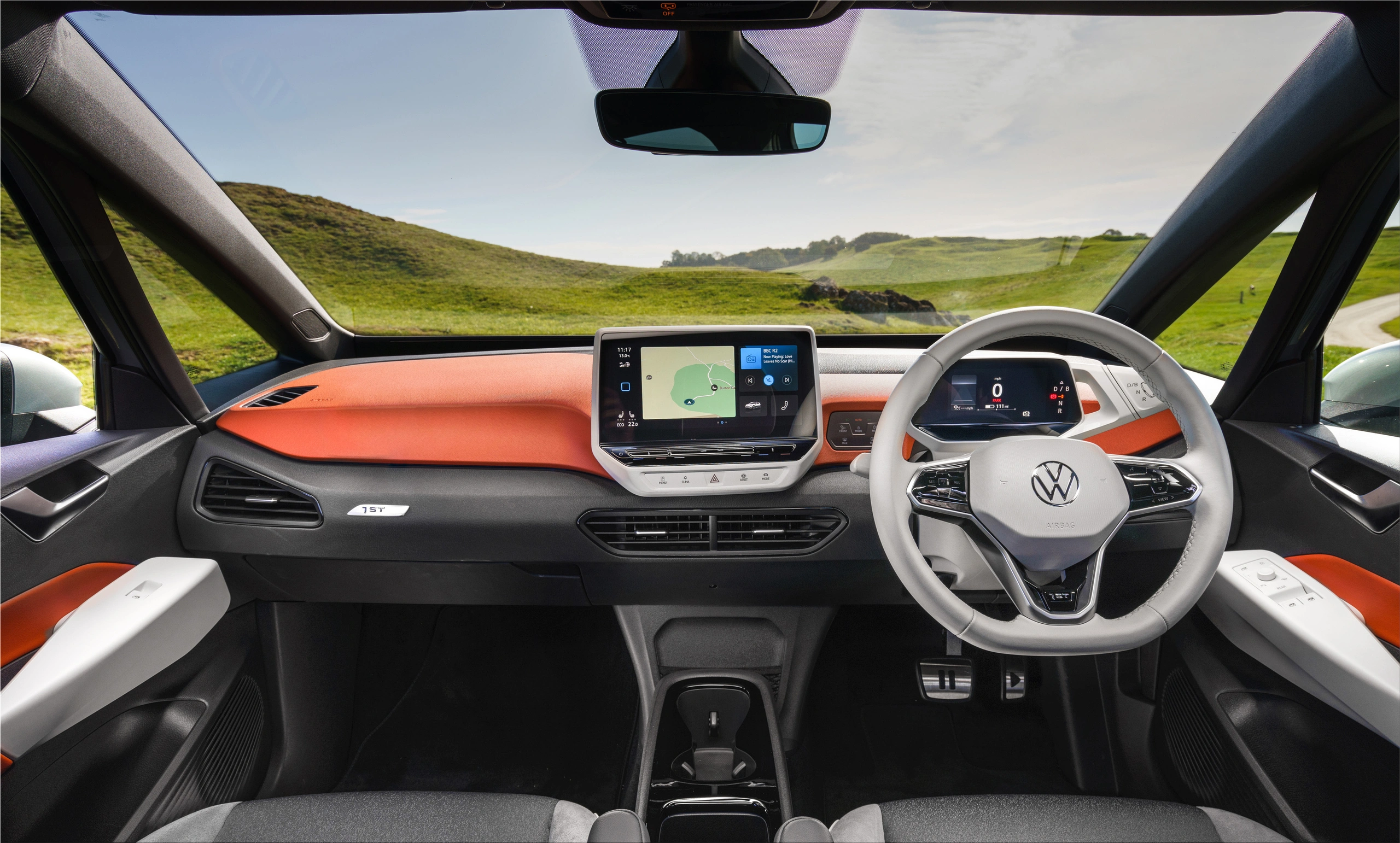
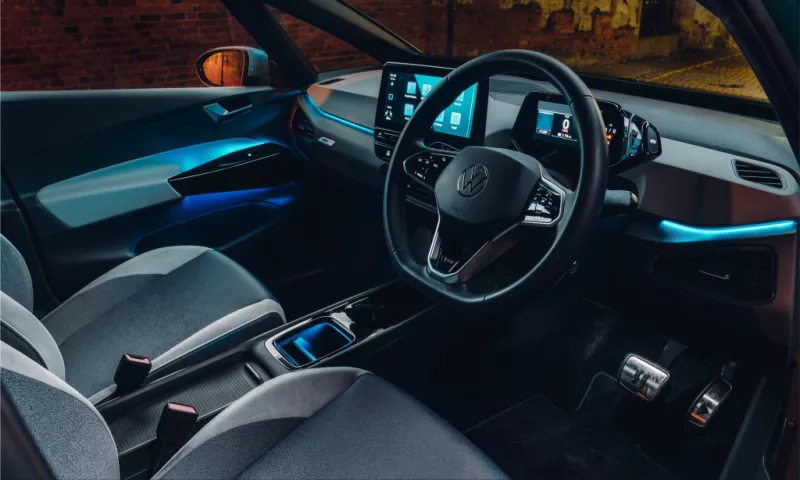
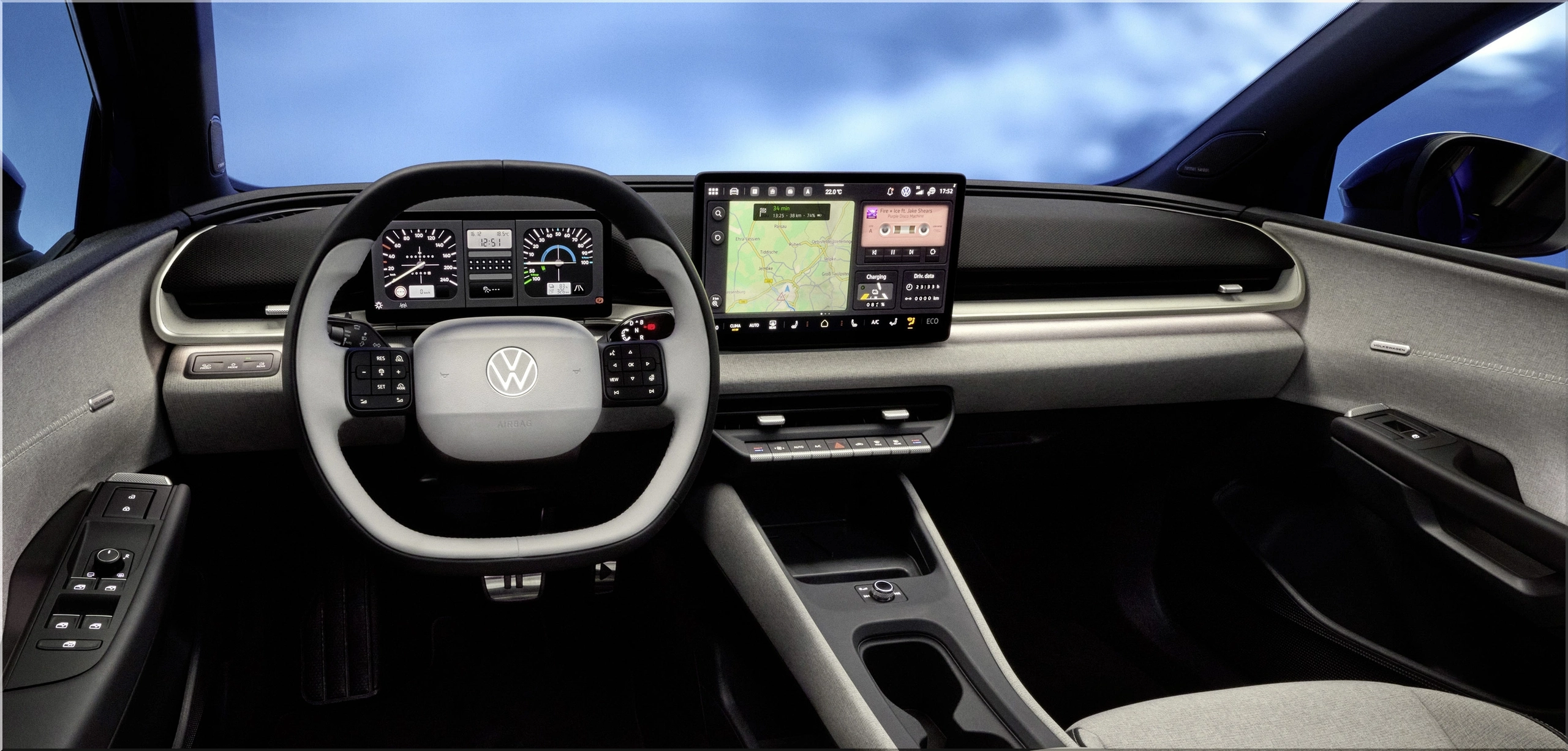
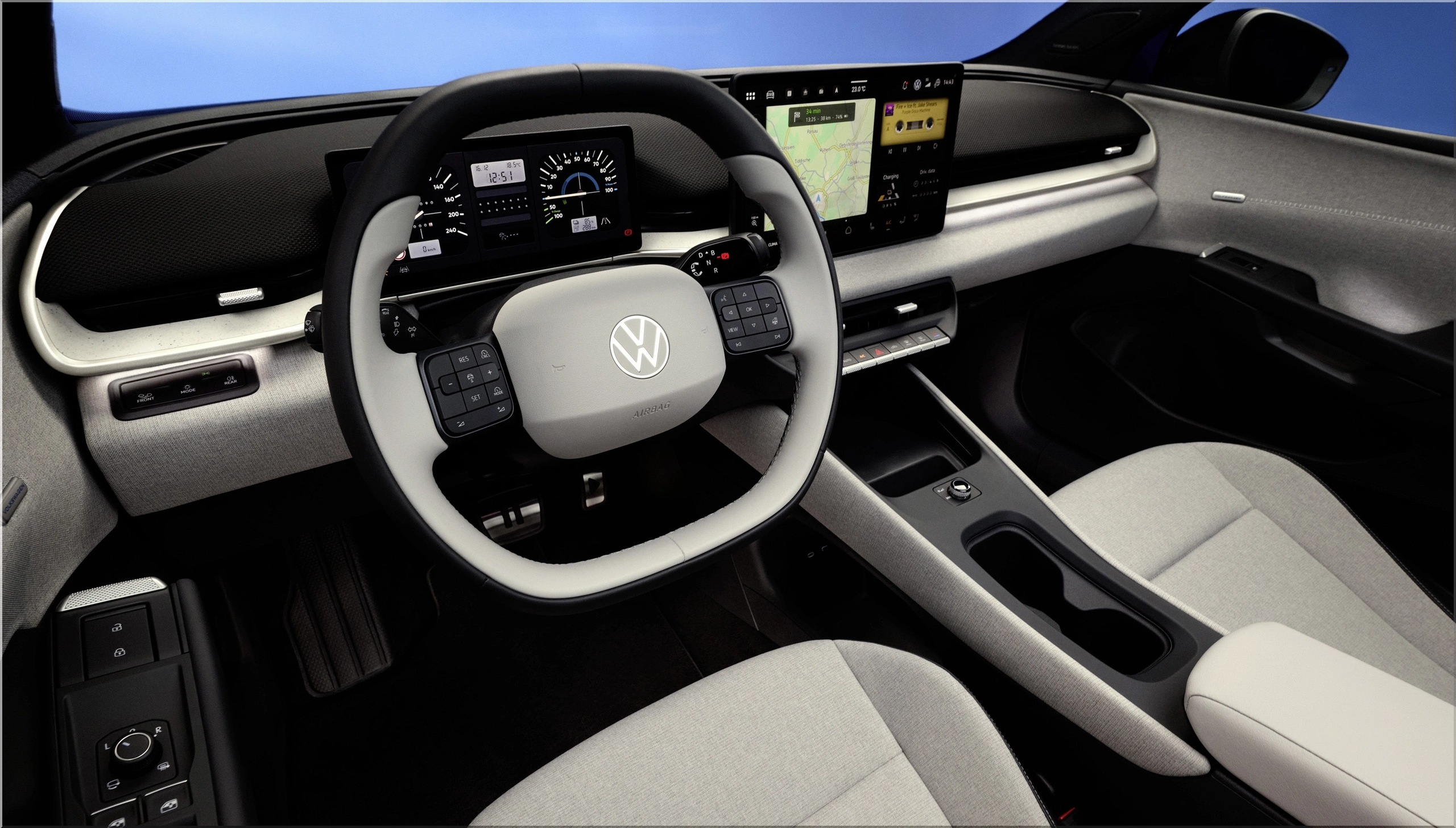
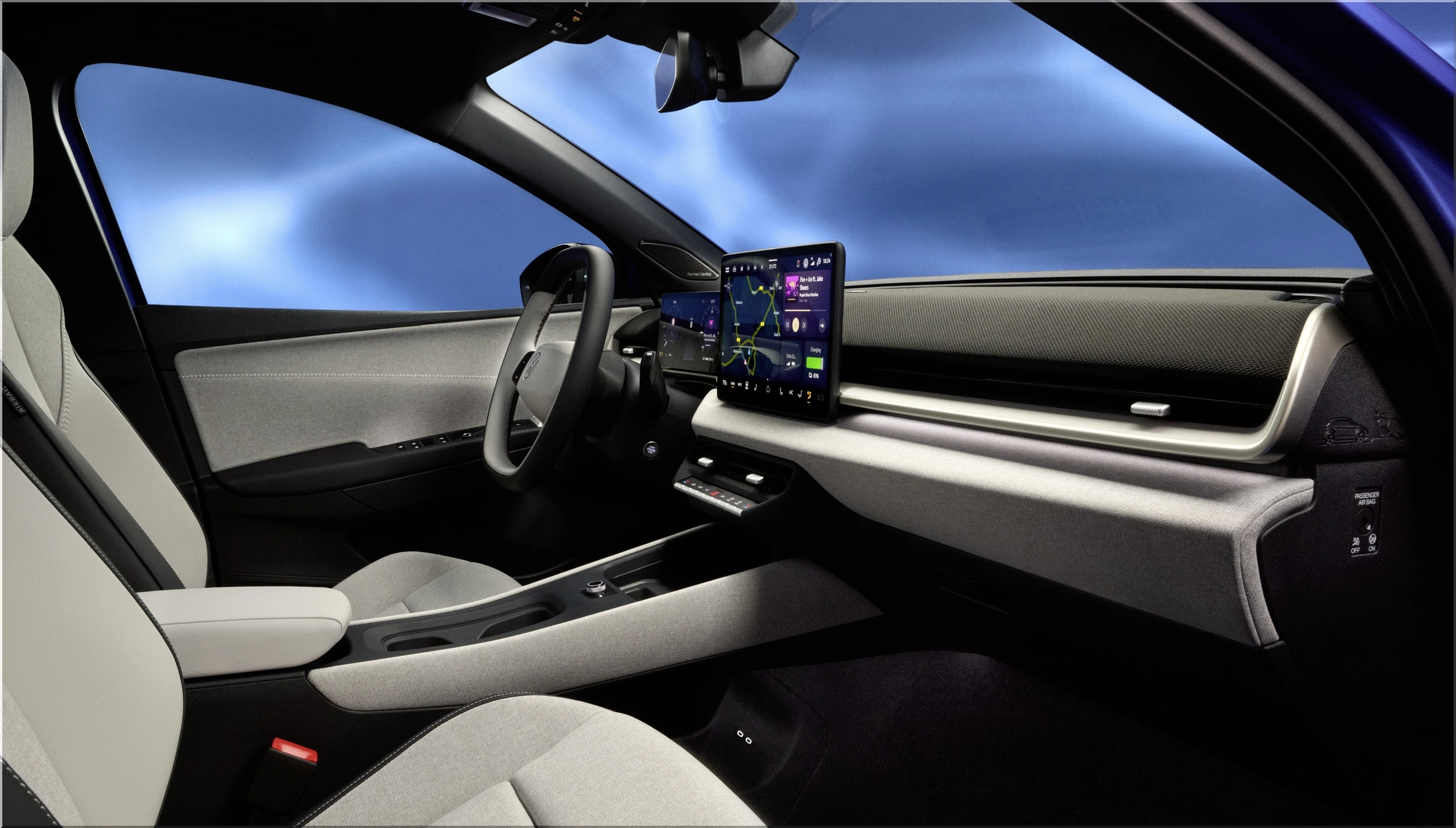
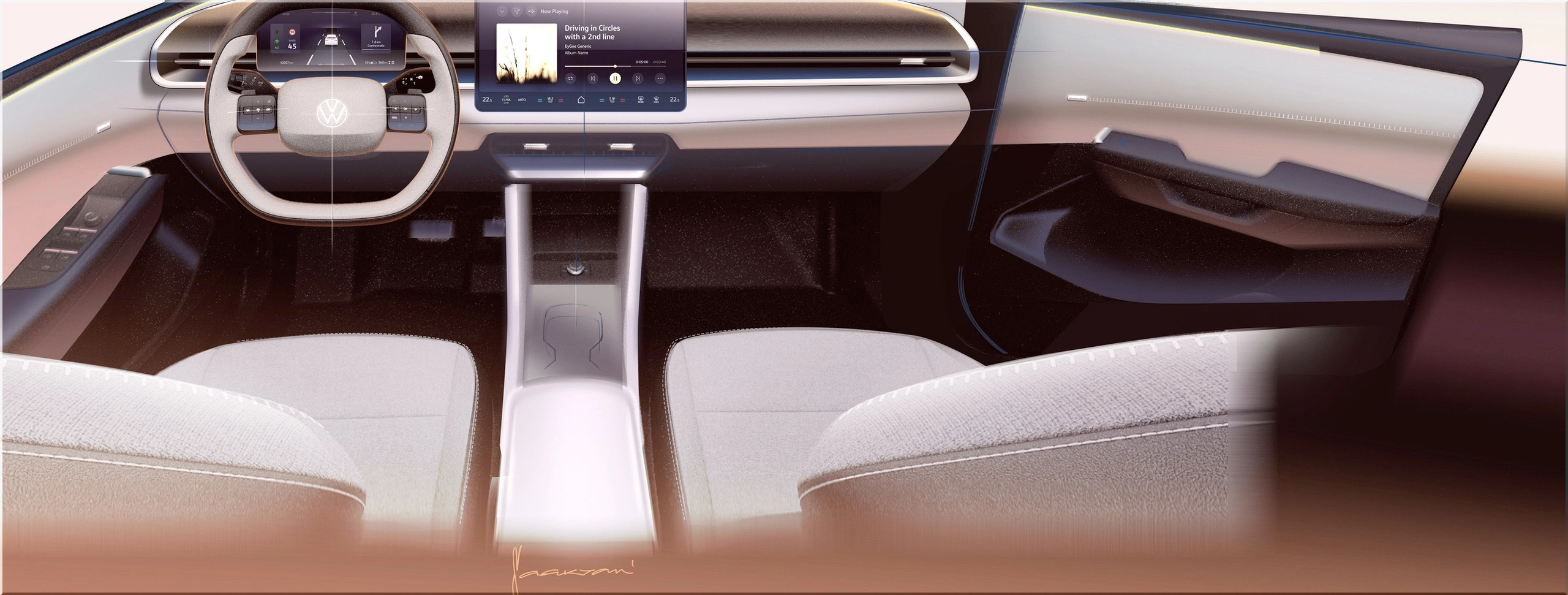
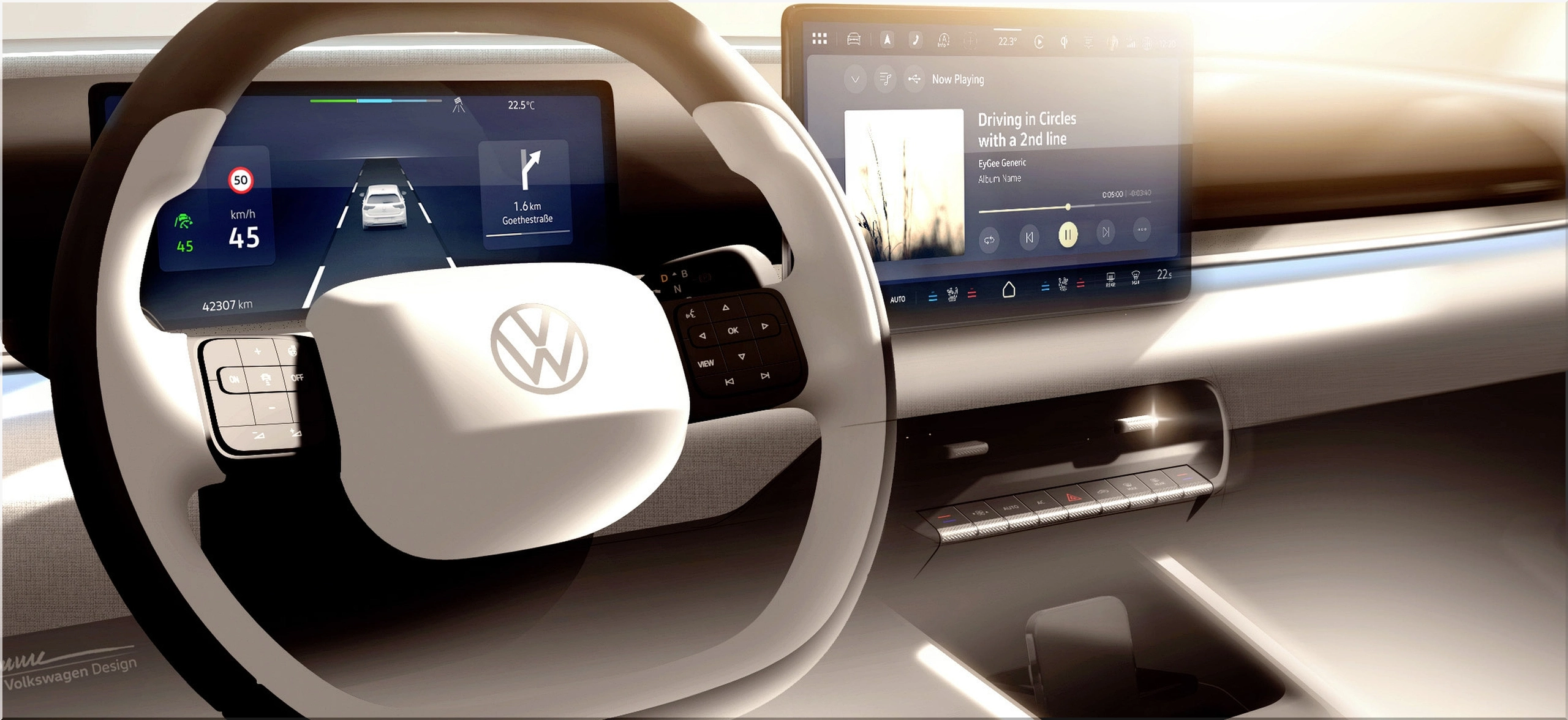
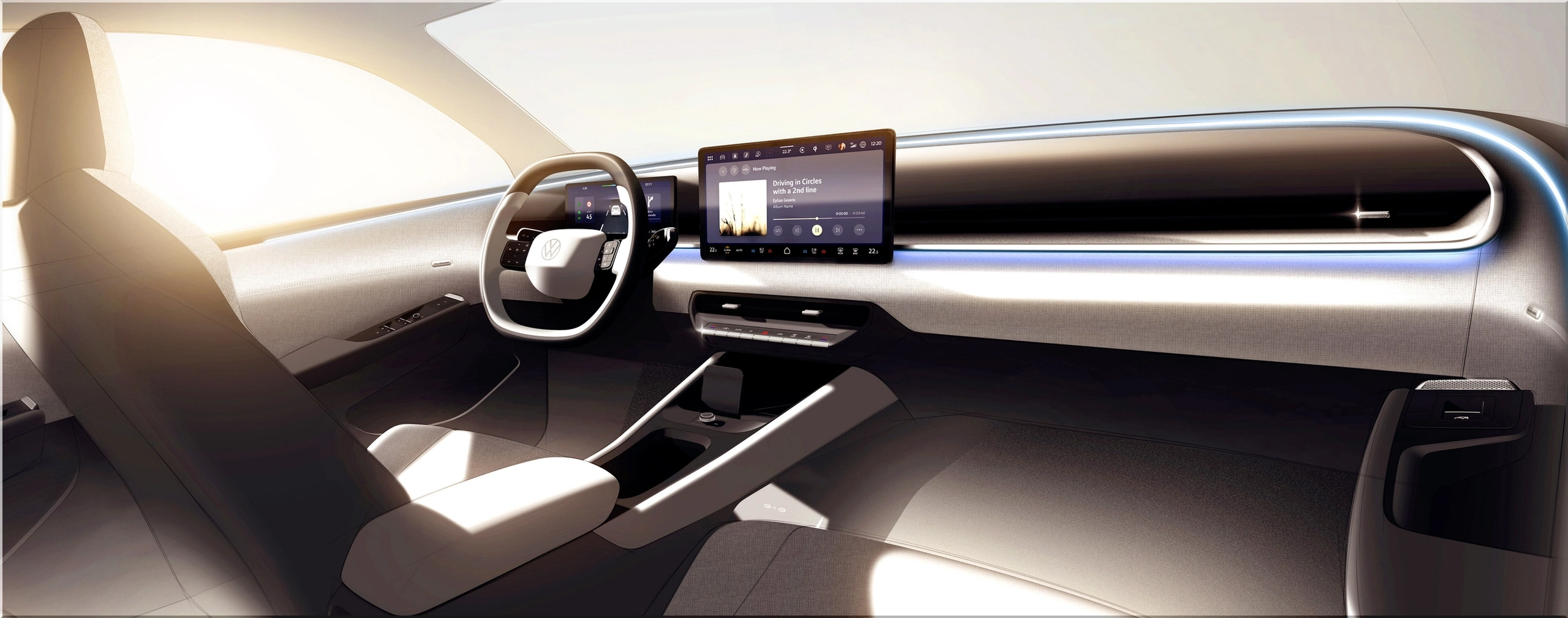
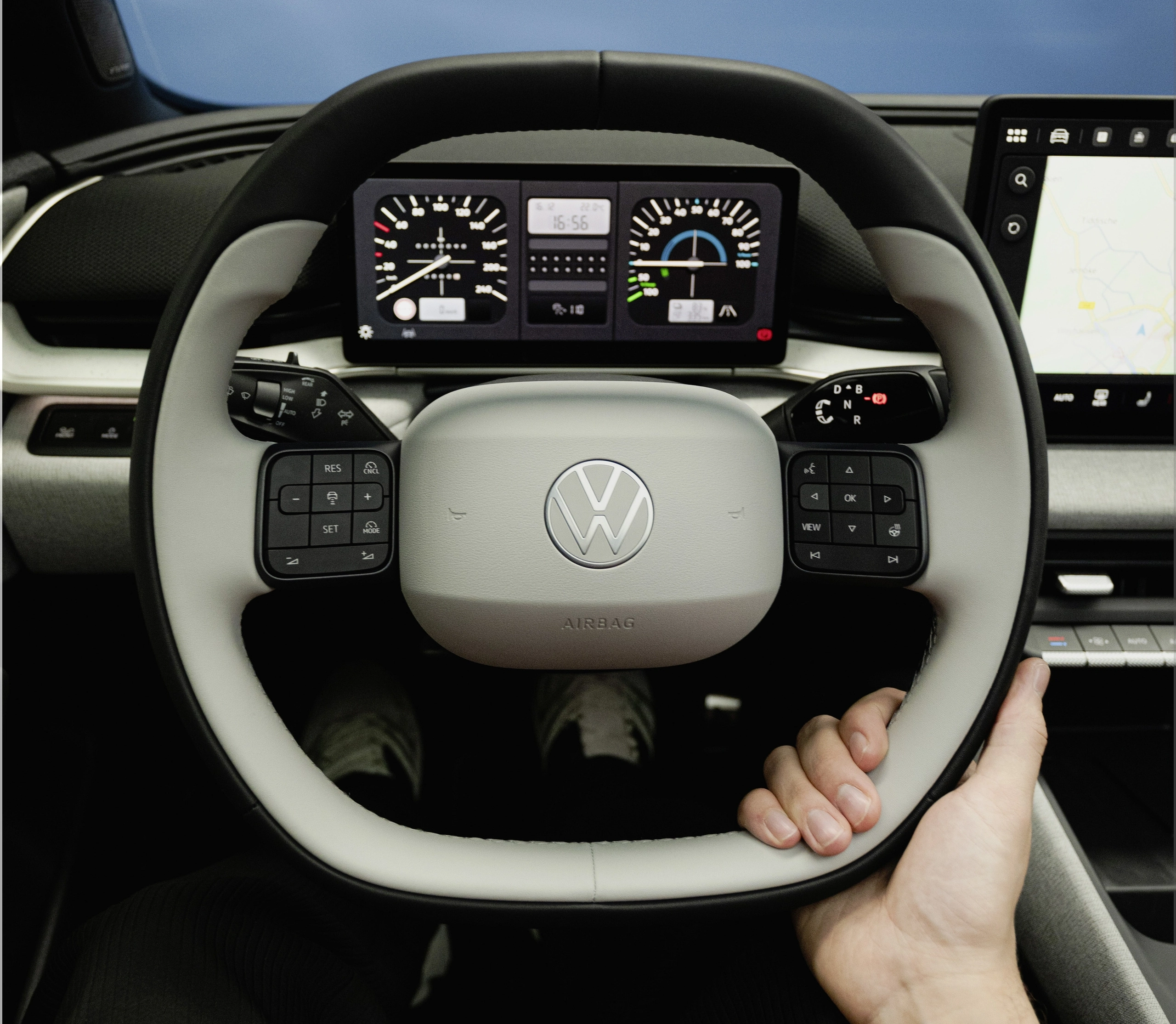
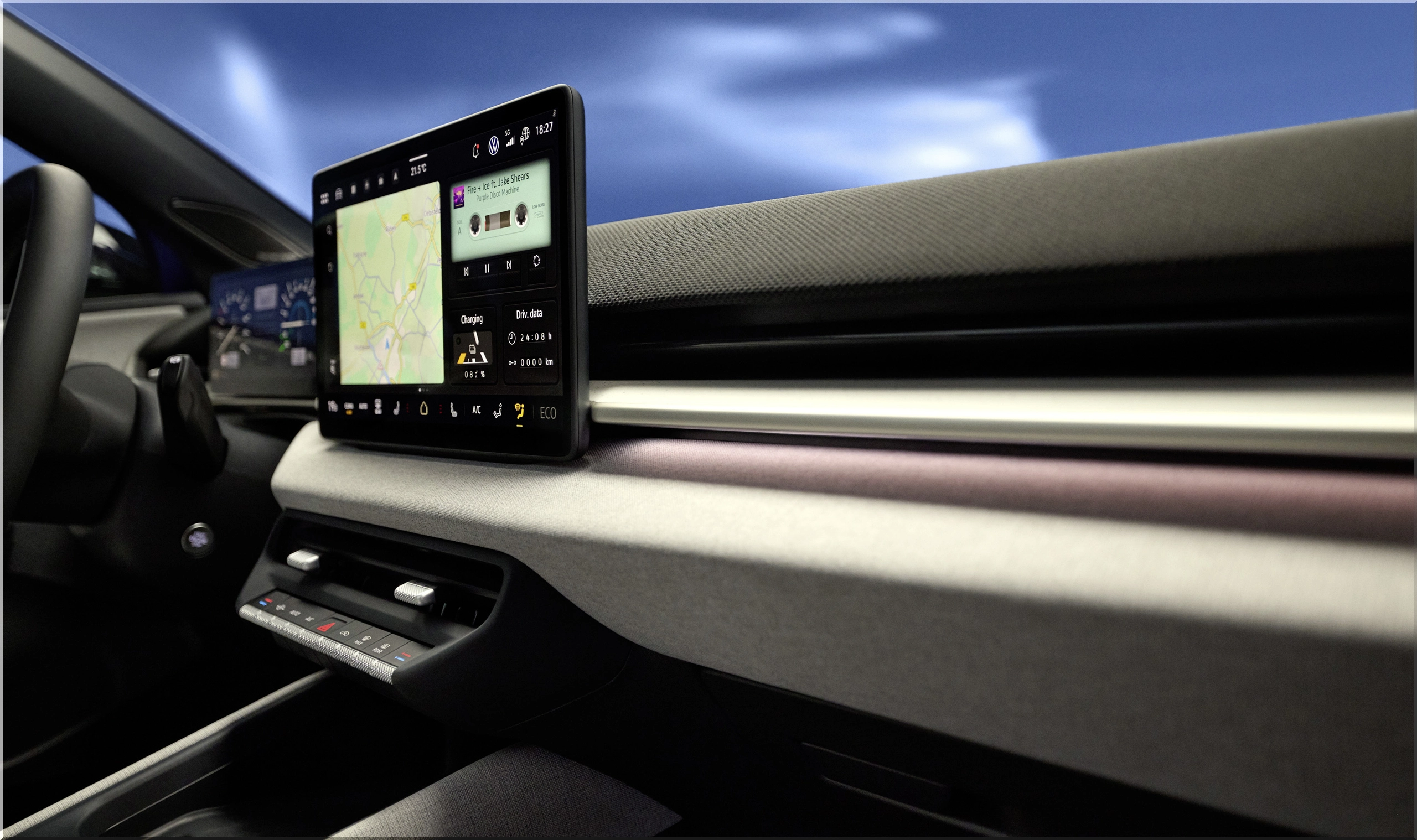
The ID. Polo cockpit uses a horizontal layout. Two large displays sit on a single sightline.
Key specs:
- 10.25-inch digital instrument cluster
- 13-inch central infotainment screen
- Dedicated climate control buttons below the screen
- Separate hazard switch for fast access
This layout lowers eye movement. Drivers spend less time searching through menus.
Image
Why This Matters
Touch-heavy cabins increased cognitive load. Volkswagen reduces that load by restoring tactile feedback. That decision improves reaction time and comfort during daily driving.
Physical Controls Make a Strategic Comeback
Volkswagen reintroduced physical buttons across high-use functions. This includes:
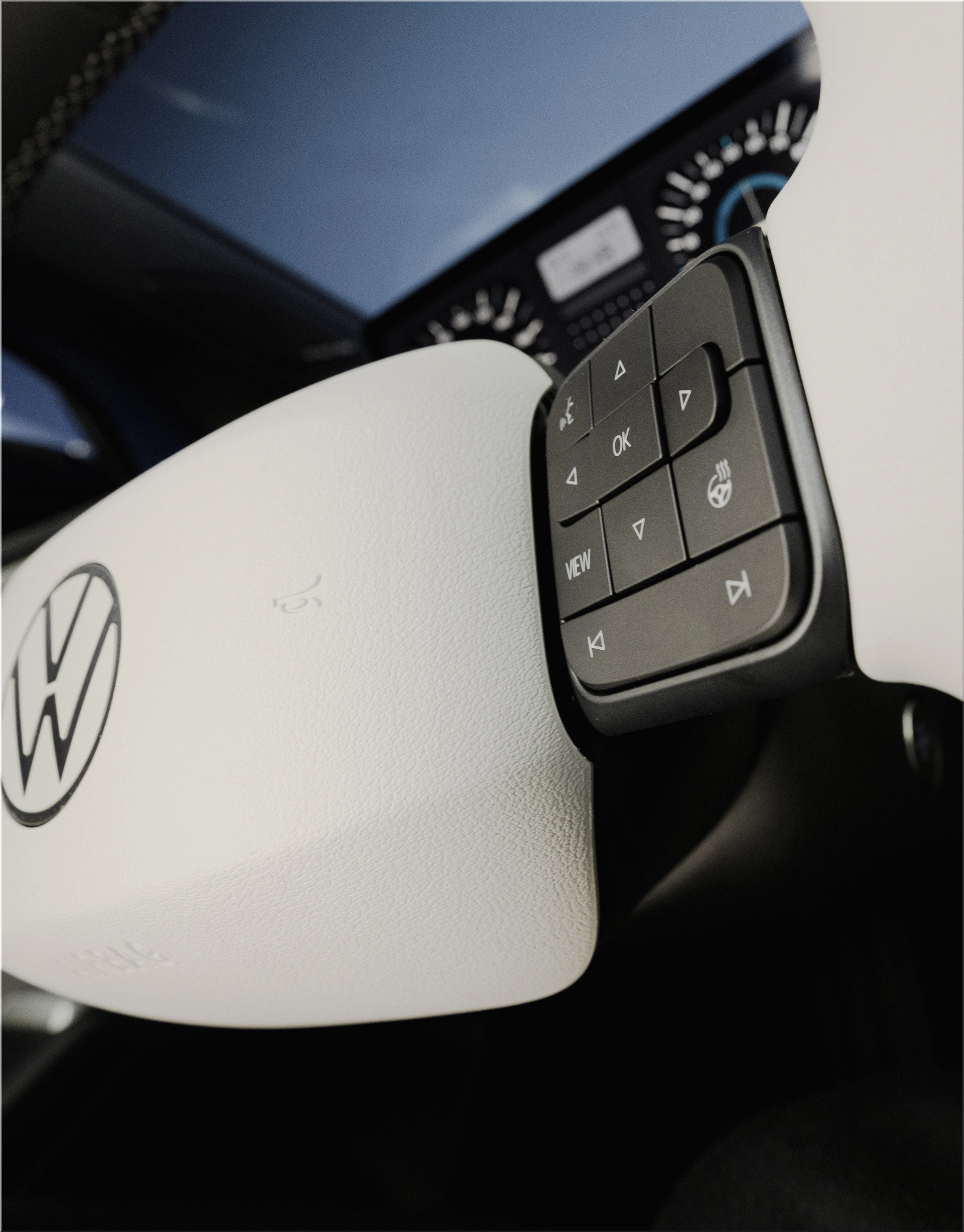
- Steering wheel controls
- Climate adjustments
- Audio volume via a rotary dial
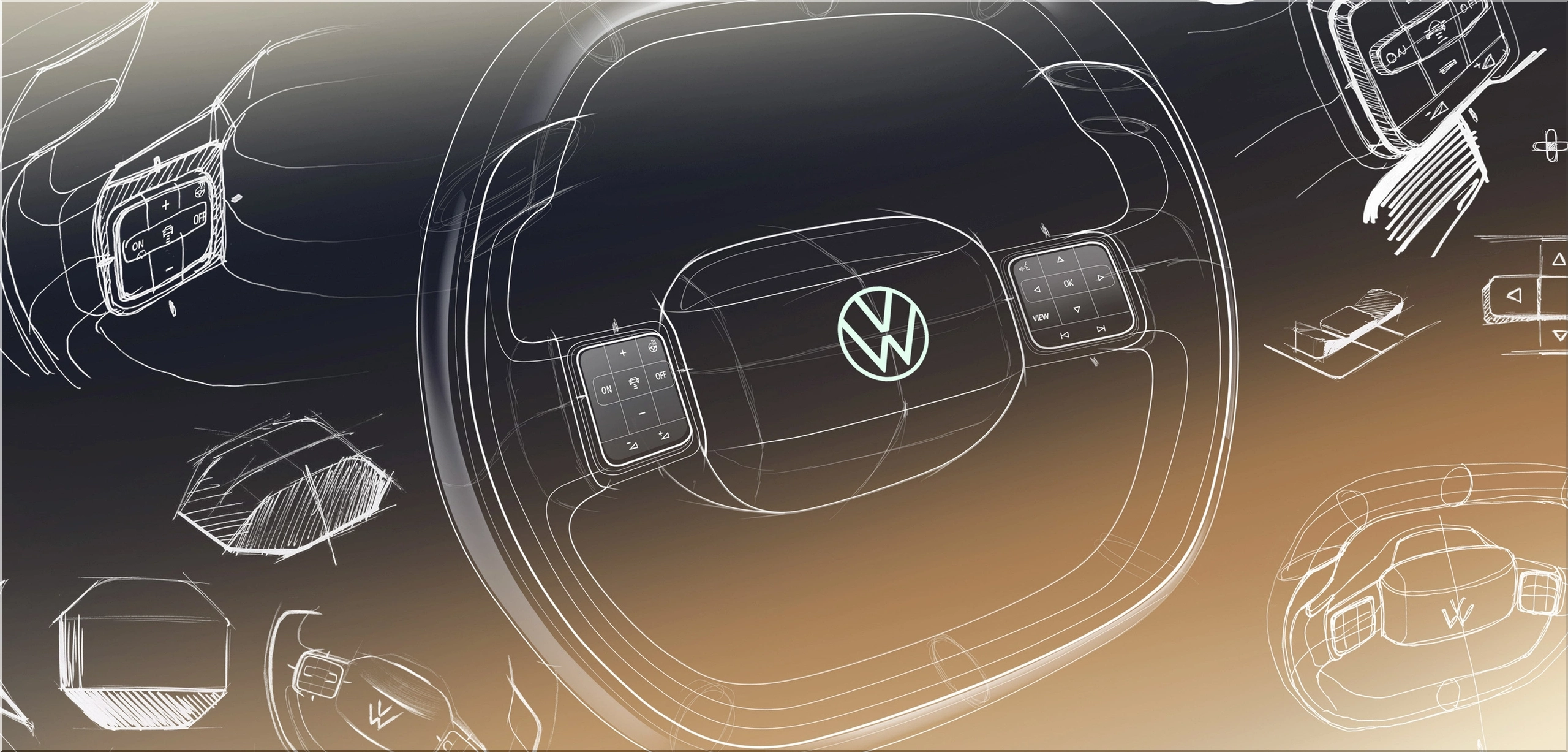
The new multifunction steering wheel uses clearly separated button zones. Drivers can operate core features without looking down.
Pro-Tip: Physical controls reduce error rates during driving. That benefit shows up in real-world safety, not spec sheets.
Software Brings Practical Gains
A new software generation underpins the cockpit. It focuses on features drivers use every day.
New and improved functions include:
- One-pedal driving for smoother urban traffic
- Updated parking assistance systems
- Optional latest-generation Travel Assist
The updated Travel Assist recognizes stop signs and traffic lights. That capability improves predictive driving support in city environments.
Image
Retro Display Adds Emotional Pull
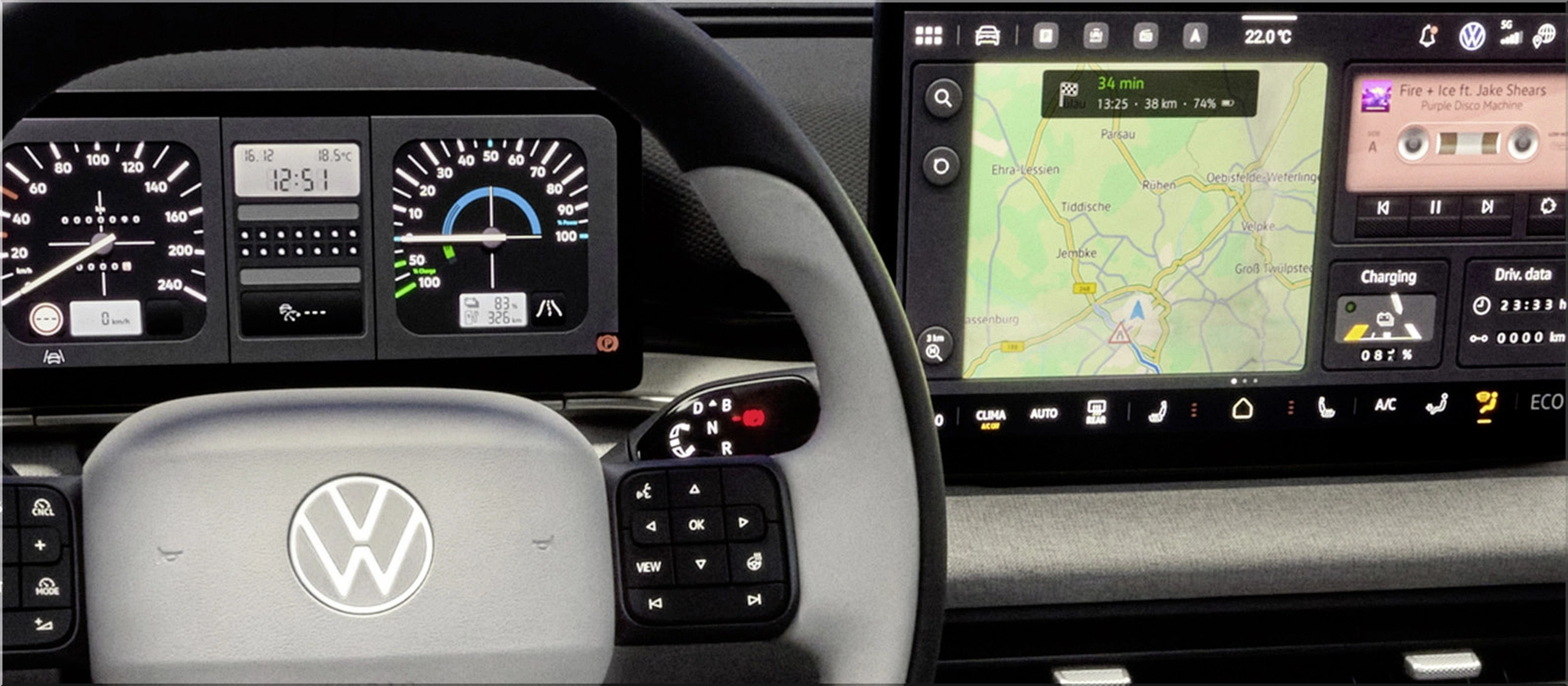
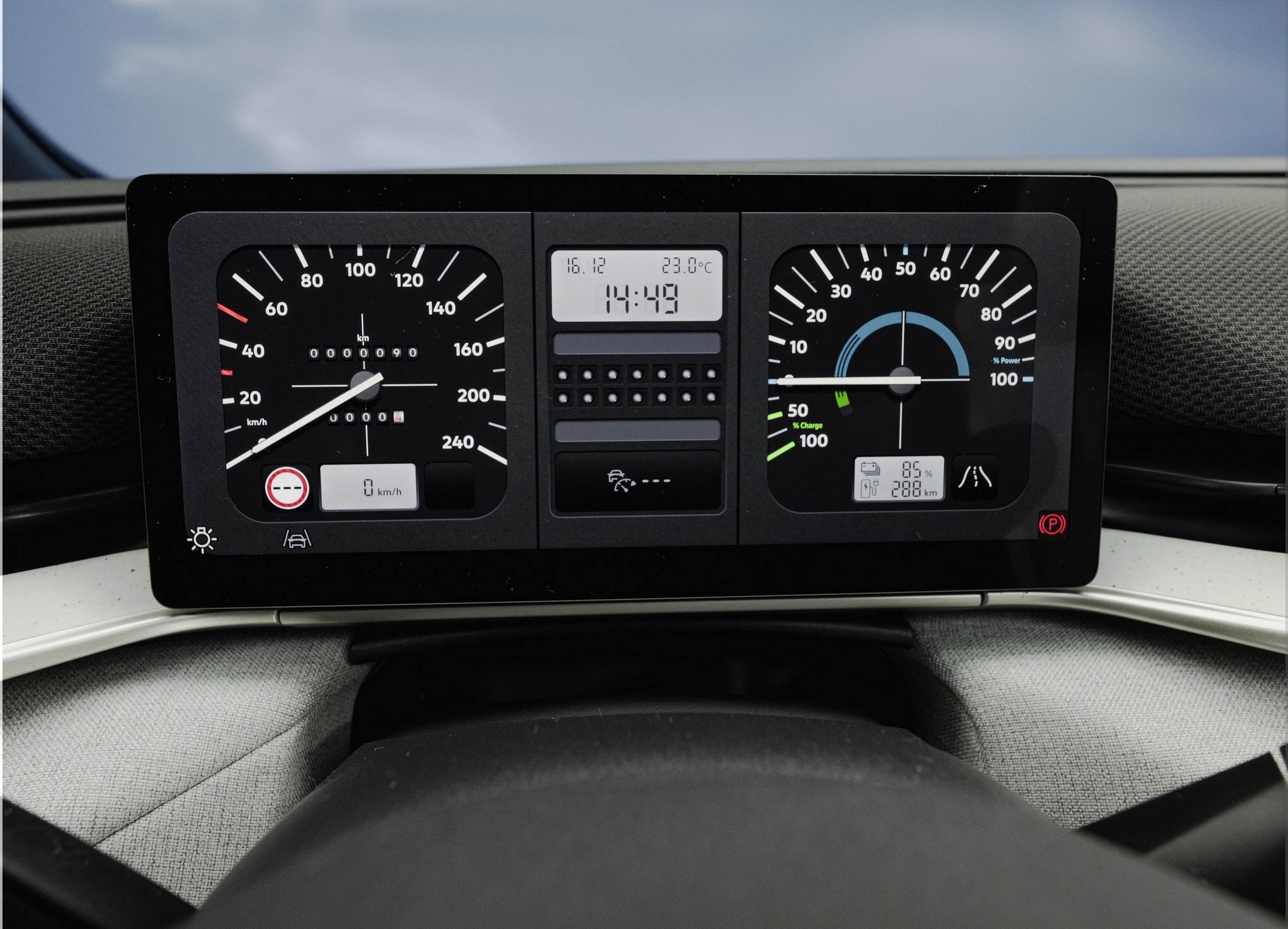
Volkswagen adds a smart emotional hook. The digital cluster includes optional retro-style gauges inspired by the original Volkswagen Golf I.
Drivers activate the retro view with a button press. The feature adds character without hurting usability.
This detail shows restraint. It adds personality without clutter.
Materials and Quality Step Up
Volkswagen pushes perceived quality higher than expected in this segment.
Material upgrades include:
- Fabric-covered dashboard surfaces
- Soft-touch door inserts
- Recycled materials integrated across trim elements
Every touchpoint feels deliberate. Buttons, knobs, and grips offer consistent resistance and texture.
Video file
Video title
Volkswagen ID. Polo interior 2026
ID.Light Expands Its Role
The updated ID.Light system stretches across the dashboard and into the doors. This light strip communicates navigation cues, warnings, and system feedback.
The light reduces reliance on screen alerts. Drivers receive information through peripheral vision.
That choice lowers distraction while maintaining awareness.
How the ID. Polo Stacks Up Against Rivals
The ID. Polo enters a crowded electric compact field. Its cockpit philosophy stands apart from key competitors.
| Model | Screen Size | Physical Controls | Driver Assistance | Interior Focus |
|---|---|---|---|---|
| Volkswagen ID. Polo | 10.25 in + 13 in | Yes | Advanced | Usability-first |
| Peugeot e-208 | 10 in | Limited | Moderate | Visual flair |
| Mini Cooper Electric | 9.4 in | Limited | Moderate | Style-driven |
| Renault 5 Electric | 10 in | Partial | Moderate | Retro-inspired |
The ID. Polo prioritizes usability over spectacle. That strategy targets long-term satisfaction, not showroom shock.
Designed for Scale Across ID Models
Volkswagen plans to roll this cockpit design across future ID vehicles. That matters for consistency and cost control.
Shared architecture allows:
- Faster software updates
- Lower development costs
- Familiar controls across model lines
Drivers switching between ID models face minimal learning curves.
What Now for Buyers and the Market
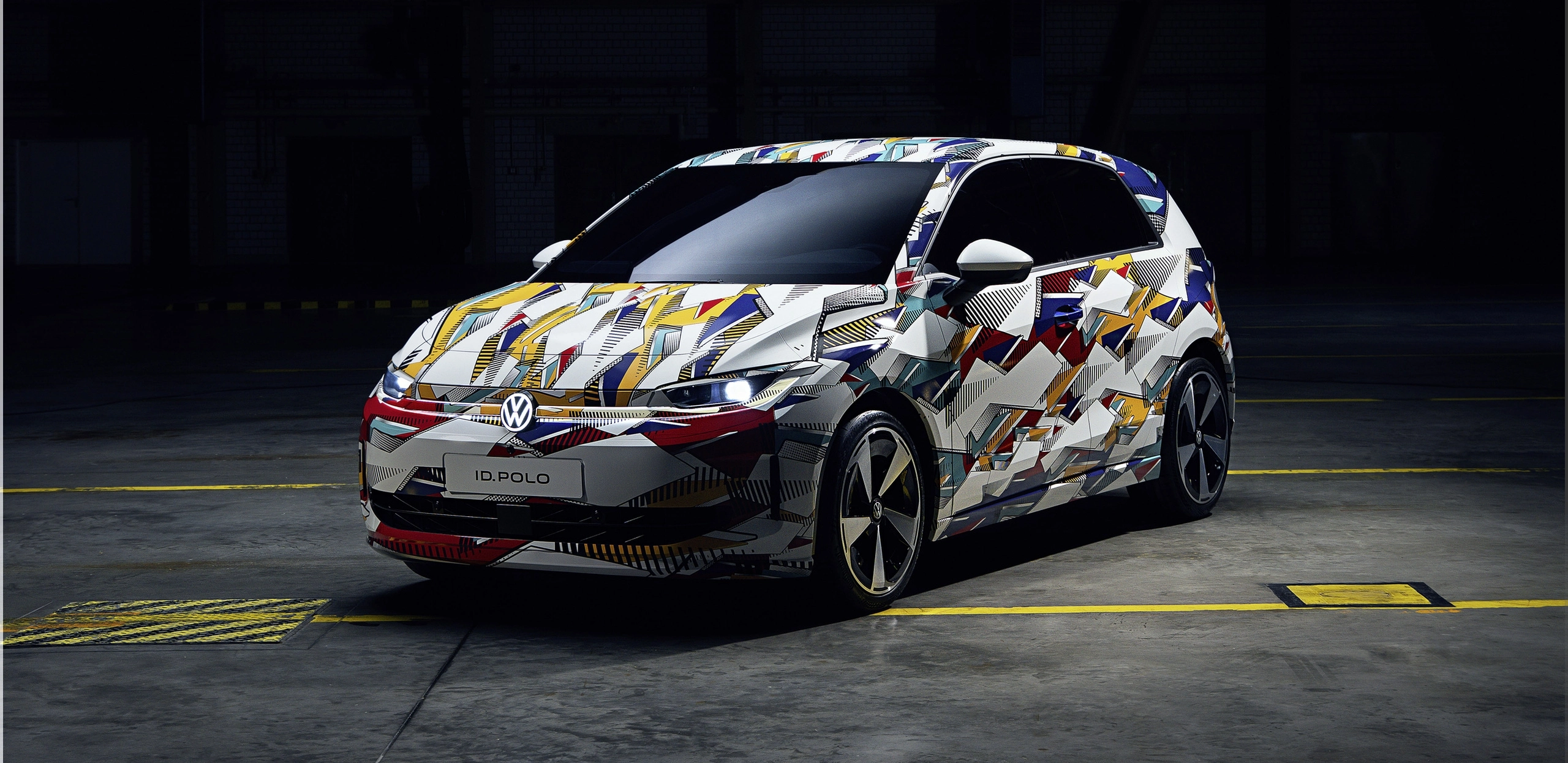
The ID. Polo remains a near-production concept. Volkswagen has not opened sales yet.
Still, this cockpit sends a strong message:
- Volkswagen listens to feedback
- Physical controls return where they matter
- Software supports daily driving, not novelty
For buyers, this signals a shift toward clarity and comfort. For rivals, it raises expectations in the compact EV segment.
Expect future Volkswagen interiors to favor usability over experimentation. Buyers who value simple controls and reduced distraction should watch the ID lineup closely.
- Add new comment
- 183 views