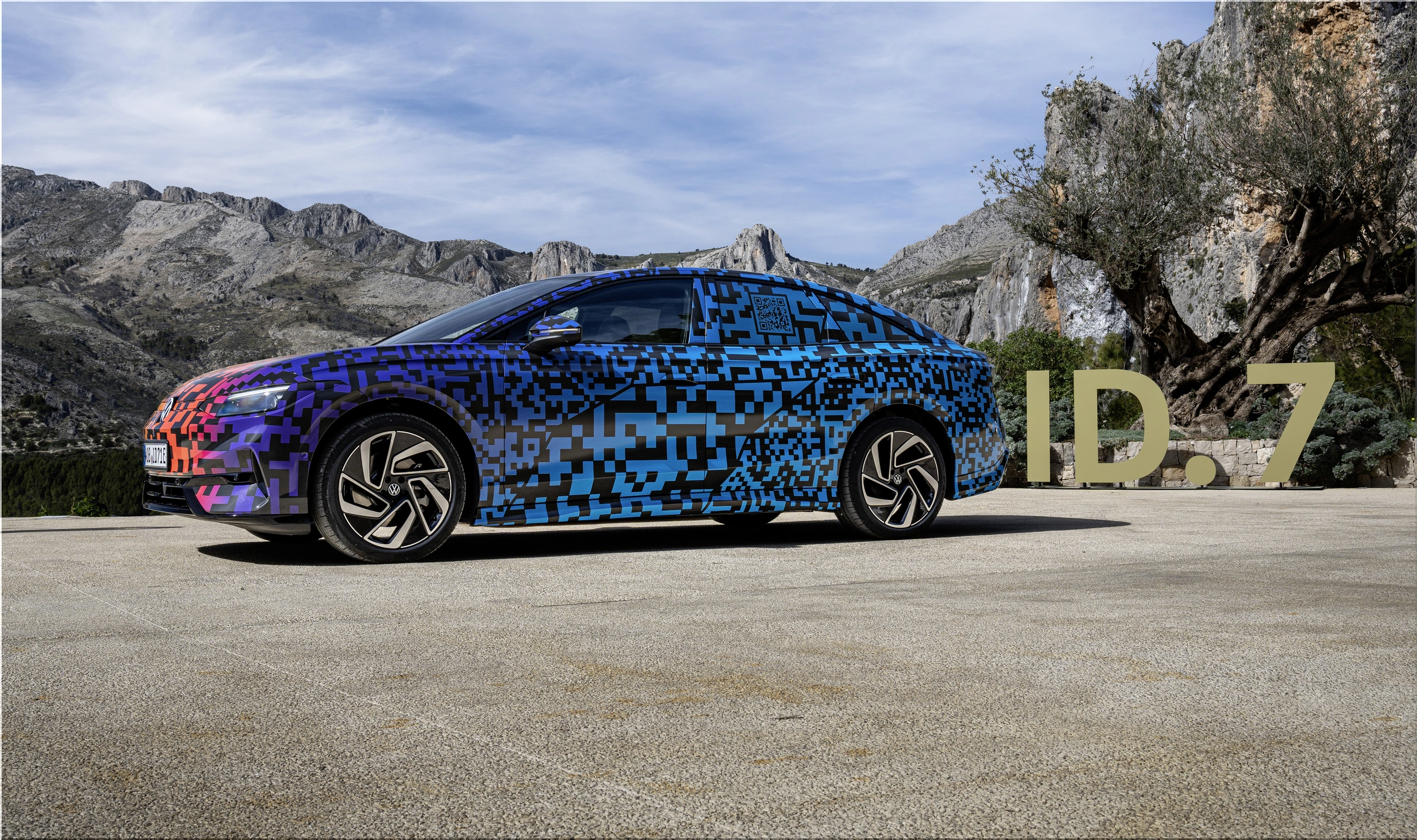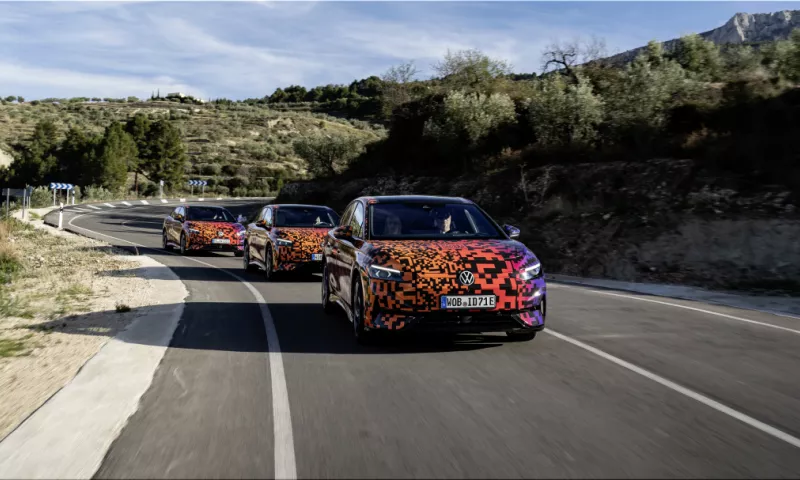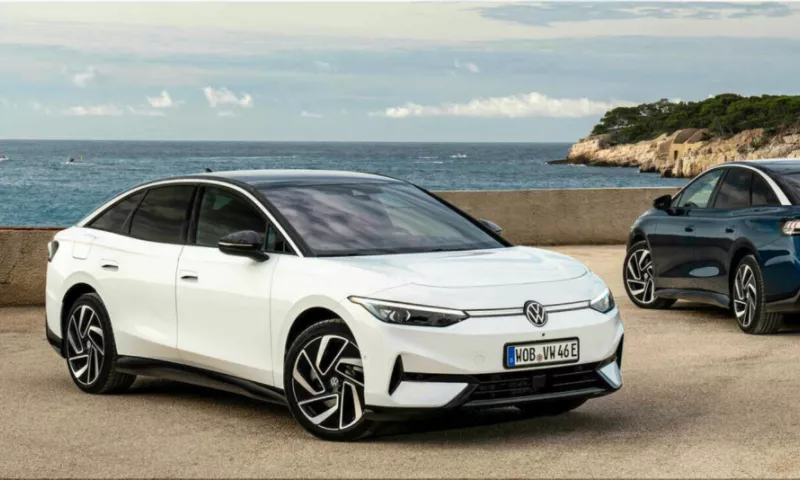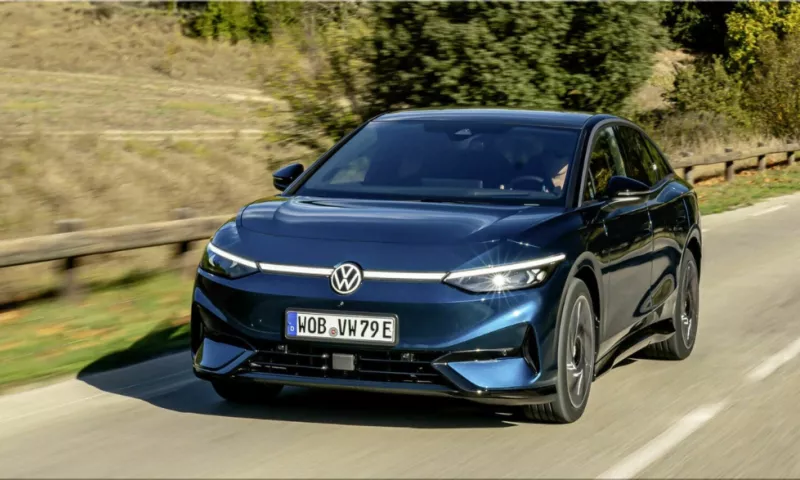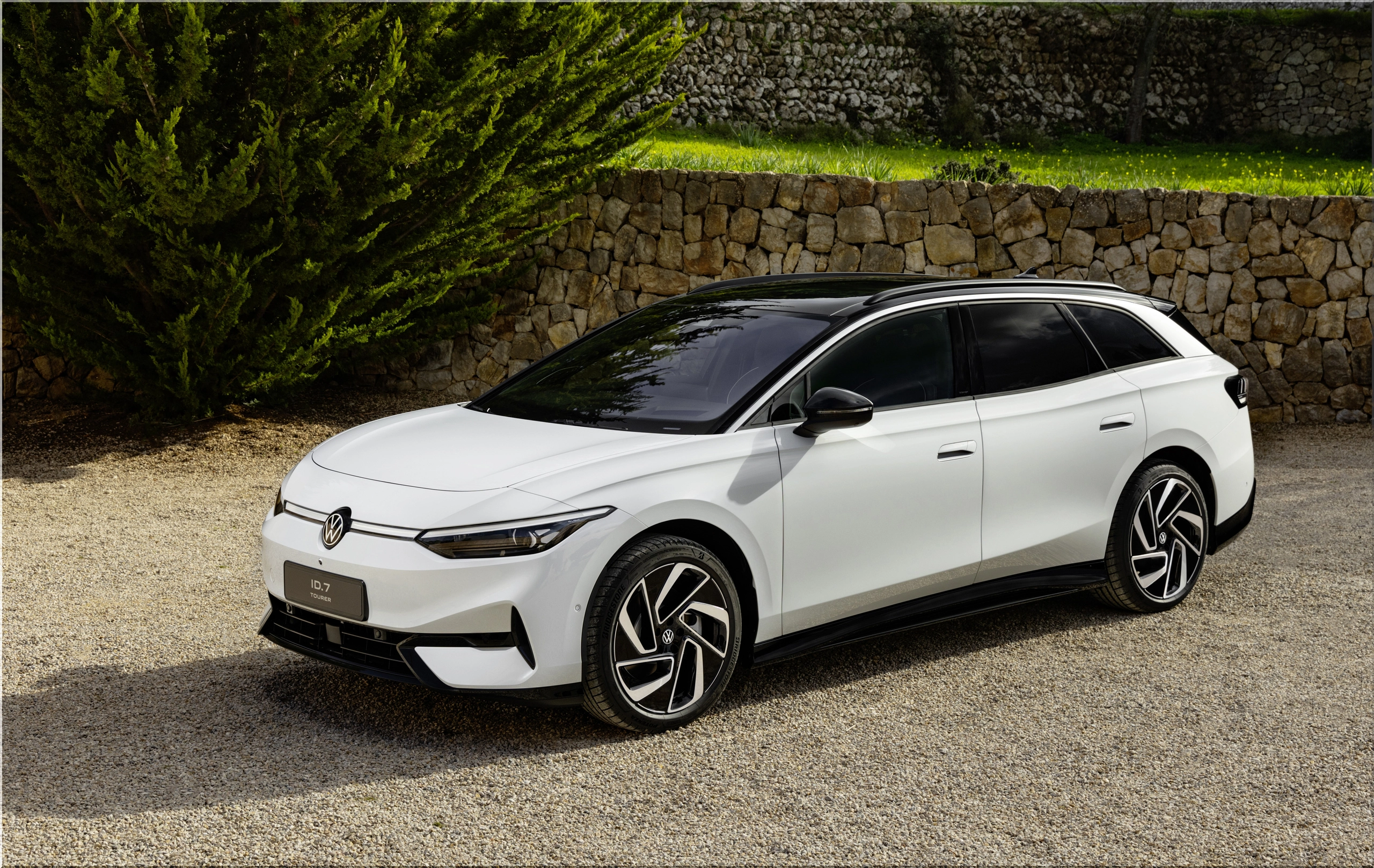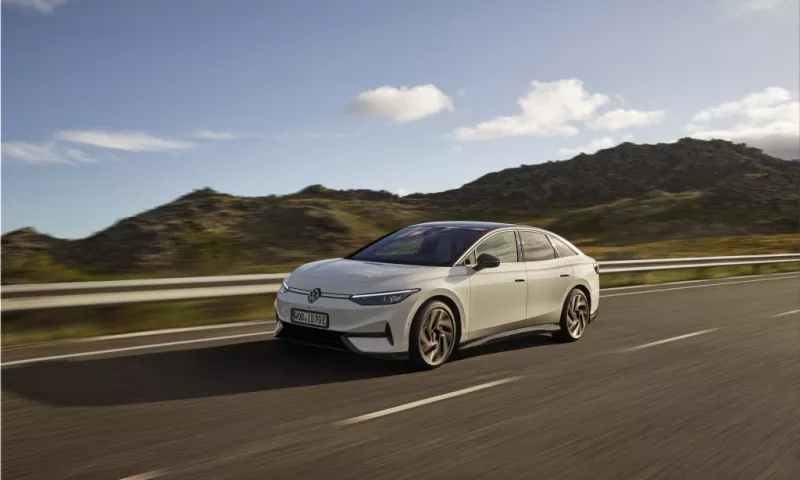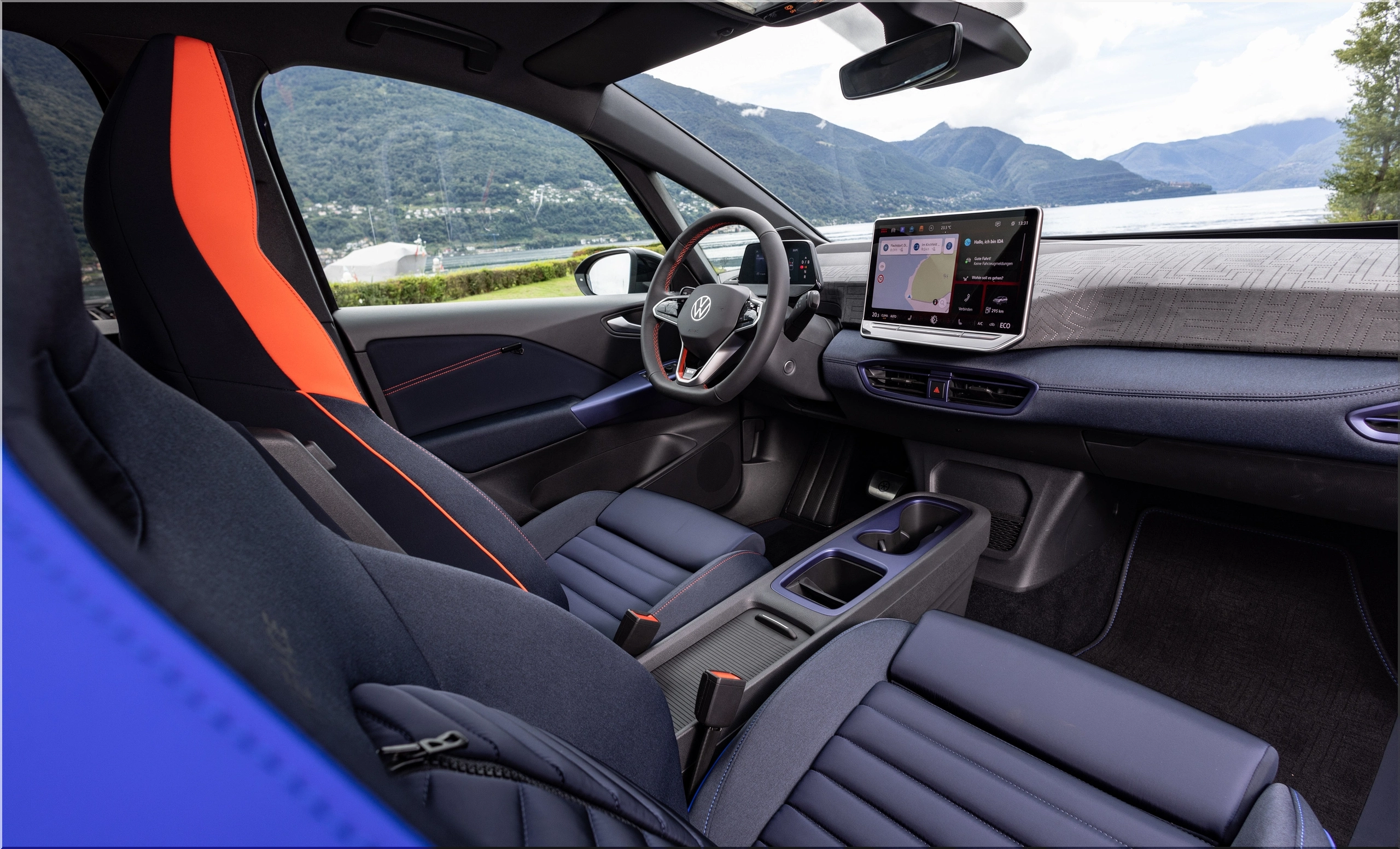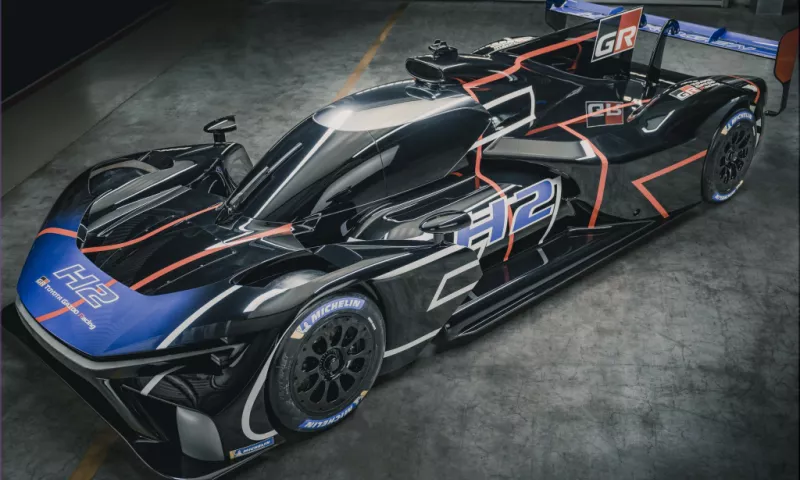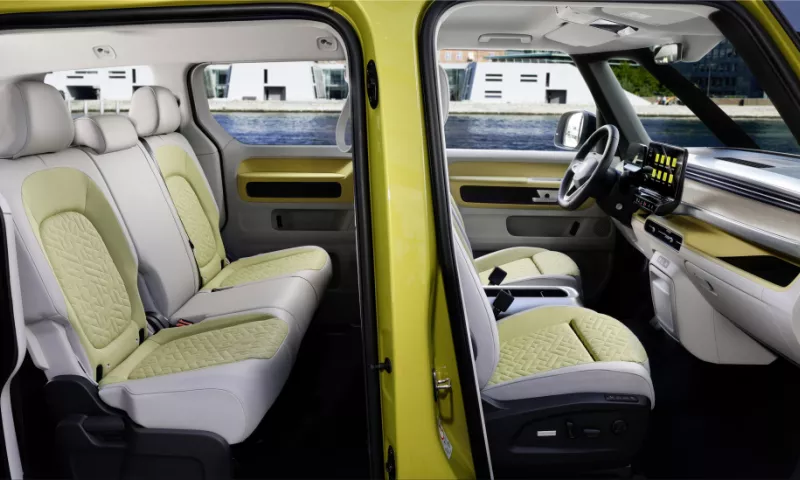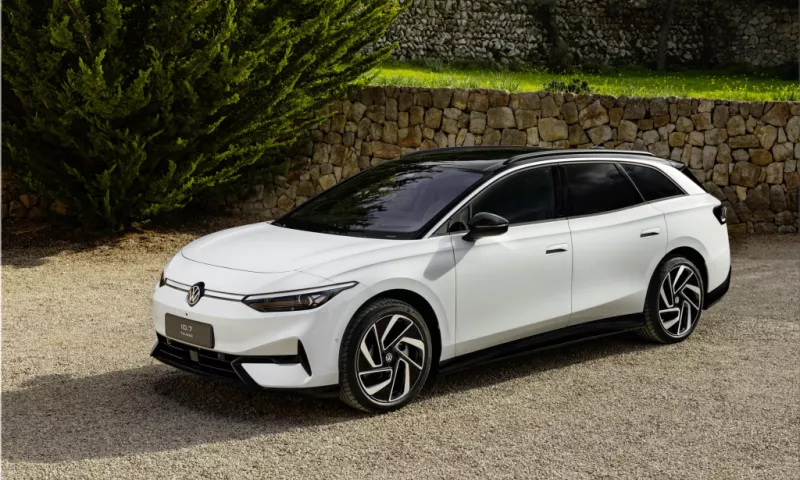
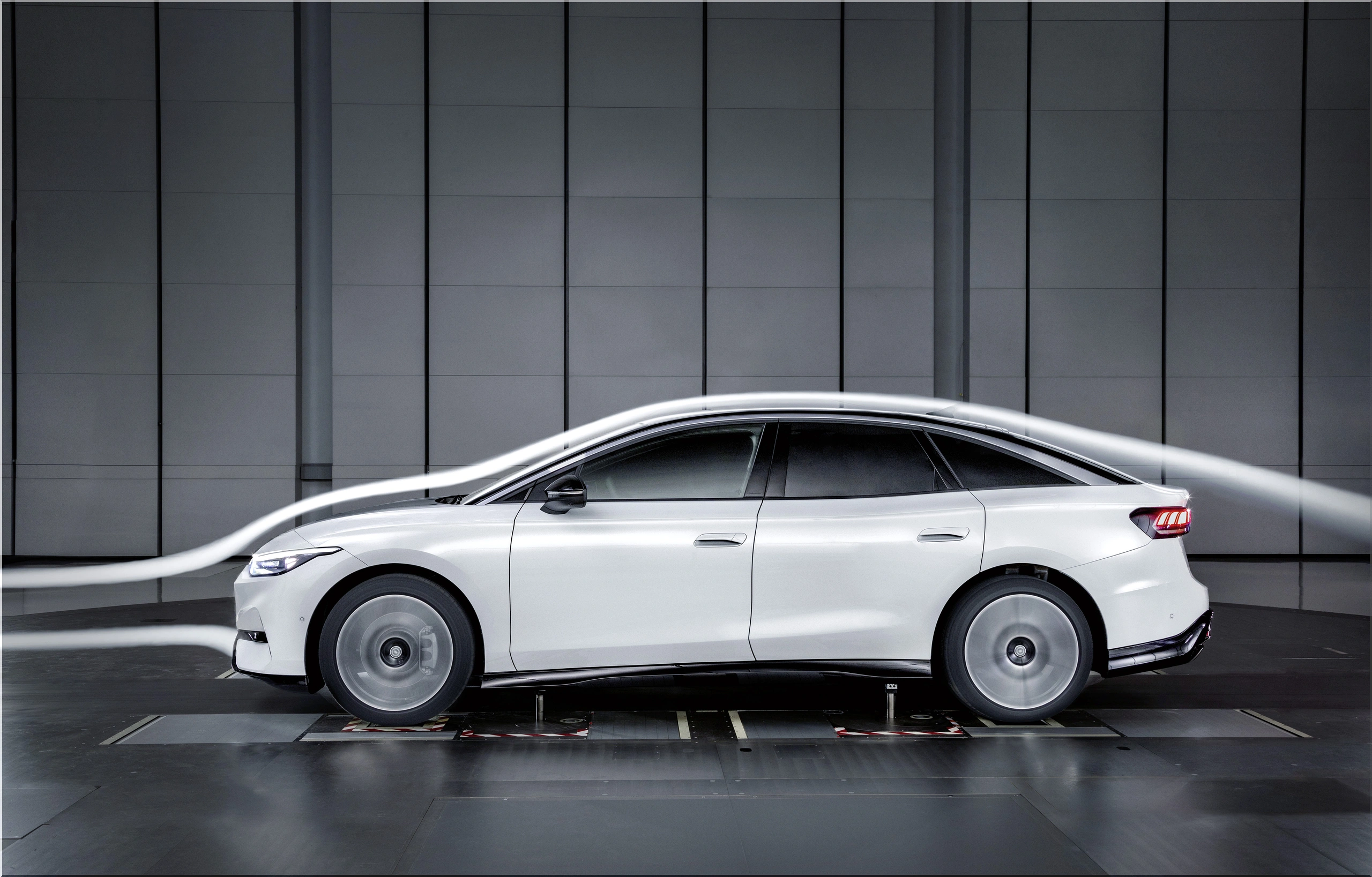
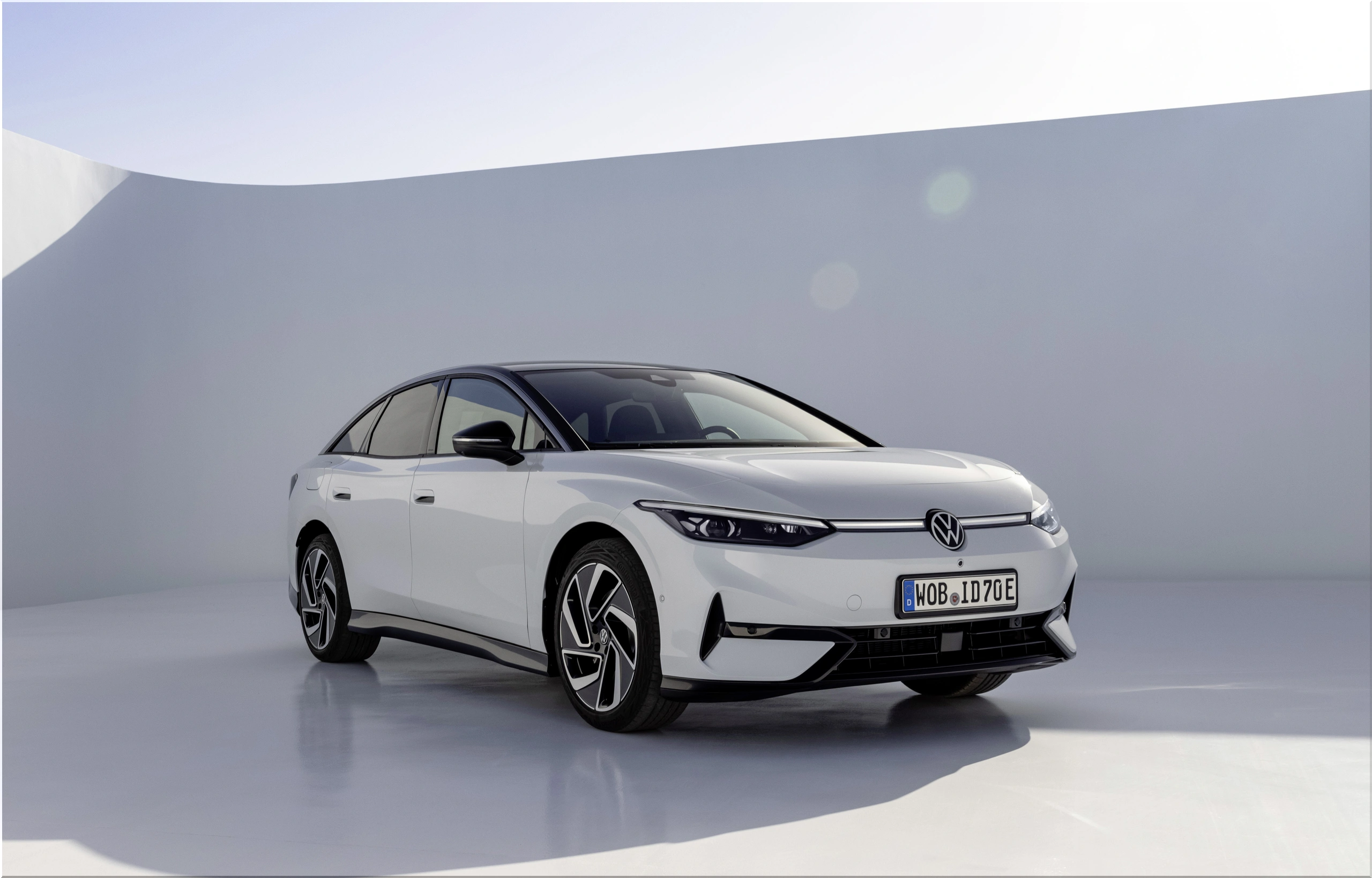
Volkswagen has been on a roll lately with its ID family of electric vehicles. The Volkswagen ID.3 hatchback and the ID.4 crossover have been well-received by critics and customers, offering a compelling blend of performance, practicality, and affordability. But the German automaker is not resting, and it has unveiled its latest and most ambitious EV yet: the Volkswagen ID.7.
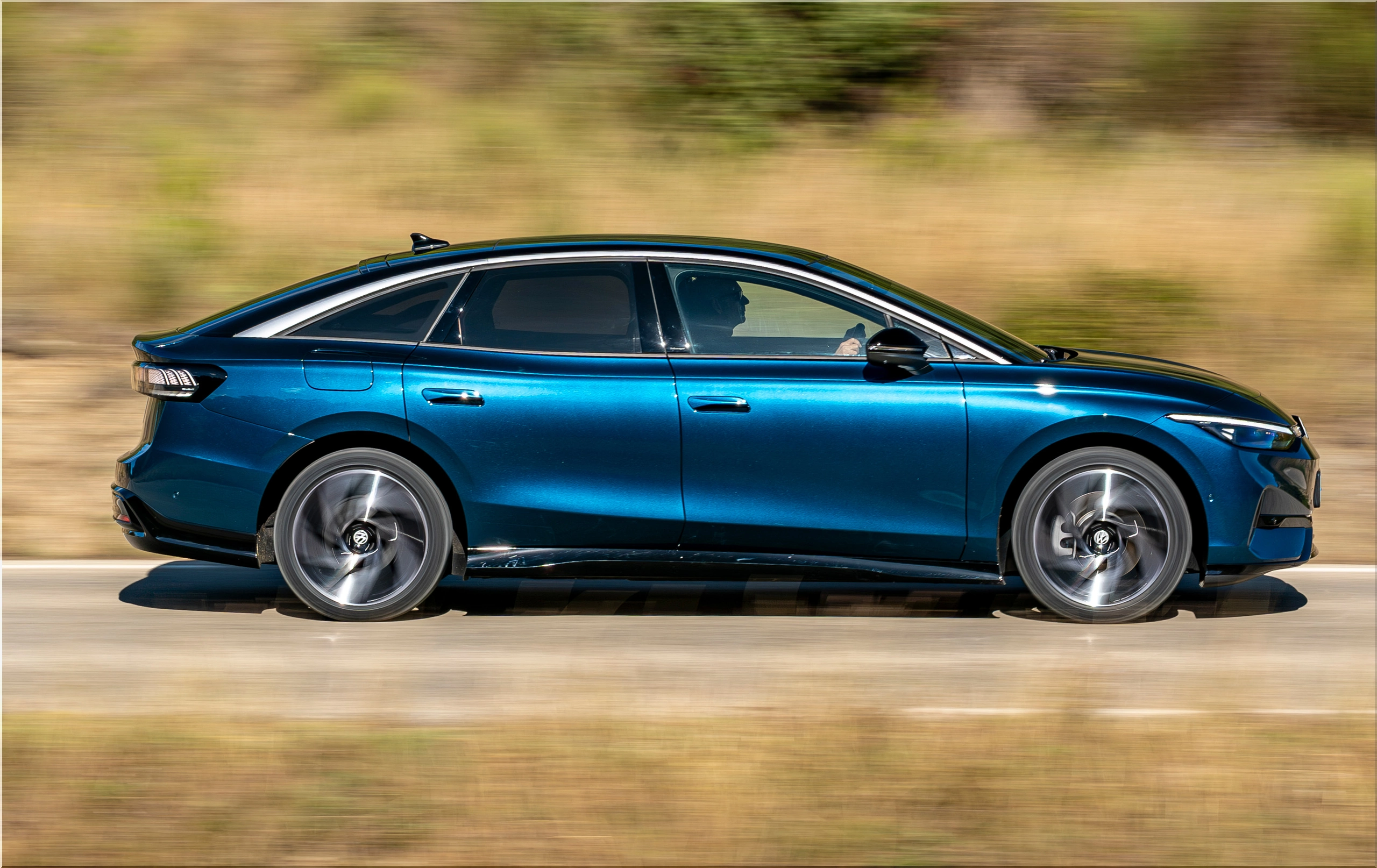
The Volkswagen ID.7 is a sleek and spacious sedan that aims to challenge the likes of the Tesla Model S, the Lucid Air, and the Mercedes-EQ EQS in the luxury EV segment. But unlike its rivals, the Volkswagen ID.7 relies on something other than brute force or flashy features to win over buyers. Instead, it focuses on one key aspect that is often overlooked in EV design: aerodynamics.
Why Aerodynamics Matter for EVs
Aerodynamics is the science of how air flows around and interacts with objects. In automotive terms, it refers to how well a car can cut through the air with minimal resistance or drag. Drag is the enemy of efficiency, as it forces the car to use more energy to overcome it. This means more fuel consumption for gas-powered cars and more battery drain for EVs.
The importance of aerodynamics for EVs cannot be overstated. According to Volkswagen, reducing drag by 10 percent can increase range by up to 5 percent. That may not sound like much, but it can make a big difference in real-world driving conditions, especially at higher speeds where drag increases exponentially.
For example, let's say you have two EVs with identical batteries and powertrains but different aerodynamic profiles. One has a drag coefficient (Cd) of 0.30, which is about average for a modern car, and the other has a Cd of 0.20, which is exceptionally low for a production car. If both cars are cruising at 75 mph on a flat highway, the more aerodynamic car will use about 15 percent less energy than the less aerodynamic one. That means it can travel about 15 percent farther on a single charge.
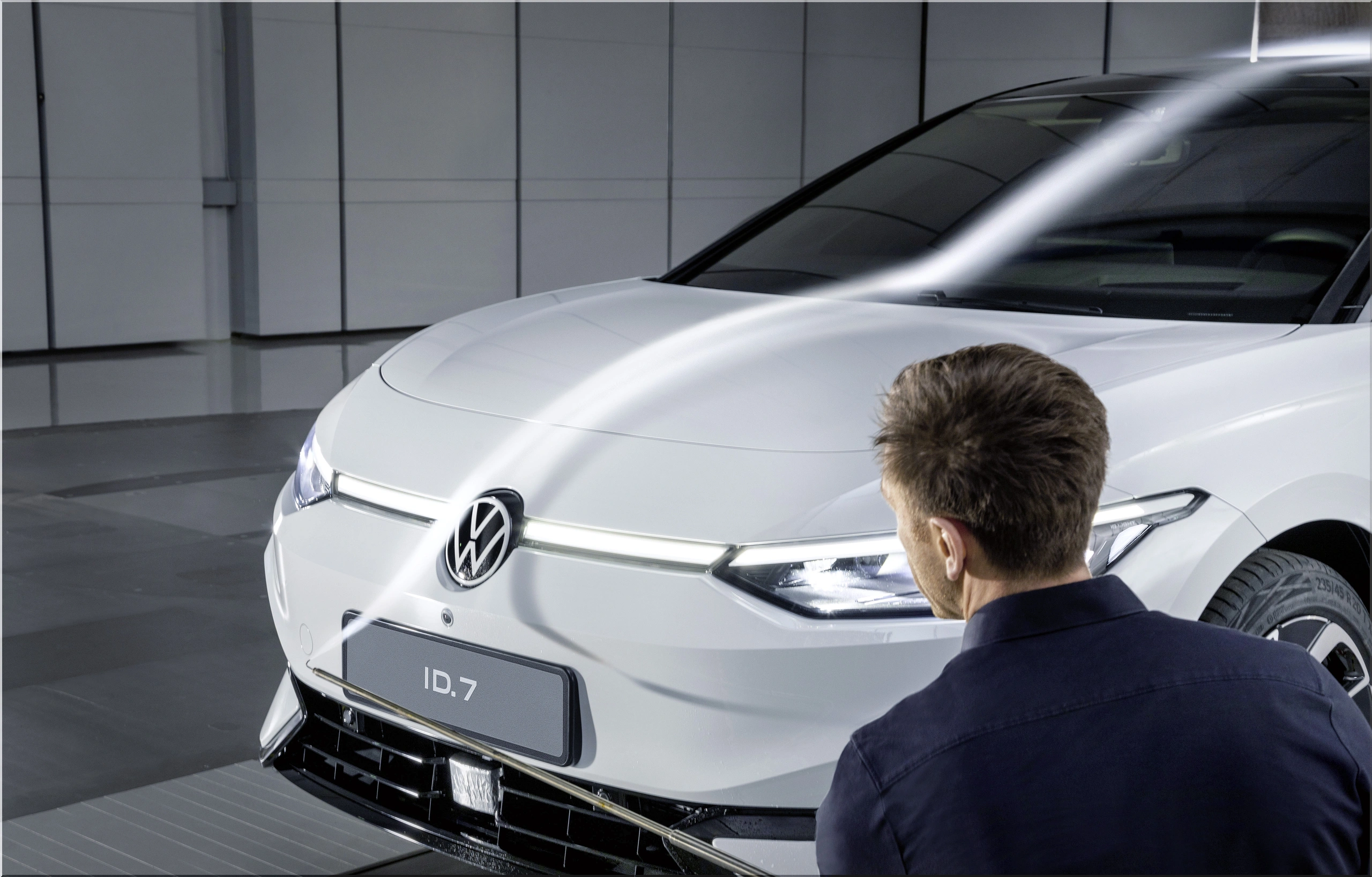
How Volkswagen Achieved a Low Drag Coefficient for the ID.7
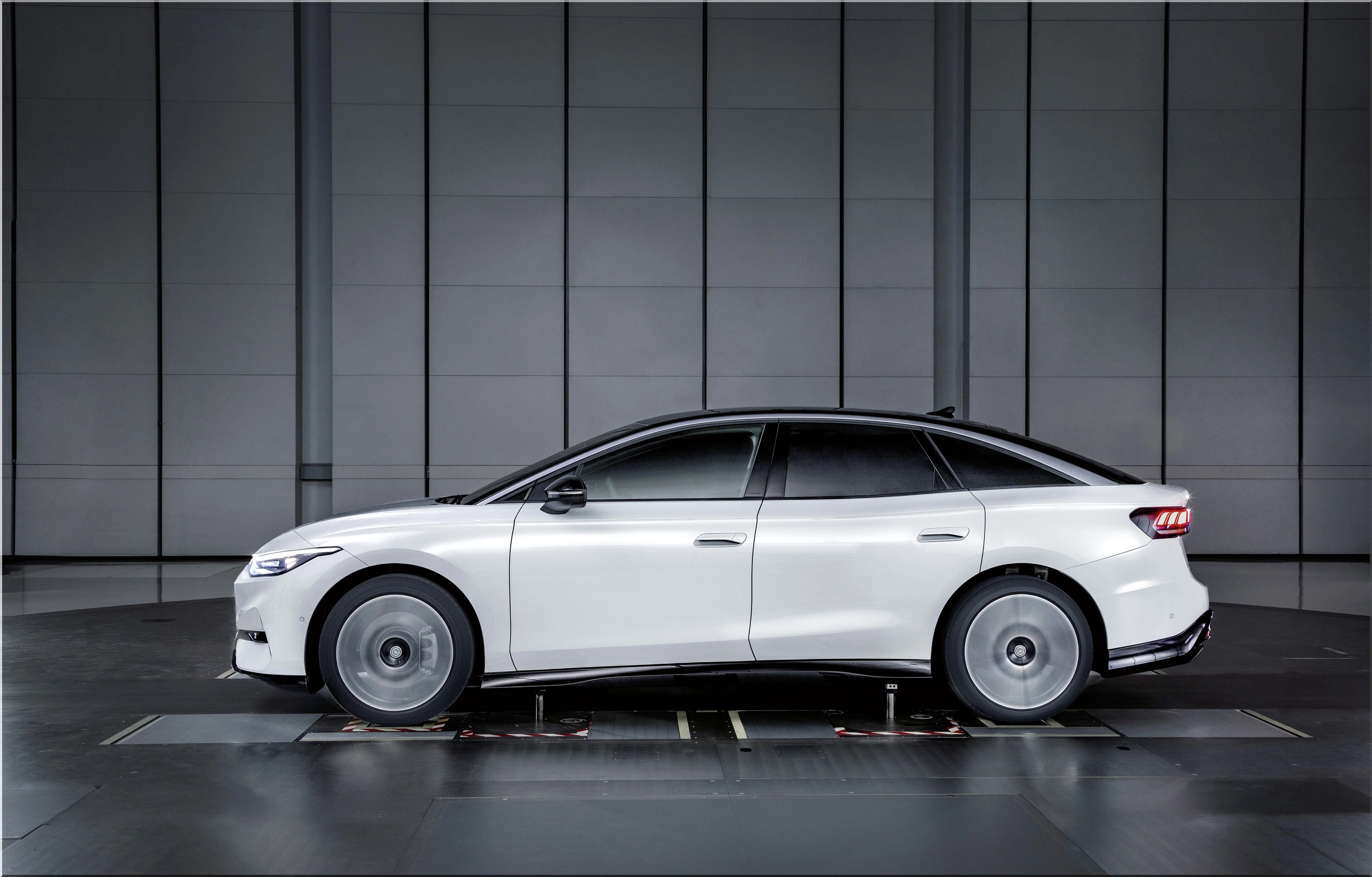
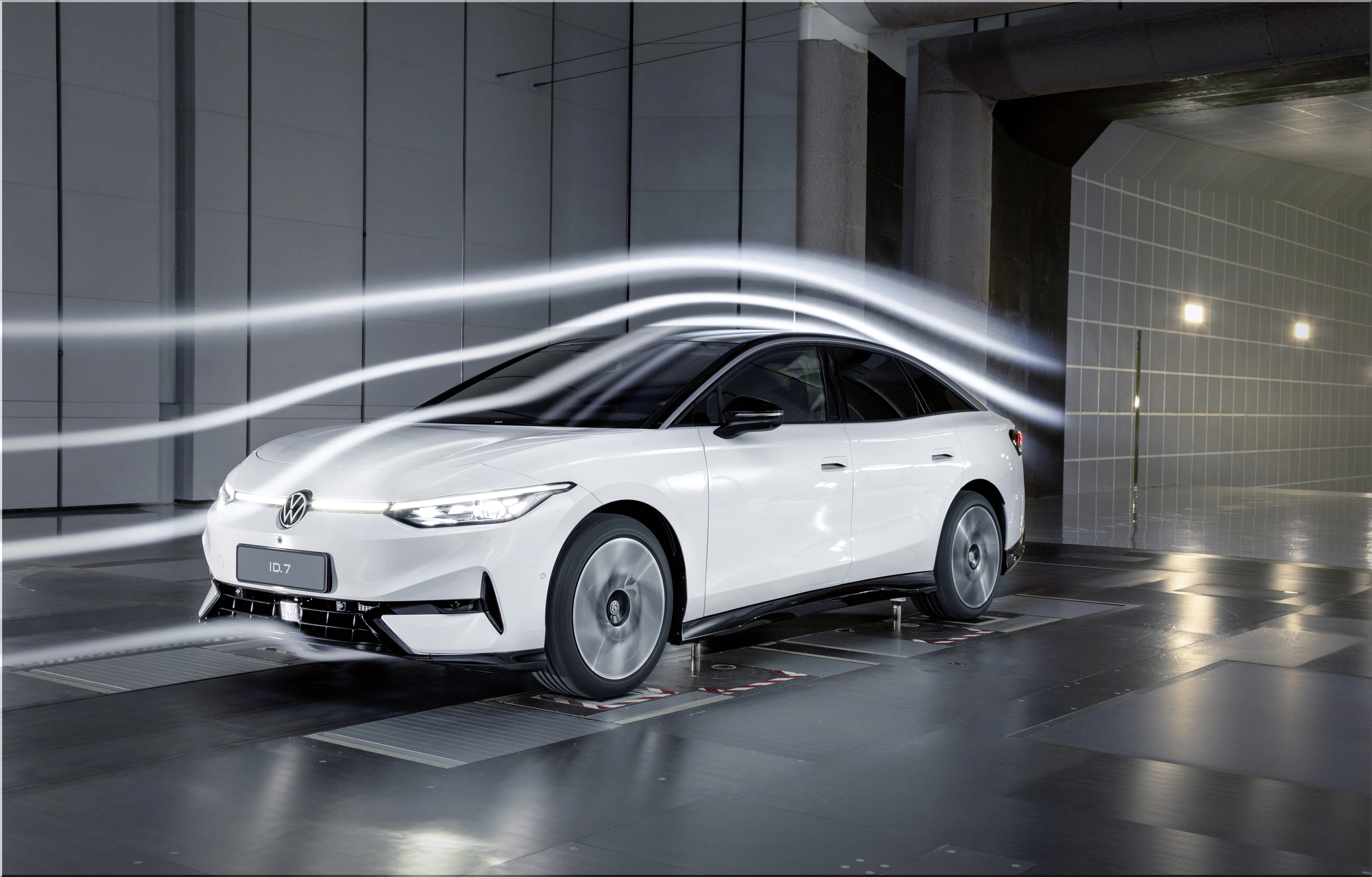
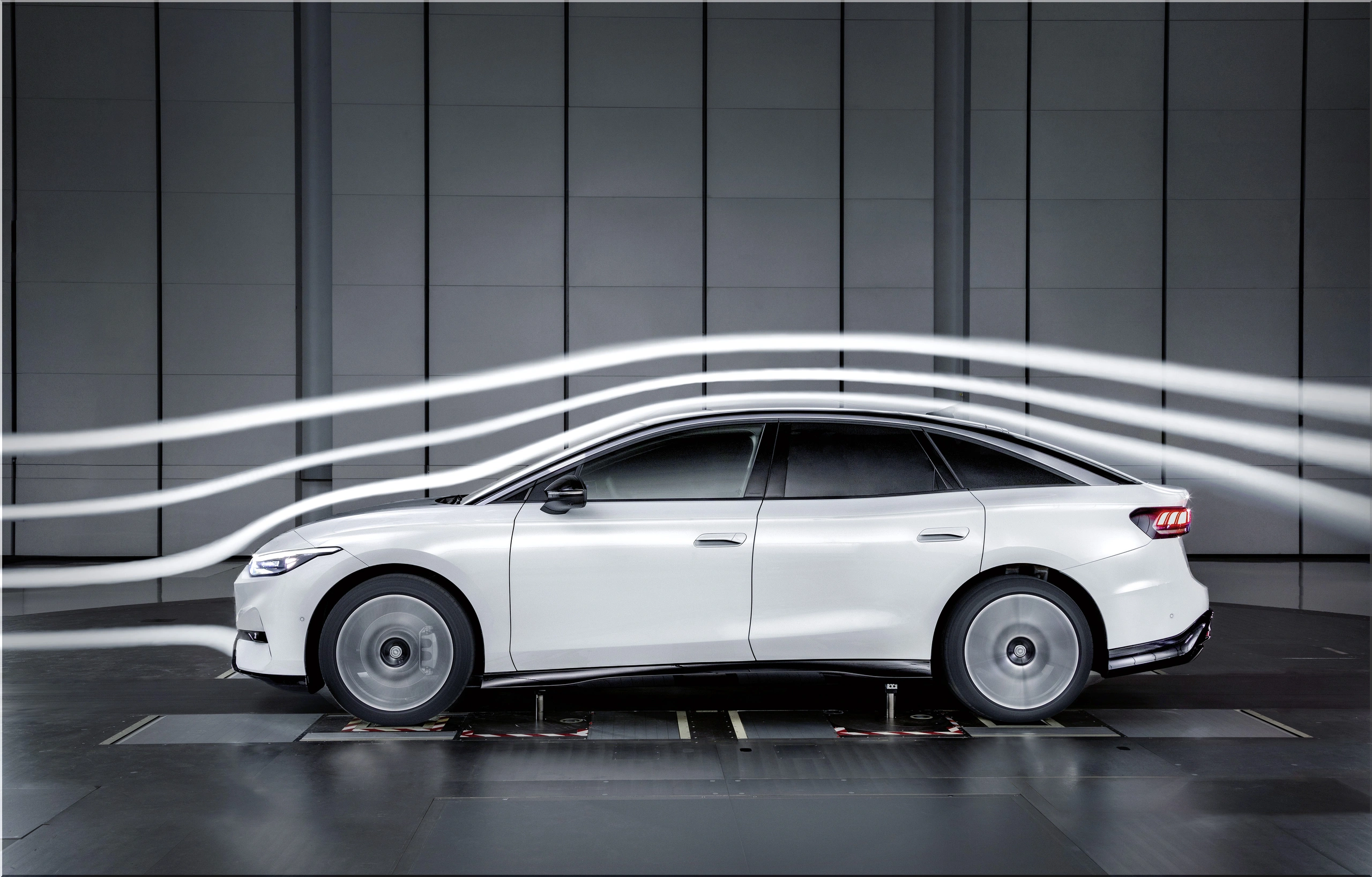
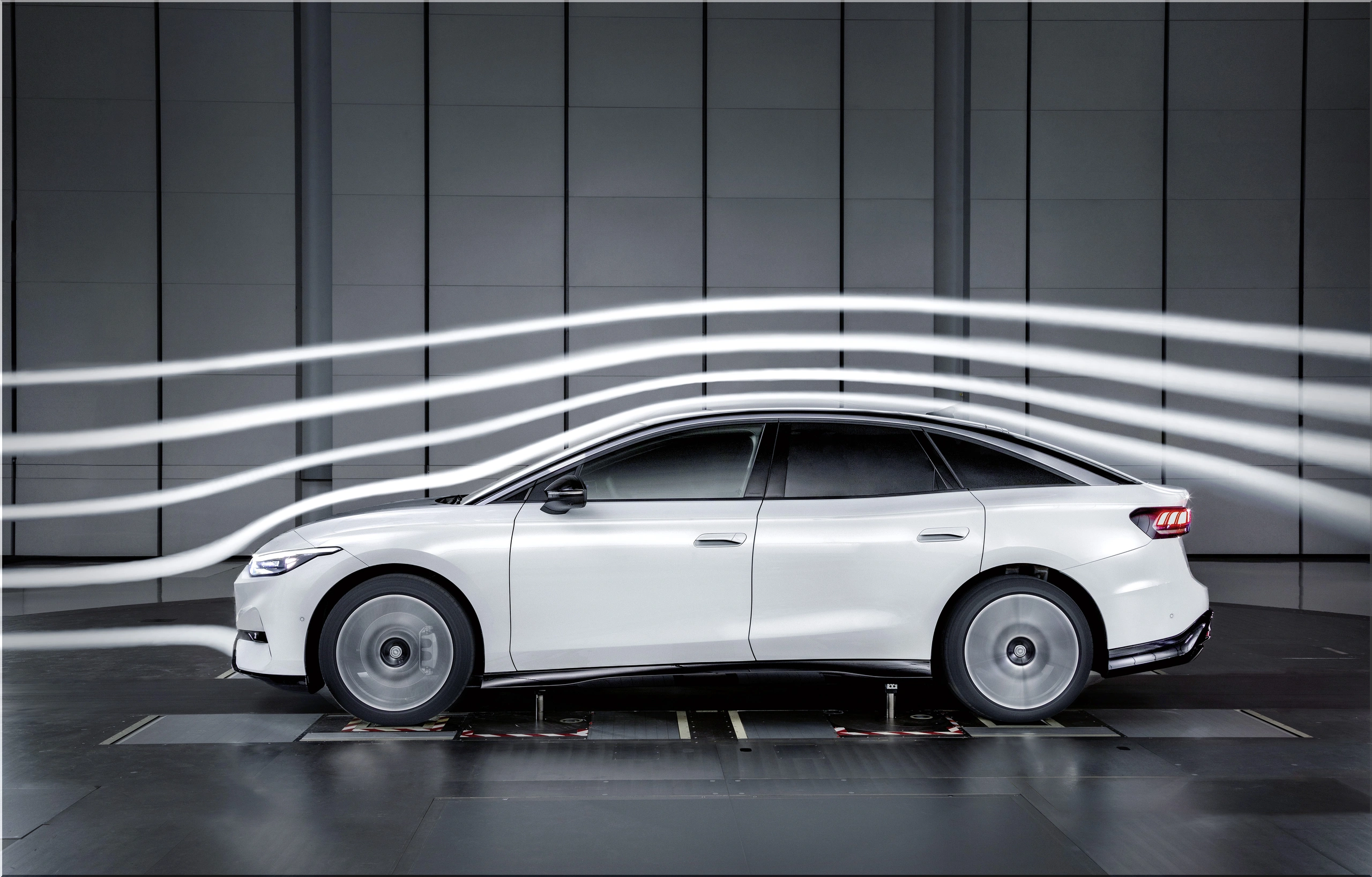
The ID.7 boasts a Cd of just 0.208, making it one of the most aerodynamic cars ever made. To put that into perspective, the Tesla Model S has a Cd of 0.24, the Lucid Air has a Cd of 0.21, and the Mercedes-EQ EQS has a Cd of 0.20. How did Volkswagen manage to beat them all?
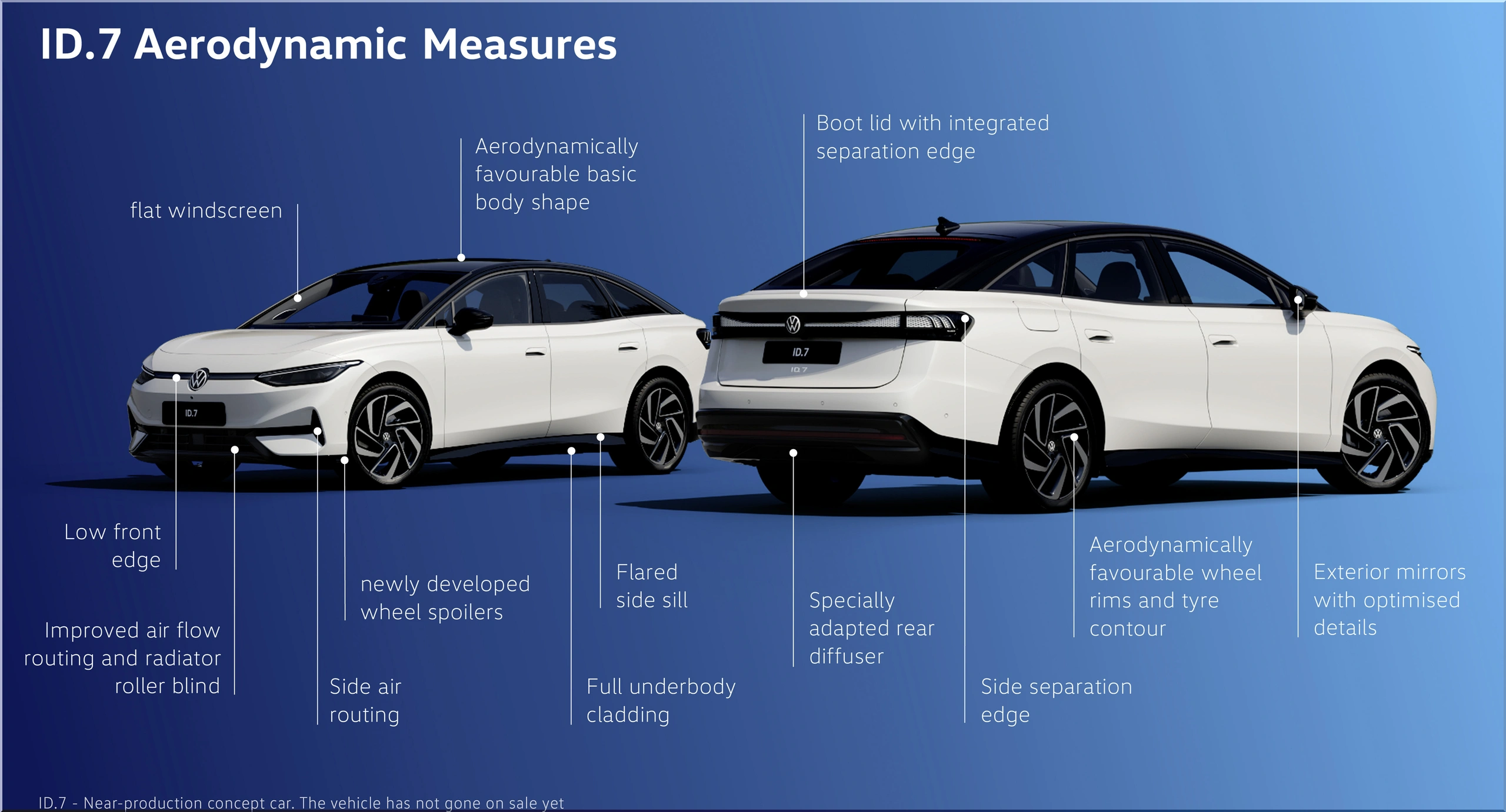
The answer lies in meticulous attention to detail and clever engineering solutions. The ID.7 was designed from the ground up as an EV, which gave Volkswagen more freedom to optimize its shape and features for aerodynamics.
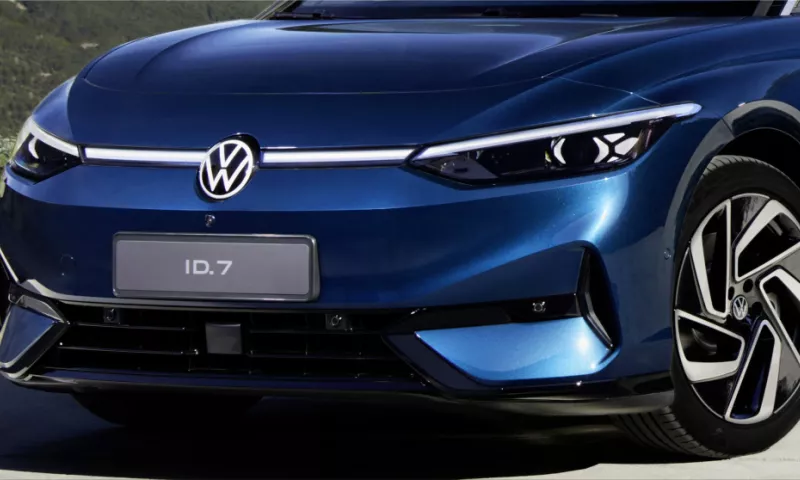
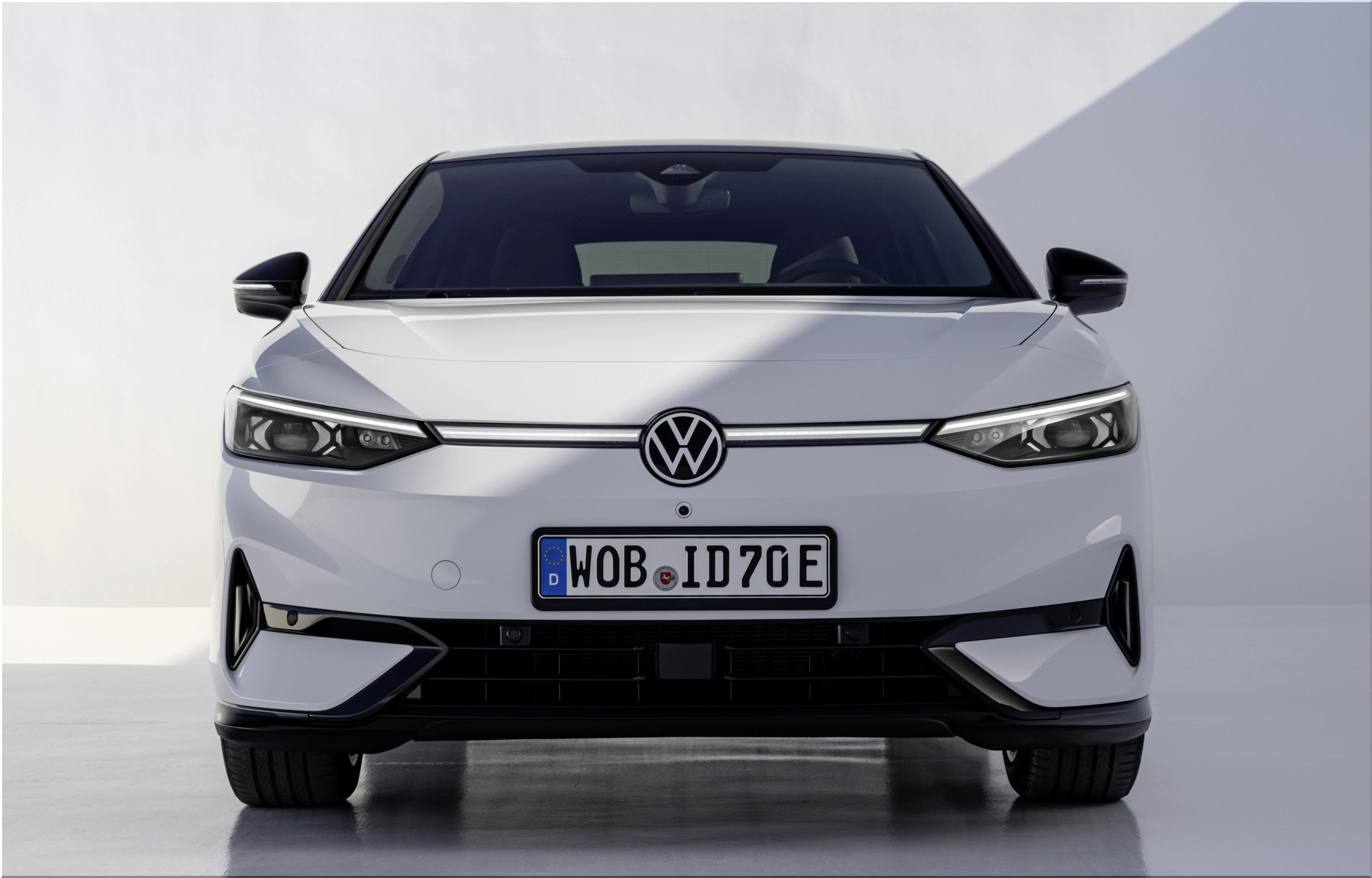
One of the key advantages of an EV is that it does not need a large grille or air intake to cool down an internal combustion engine or a transmission. This allows for a smoother, more streamlined front end that reduces turbulence and drag.
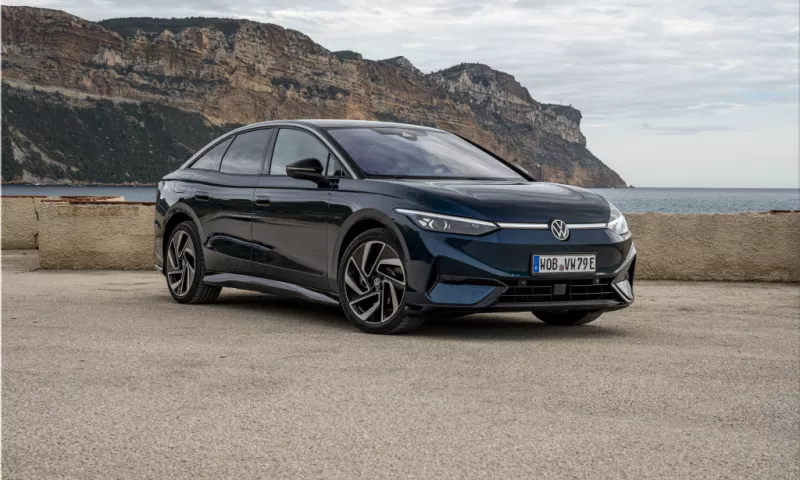
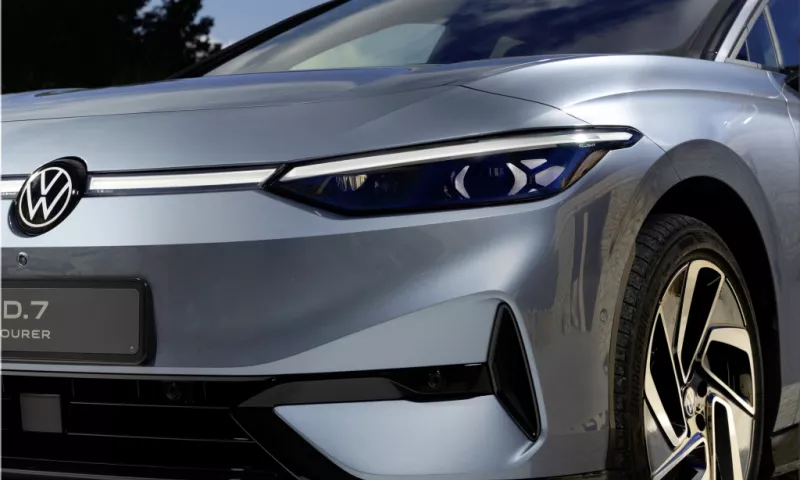
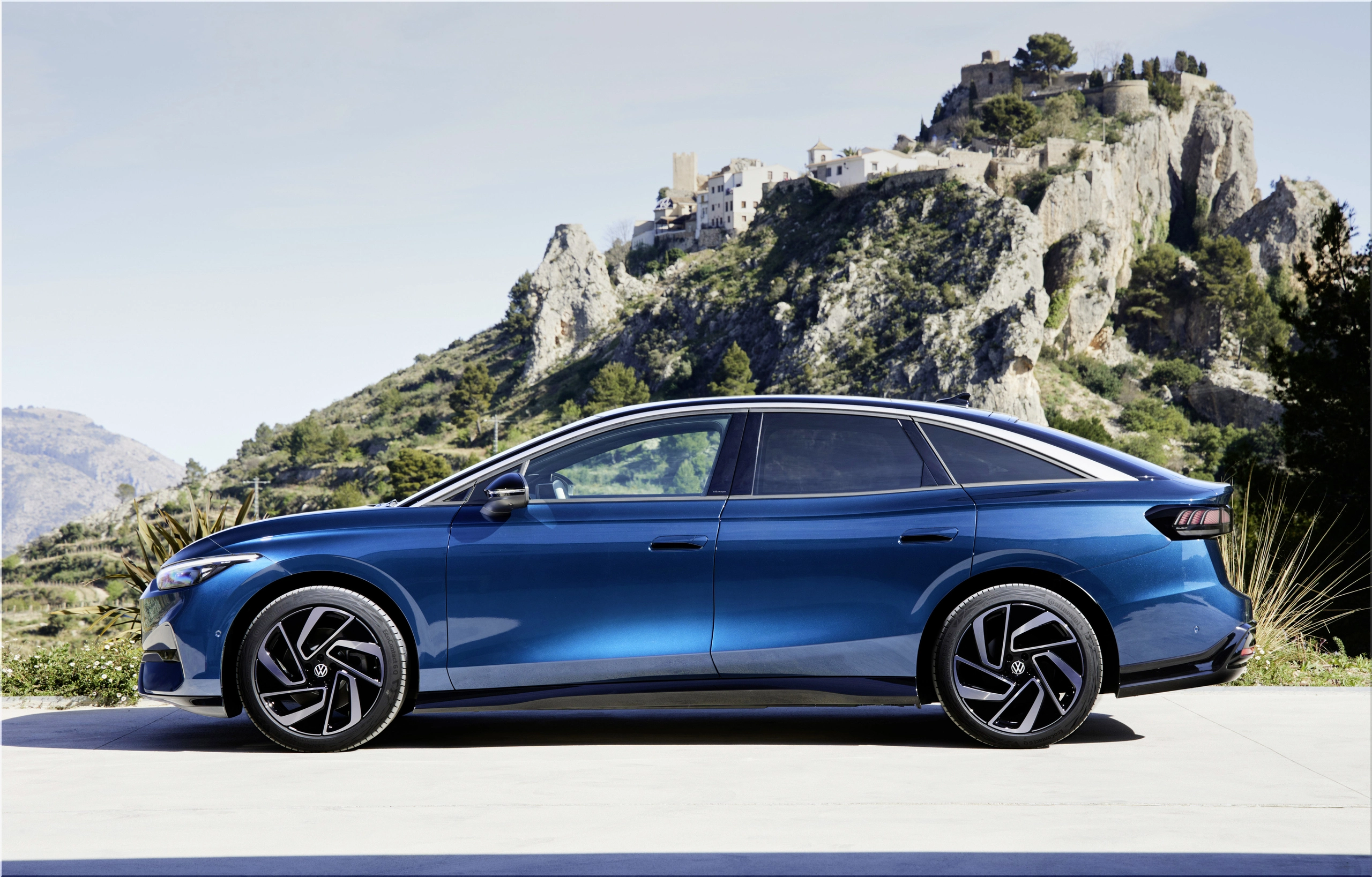
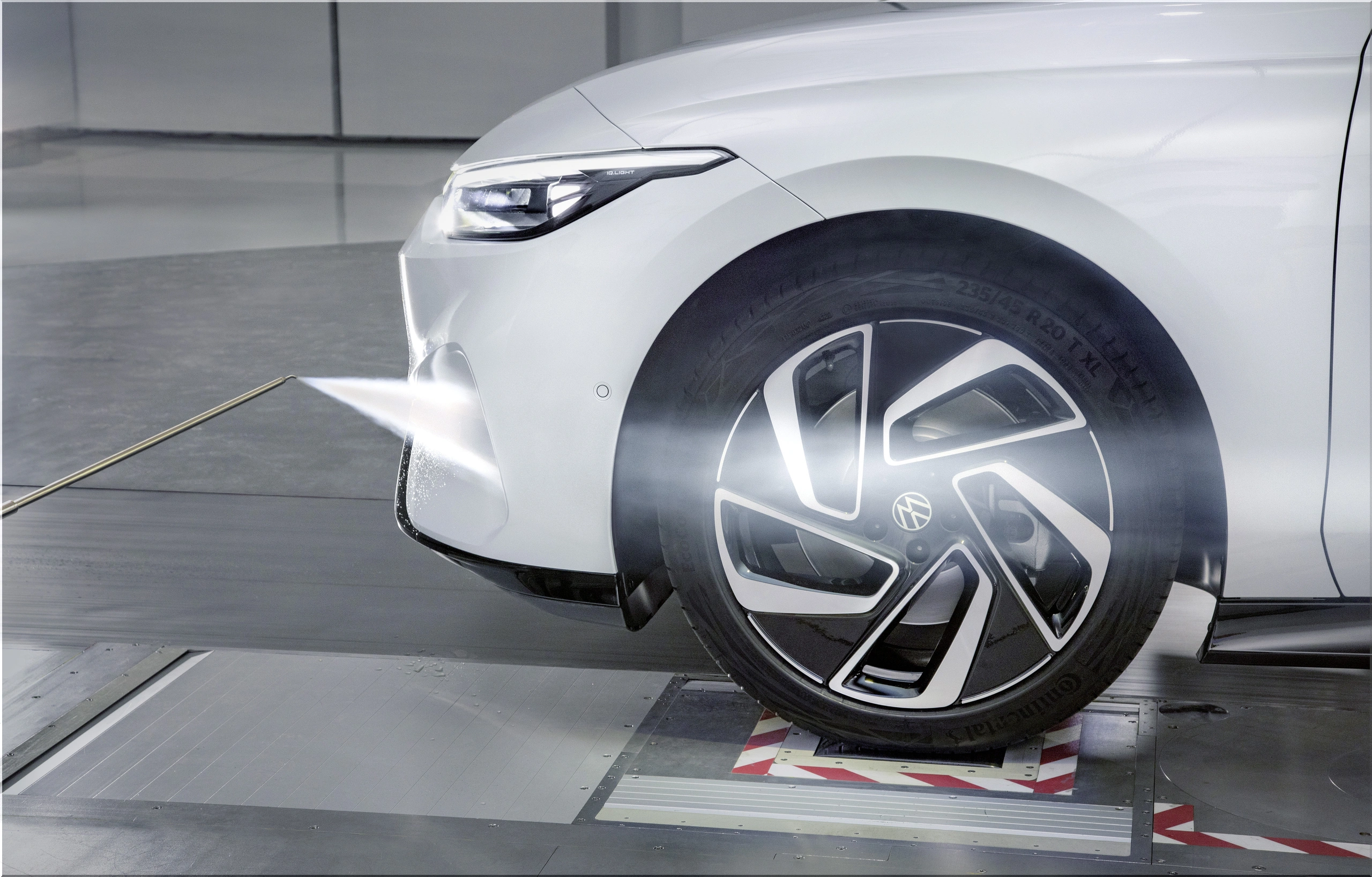
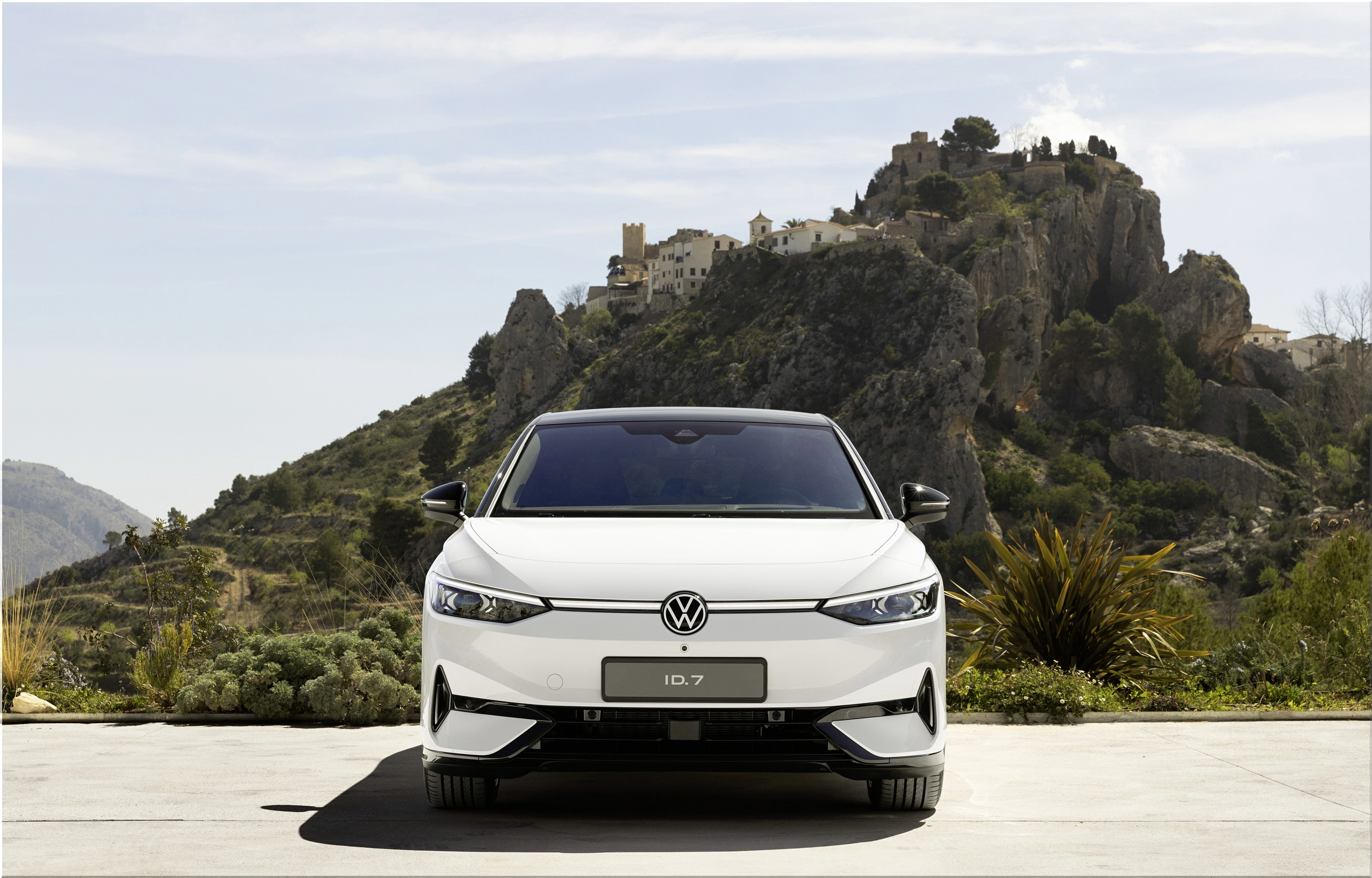
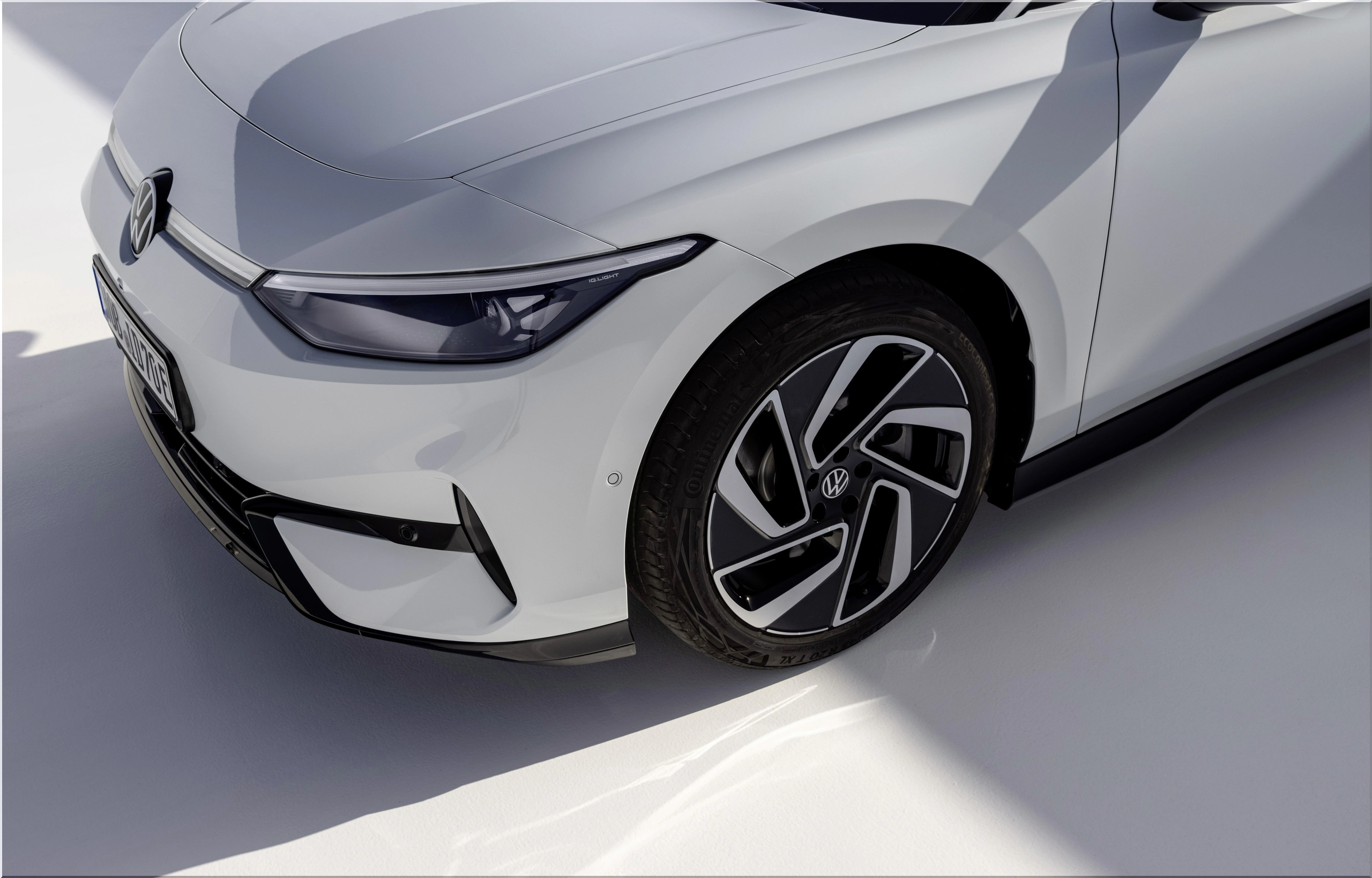
The Volkswagen ID.7 takes this concept to the extreme by eliminating any openings on its nose except for a narrow slot below the hood that feeds air to the heat pump system that regulates the cabin temperature and battery cooling.
The headlights are also flush with the bodywork and feature LED matrix technology that can adjust their brightness and beam pattern according to traffic conditions.
The hood is sculpted with subtle creases guiding air over the windshield and roofline.
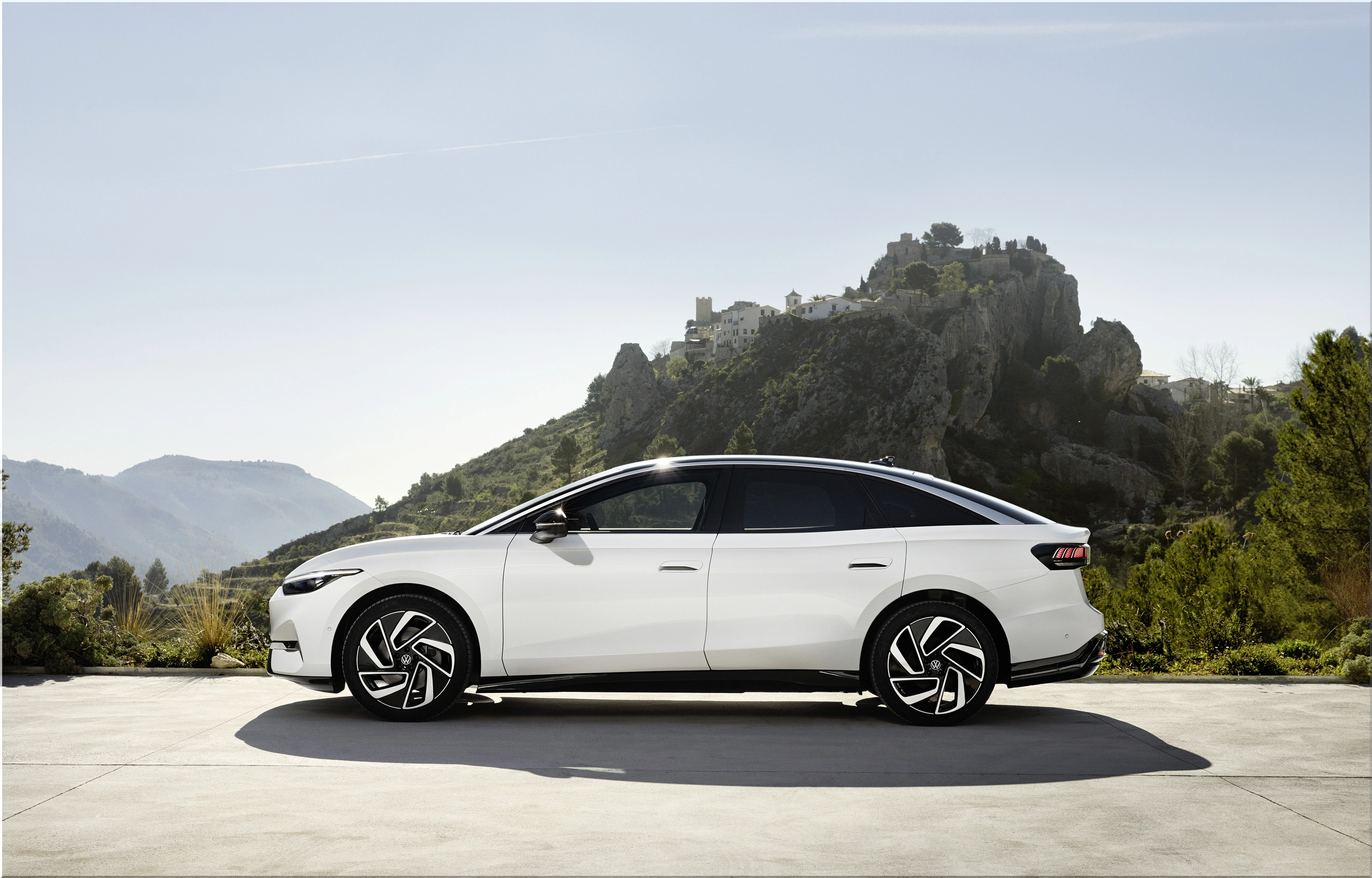
The windshield is steeply raked and seamlessly transitions into a large glass roof that covers most of the cabin.
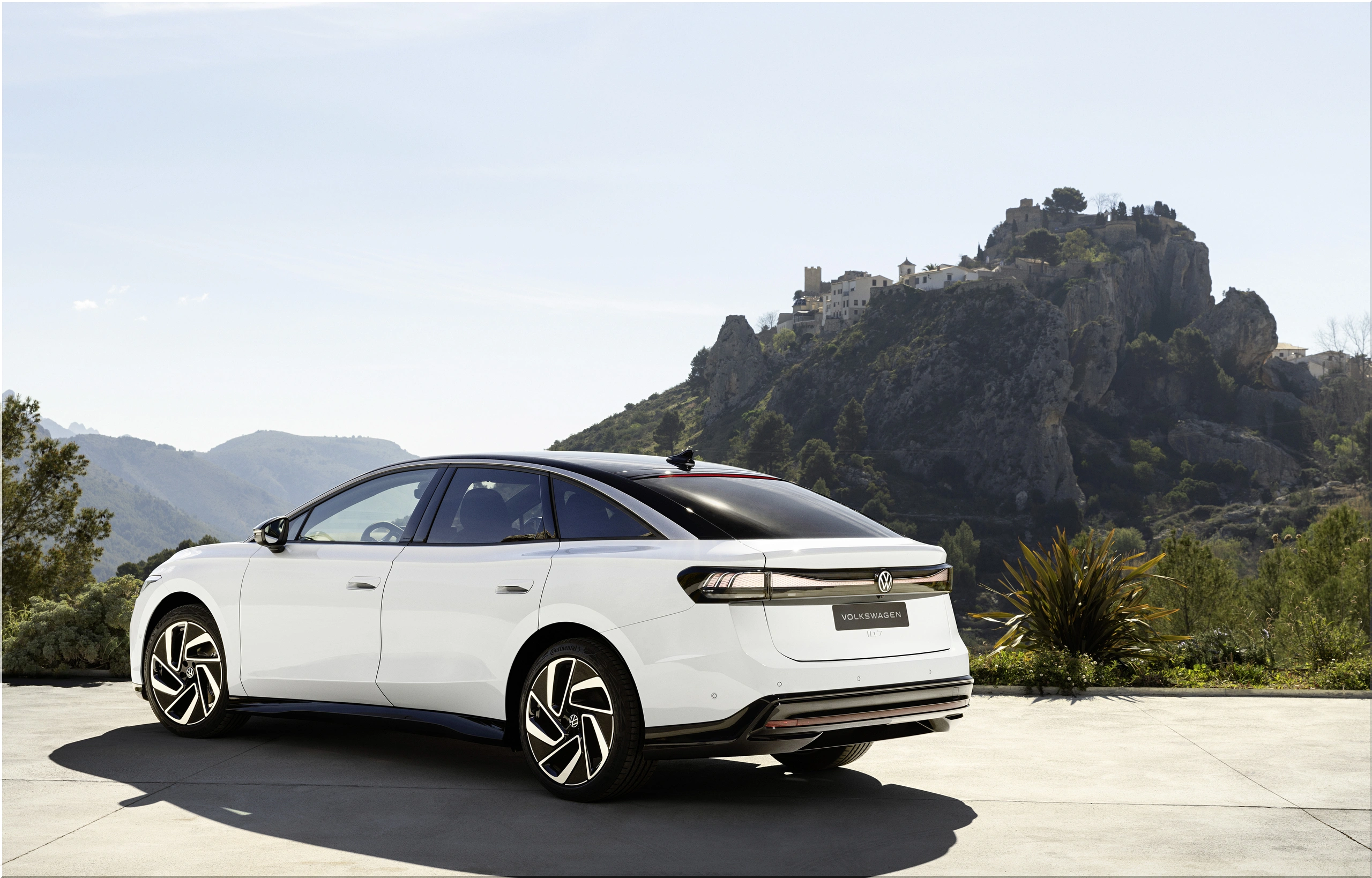
The roofline slopes gently towards the rear end, creating a fastback silhouette that enhances both style and aerodynamics.
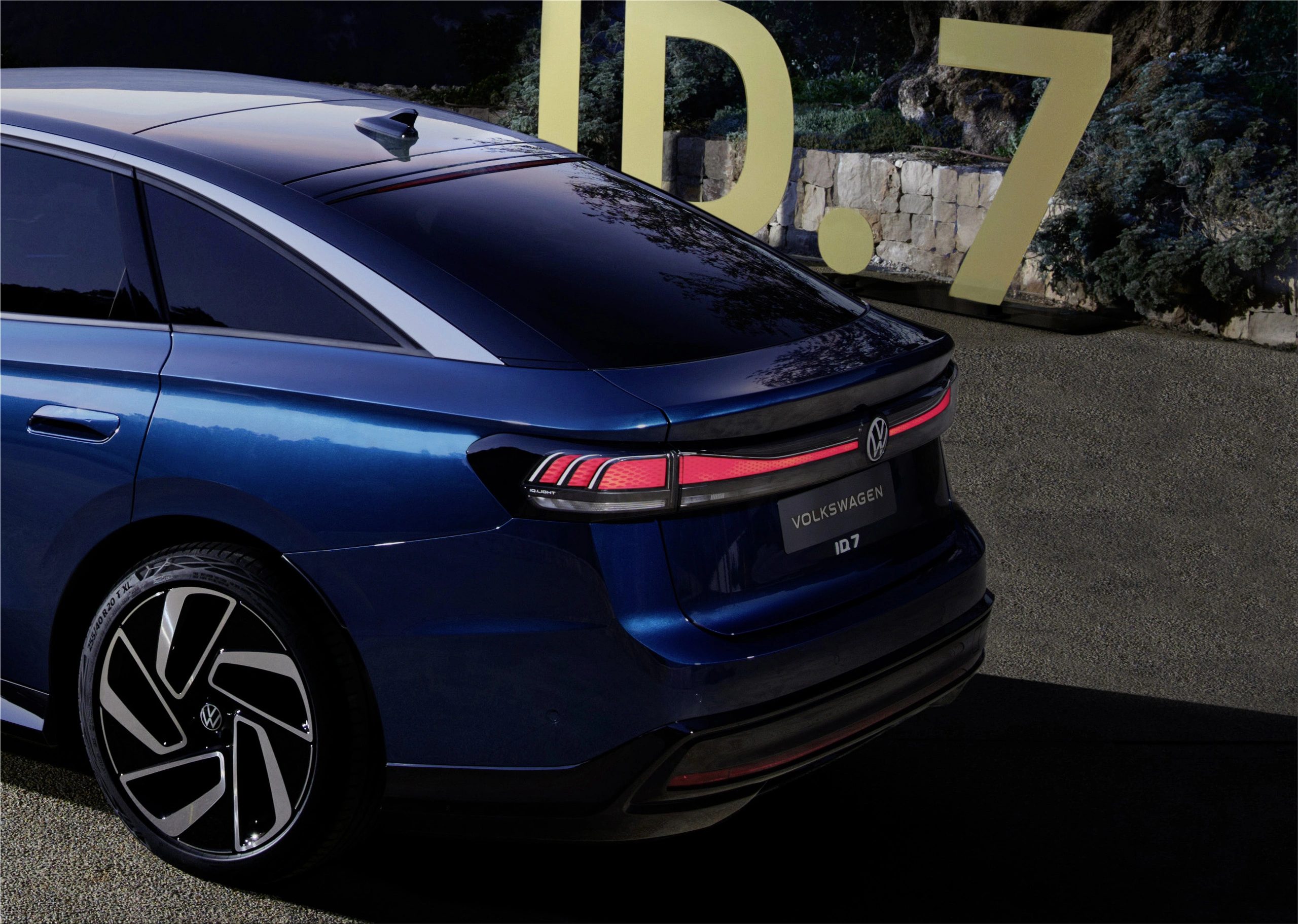
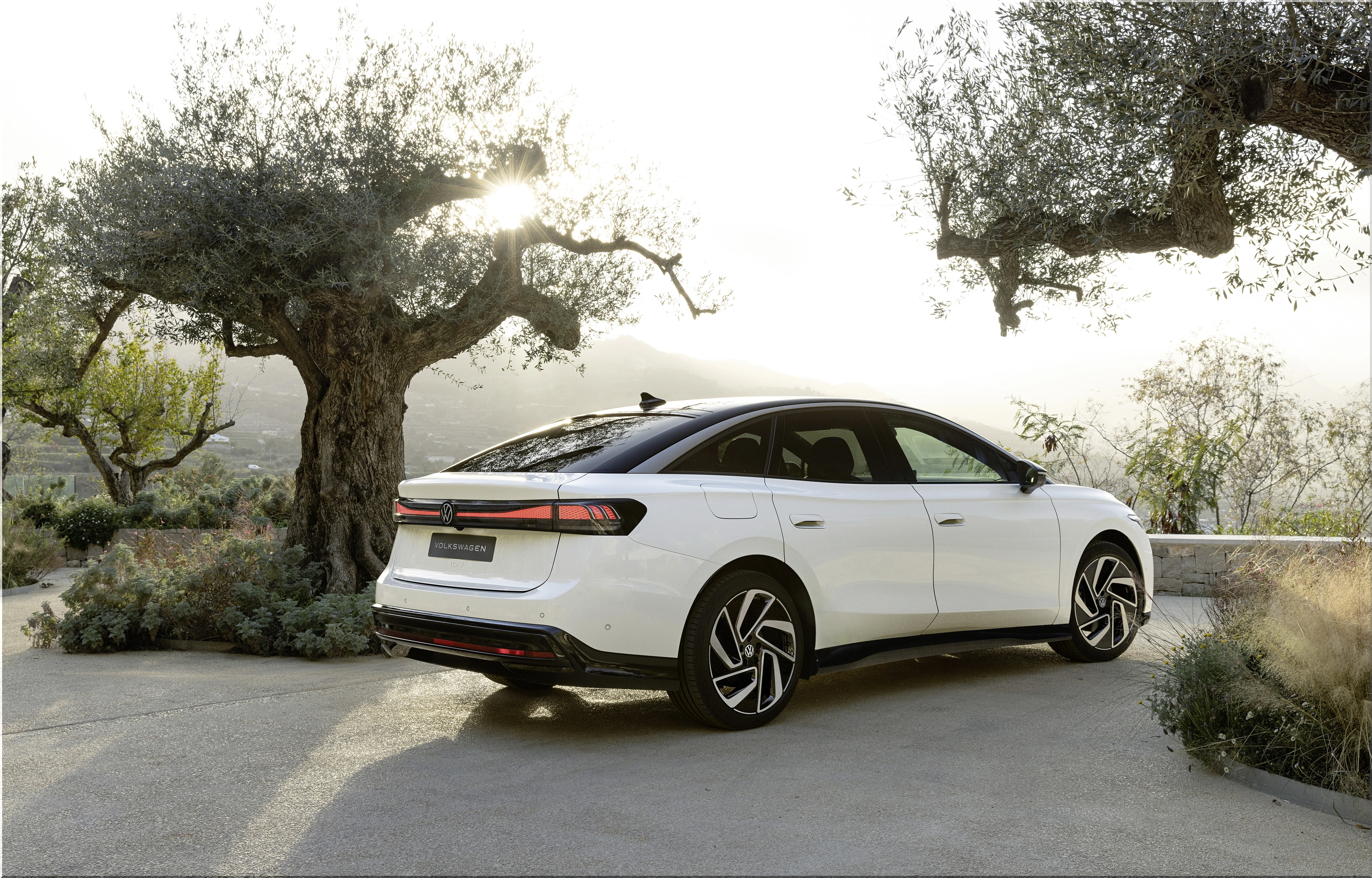
The rear end is also carefully shaped to minimize drag and lift.
The taillights are integrated into a thin LED strip that runs across the trunk lid.
The trunk lid itself features a small spoiler that helps create a clean separation of airflow at the back of the car.
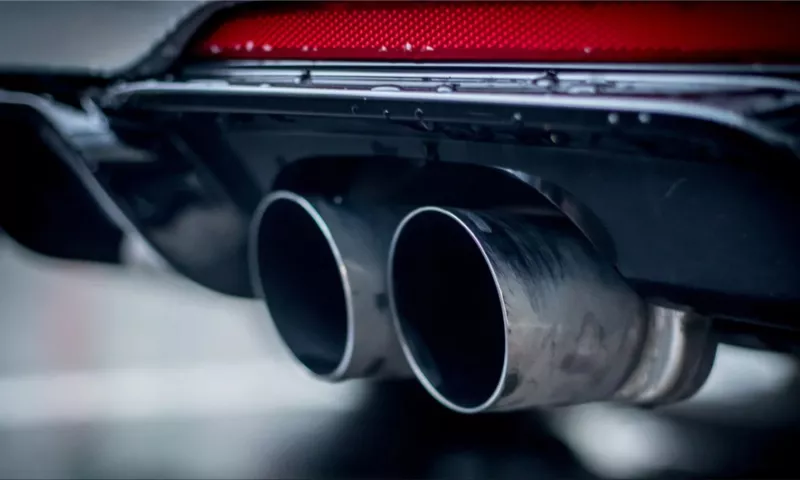
The rear bumper is smooth and devoid of any vents or exhaust pipes.
The underside of the car is also fully enclosed with flat panels that prevent air from getting trapped under the car and creating drag.
The wheels are another crucial element for aerodynamics, as they can generate significant turbulence and drag if not properly designed.
The Volkswagen ID.7 comes with 19-inch alloy wheels that have a closed design that reduces air resistance.
The tires are also specially developed for low rolling resistance and low noise.
The ID.7 also features active aerodynamics that can adjust to different driving situations and optimize efficiency.
For instance, the car has an active air suspension that can lower the ride height by up to 0.8 inches at high speeds to reduce drag and improve stability.
The car also has active shutters behind the front slot that can open or close depending on the cooling needs of the battery and the cabin.
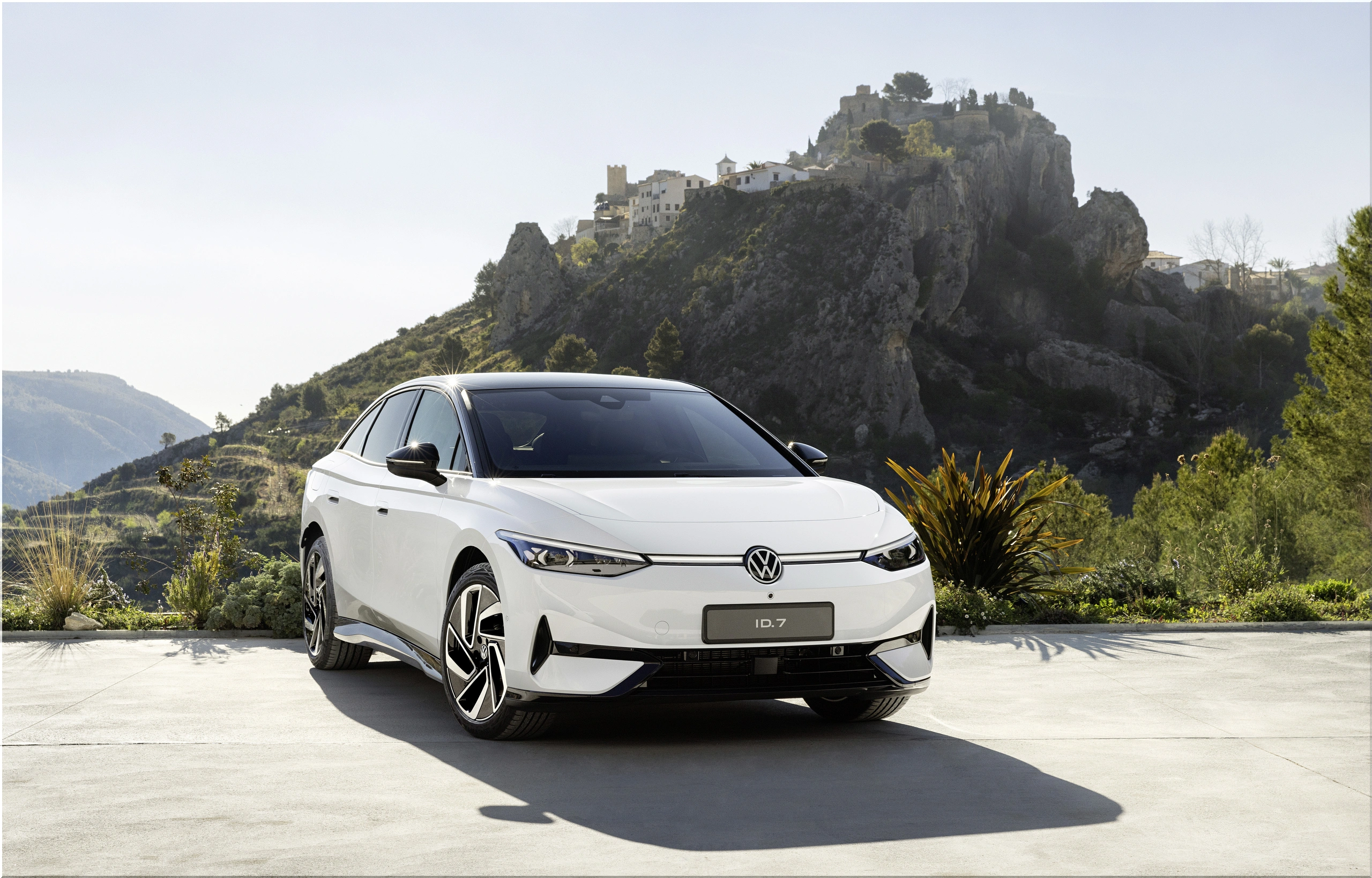
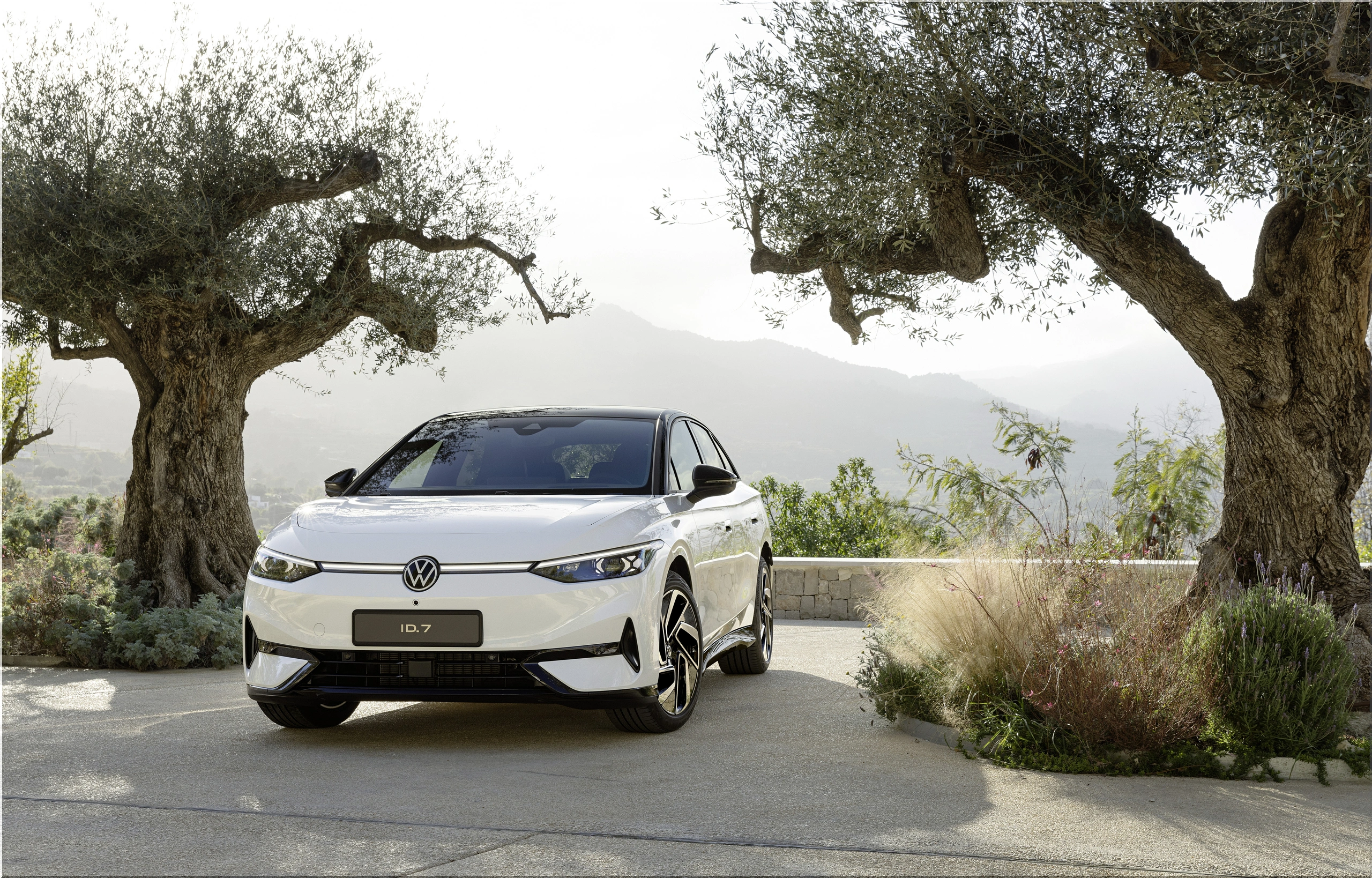
What Aerodynamics Mean for the ID. 7's Performance and Range
The ID.7 is not only a sleek-looking car but also a powerful and efficient one.
The car is powered by two electric motors, one on each axle, that deliver a combined output of 469 horsepower and 516 lb-ft of torque.
The car can accelerate from 0 to 60 mph in just 4.2 seconds and reach a top speed of 155 mph.
The car is also equipped with a large 113-kWh battery pack that provides an estimated range of 373 miles on the WLTP cycle, which is more realistic than the EPA cycle.
The battery can be recharged from 10 to 80 percent in about 30 minutes using a 200-kW fast charger.
The Volkswagen ID.7 also supports bidirectional charging, which means it can act as a mobile power source for other devices or vehicles.
The ID.7 is expected to go on sale in Europe in late 2023, with a starting price of around $95,000.
It has yet to be determined if the car will be available in the US, but we hope it will, as it is one of the most impressive EVs we have seen so far.
The Volkswagen ID.7 proves that aerodynamics is a matter of aesthetics and a key factor for performance and efficiency.
It also shows that Volkswagen is serious about its electric future and its ambition to become the world's leading EV maker.
We can't wait to get behind the wheel of this ultimate aero machine and see how it fares against the mountainous competition.
- Add new comment
- 191 views